Category: Transport

  • MIL-OSI Europe: AMERICA/HAITI – “The State is collapsing, opening the door to criminal gangs”

    Source: Agenzia Fides – MIL OSI

    Port-au-Prince (Agenzia Fides) – “The Haitian people are a martyred people (…) and the Church that is in communion with this people lives this suffering in its flesh”, said Father Marc-Henry Siméon, spokesman for the Haitian Episcopal Conference, in a television debate broadcast by Radio Télé Métropole, on Sunday 13 April. Referring to the assassination of Sister Evanette Onezaire and Sister Jeanne Voltaire, of the Little Sisters of Saint Therese of the Child Jesus, killed on March 31 in Mirebalais about fifty kilometers north-east of the capital Port-au-Prince (see Fides, 3/4/2025), Father Siméon said that the security conditions in Mirebalais are so precarious that they have not yet made it possible to recover the bodies of the two nuns in order to offer them dignified funeral services.About a year after the installation of the Transitional Presidential Council (TPC), the priest draws a gloomy balance of the achievements of this body, which was supposed to bring the country out of the insecurity caused by the criminal gangs that have been raging in the country for years. “The state is progressively collapsing, leaving is gradually collapsing, leaving the door open to the gangs that are extending their grip, especially on the capital,” he said.Faced with what he calls a collective failure, Father Siméon calls for a moral revolution instead of a brutal revolt. He urges political leaders to conduct a sincere self-assessment and open an inclusive dialogue to find a credible solution to the crisis. “Those who have failed will never walk away from power alone.”According to the UN, there are more than a million displaced people in Haiti, a number that has tripled in the space of a year. Gang violence in the capital Port-au-Prince has forced thousands of families to flee several times. According to the United Nations, in the first three months of the year at least 1,518 people died and 572 were injured due to gang violence, law enforcement operations and self-defense militias. (L.M.) (Agenzia Fides, 16/4/2025)
    Share:

    MIL OSI Europe News

  • MIL-OSI: Form 8.3 – [ADVANCED MEDICAL SOLUTIONS GROUP PLC – 15 04 2025] – (CGWL)

    Source: GlobeNewswire (MIL-OSI)

    FORM 8.3

    PUBLIC OPENING POSITION DISCLOSURE/DEALING DISCLOSURE BY
    A PERSON WITH INTERESTS IN RELEVANT SECURITIES REPRESENTING 1% OR MORE
    Rule 8.3 of the Takeover Code (the “Code”)

    1.        KEY INFORMATION

    (a)   Full name of discloser: CANACCORD GENUITY WEALTH LIMITED (for Discretionary clients)
    (b)   Owner or controller of interests and short positions disclosed, if different from 1(a):
            The naming of nominee or vehicle companies is insufficient. For a trust, the trustee(s), settlor and beneficiaries must be named.
    N/A
    (c)   Name of offeror/offeree in relation to whose relevant securities this form relates:
            Use a separate form for each offeror/offeree
    ADVANCED MEDICAL SOLUTIONS GROUP PLC
    (d)   If an exempt fund manager connected with an offeror/offeree, state this and specify identity of offeror/offeree: N/A
    (e)   Date position held/dealing undertaken:
            For an opening position disclosure, state the latest practicable date prior to the disclosure
    11 APRIL 2025
    (f)   In addition to the company in 1(c) above, is the discloser making disclosures in respect of any other party to the offer?
            If it is a cash offer or possible cash offer, state “N/A”
    N/A

    2.        POSITIONS OF THE PERSON MAKING THE DISCLOSURE

    If there are positions or rights to subscribe to disclose in more than one class of relevant securities of the offeror or offeree named in 1(c), copy table 2(a) or (b) (as appropriate) for each additional class of relevant security.

    (a)      Interests and short positions in the relevant securities of the offeror or offeree to which the disclosure relates following the dealing (if any)

    Class of relevant security: 5p ORDINARY
      Interests Short positions
    Number % Number %
    (1)   Relevant securities owned and/or controlled: 11,866,271 5.4414    
    (2)   Cash-settled derivatives:        
    (3)   Stock-settled derivatives (including options) and agreements to purchase/sell:        
    TOTAL: 11,866,271 5.4414    

    NOTE: On 14/04/2025 a discretionary client transferred out 14,335 shares.

    All interests and all short positions should be disclosed.

    Details of any open stock-settled derivative positions (including traded options), or agreements to purchase or sell relevant securities, should be given on a Supplemental Form 8 (Open Positions).

    (b)      Rights to subscribe for new securities (including directors’ and other employee options)

    Class of relevant security in relation to which subscription right exists:  
    Details, including nature of the rights concerned and relevant percentages:  

    3.        DEALINGS (IF ANY) BY THE PERSON MAKING THE DISCLOSURE

    Where there have been dealings in more than one class of relevant securities of the offeror or offeree named in 1(c), copy table 3(a), (b), (c) or (d) (as appropriate) for each additional class of relevant security dealt in.

    The currency of all prices and other monetary amounts should be stated.

    (a)        Purchases and sales

    Class of relevant security Purchase/sale Number of securities Price per unit
    5p ORDINARY SALE 2,515 188.8626p
    5p ORDINARY SALE 2,800 188.9018p
    5p ORDINARY SALE 2,100 189.8p
    5p ORDINARY SALE 900 190.69p
    5p ORDINARY PURCHASE 2,100 190.1p
    5p ORDINARY PURCHASE 2,000 190.624p
    5p ORDINARY PURCHASE 900 190.975p
    5p ORDINARY PURCHASE 2,500 191.48p

    (b)        Cash-settled derivative transactions

    Class of relevant security Product description
    e.g. CFD
    Nature of dealing
    e.g. opening/closing a long/short position, increasing/reducing a long/short position
    Number of reference securities Price per unit
    NONE        

    (c)        Stock-settled derivative transactions (including options)

    (i)        Writing, selling, purchasing or varying

    Class of relevant security Product description e.g. call option Writing, purchasing, selling, varying etc. Number of securities to which option relates Exercise price per unit Type
    e.g. American, European etc.
    Expiry date Option money paid/ received per unit
    NONE              

    (ii)        Exercise

    Class of relevant security Product description
    e.g. call option
    Exercising/ exercised against Number of securities Exercise price per unit

    (d)        Other dealings (including subscribing for new securities)

    Class of relevant security Nature of dealing
    e.g. subscription, conversion
    Details Price per unit (if applicable)
    NONE      

    4.        OTHER INFORMATION

    (a)        Indemnity and other dealing arrangements

    Details of any indemnity or option arrangement, or any agreement or understanding, formal or informal, relating to relevant securities which may be an inducement to deal or refrain from dealing entered into by the person making the disclosure and any party to the offer or any person acting in concert with a party to the offer:
    Irrevocable commitments and letters of intent should not be included. If there are no such agreements, arrangements or understandings, state “none”

    NONE

    (b)        Agreements, arrangements or understandings relating to options or derivatives

    Details of any agreement, arrangement or understanding, formal or informal, between the person making the disclosure and any other person relating to:
    (i)   the voting rights of any relevant securities under any option; or
    (ii)   the voting rights or future acquisition or disposal of any relevant securities to which any derivative is referenced:
    If there are no such agreements, arrangements or understandings, state “none”

    NONE

    (c)        Attachments

    Is a Supplemental Form 8 (Open Positions) attached? NO
    Date of disclosure: 16 APRIL 2025
    Contact name: MARK ELLIOTT
    Telephone number: 01253 376539

    Public disclosures under Rule 8 of the Code must be made to a Regulatory Information Service.

    The Panel’s Market Surveillance Unit is available for consultation in relation to the Code’s disclosure requirements on +44 (0)20 7638 0129.

    The Code can be viewed on the Panel’s website at www.thetakeoverpanel.org.uk.

    The MIL Network

  • MIL-OSI: Morning After Federal Election, Canada’s Top Innovation Leaders Converge at NACO Summit in Ottawa

    Source: GlobeNewswire (MIL-OSI)

    OTTAWA, Ontario, April 16, 2025 (GLOBE NEWSWIRE) — The National Angel Capital Organization (NACO) will host its flagship NACO Summit 2025 on April 29–30 at Ottawa’s iconic National Arts Centre, directly across from Parliament Hill. This sold-out event gathers 500 of Canada’s leading investors, entrepreneurs, and senior innovation leaders at a pivotal moment—as the country welcomes a newly elected federal government.

    Kicking off the morning immediately after the federal election, this symbolic setting underscores the Summit’s role in shaping a bold vision for Canada’s economic future. The event convenes leaders representing the full spectrum of the country’s innovation economy—from globally scaled entrepreneurs to founders of high-growth companies in strategic sectors.

    “At this moment of national reflection, a new economic story is being written—one shaped by Canada’s builders, innovators, and investors,” said Claudio Rojas, CEO of NACO. “These bold leaders and job creators are gathering to chart the path toward a resilient, self-reliant, and globally competitive Canadian economy.”

    “The Summit serves as a premier forum for innovators, entrepreneurs, investors, and thought leaders to convene, exchange ideas, and share insights,” said Mark Sutcliffe, Mayor of Ottawa. “It provides unparalleled networking opportunities, connecting global investors directly with Canada’s tech leaders and high-growth startups. Events like the NACO Summit significantly enhance Ottawa’s—and Canada’s—position as a leading innovation economy.”

    Honouring Canada’s Builders, Entrepreneurs, and Risk-takers

    At the heart of the Summit is a celebration of those whose leadership and vision are shaping Canada’s innovation landscape toward a more transformative and innovation-driven future.

    The 2025 NACO Awards recognize outstanding contributions in three categories:

    • Canada’s Angel of the Year – a national honour recognizing an outstanding angel investor who has made a meaningful and lasting impact on Canada’s entrepreneurial ecosystem.
    • NACO Nation Builder Award – honouring leaders whose extraordinary contributions have significantly advanced Canada’s cultural, economic and innovation landscape.
    • Lifetime Achievement Award – recognizing decades-long commitment to mobilizing angel capital and strengthening Canada’s innovation infrastructure.

    Showcasing Canada’s Fastest Growing Companies

    NACO Summit will unveil the highly anticipated 2025 Moonshots Showcase, highlighting more than 20 of Canada’s most promising early-stage ventures, representing sectors that are essential to the economy of the future—including healthtech, artificial intelligence, cleantech, enterprise software, and frontier technologies. Collectively, these companies have raised over $122 million in early-stage funding with many actively pursuing Series A and B investment rounds.

    Interactive Roundtables with Canada’s Innovators and Entrepreneurs

    With Canada at an economic inflection point, interactive roundtables will tackle the country’s most urgent innovation challenges, including:

    • Resilience Through Risk Capital: Leveraging early-stage investment to build adaptive, resilient ventures that thrive amid market shifts.
    • Angel-to-VC Pipeline: Exploring how angel investment serves as a critical foundation for venture capital success and long-term innovation growth.
    • Regional Capital Gaps and Opportunities: Revealing new data and strategies to address funding disparities across Canadian regions.
    • Scaling Emerging Ecosystems: Actionable strategies for growing vibrant entrepreneurial communities beyond major urban centres.

    Fireside Interviews with Media Personalities and Thought Leaders

    Renowned media personalities Amanda Lang, Keshia Chanté, Takara Small, Douglas Soltys, Camila Gonzalez, Michael Curran, and others will moderate fireside chats and panel discussions, revealing bold ideas and fresh insights on innovation, economic resilience, and Canada’s evolving global role.

    Notable speakers at NACO Summit include:

    • Daniel Debow, angel investor, serial entrepreneur and founding member of Build Canada, an initiative committed to building a more prosperous nation.
    • Mike Serbinis, CEO and Co-Founder of League, a leading healthcare technology platform, and a serial entrepreneur with over $1 billion in successful exits.
    • Mark Miller, an angel investor and the Chief Operating Officer of Constellation Software, a TSX-listed company valued at CAD $96 billion.
    • Senia Rapisarda, Managing Director at HarbourVest, a global private-markets investment firm with USD $140 billion in assets.
    • Tabatha Bull, President and CEO of the Canadian Council for Indigenous Business.
    • Allen Lau, Operating Partner and Co-Founder of Two Small Fish Ventures, and Co-Founder of Wattpad, acquired in 2021 for USD $660 million.
    • Christiane Germain, Co-President and Co-Founder of Germain Hôtels, Canada’s pioneering boutique hotel company with 40 years of innovation leadership.
    • Geneviève Bouthillier, Executive Vice President at BDC Capital, Canada’s largest and most active venture investor, managing over CAD $6 billion.


    About National Angel Capital Organization (NACO)

    Established in 2002, NACO is Canada’s professional association representing over 4,000 angel investors, serving as the national umbrella for more than 100 member organizations—including angel groups, venture funds, incubators, and accelerators. Collectively, NACO members have invested more than CAD $1.66 billion into over 2,000 Canadian ventures.

    Angel investors are individuals or funds deploying capital at the earliest stages of growth. They include limited partners (LPs) investing in venture funds, family offices backing pre-seed and seed-stage ventures, and individuals investing directly or through angel groups.

    High-growth companies backed by angel investment that went on to achieve significant global scale include Slack (British Columbia), Verafin (Newfoundland and Labrador), Wealthsimple (Ontario), Hopper (Québec), and Jobber and Neo Financial (Alberta). Recent standouts include CoLab (NL) and 7shifts (Saskatchewan). These successes illustrate how angel investment drives Canada’s pipeline of innovative ventures, fueling future global success stories.

    Learn more at nacocanada.com

    For media inquiries, contact:
    Claudio Rojas, CEO, National Angel Capital Organization
    Email: media@nacocanada.com

    A photo accompanying this announcement is available at: 
    https://www.globenewswire.com/NewsRoom/AttachmentNg/5b08d0f6-5bd3-4549-98bc-850c5518908f

    A video accompanying this announcement is available at: 
    https://www.globenewswire.com/NewsRoom/AttachmentNg/ca74a13c-cf87-46ce-9ca8-4108e44f6c5d

    The MIL Network

  • MIL-OSI: MEXC Announces Official Listing of PAWS (PAWS)

    Source: GlobeNewswire (MIL-OSI)

    VICTORIA, Seychelles, April 16, 2025 (GLOBE NEWSWIRE) — MEXC, a leading global cryptocurrency exchange, announced the listing of PAWS (PAWS) on April 16, 2025(UTC). This move underscores MEXC’s ongoing commitment to supporting diverse blockchain ecosystems and providing users with access to high-quality, emerging crypto assets.

    PAWS is a SocialFi project with over 85 million users. It began as the #1 mini-app on Telegram and later migrated to the Solana blockchain to achieve full decentralization. Users earn PAWS points by participating in group discussions, consuming content, completing tasks, and inviting friends. The project introduces a new attention economy, where meaningful engagement translates into tangible value.

    $PAWS is the native utility token of the PAWS ecosystem, forming the foundation for user participation and long-term growth. It enables holders to engage in platform governance, vote on key decisions, and shape the project’s direction. As a marker of social identity, $PAWS fosters stronger community interaction. It also bridges value across different blockchain ecosystems and anchors the SocialFi model by combining social engagement with financial incentives. Serving as both a medium of value and a core incentive, $PAWS drives user activity and ecosystem development.

    MEXC has established itself as a leading exchange by consistently offering users early access to high-potential crypto assets. In 2024 alone, the platform listed 2,376 new tokens, including 1,716 initial listings. According to the latest TokenInsight report, MEXC led the industry with 461 spot listings between November 1, 2024, and February 15, 2025. During this period, the exchange maintained a high listing frequency, consistently ranking among the top six platforms, demonstrating its agility in capturing emerging market trends.

    Looking ahead, MEXC remains focused on expanding its asset offerings and helping users seize timely opportunities in the fast-evolving crypto landscape.

    For more information about the listing, please refer to the official announcement.

    About MEXC
    Founded in 2018, MEXC is committed to being “Your Easiest Way to Crypto.” Serving over 36 million users across 170+ countries, MEXC is known for its broad selection of trending tokens, everyday airdrop opportunities, and low trading fees. Our user-friendly platform is designed to support both new traders and experienced investors, offering secure and efficient access to digital assets. MEXC prioritizes simplicity and innovation, making crypto trading more accessible and rewarding.
    MEXC Official WebsiteXTelegramHow to Sign Up on MEXC

    Risk Disclaimer:
    The information provided in this article regarding cryptocurrencies does not constitute investment advice. Given the highly volatile nature of the cryptocurrency market, investors are encouraged to carefully assess market fluctuations, the fundamentals of projects, and potential financial risks before making any trading decisions.

    Source

    Contact :
    Lucia Hu
    lucia.hu@mexc.com

    Disclaimer: This press release is provided by MEXC. The statements, views, and opinions expressed in this content are solely those of the content provider and do not necessarily reflect the views of this media platform or its publisher. We do not endorse, verify, or guarantee the accuracy, completeness, or reliability of any information presented. This content is for informational purposes only and should not be considered financial, investment, or trading advice. Investing in crypto and mining related opportunities involves significant risks, including the potential loss of capital. Readers are strongly encouraged to conduct their own research and consult with a qualified financial advisor before making any investment decisions. However, due to the inherently speculative nature of the blockchain sector–including cryptocurrency, NFTs, and mining–complete accuracy cannot always be guaranteed. Neither the media platform nor the publisher shall be held responsible for any fraudulent activities, misrepresentations, or financial losses arising from the content of this press release.Speculate only with funds that you can afford to lose.Neither the media platform nor the publisher shall be held responsible for any fraudulent activities, misrepresentations, or financial losses arising from the content of this press release. In the event of any legal claims or charges against this article, we accept no liability or responsibility.

    Legal Disclaimer: This media platform provides the content of this article on an “as-is” basis, without any warranties or representations of any kind, express or implied. We do not assume any responsibility or liability for the accuracy, content, images, videos, licenses, completeness, legality, or reliability of the information presented herein. Any concerns, complaints, or copyright issues related to this article should be directed to the content provider mentioned above.

    A photo accompanying this announcement is available at https://www.globenewswire.com/NewsRoom/AttachmentNg/7359a522-3606-41d4-b67f-845dc57c99aa

    The MIL Network

  • MIL-OSI: Form 8.3 – [ADVANCED MEDICAL SOLUTIONS GROUP PLC – 15 04 2025] – (CGAML)

    Source: GlobeNewswire (MIL-OSI)

    FORM 8.3

    PUBLIC OPENING POSITION DISCLOSURE/DEALING DISCLOSURE BY
    A PERSON WITH INTERESTS IN RELEVANT SECURITIES REPRESENTING 1% OR MORE
    Rule 8.3 of the Takeover Code (the “Code”)

    1.        KEY INFORMATION

    (a)   Full name of discloser: CANACCORD GENUITY ASSET MANAGEMENT LIMITED (for Discretionary clients)
    (b)   Owner or controller of interests and short positions disclosed, if different from 1(a):
            The naming of nominee or vehicle companies is insufficient. For a trust, the trustee(s), settlor and beneficiaries must be named.
    N/A
    (c)   Name of offeror/offeree in relation to whose relevant securities this form relates:
            Use a separate form for each offeror/offeree
    ADVANCED MEDICAL SOLUTIONS GROUP PLC
    (d)   If an exempt fund manager connected with an offeror/offeree, state this and specify identity of offeror/offeree: N/A
    (e)   Date position held/dealing undertaken:
            For an opening position disclosure, state the latest practicable date prior to the disclosure
    15 APRIL 2025
    (f)   In addition to the company in 1(c) above, is the discloser making disclosures in respect of any other party to the offer?
            If it is a cash offer or possible cash offer, state “N/A”
    N/A

    2.        POSITIONS OF THE PERSON MAKING THE DISCLOSURE

    If there are positions or rights to subscribe to disclose in more than one class of relevant securities of the offeror or offeree named in 1(c), copy table 2(a) or (b) (as appropriate) for each additional class of relevant security.

    (a)      Interests and short positions in the relevant securities of the offeror or offeree to which the disclosure relates following the dealing (if any)

    Class of relevant security: 5p ORDINARY
    Interests Short positions
    Number % Number %
    (1)   Relevant securities owned and/or controlled: 4,915,000 2.2538
    (2)   Cash-settled derivatives:
    (3)   Stock-settled derivatives (including options) and agreements to purchase/sell:
    TOTAL: 4,915,000 2.2538

    All interests and all short positions should be disclosed.

    Details of any open stock-settled derivative positions (including traded options), or agreements to purchase or sell relevant securities, should be given on a Supplemental Form 8 (Open Positions).

    (b)      Rights to subscribe for new securities (including directors’ and other employee options)

    Class of relevant security in relation to which subscription right exists:
    Details, including nature of the rights concerned and relevant percentages:

    3.        DEALINGS (IF ANY) BY THE PERSON MAKING THE DISCLOSURE

    Where there have been dealings in more than one class of relevant securities of the offeror or offeree named in 1(c), copy table 3(a), (b), (c) or (d) (as appropriate) for each additional class of relevant security dealt in.

    The currency of all prices and other monetary amounts should be stated.

    (a)        Purchases and sales

    Class of relevant security Purchase/sale Number of securities Price per unit
    5p ORDINARY PURCHASE 140,000 189.7112p

    (b)        Cash-settled derivative transactions

    Class of relevant security Product description
    e.g. CFD
    Nature of dealing
    e.g. opening/closing a long/short position, increasing/reducing a long/short position
    Number of reference securities Price per unit
    NONE

    (c)        Stock-settled derivative transactions (including options)

    (i)        Writing, selling, purchasing or varying

    Class of relevant security Product description e.g. call option Writing, purchasing, selling, varying etc. Number of securities to which option relates Exercise price per unit Type
    e.g. American, European etc.
    Expiry date Option money paid/ received per unit
    NONE

    (ii)        Exercise

    Class of relevant security Product description
    e.g. call option
    Exercising/ exercised against Number of securities Exercise price per unit

    (d)        Other dealings (including subscribing for new securities)

    Class of relevant security Nature of dealing
    e.g. subscription, conversion
    Details Price per unit (if applicable)
    NONE

    4.        OTHER INFORMATION

    (a)        Indemnity and other dealing arrangements

    Details of any indemnity or option arrangement, or any agreement or understanding, formal or informal, relating to relevant securities which may be an inducement to deal or refrain from dealing entered into by the person making the disclosure and any party to the offer or any person acting in concert with a party to the offer:
    Irrevocable commitments and letters of intent should not be included. If there are no such agreements, arrangements or understandings, state “none”

    NONE

    (b)        Agreements, arrangements or understandings relating to options or derivatives

    Details of any agreement, arrangement or understanding, formal or informal, between the person making the disclosure and any other person relating to:
    (i)   the voting rights of any relevant securities under any option; or
    (ii)   the voting rights or future acquisition or disposal of any relevant securities to which any derivative is referenced:
    If there are no such agreements, arrangements or understandings, state “none”

    NONE

    (c)        Attachments

    Is a Supplemental Form 8 (Open Positions) attached? NO
    Date of disclosure: 16 APRIL 2025
    Contact name: MARK ELLIOTT
    Telephone number: 01253 376539

    Public disclosures under Rule 8 of the Code must be made to a Regulatory Information Service.

    The Panel’s Market Surveillance Unit is available for consultation in relation to the Code’s disclosure requirements on +44 (0)20 7638 0129.

    The Code can be viewed on the Panel’s website at www.thetakeoverpanel.org.uk.

    The MIL Network

  • MIL-OSI United Kingdom: Government announces preferred candidate for S4C Chair

    Source: United Kingdom – Government Statements

    News story

    Government announces preferred candidate for S4C Chair

    Delyth Evans is the Government’s preferred candidate for the S4C Chair, the Culture Secretary Lisa Nandy announced today.

    Delyth Evans

    Delyth started her career as a journalist at HTV Wales, working on the flagship current affairs programme ‘Y Byd ar Bedwar’ for S4C. She subsequently worked as a reporter on BBC Radio Four’s ‘World at One’ and ‘PM’ programmes.  Delyth became a Labour Member of the Welsh Assembly (now the Senedd) in 2000, representing the Mid and West Wales constituency, and was a deputy minister for Culture, Environment and Rural Affairs. After stepping down from politics Delyth worked in the charity sector as Chief Executive of Smart Works, a women’s employment charity. Delyth is currently a Board member at Sport Wales, a Governor at Coleg Gwent, and a trustee of the Alacrity Foundation and the Urdd.

    Delyth will now appear on 23 April before MPs on the Culture, Media and Sport Select Committee for pre-appointment scrutiny.

    This process for appointing the Chair of S4C is set out in the  Broadcasting Act 1990.    

    Ministers were assisted in their decision-making by an Advisory Assessment Panel which included a departmental official and a senior independent panel member approved by the Commissioner for Public Appointments. The Welsh Government and UK Government Wales office were also represented on the Panel. 

    UK Culture Secretary Lisa Nandy said:

    “Delyth began her career as a broadcast journalist, and her vision for S4C’s future reflects a deep understanding of the Welsh cultural and media landscape, as well as an enduring commitment to public service. 

    “I’m pleased to recommend her for the role of Chair, in which she will no doubt be a proud champion of Welsh-language broadcasting. This marks an exciting chapter for S4C as we develop plans to boost the job opportunities and growth potential of the creative industries in Wales and the rest of the UK.”

    Secretary of State for Wales Jo Stevens said:  

    “Delyth has a great track record in broadcasting and wealth of experience in public service to bring to the role of S4C Chair. 
     
    “S4C plays a pivotal role in Wales, sustaining and promoting the Welsh language and strengthening our unique identity and culture. The channel is a cornerstone of the strong creative sector in Wales which is vital for economic growth.”

    Secretary of State for Wales Jo Stevens said:

    “Delyth has a great track record in broadcasting and wealth of experience in public service to bring to the role of S4C Chair. 

    “S4C plays a pivotal role in Wales, sustaining and promoting the Welsh language and strengthening our unique identity and culture. The channel is a cornerstone of the strong creative sector in Wales which is vital for economic growth.”

    Remuneration and Governance Code

    • S4C (Sianel Pedwar Cymru, meaning “Channel 4 Wales”) is a British Welsh-language free-to-air television channel. 
    • The Chair of S4C is remunerated at £40,000 per annum and the time commitment will be equivalent to an average of two days a week.  
    • This appointment process was run in accordance with the Cabinet Office’s Governance Code on Public Appointments
    • The Broadcasting Act sets out how the Chair will be appointed.

    Updates to this page

    Published 16 April 2025

    MIL OSI United Kingdom

  • MIL-OSI: DIAGNOS announces major advances in Cybersecurity certification by the Cyber Defense Operations Center (COCD) for its CARA System application

    Source: GlobeNewswire (MIL-OSI)

    BROSSARD, Quebec, April 16, 2025 (GLOBE NEWSWIRE) — Diagnos Inc. (“DIAGNOS” or the “Corporation”) (TSX Venture: ADK, OTCQB: DGNOF, FWB: 4D4A), a pioneer in early detection of certain ophthalmic health issues using advanced technology based on Artificial Intelligence (AI), announces major advances in Cybersecurity certification by the Cyber Defense Operations Center (COCD) for its CARA System application.

    As part of its ongoing ISO 27001 certification process, DIAGNOS is pleased to announce that its CARA System application has recently undergone a series of extensive penetration tests, in accordance with the cybersecurity requirements of the Quebec Ministry of Health. The vulnerabilities identified during these tests were rapidly corrected following regression tests carried out in early March 2025. These measures enabled DIAGNOS to receive a positive assessment of CARA’s security posture from the Cyber Defense Operational Center (COCD), underlining compliance with stringent cybersecurity standards.

    An official notification has been sent to Quebec’s healthcare institutions, including CISSS and CIUSSS, as well as CHUM, authorizing them to integrate CARA into their projects.

    “Protecting personal data is at the heart of our commitment to our customers. The successful completion of our intrusion test validated by Quebec’s Centre opérationnel de cybersécurité gouvernemental (COCD) is indisputable proof of the high level of security of our CARA application. This test marks a key step in our drive to obtain ISO 27001 certification. The planned verification audit will be decisive in confirming our ongoing efforts and commitment to the highest standards of cybersecurity. Our users can have total confidence in our rigorous standards to protect their information. André Larente, CEO DIAGNOS ”

    In addition, DIAGNOS is also proud to announce that its ISO 27001 certification process is progressing according to plan. Audit dates with certification body Intertek have been set, and an update will be published over the summer.

    About DIAGNOS
    DIAGNOS is a publicly traded Canadian corporation dedicated to early detection of critical eye-related health problems. By leveraging Artificial Intelligence, DIAGNOS aims to provide more information to healthcare clinicians to enhance diagnostic accuracy, streamline workflows, and improve patient outcomes on a global scale.

    Additional information is available at www.diagnos.com  and www.sedarplus.com.

    This news release contains forward-looking information. There can be no assurance that forward-looking information will prove to be accurate, as actual results and future events could differ materially from those anticipated in these statements. DIAGNOS disclaims any intention or obligation to publicly update or revise any forward-looking information, whether as a result of new information, future events or otherwise. The forward-looking information contained in this news release is expressly qualified by this cautionary statement.

    Neither the TSX Venture Exchange nor its Regulation Services Provider (as that term is defined in the policies of the TSX Venture Exchange) accepts responsibility for the adequacy or accuracy of this release.

    The MIL Network

  • MIL-OSI Global: South Africa’s coalition government is at risk of crumbling: why collapse would carry a heavy cost

    Source: The Conversation – Africa – By Vinothan Naidoo, Associate Professor of Public Policy and Administration, University of Cape Town

    South Africa’s multi-party government of national unity (GNU), which emerged in the wake of the May 2024 elections, marked a turning point in the country’s political history. It took South Africans back to the 1990s, when the country showed that political opponents could find common cause.

    The formation of the government of national unity expressed the hope that the country could do it again.

    But just nine months into its term, the good will and pragmatism which marked its formation have worn thin. A major budget impasse between the two major actors, the African National Congress (ANC) and the Democratic Alliance (DA), threatens the coalition.

    South Africans have long been accustomed to viewing the world of politics, governance and bureaucracy through the lens of a top-down “strong” state – a vicious apartheid state, an East Asia style developmental state, or a collusive “predatory state”.

    But as recent analyses we co-authored with others have detailed,
    the vision of a top-down politically cohesive state no longer fits South Africa’s realities.

    The government of national unity promised the hope that the country was embracing an approach that is key to success for almost all inclusive constitutional democracies. That is – abandon “all or nothing” confrontation, and instead pursue pragmatic bargains to achieve mutually agreeable policy outcomes.

    At the most basic level, the government of national unity achieved this, at least for a while. The sharing of cabinet ministries between multiple parties created a diverse platform for executive power-sharing that was not dictated by a single dominant party, and which prevented the risks of parties building institutional fiefdoms.

    In our view, failure to overcome deeply ingrained political differences could set off a downward spiral in the country.

    Achievements on the governance front

    On governance, the government of national unity created the space to pursue two sets of gains.

    The first comprises the potential benefit of bringing together unlikely bedfellows.

    The former opposition parties brought into a power-sharing arrangement were bound to be performance-driven, given the country’s long deteriorating government performance and ethical integrity. They had made “good governance” and criticism of the ANC central to their political brands.

    New “outsider” eyes brought into formerly cloistered and factionalised ANC-run departments created the possibility of a new urgency to perform.

    It’s too soon to tell whether this is happening, but anecdotal evidence suggests there are some green shoots.

    The second governance gain comprises the crucial task of building a capable and professional state bureaucracy. The challenges include being able to pay the public sector wage bill, fostering a culture of delivery, and consolidating the bloated network of government departments.

    Based on their party manifestos and public utterances, members of the government all aim to professionalise the public service.

    Detailed technical work is already happening on issues such as training and competency assessment, transferring powers of appointment from politicians to senior public servants, and instituting checks in the recruitment and selection process. The National Assembly’s recent adoption of the Public Service Commission Bill forms part of this agenda.

    But a prolonged legal dispute between the DA and ANC over the latter’s policy of “deploying” party members into state employment risks scuppering progress. It also leaves a key question unanswered: what role, if any, should political parties have in the recruitment and selection of public servants?

    Policy

    The government of national unity has struggled to create effective mechanisms to translate agreement on a broad agenda of policy priorities into specific outcomes. This came at a higher cost than expected.

    Still, it has made gains in challenging policy areas. These gains have repeatedly been undermined by the perverse determination of sections within both the ANC and the DA to engage in brinkmanship.

    On health, both parties agree on the principle of universalising access. They differ on how to achieve this. But at least one seemingly intractable sticking point has been resolved. Both sides agree that private medical aid schemes need to be retained as part of a broader strategy of pursuing health system reform.

    On basic education, the public spat over the Basic Education Laws Amendment Bill overshadows the potential to agree on balancing the autonomy of school governing bodies with the oversight role of provincial departments.


    Read more:
    South Africa has a new education law: some love it, some hate it – education expert explains why


    On land expropriation, the emotive rhetoric which followed the signing of the Expropriation Bill and the unwelcome and toxic intervention of international actors has overshadowed technical concerns which can be resolved.

    On pro-growth policies: Operation Vulindlela, a joint Presidency and National Treasury initiative to unblock constraints in targeted economic sectors, has made significant strides. It has laid the groundwork for new rounds of growth-supporting infrastructural reforms and has the potential to build cohesion in the government of national unity. However, the DA’s attempt to lobby for a greater role in the strategic oversight of Operation Vulindlela in exchange for supporting the budget risks souring relations with the ANC.

    What now?

    A thriving inclusive society depends on powerful actors visibly committed to co-operation.

    For all of the challenges confronting the government of national unity, it was built on a foundation of pragmatism. For the sake of South Africa’s future, it remains vital to build on this foundation. Obsolete top-down governing approaches must go. Pathways to performance must be lifted above political grandstanding. Constructive solutions should supersede ideological rigidity. South Africa has done it before. It can do it again.

    The authors do not work for, consult, own shares in or receive funding from any company or organisation that would benefit from this article, and have disclosed no relevant affiliations beyond their academic appointment.

    ref. South Africa’s coalition government is at risk of crumbling: why collapse would carry a heavy cost – https://theconversation.com/south-africas-coalition-government-is-at-risk-of-crumbling-why-collapse-would-carry-a-heavy-cost-254302

    MIL OSI – Global Reports

  • MIL-OSI United Kingdom: New safety measures proposed for the Hoe

    Source: City of Plymouth

    Have your say on a new proposed Anti-Terrorism Traffic Regulation Order (ATTRO) for the Plymouth Hoe area. This measure is designed to enhance public safety during large events and in response to potential threats.

    Following a request from the local Police, an ATTRO allows the police and designated partners to close off or restrict access to certain areas and roads within the ATTRO footprint when necessary, ensuring the safety and security of residents and visitors.

    Most of the time, the ATTRO will remain dormant, only being activated when needed. It covers a large area, including Plymouth Hoe, the Barbican, and surrounding locations, to ensure comprehensive coverage for various events. It will not affect daily activities unless activated, and it will replace most of the existing Temporary Traffic Regulation Orders (TTROs) for events.

    Councillor Sally Haydon, Cabinet Member for Community Safety, explains: “While there’s no specific threat to Plymouth at this moment, crowded places can be targets for terrorism. We have all seen the awful events that have happened in other around the world, from the tragic attack on London Bridge in 2017, and more recently the Magdeburg car attack in Germany.

    “Having an ATTRO in place means we’re prepared to act swiftly to protect everyone. It’s about being proactive and ensuring we have the right tools to safeguard our community.”

    Councillor Mark Coker, Cabinet Member for Strategic Planning and Transport, added: “The ATTRO will help us manage traffic and pedestrian access effectively during large events, ensuring that emergency services can operate without hindrance. This is a crucial step in maintaining public safety and smooth operations in our city.”

    The ATTRO is a vital tool for keeping Plymouth safe while allowing us to enjoy our events and gatherings with peace of mind.

    It is a permanent measure that will lay dormant until needed for security purposes associated with large gatherings and planned events, or if there is an immediate need to protect the public from harm such as a terrorist attack. To be clear;

    • The ATTRO is not the pedestrianisation of an area.
    • The ATTRO will not see the installation of any permanent barriers or permanent vehicle mitigation measures within the highlighted map area.
    • The ATTRO will not change the overall base layout of roads or public pathways, nor will it result in any roadworks.
    • The ATTRO will not affect day-to-day business operations unless activated.

    Any pre-planned road closures put in place as part of the ATTRO and large scale events would be communicated in advance to residents and businesses. 

    For more information on the ATTRO, including FAQs, please go to: www.plymouth.gov.uk/traffic-and-road-safety-schemes

    If you wish to offer comments on the proposed Order, please send them in writing to: Service Director for Street Services (Plymouth Transport and Highways), Plymouth City Council, Ballard House, West Hoe Road, Plymouth, PL1 3BJ or by emailing:  [email protected] Quoting reference Amd.2025.2137339 ATTRO by 14 May 2025

    MIL OSI United Kingdom

  • MIL-OSI United Kingdom: Chasing Amy: A Soulful Tribute to Amy Winehouse by Victoria Geelan

    Source: Northern Ireland – City of Derry

    Chasing Amy: A Soulful Tribute to Amy Winehouse by Victoria Geelan

    16 April 2025

    Following the overwhelming success of her last festival show ‘Feeling Good’, which paid tribute to the legendary Nina Simone, acclaimed vocalist Victoria Geelan returns to the Alley Theatre, Strabane on Friday 25th April with her powerful and personal new show: “Back to Black” – A Celebration of Amy Winehouse.

    Presented in the relaxed and intimate setting of the cabaret-style auditorium, this one-night-only performance promises a powerful and personal tribute to one of the most iconic voices of the 21st century.

    Titled ‘Chasing Amy’, the show is a reflection on Amy Winehouse’s artistry, influence, and inner world – brought to life through Victoria’s stunning vocals and the backing of a talented band of top-class musicians.

    Born in the same year as Winehouse -1983 – Victoria shares a unique connection with the late star. “Amy’s voice, honesty, and fearless lyrics struck me from the very beginning,” she says. “This show is my way of honouring her life, her genius, and the struggles she faced with grace and empathy.”

    Audiences can expect an immersive musical journey that moves from Amy’s jazz roots to her chart-topping soul, reggae, and hip-hop hits – including songs from the seminal ‘Back to Black’ album. The show goes deeper than the music, exploring the artists who inspired Amy, whose songs she often included in her own live performances, the media’s treatment of her private life, her battles with bulimia, depression, and addiction, and her impact as a trailblazing female artist who reshaped the landscape of modern music.

    “Amy broke the mould of what a female pop star could be – unapologetically real, raw, and relatable,” adds Victoria. “This show is not just about remembering her music but understanding the woman behind the voice.”

    This is one unforgettable evening of music and storytelling that will stay with you long after the final note.

    Due to some explicit lyrical content and adult themes, this show is recommended for audiences aged 14+. Tickets are £12 available online at www.alley-theatre.com or call 028 71 384444

    MIL OSI United Kingdom

  • MIL-OSI United Kingdom: TUV welcome victory for women in Supreme Court judgement

    Source: Traditional Unionist Voice – Northern Ireland

    Statement by TUV North Antrim MLA Timothy Gaston:

    “I am delighted to see that the UK Supreme Court has ruled so comprehensively in favour of common sense and biological reality. This is a devastating blow to those who have sought to peddle the fiction that a man can magically become a woman or vice versa.

    “Paragraph 265 of the judgement spells out important points including:
    The Gender Recognition Act did not change the meaning of the terms man and woman in the 1975 Sex Discrimination Act;
    The Sex Discrimination Act refers to biological sex;
    The Equality Act of 2010 did not modify the meaning of man and woman and
    There are aspects of life which require a biological interpretation of sex including changing rooms and medical services.

    “There is an onus on the devolved administration in Stormont to take note of today’s ruling.

    “The funding of Stonewall – which receives public money both via the Sinn Fein lead Department of Finance and the Sinn Fein and DUP lead Executive Office – must cease.

    “Policy documents such as the Inclusive Language Guide which was produced by the Finance Department and seeks to discourage the use of words such as mother, wife and girlfriend must be withdrawn.

    “There can be no more nonsense of the Executive Office producing policy documents like their flagship Violence Against Women and Girls document while refusing to say what a woman is.

    “The Justice Minister must revisit her policy on housing men in female prison space.

    “The Alliance chair of the Executive Office Committee needs to consider the judgement carefully and reflect on how she has chaired meetings in light of the same – although one fears that she may regard it as “gratuitously offensive” given her reaction when I pointed out similar facts in committee.

    “Furthermore, there can now be no question of the inquiry into gaps in equality legislation pushing Stormont down the same road as the Scottish Government who so comprehensively lost today.”

    TUV party secretary Ann McClure added:
    “I am proud to be a member of a party which has always taken a stand for women’s rights in relation to these matters. We never bought the nonsense that you can change your gender like you change your socks and are pleased that the highest court in the land has sided with common sense.

    “I very much hope that the powers that be in Stormont take this ruling seriously and revisit their policies accordingly.”

    MIL OSI United Kingdom

  • MIL-OSI United Kingdom: Becky Wood appointed as Chief Executive Officer of NISTA

    Source: United Kingdom – Government Statements

    Press release

    Becky Wood appointed as Chief Executive Officer of NISTA

    New CEO brings wealth of infrastructure leadership experience to new body supporting the implementation of the government’s 10-year infrastructure strategy.

    The National Infrastructure and Service Transformation Authority (NISTA) has today announced the appointment of Becky Wood as its new Chief Executive Officer.

    Last October, Chief Secretary to the Treasury Darren Jones announced plans to create a new National Infrastructure and Service Transformation Authority (NISTA), bringing together the former Infrastructure and Projects Authority (IPA) and National Infrastructure Commission (NIC).

    Formally launched at the beginning of this month, NISTA will look to fix the foundations of our infrastructure system by bringing strategy and delivery under one roof, addressing the systemic delivery challenges that have stunted growth for decades.

    Supporting delivery of our roads, railways, schools and hospitals, it will help overcome the barriers to delivery of UK infrastructure, as well as provide expertise on private finance and implementing the 10-year infrastructure strategy.

    With extensive experience in infrastructure leadership, particularly in the UK transport and international sectors, Becky will bring significant expertise, skills and knowledge to the role.

    Darren Jones, Chief Secretary to the Treasury said:

    I am delighted that Becky is going to lead NISTA as the new CEO, she brings a wealth of experience from the public and private sector overseeing some of the biggest transport projects around the world in the past decade. Her appointment is an important milestone for NISTA’s work in getting a grip on infrastructure delivery, powering growth across the country and delivering on our Plan for Change.

    Sir John Armitt, Chair of the NISTA Council of Expert Advisors said:

    I am pleased to welcome Becky on board to lead NISTA. We are at a critical moment for transforming how we plan and deliver the nation’s infrastructure, and Becky’s leadership will be vital for building an effective and credible institution that can do just that. I look forward to working closely with her in the coming months.

    Becky Wood, NISTA Chief Executive Officer said:

    It is an honour to be appointed to a role that has so much potential to make a vital difference to the everyday lives of people across the UK, ensuring robust delivery of infrastructure and enabling growth.  I am very much looking forward to joining the team in June.

    Becky will formally take up her role as CEO in June 2025.

    Notes to editors:

    • The National Infrastructure and Service Transformation Authority, formally launched on 1 April 2025, brings together the functions of the Infrastructure and Projects Authority and National Infrastructure Commission, under HM Treasury NISTA is part of a three-pronged approach to addressing the fundamental constraints to infrastructure investment, sitting alongside the 10-year infrastructure strategy, which sets out a long-term plan for the country’s infrastructure, and the new Planning and Infrastructure Bill to unblock planning constraints.
    • She is currently a partner at the consultancy firm EY, and prior to that was a Commercial Advisor at the Infrastructure and Projects Authority. For ten-years Becky oversaw major infrastructure developments at the Department for Transport, serving as the Senior Responsible Officer for the Crossrail, Thameslink and Intercity Express programmes. She also has valuable international experience, having worked on significant infrastructure programmes across both public and private sectors in Australia and New Zealand.
    • Last week, we also announced that the Chief Secretary to the Treasury Darren Jones had set up a new Council of Expert Advisors to support the work of the National Infrastructure and Service Transformation Authority (NISTA).
    • For further information, please visit NISTA on gov.uk.

    Updates to this page

    Published 16 April 2025

    MIL OSI United Kingdom

  • MIL-OSI Australia: Call for information – Aggravated robbery – Tennant Creek

    Source: Northern Territory Police and Fire Services

    The Northern Territory Police Force is calling for information in relation to an aggravated robbery that occurred this morning in Tennant Creek.

    Around 7:10am, an unknown male offender entered the driver’s seat of a Toyota Hilux, in an attempt to steal it from a driveway in Casey Street.

    A 52-year-old female had briefly exited the vehicle to close a gate, when she observed the offender attempting to drive away with the vehicle.

    The victim grabbed onto the vehicle’s bull bar and was dragged a short distance while the offender allegedly attempted to drive away with the vehicle. The vehicle subsequently became wedged against a fence.

    The offender allegedly broke the driver’s window to exit the vehicle and fled from the scene on foot. He currently remains outstanding.

    The victim suffered minor injuries and investigations are ongoing.

    Police urge anyone with information to contact police on 131 444. Please quote reference P25103953. Anonymous reports can also be made through Crime Stoppers on 1800 333 000 or via https://crimestoppersnt.com.au/.

    MIL OSI News

  • MIL-OSI Australia: Arrest – Drink driving and Alcohol seizures – Avon Downs

    Source: Northern Territory Police and Fire Services

    The Northern Territory Police Force has arrested a 44-year-old female for drink driving in Avon Downs last night.

    About 8pm, police conducted a traffic apprehension on the Barkly Highway and the driver returned a positive roadside breath test with a subsequent confirmed BAC reading of 0.127%.

    The vehicle was lawfully searched, and Avon Downs members seized 24 litres of alcohol that was destined for a remote Aboriginal community. The 44-year-old female was arrested and charged with Drink driving medium range and will appear in Tennant Creek Local Court at a later date.

    Anyone with information on the supply of alcohol or drugs into remote communities can call police on 131 444 or make an anonymous report to Crime Stoppers on 1800 333 000.

    MIL OSI News

  • MIL-OSI Australia: Call for information – Disturbance – Katherine

    Source: Northern Territory Police and Fire Services

    The Northern Territory Police Force is calling for information in relation to a large disturbance that occurred in Katherine overnight.

    Around 12:55am this morning, police CCTV operators reported a large disturbance involving multiple people occurring at the rear of a service station on Railway Terrace.

    A Hilux was sighted driving erratically, ramming into unoccupied vehicles numerous times, and driving at persons in the area. An 18-year-old male was allegedly struck by the vehicle during the incident.

    Police, St John Ambulance and Northern Territory Fire and Rescue attended the scene, and the male was transported to Katherine Hospital in a serious but stable condition.

    The group, including the driver of the vehicle, fled the area upon police arrival. Numerous weapons were located inside the vehicles and seized.

    A crime scene was declared, and investigations are ongoing.

    Acting Commander Terry Zhang said, “This type of reckless and dangerous behaviour has absolutely no place in our community.

    “We understand this incident may be linked to an ongoing feud between community groups. Police will be working closely with community leaders and cultural authorities to help de-escalate tensions and prevent any further violence. Additional resources will be deployed to enhance our presence and ensure community safety.

    “Anyone with information is urged to contact police on 131 444.”

    Anonymous reports can also be made through Crime Stoppers on 1800 333 000 or via https://crimestoppersnt.com.au/.

    MIL OSI News

  • MIL-OSI USA: Sols 4511-4512: Low energy after a big weekend?

    Source: NASA

    Written by Lauren Edgar, Planetary Geologist at USGS Astrogeology Science Center
    Earth planning date: Monday, April 14, 2025
    We all know the feeling: it’s Monday morning after a big weekend and you’re coming into the week wishing you’d had a little more time to rest and recharge.  Well, Curiosity probably feels the same way today. Curiosity accomplished a lot over the weekend, including full contact science, a MAHLI stereo imaging test, testing the collection of ChemCam passive spectral data at the same time as data transmission with one of the orbiters, and some APXS and MAHLI calibration target activities, plus a long 57 m drive. It was great to see all of those activities in the plan and to see some great drive progress. But that means we’re a bit tight on power for today’s plan!
    I was on shift as Long Term Planner today, and the team had to think carefully about science priorities to fit within our power limit for today’s plan, and how that will prepare us for the rest of the week.  The team still managed to squeeze a lot of activities into today’s 2-sol plan. First, Curiosity will acquire Mastcam mosaics to investigate local stratigraphic relationships and diagenetic features. Then we’ll acquire some imaging to document the sandy troughs between bedrock blocks to monitor active surface processes. We’ll also take a Navcam mosaic to assess atmospheric dust. The science block includes a ChemCam LIBS observation on the bedrock target “Santa Margarita” and a long distance RMI mosaic of “Ghost Mountain” to look for possible boxwork structures. Then Curiosity will use the DRT, APXS and MAHLI to investigate the finely-laminated bedrock in our workspace at a target named “The Grotto.”  We’ll also collect APXS and MAHLI data on a large nodule in the workspace named “Torrey Pines” (meanwhile the Torrey Pines here on Earth was shaking in today’s southern California earthquakes! All is well but it gave some of our team members an extra jolt of adrenaline right before the SOWG meeting).  The second sol is focused on continuing our drive to the south and taking post-drive imaging to prepare for Wednesday’s plan.
    Phew! Good job Curiosity, you made it through Monday.

    MIL OSI USA News

  • MIL-OSI USA: Sols 4509-4510: A weekend of long drives

    Source: NASA

    Written by Abigail Fraeman, Planetary Geologist at NASA’s Jet Propulsion Laboratory
    Earth planning date: Friday, April 11, 2025
    Curiosity is continuing to book it to the potential boxwork structures.  The rover drove over 50 meters on Wednesday, and we plan to drive more than 50 meters again in today’s plan thanks to an unusually good viewshed that allows us to see far ahead.  We’ve been able to see glimpses of the boxwork structures in the distance for a few weeks now, and I am really excited about being able to plan long drives that get us closer and closer. What will we find when we reach them?
    Power was on everyone’s mind as we put the plan together today. The science team had lots of amazing ideas about observations to collect from our current location, but we had to carefully plan and prioritize them to make sure we didn’t use too much power and leave the rover battery lower than we’d like for Monday’s plan.  Winter on Mars certainly keeps us on our toes!  We ended up putting together what I think is a pretty good set of activities for the weekend.  MAHLI, APXS, and ChemCam will all work together to observe a flat rock in front of us named “Iron Mountain.” MAHLI will also do an experiment with this rock, testing different combinations of camera positions to see which produces the best data to help us generate 3D models of the rock’s surface.  I know rocks don’t have feelings, but if they did, I hope Iron Mountain can use this time to feel a bit like a movie star on the red carpet, getting photographed from all angles. Mastcam will also be photographing the surroundings, working with ChemCam’s RMI imager to take images the ridge containing boxwork structures named “Ghost Mountain,” and taking some solo shots of targets in the foreground named “Redondo Flat,” “Silverwood Sanctuary,” and the oft photographed Gould Mesa.  Navcam, REMS, and DAN round out the science plan with some environmental observations. We’ll be getting one more science and engineering hybrid observation when we collect ChemCam passive spectral data of the instrument’s calibration target in parallel with one of our communication passes.  This observation is part of a series of tests we’re doing to run rover activities in parallel with these passes, and if successful, will allow us to be more even more power efficient in the future.
    We’re also celebrating a soliday this weekend, which means we only have a two-sol plan instead of our usual three as the Mars and Earth time zones re-align for the next few weeks.  I’m looking forward to seeing where Curiosity drives next week.

    MIL OSI USA News

  • MIL-OSI: Bitget Launches Industry-First On-Chain Affiliate Program with 40% Rebates to Support Content Creators

    Source: GlobeNewswire (MIL-OSI)

    VICTORIA, Seychelles, April 16, 2025 (GLOBE NEWSWIRE) — Bitget, the leading cryptocurrency exchange and Web3 company, has launched a groundbreaking addition to its affiliate program: the first-ever on-chain affiliate initiative in the crypto exchange sector, offering partners up to 40% in rebates alongside existing commission structures. This innovative program bridges centralized (CEX) and decentralized (DEX) trading ecosystems, empowering affiliates to seamlessly monetize their influence across both worlds.

    While traditional affiliate programs reward referrals for spot and futures trading, Bitget’s on-chain extension allows partners to earn rebates when users engage with Bitget Onchain, a product designed to simplify on-chain trading for CEX users. Affiliates can now tap into the booming DeFi market without requiring their audience to navigate complex wallet setups or sacrifice security.

    “Bitget has grown to become a top #5 exchange with the support of its 120 million users. To show our gratitude and work more closely with our ecosystem contributors, we’ve decided to reward pioneers who help users discover the full spectrum of crypto opportunities—whether on-exchange or on-chain,” said Vugar Usi Zade, Chief Operating Officer at Bitget. “Our affiliates asked for ways to monetize DeFi interest without technical friction, and we listened. This is yet another step from our side to support a community that thrives at the intersection of CEX convenience and DeFi innovation,” he added.

    Bitget’s referral program is open to content creators, influencers, and community leaders with 100+ followers through a simple application process. Participants share unique referral links for both traditional trading and Bitget Onchain transactions. They can earn up to 50% commissions on spot and futures trading fees and up to 40% rebates on on-chain activity. The program features tiered rewards, with top performers eligible for the highest payout tiers, incentivizing sustained growth and engagement.

    Bitget Onchain removes the traditional barriers to DeFi participation by allowing users to trade on-chain assets directly from their Bitget spot accounts – no complicated wallet setups or private key management required. All transactions benefit from institutional-grade security backed by Bitget’s $600M Protection Fund, giving users enterprise-level asset protection without sacrificing DeFi’s opportunities. The platform further enhances decision-making with AI-powered asset screening that surfaces high-potential projects in real-time, helping users navigate the vast on-chain landscape with confidence rather than guesswork. From YouTube influencers to Telegram admins, Bitget’s Affiliate Program democratizes access to crypto’s next growth phase.

    Applications are now open via the Bitget Affiliate Portal.

    About Bitget

    Established in 2018, Bitget is the world’s leading cryptocurrency exchange and Web3 company. Serving over 100 million users in 150+ countries and regions, the Bitget exchange is committed to helping users trade smarter with its pioneering copy trading feature and other trading solutions, while offering real-time access to Bitcoin priceEthereum price, and other cryptocurrency prices. Formerly known as BitKeep, Bitget Wallet is a world-class multi-chain crypto wallet that offers an array of comprehensive Web3 solutions and features including wallet functionality, token swap, NFT Marketplace, DApp browser, and more.

    Bitget is at the forefront of driving crypto adoption through strategic partnerships, such as its role as the Official Crypto Partner of the World’s Top Football League, LALIGA, in EASTERN, SEA and LATAM markets, as well as a global partner of Turkish National athletes Buse Tosun Çavuşoğlu (Wrestling world champion), Samet Gümüş (Boxing gold medalist) and İlkin Aydın (Volleyball national team), to inspire the global community to embrace the future of cryptocurrency.

    For more information, visit: WebsiteTwitterTelegramLinkedInDiscordBitget Wallet

    For media inquiries, please contact: media@bitget.com

    Risk Warning: Digital asset prices are subject to fluctuation and may experience significant volatility. Investors are advised to only allocate funds they can afford to lose. The value of any investment may be impacted, and there is a possibility that financial objectives may not be met, nor the principal investment recovered. Independent financial advice should always be sought, and personal financial experience and standing carefully considered. Past performance is not a reliable indicator of future results. Bitget accepts no liability for any potential losses incurred. Nothing contained herein should be construed as financial advice. For further information, please refer to our Terms of Use.

    A photo accompanying this announcement is available at https://www.globenewswire.com/NewsRoom/AttachmentNg/e8613f35-892b-4e0c-a134-abd46ff8f0de

    The MIL Network

  • MIL-OSI: Beam Global Expands into Romania with First EV ARC™ Sales and Prestigious Innovation Award

    Source: GlobeNewswire (MIL-OSI)

    SAN DIEGO, April 16, 2025 (GLOBE NEWSWIRE) — Beam Global (Nasdaq: BEEM), a leading provider of innovative and sustainable infrastructure solutions for transportation electrification and energy security, today announced the sale of its first EV ARC™ systems in Romania. This expansion marks a significant milestone as the country accelerates its transition to renewable energy in alignment with the European Union’s climate goals.

    Romania, targeting 34% renewable energy production by 2030 under the EU’s Renewable Energy Directive, is increasingly prioritizing clean transportation solutions. Beam Global’s off-grid, solar-powered EV ARC™ systems offer a transportable, construction-free, and utility-free solution for electric vehicle (EV) charging and energy security, perfectly suited to meet the country’s growing demand for sustainable infrastructure.

    Beam Global’s first sales in Romania has been executed by its Romanian reselling agent, Seltis Glass Design SRL, with whom the company has an existing successful relationship through its European subsidiary, selling street lighting solutions. This transaction demonstrates the efficacy of Beam Global’s strategy of leveraging external sales partners with proven track records in selling energy and transportation infrastructure products within key territories targeted by the company.

    “Beam Global’s products provide a perfect solution for Romania’s electrification of transportation and energy security challenges,” said Alin Tanasi, Managing Director of Seltis Glass Design. “We have been successfully selling infrastructure products to government and enterprise entities in Romania for over a decade. We are excited about the opportunity to present Beam Global’s products to our existing and new customers. Beam Global’s unique benefits and innovative attributes were recognized at the 2025 Congress of Mayors. Many of those are already our customers and relationships. We believe we are off to a very good start and look forward to a successful relationship with Beam Global.”

    In recognition of its role in driving innovation and enabling clean mobility, Beam Global was presented with the Award for Innovation in Sustainable Infrastructure at the 2025 Congress of Mayors and Local Administration of Romania. The award, presented by Eduard Dumitrascu, President of the Romanian Association for Smart City and Mobility, was accepted by Desmond Wheatley, CEO of Beam Global, on behalf of the company and its dedicated team.

    “Romania has one of the fastest growing economies in Europe,” said Desmond Wheatley, CEO of Beam Global. “There is significant internal and EU investment in the electrification of transportation and sustainable energy infrastructure. Beam Global’s products are timely and ideally suited to solve for the expanding requirements in Romania. Securing our first sales here through a local reseller and being recognized for the innovative value that our products deliver at a congress of mayors and other government decision makers bode well for our growth opportunities in that country. This is another example of how our geographic expansion strategy enables us to increase sales without increasing investment. We intend to continue to replicate this model across the region.”

    Beam Global was recognized “for developing and implementing advanced technological solutions that promote clean mobility and energy efficiency, significantly contributing to the transition toward a greener and more sustainable future.”

    About Beam Global
    Beam Global is a clean technology innovator which develops and manufactures sustainable infrastructure products and technologies. We operate at the nexus of clean energy and transportation with a focus on sustainable energy infrastructure, rapidly deployed and scalable EV charging solutions, safe energy storage and vital energy security. With operations in the U.S. and Europe, Beam Global develops, patents, designs, engineers and manufactures unique and advanced clean technology solutions that power transportation, provide secure sources of electricity, save time and money and protect the environment. Beam Global is headquartered in San Diego, CA with facilities in Broadview, IL and in Europe in Belgrade and Kraljevo, Serbia. Beam Global is listed on Nasdaq under the symbol BEEM. For more information visit BeamForAll.comLinkedInYouTube, Instagram and X (formerly Twitter).

    Forward-Looking Statements
    This Beam Global Press Release may contain forward-looking statements. All statements in this Press Release other than statements of historical facts are forward-looking statements. Forward-looking statements are generally accompanied by terms or phrases such as “estimate,” “project,” “predict,” “believe,” “expect,” “anticipate,” “target,” “plan,” “intend,” “seek,” “goal,” “will,” “should,” “may,” or other words and similar expressions that convey the uncertainty of future events or results. These statements relate to future events or future results of operations. These statements are only predictions and involve known and unknown risks, uncertainties and other factors, which may cause Beam Global’s actual results to be materially different from these forward-looking statements. Except to the extent required by law, Beam Global expressly disclaims any obligation to update any forward-looking statements.

    Media Contact
    Andy Lovsted
    +1-858-324-4617
    Press@BeamForAll.com

    Investor Relations
    Luke Higgins
    +1-858-799-4583
    IR@BeamForAll.com

    Photos accompanying this announcement are available at:
    https://www.globenewswire.com/NewsRoom/AttachmentNg/22c36ea4-fab9-4986-9ea2-2191304d67c6

    https://www.globenewswire.com/NewsRoom/AttachmentNg/57b6353f-9812-48d5-baee-b2ad08c59d70

    The MIL Network

  • MIL-OSI Economics: Development Asia: Strengthening Anti-Corruption Standards in Kazakhstan

    Source: Asia Development Bank

    The first element of the methodology is the identification and mitigation of corruption risks. Organizations are required to carry out annual internal analyses using defined risk indicators. Once the assessment is complete, each risk is evaluated along two axes: risk likelihood (from very rare to very often) and risk impact (from minor to severe), scored on a scale from 1 to 5. These dimensions form the basis of the visual risk map illustrated below.

    Figure 1. Example of Corruption Risk Map

    Source: Methodological recommendations for establishing anti-corruption standards.

    This process results in two separate risk maps. The first map focuses on risks associated with legislative frameworks, such as inconsistencies, ambiguous formulations, or gaps that can be exploited. The second map highlights risks embedded in organizational processes and managerial operations (e.g., recruitment, budgeting, and procurement). Including the risk maps supports a more structured and data-driven approach to corruption prevention. It allows institutions to clearly visualize, assess, and prioritize corruption risks, helping them target vulnerabilities more effectively and implement appropriate mitigation strategies.

    MIL OSI Economics

  • MIL-OSI Economics: Streamlining detection engineering in security operation centers

    Source: Securelist – Kaspersky

    Headline: Streamlining detection engineering in security operation centers

    Security operations centers (SOCs) exist to protect organizations from cyberthreats by detecting and responding to attacks in real time. They play a crucial role in preventing security breaches by detecting adversary activity at every stage of an attack, working to minimize damage and enabling an effective response. To accomplish this mission, SOC operations can be broken down into four operating phases:

    Each of these operating phases has a distinct role to play, and well-defined processes or procedures ensure a seamless handover of findings from one phase to the next. In practice, SOC processes and procedures at each operational phase often require continuous improvement over time.

    Assessment observations: Common SOC issues

    During our involvement in SOC technical assessments, adversary emulations, and incident response readiness projects across different regions, we evaluated each operating phase separately. Based on our assessments, we observed common challenges, weak practices, and recurring issues across these four key SOC capabilities.

    Log collection

    There are three main issues we have observed at this stage:

    • Lack of visibility coverage based on the MITRE DETT&CT framework – customers do not practice maintaining a visibility coverage matrix. Instead, they often maintain log source data as an Excel or similar spreadsheet that is not easily tracked. This means they don’t have a systematic approach to what data they are feeding into the SIEM and which TTPs can be detected in their environment. And in most cases, maintaining a continuous visibility matrix is also a challenge because log sources may disappear over time for a variety of reasons: agent termination, changes in log destination settings, device (e.g., firewall) replacement. This only leads to the degradation of the log visibility matrix.
    • Inefficient use of data for correlation – in many cases, relevant data is available to detect threats, but there are no correlation rules in place to leverage it for threat detection.
    • Correlation exists, but lacks the necessary data fields – while some rule sets are properly configured with the right logic to detect threats, the required data fields from log sources are missing, preventing the rules from being triggered. This critical issue can only be detected through a data quality assessment.

    Detection

    At this stage, we have seen the following issues during assessment procedures:

    • Over-reliance on vendor-provided rules – many customers rely heavily on the default rule sets in their SIEM and only tune them when alerts are triggered. Since the default content is not optimized, it often generates thousands of alerts. This reactive approach leads to excessive alert fatigue, making it difficult for analysts to focus on truly meaningful alerts.
    • Lack of detection alignment with the threat profile – the absence of a well-defined organizational threat profile prevents customers from focusing on the threats that are most likely to target them. Instead, they adopt a scattered approach to detection, like shooting in the dark rather than prioritizing relevant threats.
    • Poor use of threat intelligence feeds – we have encountered cases where endpoint logs do not contain file hash data. The log sources only provide filenames or file paths, but not the actual hash values, making it difficult for the SOC to correlate threat intelligence (TI) feeds that rely on file hashes. As a result, TI feeds are not operational because the required data field is not ingested into the SIEM.
    • Analytics deployment errors – one of the most challenging issues we see is when a well-designed detection rule is deployed incorrectly, causing threat detection to fail despite having the right analytics in place. We have found that there is no structured process for reviewing and validating rule deployments.

    Triage and investigation

    The most typical issues at this stage are:

    • Lack of a documented triage procedure – analysts often rely on generic, high-level response playbooks sourced from the internet, especially from unreliable sources, which slows or hinders the process of qualifying alerts as potential incidents. Without a structured triage procedure, they spend more time investigating each case instead of quickly assessing and escalating threats.
    • Unattended alerts – we also observed that many alerts were completely ignored by analysts. This likely stems from either a lack of skill in linking multiple alerts into a single incident, or analysts being swamped with high-severity alerts, causing them to overlook other relevant alerts.
    • Difficulty in correlating alerts – as noted in the previous observation, one of the biggest challenges is linking related alerts into a single incident. The lack of alert correlation makes it harder to see the full attack pattern, leading to disorganized alert diagnosis.
    • Default use of alert severity – SIEM default rules don’t take into account the context of the target system. Instead, they rely on the default severity in the rule, which is often set randomly or based on an engineer’s opinion without a clear process. This lack of context makes it harder to investigate and properly assess alerts.

    Response

    The challenges of the final operating phase are most often derived from the issues encountered in the previous stages.

    • Challenges in incident scoping – as mentioned earlier, the inability to properly correlate alerts leads to a fragmented understanding of attack patterns. This makes it difficult to see the bigger picture, resulting in inefficient incident handling and misjudged response efforts.
    • Increase in unnecessary escalations – this issue is particularly common in MSSP environments, where a lack of understanding of baseline behavior causes analysts to escalate benign cases. Without proper context, normal activities are mistaken for threats, resulting in wasted time and effort.

    With these ongoing challenges, chaos will continue in SOC operations. As organizations adopt new security tools such as CASB and container security, both of which generate valuable detection data, and as digital transformation introduces even more technology, security operations will only become more complex, exacerbating these issues.

    Taking the right and impactful approach

    Enhancing SOC operations requires evaluating each operating phase from an investment perspective, with the detection phase having the greatest impact because it directly affects data quality, threat visibility, incident response efficiency, and the overall effectiveness of the SOC analyst. Investing in detection directly influences all the other operating phases, making it the foundation for improving all operating phases. The detection operating phase must be handled through a dedicated program that ensures log collection is purpose-driven, collecting only the data fields necessary for detection rather than unnecessarily driving up SIEM costs. This focused approach helps define what should be ingested into the SIEM while ensuring meaningful threat visibility.

    Strengthening detection reduces false positives and false negatives, improves true positive rates, and enables the identification of attacker activity chains. A documented triage and investigation process streamlines the work of analysts, improving efficiency and reducing response time. Furthermore, effective incident scoping, guided by accurate detection of the cyber kill chain, enables a faster and more precise response. By prioritizing investment in detection and managing it through a structured approach, organizations can significantly improve SOC performance and resilience against evolving threats. This article focuses solely on SIEM-based detection management.

    Detection engineering program

    Before diving into the program-level approach, we will first present the detection engineering lifecycle that forms the foundation of the proposed program. The image below shows the stages of this lifecycle.

    The detection engineering lifecycle shown here is typically followed when building detections, but its implementation often lacks well-defined processes or a dedicated team. A structured program must be put in place to ensure that the SOC’s investment and efforts in detection engineering are used efficiently.

    When we talk about a program, it should be built on the following key elements:

    • A dedicated team responsible for driving the program
    • Well-defined processes and procedures to ensure consistency and effectiveness
    • The right tools to integrate with workflows, facilitate output handovers, and enable feedback loops across related processes
    • Meaningful metrics to measure the overall performance of the program.

    We will discuss these performance measurement metrics in the final section of the article.

    1. Team supporting detection engineering program

    The key idea behind having a dedicated team is to take full control of the detection engineering (DE) lifecycle, from analysis to release, and ensure accountability for the program’s success. In a traditional SOC setup, deployment and release are often handled by SOC engineers. This can lead to deployment errors due to potential differences in the data models used by DE and SOC teams (raw log data vs. SIEM-optimized data), as well as deployment delays due to the SOC team being overloaded with other tasks. This, in turn, can indirectly impact the work of the detection team. However, the one responsibility that does not fall under the DE team is log onboarding. Since this process requires coordination with other teams, it should continue to be managed by SOC engineers to keep the DE team focused on its core objectives.

    The DE team should start with at least three key roles:

    The size of the team depends on factors related to the program’s objectives. For example, if the goal is to build a certain number of detection rules per month, the number of detection engineers required will vary accordingly. Similarly, if a certain number of rules need to be tested and deployed within a week, the team size must be adjusted to meet that demand.

    The Detection Engineering Lead should communicate with SOC leadership to set the right expectations by outlining what goals can realistically be achieved based on the size and capacity of the DE team. A dedicated Detection QA role can be established as the need for testing, deployment, and release of detections grows.

    1. Process and procedures

    Well-defined workflows, supported by structured processes and procedures, must be established to streamline detection engineering operations. The following image illustrates the necessary processes and procedures, along with the roles responsible for executing each workflow:

    During the qualification process, the Detection Engineering Lead or Detection Engineer may discover that the data source needed to develop a detection is not available. In such cases, they should follow the log management process to request onboarding of the required data before proceeding with detection research and development. The testing process typically checks that the rule works by ensuring that the SIEM triggers an alert based on the required data fields.

    Lastly, a validation process that is not part of the detection engineering lifecycle must be incorporated into the detection engineering program to assess its overall effectiveness. Ideally, this validation should be conducted by individuals outside the DE lifecycle or by an external service provider.

    Proper planning is required that incorporates threat intelligence and an updated threat profile. In addition, the validation process should generate reports that outline:

    • What is working well
    • Areas that need improvement
    • Detection gaps identified
    1. Tools

    An essential element of the DE lifecycle is the use of tools to streamline processes and improve efficiency. Key tools include:

    • Ticketing platform – efficiently manages workflows, tracks progress from ticket creation to closure, and provides time-based metrics for monitoring.
    • Rules repository – platform for managing detection queries and code, supporting Detection-as-Code, using a unified rule format such as SIGMA, and implementing code development best practices in detection engineering, including features such as version control and change management.
    • Centralized knowledge base – dedicated space for documenting detection rules, descriptions, research notes, and other relevant information. See the best practices section below for more details on centralized documentation.
    • Communication platform – facilitates collaboration among DE team members, integrates with the ticketing system, and provides real-time notification of ticket status or other issues.
    • Lab environment – virtualized setup, including SIEM and relevant data sources, tools to simulate attacks for testing purposes. The core function of the lab is to test detection rules prior to release.

    Best practices in detection engineering

    Several best practices can significantly enhance your detection engineering program. Based on our experience, implementing these best practices will help you effectively manage your rule set while providing valuable support to security analysts.

    1. Rule naming convention

    When developing analytics or a rule, adhering to a proper naming convention provides a concrete framework. A rule name like “Suspicious file drop detected” may confuse the analyst and force them to dig deeper to understand the context of the alert that was triggered. It would be better to give a rule a name that provides complete context at first glance, such as “Initial Access | Suspicious file drop detected in user directory | Windows – Medium”. This example makes it easy for the analyst to understand:

    • At what stage of the attack the rule is triggered. In this case, it is Initial Access as per MITRE / Kill Chain Model.
    • Where exactly the file was dropped. In this case, the user directory was the target, which may mean that this probably involved user interaction, which is another sign that the attack was probably detected at an early stage.
    • What platform was attacked. In this case, it is Windows, which can help the analyst to quickly find the machine that triggered the alert.
    • Lastly, an alert priority can be set, which helps the analyst to prioritize accordingly. For this to work properly, SIEM’s priority levels should be aligned with the rule priorities defined by the detection engineering team. For example, a high priority in SIEM should correspond to a high-priority alert.

    A consistent rule naming structure can help the detection engineering team to easily search, sort and manage existing rules, avoid creating duplicates with different names, etc.

    The naming structure doesn’t necessarily have to look like the example above. The whole idea of this best practice is to find a good naming convention that not only helps the SOC analyst, but also makes managing detection rules easier and more convenient.

    For example, while the rule name “Audit Log Deletion” gives a basic idea of what is happening, a more effective name would be:

    This provides better context, making it much more useful to the SOC team, and more keywords for the DE team to find this particular rule or filter rules if necessary.

    1. Centralized knowledge base

    Once a rule is created after thorough research, the detection team should manage it in a centralized platform (a knowledge base). This platform should not only store the rule name and logic, but also other key details. Important elements to consider:

    • Rule name/ID/description – rule name, unique ID, and a brief description of the rule.
    • Rule type/status – provides insight into the rule type (static, correlated, IoC-based, etc.) and the status (experimental, stable, retired, etc.).
    • Severity and confidence – seriousness of the threat triggering this rule and the likelihood of a true positive.
    • Research notes – possible public links, threat reports, used as a basis for creating the rule.
    • Data components used to detect the behavior – list of source and data fields used to detect activity.
    • Triage steps – provides steps to investigate the alert.
    • False positives – provides options where the alert could show false positive behavior.
    • Tags (CVE, Actors, Malware, etc.) – provide more context if the detection is linked to a behavior or artifact, specific to any APT group, or malware.

    Make sure this centralized documentation is accessible to all SOC analysts.

    1. Contextual tagging

    As covered in the previous best practice, tags provide a great value in understanding the attack chain. That’s why we want to highlight them as a separate best practice.

    The tags attached to the above detection rule are the result of the research done on the behavior of the attack when writing the detection rule. They help the analyst gain more context at the time the rule is triggered. In the example above, the analyst may suspect a potential initial access attempt related to QakBot or Black Basta ransomware. This also helps in reporting to security leadership that the SOC team successfully detected the initial ransomware behavior and was able to thwart the attack in the early stages of the kill chain.

    1. Triage steps

    A good practice is to include triage (or investigation steps) in detection rule documentation. Since the DE team has spent a lot of time understanding the threat, it is very important to document the precursors and possible next steps the attacker can take. The SOC analyst can quickly review these and provide incident qualification with confidence.

    For the rule from the previous section, “Initial Access | Suspicious LNK files dropped in download folder | Windows – Medium”, the triage procedure is shown below.

    MITRE has a project called the Technique Inference Engine, which provides a model for understanding other techniques an attacker is likely to use based on observed adversary behavior. This tool can be useful for both DE and SOC teams. By analyzing the attacker’s path, organizations can improve alert correlation and enhance scoping of incident/threats.

    1. Baselining

    Understanding the infrastructure and its baseline operations is a must, as it helps reduce the false positive rate. The detection engineering team must learn the prevention policies (to de-prioritize detection if already remediated), learn about the technologies deployed in the infrastructure, understand the network protocols being used and user behavior under normal circumstances.

    For example, to detect T1480.002: Execution Guardrails: Mutual Exclusion sub-technique, MITRE recommends monitoring a “file creation” data component. According to the MITRE Data Sources framework, data components are possible actions with data objects and/or data objects statuses or parameters that may be relevant for threat detection. We discussed them in more detail in our detection prioritization article.

    MITRE’s detection recommendation for T1480.002 sub-technique

    A simple rule for detecting such activity is to monitor lock file creation events in the /var/run folder, which stores temporary runtime data for running services. However, if you have done the baselining and found that the environment uses containers that also create lock files to manage runtime operations, you can filter out container-linked events to avoid triggering false positive alerts. This filter is easy to apply, and overall detection can be improved by baselining the infrastructure you are monitoring.

    1. Finding the narrow corridors

    Some indicators, such as file hashes or software tools are easy to change, while others are more difficult to replace. Detections based on such “narrow corridors” tend to have high true positive rates. To pursue this, detection should focus primarily on behavioral indicators, ensuring that attackers cannot easily evade detection by simply changing their tools or tactics. Priority should be given to behavior-based detection over tool-specific, software-dependent, or IoC-driven approaches. This aligns with the Pyramid of Pain model, which emphasizes detecting adversaries based on their tactics, techniques, and procedures (TTPs) rather than easily replaceable indicators. By prioritizing common TTPs, we can effectively identify an adversary’s modus operandi, making detection more resilient and impactful.

    1. Universal rules

    When planning a detection program from scratch, it is important not to ignore the universal threat detection rules that are mostly available in SIEM by default. Detection engineers should operationalize them as soon as possible and tune them according to feedback received from SOC analysts or what they have learned about the organization’s infrastructure during baselining activity.

    Universal rules generally include malicious behavior associated with applications, databases, authentication anomalies, unusual remote access behavior, and policy violation rules (typically to monitor compliance requirements).

    Some examples include:

    • Windows firewall settings modification detected
    • Use of unapproved remote access tools
    • Bulk failed database login attempts

    Performance measurement

    Every investment needs to be justified with measurable outcomes that demonstrate its value. That is why communicating the value of a detection engineering program requires the use of effective and actionable metrics that demonstrate impact and alignment with business objectives. These metrics can be divided into two categories: program-level metrics and technical-level metrics. Program-level metrics signal to security leadership that the program is well aligned with the company’s security objectives. Technical metrics, on the other hand, focus on how operational work is being carried out to maximize the detection engineering team’s operational efficiency. By measuring both program-level metrics and technical-level metrics, security leaders can clearly show how the detection engineering program supports organizational resilience while ensuring operational excellence.

    Designing effective program-level metrics requires revisiting the core purpose for initiating the program. This approach helps identify metrics that clearly communicate success to security leadership. There are three metrics that can be very effective to measure the success at program level.

    1. Time to Detect (TTD) – this metric is calculated as the time elapsed from the moment an attacker’s initial activity is observed until the time it is formally detected by the analyst. Some SOCs consider the time the alert is triggered on the SIEM as the detection time, but that is not really an actionable metric to consider. The time the alert is converted into a potential incident is the best option to consider for detection time by SOC analysts.

    Although the initial detection of activity occurs at t1 (alert triggered), when malicious activity occurs, a series of events must be analyzed before qualifying the incident. This is why t3 is required to correctly qualify the detection as a potential threat. Additional metrics such as time to triage (TTT), which establishes how long it takes to qualify the incident, and time to investigate (TTI), which describes how long it takes to investigate the qualified incident, can also come in handy.

    Time to detect compared to time to triage and time to investigate metrics

    1. Signal-to-Noise Ratio (SNR) – this metric indicates the effectiveness of detection rules by measuring the balance between relevant and irrelevant information. It compares the number of true positive detections (correct alerts for real threats) to the number of false positives (incorrect or misleading alerts).

    Where:

    True positives: instances where a real threat is correctly detected
    False positives: incorrect alerts that do not represent real threats

    A high SNR indicates that the system is generating more meaningful alerts (signal) compared to noise (false positives), thereby enhancing the efficiency of security operations by reducing alert fatigue and focusing analysts’ attention on genuine threats. Improving SNR is crucial to maximizing the performance and reliability of a detection program. SNR directly impacts the amount of SOC analyst effort spent on false positives, which in turn influences alert fatigue and the risk of professional burnout. Therefore, it is a very important metric to consider.

    1. Threat Profile Alignment (TPA) – this metric evaluates how well detections are aligned with known adversarial tactics, techniques, and procedures (TTPs). This metric measures this by determining how many of the identified TTPs are adequately covered by unique detections (unique data components).

    Total TTPs identified – this is the number of known adversarial techniques relevant to the organization’s threat model, typically derived from cyber threat intelligence threat profiling efforts
    Total TTPs covered with at least three unique detections (where possible) – this counts how many of the identified TTPs are covered by at least three distinct detection mechanisms. Having multiple detections for a given TTP enhances detection confidence, ensuring that if one detection fails or is bypassed, others can still identify the activity.
    Team efforts supporting the detection engineering program must also be measured to demonstrate progress. These efforts are reflected in technical-level metrics, and monitoring these metrics will help justify team scalability and address productivity challenges. Key metrics are outlined below:

    1. Time to Qualify Detection (TTQD) – this metric measures the time required to analyze and validate the relevance of a detection for further processing. The Detection Engineering Lead assesses the importance of the detection and prioritizes it accordingly. The metric equals the time that has elapsed from when a ticket is raised to create a detection to when it is shortlisted for further research and implementation.

    1. Time to Create Detection (TTCD) – this tracks the amount of time required to design, develop and deploy a new detection rule. It highlights the agility of detection engineering processes in responding to evolving threats.

    1. Detection Backlog – the backlog refers to the number of pending detection rules awaiting review or consideration for detection improvement. A growing backlog might indicate resource constraints or inefficiencies.
    1. Distribution of Rules Criticality (High, Medium, Low) – this metric shows the proportion of detection rules categorized by their criticality level. It helps in understanding the balance of focus between high-risk and lower-risk detections.
    1. Detection Coverage (MITRE) – detection coverage based on MITRE ATT&CK indicates how well the detection rules cover various tactics, techniques, and procedures (TTPs) in the MITRE ATT&CK framework. It helps identify coverage gaps in the defense strategy. Tracking the number of unique detections that cover each specific technique is highly recommended, as it provides visibility into the threat profile alignment – a program level metric. If unique detections are not being built to detect gaps and the coverage is not increasing over time, it indicates an issue in the detection qualification process.
    1. Share of Rules Never Triggered – this metric tracks the percentage of detection rules that have never been triggered since their deployment. It may indicate inefficiencies, such as overly specific or poorly implemented rules, and provides insight for rule optimization.

    There are other relevant metrics, such as the proportion of behavior-based rules in the total set. Many more metrics can be derived from a general understanding of the detection engineering process and its purpose to support the DE program. However, program managers should focus on selecting metrics that are easy to measure and can be calculated automatically by available tools, minimizing the need for manual effort. Avoid using an excessive number of metrics, as this can lead to a focus on measurement only. Instead, prioritize a few meaningful metrics that provide valuable insight into the program’s progress and efforts. Choose wisely!
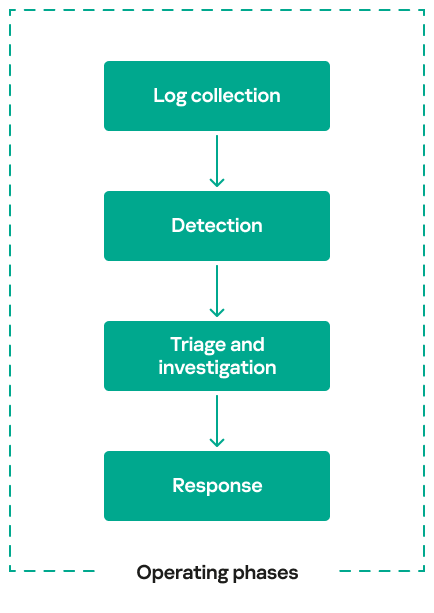
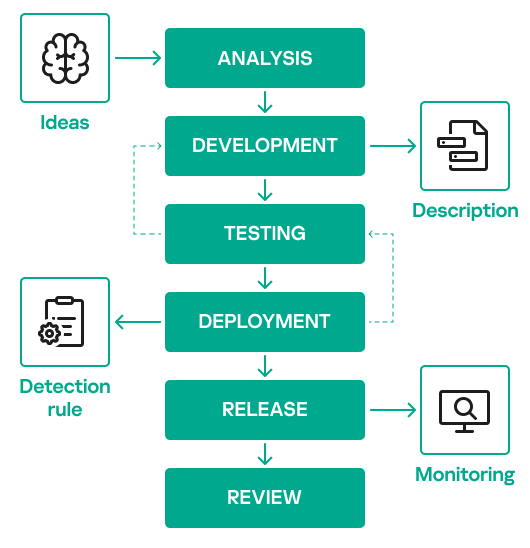
    MIL OSI Economics

  • MIL-OSI Global: South Africa’s domestic workers still battle with echoes of a racist past

    Source: The Conversation – Africa – By Amy Jo Murray, Social psychologist, University of Johannesburg

    There are 861,000 domestic workers employed in South Africa. They make up about 25% of the informal (non-agricultural) labour sector. By and large, it is still uneducated, black working-class females who clean and care for the country’s middle- to upper-class homes. It’s an eerily familiar scene.

    Paid domestic work provides a microcosm of South Africa’s continuing struggle with its apartheid past. While the slavery of the colonial era and the servitude of black people under apartheid’s white minority rule are now gone, paid domestic work has adapted to post-apartheid realities. A great deal has changed in the country’s legal landscape, but domestic labour preserves racial identities and inequalities.


    Read more:
    What is apartheid? New book for young readers explains South Africa’s racist system


    We have researched domestic labour in South Africa extensively for more than a decade, including the first author’s PhD. We have done in-depth interviews with over 70 employers and workers through a range of studies in the province of KwaZulu-Natal.

    Our research shows that these racial identities and inequalities persist, particularly when domestic employers and workers avoid discussing the racial aspects of their relationships, feeling these are “too close for comfort” and liable to evoke explosive apartheid-era stereotypes.

    It’s clear that the injustices of paid domestic labour cannot be solved through legislation alone. The history, norms, and pain from the country’s past run too deep. They touch people personally, and affect the way they engage each other (or don’t).

    Social change requires innovative solutions to disrupt the status quo, while also facing the country’s haunting past.

    Changes on paper

    The end of apartheid in 1994 brought about a wave of changes, including equal rights for all citizens. Labour laws were extensively reformed. Rights and standards for domestic workers were introduced to address wages, working conditions, and other aspects of employment, theoretically ensuring fair treatment.

    These legal advancements led to some improvements in the minimum wage and the use of employment contracts of domestic workers. But they didn’t stop entrenched practices like payments-in-kind (for example giving groceries or housing instead of cash) and unpaid overtime.


    Read more:
    Why Nigerian women in Oyo state use child domestic workers


    The informal and private nature of domestic work makes it difficult to regulate. Progressive laws cannot reach here to eliminate cultural attitudes and behaviours that echo apartheid.

    In other words…

    In her 1980 book Maids and Madams, South African sociologist Jacklyn Cock was one of the first researchers to treat paid domestic labour as a reflection of broad structures of oppression in the country. She set out how apartheid racial hierarchies were overt, widely acknowledged, and crudely enacted. Domestic workers faced conditions close to slavery, with employers wielding unchecked power over their lives. Domestic work reinforced a rigid racial hierarchy, clearly demarcating the roles and status of the “madam” and the “maid”.

    Through a close analysis of extensive interviews, our research shows how language underpins this relationship today, both through what is said and what isn’t. Domestic workers and employers go to great lengths not to talk about themselves as the “maid” or the “madam”. They focus instead on intimacy, reciprocation, and mutual support, avoiding the need to negotiate their employment relationship or any other topic that might arouse issues relating to race or inequality.


    Read more:
    Household gardeners in South Africa: a survivalist life with little protection


    Middle- to upper-class employers are particularly sensitive to racial stereotypes and avoid language that hints at hierarchy or power. They sometimes say that domestic workers “feel like one of the family”, which obscures the underlying power dynamics.

    This matters because it allows potentially unfair or exploitative labour practices to be carried out under the guise of “familial” relations. For example, we might expect an aunt to go the extra mile for the family, staying late to help out and showing she cares about the household. Outside of these familial boundaries, an “employee” should not have these obligations.

    Polite language can create a veneer of equality that hides ongoing exploitation. To avoid sounding like “the baas” (boss) or “the madam”, with racial overtones, many employers are reluctant to give direct feedback or set clear boundaries for their employees.

    Instead, we found that many give ambiguous instructions, or no instructions at all, avoiding the uncomfortable post-apartheid situation of being a middle-class white woman telling a working-class black woman what to do. This can lead to confusion, frustration, and potentially unfair treatment. As a result, employers may feel that their expectations go unfulfilled and workers don’t know what is required of them.


    Read more:
    Male domestic workers in South Africa – study sheds light on the experiences of Malawian and Zimbabwean migrants


    Calculations based on Quarterly Labour Force Statistics consistently demonstrate that only 20% of domestic workers are registered for the state’s Unemployment Insurance Fund. Instead, work relationships are regulated by informal understandings between parties, a fact that became apparent when domestic workers could not access unemployment insurance benefits during the COVID-19 lockdowns.

    A contract requires negotiations that would make the employment-centred nature of the relationship, with its hierarchy and expectations, undeniable for all involved.

    Perhaps unsurprisingly, these sensitivities and avoidances are apparent in conversations with domestic workers too. Workers prefer to focus on the value of their labour and justify, subvert, and evaluate their place in their employer’s household. Sometimes they talk about themselves as being “the boss” or “the owner” of the house, based on the responsibilities they have, the types of work they do – like caring for children or the elderly in the household – and the amount of time that they spend tending the home.

    However, these assertions have a hollow ring when workers are excluded from big decisions in the household, like their right to have visitors, or small decisions like where to place household furniture. Feeling like part of the family is ruptured by exclusion from intimate moments like family celebrations, creating an all too familiar reminder of race and hierarchy.

    Moving forward

    The very real progress that has been made over the past 30 years of democracy should be celebrated. Legal reforms have achieved basic rights for domestic workers. Nevertheless, the spectre of apartheid still haunts South Africa and it’s clear that much work remains to be done.

    It’s our view that disrupting the patterns that seem so ingrained in this relationship will take fresh thinking. Mutually negotiated employment contracts should be a norm. Professionalising paid domestic labour provides the opportunity to break the informality that has come to define domestic labour relations in South Africa.

    And, with increasing access to the internet in South Africa, the digitisation of domestic labour holds promise for instituting social change through technology.

    This has been successful in the developing world, including the African continent.


    Read more:
    12% of working women in South Africa are domestic workers – yet they don’t receive proper maternity leave or pay


    Workers have greater agency to market themselves, choose where and who to work for, and to rate and regulate employers. Online platforms could also provide the opportunity for vetting each other and for negotiating compliance with regulations.

    Kevin Durrheim receives funding from the National Research Foundation.

    Amy Jo Murray does not work for, consult, own shares in or receive funding from any company or organisation that would benefit from this article, and has disclosed no relevant affiliations beyond their academic appointment.

    ref. South Africa’s domestic workers still battle with echoes of a racist past – https://theconversation.com/south-africas-domestic-workers-still-battle-with-echoes-of-a-racist-past-250302

    MIL OSI – Global Reports

  • MIL-OSI Russia: Sobyanin: More than 2.4 thousand houses will undergo major repairs in 2025

    Translartion. Region: Russians Fedetion –

    Source: Moscow Government – Government of Moscow –

    The Moscow Government Presidium meeting considered the implementation of the capital repairs program apartment buildings in the capital and approved plans for its implementation in the near future. Following the discussion of the issue, Sergei Sobyanin approved plans for major repairs for 2025 and the near future.

    In his report, Deputy Mayor of Moscow for Housing and Public Utilities and Improvement Pyotr Biryukov noted that from 2015 to 2024, work was carried out within the framework of the program in more than 14.5 thousand houses, in which over 3.8 million Muscovites live.

    According to the Russian Ministry of Construction, Moscow ranks first among the subjects of the Russian Federation in terms of the implementation of regional capital repair programs in 2024.

    In 2025, work is planned to be carried out in another 2,428 houses.

    In addition, to further improve the efficiency of work, from 2025 onwards, a transition to centralized procurement of materials and equipment is underway with subsequent provision to contractors (radiators and convectors, heated towel rails, paint for facade repair work, garbage chutes).

    The Moscow program for capital repairs of apartment buildings is designed for 30 years: its implementation began in 2015 and is scheduled to be completed in 2044. This is one of the largest housing stock modernization projects in the world. The program includes about 30 thousand buildings with a total area of more than 300 million square meters – this is 10 percent of all apartment buildings included in regional programs throughout Russia. Specialists will have to repair more than 400 thousand engineering systems and structural elements of buildings.

    The main goals of the program are to ensure comfortable and safe living for Muscovites, save resources, reduce the risk of emergency situations and increase the aesthetic appeal of the exterior of residential buildings. The Moscow program is fully consistent with the goals and objectives of the national project “Infrastructure for life”.

    The program operator is the Moscow City Apartment Building Capital Repair Fund. It controls the volume, quality, and timing of the work performed.

    The list of works carried out within the framework of the Moscow program is expanded in comparison with the list established by the Housing Code of the Russian Federation. In addition to major repairs and replacement of the main structural elements and engineering systems, it includes repairs of entrances, internal drainage systems, smoke removal and fire water supply, as well as replacement of garbage chutes and windows in common areas.

    Restoration of house facades

    When renovating facades, modern technologies are used that allow not only to restore the external appearance of buildings, but also to increase their energy efficiency.

    Brick facades are subject to mandatory hydrophobization. This method of treatment protects them from destructive processes associated with temperature changes and high humidity.

    When restoring painted facades of panel houses, the first stage involves correcting the geometry of the panels, and the second stage involves filling the interpanel seams with sealant. After this, the surfaces are primed and painted in two layers.

    For facades of houses faced with small-sized tiles, a technology using polymer-cement mixtures on reinforcing meshes is used. A facade repaired in this way will last at least 30 years.

    Major repairs of entrances

    Major repairs of entrances in accordance with the Moscow program are carried out in full – from floor to ceiling.

    According to the developed standard, only materials and technologies that meet strict requirements for quality, safety and durability are used during the work. For example, the walls are cleaned of old finishes and covered with washable, non-fading paint that tolerates moisture well: after cleaning, there are no streaks or smudges left on it.

    When renovating entrances, the opinions of residents are taken into account. They themselves choose from the proposed options of color, texture and other parameters. The design of mailboxes and entrance doors is thought out separately. Therefore, major renovation of entrances is painstaking work and an individual approach.

    Standard for performing works in architectural monuments

    Particular attention is paid to cultural heritage sites: 364 such buildings are included in the Moscow capital repairs program.

    Since 2020, in order to preserve historical elements and details as carefully as possible, the city has been allocating special subsidies to cover additional costs when organizing work in apartment buildings – architectural monuments. An individual approach is used for such objects. Specialists carefully develop a project for repair and restoration work. They are carried out using advanced technologies and under strict control.

    Co-financing of major repairs in buildings that are architectural monuments allows not only to restore their historical appearance, but also to maintain a single amount of contribution for major repairs for all residents. Thanks to city subsidies, more than 30 objects have already been restored. For example, in 2024, specialists updated the facades of residential buildings of the high-rise on Krasnye Vorota Square.

    Major repairs to residential building facades have begun in MoscowAlmost 400 red houses have been overhauled in the capital in 10 years

    Please note: This information is raw content directly from the source of the information. It is exactly what the source states and does not reflect the position of MIL-OSI or its clients.

    Please Note; This Information is Raw Content Directly from the Information Source. It is access to What the Source Is Stating and Does Not Reflect

    HTTPS: //vv.mos.ru/mayor/tkhemes/12624050/

    MIL OSI Russia News

  • MIL-OSI China: Multinationals fast-track localization to leverage China NEV boom

    Source: People’s Republic of China – State Council News

    SHANGHAI, April 16 — The rapid evolution of China’s new energy vehicle (NEV) sector is driving multinational corporations to restructure their China strategies, prompting some to scale up local investments across R&D, production and supply chains.

    German chemical giant BASF earlier this week announced a 500-million-yuan (about 69.3 million U.S. dollars) investment for the expansion of its Shanghai Cellasto plant, which provides noise, vibration and harshness reduction solutions for automobiles.

    To capitalize on China’s booming NEV market, the new facility will feature advanced mold lines and is scheduled to be operational in 2027, with a nearly 70-percent capacity increase.

    As a leading chemical supplier to the automotive industry, BASF strives to accelerate business growth in China’s automotive sector, said Jeffrey Lou, president and chairman of BASF Greater China.

    “BASF has made substantial investments in China since entering the Chinese market 140 years ago. Today’s expansion is another strong testament to BASF’s commitment to staying close to the local market and our customers,” Lou remarked.

    To deepen ties to China’s NEV ecosystem, some foreign automakers are shifting from traditional manufacturing partnerships to localized R&D.

    In March, German carmaker BMW partnered with Chinese tech giant Huawei to develop a China-specific in-car digital ecosystem, set to debut on BMW’s locally produced next-generation electric models in 2026.

    Before that, Japanese auto behemoth Toyota announced the establishment of a new company in Shanghai for the R&D and production of all-electric Lexus vehicles and batteries, with plans to start production in 2027.

    The new plant marked a significant investment in enhancing Toyota’s R&D and production capabilities specifically tailored for the EV sector in China, the world’s largest auto exporter.

    In January, Chinese NEV maker XPENG and German giant Volkswagen announced that they had signed a memorandum of understanding for strategic collaboration on a superfast charging network in China.

    Behind these localization initiatives is China’s supportive environment for the NEV market through measures like vehicle purchase subsidies, investment in charging infrastructure, and development of intelligent connected vehicles.

    Industry insiders believe that Chinese consumers’ openness to new technologies and demand for smart connectivity are unlocking fresh business opportunities for multinationals.

    Official data showed that China’s NEV production and sales both exceeded 3 million units in the first quarter of 2025, with each rocketing around 50 percent year on year. The country’s measures to stimulate consumption, including large-scale trade-in programs, are expected to provide a strong boost for NEV production and sales.

    “China’s NEV market holds huge potential, with a constantly improving business environment and well-developed, efficient industrial and supply chains,” said Gao Yuning, deputy dean of the School of Public Policy and Management at Tsinghua University. “These are key reasons why foreign automakers are stepping up investment and deepening their footprint in China.”

    MIL OSI China News

  • MIL-OSI Asia-Pac: Kashi Ringing the Bells of Progress

    Source: Government of India

    Kashi Ringing the Bells of Progress

    Building Modern India

    Posted On: 16 APR 2025 2:28PM by PIB Delhi

    Today, Kashi stands not only as a symbol of antiquity but also as a beacon of progress.

    ~ Prime Minister Narendra Modi

    Introduction

    On April 11, PM Modi launched development projects worth ₹3,880 crore in Kashi. The ancient city is getting a modern makeover. Roads are being widened; schools are being upgraded and new power stations are coming up. Kashi is growing while keeping its roots alive. From 2014 to March 2025, 580 projects were taken up under Kashi Development with a total investment of ₹48,459 crore. The aim is to improve infrastructure, preserve heritage and support tourism in Varanasi.

    Kashi’s Development Journey: Key Milestones

    🗓️ November 7, 2014: The Powerloom Service Centre was inaugurated and a ₹2,375 crore revival package was announced for district cooperative banks.

    🗓️ September 18, 2015: ₹572 crore was announced for Kashi’s upgrade, along with ₹11,000 crore for roads connecting nearby districts.

    🗓️ December 22, 2016: Projects worth ₹2,100 crore were inaugurated, including foundation stones of various projects.

    🗓️ September 22, 2017: PM Modi dedicated the Deendayal Hastkala Sankul, a trade facilitation centre for handicrafts.

    🗓️ July 14, 2018: Foundation stone of key projects worth over ₹900 crore was laid.

    🗓️ March 8, 2019: The Prime Minister laid the foundation stone for the Kashi Vishwanath Corridor.

    🗓️ November 30, 2020: The 73 km six-lane NH19 built at ₹2,447 crore was inaugurated to ease travel between Prayagraj and Varanasi. The Maha Kaal Express India’s first overnight private train was also launched.

    🗓️December 13-14, 2021: Phase 1 of Shri Kashi Vishwanath Dham, constructed at a cost of around Rs 339 crores inaugurated.

    🗓️ July 7, 2022: PM Modi inaugurated and laid the foundation stone of development projects worth over ₹1,800 crore. This includes ₹590 crore under Varanasi Smart City and Urban Projects.

    🗓️ January 13, 2023: PM Modi flagged off the world’s longest river cruise ‘MV Ganga Vilas.’ 🗓️ December 18, 2023: The Prime Minister laid the foundation stone and dedicated to the nation several development projects worth over ₹19,150 crore in Varanasi.

    🗓️ October 10, 2024: The Prime Minister, Shri Narendra Modi laid the foundation stone and inaugurated multiple development projects worth Rs 6,100 crores.

    From Pilgrimage to Premium Experiences

    Tourism in Varanasi is more than just travel, it’s a journey through history, faith and vibrant culture. Below are key initiatives that are reshaping the tourism experience in the city:

    1. MV Ganga Vilas: World’s Longest River Cruise

    Launched by PM Narendra Modi on January 13, 2023, the MV Ganga Vilas is the world’s longest river cruise, starting from Varanasi and culminating in Dibrugarh on 28th February 2023.


    2. Tent City: Riverside Luxury Experience

    The Tent City was inaugurated on January 13, 2023 on the opposite bank of the Ganga from the city ghats. Open from October to June annually, the Tent City helps manage the increasing tourist flow by providing a unique and peaceful riverside stay experience.


    3. Shri Kashi Vishwanath Corridor

    Inaugurated on December 13, 2021, the Kashi Vishwanath Corridor is a transformative ₹355-crore project that spans an area of 5.5 acres. It connects the Kashi Vishwanath Temple directly to the Ganges River via a four-lane pathway, making the temple more accessible to pilgrims.


    4. Monument Illumination Projects

    To enhance the visual appeal of Varanasi’s historic monuments, several illumination projects have been undertaken: In 2015, ₹5.12 crore was sanctioned for lighting up monuments like Dhamekh Stupa, Chaukhandi Stupa, Tomb of Lalkan, and Man Mahal. In 2017, ₹2.93 crore were sanctioned to illuminate Dashashwamedh to Darbhanga Ghat, Tulsi Manas Mandir, and the Sarnath Museum.


    Kashi’s Infrastructure Boost

    Kashi’s infrastructure development has seen major progress from 2021 to 2025. The Varanasi-Gorakhpur NH-20 (Package-2), a 72.16 km road was inaugurated on October 25, 2021. The project cost was ₹3,509 crore. The redevelopment of Namo Ghat (Khidkiya Ghat) was completed on November 15, 2024. The cost of the redevelopment was ₹95.2 crore. The ghat now features a cafeteria, viewing platforms and heritage murals. The construction of the jetty at Rajghat costed approximately Rs.10 crore. Each cruise boat was procured at a cost of Rs.20 crore. Furthermore, the tourism circuit along the riverfront will feature the construction of a walkway, a viewing deck, and a food court. The operation of cruise boats started in March, 2023.  Additionally, over ₹980 crore is allocated for flyovers, road bridges, and an airport underpass on April 11, 2025.

    Urban Transformation in Kashi

    Varanasi is undergoing a major urban makeover with focus on sustainability and civic upgrades. To reduce pollution in the Ganga, diesel/petrol boats were converted to CNG. This project, worth ₹29.7 crore, was inaugurated by the Prime Minister on July 7, 2022. It is being executed by Varanasi Smart City Ltd. and GAIL. The Goitha Sewage Treatment Plant (STP), with a capacity of 120 million litres per day (MLD), was inaugurated on February 19, 2019. Built at a cost of ₹217.57 crore, it was aimed at treating sewage and reducing pollution in the Ganga. Under the Namami Gange scheme, a Sewage Treatment Plant (STP) with a capacity of 55 million litres per day (MLD) is also being built at a cost of ₹300 crore. On April 11, 2025, ₹345 crore has been allocated under Jal Jeevan Mission for rural drinking water schemes. Varanasi connected 55,000 houses to sewer lines under AMRUT (Atal Mission for Rejuvenation and Urban Transformation), using ₹105 crore, by March 2017. For better parking and traffic flow, the Godowlia Multilevel Two-wheeler Parking, a four-storey facility for 375 vehicles, was built for ₹19.55 crore and operates 24/7 with full security.

    Varanasi’s Handloom and Handicraft Revival

    Varanasi is renowned not just for its spiritual aura, but also for its rich tradition of handlooms and handicrafts. Generations of artisans have mastered the art of silk weaving, wood and stone carving, metalwork, pottery and jewellery making. Their creations reflect incredible skill and cultural heritage. Many of these crafts, like Banarasi sarees, Soft Stone Jali work, Banaras Gulabi Meenakari and Wooden Lacquerware & Toys etc, have received Geographical Indication (GI) tags, marking their authenticity and excellence.

    To support and promote these traditional arts the government announced the establishment of a Trade Facilitation Centre and Crafts Museum in the 2014-15 Union Budget. This initiative aimed to help weavers, artisans, and entrepreneurs market their products. The complex was built over 7.93 acres with a total cost of ₹300 crore, providing a space for showcasing, training and selling local crafts. The Centre was inaugurated on September 22, 2017 and today stands as a key step in preserving Varanasi’s artistic legacy.

    Kashi’s Education and Health Drive

    Kashi is witnessing rapid growth through major investments in research, healthcare, energy, and education. The Inter-University Teacher Education Center (IUTEC) at BHU, Varanasi, was inaugurated on December 23, 2021. Built at a cost of ₹107.36 crore, it will offer a two-year M.Ed. program for 1,000 students. In February 2019, PM inaugurated the PARAM Shivay Supercomputing Center at BHU, with a peak performance of 3.3 petaflops and a cost of ₹32.5 crore. In agriculture, ₹105 crore bonus was transferred to Banas Dairy milk suppliers in April 11, 2025. In the power sector, ₹1,820 crore has been allocated for new substations and transmission upgrades. The redevelopment of Sports Stadium in Sigra is an ambitious project with a total budget of ₹180.03 crore (Phase 1: ₹90.01 crore, Phase 2: ₹90.02 crore). It was designed as a world-class hub for sports. It was inaugurated by PM Narendra Modi on October 20, 2024.

    Conclusion

    Kashi stands today as a shining example of how heritage and modernity can thrive together. With transformative projects in infrastructure, tourism, health, education, and culture, the city is not just preserving its spiritual essence but also creating a vibrant, future-ready identity. From ghats to gateways of development, Kashi is truly ringing the bells of progress.

    References

    Click here to see PDF.

    *****

    Santosh Kumar/ Sarla Meena/ Kamna Lakaria/ Kritika Rane

    (Release ID: 2122058) Visitor Counter : 54

    MIL OSI Asia Pacific News

  • MIL-OSI Asia-Pac: WAVES Cosplay Championship Finalists Announced — A Celebration of Creativity and Fandom Culture

    Source: Government of India

    Posted On: 16 APR 2025 2:01PM by PIB Mumbai

    Mumbai, 16 April 2025


    Last Saturday, the city of Hyderabad witnessed an explosion of creativity & fandom as the World Audio Visual & Entertainment Summit (WAVES) Cosplay Championship Meetup unfolded at Mindspace Social. Organized by MEAI, Indian Comics Association, and Creators Street, powered by Epiko-con, and in collaboration with Ministry of Information and Broadcasting, TVAGA and Forbidden Verse, the event was a massive success, becoming a trending topic across cosplay communities and anime forums throughout the weekend.

    Now, after an intensive nationwide hunt and a series of high-energy meetups across Hyderabad and Mumbai, the organizers have unveiled 29 of the most talented cosplayers who have earned their place on the final stage of the WAVES Cosplay Championship. These finalists will showcase their skills and creativity at Creatosphere during WAVES 2025.

    Ajay Krishna, Founder of Forbidden Verse and one of the organizers for the Cosplay event, said that what makes this championship different from other such contests is that it is specially designed to shift the focus to Indian mythology and pop culture apart from the other popular characters that are portrayed regularly in other such events.

    The next in line before the main championship at WAVES is the Mumbai Wildcard Meetup on 19th April. At this event, a select number of Wildcard Entries will be added to the finalists, bringing unexpected talent and raising the competition to an entirely new level. Prepare for a championship filled with surprises, intensity, and world-class cosplay!

    Official Finalists:

    1. KaizadSheshbaradaran – Mumbai
    2. Puneeth V – Bengaluru
    3. Shaikh Sameer Kalim – Latur
    4. Tejal Sanjay Mulik – Mumbai
    5. Anup Bhatia – Pune
    6. Navdeep Singh Pannu – Mumbai
    7. Akashi Gautam – Lucknow
    8. Aditya Kalebere – Pune
    9. Swaraj Kalebere – Pune
    10. Shreeharsh Narwade – Pune
    11. Vivek Dilip Mane – Pune
    12. Esha Joshi – Mumbai
    13. Kedar Pandit – Mumbai
    14. ArshyDeori – Guwahati
    15. Marshy Deori – Guwahati
    16. Md Piyal Shaikh – Mumbai
    17. Pranay Panpatil – Mumbai
    18. Gaurav Vishwakarma – Pune
    19. Akhil – Hyderabad
    20. Staya – Hyderabad
    21. Nupur Munda – Hyderabad
    22. Nakshatra – Hyderabad
    23. Ruchira Corolin – Hyderabad
    24. Sonali – Hyderabad
    25. Neeraj Kumar – Hyderabad
    26. Sravani – Hyderabad
    27. Akhil C.H. – Hyderabad
    28. Nayana Sai Sree – Hyderabad
    29. Leeladhar – Hyderabad

    The finalists were selected based on their craftsmanship, originality, performance, and dedication to character authenticity.


    About WAVES

    The first World Audio Visual & Entertainment Summit, a milestone event for the media & entertainment sector, will be hosted by the Government of India in Mumbai, Maharashtra, from May 1 to 4, 2025.

    Whether you’re an industry professional, investor, creator, or innovator, the Summit offers the ultimate global platform to connect, collaborate, innovate and contribute to the M&E landscape.

    WAVES is set to magnify India’s creative strength, amplifying its position as a hub for content creation, intellectual property, and technological innovation. Industries and sectors in focus include Broadcasting, Print Media, Television, Radio, Films, Animation, Visual Effects, Gaming, Comics, Sound and Music, Advertising, Digital Media, Social Media Platforms, Generative AI, Augmented Reality (AR), Virtual Reality (VR), and Extended Reality (XR).

    Have questions? Find answers here

    Stay updated with the latest announcements from PIB Team WAVES

    Come, Sail with us! Register for WAVES now


    * * *

    PIB TEAM WAVES 2025 | Riyas Babu/ Darshana | 94


    Follow us on social media: @PIBMumbai    /PIBMumbai     /pibmumbai   pibmumbai[at]gmail[dot]com  /PIBMumbai     /pibmumbai

    (Release ID: 2122055) Visitor Counter : 35

    MIL OSI Asia Pacific News

  • MIL-OSI Asia-Pac: LCQ21: Promoting student mental health

    Source: Hong Kong Government special administrative region

         Following is a question by the Hon Elizabeth Quat and a written reply by the Secretary for Education, Dr Choi Yuk-lin, in the Legislative Council today (April 16):

    Question:

         According to a research publication released by the Legislative Council Secretariat in October last year, the number of student deaths by suicide in Hong Kong has almost tripled in 10 years to reach at least a decade high of 32 cases in 2023. In addition, it has been reported that from the beginning of the current school year until last month, there have been nearly 20 fatal suicide cases involving students under the age of 19. Regarding the promotion of mental health among students, will the Government inform this Council:

    (1) whether it has compiled statistics on the number of primary, secondary and university students who planned or attempted suicide in the past three years, and among them, the respective numbers of those with special educational needs or a history of mental health issues; whether it has studied the reasons behind these students’ suicide plans or attempts, with a breakdown by primary, secondary and university students;

    (2) whether, in response to the reasons behind the suicide plans or attempts mentioned in (1), the Government will strengthen relevant targeted measures or support services to reduce the likelihood of student suicide; if so, of the details; if not, the reasons for that;

    (3) given that in the reply to a question from a Member of this Council on June 5 last year, the Government indicated that it would engage a consultant to evaluate the effectiveness of the Three-tier School-based Emergency Mechanism, of the results of the evaluation; given that the mechanism is set to expire at the end of this year, whether the Government will explore regularising the mechanism; if so, of the details; if not, the reasons for that;

    (4) as there are views that “schooling problems”, “family relationships” and “interpersonal relationships” are the main reasons for student suicides, (i) whether the Government will study promoting education reform or developing quantifiable indicators for schools to formulate appropriate school-based assignment policies, so as to reduce the learning pressure on students in the long term; and (ii) what targeted measures the Government has in place to combat bullying in schools, in order to safeguard the mental health of students;

    (5) whether it will conduct studies to improve the Three-tier Support Model (i.e. the three levels of “Universal”, “Selective” and “Indicated”) which the Education Bureau has encouraged schools to adopt to promote student mental health, including organising an off-campus support network through cross-departmental, cross-professional and cross-sectoral co-operation to enhance support for schools; and

    (6) whether it will deploy additional school-based professional counsellors to provide immediate consultation and referral services, and encourage community members, parents and other stakeholders to show greater concern for the issue of student suicide, thereby widening the support available to schools?

    Reply:

    President,

         The Education Bureau (EDB) attaches great importance to the mental health of students, and has been proactively providing support for schools in adopting the Whole School Approach at three levels, namely “Universal”, “Selective” and “Indicated” (Three-tier Support Model), to promote student mental health and enhance support for those with mental health needs (including those with suicidal risks). The EDB also collaborates with other bureaux/departments and different stakeholders to take care of students with mental health needs and provide them with support in different aspects through cross-departmental, multi-disciplinary and cross-sector collaboration. In consultation with the Health Bureau, our reply to the question raised by the Hon Elizabeth Quat is as follows:

    (1) As indicated in relevant international and local studies, suicide (including suicidal attempts) is a complicated issue caused by the interplay of multiple factors which are interconnected. These factors are mainly related to interpersonal relationships (including family, social and relationship problems) and personal issues (such as learning and school adjustment, depressed mood and mental illness). Therefore, suicide should not be attributed to any one single factor (such as special educational need or mental illness). The EDB has all along been requiring primary and secondary schools to report suspected fatal suicide cases of students in order to provide appropriate professional support to the schools concerned. However, it is not mandatory for schools to report attempted or planned suicide cases of students, and the EDB does not collect information on cases involving university students.

    (2) to (6) Cross-departmental, multi-disciplinary and cross-sector collaboration

         The Government has been supporting student mental health through cross-departmental and cross-sector collaboration, and established the Advisory Committee on Mental Health (ACMH) in December 2017 to advise the Government on mental health policies. Among others, the EDB, the Department of Health (DH) and the Social Welfare Department (SWD) have also appointed representatives as ex-officio members of the ACMH to enhance cross-departmental collaboration and facilitate information sharing and co-ordination among departments, with a view to enhancing synergy.

         At school level, based on the recommendations of the Committee on Prevention of Student Suicides, the EDB adopts the Three-tier Support Model through the Whole School Approach and multi-disciplinary collaboration to promote mental health and provide support for students with mental health needs. The Government continues to allocate additional resources to enhance the guidance services in schools. Apart from strengthening teachers’ training, schools have also set up multi-disciplinary teams (including school-based educational psychologists, guidance personnel and school social workers) to provide appropriate support for students with mental health needs. If students are found to be emotionally disturbed, teachers will refer them to professionals in a timely manner. Starting from the 2016/17 school year, the School-based Educational Psychology Service has covered all public sector ordinary primary and secondary schools in Hong Kong. In addition, the EDB and the SWD have been implementing the “one school social worker for each school” and “two school social workers for each school ” measures in primary and secondary schools respectively. Each school may, according to its circumstances and students’ needs, flexibly deploy related resources, pool together other school resources, or make better use of community resources and professional support, to employ qualified student guidance personnel or procure related services from organisations to enhance the support for students.

         Implemented in all secondary schools in Hong Kong since December 2023, the Three-tier School-based Emergency Mechanism (the Mechanism) is one of the Government’s measures to promote cross-departmental, multi-disciplinary and cross-sector collaboration. The Mechanism aims to, through collaboration among schools, parents and other stakeholders in society, pool together the schools’ multi-disciplinary teams, the off-campus support network and medical services to achieve early identification and offer support to students at higher suicidal risk. After reviewing relevant circumstances and gauging the views of the sector, the Government decided to extend the implementation period of the Mechanism to the end of 2025 and enhance the related arrangements including strengthening cross-departmental collaboration. The Government has commissioned a study to evaluate the effectiveness of the Mechanism, and would closely monitor the overall operation and sustainability of the Mechanism by making reference to the evaluation results.

    Three-tier Support Model

         Under the Three-tier Support Model, the EDB continues to enhance the curriculum, information dissemination, activities, training and professional support on an ongoing basis to promote student mental health. Measures being implemented in the 2024/25 school year include:
     

    • Implementing the 4Rs Mental Health Charter (the Charter) to promote mental health in schools in a more comprehensive and systematic manner. As at the end of March 2025, more than 690 schools have participated in the Charter, with a number of partner organisations providing various activities. Schools participating in the Charter also make a pledge to join the Whole School Health Programme taken forward by the DH, thereby taking care of the health of students and school personnel in a comprehensive manner. 
    • Launching the Mental Health Literacy resource packages for students at different learning stages, as well as the one-stop student mental health information website, “Mental Health@School” (mentalhealth.edb.gov.hk), to facilitate teachers, students, parents and the general public to select appropriate resources and strategies. 
    • Collaborating with the SWD to arrange for non-government organisations to visit secondary schools in need to organise mental health-related activities since February 2024, with a view to enhancing students’ awareness of mental health and help-seeking. In addition, the EDB has collaborated with the Shall We Talk Initiative to arrange athletes to visit secondary schools to share the themes of positive thinking and perseverance so as to promote students’ resilience.
    • Organising about 40 additional thematic teacher training workshops to introduce practical skills, counselling techniques and intervention strategies in supporting students with mental health needs. The EDB also regularly shares the latest information and relevant resources through the “Mental Health@School” Teacher Professional Network, as well as organises thematic workshops for the Teacher Professional Network.
    • Promoting parent education through organising the “Caring for Their Heart and Soul, Growing along with Your Children” Parent Education Talk Series for parents of primary and secondary school students in the 2024/25 school year, so as to assist parents to acquire the knowledge and skills in supporting the healthy development of their children and taking care of their children’s mental health.

    School curriculum and assignments

         The aim of education is to foster proper values and positive attitude in students, while leading a healthy lifestyle is one of the learning goals of school curriculum. The EDB released the Primary Education Curriculum Guide (PECG) in 2024, in which clear guidelines and recommended measures for optimising the school assignment policy are provided. The PECG emphasises that schools should adopt the principle of “quality rather than the quantity that matters” in the design and arrangement of homework. Schools should formulate a school-based mechanism to avoid assigning excessive homework to students and monitor the implementation and effectiveness of the mechanism, with a view to creating more space for students. Schools should also arrange a tutorial session in the afternoon as far as possible for students to finish some or all of their homework under teachers’ guidance. The Secondary Education Curriculum Guide (2017) also stresses the importance of prioritising quality over quantity in homework, suggesting that balanced development and healthy lifestyle of students should be schools’ major concerns in setting their homework policy. Excessive homework should be avoided so that students could have enough time for rest, play and leisure. The EDB also reminds schools to review their prevailing assessment policies, including the frequency of dictations, tests and examinations, as well as the contents, scopes and modes of assessment. Measures include replacing traditional written tests and examinations with flexible and diversified modes of assessment; arranging less dictations, tests and examinations, or cancelling term examinations for individual year levels, particularly Primary One, where diversified modes of assessment instead of tests and examinations should be adopted in the first school term. Assessment at different key stages should be planned and arranged in a progressive manner to alleviate the academic pressure on students.

         Apart from the enhanced School Development and Accountability framework to promote self-improvement of schools in related areas, the EDB has also been promulgating the above messages and good practices to schools with a view to creating space for students and promote their physical and psychological well-being through various channels, such as the Charter, circulars, letters, featured articles, video and comic series, and onsite workshops for teachers.

    School bullying

         The EDB has all along been adopting a “zero tolerance” policy on school bullying and has been promoting a caring and harmonious school culture. In addition, we adopt a multi-pronged approach to implement the policy of preventing and handling school bullying, which includes providing schools with resource packages and teaching materials on the prevention of school bullying, helping schools develop school-based Peer Support networks, as well as launching the Peer Mediation Training Project for Peace Ambassadors and the Harmonious School Net. To further support students and parents in handling student peer conflicts or school bullying issues, the EDB has been providing the “Harmonious School: One-Stop Hotline and Counselling Services” since May 2024, for which registered social workers provide advice, counselling and case referral services for students and parents through the hotline and instant messaging software, as well as on-site support services for primary and secondary schools in need.

    MIL OSI Asia Pacific News

  • MIL-OSI Asia-Pac: LCQ16: Regulation of disposable plastic products

    Source: Hong Kong Government special administrative region

    LCQ16: Regulation of disposable plastic products 
    Question:
     
         The first phase regulation of disposable plastic products (the first-phase regulation) officially came into effect on April 22 last year, and the relevant adaptation period ended on October 21 last year. There is a view that although members of the public and the trade have actively co-operated with the first-phase regulation and adopted to non-plastic alternatives, the types of alternatives (e.g. cups, cup lids, food containers and container covers) for some disposable plastic tableware available in the market are still limited, which may hinder the implementation of regulation of disposable plastic products in the next phase. In this connection, will the Government inform this Council:
     
    (1) how it assesses the specific effectiveness of the first-phase regulation (including the changes in the amount of regulated plastic tableware disposed of and the actual situation of the trade in the adoption of non-plastic alternatives); of the number of complaint cases received by the authorities since the implementation of the first-phase regulation, together with a breakdown by category of case;
     
    (2) whether it has examined the difficulties or technical problems encountered by the catering trade in sourcing or using non-plastic alternatives during the implementation of the first-phase regulation, and the support measures provided by the authorities to assist the trade in responding to this situation;
     
    (3) regarding the second phase regulation of disposable plastic products (the second-phase regulation), of the current state of discussions between the authorities and the trade, in particular on sourcing the relevant non-plastic alternatives, etc; whether the authorities have assessed the difficulties of different trades in adapting to the implementation of the second-phase regulation due to their actual operational needs; and
     
    (4) whether the authorities will consider extending the existing support measures for the trade, such as providing more detailed guidance on alternatives to disposable plastic products or technical advisory services, as well as proactively introducing high-quality non-plastic alternative products, etc, in order to help small and medium-sized restaurants make a smooth transition to the second-phase regulation?
     
    Reply:
     
    President,
     
         To reduce the use of disposable plastic tableware and other plastic products at source with a view to minimising the impact of plastic pollution on the marine environment and human health, the regulation on disposable plastic products (the Regulation) commenced its first phase on April 22, 2024, and the six-month adaptation period ended on October 21, 2024. Since the implementation of the Regulation, the trades have actively complied with the Regulation by stopping the sale or provision of regulated disposable plastic products. The public’s habit of using relevant products in their daily lives has also changed, with “bring your own reusable tableware” and plastic-free cultures being developed gradually in the society, thereby achieving an effective waste reduction goal. The Environmental Protection Department (EPD) will continue to promote going “plastic-and-disposable-free” and join hands with different sectors of the community to promote a culture of green and low-carbon living in Hong Kong.
     
         The reply to the question raised by the Hon Dominic Lee is as follows:
     
    (1) Since the implementation of the Regulation on April 22, 2024, the public and the trades have adapted to the changes in their daily lives and business operations. For example, the number of takeaway customers who do not require disposable tableware has increased significantly compared to before the implementation of the Regulation. Some chain restaurants reported that more than 80 per cent of their customers no longer require takeaway cutlery. It is estimated that, on average, the Regulation can reduce more than 60 million sets of disposable tableware being disposed of in landfills in Hong Kong every year. Overall speaking, the Regulation has been effective in reducing plastic tableware and regulated plastic products from being disposed of in landfills, demonstrating a significant achievement in going “plastic-free”.
     
         After the six-month adaptation period ended on October 21, 2024, as at end March 2025, the EPD received a total of 108 complaints and reports, of which 98 cases involved catering premises providing regulated disposable plastic tableware, while the remaining 10 cases concerned other disposable plastic products. The EPD has investigated the complaint cases and issued written warnings to those with suspected violations, requiring the persons-in-charge to make improvements within 10 working days; otherwise, a fixed penalty notice would be issued. The EPD has followed up all the cases, with 18 catering premises remained persistently incompliant after receiving warnings. The EPD staff have subsequently issued fixed penalty notices of $2,000 to the persons-in-charge.
     
    (2) We understood that during the early stage of implementation of the Regulation, the catering trade required time to source non-plastic alternatives (such as paper straws and paper spoons) that met their operational needs in terms of quality and functionality. As such, the EPD had engaged the Hong Kong Quality Assurance Agency to establish the Green Tableware Platform (the Platform) (www.greentableware.hk 
         With the Regulation being implemented for nearly a year, the supply of alternatives has become more diverse, and the trades have gradually adapted to the regulatory requirements. We notice a continuous decline in the prices of these alternatives, along with significant improvements in the product quality. The catering trade has also progressively gained understanding and adopted suitable non-plastic alternatives. In addition, the EPD staff will continue to attend the Seminar on Restaurant Licensing regularly organised by the Food and Environmental Hygiene Department to help prospective restaurant operators understand the requirements of the Regulation.
     
    (3) Since March 2025, the EPD has been meeting with various catering trade associations to gather their views and concerns regarding the second phase of the Regulation, as well as to understand the latest development of non-plastic alternatives. While there are currently several alternative options available in the market, the diverse range of food items provided by the catering industry necessitates varying requirements for food containers. The Government will continue to actively collaborate with the suppliers of non-plastic alternatives to explore ways to enhance the quality of their products, meeting the practical needs of the catering trade. To this end, before implementing the second phase of the Regulation, the Government will thoroughly consider the maturity, availability and affordability of the relevant non-plastic alternatives with a view to striking a balance between environmental protection and sustainable development of the trades, and will consider the programme of further regulation in light of the prevailing circumstances.
     
    (4) Referencing the implementation of the first phase of the Regulation, apart from continuing to monitor the market development of alternatives, the EPD is preparing to collaborate with the trades and some large chain restaurant groups and expects to conduct various scenario testing of alternatives in restaurants in mid-2025. We will also continue to review and enhance supporting measures, engage with suppliers to explore further introduction of high-quality and cost-effective non-plastic alternatives, provide references of non-plastic alternatives to the trades through the above-mentioned Green Tableware Platform, and address enquiries from the public and the trades through the EPD hotline at 2838 3111. We will strengthen the relevant supporting efforts in accordance with the needs of the trades.
     
         Through various channels as well as publicity and education activities, the EPD will continue its publicity and education efforts as the main focus, supplementing these efforts with enforcement actions to encourage the public and the trades to participate in “plastic-free” in their daily lives and businesses so as to achieve waste reduction at source.
    Issued at HKT 16:08

    NNNN

    MIL OSI Asia Pacific News

  • MIL-OSI Asia-Pac: LCQ15: Treatment for depression

    Source: Hong Kong Government special administrative region

         Following is a question by the Hon Chan Pui-leung and a written reply by the Secretary for Health, Professor Lo Chung-mau, in the Legislative Council today (April 16):
     
    Question:
     
         There are views pointing out that patients with depression and treatment-resistant depression (i.e. those who have not shown significant improvement despite two trials of antidepressants at adequate doses, duration and adherence) face higher suicide rates if their condition cannot be controlled, and this will also have far-reaching and adverse impacts on the quality of life for both the patients as well as their families. Therefore, in order to render more effective support for patients with depression and promote mental health for all, it is crucial to provide appropriate treatments for depression and keep track of patients’ data. In this connection, will the Government inform this Council:
     
    (1) whether it knows the respective numbers of people admitted to public hospitals in each of the past three years due to depression and treatment-resistant depression, and their respective average numbers of days of hospitalisation; if there are no relevant statistics, whether the authorities will track such data in a systematic manner in the future; and
     
    (2) given that in the reply to a question from a Member of this Council on March 13 last year, the authorities indicated that in 2023-2024 (as at the end of February 2024), only 17 patients had been prescribed the nasal spray medication, Esketamine, for treatment of depression, representing a significant disparity compared to the number of patients with depression and potential treatment-resistant depression in Hong Kong, whether the authorities know the reasons for the low usage rate of such medication by the Hospital Authority (HA), and whether the HA will increase the use of nasal spray antidepressants in the future?
     
    Reply:
     
    President,
     
         The reply to the question raised by the Hon Chan Pui-leung is as follows:
     
    (1) The Hospital Authority (HA) adopts an integrated and multi-disciplinary approach in providing mental health services. A team comprising psychiatrists, psychiatric nurses, clinical psychologists, occupational therapists and medical social workers provides a comprehensive range of medical services, including inpatient services, outpatient services, day rehabilitation training and community support services, to patients with mental health needs (including patients with depression) according to their medical conditions and clinical needs. 
     
         The table below sets out the number of discharges and deaths of hospitalised patients with principal diagnosis of depression (including treatment-resistant depression) from 2022-23 to 2024-25 (up to December 31, 2024) and their average length of stay in hospitals:
     

    Year Inpatients with principal diagnosis of depression (including treatment-resistant depression)
    No. of discharges and death of inpatients Average length of stay in hospitals of inpatients (day)
    2022-23 3 279 19.9
    2023-24 3 589 21.0
    2024-25 (up to December 31, 2024) 2 708 21.8

    Note 1: In the HA, day inpatients refer to those who are admitted to hospitals for non-emergency treatment and discharged within the same day. Inpatients are those who are admitted to hospitals via Accident and Emergency Departments or those who have stayed for more than one day. The calculation of inpatient average length of stay does not include that of day patients.
    Note 2: The HA does not maintain statistics relating to treatment-resistant depression. 
    Note 3: In view of the COVID-19 epidemic outbreak in Hong Kong in early 2020, the HA adjusted its services to cope with the outbreak. This should therefore be taken into consideration when comparing the service capacity of the HA in the respective years. With the subsiding of local COVID-19 epidemic situation and cessation of anti-epidemic measures in early 2023, the HA has been gradually resuming provision of all of its public healthcare services to tie in with the Government’s normalcy measures.
     
    (2) A number of drugs can be used for treatment of depression and different drugs have their efficacy and limitations. Nasal spray antidepressant (Esketamine) is one of the drugs. The nasal spray antidepressant (Esketamine) has been included in the HA Drug Formulary since July 2023.The respective numbers of patients prescribed with nasal spray antidepressant (Esketamine) in the HA in 2023-24 and 2024-25 (projection as at December 31, 2024) were approximately 20.

         The HA currently provides drugs, Electroconvulsive Therapy and Transcranial Magnetic Stimulation for the treatment of depression. Healthcare professionals will arrange appropriate treatment to patients with depression according to their medical conditions, clinical needs and risks, as well as taking into the consideration the patients’ preferences. The HA has been expanding the coverage of its Drug Formulary through an established mechanism to provide long-term sustainable, affordable and appropriate support to patients with mental health needs.
     
         The HA will continue to review its mental health services and treatment options (including treatment of depression) according to latest scientific evidence and clinical needs to provide appropriate support to patients in need.

    MIL OSI Asia Pacific News

  • MIL-OSI Asia-Pac: TD urges public to plan their cross-boundary trips in advance during long weekend of Easter holidays

    Source: Hong Kong Government special administrative region

         The Transport Department (TD) announced today (April 16) that it anticipates a large number of passengers and vehicles travelling to and from the Mainland or Macao via various land-based boundary control points (BCPs) during the long weekend of the Easter holidays, especially on the first day (April 18) and the last day (April 21). The TD particularly urges members of the public to plan their trips in advance and allow sufficient travelling time.
     
         For public transport services, the TD has liaised with local and cross-boundary public transport operators to strengthen their services during the long weekend. The waiting time for public transport services, including the Hong Kong-Zhuhai-Macao Bridge (HZMB) shuttle bus (Gold Bus), may be longer. Passengers are encouraged to make their journeys during non-peak hours, maintain order, and heed advice from on-site Police and staff of the public transport operators concerned. Passengers of cross-boundary coaches are also advised to reserve their coach tickets in advance.
     
         Motorists are advised that, subject to actual traffic conditions, special traffic arrangements may be implemented at the Lok Ma Chau Control Point and the Shenzhen Bay Port from April 18 to 21 to allow smooth access for public transport vehicles to the above control points. Cross-boundary private cars may need to queue to cross the BCPs. Motorists should pay extra attention to variable message signs and traffic signs along the roads. They are also requested to be patient in case of traffic congestion and follow the instructions of on-site Police.
     
         For the HZMB, to plan their journeys ahead, the public can make use of the TD’s HKeMobility mobile application to access snapshots of traffic conditions at the inbound and outbound vehicle plazas of the Hong Kong Port. They can also check real-time situations at the vehicle clearance plaza of the Zhuhai Port through the WeChat official accounts “hzmbzhport” or “zhuhaifabu” (traffic-info.gzazhka.com:5015/#/) (Chinese only), and check the forecast of peak hours of inbound and outbound vehicles at the HZMB Zhuhai Port through the WeChat official account of the HZMB integrated information dissemination platform (mp.weixin.qq.com/s/mT9D9et-FybKKXDw9nJ9Dg) (Chinese only). Moreover, motorists are reminded to always comply with the traffic control measures implemented by the Zhuhai authority when driving on the HZMB Main Bridge. Vehicles shall not occupy the emergency lane unless instructed by the Zhuhai authority.
     
         The TD’s Emergency Transport Co-ordination Centre will continue to operate 24 hours to closely monitor the traffic conditions and public transport services of different districts, including various BCPs and major stations. The TD will disseminate the latest traffic information through various channels. Members of the public are advised to check the latest traffic news through radio, television broadcasts, and HKeMobility.

    MIL OSI Asia Pacific News