Blog

  • ‘Indigenous helpers’ are essential to culturally responsive mental health care

    Source: ForeignAffairs4

    Source: The Conversation – Canada – By Louis Busch, Psychotherapist, Doctoral Candidate (UofT OISE), Bear Clan Nisichawayasihk Cree Nation., University of Toronto
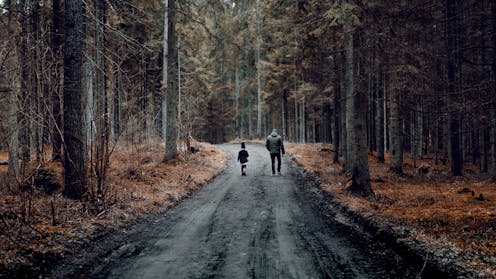
    For Indigenous Peoples who have been discriminated against in health institutions, healing can take place outside of conventional health practices. (Freepic), CC BY

    For nearly two decades, I worked as a therapist in a large psychiatric hospital in Toronto, supporting people living with severe mental health challenges. Many of those I encountered were navigating complex intersections of psychiatric diagnoses, chronic physical illness, poverty, and the breakdown of family and social support. Stories of fear, isolation, abuse and abandonment were pervasive.

    Occasionally, I witnessed transformative outcomes; patients reconnecting with loved ones, reclaiming aspects of their identity and building meaningful lives beyond their diagnoses. Unfortunately, such outcomes were typically the exception. More commonly, individuals cycled through repeated hospitalizations, and were placed in institutional or custodial settings. Some lost their lives before they got any better.

    While our mental health system certainly fails people of all backgrounds, I observed a unique disservice done to the Black, brown and Indigenous patients I encountered.


    Read more:
    Racism impacts your health


    The system seems designed to fail them not only in its methodology, but also in the basic values it is built upon.

    Within my own journey of mental health recovery, I found healing alongside helpers across Turtle Island, rather than within the confines of a mental health institution or pages of a manualized treatment protocol.

    It’s common for First Nations Peoples to refer to “helpers” or “helping work” when describing individuals who provide relationally-based support to others. As a community psychotherapist and later PhD student, I became increasingly interested in these helpers as unsung heroes of community wellness. They didn’t necessarily have a graduate degree in a mental health field, and they were rarely recognized or compensated for their efforts, yet they made great personal sacrifices to support the healing journeys of those around them.

    Who are Indigenous helpers?

    My doctoral research investigates who these Indigenous helpers are, the nature of their helping work and the role of language and dialogue in the relationships they form with those they help.

    Here is what I’ve learned so far:

    1. Knowledge is defined by lived experience
    Indigenous helpers are individuals who emerge naturally from within their families and communities rather than being self-appointed professionals or receiving accreditation from a college or certification board. Their knowledge and skill is defined by their lived experiences, their kinship obligations and the trust placed in them by their community. They seamlessly blend practical support such as caregiving and crisis intervention with relational and spiritual guidance rooted in ancestral values and traditions.

    2. Helping work is holistic and relational
    Helping work is a holistic, relational practice rooted in cultural values and kinship responsibility. It involves a continuous, reciprocal process of healing, where the act of helping heals the helper, their relative and the collective. Helping work is guided by an ethic of relational accountability and powered time spent together and deep, action-based dialogue. It integrates physical, emotional, cognitive and spiritual dimensions through storytelling, presence and joint engagement in work, rest, play and ceremony. It is a long-term process that is highly contextual and nonlinear.

    3. Language is medicine
    Indigenous languages hold the blueprint for helping and healing work. Embedded within Indigenous languages are complex relational networks that shape how people understand themselves, their families, their worlds, and their roles within the broader community. While English is an analytic, noun-based language, Nêhîyawêwin (the Cree language) and many other Indigenous languages are polysynthetic, verb-based and highly contextual. This linguistic structure encodes kinship ties, responsibility and ways of being in relation to others (human and non-human).

    Cree protectors and caretakers

    One powerful example of the complexity of Indigenous languages comes from the words used to describe “Elders,” which is often a point of contention, as the English word doesn’t capture what people are trying to say when referring to the helper-leaders in our communities.

    The Nêhîyawêwin (Plains Cree) word for an Elder is kisêyiniw. This is often translated simply as “old man,” but in reality carries a much deeper meaning.

    two people walk through a forest
    Healing and talking can take place outside of the confines of traditional medical spaces.
    (Unsplash), CC BY

    The root kisê- comes from the Cree word ê-kisêt, which describes an animal feigning injury to protect its young. The second root -niw- means “a person,” making kisêyiniw not just an old man, but a protector and a caretaker who sacrifices for future generations.

    Kisêyiniw describes those who embody relational responsibility: protecting, guiding and enduring suffering for the well-being of others. So rather than just being an aged person, or even an aged person who has wisdom or leadership qualities, the word kisêyiniw describes those who embody relational responsibility — protecting, guiding and enduring suffering for the well-being of others.

    This contrasting of meaning reveals how the Cree language structures identity, healing and responsibility in ways that the English translation fails to capture.

    A child forced to cease speaking their native language, and speak only English, would lose all of the values and meaning that exist within the relational networks that comprise the word and its concepts, and be left with a simple arbitrary label. I believe this to be at the core of much of the intergenerational suffering found in the wake of the Indian Residential School system.

    Culturally specific mental health care

    This is one of the reasons Indigenous-led approaches must reclaim language as central to healing, recognizing that Indigenous languages hold entire systems of wellness, governance, relationship and emotional regulation.

    Truly culturally responsive care must prioritize language revitalization, ceremony and kinship-based care as core practices.

    Funders, policymakers, researchers and clinicians must recognize, fund and integrate Indigenous helpers — Elders, ceremonial leaders, traditional knowledge keepers and natural helpers identified by their communities — as core mental health providers, not cultural add-ons.

    Governments, universities and regulatory bodies must remove barriers preventing Indigenous helpers from full participation in mental health professions. Efforts to include Indigenous helpers should avoid forcing Indigenous helping practices into western psychotherapy models with strict, compartmentalized boundaries.

    Instead, we must restore intergenerational, kinship-based healing through relationships, ceremony, land-based practices and daily caregiving.

    Genuinely culturally responsive and anti-colonial mental health care requires shifting resources and power back to Indigenous helpers, languages and communities.

    The Conversation

    Louis Busch receives funding from the Social Sciences and Humanities Research Council of Canada (SSHRC), including a Vanier Canada Graduate Scholarship and a SSHRC Impact Award.

    ref. ‘Indigenous helpers’ are essential to culturally responsive mental health care – https://theconversation.com/indigenous-helpers-are-essential-to-culturally-responsive-mental-health-care-249128

  • Big Beautiful Bill: Why Donald Trump is obsessed with the manipulative language of size

    Source: ForeignAffairs4

    Source: The Conversation – Canada – By Andy Curtis, Distinguished Guest Professor, Faculty of Humanities and Social Sciences, City University of Macau

    Small is Beautiful: A Study of Economics as if People Mattered is the title of the highly influential 1973 book written by the German-born British economist E.F. Schumacher.

    The book marked its 50th anniversary in 2023, but a couple of years later, we find ourselves in a time where “big is best,” at least according to the 47th president of the United States, Donald Trump, and his administration.

    The most recent example of their the-bigger-the-better mentality is the so-called One Big Beautiful Bill that recently became law.

    Understandably, the focus in the extensive news coverage of the nearly 900-page document has been on the contents of the bill, especially the economic implications for American citizens, institutions and organizations.

    But very little attention has been paid to the actual language of the bill, not least because, well, who has the time to pore over 900 pages of language?

    Linguistic analysis

    This is where a new kind of political language analysis can help.

    In my 2022 book, I deconstructed and analyzed the speeches of past American presidents George W. Bush, Barack Obama, Donald Trump and Joe Biden. In my subsequent 2024 book, I subjected five of Trump’s major campaign speeches to an in-depth level of linguistic analysis that had not been applied before.

    One of the findings of my 10 years of analyzing Trump speeches since 2015, when he famously announced his plans to run for the presidency while riding on a golden escalator, is how effective the advice was of his former adviser, Steve Bannon. He reportedly told Trump in 2018 “to flood the zone with shit.”

    In other words, Bannon was advising Trump to ensure there was so much information, disinformation and misinformation coming from the Trump campaign that neither the political opposition nor the media could keep up with it.

    And even if they tried, distinguishing fact from fiction and disentangling exaggeration and bombastic hyperbole from carefully calculated lies became an insurmountable task even for the most dedicated of investigative journalists, including Canadian-born Daniel Dale.

    Why another four years?

    Applying Schumacher’s idea that “small is beautiful” to language analysis is one way of countering the kind of deliberate language overload employed by the Trump administration.

    Taking small but complete slices of language and subjecting them to a new kind of forensic, linguistic analysis can help us understand, in this case, why more than 77 million American voters decided that what their country and the world needed was another Trump presidency. What role did Trump’s language play in that outcome?

    An example of a small but complete piece of language is the official announcement of the One Big Beautiful Bill on the White House website on July 7.

    The announcement was entitled: “President Trump’s One Big Beautiful Bill: A Win for Workers, Farmers, and America’s Future.”

    The first thing to notice is what this is not. It is not presented as a bill passed by the U.S. government or even the Republican Party. It is Trump’s bill, which may be a small but clear, concise example of the ways in which a nation’s government can be reduced to a single person, like autocratic dictatorships and absolutemonarchies.

    Then there is the title of the legislation, which has been described as “absurd” and therefore easy to dismiss. But the three-B alliteration is nonetheless catchy, which makes it memorable and all the more irresistible to the world’s mainstream media.

    The title also identifies three supposedly big winners in the bill: American workers, American farmers and America the Beautiful.

    Stoking fears

    “Winner takes all” appears to be the mantra of the second Trump administration, but it’s important to notice the exclusions of large groups, including those who live in the U.S. but aren’t working — like children, retirees and the unemployed, which is the majority of citizens — and those who aren’t farmers, which is more than 99 per cent of all Americans.

    It’s also critical to be aware of the aggrandizing and misleading language of the bill. The introductory paragraph on the page announcing the bill describes it as a “sweeping legislative triumph” — despite the fact that the legislation passed by a single vote — while referring to “the largest tax cuts in history” and “historic funding for national security.”

    The recurring references to American history are at odds with the fact that Trump lacks knowledge of both U.S. and world history, which has been on display many times over many years.

    The introductory paragraph also highlights the importance of “America’s defences” and “our nation’s defence,” which continue to give the impression that the U.S. is a country under siege and vulnerable to attack from various enemies at any time. But given how much the U.S. spends on its military, there is probably no other country in the world more capable of defending itself.

    But the language is the point. By constantly repeating the “we are under attack” line, fear is effectively created and maintained, especially the fear of anyone who doesn’t look or sound like Trump and his followers.

    Using words to manipulate

    Keeping with the wartime-like language, the introduction claims that the One Big Beautiful Bill “unleashes economic prosperity and empowers every American.” Such statements are already being shown to be untrue, as many millions of American are likely to be severely, negatively impacted by the legislation.

    The introduction is followed by 10 statements that are, in effect, “product endorsements” published in obscure, pro-Trump media, like The National Hog Farmer, all expressing gushing enthusiasm and unqualified support for the points made in the introduction.

    This new kind of in-depth linguistic analyses of the language of the world’s most powerful people can help us move beyond their obviously false and misleading statements and claims, to become more aware of how their words may be being used not to communicate — but to manipulate.

    The Conversation

    Andy Curtis does not work for, consult, own shares in or receive funding from any company or organisation that would benefit from this article, and has disclosed no relevant affiliations beyond their academic appointment.

    ref. Big Beautiful Bill: Why Donald Trump is obsessed with the manipulative language of size – https://theconversation.com/big-beautiful-bill-why-donald-trump-is-obsessed-with-the-manipulative-language-of-size-259358

  • Sun advice from a skin cancer researcher and physician

    Source: ForeignAffairs4

    Source: The Conversation – Canada – By Elaine McWhirter, Chair, Melanoma/Skin Disease Site Group, Juravinski Cancer Centre, Hamilton Health Sciences, and Associate Professor, Oncology, McMaster University

    There is certainly growing awareness of the damaging effects of overexposure to the sun, including skin cancers.

    Still, I see in both my medical practice as a skin cancer specialist and in the course of my research as an associate professor of oncology that there are still many harmful habits and ideas about tanning that still circulate.

    As a result, many may think they’re already doing enough to look after themselves and their families when the incidence of skin cancer is actually growing. Clearly, we need to do more to stay safe, and that starts with knowledge.

    Perhaps someday, we will look at lying on a beach slathered with oil in the same way we look at smoking cigarettes. Ultraviolet (UV) radiation is also a carcinogen and, like smoking, is a modifiable risk factor for cancer.

    Here are some sun facts to think about and act on:

    • Being outdoors and in the shade is better than being in the direct sun, but even in the shade, one is still exposed to damaging UV rays, especially if there are nearby reflective surfaces, such as water or sand.
    • Sun protection is necessary all year round. Damage can happen when people think July and August are the only months when it’s necessary to pay attention to sun exposure. Hauling out the bike during a winter thaw? Protect yourself. Spring gardening or fall raking and it’s only 10 degrees outside? It’s time for some protection. Check your local weather forecast for the UV index; if it’s three or greater, wear sunscreen.

    • Sun exposure is cumulative over the course of a lifetime. If you had too much sun as a child or young adult, it’s even more important to protect yourself over the entire course of your adult life. Having two blistering sunburns as a child or young adult increases the lifetime chance of developing the most harmful form of skin cancer, melanoma, by 10 times.

    • Any suntan or sunburn is evidence of sun damage. Developing a tan is the body’s response to harm to the DNA of cells in our skin. The persistent idea of a “healthy tan” is simply incorrect. When I see someone tanning, I see a future with premature wrinkles and risk of skin cancers, including melanoma. A burn is far more damaging. Avoid both.

    • While fair-skinned people with red or blonde hair and blue or green eyes are the most susceptible to serious harm from the sun, all people, regardless of their skin, hair or eye colour, are vulnerable and should limit exposure.

    • Sunscreen with a sun protection factor (SPF) of 50, applied every two to three hours, starting 30 minutes before exposure, is the most practical protection for exposed skin. Pick something you like, whether a lotion, stick or spray, and be sure to use enough. Reapply more often when you are very active outdoors, and hourly if in water. Remember when applying sunscreen to protect your feet, which is easy to forget in flip flops. I see a lot of ears and back of necks get missed as well!

    • Wear a hat, of course, but also choose your hat carefully. Ball caps leave the ears and neck too exposed. The best hats have broad brims that go all the way around the head. The very best hats have a flap in the back that covers the neck.

    • It is possible to experience sun damage even through your clothes. Special SPF clothing, made from purposely formulated material and labelled as such, is optimal for reducing sun exposure. A white cotton summer T-shirt offers an SPF of maybe four or five — a small fraction of the protection a good sunscreen or SPF clothing will provide.

    • Though sun exposure does provide beneficial Vitamin D, it is better to use Vitamin D supplements year-round — something in the range of 600-800 IU is a good benchmark – rather than risking unprotected sun exposure.

    • People exposed to the sun at higher altitudes, such as skiers, are receiving more UV exposure than people at lower altitudes and should protect themselves accordingly.

    • Skiers, boaters, swimmers and fishers are all more susceptible to sun damage because they are both in the direct path of the sun and receive significant UV exposure from light reflecting off snow or water. Many people describe receiving a windburn from such outdoor activities when what they have is a sunburn.

    • People who swim outdoors should seriously consider a special swimming shirt — like a rash guard or board shirt that surfers use — made from swimsuit fabric with SPF.

    Remember to check your skin monthly for skin cancer using the ABCDE rule. Our warm weather season is short, and it’s important to enjoy the outdoors. The point isn’t to be sun-scared — just stay sun-safe.

    The Conversation

    Elaine McWhirter has participated in advisory boards for BMS, Merck, Pfizer, Novartis,Regeron and Sanofi. She was a Board member of Melanoma Canada from 2015-2024.

    ref. Sun advice from a skin cancer researcher and physician – https://theconversation.com/sun-advice-from-a-skin-cancer-researcher-and-physician-260749

  • MIL-OSI Africa: Standard & Poor (S&P) Reaffirms Islamic Corporation for the Insurance of Investment and Export Credit’s (ICIEC) AA- Financial Strength and Issuer Credit Rating with Stable Outlook

    Source: APO – Report:

    .

    The Islamic Corporation for the Insurance of Investment and Export Credit (ICIEC) (http://ICIEC.IsDB.org), a Shariah-based multilateral insurer and member of the Islamic Development Bank Group, has marked another significant milestone with the reaffirmation of its “AA-” long-term issuer credit and financial strength rating by Standard & Poor’s (S&P), with a stable outlook. This rating remains the highest within its peer group globally.  

    The reaffirmation underscores ICIEC’s solid credit profile with robust financial strength and low credit risk. S&P expects ICIEC to continue expanding its business operations while maintaining robust levels of capital adequacy, exceptional liquidity buffers, and steadily increasing profitability.  

    The rating report reconfirms ICIEC’s Enterprise Risk Profile (ERP) as ‘strong’ under S&P’s Multilateral Lending Institutions (MLIs) criteria, underpinned by the corporation’s supportive shareholder base, strong Preferred Creditor Treatment (PCT), and unique policy role of conducting all business in a Shariah-compliant manner. 

    Moreover, for the second year, S&P assesses ICIEC’s Financial Risk Profile (FRP) as ‘very strong’ under its insurance criteria, as ICIEC’s capital adequacy shows a significant buffer above the 99.99% confidence level, as measured by its insurers’ risk-based capital model. Additionally, the Corporation maintains exceptional liquidity, reaffirming its upscaled financial strength. 

    sincerely congratulate the Member States, His Excellency the Chairman and distinguished Members of the ICIEC Board of Directors, and the dedicated Staff for their unwavering commitment and sustained achievements.” said Dr. Khalid Khalafalla, CEO of ICIEC. ” Aligned with the IsDB Group’s strategic direction, we reaffirm our deep commitment to supporting Member States through advancement of Islamic finance and key development priorities, including green financing, ESG integration, and food security. ICIEC will continue to play an integral role in implementing the Group’s strategy in the years ahead.” added Dr. Khalid. 

    The reaffirmation of the “AA-” highlights ICIEC’s strong financial position, prudent risk management, and sound governance practices. It also underscores the Corporation’s ability to navigate complex global challenges and its commitment to supporting sustainable economic development in member states. 

    – on behalf of Islamic Corporation for the Insurance of Investment and Export Credit (ICIEC).

    Contact:
    Email: ICIEC-Communication@isdb.org 

    Follow us on: 
    X: https://apo-opa.co/3GBqzKp
    Facebook: https://apo-opa.co/4kKBwHz
    LinkedIn: https://apo-opa.co/4eUl4mw
    YouTube: https://apo-opa.co/3GZ97zo
    Instagram: https://apo-opa.co/4nZongi

    About The Islamic Corporation for the Insurance of Investment and Export Credit (ICIEC): 
    As a member of the “AAA” rated Islamic Development Bank (IsDB), ICIEC commenced operations in 1994 to strengthen economic relations between OIC Member States and promote intra-OIC trade and investments by providing risk mitigation tools and financial solutions. The Corporation is the only Islamic multilateral insurer in the world. It has led from the front to deliver a comprehensive suite of solutions to companies and parties in its 50 Member States. ICIEC, for the 17th consecutive year, maintained an “Aa3” insurance financial strength credit rating from Moody’s, ranking the Corporation among the top of the Credit and Political Risk Insurance (CPRI) industry. Additionally, S&P has reaffirmed ICIEC’s “AA-“ long-term Issuer Credit and Financial Strength Rating for the second year with a stable outlook. ICIEC’s resilience is underpinned by its sound underwriting, global reinsurance network, and strong risk management policies. Cumulatively, ICIEC has insured more than USD 121 billion in trade and investment. ICIEC activities are directed to several sectors—energy, manufacturing, infrastructure, healthcare, and agriculture.  

    For more information, Visit http://ICIEC.IsDB.org 

    MIL OSI Africa

  • MIL-OSI Africa: United Arab Emirates (UAE) Welcomes Declaration of Principles Between Democratic Republic (DR) Congo and Congo River Alliance, Commends Qatar’s Mediation Efforts

    Source: APO – Report:

    .

    The United Arab Emirates has welcomed the signing of the Declaration of Principles between the Government of the Democratic Republic of the Congo (DRC) and the Congo River Alliance – March 23 Movement, which took place in Doha.

    His Excellency Sheikh Shakhboot bin Nahyan Al Nahyan, Minister of State, commended the efforts of the State of Qatar in facilitating the dialogue that led to the declaration, which marks a significant step toward national reconciliation and the promotion of stability in eastern DRC.

    His Excellency reaffirmed the UAE’s support for all regional and international efforts aimed at resolving conflicts through peaceful means and strengthening the foundations of security and stability across the African continent and globally.

    – on behalf of United Arab Emirates, Ministry of Foreign Affairs.

    MIL OSI Africa

  • MIL-OSI Africa: President Museveni Calls for Household Census in Kampala to Refine Parish Development Model (PDM) Budgeting

    Source: APO – Report:

    .

    President Yoweri Kaguta Museveni has directed local authorities in Kampala’s five divisions to establish accurate data on the number of households within their jurisdictions to help in the equitable allocation of funds under the Parish Development Model (PDM).

    The call was made on Saturday, July 19, 2025, during his visit to Kyambogo Complex Parish in Nakawa Division, where he met with PDM beneficiaries, including a standout success story, Ms. Mbabazi Lillian.

    The President emphasized the need for a data-driven approach to planning and budgeting for the PDM program, highlighting that the uniform allocation of UGX 100 million per parish annually is insufficient for urban centers with dense populations and high demand for financial support.

    “So, this is the kibalo (calculation) I want in the town: to know how many parishes and how many homesteads are in each parish so that when we plan, we shall give over one million, plus some additional funding, based on the number of homes in that parish,” said President Museveni.

    He noted that urban parishes, like those in Kampala, are experiencing overwhelming demand for PDM funds, and the current funding structure fails to cater effectively to the high number of eligible households.

    During the meeting, President Museveni who was accompanied by the First Lady and Minister of Education and Sports, Maama Janet Kataaha Museveni, also toured the poultry enterprise of Ms. Mbabazi, a PDM beneficiary who used her UGX 1 million funding to launch a successful poultry business.

    Mbabazi initially purchased 125 broiler chicks with UGX 350,000 and invested the remaining funds in feed and poultry housing. After a month, she sold the broilers for UGX 1.5 million and reinvested in a second round, earning UGX 2.6 million. Her success did not stop there. She later bought 250 more chicks at UGX 700,000 and sold them for UGX 3.2 million. Eventually, she transitioned into layer chicken farming for egg production, purchasing chicks at UGX 6,500 each. After three months, her hens began laying, and she now collects six trays of eggs daily.

    Standing beside her husband, Mr. Samuel Rukundo, Mbabazi expressed gratitude to the President and the government for initiating the PDM.

    “Now I have some achievement because I was badly off due to COVID-19. My children now go to school, and we’re doing well. I have UGX 3 million in savings and have also started a small juice and chips business,” she said.

    Despite her success, she voiced concern over her lack of permanent land, stating that her current residence is on Kyambogo University property, which restricts her expansion.

    Moved by her story, President Museveni congratulated Mbabazi for exemplifying the benefits of PDM when effectively implemented.

    He offered her UGX 10 million to scale up her poultry business and pledged to buy her two acres of land for permanent settlement and farming.

    “When I come here and see that Rukundo and Mbabazi have implemented one of the seven items under the four-acre model, then I feel very happy,” President Museveni stated.

    Additionally, the President extended UGX 10 million in cash to each PDM beneficiary from the Kyambogo complex parish.

    President Museveni used the opportunity to reflect on Uganda’s economic transformation journey since independence. He underscored the challenge of transitioning the population from subsistence farming to a money economy, citing that in the 1960s, only 4% of households were integrated into the monetary system.

    He explained that Uganda’s traditional economy revolved around “3 Cs and 3 Ts”—cotton, copper, coffee, tobacco, tea, and tourism. While some communities, particularly in Buganda and Northern Uganda, engaged in commercial farming, the majority remained in subsistence agriculture.

    “In my district, Ntungamo, there were six shops for Indians and Arabs. But we had land, banana plantations, and cows, just for home consumption. This has been our struggle,” President Museveni said.

    To reverse this, he initiated the four-acre model, a strategic framework advocating for diversified farming focusing on items such as coffee, fruits, pasture for dairy, food crops, and backyard enterprises such as poultry, piggery, or fish farming.

    “Those who listened have moved. Masaka focused on coffee and is doing well. Poultry and dairy are also transforming lives,” he remarked.

    President Museveni narrated the historical evolution of government-led wealth creation initiatives, from the Entandikwa program through LC structures to NAADS and eventually Operation Wealth Creation (OWC). While OWC saw a marked improvement in integrating Ugandans into the money economy, reaching 61% by 2020, President Museveni expressed discontent over reports of favoritism by UPDF officers.

    “I started hearing stories that the soldiers were “baali beegabira bokka” (giving to friends and relatives), spoiling the name of the UPDF. I told them, let the army get out. Let’s give money directly to people at their parishes. If they misuse it, God is there; he will deal with them,” the President said.

    He cited the success of Mbabazi as a vindication of the shift to direct disbursement of funds under the PDM.

    Highlighting the case of Kawempe Division, President Museveni noted that with 22 parishes each receiving UGX 100 million annually, a total of UGX 6.6 billion has been injected into approximately 7,000 households over the past three years.

    “This money, if used wisely, can transform lives. You don’t need a moneylender who charges UGX 400,000 per month, UGX 5.8 million a year. With PDM, you return UGX 1 million plus UGX 120,000 interest in two years,” H.E. Museveni explained, further urging beneficiaries to understand the revolving nature of PDM and not expect lump-sum access to the fund, emphasizing that with patience, all will benefit.

    President Museveni’s visit to Kyambogo marked one of the penultimate events of his nationwide PDM sensitization tour, which has seen him crisscross the country to evaluate impact, inspire uptake, and recalibrate the program’s delivery.

    The grand finale will be held on Sunday, July 20, 2025, at Kololo Independence Grounds in Kampala, where a mega rally is expected to draw thousands of Kampala residents.

    The event in Kyambogo was also attended by key government figures, including Government Chief Whip Hon. Hamson Denis Obua, National PDM Coordinator Hon. Denis Galabuzi Ssozi, KCCA Executive Director, Hajjat Sharifah Buzeki and her deputy Mr. Benon Kigenyi, Presidential Advisors Hajjat Sarah Kanyike and Hon. Florence Nakiwala Kiyingi, among others.

    – on behalf of State House Uganda.

    MIL OSI Africa

  • MIL-OSI Africa: Bridging Africa’s financing gaps through better planning

    Source: APO – Report:

    .

    With just five years left to meet global and continental development targets, African governments are shifting the way they plan and finance national priorities. The focus is turning toward long-term, integrated planning that links policy ambition with realistic budgeting and resource strategies.

    This evolving approach was the focus of a side event at the High-Level Political Forum (HLPF), co-organized by the African Peer Review Mechanism (APRM), UN DESA and the UN Economic Commission for Africa (ECA).

    The session explored how African countries are applying future-oriented planning methods to address persistent financing challenges and accelerate progress on the Sustainable Development Goals and Agenda 2063.

    Rather than tackling development bottlenecks in isolation, participants stressed the importance of systems thinking, looking at the broader structures that give rise to gaps in infrastructure, development financing and social spending. Linking planning with budgeting, implementation and institutional capacity was presented as essential for making better use of limited resources

    “Long-term planning pushes countries to think beyond the immediate, ensuring that development strategies are more adaptive, coordinated and resilient,” said Nassim Oulmane, Chief of the Green and Blue Economy Section at ECA.

    Country examples reinforced this message. Ethiopia is implementing a ten-year national plan supported by new tax and revenue measures. Uganda is aligning its national planning processes with the SDGs. Sierra Leone is applying long-term approaches at the sector level, and Nigeria is coordinating development plans across both national and state institutions.

    All four countries are also participating in follow-up to the Seville Financing for Development (FfD4) conference, where domestic resource mobilization featured prominently.

    To support these efforts, ECA and APRM are promoting practical tools like the Integrated Regional Planning Toolkit (IRPT), which helps governments embed long-term planning into national strategies and financial frameworks.

    The session also underscored the broader economic stakes. Africa continues to lose significant capital through leakages and inefficiencies, undermining development even in countries with strong growth potential. By planning more strategically and investing in anticipatory systems, countries can position themselves to mobilize internal resources and build more resilient economies.

    With global financing under strain and aid flows declining, participants agreed that better planning is not just a technical fix but a strategic necessity. As Africa moves through the Decade of Acceleration, how governments plan, and how effectively those plans are linked to implementation, may well determine the pace of progress.

    – on behalf of United Nations Economic Commission for Africa (ECA).

    MIL OSI Africa

  • PM Modi to visit UK and Maldives from July 23–26: MEA

    Source: Government of India

    Source: Government of India (4)

    Prime Minister Narendra Modi will embark on a two-nation tour to the United Kingdom and the Maldives from July 23 to 26, further reinforcing India’s global diplomatic engagements.

    At the invitation of UK Prime Minister, Keir Starmer, PM Modi will undertake an official visit to the United Kingdom from July 23 to 24. This marks his fourth visit to the UK.

    During his stay, the Prime Minister will engage in wide-ranging discussions with Starmer, covering the full spectrum of India-UK bilateral relations. The leaders are also expected to exchange views on pressing regional and global issues. 

    PM Modi is also scheduled to call on His Majesty King Charles III.

    The visit will include a comprehensive review of the India-UK Comprehensive Strategic Partnership (CSP), with particular emphasis on cooperation in trade and economy, technology and innovation, defence and security, climate action, health, education, and people-to-people ties, according to the Ministry of External Affairs (MEA).

    In the second leg of the tour, the PM will pay a State Visit to the Maldives from July 25 to 26, at the invitation of the Maldivian President, Mohamed Muizzu. This will be PM Modi’s third visit to the island nation, and notably, the first visit by a Head of State or Government to the Maldives under President Muizzu’s administration.

    PM Modi will be the Guest of Honour at the celebrations marking the 60th anniversary of Maldivian Independence on July 26. 

    During his visit, the Prime Minister will hold bilateral talks with Muizzu on areas of mutual interest and strategic cooperation. The two leaders will also review the progress of the India-Maldives Joint Vision for a ‘Comprehensive Economic and Maritime Security Partnership,’ which was established during President Muizzu’s visit to India in October 2024.

    The visit underscores India’s commitment to its maritime neighbour and reiterates the centrality of Maldives in India’s ‘Neighbourhood First’ policy and the broader Vision MAHASAGAR. It is expected to provide fresh momentum to the growing partnership between the two nations and further deepen their longstanding ties.

  • MIL-OSI Russia: A series of earthquakes recorded in Kamchatka

    Translation. Region: Russian Federal

    Source: People’s Republic of China in Russian – People’s Republic of China in Russian –

    An important disclaimer is at the bottom of this article.

    Source: People’s Republic of China – State Council News

    Vladivostok, July 20 (Xinhua) — An earthquake with a magnitude of 7.6 was registered 115 km east of the city of Petropavlovsk-Kamchatsky (the administrative center of Russia’s Kamchatka Krai) on Sunday at 18:49 local time, the Kamchatka branch of the Unified Geophysical Service of the Russian Academy of Sciences reported on its Telegram channel.

    Earlier, two earthquakes occurred in approximately the same area – with magnitudes of 5.3 and 6.5, respectively. After a powerful earthquake with a magnitude of 7.6, two more earthquakes were recorded with magnitudes of 6.8 and 6.4, respectively.

    According to TASS, the tremors were felt for about a minute. People ran out of buildings. The press service of the regional Emergencies Ministry said that specialists would begin inspecting the buildings in the near future. A tsunami threat was declared in Petropavlovsk-Kamchatsky due to a series of tremors in the Pacific Ocean. –0–

    Please note: This information is raw content obtained directly from the source of the information. It is an accurate report of what the source claims and does not necessarily reflect the position of MIL-OSI or its clients.

    .

    MIL OSI Russia News

  • MIL-OSI: CORRECTION – WLTH Opens Private Markets to Everyone with Launch of Tokenised Fractional Ownership in Hadron Energy

    Source: GlobeNewswire (MIL-OSI)

    Retail investors gain first-of-its-kind onchain access to earlystage private equity in nuclear microreactors

    PANAMA CITY, Panama and REDWOOD SHORES, Calif., July 20, 2025 (GLOBE NEWSWIRE) — In a release issued under the same headline on July 19, 2025 by Common Wealth, please note that the boilerplate for Hadron Energy was incorrect. The corrected release follows:

    WLTH, the alternative investments platform operated by Common Wealth (wlth.xyz), today announced that it will next week launch its inaugural tokenised privateequity opportunity:: Hadron Energy, a California‑based micro‑modular reactor innovator.

    The launch is believed to be the first time a blockchain‑native platform offers retail investors worldwide the ability to purchase fractionalised equity tokens in a private company in this manner. Existing initiatives from established asset managers (e.g., Hamilton Lane/Republic) have remain extremely gated, positioning WLTH at the forefront of democratised access to private markets.

    Market Opportunity & Potential Upside

    • Sector growth: Global micro‑ and small‑modular reactor (SMR) market projected to grow from US$0.65 billion in 2025 to US$8.9 billion by 2037 (19% CAGR). (researchnester.com)
    • Public comparables: Listed peers Oklo and NuScale Power command market caps of approximately US$9.5 billion and US$4.7 billion respectively despite being pre‑commercial. (companiesmarketcap.com, ycharts.com)
    • Illustrative exit scenario: If Hadron successfully licenses its first-of-a-kind reactor and secures large power‑purchase agreements, peer benchmarks suggest a potential multi‑billion‑dollar valuation. A retail “Slice” bought for US$20 today could theoretically be worth US$600–9,000+ under ideal conditions — though returns are not guaranteed and capital is at risk.

    Investment Highlights

    • Regulatory traction: Hadron Energy was added to the U.S. Nuclear Regulatory Commission’s advanced‑reactor pre‑application list in May 2025, less than a year after inception.
    • NRC public meeting: On 8 July 2025, Hadron hosted a hybrid public meeting at NRC Headquarters to outline its accelerated micro‑reactor licensing pathway; presentation materials are available via the NRC’s ADAMS public filing system.
    • DOE recognition: Hadron is featured in the Department of Energy’s GAIN Advanced Nuclear Directory (June 2025 edition).
    • Commercial momentum: $1.8m raised in this round, a further $2.4m committed as of 16 July 2025, and the company is negotiating with a leading hyperscale cloud provider to deliver hundreds of megawatts of baseload power to data‑centre campuses.
    • Engineering expansion: Hadron opened an 18,000 sq ft flagship engineering office in Redwood Shores, California, neighbouring Oracle’s campus.

    Quotes

    “Today we put a stake in the ground for financial inclusion,” said Jonathan  Woolley, Co‑Founder of Common Wealth. “By lowering the minimum ticket to just $20, WLTH is giving everyday people the chance to back breakthrough climatetech that was previously reserved for elite venture and privateequity circles.”

    Samuel Gibson, Founder & CEO of Hadron Energy, added: “Within 11 months our design reached the NRC’s official registry — a timeline unheardof in our sector. Partnering with WLTH lets us convert this regulatory momentum into broadbased support, accelerating our mission to deliver carbonfree baseload power.”

    How the Token Works

    • Structure: Each “Slice” (immutable on-chain ownership) represents an exact pro‑rata share in all and any liquidity arising from holding the Hadron equity.
    • Standard: ERC‑ 721 token.
    • Secondary liquidity: Tradable on WLTH’s peer‑to‑peer Slice Marketplace (or other NFT platforms such as Opensea).
    • Minimum investment: USD 20.
    • Distributions: Any dividends or exits are paid automatically in USDC (USD equivalent cryptocurrency stable coin) to token holders’ wallets.

    Offering Timeline (2025)

    Date Milestone
    22 July Priority access opens for WLTH Genesis NFT holders and Top 50 stakers
    23 July Public sale opens
    24 July Allocation finalised, secondary trading enabled
       

    Innovation

    In another first for the industry, the WLTH platform will also allow users to gift this investment—or a portion of their own—to friends and family using only an email address, making a stake in a private company as easy to give as an e-gift card.

    About WLTH

    WLTH is an alternative investment platform for the 99%. Using the best of web 2 and 3 to open access to highly gated opportunities across RWA, private equity, venture capital, and crypto income creating strategies. The protocol has undergone multiple smart‑contract audits (Hacken, 2023–24) and has distributed over $1.5 million in community rewards to date. Learn more at wlth.xyz.

    Read about the deal and opportunity here: https://docs.joincommonwealth.xyz/investment/funds/exclusive-access/hadron-energy

    About Hadron Energy

    Hadron Energy is a California-based company developing the Hadron Carbon Cell (HCC), a transportable micro-modular reactor. The factory-built system is a light-water reactor using low-enriched uranium to produce 2-10 MW of continuous, carbon-free power. The company is currently engaged in the licensing process with the U.S. Nuclear Regulatory Commission (NRC) to bring clean, resilient energy to industrial and government customers.

    Media Contacts: media@common-wealth.io

    Follow on X to stay up to date: @joincommonwlth

    Disclaimer: This content is provided by Common Wealth. The statements, views, and opinions expressed in this content are solely those of the content provider and do not necessarily reflect the views of this media platform or its publisher. We do not endorse, verify, or guarantee the accuracy, completeness, or reliability of any information presented. We do not guarantee any claims, statements, or promises made in this article. This content is for informational purposes only and should not be considered financial, investment, or trading advice. Investing in crypto and mining-related opportunities involves significant risks, including the potential loss of capital. It is possible to lose all your capital. These products may not be suitable for everyone, and you should ensure that you understand the risks involved. Seek independent advice if necessary. Speculate only with funds that you can afford to lose. Readers are strongly encouraged to conduct their own research and consult with a qualified financial advisor before making any investment decisions. However, due to the inherently speculative nature of the blockchain sector—including cryptocurrency, NFTs, and mining—complete accuracy cannot always be guaranteed. Neither the media platform nor the publisher shall be held responsible for any fraudulent activities, misrepresentations, or financial losses arising from the content of this press release. In the event of any legal claims or charges against this article, we accept no liability or responsibility. GlobeNewswire does not endorse any content on this page.

    Legal Disclaimer: This media platform provides the content of this article on an “as-is” basis, without any warranties or representations of any kind, express or implied. We assume no responsibility for any inaccuracies, errors, or omissions. We do not assume any responsibility or liability for the accuracy, content, images, videos, licenses, completeness, legality, or reliability of the information presented herein. Any concerns, complaints, or copyright issues related to this article should be directed to the content provider mentioned above.

    A photo accompanying this announcement is available at https://www.globenewswire.com/NewsRoom/AttachmentNg/c2f4c199-658d-45b5-a5b8-5984cf705798

    The MIL Network

  • PM Modi among those with highest attendance in Parliament, says Kiren Rijiju

    Source: Government of India

    Source: Government of India (4)

    Union Minister for Parliamentary Affairs Kiren Rijiju on Sunday said Prime Minister Narendra Modi is among those with the highest attendance in Parliament, noting that the Prime Minister makes it a point to attend proceedings unless he is travelling abroad or visiting a state for official engagements.

    Briefing the media after an all-party meeting convened ahead of the Monsoon Session, the Minister hit out at the Opposition parties’ attempts to create an unnecessary controversy over PM Modi’s presence during proceedings.

    “Demanding the Prime Minister’s presence at all times in the House is against established norms,” Mr. Rijiju said. “Whenever questions pertaining to the Prime Minister’s Ministry are scheduled during Question Hour, he is present. He has not missed such proceedings.”

    The Minister reiterated the government’s readiness to engage with the Opposition on national issues and pending legislation during the upcoming session. He noted that 51 parties participated in the meeting, with many raising demands for smoother functioning of the House.

    Responding to concerns raised by smaller parties over inadequate speaking time, Mr. Rijiju said the matter would be taken up for appropriate redress. “It is the joint responsibility of the government and the Opposition to ensure Parliament functions smoothly,” he said.

    The Monsoon Session of Parliament is scheduled to commence on July 21 and will continue till August 21, with 21 sittings planned.

    IANS

  • MIL-OSI Africa: KZN communities to benefit from water project

    Source: Government of South Africa

    Government has officially commissioned the Mpophomeni Wastewater Treatment Works (WWTWs) project, which is set to significantly improve sanitation services, protect sensitive wetland ecosystems and enhance the quality of life for communities in KwaZulu-Natal.

    Over 27 000 households in Mpophomeni, Khayelisha and surrounding communities are expected to benefit from this strategic infrastructure development project estimated at over R450 million in Mpophomeni, Pietermaritzburg. 

    The commissioning of this critical infrastructure highlights the success of strong and deliberate collaboration across all three spheres of government. 

    “The success of Mpophomeni proves that service delivery is possible when all spheres of government work together. But we cannot stop here. Municipalities must build on this momentum and address governance gaps, strengthening technical capacity and accelerating delivery.

    “Our citizens deserve systems that work and leaders who make that happen without delay,” Water and Sanitation Deputy Minister Sello Seitlholo said on Friday.

    The Mpophomeni WWTWs is designed to produce high-quality effluent that complies with standards set by the Department of Water and Sanitation (DWS). 

    It is currently operating at a treatment capacity of six million litres per day, with provision for future expansion to 12 million litres per day. The facility includes a seven-kilometre treated effluent pipeline and the rehabilitation of the Mpophomeni wetland. 

    “The Mpophomeni WWTWs is part of a broader government commitment to roll out bulk water infrastructure projects in water-stressed communities across KwaZulu-Natal and the country. It forms part of a long-term strategy to secure water resilience and inclusive development. 

    “Beyond infrastructure, the project delivered meaningful economic opportunities through the Expanded Public Works Programme, which created consistent local jobs averaging 19 per month throughout the construction phase. This helped drive youth employment, enterprise development and inclusive participation in the construction economy,” the DWS said.

    The department has reiterated that the long-term sustainability of such infrastructure depends on sound operations and maintenance practices. 

    This includes adequate funding, skilled management and active community involvement to secure water quality, safeguard ecosystems and achieve the constitutional right to clean water and dignified sanitation for all. –SAnews.gov.za

    MIL OSI Africa

  • MIL-OSI Africa: Over a million applications received for SAPS learning programme 

    Source: Government of South Africa

    Sunday, July 20, 2025

    The South African Police Service (SAPS) has received more than a million applications for its 2025/2026 Basic Police Development Learning Programme (BPDLP).

    This as applications for the programme closed at midnight on Friday, 18 July 2025.

    In a statement on Saturday, the SAPS said a total 1 049 998 applications were received.

    “A total of 595 049 from female applicants were received with 454 949 submitted by male applicants,” said the SAPS.

    Gauteng topped the list of the provinces with the most applications at 267 031 followed by KwaZulu-Natal with 205 802. Limpopo had 115 877 applications followed by the Eastern Cape with 108 709 and Mpumalanga with 100 516.

    The Western Cape was the fifth highest with 86 496 followed by Free State with 73 214. North West applicants were 66 167 with the least applications received from the Northern Cape with 26 186.

    “[A total] 334 765 applicants are in possession of a NQF 6 (Diploma) and higher qualifications. The SAPS website will no longer receive applications, and the organisation wishes all young people well in this journey to join the service.”

    READ | SAPS eRecruitment portal receives numerous applications

    Those whose profiles meet the set requirements will be contacted within three months and due to the high volume of applications received, those who did not meet the requirements will unfortunately not be notified.

    The SAPS launched its much-anticipated e-Recruitment drive on 30 June with the deadline set for 18 July 2025.

    READ | SAPS launches long awaited e-Recruitment drive

    SAnews.gov.za 

    MIL OSI Africa

  • Centre holds all-party meet ahead of Monsoon Session

    Source: Government of India

    Source: Government of India (4)

    The Centre on Sunday convened an all-party meeting in the national capital, with Parliamentary Affairs Minister Kiren Rijiju urging all political parties to ensure the smooth functioning of the House.

    Briefing reporters after the meeting, Rijiju said the government was ready to hold discussions on several key issues, including Operation Sindoor. “The government noted the suggestions of various parties. We have appealed to both the ruling and Opposition sides to work in coordination. Irrespective of ideological differences, it is everyone’s responsibility to ensure the proper functioning of Parliament,” he said.

    Rijiju described the meeting as “constructive” and said representatives from 51 parties participated. “A total of 54 leaders attended, with 40 putting forth the views of their parties. The Opposition shared their priorities; so did NDA partners and non-aligned parties,” he said, adding that final decisions on the schedule of discussions would be taken by the Business Advisory Committee.

    On the Opposition’s demand for a discussion on Operation Sindoor — India’s evacuation operation in West Asia — Rijiju said, “This is a very good suggestion. Delegations to countries after the operation were well received. All those experiences should be shared in Parliament.”

    He also addressed the impeachment motion against Justice Yashwant Verma, saying more than 100 MPs have signed the motion and that the process will be undertaken with consensus. “This is not just a government initiative,” he said.

    The Monsoon Session is scheduled to begin on Monday, July 21.

    The government is set to introduce several bills, including the Manipur GST (Amendment) Bill, Taxation Laws (Amendment) Bill, Jan Vishwas (Amendment) Bill, and the National Sports Governance Bill. Also on the agenda are the Indian Ports Bill, Income Tax Bill, Mines and Minerals (Development and Regulation) Amendment Bill, and the Geoheritage Sites and Geo-relics (Preservation and Maintenance) Bill.

    As part of ongoing parliamentary reforms, the Lok Sabha Secretariat has initiated digitisation and transparency measures under the guidance of the Speaker.

  • Amit Shah inaugurates projects worth ₹1,271 crore at Uttarakhand Investment Festival 2025

    Source: Government of India

    Source: Government of India (4)

    Union Home Minister and Minister of Cooperation Amit Shah on Saturday inaugurated and laid foundation stones for development projects worth ₹1,271 crore in Uttarakhand, during the ‘Uttarakhand Investment Festival 2025’ held in Dehradun. The event also marked the realization of ₹1 lakh crore worth of investment in the hill state, following commitments made during the 2023 Global Investors Summit.

    The event was attended by Uttarakhand Chief Minister Pushkar Singh Dhami, Assembly Speaker Ritu Khanduri Bhushan, Union Minister of State for Road Transport and Highways Ajay Tamta, and Yoga Guru Baba Ramdev, among other dignitaries.

    Speaking at the event, Shah praised the state government for successfully translating investment MoUs into action. “At the 2023 Global Investors Summit, Uttarakhand received MoUs worth ₹3.56 lakh crore. Today, ₹1 lakh crore worth of investments have materialized, creating over 81,000 jobs. Ancillary industries are expected to generate another 2.5 lakh employment opportunities,” he said.

    Shah lauded the Dhami-led administration for maintaining a balance between industrial growth and environmental sustainability. “Bringing investment to a landlocked, hilly state like Uttarakhand is no small feat. But the Chief Minister has achieved this by ensuring transparent policies, swift implementation, and strategic planning,” he added.

    Highlighting Uttarakhand’s spiritual and cultural importance, Shah described it as the “Dev Bhoomi,” and emphasized that no force could hinder its progress. “This is the land of one Jyotirlinga, three Shakti Peethas, the Char Dham, Panch Prayag, Panch Kedar, and Sapt Badri. Uttarakhand represents a confluence of nature, culture, and spirituality,” he said.

    He announced that infrastructure projects like the ₹2,700 crore Govind Ghat–Hemkund Sahib ropeway and the ₹4,000 crore Sonprayag–Kedarnath ropeway would further boost tourism. “Once the Char Dham all-weather road project is complete, tourists will visit Uttarakhand year-round,” he said.

    The home minister also targeted the opposition for allegedly obstructing development works. “The practice of disrupting state development must stop. When the state progresses, it is the responsibility of every political party to support it,” he remarked.

    On national development, Shah said that the Modi government had shattered the belief that industrial progress and welfare couldn’t go hand in hand. “From free food grains to over 80 crore people, to free medical treatment under Ayushman Bharat, to tap water and toilets for crores of households — these efforts prove inclusive growth is possible,” he said.

    Shah further added that Uttarakhand was benefiting from stable policies and sector-specific initiatives such as tourism, AYUSH, startups, film policy, and logistics. Ayurveda, yoga, organic farming, and natural therapies, he said, would form the four pillars of the state’s development.

    Drawing comparisons with the UPA era, Shah said that while the previous government provided ₹53,000 crore to Uttarakhand between 2004 and 2014, the Modi-led government had allocated ₹1.86 lakh crore from 2014 to 2024. “This includes ₹31,000 crore for roads, ₹40,000 crore for railways, and ₹100 crore for airport development. Overall, the funding has been more than four times higher,” he said.

    Shah said that Prime Minister Narendra Modi had laid the foundation for a developed India by 2047, and that dream would not be possible without the holistic development of small and eastern states, including Uttarakhand.

  • Team India arrives in Manchester ahead of fourth Test against England at Old Trafford

    Source: Government of India

    Source: Government of India (4)

    Team India arrived in Manchester on Sunday ahead of the fourth Test of the five-match Anderson-Tendulkar Trophy series, scheduled to take place at Old Trafford from July 23.

    Among those spotted arriving were team captain Shubman Gill, vice-captain Rishabh Pant, and openers KL Rahul and Yashasvi Jaiswal.

    Other players who arrived included left-handed batter Sai Sudharsan, right-handed batter Karun Nair, uncapped player Abhimanyu Easwaran, and all-rounder Nitish Kumar Reddy.

    The Board of Control for Cricket in India (BCCI) also shared pictures of several other players, including all-rounders Ravindra Jadeja, Washington Sundar, and Shardul Thakur, along with wicketkeeper-batter Dhruv Jurel.

    Fast bowlers Jasprit Bumrah, Mohammed Siraj, Prasidh Krishna, Akash Deep, and Arshdeep Singh were also seen arriving, along with left-arm spinner Kuldeep Yadav.

    https://x.com/BCCI/status/1946773827184414953

    India currently trail 1-2 in the five-match series, after narrowly losing the third Test at Lord’s by just 22 runs, despite a fighting effort from the tailenders and Ravindra Jadeja while chasing a target of 193.

    India’s squad: Shubman Gill (c), Rishabh Pant (wk), Yashasvi Jaiswal, KL Rahul, Sai Sudharsan, Abhimanyu Easwaran, Karun Nair, Nitish Reddy, Ravindra Jadeja, Dhruv Jurel (wk), Washington Sundar, Shardul Thakur, Jasprit Bumrah, Mohammed Siraj, Prasidh Krishna, Akash Deep, Arshdeep Singh, Kuldeep Yadav.

  • Kremlin says Putin is ready to discuss peace in Ukraine but wants to achieve goals

    Source: Government of India

    Source: Government of India (4)

    Russian President Vladimir Putin is ready to move toward a peace settlement for Ukraine but Moscow’s main objective is to achieve its goals, Kremlin spokesman Dmitry Peskov told state television in a clip published on Sunday.

    Peskov said that the world was now accustomed to U.S. President Donald Trump’s sometimes “harsh” rhetoric but pointed out that Trump had also underscored in comments on Russia that he would continue to search for a peace deal.

    “President Putin has repeatedly spoken of his desire to bring the Ukrainian settlement to a peaceful conclusion as soon as possible. This is a long process, it requires effort, and it is not easy,” Peskov said told state television reporter Pavel Zarubin.

    “The main thing for us is to achieve our goals. Our goals are clear,” Peskov said.

    -Reuters

  • Peace will be established by destroying entire terror machinery, says J&K L-G

    Source: Government of India

    Source: Government of India (4)

    Jammu and Kashmir Lt Governor Manoj Sinha said on Sunday that peace in the Union Territory will not be purchased but established by dismantling the entire terror machinery.

    Speaking at a function here, the L-G emphasized that the administration is not working to “buy peace,” but to build a lasting and just one in the region.

    Sinha said that while no innocent person will be harmed, the guilty will not be spared. He also highlighted the pivotal role being played by the J&K Police in dismantling the terror ecosystem.

    “J&K Police has a crucial responsibility to eliminate the support system of terrorists, whether financial, logistical, or otherwise. It is not just the terrorists who must be dealt with, but the entire machinery that supports them,” the L-G stressed.

    He criticised the past approach in which individuals linked to terror activities were given government jobs, while victims of terrorism were neglected and left to fend for themselves.

    “The administration is now actively working to rehabilitate families who have suffered at the hands of terrorists. Many have lost their loved ones. In some homes, only elderly parents remain after their sons were brutally killed. Thousands were murdered at the behest of Pakistan. On July 13, forty terror victim families in Baramulla were provided appointment letters,” he said.

    “Some youths lost their fathers when they were just two years old. Today, we are ensuring that their pain is acknowledged and justice is delivered. Naya Jammu and Kashmir is not just a slogan—it is a reality that has evolved over the past few years. Now, pens and laptops have replaced stones in the hands of the youth. Schools and colleges remain open year-round without hartals. The days of separatist slogans and shutdown calendars are over,” the L-G added.

    “Today, our calendars are filled with national and international events,” he said.

    L-G Sinha further said that the rattle of guns has been replaced by the hum of factories. People now freely participate in religious and cultural events like Muharram processions and Eid melas, and families can move about without fear—even watching movies in cinema halls.

    “People must join hands with the security forces. Peace is not just the absence of conflict; it is the presence of justice, opportunity, and hope. And we are committed to making that peace a permanent reality,” he said.

    Earlier, L-G said that all properties of terror victims usurped by vested interests backed by terrorists will be restored to their rightful owners by August this year.

    IANS

  • Peace will be established by destroying entire terror machinery, says J&K L-G

    Source: Government of India

    Source: Government of India (4)

    Jammu and Kashmir Lt Governor Manoj Sinha said on Sunday that peace in the Union Territory will not be purchased but established by dismantling the entire terror machinery.

    Speaking at a function here, the L-G emphasized that the administration is not working to “buy peace,” but to build a lasting and just one in the region.

    Sinha said that while no innocent person will be harmed, the guilty will not be spared. He also highlighted the pivotal role being played by the J&K Police in dismantling the terror ecosystem.

    “J&K Police has a crucial responsibility to eliminate the support system of terrorists, whether financial, logistical, or otherwise. It is not just the terrorists who must be dealt with, but the entire machinery that supports them,” the L-G stressed.

    He criticised the past approach in which individuals linked to terror activities were given government jobs, while victims of terrorism were neglected and left to fend for themselves.

    “The administration is now actively working to rehabilitate families who have suffered at the hands of terrorists. Many have lost their loved ones. In some homes, only elderly parents remain after their sons were brutally killed. Thousands were murdered at the behest of Pakistan. On July 13, forty terror victim families in Baramulla were provided appointment letters,” he said.

    “Some youths lost their fathers when they were just two years old. Today, we are ensuring that their pain is acknowledged and justice is delivered. Naya Jammu and Kashmir is not just a slogan—it is a reality that has evolved over the past few years. Now, pens and laptops have replaced stones in the hands of the youth. Schools and colleges remain open year-round without hartals. The days of separatist slogans and shutdown calendars are over,” the L-G added.

    “Today, our calendars are filled with national and international events,” he said.

    L-G Sinha further said that the rattle of guns has been replaced by the hum of factories. People now freely participate in religious and cultural events like Muharram processions and Eid melas, and families can move about without fear—even watching movies in cinema halls.

    “People must join hands with the security forces. Peace is not just the absence of conflict; it is the presence of justice, opportunity, and hope. And we are committed to making that peace a permanent reality,” he said.

    Earlier, L-G said that all properties of terror victims usurped by vested interests backed by terrorists will be restored to their rightful owners by August this year.

    IANS

  • MIL-OSI Africa: Condolences for family of Sowetan editor Pearl Sebolao

    Source: Government of South Africa

    Sunday, July 20, 2025

    Government has extended its heartfelt condolences to the family, friends, and colleagues of the late Executive Editor of the Sowetan, Pearl Sebolao.

    The renowned journalist and editor passed away on Saturday after a short illness at the Johannesburg Surgical Hospital in Northcliff in the northern suburbs of Johannesburg.

    “We mourn the passing of a dedicated journalist and committed media professional who helped shape the narrative of our time.

    “May her loved ones find comfort and strength during this difficult period, and may her memory continue to inspire all who work towards a better South Africa. May her soul rest in peace,” Government Communication and Information System Acting Director-General Nomonde Mnukwa said. –SAnews.gov.za

    MIL OSI Africa

  • MIL-OSI Africa: Call to protect the power system

    Source: Government of South Africa

    Sunday, July 20, 2025

    Eskom has encouraged all South Africans to use electricity efficiently throughout the rest of the winter season and avoid illegal connections as well as meter bypassing.

    “With load shedding suspended and electricity demand rising during the winter period, Eskom has urged all customers to act responsibly and help safeguard the power system,” Eskom said on Friday.

    Illegal connections and meter bypassing not only constitute theft but also place immense strain on the network, often leading to transformer overloads, equipment damage, and in severe cases, explosions and extended outages.

    “To protect critical infrastructure, Eskom is compelled to implement load reduction by switching off power during peak hours in high-risk, isolated areas to prevent potential damage. 

    “To help maintain a stable and uninterrupted electricity supply, customers are strongly urged to avoid bypassing meters and refrain from illegal connections,” the power utility said in a statement on Friday.

    READ | Power system remains stable

    Electricity should be purchased only through Eskom-accredited vendors, and users are encouraged to regularise their electricity usage. 

    “These steps are essential to ensuring safe, reliable, and fair access to electricity for all. Eligible households are encouraged to register for free basic electricity with their local municipalities,” Eskom said.

    The public has been urged to report any illegal activity impacting Eskom’s infrastructure by contacting the Eskom Crime Line at 0800 112 722 or via WhatsApp on 081 333 3323.

    To help manage household electricity consumption, Eskom customers are encouraged to use the Eskom Residential Calculator, a convenient tool for tracking and optimising energy usage: https://www.eskom.co.za/distribution/residential-calculator/

    SAnews.gov.za
     

    MIL OSI Africa

  • MIL-OSI Russia: US announces restrictions on flights from Mexico

    Translation. Region: Russian Federal

    Source: People’s Republic of China in Russian – People’s Republic of China in Russian –

    An important disclaimer is at the bottom of this article.

    Source: People’s Republic of China – State Council News

    WASHINGTON, July 20 (Xinhua) — The U.S. government on Saturday announced new restrictions on flights from Mexico, accusing Mexico of violating a bilateral aviation agreement on market access and fair competition.

    Mexico has been in non-compliance with the U.S.-Mexico Air Services Agreement, signed in 2015, since 2022 “after unilaterally revoking slots and then forcing U.S. cargo airlines to relocate their operations,” the U.S. Department of Transportation said in a statement.

    Then-Mexico President Andrés Manuel López Obrador argued that the capital’s Benito Juárez Airport (MEX) was overloaded and needed to be rebuilt ahead of the 2026 World Cup, which will be partly hosted in Mexico. He also claimed that a new airport 30 miles (48 km) from the capital would be able to handle the extra traffic.

    “By restricting slots and requiring cargo operations to be moved away from MEX, Mexico has violated its commitments, destabilized the market, and imposed millions of dollars in additional costs on U.S. companies,” the statement said.

    U.S. Transportation Secretary Sean Duffy announced three measures under the “America First” policy, which include requiring Mexican airlines to submit all U.S. flight schedules to the U.S. Department of Transportation, requiring pre-approval from the department before chartering large passenger or cargo aircraft to and from the U.S., and potentially waiving antitrust immunity for the joint venture between Delta Air Lines and Aeromexico, Mexico’s flag carrier, to address competition in the marketplace.

    Delta and Aeromexico, which began their partnership in 2016, have been fighting the ministry’s threats since early last year. The airlines argue that it is unfair to punish them for the Mexican government’s actions. They estimate that ending the partnership would impact nearly two dozen routes and result in a loss of about $800 million.

    The ministry said it reserves the right to reject requests for flights from Mexico if the country fails to take action.

    Mexico has been the most popular international destination for American tourists for many years, with about 45 million foreign tourists visiting the country in 2024, according to Mexico’s National Institute of Statistics and Geography. –0–

    Please note: This information is raw content obtained directly from the source of the information. It is an accurate report of what the source claims and does not necessarily reflect the position of MIL-OSI or its clients.

    .

    MIL OSI Russia News

  • MIL-OSI China: 7.0-magnitude quake hits 142 km ESE of Petropavlovsk-Kamchatsky, Russia — USGS

    Source: People’s Republic of China – State Council News

    An earthquake with a magnitude of 7.0 jolted 142 km ESE of Petropavlovsk-Kamchatsky, Russia at 0628 GMT on Sunday, the U.S. Geological Survey said.

    The epicenter, with a depth of 46.0 km, was initially determined to be at 52.60 degrees north latitude and 160.60 degrees east longitude.

    MIL OSI China News

  • MIL-OSI China: 7.2-magnitude quake hits waters off Kamchatka Peninsula: CENC

    Source: People’s Republic of China – State Council News

    A 7.2-magnitude earthquake jolted the far offshore area east of the Kamchatka Peninsula at 2:49 p.m. Sunday (Beijing Time), according to the China Earthquake Networks Center (CENC).

    The epicenter was monitored at 52.90 degrees north latitude and 160.45 degrees east longitude. The quake struck at a depth of 10 km, said the CENC.

    MIL OSI China News

  • MIL-OSI China: American ginseng farmers grappling with uncertainty amid trade tensions

    Source: People’s Republic of China – State Council News

    While scorching heat grips most of America in early July, Wisconsin’s Marathon County offers a striking exception: cool breezes whisper through shaded areas with almost autumnal crispness, while nighttime temperatures regularly dip below 20 degrees Celsius — a refreshing anomaly in the sweltering national landscape.

    “This place is the only place that is producing quality ginseng in the United States,” said Dave Schumacher, vice president of the Ginseng Board of Wisconsin, a state-mandated marketing board established in 1991 and overseen by the state of Wisconsin. The ideal climate and the soil here in Wisconsin give ginseng “that real strong bitter flavor, then that little sweetness that comes after that.”

    “You don’t see that in any other region that grows ginseng,” Schumacher said, highlighting the area’s distinctive qualities.

    At its peak in the 1980s and 1990s, over 1,200 ginseng farmers here in Wisconsin were producing over 2 million pounds of ginseng a year. “It really was an economic boom for this area, and also for the state of Wisconsin,” recalled Schumacher, his voice tinged with pride for the region’s boom years.

    The industry has since been in decline. “We went from over 1,200 growers to 79 growers now. And that will decrease another 12 growers in the next two years,” Schumacher lamented.

    Ginseng production, he said, had declined by 60 percent from its peak to about 1 million pounds. The number could drop even further in the future, unless there is a change in the overall market price.

    Ginseng production in Wisconsin has encountered multiple challenges in recent decades. Market pressures mounted as more countries entered the ginseng trade, compounded by climatic threats like Wisconsin’s freak May 2010 snowstorm that buried crops under six inches of snow, wiping out tons of mature plants.

    Tariffs are the latest challenge facing ginseng farmers in Wisconsin.

    “I have tasted the ups and downs in the past 13 years,” said Jiang Mingtao, who started to grow ginseng in Marathon County in 2012. “We harvested our first crop in 2015, and back then, the price was three times what it is today.”

    Jiang said the greatest damage to his ginseng business — from the first round of the trade war to the current tensions — has been the uncertainty.

    He explained that American ginseng takes three to five years to grow from seed to maturity, and frequent policy shifts have disrupted long-term planning. “We’re an industry that hopes for orderly development,” he said.

    Despite its global reputation, Wisconsin ginseng production accounts for only about 8 percent of the global total. “The trade war is like adding insult to injury,” Jiang said.

    Asia has long been the traditional market for American ginseng, with about 80 percent of Wisconsin’s production ultimately making its way to China, according to Schumacher. “It’ll either go directly in large shipments or else it may be carried in as gifts.”

    “China is very important to us,” he added. “We enjoy talking to them (the Chinese people), and overall, they’re important to us, and we hope in the future that everything turns out well.”

    Paul Hsu, chairman and founder of Hsu’s Ginseng Enterprises, Inc., has been growing ginseng in Wisconsin for 50 years. Trade tensions triggered layoffs for one-third of Hsu’s employees and closure of five out of his 40 farms.

    “I have two companies in China, each with 10 branches scattered in nine provinces. Now the ten branches have merged into seven and all of them were shrinking,” said the 83-year-old.

    Hsu revealed a harsh economic reality: while production costs — from labor to fertilizers — have skyrocketed almost sixfold over the past four decades, Wisconsin ginseng prices remain frozen at 1980s levels. “People are less and less interested in planting because it is not profitable,” he said.

    Facing unprecedented pressures, these growers still cherish their bond with Wisconsin’s century-old ginseng tradition — all three firmly rejecting any thought of giving up ginseng growing.

    As a second-generation ginseng farmer, Schumacher said that his nephew is planning on taking over the business after he retires. “So thankfully, I think our family tradition will continue in the ginseng industry.”

    MIL OSI China News

  • MIL-OSI Africa: International Energy Forum (IEF) Secretary General Joins African Energy Week (AEW) 2025 Amid Forecasts Global Energy Growth

    Source: APO – Report:

    Jassim Alshirawi, Secretary General of intergovernmental organization the International Energy Forum (IEF), has joined the African Energy Week (AEW): Invest in African Energies conference as a speaker. As the world’s largest gathering of energy ministers, the IEF accounts for more than 90% of global oil and gas supply, and as such, Alshirawi is well-positioned to lead discussions around Africa’s oil market, including trends, opportunities and challenges.

    Representing the global home of energy dialogue, the IEF focuses on energy security, data transparency and energy transition, uniting global energy ministers and stakeholders to advance global supply chains. Founded more than 30 years ago, the organization facilitates discussions between producing and consuming countries, offering a neutral and inclusive platform to address supply chain challenges. Alshirawi’s participation at AEW: Invest in African Energies 2025 – Africa’s largest energy event – is expected to further strengthen these discussions as Africa’s role in global energy markets increasingly grows.

    AEW: Invest in African Energies is the platform of choice for project operators, financiers, technology providers and government, and has emerged as the official place to sign deals in African energy. Visit www.AECWeek.com for more information about this exciting event.

    Alshirawi’s participation comes as Africa moves to promote Africa-centric energy policies, ones that center around the continent’s need to scale-up energy capacity while advancing a just energy transition. Given that over 600 million people currently lack access to electricity across the continent while 900 million people lack access to clean cooking solutions, many countries are advocating for a differentiated approach to the energy transition in Africa, one that prioritizes the development of low-carbon oil and gas. Organizations such as the IEF are uniquely positioned to facilitate energy dialogue, thereby enhancing a better understanding of Africa’s energy dynamics.

    Beyond energy dialogue, the IEF provides a series of reports and data analysis, with insights supporting investments and decision-making by leading operators and financiers. In the IEF’s latest Comparative Analysis of Monthly Reports on the Oil Market, the organization offers a comparison of forecasted market trends by major organizations such as OPEC and the International Energy Agency (IEA). In its comparison, the IEF outlines that OPEC predictions show global oil demand rising 1.3 million barrels per day (bpd) in 2025, driven predominantly by increased consumption of transportation fuels. The 2026 forecast will see demand rise by a further 1.3 million bpd, sustained by rising demand for mobility and petrochemicals feedstocks. At the same time, the IEA projects global oil demand to rise by 0.7 million bpd in 2025 and 720,000 bpd in 2026. These discrepancies underscore the need to connect under one platform, with AEW: Invest in African Energies 2025 emerging as a strategic forum in this regard.

    AEW: Invest in African Energies unites stakeholders from the global and African energy landscapes to discuss strategies for accelerating investment and development in pursuit of enhanced energy security. As a continent rich with a variety of natural resources and offering significant untapped opportunities, Africa is well-positioned to play a more central role in global supply chains. Established markets such as Angola, Nigeria, the Republic of Congo and Libya are rapidly increasing oil and gas production, targeting new exploration frontiers and incremental production projects. Concurrently, emerging markets such as Namibia, Uganda, Ivory Coast, South Africa and Zimbabwe are all driving frontier exploration, with the aim of establishing themselves as future producers. In tandem with advancements in clean energy developments – from large-scale green hydrogen to integrated solar and wind – Africa offers significant opportunities across its entire energy sector and value chain.

    Stepping into this picture, Alshirawi’s participation at AEW: Invest in African Energies 2025 will strengthen Africa-global dialogue. His participation will not only seek to address challenges and opportunities across the global energy market but foster discussions around Africa’s unique strategy to scale-up energy and advance its transition.

    “As Africa’s energy sector experiences rapid growth, a unique opportunity has emerged for operators, financiers and technology providers to capitalize on global demand and position the continent as a major supplier. Insights shared by the IEF have long-played an important part in de-risking investments in Africa and will continue supporting developments as companies unlock the full potential of the continent’s energy resources,” states NJ Ayuk, Executive Chairman, African Energy Chamber.

    – on behalf of African Energy Chamber.

    Media files

    .

    MIL OSI Africa

  • MIL-OSI Asia-Pac: Typhoon Wipha situation report (7)

    Source: Hong Kong Government special administrative region

    Typhoon Wipha situation report (7) 
    The Home Affairs Department has so far opened 34 temporary shelters in various districts and 253 people have sought refuge at the shelters.
     
    As at 4pm today, the Government’s 1823 Call Centre and the Fire Services Department received 171 reports and 300 reports of fallen trees respectively, while the Drainage Services Department has received three confirmed flooding cases. In addition, no report of landslide has been received so far.
     
    According to the Hospital Authority, as at 4pm today, 16 males and 10 females have sought medical treatment at the Accident and Emergency Departments at public hospitals so far during the typhoon period.
    Issued at HKT 16:52

    NNNN

    MIL OSI Asia Pacific News

  • MIL-OSI Russia: Earthquake of magnitude 6.8 hits Kamchatka

    Translation. Region: Russian Federal

    Source: People’s Republic of China in Russian – People’s Republic of China in Russian –

    An important disclaimer is at the bottom of this article.

    Source: People’s Republic of China – State Council News

    Vladivostok, July 20 /Xinhua/ — An earthquake measuring 6.8 in magnitude was registered 167 km from Petropavlovsk-Kamchatsky. This is the fourth earthquake in a row in the area, TASS reported, citing the Kamchatka branch of the Unified Geophysical Service of the Russian Academy of Sciences.

    “An earthquake with a magnitude of 6.8 occurred 167 km from Petropavlovsk-Kamchatsky,” seismologists reported, adding that the data is being processed and updated.

    Sirens were reported to be sounding in the city warning of a tsunami. –0–

    Please note: This information is raw content obtained directly from the source of the information. It is an accurate report of what the source claims and does not necessarily reflect the position of MIL-OSI or its clients.

    .

    MIL OSI Russia News

  • MIL-OSI Russia: Over 1,500 Afghan refugee families return home in one day

    Translation. Region: Russian Federal

    Source: People’s Republic of China in Russian – People’s Republic of China in Russian –

    An important disclaimer is at the bottom of this article.

    Source: People’s Republic of China – State Council News

    KABUL, July 20 (Xinhua) — More than 1,500 Afghan refugee families returned home from neighboring Iran and Pakistan on Saturday, state-run Bakhtar News Agency reported Sunday.

    According to him, a total of 1,576 families returned to Afghanistan on Saturday, of which 81 families came from Pakistan and the remaining 1,495 from Iran. All the returnees were reportedly provided with necessary assistance at checkpoints.

    The return of Afghan refugees has been gathering momentum in recent months as host countries pressure undocumented refugees to return to Afghanistan.

    Over the past year, more than 1.3 million Afghan refugees have returned home, with some 600,000 reportedly returning from Iran in June alone. –0–

    Please note: This information is raw content obtained directly from the source of the information. It is an accurate report of what the source claims and does not necessarily reflect the position of MIL-OSI or its clients.

    .

    MIL OSI Russia News

  • MIL-OSI Russia: To David Tukhmanov, People’s Artist of Russia

    Translation. Region: Russian Federal

    Source: Government of the Russian Federation – Government of the Russian Federation –

    An important disclaimer is at the bottom of this article.

    Mikhail Mishustin congratulated the composer on his 85th birthday.

    The telegram states, in particular:

    “An outstanding composer, a talented pianist, a multifaceted, creative person, you have written a new page in the history of musical art, given millions of people wonderful melodies, musicals, romances, oratorios, as well as the song “Victory Day”, which is dedicated to the great holiday.

    Each of your works is filled with sincerity, emotionality, and warmth, which your fans love so much.

    I wish you health and prosperity.”

    Please note: This information is raw content obtained directly from the source of the information. It is an accurate report of what the source claims and does not necessarily reflect the position of MIL-OSI or its clients.

    .

    MIL OSI Russia News