Blog

  • Technology – A Roundup of Significant Articles on ForeignAffairs.co.nz for August 1, 2025

    Technology News – A Roundup of Significant Articles on ForeignAffairs.co.nz for August 1, 2025

    MIL-OSI Submissions: Aviation – Lufthansa Group increases Adjusted EBIT by 27 percent in the second quarter and confirms full-year forecast
    Source: Lufthansa Group Adjusted EBIT improves to EUR 871 million, net profit more than doubles to over 1 billion euros Low oil prices have a positive impact on results Demand from the US remains strong despite weakness of the US dollar, further growth on the North Atlantic Lufthansa Cargo doubles quarterly result compared with previous year […]

    MIL-OSI Submissions: Africa – BADEA Approves USD120 million to support Shelter Afrique Development Bank Capitalization Program
    Source: Media Fast Nairobi, Kenya – [31 July 2025] – Shelter Afrique Development Bank (ShafDB) has announced the signing of a strategic agreement with the Arab Bank for Economic Development in Africa (BADEA) to support its transformative capital increase initiative. Effectively, BADEA has approved a landmark USD 120 million to support the capitalization program of […]

    MIL-OSI USA: 07.31.2025

    Sens. Cruz, Cantwell Introduce Bill to Modernize Weather Radio Emergency Alerts
    US Senate News: Source: United States Senator for Texas Ted Cruz WASHINGTON, D.C. – U.S. Senate Commerce Committee Chairman Ted Cruz (R-Texas) and Ranking Member Maria Cantwell (D-Wash.) reintroduced the NOAA Weather Radio Modernization Act, which would modernize weather radio equipment to enhance the reliability of emergency communications during severe weather and bolster the nationwide […]

    MIL-OSI USA: Fischer Advances Over $200 Million for National and Nebraska-Based Defense Programs
    US Senate News: Source: United States Senator for Nebraska Deb Fischer Funding for U.S. Strategic Command, 55th Wing, 557th Weather Wing – located at Offutt Air Force Base Today, U.S. Senator Deb Fischer (R-Neb.), a member of the Senate Appropriations Committee, announced she advanced over $200 million for key national and Nebraska-based defense programs, including […]

    MIL-OSI: Acceleware Ltd. Announces Closing of First Tranche of Non-Brokered Private Placement
    Source: GlobeNewswire (MIL-OSI) CALGARY, Alberta, July 31, 2025 (GLOBE NEWSWIRE) — Acceleware® Ltd. (“Acceleware” or the “Company”) (TSX-V: AXE), a leading innovator of cutting-edge radio frequency (“RF”) power-to-heat technologies targeting process heat for critical minerals, amine regeneration (for carbon capture and other applications), and enhanced oil production, announces that the Company closed the first tranche […]

    MIL-OSI: CLEAR Joins White House and CMS Effort to Power an Interoperable, Secure Digital Health Ecosystem
    Source: GlobeNewswire (MIL-OSI) NEW YORK, July 31, 2025 (GLOBE NEWSWIRE) — CLEAR (NYSE: YOU), the secure identity platform, is participating in the Centers for Medicare & Medicaid Services (CMS) Health Tech Ecosystem initiative, a nationwide effort to deliver a more connected, patient-centered healthcare system. CLEAR was proud to stand alongside government, healthcare, and technology leaders […]

    MIL-OSI USA: Tuberville Talks Defense Technology and Shipbuilding with Navy Nominees
    US Senate News: Source: United States Senator Tommy Tuberville (Alabama) WASHINGTON – Today, U.S. Senator Tommy Tuberville (R-AL) spoke with Amy Henniger, President Trump’s nominee to be Director of Operational Test and Evaluation, Benjamin Kohlmann, nominee to be Assistant Secretary of the Navy for Manpower and Reserve Affairs, and David Denton, Jr., nominee to be General Counsel of the […]

    MIL-OSI USA: Bill to Fund Key Defense Programs in Maine Clears Appropriations Committee
    US Senate News: Source: United States Senator for Maine Susan Collins Washington, D.C. – U.S. Senator Susan Collins, Chair of the Appropriations Committee, announced that she secured significant funding and provisions for Maine in the Fiscal Year 2026 Defense Appropriations Act. The bill, which was officially approved by the Senate Appropriations Committee today, now awaits […]

    MIL-OSI USA: Warner, Kaine, Colleagues Introduce Legislation to Increase Transparency in Immigration Enforcement
    US Senate News: Source: United States Senator for Virginia Tim Kaine CLICK BELOW TO DOWNLOAD BROADCAST-QUALITY AUDIO AND VIDEO: SEN. WARNER ON THIS LEGISLATION SEN. KAINE ON THIS LEGISLATION  WASHINGTON, D.C. – U.S. Senators Mark R. Warner and Tim Kaine (both D-VA) were joined by Sens. Angus King (I-ME), Michael Bennett (D-CO), and John Hickenlooper […]

    MIL-OSI: Final Debt Relief Launches AI-Powered Smart Savings Estimator to Help Americans Overcome Debt
    Source: GlobeNewswire (MIL-OSI) Sheridan, Wyoming, July 31, 2025 (GLOBE NEWSWIRE) — Final Debt Relief, a trusted leader in debt relief solutions, today announced the launch of its Smart Savings Estimator, an innovative AI-powered platform that offers personalized savings and repayment projections and connects users with vetted debt relief providers, all without obligation. As consumer debt […]

    MIL-OSI New Zealand: Lecturers’ encouragement leads oncology social worker back to study master’s at EIT | EIT Hawke’s Bay and Tairāwhiti
    Source: Eastern Institute of Technology 11 minutes ago After years of gentle encouragement from EIT lecturers, Mabel Aiolupotea returned to study and completed her Master of Professional Practice while working full-time Mabel, a Registered Social Worker in the Cancer Support Team within Oncology Services at Te Matau a Māui Hawke’s Bay, recently completed the postgraduate […]

    MIL-OSI New Zealand: EIT helps fulfil long-held goal for accounting student | EIT Hawke’s Bay and Tairāwhiti
    Source: Eastern Institute of Technology 11 minutes ago After working in South Africa for nearly 18 years and putting her studies on hold when her daughter became seriously ill, Chantel Delport is now halfway through a Bachelor of Accounting at EIT. The 36-year-old mother of three moved to New Zealand with her husband Quentin and […]

    MIL-OSI USA: ICYMI: Secretary Chavez-DeRemer highlights President Trump’s AI Action Plan, pro-worker accomplishments on ‘America at Work’ listening tour
    Source: US Department of Labor MYRTLE BEACH, SC – U.S. Department of Labor Secretary Lori Chavez-DeRemer continued her nationwide America at Work listening tour this week starting on the West Coast in Washington state to discuss artificial intelligence, before heading to the East Coast and stopping in South Carolina, where she spoke with business leaders […]

    MIL-OSI USA: “How in the World?” Senator King Confronts Pentagon Nominee on Impact to Cybersecurity Priorities Amid Massive Cuts
    US Senate News: Source: United States Senator for Maine Angus King WASHINGTON, D.C. — U.S. Senator Angus King (I-ME) today questioned a Department of Defense nominee on the harmful impact of staffing cuts to the Defense Department that tests weapons systems including testing for cybersecurity. In an exchange with Dr. Amy Henninger, nominee to be […]

    MIL-OSI USA: Cortez Masto, Fischer Introduce MAP for Broadband Funding Act
    US Senate News: Source: United States Senator for Nevada Cortez Masto Washington, D.C. – Today, U.S. Senators Catherine Cortez Masto (D-Nev.) and Deb Fischer (R-Neb.) introduced the Modernization, Accountability, and Planning (MAP) for Broadband Funding Act, to provide oversight of the Federal Communication Commission’s (FCC) Broadband Funding Map to ensure it is functioning effectively for the public, federal agencies, […]

    MIL-OSI USA: Peters and Blackburn Introduce Bipartisan Bill to Create a National Quantum Computing Cybersecurity Strategy
    US Senate News: Source: United States Senator for Michigan Gary Peters WASHINGTON, DC—U.S. Senators Gary Peters (D-MI), Ranking Member of the Senate Homeland Security and Governmental Affairs Committee, and Marsha Blackburn (R-TN) have introduced bipartisan legislation to help prepare the federal government for emerging cybersecurity threats posed by quantum computing—an advanced technology that could one […]

    MIL-OSI USA: Senators Coons, Tillis, colleagues introduce framework to combat foreign online piracy, protect American copyright holders
    US Senate News: Source: United States Senator for Delaware Christopher Coons WASHINGTON – Today, U.S. Senators Chris Coons (D-Del.), Thom Tillis (R-N.C.), Marsha Blackburn (R-Tenn.), and Adam Schiff (D-Calif.) introduced a discussion draft of the Block Bad Electronic Art and Recording Distributors (Block BEARD) Act of 2025, bipartisan legislation that would allow copyright owners who […]

    MIL-OSI USA: Senators Budd, Gillibrand, Lummis Introduce Bipartisan Bill to Stop Illegal Use of Digital Assets by Criminals and Terrorists
    US Senate News: Source: United States Senator Ted Budd (R-North Carolina) Washington, D.C.—U.S. Senator Ted Budd (R-N.C.) was joined by Senators Kirsten Gillibrand (D-N.Y.) and Cynthia Lummis (R-Wyo.) in reintroducing the Financial Technology Protection Act. The bipartisan bill aims to address the illegal use of financial technologies and digital assets to prevent sanctions evasion, terrorist […]

    MIL-OSI: Brief Presentation Examines Potential August 13 Announcement of Elon Musk’s Starlink “Super-IPO”
    Source: GlobeNewswire (MIL-OSI) Baltimore, MD, July 31, 2025 (GLOBE NEWSWIRE) — A prediction released by tech entrepreneur James Altucher explores what he calls “a trillion-dollar technological revolution” involving Elon Musk’s Starlink network and predicts an announcement could arrive as soon as August 13, 2025. Evidence Mounts for a Historic Reveal The presentation outlines three pieces of […]

    MIL-OSI: Ambiq Announces Closing of its Upsized Initial Public Offering and Full Exercise of Underwriters’ Option to Purchase Additional Shares
    Source: GlobeNewswire (MIL-OSI) AUSTIN, Texas, July 31, 2025 (GLOBE NEWSWIRE) — Ambiq Micro, Inc. (“Ambiq”), a technology leader in ultra-low-power semiconductor solutions for edge AI, today announced the closing of its upsized initial public offering of 4,600,000 shares of its common stock, including the full exercise of the underwriters’ option to purchase 600,000 additional shares, […]
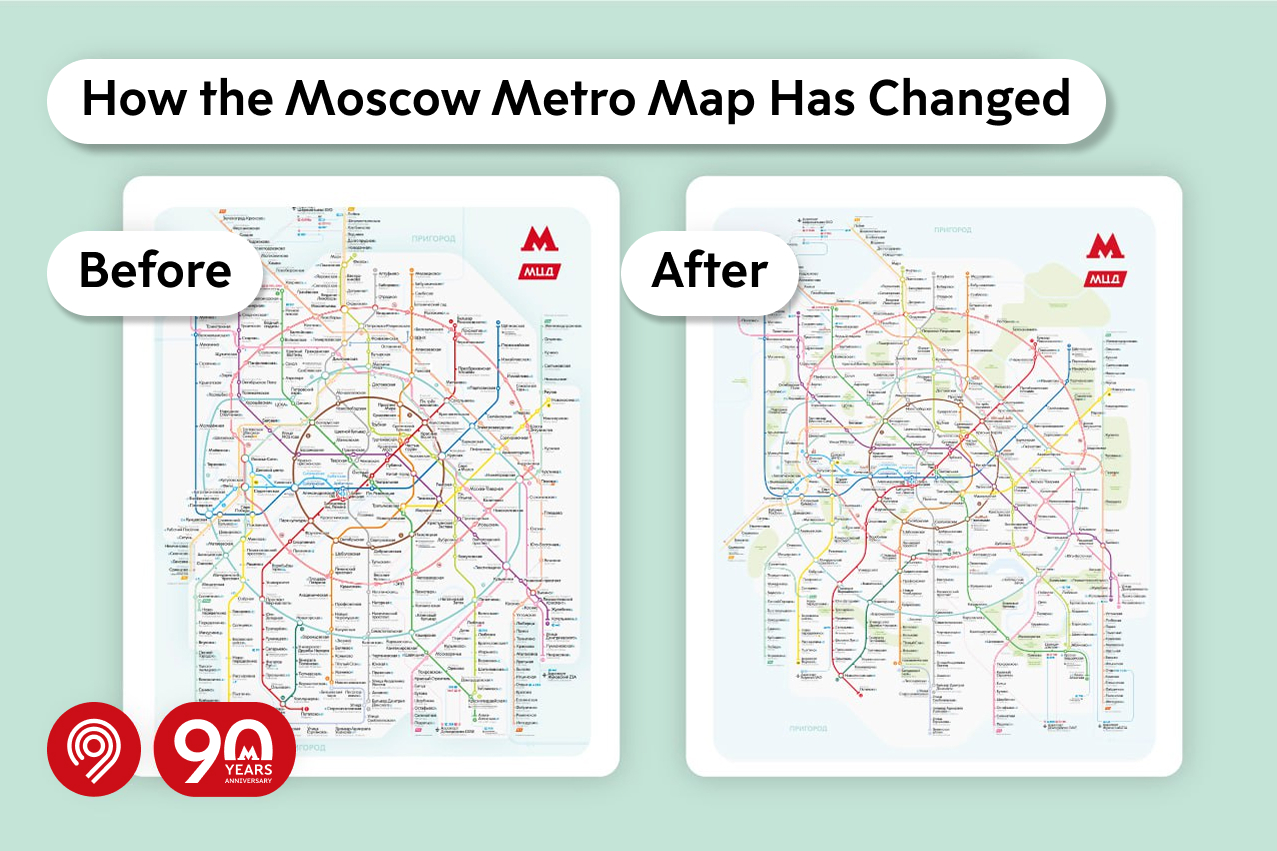
  • MIL-OSI Russia: Moscow Metro – Moscow has updated the design of its metro map

    Source: Moscow Metro

    Moscow has updated the design of its metro map. Now, only smooth lines are used for the design, and large parks within walking distance from the metro are depicted on the map. The last time the map’s design was radically changed was in 2013.

    Moscow Metro.

    The Moscow Department of Transport has unveiled the updated map of the capital’s metro. Among the main changes: only smooth lines are used for the schematic representation, and large parks within walking distance from the metro are shown on the map. Maksim Liksutov, Deputy Mayor of Moscow for Transport and Industry, noted that the innovations are aimed at making the map more convenient for passengers.

    According to Liksutov, some elements on the map have been introduced for the first time in 90 years; the last time its design was radically changed was in 2013. The new map was prepared for the opening of the new section of the Line 16, Novatorskaya — ZIL.

    “This year, we will change the design of the metro map for the convenience of users. A total of more than 38 thousand maps will be placed for the opening of the new section of the Troitskaya line. The design was developed taking into account feedback from passengers, and the new approach to creating navigation will allow Muscovites and tourists to read information even faster,”  commented the Deputy Mayor.

    The Moscow Metro is the largest in Europe in terms of passenger traffic and ranks second in the world in this indicator. The metro development program provides for the construction of 31 more stations in Moscow by 2030.

    Currently, work continues on the construction of the Lines 16 and 17, as well as the Dostoevskaya station of the Circle Line. Additionally, design work is underway for the Line 18 and the extension of the Line 3 with the construction of a new terminal station, Golyanovo.

    MIL OSI Russia News

  • MIL-OSI USA: When WOWtruck pulls up – kids will play!

    Source: US State of Oregon

    span dir=”ltr”>The WOWtruck is a really fun portable gym that travels throughout Douglas County. It unfolds into a bike track, climbing wall, mini golf spread, ping pong tables, bowling alley, an obstacle course, a learning kitchen and more. Recently the WOWtruck set up at Oregon Department of Human Services offices in Roseburg.

    “We bring the WOWtruck to our offices because it helps us make connections with our community. We do It to establish ourselves as a community organization and to create a strong bond with our community,” Jessica Hunter, ODHS Child Welfare Program Manager for Douglas County, said.

    The WOWtruck has been at the ODHS offices at 738 W. Harvard Avenue in June and July. It plans on returning Wednesday, August 13 and again Wednesday, September 10 from 1 to 4 p.m., same time both days. The WOWtruck is sponsored by Thundering Water Upstream Healthcare and ODHS. The idea is that it offers healthy, physical activity that can help prevent illness and disease.

    “All activities are designed to move your body and to engage with friends and family. It’s also important to note that Douglas County is very rural. Many residents live 30 miles away from Roseburg, where many community events are held. So, having a traveling activity brings equity to the community. The WOWtruck helps remove barriers. The activity comes to them,” Hunter said.

    Hunter and staff also made sure the surrounding neighborhood residents, which includes subsidized housing, were invited to WOWtruck event. They delivered flyers to every door.

    “We wanted to level the playing field for all kids in our community,” she said.

    Several dozen families including parents, children and caregivers – participated in the activities at each event.

    “Everyone was clearly having a good time. I looked around and I saw that no one – not teens, preteens or anybody, was on their phones. They were all involved in cooperative play and were communicating with each other. That was really nice to see,” Hunter said.

    Hunter said she played a little ping pong and next time she might try the climbing wall. She called the bike track, “absolutely the best!”

    Hunter credits “the incredible staff from Child Welfare and the Self-Sufficiency Programs for donating their time to make the WOWtruck days happen.” Staff also gave out free water bottles, snacks and popsicles.

    To learn more about the WOWtruck: https://thunderingwater.org/wowtruck/

    MIL OSI USA News

  • MIL-OSI: HCM III Acquisition Corp. Announces Pricing of $220 Million Initial Public Offering

    Source: GlobeNewswire (MIL-OSI)

    STAMFORD, CT, July 31, 2025 (GLOBE NEWSWIRE) — HCM III Acquisition Corp. (the “Company”), a blank check company whose business purpose is to effect a merger, amalgamation, share exchange, asset acquisition, share purchase, reorganization or similar business combination with one or more businesses, announced today that it has priced its initial public offering of 22,000,000 units at $10.00 per unit. Each unit consists of one Class A ordinary share and one-third of one redeemable warrant. The units will be listed on the Nasdaq Global Market (“Nasdaq”) and will begin trading tomorrow, August, 1, 2025, under the ticker symbol “HCMAU.” Each whole warrant is exercisable to purchase one Class A ordinary share of the Company at a price of $11.50 per share. Only whole warrants are exercisable and will trade. Once the securities comprising the units begin separate trading, the Class A ordinary shares and warrants are expected to be listed on the Nasdaq under the symbols “HCMA” and “HCMAW,” respectively.

    Cantor Fitzgerald & Co. is acting as sole bookrunner for the offering. The Company has granted the underwriters a 45-day option to purchase up to an additional 3,300,000 units at the initial public offering price to cover over-allotments, if any.

    The Company intends to focus on identifying businesses which provide disruptive technology or innovations within the financial services industry. The Company’s efforts will be focused on acquiring established businesses that it believes are fundamentally sound, but in need of assistance to maximize their potential value. The Company is led by Shawn Matthews, Chairman and Chief Executive Officer; and Steve Bischoff, Chief Financial Officer.

    The public offering is being made only by means of a prospectus. When available, copies of the prospectus relating to the offering may be obtained from: Cantor Fitzgerald & Co., Attention Capital Markets, 499 Park Avenue, New York, NY 10022, or by e-mail at prospectus@cantor.com.

    A registration statement relating to the securities was filed with, and declared effective by, the Securities and Exchange Commission (“SEC”) on July 31, 2025. This press release shall not constitute an offer to sell or the solicitation of an offer to buy, nor shall there be any sale of these securities in any state or jurisdiction in which such offer, solicitation or sale would be unlawful prior to registration or qualification under the securities laws of any such state or jurisdiction.

    FORWARD-LOOKING STATEMENTS

    This press release contains statements that constitute “forward-looking statements.” Forward-looking statements are subject to numerous conditions, many of which are beyond the control of the Company, including those set forth in the “Risk Factors” section of the Company’s registration statement filed with the SEC and the preliminary prospectus included therein. Copies of these documents are available on the SEC’s website, www.sec.gov. The Company undertakes no obligation to update these statements for revisions or changes after the date of this release, except as required by law.

    About HCM III Acquisition Corp.

    HCM III Acquisition Corp. is a newly organized blank check company formed for the purpose of effecting a merger, capital stock exchange, asset acquisition, stock purchase, reorganization or similar business combination with one or more businesses. The Company intends to focus on identifying businesses which provide disruptive technology or innovations within the financial services industry. The Company’s efforts will be focused on acquiring established businesses that it believes are fundamentally sound, but in need of assistance to maximize their potential value.

    Media Contact:
    Steve Bischoff
    sbischoff@hondiuscapital.com

    The MIL Network

  • MIL-OSI: The Ether Machine Marks Ethereum’s 10th Birthday with Major ETH Treasury Purchase

    Source: GlobeNewswire (MIL-OSI)

    New York, NY, July 31, 2025 (GLOBE NEWSWIRE) — The Ether Machine, the ether generation company, announced yesterday that The Ether Reserve LLC has purchased nearly 15,000 ETH at $3,809.97 USD for a total of $56,900,000.01 USD as part of The Ether Machine’s long-term accumulation strategy. This brings total ETH purchased and committed to 334,757 with up to $407,000,000 of USD remaining for additional ETH purchases.

    Timed to coincide with Ethereum’s 10-year anniversary, the purchase marks the beginning of The Ether Machine’s treasury deployment, and reflects a deep conviction in ETH as the most important asset of the decentralized internet and its mission to build a long-term, institutional-grade ETH treasury.

    “We couldn’t imagine a better way to commemorate Ethereum’s 10th birthday than by deepening our commitment to ether,” said Andrew Keys, Chairman and Co-Founder of The Ether Machine. “We are just getting started. Our mandate is to accumulate, compound, and support ETH for the long term – not just as a financial asset, but as the backbone of a new internet economy.”

    The purchase was made by The Ether Reserve LLC from part of the $97 million in cash proceeds from its previously announced private placement. The Ether Reserve LLC will purchase additional ether from the remaining proceeds in the coming days, which will be announced separately.

    In parallel with the accumulation announcement, Keys also made a personal donation of $100,000 to the Protocol Guild, a community-led funding initiative supporting Ethereum’s core protocol contributors. The Protocol Guild is widely recognized as one of the most effective models for open-source sustainability in Web3, having distributed millions of dollars to over 150 long-term researchers, developers, and maintainers responsible for Ethereum’s base layer.

    “Ethereum would not exist without the tireless work of its core developers,” said Keys. “This donation is a token of thanks to the stewards of the protocol, and a celebration of everything Ethereum has made possible over the past decade. Happy 10th birthday, Ethereum.”

    ——————

    About The Ether Machine

    Formed through a business combination (to be completed) between The Ether Reserve LLC and Dynamix Corporation, a NASDAQ-listed special purpose acquisition company (the “Business Combination”), pursuant to a definitive business combination agreement (the “Business Combination Agreement”), The Ether Machine is an Ethereum yield and infrastructure company purpose-built for institutional management and scale. Expected to be anchored by one of the largest on-chain ETH positions of any public entity, The Ether Machine will actively generate and optimize ETH-denominated returns through staking, restaking, and secure, professionally risk-managed DeFi participation. The Ether Machine also expects to provide turnkey infrastructure solutions for enterprises, DAOs, and Ethereum-native builders seeking access to Ethereum’s consensus and blockspace economy. To learn more, please visit www.ethermachine.com.

    About Protocol Guild

    Protocol Guild is a community-led funding mechanism that supports the long-term contributors maintaining Ethereum’s core protocol. Through an eligibility framework, member registry, and onchain contracts, the Guild allocates funding transparently and over time to those advancing Ethereum’s layer 1. It operates independently of governance decisions and helps ensure the protocol’s most critical work is sustainably supported as a public good. To learn, please visit www.protocolguild.org.

    About Dynamix Corporation

    Dynamix Corporation (“DYNX”) is a special purpose acquisition company incorporated under the laws of Cayman Islands for the purpose of effecting a merger, amalgamation, share exchange, asset acquisition, share purchase, reorganization or similar business combination with one or more businesses. DYNX is led by the following seasoned investors and industry executives: Andrea “Andrejka” Bernatova, Chief Executive Officer and Chairman, Nader Daylami, Chief Financial Officer, Philip Rajan, Vice President of M&A and Strategy and board members, Lynn A. Peterson, Diaco Aviki and Tyler Crabtree. Additionally, Ralph Alexander, Joe Gatto, Peter Gross, Jimmy Henderson, Tommy Stone, and Steve Webster served as Advisors to DYNX. DYNX maintains a corporate website at https://dynamix-corp.com.

    Media Contact:
    press@ethermachine.com

    Additional Information and Where to Find It

    DYNX and The Ether Machine, Inc. (“Pubco”) intend to file with the Securities and Exchange Commission (the “SEC”) a Registration Statement on Form S-4 (the “Registration Statement”), which will include a preliminary proxy statement of DYNX and a prospectus of Pubco (the “Proxy Statement/Prospectus”) in connection with the Business Combination and the other transactions contemplated by the Business Combination Agreement and/or described in this communication (together with the Business Combination and the private placement investments, the “Proposed Transactions”). The definitive proxy statement and other relevant documents will be mailed to shareholders of DYNX as of a record date to be established for voting on the Business Combination and other matters as described in the Proxy Statement/Prospectus. DYNX and/or Pubco will also file other documents regarding the Proposed Transactions with the SEC. This communication does not contain all of the information that should be considered concerning the Proposed Transactions and is not intended to form the basis of any investment decision or any other decision in respect of the Proposed Transactions. BEFORE MAKING ANY VOTING OR INVESTMENT DECISION, SHAREHOLDERS OF DYNX AND OTHER INTERESTED PARTIES ARE URGED TO READ, WHEN AVAILABLE, THE PRELIMINARY PROXY STATEMENT/PROSPECTUS, AND AMENDMENTS THERETO, AND THE DEFINITIVE PROXY STATEMENT/PROSPECTUS AND ALL OTHER RELEVANT DOCUMENTS FILED OR THAT WILL BE FILED WITH THE SEC IN CONNECTION WITH DYNX’S SOLICITATION OF PROXIES FOR THE EXTRAORDINARY GENERAL MEETING OF ITS SHAREHOLDERS TO BE HELD TO APPROVE THE PROPOSED TRANSACTIONS AND OTHER MATTERS AS DESCRIBED IN THE PROXY STATEMENT/PROSPECTUS BECAUSE THESE DOCUMENTS WILL CONTAIN IMPORTANT INFORMATION ABOUT DYNX, THE COMPANY, PUBCO AND THE PROPOSED TRANSACTIONS. Investors and security holders will also be able to obtain copies of the Registration Statement and the Proxy Statement/Prospectus and all other documents filed or that will be filed with the SEC by DYNX and Pubco, without charge, once available, on the SEC’s website at www.sec.gov or by directing a request to: Dynamix Corp, 1980 Post Oak Blvd., Suite 100, PMB 6373, Houston, TX 77056; e-mail: info@regen.io, or to: The Ether Machine, Inc., 2093 Philadelphia Pike #2640, Claymont, DE 19703, e-mail: dm@etherreserve.com.

    NEITHER THE SEC NOR ANY STATE SECURITIES REGULATORY AGENCY HAS APPROVED OR DISAPPROVED THE PROPOSED TRANSACTIONS DESCRIBED HEREIN, PASSED UPON THE MERITS OR FAIRNESS OF THE BUSINESS COMBINATION OR ANY RELATED TRANSACTIONS OR PASSED UPON THE ADEQUACY OR ACCURACY OF THE DISCLOSURE IN THIS COMMUNICATION. ANY REPRESENTATION TO THE CONTRARY CONSTITUTES A CRIMINAL OFFENSE.

    The Pubco Class A Stock to be issued by Pubco and the class A units issued and to be issued by The Ether Reserve LLC (the “Company”), in each case, in connection with the Proposed Transactions, have not been registered under the Securities Act and may not be offered or sold in the United States absent registration or an applicable exemption from the registration requirements of the Securities Act.

    Participants in the Solicitation

    DYNX, Pubco, the Company and their respective directors and executive officers may be deemed under SEC rules to be participants in the solicitation of proxies from DYNX’s shareholders in connection with the Business Combination. A list of the names of such directors and executive officers, and information regarding their interests in the Business Combination and their ownership of DYNX’s securities are, or will be, contained in DYNX’s filings with the SEC. Additional information regarding the interests of the persons who may, under SEC rules, be deemed participants in the solicitation of proxies of DYNX’s shareholders in connection with the Business Combination, including the names and interests of the Company and Pubco’s directors and executive officers, will be set forth in the Proxy Statement/Prospectus, which is expected to be filed by DYNX and Pubco with the SEC. Investors and security holders may obtain free copies of these documents as described above.

    No Offer or Solicitation

    This communication is for informational purposes only and is not a proxy statement or solicitation of a proxy, consent or authorization with respect to any securities or in respect of the Proposed Transactions and shall not constitute an offer to sell or exchange, or a solicitation of an offer to buy or exchange the securities of DYNX, the Company or Pubco, or any commodity or instrument or related derivative, nor shall there be any sale of any such securities in any state or jurisdiction in which such offer, solicitation, sale or exchange would be unlawful prior to registration or qualification under the securities laws of such state or jurisdiction. No offer of securities shall be made except by means of a prospectus meeting the requirements of the Securities Act or an exemption therefrom. Investors should consult with their counsel as to the applicable requirements for a purchaser to avail itself of any exemption under the Securities Act.

    Forward-Looking Statements

    This communication contains certain forward-looking statements within the meaning of the U.S. federal securities laws with respect to the Proposed Transactions and the parties thereto, including expectations, hopes, beliefs, intentions, plans, prospects, results or strategies regarding Pubco, the Company, DYNX and the Proposed Transactions and statements regarding the anticipated benefits and timing of completion of the Proposed Transactions, business plans and investment strategies of Pubco, the Company and DYNX, expected use of the cash proceeds of the Proposed Transactions, the Company’s ability to stake and leverage capital markets and other staking operations and participation in restaking, the amount of capital expected to be received in the Proposed Transactions, the assets held by Pubco, Ether’s position as the most productive digital asset, plans to increase yield to investors, any expected growth or opportunities associated with Ether, Pubco’s listing on an applicable securities exchange and the timing of such listing, expectations of Ether to perform as a superior treasury asset, the upside potential and opportunity for investors resulting from any Proposed Transactions, any proposed transaction structures and offering terms and the Company’s and Pubco’s plans for Ether adoption, value creation, investor benefits and strategic advantages. These forward-looking statements generally are identified by the words “believe,” “project,” “expect,” “anticipate,” “estimate,” “intend,” “strategy,” “future,” “opportunity,” “potential,” “plan,” “may,” “should,” “will,” “would,” “will be,” “will continue,” “will likely result,” and similar expressions.

    These are subject to various risks and uncertainties, including regulatory review, Ethereum protocol developments, market dynamics, the risk that the Proposed Transactions may not be completed in a timely manner or at all, failure for any condition to closing of the Business Combination to be met, the risk that the Business Combination may not be completed by DYNX’s business combination deadline, the failure by the parties to satisfy the conditions to the consummation of the Business Combination, including the approval of DYNX’s shareholders, or the private placement investments, costs related to the Proposed Transactions and as a result of becoming a public company, failure to realize the anticipated benefits of the Proposed Transactions, the level of redemptions of DYNX’s public shareholders which may reduce the public float of, reduce the liquidity of the trading market of, and/or maintain the quotation, listing, or trading of the Class A shares of DYNX or the shares of Pubco Class A Stock, the lack of a third-party fairness opinion in determining whether or not to pursue the Business Combination, the failure of Pubco to obtain or maintain the listing of its securities any stock exchange on which Pubco Class A Stock will be listed after closing of the Business Combination, changes in business, market, financial, political and regulatory conditions, risks relating to Pubco’s anticipated operations and business, including the highly volatile nature of the price of Ether, the risk that Pubco’s stock price will be highly correlated to the price of Ether and the price of Ether may decrease between the signing of the definitive documents for the Proposed Transactions and the closing of the Proposed Transactions or at any time after the closing of the Proposed Transactions, risks related to increased competition in the industries in which Pubco will operate, risks relating to significant legal, commercial, regulatory and technical uncertainty regarding Ether, risks relating to the treatment of crypto assets for U.S. and foreign tax purposes, challenges in implementing its business plan including Ether-related financial and advisory services, due to operational challenges, significant competition and regulation, being considered to be a “shell company” by any stock exchange on which the Pubco Class A Stock will be listed or by the SEC, which may impact the ability to list Pubco’s Class A Stock and restrict reliance on certain rules or forms in connection with the offering, sale or resale of securities, the outcome of any potential legal proceedings that may be instituted against the Company, DYNX, Pubco or others following announcement of the Business Combination and those risk factors discussed in documents of the Company, Pubco, or DYNX filed, or to be filed, with the SEC. The foregoing list of risk factors is not exhaustive. You should carefully consider the foregoing factors and the other risks and uncertainties described in the “Risk Factors” section of the final prospectus of DYNX dated as of November 20, 2024 and filed by DYNX with the SEC on November 21, 2024, DYNX’s Quarterly Reports on Form 10-Q, DYNX’s Annual Report on Form 10-K filed with the SEC on March 20, 2025 and the registration statement on Form S-4 and proxy statement/prospectus that will be filed by Pubco and DYNX, and other documents filed by DYNX and Pubco from time to time with the SEC, as well as the list of risk factors included herein. These filings do or will identify and address other important risks and uncertainties that could cause actual results to differ materially from those contained in the forward-looking statements. Additional risks and uncertainties not currently known or that are currently deemed immaterial may also cause actual results to differ materially from those expressed or implied by such forward-looking statements. Readers are cautioned not to put undue reliance on forward- looking statements, and none of the parties or any of their representatives assumes any obligation and do not intend to update or revise these forward-looking statements, each of which are made only as of the date of this communication.

    The MIL Network

  • MIL-OSI Australia: Searching for a lethal needle in a haystack: traces of highly potent synthetic opioids found in used syringes

    Source:

    01 August 2025

    A class of synthetic opioids that are up to 1000 times more potent than morphine have been found in used syringes across metropolitan Adelaide, sparking fears of a wave of overdoses that could be lethal.

    In the first study of its kind in South Australia, University of South Australia researchers have detected traces of nitazene in samples of discarded injecting equipment, plastic bags, vials and filters from public disposal bins at local needle and syringe program sites.

    Their findings are published today (Friday 1 August) in the Drug & Alcohol Review.

    Using highly sensitive chemical analysis, researchers identified nitazenes in 5% of 300 samples, mainly in combination with heroin and mostly found in syringes.

    Nitazenes led to 32 overdose deaths in Australia between 2020 and 2024, with 84% of patients unaware the synthetic opioid was present in the drug they consumed. It is increasingly hidden in illicit drugs such as fentanyl and heroin, posing extreme overdose risks, often with fatal consequences.

    “Nitazenes are among the most potent synthetic opioids in circulation today, some stronger than fentanyl, which is 50 times more potent than heroin,” according to lead researcher UniSA Associate Professor Cobus Gerber.

    “These substances can be lethal in tiny quantities and are often mixed with other drugs, making them incredibly difficult to detect and monitor through traditional means,” he says.

    Several different nitazenes were identified, some of them combined with the non-opioid veterinary sedative xylazine, which is not approved for human use.

    “This is particularly alarming,” says Assoc Prof Gerber, “as xylazine has been linked to severe adverse effects, including necrotic skin lesions, prolonged sedation and depression.

    “Finding xylazine alongside nitazenes in the same samples is a worrying sign because it mirrors what we are seeing overseas, especially in the United States, where these drug combinations are contributing to a wave of overdose deaths and complex clinical presentations.”

    Less than one in five nitazene-related emergency cases in Australia involved people who knowingly took the drug, with most people mistakenly believing they consumed heroin, methamphetamine or other familiar substances.

    “Accidental exposure is a key risk,” says co-author UniSA researcher Dr Emma Keller.

    “When drugs are contaminated with nitazenes, the margin for error narrows dramatically. Standard doses can become fatal, especially for people who don’t know what their product contains or who don’t carry naloxone, a medication that can rapidly reverse the effects of an opioid overdose.”

    The detection of these substances in South Australia comes amid growing calls for expanded drug-checking services, including the use of nitazene-specific drug strips and public health alerts.

    Associate Prof Gerber says that chemical testing of used drug paraphernalia is a non-invasive, effective way to identify emerging threats in the drug supply.

    “This kind of data can trigger rapid alerts to health agencies, treatment services and peer networks, allowing people who use drugs to make more informed choices.”

    Wastewater analysis is also used to detect illicit drugs in the community, but due to the sporadic nature of drug use, other monitoring approaches like chemical testing are necessary.

    Drug and Alcohol Services South Australia, who co-authored the study, has shared the findings with community advisory groups, healthcare providers and the state’s early warning system network.

    ‘Searching for a Needle in a Haystack: Chemical Analysis Reveals Nitazenes Found in Drug Paraphernalia Residues’ in published in Drug and Alcohol Review. DOI: 10.1111/dar.70010

    …………………………………………………………………………………………………………………………

    Researcher contacts: Associate Professor Cobus Gerber M: +61 423 496 066
    E: cobus.gerber@unisa.edu.au; Dr Emma Pedler M: +61 424 950 030 E: emma.pedler@unisa.edu.au
    Media contact: Candy Gibson M: +61 434 605 142 E: candy.gibson@unisa.edu.au

    MIL OSI News

  • MIL-OSI Australia: Our Poppies the pick of the bunch

    Source:

    01 August 2025

    UniSA’s Dr Sarah Boyle and Dr Ben Singh, recipients of SA’s 2025 Young Tall Poppy Awards

    Six researchers from the University of Adelaide and University of South Australia have been named as this year’s South Australian Young Tall Poppies, with their expertise in chrono-nutrition, climate science, marine ecology and precision measurement garnering this prestigious recognition.

    The Young Tall Poppy science awards are an initiative of the Australian Institute of Policy and Science (AIPS) and have been established to celebrate researchers who combine cutting-edge science with a passion for engaging and inspiring others.

    “I am thrilled to see such a strong showing from both the University of Adelaide and University of South Australia,” said Professor Anton Middelberg, Deputy Vice-Chancellor (Research) at the University of Adelaide and Deputy Vice Chancellor Research & Innovation at Adelaide University.

    “These are six bright young minds who are leading their fields and improving so many aspects of our society through their work. It is exciting to have their combined talent included in the inaugural cohort for Adelaide University, which opens in 2026.”

    The University of Adelaide and University of South Australia researchers honoured in the South Australian 2025 Young Tall Poppy Science Awards comprise:

    Dr Sarah Boyle is an ARC DECRA Research Fellow at UniSA’s Centre for Cancer Biology, leading the Cancer Matrix and Mechanics Group within the Tumour Microenvironment Laboratory. Her research investigates how cancer cells hijack non-cancerous cells in their vicinity, and how physical stress in the tumour’s ecosystem promotes metastasis and recurrence. By identifying the mechanisms involved, she is paving the way for new treatments and improved patient outcomes.

    Dr Georgina Falster is a DECRA Fellow from the University of Adelaide’s School of Physics, Chemistry and Earth Sciences, whose research focuses on climate science. She is interested in local and global water cycles from monthly to multi-centennial time scales, and is looking into how Australian droughts are changing and using water isotopes to track dynamic variability in the water cycle.

    Dr Amy Hutchison is a postdoctoral researcher at the University of Adelaide’s Robinson Research Institute and Adelaide Medical School, and based within SAHMRI’s Lifelong Health Theme. Her research explores how modified meal patterns, such as intermittent fasting and time-restricted feeding, can improve blood glucose control and cardiovascular risk – a field known as chrono-nutrition.

    Dr Sarah Scholten, from the University of Adelaide’s School of Physics, Chemistry and Earth Sciences, researches how the unique properties of light can be harnessed to break the boundaries of precision measurement. Dr Scholten is part of a team that has developed a compact high-stability clock that outperforms GPS navigation systems and could be more reliable for use as a timing signal in defence applications.

    Dr Ben Singh, from UniSA’s Allied Health and Human Performance Academic Unit, researches physical inactivity and why so many people remain physically inactive despite knowing the benefit of exercise. His research is focused on developing practical, evidence-based tools to help people move more in their daily lives. From tailored exercise programs to mobile apps and wearable devices, he explores how to keep people active and support them to live healthier lives.

    Dr Nina Wootton, a marine ecologist from the University of Adelaide’s School of Biological Sciences, has an interest in the impacts of plastic pollution on marine environments. Dr Wootton’s research has involved quantifying the amount of plastic and microplastic found in seafood species globally, analysing the potential effects of plastic on seafood species and fisheries, and working with the seafood industry to help develop solutions to this growing plastic problem.

    South Australia’s overarching Young Tall Poppy of the Year will be announced on Friday, 8 August. For more information on the Tall Poppy Awards, visit the website.

    Media contacts

    Johnny von Einem, Senior Media Officer, University of Adelaide. Phone: +61 0481 688 436, Email: johnny.voneinem@adelaide.edu.au
    Annabel Mansfield, Senior Media Advisor, University of Adelaide. Phone: +61 479 182 489. Email: Annabel.Mansfield@unisa.edu.au

    Other articles you may be interested in

    MIL OSI News

  • MIL-OSI Australia: Electricity industry on notice as more households invest in subsidised batteries and solar

    Source: Australian Ministers for Regional Development

    The ACCC is warning battery and solar suppliers and electricity retailers their sales practices must meet scrutiny as demand for home batteries and solar systems jumps due to subsidy schemes and the large savings that households on solar and battery plans are experiencing.

    The ACCC’s latest Electricity Inquiry Report examines emerging markets for new electricity services, particularly those supported by solar and battery systems, and compares the electricity bills of solar and battery customers with the bills of regular customers who draw only from the grid.

    The report found that the Australian Government’s Cheaper Home Batteries Program is making batteries more affordable and providing more households an opportunity to lower their electricity bills. To ensure that consumers receive the full benefit of the Program, the ACCC is warning that retailers and installers must act in the consumer’s interest.

    “As more Australian households switch to battery and solar plans, it’s important that the deals on offer are fair, accurate and easy to understand,” ACCC Commissioner Anna Brakey said.

    “The ACCC will be watching carefully and actively monitoring consumer complaints. We will hold solar and battery installers, retailers and suppliers accountable to ensure they comply with Australia’s consumer laws.”

    “Consumers looking to take advantage of the new subsidies for solar home batteries to lower their energy bills, should take their time and not feel pressured to rush in straight away,” Ms Brakey said.

    The report emphasises the complexity of investing in a solar and home battery system and the need for consumers to understand whether the benefits they receive outweigh the costs, particularly when choosing system sizes.

    The report supports calls for additional consumer protections to safeguard consumers purchasing systems and signing up to new energy services like virtual power plants. It also supports calls for an overarching consumer duty that requires energy companies to act in the interests of consumers.

    “We believe additional consumer protections are needed as more Australians participate in markets for new and emerging energy services,” Ms Brakey said.

    “We advise consumers to read the Australian Government’s Solar Consumer Guide, compare a number of quotes from different providers, and ask for personalised information from solar and battery sellers about the appropriate size for their system and the projected cost savings.”

    Solar and battery customers see biggest bill savings

    Australian households with rooftop solar and a home battery have electricity bills that are on average 40 per cent less than customers whose electricity comes entirely from the grid (regular users), the report found.

    The report presents new analysis of the 2023 to 2024 billing outcomes of customers that have adopted different renewable energy solutions and compares them to regular users.

    The median annual residential electricity bill for regular users, without rebates, in the National Electricity Market in 2023 to 2024 was $1,565. The median household with rooftop solar paid about 18 per cent less ($1,279 per year), while a household with solar and a home battery paid about 40 per cent less ($936).

    Residential customers who are connected to a virtual power plant, which is an energy sharing network of solar and batteries, paid about 63 per cent less ($580) than the median household.

    “Home solar and batteries continue to be a compelling option for Australians who can afford the upfront cost, with those who are connected to a virtual power plant saving up to almost $1000 off their annual bill,” ACCC Commissioner Anna Brakey said.

    Median bills paid by regular, solar, battery and virtual power plant customers, by region, quarter 3 of 2023 to quarter 3 of 2024.

    Government rebates bring down power bills by 21 per cent

    The report also shows that government rebates resulted in the median quarterly household power bill dropping by 21 per cent between the third quarter 2023 and third quarter 2024.

    Without rebates, the median quarterly bill would have instead risen by 4 per cent.

    “The sharpest decline across the National Electricity Market was in South East Queensland, where rebates exceeded the median bill amount,” Ms Brakey said.

    Background

    The National Electricity Market is comprised of South East Queensland, New South Wales (including the ACT), Victoria, Tasmania and South Australia. Western Australia and the Northern Territory are not connected to the National Electricity Market.

    To inform this report, we collected billing data from 8 retailers, which cover 97 per cent of residential customers and 90 per cent of small business customers in New South Wales, Victoria, South Australia and South East Queensland. We obtained additional data for customers on virtual power plant services, electric vehicle tariffs and behavioural demand response plans.

    In 2018, the Australian Government directed the ACCC to hold an inquiry into the prices, profits and margins in relation to the supply of electricity in the National Electricity Market (which covers NSW, Victoria, South East Queensland and South Australia). On 23 March 2025, the Australian Government announced a 12-month extension to the inquiry.

    This is the 13th time the ACCC has reported as part of this inquiry.

    The report is available on the ACCC’s website at Electricity market monitoring 2018-2025.

    The ACCC is required to report at least every 6 months. The next report is scheduled for December 2025.

    MIL OSI News

  • MIL-OSI Australia: Tax time 2025 update – 29 July

    Source: New places to play in Gungahlin

    Welcome and governance

    The ATO Co-chair welcomed members and ATO attendees to the Tax Practitioner Stewardship Group (TPSG) Tax Time 2025 meeting.

    ATO Updates

    Frontline Services

    It’s been a busy start to the week and so far this tax time we’ve received 3.6 million individual lodgments. Overall, this is a 3% decrease compared to last year. Lodgment numbers for self-preparers have decreased 2%, whilst agent lodged returns are down 6%.

    We’ve received on average around 22,000 calls from agents each week, totalling 89,000. This is 11% down from this time last year.

    Around 21.2 million (or 95%) of Single Touch Payroll (STP) records have been finalised. This is similar to the same time last year.

    Member comments

    A member queried why so many tax agents are calling when they have access to the Online services for agents (OSFA) portal. We advised there could be several drivers for the calls. The key calls we are receiving from agents are primarily regarding payment negotiations and GST. Overall agent calls are on the decline, and this may be attributed to the reduction in calls regarding compromised accounts.

    A member advised the refund requests and Pay As You Go (PAYG) registrations functionality in OSFA has disappeared, which may also be a reason that agents are calling. We agreed to investigate this further.

    IT system updates & maintenance

    Overall, we’ve had good stability, and performance across systems throughout tax time, with a maintenance release successfully deployed over the weekend.

    It was however noted, that at around 8:30am AEST on 29 July 2025, we saw degradation across all online services that required authentication to access. Other services not requiring authentication remained stable. The issue was resolved around 11am AEST.

    Member comments

    A member advised access manager was still having problems and there were also some linking issues. We confirmed both access manager and ABR were having some intermittent issues and our teams were monitoring and addressing the degradation.

    ATO Digital services

    We noted that digital services are operating as intended and there is nothing to report.

    ATO Communications

    We released a statement in the media centre addressing the Four Corners report that aired on 28 July.

    The bill before Parliament to cut student debt by 20% this is not yet law (as at 29 July 2025). We advised that no action is required and there will be communications in the next couple of weeks encouraging agents to lodge as normal. We advised if the law passes, the reduction will be backdated to the student debt balance the individual had on 1 June 2025.

    Assistant Commissioner Sarah Vawser is presenting a Tax Time 2025 segment at next Tuesday’s TPB ‘tax time tips’External Link webinar.

    We’ve issued a taxpayer alert on GST Fraud, with a particular focus on some property and construction industries making false claims. Tax professionals can assist by reporting of any instances they become aware of to the ATO.

    Member comments

    A member queried if there were concerns that the Four Corners story will be seen as a ‘how to’ guide and whether we are expecting an increase in fraudulent claims as a result. We advised there have been a number of changes to strengthen the system since Operation Protego and we’re closely monitoring the situation.

    A member queried whether the communications to agents regarding the bill before Parliament to cut student debt, will be shared with the Content and Communications Working Group first. We advised until the legislation passes, no action can be taken, as this bill belongs to the Department of Education – however we will consider this suggestion.

    Member Insights and Experience

    Member comments

    A member advised that from a tax clinics point of view, they’re receiving a large amount of contact from individuals and small businesses experiencing financial difficulty. The tax clinics are analysing their data from the past 7 years regarding contact received, and what was required to assist. With over 10,000 applications during this time, they believe the data may assist the ATO to provide future educational pieces for vulnerable taxpayers. We advised we would be interested in the findings from their analysis.

    A member raised concerns around a communication issuing through myGov for first time PAYG Instalment receivers. Taxpayers receiving this message do not know what it means, the content seems to be missing the mark, and there is no call to action. We advised we will take the review of this communication as an action item.

    A member noted the Tax Ombudsman has released a report on letters issued by the ATO and agreed with the report, that too often the ATO is writing from a revenue authority focus without providing content the audience can clearly understand. We agreed with and will be implementing the Tax Ombudsman’s recommendations.

    Members agreed to shift the meetings to fortnightly. The next meeting will be Tuesday 12 August.

    Useful links

    MIL OSI News

  • MIL-OSI Russia: Financial news: Three Federal Treasury deposit auctions will take place on 01.08.2025

    Translation. Region: Russian Federal

    Source: Moscow Exchange – Moscow Exchange –

    An important disclaimer is at the bottom of this article.

    Application selection parameters
    Date of the selection of applications 01.08.2025
    Unique identifier of the application selection 32025016
    Deposit currency rubles
    Type of funds funds of the Social Fund of Russia (funds of the ROOSS)
    Maximum amount of funds placed in bank deposits, million monetary units 237 862
    Placement period, in days 129
    Date of deposit 01.08.2025
    Refund date 08.12.2025
    Interest rate for placement of funds (fixed or floating) Floating
    Minimum fixed interest rate for placement of funds, % per annum
    Basic floating interest rate for placement of funds Ruonmds
    Minimum spread, % per annum 0.00
    Terms of conclusion of a bank deposit agreement (fixed-term, replenishable or special) Special
    Minimum amount of funds placed for one application, million monetary units 1
    Maximum number of applications from one credit institution, pcs. 5
    Application selection form (open or closed) Open
    Application selection schedule (Moscow time)
    Venue for the selection of applications PAO Moscow Exchange
    Applications accepted: from 16:00 to 16:10
    *Preliminary applications: from 16:00 to 16:05
    *Competition mode applications: from 16:05 to 16:10**
    **Time interval for the end of accepting applications (seconds): 120
    Formation of a consolidated register of applications: from 16:10 to 16:20
    Setting a cut-off percentage rate and/or recognizing the selection of applications as unsuccessful: from 16:10 to 16:30
    Submission to credit institutions of an offer to conclude a bank deposit agreement: from 16:30 to 17:20
    Receiving acceptance of an offer to conclude a bank deposit agreement from credit institutions: from 16:30 to 17:20
    Deposit transfer time In accordance with the requirements of paragraph 63 and paragraph 64 of the Order of the Federal Treasury dated 04/27/2023 No. 10n

    * for the open form of selection of applications from credit institutions for the conclusion of bank deposit agreements.

    ** the end time for accepting applications from credit institutions to conclude bank deposit agreements is set within the time interval and is determined by the exchange’s information software and hardware arbitrarily, within the established time interval.

    RUONmDS = RUONIA – DS, where

    RUONIA – the value of the indicative weighted rate of overnight ruble loans (deposits) RUONIA, expressed in hundredths of a percent, published on the official website of the Bank of Russia on the Internet on the day preceding the day for which interest is accrued. In the absence of a RUONIA rate value published on the day preceding the day for which interest is accrued, the last of the published RUONIA rate values is taken into account.

    DS – discount – a value expressed in hundredths of a percent and rounded (according to the rules of mathematical rounding) to two decimal places, calculated by multiplying the value of the Key Rate of the Bank of Russia by the value of the required reserve ratio for other liabilities of credit institutions for banks with a universal license, non-bank credit institutions (except for long-term ones) in the currency of the Russian Federation, valid on the date for which interest is accrued, and published on the official website of the Bank of Russia on the Internet.

    Application selection parameters
    Date of the selection of applications 01.08.2025
    Unique identifier of the application selection 22025223
    Deposit currency rubles
    Type of funds funds of the single treasury account
    Maximum amount of funds placed in bank deposits, million monetary units 248,000
    Placement period, in days 4
    Date of deposit 01.08.2025
    Refund date 05.08.2025
    Interest rate for placement of funds (fixed or floating) Fixed
    Minimum fixed interest rate for placement of funds, % per annum 17,19
    Basic floating interest rate for placement of funds
    Minimum spread, % per annum
    Terms of conclusion of a bank deposit agreement (fixed-term, replenishable or special) Urgent
    Minimum amount of funds placed for one application, million monetary units 1,000
    Maximum number of applications from one credit institution, pcs. 5
    Application selection form (open or closed) Open
    Application selection schedule (Moscow time)
    Venue for the selection of applications PAO Moscow Exchange
    Applications accepted: from 09:30 to 09:40
    *Preliminary applications: from 09:30 to 09:35
    *Competition mode applications: from 09:35 to 09:40**
    **Time interval for the end of accepting applications (seconds): 120
    Formation of a consolidated register of applications: from 09:40 to 09:50
    Setting a cut-off percentage rate and/or recognizing the selection of applications as unsuccessful: from 09:40 to 10:00
    Submission to credit institutions of an offer to conclude a bank deposit agreement: from 10:00 to 10:50
    Receiving acceptance of an offer to conclude a bank deposit agreement from credit institutions: from 10:00 to 10:50
    Deposit transfer time In accordance with the requirements of paragraph 63 and paragraph 64 of the Order of the Federal Treasury dated 04/27/2023 No. 10n

    * for the open form of selection of applications from credit institutions for the conclusion of bank deposit agreements.

    ** the end time for accepting applications from credit institutions to conclude bank deposit agreements is set within the time interval and is determined by the exchange’s information software and hardware arbitrarily, within the established time interval.

    Application selection parameters
    Date of the selection of applications 01.08.2025
    Unique identifier of the application selection 22025224
    Deposit currency rubles
    Type of funds funds of the single treasury account
    Maximum amount of funds placed in bank deposits, million monetary units 100,000
    Placement period, in days 14
    Date of deposit 01.08.2025
    Refund date 08/15/2025
    Interest rate for placement of funds (fixed or floating) Floating
    Minimum fixed interest rate for placement of funds, % per annum
    Basic floating interest rate for placement of funds Ruonmds
    Minimum spread, % per annum 0.00
    Terms of conclusion of a bank deposit agreement (fixed-term, replenishable or special) Urgent
    Minimum amount of funds placed for one application, million monetary units 1,000
    Maximum number of applications from one credit institution, pcs. 5
    Application selection form (open or closed) Open
    Application selection schedule (Moscow time)
    Venue for the selection of applications PAO Moscow Exchange
    Applications accepted: from 12:00 to 12:10
    *Preliminary applications: from 12:00 to 12:05
    *Competition mode applications: from 12:05 to 12:10**
    **Time interval for the end of accepting applications (seconds): 120
    Formation of a consolidated register of applications: from 12:10 to 12:20
    Setting a cut-off percentage rate and/or recognizing the selection of applications as unsuccessful: from 12:10 to 12:30
    Submission to credit institutions of an offer to conclude a bank deposit agreement: from 12:30 to 13:20
    Receiving acceptance of an offer to conclude a bank deposit agreement from credit institutions: from 12:30 to 13:20
    Deposit transfer time In accordance with the requirements of paragraph 63 and paragraph 64 of the Order of the Federal Treasury dated 04/27/2023 No. 10n

    * for the open form of selection of applications from credit institutions for the conclusion of bank deposit agreements.

    ** the end time for accepting applications from credit institutions to conclude bank deposit agreements is set within the time interval and is determined by the exchange’s information software and hardware arbitrarily, within the established time interval.

    RUONmDS = RUONIA – DS, where

    RUONIA – the value of the indicative weighted rate of overnight ruble loans (deposits) RUONIA, expressed in hundredths of a percent, published on the official website of the Bank of Russia on the Internet on the day preceding the day for which interest is accrued. In the absence of a RUONIA rate value published on the day preceding the day for which interest is accrued, the last of the published RUONIA rate values is taken into account.

    DS – discount – a value expressed in hundredths of a percent and rounded (according to the rules of mathematical rounding) to two decimal places, calculated by multiplying the value of the Key Rate of the Bank of Russia by the value of the required reserve ratio for other liabilities of credit institutions for banks with a universal license, non-bank credit institutions (except for long-term ones) in the currency of the Russian Federation, valid on the date for which interest is accrued, and published on the official website of the Bank of Russia on the Internet.

    Contact information for media 7 (495) 363-3232Pr@moex.kom

    Please note: This information is raw content obtained directly from the source of the information. It is an accurate report of what the source claims and does not necessarily reflect the position of MIL-OSI or its clients.

    .

    MIL OSI Russia News

  • MIL-OSI Russia: Financial News: On the Establishment of Risk Parameters in the Stock Market and Deposit Market

    Translation. Region: Russian Federal

    Source: Moscow Exchange – Moscow Exchange –

    An important disclaimer is at the bottom of this article.

    From 01.08.2025, by decision of NPO NCC (JSC), the following risk parameters are established on the stock market and deposit market:

    No. Trade code Security Minimum Restrictive Level of Market Risk Rates, % Concentration limit, pcs. Short selling ban Inclusion in the list of securities accepted as security for the fulfillment of obligations under Partially Collateralized Securities Transactions
    1st level, S1_min 2nd level, S2_min 3rd level, S3_min Level 1 Level 2
    1 RU000A10C8A4 Joint Stock Company “Polyplast” 50% 60% 70% 100,000 500,000 No No
    2 RU000A10C8C0 Open Joint Stock Company “Russian Railways” 15% 18% 21% 800,000 4,000,000 No Yes

    Admission to trading with partial security is carried out in accordance with criteria for bonds.

    Contact information for media 7 (495) 363-3232Pr@moex.kom

    Please note: This information is raw content obtained directly from the source of the information. It is an accurate report of what the source claims and does not necessarily reflect the position of MIL-OSI or its clients.

    .

    MIL OSI Russia News

  • MIL-OSI Russia: Financial news: 07/31/2025, 18-13 (Moscow time) the values of the upper limit of the price corridor and the range of market risk assessment for security RU000A109916 (RostelP10R) were changed.

    Translation. Region: Russian Federal

    Source: Moscow Exchange – Moscow Exchange –

    An important disclaimer is at the bottom of this article.

    07/31/2025 18:13

    In accordance with the Methodology for determining the risk parameters of the stock market and the deposit market of PJSC Moscow Exchange by NCO NCC (JSC) on July 31, 2025, 18-13 (Moscow time), the values of the upper limit of the price corridor (up to 109.83) and the range of market risk assessment (up to 1177.42 rubles, equivalent to a rate of 8.75%) of the security RU000A109916 (Rostel P10R) were changed

    Please note: This information is raw content obtained directly from the source of the information. It is an accurate report of what the source claims and does not necessarily reflect the position of MIL-OSI or its clients.

    .

    MIL OSI Russia News

  • MIL-OSI Russia: Financial news: 01.08.2025 JSC “KAVKAZ.RF” will hold a deposit auction.

    Translation. Region: Russian Federal

    Source: Moscow Exchange – Moscow Exchange –

    An important disclaimer is at the bottom of this article.

    Please note: This information is raw content obtained directly from the source of the information. It is an accurate report of what the source claims and does not necessarily reflect the position of MIL-OSI or its clients.

    .

    CategoriesEconomics, Mil-SOSI, Moscow, Russia, Russian Economy, Russian Federal, Russian Language, Moscow Exchange, University life /

    Post Navigation

    Archives

    Parameters
    Date of the deposit auction 01.08.2025
    Placement currency Rub
    Maximum amount of funds placed (in placement currency) 600,000,000
    Placement period, days 122
    Date of deposit 08.08.2025
    Refund date 04.12.2025
    Minimum placement interest rate, % per annum 16.5
    Conditions of imprisonment, urgent or special Urgent
    Minimum amount of funds placed for one application (in placement currency) 600,000,000
    Maximum number of applications from one Participant, pcs. 1
    Auction form, open or closed Open
    Basis of the Treaty General Agreement
    Schedule (Moscow time)
    Preliminary applications from 10:30 to 10:40
    Applications in competition mode from 10:40 to 10:45
    Setting a cut-off percentage or declaring the auction invalid until 10:55
    Additional terms

    MIL OSI Russia News

  • MIL-OSI New Zealand: Export – ABB named ExportNZ ASB Exporter of the Year 2025 at ExportNZ ASB Hawke’s Bay Export Awards – Business Central

    Source: Business Central

    ABB has been named as Exporter of the Year at the 2025 ExportNZ ASB Hawke’s Bay Export Awards
    The supreme winner was crowned in Hawke’s Bay at the Toitoi Hawke’s Bay Arts and Event Centre at a sold-out gala dinner.
    MC Matt Chisholm opened the event – followed by a virtual address from Trade and Investment Minister Hon Todd McClay, in front of a sold-out crowd.
    The longstanding and highly successful awards are presented by ExportNZ in partnership with ASB to reward and recognise the region’s outstanding exporters.
    ASB Head of International Trade Mike Atkins, who presented the Exporter of the Year award, said the quality of entries this year underscored the spirit and purpose of the awards.
    “We uncovered a rock star in ABB while both Starboard Bio and Ovenden Seeds have potential to make a meaningful difference in the world.
    “At ASB, we are passionate about enabling exporters to scale up, be it through working capital funding or other advisory initiatives across clean tech, food & fibre, productivity, and sustainability.
    “Our partnership with ExportNZ in celebrating these awards continues our commitment to the region’s exporters.”
    ASB Exporter of the Year ABB Napier is a largely autonomous company specialising in power systems design in production, says the judges.
    “Originally VecTek in Onekawa, they have retained their engineering skills, and through a strong focus on innovation and quality produced a unique world leading UPS product. All these products are designed, built and tested to exceptional quality right here in Hawke’s Bay.
    “All the winners and finalists are truly exceptional, and we as judges felt spoilt for choice – congratulations to all involved”
    Winners and nominees alike across all categories were celebrated by judges and the audience.
    ExportNZ Hawke’s Bay Regional Manager Amanda Liddle said “It is outstanding to see another cohort of such amazing finalists and winners.
    “Going global is a tough business – more so than ever, but tonight’s exporters show the best of what our region has to offer.
    “Congratulations to ASB Exporter of the Year ABB, who also picked up the Ziwi Excellence in Innovation award, your products and clarity of vision were awe inspiring and the win is well deserved.
    “All of us at ExportNZ would also like to give our special congratulations to Stephen Jacobi, this year’s NZME Service to Export Award winner. Stephen’s tireless advocacy has unlocked many opportunities for New Zealand exporters and businesses the world over, and his tenure on the ExportNZ Advisory Board has been invaluable to the organisation.”
    Winners of each category will now go on to the final stage of the New Zealand Trade & Enterprise (NZTE) International Business Awards, held in Auckland on November 27 th for a night of national celebration and international recognition.
    The full list of winners:
    • 2025  ASB Exporter of the Year: ABB – ABB Napier designs and manufactures innovative solutions to make AI-driven data centres more affordable and energy efficient, addressing AI’s high-power demands. Operating in New Zealand for over 90 years, ABB has invested around $34 million in Napier since 2020 and employs 145 people locally, with plans to expand by up to 50 more as production grows.
    • T&G  Global Best Established Business Award: Starboard Bio – Starboard Bio produces and exports animal-derived pharmaceutical, nutraceutical, and functional food ingredients, supplying frozen raw materials and powdered ingredients for encapsulation to the EU and US markets. The company operates with a team passionate about their products, the New Zealand brand, and enhancing value within the NZ red meat industry.
    • ContainerCo  Best Emerging Business: Ovenden Seeds – Ovenden Seeds is a specialist seed multiplication company growing, processing, and exporting herb and vegetable seeds, particularly smaller, hard-to-handle varieties. Seeds are dried, cleaned, and packed at a custom facility near Waipawa. With farms in Hawke’s Bay and grower partners in Canterbury, Ovenden focuses on growth and exports to the UK, EU, and US
    • Judges’  Choice Award: Haumako – Haumako is the Tātau Tātau Trust’s commercial entity and develops and grows horticultural products for the export market. Tātau invests directly in horticulture to further diversify their economy, foster sustainable regional growth, and create valuable local jobs. By expanding the horticulture industry in Wairoa, Tātau encourages better use of Māori-owned land by sharing opportunities, learning, knowledge gained in their own orchards.
    • Ziwi  Excellence in Innovation Award: ABB
    • NZME  Service to Export Award: Stephen Jacobi
    • Napier  Port Unsung Heroes Award: Tamsyn Illston, Natural Pet Foods & Nick Elliot, ABB.
    Notes:
    ExportNZ Hawke’s Bay is overseen by Business Central, which represents around 3,500 organisations across the lower North Island. Business Central offers advice, learning, advocacy, and support to a wide range of organisations across Central New Zealand. Business Central is part of the BusinessNZ Network.

    MIL OSI New Zealand News

  • MIL-OSI New Zealand: Federated Farmers – Poll shows Aucklanders back farmers on export growth

    Source: Federated Farmers

    A new poll shows strong public support – especially in Auckland – for cutting green tape to boost agricultural exports and help grow the economy.
    The independent poll asked 1000 New Zealanders if regulations, including environmental regulations, should be reduced to allow increases in agricultural production, in line with the Government’s ambition to double exports over the next decade.
    Nationwide, 47% of respondents said yes, 35% said no, and 18% were unsure – but the biggest surprise came from Auckland.
    “In Auckland, 62% of people backed cutting regulation to enable export growth. Only 23% were opposed,” Federated Farmers president Wayne Langford says.
    “That’s a huge vote of confidence from New Zealand’s largest city – and from the block of voters who often decide elections.”
    The poll results should challenge some of the old assumptions about urban-rural divisions, Langford says.
    “Sometimes we hear people in the provinces grumbling about the ‘JAFAs’ not understanding farming, but these numbers tell a different story.
    “It turns out Aucklanders do understand where their bread is buttered, quite literally.”
    He says the poll result s

    MIL OSI New Zealand News

  • MIL-OSI Security: CISA Rolls Out Free, Automated Tool for Fighting Malware

    Source: US Department of Homeland Security

    Anti-malware tool Thorium makes it easier for users to combat evolving threats, another breakthrough tool from CISA

    WASHINGTON – Today, the Cybersecurity and Infrastructure Security Agency (CISA) announced the release of Thorium, an automated platform that allows cyber defenders at lightning speed to assess and combat malware threats in a way that has not been possible before. Created in partnership with Sandia National Laboratories, this tool is available through CISA at no cost. 

    When malware threats arise, users in the public and private sector have to react quickly to protect their systems. Thorium allows users to set up a customized and automated platform that is able to quickly analyze the threats and then add or remove tools based on the evolving needs presented by each new threat. Thorium is capable of scheduling over 1,700 jobs per second, and then processing 10 million files per hour for each user

    “President Trump and Secretary Noem are getting CISA back on-mission, and the release of CISA’s new anti-malware tool Thorium is the next step towards that goal. Just like individual tools in a toolbox, certain anti-malware systems are meant to be combat specific,” said Assistant Secretary Tricia McLaughlin. “Thorium creates a customizable and automated system that streamlines the analysis and combatting of malware with the proper tools. This new CISA tool optimizes the collaboration between the public sector and the private sector.” 

    Under the Trump Administration, CISA is returning to its core mission of protecting the American homeland in cyberspace. Tools like Thorium, and the processes that develop them, are examples of what the nation’s premiere cybersecurity agency is capable of. 

    For more information and installation instructions, visit Thorium on CISA.gov.

    # # #

    MIL Security OSI

  • MIL-OSI Economics: Panasonic Energy Announces Executive Officer Personnel

    Source: Panasonic

    Headline: Panasonic Energy Announces Executive Officer Personnel

    The content in this website is accurate at the time of publication but may be subject to change without notice.Please note therefore that these documents may not always contain the most up-to-date information.Please note that German, Spanish and Chinese versions are machine translations, so the quality and accuracy may vary.

    MIL OSI Economics

  • MIL-OSI Australia: Economic Reform Roundtable agenda

    Source: Australian Parliamentary Secretary to the Minister for Industry

    Today we are releasing the agenda for the government’s Economic Reform Roundtable.

    This is all about bringing people together and building consensus around the big challenges and opportunities in our economy.

    The Roundtable agenda released today reflects the government’s agenda for long term economic reform, with a focus on resilience, productivity and budget sustainability.

    It’s a packed schedule.

    From competition to capital attraction, AI to approvals, innovation to better regulation – there’s a lot to cover.

    Each day will be divided into three sessions, and the core group of 23 attendees will participate in all sessions over the 3 days. More invitations will soon be issued for participants to attend specific sessions.

    This is a targeted agenda that has been deliberately designed to give us the best possible chance of building consensus on the direction of economic reform.

    Economic Reform Roundtable agenda:

    Day 1 – Resilience

    Presentation – Some perspectives on productivity trends by RBA Governor Michele Bullock

    Session 1 – International risks, opportunities and trade

    Session 2 – Skills attraction, development and mobility

    Session 3 – Capital attraction and business investment

    Day 2 – Productivity

    Presentation – Productivity and reform by Productivity Commission Chair Danielle Wood

    Session 1 – Better regulation and approvals

    Session 2 – Competition and dynamism across the federation

    Session 3 – AI and innovation

    Day 3 – Budget sustainability and tax reform

    Presentation – Role of budget sustainability by Treasury Secretary Jenny Wilkinson PSM

    Session 1 – Efficient and high-quality government services, spending and care

    Presentation – A better tax system by Grattan Institute CEO Dr Aruna Sathanapally

    Session 2 – A better tax system

    The full Economic Reform Roundtable agenda can be found on the Treasury website.

    MIL OSI News

  • MIL-OSI Australia: Protecting homeowners from dodgy builders and tradespeople

    Source: Australian Capital Territory Policing

    Consumer Affairs Victoria is continuing to crack down on dodgy builders and tradies to protect Victorians from getting ripped off.  

    Our latest legal action is against Austin Bongart, 27, of Ballan. Bongart traded as Aussie’s Concrete and Fencing Solutions when he allegedly committed building work-related offences between April 2022 and January 2024. 

    Consumer Affairs Victoria alleges he:  

    • accepted excessive deposits 
    • failed to provide the agreed services within a reasonable time  
    • entered into a major domestic building contract while unregistered, and 
    • failed to provide an information statement to a customer as required. 

    Bongart advertised his services online. He was investigated after consumers made complaints that Bongart had taken up-front payments from them – often for several thousand dollars – for fencing or concreting. They reported he never returned to start the work or only started minimal work and failed to finish the job. 

    Bongart is due to face the Melbourne Magistrates’ Court for a committal mention on 4 August 2025. 

    This prosecution – under the Australian Consumer Law and the Domestic Building Contracts Act 1995 – follows action we’ve taken for poor conduct on other residential renovations and builds: 

    • Unregistered builder Mark (Najy) Rayes was recently convicted and fined for taking more than $100,000 in payments from customers for services he did not provide. 
    • The director of a ‘tiny home’ kit business entered a plea of guilty last November to charges of accepting $1.3 million in payments from customers, without supplying any products. 

    Builders must be registered with the Building and Plumbing Commission to do building works valued at over $10,000.  

    Electricians and plumbers must also be licensed or registered while people doing plastering, painting, tiling or fencing do not need a registration.  

    Consumer Affairs Victoria advises Victorians looking to hire a tradie to: 

    • get more than one written quote 
    • ask friends and family for references 
    • research the business before going ahead.  

    Be wary of anyone pressuring you to sign up and hand over a large deposit. 

    Visit the Building and Plumbing Commission website to find a registered builder

    Learn more about planning a renovation or build.  

    MIL OSI News

  • MIL-OSI Submissions: Rockabye baby: the ‘love songs’ of lonely leopard seals resemble human nursery rhymes

    Source: The Conversation – Global Perspectives – By Lucinda Chambers, PhD Candidate in Marine Bioacoustics, UNSW Sydney

    CassandraSm/Shutterstock

    Late in the evening, the Antarctic sky flushes pink. The male leopard seal wakes and slips from the ice into the water. There, he’ll spend the night singing underwater amongst the floating ice floes.

    For the next two months he sings every night. He will sing so loudly, the ice around him vibrates. Each song is a sequence of trills and hoots, performed in a particular pattern.

    In a world first, we analysed leopard seal songs and found the predictability of their patterns was remarkably similar to the nursery rhymes humans sing.

    We think this is a deliberate strategy. While leopard seals are solitary animals, the males need their call to carry clearly across vast stretches of icy ocean, to woo a mate.

    Solitary leopard seals want their call to carry.
    Ozge Elif Kizil/Anadolu Agency via Getty Images

    A season of underwater solos

    Leopard seals (Hydrurga leptonyx) are named after their spotted coats. They live on ice and surrounding waters in Antarctica.

    Leopard seals are especially vocal during breeding season, which lasts from late October to early January. A female leopard seal sings for a few hours on the days she is in heat. But the males are the real showstoppers.

    Each night, the males perform underwater solos for up to 13 hours. They dive into the sea, singing underwater for about two minutes before returning to the water’s surface to breathe and rest. This demanding routine continues for weeks.

    A male leopard seal weighs about 320 kilograms, but produces surprisingly high-pitched trills, similar to those of a tiny cricket.

    Within a leopard seal population, the sounds themselves don’t vary much in pitch or duration. But the order and pattern in which the sounds are produced varies considerably between individuals.

    Our research examined these individual songs. We compared them to that of other vocal animals, and to human music.

    Listening to songs from the sea

    The data used in the study was collected by one author of this article, Tracey Rogers, in the 1990s.

    Rogers rode her quad bike across the Antarctic ice to the edge of the sea and marked 26 individual male seals with dye as they slept. Then she returned to record their songs at night.

    The new research involved analysing these recordings, to better understand their structure and patterns. We did this by measuring the “entropy” of their sequences. Entropy measures how predictable or random a sequence is.

    We found the songs are composed of five key “notes” or call types. Listen to each one below.

    A low double trill.
    Tracey Rogers UNSW Sydney, CC BY-SA28.5 KB (download)

    A hoot with low single trill.
    Tracey Rogers UNSW Sydney, CC BY-SA53.8 KB (download)

    High double trill.
    Tracey Rogers UNSW Sydney, CC BY-SA29.7 KB (download)

    Low descending single trill.
    Tracey Rogers UNSW Sydney, CC BY-SA49 KB (download)

    Medium single trill.
    Tracey Rogers UNSW Sydney, CC BY-SA22.7 KB (download)

    A remarkably predictable pattern

    We then compared the songs of the male leopard seals with several styles of human music: baroque, classical, romantic and contemporary, as well as songs by The Beatles and nursery rhymes.

    What stood out was the similarity between the predictability of human nursery rhymes and leopard seal calls. Nursery rhymes are simple, repetitive and easy to remember — and that’s what we heard in the leopard seal songs.

    The range of “entropy” was similar to the 39 nursery rhymes from the Golden Song Book, a collection of words and sheet music for classic children’s songs, which was first published in 1945. It includes classics such:

    • Twinkle, Twinkle, Little Star
    • Frère Jacques
    • Ring Around a Rosy
    • Baa, Baa, Black Sheep
    • Humpty Dumpty
    • Three Blind Mice
    • Rockabye Baby.

    For humans, the predictable structure of a nursery rhyme melody helps make it simple enough for a child to learn. For a leopard seal, this predictability may enable the individual to learn its song and keep singing it over multiple days. This consistency is important, because changes in pitch or frequency can create miscommunication.

    Like sperm whales, leopard seals may also use song to set themselves apart from others and signal their fitness to reproduce. The greater structure in the songs helps ensure listeners accurately receive the message and identify who is singing.

    Male leopard seals produce high-pitched cricket-like trills.

    An evolving song?

    Leopard seals sound very different to humans. But our research shows the complexity and structure of their songs is remarkably similar to our own nursery rhymes.

    Communication through song is a very common animal behaviour. However, structure and predictability in mammal song has only been studied in a handful of species. We know very little about what drives it.

    Understanding animal communication is important. It can improve conservation efforts and animal welfare, and provide important information about animal cognition and evolution.

    Technology has advanced rapidly since our recordings were made in the 1990s. In future, we hope to revisit Antarctica to record and study further, to better understand if new call types have emerged, and if patterns of leopard seal song evolve from generation to generation.

    Tracey Rogers receives funding from ARC.

    Lucinda Chambers does not work for, consult, own shares in or receive funding from any company or organisation that would benefit from this article, and has disclosed no relevant affiliations beyond their academic appointment.

    ref. Rockabye baby: the ‘love songs’ of lonely leopard seals resemble human nursery rhymes – https://theconversation.com/rockabye-baby-the-love-songs-of-lonely-leopard-seals-resemble-human-nursery-rhymes-262113

    MIL OSI

  • MIL-OSI Submissions: A Hawaiian epic made in NZ: why Jason Momoa’s Chief of War wasn’t filmed in its star’s homeland

    Source: The Conversation – Global Perspectives – By Duncan Caillard, Postdoctoral Research Fellow, School of Communication Studies, Auckland University of Technology

    Jason Momoa’s historical epic Chief of War, launching August 1 on Apple TV+, is a triumph of Hawaiians telling their own stories – despite the fact their film and TV production industry now struggles to be viable.

    The series stars Momoa (Aquaman, Game of Thrones) as Kaʻaina, an ali’i (chief) who fights for – and later rises against – King Kamehameha I during the bloody reunification of Hawaii.

    Already receiving advance praise, the nine-episode first season co-stars New Zealand actors Temeura Morrison, Cliff Curtis and Luciane Buchanan, alongside Hawaiian actors Kaina Makua, Brandon Finn and Moses Goods.

    A passion project for Momoa, the Hawaiian star co-created the series with writer Thomas Pa’a Sibbett after years in development. With a reported budget of US$340 million, it is one of the most expensive television series ever produced.

    It is also a milestone in Kānaka Maoli (Native Hawaiian) representation onscreen. Controversially, however, the production only spent a month in Hawaiʻi, and was mostly shot in New Zealand with non-Hawaiian crews.

    Momoa has even expressed an interest in New Zealand citizenship, but the choice of location is more a reflection of the troubled state of the film industry in Hawaiʻi. On the other hand, it is a measure of the success of the New Zealand screen industry, with potential lessons for other countries in the Pacific.

    Ea o Moʻolelo – story sovereignty

    Set at the turn of the 19th century, Chief of War tells the moʻolelo (story, history) of King Kamehameha I’s conquest of the archipelago.

    Hawaiʻi was historically governed by aliʻi nui (high chiefs), and each island was ruled independently. Motivated by the threat of European colonisation and empowered by Western weaponry, Kamehameha established the Hawaiian Kingdom, culminating in full unification in 1810.

    The series is an important example of what authors Dean Hamer and Kumu Hinaleimoana Wong-Kalu have called “Ea o Moʻolelo”, or story sovereignty, which emphasises Indigenous peoples’ right to control their own narrative by respecting the “the inalienable right of a story to its own unique contents, style and purpose”.

    Chief of War is also the biggest Hawaiian television series ever produced. Although Hawaiʻi remains a popular setting onscreen, these productions have rarely involved Hawaiians in key decision-making roles.

    Sea of troubles

    The series hits screens at a time of major disruption in Hollywood, with streaming services upending established business models.

    “Linear” network television faces declining viewership and advertising revenue. Movie studios struggle to draw audiences to theatres. The consequences for workers in the the industry have been severe, as the 2023 writers strike showed.

    Those changes have had a catastrophic impact on the Hawaiʻi film industry, too.

    Long a popular location – Hawaii Five-O (1968-1980, 2010-2020), Magnum P.I. (1980-1988, 2018-2024) and Lost (2004-2010) were all shot on location in Hawaiʻi – it is an expensive place to film.

    Actors, crew and production equipment often have to be flown in from the continental United States, and producers compete with tourism for costly accommodation.

    Kaina Makua as King Kamehameha and New Zealand actor Luciane Buchanan as Ka’ahumanu in Chief of War.
    Apple TV+

    An industry in transition

    These are not uncommon problems in distant locations, and many governments try to attract screen productions through tax incentives and rebates on portions of the production costs.

    New Zealand, for example, offers a 20-25% rebate for international productions and 40% for local productions. Hawaiʻi offers a 22-27% rebate.

    But this is less than other US states offer, such as Georgia (30%), Louisiana (40%) and New Mexico (40%). Hawaiʻi also has an annual cap of US$50 million on rebates.

    To make things even harder, Hawaiʻi offers only limited support for Indigenous filmmakers. Governments in Australia and New Zealand provide targeted funding and support for Aboriginal, Torres Strait Islander and Māori filmmakers.

    By contrast, the Hawaiʻi Film Commission doesn’t provide direct grants to local filmmakers or producers (Indigenous or otherwise). Small amounts of government funding have been administered through the Public Broadcasting Service, but this is now in jeopardy after US President Donald Trump recently cut federal funding.

    The Hawaiʻi screen industry faces a perfect storm. For the first time since 2004, film and TV production has ground to a halt. Many workers now doubt the long-term sustainability of their careers.

    Lessons from Aotearoa NZ

    While there are lessons Hawaiʻi legislators and industry leaders could learn from New Zealand’s example, there should also be a measure of caution.

    The Hawaiʻi tax credit system is out of date. But despite industry lobbying, legislation to update it failed to reach the floor of the legislature earlier this year. New tax settings would help make local production viable again.

    Secondly, decades of investment in Māori cinema have seen it become diverse, engaging and creatively accomplished. Hawaiʻi could benefit from greater direct investment in Hawaiian storytelling, respecting its cultural value even if it doesn’t turn a commercial profit.

    On the other hand, New Zealand has a favourable currency exchange rate with the US which can’t be replicated in Hawaiʻi. And New Zealand film production workers have seen their rights to unionise watered down compared to their American peers.

    But if Hawaiʻi can get its settings right, a possible second season of Chief of War may yet be filmed there, which could mark a genuine rejuvenation of its own film industry.

    Duncan Caillard does not work for, consult, own shares in or receive funding from any company or organisation that would benefit from this article, and has disclosed no relevant affiliations beyond their academic appointment.

    ref. A Hawaiian epic made in NZ: why Jason Momoa’s Chief of War wasn’t filmed in its star’s homeland – https://theconversation.com/a-hawaiian-epic-made-in-nz-why-jason-momoas-chief-of-war-wasnt-filmed-in-its-stars-homeland-261742

    MIL OSI

  • MIL-OSI Submissions: How can I tell if I am lonely? What are some of the signs?

    Source: The Conversation – Global Perspectives – By Marlee Bower, Senior Research Fellow, Matilda Centre for Research in Mental Health and Substance Use, University of Sydney

    gremlin/Getty Images

    Without even realising it, your world sometimes gradually gets smaller: less walking, fewer days in the office, cancelling on friends. Watching plans disintegrate on the chat as friends struggle to settle on a date or place for a catch-up.

    You might start to feel a bit flat or disconnected. Subtle changes in habit and mood take hold. Could you be … lonely?

    It’s not a label many of us identify with easily, especially if you know you’ve got friends, or are in a happy relationship.

    But loneliness can happen to us all from time to time – and identifying it is the first step to fixing it.

    So, what is loneliness?

    Loneliness is the distress we feel when our relationships don’t meet our needs – in quality or quantity.

    It’s not the same as being objectively alone (otherwise known as “social isolation”).

    You can feel deeply lonely even while surrounded by friends, or totally content on your own.

    Loneliness is subjective; many people don’t realise they’re lonely until the feeling becomes persistent.

    What are some of the signs to look for?

    You may feel a physical coldness, emptiness or hollowness (I’ve heard it described as feeling like you are missing an organ). Some research shows social pain is experienced similarly in the brain to physical pain.

    Behavioural signs may include:

    • changes in routine
    • trouble getting to sleep or staying asleep
    • changed appetite (maybe you’re eating more or less than you normally would, or have less variety in your diet)
    • withdrawing from plans you would usually enjoy (perhaps you’re skipping a regular exercise class, or going to shows or sports events less often).

    Emotionally, you may feel:

    • a persistent sadness
    • tired
    • disconnected
    • like you don’t belong, even when you are with others.

    You may also feel more sensitive to rejection or criticism.

    Sometimes, your world shrinks so gradually you barely notice it – until things get quite bad.
    francescoch/Getty Images

    But you’re not alone and you’re not broken.

    Loneliness is a normal response to disconnection.

    The late US neuroscientist John Cacioppo described loneliness as an evolutionary alarm system.

    In the past, being separated from your tribe meant danger and risk from predators, so our brains developed a way to push us back towards connection.

    The pain of loneliness is designed to keep us connected and safe.

    Why is it often hard to recognise loneliness?

    Sadly, there’s still a lot of stigma around admitting loneliness, especially for men.

    Many people resist identifying as lonely, or feel this marks them as a “loser”.

    But this silence can make the problem worse.

    When no one talks about it, it becomes harder to break the cycle of loneliness, and the stigma remains.

    While passing loneliness is normal, chronic or persistent loneliness can hurt our health.

    Research shows chronic loneliness is associated with:

    • depression
    • anxiety
    • weakened immunity
    • heart disease
    • earlier death.

    Loneliness can also become self-reinforcing. When loneliness feels normal, it can start to shape how you see the world: you expect rejection, withdraw more and the cycle deepens.

    The earlier you notice you’re lonely, the easier it is to break.

    But I’m in a relationship, have loads of friends and a rewarding job

    Yes, but you can still be lonely.

    Most of us need different kinds of relationships to thrive. It’s not about how many people you know, but whether you feel connected and have a meaningful role in these relationships.

    You may feel lonely even with strong friendships if you are lacking deeper connection, shared identity or a sense of community.

    This doesn’t mean you’re ungrateful, or a bad friend.

    It just means you need more or different kinds of connection.

    OK, I’ve realised I am lonely. Now what?

    Start by asking yourself: what kind of connection am I missing?

    Is it one-to-one friendships? A partner? Casual social interactions? A shared purpose or community?

    Then reflect on what’s helped you feel more connected in the past. For some, it’s joining a choir, a book club or a sports group. For others, it may be volunteering or just saying “yes” to small social moments, like chatting with your local barista or learning the name of the local butcher.

    If you’re still struggling, a psychologist can help with tailored strategies for building connection.

    The structural causes of loneliness

    It’s also important to remember loneliness is often not because of personal failings or overall mental health.

    My own research shows loneliness is often shaped by structural factors, such as poor planning in our local neighbourhood environments, financial inequality, work pressures, social norms, or even long-term effects of restrictions from the COVID pandemic.

    We are also learning more about how climate change can disrupt social connection and worsen loneliness due to, for example, higher temperatures or bushfires.

    Loneliness is normal, common, human and completely solvable.

    Start by noticing it in yourself and reach out if you can.

    Let’s start talking about it more, so others can feel less alone too.

    Marlee Bower receives funding from the Henry Halloran Urban and Regional Research Initiative, the BHP Foundation, AHURI and NHMRC. She is affiliated with the University of Sydney Matilda Centre for Research in Mental Health and Substance Use and Australia’s Mental Health Think Tank.

    ref. How can I tell if I am lonely? What are some of the signs? – https://theconversation.com/how-can-i-tell-if-i-am-lonely-what-are-some-of-the-signs-261262

    MIL OSI

  • MIL-OSI Submissions: Friday essay: libertarian tech titan Peter Thiel helped make JD Vance. The Republican kingmaker’s influence is growing

    Source: The Conversation – Global Perspectives – By Luke Munn, Research Fellow, Digital Cultures & Societies, The University of Queensland

    The money is easy to trace. Scroll back through tech entrepreneur Peter Thiel’s political donations and you’ll soon hit US$15 million worth of transfers sent to Protect Ohio Values, JD Vance’s campaign fund. The donations, made in 2022, are a staggering contribution to an individual senate race, and helped put Vance (Thiel’s former employee at tech fund Mithril Capital) on a winning trajectory.

    But if money matters, so do ideas. Scroll back through Vance’s speeches, and you’ll hear echoes of Thiel’s voice. The decline of US elites (and by extension, the nation) is supposedly a result of technological stagnation: declining innovation, trivial distractions, broken infrastructure. To make the nation great again, Thiel believes, tech should come first, corporates should be unshackled, and the state should resemble the startup. For Vance, who has now risen to the office of US vice-president, a Thiel talk on these topics at Yale Law was “the most significant moment” of his time there.

    Thiel’s influence on politics is at once financial, technical and ideological. In the New York Times, he was recently described as the “most influential right-wing intellectual of the last 20 years”. And his potent cocktail of networks, money, strategy and support exerts a rightward force on the political landscape. It establishes a powerful pattern for up-and-coming figures to follow.

    To “hedge fund investor” and “tech entrepreneur”, Thiel has recently added a new label: Republican kingmaker.

    Who is Peter Thiel?

    Thiel was born in Germany but grew up in the United States, with a childhood sojourn in apartheid South Africa. Max Chafkin’s critical but balanced biography, The Contrarian, claims Thiel was bullied growing up and protected himself by becoming resolutely “disdainful”. He studied philosophy and then law at Stanford, where he founded The Stanford Review, a libertarian–conservative student paper that signalled his early interest in controversial politics and culture wars.

    While difficult to pin down precisely, Thiel’s Christianity shapes his belief in a declining or even apocalyptic world that can only be countered with unapologetic interventions and technological innovations. God helps those who help themselves – but could always use additional help from ambitious tech elites.

    In 1998, Thiel cofounded his first tech company, Confinity, which launched its flagship product PayPal in 1999 and merged with Elon Musk’s X.com in 2000. In 2002, eBay bought PayPal for $1.5 billion and Thiel became a multimillionaire. He invested in several startups, including Facebook, and established his hedge fund, Clarium, and his venture capital firm, Founders Fund.

    In their own ways, each of these developments is a response to Thiel’s thesis that the world is stuck. In his 2011 essay The End of the Future, he decries the “soft totalitarianism of political correctness in media and academia” and the “sordid world” of entertainment. The result is “50 years of stagnation” that has transformed humanity “into this more docile kind of a species”.

    Thiel’s answer is more risk, more tech and more ambition. It’s exemplified most clearly by Palantir Technologies, the data analytics firm he cofounded in 2004.

    Palantir has worked closely with US armed forces and intelligence agencies for 14 years. It is currently working closely with the Trump administration to create a “super-database” of combined data from all federal agencies, and building a platform for Immigration and Customs Enforcement (ICE) “to track migrant movements in real time”.

    Investing in right-wing politics

    Thiel’s political interventions have ramped up over time. Libertarianism generally takes an arms-length approach to politics in favour of individual freedom and market determination. But even in “purely” financial spaces, politics creeps in.

    Clarium’s macroeconomic approach meant the political landscape had to be factored in: “high-conviction, directional investments based on key drivers of the global economy and fundamental themes underappreciated by the marketplace”.

    If politics, like technology, had stagnated – into a non-choice between similar parties – how could it be “disrupted”? Thiel began making political donations in December 2011, with contributions totalling at least $2.6 million, to the third presidential campaign of Ron Paul, a longstanding conservative congressman in Texas.

    While Paul would ultimately be unsuccessful, Thiel recognised something others had missed. Voters had not been attracted to some idealistic libertarian, as the media portrayed him, but to the old Ron Paul, a neoconservative whose newsletters published in his name in the 1980s and ‘90s suggested 95% of Black men in Washington DC were criminals. (He denied writing them in 2011, calling the statements “terrible”.) His appeal was never “merely” about economic freedom, but about race and class, fear and grievance.

    Donald Trump took this dark undercurrent, a strain that has always underpinned parts of US politics, and ran with it. Dog-whistles were dispensed with in favour of overt claims that most illegal immigrants were rapists, certain Latin American countries were shitholes, women were bitches, and white supremacists were “very fine people”. Trump, noted one article, was “weaponizing the conservative id”.

    In these visions, multiculturalism and progressivism are not just cultural threats, but economic ones. They undermine the ability of company founders to exploit labour, blow past regulations, and obey the brutal logic of the market.

    “A world safe for capitalism is presumably one of monopoly companies and patriarchal networks,” note media scholars Ben Little and Alison Winch in their profile of Thiel. It’s a world “where ‘the multiculture’ has been transformed into racialised domination”.

    Thiel has certainly contributed to the rise of Trump and the new breed of right-wing politicians through his vast wealth. In 2016, Thiel contributed $1.25 million to Trump’s campaign, thinking “he had a 50-50 chance of winning”. This earned him a speaking slot at the Republican convention. But his influence extends beyond mere money.

    Thiel’s endorsement of Trump at the 2016 Republican convention was hugely significant for garnering support. So was his famous declaration there that he was proud to be gay, Republican and American. After Trump won his first term, Thiel continued to be involved. He joined the transition team and recommended aligned individuals for key positions, such as Michael Kratsios, who would become chief technology officer.

    So, Thiel’s support of Trump should be understood as an investment, just like his early investments in PayPal and Facebook. As Chafkin notes, Thiel’s bet on Trump is a wager with high upsides and low risk. Thiel’s outspoken views in favour of “seasteading” (floating independent city-states) and against immigration and women’s emancipation had already alienated the more progressive sectors of Silicon Valley.

    If the bet paid off, Thiel and his empire could benefit handsomely. And this is exactly what has played out. Since Trump has taken office in his second term, Palantir has already netted more than $113 million in federal government spending.

    Palantir: from information to domination

    Palantir’s origin story reflects its blend of technical expertise and political ambition. To combat rising fraud, members of PayPal developed a software tool that could mine vast amounts of transactions and find the connections between them, homing in on a handful of culprits in a deluge of data.

    Thiel was prescient in spinning this core idea from finance to intelligence, where analysts were searching for patterns and anomalies amid the noise – a needle in a haystack. Palantir commercialised and expanded this concept, bringing a leaner, data-driven Silicon Valley approach to a sector dominated by established Washington incumbents.

    Thiel and Palantir chief executive Alex Karp believe Silicon Valley has lost its way, frittering away its vast talents and ingenuity on trivial pursuits: advertising, gaming, social media. For them, the era of ambitious scientific projects and unapologetic military industrial collaborations – the Manhattan Project, the Moon landing — needs to be revived.

    In his book, the Technological Republic, Karp calls for a state that looks more like a startup – lean, technology-driven, and led authoritatively by a founder-like figure who is not afraid to “move fast and break stuff” (the Silicon Valley motto), especially when it comes to dominating enemies and ensuring the safety of a nation’s citizens.

    Palantir, of course, answers this call. It combines machine learning with military spending, data-driven “intelligence” with naked violence. This is most clear in its longstanding collaboration with ICE, which is now carrying out notorious immigration raids at the behest of the Trump administration. “On the factory floor, in the operating room, on the battlefield,” states a recent Palantir recruitment ad placed across US college campuses, “we build to dominate.”

    Palantir’s blueprint has been emulated by a growing array of others. Anduril, Skydio and Shield AI are all founded on developing information technologies for military and intelligence use. Last week, Rune Technologies closed a $24 million Series A round of funding to move warfare logistics away from the “Excel era” and towards AI-augmented tools.

    Answering Karp’s call, these startups are unapologetic in leveraging engineering expertise for more substantial, authoritarian and historically controversial areas.

    Playing the scapegoat

    One of the clearest outlines of Thiel’s political philosophy is laid out in the Straussian Moment, a 30-page essay he published in 2007.

    For Thiel, the spectacular violence of the September 11 terrorist attacks was a wake-up call, rousing the citizenry from that “very long and profitable period of intellectual slumber and amnesia that is so misleadingly called the Enlightenment”.

    Curtis Yarvin.
    David Merfield/Wikipedia, CC BY

    In Thiel’s view, the Enlightenment project – to advance knowledge, cultivate tolerance, and elevate humanity as a whole – rested on a naive understanding of human nature. Like Curtis Yarvin and other influential Silicon Valley political thinkers, he asserts that humanity is brutal and a shift from Enlightenment optimism to Dark Enlightenment pessimism is required.

    It is unsurprising, then, that Thiel looks to René Girard (once called “the new Darwin of the human sciences”) for inspiration; he even organised a symposium at Stanford with Girard in attendance. Girard begins from a bleak view of human nature, a Hobbesian world where life is nasty, brutish and short. For Girard, mimesis or imitation is at the heart of the human. This mirroring quality means violence is always threatening to escalate, to constantly ramp up with no inherent limit.

    To corral this violence, ancient cultures created the scapegoat, a sacrificial system where all-against-all was replaced by all-against-one. Yet the scapegoat is no longer viable – the revelation of Christ is that the scapegoat is an innocent victim.

    Thiel takes Girard’s insights and twists them to his own ends. First, Thiel asserts that even if violence begets more violence, nonviolence is not an option. Enemies must not be allowed to prevail. In the face of uncompromising adversaries, such as the 9/11 attackers, who threaten to dismantle some idealised way of life, preemptively responding to violence is “urgently demanded”.

    Second, Thiel takes the concept of the scapegoat and flips it. In this judo-like manoeuvre, the real victims are not the marginalised or the minority, but the hegemonic class (whites, males, liberals, conservatives), who are being pressured by cancel culture, political correctness, diversity initiatives and so on.

    Shortly after graduating, Thiel coauthored a book, The Diversity Myth, about alleged political intolerance at Stanford. In it, he rails against a rampant multiculturalism that he claims stifles freedom of speech and derails education and entrepreneurialism. Here, scapegoating is weaponised. It’s mobilised toward a conservative advance in the ongoing cultural wars, which are always also political wars.

    Contradiction or evolution?

    Thiel is a walking paradox. He bemoans cancel culture and political correctness, while waging a highly expensive and clearly personal war to bankrupt a media outlet that offended him. (After Gawker printed the “open secret” of Thiel’s gay status in 2007, Thiel funded lawsuits against them until they were shut down.)

    He calls himself a libertarian, but has founded a company that derives millions in contracts from the bloated budgets of the many military agencies (the National Security Agency, the FBI, the US Army) that now comprise the sprawling state.

    He celebrates capitalism and the free hand of the market, but always stresses that the path to business success rests on establishing monopolies with no real competition. He is a German-born immigrant who actively supports technologies (Palantir) and candidates (Trump) that establish xenophobic environments and seek to deport those deemed “other”. And, most personally, he is both a conservative Republican and an openly gay man.

    At a purely logical level, these elements are incompatible. There is a perceived gap between Thiel’s words and actions, a gulf between his ideologies and his activities. For staunch libertarians at Thiel’s companies, his manoeuvrings at the state level make no sense. For queer scholars, Thiel’s exclusionary rather than liberatory politics mean he is a man who has sex with other men, rather than being gay.

    For these critics, both things cannot be true; therefore, some labels, identities and activities are fake, marginal or impossible. Yet one of Thiel’s many lessons is that contradiction is a strength rather than a weakness.

    Thiel’s philosophy, which journalists have called techno-fascism, recalls philosopher Umberto Eco, who described fascism as a “beehive of contradictions” and “a collage of different philosophical and political ideas”. The radical right, in particular, has no problem mashing together many views that at face value should not fit: scavenger ideologies that are opportunistic in grabbing elements that work for them.

    Instead of contradictions, these hybrid forms need to be understood as evolutions. They are tensions, held within the body and the mind of the subject, that push monolithic frameworks like conservatism beyond their existing limits. Thiel’s power – and his political blueprint for others – is insisting you can be a philosophical entrepreneur, an illiberal patriot, and a queer conservative.

    Luke Munn does not work for, consult, own shares in or receive funding from any company or organisation that would benefit from this article, and has disclosed no relevant affiliations beyond their academic appointment.

    ref. Friday essay: libertarian tech titan Peter Thiel helped make JD Vance. The Republican kingmaker’s influence is growing – https://theconversation.com/friday-essay-libertarian-tech-titan-peter-thiel-helped-make-jd-vance-the-republican-kingmakers-influence-is-growing-261856

    MIL OSI

  • MIL-OSI USA: July 31st, 2025 Heinrich Urges USDA and DOI to Provide Adequate Resources and Support to Wildland Firefighters, Following Reports of Firefighters Cleaning Toilets

    US Senate News:

    Source: United States Senator for New Mexico Martin Heinrich

    WASHINGTON — U.S. Senator Martin Heinrich (D-N.M.), Ranking Member of the U.S. Senate Energy and Natural Resources Committee, sent a letter to U.S. Department of Agriculture Secretary (USDA) Brooke Rollins and U.S. Department of the Interior (DOI) Secretary Doug Burgum following reports that staff reductions have required the deployment of fire personnel to fill administrative gaps, leaving fire crews understaffed and overwhelmed.

    “Wildfire season is well underway, particularly across the Western United States. Much of the West is predicted to experience higher-than-normal fire behavior through October, and 44 large fires are currently uncontained. With wildfire season likely to continue for several more months, I am extremely concerned by reports that staff reductions have required the deployment of fire personnel to fill administrative gaps, leaving fire crews understaffed and overwhelmed,” Heinrich began.

    “According to recent reports, firings, buyouts, and other personnel changes have led to gross understaffing at both the Departments of Agriculture and the Interior responsible for fire prevention and response, forcing firefighters to wear multiple hats,” Heinrich continued. “In addition to carrying out their own duties, firefighters reportedly have been thrown into serving in administrative and janitorial roles—ranging from cleaning campground bathrooms to answering front desk calls to mowing lawns.”

    Highlighting the impacts of the Trump Administration’s Deferred Resignation Program on firefighting preparedness, Heinrich wrote, “As you know, thousands of staff with red cards left the agencies this year due to the Deferred Resignation Program (DRP). If those personnel roles and responsibilities now must be filled by firefighters at the height of fire season, then the DRP was not only inefficient but has materially threatened public safety.

    In light of these concerns, Heinrich requested information from the Administration on firefighter staffing levels and support personnel since January 2025—including assessments of staffing gaps, data comparing current firefighting levels to the 10-year average, the impact of reassignments, and the number of firefighters serving in administrative or custodial roles. Heinrich concluded the letter by noting the Secretaries’ Joint Memorandum committing to work together to “ensure that wildland fire personnel have the resources, training, and support to work under safe conditions and to effectively carry out their wildland fire management mission.”

    “Since then, you have made assurances that you have the appropriate staff to meet current and future wildfire challenges. However, these recent news reports cast doubt on those assurances,” noted Heinrich.

    Read the full letter here and below:

    Dear Secretary Rollins and Secretary Burgum:

    Wildfire season is well underway, particularly across the Western United States. Much of the West is predicted to experience higher-than-normal fire behavior through October, and 44 large fires are currently uncontained. With wildfire season likely to continue for several more months, I am extremely concerned by reports that staff reductions have required the deployment of fire personnel to fill administrative gaps, leaving fire crews understaffed and overwhelmed.

    According to recent reports, firings, buyouts, and other personnel changes have led to gross understaffing at both the Departments of Agriculture and the Interior responsible for fire prevention and response, forcing firefighters to wear multiple hats. In addition to carrying out their own duties, firefighters reportedly have been thrown into serving in administrative and janitorial roles—ranging from cleaning campground bathrooms to answering front desk calls to mowing lawns.

    This situation is the opposite to that described by Chief Tom Schultz in his “Wildfire Priority” memorandum, dated July 16, 2025, relating to making staff with ‘red card’ qualifications available for firefighting duties. As you know, thousands of staff with red cards left the agencies this year due to the Deferred Resignation Program (DRP). If those personnel roles and responsibilities now must be filled by firefighters at the height of fire season, then the DRP was not only inefficient but has materially threatened public safety.

    In light of these concerns, please provide responses to the following questions by August 14, 2025:

    1. Since January 20, 2025, have your Departments conducted a review or assessment to understand the extent to which staffing gaps exist for firefighting personnel positions? Have you conducted a similar review or assessment on the staffing gaps for firefighting support staff, such as aircraft inspectors, dispatchers, or public information officers? If so, please provide a copy of those reviews or assessments.

    2. You both have noted that your Departments are on pace to achieve their firefighter staffing goals for 2025, but multiple reports indicate extreme gaps in the staffing levels of firefighters, particularly those with enough experience to lead a crew or direct incident response. Please describe the number of firefighters at each General Schedule pay category for this fire year compared with the 10-year average.

    3. To what extent has the Department of the Interior Secretarial Order 3426 “Ensuring National Parks Are Open and Accessible” contributed to the need to assign wildland firefighters to administrative or custodial roles?

    4. Please provide the following data:

    a. The total number of firefighters who have been assigned to administrative or support roles since January 20, 2025. In responding this question, please provide a listing of all non-fire related roles firefighters have been assigned to carry out.

    b. The total number of firefighters who have been assigned to serve in maintenance roles since January 20, 2025.

    c. The total number of fire team support staff who have departed the Department or have agreed to early retirement or entered into a DRP since January 20, 2025. In responding to this question, provide information for each category listed and for each agency.

    In March, you signed a Joint Memorandum committing to work together to “ensure that wildland fire personnel have the resources, training, and support to work under safe conditions and to effectively carry out their wildland fire management mission.” Since then, you have made assurances that you have the appropriate staff to meet current and future wildfire challenges. However, these recent news reports cast doubt on those assurances.

    We look forward to your timely responses to these important questions. Should you have any questions about this request, please contact my staff at (202) 224-4971.

    Sincerely,

    MIL OSI USA News

  • MIL-OSI Russia: Jianai Yumtso Lake in the National Wetland Park at an altitude of 4,500 meters

    Translation. Region: Russian Federal

    Source: People’s Republic of China in Russian – People’s Republic of China in Russian –

    An important disclaimer is at the bottom of this article.

    Source: People’s Republic of China – State Council News

    Jianai Yumcuo Lake, located in Jiali County, Nagchu City, Xizang Autonomous Region, was listed as a national wetland park in 2016. The total planned area of the park is 3,504.9 hectares, and its altitude reaches about 4,500 meters.

    Please note: This information is raw content obtained directly from the source of the information. It is an accurate report of what the source claims and does not necessarily reflect the position of MIL-OSI or its clients.

    .

    MIL OSI Russia News

  • MIL-OSI Russia: Film ‘Nanjing Photo Studio’ Released Simultaneously in Macao and Inland China

    Translation. Region: Russian Federal

    Source: People’s Republic of China in Russian – People’s Republic of China in Russian –

    An important disclaimer is at the bottom of this article.

    Source: People’s Republic of China – State Council News

    On July 25, the film “Nanjing Photo Studio”, dedicated to the 80th anniversary of the victory in the Chinese People’s War of Resistance Against Japanese Aggression and the World Anti-Fascist War, was released simultaneously in Macao and inland China, becoming a general cinematic event.

    Based on a true story, the film follows the ordinary workers of the Jixiang Photo Studio as they continue their work in Japanese-occupied Nanjing in 1937. Forced to develop photographs for the Japanese army, they discover under the red light of the darkroom negatives that depict the horrific atrocities of the invaders. The workers of the photo studio go from struggling to survive to awakening their conscience, and ultimately, risking their own lives, preserve this irrefutable evidence that reveals the whole truth. Using a unique approach, the film reveals “big history through a small slice” and exposes the crimes of the aggressors, and also praises the courage and spirit of resistance of ordinary people.

    Please note: This information is raw content obtained directly from the source of the information. It is an accurate report of what the source claims and does not necessarily reflect the position of MIL-OSI or its clients.

    .

    MIL OSI Russia News

  • MIL-OSI United Nations: Once-in-a-decade push for the ‘locked out’: Global leaders set for landmark UN conference in Turkmenistan

    Source: United Nations 2

    Backed by the new Awaza Programme of Action, the Third UN Conference on Landlocked Developing Countries or LLDC3 will push for freer transit, smarter trade corridors, stronger economic resilience and fresh financing to lift development prospects for the 570 million people living in those countries.

    For landlocked nations, geography has long dictated destiny.  

    Trade costs are up to 74 per cent higher than the global average and it can take twice as long to move goods across borders compared to coastal countries. As a result, landlocked nations are left with just 1.2 per cent of world trade.

    UN Video | What to expect from LLDC3 in Awaza, Turkmenistan

    And amid global economic shifts, these countries face the huge risk of being left behind.

    LLDC3 is a pivotal opportunity to reverse this trajectory,” said Rabab Fatima, UN High Representative for Landlocked Developing Countries.

    At its heart, this conference is about people – it is about the millions of children who lack internet or digital tools, the farmers who cannot get their goods to market because of poor roads, and the entrepreneurs whose dreams are held back by border delays and limited access to funding.

    Broad engagement

    The four-day event, from 5 to 8, August will feature plenary sessions, five high-level roundtables, and a Private Sector Forum focused on building partnerships and boosting investment.  

    Dedicated forums with parliamentarians, women leaders, civil society and youth will bring voices from across society into the heart of the discussions.

    UN Secretary-General António Guterres is expected to attend, underlining the urgency of the agenda.

    World Bank/Curt Carnemark

    Many landlocked countries, such as Botswana (pictured) are also on the frontlines of the impact of climate change, highlighting their vulnerability.

    The Awaza Programme of Action

    Central to the conference is the Awaza Programme of Action for 2024-2034, adopted by the UN General Assembly in December.  

    It lays out five priority areas – structural transformation, infrastructure and connectivity, trade facilitation, regional integration, and resilience building – supported by five flagship initiatives.  

    These include:

    • A global infrastructure investment facility to close financing gaps.
    • Regional agricultural research hubs to boost food security.
    • A high-level UN panel on freedom of transit, ensuring smoother cross-border flows.
    • Digital connectivity initiatives to bridge the digital divide.
    • A dedicated landlocked developing countries trade work programme at the WTO.

    © UNICEF/Giacomo Pirozzi

    Women shop at a vegetable market in Ashgabat, the capital of Turkmenistan. Boosting food security is one of the priority areas of the Awaza Programme of Action.

    Turkmenistan

    For Turkmenistan, hosting LLDC3 is both a diplomatic milestone and a statement of intent.

    We are proud to host it on the Caspian Sea coast in Turkmenistan,” said Aksoltan Ataeva, Ambassador and Permanent Representative to the UN.

    We look forward to welcoming [everyone] to Awaza for a transformative, action-oriented conference that puts landlocked countries at the heart of global partnerships.

    Organizers promise state-of-the-art facilities, cultural showcases and networking spaces designed to spur collaboration. Delegates will also experience Turkmen heritage firsthand, from local art to Caspian cuisine.

    UN Photo/Jawad Jalali

    Cross-border infrastructure, such as these power lines, are crucial connections linking LLDCs with the regional and global electric grids.

    The bigger picture

    For the landlocked developing countries, the stakes are existential.  

    These countries are among the most climate-vulnerable, least connected and furthest from global value chains. Without bold action, progress on the 2030 Agenda for Sustainable Development will remain out of reach.

    The destiny of humanity is inseparably linked to the destiny of these countries,” said Diego Pacheco, Ambassador of Bolivia, who currently chairs the LLDC Group at the UN.

    Together, we can unlock the potential of landlocked developing countries – not just for the benefit of our nations, but for the shared future of all humanity and the Mother Earth.

    As the countdown to Awaza begins, expectations are high – not about whether geography matters (it does), but whether global solidarity can transcend its limits.

    LLDC3 aims to prove that it can.

    There are 32 landlocked developing countries, of which 16 are also least developed.

    MIL OSI United Nations News

  • MIL-OSI New Zealand: Employment – Are Foodstuffs reneging on agreement to rehire Victoria Park New World staff displaced by fire?

    Source: Workers First Union

    Workers First Union members who worked at Victoria Park New World, which was severely damaged by a fire in mid-June, say that Foodstuffs North Island managers appear to be reneging on their commitment to rehire all supermarket staff who are losing jobs and income as a result of the fire, with final paycheques due on Monday 4 August and around 40% of workers still without job offers.
    Union members say that of the 80 new positions available at New World Point Chevalier, only around half have been filled by staff from New World Victoria Park, with many workers left in the dark and seeming not to have been rehired by other Foodstuffs stores, as was initially suggested to union representatives. The brand-new New World Point Chevalier was due to open in September but was brought forward to 19 August as a result of the fire at Victoria Park.
    One worker from the New World Victoria Park store alleged that in particular, many workers aged 40 or older and those with disabilities and learning difficulties have not yet received offers of employment from Point Chevalier or other Foodstuffs stores in Auckland, while younger workers appeared to have been more likely to be recruited.
    Workers First Union is calling for Foodstuffs North Island – the cooperative comprised of New World and Pak’N’Save stores in the North Island – to prioritise hiring all displaced workers from Victoria Park and live up to their commitments to the union that no worker would lose income as a result of the fire.
    “They coordinate on pricing, stock, advertising and specials – why the hell can’t they coordinate rehiring experienced staff who’ve lost their jobs as a result of a fire?” said Jas Giri, Workers First Organiser.
    “We’re really concerned that the apparent indifference by Foodstuffs store managers in the region means an estimated 40% of Victoria Park workers will be without any income from Monday, when their final paycheques arrive.”
    “It’s unnecessary, disheartening and confusing behaviour from a company that many of these workers have given decades of their lives to and believed they would be looked after by when the worst happened.”
    “There is no defensible reason to leave a group of vulnerable workers without income during a cost-of-living crisis in the middle of winter under an austerity government – it’s Dickensian stuff.”
    Mr Giri said Workers First was urging the Foodstuffs North Island cooperative to “get their act together” and urgently confirm or arrange practicable roles for these workers in nearby New World and Pak’N’Save supermarkets. He said it was particularly difficult for workers to seek comparable roles in Woolworths stores because there was a “de facto” hiring freeze in place at the Australasian chain.
    Lindsay Rowles, Foodstuffs North Island retail and property general manager, told media in July that “it’s been great to see how the co-op pulls together and looks after its own” and that over 100 of the 189 staff who worked at Victoria Park had already been “engaged in employment”.
    One worker, who has worked at New World Victoria Park for more than a decade and has not yet been re-hired at another Foodstuffs store, said there were implications of “ageism” and workers were “in turmoil” ahead of their last paycheque on August 4th.
    “They went to the press, they said they look after their team, they said they’ll make sure everyone has a job, but many of us feel hopeless now with our last pay day coming up on Monday and no job to go into,” said the worker, commenting anonymously for their own protection.
    “I’m happy for the ones who have been rehired, but some of us have worked at Victoria Park for 26 years, since the store opened its doors, and do not have jobs lined up.”
    “We want to work but we don’t know where to go from here. Lots of people are feeling let down after working so many years for a company and being loyal for so long.”

    MIL OSI New Zealand News

  • MIL-OSI New Zealand: Retirement Commission – Sorted Money Month kicks off today – boost your emergency savings this August

    Source: Retirement Commission
    The Retirement Commission’s annual Sorted Money Month campaign starts today and is putting the spotlight on emergency savings.

     
    Research has found that 64% of people who had set up an emergency savings fund in the last three months felt confident about their future (almost identical to those with established funds at 65%) in comparison to only 22% of those without a fund. However, 44% of New Zealanders do not have an emergency savings fund, which threatens their financial resilience.
     
    Sorted Personal Financial Lead Tom Hartmann says, “Building up your emergency savings this Sorted Money Month will help you to deal with financial challenges when they arise.” 

    “Having emergency savings in place can be the difference from feeling stressed or sorted when the unexpected happens. It can then be used for a variety of situations, such as trips to the vet, urgent home repairs, car breakdowns, or sudden job loss. Having this financial cushion ensures that you are prepared for life’s uncertainties and can handle them without undue stress.” 
    Alongside the national marketing activity which includes billboards, radio ads and social media, the financial services sector involved with the National Strategy for Financial Capability are hosting events, workshops, and sharing resources aimed at promoting emergency savings and encouraging saving habits. Details of what’s taking place can be found on the Sorted event calendar.    
    Sorted is also hosting two free webinars during Money Month providing independent financial information on starting an emergency savings fund. The first one, ‘Stressed to Sorted – Emergency Savings 101,’ is on 12 August. Then, on 26 August, there’s 
    ‘How an Emergency Fund Can Save Your Life,’ featuring a panel of experts from community and financial organisations sharing their tips on building and keeping emergency savings.
    There’s also a range of in-person events to choose from, including in Auckland Vaiola Pacific Island Budgeting Service: Empowering Pasifika mums event; Tamaki Budgeting: Beating the emergency event, (an Amazing Race-style experience with stations providing information on a range of common emergencies) and Ngā Tāngata Microfinance Trust’s Build Your Buffer event.  
    Waikato events include Kainga Aroha Community House is giving away the chance to win free butter as part of its Money Month event and Waihi Budget Services is offering free pork buns and a chat with a financial mentor every Tuesday in August.
    Tom Hartmann knows that economic conditions are tough for many people.
     
    “But if you can take one action today to protect your future, open an emergency savings account and start regularly putting aside money to help deal with the unexpected,” he says.  
     
    “Having your own emergency money at the ready keeps you from sliding into debt and paying heaps in interest and fees. The more you have saved for the unexpected, the easier it is when things go wrong.”

    About Sorted

    Sorted is a free service run by Te Ara Ahunga Ora Retirement Commission, the government-funded, independent agency dedicated to helping New Zealanders get ahead financially.  
    As New Zealand’s trusted personal finance site, Sorted has the information needed to tackle debt, plan and budget, save and invest, dial up your KiwiSaver, plan for retirement, protect what’s important, and manage a mortgage. Providing tools, guides and blogs, Sorted can help no matter where you are at when it comes to money.  
    About Te Ara Ahunga Ora Retirement Commission  
    Te Ara Ahunga Ora Retirement Commission aims to help New Zealanders to retire with confidence. Retiring with confidence means New Zealanders feel secure they’ll have resources to live and the know-how to make

    MIL OSI New Zealand News

  • MIL-OSI New Zealand: Fire Safety – Stark warning as people burned removing flaming material from homes

    Source: Fire and Emergency New Zealand

    Three instances of people attempting to remove flaming objects from their homes is prompting a stark warning from firefighters.
    In recent weeks, people have been badly burned after attempting to remove a dryer, a mattress and a burning pot of oil from their homes in three separate incidents in Dunedin.
    Fire and Emergency New Zealand Otago Risk Reduction Advisor Matt Jones says each incident had the potential to end in tragedy.
    “These people have sustained serious injuries, but we were fortunate to not be responding to fatal fires,” he says.
    “Let this be a reminder to people that if a fire is bigger than a football, then you can’t put it out. You must get out and stay out.
    “That means closing the door to the room if safe to do so, getting everyone out of the house and calling 111. Let the firefighters do their job and put the fire out safely.”
    Matt says the mattress fire was caused by a vape’s lithium-ion battery overheating while charging on the bed.
    “That caused a very intense, hot fire inside the mattress,” he says.
    “The person attempted to remove the mattress three times, but this put themselves and others in danger, not only from the fire, but from the toxic smoke being emitted.
    “Everything in that house can be replaced, except for the people inside. People should never risk their lives to save their property – it’s just not worth it.”
    Matt says to complicate matters further, the property also did not have working smoke alarms.
    “It was just fortunate the person arrived home when they did as there was another person asleep inside the house at the time,” Matt says.
    Fire and Emergency recomm

    MIL OSI New Zealand News