So, how do they know what’s likely to happen months in the future?
I’m an atmospheric scientist who studies extreme weather. Let’s take a look at what Atlantic hurricane forecasts are based on and why those forecasts can shift during the season.
What goes into a seasonal forecast
Think of the preseason hurricane forecast as the 30,000-foot view: It can’t predict if or when a storm will hit a particular location, but it can offer insight into how many storms are likely to form throughout the entire Atlantic, and how active the season overall might be.
These outlooks rely heavily on two large-scale climate factors.
The first is the sea surface temperature in areas where tropical cyclones tend to form and grow. Hurricanes draw their energy from warm ocean water. So when the Atlantic is unusually warm, as it has been in recent years, it provides more fuel for storms to form and intensify.
Once water temperatures are 79 degrees Fahrenheit (26 degrees Celsius), hurricanes can form. Most of the Gulf was above that by late May 2025. NOAA/NESDIS
The second key ingredient that meteorologists have their eye on is the El Niño–Southern Oscillation, which forecasters refer to as ENSO. ENSO is a climate cycle that shifts every few years between three main phases: El Niño, La Niña, and a neutral space that lives somewhere in between.
During El Niño, winds over the Atlantic high up in the troposphere – roughly 25,000 to 40,000 feet – strengthen and can disrupt storms and hurricanes. La Niña, on the other hand, tends to reduce these winds, making it easier for storms to form and grow. When you look over the historical hurricane record, La Niña years have tended to be busier than their El Niño counterparts, as we saw from 2020 through 2023.
We’re in the neutral phase as the 2025 hurricane season begins, and probably will be for at least a few more months. That means upper-level winds aren’t particularly hostile to hurricanes, but they’re not exactly rolling out the red carpet either.
At the same time, sea surface temperatures are running warmer than the 30-year average, but not quite at the record-breaking levels seen in some recent seasons.
It’s important to emphasize that these factors merely load the dice, tilting the odds toward more or fewer storms, but not guaranteeing an outcome. A host of other variables influence whether a storm actually forms, how strong it becomes, and whether it ever threatens land.
The smaller influences forecasters can’t see yet
Once hurricane season is underway, forecasters start paying close attention to shorter-term influences.
These subseasonal factors evolve quickly enough that they don’t shape the entire season. However, they can noticeably raise or lower the chances for storms developing in the coming two to four weeks.
These dust plumes tend to suppress hurricanes by drying out the atmosphere and reducing sunlight that reaches the ocean surface. Dust outbreaks are next-to-impossible to predict months in advance, but satellite observations of growing plumes can give forecasters a heads-up a couple weeks before the dust reaches the primary hurricane development region off the coast of Africa.
Dust blowing in from the Sahara Desert can tamp down hurricane activities by shading the ocean over the main development region for hurricanes and drying out the atmosphere, just off the African coast. This plume spread over 2,000 miles in June 2020. NASA
Another key ingredient that doesn’t go into seasonal forecasts but becomes important during the season are African easterly waves. These “waves” are clusters of thunderstorms that roll off the West African coast, tracking from east to west across the ocean. Most major storms in the Atlantic basin, especially in the peak months of August and September, can trace their origins back to one of these waves.
Forecasters monitor strong waves as they begin their westward journey across the Atlantic, knowing they can provide some insight about potential risks to U.S. interests one to two weeks in advance.
Also in this subseasonal mix is the Madden–Julian Oscillation. The MJO is a wave-like pulse of atmospheric activity that moves slowly around the tropics every 30 to 60 days. When the MJO is active over the Atlantic, it enhances the formation of thunderstorms associated with hurricanes. In its suppressed phase, storm activity tends to die down. The MJO doesn’t guarantee storms – or a lack of them – but it turns up or down the odds. Its phase and position can be tracked two or three weeks in advance.
Lastly, forecasters will talk about the Loop Current, a deep river of warm water that flows from the Caribbean into the Gulf of Mexico.
When storms pass over the Loop Current or its warm eddies, they can rapidly intensify because they are drawing energy from not just the warm surface water but from warm water that’s tens of meters deep. The Loop Current has helped power several historic Gulf storms, including Hurricanes Katrina in 2005 and Ida in 2021.
The Loop Current stretched well into the Gulf in May 2022. The scale, in meters, shows the maximum depth at which temperatures were 78 F (26 C) or greater. Nick Shay/University of Miami, CC BY-ND
But the Loop Current is always shifting. Its strength and location in early summer may look very different by late August or September.
Combined, these subseasonal signals help forecasters fine-tune their outlooks as the season unfolds.
In early summer, the Gulf of Mexico warms up faster than the open Atlantic, making it a notable hotspot for early-season tropical storm development, especially in June and July. The Texas coast, Louisiana, and the Florida Panhandle often face a higher early-season risk than locations along the Eastern seaboard.
These are generally the busiest areas during each month of hurricane season, but that doesn’t mean hurricanes won’t make landfall elsewhere. NOAA
By August and September, the season reaches its peak. This is when those waves moving off the coast of Africa become a primary source of storm activity. These long-track storms are sometimes called “Cape Verde hurricanes” because they originate near the Cape Verde Islands off the African coast. While many stay over open water, others can gather steam and track toward the Caribbean, Florida or the Carolinas.
Later in the hurricane season, storms are more likely to form in the western Atlantic or Caribbean, where waters are still warm and upper-level winds remain favorable. These late-season systems have a higher probability of following atypical paths, as Sandy did in 2012 when it struck the New York City region and Milton did in 2024 before making landfall in Florida.
At the end of the day, the safest way to think about hurricane season is this: If you live along the coast, don’t let your guard down. Areas susceptible to hurricanes are never totally immune from hurricanes, and it only takes one to make it a dangerous – and unforgettable – season.
Colin Zarzycki’s research lab receives funding from the U.S. National Science Foundation, Department of Energy, and National Oceanic and Atmospheric Administration.
Source: The Conversation – UK – By Stephen Cushion, Chair Professor, Cardiff School of Journalism, Media and Culture, Cardiff University
Following a legal battle with GB News, the UK’s media regulator is proposing to tighten its rules on politicians appearing as presenters.
Earlier this year, a judge concluded that Ofcom’s current impartiality guidelines are badly worded, and do not clearly explain to broadcasters when and where politicians can present news or current affairs programming.
Ofcom is now recommending changing its code to clarify that politicians cannot act as newsreaders, news interviewers or news reporters in any type of programming.
Ofcom defines news programming as a newsreader presenting information in bulletins, and reporters or correspondents delivering packages and live reports. Current affairs content is interpreted as long-form programming, involving extensive discussions, analysis or interviews with guests.
The proposed rule change is under consultation until June 2025. Ofcom noted: “The distinction between news and current affairs content has become more blurred and the use of politicians presenting programmes has become more prevalent.”
In February 2025, Ofcom lost a legal case to GB News about whether the channel breached “due impartiality” rules. The case involved Conservative former MP Jacob Rees-Mogg, who was acting as a presenter on GB News while an MP.
Ofcom found GB News had breached impartiality rules without exceptional editorial justification. In separate programmes, Rees-Mogg had acted as a newsreader by reading out an Autocue summary of breaking news and engaging with a news correspondent.
GB News challenged Ofcom’s ruling. A judge at the high court found that the politician had produced news-related content, but within a current affairs programme. The judge concluded that Ofcom’s impartiality code was ambiguous about how politicians could present across different broadcast programming. Ofcom is proposing to clarify this in the rule change.
GB News, which has been the subject of several Ofcom investigations, has now accused the regulator of bias and demanded that it withdraw the proposals.
Due impartiality and public opinion
In recent years, new radio stations and television channels have begun pushing the boundaries of the UK’s rules on impartiality. High-profile politicians such as Nigel Farage have acted as presenters in programming that blurs the lines between news and current affairs.
Ofcom has so far allowed this on the grounds of freedom of expression and audience engagement. But the regulator has faced increasing pressure from politicians, lobby groups and the public to curb the creeping partisanship on TV and radio.
My new research project with colleagues at Cardiff University and broadcasters is exploring the impartiality of news across media platforms. We are also examining the implications of Ofcom’s rule change by asking whether the public wants politicians to act as broadcast presenters.
Ofcom has justified its decision to allow politicians to act as broadcast presenters by referring to audience research it commissioned in June 2024 that found no consensus against it.
However, the commissioned research by Ipsos UK was not an accurate representation of public opinion.
It involved a qualitative focus group study of 157 people across 29 online focus groups. Fifteen of the focus groups were frequent viewers or listeners of news and current affairs programmes, three had people who did not frequently watch or listen to these type of programmes, and 11 were with audiences of channels where politicians have regularly presented current affairs content.
In other words, the study drew on a highly constructed sample likely to support politicians presenting. Well over a third of the participants were represented by audiences who choose to regularly watch channels featuring politicians presenting.
Despite the skewed sample, according to Ipsos UK the “most prevalent opinion” – among focus group participants – “was feeling uncomfortable with politicians presenting current affairs content”.
This suggests that there was, in fact, a consensus of respondents concerned with politicians acting as presenters – and that consensus was opposed to politicians acting as presenters on TV and radio. This highlights the need for a representative study of public opinion on this issue.
What does the public really want?
Existing evidence suggests that public opinion is more against opinionated presenters than supporting partisanship in broadcasting. One poll in 2020 found more people opposed than favoured a Fox News-style channel to broadcast in the UK.
Academic research, including my ongoing work with colleagues, has consistently found the public prefers impartial news over partisan journalism. The Reuters Institute for Journalism has long found in representative surveys that the public rate neutral news well ahead of partisan reporting.
While Ofcom’s proposed latest amendment would tighten the rules on politicians acting as news presenters, it appears out of step with public opinion because many people feel uncomfortable with politicians presenting in any type of broadcast programme.
While GB News has recorded an increase in online views over recent years, its reach on broadcast media is relatively small. But the bigger impact of GB News could be in normalising political partisanship on TV and radio, and gradually pushing the boundaries of the UK’s regulations on broadcast impartiality.
At a time when political disinformation is rising and trust in journalism is declining, is it time for Ofcom to rethink giving politicians a bigger platform to promote their politics? In doing so, it should properly consult the public on how they want broadcasting to be impartially regulated.
Stephen Cushion has received funding from the BBC Trust, Ofcom, AHRC, BA and ESRC.
Certain university degrees – especially in the arts and humanities – are often maligned as “rip-offs” or “Mickey Mouse degrees”. The argument is that while some degrees lead to high-paying jobs, others offer little financial return and may leave graduates worse off than if they hadn’t gone to university.
Financial returns are important, and prospective students should understand the cost implications of different degrees. This is a particularly vital consideration when recent reports suggest that the graduate premium – the boost in earnings that comes from having a degree – may be faltering, with some degrees particularly implicated.
But part of making an informed decision also means understanding how degrees shape graduates’ early experiences of work. That’s where our research comes in.
The research study I carried out with colleagues explores this broader view of graduate success. We analysed responses from UK graduates who finished university in 2018-19, surveyed 15 months after graduation through the national Graduate Outcomes survey. This gave us a sample size of over 67,500 graduates.
Rather than focusing on salary, we looked at how graduates responded to three simple but telling questions:
1) Do you find your work meaningful?
2) Does it align with your future plans?
3) Are you using the skills you learned at university?
Our results challenge the idea that only high-earning degrees offer value. While some vocational courses – such as medicine, veterinary science, and education – perform especially well on these measures, graduates across all subjects reported largely positive experiences. In fact, 86% said their work felt meaningful, 78% felt on track with their careers, and 66% said they were using their university-acquired skills.
This matters because public debate has long been dominated by a single metric: income. While earnings are undoubtedly an important outcome of higher education, they’re not the only one.
Many would trade a higher salary for work that offers purpose and uses their talents. These aren’t just “touchy-feely” concerns: they’re key drivers of employee retention, productivity, and competitiveness.
Vocational and generalist degrees
Graduates of medicine and dentistry were around 12 percentage points more likely than others to say their work was meaningful, and more than 30 points more likely to say they were using their university-acquired skills. Education, allied health, and veterinary science also performed well.
But generalist degrees – including many of those that have been labelled “low value” – held their own. History, languages, and the creative arts all produced graduates who, on average, felt positively about their work. Once we adjusted for background factors like social class, gender, and prior attainment, many of the gaps between vocational and generalist fields narrowed.
Graduates of generalist degrees, such as languages and history, also felt positive about their careers. Atthapon Niyom/Shutterstock
Crucially, we found little support for the idea that certain degrees routinely leave students disillusioned. Even in subjects like history or media studies, often targeted in value-for-money debates, the data show a more positive picture than the headlines suggest.
Of course, our study has limitations. It captures only the first 15 months after graduation, which are still early days for recent graduates. It also doesn’t track income or job stability over the longer term. But it provides something previously missing from the debate: nationally representative evidence on how UK graduates across different degree subjects experience their early careers.
And the findings are striking. Many of the most heavily criticised degrees consistently deliver positive subjective outcomes for their graduates. This challenges the idea that the arts, humanities, and social sciences are bad investments, for individuals or for society.
More than financial returns
Our findings prompt broader questions about how value in higher education should be defined. Framing only high-earning degrees as “worth it” reduces university study to a financial transaction.
It risks sending the message that choosing a subject based on personal interest, talent, or intellectual curiosity is a mistake, and may deter students from pursuing degrees that, while less lucrative, often lead to fulfilling and meaningful work.
Yes, graduates should be employable. And yes, some degrees deliver clearer financial returns than others. But higher education is also about developing individual potential, nurturing intellectual curiosity, and enabling people to make meaningful contributions to society beyond just income. If we ignore these dimensions, we risk undervaluing not just certain degrees, but the wider purpose of education itself.
By branding arts and humanities degrees as “rip-offs”, we risk further weakening the talent pipeline for one of the UK’s genuinely world-leading sectors — arts and culture. This sector is already facing skills shortages following years of cuts to creative education.
So, before we write off a subject as a rip-off, we should ask: what are we really measuring? Because for many university graduates, we now have credible evidence that success is about more than just a pay packet.
Sean Brophy does not work for, consult, own shares in or receive funding from any company or organisation that would benefit from this article, and has disclosed no relevant affiliations beyond their academic appointment.
Endometriosis is a long-term and invisible gynaecological condition that affects around 1.5 million women in the UK alone. It’s known for its unpredictable and debilitating symptoms, like chronic pelvic pain, heavy periods and fatigue. But many women face outdated practices in the workplace that just don’t accommodate the reality of the condition.
Women with endometriosis can be unfairly thought of as unreliable or weak for not being able to adhere to conventional ideas of productivity or working hours. Times could be changing, though, with the UK’s employment rights bill, which is making its way through parliament.
The bill could mark a significant turning point by framing menstruation and related health conditions as legitimate workplace issues. What this could mean, in practice, is a move towards employers taking measures such as offering flexible hours as the norm rather than the burden falling on individual women to make the case for what they need.
But as a researcher on women’s health and wellbeing at work, I believe the bill must go further. If this legislation is to represent a new era for women, it should explicitly include provisions to support all reproductive health as part of its gender equality plans. After all, it has been estimated that menstrual health issues, including endometriosis, cost the UK economy £11 billion per year due to worker absences.
Get your news from actual experts, straight to your inbox.Sign up to our daily newsletter to receive all The Conversation UK’s latest coverage of news and research, from politics and business to the arts and sciences.
Workers deserve a framework that supports the entire lifecycle of women’s health at work – from menstruation to miscarriage to menopause and beyond. Incorporating menstruation action plans alongside the bill’s proposed menopause action plans could include measures to destigmatise menstrual health. This could help workers feel safe sharing their symptoms or condition.
It could also involve training for managers so conversations focus on support as opposed to the burden of medical proof. And clearly, sick leave policies should not penalise women for symptoms that can frequently be irregular.
Historically, endometriosis was labelled the “career woman’s disease”. The suggestion was that it was a consequence of women delaying motherhood for paid work, and the stressful professional lives of women.
These outdated theories framed endometriosis as the result of ambition. But the echoes persist, reinforcing the idea that women must silently manage their condition at work. This framing, rather than recognising that endometriosis can in some cases be considered a disability, diverts attention from failures in workplace policies and healthcare systems.
Women with endometriosis can lose between 1.9 and 15.8 work hours per week managing painful and fluctuating symptoms within rigid work schedules and unaccommodating workplaces.
However, having the permission to adjust where and how you work can help with managing symptoms and can also help to prevent them. For example, having the flexibility to start work later in the day for pain that presents in the morning, or to work from home on bad pain days, can make it easier to manage symptoms, and actually increases productivity. On the other hand, rigid working days can cause stress that exacerbates symptoms.
Issues like stigma, disbelief of the level of pain and other symptoms, and the inability to deal with symptoms when they come on (by taking frequent breaks or using a hot water bottle, for example), as well as unfriendly absence policies, make work more difficult than it needs to be.
This time lost can also place women in a precarious position, forcing them to choose between concealing their pain or risking career setbacks by disclosing their condition. Workplaces are typically designed for those who can maintain uninterrupted schedules, leaving workers with symptoms that come and go at a disadvantage.
My research on “endo time”, which will be published later this year, reflects this. It highlights how women with endometriosis must constantly adjust their routines to manage symptoms. This is a reality at odds with rigid workplace expectations. It can mean having to think about every day in advance like “strategising a war”.
Emotional and economic costs
The cost of managing endometriosis extends beyond physical pain. Women with endometriosis in the UK can experience reduced earnings alongside lost promotions, bonuses and clients. A major constraint can be the need to take frequent sick days. This is often treated as a performance issue rather than a medical issue.
As such, women can be left ducking and diving, and trying to work out little systems and workarounds for fear of losing their jobs. Women with endometriosis may also be pushed into part-time or insecure work, or feel compelled to become self-employed, trading stability for flexibility.
Ultimately, left unsupported, endometriosis can make it extremely difficult for women to work within standard schedules and timetables. Yet, despite its prevalence, endometriosis research remains underfunded, contributing to continued misunderstandings and inadequate support.
Unsupported menstrual health issues are thought to cost the UK economy £11 billion per year in lost work days. tuaindeed/Shutterstock
The employment rights bill could be a significant step forward. It will require organisations with more than 250 employees to develop gender equality plans, including menopause support. The bill also aims to promote transparency around gender pay gaps and strengthen flexible working rights. These provisions would undoubtedly support the economic and emotional costs of working with endometriosis.
Endometriosis is more than a health challenge. It is a lens through which we can understand broader issues around gender, health and work. By pushing for more comprehensive policies, the UK can shift the narrative from one of individual struggle to one of collective responsibility. This could create a workplace culture where women can thrive without being penalised for their health.
The bill presents an opportunity to do just that – but only if it goes far enough to address the full spectrum of reproductive health challenges that women face throughout their careers.
Victoria Williams is affiliated with The Menstruation Friendly Accreditation.
This year marks the 50th anniversary of the founding of the European Space Agency (Esa). It has launched spectacularly successful missions, but is different to other space agencies which generally represent one country. Esa is funded by 23 member states and also has cooperation agreements with nations such as Canada.
Esa operates cutting edge spacecraft designed to monitor the Earth, as well as space telescopes that study the distant cosmos. It has launched robotic spacecraft to other planets and to objects such as comets. It is also involved in human spaceflight – training European astronauts to work on the International Space Station (ISS).
These are hugely successful achievements. But the agency now faces challenges as competition heats up among newer space powers such as China and India.
The history of Esa can be traced to events immediately after the second world war, when many European scientists moved to either the US or to the Soviet Union. Many of them realised that projects supported only by a single nation could not compete with those supported by the two big geopolitical players at the time.
This motivated the physicists Pierre Auger, from France, and Edoardo Amaldi, from Italy, to propose a European organisation that would carry out space research and would be “purely scientific”.
In 1962, two agencies were created. One of these, the European Launch Development Organisation (ELDO), would concentrate on developing a rocket. The other, the European Space Research Organisation (ESRO), would focus on developing robotic spacecraft. Both were joined together in 1975 to form the European Space Agency.
The push to build a European rocket would eventually yield the Ariane launcher, which is operated by the French company Arianespace.
The first satellite to be launched under the banner of the newly formed European Space Agency was Cos-B. This spacecraft was designed to monitor a high energy form of radiation called gamma rays, being emitted from objects in space.
Esa collaborated with other space agencies on the Hubble Space Telescope. ESA/NASA
In 1978, Esa cooperated with Nasa and the UK on the International Ultraviolet Explorer mission. This space telescope was designed to observe the cosmos in ultraviolet light, something that cannot be done from Earth.
The agency would later collaborate with Nasa and the Canadian Space Agency on one of the most successful space telescopes of all time: Hubble. Launched in 1990, the Hubble Space Telescope helped confirm the expansion rate of the universe and showed that black holes are at the cores of almost all galaxies. Hubble’s stunning images also changed the way that many people saw the universe. Esa funded one of the original instruments on the space telescope, the Faint Object Camera, and provided the first two solar arrays.
The space agency is also a partner on the revolutionary James Webb Telescope, which launched in 2021. Esa contributed two of the telescope’s instruments: the Near-Infrared Spectrograph (NirSpec) and the Mid-Infrared Instrument (Miri).
Solar System missions
Esa has also launched pioneering missions to other planets and objects in our solar system. The first of these was the Giotto comet explorer. This robotic spacecraft flew past Halley’s comet in 1986 and was successfully woken up in 1992 to study a comet called Grigg-Skejllerup.
A second successful cometary mission followed when the Rosetta spacecraft entered orbit around Comet 67P/Churyumov-Gerasimenko in 2014. Rosetta despatched a lander called Philae to touch down on the comet’s surface.
Rosetta has been my favourite of all Esa achievements, simply due to the pure audacity of attempting to land on an object whose shape and composition was until then only sparsely known. In order to “land” on an object with low gravity, Philae was to have deployed harpoons that would attach the lander to the surface. These systems did not work, but the overall mission was a success, leading to high levels of engagement from the public.
Besides comets, Esa launched one of the most successful missions to the red planet: Mars Express. The spacecraft entered orbit around Mars in 2003 and has played a key role in enhancing understanding of our planetary neighbour. It is expected to continue working until at least 2034. Mars Express also carried the ill-fated British Beagle 2 spacecraft to Mars. This was supposed to land in 2003, but contact was never established with the probe, which is presumed to have been damaged while touching down.
In 2005, Esa’s Huygens spacecraft landed on Titan, Saturn’s largest moon. This was the furthest from Earth that a spacecraft has ever landed. These are all outward facing missions, but Esa has also had major success with projects to study what’s going on here on Earth. These include the Envisat satellite, which operated from 2002-2012, and the Sentinel series of spacecraft, which have operated from 2014 to the present.
These have helped map agriculture and forests, understand the Earth’s climate, track ice, and monitor atmospheric ozone. In addition, the Galileo navigation satellites are providing a high precision alternative to GPS.
Esa is also a major player in human spaceflight, having been a partner in the International Space Station project since 1993. It has built sections of the ISS, including the Columbus laboratory, launched in 2008, and the Cupola viewing window, which gives astronauts panoramic views of Earth. The agency’s astronauts regularly spend time on the ISS as crew and could even fly to the Moon under Nasa’s Artemis programme.
Since the 1990s, Esa has frequently collaborated with Nasa – often very successfully. However, this relationship has also faced challenges. In the wake of the financial crisis, for example, Nasa cancelled its participation in several collaborative missions with Esa. Under a proposed Nasa budget this year, the US space agency may again cancel its involvement with the joint Nasa-Esa Mars Sample Return mission.
Esa’s future
Times have changed in the space industry since Esa’s founding 50 years ago. Major countries such as China, India and Japan all have their own space programmes. Esa faces considerable financial pressures to compete with them.
Nevertheless, Esa is working on strengthening its space exploration and launch capabilities through the use of a commercial space port in Norway.
It has also put together a long-term strategy for 2040. This document highlights important areas where Esa can play a major role, including protecting Earth and its climate, continued missions to explore space and also efforts to boost European growth and competitiveness.
All this should strengthen and secure the agency for the future. Through a mixture of developing its own missions and collaborating with other agencies and commercial partners on others, Esa should be a major player in space exploration for decades to come.
Daniel Brown does not work for, consult, own shares in or receive funding from any company or organisation that would benefit from this article, and has disclosed no relevant affiliations beyond their academic appointment.
Pseudonyms are used in this article; interviewees who asked for their real names to be used are asterisked.
In 2016, one of us (Kath) attended New Normal, a conference in London which opposed LGBT+ rights, including lesbian parenting and gender recognition. As a lesbian parent, I was upset by what was said – and by the way people stood to applaud speakers who warned of the dangers of parents like me, while mentioning the need to “protect children”.
Yet that conference also opened my eyes to my – and perhaps, many other people’s – lack of understanding of what it can mean to stand against the apparent state-supported, liberal consensus on such issues. On day two, the organisers appealed for help for the parents of a trans or gender-diverse child. My notes from that day read:
The parents feel they are not listened to, and are ‘encouraged by social services’ to treat ‘her’ like a boy. But social services have only known ‘her’ for six months – so they don’t know ‘her’. The parents are told if they don’t agree to a name change, it is neglectful and that she is suicidal. The mother argues: ‘We love our daughter.’
Unexpectedly and conflictually, I found myself relating to the parents’ story in some way. And I wondered how I would feel as a same-sex parent if I was ever in a situation where my child rejected their family as a “moral abomination”.
These thoughts proved a starting point for Beyond Opposition – our project which, since 2020, has been looking at the lives of people who are reticent about or object to the perceived liberalising of societies’ sexual and gender laws in Great Britain, Ireland and Canada.
The idea of this research is not to defend their positions. Nor is it to explore their politics around sexualities and genders, which we and many others do in research into anti-gender movements. Rather, we wanted to understand the experiences that might drive these politics.
The Insights section is committed to high-quality longform journalism. Our editors work with academics from many different backgrounds who are tackling a wide range of societal and scientific challenges.
As far back as 2012, prompted by my colleague, urban geographer Catherine Nash, I (Kath) began noticing an evolution in arguments against changes like same-sex marriage, gender recognition and relationship and sexuality education in schools – an evolution that was not always fully recognised, or even noticed, by supporters of these changes. People who objected to such societal shifts were sometimes being politicised through court cases around their work and their children’s experiences at school.
For Beyond Opposition, we put a call out to people who opposed or had concerns about changing laws and policies related to gender, sexuality or abortion. As well as contacting organisations and activists who actively campaigned against these changes, we used social media to reach out to people who had no connections with these groups.
In more than 160 interviews between 2020 and 2022, we explored the daily experiences of living outside the social consensus in three countries where, at the time, there was broad legal, political and social agreement in favour of same-sex marriage, abortion, gender self-identification and related policies. The surprising diversity of positions and experiences we heard not only shed new light on how societies were changing; they painted a sometimes disturbing picture of how these shifts were being challenged and resisted.
Not all far-right
In the 1990s in secondary school, I would have been completely open about my view on [abortion], because it was a more accepted view, I suppose … [Now] I have this view and don’t feel I can even express it [because] everyone else disagrees … I feel like I can’t even say this to anyone.
We first met Niamh in 2021, three years after Ireland’s historic referendum to repeal one of the EU’s strictest legal barriers to abortion, which led to limited access to abortion care. Where once her anti-abortion views were considered mainstream, in Ireland and many other countries where abortion is accepted legally and socially, now her views are in the minority.
Niamh was clear she did not regard herself as “conservative” and said she was strongly in favour of human rights. She told us: “If I have to categorise myself, I’d categorise myself as ‘pro-life’.” But she expressed frustration at how people assumed this position automatically predicted what she thought about other topics relating to gender and sexuality, explaining:
There’s this thing that’s like: [because] you’re against abortion, you’re against same-sex marriage or against refugees coming into the country … I struggle with it because the people in my circle on social justice issues are not usually aligned with my [anti-abortion] position. They tend to have the opposite view – [mine] tends to be seen as a really conservative stance, not a rights-based stance.
Niamh, like many of our interviewees, expressed views quite differently from the organisations opposing sexual and gender equalities that I (Kath) had encountered in earlier research. While those organisations were diverse, they were often aligned on abortion, same-sex marriage and gender recognition. This contrasted with the differences that people such as British woman Jane identified when we met her.
“I wouldn’t want to sit down in a room with somebody who said gay people were going to hell,” Jane told us. “We just wouldn’t have anything to talk about.” But she also felt it would be “impossible to have a conversation with somebody who does not believe in the existence of biological sex”.
While Jane objected to trans rights being “given primacy”, she thought of herself as different to people who are seen as anti-gender activists. Describing herself as “gender critical”, she said: “Why this is so toxic and has started to spill out into my day-to-day life is that we are all just lumped under one umbrella of hate.”
Like many of our interviewees, Jane objected to being placed in a single category that, in her experience, carries overwhelmingly negative associations. She told us her daily life was being affected because people attributed opinions to her that she considers hateful.
On the whole, public attitudes across the EU and Canada still favour a broadening of gender and sexual inclusion. But academic research on changing social norms relating to gender and sexuality is largely silent on how these changes can affect those who “do not agree”.
Many of our interviewees emphasised their distance from other people who held similar views. Indeed, this sentiment of not fitting a stereotype was so common that we still have no single phrase to describe the group of people we spoke to. Common terms like “anti-gender” or “far-right” were rejected by most participants.
Yet we found the experiences they described had a lot in common. James, in Ireland, said he “came down towards the ‘no’ side” in the 2018 Irish abortion referendum, yet the social associations of this troubled him:
I definitely wouldn’t ever go on a pro-life parade or protest, or anything like that. I see those people [as] ultra-religious conservatives who are not free-thinking, who want to just force their opinions on other people. There’s no way I could ever want to be associated with people like that.
While most interviewees resisted the stereotypes they say get assigned to their position, pushing back against being seen as anti-rights or anti-equalities, some did express positions more in line with a stereotypical anti-gender activist. Brian in Canada, for example, told us he was “in a pro-life Catholic Christian bubble”, and that he would not welcome gay or trans people into his home for dinner.
‘I don’t feel comfortable in my own house’
Anne, a Canadian woman who described herself as a feminist with gender-critical opinions, said she had withdrawn from her volunteer work supporting survivors of sexual violence because she recognised that “my gender-critical opinions are really toxic to others”.
But the relationship that most troubled her was with her daughter. Anne described how her home life had been significantly affected by her interest in “gender-critical” content:
In my house, which should be the place where I feel the most comfortable, at no time do I discuss these things. If I’m watching a video with these concerns, or am online in some way with these concerns, when my daughter who lives with me comes into the room, I turn it off. So I don’t feel at all comfortable in my own house.
Anne was distressed by the impact her gender-critical position had on her relationship with her daughter. She recognised that content she sometimes viewed was considered “toxic” by many people, including her daughter, and expressed sadness about the damage this had done to their relationship:
It’s very saddening to me because my daughter and I are so close, but this has become a barrier. It has become a block. The only time we talked about it at length, we were both in tears.
We heard a number of stories like Anne’s, of close relationships becoming deeply fractured by differences on such topics. These interviewees felt their positions were fundamentally opposed by family members. Some, conscious of the tensions, kept their views to themselves even in their own home. As a result of her differences with her daughter, Anne said: “I don’t speak to her about anything in order to keep peace in the house.”
Ciara, a leftwing Irishwoman who voted against abortion in the 2018 referendum, described the careful way she navigated her friendships, recognising that her friend group would hold very different views to her on abortion:
You kind of judge the friendship a little bit. Can this friendship take this news that I voted ‘no’? [Laughs] I’ve lied – I’ve told others I voted ‘yes’.
Ciara noted that in her everyday life, it was generally assumed everybody was pro-choice – as she had once been. She was not religious and, like many of our interviewees, distanced herself from rightwing politics.
But in her family and among her friends, being against abortion was automatically understood as being rightwing, so she kept quiet about it. This made her question herself, resulting in what she described as “a whole range of inner dilemmas”:
You strategise – you suss out, like, how is this going to go down? How is this going to impact on this friendship? And on trust – how will I be seen?
Keeping quiet among friends and family makes concerned, oppositional positions harder to see and understand. So, it is possible for researchers and others to deny these positions exist – and to not address their impact. Many people spoke to us on condition that their identities would be concealed – something that came across especially strongly when they spoke about their fears at work.
‘At work, I can’t risk my livelihood’
Work is central to many people’s lives. Tammy* from Canada, who described herself as “not a pro-gay person, just a pro-people person”, told us she felt uncomfortable with some workplace inclusion policies, such as Pride month:
At work, we have an app on our phone and … for gay pride, in June, the whole month is just devoted to that history, right? And it annoys me because it’s like: OK, I get it … [but] I don’t like people trying to program me.
The promotion of LGBTQ+ rights through corporate platforms made Tammy feel suspicious. Other Beyond Opposition participants went further, fearing their jobs could be at risk.
For Cindy, who is also from Canada and described herself as “dabbling in gender-critical feminism”, her position was out-of-line with her workplace. Her employer took positive actions to promote LGBTQ+ inclusion. She felt that to object to such actions might “risk my livelihood, so I can’t even broach the subject”.
It was not only the owners and managers who Cindy feared would view her “as a bigot”. She also worried that colleagues might cause conflict for her if she expressed her position outside the workplace consensus.
Like others in our research, Cindy deliberately stayed out of activism. But during her mandatory workplace training, she said: “The whole time I’m biting my tongue.” Her concern was that she might be obliged to take an action that she didn’t believe in:
If anyone were ever to say: ‘Go around the room and say your preferred pronouns,’ I’m not sure how I would answer that because I don’t believe in the ideology of preferred pronouns. I worry that if I just said something like: ‘No thank you, I don’t believe in it,’ that might actually cause me to lose my job.
Workplace inclusion policies, training and practices have been shown to be effective in improving workplaces in terms of their productivity and wellbeing for employees – although in some cases, they can be poorly implemented and insufficient. But some of the people we spoke to, including Tammy and Cindy, described them as “feared” and “hated”.
Mark went even further, suggesting he was being asked to deny his “moral values” – and that his work would not be secure if he didn’t. A freelance worker in rural Ireland, Mark believed he needed to “keep his head down” with regard to his views on sexuality and abortion:
I’m self-employed … I can say it here to you but I’m certainly not shouting about this in the pub. I depend on the milk of human kindness from people.
Some of our interviewees have used the law to challenge employers where their jobs were lost or under threat. Most had not experienced any official sanctions – yet many feared them. Cindy said that as a result, she kept her views to herself at work: “I guess I choose harmony and peace over being right.”
It is these “quiet concerns” at work and among family and friends – of people who are not vocal in opposition to changing laws and policies, but still act against them – that we believe are not well documented or understood. And our research shows that in their experience of being negatively labelled and having their experiences dismissed or minimised, some have been driven to look beyond their usual communities to find support for their views.
Although most people in our study are not activists and did not seek to be public about their views, many quietly supported those who were, or engaged with them to find support for their views.
Those who felt uncomfortable talking to people in their own circles often told us about how they had found support elsewhere. Suzy, a British woman who said she was gender critical, described the first meeting she had attended that opposed trans rights:
I just happened to make the decision to go [to a conference run by an organisation opposing gender self-identification] on my own … I had nobody in my life at that point who was a feminist who had these views. It’s why I went by myself. And I met some really amazing women who just completely welcomed me into this world. That opened a lot of doors for me.
Suzy’s experience was echoed by others who had concerns about trans rights or gender recognition. Such groups were not always public, and some organised in secret – something Suzy believed was unjust but necessary, because of the distance from the social consensus of people who held views like hers:
There is a private online messaging app – you have to be invited. I had to be vetted … to make sure I was a real person – [that] I wasn’t trying to infiltrate. It’s so ridiculous that we are having to jump through these hoops just to talk about it and express our opinion about something that for a really long time was okay to think. Now all of a sudden, it’s not okay to think this way. So you’re a societal pariah.
At the time of our interview in 2020, Suzy was actively involved in organising to oppose the proposed amendments to the UK’s Gender Recognition Act. She had moved from having “nobody in my life … who was a feminist who had those views”, to participating in an organised campaign to influence this legislation:
I wouldn’t necessarily describe myself as an activist – I think that word is quite a bit loaded in negative connotations now … I prefer the term ‘campaigner’ because what I started to get involved in was campaigning for the law not to be changed. I wasn’t going out on marches or anything like that.
Proposals to update the Act in line with international human rights standards stalled and then were halted in the UK from 2018 onwards, with the support of civil society campaigners including Suzy. Since then, other campaigns have had greater successes – including, most recently, a Supreme Court ruling defining “sex” as “biological sex” in the 2010 Equality Act.
‘I’m not saying that I am right’
For the many people who have spent years campaigning for gender equality and to improve LGBTQ+ lives, it is possible to understand the day-to-day accounts of our interviewees as evidence of success. Many told us they could not now express opinions on others’ relationships, sexual activity or their decisions about pregnancy and parenthood in some workplaces – and sometimes even at home.
For some interviewees, this shift was expressed as fear, where their positions were seen to negatively affect them at work even if they didn’t express them openly. They didn’t feel able to raise questions about gender and sexual equality or abortion at work or in their volunteering and organising spaces.
It is possible to understand this shift as a welcome victory for equalities. But our research highlights that, for many people who maintain reticence to these societal changes, the ability to reconsider or change their position has been reduced by their day-to-day work, social and family experiences.
Cindy, for example, expressed a moment of doubt about her concerns about trans rights, admitting: “I’m not saying that I am right. Like, there is the possibility I’m not …” However, this reflective stance was not encouraged by experiences of work that she described as forcing her to “bite my tongue”.
She and others told us the implementation of inclusion policies and training in their workplaces felt paradoxical – because they’d had the effect of making their own behaviour less inclusive. Cindy admitted she was less inclined to question herself because of the way she felt her views were treated.
Mark, the freelance worker in Ireland, considered himself “very leftwing” and said he would “always defend the underdog”. But he told us people like him were “very much put off” by what he saw as the “tactics of what now are leftwing liberal policies”. His experiences of feeling outside the consensus, and fearing a loss of employment opportunities, meant he – and others we interviewed – were less open to engaging sympathetically with the experiences of sexual- and gender-minoritised people.
Fear, upset and discomfort from social change
While stories like Niamh’s and Cindy’s are sometimes used to argue that transformations have “gone too far”, research does not support this argument. In fact, those “left out in the cold” are typically the LGBTQ+ people whose needs are not being met by policies like same-sex marriage (or who remain excluded from these policies), and those seeking sexual and reproductive healthcare in all its forms.
Our interviewees do not negate this. They highlight the fear, upset and discomfort that results from social change for some people who hold firm to their positions opposing or questioning provisions such as abortion, same-sex marriage, gender recognition. In research, these everyday experiences are rarely considered beyond their political views (assumed to be rightwing) and how to explain or change them.
Our interviewees believe their positions are frequently mis-characterised and conflated in the media and by policymakers in order to dismiss them – and therefore, that their experiences go unseen and unrecognised. And in their experience of being outsiders – feeling labelled and minimised – they may, like Suzy, find their way to actively opposing legislation and social change that benefits LGBTQ+ people and/or those who need abortion rights. Some offered quiet support to political causes, including donating their time or money.
The world today is very different even to 2022, when we finished the Beyond Opposition interviews. The UK has seen some fundamental shifts especially regarding gender recognition, including the recent Supreme Court ruling that defined “sex” as “biological sex” in the 2010 Equality Act.
In the US, providing affirmative care to trans children was deemed “mutilation” in recent executive orders from the president, Donald Trump, which stated that offering support to trans and gender-diverse children against their families’ will would be considered as “child abuse”.
As the struggle for rights continues, we believe it’s essential for research, policy and practice to pay attention to the full range of impacts of the divisions that drive much of today’s politics. Experiences like those of the parents at the conference mentioned at the start of this article, who felt that affirming their child’s gender identity went against their beliefs, contribute to the shape of the world we all live in.
It is possible to have a clear and firm view on the rights of trans and gender-diverse children, while also considering the implications for society of the experiences (as distinct from the opinions and arguments) of those who disagree. It feels important to do this now in places where some of us – lesbian parents, parents of trans kids and others – are still (somewhat) protected by the system, as we find ourselves, in the US and elsewhere, once again labelled “a danger to children”.
For the second phase of Beyond Opposition, we brought people together from very different positions to see if they could imagine a world where they could live together, without seeking to change each other’s minds. We wanted to know if there were new ways of thinking about the problem of division, which recognised that some differences may be here to stay.
Our intention was not to debate, negotiate or resolve their differences, but to explore the idea that it may be necessary to live together without ever agreeing on aspects related to gender, sexuality or abortion. One key outcome of these workshops was a number of moments in which participants met a complete impasse – where they had to acknowledge that their utopia could not accommodate the other person’s position at all.
This is a starting point for important questions about not being able to change someone else’s mind, yet still needing to share places with them. We hope to write more on this subject soon.
To hear about new Insights articles, join the hundreds of thousands of people who value The Conversation’s evidence-based news. Subscribe to our newsletter.
Dr. Carol Ballantine researches genders, sexualities and violence. She worked as the Ireland and UK postdoctoral researcher on Beyond Opposition, funded by the ERC.
This article is funded by work undertaken under the ERC Grant No: 81789 granted to Kath Browne and also receives EU Horizon Europe funding. She has worked for LGBTQIA+ organisations is affiliated with LinQ.
Source: The Conversation – UK – By Helen Vassallo, Associate Professor of French and Translation, University of Exeter
Banu Mushtaq’s quietly powerful collection of short stories, translated by Deepa Bhasthi, shines a light on the lives of Muslim women in rural India. It is the first time that the International Booker prize has been won by a book translated from Kannada, a language of south India spoken by between 50 and 80 million people.
Mushtaq is a writer who has previously worked as a journalist and lawyer, fighting for women’s rights and speaking out against caste and religious oppression. This comes through in the vignettes collected in Heart Lamp. At the centre of this work is great compassion for the women Mushtaq brings to life in her writing.
Inspired by encounters with women who came to her for help, each of Mushtaq’s stories introduces us to a different woman from a different family. What the women of Heart Lamp share is that their lives are all dictated by men.
We meet a young girl forced into wedlock, and a woman whose son arranges a new marriage for her. Elsewhere, an older woman is obliged to accept the indignity of her husband taking a second wife.
Heart Lamp opens up an intimate world of domestic rituals and family tensions, rife with judgement, suspicion, righteousness and sacrifice. In the quiet of daily life, Mushtaq reveals the enormity of human emotion and experience. She also reveals the resilience of the women who resist the violence – physical, emotional, social and psychological – inflicted on them.
Women are insulted for not expressing desire when they are forced into the conjugal bed, reproached for bearing girls, and warned repeatedly that any non-compliance is a stain on family honour. They are beaten, and casually replaced with second wives.
In one horrific instance from the title story, a woman is told in no uncertain terms that “if you had the sense to uphold our family honour, you would have set yourself on fire and died” – a chilling sanction that hangs over the story until its tense dénouement.
Looking for something good? Cut through the noise with a carefully curated selection of the latest releases, live events and exhibitions, straight to your inbox every fortnight, on Fridays. Sign up here.
Deepa Bhasthi’s bold and memorable translation invites us not to impose our own language and linguistic system on the original work.
There are several words that are offered as a transliteration of their original Kannada form, without heavy-handed glosses or an attempt to transpose them into something more immediately recognisable to Anglophone readers. In her translator’s note, Bhasthi describes this as “against italics”, where using italics would signal to the reader that a word has been brought across from the Kannada.
Bhasthi favours a way of translating that aims to respect the culture and language of the original text. This trusts readers to come to that language and culture rather than rendering the text in a blandly comfortable English that might make the setting more familiar but would strip it of its specificity.
Instead, Bhasthi’s work welcomes Kannada’s evocative phrases, introducing into English lines such as “No matter how many times I tell you, you don’t let it fall inside your ears.” “Is the fruit a burden on the creeper?” And “the snake of arrogance had laid many, many eggs.”
Bhasthi selected the 12 stories of Heart Lamp from a range of pieces written by Mushtaq over many years, and with her translation of the title story, was a winner of the first issue of PEN Presents, a digital initiative led by English PEN (which stands for poets, playwrights, editors, essayists and novelists).
This organisation funds and promotes samples of original and diverse literature not yet available in English translation, fostering bibliodiversity by brokering connections between under-represented cultural contexts and UK publishers and readers.
Following its promotion through PEN Presents, Heart Lamp was acquired by And Other Stories, a Sheffield-based independent publisher that has been at the vanguard of publishing innovative literature in translation over the past 15 years. The award represents multiple important firsts.
As well as being the first book translated from Kannada to win the International Booker prize, it is the first time the prize has been won by an Indian translator. It is the first time a short story collection has won the award.
It is also the first time And Other Stories has won the award and the first International Booker prize to be awarded to a PEN Presents winner. That it has received this highest of accolades in the translated literature sector of the publishing industry shows the importance of publishing that takes risks, of representing a broader range of languages and cultures in translation and of initiatives to support translators.
This striking collection is perhaps best summed up in the final story, “Be a Woman Once, O Lord!”, in which the narrator teasingly implores her creator:
“If you were to build the world again, to create males and females again, do not be like an inexperienced potter. Come to earth as a woman, Prabhu!”
With unfailing compassion and humour, Mushtaq and Bhasthi lead us through a society that prioritises masculinity, male dominance, and father-son lineage. In so doing, they invite us – and whichever male deity might be listening – to walk in the shoes of women overlooked by an unquestioned patriarchal and religious hierarchy, and to re-evaluate what we think we know about social dynamics.
Helen Vassallo does not work for, consult, own shares in or receive funding from any company or organisation that would benefit from this article, and has disclosed no relevant affiliations beyond their academic appointment.
It’s the tenth anniversary of the marriage referendum in Ireland on May 22. The first country to legalise same-sex marriage by popular vote, Ireland has transformed itself from a conservative stronghold to a liberal state. This transformation could not have occurred without the important contributions of activists like Mary Dorcey, one of Ireland’s most significant LGBTQ+ writers.
Dorcey began her political activism in the 1970s, having returned to Ireland after living in France and England. Having met other queer people abroad, Dorcey was struck by the repression that characterised Irish life: “The word ‘homosexual’ was not spoken or written in Ireland before the 1970s. The word ‘gay’ didn’t exist.”
Determined to break through the silence, Dorcey became a founding member of various activist groups, including the Sexual Liberation Movement at Trinity College Dublin.
One of Dorcey’s most prominent displays of early activism occurred at the Women’s Week conference at University College Dublin, where she substituted for an absentee speaker. Frustrated by the erasure of homosexuality from Irish life, Dorcey took the stage, quoting the American feminist slogan “if feminism is the theory, lesbianism is the practice”.
Mary Dorcey discusses the controversy around her statement at Women’s Week.
A headline appeared on the front page of the Irish Times the following day. It read: “Self-confessed lesbian denounces heterosexuality as sadomasochism.” While the headline caused ruptures at home, Dorcey remained an advocate of queer rights. “I wasn’t going to make any apologies,” she told the Museum of Literature Ireland. “It was their problem if they couldn’t see how beautiful we were.”
Dorcey’s unwavering commitment to breaking the silence surrounding queerness is clearly displayed in her first poetry collection, Kindling (1982). Poems like Night, for example, are explicit in their bold use of homosexual imagery:
I ask you then what am I to do with all these memories
heavy and full?
Hold them, quiet, between my two hands,
as I would if I could again
your hard breasts?
The collection made waves, with even members of the queer community commenting on its outspokenness. Dorcey has discussed how her unflinching portrayal of homosexuality worried many community members – did her candidness threaten to expose them?
Despite this, her activist tendencies prevailed, recognising the power of literature to shock readers into sociopolitical awareness, as expressed in poems like Deliberately Personal.
Deliberately Personal, read by Mary Dorcey.
One of Dorcey’s most important literary contributions is her short story collection A Noise from the Woodshed (1989). The collection debuted a year after her former Sexual Liberation Movement comrade David Norris’s landmark victory at the European Court of Human Rights, which required Ireland to decriminalise homosexual activity between men.
Lesbianism was never explicitly illegal in Ireland under its adoption of British legal codes, which feared that writing it into law would introduce otherwise “respectable” women to its existence.
Dorcey’s overtly lesbian stories are therefore groundbreaking. They depict autonomous women unafraid to voice their lesbian desires. Much of her work responds to the main concerns of the “decriminalisation era”, resulting in a charged critique of traditional Irish life.
For example, the title story of A Noise from the Woodshed follows a group of lesbians refusing domestic duties to bask in the sensuality of a rural Irish landscape. The collection won the Rooney Prize for Irish Literature a year after its publication.
Writing desire
Seven years after Norris’s win, a 1995 referendum signalled further shifts in Irish society. Succeeding by only a whisper, the legalisation of divorce reflected the further weakening influence of the Catholic church, making way for alternative family structures.
Although Dorcey’s Biography of Desire doesn’t address the referendum directly, its story touches on many of the same issues. The 1997 novel follows the growing relationship between Katherine and Nina. Katherine has left her husband and children to start a new life with Nina.
While Katherine chooses to only separate from her husband, she is fearful that a judge will grant him full custody of their children because of her lesbian relationship. “Can there be any doubt which of us would be considered the more respectable parent by the law?” she wonders.
In this regard, the novel anticipates many of the issues that would emerge during the 2015 referendum.
Looking for something good? Cut through the noise with a carefully curated selection of the latest releases, live events and exhibitions, straight to your inbox every fortnight, on Fridays. Sign up here.
Biography of Desire also marks an early exploration of bisexuality in Irish literature, with Katherine and Nina’s intense affair leading critics to position the book as one of the first erotic novels in Irish history.
Dorcey’s commitment to voicing the fluid possibilities of queerness continues with Katerine’s suggestion: “We ought to be bisexual all of us … Men would learn to surrender themselves to pleasures … and women would learn to please themselves … instead of waiting passively.”
The novel, however, should not be taken as a simplistic disavowal of heterosexuality, but rather aligned with Dorcey’s mission to explore the universality of human love, life and experience.
While Dorcey is no longer making such a ruckus at public gatherings, she continues to publish, with her influence on queer Irish literature voiced by the likes of Irish Canadian novelist Emma Donoghue and affirmed by her admittance to the prestigious Irish organisation of artists, the Aosdána in 2010.
Her most recent poetry collection, Life Holds its Breath (2022), testifies to her talents as a writer, and concludes with the poem Banshee, which reflects on her activist days: “We are the women our mothers / warned us about.”
Jack Reid does not work for, consult, own shares in or receive funding from any company or organisation that would benefit from this article, and has disclosed no relevant affiliations beyond their academic appointment.
Hay fever can be annoying at the best of times. But this year, many people are reporting their usual symptoms are worse than ever before – with their normal go-to remedies doing little to provide relief.
Here’s what you can do if you’re finding that nothing seems to be helping your itchy eyes, sneezing and runny nose this year.
There are several reasons why hay fever is so bad right now. Climate change and pollution have lengthened and intensified pollen seasons, so trees and grasses now release allergens earlier and for longer. Urban smog may even make pollen grains more potent.
In the UK, 2025’s unusually dry and warm spring has worsened conditions, leading to earlier and more intense tree pollen release. Birch pollen, which affects around 25% of UK hay fever sufferers, peaked sharply this year due to the high temperatures and low rainfall – two factors which increase pollen production and dispersal. The lack of rain has also prevented pollen from being cleared from the air, prolonging exposure and symptom severity.
Another issue is timing. For full relief from hay fever symptoms, allergy medicines (especially steroid nasal sprays) should be started one to two weeks before pollen appears. So in the UK, steroid nasal sprays should ideally be started in early March for tree pollen or late April for grass pollen. Starting them late can make them seem ineffective.
You can also develop new sensitivities, even as an adult. Pollen that didn’t bother you years ago might start causing symptoms now. Grass and birch pollen are among the most common types of seasonal pollen that start bothering people in adulthood.
Managing symptoms
If you’re finding allergy pills alone just aren’t cutting it this year, the best thing you can do to reduce symptoms is cut your pollen exposure wherever possible.
Before going outdoors, check the local pollen forecast. Avoid exercising outside during peak pollen hours (usually mid-morning on dry, windy days).
If you do go outside, wear a face mask (such as an N95 mask) when pollen counts are high. After coming inside, remove your shoes at the door, change your clothes and take a shower to wash off pollen.
Inside, you can use a HEPA air purifier or high-MERV filters in your heating or cooling system. These will capture airborne pollen particles, which may help to reduce the severity of your symptoms during high-pollen seasons. On high-pollen days, keep windows and doors closed. You might also want to vacuum with a HEPA-filter vacuum and wash bedding often to remove any pollen.
While these steps won’t cure allergies, they can sharply reduce your total exposure. This gives medications a better chance to work.
While non-drowsy antihistamines such as loratadine, cetirizine and fexofenadine are common first-line treatments, research suggests fexofenadine may provide more consistent symptom relief for people with moderate to severe seasonal allergies compared to other types of antihistamines. However, each person will respond differently – so use whichever type provides you the most relief. Allergy tablets work best when taken daily and pre-emptively, ideally before peak exposure each morning.
Nasal steroid sprays, such as fluticasone, are often more effective than antihistamines for nasal congestion. These should be started one to two weeks before the allergy season begins and used consistently.
Allergy wipes and saline nasal rinses may also help reduce pollen exposure – though evidence of their benefit have only been shown in small studies, so larger, high-quality trials confirming their effectiveness are still needed.
Some people may also decide to try at-home remedies for their symptoms. However, the science behind whether they really work is mixed.
Take local honey, for example. The idea is that it exposes you to local pollen and helps build tolerance. In reality, the pollen that triggers hay fever is usually windborne and not present in honey. Studies haven’t shown eating it reduces allergy symptoms. At best, it may soothe a sore throat, but it’s not a proven remedy.
You may have better luck by targeting your gut. Some research suggests a more diverse gut microbiome may help moderate allergic reactions. A recent meta-analysis also found that probiotic supplements can offer a small but measurable improvement in hay fever symptoms. Still, results vary by probiotic strain and treatment length. Probiotics should be seen as a complement to – not a replacement for – conventional allergy management.
Longer-term fixes
When symptoms stay severe, allergy immunotherapy – which helps desensitise a hay fever sufferer to pollen – can help. This works like an allergy “vaccine”. You receive tiny, gradually increasing doses of your specific allergen either by regular injection or as a daily under-the-tongue tablet or drop. This trains your immune system to tolerate the pollen and shifts your immune response by making your body better able to block allergens while simultaneously dampening the allergic response.
In one study, around 90% of patients who underwent a full course of immunotherapy had major relief from symptoms – and this effect often lasted many years. The trade-off with immunotherapy is commitment: a typical course lasts 3–5 years under a specialist’s guidance. But for people with chronic hay fever, immunotherapy can dramatically improve their quality of life.
Researchers are also refining immunotherapy to make it faster and more efficient. One method, which only requires a few small injections into a lymph node, can reduce symptoms by up to 40% within a season.
Technology is also reshaping allergy care. Smart monitors and mobile apps can now track pollen and pollution in real time, while AI tools are being developed to identify specific pollen types from air samples. These tools could soon provide personalised alerts to help people avoid triggers before symptoms start.
Pollen seasons are getting longer and stronger, so allergies can feel worse than in the past. But the good news is that science is keeping pace. By combining smart exposure-reduction strategies with the right medical treatment, most people can significantly reduce their hay fever misery.
The authors do not work for, consult, own shares in or receive funding from any company or organisation that would benefit from this article, and have disclosed no relevant affiliations beyond their academic appointment.
The U-turn is a long and, depending on your point of view, honourable or dishonourable tradition in British politics. Now Keir Starmer has been accused of following this tradition after heavily hinting the UK government is reconsidering last year’s decision to deny the winter fuel allowance to millions of pensioners.
As a reminder, the winter fuel payment is a lump sum of £200 or £300 paid to pensioner households to help pay heating bills. Last year, the government restricted eligibility to those who qualify for pension credit or other income-related benefits, in order to save £1.4 billion.
This was followed by months of pressure from Labour MPs that has intensified since the local elections. Starmer seemed to confirm at prime minister’s questions on May 21 that the government would change the threshold (by how much remains unclear), allowing more pensioners to qualify for the payment.
Want more politics coverage from academic experts? Every week, we bring you informed analysis of developments in government and fact check the claims being made.
One view is that this is a belated but ultimately sensible recognition, in the wake of Labour’s drubbing at the local elections, that the policy was hurting the party badly. On the other hand, in giving in to pressure to ditch it, the government may be setting a dangerous precedent. Capitulate on this and Labour’s anxious backbenchers would soon be demanding Starmer and Rachel Reeves go back on their intention to cut billions from the welfare budget.
Both takes are essentially correct. Polling evidence points to the removal of the allowance being one of the most unpopular measures announced by the government since it came to power in 2024. Regardless of the £22 billion “black hole” in the public finances, taking a universal benefit away from a bunch of people who are regarded by most voters as uniquely deserving was bound to be as politically toxic as it was (arguably) financially rational.
The only question now is quite how far Starmer’s rethink on the payment to pensioners will go. He has said the government will look at changing the income threshold that determines eligibility, but has not said by how much.
One has to ask whether a change along those lines would actually constitute a U-turn at all. By definition, a U-turn is a 180-degree reversal of a previous commitment. In this particular case, that would mean restoring the allowance to everyone in receipt of a state pension, irrespective of their income or wealth.
This is not merely semantic nitpicking, a pointy-headed demand for terminological exactitude. It’s a deeply political question.
Will a complicated (and costly) mitigation of the policy be sufficient – symbolically and substantively – to cut through to a disappointed electorate? And will Starmer be able to convince the public that this is a government holding its hand up, admitting it got it wrong, and determined now to do the right thing?
How to U-turn
Successful U-turns have tended to be big and bold. The best example, perhaps, is John Major’s announcement after he took over from Margaret Thatcher in 1990 that he was scrapping the poll tax. “Scrapping” is the operative word: unlike Thatcher, he didn’t try to preserve the principle of a per person charge by getting the Treasury to subsidise individuals’ bills. Instead, he returned to financing local government via a charge to households rather than every adult within them.
And as for the parliamentary precedents, history teaches us that once a government’s MPs realise they can prevent it from doing something they’re convinced will harm their chances of re-election, they will try to do exactly that – however much the policy makes long-term sense for the nation as a whole. Just look at how “Nimby” (not in my back yard) Tory backbenchers continually scuppered the last government’s attempts to get more houses built in those parts of the country that needed them most.
That’s not to say that Starmer and Reeves won’t now get their way on welfare cuts (or “welfare reform” as they like to frame the issue). Labour has a massive majority, and its MPs aren’t (yet) as habituated to rebellion as their Conservative counterparts became over the course of their party’s 14 years in power.
What’s more, we are still four years from a general election, and the media narrative around “benefit cheats” means voters are far more inclined to support cuts to welfare than, say, the NHS.
Whether, then, Starmer’s U-turn (if, indeed, we should really be calling it that) works – whether electorally or in terms of his ability to force his backbenchers to accept measures they don’t like – remains to be seen.
Unfortunately for him, he faces something of a paradox. In order to convince the public, he should probably go the whole hog; but doing so may well render his life at Westminster rather trickier than he would like it to be.
No surprise there, perhaps. After all, “Politics,” the economist JK Galbraith once suggested to US President John F. Kennedy, “is not the art of the possible. It consists in choosing between the disastrous and the unpalatable”.
Tim Bale does not work for, consult, own shares in or receive funding from any company or organisation that would benefit from this article, and has disclosed no relevant affiliations beyond their academic appointment.
Source: The Conversation – UK – By Annie Curtis, Professor (Assoc), School of Pharmacy and Biomolecular Sciences (PBS), RCSI University of Medicine and Health Sciences
We’ve long known that a lack of sleep is bad for the heart – but scientists are now starting to understand exactly how it causes harm.
In a new study from Uppsala University in Sweden, researchers found that just three nights of restricted sleep – around four hours a night – triggered changes in the blood linked to a higher risk of heart disease.
The researchers looked at inflammatory proteins in the blood. These are molecules the body produces when it is under stress or fighting off illness. When these proteins stay high for a long time, they can damage blood vessels and raise the risk of problems like heart failure, coronary heart disease and atrial fibrillation (irregular heartbeat).
The study involved 16 healthy young men who spent several days in a lab, where everything from their meals to their activity levels and light exposure was carefully controlled.
Get your news from actual experts, straight to your inbox.Sign up to our daily newsletter to receive all The Conversation UK’s latest coverage of news and research, from politics and business to the arts and sciences.
The participants followed two routines: three nights of normal sleep (8.5 hours) and three night of sleep restriction (4.25 hours). After each sleep phase, the men completed a short, high-intensity cycling workout, and their blood was tested before and after.
Researchers measured almost 90 different proteins in the blood samples. They found that sleep deprivation caused a clear rise in inflammatory markers linked to heart disease. And while exercise usually boosts healthy proteins such as interleukin-6 and BDNF (which support brain and heart health), these responses were weaker after poor sleep.
The researchers looked at 90 protein markers in the blood of healthy volunteers. Dusan Petkovic/Shutterstock
Even young adults
Strikingly, the changes happened even in young, healthy adults, and after only a few nights of bad sleep. That’s worrying given how common it is for adults to experience poor sleep from time to time – and around one in four people work shifts that disrupt sleep patterns.
The researchers also discovered that the time of day blood was taken mattered: protein levels varied between morning and evening, and even more so when sleep was restricted. This suggests that sleep affects not only what’s in your blood, but when those changes are most visible.
Although modern life often encourages us to trade sleep for productivity, socialising or screen time, studies like this remind us that the body keeps score – quietly, chemically and without compromise.
Annie Curtis does not work for, consult, own shares in or receive funding from any company or organisation that would benefit from this article, and has disclosed no relevant affiliations beyond their academic appointment.
When it comes to the sincerity, or otherwise, of Vladimir Putin’s apparent willingness to talk peace with Ukraine, the Russian leader has given us plenty of hints. He may insist he wants to see a deal done and an end to the killing. But his insistence that any agreement would have to address the “root causes” of the war is a clear indication that he hasn’t rowed back from his original maximalist war aims. To whit: no Nato membership, a Kremlin-friendly government in Kyiv, ownership of Crimea and control – preferably annexation – of the four provinces of Ukraine presently under Russian occupation.
Meanwhile his great ally Dmitry Medvedev continues to insist that there are at present no Ukrainian officials who legitimately qualify as partners for negotiation. The Russian national security council secretary claims that Ukraine is a “failed state” whose leaders’ lack of legitimacy, meanwhile, raise “serious questions” about who Russia can conclude any agreement with.
So when Donald Trump said this week after a two-hour chat with Putin that Russia and Ukraine would “immediately start negotiations” toward a ceasefire, it’s not clear who he thought the Russian president was planning to talk to if, as Putin and his cronies insist, Zelensky and his team are not legitimate. And, from what he had to say about his recent phone call with Putin, it appears that Trump has his eyes more on the sorts of deals that might be done with Russia once this is all cleared up.
As he posted on his Truth Social platform after talking with Putin: “Russia wants to do largescale [sic] TRADE with the United States when this catastrophic ‘bloodbath’ is over, and I agree. There is a tremendous opportunity for Russia to create massive amounts of jobs and wealth. Its potential is UNLIMITED.”
Accordingly, he has backed away from his previous willingness to join Europe in imposing fresh sanctions on Russia. Meanwhile Russia continues to hammer Ukraine both on the battlefield and via ever larger drone and missiles attacks against its civilian population.
Sign up to receive our weekly World Affairs Briefing newsletter from The Conversation UK. Every Thursday we’ll bring you expert analysis of the big stories in international relations.
The real clue to Trump’s attitude, writes Stefan Wolff, is the order of phone calls on Monday. Before settling down to talk with Putin, the US president put in a call to the Ukrainian president, Volodymyr Zelensky. Reporting back on the call, Zelensky said he had urged Trump that he mustn’t make any decisions about Ukraine “without us”. Having subsequently spoken at length with Putin, Trump emerged saying in his Truth Social post that Russia and Ukraine will “immediately start negotiations” towards a ceasefire and an end to the war.
The state of the conflict in Ukraine, May 21 2025. Institute for the Study of War
But Wolff, professor of international security at the University of Birmingham who has written regularly here about the conflict, believes that the fact that Trump added the conditions for peace “will be negotiated between the two parties, as it can only be” suggests he is indeed planning to abandon his peacemaking ambitions. The whole deal was taking far longer than the 24 hours he boasted of during the election campaign last year.
Where this leaves Europe is unclear, writes Wolff. If it can no longer rely on Washington as a security partner (and the signs aren’t good), then this will require a substantial rethink. Indeed there are signs, with the UK’s recent agreement over security and defence, that minds are increasingly focused on a more self-reliant future. In turn, this has implications for US security. If Europe is compelled to rethink its security relationship with the US it could cut both ways as Washington pivots to face an increasingly aggressive China.
Of course, it should have been clear to all concerned not to take Putin at face value over his apparent willingness to talk peace with Zelensky when he failed to turn up to talks in Istanbul at the end of last week. As Natasha Lindstaedt writes here, none of the main players attended the talks, despite plans for Putin, Zelensky and Trump to all meet face-to-face.
Lindstaedt, an expert in international relations at the University of Essex, describes what for all the world seemed like a bizarre game of bluff – certainly as far as Putin and Trump are concerned. All three leaders had promised to be there, but in the end they all sent intermediaries with the result that nothing of any consequence was agreed. Trump’s aides insisted that if Putin attended he would be there. Then the US president said the reason that Putin hadn’t turned up was because he knew Trump wasn’t going to be there.
“It’s certainly hard to take peace talks seriously when there is an awkward back-and-forth just about who is going to attend,” Lindstaedt concludes. “And while Trump thinks peace is only possible through bilateral meetings between himself and Putin, it’s clear he can’t even influence Putin to show up to peace talks that the Russian president himself suggested.”
The US president, meanwhile, has announced plans for an ambitious missile defence system to be called “Golden Dome”. It’s a next-generation system, says Trump, “capable even of intercepting missiles launched from the other side of the world, or launched from space”.
The plan, for which US$25 billion (£18.6 billion) has been set aside in the US president’s “one big beautiful bill”, presently before the US Congress, calls for a network of surveillance satellites complemented by a separate fleet of offensive satellites that would shoot down offensive missiles soon after lift-off. Trump has estimated this will cost US$175 billion and will be completed by the end of his current four-year term. But other estimates are that it will be much more expensive and take far longer to complete.
“There has never been anything like this”, the US president said. And indeed there hasn’t, writes Matthew Powell, an expert in air power from the University of Portsmouth. In fact, Powell is deeply sceptical that the technology to enable such an ambitious defence system exists at present. He points to Ronald Reagan’s Strategic Defense Initiative, which became known by critics, with their tongues in their cheeks, as “Star Wars”, which never really got any further than the drawing board.
It did, however, have the effect of signalling to the Kremlin and the Soviet leader, Mikhail Gorbachev, that the sky would be the limit in terms of US willingness to push the boundaries of defence spending. Powell believes it significantly changed the calculations when it came to the feasibility of continuing the nuclear arms race and may have been responsible for the end of the cold war.
Incidentally, the US president’s funding bill scraped through the House of Representatives with 215 votes for and 214 against. In addition to setting aside funds for Golden Dome, the bill, which in its current form adds trillions of dollars to the US debt, has been described by Democrat critics as a “tax scam”. A statement from Democrat leaders said: “This fight is just beginning, and House Democrats will continue to use every tool at our disposal to ensure that the GOP Tax Scam is buried deep in the ground, never to rise again.”
But how much stomach do the Democrats have for the fight? They’ve had a pretty terrible few months since the election. Their approval rating in March was at 29%, the worst since polling began in 1992. Fernando Pizarro, a lecturer in journalism at City St Georges, University of London, who has several Emmys under his belt for his work on US politics, has cast his eye over some of the leading Democrats who he thinks will spearhead the opposition to the Republicans over the next few years and identifies a few players who could vie for the presidential nomination in 2028.
Meanwhile, after 11 weeks of Israeli blockade of aid to the people of Gaza, limited deliveries have now recommenced in the face of pressure from both the US and increasingly outspoken interventions from the likes of the UK, France and Canada.
But despite reports that up to 100 trucks are now being allowed into the Gaza Strip, human rights agencies and aid organisations have said that there is a desperate threat of widespread starvation unless the amount of food, fuel and medicine getting through increases exponentially. And fast.
There is talk of a US-administered programme, the Gaza Humanitarian Foundation (GHF), which could be up and running by the end of May and could accelerate the delivery of vital supplies to the civilian population while ensuring it does not does not get into the hands of militants or black marketeers.
But this scheme has its critics, write Sarah Schiffling and Liz Breen, experts in humanitarian logistics and health service operations at Hanken School of Economics and the University of Bradford respectively. They point to a number of flaws, including the plan to concentrate the secure distribution points in southern and central Gaza, forcing large numbers of people to travel considerable distances for supplies.
The GHF plan also calls for aid distribution to be coordinated with the Israel Defense Forces, which humanitarian organisations says is a “humanitarian cover for a military strategy of control and dispossession”.
Schiffling and Breen point out that humanitarian organisations have 160,000 pallets of supplies and almost 9,000 aid trucks ready to be dispatched across the border “as soon as Israel allows it”. Whether Israel will allow it is, of course, another question entirely.
Source: The Conversation – USA – By Elizabeth Castaldo Lundén, Research Fellow at the School of Cinematic Arts, University of Southern California
Jennifer Lawrence and Robert Pattinson appear on the red carpet prior to the screening of ‘Die, My Love’ at the 78th annual Cannes Film Festival on May 17, 2025.Kristy Sparow/Getty Images
Cannes reminded guests to follow the standard black-tie dress code for evening events at the Grand Theatre Lumière – “long dresses and tuxedos” – while highlighting acceptable alternatives, such as cocktail dresses and pantsuits for women, and a black or navy suit with a tie for men.
The real stir, however, came from two additions to the formal guidelines: a ban on nudity “for decency reasons” and a restriction on oversize garments.
But I study the cultural and economic forces behind fashion and media, and I think a lot of the criticism of Cannes is unfounded. To me, the festival isn’t changing its identity. It’s reasserting it.
Red carpet control
Concerns about indecency on the red carpet have appeared before – most notably during the first televised Academy Awards in 1953.
In 1952, the National Association of Radio and Television Broadcasters adopted a censorship code in response to concerns about television’s influence on young audiences. Among its rules for “decency and decorum” were guidelines against revealing clothing, suggestive movements or camera angles that emphasized body parts – all to avoid causing “embarrassment” to the viewers.
Actress Inger Stevens at the 39th Academy Awards in 1967, a year before she was reprimanded for her skimpy attire. Bettmann/Getty Images
In my book “Fashion on the Red Carpet,” I explain how Head equipped backstage staff with kits to deal with any sartorial emergencies that might arise. That same year, the balcony cameras at the Pantages Theatre accidentally peeked down into the actresses’ cleavage as they walked to the stage. From then on, a supply of tulle – a type of versatile fabric that can easily cover revealing openings that expose too much skin – was kept backstage.
However, in the 1970s, the Oscars eliminated Head’s fashion consultant position. Despite maintaining its black-tie dress code, the absence of a fashion consultant opened the door to some provocative attire, ranging from Cher’s see-through, sheer outfits, to Edy Williams’ provocative, barely-there getups.
Once the fashion consultant position was eliminated for the Oscars, many attendees – like actress Edy Williams – tried to stand out from the crowd with provocative attire. Fotos International/Getty Images
Old rules in a new era
Racy red carpet appearances have since become a hallmark of awards shows, particularly in the digital age.
And in an era when red carpet looks are carefully curated ahead of time through partnerships with fashion brands, many celebrities expressed frustration about being unable to sport the outfits they had planned to wear at Cannes.
Stylist Rose Forde lamented the restrictions, saying, “You should be able to express yourself as an artist, with your style however you feel,” while actress Chloë Sevigny described the code as “an old-fashioned archaic rule.”
But I still can’t see the Cannes rules as part of any sort of broader conservative backlash.
Cape Verdean model Leila Depina arrives for the screening of the film ‘Asteroid City’ during the 2023 Cannes Film Festival. Christophe Simon/AFP via Getty Images
The festival has routinely reminded guests of its dress code, regardless of the cultural zeitgeist.
The “decency” rule, for example, is actually required by French law. Article 222-32 of the French Criminal Code classifies showing private parts in public as a sexual offense, and can lead to a year in prison and a fine. While the legal definition hinges on intent and setting, the festival, as a public event, technically has to operate within that framework.
Compared to white-tie events like the Nobel Prize award ceremony or a state banquet, Cannes’ black-tie requirement is relatively flexible. It allows for cocktail-length dresses and even accommodates pants and flat sandals for women.
Meanwhile, the worry about voluminous clothes points to a practical issue: the movement of bodies in tight spaces.
Unlike the Met Gala – where the fashion spectacle is the focus, and its red carpet is a stage for photo-ops – Cannes is a film festival. The red carpet is the main path thousands of people use to enter the theater.
A dramatic gown – like the one worn at the Met Gala by Cardi B in 2024 – could block others and cause delays. While a photo-op may be the primary goal for celebrities and the brands they promote, the festival has a screening schedule to stick to, and attendees must be able to easily access the venue and their seats.
Red carpet rules are fluid. Sometimes they adapt to cultural shifts. Sometimes they resist them. And sometimes, they’re there to make sure you can fit in your seat in the movie theater.
Elizabeth Castaldo Lundén received funding from Fulbright (2023-2024)
Visit just about any downtown on a weekend and you will likely happen upon a farmers market. Or, you might grab lunch from a food truck outside a local brewpub or winery.
Very likely, there is a community-shared kitchen or food entrepreneur incubator initiative behind the scenes to support this growing foodie ecosystem.
One food entrepreneur incubator, Hope & Main Kitchen, operates out of a school that sat vacant for over 10 years in the small Rhode Island town of Warren. Its business incubation program, with over 300 graduates to date, gives food and beverage entrepreneurs a way to test, scale and develop their products before investing in their own facilities. Its markets also give entrepreneurs a place to test their products on the public and buyers for stores, while providing the community with local goods.
Food has been central to culture, community and social connections for millennia. But food channels, social media food influencers and craft brews have paved the way for a renaissance of regional beverage and food industry startups across America.
In my work in agriculture economics, I see connections between this boom in food and agriculture innovation and the inflow of young residents who are helping revitalize rural America and reinvigorate its Main Streets.
This represents a stark contrast to the 2000s, when 90% of the growth for younger demographics was concentrated in the largest metro areas.
The COVID-19 pandemic and the shift to remote work options it created, along with rising housing prices, were catalysts for the change, but other interesting dynamics may also be at play.
One is social connectedness. Sociologists have long believed that the community fabric of rural America contributes to economic efficiency, productive business activity, growth of communities and population health.
Maps show that rural areas of the U.S. with higher social capital – those with strong networks and relationships among residents – are some of the strongest draws for younger households today.
Another important dynamic for both rural communities and their new young residents is entrepreneurship, including food entrepreneurship.
Rural food startups may be leveraging the social capital aligned with the legacy of agriculture in rural America, resulting in a renewed interest in craft and local foods. This includes a renaissance in foods made with local ingredients or linked to regional cultures and tastes.
According to data from the National Agricultural Statistics Service, U.S. local sales of edible farm products increased 33% from 2017 to 2022, reaching $14.2 billion.
The new ‘AgriCulture’
A 2020 study I was involved in, led by agriculture economist Sarah Low, found a positive relationship between the availability of farm-based local and organic foods and complementary food startups. The study termed this new dynamic “AgriCulture.”
We found a tendency for these dynamics to occur in areas with higher natural amenities, such as hiking trails and streams, along with transportation and broadband infrastructure attractive to digital natives.
The same dynamic drawing young people to the outdoors offers digital natives a way to experience far-reaching regions of the country and, in some cases, move there.
A thriving food and beverage scene can be a pull for those who want to live in a vibrant community, or the new settlers and their diverse tastes may be what get food entrepreneurs started. Many urban necessities, such as shopping, can be done online, but eating and food shopping are local daily necessities.
Governments can help rural food havens thrive
When my colleagues and I talk to community leaders interested in attracting new industries and young families, or who seek to build community through revitalized downtowns and public spaces, the topic of food commonly arises.
We encourage them to think about ways they can help draw food entrepreneurs: Can they increase local growers’ and producers’ access to food markets? Would creating shared kitchens help support food trucks and small businesses? Does their area have a local advantage, such as a seashore, hiking trails or cultural heritage, that they can market in connection with local food?
The farm store at Harley Farm Goat Dairy in Pescadero, Calif., draws people headed for hiking trails or the coast in the Santa Cruz Mountains. Smith Collection/Gado/Getty Images
Several federal, state and local economic development programs are framing strategies to bolster any momentum occurring at the crossroads of rural, social connections, resiliency, food and entrepreneurship.
For example, a recent study from a collaboration of shared kitchen experts found that there were over 600 shared-use food facilities across the U.S. in 2020, and over 20% were in rural areas. In a survey of owners, the report found that 50% of respondents identified assisting early-growth businesses as their primary goal.
The USDA Regional Food Business Centers, one of which I am fortunate to co-lead, have been bolstering the networking and technical assistance to support these types of rural food economy efforts.
Many rural counties are still facing shrinking workforces, commonly because of lagging legacy industries with declining employment, such as mining. However, recent data and studies suggest that in rural areas with strong social capital, community support and outdoor opportunities, younger populations are growing, and their food interests are helping boost rural economies.
Dawn Thilmany receives funding from the United States Department of Agriculture, Economic Development Administration, and Colorado state agencies focused on agriculture, economic development and food systems.
The House is getting ready to vote on a budget bill designed to reduce federal Medicaid spending by requiring anyone enrolled in the program who appears to be able to get a job to either satisfy work requirements or lose their coverage. It’s still unclear, however, whether Senate Republicans would support that provision.
As I explain in my book, “Living Off the Government?
Race, Gender, and the Politics of Welfare,” work requirements place extra burdens on low-income families but do little to lift them out of poverty.
Work requirements for TANF
TANF gives families with very low incomes some cash they can spend on housing, food, clothing or whatever they need most. The Clinton administration launched it as a replacement for a similar program, Aid to Families with Dependent Children, in 1996. At the time, both political parties were eager to end a welfare system they believed was riddled with abuse. A big goal with TANF was ending the dependence of people getting cash benefits on the government by moving them from welfare to work.
Many people were removed from the welfare rolls, but not because work requirements led to economic prosperity. Instead, they had trouble navigating the bureaucratic demands.
TANF is administered by the states. They can set many rules of their own, but they must comply with an important federal requirement: Adult recipients have to work or engage in an authorized alternative activity for at least 30 hours per week. The number of weekly hours is only 20 if the recipient is caring for a child under the age of 6.
The dozen activities or so that can count toward this quota range from participating in job training programs to engaging in community service.
Some adults enrolled in TANF are exempt from work requirements, depending on their state’s own policies. The most common exemptions are for people who are ill, have a disability or are over age 60.
To qualify for TANF, families must have dependent children; in some states pregnant women also qualify. Income limits are set by the state and range from US$307 a month for a family of three in Alabama to $2,935 a month for a family of three in Minnesota.
Complying with these work requirements generally means proving that you’re working or making the case that you should be exempt from this mandate. This places what’s known as an “administrative burden” on the people who get cash assistance. It often requires lots of documentation and time. If you have an unpredictable work schedule, inconsistent access to child care or obligations to care for an older relative, this paperwork is hard to deal with.
What counts as work, how many hours must be completed and who is exempt from these requirements often comes down to a caseworker’s discretion. Social science research shows that this discretion is not equally applied and is often informed by stereotypes.
Some of this decline happened because recipients got jobs that paid them too much to qualify. The Congressional Budget Office, a nonpartisan office that provides economic research to Congress, attributes, at least in part, an increase in employment among less-educated single mothers in the 1990s to work requirements.
Not everyone who stopped getting cash benefits through TANF wound up employed, however. Other recipients who did not meet requirements fell into deep poverty.
Regardless of why people leave the program, when fewer low-income Americans get TANF benefits, the government spends less money on cash assistance. Federal funding has remained flat at $16.5 billion since 1996. Taking inflation into account, the program receives half as much funding as when it was created. In addition, states have used the flexibility granted them to direct most of their TANF funds to priorities other than cash benefits, such as pre-K education.
Lawmakers in Congress and in statehouses have debated whether to add work requirements for Medicaid before. More than a dozen states have applied for waivers that would let them give it a try.
Georgia is currently the only state with Medicaid work requirements in effect, after implementing a waiver in July 2023. The program has experienced technical difficulties and has had trouble verifying work activities.
Other states, including Idaho, Indiana and Kentucky, are already asking the federal government to let them enforce Medicaid work requirements.
Then-Gov. Asa Hutchinson speaks during a news conference in 2017, in Little Rock, Arkansas, calling for Medicaid work requirements. AP Photo/Andrew DeMillo
What this may mean for Medicaid
One version of the Republican budget bill floated in 2025 would introduce Medicaid work requirements nationwide for childless adults age 19 to 64, with some exemptions.
But most people covered by Medicaid in that age range are already working, and those who are not would likely be eligible for work requirement waivers. An analysis by KFF – a nonprofit that informs the public about health issues – shows that in 2023, 44% of Medicaid recipients were working full time and another 20% were working part time. In 2023, that was more than 16 million Americans.
About 20% of the American adults under 65 who are covered by Medicaid are not working due to illness or disability, or because of caregiving responsibilities, according to KFF. This includes both people caring for young children and those taking care of relatives with an illness or disability. In my own research, I read testimony from families seeking work exemptions because caregiving, including for children with disabilities, was a full-time job.
The rest of the adults under 65 with Medicaid coverage are not working because they are in school, are retired, cannot find work or have some other reason. It’s approximately 3.9 million Americans. Depending on what counts as “work,” they may be meeting any requirements that could be added to the program.
The Congressional Budget Office estimates that introducing Medicaid work requirements would save around $300 billion over a decade. Given past experience with work requirements, it is unlikely those savings would come from Americans finding jobs.
My research suggests it’s more likely that the government would trim spending by taking away the health insurance of people eligible for Medicaid coverage who get tangled up in red tape.
Empathy isn’t just about feelings. It’s also an aspect of knowledge. AP Photo/Maya Alleruzzo
In an interview with podcaster Joe Rogan, billionaire and Trump megadonor Elon Musk offered his thoughts about what motivates political progressives to support immigration. In his view, the culprit was empathy, which he called “the fundamental weakness of Western civilization.”
As shocking as Musk’s views are, however, they are far from unique. On the one hand, there is the familiar and widespread conservative critique of “bleeding heart” liberals as naive or overly emotional. But there is also a broader philosophical critique that raises worries about empathy on quite different and less political grounds, including findings in social science.
Empathy can make people weaker – both physically and practically, according to social scientists. Consider the phenomenon known as “empathy fatigue,” a major source of burnout among counselors, nurses and even neurosurgeons. These professionals devote their lives to helping others, yet the empathy they feel for their clients and patients wears them down, making it harder to do their jobs.
Asphilosophers, we agree that empathy can take a toll on both individuals and society. However, we believe that, at its core, empathy is a form of mental strength that enables us to better understand the impact of our actions on others, and to make informed choices.
The philosophical roots of empathy skepticism
The term “empathy” only entered the English language in the 1890s. But the general idea of being moved by others’ suffering has been a subject of philosophical attention for millennia, under labels such as “pity,” “sympathy” and “compassion.”
One of the earliest warnings about pity in Western philosophy comes from the Greek Stoic philosopher Epictetus. In his “Discourses,” he offers general advice about how to live a good life, centered on inner tranquility and freedom. When it comes to emotions and feelings, he writes: “He is free who lives as he wishes to live … And who chooses to live in sorrow, fear, envy, pity, desiring and failing in his desires, attempting to avoid something and falling into it? Not one.”
Feeling sorry for another person or feeling pity for them compromises our freedom, in Epictetus’s view. Those negative feelings are unpleasant, and nobody would choose them for themselves. Empathy would clearly fall into this same category, keeping us from living the good life.
A similar objection emerged much later from the German philosopher Friedrich Nietzsche. Nietzsche framed his discussion in terms of “Mitleid” – a German term that can be translated as either “pity” or “compassion.” Like Epictetus, Nietzsche worried that pity or compassion was a burden on the individual, preventing them from living the good life. In his book “Daybreak,” Nietzsche warns that such feelings could impair the very people who try to help others.
Epictetus’s and Nietzsche’s worries about pity or compassion carry over to empathy.
Recall, the phenomenon of empathy fatigue. One psychological explanation for why empathic people experience fatigue and even burnout is that empathy involves a kind of mirroring of other people’s mental life, a mirroring that can be physically unpleasant. When someone you love is in pain, you don’t just believe that they are in pain; you may feel it as if it is actually happening to you.
From a philosophical standpoint, empathy is intimately related to the domain of knowledge. AP Photo/Elise Amendola
Results from neuroscience and cognitive psychology research indicate that there are different brain mechanisms involved in merely observing another’s pain versus empathizing with it. The latter involves unpleasant sensations of the type we experience when we are in pain. Empathy is thus difficult to bear precisely because being in pain is difficult to bear. And this sharpens the Stoic and Nietzschean worries: Why bother empathizing when it is unpleasant and, perhaps, not even necessary for helping others?
From understanding knowledge to appreciating empathy
The answer for why one should see empathy as a strength starts with a key insight from 20th century philosophy about the nature of knowledge.
That insight is based on a famous thought experiment by the Australian philosopher Frank Jackson. Jackson invites us to imagine a scientist named Mary who has studied colors despite having lived her entire life in a black and white room. She knows all the facts about the spectrum distribution of light sources and vision science. She’s read descriptions of the redness of roses and azaleas. But she’s never seen color herself. Does Mary know everything about redness? Many epistemologists – people who study the nature of knowledge – argue that she does not.
What Mary learns when she sees red for the first time is elusive. If she returns to her black and white room, never to see any colored objects again, her knowledge of the colors will likely diminish over time. To have a full, rich understanding of colors, one needs to experience them.
Thoughts like these led the philosopher and logician Bertrand Russell to argue that experience delivers a special kind of knowledge of things that can’t be reduced to knowledge of facts. Seeing, hearing, tasting and even feeling delivers what he called “knowledge by acquaintance.”
We have argued in a book and recentarticles that Jackson’s and Russell’s conclusions apply to pain.
Consider a variation on Jackson’s thought experiment: Suppose Mary knows the facts about pain but hasn’t experienced it. As before, it would seem like her understanding of pain is incomplete. In fact, though Mary is a fictional character, there are real people who report having never experienced pain as an unpleasant sensation – a condition known as “pain asymbolia”.
In Russell’s terminology, such people haven’t personally experienced how unpleasant pain can be. But even people without pain asymbolia can become less familiar with pain and hardship during times when things are going well for them. All of us can temporarily lose the rich experiential grasp of what it is like to be distressed. So, when we consider the pain and suffering of others in the abstract and without directly feeling it, it is very much like trying to grasp the nature of redness while being personally acquainted only with a field of black and white.
That, we argue, is where empathy comes in. Through experiential simulation of another’s feelings, empathy affords us a rich grasp of the distress that others feel. The upshot is that empathy isn’t just a subjective sensation. It affords us a more accurate understanding of others’ experiences and emotions.
Empathy is thus a form of knowledge that can be hard to bear, just as pain can be hard to bear. But that’s precisely why empathy, properly cultivated, is a strength. As one of us has argued, it takes courage to empathically engage with others, just as it takes courage to see and recognize problems around us. Conversely, an unwillingness to empathize can stem from a familiar weakness: a fear of knowledge.
So, when deciding complex policy questions, say, about immigration, resisting empathy impairs our decision-making. It keeps us from understanding what’s at stake. That is why it is vital to ask ourselves what policies we would favor if we were empathically acquainted with, and so fully informed of, the plight of others.
The authors do not work for, consult, own shares in or receive funding from any company or organization that would benefit from this article, and have disclosed no relevant affiliations beyond their academic appointment.
On May 20, 2025, the Food and Drug Administration announced a new stance on who should receive the COVID-19 vaccine.
The agency said it would approve new versions of the vaccine only for adults 65 years of age and older as well as for people with one or more risk factors for severe COVID-19 outcomes. These risk factors include medical conditions such as asthma, cancer, chronic kidney disease, heart disease and diabetes.
However, healthy younger adults and children who fall outside of these groups may not be eligible to receive the COVID-19 shot this fall. Vaccine manufacturers will have to conduct clinical trials to demonstrate that the vaccine benefits low-risk groups.
The Conversation U.S. asked Libby Richards, a nursing professor involved in public health promotion, to explain why the changes were made and what they mean for the general public.
According to Makary and Prasad, the Food and Drug Administration is moving away from these universal recommendations and instead taking a risk-based approach based on its interpretation of public health trends – specifically, the declining COVID-19 booster uptake, a lack of strong evidence that repeated boosters improve health outcomes for healthy people and the fact that natural immunity from past COVID-19 infections is widespread.
The FDA states it wants to ensure the vaccine is backed by solid clinical trial data, especially for low-risk groups.
Was this a controversial decision or a clear consensus?
The FDA’s decision to adopt a risk-based framework for the COVID-19 vaccine aligns with the expected recommendations from the Advisory Committee on Immunization Practices, an advisory group of vaccine experts offering expert guidance to the Centers for Disease Control and Prevention on vaccine policy, which is scheduled to meet in June 2025. But while this advisory committee was also expected to recommend allowing low-risk people to get annual COVID-19 vaccines if they want to, the FDA’s policy will likely make that difficult.
Although the FDA states that its new policy aims to promote greater transparency and evidenced-based decision-making, the change is controversial – in part because it circumvents the usual process for evaluating vaccine recommendations. The FDA is enacting this policy change by limiting its approval of the vaccine to high-risk groups, and it is doing so without any new data supporting its decision. Usually, however, the FDA broadly approves a vaccine based on whether it is safe and effective, and decisions on who should be eligible to receive it are left to the CDC, which receives research-based guidance from the Advisory Committee on Immunization Practices.
Another question is how health officials’ positions on COVID-19 vaccines affect public perception. Makary and Prasad noted that COVID-19 vaccination campaigns may have actually eroded public trust in vaccination. But some vaccine experts have expressed concerns that limiting COVID-19 vaccine access might further fuel vaccine hesitancy because any barrier to vaccine access can reduce uptake and hinder efforts to achieve widespread immunity.
What conditions count as risk factors?
The New England Journal of Medicine article includes a lengthy list of conditions that increase the risk of severe COVID-19 and notes that about 100 million to 200 million people will fall into this category and will thus be eligible to get the vaccine.
Pregnancy is included. Some items on the list, however, are unclear. For example, the list includes asthma, but the data that asthma is a risk factor for severe COVID-19 is scant.
Also on the list is physical inactivity, which likely applies to a vast swath of Americans and is difficult to define. Studies have found links between regular physical activity and reduced risk of severe COVID-19 infection, but it’s unclear how health care providers will define and measure physical inactivity when assessing a patient’s eligibility for COVID-19 vaccines.
The FDA is moving to risk-based access for COVID-19 vaccines.
The FDA is requiring vaccine manufactures to conduct additional large randomized clinical trials to further evaluate the safety and effectiveness of COVID-19 boosters for healthy adults and children. These trials will primarily test whether the vaccines prevent symptomatic infections, and secondarily whether they prevent hospitalization and death. Such trials are more complex, costly and time-consuming than the more common approach of testing for immunological response.
This requirement will likely delay both the timeliness and the availability of COVID-19 vaccine boosters and slow public health decision-making.
Will low-risk people be able to get a COVID-19 shot?
Not automatically. Under the new FDA framework, healthy adults who wish to receive the fall COVID-19 vaccine will face obstacles. Health care providers can administer vaccines “off-label”, but insurance coverage is widely based on FDA recommendations. The new, narrower FDA approval will likely reduce both access to COVID-19 vaccines for the general public and insurance coverage for COVID-19 vaccines.
The FDA’s focus on individual risks and benefits may overlook broader public health benefits. Communities with higher vaccination rates have fewer opportunities to spread the virus.
What about vaccines for children?
High-risk children age 6 months and older who have conditions that increase the risk of severe COVID-19 are still eligible for the vaccine under the new framework. As of now, healthy children age 6 months and older without underlying medical conditions will not have routine access to COVID-19 vaccines until further clinical trial data is available.
Existing vaccines already on the market will remain available, but it is unclear how long they will stay authorized and how the change will affect childhood vaccination overall.
Libby Richards has received funding from the National Institutes of Health, the American Nurses Foundation, and the Indiana Clinical and Translational Sciences Institute
On March 20, 2025, members of the World Health Organization adopted the world’s first pandemic agreement, following three years of “intensive negotiations launched by governments in response to the devastating impacts of the COVID-19 pandemic.” The U.S., however, did not participate, in part because of its intention to withdraw from the WHO.
What does the agreement mean for the world, and how can it make everyone safer and more prepared for the next pandemic?
The Conversation asked Nicole Hassoun, a professor at Binghamton University and executive director of Global Health Impact, to explain the pandemic accord, its prospects for advancing global health, and the significance of the U.S.’s absence from it.
Countries signing onto the agreement are committing to improve their disease surveillance and grow their heath care workforces, strengthen their regulatory systems and invest in research and development. It encourages countries to strengthen their health regulations and infrastructure, improve communication with the public about pandemics and increase funding for preparation and response efforts.
It also includes new mechanisms for producing and distributing vaccines and other essential countermeasures. Finally, it encourages countries to coordinate their responses and share information about infectious diseases and intellectual property so that vaccines and other essential countermeasures can be made available more quickly.
The U.S. withdrew from negotiations when President Trump signed an executive order to withdraw from the WHO on the day he was inaugurated for his second term.
Why could the lack of US involvement be beneficial for the world?
The lack of U.S. involvement likely resulted in a much more equitable treaty, and it is not clear that countries could have reached an agreement had the U.S. continued to object to key provisions.
It was only once the U.S. withdrew from the negotiations that an agreement was reached. The U.S. and several other wealthy countries were concerned with protecting their pharmaceutical industry’s profits and resisted efforts aimed at convincing pharmaceutical companies to share the knowledge, data and intellectual property needed for producing new vaccines and other essential countermeasures.
Other negotiators sought greater access to vaccines and other treatments during a pandemic for poorer countries, which often rely on patented technologies from global pharmaceutical companies.
While most people in wealthy countries had access to COVID-19 vaccines as early as 2021, many people in developing countries had to wait years for vaccines.
How could the agreement broaden access for treatments?
One of the contentious issues in the pandemic agreement has to do with how many vaccines manufacturers in each country must share in exchange for access to genetic sequences to emerging infectious diseases. Countries are still negotiating a system for sharing the genetic information on pathogens in return for access to vaccines themselves. It is important that researchers can get these sequences to make vaccines. And, of course, people need access to the vaccines once they are developed.
Still, there are many more promising aspects of the agreement for which no further negotiations are necessary. For instance, the agreement will increase global vaccine supply by increasing manufacturing around the world.
The agreement also specifies that countries and the WHO should work together to create a mechanism for fairly sharing the intellectual property, data and knowledge needed to produce vaccines and other essential health products. If financing for new innovation requires equitable access to the new technologies that are developed, many people in poor countries may get access to vaccines much more quickly in the next pandemic. The agreement also encourages individual countries to offer sufficient incentives for pharmaceutical companies to extend access to developing countries.
If countries implement these changes, that will benefit people in rich countries as well as poor ones. A more equitable distribution of vaccines can contain the spread of disease, saving millions of lives.
What more should be done, and does the US have a role to play?
In my view, the best way to protect public health moving forward is for countries to sign on to the agreement and devote more resources to global health initiatives. This is particularly important given declining investment and participation in the WHO and the contraction of other international health initiatives, such as USAID.
Without international coordination, it will become harder to catch and address problems early enough to prevent epidemics from becoming pandemics.
It will also be imperative for member countries to provide funding to support the agreement’s goals and secure the innovation and access to new technologies. This requires building the basic health infrastructure to ensure shots can get into people’s arms.
Nicole Hassoun has receive funding from the WHO and worked as a consultant for the UN.
Source: The Conversation – USA – By Chris Simon, Senior Research Scientist of Ecology and Evolutionary Biology, University of Connecticut
Three cicadas in North Carolina during the 2003 Brood IX emergence Chris Simon, CC BY-ND
If they’re in your area, you’ll know it from their loud droning, chirping and buzzing sounds. Cicadas from Brood XIV – one of the largest groups of cicadas that emerge from underground on a 13-year or 17-year cycle – are surfacing in May and June 2025 across 12 states. This large-scale biological event reaches from northern Georgia up into Indiana and Ohio and eastward through the mid-Atlantic, extending as far north as Long Island, N.Y. and Massachusetts.
Through mid-June, wooded areas will ring with cicadas’ loud mating calls. After mating, each female will lay hundreds of eggs inside small tree branches. Then the adult cicadas will die. When the eggs hatch six weeks later, new cicada nymphs will fall from the trees and burrow back underground, starting the cycle again.
We are evolutionary ecologists who study periodical cicadas to understand questions about the natural history, genetics and geographic distribution of life. This work starts with mapping where they appear.
We’ve been doing this for decades, updating a process begun by entomologists in the mid-1800s. Our latest maps are published online and searchable.
Periodical cicadas emerge on 13- or 17-year cycles in enormous numbers, which increases their odds of finding mates and avoiding predators long enough to reproduce.
Mapping the presence of such a noisy species might seem straightforward, but it’s actually complex. And accuracy matters because there are seven species of periodical cicadas — four with 13-year life cycles and three with 17-year cycles. Different broods can share boundaries, and some cicadas that emerge this year may be members of broods other than XIV, coming out early or late.
A lot of work goes into verifying the data in our maps so that they show the status of these unique insects as accurately as possible. Here’s a look at the process, and at how you can contribute:
Refining past records
We first started creating our maps on paper by collecting all known specimen records of 13- and 17-year periodical cicadas from past scientific studies and museums large and small across the eastern U.S., where these broods are located. For centuries, museum specimens have been the gold standard for documenting the presence of a species.
But past standards for labeling specimens were different. Many old museum labels simply noted very approximate locations where specimens were collected. Sometimes they just recorded the city, county or state.
Today we collect our records along roads. We listen for species-specific songs and then record the cicada species identity on computers, with their GPS locations. Often we’ll stop to examine a patch of forest. If the cicadas are singing, we note whether the chorus is light, moderate, loud or distant.
If stormy weather damps down the cicada songs, we look for signs of emergence, such as cast-off skins, adult cicadas on plants, or egg scars on branches.
Dozens of small brown cicadas climb grass stems during a Brood VIII emergence in Rector, Pa. Chris Simon, CC BY-ND
Connecting the data dots
In some regions, such as the U.S. Midwest, roads are arranged on a grid that reflects land survey lines. Networks like these can be ideal for mapping species distributions. Delineating an area that’s occupied by a specific cicada brood may be as simple as connecting the dots that represent our positive sightings.
In other places, such as Appalachia, roads often follow ridges or valleys and miss many areas. Here, it’s harder to infer where cicadas are present between data points, especially when those data points are located on different roads.
Drawing a boundary that contains every data point in a survey area usually will end up overstating the area where periodical cicadas are emerging. We intentionally design our maps to be conservative, so we display our information as point data and do not attempt to draw brood boundaries or generalize our data to counties.
It’s equally important to record absence points – places where no cicadas are present. Otherwise, an area might be blank either because a species is absent or simply because no one looked for cicadas there.
A cicada nymph from Brood X sheds its skin during an emergence in Herndon, Va. Chris Simon, CC BY-ND
We have been verifying periodical cicada records and updating maps since the late 1980s. Our more recent maps include geographic information for data collection points.
Where our maps show the presence of cicadas, a senior member of our project has verified that cicadas were present at that place and date. The insects may have been just emerging, singing loudly, or on their way out.
Where our maps show the absence of cicadas, that means that one of us or a collaborator visited that location under appropriate conditions and verified that no cicadas were present. Where our maps show no records, we have no information on presence or absence.
In recent years, citizen scientists – members of the public collecting data for scientific research – have revolutionized mapping efforts, using apps and the internet. Apps such as iNaturalist and Cicada Safari allow users to submit geolocated photos, sounds and videos with a few clicks.
When we receive these records, our colleague Gene Kritsky, an emeritus entomologist at Mount St. Joseph University, vets them with his team. Then they are uploaded to a map on Cicada Safari.
Citizen science maps have different biases from those that are created by our expert teams. Members of the public tend to collect their data in areas where residents are familiar with cicadas, there is good internet connectivity and media stories have piqued volunteer reporters’ interest. These maps don’t show absence records or all localities, especially in sparsely populated areas.
Even records supported by sounds or photographs may not be accurate. They may capture “stragglers” from broods that are not part of the current year’s cycle but are emerging one to four years early or late.
This phenomenon may become more commonplace in response to changing climates. Warming temperatures create longer growing seasons, which can enable at least some fraction of a periodical cicada population to develop faster and be ready to emerge earlier.
For this reason, maps based on citizen science reports are most valuable if the same observers report back from the same locations repeatedly over several weeks. The longer-term presence of periodical cicadas indicates that what’s being tallied is a non-straggler population, or a straggler population on its way to permanently shifting the timing of its emergence.
An evolving story
Maps are valuable tools for understanding how species fit into their environment, how they interact with other species and how they respond to change. However, it is important to be aware of any map’s biases and limitations when interpreting it. Research requires dedication and repetition over many years.
Our research suggests that climate warming has resulted in more four-year-early straggling events that are increasingly dense, widespread and likely to leave offspring. The result is a mosaic of broods that makes the jigsaw puzzle of periodical cicada distribution more complicated, but more interesting. Understanding how these four-year shifts are encoded in cicadas’ genes is a mystery that remains to be solved.
Chris Simon has received funding from The National Science Foundation, The National Geographic Society, The Marsden Fund of New Zealand, and the University of Connecticut.
John Cooley has received funding in the past from NSF and National Geographic Society. There are no current grants funding this work.
Source: The Conversation – USA – By Ari Koeppel, Postdoctoral Scientist in Earth and Planetary Science, Dartmouth College
‘The Martian’ protagonist Mark Watney contemplates his ordeal.20th Century Fox
Andy Weir’s bestselling story “The Martian” predicts that by 2035 NASA will have landed humans on Mars three times, perfected return-to-Earth flight systems and collaborated with the China National Space Administration. We are now 10 years past the Hollywood adaptation’s 2015 release and 10 years shy of its fictional timeline. At this midpoint, Mars exploration looks a bit different than how it was portrayed in “The Martian,” with both more discoveries and more controversy.
Although concepts for crewed missions to Mars have gained popularity, NASA’s actual plans for landing humans on Mars remain fragile. Notably, over the last 10 years, it has been robotic, rather than crewed, missions that have propelled discovery and the human imagination forward.
NASA’s 2023 Moon to Mars Strategy and Objectives Development document lays out the steps the agency was shooting for at the time, to go first to the Moon, and from there to Mars. NASA
Robotic discoveries
Since 2015, satellites and rovers have reshaped scientists’ understanding of Mars. They have revealed countless insights into how its climate has changed over time.
As Earth’s neighbor, climate shifts on Mars also reflect solar system processes affecting Earth at a time when life was first taking hold. Thus, Mars has become a focal point for investigating the age old questions of “where do we come from?” and “are we alone?”
The Opportunity, Curiosity and Perseverance rovers have driven dozens of miles studying layered rock formations that serve as a record of Mars’ past. By studying sedimentary layers – rock formations stacked like layers of a cake – planetary geologists have pieced together a vivid tale of environmental change that dwarfs what Earth is currently experiencing.
Mars was once a world of erupting volcanoes, glaciers, lakes and flowing rivers – an environment not unlike early Earth. Then its core cooled, its magnetic field faltered and its atmosphere drifted away. The planet’s exposed surface has retained signs of those processes ever since in the form of landscape patterns, sequences of layered sediment and mineral mixtures.
Layered sedimentary rocks exposed within the craters of Arabia Terra, Mars, recording ancient surface processes. Photo from the Mars Reconnaissance Orbiter High Resolution Imaging Science Experiment. NASA/JPL/University of Arizona
Arabia Terra
One focus of scientific investigation over the last 10 years is particularly relevant to the setting of “The Martian” but fails to receive mention in the story. To reach his best chance of survival, protagonist Mark Watney, played by Matt Damon, must cross a vast, dusty and crater-pocked region of Mars known as Arabia Terra.
In 2022 and 2023, I, along with colleagues at Northern Arizona University and Johns Hopkins University, published detailed analyses of the layered materials there using imagery from the Mars Reconnaissance Orbiter and Mars Odyssey satellites.
By using infrared imagery and measuring the dimensions of surface features, we linked multiple layered deposits to the same episodes of formation and learned more about the widespread crumbling nature of the terrain seen there today. Because water tends to cement rock tightly together, that loose material indicates that around 3.5 billion years ago, that area had a drying climate.
To make the discussions about this area easier, we even worked with the International Astronomical Union to name a few previously unnamed craters that were mentioned in the story. For example, one that Watney would have driven right by is now named Kozova Crater, after a town in Ukraine.
More to explore
Despite rapid advances in Mars science, many unknowns remain. Scientists still aren’t sure of the precise ages, atmospheric conditions and possible signatures of life associated with each of the different rock types observed on the surface.
For instance, the Perseverance rover recently drilled into and analyzed a unique set of rocks hosting organic – that is, carbon-based – compounds. Organic compounds serve as the building blocks of life, but more detailed analysis is required to determine whether these specific rocks once hosted microbial life.
The in-development Mars Sample Return mission aims to address these basic outstanding questions by delivering the first-ever unaltered fragments of another world to Earth. The Perseverance rover is already caching rock and soil samples, including ones hosting organic compounds, in sealed tubes. A future lander will then need to pick up and launch the caches back to Earth.
Sampling Mars rocks could tell scientists more about the red planet’s past, and whether it could have hosted life.
Once home, researchers can examine these materials with instruments orders of magnitude more sensitive than anything that could be flown on a spacecraft. Scientists stand to learn far more about the habitability, geologic history and presence of any signs of life on Mars through the sample return campaign than by sending humans to the surface.
This perspective is why NASA, the European Space Agency and others have invested some US$30 billion in robotic Mars exploration since the 1960s. The payoff has been staggering: That work has triggered rapid technological advances in robotics, telecommunications and materials science. For example, Mars mission technology has led to better sutures for heart surgery and cars that can drive themselves.
A selfie from NASA’s Perseverance Mars rover with the Ingenuity helicopter, taken with the rover’s extendable arm on April 6, 2021. NASA/JPL-Caltech/MSSS
Calling the red planet home?
Colonizing Mars has a seductive appeal. It’s hard not to cheer for the indomitable human spirit while watching Watney battle dust storms, oxygen shortages and food scarcity over 140 million miles from rescue.
Much of the momentum toward colonizing Mars is now tied to SpaceX and its CEO Elon Musk, whose stated mission to make humanity a “multi-planetary species” has become a sort of rallying cry. But while Mars colonization is romantic on paper, it is extremely difficult to actually carry out, and many critics have questioned the viability of a Mars habitation as a refuge far from Earth.
Now, with NASA potentially facing a nearly 50% reduction to its science budget, the U.S. risks dissolving its planetary science and robotic operations portfolio altogether, including sample return.
Nonetheless, President Donald Trump and Musk have pushed for human space exploration to somehow continue to progress, despite those proposed cuts – effectively sidelining the robotic, science-driven programs that have underpinned all of Mars exploration to date.
Yet, it is these programs that have yielded humanity’s richest insights into the red planet and given both scientists and storytellers like Andy Weir the foundation to imagine what it must be like to stand on Mars’ surface at all.
Source: The Conversation – USA – By Kelly S. Mix, Associate Dean for Research, Innovation, and Partnerships in the College of Education, University of Maryland
Science funding is a hot topic these days and people have questions about how grants work. Who decides whether a researcher will receive funds? What’s the decision-making process? How is the money spent once a grant proposal has been approved?
As a veteran academic researcher, department chairperson and associate dean for research, I have seen this process play out from multiple perspectives – as a grant recipient, grant reviewer and university administrator.
To receive research funding, scientists submit grant applications to specific programs. A cancer researcher might apply to the Bioengineering Research Grants program at NIH. Someone investigating sustainable fishing in freshwater habitats could seek funding from the Population and Community Ecology program at the NSF.
Applications must be responsive to the funding program’s specific request for proposals, or RFP. The RFP tells researchers what the agency wants to fund. For example, the NSF’s Education Core Research program currently only funds projects focused on STEM learning.
RFPs might have other application requirements, too, like explaining how a project will contribute to the public good, or supporting training for new scientists.
Grant applications have two main parts. First, the researcher presents an extensive literature review to explain why the new project is needed and what it will add to the existing knowledge base. Next, they write up a detailed description of the proposed research plan. This basic two-part structure ensures that funded research will yield important information that is both new and trustworthy.
Reviewers read the grant applications and compare them to the RFP. Applications that don’t address all the topics and research priorities listed there are unlikely to be funded. I once had a proposal rejected without further review because I left out a paragraph addressing one of the items in the agency’s new RFP. This initial review for RFP compliance is called “triage” and, believe me, nobody wants to see their hard work triaged out of the running.
For each round of funding, agencies assemble a panel of anonymous content experts who will look for strengths and weaknesses in the proposals – anything from innovation in the question posed to logical flaws in the hypotheses or technical problems with the planned data analyses. With a group of experts looking for every possible weakness, having your grant reviewed is a bit like running a gauntlet.
This careful review might help explain why 70% to 80% of grant applications typically go unfunded at agencies like the NIH and the NSF. But this level of scrutiny is necessary to prevent funding poorly designed or low-impact research.
Several safeguards head off bias or unethical influences during merit review.
First, reviewers must disclose any conflicts of interest with the pool of applicants before they can access the applications. Conflicts of interest can include situations like the reviewer having been the student of an applicant, the applicant and reviewer being divorced, or the proposal coming from the reviewer’s current institution.
When conflicts are identified, the reviewer can remain on the panel, but they are completely excluded from decisions related to that application. They cannot even be in the room when it is discussed.
Second, reviewers usually attend a meeting, supervised by program staff from the funding agency, where everyone debates the proposal’s merits before they score it. Sometimes panel members disagree in their initial critiques and use the meeting to hash out their differences. Other times, a reviewer might raise an important concern that others missed.
Group discussion helps ensure a transparent and thorough review. It also stops any single reviewer from dictating the fate of a proposal because everyone hears the discussion and then scores the proposal individually. Whether a reviewer thinks an application is outstanding or fatally flawed, they must convince the rest of the experts in the room for the group’s overall scores to be greatly affected.
Third, these discussions, along with the applications themselves and any written critiques, are strictly confidential. Reviewers sign written confidentiality agreements under penalty of perjury. This practice stops panelists from scoring political points by telling an applicant they defended their proposal, or divulging trade secrets and proprietary information.
Following the meeting, final decisions are made by program staff using the reviewers’ evaluations. Some agencies adhere closely to the reviewers’ numeric scores – like a grade – when making these decisions. Others ask reviewers to sort applications into “fundable” or “non-fundable” piles; program staff then have some discretion on the final decision. But all decisions are rooted in the peer critiques.
Headlines about universities receiving large grants may leave the impression that such funds are simply added to the institution’s general coffers. But research funds are granted to support specific research projects, and agencies have strict rules about spending the money.
For example, if a researcher wants to present their findings at a conference, they can charge the grant for their travel costs, but they may not charge above a certain amount for their lodging or purchase business class airplane tickets. Similarly, if a researcher wants to have more time to devote to a funded project, they can use part of the money to pay their own salary in the summer, but there are precise limits on the amount of funding that can be used for this purpose.
It’s not up to the researcher alone to follow these rules. The organization that employs the researcher, usually a university, enforces the agency rules because it’s the employing organization that controls the grant accounts.
Returning to the conference travel example, a university researcher who wants to attend a conference must request permission and provide a budget for the trip before purchasing tickets. If the travel request is approved by their department chair, dean and the university travel office, they may go ahead with their reservations. However, if they don’t produce receipts when they return, they will not be allowed to charge the grant. The same process applies to buying new computers for the lab, ordering standardized tests for a study or purchasing gift cards for study participants.
Research organizations are highly motivated to enforce spending rules properly, because everyone in the organization is at risk of losing access to federal funds in the future if they let things slide. Funding agencies also require periodic reports and sometimes conduct audits to ensure compliance. These practices help guard against any misuse of funds.
The way agencies issue grants to researchers isn’t perfect. But processes like issuing detailed RFPs, conducting merit reviews and monitoring financial compliance go a long way toward protecting the integrity of the research funding process.
Kelly S. Mix currently receives research funding from the Institute of Education Sciences (U.S. Dept. of Education) and has previously received research funding from the National Science Foundation, National Institutes of Health, and various foundations. The opinions and positions expressed in this article are the author’s and do not necessarily represent the opinions and positions of these funders. She has volunteered for the Democratic Party.
Our mobile phone numbers have become a de facto form of identification, but they can be hijacked for nefarious purposes. Just such an attack may have been involved in the recent very damaging cyber-attack on Marks & Spencer (M&S).
The hack happened in April and forced M&S to stop taking online orders. It also caused disruption to some of its stores. The company has said that its online business could be disrupted into July and could result in an estimated £300m hit to profits.
The M&S incident is being widely reported as an example of what is known as “sim swap”. It’s a form of fraud that is on the rise and understanding how to protect against it will help limit its impact.
Our mobile numbers are unique and we have them for years. This means that users generally want to keep hold of their number when they change they phones, or lose them. When a user buys a new phone, or just a new sim card for a spare device they might have, they might call their service provider to transfer their longstanding mobile number to the new sim card.
Get your news from actual experts, straight to your inbox.Sign up to our daily newsletter to receive all The Conversation UK’s latest coverage of news and research, from politics and business to the arts and sciences.
The problem is that the service provider doesn’t know if it is really them calling to transfer the number. Hence, they launch into a series of questions to make sure they are who they say they are.
But what if someone else has the answers to the questions the service provider asks? Is your mother’s maiden name or that of your first pet really that secret?
Easy pickings
The rise of social media has made it easier than ever for scammers to piece together what was once considered private information. But this might not even be necessary. What if the service provider simply takes pity and falls for a tale of woe as to why you need to transfer the number but cannot remember an answer?
Suddenly, someone else can make and receive calls and SMS messages using your
number. This means they could make calls at your expense. However, it might seem logical that as soon as the service provider is informed of this, the provider should be able to stop it, and is likely to refund any fraudulent charges.
However, there’s a catch. Remember when you created your email, bank account or even online grocery shopping account and you were encouraged to set up two-factor authentication (2FA)? You listened, but the system set your “second factor” as your mobile phone number. You input your username and password, and it asks for a time-limited code that it sends to you as an SMS message.
If someone has managed to obtain your login username and password, typically through a phishing email or even a data breach, and they have control over your phone number, they now have everything they need to login to your account.
This so-called sim-swap fraud is complex to pull off, but it is on the rise. Attacks rose by 1,055% in 2024, according to the National Fraud Database, and it has allegedly been used in many high-profile hacks such as that of former Twitter CEO Jack Dorsey in 2019.
Effective counter-measures
It is often used to target users who have high system privileges that gives them to access to systems that most users don’t have permissions for. Imagine such a sim swap was carried out on a system administrator. These are the very people who set and reset passwords, grant access to computer systems and, most dangerously, can upload further software to the network and its attached systems.
This has proved such a useful hack that some services are switching to sending that time-limited code to you to messaging services such as WhatsApp. However, this approach is not foolproof, and so there is a rising adoption of authentication apps, which display a synchronised code that matches one held by the service to ensure authenticity.
Nothing is 100% secure, and the security of authentication apps, assumes that you have a separate, strong password to prevent those who have stolen your phone number from accessing these authentication checks.
Efforts to improve login security have led to the rise of what are known as passkeys, which are long sequence of random digits called cryptographic keys that are stored on your device, such as a smartphone or computer. It is only shown to your online account when you unlock your phone.
A key step in authentication is therefore the method the person uses to access their device. This could be a biometric authenticator like a fingerprint or face scan, or a screen lock pin number. Passkeys are more resistant to phishing attacks and data breaches than traditional passwords.
So, the next time you phone your mobile service provider and they insist on asking a host of questions to prove your identity, don’t complain, just think what could happen if they didn’t do sufficient checks and someone carried out a sim-swap scam on your number.
The authors do not work for, consult, own shares in or receive funding from any company or organisation that would benefit from this article, and have disclosed no relevant affiliations beyond their academic appointment.
A bubbling Jacuzzi-sized fountain of molten chocolate greets visitors at the entrance to Life Pleasures, a major retrospective of British artist Helen Chadwick at the Hepworth gallery in Wakefield. The piece, named Cacao, was made in 1994, two years before the artist’s sudden death of a heart attack aged just 42.
The installation encourages visitors to engage their senses of smell and sound as well as sight. These faculties are critical in approaching Chadwick’s sensorially and materially rich body of work. The sounds of the work’s electric motor and tantalising smell of its gurgling chocolate are everywhere throughout the show.
The exhibition is the largest survey of Chadwick’s work yet, and her first since A Retrospective at the Barbican in London in 2004.
Chadwick’s student work, Knitted Lillet Blood Cycle (1975) – a collection of ten life-sized, delicately knitted tampons depicted at various stages of crimson saturation – is the earliest work in the show.
Between this and Cacao – two moments in the arc of her life and artistic practice – lie a multitude of rich, often witty and still fresh innovations with materials and forms in two and three dimensions.
Collectively, they form an evolving self-portrait whether explicitly depicting the artist’s own body or representing it by other means. Carcass (1986) is a case in point.
Helen Chadwick talks about Carcass.
A tower of glass and Perspex, it mimics the vertical posture of an upright human body for which it is a proxy. Filled with organic matter – waste from the gallery cafe downstairs – it will continue to decay and be topped up over the course of the exhibition, performing the cyclical process of the human digestive system.
Chadwick’s greatest hits
Some of the pieces in the show will be familiar to those who know the artist’s work. This includes a series of photographs documenting Chadwick’s 1977 performance work In the Kitchen, for which she produced soft, wearable sculptures of domestic white goods including a washing machine and cooker.
Piss Flowers (1991-92) are also on show, in which the artist and her husband David Notarius urinated into snow that was densely packed into a large flower-shaped cookie cutter. The resulting hollows were cast in bronze before being coated in white lacquer.
Inverted, they appear as surreal oversized flowers, performing an unexpected gender reversal due to the deeper – and therefore taller once inverted – effect produced by the female urinary pattern which is recast as a suggestively phallic stamen.
Other works similarly question gender norms and stereotypes.
Self-portrait (1991) is a wall-mounted and back-lit transparent photograph. It depicts the artist’s hands gently cradling a human brain against a backdrop of ruched velvet. It is impossible to assign gender to this organ, denuded of the external bodily signifiers from which any socially inscribed concept of identity might normally be read.
The sculptural installations The Oval Court (1984-86) and Ego Geometria Sum (1983) also explore the construction of narratives about the self.
Both works have been reconstructed for Life Pleasures. The latter has been reassembled from individual works held in several public and private collections and the Arts Council Collection.
In both of these installations, as with many others on show here, the artist experimented with photographic processes – a touchstone throughout her career. She was pushing the boundaries of the medium materially through processes such as photocopying, and conceptually by exploring its three-dimensional properties. That’s demonstrated through the series of wall-mounted sculptures that combine slick photographic images with various timbers, glass, aluminium and light.
Chadwick’s enduring relevance
In part, Life Pleasures restages many of the works included in Effluvia, Chadwick’s 1994 exhibition at London’s Serpentine Gallery.
I was lucky enough to experience that exhibition just as my fine art studies at the University of Leeds were coming to an end. By 1994 Chadwick could be described in the exhibition’s catalogue as “one of Britain’s most prominent and provocative contemporary artists”.
Her work as an artist and educator has been as influential for subsequent generations of female practitioners, in particular, as it was for me as a young art student then.
Life Pleasures again reveals Chadwick as a sculptor of exactitude and thrilling inventiveness. Her unique work combines glossy, seductive precision with a delicate, tactile mastery of materials. Even as it explores the inescapable realities of the human body: its vulnerability, impurity and mutability.
Seen in tandem with the fascinating Helen Chadwick: Artist, Researcher, Archivist now on show at the Henry Moore Institute in Leeds, Life Pleasures provides a very welcome opportunity to reassess Chadwick’s legacy and the enduring relevance of her work in the context of contemporary debates on sex and gender. Her often-cited status as an explicitly feminist artist, however, remains largely unexplored in deeper terms here.
Kerry Harker does not work for, consult, own shares in or receive funding from any company or organisation that would benefit from this article, and has disclosed no relevant affiliations beyond their academic appointment.
Anti-environmentalism is gaining ground. Attacks on the net zero goal and hostility to conservation measures and anti-pollution targets are becoming more common. And, as recent election results have shown, these tactics are reshaping politics in Britain and across the west.
Anti-environmentalism is a rejection of both environmental initiatives and activism. But despite its sudden rise and bold rhetoric, it is built on shaky foundations. The messages it offers are often contradictory and row against the tide of everyday experience.
Take the US president, Donald Trump. He dismantled many environmental protections in his last term of office, and is now removing those that are left – including support for research that even mentions the word climate. Yet he told a rally in Wisconsin in 2024: “I’m an environmentalist. I want clean air and clean water. Really clean water. Really clean air.”
Get your news from actual experts, straight to your inbox.Sign up to our daily newsletter to receive all The Conversation UK’s latest coverage of news and research, from politics and business to the arts and sciences.
Some of the contradictions of anti-environmentalism reflect its departure from traditional conservatism. Although routinely identified as “conservative”, the populist anti-green politics of Republicans in the US and Reform in the UK, along with the AfD in Germany and National Rally in France, represent a radical challenge to the ideals of continuity and conservation that were once at the heart of conservatism.
The Conservative Environment Network is an organisation which pitches itself as an “independent forum for conservatives in the UK and around the world who support net zero, nature restoration and resource security”. Much of this network’s work involves reminding people that important environmental protections, from America’s national parks to controls on pollution and climate change in Britain and elsewhere, were introduced by conservatives.
But few on the right appear to be listening. A populist tide is washing this conservative tradition away, despite the fact that support for environmental protection remains very popular.
Polling indicates that 80% of people in the UK worry about climate change. Public backing for the work of the US Environmental Protection Agency is also overwhelming, including among Republican voters.
In part, this support reflects the fact that environmental damage is an everyday reality: unpredictable weather, the collapse of animal and insect populations, and a range of other challenges are not just on the TV, they are outside the window.
In my research for a forthcomingbook on environmental nostalgia across the world, I keep bumping into an irony. In western nations, voices from the right say they want their country back, yet appear hostile to environmental policies that would protect their country and ensure its survival.
There are many reasons for this disconnect, including resentment against initiatives that require lifestyle and livelihood changes. However, the enmity and disengagement is more complicated than a simple rejection of nature.
Many people – including Trump himself – claim they are environmentalists even when the evidence suggests otherwise. The signs and symbols of environmental care are knitted into every aspect of our commercial and cultural life: if wildlife could sue for copyright, there would a lot of rich bears.
I argue that a distinction can be made between what I call “cold” and “hot” forms of environmentalism. The former values and mourns the loss of nature, but as a spectacle to be observed – a set of appealing images of flora and fauna – while the latter feels implicated and anxious.
The former position allows people to claim they love nature yet be indifferent or even hostile to initiatives to save it. However, the line between cold and hot, or between anti- and pro-environmentalist, is neither fixed nor hard.
Another quality of anti-environmentalism is that its beliefs are changeable, even quixotic. Climate change is an example.
Reform’s leaders have long flirted with climate change denial. “Climate change has happened for millions of years,” explained former Reform UK leader Richard Tice in 2024, adding that “the idea that you can stop the power of the Sun or volcanoes is simply ludicrous”. Tice has not changed his views but later the same year, the party’s new leader, Nigel Farage, told the BBC that he was “not arguing the science”.
Like other populist parties, Reform adopts a mobile position on the environment, moving between denying that climate change is happening or that humans are causing it, and the very different contention that anthropogenic climate change is real but that environmental targets are unreachable and unfair, given that other nations (China is often mentioned) supposedly do so little.
A post-western paradox
Researchers are only just starting to think about anti-environmentalism. One key analysis is environmental politics researcher John Hultgren’s The Smoke and the Spoils: Anti-Environmentalism and Class Struggle in the United States. This new book explains how Republicans managed to convince working-class voters that there is “zero-sum dichotomy between jobs and environmental protection, workers and environmentalists”.
This kind of binary has also been found by contributors to The Handbook of Anti-Environmentalism, who identify and critique the stereotyping of environmentalism as middle-class and elite in several western countries.
Yet the geographical focus of these pioneering works misses yet another of the paradoxes of anti-environmentalism: that although its rhetoric often accuses China and other non-western countries of doing little, there has been a significant environmental turn in both policy and public attitudes beyond Europe and the US.
Environmentalism is becoming post-western. This is partly because the realities of environmental damage are so stark across much of Asia and Africa.
Extreme temperatures and unpredictable rainfall are leading to food insecurity and community displacement. Environmentalism in the African Sahel and south Asia might better be called “survivalism”.
And despite its continuing reliance on fossil fuels, China’s state-led vision of a transition to a conservationist and decarbonised “ecological civilisation” is positioning it as a global environmental leader.
Stereotypes of environmentalism being primarily a western concern are crumbling. Because of this, along with the many contradictions that beset it, the rise of anti-environmentalism appears not only complex, but curious and unsustainable.
Don’t have time to read about climate change as much as you’d like?
Alastair Bonnett does not work for, consult, own shares in or receive funding from any company or organisation that would benefit from this article, and has disclosed no relevant affiliations beyond their academic appointment.
Walking is one of the most important things we do for our quality of life. In fact, research shows it contributes more than any other physical activity to how well we live day to day. Yet one in three people over the age of 60 report having some difficulty walking.
As we age, gradual changes in our bodies and health can alter how we walk, often without us realising. But the way we walk, known as our gait pattern, matters more than we might think. Poor gait doesn’t just make walking harder and more tiring; it can lead to joint strain, instability, and a greater risk of falls.
Think of your gait like a heart rhythm. Just as an electrocardiogram (ECG) shows whether your heart is functioning properly, your gait also has a rhythm. When that rhythm is off, it may be one of the earliest signs that you’re not ageing as well as you could be.
Thanks to new technology, we can now measure gait quality more easily and precisely. One promising tool is the Heel2Toe wearable sensor. This small device attaches to your shoe and tracks the movement of your ankle as you walk, capturing your gait cycle in real time.
Get your news from actual experts, straight to your inbox.Sign up to our daily newsletter to receive all The Conversation UK’s latest coverage of news and research, from politics and business to the arts and sciences.
A healthy step begins with a strong heel strike. Your weight then rolls across the sole of your foot, ending with a push-off from the toes. As your foot lifts, it swings forward cleanly – no dragging or scuffing. This smooth sequence creates a rhythm in your ankle movements, one that, when consistent, resembles a kind of “walking ECG”.
Poor gait reduces confidence, increases fall risk, and can discourage people from walking at all. And the less we walk, the weaker our muscles become – making the problem worse. It’s a vicious cycle.
The Heel2Toe sensor doesn’t just monitor your movements – it also encourages better walking. When it detects a good step (one that begins with a strong heel strike), it delivers an audio cue as positive feedback. Over time, these cues help you rediscover a stronger, steadier walking pattern. Good gait becomes your new normal. Tools like Heel2Toe help people tune in to their body’s signals and make sustainable progress.
The goal isn’t just to move more – it’s to move better.
Of course, being physically active is only one aspect of what it means to live well as we grow older.
To get a more complete picture of healthy ageing researchers have developed a tool that measures how often older adults experience key aspects of wellbeing. This tool – the Opal measure (Older Persons for Active Living) – goes beyond tracking what people do. It asks how they feel about their lives.
Opal can help people understand their own wellbeing and it offers policymakers and communities a way to evaluate how well their services support older citizens – not just physically, but socially and emotionally too.
For people, this means that even small improvements, like better gait, can lead to meaningful changes in how you feel: more confident, more mobile and more independent.
For communities, it’s a reminder that promoting physical activity is important – but not enough. We also need programs, spaces and services that foster connection, purpose, creativity and joy.
What does ‘active living’ really mean?
In a 2024 international study, older adults in Canada, UK, US and the Netherlands shared what “active living” means to them – across four languages and cultural contexts.
They identified 17 distinct “ways of being” that contribute to feeling active. Physical health was just one part. Others included feeling: confident, connected, creative, energised, encouraged, engaged, happy, mentally healthy, independent, interested, mentally sharp, motivated, resilient and self-sufficient.
In other words, active living isn’t just about taking (or counting) steps, it’s about how you feel while taking them.
Ageing is inevitable. But ageing well? That’s something we can shape – step by step.
Helen Dawes is Director of International Affairs of PhysioBiometrics Inc. she receives funding from NIHR Exeter Biomedical Resarch Council and NIHR Exeter Sustainable Health Technology Centre.
Nancy Mayo is co-founder and President of PhysioBiometrics Inc. a company that commercializes the Heel2Toe sensor to make it available for all. She has received funding from Healthy Brains for Health Lives (HBHL), McGill University, to develop and test the Heel2Toe sensor.
If you visit Manchester, one of the first things you’ll notice is the great number of bee images throughout the city. Born in the Industrial Revolution, the “worker bee” symbol captured the city’s tireless spirit and its legacy as a buzzing hive of industry. Today, the symbol is more often associated with collective resilience and remembrance following the Manchester Arena attack on May 22 2017.
The bee became a powerful symbol of the “Mancunian spirit”, emerging almost instantly on murals, on bodies as tattoos and on public memorials. Over the last eight years, it has become a core part of Manchester’s identity.
A memorial at Manchester’s Victoria station in May 2024. Ashley Collar
As part of my ongoing PhD research, I set out to understand why the bee is everywhere in Manchester and what it means to people. I interviewed 24 Mancunians who were living in the city at the time of the attack, including some who were directly affected.
Conducted in 2023, seven years after the attack, these interviews aimed to capture how the symbol’s meaning had evolved as the city continued to process and commemorate the event.
For many, the bee still stands as a symbol of resilience, a reminder of how the city came together in the face of tragedy. But for others, its presence throughout Manchester has become more of a burden than a comfort.
Appearing on buses, shop windows and public spaces, it serves as a constant and eerie reminder of the events and aftermath of the attack. Eight of my interviewees described these as memories of “trauma”. Over time, what once felt comforting has become more unsettling.
Fifteen of my interviewees expressed discomfort with how the bee has become more commercialised in the years since the attack. Some described feelings of “exploitation”.
Both independent businesses and large companies have embraced the symbol, integrating it into their branding in public spaces. Many sell bee-themed gifts and souvenirs, such as fridge magnets, coasters and beanies.
Manchester city council has played a key role in this commercialisation, promoting the image through various initiatives, including the Bee Network transport system and the Bee Cup – a reusable takeaway cup launched in 2023.
In June 2017, shortly after the attack, the council moved to trademark several versions of the bee as an official city symbol. This was made public in March 2018, after the period for objections had passed.
Initially, the council allowed people and businesses to use the symbol for free, but later introduced a licensing scheme. Now, anyone wishing to use the trademarked versions of the bee must apply for permission from the council, and commercial use comes with a £500 fee. Businesses that want to use the bee are also asked to donate to charity.
The bee appears on souvenirs like fridge magnets. Ashley Collar
The council described the trademarking of the bee symbol as a way to protect its use and support local good causes, such as the We Love MCR Charity, which helps fund community projects and youth opportunities across the city.
But some of my participants noted that this transformed the bee from something personal and meaningful to something more corporate. In their view, it is as if the city itself is commodifying the attack rather than honouring it.
This can be viewed as an element of “dark tourism”, which involves visiting places where tragedy has been memorialised or commercialised. In Manchester this manifests not through visits to the attack site but through the bee symbol, which has been commodified in murals, merchandise and public spaces. Tourists buy into collective grief through consumption, turning remembrance into a marketable experience and the bee as a managed and profitable commodity.
M&S: One of many shop windows that now incorporate the Manchester bee. Ashley Collar
Some Manchester Arena bombing survivors I spoke to feel that their personal grief has been repackaged into a public identity, one that does not necessarily reflect the complexity of their experiences.
The use of the bee in products and souvenirs raises questions about how the city commercialises its identity, especially when considering the layered histories that the symbol carries.
Uncomfortable history
For some, the discomfort around Manchester’s bee goes even deeper. Today, the bee symbolises resilience and unity, but it originally represented hard work during Manchester’s industrial boom.
This era wasn’t just about progress — it also involved exploitation and colonial trade especially through cotton produced by enslaved people in the Americas. Manchester’s role in the industrial revolution would have never been possible without slavery.
My participants pointed out this hidden history, noticing that these stories rarely appear in Manchester’s public commemorations in the city. The bee’s visibility today reveals how cities tend to highlight positive histories, while uncomfortable truths remain hidden.
A painted window in Manchester’s Victoria station. Ashley Collar
Focusing solely on resilience risks creating a simplified version of Manchester’s past. This can exclude some people in the present, overlooking how historical injustices, like the city’s links to the transatlantic slave trade, still shape their lives today.
This selective storytelling makes it harder for some communities to commemorate Manchester’s identity. They can’t do so without acknowledging past legacies of slavery and the city’s history of division.
While some see the bee as a proud symbol of unity, others feel it erases their history. As the bee continues to dominate public spaces, Manchester faces an important challenge: making sure this symbol genuinely acknowledges the varied experiences and histories of all residents.
This might be through dedicated plaques or exhibits that explore some of these hidden histories, and the bee’s complex meaning. Only by confronting its past can the city ensure that commemoration includes everyone.
Ashley Collar receives funding from ESRC (Economic Social and Research Council) as part of her PhD Doctoral Scholarship.
If you visit Manchester, one of the first things you’ll notice is the great number of bee images throughout the city. Born in the Industrial Revolution, the “worker bee” symbol captured the city’s tireless spirit and its legacy as a buzzing hive of industry. Today, the symbol is more often associated with collective resilience and remembrance following the Manchester Arena attack on May 22 2017.
The bee became a powerful symbol of the “Mancunian spirit”, emerging almost instantly on murals, on bodies as tattoos and on public memorials. Over the last eight years, it has become a core part of Manchester’s identity.
A memorial at Manchester’s Victoria station in May 2024. Ashley Collar
As part of my ongoing PhD research, I set out to understand why the bee is everywhere in Manchester and what it means to people. I interviewed 24 Mancunians who were living in the city at the time of the attack, including some who were directly affected.
Conducted in 2023, seven years after the attack, these interviews aimed to capture how the symbol’s meaning had evolved as the city continued to process and commemorate the event.
For many, the bee still stands as a symbol of resilience, a reminder of how the city came together in the face of tragedy. But for others, its presence throughout Manchester has become more of a burden than a comfort.
Appearing on buses, shop windows and public spaces, it serves as a constant and eerie reminder of the events and aftermath of the attack. Eight of my interviewees described these as memories of “trauma”. Over time, what once felt comforting has become more unsettling.
Fifteen of my interviewees expressed discomfort with how the bee has become more commercialised in the years since the attack. Some described feelings of “exploitation”.
Both independent businesses and large companies have embraced the symbol, integrating it into their branding in public spaces. Many sell bee-themed gifts and souvenirs, such as fridge magnets, coasters and beanies.
Manchester city council has played a key role in this commercialisation, promoting the image through various initiatives, including the Bee Network transport system and the Bee Cup – a reusable takeaway cup launched in 2023.
In June 2017, shortly after the attack, the council moved to trademark several versions of the bee as an official city symbol. This was made public in March 2018, after the period for objections had passed.
Initially, the council allowed people and businesses to use the symbol for free, but later introduced a licensing scheme. Now, anyone wishing to use the trademarked versions of the bee must apply for permission from the council, and commercial use comes with a £500 fee. Businesses that want to use the bee are also asked to donate to charity.
The bee appears on souvenirs like fridge magnets. Ashley Collar
The council described the trademarking of the bee symbol as a way to protect its use and support local good causes, such as the We Love MCR Charity, which helps fund community projects and youth opportunities across the city.
But some of my participants noted that this transformed the bee from something personal and meaningful to something more corporate. In their view, it is as if the city itself is commodifying the attack rather than honouring it.
This can be viewed as an element of “dark tourism”, which involves visiting places where tragedy has been memorialised or commercialised. In Manchester this manifests not through visits to the attack site but through the bee symbol, which has been commodified in murals, merchandise and public spaces. Tourists buy into collective grief through consumption, turning remembrance into a marketable experience and the bee as a managed and profitable commodity.
M&S: One of many shop windows that now incorporate the Manchester bee. Ashley Collar
Some Manchester Arena bombing survivors I spoke to feel that their personal grief has been repackaged into a public identity, one that does not necessarily reflect the complexity of their experiences.
The use of the bee in products and souvenirs raises questions about how the city commercialises its identity, especially when considering the layered histories that the symbol carries.
Uncomfortable history
For some, the discomfort around Manchester’s bee goes even deeper. Today, the bee symbolises resilience and unity, but it originally represented hard work during Manchester’s industrial boom.
This era wasn’t just about progress — it also involved exploitation and colonial trade especially through cotton produced by enslaved people in the Americas. Manchester’s role in the industrial revolution would have never been possible without slavery.
My participants pointed out this hidden history, noticing that these stories rarely appear in Manchester’s public commemorations in the city. The bee’s visibility today reveals how cities tend to highlight positive histories, while uncomfortable truths remain hidden.
A painted window in Manchester’s Victoria station. Ashley Collar
Focusing solely on resilience risks creating a simplified version of Manchester’s past. This can exclude some people in the present, overlooking how historical injustices, like the city’s links to the transatlantic slave trade, still shape their lives today.
This selective storytelling makes it harder for some communities to commemorate Manchester’s identity. They can’t do so without acknowledging past legacies of slavery and the city’s history of division.
While some see the bee as a proud symbol of unity, others feel it erases their history. As the bee continues to dominate public spaces, Manchester faces an important challenge: making sure this symbol genuinely acknowledges the varied experiences and histories of all residents.
This might be through dedicated plaques or exhibits that explore some of these hidden histories, and the bee’s complex meaning. Only by confronting its past can the city ensure that commemoration includes everyone.
Ashley Collar receives funding from ESRC (Economic Social and Research Council) as part of her PhD Doctoral Scholarship.
Source: The Conversation (Au and NZ) – By Mitchell Sarkies, Senior Lecturer, Horizon Fellow and NHMRC Emerging Leadership Fellow at the Sydney School of Health Sciences, University of Sydney
Floodwaters have engulfed large parts of New South Wales, with at least one person dead and almost 50,000 evacuated after days of heavy rainfall in a “one-in-500-year” flood event. The scale of the disaster is still unfolding and affected communities will be recovering for some time to come.
One question worth asking is: how ready are our hospitals to cope when disaster strikes?
A growing body of research, including our own, has looked at how hospitals might contend with disasters like floods, bushfires, heatwaves, cyclones or even mass injury events such as a stadium collapse. The answer? There’s room for improvement.
Australia is already prone to natural disasters, which are expected to become more frequent and severe as the climate changes.
Research around the world shows hospital administrators can better plan for how they’d cope if a disaster or terrorist attack wiped out their hospital’s capacity to function normally.
When flood strikes, large parts of the hospital stop working
In March 2022, rapidly rising floodwaters on Australia’s east coast posed an imminent threat to Ballina Hospital, on the NSW far north coast.
With a few hours’ notice, staff safely evacuated the whole hospital to a nearby high school. This included 55 patients, essential equipment, supplies and medications.
Our study documented this remarkable achievement via seven interviews with doctors and nurses integral to the evacuation.
Several key themes emerged:
communication was disrupted: there was no mobile phone reception. Field hospital staff requested a satellite phone, but it was sent without any battery charge or a charging device
staff shortages: flooded roads prevented doctors and nurses from reaching the hospital. However, they could get to the high school field hospital, which still had road access
managing volunteers was tricky: community support was praised. However, there were so many volunteers, security was called to ensure volunteers didn’t get into spaces that would compromise the patient confidentiality, privacy and safety
patient tracking was a challenge: it was hard to keep track of vulnerable evacuated patients with cognitive decline or behavioural impairment
transport had to be improvised: cars, buses and taxis were used to transport equipment, medication and supplies
triage for patient transfers and discharging was crucial: health professionals prioritised less critical patients first, as they often make up the majority. By swiftly addressing their needs, staff could then concentrate on the smaller group of patients requiring intensive care.
Some workers, dealing with their own personal losses during the evacuation, had to be sent home. One staff member told us:
There were a couple of nursing staff who also lived within the flood risk area, and they had children at home, so we needed to let them go home.
Another said:
We did end up with almost too many people wanting to help, which is lovely, but it becomes a problem because we don’t need this many people.
A third staff member said:
Everybody was accounted for. We had a list of patients at one end and then when they got there, they put a new list of who was there and who was coming; that was all written on a big whiteboard.
Disaster simulation: when a semi-trailer crash causes a stadium collapse
Natural disasters aren’t the only kind of catastrophe for which hospitals must prepare.
Our research has also looked at how hospitals might contend with a human-made disaster such as a mass casualty or injury event.
More than 200 hospital staff participated in the three‐hour long exercise, which simulated a semi‐trailer crashing into a stadium grandstand. Some 120 “patients” were taken to the hospital with crush, burn, smoke inhalation and other injuries.
In the simulation, clinicians had to adapt quickly. New patients were continuously coming via the ambulance ramp and private cars.
Participants had to make rapid collective decisions on treatment and transfers based on patient conditions and severity.
During the exercise, additional random disruptive scenarios were introduced to test the clinicians’ ongoing responses. This included the city mayor repeatedly calling the Hospital Emergency Operations Centre for updates.
Some key challenges included:
some of the hypothetical patients died from a lack of critical care equipment
an overwhelming number of minor injuries had to be managed
clinicians were uncertain about how many casualties were en route to the hospital and how many beds to make available for them
a shortage of orderlies to accompany transfers from the emergency department to surgical theatres or for scans
difficulties in keeping track of patients and bed allocations.
We also observed hospital staff adapting to the situation. This included:
paediatricians treating adult patients with minor injuries
staff fast‐tracking triage
staff manually ventilating patients using a specialised resuscitation balloon when mechanical ventilation equipment was unavailable
running scans and imaging in batches instead of individually, due to the limited number of orderlies.
A growing body of research
Research shows that despite many hospitals having excellent, longstanding hospital disaster management plans, things can still go wrong. After the Fukushima nuclear accident in Japan, nearly half of evacuated stroke and renal failure patients died in vehicles or on arrival to another hospital.
Overall, our research shows many Australian hospitals have excellent disaster preparedness planning. However, some areas require improvement well before disaster strikes. Adapting on-the-fly as your hospital is inundated with floodwater or struck by another disaster means things have been left too late.
Faran Naru is the recipient of a Macquarie University Research Excellence Scholarship (20203593). He works for the Australian government’s National Emergency Management Agency. This article reflects his work as a researcher, not the views of his employer.
Janet Long, Jeffrey Braithwaite, Kate Churruca, and Mitchell Sarkies do not work for, consult, own shares in or receive funding from any company or organisation that would benefit from this article, and have disclosed no relevant affiliations beyond their academic appointment.
Around 4 million Australians experience back problems and people are increasingly calling ambulances and presenting to emergency departments to manage back pain.
Yet most of these cases of back pain don’t require emergency care. Back pain is a symptom rather than a disease. When symptoms last more than 12 weeks it is referred to as chronic back pain. The most common form of back pain is non-specific back pain – this term is given when no tissue or structure can be identified as the cause.
Once people with non-serious back pain contact emergency health services, they are more likely to receive care that isn’t recommended and is considered low-value and, sometimes, harmful.
This may include unnecessary laboratory investigations, such as blood tests, and imaging, such as x-rays, CT scans or MRIs. One-third of imaging requests for back pain in emergency departments aren’t clinically warranted and are judged as inappropriate.
However, in some instances it is recommended that people with back pain contact an ambulance or present to the emergency department. This includes when back pain is a result of trauma, when people live alone without access to carers, when people have other complex presentations, and when people show signs of potentially serious conditions.
Unnecessary hospital admissions are costly to the health system and can cause patients harm. Almost one in four (24%) of those admitted to hospital for back pain acquire infections or experience falls.
Medications prescribed in hospital can also have negative consequences for the patient. Nearly one in ten patients with back pain are still taking opioids after discharge, with risk of dependency and overdose. One in three patients continue to use opioids one month after their emergency department visit.
The influx of back pain presentations to emergency health services also has ramifications for emergency department overcrowding and ambulance ramping. This means other ambulance patients cannot enter the emergency department and results in longer waiting times.
Why is this happening?
In primary health care, the management of back pain is well established in clinical practice guidelines. But emergency health services don’t have guidelines specific to low back pain. This is likely due to the lack of evidence from these settings (though the evidence-base has increased over the past five years).
The lack of specific guidance means there is a high likelihood of people both missing out on the right care and receiving the wrong care.
A key challenge for emergency clinicians is discriminating between patients with back pain that require emergency care from those who do not.
One Australian study found 38% of patients in the emergency department who were initially diagnosed with non-serious back pain were later found to have a specific pathology, such as an infection, during hospital admission. In cases such as these, further diagnostic investigation and emergency care is necessary.
But nearly half of ambulance and emergency department patients without serious pathology receive unnecessary care. Our recent study found 81% of people who presented to ambulance service with non-traumatic back pain were transferred to the emergency department.
If you call an ambulance or go to an emergency department for non-specific back pain, you’re more likely to receive unnecessary care. Shutterstock
Once in the emergency department, 46% of ambulance patients received opioids, 59% received imaging and 50% were admitted. However, it’s unclear what proportion actually required emergency department care.
Clinicians are required to make quick decisions about patient care. For paramedics, limited scope of medications and access to community health services, particularly outside of business hours, ultimately leaves them with no other option but to transport the patient to hospital.
Emergency department clinicians have to manage people with complex presentations and multiple conditions and address patient expectations about opioids and imaging. This can influence their decisions about care.
How can emergency back pain care be improved?
A key area for improvement is reducing the use of opioids. An New South Wales trial reduced opioid use for back pain in emergency departments by 43% by introducing a new model of care. The model involved clinician education, implementation of non-opioid provisions such as heat packs, and timely referrals to outpatient services such as specialist back clinics.
This approach will now be scaled up to include 44 emergency departments across NSW. If successful, it could be rolled out across the country.
Virtual hospitals have also been implemented to reduce in-person presentations to emergency departments for back pain, which often means people with back pain can receive care while remaining in their home. However, the effectiveness and safety of this new service has not yet been established, though research is underway.
The Australian government has promised to open more Urgent Care Clinics, where people with urgent but not life-threatening complaints can be managed by a doctor, nurse, or in some cases, a physiotherapist. The service allows people with back pain to still receive in-person care while diverting them away from the emergency department. But while they seem like a good idea, we have little or no evidence on their value.
To reduce the burden that back pain places on emergency health services, changes need to be made across all health system-levels. But these changes must be backed by reliable research evidence.
Better information for patients and clinicians
The general public needs to be aware when and where to seek appropriate care for back pain. This can be achieved through successful health promotion initiatives.
For clinicians, specific guidelines for back pain need to be developed and implemented into ambulance and hospital emergency departments to improve decision-making and reduce unnecessary care escalation. Policymakers, health service managers and stakeholders need to revise current policy to align with the most recent evidence.
Additionally, easy-to-access referral pathways need to be developed between emergency health and community health services to keep people with non-serious back pain out of hospital, to reduce their risk of receiving unnecessary and costly care.
Simon Vella receives grant funding from HCF Research Foundation, Health Service Research Grant Scheme and the Australian Chiropractors Education Research Foundation. Simon is a board member of Chiropractic Australia Research Foundation.
Christopher Maher has a research fellowship from National Health and Medical Research Council, grants from National Health and Medical Research Council, Medical Research Future Fund, New South Wales Health, Ramsay Hospital Research Foundation, HCF Research Foundation, ArthritisAustralia, Australian Rheumatology Association, Royal Prince Alfred Hospital, and Sao Paulo Research Foundation.
Gustavo Machado has an investigator grant from the National Health and Medical Research Council. He also holds research grants from the National Health and Medical Research Council, Medical Research Future Fund, and HCF Research Foundation.
The RSPCA has announced this Sunday’s Million Paws Walk will be their last. The event has been celebrated across Australia since 1994, with more than 765,000 people and their 410,000 dogs having “laced up and leashed up” to raise money for animal welfare.
Participation and fundraising have declined in recent years, with the RSPCA conceding
The community fundraising landscape has changed dramatically since 2020, with rising costs and current cost of living pressures making it increasingly hard to sustain the event.
Regional charity events have been particularly impacted. For example, the Cancer Council’s popular Relay for Life was once a mainstay of regional towns. But while there were 194 Relay for Life events across Australia in 2015, this year there will only be 44.
Unfortunately, our research indicates many events haven’t recovered from the triple whammy of COVID disruptions, rising costs and falling returns.
Savvy strategy amid mounting challenges
Contrary to any hasty assumptions about “wasteful” charities, our interviews with leaders from across 16 Australian charities suggest these organisations are relentlessly pragmatic.
While advocacy and community engagement are important, almost all our participants made clear that fundraising is the top priority, with success measured “purely in dollars”.
This single-minded focus is necessary to serve a charity’s core purpose.
According to one charity event operations manager, their most impactful mental health programs “won’t run unless we’re providing that money for them”. Any unsuccessful event is thus quickly overhauled or jettisoned entirely.
Charities also try to “gamify” fundraising to make it more exciting for participants. Public leaderboards, virtual badges and physical rewards can incentivise participants to fundraise. However, adopting these strategies can present technical and logistical hurdles, especially for smaller charities.
Increasing burnout and trouble reaching youth
Mass participation fundraising events are facing compounding challenges that ingenuity can’t resolve. The proportion of Australians donating to charities has steadily declined since 2011.
And although overall numbers are gradually recovering, there are still fewer people formally volunteering today than at the peak in 2018.
One charity CEO told us staff and volunteers were facing “a lot of burnout, because progress is slow, getting money in the door is hard”.
Adding to these woes are difficulties in recruiting younger people as participants and volunteers. Even reaching them can be tricky. While many charities rely on Facebook, younger people are gravitating to platforms such as TikTok. Resource-limited charities can struggle to make the leap to build new audiences.
While expressing immense gratitude, a fundraising manager at one of Australia’s biggest charities noted their volunteers “tend to skew quite older”.
A CEO of a health-based charity likewise observed difficulty in finding long-term volunteers for future event planning, as people “aren’t necessarily wanting to give that high level of commitment”.
Volunteer support is essential in making mass participation fundraisers feasible. One event fundraising coordinator told us, “There would be a lot more that would be going ahead if we had the volunteers to run them.”
Some charities partner with schools to get young people more involved. Well-known examples include the Heart Foundation’s Jump Rope for Heart and World Vision’s 40 Hour Famine. Others, such as Kids in Philanthropy, are wholly dedicated to giving children the opportunity to perform acts of service.
Rising costs and compliance hurdles
While far from begrudging small businesses, our interviewees said key suppliers, such as food vendors and stage hire, are declining, raising prices, and sometimes proving less reliable. Only occasionally do charities receive “special treatment” via discounts or other favours.
One event manager said, “Every year we have to make sacrifices and cuts.” This can impact participants’ experience, and therefore fundraising outcomes.
Our respondents spoke mostly favourably about their relationships with local councils. But some lamented councils were less willing to provide small grants or in-kind support, such as waiving permit fees, compared to the past. And unpredictable concessions can make it hard to budget and plan for the long term.
A number of interviewees highlighted traffic-related costs as a major and volatile drain on event budgets.
An event manager from a youth-focused charity bemoaned that, due to regulation changes, their traffic control quote “went from $30,000 to $45,000 a month before the event”.
Such fees can prevent events from growing to accommodate more participants, as moving locations and routes can drastically increase compliance costs.
Similarly, one respondent noted how the cost of first aid “went through the roof post-COVID”.
Another suggested popular fundraisers should be categorised as “hallmark” events in which state governments partially cover risk-management costs, such as police and ambulance services.
Of course, participants’ wellbeing is non-negotiable for charities, and any reputational damage can have severe long-term consequences.
This can even mean cancelling entire events due to risky weather conditions, with devastating impacts on fundraising outcomes.
What will we lose if events disappear?
The end of the iconic Million Paws Walk rings alarm bells for mass participation fundraising. The loss of these joyous occasions doesn’t just impact charities.
These events offer social benefits, health benefits, and a profound therapeutic effect for participants directly affected by the cause.
They are also an entry point for people to support charitable causes. For the time-poor and cash-strapped, a fun run is often more manageable than regular donations or volunteering commitments.
The Million Paws Walk will be sorely missed, but let’s hope it isn’t the first of many. Events such as the Mother’s Day Classic, MS Australia’s Gong Ride, the Mito Foundation’s Bloody Long Walk and Neuroblastoma Australia’s Run2Cure, among others, serve vital fundraising and advocacy purposes.
Catherine Palmer receives funding from the Australian Research Council.
Kevin Filo, Matthew Wade, and Nicholas Hookway do not work for, consult, own shares in or receive funding from any company or organisation that would benefit from this article, and have disclosed no relevant affiliations beyond their academic appointment.

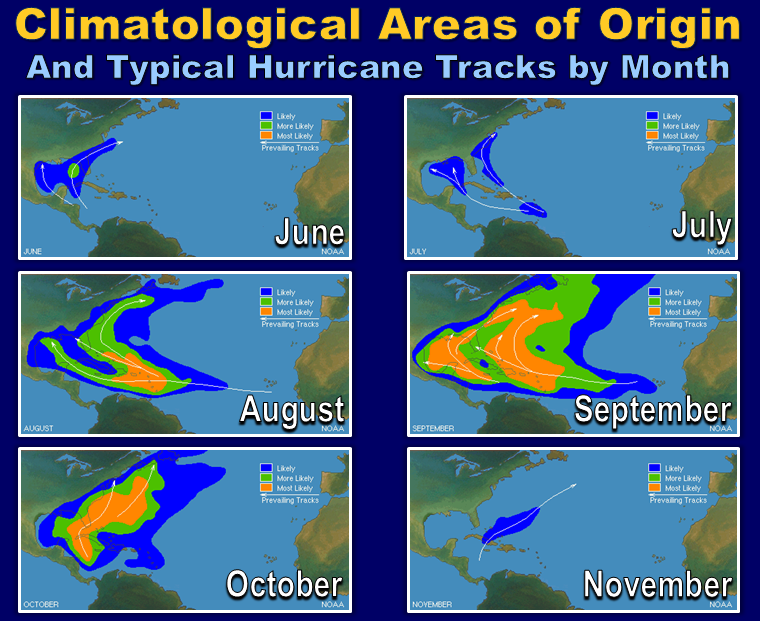


.jpg)