Category: Academic Analysis

  • MIL-Evening Report: Google loses online ad monopoly case. But it’s just one of many antitrust battles against big tech

    Source: The Conversation (Au and NZ) – By Rob Nicholls, Senior Research Associate in Media and Communications, University of Sydney

    Tech giant Google has just suffered another legal blow in the United States, losing a landmark antitrust case. This follows on from the company’s loss in a similar case last year.

    Social media giant Meta is also currently embroiled in a landmark legal battle in the US that could change not only how it operates, but how millions of people around the world communicate.

    Hearings in the Meta case commenced earlier this week in a court in Washington DC, after Meta CEO Mark Zuckerberg failed to settle the case for US$450 million. Brought by the US Federal Trade Commission (FTC), the suit alleges Meta broke antitrust laws and illegally secured a monopoly over social media platforms.

    Along with Google and Meta, Amazon and Apple are also currently facing significant antitrust challenges in the US.

    All of these actions are continuing despite major changes in both the FTC and the US Department of Justice as a result of the election of Donald Trump.

    Collectively, these cases represent a substantial regulatory push to examine and potentially curb the market power of big tech. So what are all of these cases about exactly? What are the next steps in each of them? And what might they mean for consumers?

    The cases against Google

    The case Google just lost was related to online advertising.

    The US Department of Justice alleged Google had behaved anticompetitively to monopolise the complex digital advertising technology market. This market facilitates the buying and selling of online ads.

    The US district judge, Leonie Brinkema, agreed Google has a monopoly over the tools used by online publishers to host ad space, and the software that facilitates transactions between online publishers and advertisers.

    In her ruling, Judge Brinkema said Google had “wilfully engaged in a series of anticompetitive acts” which ultimately resulted in it obtaining “monopoly power in the open-web display publisher ad server market”.

    Google has said it will appeal the decision. The Department of Justice will ask the court to require Google to divest parts of its ad tech business when the remedies phase of this trial starts later this month.

    The second case involving Google is related to internet search.

    The Department of Justice argued Google used exclusionary agreements, such as paying Apple billions annually to be the default search engine on iPhones, to lock out competitors.

    In August 2024, a federal judge ruled Google acted illegally to maintain its search monopoly.

    The case has now moved to the remedies phase. A crucial remedies trial is scheduled to begin next week. During this, the court will hear arguments on what actions should be taken against Google. Potential remedies could be significant, with regulators previously suggesting measures such as restrictions on Google’s Android operating system or even forcing the sale of its Chrome browser.

    Google has stated its intention to appeal this ruling as well.

    The case against Meta

    The FTC’s case against Meta alleges the tech giant illegally maintained a monopoly in the market for “personal social networking services”.

    The core of the FTC’s argument is that Meta employed a “buy-or-bury” strategy to eliminate competitive threats.

    This allegedly involved acquiring nascent rivals, most notably Instagram in 2012 and WhatsApp in 2014, specifically to neutralise them before they could challenge Facebook’s dominance.

    The FTC points to internal communications as evidence of anticompetitive intent. These include Mark Zuckerberg’s statement, “It is better to buy than compete”. They also include an internal memo which showed Zuckerberg considered spinning off Instagram in 2018 over concerns about antitrust scrutiny.

    The commission argues Meta’s actions stifled innovation and harmed consumers by limiting choices. It’s seeking to force Meta to divest, or sell off, both Instagram and WhatsApp.

    Meta vigorously defends its actions. It argues it does not hold a monopoly, facing fierce competition from platforms such as TikTok, YouTube and X (formerly Twitter).

    The company contends the acquisitions of Instagram and WhatsApp were pro-competitive, allowing Meta to invest billions to improve and scale the apps, ultimately benefiting users. A key defence point is that the FTC itself reviewed and approved both deals over a decade ago.

    The trial is expected to last eight weeks.

    The cases against Apple and Amazon

    In March 2024, the Department of Justice, along with several states, sued Apple, alleging it illegally maintains a monopoly in the smartphone market.

    The lawsuit claims Apple uses its control over the iPhone ecosystem to stifle competition and innovation by, for example, degrading messaging quality between iPhones and Android devices and limiting the functionality of third-party digital wallets and smartwatches.

    Apple filed a motion to dismiss the case in August 2024. The litigation is in its early stages and is expected to continue for several years.

    In September 2023, the FTC, joined by numerous states, also sued Amazon.

    The lawsuit alleges the tech giant unlawfully maintains monopoly power in both the market for “online superstores” (where consumers shop) and “online marketplace services” (for third-party sellers).

    The FTC claims Amazon uses interlocking anticompetitive tactics. These include punishing sellers for offering lower prices elsewhere, coercing sellers into using its services, degrading search results with excessive ads, and charging exorbitant seller fees.

    In late 2024, the presiding judge largely denied Amazon’s attempt to dismiss the core federal claims, allowing the case to proceed.

    A trial is currently scheduled for October 2026.

    Major structural changes could come

    Taken together, these lawsuits represent the most significant antitrust enforcement push against major technology firms in the US in decades. They signal a fundamental re-examination of how competition laws apply to fast-evolving digital platforms and ecosystems.

    The outcomes could potentially lead to major structural changes. These changes could include the forced breakup of companies such as Meta, or significant behavioural remedies restricting how these firms operate.

    Regardless of the specific results, the decisions in these cases will likely set crucial legal precedents. In turn, these will profoundly shape the future competitive landscape for technology. They will also likely influence regulation globally, and impact innovation and investment across the digital economy.

    What the cases do not reflect is the change in independence of regulatory bodies in the US, where consistency with White House policy is now paramount. The outcomes will surely test the relationship between Trump and the “tech bros” who’ve, quite literally, been at his side recently.

    Rob Nicholls is a member of the Sydney University Centre for AI, Trust, and Governance and also receives funding from the Australian Research Council.

    ref. Google loses online ad monopoly case. But it’s just one of many antitrust battles against big tech – https://theconversation.com/google-loses-online-ad-monopoly-case-but-its-just-one-of-many-antitrust-battles-against-big-tech-254602

    MIL OSI AnalysisEveningReport.nz

  • MIL-OSI Global: Scientists found a potential sign of life on a distant planet – an astronomer explains why many are still skeptical

    Source: The Conversation – USA – By Daniel Apai, Associate Dean for Research and Professor of Astronomy and Planetary Sciences, University of Arizona

    An illustration of the exoplanet K2-18b, which some research suggests may be covered by deep oceans. NASA, ESA, CSA, Joseph Olmsted (STScI)

    A team of astronomers announced on April 16, 2025, that in the process of studying a planet around another star, they had found evidence for an unexpected atmospheric gas. On Earth, that gas – called dimethyl sulfide – is mostly produced by living organisms.

    In April 2024, the James Webb Space Telescope stared at the host star of the planet K2-18b for nearly six hours. During that time, the orbiting planet passed in front of the star. Starlight filtered through its atmosphere, carrying the fingerprints of atmospheric molecules to the telescope.

    JWST’s cameras can detect molecules in the atmosphere of a planet by looking at light that passed through that atmosphere.
    European Space Agency

    By comparing those fingerprints to 20 different molecules that they would potentially expect to observe in the atmosphere, the astronomers concluded that the most probable match was a gas that, on Earth, is a good indicator of life.

    I am an astronomer and astrobiologist who studies planets around other stars and their atmospheres. In my work, I try to understand which nearby planets may be suitable for life.

    K2-18b, a mysterious world

    To understand what this discovery means, let’s start with the bizarre world it was found in. The planet’s name is K2-18b, meaning it is the first planet in the 18th planetary system found by the extended NASA Kepler mission, K2. Astronomers assign the “b” label to the first planet in the system, not “a,” to avoid possible confusion with the star.

    K2-18b is a little over 120 light-years from Earth – on a galactic scale, this world is practically in our backyard.

    Although astronomers know very little about K2-18b, we do know that it is very unlike Earth. To start, it is about eight times more massive than Earth, and it has a volume that’s about 18 times larger. This means that it’s only about half as dense as Earth. In other words, it must have a lot of water, which isn’t very dense, or a very big atmosphere, which is even less dense.

    Astronomers think that this world could either be a smaller version of our solar system’s ice giant Neptune, called a mini-Neptune, or perhaps a rocky planet with no water but a massive hydrogen atmosphere, called a gas dwarf.

    Another option, as University of Cambridge astronomer Nikku Madhusudhan recently proposed, is that the planet is a “hycean world”.

    That term means hydrogen-over-ocean, since astronomers predict that hycean worlds are planets with global oceans many times deeper than Earth’s oceans, and without any continents. These oceans are covered by massive hydrogen atmospheres that are thousands of miles high.

    Astronomers do not know yet for certain that hycean worlds exist, but models for what those would look like match the limited data JWST and other telescopes have collected on K2-18b.

    This is where the story becomes exciting. Mini-Neptunes and gas dwarfs are unlikely to be hospitable for life, because they probably don’t have liquid water, and their interior surfaces have enormous pressures. But a hycean planet would have a large and likely temperate ocean. So could the oceans of hycean worlds be habitable – or even inhabited?

    Detecting DMS

    In 2023, Madhusudhan and his colleagues used the James Webb Space Telescope’s short-wavelength infrared camera to inspect starlight that filtered through K2-18b’s atmosphere for the first time.

    They found evidence for the presence of two simple carbon-bearing molecules – carbon monoxide and methane – and showed that the planet’s upper atmosphere lacked water vapor. This atmospheric composition supported, but did not prove, the idea that K2-18b could be a hycean world. In a hycean world, water would be trapped in the deeper and warmer atmosphere, closer to the oceans than the upper atmosphere probed by JWST observations.

    Intriguingly, the data also showed an additional, very weak signal. The team found that this weak signal matched a gas called dimethyl sulfide, or DMS. On Earth, DMS is produced in large quantities by marine algae. It has very few, if any, nonbiological sources.

    This signal made the initial detection exciting: on a planet that may have a massive ocean, there is likely a gas that is, on Earth, emitted by biological organisms.

    K2-18b could have a deep ocean spanning the planet, and a hydrogen atmosphere.
    Amanda Smith, Nikku Madhusudhan (University of Cambridge), CC BY-SA

    Scientists had a mixed response to this initial announcement. While the findings were exciting, some astronomers pointed out that the DMS signal seen was weak and that the hycean nature of K2-18b is very uncertain.

    To address these concerns, Mashusudhan’s team turned JWST back to K2-18b a year later. This time, they used another camera on JWST that looks for another range of wavelengths of light. The new results – announced on April 16, 2025 – supported their initial findings.

    These new data show a stronger – but still relatively weak – signal that the team attributes to DMS or a very similar molecule. The fact that the DMS signal showed up on another camera during another set of observations made the interpretation of DMS in the atmosphere stronger.

    Madhusudhan’s team also presented a very detailed analysis of the uncertainties in the data and interpretation. In real-life measurements, there are always some uncertainties. They found that these uncertainties are unlikely to account for the signal in the data, further supporting the DMS interpretation. As an astronomer, I find that analysis exciting.

    Is life out there?

    Does this mean that scientists have found life on another world? Perhaps – but we still cannot be sure.

    First, does K2-18b really have an ocean deep beneath its thick atmosphere? Astronomers should test this.

    Second, is the signal seen in two cameras two years apart really from dimethyl sulfide? Scientists will need more sensitive measurements and more observations of the planet’s atmosphere to be sure.

    Third, if it is indeed DMS, does this mean that there is life? This may be the most difficult question to answer. Life itself is not detectable with existing technology. Astronomers will need to evaluate and exclude all other potential options to build their confidence in this possibility.

    The new measurements may lead researchers toward a historic discovery. However, important uncertainties remain. Astrobiologists will need a much deeper understanding of K2-18b and similar worlds before they can be confident in the presence of DMS and its interpretation as a signature of life.

    Scientists around the world are already scrutinizing the published study and will work on new tests of the findings, since independent verification is at the heart of science.

    Moving forward, K2-18b is going to be an important target for JWST, the world’s most sensitive telescope. JWST may soon observe other potential hycean worlds to see if the signal appears in the atmospheres of those planets, too.

    With more data, these tentative conclusions may not stand the test of time. But for now, just the prospect that astronomers may have detected gasses emitted by an alien ecosystem that bubbled up in a dark, blue-hued alien ocean is an incredibly fascinating possibility.

    Regardless of the true nature of K2-18b, the new results show how using the JWST to survey other worlds for clues of alien life will guarantee that the next years will be thrilling for astrobiologists.

    Daniel Apai receives funding for astrobiology research from NASA, the Heising-Simons Foundation, and the Gordon and Betty Moore Foundation.

    ref. Scientists found a potential sign of life on a distant planet – an astronomer explains why many are still skeptical – https://theconversation.com/scientists-found-a-potential-sign-of-life-on-a-distant-planet-an-astronomer-explains-why-many-are-still-skeptical-254900

    MIL OSI – Global Reports

  • MIL-OSI Global: ‘I never issued a criminal contempt citation in 19 ½ years on the bench’ – a former federal judge looks at the ‘relentless bad behavior’ of the Trump administration in court

    Source: The Conversation – USA – By John E. Jones III, President, Dickinson College

    ‘You just didn’t mess around with federal judges,’ says a former federal judge. ‘It was a good way to get your head handed to you.’ sesame, DigitalVision Vectors/Getty Images

    Legal battles between the Trump administration and advocates for deportees flown to prison in El Salvador have turned into conflicts between the government and the judges overseeing those cases. One federal judge, James Boasberg, accused Trump administration lawyers of the “willful disregard” of his order in March to halt those flights, saying there was “probable cause” to hold officials in criminal contempt. Another federal judge, Paula Xinis, strongly chastised government lawyers for their failure to follow her order – affirmed by the U.S. Supreme Court – to “facilitate” the return of a man, Kilmar Abrego Garcia, wrongly deported to El Salvador. Xinis cited the government’s “repeated refusal to provide even the most basic information as to any steps they have taken.”

    All this happened as administration officials made public statements disparaging the judges. Trump aide Stephen Miller described Xinis as a “Marxist judge” who “now thinks she’s president of El Salvador.” President Donald Trump had earlier called Boasberg a “Radical Left Lunatic Judge” in a social media post and demanded his impeachment.

    Politics editor Naomi Schalit interviewed Dickinson College President John E. Jones III about this extraordinary conflict. Jones is a former trial lawyer, former federal judge, and a one-time GOP candidate for the U.S. House.

    Right now we’re seeing two judges have a tough time with attorneys from the government. What governs behavior in the courtroom?

    For all the time that I was on the bench, and certainly before that, it was a pretty awe-inspiring thing to go into federal court. The federal court was the big leagues; you just didn’t mess around with federal judges. It was a good way to get your head handed to you, not because judges have hair triggers, but simply because there is a certain decorum that obtains in federal court, a gravity about the proceedings. It’s deference to the court and working within the boundaries of professional ethics. It’s being respectful when the court asks you a question. It involves never criticizing that judge in a personal way outside the courtroom, no matter how much you may disagree with the judge.

    I’m struck by the discourteousness of the government attorneys. They’re treating life-appointed district judges like they’re just impediments to what they want to do. It is something that has not ever happened, I think, in the annals of federal jurisprudence.

    Judge James E. Boasberg, chief judge of the U.S. District Court in the District of Columbia.
    Carolyn Van Houten/The Washington Post via Getty Images

    Attorney General Pam Bondi said Boasberg was “trying to protect terrorists who invaded our country over American citizens.” Is this unusual coming from a U.S. attorney general?

    I think we’re seeing unusual behavior from the Department of Justice in every single high-profile instance. I have never seen anything like it.

    Even in the most strident disputes, I do not recall an attorney general of the United States or the DOJ senior leadership team so personalizing their criticisms of individual district judges. It borders on unethical, and these are, in many cases, contrived and ad hominem attacks on the integrity of these judges.

    Besides professionalism and ethics, one of the reasons you’ve not seen it before is because it puts the DOJ attorneys who are out there on the line in a very difficult spot in front of the judges. You need only look to the unfortunate DOJ career attorney who was suspended and fired when he essentially did nothing more than fulfill his duty of candor to the court in answering questions.

    What is expected of an attorney in the courtroom?

    In federal court, attorneys need to bring their A game. The proceedings move more quickly. The requirements to be well-versed in the law and the facts are much greater. The judges are of a different caliber than in some state courts and county courts. So you you have to be on the ball.

    What judges really don’t like are circumstances where attorneys are being disrespectful to them, where they’re blatantly being disingenuous and where they are unresponsive to the court’s entreaties. Judges practice law before they get on the bench; they understand that lawyers have a duty to zealously advocate for their client. But when lawyers appear to be misrepresenting what is taking place, that is a cardinal sin in federal court.

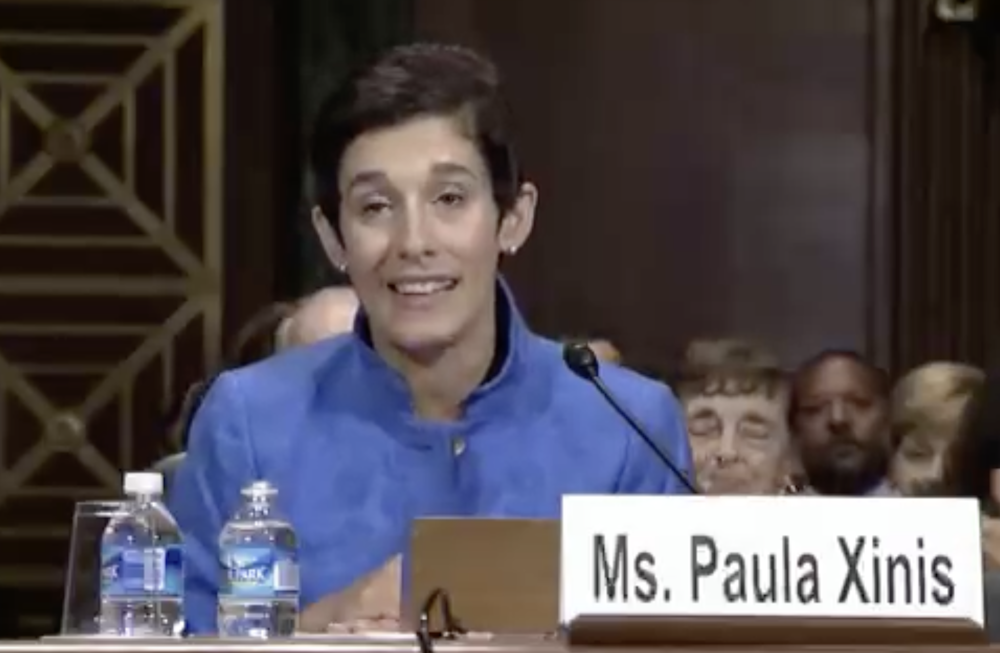
    Paula Xinis at the U.S. Senate Committee on the Judiciary hearing on her nomination to be a U.S. district judge for the District of Maryland on July 22nd, 2015.
    U.S. Senate Committee on the Judiciary

    Can you connect what’s going on with Judge Xinis to Judge Boasberg’s finding that probable cause existed to hold the Trump administration in contempt?

    Judge Boasberg tied it up beautifully in the memorandum opinion he wrote – the whole panoply from when the president’s Alien Enemies Act proclamation was signed in the middle of the night but not published until the next day, to the fact that three airplanes flew deportees to El Salvador after Boasberg had ordered them not to.

    It’s one big show of contempt for the court, rife with dishonest behavior, and I think Boasberg is entirely right to vindicate the authority of the court and commence these contempt proceedings.

    In the case of Judge Xinis, she’s not there yet. What she’s doing, in stages, is attempting to test the government’s compliance with the word “facilitate.” The Supreme Court had upheld her earlier order, saying “The order properly requires the Government to ‘facilitate’ Abrego García’s release from custody in El Salvador.”

    I don’t think the government’s going to do anything. The government’s position now is, if they don’t like any single thing that a federal judge does, they immediately appeal it with the idea that they want to get it to the Supreme Court. Assuming that the appeal is denied, or is granted, that means that down the road, there’s a showdown.

    Unfortunately, in Xinis’ case, I think the situation calls for some clarification. The government’s going to just be obdurate and they’re going to continue to be difficult and espouse their definition of “facilitate” versus what I think is a commonsense reading of the Supreme Court’s opinion.

    I don’t think the Supreme Court in any way meant for the government not to bring Abrego Garcia back. But in writing the opinion they were too soft, afraid of traipsing into the executive’s power to run foreign affairs.

    You have two judges seriously considering holding someone in the Trump administration in contempt, possibly even criminal contempt. What does it mean for a judge to be in that specific position?

    I never issued a criminal contempt citation in 19 ½ years on the bench against anyone or any entity. Never.

    The only contempt that I was ever in the business of issuing was civil contempt. Typically it would happen in a civil case when somebody wouldn’t produce a particular record.

    But in Boasberg’s case, I think it’s the relentless bad behavior of the government, as he details amply in his opinion, that has gotten him to this point. He’s not going to allow the bad behavior of the government to go unpunished. It’s a signal to the government that he sees their behavior in the worst possible light.

    Could the president pardon anyone Boasberg convicts of criminal contempt?

    I think he probably could. We’ll see. I think from Boasberg’s standpoint, he can play that out in his mind and say, “This might be an exercise in futility.” But I don’t think that’s the point. I think that the point is that he’s got to vindicate the authority of the court – and that happens even if the executive chooses to exercise the pardon power.

    John E. Jones III does not work for, consult, own shares in or receive funding from any company or organization that would benefit from this article, and has disclosed no relevant affiliations beyond their academic appointment.

    ref. ‘I never issued a criminal contempt citation in 19 ½ years on the bench’ – a former federal judge looks at the ‘relentless bad behavior’ of the Trump administration in court – https://theconversation.com/i-never-issued-a-criminal-contempt-citation-in-19-1-2-years-on-the-bench-a-former-federal-judge-looks-at-the-relentless-bad-behavior-of-the-trump-administration-in-court-254877

    MIL OSI – Global Reports

  • MIL-OSI Global: With federal funding in question, artists can navigate a perilous future by looking to the past

    Source: The Conversation – USA – By Johanna K. Taylor, Associate Professor, The Design School, Arizona State University

    Keith Haring paints a mural in New York City on Aug. 20, 1987. Mark Hinjosa/Newsday RM via Getty Images

    In a February 2025 Truth Social post, President Donald Trump declared a “Golden Age in Arts and Culture.”

    So far, this “golden age” has entailed an executive order calling for the federal agency that funds local museums and libraries to be dismantled, with most grants rescinded. The Trump administration has forbidden federal arts funding from going to artists who promote what the administration calls “gender ideology”. There’s been a purge of the board of the Kennedy Center for the Performing Arts, with Trump appointing himself chair. And the administration has canceled National Endowment for the Humanities grants.

    Suffice it to say, many artists and arts organizations across the U.S. are worried: Will government arts funding dry up? Do these cuts signal a new war on arts and culture? How do artists make it through this period of change?

    As scholars who study the arts, activism and policy, we’re watching the latest developments with apprehension. But we think it’s important to point out that while the U.S. government has never been a global leader of arts funding, American artists have always been innovative, creative and scrappy during times of political turmoil.

    A rocky relationship with the arts

    For much of the country’s early history, government funding for the arts was rarely guaranteed or stable.

    After the Civil War, the Second Industrial Revolution facilitated massive concentrations of wealth, in what became known as the the Gilded Age. Private arts funding soared during this period, with some titans of industry, such as Andrew Carnegie and John D. Rockefeller, seeing it as their duty to build museums, theaters and libraries for the public. The heavy reliance on private funding for the arts troubled some Americans, who feared these institutions would become too exposed to the whims of the wealthy.

    In response, Progressive Era activists and politicians argued that it was the government’s responsibility to build arts spaces accessible to all Americans.

    The Federal Theatre Project was shuttered after a production of ‘Revolt of the Beavers’ in 1937.
    Heritage Art/Heritage Images via Getty Images

    Efforts to fund the arts expanded with the election of Franklin D. Roosevelt in 1932, as the country was reeling from the Great Depression. From 1935 to 1943, the Works Progress Administration provided jobs with stable wages for artists through the Federal Art Project. However, Congress famously terminated the program in response to a 1937 production of “The Revolt of the Beavers,” which conservative politicians denounced for containing overt Marxist themes.

    Nonetheless, over the ensuing decades, the federal government generally signaled its support for the arts.

    Congress established the National Endowment for the Arts and the National Endowment for the Humanities in 1965 to fund arts organizations and artists. And since 1972, the General Services Administration has commissioned public art for federal buildings and organized a registry of prospective artists.

    The NEA gave US$8.4 million in direct funding to artists in 1989 via fellowships and grants. This might be considered the high-water mark for unrestricted government funding for individual artists.

    Andres Serrano’s ‘Piss Christ’ spurred calls to restrict public funding of the arts.
    Fairfax Media/Getty Images

    By the 1980s, sexuality, drugs and American morality had become hot-button political issues. The arts, from music to theater, were at the center of this culture war. Pressure escalated in 1989 when conservative leaders contested two NEA-funded exhibitions featuring work by Andres Serrano and Robert Mapplethorpe, which they deemed homoerotic and anti-Christian. In 1990, Congress instated a “decency clause” guiding all future NEA work. When Republicans regained control of Congress in 1994, they slashed direct funding for the arts.

    With direct funding to artists largely eliminated, today’s artists can indirectly receive federal government support through federal arts agency grants, which are given to arts organizations that then dole out a portion to artists. Local and state government agencies also provide small amounts of direct support for artists.

    The stage of democracy

    Artists and arts organizations have a long legacy of persistence and strategic organizing during periods of political and economic upheaval.

    In the pre-Revolutionary colonies, representatives of the British government banned theatrical performances to discourage revolutionary action. In response, activist playwrights organized underground parlor dramas and informal dramatic readings to keep arts-based activism alive.

    William Wells Brown wrote antislavery plays in the antebellum period.
    Hulton Archive/Getty Images

    Activist theater continued into the antebellum period for the purposes of promoting the abolitionist cause.

    These dramas, often organized by women, would take place in living rooms, outside of public view. The clandestine staged readings – the most famous of which was written by one of the earliest Black American playwrights, William Wells Brown – seeded enthusiasm and solidarity for the antislavery cause. These privately staged readings took place alongside public performances and lectures.

    Craft the world you want

    Dozens of experimental schools like the Highlander Folk School in Tennessee and Commonwealth College in Arkansas were founded in the 1920s and 1930s to train activists.

    Supporting adult learners of all ages – but specifically young adults – they initially focused on arts-based techniques for training workers in labor activism. For example, students wrote short plays based on their experiences of factory work. In their rehearsals and performances, they imagined endings in which workers triumphed over cruel bosses.

    Many programs were residential, rural and embraced early versions of mutual aid, where artists and activists support one another directly through pooling money and resources. Tuition was minimal and generally provided directly from labor organizations and allies, including the American Fund for Public Service. Most teachers were volunteers, and the learning communities often farmed to cover basic necessities.

    Although these institutions faced perpetual threats from local governments and even the FBI, these communal schools became testing grounds for social change. Some programs even became training sites for civil rights activists.

    Curate the world you need

    Black artists have long created spaces for community connection and career development. The Great Migration brought many Black American artists and thinkers to New York City, famously spurring the Harlem Renaissance, which lasted from the end of World War I through the 1920s. During this period, the neighborhood became a fountain of culture, with Black artists producing countless plays, books, music and other visionary works.

    This legacy continued at Just Above Midtown, or JAM, a gallery and arts laboratory led by Linda Goode Bryant from 1974 through 1986 on West 57th Street in Manhattan.

    At the time, arts organizations primarily supported artwork by white men. In response, Goode Bryant launched JAM to create a space that supported and celebrated artists of color. JAM provided arts business workshops, cultivated collaborations and launched the careers of Black artists such as David Hammons and Lorraine O’Grady.

    Linda Goode Bryant attends the opening reception of an exhibition honoring Just Above Midtown at the Museum of Modern Art in New York City on Oct. 3, 2022.
    Eugene Gologursky/Getty Images for The Museum of Modern Art

    The future is now

    Whether or not they realize it, many artists and arts organizations today are integrating lessons from the past.

    In recent years, they’ve promoted the unionization of museum workers and created local mutual aid networks such as the Museum Workers Relief Fund, which was one of many groups fundraising for arts workers during the COVID-19 pandemic. They’re building networks of financial support to share space and money with other artists and arts organizations. And they’re forming cultural land trusts, which create land cooperatives where artists can work and live with one another.

    What’s more, new philanthropic models are reshaping arts funding by elevating the perspectives of artists, rather than those of wealthy funders. CAST in San Francisco helps arts organizations find affordable gallery and performance spaces. The Community and Cultural Power Fund uses a trust-based philanthropy model that allows artists and community members to decide who receives future grants. The Ruth Foundation for the Arts makes artists the decision-makers in giving grants to arts organizations.

    While the current challenges are unprecedented – and funding threats will likely reshape arts organizations and further limit direct support for artists – we’re confident that the arts will persist with or without government support.

    The authors do not work for, consult, own shares in or receive funding from any company or organization that would benefit from this article, and have disclosed no relevant affiliations beyond their academic appointment.

    ref. With federal funding in question, artists can navigate a perilous future by looking to the past – https://theconversation.com/with-federal-funding-in-question-artists-can-navigate-a-perilous-future-by-looking-to-the-past-252453

    MIL OSI – Global Reports

  • MIL-OSI Global: Trump’s attacks on central bank threaten its independence − and that isn’t good news for sound economic stewardship (or battling inflation)

    Source: The Conversation – USA – By Cristina Bodea, Professor of Political Science, Michigan State University

    Nearly every country in the world has a central bank – a public institution that manages a country’s currency and its monetary policy. And these banks have an extraordinary amount of power. By controlling the flow of money and credit in a country, they can affect economic growth, inflation, employment and financial stability.

    These are powers that many politicians – including, currently, U.S. President Donald Trump – would seemingly like to control or at least manipulate. That’s because monetary policy can provide governments with economic boosts at key times, such as around elections or during periods of falling popularity.

    The problem is that short-lived, politically motivated moves may be detrimental to the long-term economic well-being of a nation. They may, in other words, saddle the economy with problems further down the line.

    That is why central banks across the globe tend to receive significant leeway to set interest rates independently and free from the electoral wishes of politicians.

    In fact, monetary policymaking that is data-driven and technocratic, rather than politically motivated, has since the early 1990s been seen as the gold standard of governance of national finances. By and large, this arrangement, in which central bankers keep politicians at arm’s length, has achieved its main purpose: Inflation has been relatively low and stable in countries with independent central banks, such as Switzerland or Sweden – certainly until the pandemic and war in Europe began pushing up prices globally.

    In comparison, countries such as Lebanon and Egypt, where independence was never extended, or Argentina and Turkey, where it has been curtailed, have experienced more bouts of high inflation.

    But despite independence being seen to work, central banks over the past decade have come under increased pressure from politicians. They hope to keep interest rates low and reap voter gratitude for a humming economy and cheap loans.

    Trump is one recent example. In his first term as president, he criticized his own choice to head the U.S. Federal Reserve and demanded lower interest rates. After Fed Chair Jerome Powell warned that tariffs are “highly likely” to trigger inflation, Trump lashed out on April 17, 2025, in an online post in which he accused Powell of being “TOO LATE AND WRONG” on interest rate cuts, while suggesting that the central banker’s “termination cannot come fast enough!”

    As political economists, we are not surprised to see politicians try to exert influence on central banks. Monetary policy, even with independence, has always been political. For one thing, central banks remain part of the government bureaucracy, and independence granted to them can always be reversed – either by changing laws or backtracking on established practices.

    Moreover, the reason politicians may want to interfere in monetary policy is that low interest rates remain a potent, quick method to boost an economy. And while politicians know that there are costs to besieging an independent central bank – financial markets may react negatively or inflation may flare up – short-term control of a powerful policy tool can prove irresistible.

    Legislating independence

    If monetary policy is such a coveted policy tool, how have central banks held off politicians and stayed independent? And is this independence being eroded?

    Broadly, central banks are protected by laws that offer long tenures to their leadership, allow them to focus policy primarily on inflation, and severely limit lending to the rest of the government.

    Of course, such legislation cannot anticipate all future contingencies, which may open the door for political interference or for practices that break the law. And sometimes central bankers are unceremoniously fired.

    However, laws do keep politicians in line. For example, even in authoritarian countries, laws protecting central banks from political interference have helped reduce inflation and restricted central bank lending to the government.

    In our own research, we have detailed the ways that laws have insulated central banks from the rest of the government, but also the recent trend of eroding this legal independence.

    Politicizing appointees

    Around the world, appointments to central bank leadership are political – elected politicians select candidates based on career credentials, political affiliation and, importantly, their dislike or tolerance of inflation.

    But lawmakers in different countries exercise different degrees of political control.

    A 2025 study shows that the large majority of central bank leaders – about 70% – are appointed by the head of government alone or with the intervention of other members of the executive branch. This ensures that the preferences of the central bank are closer to the government’s, which can boost the central bank’s legitimacy in democratic countries, but at the risk of permeability to political influence.

    Alternatively, appointments can involve the legislative power or even the central bank’s own board. In the U.S., while the president nominates members of the Federal Reserve Board, the Senate can and has rejected unconventional or incompetent candidates.

    Moreover, even if appointments are political, many central bankers stay in office long after the people who appointed them have been voted out. By the end of 2023, the most common length of the governors’ appointment is five years, and in 41 countries the legal mandate was six years or longer. Powell is set to stay on as Fed chair until his term expires in 2026. The Fed chair position has traditionally been protected by law, as Powell himself acknowledged in November 2024: “We’re not removable except for cause. We serve very long terms, seemingly endless terms. So we’re protected into law. Congress could change that law, but I don’t think there’s any danger of that.” But Trump’s firing of leaders of other independent federal agencies has set up a legal challenge that could affect the Fed, too.

    In the 2000s, several countries shortened the tenure of their central banks’ governors to four or five years. Sometimes, this was part of broader restrictions in central bank independence, as was the case in Iceland in 2001, Ghana in 2002 and Romania in 2004.

    The low inflation objective

    As of 2023, all but six central banks globally had low inflation as their main goal. Yet many central banks are required by law to try to achieve additional and sometimes conflicting goals, such as financial stability, full employment or support for the government’s policies.

    This is the case for 38 central banks that either have the explicit dual mandate of price stability and employment or more complex goals. In Argentina, for example, the central bank’s mandate is to provide “employment and economic development with social equity.”

    Poor monetary policy can lead to rising prices in Argentina.
    AP Photo/Natacha Pisarenko

    Conflicting objectives can open central banks to politicization. In the U.S. the Federal Reserve has a dual mandate of stable prices and maximum sustainable employment. These goals are often complementary, and economists have argued that low inflation is a prerequisite for sustainable high levels of employment.

    But in times of overlapping high inflation and high unemployment, such as in the late 1970s or when the COVID-19 crisis was winding down in 2022, the Fed’s dual mandate has become active territory for political wrangling.

    Since 2000, at least 23 countries have expanded the focus of their central banks beyond just inflation.

    Limits on government lending

    The first central banks were created to help secure finance for governments fighting wars. But today, limiting lending to governments is at the core of protecting price stability from unsustainable fiscal spending.

    History is dotted with the consequences of not doing so. In the 1960s and 1970s, for example, central banks in Latin America printed money to support their governments’ spending goals. But it resulted in massive inflation while not securing growth or political stability.

    Today, limits on lending are strongly associated with lower inflation in the developing world. And central banks with high levels of independence can reject a government’s financing requests or dictate the terms of loans.

    Yet over the past two decades, almost 40 countries have made their central banks less able to limit central government funding. In the more extreme examples – such as in Belarus, Ecuador or even New Zealand – they have turned the central bank into a potential financier for the government.

    Scapegoating central bankers

    In recent years, governments have tried to influence central banks by pushing for lower interest rates, making statements criticizing bank policy or calling for meetings with central bank leadership.

    At the same time, politicians have blamed the same central bankers for a number of perceived failings: not anticipating economic shocks such as the 2007-09 financial crisis; exceeding their authority with quantitative easing; or creating massive inequality or instability while trying to save the financial sector.

    And since mid-2021, major central banks have struggled to keep inflation low, raising questions from populist and antidemocratic politicians about the merits of an arm’s-length relationship.

    But chipping away at central bank independence, as Trump appears to be doing with his open criticism of the Fed chair and implicit threats of dismissal, is a historically sure way to high inflation.

    This is an updated version of an article that was originally published by The Conversation on June 14, 2024.

    The authors do not work for, consult, own shares in or receive funding from any company or organization that would benefit from this article, and have disclosed no relevant affiliations beyond their academic appointment.

    ref. Trump’s attacks on central bank threaten its independence − and that isn’t good news for sound economic stewardship (or battling inflation) – https://theconversation.com/trumps-attacks-on-central-bank-threaten-its-independence-and-that-isnt-good-news-for-sound-economic-stewardship-or-battling-inflation-254870

    MIL OSI – Global Reports

  • MIL-OSI Global: As views on spanking shift worldwide, most US adults support it, and 19 states allow physical punishment in schools

    Source: The Conversation – USA – By Christina Erickson, Associate Dean in the College of Nursing and Professional Disciplines, University of North Dakota

    Spanking in the U.S. generally ends around age 12, when children become big enough to resist or fight back. Sandro Di Carlo Darsa/Brand X Pictures via Getty Images

    _Nearly a half-century after the Supreme Court ruled that school spankings are permissible and not “cruel and unusual punishment”, many U.S. states allow physical punishment for students who have misbehaved.

    _Today, over a third of the states allow teachers to paddle or spank students. More than 100,000 students are paddled in U.S. schools each year.

    Christina Erickson, an associate dean and professor of social work at the University of North Dakota, wrote a book on the subject: “Spanked: How Hitting Our Children is Harming Ourselves.” She discussed the scope of the practice and its effects with The Conversation.

    What spanking legislation exists worldwide?

    Around the world, 68 countries have banned the hitting of children in any form, including spanking. This movement began in 1979 with Sweden’s ban on all forms of physical punishment, including spanking in any setting, and including in the family home.

    The pace of change quickened in the early 2000s when more countries adopted similar laws. For example, the legal language of countries like Nepal rests on an emerging definition of children as rights holders similar to adults and as humans worth protecting from harm.

    Spanking in schools is legal in 19 states.
    Maskot/Getty Images

    What are US policies toward spanking?

    Each state in the U.S. has its own child abuse laws, and all states, tribes and territories aim to protect children from abuse. But all state laws also allow parents to hit their children if it does not leave an injury or a mark.

    A typical example is Oklahoma’s definition of child abuse and neglect. It includes an exception that permits parents to use ordinary force as a means of discipline, including spanking, using an implement like a switch or a paddle. However, leaving evidence of hitting, such as welts, bruises, swelling or lacerations, is illegal and considered child abuse in all states.

    Parental spanking of children is considered unique from other physical violence because of the relational context and the purpose. Laws entitle parents to hit their children for the purpose of teaching a lesson or punishing them to improve behavior. Children are the only individuals in society who can be hit by another person and the law does not regard it as assault.

    Spanking’s impact on a child is unfortunately similar to abusive hitting. Spanking has been labeled as an “Adverse Childhood Experience,” or ACE. These are events that cause poor health outcomes over the span of one’s life.

    The practice of spanking also affects parents. Acceptance of the physical discipline of spanking puts parents at risk for the escalation of physical punishment that leads to abuse.

    Parents who spank their child have the potential to abuse them and be caught in a legal and child protection system that aims to protect children from harm. It is unclear what triggers a parent to cross over from discipline into abuse. Research shows that spanking at a young age, such as a 1-year-old, increases the chance of involvement by Child Protective Services by 33%.

    Some school districts require permission from parents to allow disciplinary paddling in school, while others do not require any communication. State law does not assure agreement between parents and school districts on what offenses warrant a paddling. Parents may feel they have no alternative but to keep their child in school, or fear reprisal from school administrators. Some students are old enough to denounce the punishment themselves.

    In this school district, physical punishment is used only when parents give written permission.

    Is spanking considered the same as hitting?

    The term spank conceals the concept of hitting and is so commonplace it goes unquestioned, despite the fact that it is a grown adult hitting a person much smaller than them. The concept is further concealed because hitting a child’s bottom hides any injuries that may occur.

    Types of hitting that are categorized as spanking have narrowed over the years but still persist. Some parents still use implements such as tree switches, wooden spoons, shoes or paddles to “spank” children, raising the chances for abuse.

    Most spanking ends by the age of 12, partly because children this age are able to fight back. When a child turns 18, parental hitting becomes the same as hitting any other adult, a form of domestic violence or assault throughout the U.S.

    There is a lack of a consistent understanding of what constitutes a spanking. The definition of spanking is unique to each family. The number of hits, clothed or not, or using an implement, all reflect geographical or familial differences in understanding what a spanking is.

    How do US adults view spanking?

    People in the United States generally accept spanking as part of raising children: 56% of U.S. adults strongly agree or agree that “… it is sometimes necessary to discipline a child with a good, hard spanking.” This view has been slowly changing since 1986, when 83% of adults agreed with that statement.

    The laws worldwide that protect children from being hit usually begin by disallowing nonparental adults to hit children. This is happening in the U.S. too, where 31 states have banned paddling in schools.

    At a national level, efforts have been made to end physical punishment in schools. However, 19 states still allow spanking of children in public schools, which was upheld by a 1977 Supreme Court case.

    With the slow but steady drop of parents who believe that sometimes children need a good hard spanking, as well as the ban of paddling in schools in 31 states, one could argue that the U.S. is moving toward a reduction in spanking.

    What does research say about spanking?

    Spanking’s negative influence on children’s behavior has been documented for decades. Spanking seems to work in the moment when it comes to changing or stopping the immediate behavior, but the negative effects are hidden in the short term and occur later in the child’s life. Yet because the spanking seemed to work at the time, the parent doesn’t connect the continued bad behavior of the child to the spanking.

    An abundance of research shows that spanking causes increased negative behaviors in childhood. Spanking lowers executive functioning for children, increases dating violence as teenagers and even increases struggles with mental health and substance abuse in adulthood. Spanking does not teach new or healthy behaviors, and is a stress-inducing event for the child and the adult hitting them.

    No studies have shown positive long-term benefits from spanking. Because of the long-standing and expansive research findings showing a range of harm from spanking and the increased association with child abuse, the American Psychological Association recommends that parents should never spank their children.

    What are some resources for parents?

    Consider these questions when choosing a discipline method for your child:

    • Is the expectation of your child developmentally accurate? One of the most common reasons parents spank is because they are expecting a behavior the child is not developmentally able to execute.

    • Can the discipline you choose grow with your child? Nearly all spanking ends by age 12, when kids are big enough to fight back. Choose discipline methods you can use over the long term, such as additional chores, apologies, difficult conversations and others that can grow with your child.

    • Might there be another explanation for your child’s behavior? Difficulty of understanding, fear or miscommunication? Think of your child as a learner and use a growth mindset to help your child learn from their life experiences.

    Parents are the leaders of their families. Good leaders show strength in nonthreatening ways, listen to others and explain their decisions. Don’t spoil your kids. But being firm does not have to include hitting.

    Is spanking children good for parents?

    Doubtful. Parents who hit their kids may be unaware that it influences their frustration in other relationships. Expressing aggression recharges an angry and short-tempered internal battery that transfers into other parts of the adults’ lives.

    Practicing calm when with your children will help you be calmer at work and in your other relationships. Listening to and speaking with a child about challenges, even from a very early age, is the best way to make it part of your relationship for the rest of your life.

    Choose a method that allows you to grow. Parents matter too.

    Christina Erickson does not work for, consult, own shares in or receive funding from any company or organization that would benefit from this article, and has disclosed no relevant affiliations beyond their academic appointment.

    ref. As views on spanking shift worldwide, most US adults support it, and 19 states allow physical punishment in schools – https://theconversation.com/as-views-on-spanking-shift-worldwide-most-us-adults-support-it-and-19-states-allow-physical-punishment-in-schools-240186

    MIL OSI – Global Reports

  • MIL-OSI Global: Lawsuits seeking to address climate change have promise but face uncertain future

    Source: The Conversation – USA – By Hannah Wiseman, Professor of Law, Penn State

    Kelsey Juliana, a lead plaintiff in a federal lawsuit over responsibility for climate change, speaks at a 2019 rally in Oregon. AP Photo/Steve Dipaola

    The U.S. Supreme Court in March 2025 ended a decade-old lawsuit filed by a group of children who sought to hold the federal government responsible for some of the consequences of climate change. But just two months earlier, the justices allowed a similar suit from the city and county of Honolulu, Hawaii, to continue against oil and gas companies.

    Evidence shows that fossil fuel companies, electric utilities and the federal government have known about climate change, its dangers and its human causes for at least 50 years. But the steps taken by fossil fuel companies, utilities and governments, including the U.S. government, have not been enough to meet international climate targets.

    So local and state governments and citizens have asked the courts to force companies and public agencies to act. Their results have varied, with limited victories to date. But the cases keep coming.

    Attacking the emissions themselves

    In general, legal claims in the U.S. can be based on the U.S. and state constitutions, federal and state laws, or what is called “common law” – legal principles created by courts over time.

    Lawsuits have used state and federal laws to try to limit greenhouse gas pollution itself and to seek financial compensation for alleged industry cover-ups of the dangers of fossil fuels, among many other types of claims.

    In 2007 the U.S. Supreme Court determined that greenhouse gases such as carbon dioxide emitted from motor vehicles were a “pollutant” under the federal Clean Air Act. As a result, the court ordered the Environmental Protection Agency to either determine whether greenhouse gases from new vehicles contribute to climate change, and therefore endanger human health, or justify its refusal to study the issue.

    In 2009 the EPA found that carbon dioxide emissions did in fact endanger human health – a decision called the “endangerment finding.” In 2010 it imposed limits on carbon dioxide emissions from new vehicles and, later, from newly constructed power plants.

    But related EPA efforts to regulate emissions from older power plants – the ones that emit the most pollution – failed when challenged in court on the grounds that they went too far in limiting emissions beyond the power plants’ own properties.

    The Biden administration had finalized a new rule to clean up these older plants, but the Trump administration is now seeking to withdraw it.

    The Trump administration is also now beginning the complicated process of reviewing the 2009 endangerment finding. It could try to remove the legal basis for EPA greenhouse gas regulations.

    A common-law approach

    In response to this federal executive seesaw of climate action, some legal claims use a court-based, or common law, approach to address climate concerns. For instance, in Connecticut v. American Electric Power, filed in 2004, nine states asked a federal judge to order power plants to reduce their emissions. The states said those emissions contributed to global warming, which they argued met the federal common law definition of a “public nuisance.”

    That case ended when the U.S. Supreme Court ruled in 2011 that the existence of a statute – the federal Clean Air Actmeant common law did not apply. Other plaintiffs have tried to use the “public nuisance” claim or a related common-law claim of “trespass” to force large power plants or oil and gas producers to pay climate-related damages. But in those cases, too, courts found that the Clean Air Act overrode the common-law grounds for those claims.

    With those case outcomes, many plaintiffs have shifted their strategies, focusing more on state courts and seeking to hold the fossil fuel industry responsible for allegedly deceiving the public about the causes and effects of climate change.

    Three examples of petroleum industry advertisements a lawsuit alleges are misleading about the causes of climate change.
    State of Maine v. BP, Chevron, ExxonMobil, Shell, Sunoco and American Petroleum Insititute

    Examining deception

    In many cases, state and local governments are arguing that the fossil fuel industry knew about the dangers of climate change and deceived the public about them, and that the industry exaggerated the extent of its investments in energy that doesn’t emit carbon.

    Rather than directly asking courts to order reduced carbon emissions, these cases tend to seek damages that will help governments cover the costs associated with climate change, such as construction of cooling centers
    and repair of roads damaged by increased precipitation.

    In legal terms, the lawsuits are saying oil and gas companies violated consumer-protection laws and committed common-law civil violations such as negligence. For instance, the city of Chicago alleges that major petroleum giants – along with the industry trade association the American Petroleum Institute – had “abundant knowledge” of the public harms of fossil fuels yet “actively campaigned” to hide that information and deceive consumers. Many other complaints by states and local governments make similar allegations.

    Another lawsuit, from the state of Maine, lists and provides photographs of a litany of internal industry documents showing industry knowledge of the threat of climate change. That lawsuit also cites a 1977 memo from an Exxon employee to Exxon executives, which stated that “current scientific opinion overwhelmingly favors attributing atmospheric carbon dioxide increase to fossil fuel consumption,” and a 1979 internal Exxon memo about the buildup of carbon dioxide emissions, which warned that “(t)he potential problem is great and urgent.”

    These complaints also show organizations supported by fossil fuel companies published ads as far back as the 1990s, with titles such as “Apocalypse No” and “Who told you the earth was warming … Chicken Little?” Some of these ads – part of a broader campaign – were funded by a group called the Information Council for the Environment, supported by coal producers and electric utilities.

    Courts have dismissed some of these complaints, finding that federal laws overrule the principles those suits are based on. But many are still winding their way through the courts.

    In 2023 the Supreme Court of Hawaii found that federal laws do not prevent climate claims based on state common law. In January 2025 the U.S. Supreme Court allowed the case to continue.

    Lead claimant Rikki Held, then 22, confers with lawyers before the beginning of a 2023 Montana trial about young people’s rights in a time of climate change.
    William Campbell/Getty Images

    Other approaches

    Still other litigation approaches argue that governments inadequately reviewed the effects of greenhouse gas emissions, or even supported or subsidized those emissions caused by private industry. Those lawsuits – some of which were filed by children, with help from their parents or legal guardians – claim the governments’ actions violated people’s constitutional rights.

    For instance, children in the Juliana v. United States case, first filed in 2015, said 50 years of petroleum-supporting actions by presidents and various federal agencies had violated their fundamental “right to a climate system capable of sustaining human life.” The 9th U.S. Circuit Court of Appeals ruled that their claim was a “political question” – meant for Congress, not the courts. The U.S. Supreme Court declined to reconsider that ruling in March 2025.

    But children in Montana found more success. The Montana Constitution requires state officials and all residents to “maintain and improve a clean and healthful environment … for present and future generations.” In 2024 the Montana Supreme Court determined that this provision “includes a stable climate system that sustains human lives and liberties.”

    The Montana Supreme Court also reviewed a state law banning officials from considering greenhouse gas emissions of projects approved by the state. The court found that the ban violated the state constitution, too. Since then, the Montana Supreme Court has specifically required state officials to review the climate effects of a project for which permits were challenged.

    Concerned people and groups continue to file climate-related lawsuits across the country and around the world. They are seeing mixed results, but as the cases continue and more are filed, they are drawing attention to potential corporate and government wrongdoing, as well as the human costs of climate change. And they are inspiring shareholders and citizens to demand more accurate information and action from fossil fuel companies and electric utilities.

    Hannah Wiseman receives funding from the Alfred P. Sloan Foundation, Arnold Ventures, and the National Science Foundation for work researching the energy transition, renewable energy policy, hydrogen, and carbon capture and sequestration. She is a scholar member of the Center for Progressive Reform.

    ref. Lawsuits seeking to address climate change have promise but face uncertain future – https://theconversation.com/lawsuits-seeking-to-address-climate-change-have-promise-but-face-uncertain-future-253484

    MIL OSI – Global Reports

  • MIL-OSI Global: Claims of ‘anti-Christian bias’ sound to some voters like a message about race, not just religion

    Source: The Conversation – USA – By Rosemary (Marah) Al-Kire, Postdoctoral Research Associate, University of Washington

    A 2024 study examined how voters perceive claims that Christians experience widespread discrimination. JTSorrell/iStock via Getty Images Plus

    President Donald Trump and members of his administration have long used allegations of anti-Christian discrimination as a rallying cry for supporters, arguing that policies and laws on issues like school prayer and LGBTQ+ rights threaten Christians’ right to express their beliefs.

    Weeks into his second term, Trump took action, signing an executive order on “Eradicating Anti-Christian Bias.” The order vowed to “protect the religious freedoms of Americans and end the anti-Christian weaponization of government” by identifying anti-Christian conduct and recommending policy changes. In mid-April, Secretary of State Marco Rubio instructed employees in the State Department to report any incidents of such bias that occurred during the Biden administration.

    Many critics contest claims of widespread discrimination against Christians in U.S. society, given that Christians are the country’s largest faith group and benefit from associated privileges. Consider how Christmas is recognized as a federal holiday, whereas other faiths’ major holidays are not.

    As social psychologists, we were curious who claims of anti-Christian bias appeal to, and how those claims are perceived.

    Hats for sale at a campaign rally for Donald Trump in Vandalia, Ohio, on March 16, 2024.
    AP Photo/Jessie Wardarski

    Our 2024 research, as well as other scholars’ work, suggests that people’s beliefs about anti-Christian discrimination are tied with their attitudes about race. These studies suggest that when politicians talk about anti-Christian bias, it does more than signal a concern and commitment to Christians – it can also serve as a signal of white solidarity.

    A changing America

    Even though they remain the largest religious and racial groups, white Americans and Christian Americans have both declined as a proportion of the U.S. population. Over the past two decades, the percentage of Christian Americans has decreased from 78% to 63%, and the percentage of white Americans has decreased from 69% to 60%. White Christians now account for less than 50% of the country.

    Many scholars have argued that, at the root, some white and Christian Americans feel threatened by these demographic shifts. Increasing secularization and other cultural changes have added to some white Christians’ sense that their identity is under attack. According to FBI data, however, only 3% of hate crimes over the past five years targeted Christians. In comparison, 14% targeted Jews, Muslims or Sikhs – groups that make up just 3% of the population.

    The Public Religion Research Institute found that 55% of white Americans believe discrimination against white people is as much of a problem as discrimination against minority groups. Meanwhile, 60% of white evangelicals say that Christians in the U.S. face discrimination.

    In his executive order, Trump echoes these perceptions of threat, painting a picture of embattlement for Christians.

    The executive order provides examples of charges brought against Christian pro-life protesters and alleges that Democrats failed to respond to attacks on churches. The executive order criticizes the Biden administration for policies that it says “force Christians to affirm radical transgender ideology against their faith,” including for potential foster parents.

    Testing views

    Historically, white people and Christians were often treated as the quintessential Americans – meaning race and religion are tightly connected in U.S. culture.

    Sixty-two percent of white American adults identify as Christian, and 61% of American Christians identify as white.

    Marchers protest school integration in Little Rock, Ark., in 1959. One of their signs says ‘Please save our Christian America.’
    Bledsoe/Library of Congress/Interim Archives/Getty Images

    In our four experiments, published in Psychological Science in March 2024, we tested these connections between views of race and religion, focusing on claims about anti-Christian bias.

    First, in two online experiments of about 3,000 participants, we randomly assigned white and Black Christians to one of four groups. One group did not read anything, while the other three were each given a brief blurb about discrimination. Each blurb summarized a different group’s fears that bias against them was increasing: white Americans, Black Americans and Christian Americans.

    Afterward, we asked all the participants to assess how much bias they think those groups actually face. Compared to white Christians who did not read anything, white Christians who read the blurb about anti-Christian bias perceived greater anti-white bias. Black Christians who read the blurb about anti-Christian bias, however, did not perceive greater anti-white bias than Black Christians who did not read anything.

    Thus, it appears that the white Christians mentally linked anti-Christian and anti-white bias.

    In our other two experiments, we randomly assigned about 1,000 white and Black Christians to read an interview excerpt from a fictional local politician who was asked about the most pressing issue in their community. The politician either voiced concern about anti-Christian bias, anti-white bias, religious freedom or the economy.

    What are you worried about?
    microgen/iStock via Getty Images Plus

    Afterward, we asked participants several questions about the politician, including whether they thought this figure was liberal or conservative, and whether they thought this figure would be “concerned about bias against white people.” Black and white Christian respondents believed the politician who voiced concern about anti-Christian bias was also more likely to fight for the rights of white people, relative to the politician who discussed the economy.

    We also asked participants whether they found the politician’s interview offensive. Both Black and white Christians viewed the message about anti-Christian bias as less offensive than the message about anti-white bias.

    Importantly, these effects held regardless of whether participants believed the politician was conservative or liberal.

    Taken together, these findings suggest that expressing concern for anti-Christian bias can be interpreted as signaling allegiance to white people – without the social cost of being accused of racism. Instead, allegations of anti-Christian bias can be presented in a positive way as issues of “religious freedom,” a core American value.

    Whether intentionally or not, it seems that rallying around anti-Christian bias can serve as a “dog whistle” signaling support for people concerned about changes in America’s racial makeup, as well.

    Michael Pasek receives funding from the Russell Sage Foundation.

    Clara L. Wilkins and Rosemary (Marah) Al-Kire do not work for, consult, own shares in or receive funding from any company or organization that would benefit from this article, and have disclosed no relevant affiliations beyond their academic appointment.

    ref. Claims of ‘anti-Christian bias’ sound to some voters like a message about race, not just religion – https://theconversation.com/claims-of-anti-christian-bias-sound-to-some-voters-like-a-message-about-race-not-just-religion-250729

    MIL OSI – Global Reports

  • MIL-OSI Global: Crime is nonpartisan and the blame game on crime in cities is wrong – on both sides

    Source: The Conversation – USA – By Justin de Benedictis-Kessner, Associate Professor of Public Policy, Harvard Kennedy School

    Neither party – Democrats nor Republicans – is doing a better job at fixing crime. Carl Ballou – iStock/Getty Images Plus

    Following George Floyd’s death at the hands of police in Minneapolis in 2020, the U.S. has undergone a national reckoning over crime prevention and police reform.

    Across the country, calls went out from activists to rethink the scope and role of the police. Some on the left vowed to “defund” the police. Others on the right promised to instead “back the blue” and maintain or increase police funding.

    This rhetorical tug-of-war unfolded while many cities across the country grappled with spiking crime rates during the first months of the COVID-19 pandemic.

    Blaming crime on Democratic city leaders was a centerpiece of Donald Trump’s 2024 presidential campaign. He repeatedly made claims about crime spikes in recent years without evidence or context.

    More recently, Republican congressional leaders have called several Democratic mayors from across the country to testify before Congress about their sanctuary city policies that are aimed at protecting noncitizens from deportation. These congressional politicians have asserted that these Democratic mayors – Brandon Johnson of Chicago, Mike Johnston of Denver, Michelle Wu of Boston, and Eric Adams of New York – have “created a public safety nightmare” in their cities by allowing immigrants without legal authorization to stay there.

    Journalists and politicians on both sides of the aisle have claimed that local election results over the past four years in places like San Francisco and Los Angeles reflect a widespread frustration with Democratic policies on crime in cities.

    Under this argument, Democratic city leaders need to change their approach on crime to satisfy voters. It’s become a political axiom of sorts that policies championed largely by Democratic city leaders over the past half decade have resulted in rising crime levels.

    As researchers of politics and public policy, we wanted to figure out if that was true.

    A New York Times headline from June 8, 2022, linking crime rates and the Democratic Party.
    The New York Times

    Neither party does a better job

    As any student of introductory statistics learns, correlation doesn’t imply causation. Looking at increases or decreases in crime rates in Republican or Democratic cities and claiming either party is to blame would be making exactly this error: confusing correlation with causation.

    We put to the test the argument that one side or the other is better at fighting crime in our research published in January 2025. By employing three decades of data on mayoral elections from across the country, we were able to disentangle city leaders’ partisanship from other features of cities.

    Contrary to much of the political rhetoric and media coverage aimed at most Americans, our results show that neither party is doing a better job at actually causing crime to decrease.

    In Dallas, Mayor Eric Johnson has claimed that Democratic leaders aren’t taking public safety seriously and that the Democratic Party is “with the criminals.” Johnson switched from being a Democrat to a Republican in 2023 and attributes his decision at least partially to this partisan difference on crime and policing and the seriousness with which he takes this policy issue.

    But our research shows that Johnson’s and others’ claims about Democratic cities becoming more dangerous just aren’t true: Mayors from the Democratic Party aren’t making cities any more – or less – dangerous than mayors from the Republican Party.

    Nor, it turns out, is there any support for claims by some progressive Democrats that they would reduce the role – and enormous budgets – of police departments in cities across the country.

    When we examined the number of sworn police officers in cities and how much money those cities spend on the police, Democratic and Republican mayors alike have had surprisingly little influence on police department budgets or sizes.

    In other words, Democrats aren’t cutting police budgets, nor are Republicans increasing police budgets. Most cities have increased police budgets in the past few years, possibly due to pressure from police unions.

    Dallas Mayor Eric Johnson speaks during the second day of the 2024 Republican National Convention in Milwaukee on July 16, 2024.
    Andrew Caballero-Reynolds/AFP via Getty Images

    ‘Crime is nonpartisan’

    It turns out that campaign promises from both sides of the partisan aisle about crime and policing have little bearing on what’s happening on the ground in most cities and police departments across the country.

    Neither party is doing a better job at reducing crime. Nor is either party actually addressing the ballooning financial cost of local police forces in the U.S., nor the long-term reputational costs from police misconduct for trust in the police and government more broadly.

    As others have said: crime is nonpartisan.

    Crime has decreased across the U.S. during the past three decades overall, and the isolated cities where crime has increased recently can reverse these temporary trends.

    Partisan blame narratives do little to actually lower crime and make neighborhoods safer, though.

    There are real evidence-backed policies that reduce crime – such as youth jobs programs in Chicago and Boston. Other policies reduce racial disparities in the criminal justice system – such as alternative 911 response programs that use unarmed behavioral health workers to respond to some types of emergencies.

    These policies and interventions might not be as slogan-worthy as “defund the police” or “back the blue.” Nor is implementing these policies as politically convenient as blaming sanctuary city mayors. But research shows that they work and can move cities toward the shared goal of improved public safety for their residents.

    Justin de Benedictis-Kessner has previously received funding from the Bloomberg Center for Cities, the MIT Election Data + Science Lab, the Massachusetts Department of Transportation, and the Boston Area Research Initiative.

    Christopher S. Warshaw receives funding from the MIT Election Data + Science Lab, the Russell Sage Foundation, and Democracy Fund.

    ref. Crime is nonpartisan and the blame game on crime in cities is wrong – on both sides – https://theconversation.com/crime-is-nonpartisan-and-the-blame-game-on-crime-in-cities-is-wrong-on-both-sides-252218

    MIL OSI – Global Reports

  • MIL-OSI Global: All models are wrong − a computational modeling expert explains how engineers make them useful

    Source: The Conversation – USA – By Zachary del Rosario, Assistant Professor of Engineering, Olin College of Engineering

    When engineers design things, they use models to predict how the things will work in the natural world. But all models have limitations. MTStock Studio/E+ via Getty Images

    Nicknamed “Galloping Gertie” for its tendency to bend and undulate, the Tacoma Narrows Bridge had just opened to traffic on July 1, 1940. In a now infamous failure, in the face of moderate winds the morning of Nov. 7, 1940, the bridge started to repeatedly twist. After an hour of twisting, the bridge collapsed. One fatal engineering assumption led the bridge to shake itself apart.

    At the time, many designers believed that wind could not cause bridges to move up and down. That it actually can may seem like an obvious fact now, but that incorrect assumption cost about US$65 million in today’s dollars and a dog’s life.

    Small vertical movements allowed the bridge to twist. Near the end, the bridge twisted in ways the designers had never anticipated. This twisting stressed the bridge until the Tacoma Narrows Bridge collapsed.

    By assuming no vertical movement from wind, the engineers didn’t study how parts of the bridge would flutter in the wind before they built the bridge. This oversight ultimately doomed the bridge.

    The Tacoma Narrows Bridge collapsed in 1940 because its designers assumed it wouldn’t flutter up and down in the wind, but it ended up being slender enough that the wind caused it to move up and down.
    University of Washington Libraries Digital Collections

    This failure illustrates an idea that many engineering students learn during their coursework: All engineering calculations are based on models. Safe design requires engineers to recognize the assumptions in their models and to ensure the design’s safety despite any limitations.

    I am an expert in computational modeling, which I teach at Olin College. In my classes, I talk about models and teach engineers to use them safely.

    Learning to use models carefully is important: As the famous statistician George Box said, “All models are wrong – some are useful.”

    Models and their engineering use

    Models are interpretive frameworks that help scientists and engineers connect data to the real world. For instance, you likely have an everyday sense for the strength of objects: If you bend a piece of wood with enough force, it will break. A stronger board can take more force.

    Engineers have models that make this everyday sense more precise.

    Engineering strength depends on an interpretive framework that relates forces, the size of an object and their ratio − which represents mechanical stress. What engineers call “strength” relates to this computed stress.

    Considering strength helps engineers select a material that is strong enough to build a bridge.

    An interpretive framework − a model − for strength, used in engineering. Force, F, and size or area, A, are used to compute stress, sigma. Sigma is then used to determine strength.
    Jorge Stolfi/Wikimedia Commons, CC BY-SA

    But all models leave out details from the real world. To compute stress, an engineer needs to describe the shape of an object. Real objects are complex, so the engineer simplifies their shape for the sake of computation.

    For instance, an engineer may take a complex bundle of wires and assume they act together as a single cylinder. This simplified shape may help them choose how many wires to bundle together and set the overall thickness of the bundle.

    However, assumptions introduce limitations: The cylinder simplification assumes the individual wires don’t exist, so it doesn’t help determine how to weave the wires together. Engineers can − and do − make more detailed models where they need to, but even those have assumptions and limitations.

    Simplification of a wire rope as an assumed cylinder. This assumption may be appropriate for choosing the number of wires, but it is wholly inappropriate for determining the arrangement of wires.
    HaeB/Wikimedia Commons, modified by Zachary del Rosario, CC BY-SA

    This interplay between assumptions and limitations is at the heart of all models. Engineers working on the Tacoma Narrows Bridge assumed no wind-driven vertical movement, which led to a limitation: They couldn’t predict the wind-driven flutter that shook the bridge apart.

    The same idea holds true for more abstract models. Some companies that make facial recognition systems based on artificial intelligence assume their systems are accurate, given that they do a good job of picking out the correct face from a set of training data. However, outside researchers have shown that some training datasets introduce limitations.

    The engineers who built these training datasets assumed their data had enough faces to represent most people, but these datasets underrepresented nonwhite people. This limitation led the systems to disproportionately target Black people.

    In pursuit of better AI systems, some researchers assume that more training data is the most effective approach. This data-intensive approach has the limitation of an enormous environmental impact. Computing with large sets of data takes a lot of energy, since data centers are resource-intensive.

    The trick to using models safely is to pick assumptions where the limitations do not ruin their intended use. The gold standard is to test. But testing isn’t always possible. For example, building a test bridge isn’t a luxury that structural engineers can afford.

    Carefully selecting and creating proper models requires good judgment.

    Teaching modeling

    Engineering judgment involves a careful balance of trust and skepticism toward mathematics − the bedrock of many engineering models. Developing engineering judgment is difficult, and it usually emerges from years of experience. I teach a modeling and simulation course that jump-starts students’ engineering judgment.

    My co-instructors and I invite students to build their own models, which is a pretty uncommon experience for engineering students. Students then identify the assumptions in their models, state their limitations and, importantly, justify how those limitations do not prevent them from safely using the model.

    Example diagram of a model intended for choosing the size of a wire rope. The model is based on the assumption that the rope will be a solid cylinder. This imposes limitations on studying how the wires are woven together, but it doesn’t hinder the model’s intended use.
    4300streetcar/Wikimedia Commons, modified by Zachary del Rosario, CC BY-SA

    Engineering failures like the Tacoma Narrows Bridge can occur when engineers are not aware of a model’s assumptions and limitations. While courses often teach young engineers to make assumptions and use models, they rarely focus on these models’ limitations. Helping students develop their engineering judgment can prevent failures like “Galloping Gertie” from happening again.

    Zachary del Rosario receives funding from the National Science Foundation and Toyota Research Institute.

    ref. All models are wrong − a computational modeling expert explains how engineers make them useful – https://theconversation.com/all-models-are-wrong-a-computational-modeling-expert-explains-how-engineers-make-them-useful-253309

    MIL OSI – Global Reports

  • MIL-OSI Global: Posh-house drama, Elton’s new album and art to make you weep – what to watch, see and listen to this week

    Source: The Conversation – UK – By Jane Wright, Commissioning Editor, Arts & Culture, The Conversation UK

    This week I’ve seen Disney’s latest bingeable series, The Stolen Girl, variously described as a “posh-house drama”, “the equivalent of an airport novel” and “enjoyably preposterous” – so what’s not to like?

    One episode in, I’m lapping up the lavishly immaculate interiors and clipped tones of rich people who call everyone “darling”. And I always enjoy the hilariously shonky portrayal of journalists and the way dramatists think they speak to each other. Local hack Selma to her (extremely mild and unbothered) boss: “I’m sorry I missed the deadline! I was focused on the background story, it’s important.” Boss, rolling his eyes: “Can’t you put an alert on your phone or something?” Selma: “Next time I will, I promise!”

    The fact that no newsroom boss has ever spoken like that to a reporter who missed a deadline is neither here nor there. This twisty-turny thriller grabs you by the lapels and doesn’t let go. Private-jet stewardess Elisa and criminal lawyer Fred are horrified to find their daughter Lucia has vanished, after a hastily arranged playdate-turned-sleepover with a new schoolfriend turns out to be a meticulously planned abduction.

    But why their daughter? Is there more to Elisa and Fred and their perfect life than meets the eye? From leafy Cheshire to the south of France, their secrets and lies play out, unravelling their once-happy lives. Like the recent Netflix hit Adolescence, social media is a factor in facilitating the crime – but crucially, through the investigations of Selma, also an instrument of solving it.

    The Stolen Girl is streaming on Disney now.

    Painting and pain

    A decade in the making, the National Gallery’s take on the most exciting 50 years of Siena’s artistic production showcases an astonishing array of works. Art history expert Louise Bourdua describes Siena: The Rise of Painting 1300-1350 as “a pleasure for the eye and commendable for its ability to make medieval religious art accessible”.

    The exhibition focuses on so much more than the pre-eminent painters Duccio, Simone Martini and brothers Ambrogio and Pietro Lorenzetti. On show is a wealth of Siena’s visual culture represented in illuminated manuscripts, reliquaries (containers for holy relics), sculptures, gold and enamel work, rugs and silks.

    Showstoppers include Duccio’s stunning gold-painted Crucifixion triptych, Pietro Lorenzetti’s five-panel altarpiece from the church of Santa Maria della Pieve in Arezzo, and the beautifully carved head of Christ by Lando di Pietro – identified as the creator of the work by the personal handwritten prayers concealed within the sculpture, also on display.

    Siena: The Rise of Painting, 1300-1350 is at the National Gallery until June 22.

    The child of immigrant Jamaican parents growing up in the turbulent Britain of the 1970s and ’80s, Donald Rodney’s artistic expression was shaped by his experience of a socially and racially fractured environment.

    His first retrospective exhibition in more than 15 years, Donald Rodney: Visceral Canker at London’s Whitechapel Gallery, is a chance to see the remarkable work of an artist who died at just 36 from sickle-cell anaemia. Described by the Jamaican cultural theorist Stuart Hall as an “emblematically black disease”, it would eventually claim Rodney’s life and that of three of his siblings.

    Encapsulating painting, drawing, pastels, photography, sculptural assemblages, installations and computer-generated art, the show reveals an artist who was angry, ambitious and audacious; who meshed his experience of racism with his illness to draw the poisonous connections of slavery and colonialism to a childhood blighted by anti-immigrant sentiment, the rise of the far right, and pain.

    But as contemporary art specialist Richard Hylton explains, by the late 1970s and early 80s, these children of black immigrants were becoming adults, and new forms of British cultural identity were being explored – including a whole new wave of artistic expression that saw young black British artists rail against the idea of black youth as the public enemy. Rodney’s work endures as an invitation to look beneath the surface of images and society, to better understand the pernicious workings of inequality and racism.

    Donald Rodney: Visceral Canker is at the Whitechapel Gallery until May 4.

    The ballad of John and Yoko (and Elton)

    Capturing an early 1970s charged with political unrest, anti-war sentiment and media saturation, the new documentary One to One: John & Yoko is a revealing exploration of John Lennon’s post-Beatles life and activism with his Japanese partner, Yoko Ono.

    Often dismissed as a pop-star WAG, here Ono is firmly positioned as an artist in her own right. More crucially, we see the influential role she played in nudging Lennon into more radical territory beyond the political songs that emerged in the late-era Beatles. Musically and socially, the pair aimed to galvanise a generation disillusioned by the failure of 1960s “flower-power” to create any kind of genuine social change.

    As a researcher of Ono’s performance art, Stephanie Hernandez found the film compelling in its portrayal of Ono’s avant-garde flair and Lennon’s energetic rock‘n’roll style as complementary forces driving their own brand of pop activism.

    One to One is in cinemas now.

    The irrepressible Elton John is back with a new album, Who Believes in Angels?, a collaboration with country singer Brandi Carlile.

    Since 2020, almost half of the 100 biggest tracks have been collaborations. John has done his fair share of musical hook-ups, with luminaries such as Little Richard, Aretha Franklin, George Michael, Eminem and even Luciano Pavarotti. Now his first post-retirement album with the Grammy-winning Carlile has just reached the top spot in the UK album charts.

    John has described the making of the album as “one of the greatest musical experiences” of his life. So what is it about this collaboration that has so “utterly revitalised” the 78-year-old showman? Is he not quite ready to leave the limelight? Or is he seeking a challenge across new genres, in hitching his piano to a much younger star from a different part of the musical universe? Glenn Fosbraey, an expert in pop music and performance, explains why John (and many other music legends) won’t let the sun go down just yet.


    Looking for something good? Cut through the noise with a carefully curated selection of the latest releases, live events and exhibitions, straight to your inbox every fortnight, on Fridays. Sign up here.


    ref. Posh-house drama, Elton’s new album and art to make you weep – what to watch, see and listen to this week – https://theconversation.com/posh-house-drama-eltons-new-album-and-art-to-make-you-weep-what-to-watch-see-and-listen-to-this-week-254848

    MIL OSI – Global Reports

  • MIL-OSI Global: Freaky Tales: this gory 80s-inspired anthology film is all surface and no substance

    Source: The Conversation – UK – By Matthew Melia, Senior Lecturer and Course leader of the Humanities Foundation Degree, Kingston University

    Nostalgia for the 1980s has been in vogue since the release of Stranger Things in 2016. The Netflix show brought about a renaissance of interest in the popular culture of the time firmly rooted in nostalgia – video game arcades, the role-playing game Dungeons and Dragons, horror films and a reverie for the horror of the VHS and video-nasty era.

    Don’t get me wrong, I am a big fan of this form of nostalgia – if it’s done right. Freaky Tales, an anthology film that deals with 80s’ California punk, anti-fascism, hip-hop and VHS culture, could have been a great addition to this sort of nostalgia bait. Sadly, it is a mess, which, for most of its run time, feels like a film about the 80s generated by AI.

    To go on TikTok is to be confronted by a gen-Z army cosplaying a neon-drenched and romanticised version of the 80s. Filters are used to replicate the low-fi aesthetics of VHS tape, super 8 and cinefilm, while the content creators dress in the styles of the decade and espouse a wishful nostalgia for an era they are at least three decades too young to have experienced firsthand. Freaky Tales seems aimed at this market.

    But this is how the nostalgia industry (or nostalgia capitalism) works. Contemporary digital media facilitates and creates nostalgia in a way that gives the appearance of authenticity but is mostly all surface. Nostalgia is passed on, remediated and sanitised.


    Looking for something good? Cut through the noise with a carefully curated selection of the latest releases, live events and exhibitions, straight to your inbox every fortnight, on Fridays. Sign up here.


    It’s worth also noting that it’s always the Hollywood synthy, US version of 80s pop culture that dominates. Few young people have developed a fabricated sense of nostalgia for the dreariness of Thatcher’s Britain, for instance. A period that history academic Lucy Robinson writes was full of “pop culture and politics … that shaped modern Britain,” in her incisive critical assessment Now That’s What I Call A History of the 1980s.

    Freaky Tales is comprised of four interlocking stories, which are bound in a way that is hard to really comprehend.

    Are the stories connected through the two sets of characters – a couple of young punks and a pair of female hip-hop artists – leaving a screening of The Lost Boys who reappear in different stories? Is it the strange alien green glow that reappears across all the stories? The marker of a solid anthology film is a tight structure and a sense of place, which the film at least has with all stories based in Oakland, California. But for the most part, Freaky Tales feels half built and uncertain of itself.

    Buried somewhere though is a better film trying to get out. Take the first story “Strength in Numbers: the Gilman Strikes Back about the denizens of the Gilman punk club in Oakland, taking a violent and gory stand against a band of neo-nazis they are being harassed by.

    The sequence ends in a sort of bloody 1980s’ punk version of the Gunfight at the O.K. Corral (there are also clear references to Walter Hill’s 1979 cult classic The Warriors). Here there was an opportunity to look deeper into the emergence of California punk culture of the era, the Gilman is a place of real cultural significance where the scene fermented and bands like Rancid, The Offspring, Green Day and the East Bay punk scene in the 1990s got a start.

    Dead Kennedy’s track Nazi Punks Fuck Off became a rallying cry of 80s anti-fascist punk as did Black Flag’s Rise Above (this is at least included on the film’s soundtrack). So why not look at least a little deeper into the antifascist movement within the US punk movement during the era? It can be done and I’d recommend Jeremy Saulnier’s harrowing 2015 film Green Room, which examines the subject from a more contemporary perspective.

    Instead, the film adopts a rather more facile approach. This is most evident in its choice to use animated “bangs” and “thwocks” like a Batman comic during the big fight sequence. By and large this section (by far the worst of the four) feels like content devoid of substance.

    In story two, “Don’t fight The Feeling”, the action centres around a pair of aspiring female hip-hop performers who enter into a rap battle with the performer Too Short (the real life Too Short appears in a cameo as a cop later in the film) and tackles misogyny and hip-hop culture. There are shades of seminal black indie director Spike Lee (Do The Right Thing, 1989) here in its foregrounding of black culture and subjects (although, it must be said, Ryan Fleck and Anna Boden are both white).

    It could have potentially complemented the punk story if it dealt with the cultural impact of 80s’ hip-hop and the struggles of female performers. But again, it feels half formed – part of the problem being that the film is trying perhaps to do too much.

    There are things to enjoy, however, in the film. It is pleasingly gory and has some clever moments. Man of the moment Pedro Pascal takes the lead in the third section (the best of the four), “Born to Mack”, as an enforcer trying to go straight and Ben Mendelsohn puts in an enjoyably sleazy turn as a corrupt cop. The success of the film rest’s chiefly on their shoulders.

    Born to Mack clearly has shades of the king of pop culture nostalgia Quentin Tarantino, especially in its clever and surprising cameo from 80s’ icon Tom Hanks who plays a mysterious video store owner. Tarantino’s films (not least 1994’s Pulp Fiction – the blueprint for this type of anthologised nostalgia cinema) were at the forefront 1990s’ indie cinema, and were framed by his obsessions with 60s, 70s and 80s pop culture.

    Freaky Tales has the potential to offer a more nuanced engagement with the era and its cultural references points while still maintaining a sense of Trashy exploitation fun. Sadly it falls short of the mark.

    Freaky Tales is in selected cinemas from April 18 and on digital platforms from April 28.

    Matthew Melia does not work for, consult, own shares in or receive funding from any company or organisation that would benefit from this article, and has disclosed no relevant affiliations beyond their academic appointment.

    ref. Freaky Tales: this gory 80s-inspired anthology film is all surface and no substance – https://theconversation.com/freaky-tales-this-gory-80s-inspired-anthology-film-is-all-surface-and-no-substance-254754

    MIL OSI – Global Reports

  • MIL-Evening Report: Labor’s poll surge continues in YouGov, but it’s barely ahead in Freshwater

    Source: The Conversation (Au and NZ) – By Adrian Beaumont, Election Analyst (Psephologist) at The Conversation; and Honorary Associate, School of Mathematics and Statistics, The University of Melbourne

    Labor increased its lead again in a YouGov poll, but Freshwater put the party ahead by just 50.3–49.7. This article also covers the final WA upper house results for the March 8 election.

    A national YouGov poll, conducted April 11–15 from a sample of 1,506, gave Labor a 53–47 lead, a 0.5-point gain for Labor since the April 4–10 YouGov poll. It’s Labor’s biggest lead in YouGov for 18 months. Primary votes were 33% Labor (up one), 33% Coalition (down 0.5), 7% One Nation (down 1.5), 2% Trumpet of Patriots (up one), 9% independents (steady) and 3% others (steady).

    Using 2022 election preference flows would give Labor about a 54.5–45.5 lead from these primary votes. YouGov is applying preference flows from its previous poll that was conducted from late February to late March.

    However, recent polls that use respondent preferences suggest the gap in the Coalition’s favour between respondent and 2022 preference flows has dropped to nearly zero. This means YouGov’s current preference assumptions may be too pro-Coalition. Analyst Kevin Bonham has more on this.

    In contrast to voting intentions, leaders’ ratings moved to Peter Dutton and against Anthony Albanese. Albanese’s net approval was down four points to -6, with 49% dissatisfied and 43% satisfied. Dutton’s net approval was up five points to -10. Albanese had a 48–38 better PM lead over Dutton (48–37 previously).

    I’ve said before that changes in leaders’ ratings may indicate the next change in voting intentions in a poll, though this doesn’t always follow.

    While YouGov shows Labor’s surge continuing, the Freshwater poll below only gave Labor a 50.3–49.7 lead. However, this was still a gain for Labor from the post-budget Freshwater poll. Freshwater has the Coalition primary vote at 39%, four points higher than in any other poll in the past week.

    Here is the poll graph. I’m using the unrounded two-party numbers for Freshwater’s last two polls, improving Labor from a 51–49 deficit in the post-budget poll to a 50.6–49.4 deficit. There’s a big difference between this week’s Freshwater and all other national polls taken in the past week.

    Freshwater poll has very narrow Labor lead

    A national Freshwater poll for The Financial Review, conducted April 14–16 from a sample of 1,062, had a 50–50 tie by respondent preferences, a one-point gain for Labor since the Freshwater poll conducted after the March 25 budget. Before rounding, Labor led by 50.3–49.7.

    Primary votes were unchanged at 39% Coalition, 32% Labor, 12% Greens and 17% for all Others. By 2022 election flows, this poll would give about a 50–50 tie.

    Albanese’s net approval was up one point to -10, while Dutton’s was steady at -11. Albanese led as preferred PM by 46–41 (46–45 previously).

    The Coalition’s lead over Labor on cost of living has been cut from a high of 14 points last October to two points in this poll. The Coalition held a 17-point lead on economic management last November, which has been reduced to six points. Cost of living remained the most important issue, with 73% citing it as a top issue.

    Resolve poll on tax and housing policies

    To gauge the popularity of Labor and the Coalition’s housing policy announcements at their April 13 campaign launches, a Resolve poll for Nine newspapers was conducted April 14–15 from a sample of 801. This poll didn’t report voting intentions, which were assessed in the April 9–13 Resolve poll.

    By 40–34, voters preferred Labor’s tax policy to the Coalition’s, which were both announced the week of the March 25 budget. By 40–27, they preferred Labor’s housing policy.

    JWS polls of Greens-held Brisbane seats

    The Greens hold three seats in Brisbane: Ryan (by 52.6–47.4 vs the Liberal National Party), Brisbane (by 53.7–46.3) and Griffith (by 60.5–39.5). The Poll Bludger reported Thursday that JWS polls for Australian Energy Producers gave the LNP a 57–43 lead over Labor in Ryan with the Greens a distant third on primary votes.

    In Brisbane, Labor led the LNP by 51–49 with the Greens once again a distant third. In Griffith, Labor led the LNP by 51–49, but the LNP led the Greens by 53–47.

    Seat polls conducted by JWS Research have had very strong results for the Coalition. While the Greens could lose these seats to Labor, I believe the massive swings to the LNP shown here are unrealistic. I expect inner city seats to be good for left-wing parties relative to the national swing.

    Redbridge poll: Labor close to majority

    A national poll by Redbridge and Accent Research, using MRP methodology and reported by the News Corp tabloids, was conducted from February 3 to April 1 from a sample of 9,953. Labor was still polling poorly in February before they started to lift from early March.

    The most likely outcome was 72 of the 150 House of Representatives seats for Labor, four short of a majority, 63 for the Coalition and 15 for all Others. The previous MRP poll by Redbridge and Accent Research in December had the most likely outcome as 71 Coalition seats to 65 for Labor.

    Unemployment rate steady at 4.1%

    The Australian Bureau of Statistics reported Thursday that the unemployment rate was 4.1% in March, unchanged from February, with over 32,000 jobs added. The employment population ratio (the percentage of eligible Australians that are employed) was steady at 64.1% after dropping from a near-record high of 64.4% in January.

    WA upper house final result

    The button was finally pressed on Wednesday to electronically distribute preferences for the upper house for the March 8 Western Australian state election. The upper house used a reformed system with 37 members elected statewide by proportional representation with preferences. A quota was just 1/38 or 2.63%.

    Labor won 16 of the 37 seats (down six on 2021 when they won their first WA upper house majority on a massive landslide), the Liberals won ten seats (up three), the Nationals two (down one), the Greens four (up three), One Nation two (up two), Legalise Cannabis one (down one), Australian Christians one (up one) and Animal Justice one (up one). Overall, left-wing parties won the upper house by 22–15 over right-wing parties.

    Final primary votes gave Labor 15.54 quotas, the Liberals 10.3, the Nationals 2.1, the Greens 4.2, One Nation 1.45, Legalise Cannabis 1.1, Australian Christians 1.0, an independent group 0.51 and Animal Justice 0.46.

    After distribution of preferences, One Nation’s second candidate had 0.83 quotas Labor’s 16th candidate 0.70 quotas, Animal Justice’s top candidate 0.66 quotas and Sophia Moermond, the independent group’s top candidate, 0.63 quotas. Owing to exhaustion, the top three were elected to the last three seats short of a quota.

    Adrian Beaumont does not work for, consult, own shares in or receive funding from any company or organisation that would benefit from this article, and has disclosed no relevant affiliations beyond their academic appointment.

    ref. Labor’s poll surge continues in YouGov, but it’s barely ahead in Freshwater – https://theconversation.com/labors-poll-surge-continues-in-yougov-but-its-barely-ahead-in-freshwater-254708

    MIL OSI AnalysisEveningReport.nz

  • MIL-Evening Report: Labor’s poll surge continues in YouGov, but they’re barely ahead in Freshwater

    Source: The Conversation (Au and NZ) – By Adrian Beaumont, Election Analyst (Psephologist) at The Conversation; and Honorary Associate, School of Mathematics and Statistics, The University of Melbourne

    Labor increased their lead again in a YouGov poll, but Freshwater put them ahead by just 50.3–49.7. This article also covers the final WA upper house results for the March 8 election.

    A national YouGov poll, conducted April 11–15 from a sample of 1,506, gave Labor a 53–47 lead, a 0.5-point gain for Labor since the April 4–10 YouGov poll. It’s Labor’s biggest lead in YouGov for 18 months. Primary votes were 33% Labor (up one), 33% Coalition (down 0.5), 7% One Nation (down 1.5), 2% Trumpet of Patriots (up one), 9% independents (steady) and 3% others (steady).

    Using 2022 election preference flows would give Labor about a 54.5–45.5 lead from these primary votes. YouGov is applying preference flows from its previous poll that was conducted from late February to late March.

    However, recent polls that use respondent preferences suggest the gap in the Coalition’s favour between respondent and 2022 preference flows has dropped to nearly zero. This means YouGov’s current preference assumptions may be too pro-Coalition. Analyst Kevin Bonham has more on this.

    In contrast to voting intentions, leaders’ ratings moved to Peter Dutton and against Anthony Albanese. Albanese’s net approval was down four points to -6, with 49% dissatisfied and 43% satisfied. Dutton’s net approval was up five points to -10. Albanese had a 48–38 better PM lead over Dutton (48–37 previously).

    I’ve said before that changes in leaders’ ratings may indicate the next change in voting intentions in a poll, though this doesn’t always follow.

    While YouGov shows Labor’s surge continuing, the Freshwater poll below only gave Labor a 50.3–49.7 lead. However, this was still a gain for Labor from the post-budget Freshwater poll. Freshwater has the Coalition primary vote at 39%, four points higher than in any other poll in the past week.

    Here is the poll graph. I’m using the unrounded two-party numbers for Freshwater’s last two polls, improving Labor from a 51–49 deficit in the post-budget poll to a 50.6–49.4 deficit. There’s a big difference between this week’s Freshwater and all other national polls taken in the past week.

    Freshwater poll has very narrow Labor lead

    A national Freshwater poll for The Financial Review, conducted April 14–16 from a sample of 1,062, had a 50–50 tie by respondent preferences, a one-point gain for Labor since the Freshwater poll conducted after the March 25 budget. Before rounding, Labor led by 50.3–49.7.

    Primary votes were unchanged at 39% Coalition, 32% Labor, 12% Greens and 17% for all Others. By 2022 election flows, this poll would give about a 50–50 tie.

    Albanese’s net approval was up one point to -10, while Dutton’s was steady at -11. Albanese led as preferred PM by 46–41 (46–45 previously).

    The Coalition’s lead over Labor on cost of living has been cut from a high of 14 points last October to two points in this poll. The Coalition held a 17-point lead on economic management last November, which has been reduced to six points. Cost of living remained the most important issue, with 73% citing it as a top issue.

    Resolve poll on tax and housing policies

    To gauge the popularity of Labor and the Coalition’s housing policy announcements at their April 13 campaign launches, a Resolve poll for Nine newspapers was conducted April 14–15 from a sample of 801. This poll didn’t report voting intentions, which were assessed in the April 9–13 Resolve poll.

    By 40–34, voters preferred Labor’s tax policy to the Coalition’s, which were both announced the week of the March 25 budget. By 40–27, they preferred Labor’s housing policy.

    JWS polls of Greens-held Brisbane seats

    The Greens hold three seats in Brisbane: Ryan (by 52.6–47.4 vs the Liberal National Party), Brisbane (by 53.7–46.3) and Griffith (by 60.5–39.5). The Poll Bludger reported Thursday that JWS polls for Australian Energy Producers gave the LNP a 57–43 lead over Labor in Ryan with the Greens a distant third on primary votes.

    In Brisbane, Labor led the LNP by 51–49 with the Greens once again a distant third. In Griffith, Labor led the LNP by 51–49, but the LNP led the Greens by 53–47.

    Seat polls conducted by JWS Research have had very strong results for the Coalition. While the Greens could lose these seats to Labor, I believe the massive swings to the LNP shown here are unrealistic. I expect inner city seats to be good for left-wing parties relative to the national swing.

    Redbridge poll: Labor close to majority

    A national poll by Redbridge and Accent Research, using MRP methodology and reported by the News Corp tabloids, was conducted from February 3 to April 1 from a sample of 9,953. Labor was still polling poorly in February before they started to lift from early March.

    The most likely outcome was 72 of the 150 House of Representatives seats for Labor, four short of a majority, 63 for the Coalition and 15 for all Others. The previous MRP poll by Redbridge and Accent Research in December had the most likely outcome as 71 Coalition seats to 65 for Labor.

    Unemployment rate steady at 4.1%

    The Australian Bureau of Statistics reported Thursday that the unemployment rate was 4.1% in March, unchanged from February, with over 32,000 jobs added. The employment population ratio (the percentage of eligible Australians that are employed) was steady at 64.1% after dropping from a near-record high of 64.4% in January.

    WA upper house final result

    The button was finally pressed on Wednesday to electronically distribute preferences for the upper house for the March 8 Western Australian state election. The upper house used a reformed system with 37 members elected statewide by proportional representation with preferences. A quota was just 1/38 or 2.63%.

    Labor won 16 of the 37 seats (down six on 2021 when they won their first WA upper house majority on a massive landslide), the Liberals won ten seats (up three), the Nationals two (down one), the Greens four (up three), One Nation two (up two), Legalise Cannabis one (down one), Australian Christians one (up one) and Animal Justice one (up one). Overall, left-wing parties won the upper house by 22–15 over right-wing parties.

    Final primary votes gave Labor 15.54 quotas, the Liberals 10.3, the Nationals 2.1, the Greens 4.2, One Nation 1.45, Legalise Cannabis 1.1, Australian Christians 1.0, an independent group 0.51 and Animal Justice 0.46.

    After distribution of preferences, One Nation’s second candidate had 0.83 quotas Labor’s 16th candidate 0.70 quotas, Animal Justice’s top candidate 0.66 quotas and Sophia Moermond, the independent group’s top candidate, 0.63 quotas. Owing to exhaustion, the top three were elected to the last three seats short of a quota.

    Adrian Beaumont does not work for, consult, own shares in or receive funding from any company or organisation that would benefit from this article, and has disclosed no relevant affiliations beyond their academic appointment.

    ref. Labor’s poll surge continues in YouGov, but they’re barely ahead in Freshwater – https://theconversation.com/labors-poll-surge-continues-in-yougov-but-theyre-barely-ahead-in-freshwater-254708

    MIL OSI AnalysisEveningReport.nz

  • MIL-OSI Global: Toronto’s most recent car attack was a targeted crime, not a mass attack

    Source: The Conversation – Canada – By Jack L. Rozdilsky, Associate Professor of Disaster and Emergency Management, York University, Canada

    On April 15, Toronto once again experienced a soft-target vehicular ramming attack when a passenger vehicle intentionally struck and injured four pedestrians on the Toronto Metropolitan University (TMU) campus.

    Almost exactly seven years ago, in the 2018 Toronto van attack, Alek Minassian intentionally drove onto a Yonge Street sidewalk. Motivated by individual extremism with a basis in incel ideology, Minassian killed 11 people and injured 16 more.

    The Toronto Police Service news conference in response to the hit-and-run incident at TMU.

    History seems to repeat itself in Toronto, with car attacks being a means of choice for criminals. Regardless of whether the latest car attack is a terror-related mass attack or an individually targeted crime, the intentional hit-and-run incident shows these attacks have become a grim reality facing the city.

    A traumatic event

    The attack took place on a Tuesday afternoon just before 2 p.m. on Nelson Mandela Walk in the heart of the downtown TMU campus. The public walkway was designated as a pedestrian-only space, located between the campus library and an academic building.

    Investigators have identified a suspect as Ryan Petroff, and have described it as an isolated incident intentionally targeting a specific individual.

    Police statements allege a man drove a four-door Honda Accord along Nelson Mandela Walk and hit several people, including innocent bystanders. Four people were injured, with one sustaining serious but not life-threatening injuries. All are expected to recover.

    The area of the TMU car attack was clearly designated as a pedestrian-only zone.
    (J. Rozdilsky), CC BY

    The suspect remains at large, and other than indicating that the attack was intentional, Toronto Police Service has not yet elaborated on motives or the relationship between the intended victim and the suspect.

    The day after the attack, TMU issued a statement saying university community members were not involved in the incident and mentioned that campus-based supports had been made available for anyone impacted by witnessing the traumatic event.

    Barriers against future attacks

    In the hours after the attack, immediate actions were taken to plug the gap the attacker exploited to drive onto the pedestrian walkway, and temporary planter-type barriers were placed at the attack site.

    TMU also issued a second statement specifically concerning pedestrian walkway safety. It acknowledged the troubling event while attempting to quell campus safety concerns:

    “The university is discussing with the City of Toronto what additional safety measures can be implemented to ensure pedestrian walkways used by TMU community members and the public are safe while maintaining accessibility for emergency vehicles.”

    Conflicts between vehicles and pedestrians

    A dedicated attacker exploited a gap where a car was able to enter a zone dedicated to pedestrians. In hindsight, the easy question to ask is: why wasn’t that gap plugged beforehand?

    This sidesteps the ubiquitous nature of the problem, which is that potential conflict between vehicles and pedestrians exists almost everywhere in a complex urban environment.

    In 2020, Nelson Mandela Walk was revitalized to enhance quality, safety and accessibility. Standard traffic management activities to reduce conflict — referred to as “modal separation” — were in place prior to the incident.

    The walkway had a visually separate streetscape from the traffic lanes of nearby Gerrard Street: the interlocked brick surface, decorative trees and benches clearly indicated it was not a street for cars.

    In addition, posted signs indicated the area was for pedestrian use only. Barriers such as bollards, fences, cement trash cans and large planters were present at points along the walkway.

    In this case, a criminal found one gap in protection and intentionally ignored and evaded all of the elements that were in place to separate people from cars.

    Targeted mass attacks

    The 2025 TMU car attack highlighted a problem that is not new to Toronto: targeted criminal activity that can cascade into a mass casualty incident.


    Read more:
    What authorities can learn from the Raptors parade shooting


    In 2019, four people were wounded at Nathan Phillips Square when gunfire erupted during the celebrations for the Toronto Raptors NBA championship win. This was another example of a targeted attack that almost resulted in a wider mass casualty incident.

    More than 100,000 people were in the area near the shooting, and it was determined that the shooting was a targeted criminal incident, not a mass attack on the celebration itself.

    While Toronto’s most recent vehicular attack at TMU had the elements of a mass attack, it was apparently a targeted crime focused on one individual. Nonetheless these incidents, and not just terrorist-type mass attacks, have the potential to result in a mass casualty incident.

    Jack L. Rozdilsky receives support for research communication and public scholarship from York University. He also has received research support from the Canadian Institutes of Health Research.

    ref. Toronto’s most recent car attack was a targeted crime, not a mass attack – https://theconversation.com/torontos-most-recent-car-attack-was-a-targeted-crime-not-a-mass-attack-254686

    MIL OSI – Global Reports

  • MIL-OSI Global: How does your brain create new memories? Neuroscientists discover ‘rules’ for how neurons encode new information

    Source: The Conversation – USA – By William Wright, Postdoctoral Scholar in Neurobiology, University of California, San Diego

    Neurons that fire together sometimes wire together. PASIEKA/Science Photo Library via Getty Images

    Every day, people are constantly learning and forming new memories. When you pick up a new hobby, try a recipe a friend recommended or read the latest world news, your brain stores many of these memories for years or decades.

    But how does your brain achieve this incredible feat?

    In our newly published research in the journal Science, we have identified some of the “rules” the brain uses to learn.

    Learning in the brain

    The human brain is made up of billions of nerve cells. These neurons conduct electrical pulses that carry information, much like how computers use binary code to carry data.

    These electrical pulses are communicated with other neurons through connections between them called synapses. Individual neurons have branching extensions known as dendrites that can receive thousands of electrical inputs from other cells. Dendrites transmit these inputs to the main body of the neuron, where it then integrates all these signals to generate its own electrical pulses.

    It is the collective activity of these electrical pulses across specific groups of neurons that form the representations of different information and experiences within the brain.

    Neurons are the basic units of the brain.
    OpenStax, CC BY-SA

    For decades, neuroscientists have thought that the brain learns by changing how neurons are connected to one another. As new information and experiences alter how neurons communicate with each other and change their collective activity patterns, some synaptic connections are made stronger while others are made weaker. This process of synaptic plasticity is what produces representations of new information and experiences within your brain.

    In order for your brain to produce the correct representations during learning, however, the right synaptic connections must undergo the right changes at the right time. The “rules” that your brain uses to select which synapses to change during learning – what neuroscientists call the credit assignment problem – have remained largely unclear.

    Defining the rules

    We decided to monitor the activity of individual synaptic connections within the brain during learning to see whether we could identify activity patterns that determine which connections would get stronger or weaker.

    To do this, we genetically encoded biosensors in the neurons of mice that would light up in response to synaptic and neural activity. We monitored this activity in real time as the mice learned a task that involved pressing a lever to a certain position after a sound cue in order to receive water.

    We were surprised to find that the synapses on a neuron don’t all follow the same rule. For example, scientists have often thought that neurons follow what are called Hebbian rules, where neurons that consistently fire together, wire together. Instead, we saw that synapses on different locations of dendrites of the same neuron followed different rules to determine whether connections got stronger or weaker. Some synapses adhered to the traditional Hebbian rule where neurons that consistently fire together strengthen their connections. Other synapses did something different and completely independent of the neuron’s activity.

    Our findings suggest that neurons, by simultaneously using two different sets of rules for learning across different groups of synapses, rather than a single uniform rule, can more precisely tune the different types of inputs they receive to appropriately represent new information in the brain.

    In other words, by following different rules in the process of learning, neurons can multitask and perform multiple functions in parallel.

    Future applications

    This discovery provides a clearer understanding of how the connections between neurons change during learning. Given that most brain disorders, including degenerative and psychiatric conditions, involve some form of malfunctioning synapses, this has potentially important implications for human health and society.

    For example, depression may develop from an excessive weakening of the synaptic connections within certain areas of the brain that make it harder to experience pleasure. By understanding how synaptic plasticity normally operates, scientists may be able to better understand what goes wrong in depression and then develop therapies to more effectively treat it.

    Changes to connections in the amygdala – colored green – are implicated in depression.
    William J. Giardino/Luis de Lecea Lab/Stanford University via NIH/Flickr, CC BY-NC

    These findings may also have implications for artificial intelligence. The artificial neural networks underlying AI have largely been inspired by how the brain works. However, the learning rules researchers use to update the connections within the networks and train the models are usually uniform and also not biologically plausible. Our research may provide insights into how to develop more biologically realistic AI models that are more efficient, have better performance, or both.

    There is still a long way to go before we can use this information to develop new therapies for human brain disorders. While we found that synaptic connections on different groups of dendrites use different learning rules, we don’t know exactly why or how. In addition, while the ability of neurons to simultaneously use multiple learning methods increases their capacity to encode information, what other properties this may give them isn’t yet clear.

    Future research will hopefully answer these questions and further our understanding of how the brain learns.

    William Wright receives funding from National Institutes of Health (NINDS) and the Schmidt Sciences Foundation.

    Takaki Komiyama receives funding from NIH, NSF, Simons Foundation, Chan Zuckerberg Initiative, and Kavli Institute for Brain and Mind.

    ref. How does your brain create new memories? Neuroscientists discover ‘rules’ for how neurons encode new information – https://theconversation.com/how-does-your-brain-create-new-memories-neuroscientists-discover-rules-for-how-neurons-encode-new-information-254558

    MIL OSI – Global Reports

  • MIL-OSI Global: ‘Heavy metals’ contaminate 17% of the world’s croplands, say scientists

    Source: The Conversation – UK – By Jagannath Biswakarma, Senior Research Associate, School of Earth Sciences and Cabot Institute for the Environment, University of Bristol

    Nearly 17% of the world’s croplands are contaminated with “heavy metals”, according to a new study in Science. These contaminants – arsenic, cadmium, lead, and others – may be invisible to the eye, but they threaten food safety and human health.

    Heavy metals and metalloids are elements that originate from either natural or human-made sources. They’re called “heavy” because they’re physically dense and their weight is high at an atomic scale.

    Heavy metals do not break down. They remain in soils for decades, where crops can absorb them and enter the food chain. Over time, they accumulate in the body, causing chronic diseases that may take years to appear. This is not a problem for the distant future; it’s already affecting food grown today.

    Some heavy metals, such as zinc and copper, are essential micronutrients in trace amounts. Others – including arsenic, cadmium, mercury, and lead – are toxic even at low concentrations.

    Some are left behind by natural geology, others by decades of industrial and agricultural activities. They settle into soils through mining, factory emissions, fertilisers or contaminated water.

    When crops grow, they draw nutrients from the soil and water – and sometimes, these contaminants too. Rice, for instance, is known for taking up arsenic from flooded paddies. Leafy greens can accumulate cadmium. These metals do not change the taste or colour of food. But they change what it does inside the body.

    The quiet health crisis beneath our crops

    Long-term exposure to arsenic, cadmium, or lead has been linked to cancer, kidney damage, osteoporosis, and developmental disorders in children. In regions where local diets rely heavily on a single staple crop like rice or wheat, the risks multiply.

    The Science study, led by Chinese scientist Deyi Hou and his colleagues, is one of the most comprehensive mapping efforts. By combining recent advances in machine learning with an expansive dataset of 796,084 soil concentrations from 1,493 studies, the authors systematically assessed global soil pollution for seven toxic metals: arsenic, cadmium, cobalt, chromium, copper, nickel, and lead.

    The study found that cadmium in agricultural soil frequently exceeded the threshold, particularly in the areas shaded in red in this map:

    A map of the aggregate distribution of seven heavy metals reveals lots of hotspots around the world.
    Hou et al / Science

    The authors also describe a “metal-enriched corridor” stretching from southern Europe through the Middle East and into south Asia. These are areas where agricultural productivity overlaps with a history of mining, industrial activity and limited regulation.

    How science is reading the soil’s story

    Heavy metal contamination in cropland varies by region, often shaped by geology, land use history, and water management. Across central and south-east Asia, rice fields are irrigated with groundwater that naturally contains arsenic. That water deposits arsenic into the soil, where it is taken up by the rice.

    Fortunately, nature often provides defence. Recent research showed that certain types of iron minerals in the soil can convert arsenite – a toxic, mobile form of arsenic – into arsenate, a less harmful species that binds more tightly to iron minerals. This invisible soil chemistry represents a safety net.

    In parts of west Africa, such as Burkina Faso, arsenic contamination in drinking and irrigation water has also affected croplands. To address this, colleagues and I developed a simple filtration system using zerovalent iron – essentially, iron nails. These low-cost, locally sourced filters have shown promising results in removing arsenic from groundwater.

    In parts of South America, croplands near small-scale mines face additional risks. In the Amazon basin, deforestation and informal gold mining contribute to mercury releases. Forests act as natural mercury sinks, storing atmospheric mercury in biomass and soil. When cleared, this stored mercury is released into the environment, raising atmospheric levels and potentially affecting nearby water bodies and croplands.

    Cropland near legacy mining sites often suffers long-term contamination but with the appropriate technologies, these sites can be remediated and even transformed into circular economy opportunities.

    Evidence-based solutions

    Soil contamination is not just a scientific issue. It’s a question of environmental justice. The communities most affected are often the least responsible for the pollution. They may farm on marginal lands near industry, irrigate with unsafe water, or lack access to testing and treatment. They face a double burden: food and water insecurity, and toxic exposure.

    There is no single fix. We’ll need reliable assessment of contaminated soils and groundwater, especially in vulnerable and smallholder farming systems. Reducing exposure requires cleaner agricultural inputs, improved irrigation, and better regulation of legacy industrial sites. Equally critical is empowering communities with access to information and tools that enable them to farm safely.

    Soils carry memory. They record every pollutant, every neglected regulation, every decision to cut corners. But soils also hold the potential to heal – if given the proper support.

    This is not about panic. It’s about responsibility. The Science study provides a stark but timely reminder that food safety begins not in the kitchen or market but in the ground beneath our feet. No country should unknowingly export toxicity in its grain, nor should any farmer be left without the tools to grow food safely.

    Jagannath Biswakarma does not work for, consult, own shares in or receive funding from any company or organisation that would benefit from this article, and has disclosed no relevant affiliations beyond their academic appointment.

    ref. ‘Heavy metals’ contaminate 17% of the world’s croplands, say scientists – https://theconversation.com/heavy-metals-contaminate-17-of-the-worlds-croplands-say-scientists-254783

    MIL OSI – Global Reports

  • MIL-OSI Global: Rising Canadian patriotism is a chance to rethink who gets to belong here

    Source: The Conversation – Canada – By Alpha Abebe, Associate Professor, Faculty of Humanities, McMaster University

    Some Canadians are pushing back against recent threats from the United States government to Canada’s s sovereignty and economic stability with the rallying cry “Elbows up!”

    Borrowed from hockey, the phrase charges Canadians to raise one’s elbows in preparation to fight back.


    Read more:
    Elbows up, Canada: Musical responses to Trump’s Canada threats


    In another gesture towards Canadian national solidarity, the iconic 2000 “I am Canadian” beer ad was recently revived by the ad’s original actor, Jeff Douglas.

    The video, We Are Canadian,, includes familiar Canadian symbols from hockey games to peacekeeping missions and Canadian flags. As others have observed, these trends are emblematic of a dramatic spike in Canadian patriotism.

    The desire to rally behind symbols of unity is understandable in precarious times. However, it is also a good time to consider who and what is being obscured behind this version of Canadian patriotism.

    As the U.S. institutes increasingly racist, xenophobic and authoritarian policies, this moment may be just the warning Canadians need to imagine a more just, grounded country. Which direction we walk will depend on some important considerations.

    ‘We Are Canadian’ by Canadian actor Jeff Douglas.

    Canada is constantly changing

    As a scholar of migration and diasporas, I take note of changes to the Canadian population.

    It’s grown significantly more diverse in recent years. But dominant discourse about Canadian nationalism often flattens these realities, invoking multiculturalism while failing to engage with deeper histories and contemporary realities.

    For example, Black diasporas are one of the fastest-growing segments in Canada. And almost 25 per cent of people in Canada are immigrants.

    The racialized population in Canada accounts for about 26 per cent of residents, about double the number recorded in 2001. According to most projections, half the Canadian population will be made up of immigrants and their Canadian-born children by 2041.

    These shifts reflect long-term immigration reforms, especially those beginning in the 1960s, when the federal government moved away from “White Canada” policies that explicitly excluded non-European immigrants.

    Today, many people in Canada — Indigenous, immigrant, Canadian-born — maintain complex relationships to settler colonialism, as well as multiple homelands, cultures and histories.

    Yet popular narratives of “Canadianness” can be narrow and out of step with the experiences of diverse segments of the population. Scholars Lloyd L. Wong and Martine Dennie point out that the idea of Canada as a “hockey nation” is sometimes contested by communities marginalized by the sport’s ties to anglo male dominance.

    In their book Unsettling the Great White North: Black Canadian History, historians Michelle A. Johnson and Funké Aladejebi argue that the Canadian narrative reflects a historical and ongoing systematic erasure of Blackness.

    Youth discomfort with nationalism

    In my teaching and academic leadership roles, I engage with young people and aim to centre their voices in reimagining our institutions and communities. Through this work, I have the privilege of listening as young people reflect on their perceptions of Canada and desires for its future.

    Many of my students express discomfort with unabashed nationalism, identifying instead with their local and regional cultures, and gravitating towards abolitionist ideals such as demilitarized borders and migrant solidarity.

    The ongoing work of truth and reconciliation

    There is also a growing desire among the young people I teach to reconcile their profound lack of formal education in Indigenous histories, ideas and issues.

    Even in our resistance to external threats, we must remain committed to addressing the internal legacies of colonial violence, as outlined by the Truth and Reconciliation Commission (TRC) and its framework for healing.

    The TRC provides a road map for the critical work of bridging gaps between Indigenous and non-Indigenous communities, as led by Indigenous leaders and organizations.

    The recently published book Deyohahá:ge: Sharing the River of Life features chapters written by members of Six Nations as well as non-Indigenous neighbours, indicating a need for dialogue. The book reflects on the Two Row Wampum Agreement and how these agreements might restore good relations today.

    In another example, Black Canadian artist Jully Black altered the Canadian national anthem to acknowledge our colonial history, singing “our home on native land,” instead of our home and native land during the 2023 NBA All-Star Game. Her performance generated critical conversations about Canada’s national narrative.

    Scapegoating

    Part of the Canadian identity story is about being a welcoming nation. But Canadians have long scapegoated newcomers as being to blame for a host of issues.

    We see this play out in immigration policy and political discourse. For example, the Liberal government’s recent cuts to immigration levels was framed as a response to housing and economic pressures.

    The Conservative Party has also portrayed immigrants as burdens on housing and infrastructure while stoking fears about “criminal” and “bogus” migrants.

    Similarly, in the final stretch of his 2015 campaign, Prime Minister Stephen Harper’s government leaned into xenophobic rhetoric, most notably with the promise to establish a “barbaric cultural practices” hot line which was being positioned as a defence of “Canadian values.”

    Fresh perspectives on Canadian identity

    Canada is often criticized for having a weak or reactive national narrative defined more by what it is not (the United States) that by what it is.

    But distancing ourselves from American crises doesn’t excuse us from confronting our own contradictions. This moment of heightened patriotism demands more than just symbolic unity.

    My students increasingly challenge shallow notions of multiculturalism, pushing instead for structural change that is material, not just rhetorical.

    Their critiques reflect wider public conversations: youth-led panels, academic research and lived experiences that question the limits of inclusion without equity. They are asking: Who benefits from these patriotic myths? Who gets erased?

    To move forward, Canada must build a collective story rooted in truth — not just selective nostalgia. One that honours Indigenous sovereignty, confronts contemporary inequities and reflects the rich diversity of its people. Only then can we begin to imagine a future Canada worth rallying behind.

    Alpha Abebe does not work for, consult, own shares in or receive funding from any company or organisation that would benefit from this article, and has disclosed no relevant affiliations beyond their academic appointment.

    ref. Rising Canadian patriotism is a chance to rethink who gets to belong here – https://theconversation.com/rising-canadian-patriotism-is-a-chance-to-rethink-who-gets-to-belong-here-252482

    MIL OSI – Global Reports

  • MIL-OSI Global: Patriots’ Day: How far-right groups hijack history and patriotic symbols to advance their cause, according to an expert on extremism

    Source: The Conversation – USA – By Art Jipson, Associate Professor of Sociology, University of Dayton

    Anti-government protestors use the American flag to draw attention to their cause at a protest on Aug. 8, 2020, in Columbus, Ohio. Paul Becker/Becker 1999 via Flickr, CC BY

    Patriots’ Day, a commemoration of the battles of Lexington and Concord – the first confrontations of the American Revolution – holds historical value as a symbol of American resistance to British colonial rule. Over time, however, the holiday has been co-opted by extremist groups.

    Capitalizing on ambiguities in the understanding of patriotic symbols, extremist groups have attempted to change the meaning of freedom and liberty embedded in the symbol of the American flag.

    Not all states celebrate Patriots’ Day. Massachusetts and Maine observe it as a public holiday on the third Monday in April. Wisconsin observes Patriots’ Day as a state observance – not a public holiday – on April 19, with schools and businesses remaining open. Other states may also mark it informally or through educational activities.

    As a scholar of extremism, I have become increasingly concerned by the appropriation of patriotic symbols such as the American flag and Patriots’ Day into narratives for far-right rhetoric, recruitment and radicalization. Patriotic events such as the Fourth of July can be marked by demonstrations, armed protests and calls for militant action by far-right extremist groups.

    A Three-Percenter flag at an anti-government rally on July 21, 2021, in Columbus, Ohio.
    Paul Becker/Becker 1999 via Flickr, CC BY

    Just before the Fourth of July in 2019, the Southern Poverty Law Center demonstrated how extremist groups have long adopted symbols of U.S. history to promote white supremacy. A 2010 SPLC report documented extremist calls for “freedom,” including a call from such far-right groups for repeal of all social service spending.

    The hijacking of patriotic symbols is part of an effort to create an atmosphere where participants believe they are engaging in a modern-day fight for freedom.

    In interviews I conducted with extremists in March 2025, several members of the Patriot Front said they are planning to protest on April 19 in an effort to use the holiday to attract media and public attention to their efforts to create a white homeland.

    Extremists are not the only Americans who are planning on using Patriots’ Day as a platform to attract attention to their causes. Mobilization of opposition to President Donald Trump’s policies and deportation efforts are also planned for April 19. Protesters raise concerns about the incorporation of American patriotic symbols by the right wing to support policies that they view as distinctively anti-American and unconstitutional.

    The 250th anniversary on April 19 of the first battles of the American Revolution is a fitting time to reflect on the meaning and use of historical symbols.

    White supremacy and Patriots’ Day

    From a sociological perspective, national symbols and events such as the American flag and Patriots’ Day do not have fixed meanings. Rather, any symbol is defined by how people actually use it. Whether one raises an American flag or burns one, the use of the flag is a powerful symbol that is understood to mean different things to different people, depending on the context.

    Extremists often take other symbols of American patriotism, such as the bald eagle, the Second Amendment and the phrase “America the beautiful” and try to use them to promote their message. For example, white supremacists believe that America can be beautiful only if white Americans are in positions of authority. The interpretations of these symbols become tools for extremist mobilization.

    In the lead-up to Patriots’ Day in 2023, members of the Patriot Front, a white supremacist group, rallied near the Massachusetts State House in Boston. They displayed a banner reading “Reclaim America,” a slogan associated with their ideology.

    Several white supremacist groups such as the Patriot Front, National Socialist Club-131 and other neo-Nazis groups position themselves as authentic modern-day “patriots” fighting to preserve society. They claim they are “undermined by a government that represses citizens” and creates an unsafe space for what they call a “white homeland.”

    The Patriot Front manifesto, written by group founder Thomas Rousseau, states: “A nation within a nation is our goal. Our people face complete annihilation as our culture and heritage are attacked from all sides.”

    The role of extremist narratives

    The extremist groups see Patriots’ Day not only as a commemoration of resistance against British colonialism but as a rallying point for a radical vision of American identity that attracts more attention from the public and the media because of the use of the recognized symbol.

    Extremists frame their actions as a continuation of the American Revolution and draw upon the myth of an oppressed, virtuous “true American” standing against tyranny. In this view, traditional symbols of American patriotism represent resistance not against an overarching foreign power but against internal threats to their vision of America.

    These include perceived threats posed by progressive movements, racial minorities, immigrants and the federal government. In the minds of those on the far right, what’s at stake are their traditional values, gun ownership and individual rights.

    The Southern Poverty Law Center has highlighted the significance of April 19 in the anti-government “patriot” movement’s calendar, noting that it has been associated with increased activity from militias and other extremist groups.

    A man belonging to the Boogaloo Boi far-right group at an anti-government rally on Aug. 29, 2020, in Columbus, Ohio.
    Paul Becker/Becker 1999 via Flickr, CC BY

    Some of those groups include the sovereign citizens movement, Boogaloo Bois and the Patriot Front. The sovereign citizen movement is a loosely organized group of individuals who believe that they are not subject to government laws, especially federal laws in the United States. The Boogaloo movement is an anti-government extremist group known for advocating for a second American civil war, which they often call the “boogaloo.”

    The myth of the ‘true American’

    The construction of the “true American” is central to the ideology. For many far-right groups, the “true” or “real” American is defined as someone who believes in the preservation of a specific, often exclusionary version of American values in which white Americans are seen as both moral paragons and under siege.

    Some American militia groups, such as the Oath Keepers and Three Percenters, claim that only those willing to resist their idea of “tyranny” are true American patriots and that they should resist the government.

    In 2014, the Oath Keepers participated in an armed standoff in Nevada to support rancher Cliven Bundy, who was in a dispute with the Bureau of Land Management over unpaid grazing fees. The group positioned themselves as defenders against federal authority. Two men with ties to the Three Percenters, Barry Croft and Adam Fox, were involved in a plot to kidnap Michigan Gov. Gretchen Whitmer in 2020. The plot was foiled by law enforcement, and the individuals were arrested and charged with terrorism-related offenses. Both received lengthy prison sentences.

    As Stewart Rhodes, who founded The Oath Keepers in 2009 in Lexington, Massachusetts, has said: “We are the last line of defense against tyranny. Real patriots will stand up.”

    Anyone not aligned with their ideology is seen as a traitor or unwilling to confront systemic problems and are derisively labeled “sheep.”

    The mobilization of violence

    One of the most concerning ways in which American patriotic symbols are co-opted by extremists is the potential to justify violent action.

    An example of how extremist flags incorporate the American flag into their design, as seen at a protest on July 21, 2021, in Columbus, Ohio.
    Paul Becker/Becker 1999 via Flickr, CC BY

    The connection between historical acts of violence, such as the battles of Lexington and Concord, and contemporary calls for preparation for violent actions is deliberately emphasized. According to historian Darren Mulloy, extremists use well-known and accepted American symbols to create a sense that violence is a justified and necessary means of defense. Militia groups, in Mulloy’s research, exploit the need for violence in the American Revolution and the settling of the American West to legitimize their contemporary calls.

    The Oath Keepers romanticize the role of armed militias in the founding of America as seen at Lexington and Concord. They use this day to promote the idea that their cause is just and that armed resistance is a legitimate form of political expression.

    Groups such as The Base and the Oath Keepers have called for training in preparation for armed defense against the government. They recruit current and former military, police and first responders, urging them to uphold an oath to defend the Constitution – as the group interprets it – often against what they see as a tyrannical federal government.

    This creates a dangerous feedback loop in which extremism and violence are normalized through the glorification of historical events that celebrate acts of rebellion while strengthening identities that radicalize individuals.

    Understanding how patriotic symbols can be exploited offers important insights into how historical narratives may be manipulated, potentially leading to harmful consequences in American society.

    Art Jipson does not work for, consult, own shares in or receive funding from any company or organization that would benefit from this article, and has disclosed no relevant affiliations beyond their academic appointment.

    ref. Patriots’ Day: How far-right groups hijack history and patriotic symbols to advance their cause, according to an expert on extremism – https://theconversation.com/patriots-day-how-far-right-groups-hijack-history-and-patriotic-symbols-to-advance-their-cause-according-to-an-expert-on-extremism-251687

    MIL OSI – Global Reports

  • MIL-OSI Global: Trump takes a line from ‘world’s coolest dictator’

    Source: The Conversation – UK – By Jonathan Este, Senior International Affairs Editor, Associate Editor

    What a difference a dictator makes. Some world leaders get a rough ride in their Oval Office meetings with Donald Trump – most famously, the Ukrainian president Volodymyr Zelensky, who the US president and his entourage publicly disparaged in their now-notorious meeting at the end of February. But not El Salvador’s Nayib Bukele, the self-styled “world’s coolest dictator” – an autocrat whose country’s incarceration rate is the highest in the world – with whom Trump swapped a few friendly quips this week about authoritarian leadership.

    “They say that we imprisoned thousands. I say we liberated millions,” said Bukele about his record of jailing people without due process, adding that: “To liberate that many, you have to imprison some.”

    “Who gave him that line? You think I could use that?” replied Trump to general merriment.

    Bukele has obliged Trump by incarcerating hundreds of Venezuelan and Salvadoran migrants deported from the US on suspicion of being members of criminal gangs – none of whom have had their day in court. One person of particular interest to the journalists was Kilmar Abrego Garcia, a Maryland man deported due to an “administrative error”. The US Supreme Court has ordered the Trump administration to do everything in its power to “facilitate” his return to his wife and family in the US.

    “Of course I’m not going to do it,” Bukele said, when asked if he would send Abrego Garcia back to the US, adding that it would be like “sending a terrorist back to the United States”. Smiles all round from the US officials. This apparently makes it a matter of foreign policy rather than a failure of US justice – or, just as crucially, an impending constitutional crisis over the Trump administration’s failure to obey a Supreme Court ruling.


    Sign up to receive our weekly World Affairs Briefing newsletter from The Conversation UK. Every Thursday we’ll bring you expert analysis of the big stories in international relations.


    Bukele knows a thing or two about circumventing constitutional law, writes Amalendu Misra, a professor of international politics at Lancaster University, who has written extensively about Latin America for The Conversation. The Salvadoran president is serving a second term, despite his country’s constitution previously restricting a president from serving two consecutive terms.

    Critics say Bukele used his considerable majority to replace five members of El Salvador’s Supreme Court in order to get the decision he wanted – which may also have raised him in the US president’s estimation.

    Misra charts Bukele’s rise to power and his achievements in office, which include transforming El Salvador from the murder capital of the world to having one of the lowest homicide rates in the western hemisphere. But not without considerable infringements of human rights and civil liberties – something to which, as we’ve seen, Bukele unabashedly owns up.


    Read more:
    Nayib Bukele: El Salvador’s strongman leader doing Donald Trump’s legwork abroad


    Meanwhile, constitutional scholars are picking apart the US Supreme Court’s ruling in the matter of Abrego Garcia, who is currently sitting in El Salvador’s notorious Center for Terrorism Confinement (Cecot) mega-prison.

    What exactly did the court mean when it instructed the Trump administration to “facilitate” his return to the US? The US attorney-general, Pam Bondi, offered her interpretation on Wednesday – saying the decision was completely up to Bukele, and that if he wanted to send Abrego Garcia back, “we would give him a plane ride back”.

    Trump’s relationship with US constitutional law is already coming under a fair bit of scrutiny, as he and his senior officials have embarked on a concerted effort to push back against court rulings which seek to reverse or delay some of his policies.

    “Trump’s approach seems to be one of testing the limits of the law,” writes Stephen Clear, a constitutional law expert at Bangor University. Clear believes that Trump’s second term is going further, faster, than his first in putting pressure on the system of checks and balances on which the US constitution depends.

    Clear looks at Trump’s strategy of using executive orders to make policy – there have been 124 in his first 85 days (executive orders don’t need congressional approval). The federal courts are now examining many of these orders, which have been challenged on the grounds of unconstitutionality. The US Supreme Court is already facing an unprecedented number of emergency applications, and it remains to be seen when the justices will decide – and, crucially, how the administration responds to the Supreme Court’s decisions.


    Read more:
    Trump’s tactics for creating disruption are testing the limits of presidential power – a legal expert explains


    A federal court judge whose ruling regarding the deportation of 100 migrants to El Salvador was apparently disregarded by the Trump administration has released an opinion that this failure to comply constitutes “probable cause” to hold members of the administration in criminal contempt.

    US district court judge James Boasberg wrote that a judicial order “must
    be obeyed – no matter how erroneous it may be – until a court reverses it”. US legal scholar Cassandra Burke Robertson answers our questions about this matter.


    Read more:
    Federal judge finds ‘probable cause’ to hold Trump administration in contempt – a legal scholar explains what this means


    In the end, the most reliable test of Trump and the Republican party is still at the ballot box. The mid-term elections, the first real test of the US public’s approval of Trump 2.0, are more than 18 months away. But how is the second Trump administration going down with Americans?

    It depends who you ask, writes Paul Whiteley of the University of Essex. Whiteley, an expert scrutineer of public opinion, was interested to see whether the recent upheaval created by Trump’s tariffs plan had affected the way the US public views his performance.

    Committed Republicans still tend to give credit to Trump that he knows what he is doing, while Democrats, as you’d expect, remain fundamentally opposed to the administration. And the same goes, broadly speaking, for their respective views on his handling of trade policy. But the big shift, Whiteley observes, is among people identifying as independents, where Trump’s approval rating has fallen considerably, particularly over the tariffs.

    This is significant, Whiteley believes, because independents now make up the largest voter group in the US. He concludes: “If this shift continues, and independent voters support Democrat candidates in the 2026 mid-term elections, it means that the Democrats are likely to take control of Congress.”


    Read more:
    Have Trump’s tariffs affected his popularity? Here’s what approval data shows


    A tale of two peace talks

    Another Trump campaign promise is coming under increasing scrutiny: his pledge to end the war in Ukraine “within 24 hours”. The US president now insists he was “being sarcastic” when he made that claim – but, after nearly three months, Trump’s efforts to end the war are “struggling to get off the starting blocks”, writes Jennifer Mathers from Aberystwyth University.

    Despite Zelensky having unconditionally accepted the initial proposal for a 30-day ceasefire and backing US efforts to establish a limited ceasefire – applying to energy infrastructure and on the ocean – Russia has redoubled its attacks. The recent Palm Sunday strikes, which killed at least 35 civilians in the border town of Sumy, appeared particularly gratuitous given that the two sides are supposed to be talking peace.

    Mathers writes that Vladimir Putin is deliberately doing all he can to drag his feet over negotiations, while maintaining Russia’s original demands for huge swaths of Ukrainian territory, guarantees that Kyiv will drop its plan to join Nato, and for elections to be held in Ukraine. You’d have to imagine that Moscow will pull out all the stops to ensure the winner is more to its liking than Zelensky.

    One of the main problems, as Mathers sees it, is that the various American diplomats keep repeating Putin’s demands, lending them legitimacy. It goes without saying that these demands find no favour with Kyiv, as they amount to virtually complete Ukrainian capitulation.


    Read more:
    Why is Donald Trump failing to bring peace to Ukraine like he promised?


    The other big diplomatic gambit involving the Trump White House is in Oman this weekend, as representatives from the US and Iran meet to discuss the possibility of a new deal on Iran’s nuclear programme. The initial signs aren’t good. Trump has threatened dire consequences unless Iran is willing to give up its nuclear ambitions. Iran refuses to countenance this idea.

    But there are signs that behind the scenes, there may be some progress. Iran’s leaders are under heavy domestic pressure to get sanctions lifted as its economy continues to tank. And it has been reported that Trump refused to approve joint US-Israeli strikes on Iranian nuclear facilities.

    Simon Mabon from Lancaster University – a specialist in Middle East security and particularly the relationship between Saudi Arabia and Iran – examines what the talks mean for the broader stability of the Middle East. He believes the outcome of the talks are being watched particularly closely by China, which has its own ambitions for the region.


    Read more:
    US-Iran: future stability of Middle East hangs on success of nuclear deal – but initial signs are not good


    Indian democracy

    Last year’s election in India was the biggest democratic exercise the world has ever seen, involving upwards of 642 million people casting their votes in seven phases across this vast country. It was, in fact, the biggest election ever to be held in India, surpassing the first elections held in 1951-52 after the country achieved independence from Britain.

    Tripurdaman Singh, a fellow of the University of London’s School of Advanced Study, has traced the progress of democracy in India from what he describes as “a moment of such staggering idealism and exuberance, a leap of faith so audacious, that the famous jurist and scholar Kenneth Wheare termed it ‘the biggest liberal experiment in democratic government’ that the world had seen”.

    Singh takes a detailed look at this experiment in democracy, examining the fledgling country’s constitution and how it has been interpreted since. He finds that this “idealism” was more of an aspiration than an actuality, and that power has always been firmly held by the executive. But, he writes, the sheer diversity of the electorate has – in the main at least – successfully prevented tyrannical impulses from India’s leaders. At least, it has thus far.


    Read more:
    Birth of India: ‘biggest experiment’ with democracy was a huge gamble. Happily the people have made it work – here’s how


    World Affairs Briefing from The Conversation UK is available as a weekly email newsletter. Click here to get updates directly in your inbox.


    ref. Trump takes a line from ‘world’s coolest dictator’ – https://theconversation.com/trump-takes-a-line-from-worlds-coolest-dictator-254809

    MIL OSI – Global Reports

  • MIL-OSI Global: Price discrimination is getting smarter — and low-income consumers are paying the price

    Source: The Conversation – Canada – By Raymond A. Patterson, Professor, Area Chair, Business Technology Management, Haskayne School of Business, University of Calgary

    For customers who don’t have the freedom to choose where they shop, technological advancements — particularly artificial intelligence (AI) and intrusive personal data collection — are making price discrimination, inflation and lower-quality goods increasingly likely. Vulnerable consumers are most at risk.

    Flexibility-based price discrimination allows companies to charge different people different prices for the same produce or service, based on how easily they can walk away.

    When consumers can easily find better deals elsewhere, they hold the power. However, AI tools are allowing sellers to become increasingly adept at uncovering how much flexiblity their consumers have. This practice raises serious ethical concerns.

    Dynamic pricing allows companies to take advantage of customers who can’t easily go elsewhere.

    Dollar stores, for example, often serve low-income communities in smaller markets. When these retailers realize their customers have limited alternatives, they are less inclined to keep prices low. Product quality can decline as well.

    Economic impacts of price discrimination

    In our recent study, we examined how flexibility-based price discrimination affects a seller’s profitability in a competitive market, and demonstrated how consumer welfare is affected. Using economic modelling, we studied how price discrimination can impact consumers from different socioeconomic backgrounds.

    We found that companies don’t just raise prices when customers aren’t able to easily switch to a competitor — for low-income consumers they also reduce product quality as well. This double blow hits low-income consumers hard. As technology improves, the gap between high- and low-income consumers grows wider.

    Our findings show that companies that take advantage of consumer inflexibility are likely to prosper, often at the expense of those with the least power to choose.

    The same thing happens with provincial trade barriers and tariffs. Product quality, price and income are known to be intertwined, with higher income countries receiving higher quality goods. When consumers’ ability to find the best possible deal is limited, companies will exploit that lack of choice, as is implied by our study.

    When retailers realize their customers have limited alternatives, they are less inclined to keep prices low.
    (Shutterstock)

    Inflexible consumers with lower incomes suffer more from price discrimination than high-income consumers in the same situation. Any barriers that reduces consumer flexibility disproportionately harms low-income consumers, who are more likely to face lower-quality products as a result.

    In markets where these consumers are targeted, low-quality products are often the norm. As an example, tests revealed the presence of lead, phthalates, toxic flame-retardant chemicals and polyvinyl chloride components in colourfully labelled children’s products at American and Canadian dollar stores.

    In contrast, high-income consumers may see their product quality improve. This is because high-income consumers are willing and able to pay for the improved quality and technology-enabled price discrimination can enable the seller to satisfy their needs better.

    Technology and consumer resilience

    Our study provides valuable insights for both lawmakers and policymakers. It demonstrates that new policies are necessary to protect vulnerable consumers with limited flexibility from price discrimination.

    But this is only part of the story. When these same techniques are used to target wealthier consumers, it can result in positive social outcomes for them. The differing outcomes for high versus low income inflexible consumers will exacerbate wealth inequity.

    For firms investing in new technologies like AI, flexibility-based price discrimination can inadvertently benefit competitors by partitioning the market — even if the competitor doesn’t use the technology.

    For companies, many things can cause or reveal consumer inflexibility, technology being a primary example. Technology advances rapidly. Catering to either high- or low-income customers causes businesses to make different strategic choices depending on how flexible their customer base is when it comes to new technological developments.

    For customers, maintaining flexibility is critical. Flexibility can take many forms: having access to transportation to access a wider range of stores, avoiding consumer debt or having enough savings. It can also mean having a smartphone with unlimited data to make online price comparisons.

    However, not all consumers can maintain this kind of flexibility. Working parents, for example, might not have the time or financial bandwidth to comparison shop for groceries across multiple stores. It can increase their vulnerability to higher prices and lower-quality goods.

    Policy implications and the path forward

    Whether flexibility-based price discrimination should be supported or restricted depends on who it targets. Flexibility-based price discrimination may require regulatory intervention or price subsidies to ensure ethical implementation. While ensuring the quality of low-end products is increasingly important, addressing the limitations on consumer flexibility caused by socioeconomic status is key.

    The U.S. has recently removed internet subsidies for rural customers, and its impacts have been dire. Without internet access, consumers lose digital flexibility.

    In Canada, Indigenous and rural communities similarly lack access to high-speed broadband and also must travel long distances to reach major shopping centres. Our results show that, as flexibility declines, so does consumer welfare for rural low-income populations.

    If there is a positive side to all of this, it’s that companies can adapt quickly to these shifts. Businesses like dollar stores are likely to benefit in the short term, although product quality will likely decline for people who can least afford it. This isn’t just an ethical choice made by these companies, but an economic inevitability in a system where people have unequal access to rapidly evolving technology.

    As trade tensions grow, mitigating consumer inflexibility should be a key policy focus for Canada. Support should start with low-income households by increasing their ability to choose how and where they shop.

    In the long term, price discrimination will continue to prey on the socioeconomic, geographic and literacy-based barriers that underlie the digital divide. The goal should be policy reform to empower flexibility for those most affected.

    Raymond A. Patterson currently receives funding from the Haskayne School of Business and the National Cybersecurity Consortium (NCC). Previous funding has been obtained from a variety of private and public sources.

    Emily Laidlaw receives funding from the Social Sciences and Humanities Research Council and the National Cybersecurity Consortium.

    Jian Zhang receives funding from the Social Sciences and Humanities Research Council of Canada.

    ref. Price discrimination is getting smarter — and low-income consumers are paying the price – https://theconversation.com/price-discrimination-is-getting-smarter-and-low-income-consumers-are-paying-the-price-252723

    MIL OSI – Global Reports

  • MIL-OSI Global: Tariffs don’t just affect the global economy, but create political instability as well

    Source: The Conversation – Canada – By James Horncastle, Assistant Professor and Edward and Emily McWhinney Professor in International Relations, Simon Fraser University

    United States President Donald Trump’s tariff policies have created economic chaos in their aftermath. The stock markets are off to their worst start to a presidential term in modern history.

    The economic implications of Trump’s actions are well-documented. Furthermore, despite Trump’s temporary halt to the tariffs, their impact will resonate well into the future.

    But it’s important to understand that the economy is not detached from broader society. Trump’s disruption of the global economy could also lead to an increase in global conflict.

    Economic prosperity and war

    Economic prosperity does not automatically equate with political stability. Europe prior to the First World War was both prosperous and integrated. Nevertheless, while scholars and activists at the time argued these favourable conditions made war impractical, one of the worst conflicts in human history came to pass.

    Domestic economic prosperity can bind societies together. But tensions that otherwise might not be brought into focus, such as regionalism, emerge in times of economic hardship and transition. Reform Party founder Preston Manning’s recent stoking of separatist sentiments in Canada’s West is a case in point.

    Trump’s tariffs, if fully implemented, will result in economic recession for dozens of countries throughout the world. They will first impact the world’s most vulnerable countries, many of which have institutions that are either unstable or lack the fiscal backing needed to weather the storm.

    An example of such a development in recent history was the emergence of the Arab Spring in 2011. The 2008 financial crisis and ongoing agricultural failure created political strain for authoritarian states in the Middle East. They could not absorb the increased cost of grain to stabilize their societies.

    Governments, cognizant of this fact, will look for any means of retaining their power. Redirecting local disappointment abroad can be one such measure, much as Saudi Arabia did by blaming Iran during the Arab Spring.

    Look outwards, point fingers

    Governments have, historically, used foreign affairs as a means of distracting their populations from domestic problems. This feature occurs regardless of a state’s ideology. The banality of its occurrence in international relations is such that Hollywood made a satirical film, Wag the Dog, on the subject.

    Authoritarian states, however, are more susceptible to this phenomenon. Their governments’ lack of popular legitimacy means that an economic downturn weakens one of the levers they use to buy acquiescence from its citizens.

    Furthermore, economic uncertainty undermines authoritarian governments’ patronage networks. Not only do such governments lose the support of a majority of citizens to the economic uncertainty, but they also lose the important minority groups they use to maintain their rule.

    As such, authoritarian governments in the face of economic uncertainty will look outwards to build their legitimacy. But these governments need an ideology that will motivate their societies. For contemporary governments, one of the most effective mechanisms is nationalism.


    Read more:
    Argentina’s Javier Milei is playing the democratic game, but using authoritarian tactics


    The power of nationalism

    Nationalism’s utility for authoritarian states is twofold. First, nationalism emphasizes the collective over the individual. States, by stressing the importance of the nation, can encourage individuals to overlook the personal struggles they face in times of economic uncertainty.

    Second, nationalism by its nature creates an “in group” and an “out group.” Governments can use the out group as a rallying cry for its local population. While there are several instances where such developments are possible, China’s increasingly antagonistic stance towards Taiwan is an example.

    Governments, by rallying nationalist sentiment, will either indirectly or actively stoke the potential for conflict.

    Extending conflict

    Economic downturns, furthermore, force governments to make difficult decisions on what programs to cut. Some of the first programs governments chop in uncertain times are those focused on international aid. This phenomenon was already occurring, but tariffs will exasperate it.

    These cuts pose a problem for several reasons. Right-wing politicians have alleged in recent months that international aid is ineffective. But that’s not accurate — international aid benefits the countries that provide it; it’s not just a moral imperative. Specifically, it facilitates trade as well as accruing political advantages to the giving state.

    The more immediate concern, however, is that many states were dependent upon foreign aid for political stability. The loss of international aid will increase internal instability in vulnerable countries. Just look to the current instability in South Sudan as declining aid weakens South Sudanese social and government institutions.

    Not only is this development bad for the societies in question, but it will invariably increase the number of refugees seeking aid and safety beyond their borders.

    Individual choice

    It’s not just state responses to the tariffs that will create instability. The unilateral application of tariffs, and resulting economic and political fallout, will significantly increase the number of people seeking a better life.

    Economic migration is not a new phenomenon. While conflict-centred migration remains the focus of international law, economic migration continues to occur unabated.

    The lost economic opportunities in various states affected by tariffs will cause their populations to seek economic prosperity, at first internally and then abroad. This is not to suggest that migration itself creates instability. Instead, large-scale and unplanned migration will create strain both in countries that people leave and in the nations receiving them.

    Economic affairs rarely stay within the realm of business. Instead, Trump’s tariffs will create greater instability in international affairs for the foreseeable future.

    James Horncastle does not work for, consult, own shares in or receive funding from any company or organisation that would benefit from this article, and has disclosed no relevant affiliations beyond their academic appointment.

    ref. Tariffs don’t just affect the global economy, but create political instability as well – https://theconversation.com/tariffs-dont-just-affect-the-global-economy-but-create-political-instability-as-well-254045

    MIL OSI – Global Reports

  • MIL-OSI Global: Why Kinshasa keeps flooding – and why it’s not just about the rain

    Source: The Conversation – Africa – By Gode Bola, Lecturer in Hydrology, University of Kinshasa

    The April 2025 flooding disaster in Kinshasa, the capital of the Democratic Republic of Congo, wasn’t just about intense rainfall. It was a symptom of recent land use change which has occurred rapidly in the city, turning it into a sprawling urban settlement without the necessary drainage infrastructure.

    Local rains combined with runoff from torrential rains coming from neighbouring Congo Central Province quickly overwhelmed the city’s small urban tributaries. The Ndjili River and its tributary (Lukaya), which run through the city, overflowed and flooded homes on either side.

    This led to the deaths of at least 70 people, 150 injured and the temporary displacement of more than 21,000 people. Floods affected the running of 73 healthcare facilities. Access to water and transport services were disrupted in large parts of the city. People could only move around by dugout canoe or by swimming in flooded avenues.

    Floods have become recurrent in the DRC. The last quarter of 2023 and the beginning of 2024 saw the most devastating floods there and in neighbouring countries since the 1960s.

    According to UN World Urbanisation Prospects (2025), the reason the floods have become this devastating is the growth of Kinshasa. The city is the most densely populated city in the DRC, the most populous city and third-largest metropolitan area in Africa.

    Kinshasa’s 2025 population is estimated at 17,778,500. Back in 1950, it was 201,905. In the past year alone, the city’s population has grown by 746,200, a 4.38% annual change. At least 2% of the population live in areas prone to flooding. Urban infrastructure, especially flood-related, is non-existent or inadequate. Where it exists, drainage systems are blocked by solid waste, itself another sign of the city whose public services such as waste collection have become dysfunctional.

    We have been studying the characteristics of flooding and the prediction of risk linked to it in the Congo Basin for five years as part of our work at the Congo Basin Water Resources Research Center in Kinshasa. We study the movement of water in natural and modified environments and its interactions with infrastructure over a range of geographical scales. We argue in this article that understanding why Kinshasa floods means recognising two very different water systems at play – and how urban growth has made the city more vulnerable to both.

    Kinshasa faces two distinct flood hazards: first, flooding from the Congo River, which typically peaks around December and January; and, second, urban flood events driven by local rainfall and runoff from the hills south of the city around April and December.

    Most of Kinshasa’s flood disasters have come from the second type. And as Kinshasa has urbanised, expanding into the floodplains, but without the necessary urban infrastructure, the impact of urban flood events has become worse.

    With more sealed surfaces – because of more urban settlements – and less natural water absorption, more rainwater runs off, and faster. This overwhelms the city’s small urban tributaries and the Ndjili river.

    Growth of Kinshasa and flood

    As the city has expanded, so has its flood exposure. The city’s tributaries drain steep, densely populated urban slopes and are highly responsive to rainfall.

    Of Kinshasa’s two flood risks, the impact of Congo River flooding can be observed in large cities located along major rivers, and typically peaks around January. These are seasonal floods driven by rainfall across the whole Congo Basin.

    Research at Congo Basin Water Resources Research Center shows that while Congo River high water levels can cause “backwater effects” – the upstream rise in water level caused by reduced flow downstream – most damaging floods result from intense local rainfall overwhelming the city’s small river catchments. The flood risk analysis indicates that 38 territories are the hotspot of flooding in the Congo basin. Kinshasa is a hotspot due to its double risk sources and extensive urbanisation.


    Read more:
    Kenya’s devastating floods expose decades of poor urban planning and bad land management


    The urban flood events are more challenging. They can happen with less rainfall and cause major destruction. They are driven by local rainfall and rapid growth of informal settlements.

    Other cities face similar risks. In 2024, Nairobi suffered deadly floods after prolonged rain overwhelmed informal neighbourhoods and infrastructure.

    Across Africa, cities are growing faster than their infrastructure can keep up with. Kinshasa has unique exposure, but also strong local research capacity.

    The Congo River’s seasonal peaks are relatively well understood and monitored. But urban tributaries are harder to predict.

    DRC’s meteorological agency Mettelsat and its partners are building capacity for real-time monitoring. But the April 2025 floods showed that community-level warning systems did not work.

    Climate change is expected to intensify extreme rainfall in central Africa. While annual totals may not increase, short, intense storms could become more frequent.

    This increases pressure on cities already struggling with today’s rains. In Kinshasa, the case for climate-resilient planning and infrastructure is urgent.


    Read more:
    Local knowledge adds value to mapping flood risk in South Africa’s informal settlements


    What needs to change?

    Forecasting rainfall is not enough. Government agencies in collaboration with universities must also forecast flood impact – and ensure people can act on the warnings. There is a need to put in place systems to achieve this under a catchment integrated flood management plan.

    The main elements of such a plan include:

    • Improved early warning systems: Use advanced technologies (such as satellites) to gather real-time data on environmental conditions.

    • Upgraded drainage infrastructure: Identify weaknesses and areas prone to flooding, to manage storm water better.

    • Enforcement of land use planning: Establish clear regulations that define flood-prone areas; outline permissible land uses.

    • Define safety perimeters around areas at risk of flooding: Use historical data, flood maps, and hydrological studies to pinpoint areas that are at risk. Regulate development and activities there.

    • Local engagement in flood preparedness: Educate residents about flood risks, preparedness measures, and emergency response.


    Read more:
    Nigeria and Ghana are prone to devastating floods – they could achieve a lot by working together


    Institutions such as the Congo Basin Water Resources Research Center play a critical role, not just in research but in turning knowledge into action. Rainfall may trigger the flood, but urban systems decide whether it becomes a disaster. And those systems can change.

    Gode Bola receives funding support from the Congo River User Hydraulics and Morphology (CRuHM) project (2016-2021), which was entirely funded by The Royal Society-DFID Africa Capacity Building (RS-DFID) under grant number “AQ150005.” He is affiliated with the Regional School of Water (ERE) and the Congo Basin Water Research Center (CRREBaC) of the University of Kinshasa, as well as the Regional Center for Nuclear Studies of Kinshasa.

    Mark Trigg received funding support from the Congo River user Hydraulics and Morphology (CRuHM) project (2016-2021), which was wholly funded by The Royal Society-DFID Africa Capacity Building (RS-DFID) under the grant number “AQ150005”. Mark Trigg is affiliated with water@leeds at the University of Leeds and the Global Flood Partnership.

    Raphaël Tshimanga receives funding from he Congo River user Hydraulics and Morphology (CRuHM) project (2016-2021), which was wholly funded by The Royal Society-DFID Africa Capacity Building (RS-DFID) under the grant number “AQ150005”. He is affiliated with the Congo Basin Water Resources Research Center and the Regional School of Water of the University of Kinshasa.

    ref. Why Kinshasa keeps flooding – and why it’s not just about the rain – https://theconversation.com/why-kinshasa-keeps-flooding-and-why-its-not-just-about-the-rain-254411

    MIL OSI – Global Reports

  • MIL-OSI Global: Why a psychopath wouldn’t hesitate to cause another global financial crisis – if there was something in it for them

    Source: The Conversation – UK – By Clive Roland Boddy, Deputy Head, School of Management, Anglia Ruskin University

    Gorodenkoff/Shutterstock

    Would you want a psychopath looking after your pension? Or what about your shares? In a recent talk at the Cambridge Festival of Science, I spoke about the latest research relating to a psychopath’s love of money, greed for power, and willingness to harm other people financially for personal gain.

    Since I began researching corporate psychopaths and the global financial crisis, the idea of the financial psychopath, an employee in the financial sector acting ruthlessly, recklessly, greedily and selfishly with other people’s money, has gained traction.

    The theory won support because psychopaths are more commonly found in financial services than in other sectors. It has even been argued that up to 10% of employees in financial services could be psychopathic. That is to say they have no empathy, care for other people, conscience or regrets for any damage they do.

    These traits make them ruthless in pursuit of their own agendas and entirely focused on self-promotion and self-advancement.

    But my ongoing research goes even further. It has found that psychopaths are willing to knowingly cause financial harm to the entire global community, in order to receive a financial bonus for themselves. Personal greed outweighs the immense social and community costs of implementing that greed.

    This aligns with earlier perceptions of some captains of finance or leading politicians as psychopaths. Previous research found they are freed by their selfish philosophy of life and their trivialising of other people from the restraints of being evenhanded, truthful or generous.

    This new research also shows that a majority of psychopaths would even be willing to cause a global financial crisis – if they personally would profit from, for example, falling stock prices. This willingness holds true even when they could be personally identified as being the source of the crisis. Only a tiny minority of non-psychopaths would be willing to do this.

    Race to the top

    Financial insiders appear to agree with the assumption that psychopaths have always been prevalent in the sector. Many psychologists and other management commentators have come to the same conclusion.

    Researchers have also found that interpersonal-affective psychopathic traits – such as deceitfulness, superficial charm and a lack of remorse – were associated with success in the finance sector.

    Employees at financial institutions in New York scored significantly higher on these traits than people in the wider community. They also had significantly lower levels of emotional intelligence (as would be expected of psychopaths).

    Employees at financial institutions in New York were found to score higher for psychopathic traits than the general population.
    IM_photo/Shutterstock

    What’s more, having psychopathic traits has also been linked to higher annual incomes – as well as a higher rank within the corporation.

    In other words, it looks like the more psychopathic an employee is, the further up the corporate finance ladder they will go. This corresponds with findings that show there are more psychopaths at the top of organisations than at the bottom.

    Creating destruction

    This is not to say that personal success in climbing the corporate ladder equates to professional success when someone reaches the top job. Quite the opposite. In fact, my research has shown that psychopathic leadership is associated with organisational destruction.

    This includes a greater propensity to take risks with other people’s money, a greater willingness to gamble with someone else’s money and lower returns for shareholders.

    In one study over a ten-year period, psychopathic fund managers were found to generate annual returns that were 30% lower than their less psychopathic peers.

    The research team concluded that among elite financial investors, psychopathy and its appearance of personal dominance and competence, may enable people to rise to the top of their profession. But this does not translate into improved financial performance at the organisational level, where the presence of the psychopathic is actually counterproductive.

    Fraud has always been associated with the psychopathic – so much so that in one study 69% of auditors believed they had encountered corporate psychopaths in relation to their investigations.

    Years ago, one bank reportedly used a psychopathy measure to recruit staff. But I would advise against hiring people who score very highly, because they are totally concerned with personal success. They are not bothered about long-term organisational growth or sustainability. As such, decisions will be made to suit the psychopathic worker, and not the organisation.

    For example, new hires would be likely to be people who can help the psychopath achieve their personal aims and objectives rather than aid the company. Anyone astute enough to potentially be a challenge to the psychopathic employee would not be hired by them in the first place.

    Without exception, psychopathic people love money and they are more motivated by it than other people are.

    Unlike the rest of the population, psychopaths are uninterested in higher values such as close emotional connections with family and friends, and much more focused on money and materialism. Seen through this lens, the appeal of the corporate banking sector – and the salaries and bonuses it offers – to people with these traits soon becomes clear.

    Clive Roland Boddy has received funding from the University of Tasmania and Nottingham Business School. Clive has also secured funding for the British Chamber of Commerce in South Korea and the Australian British Chamber of Commerce in Western Australia. .

    ref. Why a psychopath wouldn’t hesitate to cause another global financial crisis – if there was something in it for them – https://theconversation.com/why-a-psychopath-wouldnt-hesitate-to-cause-another-global-financial-crisis-if-there-was-something-in-it-for-them-252788

    MIL OSI – Global Reports

  • MIL-OSI Global: Trump’s tactics for creating disruption are testing the limits of presidential power – a legal expert explains

    Source: The Conversation – UK – By Stephen Clear, Lecturer in Constitutional and Administrative Law, and Public Procurement, Bangor University

    In less than 100 days, Donald Trump’s second term has proved the most disruptive and transformative start to a US presidency ever. Using executive orders and mass firings, he has moved quickly on his far-reaching agenda to consolidate his power.

    Trump has actually signed fewer bills into law at this point than any new president for seven decades. But he has signed 124 executive orders (which don’t need congressional approval). Joe Biden signed 162 of these over his whole term.

    Executive orders are a way of pushing through a presidential directive, usually based on existing statutory powers, without it going to a vote. So far, these have covered issues from energy policy to TikTok’s ownership.

    Using this tactic, Trump has stretched his authority far more in just a few months than any recent president.

    While the president may issue executive orders, he cannot create laws without the support of Congress. This has led, in part, to the launch of lawsuits regarding the statutory basis of some of these orders. Some are now going through the federal courts on constitutional and lawfulness grounds.

    But the Supreme Court can also review and overturn executive orders that lack legal authority. These orders cannot contradict or supersede existing laws passed by Congress, or violate the US constitution.

    A system of checks and balances that prevents US presidents from becoming too powerful is facilitated by the “separation of powers”, which is written into the US Constitution. The legislative (members of Congress), executive (president) and judiciary (the courts) are all separate bodies – in part to prevent an over-concentration of power in any one body or person.

    Bills passed by presidents in first 85 days

    The US Congress has a key supervisory role through its two chambers, the House of Representatives and the Senate, which work together to pass laws. But there are many reasons why this president may not be that concerned by these constitutional safeguards.

    The Democratic opposition is in an exceptionally weak position to take on Trump. It is in the minority in both the Senate and House of Representatives, and is routinely outvoted by the Republicans.

    And Trump is often dismissive of congressional oversight. House committees have previously launched multiple investigations into his conduct, business dealings, and whether he has financially benefited while serving as president. Congress also issued subpoenas for documents and testimonies in 2022, but Trump often resisted or delayed them.

    Congress controls federal spending and can, in theory, deny funds for presidential initiatives. But it is currently full of Republicans who, so far, have not been willing to challenge the president.


    Read more:
    Nayib Bukele: El Salvador’s strongman leader doing Donald Trump’s legwork abroad


    Testing the legal limits

    Trump’s approach seems to be one of testing the limits of the law. This was seen with the travel ban imposed on mostly Muslim countries in his first term, which the Supreme Court initially struck down as unconstitutional. The court later upheld a significantly revised version.

    In terms of impeachment, Trump has already been there on two occasions. He was first impeached in 2019 after he allegedly pressured Ukraine’s leader, Volodymyr Zelensky, to investigate Joe Biden in the run-up to the 2020 election.

    This claim of illegality on the part of Trump stemmed from it being illegal to ask foreign entities for help in winning a US election. The House of Representatives impeached him for abuse of power and obstruction of Congress, but the Senate ultimately acquitted him.

    Trump was impeached again in 2021, after he was accused of inciting the January 6 Capitol riots. For the first time in US history, a president was impeached after leaving office – but he was again acquitted by the Senate.

    Trump has suggested these impeachment attempts are evidence of him being persecuted for his efforts to “drain the swamp” (how he describes Washington’s political establishment). Overall, the president seems to favour testing the limits of executive policy-making, then making changes later if challenged.

    Judges also have an important role to play in checking the work of the president. They can declare presidential actions unconstitutional. For example, in US v Nixon (1974), the Supreme Court ruled the president does not have executive-privilege immunity from court actions.

    Some may think that as the president appoints top judges, this undermines their independence. However, once judges are appointed, they are bound to execute their duties fairly while upholding the rule of law. Importantly, they do not answer to the president for their decisions.

    The US constitution also puts some limits on the office of the president. As part of their oath of office, presidents vow to uphold and defend the constitution and faithfully execute their responsibilities. In that sense, a US president must execute diligence in ensuring the law is faithfully followed. They cannot simply ignore laws they do not like.

    Donald Trump’s Oath of Office.

    And despite claims that Trump is prepared to seek a third term, the 22nd Amendment limits an individual to a maximum of two – although Trump has hinted at a plan to find a way around this.

    As was seen with his previous administration, the voters can turn against sitting presidents and vote them out of power. Businesses and market pressures can also play a significant role, as was seen in the recent pauses in the president’s international tariff decision-making.

    What needs to change?

    A significant amount of change has been achieved via Trump’s executive orders in just 85 days. Meanwhile, judicial oversight and checks will take time to filter through the courts and, if necessary, be tested in the Supreme Court.


    Read more:
    Federal judge finds ‘probable cause’ to hold Trump administration in contempt – a legal scholar explains what this means


    Nonetheless, the judiciary is starting to flex its muscles more. For example, a federal judge has said he would find administration officials in contempt unless they engaged with a legal process to secure the return of Maryland resident Kilmar Ábrego García, after he was illegally sent to an El Salvador prison. This is already being hailed as a test case for the rule of law.

    It’s also noteworthy that recent polls of US citizens indicate 82% want the president to obey federal court orders.

    One area where more explicit clarity in US law might be needed is over the scope of executive orders – to curtail some of the testing of their limits we are currently seeing. While Congress already has the power to legislate to reverse and override an executive order, as well as to refuse to provide the funding necessary to carry out policy measures contained within an order, it (so far) seems unprepared to execute this power.

    In the next few months, the US public and politicians will be able to see the impact of these executive orders – and there will be a wealth of judicial rulings to add to the debate. Whether that will change how Trump operates is as yet unclear.

    Stephen Clear does not work for, consult, own shares in or receive funding from any company or organisation that would benefit from this article, and has disclosed no relevant affiliations beyond their academic appointment.

    ref. Trump’s tactics for creating disruption are testing the limits of presidential power – a legal expert explains – https://theconversation.com/trumps-tactics-for-creating-disruption-are-testing-the-limits-of-presidential-power-a-legal-expert-explains-254120

    MIL OSI – Global Reports

  • MIL-Evening Report: Why Kinshasa keeps flooding – and why it’s not just about the rain

    Source: The Conversation (Au and NZ) – By Gode Bola, Lecturer in Hydrology, University of Kinshasa

    The April 2025 flooding disaster in Kinshasa, the capital of the Democratic Republic of Congo, wasn’t just about intense rainfall. It was a symptom of recent land use change which has occurred rapidly in the city, turning it into a sprawling urban settlement without the necessary drainage infrastructure.

    Local rains combined with runoff from torrential rains coming from neighbouring Congo Central Province quickly overwhelmed the city’s small urban tributaries. The Ndjili River and its tributary (Lukaya), which run through the city, overflowed and flooded homes on either side.

    This led to the deaths of at least 70 people, 150 injured and the temporary displacement of more than 21,000 people. Floods affected the running of 73 healthcare facilities. Access to water and transport services were disrupted in large parts of the city. People could only move around by dugout canoe or by swimming in flooded avenues.

    Floods have become recurrent in the DRC. The last quarter of 2023 and the beginning of 2024 saw the most devastating floods there and in neighbouring countries since the 1960s.

    According to UN World Urbanisation Prospects (2025), the reason the floods have become this devastating is the growth of Kinshasa. The city is the most densely populated city in the DRC, the most populous city and third-largest metropolitan area in Africa.

    Kinshasa’s 2025 population is estimated at 17,778,500. Back in 1950, it was 201,905. In the past year alone, the city’s population has grown by 746,200, a 4.38% annual change. At least 2% of the population live in areas prone to flooding. Urban infrastructure, especially flood-related, is non-existent or inadequate. Where it exists, drainage systems are blocked by solid waste, itself another sign of the city whose public services such as waste collection have become dysfunctional.

    We have been studying the characteristics of flooding and the prediction of risk linked to it in the Congo Basin for five years as part of our work at the Congo Basin Water Resources Research Center in Kinshasa. We study the movement of water in natural and modified environments and its interactions with infrastructure over a range of geographical scales. We argue in this article that understanding why Kinshasa floods means recognising two very different water systems at play – and how urban growth has made the city more vulnerable to both.

    Kinshasa faces two distinct flood hazards: first, flooding from the Congo River, which typically peaks around December and January; and, second, urban flood events driven by local rainfall and runoff from the hills south of the city around April and December.

    Most of Kinshasa’s flood disasters have come from the second type. And as Kinshasa has urbanised, expanding into the floodplains, but without the necessary urban infrastructure, the impact of urban flood events has become worse.

    With more sealed surfaces – because of more urban settlements – and less natural water absorption, more rainwater runs off, and faster. This overwhelms the city’s small urban tributaries and the Ndjili river.

    Growth of Kinshasa and flood

    As the city has expanded, so has its flood exposure. The city’s tributaries drain steep, densely populated urban slopes and are highly responsive to rainfall.

    Of Kinshasa’s two flood risks, the impact of Congo River flooding can be observed in large cities located along major rivers, and typically peaks around January. These are seasonal floods driven by rainfall across the whole Congo Basin.

    Research at Congo Basin Water Resources Research Center shows that while Congo River high water levels can cause “backwater effects” – the upstream rise in water level caused by reduced flow downstream – most damaging floods result from intense local rainfall overwhelming the city’s small river catchments. The flood risk analysis indicates that 38 territories are the hotspot of flooding in the Congo basin. Kinshasa is a hotspot due to its double risk sources and extensive urbanisation.


    Read more:
    Kenya’s devastating floods expose decades of poor urban planning and bad land management


    The urban flood events are more challenging. They can happen with less rainfall and cause major destruction. They are driven by local rainfall and rapid growth of informal settlements.

    Other cities face similar risks. In 2024, Nairobi suffered deadly floods after prolonged rain overwhelmed informal neighbourhoods and infrastructure.

    Across Africa, cities are growing faster than their infrastructure can keep up with. Kinshasa has unique exposure, but also strong local research capacity.

    The Congo River’s seasonal peaks are relatively well understood and monitored. But urban tributaries are harder to predict.

    DRC’s meteorological agency Mettelsat and its partners are building capacity for real-time monitoring. But the April 2025 floods showed that community-level warning systems did not work.

    Climate change is expected to intensify extreme rainfall in central Africa. While annual totals may not increase, short, intense storms could become more frequent.

    This increases pressure on cities already struggling with today’s rains. In Kinshasa, the case for climate-resilient planning and infrastructure is urgent.


    Read more:
    Local knowledge adds value to mapping flood risk in South Africa’s informal settlements


    What needs to change?

    Forecasting rainfall is not enough. Government agencies in collaboration with universities must also forecast flood impact – and ensure people can act on the warnings. There is a need to put in place systems to achieve this under a catchment integrated flood management plan.

    The main elements of such a plan include:

    • Improved early warning systems: Use advanced technologies (such as satellites) to gather real-time data on environmental conditions.

    • Upgraded drainage infrastructure: Identify weaknesses and areas prone to flooding, to manage storm water better.

    • Enforcement of land use planning: Establish clear regulations that define flood-prone areas; outline permissible land uses.

    • Define safety perimeters around areas at risk of flooding: Use historical data, flood maps, and hydrological studies to pinpoint areas that are at risk. Regulate development and activities there.

    • Local engagement in flood preparedness: Educate residents about flood risks, preparedness measures, and emergency response.


    Read more:
    Nigeria and Ghana are prone to devastating floods – they could achieve a lot by working together


    Institutions such as the Congo Basin Water Resources Research Center play a critical role, not just in research but in turning knowledge into action. Rainfall may trigger the flood, but urban systems decide whether it becomes a disaster. And those systems can change.

    Gode Bola receives funding support from the Congo River User Hydraulics and Morphology (CRuHM) project (2016-2021), which was entirely funded by The Royal Society-DFID Africa Capacity Building (RS-DFID) under grant number “AQ150005.” He is affiliated with the Regional School of Water (ERE) and the Congo Basin Water Research Center (CRREBaC) of the University of Kinshasa, as well as the Regional Center for Nuclear Studies of Kinshasa.

    Mark Trigg received funding support from the Congo River user Hydraulics and Morphology (CRuHM) project (2016-2021), which was wholly funded by The Royal Society-DFID Africa Capacity Building (RS-DFID) under the grant number “AQ150005”. Mark Trigg is affiliated with water@leeds at the University of Leeds and the Global Flood Partnership.

    Raphaël Tshimanga receives funding from he Congo River user Hydraulics and Morphology (CRuHM) project (2016-2021), which was wholly funded by The Royal Society-DFID Africa Capacity Building (RS-DFID) under the grant number “AQ150005”. He is affiliated with the Congo Basin Water Resources Research Center and the Regional School of Water of the University of Kinshasa.

    ref. Why Kinshasa keeps flooding – and why it’s not just about the rain – https://theconversation.com/why-kinshasa-keeps-flooding-and-why-its-not-just-about-the-rain-254411

    MIL OSI AnalysisEveningReport.nz

  • MIL-OSI Global: Exams coming up? Use the science of memory to improve how you revise

    Source: The Conversation – UK – By Andy M Morley, Subject Lead: Psychology & Neuroscience, University of Central Lancashire

    Rawpixel.com/Shutterstock

    “I did revise… it just didn’t go in!” Sound familiar?

    What about “I turned over the exam paper and my mind just went blank…”

    It’s worrying to feel like everything you’re doing to prepare for an exam somehow isn’t working. But you can harness the science behind how memory works to make your revision more effective.

    Engage and rephrase

    Going through a page of notes with a few different coloured pens, highlighting everything you think could be important, might seem an obvious way to revise a topic. But this is what’s known as passive learning. There’s little requirement for you to process the information and you don’t have to think too much. You might well step away from your desk with no memory of anything you’ve highlighted.

    You don’t have to discard the highlighters entirely, though. There’s a better way to do this. Limit yourself to three or four highlights a page. Read the whole page first, then go back and highlight the three points you think are the most important. Now you’re comparing pieces of information – and actually thinking about what you’re reading.

    As this requires a greater depth of thought you are more likely to be able to remember this information that simply reading it alone. Avoid passive learning, be more active in your approach and you will remember more.

    When you have identified the core points, the next step is to then write these down in your own words. The process of rephrasing what you’ve read increases the depth of processing and increases your likelihood of recalling it.

    Make it interesting

    Hopefully the information that you need to remember is interesting to you. This is good – interest leads to motivation and motivation leads to better understanding, which leads to better memory. Foster your curiosity: this will enable you to engage with the material, and motivate you to succeed.

    But revising can be a drag, and you may well be trying to commit things to memory that you aren’t that engaged with. If this is the case, you can add interest yourself – such as by using stories, rhymes and acronyms that catch your imagination.

    For instance, you might struggle to fix the order of the planets in the solar system in your brain. Is Uranus closer to the Sun than Neptune, or the other way around? But it could be easier to remember that “my very energetic monkey just served us noodles” – the first letter of each word being the same as a planet, and showing the order.

    Embellish the information

    Don’t just read or make notes on the things you need to learn. It’s worth taking the time to do more – it’ll help fix the information in your brain.

    A research study found that people remembered nearly a third more information when they doodled while listening than if they just listened. So if you’re listening to a revision audiobook or watching an online lecture, doodle while you do it. Doodles that relate to the content will improve your recall.

    If you’re musical, turn your revision notes into a song. Melodies provide structure, which helps chunk information into meaningful units.

    Turn your revision into a game.
    BearFotos/Shutterstock

    Another great option is to gamify your revision. An old board game with question cards from a charity shop – maybe Trivial Pursuit – can be repurposed to your revision needs. Setting questions will help you process the information, and playing the game with friends studying the same subject consolidates this learning. You might even have fun (and that enjoyment will help your memory, too).

    Keep it manageable

    Long, constant revision using the same approach to the same material is unlikely to be successful. Divide your time across the day and plan different activities and approaches to revision.

    We’re more likely to remember the first pieces of information and the last pieces of information that we read or learn in a study session. Use this to your advantage – have lots of breaks, so you have lots of starts and lots of endings. Start each revision session with something really important, and end with a summary. Then the important parts and the summaries will be the elements that you are most likely to remember.

    You can do it!

    You’ll no doubt have heard about the power of mental rehearsal and the strength of visualisation for success. But this doesn’t mean just daydreaming about getting top marks. What does help is thinking about the processes that you need to engage in to achieve success.

    Think about the good things you will experience when you achieve your goal, how you are going to achieve this and record your progress towards it. Creating a plan, telling people about your goals, and rewarding yourself for each goal achieved have all been shown to foster success.

    The authors do not work for, consult, own shares in or receive funding from any company or organisation that would benefit from this article, and have disclosed no relevant affiliations beyond their academic appointment.

    ref. Exams coming up? Use the science of memory to improve how you revise – https://theconversation.com/exams-coming-up-use-the-science-of-memory-to-improve-how-you-revise-254237

    MIL OSI – Global Reports

  • MIL-OSI Global: Are artificial sweeteners okay for our health? Here’s what the current evidence says

    Source: The Conversation – UK – By Havovi Chichger, Professor, Biomedical Science, Anglia Ruskin University

    Artificial sweeteners stimulate the same sweet-taste sensors as sugar. Alina Hedz/ Shutterstock

    Artificial sweeteners are being added to a growing number of foods to reduce their sugar content while maintaining their appealing taste. But a growing body of research suggests these non-nutritive sweeteners may not always be a healthier and safer option. So what is our best option if we want to enjoy sweet-tasting foods without the harms of eating sugar?

    Artificial sweeteners were originally developed as chemicals to stimulate our sweet-taste sensing pathway. Like sugar molecules, these sweeteners act directly on our taste sensors in the mouth. They do this by sending a nerve signal to the body that a high-carbohydrate food source has been consumed – telling the body to break it down to use for energy.

    In the case of sugar consumption, this also stimulates our dopaminergic system. This is the part of the brain responsible for motivation and reward, linked to sugar cravings. From an evolutionary perspective, this means we’re hardwired to seek out high-sugar food for a source of energy and to ensure our survival. However, excessive consumption of sugar is well known to lead to health problems, such as metabolic disruption which can cause obesity and diabetes.

    Similarly, when artificial sweeteners, rather than sugar, cause this stimulation, there’s increasing evidence of similar metabolic imbalances. This happens despite the fact that artificial sweeteners do not seem to stimulate the dopamine system.

    Indeed, a study published earlier this year showed that within two hours of consuming sucralose (an amount equivalent to the sugar in two cans of soft drink), participants exhibited increased physiological hunger responses. The research measured blood flow to the hypothalamus, the region of our brain responsible for appetite control. They found that sucralose increased blood flow to this area of the brain.

    Studies have also shown that sweeteners can stimulate the same neurons as the appetite hormone, leptin. Over time, this could cause our hunger threshold to increase – meaning we need to eat more food to feel full. This suggests that consuming artificial sweeteners makes us more hungry, which could ultimately make us consume more calories.

    And it doesn’t stop with feeling hungrier. A large study, which was conducted over 20 years, found a link between sweetener consumption and greater accumulation of body fat. Interestingly, the study found that people who regularly consumed large amounts of sweeteners (equivalent to three or four cans of diet soda per day) had a nearly 70% greater incidence of obesity compared to those who consumed minimal amounts of artificial sweeteners (equivalent to half a can of diet soda per day).

    The study also considered this response to be independent of the amount of calories the participants consumed each day. To verify this, they reviewed food questionnaires to assess self-reported dietary intake. While self-reported consumption can have discrepancies, the study also used a coding nutrition data system to verify dietary intake. The results indicate that artificial sweeteners may be making us more likely to form fat in our body – regardless of what we’re consuming alongside the artificial sweeteners.

    Artificial sweetener consumption is linked with obesity.
    Bauwimauwi/ Shutterstock

    A study published earlier this month also found that daily consumption of artificially sweetened drinks positively correlated with the incidence of type 2 diabetes. But given these drinks contain a range of additives – including acidifiers, dyes, emulsifiers and sweeteners – it’s uncertain if this link can be entirely attributed to artificial sweeteners.

    What you need to know

    So is it time to give up sweeteners completely? Maybe not. There are many studies which add to the controversy by showing that short-term substitution of sugar with artificial sweeteners reduces body weight and body fat.

    Numerous studies have also shown that artificial sweetener consumption has no association with the development of diabetes or even with indicators of diabetes, such as fasting glucose or insulin levels. However, many of these studies were performed over relatively short time periods (up to 12 months) and only compared people consuming artificial sweeteners versus sugar. This makes it hugely confusing for all of us to know what we should do.

    To address this, earlier this month, the Scientific Advisory Committee on Nutrition (SACN), which advises the UK government on nutrition, released a position statement on the use of non-sugar sweeteners. This was in response to the World Health Organization, which suggested that sweeteners shouldn’t be used as a means of weight control due to their low-level association with risk of developing obesity and type 2 diabetes.

    The SACN similarly concluded that non-sugar sweetener intake be minimised, especially for children. But they also stated that intake of sugars in general needs to be reduced. This is really at the heart of the issue. Artificial sweeteners may have significant negative health impacts, but are they as bad for us as sugar? The overwhelming literature on the negatives of excess sugar consumption currently suggests no – but our understanding of artificial sweeteners is still not as extensive as that for sugar.

    We need more research on artificial sweeteners to better understand their effects. Work is currently ongoing to collate a database of all clinical trials investigating sweetener use. This will allow us to better understand the sweetener research landscape and highlight areas where more work is needed.

    Until then, what should we do if we have a sweet-tooth? Unfortunately, like everything with nutrition, it’s best to only consume artificial sweeteners in moderation.

    There are no clear guidelines on the amounts of sweeteners we should or shouldn’t be consuming yet. But one of the guidelines from the recent SACN review is that the industry clearly label the amount of artificial sweeteners in food and drink. So hopefully it will be easier for us to make these choices in the future.

    The authors do not work for, consult, own shares in or receive funding from any company or organisation that would benefit from this article, and have disclosed no relevant affiliations beyond their academic appointment.

    ref. Are artificial sweeteners okay for our health? Here’s what the current evidence says – https://theconversation.com/are-artificial-sweeteners-okay-for-our-health-heres-what-the-current-evidence-says-254238

    MIL OSI – Global Reports

  • MIL-OSI Global: Is backing independence the same as being a nationalist? Not necessarily

    Source: The Conversation – UK – By Robin Mann, Reader in Sociology, Bangor University

    Over the past few years, support for Welsh independence has grown in ways not seen before. A recent poll commissioned by YesCymru, a pro-independence campaign group, found that 41% of people who’ve made up their minds on the issue would now vote in favour of independence.

    The striking finding is that the number jumps to 72% among 25-to-34 year olds. Meanwhile older generations, particularly those aged 65 and up, remain firmly in the “no” camp, with 80% opposed.

    This does seem a big shift in public mood. But does it mean Wales is becoming more nationalist? Not exactly.

    The relationship between constitutional attitudes and nationalism is complicated, as research by myself and colleagues shows. Many people back independence for reasons that have less to do with feeling strongly Welsh or waving flags, and more to do with wanting better decision-making closer to home.

    During 2021, as part of a broader research project on Welsh people’s views on the COVID pandemic and vaccination, we spoke to people from different ages, backgrounds and locations. Some were vaccinated, others weren’t. Some had voted in elections while others hadn’t voted in years, if ever.

    Many people we talked to felt the Welsh government had done a better job than Westminster at handling the pandemic. They saw the decisions made in Wales – like keeping stricter rules in place when England relaxed theirs – as more sensible, more caring, and more in line with what they personally wanted from a government. And with that came a confidence that Wales could handle even more control over its own affairs.

    Historically, Welsh nationalism was tightly linked to the Welsh language and culture. Self-government was always a part of the conversation, but not necessarily the main driver. That started changing in the late 20th century.

    In 1979, Wales voted against devolution. In 1997, it narrowly vote in favour. Thereafter, things slowly began to shift – and now, more than 25 years into devolution, support for self-government is the mainstream view. Independence is no longer such a fringe idea.

    Interestingly, younger generations are far more open to it – and many of them aren’t what you’d typically think of as nationalists. They may not speak Welsh or see themselves as “political” in the traditional sense. Their support often comes from practical concerns about the economy, democracy and how decisions are made.

    External events like Brexit have clearly played a role. In fact, the YesCymru campaign was formed just before the EU referendum in 2016. Independence support surged afterwards, especially among Remain voters.

    Many saw the Brexit fallout, as well as austerity, as proof that Westminster didn’t reflect their values or priorities. This showed how disruptive events can reshape the way people see their place within the UK.

    Independence without nationalism?

    One of the more surprising findings in our research – echoed in the 2025 polling – is that support for independence doesn’t always come from people who are politically engaged or pro-devolution. In fact, some support came from people who hadn’t voted in years, or felt completely disillusioned with the political system.

    They expressed their support for independence through statements like: “They all need to go [meaning the Welsh government], but if I pay tax in Wales I want it to stay in Wales and be spent here.”

    We also found a lot of people sitting on the fence. They weren’t against independence, but they had big questions about it. Would it mean isolation? Would it lead to more division?

    One person told us: “I’m a little bit nationalistic, but I didn’t want the UK to leave the EU. So why would I want Wales to leave the UK?” Another said: “I don’t believe in borders, but I do think the Welsh government should run things.”

    These aren’t black-and-white views. People’s feelings about independence – and nationalism – are often full of contradictions. And this reflects the wider truth that ordinary political views are often messy. Most of us don’t live in the extremes, and this is a good thing.

    What’s also worth noting is that nationalism takes many forms. Some people who strongly oppose Welsh independence do so from a very rightwing populist-nationalist perspective, where calls to abolish the Senedd (Welsh parliament) sit alongside demands for hard borders and less immigration. So, the assumption that “independence equals nationalism” isn’t always true – and nor is the reverse.

    Could independence really happen?

    Wales isn’t alone in debating big questions about its future. In places such as Scotland, Catalonia and Flanders, political and economic crises can fuel movements for independence. In all these cases, trust in central government and a desire for more local fiscal control have played a major role.

    For Wales, the question often comes back to the economy. While faith in Wales’s ability to govern is growing, many still worry whether an independent Wales could stand on its own financially. And for a lot of undecided voters, that remains the sticking point. For this reason, granting Wales more powers through devolution might do more to stave off demands for independence than anything else.


    Read more:
    Devolving justice and policing to Wales would put it on par with Scotland and Northern Ireland – so what’s holding it back?


    But the conversation is shifting. Support for independence is no longer just about nationalist grievances. It’s about how people want to be governed, and about trust and responsiveness.

    So, does supporting Welsh independence make you a nationalist? Not necessarily. For many, it’s not about nationalism at all.

    Robin Mann receives funding from the Economic and Social Research Council and the British Academy. He is a Reader in Sociology at Bangor University and also Co-director of the Wales Institute of Social and Economic Research and Data (WISERD).

    ref. Is backing independence the same as being a nationalist? Not necessarily – https://theconversation.com/is-backing-independence-the-same-as-being-a-nationalist-not-necessarily-254354

    MIL OSI – Global Reports

  • MIL-OSI Global: Why Katy Perry’s celebrity spaceflight blazed a trail for climate breakdown

    Source: The Conversation – UK – By Steve Westlake, Lecturer, Environmental Psychology, University of Bath

    What’s not to like about an all-female celebrity crew riding a rocket into space? Quite a lot, as it turns out.

    Katy Perry and her companions were initially portrayed in the media as breaking down gender barriers. On their return to Earth, the team enthused about protecting the planet and blazing a trail for others. Perry even sang What a Wonderful World during the flight, and kissed the ground on exiting the spacecraft.

    But the backlash was swift. Fellow celebrities piled in to highlight the “hypocrisy” of such an energy-intensive endeavour from a former Unicef climate champion. Evidence was quickly presented to dispute the pollution-free claims of the Blue Origin rocket, which is fuelled by oxygen and hydrogen. (In fact, the water vapour and nitrogen oxide emissions it creates add to global heating, on top of the emissions from the programme as a whole.)

    But it’s the negative social effects of this kind of display from celebrities (of any gender) that our research sheds light on. I’m part of a team of social scientists researching the powerful effects of politicians, business leaders and celebrities who lead by example on climate change – or don’t.

    Social kickback

    Space tourism, and other energy-intensive activities by people in the public eye, such as using helicopters and private jets, have a much wider knock-on effect than the direct damage to the climate caused by the activity itself.

    We carried out focus groups with members of the public to understand their reactions to the high-carbon behaviour of leaders in politics, culture and business. We also conducted experiments and surveys to test the effects of leaders “walking the talk” on climate change. We found that observing unnecessary high-carbon behaviour demotivates people and reduces the sense of collective effort that is essential for a successful societal response to climate change.

    Solving climate change and other environmental crises requires fundamental changes to economies, societies and lifestyles according to climate science. Using much less energy, not just different kinds of energy, can play a big part in halting the damage. And it is the wealthiest people in the richest countries who use the most energy and set the standards and aspirations for the rest of society. That’s why the Blue Origin dream (of space exploration for the unfathomably wealthy) is a nightmare for the climate because it perpetuates an unsustainable culture.

    Our findings reveal that when people see public figures behaving like this, they are less willing to make changes to their own lives. “Why should I do my bit for the climate when these celebrities are doing the opposite?” is the question people repeatedly asked in our research.

    Many of the changes to behaviour necessary to tackle climate change will require people to accept trade-offs and embrace alternative ways of living. This includes using heat pumps instead of gas boilers, trading in large, fossil-fuelled vehicles (or even avoiding cars altogether) and forgoing flights – because there is no way to decarbonise long-distance flights in time.

    When celebrities (or politicians and business leaders, for that matter) ignore the environmental damage of their choices, it sends a powerful signal that they are not really serious about addressing climate change.

    Not only does this undermine people’s motivation to make changes, it reduces the credibility of leaders. That in turn makes coordinated climate action less likely, because shifting to a low-carbon society will require public trust in leadership and a sense of collective effort.

    Individual choices matter

    The widespread aversion to Perry’s space flight contradicts the popular argument that tackling the climate crisis “is not about individual behaviour”.

    On the contrary, the response shows that these actions from celebrities and other leaders have much greater symbolic meaning than is captured by the idea of an “individual choice”. People are highly attuned to the behaviour of others because it signals and reinforces the values, morals and norms of our society. As such, few if any choices are truly “individual”.


    Read more:
    Think your efforts to help the climate don’t matter? African philosophers disagree


    This message of collective responsibility is one our current economic and political system works hard to suppress by championing unlimited freedom to consume, while ignoring the loss of freedom that such behaviour causes: freedom to live in a stable climate, freedom from pollution, freedom from extreme weather, freedom for future generations.

    In fact, research reveals that most people understand the interconnectedness of society and the need for a coordinated response to the climate crisis. Climate assemblies, which convene ordinary citizens to discuss and deliberate a course of climate action, have revealed a willingness to curtail some activities in a fair way.

    When it comes to preserving a liveable planet and a stable climate, most people know that space tourism and ultra-high-carbon living are off the agenda. Celebrities have a positive role to play in leading by example. It’s not rocket science.


    Don’t have time to read about climate change as much as you’d like?

    Get a weekly roundup in your inbox instead. Every Wednesday, The Conversation’s environment editor writes Imagine, a short email that goes a little deeper into just one climate issue. Join the 45,000+ readers who’ve subscribed so far.


    Steve Westlake has received funding from the Economic and Social Research Council (ESRC).

    ref. Why Katy Perry’s celebrity spaceflight blazed a trail for climate breakdown – https://theconversation.com/why-katy-perrys-celebrity-spaceflight-blazed-a-trail-for-climate-breakdown-254824

    MIL OSI – Global Reports