Category: Academic Analysis

  • MIL-Evening Report: Labor and the Greens likely to gain Senate seats at the election

    Source: The Conversation (Au and NZ) – By Adrian Beaumont, Election Analyst (Psephologist) at The Conversation; and Honorary Associate, School of Mathematics and Statistics, The University of Melbourne

    As well as the election for the full House of Representatives, there will be an election on May 3 for 40 of the 76 senators. The 72 state senators have six-year terms, with half of them up for election every three years. The four territory senators are all up for election with each House election.

    In a double dissolution election, all senators are up for election, but this election won’t be a double dissolution. State senators elected at this election will begin their six-year term on July 1.

    The six states are entitled to equal representation in the Senate, so each state has 12 senators. This system greatly overrepresents Tasmania relative to its population. The ACT and Northern Territory have two senators each.

    Senators are elected by proportional representation in their jurisdictions with preferences. At a half-Senate election, with six senators in each state up for election, a quota is one-seventh of the vote, or 14.3%. For the territories, a quota is one-third or 33.3%. Half a quota on primary votes (7.1% in a state) is usually enough to give a party a reasonable chance of election.

    Voters will be instructed to number at least six boxes above the line or 12 below the line, but only one box above the line or six below is needed for a formal vote. Preferences are voter-directed, with the group ticket voting system scrapped before the 2016 election. Owing to exhausted votes, the final seats in states are likely to be filled on less than a full quota.

    To become law, legislation must pass both the House and Senate in the same form. With the Senate’s proportional representation, it’s very unlikely to be under government control, so governments need to negotiate with other parties to pass their legislation through the Senate.

    Party standings and seats up for election

    The Coalition holds 30 of the 76 total senators, Labor 25, the Greens 11, One Nation two, the Jacqui Lambie Network (JLN) one, the United Australia Party (UAP) one and all others six.

    During this term, Lidia Thorpe defected from the Greens, Fatima Payman from Labor and Tammy Tyrrell from JLN. As all three are state senators who were last elected in 2022, none will be up for election until 2028. The Coalition also lost two senators to defections (Gerard Rennick and David Van) – both were last elected in 2019 and will be up for election this year.

    Other than the ACT and NT seats, the seats up for election were last up in 2019. At that election, the Coalition won 17 of the 36 state senators, Labor 11, the Greens six, One Nation one and Jacqui Lambie one.

    The Coalition and One Nation combined won four of the six Queensland senators. In Tasmania, Labor and the Greens won three seats, the Liberals two and Lambie one. All other states were tied between the left and right blocs.

    In the 2022 election, Labor and the Greens combined won four of the six Western Australian senators, Tasmania once again went three Labor and Greens, two Liberals and Tyrrell from JLN, and the other states were tied between the left and right. The state senators elected in 2022 are not up for election.

    The four territory senators elected in 2022 will be up for election. In 2022, the ACT split one Labor and one for independent David Pocock, the first time its senators had not split one Labor, one Liberal. The NT is expected to once again be one Labor, one Country Liberal Party.

    Here is a table of Senate seats up for election in 2025. I have ignored the defections of Rennick and Van from the Coalition in Queensland and Victoria. The good news for the left is that only Pocock’s ACT seat looks winnable for the right.

    Left-wing parties likely to gain Senate seats

    For either the left or the right to win four of the six senators for a state, they need to win nearly four quotas of votes or 57%.

    The Poll Bludger’s BludgerTrack by state for the House currently gives Labor a 51.9–48.1 lead in New South Wales, a 52.1–47.9 lead in Victoria, a 56.4–43.6 lead in WA and a 54.7–45.3 lead in South Australia. The Coalition leads in Queensland by 52.7–47.3.

    On these vote shares, NSW, Victoria, Queensland and SA would be tied 3–3 between the left and right, while the left would probably repeat their 4–2 win in WA from 2022.

    A 3–3 split in Queensland would be a gain for the left from the right, as the right are defending a 4–2 split from 2019. A 4–2 win for the left in WA would also be a gain, as WA was 3–3 in 2019.

    Tasmania doesn’t have enough polling to be included in BludgerTrack. But analyst Kevin Bonham, who is a Tasmanian, believes the likely outcome is two Labor, two Liberals, one Green and one to Lambie, the same as in 2019.

    There haven’t been any ACT Senate polls, but cities are becoming more left-wing, and the ACT is just a city. In 2022, Labor won the ACT by 67.0–33.0 in the House, a 5.3% two-party swing to Labor. It’s plausible that any Trump-inspired backlash against the Coalition will be strongest in the ACT, so it may be difficult for the Liberals to regain their ACT Senate seat.

    If Labor and the Greens gain Senate seats in Queensland and WA, Pocock retains in the ACT, and there are no other changes to the left-right balance, the new Senate would have 38 seats for Labor and the Greens, 33 for the Coalition, One Nation and UAP, and one each of Pocock, Lambie, Thorpe, Payman and Tyrrell.

    It’s increasingly likely that Labor will win the House election. Labor and the Greens are likely to increase their Senate numbers. If Labor and the Greens hold 38 of the 76 Senate seats after the election, Labor would only need one more vote to pass legislation supported by the Greens but opposed by right-wing parties. The five others are mostly left-wing, so this shouldn’t be difficult.

    Candidate nominations down from 2022

    Candidate nominations were declared last Friday. The Poll Bludger said Saturday that there will be 330 total candidates for the Senate, down from 421 in 2022. The total number of groups (above the line boxes) dropped from 151 to 118.

    Victoria has the most groups with 20, Queensland has 19, NSW and WA 18, SA 16 and Tasmania 12. With only two vacancies each, the ACT has seven groups and the NT eight.

    Adrian Beaumont does not work for, consult, own shares in or receive funding from any company or organisation that would benefit from this article, and has disclosed no relevant affiliations beyond their academic appointment.

    ref. Labor and the Greens likely to gain Senate seats at the election – https://theconversation.com/labor-and-the-greens-likely-to-gain-senate-seats-at-the-election-253937

    MIL OSI AnalysisEveningReport.nz

  • MIL-Evening Report: Politics with Michelle Grattan: Warwick McKibbin on trying to model economic certainty in uncertain times

    Source: The Conversation (Au and NZ) – By Michelle Grattan, Professorial Fellow, University of Canberra

    Global markets have remained on edge after Donald Trump’s “Liberation Day” tariffs caused panic worldwide. Now, more than ever, markets and economists are looking for trying to read the implications.

    Joining us from Washington DC is Warwick McKibbin,
    an internationally renowned economic modeller from the Australian National University whose services are now in high demand. McKibbin is also a former member of the Reserve Bank board.

    With much earlier talk about whether Australia can do a deal with Trump on tariffs, McKibbon argues,

    The best way to deal with the president is to ignore him. And I think that’s to take him off the front page of Australia’s newspapers for example. I think what we should be doing is accelerating a process that was already underway. And that was to open up our trade with other partners around the world, Korea, Southeast Asia, Europe, in particular.

    There’s a lot of trading opportunities. Our products – fortunately for us – the ones we sell to the US, we can sell somewhere else. We know that that’s a flexibility we have.

    McKibbin says it’s “unlikely” Trump’s trade wars will cause a recession in Australia, but,

    the problem we do have is that we haven’t dealt with the key problems that Australia faces, which is low productivity. We have a productivity problem which means [you’re] more likely to have a recession if you’re not growing. The second thing is we haven’t been given enough fiscal space. That is, running budget surpluses when we have full employment. But we’ve been running budget deficits, so our debt-to-GDP ratio has gone up, which means we have got less capacity to respond. But we also have a flexible exchange rate, which is good news. That helped us during the Asian financial crisis and the global financial crisis. We have the central bank, the Reserve Bank of Australia, [which] has plenty of capacity to cut interest rates if required.

    Our modelling suggests that under the scenario of no change in the severe tariffs that the US put on in the beginning of April, you would probably cut interest rates in Australia by 50 basis points over the year as a result of the tariffs alone.

    McKibbin says Australia’s interest rates are “probably a little bit too low”,

    I think at the moment where we stand is without this shock Australia’s rates are probably a little bit too low, but probably close to being neutral. This shock will give you an extra 25 to 50 basis points capacity, if you need it. We’re still at full employment, and the bank worries about inflation relative to the target and still above the target if you adjust for the cyclical elements and about employment or output relative to potential which we’re very close to potential, so really there wasn’t a big case for a big interest rate cut.

    On the Australian election, McKibbin outlines the need for reforms, which are not being much talked about in this campaign,

    We know what the fundamental problems are in Australia. We need serious reform. We need to deal with the tax system not functioning properly. We have a cost of living crisis – our reaction is to pump more money into the housing market, to drive up demand relative to supply. We’re also hitting our own exports of higher education.

    And so we’re actually responding completely the opposite way. And both parties are arguing for cutting foreign student numbers. That is a key export of the Australian economy.

    The problem with the housing market is lack of supply. You don’t fix the lack of supply by attacking foreign students who are a very, very small part of the demand coming from immigration. And actually those students, they come and they go mostly.

    Michelle Grattan does not work for, consult, own shares in or receive funding from any company or organisation that would benefit from this article, and has disclosed no relevant affiliations beyond their academic appointment.

    ref. Politics with Michelle Grattan: Warwick McKibbin on trying to model economic certainty in uncertain times – https://theconversation.com/politics-with-michelle-grattan-warwick-mckibbin-on-trying-to-model-economic-certainty-in-uncertain-times-254591

    MIL OSI AnalysisEveningReport.nz

  • MIL-Evening Report: This election, disinformation is swirling on Chinese social media. Here’s how it spreads

    Source: The Conversation (Au and NZ) – By Fan Yang, Research fellow at Melbourne Law School, the University of Melbourne and the ARC Centre of Excellence for Automated Decision-Making and Society., The University of Melbourne

    Shutterstock/The Conversation

    Since 2024, the RECapture research team has been monitoring political disinformation and advertising in Australia.

    Our focus is on WeChat, the primary news and information platform for Chinese speakers in Australia, and RedNote (Xiaohongshu), an emerging Chinese information sharing platform similar to Instagram.

    Hundreds of thousands of people in Australia use these platforms. They’re often a main source of news.

    Our research reveals while Australian news media often focus on foreign interference, in this election cycle, disinformation is being driven by commercial and domestic political interests.

    These pose substantial threats to Chinese Australian communities and our democracy.

    What is disinformation?

    Defining disinformation often hinges on three criteria:

    • the truthfulness of the content

    • the intent behind its creation and dissemination

    • the harm it causes.

    However, findings from our 2023 study on the Voice referendum challenge those assumptions. Disinformation isn’t as simple as true or false. It can involve ambiguous intent and produce harm that’s difficult to measure.

    Further, Australia’s lack of clear definition for online misinformation and disinformation presents significant challenges for researchers and regulators.

    With these limitations, we focus on deliberate misrepresentations of policy positions and the manipulation of political speech intended to influence voter behaviour.

    What have we discovered?

    We found examples that misrepresented political statements and policies and capitalised on preexisting concerns within migrant communities.

    Concerns include potential changes to investor visas, undocumented migration, humanitarian programs and Australia’s diplomatic relations with India, the US and China.

    We also found several strategies, such as:

    • exaggerating the likelihood of events (like the revival of the Significant Investment Visa – an invitation-only visa for those investing at least A$5 million in certain sectors)

    • manipulating timelines and contexts (like re-hyping past news stories to create the impression the events are happening in the present)

    • and misaligning visuals and text to suggest misleading interpretations.

    While we’re working to better understand who’s behind these cases, we know they’re not political parties. Here are two examples.

    This post on RedNote, published in April, referred to several statements, including Prime Minister Anthony Albanese’s speech at the Future of Western Sydney Summit. Albanese stated the government had a “balanced” immigration ratio.

    However, the Chinese-language text accompanying the post omitted Labor’s past immigration policies and misrepresented the speech:

    Labor grants amnesty to all? Albo embraces immigrants! Good news for Chinese people!

    Discussions in the comments largely favoured a class-based immigration system. Users argued the Labor government disproportionately favoured humanitarian immigrants and greater preference should be given to upper and middle-class migrants.

    We also found examples on WeChat.

    On March 4, the Chinese-language media outlet AFN Daily published an article with the provocative headline:

    I am furious! How shameless! Australia is really going to be in chaos!

    The headline was sensational and intentionally ambiguous. It attracted reader attention to click through past four advertisements, including one political ad by the Liberal candidate for Bennelong, Scott Yung.

    The article claimed the Coalition’s support had surpassed Labor’s, while presenting a segment of a poll in which Labor had actually received greater voter support for its welfare, healthcare and education policies.

    The article further claimed the Labor Party had naturalised 12,500 new citizens – predominantly of Indian origin – in an attempt to sway the Chinese audience.

    This claim had been explicitly refuted by Tony Burke back in February.

    The article challenged this assertion by Burke and reinforced anti-Labor sentiment through racially charged narratives. It emphasised the strengthening diplomatic relations between Australia and India, and highlighted the growing number of South Asian and Middle Eastern migrants in comparison to Chinese migrants.

    We also observed ad hoc disinformation narratives triggered by natural disasters or public emergencies.

    For example, there was a claim on WeChat suggesting “the election is cancelled because of Cyclone Alfred.” Such disinformation requires timely intervention to prevent its rapid spread and impact.

    Why is this so harmful?

    The harms of disinformation are often more severe on digital media used by marginalised communities. Our research shows a few reasons why.

    The limited regulatory oversight of these platforms makes the harms hard to fully identify and prevent.

    Australian regulatory bodies keep intervention to address disinformation on these platforms to a minimum. This reflects broader national concerns around cybersecurity and foreign interference.

    Unfortunately, this has resulted in a largely unregulated environment where political disinformation thrives during election cycles.

    Finally, we see persistent disinformation narratives – from 2019, 2022, 2023 (around the Voice referendum), through to 2025 – where racial stereotypes intersect with partisan biases.

    What can be done?

    For Chinese-language platforms, our findings suggest disinformation might be less a product of foreign political actors, propaganda or linguistic barriers. What’s more important are the insular structure of WeChat and RedNote’s media ecosystems.

    Tailored civic education and media literacy initiatives can help users to spot disinformation. Currently, grassroots debunking efforts are largely done by community members who comment beneath posts.

    But more broadly, we need to support the public to think critically when reading digital news. This would help mitigate the exploitation of racial and gender biases for clicks and political point-scoring.

    While automation is sometimes used to detect and debunk disinformation, its application is limited here. WeChat and RedNote prohibit external automated tools. Their own systems for flagging content generated by artificial intelligence don’t always work either.

    Individual and coordinated human effort remains the best way to accurately inform Australian communities of their choices this election. This applies whether these communities tune in to mainstream broadcasts, major US-based social media platforms or Chinese language apps.


    The authors would like to thank researchers Dan Dai, Stevie Zhang, and Mengjie Cai for their contributions to this project.

    The research project is funded by the Susan McKinnon Foundation for the period 2024-2025.

    Robbie Fordyce is a member of the grants panel for the Australian Communication Consumer Action Network (ACCAN). He has previously worked on studies of online political content that has been funded by the Australian Research Council and by ACCAN.

    Luke Heemsbergen does not work for, consult, own shares in or receive funding from any company or organisation that would benefit from this article, and has disclosed no relevant affiliations beyond their academic appointment.

    ref. This election, disinformation is swirling on Chinese social media. Here’s how it spreads – https://theconversation.com/this-election-disinformation-is-swirling-on-chinese-social-media-heres-how-it-spreads-253849

    MIL OSI AnalysisEveningReport.nz

  • MIL-Evening Report: 3 in 4 meth users relapse – outcomes could improve if treatments considered the drug’s effect on impulsive behaviour

    Source: The Conversation (Au and NZ) – By Rebecca Bodeker, Teaching Assistant in Behavioural Psychology, University of Canterbury

    Getty Images

    Methamphetamine is New Zealand’s most harmful illicit drug and wastewater testing shows its use and availability are on the rise.

    Much of the harm results from reckless and impulsive behaviour – including ram raids and gang violence – some people show when under methamphetamine’s influence.

    Methamphetamine impairs decision making because it increases the likelihood of users acting impulsively, without regard to risk or long-term consequences.

    Impulsivity is a maladaptive pattern of choice behaviour linked to crime, violence and drug use. Research shows higher levels of impulsivity are associated with a higher risk of initiating drug use, increase the amounts used, drop out of rehabilitation programmes and relapse.

    Our new research investigates how methamphetamine affects impulsivity in rats. We argue that our findings are applicable to people and could improve treatments to reduce the high relapse rate of about 77% of methamphetamine users.

    Stimulant drugs and impulsive behaviour

    There has been substantial research and several tests have been developed to measure and define impulsivity. However, the effect of stimulant drugs such as methamphetamine on impulsivity remains unclear.

    Some studies report amphetamines reduce impulsivity whereas others have found methamphetamine increases it. A probable cause of these conflicting results is the multi-dimensional nature of impulsivity.

    Although often reported as a singular concept, impulsivity comprises several distinct but related components that must be assessed individually.

    Laboratory research can help us better understand impulsivity. Specially designed behavioural experiments present animals with choices that provide an equivalent of those humans might experience.

    The results can help us unravel the complex nature of impulsivity which we can then translate to human experience and inform treatment programmes. In our research we used rats to study two situations related to impulsivity.

    The first is a choice between a smaller reward given sooner or a larger reward received later, known as “delay discounting”. The other choice is between a smaller but certain reward and a larger uncertain reward, known as “probability discounting”. We also examined how the overall magnitude of the rewards affected choice.

    How we consider choices

    In human studies, people are often asked to make hypothetical choices about money.

    In delay discounting, opting for the smaller/sooner reward is an impulsive choice. For example, imagine you are given a choice between $400 now and $500 in one year, and choose the $400 now.

    However, if you were asked instead to choose between $40,000 now and $50,000 in one year, you may select the delayed option. When the rewards are larger, we are less likely to choose impulsively.

    In probability discounting, choice of the larger/uncertain reward is impulsive. Imagine you are given a choice between $50 for sure or a 50% chance at $100. You might be willing to gamble on the larger amount.

    But what if your choice was between $5,000,000 for sure and a 50% chance at $10,000,000? You would be more likely to choose the certain reward because we tend to be less impulsive when the possible loss is greater.

    Complex nature of impulsivity

    In our research, rats could choose between two alternatives that resulted in food rewards by pressing levers in an experimental chamber.

    Some rats completed delay discounting sessions in which they chose between smaller/sooner and larger/later food outcomes. Other rats completed probability discounting sessions and chose between smaller/certain and larger/uncertain outcomes.

    We also varied the overall amounts of food to confirm rats were less likely to choose impulsively with larger amounts. We measured the rats’ sensitivity to differences between delay, probability and magnitude.

    Results were similar to studies with humans in that the rats’ choices reflected trade-offs between delay, probability and the amount of food. Impulsive choices were reduced with larger amounts.

    We then gave the rats gradually increasing doses of methamphetamine and observed how their choices changed. Our results reflected the complex nature of impulsivity. Increasing methamphetamine doses resulted in decreasing sensitivity to the most salient difference between the two choices the rats experienced.

    On methamphetamine, more rats chose the larger delayed reward. This means a decrease in impulsive choice because sensitivity to delay was reduced and the smaller/sooner option was less attractive.

    However, we found the opposite in probability discounting. Here, methamphetamine increased preference for the larger/uncertain reward, indicating an increase in impulsivity because sensitivity to risk decreased.

    Sensitivity to magnitude also decreased, meaning rats were more likely to choose impulsively even when the reward was large.

    What this means for people

    People are obviously cognitively more complex, but methamphetamine users also demonstrate decreased sensitivity to risk in response to tasks similar to those we used with rats.

    Therefore our findings are applicable to human methamphetamine users and highlight that long-term changes to impulsivity should be taken into account in treatment programmes. This is especially important because effects on decision making can persist long after drug use during periods of abstinence.

    Psycho-education on impulsivity could be incorporated into existing treatment programmes. This would mean educating methamphetamine users about their increased risks related to decision making and how that may affect treatment outcomes.

    The Salvation Army’s Bridge Programme, a well-known drug rehabilitation programme with 20 centres throughout the country, is a good example. It uses a community reinforcement approach as part of their treatment, which involves participants building skills to cultivate rewarding experiences outside of drugs or alcohol use.

    Rehabilitation processes could implement a psycho-education component focused on the increased vulnerability to risky choices, regardless of amount, of current and former methamphetamine users. This could raise the personal agency of participants by making them more aware of the increased risk factors for relapse and other negative decision making.

    Psycho-education could help release people from the grip of this pervasive and increasingly prolific drug.

    The authors do not work for, consult, own shares in or receive funding from any company or organisation that would benefit from this article, and have disclosed no relevant affiliations beyond their academic appointment.

    ref. 3 in 4 meth users relapse – outcomes could improve if treatments considered the drug’s effect on impulsive behaviour – https://theconversation.com/3-in-4-meth-users-relapse-outcomes-could-improve-if-treatments-considered-the-drugs-effect-on-impulsive-behaviour-253439

    MIL OSI AnalysisEveningReport.nz

  • MIL-Evening Report: Why the Coalition’s tone-deaf diss track was bound to hit all the wrong notes

    Source: The Conversation (Au and NZ) – By Andy Ward, Senior Lecturer in Music, School of Business and Creative Industries, University of the Sunshine Coast

    Hip-hop is a cultural powerhouse that has infiltrated every facet of popular culture, across a global market. That said, one place you usually don’t see it is on the election campaign trail.

    That’s right, I’m talking about the track “Leaving Labour” – the Liberal-National Coalition’s latest attempt to create beef with the Australian Labor Party, via a hip-hop track from an unnamed artist.

    You only need to go as far as the (very entertaining) comments section on the Coalition’s SoundCloud to see what people think of the campaign’s new track, the lyrics of which include such zingers as “I just wanna buy some eggs and cheese, a hundred bucks you kidding me?” and “real prices are at the pinnacle”.

    For many, it hasn’t struck the right chord. But that will be no surprise to anyone who knows what hip-hop is really about.

    A voice for the oppressed and disenfranchised

    Hip-hop has historically been a voice for Black America, and more recently for Aboriginal and Torres Strait Islander and other First Nations peoples.

    And while it was traditionally critiqued for being proto-masculine and homophobic, the movement has evolved greatly over the past decade.

    With artists such as Lil Baby telling us there are “too many mothers that’s grieving, they kill us for no reason”, and Lil Nas X’s dance with the devil, helping the LGBTQIA+ community rise to prominence while challenging cultural norms, modern hip-hop provides a voice to the disaffected and the oppressed.

    Diss tracks: hip-hop through and through

    The culture of hip-hop – birthed in the Bronx, New York City, in 1973 – is built on five pillars central to the movement. These are MCing (rapping), DJing (turntablism), breakdancing, graffiti and, last but not least, knowledge.

    The first four pillars represent paradigm shifts in the culture of resistance towards non-violent means – initially in African American culture, but today more broadly across the world. The final pillar, knowledge, speaks to the power of education, both formal and street.

    The diss (short for disrespect) track is deeply embedded in hip-hop, as it can be considered synonymous with MCing itself. Built on the tradition of Jamaican competitive “toasting”, it was initially a way for MCs to non-violently instigate, battle through, and resolve disputes and conflict.

    Over the past 40 year, the diss track has emerged as a form in and of itself, with far-reaching influence. During the East Coast–West Coast hip-hop feuds of the 90s, Biggie Smalls and 2Pac famously traded diss tracks up until both artists were murdered (with the murders often cited as fuelled by the tracks themselves).

    In the late 90s and 2000s, artists such as JayZ dissed Mobb Deep and Nas, and vice versa. Nas’ track Ether was so influential it entered the word “ethered” into the hip-hop lexicon as a synonym for being defeated.

    Eminem has also established himself as a kind of lyrical assassin, releasing more than 40 diss tracks over some 20 years. His targets have included Limp Bizkit, Mariah Carey, Machine Gun Kelly and Will Smith, to name a few.

    More recently, Kendrick Lamar and Drake gained global attention for what can only be described as a beef for the annuls of hip-hop history.

    Social media and streaming platforms have increased the speed at which artists can trade blows back and forth.
    Shutterstock

    What were they thinking?

    So, if diss tracks have a rich history of anti-establishment action, protest, and are largely deployed by minority voices, why would a party campaigning on conservative “mainstream” values commission a hip-hop track to take on its political rival?

    It’s less likely the track signals some kind of cultural shift in the Coalition, and more likely it shows a high level of cultural tone-deafness. This is similar to conservative pundit Ben Shapiro, who was heavily criticised for dropping a racist rap track last year after spending most of his career claiming “rap isn’t music”.

    As a leader, Dutton has a history of inflaming racial tensions, including by stoking fears of so-called “African gang violence” and calling to boycott the Stolen Generation apology.

    It’s difficult for him and his party to justify using the cultural capital of hip-hop in their campaign. Diss tracks are inherently embedded in Black American spaces and history, and can’t be separated from this. When a largely white, Australian political party adopts this medium – with no ties to the culture it came from – it will feel inauthentic.

    Michael Idato, culture editor-at-large at The Sydney Morning Herald and The Age, described the track as “a hip-hop miss with the rhyming genius of a Little Golden Book”. Another headline from Sky News called it a “bizarre election move amid poor polls”.

    Also, for a year where arts policies have been all but completely absent from the election trail, it seems disingenuous for the Coalition to now use art for their own means.

    Andy Ward does not work for, consult, own shares in or receive funding from any company or organisation that would benefit from this article, and has disclosed no relevant affiliations beyond their academic appointment.

    ref. Why the Coalition’s tone-deaf diss track was bound to hit all the wrong notes – https://theconversation.com/why-the-coalitions-tone-deaf-diss-track-was-bound-to-hit-all-the-wrong-notes-254595

    MIL OSI AnalysisEveningReport.nz

  • MIL-Evening Report: Homelessness – the other housing crisis politicians aren’t talking about

    Source: The Conversation (Au and NZ) – By Cameron Parsell, Professor, School of Social Science, The University of Queensland

    Igor Corovic/Shutterstock

    Measures to tackle homelessness in Australia have been conspicuously absent from the election campaign.

    The major parties have rightly identified deep voter anxiety over high house prices. They have responded with a raft of policies, with big dollars attached, to try to make housing more affordable.

    But in doing so, homelessness has been rendered a silent crisis. We all see the destitute and displaced on our city streets or sleeping in their cars. But we are hearing very little from Labor and the Coalition about how to help the 122,000 Australians who are without permanent shelter.

    This is despite evidence that homeless services are witnessing significantly increased demand, with the rate of homelessness soaring above pre–pandemic levels.

    Election efforts to promote home ownership should be welcomed. But they will not help Australia’s homeless, who will remain excluded from shelter, a basic human right.

    Impossible dream

    Although people experiencing homelessness are not a homogeneous group, they have one thing in common – poverty. People who are homeless are overwhelmingly likely to be living in financial hardship.

    Even if they aspire to home ownership, their poverty means buying a home is an improbable solution to their homelessness, regardless of the various incentives on offer during an election campaign.

    Further, the experience of homelessness creates health problems and barriers to accessing mainstream services. People’s lives become transient, unpredictable and often dangerous.

    When homelessness is lost in major policy announcements about addressing only part of the housing crisis, we fail to confront and deal with the related harms homelessness inflicts.

    Strategic plan

    The first thing needed to confront the problem is a national housing and homelessness strategic plan. Governments should set measurable targets to end and prevent homelessness and avoid vague terms such as “address” or “respond”.

    Overseas experience shows it can be done. A strategic plan in the United States contributed to massive reductions in homelessness among military veterans.

    If a standalone homelessness plan sounds familiar, it might be because it was a Labor commitment leading up to the 2022 election. Despite an issues paper and consultation with the sector, the plan has never seen the light of day.

    Housing supply

    It is self-evident that ending and preventing homelessness, as the recent Australian Homelessness Monitor demonstrates, requires an increase in housing supply.

    Trying to fix homelessness without providing shelter would be like trying to prevent polio without vaccines, or ending illiteracy without books.

    Extra supply needs to include more social housing for people on low incomes. And permanent supportive housing, which combines affordable housing with health and social services for our most marginalised citizens.

    A whole-of-society response is required to find shelter for the 122,000 Australians who are homeless.
    TK Kurikawa/Shutterstock

    Some progress has been made by the Albanese government, which has increased the availability of social housing and boosted subsidies to renters in the private market.

    The Liberal Party’s policy platform for the election does not mention homelessness. Rather, it assumes increasing home ownership though measures like the tax deductibility of mortgage repayments for first homebuyers will be a remedy.

    More than houses

    Housing is critical to ending the scourge of homelessness. But it doesn’t tell the whole story.

    A much broader approach is needed that recognises we don’t live siloed lives. Poor connections with a range of health, social and charitable services can drive people into homelessness, and make ending it even harder.

    A more integrated approach would reduce the risk of homelessness. For example, ensuring people are not discharged from institutions such as prisons, hospitals, and foster care onto the street. The connections between homelessness and other critical areas of human need must be prioritised.

    An exclusive focus on building more dwellings will never fix homelessness. This is because the problem and its solutions cut across society, ending and preventing homelessness will require a society wide approach.

    Achieving that will be anything but simple.

    What do we value?

    Societies have worked out ways to overcome many harms to human life. Homelessness can also be remedied, but only if there is the social and political will to do so.

    In Australia we achieved significant success for a short time during the COVID pandemic when many people sleeping rough were accommodated. It can be done again.

    But any policies to end and prevent homelessness must confront the importance of values. Facts and data are needed to inform policy, but facts and data must always be framed by what we value in society.

    The way we respond to people who are homeless would demonstrate how we value each other, and how we can achieve equity and social cohesion well beyond the election campaign.

    Cameron Parsell receives funding from the Australian Research Council, as well as from numerous nonprofit organisations.

    Karyn Walsh is the CEO of Micah Projects which receives funding from the Commonwealth, state and local governments, and philanthropic and private entities to provide a range of homelessness, health, and community services. Neither Karyn nor Micah Projects will receive any financial benefit from this article

    ref. Homelessness – the other housing crisis politicians aren’t talking about – https://theconversation.com/homelessness-the-other-housing-crisis-politicians-arent-talking-about-254453

    MIL OSI AnalysisEveningReport.nz

  • MIL-Evening Report: ‘De-extinction’ of dire wolves promotes false hope: technology can’t undo extinction

    Source: The Conversation (Au and NZ) – By Martín Boer-Cueva, Ecologist and Environmental Consultant, Universidad Autónoma de Madrid

    Colossal Biosciences

    Over the past week, the media have been inundated with news of the “de-extinction” of the dire wolf (Aenocyon dirus) – a species that went extinct about 13,000 years ago.

    The breakthrough has been achieved by Colossal Biosciences, a multibillion-dollar United States company that claims their goal is to restore biodiversity through the de-extinction of species.

    The project is being celebrated and marketed as a conservation win. But does this technology really have the best interests of conservation in mind?

    We argue as ecologists that genetic advancements like these, while they are major scientific and technological feats, still risk minimising the severity of the current extinction crisis.

    Importantly, they take away focus from proven conservation efforts that are needed to protect the biodiversity that remains.

    High-tech copies of wolves

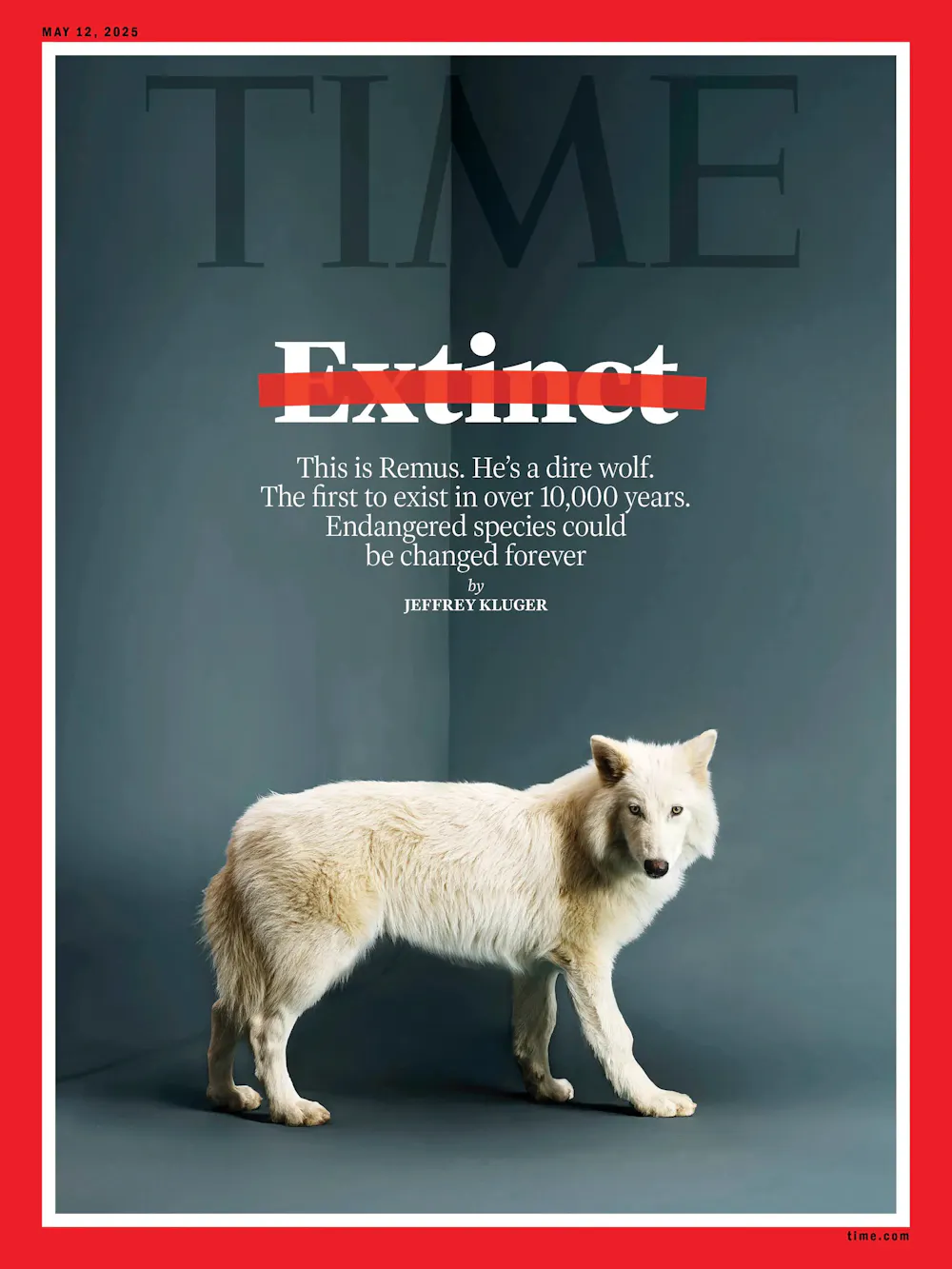
    First, it is important to recognise that Romulus, Remus and Khaleesi, the three “dire wolf” pups created, are not actually dire wolves.

    Colossal carried out 20 edits in 14 genes of the grey wolf genome to create their “dire wolves” using a genetic technique called CRISPR-Cas9.

    The grey wolf’s genome is 2,447,000,000 individual bases long. Would we consider a chimpanzee, with which we share 98.8% of our genome, to be human after 20 edits?

    The reality is that these are three slightly modified grey wolves.

    TIME magazine cover featuring a Colossal Biosciences’ ‘dire wolf’.
    TIME

    This de-extinction project has had millions of dollars poured into it – amounts of money most conservation programs could only dream of. There are proven solutions to help reverse biodiversity loss: habitat protection and restoration, the control of invasive species and the phasing out of fossil fuels.

    However, these solutions are not slickly marketed as shiny, techno-fix packages like de-extinction. Instead, they are heavily underfunded.

    Extinction is irreversible

    Promoting extinction as reversible risks downplaying its gravity and legacy.

    Headlines like the one that appeared on the front cover of TIME magazine – with the word “extinct” crossed out – seed a false hope that no matter what environmental damage is done, species loss can be easily undone.

    The risk is that de-extinction will be used as an ultimate offset for any environmental impact.

    Humans fear death. It is possibly our most primal instinct. We mourn and feel great sadness for the death of an individual, not only because they are gone, but because it is irreversible and final. Permanent.

    That finality is the same for humans or any living animal. It is what makes fighting biodiversity loss such an urgent concern, so much so that people risk their lives to prevent it, with 150 wildlife rangers dying each year around the world in their fight to protect endangered species.

    Protest movements like the Extinction Rebellion draw attention to irreparable damage to biodiversity.
    Ethan Wilkinson/Unsplash

    In the conservation movement, raising awareness of “martyr” species – like the northern white rhino and the passenger pigeon – helps underline the argument in favour of protecting current species. Framing extinction as temporary creates false hope and undermines motivation for real conservation action.

    We might already be seeing this happen in response to the “de-extinction” of the dire wolf. Interior Secretary of the Trump administration, Doug Burgum, praised the new biotechnology advancement and used it as an argument for the removal of the US Endangered Species Act.

    What good is bringing back species if there are no protective laws to address the drivers of their declines?

    Would we protect the dire wolf even if it did come back?

    It is deeply ironic that while millions are being spent recreating a dire wolf proxy, its cousin, the grey wolf, is heavily persecuted globally. Just last month, the Spanish government voted to overturn the legal protection that prevented wolves from being hunted north of the Duero River.

    Other predators are affected, too. In Australia, the dingo, which has been shown to suppress invasive cats and red foxes, helping native biodiversity, is also heavily persecuted – just like the thylacine or Tasmanian tiger was, which Colossal aims to de-extinct as well.

    If we can’t safeguard or protect habitat for apex predators today, in ecosystems that are already under immense pressure, what kind of world would we be bringing extinct species back into? Up to 150 species are considered to go extinct every day. No amount of genetic tech will solve this unless we address the root causes: habitat destruction, over-exploitation and climate change.

    The de-extinction of the dire wolf may sound like a conservation breakthrough, but it risks distracting us from the protection of our current living species. This approach turns biodiversity conservation into a billionaire’s Jurassic Park fantasy instead of addressing the crisis we already know how to fix.

    Dieter Hochuli receives funding from the Australian Research Council, NSW Department of Planning and Environment, the City of Sydney and the Inner West Council. He is President-Elect of the Ecological Society of Australia.

    Marco Salvatori receives funding from European Union BIODIVERSA+ program.

    Peter Banks receives funding from the Australian Research Council, The NSW Environmental Trust and the Australian Forests and Wood Initiative.

    Martín Boer-Cueva does not work for, consult, own shares in or receive funding from any company or organisation that would benefit from this article, and has disclosed no relevant affiliations beyond their academic appointment.

    ref. ‘De-extinction’ of dire wolves promotes false hope: technology can’t undo extinction – https://theconversation.com/de-extinction-of-dire-wolves-promotes-false-hope-technology-cant-undo-extinction-254479

    MIL OSI AnalysisEveningReport.nz

  • MIL-Evening Report: Superb fairy-wrens’ songs hold clues to their personalities, new study finds

    Source: The Conversation (Au and NZ) – By Diane Colombelli-Négrel, Senior Lecturer, Animal Behaviour, Flinders University

    Two superb fairy-wrens (_Malurus cyaneus_). ARKphoto/Shutterstock

    When we think of bird songs, we often imagine a cheerful soundtrack during our morning walks. However, for birds, songs are much more than background music – they are crucial to attract a mate and defend a territory.

    But what if a song could reveal something deeper about the singer’s personality? A new study, published today in Royal Society Open Science by my colleagues and me, shows it might.

    Addressing a research gap

    For many bird species, songs vary in complexity, with some individuals producing more intricate melodies than others. Such differences often indicate individual variation in genetic quality, age, or health. Yet most research to date has focused on males, and very few studies have investigated how song complexity relates to personality in birds.

    The new study addresses this research gap.

    My colleagues and I studied wild superb fairy-wrens (Malurus cyaneus), a small Australian songbird known for its bright plumage and complex vocal skills. Interestingly, in this species, both males and females learn to sing complex songs. This makes them a good example to study the relationship between song complexity and personality in both males and females.

    We captured wild superb fairy-wrens and brought them into short-term captivity to assess their personality. Specifically, we measured their exploration by placing them in a novel environment, where we observed where they went and how much they explored the environment.

    We also tested their aggressiveness by using a mirror, as birds often see their reflection as a rival and respond accordingly.

    We then released the birds and recorded their songs for several months to assess song complexity (that is, element types per song and syllables per song). Elements are the basic building blocks in bird songs (a little like letters in a word) and element types are categories of elements.

    Aggressive versus exploratory

    We found that, regardless of sex or life stage, birds that were more exploratory had more element types per song than those that were less exploratory. Also, more aggressive birds produced songs with fewer syllables than those that were less aggressive. You can hear this in the recordings below.

    Recording of a more exploratory male superb fairy-wren.
    Diane Colombelli-Negrel, CC BY-ND50.4 KB (download)

    Recoding of a less exploratory male superb fairy-wren.
    Diane Colombelli-Negrel, CC BY-ND35.5 KB (download)
    Regardless of sex or life stage, superb fairy-wrens that were more exploratory had more element types per song than those that were less exploratory, as this chart demonstrates.
    Diane Colombelli-Negrel, CC BY-ND

    We also found that more aggressive fledglings, but not adults, had more element types per song.

    Our study demonstrates that both males and females can advertise their personality through their songs. It also raises questions as to whom birds learn their songs from.

    In superb fairy-wrens, male and female juveniles learn from both parents as well as from other members of their species. It is possible that rather than learning from any available adults, birds may selectively copy song elements from specific individuals based on their own personality.

    In superb fairy-wrens, more exploratory birds may approach and learn from a wider range of tutors than less exploratory ones who may limit themselves to more familiar tutors.

    Additionally, our study highlights that the relationship between personality and song complexity could be shifting between different life stages. More aggressive young may experiment with a greater diversity of element types to prepare for the establishment of their own territory in their first year of life, leading to increasing song complexity.

    In contrast, adults have already settled in their territories and may not need to experiment as much.

    In superb fairy-wrens, male and female juveniles learn from both parents.
    Audra Thomson/Shutterstock

    Insights into how personality traits evolve

    Our study illustrates that learned aspects of sexual signalling are personality dependent, and that this may have some potential implications for survival or reproduction.

    This opens up exciting new questions about how vocal communication reflects individual differences — not just in males, but in females too.

    Understanding these links can give us deeper insights into how personality traits evolve and how they influence social interactions in the wild.

    Diane Colombelli-Négrel receives funding from the Australian Research Council and the Australia & Pacific Science Foundation.

    ref. Superb fairy-wrens’ songs hold clues to their personalities, new study finds – https://theconversation.com/superb-fairy-wrens-songs-hold-clues-to-their-personalities-new-study-finds-254472

    MIL OSI AnalysisEveningReport.nz

  • MIL-Evening Report: Students are neither left nor right brained: how some early childhood educators get this ‘neuromyth’ and others wrong

    Source: The Conversation (Au and NZ) – By Kate E. Williams, Professor of Education, University of the Sunshine Coast

    MalikNalik/ Shutterstock

    Many teachers and parents know neuroscience, the study of how the brain functions and develops, is important for children’s education.

    Brain development is recommended as part of teacher education in universities. Neuroscience is even mentioned in Australia’s “early years framework”, which guides early childhood programs.

    Previous research has shown there are misunderstandings about how neuroscience works (or “neuromyths”) among teachers both in Australia and overseas.

    Our new study shows there are also some widespread neuromyths among early childhood educators.

    What are the myths? And what does the evidence say?

    Our research

    We surveyed more than 520 Australian early childhood educators in 2022 to understand their neuroscience knowledge.

    We chose to study early childhood educators because there is a research gap in our understanding of those teaching and caring for younger children. The surveys were distributed online via multiple channels including email lists, social media and professional associations.

    About 74% of respondents worked in a long daycare or a preschool/kindergarten (educating children in the final years before formal school). About 63% had either a bachelors degree or postgraduate qualification.

    Our research surveyed more than 500 early childhood educators about their neuroscience knowledge.
    Poppy Pix/ Shutterstock

    Our findings

    We asked respondents whether various false statements were true, in order to assess their level of knowledge about neuroscience. The average correct score was 13.7 out of 27.

    Some myths presented in our study were widely, and correctly, understood to be false. For example, more than 90% of respondents correctly identified “when we sleep our brains shut down” and “mental capacity is solely hereditary and cannot be changed by the environment or experience” as untrue.

    But for other myths, most respondents were either unsure or believed the statement to be correct. For example:

    • only 7% of respondents correctly identified “teaching to different learning styles will improve learning” as false.

    • only 15% of respondents correctly identified “students are either left or right brained” as false.

    This suggests educators need more evidence-based neuroscience content as part of their professional education and development. While some neuromyths may seem harmless, others can have real implications for teaching decisions and student learning.

    What is the problem with these neuromyths?

    Myth 1: ‘teaching to different learning styles will improve learning’

    The idea of learning styles became popular in the 1970s. This argued students will show improved learning if they receive information in a very specific way. For example, “visual learners” need to see information to be able to learn, while “aural learners” need to hear it.

    This has been recognised as a myth since the mid-2000s, but the idea of learning styles still persists among educators.

    While people may have preferred ways of accessing information, there is no evidence learning suffers if information isn’t provided in this format. Research has also shown teachers’ ideas of a student’s learning style do not tend to match students’ self-reported preferences.

    So teaching decisions made on assumed student “learning styles” may be flawed in any case.

    There’s no evidence learning needs to be presented in a particular format for certain ‘types’ of learners.
    myboys.me/ Shutterstock

    Myth 2: ‘students are either left or right brained’

    Another enduring idea is we have personality traits that are either right-brained (intuitive and creative) or left-brained (analytical and logical)

    There is evidence some brain functions hang out a little more on one side of the brain than the other. For example, language is more on the left and attention is more on the right. However, there’s no evidence your personality or your aptitude comes particularly from the left or right brain hemisphere.

    The harm in this myth comes from students thinking they are “more left-brained than right” and teachers reinforcing this view. And from here, young people might think they should just stick to humanities or just stick to maths or science.

    This could rob a student of exploring multiple academic and career paths. Sure, some students will seem to really flourish as an artist, some as mathematicians and some as both. But we should not be labelling students, based on a neuromyth, potentially impacting self-confidence and their potential.

    Kate E. Williams receives funding from the Australian Research Council, National Health and Medical Research Council, Queensland Government Department of Education, and Australian Government Department of Social Services. She is affiliated with Play Matters Australia as Chair of the Board of Directors.

    ref. Students are neither left nor right brained: how some early childhood educators get this ‘neuromyth’ and others wrong – https://theconversation.com/students-are-neither-left-nor-right-brained-how-some-early-childhood-educators-get-this-neuromyth-and-others-wrong-248888

    MIL OSI AnalysisEveningReport.nz

  • MIL-Evening Report: Pagan loaves, Christian bread, a secular treat: a brief history of hot cross buns

    Source: The Conversation (Au and NZ) – By Darius von Guttner Sporzynski, Historian, Australian Catholic University

    Jasmine Waheed/Unsplash

    Hot cross buns aren’t just a sweet snack that appears around Easter. They carry centuries of storytelling in their dough. From ancient gods to modern supermarkets, these sticky spiced buns have crossed many borders and beliefs.

    Today, you can buy them in all kinds of flavours. But their story is far richer than chocolate chips and salted caramel.

    Ancient beginnings

    In some ancient cultures, bread was more than just food. It was a symbol of faith. Ancient Greeks baked small round loaves marked with crosses to honour their gods. According to some historians, these marks could represent the four seasons or four phases of the moon.

    Jewish people have also shared special bread during holy times like Passover, and scholars have debated whether these customs influenced early Christian bread traditions.

    Pagan Saxons worshipped a spring goddess named Eostre. They baked bread during springtime festivals to celebrate new life and longer days. The name “Eostre” is where we get the English word “Easter”. Over time, some of these springtime bread traditions blended with Christian customs.

    From Pagan loaves to Christian buns

    Early Christians started marking bread with a cross to show their devotion, and ate it throughout the year.

    They believed the cross kept away evil spirits and helped the dough rise. Over time, the Christian view of the bread marked with the cross shifted to focus on Jesus’ crucifixion and became associated with Easter.

    Baking bread as illustrated in the 16th century Book of Hours.
    Getty

    By the Middle Ages, many bakers only kept the cross on Good Friday bread.

    According to popular tales, one 12th-century English monk made spiced buns marked with a cross on Good Friday, because that day is the “Day of the Cross”.

    Monks often used spices to show the day was special. These spiced buns helped people remember the crucifixion of Christ and the spices used in his burial.

    In 1592, Queen Elizabeth I restricted the sale of spiced bread and buns, perhaps because of religious tensions. England had broken away from the Catholic Church, and new Church of England officials worried that “holy” buns looked too much like Catholic superstition. Others say it was an issue of bread prices and profits. Then again maybe they were just too special for just everyday.

    Under these laws, commercial bakers could only make spiced bread on Christmas, Easter and for funerals.

    Good Friday and magic buns

    By the 18th century, English street vendors sold “hot cross buns” on Good Friday. We even see an old rhyme about them in Poor Robin’s Almanac in 1733, which says:

    Good Friday comes this month, the old woman runs,
    With one a penny, two a penny, hot cross buns.

    Soon, people believed these Good Friday buns had magical powers. Some hung them from kitchen rafters, believing they would never go mouldy. They kept them for protection against evil or illness. If someone felt sick, they crumbled part of an old hot cross bun into water, hoping it would cure them. Others placed buns in their grain stores to keep pests away.

    These beliefs might sound odd today, but they were part of daily life for many.

    This hand-coloured etching from 1799 shows a woman selling hot cross buns in London.
    The Metropolitan Museum of Art

    In Victorian England, people exchanged hot cross buns with friends on Good Friday and said, “Half for you and half for me, between us two good luck shall be”.

    Whatever ancient superstition the cross once warded off, today it’s the flavour roulette that keeps us coming back. Proof that tradition now serves taste, not fear.

    An enduring symbol

    Traditional buns contain dried fruit and spices like cinnamon and nutmeg, but many modern versions swap sultanas for chocolate chips or add flavours like salted caramel, orange – or even Vegemite and cheese. They have become a secular treat. Yet the crisscross pattern remains on top, hinting at the Christian origins.

    When you smell a fresh batch of these buns, you’re sharing an experience people enjoyed centuries ago. Ancient Egyptians, Greeks, Poles, Romans, Saxons, medieval monks and 18th-century street sellers all had their versions of spiced, crossed bread. Each group gave the buns its own meaning, from honouring gods to celebrating Christ’s crucifixion and resurrection.

    A woman giving hot cross buns to two children, in an illustration from 1899.
    British Library

    Eating hot cross buns at Easter also shows how traditions change with each generation. At first, they were hard to find outside Good Friday. Now, you might see them in shops just after New Year’s. They once symbolised pagan festivals, then moved into Christian rites, survived royal bans, and sailed through waves of superstition. Yet they remain a symbol of Easter in Australia and around the world.

    Darius von Guttner Sporzynski does not work for, consult, own shares in or receive funding from any company or organisation that would benefit from this article, and has disclosed no relevant affiliations beyond their academic appointment.

    ref. Pagan loaves, Christian bread, a secular treat: a brief history of hot cross buns – https://theconversation.com/pagan-loaves-christian-bread-a-secular-treat-a-brief-history-of-hot-cross-buns-246782

    MIL OSI AnalysisEveningReport.nz

  • MIL-Evening Report: Students are neither left or right brained: how some early childhood educators get this ‘neuromyth’ and others wrong

    Source: The Conversation (Au and NZ) – By Kate E. Williams, Professor of Education, University of the Sunshine Coast

    MalikNalik/ Shutterstock

    Many teachers and parents know neuroscience, the study of how the brain functions and develops, is important for children’s education.

    Brain development is recommended as part of teacher education in universities. Neuroscience is even mentioned in Australia’s “early years framework”, which guides early childhood programs.

    Previous research has shown there are misunderstandings about how neuroscience works (or “neuromyths”) among teachers both in Australia and overseas.

    Our new study shows there are also some widespread neuromyths among early childhood educators.

    What are the myths? And what does the evidence say?

    Our research

    We surveyed more than 520 Australian early childhood educators in 2022 to understand their neuroscience knowledge.

    We chose to study early childhood educators because there is a research gap in our understanding of those teaching and caring for younger children. The surveys were distributed online via multiple channels including email lists, social media and professional associations.

    About 74% of respondents worked in a long daycare or a preschool/kindergarten (educating children in the final years before formal school). About 63% had either a bachelors degree or postgraduate qualification.

    Our research surveyed more than 500 early childhood educators about their neuroscience knowledge.
    Poppy Pix/ Shutterstock

    Our findings

    We asked respondents whether various false statements were true, in order to assess their level of knowledge about neuroscience. The average correct score was 13.7 out of 27.

    Some myths presented in our study were widely, and correctly, understood to be false. For example, more than 90% of respondents correctly identified “when we sleep our brains shut down” and “mental capacity is solely hereditary and cannot be changed by the environment or experience” as untrue.

    But for other myths, most respondents were either unsure or believed the statement to be correct. For example:

    • only 7% of respondents correctly identified “teaching to different learning styles will improve learning” as false.

    • only 15% of respondents correctly identified “students are either left or right brained” as false.

    This suggests educators need more evidence-based neuroscience content as part of their professional education and development. While some neuromyths may seem harmless, others can have real implications for teaching decisions and student learning.

    What is the problem with these neuromyths?

    Myth 1: ‘teaching to different learning styles will improve learning’

    The idea of learning styles became popular in the 1970s. This argued students will show improved learning if they receive information in a very specific way. For example, “visual learners” need to see information to be able to learn, while “aural learners” need to hear it.

    This has been recognised as a myth since the mid-2000s, but the idea of learning styles still persists among educators.

    While people may have preferred ways of accessing information, there is no evidence learning suffers if information isn’t provided in this format. Research has also shown teachers’ ideas of a student’s learning style do not tend to match students’ self-reported preferences.

    So teaching decisions made on assumed student “learning styles” may be flawed in any case.

    There’s no evidence learning needs to be presented in a particular format for certain ‘types’ of learners.
    myboys.me/ Shutterstock

    Myth 2: ‘students are either left or right brained’

    Another enduring idea is we have personality traits that are either right-brained (intuitive and creative) or left-brained (analytical and logical)

    There is evidence some brain functions hang out a little more on one side of the brain than the other. For example, language is more on the left and attention is more on the right. However, there’s no evidence your personality or your aptitude comes particularly from the left or right brain hemisphere.

    The harm in this myth comes from students thinking they are “more left-brained than right” and teachers reinforcing this view. And from here, young people might think they should just stick to humanities or just stick to maths or science.

    This could rob a student of exploring multiple academic and career paths. Sure, some students will seem to really flourish as an artist, some as mathematicians and some as both. But we should not be labelling students, based on a neuromyth, potentially impacting self-confidence and their potential.

    Kate E. Williams receives funding from the Australian Research Council, National Health and Medical Research Council, Queensland Government Department of Education, and Australian Government Department of Social Services. She is affiliated with Play Matters Australia as Chair of the Board of Directors.

    ref. Students are neither left or right brained: how some early childhood educators get this ‘neuromyth’ and others wrong – https://theconversation.com/students-are-neither-left-or-right-brained-how-some-early-childhood-educators-get-this-neuromyth-and-others-wrong-248888

    MIL OSI AnalysisEveningReport.nz

  • MIL-Evening Report: A century after its discovery, scientists capture first confirmed footage of a colossal squid in the deep

    Source: The Conversation (Au and NZ) – By Kat Bolstad, Associate professor, Auckland University of Technology

    The colossal squid was first described in 1925 based on specimens from the stomach of a commercially hunted sperm whale. A century later, an international voyage captured the first confirmed video of this species in its natural habitat – a 30-centimetre juvenile, at a depth of 600 metres near the South Sandwich Islands.

    Colossal squid can grow up to seven metres and weigh as much as 500 kilograms, making them the heaviest invertebrate on the planet. But little is known about their life cycle.

    The footage of a young colossal squid in the water column was a serendipitous sighting, as many deep-sea squid observations are.

    It was seen during the live “divestream” feed of a remotely operated vehicle during the Schmidt Ocean Institute and Ocean Census partner expedition searching for new deep-sea species and habitats in the far south Atlantic, mostly focusing on the seafloor.

    Those tuned into the stream had the remarkable experience of seeing a live colossal squid in its deep-sea home, although its identity was not confirmed until the high-definition footage could be reviewed later.

    Predators such as whales and seabirds are still one of our best sources of information about the colossal squid (Mesonychoteuthis hamiltoni) because they are much better at finding it than we are.

    This partially explains why we have only just filmed this species in its natural habitat. Not only do these animals live in an enormous, dark and three-dimensional environment, they are also probably actively avoiding us.

    Most of our deep-sea exploration equipment is large, noisy and uses bright lights if we are trying to film animals. But the colossal squid can detect and avoid diving sperm whales, which probably produce a strong light signal as they swim down and disturb bioluminescent animals.

    The squid best able to avoid such predators have been passing on their genes for millions of years. This leaves us with a current population of visually acute, likely light-avoiding animals, well capable of detecting a light signal from many metres away.

    Delicate beauty of deep-sea animals

    The colossal squid is part of the “glass” squid family (Cranchiidae). Three known glass squid species are found in the Antarctic ocean, but it can be difficult to distinguish them on camera.

    Researchers from the organisation Kolossal, aiming to film the colossal squid, observed a similarly sized glass squid during their fourth Antarctic mission in 2023. But since the characteristic features needed to identify a colossal squid – hooks on the ends of the two long tentacles and in the middle of each of the eight shorter arms – weren’t clearly visible, its exact identity remains unconfirmed.

    In the Schmidt Ocean Institute footage, the mid-arm hooks are visible. And for this young individual, the resemblance to other glass squids is also clear. With age and size, colossal squid likely lose their transparent appearance and become much more of an anomaly within the family.

    While many will be amused by the idea of a “small colossal” squid, this footage showcases a beauty shared by many deep-sea animals, in contrast to the monster hype and “stuff of nightmares” click-bait titles we see all too often.

    This colossal squid looks like a delicate glass sculpture, with fins of such fine musculature they are barely visible. It has shining iridescent eyes and graceful arms fanned out from the head.

    At full size, the colossal squid may be a formidable predator, with its stout arms and array of sharp hooks, able to tackle two-metre-long toothfish. But in our first confirmed view of it at home in the deep sea, we can marvel at the elegance of this animal, thriving in an environment where humans require so much technology even to visit remotely.

    Stranger than science fiction

    Until recently, few people were able to take part in deep-sea exploration. But now, anyone with an internet connection can be “in the room” while we explore these habitats and observe animals for the first time.

    It’s hard to overstate the importance of the deep sea. It holds hundreds of thousands of undiscovered species, it is probably where life on Earth started, and it makes up 95% of the available living space on our planet.

    It has animals more splendid and strange than our most creative science fiction imaginings. This includes squids that start life looking like small light bulbs and then grow into true giants; colonies of individuals living together with each contributing to the group’s success; animals where males (often parasitic) are orders of magnitude smaller than females.

    This first confirmed sighting of a colossal squid inspires and reminds us how much we have left to learn.


    The expedition that captured the footage of the colossal squid was a collaboration between the Schmidt Ocean Institute, the Nippon Foundation-NEKTON Ocean Census, and GoSouth (a joint project between the University of Plymouth, GEOMAR Helmholtz Centre for Ocean Research and the British Antarctic Survey).


    Kat Bolstad does not work for, consult, own shares in or receive funding from any company or organisation that would benefit from this article, and has disclosed no relevant affiliations beyond their academic appointment.

    ref. A century after its discovery, scientists capture first confirmed footage of a colossal squid in the deep – https://theconversation.com/a-century-after-its-discovery-scientists-capture-first-confirmed-footage-of-a-colossal-squid-in-the-deep-254584

    MIL OSI AnalysisEveningReport.nz

  • MIL-Evening Report: Allowing forests to regrow and regenerate is a great way to restore habitat

    Source: The Conversation (Au and NZ) – By Hannah Thomas, PhD candidate in Environmental Policy, The University of Queensland

    Cynthia A Jackson, Shutterstock

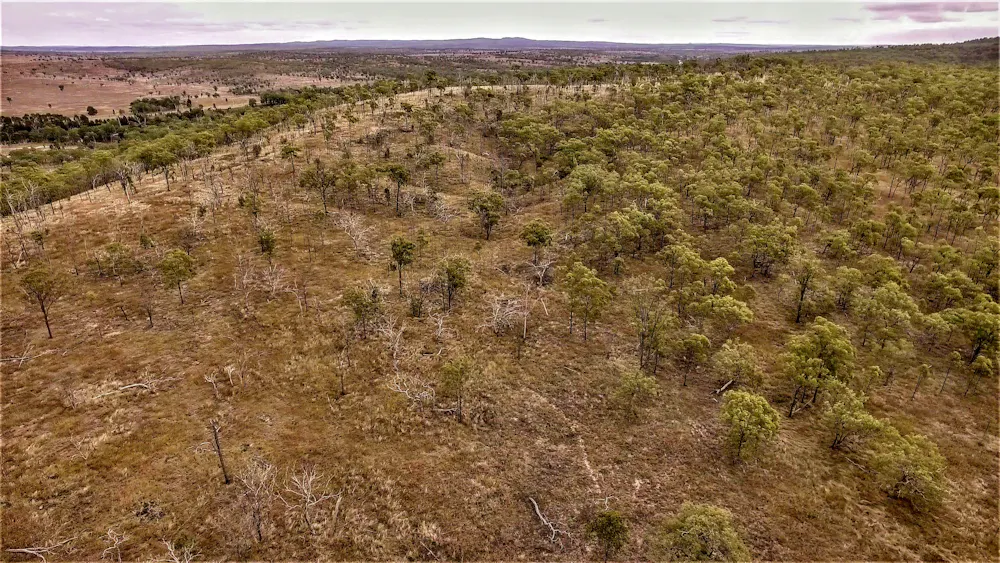
    Queensland is widely known as the land clearing capital of Australia. But what’s not so well known is many of the cleared trees can grow back naturally.

    The latest state government figures show regrowth across more than 7.6 million hectares in Queensland in 2020-21. These trees, though young, still provide valuable habitat for many threatened species – as long as they’re not bulldozed again.

    Our new research explored the benefits of regrowth for 30 threatened animal species in Queensland. We found regrown forests and woodlands provided valuable habitat and food for species after an average of 15 years. Some species were likely to benefit from trees as young as three years.

    This presents an opportunity for governments to support landowners and encourage them to retain more regrowing forest and woodland, especially where it can provide much-needed habitat for wildlife. But it’s a challenge because there is strong pressure to clear regrowth, largely to maintain pasture.

    Clearing of regrowth woodlands in Queensland.
    Martin Taylor

    When do young forests and woodlands become valuable habitat?

    We focused on threatened animal species that depend on forests and woodlands, and occur in regions with substantial regrowth.

    We wanted to find out which species use regrowth, and how old the trees need to be. But there’s not much survey data available on threatened species living in naturally regenerated forest and woodlands.

    To elicit this information we asked almost 50 experts to complete a detailed questionnaire and attend a workshop.

    We found 15 years was the average minimum age at which regrowth became useful to threatened species. But the full range was 3-68 years, depending on factors such as what a species eats, how it moves through the landscape and whether it needs tree hollows for shelter or breeding.

    For example, one threatened bird (the squatter pigeon) could use woodlands as young as three years old. Koalas benefited from regrowth as young as nine years old.

    Some species, such as the greater glider, need much older forests. This is because they require large tree hollows to shelter in during the day, and large trees to feed on and move between at night.

    So young forests shouldn’t be seen as an alternative to protecting old forests. We need both.

    The squatter pigeon could benefit from just three years of regrowth.
    Imogen Warren, Shutterstock

    Understanding the extent of habitat loss

    We also estimated the proportion of each species’ current habitat that comprises regrowth, using satellite data and publicly available data.

    For some species, we found regrowth made up almost a third of their potential habitat in Queensland. On average, it was 18%.

    However, nearly three-quarters of the habitat lost in Queensland since 2018 was regrowth forests and woodlands. So while the loss of older, “remnant” vegetation is more damaging per unit area, the regrowth habitat is being lost on a bigger scale.

    Our research suggests retaining more regrowth could be an easy and cost-effective way to help save threatened species.

    In contrast, tree planting is time-consuming and expensive. What’s more, only 10% of our native plants are readily available as seeds for sale. This, combined with more extreme weather such as prolonged droughts, often causes restoration projects to fail.

    Encouraging landholders to retain regrowth

    The fact that habitat can regrow naturally in parts of Queensland is a huge bonus. But farmers also need to maintain productivity, which can decrease if there’s too much regrowth.

    So, how do we help these landowners retain more regrowth?

    One way is to provide incentives. For example, government-funded biodiversity stewardship schemes provide payments to cover the costs of managing the vegetation – such as fencing off habitat and managing weeds – as well as compensation for loss of agricultural production. Targeting areas of regrowth with high habitat values could be a way for such schemes to benefit wildlife.

    Alternatively, market-based schemes allow landowners to generate biodiversity or carbon “credits” by keeping more trees on their property. Then, businesses (or governments) buy these credits. For example, some big emitters in Australia have to purchase carbon credits to “offset” their own emissions.

    However, Australia’s carbon market has been accused of issuing “low integrity” carbon credits. This means the carbon credits were paid for projects that may not have captured and stored the amount of carbon they were supposed to. To make sure these markets work, robust methods are needed – and until now, there hasn’t been one that worked to retain regrowth.

    Trees are good for the land, air and sea

    In February, the Queensland government released a method by which landholders could generate carbon credits by agreeing not to clear their regrowing woodlands and forests.

    The new carbon method provides a promising opportunity to allow landowners to diversify their farm income.

    In addition, tree cover brings direct, on-farm benefits such as more shade and shelter for livestock, natural pest control and better soil health.

    At a landscape level, greater tree cover can improve local climate regulation, reduce sediment run-off to the Great Barrier Reef and reduce Australia’s carbon emissions.

    Ideally, Australia’s carbon and biodiversity markets would work alongside sufficient government funding for nature recovery, which needs to increase to at least 1% (currently it’s around 0.1%).

    Meanwhile, our research has shown embracing natural regeneration potential in Queensland will have benefits for a range of threatened species too.

    We acknowledge our research coauthors, Jeremy Simmonds (2rog Consulting), Michelle Ward (Griffith University) and Teresa Eyre (Queensland Department of Environment, Tourism, Science and Innovation).

    Hannah Thomas received an Australian Government Research Training Program Scholarship with a $10,000 top-up from WWF-Australia. She is an early-career leader with the Biodiversity Council.

    Martine Maron has received funding from various sources including the Australian Research Council, the Queensland Department of Environment and Science, and the federal government’s National Environmental Science Program, and has advised both state and federal government on conservation policy. She is a member of the Wentworth Group of Concerned Scientists, a director of the Australian Wildlife Conservancy, a councillor with the Biodiversity Council, and leads the IUCN’s thematic group on Impact Mitigation and Ecological Compensation under the Commission on Ecosystem Management. She currently sits on the Protect and Enhance advisory panel to the NSW Natural Resources Commission.

    ref. Allowing forests to regrow and regenerate is a great way to restore habitat – https://theconversation.com/allowing-forests-to-regrow-and-regenerate-is-a-great-way-to-restore-habitat-254325

    MIL OSI AnalysisEveningReport.nz

  • MIL-Evening Report: Safe seat syndrome? Why some hospitals get upgrades and others miss out

    Source: The Conversation (Au and NZ) – By Anam Bilgrami, Senior Research Fellow, Macquarie University Centre for the Health Economy, Macquarie University

    On his campaign trail, Prime Minister Anthony Albanese pledged A$200 million to upgrade St John of God Midland Public Hospital in Perth. He promised more beds and operating theatres, and a redesigned obstetrics and neonatal unit.

    It followed other recent election promises from the Labor government, including $120 million for new birthing facilities at Sydney’s planned Rouse Hill Hospital and $150 million to build a health centre in southern Adelaide.

    New and expanded health facilities are welcome in fast-growing communities. But are hospital funding pledges in election campaigns based on health-care or political needs?

    Does pork-barrelling drive health funding decisions?

    Labor and the Coalition have faced allegations of pork-barrelling this election campaign.

    Pork-barrelling means using public funds to target specific electorates to win votes, rather than allocating resources based on need. Four in five Australians consider pork-barrelling to be corrupt.

    Former New South Wales Premier Gladys Berejiklian suggested pork-barrelling was “business as usual” in her government.

    It also seems to occur at the federal level. The Australian National Audit Office found a $1.25 billion Community Health and Hospitals Program implemented by the former Morrison government “fell short of ethical requirements” and deliberately breached Commonwealth grant guidelines.

    Of the 63 major projects funded, only two were rated “highly suitable” – the usual benchmark for shortlisting. In fact, most approved projects were picked by the government outside of the established expression of interest processes.

    Who funds and manages public hospitals?

    The National Health Reform Agreement makes states and territories responsible for managing public hospitals. States and territories contribute around 58% of hospital funding. They also oversee planning and infrastructure.

    Local hospital networks help plan and implement capital projects such as new hospitals and facility upgrades.

    Under the National Health Reform Agreement, the Commonwealth government also contributes public hospital funding through:

    • activity-based funding. This is tied to the number and type of patients treated

    • block funding for smaller regional and rural hospitals

    • public health funding for initiatives such as vaccination programs.

    The reform agreement outlines the Commonwealth’s responsibility for supporting public hospital services. But it doesn’t restrict the Commonwealth from making hospital infrastructure promises.

    The Commonwealth often pledges direct hospital funding through supplementary agreements or ad hoc initiatives. Earlier this year, it announced an additional one-off $1.7 billion payment to ease pressure on public hospitals.

    State planning vs federal politics: who decides?

    States use formal planning frameworks to plan and prioritise health infrastructure projects. NSW Health, for example, applies a structured Facility Planning Process for projects over $10 million. This considers local population needs, health and community benefits, costs and workforce capacity.

    These types of frameworks help ensure health capital investment decisions are transparent and evidence-based.

    What is less transparent is how the Commonwealth decides which specific hospitals to pledge money to, particularly during election campaigns.

    While some federal funding announcements may align with state priorities, picking one hospital over another comes with an “opportunity cost”. For every community that benefits from a new or upgraded hospital, another potentially higher-need community may miss out.

    To prevent Commonwealth funding decisions being swayed by political priorities, more transparent processes for setting priorities and making decisions are needed.

    What would a better system look like?

    The way funds are allocated to medicines listed on the Pharmaceutical Benefits Scheme (PBS) provides the federal government with an exemplary approach to good health-care investment decisions.

    The Pharmaceutical Benefits Advisory Committee (PBAC) provides independent advice to the Minister for Health on whether the government should allocate millions to new medicines. The PBAC uses rigorous, transparent processes to make listing recommendations based on patient need and cost-effectiveness.

    Federal government hospital infrastructure funding decisions should also follow open, competitive, merit-based processes.

    Prioritising evidence and having transparent decision-making guidelines would mean funding is more likely to be allocated based on the greatest population need rather than electoral considerations.

    Other ways to improve federal government hospital funding decisions may include:

    • incorporating nationally agreed principles for hospital capital funding in future National Health Reform Agreements

    • increasing transparency. This could be achieved through a national public register of hospital development proposals, ranked by urgency and need

    • strengthening safeguards on election-period pledges. This could improve disclosures and ensure hospital funding decisions align with independent needs assessments.

    More hospitals or better prevention?

    Former St Vincent’s Health CEO Toby Hall put it bluntly:

    If Australia is to make the most of its healthcare future, it will likely need fewer hospitals, not more.

    He pointed to Denmark, which cut its number of hospitals by 67% over 1999–2019. This was achieved by shifting as many services as possible from hospitals to other types of health care including primary care, health centres and outpatient clinics.

    While more hospitals in Australia may be inevitable as the population ages, health policy should also focus on keeping people out of hospital in the first place. That means investing in prevention, early intervention and technology to support care at home.

    Australia lags behind other wealthy nations in this space, ranking 20th out of 33 OECD countries in per capita spending on prevention. It ranks 27th when measured as a share of total health expenditure.

    Some local health districts are showing what’s possible. This includes using home monitoring to help people manage chronic conditions. These kinds of innovations can improve health and reduce pressure on hospital infrastructure.

    While new hospitals and wards make for compelling election promises, a better health system will come not just from “bricks and mortar”. It will come from smarter investments in prevention, early intervention and innovative care that keeps people healthier and out of hospital.

    Henry Cutler was a member of an Expert Advisory Panel where he received remuneration from the Department of Health and Aged Care for this role. Henry has also previously received funding from NT Health.

    Anam Bilgrami does not work for, consult, own shares in or receive funding from any company or organisation that would benefit from this article, and has disclosed no relevant affiliations beyond their academic appointment.

    ref. Safe seat syndrome? Why some hospitals get upgrades and others miss out – https://theconversation.com/safe-seat-syndrome-why-some-hospitals-get-upgrades-and-others-miss-out-253750

    MIL OSI AnalysisEveningReport.nz

  • MIL-Evening Report: Half way through the campaign, how are the major party leaders faring?

    Source: The Conversation (Au and NZ) – By Stephen Mills, Honorary Senior Lecturer, School of Social and Political Sciences, University of Sydney

    More than two weeks in, we know one thing for sure. This time, the election campaign does matter.

    In decades past, when voters were more loyally rusted on to the major parties, news cycles more sedate, policy platforms fixed and “safe” seats truly safe, it was arguable that election outcomes were largely determined before the campaigns began.

    But in 2025, the campaign period has witnessed a dramatic shift in voting intentions, as measured by public opinion polls.

    Before the campaign, Labor trailed. Prime Minister Anthony Albanese seemed flat-footed, burdened by a poor track record in the 2022 elections and the 2023 Voice referendum.

    But even as Cyclone Alfred blew itself out, parliament returned, and the budget was brought down, Labor’s poll numbers were improving. This trend continued through the first weeks of the campaign, such that Labor now seems the likely winner, either in minority or perhaps majority.

    Why? Election campaigns can reveal how leaders and their teams behave under pressure. They also require trust and lock-step coordination between the leader and the party’s team of campaign professionals.

    Unflashy incrementalism

    Albanese has performed solidly and been relentlessly on-message and on-brand. His campaign has rolled out a well-prepared procession of announcements on Medicare urgent care clinics, pharmaceuticals, childcare and TAFE, each with local funding attached.

    Albanese does not campaign with Hawke-like charisma, Keating-like oratory or Whitlam-like policy. His one truly visionary change commitment – the Voice – collapsed in a heap.

    Instead, as he has shown over the last two weeks, his true identity is as a (Chifley-like?) incrementalist. He boasts a strong grasp of systems – health, roads, renewables – and his campaign is all about fixing, improving and expanding those systems within practical fiscal constraints.

    His vision of the future is the present that just works better for more people.

    Fattening the policy pig

    By contrast, Opposition Leader Peter Dutton seemed ready to shoot the lights out, as an uncompromising conviction politician exploiting voter grievances about cost-of-living issues.

    But he wasted a large part of his first week recovering from an off-strategy indulgence about living in Kirribilli House (“we love the harbour”), and much of the second week explaining his backflip on public service working conditions.

    The first was a campaign blunder, pure and simple. But the second spoke to a deeper malaise within the Coalition about policy development. The Coalition appeared unprepared for the cut and thrust of the campaign.

    Combined with blithe me-tooing of Labor promises on health and roads, and incomplete announcements on cutting foreign student numbers and reserving natural gas for domestic use, the backflip suggested Coalition policy-making has become a bit random: a series of tactical choices, not a strategic plan for government.

    Contrary to long-standing Liberal Party campaign wisdom that “you can’t fatten a pig on market day”, this time the Liberals are trying to force-feed their policy pig en route to the market.

    Dutton has been much more effective pitching his fuel excise promise. The decision to eschew Labor’s budgeted tax cuts for an immediate reduction at the bowser was bold, instinctive and entirely consistent with the Coalition’s outer-metropolitan electoral strategy.

    It took until the second week, but the daily scenes of Dutton pumping petrol into cars – “and utes” as he always adds – is steadily reinforcing his message, however wearying it has become for the travelling press party.

    The comfort of incumbents

    The first leaders’ debate highlighted this difference. Both leaders remained poised and polished (especially creditable by Dutton given he learned of his father’s heart attack immediately beforehand).

    But Albanese simply had more to talk about, more first-term achievements and more commitments on his future shopping list. Dutton articulated grievances without providing many policy solutions.

    The contest on the economy was a draw: Dutton conjures up Albanese’s non-delivered pledge on power prices, while Albanese points to high employment and downward trends on inflation and interest rates.

    All this has played out against the backdrop of the Donald Trump tariff wars. Like previous mid-campaign crises – Tampa in 2001 and, for those with very long memories, the Kennedy assassination in 1963 – global uncertainty reinforces an Australian incumbent. Albanese’s measured response struck the right note.

    Dutton has repeatedly tried to insert himself into the tariff story – difficult for an opposition – but had to take risks to do so. His assertion that AUKUS and ANZUS should be somehow involved was left hanging once Liberal icon John Howard made clear he disagreed.

    With policy speeches delivered, and rival policies on housing finally released, the campaign is in its final week, interrupted by Easter, before early voting starts.

    The challenge for Albanese will be to maintain his momentum, in all his unflashy, incrementalist style. Labor is likely to ramp up its Dutton-Trump comparison. Dutton will need to put further flesh on the bones of putting Australia “back on track”.

    Stephen Mills was a staff member (1986-91) for Labor Prime Minister Bob Hawke and since 2015 has volunteered for local Labor election campaigns.

    ref. Half way through the campaign, how are the major party leaders faring? – https://theconversation.com/half-way-through-the-campaign-how-are-the-major-party-leaders-faring-254387

    MIL OSI AnalysisEveningReport.nz

  • MIL-Evening Report: More bulk billing is fine. But what the health system really needs this election is genuine reform

    Source: The Conversation (Au and NZ) – By Stephen Duckett, Honorary Enterprise Professor, School of Population and Global Health, and Department of General Practice and Primary Care, The University of Melbourne

    Worrying signs are emerging about aspects of Australia’s health system, which will require the attention of whoever wins the May election.

    Despite big money pledged for Medicare and the Pharmaceutical Benefits Scheme (PBS), only limited attention has been paid by the major parties to key reform priorities.

    Any fresh reform agenda will be starting from a position of relative strength. Australia has a good health system that consistently ranks well compared with other wealthy nations, including on life expectancy, which is on the high side.

    Medicare remains the right infrastructure for funding primary care. But it is now more than 40 years old and needs to be updated and improved.

    Policy action is necessary on five fronts:

    • financial barriers to care
    • managing chronic conditions
    • mental health and dental care
    • public hospitals
    • workforce

    Priced out of care

    Despite Medicare’s promise of universality, around one in ten people defer seeing a doctor because of the cost.

    And despite the provision of subsidised drugs via the PBS, people also report missing out on filling prescriptions.

    Health Minister Mark Butler has said that Medicare is in its ‘worst shape’ in its 40 year history.
    Robyn Mackenzie/Shutterstock

    Labor has announced big-ticket measures to improve bulk-billing rates and cap PBS prices at A$25 a prescription. Given cost-of-living pressures are central to the election, it’s unsurprising the Coalition has pledged to match both policies.

    But, critically, neither party has announced anything to improve access to other medical specialists. The gap continues to grow between what specialists charge and what Medicare will cover. This means some patients are delaying or avoiding necessary care altogether.

    Complex chronic conditions

    The health system has not adapted to the rising prevalence of chronic disease in the Australian community. In 2023–24, 18% of the population saw three or more health professionals. But for 28% of those people, no single provider coordinated their care.

    Medicare was designed in a different age and needs to be refurbished to respond to this new reality of more patients who are suffering multiple health conditions.

    The Strengthening Medicare Task Force and the GP Incentives Review have proposed new systems to fund general practices to facilitate multidisciplinary care.

    Work needs to continue in this direction, regardless of who forms the next government.

    Forgotten care

    Dental and mental health are largely the forgotten sectors of health care. The number of people delaying access to oral health services because of affordability issues is more than twice the 10% who are missing out in other areas of the health system.

    Seeing a dentist is very much dependant on income. More than a quarter of Australians living in the most disadvantaged areas defer getting their teeth fixed because of the cost involved. Uncapped access to dental care, as proposed by the Greens, is not the answer. What is needed is a more sophisticated route towards universal access.

    By contrast, the pattern for mental health care is different, with people in both poor and rich areas facing access problems.

    The Coalition has promised to restore the maximum number of Medicare-subsidised fee-for-service mental health sessions to 20, despite it being regarded as an inequitable policy.

    More fee-for-service mental health care is not the right approach. By contrast, Labor is making a $1 billion commitment to expanding services which are free to the consumer. This includes Medicare Mental Health Services and headspace clinics, which generally employ salaried professionals.

    Both parties should support another initiative already underway: the universal program for people with low-to-moderate mental health needs, which doesn’t require either a referral or a co-payment. Labor announced the plan in the last budget, scheduled to start in January 2026.

    Inadequate hospital funding

    The Commonwealth share of public hospital funding has been trending down for the last few years, reversing the growth in its share over much of the last decade.

    A deal has been reached to lift the Commonwealth share of hospital funding to 45%.
    Rose Marinelli/Shutterstock

    Some states have fared worse than others, which means some hospitals have become squeezed and waiting times have blown out.

    In late 2023, National Cabinet reached a new funding deal which would lift the Commonwealth share to 45% by 2035–36.

    But subsequent negotiations have become bogged down in a quagmire of claims and counter-claims. The Albanese government has responded with an interim one-year funding down payment. But both major parties need to address this issue and commit to implementing the full 45% in the agreed time frame.

    No doctor in the house

    In 2014, the Abbott government abolished Health Workforce Australia, the national agency responsible for health workforce planning. Ten years later, it’s no surprise we are in the middle of a critical shortage of doctors and nurses.

    The Albanese government has implemented changes to speed up the recruitment of internationally trained health professionals. It is also offering incentives to encourage more clinicians to work in rural and remote Australia.

    But these are just more of the same, similar to the plethora of policies which have left us in the mess we are in. Ensuring we have the right workforce mix to address rural health needs requires a fresh approach. That includes revised funding models – as proposed in the GP incentives review – and allowing all health professionals to work to their full scope of practice.

    Reform hard slog

    Although health often ranks in the top three issues people say are important to them in elections, cost of living is the main focus of media and political commentary.

    The promise to increase bulk billing will help lower primary care costs.

    But genuine health care reform does not attract much media attention, which means it doesn’t get the profile necessary to prompt the right political promises.

    The hard slog of change takes years, and involves much more than a few carrots thrown to voters in an election. It takes careful negotiation with stakeholders and getting the infrastructure right.

    Given the initiatives listed above, Health Minister Mark Butler has done well on reform this term. Unfortunately, voters don’t see that, and appear not to value systematic and coherent reform strategies.

    It is hoped that whoever is health minister after the election will continue on the reform path to a more sustainable and affordable health system.


    This is the eighth article in our special series, Australia’s Policy Challenges. You can read the other articles here.

    Stephen Duckett was a member of the Strengthening Medicare Task Force, the Review of General Prcatice Incentives, the Mental Health Reform Advisory Group, and the Expert Panel on the National Early Intervention Service

    ref. More bulk billing is fine. But what the health system really needs this election is genuine reform – https://theconversation.com/more-bulk-billing-is-fine-but-what-the-health-system-really-needs-this-election-is-genuine-reform-250644

    MIL OSI AnalysisEveningReport.nz

  • MIL-Evening Report: Trump’s trade war puts America’s AI ambitions at risk

    Source: The Conversation (Au and NZ) – By Albert Zomaya, Professor, School of Computer Science, University of Sydney

    remotevfx.com/Shutterstock

    The global trade war triggered by US President Donald Trump earlier this month shows no signs of ending anytime soon. In recent days, China suspended exports of a wide range of critical minerals that are vital ingredients in everything from electric cars and drones to the semiconductor chips that power artificial intelligence (AI) servers.

    Around the same time, Trump also indicated he would soon impose new tariffs on semiconductor chips.

    All of this is happening at the same time the US is forging ahead with a US$500 billion (A$784 billion) project known as “Stargate” to accelerate the development of AI in the country.

    But the escalating trade war does not square with America’s ambitious AI plans. In fact, Trump’s tariffs (which, in the case of China, now total 145%) are set to undermine these plans by increasing the cost of AI development and disrupting supply chains for AI goods.

    In turn, this will hinder the pace of AI innovation and adoption in the US – and potentially elsewhere.

    Inflating the prices of essential components

    AI development requires significant computational power and specialised hardware such as high-end graphic processing units (GPUs), which are predominantly manufactured in Taiwan and South Korea and often assembled in China.

    US tariffs will directly inflate the prices of these essential components. One analysis estimates tariffs could increase the material costs of data centre building by around 20%, with IT hardware components potentially rising by 25%.

    This is a major concern for AI industry leaders such as OpenAI, which operates ChatGPT. For example, the company’s chief executive, Sam Altman, recently said his team is “working around-the-clock” to determine how the trade war would affect the cost of running their AI models.

    But the increased cost on AI development caused by the trade war will also mean tech startups in the US will have higher barriers to entry and fewer opportunities to test AI capabilities. In turn, this will harm AI innovation.

    In theory, tariffs might support the reshoring of chip production in the US through initiatives such as the CHIPS and Science Act, which promotes domestic US semiconductor production. But it would take years for such efforts to fully bear fruit. And Trump has also recently taken steps to walk away from the CHIPS and Science Act.

    Aggressive AI nationalism

    The trade war also creates risks for the international development of AI.

    For example, the cost increases that flow from tariffs could create a reluctance to invest in AI infrastructure – particularly data centres. Other tech companies might also cancel or delay plans to build data centres in the US partly because of higher equipment prices.

    In addition, tariffs could push countries into further fortifying their AI efforts, creating a kind of aggressive AI nationalism. They could also encourage domestic AI development to promote national interests. This could lead to isolationism and put another nail in the coffin of the open-source culture that once fuelled AI innovation.

    Tariffs are supposed to promote domestic industries. But high costs and a fracturing of the cooperation that is indispensable to the continuation of the AI landscape might well be the outcome.

    One analysis estimates US tariffs could increase the material costs of data centre building by around 20%.
    IM Imagery/Shutterstock

    Knock-on effects for Australia

    Australia is not the direct target of most US tariffs. But the tariffs on advanced technologies and critical components pose risks to its ability to develop AI.

    Although Australia aims to bolster its domestic AI capabilities, it currently relies heavily on imported hardware for AI development. Tariffs will likely make it more expensive for Australian companies and research institutions to acquire the necessary infrastructure, such as semiconductors, GPUs, and cloud computing equipment. In turn, this will potentially hinder their technological progress.

    As the US clamps down on trade and technologies, Australia may find itself locked out of international research projects, perhaps those involving US companies or technologies.

    Such limits on data sharing, international cross-border AI talent, and cloud infrastructure risk slowing the rate of innovation.

    To mitigate the above risks, Australia must invest more in developing domestic AI capacity and diversifying its technological partnerships.

    Albert Zomaya receives funding from a variety of government sources. He is also a member of the Australian Academy of Science.

    ref. Trump’s trade war puts America’s AI ambitions at risk – https://theconversation.com/trumps-trade-war-puts-americas-ai-ambitions-at-risk-254462

    MIL OSI AnalysisEveningReport.nz

  • MIL-OSI Global: TikTok’s cookie challenge: Why some children share and others don’t

    Source: The Conversation – Canada – By Rebecca Merkley, Assistant Professor, Department of Cognitive Science, Carleton University

    Children need to use several of their developing social and cognitive reasoning skills to share during the cookie challenge. (Shutterstock)

    The cookie challenge is one of the latest trends to go viral on TikTok. In the challenge, parents test how willing their child is to share a cookie. Typically, two adults and one young child each have a covered plate in front of them.

    When the covers are removed, the child has two cookies on their plate, while one parent has one cookie and the other has none. Most children subsequently either keep both cookies or give one to the parent who had none.

    The big question these parents are asking is: will my child share their cookies with me?

    Would your child share with you?

    Sharing is all about giving up personal resources to benefit others. It is a prosocial behaviour that requires thinking about the thoughts, desires and needs of others, which can sometimes be challenging for young children.

    Children need to use several of their developing social and cognitive reasoning skills to share during the cookie challenge. They must:

    a) recognize they have more cookies than their parents do;

    b) inhibit their desire to immediately eat their cookies themselves; and

    c) understand their parents also want a cookie.

    Cognitive development research has shown that children develop all these skills over their first few years of life. Even if your young child thinks sharing is the right thing to do, they may not be able to connect all of their developing cognitive skills to support their sharing behaviour when faced with a cookie challenge. So, if a child doesn’t share, it doesn’t necessarily mean they are selfish.

    How do children decide what is fair?

    Children view fairness as everyone having the same amount. So, when cookies aren’t split equally, what do kids think is fair? When one parent is left out, most children in the TikTok videos share their extra cookie so everyone now has one; children believe the resources (in this case, the cookies) should always be evenly distributed. But what about the kids who don’t share?

    Sharing a precious resource like a delicious cookie seems harder than sharing broccoli. However, that doesn’t mean children think it’s fair to keep the extra one. This could be why we see some videos where the child takes the cookie from one parent and gives it to another. The parent missing a cookie wants one, but the value of a cookie makes it harder for kids to resist their own impulses to keep the cookies they want for themselves.

    While children think fair means having the same, or having an equal number, young kids don’t always know what equal numbers are. Kids who haven’t yet mastered how to count are less likely to share equally. Sharing equally requires understanding how many objects each person has. Most kids in the TikTok challenge videos seem to immediately recognize that they have two cookies, and that they have more than their parents do.

    Children do not have to count in the cookie challenge because are able to subitize, which is the process of rapidly recognizing the exact number of objects in a set without counting them. Only small sets of objects up to four can be subitized. If we were to try a cookie challenge with more than four cookies, young children may be less likely to share equally. Teaching children to count can promote sharing behaviour.

    Do parents influence sharing?

    No, you haven’t failed as parents if your child doesn’t share.

    Children are sensitive to their parents’ emotions. Hearing their parent express sadness at not having any cookies evokes an emotional response in the child. The parent’s disappointment prompts the child to notice there is a problem.

    In many of the TikTok videos, parents also point out that the child has an extra cookie. Noticing the additional cookie prompts the child to look for a solution. The combination of the two leads many children to give one of their cookies away.

    However, young children may not realize the parent wants a cookie without being prompted. Preschoolers often struggle to think about what others are thinking — a concept known as theory of mind. The child must place themselves in their parent’s shoes to understand that they want a cookie as well. Drawing attention to another person’s wants can encourage the child to share.

    Outside of the challenge, parents can encourage their child to build sharing behaviours. Researchers have found that children are more likely to share following a structured interaction with a parent, which suggests that parents encourage and remind children to share. Reminding children to share with one another (sharing toys, taking turns, etc.) can help promote prosocial behaviours over the long term.

    Are only children less likely to share?

    Some TikTok commenters joke that children who do not share must be only children. Researchers from China found that three- to four-year-old only children shared fewer stickers than children with siblings did. However, when the researchers followed up with the same children a year later, there were no differences in how much only children shared compared to kids with siblings.

    Children with siblings may have more opportunities to practise sharing from an earlier age. However, only children can have other experiences that promote prosocial sharing behaviour, such as playing with friends or cousins.

    Having siblings is just one factor out of many that shape children’s early environments and influence their sharing behaviour. When one of this article’s authors, Rebecca Merkley, tried the challenge with her only child, she shared without hesitation.

    If you’re curious about whether your child would share with you, try the cookie challenge and see what they do.

    Rebecca Merkley does not work for, consult, own shares in or receive funding from any company or organisation that would benefit from this article, and has disclosed no relevant affiliations beyond their academic appointment.

    Liza Kahwaji does not work for, consult, own shares in or receive funding from any company or organisation that would benefit from this article, and has disclosed no relevant affiliations beyond their academic appointment.

    ref. TikTok’s cookie challenge: Why some children share and others don’t – https://theconversation.com/tiktoks-cookie-challenge-why-some-children-share-and-others-dont-254053

    MIL OSI – Global Reports

  • MIL-Evening Report: US-China trade war leaves NZ worse off, but still well placed to weather the storm – new modelling

    Source: The Conversation (Au and NZ) – By Niven Winchester, Professor of Economics, Auckland University of Technology

    Getty Images

    Forecasting the potential impact of Donald Trump’s turbulent tariff policies is a fraught business – and fraught for business. The United States president has changed, paused and exempted various categories of goods so often, the only certainty is uncertainty.

    On “Liberation Day” (April 2) he famously announced far-reaching “reciprocal tariffs” on imports from most trading nations. Since then he has paused those tariffs, but kept 25% on imports of steel, aluminium and motor vehicles, and 10% “baseline” tariffs on all other imports.

    The big exception is China, whose retaliation against the reciprocal US tariffs has resulted in an escalating trade war between the world’s two largest economies.

    On April 9, the US raised tariffs on Chinese goods to 145%, but later scaled back duties on electronic goods such as laptops and smartphones to 20%. On April 12, China increased its tariff on US goods to 125%.

    With China being New Zealand’s largest trade partner by far, and the US its third largest (just behind Australia), the impacts of this global standoff will be indirect but nevertheless significant.

    GDP impacts of a trade war

    To estimate the impacts of a US-China trade war, as well as other tariffs imposed by the US, I use the same global model of production, trade and consumption of goods and services employed to recently calculate the impacts of the Liberation Day tariffs.


    As we can see, China and the US both lose from the tariff war. China’s GDP decreases by US$114 billion (0.58%), which equates to $236 per household per year on average. US GDP declines by $76 billion (0.25%) or $604 per household (all figures in US$).

    The tariffs all but eliminate trade in goods between China and the US, except for electronic goods exported from China, which are subject to a lower tariff (for now).

    Vietnam and India gain from the trade war because they produce many goods that substitute for Chinese products in the US market.

    The trade war will affect New Zealand in at least three ways:

    • as the two nations buy less from each other, there is room for other nations to expand their exports to these markets

    • decreased incomes in China and the US will reduce global demand for all goods

    • and the tariffs will increase the costs of global supply chains.

    The net effect is a 0.03% decrease in New Zealand’s GDP, equivalent to $70 million or $36 per household per year (roughly NZ$120 million and NZ$60 respectively).

    Reshaping of the world economy

    The simulations do not capture the impact of uncertainty caused by Trump’s frequent and abrupt changes in tariffs, carve-outs and clarifications (sometimes announced via social media).

    The global US Trade Policy Uncertainty Index, last updated before the Liberation Day tariffs, is at a record high – 29 times higher than before the 2024 presidential election. This unprecedented uncertainty, coupled with the risk of high tariffs, is making exporters increasingly reluctant to commit to the US market.

    The US currently accounts for 26.3% of global GDP. With higher future growth in many developing economies, especially in Asia, this is forecast to fall to 16.3% by 2050.

    China is predicted to supplant the US as the world’s largest economy sometime in the 2030s, and by 2050 to account for 18.4% of global GDP (up from 16.9%).

    India’s global GDP share is expected to increase significantly, from its current value of 3.7% to 9.7%. Indonesia and Philippines are also expected to grow rapidly.

    New Zealand signed a free trade agreement with China in 2008 (and an upgrade to the agreement in 2022), has begun negotiations for one with India, and has regional agreements with many other rapidly developing Asian economies.

    It remains to be seen whether Trump’s rollout of high tariffs signals a lasting policy shift or is merely a negotiating tactic to secure more favourable terms for US exporters. But New Zealand is well placed to pivot to alternative markets if needed.

    Niven Winchester has previously received funding from the Productivity Commission and the Ministry of Foreign Affairs and Trade to estimate the impacts of potential trade policies. He is affiliated with Motu Economic & Public Policy Research.

    ref. US-China trade war leaves NZ worse off, but still well placed to weather the storm – new modelling – https://theconversation.com/us-china-trade-war-leaves-nz-worse-off-but-still-well-placed-to-weather-the-storm-new-modelling-254469

    MIL OSI AnalysisEveningReport.nz

  • MIL-OSI Global: Cambodia’s haunted present: 50 years after Khmer Rouge’s rise, murderous legacy looms large

    Source: The Conversation – Global Perspectives – By Sophal Ear, Associate Professor in the Thunderbird School of Global Management, Arizona State University

    Khmer Rouge forces collect weapons left behind by retreating soldiers as they enter Phnom Penh on April 17, 1975. Roland Neveu/LightRocket via Getty Images

    On April 17, 1975, tanks rolled into the Cambodian capital, Phnom Penh, to cheering crowds who believed that the country’s long civil war might finally be over.

    But what followed was one of the worst genocides of the 20th century. During a brutal four-year rule, the communist-nationalist ideologues of the Khmer Rouge killed between 1.6 million and 3 million people through executions, forced labor and starvation. It represented a quarter of the country’s population at the time.

    Fifty years on, the Khmer Rouge’s legacy continues to shape Cambodia – politically, socially, economically and emotionally. It’s etched into every Cambodian’s bones – including mine.

    Photo of author’s parents in Cambodia, taken in late 1960s.
    Sophal Ear, CC BY

    I write this not just as an academic or observer but as a survivor. My father died under the Khmer Rouge, succumbing to dysentery and malnutrition after being forced to work in a labor camp. My mother pretended to be Vietnamese to save our family. She escaped Cambodia with five children in 1976, crossing through Vietnam before reaching France in 1978 and finally the United States in 1985. We were among the lucky ones.

    Today, Cambodia is physically unrecognizable from the bombed-out fields and empty cities of the 1970s. Phnom Penh gleams with high-rises and luxury malls. And yet beneath the glitter, the past endures – often in silence, sometimes in cynical exploitation.

    Legacy of fear and control

    The Khmer Rouge came to power on a wave of disillusionment, corruption, civil war and rural resentment. Years of American bombing, the 1970 U.S.-backed coup that ousted Prince Norodom Sihanouk, and the subsequent deeply unpopular U.S.-aligned military regime set the stage for the Khmer Rouge’s rise.

    A convoy of vehicles commandeered by the victorious Khmer Rouge drives through Phnom Penh on April 17, 1975.
    Roland Neveu/LightRocket via Getty Images

    Many Cambodians, particularly in the countryside, welcomed the Khmer Rouge, with its mix of hard-line communist ideology and extreme Cambodian nationalism, as liberators who promised to restore order and dignity. But for the next four years, the Khmer Rouge, under feared leader Pol Pot, brought terror to the nation through ideological purges, forced labor, racial genocide of minority groups and policies that brought widespread famine.

    People digging a water canal under the guard of an armed Khmer Rouge soldier in 1976.
    AFP via Getty Images

    The regime fell in 1979, when Vietnamese forces invaded Cambodia and toppled the Khmer Rouge leadership, installing a new, pro-Hanoi government. But its shadows remain.

    The now ruling Cambodian People’s Party, in power for over four decades, has justified its grip on the country through the trauma of the genocide.

    Peace and stability” have become mantras used to squash dissent.

    Every sham election becomes a referendum not just on policy but on avoiding a return to war. Critics of Cambodia’s rulers are framed as threats to peace and unity. Opposition parties have been dissolved, activists jailed, media muzzled.

    This political culture of fear draws directly from the Khmer Rouge playbook – minus the overt violence. The trauma inflicted by that regime taught people to distrust one another, to keep quiet, to survive by keeping their heads down. That impulse still shapes public life.

    Justice delayed, and still incomplete

    The Khmer Rouge tribunal – officially the Extraordinary Chambers in the Courts of Cambodia – was supposed to bring closure. It has brought some.

    But it took decades to begin, cost over US$300 million and convicted only three senior Khmer Rouge leaders over the 1975–79 genocide. Many mid- and lower-level perpetrators walk free, some are still in government positions, some neighbors to survivors.

    For a nation where the majority of the population was born after 1979, there remains a glaring gap in education and public reckoning over the Khmer Rouge’s atrocities.

    Cambodia’s school curriculum still struggles to teach this period adequately. For many young people, it’s something their parents don’t talk about and the state prefers to frame selectively.

    Economic growth − uneven and fragile

    In raw numbers, Cambodia’s economic progress over the past two decades has been impressive.

    GDP growth averaged around 7% annually before the COVID-19 pandemic. Cities have expanded, and investment – especially from China – has flooded in.

    One of Phnom Penh’s high-end malls.
    Tang Chhin Sothy/AFP via Getty Images.

    But much of this growth is precarious. Cambodia’s economy remains dependent on garment exports, tourism and construction. This leaves it vulnerable to external shocks, such as the Trump administration’s imposition of 49% tariffs on Cambodian goods, now temporarily paused.

    Instead of building a resilient, diversified economy, Cambodia has relied on relationships – with China for investment, with the U.S. for markets – without investing enough in its own human capital. That, too, I believe, is a legacy of the Khmer Rouge, which destroyed the country’s intellectual and professional classes.

    Trauma passed down

    The psychological toll of genocide doesn’t disappear with time. Survivors carry the scars in their bodies and minds.

    But so do their children and grandchildren. Studies in postgenocide Cambodia have shown elevated rates of post-traumatic stress disorder and depression among survivors and their descendants, resulting in intergenerational trauma.

    There are not nearly enough mental health services in the country. Trauma is often dealt with privately, through silence or resilience rather than therapy. Buddhism, the country’s dominant religion, offers rituals for healing, reincarnation and forgiveness. But this isn’t a substitute for systemic mental health infrastructure.

    Worse, in recent years, even the memory of the genocide has been politicized.

    Some leaders use it as a tool to silence dissent. Others co-opt it for nationalist narratives. There’s little room for honest, critical reflection. Some independent initiatives, such as intergenerational dialogue programs and digital archives, have tried to fill the gap but face limited support.

    This is, I believe, a second tragedy. A country cannot truly move forward if it cannot speak freely about its past.

    A tourist looks at portraits of victims of the Khmer Rouge at the Tuol Sleng genocide museum in Phnom Penh, formerly a Khmer Rouge torture center known as S-21.
    Tang Chhin Southy/AFP via Getty Images)

    The danger of forgetting

    April 17 is not a national holiday in Cambodia. There are no official commemorations. The government doesn’t encourage remembrance of the day Phnom Penh fell to the Khmer Rouge. But to my mind, it should. Not to reopen wounds, but to remind Cambodians why justice, democracy and dignity matter.

    The danger isn’t that Cambodia will return to the days of the Khmer Rouge. The danger is that it becomes a place where history is manipulated, where authoritarianism is justified as stability and where development is allowed to paper over injustice.

    As the world marks the 50th anniversary of the Khmer Rouge’s rise, Cambodia must, I believe, reckon with this uncomfortable truth: The regime may be long gone, but its legacy lives on in the institutions, behaviors and fears that continue to shape Cambodia today.

    A personal reckoning

    When I look back, I think of my father – whom I never knew. I think of my mother, who risked everything to save us. And I think of the millions of Cambodians who live with memories they cannot forget, and the young Cambodians who deserve to know the full truth.

    My life has been shaped by what happened on April 17, 1975. But that story isn’t mine alone. It belongs to Cambodia – and it’s still being written.

    Sophal Ear does not work for, consult, own shares in or receive funding from any company or organization that would benefit from this article, and has disclosed no relevant affiliations beyond their academic appointment.

    ref. Cambodia’s haunted present: 50 years after Khmer Rouge’s rise, murderous legacy looms large – https://theconversation.com/cambodias-haunted-present-50-years-after-khmer-rouges-rise-murderous-legacy-looms-large-254125

    MIL OSI – Global Reports

  • MIL-OSI Global: Why does Putin insist Ukranians and Russians are ‘one people’? The answer spans centuries of colonisation and resistance

    Source: The Conversation – Global Perspectives – By Darius von Guttner Sporzynski, Historian, Australian Catholic University

    Russian president Vladimir Putin does not seem interested in peace: Sunday’s missile strike on Sumy, the worst civilian attack this year, proves he is determined to expand into Ukraine at any cost.

    This is a war of ideas, narratives and myths – one that can be traced to the mid-1500s, when Ivan the Terrible, Grand Duke of Muscovy declared himself the first “tsar” of all Russia.

    As part of his quest for power, Ivan the Terrible challenged King Sigismund I of Poland, who as Duke of Rus, ruled over territories that now comprise parts of modern-day Ukraine.

    Russian rulers have often repurposed history to build their power, according to historian Orlando Figes. Putin wrote a well known essay in 2021 that called Russians and Ukrainians “one people”. He was relying on old beliefs that Russia has the right to “restore” or reunite lands it once ruled.

    Ukraine has survived bans on its language, forced assimilation policies, and famines like the Holodomor, orchestrated by Stalin in the 1930s. The country declared independence from Russia in 1991. Now, teachers, artists and local leaders have joined soldiers in resisting Russia.

    Empire and a holy mission

    A broad expanse of the former medieval kingdom of Kyivan Rus incorporated territories in present-day Ukraine, Belarus and Russia, including Ukraine’s capital, Kyiv. From 1386 until 1772, the majority of these lands came under the rule of Poland-Lithuania, governed by the Lithuanian Jagiellon dynasty, and their successors.

    Today, Russia often points to Kyivan Rus (which lasted from the 9th to the 13th century), claiming it is reuniting these ancient lands, as Ivan the Terrible claimed in the mid-1500s.

    Grand Duchy of Lithuania, ruled by the Jagiellon dynasty in the 13th to 15th centuries.
    Wikipedia, CC BY

    In 1547, Ivan declared Muscovy a tsardom and Moscow to be the “Third Rome” – in other words, the latest centre of true Christianity, after Rome and Constantinople. This idea made conquest seem like a holy mission. By the late 1700s, the Russian Empire had destroyed Poland-Lithuania in a series of territorial annexations and wars. It had spread far to the south and east, and now bordered with Prussia and Austria.

    Ukraine, with its rich farmland and cultural connection to Kyivan Rus, was a top prize. Russian leaders called Ukraine “Malorossiya”, or “Little Russia”, to claim it was just a small part of a larger, Russian whole. They banned Ukrainian-language publications, forced the Orthodox Church of Ukraine to answer to Moscow, and tried to stamp out any sense of a separate Ukrainian identity.

    However, Ukraine developed its own cultural identity, shaped by its Cossack traditions, its history under Polish–Lithuanian rule, and its separate experiences. Many Ukrainians argue their culture existed long before Muscovy evolved into an empire.

    Winter Scene in Little Russia.
    Ivan Constantinovich Aivazovsky/Wikimedia Commons

    Meanwhile, Russia had expanded into its next-door neighbours, then pretended these lands had always been part of Russia. Historian Alexander Etkind calls this process “internal colonisation”. This strategy helped Russia become a vast empire. But it also built lasting resentment, particularly in Ukraine.

    Famine and ‘fascists’

    The Soviet Union (USSR), established in 1922 in the wake of the successful Bolshevik Coup in 1917, claimed to be a union of equal republics. But in practice, Moscow stayed firmly in control.

    Ukraine had the label of “Soviet Republic”, but had little genuine independence. Soviet leaders demanded enormous amounts of grain, coal, and labour from Ukraine to support the rest of the USSR.

    A postcard printed in Germany by Ukrainian Youth Association for the 15th anniversary of Holodomor, 1933.
    Wikimedia Commons, CC BY

    One of the darkest periods in Ukrainian history was the Holodomor, an orchestrated famine that spanned 1932–33, in which millions of Ukrainians died of hunger, after Stalin’s government seized huge amounts of grain from farmers. These policies aimed to break Ukrainian resistance and nationalist feelings.

    The Holodomor was an act of genocide against Ukrainians, though Russia disputes this interpretation.

    After World War II, the Soviet Union took over the Baltic states and parts of Poland, including regions now in western Ukraine. Although Ukraine became one of the more industrialised parts of the USSR, genuine displays of Ukrainian culture or independent thought were often met with harsh punishment. People who spoke out were labelled “fascists”, a term still used in Russia’s modern propaganda.

    Starved peasants on a street in Kharkiv during the famine.
    Widener Library, Harvard University

    Reclaiming Ukraine

    The USSR fell apart in 1991. Ukraine, along with other former Soviet republics, became independent nations. This was a major blow to Russia’s idea of itself as a world empire. For centuries, Moscow had seen Ukraine as central to its identity.

    The 1990s brought tough economic reforms and political changes in Russia. Then Vladimir Putin rose to power in the early 2000s, promising to restore Russia’s influence. He described the former Soviet states as the “near abroad”, suggesting Moscow still had special rights over these regions.

    In 2008, Russia went to war with Georgia. After winning, it recognised two breakaway provinces in Georgia, effectively keeping troops there.

    In 2014, Russia annexed Crimea from Ukraine, claiming it was protecting Russian speakers. It also backed separatists in eastern Ukraine’s Donbas region. The United Nations General Assembly passed Resolution 68/262 in March 2014, declaring Russia’s annexation of Crimea illegal. The Kremlin continued its policies regardless.

    ‘Denazifying’ Ukraine?

    In February 2022, Russia expanded the conflict by launching an invasion of Ukraine. It described its actions as a mission to “denazify” the country, accusing Ukraine’s government of being controlled by Nazis – although president Zelenskyy has Jewish heritage.

    There was no evidence to support these claims. Still, Russian leaders used these slogans to justify their aggressive push. They also spoke of “traditional values” and “Orthodox unity”, painting themselves as defenders of a shared Slavic culture.

    The military objective was to capture the Donbas completely, create a land bridge to Crimea, and maybe advance further to Transnistria in Moldova, a pro-Russian separatist region.

    What Russia hoped would be a quick victory has become a long, brutal conflict. For many Ukrainians, independence is more than just avoiding control by Moscow. It is about creating a society built on democracy, human rights and ties to Europe.

    These values inspired the Euromaidan protests in Kyiv in 2013–14, where demonstrators demanded less corruption and closer links to the European Union. Russia used these protests to justify seizing Crimea in 2014.

    A message of self-determination

    The Kremlin’s insistence that Ukrainians and Russians are the same mirrors the older imperial model: expand, absorb and claim these territories were always part of Russia. Breaking free from this “mental empire” demands a deep shift in how Russians, Ukrainians, and the world view Eastern Europe’s past and present.

    When the Soviet Union collapsed, many hoped for a new era of cooperation in Eastern Europe. Instead, authoritarian politics and old beliefs about empire have led to a devastating conflict.

    By refusing to be pulled back into Russia’s orbit, Ukrainians send a message about self-determination. They reject the claim bigger nations can absorb smaller ones simply by invoking a shared past.

    Darius von Guttner Sporzynski does not work for, consult, own shares in or receive funding from any company or organisation that would benefit from this article, and has disclosed no relevant affiliations beyond their academic appointment.

    ref. Why does Putin insist Ukranians and Russians are ‘one people’? The answer spans centuries of colonisation and resistance – https://theconversation.com/why-does-putin-insist-ukranians-and-russians-are-one-people-the-answer-spans-centuries-of-colonisation-and-resistance-253043

    MIL OSI – Global Reports

  • MIL-OSI Global: Des Moines food pantries face spiking demand as the Iowa region’s SNAP enrollment declines

    Source: The Conversation – USA – By Lendie R. Follett, Associate Professor of Business Analytics, Drake University

    A volunteer loads food into a bag at the Des Moines Area Religious Council food pantry in 2020. AP Photo/Charlie Neibergall

    As part of its drive to cut federal spending, the Trump administration has paused over US$500 million of funds that had previously flowed annually to food banks across the U.S. It’s not the only policy change that could make it harder than it already is for many Americans to get enough to eat.

    I’m a professor of statistics who finds hidden patterns in data related to food insecurity in Iowa. I also serve on the board of directors of Iowa’s largest network of food pantries.

    Food pantries in Iowa have seen demand for their assistance soar in recent years. At the same time, fewer Iowans have been enrolled in the Supplemental Nutrition Assistance Program, through which low-income Americans get money from the government to buy groceries.

    Hunger in the breadbasket of the world

    It may seem illogical that anyone in Iowa would need help obtaining food.

    Known as the “breadbasket of the world,” my state plays a crucial role in food production as a top supplier of grain, meats and eggs to both domestic and international markets.

    For example, in 2023, Iowa led the nation in corn production, harvesting over 2.5 billion bushels. It’s also the top producer of eggs, supplying more than 13 billion eggs per year.

    Despite this agricultural abundance, food insecurity – not being able to maintain an adequate diet – is a pressing issue. In 2022, an estimated 1 in 9 Iowans were hungry. This rate was even higher among children: 1 in 6.

    Des Moines Area Religious Council Food Pantry worker Patrick Minor looks over a cooler full of ground pork packages during a pantry stop in Des Moines, Iowa, in 2020.
    AP Photo/Charlie Neibergall

    Food pantries struggle to keep up

    Many food-insecure families turn to food pantries to fill their refrigerators and cupboards.

    The Des Moines Area Religious Council operates 14 food pantries in the Polk County area. This network of food pantries has been seeing record-breaking demand. It provided food to more than 70,000 people in 2024, up from 59,000 a year earlier.

    About 35% of the people it supports are children. This rate has been increasing since government phased out COVID-19 pandemic-era programs, such as the Child Tax Credit expansion and summer EBT, a federal nutrition program that helped low-income families feed their kids when schools were closed.

    Some 19% of food pantry clients in the Des Moines region are unemployed adults, only 8% are people who are 65 and up, and 38% are adults who are either working or have disabilities.

    Scaling back benefits in 2022

    Early in the pandemic, Congress temporarily expanded SNAP by providing everyone enrolled in the program with the maximum amount of benefits for which they were eligible based on the number of people in their family, regardless of their income. Normally, only 37% of the people who get SNAP benefits get the maximum amount. For 2025, for example, a family of three can get up to $768 a month through the program.

    In March 2022, Iowa became one of the first states to end this policy, creating a natural experiment of sorts at a time when food prices were rising quickly.

    As you might expect, the number of clients visiting food pantries surged once that policy changed. This trend continued throughout 2024, with many months of record-breaking demand at the state’s food pantries.

    Hunger is up, SNAP enrollment is down

    While most food pantry visitors in Polk County qualify for at least some SNAP benefits, only around 1 in 3 are enrolled in the program today, down from 44% in 2020.

    This decline in SNAP enrollment is placing more pressure on the food pantries trying to make up the difference.

    Low SNAP enrollment rates can be partly explained by low benefit amounts, which is all that some eligible individuals and families qualify for.

    Recent laws have made it more difficult for families to be eligible to receive benefits. In 2023, Iowa introduced a state-specific asset test, which limits the total assets of all members of a family to $15,000 in order to maintain eligibility. This test includes the value of boats, vacation homes and savings accounts. It also includes a second vehicle used for household transportation purposes, but not a family’s primary residence.

    Another consideration is time management, especially in light of the additional administrative hurdles.

    “The time it is taking these working households to get and maintain their SNAP benefits is significantly more time and effort than simply visiting a local food pantry,” said Matt Unger, Des Moines Area Religious Council’s CEO. “Here in Iowa, we are facing nearly a 17-year low in SNAP enrollment while food banks and food pantries across the state are breaking records every month. Something just doesn’t add up.”

    Congress is currently deciding whether to cut SNAP spending. If lawmakers do that, benefits will decline, increasing the strain on food pantries in Iowa and everywhere else across the country.

    Lendie R. Follett is affiliated with the Des Moines Area Religious Council. She currently serves on the board of directors.

    ref. Des Moines food pantries face spiking demand as the Iowa region’s SNAP enrollment declines – https://theconversation.com/des-moines-food-pantries-face-spiking-demand-as-the-iowa-regions-snap-enrollment-declines-252351

    MIL OSI – Global Reports

  • MIL-OSI Global: What caused the crisis at British Steel?

    Source: The Conversation – UK – By Hossein Zarei, Assistant Professor of Operations Management, Aston University

    The two blast furnaces at British Steel’s Scunthorpe plant are the last of their kind in the UK. Baxter Media/Shutterstock

    The two blast furnaces at British Steel’s Scunthorpe plant in England are the last of their kind in the UK. The UK steel industry was once a world leader, powering the industrial revolution. But these days it is in crisis.

    The Chinese owner of the plant, Jingye Group, stopped ordering the raw materials needed for steel production and recently announced the furnaces would close down for good. Around 2,700 jobs are at risk at the plant – which is reportedly losing £700,000 a day.

    In response, the UK government introduced emergency powers to take control of production in a scramble to stop the furnaces from going cold. But its future remains uncertain.

    So why couldn’t the government just buy the raw materials needed to keep the furnaces burning? With steel, there are peculiarities around the production and supply chain.

    Virgin steel is the strongest form of the material and is used in key industries like railways, construction and manufacturing. It will be vital for the government’s ambitions to invest in UK infrastructure, from housing to green energy. Virgin steel is made using the extreme heat from a blast furnace, which must run 24 hours a day all year round.

    Manufacturing in other industries can be paused when demand goes down and then resumed once products are needed again. But for blast furnaces, if paused, the molten iron inside solidifies. And once reheated, it expands and cracks the furnace.

    To keep the blast furnaces running, it needs steady supplies (and “steady” is a key word here) of coking coal and iron ore. These are the two main raw materials needed for virgin steel.

    Planning for a steady supply requires inventory management, a science that aims to avoid either over-supply or shortages in the production process.

    Within inventory management, there are various models. For the steel industry, the “economic order quantity” model minimises the costs of ordering and holding raw materials to work out the best order size.

    When ordering costs go up, for example, due to increased shipping costs, the model adjusts the order size by buying larger batches. This should eventually keep the total inventory cost to a minimum.

    Ordering steel supplies builds on models like this, accompanied by other inventory management techniques. This ensures that costs are minimised while keeping enough iron ore and coking coal on hand to keep the furnaces burning.

    This is opposite to the “just-in-time” model, which recommends smaller quantities are ordered only when and where needed. Models like just-in-time are a better fit further downstream in supply chains, closer to the end customers. Here there is more variability in demand as customers’ tastes change.


    Read more:
    The past, present and uncertain future of the UK’s steel industry


    Virgin steel, on the other hand, follows a much more stable demand pattern. It prioritises cost-efficiency over agility.

    But problems arise when supply chains are distorted by external factors. The UK government has questioned whether Jingye was guilty of neglecting the plant. There is no doubt that if the furnaces in Scunthorpe went cold, the UK would become the only country in the G7 without the ability to produce its own virgin steel.

    It would then have to turn to China, the single largest global producer of steel (subsidised by the Chinese state), for imports.

    Where did it go wrong?

    Research on geopolitical tensions in supply chains shows that larger firms often adopt a “wait and see” strategy, rather than a proactive one in the face of these tensions. And geopolitical risks are less damaging to firms that have planned their supply chain resilience better, and that have greater cash holdings.

    Both of these were overlooked at British Steel, which has been struggling with financial problems and inefficient planning in recent years.

    Research on supply chains also shows that in the face of disruptions, firms can reconfigure their supplier networks. They can adopt a more diversified base of suppliers, create parallel supply chains, and consider reshoring (moving operations back from overseas).

    Again, the opposite is true for British Steel. It transitioned from domestic coking coal suppliers to international ones due to stricter UK environmental regulations and cheaper prices overseas.

    Another factor is lead times – the time from when an order is placed until it reaches the plant’s gate. Unlike the downstream of the supply chain, which is based on agile response to changing customer demands (the “pull” concept), the upstream of supply chains, where commodities like steel are manufactured, works in anticipation of demand (“push”) for the weeks and even months to come.

    Here, the lead times are long and cost-efficiency, not responsiveness, is the main objective. For steel production supplies, the lead time is around 45 days in normal times. The government has been able to secure emergency shipments from US, Australia and Sweden to tackle the supply shortage for now.

    But there are other factors that exacerbate British Steel’s problems. The 25% tariffs imposed by the US on steel imports and fears of a global trade war may drive down the already declining global demand for steel.

    The energy demands of blast furnaces are immense.
    ABCDstock/Shutterstock

    Second, producing virgin steel in blast furnaces is extremely energy-intensive compared to other methods of production like electric arc furnaces (although these cannot produce virgin steel). And the UK already has higher energy costs than rival steel-producing nations.

    Third, after years of apparent neglect, the Scunthorpe furnaces are now near the end of their lives. They should retire soon, even without Jingye’s decision to shut them down. All these elements have accelerated British Steel’s loss of competitive edge, leading to it filing those huge daily losses.

    Supply chain issues compounded by global tensions and an uncertain market create a perfect storm for the demise of British Steel. Government efforts to secure supplies are half measures that will merely keep the old furnaces operational for another few years. Whether it is eventually nationalised or acquired by a new parent company, the long-term sustainability of British Steel lies in investment in newer, greener virgin steel production methods – and getting a hold of the supply chain.

    Hossein Zarei does not work for, consult, own shares in or receive funding from any company or organisation that would benefit from this article, and has disclosed no relevant affiliations beyond their academic appointment.

    ref. What caused the crisis at British Steel? – https://theconversation.com/what-caused-the-crisis-at-british-steel-254557

    MIL OSI – Global Reports

  • MIL-OSI Global: If we must bring back extinct species, let’s focus on the giant herbivores

    Source: The Conversation – UK – By Timothy Neal Coulson, Professor of Zoology and Joint Head of Department of Biology, University of Oxford

    The American genetic engineering firm Colossal Biosciences recently announced to much fanfare it had “de-extincted” the dire wolf, a canine species that was wiped out around 10,000 years ago. However, the three animals it presented are actually modern grey wolves with some genetic modifications.

    Regardless of whether you consider them dire wolves or not, Colossal Bioscience made the interesting claim that it had genetically engineered lost ecological function. This made me ponder what ecological functions are missing from today’s ecosystems as a result of extinctions we have caused.

    By ecological function, I am referring to the way all animals have some sort of influence on the ecosystems they inhabit. Honeybees and many other insects pollinate flowering plants, beavers build dams that create ponds and alter the flow rate of streams, elephants knock over trees helping to keep savannas open, and ants and termites shift vast amounts of soil and help decompose plant litter.

    It is not clear to me what functions Colossal’s genetically engineered wolves might have that is different from grey wolves, but it is hypothetically possible they would hunt different animals in different ways or places. With only three wolves, they are unlikely to have the statistical power to compellingly demonstrate any new ecological effects. But nonetheless, the idea that these wolves may play different ecological roles from grey wolves is more compelling than the claim they have brought back the dire wolf.

    One group of animals that have ecological functions that are oversized as they, are those that weigh more than half a tonne. These animals have also been hit hard by humans, and many species went extinct in the past few tens of thousands of years.

    Each time our ancestors colonised new continents as they spread around the world from Africa, large animals were driven to extinction at a higher rate than smaller ones. Giant ground sloths, mammoths and elephants, giant bison and tapirs, even species of massive armadillos and camels all died out in the millennia after humans arrived in the Americas.

    The rhino-sized giant armadillo Doedicurus survived in South America until 7,000 or so years ago.
    Daniel Eskridge / shutterstock

    Australia lost all its large animals, including a giant wombat-relative called diprotodon, giant short-faced kangaroos, and a marsupial that resembled a huge tapir. Along with these massive herbivores, marsupial lions that evolved from a lineage of herbivores, terrestrial crocodiles, giant constrictor snakes and huge monitor lizards were also lost. Europe and Asia similarly lost many large species when our ancestors settled these lands.

    The whole world was once like Africa

    Africa is the only continent to maintain lots of large herbivores, including rhinos, elephants, hippos, giraffes and buffalo. However, even on the continent where we evolved, losses occurred. Gone is a giant gnu-like beast and at least one elephant species, extinctions both attributed by some scientists to our ancestors.

    In Africa, the remaining giant herbivores play important ecological roles that have been lost elsewhere in the world. Elephants knock down trees keeping savannas open, while hippos create grazing lawns on land and add nutrients to the water through their dung, fuelling aquatic food chains.

    Until relatively recently, much of the world had huge animals like Africa.
    Rita Willaert / flickr, CC BY-NC-SA

    All giant herbivores trample vegetation and riverbanks and are key players in nutrient cycling thanks to the vast quantities of faeces they produce. They can also help disperse seeds and generate a mix of different habitats. These processes can determine how often an area is burned by wildfire, the type of ecosystem in an area, and can indirectly affect weather patterns and climate.

    The loss of these large animals, particularly in Australia, led to very significant changes in ecosystems ranging from tropical forests to deserts. Cycles of fires and nutrients changed with the extinction of giant herbivores, and the loss of all the apex predators led to an increase in grazing and browsing pressure from smaller herbivores including kangaroos, wallabies and koalas. This made it harder to avoid woodlands turning into savannas and semi-arid lands.

    The absence of large native predators meant the remaining marsupials lost their fear. When cats, dogs and foxes were introduced by humans, they decimated populations of many marsupials, driving some extinct. Lesser bilbies, desert bandicoots and broad-faced potoroos are gone for good, having been easy prey for introduced carnivores.

    Rhino-sized diprotodon was the largest ever marsupial. It coexisted with humans in Australia for thousands of years.
    Ryan B / flickr, CC BY-NC

    An impressive feat for Colossal Biosciences would be re-engineering large animals to provide lost ecological functions. De-extincting large herbivores like diprotodons and short-faced kangaroos, or even predators like marsupial lions, would be a seriously impressive achievement, but I suspect will be forever beyond the reach of science.

    Jurassic Park is fiction, as is recreating the fauna of Australia 60,000 years ago. Even if we could do this, it is not clear the de-extincted animals would thrive given how much the ecology of Australia has changed since their extinction.

    Instead of trying recreate lost ecological function through the genetic tinkering of living animals that are unlikely to be allowed back into the wild any time soon, we should take a different approach. The focus should be on maintaining and restoring ecological function using existing species within the areas in which they live or once lived. The science of doing this may not be as exciting as the genetic engineering of Colossal Biosciences, but it will be easier to deliver and will be more ecologically useful.


    Don’t have time to read about climate change as much as you’d like?

    Get a weekly roundup in your inbox instead. Every Wednesday, The Conversation’s environment editor writes Imagine, a short email that goes a little deeper into just one climate issue. Join the 45,000+ readers who’ve subscribed so far.


    Timothy Neal Coulson is affiliated with the University of Oxford

    ref. If we must bring back extinct species, let’s focus on the giant herbivores – https://theconversation.com/if-we-must-bring-back-extinct-species-lets-focus-on-the-giant-herbivores-254517

    MIL OSI – Global Reports

  • MIL-OSI Global: Birmingham bin strikes: a threat to public health

    Source: The Conversation – UK – By Paul Hunter, Professor of Medicine, University of East Anglia

    The bin workers’ strike in Birmingham – which began on March 11 – is set to continue after the latest pay offer was “overwhelmingly” rejected.

    Not only are the growing mountains of refuse unsightly and creating foul odours, they could pose significant threats to local residents’ health. Birmingham city council has declared the situation a “major incident”. This enables council leaders to request extra support from central government.

    This is not the first time bins have gone uncollected in the UK, though. Glasgow experienced a major refuse strike in 2021, while Birmingham previously saw significant disruption to refuse collection in 2017.

    Internationally, one of the most infamous garbage crises occurred in Naples, Italy, where mismanagement and mafia involvement led to a waste buildup that lasted over a decade. It finally ended in 2008.

    Surprisingly, studies on the health effects of the build up of domestic refuse in towns and cities are scarce. The few studies that do exist tend to be in developing countries or in people living close to waste treatment centres.

    Several studies have suggested increased deaths, cancer rates and birth defects associated with the Naples garbage crisis. However, these were associated with exposure over several years.

    The most comprehensive review that I can find dates back to 1967 before several of the major infectious concerns were even discovered.

    Rats

    Probably the most apparent danger from the Birmingham crisis is the reported appearance of rats – which some locals have described as being “bigger than cats”.

    Rats can transmit several diseases to humans. The infection of most concern is Weil’s disease, which can severely damage the liver and kidneys and can cause neurological problems. It can even be fatal.

    This infection is transmitted in rats’ urine and gains entry to the human body through cuts and grazes on the skin. Infections are mostly acquired during immersion in water contaminated by rats’ urine. There have been outbreaks associated with swimming in contaminated water or during flooding.

    Another infection is rat bite fever, a bacterial infection acquired following rodent bites. Both these infections are rare but can be fatal if not promptly treated.

    Then there is Seoul hantavirus, a viral infection that is mainly caught from breathing in aerosols (fine sprays) of rat urine and faeces. All of these rat-associated infections are quite rare. But even excluding these infections, rat bites can be severe and, like all animal bites, can become infected.

    Bacteria

    Another worry is stomach bugs such as Salmonella, Campylobacter and E coli, as well as bacteria that are resistant to antibiotics. Wild animals, such as birds and foxes, might tear open bin bags, pick up these germs and then spread them to people through food or water. Even contact with pet dogs or cats can be a risk, since they can carry some of these bacteria.

    Seagulls can pick up Salmonella and Campylobacter from waste dumps and then pass that infection onto humans. At least one outbreak of Campylobacter was caused by birds pecking through milk bottle tops.

    Flies breed in rubbish and can also spread Campylobacter infections.

    Needles

    Finally, there is the issue of clinical waste such as needles being inappropriately disposed of in domestic refuse. Such clinical waste could include needles that could cause injury and spread blood-borne viruses, especially HIV and hepatitis B.

    Figuring out the likelihood of these harms is not that easy, though. But top of my list of concerns would be sharps injuries from contact with inappropriately discarded clinical waste. I would be particularly concerned about children playing around collections of waste. Bites from rats and other vermin attracted to waste would also be high on my list.

    Until the piles of refuse can be removed, children and pets must be kept away from them. If you need to move refuse sacks, make sure you wear a mask, strong gloves and as much protective clothing as possible.

    Paul Hunter consults for the World Health Organization and sits on a science advisory committee for Suez. He receives funding from National Institute for Health Research and has received funding from the World Health Organization and the European Regional Development Fund.

    ref. Birmingham bin strikes: a threat to public health – https://theconversation.com/birmingham-bin-strikes-a-threat-to-public-health-254400

    MIL OSI – Global Reports

  • MIL-OSI Global: Enhertu: drug approved for advanced cancers – here’s what you need to know

    Source: The Conversation – UK – By Justin Stebbing, Professor of Biomedical Sciences, Anglia Ruskin University

    Sergey Novikov/Shutterstock

    A new cancer drug called trastuzumab deruxtecan, also known as Enhertu, has just been approved in the UK. This drug is designed to help adults with certain types of advanced cancer that cannot be removed by surgery, or which has spread to other parts of the body.

    It targets cancers linked to a protein called HER2. This approval is an exciting development because it could save lives and offer hope to patients who may have run out of treatment options.

    The drug has been authorised for use in the UK on the back of positive data, where patients were randomly assigned to this drug or the previous existing best treatment, which I have led studies on with large teams of researchers.

    Using this new precision medicine or targeted therapy, those who received the drug, had longer lives (as measured by these clinical trials). Other research I have been involved with has shown, that this is what matters most for the patients themselves, though, of course, quality of life is a priority too.

    Cancer is one of the biggest health challenges we face today. While there are many treatments available, not all cancers respond well to them. Some cancers grow and spread very quickly, making them harder to control. Others stop responding to treatments that initially worked, leaving patients with few options. For people with these types of cancers, new drugs can make a huge difference. They can help patients live longer, improve their quality of life, and provide hope when other treatments fail.

    Targeted treatment

    One reason new drugs are so important is that they often offer better ways to treat cancer. Older treatments like chemotherapy can be effective but often harm healthy cells along with cancer cells, causing unpleasant side effects. Newer drugs are more targeted, meaning they focus on killing cancer cells while leaving healthy cells alone as much as possible. This makes treatment less harsh and more effective. Drugs like Enhertu represent this new generation of targeted therapies, though it can have very serious side effects.

    To understand how it works, it’s helpful to know about HER2. HER2 is a protein found on the surface of some cells in the body. It helps cells grow and divide normally, but in certain cancers, there’s too much HER2. This overproduction causes the cancer to grow faster and become much more aggressive. These types of cancers are called HER2-positive cancers, and they can occur in places like the breast, stomach and lungs.

    Enhertu is part of a newer type of cancer treatment called antibody-drug conjugates (ADC). It works like a delivery system for medicine, even a “biologic missile”. Imagine you’re trying to deliver a package (a powerful cancer-killing drug) directly to a specific house (the cancer cell). You don’t want the package to end up at the wrong house (healthy cells), because it could cause damage there. An ADC uses an antibody, a special protein that acts like a guide, to make sure the package is delivered to the correct address.

    Trojan horse

    First, the antibody part of the drug finds and attaches itself to HER2 on the surface of cancer cells. Once attached, the drug gets pulled inside the cancer cell like a Trojan horse. Inside the cell, it releases its chemotherapy agent, a strong medicine that kills cells and destroys the cancer from within.

    The drug can also kill nearby cancer cells that might not have as much HER2 but are still part of the tumour. This precise targeting means fewer healthy cells are harmed during treatment.

    The approval of Enhertu in the UK is great news for patients with advanced HER2-positive cancers that have spread or cannot be removed by surgery. Up to 20% of breast cancers are HER2 positive and many of these are cured before they spread. What’s even more exciting is that this drug also works for people with lower levels of HER2 (called HER2-low cancers), which means it could help even more patients in the future.

    For patients with advanced or hard-to-treat cancers, this approval offers new hope. Many people with HER2-positive cancers have already tried treatments like chemotherapy or surgery. Most of those will have had other anti-HER2 drugs but will still need help because their cancer has come back or spread further. This drug has shown in clinical trials that it can shrink tumours and help patients live longer than standard treatments. It gives doctors another option when other treatments aren’t working anymore.

    This approval also highlights how international collaboration can speed up access to life-saving drugs. The investigators here worked collaboratively across numerous countries in the world to undertake these studies.

    But while Enhertu brings hope to many patients, it’s important to remember that no drug is perfect. Like all medicines, it comes with some risks and side effects. Common side effects include nausea, fatigue and low blood counts. A rare but serious side effect is interstitial lung disease, which affects the lungs and can be dangerous if not treated quickly. Doctors will carefully monitor patients taking this drug to catch any problems early and stop the drug if necessary.

    Despite these risks, in most situations doctors and patients feel that the potential benefits outweigh them. It offers a chance for better outcomes, in those for whom it is suitable.

    This approval also represents progress in how we treat cancer using personalised medicine (an approach where treatments are tailored specifically for each patient based on their unique biology or the genetic makeup of the cancer) to treat the right person at the right time with the right drug.

    Every breakthrough like this brings us closer to a world where fewer people die from cancer, and where those who do face it have better chances of living longer and healthier lives.

    Justin Stebbing does not work for, consult, own shares in or receive funding from any company or organisation that would benefit from this article, and has disclosed no relevant affiliations beyond their academic appointment.

    ref. Enhertu: drug approved for advanced cancers – here’s what you need to know – https://theconversation.com/enhertu-drug-approved-for-advanced-cancers-heres-what-you-need-to-know-254254

    MIL OSI – Global Reports

  • MIL-OSI Global: How architecture shapes video game play

    Source: The Conversation – UK – By Gabriele Aroni, Senior Lecturer in Games Art at the School of Digital Arts, Manchester Metropolitan University

    When players enter the virtual worlds of video games, they are greeted by complex architectural environments. These virtual spaces do more than serve as mere backdrops for gameplay. The design of buildings, streets and entire cities guides player emotions, behaviours and even advances the narrative.

    As an architect specialising in digital media, I am interested in how video games use architecture to convey meaning. Virtual worlds in video games are often rooted in real-world architectural principles.

    Game rules are technically completely disjointed from our physical world: we could easily traverse a concrete wall as if made of air. However, how players understand how to play is the opposite. For instance, if I see a door in a game, I can assume that it can opened, or that it leads somewhere. Players need a frame of reference to understand games, and this is why most game environments resemble, at least in some way, real-world architecture.

    Video game architecture varies wildly. There are realistic historical cities like the ones in Assassin’s Creed or the contemporary Japan of Like a Dragon. Fantastic interpretations of architecture range from the ancient Chinese scenery of Black Myth: Wukong to the science fiction metropolis of Cyberpunk 2077.

    Visionary architectural sceneries are less common, as they are harder to relate to. Their design displays architectural forms that are so transformed in their size, shape or materials that they look distant from normal architectural conventions and the laws of physics. Examples of this can be seen in experimental independent games such as Manifold Gardenor NaissanceE.


    Looking for something good? Cut through the noise with a carefully curated selection of the latest releases, live events and exhibitions, straight to your inbox every fortnight, on Fridays. Sign up here.


    Much like real-world architecture, game architecture must work. There is a budget, even though it is based on how many polygons and textures buildings can be made of, rather than their construction costs. There is no building code to comply with, but distances and paths must follow the coded rules of the game.

    Take Assassin’s Creed II, where the protagonist runs and climbs buildings in 15th-century Florence. The reconstruction is relatively accurate, so much so that people who played the game can reasonably orientate themselves in the real Florence. But there are several adjustments which were necessary on technical and gameplay terms.

    The whole city and all of the buildings are noticeably scaled down to offer shorter distances to traverse and jump across. While not a large city, taking half an hour to traverse it on foot is an eternity in video game time.

    Environmental storytelling

    In addition to guiding gameplay, architecture in video games plays a critical role in telling stories. This is known as environmental storytelling. Unlike traditional forms of narrative, where story is told through dialogue or cutscenes, environmental storytelling allows the world itself to communicate plot and themes.

    In games, the design of spaces can hint at a game’s backstory, themes or the emotions players should feel at a given moment. For instance, in the cyberpunk game Deus Ex: Mankind Divided, shady corporations dominate the world. To establish this narrative, their buildings are designed to manifest their power through impenetrable monolithic structures which loom over the skyline of future Prague.

    Some games exclusively use their environments to tell their stories. This is the case in Manifold Garden, a puzzle game created by artist William Chyr. Players are catapulted in a world where space repeats in every direction and objects that fall down reappear from the top, including the player. Chyr was inspired by the visionary art of M.C Escher – you might know his artwork Relativity where staircases go off in all directions and appear upside down. Chrys was also inspired by real architects, such as Frank Lloyd Wright and Tadao Ando. As such, he used architectural elements to guide players in this strange world, such as placing windows strategically in order not to lose their orientation.

    All these elements are implemented most successfully when they are seamlessly blended into the game space and setting, while not being too conspicuous. In Mirror’s Edge, a game set in a sterile modern metropolis dominated by white skyscrapers, primary colours on common structural elements are used to indicate directions and interactable items, such as red pipes or doors. This way, players are easily and rapidly directed by objects that are not out of place, but distinct enough to be noticeable.

    When clues indicating what to do are too evident, they are usually not looked upon too well by players. For instance, in the recent games Resident Evil 4 Remake and Final Fantasy 7 Rebirth, splotches of yellow paint have been placed on the objects necessary to progress. This was met with ridicule from many players.

    So game architecture must always walk a fine line between presenting engaging environments and helping gameplay without being too obtrusive. As games continue to evolve, the role of architecture will remain central to the ways in which digital environments are designed to engage, challenge and inspire players.

    Gabriele Aroni does not work for, consult, own shares in or receive funding from any company or organisation that would benefit from this article, and has disclosed no relevant affiliations beyond their academic appointment.

    ref. How architecture shapes video game play – https://theconversation.com/how-architecture-shapes-video-game-play-254632

    MIL OSI – Global Reports

  • MIL-OSI Global: A small difference in how ratings are displayed can unintentionally mislead consumers

    Source: The Conversation – Canada – By Deepak Sirwani, Assistant Professor, UBC Sauder School of Business, University of British Columbia

    Ratings have become as crucial to purchasing decisions as factors like price, brand reputation or recommendations from family and friends (Shutterstock)

    Ratings are ubiquitous in today’s digital world. Platforms like Amazon, Yelp and Uber Eats bombard users with stars, numbers and symbols that can heavily influence consumer decision-making.

    Research suggests ratings have become as crucial to purchasing decisions as factors like price, brand reputation or recommendations from family and friends, especially in terms of online shopping. Even a small increase of 0.2 in a rating can boost sales by 30 to 200 per cent.

    However, not all rating formats are created equal. Consider two hotels, both rated 3.5 out of five stars. One hotel displays its rating as a visual image of three stars with a fourth partially filled, while the other just lists the numerical score “3.5.” Which one would you be more likely to choose?

    My recent research study with my co-authors found that the way ratings are displayed — as stars versus numbers — can shape consumer perceptions in subtle yet predictable ways. Visual star ratings, fractional ones in particular, tend to appear more appealing to consumers than their number rating counterparts.

    Stars versus number ratings

    We conducted a series of 12 experiments involving thousands of participants. In one, participants were asked to plot fractional numbers on an unmarked line; another tested how people visually process partially filled stars. In another experiment, respondents were given half ratings (like 1.5 or 2.5) and asked how they might round up or down, while another tested whether one format was more memorable than the other.

    We found that fractional star ratings (a visual image of three stars with the fourth partially filled) tend to be overestimated by roughly 0.12 points, meaning a 3.5-star rating feels more like 3.62. In contrast, numeric ratings (like “3.5”) are underestimated by about 0.05 points, making them feel close to 3.45.

    These biases stem from different cognitive processes. Fractional star ratings trigger the visual-completion effect, in which the brain instinctively tries to complete the image. When people see a half-filled star, their brains unconsciously perceive it as closer to a full star, effectively rounding the rating upward because it can’t resist filling in the missing piece.

    This process occurs automatically, without conscious awareness. This mental shortcut is a fundamental aspect of how humans see the world. It’s what allows people to recognize familiar faces behind masks, identify logos from partial images and interpret obscured road signs. When applied to product ratings, this natural tendency can lead consumers to overestimate a product or service’s true rating.

    Numeric fractions, on the other hand, trigger left-digit bias where the brain anchors on the leftmost digit — the three in 3.5 — causing perceptions to lean downward, instead of up.

    While these biases may seem small, they can significantly influence where consumers decide to eat, stay or shop.

    The ethical dilemma for marketers

    For businesses, star ratings can offer a subtle, often irresistible boost in perceived quality. Yet, exploiting this illusion comes with ethical implications.

    Inflated ratings might drive short-term sales, but they risk damaging consumer trust over time. Take, for example, a hotel boasting a four-and-a-half-star rating. Such a score sets expectations of near perfection, and when reality falls short, customer disappointment can lead to critical reviews. In the digital age, such reviews spread quickly, potentially causing long-term damage to a company’s reputation.

    Negative online reviews can have enduring detrimental effects on both sellers and platforms. Research indicates that negative reviews can significantly decrease consumer trust and purchase intentions. In one study, consumers who encountered just one negative review were 41.8 per cent less likely to buy a product compared to when no negative feedback was present.

    Transparency matters deeply in today’s marketplace. Marketers and online rating platforms should carefully consider how their rating designs might unintentionally mislead customers. Honest ratings build lasting trust; misleading ratings erode it.

    A call for rating standardization

    Our research has also identified practical solutions to the problem of misleading ratings. One simple yet effective approach is to use visually complete stars. Showing visually complete stars instead of partially filled ones dramatically reduces the tendency to round up. In fact, overestimation of fractional ratings was reduced by 86 per cent by replacing normal stars with visually complete stars.

    Another effective approach is to prioritize numeric ratings, which have smaller biases. A numeric rating might cause a consumer to dismiss a quality establishment because a 3.5 feels closer to three than four. While this might lead them away from genuinely good choices, this distortion is less impactful than the significant overestimation triggered by partial stars.

    Given how influential ratings are, standardization across platforms is crucial. Policymakers and industry bodies should consider establishing consistent standards, such as requiring visually complete stars or using numeric scores, to ensure fairness and transparency. This would enable consumers to make informed decisions and ensure businesses compete based on actual quality.

    Small visual illusions can drive big changes in behaviour, but by understanding and correcting these subtle biases, we can create a fairer digital marketplace. Clearer, standardized rating displays benefit everyone: consumers make better-informed choices, businesses are rewarded for genuine quality and platforms build lasting consumer trust.

    Next time you see a rating, pause for a moment and ask yourself: is this star rating nudging me toward an inflated expectation? Being aware of these subtle visual tricks can help you make better choices as a consumer and avoid disappointment.

    Deepak Sirwani does not work for, consult, own shares in or receive funding from any company or organisation that would benefit from this article, and has disclosed no relevant affiliations beyond their academic appointment.

    ref. A small difference in how ratings are displayed can unintentionally mislead consumers – https://theconversation.com/a-small-difference-in-how-ratings-are-displayed-can-unintentionally-mislead-consumers-250985

    MIL OSI – Global Reports

  • MIL-OSI Global: I was a child soldier – here’s what it’ll take to protect young lives in conflict zones

    Source: The Conversation – Africa – By Charles Wratto, Associate Professor of Peace, Politics, and Conflict Studies, Babes Bolyai University

    The use of child soldiers is a profound human tragedy that continues to scar generations across the world.

    According to the United Nations, over the years, thousands of children, some as young as six years old, have been manipulated, indoctrinated and coerced into joining armed groups.

    Many of these children have fought against peacekeeping troops in Liberia, Rwanda, Sierra Leone, the Democratic Republic of Congo and US-led coalition soldiers in Afghanistan, Iraq and Somalia.

    The devastating effect of this grave, yet persistent, tragedy extends beyond the individual child. It tears communities and families apart and leaves generations scarred with the trauma of war long after the guns fall silent.

    International agreements like the Optional protocol on the involvement of children in armed conflict, the Paris principles and commitments, the Rome statute and the Cape Town principles have condemned the practice. They provided legal and practical pathways to stop the use of child soldiers.

    Intervention campaigns like Child Soldiers International, the Children, Not Soldiers campaign, and the Kony 2012 campaign were launched to combat unlawful recruitment. They also raise awareness to protect child combatants in conflict regions.


    Read more:
    Why some rebel groups force kids to fight: it depends on how they are funded


    The International Criminal Court has held trials and convicted warlords responsible for the abduction and arming of children.

    The United Nations has published a list to “shame” governments and non-state actors that enlist minors in their armies.

    Despite these efforts, the problem persists as governments and insurgent groups recruit minors in various regions of the world.

    One of the reasons may be that children’s presence on the battlefield throws the training and ethics of professional soldiers off balance. Children are widely considered innocent, harmless, and deserving of care and protection. Harming them can cause severe emotional and psychological distress that conventional soldiers are ill-equipped to handle. Armed groups who use children can get a strategic advantage if they make adult soldiers feel guilt, terror, shame and cowardism.

    As a researcher in peace, politics and conflict studies and a former child soldier in the Liberian civil war, I have centred my studies on children in armed conflict and how states respond to crises and conflict.

    I am passionate about protecting children in conflict zones because I know what it means to experience violence at a very young age.

    I also understand, from my own experience, what it means to return to a society that saw me as a dangerous and irredeemable person and to find purpose in a world that labelled people like me as a “lost generation”.

    Based on my personal experiences and interaction with child soldiers, I identify six ways society can help protect children in conflict zones. They are: cutting off arms sales to conflict regions; providing continuous education during conflict; providing life-saving essentials; working with local communities; listening to children’s voices; and involving child soldiers in the implementation of disarmament and reintegration programmes.


    Read more:
    The old ways of reintegrating young veterans need to be abandoned


    Six ways to protect children in conflict zones

    Cut arm sales to conflict regions

    Armed groups often rely on the constant flow of small arms and light weapons to maintain their operations.

    The availability of these weapons enables groups to enlarge their forces, often using vulnerable children. Stopping weapons sales would undermine the effectiveness of these groups.

    If there are fewer arms, warlords will find it harder to lure children with false promises of protection and power. Warlords might have to create pathways for peace talks, and children could be demobilised.

    Under Charles Taylor, Liberia was a regional hub for illicit weapons trade and child soldier recruitment. The UN arms embargo in 2001 limited Taylor’s ability to resupply his troops, leading to his eventual exile and an end to the war in 2003. While an effective arms embargo may not end a war or child recruitment immediately, it can erode armed groups’ combat ability, pressuring them to negotiate, collapse, or lose their grip over vulnerable children.

    Provide life-saving essentials

    In war-torn places, poverty and starvation sometimes push families to hand over their children to armed groups in exchange for food.

    Given life-saving essentials such as food, shelter and medical care, families can be shielded from poverty. This will reduce voluntary enlistment.

    Microfinance initiatives that support small businesses, and provision of vocational training programmes, can also lift families from poverty.

    Continuous education during conflict

    Governments and multilateral institutions must provide emergency education
    and train teachers and caregivers in camps for internally displaced people.

    Being able to carry on with schooling in a safe environment can curb child recruitment and empower young people for the post-war reconstruction of their nations. Such sanctuaries should also include mobile counselling and trauma therapy centres where children can process their grief and experiences to rebuild trust.


    Read more:
    Adolescent girls in five African conflict zones share stories about their lives


    Work with local communities and leaders

    Governments, NGOs and policymakers must address existing grievances and empower local communities to assist in reintegrating former child soldiers. Reintegration involves not only children returning home but also ensuring communities are better prepared and equipped to welcome them.

    Partnering with local communities can also strengthen awareness about the dangers of child (re) recruitment.

    Ex-child soldiers as part of disarmament and reintegration

    Governments and humanitarian agencies must include former child soldiers in the design and implementation of disarmament, demobilisation, and reintegration programmes.

    Their firsthand knowledge of the conscription process, combat realities, fears, nightmares and reintegration struggle offers unique insights. They can help create programmes that meet real needs.

    Although the current disarmament, demobilisation and reintegration guidelines emphasise children’s rights to disarm, they do not mention children’s inclusion in the development of effective life changing programmes.

    Listen to children’s voices

    Educational institutions, governments and peacebuilding agencies must take children’s contributions to peacebuilding seriously.

    Children bear the wounds of war. They have seen the destruction firsthand and have experienced various forms of loss and pain. This makes them not only observers of violence but also powerful advocates for peace.


    Read more:
    War affects girls and boys differently: what we found in our study of children in the DRC


    Why the world must act

    My experiences have taught me that no child is beyond redemption, particularly when given the right support and care they need.

    Child soldiers, though shaped by unfortunate circumstances, are not inherently violent. They should not be feared or stigmatised. They are victims who deserve healing, love and education.

    I was not given a gun because I was strong. I was handed one because I was weak, because children, stripped of alternatives, can be manipulated and turned into weapons of war.

    I survived not because I was better than others, I survived because someone, a Nigerian, refused to reduce me to the war I was forced into. This is why I believe everyone can play a role to protect children in conflict zones. Those who can, but refuse to, are no different from the warlords who enlisted the children.

    Charles Wratto is affiliated with the Center for Peace and Violence Prevention.

    ref. I was a child soldier – here’s what it’ll take to protect young lives in conflict zones – https://theconversation.com/i-was-a-child-soldier-heres-what-itll-take-to-protect-young-lives-in-conflict-zones-245517

    MIL OSI – Global Reports

  • MIL-OSI Global: Ritual murder of children: study in Ghana and Kenya explores who’s doing it and why

    Source: The Conversation – Africa – By Emmanuel Sarpong Owusu, Doctoral Researcher and Lecturer, Aberystwyth University

    Superstition, an irrational belief in paranormal influences or a false attribution of events, is an age-old phenomenon found in probably all human societies or cultures. It encompasses a wide range of beliefs, practices and behaviours. Some of these have harmful or even deadly consequences.

    In many African communities, there are widespread beliefs relating to the use of human body parts for traditional healing rituals. Human body parts and blood are said to enhance the potency of traditional medicines and rituals that supposedly guarantee wealth, business success, fertility, protection and longevity, among others.

    Ritual killings, including those of children, are reported regularly around Africa. A case in point is the targeting of children with albinism for ritual purposes in Tanzania. One research report says one in five people in Mozambique and one in four people in South Africa believe that rituals and traditional medicines made with human body parts are more potent and effective than those using nonhuman objects.

    Children are particularly targeted for killing because they can’t repel attacks, and because of beliefs about the potency of their body parts. The victims in more than half of all the ritual murders reported in Ghana and Kenya in 2022 were children.

    I am a legal scholar with years of research on superstition-driven crimes against vulnerable groups in African settings and the criminal justice response to such crimes. In a recent study I explored the magnitude, characteristics and motivations, as well as the socio-cultural and economic contexts, of ritual child murder in Ghana and Kenya. My study was carried out through in-depth analysis of news reports of ritual murders for a period of 10 years, coupled with semi-structured interviews with academics and other experts.

    I found that the major factors contributing to the persistence of ritual child murders were superstition, economic hardship, illiteracy and inefficient criminal justice systems. A new consumerist ethos also plays a role: wanting a life of luxury and the admiration that comes with it.

    The study seeks to enhance awareness of the ritual child murder phenomenon and encourage support for the enforcement of child rights protection laws. When policymakers know more about the scale and circumstances of ritual child murders, they are better equipped to act on it.

    Ritual murders in Ghana and Kenya

    Belief in juju is widespread in Ghana and Kenya. This is the belief that people can mystically control events by using incantations (“magic words”) and, sometimes, objects.

    My study analysed data drawn from online news reports in eight media outlets in Ghana and Kenya. I used media content because the countries don’t have national data sets on ritual homicide, and empirical research is limited. Secondly, I interviewed 28 experts in criminology and criminal justice, sociology, African religions, and child and family welfare and social protection. These participants were selected using the purposeful sampling technique.

    In Ghana, the media reported at least 160 ritual murders between 2012 and 2021. Of this number, 94 (about 58.8%) were children. This suggests that an average of 9.4 children fall victim to ritual murder each year in the country. Of the 102 ritual murders in Kenya in the study period, 66 (64.7%) were children. This represents an annual average of 6.6 in the country.

    In both countries, most victims (over 80%) tend to be drawn from families of low socio-economic backgrounds in rural and semi-rural communities. In Kenya, children with albinism are also targeted.

    The overwhelming majority of offenders are males. There are three main categories of perpetrators of ritual child murders:

    • the juju practitioner or traditional healer who usually prescribes the required body parts and effects the medicine or ritual

    • the client who consults traditional healers and stands to benefit directly from the ritual or medicine

    • the (hired) ritual murderer, who abducts the victim and extracts the required body parts.

    Data from media reports show that most of the perpetrators apprehended are those directly involved in the killing. They are usually aged between 20 and 39 years and of low socio-economic status in rural communities. However, some interviewees insisted that some rich and prominent persons are also involved.

    In Ghana, uncles, fathers and stepfathers were the dominant perpetrators in cases where victims and perpetrators were known to be related. Unlike other types of homicide, ritual child murder generally involves strangers nearly as often as it involves family members and acquaintances.

    Motivations and responses

    The dominant motivation for ritual murder is financial gain. This conclusion is drawn from the media accounts and the interviews. Perpetrators are promised money in exchange for specific human body parts. Others kill to use the body parts for rituals that are supposed to ensure a long life, fertility, business growth, or protection against evil. In Kenya, some perpetrators kill in fulfilment of their obligations as members of occult sects.

    Other factors that sustain the practice – based on media reports and interviews – are superstition, unemployment and economic hardship. Adding to these are illiteracy, which fosters unfounded beliefs, and an inefficient criminal justice system, which enables these crimes to thrive.

    Poor parental supervision is an important risk factor for ritual child murder. In both countries, over 70% of the ritual murder victims were under 10 years old. They were abducted or murdered while going to or returning home from school. Others were abducted while running errands such as fetching water from a stream unaccompanied. Some may have been playing outside their homes unsupervised, or running errands by themselves for relatives.

    In both countries, the criminal justice system’s response is evidently ineffective. In Kenya, over 90% of perpetrators are not apprehended. Of 68 suspects arrested in Ghana, only four convictions were reported. Crime scenes are poorly managed and preserved by police officers and detectives in both countries.

    Crime scene videos show the victims’ remains being removed by authorities and conveyed to the morgue without diligent forensic examination of the body and the crime scene for evidence.

    What governments can do

    The belief in the power of juju and associated rituals and medicines cannot be wished away. It can only be combated in various ways:

    • bringing the activities of traditional healers and occult-related sects under closer scrutiny

    • promoting education and awareness, emphasising the need for supervision of children

    • stronger criminal justice systems.

    Emmanuel Sarpong Owusu does not work for, consult, own shares in or receive funding from any company or organisation that would benefit from this article, and has disclosed no relevant affiliations beyond their academic appointment.

    ref. Ritual murder of children: study in Ghana and Kenya explores who’s doing it and why – https://theconversation.com/ritual-murder-of-children-study-in-ghana-and-kenya-explores-whos-doing-it-and-why-249173

    MIL OSI – Global Reports