Category: Academic Analysis

  • How Philadelphia’s sanitation strike differed from past labor disputes in the city

    Source: ForeignAffairs4

    Source: The Conversation – USA – By Francis Ryan, Associate Professor of Labor Studies and Employment Relations, Rutgers University

    Trash piled up in Philadelphia during the 8-day strike that ended July 9, 2025. AP Photo/Matt Slocum

    The Philadelphia municipal workers strike ended after eight days in the early hours of July 9, 2025.

    The American Federation of State, County and Municipal Employees District Council 33 union’s 9,000 blue-collar workers, including sanitation workers, 911 dispatchers, city mechanics and water department staff, were called back to work immediately. The deal involves a three-year contract with 3% annual raises and an additional step in the union pay scale for veteran workers.

    The Conversation U.S. asked Francis Ryan, a professor of labor studies at Rutgers University and author of “AFSCME’s Philadelphia Story: Municipal Workers and Urban Power in Philadelphia in the Twentieth Century,” about the history of sanitation strikes in Philly and what made this one unique.

    Has anything surprised you about this strike?

    This strike marked the first time in the history of labor relations between the city of Philadelphia and AFSCME District Council 33 union where social media played a significant role in how the struggle unfolded.

    The union got their side of the story out on Instagram and other social media platforms, and citizens took up or expressed sympathy with their cause.

    Piles of garbage on the street beside a green dumpster spray-painted with 'Don't Scab Parker's Mess'
    Some city residents referred to the garbage buildup sites as ‘Parker piles.’
    AP Photo/Tassanee Vejpongsa

    How successful are trash strikes in Philly or other US cities?

    As I describe in my book, Philadelphia has a long history of sanitation strikes that goes back to March 1937. At that time, a brief work stoppage brought about discussions between the city administration and an early version of the current union.

    When over 200 city workers were laid off in September 1938, city workers called a week-long sanitation strike. Street battles raged in West Philadelphia when strikers blocked police-escorted trash wagons that were aiming to collect trash with workers hired to replace the strikers.

    Philadelphia residents, many of whom were union members who worked in textile, steel, food and other industries, rallied behind the strikers. The strikers’ demands were met, and a new union, AFSCME, was formally recognized by the city.

    This strike was a major event because it showed how damaging a garbage strike could be. The fact that strikers were willing to fight in the streets to stop trash services showed that such events had the potential for violence, not to mention the health concerns from having tons of trash on the streets.

    There was another two-week trash strike in Philadelphia in 1944, but there wouldn’t be another for more than 20 years.

    However, a growing number of sanitation strikes popped up around the country in the 1960s, the most famous being the 1968 Memphis sanitation strike.

    Black-and-white photo of a line of Black men walking past a row of white soldiers in uniform with bayonets fixed
    Black sanitation workers peacefully march wearing placards reading ‘I Am A Man’ during the 1968 sanitation strike in Memphis, Tenn.
    Bettmann via Getty Images

    In Memphis, Tennessee, a majority African American sanitation workforce demanded higher wages, basic safety procedures and recognition of their union. Rev. Martin Luther King Jr. rallied to support the Memphis workers and their families as part of his Poor Peoples’ Campaign, which sought to organize working people from across the nation into a new coalition to demand full economic and political rights.

    On April 4, 1968, King was assassinated. His death put pressure on Memphis officials to settle the strike, and on April 16 the strikers secured their demands.

    Following the Memphis strike, AFSCME began organizing public workers around the country, and through the coming years into the 1970s, there were sanitation strikes and slowdowns across the nation including in New York, Atlanta, Cleveland and Washington. Often, these workers, who were predominantly African American, gained the support of significant sections of the communities they served and secured modest wage boosts.

    By the 1980s, such labor actions were becoming fewer. In 1986, Philadelphia witnessed a three-week sanitation strike that ended with the union gaining some of its wage demands, but losing on key areas related to health care benefits.

    Black-and-white photo of men standing alongside a huge pile of trash and two trash trucks
    Workers begin removing mounds of trash after returning to work after an 18-day strike in Philadelphia in July 1986.
    Bettmann via Getty Images

    How do wages and benefits for DC33 workers compare to other US cities?

    District Council 33 President Greg Boulware has said that the union’s members make an average salary of US$46,000 per year. According to MIT’s Living Wage Calculator, that is $2,000 less than what a single adult with no kids needs to reasonably support themselves living in Philadelphia.

    Prior to this deal, sanitation workers who collect curbside trash earned a salary of $42,500 to $46,200, or $18-$20 an hour. NBC Philadelphia reported that those wages are the lowest of any of the major cities they looked at. Hourly wages in the other cities they looked at ranged from $21 an hour in Dallas to $25-$30 an hour in Chicago.

    Unlike other eras, the fact that social media makes public these personal narratives and perspectives – like from former sanitation worker Terrill Haigler, aka “Ya Fav Trashman” – is shaping the way many citizens respond to these disruptions. I saw a level of support for the strikers that I believe is unprecedented going back as far as 1938.

    What do you think was behind this support?

    The COVID-19 pandemic made people more aware of the role of essential workers in society. If the men and women who do these jobs can’t afford their basic needs, something isn’t right. This may explain why so many people saw things from the perspective of striking workers.

    At the same time, money is being cut from important services at the federal, state and local levels. The proposed gutting of Philadelphia’s mass transit system by state lawmakers is a case in point. Social media allows people to make these broader connections and start conversations.

    This article was originally published on July 8, 2025, and has been updated to include details of the strike’s resolution.

    The Conversation

    Francis Ryan does not work for, consult, own shares in or receive funding from any company or organization that would benefit from this article, and has disclosed no relevant affiliations beyond their academic appointment.

    ref. How Philadelphia’s sanitation strike differed from past labor disputes in the city – https://theconversation.com/how-philadelphias-sanitation-strike-differed-from-past-labor-disputes-in-the-city-260676

  • I’m a statistics professor who became embroiled in the world of online chess drama

    Source: ForeignAffairs4

    Source: The Conversation – Canada – By Jeffrey S. Rosenthal, Professor of Statistics, University of Toronto

    As a mild-mannered statistics professor, it’s not often that I get
    contacted directly by the CEO of a multi-million-dollar company, much less regarding allegations of cheating and malfeasance among world champions.

    But that’s precisely what happened last summer. Erik Allebest, CEO of the world’s largest online chess site, Chess.com, asked me to investigate former world chess champion Vladimir Kramnik’s concerns about the long winning streaks of top player Hikaru Nakamura.

    Kramnik argued that these streaks had very low probability and were therefore very suspicious and “interesting.” He didn’t quite accuse Hikaru of cheating, but the implication was clear. Feelings were running high, with Kramnik’s supporters posting angry comments (often in Russian) about cheating as many Chess.com players and Hikaru partisans dismissed the accusations.

    Who was right? Who was wrong? Who could say?

    Allebest asked me to conduct an independent, unbiased statistical analysis to see just how unlikely those chess winning streaks actually were.

    Now, I am no stranger to public statistical disputes, having published a
    best-selling book about everyday probabilities and conducted the statistical analysis for the high-profile lottery retailer scandal. But could statistical analysis really help to clarify this simmering controversy on the world’s biggest chess stage?

    Statistician Jeffrey Rosenthal responds to questions about statistics for WIRED in a video that has received 2.4 million views since February 2022.

    Calculating probabilities

    To sort this out, I first had to calculate the probability of each player winning or tying each game. Different players can have very different abilities, and more advanced players have a greater chance of defeating less experienced opponents. But just how great?

    Chess.com assigns a chess rating to each player after each game, and these ratings were shared with me. My analysis suggested that a certain logistic — or s-shaped — curve function provided an accurate estimate of each game’s probabilities.

    Furthermore, deviations from this probability in successive game results were approximately independent, so the influence of one game on the next could be safely ignored. This gave me a clear probability of each player winning each game.

    I could then analyze those winning streaks that had provoked so much ire. It turned out that Hikaru, unlike most other top players, had played lots of games against much weaker players. This gave him a very high probability of winning each game. But even so, should he have such long winning streaks, sometimes more than 100 games in a row?

    Testing randomness

    To check this, I conducted some Monte Carlo simulations, which repeat a test with random variations.

    I wrote computer programs to randomly assign wins and losses and draws to each of Hikaru’s games, according to the probabilities from my model. I had the computer measure the most surprising winning streaks each time. This allowed me to measure how Hikaru’s actual streaks stacked up against what we should expect.

    I found that in many of the Monte Carlo simulations, the
    simulated results included streaks just as unlikely as the actual ones.
    This demonstrated that Hikaru’s chess results were just about what might
    be expected. He had such a high probability of winning each game, and had played so many games on Chess.com, that such long winning streaks were likely to emerge according to the rules of probability alone.

    Responses to findings

    I wrote up a brief report of my findings, and sent it to Chess.com.
    It ran a news item on its site, which elicited many comments, mostly supportive.

    Hikaru then posted his own video commentary, also supporting my analysis. But meanwhile, Kramnik posted a 29-minute video criticizing my research.

    Kramnik did include some substantive points, so I wrote an addendum to my report to address his concerns and show that they would not effect the conclusion. I also converted my report into a formal paper, which I submitted to a research journal.

    I then got busy with my teaching duties and put the chess controversies
    out of my mind until I received a response in December. It consisted of three referee reports and editor comments, with detailed comments totalling six single-spaced pages.

    I also then discovered that Kramnik had posted a second 59-minute video critiquing my addendum and raising additional points, too.

    I addressed Kramnik’s and the referees’ additional points while revising my article for publication. My paper was finally published in the Harvard Data Science Review.

    I was glad to have my findings published in a prestigious statistics journal, thus giving them a formal stamp of approval. And perhaps, at long last, to settle this particular champion-level chess controversy.

    The Conversation

    Jeffrey S. Rosenthal receives research funding from NSERC of Canada, but received no compensation from Chess.com or anyone else for this work.

    ref. I’m a statistics professor who became embroiled in the world of online chess drama – https://theconversation.com/im-a-statistics-professor-who-became-embroiled-in-the-world-of-online-chess-drama-256294

  • The dangers of romanticising Britain’s 1976 heatwave

    Source: ForeignAffairs4

    Source: The Conversation – UK – By Stephanie Brown, Lecturer in Criminology, University of Hull

    As I scrolled through social media on a hot afternoon in late June, a meme caught my attention. A black and white photo. A smiling young woman with water up to her knees. She appeared to be in a fountain, with many others dipping their legs in the water.

    The caption read “On this day in 1976, the British heatwave started. It would last until the 27th August, during which time Britain would experience extreme temperatures and widespread droughts. And we all had a wonderful summer and survived.”

    This immediately struck me: it was a boiling hot day. As I sat at my office desk keeping hydrated with a fan pointed directly at my face, I felt the rage burning inside me. How could people be so irresponsible? Heat can be dangerous. But the implication of the meme was clear: if people managed back then, surely today’s warnings about heatwaves, climate change, and public health are exaggerated. These rose-tinted memories obscure a darker truth.

    I am a historical criminologist. This meme had the rare effect of deeply troubling both of my areas of expertise.

    As a historian, this meme concerns me because it perpetuates the myth of the “good old days”. A selective, nostalgic vision of the past that smooths over complexity and hardship in favour of a comforting, idealised narrative. Flattening history into feelgood folklore, erasing the social inequalities and governmental failures.

    It echoes a broader cultural tendency: from “Make America great again” to the “Blitz spirit”, representing Britain’s nostalgia for wartime resilience, a romanticised past is often used by politicians to legitimise political ideas in the present. But history is not a comfort blanket. It is a critical tool.

    My work explores how institutions respond to crisis and how narratives of success or failure are constructed. In 1976, advice for dealing with the water shortage was to share a bath with the wife and drive a dirty car. Areas without domestic tap water had to use communal street pipes.

    The government did not appoint a minister for drought until the end of August, despite mounting evidence from meteorologists and public health officials. Emergency measures were piecemeal and unevenly applied.


    Get your news from actual experts, straight to your inbox. Sign up to our daily newsletter to receive all The Conversation UK’s latest coverage of news and research, from politics and business to the arts and sciences.


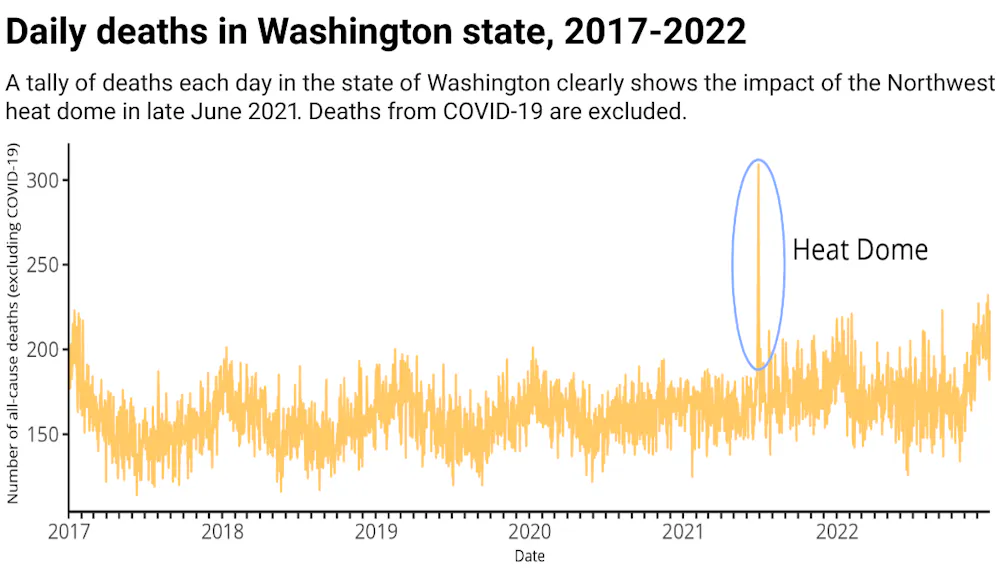
    The suggestion that “we all had a wonderful summer and survived” is misleading. It was reported that “200 people a day were apparently dying who would not have died if the weather had been normal”. During the peak of the heatwave, deaths increased by 28% in the southeast England and 33% in Greater London.

    As a criminologist, I know that it is not only natural deaths that can increase during a hot weather. The number of violent deaths also increased in 1976 as well as in other heatwaves. Thermic law is the concept that violent crime is higher in hotter seasons. These patterns might be explained by temperature-aggression theory: that hot weather can cause an increase in aggressive behaviours.

    For other criminologists, it is not the temperature itself that causes increased violence, but how people’s behaviour changes due to the heat. For example, people are taking time off work or school, socialising, and drinking. Unstructured time and spaces, combined with alcohol and a holiday feel all lead to increases in violence.

    Misrepresenting risk

    By sentimentalising the summer of 1976, we strip away its lessons. Worse, we risk repeating its mistakes. One Conservative MP described people concerned about the 2022 heatwave as “snowflakes” and “cowards”. Quite an odd response after the British public was asked to “protect the NHS” during the COVID-19 pandemic.

    This protection apparently did not extend to looking after each other in a heatwave. In fact, heatwaves are largely an invisible risk. We are told not to fuss, but there is often little communication on how to keep safe.

    A lack of policy and examples of political scepticism connect with a key theme in the comments under that meme: climate change denial. If we had a heatwave in 1976 then what we are experiencing now is nothing new, right? Wrong.

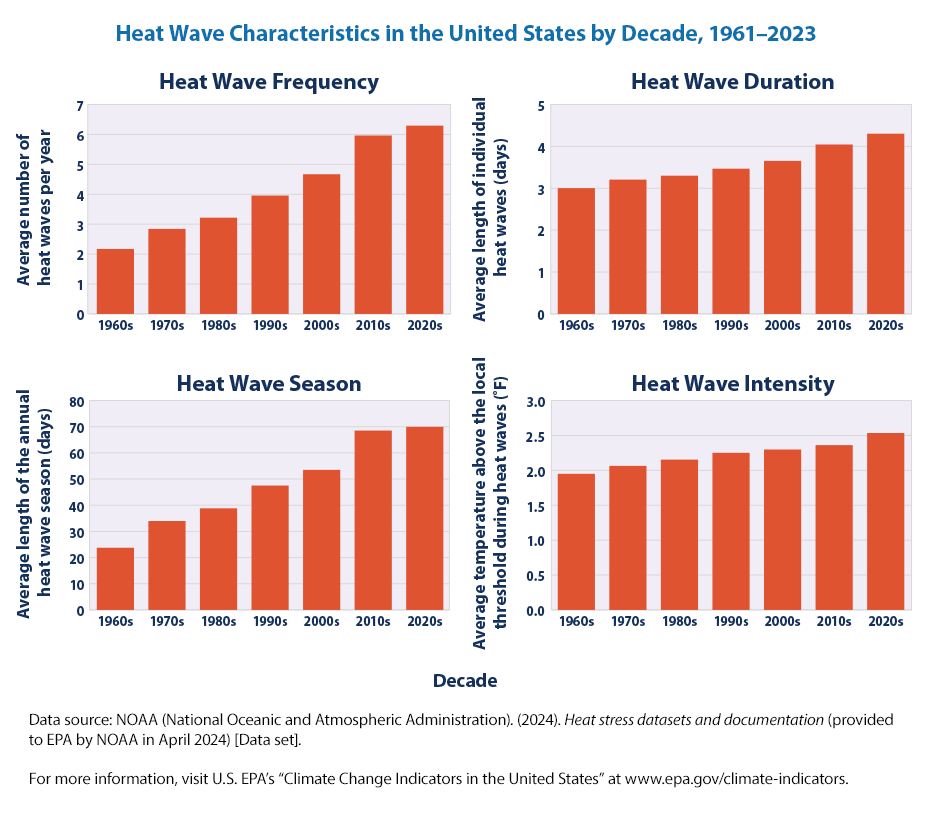
    The heatwave in 1976 was bad: thousands died, fires raged, and water ran dry. But it was also an anomaly; a hot summer in a relatively cool decade. Heatwaves are now more frequent, more intense and longer lasting. Temperatures reached over 40°C in 2022, while the maximum in 1976 was 4°C-5°C cooler.

    Still, each time a weather warning is issued, it is met with a wave of derision. There is the same online discourse as is expressed in this meme. This attitude is not just flippant, it is dangerous. It undermines vital public messaging, discourages precautionary action, and fuels complacency among those least at risk, while leaving the most vulnerable even more exposed.

    History can offer crucial perspective. But only if we treat it honestly. That means moving beyond memeified memories of the past and reckoning with the complexity of what really happened. It means challenging the stories we tell ourselves. Many did live through the 1976 heatwave. But many also died: quietly, invisibly and avoidably. Their stories are not part of the nostalgia. They should be.


    Don’t have time to read about climate change as much as you’d like?

    Get a weekly roundup in your inbox instead. Every Wednesday, The Conversation’s environment editor writes Imagine, a short email that goes a little deeper into just one climate issue. Join the 45,000+ readers who’ve subscribed so far.


    The Conversation

    Stephanie Brown does not work for, consult, own shares in or receive funding from any company or organisation that would benefit from this article, and has disclosed no relevant affiliations beyond their academic appointment.

    ref. The dangers of romanticising Britain’s 1976 heatwave – https://theconversation.com/the-dangers-of-romanticising-britains-1976-heatwave-260046

  • Could England and Wales introduce jury-free trials? Here’s how they work in other countries

    Source: ForeignAffairs4

    Source: The Conversation – UK – By Natalie Hodgson, Assistant Professor in Law, University of Nottingham

    The right to trial by jury is a fundamental part of the criminal justice system in England and Wales. But under new proposals to address a record backlog of almost 77,000 Crown Court cases, some cases could now be heard by judge alone.

    Sir Brian Leveson has delivered part one of his independent review of the criminal courts, making 45 recommendations to address delays in the criminal justice process. One of his recommendations is that serious offences could be tried by a judge alone without a jury. Our evidence to the review explored how judge-alone trials have been used in other countries.

    Currently, a person can only be tried without a jury at Crown Court if there is a risk of jury tampering. Under Leveson’s proposal, judge-alone trials will be expanded to cases where a defendant requests to be tried without a jury, serious and complex fraud offences and where the case is likely to be lengthy or particularly complex.

    To understand how this might work, we can to look to other countries where judge-alone trials are used. Australia, Canada, New Zealand and the US all permit judge-alone trials in circumstances similar to what Leveson is recommending. A defendant can choose to be tried by a judge instead of a jury in certain circumstances.

    Defendants tend to express a preference for trial by judge alone if they are concerned that prejudicial media coverage or the nature of the offences might bias jurors against them. Leveson recommends that judges should decide whether a defendant’s request for a judge-alone trial should be granted, but stops short of identifying the factors that a judge should consider.

    Leveson leaves open the question of whether judge-alone trials should be available for all offences, or whether certain offences should be exempt. Some countries limit which offences can be heard without a jury. For example, in the Australian Capital Territory, a defendant cannot request a trial without a jury for murder or certain sexual offences.

    In New South Wales, judges are advised against permitting a judge-alone trial when the offence involves consideration of “community standards”. This recognises that members of the community have an important role to play in deciding whether a defendant has acted “reasonably”, “negligently” or “dishonestly”. For example, if a person is charged with manslaughter the jury may need to consider whether the defendant’s actions were “unreasonable”, which is best determined by members of the community.

    Are judge-alone trials unfair to defendants?

    Lawyers often raise concerns about judge-alone trials being unfair to defendants. Based on what we know from other countries, there is no strong evidence that this is the case. However, that is not to say that concerns about unfairness are unwarranted.

    If judges convict at higher rates than juries, that might suggest that judge-alone trials are unfair. However, the best available study, conducted in New South Wales, found that judges were actually slightly less likely than juries to find a defendant guilty.

    Juries do not explain their verdicts. In all countries which use judge-alone trials, judges must give reasons for their decisions. Knowing why a defendant was found guilty might make trials even more fair, providing a basis for an appeal against conviction if an error was made.

    One key issue with judge-alone trials is inadmissible evidence. Ordinarily, jurors are sent out of the courtroom while the judge and lawyers make decisions about what evidence the jury is allowed to hear. Evidence might be excluded because it is irrelevant, prejudicial or was collected in breach of the defendant’s rights. In these scenarios, the jury is never made aware of the evidence.

    However, in a judge-alone trial, the judge sees all the evidence, even if they decide that some of it should not be used. There is a risk that judges might be subconsciously impacted by inadmissible evidence in reaching their verdict.

    Judge-alone trials also raise issues about diversity of decision-makers. In England and Wales, only 11% of judges are from an ethnic minority background compared to 18% of the population. Ideally, juries contain people from a range of backgrounds. Some defendants might feel more confident that they will be tried fairly by a jury than a judge.

    Ultimately, one way to safeguard against concerns about unfairness is to give defendants the ability to choose whether or not they would like to be tried by a judge alone. Leveson’s recommendations suggest that most judge-alone trials would occur at the request of the defendant. However, judge-alone trials could be ordered against the defendant’s wishes in cases involving fraud or that are long and complex.

    Juries play an important role in the legal system in England and Wales. Through jury service, members of the community contribute to the administration of justice. The inclusion of a range of viewpoints and experiences in determining criminal verdicts enhances the legitimacy of the justice system.

    It is important that we continue to have juries in criminal trials. However, that is not to say that judge-alone trials cannot or should not play a role. The current backlog means that victims and defendants are having to wait years for their day in court. We desperately need to address this, and allowing defendants to elect a judge-alone trial may help to reduce delays to justice.

    While judge-alone trials are not inherently unfair, any rollout in England and Wales should be closely monitored and evaluated. It is important that we do not sacrifice fairness for efficiency as we work to address the issues affecting our justice system.

    The Conversation

    The authors do not work for, consult, own shares in or receive funding from any company or organisation that would benefit from this article, and have disclosed no relevant affiliations beyond their academic appointment.

    ref. Could England and Wales introduce jury-free trials? Here’s how they work in other countries – https://theconversation.com/could-england-and-wales-introduce-jury-free-trials-heres-how-they-work-in-other-countries-259489

  • How tea, chocolate and apples could help lower your blood pressure

    Source: ForeignAffairs4

    Source: The Conversation – UK – By Christian Heiss, Professor of Cardiovascular Medicine, Head of Department of Clinical and Experimental Medicine, University of Surrey

    Pixel-Shot/Shutterstock

    We’re constantly told to “eat healthy” – but what does that actually mean? Even doctors sometimes struggle to offer clear, practical advice on which specific foods support health, why they work and what real benefits people can expect.

    A growing body of research is starting to offer some answers. Along with colleagues, I have researched whether a group of plant compounds called flavan-3-ols could help lower blood pressure and improve blood vessel function. The results suggest these everyday compounds may have real potential for protecting heart health.

    Flavan-3-ols – sometimes called flavanols or catechins – are natural plant compounds that belong to the flavonoid family. They’re part of what gives plants their colour and helps protect them from sunlight and pests.

    For us, they show up in some of our most familiar foods: cocoa, green and black tea, grapes, apples and even some berries. That slightly tart or bitter note you taste in dark chocolate or strong tea? That’s flavan-3-ols at work.

    Scientists have long been interested in their health effects. In 2022, the Cosmos trial (Cocoa Supplement and Multivitamin Outcomes Study), which followed over 21,000 people, found that cocoa flavanols, but not multivitamin supplements, reduced deaths from cardiovascular disease by 27%. Our study set out to dig even deeper, focusing specifically on their effects on blood pressure and endothelial function (how well blood vessels dilate and respond to blood flow).


    Get your news from actual experts, straight to your inbox. Sign up to our daily newsletter to receive all The Conversation UK’s latest coverage of news and research, from politics and business to the arts and sciences.


    We analysed data from 145 randomised controlled trials involving more than 5,200 participants. These studies tested a range of flavan-3-ol-rich foods and supplements, including cocoa, tea, grapes, apples and isolated compounds like epicatechin, and measured their effects on two key cardiovascular markers: blood pressure and flow-mediated dilation (FMD): a measure of how well the inner lining of blood vessels functions.

    The studies ranged from short-term (a single dose) to longer-term interventions lasting weeks or months. On average, participants consumed about 586 mg of flavan-3-ols daily; roughly the amount found in two to three cups of tea, one to two servings of dark chocolate, two tablespoons of cocoa powder, or a couple of apples.

    Regular consumption of flavan-3-ols led to an average drop in office blood pressure of 2.8 mmHg systolic (the top number) and 2.0 mmHg diastolic (the bottom number).

    But for people who started with elevated blood pressure or diagnosed hypertension, the benefits were even greater with reductions of up to 6–7 mmHg systolic and 4 mmHg diastolic. That’s comparable to the effects of some prescription blood pressure medications and could significantly lower the risk of heart attacks and strokes.

    We also found that flavan-3-ols improved endothelial function, with an average 1.7% increase in FMD after sustained intake. This benefit appeared even in participants whose blood pressure was already normal, suggesting these compounds may help protect blood vessels through multiple pathways.

    Side effects were uncommon and typically mild, usually limited to minor digestive issues, suggesting that adding flavan-3-ol-rich foods to your diet is generally safe.

    Supporting cardiovascular health

    While the benefits were most pronounced in those with high blood pressure, even people with normal readings saw improvements in vascular function. This suggests flavan-3-ols may help prevent cardiovascular problems before they begin.

    High blood pressure is one of the major drivers of heart disease worldwide, even at levels that don’t qualify as full-blown hypertension (140/90 mmHg or higher). Recent guidelines from the European Society of Cardiology now recognise that even “elevated” blood pressure (120–139 systolic and 70–89 diastolic) carries increased risk.

    Lifestyle changes, particularly diet and exercise, are recommended by doctors as first-line strategies. But patients and even healthcare providers often lack clear, specific guidance on which foods truly make a difference. Our findings help fill this gap by showing that boosting flavan-3-ol intake through everyday foods may offer a simple, evidence-based way to support cardiovascular health.

    What about supplements?

    Some studies tested supplements or isolated flavan-3-ol compounds, but these generally showed smaller effects than whole foods like tea or cocoa. This may be because other beneficial compounds in whole foods work together, enhancing absorption and effectiveness.

    At present, it appears both safer and more effective to focus on getting flavan-3-ols from foods rather than high-dose supplements, especially for people taking medications, since interactions are not fully understood.

    The studies we reviewed suggest that 500–600 mg of flavan-3-ols daily may be enough to see benefits. You could reach this by combining two to three cups of green or black tea, one to two servings (about 56g) of dark chocolate or two to three tablespoons of cocoa powder, two to three apples, plus other flavan-3-ol-rich fruits like grapes, pears and berries

    Apples, pears, grapes, black berries on a wooden table with garden background.
    Eating apples, pears, grapes and berries could help support your heart health.
    Oksana Klymenko/Shutterstock

    Small daily swaps, then, like trading a sugary snack for an apple and a piece of dark chocolate or adding an extra cup of tea, could gradually improve your heart health over time. Because flavan-3-ol content can vary between foods, monitoring your blood pressure at home may help you see if it’s making a difference for you.

    More research is needed, particularly in people with diabetes, where the results were less consistent. We also need to better understand how flavan-3-ols interact with medications and whether even greater benefits can be achieved when combined with other healthy habits.

    But the evidence is now strong enough to recommend flavan-3-ol-rich foods as part of a heart-healthy diet. As clinicians seek practical, affordable lifestyle strategies for patients, these findings bring us closer to the idea of using food as medicine.

    Of course, flavan-3-ols aren’t a magic fix. They won’t replace medication for everyone. But combined with other healthy habits, they may offer a meaningful – and delicious – boost to cardiovascular health. And unlike many health fads, this isn’t about exotic superfoods or expensive powders. It’s about foods many of us already enjoy, used a little more intentionally.

    The Conversation

    Christian Heiss has received funding from Lipton Teas & Infusions, Ageless Science, iThera, the Medical Research Council, the EPSRC, European Partnership on Metrology, co-financed from European Union’s Horizon Europe Research and Innovation Programme and UK Research and Innovation. He is member of the board of the European Society of Vascular Medicine, president of the Vascular, Lipid and Metabolic Medicine Council of the Royal Society of Medicine, and chairperson-elect of the ESC WG Aorta and Peripheral Vascular Diseases.

    ref. How tea, chocolate and apples could help lower your blood pressure – https://theconversation.com/how-tea-chocolate-and-apples-could-help-lower-your-blood-pressure-256631

  • Action is the antidote to ecological grief and climate anxiety – an ecotherapist explains

    Source: ForeignAffairs4

    Source: The Conversation – UK – By Louise Taylor, Early Career Researcher and Ecotherapist, Queen’s University Belfast

    Brussels, Belgium. 21st February 2019. High school and university students stage a protest against the climate policies of the Belgian government. Alexandros Michailidis / Shutterstock.com

    There’s a popular quote by the 13th-century poet and spiritual teacher Rumi: “The cure for the pain is in the pain.” This line often echoes through my mind when I’m working with clients, especially those experiencing ecological grief and climate anxiety.

    As an ecotherapist – a therapist guided by nature and nature-based therapeutic approaches – and environmental researcher, I work with people who are navigating the emotional weight of ecological breakdown.

    Ecotherapy helps people reconnect with the natural world as a way to support mental and emotional wellbeing. It might involve walking in green spaces, mindfulness practices in nature, working with natural materials, or nature-based rituals.

    Whether it’s planting a garden, sitting under a tree, or engaging in conservation efforts, ecotherapy helps people feel more grounded, more connected and more resilient both emotionally and spiritually.


    Get your news from actual experts, straight to your inbox. Sign up to our daily newsletter to receive all The Conversation UK’s latest coverage of news and research, from politics and business to the arts and sciences.


    In my practice, I’ve noticed that younger people are more likely to experience climate anxiety, while older generations tend to experience ecological grief. The difference is subtle but important. Anxiety often relates to what lies ahead and a sense of powerlessness. Grief is about what has already been lost.

    This emotional divide makes sense when we consider what has happened to the natural world over recent decades. Older adults have witnessed the loss of species, habitats and biodiversity in real time. Many have rich memories and relationships with landscapes that no longer exist as they once did. Meanwhile, younger generations face the terrifying uncertainty of a rapidly changing climate and an increasingly unstable future.

    Both grief and anxiety are valid, but they are not the same.

    I have explored these experiences in depth while researching nature connection, mental health and how the climate and ecological crisis is reshaping this relationship.

    At the outset, I assumed that greater connection with nature would always lead to improved mental wellbeing. But that wasn’t the full picture.

    What I found instead was that deepening our connection with the natural world can indeed foster healing, but it can also sharpen our awareness of the damage being done. This heightened sensitivity can trigger emotional pain, despair and even a decline in mental wellbeing.

    Swiss psychiatrist and psychotherapist Carl Jung once said, “There is no coming to consciousness without pain.” That’s exactly what climate-anxious and ecologically grieving people are expressing: the deep psychological toll of recognising the scale of the crisis we’re facing. For some, it affects their ability to function, to enjoy their lives and to maintain relationships.

    How to stay well

    The question I kept returning to in my work was this: how do we stay well in a time of collapse? My research pointed to one consistent answer: action.

    Engaging in pro-environmental actions emerged as the most effective way people coped with emotional strain. These weren’t merely acts of activism — they became spiritual practices, grounded in care, connection and meaning. Through these actions, people began to reclaim a sense of power and purpose in the face of overwhelming ecological loss.

    For many, this was also a path back to what eco-philosophers call the ecological self: the part of us that extends beyond the individual and identifies with the living world.

    This self isn’t driven by ego or personal gain, but by the impulse to build relationships, nurture communities and support the flourishing of all life. It represents an expanded way of being; one that understands health and healing as collective, not just personal.

    Importantly, these actions don’t have to be large-scale. They might involve growing your own herbs or vegetables, for instance, or joining a local conservation effort, forming a community group to protect waterways or green spaces, or participating in climate strikes and land defence work. What matters is that the action is relational: rooted in reciprocity and care.

    The conclusion of my research was clear: in the face of ecological distress, mental wellbeing is sustained not by thoughts, but by meaningful action.

    Healing through action

    In Northern Ireland, where I live and work, I’ve seen a growing grassroots environmental movement. Communities are stepping up to protect landscapes under threat, from campaigns to defend the Sperrin Mountains from gold mining, to local resistance against the pollution that’s devastating Lough Neagh, the largest freshwater lake in Ireland and the UK.

    This is unpaid, often invisible labour, but it’s powerful. It gives people a way to process their emotions, to feel less helpless and to turn grief into agency.

    Many environmentalists talk about “saving the planet”. But the truth is, the Earth will go on. What’s under threat is us: our ways of life, our communities, our ability to thrive. The dread we feel is rooted in the enormity of this realisation.

    To stay well while caring deeply about the Earth means learning to live with this pain, and still choosing to act. It requires us to show up, to be present and to tend to both the human and non-human world with care and reciprocity. As we do, we become more empowered and less overwhelmed.

    If you are struggling with climate anxiety or ecological grief, know this: the goal isn’t to suppress your feelings. The goal is to acknowledge them, and then use them as fuel for meaningful action.

    Don’t underestimate small acts. The way forward isn’t to wait for hope: it’s to create it through connection, courage and commitment.

    In a time of ecological uncertainty, wellness doesn’t come from thinking differently. It comes from doing differently.

    The Conversation

    Louise Taylor does not work for, consult, own shares in or receive funding from any company or organisation that would benefit from this article, and has disclosed no relevant affiliations beyond their academic appointment.

    ref. Action is the antidote to ecological grief and climate anxiety – an ecotherapist explains – https://theconversation.com/action-is-the-antidote-to-ecological-grief-and-climate-anxiety-an-ecotherapist-explains-260428

  • Obesity care: why “eat less, move more” advice is failing

    Source: ForeignAffairs4

    Source: The Conversation – UK – By Lucie Nield, Senior Lecturer in Nutrition and Dietetics, University of Sheffield

    New Africa/Shutterstock

    For years, people living with obesity have been given the same basic advice: eat less, move more. But while this mantra may sound simple, it’s not only ineffective for many, it can be deeply misleading and damaging.

    Obesity is not just about willpower. It’s a complex, chronic, relapsing condition and affects around 26.5% of adults in England, and 22.1% of children aged ten–11 in England.

    A new report estimates the rapidly growing number of people that are overweight or obese costs the UK £126 billion a year. This includes £71.4 billion in reduced quality of life and early mortality, £12.6 billion in NHS treatment costs, £12.1 billion from unemployment and £10.5 billion in informal care.

    Food campaigners and health experts have called for urgent government action, including expanding the sugar tax to more products, restricting junk food advertising and mandating reformulation of ultra processed foods. As Henry Dimbleby, author of a government-commissioned independent report called the National Food Strategy, warned: “We’ve created a food system that’s poisoning our population and bankrupting the state.”


    Get your news from actual experts, straight to your inbox. Sign up to our daily newsletter to receive all The Conversation UK’s latest coverage of news and research, from politics and business to the arts and sciences.


    Without significant policy change, these costs are projected to rise to £150 billion a year by 2035. Despite this, much of the UK’s approach continues to frame obesity as a lifestyle issue that can be tackled by emphasising personal responsibility. But this framing ignores the bigger picture.

    We now understand that obesity is multifactorial. Genetics, childhood experiences, cultural norms, economic disadvantage, psychological health, mental illness and even the kind of job you have all play a role. These aren’t things you can simply change with a Fitbit and salad.

    This broader perspective isn’t new. In 2007, the UK government’s Foresight report mapped out the complex web of factors behind rising obesity rates, describing how modern environments actively promote weight gain.

    This “obesogenic environment” refers to the world we live in. Its one where high-calorie, low-nutrient foods are cheap and everywhere, and where physical activity has been engineered out of everyday life, from car-centric cities to screen-dominated leisure time.

    Outdated obesity advice isn’t working.

    These environments don’t affect everyone equally. People in more deprived areas are significantly more exposed to conditions that drive obesity, such as food deserts (areas with limited access to affordable, nutritious food), poor public transport and limited green space. In this context, weight gain becomes a normal biological response to an abnormal environment.

    Why “eat less, move more” falls short

    Despite growing awareness of these systemic issues, most UK obesity strategies still centre on individual behaviour change, often through weight management programmes that encourage people to cut calories and exercise more. While behaviour change has a place, focusing on it exclusively creates a dangerous narrative: that people who struggle with their weight are simply lazy or lack willpower.

    This narrative fuels weight stigma, which can be incredibly harmful. Yet data shows a clear link between higher rates of obesity and deprivation, especially among children.

    It’s clear many people still don’t understand the role of structural and socioeconomic factors in shaping obesity risk. And this misunderstanding leads to judgement, shame and stigma, especially for children and families who are already vulnerable.

    What should good obesity care look like?

    Instead of outdated advice and blame, we need a holistic, stigma-free and science-informed approach to obesity care, one that reflects current Nice guidelines and the Obesity Health Alliance’s recommendations. There are several things that need to be done.

    First, we should recognise obesity as a chronic disease. Obesity is not a failure of willpower. It’s a relapsing, long-term medical condition. Like diabetes or depression, it requires structured, ongoing support, not short-term fixes or crash diets.

    Second, we need to tackle weight stigma head-on. Weight-based discrimination is widespread in schools, workplaces and even healthcare settings. We need training for professionals to reduce bias, promote inclusive care and adopt person-centred, non-stigmatising language. Discriminatory practices must be challenged and eliminated.

    Third, deliver personalised, multidimensional support. Treatment plans should be tailored to each person’s life, including their cultural background, psychological history and social context. This includes shared decision-making, regular follow-up and integrated mental health support.

    And fourth, focus on changing the environment, not just people. We must shift the focus to the systems and structures that make healthy choices so hard. That means investing in affordable, nutritious food; improving access to physical activity; and tackling inequality at its roots.

    Time for a systemic shift

    Obesity isn’t just about what people eat or how often they exercise. It’s shaped by biology, experience and the environment we build around people. Framing it as a personal failure not only ignores decades of evidence – it actively harms the very people who need support.

    If we want to reduce stigma, improve health outcomes – and avoid a £150bn crisis – then the “eat less, move more” era must come to an end. What we need instead is a bold, compassionate, evidence-based systems approach – one that sees the whole person and the world they live in.

    The Conversation

    Lucie Nield receives funding from NIHR.

    Catherine Homer receives funding from NIHR. She is affiliated with Royal Society of Public Health.

    ref. Obesity care: why “eat less, move more” advice is failing – https://theconversation.com/obesity-care-why-eat-less-move-more-advice-is-failing-254628

  • MIL-OSI Submissions: How the Catholic Church helped change the conversation about capital punishment in the United States

    Source: The Conversation – USA (3) – By Austin Sarat, William Nelson Cromwell Professor of Jurisprudence and Political Science, Amherst College

    Helen Prejean has been one of the most high-profile opponents of the death penalty for decades. Brooks Kraft LLC/Sygma via Getty Images

    Thirty years ago, the film “Dead Man Walking” had its debut in movie theaters around the United States. It was a box office hit, and critics lavished it with praise. Lead actress Susan Sarandon won an Academy Award for her portrayal of Sister Helen Prejean, the spiritual adviser to a death row inmate played by Sean Penn.

    But the film’s impact went far beyond the artistic realm. It exposed a mass audience to a perspective on the death penalty informed by the Catholic faith of a devout, if somewhat unconventional, nun.

    The actual Sister Helen had published her memoir, “Dead Man Walking,” two years before, raising her profile as an activist against the death penalty. Recalling her experience outside the execution chamber of Elmo Patrick Sonnier, one of the people she counseled, Prejean later wrote, “I touched him in the only way I could. I told him: ‘Look at my face. I will be the face of Christ, the face of love for you.’”

    She made it her mission to show that “everybody’s worth more than the worst thing they’ve ever done in their life.” As she once told an interviewer, “Jesus said, ‘Love your enemy.’ Jesus didn’t say, ‘Execute the hell out of the enemy.’”

    That belief was featured prominently in the film and offered a counterpoint to the popular tough-on-crime rhetoric of the 1990s. Back then, 80% of the American public supported capital punishment.

    Today, that is no longer true. Support for the death penalty has declined to around 50%.

    As a death penalty scholar, I have studied those changes. The church’s anti-death penalty teaching has helped provide both a moral foundation and political respectability for those working to end the death penalty.

    The 1995 film was inspired by Prejean’s memoir.

    Church teachings

    But that teaching is relatively new in the church, dating back to the past half-century. For most of its history, the Catholic Church did not oppose the death penalty.

    During the Middle Ages, the church endorsed the execution of heretics and held firm that secular authorities could and should put people to death for serious crimes. And in the early 20th century, Vatican City’s penal code permitted the death penalty for anyone who attempted to kill a pope. Pope Paul VI changed that in 1969.

    When John Paul II became pope a decade later, he pushed the church further away from its historic embrace of the death penalty, calling it “cruel and unnecessary.” And in 2018, under Pope Francis, the Vatican revised the section on capital punishment in the Catechism, the summary of Catholic doctrine.

    The death penalty “is inadmissible because it is an attack on the inviolability and dignity of the person,” and deprives “the guilty of the possibility of redemption,” the new version says. This teaching committed the church to work for its abolition.

    In his 2020 encyclical Fratelli Tutti, Francis stated that the death penalty is “inadequate from a moral standpoint and no longer necessary from that of penal justice.” In 2024, he again called for “the abolition of the death penalty, a provision at odds with Christian faith and one that eliminates all hope of forgiveness and rehabilitation.”

    Impact in the US

    The changed situation of capital punishment in this country is largely attributable to a change in the strategy and tactics of the abolitionist movement. Instead of talking about the death penalty in abstract terms, activists began to focus on the day-to-day realities of its administration.

    Today, advocates in what I have called the “new abolitionism” focus on the prospect of executing the innocent, racial discrimination in capital sentencing, and the financial costs associated with the death penalty. Among Catholics working to end the death penalty, however, the moral questions about state killing have long been a central focus.

    The U.S. Conference of Catholic Bishops focused on morality in its own campaign to end capital punishment, which was launched in 2005. And from time to time, popes have made special appeals to government officials in the U.S., asking them to spare the life of someone awaiting execution.

    A seminarian attends a public hearing in Connecticut in 2011 on legislation to replace capital punishment with life in prison for certain murders.
    AP Photo/Jessica Hill

    Legal historian Sara Mayeux argues that Catholic anti-death penalty activism in the U.S. has been less intense than anti-abortion work. Nevertheless, the impact of the church is reflected in the fact that in the past 50 years, Catholic support for capital punishment fell more than it did among evangelicals, mainline Protestants, Black Protestants and other religious groups.

    In December 2024, as the term of President Joe Biden, a devout Catholic, was coming to a close, the Catholics Mobilizing Network, which advocates against capital punishment, called on the president to commute the sentences of the 40 people then on federal death row. Francis, too, publicly prayed for their sentences to be commuted.

    Biden did so for 37 federal death row inmates, changing their sentences to life in prison without parole.

    Anti-death penalty superstar

    As the church’s official position against capital punishment has evolved, Prejean has been a consistent voice asking Americans to recognize and respond to the humanity of all those touched by murder. She is, in words I am sure she would resist, a superstar in the movement, thanks to her countless public appearances, interviews, protests and actions to lobby legislators.

    Sister Helen Prejean talks to detainees during a discussion of ‘Dead Man Walking’ at Department Of Corrections Division 11 in Chicago.
    AP Photo/Nam Y. Huh

    In 2021, she wrote, “I’m on fire to abolish government killing because I’ve seen it far too close-up, and I have a pretty good idea by now how it works – or doesn’t.”

    Thirty years ago, “Dead Man Walking” gave its viewers a chance to see capital punishment “close-up.” It didn’t preach or hit anyone over the head with an overtly abolitionist message. Instead, it asked viewers to see the death penalty from many sides and make up their own minds about whether anyone should be put to death, even for the most horrible crimes.

    Between then and now, America has undertaken precisely the kind of conversation about capital punishment that the film exemplified and inspired.

    Austin Sarat does not work for, consult, own shares in or receive funding from any company or organization that would benefit from this article, and has disclosed no relevant affiliations beyond their academic appointment.

    ref. How the Catholic Church helped change the conversation about capital punishment in the United States – https://theconversation.com/how-the-catholic-church-helped-change-the-conversation-about-capital-punishment-in-the-united-states-260481

    MIL OSI

  • MIL-OSI Submissions: How the Catholic Church helped change the conversation about capital punishment in the United States

    Source: The Conversation – USA (3) – By Austin Sarat, William Nelson Cromwell Professor of Jurisprudence and Political Science, Amherst College

    Helen Prejean has been one of the most high-profile opponents of the death penalty for decades. Brooks Kraft LLC/Sygma via Getty Images

    Thirty years ago, the film “Dead Man Walking” had its debut in movie theaters around the United States. It was a box office hit, and critics lavished it with praise. Lead actress Susan Sarandon won an Academy Award for her portrayal of Sister Helen Prejean, the spiritual adviser to a death row inmate played by Sean Penn.

    But the film’s impact went far beyond the artistic realm. It exposed a mass audience to a perspective on the death penalty informed by the Catholic faith of a devout, if somewhat unconventional, nun.

    The actual Sister Helen had published her memoir, “Dead Man Walking,” two years before, raising her profile as an activist against the death penalty. Recalling her experience outside the execution chamber of Elmo Patrick Sonnier, one of the people she counseled, Prejean later wrote, “I touched him in the only way I could. I told him: ‘Look at my face. I will be the face of Christ, the face of love for you.’”

    She made it her mission to show that “everybody’s worth more than the worst thing they’ve ever done in their life.” As she once told an interviewer, “Jesus said, ‘Love your enemy.’ Jesus didn’t say, ‘Execute the hell out of the enemy.’”

    That belief was featured prominently in the film and offered a counterpoint to the popular tough-on-crime rhetoric of the 1990s. Back then, 80% of the American public supported capital punishment.

    Today, that is no longer true. Support for the death penalty has declined to around 50%.

    As a death penalty scholar, I have studied those changes. The church’s anti-death penalty teaching has helped provide both a moral foundation and political respectability for those working to end the death penalty.

    The 1995 film was inspired by Prejean’s memoir.

    Church teachings

    But that teaching is relatively new in the church, dating back to the past half-century. For most of its history, the Catholic Church did not oppose the death penalty.

    During the Middle Ages, the church endorsed the execution of heretics and held firm that secular authorities could and should put people to death for serious crimes. And in the early 20th century, Vatican City’s penal code permitted the death penalty for anyone who attempted to kill a pope. Pope Paul VI changed that in 1969.

    When John Paul II became pope a decade later, he pushed the church further away from its historic embrace of the death penalty, calling it “cruel and unnecessary.” And in 2018, under Pope Francis, the Vatican revised the section on capital punishment in the Catechism, the summary of Catholic doctrine.

    The death penalty “is inadmissible because it is an attack on the inviolability and dignity of the person,” and deprives “the guilty of the possibility of redemption,” the new version says. This teaching committed the church to work for its abolition.

    In his 2020 encyclical Fratelli Tutti, Francis stated that the death penalty is “inadequate from a moral standpoint and no longer necessary from that of penal justice.” In 2024, he again called for “the abolition of the death penalty, a provision at odds with Christian faith and one that eliminates all hope of forgiveness and rehabilitation.”

    Impact in the US

    The changed situation of capital punishment in this country is largely attributable to a change in the strategy and tactics of the abolitionist movement. Instead of talking about the death penalty in abstract terms, activists began to focus on the day-to-day realities of its administration.

    Today, advocates in what I have called the “new abolitionism” focus on the prospect of executing the innocent, racial discrimination in capital sentencing, and the financial costs associated with the death penalty. Among Catholics working to end the death penalty, however, the moral questions about state killing have long been a central focus.

    The U.S. Conference of Catholic Bishops focused on morality in its own campaign to end capital punishment, which was launched in 2005. And from time to time, popes have made special appeals to government officials in the U.S., asking them to spare the life of someone awaiting execution.

    A seminarian attends a public hearing in Connecticut in 2011 on legislation to replace capital punishment with life in prison for certain murders.
    AP Photo/Jessica Hill

    Legal historian Sara Mayeux argues that Catholic anti-death penalty activism in the U.S. has been less intense than anti-abortion work. Nevertheless, the impact of the church is reflected in the fact that in the past 50 years, Catholic support for capital punishment fell more than it did among evangelicals, mainline Protestants, Black Protestants and other religious groups.

    In December 2024, as the term of President Joe Biden, a devout Catholic, was coming to a close, the Catholics Mobilizing Network, which advocates against capital punishment, called on the president to commute the sentences of the 40 people then on federal death row. Francis, too, publicly prayed for their sentences to be commuted.

    Biden did so for 37 federal death row inmates, changing their sentences to life in prison without parole.

    Anti-death penalty superstar

    As the church’s official position against capital punishment has evolved, Prejean has been a consistent voice asking Americans to recognize and respond to the humanity of all those touched by murder. She is, in words I am sure she would resist, a superstar in the movement, thanks to her countless public appearances, interviews, protests and actions to lobby legislators.

    Sister Helen Prejean talks to detainees during a discussion of ‘Dead Man Walking’ at Department Of Corrections Division 11 in Chicago.
    AP Photo/Nam Y. Huh

    In 2021, she wrote, “I’m on fire to abolish government killing because I’ve seen it far too close-up, and I have a pretty good idea by now how it works – or doesn’t.”

    Thirty years ago, “Dead Man Walking” gave its viewers a chance to see capital punishment “close-up.” It didn’t preach or hit anyone over the head with an overtly abolitionist message. Instead, it asked viewers to see the death penalty from many sides and make up their own minds about whether anyone should be put to death, even for the most horrible crimes.

    Between then and now, America has undertaken precisely the kind of conversation about capital punishment that the film exemplified and inspired.

    Austin Sarat does not work for, consult, own shares in or receive funding from any company or organization that would benefit from this article, and has disclosed no relevant affiliations beyond their academic appointment.

    ref. How the Catholic Church helped change the conversation about capital punishment in the United States – https://theconversation.com/how-the-catholic-church-helped-change-the-conversation-about-capital-punishment-in-the-united-states-260481

    MIL OSI

  • MIL-OSI Submissions: ‘Big Beautiful Bill’ will have Americans paying higher prices for dirtier energy

    Source: The Conversation – USA (2) – By Daniel Cohan, Professor of Civil and Environmental Engineering, Rice University

    Congress passed Donald Trump’s tax and spending bill on July 3, 2025. Kevin Carter/Getty Images

    When congressional Republicans decided to cut some Biden-era energy subsidies to help fund their One Big Beautiful Bill Act, they could have pruned wasteful subsidies while sparing the rest. Instead, they did the reverse. Americans will pay the price with higher costs for dirtier energy.

    The nearly 900-page bill that President Donald Trump signed on July 4, 2025, slashes incentives for wind and solar energy, batteries, electric cars and home efficiency while expanding subsidies for fossil fuels and biofuels. That will leave Americans burning more fossil fuels despite strong public and scientific support for shifting to renewable energy.

    As an environmental engineering professor who studies ways to confront climate change, I think it is important to distinguish which energy technologies could rapidly cut emissions or need a financial boost to become viable from those that are already profitable but harm the environment. Unfortunately, the Republican bill favors the latter while stifling the former.

    The Spring Creek Mine in Decker, Mont., is just one mine in the Powder River Basin, the most productive coal-producing region in the U.S.
    AP Photo/Matthew Brown

    Cuts to renewable electricity

    Wind and solar power, often paired with batteries, provide over 90% of the new electricity added nationally and around the world in recent years. Natural gas turbines are in short supply, and there are long lead times to build nuclear power plants. Wind and solar energy projects – with batteries to store excess power until it’s needed – offer the fastest way to satisfy growing demand for power. Recent technological breakthroughs put geothermal power on the verge of rapid growth.

    However, the One Big Beautiful Bill Act rescinds billions of dollars that the Inflation Reduction Act, enacted in 2022, devoted to boosting domestic manufacturing and deployments of renewable energy and batteries.

    It accelerates the phaseout of tax credits for factories that manufacture equipment needed for renewable energy and electric vehicles. That would disrupt the boom in domestic manufacturing projects that had been stimulated by the Inflation Reduction Act.

    Efforts to build new wind and solar farms will be hit even harder. To receive any tax credits, those projects will need to commence construction by mid-2026 or come online by the end of 2027. The act preserves a slower timeline for phasing out subsidies for nuclear, geothermal and hydrogen projects, which take far longer to build than wind and solar farms.

    However, even projects that could be built soon enough will struggle to comply with the bill’s restrictions on using Chinese-made components. Tax law experts have called those provisions “unworkable,” since some Chinese materials may be necessary even for projects built with as much domestic content as possible. For example, even American-made solar panels may rely on components sourced from China or Chinese-owned companies.

    Princeton University professor Jesse Jenkins estimates that the bill will mean wind and solar power generate 820 fewer terawatt-hours in 2035 than under previous policies. That’s more power than all U.S. coal-fired power plants generated in 2023.

    That’s why BloombergNEF, an energy research firm, called the bill a “nightmare scenario” for clean energy proponents.

    However, one person’s nightmare may be another man’s dream. “We’re constraining the hell out of wind and solar, which is good,” said U.S. Rep. Chip Roy, a Texas Republican who is backed by the oil and gas industry.

    Federal tax credits for homeowners who install solar panels will now expire at the end of 2025.
    AP Photo/Michael Conroy

    Electric cars and efficiency

    Cuts fall even harder on Americans who are trying to reduce their carbon footprints and energy costs. The quickest phaseout comes for tax credits for electric vehicles, which will end on Sept. 30, 2025. And since the bill eliminates fines on car companies that fail to meet fuel economy standards, other new cars are likely to guzzle more gas.

    Tax credits for home efficiency improvements such as heat pumps, efficient windows and energy audits will end at the end of 2025. Homeowners will also lose tax credits for installing solar panels at the end of the year, seven years earlier than under the previous law.

    The bill also rescinds funding that would have helped cut diesel emissions and finance clean energy projects in underserved communities.

    Federal tax credits for buying electric vehicles will end on Sept. 30, 2025.
    AP Photo/Jae C. Hong

    Support for biofuels and fossil fuels

    Biofuels and fossil fuels fared far better under the bill. Tens of billions of dollars will be spent to extend tax credits for biofuels such as ethanol and biodiesel.

    Food-based biofuels do little good for the climate because growing, harvesting and processing crops requires fertilizers, pesticides and fuel. The bill would allow forests to be cut to make room for crops because it directs agencies to ignore the effects of biofuels on land use.

    Meanwhile, the bill opens more federal lands and waters to leasing for oil and gas drilling and coal mining. It also slashes the royalties that companies pay to the federal government for fuels extracted from publicly owned land. And a new tax credit will subsidize metallurgical coal, which is mainly exported to steelmakers overseas.

    The bill also increases subsidies for using captured carbon dioxide to extract more oil and gas from the ground. That makes it less likely that captured emissions will only be sequestered to combat climate change.

    Summing it up

    With fewer efficiency improvements, fewer electric vehicles and less clean power on the grid, Princeton’s Jenkins projects that the law will increase household energy costs by over $280 per year by 2035 above what they would have been without the bill. The extra fossil fuel-burning will negate 470 million tons of anticipated emissions reductions that year, a 7% bump.

    The bill will also leave America’s clean energy transition further behind China, which is deploying more solar and wind power and electric vehicles than the rest of the world combined.

    No one expected President Joe Biden’s Inflation Reduction Act to escape unscathed with Republicans in the White House and dominating both houses of Congress, even though many of its projects were in Republican-voting districts. Still, pairing cuts to clean energy with support for fossil fuels makes Trump’s bill uniquely harmful to the world’s climate and to Americans’ wallets.

    This article includes some material previously published on June 10, 2025.

    Daniel Cohan receives research funding from the Carbon Hub at Rice University. He previously received research funding from Project InnerSpace, the Mitchell Foundation, the National Science Foundation, NASA, and the Environmental Protection Agency.

    ref. ‘Big Beautiful Bill’ will have Americans paying higher prices for dirtier energy – https://theconversation.com/big-beautiful-bill-will-have-americans-paying-higher-prices-for-dirtier-energy-260588

    MIL OSI

  • MIL-OSI Submissions: ‘Big Beautiful Bill’ will have Americans paying higher prices for dirtier energy

    Source: The Conversation – USA (2) – By Daniel Cohan, Professor of Civil and Environmental Engineering, Rice University

    Congress passed Donald Trump’s tax and spending bill on July 3, 2025. Kevin Carter/Getty Images

    When congressional Republicans decided to cut some Biden-era energy subsidies to help fund their One Big Beautiful Bill Act, they could have pruned wasteful subsidies while sparing the rest. Instead, they did the reverse. Americans will pay the price with higher costs for dirtier energy.

    The nearly 900-page bill that President Donald Trump signed on July 4, 2025, slashes incentives for wind and solar energy, batteries, electric cars and home efficiency while expanding subsidies for fossil fuels and biofuels. That will leave Americans burning more fossil fuels despite strong public and scientific support for shifting to renewable energy.

    As an environmental engineering professor who studies ways to confront climate change, I think it is important to distinguish which energy technologies could rapidly cut emissions or need a financial boost to become viable from those that are already profitable but harm the environment. Unfortunately, the Republican bill favors the latter while stifling the former.

    The Spring Creek Mine in Decker, Mont., is just one mine in the Powder River Basin, the most productive coal-producing region in the U.S.
    AP Photo/Matthew Brown

    Cuts to renewable electricity

    Wind and solar power, often paired with batteries, provide over 90% of the new electricity added nationally and around the world in recent years. Natural gas turbines are in short supply, and there are long lead times to build nuclear power plants. Wind and solar energy projects – with batteries to store excess power until it’s needed – offer the fastest way to satisfy growing demand for power. Recent technological breakthroughs put geothermal power on the verge of rapid growth.

    However, the One Big Beautiful Bill Act rescinds billions of dollars that the Inflation Reduction Act, enacted in 2022, devoted to boosting domestic manufacturing and deployments of renewable energy and batteries.

    It accelerates the phaseout of tax credits for factories that manufacture equipment needed for renewable energy and electric vehicles. That would disrupt the boom in domestic manufacturing projects that had been stimulated by the Inflation Reduction Act.

    Efforts to build new wind and solar farms will be hit even harder. To receive any tax credits, those projects will need to commence construction by mid-2026 or come online by the end of 2027. The act preserves a slower timeline for phasing out subsidies for nuclear, geothermal and hydrogen projects, which take far longer to build than wind and solar farms.

    However, even projects that could be built soon enough will struggle to comply with the bill’s restrictions on using Chinese-made components. Tax law experts have called those provisions “unworkable,” since some Chinese materials may be necessary even for projects built with as much domestic content as possible. For example, even American-made solar panels may rely on components sourced from China or Chinese-owned companies.

    Princeton University professor Jesse Jenkins estimates that the bill will mean wind and solar power generate 820 fewer terawatt-hours in 2035 than under previous policies. That’s more power than all U.S. coal-fired power plants generated in 2023.

    That’s why BloombergNEF, an energy research firm, called the bill a “nightmare scenario” for clean energy proponents.

    However, one person’s nightmare may be another man’s dream. “We’re constraining the hell out of wind and solar, which is good,” said U.S. Rep. Chip Roy, a Texas Republican who is backed by the oil and gas industry.

    Federal tax credits for homeowners who install solar panels will now expire at the end of 2025.
    AP Photo/Michael Conroy

    Electric cars and efficiency

    Cuts fall even harder on Americans who are trying to reduce their carbon footprints and energy costs. The quickest phaseout comes for tax credits for electric vehicles, which will end on Sept. 30, 2025. And since the bill eliminates fines on car companies that fail to meet fuel economy standards, other new cars are likely to guzzle more gas.

    Tax credits for home efficiency improvements such as heat pumps, efficient windows and energy audits will end at the end of 2025. Homeowners will also lose tax credits for installing solar panels at the end of the year, seven years earlier than under the previous law.

    The bill also rescinds funding that would have helped cut diesel emissions and finance clean energy projects in underserved communities.

    Federal tax credits for buying electric vehicles will end on Sept. 30, 2025.
    AP Photo/Jae C. Hong

    Support for biofuels and fossil fuels

    Biofuels and fossil fuels fared far better under the bill. Tens of billions of dollars will be spent to extend tax credits for biofuels such as ethanol and biodiesel.

    Food-based biofuels do little good for the climate because growing, harvesting and processing crops requires fertilizers, pesticides and fuel. The bill would allow forests to be cut to make room for crops because it directs agencies to ignore the effects of biofuels on land use.

    Meanwhile, the bill opens more federal lands and waters to leasing for oil and gas drilling and coal mining. It also slashes the royalties that companies pay to the federal government for fuels extracted from publicly owned land. And a new tax credit will subsidize metallurgical coal, which is mainly exported to steelmakers overseas.

    The bill also increases subsidies for using captured carbon dioxide to extract more oil and gas from the ground. That makes it less likely that captured emissions will only be sequestered to combat climate change.

    Summing it up

    With fewer efficiency improvements, fewer electric vehicles and less clean power on the grid, Princeton’s Jenkins projects that the law will increase household energy costs by over $280 per year by 2035 above what they would have been without the bill. The extra fossil fuel-burning will negate 470 million tons of anticipated emissions reductions that year, a 7% bump.

    The bill will also leave America’s clean energy transition further behind China, which is deploying more solar and wind power and electric vehicles than the rest of the world combined.

    No one expected President Joe Biden’s Inflation Reduction Act to escape unscathed with Republicans in the White House and dominating both houses of Congress, even though many of its projects were in Republican-voting districts. Still, pairing cuts to clean energy with support for fossil fuels makes Trump’s bill uniquely harmful to the world’s climate and to Americans’ wallets.

    This article includes some material previously published on June 10, 2025.

    Daniel Cohan receives research funding from the Carbon Hub at Rice University. He previously received research funding from Project InnerSpace, the Mitchell Foundation, the National Science Foundation, NASA, and the Environmental Protection Agency.

    ref. ‘Big Beautiful Bill’ will have Americans paying higher prices for dirtier energy – https://theconversation.com/big-beautiful-bill-will-have-americans-paying-higher-prices-for-dirtier-energy-260588

    MIL OSI

  • How the Catholic Church helped change the conversation about capital punishment in the United States

    Source: ForeignAffairs4

    Source: The Conversation – USA (3) – By Austin Sarat, William Nelson Cromwell Professor of Jurisprudence and Political Science, Amherst College

    Helen Prejean has been one of the most high-profile opponents of the death penalty for decades. Brooks Kraft LLC/Sygma via Getty Images

    Thirty years ago, the film “Dead Man Walking” had its debut in movie theaters around the United States. It was a box office hit, and critics lavished it with praise. Lead actress Susan Sarandon won an Academy Award for her portrayal of Sister Helen Prejean, the spiritual adviser to a death row inmate played by Sean Penn.

    But the film’s impact went far beyond the artistic realm. It exposed a mass audience to a perspective on the death penalty informed by the Catholic faith of a devout, if somewhat unconventional, nun.

    The actual Sister Helen had published her memoir, “Dead Man Walking,” two years before, raising her profile as an activist against the death penalty. Recalling her experience outside the execution chamber of Elmo Patrick Sonnier, one of the people she counseled, Prejean later wrote, “I touched him in the only way I could. I told him: ‘Look at my face. I will be the face of Christ, the face of love for you.’”

    She made it her mission to show that “everybody’s worth more than the worst thing they’ve ever done in their life.” As she once told an interviewer, “Jesus said, ‘Love your enemy.’ Jesus didn’t say, ‘Execute the hell out of the enemy.’”

    That belief was featured prominently in the film and offered a counterpoint to the popular tough-on-crime rhetoric of the 1990s. Back then, 80% of the American public supported capital punishment.

    Today, that is no longer true. Support for the death penalty has declined to around 50%.

    As a death penalty scholar, I have studied those changes. The church’s anti-death penalty teaching has helped provide both a moral foundation and political respectability for those working to end the death penalty.

    The 1995 film was inspired by Prejean’s memoir.

    Church teachings

    But that teaching is relatively new in the church, dating back to the past half-century. For most of its history, the Catholic Church did not oppose the death penalty.

    During the Middle Ages, the church endorsed the execution of heretics and held firm that secular authorities could and should put people to death for serious crimes. And in the early 20th century, Vatican City’s penal code permitted the death penalty for anyone who attempted to kill a pope. Pope Paul VI changed that in 1969.

    When John Paul II became pope a decade later, he pushed the church further away from its historic embrace of the death penalty, calling it “cruel and unnecessary.” And in 2018, under Pope Francis, the Vatican revised the section on capital punishment in the Catechism, the summary of Catholic doctrine.

    The death penalty “is inadmissible because it is an attack on the inviolability and dignity of the person,” and deprives “the guilty of the possibility of redemption,” the new version says. This teaching committed the church to work for its abolition.

    In his 2020 encyclical Fratelli Tutti, Francis stated that the death penalty is “inadequate from a moral standpoint and no longer necessary from that of penal justice.” In 2024, he again called for “the abolition of the death penalty, a provision at odds with Christian faith and one that eliminates all hope of forgiveness and rehabilitation.”

    Impact in the US

    The changed situation of capital punishment in this country is largely attributable to a change in the strategy and tactics of the abolitionist movement. Instead of talking about the death penalty in abstract terms, activists began to focus on the day-to-day realities of its administration.

    Today, advocates in what I have called the “new abolitionism” focus on the prospect of executing the innocent, racial discrimination in capital sentencing, and the financial costs associated with the death penalty. Among Catholics working to end the death penalty, however, the moral questions about state killing have long been a central focus.

    The U.S. Conference of Catholic Bishops focused on morality in its own campaign to end capital punishment, which was launched in 2005. And from time to time, popes have made special appeals to government officials in the U.S., asking them to spare the life of someone awaiting execution.

    A close-up photo of the chest of a man wearing a priest's collar and a red sticker that says 'abolish the death penalty.'
    A seminarian attends a public hearing in Connecticut in 2011 on legislation to replace capital punishment with life in prison for certain murders.
    AP Photo/Jessica Hill

    Legal historian Sara Mayeux argues that Catholic anti-death penalty activism in the U.S. has been less intense than anti-abortion work. Nevertheless, the impact of the church is reflected in the fact that in the past 50 years, Catholic support for capital punishment fell more than it did among evangelicals, mainline Protestants, Black Protestants and other religious groups.

    In December 2024, as the term of President Joe Biden, a devout Catholic, was coming to a close, the Catholics Mobilizing Network, which advocates against capital punishment, called on the president to commute the sentences of the 40 people then on federal death row. Francis, too, publicly prayed for their sentences to be commuted.

    Biden did so for 37 federal death row inmates, changing their sentences to life in prison without parole.

    Anti-death penalty superstar

    As the church’s official position against capital punishment has evolved, Prejean has been a consistent voice asking Americans to recognize and respond to the humanity of all those touched by murder. She is, in words I am sure she would resist, a superstar in the movement, thanks to her countless public appearances, interviews, protests and actions to lobby legislators.

    A seated woman in a black blazer and a cross necklace gestures as she speaks with other people seated in a circle.
    Sister Helen Prejean talks to detainees during a discussion of ‘Dead Man Walking’ at Department Of Corrections Division 11 in Chicago.
    AP Photo/Nam Y. Huh

    In 2021, she wrote, “I’m on fire to abolish government killing because I’ve seen it far too close-up, and I have a pretty good idea by now how it works – or doesn’t.”

    Thirty years ago, “Dead Man Walking” gave its viewers a chance to see capital punishment “close-up.” It didn’t preach or hit anyone over the head with an overtly abolitionist message. Instead, it asked viewers to see the death penalty from many sides and make up their own minds about whether anyone should be put to death, even for the most horrible crimes.

    Between then and now, America has undertaken precisely the kind of conversation about capital punishment that the film exemplified and inspired.

    The Conversation

    Austin Sarat does not work for, consult, own shares in or receive funding from any company or organization that would benefit from this article, and has disclosed no relevant affiliations beyond their academic appointment.

    ref. How the Catholic Church helped change the conversation about capital punishment in the United States – https://theconversation.com/how-the-catholic-church-helped-change-the-conversation-about-capital-punishment-in-the-united-states-260481

  • ‘Big Beautiful Bill’ will have Americans paying higher prices for dirtier energy

    Source: ForeignAffairs4

    Source: The Conversation – USA (2) – By Daniel Cohan, Professor of Civil and Environmental Engineering, Rice University

    Congress passed Donald Trump’s tax and spending bill on July 3, 2025. Kevin Carter/Getty Images

    When congressional Republicans decided to cut some Biden-era energy subsidies to help fund their One Big Beautiful Bill Act, they could have pruned wasteful subsidies while sparing the rest. Instead, they did the reverse. Americans will pay the price with higher costs for dirtier energy.

    The nearly 900-page bill that President Donald Trump signed on July 4, 2025, slashes incentives for wind and solar energy, batteries, electric cars and home efficiency while expanding subsidies for fossil fuels and biofuels. That will leave Americans burning more fossil fuels despite strong public and scientific support for shifting to renewable energy.

    As an environmental engineering professor who studies ways to confront climate change, I think it is important to distinguish which energy technologies could rapidly cut emissions or need a financial boost to become viable from those that are already profitable but harm the environment. Unfortunately, the Republican bill favors the latter while stifling the former.

    A large piece of mechanical equipment picks up coal from the ground.
    The Spring Creek Mine in Decker, Mont., is just one mine in the Powder River Basin, the most productive coal-producing region in the U.S.
    AP Photo/Matthew Brown

    Cuts to renewable electricity

    Wind and solar power, often paired with batteries, provide over 90% of the new electricity added nationally and around the world in recent years. Natural gas turbines are in short supply, and there are long lead times to build nuclear power plants. Wind and solar energy projects – with batteries to store excess power until it’s needed – offer the fastest way to satisfy growing demand for power. Recent technological breakthroughs put geothermal power on the verge of rapid growth.

    However, the One Big Beautiful Bill Act rescinds billions of dollars that the Inflation Reduction Act, enacted in 2022, devoted to boosting domestic manufacturing and deployments of renewable energy and batteries.

    It accelerates the phaseout of tax credits for factories that manufacture equipment needed for renewable energy and electric vehicles. That would disrupt the boom in domestic manufacturing projects that had been stimulated by the Inflation Reduction Act.

    Efforts to build new wind and solar farms will be hit even harder. To receive any tax credits, those projects will need to commence construction by mid-2026 or come online by the end of 2027. The act preserves a slower timeline for phasing out subsidies for nuclear, geothermal and hydrogen projects, which take far longer to build than wind and solar farms.

    However, even projects that could be built soon enough will struggle to comply with the bill’s restrictions on using Chinese-made components. Tax law experts have called those provisions “unworkable,” since some Chinese materials may be necessary even for projects built with as much domestic content as possible. For example, even American-made solar panels may rely on components sourced from China or Chinese-owned companies.

    Princeton University professor Jesse Jenkins estimates that the bill will mean wind and solar power generate 820 fewer terawatt-hours in 2035 than under previous policies. That’s more power than all U.S. coal-fired power plants generated in 2023.

    That’s why BloombergNEF, an energy research firm, called the bill a “nightmare scenario” for clean energy proponents.

    However, one person’s nightmare may be another man’s dream. “We’re constraining the hell out of wind and solar, which is good,” said U.S. Rep. Chip Roy, a Texas Republican who is backed by the oil and gas industry.

    Workers install solar panels on a roof.
    Federal tax credits for homeowners who install solar panels will now expire at the end of 2025.
    AP Photo/Michael Conroy

    Electric cars and efficiency

    Cuts fall even harder on Americans who are trying to reduce their carbon footprints and energy costs. The quickest phaseout comes for tax credits for electric vehicles, which will end on Sept. 30, 2025. And since the bill eliminates fines on car companies that fail to meet fuel economy standards, other new cars are likely to guzzle more gas.

    Tax credits for home efficiency improvements such as heat pumps, efficient windows and energy audits will end at the end of 2025. Homeowners will also lose tax credits for installing solar panels at the end of the year, seven years earlier than under the previous law.

    The bill also rescinds funding that would have helped cut diesel emissions and finance clean energy projects in underserved communities.

    A car connects to a large metal box with a thick cable.
    Federal tax credits for buying electric vehicles will end on Sept. 30, 2025.
    AP Photo/Jae C. Hong

    Support for biofuels and fossil fuels

    Biofuels and fossil fuels fared far better under the bill. Tens of billions of dollars will be spent to extend tax credits for biofuels such as ethanol and biodiesel.

    Food-based biofuels do little good for the climate because growing, harvesting and processing crops requires fertilizers, pesticides and fuel. The bill would allow forests to be cut to make room for crops because it directs agencies to ignore the effects of biofuels on land use.

    Meanwhile, the bill opens more federal lands and waters to leasing for oil and gas drilling and coal mining. It also slashes the royalties that companies pay to the federal government for fuels extracted from publicly owned land. And a new tax credit will subsidize metallurgical coal, which is mainly exported to steelmakers overseas.

    The bill also increases subsidies for using captured carbon dioxide to extract more oil and gas from the ground. That makes it less likely that captured emissions will only be sequestered to combat climate change.

    Summing it up

    With fewer efficiency improvements, fewer electric vehicles and less clean power on the grid, Princeton’s Jenkins projects that the law will increase household energy costs by over $280 per year by 2035 above what they would have been without the bill. The extra fossil fuel-burning will negate 470 million tons of anticipated emissions reductions that year, a 7% bump.

    The bill will also leave America’s clean energy transition further behind China, which is deploying more solar and wind power and electric vehicles than the rest of the world combined.

    No one expected President Joe Biden’s Inflation Reduction Act to escape unscathed with Republicans in the White House and dominating both houses of Congress, even though many of its projects were in Republican-voting districts. Still, pairing cuts to clean energy with support for fossil fuels makes Trump’s bill uniquely harmful to the world’s climate and to Americans’ wallets.

    This article includes some material previously published on June 10, 2025.

    The Conversation

    Daniel Cohan receives research funding from the Carbon Hub at Rice University. He previously received research funding from Project InnerSpace, the Mitchell Foundation, the National Science Foundation, NASA, and the Environmental Protection Agency.

    ref. ‘Big Beautiful Bill’ will have Americans paying higher prices for dirtier energy – https://theconversation.com/big-beautiful-bill-will-have-americans-paying-higher-prices-for-dirtier-energy-260588

  • AI and art collide in this engineering course that puts human creativity first

    Source: ForeignAffairs4

    Source: The Conversation – USA (2) – By Francesco Fedele, Associate Professor of Civil and Environmental Engineering, Georgia Institute of Technology

    A Georgia Tech University course links art and artificial intelligence. Yuichiro Chino/Moment via Getty Images

    Uncommon Courses is an occasional series from The Conversation U.S. highlighting unconventional approaches to teaching.

    Title of course:

    Art and Generative AI

    What prompted the idea for the course?

    I see many students viewing artificial intelligence as humanlike simply because it can write essays, do complex math or answer questions. AI can mimic human behavior but lacks meaningful engagement with the world. This disconnect inspired the course and was shaped by the ideas of 20th-century German philosopher Martin Heidegger. His work highlights how we are deeply connected and present in the world. We find meaning through action, care and relationships. Human creativity and mastery come from this intuitive connection with the world. Modern AI, by contrast, simulates intelligence by processing symbols and patterns without understanding or care.

    In this course, we reject the illusion that machines fully master everything and put student expression first. In doing so, we value uncertainty, mistakes and imperfection as essential to the creative process.

    This vision expands beyond the classroom. In the 2025-26 academic year, the course will include a new community-based learning collaboration with Atlanta’s art communities. Local artists will co-teach with me to integrate artistic practice and AI.

    The course builds on my 2018 class, Art and Geometry, which I co-taught with local artists. The course explored Picasso’s cubism, which depicted reality as fractured from multiple perspectives; it also looked at Einstein’s relativity, the idea that time and space are not absolute and distinct but part of the same fabric.

    What does the course explore?

    We begin with exploring the first mathematical model of a neuron, the perceptron. Then, we study the Hopfield network, which mimics how our brain can remember a song from just listening to a few notes by filling in the rest. Next, we look at Hinton’s Boltzmann Machine, a generative model that can also imagine and create new, similar songs. Finally, we study today’s deep neural networks and transformers, AI models that mimic how the brain learns to recognize images, speech or text. Transformers are especially well suited for understanding sentences and conversations, and they power technologies such as ChatGPT.

    In addition to AI, we integrate artistic practice into the coursework. This approach broadens students’ perspectives on science and engineering through the lens of an artist. The first offering of the course in spring 2025 was co-taught with Mark Leibert, an artist and professor of the practice at Georgia Tech. His expertise is in art, AI and digital technologies. He taught students fundamentals of various artistic media, including charcoal drawing and oil painting. Students used these principles to create art using AI ethically and creatively. They critically examined the source of training data and ensured that their work respects authorship and originality.

    Students also learn to record brain activity using electroencephalography – EEG – headsets. Through AI models, they then learn to transform neural signals into music, images and storytelling. This work inspired performances where dancers improvised in response to AI-generated music.

    The Improv AI performance at Georgia Tech on April 15, 2025. Dancers improvised to music generated by AI from brain waves and sonified black hole data.

    Why is this course relevant now?

    AI entered our lives so rapidly that many people don’t fully grasp how it works, why it works, when it fails or what its mission is.

    In creating this course, the aim is to empower students by filling that gap. Whether they are new to AI or not, the goal is to make its inner algorithms clear, approachable and honest. We focus on what these tools actually do and how they can go wrong.

    We place students and their creativity first. We reject the illusion of a perfect machine, but we provoke the AI algorithm to confuse and hallucinate, when it generates inaccurate or nonsensical responses. To do so, we deliberately use a small dataset, reduce the model size or limit training. It’s in these flawed states of AI that students step in as conscious co-creators. The students are the missing algorithm that takes back control of the creative process. Their creations do not obey AI but reimagine it by the human hand. The artwork is rescued from automation.

    What’s a critical lesson from the course?

    Students learn to recognize AI’s limitations and harness its failures to reclaim creative authorship. The artwork isn’t generated by AI, but it’s reimagined by students.

    Students learn chatbot queries have an environmental cost because large AI models use a lot of power. They avoid unnecessary iterations when designing prompts or using AI. This helps reducing carbon emissions.

    The Improv AI performance on April 15, 2025, featured dancer Bekah Crosby responding to AI-generated music from brain waves.

    What will the course prepare students to do?

    The course prepares students to think like artists. Through abstraction and imagination they gain the confidence to tackle the engineering challenges of the 21st century. These include protecting the environment, building resilient cities and improving health.

    Students also realize that while AI has vast engineering and scientific applications, ethical implementation is crucial. Understanding the type and quality of training data that AI uses is essential. Without it, AI systems risk producing biased or flawed predictions.

    The Conversation

    Francesco Fedele does not work for, consult, own shares in or receive funding from any company or organization that would benefit from this article, and has disclosed no relevant affiliations beyond their academic appointment.

    ref. AI and art collide in this engineering course that puts human creativity first – https://theconversation.com/ai-and-art-collide-in-this-engineering-course-that-puts-human-creativity-first-256673

  • Exploring questions of meaning, ethics and belief through Japanese anime

    Source: ForeignAffairs4

    Source: The Conversation – USA (2) – By Ronald S. Green, Professor and Chair of the Department of Philosophy and Religious Studies, Coastal Carolina University

    A still from the Japanese anime ‘Spirited Away.’ Choo Yut Shing via Flickr, CC BY

    Uncommon Courses is an occasional series from The Conversation U.S. highlighting unconventional approaches to teaching.

    Title of course:

    Anime and Religious Identity: Cultural Aesthetics in Japanese Spiritual Worlds

    What prompted the idea for the course?

    As a scholar who studies Japanese religion and has a lifelong love of visual storytelling, I started using anime in my class to spark conversations around the Buddhist ideas of karma and Shintō notions of “kami,” or spirits in nature.

    When I introduced the idea of karma, a scene from “Mob Psycho 100” – a Japanese manga and anime series from 2016 to 2022 about a shy teenage boy with powerful psychic abilities – came up in discussion. It sparked a conversation about how our intentions and actions carry real moral weight. In Buddhism, karma is not just about punishment or reward in a future life. It is believed to play out in the present – shaping how we relate to others and how we grow or get stuck as people.

    Later, when I explained kami in Shintō, a quiet moment from “Mushishi” helped students think differently about the world around them. “Mushishi” is a slow-paced, atmospheric anime about a wandering healer who helps people affected by mysterious spiritlike beings called mushi. These beings are not gods or monsters but part of nature itself – barely seen, yet always present. The series gave students a visual language for imagining how spiritual forces might exist in ordinary places.

    The Japanese animation movie ‘Mushishi.’

    Over the years, two moments convinced me to create a full course. First was my students’ strong reaction to Gyōmei Himejima, the Pure Land Buddhist priest in “Demon Slayer.” He is a gentle but powerful guardian who refuses to hate the demons he must fight. His actions lead to honest and thoughtful conversations about compassion, fear and the limits of violence.

    One student asked, “If Gyōmei doesn’t hate even the demons, does that mean violence can be compassionate?” Another pointed out that Gyōmei’s strength does not come from anger, but from grief and empathy. These kinds of insights showed me that anime was helping students think through complex ethical questions that would have been harder to engage through abstract theory alone.

    The second moment came from watching “Dragon Ball Daima.” In this 2024 series, familiar heroes are turned into children. This reminded me of Buddhist stories about being reborn and starting over, and it prompted new questions: If someone loses all the strength they had built up over time, are they still the same person? What, if anything, remains constant about the self, and what changes?

    What does the course explore?

    This course helps students explore questions of meaning, ethics and belief that anime brings to life. It examines themes such as what happens when the past resurfaces? What does it mean to carry the weight of responsibility? How should we act when our personal desires come into conflict with what we know is right? And how can suffering become a path to transformation?

    What materials does the course feature?

    We start with “Spirited Away,” a 2001 animated film about a young girl who becomes trapped in a spirit world after her parents are transformed into pigs. The story draws on Shintō ideas such as purification, sacred space and kami. Students learn how these religious concepts are expressed through the film’s visual design, soundscape and narrative structure.

    Later in the semester, we watch “Your Name,” a 2016 film in which two teenagers mysteriously begin switching bodies across time and space. It’s a story about connection, memory and longing. The idea of “musubi,” a spiritual thread that binds people and places together, becomes central to understanding the film’s emotional impact.

    Attack on Titan,” which first aired in 2013, immerses students in a world marked by moral conflict, sacrifice and uncertainty. The series follows a group of young soldiers fighting to survive in a society under siege by giant humanoid creatures known as Titans. Students are often surprised to learn that this popular series engages with profound questions drawn from Buddhism and existential thought, such as the meaning of freedom, the tension between destiny and individual choice, and the deeper causes of human violence.

    The characters in these stories face real struggles. Some are spirit mediums or time travelers. But all of them must make hard decisions about who they are and what they believe.

    As the semester goes on, students develop visual or written projects such as short essays, podcasts, zines or illustrated stories. These projects help them explore the same questions as the anime, but in their own voices.

    Why is this course relevant now?

    Anime has become a global phenomenon. But even though millions of people watch it, many do not realize how deeply it draws on Japanese religious traditions. In this course, students learn to look closely at what anime is saying about life, morality and the choices we make.

    Through these characters’ journeys, students learn that religion is not just something found in ancient texts or sacred buildings. It can also live in the stories we tell, the art we create and the questions we ask about ourselves and the world.

    The Conversation

    Ronald S. Green does not work for, consult, own shares in or receive funding from any company or organization that would benefit from this article, and has disclosed no relevant affiliations beyond their academic appointment.

    ref. Exploring questions of meaning, ethics and belief through Japanese anime – https://theconversation.com/exploring-questions-of-meaning-ethics-and-belief-through-japanese-anime-260035

  • My city was one of hundreds expecting federal funds to help manage rising heat wave risk – then EPA terminated the grants

    Source: ForeignAffairs4

    Source: The Conversation – USA – By Brian G. Henning, Professor of Philosophy and Environmental Studies and Science, Gonzaga University

    The Pacific Northwest heat wave of 2021 left cities across Washington state sweltering in dangerous temperatures. AP Photo/Ted S. Warren

    In June 2021, a deadly heat wave pushed temperatures to 109 degrees Fahrenheit (43 Celsius) in Spokane, Washington, a northern city near the Idaho border where many homes weren’t built with central air conditioning.

    As the heat lingered for over a week, 19 people died in Spokane County and about 300 visited hospitals with signs of heat-related illnesses.

    Scientists say it’s not a matter of if, but when, another deadly heat wave descends on the region. To help save lives, the city teamed up with my university, Gonzaga, to start preparing for a hotter future.

    A line chart shows a big spike in deaths the week of the heat dome.
    A chart of all deaths, excluding COVID-19, shows the extraordinary impact the 2021 heat dome had in Washington.
    ‘In the Hot Seat’ report, 2022

    We were excited and relieved when the community was awarded a US$19.9 million grant from the Environmental Protection Agency to help it take concrete steps to adapt to climate change and boost the local economy in the process. The grant would help establish resilience hubs with microgrids and help residents without air conditioning install energy-efficient cooling systems. The city doesn’t have the means to make these improvements on its own, even if they would save lives and money in the long run.

    Less than a year later, the Trump administration abruptly terminated the funding.

    Spokane’s grant wasn’t the only one eliminated – about 350 similar grants that had been awarded to help communities across the country manage climate changes, from extreme heat and wildfire smoke to rising seas and flooding, were also terminated on the grounds that they don’t meet the White House’s priorities. Many other grants to help communities have also been terminated.

    Many of the communities that lost funding are like Spokane: They can’t afford to do this kind of work on their own.

    Why cities like Spokane need the help

    Like many communities in the American West, Spokane was founded in the late 19th century on wealth from railroads and resource extraction, especially gold, silver and timber.

    Today, it is a city of 230,000 in a metro area of a half-million people, the largest on the I-90 corridor between Minneapolis and Seattle. In many ways, Spokane could be on the cusp of a renaissance.

    In January 2025, the U.S. Department of Commerce announced a $48 million grant to develop a tech hub that could put the Inland Northwest on a path to become a global leader in advanced aerospace materials. But then, in May, the Trump administration rescinded that grant as well.

    The lost grants left the economy – and Spokane’s ability to adapt fast enough to keep up with climate changes – uncertain.

    Spokane Falls includes a 25-foot dam and falls that tumble below it
    Heat waves are becoming a growing risk in Spokane, known for its river and falls that tumble near downtown.
    Roman Eugeniusz/Wikimedia Commons, CC BY-SA

    This is not a wealthy area. The median household income is nearly $30,000 less than the state average. More than 13 out of every 100 people in Spokane live in poverty, above the national average, and over 67% of the children are eligible for free or reduced lunch.

    The city is a light blue island in a dark red sea, politically speaking, with a moderate mayor. Its congressional district has voted Republican by wide margins since 1995, the year that then-House Speaker Tom Foley lost his reelection bid.

    Lessons from the 2021 heat dome

    The 2021 heat wave was a catalyzing event for the community. The newly formed Gonzaga Institute for Climate, Water and the Environment brought together a coalition of government and community partners to apply for the EPA’s Climate and Environmental Justice Community Change Grant Program. The grants, funded by Congress under the Inflation Reduction Act of 2022, were intended to help communities most affected by pollution and climate change build adaptive capacity and boost the safety of their residents.

    A key lesson from the 2021 heat dome was that temporary, or pop-up, cooling centers don’t work well. People just weren’t showing up. Our research found that the best approach is to strengthen existing community facilities that people already turn to in moments of difficulty.

    Half the $19.9 million award was for outfitting five resilience hubs in existing libraries and community centers with solar arrays and battery backup microgrids, allowing them to continue providing a safe, cool space during a heat wave if the power shuts down.

    The locations and plans for five resilience hubs to serve Spokane, and the infrastructure they would receive.
    The locations and plans for five resilience hubs to serve Spokane, and the infrastructure they would receive.
    Gonzaga Institute for Climate, Water and the Environment

    Another $8 million in grant funding was meant to provide 300 low- to moderate-income homeowners with new high-efficiency electric heat pump heating, ventilation and air conditioning systems, providing more affordable utility bills while improving their ability to cool their homes and reducing fossil fuel emissions.

    Communities are left with few options

    Now, this and other work is at risk in Spokane and cities and towns like it around the country that also lost funding.

    According to the Trump administration, the program – designed to help hundreds of communities around the country become safer – was “no longer consistent with EPA funding priorities.”

    A class action lawsuit was recently filed over the termination of the grants by a coalition that includes Earth Justice and the Southern Environmental Law Center. If the case is successful, Spokane could see its funding restored.

    Meanwhile, the city and my team know we have to move fast, with whatever money and other resources we can find, to help Spokane prepare for worsening heat. We formed the Spokane Climate Resilience Collaborative – a partnership between community organizations, health officials and the city – as one way to advance planning for and responding to climate hazards such as extreme heat and wildfire smoke.

    As concentrations of heat-trapping gasses accumulate in the atmosphere, both the frequency and severity of heat waves increase. It is only a matter of time before another deadly heat dome arrives.

    The Conversation

    Brian G. Henning receives funding from the Environmental Protection Agency.

    ref. My city was one of hundreds expecting federal funds to help manage rising heat wave risk – then EPA terminated the grants – https://theconversation.com/my-city-was-one-of-hundreds-expecting-federal-funds-to-help-manage-rising-heat-wave-risk-then-epa-terminated-the-grants-259009

  • Trump administration’s lie detector campaign against leakers is unlikely to succeed and could divert energy from national security priorities

    Source: ForeignAffairs4

    Source: The Conversation – USA – By Brian O’Neill, Professor of Practice, International Affairs, Georgia Institute of Technology

    The Department of Homeland Security and FBI are reportedly using polygraphs aggressively to identify dissenters. standret/Getty Images

    The Trump administration has recently directed that a new wave of polygraphs be administered across the executive branch, aimed at uncovering leaks to the press.

    As someone who has taken roughly a dozen polygraphs during my 27-year career with the CIA, I read this development with some skepticism.

    Polygraphs carry an ominous, almost mythological reputation among Americans. The more familiar and unofficial term – lie detector tests – likely fuels that perception. Television crime dramas have done their part, too, often portraying the device as an oracle for uncovering the truth when conventional methods fail.

    In those portrayals, the polygraph is not merely a tool – it’s a window into the soul.

    Among those entering government service, especially in national security, the greater anxiety is not the background check but passing the polygraph. My advice is always the same: Don’t lie.

    It’s the best – and perhaps only – guidance for a process that most assessments have concluded is a more subjective interpretation than empirical science.

    Why the polygraph persists

    Polygraphs are “pseudo-scientific” in that they measure physiological responses such as heart rate, blood pressure and perspiration. The assumption is that liars betray themselves through spikes in those signals. But this presumes a kind of psychological transparency that simply doesn’t hold up. A person might sweat and tremble simply from fear, anger or frustration – not deceit.

    There also are no specific physiological reactions associated with lying. The National Academy of Sciences in 2003, and the American Psychological Association in a 2004 review, concluded that the polygraph rests more on theater than fact. Recent assessments, published in 2019, have reached the same conclusion.

    Accordingly, polygraph results are not generally admissible in U.S. courts. Only a handful of states – such as Georgia, Arizona and California – permit their use even under limited conditions. And they typically require that both parties agree to admission and a judge to approve it. Unconditional admissibility remains the exception, not the rule.

    And yet, inside many national security agencies, polygraphs remain central to the clearance process – a fact I observed firsthand during my time overseeing personnel vetting and analytic hiring within the intelligence community.

    While not treated as conclusive, polygraph results often serve as a filter. A candidate’s visible discomfort – or the examiner’s subjective judgment that a response seems evasive – can stall or end the hiring process. For instance, I know that government agencies have halted clearances after an examiner flagged elevated reactions to questions about past drug use or foreign contacts, even when no disqualifying behavior was ultimately documented.

    Exterior view of a federal building with an American flag flying on a mast.
    The FBI’s J. Edgar Hoover headquarters building in Washington in 2016.
    AP Photo/Cliff Owen

    In some cases, an examiner’s suggestion that a chart shows an anomaly has led otherwise strong applicants to volunteer details they hadn’t planned to share – such as minor security infractions, undeclared relationships, or casual drug use from decades earlier – that, while not disqualifying on their own, reshape how their trustworthiness is perceived.

    The polygraph’s power lies in creating the conditions under which deception is confessed.

    A predictable pattern

    No administration has been immune to the impulse to investigate leaks. The reflex is bipartisan and familiar: An embarrassing disclosure appears in the press – contradicting official statements or exposing internal dissent – and the White House vows to identify and punish the source. Polygraphs are often part of this ritual.

    During his first term, Trump intensified efforts to expose internal dissent and media leaks. Department guidelines were revised to make it easier for agencies to obtain journalists’ phone and email records, and polygraphs were reportedly used to pressure officials suspected of talking to the press. That trend has continued – and, in some areas, escalated.

    Recent policies at the Pentagon now restrict unescorted press access, revoke office space for major outlets and favor ideologically aligned networks. The line between legitimate leak prevention and the surveillance or sidelining of critical press coverage has grown increasingly blurred.

    At agencies such as the Department of Homeland Security and the FBI, polygraphs are reportedly being used more frequently – and more punitively – to identify internal dissenters. Even “cold cases,” such as the leak of the Supreme Court’s Dobbs opinion ahead of its overturning of Roe v. Wade, have been reopened, despite prior investigations yielding no definitive source.

    Government reaction varies

    Not all leaks are treated the same. Disclosures that align with official narratives or offer strategic advantage may be quietly tolerated, even if unauthorized. Others, especially those that embarrass senior officials or reveal dysfunction, are more likely to prompt formal investigation.

    In 2003, for example, the leak of CIA officer Valerie Plame’s identity – widely seen as retaliation for her husband’s criticism of the Iraq War – triggered a federal investigation. The disclosure embarrassed senior officials, led to White House aide Scooter Libby’s conviction for perjury, later commuted, and drew intense political scrutiny.

    A man dressed in a suit and tie rides in the back seat of a car.
    Lewis Libby, Vice President Dick Cheney’s chief of staff, rides in the backseat of a limousine on Oct. 27, 2005, in McLean, Va.
    Win McNamee/Getty Images

    Leaks involving classified material draw the sharpest response when they challenge presidential authority or expose internal disputes. That was the case in 2010 with Chelsea Manning, whose disclosure of diplomatic cables and battlefield reports embarrassed senior officials and sparked global backlash. Government reaction often depends less on what was disclosed than on who disclosed it – and to what effect.

    A narrow set of disclosures, such as those involving espionage or operational compromise, elicit broad consensus as grounds for prosecution. But most leaks fall outside that category. Most investigations fade quietly. The public rarely learns what became of them. Occasionally, there is a vague resignation, but direct accountability is rare.

    What the future holds

    Trump’s polygraph campaign is not likely to eliminate leaks to the press. But they may have a chilling effect that discourages internal candor while diverting investigative energy away from core security priorities.

    Even if such campaigns succeed in reducing unauthorized disclosures, they may come at the cost of institutional resilience. Historically, aggressive internal enforcement has been associated with declining morale and reduced information flow – factors that can hinder adaptation to complex threats.

    Some researchers have suggested that artificial intelligence may eventually offer reliable tools for detecting deception. One recent assessment raised the possibility, while cautioning that the technology is nowhere near operational readiness.

    For now, institutions will have to contend with the tools they have – imperfect, imprecise and more performative than predictive.

    The Conversation

    As a former US intelligence officer, I am required to submit any written draft, before sharing it with other persons, for prepublication review. I submitted this draft to CIA’s Prepublication Review Board, which responded on 11 June: “No classified information was identified. Therefore, no changes are required for publication or sharing with others.”

    ref. Trump administration’s lie detector campaign against leakers is unlikely to succeed and could divert energy from national security priorities – https://theconversation.com/trump-administrations-lie-detector-campaign-against-leakers-is-unlikely-to-succeed-and-could-divert-energy-from-national-security-priorities-259128

  • Doing business in conflict zones: what companies can learn from Lafarge’s exit from Syria

    Source: ForeignAffairs4

    Source: The Conversation – France – By Nathalie Belhoste, Associate professor, EM Lyon Business School

    The world experienced over 60 armed conflicts in 2024, a “historically high” number according to scholars in the Department of Peace and Conflict Research at Uppsala University. Consequently, the risks faced by multinational companies (MNCs) operating in conflict-torn regions, especially the Middle East and North Africa, have significantly intensified. Israel’s recent airstrikes targeting Iran’s nuclear facilities are another reminder of the escalating violence and instability that are causing loss of life and threatening businesses.

    In response to the increase in international crises and armed violence, the United Nations Global Compact has urged companies and investors to adopt more responsible practices in conflict-affected and high-risk areas, so as to position themselves as crucial actors in providing peace and stability.

    The role of business in conflict zones

    The debate over the role of business in conflict zones is not new but is gaining traction among scholars and practitioners alike. Questions include whether companies can leverage their influence to support peacebuilding efforts, and whether some firms may exploit unstable environments to maximize profit and thus exacerbate conflict.

    MNCs tend to respond to conflict by adopting one of the following strategies:

    1) an exit strategy (ie withdrawing from a conflict zone)

    2) a business-as-usual strategy that merely complies with changing local conditions and regulations

    3) a take-advantage strategy of profiteering from a war economy

    4) or a proactive engagement strategy aimed at contributing to public security

    But, if an MNC decides to stay and continue operating in a conflict zone, it can hardly be guided by a single strategy. Moreover, since strategies evolve in response to unfolding events, their adaptation may lead to unforeseen consequences and possibly far-reaching negative impacts.

    This is clearly demonstrated by our recent study on the case of Lafarge in Syria. Lafarge Cement Syria (LCS), the local subsidiary of the former French multinational construction company Lafarge, continued operating during the Syrian civil war from 2011 until 2014, while most foreign companies withdrew in response to escalating violence and political instability. To maintain production at its Jalabiya plant in northeast Syria, LCS managers established arrangements with various armed groups, including the Islamic State of Iraq and Syria (ISIS) and the al-Nusrah Front (ANF) – “both US-designated foreign terrorist organisations” – providing financial payments called “protection money” and purchasing raw material from suppliers under their control.

    The MNC’s stay-at-all-cost strategy in an active civil war zone culminated in a forced withdrawal from Syria – the night before ISIS took full control over the LCS factory – and subsequent, ongoing legal proceedings in France against Lafarge and LCS for alleged financing of terrorism (at least €13 million paid to armed groups including ISIS), violation of international sanctions against Syria, complicity in crimes against humanity, and endangering the lives of others. In early 2024, a French court dropped the charge against Lafarge of endangering the lives of its Syrian employees.

    In 2022, Lafarge and its Syrian subsidiary pleaded guilty in a US federal court to conspiring to provide material support to foreign terrorist organisations. Lafarge agreed to pay a $778 million fine. The guilty plea came seven years after “what was originally billed as a merger of equals” between Lafarge and its Swiss rival Holcim. The year after LafargeHolcim, amid a growing scandal over the allegations, renamed itself Holcim Ltd.


    A weekly e-mail in English featuring expertise from scholars and researchers. It provides an introduction to the diversity of research coming out of the continent and considers some of the key issues facing European countries. Get the newsletter!

    A ‘downward spiral’

    In our study, we examined how some Lafarge and LCS managers navigated Syria’s shifting wartime landscape by analysing the relational, informational and financial strategies they used to engage with various non-state armed groups to sustain operations. Our findings reveal that over the four-year period from 2011 to 2014, a series of short-term, cost-benefit decisions produced a “downward spiral” of strategic responses. Rather than ensuring the company’s survival in an active conflict zone, these strategies increased its dependence on regime-connected intermediaries and war profiteers, and entangled it in the darkness of the Syrian war economy. Ultimately, this led to consequences that extended far beyond mere business failure.

    Four key factors shaped this downward spiral. The first is the diversity and fluidity of non-state armed actors with whom the company engaged. LCS paid “protection money” to a range of armed groups – including Kurdish military factions, insurgent groups and militias – prior to the emergence of jihadist organisations, particularly ISIS, in the vicinity of its cement factory. Initially, threats posed by jihadist groups were overshadowed by the complex, shifting alliances and rivalries among local actors vying for control over the resources in the region.

    The second factor that shaped the downward spiral is the gradual collapse of state authority in Syria, especially in the region near the factory. When the factory began production in 2010, its operations took place in a zone under the control of the Syrian government. This was a certain guarantee of security provided by the regime, which wanted to ensure the continuous payment of LCS local taxes. But after the outbreak of the civil war in 2011, the government started losing control in many parts of the country, including northeast Syria. Faced with this institutional vacuum, LCS managers took security into their own hands by establishing arrangements with various armed groups to safeguard their business.

    The third factor is the level of the subsidiary’s exposure to the conflict. At first, the plant’s exposure to violence was low because of its geographical distance from the heart of the conflict. However, by mid-2012, and especially in 2013, fighting intensified close to the factory, which sat near the strategic M4 highway linking eastern Syria to Turkey and Iraq. The highway was a key route used by the company’s suppliers, but also by local rebel and militia groups.

    The fourth factor relates to the vulnerability of infrastructure and local supply chains. With $680 million invested in the cement plant’s construction and big hopes for a post-war reconstruction boom in the region, Lafarge was determined to protect its assets and access to critical resources. This imperative, coupled with ambitions to merge with Holcim as early as 2013 (the merger was completed in 2015), drove the company to prioritize continued production, even if it meant aligning with local warlords.

    These four factors and their respective dynamics pushed Lafarge and LCS to adopt increasingly unconventional and ethically questionable strategies. In adapting to the unfolding conflict and increasing violence, the company made a series of compromises that ultimately led to negotiations and arrangements with ISIS.

    What lessons should MNCs draw from this case?

    Lafarge’s dismal experience in war-torn Syria highlights a pattern of “organisational shortsightedness” that often affects MNC managers operating in conflict zones. As security deteriorates, firms may become entangled with local power brokers, adapting incrementally to survive, until they are so embedded that withdrawal becomes impossible. To break this cycle, companies must rigorously assess the potential fallout of their strategies and avoid entanglements with armed factions altogether. Moreover, to survive in conflict zones, MNC subsidiary managers need to gain country-specific knowledge and experience, and consider context complexity and dynamics as constituent elements of their strategies.

    Our research serves as a cautionary tale. It warns decision-makers of the dangers of deploying financial and relational strategies in conflict zones that may increase a company’s dependence on non-state armed groups. Such business practices risk compromising objective decision-making and obscuring legal and ethical boundaries and can ultimately backfire. To avoid this, managers should design a responsible withdrawal strategy at the beginning of an armed conflict to ensure employees’ safety. Managers must also adopt ethical and conflict-sensitive practices in strict compliance with the actions for businesses operating in conflict zones recommended by the UN Global Compact.


    À lire aussi :
    Will multinational companies flock to Syria? Maybe, if foreign aid arrives first


    We also encourage corporate leaders to develop “critical geopolitical awareness” by gaining more contextual knowledge and integrating a multilevel political risk analysis into their strategies. This would provide them with a deeper understanding of the complexity and dynamics of an armed conflict and the relevant actors they need to engage with or avoid. Only with informed leadership can managers effectively and responsibly navigate the complex and often hazardous landscape of doing business in conflict zones.

    The Conversation

    Les auteurs ne travaillent pas, ne conseillent pas, ne possèdent pas de parts, ne reçoivent pas de fonds d’une organisation qui pourrait tirer profit de cet article, et n’ont déclaré aucune autre affiliation que leur organisme de recherche.

    ref. Doing business in conflict zones: what companies can learn from Lafarge’s exit from Syria – https://theconversation.com/doing-business-in-conflict-zones-what-companies-can-learn-from-lafarges-exit-from-syria-260604

  • MIL-OSI Submissions: Doing business in conflict zones: what companies can learn from Lafarge’s exit from Syria

    Source: The Conversation – France – By Nathalie Belhoste, Associate professor, EM Lyon Business School

    The world experienced over 60 armed conflicts in 2024, a “historically high” number according to scholars in the Department of Peace and Conflict Research at Uppsala University. Consequently, the risks faced by multinational companies (MNCs) operating in conflict-torn regions, especially the Middle East and North Africa, have significantly intensified. Israel’s recent airstrikes targeting Iran’s nuclear facilities are another reminder of the escalating violence and instability that are causing loss of life and threatening businesses.

    In response to the increase in international crises and armed violence, the United Nations Global Compact has urged companies and investors to adopt more responsible practices in conflict-affected and high-risk areas, so as to position themselves as crucial actors in providing peace and stability.

    The role of business in conflict zones

    The debate over the role of business in conflict zones is not new but is gaining traction among scholars and practitioners alike. Questions include whether companies can leverage their influence to support peacebuilding efforts, and whether some firms may exploit unstable environments to maximize profit and thus exacerbate conflict.

    MNCs tend to respond to conflict by adopting one of the following strategies:

    1) an exit strategy (ie withdrawing from a conflict zone)

    2) a business-as-usual strategy that merely complies with changing local conditions and regulations

    3) a take-advantage strategy of profiteering from a war economy

    4) or a proactive engagement strategy aimed at contributing to public security

    But, if an MNC decides to stay and continue operating in a conflict zone, it can hardly be guided by a single strategy. Moreover, since strategies evolve in response to unfolding events, their adaptation may lead to unforeseen consequences and possibly far-reaching negative impacts.

    This is clearly demonstrated by our recent study on the case of Lafarge in Syria. Lafarge Cement Syria (LCS), the local subsidiary of the former French multinational construction company Lafarge, continued operating during the Syrian civil war from 2011 until 2014, while most foreign companies withdrew in response to escalating violence and political instability. To maintain production at its Jalabiya plant in northeast Syria, LCS managers established arrangements with various armed groups, including the Islamic State of Iraq and Syria (ISIS) and the al-Nusrah Front (ANF) – “both US-designated foreign terrorist organisations” – providing financial payments called “protection money” and purchasing raw material from suppliers under their control.

    The MNC’s stay-at-all-cost strategy in an active civil war zone culminated in a forced withdrawal from Syria – the night before ISIS took full control over the LCS factory – and subsequent, ongoing legal proceedings in France against Lafarge and LCS for alleged financing of terrorism (at least €13 million paid to armed groups including ISIS), violation of international sanctions against Syria, complicity in crimes against humanity, and endangering the lives of others. In early 2024, a French court dropped the charge against Lafarge of endangering the lives of its Syrian employees.

    In 2022, Lafarge and its Syrian subsidiary pleaded guilty in a US federal court to conspiring to provide material support to foreign terrorist organisations. Lafarge agreed to pay a $778 million fine. The guilty plea came seven years after “what was originally billed as a merger of equals” between Lafarge and its Swiss rival Holcim. The year after LafargeHolcim, amid a growing scandal over the allegations, renamed itself Holcim Ltd.


    A weekly e-mail in English featuring expertise from scholars and researchers. It provides an introduction to the diversity of research coming out of the continent and considers some of the key issues facing European countries. Get the newsletter!

    A ‘downward spiral’

    In our study, we examined how some Lafarge and LCS managers navigated Syria’s shifting wartime landscape by analysing the relational, informational and financial strategies they used to engage with various non-state armed groups to sustain operations. Our findings reveal that over the four-year period from 2011 to 2014, a series of short-term, cost-benefit decisions produced a “downward spiral” of strategic responses. Rather than ensuring the company’s survival in an active conflict zone, these strategies increased its dependence on regime-connected intermediaries and war profiteers, and entangled it in the darkness of the Syrian war economy. Ultimately, this led to consequences that extended far beyond mere business failure.

    Four key factors shaped this downward spiral. The first is the diversity and fluidity of non-state armed actors with whom the company engaged. LCS paid “protection money” to a range of armed groups – including Kurdish military factions, insurgent groups and militias – prior to the emergence of jihadist organisations, particularly ISIS, in the vicinity of its cement factory. Initially, threats posed by jihadist groups were overshadowed by the complex, shifting alliances and rivalries among local actors vying for control over the resources in the region.

    The second factor that shaped the downward spiral is the gradual collapse of state authority in Syria, especially in the region near the factory. When the factory began production in 2010, its operations took place in a zone under the control of the Syrian government. This was a certain guarantee of security provided by the regime, which wanted to ensure the continuous payment of LCS local taxes. But after the outbreak of the civil war in 2011, the government started losing control in many parts of the country, including northeast Syria. Faced with this institutional vacuum, LCS managers took security into their own hands by establishing arrangements with various armed groups to safeguard their business.

    The third factor is the level of the subsidiary’s exposure to the conflict. At first, the plant’s exposure to violence was low because of its geographical distance from the heart of the conflict. However, by mid-2012, and especially in 2013, fighting intensified close to the factory, which sat near the strategic M4 highway linking eastern Syria to Turkey and Iraq. The highway was a key route used by the company’s suppliers, but also by local rebel and militia groups.

    The fourth factor relates to the vulnerability of infrastructure and local supply chains. With $680 million invested in the cement plant’s construction and big hopes for a post-war reconstruction boom in the region, Lafarge was determined to protect its assets and access to critical resources. This imperative, coupled with ambitions to merge with Holcim as early as 2013 (the merger was completed in 2015), drove the company to prioritize continued production, even if it meant aligning with local warlords.

    These four factors and their respective dynamics pushed Lafarge and LCS to adopt increasingly unconventional and ethically questionable strategies. In adapting to the unfolding conflict and increasing violence, the company made a series of compromises that ultimately led to negotiations and arrangements with ISIS.

    What lessons should MNCs draw from this case?

    Lafarge’s dismal experience in war-torn Syria highlights a pattern of “organisational shortsightedness” that often affects MNC managers operating in conflict zones. As security deteriorates, firms may become entangled with local power brokers, adapting incrementally to survive, until they are so embedded that withdrawal becomes impossible. To break this cycle, companies must rigorously assess the potential fallout of their strategies and avoid entanglements with armed factions altogether. Moreover, to survive in conflict zones, MNC subsidiary managers need to gain country-specific knowledge and experience, and consider context complexity and dynamics as constituent elements of their strategies.

    Our research serves as a cautionary tale. It warns decision-makers of the dangers of deploying financial and relational strategies in conflict zones that may increase a company’s dependence on non-state armed groups. Such business practices risk compromising objective decision-making and obscuring legal and ethical boundaries and can ultimately backfire. To avoid this, managers should design a responsible withdrawal strategy at the beginning of an armed conflict to ensure employees’ safety. Managers must also adopt ethical and conflict-sensitive practices in strict compliance with the actions for businesses operating in conflict zones recommended by the UN Global Compact.


    À lire aussi :
    Will multinational companies flock to Syria? Maybe, if foreign aid arrives first


    We also encourage corporate leaders to develop “critical geopolitical awareness” by gaining more contextual knowledge and integrating a multilevel political risk analysis into their strategies. This would provide them with a deeper understanding of the complexity and dynamics of an armed conflict and the relevant actors they need to engage with or avoid. Only with informed leadership can managers effectively and responsibly navigate the complex and often hazardous landscape of doing business in conflict zones.

    Les auteurs ne travaillent pas, ne conseillent pas, ne possèdent pas de parts, ne reçoivent pas de fonds d’une organisation qui pourrait tirer profit de cet article, et n’ont déclaré aucune autre affiliation que leur organisme de recherche.

    ref. Doing business in conflict zones: what companies can learn from Lafarge’s exit from Syria – https://theconversation.com/doing-business-in-conflict-zones-what-companies-can-learn-from-lafarges-exit-from-syria-260604

    MIL OSI

  • MIL-Evening Report: Ice baths are booming in popularity – but they come with health risks

    Source: The Conversation (Au and NZ) – By Samuel Cornell, PhD Candidate in Public Health & Community Medicine, School of Population Health, UNSW Sydney

    Michele Ursi/Getty Images

    Walk through any trendy suburb and you might find a new “wellness” studio offering ice baths or “contrast therapy” (a sauna and ice bath combo).

    Scroll social media, and you’re likely to come across influencers preaching the cold plunge gospel with cult-like zeal.

    Ice baths have gone mainstream. Initially practised mainly among high-performance athletes, cold water immersion is now a booming business model: sold as recovery, discipline and therapy all in one.

    But the benefits are questionable and, importantly, ice baths can have health risks – particularly for people who have limited experience using them.

    From Roman times to today

    Cold water immersion isn’t a new concept.

    The “frigidarium” – a room with a cold plunge pool or bath – was a feature in most Roman bathhouses.

    For decades, athletes have used cold water immersion, such as swims in cold water, for recovery.

    But in recent years, with the proliferation of commercial cold plunge centres, there’s been an explosion in people using ice baths recreationally.

    Many people are even setting up their own ice baths at home. The global cold plunge tub market was valued at close to US$338 million in 2024 and is projected to reach nearly $483 million by 2033.

    Social media shows serene influencers meditating through the pain, claiming it boosts mental health, serotonin, testosterone, and their metabolism. But does the evidence stack up?

    Ice baths can reduce muscle soreness after intense training, however the effect is modest and short-lived.

    Some research shows cold water immersion can improve mood after a single exposure in young, healthy people, but other research doesn’t find these benefits.

    Most claims about mental health, testosterone and weight loss aren’t backed by strong evidence. Rather, they’re anecdotal and amplified by influencers.


    Read more:
    Cold water therapy: what are the benefits and dangers of ice baths, wild swimming and freezing showers?


    What does an ice bath involve?

    At commercial establishments, patrons can often use the ice baths as they please during a booked session. Ice bath temperatures often range anywhere from 3°C to 15°C. There normally isn’t actual ice in the bath, but some people add blocks of ice to their ice baths at home.

    Businesses offering ice baths don’t always actively supervise patrons or monitor a person’s time in the ice bath. They may leave their customers to self-regulate, assuming people will know to get out of the water before they pass their body’s limits.

    So what are the risks?

    Cold water immersion triggers a powerful physiological response. When you hit cold water below 15°C, your body launches into cold shock. Gasping occurs and breathing becomes rapid and uncontrollable. Heart rate spikes. Blood pressure rises.

    Staying in the water for too long can lead to hypothermia, a condition where a person’s core body temperature drops dangerously low.

    Shivering may begin within minutes in cold water. Confusion or fainting are more serious signs that hypothermia may be developing.

    Occasionally, this “cold shock” response can lead to a heart attack or stroke – especially if you have an undiagnosed condition affecting your heart, blood vessels or brain.

    As far back as 1969, researchers found even experienced swimmers could struggle after just a few minutes in cold water. Participants were immersed in water at 4.7°C while fully clothed and asked to swim as if trying to reach safety. Some developed serious respiratory distress and had to stop swimming within as little as 90 seconds, well before any measurable drop in core body temperature.

    Even after you get out, your core temperature can continue to fall – a phenomenon known as afterdrop. So you can encounter problems, such as collapse, even after leaving the water.

    And even young, healthy people can be caught off guard. The body isn’t designed to endure freezing water for extended periods.

    Recently one of us (Sam Cornell) had to provide first aid at an ice bath venue in Sydney. A young man collapsed after staying in an ice bath for ten minutes. He was shivering uncontrollably and clearly suffering from cold shock.

    Cold exposure can also cause long-term damage to nerves and blood vessels in the hands and feet, known as non-freezing cold injury. This is more likely if someone spends an extended period immersed in cold water. Symptoms such as numbness, pain and sensitivity to cold can persist for years.

    6 tips for safer recreational ice bath use

    The ice bath trend is part of a broader wellness movement, promoted to young men in particular, where discomfort is repackaged as discipline. Push through the pain. Master your body. If you feel terrible, you must be doing it right.

    But behind the hype lies a less appealing truth. Ice baths can be dangerous.

    We advise caution, but if you do choose to try an ice bath, treat it seriously and follow these tips to reduce the risk of harm.

    1. Talk to your doctor: get checked out first. If you or your family have any heart, stroke or respiratory risk, skip it

    2. Know your limits: being fit doesn’t protect you from cold shock

    3. Start gradually: begin with short warm to cold showers before full immersion

    4. Never go alone: always have someone with you, especially if you’re new to ice baths

    5. Keep it short and watch the temperature: limit sessions to 3–5 minutes and remember, problems can still occur after you get out

    6. Recognise the signs of danger: symptoms such as shivering, numbness and confusion can all seem like part of the experience to someone bent on pushing themselves. But these can be signs of hypothermia.

    Samuel Cornell receives funding from Meta Platforms, Inc. His research is supported by a University of New South Wales Sydney, University Postgraduate Award. His research is supported by Royal Life Saving Society – Australia to aid in the prevention of drowning. Research at Royal Life Saving Society – Australia is supported by the Australian government. He has been affiliated with Surf Life Saving Australia and Surf Life Saving NSW in a paid and voluntary capacity.

    Michael Tipton has previously received funding from organisations working in drowning prevention and water safety. He is Chair of the UK National Water Safety Forum, hosted by the Royal Society for the Prevention of Accidents (RoSPA), and a member of Council of the Royal National Lifeboat Institution (RNLI).

    ref. Ice baths are booming in popularity – but they come with health risks – https://theconversation.com/ice-baths-are-booming-in-popularity-but-they-come-with-health-risks-260206

    MIL OSI AnalysisEveningReport.nz

  • MIL-Evening Report: Israel’s Rafah camp – ‘humanitarian city’ or crime against humanity?

    Source: The Conversation (Au and NZ) – By Shannon Bosch, Associate Professor (Law), Edith Cowan University

    Israel’s Defence Minister Israel Katz has announced a controversial plan to move up to 600,000 Palestinians in Gaza into a designated “humanitarian area” on the ruins of the southern city of Rafah.

    Access to the camp would be through strict security screening to ensure entrants were not Hamas operatives. Once inside, the perimeter would be sealed off by the Israeli military. Palestinians would not be allowed to leave.

    Eventually the camp would house the entire 2.1 million population of Gaza.

    Camp construction would begin during the proposed 60-day ceasefire being negotiated by Israel and Hamas

    ‘Illegal and inhumane’

    The plan is illegal, inhumane and risks worsening the humanitarian crisis in Gaza.

    The forced displacement and containment of any civilian population in an occupied territory is a violation of international humanitarian law.

    Done on this scale would constitute a war crime and a crime against humanity under the Rome Statute.

    The UN Security Council, UN General Assembly and UN Commission on Human Rights have all condemned instances of forced transfer in armed conflicts.

    So too, the International Committee of the Red Cross and the Red Crescent, which have stressed the fundamental prohibition of forced displacement of a civilian population and the need for all parties to respect this prohibition.

    For their own protection?

    Katz is describing the camp as a “humanitarian city”. The Israeli military says Palestinians would only be contained for their own protection.

    As we have seen, civilian displacement is prohibited. But there is an exception if a case can be made either for military reasons or the protection of the population.

    However, this exception only exists for as long as the conditions warrant for it to exist. Anyone subject to such an evacuation must be transferred back to their homes as soon as possible.

    Imperative military reasons never justify the removal of a civilian population in order to persecute it. The Guiding Principles on Internal Displacement entrenches the duty of international actors to avoid creating the conditions that might lead to the displacement of people.

    Aid dilemma

    Katz has indicated international organisations would be responsible for managing aid and services inside the area.

    But Israel has a history of defying even orders from the International Court of Justice to allow humanitarian aid to reach the Palestinians in Gaza.

    If international humanitarian agencies were called upon to service the camp, they would face a dilemma.

    They would need to decide whether to cooperate in managing aid under conditions that compromise their neutrality and ethical standards, deny basic human rights and are built on violations of international law.

    Aid groups would risk being complicit in a process that sets up a transit camp for Palestinians before possibly expelling them from Gaza altogether.

    This “humanitarian city” would essentially become an open-air prison. Palestinians would be reliant on international aid under strict Israeli military control.

    Mass expulsion?

    Could the Rafah camp be a precursor to mass expulsion from Gaza and what does international law say about that?

    Katz has been quoted saying Israel aims to implement “the emigration plan, which will happen” – meaning Gazans will eventually be forced to leave for other countries.

    Changing the demographic composition of a territory – ethnic cleansing – achieved through the displacement of the civilian population of a territory is strictly prohibited under international law.

    The idea of displacing Palestinians has long been part of Israeli strategic thinking, but this announcement signals a dangerous escalation and intention to permanently alter Gaza’s demographic landscape through displacement and containment.

    Voluntary exodus?

    According to Katz, Gazans would have the option of “voluntary” emigration.

    Indeed, speaking at the White House this week, Prime Minister Benjamin Netanyahu said there would be no forced exodus from Gaza:

    If people want to stay, they can stay, but if they want to leave, they should be able to leave.

    But the scale of the humanitarian crisis in Gaza is incomprehensible.

    The population has been displaced multiple times and 90% of homes in Gaza are damaged or destroyed. The healthcare, water, sanitation and hygiene systems have collapsed.

    On average 100 Palestinians are killed daily as they try to access food.

    These crisis circumstances negate the voluntary nature of any person’s consent to either the transfer to the Rafah camp or ultimately, the departure from Gaza.

    According to Amos Goldberg, historian of the Holocaust at the Hebrew University of Jerusalem, what the defence minister laid out was clear plans for the ethnic cleansing of Gaza:

    [it is] a transit camp for Palestinians before they expel them. It is neither humanitarian nor a city.

    Shannon Bosch does not work for, consult, own shares in or receive funding from any company or organisation that would benefit from this article, and has disclosed no relevant affiliations beyond their academic appointment.

    ref. Israel’s Rafah camp – ‘humanitarian city’ or crime against humanity? – https://theconversation.com/israels-rafah-camp-humanitarian-city-or-crime-against-humanity-260809

    MIL OSI AnalysisEveningReport.nz

  • MIL-Evening Report: Can’t fill your ADHD script? Here’s why, and what to do while the shortage persists

    Source: The Conversation (Au and NZ) – By Jack Janetzki, Lecturer in Pharmacy and Pharmacology, University of South Australia

    Attention-deficit hyperactivity disorder (ADHD) diagnoses are rising across Australia.

    But after finally getting a diagnosis, many people are discovering the medicine they’ve been prescribed isn’t available at the pharmacy.

    Australia faces a nation-wide shortage of methylphenidate (sold as Concerta and Ritalin).

    What does it mean for people with ADHD?

    ADHD medication shortages have persisted since 2023, with shortages of lisdexamfetamine (Vyvanse), and are now affecting more people.

    Many people with ADHD have to call multiple pharmacies to find their medication. They might be put on waiting lists to access their prescribed medications, or have to contact their doctor or their child’s doctor to get a new script for a different medication.

    Some people with ADHD are switching between strengths or changing to different medicines. This can mean starting again with slow dose changes, and can result in poor symptom control and more side effects.

    Some people have had to skip doses or go without medicine altogether, making it hard to concentrate, stay organised and manage emotions.

    Shortages can also increase inequality. People in rural areas with fewer pharmacies, for example, have more difficulty accessing these medications.

    And people with fewer financial resources are less able to access alternative medications that aren’t subsidised.

    Increasing access to diagnosis and treatment

    Around 8% of children and 2.5% of adults in Australia have ADHD. It makes it hard to focus, sit still, and/or control impulses. For many, medication helps manage these symptoms.

    Diagnosis has often involved seeing a specialist such as psychiatrist or paediatrician.

    But from September, GPs in New South Wales will be able to continue ADHD prescriptions without needing specialist approval. In 2026, GPs in South Australia and Western Australia will be able to diagnose ADHD and start treatment.

    However, ongoing shortages may still stop people from getting the medicine they need.

    Why are these medicines running out?

    These shortages are largely due to manufacturing issues – including problems sourcing raw ingredients and production quotas in the United States.

    When one brand runs out, it puts pressure on other brands. This creates a domino effect across the supply chain.

    There is also increasing demand.

    In 2022-2023 almost 470,000 Australians were prescribed ADHD medications. That’s four times the number from nine years earlier.

    From January 2024 to May 2025, the number of prescriptions filled increased further, by 60% for dexamfetamine, 88% for methylphenidate and 140% for lisdexamfetamine.

    Scripts filled for ADHD stimulants from January 2024 to May 2025.
    CC BY

    Shortages of several strengths and brands of menthylphenidate (Concerta and Ritalin) and are expected to continue into late 2025. Both the long-acting and short-acting types are affected.

    Pharmacies can’t always help

    Stimulants to treat ADHD are tightly controlled. Pharmacies can only supply one-month of medicine at a time.

    In some states such as NSW, paper prescriptions for tightly controlled medicines must be filled at the same pharmacy each time. So patients have not been able to get their medicine elsewhere even if it’s in stock.

    In response to the methylphenidate shortages, NSW Health has allowed pharmacies to transfer paper prescriptions to other pharmacists that have stock available. This change is temporary but helpful.

    This rule is different in other states such as Victoria and South Australia, where people are able to visit or call other pharmacies to see if they have stock.

    However, ideally a patient will be able to build a rapport with one main pharmacy – and the pharmacy will know exactly how many regular patients they need to get stock for.

    What are regulators doing about it?

    The national medicines regulator, the Therapeutic Goods Administration (TGA) has set up a group called the Medicine Shortage Action Groups to respond to the methylphenidate shortage.

    This group includes members from health professional groups and peak bodies. It will give advice to health professionals and are creating resources for patients, families and schools about the shortages and how to reduce disruptions to their or their child’s treatment.

    The TGA has also recently approved the temporary use of some methylphenidate brands from overseas.

    Some of these are now listed on the Pharmaceutical Benefits Scheme, which means they are available at a subsidised price.

    The body representing physicians, the Royal Australasian College of Physicians, has called for early warnings about shortages. That way, doctors can help patients change to alternatives before it’s too late.

    What can you do if you can’t get a script filled?

    If you’re finding it hard to get your ADHD medicine:

    • talk to your pharmacist. They may be able to order an overseas-registered alternative or suggest a different brand

    • speak with your GP, psychiatrist or your child’s paediatrician. They might adjust your or your child’s dose or suggest a different medication for their ADHD. This might mean changing to another stimulant that is available in a short- or long-acting formulation or by changing to a medicine for ADHD that is not a stimulant. Ask your physician to contact the pharmacy to see what they have in stock while you’re at your appointment

    • check the TGA’s Medicine Shortage Reports Database for updates on when the medicine might become available.

    If you’re calling around to find stock:

    • call mid-morning to see if they’ve got stock. Pharmacies are generally less busy after the morning rush

    • say exactly what medicine, strength and brand you are looking for. If you don’t mind which brand be sure to tell the pharmacist

    • keep a list of pharmacies so you don’t double up

    • if you live in a rural area and find that a pharmacy in a nearby town has stock, ask if they can courier the medication to you.

    Jack Janetzki works for Pharmaceutical Defence Limited and The Barossa Pharmacist in the Mall (Nuriootpa, South Australia). He is a member of Pharmaceutical Defence Limited, the Australasian Pharmaceutical Science Association, the Pharmaceutical Society of Australia and the Observational Health Data Science Informatics network.

    Lisa Kalisch Ellett is president of the Australasian Pharmaceutical Science Association and a member of the Pharmaceutical Society of Australia.

    ref. Can’t fill your ADHD script? Here’s why, and what to do while the shortage persists – https://theconversation.com/cant-fill-your-adhd-script-heres-why-and-what-to-do-while-the-shortage-persists-259911

    MIL OSI AnalysisEveningReport.nz

  • MIL-Evening Report: Medicinal cannabis is big business. But the latest clampdown won’t curb unsafe prescribing

    Source: The Conversation (Au and NZ) – By Carmen Lim, NHMRC Emerging Leadership Fellow, National Centre for Youth Substance Use Research, The University of Queensland

    Nuva Frames/Shutterstock

    Australia’s key regulator of health professionals has announced it’s clamping down on unsafe prescribing of medicinal cannabis in the wake of surging patient demand.

    The Australian Health Practitioner Regulation Agency, known as Ahpra, today warned health professionals they would need to put patients’ wellbeing ahead of profits.

    Among its concerns were aggressive marketing strategies by clinics prescribing medicinal cannabis, and consultations lasting between a few seconds and a few minutes, before prescribing.

    Such concerns have led to eight practitioners issuing more than 10,000 scripts in a six-month window, and one who appeared to have issued more than 17,000 scripts.

    Ahpra’s other concerns include reports of patients with psychosis after taking medicinal cannabis, prescribing high doses, and prescribing to family members or people under 18.

    However, overservicing, inappropriate prescribing and the health issues that can arise are issues we’ve known about for years.

    Our research, for example, looked at multiple websites that offered medicinal cannabis in Australia. We found widespread examples of aggressive and misleading marketing. Some clinics breached regulatory guidelines. Others bent the rules.

    Yet Ahpra’s latest announcement doesn’t tighten existing prescribing or marketing rules for medicinal cannabis. It just reminds doctors, nurse practitioners and pharmacists what the rules are.

    What is the regulator concerned about?

    According to the 2022–23 National Drug Strategy Household Survey, 3% of Australians aged 14 or over had used cannabis for medical purposes in the previous 12 months, equating to around 700,000 people.

    Australians spent more than A$400 million on medicinal cannabis products in the first half of 2024 alone.

    But Ahpra is concerned too many health practitioners are prescribing medicinal cannabis when a patient requests it, rather than whether this is the right product for them.

    It suggests too few practitioners are assessing patients thoroughly, formulating and implementing a management plan, facilitating coordination and continuity of care, maintaining medical records, recommending treatments only where there is an identified therapeutic need, and ensuring medicinal cannabis is not a first-line treatment.

    So Ahpra says it will investigate practitioners with high rates of prescribing any scheduled medicine, including medicinal cannabis, even if it has not received a complaint.

    We found lots of aggressive marketing

    Medicinal cannabis has been legally available in Australia since 2016. This means doctors can prescribe it for any medical condition when other approved treatments have not worked. Now patients can be prescribed medicinal cannabis as a capsule, oil or dried flower, for example, often via a website.

    But when we analysing the websites of 54 private medicinal cannabis clinics in Australia, an alarming picture emerged.

    We found multiple examples of websites that breached marketing rules, or skirted around them. This included making unsubstantiated health claims about the products they offered, such as they could treat anxiety, depression, or other mental health symptoms.

    Websites often allowed people to assess if medicinal cannabis was for them. This self-assessment may mislead people into believing they would benefit from it, inadvertently “coaching” them on which medical conditions might warrant a prescription.

    Other marketing tactics we found included promises of same-day or after-hours delivery, no GP referrals required, discounted consultation fees, and
    targeted advertisements on social media.

    What we’d like to see

    Ahpra’s aim of safer prescribing of medicinal cannabis is welcome. But by merely repeating the rules, rather than tightening them, this doesn’t go far enough. So Ahpra has missed out on a real opportunity to safeguard patients’ health.

    For instance, we’d like to see greater emphasis on banning targeted advertisements on social media for medicinal cannabis. In a study that we’ve submitted for publication, we found this a particular concern.

    We found many private clinics are using ads to reach young people, including those as young as 18. One company ran more than 170 active ads this month alone across Facebook, Instagram and Threads.

    Ads we’ve seen include cryptic messaging, such as “we can’t shout about it, but our patients are smiling”, paired with bright colours and wellness-themed imagery.

    One pairs an Australian sports celebrity with the tagline “move differently!” and the name of the product.

    Another one promises “real doctors, real care” and “fast approvals & express delivery”, with consultations at $19.

    While these ads do not mention medicinal cannabis directly, the messaging is clearly designed to spark curiosity and build brand recognition, especially among younger audiences.

    We’d also like to see Ahpra:

    • broaden its focus beyond prescribing patterns to include digital marketing and advertising practices that target young people

    • provide clear guidelines to medicinal cannabis clinics and prescribers on acceptable promotional practices

    • support stronger consequences for repeat offenders, including prescribers who continue to engage in misleading advertising after being sanctioned.

    Carmen Lim receives funding from the National Medical Health Research Council (2024-2028). She has not received any funding from the alcohol, cannabis, pharmaceutical, tobacco or vaping industries.

    ref. Medicinal cannabis is big business. But the latest clampdown won’t curb unsafe prescribing – https://theconversation.com/medicinal-cannabis-is-big-business-but-the-latest-clampdown-wont-curb-unsafe-prescribing-260803

    MIL OSI AnalysisEveningReport.nz

  • Sleep divorce: could sleeping separately from your partner lead to a better night’s rest?

    Source: ForeignAffairs4

    Source: The Conversation – Global Perspectives – By Alix Mellor, Research Fellow, Psychology, Monash University

    Cemile Bingol/Getty Images

    Hundreds of years ago, it was common for married couples among the European upper classes to have separate bedrooms. Sleeping separately was a symbol of luxury and status historically reserved for royalty and the very wealthy.

    Nowadays, it’s common for married couples and other couples in relationships to sleep in the same bed. But sometimes – for reasons from conflicting schedules to snoring to sleep talking – couples might choose to sleep separately in pursuit of a better night’s sleep.

    This is known as “sleep divorce”. Though I prefer the term “sleep separation”, as this doesn’t have to be a permanent arrangement – but more on that later.

    So why might couples choose to sleep separately? And what does the evidence say about the effects on sleep quality if you sleep alone versus with a partner?

    Why do couples opt for a sleep separation?

    Couples may choose to sleep apart if one partner’s sleep is disturbing the other’s, or both are disrupting one another. This can happen for a variety of reasons.

    These include waking up frequently in the night, mismatched body clocks (for example, one person coming to bed later than the other), conflicting schedules (for example, shift workers), snoring, twitching legs or sleep talking.

    Parents with babies and young children may choose to sleep separately to avoid both partners’ sleep being disturbed.

    Those with conflicting preferences for sleeping environments, such as one partner liking a cool room with a fan and the other preferring warmth, may also decide to sleep apart.

    What are the benefits of sleeping alone?

    Many couples say they prefer to sleep – and sleep better – next to their partner.

    But when scientists measure sleep objectively, such as via an electroencephalogram (EEG) to assess brain waves, the data actually shows poorer sleep quality when co-sleeping. So sleeping alone may, in fact, mean better quality and longer sleep.

    Research also shows when one member of the couple has a sleep disorder, such as insomnia or sleep apnoea (where breathing is frequently interrupted during sleep), these people often inadvertently wake up their partner when they wake in the night. So sleeping alone could be a good idea if your bed partner has a sleep disorder.

    What’s more, studies have found sleep disturbances are linked to reduced relationship satisfaction. So sleeping apart could actually mean happier couples.

    Finally, anyone who has struggled with their sleep will know anxiety around sleep is common. Many clients I have seen who experience insomnia report sleeping alone can alleviate some of their anxiety because at least they know they won’t disturb, or be disturbed by, their partner.

    A birds-eye-view of a couple turned away from each other in bed.
    Disturbed sleep has been linked to lower relationship satisfaction.
    Gorodenkoff/Shutterstock

    Are there any downsides to separate sleeping arrangements?

    Some people dislike sleeping alone, reporting comfort, and feelings of safety and protection when sleeping alongside their partner – and loneliness when they don’t.

    Sleeping separately also requires two rooms, or at least two beds. Many couples may not have these options available to them in their home.

    Sleeping separately is often stigmatised, with some people seeing it as the death of a couple’s sex life. But while sleeping in separate beds may provide fewer opportunities for sex, this doesn’t necessarily mean the end of intimacy.

    Sleeping apart could mean some couples actually have more sex. We know better sleep is linked to more positive feelings about relationships, so it’s possible the desire to be intimate could increase after a good night’s sleep in separate beds. Sleeping apart may even mean some couples have more energy to be intimate.

    Nonetheless, if you choose to sleep separately from your partner, it’s important to have an open discussion and prioritise opportunities for connection and intimacy. One client I worked with referred to “visiting rights” where her partner came into her bed for a short period before sleep or in the morning.

    Who should potentially consider a sleep separation?

    You may wish to think about a “sleep separation” if you are disturbing each other’s sleep, have young children, or have different preferences in terms of temperature, light and noise, which are causing issues.

    Ultimately, if sleeping in the same bed is leading to poor sleep then sleeping apart, if it’s possible, could help.

    If you can’t sleep separately there may be other ways to reduce disturbance from a partner such as using an eye mask, white noise or earplugs.

    If you decide to try a sleep separation, remember this can be a flexible arrangement or “re-set” and doesn’t have to be permanent, or every night. Some couples find sleeping separately during the working week but sharing a bed on the weekend works well for them.

    Lastly, it’s important to talk to your GP about any persistent sleep problems, such as snoring, insomnia, or unusual behaviour during sleep (for example, shouting or walking around), as there may be an underlying sleep disorder which needs treating.

    The Conversation

    Alix Mellor works for the Monash University Healthy Sleep Clinic at the Turner Clinics as a provisional psychologist.

    ref. Sleep divorce: could sleeping separately from your partner lead to a better night’s rest? – https://theconversation.com/sleep-divorce-could-sleeping-separately-from-your-partner-lead-to-a-better-nights-rest-258085

  • What is rejection sensitive dysphoria in ADHD? And how can you manage it?

    Source: ForeignAffairs4

    Source: The Conversation – Global Perspectives – By Victoria Barclay-Timmis, Adjunct Lecturer in Psychology, University of Southern Queensland

    Vitalii Khodzinskyi/Unsplash

    Imagine your friend hasn’t replied to a message in a few hours. Most people might think, “they are probably just busy”.

    But someone with attention-deficit hyperactivity disorder (ADHD) might spiral into a flood of thoughts like, “they must hate me!” or “I’ve ruined the friendship!”

    These intense emotional reactions to real or imagined rejection are part of what’s called rejection sensitive dysphoria.

    The term isn’t a formal diagnosis, but it’s gaining traction in both research and clinical work, especially among adults seeking to understand themselves better.

    So, what is rejection sensitive dysphoria, how does it relate to ADHD, and how can we handle it with more compassion?

    It’s more than just disliking criticism

    Everyone feels hurt when they’re criticised or left out. But rejection sensitivity dysphoria isn’t just about “not liking” feedback. The word dysphoria refers to intense emotional distress.

    People with rejection sensitivity dysphoria describe overwhelming reactions to perceived rejection, even if no one actually said or did anything cruel.

    A passing comment such as “I thought you were going to do it this way” can trigger feelings of shame, embarrassment or self-doubt.

    The emotional pain often feels immediate and consuming, leading some people to withdraw, over-apologise or lash out to protect themselves.

    The ADHD brain and emotional hypersensitivity

    ADHD is often associated with attention or impulsivity, but one major (and often overlooked) component is emotional dysregulation: difficulty managing and recovering from strong emotional responses.

    This isn’t a character flaw; it’s a neurological difference. Brain imaging studies show people with ADHD tend to have differences in how their amygdala (the brain’s emotional alarm system) and prefrontal cortex (which regulates impulses and emotions) work together.

    Brain graphic showing the amygdala and prefrontal cortex
    The amygdala is the brain’s emotional alarm system. The prefrontal cortex regulates emotions.
    chaiyo12/Shutterstock

    The result? Emotional experiences hit harder and take longer to settle.

    A 2018 study highlights this imbalance in emotional control circuits in people with ADHD, explaining why intense feelings can seem to “take over” before logical thinking kicks in.

    What does the research say?

    Recent research from 2024 reports a strong link between ADHD symptoms and rejection sensitivity. It found students with higher ADHD symptom levels also reported significantly more rejection sensitivity, including a heightened fear of being negatively evaluated or criticised.

    Further evidence comes from a 2018 study which showed adolescents with ADHD symptoms were far more sensitive to peer feedback than their peers. Their brain activity revealed they were more emotionally reactive to both praise and criticism, suggesting they may perceive neutral social cues as emotionally charged.

    This reflects what I see daily in my clinic. One 13-year-old boy I work with is creative, empathetic and full of potential, yet social anxiety tied to a deep fear of rejection often holds him back. He once told me, “if I say no, they won’t like me anymore”. That fear drives him to go along with things he later regrets, simply to keep the peace and avoid losing connection.

    This constant social hypervigilance is mentally draining. Without support, it can spiral into shame, low confidence and ongoing mental health struggles.


    Read more:
    Parents are increasingly saying their child is ‘dysregulated’. What does that actually mean?


    Adults with ADHD aren’t immune either. A 2022 study explored how adults with ADHD experience criticism and found many linked it to persistent feelings of failure, low self-worth and emotional reactivity – even when the criticism was constructive or mild.

    One client I support – a high-achieving professional diagnosed in her 50s – described learning about rejection sensitive dysphoria as “finding the missing piece of the puzzle”.

    Despite consistently excelling in every role, she had long felt anxious about how she was perceived by colleagues. When she received a minor, formal complaint at work, she spiralled into intense self-doubt and shame.

    Instead of brushing it off, she thought: “I’m too much”. This belief
    had been silently reinforced for years by her emotional sensitivity to feedback.

    What helps?

    If you experience rejection sensitivity dysphoria, you’re not alone, and you’re not broken.

    Here are some tools that may help:

    • name it. Saying to yourself, “This feels like rejection sensitivity,” can give you distance from the emotional flood

    • pause before reacting. Taking slow breaths, counting backwards, or stepping outside are simple grounding strategies that help calm the body’s stress response and restore balance to your nervous system. Research shows slowing your breath and grounding your senses can help shift your body out of fight-or-flight mode, supporting clearer thinking and emotional regulation

    • challenge the story. Ask yourself, “What else could be true?” or “How would I speak to a friend feeling this way?”

    • consider therapy. Working with a psychologist who understands ADHD and rejection sensitivity dysphoria can help untangle these reactions and develop healthy, self-compassionate responses. The Australian Psychological Society has a Find a Psychologist service: you can search by location, areas of expertise (such as anxiety, ADHD, trauma) and the type of therapy you’re interested in

    • start early with kids. Helping children with ADHD learn emotional language, boundary-setting and resilience can prevent rejection sensitivity from becoming overwhelming. For parents, resources such as Raising Children Network and books like The Whole-Brain Child by Daniel Siegel and Tina Payne Bryson offer practical ways to teach these skills at home

    • communicate gently. If you work or live with someone who has ADHD, try to give feedback clearly and kindly. Avoid sarcasm or vague phrasing. A little extra clarity can go a long way.

    Rejection sensitivity dysphoria isn’t about being fragile or “weak”. It’s about how the ADHD brain processes emotional and social cues. With insight, tools and support, these experiences can become manageable.

    The Conversation

    Victoria Barclay-Timmis is a clinical psychologist and works in private practice.

    ref. What is rejection sensitive dysphoria in ADHD? And how can you manage it? – https://theconversation.com/what-is-rejection-sensitive-dysphoria-in-adhd-and-how-can-you-manage-it-259995

  • Avoid bad breath, don’t pick partners when drunk: ancient dating tips to find modern love

    Source: ForeignAffairs4

    Source: The Conversation – Global Perspectives – By Konstantine Panegyres, Lecturer in Classics and Ancient History, The University of Western Australia

    Henryk Siemiradzki via Wikimedia Commons

    To love and be loved is something most people want in their lives.

    In the modern world, we often see stories about the difficulties of finding love and the trials of dating and marriage. Sometimes, the person we love doesn’t love us. Sometimes, we don’t love the person who loves us.

    Ancient Greeks and Romans also had a lot to say about this subject. In fact, most of the issues people face today in their search for love are already mentioned in ancient Greek and Roman literature.

    So, what did they say? And is the advice they put forward still relevant for modern people?

    Advice for finding a lover

    The Roman poet Ovid (43BCE–17CE) wrote a poem called The Art of Love (Ars Amatoria). In it, he offered advice for those who are still single.

    First, Ovid says, you should make an effort to find someone you’re interested in. Your lover “will not come floating down to you through the tenuous air, she must be sought”.

    As suitable places to find a lover, Ovid recommends walking in porticos and gardens, attending the theatre, or (surprisingly enough) lingering near law courts.

    You need to catch someone’s eye and then invent an excuse to talk with them, he says.

    Seek your lover in the daytime, says Ovid. Be careful of the night. You won’t choose the right person if you’re drunk. And you can’t see their face properly if it’s too dark – they might be uglier than you think.

    Second, Ovid says you need to look presentable. Make sure your clothes are clean and you have a good haircut. Moreover, keep yourself groomed properly at all times:

    Do not let your nails project, and let them be free of dirt; nor let any hair be in the hollow of your nostrils. Let not the breath of your mouth be sour and unpleasing.

    Ovid’s The Art of Love may be regarded as a kind of love manual. But aside from making personal efforts to find a lover, people could also use matchmakers.

    However, matchmaking was a difficult process. Sometimes matchmakers didn’t tell the truth about the situations of the parties involved. So the Athenian writer Xenophon (430–353 BCE) says people were sometimes “victims of deception” in the matchmaking process.

    What if you’re not in love?

    The ancients recognised that not being in love can be a problem. They thought it bad for your mental and physical health, but also for society more broadly.

    For example, the Roman writer Claudius Aelian (2nd–3rd century CE) in his Historical Miscellany says soldiers who are in love will fight better than soldiers who are not in love:

    In the heat of battle when war brings men into combat, a man who is not in love could not match one who is. The man untouched by love avoids and runs away from the man who loves, as if he were an outsider uninitiated into the god’s rites, and his bravery depends on his character and physical strength.

    According to Aelian, the Spartans had a punishment for men who did not fall in love:

    Any man of good appearance and character who did not fall in love with someone well-bred was also fined, because despite his excellence he did not love anyone […] lovers’ affection for their beloved has a remarkable power of stimulating the virtues.

    So, when two people are in love, they can inspire each other and bring out the best in one another. Being in love can help a person become better and achieve more.

    Fighting for and keeping a lover

    If we are lucky, the person we love will also love us back, and we won’t have any love rivals.

    But what happens when the person we love is also loved by someone else? We may need to put in more effort to win the affection of that person, but sometimes this brings us into conflicts.

    For example, the Roman orator and politician Marcus Tullius Cicero (106–43 BCE), in his On the Orator, tells how Gaius Memmius, Roman tribune of the year 111 BCE, apparently took a bite out of his love rival’s arm, “when he had a quarrel with him at Tarracina over a girlfriend”.

    Some ways to keep one’s lover interested that are mentioned in ancient sources include showing off one’s wealth.

    For example, in one of the plays of the poet Alexis (375–275 BCE) a young man who is in love puts on a large banquet to impress his girlfriend with a display of wealth. Engagements were at that time sometimes cancelled if it turned out the husband was too poor.

    Of course, things did not always work out, and people had grievances against former lovers. One particularly famous invective was from the poet Martial (38–104 CE) to a woman called Manneia:

    Manneia, your little dog licks your face and lips. Small wonder that a dog likes eating dung!

    Timeless concerns

    Today, we often see debates about whether it’s better to stay single or get into a relationship.

    The same goes for antiquity. In the 4th-century BCE play Arrephoros or The Pipe Girl by poet Menander, one character says:

    If you’ve got any sense, you won’t get married […] I’m married myself – which is why I’m advising you not to do it.

    Others lamented that they missed their opportunity for love. So the poet Pindar (6th–5th century BCE) wrote a poem regretting that he could not make the much younger Theoxenus his boyfriend:

    You should have picked love’s flowers at the right time, my heart, when you were young. But as for the sparkling rays from Theoxenus’ eyes, whoever looks on them and is not roiled with longing has a black heart forged with cold fire out of steel or iron.

    Clearly, finding a lover was as difficult then as it is now.

    The Conversation

    Konstantine Panegyres does not work for, consult, own shares in or receive funding from any company or organisation that would benefit from this article, and has disclosed no relevant affiliations beyond their academic appointment.

    ref. Avoid bad breath, don’t pick partners when drunk: ancient dating tips to find modern love – https://theconversation.com/avoid-bad-breath-dont-pick-partners-when-drunk-ancient-dating-tips-to-find-modern-love-250792

  • ‘Next time bring my daughter’: Barbara Demick reunited a Chinese family with the stolen ‘missing twin’ adopted in the US

    Source: ForeignAffairs4

    Source: The Conversation – Global Perspectives – By Kathryn Shine, Associate Professor, Journalism, Curtin University

    Reunited twins Esther (left) and Shuangjie Barbara Demick

    At the end of a long road trip through rural China in 2009, American journalist Barbara Demick had an encounter that would change the course of her life. In the previous days, she had interviewed several parents whose children had been forcibly removed from them by government officials. Demick suspected there may be a link between the missing children and China’s booming international adoption industry.

    She had enough for her story, but some instinct compelled her to follow the next lead to remote Gaofeng Village, high in the mountains of Hunan Province.

    Her driver could only take her so far. The dirt road ended at a stream, where she was met by local woman Zanhua Zeng and her daughter Shuangjie. They guided her across a makeshift bridge and into the village where “everything was in the process of falling down or going up”.

    Zanhua Zeng and daughter Shuangjie, meeting Barbara Demick in a moment that would change all their lives.
    Barbara Demick

    There, she learnt about two-year-old Fangfang, daughter of Zanhua and twin sister of Shuangjie, violently taken from her aunt’s care in 2002. Government officials had told the family they were in breach of China’s One Child Policy and were not allowed to keep the baby. They had no idea what had happened to their daughter and sister.

    Zanhua’s parting words were: “Come back again and next time bring my daughter.”


    Review: Daughters of the Bamboo Grove: From China to America, A True Story of Abduction, Adoption, and Separated Twins – Barbara Demick (Text)


    Extraordinary consequences

    At the time, Demick had no premonition of the significance the Zeng family and their story would play in her life – and those of many others. But in writing a front-page report for the Los Angeles Times about the links between China’s stolen children and international adoptions, including a small piece about the missing twin Fangfang, she started a chain of events with extraordinary consequences.

    Fangfang (renamed Esther), in the referral photo supplied by the orphanage.

    For Zanhua and Shuangjie, it would eventually lead to a reunion with Fangfang, accompanied by Demick, who helped organise it. She was to develop an enduring connection with the family – and with Fangfang’s adoptive American family, too.

    Daughters of the Bamboo Grove does what the best stories do: humanises a big issue. In this case, China’s one child policy and the international adoption industry it created.

    Demick’s book is a story of China, and of incomprehensible government control. But as told through this case of the separated twins, it’s also a story of family, identity, loss and resilience.

    It’s personal and moving, but also thoroughly researched, strengthened with compelling and confronting statistics and anecdotes.

    The twins’ meeting as young women was documented by Barbara Demick for the Los Angeles Times.

    Demick outlines the population growth that led to the introduction of the One Child Policy in 1979 and the rise of the State Family Planning Commission, set up to enforce the law limiting most Chinese families to one child.

    “Family Planning morphed into a monstrous organization that dwarfed the police and military in manpower,” she writes. “By the 1990s, it was estimated that eighty-three million Chinese worked at least part-time for Family Planning.” (By comparison, China’s combined armed forces were estimated to number roughly three million at the time.)

    The organisation was “intrusive in the extreme”, with female workers having to report when they had their periods and, in some cases, show their blood-stained sanitary pads. After giving birth to their first child, women were forced to have an IUD or were sterilised.

    People who violated the law received fines of two to six times their annual income. If violators were civil servants, they could lose their jobs. In rural areas, where people were less reliant on government jobs, the policy was implemented with “brute force”.

    People were beaten. Sometimes their homes were demolished or set on fire. “If you violate the policy, your family will be destroyed,” read a sign on a wall not far from the Zeng’s home. Family Planning officials regularly checked even the most remote villages, sometimes tipped off by neighbours.

    If a woman was discovered to be pregnant after having a child, she would be forced to undergo an abortion. The methods were “crude, often barbaric,” Demick writes. “Doctors would sometimes induce labor and then kill the baby with an injection of formaldehyde into the cranium before the feet emerged.”


    Although Chinese people, particularly those from rural communities, often wanted to have bigger families, they had no power to fight the authorities. Those who tried to quietly subvert the system were ruthlessly punished.

    These practices were so common, they were generally accepted. But when government officials started to take babies from families who had defied the policy, resistance grew. Other families started reporting cases like what had happened to Fangfang. Family Planning had forcibly removed children, refusing to provide any details about their whereabouts.

    Officials miscalculated in 2005 when they dared to take a boy, Demick writes. He lived in a town, attended school and was not as poor as some of the other affected families. The school made a complaint, which was supported by a local politician. The boy was returned to his family after 29 days.

    Hearing about this case emboldened other families to mobilise and fight back. These were among the first families Demick met when she travelled to cover the story of the missing children in 2009.

    Child trafficking by ‘good Samaritans’

    In the meantime, news was starting to emerge about the child trafficking of children through Chinese orphanages, with “good Samaritans” who “rescued” babies being paid increasingly large amounts of money. “The orphanages were competing with one another to procure babies,” Demick writes.

    Chinese babies were in high demand for international adoption, and it had become a lucrative business. One Hunan orphanage director later told police they started a service to allow foreigners to adopt babies in 2001; they were charged a US$3,000 cash donation per baby. In some cases, the babies genuinely needed homes and families, Demick writes, but the payment was “in effect a bounty that incentivised a wave of kidnapping of female babies and toddlers”.

    Shaoyang Social Welfare Institute, where Esther spent the last six months of her life in China.
    Barbara Demick

    It gradually became clear that many of the children removed by Family Planning officials were among the wave of Chinese babies and toddlers adopted by families from other countries, all of whom paid significant fees to do so, as well as donating to the orphanages. It was later revealed that orphanages routinely fabricated information about how and where the babies had been reportedly left.

    By the time Demick’s reports were published in 2009, nearly 100,000 babies had been sent out of China, more than half to the US. The worldwide number would reach 160,000 by 2024, when China ended its international adoption program.

    Demick’s story about stolen babies, plus other reports from within China and elsewhere, stunned the international adoption community and parents of Chinese adoptees around the world. Until then, China was perceived to be the most ethical choice for international adoption. For adoptive parents who now feared their adopted children could be taken from them, the revelations were terrifying, Demick says.

    Marsha and Esther (background) in their Texas kitchen.
    Barbara Demick

    One of these parents was a Texan women named Marsha. She and her husband Al had adopted two Chinese girls: Victoria in 1999 and Esther in 2002. Through developing connections among families who had adopted from China, Demick came across Marsha – and realised Esther may be Fangfang: the missing twin.

    She was correct. However, the story was far from resolved, which explains, in part, why Demick had plenty of material for her book.

    Reporter as dogged detective

    Daughters of the Bamboo Grove is a testament to dogged reporting. Demick’s skills as a researcher, interviewer – and effectively, a detective – imbue the book with substance and credibility.

    She handles difficult subject matter sensitively, portraying the Zeng family in China and adoptive mother Marsha in the US with empathy. She acknowledges the challenges they faced and recognises their devotion to their children.

    Her descriptions of the twin sisters, Shuangjie and Esther, are perceptive and gentle. Restraint is a powerful writing tool and Demick uses it here to great effect.

    This is the moment where the twins first meet, outside the Zeng family home in China:

    When everybody was out of the van, the two of them stood next to each other, side by side, facing the photographer. Nobody embraced. Nobody spoke. I imagined the twins as bride and groom in an arranged marriage, meeting for the first time, willing to pose for the photographer but not yet able to engage in conversation.

    a girl in a beanie is getting out of a van, with her twin looking at her, smiling, in a parka
    Twins Esther (left) and Shaungjie, separated most of their lives, meet for the first time since babyhood.
    Barbara Demick

    Demick came to this story with the perspectives and limitations of an American journalist, but has gone to remarkable lengths to hear and convey the voices of Chinese people impacted by the One Child Policy.

    At the same time, she challenges Western paternalistic ideas around adoption, questioning the view expressed by many she encounters that the Chinese children adopted by Westerners were lucky, guaranteed to have better lives elsewhere.

    China’s One Child Policy was not formally abolished until 2015. In its 35 years, it did almost unimaginable damage, concludes Demick:

    the policy shattered marriages, led to the deaths of countless children and suicides of parents, and left China with a population expected to continue declining into the next century. It was all encompassing, leaving almost everyone a victim or perpetrator or both.

    For the hundreds of thousands of children sent out of China during this period, the legacy of One Child endures. As Demick writes, they are

    citizens of their adopted countries but tethered by blood to another family and country they struggle to comprehend. Living in this in-between space between worlds.

    In dedicating Daughters of the Bamboo Grove to Chinese adoptees around the world, Demick says she hopes in some small way it helps them to understand where they came from, and how they got to where they are today.

    The Conversation

    Kathryn Shine does not work for, consult, own shares in or receive funding from any company or organisation that would benefit from this article, and has disclosed no relevant affiliations beyond their academic appointment.

    ref. ‘Next time bring my daughter’: Barbara Demick reunited a Chinese family with the stolen ‘missing twin’ adopted in the US – https://theconversation.com/next-time-bring-my-daughter-barbara-demick-reunited-a-chinese-family-with-the-stolen-missing-twin-adopted-in-the-us-259993

  • What makes a good AI prompt? Here are 4 expert tips

    Source: ForeignAffairs4

    Source: The Conversation – Global Perspectives – By Sandra Peter, Director of Sydney Executive Plus, Business School, University of Sydney

    FOTOSPLASH/Shutterstock

    “And do you work well with AI?”

    As tools such as ChatGPT, Copilot and other generative artificial intelligence (AI) systems become part of everyday workflows, more companies are looking for employees who can answer “yes” to this question. In other words, people who can prompt effectively, think with AI, and use it to boost productivity.

    In fact, in a growing number of roles, being “AI fluent” is quickly becoming as important as being proficient in office software once was.

    But we’ve all had that moment when we’ve asked an AI chatbot a question and received what feels like the most generic, surface level answer. The problem isn’t the AI – you just haven’t given it enough to work with.

    Think of it this way. During training, the AI will have “read” virtually everything on the internet. But because it makes predictions, it will give you the most probable, most common response. Without specific guidance, it’s like walking into a restaurant and asking for something good. You’ll likely get the chicken.

    Your solution lies in understanding that AI systems excel at adapting to context, but you have to provide it. So how exactly do you do that?

    Crafting better prompts

    You may have heard the term “prompt engineering”. It might sound like you need to design some kind of technical script to get results.

    But today’s chatbots are great at human conversation. The format of your prompt is not that important. The content is.

    To get the most out of your AI conversations, it’s important that you convey a few basics about what you want, and how you want it. Our approach follows the acronym CATS – context, angle, task and style.

    Context means providing the setting and background information the AI needs. Instead of asking “How do I write a proposal?” try “I’m a nonprofit director writing a grant proposal to a foundation that funds environmental education programs for urban schools”. Upload relevant documents, explain your constraints, and describe your specific situation.

    Angle (or attitude) leverages AI’s strength in role-playing and perspective-taking. Rather than getting a neutral response, specify the attitude you want. For example, “Act as a critical peer reviewer and identify weaknesses in my argument” or “Take the perspective of a supportive mentor helping me improve this draft”.

    Task is specifically about what you actually want the AI to do. “Help me with my presentation” is vague. But “Give me three ways to make my opening slide more engaging for an audience of small business owners” is actionable.

    Style harnesses AI’s ability to adapt to different formats and audiences. Specify whether you want a formal report, a casual email, bullet points for executives, or an explanation suitable for teenagers. Tell the AI what voice you want to use – for example, a formal academic style, technical, engaging or conversational.

    A person typing into a chatbot on their mobile phone.
    In a growing number of roles, being able to use AI is quickly becoming as important as being proficient in office software once was.
    Shutterstock

    Context is everything

    Besides crafting a clear, effective prompt, you can also focus on managing the surrounding information – that is to say on “context engineering”. Context engineering refers to everything that surrounds the prompt.

    That means thinking about the environment and information the AI has access to: its memory function, instructions leading up to the task, prior conversation history, documents you upload, or examples of what good output looks like.

    You should think about prompting as a conversation. If you’re not happy with the first response, push for more, ask for changes, or provide more clarifying information.

    Don’t expect the AI to give a ready-made response. Instead, use it to trigger your own thinking. If you feel the AI has produced a lot of good material but you get stuck, copy the best parts into a fresh session and ask it to summarise and continue from there.

    Keeping your wits

    A word of caution though. Don’t get seduced by the human-like conversation abilities of these chatbots.

    Always retain your professional distance and remind yourself that you are the only thinking part in this relationship. And always make sure to check the accuracy of anything an AI produces – errors are increasingly common.

    AI systems are remarkably capable, but they need you – and human intelligence – to bridge the gap between their vast generic knowledge and your particular situation. Give them enough context to work with, and they might surprise you with how helpful they can be.

    The Conversation

    The authors do not work for, consult, own shares in or receive funding from any company or organisation that would benefit from this article, and have disclosed no relevant affiliations beyond their academic appointment.

    ref. What makes a good AI prompt? Here are 4 expert tips – https://theconversation.com/what-makes-a-good-ai-prompt-here-are-4-expert-tips-260502

  • If you have a pet as a kid, does this lower your risk of asthma and eczema?

    Source: ForeignAffairs4

    Source: The Conversation – Global Perspectives – By Samantha Chan, Immunology and Allergy Lead, Snow Centre for Immune Health, WEHI (Walter and Eliza Hall Institute of Medical Research)

    Catherine Delahaye/Getty Images

    As the number of people with allergies grows worldwide, scientists are trying to work out precisely how and why these conditions – such as asthma and eczema – develop.

    One long-standing idea is the “hygiene hypothesis”. This suggests our modern indoor lifestyles are to blame, as they limit our early exposure to germs and allergens which help train the immune system.

    But growing evidence suggests having a pet may counter this effect. As any pet owner knows, our furry friends bring a lot of mess, germs and fur into our homes – along with the cuddles.

    So, does spending time with animals lower children’s risk of allergies? Here’s what we know.

    How allergies develop

    During early childhood, our immune systems learn what to attack and what to ignore to stop us getting sick.

    Evidence suggests early exposure – to family members, food, germs, dust, dirt, pollen and pet dander (skin flakes) – shapes this immune response.

    Allergic conditions develop when the immune system overreacts to harmless substances, such as dust, pollen or certain foods. These reactions can affect the skin, airways and gut.

    Big fluffy dog nuzzles baby in colourful jumpsuit.
    Dogs bring both love and mess – which might be just what a developing immune system needs.
    Samantha Chan/Author provided, CC BY-NC-ND

    However, we still don’t fully understand why some people develop allergies while others don’t.

    Scientists have identified genes linked to allergic conditions. But most have subtle effects on the immune system and act as “risk factors” – they increase the chance of disease but don’t cause it outright.

    Recent research suggests exposure to bacteria in our environment could be another major factor.

    From birth, our bodies are colonised by bacteria, especially in the gut. This community of microorganisms is known as the microbiome.

    Ongoing “crosstalk” between the microbiome and immune system is crucial for healthy immune function. When this balance is disturbed, it can contribute to inflammation and disease.

    The effect of our early environment

    In the last few decades, studies of children raised on farms gave us some of the first clues that early environments can affect allergy risk.

    Compared to children raised in cities, children on farms are less likely to have allergic conditions such as eczema and asthma. This is especially true of those in close contact with animals.

    Notably, farm-raised children tend to develop a more diverse microbiome than children raised in urban environments. This may help make their immune system more tolerant to foreign substances (such as bacteria and dirt) and less likely to develop allergies.

    However, across the world children are increasingly living in urban areas.

    This means a pet may be the closest contact they have with animals. So, does this still lower their risk of developing allergies?

    Close-up of boarder collie sheep dog protecting herd in field.
    Children raised on farms, especially those in close contact with animals, seem to have a lower risk of allergic diseases.
    Peter van Haastrecht / 500px/Getty Images

    What the studies show in eczema

    Some studies indicate children with pets may be less likely to have allergies.

    However this evidence hasn’t always been easy to interpret.

    It can be difficult to tell whether lower allergy rates are due to the pets themselves or other factors, such as location, lifestyle or a family history of allergies.

    A review of results from 23 studies found children exposed to dogs early in life were significantly less likely to develop eczema.

    Another 2025 study analysed genetic data from more than 270,000 people. It found a gene linked to eczema only increased risk of eczema in children who hadn’t been exposed to dogs.

    This suggests early dog exposure may help protect children who are genetically more likely to develop eczema.

    What about asthma?

    When it comes to asthma, the story gets trickier.

    One 2001 study followed more than 1,000 children in the United States from birth to age 13. It found those living with dogs indoors were less likely to develop frequent wheezing – a common asthma symptom – but only if they didn’t have a family history of asthma.

    A Korean study from 2021 found those who had dogs during childhood were less likely to develop allergies. But they had a slightly higher risk of non-allergic wheeze — a type of breathing difficulty usually caused by airway irritation or infections (not allergens).

    This suggests while growing up with a dog may protect against allergic conditions, such as asthma, it may increase the chance of certain non-allergic respiratory symptoms.

    What about cats?

    It’s challenging to tease apart the specific effects of cats versus dogs, since many early studies grouped all furry pets together.

    But in studies that have looked at them separately, living with cats didn’t seem to reduce allergy risk.

    One potential reason is cats and dogs carry very different microbes, which may influence how they shape the household environment.

    A boy holds up his cat.
    Cats and dogs carry very different microbes, which may influence how they shape the household environment.
    Photo by Mochamad Reza Aditya on Unsplash

    So, should you get a pet?

    If you’re already thinking about getting a dog, there’s decent evidence early exposure could reduce your child’s risk of eczema, and possibly other allergic conditions too.

    It’s not a guarantee, but a potential bonus – alongside companionship, joy and never having to worry about what to do with leftovers.

    And if a dog’s not on the cards, don’t worry. Spending time outdoors, encouraging messy play, and avoiding overuse of disinfectants can all help build a more resilient immune response.

    The Conversation

    Samantha Chan has served on advisory boards for CSL Behring. She is in receipt of funding from the Allergy and Immunology Foundation Australia and Walter & Eliza Hall Institute. She is affiliated with the Australasian Society of Clinical Immunology and Allergy, American Academy of Allergy, Asthma, and Immunology and European Academy of Allergy and Clinical Immunology. She is a physician for the Snow Centre for Immune Health, funded by the Snow Medical Research Foundation.

    In the past five years, Jo Douglass has served on advisory boards, provided advice or undertaken presentations on behalf of Astra-Zeneca P/L, GSK, CSL, Stallergenes, Immunosis P/L , Novartis and Sanofi. She is in receipt of funding from the Medical Research Future Fund for studies in allergic asthma. She is a clinical co-director of the Snow Centre for Immune Health, funded by the Snow Medical Research Foundation.

    ref. If you have a pet as a kid, does this lower your risk of asthma and eczema? – https://theconversation.com/if-you-have-a-pet-as-a-kid-does-this-lower-your-risk-of-asthma-and-eczema-258581

  • MIL-OSI Submissions: If you have a pet as a kid, does this lower your risk of asthma and eczema?

    Source: The Conversation – Global Perspectives – By Samantha Chan, Immunology and Allergy Lead, Snow Centre for Immune Health, WEHI (Walter and Eliza Hall Institute of Medical Research)

    Catherine Delahaye/Getty Images

    As the number of people with allergies grows worldwide, scientists are trying to work out precisely how and why these conditions – such as asthma and eczema – develop.

    One long-standing idea is the “hygiene hypothesis”. This suggests our modern indoor lifestyles are to blame, as they limit our early exposure to germs and allergens which help train the immune system.

    But growing evidence suggests having a pet may counter this effect. As any pet owner knows, our furry friends bring a lot of mess, germs and fur into our homes – along with the cuddles.

    So, does spending time with animals lower children’s risk of allergies? Here’s what we know.

    How allergies develop

    During early childhood, our immune systems learn what to attack and what to ignore to stop us getting sick.

    Evidence suggests early exposure – to family members, food, germs, dust, dirt, pollen and pet dander (skin flakes) – shapes this immune response.

    Allergic conditions develop when the immune system overreacts to harmless substances, such as dust, pollen or certain foods. These reactions can affect the skin, airways and gut.

    Dogs bring both love and mess – which might be just what a developing immune system needs.
    Samantha Chan/Author provided, CC BY-NC-ND

    However, we still don’t fully understand why some people develop allergies while others don’t.

    Scientists have identified genes linked to allergic conditions. But most have subtle effects on the immune system and act as “risk factors” – they increase the chance of disease but don’t cause it outright.

    Recent research suggests exposure to bacteria in our environment could be another major factor.

    From birth, our bodies are colonised by bacteria, especially in the gut. This community of microorganisms is known as the microbiome.

    Ongoing “crosstalk” between the microbiome and immune system is crucial for healthy immune function. When this balance is disturbed, it can contribute to inflammation and disease.

    The effect of our early environment

    In the last few decades, studies of children raised on farms gave us some of the first clues that early environments can affect allergy risk.

    Compared to children raised in cities, children on farms are less likely to have allergic conditions such as eczema and asthma. This is especially true of those in close contact with animals.

    Notably, farm-raised children tend to develop a more diverse microbiome than children raised in urban environments. This may help make their immune system more tolerant to foreign substances (such as bacteria and dirt) and less likely to develop allergies.

    However, across the world children are increasingly living in urban areas.

    This means a pet may be the closest contact they have with animals. So, does this still lower their risk of developing allergies?

    Children raised on farms, especially those in close contact with animals, seem to have a lower risk of allergic diseases.
    Peter van Haastrecht / 500px/Getty Images

    What the studies show in eczema

    Some studies indicate children with pets may be less likely to have allergies.

    However this evidence hasn’t always been easy to interpret.

    It can be difficult to tell whether lower allergy rates are due to the pets themselves or other factors, such as location, lifestyle or a family history of allergies.

    A review of results from 23 studies found children exposed to dogs early in life were significantly less likely to develop eczema.

    Another 2025 study analysed genetic data from more than 270,000 people. It found a gene linked to eczema only increased risk of eczema in children who hadn’t been exposed to dogs.

    This suggests early dog exposure may help protect children who are genetically more likely to develop eczema.

    What about asthma?

    When it comes to asthma, the story gets trickier.

    One 2001 study followed more than 1,000 children in the United States from birth to age 13. It found those living with dogs indoors were less likely to develop frequent wheezing – a common asthma symptom – but only if they didn’t have a family history of asthma.

    A Korean study from 2021 found those who had dogs during childhood were less likely to develop allergies. But they had a slightly higher risk of non-allergic wheeze — a type of breathing difficulty usually caused by airway irritation or infections (not allergens).

    This suggests while growing up with a dog may protect against allergic conditions, such as asthma, it may increase the chance of certain non-allergic respiratory symptoms.

    What about cats?

    It’s challenging to tease apart the specific effects of cats versus dogs, since many early studies grouped all furry pets together.

    But in studies that have looked at them separately, living with cats didn’t seem to reduce allergy risk.

    One potential reason is cats and dogs carry very different microbes, which may influence how they shape the household environment.

    Cats and dogs carry very different microbes, which may influence how they shape the household environment.
    Photo by Mochamad Reza Aditya on Unsplash

    So, should you get a pet?

    If you’re already thinking about getting a dog, there’s decent evidence early exposure could reduce your child’s risk of eczema, and possibly other allergic conditions too.

    It’s not a guarantee, but a potential bonus – alongside companionship, joy and never having to worry about what to do with leftovers.

    And if a dog’s not on the cards, don’t worry. Spending time outdoors, encouraging messy play, and avoiding overuse of disinfectants can all help build a more resilient immune response.

    Samantha Chan has served on advisory boards for CSL Behring. She is in receipt of funding from the Allergy and Immunology Foundation Australia and Walter & Eliza Hall Institute. She is affiliated with the Australasian Society of Clinical Immunology and Allergy, American Academy of Allergy, Asthma, and Immunology and European Academy of Allergy and Clinical Immunology. She is a physician for the Snow Centre for Immune Health, funded by the Snow Medical Research Foundation.

    In the past five years, Jo Douglass has served on advisory boards, provided advice or undertaken presentations on behalf of Astra-Zeneca P/L, GSK, CSL, Stallergenes, Immunosis P/L , Novartis and Sanofi. She is in receipt of funding from the Medical Research Future Fund for studies in allergic asthma. She is a clinical co-director of the Snow Centre for Immune Health, funded by the Snow Medical Research Foundation.

    ref. If you have a pet as a kid, does this lower your risk of asthma and eczema? – https://theconversation.com/if-you-have-a-pet-as-a-kid-does-this-lower-your-risk-of-asthma-and-eczema-258581

    MIL OSI