NewzIntel.com

    • Checkout Page
    • Contact Us
    • Default Redirect Page
    • Frontpage
    • Home-2
    • Home-3
    • Lost Password
    • Member Login
    • Member LogOut
    • Member TOS Page
    • My Account
    • NewzIntel Alert Control-Panel
    • NewzIntel Latest Reports
    • Post Views Counter
    • Privacy Policy
    • Public Individual Page
    • Register
    • Subscription Plan
    • Thank You Page

Category: Africa

  • MIL-OSI Economics: Appointment of Deputy Director General for the Southern Africa Regional Development, Integration and Business Delivery Office Mrs. Moono Mupotola

    Source: African Development Bank Group

    The African Development Bank Group is pleased to announce the appointment of Mrs. Moono Mupotola as Deputy Director General for the Southern Africa Regional Development, Integration and Business Delivery Office, effective from 16th October 2024.

    Mrs. Moono Mupotola, a Zambian national, brings over 25 years of development experience across Africa to her new role, with a proven track record in infrastructure development, trade and regional integration.

    Prior to this appointment, Mrs. Mupotola served as the Bank’s Country Manager for Zimbabwe since December 2020. During her tenure, she played an instrumental role in the Bank’s support to Zimbabwe in its re-engagement agenda with the international community and in its efforts to address outstanding debt and arrears obligations.

    Mrs. Mupotola’s experience with the Bank began in 2009, when she was appointed Division Manager, Regional Integration and Trade. She was appointed as Director of NEPAD, Regional Integration & Trade in 2015, and Director of Regional Integration Coordination Office in 2018.

    Her oversight of the Lusophone Compact, a program that supports private sector in six Portugues-speaking Africa countries, demonstrated Mrs. Mupotola’s commitment to advancing regional integration. She also initiated the Bank’s Africa Trade Fund, the Visa Openness Index, and the Regional Integration Index with the United Nations Economic Commission for Africa and the African Union Commission. She managed the African Development Fund’s Regional Operations Envelope and oversaw the Bank’s regional project preparation facility.

    Mrs. Mupotola led the Bank’s trade and regional integration agenda by supporting research, infrastructure projects, capacity-building programmes and the reform of regulations and policies in regional member countries.

    Before joining the African Development Bank Group, Mrs. Mupotola held several senior positions, including Regional Policy Specialist for the Food and Agriculture Organization in Zimbabwe, Trade Specialist at the Southern African Development Community Trade Hub in Botswana and Zimbabwe. She served as the Division Head of Trade and Marketing at the Ministry of Agriculture in Namibia. She also served as a Researcher at the Namibian Economic Policy Research Unit and a Banker at Zambia National Commercial Bank.

    She holds a Bachelor of Arts degree in Economics from Bennington College, Vermont, United States of America and a MPhil of Philosophy from Cambridge University, United Kingdom and post-graduate qualifications in leadership and strategic management from the Wharton Business School, USA, and the Cranfield Business School, United Kingdom.

    Commenting on her appointment, Mrs. Mupotola said: “I am deeply honoured by this opportunity and grateful to President Adesina for his trust and confidence in me. The role of Deputy Director General for the Southern Africa Regional Development, Integration and Business Delivery Office, is challenging and exciting. I look forward to working efficiently with our teams and stakeholders to deliver on the African Development Bank’s vision and High 5 priorities for sustainable development”.

    Commenting on the appointment, the President of the African Development Bank Group, Dr. Akinwumi A. Adesina said: “I am delighted to appoint Mrs. Moono Mupotola as Deputy Director General for the Southern Africa Regional Development, Integration and Business Delivery Office. Moono has extensive experience in regional operations, having served previously as Director of Regional Operations. She was subsequently assigned to Zimbabwe as Country Manager. Moono has demonstrated exceptional leadership, diplomatic acumen and strong execution capacity in working with the Government of Zimbabwe and all the development partners in advancing the structured dialogues for the arrears clearance for Zimbabwe, as well as major reforms. Her astute leadership and experience and in-depth knowledge of the countries in the Southern Africa region will significantly advance the work and partnerships of the African Development Bank Group in the region”.

    MIL OSI Economics –

    January 23, 2025
  • MIL-OSI Australia: PIANZEA Network Senior Officials come together in the Kingdom of Tonga [15 October 2024]

    Source: Australian Electoral Commission

    AECMedia

    Updated: 15 October 2024

    Election officials from across the Pacific came together in Nuku’alofa, Kingdom of Tonga last week to discuss the shared challenges of running elections in the region.

    The meeting of PIANZEA – a network of electoral administrators from the Pacific Islands, Australia, and New Zealand – is happening at a particularly interesting time, with over half of the world’s population going to the polls in 2024.

    The meeting was hosted by the Electoral Commission, Kingdom of Tonga, and opened by His Royal Highness the Crown Prince of Tonga Tupouto’a ‘Ulukalala, who said he was “Here to join you to open the PIANZEA 2024 Senior Officials Meeting.”

    His Royal Highness observed that global transfers of power were not always peaceful and emphasised the importance of coming together in support of democracy.

    Chairman of the Electoral Commission of the Kingdom of Tonga, Rt. Hon. Lord Dalgety K.C. spoke about the importance of regional forums such as PIANZEA for democracy.

    “We must strive to keep their [the public’s] faith in what we do.” Lord Dalgety said.

    “Democracy has prevailed in all of our countries due to meetings such as this and PIANZEA training programs.”

    PIANZEA Chair and Australia’s Deputy Electoral Commissioner, Jeff Pope, said, “PIANZEA members are responding to the shared challenges all election management bodies face globally delivering elections in complex environments.”

    “PIANZEA is proud of the strong and enduring partnership between election management bodies in the Pacific, and the AEC is proud of Australia’s role in supporting the Network.”

    Electoral management bodies (EMBs) from 13 countries participated in the meeting, covering a range of topics crucial to the delivery of free and fair elections in the region.

    Background information

    The PIANZEA Network (an acronym for Pacific Islands, Australia, and New Zealand Electoral Administrators) is comprised of EMBs from Australia, Cook Islands, Fiji, Kiribati, Republic of the Marshall Islands, Federated States of Micronesia, Nauru, New Zealand, Niue, Palau, Papua New Guinea, Samoa, Solomon Islands, Tonga, Tokelau, Tuvalu, Vanuatu, and Timor-Leste (associate member). The Office of the Bougainville Electoral Commissioner (OBEC) are included in activities.

    The Network was established on 10 October 1997 in Fiji. The Warwick Declaration founding document states:

    [We] hereby unanimously and collectively declare that it is indeed our joint commitment to continue and maintain in the Pacific spirit, a close association of Pacific Electoral Administrators with a view to establishing a networking arrangement to facilitate and encourage the free flow of electoral information among member countries and to provide assistance where possible.

    The PIANZEA Network is deeply valued by its members, respected across the Pacific, and is looked upon as a best practice model by other regions. Through PIANZEA, the Pacific region has a strong network of electoral administrators who are promoting democracy and good governance.

    The Australian Electoral Commission has managed the PIANZEA Network Program for over twenty-five years, with the support of the Australian Department of Foreign Affairs and Trade.

    More information about the PIANZEA Network is available at http://www.pianzea.org. 

    MIL OSI News –

    January 23, 2025
  • MIL-OSI United Nations: Saving lives and protecting migrants: Operation Liberterra II

    Source: International Organization for Migration (IOM)

    Douala – From September 29 to October 4, 2024, a major effort to combat human trafficking and migrant smuggling took place in Douala, Cameroon. This initiative, named “Operation Liberterra II,” was led by the International Criminal Police Organization (INTERPOL) and brought together a team of nearly 30 experts. The team included police officers, judges, and government officials from departments dealing with social affairs, labor, and job training.

    For six intense days, the team worked to uncover and stop groups involved in exploiting vulnerable people. They watched the city closely, checked passengers on certain flights, and looked for people who might be in the country without proper documentation. The team also carried out carefully planned raids on places they suspected were being used by traffickers.

    Their hard work paid off with some disturbing but important discoveries. In total, they rescued 17 people who had been trafficked – brought into the country illegally and forced to work against their will. Among those saved were 14 women (10 from Vietnam and four from China) who had been forced into prostitution at a local brothel. They also rescued three people from Chad who had been tricked with false promises of good jobs but instead were made to work in terrible conditions.

    These victims, all between 23 and 34 years old, were immediately taken to safe places. The team is now working on plans to help them return to their home countries and families if they want to.

    The head of police for the region spoke about why this operation was so important. He said, “This work has finally shown everyone a problem that has been hurting our city for years. It’s a good start, but we need to do more. Douala is a busy place where many people come and go for business, which makes it easier for criminals to take advantage of people. We need to keep working to make our city safer and ensure that people are treated fairly and respectfully when they come here for work.”

    The raids also showed how complex these criminal operations can be. The team found that some traffickers were pretending to run normal businesses or job recruitment agencies to cover for their illegal activities. They also identified people who were helping others enter the country illegally or bringing people in specifically to force them into sex work.

    The International Organization for Migration (IOM) was an important partner in this operation. They emphasized why this work matters for the bigger picture. A representative said, “We want to make sure that when people move to other countries for work, they can do it safely and legally, and that their rights are protected. This operation shows why it’s so important for companies and people who hire workers from other countries to use fair and honest methods. We’re asking everyone involved in hiring to join us in making sure this happens.”

    As Douala deals with what was uncovered by Operation Liberterra II, one thing is clear: the fight against human trafficking is far from over. But the success of this operation gives hope for a safer future. It shows how important it is for different organizations and governments to work together to solve this worldwide problem. The challenge now is to build on this success and create lasting changes, not just in Douala but in communities everywhere that face similar issues.

    ***

    For further information, please contact : 

    • Franck Olivier Mbang, IOM Cameroon, Tel : 690366090, Email : fmbang@iom.int
    • Gisèle MASSINA, IOM Cameroon, Tel : 699004516, Email : gmassina@iom.int
       

    MIL OSI United Nations News –

    January 23, 2025
  • MIL-OSI Security: Scouts Honored at National Cryptologic Museum’s Annual Scout Day

    Source: National Security Agency NSA

    “Best day of my life!” One Scout exclaimed as he left the National Cryptologic Museum’s (NCM) annual event on Saturday March 2nd, 2024.

    Rain couldn’t damper things for the scouts and their families as the event drew a near record number of attendees with more than 650 people coming through the doors of the NCM in just six hours.

    The NCM’s Scout Day was open to scouts and their families all over Maryland and beyond, with some even traveling more than two hours to take part in the festivities. Activity stations ranged from fingerprinting and robotics, to invisible ink and a scavenger hunt. With activities set up throughout the museum, kids and their parents had the opportunity to take in all kinds of lessons. In addition to cipher wheels and decoding encrypted messages, they learned about language, cryptology and the history of coding during slavery.

    Scouts could earn a Disabilities Awareness Merit Badge after completing tasks that showed what it was like to live with visual, hearing and physical impairments.
     
    Scout leaders say events like this help their scouts see the bigger picture.

    “People just don’t realize all the way from Hobos to Space Shuttle, to Military to State secrets, code has been around since the Egyptians,” said Stan Zdun, Scoutmaster for Troop 249 in Edgewater, Md. “Since the beginning of time,” he added.
     
    Jennifer Wilcox, the museum’s Director of Education, and her staff prepared for the event for months. She said that this year’s Scout Day was one of, if not the most successful to date.


    The National Cryptologic Museum is the only fully public museum in the Intelligence Community and is now open Monday through Saturday from 10 a.m. to 4 p.m. Admission is free and no reservations are required — click here for more information about the museum or to start planning your visit!

    MIL Security OSI –

    January 23, 2025
  • MIL-OSI New Zealand: Standing up for those with good taste

    Source: Auckland Council

    A tasting panel to rival the United Nations turned up to help emerging food businesses test their wares at the latest Kitchen Project event.

    Held in Pukekohe, three foodies taking part in the Auckland Council initiative that helps food entrepreneurs take their businesses to the next level, laid out their wares for people from South Africa, Ireland, Italy, the Philippines, Korea, Brasil, Wales and New Zealand.

    The Kitchen Project’s Franklin work is funded by Eke Panuku – Auckland Council’s development agency – as it focuses on developing food and beverage businesses with an emphasis on culture, healthy food and sustainable practices. 

    Among the businesses relying on stranger’s tastebuds was Otara donut-maker Rose Hamlin of Angel Treatz.

    Madd Pies chief pie-maker and gifted baker Emily Maddren, whose hand-crafted pies are sought-after at markets and online.

    “It’s scary putting your products out there but the Kitchen Project has given me the confidence to believe in myself and back what I’m making.”

    Rose came to donuts when caring for her sweet-toothed daughter, who lives with multiple seizure syndrome, and who loves a good donut.

    The problem was Rose wasn’t convinced she was getting good donuts, and she was convinced she could make them better, and save herself a fortune along the way.

    “I’m making donuts without all the added preservatives. When I started it wasn’t long before my friends and other people were telling me I could make a business out of it.

    “Being able to participate in The Kitchen Project allowed me to think of it as a business, to understand what I would need to do to make it sustainable, and how to go about all the things I had no idea you needed to consider when you go into business.

    “Happily, making donuts and treats hasn’t stopped being something I love doing, it’s just turned into something that I can make a living from too.”

    Sister act. Emily’s sister Jayde Lane creates traditional sauces with husband Andrew that they take to the market under the name The Smoke Shed.

    Joining her were Madd Pies chief pie-maker and gifted baker Emily Maddren, whose hand-crafted pies have become a sought-after treat at markets throughout Franklin.

    “I wanted to create pies that were full of flavour, that used natural ingredients, that remain hand-made and aren’t run-off a conveyer belt.

    “Hopefully my pies are something you can look forward to putting in front of your family because they are healthy and home-made, rather than something dragged out of the freezer out of desperation.”

    Her sister Jayde Lane was just metres away at the next tasting station, laying out sauces with husband Andrew that they take to the market under the name The Smoke Shed.

    Like chicken king Colonel Sanders, she’s not letting on about the secret ingredients that go into her Worcesteshire sauce – the recipe handed down from son to son – and then to a daughter – down the generations since it first graced tables back in Wales.

     “The Kitchen Project has been a vital part of our journey. The support, advice and mentoring we’ve been able to tap into has been invaluable.

    International flavour. The tasting panel was made up of people from South Africa, Ireland, Italy, the Philippines, Korea, Brasil, Wales and New Zealand.

    “We are never going to rival the big chain sauces, but we’d like to think if someone wanted to have a good home-made tomato sauce or any of our other products, they could buy ours with confidence.”

    The part-time 26-week programme includes learning both in and out of the kitchen, covering everything from regulations, food safety and business planning to finance, branding and marketing. It also offers access to dedicated commercial kitchens at subsidised rates.

    The Kitchen Project’s Connie Clarkson says it can play an important role by working from the ground up.

    “By fostering sustainable local food and beverage businesses that belong in the community, we’re encouraging a diverse and exciting food culture.”

    The Kitchen Project and the three food businesses are all online.

    Stay connected

    Sign up for your Local Board E-news and get the latest news and events direct to your inbox each month. 


    MIL OSI New Zealand News –

    January 23, 2025
  • MIL-OSI China: MOFA sincerely thanks international community for taking concrete actions to support Taiwan’s UN participation

    Source: Republic of Taiwan – Ministry of Foreign Affairs

    October 4, 2024
    No. 058

    The General Debate of the 79th session of the United Nations General Assembly (UNGA) concluded on September 30. The Ministry of Foreign Affairs (MOFA) sincerely thanks the diplomatic allies, like-minded countries, and friends from around the world who expressed support for Taiwan’s participation in the UN and refuted China’s deliberate misrepresentation of UNGA Resolution 2758 in various ways, both in the chamber and on the sidelines of the event. 

    High-level government officials from Taiwan’s diplomatic allies Paraguay, the Marshall Islands, Palau, Saint Vincent and the Grenadines, Eswatini, Tuvalu, Saint Christopher and Nevis, Saint Lucia, and Belize spoke up for Taiwan at the UN General Debate and Summit of the Future. Officials from the Marshall Islands, Palau, Tuvalu, and Saint Lucia explicitly pointed out that UNGA Resolution 2758 did not preclude Taiwan’s participation in the UN system. Following similar remarks in 2022, US President Joe Biden again used his speech to the UN General Debate to spell out the United States’ commitment to maintaining peace and stability across the Taiwan Strait. Australia mentioned the Taiwan Strait for the first time at the UN General Debate, with Minister for Foreign Affairs Penny Wong stating that Australia had consistently pressed China on peace and stability in the Taiwan Strait.  

    At a US House of Representatives Committee on Foreign Affairs hearing held a few days before the UN General Debate, US Deputy Secretary of State Kurt Campbell criticized China for using UNGA Resolution 2758 as a diplomatic tool to suppress Taiwan’s status. In response to a question in parliament, Dutch Minister of Foreign Affairs Caspar Veldkamp openly acknowledged that the resolution had nothing to do with Taiwan. Following a meeting on the sidelines of the UNGA held by the Group of Seven (G7) foreign ministers and the European Union high representative for foreign affairs and security policy, the chair of the meeting released a statement reaffirming the importance of cross-strait peace and stability to international security and prosperity as well as supporting Taiwan’s international participation. 

    Joint statements expressing a high regard for cross-strait peace and stability were issued after other recent high-level meetings, including the Quad leaders’ summit, the seventh high-level meeting of the EU-US Dialogue on China, the US-Japan summit meeting, the UK-US Strategic Dialogue, the Japan-Australia Foreign and Defence Ministerial Consultations, the Republic of Korea-New Zealand bilateral meeting, and the Lithuania-US Strategic Dialogue on the Indo-Pacific.

    In terms of legislative branches, the Inter-Parliamentary Alliance on China passed a model resolution on UNGA Resolution 2758 on July 30 for its members’ reference. The Australian Senate, the Dutch House of Representatives, and the Guatemalan Congress have since adopted motions in support of Taiwan based on the model resolution. The Foreign Affairs Committee of the Italian Chamber of Deputies also approved a resolution backing Taiwan’s international participation, demonstrating staunch support for Taiwan.

    Speaking for the first time on the sidelines of the UNGA at the annual summit of the New York-based nonprofit organization Concordia through prerecorded remarks, President Lai Ching-te told the UN family that Taiwan would strive to maintain regional peace and stability and urged the international community to support Taiwan’s participation.  Ambassador Alexander Tah-ray Yui, Representative to the United States, held a discussion with former US Under Secretary of State for Economic Growth, Energy, and the Environment Keith Krach on cross-strait peace and security and Taiwan’s campaign to participate in the UN. During the UNGA, Taiwan cohosted a seminar in New York with the United States, Japan, Australia, and Canada under the Global Cooperation and Training Framework. The event underscored Taiwan’s resolve to contribute to the global community.

    MOFA also appreciates the unwavering support of the Legislative Yuan. A cross-party delegation of legislators—including Ngalim Tiunn, Wu Tsung-hsien, and Wu Chun-cheng—visited New York during the UNGA to provide guidance and take part in related activities. The group powerfully conveyed the strong desire of the Taiwanese people to be part of the UN system.

    Through an international publicity and new media campaign, the government effectively communicated Taiwan’s demands for UN participation to all quarters. An op-ed by Minister of Foreign Affairs Lin Chia-lung, letters to the editor from Taiwan’s overseas missions, and interviews with Taiwanese ambassadors and representatives appeared 455 times in mainstream international media outlets. These included the Diplomat, the Hill, the Washington Times, National Review, and the New York Sun in the United States; Modern Diplomacy and the European Business Review in the European Union; the National Post in Canada; Le Figaro in France; Norrbottens-Kuriren in Sweden; La Razón in Spain; De Telegraaf and Nederlands Dagblad in the Netherlands; Euractiv in Greece; Rzeczpospolita in Poland; La Verità and Le Formiche in Italy; the Sankei Shimbun in Japan; the Chosun Ilbo in the Republic of Korea; the Philippine Star in the Philippines; the Hindustan Times and the Tribune in India; the Jerusalem Post in Israel; La Razón in Peru; the Eswatini Observer in Eswatini; La Nación in Paraguay; O Tempo in Brazil; Jelen in Hungary; and the Daily News in Thailand. 

    The short promotional film IC You received more than 25.4 million views—again breaking the record for Taiwan’s annual campaign. During the UNGA, MOFA and its overseas missions released 2,922 posts about Taiwan’s bid on social media platforms including Facebook, X, Instagram, and Threads. The posts were seen over 48.378 million times and received an unprecedentedly warm response. A short animation video, UNity through Peace: Chip in with Taiwan, was shown on a large billboard in New York City’s iconic Times Square. The advertisement featured elements including semiconductor circuits and Taiwan’s contributions to achieving the UN Sustainable Development Goals (SDGs). The video conveyed Taiwan’s strengths in IC technology, highlighted its image as a responsible member of the global community, and broadened worldwide recognition and support for Taiwan’s call for international participation.

    MOFA reiterates that UNGA Resolution 2758 does not mention Taiwan. The resolution therefore has nothing to do with Taiwan and cannot serve as the basis for precluding Taiwan from the UN system and other international organizations. Taiwan is determined, willing, and able to contribute to the global community. Continuing to exclude Taiwan from multilateral endeavors will not only be a loss to humanity but also detrimental to realizing the SDGs. To uphold the UN principle of leaving no one behind, MOFA again calls on the UN to stop bowing to pressure from China and swiftly allow Taiwan’s full participation. (E)

    MIL OSI China News –

    January 23, 2025
  • MIL-OSI: Zscaler Identifies More Than 200 Malicious Apps in the Google Play Store, with Over 8 Million Installs

    Source: GlobeNewswire (MIL-OSI)

    Key Findings:

    • Mobile remains a top threat vector, with 111% growth in spyware and 29% growth in banking malware
    • Technology, education, and manufacturing sectors continue to be most susceptible to attacks
    • The United States remains the top target for IoT, OT, and mobile cybersecurity attacks

    SAN JOSE, Calif., Oct. 15, 2024 (GLOBE NEWSWIRE) — Zscaler, Inc. (NASDAQ: ZS), the leader in cloud security, today published its Zscaler ThreatLabz 2024 Mobile, IoT, and OT Threat Report, which offers an overview of the mobile and IoT/OT cyber threat landscape from June 2023 through May 2024. The findings in this report stress the urgency for organizations to reevaluate and secure mobile devices, IoT devices and OT systems. ThreatLabz identified more than 200 malicious apps in the Google Play Store, with more than 8 million collective installs, and the Zscaler cloud blocked 45% more IoT malware transactions than last year–indicative of botnets continuing to proliferate across IoT devices.

    “Cybercriminals are increasingly targeting legacy exposed assets which often act as a beachhead to IoT & OT environments, resulting in data breaches and ransomware attacks,” said Deepen Desai, Chief Security Officer at Zscaler. “Mobile malware and AI driven vishing attacks adds to that list making it critical for CISOs and CIOs to prioritize an AI powered zero trust solution to shut down attack vectors of all kinds safeguarding against these attacks.”

    Financially motivated mobile attacks remain a top threat vector
    With 29% growth in banking malware attacks and a 111% rise in spyware year over year, cyberattacks have never been more profitable for threat actors, either through monetary gain via direct extortion or passthrough use of stolen personally identifiable information (PII) and user credentials that can be sold and leveraged in future attacks.

    Anatsa, a known Android banking malware that uses PDF and QR code readers to distribute malware, has targeted more than 650 financial institutions, and more specifically, users in Germany, Spain, Finland, South Korea and Singapore.

    Verticals most targeted by bad actors
    The technology (18%), education (18%) and manufacturing (14%) sectors are the most frequent targets of mobile malware. Education in particular saw a dramatic 136% increase in blocked transactions compared to the previous year.

    Additionally, for the second year in a row, manufacturing experienced the highest volume of IoT malware attacks, accounting for 36% of all IoT malware blocks observed on the Zscaler Zero Trust Exchange™ platform. When analyzing unique devices across different verticals, this sector stands out with the highest implementation of IoT devices due to its extensive use of IoT applications, ranging from automation and process monitoring to supply chain management.

    The United States remains the top target for IoT cyberattacks
    With its central role in global communication and data processes, the US also stands out as the primary destination for IoT device traffic, accounting for 81% of IoT cyberattacks. The top five countries that receive the most IoT traffic are:

    • United States
    • Japan
    • China
    • Singapore
    • Germany

    The report also revealed that India (28%) is now the country most targeted by mobile malware. The other four are:

    • United States
    • Canada
    • South Africa
    • The Netherlands

    Legacy and end-of-life operating systems leave OT systems vulnerable
    Once air-gapped and isolated from the internet, OT and cyber-physical systems have rapidly become integrated into enterprise networks, enabling threats to proliferate. OT deployments can involve thousands of connected devices spread across dozens of sites, creating a substantial attack surface for external threats, such as those that exploit known zero-day vulnerabilities. Additionally, this also creates a large attack surface between internal (east-west) OT traffic, increasing the risk of lateral movement and the potential blast radius of a successful attack.

    How to secure mobile, IoT and OT
    With today’s hybrid-work environments, users can work from anywhere with internet access, SaaS apps and private applications, whether in the cloud or the data center. To enable secure hybrid work and provide seamless access to any application, enterprises need to retire network-centric approaches, which hamper productivity and leave them vulnerable to lateral movement. Instead, organizations must adopt a zero trust architecture that enables secure remote access from any user device to any application, from any location.

    Zscaler for IoT and OT enables enterprises to reduce cyber risk while embracing IoT and OT connectivity to drive business agility and increase productivity. Powered by the Zero Trust Exchange, these capabilities protect IoT devices against compromise and prevent lateral movement with device segmentation and deception–all while allowing for remote access to OT systems without risky VPN connectivity.

    The findings of the 2024 Mobile, IoT, and OT Threat Report stress the need for organizations to better secure their mobile endpoints, IoT devices, and OT systems. Download the full report here.

    Research Methodology
    The Zscaler ThreatLabz team analyzed a data set collected from the Zscaler Security Cloud between June 2023 and May 2024, comprising more than 20 billion threat-related mobile transactions and associated cyberthreats.

    About Zscaler
    Zscaler (NASDAQ: ZS) accelerates digital transformation so customers can be more agile, efficient, resilient, and secure. The Zscaler Zero Trust Exchange™ platform protects thousands of customers from cyberattacks and data loss by securely connecting users, devices, and applications in any location. Distributed across more than 150 data centers globally, the SSE-based Zero Trust Exchange is the world’s largest in-line cloud security platform.

    Media Contact:

    Zscaler PR
    Natalia Wodecki
    press@zscaler.com

    A photo accompanying this announcement is available at https://www.globenewswire.com/NewsRoom/AttachmentNg/6430484e-f976-4e51-9584-160090d397e6

    The MIL Network –

    January 23, 2025
  • MIL-OSI NGOs: Urgent action needed as governments and donors fail children with tuberculosis

    Source: Médecins Sans Frontières –

    • A new report released today shows that children are being left behind in the global fight to end tuberculosis.
    • Surveying tuberculosis policies from 14 countries, MSF found many countries are behind on the latest guidelines and policies from the WHO.
    • MSF urges all countries to update their national guidelines.

    Geneva- A new report released today by Médecins Sans Frontières (MSF), shows that children with tuberculosis continue to be left behind in the global effort to end the disease. The report, TACTIC: Test, Avoid, Cure Tuberculosis in Children, surveyed tuberculosis policy guidelines in 14 countriesAfghanistan, Central African Republic, Democratic Republic of Congo, Guinea, India, Mozambique, Niger, Nigeria, Pakistan, Philippines, Sierra Leone, Somalia, Republic of South Sudan, Uganda.  with a high burden of tuberculosis, revealing that many countries lag behind in aligning their national tuberculosis policies with the latest guidelines from the World Health Organization (WHO). 

    We urge all countries to update their national guidelines to be in line with the WHO recommendations for the care of children with tuberculosis, and to allocate the needed resources—along with developing clear plans with timelines to implement the policies and increase access to tuberculosis prevention, diagnosis and treatment of the children with tuberculosis in the country. International donors and technical support agencies must provide sufficient funding to countries to support paediatric tuberculosis policy reforms and implementation.

    “Tuberculosis is curable, also in children. The WHO has updated policies to guide countries in providing the best possible care to children with tuberculosis, one of the world’s deadliest infectious diseases,” says Stijn Deborggraeve, diagnostics advisor at MSF’s Access Campaign. “Yet countries are lagging behind in adopting and implementing these solutions for testing, preventing, and treating tuberculosis in children. We urge countries, donors and technical agencies to put an end to this deadly status quo and step up their efforts to ensure timely diagnosis and treatment of tuberculosis in children. We can no longer afford inaction—every delay means that more children die unnecessarily.”

    Of the 14 policy indicators measured in our report, only one country’s policies are fully aligned with WHO guidance, while seven countries have more than 80% alignment, and four countries still fall below 50% alignment. The largest gaps were found in policies related to diagnosing tuberculosis in children. For example, only 5 out of 14 countries have adapted their guidelines to initiate tuberculosis treatment in children when symptoms strongly indicate the disease, even if bacteriological tests are negative. Additionally, only 4 of these 5 countries have the necessary resources to implement this guidance effectively.

    The WHO estimates that 1.25 million children and young adolescents (0-14 years) fall ill with tuberculosis each year, but that only half of these children are diagnosed and treated. Based on the latest scientific evidence, WHO revised its guidance in 2022 for the management of children and adolescents with TB and made several key recommendations, including the use of treatment decision algorithms that allow many children to be diagnosed based on symptoms alone in absence of lab confirmation, and offering short oral regimens to treat and prevent tuberculosis in children. If adopted and implemented, this would drastically improve the diagnosis and quality of care for children with tuberculosis.

    “Since we started implementing the WHO recommendations for children in Bombali district, we have begun to find and treat many more children with tuberculosis,” said Joseph Sesey, clinical officer with MSF in Makeni, Sierra Leone. “These new recommendations have helped us avoid misdiagnosing children: doctors who were hesitant to start children on tuberculosis treatment without positive tuberculosis test results now feel more confident diagnosing tuberculosis based on clinical symptoms alone by using the WHO recommendations. I have noticed a significant reduction of deaths among children with tuberculosis in many health centres.”

    However, the work does not stop with policy reforms. For example, new, shorter, all-oral regimens are now recommended by the WHO for both drug-susceptible and drug-resistant tuberculosis treatment in children, but their rollout in countries remains slow. Additionally, while new and child-friendly tuberculosis drugs are available for drug-susceptible and drug-resistant tuberculosis, these are not always procured by countries. 

    “It’s unfortunate that child-friendly formulations of tuberculosis drugs are still not available in many countries due to bureaucratic barriers and funding gaps,” says Dr Cathy Hewison, head of MSF’s working group on tuberculosis. “As a result, children with tuberculosis are forced to swallow crushed and bitter medicines without appropriate weight-based doses, putting them at grave risk of side effects and treatment failure. This neglect must end now. We call on governments, donors, and global health organisations to act with urgency, ensuring no child dies or suffers from a preventable, treatable disease like tuberculosis. The tools and treatments we have must reach the children who need them most – now.”

    You could also be interested in


    South Sudan

    Action needed on HIV and tuberculosis amid South Sudan’s crises

    Press Release 23 Aug 2024


    Gaza-Israel war

    Remembering our colleagues killed in Gaza

    Project Update 14 Oct 2024


    Gaza-Israel war

    MSF mourns and condemns the tragic killing of our colleague in northern Gaza

    Statement 14 Oct 2024

    MIL OSI NGO –

    January 23, 2025
  • MIL-OSI Russia: Polytechnic University student wins BRICS Future Skills championship

    MILES AXLE Translation. Region: Russian Federation –

    Source: Peter the Great St Petersburg Polytechnic University – Peter the Great St Petersburg Polytechnic University –

    The annual international championship on promising technologies and skills BRICS Future Skills was held in Kazan

    Dmitry Zharkov, a student at the St. Petersburg Polytechnic University’s Institute of Civil Engineering, joined the joint team of Russia and China. Together with his partners, he became the winner in the innovative technology track “Artificial Intelligence and Generative Design of Buildings and Territories”.

    The team developed a multifunctional system for designing and master planning of logistics parks and technology parks. This includes optimal use of land taking into account the requirements of the technical task, automation of design, analysis of natural factors and resources for sustainable development, automated modeling of buildings to speed up development, simulation of air flows and agent modeling for building logistics routes. The team’s success once again confirmed the high level of training and competence of Russian students in the field of advanced technologies.

    The competition in the “BIM Information Modeling Technologies” competency was attended by 15 teams from Russia, China, South Africa and Kazakhstan. The participants demonstrated how modern methods accelerate and improve design, creating effective and innovative solutions. It is important to emphasize the importance of international cooperation and innovation in information technology, — commented Anna Korotkova, the championship’s chief expert and senior lecturer at the Higher School of Industrial and Construction Geometry and Design at the Institute of Information Science of St. Petersburg Polytechnic University.

    The event was organized by the BRICS Business Council, the International Platform for Skills and Professions Development, the Agency for Professions and Skills Development, and the International Center for Information Technology and Communications. The championship became a platform for demonstrating advanced technological solutions, exchanging experience in the field of digital transformation, and launching joint educational programs aimed at developing the digital economy in the BRICS countries.

    Please note: This information is raw content directly from the source of the information. It is exactly what the source states and does not reflect the position of MIL-OSI or its clients.

    Please note; This information is raw content directly from the information source. It is accurate to what the source is stating and does not reflect the position of MIL-OSI or its clients.

    https://vvv.spbstu.ru/media/nevs/achivments/polytech student-became-winner-of-the-brix-future-skills-tech-challenge/

    MIL OSI Russia News –

    January 23, 2025
  • MIL-OSI Europe: EU external borders: Detections down 42% in first 9 months of 2024

    Source: Frontex

    The number of irregular border crossings into the European Union fell by 42% to 166 000 in the first nine months of this year, according to preliminary data collected by Frontex.*

    The most significant declines in irregular border crossings were observed on the Western Balkan and Central Mediterranean routes, with a 79% and 64% decline, respectively.

    Over 3 000 Frontex officers and staff are deployed across Europe  to help manage the EU’s external borders.

    Key highlights for the first nine months of 2024:

    • Central Mediterranean recorded a 64% drop (y/y) in irregular border crossings.
    • Western Balkans region demonstrated a significant decline of 79%.
    • Eastern Land Border and Western African route saw the highest increases, at 192% and 100%, respectively.
    • Top three nationalities so far this year: Syria, Mali, Ukraine.

    The Central Mediterranean route continued its significant downward trend this year. Between January and September, the number of arrivals on this route fell by 64% to 47 700.

    The Eastern Mediterranean, which has continued to rise this year, saw an increase of 15% in the first nine months of the year to 45 600.  In September, this was the busiest route with the highest number of detections at 6 750, compared with 5 600 detections in the Central Mediterranean.

    The number of detections on the Western African route remained exceptionally high in the January-September period, reaching over 30 600, double the figure from the same period of last year.

    The number of detections in the Western Balkan route recorded the biggest drop of all the main migratory routes to the EU this year with the fall of 79% to nearly 17 000.

    With an increase of 192% to 13 200, the Eastern Land Borders continued to record high numbers of arrivals this year.

    On the Channel route, the number of detections between January and September increased by 2% to reach 47 514.

    * Note: The preliminary data presented in this statement refer to the number of detections of irregular border crossing at the external borders of the European Union. The same person may cross the border several times in different locations at the external border.

    MIL OSI Europe News –

    January 23, 2025
  • MIL-OSI Global: IDF actions against UN peacekeepers suggest Israel may be considering occupying part of southern Lebanon

    Source: The Conversation – UK – By Vanessa Newby, Assistant Professor, Institute of Security and Global Affairs, Leiden University

    The United Nations security council has expressed strong concern for the safety of peacekeepers in Lebanon after a series of incidents over the past week in which UN positions have come under fire from the Israel Defense Forces as they continue their push in the south of the country.

    “UN peacekeepers and UN premises must never be the target of an attack,” the security council said on October 14 in a statement adopted by consensus of the 15-member council. It urged all parties to respect the security and safety of the United Nations Interim Force in Lebanon (Unifil) operating in south Lebanon.

    In recent days, the Israel Defense Forces (IDF) have struck the Unifil on several occasions, damaging cameras, shooting directly at peacekeepers and, on October 13, two Israeli tanks entered a UN compound for 45 minutes and set off smoke bombs.

    The same day Israel requested that Unifil withdraw five kilometres back from the blue line which constitutes the de facto border between Israel and Lebanon, to keep them “out of harm’s way”.

    On each occasion, the IDF has either claimed it was acting in self-defence against Hezbollah or that its actions were accidental. These explanations have failed to convince the rest of the world.

    The US, several European countries and the EU have all stated that UN peacekeepers must not be harmed. The UN secretary general, António Guterres, contends these attacks may constitute war crimes and are a breach of both international law and international humanitarian law.


    Read more:
    UN peacekeepers at risk as they deliver protection for civilians in southern Lebanon


    Since 1978, Unifil has lost 337 peacekeepers, making Lebanon the most costly, in human terms, of all the UN peacekeeping operations. But despite these risks it has remained in post. Throughout Unifil’s deployment, IDF has put it under pressure both directly and through a proxy force, the South Lebanon Army (SLA). As such Unifil has a strong institutional memory of staying put in the direst of circumstances which makes it unlikely to recommend a drawdown.

    What’s more, the security council is aware that if Unifil leaves the area, another UN-led conflict resolution mechanism is likely to be required in future. This logic is why Unifil mandates have always been renewed – albeit sometimes for three months or less.

    The biggest threat to Unifil’s deployment is if one or more troop contributing countries decide the risks are too high and withdraw their contingents. The post-2006 Unifil mission comprises the highest number of European troop contingents of all peace operations worldwide with the main contributors being Italy, Spain, Ireland, and France.

    The two sectors that comprise the mission – sector west and sector east – are led by Italy and Spain respectively. The biggest non-EU contributors are India, Ghana, Indonesia and Malaysia. If one or more of these countries were to decide to withdraw troops, this could trigger a reevaluation of the mission’s ability to deploy.

    If Unifil were to leave, it is worth noting that their compounds have a large amount of expensive equipment – much of it owned nationally by the troop contributing countries. The logistical challenge of moving troops and equipment in a battle zone would be very difficult and dangerous.

    Despite the intense fighting, many civilians still remain. The death toll from the hostilities is now estimated to be 2,306 dead and 10,698 wounded. Unifil’s presence remains crucial to monitor the hostilities and wherever possible, provide civilian protection and humanitarian assistance. But for that to be possible, Israel’s allies must continue to exert pressure to ensure that the IDF ceases all attacks on Unifil.

    A new ‘zone of security’?

    One possible reason for the attacks is that the IDF believes ridding the area of Unifil exposes Hezbollah and will enable the IDF to continue their incursion unhindered by the watchful eyes of an international observer.

    Israel’s ground offensive in southern Lebanon, October 13 2024.
    Institute for the Study of War

    But there’s another possibility. During the Lebanese civil war, the IDF occupied a section of Lebanese land bordering Israel that was known as the “zone of security”. Its purpose was to serve as a buffer zone for northern Israel, initially designed to protect Israeli citizens from Palestinian militia, and later also from the Shia resistance groups Amal and Hezbollah.

    The Israeli request for Unifil to move five kilometres back from the blue line could mean Israel is considering reestablishing some kind of buffer zone. Several factors point to this being a possibility – although the IDF and the Israeli government may not be aligned on this issue as recent tensions suggest.

    First, the IDF has now deployed units from at least four divisions into Lebanon. The volume of troop numbers deployed is upwards of 15,000 suggesting this incursion is more than a limited operation.

    Second, 29 Unifil compounds lie along the blue line. Were they to be evacuated by the UN, there would be nothing to stop the IDF from moving in and developing them into their own strongholds. While UN positions would need reinforcement and protection equipment, they would nonetheless remain useful.

    Third, in 2006 the IDF tried to destroy Hezbollah from the air and deployed limited haphazard ground incursions. These tactics failed and the prevailing view may now be that the only way to guarantee the safe return of 65,000 Israelis to their homes in northern Israel is through an occupation.

    But unlike the previous occupation, where the IDF was aided by the SLA, Israel currently has no partner in Lebanon, and it is unlikely to find a willing accomplice among the Lebanese population to help them manage the security of a buffer zone. This means IDF troops would directly bear the brunt of attacks from resistance groups, and the northern Israeli villages would be unlikely to remain secure.

    The Netanyahu government’s continued use of military solutions to solve political problems has worrying implications for Israel, Lebanon and the Middle East as a whole. At this stage, Israel looks as if it might be settling back into a conflict that could become another “forever war”.

    Thus far, the tactics used by the IDF would imply they are not thinking ahead to “the day after” and the cost to Israel that would come with the prolonged occupation of a buffer zone.

    This article was written with assistance from John Molloy, lt. col. (rtd.) Irish Defence Forces and former senior Unifil political & civil affairs officer, 2008-2017.

    Chiara Ruffa receives funding from the Swedish Research Council, the Fulbright Commission and the European Commission.

    – ref. IDF actions against UN peacekeepers suggest Israel may be considering occupying part of southern Lebanon – https://theconversation.com/idf-actions-against-un-peacekeepers-suggest-israel-may-be-considering-occupying-part-of-southern-lebanon-241297

    MIL OSI – Global Reports –

    January 23, 2025
  • MIL-OSI Global: South Africa’s unity government won’t dent poverty and inequality if it follows the same old policies – sociologist

    Source: The Conversation – Africa – By Roger Southall, Professor of Sociology, University of the Witwatersrand

    A recent poll by the Social Research Foundation, a think thank, found that 60% of South Africans thought the government of national unity was working well. It also reported that support for the unity government’s anchor political parties, the African National Congress (ANC) and the Democratic Alliance (DA), had risen since 29 May 2024 when elections were held.

    The poll results came out at the same time as the business press was reporting increased collaboration between business and government, fostered by the unity government. Corporations have reportedly pledged up to R250 million (about US$14.3 million to assist the state to address various logistics crises and help the National Prosecuting Authority prosecute corruption.

    Although we should be cautious about taking such news at face value, it is worth noting that the arrival of the unity government has been accompanied by other good news. For example:

    • take-home pay for those in employment has begun to rise

    • retail sales and household assets have begun to increase

    • inflation has fallen, allowing the Reserve Bank to cut interest rates

    • the Johannesburg Stock Exchange is trading at record highs.

    This adds up to new shoots which suggest a better harvest to come.


    Read more:
    South Africa has a huge gap between the rich and poor – 4 urgent reasons to tackle inequality


    Still, it is wise not to get too excited unless any upturn in the economy benefits the majority of South Africans. As Frans Cronje, director of the Social Research Foundation, has observed, while the unity government may be good for the middle class, there is no sign yet that it is addressing the needs of the poor and the people on the periphery of the economy.

    Unless its benefits become socially inclusive, it might well collapse. We need to take Cronje’s reservations seriously. Note, however, that although the unity government is a coalition, it is led by the African National Congress. And, while all parties agree that they need to put the economy back on track and promote growth, there is little evidence yet that the government is pursuing distinctively new policies.

    Beware complacency

    We are often told that “a rising tide lifts all boats”.

    But this claim owes more to ideology than careful analysis of economic data. In any case, it is a catchphrase which condones inequality. It suggests that as long as living standards increase for the poor, it does not matter if the wealthy gain even more. Indeed, one version is that the more the well-off benefit, the more likely they are to spend and invest their money – that is, to create wealth for others.

    Such complacency is dangerous. Apart from being contentious economically, it poses risks to both democracy and political stability. This is particularly the case in South Africa, which is widely recognised as the most unequal country in the world.

    • High rates of inequality erode social cohesion and trust in democracy. In the May general election, the lowest level of voter turnout since 1994 reflected a worrying decline in support for democracy: from 72% in 2011 to just 43% by 2023.

    • Extremes of inequality are unlikely to lead to the formation of governing coalitions committed to pursuing developmental strategies of benefit to all. As a result, populist parties that tout simplistic solutions may find it easier to win support. As suggested by the unheralded performance of Jacob Zuma’s umKhonto we Sizwe Party in the 2024 election, this is a particular danger in South Africa. Here, the poorer black majority possess potential political power in an economy which remains largely controlled and owned by a richer, white minority. The French economist Thomas Piketty in his latest blockbuster, Capital and Ideology, warns that in such situations, the dangers of a lurch towards authoritarianism are much increased.


    Read more:
    South Africa’s unity government could see a continuation of the ANC’s political dominance – and hurt the DA


    • As shown by calls by Julius Malema’s Economic Freedom Fighters for nationalisation of the South African Reserve Bank and for the constitution to allow expropriation of land without compensation, extremes of inequality encourage challenges to property rights. These are likely to discourage investment. Highly unequal economies typically display lower rates of growth than those that are less unequal.

    • Highly unequal countries typically suffer higher levels of stress, crime and violence, often resulting in violent responses by the state against marginalised communities to quell protests.

    Little prospect of reduction of inequality

    The issue is not whether the unity government is blind to these dangers, but whether the policies it is pursuing are likely to make a dent in the staggering level of inequality.

    If investment and growth do occur, there will be good news down the line – possibly the creation of some 2 million jobs and more financial room for the government to fund social benefits for the poor. But it’s unlikely to have a marked effect on the level of inequality.

    First, the unity government is not promising any great change from policies that have been pursued since 1994, only more efficient implementation. Those policies have somewhat decreased racial disparities, notably by promoting a black middle class, but they have not reduced the overall level of inequality. Indeed, as Piketty shows, this has increased, not decreased, since 1994.

    Second, the unity government’s policies may continue to focus on the reduction of poverty. But this is unlikely to shift the proportions of income between the different classes. As Cronje has hinted, the new government is underpinned by a middle-class coalition, and for this to hang together, the middle class will want to reap its reward.


    Read more:
    South Africa’s new unity government must draw on the country’s greatest asset: its constitution


    Third, history doesn’t offer much hope. Former settler colonies stand out for their exceptionally high levels of inequality. In South Africa, white people always dominated the top earners before 1994. Now they have been joined by high-earning black people, many of them public officials. The top decile’s share of total earning has increased since the end of apartheid. Today it is close to 70%, compared with around 35% in Europe.

    Fourth, we live in an age which Piketty describes as “hyper-capitalism”, in which money and ultra-rich elites are highly mobile. This makes it hard for national governments to tax the rich more. They can leave, or threaten to withdraw their investments to earn higher returns elsewhere. South Africa has already been leaking its millionaires. The unity government will not want to scare any more of them away. So, it’s unlikely to adopt aggressive tax policies in the cause of narrowing inequality.

    The unity government may well promote high growth and if successful, may ameliorate poverty, but it seems unlikely that it will either attempt or succeed in reducing inequality. It may be good for the elite and middle class, but not necessarily for the health of democracy.

    Roger Southall does not work for, consult, own shares in or receive funding from any company or organisation that would benefit from this article, and has disclosed no relevant affiliations beyond their academic appointment.

    – ref. South Africa’s unity government won’t dent poverty and inequality if it follows the same old policies – sociologist – https://theconversation.com/south-africas-unity-government-wont-dent-poverty-and-inequality-if-it-follows-the-same-old-policies-sociologist-240697

    MIL OSI – Global Reports –

    January 23, 2025
  • MIL-OSI Africa: South Africa: African Development Bank and Absa unveil multi-billion rand financial package to expand sustainable capital markets, boost economic growth for women and youth

    Source: Africa Press Organisation – English (2) – Report:

    JOHANNESBURG, South Africa, October 15, 2024/APO Group/ —

    The African Development Bank (www.AfDB.org) and Absa Group, one of Africa’s leading financial services providers, today celebrated a landmark agreement to mark the execution of a transformative financial package aimed at increasing funding for underserved segments, across South Africa and the continent. The target audience includes women-owned businesses, youth entrepreneurs, and small and medium-sized enterprises (SMEs).

    In addition to enhancing Absa’s regulatory capital, the facility will promote access to finance, deepen domestic capital markets, and ensure continued access to global supply chains for issuing banks in regional member countries, including low-income and fragile states.

    The financial package includes:

    • A subordinated sustainability-linked (Tier 2) loan amounting to R1.7 billion, complemented by a non-financial support package of R18 million for capacity building and technical assistance targeted at SMEs, youth, and women-owned enterprises.
    • Subscription of R1 billion into Absa’s inaugural social (Tier 2) bond issuance, with proceeds earmarked for providing affordable housing loans to female homeowners.
    • A trade finance Risk Participation Agreement (RPA) facility valued at $150 million, designed to underwrite the risks of trade transactions originated by African issuing banks, reinforcing Absa’s role as a regional bank.

    Several components of the package have already been executed, including the successful issuance of Absa’s first Tier 2 social bond on the Johannesburg Stock Exchange in July 2024. The R1 billion proceeds from this bond will be allocated towards affordable housing loans specifically targeting women, empowering them as first-time homeowners in low-income segments.

    Leila Mokaddem, Director General of the African Development Bank’s Southern Africa Region, stated: “This partnership with Absa Group underscores our commitment to driving sustainable and inclusive economic growth across Africa. Through this financial package, we are not only fortifying Absa’s capital base but also ensuring that essential funding reaches women, youth, and entrepreneurs, fostering a more equitable and prosperous continent. This collaboration aligns seamlessly with our strategic priorities of supporting Africa’s industrialization and enhancing the quality of life for its people. “

    Absa has secured a R1.7 billion sustainability-linked Tier 2 loan aimed at general corporate business purposes while incentivizing the extension of finance products to women-owned SMEs as a key performance indicator. As part of this agreement, Absa is collaborating with the African Development Bank to enhance skills among both Absa staff and women business owners. A capacity-building training program has been launched to address the unique challenges faced by female and youth entrepreneurs, by providing mentorship and financial solutions.

    Charles Russon, Absa Group interim CEO designate remarked: “The finalisation of this package concludes a three-year process that significantly enhances our capacity to fund social initiatives aligned with our commitment to being a force for good. This partnership enables us to increase funding for women and youth in South Africa while facilitating greater trade opportunities across the continent. “

    “This partnership aligns with the African Development Bank’s strategic objectives of advancing green, social, and sustainability instruments in the domestic capital markets, supporting African capital market development and regional financial integration,” said Ahmed Attout, Director of the Financial Sector Development Department at the African Development Bank. He emphasised that it is designed to empower Absa to effectively disburse funds for highly impactful social and sustainable economic development initiatives.

    The $150 million trade finance facility will drive trade support across Africa, addressing the continent’s annual trade finance gap of over $100 billion. This initiative will enhance access to financing for key sectors such as agriculture, transport, and manufacturing, while fostering financial sector development and regional integration.

    MIL OSI Africa –

    January 23, 2025
  • MIL-OSI Video: MINISTER MACPHERSON TO ANNOUNCE FIRST-OF-ITS-KIND STEPS TO TURBOCHARGE INFRASTRUCTURE INVESTMENT

    Source: Republic of South Africa (video statements-2)

    MINISTER MACPHERSON TO ANNOUNCE FIRST-OF-ITS-KIND STEPS TO TURBOCHARGE INFRASTRUCTURE INVESTMENT TO ACHIEVE 1.5% ADDITIONAL ECONOMIC GROWTH AND CREATE JOBS

    https://www.youtube.com/watch?v=RDAC8udTSuk

    MIL OSI Video –

    January 23, 2025
  • MIL-OSI Africa: South Africa’s unity government won’t dent poverty and inequality if it follows the same old policies – sociologist

    Source: The Conversation – Africa – By Roger Southall, Professor of Sociology, University of the Witwatersrand

    A recent poll by the Social Research Foundation, a think thank, found that 60% of South Africans thought the government of national unity was working well. It also reported that support for the unity government’s anchor political parties, the African National Congress (ANC) and the Democratic Alliance (DA), had risen since 29 May 2024 when elections were held.

    The poll results came out at the same time as the business press was reporting increased collaboration between business and government, fostered by the unity government. Corporations have reportedly pledged up to R250 million (about US$14.3 million to assist the state to address various logistics crises and help the National Prosecuting Authority prosecute corruption.

    Although we should be cautious about taking such news at face value, it is worth noting that the arrival of the unity government has been accompanied by other good news. For example:

    This adds up to new shoots which suggest a better harvest to come.


    Read more: South Africa has a huge gap between the rich and poor – 4 urgent reasons to tackle inequality


    Still, it is wise not to get too excited unless any upturn in the economy benefits the majority of South Africans. As Frans Cronje, director of the Social Research Foundation, has observed, while the unity government may be good for the middle class, there is no sign yet that it is addressing the needs of the poor and the people on the periphery of the economy.

    Unless its benefits become socially inclusive, it might well collapse. We need to take Cronje’s reservations seriously. Note, however, that although the unity government is a coalition, it is led by the African National Congress. And, while all parties agree that they need to put the economy back on track and promote growth, there is little evidence yet that the government is pursuing distinctively new policies.

    Beware complacency

    We are often told that “a rising tide lifts all boats”.

    But this claim owes more to ideology than careful analysis of economic data. In any case, it is a catchphrase which condones inequality. It suggests that as long as living standards increase for the poor, it does not matter if the wealthy gain even more. Indeed, one version is that the more the well-off benefit, the more likely they are to spend and invest their money – that is, to create wealth for others.

    Such complacency is dangerous. Apart from being contentious economically, it poses risks to both democracy and political stability. This is particularly the case in South Africa, which is widely recognised as the most unequal country in the world.

    • High rates of inequality erode social cohesion and trust in democracy. In the May general election, the lowest level of voter turnout since 1994 reflected a worrying decline in support for democracy: from 72% in 2011 to just 43% by 2023.

    • Extremes of inequality are unlikely to lead to the formation of governing coalitions committed to pursuing developmental strategies of benefit to all. As a result, populist parties that tout simplistic solutions may find it easier to win support. As suggested by the unheralded performance of Jacob Zuma’s umKhonto we Sizwe Party in the 2024 election, this is a particular danger in South Africa. Here, the poorer black majority possess potential political power in an economy which remains largely controlled and owned by a richer, white minority. The French economist Thomas Piketty in his latest blockbuster, Capital and Ideology, warns that in such situations, the dangers of a lurch towards authoritarianism are much increased.


    Read more: South Africa’s unity government could see a continuation of the ANC’s political dominance – and hurt the DA


    Little prospect of reduction of inequality

    The issue is not whether the unity government is blind to these dangers, but whether the policies it is pursuing are likely to make a dent in the staggering level of inequality.

    If investment and growth do occur, there will be good news down the line – possibly the creation of some 2 million jobs and more financial room for the government to fund social benefits for the poor. But it’s unlikely to have a marked effect on the level of inequality.

    First, the unity government is not promising any great change from policies that have been pursued since 1994, only more efficient implementation. Those policies have somewhat decreased racial disparities, notably by promoting a black middle class, but they have not reduced the overall level of inequality. Indeed, as Piketty shows, this has increased, not decreased, since 1994.

    Second, the unity government’s policies may continue to focus on the reduction of poverty. But this is unlikely to shift the proportions of income between the different classes. As Cronje has hinted, the new government is underpinned by a middle-class coalition, and for this to hang together, the middle class will want to reap its reward.


    Read more: South Africa’s new unity government must draw on the country’s greatest asset: its constitution


    Third, history doesn’t offer much hope. Former settler colonies stand out for their exceptionally high levels of inequality. In South Africa, white people always dominated the top earners before 1994. Now they have been joined by high-earning black people, many of them public officials. The top decile’s share of total earning has increased since the end of apartheid. Today it is close to 70%, compared with around 35% in Europe.

    Fourth, we live in an age which Piketty describes as “hyper-capitalism”, in which money and ultra-rich elites are highly mobile. This makes it hard for national governments to tax the rich more. They can leave, or threaten to withdraw their investments to earn higher returns elsewhere. South Africa has already been leaking its millionaires. The unity government will not want to scare any more of them away. So, it’s unlikely to adopt aggressive tax policies in the cause of narrowing inequality.

    The unity government may well promote high growth and if successful, may ameliorate poverty, but it seems unlikely that it will either attempt or succeed in reducing inequality. It may be good for the elite and middle class, but not necessarily for the health of democracy.

    – South Africa’s unity government won’t dent poverty and inequality if it follows the same old policies – sociologist
    – https://theconversation.com/south-africas-unity-government-wont-dent-poverty-and-inequality-if-it-follows-the-same-old-policies-sociologist-240697

    MIL OSI Africa –

    January 23, 2025
  • MIL-OSI Australia: Plimsoll Address

    Source: Australian Government – Minister of Foreign Affairs

    Thank you to the Australian Institute for International Affairs and the University of Tasmania for inviting me to give this address, in honour of this great statesperson. 

    With a career that spanned the first four decades of independent Australian foreign policy, there are few who have made a contribution comparable to James Plimsoll – or Jim Plim as he was affectionately known.

    He first made his mark in the late 1940s supporting Foreign Minister Evatt during his presidency of the United Nations General Assembly – support that included ghost-writing Evatt’s book, The Task of Nations.

    He later became Secretary of the Department of External Affairs – which we now know as DFAT…

    He was appointed Ambassador in Washington, Tokyo, Brussels and Moscow… 

    High Commissioner in London and Delhi…

    And even Governor of this great state of Tasmania…

    Among all these lofty appointments, his biographer Jeremy Hearder reflected that the highlight of Plimsoll’s career was serving as Australia’s Ambassador and Permanent Representative to the UN Nations in New York, in the late 1950s and early 1960s.

    And we can understand why. He found himself at the centre of major international issues – and his diplomatic skill meant, in the words of a British colleague, that Plimsoll “exercised an influence on the UN quite disproportionate to Australia’s standing in the world.”

    This was partly because of what the then Secretary of External Affairs, Arthur Tange, described as Plimsoll’s “remarkable capacity… for talking to people in their own terms, freely encouraging them to explain their viewpoints and problems.”

    It is patent that Jim Plim understood deeply how Australia’s interests as a middle power are at stake in the multilateral system.

    Even with all the flaws with the international system, this remains the case today.

    Australia will always be better off in a world that operates by rules that all countries have a say in shaping.

    A world where Australia and other countries have the freedom to decide our own futures, without interference and intimidation.

    A world where we can find collective solutions to our toughest problems.

    Where no country dominates, and no country is dominated.

    I’ve recently returned from the UN General Assembly’s annual High-Level Week, where Australia progressed our most ambitious multilateral agenda in many years.

    I convened meetings of humanitarian leaders and ministers from influential countries to address a serious problem in the international system.

    That is, the growing risk that norms are being eroded in international humanitarian law – what we often refer to as the rules of war.

    We see this in the massive civilian toll in conflicts around the world, and we see this in the increasing numbers of aid workers being killed and kidnapped.

    In order to protect civilians, we must also protect aid workers who deliver the food, water and medicine civilians need to survive.

    Aid workers are the best of humanity. Their dedication to improving the lives of others should not cost them their own.

    Yet 2023 was the deadliest year on record for aid workers, and 2024 is on track to be even worse.

    This has been felt directly by Australians with the IDF’s strike against World Central Kitchen vehicles, which killed Australian Zomi Frankcom and her colleagues.

    This was not a one-off incident. Gaza is the most dangerous place on earth to be an aid worker. More than 300 aid workers have been killed since the start of the conflict.

    Together, the ministerial group I convened agreed to pursue a new Declaration for the Protection of Humanitarian Personnel.

    Work on the Declaration is now underway, with our officials consulting experts and other countries.

    All countries will be invited to join the Declaration, to demonstrate the unity of the international community’s commitment to protect aid workers – and to channel that commitment into action in Gaza, in Sudan, in Ukraine and in all current and future conflicts.

    This is exactly the kind of leadership Australia should be taking in the world.

    We are not a superpower. But we are respected, and at our best we have a reputation for bringing countries together to defend and promote the rules-based order that protects us all.

    From the days helping draft the UN Charter and the Universal Declaration of Human Rights, to Gareth Evans’ leadership on the Chemical Weapons Convention, to our more leading role in the Arms Trade Treaty.

    There’s no doubt that reputation waned through the negative globalist years of the previous government.

    But in driving this Declaration we are demonstrating that Australians are indeed constructive internationalists in the mould of the honouree of this address.

    This brings me back to the book Plimsoll ghostwrote for Evatt, which spelled out our shared responsibility to each other. I quote:

    “We should try to raise standards everywhere in order to practice the simple humanitarian doctrine which is the basis of all morality, namely that we should help our neighbour and relieve misery and suffering… [We] can hardly imagine … the common lot of so many of mankind – disease, low expectation of life, and unrelieved pain; flood, famine and epidemics… These wrongs cry out for redress, and can and must be righted by co-operative international effort.”

    A powerful articulation of the motivation for our humanitarian work.

    And tonight we build on that work. Tonight, I am releasing Australia’s new Humanitarian Policy.

    It is a policy that comprehends the serious problems of our times.

    A climate changing faster than our combined efforts to stop it.

    More people displaced – in fact, more than 117 million people forcibly displaced from their homes.

    More people needing humanitarian assistance – 302 million people this year, up by nearly 30 million in just the last two years.

    More conflict than any time since World War Two. Russia’s invasion of Ukraine. Sudan. Myanmar. And in the Middle East.

    The Albanese Government is committed to humanitarian action which saves lives, alleviates human suffering and builds resilient communities. 

    The Policy outlines the role Australia will play at a time when need is outstripping the world’s capacity to respond and disregard for international humanitarian law is increasing.

    It is a plan of action that is not just about meeting humanitarian needs. It is also about protecting the peace, stability and prosperity that we want for Australia, our region and the world.

    It is a plan that is accountable – to the Australian people, and to the partners and communities we seek to help.

    We will focus on three priorities.

    First, we will build readiness and preparedness, anticipating shocks before they occur and working with our partners to lessen their impact.

    As part of this priority, I announce Australia is providing $5 million to the new Asia-Pacific Regional Humanitarian Fund to pre-position for the next emergency.

    Second, we will respond to crises and disasters, delivering support that meets the needs of crisis-affected populations and protects the most vulnerable, both immediately and over the longer term.

    As part of that effort, I announce $9 million in humanitarian relief to respond to high levels of food insecurity in Yemen. This follows support I announced yesterday for Myanmar, as well as over $80 million in aid to support civilians who have been devastated by the conflicts in Gaza and Lebanon.

    And third, we will reinforce the international humanitarian system, working to take practical and actionable steps to strengthen adherence to international humanitarian law – just as we are doing with the Declaration.

    We act globally, but our focus remains our region. We offer genuine partnerships, based on respect, listening and learning from each other.

    And we are helping build self-reliance, so obviously in Australia’s interests and the region’s interests.

    Now, we know humanitarian assistance can lessen shocks and keep further instability, conflict and displacement at bay.

    But we all want a world where humanitarian assistance is needed far less often.

    This is just one reason why the Albanese Government is acting on climate change.

    We have enshrined our ambitious emissions reduction targets into legislation: 43 per cent by 2030 and net zero by 2050.

    We are transforming our economy.

    Within this decade, 82 per cent of Australia’s electricity generation will be renewable, up from around 32 per cent when we came to office.

    We are building new industries to accelerate our economic transition and to export reliable, renewable energy to the world.

    And we are acting internationally, to respond to our partners.

    By the end of 2025, Australia will offer Climate Resilient Debt Clauses in our sovereign loans.

    And the groundbreaking Australia-Tuvalu Falepili Union treaty entered into force on 28 August – a treaty which provides for both adaptation and mobility with dignity…

    And the first treaty anywhere in the world which provides legal protection for sovereignty in the face of sea level rise.

    But we can’t address climate change on our own, just as we can’t alone resolve all of the conflicts that are driving humanitarian crises.

    What we are doing is using our forthcoming term on the UN Peacebuilding Commission to reform the international peacebuilding and conflict prevention architecture.

    What we are doing is helping Ukraine end Russia’s illegal and immoral war on its own terms.

    Since coming to office, we have more than doubled the military contribution to Ukraine – and Australia is the largest non-NATO contributor to Ukraine’s fight.

    And what we are doing is supporting efforts for long-term peace in the Middle East.

    We have just marked the first anniversary of the October 7 attacks by Hamas.

    We condemn Hamas’ terrorism unequivocally. We call for the release of hostages immediately.

    On that day, Hamas killed 1,200 people: the largest loss of Jewish life on any single day since the Holocaust.

    October 7 is a day that recalls humanity’s darkest memories. 

    The six million European Jews killed in the Holocaust – following thousands of years of persecution and atrocities perpetrated against the Jewish people.

    This long shadow of antisemitism is the history that finally resolved the international community to create the State of Israel.

    At the same time, the world also promised a Palestinian state.

    77 years later, that Palestinian state still does not exist.

    Earlier this year, Australia voted in the General Assembly in support of Palestinian aspirations for full membership of the UN. 

    The international community now must work together to pave a path to lasting peace.

    Australia wants to engage on new ways to build momentum, including the role of the Security Council in setting a pathway for two-states, with a clear timeline for the international declaration of Palestinian statehood.

    The world knows we cannot keep hoping the parties will fix this themselves; nor can we allow any party to obstruct the prospect of peace.

    Because a two-state solution is the only hope of breaking the endless cycle of violence – the only hope to see a secure and prosperous future for both peoples.

    To strengthen the forces for peace across the region and undermine extremism.

    Any future Palestinian state must not be in a position to threaten Israel’s security, with no role for terrorists.

    Right now, the suffering across the region must end.

    In Israel’s response to the attacks, more than 40,000 Palestinians have been killed. More than 11,000 children.

    It is now more than ten months since Australia and 152 other countries voted for a ceasefire in Gaza.

    I repeat that call again. 

    Just as I repeat our call for a diplomatic solution, de-escalation and ceasefire in Lebanon. 

    We want to see civilians on both sides of the Lebanon-Israel border return to their homes and the implementation of UNSC Resolution 1701.

    Australia made our call alongside a number of countries – Canada, European Union, France, Germany, Italy, Japan, Saudi Arabia, United Arab Emirates, the United Kingdom, the United States and Qatar.

    Shortly thereafter, G7 leaders issued a statement in similar terms.

    Yet somehow Mr Dutton accused the Prime Minister of being at odds with our allies. 

    He said the Prime Minister should be condemned for calling for a ceasefire.

    Now Mr Dutton has realised it is he who is at odds with the international community– but he still can’t bring himself to back a ceasefire.

    I can’t recall a single time over the past year that Mr Dutton has called for the protection of civilians, or for the upholding of international law. 

    He never utters a word of concern for innocent Palestinians and Lebanese civilians.

    From the other side, the Greens political party are being just as absolutist.

    Australians are rightly distressed by the catastrophic conflict, and the distress is felt most acutely in our Jewish, Palestinian and Lebanese communities.

    The lived experiences and understandings of our different Australian communities are distinct.

    There is long, complex and disputed history – deeply felt, close to the heart of many.

    And there is a need to acknowledge the real trauma on all sides, to acknowledge each other’s humanity, and to come together – as peacemakers throughout history have done.

    It is incumbent on any Australian Government to play a responsible role in promoting peace – recognising we are not the crucial player in the Middle East, but we have a respected voice. 

    Leaders must govern for the whole country.

    Our country does not benefit from the conflict being reproduced here. 

    Australians are 26 million people, from more than 300 ancestries. We are home to the oldest continuing civilisation on the planet.

    There is vast power in that.

    The ability to see and understand every part of the world.

    Yet it’s also something we need to nurture. 

    If we allow people to divide our community, if we allow conflicts overseas to be reproduced here; if we shout each other down and insist on respective absolutes; the bedrock of our stability, our security and our prosperity is shaken.

    Nothing is more important for our future than ensuring that Australia remains a pluralist nation, welcoming different races, religions and views, united by respect for each other’s humanity and for each other’s right to live in peace.

    As I said, there is vast power in who we are. Our people are the most elemental aspect of our national power. 

    We must deploy that power at this time in our history…

    This time when we face the most dangerous set of circumstances since World War Two. 

    This time when we need to combine our economic power, our cultural power, our strategic, diplomatic and defence power – all to make Australia stronger and more influential in a more contested and challenging world.

    We are making Australia more economically resilient at home, with a Future Made in Australia setting us on a path to be a renewable energy superpower.

    We are making Australia more economically resilient in the world, with the Southeast Asia Economic Strategy to 2040 that harnesses the opportunities from living in the most competitive and fastest growing region in the world – and so we never are over-reliant on one market again.

    We are rebuilding our diplomatic relationships.

    We are doing the work that should have been done a decade ago to again make Australia a partner of choice in the Pacific.

    We don’t just go around picking fights and blowing up relationships.

    We are investing in our credibility as a partner to the region.

    It is by our actions that we have been able to restore trust among the Pacific family.

    And we are stabilising our own relations with China, so we navigate differences wisely.

    Our calm and consistent approach to the China relationship has seen progress on the removal of trade impediments for wine, barley, coal, cotton, timber logs, copper ores and concentrates; and now lobster – almost $20 billion worth of Australian exports back into China.

    We are increasing our collaboration with new partners and traditional partners; with Southeast Asia, with Japan, with India, and through our Quad partnership.

    We are investing in defence cooperation and our own military capabilities, including through AUKUS.

    And we are working together with our partners to uphold the rules and reform the institutions that we helped establish.

    All of these efforts are to shape the strategic calculus of the region, so no potential aggressor thinks the pursuit of conflict is worth the risk.

    This is how we advance the region we want. A region in balance. 

    Where countries, large and small, have the freedom to decide our own futures.

    These are just some of the ways in which the Albanese Government is driving Australia’s most ambitious international engagement in many years. 

    Being a partner to our region, and a leader in our values. 

    Always working toward a more peaceful, stable and prosperous world for all.

    Where sovereignty is respected and civilians are protected. 

    And I would say, furthering the legacy of creative diplomacy and determined statecraft practised by the great Jim Plim himself.

    Thank you.

    MIL OSI News –
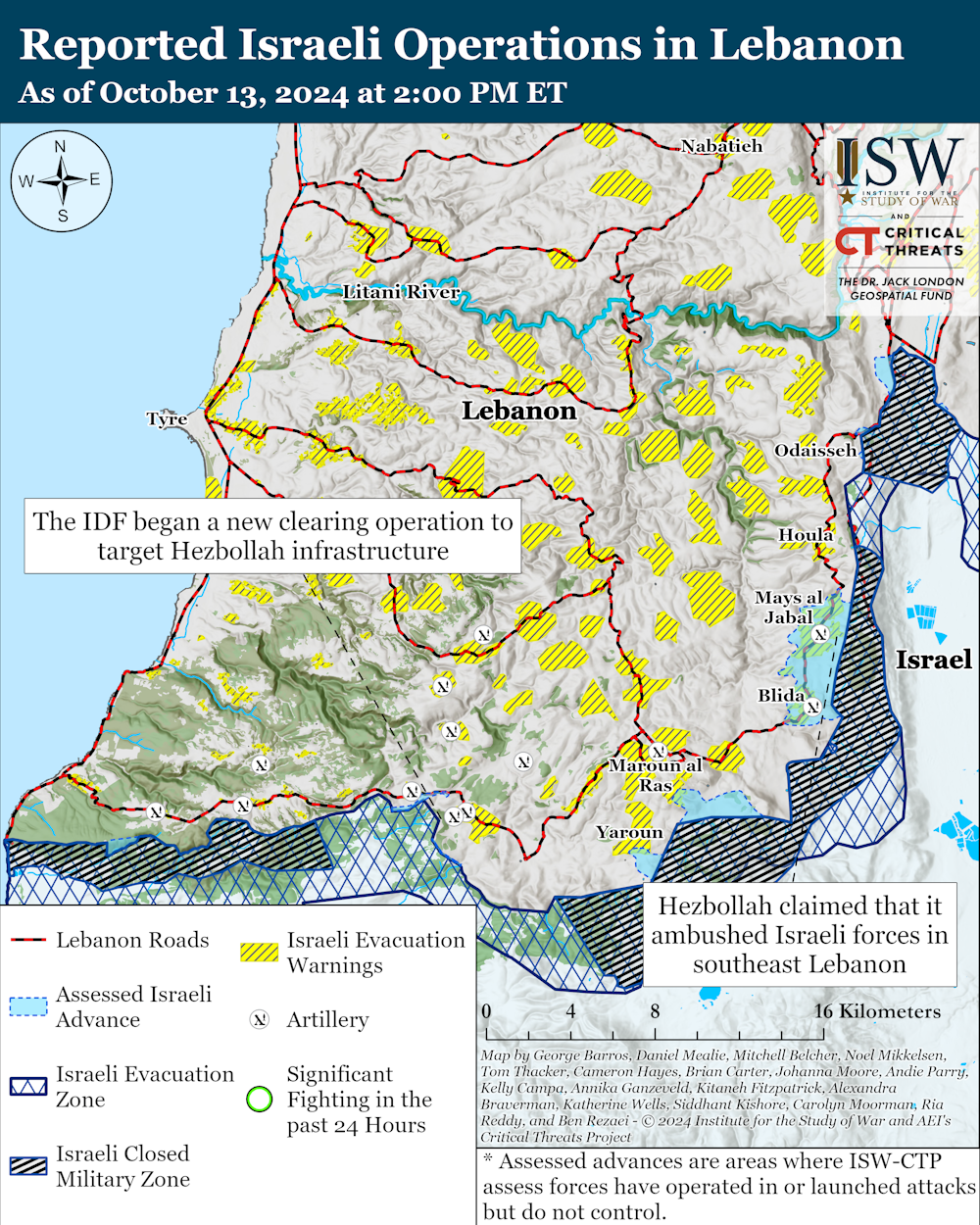
    January 23, 2025
  • MIL-OSI Europe: Written question – Commission seeking to fine all Elon Musk’s companies – P-001972/2024

    Source: European Parliament

    Priority question for written answer  P-001972/2024
    to the Commission
    Rule 144
    Malika Sorel (PfE), Elisabeth Dieringer (PfE), Nikola Bartůšek (PfE), António Tânger Corrêa (PfE), Julien Leonardelli (PfE), Hermann Tertsch (PfE), Philippe Olivier (PfE), Valérie Deloge (PfE), Auke Zijlstra (PfE), Sebastian Kruis (PfE), Gilles Pennelle (PfE), Aleksandar Nikolic (PfE), Alexandre Varaut (PfE), Jorge Buxadé Villalba (PfE), Pierre Pimpie (PfE), Thierry Mariani (PfE), Jorge Martín Frías (PfE), András László (PfE)

    On 25 September 2024, we learned from press reports[1] that the Commission is considering imposing fines against Elon Musk. This decision follows the opening of an investigation in December 2023, and would target not only X (formerly Twitter), but also other companies owned by Musk, such as Tesla and SpaceX.

    • 1.Can the Commission confirm that it is planning to impose fines not not only on X but on all companies controlled by Elon Musk?
    • 2.Can the Commission confirm that its objective in this procedure is strictly linked to compliance with EU laws and not to a desire to increase the size of the potential fine?
    • 3.Does the Commission recognise that this could be seen as a targeted attack against Elon Musk, suggesting a personal vendetta rather than impartial action to punish a platform for possible breaches of EU rules, which would in turn expose European strategic interests to potential retaliation measures, for example in connection with the launch of the Galileo constellation of satellites[2]?

    Submitted: 7.10.2024

    • [1] https://www.lalibre.be/international/europe/2024/09/25/quelle-amende-risque-elon-musk-de-la-part-de-lunion-europeenne-un-montant-qui-pourrait-saverer-dissuasif-meme-pour-lhomme-le-plus-riche-du-monde-UU52PN5FDZFS3K3GJZGNE2D2RY/.
    • [2] https://www.lecho.be/entreprises/defense-aeronautique/spacex-designe-pour-lancer-quatre-satellites-europeens-galileo/10501093.html
    Last updated: 15 October 2024

    MIL OSI Europe News –

    January 23, 2025
  • MIL-OSI Europe: Briefing – Confirmation hearings of the Commissioners-designate: Hadja Lahbib – Preparedness and Crisis Management; Equality – 15-10-2024

    Source: European Parliament

    Hadja Lahbib a member of the Mouvement reformateur (MR) party, which sits with the Renew Europe group in the European Parliament, has been serving as Belgian minister for foreign affairs, European affairs and foreign trade, and federal cultural institutions since 2022. She was elected as a member of the Parliament of the Brussels Capital Region in 2024 but is currently on leave to fulfil her ministerial duties. Before joining the Belgian government, she co-led the Brussels bid for the title of European Capital of Culture 2030. Born in Belgium in 1970 to a family of Algerian Kabyle origin, Lahbib obtained a master’s degree in journalism and communication from the Université Libre de Bruxelles. She then worked as a journalist and presenter for Belgium’s French-speaking public broadcasting company and other broadcasters, where she gained international experience in covering conflict zones, including Afghanistan, Iraq, Israel and the occupied Palestinian territories. She produced several documentaries to highlight injustices, especially those against women in Afghanistan, Kenya and Belgium.

    MIL OSI Europe News –

    January 23, 2025
  • MIL-OSI Europe: Answer to a written question – Urgent activation of the EU Solidarity Fund for Madeira – P-001692/2024(ASW)

    Source: European Parliament

    1. The EU Solidarity Fund (EUSF)[1] can only be activated at the request of Portugal which has a deadline of 12 weeks as from the first damage occurred, demonstrating that the total direct damage exceeds the thresholds specified in Article 2 Regulation (EC) No 2012/2002. The EUSF may cover a part of the costs for emergency and recovery operations incurred by public authorities[2]. Pursuant to Article 2(3) of the above Regulation, the EUSF may provide support to outermost regions in cases of ‘regional natural disasters’ if the direct damage exceeds 1% of the concerned region’s gross domestic product (instead of the normally applicable excess of 1.5% of direct damage).

    Support is also available under the European Agricultural Fund for Rural Development[3] for prevention, restoration and resilience against fires, with a planned amount in Madeira of EUR 36.6 million for 2014-2022, and EUR 11.9 million for 2023-2027.

    2. In its communication on the Outermost regions[4], the Commission has committed itself to supporting actions on risk prevention and resilience as regards natural disasters, fostering knowledge exchange and giving due consideration when implementing the EUSF. The Commission is also fully committed to offer all possible support to Portugal and the outermost regions, including Madeira, in its fight against the wildfires.

    • [1] Council Regulation (EC) No 2012/2002 of 11 November 2002 establishing the European Union Solidarity Fund (OJ L 311, 14.11.2002, p. 3) as amended by Regulation (EU) No 661/2014 of the European Parliament and the Council of 15 May 2014 (OJ L 189, 27.6.2014, p. 143) and by Regulation (EU) 2020/461 of the European Parliament and the Council of 30 March 2020 (OJ L 99, 31.3.2020, p. 9). https://eur-lex.europa.eu/legal-content/EN/TXT/?uri=celex:32002R2012
    • [2] This means, for example, the recovery of essential infrastructure, provision of temporary accommodation to the population, cleaning-up operations, and protection of the cultural heritage.
    • [3] Regulation (EU) 2021/2115 of the European Parliament and of the Council of 2 December 2021 establishing rules on support for strategic plans to be drawn up by Member States under the common agricultural policy (CAP Strategic Plans) and financed by the European Agricultural Guarantee Fund (EAGF) and by the European Agricultural Fund for Rural Development (EAFRD) and repealing Regulations (EU) No 1305/2013 and (EU) No 1307/2013, OJ L 435/1, 6.12.2021.
    • [4] COM(2022) 198 final.
    Last updated: 15 October 2024

    MIL OSI Europe News –

    January 23, 2025
  • MIL-OSI United Kingdom: Westminster Magistrates’ Court hosts anti-knife crime event for local London schools

    Source: United Kingdom – Executive Government & Departments

    Around 30 schoolchildren aged between 14 and 16 years took over courtroom 10 at Westminster Magistrates’ Court on Monday 14 October 2024, as part of an initiative to highlight the dangers and consequences of carrying and using a knife.

    As well as playing leading roles in a mock trial, the teenagers heard from lawyers, first aiders and campaigners about the impact of knife crime, and what actions they could take to help make our streets safer.

    The event brought together pupils from Chadwell Heath Academy and Winchmore School – two schools in areas of London most affected by knife crime – for an interactive day of learning.

    Heidi Alexander MP, Minister of State for Courts and Legal Services at the Ministry of Justice, joined the students and expressed her support, saying:

    Reducing knife crime is a priority for this government, and today’s event demonstrates the power of collaboration between the justice system, schools, and community organisations to address this issue. It is vital that young people understand the dangers of carrying knives and the devastating impact it can have on families and communities.

    I am incredibly impressed by the dedication of everyone involved in organising this initiative, and I hope it inspires these young people to make positive choices for their futures.

    HMCTS legal adviser, Ian Rawlins, who has been involved for many years in community volunteering to tackle knife crime, was the organiser behind the day. With an impressive line-up of speakers and practical sessions, the day offered students insight into the criminal justice process, support services, the role of law enforcement, and the broader impact of knife crime on lives and communities.

    Toks Adesuyan, of the Crown Prosecution Service, said:

    It’s really important that we contribute to events like this that target and engage young people, not only to inspire future legal and Civil Service careers, but also to educate on the real and devastating consequences of carrying knives.

    Some of the messages we deliver are hard-hitting, but if that means we’ve helped to divert young people away from knife crime, then we must continue to provide platforms for education in order to reduce the prevalence of violence amongst children and young adults.

    Speakers inspire and educate

    The event featured a range of expert speakers, who engaged the students with powerful talks and practical tips about community support, first aid, and self-empowerment when it comes to reducing violence among young people.

    Speakers included:

    • Tan Ikram CBE DL, the Deputy Senior District Judge, who addressed students on the importance of understanding and respecting the law
    • Toks Adesuyan, Senior District Crown Prosecutor at the Crown Prosecution Service, who spoke about their role in the criminal justice process
    • Saj Hussain, Detective Superintendent at the Metropolitan Police, who explained the role of the police in attempting to reduce knife crime and the steps they take when suspecting someone of knife-related offences
    • Fadi Daoud, Crime Partner at Lawrence and Co. Solicitors, who spoke about the role of a defence solicitor in representing a person accused of a criminal offence
    • The High Sheriff of Greater London, Millicent Grant KC, who explained her personal and professional experiences of the criminal justice system
    • Anti-knife crime charity Steel Warriors, which provided real-world perspectives on how knife crime can harm lives and communities
    • Street Doctors, who aim to put young people at the centre of emergency first-aid provision
    • Representatives from the Ben Kinsella Trust, a charity that aims to tackle knife crime through education and campaigning

    Students also had the opportunity to speak to professional footballer Kayne Ramsey of Charlton Athletic Football Club about following personal goals and avoiding violent crime.

    Mock trial sees teenagers take over courtroom 10

    A highlight of the day was a mock trial, organised by the National Justice Museum, in which students took on the roles of legal professionals, judges and others involved in a criminal court hearing. Through this hands-on experience, they gained a better understanding of the justice system and the consequences of breaking the law. This session aimed to raise aspirations for legal careers while offering students a new perspective on how courts work to ensure justice is served.

    For more information about the day, stay tuned to the Inside HMCTS Podcast channel on GOV.UK, where an episode about Ian’s work and the event at Westminster Magistrates’ Court will be published soon.

    Share this page

    The following links open in a new tab

    • Share on Facebook (opens in new tab)
    • Share on Twitter (opens in new tab)

    Updates to this page

    Published 15 October 2024

    MIL OSI United Kingdom –

    January 23, 2025
  • MIL-OSI Asia-Pac: PRESIDENT OF INDIA IN Algeria; HOLDS BILATERAL MEETING WITH PRESIDENT of Algeria and leads delegation level-talks

    Source: Government of India

    PRESIDENT OF INDIA IN Algeria; HOLDS BILATERAL MEETING WITH PRESIDENT of Algeria and leads delegation level-talks

    PRESIDENT MURMU ADDRESSES INDIAN COMMUNITY IN Algeria

    the Indian community in Algeria IS a bridge taking forward India’s interests and soft power: PRESIDENT MURMU

    graces Algerian-Indian Economic Forum; SAys India-Algeria economic ties have not been able TO TAP THE POTENTIAL FULLY

    Posted On: 14 OCT 2024 11:00PM by PIB Delhi

     The President of India, Smt Droupadi Murmu, reached Algiers, Algeria, yesterday evening (October 13, 2024), on the first leg of her State Visits to Algeria, Mauritania, and Malawi. As a special gesture, President Abdelmadjid Tebboune of Algeria received President Droupadi Murmu at the Airport and accorded her a ceremonial welcome.

     This is the first visit by an Indian President to Algeria.

     The President is accompanied by Minister of State, Shri Sukanata Majumdar, and Members of Parliament, Shri Mukeshkumar Dalal and Shri Atul Garg on this State visit.

     Yesterday evening, the President addressed the members of the Indian Community at Algiers, at a Reception hosted by the Ambassador of India to Algeria.

     Addressing the enthusiastic gathering of Indian community members who had travelled to Algiers for the occasion from all parts of Algeria, the President praised their contribution to Algeria’s economy. She said that the Government of India and the Indian society have always valued and appreciated the contribution of the Indian community in enhancing India’s position, prestige, and standing abroad. The Indian community in Algeria is a bridge taking forward India’s interests and soft power. She expressed confidence that they would continue to make India proud with their accomplishments and work for the betterment of India-Algeria relations.

     In her first engagement this morning (October 14, 2024), the President laid a wreath at the Maqam Echahid Memorial in Algiers and paid tribute to the soldiers who laid down lives in the Algerian War of Independence. She also visited the National Museum of the Moudjahid, commemorating Algeria’s struggle for liberation.

     Subsequently, the President visited the El Mouradia Palace where she held a meeting with H.E. Mr Abdelmadjid Tebboune, the President of the People’s Democratic Republic of Algeria. The two leaders discussed ways to take India-Algeria relations to a higher level, with a special focus on trade and investment. President Murmu re-affirmed India’s continued support of Algeria and India’s commitment to Africa. Both Presidents led the delegation-level talks and issued statements before the press.

     In the next engagement, the President addressed the Algerian-Indian Economic Forum, jointly organised by the Algerian Economic Renewal Council and the Federation of Indian Chambers of Commerce and Industry (FICCI).

     Speaking on the occasion, the President said that the stepping up of the India-Algeria relations is based on our shared values, common challenges, and mutual trust.

    The President said that Algeria’s rapid growth and expanding economy offer many opportunities in a variety of sectors. She urged Indian companies to remain engaged and invested in the opportunities that the Algerian economy offers.

    The President was happy to note that the overall trade between India and Algeria stands at 1.7 billion US dollars. However, the economic ties have not been able to tap the potential fully. She emphasised the need to reinforce our ongoing cooperation in energy, construction, automobiles, fertilizers, and pharmaceuticals, and identify new trade and investment initiatives for a brighter future.

     The President said that India has achieved many accomplishments in areas such as science and technology, IT, fin-tech, pharma, space, start-ups, and renewables. She said that India would be happy to share its experiences in these areas with our Algerian partners. The President said that reforms in India made it easy for businesses to establish and grow. She invited Algerian companies to join India’s ‘Make in India’ and ‘Make for the World’ initiatives.

    Click here to see the Press Statement during her visit to Algeria

    Click here to see the President’s speech

    MIL OSI Asia Pacific News –

    January 23, 2025
  • MIL-OSI China: Defense attachés from over 60 countries visit Chinese PLA Eastern Theater Command: Defense Spokesperson 2024-10-15 “At the invitation of China’s Ministry of National Defense, defense attachés from more than 60 countries went to the Chinese PLA Eastern Theater Command on October 14th for a five-day visit,” said Chinese Defense Spokesperson Senior Colonel Wu Qian at regular press briefing on Tuesday.

    Source: People’s Republic of China – Ministry of National Defense 2

      BEIJING, Oct. 15 — “At the invitation of China’s Ministry of National Defense, defense attachés from more than 60 countries including Pakistan, Singapore, South Africa, Jordan, the United Kingdom, Kazakhstan, Canada and Argentina went to the Chinese PLA Eastern Theater Command on October 14th for a five-day visit,” said Chinese Defense Spokesperson Senior Colonel Wu Qian at regular press briefing on Tuesday.

      According to the spokesperson, this visit will help them better understand the Chinese path to modernization, the great achievements made by the people’s military in the new era, and promote the friendly and cooperative relations between the Chinese military and the militaries of these countries.

    loading…

    MIL OSI China News –

    January 23, 2025
  • MIL-OSI United Kingdom: £350,000 drought relief for Southern Africa

    Source: Scottish Government

    Aid for communities suffering worst drought in a century

    Thousands of drought-affected households in Zambia and Zimbabwe will receive support from the Scottish Government’s Humanitarian Emergency Fund.

    Christian Aid and the Scottish Catholic International Aid Fund (SCIAF) will each receive £175,000 to enable both charities to provide cash to communities to meet their immediate basic needs, including food and safe drinking water.

    SCIAF will support 1,530 households in Zambia with cash transfers of 600 kwacha, equivalent to £17 a month. Christian Aid will provide cash transfers to 562 drought-affected household in Zimbabwe and promote services that work to prevent gender-based violence, which can increase during times of instability following major disasters.   

    First Minister John Swinney said:

    “Between a record drought exacerbated by the climate crisis and ongoing cholera outbreaks, the current situation in Southern Africa looks very bleak.

    “This funding will ensure people in some of the hardest hit communities can put food on their families’ tables, buy basic essentials, and safe drinking water – which is critical to prevent further spread of cholera.

    “Scotland must fulfil its role as a good global citizen and a big part of that is supporting those who have contributed the least to climate change, through the worst of its effects.”

    SCIAF Chief Executive Lorraine Currie said:

    “Right now, people in Zambia and neighbouring countries in Africa are at crisis point, with failed harvest after failed harvest.

    “The root cause is climate change, which is ravaging the region. It’s making weather patterns more extreme with more intense, more frequent droughts, floods, and heat waves. Rural areas, where most people farm to feed themselves are the hardest hit.

    “This funding from the Scottish Government will literally save lives. Working through our local partners, we will make sure the most vulnerable people are reached with cash grants which will give them the freedom to quickly buy what their families need to survive. These are our sisters and brothers and we will not forget them.”

    Christian Aid’s Zimbabwe Country Director Aulline Chapisa said: 

    “We’re deeply grateful for the Scottish Government’s commitment and support. This funding will enable 562 vulnerable households to access essential food items and will be delivered by our local partner the Zimbabwe Council of Churches. It will also help to significantly reduce levels of gender-based violence by improving access to information and support services.  

    “Sadly we know that during times of crisis and food insecurity cases of domestic violence increase. Additionally, with extra funding from Christian Aid, we’ll be improving access to safe water supplies and supporting people to diversify their means of earning a living. Ultimately this project is about life saving food assistance and building resilience and wellbeing in these communities.”

    Background

    Southern Africa experienced its driest February in 100 years, according to the United Nations, with estimates suggesting between 40 – 80 per cent of the maize crop has been wiped out in areas where 70 per cent of the population relies on agriculture to survive.

    The Scottish Government’s Humanitarian Emergency Fund provides aid in the aftermath of a crisis through a panel of eight leading humanitarian aid organisations in Scotland who advise and access the fund: Mercy Corps, Oxfam, British Red Cross, Islamic Relief, SCIAF, Christian Aid, Tearfund and Save the Children.

    Scotland provided £2.9 million of humanitarian aid to nine countries between 2023-24. More than 745,000 people across Africa and southern Asia are estimated to have benefitted from this support between 2023-24, which was awarded in response to crises including earthquakes in Afghanistan, Tropical Storm Freddy in Malawi, and refugee displacement following conflict in South Sudan.

    Humanitarian Emergency Fund: Annual Report 2023-24

    MIL OSI United Kingdom –

    January 23, 2025
  • MIL-Evening Report: Rio Tinto class action begins over ‘toxic’ Bougainville mine disaster

    By Harry Pearl of BenarNews

    An initial hearing of a class action against mining giant Rio Tinto over the toxic legacy of the Panguna copper mine on the autonomous island of Bougainville has been held in Papua New Guinea.

    The lawsuit against Rio Tinto and its subsidiary Bougainville Copper Limited (BCL) is seeking compensation, expected to be in the billions of dollars, for what plaintiffs allege is historic mismanagement of the massive open copper-and-gold mine between 1972 and 1989.

    More than 5000 claimants backed by anonymous investors are seeking damages for the destruction that sparked a 10-year-long civil war.

    The Panguna mine closed in 1989 after anger about pollution and the unequal distribution of profits sparked a landowner rebellion. As many as 20,000 people — or 10 percent of Bougainville’s population — are estimated to have died in the violence that followed between pro-inependence rebels and PNG.

    Although a peace process was brokered in 2001 with New Zealand support, deep political divisions remain and there has never been remediation for Panguna’s environmental and psychological scars.

    The initial hearing for the lawsuit took place on Wednesday, a day ahead of schedule, at the National Court in Port Moresby, said Matthew Mennilli, a partner at Sydney-based Morris Mennilli.

    Mennilli, who is from one of two law firms acting on behalf of the plaintiffs, said he was unable to provide further details as court orders had not yet been formally entered.

    A defence submitted
    Rio Tinto did not respond to specific questions regarding this week’s hearing, but said in a statement on September 23 it had submitted a defence and would strongly defend its position in the case.

    The lawsuit is made up by the majority of villagers in the affected area of Bougainville, an autonomous province within PNG, situated some 800km east of the capital Port Moresby.

    Martin Miriori, the primary litigant in the class action lawsuit, photographed in Bougainville, June 2024. Image: Aubrey Belford/OCCRP

    At least 71 local clan leaders support the claim, with the lead claimant named as former senior Bougainville political leader and chief of the Basking Taingku clan Martin Miriori.

    The lawsuit is being bankrolled by Panguna Mine Action, a limited liability company that stands to reap between 20-40 percent of any payout depending on how long the case takes, according to litigation funding documents cited by the Organised Crime and Corruption Reporting Project.

    While the lawsuit has support from a large number of local villagers, some observers fear it could upset social cohesion on Bougainville and potentially derail another long-standing remediation effort.

    The class action is running in parallel with an independent assessment of the mine’s legacy, supported by human rights groups and the Autonomous Bougainville Government (ABG), and funded by Rio Tinto.

    Locals walk by buildings left abandoned by a subsidiary of Rio Tinto at the Panguna mine site, Bougainville taken June 2024. Image: Aubrey Belford/OCCRP

    Rio Tinto agreed in 2021 to take part in the Panguna Mine Legacy Impact Assessment after the Melbourne-based Human Rights Law Centre filed a complaint with the Australian government, on behalf of Bougainville residents.

    Legacy of destruction
    The group said the Anglo-Australian mining giant has failed to address Panguna’s legacy of destruction, including the alleged dumping of more than a billion tonnes of mine waste into rivers that continues to affect health, the environment and livelihoods.

    The assessment, which is being done by environmental consulting firm Tetra Tech Coffey, includes extensive consultation with local communities and the first phase of the evaluation is expected to be delivered next month.

    ABG President Ishmael Toroama has called the Rio Tinto class action the highest form of treason and an obstacle to the government’s economic independence agenda.

    “This class action is an attack on Bougainville’s hard-fought unity to date,” he said in May.

    In February, the autonomous government granted Australian-listed Bougainville Copper a five-year exploration licence to revive the Panguna mine site.

    The Bougainville government is hoping its reopening will fund independence. In a non-binding 2019 referendum — which was part of the 2001 peace agreement — 97.7 percent of the island’s inhabitants voted for independence.

    PNG leaders resist independence
    But PNG leaders have resisted the result, fearful that by granting independence it could encourage breakaway movements in other regions of the volatile Pacific island country.

    Former New Zealand Governor-General Sir Jerry Mateparae was appointed last month as an independent moderator to help the two parties agree on terms of a parliamentary vote needed to ratify the referendum.

    In response to the class action, Rio Tinto said last month its focus remained on “constructive engagement and meaningful action with local stakeholders” through the legacy assessment.

    The company said it was “seeking to partner with key stakeholders, such as the ABG and BCL, to design and implement a remedy framework.”

    Copyright ©2015-2024, BenarNews. Republished with the permission of BenarNews.

    MIL OSI Analysis – EveningReport.nz –

    January 23, 2025
  • MIL-OSI China: Chinese, Zimbabwean universities launch research center on civilization exchanges

    Source: China State Council Information Office

    Zhang Donggang (L), chairman of the University Council of Renmin University of China, and University of Zimbabwe Vice Chancellor Paul Mapfumo unveil a commemorative plaque during the inauguration ceremony of the China-Africa Joint Research Center for Exchanges and Mutual Learning between Civilizations in Harare, Zimbabwe, Oct. 11, 2024. [Photo/Xinhua]

    The China-Africa Joint Research Center for Exchanges and Mutual Learning between Civilizations was launched Friday in Zimbabwe’s capital Harare, bringing together Chinese and African academics to share knowledge, ideas, and perspectives.

    The research center, cofounded by Renmin University of China and the University of Zimbabwe, was launched during the inaugural China-Africa Civilization Forum held at the Zimbabwean university.

    The research center is expected to facilitate intellectual exchange, produce cutting-edge research and impactful publications, and foster cultural diplomacy between China and Africa.

    Speaking at the launch event, University of Zimbabwe Vice Chancellor Paul Mapfumo said cooperation with China has catalyzed human capital development in higher education through investment in educational infrastructure, scholarships and exchange programs, technology transfer, research collaboration, and capacity building.

    “With the launch of this research center today, we now can leverage our partnership with Renmin University of China to develop joint research projects and exchange programs that focus on innovation and industrialization,” said Mapfumo.

    He said in line with Zimbabwe’s heritage-based education, the university aims to be a cradle of innovation, fostering entrepreneurship and start-up ventures.

    “China’s engagement in skills development, vocational training, and entrepreneurship programs align seamlessly with the practical, solution-oriented approach to industrialization. The Chinese experts and institutions have facilitated the training of African experts in various areas of economic development,” said Mapfumo.

    In addition, he said the research center will catalyze an entrepreneurial spirit, nurturing student-led initiatives and supporting innovative solutions to societal challenges.

    In his address during the event, Zhang Donggang, chairman of the University Council of Renmin University of China, said culture is an important spiritual link in connecting Chinese and African people.

    “The dream of pursuing modernization together has become a common aspiration of the Chinese and African people,” he said.

    Zhang said the establishment of the research center is an important measure and effective strategy to promote exchanges in education, and scientific and research cooperation between China and Africa.

    On his part, Chinese Ambassador to Zimbabwe Zhou Ding said educational and cultural exchanges have always been an integral part of the broad China-Zimbabwe relations.

    “Both China and Zimbabwe are ancient civilizations with a time-honored history. Both of us attach great importance to education which we believe can serve as catalysts for our modernization drive. We also believe that we can draw lessons, inspiration, wisdom, and strength from our own cultures and traditions in dealing with the challenges that we face today,” he said.

    MIL OSI China News –

    January 23, 2025
  • MIL-OSI Translation: 12/10/2024 Statement by the UNIFIL participating states following the recent attacks on UN peacekeepers in Lebanon.

    MIL ASI Translation. Region: Polish/Europe –

    Fuente: Gobierno de Polonia en poleco.

    At the initiative of Poland, a group of 34 countries participating in the UNIFIL peacekeeping mission in Lebanon, including three permanent members of the UN Security Council, issued a joint statement in New York on 12 October condemning the recent attacks on the mission’s force base. The countries called for an immediate cessation of attacks and for ensuring adequate protection for UN personnel in accordance with international law. The countries reaffirmed their full support for the UNIFIL mission and activities, the main objective of which is to ensure stability and lasting peace in southern Lebanon, as well as in the Middle East, in accordance with the relevant Security Council resolutions. They stressed that the role of UNIFIL is particularly important in light of the escalating situation in the region. The statement was addressed to the UN Secretary-General António Guterres, the President of the UN General Assembly Philemon Yang, the Under-Secretary-General for Peacekeeping Operations Jean-Pierre Lacroix and the members of the Security Council. The UNIFIL mission is staffed by 10,000 personnel. peacekeeping troops, including over 200 Poles. Below is a list of countries that have joined the Polish initiative:

    1. Armenia2. Austria3. Bangladesh4. Brasilia5. Cambodia6. Chino7. Chipre8. Salvador9. Estonia10. Fiji11. Finland12. France13. Ghana14. Guatemala15. Hungary16. Indonesia17. Ireland18. Italy19. Kazakhstan20. Republic of Korea21. Latvia22. Malaysia23. Malta24. Mongolia25. Nepal26. Netherlands27. Poland28. Qatar29. Sierra Leone30. Spain31. Sri Lanka32. Tanzania33. Turkey34. Great Britain35. Germany36. Peru37. Uruguay Content of the statement:Statement by the States participating in the UNIFIL mission following the recent attacks on UN peacekeepers in Lebanon.As States participating in the United Nations Interim Force in Lebanon (UNIFIL), we reaffirm our full support for the UNIFIL mission and activities, the primary objective of which is to ensure stability and lasting peace in South Lebanon, as well as in the Middle East, in accordance with the relevant UN Security Council resolutions.We consider the role of UNIFIL to be particularly important in light of the escalating situation in the region.In this regard, we strongly condemn the recent attacks on UNIFIL peacekeepers. Such actions must be immediately stopped and properly investigated.We call on the parties to the conflict to respect the presence of UNIFIL, which entails the obligation to guarantee the safety of its personnel at all times, so that they can continue to implement their mandate and continue their work of mediation and support for peace and stability in Lebanon and the wider region.We reaffirm our commitment to multilateral cooperation with the UN at its core. We call for respect for international law, in particular the UN Charter and the relevant Security Council resolutions.

    MILES AXIS

    EDITOR’S NOTE: This article is a translation. Apologies should the grammar and/or sentence structure not be perfect.

    MIL Translation OSI

    January 23, 2025
  • MIL-OSI USA: News Release – DOH Reports Additional Mpox Cases

    Source: US State of Hawaii

    News Release – DOH Reports Additional Mpox Cases

    Posted on Oct 11, 2024 in Latest Department News, Newsroom

    DEPARTMENT OF HEALTH

    KA ʻOIHANA OLAKINO

    JOSH GREEN, M.D.
    GOVERNOR

    KE KIA‘ĀINA

    KENNETH S. FINK, MD, MGA, MPH
    DIRECTOR

    KA LUNA HO‘OKELE

    DOH REPORTS ADDITIONAL MPOX CASES

    Mpox vaccination encouraged for anyone at risk

    FOR IMMEDIATE RELEASE

    October 11, 2024                                                                                                    24-135

    HONOLULU — The Hawaiʻi Department of Health (DOH) is reporting two additional cases of mpox diagnosed in Hawaiʻi. One case was associated with out-of-state exposure. In the other case, no out-of-state exposure or link to other prior cases was identified, suggesting the mpox infection was locally acquired.

    There have been seven mpox cases diagnosed in Hawai‘i in 2024. These additional cases bring the total number of cases reported to the Hawaiʻi DOH since June 3, 2022 to 53. Those at higher risk of mpox infection should consider being vaccinated with two doses of the JYNNEOS vaccine. JYNNEOS vaccination will be offered at this year’s Honolulu Pride Festival, Saturday Oct. 19 at the Waikīkī Shell.

    Health care providers in each county continue to vaccinate high-risk individuals. Additionally, retail pharmacy chains CVS and Walgreens now offer JYNNEOS vaccinations. Find a provider offering the vaccine here: https://health.hawaii.gov/mpox.

    Transmission

    The risk of mpox infection remains low for most Hawai‘i residents. Mpox is mainly spread through close, intimate contact with body fluids, lesion material or items used by someone with mpox. The infection may be spread through large respiratory droplets, which generally cannot travel more than a few feet, so prolonged contact is required.

    The current cases of clade II mpox, both nationally and in Hawai‘i, are primarily spreading among social networks of gay, bisexual and other men who have sex with men. However, anyone who has close contact with someone with mpox is at risk of infection, regardless of sexual orientation or gender identity.

    Ask new partners about their health, including recent rashes or sores. If you or your partner feel sick or have new or unexplained rashes or sores, avoid close contact with others until getting checked out by a health care provider. Don’t share bedding, clothing, or toothbrushes with people outside your household. If attending events with lots of direct, skin-to-skin contact, minimizing physical contact and partners can reduce risk.

    Symptoms, Testing and Treatment

    Individuals with mpox symptoms, including flu-like symptoms, swollen lymph nodes, or new or unexplained rashes or sores, should immediately contact their health care provider. Testing and treatment are available. Persons without a health care provider can seek care at the STI/HIV Clinic at the Diamond Head Health Center.

    Public Health Monitoring for Clade I Mpox Virus

    On Aug. 14, the World Health Organization (WHO) declared an ongoing clade I mpox outbreak in the Democratic Republic of the Congo (DRC) and neighboring countries a public health emergency of international concern (PHEIC). The clade I mpox has not been detected in the U.S. or Hawaiʻi and only few travel-associated cases have been identified to date outside the currently affected countries in central Africa.

    The Hawaiʻi Department of Health will continue to monitor for clade I mpox through investigation of all suspected mpox cases. Hawaiʻi residents traveling internationally are encouraged to review updated Centers for Disease Control and Prevention (CDC) mpox vaccination recommendations and travel health notices.

    The JYNNEOS vaccine, which protects against clade II mpox, is also expected to protect against clade I mpox.

    Vaccination Recommendations

    The JYNNEOS vaccine is available statewide. For full protection, you should get two doses of JYNNEOS four weeks apart. Those at higher risk for mpox and who should consider being vaccinated include:

    • Individuals who meet both the following criteria:
      • Gay, bisexual, and other men who have sex with men, as well as transgender people who have sex with men; and
      • Have multiple or casual sex partners (such as through dating apps) or expect to have this mpox risk in the future.
    • People who have a sex partner in any of the categories described above;
    • Anyone with close contact in the last 14 days to a person with known or suspected mpox infection;
    • Travelers to a country with a clade I mpox outbreak who anticipate any of the following activities during travel, regardless of gender identity or sexual orientation:
      • Sex with a new partner
      • Sex at a commercial sex venue (e.g., a sex club or bathhouse)
      • Sex in exchange for money, goods, drugs or other trade
      • Sex in association with a large public event (e.g., a rave, party, or festival)
    • Anyone in any of these categories who has received only one mpox vaccine dose.

    Vaccine Sites 

    Pharmacies 

    Vaccine Clinics 

    Oʻahu residents can contact:

    • Hawaiʻi Health & Harm Reduction Center (in Honolulu) at 808-521-2437
    • Kaiser Permanente, Māpunapuna Medical Office (in Honolulu) at 808-432-2000
    • Waikīkī Health at 808-922-4787

    Kauaʻi residents can contact:

    • Malama Pono Health Services (in Līhuʻe) at 808-246-9577

    Maui residents can contact:

    • Malama I Ke Ola Health Center (in Wailuku) at 808-871-7772

    Hawaiʻi Island residents can contact:

    • Hāmākua-Kohala Health Centers (in Honokaʻa) at 808-930-2751
    • Kumukahi Health + Wellness (in Hilo and Kona) at 808-982-8800

    On April 1, 2024, Bavarian Nordic commercially launched its JYNNEOS vaccine and opened ordering of the vaccine through commercial wholesalers. As a result, the JYNNEOS vaccine may potentially be accessed at other clinics and pharmacies. Those interested in getting mpox vaccination at other locations can call ahead to determine availability.

    Further information and updates can be found at health.hawaii.gov/mpox.

    # # #

    Media Contact:

    Kristen Wong

    Information Specialist

    Hawaiʻi State Department of Health

    808-586-4407

    [email protected]

    MIL OSI USA News –

    January 23, 2025
  • MIL-OSI Asia-Pac: PM GatiShakti National Master Plan completes 3 years of transforming India’s Infrastructure landscape

    Source: Government of India (2)

    PM GatiShakti National Master Plan completes 3 years of transforming India’s Infrastructure landscape

    PM GatiShakthi has reduced logistics cost and enabled better service delivery:Shri Piyush Goyal

    More than 44 central Ministries and 36 States and Union territories onboarded: Secretary DPIIT

    Posted On: 12 OCT 2024 3:57PM by PIB Delhi

    The PM GatiShakti National Master Plan (NMP) for muti-modal connectivity, launched by Hon’ble Prime Minister Shri Narendra Modi on 13th October 2021, completes three years today having achieved significant milestones in transforming the country’s infrastructure landscape.

    On this occasion, the Union Commerce and Industry Minister, Shri Piyush Goyal said, “PM GatiShakti has brought about a paradigm shift in how India plans and implements infrastructure projects. By integrating data from multiple Ministries and States, we have created a more efficient, transparent, and outcome-driven system. The impact is visible in faster project execution, lower logistics costs, and better services reaching every corner of the country.”

    According to Secretary DPIIT, Shri Amardeep Singh Bhatia, “PM GatiShakti NMP launched as the transformative approach 3 years ago by Hon’ble Prime Minister, has accelerated the infrastructure planning & development process leveraging geospatial technology and the Whole of the Government approach. During the last three years, more than 44 Central Ministries and 36 States/UTs have been onboarded, their data layers have been integrated and are provided with their own geospatial planning portal.”

    With its vision to bring synergy across Ministries/Departments, and States/UTs, the PM GatiShakti has successfully laid the groundwork for seamless, multi-modal connectivity and accelerated economic growth. The PM GatiShakti has redefined how India plans and executes large-scale infrastructure projects. By harnessing geospatial data from 44 Central Ministries and 36 States/UTs, the platform has significantly improved inter-ministerial coordination and streamlined project execution.

    Key Achievements:

    On boarding Whole of the Government on the Single platform

    PM GatiShakti has integrated 44 Central Ministries and 36 States/UTs with more than 1600 data layers, making it a crucial tool for planning and executing infrastructure projects. To date, over 200 big-ticket infrastructure projects have been evaluated by the Networking Planning Group (NPG) from the perspective of the principles of the PM GatiShakti viz. integrated planning & development of multimodal infrastructure, last-mile connectivity to economic and social nodes, intermodal connectivity, enhance logistics efficiency and synchronised implementation of projects.

    Social Sector Impact: Extending the PM GatiShakti to the Social Sector Ministries, the focus is on increasing the usage of the PM GatiShakti for social development, identifying social gaps (schools, hospitals, anganwadis) using, and developing applications and planning tools for capturing data. This has enabled better infrastructure planning in essential areas such as primary healthcare, education, postal services, and tribal development, ensuring that even remote and underserved areas are part of India’s infrastructure growth story.

    PM GatiShakti State Master Plans (SMPs): All 36 States/UTs have developed the PM GatiShakti State Master Plan (SMP) portals, aligned with the PM GatiShakti National Master Plan platform to synchronise infrastructure assets and enhance regional development. This unified approach has helped States streamline their capital investment for accelerating infrastructure development. Over 533 projects have been mapped by States/UTs on the PM GatiShakti portal.

    EXIM and Trade Facilitation: Aligned with the National Logistics Policy (NLP), the PM GatiShakti has been instrumental in addressing critical infrastructure gaps, reducing logistics costs, and improving India’s logistics performance. According to the World Bank’s ‘Logistics Performance Index Report (2023) India’s rank (38) has improved by six places from 44 in 2018.

    Regional Workshops and Stakeholder Engagement: Following the spirit of cooperative federalism, over the last three years, five regional workshops have been conducted, covering all 36 States/UTs to facilitate knowledge sharing, best practices, and project demonstration by Central and States Governments. These engagements have played a key role in strengthening local adoption and ownership of the GatiShakti framework.

    Driving Sustainable, Data-Driven Development: The PM GatiShakti’s data-driven approach is powered by GIS-based tools and a real-time monitoring system that enables faster and more informed decision-making. The platform ensures that projects are aligned with national priorities and completed on time, minimising delays and reducing cost overruns. This integration is key to meeting India’s Net Zero by 2070 commitments, as the platform promotes the use of green infrastructure and sustainable logistics solutions.

    Training and Capacity Building: As the PM GatiShakti is a new initiative with an advanced GIS platform, DPIIT has undertaken the task to train officials for build their capacities. The PM GatiShakti National Master Plan (PMGS NMP) has seen significant progress in capacity building through the institution of courses and workshops. A course on the PM GatiShakti, available on the iGoT platform, has already been completed by over 20,000 officials. Additionally, all Central Training Institutes (CTIs) have integrated a course module on the PM GatiShakti into their regular officers’ training curriculum. The resource persons and master trainers from DPIIT and BISAG-N conduct regular sessions on the PM GatiShakti across various CTIs and ATIs, including institutions like Lal Bahadur Shastri National Academy of Administration (LBSNAA), Sardar Vallabhbhai Patel National Police Academy (SVPNPA), and Sushma Swaraj Institute of Foreign Service (SSIFS). There have also been approximately 150 interactive training sessions on the PM GatiShakti with Ministries/Departments, and States/UTs, engaging over 1,000 officials.

    Extending PMGS to the Districts: As India moves forward, the PM GatiShakti is expected to continuously evolve to keep playing a pivotal role in expanding multi-modal infrastructure, developing Smart Cities, and enhancing the country’s industrial capabilities through Industrial Corridors and Mega Investment Regions. Building upon the vision of the PM GatiShakti National Master Plan and the significant usage demonstrated by Central Ministries/Departments as well as States/UTs, a PM GatiShakti District Master Plan (PMGS DMP) portal is being developed with technical support of BISAG-N (Bhaskaracharya National Institute for Space Applications and Geoinformatics) for collaborative planning at the District level by State/District authorities. The NMP platform’s emphasis on cross-sectoral cooperation and emerging technologies such as AI and IoT will further revolutionise infrastructure management and planning.

    Taking PMGS to international level and for promoting the use of  PM GatiShakti and Geospatial technology in the integrated planning of infrastructure, diplomatic engagements are underway with countries in the neighbourhood and other developing countries like Nepal, Bangladesh, Sri Lanka, Madagascar, Senegal and Gambia.

    The government is also considering providing access to non-government users for the data (non-sensitive and shareable) relevant to the planning of the infrastructure and developmental activities by the sector. Such access to the data shall be provided in the most secure manner.

    As India celebrates three years of the PM Gati Shakti, the initiative continues to fulfil its promise of creating a modern, interconnected infrastructure network that is key to India’s Atmanirbhar Bharat vision.

    ***

    AD/CNAN

    (Release ID: 2064378) Visitor Counter : 56

    MIL OSI Asia Pacific News –

    January 23, 2025
  • MIL-OSI Submissions: Africa – Huawei opens registration for the 2024-2025 ICT Competition in Kenya

    Source: Huawei Kenya


    ·       The competition targets university and technical college students studying ICT-related courses


    Nairobi, Kenya: October 11, 2024 – Huawei Kenya has kicked off the registration for the 2024-2025 ICT Competition in collaboration with leading universities and TVET institutions in Kenya.


    This annual competition is part of Huawei’s ongoing commitment to nurture digital talent and enhance ICT skills among the youth, aligning with Kenya’s digital transformation agenda.


    The Huawei ICT Competition is designed to offer a platform for students to demonstrate their knowledge in key ICT areas such as networking, cloud computing, artificial intelligence (AI), 5G, and cybersecurity. The competition gives students the opportunity to gain hands-on experience, access training resources, and network with industry professionals, ultimately contributing to the development of Kenya’s ICT sector.


    “As we embark on the journey to create a digitally empowered Kenya, this competition is an integral part of developing the next generation of ICT leaders. Through initiatives like the ICT Competition, we are offering students in Kenya a platform to showcase their talent, gain practical skills, and contribute to the country’s digital economy,” said Michael Kamau, Partnerships and Corporate Affairs Manager at Huawei Kenya.


    The competition offers participants a unique opportunity to sharpen their ICT skills, with access to free learning materials, expert mentorship, and industry-recognized certifications. Top-performing students also stand to win, and potential job offers at Huawei and its partners. It also offers winners the chance to represent Kenya on the global stage in the final rounds, competing against other bright finalists from across the world.


    “The competition is also part of Huawei’s broader collaboration with Kenyan universities to integrate practical ICT training into academic curricula,” Mr. Kamau said.


    Registration


    The registration exercise for the 2024-2025 ICT Competition will run until November 30, 2024.  with several rounds of the competition taking place, including a national qualifier, regional semifinals, and the global finals in mid-2025.


    University and technical college students studying ICT-related courses are encouraged to register for the competition via the link: https://e.huawei.com/en/talent/ict-academy/#/ict-contest?compId=85131998


    Huawei has been a key partner in Kenya’s digital transformation efforts, providing cutting-edge ICT solutions and nurturing local talent through training programs such as the Huawei Seeds for the Future and the ICT Academy, alongside the annual ICT Competition.

    MIL OSI – Submitted News –

    January 23, 2025
  • MIL-OSI Africa: Secretary-General’s message on the International Day for Disaster Risk Reduction: “The role of education in protecting and empowering youth for a disaster-free future” [scroll down for French version]

    Source: United Nations – English

    hen disasters strike, they unleash enormous devastation on individuals, societies and economies. The ripple effects of death, destruction and displacement are unimaginable. Today, disasters are often supercharged by the climate crisis, increasing their frequency and intensity.  

    No one is safe, but children are particularly vulnerable. In recent years the number of children affected by destructive flooding worldwide has reached the highest levels in more than three decades. In the aftermath of a disaster, children face serious repercussions including disrupted education, nutrition and healthcare.  

    Yet children are more than victims of disaster. They have a huge stake in the future, and their ideas and innovations can help to reduce risk and build resilience.

    As this year’s International Day for Disaster Risk Reduction reminds us, education is key for not only protecting children but enabling them to take part in decision-making to reduce risks for all.

    All countries can take steps to reduce risks to children, by ensuring universal coverage of multi-hazard early warning systems, constructing and retrofitting disaster-resilient schools; signing up to the Comprehensive School Safety Framework; and providing young people with the space and tools to become champions of resilience.

    On this International Day for Disaster Risk Reduction, and every day, we owe it to future generations to shape a safer, more resilient tomorrow.

    *****
    Lorsque les catastrophes frappent, tout est dévasté : individus, sociétés, économies. La mort, la destruction et les déplacements ont des conséquences inimaginables. De nos jours, les catastrophes sont bien souvent aggravées par la crise climatique, qui en augmente la fréquence et l’intensité.

    Personne n’est à l’abri, mais les enfants sont particulièrement vulnérables. Ces dernières années, le nombre d’enfants touchés par des inondations destructrices à travers le monde a atteint son niveau le plus élevé depuis plus de trente ans. Les catastrophes laissent les enfants en proie à des situations critiques, telles que la perturbation de l’éducation, de la nutrition et des soins de santé.

    Cependant, face aux catastrophes, les enfants ne sont pas seulement des victimes. Tout leur avenir est en jeu, et ils peuvent être sources d’idées et d’innovations propres à réduire les risques et à renforcer la résilience.

    Comme nous le rappelle cette année la Journée internationale pour la réduction des risques de catastrophe, l’éducation est essentielle non seulement pour protéger les enfants, mais aussi pour leur permettre de participer à la prise de décision afin de réduire les risques pour toutes et tous.

    Tous les pays peuvent prendre des mesures pour réduire les risques qui pèsent sur les enfants : ils peuvent universaliser la couverture des systèmes d’alerte précoce multidangers, construire ou moderniser des écoles de façon qu’elles résistent aux catastrophes, adhérer au Cadre global de sécurité scolaire ou encore offrir aux jeunes l’espace et les outils nécessaires pour qu’ils puissent devenir des champions de la résilience.

    En cette Journée internationale pour la réduction des risques de catastrophe, et de manière générale, nous devons aux générations futures de leur offrir des lendemains plus sûrs et plus résilients.

    MIL OSI Africa –

    January 23, 2025
←Previous Page
1 … 430 431 432 433 434 … 464
Next Page→
NewzIntel.com

NewzIntel.com

MIL Open Source Intelligence

  • Blog
  • About
  • FAQs
  • Authors
  • Events
  • Shop
  • Patterns
  • Themes

Twenty Twenty-Five

Designed with WordPress