Category: Americas

  • MIL-OSI Submissions: Comparing ICE to the Gestapo reveals people’s fears for the US – a Holocaust scholar explains why Nazi analogies remain common, yet risky

    Source: The Conversation – USA – By Daniel H. Magilow, Professor of German, University of Tennessee

    U.S. Immigration and Customs Enforcement officers gather for a briefing before an enforcement operation on Jan. 27, 2025, in Silver Spring, Md. Associated Press

    Minnesota Gov. Tim Walz recently sparked controversy by comparing U.S. Immigration and Customs Enforcement to Nazi Germany’s notorious secret police, the Gestapo.

    “Donald Trump’s modern-day Gestapo is scooping folks up off the streets,” Walz said during a May 2025 speech at the University of Minnesota Law School’s commencement ceremony.

    “They’re in unmarked vans, wearing masks, being shipped off to foreign torture dungeons, no chance to mount a defense, not even a chance to kiss a loved one goodbye, just grabbed up by masked agents, shoved into those vans, and disappeared,” Walz added.

    ICE, tasked with enforcing immigration policies, has dramatically increased the number of nationwide arrests of immigrants since President Donald Trump returned to office in January 2025. ICE’s arrests of immigrants have more than doubled in 38 states since then.

    In recent months, other Democratic politicians, including U.S Rep. Dan Goldman of New York, have also compared ICE to the Gestapo, or Adolf Hitler’s “secret police,” as Rep. Seth Moulton of Massachusetts said in April.

    But do ICE’s tactics actually resemble those of the Gestapo?

    Because I am a scholar of modern Germany and the Holocaust, people regularly ask me if this analogy is accurate. The answer is complicated.

    The Gestapo arrests a group of Jewish men hiding in a cellar in Poland in 1939, in what was possibly a staged German propaganda photo.
    Keystone/Hulton Archive/Getty Images

    Understanding the Gestapo

    The Nazi regime established the Gestapo, short for the German phrase Geheime Staatspolizei, meaning secret state police, soon after Hitler became chancellor of Germany in January 1933. Among other responsibilities, the Gestapo was tasked with investigating political crimes and monitoring opposition activity. It later enforced racial laws in Germany and across occupied Europe.

    As part of its daily work, the Gestapo identified and monitored the regime’s political enemies. It arrested, interrogated, detained and tortured suspects and sent others to concentration camps. To identify suspects, it often relied on anonymous denunciations that came not only from zealous Nazis, but also from disgruntled neighbors or business competitors who tipped off the Gestapo to Jews and other people.

    While the Gestapo was relatively small in terms of personnel, it projected an image of being, as one scholar wrote, “omniscient, omnipotent, and omnipresent.”

    It enforced the regime’s will and suppressed dissent not through sheer manpower but by creating a pervasive sense of fear. This aura of menace and terror has long outlived the Nazi regime itself.

    ICE’s operations

    ICE, with around 21,000 officers and staff operating in a country of more than 340 million, is smaller both in absolute terms and on a per capita basis. At its height between 1943 and 1945, the Gestapo had between 40,000 and 50,000 personnel in a country of 79 million.

    ICE is set to expand its work in the next few years with an additional US$75 billion in funding that Congress appropriated in July as part of Trump’s tax and spending bill.

    And while ICE focuses on immigration, the Gestapo had a more expansive role. It was responsible for suppressing all forms of political dissent, not just violations of immigration law.

    ICE operates with vastly more advanced technologies that did not exist in the 1940s, including facial recognition and social media monitoring.

    There is technically more transparency around ICE’s work than the Gestapo’s, since ICE is a federal agency that is subject to its work and information being reviewed by politicians and the public alike. But in June 2020, the first Trump administration reclassified ICE, which is part of the Department of Homeland Security, as a “security/sensitive agency.” This designation makes it harder for people to request and receive information about ICE’s work through Freedom of Information Act records requests.

    Like the Gestapo, ICE can seem performative in its work, like when it carried out a dramatic July raid of a cannabis farm in California in which balaclava-wearing officers used tear gas against protesters.

    The Gestapo in today’s world

    Since World War II and the fall of the Nazi regime, the term Gestapo has become shorthand in the United States to describe police repression.

    Using the word Gestapo to describe the worst possible authoritarian oppression has been popularized in popular movies in everything from the 1943 film “Casablanca” and “The Black Gestapo” in 1975 to “Inglourious Basterds” in 2009 and “Jojo Rabbit” in 2019.

    Walz’s remarks in May, though provocative, were also far from isolated in politics. Politicians from both sides of the aisle, as well as political observers, regularly use Gestapo and Nazi metaphors to attack their opponents.

    In 2022, Rep. Marjorie Taylor Greene of Georgia famously confused the term Gestapo with gazpacho soup in a gaffe that went viral. “Now we have Nancy Pelosi’s gazpacho police spying on members of Congress,” she said.

    In 2024, Trump accused President Joe Biden of running a “Gestapo administration” as the Justice Department prosecuted Trump for attempting to overturn the 2020 election.

    Overall, mentions of the word Gestapo in social media increased by 184% between 2017 and 2024, according to the nonprofit group Foundation to Combat Antisemitism.

    The U.S. Holocaust Memorial Museum is among the organizations that have condemned making comparisons to the Holocaust and the Nazis for many reasons, including their historical inaccuracy and because they are insulting to people whose families remain scarred by the Holocaust.

    A Paraguayan woman whose relative was detained by ICE agents scuffles with officers in the halls of an immigration court in New York City on July 16, 2025.
    Spencer Platt/Getty Images

    What historical comparisons really say

    Analogies can be useful for clarifying complex ideas. But especially when they stretch across decades and vastly different political contexts, they risk oversimplifying and trivializing history.

    I believe that comparing ICE to the Gestapo is less a historical judgment than a reflection of modern anxiety – a fear that the U.S. is veering toward authoritarianism reminiscent of 1930s Germany.

    If politicians and other public figures are looking for historical comparisons to modern law enforcement agencies that use severe tactics, there is, unfortunately, no shortage of options: the Soviet Union’s secret police agencies NKVD and KGB, Iran’s former secret police and intelligence agency SAVAK or East Germany’s Stasi, to name just a few.
    All of those organizations denied suspects due process and grossly violated human rights in order to protect political regimes – but they don’t necessarily easily compare to ICE, either.

    Still, politicians and political observers alike most often turn to the Gestapo and other Nazi references instead.

    Ultimately, the Gestapo, Nazi Germany and the Holocaust serve as a powerful, shared cultural reference point. The catastrophes of World War II epitomize the worst possible outcomes of evil left unchecked.

    They have become the master moral paradigm and an ethical compass for the world today. In an age of polarization, World War II and the Holocaust remain the mirror in which Americans examine their present.

    Daniel H. Magilow received funding from the National Endowment for the Humanities (although DOGE cancelled the grant in April 2025).

    He serves as Co-Editor-in-Chief of Holocaust and Genocide Studies, the journal of the United States Holocaust Memorial Museum’s Jack, Joseph and Morton Mandel Center for Advanced Holocaust Studies

    ref. Comparing ICE to the Gestapo reveals people’s fears for the US – a Holocaust scholar explains why Nazi analogies remain common, yet risky – https://theconversation.com/comparing-ice-to-the-gestapo-reveals-peoples-fears-for-the-us-a-holocaust-scholar-explains-why-nazi-analogies-remain-common-yet-risky-260767

    MIL OSI

  • MIL-OSI Submissions: I watched a simulated oil spill in the Indian Ocean – here’s how island and coastal countries worked together to avoid disaster

    Source: The Conversation – UK – By Kate Sullivan de Estrada, Associate Professor in the International Relations of South Asia, University of Oxford

    Preparing to react to a maritime ’emergency’. Romuald Robert, CC BY

    The coils of black hose, drum skimmers designed to collect oil from the ocean’s surface, and orangey-red containment booms all looked out of place on the white sand of Mombasa’s touristy Nyali beach. But on July 9, dozens of emergency responders in red and orange hi-vis gear took over a portion of this beach. They were braving the wind and choppy Indian Ocean waves as they mock up the onshore response to a simulated oil spill at sea.

    I research how countries in the western Indian Ocean cooperate to make the seas around them safer, and I was there to observe a field training exercise that brought together around 200 participants from ten coastal and island states for one week in east Africa’s largest port city. Codenamed MASEPOLREX25, it put two types of emergency response to the test.

    The first was Kenya’s national-level response to marine oil pollution, guided by its national contingency plan. The second was a regional-level response that can bring in outside help from other nations. The organiser of the exercise, the Indian Ocean Commission (IOC) – an intergovernmental group of Western Indian Ocean islands headquartered in Mauritius – wanted the countries of the region to rehearse a joint response to marine pollution.

    Preparations begin on Kenya’s Nyali beach for the emergency exercise.
    Romuald Robert., CC BY

    The exercise put two IOC-designed regional centres through their paces. Think of them like a pair of regional helpdesks for ocean security, each with a distinct purpose.

    How does it unfold?

    The exercise began the day before with a briefing on the marine pollution scenario. The Kenyan authorities had received a distress call from the fictional captains of two damaged vessels.

    An oil tanker with a deadweight tonnage of 50,000 had collided with a feeder ship in Tanzanian waters, just south of Kenya’s maritime zone. The captain of the tanker suspected that 3,000-to-4,000 metric tonnes of intermediate fuel oil (persistent, thick oil that won’t evaporate by itself) had spilled into the ocean.

    Such an incident is plausible. A 2023 IOC-commissioned internal study pinpointed the Kenya-Tanzania border as a hotspot for marine pollution risk. Two major ports sit in close proximity in a busy maritime transit corridor.

    Clustered around an incident board, Kenya’s incident management team mounted their national response. Nuru Mohammed, liaison officer for the Kenya Maritime Authority, explained that the assessment of the size of the spill and expectations of its behaviour had already led the team to anticipate the need for regional support. At this time of year, the sea current would carry the slick northward into Kenyan waters.

    At the back of everyone’s minds was the 2020 Wakashio incident, in which a bulk carrier owned by a Japanese shipping company but flagged to Panama ran aground to the southeast of Mauritius. An estimated 800-to-1,000 tonnes of fuel oil spilled into the sea, affecting 30km of Mauritian coastline. The cost to marine life, food security and human health were compounded by economic and connectivity challenges posed by the COVID pandemic.

    Responders prepare oil-spill equipment on the beach near Mombasa.
    Romuald Robert, CC BY-SA

    For the exercise, aerial surveillance of the mock spill triggered the first attempt at containment. A live video feed of the offshore national response showed rice husks, a substitute for the oil, afloat on the waves. Two vessels sprayed simulated oil-spill dispersants in challenging winds.

    In real life, as in this exercise, oil properties determine how the spill will behave. IOC consultant Peter Taylor warned that churning waves could mix with the oil forming emulsions that were viscous and not dispersible.

    We turned our attention to the chat feed on SeaVision, an information-sharing platform. A notification popped up. The Regional Maritime Information Fusion Centre (RMIFC) in Madagascar had shared mapped and timestamped projections of the drift of the oil slick for the following 72 hours. The centre’s director, Alex Ralaiarivony, later explained how it could provide other technical support such as satellite imagery, and could calculate the proportions of oil that were likely to become submerged, evaporate, remain adrift and reach the shoreline.

    By July 9, the fictional oil spill had reached the coast. The team on Nyali beach hurried to deploy an oil containment boom, a floating barrier that can shield sensitive areas such as shorelines.

    Back at headquarters, SeaVision was busy with messages. The other centre, the Regional Coordination of Operations Centre (RCOC) in Seychelles, was urgently requesting more shoreline equipment to help with oil spills, such as booms, from regional partners. Mauritius and Madagascar both made offers to help that Kenya accepted, and the RCOC coordinated a Dornier aircraft from Seychelles for collection and delivery.

    How does the emergency response work?

    The two centres help countries in the Western Indian Ocean secure their maritime zones against threats such as piracy, illegal, unreported and unregulated fishing, the trafficking of illicit goods – and marine pollution incidents.

    In Madagascar, the RMIFC gathers and analyses maritime data from multiple sources to detect potential threats at sea. This enables early warning of threats like oil spills, as well as suspicious ships or boats engaged in illicit maritime activities.

    The RCOC in Seychelles responds to these threats. It draws on a shared pool of aircraft and ships belonging to its members, using these to coordinate joint responses – whether through sea patrols, boarding and inspecting ships, or laying the legal groundwork to prosecute offenders.

    The two regional centres serve seven states: IOC island members Comoros, Madagascar, Mauritius, Seychelles and France — through its island territory of La Réunion — as well as East African coastal states Kenya and Djibouti.

    On July 10, the exercise ended with an evaluation. One takeaway was that the two regional centres could have been used even more – for instance, to coordinate technical assistance from different partners. But a key purpose of the exercise was to help participating countries understand what the centres offer, and get them used to a regional-level response.

    Coastal and island states thousands of kilometres apart are being brought closer by maritime threats in their shared ocean. And the two centres are building their operational capacity to support the whole region, while also creating trust among countries. This matters in a geopolitical context of strategic competition in the Indian Ocean, where islands and East African coastal states sometimes want to put their own needs first.

    At the end of the exercise, IOC officer-in-charge Raj Mohabeer reminded participants that the island and coastal states of the Western Indian Ocean have vast maritime zones and face multiple seaborne security threats to their economies, ecologies and livelihoods. “No developing country can deal with a significant marine pollution event alone.”

    Kate Sullivan de Estrada receives funding from Research England’s Policy Support Fund allocation to the University of
    Oxford via the Public Policy Challenge Fund. Her project under the Fund is titled “Balancing ‘Sovereignty Trade-offs’ in Small-State Maritime Security Co-operation: The Case of the Indian Ocean Commission.”

    ref. I watched a simulated oil spill in the Indian Ocean – here’s how island and coastal countries worked together to avoid disaster – https://theconversation.com/i-watched-a-simulated-oil-spill-in-the-indian-ocean-heres-how-island-and-coastal-countries-worked-together-to-avoid-disaster-260895

    MIL OSI

  • MIL-OSI Submissions: Three types of drought – and why there’s no such thing as a global water crisis

    Source: The Conversation – UK – By Filippo Menga, Visiting Research Fellow, Professor of Geography, University of Reading

    Lithium fields in the Atacama Desert, Chile. Freedom_wanted/Shutterstock

    Hosepipe bans have been announced in parts of England this summer. Following the driest spring in over a century, the Environment Agency has issued a medium drought risk warning, and Yorkshire Water will introduce restrictions starting Friday, 11 July. It’s a familiar story: reduced rainfall, shrinking reservoirs and renewed calls for restraint: take shorter showers, avoid watering the lawn, turn off the tap while brushing your teeth.

    These appeals to personal responsibility reflect a broader way of thinking about water: that everyone, everywhere, is facing the same crisis, and that small individual actions are a meaningful response. But what if this narrative, familiar as it is, obscures more than it reveals?

    In my new book, Thirst: The global quest to solve the water crisis, I argue that the phrase “global water crisis” may do more harm than good. It simplifies a complex global reality, collapsing vastly different situations into one seemingly shared emergency. While it evokes urgency, it conceals the very things that matter: the causes, politics and power dynamics that determine who gets water and who doesn’t.

    What we call a single crisis is, in fact, many distinct ones. To see this clearly, we must move beyond the rhetoric of global scarcity and look closely at how drought plays out in different places. Consider the UK, the Horn of Africa, and Chile: three regions facing water stress in radically different ways.

    UK: a crisis of infrastructure

    Drought in the UK is rarely the result of absolute water scarcity. The country receives relatively consistent rainfall throughout the year. Even when droughts occur, the underlying issue is how water is managed, distributed and maintained.

    Roughly a fifth of treated water is lost through leaking pipes, some of them over a century old. At the same time, privatised water companies have come under growing scrutiny for failing to invest in infrastructure while paying billions in dividends to shareholders. So calls for households to use less water often strike a dissonant note.

    The UK’s droughts are not just the product of climate variability. They are also shaped by policy decisions, regulatory failures and eroding public trust. Temporary scarcity becomes a recurring crisis due to the structures meant to manage it.

    Horn of Africa: survival and structural vulnerability

    In the Horn of Africa, drought is catastrophic. Since 2020, the region has endured five consecutive failed rainy seasons – the worst in four decades. More than 30 million people across Ethiopia, Somalia and Kenya face food insecurity. Livelihoods have collapsed and millions of people have been displaced.

    Climate change is a driver, but so is politics. Armed conflict, weak governance and decades of underinvestment have left communities dangerously exposed. These vulnerabilities are rooted in longer histories of colonial exploitation and, more recently, the privatisation of essential services.

    Adaptation refers to how communities try to cope with changing climate conditions using the resources they have. Local efforts to adapt to drought (such as digging new wells, planting drought-resistant crop or rationing limited supplies) are often informal or underfunded.

    When prolonged droughts strike in places already facing poverty, conflict or weak governance, these coping strategies are rarely enough. Framing climate-induced drought as just another chapter in a global water crisis erases the specific conditions that make it so deadly.

    Drought in Africa can be catastrophic.
    Dieter Telemans/Panos Pictures, CC BY-NC-ND

    Chile: extraction and exclusion

    Chile’s water crisis is often linked to drought. But the underlying issue is extraction. The country holds over half of the world’s lithium reserves, a metal critical to electric vehicles and energy storage.

    Lithium is mined through an intensely water-consuming process in the Atacama Desert, one of the driest places on Earth, often on Indigenous land. Communities have seen water tables drop and wetlands disappear while receiving little benefit.

    Chile’s water laws, introduced under the Pinochet regime, allow private companies to hold long-term rights regardless of environmental or social cost. Here, water scarcity is driven less by rainfall and more by law, ownership and global demand for renewable technologies. Framing Chile’s situation as just another example of a global water crisis overlooks the deeper political and economic forces that shape how water is managed – and who gets to benefit from it.

    No single crisis, no single solution

    While drought is intensifying, its causes and consequences vary. In the UK, it’s about infrastructure and governance. In the Horn of Africa, it’s about historical injustice and systemic neglect. In Chile, it’s about legal frameworks and resource extraction.

    Labelling this simply as a global water crisis oversimplifies the issue and steers attention away from the root causes. It promotes technical solutions while ignoring the political questions of who has access to water and who controls it.

    This approach often favours private companies and international organisations, sidelining local communities and institutions. Instead of holding power to account, it risks shifting responsibility without making meaningful changes to how power and resources are shared.

    In Thirst, I argue that the crisis of water is a cultural and political one. Who controls water, who profits from it, who bears the cost of its depletion: these are the defining questions of our time. And they cannot be answered with generalities. We don’t need one big solution. We need many small, just ones.

    This article features a reference to a book that has been included for editorial reasons. If you click on one of the links to bookshop.org and go on to buy something, The Conversation UK may earn a commission.


    Don’t have time to read about climate change as much as you’d like?

    Get a weekly roundup in your inbox instead. Every Wednesday, The Conversation’s environment editor writes Imagine, a short email that goes a little deeper into just one climate issue. Join the 45,000+ readers who’ve subscribed so far.


    Filippo Menga does not work for, consult, own shares in or receive funding from any company or organisation that would benefit from this article, and has disclosed no relevant affiliations beyond their academic appointment.

    ref. Three types of drought – and why there’s no such thing as a global water crisis – https://theconversation.com/three-types-of-drought-and-why-theres-no-such-thing-as-a-global-water-crisis-260723

    MIL OSI

  • MIL-OSI Submissions: Amid fragile ceasefire, violence in southern Syria brings Druze communities’ complex cross-border ties to the fore

    Source: The Conversation – USA (3) – By Asher Kaufman, Professor of History and Peace Studies, University of Notre Dame

    Druze from Syria hug relatives from the Israeli Druze community before crossing the border in the Israeli-controlled Golan Heights on July 17, 2025. AP Photo/Leo Correa

    A fragile ceasefire was put in place in southern Syria on July 19, 2025, after days of violence between Druze militias and Bedouin tribes that drew in government forces and prompted Israeli strikes on the capital, Damascus, as a warning to pull back from Druze areas. The United States helped broker the latest agreement, fearing a spillover of violence to other parts of Syria.

    The conflict’s quick escalation brings to the fore multiple layers of politics and identity in the region – particularly among the Druze, who form an important minority in several countries and make up about 2% of Israel’s population. As a historian of the Middle East, I have researched Druze cross-border communal ties and followed closely their predicaments since the start of the Syrian civil war in March 2011.

    Bedouin fighters deploy in Mazraa village on the outskirts of Sweida, as smoke rises from clashes with Druze militias, on July 18, 2025.
    AP Photo/Ghaith Alsayed

    Cross-border brotherhood

    The Druze are a monotheistic religious community that split from a branch of Shiite Islam in the 11th century. Today, they live mainly in three countries: Lebanon, Syria and Israel, with a small presence in northern Jordan.

    Despite their geographical dispersion, they have managed to retain a strong sense of communal identity. One of the most important creeds of their faith is “protection of brothers of the faith.”

    Another article of faith that helps to buttress shared communal solidarity is belief in reincarnation: that with physical death, the soul is transferred to the body of a newly born Druze.

    Although Druze history shows that the community is not always united, the belief in and practice of cross-border solidarity is very strong. According to their popular saying, “the Druze are like a copper tray. Wherever you hit it, the whole tray reverberates.”

    National identity

    After World War I, the creation of the modern states in the Middle East divided the Druze community between Syria, Lebanon and the British mandate of Palestine, which is now Israel.

    A young member of the Druze community in the Golan Heights waves to Syrian Druze clerics while they cross the border back to Syria on March 15, 2025.
    AP Photo/Leo Correa

    In Israel, they have largely integrated into the Jewish state. Like Jewish citizens, Druze men are required to serve in the military, and many have attained leadership positions in the security sector and politics.

    A popular cliché has developed about their “blood oath” with the Jewish state. In a July 15 statement, Prime Minister Benjamin Netanyahu and Defense Minister Israel Katz cited Israel’s “deep covenant of blood with our Druze citizens” and their connections to Druze in Syria.

    Their integration has been marred by discrimination, a prime example of which is the 2018 law that defines Israel as the nation-state for Jews. Still, many retain a strong sense of Israeli identity that sets them apart from Arab Palestinian citizens of Israel.

    An additional Druze community lives in the Golan Heights, territory that Israel seized from Syria in 1967 and has occupied since. Most Druze there declined to receive Israeli citizenship, and remained loyal to Syria until the outbreak of the civil war there. Since then, there has been a notable change in their relationship with Israel, marked by increased numbers who have acquired Israeli citizenship.

    Druze communities elsewhere in the region have also adopted aspects of their countries’ culture, including Arab nationalism and Syrian or Lebanese national sentiments. Still, cross-border solidarity among Druze has remained strong – and often resurfaced in times of crisis.

    War in Syria

    When the Syrian civil war erupted in March 2011, Syrian Druze were targeted at times by both the Assad regime, which pressured them to support it, and by Islamist rebel groups that regarded them as infidels. The Druze straddled a fine line throughout the war, seeking, not always successfully, to be left on their own.

    In 2015, that tension came to a boiling point. Druze regions throughout Syria became sites of military confrontations, involving Druze militias, the Syrian army and opposition fighters.

    Israeli Druze organized mass rallies in support of their brothers in Syria and called on the Israeli government to intervene. Israel, in turn, protected Syrian Druze villages close to its border with Syria in the Golan Heights. The Israeli government covertly supported Druze areas deeper in Syria, and sent clear messages to combatants on all sides not to harm the Druze.

    Since the fall of the Assad regime in Damascus in December 2024, Ahmad al-Sharaa, the new Syrian leader, has attempted to bring divided and ruined Syria together under his authority.

    However, religious and ethnic minorities have been highly suspicious of the new government. Many of its members hail from al-Sharaa’s own militia during the civil war, Hayat Tahrir al Sham, which targeted religious minorities and enforced its own interpretation of Islam on the population under its control.

    Spiraling crisis

    The most recent violence took place in Mount Druze, a region in Sweida province that is home to most of the community in Syria. It was sparked by an incident where a local Bedouin band robbed and killed a Druze man. The incident quickly became a catalyst for major fighting between Druze, Bedouins and dispatched units of the Syrian army.

    Syrian government forces in Mazraa village, on the outskirts of Sweida, pass by a dead Druze militia fighter on July 14, 2025.
    AP Photo/Ghaith Alsayed

    State security forces tried to impose their authority, but in the process killed scores of Druze. They also violated Druze cultural norms by filming the forced shaving of Druze men’s mustaches, including respected religious men, and posting the clips on social media. According to the Syrian Observatory for Human Rights, more than 1,100 people have been killed in the fighting.

    The fragile agreement that the Sweida Druze signed with the new government in May, as part of the government’s efforts to solidify authority over the divided country, collapsed following these incidents.

    Befitting the saying about the reverberation of the copper tray, Israeli Druze immediately mobilized, joined by Druze in the Golan Heights. Hundreds crossed the border to Syria. Many called on the government in Jerusalem to intervene, though others were opposed.

    On July 16, the Israeli military targeted the Syrian army by striking Damascus – sending a clear threat to al-Sharaa. Israel also struck military targets in southern Syria.

    Later that day, the Syrian government reached a ceasefire agreement with the Druze in Sweida, which collapsed soon after. On July 19, following more fighting and violence – and mediation by the United States, Turkey and Jordan – a new ceasefire was put in place, though new fighting has been reported.

    A changing Middle East

    Even before these recent incidents, Israel became a key player in post-Assad Syria by occupying areas close to their shared border. Now, Israel has deepened its involvement by defending the Druze population in the country – as many Israeli Druze had hoped it would since the start of the civil war in 2011.

    Apart from supporting the Druze, Israel’s military actions are also tied to its efforts to project power amid the tectonic shifts in the Middle East since the Hamas attacks on Oct. 7, 2023. In Syria, it seeks to guarantee its influence on the reshaping of the country after civil war. Domestically, Netanyahu is interested in prolonging Israel’s state of emergency, as it extends the survival of his far-right and unpopular government. Syria provides him with another front to maintain this state of emergency.

    For many Israeli Druze, meanwhile, this still-unfolding episode constitutes another example in their history of seeking to protect their brothers in faith. Among Druze in the Middle East, they are uniquely positioned, with many serving in the region’s most powerful military.

    On July 19, Israel’s public broadcaster, Kan news, reported that 2,000 Israeli Druze, including reserve soldiers, signed a petition that said: “we are getting ready to volunteer to fight alongside our brothers in Sweida. It is our time to defend our brothers, our land and our religion.”

    Asher Kaufman does not work for, consult, own shares in or receive funding from any company or organization that would benefit from this article, and has disclosed no relevant affiliations beyond their academic appointment.

    ref. Amid fragile ceasefire, violence in southern Syria brings Druze communities’ complex cross-border ties to the fore – https://theconversation.com/amid-fragile-ceasefire-violence-in-southern-syria-brings-druze-communities-complex-cross-border-ties-to-the-fore-261337

    MIL OSI

  • MIL-OSI Submissions: Dogs are helping people regulate stress even more than expected, research shows

    Source: The Conversation – USA (3) – By Kevin Morris, Research Professor of Social Work, University of Denver

    Studies show that dogs help humans cope with stress. marcoventuriniautieri/E+ via Getty Immages

    In a 2022 survey of 3,000 U.S. adults, more than one-third of respondents reported that on most days, they feel “completely overwhelmed” by stress. At the same time, a growing body of research is documenting the negative health consequences of higher stress levels, which include increased rates of cancer, heart disease, autoimmune conditions and even dementia.

    Assuming people’s daily lives are unlikely to get less stressful anytime soon, simple and effective ways to mitigate these effects are needed.

    This is where dogs can help.

    As researchers at the University of Denver’s Institute for Human-Animal Connection, we study the effects animal companions have on their humans.

    Dozens of studies over the last 40 years have confirmed that pet dogs help humans feel more relaxed. This would explain the growing phenomenon of people relying on emotional support dogs to assist them in navigating everyday life. Dog owners have also been shown to have a 24% lower risk of death and a four times greater chance of surviving for at least a year after a heart attack.

    Now, a new study that we conducted with a team of colleagues suggests that dogs might have a deeper and more biologically complex effect on humans than scientists previously believed. And this complexity may have profound implications for human health.

    How stress works

    The human response to stress is a finely tuned and coordinated set of various physiological pathways. Previous studies of the effects of dogs on human stress focused on just one pathway at a time. For our study, we zoomed out a bit and measured multiple biological indicators of the body’s state, or biomarkers, from both of the body’s major stress pathways. This allowed us to get a more complete picture of how a dog’s presence affects stress in the human body.

    The stress pathways we measured are the hypothalamic-pituitary-adrenal, or HPA, axis and the sympathoadrenal medullary, or SAM, axis.

    When a person experiences a stressful event, the SAM axis acts quickly, triggering a “fight or flight” response that includes a surge of adrenaline, leading to a burst of energy that helps us meet threats. This response can be measured through an enzyme called alpha-amylase.

    At the same time, but a little more slowly, the HPA axis activates the adrenal glands to produce the hormone cortisol. This can help a person meet threats that might last for hours or even days. If everything goes well, when the danger ends, both axes settle down, and the body goes back to its calm state.

    While stress can be an uncomfortable feeling, it has been important to human survival. Our hunter-gatherer ancestors had to respond effectively to acute stress events like an animal attack. In such instances, over-responding could be as ineffective as under-responding. Staying in an optimal stress response zone maximized humans’ chances of survival.

    Dogs can be more helpful than human friends in coping with stressful situations.
    FG Trade/E+ via Getty Images

    More to the story

    After cortisol is released by the adrenal glands, it eventually makes its way into your saliva, making it an easily accessible biomarker to track responses. Because of this, most research on dogs and stress has focused on salivary cortisol alone.

    For example, several studies have found that people exposed to a stressful situation have a lower cortisol response if they’re with a dog than if they’re aloneeven lower than if they’re with a friend.

    While these studies have shown that having a dog nearby can lower cortisol levels during a stressful event, suggesting the person is calmer, we suspected that was just part of the story.

    What our study measured

    For our study, we recruited about 40 dog owners to participate in a 15-minute gold standard laboratory stress test. This involves public speaking and oral math in front of a panel of expressionless people posing as behavioral specialists.

    The participants were randomly assigned to bring their dogs to the lab with them or to leave their dogs at home. We measured cortisol in blood samples taken before, immediately after and about 45 minutes following the test as a biomarker of HPA axis activity. And unlike previous studies, we also measured the enzyme alpha-amylase in the same blood samples as a biomarker of the SAM axis.

    As expected based on previous studies, the people who had their dog with them showed lower cortisol spikes. But we also found that people with their dog experienced a clear spike of alpha-amylase, while those without their dog showed almost no response.

    No response may sound like a good thing, but in fact, a flat alpha-amylase response can be a sign of a dysregulated response to stress, often seen in people experiencing high stress responses, chronic stress or even PTSD. This lack of response is caused by chronic or overwhelming stress that can change how our nervous system responds to stressors.

    In contrast, the participants with their dogs had a more balanced response: Their cortisol didn’t spike too high, but their alpha-amylase still activated. This shows that they were alert and engaged throughout the test, then able to return to normal within 45 minutes. That’s the sweet spot for handling stress effectively. Our research suggests that our canine companions keep us in a healthy zone of stress response.

    Having a dog benefits humans’ physical and psychological health.

    Dogs and human health

    This more nuanced understanding of the biological effects of dogs on the human stress response opens up exciting possibilities. Based on the results of our study, our team has begun a new study using thousands of biomarkers to delve deeper into the biology of how psychiatric service dogs reduce PTSD in military veterans.

    But one thing is already clear: Dogs aren’t just good company. They might just be one of the most accessible and effective tools for staying healthy in a stressful world.

    Kevin Morris receives funding for this research from the Morris Animal Foundation, the Human-Animal Bond Research Institute, and the University of Denver.

    Jaci Gandenberger receives funding from the University of Denver to support this research.

    ref. Dogs are helping people regulate stress even more than expected, research shows – https://theconversation.com/dogs-are-helping-people-regulate-stress-even-more-than-expected-research-shows-254563

    MIL OSI

  • MIL-OSI Submissions: How mothers supporting mothers can help fill the health care worker shortage gap and other barriers to care

    Source: The Conversation – USA (3) – By Sona Dimidjian, Professor of Psychology and Neuroscience, University of Colorado Boulder

    For generations, women have relied on informal networks of friends, family and neighbors to navigate the complexities of birth and motherhood. Today, research is finally catching up to what generations of women have known: Peer support can be a lifeline.

    Despite growing evidence, the unique wisdom and strength that arise when mothers help mothers has been surprisingly under‑explored in the scientific literature, but that’s beginning to change. Peer-delivered programs are beginning to bring together long-standing community traditions and structured, evidence-based approaches to support the mental health of new and expectant moms.

    We are clinical psychologists at the University of Colorado Boulder Renée Crown Wellness Institute. Our work and research weaves together psychological science and the wisdom of mothers supporting mothers. Our program, Alma, supports women in restoring well-being in ways that are community-rooted, evidence-based and scalable.

    Pressure on parents

    Nearly 50% of parents report feeling overwhelmed by stress on most days. An even larger share, about 65%, experience feelings of loneliness, according to a 2024 report from the U.S. Department of Health and Human Services. These feelings hit mothers especially hard, the report says.

    Many mothers report experiencing depression during pregnancy, which is one of th emost common complications of childbirth.
    kieferpix/GettyImages

    In 2025, mothers in the United States continue to shoulder most of the caregiving of children while also managing work, personal health and household responsibilities. The transition to motherhood is often marked by emotional and psychological strain. In fact, 10% to 20% of women experience depression during pregnancy, the postpartum period or both. Depression is one of the most common complications of childbirth. A similar number of women also face significant anxiety.

    In many communities, mental health resources are scarce and stigma around mental health issues persists; therefore, many mothers are left to navigate such challenges alone and in silence. Antidepressants are widely prescribed, but research suggests that many women stop using antidepressants during pregnancy – yet they don’t start therapy or an alternative treatment instead.

    Psychotherapy is the most preferred care option among new and expectant mothers, but it is often inaccessible or nonexistent. This is due in part to a workforce shortage of mental health providers.

    The shortage has contributed to long wait times, geographic disparities and cultural and language barriers between providers and patients. This is especially true for underserved populations. In fact, more than 75% of depressed mothers do not receive the care they need.

    Science of peer support

    The science of peer support is part of a larger field exploring community health workers as one way to address the shortage of mental health providers. Peer mentors are trusted individuals from the community who share common experiences or challenges with those they serve. Through specialized training, they are equipped to deliver education, offer mental health support and connect people with needed resources.

    A study that analyzed 30 randomized clinical trials involving individuals with serious mental illness found that peer support was associated with significant improvements in clinical outcomes and personal recovery. Researchers have proposed that peer support creates space for learning and healing, especially when peers share lived experience, culture and language.

    As clinical psychologists, we heard from mothers in our work and communities that wanted to help other moms recover from depression, navigate the challenges of motherhood and avoid feeling alone. This insight led us to co-create Alma, a peer-led mental health program based on behavioral activation.

    Behavioral activation is a proven method for treating depression based on decades of randomized clinical trials, including in new and expectant mothers. It helps new and expectant mothers reengage in meaningful activities to improve mood and functioning.

    The Alma program

    Alma is based on the principle that depression must be understood in context and that changing what you do can change how you feel. One strategy we use is to help a mother identify an activity that brings a sense of accomplishment, connection or enjoyment – and then take small steps to schedule that activity. Mothers might also be guided on ways to ask for help and strengthen their support networks. Alma is offered in English and Spanish.

    Peer mentors typically meet with moms once a week for six to eight sessions. Sessions can take place in person or virtually, allowing flexibility that honors each family’s needs. Traditionally, peer mentors have been recruited through long-standing relationships with trusted community organizations and word-of-mouth referrals. This approach has helped ensure that mentors are deeply rooted in the communities they serve. Alma peer mentors are compensated for their time, which recognizes the value of their lived expertise, their training and the work involved in providing peer mentoring and support.

    “This was the first time I felt like someone understood me, without me having to explain everything,” shared one mother during a post-program interview that all participants complete after finishing Alma.

    To date, more than 700 mothers in Colorado have participated in Alma. In one of our studies, we focused on 126 Spanish-speaking Latina mothers who often face significant barriers to care, such as language differences, cost and stigma. For nearly 2 out of 3 mothers, symptoms of depression decreased enough to be considered a true, measurable recovery — not just a small change.

    Notably, most of the depression improvement occurred within the first three Alma meetings. We also observed that peer mentors delivered the Alma program consistently and as intended. This suggests the program could be reliably expanded and replicated in other settings with similar positive outcomes.

    A second study, conducted through a national survey of Spanish-speaking Latina new and expectant mothers, found that peer-led mental health support was not only perceived as effective, but also highly acceptable and deeply valued. Mothers noted that they were interested in peer-led support because it met them where they were: with language, trust and cultural understanding.

    Supporting mothers works

    Supporting mothers’ mental health is essential because it directly benefits both mothers and their children. Those improvements foster healthier emotional, cognitive and social development in their children. This interconnected impact highlights why investing in maternal mental health yields lasting benefits for the entire family.

    It also makes strong economic sense to address mood and anxiety disorders among new and expectant mothers, which cost an estimated US$32,000 for each mother and child from conception through five years postpartum. More than half of those costs occur within the first year, driven primarily by productivity losses, preterm births and increased maternal health care needs.

    Beyond the impact on individual families, the broader economic toll of untreated mood and anxiety disorders among new and expectant mothers is substantial. For example, it’s estimated that $4.7 billion a year are lost to mothers who have to miss work or reduce their job performance because of symptoms like fatigue, anxiety and depression.

    Together – as individuals, families, communities and institutions – we can cultivate a world where the challenges of parenting are met with comprehensive support, allowing the joy of parenting to be fully realized. Because no one should have to do this alone.

    Read more of our stories about Colorado.

    Sona Dimidjian reports funding from philanthropic foundations and the National Institute of Health, and founding and receiving revenue from Mindful Noggin, Inc. and Access Consulting, LLC.

    Anahi Collado reports receiving funding from philanthropic foundations.

    ref. How mothers supporting mothers can help fill the health care worker shortage gap and other barriers to care – https://theconversation.com/how-mothers-supporting-mothers-can-help-fill-the-health-care-worker-shortage-gap-and-other-barriers-to-care-257520

    MIL OSI

  • MIL-OSI Submissions: Filipino sailors dock in Mexico … and help invent tequila?

    Source: The Conversation – USA (2) – By Stephen Acabado, Professor of Anthropology, University of California, Los Angeles

    Bottles of tequila now command premium prices in trendy bars. On Instagram, celebrity-backed brands of the agave-based Mexican spirit jostle for attention. And debates over cultural appropriation and agave sustainability swirl alongside booming tourism in Jalisco, the western Mexican state that serves as the world’s tequila distillation hub.

    But behind the spirit’s flash of marketing and growing popularity lies a rarely asked question: Where did the knowledge to distill agave come from in the first place?

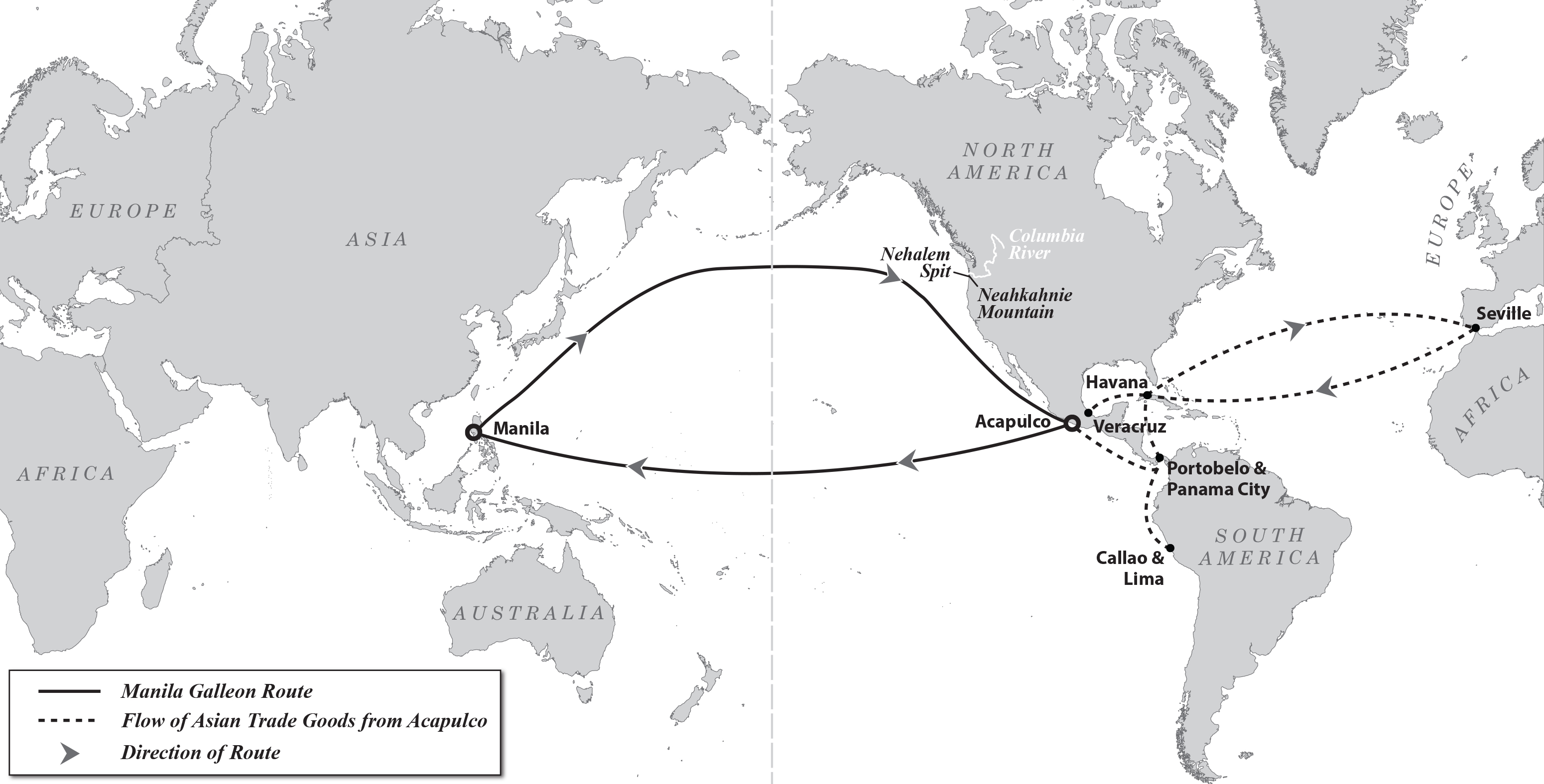
    In recent years, scholars studying how Indigenous communities responded to colonialism and global trade networks have begun to look more closely at the Pacific world. One key focus is the Manila-Acapulco galleon trade route, which linked Asia and the Americas for 250 years, from 1565 to 1815.

    The Manila-Acapulco galleon trade route.
    Jesse Nett/Oregon Encylopedia

    After Spain colonized the Philippines in 1565, Spanish galleons – towering, multidecked sailing ships – carried Chinese silk and Mexican silver across the ocean. But far more than goods traveled aboard those ships. They moved people, ideas and technologies.

    Among them was the craft of distillation.

    This overlooked connection may help explain how distilled agave spirits such as tequila came into being. While tequila is unmistakably a Mexican creation, the techniques used to produce it may owe something to Filipino sailors, who brought with them deep knowledge of transforming coconut sap into a potent spirit known as lambanog.

    3 competing theories

    For centuries, the rise of tequila has been credited to the Spanish. After the conquest of Mexico in the 16th century, colonizers introduced alembic stills, which are based on Moorish and Arabic technology. Unlike simple boiling, distillation requires managing heat and capturing purified vapor. These stills represented a major technological leap, allowing people to transform fermented drinks into distilled spirits.

    Agave, long used to make the fermented drink pulque, soon became the base for something new: tequila and mezcal.

    Colonial records, including the “Relaciones Geográficas,” a massive data-gathering project initiated by the Spanish Crown in the late 16th century, describe local Mesoamerican communities learning distillation from Spanish settlers. This version is well documented. But it assumes that technology moved in only one direction, from Europe to the Americas.

    A second idea suggests that Mesoamerican communities already had some understanding of vapor condensation. Archaeologists have found ceramic vessels in western Mexico that may have been used to capture steam. While distillation requires additional steps, this prior knowledge may have primed Indigenous groups to more readily adopt new techniques.

    As Mexican ethnobotanists Patricia Colunga-GarcíaMarín and Daniel Zizumbo-Villarreal have argued, “The adoption of distillation was likely not simply imposed, but creatively adapted to local knowledge systems.”

    A third perspective, which other researchers and I are exploring, traces a potential Filipino influence. The galleon trade brought thousands of Filipino sailors and laborers to Mexico, particularly along the Pacific coast. In places such as Guerrero, Colima and Jalisco, Filipino migrants introduced methods for fermenting and distilling coconut sap into lambanog, the coconut-based spirit.

    The stills they used, sometimes called Mongolian stills, were built with clay and bamboo and included a condensation bowl. Historian Pablo Guzman-Rivas has noted that these stills more closely resemble the earliest Mexican agave distillation setups than European alembics. He has also documented oral traditions in some coastal Mexican communities to link local distillation practices to their Filipino ancestors.

    The still on the left in Jalisco, Mexico, has similarities to the lambanog on the right from Infanta, Quezon, Philippines.
    Photo on left courtesy of Patricia Colunga-GarcíaMarín and Daniel Zizumbo-Villarreal; photo on right courtesy of Sherry Ann Angeles and Rading Coronacion, CC BY-SA

    Beyond the bottle

    Filipino influence extends beyond the distilling pot.

    In Colima and other Pacific port towns, traces of the Manila galleon trade ripple through daily life – in kitchens, cantinas and even in architecture. The word “palapa,” used in Mexico and Central America today to describe rustic thatched roofs, is exactly the same as the term for coconut fronds that’s primarily used in the Bicol Region of the Philippines.

    Filipino migrants in Mexico also shared knowledge of boatbuilding, fermentation and food preservation. Coconut vinegar, fish sauce and palm sugar-based condiments became part of Mexican cuisine. One of the most enduring legacies is tuba, the fermented coconut sap still popular in coastal areas of the Mexican state of Guerrero, where Filipino sailors once settled. Known locally by the same name, tuba is sold in markets and along roadsides, often enjoyed as a refreshing drink or as a cooking ingredient.

    A replica of a galleon, the Spanish trading ship that traversed the world’s oceans from the 16th century to the 18th century.
    Dennis Jarvis/flickr, CC BY-SA

    Exchange moved both ways. Filipino vessels carried corn, peanuts, sweet potatoes and cacao back across the Pacific, reshaping food in the Philippines. These exchanges took place under the shadow of colonialism and forced labor, but their legacies endure in language, in taste and even in the roofs over people’s heads.

    Technical knowledge rarely travels through official channels alone. It moves with cooks in ship galleys, with carpenters below deck, with laborers who desert ships to settle in unfamiliar ports. Sometimes it was a way to build a roof or preserve a flavor. Other times, it was a method for turning a fermented plant into a spirit that could keep for long voyages. And by the early 1600s, new types of distilled agave spirits were being made in Mexico.

    Tequila is unmistakably a product of Mexico. But it is also a product of movement. Whether Filipino migrants directly introduced distillation methods or whether they emerged from a mix of Indigenous experimentation and European tools, every time you sip tequila, you’re tasting an echo of those long ocean crossings from many centuries ago.

    Stephen Acabado receives funding from the Henry Luce Foundation and the National Science Foundation.

    ref. Filipino sailors dock in Mexico … and help invent tequila? – https://theconversation.com/filipino-sailors-dock-in-mexico-and-help-invent-tequila-258166

    MIL OSI

  • MIL-OSI USA: Foreign National Sentenced for Conspiring to Export U.S.-Made Drill Rigs to Iran in Violation of U.S. Sanctions Laws

    Source: US Justice – Antitrust Division

    Headline: Foreign National Sentenced for Conspiring to Export U.S.-Made Drill Rigs to Iran in Violation of U.S. Sanctions Laws

    Brian Assi, also known as Brahim Assi, 63, of Beirut, Lebanon, was sentenced to 44 months in prison for conspiring to violate the International Emergency Economic Powers Act (IEEPA) and the Iranian Transactions and Sanctions Regulations (ITSR), attempted unlawful export of goods from the United States to Iran without a license, attempted smuggling goods from the United States, submitting false or misleading export information, and conspiracy to commit money laundering. 

    MIL OSI USA News

  • MIL-OSI USA: From Sideline to Lifeline: Advancing Emergency Skills in Athletic Training Education

    Source: US State of Connecticut

    Athletic trainers play a key role in keeping athletes safe by providing care, including injury and illness prevention, rehabilitation, and emergency care in cases of catastrophic injury.

    Last year, the National Athletic Trainers’ Association (NATA) updated guidance on writing and adopting an Emergency Action Plan (EAP), a document indicating the preparations for and response to any type of catastrophic injury. An EAP is used to help ensure a comprehensive approach to athlete care in any serious illness or injury situation for health care team members and other stakeholders in a prehospital setting. It also accounts for the care of others involved with sports – from coaches and referees to spectators at events.

    To help athletic trainers discuss acute emergency injuries and revise their emergency action plans according to the latest evidence-based science, the UConn Institute for Sports Medicine (ISM) held a day-long workshop in Hartford at UConn’s space in the PeoplesBank Arena, formerly the XL Center, for Connecticut athletic trainers.

    “UConn ISM is committed to the health, performance, and longevity of athletes,” says Laurie Devaney, head of the Department of Kinesiology and co-director of UConn ISM. “We do that by applying our research and medical knowledge to protect athletes of any age and skill level from injury and illness. This includes life-threatening emergencies as they may occur at any time and place.”

    Faculty from UConn Health and the UConn Department of Kinesiology in the College of Agriculture, Health and Natural Resources (CAHNR) spoke on a variety of topics during morning sessions related to athlete safety, including care for concussions and loss of consciousness, orthopedics, and airway management considerations.

    “The goal of our workshop was to include a variety of emergency topics relevant to Athletic Trainers, which was complemented by engaging hands-on activities,” says Lauren Sheldon, assistant professor in residence and director of clinical outreach, community engagement, and injury prevention for the UConn Institute for Sports Medicine.

    The afternoon sessions featured rotating workshops that included hands-on demonstrations and a simulation of a medical emergency, giving athletic trainers practical advice and an opportunity to enhance their skills. It concluded with preceptor training to enhance mentoring and teaching skills to the next generation of athletic trainers.

    One athletic trainer who attended the training commented that the workshop “Exceeded my expectations. I love the new location.” Another noted the workshop was “really a blessing for a local AT.”

    “Connecting athletic trainers and the ability to collaborate with stakeholders on their individualized EAPs will improve overall response and decrease errors during an emergency when quick and comprehensive response is crucial,” says Devaney. “We’re proud to be able to offer workshops like these to improve the health and safety of athletes around the state.”

    This work relates to CAHNR’s Strategic Vision area focused on Enhancing Health and Well-Being Locally, Nationally, and Globally.

    Follow UConn CAHNR on social media

    MIL OSI USA News

  • MIL-OSI: Heliostar Metals to Present at the Metals & Mining Virtual Investor Conference July 24

    Source: GlobeNewswire (MIL-OSI)

    VANCOUVER, British Columbia, July 21, 2025 (GLOBE NEWSWIRE) — Heliostar Metals (TSX.V: HSTR, OTCQX: HSTXF, FRA: RGG1) (“Heliostar” or the “Company”) is pleased to announce that it is participating in the Metals & Mining Virtual Investor Conference hosted by VirtualInvestorConferences.com on July 24, 2025. Vice President Investor Relations & Development Stephen Soock will present live to share how the Company’s combination of immediate cash flow, meaningful exploration upside, and high-grade resource development set the stage for it to become the next mid-tier gold producer.

    DATE: July 24
    TIME: 11:00am EDT
    LINK: REGISTER HERE
    Available for 1×1 meetings: July 24, 28 and 29

    This will be a live, interactive online event where investors are invited to ask the company
    questions in real-time. If attendees are not able to join the event live on the day of the
    conference, an archived webcast will also be made available after the event.

    It is recommended that online investors pre-register and run the online system check to expedite participation and receive event updates.  

    Learn more about the event at www.virtualinvestorconferences.com.

    Recent Company Highlights

    • First quarter production of 9,082 gold equivalent ounces at an all-in sustaining cost of $1,375-$1,475/GEO
    • Strong balance sheet with US$27M in cash as of March 31
    • Successful extension mineralization at the Creston pit including 56.6m of 2.88 g/t gold
    • High grade drill results from the historic Truckshop stockpile at its operating La Colorada mine including 10.7m of 1.81 g/t gold from surface

    About Heliostar Metals Ltd.

    Heliostar is a gold mining and development company with a goal of growing to mid-tier producer status by the end of the decade. The company currently has two producing mines in Mexico – the La Colorada Mine and San Agustin Mine open pit heap leach operations. Heliostar plans to leverage the cash generated by these operations to fund development of its flagship Ana Paula underground project. Ana Paula is a rare combination of bulk tonnage and high grade, with a construction start targeted for 2H 2026 to add 100,000oz/yr to Heliostar’s production profile. The company also has a pipeline of other advanced development assets and exploration opportunities across its portfolio to continue to drive growth.

    About Virtual Investor Conferences®
    Virtual Investor Conferences (VIC) is the leading proprietary investor conference series that provides an interactive forum for publicly traded companies to seamlessly present directly to investors.

    Providing a real-time investor engagement solution, VIC is specifically designed to offer companies more efficient investor access. Replicating the components of an on-site investor conference, VIC offers companies enhanced capabilities to connect with investors, schedule targeted one-on-one meetings and enhance their presentations with dynamic video content. Accelerating the next level of investor engagement, Virtual Investor Conferences delivers leading investor communications to a global network of retail and institutional investors.

    CONTACTS:

    Heliostar Metals Limited
    Rob Grey
    Investor Relations Manager
    (844) 753-0045
    rob.grey@heliostarmetals.com

    Virtual Investor Conferences
    John M. Viglotti
    SVP Corporate Services, Investor Access
    OTC Markets Group
    (212) 220-2221
    johnv@otcmarkets.com

    The MIL Network

  • MIL-OSI: Heliostar Metals to Present at the Metals & Mining Virtual Investor Conference July 24

    Source: GlobeNewswire (MIL-OSI)

    VANCOUVER, British Columbia, July 21, 2025 (GLOBE NEWSWIRE) — Heliostar Metals (TSX.V: HSTR, OTCQX: HSTXF, FRA: RGG1) (“Heliostar” or the “Company”) is pleased to announce that it is participating in the Metals & Mining Virtual Investor Conference hosted by VirtualInvestorConferences.com on July 24, 2025. Vice President Investor Relations & Development Stephen Soock will present live to share how the Company’s combination of immediate cash flow, meaningful exploration upside, and high-grade resource development set the stage for it to become the next mid-tier gold producer.

    DATE: July 24
    TIME: 11:00am EDT
    LINK: REGISTER HERE
    Available for 1×1 meetings: July 24, 28 and 29

    This will be a live, interactive online event where investors are invited to ask the company
    questions in real-time. If attendees are not able to join the event live on the day of the
    conference, an archived webcast will also be made available after the event.

    It is recommended that online investors pre-register and run the online system check to expedite participation and receive event updates.  

    Learn more about the event at www.virtualinvestorconferences.com.

    Recent Company Highlights

    • First quarter production of 9,082 gold equivalent ounces at an all-in sustaining cost of $1,375-$1,475/GEO
    • Strong balance sheet with US$27M in cash as of March 31
    • Successful extension mineralization at the Creston pit including 56.6m of 2.88 g/t gold
    • High grade drill results from the historic Truckshop stockpile at its operating La Colorada mine including 10.7m of 1.81 g/t gold from surface

    About Heliostar Metals Ltd.

    Heliostar is a gold mining and development company with a goal of growing to mid-tier producer status by the end of the decade. The company currently has two producing mines in Mexico – the La Colorada Mine and San Agustin Mine open pit heap leach operations. Heliostar plans to leverage the cash generated by these operations to fund development of its flagship Ana Paula underground project. Ana Paula is a rare combination of bulk tonnage and high grade, with a construction start targeted for 2H 2026 to add 100,000oz/yr to Heliostar’s production profile. The company also has a pipeline of other advanced development assets and exploration opportunities across its portfolio to continue to drive growth.

    About Virtual Investor Conferences®
    Virtual Investor Conferences (VIC) is the leading proprietary investor conference series that provides an interactive forum for publicly traded companies to seamlessly present directly to investors.

    Providing a real-time investor engagement solution, VIC is specifically designed to offer companies more efficient investor access. Replicating the components of an on-site investor conference, VIC offers companies enhanced capabilities to connect with investors, schedule targeted one-on-one meetings and enhance their presentations with dynamic video content. Accelerating the next level of investor engagement, Virtual Investor Conferences delivers leading investor communications to a global network of retail and institutional investors.

    CONTACTS:

    Heliostar Metals Limited
    Rob Grey
    Investor Relations Manager
    (844) 753-0045
    rob.grey@heliostarmetals.com

    Virtual Investor Conferences
    John M. Viglotti
    SVP Corporate Services, Investor Access
    OTC Markets Group
    (212) 220-2221
    johnv@otcmarkets.com

    The MIL Network

  • MIL-OSI: Heliostar Metals to Present at the Metals & Mining Virtual Investor Conference July 24

    Source: GlobeNewswire (MIL-OSI)

    VANCOUVER, British Columbia, July 21, 2025 (GLOBE NEWSWIRE) — Heliostar Metals (TSX.V: HSTR, OTCQX: HSTXF, FRA: RGG1) (“Heliostar” or the “Company”) is pleased to announce that it is participating in the Metals & Mining Virtual Investor Conference hosted by VirtualInvestorConferences.com on July 24, 2025. Vice President Investor Relations & Development Stephen Soock will present live to share how the Company’s combination of immediate cash flow, meaningful exploration upside, and high-grade resource development set the stage for it to become the next mid-tier gold producer.

    DATE: July 24
    TIME: 11:00am EDT
    LINK: REGISTER HERE
    Available for 1×1 meetings: July 24, 28 and 29

    This will be a live, interactive online event where investors are invited to ask the company
    questions in real-time. If attendees are not able to join the event live on the day of the
    conference, an archived webcast will also be made available after the event.

    It is recommended that online investors pre-register and run the online system check to expedite participation and receive event updates.  

    Learn more about the event at www.virtualinvestorconferences.com.

    Recent Company Highlights

    • First quarter production of 9,082 gold equivalent ounces at an all-in sustaining cost of $1,375-$1,475/GEO
    • Strong balance sheet with US$27M in cash as of March 31
    • Successful extension mineralization at the Creston pit including 56.6m of 2.88 g/t gold
    • High grade drill results from the historic Truckshop stockpile at its operating La Colorada mine including 10.7m of 1.81 g/t gold from surface

    About Heliostar Metals Ltd.

    Heliostar is a gold mining and development company with a goal of growing to mid-tier producer status by the end of the decade. The company currently has two producing mines in Mexico – the La Colorada Mine and San Agustin Mine open pit heap leach operations. Heliostar plans to leverage the cash generated by these operations to fund development of its flagship Ana Paula underground project. Ana Paula is a rare combination of bulk tonnage and high grade, with a construction start targeted for 2H 2026 to add 100,000oz/yr to Heliostar’s production profile. The company also has a pipeline of other advanced development assets and exploration opportunities across its portfolio to continue to drive growth.

    About Virtual Investor Conferences®
    Virtual Investor Conferences (VIC) is the leading proprietary investor conference series that provides an interactive forum for publicly traded companies to seamlessly present directly to investors.

    Providing a real-time investor engagement solution, VIC is specifically designed to offer companies more efficient investor access. Replicating the components of an on-site investor conference, VIC offers companies enhanced capabilities to connect with investors, schedule targeted one-on-one meetings and enhance their presentations with dynamic video content. Accelerating the next level of investor engagement, Virtual Investor Conferences delivers leading investor communications to a global network of retail and institutional investors.

    CONTACTS:

    Heliostar Metals Limited
    Rob Grey
    Investor Relations Manager
    (844) 753-0045
    rob.grey@heliostarmetals.com

    Virtual Investor Conferences
    John M. Viglotti
    SVP Corporate Services, Investor Access
    OTC Markets Group
    (212) 220-2221
    johnv@otcmarkets.com

    The MIL Network

  • MIL-OSI: Heliostar Metals to Present at the Metals & Mining Virtual Investor Conference July 24

    Source: GlobeNewswire (MIL-OSI)

    VANCOUVER, British Columbia, July 21, 2025 (GLOBE NEWSWIRE) — Heliostar Metals (TSX.V: HSTR, OTCQX: HSTXF, FRA: RGG1) (“Heliostar” or the “Company”) is pleased to announce that it is participating in the Metals & Mining Virtual Investor Conference hosted by VirtualInvestorConferences.com on July 24, 2025. Vice President Investor Relations & Development Stephen Soock will present live to share how the Company’s combination of immediate cash flow, meaningful exploration upside, and high-grade resource development set the stage for it to become the next mid-tier gold producer.

    DATE: July 24
    TIME: 11:00am EDT
    LINK: REGISTER HERE
    Available for 1×1 meetings: July 24, 28 and 29

    This will be a live, interactive online event where investors are invited to ask the company
    questions in real-time. If attendees are not able to join the event live on the day of the
    conference, an archived webcast will also be made available after the event.

    It is recommended that online investors pre-register and run the online system check to expedite participation and receive event updates.  

    Learn more about the event at www.virtualinvestorconferences.com.

    Recent Company Highlights

    • First quarter production of 9,082 gold equivalent ounces at an all-in sustaining cost of $1,375-$1,475/GEO
    • Strong balance sheet with US$27M in cash as of March 31
    • Successful extension mineralization at the Creston pit including 56.6m of 2.88 g/t gold
    • High grade drill results from the historic Truckshop stockpile at its operating La Colorada mine including 10.7m of 1.81 g/t gold from surface

    About Heliostar Metals Ltd.

    Heliostar is a gold mining and development company with a goal of growing to mid-tier producer status by the end of the decade. The company currently has two producing mines in Mexico – the La Colorada Mine and San Agustin Mine open pit heap leach operations. Heliostar plans to leverage the cash generated by these operations to fund development of its flagship Ana Paula underground project. Ana Paula is a rare combination of bulk tonnage and high grade, with a construction start targeted for 2H 2026 to add 100,000oz/yr to Heliostar’s production profile. The company also has a pipeline of other advanced development assets and exploration opportunities across its portfolio to continue to drive growth.

    About Virtual Investor Conferences®
    Virtual Investor Conferences (VIC) is the leading proprietary investor conference series that provides an interactive forum for publicly traded companies to seamlessly present directly to investors.

    Providing a real-time investor engagement solution, VIC is specifically designed to offer companies more efficient investor access. Replicating the components of an on-site investor conference, VIC offers companies enhanced capabilities to connect with investors, schedule targeted one-on-one meetings and enhance their presentations with dynamic video content. Accelerating the next level of investor engagement, Virtual Investor Conferences delivers leading investor communications to a global network of retail and institutional investors.

    CONTACTS:

    Heliostar Metals Limited
    Rob Grey
    Investor Relations Manager
    (844) 753-0045
    rob.grey@heliostarmetals.com

    Virtual Investor Conferences
    John M. Viglotti
    SVP Corporate Services, Investor Access
    OTC Markets Group
    (212) 220-2221
    johnv@otcmarkets.com

    The MIL Network

  • MIL-OSI Submissions: Congo and critical minerals: What are the costs of America’s peace?

    Source: The Conversation – Canada – By Evelyn Namakula Mayanja, Assistant Professor, Interdisciplinary Studies, Carleton University

    In March 2025, President Félix Tshisekedi of the Democratic Republic of Congo (DRC) offered the country’s critical mineral reserves to the United States and Europe in exchange for security and stability.

    At the time, the March 23 (M23) militia insurgency was unleashing violence: killing civilians, committing sexual violence, displacing communities and looting mineral resources. Since 1996, eastern Congo has been engulfed in wars and armed conflicts driven by regional powers and more than 120 armed groups.

    The U.S.-brokered peace agreement between Rwanda and the DRC raises critical questions: Is this a genuine path to sustainable peace, or a continuation of U.S. President Donald Trump’s strategy to secure access to critical minerals through coercive diplomacy?


    Read more:
    4 things every peace agreement needs – and how the DRC-Rwanda deal measures up


    Global arms race for critical minerals

    The global shift toward renewable energy, digital infrastructure and military modernization has sparked a geopolitical scramble for critical and rare earth minerals.

    In early 2025, Trump signed a series of executive orders that introduced aggressive and imperial-style tactics to secure access to mineral wealth. He threatened Canada with annexation and tariffs, demanded access to Greenland’s resources and linked U.S. support for Ukraine to access to its mineral reserves.

    The DRC’s offer must be viewed through this lens of global resource competition.

    Congo’s critical mineral wealth

    The DRC holds some of the world’s richest deposits of critical minerals and metals. A 2012 article estimated the value of Congo’s untapped mineral wealth at US$24 trillion, a figure nearing the U.S. first-quarter 2025 GDP of $29.962 trillion.

    The DRC produces 70 per cent of the world’s cobalt, ranks fourth in copper, sixth in industrial diamonds and also possesses vast reserves of nickel and lithium, including the Manono deposit expected to yield 95,170 tonnes of crude lithium.

    But the struggle to control these resources has fuelled a cycle of armed violence, displacement and exploitation. Despite several peace agreements, peace and stability remain elusive.

    America’s interests in Congo

    U.S. involvement in Congo stretches back to the Cold War, when it played a role in the 1961 assassination of Patrice Lumumba, Congo’s first elected prime minister who sought economic sovereignty.

    In 1996, the U.S. was accused of backing Rwanda and Uganda in the initial invasion of eastern Congo. A U.S. diplomat, “Mr. Hankins,” was quoted in Goma saying: “I am here …to represent American interests.”

    In 2024, President Joe Biden met Tshisekedi to advance the Lobito Corridor, a strategic trade route to counter China’s dominance in the region. Chinese companies currently control around 80 per cent of Congo’s copper market.

    When Trump signed the 2025 peace agreement, he openly stated the U.S. would gain “a lot of mineral rights … foreign trade and investment from the regional critical mineral supply chains.”

    U.S.-brokered peace deal

    The deal, however, prioritizes America’s access to minerals over the well-being of Congolese citizens. Historically, Congo’s mineral wealth has enriched elites and foreign powers while leaving its people impoverished and vulnerable. The new agreement could entrench existing inequalities and inflame tensions further.

    The U.S. has also cut off aid for war survivors, including emergency medical kits and antiretrovirals for rape victims, undermining humanitarian efforts.

    Crucially, the agreement overlooks:

    • The root causes and drivers of conflict at national, regional and international levels.

    • The role of Rwanda and Uganda, whose militaries and intelligence services have long been implicated in supporting groups like M23. Gen. Muhoozi Kainerugaba, son of Ugandan President Yoweri Museveni, has referred to M23 as “our brothers” and threatened military action in Congo.

    • The voices of Congolese civil society, war survivors and the public, who were excluded from the negotiation process.

    • State fragility and institutional collapse — major enablers of protracted violence.

    • The grievances of Hutu and Tutsi communities in the DRC, deeply rooted in colonial and regional politics.

    • The presence of more than 120 armed groups, many of them proxies for foreign powers engaging in what some scholars call “geocriminality.”

    Between January and February 2025 alone, more than 7,000 people were killed in the DRC. The United Nations and several human rights organizations have documented mass atrocities, including crimes of genocidal magnitude.

    A path toward real peace

    The peace agreement fails to demand justice for crimes committed against the Congolese people. Nobel Peace laureate Denis Mukwege condemned the deal for “rewarding aggression, legitimizing the plundering of Congo’s natural resources, and sacrificing justice for a fragile peace.”

    It also ignores the roles of international mining corporations and external entities that have long profited from Congo’s instability.

    True and lasting peace in the DRC cannot be imposed from the outside. U.S.-led mineral extraction without justice risks deepening the crisis. Since 1999, UN peacekeepers have been deployed in the Congo , yet violence continues.

    Sustainable peace will require:

    • An end to impunity;

    • Thorough investigations into war crimes;

    • Regional truth-telling processes;

    • Justice and reparations for victims;

    • And most importantly, inclusion of Congolese voices in shaping their future.

    Without these commitments, the U.S. risks replicating a long history of exploitation, trading in minerals while ignoring the human cost.

    Evelyn Namakula Mayanja receives funding from Social Sciences and Humanities Research Council and from Carleton University

    ref. Congo and critical minerals: What are the costs of America’s peace? – https://theconversation.com/congo-and-critical-minerals-what-are-the-costs-of-americas-peace-260567

    MIL OSI

  • MIL-OSI NGOs: IAEA Applied Safeguards for 190 States – IAEA Report

    Source: International Atomic Energy Agency (IAEA) –

    Of the 190 States where the IAEA applied safeguards during 2024, 182 had CSAs in force, of which 137 also had APs in force. Of these 137 States, the IAEA concluded that “all nuclear material remained in peaceful activities” for 75 States. The IAEA drew this conclusion, also known as the ‘broader conclusion’, for the first time for Morocco. For 61 States, the IAEA was only able to conclude that declared nuclear material remained in peaceful activities as evaluations regarding the absence of undeclared nuclear material and activities remained ongoing.

    For 31 States with a CSA but no AP in force, the IAEA was able to conclude that declared nuclear material remained in peaceful activities.

    As of the end of 2024, three non-nuclear-weapon States party to the Treaty on the Non-Proliferation of Nuclear Weapons (NPT) had yet to bring CSAs into force pursuant to Article III of the Treaty. For these States, the IAEA could not draw any safeguards conclusions.

    For the three States in which the IAEA implemented safeguards pursuant to item-specific safeguards agreements (India, Israel and Pakistan), the IAEA concluded that “nuclear material, facilities or other items to which safeguards had been applied remained in peaceful activities”.

    Safeguards were also implemented in the five nuclear-weapon States party to the NPT under their respective voluntary offer agreements. For these five States (China, France, the Russian Federation, the United Kingdom and the United States of America), the IAEA concluded that “nuclear material in selected facilities to which safeguards had been applied remained in peaceful activities or had been withdrawn from safeguards as provided for in the agreements.”

    MIL OSI NGO

  • MIL-OSI Russia: Israel Attacks Houthi Military Facilities in Yemen’s Hodeida Port – IDF

    Translation. Region: Russian Federal

    Source: People’s Republic of China in Russian – People’s Republic of China in Russian –

    An important disclaimer is at the bottom of this article.

    Source: People’s Republic of China – State Council News

    JERUSALEM/SANA, July 21 (Xinhua) — Israel has attacked Houthi military targets in the port of Hodeida in northwestern Yemen, the Israel Defense Forces (IDF) said on Monday.

    The Israeli Air Force reportedly struck military targets, including engineering equipment, fuel containers and ships used in military operations against Israel, as well as ships in port waters.

    According to the IDF, the port of Hodeida was used to transport weapons provided by the Iranian government.

    Earlier in the day, the Houthi-controlled Al-Masirah TV channel reported that Israel had launched a series of airstrikes on the Yemeni port of Hodeida. –0–

    Please note: This information is raw content obtained directly from the source of the information. It is an accurate report of what the source claims and does not necessarily reflect the position of MIL-OSI or its clients.

    .

    MIL OSI Russia News

  • MIL-OSI: TidyCoin Launches to Turn Crypto Clutter Into Deflationary Gold With a First-of-Its-Kind Burn Ecosystem

    Source: GlobeNewswire (MIL-OSI)

    GEORGE TOWN, Cayman Islands, July 21, 2025 (GLOBE NEWSWIRE) — TidyCoin (keep scrolling for the $TIDY contract address), an innovative new entrant in the crypto space, has officially launched with a mission to clean up the digital chaos cluttering user wallets — and turn it into something valuable. The project rewards users who send in their worthless memecoins and abandoned tokens, giving them $TIDY in return — a token engineered to grow more scarce and more valuable over time.

    With the rise of speculative noise and rug-pull fatigue, TidyCoin taps into something deeper: the urge to simplify, to refocus, to tidy up. And it doesn’t stop there. At the heart of the TidyCoin ecosystem is a hyper-casual game where players battle against AI and each other to trigger real token burns — a play-to-burn mechanic that accelerates deflation every time the community plays.

    Early adopters can also stake $TIDY to unlock additional in-game benefits and future earning potential. Meanwhile, the team is laying the groundwork for future revenue streams that will fuel aggressive buyback and burn programs, compounding the token’s scarcity.

    Backed by a 25% airdrop allocation, a strategic partnership with Jungl (https://jungl.world/) — an AI-powered ecosystem for game creation, tokenization, and community growth — and a multi-chain rollout via a unified liquidity pool on PAW Chain (https://www.pawchain.net/), TidyCoin is engineered for rapid scale and unstoppable reach.

    “TidyCoin isn’t just a token — it’s a movement,” said a TidyCoin spokesperson. “We’re building the cleanest, leanest, most deflationary ecosystem crypto has ever seen. We’re not here to ride a trend — we’re here to set it.”

    With ongoing Twitter Spaces, biweekly contests, and multi-chain activations, TidyCoin is steadily building a culture around simplicity, value, and long-term thinking — one cleaned-up wallet at a time.

    _____

    About TidyCoin
    TidyCoin is a deflationary crypto project that rewards users for sending worthless tokens to the TIDY Vault. It offers staking perks, a play-to-burn game, and a future roadmap focused on utility-based revenue streams and buyback burns. TidyCoin is building a global brand around productivity, decluttering, smarter spending, and lasting value in crypto.

    Contact:
    Mepusica
    Contac@tiddycoin.xyz

    Disclaimer: This content is provided by TidyCoin. The statements, views, and opinions expressed in this content are solely those of the content provider and do not necessarily reflect the views of this media platform or its publisher. We do not endorse, verify, or guarantee the accuracy, completeness, or reliability of any information presented. We do not guarantee any claims, statements, or promises made in this article. This content is for informational purposes only and should not be considered financial, investment, or trading advice.Investing in crypto and mining-related opportunities involves significant risks, including the potential loss of capital. It is possible to lose all your capital. These products may not be suitable for everyone, and you should ensure that you understand the risks involved. Seek independent advice if necessary. Speculate only with funds that you can afford to lose. Readers are strongly encouraged to conduct their own research and consult with a qualified financial advisor before making any investment decisions.Neither the media platform nor the publisher shall be held responsible for any fraudulent activities, misrepresentations, or financial losses arising from the content of this press release. In the event of any legal claims or charges against this article, we accept no liability or responsibility. Globenewswire does not endorse any content on this page.

    Legal Disclaimer: This media platform provides the content of this article on an “as-is” basis, without any warranties or representations of any kind, express or implied. We assume no responsibility for any inaccuracies, errors, or omissions. We do not assume any responsibility or liability for the accuracy, content, images, videos, licenses, completeness, legality, or reliability of the information presented herein. Any concerns, complaints, or copyright issues related to this article should be directed to the content provider mentioned above.

    Photos accompanying this announcement are available at:
    https://www.globenewswire.com/NewsRoom/AttachmentNg/914b3729-f875-4b69-bd69-de4d26bbd93c
    https://www.globenewswire.com/NewsRoom/AttachmentNg/bc84a316-d5f0-4ade-9eb2-8bf2ad6cbb65
    https://www.globenewswire.com/NewsRoom/AttachmentNg/00a63afb-d98f-4a90-8d64-2905dbc6d4cc

    The MIL Network

  • MIL-OSI: XRP price rises, CJB Crypto one-day mining contract becomes more popular

    Source: GlobeNewswire (MIL-OSI)

    London, UK, July 21, 2025 (GLOBE NEWSWIRE) — With the rising prices of mainstream cryptocurrencies such as XRP, ETH and BTC, CJB Crypto has attracted more and more users. In order to meet the needs of users to obtain passive income from digital assets such as Ripple (XRP), Bitcoin, Dogecoin, Ethereum, etc., the platform innovatively launched the mobile-first “One-Day Mining Contract”. The service relies on cloud facilities deployed in global data centers for mining, and users can get returns within 24 hours.

    Founded in London in November 2016, CJB Crypto is a leading global registered cryptocurrency cloud mining service provider. The platform has invested in and built more than 100 large mining farms and data centers in Canada, Kazakhstan, the United States, Russia and other countries. Its business covers 175 countries and regions around the world, and has served more than 7.5 million users in total.

    Start your CJB Crypto mining journey

    Easy registration: New users can enjoy a $10 reward upon registration, and can also get $0.6 for daily check-in.

    Choose a contract: After successful registration, choose a suitable mining contract based on your investment goals and budget. The platform provides a variety of contract plans, which can be easily participated by both novice and experienced users.

    Referral Bonus (Affiliate Program):

    Recommend friends to join, and you have the opportunity to win up to $20,000 in extra income every month.

    After your friend successfully registers and completes the first mining contract, you can immediately receive a 3% reward of their contract amount (for example: if your friend buys a $10,000 contract, you get $300).

    Cumulatively invite a certain number of active users, and you will have the opportunity to receive a one-time fixed bonus of up to $50,000.

    Unlimited income potential! The invitation mechanism is transparent and traceable, truly realizing “zero investment, home income generation”.

    Rich contracts, adapt to diverse needs
    After selecting and activating the contract, the system will automatically handle the subsequent mining process. CJB Crypto uses advanced technology to ensure efficient mining and help you maximize your potential income.

    Example contract returns (average daily):

    $10 contract (period: 1 day): $0.60

    $100 contract (period: 2 days): $3.50

    $500 contract (period: 5 days): $6.25

    $1,000 contract (period: 10 days): $13.00

    $5,000 contract (period: 30 days): $75.00

    Click to explore more contract options.

    Flexible settlement, support for multiple cryptocurrencies
    Mining income is settled in USDT by default. But you can freely choose to exchange the income for mainstream digital assets such as XRP, Solana, ETH or BTC. Asset allocation, control at will.

    Reasons why CJB Crypto is popular
    Since its launch, the platform has gathered more than 7.5 million users worldwide, and its core advantages of “zero threshold, security, convenience and efficiency” have been widely recognized. A 70-year-old American user shared: “Through sign-in and invitation rewards, I can steadily increase my income by thousands of dollars every month. The platform’s smart mining really helps me achieve my passive income goal.” This is exactly the original intention of CJB Crypto to open smart mining services-to allow everyone to easily participate, share the growth dividends of digital assets, and experience the fun of multiple feedback.

    About CJB Crypto
    As the world’s leading compliant cloud mining platform, CJB Crypto is committed to serving mass investors, not just technical experts, with high-quality applications, green and environmentally friendly global cloud infrastructure and perfect support. The platform adheres to the principle of “user first, safety and efficiency, and controllable risks”, lowers the threshold for industry participation through technological innovation, and promotes the development of inclusive finance.

    For more details and how to participate: https://cjb.top/

    The MIL Network

  • MIL-OSI: XRP price rises, CJB Crypto one-day mining contract becomes more popular

    Source: GlobeNewswire (MIL-OSI)

    London, UK, July 21, 2025 (GLOBE NEWSWIRE) — With the rising prices of mainstream cryptocurrencies such as XRP, ETH and BTC, CJB Crypto has attracted more and more users. In order to meet the needs of users to obtain passive income from digital assets such as Ripple (XRP), Bitcoin, Dogecoin, Ethereum, etc., the platform innovatively launched the mobile-first “One-Day Mining Contract”. The service relies on cloud facilities deployed in global data centers for mining, and users can get returns within 24 hours.

    Founded in London in November 2016, CJB Crypto is a leading global registered cryptocurrency cloud mining service provider. The platform has invested in and built more than 100 large mining farms and data centers in Canada, Kazakhstan, the United States, Russia and other countries. Its business covers 175 countries and regions around the world, and has served more than 7.5 million users in total.

    Start your CJB Crypto mining journey

    Easy registration: New users can enjoy a $10 reward upon registration, and can also get $0.6 for daily check-in.

    Choose a contract: After successful registration, choose a suitable mining contract based on your investment goals and budget. The platform provides a variety of contract plans, which can be easily participated by both novice and experienced users.

    Referral Bonus (Affiliate Program):

    Recommend friends to join, and you have the opportunity to win up to $20,000 in extra income every month.

    After your friend successfully registers and completes the first mining contract, you can immediately receive a 3% reward of their contract amount (for example: if your friend buys a $10,000 contract, you get $300).

    Cumulatively invite a certain number of active users, and you will have the opportunity to receive a one-time fixed bonus of up to $50,000.

    Unlimited income potential! The invitation mechanism is transparent and traceable, truly realizing “zero investment, home income generation”.

    Rich contracts, adapt to diverse needs
    After selecting and activating the contract, the system will automatically handle the subsequent mining process. CJB Crypto uses advanced technology to ensure efficient mining and help you maximize your potential income.

    Example contract returns (average daily):

    $10 contract (period: 1 day): $0.60

    $100 contract (period: 2 days): $3.50

    $500 contract (period: 5 days): $6.25

    $1,000 contract (period: 10 days): $13.00

    $5,000 contract (period: 30 days): $75.00

    Click to explore more contract options.

    Flexible settlement, support for multiple cryptocurrencies
    Mining income is settled in USDT by default. But you can freely choose to exchange the income for mainstream digital assets such as XRP, Solana, ETH or BTC. Asset allocation, control at will.

    Reasons why CJB Crypto is popular
    Since its launch, the platform has gathered more than 7.5 million users worldwide, and its core advantages of “zero threshold, security, convenience and efficiency” have been widely recognized. A 70-year-old American user shared: “Through sign-in and invitation rewards, I can steadily increase my income by thousands of dollars every month. The platform’s smart mining really helps me achieve my passive income goal.” This is exactly the original intention of CJB Crypto to open smart mining services-to allow everyone to easily participate, share the growth dividends of digital assets, and experience the fun of multiple feedback.

    About CJB Crypto
    As the world’s leading compliant cloud mining platform, CJB Crypto is committed to serving mass investors, not just technical experts, with high-quality applications, green and environmentally friendly global cloud infrastructure and perfect support. The platform adheres to the principle of “user first, safety and efficiency, and controllable risks”, lowers the threshold for industry participation through technological innovation, and promotes the development of inclusive finance.

    For more details and how to participate: https://cjb.top/

    The MIL Network

  • MIL-OSI: Roper Technologies announces second quarter financial results and acquisition of Subsplash; Increasing full year guidance

    Source: GlobeNewswire (MIL-OSI)

    SARASOTA, Fla., July 21, 2025 (GLOBE NEWSWIRE) — Roper Technologies, Inc. (Nasdaq: ROP) reported financial results for the second quarter ended June 30, 2025.

    Second quarter 2025 highlights

    • Revenue increased 13% to $1.94 billion; organic revenue was +7% and acquisition contribution was +6%
    • GAAP net earnings increased 12% to $378 million; adjusted net earnings increased 9% to $528 million
    • Adjusted EBITDA increased 12% to $775 million
    • GAAP operating cash flow increased 5% to $404 million; adjusted operating cash flow increased 13% to $434 million
    • GAAP DEPS increased 12% to $3.49; adjusted DEPS increased 9% to $4.87

    “We delivered another strong quarter, highlighted by 13% total revenue growth, 7% organic revenue growth, and 10% free cash flow growth,” said Neil Hunn, Roper Technologies’ President and CEO. “Our businesses continued to execute at a high level, while further innovating and investing to drive durable, long-term growth. We are particularly excited about how AI capabilities are enhancing our solutions and creating new opportunities, broadly, across our portfolio. Our second quarter growth was balanced across all three segments, as expected, and positions us well for a strong second half.”

    “We are once again increasing our full year outlook, supported by our strong second quarter results, the continued expansion of our recurring revenue base, and resilient demand for our businesses’ mission critical solutions. With significant M&A capacity and our proven acquisition model, we remain well positioned to execute our disciplined capital deployment strategy against a large pipeline of attractive opportunities. The combination of our durable business portfolio and proven M&A capability continues to fuel compelling long-term cash flow compounding for our shareholders.”

    Subsplash acquisition

    Last week, Roper signed a definitive agreement to acquire Subsplash, a leading provider of AI-enabled, cloud-based software and fintech solutions that serve over 20,000 faith-based organizations and churches, for a purchase price of $800 million.

    “Subsplash is a terrific business that meets each of our long-standing acquisition criteria while enhancing shareholder value creation with its high-teens organic growth profile and the ability to expand margins under Roper’s long-term ownership. We are excited to welcome the Subsplash team to the Roper family and look forward to partnering with them to execute their long-term growth strategy. We see significant potential for Subsplash to further advance their AI capabilities and deliver powerful solutions that will drive increased engagement for their customers,” concluded Mr. Hunn.

    Increasing 2025 guidance

    Roper now expects full year 2025 adjusted DEPS of $19.90 – $20.05, compared to previous guidance of $19.80 – $20.05. The Company increased its full year total revenue growth outlook to ~13%, compared to a previous outlook of ~12%, and continues to expect organic revenue growth of +6 – 7%.

    For the third quarter of 2025, the Company expects adjusted DEPS of $5.08 – $5.12.

    Roper’s guidance includes the impact of the Subsplash acquisition, which is expected to close later this month. The Company’s guidance excludes the impact of unannounced future acquisitions or divestitures.

    Conference call to be held at 8:00 AM (ET) today

    A conference call to discuss these results has been scheduled for 8:00 AM ET on Monday, July 21, 2025. The call can be accessed via webcast or by dialing +1 800-836-8184 (US/Canada) or +1 646-357-8785, using conference call ID 87418. Webcast information and conference call materials will be made available in the Investors section of Roper’s website (www.ropertech.com) prior to the start of the call. The webcast can also be accessed directly by using the following URL https://event.webcast. Telephonic replays will be available for up to two weeks and can be accessed by dialing +1 646-517-4150 with access code 87418#.

    Use of non-GAAP financial information

    The Company supplements its consolidated financial statements presented on a GAAP basis with certain non-GAAP financial information to provide investors with greater insight, increase transparency and allow for a more comprehensive understanding of the information used by management in its financial and operational decision-making. Reconciliation of non-GAAP measures to their most directly comparable GAAP measures are included in the accompanying financial schedules or tables. The non-GAAP financial measures disclosed by the Company should not be considered a substitute for, or superior to, financial measures prepared in accordance with GAAP, and the financial results prepared in accordance with GAAP and reconciliations from these results should be carefully evaluated.

    Minority interest

    Following the sale of a majority stake in its industrial businesses to CD&R, Roper holds a minority interest in Indicor. The fair value of Roper’s equity investment in Indicor is updated on a quarterly basis and reported as “equity investments (gain) loss, net.” Roper makes non-GAAP adjustments for the impacts associated with this investment.

    Table 1: Revenue and adjusted EBITDA reconciliation ($M)
      Q2 2024   Q2 2025   V %
    GAAP revenue $ 1,717     $ 1,944       13 %
               
    Components of revenue growth          
    Organic           7 %
    Acquisitions           6 %
    Foreign exchange           %
    Revenue growth           13 %
               
    Adjusted EBITDA reconciliation          
    GAAP net earnings $ 337     $ 378      
    Taxes   88       107      
    Interest expense   68       79      
    Depreciation   9       10      
    Amortization   192       213      
    EBITDA $ 694     $ 788       14 %
               
    Transaction-related expenses for completed
    acquisitions
            4      
    Financial impacts associated with the minority
    investments in Indicor & Certinia
      1       (17 ) A  
    Adjusted EBITDA $ 695     $ 775       12 %
    Adjusted EBITDA margin   40.5 %     39.9 %     (60 bps )
    Table 2: Adjusted net earnings reconciliation ($M)
      Q2 2024   Q2 2025   V %
    GAAP net earnings $ 337     $ 378       12 %
    Transaction-related expenses for completed
    acquisitions
            3      
    Financial impacts associated with the minority
    investments in Indicor & Certinia
            (13 ) A  
    Amortization of acquisition-related intangible
    assets
      146       160   B  
    Adjusted net earnings C $ 483     $ 528       9 %
               
    Table 3: Adjusted DEPS reconciliation
      Q2 2024   Q2 2025   V %
    GAAP DEPS $ 3.12     $ 3.49       12 %
    Transaction-related expenses for completed
    acquisitions
            0.03      
    Financial impacts associated with the minority
    investments in Indicor & Certinia
            (0.12 ) A  
    Amortization of acquisition-related intangible
    assets
      1.35       1.48   B  
    Adjusted DEPS C $ 4.48     $ 4.87       9 %
               
    Table 4: Adjusted cash flow reconciliation ($M)
      Q2 2024   Q2 2025   V %
    Operating cash flow $ 384     $ 404       5 %
    Taxes paid in period related to divestiture         30   D  
    Adjusted operating cash flow $ 384     $ 434       13 %
    Capital expenditures   (7 )     (16 )    
    Capitalized software expenditures   (11 )     (14 )    
    Adjusted free cash flow $ 367     $ 403       10 %
               
    Table 5: Forecasted adjusted DEPS reconciliation
      Q3 2025   FY 2025
      Low end   High end   Low end   High end
    GAAP DEPS E $ 3.61     $ 3.65     $ 13.89     $ 14.04  
    YTD transaction-related expenses for
    completed acquisitions
                  0.03       0.03  
    YTD financial impacts associated with the
    minority investment in Indicor A
                  0.17       0.17  
    Amortization of acquisition-related
    intangible assets B
      1.47       1.47       5.81       5.81  
    Adjusted DEPS C $ 5.08     $ 5.12     $ 19.90     $ 20.05  
                   

    Footnotes:

    A.  Adjustments related to the financial impacts associated with the minority investment in Indicor as shown below ($M, except per share data). Forecasted results do not include any potential impacts associated with our minority investment in Indicor, as these potential impacts cannot be reasonably predicted. These impacts will be excluded from all non-GAAP results in future periods.
                         
        Q2 2025A     Q3 2025E   FY 2025E     YTD 2025A
      Pretax $ (17 )     TBD   TBD     $ 28
      After-tax $ (13 )     TBD   TBD     $ 18
      Per share $ (0.12 )     TBD   TBD     $ 0.17
                         
    B. Actual results and forecast of estimated amortization of acquisition-related intangible assets as shown below ($M, except per share data). Forecasted results do not include amortization of intangible assets associated with the announced acquisition of Subsplash, as the valuation of acquisition-related intangible assets is incomplete. This item will be excluded from all non-GAAP results in future periods.
                         
        Q2 2025A     Q3 2025E   FY 2025E      
      Pretax $ 203       $ 202   $ 798      
      After-tax $ 160       $ 160   $ 630      
      Per share $ 1.48       $ 1.47   $ 5.81      
                         
    C. All actual and forecasted non-GAAP adjustments are taxed at 21% with the exception of the financial impacts associated with minority investments.
                         
    D. Cash taxes paid in the quarter associated with Roper’s gain on the sale of its minority interest in Certinia.
                         
    E. Forecasted GAAP DEPS do not include any potential impacts associated with our minority investment in Indicor, nor amortization of intangible assets associated with the announced acquisition of Subsplash, as the valuation of acquisition-related intangible assets is incomplete. These impacts will be excluded from all non-GAAP results in future periods.
       

    Note: Numbers may not foot due to rounding.  

    About Roper Technologies

    Roper Technologies is a constituent of the Nasdaq 100, S&P 500, and Fortune 1000. Roper has a proven, long-term track record of compounding cash flow and shareholder value. The Company operates market leading businesses that design and develop vertical software and technology enabled products for a variety of defensible niche markets. Roper utilizes a disciplined, analytical, and process-driven approach to redeploy its excess capital toward high-quality acquisitions. Additional information about Roper is available on the Company’s website at www.ropertech.com.

    Contact information:
    Investor Relations
    941-556-2601
    investor-relations@ropertech.com

    The information provided in this press release contains forward-looking statements within the meaning of the federal securities laws. These forward-looking statements may include, among others, statements regarding operating results, the success of our internal operating plans, and the prospects for newly acquired businesses to be integrated and contribute to future growth, profit and cash flow expectations. Forward-looking statements may be indicated by words or phrases such as “anticipate,” “estimate,” “plans,” “expects,” “projects,” “should,” “will,” “believes,” “intends” and similar words and phrases. These statements reflect management’s current beliefs and are not guarantees of future performance. They involve risks and uncertainties that could cause actual results to differ materially from those contained in any forward-looking statement. Such risks and uncertainties include our ability to identify and complete acquisitions consistent with our business strategies, integrate acquisitions that have been completed, realize expected benefits and synergies from, and manage other risks associated with, acquired businesses, including obtaining any required regulatory approvals with respect thereto. We also face other general risks, including our ability to realize cost savings from our operating initiatives, general economic conditions and the conditions of the specific markets in which we operate, including risks related to labor shortages and rising interest rates, changes in foreign exchange rates, risks related to changing U.S. and foreign trade policies, including increased trade restrictions or tariffs, risks associated with our international operations, cybersecurity and data privacy risks, including litigation resulting therefrom, risks related to political instability, armed hostilities, incidents of terrorism, public health crises (such as the COVID-19 pandemic) or natural disasters, increased product liability and insurance costs, increased warranty exposure, future competition, changes in the supply of, or price for, parts and components, including as a result of inflation and potential supply chain constraints, environmental compliance costs and liabilities, risks and cost associated with litigation, potential write-offs of our substantial intangible assets, and risks associated with obtaining governmental approvals and maintaining regulatory compliance for new and existing products. Important risks may be discussed in current and subsequent filings with the SEC. You should not place undue reliance on any forward-looking statements. These statements speak only as of the date they are made, and we undertake no obligation to update publicly any of them in light of new information or future events.

    Roper Technologies, Inc.      
    Condensed Consolidated Balance Sheets (unaudited)    
    (Amounts in millions)      
           
      June 30, 2025   December 31, 2024
    ASSETS:      
           
    Cash and cash equivalents $ 242.4     $ 188.2  
    Accounts receivable, net   868.8       885.1  
    Inventories, net   132.2       120.8  
    Income taxes receivable   50.0       25.6  
    Unbilled receivables   140.0       127.3  
    Prepaid expenses and other current assets   220.9       195.7  
    Total current assets   1,654.3       1,542.7  
           
    Property, plant and equipment, net   156.5       149.7  
    Goodwill   20,507.6       19,312.9  
    Other intangible assets, net   9,627.4       9,059.6  
    Deferred taxes   54.6       54.1  
    Equity investment   739.7       772.3  
    Other assets   480.3       443.4  
    Total assets $ 33,220.4     $ 31,334.7  
           
    LIABILITIES AND STOCKHOLDERS’ EQUITY:      
           
    Accounts payable $ 159.4     $ 148.1  
    Accrued compensation   213.8       289.0  
    Deferred revenue   1,618.1       1,737.4  
    Other accrued liabilities   520.3       546.2  
    Income taxes payable   53.1       68.4  
    Current portion of long-term debt, net   999.8       1,043.1  
    Total current liabilities   3,564.5       3,832.2  
           
    Long-term debt, net of current portion   7,859.2       6,579.9  
    Deferred taxes   1,706.0       1,630.6  
    Other liabilities   456.8       424.4  
    Total liabilities   13,586.5       12,467.1  
           
    Common stock   1.1       1.1  
    Additional paid-in capital   3,187.1       3,014.6  
    Retained earnings   16,565.9       16,034.9  
    Accumulated other comprehensive loss   (104.1 )     (166.5 )
    Treasury stock   (16.1 )     (16.5 )
    Total stockholders’ equity   19,633.9       18,867.6  
    Total liabilities and stockholders’ equity $ 33,220.4     $ 31,334.7  
           
    Roper Technologies, Inc.          
    Condensed Consolidated Statements of Earnings (unaudited)        
    (Amounts in millions, except per share data)        
                   
      Three months ended
    June 30,
      Six months ended
    June 30,
        2025       2024       2025       2024  
    Net revenues $ 1,943.6     $ 1,716.8     $ 3,826.4     $ 3,397.5  
    Cost of sales   598.2       523.5       1,187.3       1,023.2  
    Gross profit   1,345.4       1,193.3       2,639.1       2,374.3  
                   
    Selling, general and administrative expenses   797.1       699.1       1,565.0       1,398.8  
    Income from operations   548.3       494.2       1,074.1       975.5  
                   
    Interest expense, net   79.1       67.5       142.0       120.7  
    Equity investments (gain) loss, net   (16.6 )     0.8       27.8       (56.2 )
    Other expense, net   0.5       0.6       1.0       1.8  
                   
    Earnings before income taxes   485.3       425.3       903.3       909.2  
                   
    Income taxes   107.0       88.2       193.9       190.1  
                   
    Net earnings $ 378.3     $ 337.1     $ 709.4     $ 719.1  
                   
    Net earnings per share:              
    Basic $ 3.52     $ 3.15     $ 6.60     $ 6.72  
    Diluted $ 3.49     $ 3.12     $ 6.55     $ 6.66  
                   
    Weighted average common shares outstanding:              
    Basic   107.6       107.1       107.5       107.0  
    Diluted   108.4       107.9       108.3       107.9  
    Roper Technologies, Inc.                
    Selected Segment Financial Data (unaudited)                
    (Amounts in millions; percentages of net revenues)                
                                   
      Three months ended June 30,   Six months ended June 30,
        2025       2024       2025       2024  
      Amount   %   Amount   %   Amount   %   Amount   %
    Net revenues:                              
    Application Software $ 1,094.9         $ 931.8         $ 2,163.1         $ 1,827.0      
    Network Software   385.4           364.2           761.3           735.0      
    Technology Enabled
    Products
      463.3           420.8           902.0           835.5      
    Total $ 1,943.6         $ 1,716.8         $ 3,826.4         $ 3,397.5      
                                   
                                   
    Gross profit:                              
    Application Software $ 753.3       68.8 %   $ 641.1       68.8 %   $ 1,474.1       68.1 %   $ 1,266.8       69.3 %
    Network Software   320.8       83.2 %     307.8       84.5 %     636.4       83.6 %     624.1       84.9 %
    Technology Enabled
    Products
      271.3       58.6 %     244.4       58.1 %     528.6       58.6 %     483.4       57.9 %
    Total $ 1,345.4       69.2 %   $ 1,193.3       69.5 %   $ 2,639.1       69.0 %   $ 2,374.3       69.9 %
                                   
                                   
    Operating profit*:                              
    Application Software $ 294.6       26.9 %   $ 251.1       26.9 %   $ 571.4       26.4 %   $ 490.7       26.9 %
    Network Software   169.3       43.9 %     159.1       43.7 %     336.0       44.1 %     326.1       44.4 %
    Technology Enabled
    Products
      164.1       35.4 %     146.7       34.9 %     317.7       35.2 %     282.9       33.9 %
    Total $ 628.0       32.3 %   $ 556.9       32.4 %   $ 1,225.1       32.0 %   $ 1,099.7       32.4 %
                                   
                                   
    * Segment operating profit is before unallocated corporate general and administrative expenses and enterprise-wide stock-based compensation. These expenses were $79.7 and $62.7 for the three months ended June 30, 2025 and 2024, respectively, and $151.0 and $124.2 for the six months ended June 30, 2025 and 2024, respectively.
    Roper Technologies, Inc.  
    Condensed Consolidated Statements of Cash Flows (unaudited)
    (Amounts in millions)
      Six months ended
    June 30,
        2025       2024  
    Cash flows from operating activities:      
    Net earnings $ 709.4     $ 719.1  
    Adjustments to reconcile net earnings to cash flows from operating
    activities:
         
    Depreciation and amortization of property, plant and equipment   19.6       18.5  
    Amortization of intangible assets   417.2       377.2  
    Amortization of deferred financing costs   5.5       4.5  
    Non-cash stock compensation   82.7       73.3  
    Equity investments (gain) loss, net   27.8       (56.2 )
    Income tax provision   193.9       190.1  
    Changes in operating assets and liabilities, net of acquired businesses:      
    Accounts receivable   37.4       96.7  
    Unbilled receivables   (9.7 )     (17.7 )
    Inventories   (9.6 )     (11.0 )
    Prepaid expenses and other current assets   (22.9 )     (30.7 )
    Accounts payable   7.0       4.5  
    Other accrued liabilities   (115.4 )     (47.3 )
    Deferred revenue   (132.7 )     (122.6 )
    Cash taxes paid for gain on disposal of equity investment   (30.2 )      
    Cash income taxes paid, excluding tax associated with gain on disposal of
    equity investment
      (233.7 )     (284.3 )
    Other, net   (13.5 )     1.5  
    Cash provided by operating activities   932.8       915.6  
           
    Cash flows from (used in) investing activities:      
    Acquisitions of businesses, net of cash acquired   (2,005.2 )     (1,858.3 )
    Capital expenditures   (26.0 )     (15.9 )
    Capitalized software expenditures   (26.8 )     (20.5 )
    Distributions from equity investment   5.1       8.4  
    Other   1.6       (1.1 )
    Cash used in investing activities   (2,051.3 )     (1,887.4 )
           
    Cash flows from (used in) financing activities:      
    Borrowings under revolving line of credit, net   1,275.0       1,090.0  
    Cash dividends to stockholders   (177.2 )     (160.6 )
    Proceeds from stock-based compensation, net   73.8       75.9  
    Treasury stock sales   12.5       10.3  
    Other, net   (43.9 )     (0.2 )
    Cash provided by financing activities   1,140.2       1,015.4  
           
    Effect of exchange rate changes on cash   32.5       (6.4 )
           
    Net increase in cash and cash equivalents   54.2       37.2  
           
    Cash and cash equivalents, beginning of period   188.2       214.3  
           
    Cash and cash equivalents, end of period $ 242.4     $ 251.5  
           

    The MIL Network

  • MIL-OSI: Viva Gold to Present at the Metals & Mining Virtual Investor Conference July 23, 2025

    Source: GlobeNewswire (MIL-OSI)

    VANCOUVER, British Columbia, July 21, 2025 (GLOBE NEWSWIRE) — Viva Gold Corp. (VAUCF: OTCQB, VAU: TSXV) (“Viva,” or the “Company”), based in Vancouver, Canada, focused on developing its 100% owned Tonopah Gold Project on the prolific Walker Lane Trend in Nevada, today announced that Jim Hesketh, President & Chief Executive Officer, will present live at the Metals & Mining Virtual Investor Conference hosted by VirtualInvestorConferences.com on July 23, 2025.

    DATE: July 23
    TIME: 11AM EDT
    LINK: REGISTER HERE
    Available for 1×1 meetings: July 23 to July 29

    This will be a live, interactive online event where investors are invited to ask the company questions in real-time. If attendees are not able to join the event live on the day of the conference, an archived webcast will also be made available after the event.

    It is recommended that online investors pre-register and run the online system check to expedite participation and receive event updates.

    Learn more about the event at www.virtualinvestorconferences.com.

    Recent Company Highlights

    • The Company recently released an updated resource and economic study, confirming the economic viability of the project
    • Viva will now move into feasibility study level work and the expedited permitting process in Nevada
    • Permitted mines in this jurisdiction receive material share price re-ratings

    About Viva Gold Corp:

    Viva Gold is led by CEO James Hesketh, a 40-year veteran in the mining space who has led the development and construction of eight other mines around the world throughout his career. James has surrounded himself with equally experienced mining professionals both on the management team and the board.

    Viva Gold trades on the TSX Venture exchange “VAU”, on the OTCQB “VAUCF” and on the Frankfurt exchange “7PB”. Viva currently has ~145.2 million shares outstanding and boasts a best-in-class management team and board with decades of gold exploration and production experience. The Company is advancing its high-grade Tonopah Gold Project in mining friendly Nevada with the support of several institutional shareholders. More information can be found on https://www.Sedar.Com and please visit our website: www.vivagoldcorp.com.

    Viva is committed to developing the Tonopah Gold Project in an environmentally and socially responsible fashion. These values are aligned with management’s core values and permeate throughout our decision-making process.

    About Virtual Investor Conferences®
    Virtual Investor Conferences (VIC) is the leading proprietary investor conference series that provides an interactive forum for publicly traded companies to seamlessly present directly to investors.

    Providing a real-time investor engagement solution, VIC is specifically designed to offer companies more efficient investor access.  Replicating the components of an on-site investor conference, VIC offers companies enhanced capabilities to connect with investors, schedule targeted one-on-one meetings and enhance their presentations with dynamic video content. Accelerating the next level of investor engagement, Virtual Investor Conferences delivers leading investor communications to a global network of retail and institutional investors.

    CONTACTS:

    Viva Gold Corp.
    Name: Jim Hesketh
    Title: President & CEO
    Phone: 720-291-1775
    Email: jhesketh@vivagoldcorp.com 

    Virtual Investor Conferences
    John M. Viglotti
    SVP Corporate Services, Investor Access
    OTC Markets Group
    (212) 220-2221
    johnv@otcmarkets.com 

    The MIL Network

  • MIL-OSI: Viva Gold to Present at the Metals & Mining Virtual Investor Conference July 23, 2025

    Source: GlobeNewswire (MIL-OSI)

    VANCOUVER, British Columbia, July 21, 2025 (GLOBE NEWSWIRE) — Viva Gold Corp. (VAUCF: OTCQB, VAU: TSXV) (“Viva,” or the “Company”), based in Vancouver, Canada, focused on developing its 100% owned Tonopah Gold Project on the prolific Walker Lane Trend in Nevada, today announced that Jim Hesketh, President & Chief Executive Officer, will present live at the Metals & Mining Virtual Investor Conference hosted by VirtualInvestorConferences.com on July 23, 2025.

    DATE: July 23
    TIME: 11AM EDT
    LINK: REGISTER HERE
    Available for 1×1 meetings: July 23 to July 29

    This will be a live, interactive online event where investors are invited to ask the company questions in real-time. If attendees are not able to join the event live on the day of the conference, an archived webcast will also be made available after the event.

    It is recommended that online investors pre-register and run the online system check to expedite participation and receive event updates.

    Learn more about the event at www.virtualinvestorconferences.com.

    Recent Company Highlights

    • The Company recently released an updated resource and economic study, confirming the economic viability of the project
    • Viva will now move into feasibility study level work and the expedited permitting process in Nevada
    • Permitted mines in this jurisdiction receive material share price re-ratings

    About Viva Gold Corp:

    Viva Gold is led by CEO James Hesketh, a 40-year veteran in the mining space who has led the development and construction of eight other mines around the world throughout his career. James has surrounded himself with equally experienced mining professionals both on the management team and the board.

    Viva Gold trades on the TSX Venture exchange “VAU”, on the OTCQB “VAUCF” and on the Frankfurt exchange “7PB”. Viva currently has ~145.2 million shares outstanding and boasts a best-in-class management team and board with decades of gold exploration and production experience. The Company is advancing its high-grade Tonopah Gold Project in mining friendly Nevada with the support of several institutional shareholders. More information can be found on https://www.Sedar.Com and please visit our website: www.vivagoldcorp.com.

    Viva is committed to developing the Tonopah Gold Project in an environmentally and socially responsible fashion. These values are aligned with management’s core values and permeate throughout our decision-making process.

    About Virtual Investor Conferences®
    Virtual Investor Conferences (VIC) is the leading proprietary investor conference series that provides an interactive forum for publicly traded companies to seamlessly present directly to investors.

    Providing a real-time investor engagement solution, VIC is specifically designed to offer companies more efficient investor access.  Replicating the components of an on-site investor conference, VIC offers companies enhanced capabilities to connect with investors, schedule targeted one-on-one meetings and enhance their presentations with dynamic video content. Accelerating the next level of investor engagement, Virtual Investor Conferences delivers leading investor communications to a global network of retail and institutional investors.

    CONTACTS:

    Viva Gold Corp.
    Name: Jim Hesketh
    Title: President & CEO
    Phone: 720-291-1775
    Email: jhesketh@vivagoldcorp.com 

    Virtual Investor Conferences
    John M. Viglotti
    SVP Corporate Services, Investor Access
    OTC Markets Group
    (212) 220-2221
    johnv@otcmarkets.com 

    The MIL Network

  • MIL-OSI: Viva Gold to Present at the Metals & Mining Virtual Investor Conference July 23, 2025

    Source: GlobeNewswire (MIL-OSI)

    VANCOUVER, British Columbia, July 21, 2025 (GLOBE NEWSWIRE) — Viva Gold Corp. (VAUCF: OTCQB, VAU: TSXV) (“Viva,” or the “Company”), based in Vancouver, Canada, focused on developing its 100% owned Tonopah Gold Project on the prolific Walker Lane Trend in Nevada, today announced that Jim Hesketh, President & Chief Executive Officer, will present live at the Metals & Mining Virtual Investor Conference hosted by VirtualInvestorConferences.com on July 23, 2025.

    DATE: July 23
    TIME: 11AM EDT
    LINK: REGISTER HERE
    Available for 1×1 meetings: July 23 to July 29

    This will be a live, interactive online event where investors are invited to ask the company questions in real-time. If attendees are not able to join the event live on the day of the conference, an archived webcast will also be made available after the event.

    It is recommended that online investors pre-register and run the online system check to expedite participation and receive event updates.

    Learn more about the event at www.virtualinvestorconferences.com.

    Recent Company Highlights

    • The Company recently released an updated resource and economic study, confirming the economic viability of the project
    • Viva will now move into feasibility study level work and the expedited permitting process in Nevada
    • Permitted mines in this jurisdiction receive material share price re-ratings

    About Viva Gold Corp:

    Viva Gold is led by CEO James Hesketh, a 40-year veteran in the mining space who has led the development and construction of eight other mines around the world throughout his career. James has surrounded himself with equally experienced mining professionals both on the management team and the board.

    Viva Gold trades on the TSX Venture exchange “VAU”, on the OTCQB “VAUCF” and on the Frankfurt exchange “7PB”. Viva currently has ~145.2 million shares outstanding and boasts a best-in-class management team and board with decades of gold exploration and production experience. The Company is advancing its high-grade Tonopah Gold Project in mining friendly Nevada with the support of several institutional shareholders. More information can be found on https://www.Sedar.Com and please visit our website: www.vivagoldcorp.com.

    Viva is committed to developing the Tonopah Gold Project in an environmentally and socially responsible fashion. These values are aligned with management’s core values and permeate throughout our decision-making process.

    About Virtual Investor Conferences®
    Virtual Investor Conferences (VIC) is the leading proprietary investor conference series that provides an interactive forum for publicly traded companies to seamlessly present directly to investors.

    Providing a real-time investor engagement solution, VIC is specifically designed to offer companies more efficient investor access.  Replicating the components of an on-site investor conference, VIC offers companies enhanced capabilities to connect with investors, schedule targeted one-on-one meetings and enhance their presentations with dynamic video content. Accelerating the next level of investor engagement, Virtual Investor Conferences delivers leading investor communications to a global network of retail and institutional investors.

    CONTACTS:

    Viva Gold Corp.
    Name: Jim Hesketh
    Title: President & CEO
    Phone: 720-291-1775
    Email: jhesketh@vivagoldcorp.com 

    Virtual Investor Conferences
    John M. Viglotti
    SVP Corporate Services, Investor Access
    OTC Markets Group
    (212) 220-2221
    johnv@otcmarkets.com 

    The MIL Network

  • MIL-OSI USA: Stanford faculty member George Tidmarsh, M.D., Ph.D. named Director of Center for Drug Evaluation and Research

    Source: US Department of Health and Human Services – 3

    For Immediate Release:
    July 21, 2025

    The U.S. Food and Drug Administration today announced the appointment of George Francis Tidmarsh, M.D., Ph.D., as Director of the Center for Drug Evaluation and Research (CDER). In this role, Dr. Tidmarsh will lead the FDA’s efforts to ensure safe, effective, and high-quality drugs are available to the American people.
    “Dr. Tidmarsh is an accomplished physician-scientist and leader whose experience spans the full arc of drug development—from bench to bedside,” said FDA Commissioner Marty Makary, M.D., M.P.H. “His appointment to lead CDER brings exceptional scientific, regulatory, and operational expertise to the agency. I look forward to working with him to strengthen our drug review programs, foster innovation, and advance cross-agency initiatives that improve health outcomes for the American public.”
    Dr. Tidmarsh earned his M.D. and Ph.D. in cancer biology from Stanford University where he completed residency training in pediatrics. He went on to complete two subspecialty programs at Stanford, one in pediatric oncology and another in neonatology. He brings over 30 years of experience in biotechnology, clinical medicine, and regulatory science and has authored 143 scientific publications and patents.  
    Dr. Tidmarsh was also the founding co-director of Stanford’s Master of Translational Research and Applied Medicine (M-TRAM) program, which bridges academic research and clinical application by training students and researchers to translate scientific discoveries into real-world medical solutions. His commitment to education, mentorship, and translational research continues to shape the next generation of physician-scientists and innovators. 
    Dr. Tidmarsh has led the successful clinical development of seven FDA-approved drugs and served as founder and CEO of multiple biopharmaceutical companies focused on oncology and critical care medicine. His work spans the full translational pipeline—from discovery through regulatory approval—and he is widely recognized for his ability to bring forward innovative treatments that address serious unmet medical needs. He has also served on advisory boards across academia, government, and industry.

    Consumer:888-INFO-FDA

    ###

    Boilerplate

    The FDA, an agency within the U.S. Department of Health and Human Services, protects the public health by assuring the safety, effectiveness, and security of human and veterinary drugs, vaccines and other biological products for human use, and medical devices. The agency also is responsible for the safety and security of our nation’s food supply, cosmetics, dietary supplements, radiation-emitting electronic products, and for regulating tobacco products.

    Content current as of:
    07/21/2025

    Follow FDA

    MIL OSI USA News

  • MIL-OSI USA: Stanford faculty member George Tidmarsh, M.D., Ph.D. named Director of Center for Drug Evaluation and Research

    Source: US Department of Health and Human Services – 3

    For Immediate Release:
    July 21, 2025

    The U.S. Food and Drug Administration today announced the appointment of George Francis Tidmarsh, M.D., Ph.D., as Director of the Center for Drug Evaluation and Research (CDER). In this role, Dr. Tidmarsh will lead the FDA’s efforts to ensure safe, effective, and high-quality drugs are available to the American people.
    “Dr. Tidmarsh is an accomplished physician-scientist and leader whose experience spans the full arc of drug development—from bench to bedside,” said FDA Commissioner Marty Makary, M.D., M.P.H. “His appointment to lead CDER brings exceptional scientific, regulatory, and operational expertise to the agency. I look forward to working with him to strengthen our drug review programs, foster innovation, and advance cross-agency initiatives that improve health outcomes for the American public.”
    Dr. Tidmarsh earned his M.D. and Ph.D. in cancer biology from Stanford University where he completed residency training in pediatrics. He went on to complete two subspecialty programs at Stanford, one in pediatric oncology and another in neonatology. He brings over 30 years of experience in biotechnology, clinical medicine, and regulatory science and has authored 143 scientific publications and patents.  
    Dr. Tidmarsh was also the founding co-director of Stanford’s Master of Translational Research and Applied Medicine (M-TRAM) program, which bridges academic research and clinical application by training students and researchers to translate scientific discoveries into real-world medical solutions. His commitment to education, mentorship, and translational research continues to shape the next generation of physician-scientists and innovators. 
    Dr. Tidmarsh has led the successful clinical development of seven FDA-approved drugs and served as founder and CEO of multiple biopharmaceutical companies focused on oncology and critical care medicine. His work spans the full translational pipeline—from discovery through regulatory approval—and he is widely recognized for his ability to bring forward innovative treatments that address serious unmet medical needs. He has also served on advisory boards across academia, government, and industry.

    Consumer:888-INFO-FDA

    ###

    Boilerplate

    The FDA, an agency within the U.S. Department of Health and Human Services, protects the public health by assuring the safety, effectiveness, and security of human and veterinary drugs, vaccines and other biological products for human use, and medical devices. The agency also is responsible for the safety and security of our nation’s food supply, cosmetics, dietary supplements, radiation-emitting electronic products, and for regulating tobacco products.

    Content current as of:
    07/21/2025

    Follow FDA

    MIL OSI USA News

  • MIL-OSI Africa: Sonangol Joins Angola Oil & Gas (AOG) 2025 as Diamond Sponsor Amid Bold Development Drive

    Source: APO

    Angola’s national oil company (NOC) Sonangol has joined the Angola Oil & Gas (AOG) conference as a Diamond Sponsor. The company’s participation comes as it implements a bold development drive in Angola, targeting new exploration opportunities, increased production and 445,000 barrels per day (bpd) in refining capacity. Sonangol’s sponsorship reflects a broader commitment to using oil and gas as a catalyst for development in Angola and is expected to unlock new pathways for global collaboration.

    Producing upwards of 200,000 bpd in oil and gas and supplying the market with 5.4 million metric tons of refined products, Sonangol is an instrumental part of Angola’s oil and gas market. The company has stakes in 35 concessions, of which nine are operated, and has positioned itself as the partner of choice for upstream players. Sonangol is in the process of transforming itself from an NOC into a competitive upstream player. The company reaffirmed its plan to launch an Initial Public Offering, with 30% of the company’s shares set to become available. The partial privatization is not only expected to generate capital to support exploration and production projects, but strengthen Sonangol’s role as a major upstream operator in Angola.

    The anticipated IPO comes as Sonangol advances a series of major oil and gas projects in collaboration with international partners. These include the Agogo Integrated West Hub Development, on track for production by late-2025 and adding 120,000 bpd to the market, as well as the Kaminho deepwater development. Kaminho achieved a final investment decision in 2024 and will start operations in 2028. With the country striving to sustain oil production above one million bpd, Sonangol is also pursuing new development opportunities in Angola, working closely with international operators to unlock new resources. Notably, the company signed a memorandum of understanding with Brazilian state-owned multinational corporation Petrobras in May 2025, covering research and development activities. The agreement follows another deal signed in March 2025 between the companies, outlining the joint study of offshore acreage in Angola. 

    Meanwhile, in pursuit of enhanced fuel security, Sonangol plans to increase refining capacity to 445,000 bpd through the development of three new facilities – set to complement the operational 65,000 bpd Luanda refinery. The first of these – the first phase of the 60,000 bpd Cabinda refinery – is coming online in 2025, while Sonangol is currently seeking $4.8 billion to address the funding shortfall for the Lobito refinery – a 200,000 bpd facility under construction. A 100,000-bpd facility is also planned in Soyo. The Cabinda facility alone is anticipated to reduce Angola’s derivative imports by 14% by 2026.

    Beyond these projects, Sonangol has committed to strengthening skills development across the Angolan oil and gas sector. The company signed two agreements with Massachusetts Institute of Technology (MIT) in the United States (US) in June 2025, aimed at supporting the development of Angola’s natural and mineral resources by leveraging US research, innovation and technology. The first agreement was signed with MIT Industrial Liaison Program, enabling Sonangol to directly interact with MIT research areas to support projects across the energy, mining, engineering, construction and infrastructure industries. The second agreement, MIT Africa, will facilitate knowledge-exchange, staff training, joint research and academic mentoring. MIT Africa features two programs – Global Classroom and Global Teaching Labs – which allow Angolan educational institutions to collaborate with MIT. 

    Distributed by APO Group on behalf of Energy Capital & Power.

    Media files

    .

    MIL OSI Africa

  • MIL-OSI Russia: Dmitry Chernyshenko: The plan for the Decade of Science and Technology is aimed at achieving technological leadership

    Translation. Region: Russian Federal

    Source: Government of the Russian Federation – Government of the Russian Federation –

    An important disclaimer is at the bottom of this article.

    A meeting of the Coordination Committee for the Decade of Science and Technology was held under the chairmanship of Deputy Prime Minister Dmitry Chernyshenko. Participants discussed the interim results of the Decade’s initiatives for 2025 and preparations for the V Congress of Young Scientists.

    “The Decade of Science and Technology, announced by President Vladimir Putin, is aimed at strengthening the role of science and technology in solving key development problems of the country. Its main goal is to achieve technological leadership of Russia. To achieve this, a special plan has been developed, which provides for the popularization of modern scientific knowledge and obtaining a real socio-economic effect. One of the main annual events – the Congress of Young Scientists – has been included in the national project “Youth and Children” since this year. The event will traditionally bring together representatives of the scientific community, business leaders, as well as representatives of state and public organizations from Russia and other countries,” said Deputy Prime Minister, Co-Chairman of the Coordination Committee for the Decade of Science and Technology Dmitry Chernyshenko.

    Last year, more than 7,000 people from 85 regions of Russia and abroad took part in the Congress of Young Scientists.

    The Decade’s initiatives strengthen the human resources potential of the scientific and technological sphere.

    “Holding the Decade of Science and Technology in Russia is, of course, a very important initiative of the President of the Russian Federation Vladimir Putin. It is aimed at popularizing scientific achievements and creating conditions for doing science. I believe that the organizers and all participants of the Decade of Science and Technology are, on the whole, successfully coping with these tasks,” said Gennady Krasnikov, President of the Russian Academy of Sciences.

    Minister of Education and Science Valery Falkov noted that the Decade of Science and Technology forms the correct perception of science and the profession of a scientist. According to surveys, the proportion of parents who welcome their children’s choice of a career in the scientific field is increasing, now there are more than 60%.

    “We also see a growing interest among young people in engineering specialties, which is associated with the extensive work within the Decade of Science and Technology. Compared to 2022, admission to engineering programs in 2024 increased by 7% – from 213 thousand to 228 thousand people,” the minister emphasized.

    Deputy Minister of Science and Higher Education Denis Sekirinsky reported that scientific volunteering is developing, the study of the legacy of the Soviet scientific school continues, the network of scientific playgrounds for children is expanding – today there are 55 of them in 41 cities in Russia. In the “Science and Innovation” domain, 26 services are available for the research community. In Russia, 12 new routes for popular science tourism have been launched in the regions, and in general, there are 87 of them in the country.

    “Since the beginning of 2025, more than 3,000 events of the Decade of Science and Technology have been held, reaching more than 4 million people. This reflects the scale of the work done and sets a high bar for the second half of the year. The development of existing formats continues, new areas are emerging so that more and more young people see science as an opportunity for professional growth and participation in the future of the country,” he said.

    Sofia Malyavina, Director General, spoke about the work of the operator of the Decade of Science and Technology, ANO National Priorities: “Since the beginning of the Decade of Science and Technology in 2022, we have organized more than a hundred excursions and lectures “Science is Nearby”, created dozens of thematic TV projects and podcasts, and attracted over 100 thousand schoolchildren and students to participate in competitions. Since the beginning of 2025 alone, over 24 thousand publications about science have been published – on television, radio, in the press, and online. Interest in this topic is growing, and our task is to ensure that as many people as possible learn about scientific achievements and the specialists behind them.”

    The head of Rosmolodezh Grigory Gurov noted that the scientific volunteer community consists of more than 60 thousand people, and in 2025, more than 3 thousand volunteers joined it: “Rosmolodezh, together with the “Movement of the First”, is implementing the direction “Science and Technology. “DARE AND DISCOVER”, which helps popularize science among children and young people, including through the flagship project “First in Science”. This year, we plan to launch at least 600 “First” scientific clubs in 30 pilot regions. We support young people who strive to develop in science, we create conditions so that children and young people can implement their ideas and propose innovative projects within the framework of the national project “Youth and Children”, launched on the initiative of the President of Russia.”

    Anton Kobyakov, Advisor to the President and Head of the Interdepartmental Working Group for the Preparation and Holding of the Congress of Young Scientists and Associated Events, spoke about the preparations for the anniversary V Congress of Young Scientists to be held on November 26–28, 2025.

    “Special attention in 2025 is being paid to expanding the international component of the Congress of Young Scientists – active work is underway to invite foreign scientists from friendly countries to participate in the congress. As part of the international promotion, the congress was presented at external communication platforms, including off-site events and presentation sessions of the SPIEF in Mexico, Turkey, India, and Arab countries. Also this year, the partner of the invitation campaign is Friends for Leadership – an association created following the XIX World Festival of Youth and Students, which operates in 130 countries. As a result of the work, to date, more than 1.6 thousand participants have submitted applications to participate in the congress,” said Anton Kobyakov.

    Among the innovations of the upcoming congress, the Presidential Advisor named the holding of the BRICS Social and Humanitarian Research Forum on the sidelines of the congress. In addition, exhibition clusters dedicated to industry, technological development, healthcare, ecology, and digitalization will be organized within the framework of the congress exhibition.

    The Director General of the State Corporation Rosatom, Alexey Likhachev, spoke about the events of the V Congress of Young Scientists related to the topic of the atom and the 80th anniversary of the nuclear industry.

    The Governor of the Yamalo-Nenets Autonomous Okrug Dmitry Artyukhov paid attention to the regional experience of implementing the Decade’s initiatives.

    The director of the National Center “Russia” Natalia Virtuozova spoke about the activities of the National Center “Russia” to implement the tasks of the Decade. According to her, one of the strategic areas was the popularization of science fiction – through exhibition projects, international discussion platforms and educational programs. The flagship of this work was the international symposium “Creating the Future”.

    The head of the Educational Foundation “Talent and Success” Elena Shmeleva, the rector of the Lomonosov Moscow State University Viktor Sadovnichy, the rector of the Presidential Academy Alexey Komissarov put forward a number of proposals for holding projects and events within the framework of the Decade and the Congress of Young Scientists.

    Please note: This information is raw content obtained directly from the source of the information. It is an accurate report of what the source claims and does not necessarily reflect the position of MIL-OSI or its clients.

    .

    MIL OSI Russia News

  • MIL-OSI USA: How AI helps to solve a big problem with small earthquakes

    Source: US Geological Survey

    Yellowstone Caldera Chronicles is a weekly column written by scientists and collaborators of the Yellowstone Volcano Observatory. This week’s contribution is from Alysha Armstrong, graduate student at the University of Utah Department of Geology and Geophysics.

    Although they mostly go unnoticed by humans, small earthquakes occur much more frequently than large earthquakes, and knowing more about these tiny seismic events can help us better understand the earthquake hazard and geological processes occurring in a region. Using conventional methods to measure the magnitude of small earthquakes in Yellowstone, however, can be challenging. But perhaps Artificial Intelligence (AI) approaches offer a solution.  After all, AI is already helping to refine earthquake location procedures in Yellowstone. 

    Earthquake magnitudes are calculated from the energy released by the earthquake as recorded by a seismometer. In Yellowstone, the University of Utah Seismograph Stations (UUSS) operates a network of seismometers to monitor earthquakes in the area. Generally, magnitude measurements for a single earthquake are made at several stations in the network independently, and the estimates are then averaged into the final magnitude that is reported. Accurately computing magnitude values for small earthquakes becomes challenging when 1) there are not enough measurements, or 2) earthquakes are happening close together. This is a particular problem during swarms of small earthquakes because the signals from individual seismic events can overlap. Usually, this can be fixed by a seismic analyst after they locate the earthquake, but not always! About 2% of the earthquakes in the UUSS catalog do not have a magnitude computed, likely because of a combination of these issues, so the value is reported as -9.99. To solve this problem, let’s reach into our AI toolkit!

    Example of a Yellowstone seismic waveform recorded at station YMC (at Maple Creek in the northeast part of Yellowstone National Park) with earthquakes for which a magnitude could not be determined. The magnitude was therefore set at -9.99 in the University of Utah Seismograph Stations catalog. The gold area highlights one event, but there are several others close by. The entire window is ~1 minute long. The close occurrence of several earthquakes in such a short time window and their small magnitude values make it a challenge to calculate an earthquake magnitude for any of these events.

    Most people are likely familiar with complicated “deep learning” models, like ChatGPT, that accept and output complex data like long text sequences and images. The deep learning models we use in processing small earthquakes are similar, and they take ground motion data from seismometers as the input. Deep learning models like these are a type of machine learning, which describes algorithms that learn patterns in a dataset to estimate values of interest for new data. The models learn the patterns during a training phase, in which the model is provided with examples—sort of like a test with an answer key. After training, the model can accept inputs it has never seen before and estimate the output, given what it learned from the training data.

    A map of the stations operating in the Yellowstone region between 2012 and 2024 shown as triangles with fill and edge colors indicating whether they are used to calculate magnitudes using traditional approaches, artificial intelligence methods, or both. Many more stations can be used with the AI magnitude method, allowing for more small-magnitude values to be computed. The black dots show the locations of the earthquakes cataloged by the University of Utah Seismograph Stations that were used to train the AI models.

    There is also a somewhat simpler, though still powerful, type of machine learning that relies on human-defined features that describe the data instead of the more complicated, raw data to make predictions. In a recent study, UUSS scientists used this method to train models to calculate earthquake magnitudes based on short windows of data, so it won’t generally be a problem if earthquakes are close together. 

     In the new approach, the UUSS scientists trained one machine learning model for each station in the Yellowstone region using data from the UUSS earthquake catalog. Each model uses features describing the earthquake signal—such as the amplitude—and the location of the earthquake to estimate a magnitude value. The new method makes better use of the available data by accounting for multiple types of seismic waves, and the method also can take advantage of data from more seismic stations because of the rigorous training step. The net result is that there are up to 4 times as many measurements available to calculate a magnitude. Like in the conventional approach, these measurements are combined to determine a final magnitude. 

    The new method will ultimately complement, and not replace, the traditional approach for magnitude calculations. This is because traditional methods work very well most of the time (except for these small, nearby events), and because the machine learning approach does have its limitations, mostly because the models are only going to work well for earthquakes that are similar to the training dataset. So, for example, a model may fail to estimate the magnitude of an earthquake occurring near Hebgen Lake if it saw very few training examples from that area. Similarly, if most training examples were greater than M0.5, the model may perform poorly when applied to earthquakes with a magnitude less than 0.5. Combining predictions from multiple station models can help us to remove and identify poor magnitude estimates, but it can be challenging to know when the models are uncertain. In the future, UUSS scientists plan to expand the approach to not only provide a magnitude, but also an assessment of the confidence in that magnitude.

    These machine learning methods are at the current cutting edge of seismology, and Yellowstone provides the perfect location to train and test the new approaches!

    MIL OSI USA News

  • MIL-OSI USA: Catherine Staggs: Advancing Artemis Through Contracting Expertise

    Source: NASA

    A lifelong baseball fan, Catherine Staggs set out with her family to visit all 30 Major League Baseball stadiums across the United States. That love of the game eventually led them to settle in Houston about eight years ago – a choice that helped lead Staggs to NASA’s Johnson Space Center, where she is a contracting officer for the agency’s Commercial Lunar Payload Services (CLPS) initiative. Through CLPS, she helps manage the contracts with commercial companies delivering science and technology to the Moon. These efforts support NASA’s Artemis campaign and lay the groundwork for continuous human presence on the lunar surface.

    She joined NASA as a civil servant in 2018, but Staggs’ career in the federal government stretches back to her college days. She completed an accounting co-op with the Department of Defense as a student at Clemson University in Clemson, South Carolina, and secured a full-time accounting position with the agency following her graduation. She transitioned to a business financial manager position supporting U.S. Marine Corps projects while earning an MBA from The Citadel in Charleston, South Carolina. “That position is where I started to dabble in contracting,” she said.
    Staggs moved to Texas in 2014 to be closer to her boyfriend – now husband – who was stationed at Fort Hood in Killeen. She was hired as a contract compliance manager for a small, Killeen-based business that specialized in government contracts, officially launching her career in contracting. When Staggs’ husband retired from the Army, the couple decided to move to Houston because they loved to watch the Houston Astros play ball. Staggs continued working for the contracting company from her new home but missed meeting new people and collaborating with colleagues in person.
    “I applied for a contract specialist job with NASA to get back into the office, and the rest is history,” she said.
    Her current role at Johnson involves managing the administrative contract functions for the 13 base contracts that support CLPS, which are valued at $2.6 billion. She is also the contracting officer for Firefly’s Blue Ghost Mission-3 and helps to train and develop up-and-coming contract specialists. “I love to see the development each contract specialist has over their career,” she said. “My first Pathways intern is now working full-time for NASA as a contract specialist, and they are working to become a limited warrant contracting officer.”

    Her training experience provides valuable perspective on new team members. “Everyone starts at the bottom, not knowing what they don’t know,” she said. “We all have a beginning, and we need to remember that as we welcome new employees.”
    Staggs said that navigating change has at times been difficult in her career, but she strives to remain flexible and open to adjusting work and life to meet the needs of the mission. “My time at NASA has helped develop my leadership skills through confidence in myself and my team,” she said.

    She looks forward to mentoring the Artemis Generation and sharing her contracting knowledge with new team members. She also anticipates crossing more baseball stadiums off her family’s list this summer.  

    MIL OSI USA News

  • MIL-OSI USA: VIDEO: Criminal Illegal Alien with Lengthy Rap Sheet Ambushes and Shoots CBP Officer in New York City

    Source: US Federal Emergency Management Agency

    Headline: VIDEO: Criminal Illegal Alien with Lengthy Rap Sheet Ambushes and Shoots CBP Officer in New York City

    A witness of the attack—believed to be an attempted robbery—states that she and the victim were sitting on the rocks by the water when 2 subjects on a scooter drove up to them and the passenger got off the back and approached them with a firearm drawn

    The off-duty CBP officer responded by withdrawing his own firearm in self defense

    The CBP officer was shot in his right arm and left cheek

    Thankfully, the officer is in stable condition at the hospital

    Video of the attack is below

    Image

    One of the assailants is Miguel Francisco Mora Nunez, a criminal illegal alien from the Dominican Republic

    He illegally entered the United States on April 4, 2023, and was released by the Biden Administration into the country

    Image

    This criminal illegal alien’s rap sheet includes:  

    On October 11, 2023, the New York City Police Department (NYPD) arrested and charged Nunez with felony grand larceny, petit larceny, and reckless driving

    On October 01, 2024, the NYPD arrested and charged Nunez with 2nd and 3rd degree assault

    On November 30, 2024, the NYPD arrested Nunez for criminal contempt

    On January 13, 2025, he was again attested for criminal contempt

    On February 21, 2025, the Leominster Police Department in Massachusetts issued a criminal warrant for Nunez for armed robbery with a firearm

    After failing to show up for his immigration hearing a judge issued Nunez a final order of removal on November 6, 2024

    “This violent criminal illegal alien had multiple run-ins with NYPD for assault and felony grand larceny before he ambushed and shot a CBP officer

    The Biden Administration arrested this criminal illegal alien at the border and chose to release him into our country to terrorize Americans

    We are thankful that our brave law enforcement officer is in stable condition,” said Assistant Secretary Tricia McLaughlin

    “Sanctuary city politicians allowed this to happen

    This suffering is a direct result of lawless sanctuary city policies

    Under President Trump and Secretary Noem, DHS will flood the zone in sanctuary cities and remove these criminals one by one

    We will not be deterred: if you break America’s laws we will hunt you down, arrest you, and deport you

    ”   

    The other suspect remains at large

    Anonymous tips may be reported on this form and via the toll-free ICE tip line, (866) 347-2423

      
    # # #

    MIL OSI USA News