Category: Asia Pacific

  • MIL-OSI Australia: Press conference, Commonwealth Parliament Offices, Melbourne

    Source: Australian Treasurer

    Jim Chalmers:

    Headline inflation is now in the mid‑twos and underlying inflation is in the low‑threes. These numbers are better than expected and better than forecasts. What they show is we are making very meaningful, very substantial, and now sustained progress in the fight against inflation. It means that headline inflation is now at an almost four‑year low, and now sits in the middle of the Reserve Bank’s target band, and underlying inflation is now at its lowest in 3 years. These are very welcome developments.

    We don’t pretend that it’s mission accomplished on inflation, but we are making very substantial progress. On every measure, we have now made substantial and sustained progress in this fight against inflation. Inflation was much higher and rising fast under the Liberals when we came to office, and we’ve been able to get on top of this inflation challenge and to get it down in a very meaningful way. Inflation is now almost a third of the 6.1 per cent that we inherited when we came to office.

    Now, if you look at the numbers, headline inflation was just 0.2 per cent in the December quarter. That makes it 2.4 per cent higher through the year, which is around a quarter of its peak, and in the bottom half of the Reserve Bank’s target band. It means our headline inflation is now lower than most major advanced economies, including the US, the UK, and Germany. And if you look at the underlying measure, the trimmed mean measure, it was 3.2 per cent through the year to the December quarter, down from a revised 3.6 per cent. If you look at the trimmed mean number in the quarter, it almost halved. It’s now 0.5 per cent and that makes it around a third of what it was at the time of the election.

    If you look at the big drivers of this moderation in inflation, the big drivers were construction costs, rents, and insurance, and that, I think, is quite an encouraging sign that inflation is moderating more quickly than anticipated, even as recently as the forecast that we released in December. These numbers are better than the market expected, and they are lower than the forecasts for inflation, and both of those developments are very welcome.

    Australians collectively can be really proud of the combination of developments that we have seen in our economy in recent times. Inflation is down, wages are up, unemployment is low, and 1.1 million jobs have been created during the course of this Albanese Labor government. Now the soft landing that we have been planning for and preparing for is now looking more and more likely.

    Many countries around the world have paid for this kind of progress on inflation with much higher unemployment, or with negative quarters of economic growth. What Australians have been able to achieve is an economy where growth has continued to tick over, albeit slowly, where unemployment has stayed incredibly low, jobs are being created, wages are up, but inflation is down considerably and we see that in the numbers again today.

    Our cost‑of‑living pressures aren’t disappearing, but they are easing. We know that the fight against inflation is not yet over, but these are incredibly encouraging signs that we are getting on top of this challenge in our economy. The worst of the inflation challenge is now well and truly behind us, and that’s one of the reasons why we are confident but not complacent about the economy in the year ahead.

    We know that our political opponents will try and dismiss and diminish what Australians have been able to achieve together in their economy. We know that Australians are doing it tough. We know how important our cost‑of‑living help is, and we know that the best thing we can do, the most important focus that we can maintain is on the cost of living and that is the government’s approach.

    The Albanese Labor government is focused on beating inflation and helping with the cost of living and building Australia’s future. Our political opponents, Peter Dutton and the Coalition, are focused on conflict and culture wars, and they would make people worse off and take Australia backwards.

    If we look at the impact of the cost‑of‑living measures over recent years on the pressures that people face right around Australia, it’s worth reminding people that Peter Dutton did not support cost‑of‑living help for Australians doing it tough. If Peter Dutton had his way, Australians would have been thousands of dollars worse off and they would be worse off still if he wins the election and that’s because when he was the Health Minister, he went after Medicare. Coalition governments want lower wages, not higher wages, and he will push up electricity bills with his nuclear insanity that he has been trying to foist on the Australian people.

    So the choice and the contrast is very clear. The biggest risk to inflation and the cost of living and the economy in 2025 is Peter Dutton and a Coalition government. For our part, the Albanese Labor government is focused on getting inflation down, getting wages up, rolling out this cost‑of‑living relief, keeping unemployment low because that is the best way that we can make a meaningful difference to the cost‑of‑living pressures that we know Australians are still confronting. Happy to take a few questions.

    Journalist:

    You talked about, Treasurer, it not being mission accomplished yet, but started off this press conference pretty smiley, talking about an incredibly positive, optimistic set of numbers. Do you see there being an argument, a legitimate argument not to cut rates at this point? Are there pressure points pushing in the other direction still?

    Chalmers:

    I’m not going to make any sort of commentary which can be confused with giving free advice to the independent Reserve Bank, or making predictions about the decision that they will take when they meet on the [18th] of February. I respect the independence of the Reserve Bank too much to try and make predictions or to give them free advice, or to try and colour in for them the decision that they will make independently and announce towards the middle of February.

    I have always seen our responsibility as a government to be the focus on the areas that we can influence, getting inflation down, getting wages up, keeping unemployment low, those have been our objectives and we leave the decision on interest rates to the independent Reserve Bank.

    We’ve had a lot of free advice over the last couple of years from our political opponents and others, who say that we should have cut much harder or we should have done things differently. What these numbers show is we’ve been able to achieve something that other countries cannot, which is to make this remarkable progress on inflation at the same time as we maintain the gains we’ve made in the labour market and keep the economy ticking over.

    Now, the economic and often the political orthodoxy, and what we’ve seen play out in other countries, is that you have to pay for much lower inflation with much higher unemployment. Australia has shown that there is a better way to go about it and we’re seeing the fruits of some of those efforts in the inflation numbers today.

    Journalist:

    Has the government done everything it can to provide the environment for rates to come down?

    Chalmers:

    We take no outcome for granted when it comes to interest rates, and again, it’s not for me to give free advice to the independent Reserve Bank. I respect their independence. They will weigh up these numbers and other numbers that we’ve seen in the economy since they last met. They will come to a decision and communicate that decision in February, and I’m not going to get in the way of that. I’m not going to predict it or pre‑empt it or give them free advice. I’m focused on my job and my job is to roll out this cost‑of‑living help in the most responsible way, get inflation down and wages up, and keep unemployment low. We are encouraged by the numbers that we have seen today, but we take no outcome on interest rates for granted.

    Journalist:

    Are you relatively comfortable, given how much data that we’ve seen now, that the numbers are in or around the band at a sustainable level, or do you think we might see some bumpiness over the next few months?

    Chalmers:

    I think inevitably when you see the inflation numbers here or in other countries, inflation rarely moderates in a perfectly straight line. For example, inflation in the US is higher than it is in Australia and it’s rising in the US again, and that reminds us, I think helpfully, that inflation doesn’t moderate in a perfectly straight line around the world and that’s been the experience here as well. I think that’s an important thing to remember. But the facts of the matter are laid out by these new numbers today. Headline inflation is now in the bottom half of the Reserve Bank’s target band. Underlying inflation is in the low‑threes, both of those outcomes are better than expected and lower than the official forecasts.

    The Reserve Bank will weigh up all of those considerations, they will come to a decision independently, but I think what we’re seeing here is a reminder that the soft landing that we have been planning for and preparing for is looking more and more likely.

    Journalist:

    Would a rate cut influence the Prime Minister’s thinking around election time, and can you actually commit to doing a budget on March 25? We’ve heard language from your Finance Minister about being a budget update. Can you commit now to doing a Budget on March 25?

    Chalmers:

    We’re working towards a Budget on March 25th.

    Journalist:

    Towards or actually doing one?

    Chalmers:

    The reason I put it like that is because it’s a decision for the Prime Minister. It’s not a decision that I take alone. The Prime Minister takes that decision. Our expectation, and all of our work, is heading towards a March 25 Budget. The reality is that the Prime Minister will make that decision, no doubt he will confer with his colleagues about it, but our expectation is that there will be a Budget on the 25th.

    Journalist:

    Would you like – sorry Treasurer, would you like to do a Budget on March 25 and if so, are you aiming as much as possible to find a third surplus?

    Chalmers:

    There’s 2 parts to that question. I hand down budgets when the Prime Minister asks us to, and we’ve handed down 3 already and the fourth one is due on March 25. I’ve seen speculation about a third surplus, and I would urge caution on that front. We are deliberately cautious and conservative when it comes to budgets. We were in the first 3 and we will be in the fourth. But I think there’s cause for additional caution and conservatism because there hasn’t been anything yet that we have seen which would make us think that there would be a substantial difference to the budget bottom line than what we forecast in December in the mid‑year budget update. I know that there’s speculation to the contrary. I know that there’s a lot of global economic uncertainty which can impact the budget bottom line in both directions, but nothing we’ve seen yet has materially changed our expectations.

    Journalist:

    Is the rate decision on February 17–18 the primary factor in the Prime Minister’s decision around when to go with the election?

    Chalmers:

    I wouldn’t have thought so. I wouldn’t have thought so, but you’d have to ask the Prime Minister. You know, an election is due –

    Journalist:

    Surely he’d know that, though?

    Chalmers:

    Well, you’d have to ask him. An election is due by May, so the election will be on us before long and there will be a number of considerations when it comes to timing, and you will have to – it’s not for me to decide on my own.

    Journalist:

    Would a rate cut be – would you feel that it would be personal vindication for your fiscal strategy in the face of a lot of criticism from the media and other politicians?

    Chalmers:

    First of all, I don’t see it in personal terms. The most important thing here is to see some of the price pain that Australians have endured now since before the last election, that that continues to ease, and that we get inflation down at the same time as we get wages growing again in a more meaningful way and we keep that unemployment rate low. Those are the things that I’m focused on. You asked me about the free advice that we get from time to time. You know, there’s been some very strange commentary, you know, people –

    Journalist:

    Such as?

    Chalmers:

    People saying that there were going to be 3 rate hikes last year and there were none. There hasn’t been a rate hike since November in 2023.

    Journalist:

    Warren Hogan?

    Chalmers:

    Well, he’s not the only one. There’s been a lot of strange commentary, and we get a lot of free advice. One of the things that I’m proudest of is we have maintained a focus on the key elements of a soft landing in our economy – inflation coming down, not sacrificing people’s jobs, keeping the economy ticking over. We’ve still got an economy which is soft, softer than is normal. We’ve still got people under pretty extreme pressure. But the sorts of things that we are preparing for and planning for are now unfolding.

    This very substantial and now sustained moderation in inflation is probably the most important part of that, but to be able to do that, while maintaining unemployment at 4.0 per cent, is a pretty remarkable achievement for which all Australians can share in the credit.

    If you think about if you’d said a few years ago that it would be possible for a government, in this case our government, to maintain average unemployment rates, the lowest of any government in 50 years, at the same time as we get inflation from its peak of 7.8 now down to 2.4, I think Australians can be proud of that progress that has been made, and not because cost‑of‑living pressures have disappeared, but because they are easing at the same time as we satisfy some of these other economic objectives.

    Journalist:

    Should Australian tech companies be concerned about this rise in Chinese AI?

    Chalmers:

    Obviously this is a very fast‑moving and volatile part of the economy. It’s one of the reasons why Ed Husic, to his credit, and other colleagues are putting a lot of time and effort and thought into the appropriate guardrails when it comes to AI. We are forward leaning about AI. We think it can be revolutionary in our economy, that it has the capacity to boost productivity and deliver a whole range of economic gains, but we know that there needs to be guardrails as well.

    If you look at DeepSeek, and what we’ve seen in the last couple of days, which have been some pretty extraordinary developments that the market has reacted to in a pretty remarkable way, the advice that Ed has provided, which I would echo now, is we would urge Australians to be cautious about this new technology.

    Obviously we are constantly receiving advice on it. You wouldn’t expect me to go into all of the detail of that here. But what we try to and what our agencies try to, is to work closely with the sector, the private sector, updating the advice when it’s appropriate.

    Journalist:

    National security advice?

    Chalmers:

    All kinds of advice. When there’s a big development in our economy, particularly when it relates to technology, of course we have a look at it. Of course we monitor it closely. Of course we try and get our head around and understand the consequences for our own industries and our own economy. That’s pretty standard for a diligent government and that’s what we will do in this case.

    Journalist:

    But technology that is refusing to provide information about the Tiananmen Square massacre, not answering question the about the state of Chinese politics, potentially gathering data from Western accounts and feeding it back to the Chinese system, does that trouble you? Before receiving national security advice, does that trouble you at a general level?

    Chalmers:

    I don’t want to engage in a hypothetical or pre‑empt the sorts of discussions that we would have as a government. I’d echo Ed’s very wise advice, and Ed’s very wise advice is to be cautious. From a government point of view, we stay across all these kinds of developments, not just this one, and we provide an updated advice as it’s appropriate.

    Journalist:

    Just one very Victorian question given we’re in Melbourne. Airport Rail, it’s been reported by News Corp there’s $2 billion more on the table for that project. Can you explain why you see that as a city‑shaping project and why the federal government appears to be putting priority on that project rather than the Suburban Rail Loop?

    Chalmers:

    I’m not sure I perfectly share your assessment of it. What we’ve said about those 2 projects is that we consider them to be separate. You know, we don’t see a link between funding for one over the other. And all I would do beyond that is to remind you of what I said on Saturday, which is my wonderful colleague, Catherine King, she’s in discussions with States and Territories all the time about the best combination of projects in the infrastructure pipelines, and that’s the case here as well.

    I would also say that I’m looking forward to spending some time this afternoon with the Victorian Treasurer. I had an opportunity to speak with her by phone already, but we will be catching up this afternoon. No doubt some of these sorts of issues will come up.

    Journalist:

    Do you think –

    Chalmers:

    I’m just conscious that we haven’t really perfectly shared the questions. Do you want to go?

    Journalist:

    I’ve just got one that hasn’t been answered already.

    Chalmers:

    Okay, thanks.

    Journalist:

    Your government’s announced –

    Chalmers:

    These 2 are very selfish, mate.

    Journalist:

    One of your government’s measures is about energy bill relief assistance, you spoke about cost‑of‑living assistance for voters. Can people expect that to continue beyond July this year?

    Chalmers:

    Our focus is on rolling out the cost‑of‑living help that we’ve already announced and that we’ve already budgeted for, including the cost‑of‑living help that comes in the form of those electricity rebates. And if you look at the numbers today, when it comes to electricity prices, they fell in – the year to the December quarter – they fell by 25.2 per cent, and they still would have fallen without the energy rebates and so energy rebates are part of the story but not the whole story. We’ve seen electricity prices fall by more than a quarter in the year to December. They still would have fallen 1.6 per cent without the energy rebates that we’re rolling out in conjunction with the states. What that says is our cost‑of‑living help is helping, but electricity prices would have moderated without it as well.

    Journalist:

    So the help isn’t quite as strong then?

    Chalmers:

    What we do from budget to budget is we consider the pressures that people are under, the budget constraints that we’re dealing with, and the economic conditions, and we come to a decision about what, if any, further cost‑of‑living help is appropriate and affordable and responsible. We did that in our first 3 budgets, and we’ll do that in the fourth.

    Journalist:

    Do you expect Jaclyn Symes is going to ask you for a fairer share of the GST for Victoria?

    Chalmers:

    I don’t know. I think that treasurers in every State and Territory are typically interested in more support from the Commonwealth. That wouldn’t make her unique if she did. But I’m looking forward to a discussion with her. I think she’s going to be a wonderful Treasurer here in Victoria and I try and maintain open lines of communications with all of my State and Territory colleagues, and that’s because I believe you get more done when you work together than when you work at cross‑purposes.

    Journalist:

    Absolute last one from me. There’s some good numbers at the start of inflation, but some really dire numbers in a Deloitte report on living standards and real wages. Do you expect to announce more between now and the election on how you will get the economy to grow, how to get productivity up and living standards up?

    Chalmers:

    Yes. And one of the things that we’ve tried to be very disciplined about is at the same time as we manage these near‑term pressures on people, that we don’t drop the ball when it comes to the longer‑term agenda. The productivity agenda around human capital, the energy transformation, adapting and adopting technology, our competition policy agenda, making our economy more dynamic and more productive, we have maintained a focus on these things throughout. We’ll have more to say between now and the election on those important policy areas.

    I also remind you that I’ve tasked the Productivity Commission with some important work on what the next agenda beyond our current agenda would look like when it comes to boosting productivity in our economy.

    We’ve made it really clear that coming out of these 3 economic shocks in the last 15 years, that in more normal times ideally growth in the economy would be private sector led, that remains my view, and in order for that to be the case, we have all got to work together to make our economy more productive and dynamic and competitive. We have done a bunch of things on that front but there will be more to do.

    Thanks very much.
    MIL OSI News

  • MIL-OSI Economics: Asian Development Bank and the United States: Fact Sheet

    Source: Asia Development Bank

    Updated yearly, this ADB Fact Sheet provides information on the United States’ contributions to ADB in terms of capital subscription and funding, the country’s delegates to ADB, and the involvement of American companies and consultants in ADB projects.

    MIL OSI Economics

  • MIL-OSI: ASML reports €28.3 billion total net sales and €7.6 billion net income in 2024

    Source: GlobeNewswire (MIL-OSI)

    ASML reports €28.3 billion total net sales and €7.6 billion net income in 2024
    2025 total net sales expected to be between €30 billion and €35 billion

    VELDHOVEN, the Netherlands, January 29, 2025 – Today, ASML Holding NV (ASML) has published its 2024 fourth-quarter and full-year results.  

    • Q4 total net sales of €9.3 billion, gross margin of 51.7%, net income of €2.7 billion
    • Quarterly net bookings in Q4 of €7.1 billion2 of which €3.0 billion is EUV
    • 2024 total net sales of €28.3 billion, gross margin of 51.3%, net income of €7.6 billion
    • ASML expects Q1 2025 total net sales between €7.5 billion and €8.0 billion, and a gross margin between 52% and 53%
    • ASML expects 2025 total net sales to be between €30 billion and €35 billion, with a gross margin between 51% and 53%
    (Figures in millions of euros unless otherwise indicated) Q3 2024   Q4 2024   FY 2023   FY 2024  
    Total net sales 7,467   9,263   27,559   28,263  
    …of which Installed Base Management sales1 1,541   2,147   5,620   6,494  
                     
    New lithography systems sold (units) 106   119   421   380  
    Used lithography systems sold (units) 10   13   28   38  
                     
    Net bookings2 2,633   7,088   20,040 3 18,899 3
                     
    Gross profit 3,793   4,790   14,136   14,492  
    Gross margin (%) 50.8   51.7   51.3   51.3  
                     
    Net income 2,077   2,693   7,839   7,572  
    EPS (basic; in euros) 5.28   6.85   19.91   19.25  
                     
    End-quarter cash and cash equivalents and short-term investments 4,985   12,741   7,010   12,741  

    (1) Installed Base Management sales equals our net service and field option sales.
    (2) Net bookings include all system sales orders and inflation-related adjustments, for which written authorizations have been accepted.
    (3) The sum of quarterly net bookings over the full year.

    Numbers have been rounded for readers’ convenience. A complete summary of US GAAP Consolidated Statements of Operations is published on www.asml.com.

    CEO statement and outlook
    “Our fourth-quarter was a record in terms of revenue, with total net sales coming in at €9.3 billion, and a gross margin of 51.7%, both above our guidance. This was primarily driven by additional upgrades. We also recognized revenue on two High NA EUV systems. We shipped a third High NA EUV system to a customer in the fourth quarter.

    “ASML achieved another record year, ending with total net sales for 2024 of €28.3 billion, and a gross margin of 51.3%.

    “We expect first-quarter total net sales between €7.5 billion and €8.0 billion, with a gross margin between 52% and 53%. ASML expects R&D costs of around €1,140 million and SG&A costs of around €290 million. As we communicated last October, we expect total net sales for the year between €30 billion and €35 billion, with a gross margin between 51% and 53%.

    “Consistent with our view from the last quarter, the growth in artificial intelligence is the key driver for growth in our industry. It has created a shift in the market dynamics that is not benefiting all of our customers equally, which creates both opportunities and risks as reflected in our 2025 revenue range,” said ASML President and Chief Executive Officer Christophe Fouquet.

      
    Update dividend and share buyback program
    ASML intends to declare a total dividend for the year 2024 of €6.40 per ordinary share, which is a 4.9% increase compared to 2023. An interim dividend of €1.52 per ordinary share will be made payable on February 19, 2025. Recognizing this interim dividend and the two interim dividends of €1.52 per ordinary share paid in 2024, this leads to a final dividend proposal to the General Meeting of €1.84 per ordinary share.

    In the fourth quarter, we did not purchase any shares under the current 2022-2025 share buyback program.

    Details of the share buyback program as well as transactions pursuant thereto, and details of the dividend are published on ASML’s website (www.asml.com/investors).

    Media Relations contacts Investor Relations contacts
    Monique Mols +31 6 5284 4418 Jim Kavanagh +31 6 1524 9925
    Sarah de Crescenzo +1 925 899 8985 Pete Convertito +1 203 919 1714
    Karen Lo +886 9 397 88635 Peter Cheang +886 3 659 6771

    Quarterly video interview, annual press conference and investor call
    With this press release, ASML is publishing a video interview in which CEO Christophe Fouquet and CFO Roger Dassen discuss the 2024 fourth-quarter and full-year results and outlook for 2025. This video and the video transcript can be viewed on www.asml.com shortly after the publication of this press release.

    CEO Christophe Fouquet and CFO Roger Dassen will host a press conference in Veldhoven on January 29, 2025, at 11:00 Central European Time, which will also be accessible via a live webcast on www.asml.com.

    An investor call for both investors and the media will be hosted by CEO Christophe Fouquet and CFO Roger Dassen on January 29, 2025 at 15:00 Central European Time / 09:00 US Eastern Time. Details can be found on our website.

    About ASML
    ASML is a leading supplier to the semiconductor industry. The company provides chipmakers with hardware, software and services to mass produce the patterns of integrated circuits (microchips). Together with its partners, ASML drives the advancement of more affordable, more powerful, more energy-efficient microchips. ASML enables groundbreaking technology to solve some of humanity’s toughest challenges, such as in healthcare, energy use and conservation, mobility and agriculture. ASML is a multinational company headquartered in Veldhoven, the Netherlands, with offices across EMEA, the US and Asia. Every day, ASML’s more than 44,000 employees (FTE) challenge the status quo and push technology to new limits. ASML is traded on Euronext Amsterdam and NASDAQ under the symbol ASML. Discover ASML – our products, technology and career opportunities – at www.asml.com.

    US GAAP and IFRS Financial Reporting
    ASML’s primary accounting standard for quarterly earnings releases and annual reports is US GAAP, the accounting principles generally accepted in the United States of America. Quarterly Summary US GAAP consolidated statements of operations, consolidated statements of cash flows and consolidated balance sheets are available on www.asml.com.

    The consolidated balance sheets of ASML Holding N.V. as of December 31, 2024, the related consolidated statements of operations and consolidated statements of cash flows for the quarter and twelve months ended December 31, 2024 as presented in this press release are unaudited.

    In addition to reporting financial figures in accordance with US GAAP, ASML also reports financial figures in accordance with International Financial Reporting Standards as adopted by the European Union (‘IFRS’) for statutory purposes. The most significant recurring differences between US GAAP and IFRS that affect ASML concerns the capitalization of certain product development costs and accounting for income taxes.

    2024 Annual Reports
    ASML will publish its 2024 Annual Report based on US GAAP and its 2024 Annual Report based on IFRS on March 5, 2025. Both reports will include sustainability statements in accordance with the Corporate Sustainability Reporting Directive. The reports and introductory video with CFO Roger Dassen will be published on our website, www.asml.com.

    Regulated information
    This press release contains inside information within the meaning of Article 7(1) of the EU Market Abuse Regulation.

    Forward Looking Statements
    This document and related discussions contain statements that are forward-looking within the meaning of the U.S. Private Securities Litigation Reform Act of 1995, including statements with respect to plans, strategies, expected trends, including trends in the semiconductor industry and end markets and business environment trends, expected growth in the semiconductor industry by 2030, our expectation that AI will be the key driver for the industry and the expected impact of AI demand on our business, our expectation that lithography will remain at the heart of customer innovation, expected demand, bookings, backlog, outlook of market segments, outlook and expected financial results including expected results for Q1 2025, including net sales, Installed Base Management sales, gross margin, R&D costs, SG&A costs, outlook for full year 2025, including expected full year 2025 total net sales, gross margin and estimated annualized effective tax rate, statements made at our 2024 Investor Day, including revenue and gross margin opportunity for 2030, our expectation to continue to return significant amounts of cash to shareholders through growing dividends and share buybacks, statements with respect to our share buyback program, including the amount of shares that may be repurchased thereunder and statements with respect to dividends, statements with respect to expected performance and capabilities of our systems and customer plans and other non- historical statements. You can generally identify these statements by the use of words like “may”, “will”, “could”, “should”, “project”, “believe”, “anticipate”, “expect”, “plan”, “estimate”, “forecast”, “potential”, “intend”, “continue”, “target”, “future”, “progress”, “goal”, “model”, “opportunity” and variations of these words or comparable words. These statements are not historical facts, but rather are based on current expectations, estimates, assumptions, plans and projections about our business and our future financial results and readers should not place undue reliance on them. Forward- looking statements do not guarantee future performance and involve a number of substantial known and unknown risks and uncertainties. These risks and uncertainties include, without limitation, risks relating to customer demand, semiconductor equipment industry capacity, worldwide demand for semiconductors and semiconductor manufacturing capacity, lithography tool utilization and semiconductor inventory levels, general trends and consumer confidence in the semiconductor industry, the impact of general economic conditions, including the impact of the current macroeconomic environment on the semiconductor industry, uncertainty around a market recovery including the timing thereof, the ultimate impact of AI on our industry and business, the impact of inflation, interest rates, wars and geopolitical developments, the impact of pandemics, the performance of our systems, the success of technology advances and the pace of new product development and customer acceptance of and demand for new products, our production capacity and ability to adjust capacity to meet demand, supply chain capacity, timely availability of parts and components, raw materials, critical manufacturing equipment and qualified employees, our ability to produce systems to meet demand, the number and timing of systems ordered, shipped and recognized in revenue, risks relating to fluctuations in net bookings and our ability to convert bookings into sales, the risk of order cancellation or push outs and restrictions on shipments of ordered systems under export controls, risks relating to the trade environment, import/export and national security regulations and orders and their impact on us, including the impact of changes in export regulations and the impact of such regulations on our ability to obtain necessary licenses and to sell our systems and provide services to certain customers, exchange rate fluctuations, changes in tax rates, available liquidity and free cash flow and liquidity requirements, our ability to refinance our indebtedness, available cash and distributable reserves for, and other factors impacting, dividend payments and share repurchases, the number of shares that we repurchase under our share repurchase program, our ability to enforce patents and protect intellectual property rights and the outcome of intellectual property disputes and litigation, our ability to meet ESG goals and execute our ESG strategy, other factors that may impact ASML’s business or financial results, and other risks indicated in the risk factors included in ASML’s Annual Report on Form 20-F for the year ended December 31, 2023 and other filings with and submissions to the US Securities and Exchange Commission. These forward-looking statements are made only as of the date of this document. We undertake no obligation to update any forward-looking statements after the date of this report or to conform such statements to actual results or revised expectations, except as required by law.

    Attachments

    The MIL Network

  • MIL-OSI Economics: Result of the Daily Variable Rate Repo (VRR) auction held on January 29, 2025

    Source: Reserve Bank of India

    Tenor 1-day
    Notified Amount (in ₹ crore) 1,75,000
    Total amount of bids received (in ₹ crore) 1,66,833
    Amount allotted (in ₹ crore) 1,66,833
    Cut off Rate (%) 6.51
    Weighted Average Rate (%) 6.51
    Partial Allotment Percentage of bids received at cut off rate (%) N.A.

    Ajit Prasad          
    Deputy General Manager
    (Communications)    

    Press Release: 2024-2025/2027

    MIL OSI Economics

  • MIL-Evening Report: A marine heatwave in northwest Australia is killing huge numbers of fish. It’s heading south

    Source: The Conversation (Au and NZ) – By Sina Pinter, PhD Candidate in Ocean Dynamics, The University of Western Australia

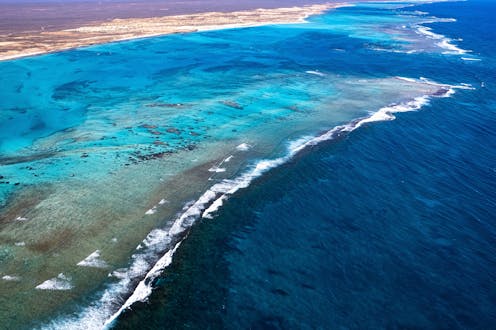
    Ningaloo Reef is facing the heat James C. Farr/Shutterstock

    Tens of thousands of fish have died off northwestern Australia, as a large and long-lasting marine heatwave intensifies.

    The fish kill at Gnoorea Beach near Karratha is concerning our team of scientists, as the hot mass of water heads south towards Ningaloo Reef and the seagrass gardens in Shark Bay. That’s because we’ve seen this before. An enormous marine heatwave in 2010-11 devastated fisheries and ecosystems further down the WA coast.

    This marine heatwave began in September, with temperatures up to 3°C warmer than usual off Broome. There’s no end in sight.

    The heatwave comes as oceans worldwide experience recordbreaking heat, driven by climate change. More than 90% of all heat trapped by greenhouse gases goes into the oceans.

    The fish kill is a visible way to glimpse a disaster often out of sight and out of mind. But these marine heatwaves do much more, from wiping out seagrass meadows and kelp beds to trashing fisheries.

    Up to 30,000 dead fish have washed up around Gnoorea Beach near Karratha.
    WA Department of Primary Industries and Regional Development

    How bad is this marine heatwave?

    Marine heatwaves are periods of at least five consecutive days when ocean temperatures are significantly higher than the long-term average for the region and season.

    Since September 2024, temperatures off Australia’s northwest coast have been high enough to be considered a heatwave.

    In late December, the area of hotter water expanded southward along the Pilbara coast and became more intense. Temperatures hit 4–5°C above normal at the surface. Our research group has gathered data from satellite measurements, which tells us it’s hotter than usual. Data from autonomous ocean gliders also show unusual levels of heat as far down as 200 metres.

    In January, this heatwave has become bad enough to be classified in some areas as a severe marine heatwave.

    There’s no relief in sight yet. The Bureau of Meteorology forecasts marine heatwave conditions to continue through February.

    figure showing intensity of marine heatwave in northwest Western Australia
    On the left, the marine heatwave on the Northwest Shelf is visible in dark red. On the right, the intensity of the heatwave is shown over time on the Northwest Shelf and further south in Central Western Australia.
    Author provided, CC BY

    Will it be worse than the 2010 heatwave?

    The current marine heatwave is, so far, the second-worst in Western Australia’s recorded history.

    Over the 2010–11 summer, a severe marine heatwave devastated seas off the state. Temperatures hit up to 5°C above average, peaking in February and March.

    The worst-hit areas were seas off the central West Australian coastline, leaving those to the north largely unaffected. But the heatwave stretched 2,000 kilometres, from the Pilbara all the way down to Denmark in the southwest.

    The reason the 2010 heatwave spread so far south was due to the Leeuwin Current, which was stronger than usual due to weak southerly winds linked to a low pressure system off the coast.

    figure showing the 2010-11 marine heatwave in Western Australia
    The 2010-11 marine heatwave hit Central West Australian waters hardest. The Leeuwin Current ferried heat southward.
    Author provided, CC BY

    The heat led to local extinction of kelp species along a 100km stretch of coastline. Scallop and blue swimmer crab fisheries had to close. Seagrass meadows in Shark Bay collapsed. Tropical species were sighted in new areas. And coral bleached at Ningaloo.

    By contrast, this current marine heatwave has concentrated on the northern coastline, but may spread south in coming weeks.

    Unfortunately, there are strong similarities between the 2010–11 heatwave and this one. Both occurred during a La Niña year.

    A similar low pressure system in December 2024 weakened southerly winds during this heatwave, though not as pronounced as in 2010-11. We can expect to see the Leeuwin Current intensify and carry more warm water than usual south, but perhaps not as far as in 2010–11.

    Weather systems at present are developing slightly differently to 2010–11, but they could still lead to weaker southerly winds and produce a stronger current channelling heat.

    What does this mean for ocean life?

    Marine heatwaves at this size and intensity can profoundly damage marine ecosystems and fisheries. The Karratha fish kill is the most visible sign of ecosystem distress.

    We have already seen signs of bleaching in the coral reefs of the Kimberley region, while corals are experiencing heat stress at world-famous Ningaloo Reef.

    The heat is now affecting the Gascoyne region between Carnarvon and Exmouth, and is likely to head further south.

    Damage from the heatwave could threaten valuable industries such as the rock lobster fishery and marine tourism on the Coral Coast.

    bleached coral linked to marine heatwave.
    Bleached corals in Cygnet Bay north of Broome. Photo taken on 16th January.
    Kayleigh Foste, CC BY

    More heatwaves will come

    As the climate changes, modelling indicates marine heatwaves will hit more often and to intensify.

    Worldwide, marine heatwaves have devastated ecosystems. One of the worst, the Pacific “blob” heatwave of 2014-2016, killed an estimated 100 million Pacific cod and four million birds from a single seabird species, as well as contributing to the starvation of about 7,000 humpback whales. The intense heat killed off cold-loving species and paved the way for tropical species to enter and even thrive.

    Right now, 28% of the world’s oceans are in heatwave conditions, based on surface temperatures.

    While there is a clear link between the 2010-11 marine heatwave and climate change, we cannot conclusively say this current heatwave off Western Australia is linked to climate change.

    That’s because we don’t have enough data about what’s happening under the surface. Temperatures in the ocean vary greatly by depth, and a hot surface doesn’t always mean heat has reached deeper water.

    So while we know a marine heatwave is in progress, we don’t know how bad it is or how far down the heat has reached in different regions. We need better ways to measure temperatures at depth, to be able to gauge how bad a heatwave is. Installing more temperature sensors along the WA coastline would allow us to better monitor and respond to temperature extremes.

    The earlier we know about a heatwave, the more we can do to prepare. The 2010-2011 heatwave made many people aware of what damage heat can do to an ocean, as fishing boats sat idle and tourists steered clear of dying coral.

    More, and worse, is likely to come. Better conservation and management of our oceans can help. But tackling the root cause of intensifying heat – unchecked greenhouse gas emissions – is still far and away the most important challenge.

    The Conversation

    Matt Rayson receives funding from the Australian Research Council and the Western Australian government. .

    Nicole L. Jones receives funding from Australian Research Council and the Western Australian government.

    Sina Pinter does not work for, consult, own shares in or receive funding from any company or organisation that would benefit from this article, and has disclosed no relevant affiliations beyond their academic appointment.

    ref. A marine heatwave in northwest Australia is killing huge numbers of fish. It’s heading south – https://theconversation.com/a-marine-heatwave-in-northwest-australia-is-killing-huge-numbers-of-fish-its-heading-south-248139

    MIL OSI AnalysisEveningReport.nz

  • MIL-Evening Report: DeepSeek: why the hot new Chinese AI chatbot has big privacy and security problems

    Source: The Conversation (Au and NZ) – By Mohiuddin Ahmed, Senior Lecturer of Computing and Security, Edith Cowan University

    The Chinese artificial intelligence (AI) company DeepSeek has rattled the tech industry with the release of free, cheaply made AI models that compete with the best US products such as ChatGPT.

    Users are rushing to check out the new chatbot, sending DeepSeek’s AI Assistant to the top of the iPhone and Android app charts in many countries.

    However, authorities have sounded a note of caution. US officials are examining the app’s “national security implications”. Australia’s former cybersecurity minister said national security agencies will soon issue formal guidance for users.

    Why are governments and security experts so concerned? The main issue is the app is made in China and stores data there – but that doesn’t mean all the worry is just xenophobia.

    What information does DeepSeek record?

    DeepSeek does not appear to be spyware, in the sense it doesn’t seem to be collecting data without your consent. However, like many online services, it clearly tells you it will record a lot of data about you and your behaviour.

    Specifically, the company’s privacy policy says it collects three categories of information.

    First, there is information you provide directly, such as your name and email address and any text you type in or files you upload.

    Next, there is automatically collected information, such as what kind of device you are using, your IP address, details of how you use the services, cookies, and payment information.

    Finally, there is information from other sources, such as Apple or Google login services, or third-party advertising and analytics companies.

    This is broadly similar to the data collected by ChatGPT and Claude.

    What does DeepSeek do with the information?

    DeepSeek says it uses this information for a range of purposes: to provide services, enforce terms of use, communicate with users, and review and improve performance.

    The policy also contains a rather sweeping clause saying the company may use the information to “comply with our legal obligations, or as necessary to perform tasks in the public interest, or to protect the vital interests of our users and other people”.

    DeepSeek also says it may share this information with third parties, including advertising and analytics companies as well as “law enforcement agencies, public authorities, copyright holders, or other third parties”.

    DeepSeek will also keep the information “for as long as necessary” for a broad range of purposes.

    Again, this is all fairly standard practice for modern online services.

    Causes for concern

    Much of the cause for concern around DeepSeek comes from the fact the company is based in China, vulnerable to Chinese cyber criminals and subject to Chinese law.

    DeepSeek stores the information it collects “in secure servers located in the People’s Republic of China”. The company says it maintains “commercially reasonable technical, administrative, and physical security measures” to protect the information.

    However, we should keep in mind that China is one of the most cyber crime-prone countries in the world – ranking third behind Russia and Ukraine in a 2024 study.

    So even if DeepSeek does not intentionally disclose information, there is still a considerable risk it will be accessed by nefarious actors.

    China is home to a sophisticated ecosystem of cyber crime organisations that often build detailed profiles of potential targets. Microsoft and others have accused the Chinese government of collaborating with cybercrime networks on cybercrime attacks.

    These organisations can use personal information to craft convincing targeted phishing attacks, which try to trick people into revealing more sensitive information such as bank details.

    Should you download DeepSeek?

    So, should you download DeepSeek?

    If you are an experienced user who is familiar with online privacy and the capabilities of modern AI systems, go ahead – but proceed with caution and be very wary about what information you share.

    And if you’re less experienced – if you’re a casual user who is less internet-savvy – my expert advice is to stay well away. DeepSeek won’t give you much you can’t get from other chatbots such as ChatGPT or Claude, and it might make your data vulnerable to Chinese cyber criminals and subject to Chinese law.

    DeepSeek also raises questions for governments. Efforts to prevent scams and cybercrime often focus on banks, telecommunications companies, and social media platforms – but what about chatbots?

    Mohiuddin Ahmed does not work for, consult, own shares in or receive funding from any company or organisation that would benefit from this article, and has disclosed no relevant affiliations beyond their academic appointment.

    ref. DeepSeek: why the hot new Chinese AI chatbot has big privacy and security problems – https://theconversation.com/deepseek-why-the-hot-new-chinese-ai-chatbot-has-big-privacy-and-security-problems-248544

    MIL OSI AnalysisEveningReport.nz

  • MIL-OSI Economics: Development Asia: From Guesswork to Precision: Enhancing Agricultural Mapping with Geospatial Tech

    Source: Asia Development Bank

    The growing accessibility of geospatial technologies is reshaping how agricultural statistics are gathered, processed, and disseminated. Advanced technologies like remote sensing using satellite imagery, GPS, and unmanned aerial vehicles (UAVs) offer the potential for more efficient methods to monitor changes in agriculture with greater precision and frequency.

    When considering the most suitable method for GPS land measurement, several critical factors—such as the size, shape, and terrain of the parcel—must be considered, along with available resources.

    Walking method: The common method involves an enumerator, usually guided by the farmer, physically walking the perimeter of a parcel while carrying a GPS device, which automatically tracks and calculates the area. This approach reduces the need for multiple pieces of surveying equipment and extensive training for field staff. Furthermore, the time required for measurement is limited to the duration of walking the parcel’s perimeter, significantly streamlining the overall process. It is recommended when the highest positional accuracy and measurement precision are required.

    Moreover, GPS measurement methods integrated into tablets can be advantageous in certain cases, particularly due to their convenience and potential integration with other data collection tools.

    The walking method, whether using a dedicated handheld GPS device or an on-tablet GPS sensor, is particularly effective for smaller parcels with complex shapes and easily navigable terrain. It allows for precise boundary capture but can be time-consuming for larger parcels, potentially taking up to one hour for areas exceeding 10,000 m².

    Digitization method: Conversely, the digitization method is more suitable for large, monocropped areas. This method involves the farmer tracing the boundary of their parcel directly over a satellite image, negating the need for the farmer and enumerator to walk the boundary physically. Key to the success of this approach is the ability of the farmer to accurately recognize their land from an aerial perspective and the assumption that the satellite imagery is up-to-date and reflects the current agricultural season.

    Parcel corner GPS: The parcel corner GPS method involves an enumerator identifying and marking only the corners of the parcel using the Survey Solutions geometry multi-point question type to speed up the data input process. The goal is to capture the essential boundaries of the parcel more easily. The key challenge in using this method is the difficulty in accurately identifying corner points, particularly in irregularly shaped parcels. Significant inaccuracies in area measurement may also occur if enumerators are not properly trained and well-versed in using the field instruments.

    MIL OSI Economics

  • MIL-OSI Australia: Key considerations for renewable energy developers seeking private capital to fund expansion

    Source: Allens Insights

    Establishing renewable energy platforms and capital partnerships 8 min read

    As renewable energy developers look to expand their project pipelines and operational portfolios, many are turning to private capital sources to help fund their expansion plans. Increasingly, that capital is being sought through newly established platforms between developers and investors that jointly own the renewable projects through a legal ownership structure separate from the developer’s remaining business.

    Establishing renewable energy platforms and capital partnerships requires a strategic balance of risk mitigation and the optimisation of growth opportunities in an increasingly competitive environment. Each platform and capital partnership is unique, necessitating customisation based on the objectives and risk tolerance levels of the parties involved. With robust planning and transparent communication from day one, these capital partnerships can help drive the energy transition while delivering attractive returns for investors.

    In this Insight, we explore the key issues for developers and investors to consider when establishing a capital partnership for a new renewable energy platform.

    Key takeaways

    • Commitment to the platform: each party should seek a form of commitment to the platform from the other. We are increasingly seeing both developers and investors be willing to provide that commitment in the form of an exclusivity undertaking, pursuant to which the parties are prohibited from developing or funding projects outside of the platform (subject to certain carveouts).
    • Operational model: new platforms are typically structured as either a standalone business or a simple ownership vehicle where operational functionality is outsourced back to the developer. Alignment between the parties on the preferred approach, and how it impacts key issues such as revenue strategy and exit, is a key to success.
    • Funding obligations: the parties’ funding obligations to the platform should be designed to ensure the platform receives sufficient funding to develop, acquire and operate projects. However, while certainty of funding is important, the parties should avoid rigid frameworks (which set out precise financial and operational criteria for investment in new projects), which run the risk of stifling growth (particularly when dealing with seasoned developers with a track record of bringing projects to market).
    • Governance and regulatory considerations: when evaluating potential investors/platform partners, developers should consider the regulatory implications relevant to each investor (in particular in relation to tax, FIRB, AFSL and ACCC requirements), and how those implications may affect the day-to-day operation of the platform.
    • Debt financing strategy: the platform’s debt financing structure must be adaptable to accommodate new projects and multiple funding sources, ensuring room for future growth without excessive lender restrictions.
    • Funding and compensation: any platform must be structured in a way that recognises the different initial and ongoing contributions from both the developer and the investor. In particular, developers should ensure they are properly compensated for the seed assets vended into the platform.

    Key considerations

    Commitment to the platform

    Notwithstanding the specific technology focus of the platform, such as solar, wind, BESS, other forms of generation and storage, or all of the above, each party should seek a form of commitment to the platform from the other with respect to the relevant technology focus. While it might be expected that the developer provides a stronger form of commitment, limiting their ability to develop projects of the applicable technology outside the platform, investors are increasingly also willing to ‘put all their eggs in one basket’ and accept a form of exclusive commitment. This is often based on the understanding that, through diligence and alignment with the developer on key principles, the platform is their best means of investing in that technology in Australia. If an investor is willing to make such a commitment, establishing carveouts to ensure they are not inappropriately constrained is essential. Investors will often seek to ensure the commitment does not cover existing investments, projects outside the geography, investments via other funds and projects beyond a specific capacity range.

    Structuring your operating model

    When establishing a new platform, developers have two primary operational model options to consider: standalone platforms and ownership vehicles. Each model has distinct characteristics, benefits and challenges that can significantly impact the platform’s success.

    Standalone platforms operate as independent businesses with their own management teams and operational autonomy. For standalone platforms, a key focus should be on selecting the right management team. This process typically takes time, so it’s important to establish a robust transition plan in which the developer provides the necessary support until the management team is fully onboarded.

    Ownership vehicles function through a network of development and service agreements where operational functionality is outsourced back to the developer. This model leverages existing capabilities within the developer’s organisation but operates under a separate legal structure.

    Whatever the operational structure, a key to success is ensuring alignment between the developer and investor from the outset—particularly on headline issues such as revenue strategy (especially important for BESS assets, which offer a variety of potential revenue options, eg tolling agreements, Capacity Investment Scheme agreements, system support agreements, merchant operations, etc) and exit strategy.

    Certainty of funding

    As a vehicle designed to fund both seed and future projects, funding obligations are often the most heavily negotiated elements of platform arrangements. In an ideal scenario for developers, they would retain full control over financial investment decisions (FID) and funding decisions, allowing them to call for capital as needed. Meanwhile, in a perfect world for investors, they would have complete discretion over which projects their capital is used to fund.

    To avoid potential deadlocks with respect to funding decisions, including through the exercise of veto rights, one approach is for the investor to make an upfront capital commitment. This requires them to fund a pre-agreed amount (at a pre-agreed valuation) for a set of seed and pipeline assets, which they diligence at the outset. Once this initial capital is provided, future funding can be provided on a pre-emptive basis, potentially tied to target return criteria and procedural milestones that must be met before a project is onboarded to the platform or funded via FID.

    While this strategy helps prevent deadlocks that could hinder platform growth, it’s important to recognise that a one-size-fits-all approach may not be ideal. In our experience, rigid procedures around project onboarding and funding may not serve the platform’s best interests, particularly when developers have a proven track record of managing development and construction risks in a more flexible manner. Retaining flexibility with regards to milestone requirements to take FID may enable the platform to reprioritise projects in response to shifting market demands and opportunities.

    Managing governance and regulatory requirements

    When evaluating potential investors, developers should consider a range of factors beyond simply choosing the one with the deepest pockets. Issues such as Foreign Investment Review Board (FIRB) implications (particularly whether an investor’s involvement will characterise the platform as a ‘foreign government investor’ or FGI), Australian Financial Services Licence (AFSL) requirements and complex competition law concerns can create significant challenges for the platform if not addressed and managed at the outset.

    Tax implications must also be considered. For example, upcoming changes to the foreign resident capital gains tax regime in Australia—specifically how ‘taxable Australian real property’ is defined in the context of renewable energy assets—may affect after-tax returns for foreign developers and investors.

    These changes, expected to come into effect on 1 July 2025, could have substantial impacts on renewable energy platforms and should be closely monitored.

    Implementing your debt financing strategy

    The initial debt financing required to establish the platform and transition seed and early-stage assets to the platform will depend on the number and characteristics of those assets, including the technology type and whether the assets are operational or under construction, merchant or contracted, etc.

    Whatever the makeup of that initial financing, flexibility for growth is key. In particular, the debt financing structure must be flexible enough to accommodate:

    • the inclusion of new greenfield and operating assets (with a focus on minimising lender consent rights);
    • construction financing for greenfield projects, either within the portfolio financing structure or separately financed outside the portfolio through an excluded subsidiary mechanism and brought in once the project is operational (subject to risk tolerance on a case-by-case basis); and
    • multisource financing options (including bank debt, private long-term credit and note issuance) with the necessary intercreditor mechanics.

    Funding structure

    The platform will need to be structured in a way that recognises the different initial contributions from both the developer and the investor. In most platforms, the developer provides seed and pipeline assets, while the investor supplies capital for the development and construction of those assets.

    An investor’s capital contribution typically needs to be structured so that the platform can draw down the capital over time, on an as-needed basis to fund project capex. This can be achieved through various methods, such as partly paid shares or equity ‘catch up’ or ‘farm-in’ regimes, with the optimum approach usually driven by the investor’s requirement regarding governance rights from day one, FIRB considerations and any potential requirement to ‘return’ capital commitments in the future.

    From the developer’s perspective, it is essential to ensure that they are properly compensated for the seed assets transferred into the platform. Whether that compensation takes the form of equity in the platform or proceeds from the transfer of assets, it would typically reflect (for each asset/project) all devex spent on the project, fees for the origination and development services provided and, where applicable, a development premium.

    Key questions to ask

    • Asset strategy: what technology should the platform focus on? Solar, wind, BESS, other forms of generation and storage, or all of the above? Whatever the technology, what level of commitment is each party willing to give to the platform and what carve outs to the commitment are needed?
    • Operational model: should the platform be structured as a standalone business with its own management team and operational autonomy, or as an ownership vehicle that, through a network of development and services agreements, outsources operational functionality to the developer?
    • Funding obligations: what level of capital commitment is required from both parties at the outset? How will future funding needs be determined and agreed upon? Are there predefined criteria or milestones that need to be met for additional funding to be provided?
    • Governance and regulatory: are FIRB, AFSL, ACCC and tax requirements fully understood and planned for?
    • Debt financing strategy: how flexible is the debt financing structure in accommodating new assets and various stages of project development? Are there multisource financing options (ie bank debt, private long-term credit or note issuance) and how will the necessary intercreditor mechanics be managed?
    • Funding structure: how will initial contributions from both developer and investor be recognised within the platform structure? What methods (eg partly paid shares, equity ‘catch up’, farm-in regimes) will facilitate drawdown of capital over time? How will developers be compensated for seed assets transferred into the platform?

    MIL OSI News

  • MIL-OSI Economics: Panasonic Newly Unveiled KAIROS New Version: Control Up to Two Kairos Core by One Panel and Supports various resolutions such as 16:10

    Source: Panasonic

    Headline: Panasonic Newly Unveiled KAIROS New Version: Control Up to Two Kairos Core by One Panel and Supports various resolutions such as 16:10

    Osaka, Japan – January 29, 2025 – Panasonic Entertainment & Communication today announced the release of the new software “Version 1.8” will be available in February 2025.
    With version 1.8, which includes new Multiple Core Control features, integration with graphics platforms Singular.live and Viz Flowics, and support for more diverse resolutions such as 16:10 and 5:4, KAIROS is a great addition to the game for large live events and broadcasters. We offer video production systems with a high degree of freedom and ease of use for customers who require high quality, rich video production across multiple locations.
    The new version allows up to two Kairos Core mainframes to be connected to a single Kairos Control Panel. This allows more video sources to be handled and improves the efficiency of the KAIROS operation at large events. Previously, it was possible to register up to eight Control Panels from the Kairos Core side, but since the Control Panel can only be registered to one specific Kairos Core, a corresponding number of Control Panels were required to operate multiple Kairos Cores. Using this feature, for one panel can be divided into an upper and lower sections, for example, and each Core can be assigned to each section. In addition, two Kairos Core units can also be configured from Kairos Creator.

    MIL OSI Economics

  • MIL-OSI New Zealand: Man arrested following unprovoked assault in Palmerston North

    Source: New Zealand Police (District News)

    Attributable to Detective Sergeant Shelley Ross:

    A man has been arrested following an assault at a Palmerston North Park this afternoon, Wednesday 29 January.

    About 1pm, Police responded to a park on Dogwood Way following reports one person had received injuries consistent with a stab wound following an unprovoked assault.

    One person was transported to Palmerston North Hospital in a serious condition where they are receiving medical treatment.

    Police would like to thank the members of the public who were delayed while Police responded to the incident.

    A 25-year-old man is due to appear in the Palmerston North District Court tomorrow, Thursday 29 January, on charges of wounding with intent to cause grievous bodily harm.

    This was a callous and unprovoked attack which we will not tolerate in our community.

    If you witness any unlawful activity, please contact Police on 111 if it is happening now or 105 either online or over the phone if it is after the fact.

    ENDS

    Issued by Police Media Centre

    MIL OSI New Zealand News

  • MIL-OSI Asia-Pac: CS celebrates Chinese New Year with community (with photos)

    Source: Hong Kong Government special administrative region

    CS celebrates Chinese New Year with community (with photos)
    CS celebrates Chinese New Year with community (with photos)
    ***********************************************************

         The Chief Secretary for Administration, Mr Chan Kwok-ki, today (January 29), on the Chinese New Year’s Day, wishes the country to thrive vigorously, for Hong Kong to have harmony and prosperity, and every success to the community. He paid a visit to the Lo Wu Control Point this morning to learn about the various arrangements and operations of relevant departments to cope with the increase in inbound and outbound passenger traffic during the Chinese New Year period. During the visit, he extended his New Year greetings to the staff on duty, and expressed his gratitude to them for performing their duties with dedication during the holidays. Along the way, he took the opportunity to extend his Chinese New Year greetings to the citizens and travellers he met.           Accompanied by the Secretary for Security, Mr Tang Ping-keung; the Director of Immigration, Mr Benson Kwok; and the Commissioner of Customs and Excise, Mr Chan Tsz-tat, Mr Chan inspected the Lo Wu Control Point and met the frontline staff of the Immigration Department (ImmD), the Customs and Excise Department (C&ED) and the Hong Kong Police Force on duty. He learned about the arrangements and operation conditions for customs clearance, diverting passenger movements, public order maintenance, etc at the control point during the Chinese New Year period.            Mr Chan was pleased to note that the relevant government departments have been in close co-ordination and liaison with stakeholders of transport, tourism and other sectors for making good preparation for receiving visitors during the Chinese New Year Golden Week of the Mainland, and ensuring the orderly operation of boundary control points. Relevant departments have minimised leave for frontline officers during the Chinese New Year period, to enable flexible deployment of manpower, and operation of additional counters and channels with a view to diverting passenger and vehicular flow. The Inter-departmental Joint Command Centre set up by the Police, the ImmD, the C&ED, and other relevant departments; and the Emergency Transport Co-ordination Centre of the Transport Department will both operate 24 hours a dayduring the Golden Week, to closely monitor the situation of various control points and traffic conditions, and take prompt measures to ensure the smooth operation of various aspects in receiving visitors. Mr Chan expressed his heartfelt gratitude to colleagues of the Government and practitioners of various industries for their hard work during the Chinese New Year period.           Mr Chan also appealed to visitors arriving in Hong Kong during the Chinese New Year holidays to plan ahead for their itineraries. He encouraged them to stay overnight after participating in various local celebratory activities for the Chinese New Year and to make reference to the ultimate guide to Chinese New Year in Hong Kong launched by the Hong Kong Tourism Board to fully enjoy the rich and diverse celebratory activities to be held across various districts in the city and experience Hong Kong’s unique city charm. At the same time, he instructed relevant departments to collaborate with various stakeholders, including public transport operators, to strengthen information dissemination including the situation at various boundary control points, details of celebration events and transport arrangements to enable residents and visitors to plan their itineraries according to the latest situation.           On January 27, Mr Chan participated in year-end caring visits in 18 districts co-ordinated by the Home Affairs Department. He visited elderly singleton and elderly doubleton grassroots families living in Po Lam Estate, Tseung Kwan O, and distributed blessing bags to them to express the Government’s heartfelt wishes. He engaged in warm exchanges with the residents to let them feel the care and support of the community. He also attended the Yau Tsim Mong Presents – The Year of The Snake: Countdown Celebration at the Yau Ma Tei Community Centre Rest Garden yesterday (January 28) to share with the public the joys and blessings of the festive season and welcome the Year of the Snake. 

     
    Ends/Wednesday, January 29, 2025Issued at HKT 12:15

    NNNN

    MIL OSI Asia Pacific News

  • MIL-OSI Economics: Panasonic Leaps “Well into the future” with AI and Data-Driven Innovations at CES 2025 Exhibition Space

    Source: Panasonic

    Headline: Panasonic Leaps “Well into the future” with AI and Data-Driven Innovations at CES 2025 Exhibition Space

    Marking a 58th consecutive year as an exhibitor at one of the world’s most influential consumer electronics events, Panasonic Group was on hand at CES 2025 (January 7–10 in Las Vegas, Nevada, U.S.A.) to engage with audiences about its strategic shift toward AI and data-driven businesses. This year’s CES was host to more than 141,000 visitors and 4,500 exhibitors from more than 150 countries and regions, but not everyone had the opportunity to attend. If you missed out, here are some key highlights from the Panasonic Group exhibition space. 

    Theme Signals Strategic Shift toward AI, Data-Driven Solutions

    The theme for Panasonic Group’s exhibition space was “Well into the future.” Announced by Panasonic Holdings Corporation Co., Ltd. (Panasonic HD) Group CEO Yuki Kusumi during his opening keynote, this year’s theme signified the organization’s strategic shift toward AI and data-driven businesses in pursuit of an ideal society with affluence both in matter and mind.
    “Well into the future” embodies the idea that, through innovations and a commitment to addressing social issues, Panasonic will lead the development of cutting-edge solutions to help achieve its core mission to inspire a healthy society and enrich the lives of people around the world. 
    “This year’s theme is a reference to Panasonic founder Konosuke Matsushita’s vision of contributing to the well-being of people and the progress of society,” said Mike King, Director, Brand Marketing & Creative Services, Marketing & Communications, Panasonic Operational Excellence of North America. “And you can see that theme throughout the exhibit—with technologies that support the well-being of individuals, of families and all of society, with our focus on green energy transformation and decarbonization, but also the use of AI-powered solutions to help families to experience greater connection, connectivity, comfort, and well-being.”

    [embedded content]

    Located in Las Vegas Convention Center (LVCC)’s Central Hall, the exhibition space was an enclosed environment divided into four areas: Panasonic Go, Home, Carbon Neutral, and Circular Economy. The design was a departure from the open layouts of previous years, allowing visitors to experience the complete Panasonic story—from its history and vision for the future to technologies they can use today and solutions that will contribute to a sustainable tomorrow.

    Growth Initiative Links Past and Future under “Panasonic Go”

    Panasonic Go is a global corporate growth initiative that will drive transformation through AI-powered, software-led investments across Panasonic Group and create new experiences for customers and partners.
    This area of the exhibition space welcomed visitors with a look back over the storied history of the Panasonic Group, illustrating historical milestones and introducing home appliances that have enriched lives since the company’s founding in 1918. Moving further into the exhibition space, a video explained Matsushita’s ambitious 10-stage, 250-year plan to contribute to solving social issues and improving people’s lives through technology and the role that Panasonic Go will play in driving the transformation to an AI-powered business model towards the plan’s fifth stage (2032–2056).
    * The name Panasonic Go was also inspired by the Japanese word for “five”
    Panasonic Group products have already changed the lives of more than one billion people. Looking ahead, the Group will leverage AI and data platforms—from Blue Yonder’s supply chain management solutions to Panasonic Well’s family wellness platform—to make new contributions for current and future generations.  
    Speaking of wellness, the final section of the Panasonic Go area gave visitors a chance to get a sneak peek of Umi, a new consumer offering from the Panasonic Well portfolio that will be available in the United States market in 2025. Umi is an innovative digital wellness platform and personalized family wellness coach that uses AI and a community of experts to help people build healthy habits and routines. Umi will be the first Panasonic Well consumer brand to use Claude, Anthropic’s AI assistant known for its reasoning capabilities, deep understanding of complex topics, and ability to engage in natural conversations. Claude excels at analyzing data, writing and editing content, and helping solve complex problems—all while maintaining the highest standards of safety and security.

    Carbon Neutral & Circular Economy Exhibits Highlight Sustainability Efforts

    Panasonic HD took the stage at CES 2022 to announce its long-term environmental vision, Panasonic GREEN IMPACT (PGI), and since then the Group has been engaged in a variety of activities to expand its impact toward achieving carbon neutrality and a circular economy. These areas in the exhibition space, Carbon Neutral and Circular Economy, introduced solutions and technologies that will be contributing to achieving the goals established under PGI.

    Visitors also had the opportunity to learn more about how the Panasonic Group is tackling Carbon Neutral challenges and promoting Circular Economy initiatives in its products and solutions as it advances toward the broader goal of contributing to realizing sustainable lifestyles and society. 
    The Carbon Neutral display was organized into three main technologies/approaches: “Updating,” “Electrifying,” and “Harnessing.”
    “Updating” means replacing existing methods with low environmental impact alternatives to reduce energy consumption and greenhouse gas emissions. Hussmann display cases for refrigerated and frozen goods use natural refrigerant R290 to greatly reduce environmental impact compared to traditional CFC refrigerant alternatives currently in use.
    “Electrifying” represents the transition from fossil fuels to electric power and making the most of renewable energy. Panasonic Group is a leader in automotive battery cells, having delivered more than 15 billion units to date—enough to power three million EVs worldwide. Visitors were able to check out the Panasonic 2170 cell, which features the world’s highest energy density, as well as the new Panasonic 4680 cell, which has a capacity around five times greater than the 2170 cell. The company’s efforts with Redwood Materials, Inc. and Nouveau Monde Graphite, Inc. to reduce its carbon footprint and achieve a sustainable society were also available for visitors to explore. Finally, they could learn more about Panasonic HX, an advanced energy management system that coordinates pure hydrogen fuel cells, solar cells, and storage batteries to efficiently supply renewable energy in response to changes in electricity demand and weather conditions.
    “Harnessing” is an approach that uses natural resources to produce cleaner resources, leading to CO2 reduction and absorption. One technology aiding the approach is the anion exchange membrane water electrolysis, a device enabling highly efficient and low-cost green hydrogen production. A fully developed anion exchange membrane (AEM) electrode made of iron and nickel was on display in the area. Visitors could also see a life-size mockup of window-mounted perovskite solar cells which demonstrated the transparency and design flexibility of this unique power-generating technology. Also on display was the growth stimulant Novitek®, a technology that uses ambient CO2 in combination with cyanobacteria, a type of photosynthetic microorganism, to increase food productivity.

    The Panasonic Group is committed to the Circular Economy under the three principles of “Maximizing,” “Minimizing,” and “Partnering.” In this area, the Group introduced its efforts to efficiently use resources and reduce consumption of the Earth’s limited natural resources.
    Extending the effective use period while maintaining and improving the value of resources across a product’s lifecycle is known as “Maximizing.” Panasonic displayed a concept model based on the principle of Design for Circular Economy (DfCE); DfCE products are easy to assemble/disassemble (ease of repair), have fewer connectors/fasteners (ease of assembly), and can be grouped for reuse and recycling (ease of recycling).
    “Minimizing” means using fewer new materials and more recycled and renewable materials. For example, approximately 45 percent of the plastic used in the Technics EAH-AZ80 earphones and charging case is made of plant-derived DURABIO , while the Lamdash Palm In ES-PV6A shaver uses NAGORI®, an innovative composite material derived from minerals extracted from seawater, reducing plastic use by approximately 40%1. A second exhibit showcased lighting that incorporates kinari , a sustainable material composed primarily of plant fibers that offers the moldability of conventional petroleum-based resins.
    Designing products and systems for a circular economy is a challenge that Panasonic Group cannot tackle alone, so it emphasizes “Partnering” with customers and partners promote a new style of recycling-oriented management, information sharing, and product use. One outcome of these collaborative efforts is Tracephere , a traceability solution for product recycling and recycled resource processes based on blockchain technology.

    OASYS and Home Appliances Supporting People’s Health, Comfort, and Safety

    The center of the space introduced the Group’s next generation of residential solutions for comfortable, healthy, economical, sustainable, and secure living. Grabbing center stage was the new OASYS solution—a residential central air conditioning system being introduced in the U.S. market that uses a combination of existing products to heat, cool, and ventilate the home while reducing energy consumption by over 50% compared to conventional systems in the U.S.2 In addition to maximizing air volume while minimizing temperature differences and noise, OASYS paves the way for homes powered by 100 percent renewable energy based on high-efficiency water heaters and a lifestyle-adaptive home energy management system.
    Complementing OASYS were displays for home appliances that enrich people’s lives. These included the Technics EAH-AZ100 true wireless earbuds, the Panasonic TV lineup, SoundSlayer Wireless Wearable Gaming Speaker System SC-GNW10, CV88QS multi-oven, LUMIX Full Frame and Micro Four Thirds cameras and lenses, ARC5 PALM-sized 5-Blade Electric Luxury Razor, Panasonic MultiShape, and nanoe hair dryers.

    New Technologies Strengthen Commitment to a Better Tomorrow

    “Our hope is that people will understand that Panasonic’s commitment has not changed in over 100 years—it has always been about making people’s lives better and making the world a better place. The only difference is that today we are doing it with new technologies like AI and software,” said King. “From the individual to all of society, our hope is that people understand our commitment to helping people live healthier, happier lives.”
    King continued: “We hope that people were surprised and excited about some of the new technologies that Panasonic is introducing. A lot of people are concerned about the environment, and we remain committed to sustainability, to green energy transformation, and to new initiatives that will be important for the health of the planet overall.” 

    [embedded content]

    1: Compared to Lamdash PRO 5-blade ES-LV9W released in 2023
    2: Conventional home air conditioning system using a heat pump cooling system (14.2 SEER2) and gas furnace (80% AFUE) compliant with IECC 2015; OASYS system using Panasonic Mini Split AC and transfer fans for both cooling and heating functions in houses compliant with OASYS-required specifications. (Estimate based on the conversion of gas energy consumption to electricity)

    Related Articles

    MIL OSI Economics

  • MIL-OSI Economics: Panasonic AV-HSW10 Compact Live Switcher’s Firmware Release to Add NDI(R) High Bandwidth Mode

    Source: Panasonic

    Headline: Panasonic AV-HSW10 Compact Live Switcher’s Firmware Release to Add NDI(R) High Bandwidth Mode

    Osaka, Japan – January 29, 2025 – Panasonic Entertainment & Communication today announced an upcoming new firmware, V3.0 for its AV-HSW10 compact live switcher, which will add new features such as NDI® High Bandwidth capability for more flexible operation to meet the needs of a wider range of production sites and systems, scheduled for release in January 2025. Also, a new firmware, V1.7 for the Panasonic AV-UHS500 live switcher will be released simultaneously. Both updates will enable Panasonic’s live switchers to offer increased flexibility in response to the growing demand for video production and distribution in live entertainment, seminars, events, and more.
    Note: For the latest information on firmware availability, please refer to the website shown below.

    ●AV-HSW10 Firmware Upgrade

    1. New NDI® High Bandwidth mode (NDI HB mode) for enhanced I/O flexibility

    In addition to Normal mode, which combines various IP inputs and outputs, the new firmware will add NDI® High Bandwidth mode.*1 This mode will provide four respective inputs, doubling existing capacity, and one output. When combined with Panasonic’s NDI®certified PTZ cameras and other compatible devices, NDI® High Bandwidth mode will simplify the operation of NDI®centric systems. Existing baseband inputs and outputs will remain available for seamless use in hybrid baseband- and IP-based video production and distribution environments, as before.

    Pre-update (current) I/O

    Video input

    3G-SDI

    4 / 3

    HDMI

    1 / 2

    NDI® High Bandwidth

    2 (α ch. Support)

    SRT

    2

    NDI® HX1/NDI® HX2

    Video output

    3G-SDI

    2

    HDMI

    1

    NDI® High Bandwidth

    2

    SRT

    RTMP

    UVC

    1

    Post-update I/O

    Modes

    Normal

    NDI® High Bandwidth

    Video input

    3G-SDI

    4 / 3

    4/ 3

    HDMI

    1 / 2

    1 / 2

    NDI® High Bandwidth

    2 (α ch. Support)

    4 (α ch. Support)

    SRT

    2

    NDI® HX1/NDI® HX2

    Video output

    3G-SDI

    2

    2

    HDMI

    1

    1

    NDI® High Bandwidth

    2

    1

    SRT

    RTMP/RTMPS

    UVC

    1

    1

    *1: Firmware for each mode must be selected and rewritten using a USB memory device. Switching from Normal to NDI HB mode will require a firmware rewrite and device reboot each time.

    2. Improved Operational Convenience with Function Updates

    Audio Input Selection Mode: Any audio can be assigned to video input. In addition, audio multiplex input can be toggled on/off when KEY is activated.
    Enhanced Video Compatibility: Supports 1080i with NDI® High Bandwidth, USB output for 1080i system format (conversion to 1080p for UVC output), and RTMPS.
    Improved Compatibility with Panasonic PTZ Cameras: Enables tally linking with Panasonic AW-UE30W/K PTZ camera and AW-UE150AW/K PTZ camera, and yellow tally with certain other Panasonic PTZ cameras.

    ●AV-UHS500 Firmware Upgrade

    The upcoming firmware upgrade for the AV-UHS500 will enhance the functionality and convenience, both within systems and when integrating the camera with other Panasonic products.

    1. Compatibility with Panasonic Media Production Suite Software

    In the Media Production Suite, Device View will display devices in a list and allow IP address to be configured.

    2. Other Updates

    The AV-UHS500 will newly offer additional Audio Input selections and enhanced compatibility with Panasonic PTZ cameras.

    To complement the company’s comprehensive video production ecosystem, including cameras and software, Panasonic continuously upgrades its AV-HSW10 compact live switcher and AV-UHS500 live switcher in response to user feedback, including for increased hardware stability and software expandability, striving to offer diverse content creators and other users enhanced video production capability.
    For more details on these products:AV-HSW10: https://pro-av.panasonic.net/en/products/av-hsw10/AV-UHS500: https://pro-av.panasonic.net/en/products/av-uhs500/
    Firmware download site:https://eww.pass.panasonic.co.jp/p2ui/guest/TopLogin.do?lang=en&category=pav
    Note: Firmware specifications, etc. subject to change without notice
    Broadcast and Professional Video Systems Global Webpagehttps://pro-av.panasonic.net/en/

    Media Contact:

    For more information about this topic, please contactpro-av.ad@gg.jp.panasonic.com

    About Panasonic Entertainment & Communication Co., Ltd.
    Panasonic Entertainment & Communication Co., Ltd. established in April 2022 as part of the Panasonic Group’s switch to an operating company system, is strengthening the bonds among people and enriching our customers’ lives by providing consumer electronics, including AVC products such as OLED TVs, Lumix digital cameras, headphones, phones, intercoms, and more, as well as business products and solutions including for broadcast, professional AV, and sound systems globally. Our mission is to offer people new emotion and relaxation through our entertainment and communication solutions. To fulfill this mission, we strive to act with professionalism to continuously recreate the future by connecting people. For more details, please visit https://www.panasonic.com/global/peac.

    MIL OSI Economics

  • MIL-Evening Report: DeepSeek’s success challenges assumptions about Chinese tech companies – and the US-China competition

    Source: The Conversation (Au and NZ) – By Wanning Sun, Professor of Media and Cultural Studies, University of Technology Sydney

    The release of the new DeepSeek-R1 artificial intelligence (AI) model has shocked the tech world.

    Launched on January 20 with little fanfare, the Chinese AI model was reportedly developed at only a fraction of the cost of OpenAI’s GPT-4o, and over a much shorter period of time. One Chinese commentator has called its release a “Pearl Harbor attack” on the AI world.

    Though the reference to an “attack” may be a strong word, it alludes to the growing competition between the United States and China over dominance in the AI sphere, which the US had been leading thus far.

    Indeed, people across China were celebrating a homegrown success story on Wednesday, as DeepSeek’s AI app soared to the top of the Apple and Google stores in the US.

    So, what does the emergence of DeepSeek’s model say about US-China competition in this space?

    Chinese government control

    First, DeepSeek’s success is undoubtedly sending a message to the Chinese government that excessive control kills innovation.

    Until mid-2023, enthusiasm for innovation in China’s tech companies had been stifled by increasingly restrictive regulations. The Chinese government had embarked on a sweeping crackdown of tech companies like Alibaba and others in order to prevent the spread of rampant entrepreneurial capitalism in China.

    The launch of ChatGPT in 2023 promised to open up exciting new frontiers for the development of AI in the West. But it must have come as a rude shock to China’s tech companies. The Chinese government changed tact and reassured them that it recognised the crucial role of the digital economy as a key driver of economic growth. It soon began to relax its tight grip over the sector.

    But the elephant in the room is how DeepSeek – and China’s AI companies in general – will deal with censorship.

    As it stands, politically sensitive words and questions seem to be no-go areas for DeepSeek. When asked what happened on June 4 1989 in Tiananmen Square (the site of the government’s crackdown on democracy protesters), the chatbot’s answer was along the lines of, “Sorry, that’s beyond my current scope. Let’s talk about something else.”

    This raises the question: can a Chinese AI tool be truly competitive in the global tech race without a solution to the challenge of censorship?

    US efforts to contain Chinese tech development

    Meanwhile, the US has adopted a wide array of measures aiming at curbing China’s AI development over the past few years. These included the Biden administration’s attempts to restrict China’s access to the advanced chips needed for AI, as well as the export of chip-making equipment and other technology to China.

    The US has also blacklisted a large number of Chinese entities that it has identified as having both military and commercial technology.

    The launch of DeepSeek raises questions over the effectiveness of these US attempts to “de-risk” from China in relation to scientific and academic collaboration.

    For one, DeepSeek was able to evade US restrictions on advanced chips by stockpiling downgraded chips made by Nvidia before the Biden administration moved to ban them.

    Western observers have often portrayed China’s AI initiatives as limited due to these US controls. However, these observers have somehow failed to take seriously the emergence of a new generation of Chinese entrepreneurs who prioritise foundational research and long-term technological advancement over quick profits.

    DeepSeek is a good example of this approach. It has embraced open-source methods, pooling collective expertise and fostering collaborative innovation. This approach not only mitigates resource constraints, but also accelerates the development of cutting-edge technologies.

    Another common assumption in the West is that Chinese companies are mere followers or imitators. DeepSeek’s achievements likewise challenge this perception. As the company’s chief executive, Liang Wenfeng, said to one Chinese media outlet:

    Innovation such as ours happens all the time in the US. The Americans are surprised by us, mainly because we are a Chinese company, and we are entering their game as an innovator with original contribution, not as followers.

    DeepSeek’s success also calls into question the legislation supported by both the Biden and Trump administrations that aims to prevent Chinese graduate students from attending universities in the US.

    The assumption behind what researchers call “STEM talent de-coupling” is that the Chinese government may use some of these students to engage in knowledge and technology transfer when they return to China.

    Liang, however, never studied outside China. And he recruited graduates and students from top Chinese universities to staff his research team. None studied overseas.

    These developers belong to a generation of young, patriotic Chinese who harbour personal ambition, as well as a broader commitment to advancing China’s position as a global innovation leader.

    What does this mean for Australia?

    In Australia, the initial reaction to DeepSeek’s AI chatbot has been one of
    caution, even concern. Clare O’Neil, the former cyber security minister, said the government would examine more closely how the app works before providing guidance to Australians on potential data security concerns.

    But DeepSeek may also be a reminder that Australia’s scientific collaborations should be guided primarily by research excellence rather than geopolitical considerations. To stay competitive and reduce its reliance on external technology providers, Australia needs to invest in its own AI research infrastructure and build its own talent pool.

    A narrow focus on political alignments and a growing paranoia about partnering with Chinese researchers means that Australia risks missing out on the next wave of breakthrough technologies.

    The authors do not work for, consult, own shares in or receive funding from any company or organisation that would benefit from this article, and have disclosed no relevant affiliations beyond their academic appointment.

    ref. DeepSeek’s success challenges assumptions about Chinese tech companies – and the US-China competition – https://theconversation.com/deepseeks-success-challenges-assumptions-about-chinese-tech-companies-and-the-us-china-competition-248531

    MIL OSI AnalysisEveningReport.nz

  • MIL-Evening Report: After fleeing the Taliban, the Afghan women’s cricket team is finally playing together – in Australia

    Source: The Conversation (Au and NZ) – By Catherine Ordway, Associate Professor Sport Management and Sport Integrity Lead, University of Canberra

    Women cheer and wave the Afghanistan flag during a cricket game in 2023 Vector and photos/Shutterstock

    A Twenty20 cricket contest featuring a women’s team made up of refugees from Afghanistan who now live in Australia may “only” be an exhibition game, but it could be the beginning of something much more.

    On Thursday, an Afghan women’s cricket team will take on a Cricket Without Borders XI at Melbourne’s Junction Oval.

    It is the first time the women will play as a team since migrating to Australia after the Taliban takeover in 2021. The group has since settled in Canberra and Melbourne.

    Regardless of the result, it could be a step towards Afghanistan’s women’s team entering international cricket.

    Before I explain why, though, it’s important to rewind a bit.

    International cricket and Afghanistan

    The International Cricket Council (ICC) claims it has “one of the toughest” policies on anti-discrimination in world sport.

    The governing body commits to:

    promote and encourage participation at all levels regardless of race, colour, religion, descent, culture, ethnic origin, nationality, sex, gender, sexual orientation, disability, marital status and/or maternity status and to ensure that there is no discrimination in the sport.

    In the case of its member federation, the Afghanistan Cricket Board, the ICC’s refusal to uphold its own policy is providing both actual and implied support to the Taliban’s gender apartheid regime.

    The ICC admitted Afghanistan as a full voting member in 2017, despite being “the only full member to have received that status without having an operational women’s team in place.”

    As a full member, Afghanistan was, according to the ICC’s funds disbursement model: “expected to get around $US40 million ($A64 million) for the 2016-23 commercial rights cycle based on projected ICC revenues of $US2.7 billion ($A4.32 billion).”

    Meanwhile, the other ICC, the International Criminal Court, recently issued arrest warrants against two of the Taliban leaders for crimes against women.

    The Taliban’s policies against women go far beyond sport and make it more reason for the International Cricket Council to act.

    On any reading, the ICC’s membership rules on governance ethics requirements in relation to Afghanistan are in breach.

    From Afghanistan to Australia

    Ironically, it was the Afghanistan Cricket Board’s reluctant and token measure taken to build a women’s team, by issuing contracts to 25 women in 2020, that has allowed them to now play cricket in Australia.

    In August 2021, the Taliban took over Afghanistan and banned women’s sports. Athletes were intimidated, harassed and warned of ramifications if they continued playing.

    That situation sparked action from a handful of passionate volunteers, including myself, ex-Australian cricketer Mel Jones, and Emma Staples (formerly the head of diversity and community engagement at Cricket Victoria). We knew we needed to get these women out of Afghanistan.

    We applied to the Australian government to issue emergency humanitarian visas to the contracted women’s cricketers, with the applications granted.

    Now, all they want is a chance to represent their country as a team, and to send a message of hope back to their sisters suffering under the oppression of Afghan gender apartheid.

    Put simply, the Afghan women’s team is desperate to be given the same opportunities as its male counterparts.

    The team has written several times and asked for meetings with the ICC, to no avail.

    The ICC instead has set up an all-male working group on Afghanistan.

    It’s not clear what its terms of reference are, or if they have even met.

    Possible solutions

    Cricket Australia has chosen not to play bilateral matches against Afghanistan, citing the Taliban’s human rights restrictions for women and girls since returning to power.

    But boycotts often impact athletes more than government policies.

    Instead, the focus should be on supporting Afghan women who want to play cricket. The ICC could implement targeted actions including:

    • replacing Afghanistan’s cricket board with ICC-appointed administrators, including women
    • adjusting Afghanistan’s funding to reflect they are only developing cricket for less than half the population
    • setting up a global development fund for Afghan girls and women to identify talent and to provide coaching.

    There are several international sport models – for example, FIFA’s Normalisation Committees and the IOC’s independence requirements – that could serve as models for the ICC requiring Afghanistan’s Cricket Board to comply with the its anti-discrimination policies.

    A chance to compete

    On Thursday, these Afghan women finally get to play as a team, in the exhibition game organised by Cricket Australia.

    The team is keen for this to be an ongoing opportunity to develop skills and represent their nation, not just a one-time event.

    The Olympic movement’s model of refugee teams could inspire the creation of a refugee team for Afghan women in cricket, allowing them to participate in future youth and summer Olympic Games and other competitions.

    Catherine Ordway voluntarily represented the Afghan women’s cricket team to evacuate them to Australia following the Taliban re-occupation in August 2021, and continues to provide ongoing support to the women, the staff and their families.

    ref. After fleeing the Taliban, the Afghan women’s cricket team is finally playing together – in Australia – https://theconversation.com/after-fleeing-the-taliban-the-afghan-womens-cricket-team-is-finally-playing-together-in-australia-248445

    MIL OSI AnalysisEveningReport.nz

  • MIL-OSI New Zealand: SH15 to remain closed overnight

    Source: New Zealand Transport Agency

    |

    NZ Transport Agency Waka Kotahi (NZTA) advises State Highway 15 between Maungatapere and Otaika will remain closed overnight as NZ Police investigations into the unexplained death of a motorcyclist continue.

    Detours remain in place via State Highway 14 and State Highway 1 for those traveling between Maungatapere and Otaika. Those traveling from Otaika to Maungatapere should take the same route, in reverse.

    Motorists are asked to drive with care along the detour route, with increased traffic volumes and students having returned to schools in the area this week.

    Locals who need to access their properties along the stretch of State Highway 15 between Maungatapere and Otaika should approach uniformed staff at the cordon.

    The road is expected to remain closed into tomorrow afternoon and people are encouraged to visit the Journey Planner website (journeys.nzta.govt.nz(external link)) for up to date information on the closure and detour route before they travel.

    NZ Transport Agency Waka Kotahi thanks everyone for their patience.

    Tags

    MIL OSI New Zealand News

  • MIL-OSI Australia: Arrest – Historic Child Abuse

    Source: Northern Territory Police and Fire Services

    The Northern Territory Police Force have arrested a 53-year-old man in relation to historic child abuse offending committed in Western Australia in 2014.

    The man failed to appear in the Perth Magistrates Court in 2018 before travelling to the Northern Territory.

    On 29 January 2025, the Northern Territory Police Sex Crimes Unit located the man in Casuarina and arrested him for the outstanding matter.

    Western Australia Police are currently in the process of extraditing him back to Perth.

    Northern Territory Police are committed to working with other law enforcement agencies to ensure offenders are held accountable for their actions, regardless of where they attempt to evade responsibility.

    Members of the public who have any information about people involved in child abuse and exploitation are urged to call Crime Stoppers on 1800 333 000 or https://crimestoppers.com.au/.

    You can also make a report online by alerting the Australian Centre to Counter Child Exploitation via the ‘Report Abuse’ button at www.accce.gov.au/report.

    MIL OSI News

  • MIL-OSI Australia: Green light for community projects in regional South Australia

    Source: Australian Executive Government Ministers

    The Albanese Government is helping South Australia’s regions to thrive by investing almost $11.5 million in community infrastructure that promotes social cohesion and boosts local economies. 

    Five projects will be allocated funding through the Growing Regions Program to build or upgrade social infrastructure – such as sporting clubs, playgrounds and art centres – that improves the lives of locals. 

    The City of Whyalla will receive $3.14 million to deliver the Whyalla Beach Splash & Play Plaza – a destination adventure playground for families and visitors alike. 

    The project will include the construction of an adventure play facility for children and adults, designed for obstacle play with water, nature and accessibility features.  

    The project will also include shelter and seating to create a destination by the Whyalla foreshore for all ages, support 42 jobs during construction and 12 ongoing per annum jobs once open; and provide around $1.2 million visitor spend to the economy. 

    Other successful South Australian projects, which went through a competitive, merits-based assessment process, include: 

    • $3.5 million to the Kingston District Council to deliver a new childcare centre in Kingston including a nature-based outdoor play space, indoor education environment and consultation offices for child allied health services. 
    • $2.5 million to deliver men’s multidisciplinary art studios at four established Indigenous Art Centres across South Australia including Mimili Maku Arts, Kaltjiti Arts, Tjala Arts, and Umoona Community Arts. This will allow these successful studios to introduce better men’s cultural learning and knowledge with an emphasis on employment and training pathways.
    • $1.4 million to redevelop the Penola Football Club and Community Sports Hub to be more accessible, flexible, sustainable, and able to continue into the future. 
    • $900,000 to the District Council of Orroroo Carrieton to upgrade the Orroroo Main Street and revitalise the town’s CBD. This includes wider footpaths to support outdoor dining and pedestrian access, improved disability access, traffic upgrades to enhance safety, tree planting and more. 

    This funding follows $23 million already allocated to South Australia under the first round of the Growing Regions Program. 
     
    The Growing Regions Program is one of four federal funding programs established by the Albanese Government to ensure that all areas of Australia have access to a funding opportunity for programs to support wider community benefit. 

    For more information, including a full list of successful projects in the state, visit: www.infrastructure.gov.au/territories-regions-cities/regional-australia/regional-and-community-programs/growing-regions-program.

    Quote attributable to Infrastructure, Transport, Regional Development and Local Government Minister Catherine King:

    “Whether sports clubs or community hubs, parks or pools, social infrastructure is the backbone of connected societies.

    “From the Limestone Coast to the APY Lands, the Albanese Government is delivering the infrastructure our regions need, investing millions into South Australia to ensure it can thrive.”

    Quotes attributable to Senator for South Australia Karen Grogan:

    “Funding for these much-needed projects across South Australia will deliver infrastructure that increases community cohesion, liveability and accessibility.

    “The Growing Regions Program is making local priority projects a reality, and I look forward to seeing the significant benefits this funding will provide for South Australian communities.

    “Labor knows that regional South Australia is unique and community-driven, and requires unique and community-driven solutions – and that is exactly what we are delivering”

    Quotes attributable to City of Whyalla Mayor Phill Stone:

    “I’d like to sincerely thank Minister King and the Albanese Government for recognising the significant importance of this project to our community. This first-class project will make Whyalla a more attractive place to live, while expecting to increase visitor spend by more than $1 million per year.

    “It will not only benefit those who already call Whyalla home, but also be a major drawcard in helping attract new residents that are needed over the coming years to service the major industrial projects in the pipeline.”

    MIL OSI News

  • MIL-OSI Australia: 24-2025: Urgent Scheduled Service Disruption: Wednesday 29 January to Thursday 30 January 2025 – BICON

    Source: Australia Government Statements – Agriculture

    29 January 2025

    Who does this notice affect?

    All clients required to use the Biosecurity Import Conditions System (BICON) during this planned maintenance period.

    Information

    Due to scheduled infrastructure maintenance, BICON will experience brief intermittent outages between 23:00 Wednesday 29 January to 01:00 Thursday 30 January 2025 (AEDT).

    Action

    BICON users are advised to await the completion of this planned maintenance period before attempting…

    MIL OSI News

  • MIL-OSI Australia: Underlying inflation falls to three-year low

    Source: Australian Treasurer

    Underlying inflation is at its lowest in three years according to new figures released by the Australian Bureau of Statistics today.

    Headline inflation is now in the mid‑twos and underlying inflation is in the low threes.

    This means headline inflation has fallen to an almost four‑year low and now sits in the middle of the RBA’s target band.

    This result is better than expected and better than forecast.

    It’s not mission accomplished, but it means we’ve made much more progress.

    Inflation was higher and rising under the Liberals, but it’s lower and falling under Labor.

    On every measure we’ve made substantial and sustained progress in the fight against inflation.

    Inflation is now almost a third of the 6.1 per cent we inherited when we came to office.

    On a six‑month annualised basis, underlying inflation is around a third of its peak at 2.7 per cent and is within the RBA’s target band for the first time since 2021.

    Trimmed mean inflation was 3.2 per cent through the year to the December quarter, down from 3.6 per cent.

    Trimmed mean inflation almost halved in the quarter, at 0.5 per cent and is a third of what it was at the time of the election.

    Annual trimmed mean inflation in the monthly indicator is also within the RBA’s target band for the first time in three years, at 2.7 per cent in the year to December.

    Headline inflation was 0.2 per cent in the December quarter, to be 2.4 per cent higher through the year, around a quarter of its peak.

    Australia’s headline inflation is now lower than most major advanced economies including the United States, United Kingdom and Germany.

    Annual non‑tradable inflation was 3.1 per cent through the year to the December quarter 2024, down from 4.1 per cent through the year to the September quarter.

    While monthly headline inflation ticked up slightly, it remained in the band for the fifth consecutive month.

    The moderation in today’s figures of categories including building construction costs, rents and insurance is an encouraging sign that inflation is falling more quickly than anticipated in MYEFO.

    The moderation in inflation that we’ve seen so far would not have been possible without our responsible economic management including the $200 billion turnaround in the budget we’ve delivered.

    ABS data shows our cost‑of‑living policies took around three quarters of a percentage point off inflation.

    In the year to the December quarter 2024, electricity prices fell 25.2 per cent and would have fallen 1.6 per cent without the energy rebates we’re rolling out with the states.

    In the year to the December quarter 2024, rents rose 6.4 per cent – without the largest increase to Rent Assistance in 30 years, they would have risen 7.8 per cent.

    Inflation is down, wages are up, unemployment is low and we’ve seen 1.1 million jobs created for Australian workers under Anthony Albanese and Labor.

    The soft landing we have been planning and preparing for is looking more and more likely.

    Many countries around the world have paid for progress on inflation through higher unemployment or lower economic growth, but we’ve been able to preserve the gains we’ve made in our labour market at the same time as we’ve got inflation down.

    Cost of living pressures haven’t disappeared but they are easing.

    The worst of the inflation challenge is well and truly behind us.

    We are confident but not complacent about the year ahead.

    Australians would be thousands of dollars worse off if Peter Dutton had his way on tax cuts, wages and energy bill relief – and worse off still if he wins the election.

    The biggest risk to the progress we have made together would be a Coalition government that would come after Medicare again, push wages down again, and push electricity prices up.

    We’re fighting inflation, helping with the cost of living and building Australia’s future, and today’s figures show our policies are making a meaningful difference.

    MIL OSI News

  • MIL-OSI Economics: Money Market Operations as on January 28, 2025

    Source: Reserve Bank of India


    (Amount in ₹ crore, Rate in Per cent)

      Volume
    (One Leg)
    Weighted
    Average Rate
    Range
    A. Overnight Segment (I+II+III+IV) 5,60,557.39 6.55 5.10-6.90
         I. Call Money 14,705.14 6.55 5.10-6.65
         II. Triparty Repo 3,91,434.90 6.53 6.40-6.65
         III. Market Repo 1,52,590.05 6.58 5.75-6.80
         IV. Repo in Corporate Bond 1,827.30 6.73 6.65-6.90
    B. Term Segment      
         I. Notice Money** 156.10 6.28 6.00-6.60
         II. Term Money@@ 282.00 6.65-7.50
         III. Triparty Repo 844.00 6.65 6.60-6.70
         IV. Market Repo 873.72 5.94 5.75-6.65
         V. Repo in Corporate Bond 0.00
      Auction Date Tenor (Days) Maturity Date Amount Current Rate /
    Cut off Rate
    C. Liquidity Adjustment Facility (LAF), Marginal Standing Facility (MSF) & Standing Deposit Facility (SDF)
    I. Today’s Operations
    1. Fixed Rate          
    2. Variable Rate&          
      (I) Main Operation          
         (a) Repo          
         (b) Reverse Repo          
      (II) Fine Tuning Operations          
         (a) Repo Tue, 28/01/2025 1 Wed, 29/01/2025 1,39,281.00 6.51
         (b) Reverse Repo          
    3. MSF# Tue, 28/01/2025 1 Wed, 29/01/2025 1,779.00 6.75
    4. SDFΔ# Tue, 28/01/2025 1 Wed, 29/01/2025 61,541.00 6.25
    5. Net liquidity injected from today’s operations [injection (+)/absorption (-)]*       79,519.00  
    II. Outstanding Operations
    1. Fixed Rate          
    2. Variable Rate&          
      (I) Main Operation          
         (a) Repo Fri, 24/01/2025 14 Fri, 07/02/2025 1,62,096.00 6.51
         (b) Reverse Repo          
      (II) Fine Tuning Operations          
         (a) Repo          
         (b) Reverse Repo          
    3. MSF#          
    4. SDFΔ#          
    D. Standing Liquidity Facility (SLF) Availed from RBI$       9,556.71  
    E. Net liquidity injected from outstanding operations [injection (+)/absorption (-)]*     1,71,652.71  
    F. Net liquidity injected (outstanding including today’s operations) [injection (+)/absorption (-)]*     2,51,171.71  
    G. Cash Reserves Position of Scheduled Commercial Banks
         (i) Cash balances with RBI as on January 28, 2025 9,07,883.94  
         (ii) Average daily cash reserve requirement for the fortnight ending February 07, 2025 9,12,544.00  
    H. Government of India Surplus Cash Balance Reckoned for Auction as on¥ January 28, 2025 1,39,281.00  
    I. Net durable liquidity [surplus (+)/deficit (-)] as on January 10, 2025 -40,102.00  
    @ Based on Reserve Bank of India (RBI) / Clearing Corporation of India Limited (CCIL).
    – Not Applicable / No Transaction.
    ** Relates to uncollateralized transactions of 2 to 14 days tenor.
    @@ Relates to uncollateralized transactions of 15 days to one year tenor.
    $ Includes refinance facilities extended by RBI.
    & As per the Press Release No. 2019-2020/1900 dated February 06, 2020.
    Δ As per the Press Release No. 2022-2023/41 dated April 08, 2022.
    * Net liquidity is calculated as Repo+MSF+SLF-Reverse Repo-SDF.
    ¥ As per the Press Release No. 2014-2015/1971 dated March 19, 2015.
    # As per the Press Release No. 2023-2024/1548 dated December 27, 2023.
    Ajit Prasad          
    Deputy General Manager
    (Communications)    
    Press Release: 2024-2025/2026

    MIL OSI Economics

  • MIL-OSI Australia: 2023-24 annual financial disclosure return information to be published on Monday 3 February 2025 [29 January 2025]

    Source: Australian Electoral Commission

    AECMedia

    Updated: 29 January 2025

    The 2023-24 annual financial disclosure return information will be available for public inspection after 9am (AEDT) on Monday 3 February 2025.

    This will include return information from:

    • political parties
    • significant third parties
    • associated entities
    • members of the House of Representatives
    • Senators
    • donors, and
    • third parties that incur electoral expenditure.

    The annual return information will be available on the AEC’s Transparency Register at https://transparency.aec.gov.au/.

    What is the register and how does it work?

    The Transparency Register is a database of financial disclosure information, allowing users to apply multiple filters to refine their search. It also includes a data-export function to enable users to undertake additional analysis of the data outside the Register.

    If you are not familiar with the Transparency Register you can view the site ahead of time. Prior to 3 February, the system will only have information available for previous financial years.

    Any questions on the navigation of the Transparency Register should be directed to the AEC’s funding and disclosure helpdesk on 02 6271 4552.

    Editor’s notes:

    • The disclosure scheme requires registered political parties, significant third parties, associated entities, members of the House of Representatives, Senators, donors and third parties that have incurred electoral expenditure to lodge annual financial disclosure returns with the AEC.
    • The disclosure threshold for the 2023–24 financial year returns was $16,300. The threshold is indexed on 1 July each year.
    • The disclosure period covers 1 July 2023 to 30 June 2024. Any transactions made after 30 June 2024 should be disclosed in the 2024–25 annual disclosure return.

    MIL OSI News

  • MIL-Evening Report: PSNA’s Minto hits back at Gaza ‘genocide hotline’ critics, insists NZ should deny Israeli soldier visas

    Asia Pacific Report

    A national Palestine advocacy group has hit back at critics of its “genocide hotline” campaign against soldiers involved in Israel’s war against Gaza, saying New Zealand should be actively following international law.

    The Palestine Solidarity Network Aotearoa (PSNA) dismissed a “predictable lineup of apologists for Israel” for their criticisms of the PSNA campaign.

    “Why is concern for the sensitivities of soldiers from a genocidal Israeli campaign more important than condemning the genocide itself?,” asked PSNA national chair John Minto in a statement.

    The Minister of Foreign Affairs Winston Peters, the Chief Human Rights Commissioner Stephen Rainbow and the New Zealand Jewish Council have made statements “protecting” Israeli soldiers who come to New Zealand on “rest and recreation” from the industrial-scale killing of 47,000 Palestinians in Gaza until a truce went into force on January 19.

    “We are not surprised to see such a predictable lineup of apologists for Israel and its genocide in Gaza from lining up to attack a PSNA campaign with false smears of anti-semitism,” Minto said.

    He said that over 16 months Peters had done “absolutely nothing” to put any pressure on Israel to end its genocidal behaviour.

    “But he is full of bluff and bluster and outright lies to denounce those who demand Israel be held to account.”

    Deny illegal settler visas
    Minto said that if Peters was doing his job as Foreign Minister, he would not only stop Israeli soldiers coming to Aotearoa New Zealand — as with Russian soldiers in the Ukraine war — he would also deny visas to any Israeli with an address in an illegal Israeli settlement in the Occupied Palestinian Territories.

    The Human Rights Commission had issued a “disingenuous media release”, he said.

    “Our campaign has nothing to do with Israelis or Jews — it is a campaign to stop Israeli soldiers coming here for rest and recreation after a campaign of wholesale killing of Palestinians in Gaza,” Minto said.

    “To imply the campaign is targeting Jews is disgusting and despicable.

    “Some of the soldiers will be Druse, some Palestinian Arabs and others will be Jews.”

    The five-year-old Palestinian girl Hind Rajab, shot 355 times by Israeli soldiers on 29 January 2024. Image: @Onlyloren/Instagram

    Israeli soldiers are facing a growing risk of being arrested abroad for alleged war crimes committed in Gaza, with around 50 criminal complaints filed so far in courts in several countries around the world.

    Earlier this month, a former Israeli soldier abruptly ended his holiday in Brazil and was “smuggled” out of the country after a Federal Court ordered police to open a war crimes investigation against him. The man fled to Argentina.

    A complaint lodged by the Belgium-based Hind Rajab Foundation (HRF) included more than 500 pages of court records linking the suspect to the demolition of civilian homes in Gaza.

    ‘Historic’ court ruling against soldier
    The foundation called the Brazilian court’s decision “historic”, saying it marked a significant precedent for a member country of the International Criminal Court (ICC) to enforce Rome Statute provisions domestically in the 15-month Israeli war on Gaza.

    The foundation is named in honour of five-year-old Palestinian girl Hind Rajab who was killed on 29 January 2024 by Israel soldiers while pleading for help in a car after her six family members were dead.

    According to The New Arab, the foundation has so far tracked and sent the names of 1000 Israeli soldiers to the ICC and Interpol, and has been pursuing legal cases in a number of countries, including Belgium, Brazil, Cyprus, France, Thailand, Sri Lanka, Thailand, the Netherlands, and the United Kingdom.

    In November, the ICC issued arrest warrants for Israeli Prime Minister Benjamin Netanyahu and former Defence Minister Yoav Gallant, together with a former Hamas commander, citing allegations of war crimes and crimes against humanity.

    Minto accused the New Zealand Jewish Council of being “deeply racist” and said it regularly “makes a meal of false smears of anti-semitism”.

    “It’s deeply problematic that this Jewish Council strategy takes attention away from the real anti-semitism which exists in New Zealand and around the world.

    “The priority of the Jewish Council is to protect Israel from criticism and protect it from accountability for its apartheid policies, ethnic cleansing and genocide.

    “We are demanding that accountability.”

    MIL OSI AnalysisEveningReport.nz

  • MIL-OSI USA: Schatz: Illegal Trump Shutdown Causing Pain Across the Country

    US Senate News:

    Source: United States Senator for Hawaii Brian Schatz
    WASHINGTON – U.S. Senator Brian Schatz (D-Hawai‘i) took to the Senate floor today to speak about the Trump Administration’s recent decision to freeze all federal grants, ignoring Article I of the Constitution.
    “There is real pain starting today because of this funding freeze. Schools, child care facilities, fire departments, community health centers, domestic violence shelters all of them will instantly lose their funding at 5 p.m. today because somebody said, ‘we’re fiscal conservatives,’” said Senator Schatz. “You want to enact a fiscally conservative appropriations bill? Pass a law.”
    “If you’re a disaster survivor in North Carolina or Louisiana, or California or Texas or Florida or Maui, you don’t know what happens next,” he continued. “If you’re a low-income family that relies on the Women, Infants, and Children Program to get healthy meals for your kids, if you live in a remote area like Wai?anae or Lana?i in Hawai‘i, and you go to a community health center to fill your prescriptions or to get a checkup, this freeze on funding means you don’t get help.”
    Schatz concluded, “What is happening today is unconstitutional. It is also against statutory law. But most importantly, it is causing pain across the country.”
    The full text of Senator Schatz’s remarks, as delivered, is below. Video is available here.
    Mr. President, the government shutdown that Donald Trump just ordered is illegal and unconstitutional. He is not a king and we do not live in a monarchy. It is Congress’s authority to decide on federal funding. The power of the purse is the foundational funding of the Article I branch. Everybody talks like that. Everybody says those things. But now we are all put to the test – Democrats and Republicans. Are we going to forfeit all of our power?
    We’re the elected branch. We make the laws. And the President of the United States just ordered a funding freeze for stuff he doesn’t feel like funding. That is literally not how it works. And today, the White House Press Secretary was asked about specific, popular, essential programs. And you know what she said?
    She said, “Have those people talk to Russ Vought and make an appeal to him.” Now there’s a couple of problems with that. First of all, Russ Vought doesn’t get to decide in an appropriations law, which parts of the law to follow and which parts not to follow. Second of all, let’s be really clear about this. Russ Vought is not a government employee right now.
    He’s a nominee to lead the Office of Management and Budget. And so we’re supposed to have, I don’t know, Medicaid recipients, VA home loan recipients, nursing homes, education organizations, health care organizations, transportation contractors appeal mercy to the king. “Will you please release these dollars?”
    That’s not how the American system works. This is illegal.
    There is real pain starting today because of this funding freeze. Schools, child care facilities, fire departments, community health centers, domestic violence shelters all of them will instantly lose their funding at 5 p.m. today because somebody said, “we’re fiscal conservatives.”
    You want to enact a fiscally conservative appropriations bill? Pass a law. Pass a law.
    I also would like to select the federal funding, which I agree with and fund that, and select the funding that I disagree with and defund that. But I’m not a monarch and neither is Donald Trump.
    We’re hearing from so many constituents across the country, and I had a bit of a time delay because it’s earlier in Hawai‘i, but all of my colleagues were getting incoming texts and calls and panicked people. This isn’t about some arcane government program. This is like basic stuff. People are like staged to do construction and told not to show up for work.
    Some of these construction projects are in places where you only have a narrow window during which you can even do construction, so a 90-day freeze means wait till next year. I don’t care what the law says, wait till next year.
    If you’re a disaster survivor in North Carolina or Louisiana, or California or Texas or Florida or Maui, you don’t know what happens next.
    If you’re a low-income family that relies on the women, infants, and Children program to get healthy meals for your kids, if you live in a remote area like Wai?anae or Lana?i in Hawai‘i, and you go to a community health center to fill your prescriptions or to get a checkup, this freeze on funding means you don’t get help.
    People are you know how long it takes to get a home loan, VA home loan, or any other kind of home loan. People are showing up to get their VA home loans and saying, “not today”. You might be like 45 days from closing. You’re a veteran. You’re entitled to this thing under the law. Russ Vought, not a member of the federal government yet, has decided you don’t get your home loan today.
    What an embarrassing abdication of the role of the Congress.
    All of this high-minded talk from my fellow appropriators about, you know, there’s two parties. There’s really three parties in the Congress. It’s the old joke. Democrats, Republicans, and appropriators. Right. And the idea is that the appropriators are the adults in the room, the appropriators are the adults in the room, and they’re not going to let nonsense, unconstitutional, illegal acts happen because we’re the ones that control the purse strings.
    And I want to make one final point in addition to all the pain that’s being caused: My goodness, the door swings both ways in Washington.
    Imagine a progressive president reaching into the federal budget after an appropriations bill is passed and saying, “You know what? I don’t like that thing. I don’t like that other thing. I don’t like this one. I don’t like that one. I’m in charge”.
    What are we even here for? And so this is not going to be business as usual. I will tell you one thing. I have never in my 13 years withheld my unanimous consent. I’ve used a little leverage. Everybody does.
    But we better get this straight on a bipartisan basis. Not because I want to score partisan points, not because I want to characterize Donald Trump in one way or the other, but because we all worked so hard and made real sacrifices to get to this place so we could have a position of responsibility to uphold the Constitution of the United States.
    What is happening today is unconstitutional. It is also against statutory law. But most importantly, it is causing pain across the country.

    MIL OSI USA News

  • MIL-OSI USA: Schatz, Cruz, Murphy, Britt Introduce Bipartisan Legislation To Keep Kids Safe, Healthy, off Social Media

    US Senate News:

    Source: United States Senator for Hawaii Brian Schatz
    WASHINGTON – U.S. Senators Brian Schatz (D-Hawai‘i), a senior member of the Senate Commerce Committee, Ted Cruz (R-Texas), Chair of the Senate Commerce Committee, Chris Murphy (D-Conn.), and Katie Britt (R-Ala.) introduced bipartisan legislation to keep kids off social media and help protect them from its harmful impacts. The Kids Off Social Media Act would set a minimum age of 13 to use social media platforms and prevent social media companies from feeding algorithmically-targeted content to users under the age of 17. In addition to Schatz, Cruz, Murphy, and Britt, the Kids Off Social Media Act is cosponsored by U.S. Senators Peter Welch (D-Vt.), Ted Budd (R-N.C.), John Fetterman (D-Pa.), Angus King (I-Maine), Mark Warner (D-Va.), and John Curtis (R-Utah).
    “There is no good reason for a nine-year-old to be on Instagram or Snapchat. The growing evidence is clear: social media is making kids more depressed, more anxious, and more suicidal. Yet tech companies refuse to anything about it because it would hurt their bottom line. This is an urgent health crisis, and Congress must act with the boldness and urgency it demands,” said Senator Schatz. “Protecting kids online is not a partisan issue, and our bipartisan coalition – which includes several parents of kids and teenagers – represents the millions of parents across the country who’ve long been asking for help.”
    “Every parent I know is concerned about the online threats to kids—from predators to videos promoting self-harm, risky behavior, or low self-esteem. Many families have suffered due to Big Tech’s failure to take responsibility for its products. The Kids Off Social Media Act addresses these issues by supporting families in crisis and empowering teachers to better manage their classrooms. I am proud to work with Senator Schatz on this bipartisan legislation to combat the harms social media poses to children, especially in schools. As Chairman of the Commerce Committee, I am confident we can swiftly move this legislation and similar measures through committee and urge Congress to heed the calls of parents everywhere by delivering this bill to President Trump’s desk to help protect America’s youth,” said Senator Cruz.
    “Everyone knows how harmful social media can be to kids. As a parent, I’ve seen firsthand how these platforms use intentionally addictive algorithms to spoon-feed young people horrifying content glorifying everything from suicide to eating disorders. Yet these companies have proven they will choose profits over the wellbeing of our kids unless we force them to do otherwise. This bipartisan legislation will finally hold social media companies accountable,” said Senator Murphy.
    “There’s no doubt our country is in the throes of a mental health crisis, and the rise of social media usage among children and teenagers is inextricably tied to this issue,” said Senator Britt. “As a mom, this is something my own kids and their friends have to contend with every day. And as a Senator, I know our nation has to contend with it to safeguard the next generation. Putting in place commonsense guardrails that protect our kids from the dangers of social media is critical for their future and America’s future. I’m committed to working with my colleagues on both sides of the aisle to put parents in the driver’s seat and enact commonsense, age-appropriate solutions to tackle this generational challenge.”
    No age demographic is more affected by the ongoing mental health crisis in the United States than kids, especially young girls. The Centers for Disease Control and Prevention’s Youth Risk Behavior Survey found that 57 percent of high school girls and 29 percent of high school boys felt persistently sad or hopeless in 2021, with 22 percent of all high school students—and nearly a third of high school girls—reporting they had seriously considered attempting suicide in the preceding year.
    Studies have shown a strong relationship between social media use and poor mental health, especially among children. From 2019 to 2021, overall screen use among teens and tweens (ages 8 to 12) increased by 17 percent, with tweens using screens for five hours and 33 minutes per day and teens using screens for eight hours and 39 minutes. Based on the clear and growing evidence, the U.S. Surgeon General issued an advisory in 2023, calling for new policies to set and enforce age minimums and highlighting the importance of limiting the use of features, like algorithms, that attempt to maximize time, attention, and engagement.
    “Social media can take a serious toll on kids’ mental health and wellbeing, and it’s critical those problems don’t go unaddressed,” said Senator Welch. “I’m proud to partner with a bipartisan group of my colleagues to protect children’s safety, mental health, and wellbeing online.”
    “Parents across North Carolina are rightly concerned about the mental health crisis impacting the next generation. I’m proud to join this bipartisan bill to set commonsense limits and help protect children from harmful habits that rob them of their attention and undermine their development. I thank Senators Cruz and Schatz for leading this effort,” said Senator Budd.
    “Children in Maine and across the country deserve protection from the potential harm posed by social media – especially during their most vulnerable years,” said Senator King. “The bipartisan Kids Off Social Media Act would limit the harmful impacts of social media by establishing reasonable guardrails such as age minimums for new accounts and restrictions on targeting content to children under the age of 17. Our children deserve to grow up in a safe and supportive environment – and that doesn’t define the harsh tone proliferating on online platforms – so this bipartisan legislation will ensure this protection for generations to come.”
    “Parents across the country have seen the negative impact of unrestricted social media use on their children’s mental and physical health,” said Senator Warner. “I’m proud join this bipartisan effort to help better protect kids and teens online with simple, commonsense guardrails.”
    “As a father and grandfather, I’ve witnessed firsthand how deeply the pressures and challenges of the digital age impact our children’s mental health and well-being,” said Senator Curtis. The Kids Off Social Media Act isn’t about taking something away; it’s about giving our kids back their childhoods and protecting their development during these critical years. By limiting harmful algorithms and enforcing a reasonable age threshold, this legislation is a vital step in fostering an environment where young people can thrive with fewer distractions and healthier minds. Utah has always valued family and community above all, and I’m proud to support bipartisan efforts like this that put kids first,” said Senator Curtis.
    Specifically, the Kids Off Social Media Act would:
    Prohibit social media platforms from allowing children under the age of 13 to create or maintain social media accounts;
    Prohibit social media companies from pushing targeted content using algorithms to users under the age of 17;
    Provide the FTC and state attorneys general authority to enforce the provisions of the bill; and
    Follow existing CIPA framework, with changes, to require schools to work in good faith to limit social media on their federally-funded networks, which many schools already do.
    Parents overwhelmingly support the mission of the Kids Off Social Media Act. A survey conducted by Count on Mothers shows that over 90 percent of mothers agree that there should be a minimum age of 13 for social media. Additionally, 87 percent of mothers agree that social media companies should not be allowed to use personalized recommendation systems to deliver content to children. Pew finds similar levels of concern from parents, reporting that 70 percent or more of parents worry that their teens are being exposed to explicit content or wasting too much time on social media, with two-thirds of parents saying that parenting is harder today compared to 20 years ago—and many of them cited social media as a contributing factor.
    The Kids Off Social Media Act is supported by Public Citizen, National Organization for Women, National Association of Social Workers, National League for Nursing, National Association of School Nurses, KidsToo, Count on Mothers, American Federation of Teachers, American Counseling Association, National Federation of Families, National Association of Pediatric Nurse Practitioners, National Council for Mental Wellbeing, Parents Television and Media Council, Tyler Clementi Foundation, Parents Who Fight, Conservative Ladies of America, David’s Legacy Foundation, Digital Progress, HAS Coalition, Parents Defending Education Action, Concerned Women for America Legislative Action Committee, and the American Academy of Child and Adolescent Psychiatry.
    The full text of the bill is available here. For more information on the Kids Off Social Media Act, click here.

    MIL OSI USA News

  • MIL-OSI New Zealand: Road blocked, SH30, Bennydale

    Source: New Zealand Police (District News)

    State Highway 30 is blocked after a truck rolled dislodging a powerline around 12:56pm.

    The driver received minor injuries.

    The road is expected to remain blocked for the next 1-2 hours and motorists are advised to take an alternate route. 

    ENDS

    Issued by Police Media Centre 

    MIL OSI New Zealand News

  • MIL-OSI Australia: Improving Mornington traffic flow

    Source: Australian Ministers 1

    Major infrastructure upgrades will see the Mornington roundabout replaced with traffic lights to improve road safety and traffic flow. The project will also include the construction of new ramps connecting the Tasman Highway with Gordons Hill Road.

    The Albanese and Rockliff Governments have committed $100 million ($80 million and $20 million respectively) to the Mornington Roundabout Upgrade project, which will increase safety and efficiency through the known pinch point.

    Objectives will be met by a multi-stage solution of improvements along the South Arm and Tasman Highways near Mornington.

    The staged approach for planning, design and construction will be done over the coming years to minimise the impact on road users.

    Work will start with building ramps to connect Gordons Hill Road with the Tasman Highway, allowing cars better access to Rosny from the highway while reducing traffic volumes at the Mornington roundabout.

    Community consultation and design work on the ramps project will start this year, with construction planned for late 2026.

    Once finished, other improvements near the Mornington roundabout will begin.

    These future stages include:

    • Replacing the Mornington roundabout with traffic lights. Traffic lights were chosen as the best option of all considered, as they will improve traffic flow in all directions and will have fewer impacts and a smaller footprint;
    • Moving the off ramp from the Tasman Highway to South Arm Highway onto Cambridge Road, improving safety and travel efficiency both on the Tasman Highway and at the Mornington roundabout intersection;
    • Moving and changing the Mornington Road intersection with South Arm Highway. The intersection is located very close to the Mornington roundabout intersection, and this can cause queuing and safety issues; and
    • Safer access to bus stops by improving crossing points for people who walk, wheel or ride in the area.

    The exact locations or layouts of these projects are yet to be decided, with further work required to develop design concept plans and engage with the community.

    For more information, visit the Transport website here, following RoadsTAS on Facebook, or sign up to the State Roads email newsletter at transport.tas.gov.au/roadworks/stay_up_to_date.

    Quotes attributable to Federal Infrastructure, Transport, Regional Development and Local Government Minister Catherine King:

    “The Mornington roundabout is a headache for local residents, causing congestion and safety concerns, which is why we invested an additional $50 million in our recent Budget to get this fixed.

    “This is one of many priority projects we are working closely on with the Tasmanian Government to make the everyday lives of locals that little bit easier.”

    Quotes attributable to Tasmanian Infrastructure Minister Kerry Vincent:

    “This set of projects will improve safety and traffic flow for all those who travel through the Mornington area and beyond.

    “Community consultation was a key part of developing this program. Through our consultation process we heard access to and from Mornington Road can be difficult. Moving this intersection will help with the flow of traffic through this area.

    “We also know that queuing on the westbound Tasman Highway off-ramp to South Arm Highway regularly spills onto the Tasman Highway and so moving the ramp will provide more separation between the off-ramp and the Mornington roundabout intersection.

    “These changes will assist in the continuing growth in this region.”

    Quotes attributable to Member for Franklin Julie Collins:

    “It’s long been known that the Mornington roundabout has been a dangerous stretch of road and as the Federal Member for Franklin, I have long been advocating for these vital upgrades.

    “That is why the Albanese Labor Government has backed road safety and traffic flow and delivered $80 million towards the upgrade of this infrastructure project over our past two Federal Budgets.

    “I’m pleased to see the Tasmanian Government start to get on with works on this project and look forward to the local community benefiting from improved safety and traffic flow.”

    MIL OSI News

  • MIL-OSI Security: U.S. Marines with 12th LAAB Execute a Tactical Air Surveillance Raid on Wake Island

    Source: United States INDO PACIFIC COMMAND

    CAMP HANSEN, OKINAWA, JAPAN—U.S. Marines with 12th Littoral Anti-Air Battalion executed their first operational training on Wake Island from December 16 to 19, 2024, just days after the battalion’s activation ceremony. During the training, Marines executed a tactical air surveillance raid, which included a communications training exercise and the deployment of an AN/TPS-80 Radar.

    While at Wake Island, the Marines participated in a memorial ceremony alongside U.S. Airmen with Eleventh Air Force Detachment 1 to honor the Marines, Sailors, and civilians who lost their lives during the Battle of Wake Island. The battalion’s motto, “Vigilance Above, Valor Below,” was evident in their training, symbolizing their focus on vigilance in forward air surveillance and honoring the valor of those who defended Wake Island during World War II.

    “Being able to conduct this training at Wake Island is a powerful tribute to those who served here before us,” said Maj. John Boehles, the commander of 12th LAAB’s air control battery. “This exercise not only tested our operational skills but reminded us of the sacrifices made here, connecting our present mission to the valor of those who defended this ground.”

    Marines reflected on the historical significance of the Battle of Wake Island during the memorial ceremony. “Standing at the site where so many Marines sacrificed their lives was humbling,” said Staff Sgt. Ricky Thomas, an air support operations operator with 12th LAAB. “It reminded me why we do what we do – honoring their legacy through our mission today.”

    The unit fought in the Battle of Wake Island as the 1st Defense Battalion, responsible for coastal and air defense of advanced naval bases. It was deactivated in 1977 and has now been reactivated as one of the three subordinate elements of 12th Marine Littoral Regiment.

    The 12th LAAB is organized, trained, and equipped to support sea control and sea denial operations within contested maritime spaces. As part of a modernized force, it integrates with the U.S. Navy, other Joint Force elements, and allied and partner forces.

    “This training directly supports U.S. efforts to maintain regional stability and deter potential adversaries within the Indo-Pacific,” said Lt. Col. Caton, the commanding officer of 12th LAAB. “The battalion’s ability to deploy swiftly and conduct air surveillance just days after activating speaks to our unit’s enduring capabilities and strategic reach.”

    As a key element of 12th Marine Littoral Regiment, the 12th LAAB is responsible for air control, air defense, air surveillance, and early warning. This training on Wake Island marks the first of many future operations and highlights the Marines’ capability and lethality within the first island chain.

    As the Marines of 12th LAAB continue to refine their abilities, they remain steadfast in their commitment to ensuring peace and security in the Indo-Pacific region. This training marks the beginning of a new chapter, one that builds on a proud legacy while paving the way for future innovation and success.

    MIL Security OSI

  • MIL-Evening Report: Lower inflation in the December quarter boosts chances of an interest rate cut

    Source: The Conversation (Au and NZ) – By John Hawkins, Senior Lecturer, Canberra School of Politics, Economics and Society, University of Canberra

    ChameleonsEye/Shutterstock

    Australia’s headline inflation rate dropped to a three-year low of 2.4% in the December quarter, according to the Consumer Price Index, adding to pressure for an interest rate cut by the Reserve Bank as soon as next month.

    Since it peaked at 7.8% in December 2022, inflation has now fallen for seven out of eight quarters.

    The closely watched core inflation measure dropped sharply to 3.2% from 3.6%, below market expectations, but the central bank is concerned about how sustainable the fall in inflation will be. Strength in the labour market is also weighing against the need for a cut in interest rates.


    The long-running quarterly measure of the CPI is a better indicator than the more volatile monthly version. But the monthly rate is currently very similar; it ended the year at 2.5%.

    Why did inflation fall?

    A main reason headline inflation fell was the electricity rebates, which led to the price of electricity falling by 25.2% during 2024.

    The fall in global oil prices, which led to petrol prices dropping 7.9% during 2024, also contributed to the decline in inflation.

    The rental market is easing, with rents slowing from growth of 7.3% during 2023 to 6.4% during 2024. Increases in Commonwealth Rent Assistance contributed to the deceleration. This still leaves a lot of families facing rental stress.

    Home builders offering discounts have moderated the “new dwellings” component of the CPI. It increased by only 2.9% during 2024, a marked deceleration from the growth rates of around 20% seen in 2022.

    Urban transport fares also fell during 2024.

    Working against the downward trend were increases to the tobacco excise, in addition to the standard indexation, which led to tobacco prices rising by 12.2% during 2024.


    Insurance costs continue to rise, increasing by 11% during 2024. If the Californian fires lead to insurers revising up their assessment of the risks posed by climate change, insurance premia could rise further.

    The decline in the Australian dollar, while not as alarming as some media reports would suggest, would have added to the price of some goods, particularly those imported from the United States or whose price is denominated in US dollars.


    Read more:
    The Australian dollar has hit a 5 year low. Sounds bad but don’t panic


    The decline in inflation may be a pleasant surprise to the half of voters who were expecting inflation to get worse.

    The “underlying” rate of inflation, which looks through temporary measures such as the electricity subsidies and is the preferred measure of the central bank, has also declined. It is now 3.2%.


    Australia’s inflation performance is similar to that in comparable countries. It is slightly lower than inflation in the United Kingdom (2.5%) and the same as in the euro area. It is higher than in New Zealand (2.2%) and Canada (1.8%).

    The fall in inflation to a rate significantly below the 3.5% at which wages are increasing means that the cost of living crisis is abating, although not yet over.

    The quarterly increases in the CPI during 2024 were 1.0% in March and June and 0.2% in September and December. As the large increases in the first half of 2024 are replaced, the annual rate should drop further in coming quarters.

    What does it mean for interest rates?

    The current Reserve Bank board meets next on February 18. By the following meeting, on April 1, the decisions will be taken by the new monetary policy board, which will have two new members.


    Read more:
    The Reserve Bank will now have a separate board just to set interest rates. Here’s why that’s significant


    This is the second consecutive quarter that inflation has been within the Reserve Bank’s medium-term target band of 2–3%. It is now just below the mid-point of the band.

    Inflation is also below the Bank’s latest forecasts of 2.6% (and 3.4% for the “underlying” rate).

    But the bank has stated it will only cut interest rates when “members are confident that inflation is moving sustainably towards target”.

    Inflation that is low just because of temporary electricity subsidies may not be regarded as ‘sustainable’. That is why the Bank places more emphasis on the underlying inflation measure. While not yet within the target band, underlying inflation has been steadily heading there and is now only just above it. This may be enough to give the Bank board members the confidence they seek. Financial markets now think so.

    The government would dearly like to see rates coming down before the election, likely to be in April or May. It faces a nervous wait.

    John Hawkins was formerly a senior economist at the Reserve Bank and Treasury.

    ref. Lower inflation in the December quarter boosts chances of an interest rate cut – https://theconversation.com/lower-inflation-in-the-december-quarter-boosts-chances-of-an-interest-rate-cut-246987

    MIL OSI AnalysisEveningReport.nz

  • MIL-OSI Security: USINDOPACOM Deputy Commander Travels to Brunei

    Source: United States INDO PACIFIC COMMAND

    U.S. Army Lt. Gen. Joshua M. Rudd, deputy commander of U.S. Indo-Pacific Command, traveled to Brunei Jan. 22-24, reinforcing the strong U.S.-Brunei relationship.

    MIL Security OSI