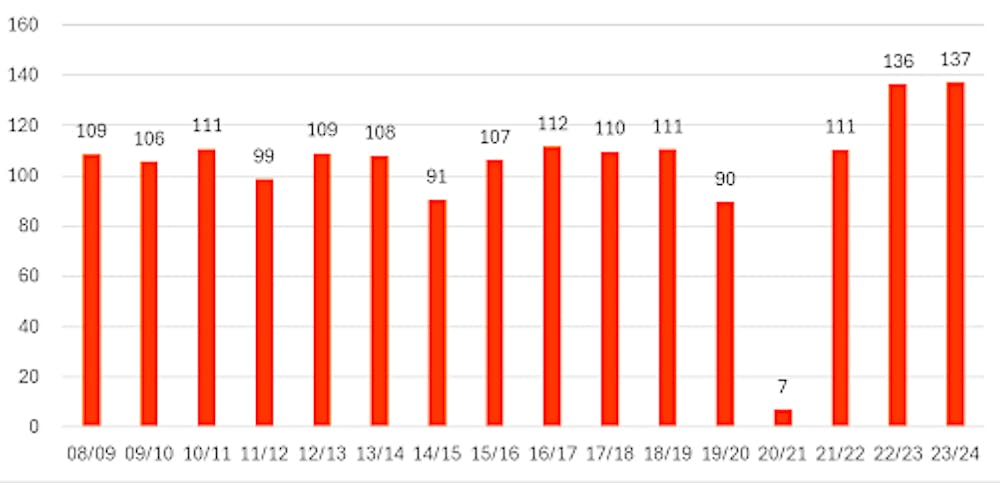
Source: United States Department of Justice (Hate Crime)
The Collaborative Reform Initiative Technical Assistance Center (CRI-TAC) program provides critical and tailored technical assistance resources to state, local, territorial, and tribal law enforcement agencies on a wide variety of topics. It features a “by the field, for the field” approach while delivering individualized technical assistance using leading experts in a range of public safety, crime reduction, and community policing topics. CRI-TAC is a public service and offered at no-cost to your agency.
“The assistance was timely, forward thinking, progressive, and deeply appreciated.” – Feedback received through the CRI-TAC Customer Satisfaction Survey
Request Technical Assistance
To help us best serve you, please include the following information: 1) Name of your agency 2) Number of sworn officers 3) Size of population served 4) Topic and service requested 5) Contact information
If you wish to contact the COPS Office Collaborative Reform Initiative team, please email TechnicalAssistance@usdoj.gov or call the COPS Office Response Center at 1-800-421-6770.
“This is not similar to other federal programs that bog down [an agency] in paperwork and bureaucracy. This is truly a “where the rubber meets the road” program that provides inputs and guidance/supports where it is locally needed and necessary.” – Feedback received through the CRI-TAC Customer Satisfaction Survey
Technical assistance encompasses a host of methods including training, peer-to-peer consultation, analysis, coaching, and strategic planning. Participating agencies identify areas of assistance to best suit their local needs, which may include the following:
CRI-TAC is launching a renewed focus on assisting smaller and rural law enforcement agencies. Smaller and rural agencies will continue to have access to the no-cost training and technical assistance that CRI-TAC is known for, but now CRI-TAC will provide training and technical assistance opportunities geared for the unique challenges confronting smaller and rural policing agencies. Through the Smaller and Rural Agency Initiative, agencies will be able to participate in training programs addressing areas such as active assailant response, multi-jurisdictional coordination, community partnerships, resource allocation, addressing hate crimes, report writing, duty to intervene, and crash re-construction.
Mass Demonstrations Response: Virtual Training for Campus Agencies
In response to the continued risk of mass demonstrations across the United States, CRI-TAC is partnering with the International Association of Campus Law Enforcement Administrators to deliver no-cost, virtual training related to planning for and responding to mass demonstrations on college campuses. Starting Tuesday, July 30, CRI-TAC will host one-hour, bi-weekly webinars for college campus agencies to hear expert recommendations. These webinars are open to all college campus police leaders and administrators. To register for upcoming webinars (8/27, 9/10, 9/20, 9/24) or view previous recordings, please visit https://www.iaclea.org/mass-demonstrations-response-virtual-training-for-campus-agencies.
CRI-TAC staff will work with you to provide a customized solution. Types of services the CRI-TAC can provide include:
Resource Referral Toolkits, reports, and other relevant publications
Web-based Training Recorded webinars and live online training
In-person Training Existing and customized on-site training
Virtual Mentoring Personnel from the requesting agency will be connected with subject matter experts to share information and promising practices via phone or video conference call.
Meeting Facilitation Subject matter experts will assist in facilitating meetings among agency members and other public and private sector stakeholders
Mass Demonstration Rapid Response Team (MDRRT) Provides resources, tools, strategies, and information to problem-solve and maximize communications between the agency and community when faced with a mass demonstration
“The subject matter experts were the best in the nation! Fantastic instructors, flexible and responsive. They bring years of experience to the table and were fantastic resources.” – Feedback received through the CRI-TAC Customer Satisfaction Survey
Trainings
CRI-TAC is pleased to offer the following CRI-TAC developed trainings upon request:
Take Action: Make the R.I.G.H.T. Choice and Intervene trains, encourages, and empowers law enforcement personnel to actively intervene when needed to prevent colleagues from committing policy or procedure mistakes or unprofessional, unethical, or criminal conduct. Intervening is critical for officer safety and wellness and community trust. This curriculum was developed for law enforcement officers of all ranks and experience, including basic entry-level recruits. This training can be delivered as an 8 hour direct or a 16 hour train the trainer.
Hate Crimes: Recognition and Reporting enhances law enforcement’s response and the uniform patrol officer’s ability to recognize and report a hate crime. This includes addressing victim needs, reporting incidents, and building community trust. This curriculum was developed primarily for uniformed law enforcement officers (e.g., police, sheriff deputies, troopers, agents, etc.) and first line supervisors. This training can be delivered as an 8 hour direct or a 16 hour train the trainer.
Hate Crime Investigations provides step-by-step methods for conducting a thorough hate/bias crime investigation to ensure accurate reporting and successful prosecution. The training provides specific strategies that effectively support victims and engage communities in the aftermath of a hate crime or hate incident. The curriculum was developed primarily for law enforcement personnel with investigatory responsibility (e.g., police, sheriff deputies, troopers, agents), investigators, and local prosecutors. This training is delivered as an 8 hour direct training.
Volunteer Engagement for American Indian and Alaska Native Missing Person Cases prepares and introduces the basic elements and practices for creating a volunteer engagement program to support law enforcement and communities in responding to emergent missing person cases. This training program includes two components: (1) Leadership Kick-Off Meeting is a 90-minute briefing that assists in preparing and gaining agency buy-in for the 8-hour volunteer engagement program training. This briefing is designed to be delivered virtually or in person. (2) Volunteer Engagement for American Indian and Alaska Native Missing Person Cases is an 8-hour training that introduces the practices and strategy for developing, implementing, and maintaining a volunteer engagement program. This training can be delivered in person or virtually.
These trainings are provided at no cost to your agency through CRI-TAC. To request a training, please submit a request.
All requests must be received from the chief executive of a law enforcement agency or with expressed authorization from the chief executive of the law enforcement agency. Requesting agencies do not need to be a member of the IACP or any partnering organization to be considered for technical assistance services. Requesting agencies should be from a state, local, county, tribal, campus, or territorial law enforcement agency.
The CRI-TAC understands that each technical assistance request is unique and are open to exploring other services should specific needs arise. Please note this is not a grant program and certain costs cannot be supported through CRI-TAC project to include agency personnel and equipment needs.
Upon receipt, CRI-TAC staff will contact you to schedule a screening call, discuss the process, and obtain additional pertinent information.
From there, an intake call is scheduled with CRI-TAC staff and partners. This call gives you the opportunity to discuss your technical assistance needs in detail including your vision for the goals and outcomes of the technical assistance.
Post intake, we will develop a formal technical assistance request for review and approval.
Once your request is approved, we will develop a technical assistance work plan. This work plan includes a detailed description of the technical assistance, SMEs, and staff assigned to your project. The work plan is subject to your review, input, and approval before we move forward to begin delivering technical assistance.
Upon your approval of the work plan, we will initiate the technical assistance delivery. Throughout delivery, we will continue to ensure we are meeting your needs with regular communication.
“The staff is outstanding and goes above and beyond for the local and county agencies they serve. They truly understand their market and their “customers” and have made this experience quite enjoyable!” – Feedback received through the CRI-TAC Customer Satisfaction Survey
When someone famous dies, particularly if they are young or it was unexpected, it is natural for their fans to want to know what happened. But, as the reporting on the tragic death of singer Liam Payne shows, the media does not always handle this appropriately or ethically.
The singer, 31, fell to his death from the third floor of a hotel in Buenos Aires while under the influence of “drugs or alcohol”, local police said. LA-based celebrity news website TMZ initially reported the story alongside graphic images of Payne’s body.
After a backlash, TMZ removed the photos, but executive editor Michael Babock defended publication, claiming the site was “trying to confirm reports Liam had died before police had established his identity”.
Other mainstream outlets published transcripts or recordings of a 911 call made to police shortly before Payne was found, and an Argentinian newspaper published images of Payne’s hotel room which included images of drugs paraphernalia.
This is certainly not the first time the media, and TMZ in particular, has come under fire for insensitive or harmful reporting of celebrity deaths. When basketball great Kobe Bryant died in a helicopter crash in January 2020, TMZ shared the news before police were able to notify his family. Bryant’s widow later testified that she learned of her husband and daughter’s deaths through social media. This breaches the UK’s journalism codes of practice.
In their quest to get a scoop, what precautions and sensitivities do journalists have to respect when it comes to reporting sudden and tragic deaths?
Media guidelines and ethics
The ethical standards and guidelines vary from country to country. In the UK,
these are set out by the Independent Press Standards Organisation (Ipso) and independent press monitor Impress for print media, and by Ofcom for broadcasters.
An Ipso clause around intrusion into grief and shock says journalists should make enquiries with “sympathy and discretion” and publication should be handled “sensitively”.
Ofcom has similar guidelines for broadcasters. The section on privacy states: “When people are caught up in events which are covered by the news they still have a right to privacy.”
This can be infringed if “warranted”, says Ofcom, for example if it is in the public interest. This could include revealing or detecting crime, protecting public health or safety, exposing misleading claims or disclosing incompetence. But a tragic death, even of a high profile person, is unlikely to meet this standard.
Broadcasters should not interview or film people who have experienced a personal tragedy unless it is “warranted” or they have given consent. And journalists are advised not to “reveal the identity of someone who has died unless it is clear that the next of kin have been informed”.
Impress, which regulates more independent journalism, has released a statement condemning the reporting of Payne’s death.
It said: “The defence of publishing in the public interest does not give outlets carte blanche to report the most intimate details of a celebrity’s life, or their death.”
It is important to state at this stage that what happened prior to Payne’s tragic death and his intentions at the time are unknown. It is the job of the coroner to investigate and come to a conclusion at his inquest.
The effect of reporting on tragedy
Beyond accuracy and respect for the victim of a tragedy and their family, there are wider concerns that journalists should take into account.
Research conducted by the World Health Organization (WHO) has shown irresponsible media reporting of celebrity deaths, particularly suicides, can increase suicide rates.
One study examining patterns of suicide and media coverage found that in the five months following comic Robin Williams’ death in 2014, there were 1,841 more deaths from suicide in the USA compared to the same period the previous year – a 9.85% rise.
The WHO’s international guidelines for reporting suicide urge the media to avoid sensationalism. Journalists should not provide details about methods, and should include information about mental health resources in stories.
Analysis of over 100 academic studies found repeated coverage and high-profile news stories were most strongly associated with copycat behaviour.
The WHO states: “Such stories can inadvertently function as celebrity endorsements of suicidal behaviour and it is known that celebrity endorsements can have an impact on behaviour of the public.”
Sensitive reporting can reduce the risk of copycat suicides. Providing context in relation to mental health challenges and offering resources for support is vital.
In the UK, guidelines were first drawn up by the Samaritans charity in 1994 to improve reporting on suicide and prevent copycat attempts. These are taught to journalism students on courses accredited by the National Council for the Training of Journalists.
Guidance includes avoiding “dramatic” headlines, emotive or sensational pictures or video footage and excessive amounts of coverage. Not speculating about the trigger or cause is urged, because it can oversimplify the issue.
“Coverage that reflects the wider issues around suicide, including that it is preventable, can help reduce the risk of suicidal behaviour”, the guidelines state. “Include clear and direct references to resources and support organisations.”
Making a change
Despite all of these guidelines, many media outlets flout them in the race for clicks. It is heartening that there has been so much outrage at the publication of the images of Payne, but some members of the public still seem to have an insatiable appetite for it. Nothing, it seems, is off limits.
We need to take collective responsibility. Journalists and editors should reacquaint themselves with responsible reporting guidelines and put themselves in the bereaved family’s shoes. Members of the public can also do their bit by not clicking on or sharing this kind of material, so editorial priorities change.
Ultimately, our thoughts must be with Payne and his loved ones. A death so young is a real tragedy and those who loved him will be affected for the rest of their lives.
If you’re struggling with suicidal thoughts, the following services can provide you with support:
In the UK and Ireland – call Samaritans UK at 116 123.
In the US – call the National Suicide Prevention Lifeline at 1-800-273-TALK (8255) or IMAlive at 1-800-784-2433.
In Australia – call Lifeline Australia at 13 11 14.
In other countries – visit IASP or Suicide.org to find a helpline in your country.
Polly Rippon does not work for, consult, own shares in or receive funding from any company or organisation that would benefit from this article, and has disclosed no relevant affiliations beyond their academic appointment.
Source: United Kingdom – Executive Government & Departments
Foreign Secretary David Lammy met Foreign Minister of the People’s Republic of China, Wang Yi, in Beijing today.
Foreign Secretary David Lammy met Foreign Minister of the People’s Republic of China, Wang Yi, in Beijing today (18 October).
The Foreign Secretary set out that as fellow Permanent Members of the UN Security Council, it is a necessity that the UK and China increase bilateral engagement. He made clear that, as global players, both countries have an obligation to work together to find pragmatic solutions to complex challenges.
Areas of pragmatic, mutually beneficial cooperation were clear. This included working together on achieving the global green transition; making greater efforts on development and global health; and the safe use of AI. The Foreign Secretary reiterated his commitment to promoting secure and resilient growth through increased trade and investment which creates jobs, drives innovation, boosts productivity and provides economic stability and certainty for the UK economy. They agreed that the UK and China can support both countries’ growth objectives, with China as the world’s second largest economy and the UK’s 4th largest trading partner.
The Foreign Secretary also raised a number of foreign policy and security matters, including Russia’s war in Ukraine, where he stated how both the UK and China have a shared interest in European peace and ending the war. He reaffirmed that concerns over China’s supply of equipment to Russia’s military industrial complex risks damaging China’s relationships with Europe whilst helping to sustain Russia’s war. The Foreign Secretary urged Wang Yi to take all measures to investigate and to prevent Chinese companies from supplying Russia’s military. The Foreign Ministers agreed to continue to discuss this and other broader foreign policy issues, such as the ongoing conflict in the Middle East.
Human Rights were discussed, including in Xinjiang, and the Foreign Secretary referenced this as an area which the UK and China must engage, even where viewpoints diverge. Hong Kong is a shared interest, and the Foreign Secretary raised serious concerns around the implementation of the National Security Law and the ongoing treatment of British national Jimmy Lai, again calling for his release.
The meeting was constructive across the full breadth of the bilateral relationship, from areas of pragmatic cooperation to issues of contention. Both the Foreign Secretary and Foreign Minister agreed that maintaining channels of communication was essential and committed to holding regular discussions across their respective governments at Ministerial level.
Thank you for inviting me to speak today.1 I have participated in this conference for nearly 20 years and have often presented my research on monetary theory, banking, and payments. So, I believe this is the right audience to speak to regarding the role of centralized finance and the emergence of decentralized finance, or defi for short. Over the past few years, there has been a lot of attention and work on defi, which will be a major focus of my remarks. Many argue that defi will replace traditional centralized finance while others argue that it merely extends traditional finance methods and trading activities onto new platforms. It is in this sense that I want to address the question of whether centralized finance and defi are substitutes or complements to each other. Advances associated with defi have the potential to profoundly affect financial market trading. While I believe these advances could lead to efficiency gains, I recognize the significant value that has been delivered for centuries by financial intermediaries and through centralized financial markets. Before I share my views on the promise of these new technologies, let me tell you where I’m coming from on these issues. I am an economist, and so my first inclination is to think about the underlying economics driving an issue. But to understand the value proposition of defi, it is useful to first recall why centralized financial market trading arose in the first place. Centralized finance clearly provides benefits to people, but obviously also comes with some costs. I am going to take a few minutes to discuss those benefits and costs before turning to the question at hand. Let’s start with the economics of trading. Most financial trades are “pairwise” in that the seller of an object needs to find a buyer of that exact object. The problem is that it is often complicated, costly, and time-consuming to search for a buyer. This gives rise to the need for someone to step in and help buyers and sellers match in a faster and less costly manner. In short, there is a profit opportunity for someone to intermediate the trade. Another name for intermediaries is middlemen. Why would we pay a middleman? In their paper from nearly 40 years ago, Ariel Rubenstein and Asher Wolinsky described it eloquently: “What makes the middlemen’s activity possible is the time-consuming nature of the trade, which enables middlemen to extract surplus in return for shortening the time period that sellers and buyers have to wait for a transaction.”2 Let me contextualize the value of middlemen with an example I used for years when teaching money and banking. Suppose you had some extra income from saving and wanted to lend it out to earn interest. How would you do that? First, you would have to advertise that you had funds to lend. Then, you would have to wait for the right person who needed that exact amount of funds, which could be a long time. Once you met the right person, you would have to negotiate when repayment would occur. Next, you would need to know a lot of information about the person receiving your funds and the likelihood you would get repaid. This is needed to assess the risk of the transaction and the compensation you would need to give up your funds. You would also need a lot of legal advice to draw up a contract and stipulate how the contract would be enforced under a range of conditions. Finally, since you are the sole source of funding, you will bear the entire cost of a default. It should be clear that this would be a daunting exercise for most people and explains why they would turn to a middleman who specializes in this type of activity to do all this on their behalf. It is for these reasons that banks arose as early as in ancient Mesopotamia to carry out some of these functions.3 Similar issues arise when it comes to other ways of transferring resources from one person to another, as occurs from non-bank debt, equities and insurance contracts. Many point to trades of shares in the Dutch East India Trading Company in Amsterdam in the 1660s as the origins of the first modern stock exchange. Lloyds of London was founded as a means of pooling funds to share risk and return in the shipping industry, thus becoming the first insurance firm. The fact that similar arrangements still exist centuries later is a testament to the value of intermediation and centralized financial trading. However, these arrangements are not without drawbacks. An obvious drawback of intermediation from the perspective of those wishing to trade is that those middlemen must get paid. That is, there are transaction costs. Another drawback of intermediation is that you typically must turn over control of your assets, such as savings or stocks, to the intermediary for them to be traded. This creates a classic “principal-agent” problem whereby incentives between the principal—you—and the agent—the intermediary—may not be aligned. That can raise concerns about custody arrangements and recourse to regain control of one’s assets. Intermediation also requires recordkeeping arrangements that customers can trust accurately reflect their true holdings. In other words, centralized finance requires a substantial amount of trust. With all that in mind, let me turn to how and why technological innovations have given rise to defi. In a capitalist system, the existence of profits provides incentives for others to enter the market, offer a better product, and compete away any excess profits. This can be done by the creation of new financial firms that can provide the same or better service at a lower cost. Often that occurs through innovations and exploiting new technologies. Think about how the invention of the telegraph and the telephone revolutionized trading. More recently, the advent of the internet further advanced the ease and speed of financial trading. These are examples of how financial trading has evolved over time. And the next wave of innovations in financial market trading could be driven by technological advances that alleviate some potential drawbacks of the centralized approach. Often broad technological advances emanate from narrower efforts to design products or processes that solve specific problems. For example, one technology used to support portable home appliances like vacuum cleaners was originally developed to support the space program.4 Similarly, the development of crypto-assets led to the development of technologies that are fueling possibilities in defi. We don’t have enough time for me to cover the full history of crypto-assets, but I will focus on several key elements that have affected the evolution toward defi. An early crypto-asset—Bitcoin—was developed to function in a world in which trust among individuals did not exist. Rather than relying on intermediaries which require trust, Bitcoin relied on technology to facilitate trade. Bitcoin was also designed for privacy. No one would know who was buying or selling Bitcoin. This was achieved through cryptographic technology and private keys. In addition, it allowed individuals to maintain control of their crypto-assets throughout the entire trading process. That is, they no longer had to delegate control to others. Finally, all records were kept on a form of distributed ledger called a blockchain, which has design features that promote transparency and are censorship-proof. No individual or government could destroy the records of trades or take ownership of the objects traded. With that history in mind and before we delve into the question of whether defi and centralized finance are substitutes or complements, I think it is useful to carefully define some terms. This will make sure we’re all talking about the same things. As I described in a speech last year, I think of the crypto ecosystem as consisting of three parts:
a crypto-asset, which generally refers to any digital object traded using cryptographic techniques; technology that directly facilitates trading crypto-assets; this includes smart contracts and tokenization;5 and a database management protocol used to record trades and ownership of assets, commonly referred to as the blockchain, which includes both permissioned and permissionless distributed ledger technologies.
It is easy to see how the emergence of these technologies could lead one to think of defi as a substitute for centralized finance. For example, the technologies are allowing for individuals to trade assets without giving up control of those assets to an intermediary—a critical distinction with centralized finance. However, there are other uses emerging from these technologies that look more like complements to centralized finance. For example, distributed ledger technology, or DLT, may be an efficient and faster way to do recordkeeping in a 24/7 trading world. We already see several financial institutions experimenting with DLT for traditional repo trading that occurs 24/7. But before these ledgers can be used to facilitate transactions in traditional assets—like debt, equity, and real estate—these assets must be tokenized. Undertaking the process to tokenize assets and use distributed ledgers like blockchain can speed up transfers of assets and take advantage of another innovation: smart contracts. Rather than relying on each party to separately carry out the transaction, smart contracts can effectively combine multiple legs of a transaction into a single unified act executed by a smart contract. This can provide value as it can mitigate risks associated with settlement and counterparty risks by ensuring the buyer will not pay if the seller does not deliver. While these efforts are still in early stages, the functionality could expand to a broad set of financial activities. The bottom line is that things like DLT, tokenization, and smart contracts are just technologies for trading that can be used in defi or also to improve efficiency in centralized finance. That is why I see them as complements. Stablecoins are another important innovation in defi. Stablecoins were created in the crypto universe in hopes of providing a “safe” asset with a stable value for trading. Nearly all stablecoins are pegged to the U.S. dollar one-for-one. They provide an opportunity for buyers and sellers to transact in a decentralized fashion with the stablecoin used as the settlement instrument. Because they are effectively digital currency, stablecoins can reduce the need for payment intermediaries and thereby reduce costs of payments globally. But their safety is not assured. History is replete with cases in which synthetic dollars became subject to runs. Stablecoins thus face all of the same issues any substitute for genuine U.S. dollars faces. If appropriate guardrails can be erected to minimize run risk and mitigate other risks, such as their potential use in illicit finance, then stablecoins may have benefits in payments and by serving as a safe asset on a variety of new trading platforms. These technologies will almost certainly lead to efficiency gains over time, but as they develop, we should think carefully about their role in the broader financial landscape. Is it really possible to completely decentralize finance using these technologies? The answer is obviously “no.” Intermediation is still valuable for the average person, and we see this by the existence of trading exchanges in the crypto world. All these platforms involve giving custody of one’s crypto-assets to an intermediary, who conducts trades on behalf of the client. This reintroduces the need for trust in these platforms just as trust is needed in modern banking systems. Returning to the technologies behind defi, one must ask whether there are unique risks associated with the use of these technologies. If so, what is the nature of these risks? Are they contained to just those people directly engaging with the technologies, or could there be broader spillovers to society? For example, can these technologies increase the risk of inadvertently providing funds to bad actors? In centralized finance there are regulations that require banks to know who their clients are. Are similar rules and regulations needed around some of these new technologies? When it comes to our financial plumbing, which affects every person or business in one way or another, I think a balanced view of expeditious disruption and long-term sustainability is merited. So where does that leave us? Ultimately, I believe that advances in technology have the potential to drive efficiency gains in finance, just as technological innovation has done for centuries. While there are certain services emerging through defi that cannot be provided by centralized finance, the technological innovations stemming from defi are largely complementary to centralized finance. They have the potential to improve centralized finance, thereby increasing the significant value that financial intermediaries and centralized financial markets deliver. I look forward to seeing the continued evolution of financial technology and the benefits that evolution will bring to the households and businesses served by the financial system.
1. I would like to dedicate these remarks to an old friend and longtime participant of this conference, Paul Klein, who passed away unexpectedly two months ago. The views expressed here are my own and are not necessarily those of my colleagues on the Federal Reserve Board or the Federal Open Market Committee. Return to text 2. See Ariel Rubinstein and Asher Wolinsky, “Middlemen,” The Quarterly Journal of Economics 102 (August 1987): 581–93, https://academic.oup.com/qje/article-abstract/102/3/581/1887969. Return to text 3. See Benjamin Bromberg, “The origin of banking: religious finance in Babylonia (PDF),” The Journal of Economic History 2 (May 1942): 77–88. Return to text 4. See National Aeronautics and Space Administration, “Spinoff from a Moon Tool (PDF),” January 1, 1981. Return to text 5. See Christopher J. Waller, “Thoughts on the Crypto Ecosystem” (speech at Global Interdependence Center Conference: Digital Money, Decentralized Finance, and the Puzzle of Crypto, La Jolla, CA, February 10, 2023). Return to text
Headline: N.C. State Archives Offers Symposium Commemorating 250th Anniversary of Edenton Tea Party
N.C. State Archives Offers Symposium Commemorating 250th Anniversary of Edenton Tea Party jejohnson6
From Edenton to Congress and from petitions to gubernatorial proclamations, women’s participation in North Carolina politics has risen for 250 years.
Join the America 250 NC commemoration with the Friends of the Archives during a free hybrid symposium, “From Edenton to Congress.” This program in the Department of Natural and Cultural Resources Building in Raleigh (109 E. Jones St.) or online will share highlights of North Carolina women’s political history and relevant collections from the State Archives to commemorate the 250th anniversary of the Edenton Tea Party.
The program will include new research on the 1774 Edenton women’s petition, a discussion of “Jane Pratt: North Carolina’s First Congresswoman,” by author Marion Deerhake, records from Governor Beverly Perdue’s administration, and remarks by League of Women Voters President Dianna Wynn.
The event Friday, Nov. 1, from 1-5 p.m. will include a reception featuring yaupon tea — America’s native tea, courtesy of the Friends of the Archives, who also will be holding their annual meeting. Register in advance for online participation: https://www.zoomgov.com/webinar/register/WN_bYlWTvBmRfyUtDEwRHVhfA#/registration. For more information or to RSVP, please contact Danielle Shirilla, dani.shirilla@dncr.nc.gov or 919-814-6881.
About the State Archives The State Archives serves as the custodian of North Carolina’s historical records, preserving and providing public access to a wealth of archival materials. Through its diverse collections, educational programs, and exhibitions, the State Archives plays a crucial role in promoting an understanding and appreciation of North Carolina’s rich historical legacy.
About the North Carolina Department of Natural and Cultural Resources The N.C. Department of Natural and Cultural Resources (DNCR) manages, promotes, and enhances the things that people love about North Carolina – its diverse arts and culture, rich history, and spectacular natural areas. Through its programs, the department enhances education, stimulates economic development, improves public health, expands accessibility, and strengthens community resiliency.
The department manages over 100 locations across the state, including 27 historic sites, seven history museums, two art museums, five science museums, four aquariums, 35 state parks, four recreation areas, dozens of state trails and natural areas, the North Carolina Zoo, the State Library, the State Archives, the N.C. Arts Council, the African American Heritage Commission, the American Indian Heritage Commission, the State Historic Preservation Office, the Office of State Archaeology, the Highway Historical Markers program, the N.C. Land and Water Fund, and the Natural Heritage Program. For more information, please visit www.dncr.nc.gov.
Headline: The North Carolina Museum of History Seeks Fayetteville Community Input for Future Exhibits
The North Carolina Museum of History Seeks Fayetteville Community Input for Future Exhibits jejohnson6
WHAT: Fayetteville Community Gathering
WHEN: Monday, Oct. 21, 6–7:30 p.m.
WHERE: 225 Dick St., Fayetteville, NC 28301
DETAILS: The North Carolina Museum of History invites community members in the Fayetteville area to participate in an open discussion to help shape the future of the museum’s exhibits. This is an opportunity for the public to share their thoughts on how the state’s layered history should be presented to future visitors.
This event is open to all community members interested in contributing to the storytelling of North Carolina’s history at the state museum. During this gathering, participants will be asked to consider and discuss several key questions, including:
What makes North Carolina unique?
Who should be remembered at the state history museum, and whose stories should be highlighted?
What significant changes have taken place in your community over time?
How can the museum create a stronger connection with visitors from your community?
What advice would you give about how to represent your community’s history at the state museum?
For more information and to register, click here.
About the NC Museum of History
The North Carolina Museum of History, a Smithsonian Affiliate, fosters a passion for North Carolina history. This museum collects and preserves artifacts of state history and educates the public on the history of the state and the nation through exhibits and educational programs. Admission is free. In 2023, more than 355,000 people visited the museum to see some of the 150,000 artifacts in the museum collection. The Museum of History, within the Division of State History Museums, is part of the NC Department of Natural and Cultural Resources.
About the Smithsonian Affiliations Network
Since 2006, the North Carolina Museum of History has been a Smithsonian Affiliate, part of a select group of museums and cultural, educational, and arts organizations that share Smithsonian resources with the nation. The Smithsonian Affiliations network is a national outreach program that develops long-term collaborative partnerships with museums and other educational and cultural organizations to enrich communities with Smithsonian resources. More information is available ataffiliations.si.edu.
About the North Carolina Department of Natural and Cultural Resources
The NC Department of Natural and Cultural Resources (DNCR) manages, promotes, and enhances the things that people love about North Carolina—its diverse arts and culture, rich history, and spectacular natural areas. Through its programs, the department enhances education, stimulates economic development, improves public health, expands accessibility, and strengthens community resiliency.
The department manages more than 100 locations across the state, including 27 historic sites, seven history museums, two art museums, five science museums, four aquariums, 35 state parks, four recreation areas, dozens of state trails and natural areas, the NC Zoo, the State Library, the State Archives, the NC Arts Council, the African American Heritage Commission, the American Indian Heritage Commission, the State Historic Preservation Office, the Office of State Archaeology, the Highway Historical Markers program, the NC Land and Water Fund, and the Natural Heritage Program. For more information, please visitdncr.nc.gov.
Headline: ‘Saturday at the QAR Lab’ Showcases Blackbeard’s Flagship
‘Saturday at the QAR Lab’ Showcases Blackbeard’s Flagship jejohnson6
GREENVILLE
Before it was a pirate ship, Queen Anne’s Revenge was known by another name.
The ship, La Concorde, was a slave-trading vessel that became the infamous pirate Blackbeard’s flagship.
Archaeological Conservators and Researchers with the N.C. Office of State Archaeology will explain the history of the ship Nov. 2 during their “Saturday at the QAR Lab” tours of the Queen Anne’s Revenge Conservation Lab in Greenville.
Artifacts will be displayed, including gold grains, grenades and cannons recovered from the ship, which was wrecked near Beaufort Inlet over 300 years ago.
Register for the “Saturday at the QAR Lab” for a free guided tour from the archaeologists and conservators responsible for preserving, documenting and investigating this ship with two names!
Tours will run every 30 minutes from 10 a.m.-1 p.m. and last approximately 90 minutes. Space is limited, and reservations are required. Please arrive 10 minutes before your tour time. Tours are free and open to all ages, but registration is required.
The QAR Lab at East Carolina University is located at 1157 VOA Site C Rd., Greenville.
For additional information, please call (252) 744-6721. The Queen Anne’s Revenge Shipwreck Project and Queen Anne’s Revenge Conservation Lab, and the Office of State Archaeology are within the N.C. Department of Natural and Cultural Resources.
About the North Carolina Department of Natural and Cultural Resources The N.C. Department of Natural and Cultural Resources (DNCR) manages, promotes, and enhances the things that people love about North Carolina – its diverse arts and culture, rich history, and spectacular natural areas. Through its programs, the department enhances education, stimulates economic development, improves public health, expands accessibility, and strengthens community resiliency.
The department manages over 100 locations across the state, including 27 historic sites, seven history museums, two art museums, five science museums, four aquariums, 35 state parks, four recreation areas, dozens of state trails and natural areas, the North Carolina Zoo, the State Library, the State Archives, the N.C. Arts Council, the African American Heritage Commission, the American Indian Heritage Commission, the State Historic Preservation Office, the Office of State Archaeology, the Highway Historical Markers program, the N.C. Land and Water Fund, and the Natural Heritage Program. For more information, please visit www.dncr.nc.gov.
Headline: The North Carolina Museum of History Seeks Charlotte Community Input for Future Exhibits
The North Carolina Museum of History Seeks Charlotte Community Input for Future Exhibits jejohnson6
WHAT: Charlotte Community Gathering
WHEN: Tuesday, Oct. 22, 6–7:30 p.m.
WHERE: 650 East 24th St., Charlotte, NC 28205
DETAILS: The North Carolina Museum of History invites community members in the Charlotte area to participate in an open discussion to help shape the future of the museum’s exhibits. This is an opportunity for the public to share their thoughts on how the state’s layered history should be presented to future visitors.
This event is open to all community members interested in contributing to the storytelling of North Carolina’s history at the state museum. During this gathering, participants will be asked to consider and discuss several key questions, including:
What makes North Carolina unique?
Who should be remembered at the state history museum, and whose stories should be highlighted?
What significant changes have taken place in your community over time?
How can the museum create a stronger connection with visitors from your community?
What advice would you give about how to represent your community’s history at the state museum?
For more information and to register, click here.
About the NC Museum of History
The North Carolina Museum of History, a Smithsonian Affiliate, fosters a passion for North Carolina history. This museum collects and preserves artifacts of state history and educates the public on the history of the state and the nation through exhibits and educational programs. Admission is free. In 2023, more than 355,000 people visited the museum to see some of the 150,000 artifacts in the museum collection. The Museum of History, within the Division of State History Museums, is part of the NC Department of Natural and Cultural Resources.
About the Smithsonian Affiliations Network
Since 2006, the North Carolina Museum of History has been a Smithsonian Affiliate, part of a select group of museums and cultural, educational, and arts organizations that share Smithsonian resources with the nation. The Smithsonian Affiliations network is a national outreach program that develops long-term collaborative partnerships with museums and other educational and cultural organizations to enrich communities with Smithsonian resources. More information is available ataffiliations.si.edu.
About the North Carolina Department of Natural and Cultural Resources
The NC Department of Natural and Cultural Resources (DNCR) manages, promotes, and enhances the things that people love about North Carolina—its diverse arts and culture, rich history, and spectacular natural areas. Through its programs, the department enhances education, stimulates economic development, improves public health, expands accessibility, and strengthens community resiliency.
The department manages more than 100 locations across the state, including 27 historic sites, seven history museums, two art museums, five science museums, four aquariums, 35 state parks, four recreation areas, dozens of state trails and natural areas, the NC Zoo, the State Library, the State Archives, the NC Arts Council, the African American Heritage Commission, the American Indian Heritage Commission, the State Historic Preservation Office, the Office of State Archaeology, the Highway Historical Markers program, the NC Land and Water Fund, and the Natural Heritage Program. For more information, please visitdncr.nc.gov.
Jasper is one of Canada’s most iconic destinations, treasured by Canadians and renowned around the world.
October 18, 2024 – Jasper, Alberta
Jasper is one of Canada’s most iconic destinations, treasured by Canadians and renowned around the world. With its proximity to majestic mountains and clear blue lakes, Jasper draws over two million visitors from across Canada and around the world every year. This summer’s wildfires had a devastating impact on Jasper and the region’s economy, which is built on tourism. That’s why the Government of Canada is taking action to support Jasper’s recovery and help its tourism industry come back strong.
The Honourable Soraya Martinez Ferrada, Minister of Tourism and Minister responsible for the Economic Development Agency of Canada for the Regions of Quebec, alongside Marsha Walden, President and CEO of Destination Canada, the Honourable Joseph Schow, Alberta Minister of Tourism and Sport, Richard Ireland, Mayor of the Municipality of Jasper, David Goldstein, CEO of Travel Alberta, and Tyler Riopel, CEO of Tourism Jasper, today announced $3 million in support from the Government of Canada to help Jasper and the region’s tourism industry recover, rebuild and retake its place on the world stage. This is made possible through collaboration between Destination Canada and Travel Alberta, which are integrating their marketing strategies to showcase one of Canada’s most sought-after experiences.
Key marketing initiatives delivered by Destination Canada include:
investing in Destination Canada-led seasonal marketing campaigns, in collaboration with Travel Alberta, with a focus on the United States—Canada’s top international arrivals market;
co-investing in opportunities for targeted Destination Canada-led marketing programs in additional key markets such as the United Kingdom, France, Germany, Japan, South Korea, Australia and Mexico;
hosting Canada’s largest global tourism media event in Jasper in September 2025, which will be organized in collaboration with Travel Aberta and Tourism Jasper and will serve as a platform to foster relationships between over 80 top-tier travel media outlets from around the world and Canadian tourism industry representatives; and
leveraging Destination Canada’s $50 million International Convention Attraction Fund.
These important investments build on significant support for Jasper already announced by the Government of Canada. This began with calling in the Canadian Armed Forces to fight the wildfires in July. As Jasper began to recover, the government matched donations and ensured local residents received the benefits and services they needed. As the town started rebuilding, the government quickly made changes to put the municipality in charge of the effort. This work is being directed by a special cabinet committee, led by the Honourable Randy Boissonnault.
Today’s announcement followed Minister Ferrada and Minister Schow’s co-hosting of the annual Canadian Council of Tourism Ministers meeting in Banff, Alberta and subsequent tour of the region. At the meeting, federal, provincial and territorial ministers responsible for tourism discussed challenges facing the tourism sector and cross-governmental opportunities to support its growth.
Marie-Justine Torres Press Secretary Office of the Minister of Tourism and Minister responsible for the Economic Development Agency of Canada for the Regions of Quebec marie-justine.torresames@ised-isde.gc.ca 613-327-5918
Media Relations Innovation, Science and Economic Development Canada media@ised-isde.gc.ca
For easy access to government programs for businesses, download the Canada Business app.
(COLUMBIA, S.C.) – Attorney General Alan Wilson filed a brief in the U.S. Court of Appeals for the D.C. Circuit to stop the Biden-Harris administration from imposing an electric-vehicle mandate on truck manufacturers. A coalition of 24 states teamed up in Nebraska v. EPA to challenge the new rule.
“This is yet another overreach by the Biden-Harris administration trying to do something they don’t have the authority to do,” Attorney General Wilson said. “But more importantly, it will raise the price on all of us for almost everything that gets shipped by truck.”
In April, the federal Environmental and Protection Agency (EPA) published a rule imposing stringent tailpipe emissions standards for heavy-duty vehicles that effectively force manufacturers to produce more electric trucks and fewer internal combustion trucks. The attorneys general argued that EPA’s electric-truck mandate raises a “major question” that Congress has not clearly authorized EPA to decide. The brief points out that just 0.10 percent of all heavy-duty trucks sold today are powered by a battery, but that EPA’s rule would increase that number to 45 percent in less than a decade. That massive shift in the nation’s trucking and logistics industries will slow down the transportation of essential goods, stress the electric grid, and raise prices for Americans. The brief also argues that EPA has never before forced manufacturers to produce heavy-duty electric vehicles and that allowing the electric-truck mandate to stand would short-circuit the ongoing policy debate that should be left to Congress and the States.
In addition to Attorney General Wilson, attorneys general from the following states joined the brief against the Biden Administration: Alabama, Alaska, Arkansas, Florida, Georgia, Idaho, Indiana, Iowa, Kansas, Kentucky, Louisiana, Mississippi, Missouri, Montana, Nebraska, Oklahoma, Tennessee, Texas, South Dakota, Utah, Virginia, West Virginia, and Wyoming.
Source: The Conversation – UK – By Kieran Maguire, Senior Teacher in Accountancy and member of Football Industries Group, University of Liverpool
When the Premier League broke away from the rest of English football in 1992, its 22 clubs generated £205 million in its debut season, and the average player earned £2,050 a week. Thirty years later, despite having two fewer clubs, the league’s revenue had increased by 2,850% to £6.1 billion and the average player earned £93,000 a week.
At the heart of this extraordinary growth is an American revolution. In the Premier League’s inaugural season, football was still in recovery from the horrors of the stadium disasters at Hillsborough and Heysel. Owners tended to be from the local area and with a business background. The only foreign owner was Sam Hamman at Wimbledon, a Lebanese millionaire who bought the club on a whim having reportedly been much more interested in tennis. The season ended with Manchester United (under Alex Ferguson) winning the English game’s top league for the first time in 26 years.
Now, if the Texas-based Friedkin Group’s recent deal to buy Everton goes through, 11 of the 20 Premier League clubs will be controlled or part-owned by American investors. The US – long seen as football’s final frontier when it comes to the men’s game – suddenly can’t get enough of English “soccer”.
Four of the Premier League’s “big six” are American-owned – Manchester United, Liverpool, Arsenal and Chelsea – while a fifth, Manchester City, has a significant US minority shareholding. Aston Villa, Fulham, Bournemouth, Crystal Palace, West Ham and Ipswich Town also have varying degrees of American ownership.
And it’s not even just the glamour clubs at the top of the tree. American investment has also been significant lower down the football pyramid, led by the high-profile acquisition of then non-league Wrexham by Hollywood actors Ryan Reynolds and Rob McElhenny, and Birmingham City’s purchase by US investors including seven-time Super Bowl winner Tom Brady. American investment in football has reached places as geographically diverse as Carlisle and Crawley in England, and Aberdeen and Edinburgh in Scotland.
The Insights section is committed to high-quality longform journalism. Our editors work with academics from many different backgrounds who are tackling a wide range of societal and scientific challenges.
Manchester United was the first Premier League club to come under American ownership – after a row about a horse.
In 2005, United was owned by a variety of investors including Irish businessmen and racehorse owners John Magnier and J.P. McManus. Their erstwhile friend Ferguson, the United manager, thought he co-owned the champion racehorse Rock of Gibraltar with them – a stallion worth millions in stud rights. They disagreed – and their bitter dispute was such that Magnier and McManus decided to sell their shares in the football club.
The Miami-based Glazer family – already involved in sport as owners of NFL franchise the Tampa Bay Buccaneers – had already been buying up small tranches of shares in United, but the sudden availability of the Irish shares allowed Malcolm Glazer to acquire a controlling stake for £790 million (around £1.5 billion at today’s prices).
The fact Glazer did not actually have sufficient funds to pay for these shares was a solvable problem. In the some-might-say commercially naive world of top-flight English football before the Premier League, Manchester United was a club without debt, paying its way without leveraging its position as one of the world’s most famous football clubs. Glazer saw the opportunity this presented and arranged a leveraged buy-out (LBO), whereby the football club borrowed more than £600 million secured on its own assets to, in effect, “buy itself” in 2005.
Despite the need to meet the high interest costs to fund the LBO, United continued winning trophies under Ferguson – including three Premier League titles in a row in 2007, 2008 and 2009, as well as a Champions League victory in 2008. Amid this success, the club felt that ticket prices were too low and set about increasing them, with matchday revenue increasing from £66 million in 2004/05 to over £101 million by 2007/08.
Commercial income was another area the Glazers were keen to increase. United set up offices in London and adopted a global approach to finding new official branding deals ranging from snacks to tractor and tyre suppliers – doubling revenues from this income source too.
But in this new, more aggressive world of “sweating the asset”, the debts lingered – and most United fans remained deeply suspicious of their American owners. (Following their father’s death in 2014, the club was co-owned by his six children, with brothers Avram and Joel Glazer becoming co-chairmen.)
Today, despite its partial listing on the New York Stock Exchange and the February 2024 sale of 27.7% of the club to British billionaire Sir Jim Ratcliffe for a reputed £1.25 billion, United still has borrowings of more than £546 million, having paid cumulative interest costs of £969 million since the takeover in 2005. But with the club now valued at US$6.55 billion (around £5bn), it represents a very smart investment for the Glazer family.
Indeed, while the prices being paid for football clubs across Europe have reached record levels, they are still seen as cheap investments compared with US sports’ leading franchises. Forbes’s annual list of the world’s most valuable sports teams has American football (NFL), baseball (MLB) and basketball (NBA) teams occupying the top ten positions, with only three Premier League clubs – Manchester United, Liverpool and Manchester City – in the top 50.
With NFL teams having an average franchise value of US$5.1 billion and NBA $3.9 billion, many English football clubs still look like a bargain from the other side of the pond.
The risk of relegation
The latest to join this US bandwagon, the Friedkin Group – a Texas-based portfolio of companies run by American businessman and film producer Dan Friedkin – is reported to have offered £400m to buy Everton, despite the club’s poor financial state.
“The Toffees” have been hit by loss of sponsorships as well as two sets of points deductions for breaching the Premier League’s financial rules, leading to revenue losses from lower league positions. While the new stadium being built at Liverpool’s Bramley-Moore dock has been yet another financial constraint, it will at least increase matchday income from the start of next season.
Everton’s new stadium at Bramley-Moore dock will open in time for the start of the 2025-26 season. Phil Silverman / Shutterstock
A wider reason for the relative bargain in valuations of European football clubs is the risk of relegation – something that is not part of the closed leagues of most US sports. While the threat of relegation (and promise of promotion) has always been an integral part of English and European football, the jeopardy this brings for supporters – and a club’s finances – does not exist in the NFL, NBA, Major League Soccer and similar competitions.
The Premier League, with its three relegation spots at the end of each season, has featured 51 different clubs since it launched in 1992. Only six clubs – Arsenal, Spurs, Chelsea, Manchester United, Liverpool and Everton – have been ever present, with Arsenal now approaching 100 years of consecutive top-flight football.
Other Premier League clubs have experienced the dramatic cost-benefit of relegation and promotion. Oldham Athletic, who were in the Premier League for its first two seasons, now languish in the fifth tier of the game, outside the English Football League (EFL). In contrast, Luton Town, who were in the fifth tier as recently as 2014, were promoted to the Premier League in 2023 – only to be relegated at the end of last season.
While it is difficult to compare football clubs with basketball and American football teams, the financial difference between having an open league, with relegation, and a closed league becomes apparent when you look at women’s football on both sides of the Atlantic.
Angel City, a women’s soccer team based in Los Angeles, only entered the National Women’s Soccer League (NWSL) in 2022 and is yet to win an NWSL trophy. But last month, the club was sold for US$250 million (£188m) to Disney’s CEO Bob Iger and TV journalist Willow Bay – the most expensive takeover in the history of women’s professional sport.
In comparison, Chelsea – seven-time winners of the English Women’s Super League and one of the most successful sides in Europe – valued its women’s team at £150 million ($US196m) earlier this summer. While there are a number of factors to this price differential, the confidence that Angel City will always be a member of the big league of US soccer clubs – and share very equally in its revenue – will have made its new owners very confident in the long-term soundness of their deal.
The story of Angel City FC, the most expensive team in women’s sport.
A further attraction for American investors is the potential to enter two markets – one mature (men’s football) and one effectively a start-up (the women’s game) – in a single purchase. In the US, the top men’s and women’s clubs are completely separate. But in Europe, most top-flight women’s teams are affiliated to men’s clubs – with the exception of eight-time Women’s Champions League winners Olympique Lyonnais Feminin, which split from the French men’s club when Korean-American businesswoman Michele Kang bought a majority stake in the women’s team in February 2024).
While interest in, and hence value of, the WSL is now growing fast, the women’s game in England is dwarfed by viewer ratings for the Premier League – the most watched sporting league in the world, viewed by an estimated 1.87 billion people every week across 189 countries.
These figures dwarf even the NFL which, while currently still the most valuable of all sporting leagues in terms of its broadcasting deals, must be looking at the growth of the Premier League with some jealousy. This may explain why some US franchise owners, such as Stan Kroenke, the Glazer family, Fenway Sports Group and Billy Foley, have subsequently purchased Premier League football clubs.
Ironically, for many spectators around the world, it is the intensity and competitiveness of most Premier League matches – brought on in part by the threat of relegation and prize of European qualification – that makes it so captivating. However, billionaire investors like guaranteed numbers and dislike risk – especially the degree of financial risk that exists in the Premier League and English Football League.
European not-so-Super League
In April 2021, 12 leading European clubs (six from England plus three each from Spain and Italy) announced the creation of the European Super League (ESL). This new mid-week competition was to be a high-revenue generating, closed competition with (eventually) 15 permanent teams and five annual additions qualifying from Europe. According to one of the driving forces behind the plan, Manchester United co-chairman Joel Glazer:
By bringing together the world’s greatest clubs and players to play each other throughout the season, the Super League will open a new chapter for European football, ensuring world-class competition and facilities, and increased financial support for the wider football pyramid.
The problem facing the Premier League’s “big six” clubs – and their ambitious owners – is there are currently only four slots available to play in the Champions League. So, their thinking went, why not take away the risk of not qualifying? However, the proposal was swiftly condemned by fans around Europe, together with football’s governing bodies and leagues – all of whom saw the ESL proposal as a threat to the quality and integrity of their domestic leagues. Following some large fan protests, including at Chelsea’s Stamford Bridge, Manchester City was the first club to withdraw – followed, within a couple of days, by the rest of the English clubs.
Under the terms of the ESL proposals, founding member clubs would have been guaranteed participation in the competition forever. Guaranteed participation means guaranteed revenues. The current financial gap between the “big six” and the other members of the Premier League, which in 2022/23 averaged £396 million, would have widened rapidly.
For example, these clubs would have been able to sell the broadcast rights for some of their ESL home fixtures direct to fans, instead of via a broadcaster. All of a sudden, that database of fans who have downloaded the official club app, or are on a mailing list, becomes far more valuable. These are the people most willing to watch their favourite team on a pay-per-view basis, further increasing revenues.
At the same time, a planned ESL wage cap would have stopped players taking all these increased revenues in the form of higher wages, allowing these clubs to become more profitable and their ownership even more lucrative.
American-owned Manchester United and Liverpool had previously tried to enhance the value of their investments during the COVID lockdowns era via ProjectBig Picture – proposals to reduce the size of the Premier League and scrap one of the two domestic cup competitions, thus freeing up time for the bigger clubs to arrange more lucrative tours and European matches against high-profile opposition.
Most importantly, Project Big Picture would have resulted in changing the governance of the domestic game. Under its proposals, the “big six” clubs would have enjoyed enhanced voting rights, and therefore been able to significantly influence how the domestic game was governed.
Any attempt to increase the concentration of power raises concerns of lower competitive balance, whereby fewer teams are in the running to win the title and fewer games are meaningful. This is a problem facing some other major European football leagues including France’s Ligue 1, where interest among broadcasters has dwindled amid the perceived dominance of Paris St-Germain.
So while to date, American-led attempts to change the structure of the Premier League have been foiled, it’s unlikely such ideas have gone away for good. The near-universal fear of fans – even those who welcome an injection of extra cash from a new billionaire owner – is that the spectacle of the league will only be diminished if such plans ever succeed.
And there is evidence from the women’s game that the US closed league format is coming under more pressure from football’s global forces. The NWSL recently announced it is removing the draft system that is designed (as with the NFL and NBA) to build in jeopardy and competitive balance when there is no risk of relegation.
Top US women’s football clubs are losing some of their leading players to other leagues, in part because European clubs are not bound by the same artificial rules of employment. In a truly global professional sport such as football, international competition will always tend to destabilise closed leagues.
Why do they keep buying these clubs?
Does this mean that American and other wealthy owners of Premier League clubs seeking to reduce their risks are ultimately fighting a losing battle? And if so, given the potential risks involved in owning a football club – both financial and even personal – why do they keep buying them?
The motivations are part-financial, part technological and, as has always been the case with sports ownership, part-vanity.
The American economy has grown far faster than that of the EU or UK in recent years. Consequently, there are many beneficiaries of this growth who have surplus cash, and here football becomes an attractive proposition. In fact, football clubs are more resilient to recessions than other industries, holding their value better as they are effectively monopoly suppliers for their fans who have brand loyalty that exists in few other industries.
From 1993 to 2018, a period during which the UK economy more than doubled, the total value of Premier League clubs grew 30 times larger. And many fans are tied to supporting one club, helping to make the biggest clubs more resilient to economic changes than other industries. While football, like many parts of the entertainment industry, was hit by lockdown during Covid, no clubs went out of business, despite the challenges of matches being played in empty stadiums.
Added to this, the exchange rates for US dollars have been very favourable until recently, making US investments in the UK and Europe cheaper for American investors.
So, while Manchester United fans would argue that the Glazer family have not been good for the club, United has been good for the Glazers. And Fenway Sports Group (FSG), who bought Liverpool for £300 million in 2010, have recouped almost all of that money in smaller share sales while remaining majority owners of Liverpool.
Despite this, the £2.5 billion price paid for Chelsea by the US Clearlake-Todd Boehly consortium in May 2022 took markets by surprise.
The sale – which came after the UK government froze the assets of the club’s Russian oligarch owner, Roman Abramovich, following the invasion of Ukraine – went through less than a year after Newcastle United had been sold by Sports Direct founder Mike Ashley to the Saudi Arabian Public Investment Fund for £305 million – approximately twice that club’s annual revenues. Yet Clearlake-Boehly were willing to pay over five times Chelsea’s annual revenues to acquire the club, even though it was in a precarious financial position.
Clearlake is a private equity group whose main aim is to make profits for their investors. But unlike most such investors, who tend to focus on cost-cutting, the Chelsea ownership came in with a high-spending strategy using new financial structuring ideas, such as offering longer player contracts to avoid falling foul of football’s profitability and sustainability rules (although this loophole has since been closed with Uefa, European football’s governing body, limiting contract lengths for financial regulation purposes to five years).
Chelsea’s location in the one of the most expensive areas of London, combined with its on-field success under Abramovich, all added to the attraction, of course. But there are other reasons why Clearlake, along with billionaire businessman Boehly, were willing to stump up so much for the club.
From Hollywood to the metaverse
While some British football fans may have viewed the Ted Lasso TV show as an enjoyable if slightly twee fictional account of American involvement in English soccer, it has enhanced the attraction of the sport in the US. So too Welcome To Wrexham – the fly-on-the-wall series covering the (to date) two promotions of Wales’s oldest football club under the unlikely Hollywood stewardship of Reynolds and McElhenney.
Welcome To Wrexham, season one trailer.
The growth in US interest in English football is reflected in the record-breaking Premier League media rights deal in 2022, with NBC Sports reportedly paying $2.7 billion (£2.06bn) for its latest six-year deal.
But as well as football offering one of increasingly few “live shared TV experiences” that carry lucrative advertising slots, there may also be more opportunity for more behind-the-scenes coverage of the Premier League – as has long been seen in US coverage of NBA games, for example, where players are interviewed in the locker room straight after games.
According to Manchester United’s latest annual report, the club now has a “global community of 1.1 billion fans and followers”. Such numbers mean its owners, and many others, are bullish about the potential of the metaverse in terms of offering a matchday experience that could be similar to attending a match, without physically travelling to Manchester.
Their neighbours Manchester City, part-owned by American private equity company Silverlake, broke new (virtual) ground by signing a metaverse deal with Sony in 2022. Virtual reality could give fans around the world the feeling of attending a live match, sitting next to their friends and singing along with the rest of the crowd (for a pay-per-view fee).
Some investors are even confident that advancements in Abba-style avatar technology could one day allow fans to watch live 3D simulations of Premier League matches in stadiums all over the world. Having first-mover advantage by being in the elite club of owners who can make use of such technology could prove ever more rewarding.
More immediately, there are some indications that competitive matches involving England’s top men’s football teams could soon take place in US or other venues. Boehly, Chelsea’s co-owner, has already suggested adopting some US sports staples such as an All-Star match to further boost revenues. Indeed, back in 2008, the Premier League tentatively discussed a “39th game” taking place overseas, but that idea was quickly shelved.
The American owners of Birmingham City were keen to play this season’s EFL League One match against Wrexham in the US, but again this proposal did not get far. Liverpool’s chairman Tom Werner says he is determined to see matches take place overseas, and recent changes to world governing body Fifa’s rulebook could make it easier for this proposal to succeed.
The potential benefits of hosting games overseas include higher matchday revenues, increased brand awareness, and enhanced broadcast rights. While there is likely to be significant opposition from local fans, at least American owners know they would not face the same hostility about rising matchday prices in the US as they have encountered in England.
When the Argentinian legend Lionel Messi signed for new MLS franchise Inter Miami in 2023, season ticket prices nearly doubled on his account. And while there is vocal opposition to higher ticket prices in England, this is not borne out in terms of lower attendances for matches against high-calibre opposition – as evidenced by Aston Villa charging up to £97 for last week’s Champions League meeting with Bayern Munich.
Villa’s director of operations, Chris Heck, defended the prices by saying that difficult decisions had to be made if the club was to be competitive.
Manchester United’s matchday revenue per EPL season (£m)
For much of the 2010s, with broadcast revenues increasing rapidly, many Premier League owners made little effort to stoke hostilities with their loyal fan bases by putting up ticket prices. Indeed, Manchester United generated little more from matchday income in the 2021-22 season, as football emerged from the pandemic, than the club had in 2010-11 (see chart above).
However, this uneasy truce between fans and owners has ceased. The relative flatlining of broadcast revenues since 2017, along with cost control rules that are starting to affect clubs’ ability to spend money on player signings and wages, has changed club appetites for dampened ticket prices. This has resulted in noticeable rises in individual ticket and season ticket prices by some clubs.
However, season ticket and other local “legacy” fans generate little money compared with the more lucrative overseas and tourist fans. They may only watch their favourite team live once a season, but when they visit, they are far more likely not only to pay higher matchday prices, but to spend more on merchandise, catering and other offerings from the club.
Today’s breed of commercially aware, profit-seeking US Premier League owners – pioneered by the Glazer family, who saw that “sweating the asset” meant more than watching football players sprinting hard – understand there is a lot more value to come from English football teams. The clubs’ loyal local supporters may not like it, but English football’s American-led revolution is not done yet.
To hear about new Insights articles, join the hundreds of thousands of people who value The Conversation’s evidence-based news. Subscribe to our newsletter.
Kieran Maguire has taught courses and presented on football finance for the Professional Footballers Association, League Managers Association, FIFA and national football associations in Europe.
Christina Philippou is affiliated with the RAF FA, and Premier League education programs.
Source: United Kingdom – Executive Government & Departments
Defence Secretary agrees to range of initiatives from boosting ease of access to space and virtual training to developing cutting-edge drones.
NATO allies could be set to use Britain’s launch vehicles and space ports, following new work that will see the alliance start work to rapidly deploy assets to space.
With adversaries attempting to maximise their advantages in space, the Defence Secretary John Healey MP today signed a letter of intent, which will see NATO allies work closer on government and commercial space launch capabilities.
Attending his first NATO Defence Ministerial, the Defence Secretary also signed up to a range of multinational long-term projects, from virtual training to drone procurement.
Tomorrow and Saturday (Friday 18 October, Saturday 19 October) the Defence Secretary will attend the G7 Defence Ministers meeting.
The meeting, hosted by the Italian Presidency of the G7, in Naples, will see the Defence Secretary meet with his G7 opposite numbers.
On the margins of the G7, Mr Healey will also attend a meeting of the Global Combat Air Programme, with his Italian and Japanese counterparts.
Today’s space cooperation announcement will see the UK help develop NATO’s space capabilities.
Known as the STARLIFT programme, it will build space launch capabilities across the alliance and will see the UK, alongside our allies and commercial partners, create a network of space launch capabilities across the alliance.
Defence Secretary John Healey MP said:
By developing these cutting-edge technologies, we are setting up our Armed Forces for the battlefields of the future, and creating significant opportunities for British industry.
Our Government’s commitment to NATO is unshakeable. Together with our partners, we will ensure the collective security of our citizens and strengthen our alliance for decades to come.
Virtual training
The UK is today signing a letter of intent to share virtual simulator training across NATO, allowing Allies to train and work together without the need for a physical deployment, saving time, resources and money.
Artillery munitions
The UK has agreed today that NATO will create a single test network to enable allies to use different munition types, such as 155mm, on various artillery systems. This will ensure greater flexibility in joint operations.
Drones
The Defence Secretary also confirmed that the UK will take part in a project to develop cutting-edge drones.
The UK has played a key role in sending thousands of drones to Ukraine, where we have seen first-hand the vital role they have played in fighting back against Putin’s forces.
NATO allies will work together to develop these unmanned platforms which will gather intelligence, surveillance and deliver strike capabilities.
UK participation also helps to integrate the MQ-9B/Protector uncrewed aircraft capability into the NATO Intelligence, Surveillance and Reconnaissance Force and defence of the High North and Arctic region.
The UK’s participation in these ambitious projects underline our unshakeable commitment to NATO.
Headline: Disaster Recovery Centers Open in Cherokee, Saluda Counties
Disaster Recovery Centers Open in Cherokee, Saluda Counties
Two Disaster Recovery Centers will be open in Cherokee and Saluda counties to provide in-person assistance to South Carolinians affected by Hurricane Helene.
Cherokee County East Gaffney Baptist Church 2308 Cherokee Ave. Gaffney, SC 29340 Open Oct. 17-20, 8 a.m.–7 p.m.
Saluda County County Administration Building 407 W. Butler Ave. Saluda, SC 29138 Open Oct. 17-19, 8 a.m.–7 p.m.
These locations join the centers previously opened in Aiken, Anderson, Greenville, Laurens and Pickens counties.
Aiken County Nancy Carson Library 135 Edgefield Road North Augusta, SC 29841 Open through Oct. 19, 8 a.m.-7 p.m.
Anderson County Anderson County Library 300 N. McDuffie St. Anderson, SC 29621 Open 16-17, 9 a.m. – 8 p.m. Oct. 18-19, 9 a.m. – 5 p.m. Oct. 20, 2 p.m. – 5 p.m. Oct. 21-24, 9 a.m. – 6:30 p.m. Oct. 25-26, 9 a.m. – 5 p.m. Oct. 27, 2 p.m. – 5 p.m.
Greenville County Freetown Community Center 200 Alice Ave. Greenville, SC 29611 Open daily, 8 a.m.–7 p.m.
Laurens County Laurens County Public Library 1017 W. Main St. Laurens, SC 29360 Open through Oct. 19, 8 a.m.-7 p.m.
Pickens County Captain Kimberly Hampton Memorial Library 304 Biltmore Road Easley, SC 29640 Open through Oct. 21, 8 a.m.-7 p.m.
Additional Disaster Recovery Centers are open in other South Carolina counties. You can visit any open center to meet with representatives of FEMA, the state of South Carolina and the U.S. Small Business Administration. No appointment is needed. To find other center locations, go to fema.gov/drc or text “DRC” and a Zip Code to 43362.
Homeowners and renters in Abbeville, Aiken, Allendale, Anderson, Bamberg, Barnwell, Beaufort, Cherokee, Chester, Edgefield, Fairfield, Greenville, Greenwood, Hampton, Jasper, Kershaw, Laurens, Lexington, McCormick, Newberry, Oconee, Orangeburg, Pickens, Richland, Saluda, Spartanburg, Union and York counties and the Catawba Indian Nation can apply for federal assistance.
The quickest way to apply is to go online to DisasterAssistance.gov. You can also apply using the FEMA App for mobile devices or calling toll-free 800-621-3362. The telephone line is open every day and help is available in many languages. If you use a relay service, such as Video Relay Service (VRS), captioned telephone or other service, give FEMA your number for that service. For a video with American Sign Language, voiceover and open captions about how to apply for FEMA assistance, select this link.
FEMA programs are accessible to survivors with disabilities and others with access and functional needs.
Moody’s Ratings (Moody’s) has affirmed the A1 Insurance Financial Strength Rating (IFSR) of ageas SA/NV (“Ageas”), the holding company of the Ageas Group also operating as a reinsurance company. At the same time Moody’s has affirmed Ageas’s A1 long-term issuer rating, AG Insurance’s A1 IFSR and the Baa2 (hyb) rating on the junior subordinated notes (FRESH securities) issued by Ageasfinlux S.A. The outlooks on all entities remain stable.
The ratings affirmation reflects the Group’s success in meeting its targets under the Impact24 strategic plan, and the launch of the new Elevate27 plan aimed at improving business diversification, margins, and capital generation. The ratings continue to reflect Ageas’s strong position in its European markets, particularly in Belgium with a very strong AG Insurance brand, and its revenue growth in Asia, a key market for the Group. It also reflects Ageas’s diversified earnings and strong capitalization. However, these strengths are partly offset by limited control over fast-growing entities in Asia (mostly non-consolidated subsidiaries) and distribution channels, as well as by a relatively high proportion of high-risk assets in the investment portfolio for the rating level.
The stable outlooks on Ageas, AG Insurance, and Ageasfinlux S.A. indicate Moody’s expectation that, in the next 12-18 months, the Ageas Group will maintain a solid financial profile, including diversified earnings profile and strong capitalization, as well as a strong position in its main markets.
Ageas is a listed international insurance Group with a heritage spanning of 200 years. It offers Retail and Business customers Life and Non-Life insurance products designed to suit their specific needs, today and tomorrow, and is also engaged in reinsurance activities. As one of Europe’s larger insurance companies, Ageas concentrates its activities in Europe and Asia, which together make up the major part of the global insurance market. It operates successful insurance businesses in Belgium, the UK, Portugal, Türkiye, China, Malaysia, India, Thailand, Vietnam, Laos, Cambodia, Singapore, and the Philippines through a combination of wholly owned subsidiaries and long-term partnerships with strong financial institutions and key distributors. Ageas ranks among the market leaders in the countries in which it operates. It represents a staff force of about 50,000 people and reported annual inflows of EUR 17.1 billion in 2023
TOPEKA – Governor Laura Kelly announced today that the 2024 Kansas Economic Report shows growth in the state’s labor workforce, continued low unemployment, and record exports. The report, produced by the Labor Market Information Services division of the Kansas Department of Labor (KDOL), comprehensively analyzes the state’s economic health and labor market trends.
The annual publication highlights critical data on employment, unemployment, labor force participation, job growth, personal income, and more, providing an essential resource for businesses, policymakers, and job seekers.
Labor Force Growth: In 2023, Kansas saw a 0.6% increase in its labor force, adding 8,385 individuals and bringing the total labor force to over 1.51 million. The number of employed Kansans reached a record high of 1.47 million, reflecting the state’s resilience and ongoing recovery.
Unemployment Rates: Kansas maintained a low unemployment rate, rising slightly to 2.7% in 2023, still well below the national average of 3.6%. Despite the modest increase, Kansas continues to outperform the national labor market.
Job Market Rebounds: Kansas’ nonfarm jobs surpassed pre-pandemic levels, with a total of 1.44 million jobs in 2023. Private sector employment led this growth, adding 23,800 jobs, while the government sector added 3,700 jobs.
Industry and Occupational Projections: Health care, transportation, and computer-related occupations are expected to grow significantly through 2032. Occupations typically requiring a bachelor’s degree are expected to add the most jobs from 2022 to 2032.
Export Growth: Kansas’ export market hit a record of $14.1 billion in sales, driven by growth in the transportation equipment and processed foods sectors. However, exports to Kansas’ top trade partners—Mexico, Canada, and Japan—have declined over the year.
“The growth we are seeing is encouraging and shows the progress made in revitalizing our state’s economy,” Governor Laura Kelly said. “This report reinforces my administration’s commitment to making Kansas the best state to live, work, and raise a family.”
“Kansas continues to show resilience in its economic recovery, as demonstrated by rising employment numbers and strong job growth in key sectors,” KansasSecretary ofLabor Amber Shultz said. “However, demographic challenges such as a shrinking younger population highlight the need for careful attention to workforce development as we plan for the future.”
The report also discusses long-term demographic trends, citing concerns about the state’s aging population and declining numbers of younger workers, which could pose challenges to future labor force sustainability.
To address those issues, the Kansas Department of Commerce has been working with businesses to attract new talent. It recently launched its Love, Kansas campaign to bring those who left the state back to their roots in Kansas.
“It’s simple: we need more humans in Kansas to keep up with the phenomenal economic growth our state is experiencing,” Lieutenant Governor and Secretary of Commerce David Toland said. “The best way to do that is to first approach Kansans who left the state for economic opportunities elsewhere and invite them to build a life in a place they know and have connections to, whether in their hometown or elsewhere in the state. And with the Love, Kansas campaign, we aren’t just extending an invitation to those who once called Kansas home to come back–we’re also inviting families from around the country to build their lives in the Sunflower State.”
Source: United States Small Business Administration
WASHINGTON – Low-interest disaster loans from the U.S. Small Business Administration (SBA) are available to businesses and residents in Florida following the announcement of a Presidential disaster declaration for Hurricane Milton that began on Oct. 5. SBA has opened a Business Recovery Center (BRC) at the Entrepreneurs Collaborative Center, in Tampa. The SBA opened the Center to assist businesses and residents who were affected by Hurricanes Milton, Helene and Debby.
“SBA’s mission-driven team stands ready to help small businesses and residents in Florida impacted by this disaster in every way possible under President Biden’s disaster declaration for certain affected areas,” said SBA Administrator Isabel Casillas Guzman. “We’re committed to providing federal disaster loans swiftly and efficiently, with a customer-centric approach to help businesses and communities recover and rebuild.”
On October 15, 2024, it was announced that funds for the Disaster Loan Program have been fully expended. While no new loans can be issued until Congress appropriates additional funding, we remain committed to supporting disaster survivors. Applications will continue to be accepted and processed to ensure individuals and businesses are prepared to receive assistance once funding becomes available.
Applicants are encouraged to submit their loan applications promptly for review in anticipation of future funding.
The disaster declaration covers Brevard, Charlotte, Citrus, Clay, Collier, DeSoto, Duval, Flagler, Glades, Hardee, Hendry, Hernando, Highlands, Hillsborough, Indian River, Lake, Lee, Manatee, Marion, Martin, Okeechobee, Orange, Osceola, Palm Beach, Pasco, Pinellas, Polk, Putnam, Sarasota, Seminole, St. Johns, St. Lucie, Sumter, Volusia and the Miccosukee Tribe of Indians of Florida which are eligible for both Physical and Economic Injury Disaster Loans from the SBA. Small businesses and most private nonprofit organizations in the following adjacent counties are eligible to apply only for SBA Economic Injury Disaster Loans (EIDLs): Alachua, Baker, Bradford, Broward, Levy, Miami-Dade, Monroe and Nassau counties in Florida.
SBA’s Customer Service Representatives are available at the Centers to assist business owners complete their disaster loan application, accept documents, and provide updates on an application’s status. Walk-ins are accepted, but you can schedule an in-person appointment at an SBA Business Recovery Center in advance. The Centers will operate as indicated below.
Business Recovery Center (BRC)
Pinellas County
Entrepreneurs Collaborative Center
2101 E Palm Ave
Tampa, FL 33605
Hours: Monday – Friday, 8 a.m. to 5 p.m.
Saturday, 9 a.m. to 2 p.m.
Closed: Sunday
Business Recovery Center (BRC)
Pinellas County
SPC Epicenter at St. Petersburg College
13805 58th Street N, Suite 1-200
Clearwater, FL 33760
Hours: Monday – Friday, 8 a.m. to 5 p.m.
Closed: Saturday and Sunday
Business Recovery Center (BRC)
Manatee County
Rocky Bluff Library
6750 US-301
Ellenton, FL 34222
Hours: Monday – Saturday, 9 a.m. to 6 p.m.
Closed: Sunday
Business Recovery Center (BRC)
Sarasota County
Sarasota Christian Church
2923 Ashton Rd
Sarasota, FL 34231
Hours: Monday – Saturday, 9 a.m. to 5 p.m.
Closed: Sunday
“SBA’s Business Recovery Centers are a cornerstone of our support for business owners,” said Francisco Sánchez, Jr., associate administrator for the Office of Disaster Recovery and Resilience at the Small Business Administration. “At these centers, business owners can meet face-to-face with specialists to apply for disaster loans and access a wide range of resources to guide them through their recovery.”
Disaster survivors should not wait to settle with their insurance company before applying for a disaster loan. If a survivor does not know how much of their loss will be covered by insurance or other sources, SBA can make a low-interest disaster loan for the total loss up to its loan limits, provided the borrower agrees to use insurance proceeds to reduce or repay the loan.
Businesses and private nonprofit organizations of any size may borrow up to $2 million to repair or replace disaster-damaged or destroyed real estate, machinery and equipment, inventory, and other business assets.
For small businesses, small agricultural cooperatives, small businesses engaged in aquaculture and most private nonprofit organizations, the SBA offers Economic Injury Disaster Loans (EIDLs) to help meet working capital needs caused by the disaster. Economic Injury Disaster Loan assistance is available regardless of whether the business suffered any physical property damage.
Disaster loans up to $500,000 are available to homeowners to repair or replace disaster-damaged or destroyed real estate. Homeowners and renters are eligible for up to $100,000 to repair or replace disaster-damaged or destroyed personal property.
Interest rates are as low as 4% for businesses, 3.25% for nonprofit organizations, and 2.813% for homeowners and renters, with terms up to 30 years. Interest does not begin to accrue, and monthly payments are not due, until 12 months from the date of the initial disbursement. Loan amounts and terms are set by the SBA and are based on each applicant’s financial condition.
Building back smarter and stronger can be an effective recovery tool for future disasters. Applicants may be eligible for a loan amount increase of up to 20% of their physical damages, as verified by the SBA for mitigation purposes. Eligible mitigation improvements may include a safe room or storm shelter, sump pump, French drain or retaining wall to help protect property and occupants from future disasters.
“SBA’s disaster loan program offers an important advantage–the chance to incorporate measures that can reduce the risk of future damage,” said Sánchez. “Work with contractors and mitigation professionals to strengthen your property and take advantage of the opportunity to request additional SBA disaster loan funds for these proactive improvements.”
With the changes to FEMA’s Sequence of Delivery, survivors are now encouraged to simultaneously apply for FEMA grants and the SBA low-interest disaster loan assistance to fully recover. FEMA grants are intended to cover necessary expenses and serious needs not paid by insurance or other sources. The SBA disaster loan program is designed for your long-term recovery, to make you whole and get you back to your pre-disaster condition. Do not wait on the decision for a FEMA grant.
Survivors impacted by Hurricanes Helene and Debby should submit separate applications for each disaster. For information and to apply online visit sba.gov/disaster. Applicants may also call the SBA’s Customer Service Center at (800) 659-2955 or send an email to disastercustomerservice@sba.gov for more information on SBA disaster assistance. For people who are deaf, hard of hearing, or have a speech disability, please dial 7-1-1 to access telecommunications relay services.
The filing deadline to return applications for physical property damage is Dec. 10, 2024. The deadline to return economic injury applications is July 11, 2025.
###
About the U.S. Small Business Administration
The U.S. Small Business Administration helps power the American dream of business ownership. As the only go-to resource and voice for small businesses backed by the strength of the federal government, the SBA empowers entrepreneurs and small business owners with the resources and support they need to start, grow or expand their businesses, or recover from a declared disaster. It delivers services through an extensive network of SBA field offices and partnerships with public and private organizations. To learn more, visit http://www.sba.gov.
New Zealand has today notified the Canadian Government and other Comprehensive and Progressive Agreement for Trans-Pacific Partnership (CPTPP) members that it has triggered mandatory negotiations in a dairy dispute with Canada, Trade and Agriculture Minister Todd McClay announced today.
In September last year, a Panel of Arbitrators ruled in favour of New Zealand, finding that Canada had breached its obligations under the CPTPP by blocking New Zealand dairy access. Canada has failed to comply with the ruling and under the Agreement the next step is for New Zealand to request formal negotiations.
“New Zealand takes its obligations under trade agreements seriously. The CPTPP is one of the highest quality agreements signed by a group of like-minded economies,” Mr McClay says.
“Parties to the agreement understood the commitments they were making when the agreement was signed, and it is important that they honour them.
“As a matter of principle, the New Zealand Government expects our trade partners to treat our exporters fairly and within the rules of our agreements. Canada is not doing that in respect to the dairy quotas that were negotiated and agreed with New Zealand.”
Mr McClay says New Zealand has decided to further pursue Canada for breaching its obligations under the CPTPP by blocking New Zealand dairy exporters’ access to the Canadian market.
“Canada can end this dispute by meeting its CPTPP obligations to us. If they continue to choose not to, they owe us compensation.
“Now, more than ever, it is vital that international agreements and the obligations they contain are honoured. As an exporting nation New Zealand relies on trade commitments and market access that were negotiated in good faith.”
Under the CPTPP dispute settlement process, negotiations must commence within 15 days of notification.
Headline: DHS Conducts Removal Flight to the People’s Republic of China
ASHINGTON – On October 15, the U.S. Department of Homeland Security (DHS), through U.S. Immigration and Customs Enforcement (ICE), conducted its second charter removal flight to the People’s Republic of China (PRC) of Chinese nationals this year. The first large charter removal flight since 2018 was conducted in June in close coordination with the PRC’s National Immigration Administration. This week’s flight demonstrates the Department’s continued commitment to pursuing sustained cooperation with the PRC and other international partners to reduce and deter irregular migration.
DHS continues to enforce U.S. immigration laws and deliver tough consequences for those who enter unlawfully. This includes swiftly returning those without a legal basis to remain in the United States, while encouraging the use of lawful pathways. On June 4, President Biden issued a Proclamation to temporarily suspend the entry of certain noncitizens across the southern border. As a result, since June 4 the Border Patrol’s encounters have decreased more than 55%, and DHS has operated more than 398 international repatriation flights through the end of August to more than 140 countries—including the PRC.
“Intending migrants should not believe the lies of smugglers – Chinese nationals without a legal basis to remain in the United States are subject to swift removal,” said Secretary of Homeland Security Alejandro N. Mayorkas. “The Department of Homeland Security will continue to strengthen consequences for individuals unlawfully entering our country and enforce our nation’s laws.”
DHS regularly engages counterparts throughout the hemisphere and around the world to accept repatriations of nationals without a legal basis to remain in the United States and takes other steps to reduce irregular migration; promote safe, lawful, and orderly pathways; and hold transnational criminal networks accountable for abusing our lawful trade and travel systems, and the smuggling and exploitation of vulnerable people. Over the last year, DHS has removed individuals to a range of countries around the world, including Colombia, Ecuador, Peru, Egypt, Mauritania, Senegal, Uzbekistan, India, and the PRC. As a result of these efforts, DHS removed or returned more individuals in FY2024 than any year since FY2010. Efforts to expand removal flights continue.
Peter Henderson Bryce played a leading role in the development of standards and codes for public health practices across Canada.
Peter Henderson Bryce played a leading role in the development of standards and codes for public health practices across Canada.
October 17, 2024 Gatineau, QC Parks Canada
Today, the Honourable Steven Guilbeault, Minister of Environment and Climate Change and Minister responsible for Parks Canada, announced the designation of Peter Henderson Bryce (1853–1932) as a person of national historic significance under Parks Canada’s National Program of Historical Commemoration.
Born in 1853 in what is now Prince Edward County, Ontario, Bryce obtained four university degrees between 1876 and 1886 at the University of Toronto, studying groundbreaking innovations in bacteriology and becoming a medical doctor. Dr. Bryce entered the public service in 1882 as Secretary for the Board of Public Health of Ontario, where he led vital work to advance public health practices, such as implementing protocols for inspecting sanitary conditions and coordinating efforts to control the spread of infectious diseases.
Appointed Chief Medical Officer for the departments of the Interior and of Indian Affairs in 1904, Dr. Bryce helped guide immigration policy by using medical surveys to assess the health of recent immigrants. He also co-wrote legislation that transformed the relationship and responsibility that the Canadian government had with its residents regarding health. At Indian Affairs, Bryce persistently called attention to the fatal consequences of tuberculosis in Indian Residential Schools, advocacy that was largely ignored by his superiors.
The Government of Canada, through the Historic Sites and Monuments Board of Canada and Parks Canada, recognizes significant persons, places, and events that have shaped our country as one way of helping Canadians connect with their past. By sharing these stories, we hope to foster understanding and reflection on the diverse histories, cultures, legacies, and realities of Canada’s past and present .
-30-
“Dr. Bryce’s legacy awakens Canadians to the many Indigenous and non-Indigenous peoples who raised the alarm throughout the history of residential schools. As Saturday Night Magazine (November 23, 1907) wrote of Bryce’s report:
[t]he protests of medical officers buried in blue books and the complaints of missionaries lost in pigeonholes – unless public opinion takes the question up and forces it to the front. Then Parliament will show a quick interest, pigeonholes will give forth their dusty contents, medical officers will have a wealth of suggestions, and the scandalous procession of Indian children to the school and on to the cemetery may possibly be stopped.
Our best outcome in honouring Dr. Bryce is to force to the front the Truth and Reconciliation Commission’s Calls to Action and the Missing and Murdered Women and Girls Calls to Justice. Those involved in residential schools knew better, and too great of a number did not do better. We can change that today – if we learn from the past.”
Dr. Cindy Blackstock Executive Director of the First Nations Child and Family Caring Society
Peter Henderson Bryce played a leading role in the advancement and application of medical knowledge on germ theory and preventing the spread of communicable diseases as Secretary of the Board of Public Health for Ontario (1882–1904) and as Chief Medical Officer in both the departments of the Interior (1904–1921) and of Indian Affairs (1904–1914).
While in his role as Secretary for the Board of Public Health of Ontario, Dr. Bryce co-wrote the 1884 Ontario Public Health Act, innovative legislation that influenced regulatory health codes in the country.
Dr. Bryce’s appointment as Chief Medical Officer for the departments of the Interior and of Indian Affairs coincided with a national policy to increase immigration to the country’s northwestern territories and new-forming provinces. Bryce was responsible for ensuring that new immigrants met early 20th-century Canadian standards for good health.
The designation process under Parks Canada’s National Program of Historical Commemoration is largely driven by public nominations. To date, more than 2,260 designations have been made nationwide. To nominate a person, place or historic event in your community, please visit the Parks Canada website for more information: https://parks.canada.ca/culture/designation/proposer-nominate.
Created in 1919, the Historic Sites and Monuments Board of Canada advises the Minister of Environment and Climate Change regarding the national significance of persons, places, and events that have marked Canada’s history. Together with Parks Canada, the Board ensures that subjects of national historic significance are recognized under Parks Canada’s National Program of Historical Commemoration and that these important stories are shared with Canadians.
Parks Canada is committed to working with Canadians in our efforts to tell broader, more inclusive stories in the places that it manages. In support of this goal, the Framework for History and Commemoration outlines a new, comprehensive, and engaging approach to sharing Canada’s history through diverse perspectives, including shedding light on tragic and difficult periods of Canada’s past.
Hermine Landry Press Secretary Office of the Minister of Environment and Climate Change 873-455-3714 hermine.landry@ec.gc.ca
WASHINGTON – On October 15, the U.S. Department of Homeland Security (DHS), through U.S. Immigration and Customs Enforcement (ICE), conducted its second charter removal flight to the People’s Republic of China (PRC) of Chinese nationals this year. The first large charter removal flight since 2018 was conducted in June in close coordination with the PRC’s National Immigration Administration. This week’s flight demonstrates the Department’s continued commitment to pursuing sustained cooperation with the PRC and other international partners to reduce and deter irregular migration.
DHS continues to enforce U.S. immigration laws and deliver tough consequences for those who enter unlawfully. This includes swiftly returning those without a legal basis to remain in the United States, while encouraging the use of lawful pathways. On June 4, President Biden issued a Proclamation to temporarily suspend the entry of certain noncitizens across the southern border. As a result, since June 4 the Border Patrol’s encounters have decreased more than 55%, and DHS has operated more than 398 international repatriation flights through the end of August to more than 140 countries—including the PRC.
“Intending migrants should not believe the lies of smugglers – Chinese nationals without a legal basis to remain in the United States are subject to swift removal,” said Secretary of Homeland Security Alejandro N. Mayorkas. “The Department of Homeland Security will continue to strengthen consequences for individuals unlawfully entering our country and enforce our nation’s laws.”
DHS regularly engages counterparts throughout the hemisphere and around the world to accept repatriations of nationals without a legal basis to remain in the United States and takes other steps to reduce irregular migration; promote safe, lawful, and orderly pathways; and hold transnational criminal networks accountable for abusing our lawful trade and travel systems, and the smuggling and exploitation of vulnerable people. Over the last year, DHS has removed individuals to a range of countries around the world, including Colombia, Ecuador, Peru, Egypt, Mauritania, Senegal, Uzbekistan, India, and the PRC. As a result of these efforts, DHS removed or returned more individuals in FY2024 than any year since FY2010. Efforts to expand removal flights continue.
United States Attorney Zachary A. Myers announced today that Assistant United States Attorney (AUSA) Tiffany J. Preston will lead the efforts of the Southern District of Indiana’s Office in connection with the Justice Department’s nationwide Election Day Program for the upcoming November 5, 2024, general election. AUSA Preston has been appointed to serve as the District Election Officer (DEO) for the Southern District of Indiana, and in that capacity is responsible for overseeing the District’s handling of election day complaints of voting rights concerns, threats of violence to election officials or staff, and election fraud, in consultation with Justice Department Headquarters in Washington.
U.S. Attorney Myers said, “Every citizen must be able to vote without interference or discrimination and to have that vote counted in a fair and free election. Similarly, election officials and staff must be able to serve without being subject to unlawful threats of violence. The Department of Justice will always work tirelessly to protect the integrity of the election process.”
The Department of Justice has an important role in deterring and combatting discrimination and intimidation at the polls, threats of violence directed at election officials and poll workers, and election fraud. The Department will address these violations wherever they occur. The Department’s longstanding Election Day Program furthers these goals and also seeks to ensure public confidence in the electoral process by providing local points of contact within the Department for the public to report possible federal election law violations.
Federal law protects against such crimes as threatening violence against election officials or staff, intimidating or bribing voters, buying and selling votes, impersonating voters, altering vote tallies, stuffing ballot boxes, and marking ballots for voters against their wishes or without their input. It also contains special protections for the rights of voters, and provides that they can vote free from interference, including intimidation, and other acts designed to prevent or discourage people from voting or voting for the candidate of their choice. The Voting Rights Act protects the right of voters to mark their own ballot or to be assisted by a person of their choice (where voters need assistance because of disability or inability to read or write in English).
U.S. Attorney Myers stated that: “The franchise is the cornerstone of American democracy. We all must ensure that those who are entitled to the franchise can exercise it if they choose, and that those who seek to corrupt it are brought to justice. In order to respond to complaints of voting rights concerns and election fraud during the upcoming election, and to ensure that such complaints are directed to the appropriate authorities, DEO Preston will be on duty in this District while the polls are open. She can be reached by the public at the following telephone number: 317-226-6333.”
In addition, the FBI will have special agents available in each field office and resident agency throughout the country to receive allegations of election fraud and other election abuses on election day. The local FBI field office can be reached by the public at 317-595-4000.
Complaints about possible violations of the federal voting rights laws can be made directly to the Civil Rights Division in Washington, DC by complaint form at https://civilrights.justice.gov/ or by phone at 800-253-3931.
United States Attorney Myers said, “Ensuring free and fair elections depends in large part on the assistance of the American electorate. It is important that those who have specific information about voting rights concerns or election fraud make that information available to the Department of Justice.”
Please note, however, in the case of a crime of violence or intimidation, please call 911 immediately and before contacting federal authorities. State and local police have primary jurisdiction over polling places, and almost always have faster reaction capacity in an emergency.
SOUTH BEND – Roy Skeens, 40 years old, of Wabash, Indiana, was sentenced by United States District Court Judge Damon R. Leichty after being found guilty of being a convicted felon in possession of a firearm following a 2-day jury trial in July of 2024, announced United States Attorney Clifford D. Johnson.
Skeens was sentenced to 100 months in prison followed by 3 years of supervised release.
According to documents in the case, in November 2020, Skeens possessed a handgun while at a home in Wabash County. Specifically, police were called after multiple rounds were heard having been shot outside the basement of the home. When police arrived, Skeens refused to leave the home and a standoff ensued. He was later taken into custody and the firearm was recovered. Skeens has 13 prior felony convictions, any one of which prohibit him from possessing the firearm in this case.
This case was investigated by the Bureau of Alcohol, Tobacco, Firearms and Explosives with assistance from the Wabash Police Department. The case was prosecuted by Assistant United States Attorneys Katelan McKenzie Doyle and Joseph P. Falvey.
This case is part of Project Safe Neighborhoods (PSN), a program bringing together all levels of law enforcement and the communities they serve to reduce violent crime and gun violence, and to make our neighborhoods safer for everyone. On May 26, 2021, the Department launched a violent crime reduction strategy strengthening PSN based on these core principles: fostering trust and legitimacy in our communities, supporting community-based organizations that help prevent violence from occurring in the first place, setting focused and strategic enforcement priorities, and measuring the results.
Source: United States House of Representatives – Representative Kevin Hern (OK-01)
Tulsa, OK – Recently, H.R. 9076 passed the House, including Representative Kevin Hern’s (OK-01) priorities benefiting tribal child welfare as part of a larger legislative package.
“Without this fix, millions of families could lose their child support overnight,” said Rep. Hern. “My bill protects those families, keeps the program running for the 13 million families it serves, levels the playing field for Tribes, and saves taxpayers $777 million. I look forward to seeing it signed into law.”
You can view the full bill text HERE and watch Rep. Hern’s remarks HERE. More from Tulsa’s Newson6 HERE.
Background Information
The bill reduces the regulatory burden on states by ensuring they can continue using contractors for the Child Support Enforcement program, preventing disruptions that would affect 13 million families. Additionally, H.R. 9076 includes the Tribal Child Welfare Support Act, which modernizes funding structures by providing direct Title IV-B child welfare funding to Indian tribes without cutting state funds. Child welfare funding for Indian tribes under Title IV-B of the Social Security Act is currently separated into two funding allocations, one of which goes through states rather than directly to tribal grantees.
The show demonstrates that young children are capable, curious and competent.(Blue Ant Media)
There is an evolutionary need for parents to protect their children from harm. One of the most difficult and important aspects of parenting is allowing children to take the necessary risks which enable them to grow.
TVO’s Old Enough!, based on a hit Japanese TV series, helps parents consider the balance between protection and creating space for children to develop independence and resilience. It shows very young children being provided the responsibility of running errands seemingly on their own.
It should be noted there are protections in place, for example as seen in Episode 1. Viewers see four-year-old Parker with supports for crossing streets, camera crews and shop keepers who are prepared for the child’s visit. It is not recommended that very young children complete errands unsupervised.
However, the show demonstrates that young children are capable, curious and competent. It encourages us to consider how we can support children in developing their confidence, self-worth and trust, and help them become independent and resilient while ensuring they feel supported and loved.
Independence begins with love
Old Enough! exemplifies many insights for parents about nurturing relationships with their children to support their emerging independence.
Secure attachment develops when a child consistently experiences a loving, attuned and responsive emotional connection, fostering a sense of trust and safety, and learning that their emotional needs will be met.
This is at the heart of raising independent and resilient children. Every experience shapes a child’s brain and influences gene expression. The emotional bond that develops from secure attachment provides children reassurance to take risks and try new things on their own. This emotional security enables them to confidently explore the world, knowing they have a secure base to return to.
In Old Enough!, viewers see glimpses of this trusting and loving relationship with five-year-old Simon and his dad David in Episode 3. Simon’s dads, David and Stephane, have different views around how much freedom Simon should have, with David feeling more protective. The episode shows Simon shopping on his own at Toronto’s St. Lawrence Market, with David outside.
Trailer for ‘Old Enough!’ Episode 3.
When the bags are too heavy, Simon drags them outside to give to David, sharing he was “dropping off a load because it was too heavy.” Simon’s dad empathically sighs in agreement.
Simon knows his dad will be waiting for him. There is no concern of where to find his dad, or apprehension his dad would be upset Simon hadn’t finished, or had taken too long. Simon flops on the sidewalk and shares his solo adventure.
His father, clearly anxious, finds a way through his own feelings to ask Simon if he will go back in to finish. Simon proudly beams yes! Upon return, he is greeted with pride and a big hug. Simon is proud of himself, stating “now I know how to shop by myself,” shining with confidence and resilience.
That Simon knows the world is safe and trustworthy was evident in his secure internal working model. This is seen in his willingness to confidently ask others for help, knowing it will be OK if he fails. His reflection “I was not even scared,” emphasizes the confidence in his relationships and secure base from which he explores the world.
Love supports courage to take on tasks
Old Enough! also shows everyday moments of independence parents can foster by allowing children to complete simple, age-appropriate tasks.
Love and autonomy go hand in hand. This emotional foundation provides children the courage to take on tasks, solve problems and struggle through challenges. Love is not just a form of emotional support; it is also a tool for growth.
When children are provided with opportunities to face small challenges, make decisions and manage frustration, we help them build the resilience to handle bigger challenges later in life. This approach reinforces that their loving caregiver trusts and believes in them.
Children who know they are loved unconditionally feel secure in their worth and are more likely to navigate the complexities of life with a sense of inner stability. This emotional foundation prevents them from relying heavily on external validation because they have internalized their worth and value.
As children grow, having a balanced view of themselves, their relationships and the world prepares them to manage peer pressure, bullying and setbacks, reinforcing the understanding of their worth isn’t determined by others’ opinions.
Parents’ own attachment experiences
Parents can support their children’s journey toward independence and resilience by encouraging small acts of autonomy.
Letting children make their own choices, take on responsibilities and engage in problem-solving helps build their confidence. At the same time, parents should be emotionally available, offering comfort and support without taking over. This balance of trust and love gives children the necessary tools to become both independent and resilient, knowing they can face challenges and are always supported.
Parents who want to do more to support their children’s autonomy while maintaining a close connection often find that making changes can be difficult. This is especially the case if they have not experienced secure attachment, unconditional love or have a history of relational trauma.
Managing the real fear and anxiety of stepping back, perhaps fearing your child will feel unloved, can feel incredibly challenging. In Old Enough! such feelings are expressed by Ohelya’s mom, Arfina, in Episode 8, who shares she had to grow up faster than most of her friends and she wants to protect her daughter from this experience, allowing her to enjoy childhood.
Trailer for ‘Old Enough!’ Episode 8.
For parents, it’s important to separate your fears and anxieties from what is real for your child, and ensure your history and experiences do not negatively impact your child’s opportunities for growth and development. Be kind and patient with yourself and your child during this process.
Wait: allow them the time and space to explore and play independently.
Wonder: reflect on their needs and your responses.
By acknowledging and managing your own fears and anxieties, you create space to see your child truly sparkle.
Learn and know who your child is, what their strengths are and what they need support with. It’s never to late to let children show you what they are capable of and reveal their amazing self. With consistency, you will build a deep meaningful connection built on trust and love, which will last a lifetime.
Nikki Martyn does not work for, consult, own shares in or receive funding from any company or organisation that would benefit from this article, and has disclosed no relevant affiliations beyond their academic appointment.
[BOISE] – Attorney General Raúl Labrador and a coalition of 23 other states filed a brief in the U.S. Court of Appeals for the D.C. Circuit to stop the Biden-Harris Administration from imposing an electric-vehicle mandate on truck manufacturers in Nebraska v. EPA. This coalition has joined the suit alongside Nebraska as petitioners to challenge the new rule. In April, the federal Environmental and Protection Agency (EPA) published a rule imposing stringent tailpipe emissions standards for heavy-duty vehicles that effectively force manufacturers to produce more electric trucks and fewer internal-combustion trucks. The Attorneys General argued that EPA’s electric-truck mandate raises a “major question” that Congress has not clearly authorized EPA to decide. “Once again, the Biden-Harris administration is superseding their constitutional authority in a short-sighted pursuit of their green agenda,” said Attorney General Labrador. “They are making laws and standards which are the sole purview of Congress. This kind of reckless rulemaking will damage our national economy, infrastructure, and resiliency.” The brief points out that just one-tenth of one percent (0.10%) of all heavy-duty trucks sold today are powered by a battery, but that EPA’s rule would increase that number to 45 percent in less than a decade away. That massive shift in the nation’s trucking and logistics industries will slow down transportation of essential goods, stress the electric grid, and raise prices for Americans. The brief also argues that EPA has never before forced manufacturers to produce heavy-duty electric vehicles and that allowing the electric-truck mandate to stand would short circuit the ongoing policy debate that should be left to Congress and the States. In addition to Attorney General Labrador, attorneys general from the following States joined the suit against the Biden Administration: Alabama, Alaska, Arkansas, Florida, Georgia, Indiana, Iowa, Kansas, Kentucky, Louisiana, Mississippi, Missouri, Montana, Nebraska, Oklahoma, Tennessee, Texas, South Dakota, South Carolina, Utah, Virginia, West Virginia, and Wyoming.
SAN DIEGO, Oct. 17, 2024 (GLOBE NEWSWIRE) — Quick Custom Intelligence (QCI) capped off a remarkable appearance at the Global Gaming Expo (G2E), held from October 7 to 10, 2024, with a series of exciting announcements that solidified their position as a leader in AI-driven casino intelligence software.
The highly anticipated event saw QCI unveil the latest version of the QCI Enterprise Platform, which delivers unprecedented features designed to optimize casino operations and revenue. Attendees also witnessed the reveal of QCI’s latest AI technology, which continues to push the boundaries of what’s possible in gaming analytics and intelligence.
Adding to the excitement, QCI’s Chief Technology Officer Andrew Cardno was honored with the prestigious Lifetime Achievement Award from Gaming & Leisure for his contributions to the gaming industry over the past three decades. This award reflects Cardno’s lasting impact on data-driven decision-making in casinos, setting industry standards for innovation.
In addition to this accolade, Andrew Cardno and QCI CEO Dr. Ralph Thomas proudly announced the release of their eleventh book, The Math That Gaming Made – Compendium, an in-depth exploration of the mathematical principles that shape the gaming industry today. The book promises to serve as a valuable resource for professionals seeking to enhance their understanding of data science in gaming.
“We couldn’t have asked for a better platform to showcase our latest innovations,” said Dr. Ralph Thomas, CEO of QCI. “The Global Gaming Expo has always been a key event for us, and this year exceeded our expectations. The response to our new QCI Enterprise Platform has been overwhelmingly positive, and we are excited to continue shaping the future of the gaming industry.”
Andrew Cardno shared his thoughts on the event and his recent recognition: “Receiving the Lifetime Achievement Award from Gaming & Leisure is an incredible honor. But what excites me the most is the energy and enthusiasm we saw from our customers and industry peers at the expo. The latest advancements in AI technology we introduced will redefine how casinos harness data, and I’m proud to be at the forefront of that transformation.”
Victor Rocha, a prominent figure in the gaming industry, commented on the electric atmosphere at QCI’s booth: “The excitement surrounding QCI’s new offerings was palpable. From the advanced AI capabilities to the enhanced functionality of the QCI Enterprise Platform, it’s clear that QCI is leading the charge in innovation. Visiting their booth was a highlight of the show.”
The 2024 Global Gaming Expo was an undeniable success for QCI, further solidifying the company’s role as a pioneer in the gaming technology space. With their latest developments and the release of The Math That Gaming Made – Compendium, QCI is well-positioned to drive the gaming industry forward.
ABOUT QCI Quick Custom Intelligence (QCI) has pioneered the revolutionary QCI Enterprise Platform, an artificial intelligence platform that seamlessly integrates player development, marketing, and gaming operations with powerful, real-time tools designed specifically for the gaming and hospitality industries. Our advanced, highly configurable software is deployed in over 250 casino resorts across North America, Australia, New Zealand, Canada, Latin America, and The Bahamas. The QCI AGI Platform, which manages more than $35 billion in annual gross gaming revenue, stands as a best-in-class solution, whether on-premises, hybrid, or cloud-based, enabling fully coordinated activities across all aspects of gaming or hospitality operations. QCI’s data-driven, AI-powered software propels swift, informed decision-making vital in the ever-changing casino industry, assisting casinos in optimizing resources and profits, crafting effective marketing campaigns, and enhancing customer loyalty. QCI was co-founded by Dr. Ralph Thomas and Mr. Andrew Cardno and is based in San Diego, with additional offices in Las Vegas, St. Louis, Dallas, and Tulsa. Main phone number: (858) 299.5715. Visit us at http://www.quickcustomintelligence.com.
ABOUT Victor Rocha Victor Rocha holds the distinguished position of Conference Chairman for the Indian Gaming Association, while also leading Victor-Strategies as its president. As the owner and publisher of Pechanga.net, he has been deeply engaged in the political landscape of U.S. tribal gaming since 1998. Rocha’s outstanding contributions to the industry have been recognized through numerous accolades, such as AGEM’s 2023 Peter Mead Memorial Award Honoring Excellence in Gaming Media & Communication, the National Center for American Indian Enterprise Development’s 2015 Tribal Gaming Visionary Award, the American Gaming Association’s 2013 Lifetime Achievement Award for Gaming Communications, Raving’s 2012 Casino Marketing Lifetime Achievement Award, the National Indian Gaming Association’s 2002 Outstanding Contribution to Indian Country, VCAT’s 2001 Catalyst Award, and Global Gaming Business Magazine’s 2000 “40 Under 40” list.
ABOUT Dr. Ralph Thomas Dr. Ralph Thomas is the Co-Founder and Chief Executive Officer of Quick Custom Intelligence. Ralph is a product visionary in applied analytics and the founder of two companies that deliver solutions in casino gaming, education, and adult learning. As a gaming industry veteran, Dr. Thomas has substantial experience implementing analytics into single and multi-property gaming companies to drive tangible and measurable gains to the bottom line and has built business intelligence tools for multibillion-dollar casinos. Dr. Thomas is co-author of seven books and over 80 articles on applied analytics and data science in gaming, an inventor on dozens of patents, and understands gaming from raw data up through casino operations, giving him a unique, 360-degree view of the industry.
About Andrew Cardno Andrew Cardno is a distinguished figure in the realm of artificial intelligence and data plumbing. With over two decades spearheading private Ph.D. and master’s level research teams, his expertise has made significant waves in data tooling. Andrew’s innate ability to innovate has led him to devise numerous pioneering visualization methods. Of these, the most notable is the deep zoom image format, a groundbreaking innovation that has since become a cornerstone in the majority of today’s mapping tools. His leadership acumen has earned him two coveted Smithsonian Laureates, and teams under his mentorship have clinched 40 industry awards, including three pivotal gaming industry transformation awards. Together with Dr. Ralph Thomas, the duo co-founded Quick Custom Intelligence, amplifying their collaborative innovative capacities. A testament to his inventive prowess, Andrew boasts over 150 patent applications. Across various industries—be it telecommunications with Telstra Australia, retail with giants like Walmart and Best Buy, or the medical sector with esteemed institutions like City Of Hope and UCSD—Andrew’s impact is deeply felt. He has enriched the literature with insights, co-authoring eight influential books with Dr. Thomas and contributing to over 100 industry publications. An advocate for community and diversity, Andrew’s work has touched over 100 Native American Tribal Resorts, underscoring his expansive and inclusive professional endeavors.
Source: Africa Press Organisation – English (2) – Report:
ACCRA, Ghana, October 17, 2024/APO Group/ —
The African Development Bank (www.AfDB.org) and the Government of Japan recently concluded a joint visit to two projects funded by the Fund for African Private Sector Assistance (https://apo-opa.co/4dOF0oP) (FAPA) in Ghana to assess their impact on stimulating the growth of small businesses and boosting private sector development.
The Japanese delegation led by Japan’s Deputy Vice Minister of Finance for International Affairs, Mr. Daiho Fujii, together with the African Development Bank’s Executive Director for Japan, Mr. Takaaki Nomoto, were received by the African Development Bank Country Manager for Ghana, Ms. Eyerusalem Fasika. The Delegation engaged with implementing agencies and beneficiaries of two FAPA funded projects – the Ghana SME Business Linkage Program, and Fashionomics Africa Online Platform and Mobile App.
FAPA, a joint initiative between the Bank and the Japanese government, provides untied grants to support the implementation of the Bank’s Private Sector Development Strategy. Through capacity building and technical assistance, the Fund enhances the business environment, strengthens financial systems, promotes the development of micro, small, and medium enterprises (MSMEs), and facilitates trade across African countries.
Focusing on the projects’ contribution to Ghana’s broader economic and social development goals, Deputy Vice Minister Fujii reaffirmed Japan’s support to FAPA and the Bank. “My thrill turned into confidence that the Japanese taxpayers’ money via FAPA contributes to motivating the beneficiaries by developing their businesses as micro, small, and medium enterprises (MSMEs), and improving their livelihood and well-being. I was also glad that FAPA projects in Ghana played the catalytic role in applying such models to other African countries and in attracting other donors.”
Referencing the positive impact of the projects, Fasika emphasized FAPA’s pivotal role in driving inclusive private sector development and economic growth, creating job opportunities, and reducing poverty. She also expressed gratitude for Japan’s continued support and highlighted the importance of the partnership between the Bank and the Government of Japan. “The projects funded by FAPA are clear examples of how strategic partnerships can have a tangible impact on the ground. We are pleased with the progress made and the transformative effects these projects have on local communities (in Ghana),” she stated.
The visit underscores the continued commitment of the African Development Bank and the Government of Japan to fostering economic growth and strengthening private sector development in Africa through sustainable and impactful investments.
Editor’s note: Today, Google and Alphabet CEO Sundar Pichai shared the following note to employees.
Hi Googlers,
It’s been an exciting few days for AI across our products. We saw NotebookLM with Audio Overviews go viral, added more ways to find information in Search and Lens, and launched a revamped Google Shopping for the AI era. We also just shared a big milestone in our work to help doctors use AI to detect diabetic retinopathy: 600,000 screenings and counting, and we’re expanding access to more people across India and Thailand. There’s a lot more to come.
AI moves faster than any technology before it. To keep increasing the pace of progress, we’ve been making shifts to simplify our structures along the way, including the creation of Google DeepMind and the joining of the Platforms & Devices teams. As a next step, Prabhakar and I have been thinking through how to structure our Knowledge & Information team for the Gemini era, and today we shared the following changes:
The Gemini app team led by Sissie will join Google DeepMind under Demis. As the name suggests, the Gemini app is the direct consumer interface to the latest and greatest Gemini models. Bringing the teams closer together will improve feedback loops, enable fast deployment of our new models in the Gemini app, make our post-training work proceed more efficiently and build on our great product momentum.
The Assistant teams focused on devices and home experiences will move to Platforms & Devices so they can sit closer to the product surfaces they’re building for and bring our AI-powered home initiatives into one team and focus on improving user experience.
In parallel to this, Prabhakar has decided it’s time to make a big leap in his own career. After 12 years leading teams across Google, he’ll return to his computer science roots and take on the role of Chief Technologist, Google. In this role, he’ll partner closely with me and Google leads to provide technical direction and leadership and grow our culture of tech excellence. Nick Fox, a longtime Googler and member of Prabhakar’s leadership team, will be stepping up to lead K&I, which includes our Search, Ads, Geo, and Commerce products.
Prabhakar’s leadership journey at Google has been remarkable, spanning Research, Workspace, Ads, and K&I. He led the Gmail team in launching Smart Reply and Smart Compose as early examples of using AI to improve products, and took Gmail and Drive past 1 billion users. Across K&I, Prabhakar and team have achieved significant growth and innovation: from launching AI Overviews, a groundbreaking advancement in Search that benefits hundreds of millions of users worldwide to introducing new search modalities like Circle to Search, video understanding, and “shop what you see” in Lens — all while improving core Search functionality. Maps and Shopping have transformed with AI-driven features like immersive view and virtual try-on. And in Ads, we’ve made real progress with AI-powered ad formats and streamlined campaign management, while continuing to innovate with Performance Max to empower millions of businesses.
I’m so grateful to Prabhakar for the strong foundation and leadership bench he’s built across K&I. That includes his incredible senior leaders and Nick who is ready to hit the ground running in his new role as SVP of K&I!
Over the past few years, Nick has been instrumental in shaping Google’s AI product roadmap and collaborating closely with Prabhakar and his leadership team on K&I’s strategy. And throughout his career, Nick has demonstrated leadership across nearly every facet of K&I, from Product and Design in Search and Assistant, to our Shopping, Travel, and Payments products. He was also a pioneering leader in Ads, where he helped establish a rigorous quality and user-focused approach that remains key to our success. Nick has launched innovative consumer products like Google Fi and spearheaded complex initiatives such as RCS messaging. I frequently turn to Nick to tackle our most challenging product questions and he consistently delivers progress with tenacity, speed, and optimism.
Congratulations to Nick, and a heartfelt thank you to Prabhakar for his leadership through numerous technology shifts and for building a strong foundation for the future.
Source: Africa Press Organisation – English (2) – Report:
TOKYO, Japan, October 17, 2024/APO Group/ —
The African Development Bank Group (www.AfDB.org) and the Japan International Cooperation Agency (JICA) have signed a landmark 51.67 billion Japanese yen (US$421 million) concessional donor loan (CDL) agreement towards the African Development Fund.
The loan, pledged by the Japanese government at the 16th general replenishment of the resources of the African Development Fund in December 2022, will support much-needed development in Africa’s least developed and fragile countries. The country is a top donor to the African Development Fund, having contributed the largest loans to the 14th, 15th and 16th replenishments of the Fund.
Present at the signing ceremony on Tuesday 15 October, Deputy Vice Minister Daiho Fujii of the Finance Ministry expressed optimism that Japan’s concessional donor loan, together with grant contributions, would support African countries to address various challenges relating to climate change, lack of infrastructure, fragility, regional integration, private sector development, and debt management and transparency.
“Through fruitful discussions, we reaffirmed that the African Development Fund has been playing a significant role in supporting low-income countries in Africa through its concessional loans and grants. We commit to working together toward a successful ADF-17 replenishment discussion next year,” Fujii said.
Japan and other donor countries met in Cotonou last week to review the progress made against operational priorities and policy commitments at the midpoint of the ADF-16 period that ran from 2023 to 2025. Fujii congratulated the African Development Bank Group on the successful mid-term review of the 16th cycle of ADF.
African Development Bank Group President Dr Akinwumi Adesina, who is marking his fifth visit to the Asian nation, commended Japan’s government for its unwavering support. He expressed the Bank Group’s appreciation for Japan’s broader partnership, particularly through JICA’s Enhanced Private Sector Assistance for Africa initiative – an innovative multi-component framework for resource mobilisation and development.
Adesina said: “We wouldn’t have had a successful ADF-16 replenishment without Japan’s continued support for concessional donor lending. It is important to sign these agreements, but it is the lives we touch that matter. We deliver what we promise. We keep our word”.
He highlighted the significant impact of projects completed under the African Development Fund. “This year alone, 500,000 people have been connected to electricity, one million provided with water and sanitation, 2.5 million to improved transport, and 2.7 million to health services.”
In her speech, JICA Executive Senior Vice President Katsura Miyazaki described the signing ceremony as symbolic.
She said: “African countries are facing multiple crises. Rising energy and food prices, supply chain disruptions, and worsening debt sustainability are having a serious impact on African countries. The African Development Fund is critical to addressing these challenges.
Japan’s journey with the African Development Fund
The African Development Fund (ADF), the concessional lending window of the Bank Group was established in 1972 and became operational in 1974.
Japan joined the Fund in June 1973 and has contributed to all its replenishments, significantly increasing its contributions over time.
Over the past 50 years, the ADF has played a pivotal role in providing concessional resources and knowledge services to low-income African countries, consistently demonstrating clear value for money. The ADF delivers transformative ideas and catalytic financing to these countries, including those in fragile situations. As a major source of financing, the ADF’s operations are efficient and deliver a strong development impact, cementing its reputation as a trusted and strategic partner for its stakeholders.
Japan’s critical role in supporting the ADF was underscored by its extension of the largest concessional donor loan contributions to both ADF-15 and ADF-16, as well as the largest bridge loan provided to ADF-14. The Mid-Term Review (MTR) of ADF-16, successfully concluded in Cotonou in October 2024, highlighted several key achievements.
Headline: Every announcement and trailer from Xbox partners at Oct. 17 event
We got our first look at gameplay from The Lake House, the second expansion coming for Alan Wake 2 – and it looks like the Remedy Connected Universe is getting more connected than ever. Putting us in the shoes of an agent from the Federal Bureau of Control, we’ll be exploring an Overlap in the titular Lake House, filled with mysteries, a mysterious living painting, and the horrors it’s birthing. It’ll be fascinating to see how this bridges the gaps between Alan’s story and the events of Control.
The doors of the Lake House will open on Xbox Series X|S from October 22 – and you can find out more about how this expansion takes us in an even darker direction than the main game on Xbox Wire.
Animal Well Reveals Its Mysteries on Xbox Today
Xbox Series X|S
[embedded content]
This gorgeous mystery-platformer is rightfully seen as one of the biggest surprises of the year, blending pixel-perfect traversal with a gorgeous, inscrutable world packed with secrets. Taking elements from classic Metroidvanias and blowing them out into a world packed with unique puzzles, Animal Well gets deeper the closer you look. We’re delighted to say that it arrives on Xbox today.
Blindfire Is a First-Person Shooter Set Entirely in the Dark – and It’s Available in Game Preview Today
Xbox Series X|S, Windows PC (through Xbox Game Preview)
[embedded content]
The most important tool in an FPS isn’t your gun – it’s your eyes. So what happens in an FPS set entirely in inky-black arenas? Blindfire is here to answer that question. This fascinating new idea from Double Eleven got a world premiere and shadow drop during Partner Preview, showing off how you’ll need to use tools, traps, and echolocation to seek out your targets in this fast-paced shooter.
You don’t need to wait to find out how it all works – Blindfire is available today on Xbox Series X|S and PC through the Xbox Game Preview program. Find out how the team came up with such a unique idea, exclusively on Xbox Wire.
Cronos: The New Dawn Is a Mind-Bending Survival Horror from Bloober Team
Xbox Series X|S
[embedded content]
Bloober Team (The Medium, Blair Witch, Layers of Fear) brought us this world premiere of a fascinating new game that takes us in a new direction for the studio. A third-person survival horror set across two distinct time periods, Cronos: The New Dawn introduced itself with an enticingly strange trailer involving a game of chess, a very big spacesuit, and some horrifying creatures.
The game itself will place us in both 1980s Communist Poland, and a futuristic wasteland following a pandemic known only as The Change. A glimpse of gameplay showed us quite how spooky this is going to get – we can’t wait to see more before it arrives in 2025.
Edens Zero Brings Anime Action to Xbox in 2025
Xbox Series X|S, Windows PC
[embedded content]
Based on the Hiro Mashima manga and the anime series of the same name, Edens Zero is a third-person action game that saw its world premiere during the show. Set in the unique sci-fi universe of the manga, you’ll take hero Shiki Granbell across the universe in search of the cosmic entity, Mother – gathering new characters, each with their own abilities, as you go. Edens Zero will be released in 2025.
Eternal Strands Casts Its Unique Magic on Game Pass
Xbox Series X|S, Windows PC, or play it day one with Game Pass
[embedded content]
This systemic action-RPG from a team of developers who’ve worked on Dragon Age, Assassin’s Creed and more already had our attention. With a unique magic system that allows you to combine spells (freezing a flying dragon’s wings so it falls to the ground, anyone?), in-depth crafting systems, and titanic, climbable bosses, it’s a beautiful combination already. But add to that mix that it’s coming to Game Pass on day one? It just makes the wait for its release in early 2025 so much harder.
FBC: Firebreak – the Co-op Control Spin-off – Gets a Gameplay Reveal
Xbox Series X|S, Windows PC, or play it day one with Game Pass
[embedded content]
Remedy is known for its single-player masterpieces, but it’s going in a different direction with FBC: Firebreak. We brought you a world-first look at this spin-off from the beloved Control – a first-person, multiplayer, PvE game, placing you in the ranks of the Federal Bureau of Control’s agents. Take on the horrors of the Oldest House, using a variety of appropriately weird weaponry, in this exciting co-op experience. FBC: Firebreak arrives in 2025, and it’s coming day one to Game Pass. Find out more about how Remedy made its first ever multiplayer game on Xbox Wire.
The Legend of Baboo Is a Brutal Action-Adventure (With an Adorable Dog)
Xbox Series X|S
[embedded content]
In a world premiere, we were introduced to The Legend of Baboo, an action-adventure set across a magical island, sending a child hero,Sepehr into the fray with only their wits, weapons, and an absolutely gorgeous dog called Baboo to protect them. And yes, you did see the dog being used as a mount.
Like a Dragon: Pirate Yakuza in Hawaii Shows Off Its Naval Battles, and Gets a New Release Date
Xbox Series X|S, Xbox One, Windows PC
[embedded content]
Like a Dragon: Pirate Yakuza in Hawaii was an unexpected surprise from Ryu Ga Gotoku Studio – and we’re delighted to say it’s arriving even earlier than expected, on February 21, 2025. Featuring ex-yakuza Goro Majima getting wrapped up in an adventure on the high seas, it’s a truly over-the-top follow-up to this year’s Infinite Wealth.
In a new trailer, we got to see the game’s exhilarating naval battles for the first time, with you taking the helm of a ship in pirate-ridden waters, before boarding to take on treasure-seeking rivals in all-out brawls. We even got a glimpse of battles in the Pirate Coliseum of a secret island hideout, Madlantis. Learn more about the naval battles, exclusively on Xbox Wire.
Mistfall Hunter Mixes Soulslikes and Extraction Games
Xbox Series X|S, Windows PC
[embedded content]
A fascinating mixture of Soulslike combat and extraction-action mechanics, Mistfall Hunter got a world premiere in today’s show. Showing off a wealth of approaches – from beefy warriors to spell-packed mages, this will pit you against monsters and men in a mysterious new fantasy world. Coming to Xbox Series X|S and Windows PC, you can apply for an upcoming closed beta now – and you can find out more about this unique proposition in an exclusive article on Xbox Wire.
Mouse: P.I. For Hire Brings Cartoon Chaos to Xbox
Xbox Series X|S
[embedded content]
Blending old-school FPS gameplay with even older-school cartoon looks, Mouse: P.I. For Hire is a truly unique proposition. You’ll be investigating crimes in a world of cartoon animals, and taking down criminals with a variety of adorable-but-deadly weaponry, all set amid a noir-inspired, jazz-infused world. We’re delighted to say that Mouse: P.I. For Hire is coming in 2025.
Phasmophobia Introduces Co-op Terror to Xbox This Month
Xbox Series X|S
[embedded content]
Regarded as one of the scariest games of recent years, we’re excited to announce that Phasmophobia makes its Xbox debut on October 29. Casting you and a group of friends as ghost hunters, you’ll set off on missions to haunted locations to investigate, draw out, and survive ghostly encounters. Use a variety of tools to discover exactly what it is you’re dealing with, then get out alive. But be warned, not only can your team hear you over comms, so can the ghosts…
Subnautica 2 Enters Early Access in 2025 – Explore the Deep in Optional Co-Op
Xbox Series X|S and Windows PC (through Xbox Game Preview), or play it day one with Game Pass
[embedded content]
The acclaimed underwater survival-crafting game Subnautica taught us to love, fear, and explore the deep oceans of an alien world, and its sequel will get an -Early Access release on Xbox Series X|S and Windows PC through the Game Preview program. This world premiere trailer gave us a sense of how beautiful and terrifying this will be – and also confirmed that a much-requested co-op mode is coming in the sequel. Subnautica 2 will launch into Xbox Game Preview on Xbox Series X|S and Windows PC in 2025. Find out more, exclusively on Xbox Wire.
Wheel World Is Pedalling Onto Game Pass
Xbox Series X|S, Windows PC, or play it day one with Game Pass
[embedded content]
Previously known as Ghost Bike, we got a new trailer and a new name for this beautiful, relaxing, bike-loving exploration-racing game. Wheel World sees you retrieving and fixing the last of the Ghost Bikes, which can travel between the worlds of the living and the dead. Mixing open world exploration as you repair and upgrade your bike with the treasures you find, and races set across the map, it’s a game designed to be taken at your own pace – all set to an original soundtrack from artists on the Italians Do It Better music label. Wheel World will arrive day one on Game Pass when it launches in early 2025.
Wuchang: Fallen Feathers Offers a Fresh Look at Its Story and Bosses
Xbox Series X|S, Windows PC, or play it day one with Game Pass
[embedded content]
After a reveal at Xbox Games Showcase earlier this year, we got a new look at Wuchang: Fallen Feathers. Offering new hints to its dark fantasy storyline set in the late Ming Dynasty, the new trailer showed us a lot of action, including against multiple bosses – from a horrifying, centipede-like monster, to a woman who can transform into what appears to be a living scarf made from the skin of an arctic fox. It’s shaping up to be quite the journey. Wuchang: Fallen Feathers arrives in 2025.