Source: The Conversation – Africa (2) – By Sam Filby, Research Officer, Research Unit on the Economics of Excisable Products, University of Cape Town
It’s become common to see kids, some in their school uniforms, puffing on a vape.
The World Health Organization points to the enticing flavours and targeted marketing to young people as the key reasons behind this trend.
In the US, e-cigarettes are the most commonly used tobacco product among middle and high school students aged 12 and older, with 5.9% of students reporting use.
Surveys from the UK indicate that 20.5% of children (aged 11–17) have tried vaping, and that 7.6% of children currently vape. Similar usage rates ranging from 3.3% to 11.8% have been found in south-east Asia. Evidence on vape use among adolescents living in Africa is more scarce.
We are public health researchers who have studied the phenomenon in South Africa. Our latest study, published in The Lancet’s eClinical Medicine, found that vaping among South African pupils is sky high. We surveyed over 25,000 South African high school students across 52 schools in eight of South Africa’s nine provinces.
An estimated 16.8% of the sampled learners currently use e-cigarettes.
Research has shown conclusively that children should not use these products because of the health risks.
Our findings in South Africa show that high rates of adolescent vaping are not restricted to high income countries.
One reason for this is that these products commonly deliver nicotine. Nicotine use during adolescence harms the developing brain, with potential long-term effects on learning, memory and attention.
Nicotine is also an addictive substance. Addictive behaviour in general is associated with the development of mental illness, further fuelling the mental health problems experienced by some adolescents.
Substance abuse can lower their inhibitions, leading to increased high-risk behaviours.
Non-nicotine vapes are also bad for health. The chemical composition of specific flavours such as cherry, cinnamon and vanilla have also been shown to cause damage to the lung lining and blood vessels.
The rising popularity of e-cigarette use among adolescents globally should make helping young people with quitting vapes a priority.
Surveying South African schools
We approached schools predominantly in major centres like Cape Town, Johannesburg, Pretoria and Durban. All were “fee-paying” schools. We were not able to include less well resourced schools without easy internet access or non-fee-paying schools.
We categorised the schools into three brackets:
lower-fee schools: annual fees between R20,000 and R40,000 (US$1,100-2,100)
medium-fee schools: annual fees between R40,000 and R90,000 (US$2,100-4,800)
high-fee schools: annual fees more than R90,000 (over US$4,800).
Around 17% of pupils in our sample attended lower-fee schools, 64% attended mid-fee schools, and 19% attended high-fee schools. Around 31% of learners attended co-ed schools, 41% attended all-boys’ schools, and 29% attended all-girls’ schools.
Students were asked about their use of four products in the 30 days preceding the survey: e-cigarettes, tobacco cigarettes, cannabis and hookah pipes.
Students who indicated that they currently vaped were asked additional questions
about their vaping history and habits. We also asked students about their
reasons for starting and continuing to vape.
Using this data, we studied e-cigarette use, nicotine dependence, and the mental
health and social stressors associated with vaping among a large sample of South
African high school learners.
Alarming rates
Our study found that 16.8% of high school learners we surveyed were currently using e-cigarettes. There were far lower rates of tobacco cigarette use (2%), cannabis use (5%) and hookah pipe use (3%).
The proportion of learners reporting e-cigarette use increased by grade: around 9% of grade 8 students reported using vapes, but this rose sharply to an average of 29.5% among grade 12 pupils (who will turn 18 in their final school year). Some schools had usage rates as high as 46% among grade 12 pupils.
Among the learners who indicated that they vaped, 38% vaped daily, and more than half of the learners in our sample reported that they vaped four or more days per week.
Around 88% of pupils reported using vapes that contained nicotine. About 47% reported that they vaped within the first hour of waking up – this is highly suggestive of nicotine addiction. We estimate that up to 61% of high school learners who vape could be seriously addicted to nicotine.
Why adolescents start and continue vaping
We found that the primary reasons for starting vaping differed from the main reasons for continuing to vape.
Just over half (50.6%) of the students who vaped cited social influences
(family, friends, peer pressure, the need to fit in) as reasons for starting. Around 20% of learners indicated that they’d started vaping to cope with stress and anxiety, while 16.2% said they had started out of general curiosity.
Common reasons cited for continuing their vape use were to cope with
anxiety, depression or stress (28.4%), or because they were addicted (14.9%).
Some learners explicitly stated addiction in their reasoning:
It’s an addiction, no matter what I try I can’t stop. (female, 17)
Others described it more as a habit:
It has become a habit. I have to consume something constantly. (female, 18)
Less than 10% of students identified social influences as the reason they continued to vape.
Around 46% of students did not list addiction as a reason for continuing to vape, although their reported vaping habits aligned with patterns typically seen in individuals who are highly addicted. This suggests that many learners in our sample may lack awareness of what constitutes addiction.
Our research underscores the urgent need for a coordinated public health response
to address the vaping crisis among high school learners.
The South African government must pass the Tobacco Products and Electronic
Delivery Systems Control Bill. This legislation will ensure that vapes cannot be sold near schools or online.
The restrictions on the advertising of vaping products provided for in the bill may aid with this as well as the deglamorisation of vaping among young people – reducing the general curiosity that leads many young people to begin in the first place.
The dangerous myth that “vaping is safe” also needs to be debunked.
Finally, we need to help addicted teenagers to stop vaping.
Punishing students for vaping is unlikely to be an effective strategy. Parents must be more aware of the signs of vaping and the underlying issues driving it.
Healthcare professionals should ask young people about their vape use during routine checkups.
And school counsellors should teach coping strategies to help teens navigate life’s challenges.
Sam Filby receives funding from the African Capacity Building Foundation and Cancer Research UK and has previously received funding from the CDC Foundation and the US Department of State.
Richard van Zyl Smit does not work for, consult, own shares in or receive funding from any company or organisation that would benefit from this article, and has disclosed no relevant affiliations beyond their academic appointment.
Source: People’s Republic of China – State Council News
First train of ‘Zheng He’ Sea-Road-Rail International Multimodal Transport Service departs from China’s Yunnan
Updated: July 5, 2025 08:56Xinhua
An aerial drone photo shows the first train of the “Zheng He” Sea-Road-Rail International Multimodal Transport Service waiting for departure at Tengjun International Land Port in Kunming, capital of southwest China’s Yunnan Province, July 4, 2025. The train left Kunming on Friday. After arriving in Vientiane of Laos via the China-Laos Railway, the goods will be transported to Thailand, Singapore and Bangladesh through other three routes. [Photo/Xinhua]The first train of the “Zheng He” Sea-Road-Rail International Multimodal Transport Service departs from Tengjun International Land Port in Kunming, capital of southwest China’s Yunnan Province, July 4, 2025. [Photo/Xinhua]The first train of the “Zheng He” Sea-Road-Rail International Multimodal Transport Service waits for departure at Tengjun International Land Port in Kunming, capital of southwest China’s Yunnan Province, July 4, 2025. [Photo/Xinhua]
A $12.7 million investment in a new modular CT unit at Palmerston North Regional Hospital will double scanning capacity and significantly improve access to diagnostic services across the region, Health Minister Simeon Brown says. “This is a major step forward for Palmerston North and the surrounding communities. It means faster diagnoses, shorter wait times, and earlier treatment for people with serious conditions like cancer,” Mr Brown says. The new modular facility will house two state-of-the-art CT scanners – one replacing an ageing machine, and a second to expand the hospital’s capacity by around 3,000 additional scans per year. “This is about delivering better health outcomes, sooner. Doubling CT capacity means more timely scans and less stress for patients, with workforce planning already underway to support the expanded diagnostic service.” The hospital currently relies on a single loaned CT scanner with limited capability, which is contributing to delays in emergency, inpatient, and elective care. In some cases, patients must be transferred to other hospitals or private providers for scans. “With greater scanning capacity, we’ll ease pressure across the system – reducing ED delays, supporting planned surgeries, and enabling faster diagnoses for time-critical conditions. It will also reduce the need to outsource scans, ensuring patients are seen sooner and closer to home.” The modular CT unit will begin operating in February 2026 and provide care for up to eight years, while a permanent imaging hub is developed as part of the hospital’s wider redevelopment. “Modular facilities are faster to deliver, more cost-effective, and flexible – helping us expand critical services sooner while hospital upgrades are underway. “This is exactly the kind of smart infrastructure our health system needs. It strengthens frontline services, supports our health workforce, and ensures people get the care they need, when and where they need it,” Mr Brown says.
We all need to learn how to place trust in others. It’s easy to be misled. Someone who doesn’t deserve trust can appear a lot like someone who does – and part of growing up in a society is developing the ability to tell the difference.
An important part of this is learning about the signals people give about themselves. These might be a smile, a style of dressing or a way of speaking. In particular, we use accents to make decisions about others – especially in the UK.
But what if people adapt or change their accents to fit into a certain social group or geographical area? Our past research has shown that native speakers are pretty good at spotting such speech. We’ve now published a follow-up study that supports and further strengthens our original results.
Get your news from actual experts, straight to your inbox.Sign up to our daily newsletter to receive all The Conversation UK’s latest coverage of news and research, from politics and business to the arts and sciences.
We associate accents with places, classes and groups. Research shows that even infants use accents to determine whether they think someone is considered trustworthy. This can be a problem – studies have demonstrated that accents can affect someone’s odds of getting a job – and potentially the likelihood of being found guilty of a crime.
As with most topics in the social sciences, evolutionary theory has a lot to say about this process. Scientists are interested in understanding how people send and receive signals like accents, how those signals affect relationships between people and how, in turn, those relationships affect us.
But because accents can affect how we treat each other, we’d expect some people to try to change them for personal gain. A social chameleon who can pretend to be a member of any social class or group is likely to win trust within each – assuming they are not caught.
If that’s true, though, then we’d expect people to also be good at detecting when someone is “faking” it – what we call mimicry – setting up a kind of arms race between those who want to deceive us into trusting them and those who try to catch deceivers out.
Over the last few years, we’ve looked into how well people detect accent mimicry. Last year we found that generally speaking, people in the UK and Ireland are strong at this, detecting mimicked accents in the UK and Ireland better than we’d expect by chance alone.
What was more interesting, though, was that native listeners from the specific places of the imitated accent – Belfast, Glasgow and Dublin – were a lot better at this task than were non-natives or native listeners from further away in the UK, like Essex.
Beyond the UK
Our new findings went further, though. Of the roughly 2,000 people that participated, more than 1,500 were this time based in English-speaking countries outside the UK, including the US, Canada and Australia. And on average, this group did a lot worse at detecting mimicked accents from seven different regions in the UK and Ireland than did people from the UK.
In fact, people from places other than the UK barely did better than we’d expect by chance, while people who were native listeners were right between about two-thirds and three-quarters of the time.
As we argued in our original article, we believe it’s local cultural tensions — tribalism, classism or even warfare — that explain the differences. For example, as someone commented to me some time ago, people living in Belfast in the 1970s and 80s – a time of huge political tension – needed to be attuned to the accents of those around them. Hearing something off, like an out-group member’s accent, could signal an imminent threat.
This wouldn’t have put the same pressures on people living in a more peaceful regions. In fact, we found that people living in large, multicultural and largely peaceful areas, such as London, didn’t need to pay much attention to the accents of those around them and were worse at detecting mimicked accents.
The further you move out from the native accent, too, the less likely a listener is to place emphasis on or notice anything wrong with a local accent. Someone living in the US is likely to pay even less attention to an imitation Belfast accent than is someone living in London, and accordingly will be worse at detecting mimicry. Likewise, someone growing up in Australia would be better at spotting a mimicked Australian accent than a Brit.
So while accents, and our ability to detect differences in accents, probably evolved to help us place trust more effectively at a broad level, it’s the cultural environment that shapes that process at the local level.
Together, this has the unfortunate effect that we sometimes place a lot more emphasis on accents than we should. How someone speaks should be a lot less important than what is said.
Still, accents drive how people treat each other at every level of society, just as other signals, be they tattoos, smiles or clothes, that tell us something about another person’s background or heritage.
Learning how these processes work and why they evolved is critical for overcoming them – and helping us to override the biases that so often prevent us from placing trust in people who deserve it.
Jonathan R. Goodman receives funding from the Wellcome Trust (grant no. 220540/Z/20/A).
US Food and Drug Administration, Office of Regulatory Affairs, Health Fraud Branch
The US Food and Drug Administration (FDA) has issued an urgent warning about tianeptine – a substance marketed as a dietary supplement but known on the street as “gas station heroin”.
Linked to overdoses and deaths, it is being sold in petrol stations, smoke shops and online retailers, despite never being approved for medical use in the US.
But what exactly is tianeptine, and why is it causing alarm?
Get your news from actual experts, straight to your inbox.Sign up to our daily newsletter to receive all The Conversation UK’s latest coverage of news and research, from politics and business to the arts and sciences.
Structurally, it resembles tricyclic antidepressants – an older class of antidepressant – but pharmacologically it behaves very differently. Unlike conventional antidepressants, which typically increase serotonin levels, tianeptine appears to act on the brain’s glutamate system, which is involved in learning and memory.
It is used as a prescription drug in some European, Asian and Latin American countries under brand names like Stablon or Coaxil. But researchers later discovered something unusual, tianeptine also activates the brain’s mu-opioid receptors, the same receptors targeted by morphine and heroin – hence it’s nickname “gas station heroin”.
As a prescription drug, tianeptine is sold under various brand names, including Stablon. Wikimedia Commons
At prescribed doses, the effect is subtle, but in large amounts, tianeptine can trigger euphoria, sedation and eventually dependence. People chasing a high might take doses far beyond anything recommended in medical settings.
Despite never being approved by the FDA, the drug is sold in the US as a “wellness” product or nootropic – a substance supposedly used to enhance mood or mental clarity. It’s packaged as capsules, powders or liquids, often misleadingly labelled as dietary supplements.
This loophole has enabled companies to circumvent regulation. Products like Neptune’s Fix have been promoted as safe and legal alternatives to traditional medications, despite lacking any clinical oversight and often containing unlisted or dangerous ingredients.
Some samples have even been found to contain synthetic cannabinoids and other drugs. According to US poison control data, calls related to tianeptine exposure rose by over 500% between 2018 and 2023. In 2024 alone, the drug was involved in more than 300 poisoning cases. The FDA’s latest advisory included product recalls and import warnings.
Users have taken to the social media site Reddit, including a dedicated channel, and other forums to describe their experiences, both the highs and the grim withdrawals. Some report taking hundreds of pills a day. Others struggle to quit, describing cravings and relapses that mirror those seen with classic opioid addiction.
Since tianeptine doesn’t show up in standard toxicology screenings, health professionals may not recognise it. According to doctors in North America, it could be present in hospital patients without being detected, particularly in cases involving seizures or unusual heart symptoms.
It can be bought online from overseas vendors, and a quick search reveals dozens of sellers offering “research-grade” powder and capsules.
There is little evidence that tianeptine is circulating widely in the UK; to date, just one confirmed sample has been publicly recorded in a national drug testing database. It’s not mentioned in recent Home Office or Advisory Council on the Misuse of Drugs briefings, and it does not appear in official crime or hospital statistics.
But that may simply reflect the fact that no one is looking for it. Without testing protocols in place, it could be present, just unrecorded.
Because of its chemical structure and unusual effects, if tianeptine did show up in a UK emergency department, it could easily be mistaken for a tricyclic antidepressant overdose, or even dismissed as recreational drug use. This makes it harder to diagnose and treat appropriately.
It’s possible, particularly among people seeking alternatives to harder-to-access opioids, or those looking for a legal high. With its low visibility, online availability and potential for addiction, tianeptine ticks many of the same boxes that once made drugs like mephedrone or spice popular before they were banned.
The UK has seen waves of novel psychoactive substances emerge through similar routes, first appearing online or in head shops, then spreading quietly until authorities responded. If tianeptine follows the same path, by the time it appears on the radar, harm may already be underway.
Michelle Sahai does not work for, consult, own shares in or receive funding from any company or organisation that would benefit from this article, and has disclosed no relevant affiliations beyond their academic appointment.
Source: The Conversation – UK – By Martin Farr, Senior Lecturer in Contemporary British History, Newcastle University
Each is the main political subject in their country, and one is the main political subject in the world. Each rode the populist wave in 2016, campaigning for the other. In 2024 the tandem surfers remounted on to an even greater breaker. Yet, though nothing has happened to suggest that bromance is dead, neither Donald Trump nor Nigel Farage publicly now speak of the other.
Trump’s presidential campaign shared personnel with Leave.eu, the unofficial Brexit campaign. Farage was on the stump with Trump, and his “bad boys of Brexit” made their pilgrimage to Trump Tower after its owner’s own triumph in the US election. Each exulted in the other’s success, and what it portended.
Trump duly proposed giving the UK ambassadorship to the United States to Farage. Instead, Farage became not merely MP for Clacton, but leader of the first insurgent party to potentially reset Britain’s electoral calculus since Labour broke through in 1922.
Then, Labour’s challenge was to replace the Liberals as the alternative party of government. It took two years. Reform UK could replace the Conservatives in four.
Get your news from actual experts, straight to your inbox.Sign up to our daily newsletter to receive all The Conversation UK’s latest coverage of news and research, from politics and business to the arts and sciences.
Trump, meanwhile, has achieved what in Britain has either been thwarted (Militant and the Labour party in the 1980s) or has at most had temporary, aberrant, success (Momentum and the Labour party in the 2010s): the takeover of a party from within. Farage has been doing so – hitherto – from without.
At one of those historic forks in a road where change is a matter of chance, after Brexit finally took place, Farage considered his own personal leave – to go and break America.
The path had been trodden by Trump-friendly high-profile provocateurs before him: Steve Hilton, from David Cameron’s Downing Street, via cable news, now standing to be governor of California; Piers Morgan, off to CNN to replace the doyen of cable news Larry King, only to crash, but then to burn on, online. Liz Truss, never knowingly understated, has found her safe space – the rightwing speaking circuit.
But Farage remained stateside. He knew his domestic platform was primed more fully to exploit the voter distrust that his nationalist crusade had done so much to provoke.
The Trump effect
Genuine peacetime transatlantic affiliations are rare, usually confined to the leaders of established parties: Ronald Reagan and Margaret Thatcher, Bill Clinton and Tony Blair. One consequence of the 2016 political shift is that the US Republicans and the British Conservatives, the latter still at least partially tethered to traditional politics, have become distanced.
During the first Trump administration, and even in the build up to the second, it was Farage who was seen as the UK’s bridge to the president. But today, at the peak of their influence, for Farage association can only be by inference, friendship with the US president is not – put mildly – of political advantage. For UK voters, Trump is the 19th most popular foreign politician, in between the King of Denmark and Benjamin Netanyahu.
There is, moreover, the “Trump effect”. Measuring this is crude – circumstances differ – but the trend is that elections may be won by openly criticising, rather than associating with, Trump. This was the case for Mark Carney in Canada, Anthony Albanese in Australia, and Nicușor Dan in Romania.
Trump’s second state visit to the UK will certainly be less awkward for Farage than it will be Starmer, the man who willed it. Farage will likely not – and has no reason to – be seen welcoming so divisive a figure.
Starmer has no choice but to, and to do so ostentatiously. It is typical of Starmer’s perfect storm of an administration that he will, in the process, do nothing to appeal to the sliver of British voters partial to Trump while further shredding his reputation with Labour voters. Farage would be well served in taking one of his tactical European sojourns for the duration. Starmer may be tempted too.
Outmanoeuvring the establishment
Reflecting the historic cultural differences of their countries, Trump’s prescription is less state, Farage’s is more. The Farage of 2025 that is. He had been robustly Thatcherite, but has lately embraced socialist interventionism, albeit through a most Thatcherite analysis: “the gap in the market was enormous”.
Reform UK now appears to stand for what Labour – in the mind of many of its voters – ought to. Eyeing the opportunity of smokestack grievances, Farage called for state control of steel production even as Trump was considering quite how high a tariff to put on it. Nationalisation and economic nationalism: associated restoratives for national malaise.
Aggressively heteronormative, Trump and Farage dabble in the natalism burgeoning in both countries – as much a cultural as an economic imperative. Each has mastered – and much more than their adversaries – social media. Each has come to recognise the demerits in publicly appeasing Putin.
And Reform’s rise in a hitherto Farage-resistant Scotland can only endear him further to a president whose Hebridean mother was thought of (in desperation) as potentially his Rosebud by British officials preparing for his first administration.
Given their rhetorical selectivity, Trump and Farage’s rolling pitches are almost unanswerable for convention-confined political opponents and reporters. These two anti-elite elitists continue to confound.
Unprecedentedly, for a former president, Trump ran against the incumbent; Farage will continue to exploit anti-incumbency, despite his party now being in office. Most elementally, the pair are bound for life by their very public near-death experiences. Theirs is, by any conceivable measure, an uncommon association.
Farage’s fleetness of foot would be apparent even without comparison with the leaden steps of the leaders of the legacy parties. His is a genius of opportunism. That’s why he knows not to remind us of his confrere across the water.
Martin Farr does not work for, consult, own shares in or receive funding from any company or organisation that would benefit from this article, and has disclosed no relevant affiliations beyond their academic appointment.
Source: The Conversation – UK – By Liv Auckland, Lecturer in Fashion Communication and Creative Direction and Curation for Fashion, Nottingham Trent University
You probably have a drawer full of T-shirts. They’re comfy, easy to style, cheap and ubiquitous. But the T-shirt is anything but basic. For 70 years, they’ve been worn as a tool for self-expression, rebellion and protest. And in 2025, the slogan T-shirt is as powerful as it has ever been.
Previously worn as an undergarment, the T-shirt became outerwear after the second world war. Snugly dressed on the bodies of physically fit young men, it came to signify heroism, youth and virility.
The T-shirt was adopted by sub-cultural groups such as bikers and custom car fanatics. And it was popularised by Hollywood stars, including Marlon Brando and James Dean. By the mid-1950s, it had become a symbol of rebellion and cool.
Looking for something good? Cut through the noise with a carefully curated selection of the latest releases, live events and exhibitions, straight to your inbox every fortnight, on Fridays. Sign up here.
From the 1960s onwards, slogan T-shirts gained momentum in America and Britain, and women began wearing them as the fashions became more casual. In the postmodern era, language became less about function and more about individualistic expression and exploration. This playful approach to words, combined with an emphasis on design and social commentary, made the T-shirt an ideal canvas for the championing of individual thought.
Anti-war messaging dominated slogans in the US during the Vietnam war and amid the increasing threat of nuclear war. Perhaps the most recognised slogan featured the artwork from John Lennon and Yoko Ono’s famous 1969 “War is Over” campaign, a T-shirt which is still being replicated today. Messages of peace on clothing, whether featuring words or symbols, have stayed in our collective wardrobe ever since, from high fashion to high street.
In the 1970s, the New York Times called T-shirts the “the medium of the message”, and the message itself was becoming ever more subversive. Slogan tees sought to provoke, whether through humour or controversy.
Punks were especially good at it. They constructed what subculture theorist Dick Hebdige called a “guttersnipe rhetoric” in his 1979 study Subculture: The Meaning of Style. Designers Vivienne Westwood and Malcolm McLaren paved the way for a DIY approach where slogans were often scrawled, expressive and upended social codes.
The slogan shirt in the fight for LGBTQ+ rights
Manufacturing and printing advancements in the postmodern era also meant that more designs could be printed en masse – a development used by the LGBTQ+ community and its allies.
Some of the most memorable slogan T-shirts in history were created in response to the Aids epidemic in the 1980s. The most poignant simply read “Silence = Death”. Originally a poster, the design was printed on T-shirts by the Aids Coalition to Unleash Power (known as “Act Up”) for protesters to wear.
Those affected by Aids were demonised and largely ignored, so the queer community was reliant on activism to incite action from government and their fellow citizens.
In After Silence: A History of Aids through Its Images (2018), author Avram Finkelstein describes the grassroots activism of the time as an “act of call and response, a request for participation” for the lives at stake. In a pre-internet world, T-shirts provided a platform to make the fight visible.
The 80s also saw slogan T-shirts enter pop cultural spaces as well as political ones, most notably with designs from Katharine Hamnett. Known for their oversized fit, their politically charged messages adorned the torsos of celebrities including George Michael and Debbie Harry. In 1984, Hamnett made fashion history when she met then-prime minister Margaret Thatcher while wearing a T-shirt emblazoned with “58% Don’t Want Pershing”, referencing her anti-nuclear sentiment.
That same year, Hamnett’s “Choose Life” design gained icon status when it was worn in a music video by Wham!. Originally a reference to the central teachings of Buddhism, “Choose Life” took on complex meaning when read in the context of the Aids epidemic, Thatcherism and economic instability.
The Choose Life shirt featured in Wham!‘s video for Wake Me Up Before You Go-Go.
The slogan was later used in the opening monologue of the cult film Trainspotting (1996), which is set in an impoverished and drug-fuelled Edinburgh. The design has been reworked countless times, including by Hamnett herself for the refugee charity Choose Love.
In author Stephanie Talbot’s 2013 book Slogan T-shirts: Cult and Culture, she explains that slogan tees can move through time to achieve iconic status. While the Choose Life tee has transcended time and generations, it also shows how the intended message of a slogan can change depending on the wearer and the observer, and the environment within which it’s worn.
Today, to Hamnett’s consternation, Choose Life has been co-opted by pro-life campaigners, not only taking on a different meaning but flipping across the political spectrum.
Who gets to wear a slogan shirt?
When we wear a slogan T-shirt, we are transferring our internal self to an external, public self, creating an extension of ourselves that invites others to perceive us. This creates opportunities for conflict as well as connection and community, putting our bodies (particularly those that are marginalised) at risk.
In 2023 for example, numerous peaceful protesters were arrested for wearing Just Stop Oil T-shirts, highlighting how unsafe – and potentially unlawful – it can be to wear a slogan T-shirt.
Actor Pedro Pascal wears the ‘Protect the Dolls’ shirt by Connor Ives. Fred Duval/Shutterstock
However, the LGBTQ+ community is continuing to seize the power of the slogan T-shirt – not in spite of law changes, but because of them.
Designer Connor Ives closed his 2025 London Fashion Week show wearing a T-shirt that read “Protect the Dolls”, during a time of increasing politicisation of trans lives and gender healthcare. The term “dolls” is one of endearment in queer spaces that refers to those who identify as feminine, including trans women.
In a world that increasingly feels like it’s in turmoil, for many, the humble T-shirt still feels like a space where we can express how we truly feel.
This article features references to books that have been included for editorial reasons, and may contain links to bookshop.org. If you click on one of the links and go on to buy something from bookshop.org The Conversation UK may earn a commission.
Liv Auckland does not work for, consult, own shares in or receive funding from any company or organisation that would benefit from this article, and has disclosed no relevant affiliations beyond their academic appointment.
As war continues to rage in Gaza and Ukraine, there is concern about how the related trauma might be transmitted to future generations of people in those regions.
More generally, interest in the idea of transgenerational trauma has recently surged. For example, earlier this year, National Geographic magazine asked whether genes carry past family trauma.
But while this might be a catchy question, it’s also slightly misleading. Because while trauma can ripple across generations, shaped by how our bodies respond to their environments, its effects aren’t hard-coded in our genes.
Plastic minds and bodies
At the heart of this process is what’s known as phenotypic plasticity.
This is the capacity for organisms to produce different outcomes from the same genes, depending on their environment. These outcomes, called phenotypes, can include stress sensitivity and body shape.
One way different phenotypes can arise from the same genes is via epigenetics: small chemical changes to the DNA molecule that make particular genes more or less active. Think of these like a director’s notes on a script. These notes guide the cell on which lines to emphasise or soften, without changing the script itself.
But epigenetics is just one way this plasticity is expressed.
Understanding how trauma is passed across generations means looking beyond genes and cells to the environments that shape and influence them.
Human development is sculpted by lived experience, from caregiving and community to stress, safety and belonging.
These factors interact to produce lasting – but not always fixed – effects. By focusing on how they interact, rather than on single causes, we can better understand why trauma echoes across generations. This also helps us identify how that cycle might be disrupted.
Widespread in nature
Phenotypic plasticity is widespread in nature.
In honeybees, genetically identical larvae become queens or workers depending on what they eat while developing. In three-spined stickleback fish, early exposure to predators reshapes their stress physiology and body shape, making them harder for predators to grasp.
These aren’t genetic differences – they’re environmental effects on development.
In humans, early-life conditions similarly shape development. A child raised in an unsafe setting may develop heightened vigilance or stress sensitivity – traits that help in danger but can persist as anxiety or chronic stress in times of safety. This is known as environmental mismatch.
Across generations, plasticity becomes more complicated. In some of my past research, I studied how diet in one generation of fruit flies shaped health, reproduction and longevity in their offspring and grand offspring.
The results varied depending on diet, generation and trait. Traits that appeared to be useful in one generation weren’t always so in the next. This highlights how difficult transgenerational effects are to predict – precisely because of this plasticity.
In three-spined stickleback fish, early exposure to predators reshapes their stress physiology and body shape. drakiragavon/iNaturalist, CC BY-ND
Too narrow an explanation
Epigenetics often reflect environmental exposures – such as stress, trauma, nutrition or caregiving. But they’re not necessarily permanent “scars”. Many are dynamic and can shift with changing environments – especially early in life.
Studies show that epigenetic patterns linked to early childhood adversity vary depending on later environments such as family stability and social support. This suggests the biological imprint of early stress is shaped by what happens next.
It’s tempting to treat epigenetics as the key to explaining inherited trauma – but that’s too narrow. Trauma can influence the next generation through altered hormones, immune function or in utero conditions – all of which shape brain development and stress reactivity.
Genetic variation also plays a major role. It doesn’t encode trauma itself, but it shapes traits such as sensitivity to threat or emotional regulation. These traits aren’t chosen – they arise from a web of biological and social influences beyond our control.
But how they unfold, and whether they’re amplified or softened, depends on the systems that surround us.
Connection to culture
Connection to culture plays an important role too.
In Aotearoa New Zealand, Māori-led initiatives that centre land, language and whakapapa (ancestral lineage) have shown promise in restoring wellbeing after generations of colonisation-related trauma.
For Holocaust survivors and descendants, connection to cultural identity through ritual and shared narrative can reduce the psychological burden of transmitted trauma.
But not all trauma is collective or institutional. Interventions such as trauma-informed parenting and early relational therapies have been shown to improve outcomes in the next generation.
These psychological supports affect biology. Feeling safe in our relationships, having stable routines and a sense of meaning can reduce stress hormones, modulate immune function, and buffer against long-term disease risk.
In this way, culture, caregiving and connection are all biological interventions. When they soften the effects of earlier stress, they may help interrupt its transmission.
Trauma-informed parenting has been shown to improve outcomes in the next generation. fizkes/Shutterstock
Reframing inherited vulnerability
This matters, because it changes how we understand inherited vulnerability.
Rather than a permanent wound passed down through DNA, the effects of trauma are better understood as changeable responses shaped by context.
Thanks to plasticity, our biology is always in conversation with the environment – and when we change the context, we can change the outcome.
Tara-Lyn Camilleri receives funding from from Australian Graduate Women, a not-for-profit organisation that advocates for education and supports women in postgraduate education with scholarships. Her research has also been supported by Australian Research Council grants and Royal Society funding. She is a volunteer committee member for Graduate Women Victoria.
Some 252 million years ago, almost all life on Earth disappeared.
Known as the Permian–Triassic mass extinction – or the Great Dying – this was the most catastrophic of the five mass extinction events recognised in the past 539 million years of our planet’s history.
Up to 94% of marine species and 70% of terrestrial vertebrate families were wiped out. Tropical forests – which served, as they do today, as important carbon sinks that helped regulate the planet’s temperature – also experienced massive declines.
Scientists have long agreed this event was triggered by a sudden surge in greenhouse gases which resulted in an intense and rapid warming of Earth. But what has remained a mystery is why these extremely hot conditions persisted for millions of years.
Our new paper, published today in Nature Communications, provides an answer. The decline of tropical forests locked Earth in a hothouse state, confirming scientists’ suspicion that when our planet’s climate crosses certain “tipping points”, truly catastrophic ecological collapse can follow.
A massive eruption
The trigger for the Permian–Triassic mass extinction event was the eruption of massive amounts of molten rock in modern day Siberia, named the Siberian Traps. This molten rock erupted in a sedimentary basin, rich in organic matter.
The molten rock was hot enough to melt the surrounding rocks and release massive amounts of carbon dioxide into Earth’s atmosphere over a period as short as 50,000 years but possibly as long as 500,000 years. This rapid increase in carbon dioxide in Earth’s atmosphere and the resulting temperature increase is thought to be the primary kill mechanism for much of life at the time.
On land it is thought surface temperatures increased by as much as 6°C to 10°C – too rapid for many life forms to evolve and adapt. In other similar eruptions, the climate system usually returns to its previous state within 100,000 to a million years.
We looked at the fossil record of a wide range of land plant biomes, such as arid, tropical, subtropical, temperate and scrub. We analysed how the biomes changed from just before the mass extinction event, until about eight million years after.
We hypothesised that Earth warmed too rapidly, leading to the dying out of low- to mid-latitude vegetation, especially the rainforests. As a result the efficiency of the organic carbon cycle was greatly reduced immediately after the volcanic eruptions.
Plants, because they are unable to simply get up and move, were very strongly affected by the changing conditions.
Before the event, many peat bogs and tropical and subtropical forests existed around the equator and soaked up carbon
Enclaves of larger plants remained towards the poles, in coastal and in slightly mountainous regions where the temperature was slightly cooler. After about five million years they had mostly recolonised Earth. However these types of plants were also less efficient at fixing carbon in the organic carbon cycle.
This is analogous in some ways to considering the impact of replacing all rainforests at present day with the mallee-scrub and spinifex flora that we might expect to see in the Australian outback.
Post-extinction lycopod fossils. Zhen Xu
Finally, the forests return
Using evidence from the present day, we estimated the rate at which plants take atmospheric carbon dioxide and store it as organic matter of each different biome (or its “net primary productivity”) that was suggested in the fossil record.
We then used a recently developed carbon cycle model called SCION to test our hypothesis numerically. When we analysed our model results we found that the initial increase in temperature from the Siberian Traps was preserved for five to six million years after the event because of the reduction in net primary productivity.
It was only as plants re-established themselves and the organic carbon cycle restarted that Earth slowly started to ease out of the super greenhouse conditions.
Maintaining a climate equilibrium
It’s always difficult to draw analogies between past climate change in the geological record and what we’re experiencing today. That’s because the extent of past changes is usually measured over tens to hundreds of thousands of years while at present day we are experiencing change over decades to centuries.
A key implication of our work, however, is that life on Earth, while resilient, is unable to respond to massive changes on short time scales without drastic rewirings of the biotic landscape.
In the case of the Permian–Triassic mass extinction, plants were unable to respond on as rapid a time scale as 1,000 to 10,000 years. This resulted in a large extinction event.
Overall, our results underline how important tropical and subtropical plant biomes and environments are to maintaining a climate equilibrium. In turn, they show how the loss of these biomes can contribute to additional climate warming – and serve as a devastating climate tipping point.
Zhen Xu was the lead author of the study, which was part of her PhD work.
Andrew Merdith receives funding from the Australian Research Council as part of the Discovery Early Career Researcher Award.
Benjamin J. W. Mills receives funding from UK Research and Innovation.
Zhen Xu receives funding from UK Research and Innovation and the National Natural Science Foundation of China.
The number of tourists heading to Antarctica has been skyrocketing. From fewer than 8,000 a year about three decades ago, nearly 125,000 tourists flocked to the icy continent in 2023–24. The trend is likely to continue in the long term.
Unchecked tourism growth in Antarctica risks undermining the very environment that draws visitors. This would be bad for operators and tourists. It would also be bad for Antarctica – and the planet.
Over the past two weeks, the nations that decide what human activities are permitted in Antarctica have convened in Italy. The meeting incorporates discussions by a special working group that aims to address tourism issues.
It’s not easy to manage tourist visitors to a continent beyond any one country’s control. So, how do we stop Antarctica being loved to death? The answer may lie in economics.
Future visitor trends
We recently modelled future visitor trends in Antarctica. A conservative scenario shows by 2033–34, visitor numbers could reach around 285,000. Under the least conservative scenario, numbers could reach 450,000 – however, this figure incorporates pent-up demand from COVID shutdowns that will likely diminish.
The vast majority of the Antarctic tourism industry comprises cruise-ship tourism in the Antarctic Peninsula. A small percentage of visitors travel to the Ross Sea region and parts of the continent’s interior.
Antarctic tourism is managed by an international set of agreements together known as the Antarctic Treaty System, as well as the International Association of Antarctica Tour Operators (IAATO).
The Treaty System is notoriously slow-moving and riven by geopolitics, and IAATO does not have the power to cap visitor numbers.
Even when cruise ships don’t dock, they can cause problems such as air, water and noise pollution – as well as anchoring that can damage the seabed.
Then there’s carbon emissions. Each cruise ship traveller to Antarctica typically produces between 3.2 and 4.1 tonnes of carbon, not including travel to the port of departure. This is similar to the carbon emissions an average person produces in a year.
Global warming caused by carbon emissions is damaging Antarctica. At the Peninsula region, glaciers and ice shelves are retreating and sea ice is shrinking, affecting wildlife and vegetation.
Of course, Antarctic tourism represents only a tiny fraction of overall emissions. However, the industry has a moral obligation to protect the place that maintains it. And tourism in Antarctica can compound damage from climate change, tipping delicate ecosystems into decline.
Market-based tools – such as taxes, cap-and-trade schemes and certification – have been used in environmental management around the world. Research shows these tools could also prevent Antarctic tourist numbers from getting out of control.
One option is requiring visitors to pay a tourism tax. This would help raise revenue to support environmental monitoring and enforcement in Antarctica, as well as fund research.
Such a tax already exists in the small South Asian nation of Bhutan, where each tourist pays a tax of US$100 (A$152) a night. But while a tax might deter the budget-conscious, it probably wouldn’t deter high income, experience-driven tourists.
Alternatively, a cap-and-trade system would create a limited number of Antarctica visitor permits for a fixed period. The initial distribution of permits could be among tourism operators or countries, via negotiation, auction or lottery. Unused permits could then be sold, making them quite valuable.
Caps have been successful at managing tourism impacts elsewhere, such as Lord Howe Island, although there are no trades allowed in that system.
Any cap on tourist numbers in Antarctica, and rules for trading, must be based on evidence about what the environment can handle. But there is a lack of precise data on Antarctica’s carrying capacity. And permit allocations amongst the operators and nations would need to be fair and inclusive.
Alternatively, existing industry standards could be augmented with independent schemes certifying particular practices – for example, reducing carbon footprints. This could be backed by robust monitoring and enforcement to avoid greenwashing.
Looking ahead
Given the complexities of Antarctic governance, our research finds that the most workable solution is a combination of these market-based options, alongside other regulatory measures.
So far, parties to the Antarctic treaty have made very few binding rules for the tourism industry. And some market-based levers will be more acceptable to the parties than others. But doing nothing is not a solution.
The authors would like to acknowledge Valeria Senigaglia, Natalie Stoeckl and Jing Tian and the rest of the team for their contributions to the research upon which this article was based.
Darla Hatton MacDonald receives funding from the Australian Research Council, the Australian Forest and Wood Innovations Centre, the Department of Climate Change, Energy, the Environment and Water, and the Soils CRC. She has received in-kind support from Antarctic tour operator HX.
Elizabeth Leane receives funding from the Australian Research Council, the Dutch Research Council, and DFAT. She also receives in-kind support and occasional funding from Antarctic tourism operator HX and in-kind support from other tour operators.
Emojis, as well as memes and other forms of short-form content, have become central to how we express ourselves and connect online. Yet as meanings shift across different contexts, so too does the potential for misunderstanding.
A senior colleague of mine recently encountered some commentary about the “slightly smiling” face emoji: 🙂
They approached me, asking whether it represented joy, as they had assumed, or if it had a more ominous meaning.
As a chronically-online millennial, who unironically identifies as a gen Z, I bore the news that I, along with most younger internet users, only ever use it sarcastically.
“It doesn’t actually signify happiness – more so fake happiness, or dry humour,” I explained.
I also told them how the thumbs up emoji is often interpreted as passive aggressive, and that the only time I’d use the laughing-crying (“face with tears of joy”) emoji is under duress.
Despite seeming like a universal language – and sometimes they do function that way – emojis can be at once more vague, and more specific, than words. That’s because you can’t separate the meaning of a smiley from the person who sent it, nor from the person receiving it.
Markers of age and identity
While emojis were originally developed in the late 1990s by Japanese artist Shigetaka Kurita to add emotional nuance to text-based messaging, their function has since evolved.
Today, emojis are not just emotional cues; they also operate as cultural symbols and markers of identity.
Research published last year highlights how these symbols can create subtle communication barriers across age groups. For instance, a study of Chinese-speaking WeChat users found younger and older people differed not only in how frequently they used emojis, but in how they interpreted and aesthetically preferred them.
One emoji that’s increasingly becoming a distinct marker of age is the previously mentioned laughing-crying emoji (😂). Despite being named Oxford Dictionary’s 2015 word of the year, and frequently topping the most-used emoji charts, this smiley is on the decline among gen Z – who decided in 2020 that it wasn’tcoolanymore.
Instead, they prefer the skull emoji (💀), which is shorthand for the gen Z catch phrase “I’m dead”. This means something is funny (not that they’re literally deceased).
Such shifts may understandably be perplexing for older generations who are unfamiliar with evolving norms and slang.
A digital body language
Emojis can also take on distinct meanings on different platforms. They are embedded within “platform vernaculars”: the ever-evolving styles of communication that are unique to specific digital spaces.
For example, a thumbs up emoji (👍) from your boss at work is seemingly more acceptable, and less anxiety inducing, than from a romantic interest you’ve just sent a risky text to.
This dilemma was echoed in a recent viral TikTok by user @kaitlynghull, which prompted thousands to comment about their shared confusion over emoji use in the workplace.
This reaction highlights a deeper communication issue.
A survey of 10,000 workers across the US, France, Germany, India and Australia, conducted by YouGov and software company Atlassian, found 65% of workers used emojis to convey tone in the workplace. But while 88% of gen Z workers thought emojis were helpful, this dropped to 49% for baby boomers and gen X.
The survey concluded some emojis can be interpreted in multiple ways, and these double meanings aren’t always safe for work.
In with the ‘it’ crowd
Another example of platform-specific emoji use comes from social media content creators who deploy emojis to curate a certain aesthetic.
Under the Tiktok tag #emojicombo, you’ll find thousands of videos showcasing emoji combinations that provide aesthetic “inspo”. These combinations are used to represent different online identities or subcultures, such as “that girl”, “clean girl” or “old money”.
Users may include the combinations in their captions or videos to signal their personal style, or to express the mood or vibe of their online persona. In this way, the emojis help shape how they present themselves on the platform.
This example of emoji use is also a display of symbolic capital. It signals social alignment, in an environment where a user’s visibility (and popularity) is determined by their platform fluency.
Emojis, then, aren’t just tools for expression. They are badges of identity that index where a user stands in the online cultural hierarchy.
There’s a fragmentation in how we relate
A single emoji might communicate irony, sincerity or sarcasm, depending on who is using it, what platform they’re using it on, and what generation they belong to.
This gap points to deeper questions around online access and participation, and the systems that shape online cultures.
And when the meaning of an emoji is platform-dependent and socially stratified, it can become as much about fitting in with a cultural in-group than conveying emotion.
Brittany Ferdinands does not work for, consult, own shares in or receive funding from any company or organisation that would benefit from this article, and has disclosed no relevant affiliations beyond their academic appointment.
While he likes to provoke opponents with the possibility of serving a third term, Donald Trump faces a more immediate historical burden that has plagued so many presidents: the “second term curse”.
Twenty-one US presidents have served second terms, but none has reached the same level of success they achieved in their first.
Second term performances have ranged from the lacklustre and uninspiring to the disastrous and deadly. Voter dissatisfaction and frustration, presidential fatigue and a lack of sustainable vision for the future are all explanations.
But Trump doesn’t quite fit the mould. Only one other president, Grover Cleveland in the late 19th century, has served a second nonconsecutive term, making Trump 2.0 difficult to measure against other second-term leaders.
Trump will certainly be hoping history doesn’t repeat Cleveland’s second-term curse. Shortly after taking office he imposed 50% tariffs, triggering global market volatility that culminated in the “Panic of 1893”.
At the time, this was the worst depression in US history: 19% unemployment, a run on gold from the US Treasury, a stock market crash and widespread poverty.
More than a century on, Trump’s “move fast and break things” approach in a nonconsecutive second term might appeal to voters demanding action above all else. But he risks being drawn into areas he campaigned against.
So far, he has gone from fighting a trade war and a culture war to contemplating a shooting war in the Middle East. His “big beautiful bill” will add trillions to the national debt and potentially force poorer voters – including many Republicans – off Medicaid.
Whether his radical approach will defy or conform to the second term curse seems very much an open question.
No kings
The two-term limit was enacted by the 22nd Amendment to the Constitution in 1951. Without a maximum term, it was feared, an authoritarian could try to take control for life – like a king (hence the recent “No Kings” protests in the US).
George Washington, James Madison and Thomas Jefferson all declined to serve a third term. Jefferson was suspicious of any president who would try to be re-elected a third time, writing:
should a President consent to be a candidate for a 3d. election, I trust he would be rejected on this demonstration of ambitious views.
There is a myth that after Franklin Delano Roosevelt broke the de facto limit of two terms set by the early presidents, the ghost of George Washington placed a curse on anyone serving more than four years.
At best, second-term presidencies have been tepid compared to the achievements in the previous four years. After the second world war, some two-term presidents (Eisenhower, Reagan and Obama) started out strong but faltered after reelection.
Eisenhower extricated the US from the Korean War in his first term, but faced domestic backlash and race riots in his second. He had to send 500 paratroopers to escort nine Black high school students in Little Rock, Arkansas, to enforce a federal desegregation order.
Reagan made significant tax and spending cuts, and saw the Soviet Union crumble in term one. But the Iran-Contra scandal and watered down tax reform defined term two.
Truly disastrous examples of second term presidencies include Abraham Lincoln (assassination), Woodrow Wilson (first world war, failure of the League of Nations, a stroke), Richard Nixon (Watergate, impeachment and resignation), and Bill Clinton (Lewinsky scandal and impeachment).
Room for one more? Trump has joked about being added to Mount Rushmore. Shutterstock
Monumental honours
It may be too early to predict how Trump will feature in this pantheon of less-than-greatness. But his approval ratings recently hit an all-time low as Americans reacted to the bombing of Iran and deployment of troops in Los Angeles.
A recent YouGov poll showed voters giving negative approval ratings for his handling of inflation, jobs, immigration, national security and foreign policy. While there has been plenty of action, it may be the levels of uncertainty, drastic change and market volatility are more extreme than some bargained for.
An uncooperative Congress or opposition from the judiciary can be obstacles to successful second terms. But Trump has used executive orders, on the grounds of confronting “national emergencies”, to bypass normal checks and balances.
As well, favourable rulings by the Supreme Court have edged closer to expanding the boundaries of executive power. But they have not yet supported Trump’s claim from his first term that “I have an Article 2, where I have the right to do whatever I want as President”.
Some supporters say Trump deserves a Nobel Peace Prize. And he was only half joking when he asked if there is room for one more face on Mount Rushmore. But such monumental honours may only amount to speculation unless Trump’s radical approach and redefinition of executive power defy the second-term curse.
Garritt C. Van Dyk has received funding from the Getty Research Institute.
Tenzin Gyatso, the 14th Dalai Lama, turns 90 this week – a milestone that’s reigniting speculation over his eventual successor.
While the Dalai Lama is the face of Buddhism to many people across the world, he is actually the head of just one tradition within Tibetan Buddhism known as the Gelug school.
Tibetans believe the Dalai Lama to be the manifestation of Avalokiteśvara, the bodhisattva of compassion, and the “one who hears the cries of the world”.
In Buddhism, a bodhisattva is a person, or a mythic representation of a person, who denies themselves enlightenment until all beings can achieve enlightenment. Avalokiteśvara appears to living beings in whatever form could best save them.
Although Avalokiteśvara originated in India as a man, they can be depicted as either a man, woman, or non-binary being. This gender fluidity has led to them being revered as a trans icon in the West.
I have spent the past five years investigating the lives of queer Buddhists in Australia. As part of this research, I have surveyed and interviewed 109 LGBTQIA+ Buddhist Australians.
The words of these individuals, and my own experience as a genderqueer Buddhist person, reveal how the Dalai Lama emerges an an unlikely inspiration for individuals sharing a trans and Buddhist identity.
The Big Buddha is a large bronze sculpture located near the Po Lin Monastery on Lantau Island, Hong Kong. Joshua J. Cotten/Unsplash
Letting go of binaries
Through my work I have found LGBTQIA+ Buddhist Australians are generally reluctant to disclose their queer identities to their Buddhist communities, and may be told to remain silent about their identities.
For some, Avalokiteśvara’s gender fluidity has been important for reaffirming both their queer and Buddhist selves.
One Buddhist trans woman, Annie*, told me Guanyin had special significance for her. Annie spoke about Avalokiteśvara travelling from India to China as a male, before “transitioning” to the mainly female presentation of Guanyin over centuries. Annie said:
I pray to her regularly and often find I get a response. Of course the enlightened state is beyond all manner of worldly binaries, including gender, and is immensely important in letting go of binaries in my journey towards enlightenment.
Walter* has had a long fascination with depictions of Avalokiteśvara that “showed ‘him’ looking effeminate and handsome, with a cute moustache […] A little bit homoerotic, a little bit provocatively gender fluid, as seen through my eyes”.
Walter adds:
A great many people in different cultures, across history, worship these figures. Clever how this figure can morph into a radical trans! We all want to feel comforted, safe and saved from suffering.
As queer Buddhists, we turn to to Avalokitesvara to feel “comforted, safe and saved”.
Another interviewee, Brian*, told me about a Tibetan invocation practice he did with a senior Tibetan monk, in which he encountered Guanyin:
[She] took my right hand and passed some sort of power into it. She never spoke to me but just returned the way she had come. I was given some sort of gift, that’s all I know.
Since this experience, Brian has “always felt a strong connection to the feminine through her”. He has a special Guanyin altar on his farm.
You can’t be what you can’t see
Some Buddhists deny Avalokiteśvara’s queerness.
Asher*, a genderqueer Buddhist I interviewed, told me about a teacher who said to them, “there was absolutely no way a gay person could be enlightened”.
Asher retorted:
What about Kanzeon, the bodhisattva of compassion, who has manifested as both male and female and, in the stories from Japan, has had erotic relationships with monks?
The teacher dismissed this, replying, “those are just stories”.
A black statue of Avalokiteśvara outside a Japanese temple. Wikimedia, CC BY
In her 1996 book Transgender Warriors, trans activist Leslie Feinberg writes: “I couldn’t find myself in history. No one like me seemed to have ever existed.”
Similarly, Annie evoked the statement: “You can’t be what you can’t see.”
I, too, experience this need to see myself as a genderqueer, non-binary practitioner of Zen Buddhism. It was only through doing these interviews with other queer Buddhists that I came to realise Guanyin, a trans icon, is a statuette which adorns the altar of the Buddhist group I belong to.
Knowing Avalokitesvara may be depicted as a man, woman, or non-binary being lets us queer Buddhists know we exist – and have always existed – within Buddhism.
Despite being a cisgender man who has been somewhatinconsistent in his support of queer people, the Dalai Lama, as the manifestation of the bodhisattva of compassion, is a possible spiritual link between today’s queer Buddhists and centuries-long traditions of gender transition and fluidity.
*Names have been changed.
Stephen Kerry does not work for, consult, own shares in or receive funding from any company or organisation that would benefit from this article, and has disclosed no relevant affiliations beyond their academic appointment.
Side effects from taking too much vitamin B6 – including nerve damage – may be more widespread than we think, Australia’s medicines regulator says.
In an ABC report earlier this week, a spokesperson for the Therapeutic Goods Administration (TGA) says it may have underestimated the extent of the side effects from vitamin B6 supplements.
However, there are proposals to limit sales of high-dose versions due to safety concerns.
A pathologist who runs a clinic that tests vitamin B6 in blood samples from across Australia also appeared on the program. He told the ABC that data from May suggests 4.5% of samples tested had returned results “very likely” indicating nerve damage.
So what are vitamin B6 supplements? How can they be toxic? And which symptoms do you need to watch out for?
What is vitamin B6?
Vitamin B6, also known as pyridoxine, plays an important role in keeping the body healthy. It is involved in the metabolism of proteins, carbohydrates and fats in food. It is also important for the production of neurotransmitters – chemical messengers in the brain that maintain its function and regulate your mood.
Vitamin B6 also supports the immune system by helping to make antibodies, which fight off infections. And it is needed to produce haemoglobin, the protein in red blood cells that carries oxygen around the body.
However, most people don’t need, and won’t benefit from, a vitamin B6 supplement. That’s because you get enough vitamin B6 from your diet through meat, breakfast cereal, fruit and vegetables.
Currently, vitamin B6 supplements with a daily dose of 5–200mg can be sold over the counter at health food stores, supermarkets and pharmacies.
Because of safety concerns, the TGA is proposing limiting their sale to pharmacies, and only after consultation with a pharmacist.
Daily doses higher than 200mg already need a doctor’s prescription. So under the proposal that would stay the same.
What happens if you take too much?
If you take too much vitamin B6, in most cases the excess will be excreted in your urine and most people won’t experience side effects. But there is a growing concern about long-time, high-dose use.
A side effect the medical community is worried about is peripheral neuropathy – where there is damage to the nerves outside the brain and spinal cord. This results in pain, numbness or weakness, usually in your hands and feet. We don’t yet know exactly how this happens.
In most reported cases, these symptoms disappear once you stop taking the supplement. But for some people it may take three months to two years before they feel completely better.
There is growing, but sometimes contradictory, evidence that high doses (more than 50mg a day) for extended periods can result in serious side effects.
A study from the 1990s followed 70 patients for five years who took a dose of 100 to 150mg a day. There were no reported cases of neuropathy.
But more recent studies show high rates of side effects.
A 2023 case report provides details of a man who was taking multiple supplements. This resulted in a daily combined 95mg dose of vitamin B6, and he experienced neuropathy.
Another report describes seven cases of neuropathy linked to drinking energy drinks containing vitamin B6.
The current advice is that someone who takes a dose of 50mg a day or more, for more than six months, should be monitored by a health-care professional. So if you regularly take vitamin B6 supplements you should discuss continued use with your doctor or pharmacist.
There are three side effects to watch out for, the first two related to neuropathy:
numbness or pain in the feet and hands
difficulty with balance and coordination as a result of muscle weakness
heartburn and nausea.
If you have worrying side effects after taking vitamin B6 supplements, contact your state’s poison information centre on 13 11 26 for advice.
Nial Wheate in the past has received funding from the ACT Cancer Council, Tenovus Scotland, Medical Research Scotland, Scottish Crucible, and the Scottish Universities Life Sciences Alliance. He is a fellow of the Royal Australian Chemical Institute. Nial is the chief scientific officer of Vaihea Skincare LLC, a director of SetDose Pty Ltd (a medical device company) and was previously a Standards Australia panel member for sunscreen agents. He is a member of the Haleon Australia Pty Ltd Pain Advisory Board. Nial regularly consults to industry on issues to do with medicine risk assessments, manufacturing, design and testing.
Slade Matthews provides scientific evaluations to the Therapeutic Goods Administration as a member of the Therapeutic Goods Assessment and Advisory Panel. Slade serves on the NSW Poisons Advisory Committee for NSW Health as the minister-nominated pharmacologist appointed by the Governor of NSW.
For years, scientists have believed that inflammation inevitably increases with age, quietly fuelling diseases like heart disease, dementia and diabetes. But a new study of Indigenous populations challenges that idea and could reshape how we think about ageing itself.
For decades, scientists have identified chronic low-level inflammation – called “inflammaging” – as one of the primary drivers of age-related diseases. Think of it as your body’s immune system stuck in overdrive – constantly fighting battles that don’t exist, gradually wearing down organs and systems.
But inflammaging might not be a universal feature of ageing after all. Instead, it could be a byproduct of how we live in modern society.
Get your news from actual experts, straight to your inbox.Sign up to our daily newsletter to receive all The Conversation UK’s latest coverage of news and research, from politics and business to the arts and sciences.
The research, published in Nature Aging, compared patterns of inflammation in four very different communities around the world. Two groups were from modern, industrialised societies – older adults living in Italy and Singapore.
The other two were Indigenous communities who live more traditional lifestyles: the Tsimane people of the Bolivian Amazon and the Orang Asli in the forests of Malaysia.
The researchers analysed blood samples from more than 2,800 people, looking at a wide range of inflammatory molecules, known as cytokines. Their goal was to find out whether a pattern seen in earlier studies – where certain signs of inflammation rise with age and are linked to disease – also appears in other parts of the world.
The answer, it turns out, is both yes and no.
Among the Italian and Singaporean participants, the researchers found a fairly consistent inflammaging pattern. As people aged, levels of inflammatory markers in the blood, such as C-reactive protein and tumour necrosis factor, rose together. Higher levels were linked to a greater risk of chronic diseases including kidney disease and heart disease.
But in the Tsimane and Orang Asli populations, the inflammaging pattern was absent. The same inflammatory molecules did not rise consistently with age, and they were not strongly linked to age-related diseases.
In fact, among the Tsimane, who face high rates of infections from parasites and other pathogens, inflammation levels were often elevated. Yet this did not lead to the same rates of chronic diseases that are common in industrialised nations.
Despite high inflammatory markers, the Tsimane experience very low rates of conditions such as heart disease, diabetes and dementia.
Inflammaging may not be universal
These results raise important questions. One possibility is that inflammaging, at least as measured through these blood signals, is not a universal biological feature of ageing. Instead, it may arise in societies marked by high-calorie diets, low physical activity and reduced exposure to infections.
In other words, chronic inflammation linked to ageing and disease might not simply result from an inevitable biological process, but rather from a mismatch between our ancient physiology and the modern environment.
The study suggests that in communities with more traditional lifestyles – where people are more active, eat differently and are exposed to more infections – the immune system may work in a different way. In these groups, higher levels of inflammation might be a normal, healthy response to their environment, rather than a sign that the body is breaking down with age.
Another possibility is that inflammaging may still occur in all humans, but it might appear in different ways that are not captured by measuring inflammatory molecules in the blood. It could be happening at a cellular or tissue level, where it remains invisible to the blood tests used in this research.
If these findings are confirmed, they could have significant consequences.
First, they challenge how we diagnose and treat chronic inflammation in ageing. Biomarkers used to define inflammaging in European or Asian populations might not apply in other settings, or even among all groups within industrialised nations.
Second, they suggest that lifestyle interventions aimed at lowering chronic inflammation, such as exercise, changes in diet, or drugs targeting specific inflammatory molecules, might have different effects in different populations. What works for people living in cities might be unnecessary, or even ineffective, in those living traditional lifestyles.
Finally, this research serves as an important reminder that much of our knowledge about human health and ageing comes from studies conducted in wealthy, industrialised nations. Findings from these groups cannot automatically be assumed to apply worldwide.
The researchers are clear: this study is just the beginning. They urge scientists to dig deeper, using new tools that can detect inflammation not just in the blood, but within tissues and cells where the real story of ageing may be unfolding. Just as important, they call for more inclusive research that spans the full range of human experience, not just the wealthy, urbanised corners of the world.
At the very least, this study offers an important lesson. What we thought was a universal truth about the biology of ageing might instead be a local story, shaped by our environment, lifestyle and the way we live.
The authors do not work for, consult, own shares in or receive funding from any company or organisation that would benefit from this article, and have disclosed no relevant affiliations beyond their academic appointment.
Source: The Conversation – UK – By Martin Farr, Senior Lecturer in Contemporary British History, Newcastle University
Each is the main political subject in their country, and one is the main political subject in the world. Each rode the populist wave in 2016, campaigning for the other. In 2024 the tandem surfers remounted on to an even greater breaker. Yet, though nothing has happened to suggest that bromance is dead, neither Donald Trump nor Nigel Farage publicly now speak of the other.
Trump’s presidential campaign shared personnel with Leave.eu, the unofficial Brexit campaign. Farage was on the stump with Trump, and his “bad boys of Brexit” made their pilgrimage to Trump Tower after its owner’s own triumph in the US election. Each exulted in the other’s success, and what it portended.
Trump duly proposed giving the UK ambassadorship to the United States to Farage. Instead, Farage became not merely MP for Clacton, but leader of the first insurgent party to potentially reset Britain’s electoral calculus since Labour broke through in 1922.
Then, Labour’s challenge was to replace the Liberals as the alternative party of government. It took two years. Reform UK could replace the Conservatives in four.
Get your news from actual experts, straight to your inbox.Sign up to our daily newsletter to receive all The Conversation UK’s latest coverage of news and research, from politics and business to the arts and sciences.
Trump, meanwhile, has achieved what in Britain has either been thwarted (Militant and the Labour party in the 1980s) or has at most had temporary, aberrant, success (Momentum and the Labour party in the 2010s): the takeover of a party from within. Farage has been doing so – hitherto – from without.
At one of those historic forks in a road where change is a matter of chance, after Brexit finally took place, Farage considered his own personal leave – to go and break America.
The path had been trodden by Trump-friendly high-profile provocateurs before him: Steve Hilton, from David Cameron’s Downing Street, via cable news, now standing to be governor of California; Piers Morgan, off to CNN to replace the doyen of cable news Larry King, only to crash, but then to burn on, online. Liz Truss, never knowingly understated, has found her safe space – the rightwing speaking circuit.
But Farage remained stateside. He knew his domestic platform was primed more fully to exploit the voter distrust that his nationalist crusade had done so much to provoke.
The Trump effect
Genuine peacetime transatlantic affiliations are rare, usually confined to the leaders of established parties: Ronald Reagan and Margaret Thatcher, Bill Clinton and Tony Blair. One consequence of the 2016 political shift is that the US Republicans and the British Conservatives, the latter still at least partially tethered to traditional politics, have become distanced.
During the first Trump administration, and even in the build up to the second, it was Farage who was seen as the UK’s bridge to the president. But today, at the peak of their influence, for Farage association can only be by inference, friendship with the US president is not – put mildly – of political advantage. For UK voters, Trump is the 19th most popular foreign politician, in between the King of Denmark and Benjamin Netanyahu.
There is, moreover, the “Trump effect”. Measuring this is crude – circumstances differ – but the trend is that elections may be won by openly criticising, rather than associating with, Trump. This was the case for Mark Carney in Canada, Anthony Albanese in Australia, and Nicușor Dan in Romania.
Trump’s second state visit to the UK will certainly be less awkward for Farage than it will be Starmer, the man who willed it. Farage will likely not – and has no reason to – be seen welcoming so divisive a figure.
Starmer has no choice but to, and to do so ostentatiously. It is typical of Starmer’s perfect storm of an administration that he will, in the process, do nothing to appeal to the sliver of British voters partial to Trump while further shredding his reputation with Labour voters. Farage would be well served in taking one of his tactical European sojourns for the duration. Starmer may be tempted too.
Outmanoeuvring the establishment
Reflecting the historic cultural differences of their countries, Trump’s prescription is less state, Farage’s is more. The Farage of 2025 that is. He had been robustly Thatcherite, but has lately embraced socialist interventionism, albeit through a most Thatcherite analysis: “the gap in the market was enormous”.
Reform UK now appears to stand for what Labour – in the mind of many of its voters – ought to. Eyeing the opportunity of smokestack grievances, Farage called for state control of steel production even as Trump was considering quite how high a tariff to put on it. Nationalisation and economic nationalism: associated restoratives for national malaise.
Aggressively heteronormative, Trump and Farage dabble in the natalism burgeoning in both countries – as much a cultural as an economic imperative. Each has mastered – and much more than their adversaries – social media. Each has come to recognise the demerits in publicly appeasing Putin.
And Reform’s rise in a hitherto Farage-resistant Scotland can only endear him further to a president whose Hebridean mother was thought of (in desperation) as potentially his Rosebud by British officials preparing for his first administration.
Given their rhetorical selectivity, Trump and Farage’s rolling pitches are almost unanswerable for convention-confined political opponents and reporters. These two anti-elite elitists continue to confound.
Unprecedentedly, for a former president, Trump ran against the incumbent; Farage will continue to exploit anti-incumbency, despite his party now being in office. Most elementally, the pair are bound for life by their very public near-death experiences. Theirs is, by any conceivable measure, an uncommon association.
Farage’s fleetness of foot would be apparent even without comparison with the leaden steps of the leaders of the legacy parties. His is a genius of opportunism. That’s why he knows not to remind us of his confrere across the water.
Martin Farr does not work for, consult, own shares in or receive funding from any company or organisation that would benefit from this article, and has disclosed no relevant affiliations beyond their academic appointment.
Source: The Conversation – UK – By Liv Auckland, Lecturer in Fashion Communication and Creative Direction and Curation for Fashion, Nottingham Trent University
You probably have a drawer full of T-shirts. They’re comfy, easy to style, cheap and ubiquitous. But the T-shirt is anything but basic. For 70 years, they’ve been worn as a tool for self-expression, rebellion and protest. And in 2025, the slogan T-shirt is as powerful as it has ever been.
Previously worn as an undergarment, the T-shirt became outerwear after the second world war. Snugly dressed on the bodies of physically fit young men, it came to signify heroism, youth and virility.
The T-shirt was adopted by sub-cultural groups such as bikers and custom car fanatics. And it was popularised by Hollywood stars, including Marlon Brando and James Dean. By the mid-1950s, it had become a symbol of rebellion and cool.
Looking for something good? Cut through the noise with a carefully curated selection of the latest releases, live events and exhibitions, straight to your inbox every fortnight, on Fridays. Sign up here.
From the 1960s onwards, slogan T-shirts gained momentum in America and Britain, and women began wearing them as the fashions became more casual. In the postmodern era, language became less about function and more about individualistic expression and exploration. This playful approach to words, combined with an emphasis on design and social commentary, made the T-shirt an ideal canvas for the championing of individual thought.
Anti-war messaging dominated slogans in the US during the Vietnam war and amid the increasing threat of nuclear war. Perhaps the most recognised slogan featured the artwork from John Lennon and Yoko Ono’s famous 1969 “War is Over” campaign, a T-shirt which is still being replicated today. Messages of peace on clothing, whether featuring words or symbols, have stayed in our collective wardrobe ever since, from high fashion to high street.
In the 1970s, the New York Times called T-shirts the “the medium of the message”, and the message itself was becoming ever more subversive. Slogan tees sought to provoke, whether through humour or controversy.
Punks were especially good at it. They constructed what subculture theorist Dick Hebdige called a “guttersnipe rhetoric” in his 1979 study Subculture: The Meaning of Style. Designers Vivienne Westwood and Malcolm McLaren paved the way for a DIY approach where slogans were often scrawled, expressive and upended social codes.
The slogan shirt in the fight for LGBTQ+ rights
Manufacturing and printing advancements in the postmodern era also meant that more designs could be printed en masse – a development used by the LGBTQ+ community and its allies.
Some of the most memorable slogan T-shirts in history were created in response to the Aids epidemic in the 1980s. The most poignant simply read “Silence = Death”. Originally a poster, the design was printed on T-shirts by the Aids Coalition to Unleash Power (known as “Act Up”) for protesters to wear.
Those affected by Aids were demonised and largely ignored, so the queer community was reliant on activism to incite action from government and their fellow citizens.
In After Silence: A History of Aids through Its Images (2018), author Avram Finkelstein describes the grassroots activism of the time as an “act of call and response, a request for participation” for the lives at stake. In a pre-internet world, T-shirts provided a platform to make the fight visible.
The 80s also saw slogan T-shirts enter pop cultural spaces as well as political ones, most notably with designs from Katharine Hamnett. Known for their oversized fit, their politically charged messages adorned the torsos of celebrities including George Michael and Debbie Harry. In 1984, Hamnett made fashion history when she met then-prime minister Margaret Thatcher while wearing a T-shirt emblazoned with “58% Don’t Want Pershing”, referencing her anti-nuclear sentiment.
That same year, Hamnett’s “Choose Life” design gained icon status when it was worn in a music video by Wham!. Originally a reference to the central teachings of Buddhism, “Choose Life” took on complex meaning when read in the context of the Aids epidemic, Thatcherism and economic instability.
The Choose Life shirt featured in Wham!‘s video for Wake Me Up Before You Go-Go.
The slogan was later used in the opening monologue of the cult film Trainspotting (1996), which is set in an impoverished and drug-fuelled Edinburgh. The design has been reworked countless times, including by Hamnett herself for the refugee charity Choose Love.
In author Stephanie Talbot’s 2013 book Slogan T-shirts: Cult and Culture, she explains that slogan tees can move through time to achieve iconic status. While the Choose Life tee has transcended time and generations, it also shows how the intended message of a slogan can change depending on the wearer and the observer, and the environment within which it’s worn.
Today, to Hamnett’s consternation, Choose Life has been co-opted by pro-life campaigners, not only taking on a different meaning but flipping across the political spectrum.
Who gets to wear a slogan shirt?
When we wear a slogan T-shirt, we are transferring our internal self to an external, public self, creating an extension of ourselves that invites others to perceive us. This creates opportunities for conflict as well as connection and community, putting our bodies (particularly those that are marginalised) at risk.
In 2023 for example, numerous peaceful protesters were arrested for wearing Just Stop Oil T-shirts, highlighting how unsafe – and potentially unlawful – it can be to wear a slogan T-shirt.
Actor Pedro Pascal wears the ‘Protect the Dolls’ shirt by Connor Ives. Fred Duval/Shutterstock
However, the LGBTQ+ community is continuing to seize the power of the slogan T-shirt – not in spite of law changes, but because of them.
Designer Connor Ives closed his 2025 London Fashion Week show wearing a T-shirt that read “Protect the Dolls”, during a time of increasing politicisation of trans lives and gender healthcare. The term “dolls” is one of endearment in queer spaces that refers to those who identify as feminine, including trans women.
In a world that increasingly feels like it’s in turmoil, for many, the humble T-shirt still feels like a space where we can express how we truly feel.
This article features references to books that have been included for editorial reasons, and may contain links to bookshop.org. If you click on one of the links and go on to buy something from bookshop.org The Conversation UK may earn a commission.
Liv Auckland does not work for, consult, own shares in or receive funding from any company or organisation that would benefit from this article, and has disclosed no relevant affiliations beyond their academic appointment.
Good afternoon NEA! And an extra-special hello to my folks right up front here. Aaron, Jeff, Rachael, and all of the PSEA delegation. I’m so happy to be here with you. You will tire of my voice long before I tire of your support!
President Pringle and the entire NEA leadership team, thank you for this invitation. It is an incredible honor to be here, among these people, in this moment.
I know what’s at stake today. We all do. And I know how this speech is supposed to end. But before we get going, I think we ought to take a pause. It is July, another school year has come to a close, and we deserve to acknowledge that achievement.
The work we do—in classrooms and libraries and nurses’ offices and school buses—is extraordinary. It’s complicated and demanding and ever-changing, but it is also joyful, unexpected, deeply human—and incredibly collaborative.
We are the cultivators of learning and belonging. We are the ones who unlock potential, who nurture talent, who stay after the bell and show up before the sun. At every level and in every facet of American education, we challenge, we question, we adapt, we create—and we do so together.
I am a first generation college graduate, my education is my most valuable possession. But I didn’t earn it alone. I owe my success to my teachers who demanded my very best, to my counselors who guided my path, to my grandmother who was a school secretary, my grandfather who was a custodian, my great grandmother who was a cafeteria worker. I stand here as living proof of our collective influence and our fundamental belief:public education is a public good.
This union works tirelessly on so. many. issues. The list of areas in need is never-ending. But let us celebrate where we all began, where we will always belong. We are educators. We are mentors. We are stewards. We guide. We lead. We serve.
That’s what binds us here today—not just strategy or slogans, but an unwavering love for our kids and our communities. Education is a noble calling and an incredible life of service. Please, let us take a moment to give this affirmation the round of applause you all deserve.
Okay…let’s begin.
What’s good for educators is what’s good for students.
That’s the gospel according to Adam Weber, one of our UniServ reps in Pennsylvania. Two years ago, he repeated it again and again to our Bargaining School at PSEA’s summer leadership conference until every one of us could recite it like a nursery rhyme.
Since then, it has become a mantra I will not whisper.What is good for educators is what is good for students.
But I wasn’t always so certain. For my first decade or so in teaching, like so many of us, I believed the best way to serve my students was to neglect myself. I wore exhaustion like a badge of honor. I poured every ounce of energy into my classroom, convincing myself that if their cup was full, then surely mine was too.
But there’s a difference between being altruistic and being self-sacrificing. And through the work of my union—through the solidarity and support of educators like you—I came to understand something transformative:the best way to advocate for our students truly is to advocate for ourselves.
All of us have a union “origin story.” It’s the moment in our careers when our place shifts from passive dues-payer to active participant. For my mentor, hers was instantaneous—it was the day she signed her teaching contract, because as a child, she watched her parents stand on the picket line. But for me, it took longer. I joined the union because she told me I had to, not because I understood the power it held.
The pandemic washed away my naivety. As I sat at home in nearly-empty Zoom rooms, suddenly, the job I had given so much of myself to was unrecognizable; the public had become increasingly critical, and the future had never been so uncertain. I started to confront a brutal question:Who am I if I’m not teaching?What happens if I walk away?
But then, something shifted.
Because while the world was spinning, my local was centering. They fought for COVID sick banks, 1:1 laptops, robust contact tracing, and the grace we deserved as we navigated the unknown.
For our members, they became the leaders we needed. But forme—they became my solid ground.
And that solid ground became a launching pad. Once I started paying attention—once I realized how deeply political our profession had always been—I knew I could no longer simply stay on the sidelines.
So I stepped up. I got involved. I found my people. And my people helped me to find my voice.
A lot has changed since that ah-ha moment I had two years ago.
My first state-wide union event was our political institute in January 2024 followed a few months later by our PA House of Delegates. I remember in those spaces, in those moments, there was such a collective enthusiasm and optimism. In PA, Senator Bob Casey was still our ally on the hill, and President Pringle was telling us we deserved to win all the things.
But this past March, at our National Leadership Summit in Detroit, I encountered a different NEA. I could still feel the energy, but looming overtop of it was a sense of urgency, a tenacity, a burden of what the future may hold.
It is difficult to feel any sense of assurance when the best path forward has become an ever-moving target. But amidst the unknown, I am confident we can find comfortand resiliencein what we do know.
And what we know is this:Respect doesn’t begin with a soundbite or a promise—it begins with us.
In how we show up.
In how we raise our voices.
In how we refuse to accept anything less than what our students and our colleagues deserve.
We stand here, resolved, not just for ourselves, but for our communities, our schools, and our students.
I stand here for CJ and Tucker, because the internet company refused to provide service to their rural address.
I stand here for Jayden, Gavin, and Luz who needed a support system more than they needed the student handbook.
I stand here for my sister, Sydney. Born in Vietnam and raised in central PA. In her 16 years of education, she never had a teacher who looked like her.
I stand here for the 70 teachers furloughed from my district during the great recession, and for my friend, Marissa, who resigned from her dream job to save herself.
We are the guardians—not just of our curricula and our classrooms—but of the conditions that allow our schools to thrive. I say this with full conviction, every day, but especially today:
Protecting education is how we protect our democracy.
America’s schools are one of the greatest democratic institutions we all share.
They are where kids learn to think critically, collaborate respectfully, and dream boundlessly.
They are where voices are heard, where differences are explored, and where possibility begins.
I teach in a rural, well-established community. My best friend’s house is older than our country. You can drive 40 minutes in either direction from our football field and you will still be in our school district. Out of pure curiosity, I did some Googling: there are three times as many cows in Mifflin County as there are kids. Chickens outnumber humans almost 3 to 1.
It can be easy for kids to feel confined to the expectations of their hometowns, especially where I come from. But school is where every kid learns—their upbringing is not a limitation, it’s a foundation. And that transformational shift comes from the opportunities we so carefully design. It comes from the efforts of educators.
Two weeks ago, one of our athletes ran a national championship-winning, 4-minute mile. For the past two years, our Technology Student Association has taken top honors at their national competition. Last month, 20 of our kids joined a growing group of alumni who have stamped their first passports on their school trip to Europe. And last week, those students and their families overflowed our board room in defense of their music program.
In my small town, I have celebrated with graduates as they earned their acceptance to military academies, Ivy-league schools, and community colleges. As they’ve received full ride scholarships and their family’s first-ever high school diplomas.
These stories, these moments of courage, accomplishment, and pride—they are why education is so important. In our classrooms, a child’s possibility transforms into potential and blossoms into prosperity.
We know what’s at stake. If our schools falter—if education is disrupted by disinvestment or division—then we don’t just lose a school system. We lose our future.
But we don’t have to ask, “What do we do now?” We know this lesson plan. We’ve passed this test before. We. Have. All. The. Answers.
We recite, we repeat, we embody the undeniable, inalienable truth: What’s good for educators is what’s good for students.
NEA is what’s good for educators; union solidarity is what’s good for educators; dignity in our contracts and respect in our expertise and regard for our humanity is what’s good for educators. Equity in our classrooms is what’s good for educators. Investments in teacher retention and recruitment is what’s good for educators. Safe schools are what’s good for educators.
And when educators have what is good and necessary to do their jobs, America’s children become the real benefactors. That support is what enables us to recognize, to validate, to empower, to celebrate our students.
In this moment of challenge and consequence, I keep coming back to a poster that has hung in my classroom since my first day of teaching, Margaret Mead’s words of truth: “Never doubt that a small group of thoughtful, committed citizens can change the world. Indeed, it is the only thing that ever has.”
We are that group. In every classroom, on every playground, at every board meeting.
We are thoughtful. We are committed. And we are powerful.
A union of educators is a union of advocacy, of camaraderie, of empathy. And it is one more opportunity for us to lead by example for the students we serve.
Now, more than ever, we are tasked with building a better future. With the strength of our union, a resilience that dares to endure, and a heart that has no bounds, I know we can find common ground. I know we can build forward progress. I know we can meet this moment. For our kids, for our colleagues, for our country.
Source: The Conversation – USA – By Elizabeth Carlen, Living Earth Collaborative Postdoctoral Fellow, Washington University in St. Louis
A Buddhist monk in Hong Kong releases fish and chants prayers during a ceremony to free the spirits of tsunami victims.Samantha Sin/AFP via Getty Images
People often consider evolution to be a process that occurs in nature in the background of human society. But evolution is not separate from human beings. In fact, human cultural practices can influence evolution in wildlife. This influence is highly pronounced in cities, where people drastically alter landscapes to meet their own needs.
Human actions can affect wildlife evolution in a number of ways. If people fragment habitat, separated wildlife populations can evolve to be more and more different from each other. If people change certain local conditions, it can pressure organisms in new ways that mean different genes are favored by natural selection and passed on to offspring – another form of evolution that can be driven by what people do.
In a recent review, evolutionary biologists Marta Szulkin, Colin Garrowayand I, in collaboration with scientists spread across five continents, explored how cultural processes – including religion, politics and war – shape urban evolution. We reviewed dozens of empirical studies about urban wildlife around the globe. Our work highlights which human cultural practices have and continue to shape the evolutionary trajectory of wild animals and plants.
Religious practices
If you’ve traveled internationally, you may have noticed the menu at any one McDonald’s restaurant is shaped by the local culture of its location. In the United Arab Emirates, McDonald’s serves an entirely halal menu. Vegetarian items are common and no beef is served in Indian McDonald’s. And in the United States, McDonald’s Filet-O-Fish is especially popular during Lent when observant Catholics don’t consume meat on Fridays.
Similarly, ecosystems of cities are shaped by local cultural practices. Because all wildlife are connected to the environment, cultural practices that alter the landscape shape the evolution of urban organisms.
Populations of fire salamanders have different genes depending on which side of city walls in Oviedo, Spain, they live on. Patrice Skrzynski via Getty Images
For example, in Oviedo, Spain, people constructed walls around religious buildings between the 12th and 16th centuries. This division of the city led to different populations of fire salamanders inside and outside the walls. Because salamanders can’t scale these walls, those on opposite sides became isolated from each other and unable to pass genes back and forth. In a process that scientists call genetic drift, over time salamanders on the two sides became genetically distinct − evidence of the two populations evolving independently.
Imagine dumping out a handful of M&Ms. Just by chance, some colors might be overrepresented and others might be missing. In the same way, genes that are overrepresented on one side of the wall can be in low numbers or missing on the other side. That’s genetic drift.
Introducing non-native wildlife is another way people can alter urban ecosystems and evolutionary processes. For example, prayer animal release is a practice that started in the fifth or sixth century in some sects of Buddhism. Practitioners who strive to cause no harm to any living creature release captive animals, which benefits the animal and is meant to improve the karma of the person who released it.
However, these animals are often captured from the wild or come from the pet trade, thereby introducing non-native wildlife into the urban ecosystem. Non-natives may compete with local species and contribute to the local extinction of native wildlife. Capturing animals nearby has downsides, too. It can diminish local populations, since many die traveling to the release ceremony. The genetic diversity of these local populations in turn decreases, reducing the population’s ability to survive.
Politically motivated campaigns have shaped wildlife in various ways.
Starting in 1958, for instance, the Chinese Communist Party led a movement to eliminate four species that were considered pests: rats, flies, mosquitoes and sparrows. While the first three are commonly considered pests around the world, sparrows made the list because they were “public animals of capitalism” due to their fondness for grain. The extermination campaign ended up decimating the sparrow population and damaging the entire ecosystem. With sparrows no longer hunting and eating insects, crop pests such as locusts thrived, leading to crop destruction and famine.
In the United States, racial politics may be shaping evolutionary processes in wildlife.
For instance, American highways traverse cities according to political agendas and have often dismantled poor neighborhoods of color to make way for multilane thoroughfares. These highways can change how animals are able to disperse and commingle. For example, they prevent bobcats and coyotes from traveling throughout Los Angeles, leading to similar patterns of population differentiation as seen in fire salamanders in Spain.
Wildlife during and after war
Human religious and political agendas often lead to armed conflict. Wars are known to dramatically alter the environment, as seen in current conflicts in Gaza and Ukraine.
While documenting evolutionary changes to urban wildlife is secondary to keeping people safe during wartime, a handful of studies on wildlife have come out of active war zones. For example, the current Russia-Ukraine war affected the migration of greater spotted eagles. They made large diversions around the active war zone, arriving later than usual at their breeding grounds. The longer route increased the energy the eagles used during migration and likely influenced their fitness during breeding.
Wars limit access to resources for people living in active war zones. The lack of energy to heat homes in Ukraine during the winter has led urban residents to harvest wood from nearby forests. This harvesting will have long-term consequences on forest dynamics, likely altering future evolutionary potential.
A similar example is famine that occurred during the Democratic Republic of Congo’s civil wars (1996-1997, 1998-2003) and led to an increase in bushmeat consumption. This wildlife hunting is known to reduce primate population sizes, making them more susceptible to local extinction.
Even after war, landscapes experience consequences.
For example, the demilitarized zone between North Korea and South Korea is a 160-mile (250-kilometer) barrier, established in 1953, separating the two countries. Heavily fortified with razor wire and landmines, the demilitarized zone has become a de facto nature sanctuary supporting thousands of species, including dozens of endangered species.
The collapse of the Soviet Union and the end of the Cold War led to the establishment of the European Green Belt, which runs along the same path as the Iron Curtain. This protected ecological network is over 7,800 miles (12,500 kilometers) long, allowing wildlife to move freely across 24 countries in Europe. Like the Korean DMZ, the European Green Belt allows for wildlife to move, breed and exchange genes, despite political boundaries. Politics has removed human influence from these spaces, allowing them to be a safe haven for wildlife.
While researchers have documented a number of examples of wildlife evolving in response to human history and cultural practices, there’s plenty more to uncover. Cultures differ around the world, meaning each city has its own set of variables that shape the evolutionary processes of wildlife. Understanding how these human cultural practices shape evolutionary patterns will allow people to better design cities that support both humans and the wildlife that call these places home.
Ideas for this article were developed as part of a NSF funded Research Coordination Network (DEB 1840663). Elizabeth Carlen was funded by the Living Earth Collaborative.
Headline: Cluck Above the Rest: The Chook Tree Takes Top Tree Title
North Otago’s beloved Chook Tree has been crowned the winner of the 2025 Tree of the Year New Zealand. Chosen by public vote from a shortlist of six finalists, the quirky, chicken-shaped macrocarpa captured the nation’s imagination and topped this year’s record-breaking poll.
Headline: Cluck Above the Rest: The Chook Tree Takes Top Tree Title
North Otago’s beloved Chook Tree has been crowned the winner of the 2025 Tree of the Year New Zealand. Chosen by public vote from a shortlist of six finalists, the quirky, chicken-shaped macrocarpa captured the nation’s imagination and topped this year’s record-breaking poll.
Source: United Kingdom – Executive Government & Departments
News story
Nationwide clampdown on delivery riders working illegally
Ramp-up of arrests and visits set to take place across the UK targeting migrants working illegally in the gig economy
Immigration enforcement van
Enforcement teams are gearing up to launch a nationwide blitz targeting illegal working hotspots, with a focus on the gig economy and migrants working as delivery riders.
Under the Government’s Plan for Change to restore order to the immigration system and tougher enforcement of the rules, Home Office Immigration Enforcement teams will launch a major operation to disrupt this type of criminality.
Strategic, intel-driven activity will bring together officers across the UK and place an increased focus on migrants suspected of working illegally whilst in taxpayer funded accommodation or receiving financial support.
The law is clear that asylum seekers are only entitled to this support if they would otherwise be destitute. That is why anyone caught flagrantly abusing the system in this way, as a result of the operation, will face having support discontinued, whether that’s entitlement to accommodation or payments.
Operational teams will target certain hotspots across the country over a period of intensification, as well as going after organisations who wilfully employ those working illegally, through civil penalty referrals. Any business found to be illegally employing someone could face a fine of up to £60,000 per worker, director disqualifications and potential prison sentences of up to five years.
The Government has been surging action against illegal working since coming into power one year ago, with 10,031 illegal working visits leading to 7,130 arrests, marking a 48% and 51% rise respectively, compared to the year before (5 July 2023 to 28 June 2024). This marks the first time in a 12-month period where more than 10,000 visits have taken place.
748 illegal working civil penalty notices were also handed to businesses caught violating immigration rules in the first quarter (January to March) of the year, marking the highest level since 2016 – an 81% increase compared to the same time last year.
And the Government is tightening the law by making it a legal requirement for all companies, including the gig economy, to check anyone working for them has the legal right to do so. This will end the abuse of flexible working arrangements. The new measures will be introduced through the landmark Border Security, Asylum and Immigration Bill.
Home Secretary Yvette Cooper, said:
Illegal working undermines honest business and undercuts local wages – the British public will not stand for it and neither will this government.
Often those travelling to the UK illegally are sold a lie by the people smuggling gangs that they will be able to live and work freely in this country, when in reality they end up facing squalid living conditions, minimal pay and inhumane working hours.
We are surging enforcement action against this pull factor, on top of returning 30,000 people with no right to be here and tightening the law through our Plan for Change.
But there is no single solution to the problem of illegal migration. That’s why we’ve signed landmark agreements with international partners to dismantle gangs and made significant arrests of notorious people smugglers.
Director of Enforcement, Compliance and Crime, Eddy Montgomery, said:
Our dedicated Immigration Enforcement officers have been ramping up action to disable illegal working across the board.
This next step of co-ordinated activity will target those who seek to work illegally in the gig economy and exploit their status in the UK.
That means if you are found to be working with no legal right to do so, we will bring the full force of powers available to us to disrupt and stop this abuse. There will no place to hide.
This targeted action is on top of ongoing work across the country to disrupt people flouting the rules across different sectors.
Earlier this week, during a joint operation with the Metropolitan Police to go after people suspected of working illegally as cash in hand builders, officers targeted anti-social behaviour and illegally modified scooters and e-bikes. 20 Indian nationals were arrested as part of the operation. This included 16 overstayers, one illegal entrant, one port absconder and two small boat arrivals.
On 18 June, West Midlands teams conducted an operation on Smethwick High Street after receiving intelligence on a major collection point for people suspected of going to work illegally, primarily on construction sites. The team encountered 73 individuals, arresting 26 suspected immigration offenders (24 Indian nationals, one Nepalese national and one Italian national). This led to the detention of 11 Indian nationals.
And on 12 June, East of England teams conducted a multi-agency operation with police in Lynn Road, Wisbech, focusing on cash in hand builders using illegally modified e-bikes. They carried out 21 immigration checks which resulted the arrest of three men, including one Syrian, one Chinese and one Brazilian national. The police went on to seize six mopeds and one car for offences including driving with no insurance, no driving licence and disqualification.
The crackdown also sits alongside key join up with the delivery industry on tackling illicit account sharing. On Monday, 30 June , the Home Office and Department for Business and Trade met with major delivery firms and pledged to strengthen security checks to tackle illegal working. Deliveroo, Uber Eats and Just Eat have committed to increasing the number of daily facial recognition checks riders are required to take to verify their identity.
Illegal working is linked to exploitation, with teams often encountering squalid living conditions, people receiving little to no pay and inhumane working hours. In the worst instances, these individuals may be victims of modern slavery.
Immigration Enforcement take a number of steps to spot the signs of individuals who are potentially being exploited and, where appropriate, will refer people to the National Referral Mechanism so they can access support. They also work closely with crucial partners like the Gangmasters Labour Abuse Authority, to share insights and strengthen the approach to tackling labour exploitation.
And this new operation is just one part of the government’s action to strengthen UK border security and disable the people smuggling gangs fuelling illegal migration.
Over the past year, the Prime Minister has been resetting relationships and forging partnerships across Europe and beyond, to ensure a targeted international response in breaking the model behind this vile trade.
Furthermore, nearly 30,000 people with no right to be in UK have been returned, landmark agreements have been signed with Iraq to dismantle gangs and Italy to take down illicit finance networks and a world-first people smuggling sanctions regime has been launched to ban travel and freeze assets.
View of the United Nations logo at a 2022 conference of the Parties to the Treaty on the Non-Proliferation of Nuclear Weapons.Angela Weiss/AFP via Getty Images)
While the U.S. military’s strikes on Iran on June 21, 2025, are believed to have damaged the country’s critical nuclear infrastructure, no evidence has yet emerged showing the program to have been completely destroyed. In fact, an early U.S. Defense Intelligence Agency assessment surmised that the attack merely delayed Iran’s possible path to a nuclear weapon by less than six months. Further, Rafael Mariano Grossi, director of the United Nations’ International Atomic Energy Agency, stated that Iran may have moved its supply of enriched uranium ahead of the strikes, and assessed that Tehran could resume uranium enrichment “in a matter of months.”
As a scholar of nuclear nonproliferation, my research indicates that military strikes, such as the U.S. one against Iran, tend not to work. Diplomacy — involving broad and resolute international efforts — offers a more strategically effective way to preempt a country from obtaining a nuclear arsenal.
Yet neither military operation reliably or completely terminated the targeted program. Many experts of nuclear strategy believe that while the Israeli strike destroyed the Osirak complex, it likely accelerated Iraq’s fledgling nuclear program, increasing Saddam Hussein’s commitment to pursue a nuclear weapon.
In a similar vein, while Israeli airstrikes destroyed Syria’s nascent nuclear facility, evidence soon emerged that the country, under its former leader, Bashar Assad, may have continued its nuclear activities elsewhere.
Based on my appraisal of similar cases, the record shows that diplomacy has been a more consistently reliable strategy than military force for getting a targeted country to denuclearize.
The tactics involved in nuclear diplomacy include bilateral and multilateral engagement efforts and economic tools ranging from comprehensive sanctions to transformative aid and trade incentives. Travel and cultural sanctions – including bans on participating in international sporting and other events – can also contribute to the effectiveness of denuclearization diplomacy.
The high point of denuclearization diplomacy came in 1970, when the majority of the world signed the Treaty on the Non-Proliferation of Nuclear Weapons. The treaty obliged nonnuclear weapons states to refrain from pursuing them, and existing nuclear powers to share civilian nuclear power technology and work toward eventual nuclear weapons disarmament.
I’ve found that in a majority of cases since then – notably in Argentina, Brazil, Libya, South Africa, South Korea and Taiwan – diplomacy played a pivotal role in convincing nuclear-seeking nations to entirely and permanently relinquish their pursuit of nuclear weapons.
Case studies of nuclear diplomacy
In the cases of U.S. allies Argentina, Brazil, South Korea and Taiwan, the military option was off the table for Washington, which instead successfully used diplomatic pressure to compel these countries to discontinue their nuclear programs. This involved the imposition of significant economic and technological sanctions on Argentina and Brazil in the late-1970s, which substantially contributed to the denuclearization of South America. In the South Korea and Taiwan cases, the threat of economic sanctions was effectively coupled with the risk of losing U.S. military aid and security guarantees.
In the case of Iraq, the Hussein regime eventually did denuclearize in the 1990s, but not through a deal negotiated directly with the U.S. or the international community. Rather, Hussein’s decision was motivated by the damaging economic and technological costs of the U.N. sanctions and his desire to see them lifted after the first Gulf War.
In the 11 countries in which diplomacy was used to reverse nuclear proliferation, only in the cases of India and Pakistan did it fail to induce any nuclear reversal.
Consistent with the historical track record for diplomacy concerning other nuclear powers, Iran offers compelling evidence of what diplomacy can achieve in lieu of military force.
Diplomatic negotiations between the U.S, Iran and five leading powers yielded the landmark Joint Comprehensive Plan of Action in 2015. The so-called Iran deal involved multilateral diplomacy and a set of economic sanctions and incentives, and persuaded Iran to place stringent limits on its nuclear program for at least 10 years and ship tons of enriched uranium out of the country. A report from the International Atomic Energy Agency in 2016 confirmed that Iran had abided by the terms of the agreement. Consequently, the U.S., European Union and U.N. responded by lifting sanctions.
Representatives of the nations involved in signing the 2015 Iran nuclear deal pose for a group photo following talks in July 2015. AP Photo/Ronald Zak
Trump signaled quickly after the recent attack on Iran a willingness to engage in direct talks with Tehran. However, Iran may rebuff any agreement that effectively contains its nuclear program, opting instead for the intensified underground approach Iraq took after the 1981 Osirak attack.
Indeed, my research shows that combining military threats with diplomacy reduces the prospects of successfully reaching a disarmament agreement. Nations will be more reluctant to disarm when their negotiating counterpart adopts a threatening and combative posture, as it heightens their fear that disarmament will make it more vulnerable to future aggression from the opposing country.
A return to an Iran nuclear deal?
Successful denuclearization diplomacy with Iran will not be a panacea for Middle East stability; the U.S. will continue to harbor concerns about Iran’s military-related actions and relationships in the region.
It is, after all, unlikely that any U.S. administration could strike a deal with Tehran on nuclear policy that would simultaneously settle all outstanding issues and resolve decades of mutual acrimony.
But by signing and abiding to the terms of the JCPOA, Iran has demonstrated a willingness to cooperate on the nuclear issue in the past. Under the agreement, Iran accepted a highly limited and low-proliferation-risk nuclear program subject to intrusive inspections by the international community.
That arrangement was beneficial for regional stability and for buttressing the global norm against nuclear proliferation. A return to a JCPOA-type agreement would reinforce a diplomatic approach to relations with Iran and create an opening for progress with the country on other areas of concern.
Stephen Collins does not work for, consult, own shares in or receive funding from any company or organization that would benefit from this article, and has disclosed no relevant affiliations beyond their academic appointment.
Satellite photo of rural Saga prefecture, Japan, showing farmland disuse, consolidation and intensification and urban development.Google Earth Pro, CC BY-NC-ND
Since 1970, 73% of global wildlife has been lost, while the world’s population has doubled to 8 billion. Research shows this isn’t a coincidence but that population growth is causing a catastrophic decline in biodiversity.
Yet a turning point in human history is underway. According to UN projections, the number of people in 85 countries will be shrinking by 2050, mostly in Europe and Asia. By 2100, the human population is on course for global decline. Some say this will be good for the environment.
In 2010, Japan became the first Asian country to begin depopulating. South Korea, China and Taiwan are following close behind. In 2014, Italy was the first in southern Europe, followed by Spain, Portugal and others. We call Japan and Italy “depopulation vanguard countries” on account of their role as forerunners for understanding possible consequences in their regions.
Given assumptions that depopulation could help deliver environmental restoration, we have been working with colleagues Yang Li and Taku Fujita to investigate whether Japan is experiencing what we have termed a biodiversity “depopulation dividend” or something else.
Get your news from actual experts, straight to your inbox.Sign up to our daily newsletter to receive all The Conversation UK’s latest coverage of news and research, from politics and business to the arts and sciences.
Since 2003, hundreds of citizen scientists have been collecting biodiversity data for the Japanese government’s Monitoring Sites 1,000 project. We used 1.5 million recorded species observations from 158 sites.
These were in wooded, agricultural and peri-urban (transitional spaces on outskirts of cities) areas. We compared these observations against changes in local population, land use and surface temperature for periods of five to 20 years.
Our study, published in the journal Nature Sustainability, includes birds, butterflies, fireflies, frogs and 2,922 native and non-native plants. These landscapes have experienced the greatest depopulation since the 1990s.
Due to the size of our database, choice of sites and the positioning of Japan as a depopulation vanguard for north-east Asia, this is one of the largest studies of its kind.
Japan is not Chernobyl
Biodiversity continued to decrease in most of the areas we studied, irrespective of population increase or decrease. Only where the population remains steady is biodiversity more stable. However, the population of these areas is ageing and will decline soon, bringing them in line with the areas already seeing biodiversity loss.
Unlike in Chernobyl, where a sudden crisis caused an almost total evacuation which stimulated startling accounts of wildlife revival, Japan’s population loss has developed gradually. Here, a mosaic pattern of changing land use emerges amid still-functioning communities.
While most farmland remains under cultivation, some falls into disuse or abandonment, some is sold for urban development or transformed into intensively farmed landscapes. This prevents widespread natural succession of plant growth or afforestation (planting of new trees) that would enrich biodiversity.
In these areas, humans are agents of ecosystem sustainability. Traditional farming and seasonal livelihood practices, such as flooding, planting and harvesting of rice fields, orchard and coppice management, and property upkeep, are important for maintaining biodiversity. So depopulation can be destructive to nature. Some species thrive, but these are often non-native ones that present other challenges, such as the drying and choking of formerly wet rice paddy fields by invasive grasses.
Vacant and derelict buildings, underused infrastructure and socio-legal issues (such as complicated inheritance laws and land taxes, lack of local authority administrative capacity, and high demolition and disposal costs) all compound the problem.
An abandoned house, or akiya, in Niigata prefecture, Japan. Peter Matanle, CC BY-NC-ND
Even as the number of akiya (empty, disused or abandoned houses) increases to nearly 15% of the nation’s housing stock, the construction of new dwellings continues remorselessly. In 2024, more than 790,000 were built, due partly to Japan’s changing population distribution and household composition. Alongside these come roads, shopping malls, sports facilities, car parks and Japan’s ubiquitous convenience stores. All in all, wildlife has less space and fewer niches to inhabit, despite there being fewer people.
What can be done?
Data shows deepening depopulation in Japan and north-east Asia. Fertility rates remain low in most developed countries. Immigration provides only a short-term softer landing, as countries currently supplying migrants, such as Vietnam, are also on course for depopulation.
Our research demonstrates that biodiversity recovery needs to be actively managed, especially in depopulating areas. Despite this there are only a few rewilding projects in Japan. To help these develop, local authorities could be given powers to convert disused land into locally managed community conservancies.
Nature depletion is a systemic risk to global economic stability. Ecological risks, such as fish stock declines or deforestation, need better accountability from governments and corporations. Rather than spend on more infrastructure for an ever-dwindling population, for example, Japanese companies could invest in growing local natural forests for carbon credits.
Depopulation is emerging as a 21st-century global megatrend. Handled well, depopulation could help reduce the world’s most pressing environmental problems, including resource and energy use, emissions and waste, and nature conservation. But it needs to be actively managed for those opportunities to be realised.
Don’t have time to read about climate change as much as you’d like?
Kei Uchida received funding from JSPS Kakenhi 20K20002.
Masayoshi K. Hiraiwa does not work for, consult, own shares in or receive funding from any company or organisation that would benefit from this article, and has disclosed no relevant affiliations beyond their academic appointment.
Ancient wooden tools found at a site in Gantangqing in southwestern China are approximately 300,000 years old, new dating has shown. Discovered during excavations carried out in 2014–15 and 2018–19, the tools have now been dated by a team of archaeologists, geologists, chronologists (including me) and paleontologists.
The rare wooden tools were found alongside an assortment of animal and plant fossils and stone artifacts.
Taken together, the finds suggest the early humans at Gantangqing were surprisingly sophisticated woodworkers who lived in a rich tropical or subtropical environment where they subsisted by harvesting plants from a nearby lake.
The location of the Gantangqing site and excavation trenches. Liu et al. / Science
Why ancient wooden tools are so rare
Wood usually decomposes relatively rapidly due to microbial activity, oxidation, and weathering. Unlike stone or bone, it rarely survives more than a few centuries.
Wood can only survive for thousands of years or longer if it ends up buried in unusual conditions. Wood can last a long time in oxygen-free environments or extremely dry areas. Charred or fire-hardened wood is also more durable.
At Gantangqing, the wooden objects were excavated from low-oxygen clay-heavy layers of sediment formed on the ancient shoreline of Fuxian Lake.
Wooden implements are extremely rare from the Early Palaeolithic period (the first part of the “stone age” from around 3.3 million years ago until 300,000 years ago or so, in which our hominin ancestors first began to use tools). Indeed, wooden tools more than even 50,000 years old are virtually absent outside Africa and western Eurasia.
As a result, we may have a skewed understanding of Palaeolithic cultures. We may overemphasise the role of stone tools, for example, because they are what has survived.
What wooden tools were found at Gantangqing?
The new excavations at Gantangqing found 35 wooden specimens identified as artificially modified tools. These tools were primarily manufactured from pine wood, with a minority crafted from hardwoods.
Some of the tools had rounded ends, while others had chisel-like thin blades or ridged blades. Of the 35 tools, 32 show marks of intentional modification at their tips, working edges, or bases.
Two large digging implements were identified as heavy-duty digging sticks designed for two-handed use. These are unique forms of digging implements not documented elsewhere, suggesting localised functional adaptations. There were also four distinct hook-shaped tools — likely used for cutting roots — and a series of smaller tools for one-handed use.
Nineteen of the tools showed microscopic traces of scraping from shaping or use, while 17 exhibit deliberately polished surfaces. We also identified further evidence of intensive use, including soil residues stuck to tool tips, parallel grooves or streaks along working edges, and characteristic fracture wear patterns.
The tools from Gantangqing are more complete and show a wider range of functions than those found at contemporary sites such as Clacton in the UK and Florisbad in South Africa.
The team used several techniques to figure out the age of the wooden tools. There is no way to determine their age directly, but we can date the sediment in which they were found.
Using a technique called infrared stimulated luminescence, we analysed more than 10,000 individual grains of minerals from different layers. This showed the sediment was deposited roughly between 350,000 and 200,000 years ago.
Dating the different layers of sediment excavated at the site produced a detailed timeline. Liu et al. / Science
We also used different techniques to date a mammal tooth found in one of the layers to roughly 288,000 years old. This was consistent with the mineral results.
Next we used mathematical modelling to bring all the dating results together. Our model indicated that the layers containing stone tools and wooden implements date from 360–300,000 years ago to 290–250,000 years ago.
What was the environment like?
Our research indicates the ancient humans at Gantangqing inhabited a warm, humid, tropical or subtropical environment. Pollen extracted from the sediments reveals 40 plant families that confirm this climate.
Plant fossils further verify the presence of subtropical-to-tropical flora dominated by trees, lianas, shrubs and herbs. Wet-environment plants show the local surroundings were a lakeside or wetlands.
Animal fossils also fit this picture, including rhinoceros and other mammals, turtles and various birds. The ecosystem was likely a mosaic of grassland, thickets and forests. Evidence of diving ducks confirms the lake must have been at least 2–3 metres deep during human occupation.
The site contained evidence of plants such as storable pine nuts and hazelnuts, fruit trees such as kiwi, raspberry-like berries, grapes, edible herbs and fern fronds.
There were also aquatic plants that would have provided edible leaves, seeds, tubers and rhizomes. These were likely dug up from shallow mud near the shore, using wooden tools.
These findings suggest the Gantangqing hominins may have made expeditions to the lake shore, carrying purpose-made wooden digging sticks to harvest underground food sources. To do this, they would have had to anticipate seasonal plant distributions, know exactly what parts of different plants were edible, and produce specialised tools for different tasks.
Why the Gantangqing site is important
The wooden implements from Gantangqing represent the earliest known evidence for the use of digging sticks and for the exploitation of underground plant storage organs such as tubers within the Oriental biogeographic realm. Our discovery shows the use of sophisticated wood technology in a very different environmental context from what has been seen at sites of similar age in Europe and Africa.
The find significantly expands our understanding of early hominin woodworking capabilities.
The hominins who lived at Gantangqing appear to have lived a heavily plant-based subsistence lifestyle. This is in contrast to colder, more northern settings where tools of similar age have been found (such as Schöningen in Germany), where hunting large mammals was the key to survival.
The site also shows how important wood – and perhaps other organic materials – were to “stone age” hominins. These wooden artifacts show far more sophisticated manufacturing skill than the relative rudimentary stone tools found at sites of similar age across East and Southeast Asia.
The excavation, curation, and research of the Gantangqing site were supported by
National Cultural Heritage Administration (China), Yunnan Provincial Institute of
Cultural Relics and Archaeology, Yuxi Municipal Bureau of Culture and Tourism,
Chengjiang Municipal Bureau of Culture and Tourism, Australian Research Council
(ARC) Discovery Projects, Strategic Priority Research Program of the Chinese
Academy of Sciences, Hong Kong Research Grants Council (RGC), National Natural
Science Foundation of China (NSFC).
In 1962, poet and Auschwitz survivor Yehiel Dinur took the stand in Jerusalem in the trial of Nazi war criminal Adolf Eichmann. Dinur was a much-anticipated witness, bearing the audience’s hope this man, a poet, would be able to explain – to capture and to transmit – the experience of Auschwitz, and of the Holocaust; that he could speak the unspeakable. Prosecutor Gideon Hausner hoped such a witness might “do justice to the six million personal tragedies”.
Dinur used the name Katzetnik 135633 in his writings, also translated as “Prisoner 135663”. On the stand, he said: “I believe wholeheartedly that I have to continue to bear this name until the world awakens.”
Awakening, understanding, empathy and change are the sentiments many survivors hope for, or ask for, during and after periods of trauma. The 20th century saw many of those pleas. The 21st century has done no better at honouring the promise, captured in the title of the 1984 Argentinian commission report on forced disappearances, Nunca Mas: never again. No matter how many such pleas appear before the courts, before the aggressors, before those in solidarity, the horrors of war, torture, starvation and genocide seem to happen again – and again.
Three recent books from the region where war was been raging since the Hamas attacks on Israel on October 7 2023, and the ensuing war on Gaza, are part of these pleas.
Review: Eyes on Gaza – Plestia Alaqad (Macmillan), Letters from Gaza – edited by Mohammed Al-Zaqzooq & Mahmoud Alshaer (Penguin), Gates of Gaza – Amir Tibon (Scribe)
Eyes on Gaza is an on-the-ground account of the death and destruction of the first 45 days of the war by now 23-year-old Palestinian journalist Plestia Alaqad, who moved to Melbourne with her family in November 2023. Letters from Gaza is a collection of 50 stories, poems and fragments from Palestinian writers enduring the past 20 months. And Gates of Gaza is the story of Israeli journalist Amir Tibon, a resident of Nahal Oz, one of the border kibbutz attacked by Hamas on October 7.
Plestia Alaqad. Plestia
These are all first-person testimonies of experiences of being under attack, though those attacks differ. We might say they fit into the genre adopted in truth commissions, such as the Truth and Reconciliation Commission in South Africa: a response to the nation’s years of living under the apartheid laws, discarded when Nelson Mandela took power in 1994.
The commission was one effort to heal from this past. But, like the Eichmann trial, it needed stories to explain the histories of violence, and it needed the pain to be voiced to explain its impacts on communities, families and relationships.
The use of people’s narratives to “bear witness” to the complex layers of legally sanctioned and militarily executed pain, loss and the traumas they can produce, is sometimes effective in helping audiences understand them. The Bringing Them Home Report in 1997 used this form to explain the incidence and impacts of the forced removal of Indigenous children by the Australian state. It was effective as one form of creating a shared reality for all in Australia, who then understood the term “stolen generations” and the pain, loss and genocidal intent to which this phrase refers.
More recently, the Yoorrook Justice Commission in Victoria, Australia’s first formal truth-telling inquiry into historic and ongoing systemic injustices perpetrated against First Nations Peoples by colonisation, has also brought histories of loss, dispossession and abuse to light, using stories. Stories can make sense of the impact incurred through the intertwined web of policies, statistics, discrimination and quotidian violence at the hands of the state.
The work of testimony
The narratives in these books written since October 7 2023 are part of this genre of testimony or storytelling. But at least two of these books are not attempting to explain the past. They might be described better as pleas to stop what the International Court of Justice has called “a plausible genocide” happening in the present.
They are, in one reading, wishes for the world to understand the experience of pain, rage, loss, fear, distress and defeat that accompanies destruction and unbearable loss. A wish for the world to hear, or perhaps feel, the words on the page – and make the pain stop.
They wish the world would “awaken” to what is happening right now.
The dynamic of awakening is the stock in trade of truth commissions. One party testifies or speaks to an experience, and the audience wakes up to what has been happening. As a result, they either change or facilitate change. The truth, captured as testimony, is supposed to set people free. Not just the speaker, but the community of speakers weighed down by history – or by the struggles of the past or the present.
In legal forms the reason to speak is clear. The reason to speak in literature, biographies and works of nonfiction is less clear. What does the author want from us, the readers? But perhaps more importantly, what can we offer?
She wants the genocide to stop. She wants a free Palestine. She wants her home and her life back. The stories in this book show readers outside Gaza some of the life and death of those first six and a half weeks.
Her last entry before she leaves Gaza for Egypt – and then Australia – is dated Day 45. During those 45 days, she puts on a press helmet and jacket, which both give her protection and weigh her down. And then she speaks: to cameras, to followers, to anyone who will listen. Her social media feeds documenting the war gained worldwide attention, her Instagram following rising from around 3,700 to 4.1 million today.
There are too many deaths to be witnessed – by her and the reader. She describes genocide as an understatement for what is occurring in Gaza: “we lose more people than our hearts can handle”. She has seen so much death, heard so many screams. By day 30,
all you can hear is a voice crying for help from under the rubble. You turn your back and walk away, because there’s nothing you can do to help.
But Plestia’s project is more than documenting death. She is careful to show many aspects of life in Gaza. She shows how Palestinians retain relationships, family and pets. How a young boy just needs his “pot plant” from his destroyed house, under skies filled with drones and bombs. This is a plea for the genocide to stop, but it is also a celebration of being Palestinian. It is an homage to life in Gaza.
It is also a plea to see Palestinians as more than numbers – and more than how they are depicted by Israel.
“The world,” she says, “sometimes treats us like terrorists, trying to justify its complacency in allowing us to be massacred. And we know the perception, we read the propaganda just like everyone else. But the reality is that we’re the opposite.”
She describes gentle moments of love and care between her fellow journalists and the people they interview. The children they bring sweets for, the “bird lady” who renames her tortoise “Plestia” after her. Both Plestia the tortoise and the “bird lady” are now living in a tent. She speaks of the doctors who work tirelessly.
In the midst of brutal amputations and unimaginable burns, she recounts the care of a doctor giving cream for a skin rash that has tormented her, diagnosed as a product of her anxiety. Anxiety seems a gentle diagnosis for symptoms produced by witnessing and documenting such brutality.
Anxiety over her helplessness, perhaps, over the lack of sleep, of nourishing food: dwindling even in those first 45 days. Anxiety seems like a Western preoccupation, from this writing distance. What Plestia experiences seems more like layers of embodied distress. Her empathy allows her to feel, perhaps too much. Empathy can be an enemy.
Around page 100, she begins to deteriorate. “It’s funny how genocide changes a person,” she writes, describing herself as “Genocide Plestia”. She’s devastated, exhausted. She has lost hope. The journal entries are shorter, more repetitive.
They recite her helplessness with what Jacqueline Rose, co-director of the Birkbeck Institute for the Humanities, has called the “repetitive thud of referentiality”.
You feel Plestia’s effort to try to speak with some life in the pages, to use writing as a therapeutic tool. You wish it for her, but she has trouble summoning the energy, the life, any hope. As she poignantly quips: “Fake it till you make it doesn’t work during a Genocide”. What is there to say in such relentless days of loss?
You want Plestia to get up, you want a happy ending, for a conclusion to the painful story, but the problem is time. The reader’s time, the reality of time since she wrote her book.
Day 45, her last day in Gaza, is Monday November 20 2023. I read this book in June 2025, 646 days later – and it hasn’t stopped. When Plestia leaves Gaza and finally arrives here in Melbourne, the conditions she describes have been ongoing for more than 20 months. A recently released survey by the Palestinian Center for Policy and Survey Research estimates almost 84,000 people died in Gaza between October 2023 and early January 2025, as a result of the war. And that was six months ago.
50 letters from Gaza
The numbers are a way of reducing the experience of grief, devastation, loss (and the viewer’s guilt) to simple digits. Digits have no face and no sound. This is helpful to viewers, but it does not do justice to the 84,000, as Gideon Hausner knew well. No one awakens by hearing the numbers. But they matter.
In Letters from Gaza, psychologist Ahmed Mortaja fears becoming a news story, “a dull number … I don’t want my name and my family name to be reduced to mere numbers, whether odd or even”.
This book, a fragmented collection of 50 poems, stories and accounts, is devoted to giving life to those numbers. To animating the loss, so readers can apply their own imaginations, so we can understand the incomprehensible. It is a collection of fragments of lives since October 7 2023, squeezed into expressive pages. There is no “letter” more than six pages long. They are backed up against each other, permeating one another.
Each letter tells a different story and the same story. Each finds a detail that has no language: flowers in a girl’s hair, dreams of careers that will perhaps never be, the sounds of explosions. They are stories of the impossible search for bread, the longing for a bed and a pillow. And, as in Plestia’s account, they evoke the relentless buzz of the drones in the sky in Gaza: everywhere, all day, every day since October 7 2023. Like tinnitus, like torture.
The book begins with an effort to give names to numbers. On the first page, in the publisher’s note, we read that two of the authors, Sara al-Assar and Basma al-Hor, cannot be contacted. Because of communication lines and constant displacements, the details “may not reflect their current location or circumstances”. Authors may have died or been further displaced. Communication towers are destroyed. Tents are moved as people are moved on. Tents are destroyed.
In Plestia’s accounts, there are displacements to safe zones that then become unsafe, so they move again and again – until the only choice is tents, often without food or blankets. She describes seeing 33,000 people in a displacement shelter, this number increasing daily. Just as numbers are not people, tents are not homes. In Letters from Gaza, the displaced tents are character, metaphor and reality.
The stories are different, as are the deaths and losses within them, but these painful accounts help explain each other. The personal stories help animate words like displacement, refugee camp, genocide, so they do not fall into the pile of legal terms disconnected from names.
But after the United Nations declarations in the opening pages, we hear no more of law – and little of justice. As Palestinian human rights lawyer and founder of the Palestinian Centre for Human Rights, Raji Sourani said: Gaza is in danger of becoming “the graveyard of international law”. What is left are stories. The short stories, poems and brief accounts are packaged so they do not ask too much of the reader – just enough to provoke tears, and perhaps donations. Many readers will feel some of the helplessness in these pages.
There are stories of hunger; the loss of grandmothers and children. I cried many times reading this book, but the next story would quickly arrive and sometimes bring relief. There is something sad, but ordinary, about details like a cat who finds a tent too hot. Unlike Plestia’s clear analysis and summation of the genocide in Gaza, the politics of this book are comparably quiet. Not absent, but quiet. The word genocide is mentioned four times, “Holocaust” only once. (I counted.)
In Letters from Gaza, no one says Israel, only “the occupiers”. Husam Maarouf writes, “we no longer want anything from you […] Only to die in safety.” His entry is dated March 1 2024; he may well be dead. Batool Abu Akleen makes simple requests of the reader (or perhaps of God): “I want a grave, I don’t want my corpse to rot in the open road.” But the book seems to intentionally not accuse. We are told:
this is not a book about war. It is a book about human souls that strive to avoid being hunted down by war. It is about how innocents are forced to learn how to survive when everything around them is about killing, destruction and death.
But the accusation is there. How could it not be? Against Israel as occupier and aggressor – and the reader as bystander.
Accusation sometimes comes embedded in questions. “Is one person’s pain greater than another’s?” asks Gaza poet and teacher Doha Kahlout. This question resonates with one inscribed on the Holocaust Memorial Tree in Hungary: “Whose agony is greater than mine?”
When comparing agony, only one can live
Jewish author, philosopher and psychoanalyst Jessica Benjamin, writing on Palestine and Israeli peace struggles, cautions against pitting stories from Israel and Palestine against each other, such that “only one can live”. Only one story, one narrative, one version of pain and loss.
Holding multiple stories of suffering in mind is very difficult: for the survivor, for the listener and even for the psychoanalyst. Many survivors suffer symptoms of trauma that reduce the world to interpretation through their experience of its painful histories.
In Eyes of Gaza, writing from Melbourne, Plestia shows a moment of this:
On the train home, I see a lady with a suitcase, and the first thing that I think of is displacement, imagining how everyone in Gaza carries their whole life in their bag […] Then the announcement: Next Stop […] And I’m snapped back into reality.
In this moment, the suitcase is only read through the lens of the past. It’s what is described colloquially as living in the past – a type of banal flashback, often a symptom of trauma. But when pain colonises bodies and narratives, recognising the pain of others is difficult to see. It may be impossible to see the experiences of the other’s world through any other lens than one’s own pain. Whose agony is greater than mine? is a competitive statement, not a question.
In the war of greater pain, an Israeli child in fear may be read against a Palestinian child enduring the loss of their limbs and their whole family. Only one (story) can live.
To hold two competing stories of pain, loss and agony in mind requires a feat of mental health endurance few are capable of: the Nelson Mandelas of this world. Working in the field of transitional justice, I have met a few.
Most have experienced great loss and know there is no comparison at the level of agony. They resist “the repetitive thud of referentiality” because it drowns out conversation, annihilating curiosity and empathy alike. They know all stories must have their time.
In October 2023, “liberal” London Jewish journalist and filmmaker Michael Segalov, once a “staunch defender of Israel”, tried to hold competing stories. He wrote about seeing Israel–Palestine through the lens of “fear and trauma – of the Shoah, of the Nakba, of generations now born into perpetual fear”.
Early Jewish settlers were not “imperial soldiers”, but “a persecuted population failed by global governments pre and post Holocaust”, he points out. But by 1948, the year after the UN resolution that called for Palestine to be divided into Arab and Jewish states, “more than 750,000 Palestinians were made refugees, 15,000 killed”.
“While these lands might well feel a Jewish ancestral home,” he wrote, “within living memory, it was shared with another people: the majority.” In 1922, in the first census carried out under the British Mandate, the population of Palestine was 763,550: 89% were Arabs and 11% Jewish.
As Palestinian psychiatrist Eyad El Sarraj stressed while talking with Jessica Benjamin during peace negotiations, we must “stand simultaneously for the recognition of all injuries, while at the same time being clear that one side was coming from the position of Occupied and less powerful, the other Occupying and dominating”. Stories matter, politics matters.
And some stories take more time than others – some stories are given more time than others. This is a matter of politics and practicality.
Surviving the October 7 attacks
Israeli journalist Amir Tibon and his family survived the October 7 attack on Kibbutz Nahal Oz, on the Gaza border; they are now internal refugees in northern Israel. He and his partner settled in Nahal Oz and raised a family. On the morning of October 7, they heard the sounds of the attack and raced to their safe room, spending the next five hours in there trying to keep their children – Galia, 3 years old and Carmel, aged 19 months – quiet.
Amir Tibon and his family survived the Oct 7 attack on Kibbutz Nahal Oz, on the Gaza border. Scribe
In discussing Tibon’s book, Gates of Gaza: a story of betrayal, survival and hope in Israel’s borderlands, I risk comparison and competition. Sometimes stories speak to each other, even when they speak to the silences. I resisted this one’s proximity to the above stories. But that is also to resist reality. It is to resist the importance of difference. All experience is valuable, but sometimes comparison reveals inequality.
Plestia knows this well. The survivor guilt of which she writes is part of the hierarchy experienced by all survivors of mass violence. That she and her family survived, that she migrated, is to feel guilt for escaping the fate of those who have been starved, tortured, obliterated.
Yehiel Dinur spoke from this position of guilt on the stand in 1962, saying he was speaking for those who died in Auschwitz. In the face of others’ death, all survivors struggle with justification. Competition is one form of this: Whose agony is greater than mine?
Tibon was a resident of Nahal Oz, having moved there with his partner because of its beauty, nine years before October 7. He describes it as having “a strong, left-wing, liberal political leaning”, and says residents of the border areas are “some of the strongest advocates of Israeli–Palestinian peace”. He writes that the kibbutz movement has, “for decades”, been in favour of “a compromise that would allow Jews and Arabs to share this land, with agreed-upon borders – borders that, of course, would have to be protected”.
In the 300-plus pages, Tibon describes the morning of October 7 in detail. The fear of his children and his partner as they stayed quiet in a safe room for some five hours. The sounds of shootings and desperation as he read pleas and accounts from other residents on the community’s WhatsApp group as the attacks unfolded.
The narrative of that morning is interspersed with accounts from people who survived in his community: his parents, some of those who attended the Nova music festival, and Israeli Defense Force (IDF) soldiers. The narrative moves between that morning and a history of the kibbutz, framed in a history of Israel’s political lurching between right and left – and back again – over the 87 years since its recognition as a nation state by the UN.
In one reading, this is a history book of 87 years – not just an account of five hours. It is a particular history.
The narrative of those five hours is intense, peppered with stories of his parents racing from Tel Aviv to the kibbutz. Tibon’s father is a crucial figure in this narrative. A retired IDF general with “more than three decades” in the military, including combat experience, he seemingly has the capacity to assess situations and navigate a war zone with skill. It is his father who finally knocks on the “safe room” door in the afternoon (about halfway through the book). Tibon reports hearing “a strong bang and a familiar voice” from inside.
The father, we could say, is the embodiment of Tibon’s feelings for – and belief in – a strong, kind Israel. An army general, protective husband and grandfather (in Hebrew, Saba), he is longed for by Tibon’s young children, who “loved their grandparents”, particularly his father, “who pampered and spoiled them at every opportunity”. This grandfather’s presence at the safe-room door allows the family to re-enter the safety of Israel.
If the father is Israel, the sleeping children are its citizens. Carmel and Galia slept through much of the conflict, barely awakened by gunshots. They were rushed to the safe room the moment the shots were heard.
Once you know the stories from Letters of Gaza, it is hard not to compare this to the waking of Mohammed Al Zaqzooq’s three boys – Baraa, Jawad and Basil – to the sound of “Huge missiles in large numbers making terrifying sounds” and the need to flee. Not least, because Amir’s children were barely awakened by shots outside. Their safe room kept the noise muffled and the danger at bay. This is not to say their fear won’t impact on their actions later. Transgenerational trauma has a way of influencing the future.
Mohammed’s children moved quickly, within half an hour, to a refugee camp. At the time of writing, they remain there. His story is five pages long. Amir’s is 300-plus. Amir, an author and award-winning diplomatic correspondent for Haaretz, Israel’s liberal paper of record, has access to a computer, electricity and the security required to think, research and write.
But why does he write this book? In the acknowledgements, he describes himself as needing to be encouraged, unsure of the worth of telling the story of his five hours in the safe room. But he describes much more than five hours.
His book is a story of Israel – and particularly, of its informal settlements. In the early 1950s, he writes, 20 young soldiers – ten men and ten women – were taken by bus to this site to settle it. Nahal Oz is so close to Gaza, it has “agricultural lands which literally touch the border fence”. The kibbutzim functioned as a kind of human border, with increased populations: the 20 broke into couples, then families. Within a few years, they had a small farming community, with a person devoted to security.
Empty land?
This is not a story of military invasion and colonisation, however. It is a story of settlement on land represented as empty. We know this story well in Australia. In this context, it can be a plea for a recognition of innocence.
As Amir tells it, there were no Palestinians in the place before: no one was removed or relocated. Only in passing does he mention the Bedouin who passed through the area before.
In Australia, Irene Watson and Aileen Moreton-Robinson have, in different ways, explained lands do not need to be sites of permanent agriculture to be crucial to the survival of some groups or nations. Borders and settlements can disturb land, law and life regardless of whether houses are demolished or not.
The beauty of Nahal Oz, Amir writes, was due to its access to water and its site on fertile land, where trees provided shelter and probably food. Its loss was likely no small thing to people who required sustenance and shelter as they moved through. After the settlement, they no longer could.
After Israel set up its border there, only Israelis could pass through without being subject to the checkpoints that are well documented sites of humiliation and arbitrary punishment for Palestinians.
By 1997, the walls went up near Nahal Oz. But the walls to shield Nahal Oz from Gaza – and particularly from its people – were not enough. Amir describes the elaborate and extensive tunnels used by Palestinian soldiers to enter Israel (he calls them “terrorists” and “suicide bombers”).
The tunnels became the problem of Palestinian attacks on Israeli settlers. To deal with this problem, the concrete walls were built, reaching 160 metres underground, preventing any permeation. Then, on October 7, the walls could not provide security. Then, there was only the safe room.
The safe room is an obvious metaphor in this book. It is Israel under attack. One of these rooms has been built into every house in the kibbutz, so families can be safe from the mortar attacks from Gaza – a regular occurrence since the 1987 Intifada.
Plestia tells us that the materials for a safe room are not allowed to be brought into Gaza. There are no safe rooms there. Tibon doesn’t mention this; maybe he doesn’t even know this fact, which is its own symptom of the political and social environment in Israel.
He does describe “the unimaginable destruction that Israel has unleashed on Gaza in the aftermath” of the October 7 attacks. He is critical of this “destruction”, though he does not use the term genocide. (There are those who wait for the International Court of Justice to decide if it was more than “plausible” – and there are those who cannot wait.)
Tibon is critical of Israel’s right wing, which cultivates war. He wants peace. But peace here is its own violence.
Like the rhetoric of reconciliation in South Africa, calls for peace can do violence to historical experiences of injustice. There, reconciliation discourse has been criticised, along with its apolitical leanings. Reconciliation in South Africa has largely meant people subject to historical injustices must reconcile themselves to their losses and their reality.
A story attributed to Father Mxolisi Mapanbani, of Tom and Bernard and the bicycle, has been used many times to critique “reconciliation” rhetoric in South Africa. It is helpful here.
Tom and Bernard are friends and live opposite each other. One day, Tom stole Bernard’s bicycle. Every day, Bernard saw Tom cycling to school on it. After some time, Tom went up to Bernard and said, “Let us reconcile and put the past behind us.” Bernard said, “Okay, let’s reconcile – what about the bicycle?” “Oh no,” said Tom, “I’m not talking about the bicycle, I’m talking about reconciliation.”
In the Australian context, after Kevin Rudd’s apology to the stolen generations in 2008, human rights and social justice campaigner Tom Calma described this form of reconciliation as the “unfinished business of justice”.
The apology might have offered some form of acknowledgement, and gone some way toward creating a shared reality on the injustices of the past, but while justice remains unfinished, many are not at peace.
Amir wants peace. He doesn’t want to live in a safe house – but he wants his house and his family to live securely in Nahal Oz. He wants Palestinians to be at peace with this reality.
The word “peace”, like “reconciliation”, does a lot of work to present Tibon on the side of “the good”. Just like, in Letters From Gaza, the relative lack of the word “genocide” keeps the accusation at bay and politics in the background – and it keeps its calls for recognition of suffering at the fore. In this book about “human souls”, the editors call for a recognition of shared humanity.
Tibon is careful not to group “terrorists” under that name – though he uses a Hebrew word that means exactly that. (Mehablim, he calls the people who attacked Nahal Oz.) Why? Though he writes in English and undoubtably spoke Hebrew throughout the siege, why does he speak of the Palestinian attackers as Mehablim?
The answer might be found in the fact no Palestinian name, beyond former Palestinian leader Yasser Arafat, appears in these pages. He has interviewed many people, but none of them are Palestinian. Their narrative remains outside his text.
We must find the humanity of the Palestinians in other stories.
If the safe room is a metaphor for Israel, the tent – as described in so many of the stories in Letters from Gaza, and in Plestia’s account of those 45 days – is a metaphor for the lives of Palestinians in Israel, and perhaps the world’s eyes.
A tent is permeable, fragile, disposable. Bodies within it are subject to displacement, starvation, genocide. Every house in Tibon’s kibbutz has a safe room. There have been at least seven bombings of tent camps in Gaza. How can you not do the maths?
Stories, awakening and halting the bombs
Stories demand people are not reduced to mathematics. They place the reader in the scene and plead for identification and understanding. Writing on the Eichmann trial, Holocaust historian and legal scholar Lawrence Douglas describes “the words of the survivors that built a bridge from the accused to the world of ashes”.
Afrikaaner journalist and poet Antje Krog writes, on the Truth and Reconciliation Commission in South Africa, “In all the stories a landscape is created.”
But this landscape, if it is to have any effect, must be mapped across previous perceptions. For that, it must do damage to the secure world – the pre-existing imaginative landscape – of the reader or of the listener.
Moral philosopher Rai Gaita describes remorse as “a dying to the world”: a little death is required of the listener or reader who is implicated as a bystander, encountering the suffering of others. A death of complacency. A small disintegration that may mean our own peaceful worlds are no longer tenable.
This is why stories, particularly, are mobilised in truth commissions. They animate the impossible numbers – the dry policies and repetitive loss – with scenes of humanity. Testimony – personal stories – link the words (genocide, massacre, terror) to an imagination of a scene, a person, a child or a parent. To people we can identify or empathise with.
Like the two worlds connected in Ahmed Mortaja’s poem, Hubb and Harb, In Letters from Gaza:
tonight I will fall asleep telling myself that the noise outside is fireworks, a celebration and nothing more.
That the frightened screams of children are the gleeful terror of suspense before something long-awaited, like Eid.
Tonight, I will fall asleep scrolling through the photos on my phone, telling myself that my evening with friends wasn’t that great – really, I was bored – so now I’m skimming through memories to pass the time.
If empathy were all it took to halt the counting of the 646 days in Gaza, then Letters from Gaza and Eyes on Gaza would achieve their aim. But empathy rarely produces political change.
Stories – the 50 voices in Letters from Gaza, accounts like Plestia’s – make us cry, perhaps make us donate, but they do not halt the bombs. This, and more, might be what Yehiel Dinur meant when he asked for the world to “awaken”, that it change, that it stop what Tibon calls “the unimaginable destruction”.
Until then, Dinur pledged to remain Katzetnik 135633. Until then, we will likely only know “Genocide Plestia”: “it’s funny how genocide changes a person”.
Juliet Rogers does not work for, consult, own shares in or receive funding from any company or organisation that would benefit from this article, and has disclosed no relevant affiliations beyond their academic appointment.
The greenhouse effect was discovered more than 150 years ago and the first scientific paper linking carbon dioxide levels in the atmosphere with climate change was published in 1896.
But it wasn’t until the 1950s that scientists could definitively detect the effect of human activities on the Earth’s atmosphere.
In 1956, United States scientist Charles Keeling chose Hawaii’s Mauna Loa volcano for the site of a new atmospheric measuring station. It was ideal, located in the middle of the Pacific Ocean and at high altitude away from the confounding influence of population centres.
Data collected by Mauna Loa from 1958 onward let us clearly see the evidence of climate change for the first time. The station samples the air and measures global CO₂ levels. Charles Keeling and his successors used this data to produce the famous Keeling curve – a graph showing carbon dioxide levels increasing year after year.
But this precious record is in peril. US President Donald Trump has decided to defund the observatory recording the data, as well as the widespread US greenhouse gas monitoring network and other climate measuring sites.
We can’t solve the existential problem of climate change if we can’t track the changes. Losing Mauna Loa would be a huge loss to climate science. If it shuts, other observatories such as Australia’s Kennaook/Cape Grim will become even more vital.
The first year of measurements at Mauna Loa revealed something incredible. For the first time, the clear annual cycle in atmospheric CO₂ was visible. As plants grow in summer, they absorb CO₂ and draw it out of the atmosphere. As they die and decay in winter, the CO₂ returns to the atmosphere. It’s like Earth is breathing.
Most land on Earth is in the Northern Hemisphere, which means this cycle is largely influenced by the northern summer and winter.
The annual cycle of carbon dioxide is largely due to plant growth and decay in the northern hemisphere.
It only took a few years of measurements before an even more profound pattern emerged.
Year on year, CO₂ levels in the atmosphere were relentlessly rising. The natural in-out cycle continued, but against a steady increase.
Scientists would later figure out that the ocean and land together were absorbing almost half of the CO₂ produced by humans. But the rest was building up in the atmosphere.
Crucially, isotopic measurements meant scientists could be crystal clear about the origin of the extra carbon dioxide. It was coming from humans, largely through burning fossil fuels.
Mauna Loa has now been collecting data for more than 65 years. The resulting Keeling curve graph is the most iconic demonstration of how human activities are collectively affecting the planet.
When the last of the Baby Boomer generation were being born in the 1960s, CO₂ levels were around 320 parts per million. Now they’re over 420 ppm. That’s a level unseen for at least three million years. The rate of increase far exceeds any natural change in the past 50 million years.
The reason carbon dioxide is so important is that this molecule has special properties. Its ability to trap heat alongside other greenhouse gases means Earth isn’t a frozen rock. If there were no greenhouse gases, Earth would have an average temperature of -18°C, rather than the balmy 14°C under which human civilisation emerged.
The greenhouse effect is essential to life. But if there are too many gases, the planet becomes dangerously hot. That’s what’s happening now – a very sharp increase in gases exceptionally good at trapping heat even at low concentrations.
Greenhouse gases are the reason Earth isn’t an icebox. But the rate humans are emitting them is leading to very rapid changes. Reid Wiseman/NASA, CC BY-NC-ND
Keeping our eyes open
It’s not enough to know CO₂ is climbing. Monitoring is essential. That’s because as the planet warms, both the ocean and the land are expected to take up less and less of humanity’s emissions, letting still more carbon accumulate in the air.
Continuous, high-precision monitoring is the only way to spot if and when that happens.
This monitoring provides the vital means to verify whether new climate policies are genuinely influencing the atmospheric CO₂ curve rather than just being touted as effective. Monitoring will also be vital to capture the moment many have been working towards when government policies and new technologies finally slow and eventually stop the increase in CO₂.
The US administration’s plans to defund key climate monitoring systems and roll back green energy initiatives presents a global challenge.
Without these systems, it will be harder to forecast the weather and give seasonal updates. It will also be harder to forecast dangerous extreme weather events.
Scientists in the US and globally have sounded the alarm about what the closure would do to science. This is understandable. Stopping data climate collection is like breaking a thermometer because you don’t like knowing you’ve got a fever.
If the US follows through, other countries will need to carefully reconsider their commitments to gathering and sharing climate data.
Australia has a long record of direct atmospheric CO₂ measurement, which began in 1976 at the Kennaook/Cape Grim Baseline Air Pollution Station in north-west Tasmania. This and other climate observations will only become more valuable if Mauna Loa is lost.
It remains to be seen how Australia’s leaders respond to the US retreat from climate monitoring. Ideally, Australia would not only maintain but strategically expand its monitoring systems of atmosphere, land and oceans.
Alex Sen Gupta receives funding from the Australian Research Council.
Katrin Meissner receives funding from the Minderoo Foundation and has received funding from the Australian Research Council in the past.
Timothy Raupach receives funding from QBE Insurance, Guy Carpenter, and the Australian Research Council.
The demise of one of Hong Kong’s last major pro-democracy parties, the League of Social Democrats, is the latest blow to the city’s crumbling democratic credentials.
The league is the third major opposition party to disband this year. The announcement coincides with the fifth anniversary this week of the national security law, which was imposed by Beijing to suppress pro-democracy activity.
The loss of this grassroots party, historically populated by bold and colourful characters, vividly illustrates the dying of the light in once-sparkling Hong Kong.
The city is now greyed and labouring under a repressive internal security regime that has crushed civil society’s freedoms and democratic ambitions.
Authoritarian crackdown
The world witnessed Hong Kong at its brightest during the 2014 Umbrella Movement, when hundreds of thousands of pro-democracy protesters camped out on city streets for several months.
We also saw the brutal sequel in 2019, when paramilitarised police sought to put down further civil unrest and protesters fought back.
Since then, “lawfare” has been the preferred strategy of China’s national government and its Hong Kong satellite. The new approach has included a vast security apparatus and aggressive prosecutions.
When Beijing intervened in July 2020, it was nominally about national security. In reality, the new law was designed and used to bring Hongkongers to heel.
Civil freedoms were further curtailed by a home-grown security law, introduced last year to fill the gaps.
International standards such as the Johannesburg Principles, endorsed by the United Nations, require national security laws to be compatible with democratic principles, not to be used to eliminate democratic activity.
Prison or exile
The League of Social Democrats occupied the populist left of the pro-democracy spectrum. It stood apart from contemporaries such as the Democratic Party and the Civic Party, which were dominated by professionals and elites, and have since been disbanded.
The League was most notably represented by the likes of “Long Hair” Leung Kwok-hung– known for his Che Guevara t-shirts and banana-throwing – and broadcaster and journalism academic Raymond Wong Yuk-man, also known as “Mad Dog”.
Despite their rambunctious styles, these men had real political credentials and were repeatedly elected to legislative office. But Leung is now imprisoned for subversion, while Wong has left for Taiwan.
Leung Kwok-hung was sentenced to subversion under the national security law. Edwin Kwok/Shutterstock
Party leaders such as Jimmy Sham Tsz-kit and Figo Chan Ho-wun were also prominent within the Civil Human Rights Front. It was responsible for the annual July 1 protest march that attracted hundreds of thousands of people every year. The front is yet another pro-democracy organisation that has dissolved.
Sham and Chan have been jailed for subversion and unlawful assembly under the colonial-era Public Order Ordinance, which has been used to prosecute hundreds of activists.
Zero tolerance
The demise of these diverse organisations are not natural occurrences, but the result of a deliberate authoritarian programme.
Under China, Hong Kong’s political system has been half democratic at best. But it now resembles something from the darkest days of colonialism, with pre-approved candidates, appointed legislators and zero tolerance for critical voices.
Activists and watchdogs are stymied by the national security law. It criminalises – among other things – engagement and lobbying with international organisations and foreign governments.
Then there are the millions of ordinary Hongkongers whose dreams of a liberal and self-governing region under mainland China’s umbrella – as promised in the lead up to the 1997 handover – have been shattered.
But countless ex-protesters remain in the city, where it is impermissible to speak critically of power, and where mandatory patriotic education may ensure new generations will never even think to speak up.
Much blame lies with the British, who failed to institute democratic elections until the last gasp of their rule in Hong Kong. This was despite the colony tolerating liberalism and habit-forming democratic activity over a longer period.
Now China, after almost three decades in charge, has responded to democratic challenges by defaulting to authoritarian control. Hong Kong can only be grateful it has been spared a Tiananmen-style incident. Nor has it experienced the full genocidal extent of the so-called “peripheries playbook” Beijing has used in Tibet and Xinjiang.
Turmoil and authoritarian swings in the United States and elsewhere give China an opportunity to present as a voice of reason on the international stage.
But we should not forget its commitment to repressive politics at home, nor what its support of belligerent regimes such as Putin’s Russia might mean for Taiwan, the region and the world.
Above all, we should not forget the people, in Hong Kong and elsewhere, who made it their life’s work to achieve democracy only to be rewarded with prison or exile.
Brendan Clift does not work for, consult, own shares in or receive funding from any company or organisation that would benefit from this article, and has disclosed no relevant affiliations beyond their academic appointment.
Twenty years ago, I was walking through central London with my history teacher when a bus exploded behind us. We were in London for an awards ceremony at Westminster where I was to pick up the award for best opposition speaker in the Youth Parliament competition.
We had arrived at Euston station and all local transport had been cancelled. At this point, we heard that there’d been a bomb scare.
We bought a map at the station and set off to walk to Westminster when the number 30 bus exploded on Tavistock Square. It was the loudest sound I’d ever heard. People were running and screaming. We ran too and took shelter in a nearby park.
We later learned that four bombs had been detonated on London’s transport system. The attack, carried out by British-born Islamist extremists on July 7 2005, claimed the lives of 52 people and injured hundreds. My teacher and I were far enough away from the bus to be physically unhurt.
Four years on from the attacks on 9/11, this was a time when, in the minds of many, Muslims were already associated with terrorism. Despite going to a state school where the pupils were predominantly Muslim, we were called terrorists in the playground.
Get your news from actual experts, straight to your inbox.Sign up to our daily newsletter to receive all The Conversation UK’s latest coverage of news and research, from politics and business to the arts and sciences.
In the aftermath of 7/7, there was no space for Muslim survivors like me. No headlines about our fear, our trauma or our belonging – only suspicion. While I was lucky to walk away physically unscathed, I carried a different kind of wound: being part of a community that was treated with collective blame.
My academic research focuses on ethnic minority voting behaviour, political participation and representation in Britain. The events of 7/7 marked a critical moment in how British Muslims are still viewed as inherently suspect today.
Over the last 25 years, Muslim communities have been viewed as places where terrorism is fostered. Following 7/7, British Muslims were viewed as a security threat by politicians, the media and many non-Muslims.
One stark example was the implementation of the Prevent counter-terrorism programme after 7/7. Prevent has contributed to increased surveillance and marginalisation of Muslim communities in the UK.
Fear of Muslims and especially “home-grown terrorists” has meant that Muslims are made to feel that they must condemn terrorist acts. Despite the fact that an overwhelming majority of Muslims in the UK identify as British and are proud to be British citizens, British Muslims often feel they must prove their “Britishness” and distance themselves from stereotypes of Muslims as terrorists or terrorist sympathisers.
Post-7/7 arguments that British Muslims were at odds with “British values” and fears that Britain was sleepwalking into segregation have persisted in politics and the media. Negative portrayals of Islam and Muslims in media, including stigmatising, offensive and biased news reports have not helped.
Twenty years after the London bombings, there are more Muslim voices in politics and media, and a greater awareness of Islamophobia. The idea that London could have a Muslim mayor, as it does today with Sadiq Khan, may have been unthinkable in the immediate aftermath of 7/7.
But the fear that gripped the country in 2005 never disappeared, it just changed shape. Today it shows up in political attacks and increases in anti-Muslim hate crimes in the context of the war in Gaza. It also shows up in attacks on the religious freedoms of British Muslims – like calls for a burka ban – under the guise of “British values”.
While there are more Muslims in politics at every level, they are not exempt from stereotypes. In my research on ethnic minority local councillors, I’ve found Muslim women councillors were often stereotyped as submissive and oppressed in white council spaces.
A hijab-wearing Muslim woman councillor received comments that she wasn’t “westernised enough” and that she needed to be “more modernised”. Another Muslim woman councillor had a white male journalist remark that she was “very confident” in a way she felt was derisive.
Working against ingrained stereotypes of how a Muslim woman would behave, these councillors often faced a double burden: having to constantly prove their “modernity” and competence while simultaneously navigating accusations of being either too passive or too assertive – never quite fitting the narrow expectations imposed upon them.
In research on ethnic minority voting behaviour in the EU referendum, I found that campaign groups for Brexit such as Muslims for Britain drew on “good Muslim” narratives to buttress their claims to Britishness. For example, they have referred to the sacrifices Muslim soldiers made for Britain in the two world wars, to position British Muslims – particularly those with south Asian heritage – as established and loyal members of the nation.
Even as a survivor of terrorism, I – like many British Muslims – am constantly made to prove my distance from it. I have particularly noticed this as a woman of Bangladeshi heritage, sharing a surname with Shamima Begum, who joined Islamic State as a teenager and had her UK citizenship stripped.
Begum is also my mother’s name, my classmates’ name, and shared by many British Bengali women. It belongs to Nadiya Hussain (née Begum), winner of The Great British Bake Off and Halima Begum, chief executive of Oxfam. Behind every headline are real, complex communities still hoping to be seen beyond the shadow of suspicion.
Neema Begum receives funding from the British Academy.
“We’re freeing John A.,” Ontario Premier Doug Ford recently announced, unveiling plans to return a statue of Sir John A. Macdonald to its place of prominence overlooking the south lawn of the Ontario legislature at Queen’s Park.
The statue’s return comes five years after activists, disgusted by the first Canadian prime minister’s racist policies, sprayed pink paint over the statue’s base.
Their objections have been part of passionate debates about whether racist and harmful figures from the past should be celebrated through statues, school and state institution names and public infrastructure projects.
For these conservatives, the issue is simple. Dismantling statues is dismantling Canada’s history.
Both sides to the debate, of course, are correct in their assessments of Canada’s first prime minister. Like all historical figures from the past, Macdonald was a complex human being operating at a particular historical moment. And his actions had important historical implications for the way Canada developed.
And yet, the debate misses a deeper and much more interesting set of questions about how we understand Canadian history, how we describe Canada’s past and ultimately how Canadians tell stories about themselves to each other.
It’s important to recognize from where and in what historical contexts Canada’s statues, commemorations and public infrastructure names come. Statues of figures like Macdonald, as well as the naming of public buildings, bridges and roads in his honour, appeared principally at two separate times.
The first came in the late 19th century, mostly commemorating Macdonald’s death in 1891. But statues were being erected during this period amid rising nationalism. They signalled a celebration of Canada’s membership in the British Empire, then at the zenith of its power and influence.
The second flurry of Macdonald commemoration was in the mid-1960s, another moment of heightened nationalism and Canadian pride. It coincided with Canada’s centenary in 1967, the Montréal Expo that same year, a new Canadian flag and a newfound confidence in the world through its active participation in international peacekeeping efforts.
Canada was also at that time grappling with a deeply dissatisfied Québec and its place in Confederation, a state of affairs that eventually resulted in a divisive sovereignty referendum in 1980 that threatened the very fabric of Canada.
Respecting the dissent
But just as Canadians need to understand the historical contexts in which citizens of the past have celebrated people like Macdonald, so too do they need to grasp the historical contexts in which Canadians past and present have questioned his legacy.
In 2013, the Black Lives Matter movement in the United States sparked critical re-evaluations of statues of Civil War-era figures from the American South and the continued use in some southern states of the highly offensive Confederate flag, along with many other symbols of racism, division and hatred.
The release of the Truth and Reconciliation Commission’s (TRC) final report a decade ago similarly forced Canadians to confront some the darkest chapters of the country’s past.
The point often missed here is that historical markers — like the TRC Commission and the Black Lives Matter movement — themselves become artefacts of the ongoing project involving how people tell stories about themselves to themselves, what those stories say about them in the present and how they want to define themselves in the future.
A more fulsome engagement with history demands Canadians refrain from conflating the story of John A. Macdonald, the statue, with the story of John A. Macdonald, the man, any more than we’d conflate a drawing of an apple with the one on our counter.
A true examination of Macdonald
It’s not a question of who Macdonald was or wasn’t. Instead, it’s about the historical context in which the commemorations of him were installed. But it’s also part of the continuing story of how we see ourselves today.
Claims that dismantling public statues and renaming roads and schools somehow erases Canadian history are ridiculous and profoundly misunderstand how history works.
As Canada Day approaches, it’s important to remember that Macdonald’s story and legacy live on exactly where they should — in the pages of history books, museums and classrooms, where his life and times can be examined, interpreted and debated with the kind of depth and nuance that Canadian history deserves.
Eric Strikwerda does not work for, consult, own shares in or receive funding from any company or organisation that would benefit from this article, and has disclosed no relevant affiliations beyond their academic appointment.


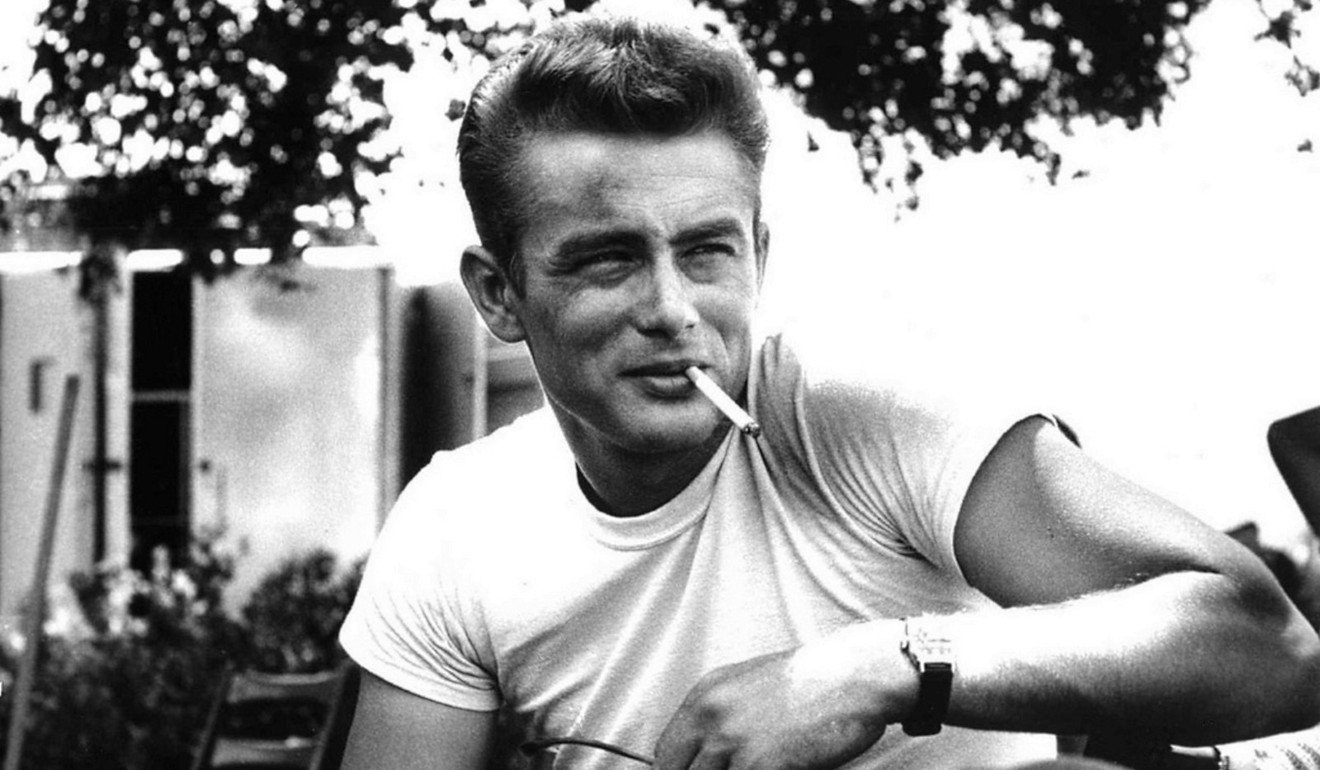

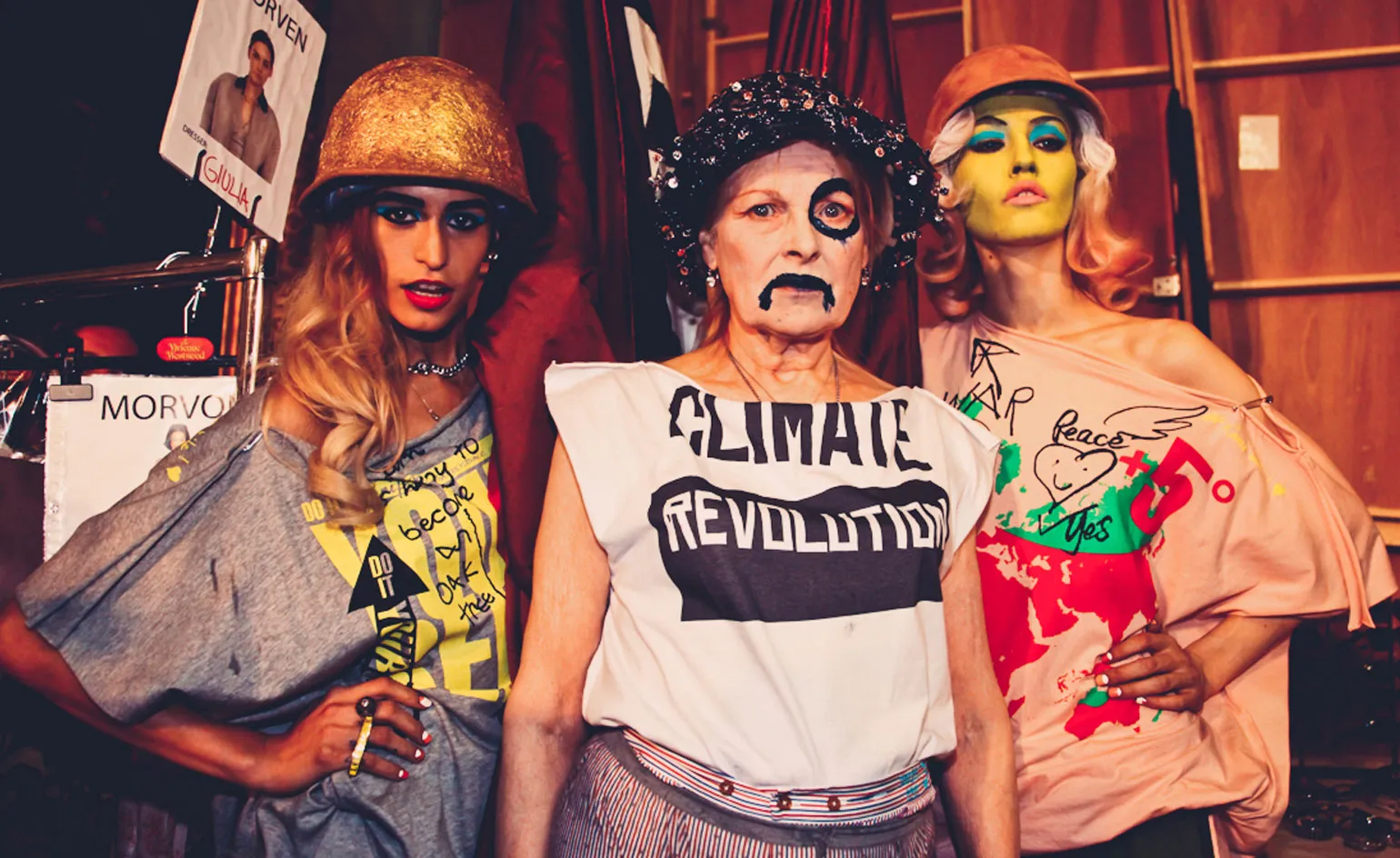
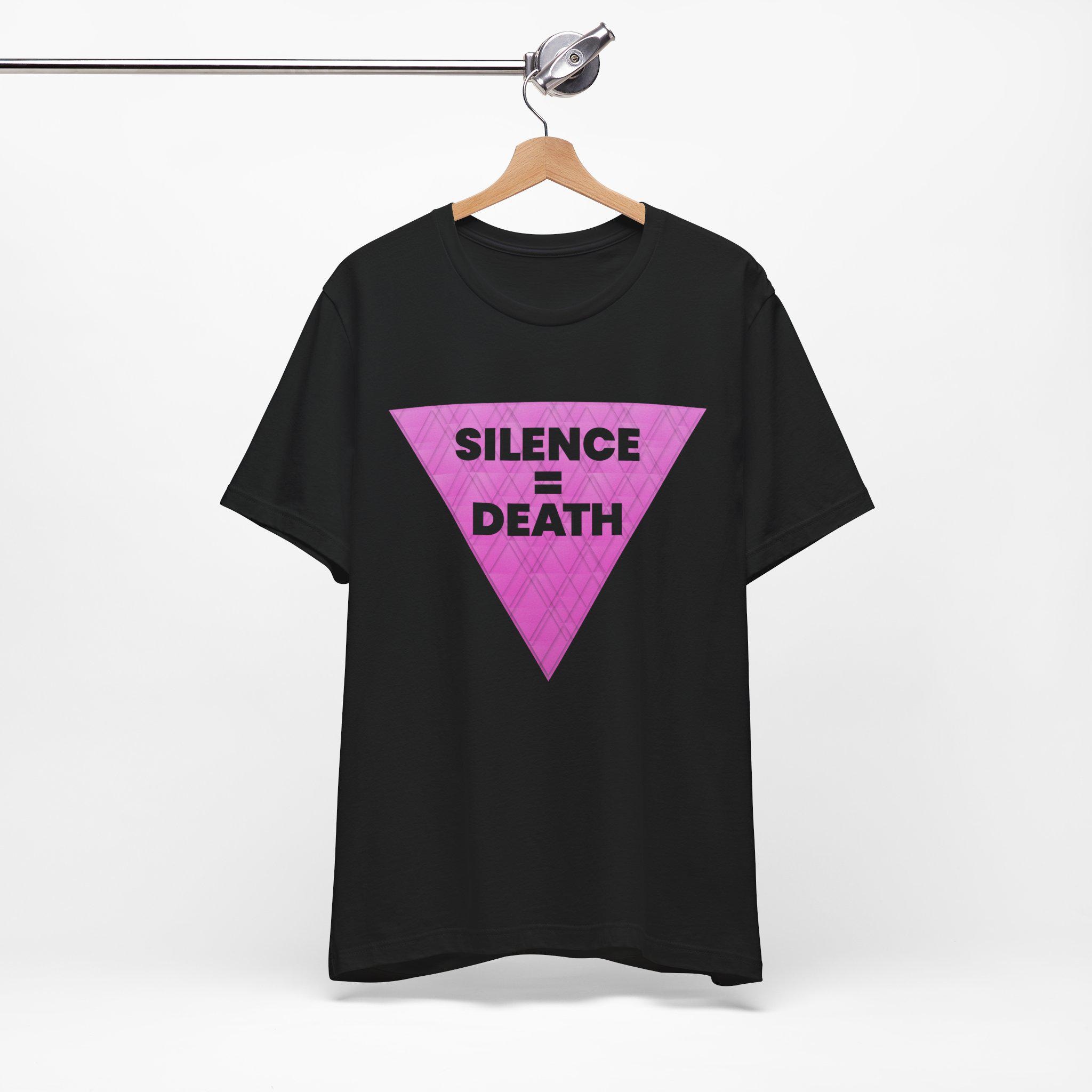


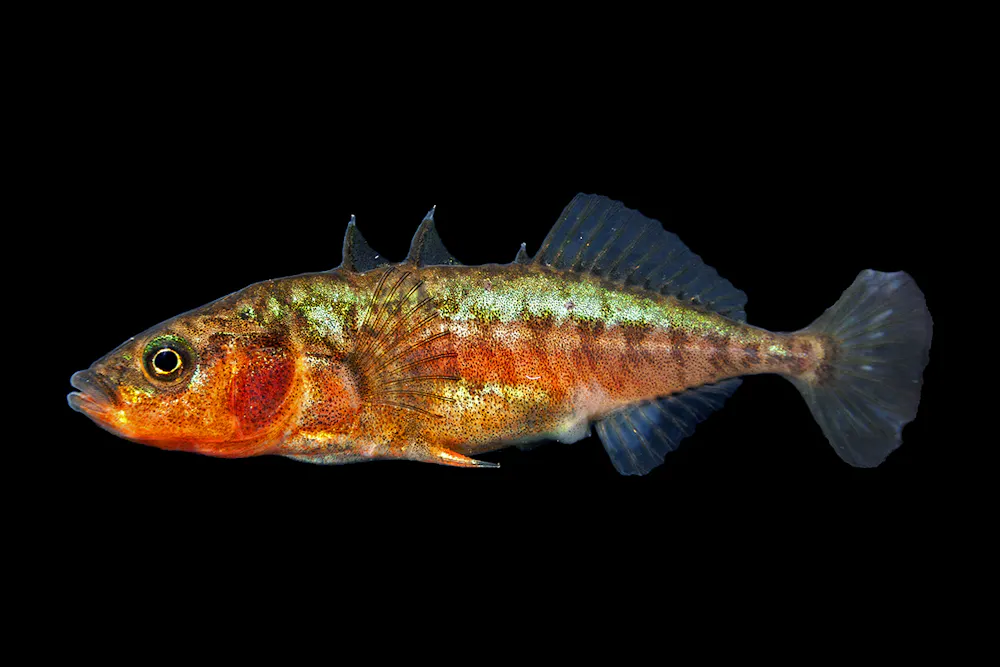


_Kannon_statue_hdsr_S5_05.jpg)