Waitematā Police targeted boy racers and illegally modified vehicles during the past two weeks, as part of an operation focusing on disrupting anti-social road user behaviour.
The operation, which took place on the Fridays and Saturdays between 19 and 28 June, succeeded with a string of results including more than 154 infringement notices issued, 10 vehicles impounded and 13 arrests.
Waitematā District Road Policing Coordinator, Senior Sergeant Damian Albert, says the focus of the operation was not only on illegal and dangerous driving, but driver compliance around licensing and vehicle safety.
“Altered seatbelts, suspension, exhausts, airbag modifications, window tints, lighting, tyres, and window stickers were just some of the vehicle faults we detected.”
As well as targeting safety and compliance, officers carried out hundreds of traffic stops, resulting in arrests for drink driving, possession of drugs, breaching bail conditions and various other offences.
Summons were also issued for driving while disqualified, sustained loss of traction and the serving of demerit suspension notices.
A team of officers took part in the operation, sending a clear message to boy racers that anti-social and dangerous behaviour on roads won’t be tolerated.
Senior Sergeant Albert says during the operation officers stopped a motorcycle seen travelling at speed on Lincoln Road.
“The rider was signalled to stop, and enquiries revealed the rider owed more than $3000 in unpaid fines.”
The motorcycle was seized by the Ministry of Justice who partnered with Police, and driving infringement notices were issued.
“We have a low level of tolerance towards all anti-social road user activity that causes extreme danger to road users and annoyance for our communities,” Senior Sergeant Albert says.
“Police will continue the great work done during this operation by enforcing any illegal activities on our roads and ensuring all modified vehicles are compliant with legislation.”
Preliminary results:
• 154 infringement notices issued • 13 people arrested • 10 vehicles impounded • 45 green stickers • 7 pink stickers • 4 blue stickers • 299 vehicles stopped
Anyone that sees anti-social road user behaviour or suspicious activity around vehicles should call Police on 111 if it’s happening now, or you can file a report online at 105.police.govt.nz, or contact us via Crime Stoppers on 0800 555 111 or www.crimestoppers-nz.org
Source: Hong Kong Government special administrative region
Following is the translation of the speech by the Chief Executive, Mr John Lee, at the reception in celebration of the 28th anniversary of the establishment of the Hong Kong Special Administrative Region at the Hong Kong Convention and Exhibition Centre this morning (July 1):
Distinguished guests, fellow citizens,
Today marks the 28th anniversary of the establishment of the Hong Kong Special Administrative Region (HKSAR) of the People’s Republic of China and the third anniversary of the current term of the Government. Over these three years, the Government has forged ahead with reforms to build a safe and stable Hong Kong, and striven to develop the economy and improve people’s livelihood. Our efforts are gradually delivering results.
A public health response has been stood up as part of the investigation of alleged incidents in childcare centres.
The Department of Health is working closely with Victoria Police and other government agencies to provide information to those impacted, as well as the wider public.
As war continues to rage in Gaza and Ukraine, there is concern about how the related trauma might be transmitted to future generations of people in those regions.
More generally, interest in the idea of transgenerational trauma has recently surged. For example, earlier this year, National Geographic magazine asked whether genes carry past family trauma.
But while this might be a catchy question, it’s also slightly misleading. Because while trauma can ripple across generations, shaped by how our bodies respond to their environments, its effects aren’t hard-coded in our genes.
Plastic minds and bodies
At the heart of this process is what’s known as phenotypic plasticity.
This is the capacity for organisms to produce different outcomes from the same genes, depending on their environment. These outcomes, called phenotypes, can include stress sensitivity and body shape.
One way different phenotypes can arise from the same genes is via epigenetics: small chemical changes to the DNA molecule that make particular genes more or less active. Think of these like a director’s notes on a script. These notes guide the cell on which lines to emphasise or soften, without changing the script itself.
But epigenetics is just one way this plasticity is expressed.
Understanding how trauma is passed across generations means looking beyond genes and cells to the environments that shape and influence them.
Human development is sculpted by lived experience, from caregiving and community to stress, safety and belonging.
These factors interact to produce lasting – but not always fixed – effects. By focusing on how they interact, rather than on single causes, we can better understand why trauma echoes across generations. This also helps us identify how that cycle might be disrupted.
Widespread in nature
Phenotypic plasticity is widespread in nature.
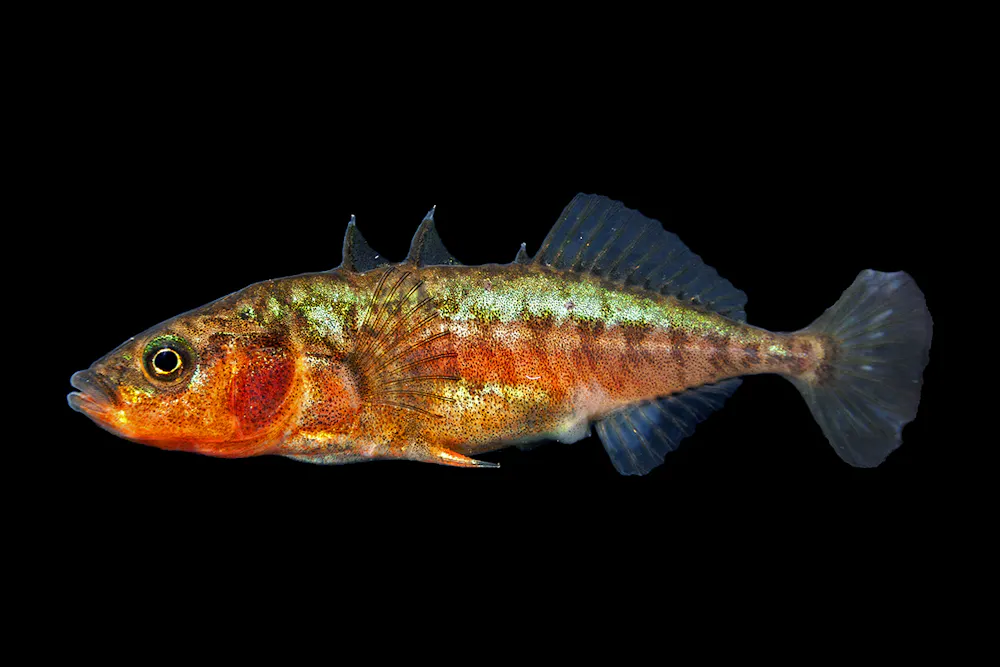
In honeybees, genetically identical larvae become queens or workers depending on what they eat while developing. In three-spined stickleback fish, early exposure to predators reshapes their stress physiology and body shape, making them harder for predators to grasp.
These aren’t genetic differences – they’re environmental effects on development.
In humans, early-life conditions similarly shape development. A child raised in an unsafe setting may develop heightened vigilance or stress sensitivity – traits that help in danger but can persist as anxiety or chronic stress in times of safety. This is known as environmental mismatch.
Across generations, plasticity becomes more complicated. In some of my past research, I studied how diet in one generation of fruit flies shaped health, reproduction and longevity in their offspring and grand offspring.
The results varied depending on diet, generation and trait. Traits that appeared to be useful in one generation weren’t always so in the next. This highlights how difficult transgenerational effects are to predict – precisely because of this plasticity.
In three-spined stickleback fish, early exposure to predators reshapes their stress physiology and body shape. drakiragavon/iNaturalist, CC BY-ND
Too narrow an explanation
Epigenetics often reflect environmental exposures – such as stress, trauma, nutrition or caregiving. But they’re not necessarily permanent “scars”. Many are dynamic and can shift with changing environments – especially early in life.
Studies show that epigenetic patterns linked to early childhood adversity vary depending on later environments such as family stability and social support. This suggests the biological imprint of early stress is shaped by what happens next.
It’s tempting to treat epigenetics as the key to explaining inherited trauma – but that’s too narrow. Trauma can influence the next generation through altered hormones, immune function or in utero conditions – all of which shape brain development and stress reactivity.
Genetic variation also plays a major role. It doesn’t encode trauma itself, but it shapes traits such as sensitivity to threat or emotional regulation. These traits aren’t chosen – they arise from a web of biological and social influences beyond our control.
But how they unfold, and whether they’re amplified or softened, depends on the systems that surround us.
Connection to culture
Connection to culture plays an important role too.
In Aotearoa New Zealand, Māori-led initiatives that centre land, language and whakapapa (ancestral lineage) have shown promise in restoring wellbeing after generations of colonisation-related trauma.
For Holocaust survivors and descendants, connection to cultural identity through ritual and shared narrative can reduce the psychological burden of transmitted trauma.
But not all trauma is collective or institutional. Interventions such as trauma-informed parenting and early relational therapies have been shown to improve outcomes in the next generation.
These psychological supports affect biology. Feeling safe in our relationships, having stable routines and a sense of meaning can reduce stress hormones, modulate immune function, and buffer against long-term disease risk.
In this way, culture, caregiving and connection are all biological interventions. When they soften the effects of earlier stress, they may help interrupt its transmission.
Trauma-informed parenting has been shown to improve outcomes in the next generation. fizkes/Shutterstock
Reframing inherited vulnerability
This matters, because it changes how we understand inherited vulnerability.
Rather than a permanent wound passed down through DNA, the effects of trauma are better understood as changeable responses shaped by context.
Thanks to plasticity, our biology is always in conversation with the environment – and when we change the context, we can change the outcome.
Tara-Lyn Camilleri receives funding from from Australian Graduate Women, a not-for-profit organisation that advocates for education and supports women in postgraduate education with scholarships. Her research has also been supported by Australian Research Council grants and Royal Society funding. She is a volunteer committee member for Graduate Women Victoria.
Source: People’s Republic of China – Ministry of National Defense
The carrier groups of the Liaoning and Shandong conduct far-sea combat training in recent days. The photo shows the groups carrying out an at-sea replenishment. [Photo by Wang Jian / for China Daily]
China’s two carrier strike groups have recently returned to their home ports after a series of training operations and exercises in the Western Pacific, according to the People’s Liberation Army Navy.
The Navy said in a news release on Monday afternoon that the two strike groups, led by the CNS Liaoning and CNS Shandong aircraft carriers, carried out “realistic and systemic” combat training and cooperated with other PLA branches to conduct mock battles.
Units involved in the exercises performed early-warning, reconnaissance, air and missile defense, fighter deployments, assaults against sea targets and other maneuvers, the release said.
During the dual-carrier mission, the strike groups explored and verified their tactics and also honed their crews’ skills, effectively improving the flotillas’ combat capabilities, it stated.
According to the Navy, during the training session, the Chinese vessels had several encounters with foreign warships and aircraft that conducted close-in reconnaissance and surveillance. The groups maintained high alert and were always ready to respond to possible threats. They mobilized carrier-based fighters to establish security perimeters, handling various scenarios professionally and effectively.
The exercise was the second time that both of the Navy’s carrier strike groups participated in an operation together. The first time was in October, when they conducted a joint combat exercise in the South China Sea.
Senior Captain Wang Xuemeng, a spokesman for the Navy, said on June 10 in Beijing that the strike groups’ operations were “a part of routine training arrangements set by our annual work plan, and is intended for improving our units’ ability to fulfill their duties. It is in line with the international law and common practice by other navies, and is not targeted at any specific nation or objective”.
Currently, the Navy operates two aircraft carriers — the CNS Liaoning and the CNS Shandong. Both have a standard displacement of around 50,000 metric tons and a conventional propulsion system, and they use a ski jump system to launch their J-15 fighter jets.
The country has built a third aircraft carrier — the CNS Fujian, which is the largest and mightiest warship any Asian nation has ever built. It is also the world’s largest non-American aircraft carrier.
Carrier-based fighter jets take off during far-sea combat training recently conducted by the Chinese navy’s Liaoning and Shandong carrier groups. [Photo by Wang Yuanlin / for China Daily]
Source: People’s Republic of China – State Council News
China’s Ministry of Commerce announced Monday that it would extend anti-dumping duties aimed at stainless steel billets and hot-rolled stainless steel plates and coils imported from the European Union (EU), the United Kingdom (UK), the Republic of Korea (ROK) and Indonesia for another five years, starting Tuesday.
This decision follows an expiry review of anti-dumping measures aimed at the products initiated in July 2024 at the request of China’s domestic industry.
If these anti-dumping measures were terminated, the dumping of stainless steel billets and hot-rolled stainless steel plates and coils imported from the EU, UK, ROK and Indonesia could continue or recur, potentially causing ongoing or renewed harm to China’s domestic industry, the ministry said.
Under the extended measures, anti-dumping duties on the imported products were set at a range of 23.1 percent to 103.1 percent for the ROK, 43 percent for the EU and the UK, and 20.2 percent for Indonesia.
Stainless steel billets and hot-rolled stainless steel plates and coils are widely used in industries such as ships, containers, railways, electric power, petroleum and petrochemicals.
Source: People’s Republic of China – State Council News
Photo taken on July 31, 2021 shows the statues on the square of Hong Kong Exchanges and Clearing Limited (HKEX) in south China’s Hong Kong. [Photo/Xinhua]
Hong Kong has beaten all the other capital markets in the world to raise over 105 billion Hong Kong dollars (13.38 billion U.S. dollars) through initial public offerings (IPOs) in the first half of 2025, as capital inflows into the city continues amid global market jitters.
The Hong Kong Exchanges and Clearing Limited (HKEX) data showed that 42 companies were listed in the first six months, up 40 percent from the same period last year. Total funds raised stood at the highest since 2021, crushing the 87.6 billion Hong Kong dollars annual total in 2024.
The HKEX claimed top spot worldwide in terms of total IPO proceeds in the first half of this year, well ahead of Nasdaq’s 71.3 billion Hong Kong dollars, a Deloitte report showed.
Industry insiders say Hong Kong’s securities market became a global investors’ go-to platform to add Chinese assets to their portfolios.
Capital inflow into Hong Kong has risen from 366 billion U.S. dollars at the beginning of last year to 605 billion dollars in April, the highest since 2000, data from Hang Seng Bank showed.
Many global investors first look to Hong Kong to diversify risks, and, impressed by the economic vitality of the Chinese mainland and Hong Kong, chose to increase their holdings, said Paul Chan, financial secretary of the Hong Kong Special Administrative Region (HKSAR) government.
Pro-growth policy efforts from the central government and the HKSAR’s measures to streamline listing procedures have worked together to lift Hong Kong’s stock market, said HKEX Chairman Carlson Tong.
Among this year’s new IPOs, crowd favorites are those of tech firms in artificial intelligence, 5G and smart vehicles, as well as new consumption companies, which cultivate and profit on consumer behaviors with the help of new technologies. Both are signatures of China’s economic upgrades.
Chinese electric vehicle (EV) battery maker Contemporary Amperex Technology (CATL) raised over 40 billion Hong Kong dollars in May, drawing investments from Europe, the Middle East and the United States. It is the largest IPO in Hong Kong in recent years and a shoo-in for the largest worldwide this year.
As flag bearers of new consumption trends, bubble tea makers like Mixue Bingcheng and Auntea Jenny marked memorable H1 IPOs, while Chinese fast food chain Home Original Chicken and snack brand Three Squirrels are waiting in line.
The avid investor turnout to these new consumption IPOs is a token of faith in the resilience of China’s domestic demand, as these companies have developed tried and tested business models to meet the needs of younger consumers, analysts say.
Hong Kong’s IPO market is expected to maintain steam in the second half. Edward Au, southern region managing partner of Deloitte China, said there are currently more than 170 applications in progress and estimated that a total of 80 IPOs will raise around 200 billion Hong Kong dollars this year.
As dependence on U.S. dollar-denominated assets wanes, global investors are increasingly seeking to diversify their portfolios, said Tong, adding that the HKEX is working with counterparts in the Middle East and Southeast Asia to widen access to funding for tech firms worldwide.
Source: People’s Republic of China – State Council News
China’s resilient economy, robust growth potential and improving corporate profitability are fueling more optimism and renewed interest in Chinese assets among foreign investors.
Driven by China’s advancements in technology and rising confidence in its policy support to stabilize economic growth in the second half of the year, global investors are ramping up their exposure to Chinese equities and bonds.
Major foreign financial institutions, including United States asset manager Franklin Templeton, investment bank Goldman Sachs and Swiss bank UBS have stepped up their allocations or expressed optimism about Chinese equities, citing favorable valuations, a peak in China-US trade tensions and optimism regarding China’s artificial intelligence-led transformation.
Market watchers and economists said that a combination of proactive fiscal measures, targeted industrial policies and accelerating technological innovation is reinforcing China’s appeal as a destination for global capital.
According to data released on Monday by the National Bureau of Statistics, China’s factory activity gauge improved marginally in June, as the official purchasing managers index for the manufacturing sector came in at 49.7 in June, up from 49.5 in May. Notably, the PMIs for equipment manufacturing, high-tech manufacturing and the consumer products sector came in at 51.4, 50.9 and 50.4, respectively, remaining in expansion territory for two straight months.
“The story of China now is about growth,” said Fang Dongming, head of China Global Markets at UBS.
Foreign investors will be attracted as long as companies promise growth and profit, whether it is in technology, healthcare, new energy or new types of consumption, Fang said.
Multibillion-dollar US fund manager Franklin Templeton has started edging back into Chinese stocks for the first time in years, with a group of its funds managing around $2 billion buying into Chinese stocks in recent weeks, Zehrid Osmani, head of the company’s Global Long-Term Unconstrained team, told Reuters recently.
The company believes that trade tensions with the US have peaked, and that China is expected to further support its technology giants, according to Osmani.
Economists believe that China is well-positioned to achieve its annual growth target of around 5 percent, backed by proactive fiscal policy and moderately accommodative monetary policy.
Zhang Xiaoyan, associate dean at Tsinghua University’s PBC School of Finance, said that China’s top leadership may sharpen its focus on ensuring domestic economic stability and maintaining stable relationships with its trading partners, which would further boost the confidence of domestic and foreign investors in the Chinese economy.
Liu Qiao, dean of Peking University’s Guanghua School of Management, said that new policy tools in the second half might include fiscal transfers or cash subsidies for low-income groups, and supportive policies to address pressure on enterprises, especially listed companies, which would improve corporate cash flow and strengthen investment appetite.
Driven by this favorable policy environment and long-term opportunities in sectors like technology, new energy and advanced manufacturing, global asset managers are reassessing their China allocations.
The return of global capital is reflected in broader data. According to Goldman Sachs, global active funds have increased their China equity allocations from 5 percent in late September to 6.4 percent by late April. The investment bank maintains an “increase” stance for Chinese stocks, citing improving corporate profitability, foreign capital inflows and long-term value in yuan-denominated assets.
Fu Si, China portfolio strategist at Goldman Sachs, has forecast that the CSI 300 Index — tracking 300 heavyweight stocks in Shanghai and Shenzhen — could reach 4,600 points, about 10 percent above current levels. Similarly, the MSCI China Index, widely tracked by global investors, is expected to rise another 10 percent in the coming months, supported by its current price-to-earnings ratio of just 11.5.
Goldman Sachs also identified artificial intelligence as a key growth driver. It estimated that AI proliferation could lift the overall profitability of Chinese stocks by 2.5 percent annually over the next decade. China’s AI breakthroughs may attract $200 billion in fresh capital into its equity market, potentially driving stock prices up 15 to 20 percent.
Zhang Di, chief macro analyst at China Galaxy Securities, highlighted that new policy-based financial instruments are likely to be introduced soon to support economic growth.
“That will help support the growth of infrastructure and real estate in the second half of the year. And the focus will also be placed on supporting technological innovation, consumer-related infrastructure, and key sectors such as trade-in deals for consumer goods,” he said.
According to Nomura Orient International Securities, Chinese equities could outperform global peers in the second half of 2025. Factors include expectations of more supportive policy, improving domestic liquidity, and rising global interest in Asia-Pacific markets amid a weaker US dollar.
Market performance so far reflects rising confidence. The Shanghai Composite Index has gained about 5.6 percent so far this year, while the CSI 300 is up over 3 percent. Meanwhile, the Hang Seng Index in Hong Kong has surged over 23 percent this year, second only to South Korea’s KOSPI, which saw a 28 percent increase.
New Zealand’s first ever nationwide list of medical devices, effective from today, will support better patient care and enable long term investments in medical devices, Pharmac’s Director Medical Devices Catherine Epps says.
Pharmac has been building a list of all medical devices currently used in public hospitals as it works to improve the way medical devices are managed in New Zealand.
Medical Devices help people get the best health care possible. They are things like bandages, gloves, hospital beds, pacemakers, hip implants, and even advanced equipment like MRI and X-ray machines.
“Medical Devices are so important to the health and wellbeing of New Zealanders. Nearly everyone who receives health care in New Zealand will interact with a medical device,” says Epps.
Pharmac’s Comprehensive List of Medical Devices, effective from 1 July, brings greater transparency to what’s used and funded in public hospitals. This will support consistent access, reduce duplication, and improve equity across the country.
This list represents medical devices covered by Pharmac’s contracts with suppliers, and medical devices used by hospitals that aren’t covered by Pharmac contracts.
“For the first time in New Zealand’s history, we have a nationwide list of medical devices used by public hospitals,” Epps says.
Epps says having a comprehensive list of medical devices will support better patient care.
“When hospitals have the right medical devices at the right time they can deliver better health care, which can result in shorter stays in hospital and better health outcomes for patients,” Epps says.
This list will also support hospitals to better plan and invest to meet the needs of the communities they serve. It will also improve transparency by showing what devices are used or funded in public hospitals.
“Having a complete list of what is used will allow the health system to make more strategic, long-term investments in medical devices.”
Pharmac consulted on the comprehensive list from 11 February, until 31 March 2025.
“We asked suppliers and public hospitals to help us finalise a national list of medical devices currently used by Health New Zealand hospitals,” Epps says.
Pharmac staff carefully reviewed all feedback received during the consultation process.
As a result of this consultation process, over 26,000 medical devices used in public hospitals have been added to the comprehensive list.
“This represents a historic milestone for the management of medical devices in New Zealand,” Epps says.
“Ultimately, this comprehensive list lays the foundation for a single national list from which public hospitals will select their medical devices, ensuring the best possible health outcomes for New Zealanders.”
To be attributed to Detective Senior Sergeant Michael Deegan, Central District Investigation Manager:
Police are investigating after a 6-month-old baby was found with critical injuries at a Foxton Beach house on Sunday 29 June.
Emergency services were called to the Seabury Avenue house at around 5.30am that day.
The baby was initially transported to Palmerston North Hospital before being airlifted to Starship Hospital, where he remains in a critical condition.
Police are working to establish how the baby boy came to be injured. This includes a scene examination at the Foxton Beach house, where a scene guard is currently in place.
Seabury Avenue residents can expect to see a continued police presence in the coming days, as we conduct the scene examination and speak to neighbours as part of our enquiries.
The Heads of Multilateral Development Banks (MDBs) met today in Paris, hosted by the Council of Europe Development Bank (CEB), which currently chairs the Heads of MDBs Group. The meeting focused on advancing their joint efforts to address development priorities.
Amid rising global uncertainty, the Heads reaffirmed their commitment to working as a system to deliver greater impact and scale, in line with their Viewpoint Note and the recommendations of the G20 Roadmap towards Better, Bigger, and More Effective MDBs. The Roadmap outlines an ambitious vision for MDB reform to better address regional and global challenges, support job creation, and help countries achieve their development aspirations.
The Heads welcomed ongoing efforts to improve the way MDBs work with clients through operational efficiency and enhanced coordination. In 2025 alone, five mutual reliance agreements have been signed, helping streamline the preparation and implementation of co-financed projects across institutions.
Private capital mobilization remains a system-wide priority, with the last joint report of the MDBs reflecting a positive trend in volumes mobilized. To build on this momentum, the Heads reaffirmed their commitment to developing local currency lending and foreign exchange solutions. They also reaffirmed the importance of adequate risk assessment for private sector investment in emerging markets and developing economies; in this context, the valuable contribution of disaggregated statistics on credit risk published through the Global Emerging Markets Risk Database (GEMs) was recognized.
The Heads reiterated their continued commitment to implementing the recommendations of the G20 Independent Review of Multilateral Development Banks’ Capital Adequacy Frameworks (CAF). Further reform efforts by MDBs since mid-2024 have increased the additional lending headroom for development projects in all countries of operation, including high-income ones, over the next decade by more than US$250 billion, thus reaching a total of over US$650 billion.
The publication in the coming weeks of the Comparison Report by the MDBs’ Global Risk and Finance Forum (GRaFF) will provide metrics and data relating to MDBs’ financial positions, promoting a better understanding of their financial models and supporting both balance sheet optimization and private sector mobilization.
The Heads also agreed to continue advancing promising initiatives already underway to strengthen system-wide impact. These include: 1) Mission 300, which aims to connect 300 million people in Africa to electricity by 2030 through public and private collaboration; 2) Association of South East Asian Nations (ASEAN) Power Grid, which aims to boost energy security, strengthen resilience, and promote decarbonization for the region’s 670 million people by connecting its electricity systems; and 3) Digital Transformation in Education in Latin America and the Caribbean, which aims to connect 3.5 million students and train over 250,000 teachers.
In addition, MDBs are exploring joint actions to scale up investments in social infrastructure, including health, education, housing, and water and sanitation. Building on structured dialogue led by the CEB, the Heads welcomed progress made through recent cross-MDB consultations and recognized the key role these sectors play in enabling jobs, productivity, and inclusive growth, while noting persistent financing and delivery challenges that constrain impact.
Meeting in advance of the Fourth International Conference on Financing for Development (FfD4), which will take place in Sevilla, Spain, from 30 June to 3 July, MDBs remain committed to working better as a system, in alignment with country-led development priorities and strategies to promote jobs and prosperity. In view of water’s role in human development, MDBs committed to significantly increasing collective support for global water security by 2030, and will launch the first “Joint Annual MDB Water Security Financing Report” at FfD4. Heads noted the importance of the upcoming COP30 in Belem, Brazil, in November 2025.
Today’s meeting in Paris marks a significant step toward effective collaboration and scaled-up collective action for development priorities. MDB reforms are advancing, moving from concept to execution.
With streamlined operations, better risk tools, and growing financial capacity, MDBs are delivering real impact – from expanding energy access and digital education to scaling investment in water security.
The African Development Bank and the Asian Infrastructure Investment Bank (AIIB) have signed an agreement strengthening their collaboration on sustainable economic development, designed to boost infrastructure development and economic opportunities across the African continent.
The Memorandum of Understanding, which builds on an earlier one in 2018, was signed by African Development Bank president, Dr. Akinwumi Adesina, and AIIB President and Chair of the Board of Directors Jin Liqun on Saturday 28 June. The signing took place on the sidelines of a meeting of Heads of Multilateral Development Banks held in Paris, France, the same day.
The agreement outlines continued collaboration from both parties in six priority areas, aligned with the Bank Group’s Ten-Year Strategy 2024–2033 as well as AIIB’s Corporate Strategy and its Strategy on Financing Operations in Non-Regional Members. The areas are:
(i) Green infrastructure
(ii) Industrialization
(iii) Private capital mobilization including Public – Private Partnerships
(iv) Cross-border-connectivity
(v) Digitalization; and
(vi) Policy-based financing
The MOU will promote among other things, co-financing, co-guaranteeing and other forms of joint participation in financial assistance for development projects primarily in sustainable infrastructure. The African Development Bank and AIIB’s existing cooperation in this area, includes providing guarantees to support the issuance of Egypt’s first Sustainable Panda Bond in 2023, valued at RMB 3.5 billion.
This historic issuance—backed by guarantees from both AfDB and AIIB—marked the first African sovereign bond placed in the Chinese interbank bond market. The guarantees provided by the two triple-A-rated multilateral banks were instrumental in de-risking the transaction, enabling Egypt to secure competitive terms and attract investor confidence.
“This partnership continues to be an effective pathway to provide economic development for our member countries, especially in infrastructure. By reaffirming today, we are boosting energy access by accelerating Mission 300 which is targeting to connect 300 million people to electricity by 2030,” Dr Adesina said.
Mr. Jin Liqun remarked: “The renewal of our partnership with the African Development Bank reflects AIIB’s commitment to supporting sustainable development beyond Asia. Through this collaboration, we can leverage our combined expertise to deliver transformative projects that will benefit millions across the continent and create prosperity through quality infrastructure investment.”
About the Asian Infrastructure Investment Bank (AIIB):
The Asian Infrastructure Investment Bank is a multilateral development bank dedicated to financing “infrastructure for tomorrow,” with sustainability at its core. AIIB began operations in 2016, now has 110 approved members worldwide, is capitalized at USD100 billion and is AAA-rated by major international credit rating agencies. AIIB collaborates with partners to mobilize capital and invest in infrastructure and other productive sectors that foster sustainable economic development and enhance regional connectivity.
Notable New Zealand poet and academic Selina Tusitala Marsh ONZM, FRSNZ has been announced as the first Commonwealth Poet Laureate.
The professor of English at Waipapa Taumata Rau, University of Auckland is a former New Zealand Poet Laureate and award-winning writer, known for her three collections of poetry and most recently, her bestselling children’s graphic memoir series Mophead.
The appointment, the first in the 75-year history of the Commonwealth of Nations, will run until 31 May 2027 and involve Marsh crafting original poems for flagship Commonwealth events, including Commonwealth Day, the Commonwealth People’s Forum and Ministerial and Heads of Government Meetings.
She will also advise on the Commonwealth Foundation’s creative programming – the principal agency for Commonwealth culture – and will appear in person at the Commonwealth People’s Forum and Heads of Government Meeting in Antigua & Barbuda in 2026.
Marsh, who is of Samoan, Tuvaluan, English, French and Scottish heritage, says she is “deeply honoured” to accept the role.
“In Samoan, we say, O le tele o sulu e maua ai figota. ‘The more torches we have, the more fish we can catch’. Poetry is our torch, illuminating paths between our diverse cultures and histories.
“The Māori proverb goes ‘He toi whakairo, he mana tangata’; ‘Where there is artistic excellence, there is human dignity.’ This profound truth guides my vision for this role. Through the elevation of our creative voices, we affirm our shared humanity across the Commonwealth.
“When we honour the artistry within our communities, whether it flows from Samoa, my mother’s island, or New Zealand, where I was born and grew up, we recognise the inherent dignity and worth of every person whose story deserves to be told.”
She remembers back to the moment in 2016 when she recited one of her poems at the Commonwealth Day service at Westminster Abbey in front of the late Queen Elizabeth II and other dignitaries.
“Her Majesty charged me with fostering unity through verse, and I felt the weight and wonder of words that bridge worlds. Today, I accept this torch with alofa (love) and renewed commitment to amplify the voices that heal, challenge, and unite our Commonwealth family. Together, we will kindle more torches, casting light on the stories that connect us all, celebrating the artistic excellence that affirms our collective human dignity.”
University of Auckland Vice-Chancellor Professor Dawn Freshwater is delighted to see one of the University’s staff honoured in such a significant way.
“Selina is an absolute treasure in the University of Auckland community. She gives so generously of her creativity and time, both on Campus and in the wider community. We are so lucky to work with her, and we’re deeply proud she has been honoured in this way,” she says.
“She will do the University, Aotearoa New Zealand and the Pacific proud, as well as being a vital voice for the humanities. In times of global uncertainty, it’s the humanities that help us make sense of complexity, preserve culture, and imagine better futures.”
Director-General of the Commonwealth Foundation Dr Anne T. Gallagher, who made the inaugural appointment, says it places creative expression at the heart of the Commonwealth’s work.
“It is through poetry that we can learn best about ourselves and each other. Poetry helps us make sense of our fragile world. It is the language of love and dreams, the language of despair and desire, of protest and rebellion.” Gallagher says that at the Commonwealth, they have come to understand that poetry – and creativity in all its forms – is not an embellishment of the Commonwealth story but a catalyst for justice, understanding, and hope.
“Selina Tusitala Marsh embodies that truth. Her poetry travels effortlessly from the smallest community to the global stage: illuminating the concerns and aspirations of our 2.7 billion citizens and challenging all of us to listen more closely. There could be no finer inaugural Commonwealth Poet Laureate.”
Selina Tusitala Marsh was the first Pacific person to earn a PhD in English from the University of Auckland. She lectures in Pacific poetry and creative writing in the University’s department of English and Drama and is the co-director of the University’s Centre for Arts and Social Transformation (CAST), which promotes arts-led approaches to justice, health and well-being.
Marsh’s three acclaimed poetry collections are Fast Talking PI, Dark Sparring and Tightrope, all published by Auckland University Press, as well as the multi-award-winning graphic memoir series Mophead, which she also illustrated.
In 2019, she was made an Officer of the New Zealand Order of Merit and a Fellow of the Royal Society of New Zealand. She was New Zealand’s Poet Laureate from 2017 to 2019.
Greenpeace says it is deeply disturbed by the findings ofthe latest Taumata Arowai report, which shows that seven registered water supplies exceeded levels of nitrate associated with an increased risk of preterm birth. The organisation says it is also concerning that this news comes while the Government is consulting on proposals that would further weaken freshwater protections in Aotearoa.
Greenpeace spokesperson Will Appelbe says, “This Government wants to weaken freshwater protections at the worst time, allowing polluting corporations like Fonterra to profit from the contamination of rural communities’ drinking water. This latest data from Taumata Arowai shows that, as we already know, water quality in New Zealand is poor. Now, Luxon’s Government wants to make it worse.”
“Everyone, no matter where they live, deserves to have access to clean, safe drinking water. We should all be able to take a dip in the local lake or river without getting sick. But these basic freedoms that all New Zealanders should be able to enjoy are being taken away for the sake of making a few individuals even more wealthy.”
During 2024, Taumata Arowai received 4 notifications of samples from registered supplies that exceeded the maximum allowable value of 11.3 mg/L for nitrate. Two were for Waimate District Council’s Lower Waihao supply, which supplies Glenavy, and two for Te Kowhai School, a rural school near Hamilton. Seven supplies exceeded 5.56 mg/L – the level of nitrate which international studies have shown is associated with an increased risk of preterm birth.
“Rural communities are most at risk of contaminated drinking water because of their proximity to intensive dairying – a major source of freshwater pollution in New Zealand,” says Appelbe.
“Right now, this Government is consulting on a host of Resource Management Act changes that will, in practice, put corporate interests ahead of the health of people and the environment, especially when it comes to freshwater.
“These changes will give more prioritisation to corporate uses of water, like intensive dairy. This would enable dairy expansion, which means more effluent, nitrate and pathogens like E. coli polluting New Zealand’s rivers and drinking water.
“People across the country want change. They want clean, healthy rivers and water that’s safe to drink. In Canterbury, one of the hotspots of Aotearoa’s freshwater crisis, water protection is set to be a key issue in the upcoming Environment Canterbury elections. Politicians who aim to pollute freshwater should expect resistance.”
Source: United States Senator for Massachusetts Ed Markey
Bill Text (PDF)
Washington (June 30, 2025) – Senator Edward J. Markey (D-Mass.) today joined Representative Dina Titus (NV-01) to announce the introduction of the Greater Leadership Overseas for the Benefit of Equality (GLOBE) Act, legislation that would reaffirm U.S. leadership in advancing the rights and freedoms of LGBTQ+ individuals around the world.
“This Pride Month, we must continue to advocate for freedom and equality – regardless of gender identity and sexual orientation – for every person, in the U.S. and around the world,” said Senator Markey. “With bigotry against LGBTQ+ people on the rise, we must push back on discriminatory practices and strive to protect and improve the rights of LGBTQ+ individuals everywhere.”
“No person should suffer from discrimination because of who they are or whom they love,” said Representative Titus. “Under the Trump Administration, the U.S. is failing to protect the rights of LGBTQI people at home and abroad. This bill will help restore our role in promoting LGBTQI rights around the world and punishing regimes that persecute people based on their sexual orientation or gender identity. Through his executive orders and DEI initiative, President Trump has attacked fundamental human rights and the dignity of the LGBTQI community. The GLOBE Act counters this by outlining a vision for U.S. leadership in the protection of LGBTQI rights globally.”
The legislation is cosponsored by Senators Tim Kaine (D-Va.) and Brian Schatz (D-Hawaii.).
Senator Markey previously introduced the GLOBE Act in 2023. Recently, Senator Markey co-sponsored the No Place for LGBTQ+ Hate Act that would push back against the Trump administration’s attempts to target the rights and freedoms of LGBTQ+ individuals nationwide.
Senator Markey also joined his colleagues in delivering a letter to Secretary of State Marco Rubio, pressing the Trump administration on their retreat from longstanding efforts to promote human rights and democracy worldwide.
Source: United States Senator for Massachusetts Ed Markey
Bill Text (PDF)
Washington (June 30, 2025) – Senator Edward J. Markey (D-Mass.) today joined Representative Dina Titus (NV-01) to announce the introduction of the Greater Leadership Overseas for the Benefit of Equality (GLOBE) Act, legislation that would reaffirm U.S. leadership in advancing the rights and freedoms of LGBTQ+ individuals around the world.
“This Pride Month, we must continue to advocate for freedom and equality – regardless of gender identity and sexual orientation – for every person, in the U.S. and around the world,” said Senator Markey. “With bigotry against LGBTQ+ people on the rise, we must push back on discriminatory practices and strive to protect and improve the rights of LGBTQ+ individuals everywhere.”
“No person should suffer from discrimination because of who they are or whom they love,” said Representative Titus. “Under the Trump Administration, the U.S. is failing to protect the rights of LGBTQI people at home and abroad. This bill will help restore our role in promoting LGBTQI rights around the world and punishing regimes that persecute people based on their sexual orientation or gender identity. Through his executive orders and DEI initiative, President Trump has attacked fundamental human rights and the dignity of the LGBTQI community. The GLOBE Act counters this by outlining a vision for U.S. leadership in the protection of LGBTQI rights globally.”
The legislation is cosponsored by Senators Tim Kaine (D-Va.) and Brian Schatz (D-Hawaii.).
Senator Markey previously introduced the GLOBE Act in 2023. Recently, Senator Markey co-sponsored the No Place for LGBTQ+ Hate Act that would push back against the Trump administration’s attempts to target the rights and freedoms of LGBTQ+ individuals nationwide.
Senator Markey also joined his colleagues in delivering a letter to Secretary of State Marco Rubio, pressing the Trump administration on their retreat from longstanding efforts to promote human rights and democracy worldwide.
Bollywood star Aamir Khan’s return to the big screen after a three-year hiatus has been far from ordinary. Sitaare Zameen Par (2025) which translates to “stars on Earth”, is the first major Bollywood production to feature a mostly neurodivergent cast.
A remake of the 2018 Spanish film Campeones, the story follows a mouthy, knuckle-headed basketball coach, Gulshan (Aamir Khan), who is put in charge of a team of players with intellectual disabilities.
The film slowly grows into itself, much like its characters, but ultimately delivers what the trailer promises: a heartwarming, humorous and uplifting celebration of our individual differences.
In an era of blockbuster spectacles, Aamir Khan Productions brings back a kind of Bollywood storytelling we haven’t seen in a while – something sincere, gentle and quietly revolutionary.
Who is Aamir Khan?
Aamir Khan was born in Mumbai in 1965, and started his acting career as a child actor in his uncle’s film Yaadon Ki Baaraat (1973).
Khan is now one of Bollywood’s most enduring and respected figures. He is one of the iconic “three Khans”, alongside Shah Rukh Khan and Salman Khan (the three are unrelated), who have dominated Indian cinema since the 1990s.
But unlike his Khan counterparts, Aamir Khan has carved a unique career path built on both commercial success and socially-driven storytelling.
He is known for championing social causes through cinema. In one 2015 article, media studies professor Vamsee Juluri referred to him as a “national conscience figure”.
Khan’s films don’t just entertain; they challenge norms and often spark national conversations on important issues.
From producing Lagaan: Once Upon a Time in India (2001), India’s Oscar-nominated colonial-era sports epic, to his directorial debut Taare Zameen Par (2007), a moving portrait of a child with dyslexia, Khan’s work often brings underrepresented stories to the mainstream.
Lagaan follows farmers from a small Indian village under British colonial rule. The British challenge the farmers to a game of cricket, in exchange for an exemption from paying the land tax (‘lagaan’). IMDb
His film PK (2014) challenges religious dogma. Meanwhile, Dangal (2016) is a boundary-pushing film based on real-life female wrestlers from rural India, and is also Bollywood’s highest-grossing film of all time.
Beyond the box office, Khan has hosted the TV show Satyamev Jayate (2012–14), which is also the national emblem of India, meaning “truth alone triumphs”.
This show tackles various topics considered taboo in Indian societies, including female feticide, domestic violence and caste discrimination. It has reached millions of households, and even ignited parliamentary debates.
Khan is also popular in other countries, including China, where his films 3 Idiots (2009), Dangal (2016) and Secret Superstar (2017) were massive hits that resonated with audiences for their universal themes.
In Dangal (2016), Mahavir (Aamir Khan) trains his two daughters in wrestling. IMDb
Sitaare Zameen Par marks his return following the commercial underperformance of Laal Singh Chaddha (2022), an Indian remake of Forrest Gump (1994).
Sitaare (stars) who make the film shine
Directed by R.S. Prasanna, Sitaare Zameen Par enjoyed a strong opening weekend at the box office.
It stars ten individuals with special needs as they prepare for a basketball tournament under the direction of their coach (Khan). This plot alone makes the film a significant entry to Indian cinema, which often ignores or misrepresents disability.
The neurodivergent stars of Sitaare Zameen Par are aged between 18 and 42. Aamir Khan Productions.
Despite early online trolling and negativity, the film depicts its neurodivergent characters not as victims, or “inspirations”, but simply as people with dreams, struggles and joy.
One line captures this beautifully: “Everyone sticks to their own normal. We each have our own normal.”
Aamir Khan, now 60, plays a key role in the film, but doesn’t dominate it. Instead, his younger co-stars shine. The result is a healing film that celebrates inclusion, while being full of joy and humanity.
Stories that matter
No film is perfect. But it’s hard to dislike a film made with so much compassion.
Bollywood as an industry has increasinglyleaned into action-packed blockbusters, as well as nationalist and Hindu-centred narratives (such as in the 2022 film Brahmāstra).
While many of these offer thrills, few deliver the kind of emotional and social depth that once defined Hindi cinema’s global appeal. Much like Taare Zameen Par – a spiritual prequel to the new release – did 18 years ago, Sitaare Zameen Par invites the audience to slow down and reflect.
In Taare Zameen Par (2007), Khan plays a neurotypical teacher who helps a student with dyslexia. IMDb
It prompts neurotypical viewers to see people with Down’s syndrome as part of the same emotional universe as them – and to laugh with, not at them.
In an interview, Khan explains how the film goes further than just neurodivergent representation, to participation:
In [Taare Zameen Par], it’s the teacher, Nikumbh, a supposedly neuro-typical person, who helps the child with dyslexia. In this film, ten neuro-atypical people are helping the coach, Gulshan. I feel Sitare takes the discourse of the first film ten steps ahead, especially in our country where people need to be sensitised to the topic of neurodivergence.
Last week, India’s president, Droupadi Murmu, attended a special screening and met the cast. The visit sent a clear messsage: stories like this matter.
With Sitaare Zameen Par, Aamir Khan returns to what he does best: using film as both a mirror and message for Indian society. While it won’t change the world overnight, it will make viewers see the world, and each other, a little differently.
Yanyan Hong does not work for, consult, own shares in or receive funding from any company or organisation that would benefit from this article, and has disclosed no relevant affiliations beyond their academic appointment.
NZ Transport Agency Waka Kotahi (NZTA) is pleased to confirm that additional funding has been approved for Stage 2 of the State Highway 16 (SH16) Brigham Creek to Waimauku safety improvements project which runs between Brigham Creek interchange and Kumeū town centre.
These improvements will make this important link safer and more efficient for the people that use it and provide resilience within the wider Upper North Island state highway network.
Regional Manager Transport Services Stephen Collett acknowledges the importance of this project for the community, which has been reviewed in line with the Government Policy Statement on land transport 2024 and the 2024-27 National Land Transport Programme.
“We really appreciate the communities’ patience as we have worked to revise costs for the project, which were approved by the NZTA Board this month.
“This brings us one step closer towards construction and means we can now recommence landowner engagement and property acquisition, while finalising the design.”
Key features for this stage include:
extra lanes between Brigham Creek and Taupaki roundabout from two lanes to four lanes (two in each direction) to make travelling along SH16 more efficient
a new roundabout at the SH16/Coatesville Riverhead Highway intersection to help traffic flow better and make it safer to turn
a shared use path for people who walk and cycle between Brigham Creek and Kumeū.
Stage 1 of the project, which runs from Huapai to Waimauku, is in the final phases of construction and is scheduled to be completed by December this year.
This work has included widening bridges and road shoulders and creating right turning bays at Joyce Adams Place and Fosters Road to provide people with safer turning options.
The SH16 Improvements Project will improve safety and efficiency in the area which will improve the wider transport network’s effectiveness. Auckland Council, Auckland Transport and NZTA are currently investigating plans for the longer-term to address future growth, including in Auckland’s North West.
Over the past 15 years there’s been an increasing demand from within and outside the higher education sector for African countries to produce more PhD graduates. For this to happen, it’s important to know what’s holding people back from pursuing or completing their doctoral degrees. The authors of a new review article did just that, with a focus on South Africa, Kenya, Ethiopia, Uganda and Nigeria. Five themes emerged from their work: PhD candidates’ sociodemographic profiles, access to funding, the availability of resources and training, experiences with PhD supervisors, and personal coping mechanisms.
The Conversation Africa spoke with the paper’s authors, Oluwatomilayo Omoya, Udeme Samuel Jacob, Olumide A. Odeyemi and Omowale A. Odeyemi, to learn more about their findings.
Why is it important for African countries to produce PhD graduates?
PhD programmes have been shown to play a crucial role in advancing research, innovation, and economic and scientific progress.
That’s because the more research capacity a country has, the more likely it will be able to address gaps in healthcare, economic barriers and food insecurity. This point has been emphasised by, among others, the World Health Organization (WHO) and the African Union.
Doctoral education builds academic expertise. This drives growth across multiple sectors, such as health, education and technology. It also fosters an environment where creative and practical solutions to local challenges can thrive.
What are some of the main obstacles PhD students faced in the countries you studied?
Our study was a scoping review. This research method allowed us to broadly survey existing studies and identify key concepts, evidence types and knowledge gaps. The review included articles from different African countries, among them South Africa, Kenya, Ethiopia, Uganda and Nigeria.
One of the biggest hurdles we identified for PhD students is a lack of resources. Many of the continent’s universities are underfunded. They struggle to offer their staff and students adequate research facilities, libraries and even internet access.
Another major challenge is the shortage of quality doctoral supervision. In many African universities, the number of qualified supervisors is far lower than the number of doctoral candidates. This imbalance means that some students receive little attention. Their progress may suffer as a result.
A PhD is, by nature, a solitary pursuit. But without the proper support, students can feel disconnected from the academic community. This sense of isolation can increase dropout rates and hinder the completion of research projects.
Supervisors are frequently overwhelmed with other responsibilities – their own research, administrative duties, or teaching large undergraduate classes. This leaves them with limited time to mentor PhD students. The students they’re tasked with supervising can end up feeling isolated.
Personal funding is also hard to come by. Scholarships are rare and, when they are available, they don’t always cover all the student’s expenses over the course of their research. Many students must work full-time jobs to support themselves while pursuing their doctorate. This can severely affect their ability to dedicate time to their studies.
Even in cases where funding is available, it’s often linked to short-term projects or grants that don’t allow students to finish their research without interruption. This leads to long delays in graduation rates, which creates a bottleneck effect: students remain stuck in the system for years, clogging the flow of new researchers entering academia.
Another challenge is that African doctoral students who do succeed may leave their home countries for better opportunities abroad. The so-called “brain drain” phenomenon has a profound effect on Africa’s ability to build a strong academic community. While many African PhD students go on to do groundbreaking research in Europe, North America or Asia, their departure means their home institutions – and countries – lose valuable knowledge and experience.
Brain drain is not just about better salaries or living conditions; it’s also about the availability of cutting-edge research opportunities. Once abroad, many students are able to access better resources and then choose to stay in environments that allow them to thrive professionally.
What role does gender play in the likelihood of completing a PhD?
Women pursuing PhDs face additional challenges that their male peers do not. We found that women PhD students frequently face gender biases, both socially and professionally, that make it harder to fulfil their academic goals.
Over the past decade, the number of women enrolling in PhD training in some countries, such as Ethiopia and South Africa, has increased.
However, women are less likely than men to complete their doctoral studies, partly because of the cultural expectations and responsibilities they bear. Female students who are married or have children must often balance managing their households and care-giving responsibilities with pursuing their studies.
In regions where family is traditionally prioritised over career aspirations, women may feel an added layer of guilt or societal pressure, which can lessen the time they have to focus on research.
Moreover, in areas where colonial or apartheid legacies still influence societal structures, Black women in particular report additional barriers. They say they feel overlooked or underestimated in academic spaces.
There has been some progress. Organisations like the Consortium for Advanced Research Training in Africa (Carta) offer programmes that support women throughout their academic journeys. However, a greater, gender-responsive approach is needed to ensure that women have access to resources, mentorship and flexible support systems that address these unique challenges.
Increasing support for women in PhD programmes isn’t just about numbers. It means institutions and the wider society must address the structural and cultural barriers that hold women back.
Are there solutions to the issues you’ve identified?
The challenges facing doctoral students in Africa are complex, but not impossible to overcome.
With the right investments and a commitment to reform, universities on the continent can grow into global centres of excellence in research and development. It’s vital for societies not to lose sight of the importance of higher education. As we’ve said, and as a large body of evidence shows, strong doctoral training programmes and investing in research and innovation to address the challenges faced by the African continent are key to ensuring that the next generation of researchers and innovators can lead the way in solving some of the world’s most pressing problems.
Governments, universities and funding organisations can collaborate by providing scholarships and research grants, creating gender equality policies, and introducing mentorship programmes or improving those that already exist.
Udeme Samuel Jacob is affiliated with The South African Research Chair: Education and Care in Childhood, Faculty of Education, University of Johannesburg, Johannesburg, South Africa.
Olumide A Odeyemi, Oluwatomilayo Omoya, and Omowale A Odeyemi do not work for, consult, own shares in or receive funding from any company or organisation that would benefit from this article, and have disclosed no relevant affiliations beyond their academic appointment.
Over the past 15 years there’s been an increasing demand from within and outside the higher education sector for African countries to produce more PhD graduates. For this to happen, it’s important to know what’s holding people back from pursuing or completing their doctoral degrees. The authors of a new review article did just that, with a focus on South Africa, Kenya, Ethiopia, Uganda and Nigeria. Five themes emerged from their work: PhD candidates’ sociodemographic profiles, access to funding, the availability of resources and training, experiences with PhD supervisors, and personal coping mechanisms.
The Conversation Africa spoke with the paper’s authors, Oluwatomilayo Omoya, Udeme Samuel Jacob, Olumide A. Odeyemi and Omowale A. Odeyemi, to learn more about their findings.
Why is it important for African countries to produce PhD graduates?
PhD programmes have been shown to play a crucial role in advancing research, innovation, and economic and scientific progress.
That’s because the more research capacity a country has, the more likely it will be able to address gaps in healthcare, economic barriers and food insecurity. This point has been emphasised by, among others, the World Health Organization (WHO) and the African Union.
Doctoral education builds academic expertise. This drives growth across multiple sectors, such as health, education and technology. It also fosters an environment where creative and practical solutions to local challenges can thrive.
What are some of the main obstacles PhD students faced in the countries you studied?
Our study was a scoping review. This research method allowed us to broadly survey existing studies and identify key concepts, evidence types and knowledge gaps. The review included articles from different African countries, among them South Africa, Kenya, Ethiopia, Uganda and Nigeria.
One of the biggest hurdles we identified for PhD students is a lack of resources. Many of the continent’s universities are underfunded. They struggle to offer their staff and students adequate research facilities, libraries and even internet access.
Another major challenge is the shortage of quality doctoral supervision. In many African universities, the number of qualified supervisors is far lower than the number of doctoral candidates. This imbalance means that some students receive little attention. Their progress may suffer as a result.
A PhD is, by nature, a solitary pursuit. But without the proper support, students can feel disconnected from the academic community. This sense of isolation can increase dropout rates and hinder the completion of research projects.
Supervisors are frequently overwhelmed with other responsibilities – their own research, administrative duties, or teaching large undergraduate classes. This leaves them with limited time to mentor PhD students. The students they’re tasked with supervising can end up feeling isolated.
Personal funding is also hard to come by. Scholarships are rare and, when they are available, they don’t always cover all the student’s expenses over the course of their research. Many students must work full-time jobs to support themselves while pursuing their doctorate. This can severely affect their ability to dedicate time to their studies.
Even in cases where funding is available, it’s often linked to short-term projects or grants that don’t allow students to finish their research without interruption. This leads to long delays in graduation rates, which creates a bottleneck effect: students remain stuck in the system for years, clogging the flow of new researchers entering academia.
Another challenge is that African doctoral students who do succeed may leave their home countries for better opportunities abroad. The so-called “brain drain” phenomenon has a profound effect on Africa’s ability to build a strong academic community. While many African PhD students go on to do groundbreaking research in Europe, North America or Asia, their departure means their home institutions – and countries – lose valuable knowledge and experience.
Brain drain is not just about better salaries or living conditions; it’s also about the availability of cutting-edge research opportunities. Once abroad, many students are able to access better resources and then choose to stay in environments that allow them to thrive professionally.
What role does gender play in the likelihood of completing a PhD?
Women pursuing PhDs face additional challenges that their male peers do not. We found that women PhD students frequently face gender biases, both socially and professionally, that make it harder to fulfil their academic goals.
Over the past decade, the number of women enrolling in PhD training in some countries, such as Ethiopia and South Africa, has increased.
However, women are less likely than men to complete their doctoral studies, partly because of the cultural expectations and responsibilities they bear. Female students who are married or have children must often balance managing their households and care-giving responsibilities with pursuing their studies.
In regions where family is traditionally prioritised over career aspirations, women may feel an added layer of guilt or societal pressure, which can lessen the time they have to focus on research.
Moreover, in areas where colonial or apartheid legacies still influence societal structures, Black women in particular report additional barriers. They say they feel overlooked or underestimated in academic spaces.
There has been some progress. Organisations like the Consortium for Advanced Research Training in Africa (Carta) offer programmes that support women throughout their academic journeys. However, a greater, gender-responsive approach is needed to ensure that women have access to resources, mentorship and flexible support systems that address these unique challenges.
Increasing support for women in PhD programmes isn’t just about numbers. It means institutions and the wider society must address the structural and cultural barriers that hold women back.
Are there solutions to the issues you’ve identified?
The challenges facing doctoral students in Africa are complex, but not impossible to overcome.
With the right investments and a commitment to reform, universities on the continent can grow into global centres of excellence in research and development. It’s vital for societies not to lose sight of the importance of higher education. As we’ve said, and as a large body of evidence shows, strong doctoral training programmes and investing in research and innovation to address the challenges faced by the African continent are key to ensuring that the next generation of researchers and innovators can lead the way in solving some of the world’s most pressing problems.
Governments, universities and funding organisations can collaborate by providing scholarships and research grants, creating gender equality policies, and introducing mentorship programmes or improving those that already exist.
Udeme Samuel Jacob is affiliated with The South African Research Chair: Education and Care in Childhood, Faculty of Education, University of Johannesburg, Johannesburg, South Africa.
Olumide A Odeyemi, Oluwatomilayo Omoya, and Omowale A Odeyemi do not work for, consult, own shares in or receive funding from any company or organisation that would benefit from this article, and have disclosed no relevant affiliations beyond their academic appointment.
The ancestors of humans started making tools about 3.3 million years ago. First they made them out of stone, then they switched to bone as a raw material. Until recently, the earliest clear evidence of bone tool making was from sites in Europe, dated to 400,000 years ago. But archaeologists have now found and dated bone tools in Tanzania that are a million years older.
The tools are made from the bones of large animals like hippos and elephants, and have been deliberately shaped to make them useful for butchering large carcasses.
The discovery of bone implements that are the oldest ever found, by far, casts light on human evolution. It shows that our hominin ancestors were able to think about and make this technology a lot earlier than anyone realised.
I am a scientist who co-directs a multidisciplinary research project team at the Olduvai Gorge in Tanzania, focusing on hominin evolution. Our project’s main goal has been to investigate the changes in hominin technology and behaviour that happened between 1.66 million and 1.4 million years ago.
We’re interested in this time period because it marks a pivotal change in human technology, from the rudimentary stone knives and cores of the Oldowan culture to the more advanced crafted stone handaxes of the Acheulean culture.
We found the Olduvai bone tools in 2018 and recently described them in the journal Nature. They show that by 1.5 million years ago, our ancestors (Homo erectus) had already developed the cognitive abilities required to transfer skills from making stone tools to making bone tools.
This leap in human history was a game-changer because it allowed early hominins to overcome survival challenges in landscapes where suitable stone materials were scarce.
Tools at Olduvai
Olduvai Gorge is a Unesco World Heritage site. It became well known in 1959 through the pioneering work of palaeontologists Louis and Mary Leakey, whose discoveries of early human remains reshaped our understanding of human evolution. The site offers an unparalleled window into human history, spanning nearly 2 million years.
Aside from fossilised bones, it has yielded the most detailed record of stone tool cultures in the world. It has documented the evolution from the simple chopping tools and stone knives of the Oldowan industry (about 2 million years ago) to the more advanced Acheulean tools (1.7 million years ago), such as handaxes, cleavers, picks and spheroids and then on – through arrowheads, points and blades (about 200,000 years ago) to the micro-blades of the Later Stone Age (about 17,000 years ago).
All these tools provide a glimpse into the ingenuity and cultural advancements of our early ancestors.
And now the picture has new detail.
Our team uncovered 27 ancient bone tools during excavations at the T69 Complex, FLK West site at Olduvai. We know how old they are because we found them securely embedded underground where they had been left 1.5 million years ago, along with thousands of stone artefacts and fossilised bones. We dated them using geochronological techniques.
Unlike stone, bone shafts crack and break in a way that allows the systematic production of elongated, well-shaped artifacts. Flaking them by hitting them with another object – a process called knapping – results in pointed tools that would be ideal for butchering, chopping and other tasks.
The knapped tools we found were made from large shaft fragments that came from the limb bones of elephants and hippos, and were found at hippo butchery sites. Hominins likely brought elephant bones to the site on a regular basis, and obtained limb bones from butchered hippos at the site itself.
What Homo erectus knew
The find shows that 1.5 million years ago, Homo erectus could apply knapping skills to bone. Homo erectus, regarded as the evolutionary successor to the smaller-brained Homo habilis, left a lasting imprint on history. Its fossils, found at Olduvai, offer a glimpse into a span of about a million years, stretching from 1.5 million to roughly 500,000 years ago.
Now we know that these hominins not only understood the physical properties of bones but also knew about skeletal anatomy. They could identify and select bones suitable for flaking. And they knew which animals had skeletons large enough to craft reliable tools after the animals’ death.
We don’t know exactly why they chose bones as a raw material. It may have been that suitable stone material was scarce, or they recognised that bones provided a better grip and were more durable.
Why haven’t such old bone tools been found before? The answer is likely that they are destroyed by weathering, abrasion from water transport, trampling and scavenger activity. Organic materials don’t always get time to fossilise. Also, analysts were not used to looking for bone tools among fossils.
This discovery will likely encourage researchers to pay closer attention to the subtle signs of bone knapping in fossil assemblages. This way we will learn more about the evolution of human technology and behaviour.
Jackson K. Njau does not work for, consult, own shares in or receive funding from any company or organisation that would benefit from this article, and has disclosed no relevant affiliations beyond their academic appointment.
The ancestors of humans started making tools about 3.3 million years ago. First they made them out of stone, then they switched to bone as a raw material. Until recently, the earliest clear evidence of bone tool making was from sites in Europe, dated to 400,000 years ago. But archaeologists have now found and dated bone tools in Tanzania that are a million years older.
The tools are made from the bones of large animals like hippos and elephants, and have been deliberately shaped to make them useful for butchering large carcasses.
The discovery of bone implements that are the oldest ever found, by far, casts light on human evolution. It shows that our hominin ancestors were able to think about and make this technology a lot earlier than anyone realised.
I am a scientist who co-directs a multidisciplinary research project team at the Olduvai Gorge in Tanzania, focusing on hominin evolution. Our project’s main goal has been to investigate the changes in hominin technology and behaviour that happened between 1.66 million and 1.4 million years ago.
We’re interested in this time period because it marks a pivotal change in human technology, from the rudimentary stone knives and cores of the Oldowan culture to the more advanced crafted stone handaxes of the Acheulean culture.
We found the Olduvai bone tools in 2018 and recently described them in the journal Nature. They show that by 1.5 million years ago, our ancestors (Homo erectus) had already developed the cognitive abilities required to transfer skills from making stone tools to making bone tools.
This leap in human history was a game-changer because it allowed early hominins to overcome survival challenges in landscapes where suitable stone materials were scarce.
Tools at Olduvai
Olduvai Gorge is a Unesco World Heritage site. It became well known in 1959 through the pioneering work of palaeontologists Louis and Mary Leakey, whose discoveries of early human remains reshaped our understanding of human evolution. The site offers an unparalleled window into human history, spanning nearly 2 million years.
Aside from fossilised bones, it has yielded the most detailed record of stone tool cultures in the world. It has documented the evolution from the simple chopping tools and stone knives of the Oldowan industry (about 2 million years ago) to the more advanced Acheulean tools (1.7 million years ago), such as handaxes, cleavers, picks and spheroids and then on – through arrowheads, points and blades (about 200,000 years ago) to the micro-blades of the Later Stone Age (about 17,000 years ago).
All these tools provide a glimpse into the ingenuity and cultural advancements of our early ancestors.
And now the picture has new detail.
Our team uncovered 27 ancient bone tools during excavations at the T69 Complex, FLK West site at Olduvai. We know how old they are because we found them securely embedded underground where they had been left 1.5 million years ago, along with thousands of stone artefacts and fossilised bones. We dated them using geochronological techniques.
Unlike stone, bone shafts crack and break in a way that allows the systematic production of elongated, well-shaped artifacts. Flaking them by hitting them with another object – a process called knapping – results in pointed tools that would be ideal for butchering, chopping and other tasks.
The knapped tools we found were made from large shaft fragments that came from the limb bones of elephants and hippos, and were found at hippo butchery sites. Hominins likely brought elephant bones to the site on a regular basis, and obtained limb bones from butchered hippos at the site itself.
What Homo erectus knew
The find shows that 1.5 million years ago, Homo erectus could apply knapping skills to bone. Homo erectus, regarded as the evolutionary successor to the smaller-brained Homo habilis, left a lasting imprint on history. Its fossils, found at Olduvai, offer a glimpse into a span of about a million years, stretching from 1.5 million to roughly 500,000 years ago.
Now we know that these hominins not only understood the physical properties of bones but also knew about skeletal anatomy. They could identify and select bones suitable for flaking. And they knew which animals had skeletons large enough to craft reliable tools after the animals’ death.
We don’t know exactly why they chose bones as a raw material. It may have been that suitable stone material was scarce, or they recognised that bones provided a better grip and were more durable.
Why haven’t such old bone tools been found before? The answer is likely that they are destroyed by weathering, abrasion from water transport, trampling and scavenger activity. Organic materials don’t always get time to fossilise. Also, analysts were not used to looking for bone tools among fossils.
This discovery will likely encourage researchers to pay closer attention to the subtle signs of bone knapping in fossil assemblages. This way we will learn more about the evolution of human technology and behaviour.
Jackson K. Njau does not work for, consult, own shares in or receive funding from any company or organisation that would benefit from this article, and has disclosed no relevant affiliations beyond their academic appointment.
Source: The Conversation – Africa – By Jannes Landschoff, Marine biologist at Sea Change and Research Associate at Stellenbosch University’s Department of Botany and Zoology., Stellenbosch University
South Africa’s marine realm is globally unique because of the two major ocean currents that meet here. The cold, slow-moving Benguela and the warm, fast-flowing Agulhas currents create a special environment that supports high levels of biodiversity. Over 13,000 marine species are currently known to live in these waters. About 30% of these are endemic, meaning they occur nowhere else.
Biodiversity metrics (the number or abundance of species) are dominated by invertebrates such as sponges, bivalves and crustaceans. These are usually small, which makes them adaptable and versatile. In terms of numbers, invertebrates make up a vast majority of marine life.
I have been involved in marine biodiversity research for the last 10 years and have worked with teams of researchers, biology students and citizen scientists from across the country. I have also been involved in the naming and classification of organisms.
In South Africa, where there is still much to discover, one focus of my work is identifying new species.
Looking at subtle differences and finding similarities in how tiny organisms evolved in different regions is a global effort. In my own work, carried out together with many experts, there are three finds that have been particularly exciting – a “walking sponge” (Suberites ambulodomos), a tiny clam (Brachiomya ducentiunus) and a rare and miniature isopod (Pseudionella pumulaensis).
Long-term efforts to identify new species like these guide effective conservation. They help to ensure that critical habitats are protected.
These three newly described species may seem small and insignificant individually. However, small species make up the foundation of the food chain and play vital roles in nutrient cycling and in promoting biodiversity.
The walking sponge
First, there’s Suberites ambulodomos, or the “walking sponge”. This animal forms a unique partnership with hermit crabs. It settles on the tiny shell of a very young hermit crab. As the sponge grows it overgrows the shell completely, many hundred times in size and volume.
As a result, the crab – which usually needs to search for a bigger shell as it grows – never outgrows its home. Instead, it carries the sponge with it.
This is the first symbiotic relationship of its kind recorded in South African waters. This hermit-crab associated sponge was described in a collaborative effort by South African researchers at several institutes including the universities of the Western Cape, Johannesburg and Cape Town.
The tiny clam
Next is Brachiomya ducentiunus, a small clam that lives in the spaces between the spines of a heart urchin. The heart urchin burrows into shallow gravel and spends its life largely hidden, feeding on food fragments trapped in the sand.
It was discovered in Pumula, KwaZulu-Natal, a region known for its high biodiversity. This isopod has a rather sinister survival strategy: it attaches to the gills of hermit crabs and feeds on their body fluids. Only two specimens have ever been found: a female measuring 2–3 millimetres and an even smaller male, so tiny it was almost missed entirely during the discovery process. I discovered it by chance during my PhD research on hermit crabs, while photographing and zooming in to the smallest details to carry out this work.
Parasites tend to be small and hidden on, or inside, their hosts. They can be overlooked. However, they are vital to understanding biological processes as they regulate populations and are main drivers of evolution.
Pseudionella pumulaensis is the first of its genus in the entire Indian Ocean, a testament to how much more marine life we have yet to uncover. With my local support the isopod was described by an international expert at Hofstra University, New York, and published through the Senckenberg Ocean Species Alliance, a collaborative global initiative to advance marine taxonomy.
Biodiversity knowlege can help save our heritage
The majority of species on Earth remain unidentified. Over 242,000 marine species have been described globally, but the actual number of living ocean species may exceed one million. Many species remain undiscovered, and a large proportion of those already identified are poorly understood. We’re now racing against extinction to learn about and from them before it’s too late.
There is a lack of funding and job opportunities in discovering new species. In fact, the field of taxonomic expertise may now be as endangered as many of the ecosystems and species it seeks to document.
There are no simple, fast-track solutions to the biodiversity crisis – the threat of species extinction combined with vast, unexplored diversity, and the lack of expertise and resources to address this at scale. However, biodiversity initiatives that work collaboratively locally and globally to share expertise offer hope.
Discoveries like these three new species from South Africa emphasise the need for continued exploration. Each species described brings us one step closer to understanding our oceans’ rich biodiversity and finding new ways to protect it.
(Tatjana Baleta, a University of Exeter Wikimedia Fellow for Climate at the Global Systems Institute, was instrumental in producing the first draft submission of this article.)
Jannes Landschoff works for the Sea Change Project, leading the science and storytelling initiative “1001 Seaforest Species” that is primarily funded by and in collaboration with the Save Our Seas Foundation
Coconut trees are iconic plants found across the world’s tropical regions. They’re called “nature’s supermarket” or the “tree of life” in several cultures because every part of the coconut tree is used. Its leaves can be used to thatch homes, its heart can be eaten and its roots have medicinal uses.
The refreshing liquid found within a young green coconut is a highly prized component of the coconut palm. Coconuts are unique in the world of fruits because they have a large internal cavity filled with water. Other fruits typically store water within individual cells or pulp.
I’m a food scientist who has carried out research on the properties of coconuts.
All coconut palms produce water, though some, like tall varieties, will produce more than others, like dwarf varieties. The water is sourced from the trees’ immature, green coconuts. As the coconut matures, the developing white flesh absorbs the water, resulting in less liquid in a fully ripe brown coconut.
So, how is this water reservoir created, and what factors influence it?
A coconut’s structure
To better understand how coconut water is formed, it is essential to grasp its anatomical structure. The coconut fruit is classified as a drupe, meaning it has three layers: the exocarp (the smooth, green outer layer seen in unripe coconuts), the mesocarp (a fibrous husk beneath the exocarp), and the endocarp (the hard, woody inner shell that protects the white flesh inside).
Within the endocarp, there are two components: the flesh (endosperm, a soft, jelly-like material in immature coconut that hardens as it matures) and the clear coconut water that fills the cavity. This water is a nutritive fluid nourishing the developing seed and is formed naturally during the development of the coconut fruit.
The water is a filtered sap that’s drawn up from the roots and transported through the tree’s vascular system (its water and nutrient transport system), specifically the xylem tissue.
The coconut tree’s extensive root system, ranging from 1 to 5 metres deep, absorbs groundwater – with dissolved nutrients – from the surrounding soil. The absorbed water is then transported upwards through the trunk and branches and finally to the fruit.
The fruit retains this water, stored in the cavity of the coconut. The accumulated water, with its rich nutrients, provides food to the developing endosperm (white flesh).
Therefore, coconut water is neither rainwater nor seawater stored inside, but carefully filtered and nutrient-rich clear liquid formed by the tree itself.
What is coconut water made of?
About 95% of coconut water is simply water, making it an excellent hydrating fluid.
The rest of the water is made up of various components, which are useful for us too.
Minerals (like sodium, potassium, magnesium and calcium) nourish human nerves and muscles; proteins (amino acids and enzymes) can help in metabolism in both the tree and humans; sugars (fructose and glucose) are responsible for the light sweetness and there are trace amounts of vitamins (vitamin C and B vitamins).
Many factors can influence the amount and quality of water in a coconut.
The age of the coconut is a critical determining factor. Immature, green coconuts (six to eight months) are usually full of water: between 300 millilitres and 1 litre. Mature coconuts (12 months and older) have low water levels as the liquid is partially absorbed by the endosperm.
High rainfall encourages greater accumulation of water, while drought conditions reduce the amount of water that can be transported to the fruit.
Healthy soils packed with minerals lead to high-quality and nutrient-rich coconut water. Poor or salty soils, lacking in minerals that can travel up the coconut tree to the fruit, will lead to low quality water.
Finally, unhealthy or diseased trees produce smaller-sized coconuts with little water.
Protecting coconuts
Coconut trees and coconut water are important to tropical economies across south-east Asia, the Pacific, and the Caribbean Sea territories, as well as the coastlines of central America and Africa.
Conserving the trees and their environment is therefore essential.
Sustainable farming practices, like soil management – including soil testing and organic composting – should be implemented to maintain the proper nutrient profile, which results in high-quality coconut water.
Additionally, protecting freshwater aquifers from saltwater intrusion along coastlines where coconuts grow is crucial for preserving the quality of this refreshing fluid. Drip irrigation and mulching can help maintain soil moisture for the required coconut water production.
Pest and disease management techniques (like intercropping coconuts with bananas or legumes), as well as integrated pest management, can contribute to healthy trees that produce large coconuts with ample water.
Gaston Adoyo does not work for, consult, own shares in or receive funding from any company or organisation that would benefit from this article, and has disclosed no relevant affiliations beyond their academic appointment.
Source: The Conversation – UK – By Robert Dover, Professor of Intelligence and National Security & Dean of Faculty, University of Hull
The ongoing debate over whether Iranian nuclear sites were “obliterated”, as the US president and his team insist, or merely “damaged”, as much of the intelligence suggest, should make us pause and think about the nature and purpose of intelligence.
As Donald Rumsfeld famously said “if it was a fact it wouldn’t be called intelligence”.
The recorded fate of the Iranian nuclear sites will be decided by the collection and assessment of difficult to reach raw intelligence feeds. These will include imagery, technical, communications and human intelligence, among many secret techniques.
The classified conclusions of these efforts are unlikely to make their way into the public realm, unless there is Congressional or Senate inquiry, like the one held after 9/11.
So, why does it matter?
There has been strong public interest in intelligence assessments since 9/11 and the 2003 invasion of Iraq. Intelligence is often only seen in public when something has gone wrong – either that something was missed or the public has been misled. Inquiries into 9/11 criticised intelligence agencies for not putting together single strands of intelligence into a whole picture, revealing the plot and the attack.
Inquiries into the approach to the 2003 Iraq war suggested intelligence agencies had allowed their assessments to become shaped by political need, or had failed to adequately caution about what they did not know.
Successful intelligence operations nearly always mean that something damaging to the country or the public has been prevented. If agencies celebrated these successes loudly they might reveal something about their techniques and reach that is useful to our adversaries. So, our understanding of intelligence tends to be framed by popular culture – or by the inquiries around intelligence failures.
From these two sources, intelligence is simultaneously all-seeing and deeply flawed. Add in narratives around the “deep state” – a shorthand that accuses unnamed and publicly unaccountable government officials of frustrating the will of the people – and it should be no surprise that the public and politicians are sometimes confused about security intelligence and published assessmements.
In the case of the Iranian nuclear facilities, the importance of the intelligence picture is focused around politics, diplomacy and security. Donald Trump would obviously prefer an official narrative that his decision and orders have put back the Iranian nuclear programme by years. This is why he talks about the sites being obliterated. And it’s why his director of national intelligence, Tulsi Gabbard, has affirmed that her intelligence-led assessment agrees. That said, she has opted not to give testimony to the Senate.
When it comes diplomacy, the judgement of intelligence officials could do one of two things. It could either place Iran in a poorer negotiating position with no nuclear programme to provide it with the ultimate security. Or it could allow Tehran to present the country as an emerging nuclear power, with the added muscle that implies. This judgement will have an impact on Israel’s need to preemptively contain Iran. And in security terms, the classified judgement will also help to shape the next steps of the US president, his diplomats and his armed forces.
Tulsi Gabbard, the US director of niitonal intellgence, delivers the annual threat assessment. She testifies that Iran is not actively building a nuclear weapon.
The assessment given to the public may well be different from the one held within the administration. While uncomfortable for us outside of government circles, this is often a perfectly reasonable choice for a government to make. Security diplomacy is best done behind closed doors. Or at least, this used to be the case. Now Trump appears to be remaking the art of statecraft in public with his TruthSocial posts and his earthy and authentic language in press conferences.
Misinformation and public mistrust
Having a large gap between the secret intelligence assessment and the publicly acknowledged position can have stark consequences for a government. The 1971 Pentagon Papers are a good example of this.
These were prepared for the government about the progress of the Vietnam war and leaked to the press. The leaks highlighted the inaccuracy in government reporting to the American public about the progress of the war. The fallout included a number of official inquiries that shone a negative light on intelligence agencies. They also resulted in a strengthening of media freedoms.
Similarly, the 2003 Iraq war damaged the credibility of the US intelligence community. It became clear to that the unequivocal statements about Iraqi possession of weapons of mass destruction turned out to be overstated and under-evidenced. The loss of trust, limitations on the executive use of intelligence and the losses to the US in blood and treasure in the Iraq campaign are still being felt in American politics.
Last, the Snowden leaks of 2013 highlighted the mismatch between what was understood about intelligence intrusion into private communications data, including internet browsing activities, and what was happening in the National Security Agency through programmes such as Prism.
The Snowden leaks had an impact on America’s standing with its allies and resulted in the USA Freedom Act in 2015. This imposed some limits on the data that US intelligence agencies can collect on American citizens and also clarified the use of wiretaps and tracking “lone wolf” terrorists.
The Snowden affair also fuelled a growing narrative about unaccountable deep state activity that has foregrounded online phenomena such as the conspiracy site QAnon. It has also boosted some populist politics that point to, and feed off the public suspicion on, mass surveillance and hidden government activities.
The lessons for the current debate are clear. The first is that using intelligence assessments to justify military actions contain enduring hazards for governments, given the propensity among public servants for leaking.
From that, it naturally follows that when published intelligence is shown to be incorrect, the unintended consequence for governments is a loss of trust and having fewer freedoms to make use of intelligence to protect the nation state.
Robert Dover has previously received research funding from the AHRC to examine lessons that can be drawn from intelligence and he and Michael Goodman published an edited collection from this project.
Source: The Conversation – Africa (2) – By Suleman Lazarus, Visiting Fellow, Mannheim Centre for Criminology, London School of Economics and Political Science
This digital infrastructure includes reliable access to electricity and the internet, as well as digital tools such as proxy servers, spoofing software, phishing kits and virtual private networks. Those involved must possess technical competencies in areas like web development, social engineering and systems maintenance, skills that are critical for sustaining fraudulent operations behind the scenes.
Research on cybercrime is expanding in west Africa, particularly studies of Nigeria and Ghana. But Cameroon is understudied. This gap in research has obscured a pervasive problem in Cameroon: website developers who create digital storefronts for fraudsters.
Rather than focusing on the fraudsters themselves, our study examined the infrastructure that enables this fraud to happen and the hidden networks of actors who make deception possible. Our research sheds light on a little-known group of enablers: website developers in anglophone Cameroon who knowingly build fake shopping websites.
Through interviews with 14 website developers engaged in this illicit trade, we explored the socio-economic and political forces that drive their participation.
Our findings showed that a mix of economic hardship, social norms and cultural beliefs drive fraud enablement in Cameroon. Our study highlights the need for a more nuanced understanding of cybercrime. The website developers in Cameroon do not fit the typical profile of a fraudster. They see themselves as skilled workers navigating a complex socio-political landscape where survival often comes before morality, given that Cameroon, under Paul Biya’s presidency of more than 40 years, has experienced widespread poverty, instability and an uncertain succession struggle.
To address fraud effectively, interventions must go beyond simply punishing offenders. Instead, efforts should focus on dismantling the structures that allow fraud to thrive, starting with those who enable it.
Why fraudsters choose this activity
A central theme emerging from our interviews was the impact of the Ambazonian Crisis, an ongoing separatist conflict in Cameroon’s anglophone regions. The crisis began as peaceful demonstrations in 2016 when trade unionists and lawyers protested against the mandatory use of the French language in schools and law courts. By 2017, these protests had turned violent as armed separatist groups emerged within the anglophone regions, engaging in sporadic conflict with government forces. The separatists called for the secession of the two anglophone regions, referring to them as Ambazonia. The conflict has since escalated. Reports estimate that the violence has led to approximately 6,000 civilian deaths, the displacement of 600,000 people within Cameroon, and the forced migration of over 77,000 people into Nigeria as refugees.
The website developers we interviewed described how daily gunfire, displacement and political instability had made it difficult to secure stable employment and find clients.
Interviewees cited frequent power outages and internet blackouts as barriers to working with legitimate clients.
As one developer put it:
There are times when we go without electricity or network for days. I might have a legitimate client, but if the power goes out, I lose the job. Fraudsters, on the other hand, don’t care about delays. They are always there with another request.
Ghost-town protests, where separatists enforce economic shutdowns and force people to stay in their homes, further limit opportunities for legitimate business. In this unstable environment, undertaking website development for fraudsters became one of the few steady income streams.
A second theme was spiritual beliefs. We found that spiritual beliefs had an impact on decision-making. Developers rationalised their work by distinguishing between fraud and fraud enablement. Directly perpetrating fraud against victims, they believed, carried spiritual consequences, while simply building websites for fraudsters did not. Some fraudsters in west Africa visit a so-called “juju priest”, who may demand animal sacrifice and even murder in return for their blessing. The website developers we spoke to did not want to get involved in this.
One of the developers shared his fears about spiritual repercussions:
Scammers who do rituals for money, they don’t last. Most of the time, you see them dying at the age of 20 or 30. I don’t want to be involved in that. But making websites? That’s different. I’m not the one taking the money.
A third theme in our findings was the Big Boy culture, a subculture that glorifies online fraud as a symbol of success. In some west African communities, fraudsters who display their wealth through expensive cars, clothes and lifestyles are seen as role models rather than criminals.
Vanesa, a developer, explained:
Everybody wants to chill with the Big Boys. Fraudsters want to be seen as superstars, and that means spending money like celebrities.
The normalisation of internet fraud in some circles has created a perception that financial success justifies the means by which it is achieved. While some developers disapproved of fraudsters’ extravagant lifestyles, others saw it as a model of economic survival to aspire to.
Rethinking fraud prevention
These findings challenge the simplistic notion that the internet inherently enables fraud. Instead, fraud thrives within a complex ecosystem that includes not just the perpetrators but also the enablers who facilitate deception for economic, political, and cultural reasons.
The authors do not work for, consult, own shares in or receive funding from any company or organisation that would benefit from this article, and have disclosed no relevant affiliations beyond their academic appointment.
Source: The Conversation – UK – By Andrew Forde, Assistant Professor – European Human Rights Law, Dublin City University
A special tribunal has been established by the international human rights organisation the Council of Europe (CoE) and the Ukrainian government to try crimes of aggression against Ukraine which could be used to hold Vladimir Putin and others to account for the February 2022 invasion and war crimes committed since.
The Ukrainian president, Volodymyr Zelensky, signed an agreement with CoE secretary general, Alain Berset, on June 25, setting up the special tribunal. Subject to it securing the necessary political backing and budget the tribunal will be established within the framework of the CoE (which is not part of the European Union.
Work on the first phase of the court could progress in 2026. In his speech to the Council of Europe parliamentary assembly in Strasbourg, Zelensky was cautious in his optimism but stressed that the agreement was “just the beginning”.
“It will take strong political and legal cooperation to make sure every Russian war criminal faces justice – including Putin,” he said. He knows, through years of hard experience as he travelled the world seeking help from Ukraine’s allies, that political support can be fleeting.
A new Nuremberg?
Inspired by ad hoc courts established after major conflicts such as the Nuremberg tribunal after the second world war or, more recently the International Criminal Tribunal for the former Yugoslavia (ICTY) in the 1990s, the Ukraine has been established with the aim of holding to account the perpetrators of the first full-scale armed conflict in Europe in the 21st century.
The prohibition against the crime of aggression is a basic principle of international law, and a key part of the UN charter.
In principle, the crime of aggression should be prosecuted by the International Criminal Court (ICC). But as Russia is not a party to the Rome Statute which underpins the court, that option was ruled out. Similarly, Russia’s veto on the UN security council meant that it would be impossible in practice to practically set up a court under the mandate of the UN – as the ICTY was in 1993.
The Ukraine special tribunal, which was developed by a Core Group, made up of states plus the EU and the Council of Europe, seeks to fill an obvious accountability gap. If the illegal invasion is left unpunished, it would set a dangerous precedent.
Such impunity would embolden Russia and inspire others with revanchist ambitions, undermining an already shaky international order. The US, which was instrumental in setting up the Core Group under the presidency of Joe Biden, withdrew in March 2025 when Donald Trump took office.
The statute of the special tribunal sets out that the court will be based on Ukrainian law and will have a strong link to the country’s legal system. Ukraine’s prosecutor-general will play a key role in the proceedings, referring evidence for further investigation by the tribunal. But it will be internationally funded with international judges and prosecutors, and strong cooperation with the International Criminal Court. It is likely to be based in the Hague – although this has yet to be confirmed.
The need for accountability for the illegal invasion of Ukraine was stressed in a resolution of the UN general assembly in February 2023 as the war headed into its second year. The resolution, which calls for “appropriate, fair and independent investigations and prosecutions at the national or international level” to “ensure justice for all victims and the prevention of future crimes” was approved by an overwhelming majority of 141 states. Any country in the world can join this core group to support its establishment.
Holding leaders accountable
Unlike previous international courts, the caseload is likely to be extremely narrow. There are likely to be dozens of charges rather than hundreds or thousands, which is perhaps reassuring in terms of managing costs.
The tribunal will focus on those “most responsible” including the so-called “troika”: the president Vladimir Putin, prime minister Mikhail Mishustin and the minister for foreign affairs Sergey Lavrov. Charges may also be levelled against the leadership of Belarus and North Korea for their role in aiding, abetting and actively participating in the war of aggression. But don’t expect Kim Jong-un or Alexander Lukashenko in the dock anytime soon.
The Court has opted for a novel approach to a longstanding customary rule by noting that heads of state are not functionally immune from prosecution. But it adds that indictments won’t be confirmed until such time as the suspect is no longer in office.
Trials can take place in absentia if the accused fails to attend and all reasonable steps taken to apprehend them have failed. But, like the ICC, the court will still rely on states to apprehend and physically transfer indicted individuals in due course. This will inevitably limit the chances of seeing any of the key individuals actually in a court, something that has also dogged the ICC.
The fact that a tribunal has now been set up is a major development in international criminal justice. But it is now in a sort of purgatory, existing and not existing at the same time. To become operational, another treaty known as an enlarged partial agreement must be signed by interested states. This will have to be ratified by many national parliaments, depending on their constitutions. This process could take years.
But simply by creating the framework for the tribunal, the Council of Europe has demonstrated its commitment to ensuring accountability. In a further development, the European Court of Human Rights delivers its long-awaited judgment in the case of Ukraine and the Netherlands v Russia on July 9.
This concerns “complaints about the conflict in eastern Ukraine involving pro-Russian separatists which began in 2014, including the downing of Malaysia Airlines flight MH17, and the Russian military operations in Ukraine since 2022”. The judgement will add further momentum to these accountability efforts.
Symbolic as it may seem, this week’s agreement creates a real opportunity for the international community to send a message that impunity for international aggression is intolerable – not just for the victims, but for all who believe in the rule of law.
Andrew Forde is affiliated with Dublin City University (Assistant Professor, European Human Rights Law). He is also, separately, affiliated with the Irish Human Rights and Equality Commission (Commissioner).
Plastic waste in Nigeria presents a dual challenge: cleaning up environmental pollution, and tapping into its economic potential.
Many countries worldwide face similar challenges. India, for one, has chosen policies that give producers of plastic the responsibility to manage their waste. Rwanda has banned single-use plastic and promoted recycling initiatives led by communities.
These approaches show it’s possible to address plastic waste issues while fostering economic opportunities.
In Nigeria, informal collectors of plastic bottle waste are central to achieving both of these goals. They turn waste into monetary value.
Previous research has highlighted the environmental and economic benefits of collecting plastic bottle waste. There’s been less attention on what shapes perceptions of waste collection as a business, particularly in Nigeria.
This article explores that gap, looking at the socio-cultural, economic and environmental influences on those perceptions.
I am a researcher in the areas of plastic waste management, environmental governance and sustainable development. My work includes studying homes made from recycled plastic bottles in sustainable community-based housing projects.
Here I’ll be drawing from an exploratory survey conducted in the Ijebu area of Ogun State, Nigeria. Using a questionnaire, we surveyed 86 participants who had at least five years of experience in the plastic waste industry.
The study identified factors like education, family size, religion, gender, age, and economic dynamics as relevant to participation in the business of plastic bottle waste collection.
Understanding these influences might help the government to target policies.
Our study found that participants with higher education levels better understood the economic benefits of plastic waste collection as a systematic form of business. The less educated participants viewed waste collection more as a hand-to-mouth way of earning a living.
Education programmes built into waste management campaigns could improve recognition of waste collection as a structured and profitable business opportunity and develop a business-like culture among the collectors.
Parenthood, family size and financial obligations
Family size was a factor affecting perceptions of plastic bottle waste collection as a business. People with large families saw waste collection as a feasible way to provide food, housing, education and other essentials.
However, the association of waste collection with income instability highlights the need to formalise and stabilise the sector. Waste collection must be made into a sustainable and reliable business model.
Religion and cultural norms
Religion and cultural beliefs emerged as influences from our survey. This was evident in the responses of people who followed African traditional religions and Islam.
These respondents viewed waste collection as financially feasible, aligning with religious teachings that emphasise resource management and stewardship. For example, Islamic teachings on israf (avoiding wastefulness) and zakat (charity) promote efficient resource use and economic activities that benefit communities.
Similarly, African traditional religion often emphasises communal responsibility and the sustainable use of resources. These religious principles underscore the cultural acceptance of waste collection as both a practical and a morally guided economic activity.
Other cultural norms, such as the value placed on communal responsibility and cooperation, also influenced attitudes towards waste collection. In communities with a strong tradition of collective action, where unity and mutual support are highly valued, waste collection is often viewed as a collaborative effort.
These cultural norms reinforce the idea that waste collection is not just an individual task, but a collective duty that benefits the entire community.
Gender plays a role in perception and practice in waste collection. Our survey found that male participants were more likely than female participants to perceive this activity as a business.
As constrained as they are by lack of access to resources, women are involved in separating and marketing reusable items. Measures like microfinance could increase women’s engagement and business opportunities.
This would empower women and make waste collection a more inclusive and sustainable business.
Age and desire to be an entrepreneur
Perceptions were influenced by age in our study. Younger individuals, up to 14 years old, viewed plastic bottle waste collection as a gateway to employment. Adults aged 33-38 used their experience to get better returns on the business.
This age-based distinction suggests that different stages of life bring unique motivations and approaches to waste collection.
Policy actions that support entrepreneurship at various life stages can promote long-term engagement in the industry. This will help formalise waste collection as a sustainable and profitable business.
Economic and social factors
Income opportunities affected participants’ experiences more than social factors. Oftentimes, this determined how long they stayed in the business. Those earning more were likelier to reinvest and grow, while lower earnings often led to disengagement or exit. This highlights the importance of financial incentives in shaping waste collection practices.
Social connections also play a role in fostering collaboration. It facilitates teamwork and the exchange of ideas, and creates a sense of shared purpose and collective outcomes among participants.
Strengthening these economic and social bonds can formalise plastic bottle waste collection, making it a more efficient and profitable business.
The study has significant application to Nigeria’s waste management industry. Adding education programmes into waste management programmes will improve people’s business skills.
Well-coordinated intervention strategies can remove cultural and gender-specific barriers. For instance, cooperatives and microfinance may make waste collection more financially appealing.
Strategies can also draw on cultural norms to increase community acceptance of waste collection and make it more inclusive.
Samuel Oludare Awobona, a doctoral student at Osun State University, Osogbo, Nigeria, contributed to this research.
The authors do not work for, consult, own shares in or receive funding from any company or organisation that would benefit from this article, and have disclosed no relevant affiliations beyond their academic appointment.
In the U.S. and elsewhere, nationality tends to be defined by a set of legal parameters. This may involve birthplace, parental citizenship or procedures for naturalization.
Yet in many Americans’ minds these objective notions of citizenship are a little fuzzy, as social and developmental psychologists like me have documented. Psychologically, some people may just seem a little more American than others, based on factors such as race, ethnicity or language.
Reinforced by identity politics, this results in different ideas about who is welcome, who is tolerated and who is made to not feel welcome at all.
How race affects who belongs
Many people who explicitly endorse egalitarian ideals, such as the notion that all Americans are deserving of the rights of citizenship regardless of race, still implicitly harbor prejudices over who’s “really” American.
In a classic 2005 study, American adults across racial groups were fastest to associate the concept of “American” with white people. White, Black and Asian American adults were asked whether they endorse equality for all citizens. They were then presented with an implicit association test in which participants matched different faces with the categories “American” or “foreign.” They were told that every face was a U.S. citizen.
White and Asian participants responded most quickly in matching the white faces with “American,” even when they initially expressed egalitarian values. Black Americans implicitly saw Black and white faces as equally American – though they too implicitly viewed Asian faces as being less American.
Similarly, in a 2010 study, several groups of American adults implicitly considered British actress Kate Winslet to be more American than U.S.-born Lucy Liu – even though they were aware of their actual nationalities.
Importantly, the development of prejudice can even include feelings that disadvantage one’s own group. This can be seen when Asian Americans who took part in the studies found white faces to be more American than Asian faces. A related 2010 study found that Hispanic participants were also more likely to associate whiteness with “Americanness.”
Who’s the American? AP Photo
Language and nationality
These biased views of nationality begin at a young age – and spoken language can often be a primary identifier of who is in which group, as I show in my book “How You Say It.”
In a 2017 study conducted by my research team and led by psychologist Jasmine DeJesus, we gave children a simple task: After viewing a series of faces that varied in skin color and listening to those people speak, children were asked to guess their nationality. The faces were either white- or Asian-looking and spoke either English or Korean. “Is this person American or Korean?” we asked.
We recruited three groups of children for the study: white American children who spoke only English, children in South Korea who spoke only Korean, and Korean American children who spoke both languages. The ages of the children were either 5-6 or 9-10.
The vast majority of the younger monolingual children identified nationality with language, describing English speakers as American and Korean speakers as Korean – even though both groups were divided equally between people who looked white or Asian.
As for the younger bilingual children, they had parents whose first language was Korean, not English, and who lived in the United States. Yet, just like the monolingual children, they thought that the English speakers, and not the Korean speakers, were the Americans.
As they age, however, children increasingly view racial characteristics as an integral part of nationality. By the age of 9, we found that children were considering the white English speakers to be the most American, compared with Korean speakers who looked white or English speakers who looked Asian.
Interestingly, this impact was more pronounced in the older children we recruited in South Korea.
Deep roots
So it seems that for children and adults alike, assessments of what it means to be American hinge on certain traits that have nothing to do with the actual legal requirements for citizenship. Neither whiteness nor fluency in English is a requirement to become American.
And this bias has consequences. Research has found that the degree to which people link whiteness with Americanness is related to their discriminatory behaviors in hiring or questioning others’ loyalty.
Understanding that biases exist may make it easier to correct them. So Americans celebrating the Fourth of July perhaps should ponder what it means to be an American – and whether social biases distort your beliefs about who belongs.
Source: The Conversation – Indonesia – By Meilinda Sari Yayusman, Researcher in International Relations and European Studies, Badan Riset dan Inovasi Nasional (BRIN)
Gastrodiplomacy as the practice of a country’s diplomacy by promoting its cuisine, is now gaining popularity in several countries across the globe, including South Korea and Thailand.
South Korea, for example, has introduced its so-called “Kimchi Diplomacy” in the world for the past years as part of the country’s soft power in promoting culinary culture. Thailand, meanwhile, has been spreading the influence of Thai food and expanding Thai restaurants around the globe, attracting the global communities to eat authentic Thai cuisine.
Our unpublished observation based on fieldwork in May 2023 and literature reviewssince mid-2021 resulted in a recommendation for the Indonesian government to take advantage of its diverse menu for its gastrodiplomacy agenda.
A growing number of people are increasingly considering plant-based food as a dietary alternative to maintain their health following global concerns on the negative impacts of processed foods on health, society and the environment.
Indonesia has a lot of ingredients and spices to create plant-based menus that have met global healthy standards.
Among them are tempeh, a traditional Indonesian food made from fermented soybeans. The fermentation increases its nutritional quality. Tempeh has been known in the Netherlands and already has consumers in Europe. However, it is not widespread yet in the whole continent.
Gado-gado, the famous Indonesian salad with its authentic peanut butter dressing, has also seen an emerging popularity in the global market. From our fieldwork, we have learned that almost all Indonesian restaurants worldwide, such as in The Hague and Amsterdam, the Netherlands, usually have gado-gado on their menus.
Other plant-based cuisines that have potential to gain popularity abroad are asinan (fruit salad preserved with vinegar) and gudeg (jackfruit stewed in coconut milk).
However, our observation shows that Indonesian vegan menus have yet to be widely known in Europe and other continents. Indonesia should promote them in the global market.
Gudeg, a traditional Javanese dish from Indonesia’s Yogyakarta, is made from young unripe jack fruit stewed for several hours with palm sugar, and coconut milk. Ricky_herawan/Shutterstock
In Europe, the value of plant-based food sales increased by 49% between 2018 and 2020. This includes an expansion in the market for plant-based substitutes for meat and dairy.
In the Netherlands, for example, sales rose by 50% during the same period. Germany and Poland have also witnessed a notable surge in the sales of plant-based food products, with an increase of 97% and 62%, respectively.
With the change in people’s food consumption habits, Europe can be a significant, promising market for Indonesia to expand the promotion of its plant-based food products.
Taking advantage of current presence
The fact that Indonesia’s culinary presence in Europe is already evident, particularly in the Netherlands, should benefit Indonesia.
Based on our finding, no less than 392 Indonesian restaurants are operating in West and South Europe, majority of which (295) is in the Netherlands. They have become popular since the 1970s.
For hundreds of years, the Netherlands colonised parts of what is now Indonesia. The colonial history between the two nations has created a sense of romanticism, including what and how they ate in the past.
Many Indonesian citizens living in European countries own Indonesian cuisine restaurants, and recently, they have started to develop plant-based menus in their kitchens.
The Netherlands offers a promising hub for introducing Indonesian foods and establishing Indonesian restaurants in other parts of Europe.
De Vegetarische Toko, for example, has creatively transformed some authentic Indonesian foods into vegan and vegetarian-friendly versions. They replace the meats in menus like rendang (slow-cooked beef stew in coconut milk and spices) and semur (beef stew) with tempeh, tofu, beans and peanuts.
With these creative innovations, these restaurants may have an excellent opportunity to extend and promote Indonesian plant-based meals more widely to other parts of Europe, thus supporting Indonesia’s gastrodiplomacy.
More support needed
Indonesia has acknowledged its gastrodiplomacy potential through several programs.
In 2021, Indonesia launched “Indonesia Spice Up the World”. It becomes the country’s first-ever concrete initiative to promote Indonesian cuisine and attract investment opportunities in local spices and herbs.
To support this kind of initiative, the Indonesian government should regularly and intensively communicate with all stakeholders involved in the Indonesian culinary industry. The partnership should aim to support Indonesian diaspora entrepreneurs looking to start businesses in the food sector abroad.
One example is offering soft loans to these food entrepreneurs.
Bank BNI, Indonesia’s fourth-largest bank, has begun offering this kind of loan.
It is time for Indonesia to strengthen its international existence through gastrodiplomacy by taking advantage of the rising consumption of plant-based meals among global communities. Tempeh, gado-gado, asinan and gudeg can become a powerful weapon of Indonesia’s soft diplomacy on the global stage.
Meilinda Sari Yayusman receives funding by the Institute of Social Sciences and Humanities, National Research and Innovation Agency (BRIN), Indonesia.
Andika Ariwibowo receives funding by the Institute of Social Sciences and Humanities, National Research and Innovation Agency (BRIN), Indonesia.
Prima Nurahmi Mulyasari receives funding by the Institute of Social Sciences and Humanities, National Research and Innovation Agency (BRIN), Indonesia.
Ahmad Nuril Huda tidak bekerja, menjadi konsultan, memiliki saham, atau menerima dana dari perusahaan atau organisasi mana pun yang akan mengambil untung dari artikel ini, dan telah mengungkapkan bahwa ia tidak memiliki afiliasi selain yang telah disebut di atas.