Category: Central Asia

  • MIL-OSI Asia-Pac: Six day “International Workshop on Land Governance” to commence in Gurugram, Haryana to tackle Global Land Challenges

    Source: Government of India

    Six day “International Workshop on Land Governance” to commence in Gurugram, Haryana to tackle Global Land Challenges

    India’s SVAMITVA Scheme to Take Center Stage at the International Workshop, to be held during 24th – 29th March 2025

    Delegates from 22 Countries to participate; Workshop to showcase High-Resolution Mapping and CORS Technology for Land Administration

    Posted On: 22 MAR 2025 3:36PM by PIB Delhi

    The Ministry of Panchayati Raj in collaboration with the Ministry of External Affairs under their Indian Technical and Economic Cooperation (ITEC) program and the Haryana Institute of Public Administration (HIPA), is organizing an “International Workshop on Land Governance” from 24th March to 29th March, 2025 at HIPA Complex in Gurugram, Haryana. The workshop will bring together delegates from 22 countries across Africa, Latin America and South-East Asia to explore innovative approaches for addressing land governance challenges globally. This six-day international workshop will showcase India’s pioneering SVAMITVA Scheme, which has successfully mapped rural inhabited areas using drone technology to provide legal ownership documents to property owners. More than 40 senior officials from 22 participating countries, including Turkmenistan, Colombia, Zimbabwe, Fiji, Mali, Lesotho, Sierra Leone, Venezuela, Mongolia, Tanzania, Uzbekistan, Equatorial Guinea, Kiribati, São Tomé and Príncipe, Liberia, Ghana, Armenia, Honduras, Eswatini, Cambodia, Togo, and Papua New Guinea will exchange best practices on land governance during the workshop.

    The International Workshop will entail discussions on advancements in land governance and sustainable development and feature comprehensive sessions on drone-based land survey techniques, high-resolution mapping, and geospatial technologies that can transform land administration. Technical sessions will include hands-on demonstration of drone survey methods, data processing techniques, ground verification processes and GIS integration. Survey of India experts will conduct field demonstrations of flight planning and drone surveying in a nearby village, offering participants practical exposure to this technology. The International Workshop on Land Governance will also feature field visits and exhibitions to provide participants, hands-on exposure to modern land governance technologies. To showcase cutting-edge technologies, a Drone Vendors’ Exhibition will be organized on March 24 – 25, 2025, wherein 10 drone vendors will set up stalls, displaying innovations in drone-based land mapping and survey techniques. The exhibition will showcase survey-grade drones for high-precision mapping, advanced drone survey processes and technology, and GIS tools and applications for data-driven land management. State Governments will present digital innovations in end-to-end process automation, while demonstrations of Continuously Operating Reference Station (CORS) [CORS network has been established by Survey of India as public infrastructure, which provides 5cm accuracy positioning services for developmental works. This technology can be leveraged for sustainable development and disaster management] and Rovers will highlight real-time, high-accuracy land surveying techniques.

    Industry partners including Survey of India, State Land Revenue Departments, National Informatics Centre, Geo-Spatial World, Hexagon, Trimble, Aereo, Marvell Geospatial, Idea Forge Tech, and AWS will participate as knowledge partners, exhibiting cutting-edge technologies and solutions for land governance. In addition, a series of classroom demonstrations will take place, including drone use cases, ortho-rectified imaging, feature-extracted maps, and ground verification technologies. These demonstrations will provide participants with insights into high-resolution mapping, data validation, and property card finalization, contributing to a deeper understanding of modern land governance practices.

    This workshop recognizes the universal challenge of land governance, noting that according to a 2017 World Bank report, only 30% of the global population holds legally registered land titles. By contrast, India’s SVAMITVA Scheme has pioneered a comprehensive approach to mapping inhabited rural areas with 5cm accuracy at a resolution of 1:500, positioning India as a potential model for other nations. It will help in achieving Sustainable Development Goals related to land rights, with participants learning from India’s SVAMITVA model to empower their own citizens with clear land ownership documentation thus creating more reliable land administration systems.

    For Agenda of the International Workshop: Click Here

    ****

    Aditi Agrawal

    (Release ID: 2113999) Visitor Counter : 75

    MIL OSI Asia Pacific News

  • MIL-OSI United Nations: General Assembly Adopts Texts, Marks International Day for Elimination of Racial Discrimination

    Source: United Nations General Assembly and Security Council

    The poison of racism remains in the veins of global institutions, laws and everyday practices and must be fought in all its forms, speakers urged the General Assembly today, as the body commemorated the International Day for the Elimination of Racial Discrimination in addition to taking action on three draft texts.

    One of these, the draft resolution titled “Permanent neutrality of Turkmenistan” (document A/79/L.59), was introduced by that country’s representative.  She affirmed neutrality as a fundamental principle of her nation’s foreign policy — “a beacon of peace, stability and constructive engagement in the international community for three decades”.  The Assembly then adopted the draft resolution without a vote.

    By the text, the Assembly called on Member States to respect and support this status of Turkmenistan and to respect its independence, sovereignty and territorial integrity.  It further welcomed the decision of the Government of Turkmenistan to host an international forum, in December 2025, devoted to the International Year of Peace and Trust, the International Day of Neutrality and the thirtieth anniversary of the permanent neutrality of Turkmenistan.

    The Assembly also adopted without a vote the draft decision titled “United Nations Pledging Conference for Development Activities” (document A/79/L.61).  By its terms, the Assembly decided to convene the next such Conference in 2026.  Also adopted without a vote was the draft decision titled “Speakers for the opening segment of the ‘World Social Summit’ under the title ‘the Second World Summit for Social Development’” (document A/79/L.65).

    International Day for the Elimination of Racial Discrimination

    At the outset of the meeting, Philémon Yang (Cameroon), President of the General Assembly at its seventy-ninth session, recalled that peaceful protesters stood against injustice in Sharpeville, South Africa, 65 years ago.  While 69 lives were lost that day, “their courage ignited a movement — one that continues today,” he stated.  And, on the sixtieth anniversary of the adoption of the International Convention on the Elimination of All Forms of Racial Discrimination — to which 182 Member States are party — he said:  “We must recommit to its provisions that prohibit racial discrimination in all its forms.”  Further, he called on the international community to “take decisive action to enforce antidiscrimination laws and ensure they are effective”.

    Urging States to invest in inclusive education, raise public awareness and challenge harmful stereotypes, he emphasized that the fight against racial discrimination is not just a moral duty, but essential to achieving the 2030 Agenda for Sustainable Development.  And, while Africa has long carried the weight of historical injustice, he stressed that the continent is also a beacon of resilience and leadership that “has shown the world how to successfully end abhorrent examples of institutional racism and bigotry”.  The international community must therefore listen to African voices and fully integrate their perspective into global anti-racism efforts.  Additionally, he called on the next generation to “carry forward the fight against racial discrimination with hope and determination”.

    Speaking next was Courtenay Rattray, Chef de Cabinet of the Executive Office of the Secretary-General, who said that the poison of racism is the toxic legacy of historic enslavement and colonialism.  Today, it continues to corrupt communities and erode the foundations of justice, stoked by “growing inequalities and algorithms that capitalize on polarizing content”, he stated.  Forged amidst the civil rights and anti-Apartheid movements of the 1960s, the Convention remains a beacon of hope.  Calling for its universal ratification, he urged business leadership, civil society and everyday people to take a stand against racism in all its forms.

    Ilze Brands Kehris, Assistant Secretary-General for Human Rights, then emphasized that race, colour, descent or origin must never silence people, block their opportunities, make them targets or endanger their lives.  While the Convention was a milestone treaty, she warned that “we once again find ourselves in a period of turmoil” — with racism still permeating institutions, social structures and everyday life in all societies.  While diversity is profoundly human and enriches societies, “because of it, millions of people are treated as sub-human”, she stated.  Condemning the resurgence of nationalist populism and ideologies of racial superiority, she called today’s gathering an opportunity for States, national human-rights institutions, civil society, the private sector and United Nations entities to commit to concrete steps to combat the scourge.

    Echoing calls for universal ratification, Michał Balcerzak (Poland), Chair of the Committee on the Elimination of Racial Discrimination, also encouraged Member States to recognize the competence of his Committee to receive individual communications to provide effective access to justice for victims.  “Formal ratification is essential, but not sufficient,” he said, noting that various provisions were included in the Convention to address historical injustice and structural racism — such as the obligation to adopt special or affirmative measures.  “We witness today the challenging of these measures in many countries,” he pointed out, calling on States and judicial bodies to protect them.  He added:  “Racist and xenophobic discourse are not only increasing, but also encouraged by some politicians and public figures.  This is not the time to remain silent.”

    For her part, Sarah Lewis, Associate Professor at Harvard University, noted that she is “the descendant of enslaved men and women from, we believe, Ghana and Nigeria, and also from slave owners who came from the United Kingdom”.  While this anniversary is a chance to salute the extraordinary progress made to confront racial discrimination, she emphasized that “much more is needed today in many parts of the world to combat injustice”.  Stressing that the racial divide around the world is built on the fiction of racial superiority, she cited ignorance — for example, that slavery could ever be construed as beneficial for the skills it taught the enslaved.  She recalled the words of civil-rights leader Frederick Douglass, who spoke of internalized narratives that seemed to justify inequity, making the case for the power of culture as an overlooked tool for ending racism.  “He said it might take over 150 years for society here, and around the world, to understand these ideas,” she observed.

    During the ensuing discussion, South Africa’s delegate recalled that, “on this day 65 years ago”, people gathered around police stations in his country without carrying the dompas — the document that restricted the movement of people based on their race.  During this peaceful protest, Apartheid security forces and police opened fire on a crowd in Sharpeville, killing 69 and injuring 130.  “Most were shot in the back,” he said.  While the equal enjoyment of human rights is a basic principle of the Universal Declaration of Human Rights — adopted in 1948 — he noted that, in 1965, “it was obvious that this was not a universal understanding”.  This is why the global community recognized the need to establish international law to protect human rights, regardless of race.  The Convention, he recalled, remains the only active legal instrument against racism and racial discrimination.

    Echoing those sentiments, the representative of Equatorial Guinea, speaking for the African Group, stressed the need to address contemporary forms of racism and new forms of slavery, such as human trafficking.  All States must eliminate systemic barriers and racial discrimination faced by people of African descent in housing, healthcare, education and other sectors.  Further, global reparatory justice is crucial for equitable sustainable development.  In a similar vein, Jamaica’s delegate, speaking for the Caribbean Community (CARICOM), said that the injustice of the transatlantic slave trade lingers and affects the lives of people of African descent today.  He also expressed concern about “the growing incitement of hatred and intolerance, including through the use of new and emerging technologies”.

    Echoing that, the representative of Greece, speaking for the Group of Western European and Other States, affirmed the collective “responsibility to address all factors that ignite racist harassment, hate speech, hate crimes and all other forms of incitement”.  Moreover, nationalist and populist ideologies and rhetoric that erode social cohesion have no place in societies.  The representative of Fiji, speaking for the Asia-Pacific Group, strongly condemned racial profiling and negative stereotyping on any grounds and against any persons.  Meanwhile, Suriname’s delegate, speaking for the Group of Latin America and Caribbean Countries, expressed solidarity with all victims of racial discrimination around the world.  He further highlighted the intersection of racial and gender discrimination, calling for gender-responsive policies. 

    However, the representative of the Russian Federation recalled that the international community is far from consensus on fighting racism, with the various documents and decisions adopted by the General Assembly lacking support from Western countries.  “We all know that, in Europe, discrimination flourishes,” she said, spotlighting bans on studies in one’s native language and on participating in elections.  Condemning Western Governments for “turning a blind eye” to their racist, xenophobic and colonialist pasts, she voiced support for the objectives of the Second International Decade for People of African Descent.

    MIL OSI United Nations News

  • MIL-OSI Asia-Pac: India to Host the Central Asian Youth Delegation from 22nd – 28th March 2025

    Source: Government of India

    Posted On: 21 MAR 2025 2:41PM by PIB Delhi

    The Ministry of Youth Affairs & Sports, Government of India, is set to host the third Central Asian Youth Delegation to India from 22nd to 28th March 2025, under the International Youth Exchange Programme (IYEP). This initiative aims to promote youth collaboration, cultural exchange and strengthen diplomatic ties between India and the Central Asian nations – Kazakhstan, Kyrgyzstan, Tajikistan, Turkmenistan, and Uzbekistan.

    This program follows the vision set forth during the India-Central Asia Summit held in January 2022, where the Hon’ble Prime Minister of India proposed an annual youth exchange initiative to enhance mutual understanding among young leaders from the region. The 100-member delegation will engage in diverse activities, exploring India’s historical, educational, and cultural landmarks while interacting with local youth leaders and key stakeholders.

    Key Highlights of the Visit:

    • Cultural and Heritage Immersion: Visits to the Taj Mahal, Agra Fort, Humayun’s Tomb, and Goa’s heritage sites to experience India’s architectural and historical legacy.
    • Academic and Economic Engagement: Interaction with students and faculty at IIT Delhi and visits to Goa Chamber of Commerce & Industry (GCCI)/ Goa Institute of Management to explore India’s advancements in technology, research, and entrepreneurship.
    • Youth Networking & Volunteerism: Engagement with MY Bharat volunteers to discuss youth empowerment, leadership, and innovation.
    • High-Level Diplomatic Interactions: Call-on with the Hon’ble External Affairs Minister, Hon’ble Chief Minister of Goa, and Hon’ble Governor of Goa is scheduled to be organised, emphasizing the importance of youth diplomacy.
    • Cultural Exchange & Gala Dinner: A roundtable and gala dinner will be organized in the honour of the delegation wherein the delegates will exchange their best practices to engage with youth in their nations.

    The visit will serve as a catalyst for future collaborations, promoting cross-cultural understanding, leadership development, and international cooperation in key sectors. This youth exchange program reinforces India’s commitment to regional peace, friendship, and economic partnerships with Central Asia, ensuring that the bonds of goodwill continue to flourish.

    *****

    Himanshu Pathak

    (Release ID: 2113608) Visitor Counter : 68

    MIL OSI Asia Pacific News

  • MIL-OSI China: Beijing debuts Central Asia freight train service

    Source: China State Council Information Office 2

    Beijing launched its first freight train service to Central Asia on Wednesday, marking a significant step in the capital’s integration into the Belt and Road Initiative’s high-quality, coordinated development.
    The inaugural train, bound for Tashkent, Uzbekistan, departed at 10:30 a.m. from the Beijing Railway Logistics Center’s Liulihe Business Outlet special line.
    Loaded with 90 standard containers of auto parts, medicines and other goods from the Beijing-Tianjin-Hebei region, the train will exit China through Horgos Port in Xinjiang before reaching the Uzbek capital in about 14 days, according to China Railway Beijing Group Co., Ltd.
    A Fengtai Customs official described the new freight train as a convenient and efficient international transport artery for the Beijing-Tianjin-Hebei region’s foreign trade. The official noted that this service provides new opportunities for enterprises in areas like Fangshan district to expand into international markets while supporting Beijing’s involvement in the Belt and Road Initiative.
    The train service is organized and operated by Beijing New Land Port Group. Wang Chuanmeng, chairman of the group, said the launch of this service will give Beijing a new international logistics channel to further explore markets in Asia and Europe.

    MIL OSI China News

  • MIL-OSI Russia: Slavic Universities: Polytechnic University helps KRSU develop relations with industrial partners

    Translartion. Region: Russians Fedetion –

    Source: Peter the Great St Petersburg Polytechnic University – Peter the Great St Petersburg Polytechnic University –

    In March, a working visit of the expert group of Peter the Great St. Petersburg Polytechnic University (SPbPU) to the Kyrgyz-Russian Slavic University (KRSU) took place. At the invitation of the acting rector of KRSU Sergey Volkov, representatives of the Polytechnic University and a number of other Russian universities took part in business meetings with industrial partners of KRSU and conducted expert work with the university development team.

    On behalf of Polytechnic University, the expert group included Nikita Golovin, Deputy Head of the International Cooperation Department, Head of the Slavic Universities Project Office, Maxim Dyuldin, Head of the Quality Control Department, Associate Professor Anton Kuznetsov, Senior Lecturer of the Higher School of Electric Power Systems of the Institute of Power Engineering Maria Lyulina, Associate Professor of the Higher School of Cyber-Physical Systems Management of the Institute of Cybernetics and Science, Director of the North-West Interuniversity Regional Educational and Scientific Center Polytechnic-Cyberphysics Vyacheslav Potekhin. The main goal of the visit was working meetings and negotiations between SPbPU representatives and industrial partners of the Kyrgyz-Russian Slavic University.

    The business program began with a visit to the office of the Alliance Altyn company, a key industrial partner of KRSU. During the meeting with the company’s representatives, the implementation of the roadmap for cooperation between KRSU and Alliance Altyn for 2024-2026 was discussed. Alliance Altyn is the first industrial partner of the university, and this opens up new opportunities for long-term scientific and educational cooperation. The roadmap provides for the development of more than ten educational courses for the managers and engineering and technical staff of Alliance Altyn. The participation of Russian universities, in particular SPbPU, in the implementation of the roadmap will strengthen the scientific and educational potential of the project. Joint efforts are aimed at training highly qualified specialists for the mining industry of Kyrgyzstan, as well as conducting scientific research in the field of improving the efficiency of mining operations and developing environmentally friendly technologies.

    In addition to the meeting at the company’s head office, the experts visited the largest gold ore deposit in the Kyrgyz Republic, Jerooy, which is being developed by Alliance Altyn. The specialists familiarized themselves with the technological processes of gold mining, working conditions and development prospects of the enterprise, assessed the scale of production, talked to employees and discussed the possibilities of organizing internships for students and the need to implement modern technologies to improve the efficiency of the deposit.

    Practice-oriented training is the most important aspect of modern training of specialists. We strive to ensure that KRSU students have the opportunity to undergo internships in leading industrial companies, such as “Altyn Alliance”. This will ensure their competitiveness in the labor market, – noted Sergey Volkov.

    The results of the expert work were summed up at the final meeting at KRSU. The participants discussed promising areas of joint research and educational projects in the interests of Alliance Altyn, mechanisms and possible formats for their implementation. Among the most relevant project areas were automation and digitalization of production (operation analysis, technology implementation, process optimization), energy audit (energy consumption analysis, identification of deficiencies, recommendations for improving energy efficiency), modernization of pumping units (equipment analysis, recommendations for improving efficiency, implementation of innovations), examination of the hydroelectric power station construction project (assessment of design solutions, compliance with standards, risk analysis, optimization), organization of courses on Lean Manufacturing (development of a curriculum, trainings, seminars on process optimization), examination of labor protection and safety (comprehensive assessment of workplaces, risk identification, PPE inspection, safety analysis).

    There is a lot of work ahead to coordinate, approve and implement joint projects. With such support, KRSU is obliged to become the flagship of Russian education and science in the region, emphasized Sergey Volkov.

    For the Polytechnic University, the task of supporting KRSU in terms of developing a scientific and technological partnership with the Alliance Altyn company is also one of the key ones – the parties agreed to develop a comprehensive applied engineering and technological project by the end of 2025.

    In addition to working on the formation of a potential portfolio of KRSU projects with industrial partners, SPbPU experts held a number of working meetings with the heads of KRSU scientific schools and expert sessions with the university development team. Thus, at the project and analytical session on the formation of the KRSU development strategy until 2036, recommendations were developed to supplement and focus the strategic goals and key areas of the university’s development. At a meeting with research groups and laboratories, potential areas of cooperation in the field of scientific research were discussed: joint projects, grants, internships. A meeting was also held to agree on and approve specific terms and conditions for the implementation of the SPbPU-KRSU work plan in 2025.

    The agreements reached during the visit will allow us to systematically move forward in fulfilling the key tasks of 2025. Activation of cooperation with the industry, launching real projects at the request of industrial partners are in line with the general task of increasing the competitiveness of KRSU, contribute to the modernization of engineering education and the formation of a system for training highly professional engineering personnel in KRSU, – summed up the results of the visit the head of the Project Office “Slavic Universities” Nikita Golovin.

    Please note: This information is raw content directly from the source of the information. It is exactly what the source states and does not reflect the position of MIL-OSI or its clients.

    MIL OSI Russia News

  • MIL-OSI Global: Why history instruction is critical for combating online misinformation

    Source: The Conversation – USA – By Lightning Jay, Assistant Professor of Teaching, Learning and Educational Leadership, Binghamton University, State University of New York

    Students ask questions during a social studies class on American politics. AP Photo/John Minchillo

    Can you tell fact from fiction online? In a digital world, few questions are more important or more challenging.

    For years, some commentators have called for K-12 teachers to take on fake news, media literacy, or online misinformation by doubling down on critical thinking. This push for schools to do a better job preparing young people to differentiate between low- and high-quality information often focuses on social studies classes.

    As an education researcher and former high school history teacher, I know that there’s both good and bad news about combating misinformation in the classroom. History class can cultivate critical thinking – but only if teachers and schools understand what critical thinking really means.

    Not just a ‘skill’

    First, the bad news.

    When people demand that schools teach critical thinking, it’s not always clear what they mean. Some might consider critical thinking a trait or capacity that teachers can encourage, like creativity or grit. They could believe that critical thinking is a mindset: a habit of being curious, skeptical and reflective. Or they might be referring to specific skills – for instance, that students should learn a set of steps to take to assess information online.

    Unfortunately, cognitive science research has shown that critical thinking is not an abstract quality or practice that can be developed on its own. Cognitive scientists see critical thinking as a specific kind of reasoning that involves problem-solving and making sound judgments. It can be learned, but it relies on specific content knowledge and does not necessarily transfer between fields.

    Early studies on chess players and physicists in the 1970s and ’80s helped show how the kind of flexible and reflective cognition often called critical thinking is really a product of expertise. Chess masters, for instance, do not start out with innate talent. In most cases, they gain expertise by hours of thoughtfully playing the game. This deliberate practice helps them recognize patterns and think in novel ways about chess. Chess masters’ critical thinking is a product of learning, not a precursor.

    Nurman Alua of Kazakhstan, left, and Lee Alice of the U.S. during the 45th Chess Olympiad in Budapest, Hungary, on Sept. 22, 2024.
    AP Photo/Denes Erdos

    Because critical thinking develops in specific contexts, it does not necessarily transfer to other types of problem-solving. For example, chess advocates might hope the game improves players’ intelligence, and studies do suggest learning chess may help elementary students with the kind of pattern recognition they need for early math lessons. However, research has found that being a great chess player does not make people better at other kinds of complex critical thinking.

    Historical thinking

    Since context is key to critical thinking, learning to analyze information about current events likely requires knowledge about politics and history, as well as practice at scrutinizing sources. Fortunately, that is what social studies classes are for.

    Social studies researchers often describe this kind of critical thinking as “historical thinking”: a way to evaluate evidence about the past and assess its reliability. My own research has shown that high school students can make relatively quick progress on some of the surface features of historical thinking, such as learning to check a text’s date and author. But the deep questioning involved in true historical thinking is much harder to learn.

    Social studies classrooms can also build what researchers call “civic online reasoning.” Fact-checking is complex work. It is not enough to tell young people that they should be wary online, or to trust sites that end in “.org” instead of “.com.” Rather than learning general principles about online media, civic online reasoning teaches students specific skills for evaluating information about politics and social issues.

    Still, learning to think like a historian does not necessarily prepare someone to be a skeptical news consumer. Indeed, a recent study found that professional historians performed worse than professional fact-checkers at identifying online misinformation. The misinformation tasks the historians struggled with focused on issues such as bullying or the minimum wage – areas where they possessed little expertise.

    Powerful knowledge

    That’s where background knowledge comes in – and the good news is that social studies can build it. All literacy relies on what readers already know. For people wading through political information and news, knowledge about history and civics is like a key in the ignition for their analytical skills.

    Readers without much historical knowledge may miss clues that something isn’t right – signs that they need to scrutinize the source more closely. Political misinformation often weaponizes historical falsehoods, such as the debunked and recalled Christian nationalist book claiming that Thomas Jefferson did not believe in a separation of church and state, or claims that the nadir of African American life came during Reconstruction, not slavery. Those claims are extreme, but politicians and policymakers repeat them.

    For someone who knows basic facts about American history, those claims won’t sit right. Background knowledge will trigger their skepticism and kick critical thinking into gear.

    A teacher in North Carolina conducts a lesson about the D-Day invasion of Normandy in an Advanced Placement class.
    AP Photo/Gerry Broome

    Past, present, future

    For this reason, the best approach to media literacy will come through teaching that fosters concrete skills alongside historical knowledge. In short, the new knowledge crisis points to the importance of the traditional social studies classroom.

    But it’s a tenuous moment for history education. The Bush- and Obama-era emphasis on math and English testing resulted in decreased instructional time in history classes, particularly in elementary and middle schools. In one 2005 study, 27% of schools reported reducing social studies time in favor of subjects on state exams.

    Now, history teachers are feeling heat from politically motivated culture wars over education that target teaching about racism and LGBTQ+ issues and that ban books from libraries and classrooms. Two-thirds of instructors say that they’ve limited classroom discussions about social and political topics.

    Attempts to limit students’ knowledge about the past imperil their chances of being able to think critically about new information. These attacks are not just assaults on the history of the country; they are attempts to control its future.

    Lightning Jay does not work for, consult, own shares in or receive funding from any company or organization that would benefit from this article, and has disclosed no relevant affiliations beyond their academic appointment.

    ref. Why history instruction is critical for combating online misinformation – https://theconversation.com/why-history-instruction-is-critical-for-combating-online-misinformation-248528

    MIL OSI – Global Reports

  • MIL-OSI Russia: School of International Cooperation Opens at HSE

    Translartion. Region: Russians Fedetion –

    Source: State University Higher School of Economics – State University Higher School of Economics –

    © Higher School of Economics

    School of International Cooperation created in the structure Faculty of World Economy and World Politics (FMEiMP) Vyshki. The school launches, promotes and implements programs of additional education and professional retraining, corporate education programs and international intensive trainings for working specialists and managers interacting with foreign government officials and businessmen, as well as foreign entrepreneurs, students and scientists.

    Dean of the Faculty of World Economy and International Relations Anastasia Likhacheva, opening the presentation, emphasized that the main task of the school is to implement projects in the interests of the country, to promote Russian interests in the international arena. “There is no single formula for what key opens the hearts of partners. We are glad that our faculty is creating a platform that will unite enthusiasts of international cooperation,” said Anastasia Likhacheva.

    Senior Director of the National Research University Higher School of Economics Andrey Lavrov noted that last year, during the elections of the Academic Council, a formula was developed that reflects the essence of the current HSE: a university for the development of all of Russia, open to the world. He called international cooperation a priority for HSE and the Faculty of World Economy and International Relations. Andrey Lavrov is confident that the opening of the School of International Cooperation will help to realize the most ambitious goals of developing additional professional education at the National Research University Higher School of Economics. “The development of adult education is an area where we can achieve great success. I am very glad that you have become pioneers in the new wave of development of additional professional education at HSE, congratulations,” Andrey Lavrov said, addressing the heads of the faculty.

    “It’s nice to be pioneers,” Anastasia Likhacheva responded. She recalled that HSE began its turn to the East many years ago (700 students currently study Chinese at HSE) and expressed hope that the school will contribute to the development of Russian-Chinese cooperation.

    Minister-Counselor of the Chinese Embassy in Russia Zhao Wei read out a greeting from the Ambassador Extraordinary and Plenipotentiary of China Zhang Hanhui, in which he congratulated HSE on the opening of the School of International Cooperation. HSE was described as a leader in the field of innovation development and a university that makes an invaluable contribution to the formation of the international agenda. In her congratulatory letter, the Ambassador emphasized the role of the Academic Director of the Faculty of World Economy and International Relations Sergey Karaganov in strengthening HSE ties with leading universities in China and developing bilateral cooperation.

    Zhang Hanhui noted in his congratulatory letter: China and Russia have common positions in solving international problems and forming a fair world order. “I am convinced that the school will become the foundation for training new types of specialists with cross-cultural competence and skills in solving international problems. I hope that the establishment of the school will contribute to deepening Chinese-Russian cooperation in personnel training and strengthening cooperation with the countries of the Global South,” he emphasized.

    According to FMEiMP research professor Fyodor Lukyanov, the university and faculty do not move at the mercy of the winds, but strive to create and strengthen these winds themselves. Now, he added, the world is in an amazing state, when what was impossible yesterday is obvious today, and tomorrow will be completely different from what we imagine. The professor noted: international cooperation is necessary in any situation in the world, it should be strengthened and supported. Now it is important to create new connections, while maintaining the old ones. “Support for the implementation of international cooperation projects, learning it throughout life – this is what we need to exist in, this is such an environment,” said Fyodor Lukyanov.

    Now, he believes, the quality of expertise is extremely important, since no high-level manager operates in a vacuum, but operates in an environment with a large volume of events and trends, where when making decisions, not only knowledge is important, but also intuition, which develops, among other things, thanks to knowledge.

    The head of the School of International Cooperation, Deputy Dean of the Faculty of World Economy and International Relations for Continuing Education Yulia Belous noted: the school offers a wide range of continuing education programs, winter and summer schools for different categories of students.

    The training programs are divided into four levels. The first one is “Starting a Career — Key to a Career” — for students and young professionals with 1 to 3 years of work experience. Next comes the “New Facets” stage — training in new skills for professionals with 3 to 5 years of experience, then “Time to Act” — for foreign professionals and those who need to enter a foreign market. And finally, the fourth level is strategic sessions for managers with leading experts in international relations, global economics, orientalists and regional experts who create a vision of the principles of work in eastern markets, the foundation for effective operations and competition with existing players. They are aimed at obtaining practice-oriented knowledge for work in different countries and regions.

    Head of the professional retraining program of the Faculty of World Economy and International Relations “Eastern Perspective: Strategy and Tactics for Building a Business» Natalia Guseva noted that the program is aimed at developing an effective strategy for working in the East, understanding the specifics of business and entrepreneurship in these countries, as well as the practice of doing business in India, China, Japan and South Korea. This is a three-week program that involves developing one’s own projects.

    A 10-day intensive programme has also already been formed. program for foreign entrepreneurs who want to work in Russia. They will learn about the peculiarities of the Russian financial and tax system, the specifics of business cooperation with Russia, and will gain an understanding of the cultural characteristics and values of Russia and its peoples. This is a program in which leading speakers and experts will speak.

    Deputy Executive Director – Director of Strategic Partnerships at Innopraktika Anastasia Pavlenko spoke about the program for transferring competencies in the field of digitalization of public administration to African countries – an important international initiative that is being implemented Center for African Studies HSE University with the support of Innopraktika. She emphasized that Russia is currently one of the world leaders in the field of digitalization of the public sector, and the experience of overcoming sanctions pressure and repelling a large number of cyberattacks seems valuable for friendly countries, with which Russia is ready to exchange knowledge in this area.

    Also in her speech, Anastasia Pavlenko mentioned the direction of Innopraktika’s activities to support the entry of private high-tech companies – “national champions” – into the foreign market and the promotion of their solutions in friendly countries. In conclusion, she drew attention to the high potential of international cooperation in the development of education, science and culture.

    Deputy Director of the HSE Center for African Studies Polina Slyusarchuk added: the center held a series of workshops with experts and scientists from different African countries. One of the programs is dedicated to food security of countries and regions, within its framework, participants are invited not only to study the problem, but also to propose ways to solve it. The center also created a program of additional professional education on running a practical business on the continent.

    Director General of the Russian International Affairs Council Ivan Timofeev noted: the concept of international cooperation is very broad and includes economic, scientific, military-technical and cultural interaction, each of which has its own characteristics. It is important to understand how different aspects of interaction, from chess to sensitive technologies, can be used as a country’s soft power, how to integrate their various elements into foreign policy.

    “Your project is not an adventure, it is an initiative based on the ecosystem and human capital of HSE. Your programs will be in great demand,” Ivan Timofeev is confident.

    Head of the Center for Educational Solutions and Work with Universities of the TMH Corporate University (TMH Group) Alexander Belyashin congratulated the faculty on the opening of the school. He said that in the modern world, educational partnership is an integral part of international cooperation and the opening of such an institute as the HSE School of International Cooperation is an excellent and timely decision. In turn, TMH JSC has been preparing and developing the company’s engineering potential for several years and this year, together with the Tashkent State Transport University, it created a scientific and educational center in Uzbekistan, on the basis of which it is planned to train design engineers and process engineers in joint master’s programs and additional professional education programs. He noted the high potential of the School of International Cooperation, where not only general problems will be studied, but also specific cases of bilateral and multilateral interaction.

    Vice President of the Vyzov Foundation Elena Eremenko spoke about the Vyzov Foundation Prize, the international track “SCIENCE. DIALOGUE. TRUST”, within the framework of which an international assembly, seminars and scientific breakfasts on “scientific diplomacy” are held. Elena Eremenko also emphasized the desire to continue intellectual cooperation with the FMEIP on the “scientific diplomacy” track and in the line of interaction with students.

    Roscongress Foundation Supervisory Board Member Dimitrios Velanis recalled that even during the most difficult periods of international relations, for example in the early 1980s, during the period of sanctions imposed on the USSR after the introduction of troops into Afghanistan, businesses, including those from Western countries, found opportunities to work in the Soviet Union.

    Head of Corporate Programs for Universities at SberUniversity Natalia Konshina spoke about the case of training advanced engineering schools of Russian universities. Together with the head of the School of International Cooperation, they presented possible areas of cooperation on the international track – risks and barriers in international scientific and technical cooperation.

    Anna Bessmertnaya, Chairperson of the Commission on Foreign Economic Cooperation with Partners from China of the Moscow Chamber of Commerce and Industry, spoke about trends in training personnel for Russian-Chinese cooperation and the “Start Your Business with Moscow” project for young specialists.

    The presentation of the School of International Cooperation was also attended by the head of the program “International cooperation in the context of global reassembly» HSE University, Deputy Head of the Department of International Relations of the Faculty of World Economy and World Politics of HSE University Dmitry Novikov. He spoke about the relevance and features of the program, its advantages.

    Please note: This information is raw content directly from the source of the information. It is exactly what the source states and does not reflect the position of MIL-OSI or its clients.

    MIL OSI Russia News

  • MIL-OSI Economics: Arcane stealer: We want all your data

    Source: Securelist – Kaspersky

    Headline: Arcane stealer: We want all your data

    At the end of 2024, we discovered a new stealer distributed via YouTube videos promoting game cheats. What’s intriguing about this malware is how much it collects. It grabs account information from VPN and gaming clients, and all kinds of network utilities like ngrok, Playit, Cyberduck, FileZilla and DynDNS. The stealer was named Arcane, not to be confused with the well-known Arcane Stealer V. The malicious actor behind Arcane went on to release a similarly named loader, which supposedly downloads cheats and cracks, but in reality delivers malware to the victim’s device.

    Distribution

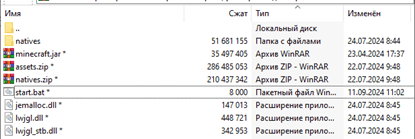
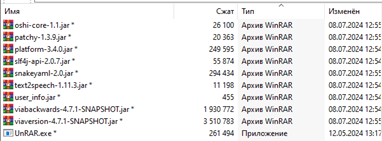
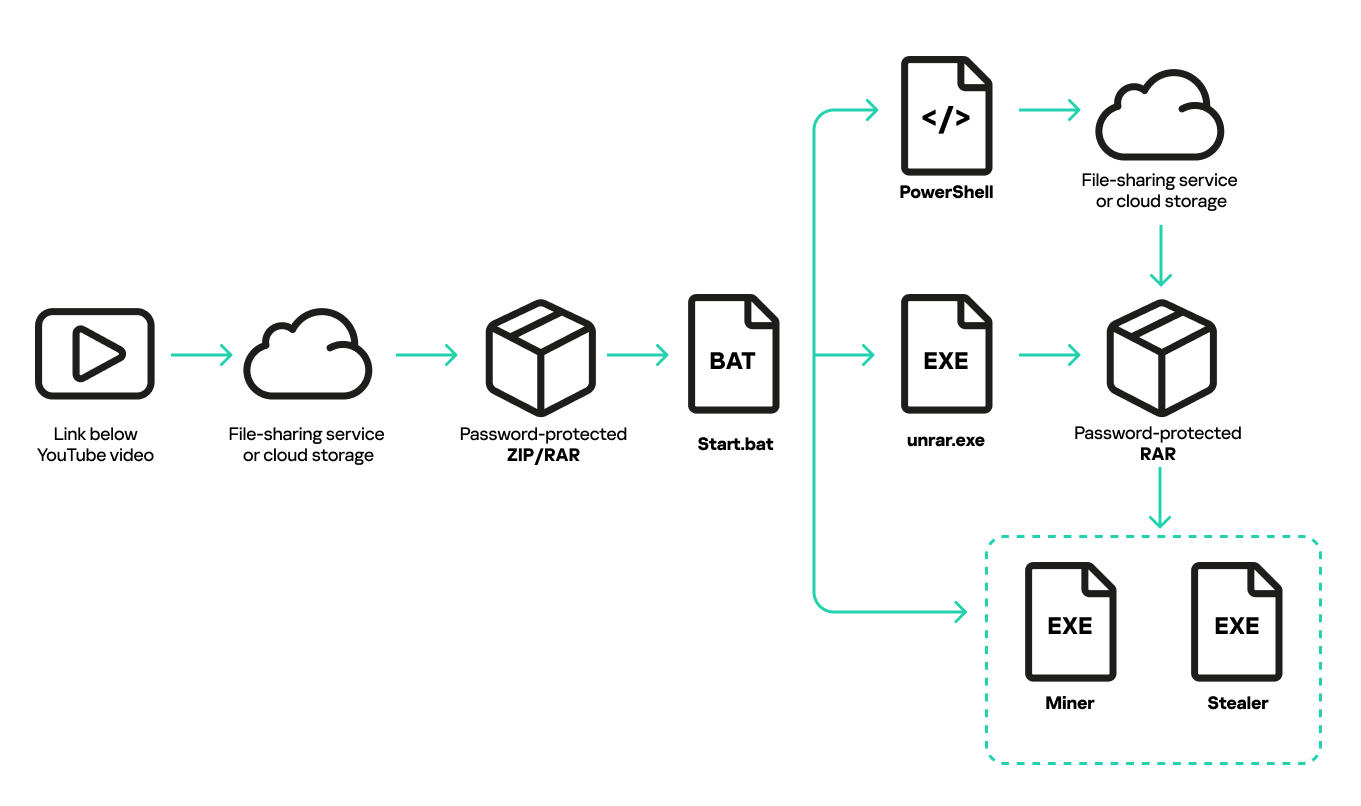
    The campaign in which we discovered the new stealer was already active before Arcane appeared. The original distribution method started with YouTube videos promoting game cheats. The videos were frequently accompanied by a link to an archive and a password to unlock it. Upon unpacking the archive, the user would invariably discover a start.bat batch file in the root folder and the UnRAR.exe utility in one of the subfolders.

    Archive root

    Contents of the “natives” subfolder

    The contents of the batch file were obfuscated. Its only purpose was to download another password-protected archive via PowerShell, and unpack that with UnRAR.exe with the password embedded in the BATCH file as an argument.

    Contents of the obfuscated start.bat file

    Following that, start.bat would use PowerShell to launch the executable files from the archive. While doing so, it added every drive root folder to SmartScreen filter exceptions. It then reset the EnableWebContentEvaluation and SmartScreenEnabled registry keys via the system console utility reg.exe to disable SmartScreen altogether.

    Key commands run by start.bat

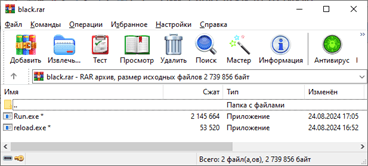
    The archive would always contain two executables: a miner and a stealer.

    Contents of the downloaded archive

    The stealer was a Phemedrone Trojan variant, rebranded by the attackers as “VGS”. They used this name in the logo, which, when generating stealer activity reports, is written to the beginning of the file along with the date and time of the report’s creation.

    Phemedrone and VGS logos

    Original distribution scheme

    Arcane replaces VGS

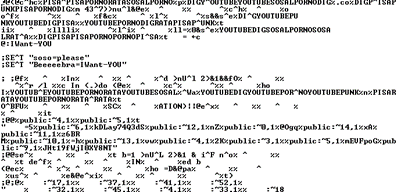
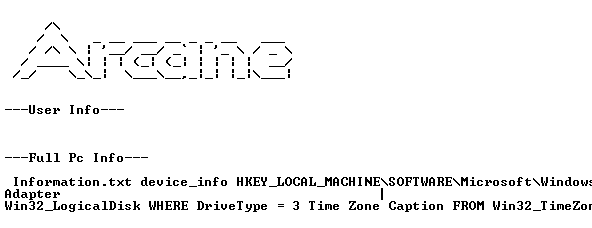
    At the end of 2024, we discovered a new Arcane stealer distributed as part of the same campaign. It is worth noting that a stealer with a similar name has been encountered before: a Trojan named “Arcane Stealer V” was offered on the dark web in 2019, but it shares little with our find. The new stealer takes its name from the ASCII art in the code.

    Arcane logo

    Arcane succeeded VGS in November. Although much of it was borrowed from other stealers, we could not attribute it to any of the known families.

    Arcane gets regular updates, so its code and capabilities change from version to version. We will describe the common functionality present in various modifications and builds. In addition to logins, passwords, credit card data, tokens and other credentials from various Chromium and Gecko-based browsers, Arcane steals configuration files, settings and account information from the following applications:

    • VPN clients: OpenVPN, Mullvad, NordVPN, IPVanish, Surfshark, Proton, hidemy.name, PIA, CyberGhost, ExpressVPN
    • Network clients and utilities: ngrok, Playit, Cyberduck, FileZilla, DynDNS
    • Messaging apps: ICQ, Tox, Skype, Pidgin, Signal, Element, Discord, Telegram, Jabber, Viber
    • Email clients: Outlook
    • Gaming clients and services: Riot Client, Epic, Steam, Ubisoft Connect (ex-Uplay), Roblox, Battle.net, various Minecraft clients
    • Crypto wallets: Zcash, Armory, Bytecoin, Jaxx, Exodus, Ethereum, Electrum, Atomic, Guarda, Coinomi

    In addition, the stealer collects all kinds of system information, such as the OS version and installation date, digital key for system activation and license verification, username and computer name, location, information about the CPU, memory, graphics card, drives, network and USB devices, and installed antimalware and browsers. Arcane also takes screenshots of the infected device, obtains lists of running processes and Wi-Fi networks saved in the OS, and retrieves the passwords for those networks.

    Arcane’s functionality for stealing data from browsers warrants special attention. Most browsers generate unique keys for encrypting sensitive data they store, such as logins, passwords, cookies, etc. Arcane uses the Data Protection API (DPAPI) to obtain these keys, which is typical of stealers. But Arcane also contains an executable file of the Xaitax utility, which it uses to crack browser keys. To do this, the utility is dropped to disk and launched covertly, and the stealer obtains all the keys it needs from its console output.

    The stealer implements an additional method for extracting cookies from Chromium-based browsers through a debug port. The Trojan secretly launches a copy of the browser with the “remote-debugging-port” argument, then connects to the debug port, issues commands to visit several sites, and requests their cookies. The list of resources it visits is provided below.

    • https://gmail.com,
    • https://drive.google.com,
    • https://photos.google.com,
    • https://mail.ru,
    • https://rambler.ru,
    • https://steamcommunity.com,
    • https://youtube.com,
    • https://avito.ru,
    • https://ozon.ru,
    • https://twitter.com,
    • https://roblox.com,
    • https://passport.yandex.ru

    ArcanaLoader

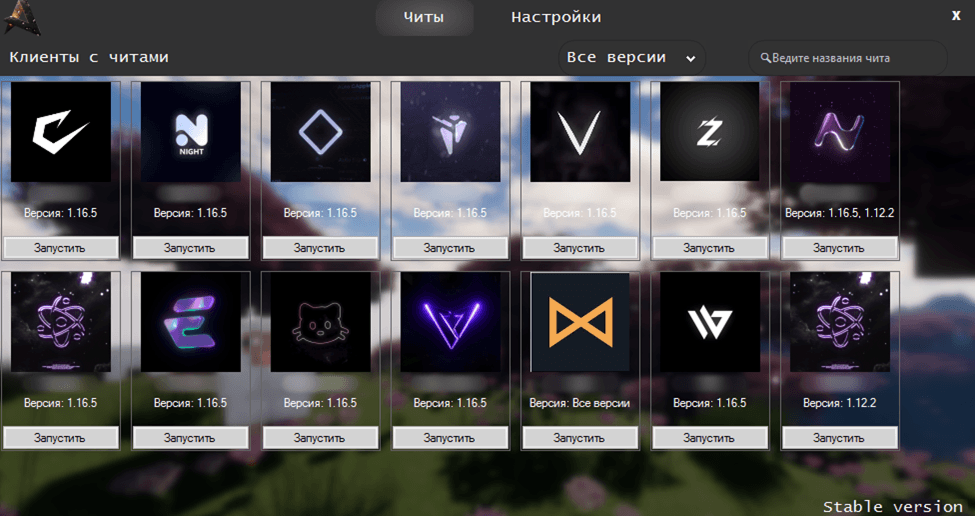
    Within a few months of discovering the stealer, we noticed a new distribution pattern. Rather than promoting cheats, the threat actors shifted to advertising ArcanaLoader on their YouTube channels. This is a loader with a graphical user interface for downloading and running the most popular cracks, cheats and other similar software. More often than not, the links in the videos led to an executable file that downloaded an archive with ArcanaLoader.

    ArcanaLoader

    See translation
    Читы Cheats
    Настройки Settings
    Клиенты с читами Clients with cheats
    Все версии All versions
    Введите название чита Enter cheat name
    Версия: 1.16.5 Version: 1.16.5
    Запустить Start
    Версия: Все Версии Version: All versions

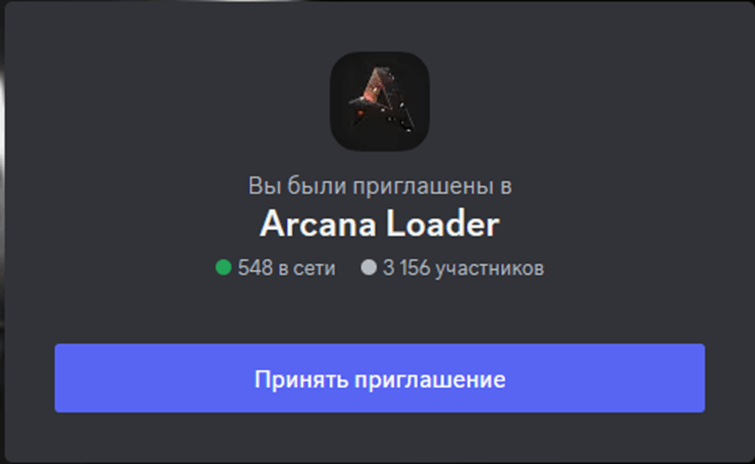
    The loader itself included a link to the developers’ Discord server, which featured channels for news, support and links to download new versions.

    Discord server invitation

    See translation

    You have been invited to Arcana Loader
    548 online
    3,156 users
    Accept invitation

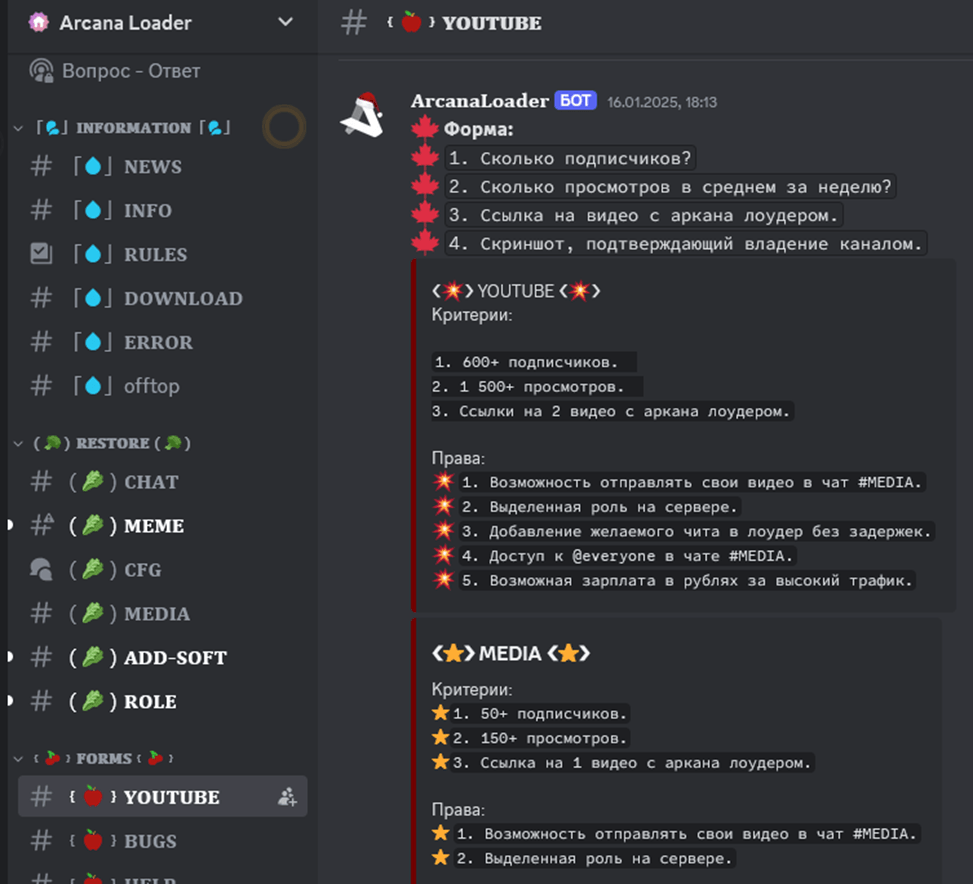
    At the same time, one of the Discord channels posted an ad, looking for bloggers to promote ArcanaLoader.

    Looking for bloggers to spread the loader

    See translation

    ArcanaLoader BOT
    Form:
    1. Total subscribers
    2. Average views per week
    3. Link to ArcanaLoader video
    4. Screenshot proof of channel ownership
    YOUTUBE
    Criteria:
    1. 600* subscribers
    2. 1,500+ views
    3. Links to 2 Arcana Loader videos
    Permissions:
    1. Send your videos to the #MEDIA chat
    2. Personal server role
    3. Add cheat to loader without delay
    4. Access to @everyone in the #MEDIA chat
    5. Possible compensation in rubles for high traffic
    MEDIA
    Criteria:
    1. 50+ subscribers
    2. 150+ views
    3. Link to 1 ArcanaLoader video
    Permissions:
    1. Send your videos to the #MEDIA chat
    2. Personal server role

    Sadly, the main ArcanaLoader executable contained the aforementioned Arcane stealer.

    Victims

    All conversations on the Discord server are in Russian, the language used in the news channels and YouTube videos. Apparently, the attackers target a Russian-speaking audience. Our telemetry confirms this assumption: most of the attacked users were in Russia, Belarus and Kazakhstan.

    Takeaways

    Attackers have been using cheats and cracks as a popular trick to spread all sorts of malware for years, and they’ll probably keep doing so. What’s interesting about this particular campaign is that it illustrates how flexible cybercriminals are, always updating their tools and the methods of distributing them. Besides, the Arcane stealer itself is fascinating because of all the different data it collects and the tricks it uses to extract the information the attackers want. To stay safe from these threats, we suggest being wary of ads for shady software like cheats and cracks, avoiding links from unfamiliar bloggers, and using strong security software to detect and disarm rapidly evolving malware.

    MIL OSI Economics

  • MIL-OSI Banking: Arcane stealer: We want all your data

    Source: Securelist – Kaspersky

    Headline: Arcane stealer: We want all your data

    At the end of 2024, we discovered a new stealer distributed via YouTube videos promoting game cheats. What’s intriguing about this malware is how much it collects. It grabs account information from VPN and gaming clients, and all kinds of network utilities like ngrok, Playit, Cyberduck, FileZilla and DynDNS. The stealer was named Arcane, not to be confused with the well-known Arcane Stealer V. The malicious actor behind Arcane went on to release a similarly named loader, which supposedly downloads cheats and cracks, but in reality delivers malware to the victim’s device.

    Distribution

    The campaign in which we discovered the new stealer was already active before Arcane appeared. The original distribution method started with YouTube videos promoting game cheats. The videos were frequently accompanied by a link to an archive and a password to unlock it. Upon unpacking the archive, the user would invariably discover a start.bat batch file in the root folder and the UnRAR.exe utility in one of the subfolders.

    Archive root

    Contents of the “natives” subfolder

    The contents of the batch file were obfuscated. Its only purpose was to download another password-protected archive via PowerShell, and unpack that with UnRAR.exe with the password embedded in the BATCH file as an argument.

    Contents of the obfuscated start.bat file

    Following that, start.bat would use PowerShell to launch the executable files from the archive. While doing so, it added every drive root folder to SmartScreen filter exceptions. It then reset the EnableWebContentEvaluation and SmartScreenEnabled registry keys via the system console utility reg.exe to disable SmartScreen altogether.

    Key commands run by start.bat

    The archive would always contain two executables: a miner and a stealer.

    Contents of the downloaded archive

    The stealer was a Phemedrone Trojan variant, rebranded by the attackers as “VGS”. They used this name in the logo, which, when generating stealer activity reports, is written to the beginning of the file along with the date and time of the report’s creation.

    Phemedrone and VGS logos

    Original distribution scheme

    Arcane replaces VGS

    At the end of 2024, we discovered a new Arcane stealer distributed as part of the same campaign. It is worth noting that a stealer with a similar name has been encountered before: a Trojan named “Arcane Stealer V” was offered on the dark web in 2019, but it shares little with our find. The new stealer takes its name from the ASCII art in the code.

    Arcane logo

    Arcane succeeded VGS in November. Although much of it was borrowed from other stealers, we could not attribute it to any of the known families.

    Arcane gets regular updates, so its code and capabilities change from version to version. We will describe the common functionality present in various modifications and builds. In addition to logins, passwords, credit card data, tokens and other credentials from various Chromium and Gecko-based browsers, Arcane steals configuration files, settings and account information from the following applications:

    • VPN clients: OpenVPN, Mullvad, NordVPN, IPVanish, Surfshark, Proton, hidemy.name, PIA, CyberGhost, ExpressVPN
    • Network clients and utilities: ngrok, Playit, Cyberduck, FileZilla, DynDNS
    • Messaging apps: ICQ, Tox, Skype, Pidgin, Signal, Element, Discord, Telegram, Jabber, Viber
    • Email clients: Outlook
    • Gaming clients and services: Riot Client, Epic, Steam, Ubisoft Connect (ex-Uplay), Roblox, Battle.net, various Minecraft clients
    • Crypto wallets: Zcash, Armory, Bytecoin, Jaxx, Exodus, Ethereum, Electrum, Atomic, Guarda, Coinomi

    In addition, the stealer collects all kinds of system information, such as the OS version and installation date, digital key for system activation and license verification, username and computer name, location, information about the CPU, memory, graphics card, drives, network and USB devices, and installed antimalware and browsers. Arcane also takes screenshots of the infected device, obtains lists of running processes and Wi-Fi networks saved in the OS, and retrieves the passwords for those networks.

    Arcane’s functionality for stealing data from browsers warrants special attention. Most browsers generate unique keys for encrypting sensitive data they store, such as logins, passwords, cookies, etc. Arcane uses the Data Protection API (DPAPI) to obtain these keys, which is typical of stealers. But Arcane also contains an executable file of the Xaitax utility, which it uses to crack browser keys. To do this, the utility is dropped to disk and launched covertly, and the stealer obtains all the keys it needs from its console output.

    The stealer implements an additional method for extracting cookies from Chromium-based browsers through a debug port. The Trojan secretly launches a copy of the browser with the “remote-debugging-port” argument, then connects to the debug port, issues commands to visit several sites, and requests their cookies. The list of resources it visits is provided below.

    • https://gmail.com,
    • https://drive.google.com,
    • https://photos.google.com,
    • https://mail.ru,
    • https://rambler.ru,
    • https://steamcommunity.com,
    • https://youtube.com,
    • https://avito.ru,
    • https://ozon.ru,
    • https://twitter.com,
    • https://roblox.com,
    • https://passport.yandex.ru

    ArcanaLoader

    Within a few months of discovering the stealer, we noticed a new distribution pattern. Rather than promoting cheats, the threat actors shifted to advertising ArcanaLoader on their YouTube channels. This is a loader with a graphical user interface for downloading and running the most popular cracks, cheats and other similar software. More often than not, the links in the videos led to an executable file that downloaded an archive with ArcanaLoader.

    ArcanaLoader

    See translation
    Читы Cheats
    Настройки Settings
    Клиенты с читами Clients with cheats
    Все версии All versions
    Введите название чита Enter cheat name
    Версия: 1.16.5 Version: 1.16.5
    Запустить Start
    Версия: Все Версии Version: All versions

    The loader itself included a link to the developers’ Discord server, which featured channels for news, support and links to download new versions.

    Discord server invitation

    See translation

    You have been invited to Arcana Loader
    548 online
    3,156 users
    Accept invitation

    At the same time, one of the Discord channels posted an ad, looking for bloggers to promote ArcanaLoader.

    Looking for bloggers to spread the loader

    See translation

    ArcanaLoader BOT
    Form:
    1. Total subscribers
    2. Average views per week
    3. Link to ArcanaLoader video
    4. Screenshot proof of channel ownership
    YOUTUBE
    Criteria:
    1. 600* subscribers
    2. 1,500+ views
    3. Links to 2 Arcana Loader videos
    Permissions:
    1. Send your videos to the #MEDIA chat
    2. Personal server role
    3. Add cheat to loader without delay
    4. Access to @everyone in the #MEDIA chat
    5. Possible compensation in rubles for high traffic
    MEDIA
    Criteria:
    1. 50+ subscribers
    2. 150+ views
    3. Link to 1 ArcanaLoader video
    Permissions:
    1. Send your videos to the #MEDIA chat
    2. Personal server role

    Sadly, the main ArcanaLoader executable contained the aforementioned Arcane stealer.

    Victims

    All conversations on the Discord server are in Russian, the language used in the news channels and YouTube videos. Apparently, the attackers target a Russian-speaking audience. Our telemetry confirms this assumption: most of the attacked users were in Russia, Belarus and Kazakhstan.

    Takeaways

    Attackers have been using cheats and cracks as a popular trick to spread all sorts of malware for years, and they’ll probably keep doing so. What’s interesting about this particular campaign is that it illustrates how flexible cybercriminals are, always updating their tools and the methods of distributing them. Besides, the Arcane stealer itself is fascinating because of all the different data it collects and the tricks it uses to extract the information the attackers want. To stay safe from these threats, we suggest being wary of ads for shady software like cheats and cracks, avoiding links from unfamiliar bloggers, and using strong security software to detect and disarm rapidly evolving malware.

    MIL OSI Global Banks

  • MIL-OSI Submissions: Global Bodies – 150th IPU Assembly to take place in Uzbekistan

    Source: Inter-Parliamentary Union (IPU)

    Geneva, Switzerland, 18 March 2025 – The Inter-Parliamentary Union (IPU) will hold its 150th Assembly in Tashkent, Uzbekistan, from 5 to 9 April 2025, hosted by the Parliament of Uzbekistan.

    The overall theme Parliamentary action for social development and justice will cover topics such as eradicating poverty, promoting decent work, fostering social inclusion, and increasing the participation of marginalized groups in decision-making.

    Key highlights will include the following:

    The IPU will celebrate its milestone 150th Assembly, which will include a keynote address from the President of Uzbekistan, Shavkat Mirziyoyev.

    The IPU Forum of Women Parliamentarians will also celebrate its 40th anniversary, a significant milestone against the backdrop of new challenges to women’s rights in some countries and the stagnation of the proportion of MPs who are women at 27.2%, according to the latest IPU report.
    All the IPU’s other bodies will convene, including its four thematic Standing Committees, the Forum of Young Parliamentarians, the Committee on the Human Rights of Parliamentarians, the Committee on Middle East Questions and the Task Force on the peaceful resolution of the war in Ukraine.

    The IPU is poised to move closer to universality with its membership expected to grow to 182 Member Parliaments as Belize joins.

    MPs are expected to adopt resolutions on advancing a two-State solution in Palestine, and mitigating the impact of conflicts on sustainable development.

    The Assembly will feature workshops on climate action, parliamentary diplomacy, and social norms impacting women’s health.

    During the Assembly, the IPU will also open nominations for the 2025 edition of the Cremer-Passy Prize, recognizing parliamentarian(s) with exceptional records in gender equality, the IPU’s theme of the year.

    Historical background

    The first IPU meeting took place in 1889 in Paris, France with MPs representing nine countries. Since then, the IPU Assembly has grown to become a global platform, the parliament of parliaments, with hundreds of MPs attending from around the world, along with staff, partner organizations and experts.

    Practical details

    Venue: Tashkent City Congress Centre in Tashkent, Uzbekistan.

    The IPU is the global organization of national parliaments. It was founded in 1889 as the first multilateral political organization in the world, encouraging cooperation and dialogue between all nations. Today, the IPU comprises 181 national Member Parliaments and 15 regional parliamentary bodies. It promotes peace, democracy and sustainable development. It helps parliaments become stronger, younger, greener, more innovative and gender-balanced. It also defends the human rights of parliamentarians through a dedicated committee made up of MPs from around the world.

    MIL OSI – Submitted News

  • MIL-OSI China: China, Kazakhstan vow to deepen practical cooperation

    Source: People’s Republic of China – State Council News

    BEIJING, March 18 — Chinese Vice Premier Ding Xuexiang met with Kazakhstan’s First Deputy Prime Minister Roman Sklyar in Beijing on Tuesday. The two leaders co-chaired the 12th Meeting of the China-Kazakhstan Cooperation Committee, pledging to deepen practical cooperation.

    Ding, also a member of the Standing Committee of the Political Bureau of the Communist Party of China Central Committee, said that under the guidance of the two heads of state, the China-Kazakhstan relationship has maintained a trend of rapid development, serving as an exemplary model for state-to-state relations.

    The two sides should effectively implement the important consensus reached by their heads of state, further consolidate political mutual trust, enhance mutual support, synergize development strategies, deepen practical cooperation, and bring improved benefits to both countries and peoples, Ding added.

    He fully affirmed the achievements of the China-Kazakhstan Cooperation Committee since its 11th meeting.

    He made four suggestions for future work: strengthening the guiding role of head-of-state diplomacy, deepening high-quality Belt and Road cooperation, advancing law enforcement and security cooperation, and promoting people-to-people exchange.

    Sklyar said that Kazakhstan regards the development of relations with China as a diplomatic priority. It stands ready to work with the Chinese side to fully leverage bilateral cooperation mechanisms, ensure the effective implementation of key Belt and Road cooperation projects, and advance new achievements in Kazakhstan-China cooperation.

    MIL OSI China News

  • MIL-OSI Europe: Missions – Mission to Kyrgyzstan, 25-27 February 2025 – 25-02-2025 – Subcommittee on Human Rights

    Source: European Parliament

    A five-member strong delegation visited Kyrgyzstan from 25 to 27 February 2025 with the aim at conducting a constructive dialogue with the Kyrgyz authorities and a series of international and local stakeholders ahead of the consent procedure of the EU-Kyrgyzstan European Enhanced Partnership and Cooperation Agreement, as the latter defines the respect for human rights, fundamental values, the rule of law and democratic standards as an essential element of this agreement.

    The DROI mission visited the country in a politically important year for Kyrgyzstan and the relations between the EU and Central Asian countries, given that the 1st EU-Central Asia Summit of Heads of State and government will take place in Samarkand on 4-5 April 2025.

    MIL OSI Europe News

  • MIL-OSI Europe: Team Europe provides nearly €60 million for digital connectivity in rural Central Asia

    Source: European Investment Bank

    EIB

    • A €34.4 million EU grant and a €25.45 million EIB Global loan will support access to broadband services through satellite connectivity in approximately 1 600 villages in Central Asia.
    • The financial package will enable the deployment of satellite terminal antennas connected to SES’ medium earth orbit satellite network.
    • This Team Europe initiative aims to empower approximately three million people in remote areas by providing fast and reliable internet access.

    EIB Global – the European Investment Bank’s global arm – and the European Commission have signed a financial package worth almost €60 million with SES, a Europe-based provider of satellite-enabled content and connectivity solutions.This initiative aims to deliver satellite connectivity to remote rural areas in Kazakhstan, Uzbekistan, Kyrgyzstan and Tajikistan.

    Nearly half of the population in Central Asia does not have access to the internet. The project aims to reduce this figure by bringing broadband internet services to approximately 1 600 underserved villages across rural areas in the region. These communities currently have no access to broadband services, leaving millions without connection to the digital world. Through satellite technology, high-speed internet can be deployed in these remote areas, transforming the lives of an estimated three million people. This initiative will help to bridge the digital gap and also support Central Asia’s broader transition to a digital economy.

    “Beyond simply connecting people, connectivity infrastructures are pathways to education, healthcare and economic opportunities. This initiative is helping to address the digital divide and promoting global connectivity, which is a priority for EIB Global. This is an excellent example of cooperation under Team Europe for digital inclusion and human empowerment, and will also provide the European Union’s partners in Central Asia with know-how and expertise on secure and trusted digital connections,” said EIB Vice-President Kyriacos Kakouris, who oversees the Bank’s operations in Central Asia.

    This project is fully aligned with the European Union’s Global Gateway initiative, which promotes investment in secure and sustainable infrastructure to connect people and improve lives across the world. It serves as a key driver of the Team Europe initiative for digital connectivity in Central Asia.

    “The European Union and Central Asia are working together to improve the internet connection in the whole region. European technology and our Central Asian partners’ expertise can ensure that more people have access to fast and secure internet, supporting business growth, creating new jobs and improving living conditions in local communities. By investing in digital connectivity, we are bridging gaps, creating opportunities, and ensuring that Central Asia has the necessary resources to benefit fully from the digital economy,” said European Commissioner for International Partnerships Jozef Síkela.

    The project will leverage SES’s O3b mPOWER medium earth orbit satellite network expansion, which is partially financed by the EIB through a €125 million loan provided earlier this year. The satellite network expansion will facilitate the delivery of high-speed broadband services to these remote areas, ensuring reliable and scalable digital infrastructure.

    “Securing this combined EU grant and EIB Global loan demonstrates that SES’ financial foundation is solid and that it is trusted by European institutions to provide reliable satellite services. SES has already done great work on large-scale digital inclusion projects by investing in satellite systems that deliver seamless connectivity in the most remote parts of the world. We are looking forward to reaping the benefits of O3b mPOWER in Central Asia, accelerated by the European Investment Bank’s partial funding to expand our MEO satellites,” said Global Head of Enterprise and Cloud at SES Nadine Allen.

    Background information

    About EIB Global

    The European Investment Bank (ElB) is the long-term lending institution of the European Union, owned by its Member States. It finances investments that contribute to EU policy objectives.

    EIB Global is the EIB Group’s specialised arm devoted to increasing the impact of international partnerships and development finance, and a key partner of Global Gateway. We aim to support €100 billion of investment by the end of 2027 — around one-third of the overall target of this EU initiative. Within Team Europe, EIB Global fosters strong, focused partnerships alongside fellow development finance institutions and civil society. EIB Global brings the EIB Group closer to people, companies and institutions through our offices across the world. High-quality, up-to-date photos of our headquarters for media use are available here.

    About SES

    SES has a bold vision to deliver amazing experiences everywhere on Earth by distributing the highest quality video content and providing seamless data connectivity services around the world. As a provider of global content and connectivity solutions, SES owns and operates a geosynchronous orbit fleet and medium earth orbit (GEO-MEO) constellation of satellites, offering a combination of global coverage and high-performance services. Using its intelligent, cloud-enabled network, SES delivers high-quality connectivity solutions anywhere on land, at sea or in the air, and is a trusted partner to telecommunications companies, mobile network operators, governments, connectivity and cloud service providers, broadcasters, video platform operators and content owners around the world. The company is headquartered in Luxembourg and listed on Paris and Luxembourg stock exchanges (Ticker: SESG). 

    MIL OSI Europe News

  • MIL-OSI United Nations: 18 March 2025 Departmental update New Health Investment Platform to improve primary health care convenes its first Steering Committee

    Source: World Health Organisation

    Yesterday the Health Impact Investment Platform (HIIP) held its inaugural Steering Committee meeting, marking a significant milestone in advancing innovative financing for global health. As the Platform’s highest decision-making body, the Committee – consisting of representatives from the World Health Organization (WHO), the European Investment Bank, and the Islamic Development Bank – reviewed progress, endorsed key governance and operational priorities, and provided strategic guidance on HIIP’s efforts to expand primary health care (PHC) services in low- and middle-income countries. The meeting represents a significant step forward in advancing sustainable financing solutions for global health.

    The HIIP was unveiled during the Summit for a New Global Financing Pact in Paris in 2023, and is a landmark partnership between WHO, multilateral development banks and beneficiary countries. Amid a US$ 371 billion annual health financing gap for health-related Sustainable Development Goals (SDGs) and a US$ 31.1 billion annual funding requirement for pandemic preparedness, the Platform innovates multilateral solutions to increase the share of development funding going to the health sector. Integrating technical expertise, financial resources and local knowledge into impactful, country-driven investments in vulnerable communities, the Platform has mobilized over US$ 30 million of investment for WHO to support countries in developing prioritized investment plans for potential support from MDBs and donors.

    The Platform aims to use these plans to generate over US$1.5 billion funding for low- and middle-income country governments to build resilience against pandemic threats and the climate crisis.

    “Primary health care is the cornerstone of equitable, cost-effective, and inclusive health systems,” said Catharina Boehme, Assistant Director-General at the World Health Organization. “The Health Impact Investment Platform is a transformative initiative to mobilize financing for climate-adaptive and crisis-resilient primary health care in the countries that need it most. WHO is proud to partner with multilateral development banks and countries to ensure these funds deliver tangible impact for the communities we serve.”

    The First Steering Committee builds on months of progress since the Platform’s official launch in September 2024, with early-stage engagements in more than 10 countries. During the meeting, Committee members approved key operational documents for the platform, reviewed Concept Notes developed to operationalize primary health care investments in Burundi, The Gambia, Guinea Bissau, Kazakhstan, Maldives, Morocco and Zambia and formally approved the Proposal for Action in Ethiopia, unlocking funding to support the finalization of its national PHC investment plan. Members reinforced the platform’s core focus on scaling primary health care investments, accelerating progress toward universal health coverage, and strengthening health system resilience in low- and middle-income countries.

    Issa Faye, Director General of Global Practice and Partnerships at the Islamic Development Bank noted, “We are committed to catalyzing impactful, sustainable investments that strengthen health systems in low- and middle-income countries. Today’s discussions reaffirmed our shared vision and commitment to scaling up investment in primary health care, ensuring that no country is left behind in achieving universal health coverage and pandemic preparedness.”

    The next Steering Committee meeting will convene on the margins of the Seventy-Eighth World Health Assembly (19–27 May 2025), where progress on Ethiopia’s investment plan and new country engagements will be reviewed.

    Thomas Östros, Vice President at the European Investment Bank and the newly appointed Chair of the Steering Committee emphasized, “The Health Impact Investment Platform is a unique opportunity to bridge the health financing gap and drive sustainable investments where they are most needed. As we look ahead to the next Steering Committee, our focus remains on turning commitments into action. We call on all stakeholders to join us in expanding access to quality primary health care, ensuring that investments today translate into stronger, more resilient health systems for the future.”

    Going forward, the HIIP will deepen engagements with the first wave of applicants and expand support to other interested countries. Eligible countries for the HIIP include low- and middle-income countries which are a country of operation for at least one of the partner Multilateral Development Banks. Governments seeking to strengthen PHC through tailored technical assistance and investment support are invited to express their interest via an email addressed to hiip_secretariat@who.int.

    MIL OSI United Nations News

  • MIL-OSI Global: Water cooperation is essential when countries share lakes and rivers – yet it’s been deteriorating in many places, with serious consequences

    Source: The Conversation – USA – By Susanne Schmeier, Associate Professor of Water Law and Diplomacy, IHE Delft

    Lake Chad once provided adequate livelihoods for 20 million people in Africa, but it lost 90% of its surface area in 30 years. AP Photo/Christophe Ena

    Just over half the world’s population shares a river or lake basin with at least one other country. To sustainably manage those water resources for the health of people, ecosystems and economies, neighboring countries must work together.

    However, many countries have been less willing to cooperate in recent years, even to protect a resource as vital as freshwater.

    This trend away from multilateralism isn’t unique to water. The world is seeing a decline in the general willingness of countries to jointly solve many interstate, regional and global challenges. It shows as countries, like the U.S., pull out of the global institutions, such as the World Health Organization, and drop their support for global climate goals.

    The breakdown in cooperation can have severe consequences. If one country takes more water than agreed upon, and builds dams or pollutes the water, its neighbors and their people, cities, agriculture, energy production and wildlife can suffer. That can ultimately destabilize local communities, deteriorate relations between countries and endanger regional peace and stability.

    Water flowing into Africa’s Nile River affects several countries. A large dam being built by Ethiopia has led to concerns and disputes in the region.
    AP Photo/Amr Nabil

    We conduct research and work with governments and international organizations on environment and water law, policy and governance. The shift we’re seeing away from multilateral cooperation and rules-based order to more nationalistic tendencies, in which a country prioritizes itself to the detriment of all others, is raising concerns about the future.

    Thousands of years of water cooperation paid off

    More than 4,000 years ago, two Sumerian city-states – Lagash and Umma – were engaged in a fierce war over a strip of fertile land and a canal fed by the Tigris River in what today would be southern Iraq.

    The conflict ended in 2550 B.C. with the first known precursor to an international water treaty. The Mesilim Treaty included payments and agreements on collaborative water use. It didn’t hold the peace permanently, but it created a model that lasted.

    Conflict still occurs over shared waters; however, since the late 1800s, and particularly since the end of World War II, cooperation has been the dominant interaction between countries in the world’s 313 surface water basins, 468 transboundary aquifers and more than 300 transboundary wetlands.

    In Europe, for example, countries have worked together through treaties, data sharing and joint projects to improve water quality, including in the Rhine and Danube rivers.

    Nine countries work closely to protect the health of the Rhine River, which each depends on. In 2018, that cooperation became essential as water levels dropped to levels that interrupted ship travel.
    AP Photo/Martin Meissner

    Having cooperative processes in place also helps when disagreements arise. In Southeast Asia, negotiations and technical exchanges between countries that share the Mekong River have helped to ease tensions over the construction of dams in Laos.

    Unilateralism is rising

    Despite the proven benefits from cooperating over water resources, we’re seeing a troubling trend: Countries are increasingly taking actions that undermine water cooperation.

    Even in the Columbia River Basin, often considered a model of cross-border cooperation, the status of an updated treaty between the U.S. and Canada is in question after the Trump administration paused talks in March 2025.

    Since 1964, the U.S. has paid Canada to control the river’s flow to prevent flooding and to serve U.S. hydropower plants. The updated deal has been agreed to in principle, but is not signed. That’s raising questions about what will happen if the interim agreements expire in 2027 before the new treaty comes into force.

    Another example is in the Zambezi River Basin in southern Africa, where countries increasingly disregard agreements to notify one another before building projects that will affect the water flow. Similar behavior happens in the Nile and Aral Sea regions, among others.

    Ethiopia’s construction of a large hydroelectric damage on the Blue Nile has upset its downstream neighbors.

    As unilateral actions over shared water resources become more frequent, the willingness of governments to enter into agreements and establish joint institutions to guide that cooperation is declining. The rate of establishing multilateral agreements has significantly slowed since the 2010s. Only around 10 agreements have been signed since 2020, and only two joint institutions have been established. A large proportion of basins have no agreements or institutions at all.

    The few recent attempts to establish cooperative mechanisms have stalled or failed. The formal establishment of an organization to manage Lake Kivu and the Ruzizi River basin, shared by Congo, Rwanda and Burundi, was never formally ratified by its member countries. That left the once-promising organization a zombie.

    Even when institutions already exist, some governments are withdrawing from them. But moves made for short-term gain can have long-term repercussions.

    An example involves the Aral Sea, which has shrunk dramatically since the 1960s due to a combination of water demand for cotton crops and climate change drying the region.

    The International Fund for Saving the Aral Sea, IFAS, was created in 1993 by five countries to support projects designed to ensure water use remains possible along its rivers. However, in 2016, Kyrgyzstan froze its membership, arguing that the organization wasn’t taking Kyrgyzstan’s national interests into account. Kyrgyzstan contributes about 25% of water flowing into the region. Its frozen participation limits IFAS’ effectiveness.

    The Aral Sea in Central Asia has been shrinking since the 1960s, but dramatically lost water each year over the past two decades. The top left image is from 2000.
    NASA

    Similarly, Egypt and Sudan froze their participation in the Nile Basin Initiative in 2010 over a cooperative agreement that they saw as violating their historical water rights – established in colonial 1929 and 1959 agreements – in favor of governance centered on “equitable water allocations.” While Sudan resumed participation in the Nile Basin Initiative in 2012, Egypt’s participation remains frozen.

    Erosion of multilateralism

    The changes we’re seeing with water agreements and institutions reflect a broader decline in countries’ willingness to address shared problems through multilateral cooperation — a trend that seems to be rapidly increasing.

    In the United States, the Trump administration is pursuing expansionist foreign policies and protectionist trade policies. The administration has also publicly wavered on the U.S. commitment to NATO and announced it was leaving the World Health Organization.

    Argentina also announced it would withdraw from the WHO. Mali, Burkina Faso and Niger have withdrawn from the Economic Community of West African States, which promotes economic and political cooperation in the region.

    The environment has been particularly affected by this trend. The U.S. move to withdraw from the Paris climate agreement and the difficulty of reaching a global plastics treaty also reflect the growing difficulty in reaching cooperative solutions to benefit future generations.

    Harm to ecosystems, people and countries

    As climate change shrinks freshwater resources, and growing populations lead to overexploitation of water supplies, countries will increasingly need multilateral cooperation to avoid conflict.

    These agreements and institutions provide forums for communication and cooperation. Losing them can lead to less well-governed water resources, declining environmental, economic and health benefits, and increasing conflict.

    Lake Chad is a cautionary example. The Lake Chad Basin Commission was established in 1964 by Cameroon, Chad, Niger and Nigeria to oversee its water and other natural resources and coordinate projects related to the lake. But the countries never fully committed to cooperating.

    Since then, the lake has shrunk by around 90%, which has increased poverty by reducing people’s access to vital water resources to support their livelihoods. And that has created optimal conditions for terrorist group Boko Haram’s violent insurgency to succeed in recruiting young men who had limited livelihood options left.

    People collect water from a branch of Lake Chad in Ngouboua, Chad, which has been attacked by the terrorist group Boko Haram. People depend on the lake for water, but it has been shrinking.
    Philippe Desmazes/AFP via Getty Images

    We believe this decline in countries’ commitment to multilateral cooperation should be a wake-up call for everyone. If the world’s most precious resource is not managed cooperatively and sustainably across international boundaries, more than just water is at risk.

    Melissa McCracken has not received funding related to this article.

    Susanne Schmeier does not work for, consult, own shares in or receive funding from any company or organization that would benefit from this article, and has disclosed no relevant affiliations beyond their academic appointment.

    ref. Water cooperation is essential when countries share lakes and rivers – yet it’s been deteriorating in many places, with serious consequences – https://theconversation.com/water-cooperation-is-essential-when-countries-share-lakes-and-rivers-yet-its-been-deteriorating-in-many-places-with-serious-consequences-251864

    MIL OSI – Global Reports

  • MIL-OSI Russia: GUU invites winners and prize winners of the Hi-Tech Breakthrough Tournament to the award ceremony

    Translartion. Region: Russians Fedetion –

    Source: State University of Management – Official website of the State –

    The award ceremony will take place at the Open Day at the Information Technology Center of the State University of Management on March 23, 2025. It will start at 12:00.

    The All-Russian scientific and practical tournament “Hi-Tech Breakthrough” started in the fall and was held in three stages. Its results were summed up last week. 180 participants from Russia, Tunisia, Kazakhstan, Belarus, Mali, Afghanistan, Iran, the Philippines, Sudan, Israel, Uzbekistan, Tajikistan, Congo, Turkmenistan, India, Vietnam and other countries demonstrated their talents in marketing.

    Based on the results of the final, foreign citizens who showed the best results were recommended for admission to the Master’s program “High-Tech Marketing” of the Institute of Marketing within the quota approved by the Government. This year it was 60 places.

    The finalists of the Tournament among Russians will also receive a pleasant bonus – additional points await them when they enter the “High-Tech Marketing” program.

    Congratulations to the winners, we wish them successful admission to the Master’s program and a great career in marketing! And we are waiting for everyone who wants to try their hand at the Tournament of the next season, which starts on November 1.

    Subscribe to the tg channel “Our State University” Announcement date: 03/18/2025

    Дне открытых дверей в Центре информационных технологий ГУУ 23 марта 2025 года. Начало в 12.00….” data-yashareImage=”https://guu.ru/wp-content/uploads/Хай-тек-прорыв-2024-1.jpg” data-yashareLink=”https://guu.ru/%d0%b3%d1%83%d1%83-%d0%bf%d1%80%d0%b8%d0%b3%d0%bb%d0%b0%d1%88%d0%b0%d0%b5%d1%82-%d0%bf%d0%be%d0%b1%d0%b5%d0%b4%d0%b8%d1%82%d0%b5%d0%bb%d0%b5%d0%b9-%d0%b8-%d0%bf%d1%80%d0%b8%d0%b7%d1%91%d1%80%d0%be/”>

    Please note: This information is raw content directly from the source of the information. It is exactly what the source states and does not reflect the position of MIL-OSI or its clients.

    MIL OSI Russia News

  • MIL-OSI Russia: Memory of the Great Victory: the conference “Front City Leningrad” was held at the Polytechnic

    Translartion. Region: Russians Fedetion –

    Source: Peter the Great St Petersburg Polytechnic University – Peter the Great St Petersburg Polytechnic University –

    On March 14 and 15, the second international youth conference “Front City Leningrad” was held in St. Petersburg, dedicated to the 80th anniversary of the Victory in the Great Patriotic War. The organizers were Peter the Great St. Petersburg Polytechnic University and the State Memorial Museum of the Defense and Siege of Leningrad.

    The event was held with the support of the Legislative Assembly of St. Petersburg, the Archive Committee of St. Petersburg, the Committee for Science and Higher Education of St. Petersburg. The organizing committee included representatives of St. Petersburg universities.

    The grand opening of the conference took place in the White Hall of SPbPU.

    The conference we are holding is truly significant. Such events are simply necessary now. We need to pay close attention to history and issues related to the existence of our state. We must pass on information about those important events and the heroic deeds of each person who took part in them from generation to generation. Through history and traditions, we create the unity of society, – welcomed the guests the first vice-rector of SPbPU Vitaly Sergeev.

    On behalf of the Chairman of the Legislative Assembly of St. Petersburg, Alexander Belsky, the participants were greeted by his deputy, Pavel Itkin.

    In today’s times, it is more important than ever for us to remember the great feat of our fathers and grandfathers, to pay great attention to the patriotic education of new generations. You are our hope and the future of our national history and science, – Pavel Itkin read.

    Chairman of the Committee on Science and Higher Education of St. Petersburg Andrei Maksimov conveyed greetings from the Governor of St. Petersburg Alexander Beglov and spoke about the competition of student and postgraduate works on the study of the defense and blockade of Leningrad.

    It is wonderful that the conference is becoming a good tradition, that all leading universities of St. Petersburg are taking part in this work. This is very responsible and important. You are the young generation, and thanks to you our society will be formed in the future. Therefore, knowing the past, you will be able to draw the right conclusions and choose your path, – said Andrey Maksimov.

    The acting director of the State Memorial Museum of the Defense and Siege of Leningrad, Anatoly Perebykovsky, also addressed the conference participants.

    It is a special honor for us to unite young people from various universities, scientific and educational institutions. The large number of applications for the conference speaks of the interest in preserving historical memory, which is more important today than ever, – emphasized Anatoly Perebykovsky.

    The participants were also greeted by the Chairman of the Committee on Youth Policy and Interaction with Public Organizations Bogdan Zastavny and the Chairman of the Archive Committee of St. Petersburg Petr Tishchenko.

    At the end of the official part, those gathered observed a minute of silence in memory of the victims of the Leningrad blockade.

    The conference participants were young scientists, postgraduates, and students from Russian and foreign universities under the age of 35.

    The plenary session was held at the Polytechnic University. The moderators were the director of the Higher School of Social Sciences of the Humanities Institute of SPbPU Anastasia Lisenkova, associate professor of the Higher School of Social Sciences of the Humanities Institute, academic secretary of the State Memorial Museum of the Defense and Siege of Leningrad Artem Popov, professor of the St. Petersburg Academy of the Investigative Committee of the Russian Federation, academic secretary of the State Memorial Museum of the Defense and Siege of Leningrad Alexander Kutuzov.

    SPbPU student Polina Krison presented a report on “The Contribution of Female Sappers to the Demining of Pavlovsk”. Danil Demin from the St. Petersburg Academy of the Investigative Committee of the Russian Federation recalled the importance of preserving the memory of the events of the Great Patriotic War. Anastasia Gribacheva, a postgraduate student at the Higher School of Economics from SPbPU, presented the organization of the production process at food enterprises in besieged Leningrad. ITMO student Elizaveta Beloborodova presented a report on “Digital Historical Projects as a Tool for Studying the Siege of Leningrad”. Valentina Stroganova from St. Petersburg State University spoke about the work of evacuation hospital No. 1012 within the walls of the Faculty of History during the Siege of Leningrad.

    Sectional meetings were held in person and online at leading universities in St. Petersburg and the regions of Russia, as well as at universities in Belarus and Uzbekistan. The moderators of these meetings were historians, teachers of the Higher School of Social Sciences of the Humanities Institute of SPbPU. The participants also took tours of the State Memorial Museum of the Defense and Siege of Leningrad.

    The conference organizing committee received more than 170 applications from four countries and 49 universities; sectional meetings were organized in nine St. Petersburg universities according to the sections’ profiles.

    Based on the results of the conference, it is planned to publish an electronic collection with posting in the RSCI database.

    Photo archive

    Please note: This information is raw content directly from the source of the information. It is exactly what the source states and does not reflect the position of MIL-OSI or its clients.

    MIL OSI Russia News

  • MIL-OSI United Nations: UNECE Resource Management Week 2025: Advancing Sustainable Resource Governance for a Just Energy Transition 

    Source: United Nations Economic Commission for Europe

    As demand for critical mineral resources surges and energy transitions reshape economies, UNECE Resource Management Week 2025 is where global experts, policymakers and industry leaders will come together to shape the policies and strategies to support a more sustainable future for resource governance. 

    Strengthening Global Resource Governance with UNFC and UNRMS 

    As critical minerals become increasingly essential to the energy transition, the 16th Session of the Expert Group on Resource Management (24–28 March) will explore how to ensure transparent, sustainable, and responsible resource governance. Discussions will focus on the United Nations Framework Classification for Resources (UNFC) and UN Resource Management System (UNRMS) and their role in securing supply while balancing environmental and social concerns and implementing UNFC under the EU Critical Raw Material Act. The International Centres of Excellence on Sustainable Resource Management in Central Asia, Mexico, Russian Federation and UK will share their national and regional priorities to deploy and disseminate UNFC and UNRMS.  

    The session will also feature the Geneva Dialogues on Mineral and Metal Resources, with a Joint UNEP and UNECE side event focused on circular economy solutions and responsible mining practices. Lectures will bring fresh insights, including a discussion led by the Norwegian Offshore Directorate’s Stig-Morten Knutsen on the potential of seabed minerals for energy and industry, addressing both opportunities and environmental risks. Other sessions will explore AI’s role in resource management and women’s leadership in resource management. The FutuRaM annual event on 26 March will highlight advancements in secondary raw materials (SRMs) management, showcasing two years of research on how urban mining and anthropogenic resources can strengthen supply chains. Experts will discuss how the latest Urban Mine Platform updates can support informed decision-making in resource management. 

    With competition for minerals intensifying, EGRM-16 will play a role in shaping policies that secure resources responsibly while advancing long-term sustainability goals. 

    Two Decades of Advancing Mine Safety, Methane Management, and Just Transition 

    As pressure mounts to curb methane emissions and phase out coal, UNECE’s Group of Experts on Coal Mine Methane and Just Transition will mark its 20th session (24–25 March 2025) by unveiling new tools for methane abatement and discussing ways to integrate emission reductions into national climate targets (NDCs). With mine closures accelerating, experts will present business models from Poland and Spain that repurpose sites for clean energy. Just transition strategies in Tajikistan and Uzbekistan will also highlight efforts to support coal-dependent communities. The session underscores the growing urgency to align mine safety, environmental goals, and economic resilience in the energy transition. 

    UNECE to Tackle Gas Sector’s Role in Energy Security and Climate Action

    The 12th Session of the UNECE Group of Experts on Gas (GEG-12) will address the future of gas in a rapidly evolving landscape. Discussions will focus on biogases as alternatives to fossil fuels, hydrogen infrastructure, and resilience amid supply shocks. For the first time, Just Transition in the gas sector will be explored, alongside new methane reduction measures 

    Driving Partnerships for a Just and Sustainable Energy Transition 

    The UNECE Resource Management Week 2025 will also highlight collaborations with the European Commission, World Bank, and UNDP on methane reduction and hydrogen projects, as well as partnerships with the UN Country Teams and the Issue-Based Coalition on Environment and Climate Change to shape coherent just transition policies. With a focus on practical solutions and innovation, the event aims to accelerate the energy transition in a fair, inclusive, and sustainable way. 

    MIL OSI United Nations News

  • MIL-OSI Europe: Enhancing Ammunition Safety: OSCE Fosters Regional Co-operation in Central Asia

    Source: Organization for Security and Co-operation in Europe – OSCE

    Headline: Enhancing Ammunition Safety: OSCE Fosters Regional Co-operation in Central Asia

    Participants of the regional seminar on methods for testing ammunition propellants, Bishkek, 12 March 2025. (OSCE) Photo details

    On 12 March 2025, a regional seminar on methods for testing ammunition propellants, aimed at enhancing ammunition safety and strengthening regional co-operation, took place in Bishkek. Organized by the OSCE Programme Office in Bishkek in partnership with the Ministry of Defence of the Kyrgyz Republic and with support from the Ministry of Defence of Austria, the event brought together officers from the Ministries of Defence of Kazakhstan, Kyrgyzstan, Turkmenistan, and Uzbekistan.
    Participants discussed best practices for conducting stability testing of ammunition using the Qualitative Propellant Analysis Kit (QPAK), a Level 1 mobile laboratory. Experts from the Ministry of Defence of Austria shared their expertise on assessing propellant stability and mitigating the risks of accidental explosions at ammunition storage sites. 
    Konstantin Bedarev, Head of the Politico-Military Department of the OSCE Programme Office in Bishkek, highlighted the importance of regional co-operation: “Strengthening co-operation between our countries will help develop effective solutions that contribute to increased security and sustainable ammunition management in the region.”
    This initiative is part of an ongoing series of activities within the extra-budgetary project “Improvement of Small Arms and Light Weapons (SALW) and Conventional Ammunition (CA) Life-Cycle Management Capacity of the Ministry of Defence of the Kyrgyz Republic,” supported by Austria, France, Germany, Norway, and Switzerland.

    MIL OSI Europe News

  • MIL-OSI Banking: Asian Development Bank and Uzbekistan: Fact Sheet

    Source: Asia Development Bank

    ADB support in education and health care will be critical in developing Uzbekistan’s human capital. This year, ADB plans to commit to a new project involving science, technology, engineering, and math in secondary schools to equip students with relevant skills to succeed in an evolving and diverse labor market.

    Updated yearly, this ADB Fact Sheet provides concise information on ADB’s operations in the country and contact information.

    MIL OSI Global Banks

  • MIL-OSI Russia: Energy to teach! Polytechnic and Gazprom Neft launched a program to improve the qualifications of teachers

    Translartion. Region: Russians Fedetion –

    Source: Peter the Great St Petersburg Polytechnic University – Peter the Great St Petersburg Polytechnic University –

    Peter the Great St. Petersburg Polytechnic University and Gazprom Neft Corporate University have launched the Energy to Teach advanced training program. It is aimed at developing new competencies in teachers of secondary vocational educational institutions — participants in the Gazprom Neft College League educational ecosystem.

    The goal of the program: to teach teachers to adapt existing college programs to current business needs and demands of industrial partners and to ensure high demand for graduates in the labor market.

    The program is designed for 190 hours and is held in a network format from March to May, includes two face-to-face intensive courses and distance modules. 59 teachers from various regions participate in the training.

    Development of professional competencies

    The program covers modern educational approaches, corporate standards of professions, project methodology and mechanisms for developing educational materials. This approach helps to systematize knowledge and form effective mechanisms for training specialists.

    A systematic approach to developing corporate standards allows not only to structure knowledge, but also to form working mechanisms for training specialists in demand. Interaction with experts and project methodology ensure a high level of development of each aspect, – noted Dmitry Tikhonov, Vice-Rector for Additional and Pre-University Education at SPbPU.

    Practice-oriented learning

    Particular attention is paid to organizing systemic interaction between college teachers and Gazprom Neft representatives. Current employees of the company conduct seminars within the framework of face-to-face modules, and also interact with participants in the formats of direct and inverted internships: they receive teachers at enterprises and go to colleges.

    During the implementation of the program, it is important for us to create conditions for the integration of the College League teachers into the Gazprom Neft educational ecosystem and the development of a sustainable system of communications between the college and the customer enterprise on issues of updating educational programs, organizing internships, and exchanging professional expertise, said Ekaterina Solovyova, Head of Development of the Internal Coaching and Mentoring System at the Gazprom Neft Corporate University.

    The Role of the Gazprom Neft Corporate University

    The corporate university acts as the main customer of the program, actively participating in its development and implementation. It provides methodological support and attracts experts to integrate corporate practices into the educational process.

    The Energy to Train program is one of the elements of systematic work with partner colleges to improve the personnel security of the Gazprom Neft group of companies. It is important for us that the educational experience that students receive at the college contributes to their seamless transition to our enterprises, said Bulat Zaripov, Vice-Rector of the Gazprom Neft Corporate University.

    Expected results

    The program not only allows to bring together the educational programs of secondary vocational education with the needs of the enterprise, but also serves as a platform for building a constructive dialogue between the educational institution and the industrial partner. Participants in the educational process form mutual agreements on the exchange of best practices in matters of personnel training and development, building an internship system, and equipping training grounds.

    Responding to market challenges

    “Energy to teach” is a response to modern challenges of the secondary vocational education system and industry. Improving teaching skills directly affects the quality of students’ training, and network interaction between the academic environment and business contributes to the formation of highly qualified personnel.

    Teachers form future specialists, passing on not only knowledge but also professional values. Our task is to create conditions in which they can master new methods, adapt educational programs and effectively cooperate with business, – emphasized the program curator, head of the Directorate of Continuing Education and Industry Partnership of SPbPU Ivan Kurta.

    It should be added that the League of Colleges is one of the largest communities in the field of secondary vocational education, created on the initiative of Gazprom Neft. It unites 20 colleges in 10 regions, including Moscow, St. Petersburg, Tyumen, Omsk, Khanty-Mansiysk, Sochi and other large cities of the Russian Federation, as well as one college from Uzbekistan.

    Please note: This information is raw content directly from the source of the information. It is exactly what the source states and does not reflect the position of MIL-OSI or its clients.

    MIL OSI Russia News

  • MIL-OSI Video: Syria, Sudan/Security Council & other topics – Daily Press Briefing | United Nations

    Source: United Nations (Video News)

    Noon Briefing by Stéphane Dujarric, Spokesperson for the Secretary-General.

    Highlights:
    Secretary-General
    Syria
    Treaty on state border between the Kyrgyz Republic and the Republic of Tajikistan
    Haiti
    Sudan/Security Council
    Sudan / Humanitarian
    Occupied Palestinian Territory
    Yemen
    Bosnia and Herzegovina
    Ethiopia
    Measles / European Region
    Journalism Fellowship

    SECRETARY-GENERAL The Secretary-General just arrived in Dhaka, Bangladesh, to start off his Ramadan solidarity visit. Tomorrow, he will meet with the Chief Adviser of the government, Muhammad Yunus and travel with him to Cox’s Bazaar. They will meet there with Rohingya refugees who have been forcibly displaced from their homes in Myanmar and also, they will meet  with the host Bangladeshi communities who have been so generous in hosting them. The Secretary-General will also share an Iftar with the refugees, and he will also issue a call to the international community to step up their humanitarian assistance for these men, women and children who have already suffered so much. And on Saturday in Dhaka, the Secretary-General will meet with youth and representatives from civil society. He will also have a joint press conference with the Foreign Adviser, Touhid Hossain. 
    SYRIA Following the Constitutional Declaration issued by the Caretaker Authorities in Syria, the Special Envoy for Syria, Geir Pedersen, said he welcomes moves toward restoring the rule of law and notes that this development potentially fills an important legal vacuum.  The Special Envoy hopes the declaration can be a solid legal framework for a genuinely credible and inclusive political transition. Proper implementation will be key, he said, along with continued efforts to ensure transitional governance in an orderly manner. In a statement, the Secretary-General said that 14 years have now passed since the Syrian people stood up in peaceful protest for their universal rights and freedoms, only to be met with brutal repression.  Mr. Guterres added that what began as a call for peaceful change turned into one of the world’s most devastating conflicts, with an incalculable human cost.  The Secretary-General spoke about the millions of men, women and children who were displaced and subjected to unimaginable hardship. Yet, the Syrian people never wavered in their steadfast and courageous calls for freedom, for dignity, and for a just future.            Since 8 December, however, we saw renewed hope that Syrians can chart a different course and the chance to rebuild, the chance to reconcile, and the chance to create a nation where they can all live peacefully and in dignity.  The Secretary-General said nothing can justify the killing of civilians, that we have been reporting in recent days. He stressed that all violence must stop, and there must be a credible, an independent, an impartial investigation of violations and those responsible must be held to account.  He added that the caretaker authorities have repeatedly committed to building a new Syria based on inclusive and credible foundations for all Syrians. Now is the time for action, he said. He concluded by reiterating that we stand ready to work alongside the Syrians and support an inclusive political transition and we stand with the Syrian people towards the promise of a better Syria – for all Syrians.  
    TREATY ON STATE BORDER BETWEEN THE KYRGYZ REPUBLIC AND THE REPUBLIC OF TAJIKISTAN The Secretary-General warmly welcomes the signing of the Treaty on the State Border by the Presidents of the Kyrgyz Republic and the Republic of Tajikistan, and that took place today in Bishkek. He congratulates the two countries on this historic achievement and commends their leadership, their determination and their political will to bring the decades-long negotiation process to a successful conclusion. The Secretary-General looks forward to a sustained constructive engagement between the two countries towards fostering mutual trust, good-neighbourly relations and a peaceful future for their people and the broader region. 

    Full Highlights: https://www.un.org/sg/en/content/noon-briefing-highlight?date%5Bvalue%5D%5Bdate%5D=13%20March%202025

    https://www.youtube.com/watch?v=yyL8dWzt2kI

    MIL OSI Video

  • MIL-OSI Security: Group convicted of being part of Russian spying operation

    Source: United Kingdom London Metropolitan Police

    A group of six Bulgarians living in the UK have been convicted of being part of a spying operation across Europe on behalf of Russia.

    Following a three-month trial at the Old Bailey, two women and a man were found guilty of conspiring to obtain information intended to be directly or indirectly useful to Russia.

    Three other men pleaded guilty to Official Secrets Act charges before the trial started.

    Commander Dominic Murphy, head of the Met’s Counter Terrorism Command, said: “These convictions have been achieved as the result of an extremely complex investigation into a group that was carrying out sophisticated surveillance operations in the UK, and in Europe, on behalf of the Russian state.

    “This case is a clear example of the increasing amount of state threat casework we are dealing with in the UK – particularly linked to Russia. It also highlights a relatively new phenomenon whereby espionage is being ‘outsourced’ by certain states.

    “While the outsourcing of espionage activity might suggest that recent efforts by the UK to thwart direct Russian activity have been effective, it means that we also have to guard against this new kind of emerging threat.

    “But regardless of the form the threat takes, this investigation shows that we will take action to identify and disrupt any such activity that puts UK national security and the safety of the public at risk.”

    The court heard that detectives from the Met’s Counter terrorism Command sifted through more than 200,000 messages and seized hundreds of items after a co-ordinated series of raids and arrests were carried out on 8 February 2023.

    In particular, a 33-room former hotel belonging to Orlin Roussev was found to contain items, including sophisticated spying equipment such as listening devices, concealed cameras and a fake ID card printer.

    Through their investigation, detectives identified that Roussev, who was leading the group, was in direct contact with Jan Marsalek – an Austrian national who, in turn, was identified as working with the Russian intelligence services.

    The investigation team identified six core spying ‘plots’ the group were involved in. This included activity that targeted two investigative journalists who were seen as reporting stories contrary to the interests of the Russian state.

    A former senior Kazakh politician who lived in the UK was also targeted, and the group planned to stage protests at the Kazakhstan embassy in London. Both operations were part of an elaborate plan to help the Russia state gain favour with Kazakhstan.

    The group also carried out surveillance at a US military site in Germany, where they believed Ukrainian soldiers were being trained.

    Another man who was designated as a ‘foreign agent’ by Russia was also targeted by the group during surveillance operations in Montenegro.

    Sifting through thousands of messages, and then matching this up with physical travel, financial statements and surveillance reports and footage, meant detectives were able to build up a compelling picture of the group’s activity, as well as identify those involved and their roles within the group.

    The six members of the group were:

    – Orlin Roussev, 46 (06.02.1978) of Great Yarmouth, Norfolk
    – Bizer Maksimov Dzhambazov, 43 (21.04.1981), of Harrow, north London
    – Katrin Nikolayeva Ivanova, 33 (01.07.1991) of Harrow, north London
    – Ivan Iliev Stoyanov, 33 (22.12.1991) of Greenford, west London
    – Vanya Nikolaveva Gaberova, 30 (10.08.1994) of Euston, north London.

    – Tihomir Ivanov Ivanchev, 39 (31.07.85) of Acton, west London

    Officers found that Roussev was directing the group’s activity, and was receiving tasks through his contact with Marsalak. Dzambaszov was effectively the second in command.

    The other four were all found to be involved in the execution of various espionage and surveillance activities across the UK and Europe in relation to the six plots identified by detectives.

    Ivanova, Gaberova and Ivanchev were all found guilty of conspiracy to spy, contrary to Section 1 of the Criminal Law Act 1977 after a three-month trial at the Old Bailey

    Roussev and Dzhambazov pleaded guilty before the trial started to conspiracy to spy, contrary to Section 1 of the Criminal Law Act 1977.

    Stoyanov pleaded guilty before the trial to spying, contrary to section 1(1)(c) of the Official Secrets Act 1911.

    The group will be sentenced at the Old Bailey in May.

    All material from the trial is available to download here https://mps.box.com/s/z3jt1xiy…

    MIL Security OSI

  • MIL-OSI Europe: Media campaign marking 100 years of the women’s movement launched in Kyrgyzstan with OSCE support

    Source: Organization for Security and Co-operation in Europe – OSCE

    Headline: Media campaign marking 100 years of the women’s movement launched in Kyrgyzstan with OSCE support

    Women leaders at the press café dedicated to 100 years of the women’s movement in Kyrgyzstan, Bishkek, 6 March 2025. (OSCE/Aliia Zhakypova) Photo details

    On 6 March 2025, an event marking the centenary of the women’s movement in Kyrgyzstan and highlighting the role of women in societal development took place with the support of the OSCE Programme Office and its partners at the National Historical Museum of the Kyrgyz Republic.
    The event brought together representatives from government institutions, the expert community, civil society, and the media. The discussions centred on women’s achievements, their contributions to national progress, and the key challenges that remain on the path to gender equality.
    Speakers reflected on the 1920s and 1930s, when Kyrgyz women played a pivotal role in combating illiteracy, establishing the first schools for girls, and expanding labour rights. Today, women in Kyrgyzstan are increasingly taking on leadership roles in politics, the economy, and public life.
    A key moment of the event was the presentation of the media campaign “100 Stories of Women for the 100th Anniversary of the Women’s Movement.” The initiative honours outstanding Kyrgyz women who have made significant contributions to society. To date, more than 120 stories of female leaders from diverse fields—including politics, science, culture, and business—have been collected.
    “Today’s event underscores the invaluable role women play in the development of Kyrgyzstan. Their stories are not merely a reflection of the past or present but serve as a guiding light for future generations. Women are transforming society, and our duty is to support their aspirations by ensuring equal opportunities in all spheres of life,” remarked Gulmira Okoyeva, a representative of the Ministry of Labour, Social Protection, and Migration of the Kyrgyz Republic.
    Participants discussed the necessary steps to further advance gender equality, identifying key challenges such as:
    The need to strengthen women’s representation in politics and governance;
    The importance of targeted support programmes for female entrepreneurs;
    The necessity of engaging young people in fostering a culture of equality.
    The event concluded with a ceremony honoring the inspiring women featured in the media campaign and the authors of their stories, presenting them with certificates in recognition of their efforts to promote a society where every girl and woman enjoys equal rights and opportunities.
    The press café was organised by the Alliance of Women’s Legislative Initiatives, with technical support from the OSCE Programme Office in Bishkek and the InKoom project, “Promoting the Development of a Fair and Inclusive Society in Kyrgyzstan,” implemented with financial support from the European Union.

    MIL OSI Europe News

  • MIL-OSI China: NPC deputy champions equipment manufacturing industry

    Source: China State Council Information Office

    Cao Tianlan, a deputy to the 14th NPC, poses for a photo outside the Great Hall of the People, Beijing, March 5, 2025. [Photo provided to China.org.cn]

    Cao Tianlan, a deputy to the 14th National People’s Congress (NPC), stressed during the “two sessions” that China must leverage collaborative innovation across industrial chains, digital transformation and Belt and Road Initiative (BRI) partnerships to propel its equipment manufacturing industry toward higher-end, greener and smarter development.

    “China has maintained its position as the world’s largest manufacturing hub for many years, but there remains a gap in transitioning from a manufacturing giant to a manufacturing powerhouse,” Cao explained to China.org.cn. She called for technological innovation and industrial upgrading to drive this critical leap.

    In Cao’s view, collaborative innovation along industrial chains is pivotal for China’s equipment manufacturing sector to achieve leapfrog development. It strengthens cooperation among upstream and downstream enterprises, expands production scale, enhances efficiency and bolsters risk resilience and global competitiveness. She cited the development of China’s first self-developed F-class 50 MW heavy-duty gas turbine (G50) as a prime example. This breakthrough involved collaboration between over 300 upstream and downstream enterprises. Cao highlighted that the G50’s journey from R&D to deployment exemplifies the success of China’s new system for mobilizing resources nationwide to make key technological breakthroughs. 

    She further noted that in 2024, China established its first small and medium-sized gas turbine industrial chain alliance to jointly explore “Chinese solutions” to gas turbine development.

    Cao also emphasized that manufacturing digitization is integral to building a modern industrial system. At Dongfang Electric Corp, where she serves as deputy chief engineer, milestones include China’s first unmanned blade processing workshop, a green high-efficiency welding digital workshop, and an industrial internet platform with intellectual property rights enabling full data interconnectivity. “Moving forward, we will deepen the integration of the digital and real economies through smart technologies and digital upgrades, as well as AI Plus initiatives,” she added.

    Regarding international expansion, Cao acknowledged the achievements of China’s high-end equipment in global markets while underscoring that BRI partner countries have become a focal point for global manufacturing competition. She highlighted landmark projects by Dongfang Electric, cooperated with a power plant in Belarus, and Jirau hydropower station in Brazil, and PV projects in Uzbekistan. These projects have not only upgraded local energy infrastructure but also generated employment and stimulated economic growth. “They have enhanced the global competitiveness of ‘Made in China’ while strengthening mutual trust and cooperation with BRI countries,” she remarked.

    In addition, Cao proposed a standardization strengthening initiative for high-end equipment manufacturing, advocating for a comprehensive industrial chain standards system to promote the global adoption of Chinese standards. She urged active participation in international standardization organizations to boost the competitiveness of China’s high-end energy equipment on the world stage.

    MIL OSI China News

  • MIL-OSI Africa: Islamic Corporation for the Development of the Private Sector (ICD) and Joint-Stock Commercial Bank “Turonbank” Strengthen Partnership to Support Private Sector Growth in Uzbekistan

    Source: Africa Press Organisation – English (2) – Report:

    JEDDAH, Saudi Arabia, March 6, 2025/APO Group/ —

    • The Third Line: ICD and Turonbank announce a USD 30 million Islamic line of financing facility to bolster Uzbekistan’s private sector development.
    • Empowering Entrepreneurs: The new facility is designed to accelerate SME growth and foster economic development in Uzbekistan.
    • Strengthened Collaboration: This initiative reaffirms the long-standing partnership between ICD and Turonbank, aligning with ICD’s mission to support private sector growth.

    The Islamic Corporation for the Development of the Private Sector (ICD) (www.ICD-PS.org) and Private Joint-Stock Bank “Turonbank” have taken a significant step to enhance Uzbekistan’s private sector development. A USD 30 million Islamic line of financing facility has been signed, marking a milestone in their collaborative efforts to support small and medium-sized enterprises (SMEs) and the broader economic landscape.

    This new financing facility, channeled through Turonbank, is dedicated to empowering private sector projects in Uzbekistan. It aims to provide entrepreneurs with vital financial resources to launch and expand their ventures, thereby driving sustainable economic growth and contributing to the nation’s economic resilience.

    Turonbank has been a trusted partner of ICD since 2017 and has previously received two line-of-financing facilities totaling USD 35 million. The newly proposed facility highlights the strength of their enduring partnership and underscores a shared commitment to fostering private sector development in Uzbekistan.

    This initiative is closely aligned with ICD’s Private Sector Development Strategy, which focuses on enabling economic dynamism and resilience by empowering SMEs and advancing financial inclusion.

    MIL OSI Africa

  • MIL-OSI Europe: International Round Table on Achievements and Initiatives of the Extrabudgetary Project Improving the Effectiveness of the Justice System in Kazakhstan

    Source: Organization for Security and Co-operation in Europe – OSCE

    Headline: International Round Table on Achievements and Initiatives of the Extrabudgetary Project Improving the Effectiveness of the Justice System in Kazakhstan

    International Round Table on Achievements and Initiatives of the Extrabudgetary Project Improving the Effectiveness of the Justice System in Kazakhstan | OSCE
    Skip navigation

    Navigation

    Navigation

    Home Newsroom News and press releases International Round Table on Achievements and Initiatives of the Extrabudgetary Project Improving the Effectiveness of the Justice System in Kazakhstan

    MIL OSI Europe News

  • MIL-OSI Africa: Islamic Corporation for the Development of the Private Sector (ICD) and Joint-Stock Commercial Bank “Asia Alliance Bank” Strengthen Partnership to Support Private Sector Growth in Uzbekistan

    Source: Africa Press Organisation – English (2) – Report:

    JEDDAH, Saudi Arabia, March 6, 2025/APO Group/ —

    • The Fourth Line: ICD and Asia Alliance Bank announce a USD 25 million Islamic line of financing facility to bolster Uzbekistan’s private sector development. 
    • Empowering Entrepreneurs: The new facility is designed to accelerate SME growth and foster economic development in Uzbekistan. 
    • Strengthened Collaboration: This initiative reaffirms the long-standing partnership between ICD and Asia Alliance Bank, aligning with ICD’s mission to support private sector growth. 

    The Islamic Corporation for the Development of the Private Sector (ICD) (https://ICD-PS.org) and Joint-Stock Commercial Bank “Asia Alliance Bank” have taken a significant step to enhance Uzbekistan’s private sector development. A USD 25 million Islamic line of financing facility has been signed, marking a milestone in their collaborative efforts to support small and medium-sized enterprises (SMEs) and the broader economic landscape. 

    This new financing facility, channeled through Asia Alliance Bank, is dedicated to empowering private sector projects in Uzbekistan. It aims to provide entrepreneurs with vital financial resources to launch and expand their ventures, thereby driving sustainable economic growth and contributing to the nation’s economic resilience. 

    Asia Alliance Bank has been a trusted partner of ICD since 2013 and has previously received three line-of-financing facilities totaling USD 30 million. The newly proposed facility highlights the strength of their enduring partnership and underscores a shared commitment to fostering private sector development in Uzbekistan. 

    This initiative is closely aligned with ICD’s Private Sector Development Strategy, which focuses on enabling economic dynamism and resilience by empowering SMEs and advancing financial inclusion. 

    MIL OSI Africa

  • MIL-OSI Europe: OSCE Supports the Development of UAV Training Center for Border Service of National Security Committee of the Republic of Kazakhstan

    Source: Organization for Security and Co-operation in Europe – OSCE

    Headline: OSCE Supports the Development of UAV Training Center for Border Service of National Security Committee of the Republic of Kazakhstan

    OSCE Supports the Development of UAV Training Center for Border Service of National Security Committee of the Republic of Kazakhstan | OSCE
    Skip navigation

    Navigation

    Navigation

    Home Newsroom News and press releases OSCE Supports the Development of UAV Training Center for Border Service of National Security Committee of the Republic of Kazakhstan

    MIL OSI Europe News

  • MIL-OSI United Nations: Education for Democracy, Agreement on Conservation of Marine Biological Diversity among Several Resolutions Adopted by General Assembly

    Source: United Nations MIL OSI b

    Poland’s President Warns of Resurgence of ‘Russian Imperialism’, Calls War on Ukraine ‘Beginning of Effort to Violently Destroy International Order’

    The General Assembly, over the course of two meetings today, adopted seven resolutions — some drawing more contention than others — and heard an address by the President of Poland.

    International Day for Judicial Well-being

    First, the General Assembly took up the draft resolution titled “International Day for Judicial Well-being” (document A/79/L.52).  Introducing the text, Lionel Rouwen Aingimea, Minister for Foreign Affairs and Trade of Nauru, stressed that — while the judiciary “serves as a cornerstone of justice” — challenges faced by judicial officers have long been overlooked.

    However, the representative of the United States said that his delegation will request a recorded vote — and vote no — “because this resolution represents the internationalization of the self-care movement and the migration of it into domains where it does not belong”.

    The Assembly then adopted the resolution by a recorded vote of 160 in favour to 1 against (United States), with 3 abstentions (Haiti, Madagascar, Syria).  Through the text, the General Assembly decided to proclaim 25 July of each year the International Day for Judicial Well-being.

    Education for Democracy

    Next, the Assembly considered the draft resolution titled “Education for democracy” (document A/79/L.56).  The representative of Mongolia introduced that text, emphasizing that an inclusive education system empowers individuals and strengthens governance institutions.  The text therefore calls for investments in quality education and lifelong learning, also urging Member States to harness the potential of digital technologies to advance education for democracy, he said.

    The representative of the United States said that his delegation will again call for a recorded vote — and vote no — on this draft “because much of the text violates United States policies”.  Specifically, he said that its discussion of misinformation and disinformation is an “unequivocal red line for the United States”, as these terms are “intentionally nebulous and ill-defined so they can be wielded as tools of censorship”.

    The Assembly then adopted the resolution by a recorded vote of 151 in favour to 1 against (United States), with 8 abstentions (Argentina, Belarus, Fiji, Madagascar, Russian Federation, Samoa, Solomon Islands, Syria).  Through the text, the Assembly strongly encouraged Member States and education authorities to integrate education for democracy — along with civic education and human-rights education, among others — into their education standards.

    After the vote, the representative of the Russian Federation noted that “democracy does not have a universal definition or a single model”.  She also disassociated from the text’s reference to the Office of the United Nations High Commissioner for Human Rights (OHCHR), stating that mention of the Office in a resolution about education is “unjustified” — a point echoed by Nicaragua’s representative.

    Iran’s representative, meanwhile, said that the 2030 Agenda for Sustainable Development and the Education 2030 Incheon Declaration are “absolutely non-legally binding”.  Disassociating from relevant paragraphs, he said that Iran’s national plans and programmes “will be our final source of action and reference”.  Argentina’s representative also disassociated from several paragraphs, stressing that “every State, within its own sovereignty, has the right to participate [in the 2030 Agenda] — or not”.

    UN Regional Centre for the Sustainable Development Goals (SDGs) for Central Asia and Afghanistan

    The Assembly then turned to the draft resolution titled “United Nations Regional Centre for the Sustainable Development Goals for Central Asia and Afghanistan” (document A/79/L.57/Rev.1).  Introducing that text, the representative of Kazakhstan said that the Centre aims to address the specific needs of Central Asian countries, which each possesses unique challenges and opportunities that are shaped by diverse socioeconomic contexts, cultural realities and environmental conditions.

    The representative of the Russian Federation then noted that the countries of Central Asia are “unified by a shared history, similar geographic and social conditions and shared challenges in development”.  Therefore, they must coordinate efforts and find shared regional solutions.  “This, in turn, meets the current trends to regionalize efforts in the area of development,” he noted.

    The Assembly then adopted the text without a vote, through which it decided to formalize the Centre in Almaty, Kazakhstan.  Further, it requested the Secretary-General to appoint its Head and further decided that the costs of all its activities shall be met by voluntary contributions.

    After the vote, several delegates expressed concern over the process by which this text was negotiated.  Switzerland’s representative said that her delegation would have preferred more transparency and inclusivity, while the representative of Türkiye said that the wider membership was not sufficiently consulted during negotiations.  Mexico’s representative expressed hope that “this way of carrying out multilateral negotiations will not be repeated in other processes”.

    Meanwhile, the representative of the United States said that Kazakhstan “needs neither an expanded UN system nor the SDGs in order to prosper — it should instead make sovereign decisions for its people and cast aside the burden of soft global governance”.  For her part, Australia’s representative — also speaking for Canada and New Zealand — welcomed the adoption.

    International Day of Peaceful Coexistence and International Day of Hope

    The Assembly also considered the draft resolution titled “International Day of Peaceful Coexistence” (document A/79/L.53).  Abdulla bin Ahmed Al Khalifa, Minister for Transportation and Telecommunications of Bahrain, introducing that text, said that it reaffirms the role of Member States and other stakeholders in promoting tolerance, respect for religious and cultural diversity and human rights.

    The representative of the United States again said that his delegation will call for a recorded vote on this text — and vote no — expressing concern that the resolution “advances a programme of soft global governance that is inconsistent with US sovereignty”.  He added:  “Simply put, globalist endeavours like Agenda 2030 and the SDGs lost at the ballot box; therefore, the US rejects and denounces the Agenda 2030 for Sustainable Development and the SDGs.”

    He also expressed concern that the resolution’s titular reference to “peaceful coexistence” could be “co-opted to imply the United Nations’ endorsement of China’s ‘Five Principles of Peaceful Coexistence’”.  Speaking in exercise of the right of reply, China’s representative said that such principles are “widely recognized by the international community and contained in many international instruments”.

    Adopting the resolution by a recorded vote of 162 in favour to 3 against (Argentina, Israel, United States), with 2 abstentions (Paraguay, Peru), the Assembly decided to proclaim 28 January as the International Day of Peaceful Coexistence, to be observed annually.

    The Assembly then turned to the draft resolution titled “International Day of Hope” (document A/79/L.54).  Introducing it, Kiribati’s representative said that hope is “a force that has carried humanity through the darkest of times and propelled us towards a future of possibility, resilience and renewal”.  However, he expressed disappointment over the decision by the United States to force a vote.

    On that, the delegate of the United States said that the text “contains references to diversity, equity and inclusion that conflict with US policies that seek to eliminate all forms of discrimination and create equal opportunities for all”.  He added: “In a world that faces many challenges, funding and effort should be allocated to critical causes and crises, rather than International Days.”

    The Assembly then adopted the text by a recorded vote of 161 in favour to 1 against (United States), with 4 abstentions (India, Paraguay, Peru, Türkiye), through which it decided to declare 12 July the International Day of Hope.

    “What we’ve just seen this morning is a clear example of the lack of commitment by the United States to a culture of peace, to the United Nations as a whole and to multilateralism in general,” stressed the representative of Cuba, after the vote.

    Agreement on Conservation and Sustainable Use of Marine Biological Diversity of Areas Beyond National Jurisdiction

    The Assembly also took up the draft resolution titled “Agreement under the United Nations Convention on the law of the Sea on the Conservation and Sustainable Use of Marine Biological Diversity of Areas beyond National Jurisdiction” (document A/79/L.55).  Singapore’s representative, introducing the text, called on States to ratify the agreement. He also made an oral revision to replace “welcome” with “take note of” regarding signatures and ratifications of the agreement to date.

    The Assembly then adopted that text, as orally revised, without a vote.  By its terms, the Assembly called on all States and regional economic integration organizations that have not done so to consider signing, ratifying, approving or accepting the Agreement as soon as possible.

    However, the representative of the Russian Federation disassociated from consensus, stating that mechanisms to establish marine protected areas without appropriate scientific research “run the risk of abuse and unsubstantiated restriction of rights, freedoms and legitimate interests of States on the high seas”.  His counterpart from the United States, meanwhile, said that her country is “currently reviewing its policies and does not take a position on this matter”.

    Eightieth Anniversary of the End of the Second World War

    The Assembly also adopted, without a vote, a text titled “Eightieth anniversary of the end of the Second World War” (document A/79/L.51), which requested the holding of a special meeting of the Assembly to commemorate all victims of the Second World War in the second week of May in 2025 and every five years thereafter.

    The representative of the Russian Federation, introducing that text, said that 2025 marks the eightieth anniversary of the victory over Nazism, fascism and Japanese militarism.  Paying tribute to the millions who were sacrificed for that victory — including 27 million from the Soviet Union — he said that the international community has a shared duty to honour that victory.

    However, Ukraine’s representative underscored that it is the “height of cynicism” for a State engaged in an unprovoked war of aggression to attempt to unite nations around the memory of the Second World War.  She added:  “Despite the high price paid for peace, the promise of ‘never again’ remains unfulfilled — today, Europe is witnessing the most brutal war since Hitler.”

    The representative of the United Kingdom, similarly, pointed to the “fundamental irony of Russia summoning us here today”, having presented a resolution “to mark the end of one war in Europe having started another”.  Lithuania’s representative added:  “Today, Russia instrumentalizes the memory of the Second World War to justify its own crimes, both past and present.”  Poland’s representative, also speaking for a group of 34 other European States, spotlighted the Russian Federation’s “cynicism of using ‘de-Nazification’ to justify its illegal aggression and occupation of part of an independent UN Member State”.

    “We have to say this — the sponsor of this resolution simply does not live by the words of the UN Charter,” stressed the representative of Canada, also speaking for Australia and New Zealand.  “Russia’s aggression — and we must name it precisely — and its bid to expand its territory at the expense of the sovereignty and territorial integrity of other States is incompatible with the purposes and principles of the Charter,” he said.

    For his part, the representative of the United States said that the “Russia-Ukraine war has waged on for far too long”, urging that the “UN be guided by its original purpose and unite to end the bloodshed”.  All Member States should recommit themselves to the “old vision of peace that propelled us out of the devastation and despair of World War II”, he added.  Israel’s representative said:  “It is our responsibility not only to remember but to ensure that future generations carry this memory forward to prevent history from repeating itself.”

    Speaking in exercise of the right of reply, the delegate of the Russian Federation expressed concern about the politicized statements delivered by the delegates of Poland, Ukraine, Lithuania and the United Kingdom.  It is the actions of European States, she said, that are hampering the settlement of the Ukraine conflict.

    Appointments to Joint Inspection Unit

    In other business, the Assembly decided, without a vote, to appoint Makiese Kinkela Augusto (Angola), Victor Moraru (Republic of Moldova), Jesús Miranda Hita (Spain) and Marcel Jullier (Switzerland) to the Joint Inspection Unit of the United Nations system, for a five-year term beginning 1 January 2026 and expiring on 31 December 2030.

    Address by President of Poland

    The General Assembly also heard an address by Andrzej Duda, President of Poland.  Noting that recent years have demonstrated how fragile peace and security are, he spotlighted the resurgence of “Russian imperialism”.  The 2014 attack on Ukraine marked “just the beginning of an effort to violently destroy the international order”, he said.

    Detailing Poland’s security cooperation, he pointed to the United States missile base in Redzikowo — an example of the “American security umbrella over Europe” — as well as recent talks with United States President Donald J. Trump.  Poland is also active in collective security systems and UN peacekeeping missions, and he also highlighted the Three Seas Initiative, which aims to improve connectivity among 13 countries across Central and Eastern Europe.

    “Poland has never imposed its views on anyone” or colonized another country, he went on to say.  Recalling his country’s long history, he invoked the construction of a powerful seventeenth-century State, gradual partitions, loss of independence, a 123-year-long independence struggle, the achievement of independence in 1918 and the destruction of that independence “by the two totalitarian regimes of the twentieth century:  Russian communism and German Nazism”.

    In the last 30 years of Poland’s history — after it broke free from the Russian Federation’s sphere of influence — it transformed from a backward, poor country with high unemployment into a highly developed State and the twenty-first largest economy in the world, he pointed out.  “Only peace can provide optimal conditions for development,” he said, adding that it is necessary to defend peace with real force.

    The representative of the Russian Federation, taking the floor under a point of order after the address, said that his delegation “had doubts” regarding the expediency of conducting today’s meeting.  “The President of Poland spent a lot of time on debating our country,” he said, adding that — although the Council adopted a text calling for peace between the Russian Federation and Ukraine — one of Poland’s leaders “talked about the logic of military focus” and providing support to Ukraine.

    MIL OSI United Nations News