Category: Central Asia

  • MIL-OSI Europe: Empowering Women Farmers in Central Asia: A New Era for Sustainable Agribusiness

    Source: Organization for Security and Co-operation in Europe – OSCE

    Headline: Empowering Women Farmers in Central Asia: A New Era for Sustainable Agribusiness

    The Central Asian Forum of Women Farmers, held on 8 October 2024 in Tashkent, Uzbekistan, emphasized the significant achievements of women in local agribusiness.   At the same time, it highlighted the challenges they encounter in this key sector of the nation’s economy.
    The Forum brought together officials from national authorities, including the Ministry of Agriculture of the Republic of Uzbekistan, women entrepreneurs from Central Asia and Azerbaijan’s business communities, international agribusiness experts, as well as representatives from foreign companies and international organizations.
    Mrs. Gulnora Makhmudova, Chairperson of the International Business Women’s Association of Uzbekistan “TADBIRKOR AYOL” (IBWA), opened the event by emphasizing the importance of knowledge exchange across the region. In her speech, she also provided a detailed overview of women’s involvement in Uzbekistan’s agribusiness sector.
    The forum encouraged lively discussions, offering valuable perspectives on effective strategies to enhance gender balance in Central Asia’s agribusiness sector. Attendees actively networked and exchanged their in-depth knowledge and visions for further development and income generating activities.
    “As we come together at this forum, we have the unique opportunity to create a platform for discussing innovative technologies in women’s agribusiness. By sharing our experiences and best practices, we can increase the interest of rural women in starting their own businesses and promote the development of women-led farms in Uzbekistan,” said Ambassador Antti Karttunen, OSCE Project Co-ordinator in Uzbekistan. “Together, we can develop proposals aimed at expanding foreign trade and promoting the products of Central Asian women farmers to new markets. By creating conditions for reaching concrete agreements among participants, we can implement inclusive business projects in promising areas of rural development,” he added.
    The regional event, which concluded with a set of recommendations, was organized by the OSCE Project Co-ordinator in Uzbekistan in collaboration with the IBWA and international donor organizations.

    MIL OSI Europe News

  • MIL-OSI New Zealand: Kyrgyzstan

    Source: New Zealand Ministry of Foreign Affairs and Trade – Safe Travel

    Kyrgyzstan

    Border Areas
    Tensions exist over recognition of the Kyrgyzstan-Uzbekistan and Kyrgyzstan-Tajikistan borders. There have been violent clashes along the borders involving shelling and the exchange of gunfire.

    Border regions with Kyrgyzstan are known to be used as a transit point for smuggling and cross-border criminal activity.

    MIL OSI New Zealand News

  • MIL-OSI Economics: Additional ADB Grant to Strengthen Energy Security in Central Asia

    Source: Asia Development Bank

    DUSHANBE, TAJIKISTAN (8 October 2024) — The Asian Development Bank (ADB) has approved additional grant financing of $15 million to help Tajikistan scale up an ongoing project to reconnect the country’s power system to the Central Asian Power System (CAPS) through interconnections with neighboring Uzbekistan.

    “Through the Central Asia Regional Economic Cooperation (CAREC) program, ADB actively promotes regional power trade among countries in Central Asia and beyond,” said ADB Director General for Central and West Asia Yevgeniy Zhukov. “Our support improves the sustainability of the regional power system and helps reduce greenhouse gas emissions in the region.”

    The additional financing will construct a new 22 kilometer, 500-kilovolt transmission line in northern Tajikistan—between the country’s Sughd substation and the New Syrdarya substation in Uzbekistan. It will scale up the transmission capacity for power exports and imports among CAPS countries, which include Kazakhstan, the Kyrgyz Republic, Tajikistan, and Uzbekistan, and strengthen infrastructure to prevent grid failures which lead to blackouts.

    The project will also help ensure Tajikistan’s power system is ready to provide regulating capacity for the smooth integration of renewable energy in the region. In the long term, it will become a key component of the power evacuation scheme for the Rogun hydropower plant in Tajikistan.

    Tajikistan joined ADB in 1998. For 26 years, ADB has supported a wide range of sectors from strategic road and energy infrastructure to health, education, agriculture, urban development, public sector management and finance for a total of over $2.7 billion in assistance—including over $2.1 billion in grants.

    ADB is committed to achieving a prosperous, inclusive, resilient, and sustainable Asia and the Pacific, while sustaining its efforts to eradicate extreme poverty. Established in 1966, it is owned by 69 members—49 from the region.

    MIL OSI Economics

  • MIL-OSI Russia: Polytechnic University chess players held a large-scale tournament

    MILES AXLE Translation. Region: Russian Federation –

    Source: Peter the Great St Petersburg Polytechnic University – Peter the Great St Petersburg Polytechnic University –

    The Botvinnik Chess Club of SPbPU organized an open international interuniversity online chess tournament INTER SEP-24 as part of the Interuniversity Team Battles series. More than 1,000 people took part in the event.

    The chess players included representatives from Russia, Turkey, Bangladesh, Argentina, Kenya, Australia, Switzerland, Fiji, Brazil, India, Ghana, South Africa, Great Britain, Kazakhstan, Liberia and Mexico.

    The organization and conduct of the tournament was carried out by Polytech students Ruslan Barseghyan, Makari Yanchev, Alexey Arkhipovsky, Alexander Khvoshchev, Alena Makovkina, Alexey Aktyufeev, Daniil Agalakov, Lev Bystritsky, Artem Mkrtchyan, Elizaveta Khazagaeva, Anna Sukhova, Anastasia Kotova, Daniil Podreshetnikov, Bogdan Sivov, Angelina Velichko, Anastasia Bulyuk, Denis Zhdanov and Anastasia Kondratyeva.

    As a result, the AITU team from Astana took first place. The representatives of the Baikal State University from Irkutsk came in second. The third place was awarded to the TUSUR team from Tomsk.

    Once again, the largest inter-university tournament brought together representatives from 16 countries. We intend to develop and expand this event further to make it part of the international university culture, – shared the head of the SPbPU chess club Pavel Martynov.

    The final table of the international interuniversity chess tournament INTER SEP-24 can be seen atlink.

    Please note: This information is raw content directly from the source of the information. It is exactly what the source states and does not reflect the position of MIL-OSI or its clients.

    Please note; This information is raw content directly from the information source. It is accurate to what the source is stating and does not reflect the position of MIL-OSI or its clients.

    https://vvv.spbstu.ru/media/nevs/sport/chess-players-Polytechnic-held-a-large-scale-tournament/

    EDITOR’S NOTE: This article is a translation. Apologies should the grammar and or sentence structure not be perfect.

    MIL OSI Russia News

  • MIL-OSI United Nations: Committee on the Elimination of Discrimination against Women Opens Eighty-Ninth Session

    Source: United Nations – Geneva

    The Committee on the Elimination of Discrimination against Women this morning opened its eighty-ninth session, hearing a statement from the Representative of the Secretary-General, and adopting its agenda for the session, during which it will review the reports of Benin, Canada, Chile, Cuba, Japan, Lao People’s Democratic Republic, New Zealand and Saudi Arabia.

    Opening the session, Mahamane Cissé-Gouro, Director of the Human Rights Council and Treaty Mechanisms Division at the Office of the High Commissioner for Human Rights and Representative of the Secretary-General, extended his congratulations to the Committee members who had been re-elected to serve on the Committee for another term from January 2025. 

    Mr. Cissé-Gouro said that at the Summit of the Future, the Heads of State and Government adopted an action-oriented Pact for the Future, including a Global Digital Compact and a Declaration on Future Generations, which noted that none of the goals could be achieved without the full participation and representation of all women in political and economic life.  These principles were reflected in the Committee’s draft general recommendation no. 40 on the equal and inclusive representation of women in decision-making systems, which would be adopted and made public at the end of the session. Mr. Cissé-Gouro wished the Committee a successful and productive session. 

    Ana Peláez Narváez, Chairperson of the Committee, said that since the last session, the number of States parties that had ratified the Convention had remained at 189. The number of States parties that had accepted the amendment to article 20, paragraph 1 of the Convention concerning the meeting time of the Committee remained at 81.  Kazakhstan, Paraguay, Republic of Moldova and Syria had submitted their periodic reports and San Marino had submitted its combined initial to fifth periodic report to the Committee.

    The Committee adopted the agenda and programme of work of the session, and the Chair and Committee Experts then discussed the inter-sessional activities they had undertaken since the last session.

    Leticia Bonifaz Alfonzo, Committee Rapporteur, introduced the report of the pre-sessional working group for the eighty-ninth session, and Natasha Stott Despoja, Committee Rapporteur on follow-up to concluding observations, briefed the Committee on the status of the follow-up reports received in response to the Committee’s concluding observations.

    The Committee on the Elimination of Discrimination against Women’s eighty-ninth session is being held from 7 October to 25 October.  All documents relating to the Committee’s work, including reports submitted by States parties, can be found on the session’s webpage.  Meeting summary releases can be found here.  The webcast of the Committee’s public meetings can be accessed via the UN Web TV webpage.

    The Committee will next meet at 3 p.m. this afternoon, Monday, 7 October, with representatives of national human rights institutions and non-governmental organizations who will brief about the situation of women in Lao People’s Democratic Republic, Saudi Arabia and New Zealand, whose reports will be reviewed this week.

    Opening Statement by the Representative of the Secretary-General

    MAHAMANE CISSÉ-GOURO, Director, Human Rights Council and Treaty Mechanisms Division, Office of the High Commissioner for Human Rights and Representative of the Secretary-General, said he was encouraged by the fact that all the annual sessions of the treaty bodies could take place despite the current liquidity situation facing the United Nations.  He then extended congratulations to Committee members who had been re-elected to serve on the Committee for another term from January 2025, namely Corinne Dettmeijer-Vermeulen, Nahla Haidar, Bandana Rana and Natasha Stott Despoja.  The multiple challenges of today’s world, in particular conflicts and pushback against women’s rights, highlighted the importance of having a strong, productive and independent Committee. 

    The Summit of the Future, the major event of the year at the United Nations, took place on 22 and 23 September at the United Nations headquarters in New York.  At the Summit, the Heads of State and Government adopted an action-oriented Pact for the Future, including a Global Digital Compact and a Declaration on Future Generations, which noted that none of the goals could be achieved without the full participation and representation of all women in political and economic life.  These principles were reflected in the Committee’s draft general recommendation no. 40 on the equal and inclusive representation of women in decision-making systems, which would be adopted and made public at the end of the session. 

    Mr. Cissé-Gouro congratulated the Committee on this innovative roadmap.  He was encouraged that the Committee took the opportunity to present the future general recommendation no. 40 and promote its synergies with the Pact for the Future at the annual meeting of the United Nations General Assembly’s Women Leaders Platform, in New York. 

    On 25 September, to mark the thirtieth anniversary of the International Year of the Family, the Human Rights Council held a panel discussion on the implementation of States’ obligations under relevant provisions of international human rights law on the role of the family in supporting the protection and promotion of human rights of its members.  This year’s annual discussion on the integration of a gender perspective throughout the work of the Human Rights Council and its mechanisms, held on 30 September, focused on the theme of enhancing gender integration in human rights investigations: a victim-centred perspective.  The outcome of the panel discussion could also inform the important work of the Committee on inquiries.  The Council would also adopt resolutions on the thirtieth anniversary of the Beijing Declaration and Platform of Action, and on domestic violence.

    The Office of the High Commissioner for Human Rights continued to actively support efforts to strengthen the treaty body system, which was the key topic at the thirty-sixth annual meeting of the treaty body Chairpersons in New York in June 2024. The Chairs reiterated the call for resources in their recent statement welcoming the adoption of the Pact for the Future. 

    In that regard, the upcoming General Assembly resolution on the human rights treaty body system would be an important opportunity for Member States to reiterate their commitment to strengthening the treaty bodies by addressing the remaining challenges, including those related to resources.  Mr. Cissé-Gouro said this was the last session for seven Committee members, whose terms would come to an end at the end of the year, namely Nicole Ameline, Marion Bethel, Leticia Bonifaz Alfonzo, Hilary Gbedemah, Dalia Leinarte, Rosario Manalo and Jie Xia.  He thanked them for their dedicated service, and concluded by wishing the Committee a successful and productive session.

    Statements by Committee Experts

    A Committee Expert thanked Mr. Cissé-Gouro for his speech, congratulating the new members and those who were finishing their terms.  Technology, innovation and a gender equality strategy were vital and many organizations were already doing this.  As an international organization, the United Nations needed to adopt an internal general equality strategy. 

    The Committee then adopted its agenda and programme of work for the session.

    ANA PELÁEZ NARVÁEZ, Committee Chairperson, paid homage to three experts who were absent due to health reasons and new responsibilities.  She congratulated the new experts and wished them every success. Since the last session, the number of States parties that had ratified the Convention remained at 189.  The number of States parties that had accepted the amendment to article 20, paragraph 1 of the Convention concerning the meeting time of the Committee, remained at 81.  Since the last session, Kazakhstan, Paraguay, Republic of Moldova and Syria had submitted their periodic reports and San Marino submitted its combined initial to fifth periodic report to the Committee.  Since making the simplified reporting procedure the default procedure for States parties’ reporting to the Committee, the number of States parties that had indicated they wished to opt out and maintain the traditional procedure remained at 13. 

    Ms. Peláez Narváez and Committee Experts then discussed inter-sessional activities they had undertaken since the last session, which included attending the award of the Legion of Honour Medal to Committee Member Nicole Ameline, by President Emmanuel Macron at the Élysée Palace in Paris. 

    LETICIA BONIFAZ ALFONZO, Committee Rapporteur, introduced the report of the pre-sessional working group for the eighty-ninth session, which met from 19 to 23 February 2024 in Geneva.  The working group prepared lists of issues and questions in relation to the reports of Belize, Chad, Republic of Congo, Nepal and Viet Nam, in addition to lists of issues and questions prior to the submission of the reports of Cyprus and Saint Lucia under the simplified reporting procedure. 

    ANA PELÁEZ NARVÁEZ, Committee Chairperson, said that, in light of the backlog of State party reports pending consideration by the Committee accumulated during the COVID-19 pandemic, the Committee had decided to postpone the consideration of the States parties referred to in the report of the pre-sessional working group to future sessions. 

    NATASHA STOTT DESPOJA, Committee Rapporteur on follow-up to concluding observations, briefed the Committee on the status of the follow-up reports received in response to the Committee’s concluding observations.  She said that at the end of the eighty-eighth session, follow-up letters outlining the outcome of assessments of follow-up reports were sent to the Russian Federation and Uzbekistan.  Reminder letters were sent to the Dominican Republic, Gabon, Lebanon, Panama, Peru, Senegal and Uganda.  A shortened version of the follow-up report of Sweden was received in mid-August 2024, with more than an eight-month delay.  The Committee had received follow-up reports from Azerbaijan, Bolivia, Morocco and Türkiye, all received on time; from Peru, with more than five months’ delay; and from South Africa, with an eight-month delay.  Reminders regarding follow-up reports should be sent to Mongolia, Namibia, Portugal and the United Arab Emirates. 


    Produced by the United Nations Information Service in Geneva for use of the media; 
    not an official record. English and French versions of our releases are different as they are the product of two separate coverage teams that work independently.


    CEDAW24.022E

    MIL OSI United Nations News

  • MIL-OSI Russia: Iraqi experts get insight into Moscow’s intelligent transport system

    MILES AXLE Translation. Region: Russian Federation –

    Source: Moscow Department of Transport

    Nineteen specialists from the Iraqi Department of Traffic Management recently completed an intensive training program on intelligent transportation systems in Moscow. The educational program, initiated by the Department of Transport and Development of Road Transport Infrastructure of Moscow, was conducted by the Smart Cities Department of Synergy University.

    The program included a significant emphasis on practical application, with participants visiting key transport infrastructure facilities throughout the city. They learned about modern methods of road marking at the State Budgetary Institution “Motor Roads” and observed the work of the Unified Dispatch Center of the Moscow Metro and the Traffic Management Center.

    Upon completion of the training, Iraqi specialists received certificates confirming successful completion of the program. Representatives of the Iraqi Embassy attended the ceremony and expressed gratitude to the Moscow Department of Transport and Synergy University for the high level of organization and implementation of the course.

    Previously, similar training programs were conducted for specialists from Uzbekistan and Kyrgyzstan.

    EDITOR’S NOTE: This article is a translation. Apologies should the grammar and or sentence structure not be perfect.

    MIL OSI Russia News

  • MIL-OSI Russia: Iraqi Experts Gain Insights into Moscow’s Smart Transportation System

    MILES AXLE Translation. Region: Russian Federation –

    Source: Moscow Department of Transport

    Nineteen specialists from the Iraqi Department of Traffic Management recently completed an intensive training program on intelligent transportation systems in Moscow. The educational program, initiated by the Moscow Department of Transport and Development of Road and Transport Infrastructure, was delivered by the Smart Cities Faculty of Synergy University.

    The program included a significant focus on practical applications, with participants visiting key transportation infrastructure sites throughout the city. They gained firsthand experience with modern road marking techniques at the Automobile Roads State Budgetary Institution, observed the operations of the Moscow Metro Unified Dispatching Center and the Road Traffic Control Center.

    At the conclusion of the training, Iraqi specialists received certificates acknowledging their successful completion of the program. The ceremony was attended by representatives of the Iraqi Embassy, ​​who expressed gratitude to the Moscow Department of Transport and Synergy University for the high standard of organization and delivery of the course.

    Previous similar training programs have been conducted for specialists from Uzbekistan and Kyrgyzstan.

    EDITOR’S NOTE: This article is a translation. Apologies should the grammar and or sentence structure not be perfect.

    MIL OSI Russia News

  • MIL-OSI Economics: Scam Information and Event Management

    Source: Securelist – Kaspersky

    Headline: Scam Information and Event Management

    While trying to deliver malware on victims’ devices and stay on them as long as they can, sometimes attackers are using quite unusual techniques. In a recent campaign starting in 2022, unknown malicious actors have been trying to mine cryptocurrency on victims’ devices without user consent; they’ve used large amounts of resources for distribution, but what’s more, used multiple unusual vectors for defense evasion and persistence. One of these vectors was abusing the open-source SIEM “Wazuh” agent.

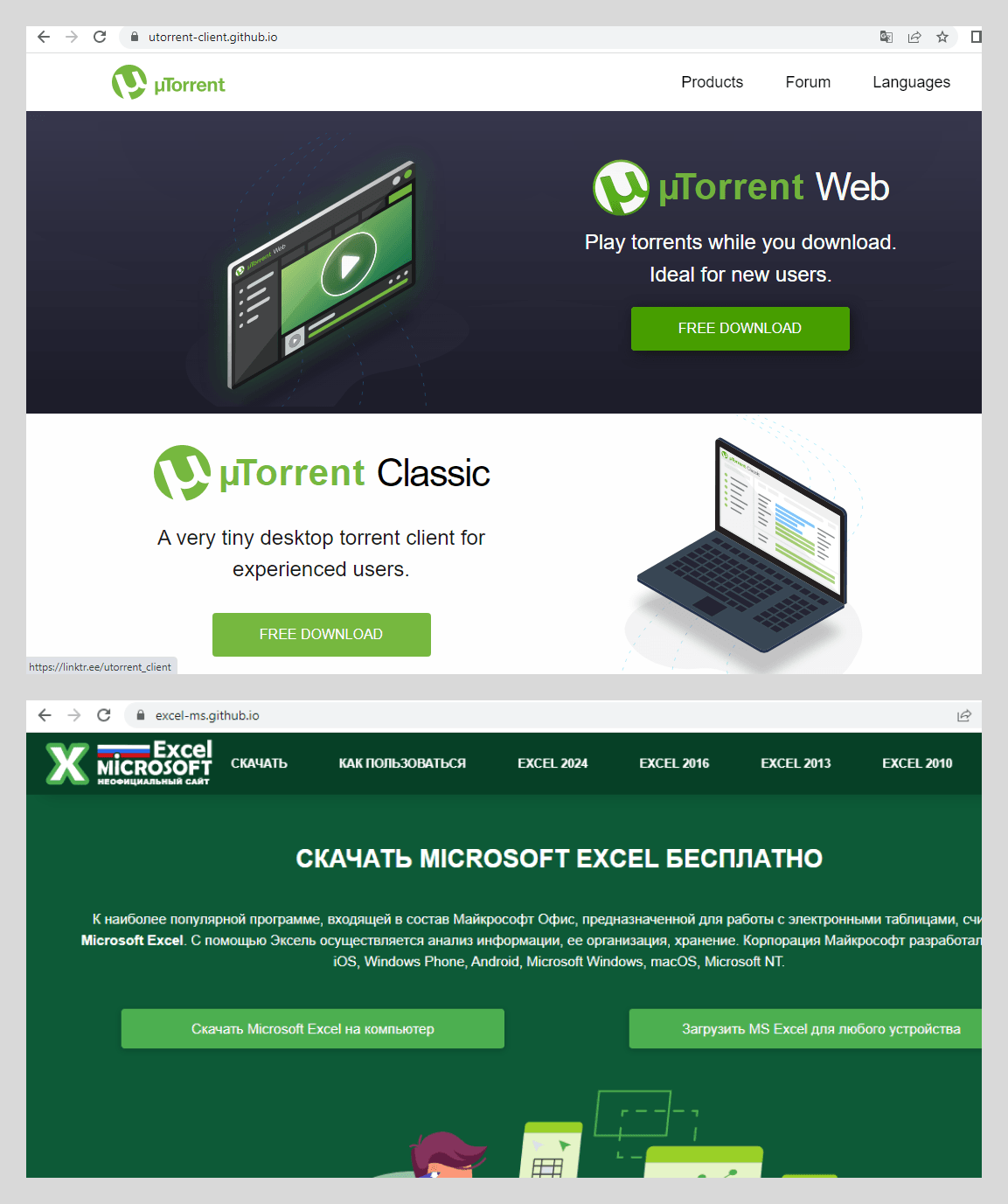
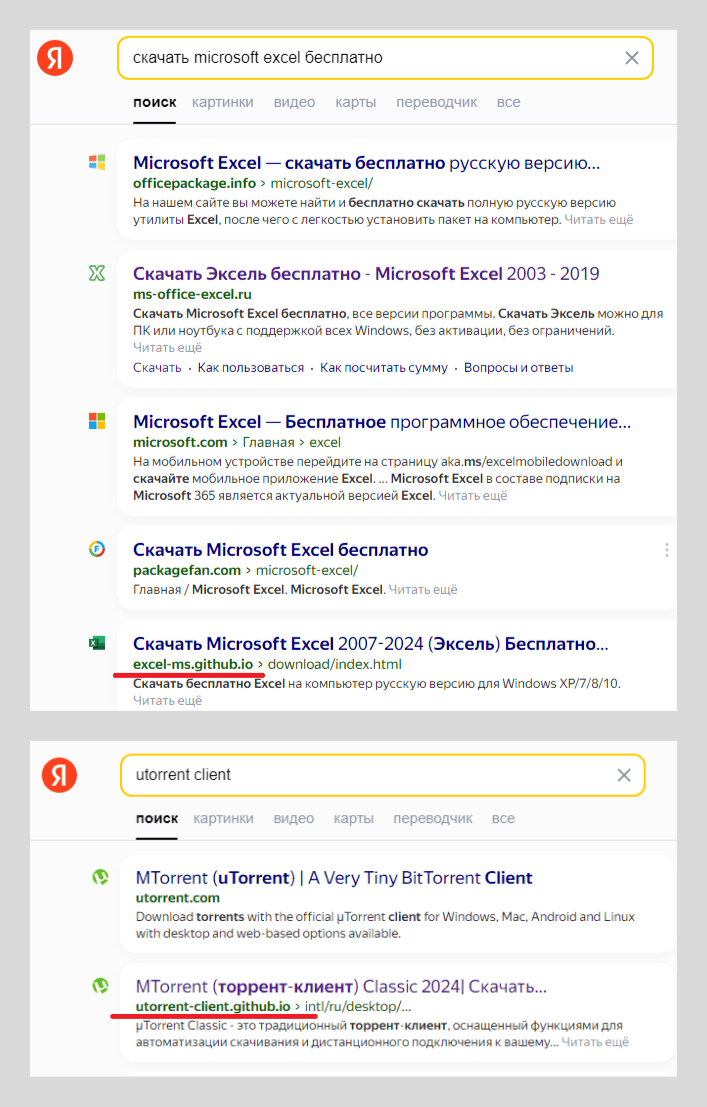
    We are quite sure that this campaign was a global one, but in this article, we’ll focus on an infection chain that, according to our telemetry, was targeting mainly Russian-speaking users. The attackers distributed the malicious files using websites for downloading popular software (uTorrent, Microsoft Office, Minecraft, etc.) for free. These websites were shown to users in the top search results in Yandex. Malware was also distributed through Telegram channels targeted at crypto investors and in descriptions and comments on YouTube videos about cryptocurrency, cheats and gambling.

    Infection

    The attackers were advertising their websites in Yandex search results. Users would see these malicious sites in the top results when searching for resources freely distributing popular software like uTorrent, MS Excel, MS Word, Minecraft, Discord and so on.

    Links to malicious websites in Yandex search results

    The frontend of these websites is a copy of either the official software website or a known piracy website distributing this kind of software:

    Malicious websites

    The attackers are running multiple Telegram channels distributing the malware in question. These channels are most definitely targeted at cryptocurrency owners or cheating gamers: they are offered to download specific software that presumably might be of interest to them. To prevent anyone trying to disclose information about these channels and the fraudulent activity of their creators, the administrators disabled message forwarding, screenshots, and previews of these channels in the Telegram web-version.

    Malware in the attackers’ Telegram channel

    Even more, the malware was also distributed via YouTube. The attackers uploaded numerous videos in English from multiple accounts which were presumably stolen. It’s also possible that the video content was downloaded from other YouTube channels and reuploaded without the authors’ consent. In the video description and in the top comment the attackers left links to their resources and instructions on how to launch the malware. Some of these links redirected users immediately to malicious websites, while others led to the aforementioned Telegram channels. We have also seen links to known IP logging websites, allowing the malicious actors to collect the IP addresses of anyone who follows the link and gets redirected to the malware-carrying website.

    Examples of videos with malicious links in their description or comments

    Comment with a link to a malicious Telegram channel

    Persistence and defense evasion

    After visiting the attackers’ website or channel, users might download a ZIP file being falsely advertised as popular software. Inside the archive is an MSI file and a TXT file with a password required for installation. There are also instructions on how to install the software, in which the attackers recommend disabling any installed antivirus and Windows Defender beforehand. In many cases, the instructions and the password are also provided on the websites and channels from which the user downloaded the malicious archive.

    Content of text file

    When launched, the MSI file asks for the password from the TXT file, which is one of the first countermeasures against sandbox analysis. If the user specifies the right password, the CustomAction field value of the MSI file is executed — this is effectively a VB script. This script launches a BAT file which extracts the next element of the attack chain from an encrypted archive. The first step is to escalate privileges by adding another BAT file to autorun, granting SYSTEM privileges for a single execution. After that, the system reboots.

    CustomAction field value in the MSI file

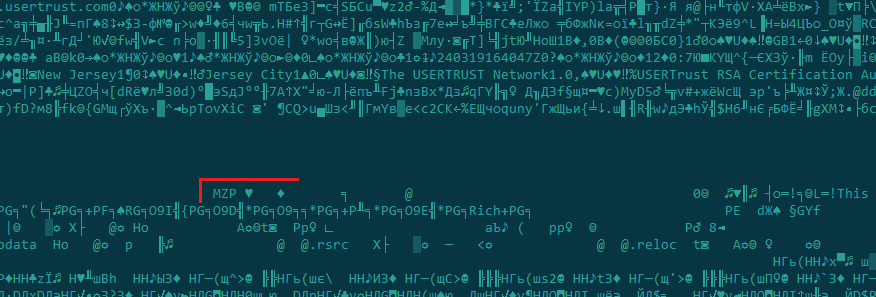
    The BAT file from autorun extracts the encrypted RAR archive and runs the “start” command with two DLL files as arguments — these were previously extracted from the archive. One of these files is a legitimate AutoIt interpreter and the second is a legitimate dynamic library with a valid digital signature. The malicious payload is an A3X script which was compiled into an EXE file and injected right inside the second DLL file signature.

    Malicious payload hidden inside a legit dynamic library signature

    This technique is interesting for two reasons. First, the A3X script is added to the signature in such a way that its validity remains intact and the whole file is still considered as signed, even with the payload. Such a malicious addition is almost impossible to detect without file content analysis. Second, the AutoIt interpreter has an interesting way of reading files that were specified in its launch argument. The file is scanned for a specific AutoIt signature which is present only in compiled scripts, and all other contents of the file are ignored. This behavior allows the attackers to hide their malicious payload anywhere in the file where it won’t be harmful for the container itself.

    Signature at the beginning of the A3X script

    Placing malicious payloads in an arbitrary section of a file is not new. Such techniques have been used not only with AutoIt, but with other platforms too. But what makes this attack stand out is the bypass of signature verification, making it possible for the payload-bearing file to seem legitimate.

    File with payload successfully bypasses signature verification

    If the “start” command failed, the BAT file removes the entire directory with the installed files, including itself. Otherwise, the malicious A3X implant is launched, which checks all active processes in attempt to find anything related to debugging or anti-malware products. If anything is found, the script immediately exits, as you can see in the snippet of deobfuscated code below.

    Security process name check by malicious implant

    The compiled A3X script contains multiple FileInstall function calls. This function takes two arguments: a path to the file that will be installed, and its destination path. Before compilation, this call just copies the file from its source path to its destination, but during the compilation the interpreter stores the files for installation right inside the compiled script.

    The resulting file contains not only the executable code itself, but also additional malicious files which will be installed directly from the implant. These files are required for persistence and to execute the next steps of the infection chain. The files are installed to the following paths:

    For persistence purposes, the directories containing the installed files have system, hidden and read-only attributes. In addition, using the icacls utility, the implant forbids all users across all domains to remove these folders, change their permissions, own them, add any files or subdirectories, write to them any attributes (including extended ones), or remove files from them.

    Files are copied to directories with unusual names for a reason. For example, the folder name “Classic.{BB64F8A7-BEE7-4E1A-AB8D-7D8273F7FDB6}” is treated specially by Windows Shell: Explorer will find the GUID in its name and treat it as a link — in this case to the Action Center. As a result, the user will not be able to view the contents of the directory.

    Malicious directory in Explorer

    After installing all the necessary files, the implant establishes persistence using WMI by creating filters which are activated by common events — common enough to guarantee filter activation. For each created filter, a polling frequency is specified. When a filter is activated, a specific command is executed using the __FilterToConsumerBinding class.

    • Once every three minutes, the netcat utility masked as StartMenuExperienceHost.exe is launched with the C&C address of the attackers (sportjump[.]ru) and “-e cmd.exe” as its arguments. It is then used as a reverse shell by the attackers.
    • Once every five to ten minutes, files named “nun.bat” are executed. They are copies of the same file which starts the next step of the infection chain. The attackers created two copies to increase the chance of malware execution, but if there are no outages, both of them are launched.
    • Once every fifteen minutes, the next step of the infection chain is launched directly via the “start” command.

    All these methods are used again for a better persistence by launching the “insta.bat” file right before the end of the A3X implant execution.

    Launch of the netcat utility

    Persistence is established not only through WMI; the implant also directly starts netcat, the “nun.bat” files, and the “start” command. After that, it also abuses the registry keys “Image File Execution Options”, “Debugger” and “MonitorProcess” with the same goals.

    One of the most interesting things about some variants of the malware is the download and use of the Wazuh SIEM agent for remote access and telemetry harvesting. To ensure that the attackers can execute any arbitrary command on the victim’s device, during the agent installation, the “remote_commands” option is set.

    Installation and launch of the Wazuh agent

    The first stage of the A3X implant collects the following information: computer name, username, OS version and architecture, CPU name, data about the GPU and installed AV software. All this information along with the current time is sent to a special Telegram bot chat controlled by the attackers. We’ve also seen some of the malware variants sending a screenshot of the user’s desktop or installing a malicious browser extension, which may replace cryptocurrency wallets in the clipboard.

    Malicious browser extension

    The next stage of the infection chain consists of two DLL files, that use the same technique as the first stage: a legitimate AutoIt interpreter and another A3X implant, located in the signature of the legitimate dynamic library. This implant is the final payload in the malware variant described here. It injects into a newly created explorer.exe process memory an open-source miner named SilentCryptoMiner, which contains the URL of the attacker’s mining configuration. This configuration specifies the cryptocurrency to be mined, the wallet, and so on. In the analyzed variants, we could see that the attackers mostly use anonymous cryptocurrencies like Monero or Zephyr.

    Example of the miner configuration

    Aside from its main purpose of generating cryptocurrency, SilentCryptoMiner can also hide its own activity from the processes specified in the “stealth-targets” argument and stop processes from the “kill-targets” process names list.

    Attack geography

    Most of the attacks with this infection chain targeted Russian users (87.63%). After that, the other top ten countries with the highest number of users affected by these attacks were Belarus, India, Uzbekistan, Kazakhstan, Germany, Algeria, Czech Republic, Mozambique, and Turkey.

    TOP 10 countries where users were affected by the described infection chain, June — August 2024 (download)

    Conclusion

    The attack described in this article vividly illustrates the fact that even mass campaigns can be quite complex and open up a wide range of opportunities for attackers. As a result of the multistage infection chain, the attackers can establish persistence in users’ systems in multiple ways, gaining full access. Even though the main goal of the attackers is to make profit by stealthily mining cryptocurrency, some variants of the malware can perform additional malicious activity, such as replacing cryptocurrency wallets in the clipboard and taking screenshots. The most interesting action in this attack was the implementation of unusual techniques like using an SIEM agent as backdoor, adding the malicious payload to a legitimate digital signature, and hiding directories containing malicious files.

    It’s important to mention that the websites, videos, and Telegram channels created by the attackers primarily target users seeking free versions of popular software or videogame cheats. This audience makes an easy target for the attackers because they are open to installing unofficial software from obscure sources and disabling security measures.

    Our products detect this malware with the following names:

    • HEUR:Trojan-Dropper.OLE2.Agent.gen
    • HEUR:Trojan.BAT.Agent.gen
    • HEUR:Trojan.VBS.Agent.gen
    • Trojan.Script.AutoIt.ak
    • Trojan.BAT.Agent.cix
    • Trojan.BAT.Miner.id
    • HEUR:Trojan.Multi.Agent.gen
    • PDM:Trojan.Win32.Generic

    MITRE ATT&CK Matrix

    Tactic Technique ID Technique
    Resource Development T1608.006 Stage Capabilities: SEO Poisoning
    T1608.001 Stage Capabilities: Upload Malware
    Execution T1204.001 User Execution: Malicious Link
    T1204.002 User Execution: Malicious File
    T1059.010 Command and Scripting Interpreter: AutoHotKey & AutoIT
    T1059.003 Command and Scripting Interpreter: Windows Command Shell
    T1059.005 Command and Scripting Interpreter: Visual Basic
    Persistence T1546.012 Event Triggered Execution: Image File Execution Options Injection
    T1546.003 Event Triggered Execution: Windows Management Instrumentation Event Subscription
    Privilege Escalation T1053.005 Scheduled Task/Job: Scheduled Task
    Defense Evasion T1055 Process Injection
    T1562.001 Impair Defenses: Disable or Modify Tools
    T1497 Virtualization/Sandbox Evasion
    T1027.009 Obfuscated Files or Information: Embedded Payloads
    T1027.010 Obfuscated Files or Information: Command Obfuscation
    T1036.008 Masquerading: Masquerade File Type
    T1564.001 Hide Artifacts: Hidden Files and Directories
    Discovery T1518.001 Software Discovery: Security Software Discovery
    T1033 System Owner/User Discovery
    T1082 System Information Discovery
    T1497 Virtualization/Sandbox Evasion
    Collection T1113 Screen Capture
    Impact T1496 Resource Hijacking
    Exfiltration T1041 Exfiltration Over C2 Channel

    Indicators of compromise

    Hashes
    b5b323679524d52e4c058b1a3dd8dee7
    4efa8ca01d7c566ff1b72f4ebf57cf2c
    10f888a9aa8082651adeff4790675fd5
    30dd26075a5ca7a4861e9214a99d0495
    60efc41c30fd9ab438e88c6011df5c38
    961fa114e9eb92016977940f7c97cdd9
    1457e18b453d8cefc34047e1b0fbf76f
    284418b6a9c70cc30ef14df3a87c24da
    5788631016d8bc495f4f2614f9a7bbe0
    a9bc00e5e8a17df95bd5b8c289a12b31
    a9bd813679517c846dcf36454baa6170
    a99f3f8736d7d3001aa5eb6202123948
    a802ce130be6546b76d4b54f72d14645
    ae9e83d1031462cb5e58b4525036670c
    b25f9490f6d80f9de5a9c02cc344f9f9
    cffc70e4fb7363024fcc3590755fa846
    e9154a7613a8f8baf67ec3b696c9cb12
    f213f94729b294c01a0df21800c4e395
    2e68f4438ce59c868af01b535c98060d
    839471243f9c4a294c42fabf636f7cad
    4b0d76262dd82985d330b02190a880c0
    1a5d955be79046a3288b869e44e87404
    f8342fd3e32dcf9832dff3e923ef530b
    20b6ac10f657963245940c9bcd25a346
    33c7c22e33e134ec3ddfc6be8ee1f1ee
    2e4146c1a93c0bfe0f4e9ea53b8da7ee
    827eca9ec457f3c5180f602832f44955
    e3b6142df6a7c73a99736082fbae2fa6
    4bdcbc7ec1929d9b1ebcc4d01d605b05
    0da6e1036ca5d8231ee94a4db8c48728
    098872e9e39bd4cd0e4debd4b397b555
    0305f8a9dee464f56023411e7b0924df
    be8b6452aa874904f116f9b7cdfe343b
    6c0416f719ceca15f9e9c4f210c64fb0
    25b90fa3b21875157c6f33b7e1b6e8d7
    14b7429205955056f1763553f82fe244

    URL-addresses
    excel-ms.github[.]io/Windows/MS-Excel.zip
    utorrent-client.github[.]io
    gta-5rp.github[.]io/Windows/GTArp.zip
    mssg[.]me/eahcu
    linktr[.]ee/excel_ms
    linktr[.]ee/utorrent_client
    nyaera[.]ru/wp-includes/uploads/art/utorrent.zip
    nyaera[.]ru/wp-includes/uploads/My/MS-Excel.zip
    github[.]com/lidiyakamalova89/www/raw/main/Ver.1.4.1.zip
    raw.githubusercontent[.]com/lidiyakamalova89/www/main/Ver.1.4.1.zip
    raw.githubusercontent[.]com/radominator7204/dsz/main/Install.zip
    sportjump[.]ru
    gamesjumpers[.]com
    gamejump[.]site
    alljump[.]ru
    pastebin[.]com/raw/F87y7zJV
    pastebin[.]com/raw/uU34Qunt
    rentry[.]co/mi9fomgo/raw

    MIL OSI Economics

  • MIL-OSI Europe: OSCE donates IT equipment to Gender Sensitive Police Units under Tajikistan’s Ministry of Internal Affairs

    Source: Organization for Security and Co-operation in Europe – OSCE

    Headline: OSCE donates IT equipment to Gender Sensitive Police Units under Tajikistan’s Ministry of Internal Affairs

    Amy Sevimli, Head of the Human Dimension Department at the OSCE Programme Office in Dushanbe (centre-left) and Barotali Homidzoda, Head of the Public Order Protection Department (centre-right) at the donation ceremony of IT and office equipment, Dushanbe, 4 October 2024. (OSCE/Inomullo Mirboboev) Photo details

    On 4 October 2024, the OSCE Programme Office in Dushanbe donated a set of IT and office equipment to the Public Order Department and the Gender Sensitive Police Units under the Ministry of Internal Affairs of Tajikistan.
    The donated technical equipment will support the Government of Tajikistan in its efforts to prevent and combat domestic violence in the country. In particular, it will support the work of the Gender Sensitive Police Units, 14 of which have been established with the support of the Office, to timely identify domestic violence cases, provide effective protection to and refer the survivors to appropriate support services, while considering and prioritizing their needs.
    The event is part of the Office’s support for Tajik law enforcement authorities to respond to domestic violence through a victim-centered approach, and aligns with Tajikistan’s OSCE commitments to prevent and combat violence against women, including domestic violence.

    MIL OSI Europe News

  • MIL-OSI Europe: Holy See Press Office Communiqué: Audience with the President of the Republic of Kyrgyzstan

    Source: The Holy See

    Holy See Press Office Communiqué: Audience with the President of the Republic of Kyrgyzstan, 04.10.2024

    Today, 4 October 2024, the Holy Father Francis received in audience, in the study of the Paul VI Hall, the President of the Republic of Kyrgyzstan, His Excellency Mr. Sadyr Zhaparov, who subsequently met with His Eminence Cardinal Pietro Parolin, Secretary of State of His Holiness, accompanied by His Excellency Archbishop Paul Richard Gallagher, Secretary for Relations with States and International Organizations.
    During the cordial discussions, which took place at the Secretariat of State, the good relations between the Holy See and Kyrgyzstan were evoked, and the parties focused on mutual collaboration in the fields of healthcare, educational and culture, and some aspects of the life of the local Church.
    The conversation continued with an exchange of opinions on current international affairs, with special attention to the ongoing conflicts and humanitarian issues, revealing the importance of urgent commitment to the promotion of peace.
    From the Vatican, 4 October 2024

    MIL OSI Europe News

  • MIL-OSI Europe: Written question – Hungary’s participation at the informal summit of the Organization of Turkic States – E-001800/2024

    Source: European Parliament

    Question for written answer  E-001800/2024
    to the Commission
    Rule 144
    Michalis Hadjipantela (PPE)

    On 6 July 2024, Hungarian Prime Minister Viktor Orbán and Hungarian Minister of Foreign Affairs Péter Szijjártó participated in the informal summit of the Organization of Turkic States, held in Shusha, Azerbaijan and hosted by H.E. Ilham Aliyev, President of the Republic of Azerbaijan. The Organization of Turkic States, currently chaired by H.E. Kassym-Jomart Tokayev, President of the Republic of Kazakhstan, invited the leader of the illegal Turkish Cypriot secessionist entity known as the ‘Turkish Republic of Northern Cyprus’ as a ‘head of state’. This coincided with Hungary holding the rotating presidency of the Council of the European Union.

    This action flagrantly violates international law and disregards the territorial integrity of the Republic of Cyprus, as affirmed by relevant UN Security Council resolutions. The Republic of Cyprus is internationally recognised as the sole legitimate government of the entire island. Given these provocative violations and disrespect towards the territorial integrity of an EU Member State:

    • 1.What measures does the Commission intend to take in response to Hungary’s participation in this summit?
    • 2.How does the Commission plan to deal with this incident and ensure that all Member States adhere to the principles of international law and EU solidarity?

    Submitted: 24.9.2024

    Last updated: 4 October 2024

    MIL OSI Europe News

  • MIL-OSI Russia: Marat Khusnullin together with Kokhir Rasulzoda held a meeting of the intergovernmental commission on economic cooperation between Russia and Tajikistan

    MILES AXLE Translation. Region: Russian Federation –

    Source: Government of the Russian Federation – An important disclaimer is at the bottom of this article.

    The 20th meeting of the Intergovernmental Commission on Economic Cooperation between the Russian Federation and the Republic of Tajikistan was held in Dushanbe under the chairmanship of Deputy Prime Minister of Russia Marat Khusnullin and Prime Minister of Tajikistan Kohir Rasulzoda.

    Previous news Next news

    Marat Khusnullin together with Kokhir Rasulzoda held a meeting of the intergovernmental commission on economic cooperation between Russia and Tajikistan

    “Russia and Tajikistan maintain high dynamics of bilateral contacts. Constructive interaction has been established, all issues are discussed promptly thanks to our direct contacts. Our economic ties demonstrate high rates of development. Russia remains a key trading partner of Tajikistan. The volume of trade turnover for the first eight months of 2024 increased by 14%, both imports and exports are growing. Interregional cooperation is on the rise. More than 70 Russian regions have already established business contacts with the republic in a wide range of areas. I thank my colleagues for their fruitful work. I am confident that our mutually beneficial large-scale cooperation will develop in the future, and we will make every effort to achieve this,” said Marat Khusnullin.

    The Deputy Prime Minister emphasized that an important step in the development of Russian-Tajik relations was, among other things, the agreement reached on the construction of the Center for Gifted Children in Dushanbe and a new building for the Russian Drama Theater named after V. Mayakovsky. At present, the design assignments and general plans have been signed and a state registration certificate has been received. It is planned to begin construction directly this year.

    Prime Minister of Tajikistan Kokhir Rasulzoda noted the stability of development of Russian-Tajik relations in a wide range of areas. According to him, bilateral personal meetings are a good opportunity to resolve a number of issues and discuss important topics aimed at socio-economic cooperation of both states. The Republic of Tajikistan adheres to strategic partnership and alliance with Russia, and also intends to take further steps to develop Russian-Tajik partnership, the Prime Minister of Tajikistan noted.

    At the meeting, the parties discussed details of cooperation in the areas of trade, industry, customs, agriculture, culture, education, tourism, and also defined plans for the further development of bilateral relations.

    In conclusion, Marat Khusnullin and Kokhir Rasulzoda signed the protocol of the 20th meeting of the Intergovernmental Commission on Economic Cooperation between the Russian Federation and the Republic of Tajikistan, as well as the Program of Economic Cooperation between the Government of the Russian Federation and the Government of the Republic of Tajikistan until 2027.

    In addition, within the framework of the intergovernmental commission, a memorandum of cooperation was signed between the Chamber of Commerce and Industry of the Republic of Tajikistan and the RVB company (Wildberries and Russ), as well as a memorandum between VisionLabs and the State Unitary Enterprise Smart City on cooperation aimed at developing joint projects in the field of digitalization.

    Please note: This information is raw content directly from the source of the information. It is exactly what the source states and does not reflect the position of MIL-OSI or its clients.

    Please note; This information is raw content directly from the information source. It is accurate to what the source is stating and does not reflect the position of MIL-OSI or its clients.

    http://government.ru/nevs/52896/

    EDITOR’S NOTE: This article is a translation. Apologies should the grammar and or sentence structure not be perfect.

    MIL OSI Russia News

  • MIL-OSI Europe: OSCE PCUz conducts seminar-training on the topic “Preventing Youth Radicalization: Media Coverage”

    Source: Organization for Security and Co-operation in Europe – OSCE

    Headline: OSCE PCUz conducts seminar-training on the topic “Preventing Youth Radicalization: Media Coverage”

    The OSCE Project Coordinator in Uzbekistan, jointly with the OSCE Secretariat’s Action Against Terrorism Unit and in cooperation with the Center for In-service Training of Journalists, is currently organizing a seminar-training on the topic “Preventing Youth Radicalization: Media Coverage” in Karshi on October 3-4, 2024. The event is being attended by 24 journalists, bloggers, and civil society activists. The focus of the event is on media literacy, creating alternative storytelling, and developing effective content for countering youth radicalization.

    MIL OSI Europe News

  • MIL-OSI Translation: 79th General Assembly of the United Nations in New York.

    MIL OSI Translation. Government of the Republic of France statements from French to English –

    Mr. President of the General Assembly, Ladies and Gentlemen Heads of State and Government, Ladies and Gentlemen Ministers, Ladies and Gentlemen Ambassadors.

    I speak here on behalf of a country that will never forget what nations are capable of when they are united: freedom. France has just paid tribute this year to the peoples of America, Europe, Africa, Asia and Oceania who allowed it to free itself from Nazi control eight decades ago. Progress and peace.

    Liberated, France founded with these peoples a community of free and sovereign States, capable of committing to each other and agreeing on the essentials.

    Hope, like the one we have seen again recently during the Olympic and Paralympic Games, welcomed this summer by France in the beauty, enthusiasm and harmony of peoples.

    Yet, despite this jubilation, the Olympic truce, unanimously desired here, has remained a dead letter. Yet, the danger of empty words and powerless diplomacy are there before us every day. Yet, our organization is facing the greatest convergence of crises that it has probably known after these eight decades of existence. The feeling of a loss of control is growing in the face of wars, climate change, increasing inequalities, injustices. And every day humanity seems to fragment more while circumstances would require finding common, strong, effective responses.

    To restore to these two words, united nations, their powers of hope, we must find ourselves, as before, on an essential foundation. And this is what I would like to say a few words about.

    First and foremost, we must restore the terms of trust and respect between peoples, and I see them fading in the debates that are ours. To do this, we must indeed show equal attention to those who are suffering.

    I mentioned it here two years ago, warding off the possibility of a double standard, one life equals one life. The protection of civilians is an imperative standard and must remain our compass, even as we celebrate this year the 75th anniversary of the Geneva Conventions. Let us not allow the idea to take hold, for a single moment, that the dead in Ukraine are those in the north, that the dead in Gaza are those in the south, and that the deaths in the conflicts in Sudan, in the Great Lakes region, or in Burma, are those of consciences that, too alone, would be outraged by them.

    Regaining control and restoring this trust therefore implies seeking peace everywhere, accepting no difference whenever the dignity of human life is at stake, accepting no difference whenever the territorial integrity, the sovereignty of States is at stake. These conflicts today call into question our very capacity to enforce our United Nations Charter. And when I see some people wanting to propose peace by asking for capitulation, I am surprised that anyone can even support such an idea.

    I would like to reiterate here how essential the protection of civilians, of all humanitarian workers, of all those who work for our common values is in each of these conflicts.

    Then, we must provide a common response to the major challenges of the two wars affecting Europe and the Middle East. Russia is, in fact, waging a war of territorial conquest in Ukraine, in defiance of the most fundamental principles of international life. It is guilty of serious breaches of law, ethics and even honour. Nothing in what it is doing corresponds to the common interest of nations, nor to the special responsibilities it assumes in this organisation. The fate of Ukraine involves peace and security in Europe and in the world. Because who will still be able to believe themselves protected from their strongest, most violent and most greedy neighbours if we let Russia prevail as if nothing had happened? Nobody.

    It is therefore in our common interest, the common interest of nations, that Ukraine be restored to its legitimate rights as soon as possible and that a just and lasting peace be built. France will continue to do everything in its power to ensure that Ukraine holds firm, gets out of danger and obtains justice. It will continue to provide it with the equipment essential to its defense and, with its closest allies and partners, France will support the remarkable resistance of the Ukrainian people and will commit to ensuring that they obtain lasting security. Let us seek peace. France will know how to join forces with all sincere partners to build a solid peace for Ukraine and for Europe.

    I know that for many of you, the essential is elsewhere; in the all too long list of forgotten wars, unjust victories, poorly negotiated resolutions or sometimes never implemented. I have not forgotten any of them, even if I cannot mention them all here. President TSHISEKEDI preceded me at this podium a few moments ago and the situation in the Great Lakes — I will come back to it with him, and President KAGAME in a few days — concerns us. And in Armenia, Mr. Prime Minister, alongside which France stands firmly in the face of pressure from Azerbaijan and the territories, the international community must be there to ensure that peace negotiations succeed and that internationally recognized borders are preserved.

    But I know that for many of you, the essential thing, beyond these wars, is also today, and it is for us too, in Gaza, where the destiny of the Palestinian people is present, and weighs on each of our debates.

    On this complex subject, I would like to reiterate with the greatest clarity France’s position since day one. We firmly condemn the terrible and unprecedented terrorist attack decided and carried out by Hamas against Israel on October 7. Terrorism is unacceptable, whatever the causes, and we mourn the victims of the Hamas attack on October 7, including 48 French citizens. I extend my thoughts of compassion and friendship to all the families who are living in pain after losing children, parents and friends on October 7. We also solemnly and once again ask that the hostages be released. Among them, several of our French compatriots remain. And I would like to salute the efforts of the United States of America, Egypt and Qatar to achieve this. This remains a priority for all of us.

    Israel, faced with this terrorist attack, has the legitimate right to protect its people and to deprive Hamas of the means to attack it again. And none of us would have suffered the blows received on October 7 without drawing consequences. However, the war that Israel is waging in Gaza has lasted too long. The tens of thousands of Palestinian civilian victims have no justification, no explanation. Too many innocents have died, and we also mourn them. And these deaths are also a scandal for humanity and a dangerous source of hatred, of resentment that threatens and will threaten the security of all, including that of Israel tomorrow.

    This war must therefore end and a ceasefire must be declared as soon as possible, at the same time as the hostages are released and humanitarian aid arrives massively in Gaza. We have held this position since October 2023, pushing for resolutions with many of you holding the first humanitarian conference for Gaza in November in Paris. Today, it is a question of political will in view of the destruction of Hamas’ military capabilities. It is imperative that a new phase begins in Gaza, that the weapons fall silent, that humanitarian workers return, and that civilian populations are finally protected. France will participate in any initiative that will save lives and ensure the security of all. The deployment of an international mission must pave the way for the implementation of the two-state solution. It is up to the United Nations Security Council to decide on this matter and it is also necessary that the necessary measures be taken without further delay to preserve the link between Gaza and the West Bank, to restore the Palestinian Authority to its functions and to ensure the reconstruction of the territory and simply make life possible again.

    France will commit to ensuring that everything is done so that the Palestinians finally have a State living side by side with Israel. The conditions for a just and lasting peace are known. The path to it remains to be paved. It must be as short as possible. France will therefore draw the consequences of its commitment to the two-State solution and will renew its action so that it finally comes about for the benefit of the people, to meet their legitimate aspirations, to bring about a Palestinian State, to give all the necessary guarantees to Israel for its security, to build reciprocal recognitions and common security guarantees for all in the region. We will work on this over the coming weeks with Israelis and Palestinians, as with all our regional and international partners.

    In the immediate future, as we speak, the main risk is that of escalation. My fraternal thoughts go to Lebanon and the Lebanese people. For too long, Hezbollah has been taking the unbearable risk of dragging Lebanon into war. Israel, for its part, cannot, without consequences, extend its operations to Lebanon. France demands that everyone respect their obligations along the Blue Line. We will therefore act to bring about an essential diplomatic path in order to spare the civilian populations and prevent a regional explosion. There must not, there cannot be, a war in Lebanon.

    This is why we strongly call on Israel to stop the escalation in Lebanon and on Hezbollah to stop firing at Israel. We strongly call on all those who provide them with the means to stop doing so. We have asked that the Security Council meet today for this purpose, and I welcome this. And the French minister will be visiting Lebanon this weekend.

    It is the same unity that we must demonstrate in the face of the major regional challenges and the global challenges that are ours. Because beyond the conflicts that we are experiencing and that I have just mentioned, we must together continue to ensure respect for each other’s sovereignty, to build regional and international solutions to the challenges. This is the whole meaning of the relationship that we want with Africa, a new partnership, and this is what we have been working to do for two years. France has done a lot in recent years for the African continent, it has done a lot in recent decades, but particularly in the Sahel, where the French armies have successfully fought terrorism, side by side with their regional and international partners.

    However, the military coups in the region have led us to draw legitimate conclusions. But Europe and Africa have a common destiny before them, which requires a broad partnership. A partnership of peace and security that requires renewing its terms: more training, more equipment, more mutual respect. A partnership also based on the economy, energy, sport, culture, and memory.

    This is what we have patiently built in recent years with Benin, Senegal, Cameroon, Algeria, Morocco and many other countries and will continue to implement. It is the same philosophy that, for 6 years now, has led us to build an unprecedented partnership with the Indo-Pacific, where France aims to contribute to respect for international law, without which there can be no prosperity.

    In this region, which has experienced exceptional growth in recent decades, some are tempted to break the rules, or even impose their will by force. France is proposing an alternative, not to replace anyone, but to give the states of the region the possibility of choosing their partner, project by project.

    The French territories of the Indo-Pacific have unique expertise in the fight against climate change, the protection of biodiversity, the development of clean energy and the fight against transnational threats. Our vocation in this regard in the region is to cooperate more with everyone, in their environment. As you have understood, this partnership logic is one that aims to build new balances, to reject the fragmentation of the world or old grammars, but to seek, in mutual respect, to build paths to stability and peace.

    Beyond that, the challenge that is ours, struck by the conflicts that I mentioned just now, would be to lose the thread of our multilateral agenda, to lose the effectiveness to which we are attached. And after having experienced the pandemic, which had reminded us, with such force, of the importance of some of these common challenges, to forget that we must continue this thread. I deeply believe that effective multilateralism has never been more necessary than today and must lead to results in terms of development and the fight against inequalities in education, health, climate and biodiversity and technology. On each of these pillars, we need unity. And we need, here too, to do everything to avoid the divide between the North and the South. This is exactly the philosophy that we have developed in the Paris Pact for People and the Planet that more than 60 States have now joined.

    First, make sure that we never force a state to choose between its objectives. Why would northern states lecture southern states by explaining to them that they should respect the climate and therefore give up economic opportunities? They should do what some of them, in the north, did not do 20, 30 or 40 years ago. This is unacceptable and inaudible. We must therefore build an agenda that allows us to move forward at the same time in the fight against inequalities and economic development for education, climate and biodiversity and global health.

    Then, solutions must be made and based on proposals from the States themselves. This is what we have, for example, started to build with our partnerships for just energy transitions. Not to have a single solution for all or lessons given from our capitals where, in a way, we come to inspect countries and ask them to all follow the same recipe. There is a unique path for each country. This is the key to sovereignty.

    And then, there needs to be a financial shock, public and additional private leverage. This is what allowed us, 3 years ago, to work towards increasing the IMF’s special drawing rights and to obtain the effective reallocation of nearly 100 billion in special drawing rights to the benefit of the countries that need them most, particularly in Africa. A silent but essential revolution.

    This is also why, with the strength of this pact, and we were with several of the members just now, under the effective authority of President Macky SALL and with the assistance of the United Nations, the OECD and the organizations concerned, we want to continue this cycle of reforms and carry out a profound reform of the multilateral banks of our financial institutions.

    We launched this common finance objective, bringing together development banks from all over the world, including those whose agendas are not aligned. We must work on this common finance agenda to be able to meet the objectives that I mentioned. And we must, together, I hope in the coming months, fundamentally reform the World Bank and the International Monetary Fund, first to renew their members, these institutions having been designed at a time when so many of you here were not independent.

    Its capital structure must be renewed to give it more strength. The World Bank and the International Monetary Fund were designed, thought out, and calibrated at a time when the challenges were not the same, when the global economy was not of this size, and when demographics were completely different. We must lift the absurd taboos. Blockages sometimes imposed by the largest that prevent others from handing over money for fear of being diluted. We must give these institutions the capacity to act to finance the projects that the countries of the South need. And this reform is imperative for our collective credibility.

    I say this to the richest states and to those who, alongside France, are around the table. Decide not to do it and you will see an alternative order emerge in the years to come. Others will come who do not have your agenda. Decide not to do it and you will be condemned, accused of cynicism and perhaps not wrongly.

    This reform of financial multilateralism is essential to meet these challenges. We must also continue our climate and biodiversity agenda. The upcoming COPs are important meetings and France will play its full role, in particular by organizing with Costa Rica for the United Nations an important meeting for the oceans.

    Nice, in fact, in June 2025 will host the United Nations Ocean Conference and we will continue our work in doing so. And I hope that many of you will be able to ratify in this regard the achievements of recent months, in particular the Treaty on the Protection of the High Seas, which is essential. And we are also continuing to make progress on the issue of water, which is so essential, with the new One Planet Summit on Water alongside Kazakhstan and Saudi Arabia. I will not list here all the necessary, essential subjects.

    But I also want to remind you how much Artificial Intelligence requires that within our framework, all the States present here coordinate. We need to encourage innovation. We need to ensure that the innovation of Artificial Intelligence will be accessible to all countries and peoples of the planet and that it does not fuel new fractures and new inequalities. But we need all of this to develop within an ethical, democratic framework, thought out by the peoples of the planet.

    We cannot let a few people, especially private players, who are today at the forefront of these innovations, think for us and for our peoples about the future of these innovations. This is why France will organize the next Action Summit for Artificial Intelligence in February 2025.

    But you have understood, the objective is to build this common framework and I welcome the work that has been conducted and coordinated by the Secretary-General and the Global Digital Compact, built with the best experts, which fully supports this philosophy in which we subscribe.

    To conclude my remarks, ladies and gentlemen, and aware that I have forgotten so many difficult situations, from Venezuela to the heart of Africa, via so many Oceanian tensions, I would like to conclude by talking about our Institutions.

    I hear many voices being raised to say that, basically, the United Nations should be thrown in the trash; it is no longer of any use; you see, we are not managing to resolve conflicts.

    Let us have constructive impatience in this matter. Let us have impatience, I have it with you, we cannot be satisfied with not knowing how to resolve things. But let us be clear, those responsible are there. As long as we have a Security Council that is blocked, I would say, reciprocally according to the interests of each party, we will have difficulty moving forward.

    Is there a better system? I don’t think so. So let’s just make these United Nations more effective, first by perhaps making them more representative. That is why France, and I repeat here, is in favor of the Security Council being expanded.

    Germany, Japan, India and Brazil should be permanent members, as well as two countries that Africa would designate to represent it. New elected members should also be admitted.

    But reforming the composition of the Security Council would not be enough on its own to restore its effectiveness. And I therefore hope that this reform will also make it possible to change working methods, to limit the right of veto in the event of mass crime and to focus on operational decisions that are necessary to maintain international peace and security. This is what we must have the courage and audacity to do and that we must carry forward with the current permanent members.

    Nearly 25 years after the Millennium Summit, the time has come to regain efficiency in order to act more effectively on the ground with States and civil society. And beyond the United Nations, we must open a new era in each of our multilateral institutions, as I have just mentioned.

    These, ladies and gentlemen, are the few words that I wanted to have here before you today. At a serious moment in our international order, where so many conflicts seem unresolved, I want to say that France will continue to try to take this demanding path, faithful to its values, which rejects the simplifications of the moment and which will continue to fight for the simple principles that have always driven us: human dignity, respect for the principles of the charter, and which, beyond conflicts and current events, aims to continue to build with you a fairer and more effective international order. This will be our voice, always unique, alongside our friends, our allies. But also free sometimes to say no, sometimes to reject the cynicism of the moment or the obvious that is not.

    Thank you for your attention.

    EDITOR’S NOTE: This article is a translation. Apologies should the grammar and/or sentence structure not be perfect.

    MIL Translation OSI
  • MIL-OSI Russia: On October 1, Mikhail Mishustin will pay a working visit to the Republic of Armenia

    MILES AXLE Translation. Region: Russian Federation –

    Source: Government of the Russian Federation – An important disclaimer is at the bottom of this article.

    On October 1, 2024, in Yerevan, the Chairman of the Government of the Russian Federation M.V. Mishustin will take part in a meeting of the Eurasian Intergovernmental Council and a plenary session of the Eurasian Economic Forum (EEF) on the topic “Digitalization in modern realities is an imperative for ensuring four freedoms.”

    During the meeting, the heads of government of Russia, Armenia, Belarus, Kazakhstan and Kyrgyzstan will discuss current issues of deepening integration within the Eurasian Economic Union. Particular attention will be paid to the functioning of the internal market, development of cooperation in the industrial, transport, customs and tariff, agricultural and energy spheres.

    In addition, the heads of government will consider the main areas of industrial cooperation within the Eurasian Economic Union until 2030.

    The meeting is expected to be attended by observer states to the union and invited guests.


    Please note: This information is raw content directly from the source of the information. It is exactly what the source states and does not reflect the position of MIL-OSI or its clients.

    Please note; This information is raw content directly from the information source. It is accurate to what the source is stating and does not reflect the position of MIL-OSI or its clients.

    http://government.ru/annuncements/52835/

    EDITOR’S NOTE: This article is a translation. Apologies should the grammar and or sentence structure not be perfect.

    MIL OSI Russia News

  • MIL-OSI China: New tech at expo signals China’s foreign trade momentum

    Source: China State Council Information Office

    Robots perform dance at a booth during the third Global Digital Trade Expo in Hangzhou, east China’s Zhejiang Province, Sept. 25, 2024. [Photo/Xinhua]

    The third Global Digital Trade Expo, currently unfolding in Hangzhou, capital of east China’s Zhejiang Province, is offering a glimpse into avant-garde technologies that are unlocking the country’s burgeoning potential in foreign trade.

    Over the span of five days, the exhibition is featuring 446 new products and technologies, ranging from robots performing remarkable tasks like opening bottles and sorting waste to AI-driven digital humans engaging in debate competitions.

    “I was impressed most by medical AI displayed at the exhibition, such as robotic surgical arms and screening clinics,” said Kgaladi Melia Thema, a consultant for innovation and technology of Small Enterprise Development Agency, South Africa.

    “Nurses can use chronic disease management screening products for patients, which can be applied both at home and in clinics. This reduces costs and enables remote patient monitoring, offering great potential,” she added.

    Digital technologies such as big data, cloud computing and blockchain are taking center stage at the expo, underscoring how China is harnessing these innovations to propel its foreign trade.

    At the booth of iFLYTEK Co., Ltd., a front-runner in China’s AI and speech technology industry, several African visitors were immersed in real-time conversations with staff through a state-of-the-art multilingual AI-powered translation screen. Despite the bustling environment, the screen, equipped with advanced voice recognition technologies, accurately captured and responded to human voices.

    “Overseas business is poised to become a significant growth engine for us in the coming years. Our aspiration is for it to constitute one-third of our business segments in the future,” said Liu Qingfeng, chairman of iFLYTEK.

    Chinese cultural exports are also stealing the show at the exhibition. In the digital entertainment zone, innovative exhibits such as an AI-powered representation of Su Dongpo, a celebrated poet from the Song Dynasty (960-1279), a virtual museum of traditional Chinese music, as well as a 3D display of the four bronze animal heads from the Old Summer Palace (Yuanmingyuan), are offering visitors a fascinating glimpse into the richness of Chinese culture.

    “The fusion of digital technology with the splendor of traditional Chinese culture has not only expanded our export opportunities, but also invigorated the growth of China’s culture industry,” said Wu Shuang, a staff member of Zhejiang Kayou Animation Co., Ltd., a domestic card game creator.

    Visitors are also being treated to futuristic transportation solutions, including autonomous boat taxis and the electric Vertical Take-off and Landing (eVTOL) vehicles, all being showcased for the first time at this year’s expo.

    “China is rightly regarded as a global leader in digital technologies and innovations,” said Zhaslan Madiyev, minister of Digital Development, Innovations and Aerospace Industry of the Republic of Kazakhstan, adding that China’s advancement in digital trade is not only creating new avenues for cooperation, but also enhancing global trade infrastructure, fostering sustainable development worldwide.

    “Chinese technologies and innovations are enhancing supply chains, making them faster and more efficient, while also improving access to goods and services,” Madiyev noted.

    According to the Global Digital Trade Development Report 2024 released during the event, global digital trade soared to around 7.13 trillion U.S. dollars (about 1.02 trillion yuan) in 2023, up from 6.02 trillion U.S. dollars in 2021, marking an average annual growth rate of 8.8 percent.

    The report also highlighted that the import and export scale of China’s cross-border e-commerce reached 2.37 trillion yuan last year, up 15.3 percent year on year.

    Mercado Libre, a leading Latin American e-commerce platform, witnessed a 70-percent increase in online Chinese sellers and a 75-percent surge in their sales on its platform in 2023.

    The company has opened its cross-border e-commerce services to Chinese sellers in Mexico, Brazil, Chile and Colombia, according to its representative at the expo, who also emphasized the escalating significance of the Chinese market.

    As China’s sole national-level event focusing on the theme of digital trade, the expo has drawn over 1,500 enterprises, including more than 300 international companies, and over 30,000 purchasers this year.

    MIL OSI China News

  • MIL-OSI China: China provides vibrant digital trade cooperation platform with int’l expo

    Source: China State Council Information Office

    Sales staff promote African products via livestreaming during the third Global Digital Trade Expo in Hangzhou, east China’s Zhejiang Province, Sept. 25, 2024. [Photo/Xinhua]

    The third Global Digital Trade Expo (GDTE), concluding on Sunday, has been a vibrant platform for fostering global partnerships in digital commerce and thus sustainable growth.

    Held in Hangzhou, a city known for blending ancient charm and modern innovation, the expo featured more than 1,500 enterprises, including over 300 international companies.

    Attendees experienced cutting-edge innovations like AI-driven robots and hydrogen-powered drones and were presented with over 400 new products and technologies.

    Valuable experience

    Kazakh Minister of Digital Development, Innovation, and Aerospace Industry Zhaslan Madiyev highlighted China’s role as a global leader in e-commerce and digital technologies, noting that China is accelerating the digital transformation of markets worldwide.

    In a written interview with Xinhua, Madiyev said China’s experience offers valuable insights for countries in the early stages of developing their digital markets, aiding global growth and helping reduce digital inequality. He cited Kazakhstan’s efforts to improve telecommunications and cybersecurity by learning from China.

    In addition to cutting-edge technologies, China’s experience in e-commerce also set an example for countries seeking to capitalize on the rapid growth of digital trade.

    Kilimall, an e-commerce platform founded by Chinese entrepreneurs in Africa in 2014, has become one of the most popular shopping websites among Africans. It has generated about 10,000 local jobs in logistics, courier services, customer support and regional sales.

    The cooperation between China and Africa in digital economy “represents a new model of economic cooperation that creates tangible value for businesses and people on both sides” said Ugandan Ambassador to China Oliver Wonekha.

    Digitalization is a technological leap and a key driver of future development for countries and businesses, said Jean Louis Robinson, ambassador of Madagascar to China. “We are eager to work closely with Chinese companies to learn from China’s advanced experience in digital economy and promote sustainable development in Madagascar,” he added.

    Robots perform dance at a booth during the third Global Digital Trade Expo in Hangzhou, east China’s Zhejiang Province, Sept. 25, 2024. [Photo/Xinhua]

    Vast opportunities

    China’s advanced digital economy and vast market scale are creating immense opportunities for the world, said experts and attendees at the expo.

    “For us, China is not just a sales market,” said Lyu Feng, division head of public relations at Yokogawa China, a Japanese electric firm. He highlighted China’s vast emerging industries, strong market demand, and numerous high-tech companies.

    Lyu added that the company emphasizes collaborating with Chinese enterprises to explore new opportunities, particularly in digital transformation and carbon emissions management in the manufacturing sector.

    Zhu Lili, vice president of AstraZeneca China, expressed that the pharmaceutical giant is “highly confident” in the Chinese market and its innovation ecosystem. She emphasized the company’s goal to partner with more local firms to explore the application of digital technologies in healthcare, driving sustainable and high-quality growth for both the healthcare industry and the broader economy.

    In the first half of 2024, China’s cross-border e-commerce imports and exports reached 1.22 trillion yuan (about 170 billion U.S. dollars), an increase of 10.5 percent year over year, according to customs data.

    Kazakhstan has opened national pavilions on Chinese e-commerce platforms like Alibaba and JD.com to promote products such as powdered milk, safflower oil, and honey, boosting bilateral e-commerce ties, Serik Korzhumbayev, editor-in-chief of Delovoy Kazakhstan, told Xinhua.

    Yao Hongchun, vice president of the Thai Chinese New Generation Business Association, emphasized its potential for collaboration with China, mainly through advanced e-commerce technologies tailored to Thai consumers.

    A foreign merchant consults about a small intelligent translation device at the third Global Digital Trade Expo in Hangzhou, east China’s Zhejiang Province, Sept. 25, 2024. [Photo/Xinhua]

    Cooperation platform

    “E-commerce can be successful and further developed in the long run if everyone can find their way in it, if it is based on close international cooperation, if it is diversified and if as many countries as possible are involved on both the manufacturer and the buyer side,” Hungarian National Assembly’s Deputy Speaker Lajos Olah said at the opening ceremony of the expo.

    By July 2024, China has signed e-commerce cooperation memorandums of understanding with 33 countries spanning five continents.

    Additionally, China has been involved in digital economy collaborations through multilateral frameworks like the Shanghai Cooperation Organization, BRICS, the APEC Economic Leaders’ Meeting, and the G20, according to an e-commerce development report released by China’s Ministry of Commerce during the expo.

    Beyond exhibitions, this year’s GDTE also featured multiple forums, meetings, and seminars, providing officials and industry leaders with platforms to exchange views and discuss prospects for international collaboration.

    Through participating in the expo, Thailand is ready to work with partners in trade, investment, research, and development to expand its digital products and services, aiming to integrate into key global supply chains, Thailand’s Deputy Permanent Secretary of the Ministry of Commerce, Ekachat Seetavorarat told Xinhua on the sidelines of the expo.

    Madiyev also highlighted the GDTE as a unique opportunity to exchange experiences with leading global players in the digital economy and expand economic ties with other countries, particularly China.

    MIL OSI China News

  • MIL-OSI China: China provides vibrant digital trade cooperation platform

    Source: China State Council Information Office 3

    Sales staff promote African products via livestreaming during the third Global Digital Trade Expo in Hangzhou, east China’s Zhejiang Province, Sept. 25, 2024. [Photo/Xinhua]

    The third Global Digital Trade Expo (GDTE), concluding on Sunday, has been a vibrant platform for fostering global partnerships in digital commerce and thus sustainable growth.

    Held in Hangzhou, a city known for blending ancient charm and modern innovation, the expo featured more than 1,500 enterprises, including over 300 international companies.

    Attendees experienced cutting-edge innovations like AI-driven robots and hydrogen-powered drones and were presented with over 400 new products and technologies.

    Valuable experience

    Kazakh Minister of Digital Development, Innovation, and Aerospace Industry Zhaslan Madiyev highlighted China’s role as a global leader in e-commerce and digital technologies, noting that China is accelerating the digital transformation of markets worldwide.

    In a written interview with Xinhua, Madiyev said China’s experience offers valuable insights for countries in the early stages of developing their digital markets, aiding global growth and helping reduce digital inequality. He cited Kazakhstan’s efforts to improve telecommunications and cybersecurity by learning from China.

    In addition to cutting-edge technologies, China’s experience in e-commerce also set an example for countries seeking to capitalize on the rapid growth of digital trade.

    Kilimall, an e-commerce platform founded by Chinese entrepreneurs in Africa in 2014, has become one of the most popular shopping websites among Africans. It has generated about 10,000 local jobs in logistics, courier services, customer support and regional sales.

    The cooperation between China and Africa in digital economy “represents a new model of economic cooperation that creates tangible value for businesses and people on both sides” said Ugandan Ambassador to China Oliver Wonekha.

    Digitalization is a technological leap and a key driver of future development for countries and businesses, said Jean Louis Robinson, ambassador of Madagascar to China. “We are eager to work closely with Chinese companies to learn from China’s advanced experience in digital economy and promote sustainable development in Madagascar,” he added.

    Robots perform dance at a booth during the third Global Digital Trade Expo in Hangzhou, east China’s Zhejiang Province, Sept. 25, 2024. [Photo/Xinhua]

    Vast opportunities

    China’s advanced digital economy and vast market scale are creating immense opportunities for the world, said experts and attendees at the expo.

    “For us, China is not just a sales market,” said Lyu Feng, division head of public relations at Yokogawa China, a Japanese electric firm. He highlighted China’s vast emerging industries, strong market demand, and numerous high-tech companies.

    Lyu added that the company emphasizes collaborating with Chinese enterprises to explore new opportunities, particularly in digital transformation and carbon emissions management in the manufacturing sector.

    Zhu Lili, vice president of AstraZeneca China, expressed that the pharmaceutical giant is “highly confident” in the Chinese market and its innovation ecosystem. She emphasized the company’s goal to partner with more local firms to explore the application of digital technologies in healthcare, driving sustainable and high-quality growth for both the healthcare industry and the broader economy.

    In the first half of 2024, China’s cross-border e-commerce imports and exports reached 1.22 trillion yuan (about 170 billion U.S. dollars), an increase of 10.5 percent year over year, according to customs data.

    Kazakhstan has opened national pavilions on Chinese e-commerce platforms like Alibaba and JD.com to promote products such as powdered milk, safflower oil, and honey, boosting bilateral e-commerce ties, Serik Korzhumbayev, editor-in-chief of Delovoy Kazakhstan, told Xinhua.

    Yao Hongchun, vice president of the Thai Chinese New Generation Business Association, emphasized its potential for collaboration with China, mainly through advanced e-commerce technologies tailored to Thai consumers.

    A foreign merchant consults about a small intelligent translation device at the third Global Digital Trade Expo in Hangzhou, east China’s Zhejiang Province, Sept. 25, 2024. [Photo/Xinhua]

    Cooperation platform

    “E-commerce can be successful and further developed in the long run if everyone can find their way in it, if it is based on close international cooperation, if it is diversified and if as many countries as possible are involved on both the manufacturer and the buyer side,” Hungarian National Assembly’s Deputy Speaker Lajos Olah said at the opening ceremony of the expo.

    By July 2024, China has signed e-commerce cooperation memorandums of understanding with 33 countries spanning five continents.

    Additionally, China has been involved in digital economy collaborations through multilateral frameworks like the Shanghai Cooperation Organization, BRICS, the APEC Economic Leaders’ Meeting, and the G20, according to an e-commerce development report released by China’s Ministry of Commerce during the expo.

    Beyond exhibitions, this year’s GDTE also featured multiple forums, meetings, and seminars, providing officials and industry leaders with platforms to exchange views and discuss prospects for international collaboration.

    Through participating in the expo, Thailand is ready to work with partners in trade, investment, research, and development to expand its digital products and services, aiming to integrate into key global supply chains, Thailand’s Deputy Permanent Secretary of the Ministry of Commerce, Ekachat Seetavorarat told Xinhua on the sidelines of the expo.

    Madiyev also highlighted the GDTE as a unique opportunity to exchange experiences with leading global players in the digital economy and expand economic ties with other countries, particularly China.

    MIL OSI China News

  • MIL-OSI Europe: Third Meeting of the Interagency Steering Committee on Combating Cybercrime in Kazakhstan

    Source: Organization for Security and Co-operation in Europe – OSCE

    Headline: Third Meeting of the Interagency Steering Committee on Combating Cybercrime in Kazakhstan

    Third Meeting of the Interagency Steering Committee on Combating Cybercrime in Kazakhstan, Astana, 18 September 2024 (OSCE/Akbota Sarzhanova) Photo details

    On 18 September 2024, the OSCE Programme Office in Astana held the third and final meeting of the Interagency Steering Committee on the development of Kazakhstan’s first Comprehensive Action Plan to Counter Cybercrimes and Crimes using Information and Communication Technologies for 2025-2029 (hereinafter, Action Plan). The initiative is part of the extrabudgetary project “Supporting the Republic of Kazakhstan in the Development of Effective Policies to Counter Cybercrimes (Phase I)”, implemented by the Office in co-operation with the Ministry of Interior of Kazakhstan, and with the support of the Presidential Administration of Kazakhstan.
    The meeting brought together over 80 representatives from law enforcement and government agencies, including representatives from 20 police departments, leading national and international experts in combating cybercrime, as well as representatives from the private sector. Discussions focused on finalizing the draft of the Action Plan, refining the plan’s activities, and determining the methods and timelines for implementation.
    Dr. Volker Frobarth, Head of the OSCE Programme Office in Astana, addressed the meeting, stating, “I would like to extend my gratitude to our key partner, the Ministry of Interior. Your staff are on the front lines of the daily fight against cybercrime. We recognize the significant challenges they face in investigating these crimes and bringing offenders to justice. Rest assured, both as an organization and as the Office, we are committed to providing full support to your Ministry in advancing initiatives aimed at combating cybercrime.”
    This expert-level meeting builds on the progress made during the first and second meetings in this format, where participants reviewed key findings and recommendations for improving the country’s ability to combat cybercrime, based on the analysis of the current situation in Kazakhstan and the international experience of OSCE and OECD countries in effectively combating cybercrime. Special attention was paid to discussing mechanisms and methods to increase the effectiveness of countering new challenges and threats, improving the cybercrime prevention system, and ensuring respect for human rights and freedoms throughout the project’s implementation.
    Deputy  Minister of the Interior, Aidos Rysbaev, noted the importance of this collaborative effort, stating, “Since last year, we have launched a joint initiative with the OSCE Programme Office in Astana and other government agencies to develop effective policies for combating cybercrime. The Interagency Steering Committee has been established under the Ministry of Interior, and a draft Action Plan is already in place.”
    A key outcome of the meeting was the recognition of the need to strengthen and expand international co-operation, establish mechanisms for interagency interaction, and enhance partnerships within a “whole-of-society” approach, thereby improving the effectiveness of identifying, investigating, preventing, and mitigating cybercrimes.
    The extrabudgetary project is supported by the governments of the Federal Republic of Germany and the Kingdom of Norway, and aligns with Kazakhstan’s ongoing efforts to join the Budapest Convention on Cybercrime. As Kazakhstan advances its cybercrime policies, the Action Plan will serve as a vital roadmap, ensuring the country is well-equipped to navigate the escalating challenges of the digital age.

    MIL OSI Europe News

  • MIL-OSI Banking: AIIB, Uzbekistan Cement Long-Term Partnership With Landmark Agreements at 9th AIIB Annual Meeting

    Source: Asia Infrastructure Investment Bank

    The Asian Infrastructure Investment Bank (AIIB) further solidified its long-standing partnership with the Republic of Uzbekistan through a series of agreements signed in Samarkand, Uzbekistan, at the Bank’s 9th Annual Meeting, its first in Central Asia.

    The agreements follow the signing of a three-year rolling pipeline for sovereign-backed financed projects by Uzbekistan President Shavkat Mirziyoyev and AIIB President Jin Liqun in Beijing. This strategic partnership established a solid foundation for the current agreements, aimed at supporting Uzbekistan’s sustainable development goals.

    At the Annual Meeting, the Bank and the Swiss State Secretariat for Economic Affairs (SECO) signed an agreement for a USD8.8 million contribution to support the Karakalpakstan and Khorezm Water Supply and Sanitation Project. This critical initiative aims to improve water resource management, sanitation services and flood risk management in some of Uzbekistan’s most water-stressed regions. The project aligns with AIIB’s green infrastructure and technology-enabled Infrastructure thematic priorities and is a key step in advancing Uzbekistan’s long-term goals for climate resilience and water security.

    Following this, AIIB signed a pivotal loan agreement with Asakabank, marking AIIB’s inaugural partnership with the financial institution. The RMB-denominated loan will expand Asakabank’s portfolio in renewable energy and energy efficiency and provide much-needed financial support for green investments. This agreement is a critical part of Uzbekistan’s energy transition strategy and highlights AIIB’s role in fostering climate-resilient infrastructure development across Central Asia.

    Building on this momentum, AIIB signed a mandate letter with SQB (formerly Sanoat Qurilish Bank) to promote sustainable energy projects. This partnership will provide longer-tenor funding than typically available in the market, equipping SQB to finance renewable energy projects and furthering AIIB’s contribution to Uzbekistan’s clean energy goals. The agreement strengthens the relationship that began with the signing of a letter of intent in January 2024.

    Finally, AIIB signed a grant agreement to expand and modernize the country’s public education infrastructure, which marked AIIB’s first project in Uzbekistan’s education sector. This project addresses the pressing need for additional classroom capacity and focuses on building new schools, renovating existing ones and introducing modern educational tools and technology. This initiative has special emphasis on gender inclusion, digital technology and climate resilience, and will ensure that Uzbekistan’s youth are well-equipped to meet the demands of the future.

    “The three-year rolling pipeline agreement between President Mirziyoyev and President Jin established a strategic framework for aligning Uzbekistan’s development goals with AIIB’s expertise and resources,” said Konstantin Limitovskiy, AIIB Vice President for Investment Clients Region 2 and Project and Corporate Finance, Global. “The agreements signed during the Annual Meeting further underscore AIIB’s commitment to advancing impactful, long-term projects that foster prosperity, resilience and sustainable growth in Uzbekistan.”

    “The Asian Infrastructure Investment Bank has been a long-standing partner of Uzbekistan, supporting our country in its pursuit of sustainable infrastructure and investment development, improving living conditions for people, and achieving the goals of the Strategy 2030,” said Laziz Kudratov, Uzbekistan’s Minister of Investment, Industry, and Trade and Governor for Uzbekistan at the AIIB. “The signing of the grant agreement for the project on the modernization and expansion of school infrastructure is another significant step on this path, supported by AIIB and our other partners.”

    AIIB’s continued investments in green infrastructure, renewable energy, education and water management demonstrate the Bank’s commitment to supporting Uzbekistan’s Sustainable Development Strategy: Vision 2030, which aims to alleviate poverty, promote inclusive growth and enhance resilience to global challenges. As AIIB and Uzbekistan continue to deepen their cooperation, these projects will serve as key drivers of the nation’s green transformation, promoting economic resilience and improving the quality of life for its citizens.

    About AIIB

    The Asian Infrastructure Investment Bank (AIIB) is a multilateral development bank whose mission is Financing Infrastructure for Tomorrow in Asia and beyond—infrastructure with sustainability at its core. We began operations in Beijing in 2016 and have since grown to 110 approved members worldwide. We are capitalized at USD100 billion and AAA-rated by the major international credit rating agencies. Collaborating with partners, AIIB meets clients’ needs by unlocking new capital and investing in infrastructure that is green, technology-enabled and promotes regional connectivity.

    MIL OSI Global Banks

  • MIL-OSI Asia-Pac: INDIA- KAZAKHSTAN JOINT MILITARY EXERCISE KAZIND -2024 COMMENCES IN AULI

    Source: Government of India

    Posted On: 30 SEP 2024 3:23PM by PIB Delhi

    The 8th edition of India-Kazakhstan Joint Military Exercise KAZIND-2024 commenced today, at Surya Foreign Training Node, Auli, Uttarakhand. The exercise is scheduled to be conducted from 30th September to 13th October 2024. Joint Exercise KAZIND-2024 has been held annually since 2016. Last edition of the Joint Exercise was held at Otar, Kazakhstan from 30th October to 11th November 2023.

    The Indian Armed Forces, comprising 120 personnel, are being represented by a battalion of the KUMAON Regiment of Indian Army, along with other arms and services, as well as personnel from Indian Air Force. The Kazakhstan contingent will be represented mainly by personnel from Land Forces and Air Borne Assault Troopers.

    Aim of the Joint Exercise is to enhance joint military capability of both sides to undertake counter terrorism operations in a sub conventional scenario under Chapter VII of the United Nations Charter. The Joint Exercise will focus on operations in the semi-urban and mountainous terrain. Objectives to be achieved from the Joint Exercise are high degree of physical fitness, rehearsing and refining drills for operations at tactical level and sharing of best practices.

    Tactical drills to be rehearsed during the Joint Exercise include joint response to a terrorist action, establishment of a Joint Command Post, establishment of an Intelligence and Surveillance Centre, securing of helipad / landing site, combat free fall, Special Heliborne Operations, Cordon and Search operations, besides employment of drones and counter drone systems among others.

    Joint Exercise KAZIND-2024 will enable both sides to share best practices in tactics, techniques and procedures of conducting joint operations. It will facilitate developing inter-operability, bonhomie and camaraderie between the two armies. The Joint Exercise will also enhance defence cooperation, further augmenting bilateral relations between the two friendly nations.

    ***

    SC

    (Release ID: 2060265) Visitor Counter : 78

    MIL OSI Asia Pacific News

  • MIL-OSI Russia: Alexander Novak held a meeting with the Minister of Energy of Uzbekistan Jurabek Mirzamakhmudov on the sidelines of the international forum “Russian Energy Week”

    MIL OSI Translation. Region: Russian Federation –

    Source: Government of the Russian Federation – An important disclaimer is at the bottom of this article.

    Previous news Next news

    Alexander Novak held a meeting with the Minister of Energy of Uzbekistan Jurabek Mirzamakhmudov on the sidelines of the international forum “Russian Energy Week”

    Deputy Prime Minister of the Russian Federation Alexander Novak held a meeting with the Minister of Energy of Uzbekistan Jurabek Mirzamakhmudov on the sidelines of the international forum “Russian Energy Week”. The parties discussed cooperation in the oil, gas, coal and electric power sectors, in the implementation of projects in the field of renewable energy and peaceful nuclear energy.

    The meeting participants discussed issues of mutual integration of industrial projects and improvement of the investment climate, as well as opportunities for cooperation in the field of small and medium-sized businesses.

    “Trade, economic and investment relations between our countries are developing dynamically, and comprehensive work to expand them continues. Last year, mutual trade turnover increased by 11.5% and reached 823 billion rubles. Exports amounted to 564 billion rubles and increased by 8.8% year-on-year, imports – 258 billion rubles (17.9%). This year, the trend continues: over 6 months, trade turnover increased by 8.7%, exports – by 9%, imports – by 8.3%,” noted Alexander Novak.

    Please note: This information is raw content directly from the source of the information. It is exactly what the source states and does not reflect the position of MIL-OSI or its clients.

    Please note; This information is raw content directly from the information source. It is accurate to what the source is stating and does not reflect the position of MIL-OSI or its clients.

    http://government.ru/nevs/52808/

    EDITOR’S NOTE: This article is a translation. Apologies should the grammar and or sentence structure not be perfect.

    MIL OSI Russia News

  • MIL-OSI Russia: Alexander Novak held a panel session “World energy as the basis for economic growth and well-being: in search of balance” at the international forum “Russian Energy Week”

    MIL OSI Translation. Region: Russian Federation –

    Source: Government of the Russian Federation – An important disclaimer is at the bottom of this article.

    Previous news Next news

    Alexander Novak held a panel session “World energy as the basis for economic growth and well-being: in search of balance” at the international forum “Russian Energy Week”

    Deputy Prime Minister Alexander Novak spoke at the panel session “Global energy as the basis for economic growth and well-being: in search of balance” at the international forum “Russian Energy Week”.

    The discussion was also attended by the Secretary General of the Gas Exporting Countries Forum (GECF) Mohamed Hamel, the Executive Vice President, Minister of Oil of the Bolivarian Republic of Venezuela Delcy Eloina Rodriguez Gomez, the Minister of Energy of the Islamic Republic of Iran Abbas Aliabadi, the State Secretary for the Development of Bilateral Relations of the Ministry of Foreign Affairs and Foreign Economic Relations of the Republic of Hungary Illes Boglarka, the Deputy Prime Minister of the Republic of Belarus Viktor Karankevich, the Minister of Energy of Uzbekistan Jurabek Mirzamakhmudov.

    During the session, participants discussed issues of the functioning of the global energy market in the context of growing demand for global energy over the next 20 years, the role of traditional and renewable energy sources, as well as the impact of unlawful restrictions on hydrocarbon-producing countries.

    According to Alexander Novak, over the past 10 years, demand for global energy has grown by 13-14%. In the next 20 years, primary energy consumption will grow by 25%. Both its consumption and the range of industries that generate demand for it will change structurally. In particular, the Deputy Prime Minister recalled that today digital technologies already consume 8-10% of energy, and in the next three years this volume will double, primarily due to the active implementation of artificial intelligence, as well as increased consumption by electric transport. Despite the growth in the share of renewable energy sources, hydrocarbons will continue to play a key role in the global energy balance.

    “Traditional energy sources, hydrocarbons, and primarily oil and gas, will continue to provide supply on global energy markets. If today we see an annual growth in oil consumption of 1-2%, then by 2050, instead of today’s 102 mbps (million barrels per day), we will see about 120 mbps. As for gas, the rate of consumption growth will be even higher: approximately plus 35% to today’s volumes by 2050. That is, we can state that, despite a slight decrease in the share of hydrocarbons, they will still dominate in ensuring global energy consumption,” noted Alexander Novak.

    The Deputy Prime Minister recalled that Russia is a key player in the global oil market. The strategy for the development of the fuel and energy complex until 2050 envisages maintaining global leadership based on the introduction of modern technologies, achieving technological sovereignty, modernizing the oil, gas, and electric power industries, developing new logistics routes, transport and port infrastructure.

    Please note: This information is raw content directly from the source of the information. It is exactly what the source states and does not reflect the position of MIL-OSI or its clients.

    Please note; This information is raw content directly from the information source. It is accurate to what the source is stating and does not reflect the position of MIL-OSI or its clients.

    http://government.ru/nevs/52809/

    EDITOR’S NOTE: This article is a translation. Apologies should the grammar and or sentence structure not be perfect.

    MIL OSI Russia News

  • MIL-OSI Banking: New ADB–IFFEd Partnership to Unlock $500 Million in Concessional Education Financing in Asia and Pacific

    Source: Asia Development Bank

    MANILA, PHILIPPINES (26 September 2024) — The Asian Development Bank (ADB) has signed an agreement with the International Finance Facility for Education (IFFEd) that will enable at least $500 million in new concessional education funding for lower middle-income countries (LMICs) in Asia and the Pacific.

    Under the financing partnership, IFFEd—a sovereign-backed Swiss foundation established in 2023 to invest in education and skills in LMICs—will guarantee $125 million of ADB’s sovereign loan exposure across all sectors, known as a synthetic portfolio, and provide an initial $50 million in grants.

    By blending IFFEd’s guarantees to ADB with grants that will comprise 10% of every loan, the first-of-its-kind arrangement facilitates a four times leverage ratio of the guarantee, boosting the amount of capital ADB can lend while lowering borrowing costs for the bank’s developing member countries (DMCs).

    “Education is the cornerstone of modern, prosperous, and inclusive societies, and we are pleased to announce this partnership with IFFEd,” said ADB Vice-President for Sectors and Themes Fatima Yasmin. “By pooling catalytic and concessional financing, this initiative means our lower middle-income DMCs can scale up their investments in education and skills—vital to building knowledge-based economies—along with other sectors at the same time.”

    LMICs face an education crisis. More than 50% of students in these countries are not able to read simple text by age 10 despite attending school, and graduates do not have the skills to find jobs, leaving employers unable to fill vacancies.

    As countries move from lower to lower middle-income status, they tend to get caught in a financing “missing middle” where they are no longer eligible to receive grants but cannot afford nonconcessional financing—forcing a difficult decision of where to invest, exacerbated by limited domestic financing.

    By bringing concessional or grant resources to developing countries seeking to strengthen their education systems, the ADB–IFFEd partnership’s key innovation lies in the fact that—at a time of rapid change—it will help ADB’s DMCs prepare for a future characterized by digital transformation, climate change, demographic transitions, and rapid urbanization.

    IFFEd’s sovereign donors include Canada, Sweden, and the United Kingdom, while the Atlassian Foundation, Jacobs Foundation, Porticus, Rockefeller Foundation, and the Soros Economic Development Fund (the investment arm of Open Society Foundations) have provided seed capital. IFFEd, which benefits from a strong credit rating, will initially focus on Asia and the Pacific, and Africa, in collaboration with multilateral development banks (MDBs).

    “Investing in education and skills in LMICs—home to nearly half of the world’s children and youth—is key to powering long-term economic growth and making progress on global health, climate, and equity goals,” said IFFEd Founding Chief Executive Officer Karthik Krishnan.

    “IFFEd has been recognized by the G20 MDB Capital Adequacy Framework Review as one of the most significant development finance innovations in the past decade and delivers seven times more impact than traditional grants. ADB played a key role in shaping the IFFEd instrument and as our first founding MDB partner, ADB is showcasing its unwavering commitment to alleviating poverty and powering economic growth in Asia and the Pacific,” added Mr. Krishnan.

    The following ADB DMCs are currently eligible for IFFEd funding: Bangladesh, India, Mongolia, Pakistan, Papua New Guinea, the Philippines, Sri Lanka, Timor-Leste, Uzbekistan, and Viet Nam.

    IFFEd-funded education projects can support ADB programs at any level of the education system—from early childhood development and school education to technical and vocational training, skills development and tertiary education.

    ADB is committed to achieving a prosperous, inclusive, resilient, and sustainable Asia and the Pacific, while sustaining its efforts to eradicate extreme poverty. Established in 1966, it is owned by 68 members—49 from the region.

    MIL OSI Global Banks

  • MIL-OSI Asia-Pac: 5th Belt and Road Initiative Tax Administration Cooperation Forum concludes successfully (with photos)

    Source: Hong Kong Government special administrative region

    5th Belt and Road Initiative Tax Administration Cooperation Forum concludes successfully (with photos)
    5th Belt and Road Initiative Tax Administration Cooperation Forum concludes successfully (with photos)
    ******************************************************************************************

         The 5th Belt and Road Initiative Tax Administration Cooperation Forum (BRITACOF) hosted by the Inland Revenue Department concluded successfully today (September 26). This three-day annual mega event in the international tax community attracted about 500 tax officials, tax experts, as well as representatives from international organisations, academic institutions and enterprises from nearly 50 countries and regions to discuss emerging tax issues and exchange tax administration experiences under the theme “Deepening Tax Administration Cooperation for High-Quality Belt and Road Development”.      The Executive Secretary of the Belt and Road Initiative Tax Administration Cooperation Mechanism (BRITACOM) Secretariat and the Deputy Commissioner of the State Taxation Administration (STA), Mr Wang Daoshu, announced the outcomes of the 5th BRITACOF at the closing ceremony today, including four outcomes of the task forces of the Nur-Sultan Action Plan (2022-2024), the Joint Statement of the Fifth BRITACOF, the Hong Kong Action Plan (2025-2027), the Annual Report of the BRITACOM (2024), the joining of Maldives Inland Revenue Authority as a new BRITACOM Council member tax administration, and the establishment of the BRITA·Algiers. The relevant documents set out in detail the efforts made by various parties in promoting the establishment of BRITACOM and the achievements made, reflecting the importance of BRITACOM in international tax co-operation. The documents also advocate multilateral and equal-footed dialogue to create a positive impact through facilitating the enhancement of the international tax environment amidst a future global tax administration landscape.      Speaking at the closing ceremony, the Commissioner of Inland Revenue and the Chairman of the 5th BRITACOF, Mr Tam Tai-pang said, “The knowledge and insights gained from this forum are invaluable to all of us in our endeavours to improve our tax systems and enhance the quality and capacity of our tax administrations, which are vital to economic development in our respective jurisdictions.”      He pointed out that BRITACOM had achieved significant outcomes and reached consensus on the work of deepening tax administration co-operation of the Belt and Road jurisdictions in the future. The success of the Belt and Road Initiative hinges on all parties’ ability to work together, and the collective efforts in tax administration co-operation will be pivotal in achieving shared goals.      Hong Kong also took the opportunity of the 5th BRITACOF to deepen tax co-operation within the Guangdong-Hong Kong-Macao Greater Bay Area (GBA). On the margins of the 5th BRITACOF, the Chief Executive, Mr John Lee, met with the Commissioner of the STA, Mr Hu Jinglin, and witnessed the signing of a memorandum of understanding (MOU) on tax co-operation within the GBA among the finance and taxation departments of Guangdong Province, Shenzhen, the Hong Kong Special Administrative Region (SAR) and the Macao SAR. The MOU will promote the co-ordination of tax administration and services in the GBA and facilitate Hong Kong’s active integration into the overall national development.      As regards international tax co-operation, during the 5th BRITACOF the Secretary for Financial Services and the Treasury, Mr Christopher Hui, held bilateral meetings separately with representatives from Kazakhstan, Maldives, Tajikistan and Türkiye to discuss deepening tax co-operation at the international and Belt and Road levels. He also signed a comprehensive avoidance of double taxation agreement (CDTA) with the Government of the Republic of Türkiye on behalf of the Hong Kong SAR Government, marking a significant step forward for Hong Kong in its continuous fostering of international tax co-operation and expansion of the CDTA network.      The 5th BRITACOF fully demonstrates Hong Kong’s unique advantages as a “super connector” and a “super value-adder”. The exchange of tax administration experiences has deepened relations among countries and regions, and facilitated the sharing of opportunities and achievements brought by the Belt and Road Initiative, contributing to the high-quality Belt and Road development.      To showcase Hong Kong’s hospitality and tell the good story of Hong Kong, the Inland Revenue Department, as the host of the 5th BRITACOF, arranged various experiential activities for the participants to give them first-hand experience of Hong Kong’s unique charisma as an East-meets-West metropolis. Highlights include a cruise tour to enjoy the magnificent view of the Victoria Harbour, visits to the Hong Kong Palace Museum and M+ museum, and rides on Ngong Ping 360 cable cars.      Established in 2019 under the lead of the STA, BRITACOM is a non-profit official mechanism for discussions on tax administration co-operation among countries and regions along the Belt and Road. BRITACOF, the annual signature event of BRITACOM, is hosted by member tax administrations in rotation. It was announced at the closing ceremony that the 6th and 7th BRITACOF would be held in Nepal in 2025 and Indonesia in 2026 respectively.      For details of the 5th BRITACOF, please visit the thematic website (www.ird.gov.hk/BRITACOF/eng/index.html).

     
    Ends/Thursday, September 26, 2024Issued at HKT 22:17

    NNNN

    MIL OSI Asia Pacific News

  • MIL-OSI China: Chinese state councilor meets chairperson of Uzbekistan’s Senate

    Source: People’s Republic of China – State Council News

    BEIJING, Sept. 26 — Chinese State Councilor Shen Yiqin met with Tanzila Narbayeva, chairperson of the Senate of Uzbekistan, in Beijing on Thursday.

    Noting that the development of China-Uzbekistan relations has entered a new stage, Shen, also president of the All-China Women’s Federation, said that the two sides should thoroughly implement the important consensus reached by the two heads of state, deepen exchanges and cooperation in various fields including women, and contribute women’s strength to enhancing the friendship between the two peoples.

    Narbayeva offered congratulations on the 75th anniversary of the founding of the People’s Republic of China, as well as great appreciation for the great achievements China has made under the leadership of President Xi Jinping.

    Narbayeva said that Uzbekistan is willing to jointly promote the high-quality Belt and Road cooperation with China, and further enrich cooperation on women and other fields to make new contributions to the development of Uzbekistan-China relations.

    MIL OSI China News

  • MIL-OSI China: Xinjiang sees upbeat foreign trade growth

    Source: China State Council Information Office 3

    A drone photo taken on May 25, 2024 shows freight trains waiting for departure at the Alataw Pass in northwest China’s Xinjiang Uygur Autonomous Region. [Photo/Xinhua]

    Northwest China’s Xinjiang Uygur Autonomous Region saw a yearly rise of 30.9 percent in foreign trade in the first eight months of this year, the local customs authorities said Thursday.

    The region’s total import and export volume in the January-August period reached 285.32 billion yuan (about 40.55 billion U.S. dollars), according to Urumqi Customs.

    Li Qinghua, deputy head of Urumqi Customs, highlighted that the remarkable foreign trade growth in Xinjiang can be partly attributed to the establishment of comprehensive bonded zones, which enhance logistics efficiency, as well as the successful expansion of international markets.

    Xinjiang’s trade with countries participating in the Belt and Road Initiative (BRI) rose by 28 percent year on year, accounting for 92.5 percent of the region’s total foreign trade value in the first eight months.

    Kazakhstan and Kyrgyzstan were the region’s major trading partners over this period.

    Private enterprises in Xinjiang showed a strong performance in foreign trade during the same period, with their trade value soaring 29.6 percent year on year, accounting for 92.5 percent of the region’s total.

    The region has exported more high value-added products, including electric passenger vehicles and lithium-ion batteries.

    Xinjiang is located at the heart of the Eurasian continent and serves as an important transportation hub in the core region of the Silk Road Economic Belt, an essential component of the BRI, which was proposed by China in 2013.

    MIL OSI China News

  • MIL-OSI Economics: China to Host 10th AIIB Annual Meeting in 2025

    Source: Asia Infrastructure Investment Bank

    The Board of Governors of the Asian Infrastructure Investment Bank (AIIB) announced that the Bank’s 10th Annual Meeting will be held in Beijing in June 2025.

    A ceremony took place in Samarkand, Uzbekistan to mark the end of the 2024 AIIB Annual Meeting and the handover to the host country of the 2025 AIIB Annual Meeting.

    Lan Foan, AIIB Governor for China, Chair of the AIIB Board of Governors for 2025 and host of the 2025 AIIB Annual Meeting, received the gavel in a ceremonial transfer from Laziz Kudratov, AIIB Governor for Uzbekistan and Chair of the AIIB Board of Governors for 2024 and host of the 2024 AIIB Annual Meeting.

    “We are grateful for the continued support from both the Governments of China and Uzbekistan,” said Jin Liqun, AIIB President and Chair of the Board of Directors. “The AIIB Annual Meetings are an important opportunity to seek invaluable insights and guidance from our shareholders on our Bank’s strategic direction and initiatives. Active engagement with our shareholders has been essential for promoting transparency and cooperation, which underpins AIIB’s growth and impact.”

    “Since its establishment, with the joint support of all Members and the joint efforts of the Management and staff led by President Jin Liqun, AIIB has achieved remarkable results in its business operations and has been fully recognized by the international community,” said Minister Lan Foan. “AIIB has become a new and important member of the multilateral development bank family and has made positive contributions to promoting global economic governance reform and achieving common global development. 2025 marks the 10th anniversary of AIIB, and we look forward to reflecting on the Bank’s achievements over the past decade and collaborating to shape the development blueprint of the Bank for the next 10 years.”

    The dignitaries also expressed their appreciation to the people and government of Uzbekistan for hosting the 2024 AIIB Annual Meeting.

    About AIIB

    The Asian Infrastructure Investment Bank (AIIB) is a multilateral development bank whose mission is Financing Infrastructure for Tomorrow in Asia and beyond—infrastructure with sustainability at its core. We began operations in Beijing in 2016 and have since grown to 110 approved Members worldwide. We are capitalized at USD100 billion and AAA-rated by the major international credit rating agencies. Collaborating with partners, AIIB meets clients’ needs by unlocking new capital and investing in infrastructure that is green, technology-enabled and promotes regional connectivity.

    MIL OSI Economics

  • MIL-OSI United Kingdom: The UK Government’s Regional Development Director visits Ashgabat

    Source: United Kingdom – Executive Government & Departments

    The UK delegation led by the UK Government’s Regional Development Director visited Ashgabat from 9 to 15 September 2024.

    Sarah Cooper, Regional Development Director FCDO presents at the Forum.

    The UK Government’s Regional Development Director; Regional Climate Adviser; and Regional Private Sector Development Adviser visited Ashgabat from 9to 15 September, 2024.

    The UK Government’s Regional Development Director, Regional Climate Adviser and Regional Private Sector Development Adviser in Ashgabat.

    The objective of the visit was to explore areas of mutual co-operation between the UK and Turkmenistan on areas including climate change, economic, social development, and education partnerships.

    The UK Government’s Regional Private Sector Development Adviser speaks at the Forum

    During the visit, the FCDO team had the opportunity to meet with government representatives covering energy; water; economic development and social protection. The team also met development partners including bilateral partners and UN agencies.

    The visit will pave the way for further UK engagement in Turkmenistan across a number of areas:

    • small and medium enterprise development
    • climate change, for example, through a flexible fund to support climate adaptation for communities
    • building education partnerships with UK universities, including continuing professional development for teachers, especially on English language

    Updates to this page

    Published 26 September 2024

    MIL OSI United Kingdom

  • MIL-OSI United Kingdom: Climate change conferences in Turkmenistan across all velayats

    Source: United Kingdom – Executive Government & Departments

    Climate change conferences in Dashoguz, Balkanabat, Turkmenabat, Buzmeyin and Ashgabat.

    The Local Conference of Youth (LCOY) stands as a unique and significant platform for students.

    With encouragement and support from the President of Turkmenistan (and in the lead up to the 29th session of the Conference of the Parties (COP 29) to the UN Framework Convention on Climate Change), a series of youth conferences on climate change were held in Turkmenistan across all ‘velayats’ (regions) including: Dashoguz, Balkanabat, Turkmenabat, Buzmeyin and Ashgabat. These events brought together young people to discuss current environmental issues and looked at finding ways for Turkmenistan’s youth to actively participate in solving problems related to climate change.

    The Local Conference of Youth (LCOY) participants

    The Local Conference of Youth (LCOY) is a unique and significant platform, as the youth-led climate initiative fully supported by the Turkmen government. This initiative was introduced by the British Embassy in Turkmenistan back in 2021, supported by the United Nations Coordinators Office and other UN agencies. Fellow embassies have since lent their support, including the Embassy of the United Arab Emirates in 2023 and the Embassy of Azerbaijan in 2024. The biggest leaders of this movement are however the Sustainable Development Goal Ambassadors and climate activists who have campaigned throughout the years.

    The Local Conference of Youth (LCOY) stands as a unique and significant platform

    Hosting the series in different cities has allowed local youth to address climate issues specific to each location. This ensures that local challenges are recognised and tailored solutions are developed to meet needs. Through LCOY, Turkmenistan’s youth are at the forefront of driving change, positioning themselves as critical players in the challenges against climate change.

    Updates to this page

    Published 26 September 2024

    MIL OSI United Kingdom