Category: China

  • MIL-OSI China: Xi’s special envoy attends inauguration of Uruguay’s new president

    Source: People’s Republic of China – State Council News

    MONTEVIDEO, March 2 — Chinese President Xi Jinping’s special envoy and Minister of Agriculture and Rural Affairs Han Jun on Saturday attended the inauguration ceremony of Uruguay’s new President Yamandu Orsi.

    On Sunday, Orsi met with Han at the presidential palace, where Han conveyed Xi’s cordial greetings and best wishes to Orsi.

    Since the establishment of bilateral diplomatic relations 37 years ago, China-Uruguay relations have maintained sound and steady development, becoming a model of mutual respect, harmonious coexistence and win-win cooperation between countries with different political systems and economic sizes, said Han.

    China attaches great importance to the development of China-Uruguay relations and is willing to work hand in hand with Uruguay to lift bilateral relations to higher levels so as to better benefit the two peoples, inject more stability and certainty into Latin America and the international community, and promote the building of a community with a shared future for mankind, he said.

    Orsi asked Han to convey his sincere greetings and best wishes to Xi, and sincerely thanked Xi for sending a special envoy to attend his inauguration ceremony.

    Successive governments of Uruguay, he said, have attached great importance to developing relations with China, and there is broad consensus on this across all sectors of society.

    The new Uruguayan government is willing to work with China to continuously deepen the comprehensive strategic partnership between the two countries, steadily strengthen practical cooperation in various fields, and make joint effort to defend multilateralism and free trade and cope with global challenges, he added.

    MIL OSI China News

  • MIL-OSI China: UK PM announces new 1.6B-pound deal for Ukraine

    Source: China State Council Information Office 3

    British Prime Minister Keir Starmer (L) shakes hands with visiting Ukrainian President Volodymyr Zelensky in front of 10 Downing Street in London, Britain, March 1, 2025. [Photo/Xinhua]

    British Prime Minister Keir Starmer announced on Sunday that Britain will allow Ukraine to use 1.6 billion pounds (2 billion U.S. dollars) of British export finance to purchase more than 5,000 air defense missiles.

    “This will be vital for protecting critical infrastructure and strengthening Ukraine,” Starmer told a press conference following a summit with Western leaders in London.

    The goal is “to put Ukraine in the strongest position” so the country can negotiate from a position of strength, he added.

    Western leaders, including more than a dozen European heads of state and Canadian Prime Minister Justin Trudeau, gathered in London on Sunday for a defense summit aimed at advancing a peace plan for Ukraine.

    Starmer said leaders at the summit had agreed on a four-step plan to guarantee peace in Ukraine: to maintain military aid to Ukraine while the conflict continues and increase economic pressure on Russia; to ensure that any lasting peace guarantees Ukraine’s sovereignty and security, with Ukraine at the table for any negotiations; to deter “any future invasion by Russia” in the event of a peace deal; and to establish a “coalition of the willing” to defend Ukraine and uphold peace in the country.

    The leaders also agreed to meet again soon to sustain the momentum behind these efforts, Starmer said.

    The prime minister reaffirmed Britain’s commitment to supporting the peace plan with “boots on the ground, and planes in the air.”

    “Europe must do the heavy lifting,” he said, emphasizing that the agreement needs U.S. backing.

    “Let me be clear, we agree with Trump on the urgent need for a durable peace. Now we need to deliver together,” he said.

    Earlier on Sunday before the summit, Starmer announced that Britain, France and Ukraine will work on a ceasefire plan to present to the United States. He named three essential points to achieve “lasting peace” — a strong Ukraine, a European element with security guarantees, and a U.S. backstop, with the last one being the subject of “intense” discussion.

    The summit took place amid diplomatic tensions, following a heated exchange earlier this week between Ukrainian President Volodymyr Zelensky and U.S. President Donald Trump at the White House, which led to the cancellation of an anticipated raw materials agreement between the two countries.

    On Saturday, Zelensky met with Starmer at 10 Downing Street, where the British prime minister reaffirmed the UK’s “unwavering determination” to achieve lasting peace in Ukraine. Following the meeting, Ukrainian Finance Minister Serhiy Marchenko announced that Britain and Ukraine had agreed on a loan of 2.26 billion pounds to support Ukraine’s defense capabilities. (1 pound = 1.26 U.S. dollar)

    MIL OSI China News

  • MIL-OSI China: EU calls for rapid resumption of ceasefire negotiations in Gaza

    Source: China State Council Information Office

    A Palestinian child walks in one of the displacement camps at the Al-Shujaiya neighborhood in Gaza City, on Feb. 25, 2025. [Photo/Xinhua]

    The European Union (EU) called on Sunday for a rapid resumption of negotiations on the second phase of the ceasefire in Gaza.

    “A permanent ceasefire would contribute to the release of all remaining Israeli hostages while ensuring the necessary conditions for recovery and reconstruction in Gaza to begin. All parties have a political responsibility to make this a reality,” Anouar El Anouni, the spokesperson for EU foreign affairs and security policy, said in a statement.

    The EU reiterates its calls for full, rapid, safe and unhindered access to humanitarian aid at scale for Palestinians in need and for allowing and facilitating humanitarian workers and international organizations to operate effectively and safely inside Gaza, the spokesperson said.

    MIL OSI China News

  • MIL-OSI China: Macron proposes to raise EU’s defense spending to 3.5% of GDP

    Source: China State Council Information Office

    Flags of European Union (EU) and Ukraine are seen at the EU headquarters in Brussels, Belgium, Feb. 24, 2025. [Photo/Xinhua]

    French President Emmanuel Macron proposed on Sunday that the European Union (EU) member states should raise their defense spending to 3 to 3.5 percent of the EU’s total gross domestic product (GDP).

    Speaking to the French daily Le Figaro after participating in a defense summit in London, Macron said EU member states should invest “heavily” in European defense to prepare for America’s eventual disengagement and to ensure Europe’s security.

    The French president suggested raising considerable amounts together through joint loans or even the European Stability Mechanism. “We probably need initially 200 billion euros (208 billion U.S. dollars) to kick off,” he added.

    According to statistics published by the European Council, in 2024, the EU member states’ total defense expenditure reached an estimated 326 billion euros (338 billion U.S. dollars), about 1.9 percent of the EU’s gross domestic product (GDP).

    Regarding Ukraine, Macon told Le Figaro that he didn’t believe in the possible ceasefire signed by the Americans and Russians.

    He, along with British Prime Minister Keir Starmer, had proposed a one-month “truce” in Ukraine, he said.

    Macron stressed again that the European troops would only be deployed to Ukraine after the peace should be established.

    MIL OSI China News

  • MIL-OSI China: Russia-US cooperation unlikely to yield immediate results

    Source: China State Council Information Office

    Quick results from thawing Russia-U.S. relations shouldn’t be expected, but the two countries are seeking to outline their priorities for cooperation, Kremlin spokesman Dmitry Peskov said.

    “It seems to me that even now we need to outline the range of possible topics for cooperation, but we should not expect any quick results in this area right now,” Peskov said during a recent interview with local media.

    There will be much to do to repair the badly-damaged Russia-U.S. relations, Peskov said.

    Meanwhile, he stressed that normalizing Russia-U.S. relations could be achieved more quickly if both Russian President Vladimir Putin and U.S. President Donald Trump have the political will to do it.

    The U.S. administration is reshaping its foreign policy contents, which are largely consistent with Russia, he added.

    MIL OSI China News

  • MIL-OSI China: Israel widely condemned for blocking aid to Gaza

    Source: China State Council Information Office

    Palestinian people have their iftar meal among destroyed houses on the first day of Ramadan in the northern Gaza Strip town of Jabalia, March 1, 2025. [Photo/Xinhua]

    Israel’s decision to block humanitarian aid to Gaza since early Sunday has sparked fierce condemnation from Palestinian factions, regional countries, and international organizations.

    At the start of a cabinet meeting on Sunday, Israeli Prime Minister Benjamin Netanyahu said the decision “to prevent any entry of goods and supplies into Gaza” was made to pressure Hamas into accepting a new proposal to extend the first phase of the ceasefire and hostage release deal, which he said was put forth by U.S. Mideast envoy Steve Witkoff.

    He warned that Hamas would face “additional consequences” if it did not agree to the proposal.

    In response, Hamas condemned the decision, calling it in a statement a “blatant attempt to renege on the agreement and evade negotiations for its second phase.” The group said blocking aid to Gaza’s 2 million residents was “cheap blackmail and a war crime” and urged mediators and the international community to press Israel to reverse the decision.

    Mahmoud Meedawi, a senior Hamas official, said in a press statement that the group refused to extend the first phase of the agreement with Israel, stressing the need to implement all its phases as originally signed.

    The Popular Front for the Liberation of Palestine called the decision “a flagrant violation of the ceasefire” and an indication that Israel seeks to evade the second phase of the agreement.

    The Democratic Front for the Liberation of Palestine also condemned the decision, calling it an escalation of Israel’s “starvation warfare” against Gaza’s population, which will only deepen the already dire humanitarian crisis in the enclave.

    Islamic Jihad called the decision “a crime against humanity” in a press statement. It accused the United States of shielding Israel as it continues to provide military aid and political cover for it.

    Faisal Aranki, a member of the Palestine Liberation Organization’s Executive Committee, told Xinhua that Israel’s decision will worsen Gaza’s already severe shortages of essential goods and medical supplies.

    “The Israeli government bears full responsibility for the deteriorating humanitarian conditions due to its violations of the ceasefire agreement and its obstruction of aid deliveries,” Aranki said, urging international pressure on Israel to reopen border crossings.

    In a press statement, the Palestinian Foreign Ministry warned of the decision’s catastrophic consequences, particularly during the holy month of Ramadan.

    “We strongly reject the politicization of humanitarian aid and its use as a tool for extortion,” it said, calling on the international community to hold Israel accountable and ensure the uninterrupted flow of humanitarian aid into Gaza.

    Egyptian Foreign Minister Badr Abdelatty said Sunday that using aid as a weapon of collective punishment and starvation in Gaza is unacceptable and impermissible, affirming that this act represents a blatant and explicit violation of international humanitarian law.

    At a joint press conference in Cairo with European Commissioner for the Mediterranean Dubravka Suica, Abdelatty reaffirmed the importance of fully and faithfully implementing the ongoing ceasefire agreement between Hamas and Israel in Gaza.

    Israel’s decision constitutes a flagrant breach of the ceasefire agreement and a blatant violation of international law, and poses a serious threat of renewed escalation in the region, Jordan’s Foreign Ministry said Sunday in a statement.

    The ministry emphasized the urgent need for Israel to cease using starvation as a weapon against Palestinians and innocent civilians by imposing a blockade, especially during the holy month of Ramadan.

    It also called on the international community to compel Israel to abide by the ceasefire agreement, ensure the implementation of all its phases, and reopen the crossings designated for delivering humanitarian aid to all areas of Gaza.

    According to a UN statement posted Sunday on social media platform X, UN Secretary-General Antonio Guterres called for “humanitarian aid to flow back into Gaza immediately and for the release of all hostages,” and urged “all parties to make every effort to prevent a return to hostilities in Gaza.”

    Tom Fletcher, UN under-secretary-general for humanitarian affairs and emergency relief coordinator, called Israel’s decision “alarming” on X.

    “International humanitarian law is clear: We must be allowed access to deliver vital lifesaving aid. We can’t roll back the progress of the past 42 days. We need to get aid in and the hostages out. The ceasefire must hold,” he wrote.

    The ceasefire has “saved countless lives and provided a glimmer of hope amid immense suffering” and “is essential to prevent the region from plunging back into despair,” Mirjana Spoljaric, president of the International Committee of the Red Cross, said Sunday in a statement.

    MIL OSI China News

  • MIL-OSI China: Students of Malta Chinese School experience wonders of ‘ancient Xi’an’

    Source: China State Council Information Office 3

    A Chinese cultural event held on Sunday at the Malta Chinese School offered students an immersive experience of “ancient Xi’an,” one of China’s most historic cities.

    Wang Xiaozhou, a staff member of the China Cultural Center in Malta, introduced the rich history of Xi’an, the capital of northwest China’s Shaanxi Province. She highlighted the city’s most iconic archaeological discoveries, including the world-famous Terracotta Warriors, bronze chariots and horses, and the Xun, an ancient Chinese wind instrument made of pottery.

    Students eagerly participated in the session, answering Wang’s questions about Xi’an and trying out the pottery Xun.

    The event, co-hosted by the China Cultural Center in Malta and the Malta Chinese School, showcased Xi’an’s deep historical and cultural significance. With a history spanning more than 3,100 years, Xi’an served as the capital for 13 dynasties in Chinese history and is home to the renowned Terracotta Warriors, created during the Qin Dynasty (221-207 BC).

    “I love Chinese and will keep learning it,” said six-year-old Matilda Metsola, who has been studying Chinese for more than two years at the school. Having previously visited China with her family, she eagerly hopes to return.

    Her mother, Liesbeth Oost Metsola, shared her family’s enthusiasm for Chinese culture, noting that Matilda’s younger siblings are also learning Chinese. “Matilda is always happy to study Chinese and eager to master it. She sets a great example for her younger brother and sister.”

    Chen Juheng, head of the Malta Chinese School, noted that the event sparked strong interest among students in the wisdom of Chinese civilization. “Chinese language education is inseparable from cultural heritage,” he said.

    Yuan Yuan, director of the China Cultural Center in Malta, said that more events of this kind will be organized in the future to strengthen ties between Chinese and Maltese civilizations.

    MIL OSI China News

  • MIL-OSI China: Chinese coastal city showcases charm at Philadelphia Flower Show

    Source: China State Council Information Office 3

    Qingdao, a coastal city in east China’s Shandong Province, unveiled its charm at the 196th Philadelphia Flower Show on Saturday, becoming the third consecutive Chinese city on display at the prestigious horticultural event.

    On the theme of “Qingdao, a City Full of Charm and Vitality,” The city’s 70-square-meter exhibition garden blends Qingdao’s coastal beauty with Chinese horticultural traditions.

    Throughout the flower show, the Qingdao pavilion will host daily live demonstrations of its intangible cultural heritage, including puppet shows of Laixi, tea ceremonies of Laoshan, Peking opera, traditional incense making and folk paper-cutting art.

    In addition to the exhibition garden, Qingdao also held an event on Saturday to promote its culture and tourism.

    “By strengthening exchanges, deepening our cultural ties and expanding areas of mutual interest, we can build lasting bonds of friendship. China’s door is always open, and we warmly welcome more people-to-people exchanges,” said Chinese Consul General in New York Chen Li in an address.

    Qingdao marks the presence of a Chinese city at the Philadelphia Flower Show for a third consecutive year following southwest China’s Chengdu in 2023 and central China’s Zhengzhou in 2024.

    The Philadelphia Flower Show is one of the largest and most influential horticulture events in the United States. On the theme of “Gardens of Tomorrow,” the 2025 edition kicked off on Saturday, focusing on imaginative design and limitless inspiration to showcase the future of horticulture.

    MIL OSI China News

  • MIL-OSI Australia: Australia’s energy transition: capitalising on global investment shifts post-US election

    Source: Allens Insights

    An increasingly complex global environment 13 min read

    Within hours of his inauguration on 20 January 2025, President Trump signed almost 100 executive orders and issued several memorandums and announcements. These included a wind-back of the Inflation Reduction Act (the IRA), withdrawal from The Paris Agreement, halting approvals for new offshore wind farm projects, fast-tracking approval processes for fossil fuels and implementing tariffs on Canada, China and Mexico, some of which were subsequently paused.

    It is early days, so there is limited evidence as to whether this will result in a meaningful change to actual investment allocations in sectors such as renewable energy, but it certainly demonstrates that the global investment environment is becoming increasingly complex, and we believe there is potential for some portion of capital to be redirected away from the US.

    While a potential global reallocation of debt and equity capital and other key energy transition resources such as labour and equipment may be advantageous for a number of countries, the extent to which Australia will be able to capitalise on these opportunities will be tested by the many existing challenges that remain and need to be solved.

    In this Insight, we reflect on the potential consequences of recent policy changes in the US following the re-election of the Trump administration and how this may impact the energy transition in Australia.

    Key takeaways

    • The winding back of the Inflation Reduction Act and other renewables policies under the new US administration may lead to a global redirection of capital away from the US to other jurisdictions, with the reallocation of key resources such as labour and materials easing global supply chain pressures in some pockets.
    • Features specific to Australia’s clean energy market, including our debt and equity markets, and supportive legislative environment may be attractive to certain classes of investors seeking to reallocate capital that was previously earmarked for the US.
    • Similarly, certain local projects experiencing challenges with labour and materials shortages will welcome the potential redistribution and freeing up of such resources.
    • However, the upcoming federal election adds uncertainty to the future direction of Australia’s clean energy policy. Anti-ESG sentiment, fuelled by the renewed emphasis of this theme from the US, may have a further chilling effect on investor confidence.
    • In addition to political uncertainties, Australia’s energy transition continues to face domestic challenges such as approval and connection delays, skilled labour and materials shortages (which are not easily solved even if there is a global redistribution of such resources), and a slow transmission infrastructure build-out. These challenges need to be addressed to fully attract inbound capital.
    • While recognising the very real ongoing local challenges, on the global stage Australia will still be viewed as an attractive investment destination for renewable energy, including relative to the US and parts of Europe. The competitive advantages that are specific to the Australian renewables sector will help Australia compete for the redirection of global capital flows.

    Recent policy changes in the US

    The new US administration has wasted no time in implementing executive orders with the intention of sending policy signals and directing investment in the energy industry in the US in the short to medium term. While the policy situation in the US continues to change on a daily basis, key policies and actions that are expected to directly curb investment in the renewable energy industry in the US are:

    Winding back of the IRA

    Trump’s ‘Unleashing American Energy’ executive order pauses the disbursement of funds allocated under the IRA. This will have direct impacts on existing and planned energy transition projects, including Australian investment into the US in areas such as hydrogen.

    While the IRA is not expected to be fully repealed given a number of projects benefiting from the IRA are in Republican states, the change in stance under the new administration certainly represents a significant shift in direction, given that—up until the commencement of the new administration—the IRA was widely promoted as the single biggest climate investment in US history, with more than US$369 billion of government spending earmarked for energy transition projects, including a vast range of renewable energy technologies. Indeed, it is estimated that as at January 2025, the IRA in its previous form had attracted nearly US$500 billion of investment in low carbon energy and domestic manufacturing, with private investment exceeding public spending by five to six fold.1

    Offshore wind ban

    The withdrawal by President Trump of the Offshore Continental Shelf (OCS) from wind energy leasing is anticipated to create major hurdles for the offshore wind industry in the US. The terms of the withdrawal will mean new offshore wind projects are unlikely to get off the ground, as they will not be able to get leases on the OCS. Projects with existing leases may also be at risk of review, which may result in revisions to the sizing of such leases, or even their cancellation.

    Drill, baby drill

    Trump’s energy strategy pivots away from the clean energy initiatives under the Biden administration towards a prioritisation of oil and gas. Through a number of executive orders, President Trump has decreased regulatory roadblocks to new oil and gas projects, expanded the areas in which hydrocarbon exploration can take place, restarted approval processes for LNG export projects and initiated a renewed push for the adoption of fracking across the US mainland.

    As a result, the US will immediately become a more attractive destination for oil and gas companies to deploy capital and develop new projects. This is in distinct contrast to the Australian investment landscape. Despite the change in the discourse relating to gas that we’ve seen over the past few years, with both the federal and various state governments now publicly calling out the role of gas as an important part of the energy transition, new projects are still facing long delays in securing approvals and opposition from community groups.

    Anti-ESG investment sentiment

    All of these and many other actions and policies under the new US administration have contributed to a further rise in anti-ESG investment sentiment. Globally, and in part as a possible reaction to that sentiment, we have seen major financial institutions and asset managers pulling back from public net zero and other climate-related commitments.

    Australia’s clean energy investment landscape

    Australia’s clean energy landscape is likely to be influenced by a number of global shifts arising from key US policy changes, including the global reallocation of debt and equity capital, disruption and redistribution of supply chains, key materials and labour, and a changing political environment and public sentiment.

    While these shifts may, in some respects, be positive for Australian clean energy projects and investment, our energy transition continues to face significant challenges. The impact on energy policy following a possible change in federal government is significant, with uncertainty around whether a number of the key initiatives pursued over the past few years will continue. These include the Rewiring the Nation initiative, which funds the construction of new transmission infrastructure, and the offshore wind industry which is underpinned by federal legislation. Of course, there is then the issue of the Coalition’s nuclear policy and how this might impact the direction of the energy market in Australia.

    In addition to this sovereign risk, Australia continues to grapple with significant approval delays and transmission connection issues for energy transition projects, preventing developers from fully capitalising on the opportunity to attract capital. We will cover these issues in more detail in future Insights in this series.

    Many of the orders and policies under the Trump administration are expected to:

    • present significant hurdles for new projects in the US (particularly in the renewable energy sector and generation projects both onshore and offshore);
    • create or exacerbate delays and challenges for certain existing US projects, some of which may be shelved or abandoned completely; and
    • increase political and social complexity and scrutiny of investment policies that are explicitly linked to decarbonisation or climate-related targets.

    In particular, the winding back of the IRA is expected to result in capital of up to US$80 billion being diverted away from the US.2 Should this eventuate, a huge global reallocation of capital can be expected to occur, potentially creating new opportunities for certain segments and projects in the Australian energy sector.

    Emerging technologies and non-traditional revenue structures

    While Australia benefits from a mature, sophisticated and liquid project finance market, for certain clean energy projects, such as those involving newer and emerging technologies or non-traditional revenue profiles (like hydrogen, batteries and other storage assets), there is often a need for support from a range of traditional and non-traditional funding sources. These can include government lender support or private debt providers who may be willing to provide greater flexibility in their terms for certain projects that are higher up the risk curve given their different investment mandates and risk appetite.

    The capital expected to ‘free up’ as a result of a more challenging investment environment in the US will come from a wide range of sources, including commercial banks, private debt lenders and funds. With strong existing liquidity in the Australian project finance bank debt market, we see opportunities for non-traditional lenders, particularly private debt lenders who may be looking to reallocate their investment, to increase their participation in the Australian energy market, especially on projects involving emerging technologies or with non-traditional revenue profiles. We may see more of those types of lenders providing standalone funding or supplementing and sitting alongside traditional bank debt and government funding on certain clean energy projects.

    This activity may be facilitated by other current features of the Australian market, such as the RBA recently starting a gradual easing cycle on interest rates, as well as industry-specific features that support new project development and funding, such as legislated emissions reduction targets, and government-led funding and revenue underwriting initiatives, at both a federal and state level, such as the Commonwealth Capacity Investment Scheme and NSW’s Electricity Infrastructure Roadmap for renewable energy zones and Long Term Energy Services Agreements. It remains to be seen what effect the Australian election outcome may have on federal energy policy, and we have already seen a shift in Queensland in terms of government support for energy transition-related targets and projects.

    M&A activity and expansion of energy platform investment

    On the equity side, for similar reasons noted earlier, we anticipate that Australia should be viewed as a relatively attractive jurisdiction for increased investment from equity investors who may be pulling back their investment allocations in projects in the US. In the Australian context, potential increased equity interest from investors looking for scale and diversification may further drive the proliferation of energy platforms and portfolios. This is a major trend that has proven to be highly attractive and viable for sponsors in the local market across the past 12-24 months, leading to a number of platforms and portfolios becoming available in the pipeline and seeking to be connected with equity and debt capital providers. Investors with more specific asset or technology-based mandates may also look to increase their investment in sectors that have proven to be increasingly bankable, such as the utility-scale batteries sector or, depending on their investment mandate, sectors involving more emerging technologies.

    The extent to which these potential opportunities will result in a net benefit for Australia will be tested by a number of existing sector challenges. These include political uncertainty and a possible pullback by certain investors from the sector generally in the context of heightened scrutiny from stakeholders around ‘environmental agendas’. We have also seen a retreat by certain investors from some technologies such as utility-scale solar, and there are, of course, the pain points with permitting, connection, access and social licence affecting all projects. All of these factors lessen competition for assets, placing downward pressure on returns and presenting issues for Australia as an investment destination for capital seeking a home.

    The significant hurdles, delays and other challenges for renewable energy projects in the US, combined with more general measures such as tariffs, leading to potential trade wars, are expected to significantly disrupt supply chains, key materials and labour. Looking at some of Australia’s existing challenges under these themes, we anticipate that there may be upside for certain segments of the clean energy industry.

    Labour and supply chain opportunities

    The redistribution of resources such as labour and equipment that is no longer required for projects in the US may present opportunities for Australian projects such as solar, wind and storage, as well as facilitating the buildout of transmission infrastructure. Shortages in skilled labour and materials have been a key hurdle facing Australia’s ambitious pipeline of energy development projects and transmission infrastructure buildout. Key equipment and components for energy projects are in high demand globally. Production slots for these items can be booked out years in advance and prices have continually been increasing. Program timing for these large-scale projects is critical, with delays resulting in projects losing their position in the queue for both key components and grid access, which is contributing to cost overruns and blowouts.

    While there is no easy solution to existing supply chain problems, we expect that a redistribution of supply of material, transportation and labour resources away from the US may provide some assistance with overcoming these challenges.

    Offshore wind sector

    The sweeping actions taken by the Trump administration raise serious concerns for the offshore wind industry in the US. From a global perspective, it will mean a huge volume of such development projects may be withdrawn from the US or delayed for some time. In addition to the associated equity and debt investment that will no longer be deployed for those projects and will therefore need to be reallocated, this also means key resources such as contractors, suppliers and operators, as well as key materials, transportation and components, which were previously committed to that project pipeline, will become available globally. The freeing up of some of these resources may assist to address existing shortages in the Australian offshore industry.

    This redistribution presents opportunities for Australia, in particular when we consider some of the current regulatory and policy settings already in place for our offshore wind industry. While still in its early stages, the federal and Victorian governments have been at the forefront of developing an offshore wind market in Australia, with the introduction of an offshore electricity licensing framework at a federal level and a clear policy direction from the Victorian Government outlining its offshore wind targets.

    That said, the offshore wind industry in Australia is still very much in its infancy, and the progress that has been made under current Labor governments at the state level is at risk of being paused or wound back should we see a change of federal government at the upcoming election.

    The substantial shift in stance that the new US administration has taken on energy policy has heightened criticism of energy investment from certain political and social voices and, relatedly, has contributed to a general anti-ESG and anti-woke narrative.

    This increases the complexity of the investment environment surrounding the energy sector globally. In Australia, we see this potentially amplifying certain political and social licence challenges, but will not necessarily be a significant detractor from opportunities for the energy transition in Australia given that, as an investment destination, it remains attractive relative to other parts of the world.

    Emboldening political and community challengers

    We expect to see key planning and environment approvals required under federal and state legislation remaining a challenge for developers, both in terms of delays in securing those approvals and increasingly stringent assessment requirements and conditions once those approvals have been obtained.

    This may be exacerbated depending on the outcome of the upcoming federal election this year. The Coalition has taken a considerably stronger stance against renewables generally, and this may be further fuelled by the renewed emphasis on anti-ESG investing and anti-woke sentiment from the US. For example, we have seen the federal opposition’s recent announcement of its intention to revoke the Southern Ocean Offshore Wind Zone if elected, criticism from federal opposition leader, Peter Dutton, of ‘woke’ bankers who refuse lending to certain sectors on environmental grounds and a promise that, if elected, the opposition would unwind emissions reporting rules that came into effect on 1 January.

    Similarly, we may see community opposition and social licence challengers emboldened by that anti-ESG and anti-woke narrative. In the context of the build-out of generation and transmission projects, this may result in even more protracted stakeholder consultation and negotiations with underlying tenure owners, as well as legal challenges to approved and operating projects.

    Green lending and investment policies

    There is increased complexity and uncertainty around ESG investment and, as part of that, renewable energy investment. As discussed earlier, the political climate in the US has contributed to this and that climate is potentially emboldening certain local political players to more explicitly support policies that curb renewables investment. It may be that we see Australian businesses feeling pressure to follow what we have seen globally in terms of businesses withdrawing or distancing themselves from explicit climate-related commitments. However, we see limited evidence and rationale that this alone will drive a substantive diversion of capital away from the renewables sector, especially where the investment case for projects is commercially and scientifically compelling.

    Further, while we have seen certain anti-woke and anti-ESG sentiment echoed in Australia and specifically in the renewable sector, this has not been at the same level of intensity as in the US and so, from that perspective, it is another consideration for investors who are seeking to redeploy capital that was previously committed to US renewables projects, when assessing Australia as a relatively appealing destination.

    That said, shifts in sentiment against ESG agendas will certainly add to the already growing scrutiny from corporate, political and community stakeholders, and this may become more pronounced should there be a change of government at the next election. Against this backdrop, to ensure the Australian renewables sector can capitalise on the potential opportunities presented by the global reallocation of capital and resources, it has never been more important to demonstrate a compelling investment case to equity and debt investors. Crucially, this will involve continued work to overcome the many industry, community and project-level hurdles in the sector.

    Looking to the future

    Despite these local challenges, there remain many reasons why Australia should still be viewed as an attractive investment destination for renewable energy. The advantages Australia has in terms of its stable legal and political system (including bipartisan support for 2050 net zero targets and significant government support for industry at both state and federal level) and its vast, high quality renewable energy sources will continue to bolster Australia’s ability to compete for global capital flows.

    MIL OSI News

  • MIL-OSI China: UK PM announces new 1.6-bln-pound deal for Ukraine to buy missiles

    Source: China State Council Information Office

    British Prime Minister Keir Starmer (L) shakes hands with visiting Ukrainian President Volodymyr Zelensky in front of 10 Downing Street in London, Britain, March 1, 2025. [Photo/Xinhua]

    British Prime Minister Keir Starmer announced on Sunday that Britain will allow Ukraine to use 1.6 billion pounds (2 billion U.S. dollars) of British export finance to purchase more than 5,000 air defense missiles.

    “This will be vital for protecting critical infrastructure and strengthening Ukraine,” Starmer told a press conference following a summit with Western leaders in London.

    The goal is “to put Ukraine in the strongest position” so the country can negotiate from a position of strength, he added.

    Western leaders, including more than a dozen European heads of state and Canadian Prime Minister Justin Trudeau, gathered in London on Sunday for a defense summit aimed at advancing a peace plan for Ukraine.

    Starmer said leaders at the summit had agreed on a four-step plan to guarantee peace in Ukraine: to maintain military aid to Ukraine while the conflict continues and increase economic pressure on Russia; to ensure that any lasting peace guarantees Ukraine’s sovereignty and security, with Ukraine at the table for any negotiations; to deter “any future invasion by Russia” in the event of a peace deal; and to establish a “coalition of the willing” to defend Ukraine and uphold peace in the country.

    The leaders also agreed to meet again soon to sustain the momentum behind these efforts, Starmer said.

    The prime minister reaffirmed Britain’s commitment to supporting the peace plan with “boots on the ground, and planes in the air.”

    “Europe must do the heavy lifting,” he said, emphasizing that the agreement needs U.S. backing.

    “Let me be clear, we agree with Trump on the urgent need for a durable peace. Now we need to deliver together,” he said.

    Earlier on Sunday before the summit, Starmer announced that Britain, France and Ukraine will work on a ceasefire plan to present to the United States. He named three essential points to achieve “lasting peace” — a strong Ukraine, a European element with security guarantees, and a U.S. backstop, with the last one being the subject of “intense” discussion.

    The summit took place amid diplomatic tensions, following a heated exchange earlier this week between Ukrainian President Volodymyr Zelensky and U.S. President Donald Trump at the White House, which led to the cancellation of an anticipated raw materials agreement between the two countries.

    On Saturday, Zelensky met with Starmer at 10 Downing Street, where the British prime minister reaffirmed the UK’s “unwavering determination” to achieve lasting peace in Ukraine. Following the meeting, Ukrainian Finance Minister Serhiy Marchenko announced that Britain and Ukraine had agreed on a loan of 2.26 billion pounds to support Ukraine’s defense capabilities. (1 pound = 1.26 U.S. dollar) 

    MIL OSI China News

  • MIL-OSI China: Hong Kong accelerates integration into national development

    Source: China State Council Information Office

    The Second Agreement Concerning Amendment to the Mainland and Hong Kong Closer Economic Partnership Arrangement (CEPA) Agreement on Trade in Services (agreement II) was implemented on Saturday, allowing Hong Kong to accelerate its integration into the overall national development.

    The agreement II further opens up the services market of the Chinese mainland to Hong Kong, enabling Hong Kong businesses and professionals to enter the mainland market with more preferential treatments.

    This move was welcomed by various sectors in Hong Kong, and the industry is looking forward to making good use of the Central Government’s policies to support Hong Kong and promote high-quality economic development, further integrating into the national development.

    The agreement II introduces new liberalization measures across a number of service sectors where Hong Kong enjoys competitive advantages, such as financial services, construction and related engineering services, testing and certification, telecommunications, motion pictures, television and tourism services.

    The liberalization measures take various forms, including removing or relaxing restrictions on equity shareholding and business scope in the establishment of enterprises; relaxing qualification requirements for Hong Kong professionals providing services; and easing restrictions on Hong Kong’s exports of services to the mainland market.

    Most of the liberalization measures apply to the whole mainland, while some of them are designated for pilot implementation in the nine Pearl River Delta municipalities in the Guangdong-Hong Kong-Macao Greater Bay Area.

    Paul Chan, financial secretary of the Hong Kong Special Administrative Region (HKSAR) government, said earlier that according to the agreement II, the restriction for the mainland branches of Hong Kong banks to conduct bank card business will be lifted starting from March, which will facilitate them in expanding their businesses in the mainland.

    Tommy Tam, chairman of the Travel Industry Council of Hong Kong, said that the new measures are expected to attract more foreign tourists to enter Hong Kong to explore the city and travel further to the mainland. The industry is preparing to promote these arrangements and believes that the demand from ASEAN (the Association of Southeast Asian Nations) tourists is relatively large.

    Law Society of Hong Kong President Roden Tong Man-lung said that this is very good news for the entire Hong Kong legal sector. The legal industry hoped to seize the opportunity to expand their business.

    By the end of last year, the cumulative customs duty concessions under CEPA had exceeded 10.2 billion yuan (about 1.39 billion U.S. dollars). Last year, the total trade in goods between the mainland and Hong Kong exceeded 4.8 trillion Hong Kong dollars (about 613.92 billion U.S. dollars), more than three times the amount before the implementation of CEPA, with an average annual growth rate of 5.6 percent.

    The number of sectors in which the mainland has fully or partially opened up to Hong Kong’s service industry has increased to 153, accounting for 96 percent of all 160 service trade sectors.

    The agreement II also brings along institutional innovation and collaboration enhancements. It includes the addition of “allowing Hong Kong-invested enterprises to adopt Hong Kong law” and “allowing Hong Kong-invested enterprises to choose for arbitration to be seated in Hong Kong” as facilitation measures for Hong Kong investors; and removal of the period requirement on Hong Kong service suppliers to engage in substantive business operations in Hong Kong for three years in most service sectors.

    Paul Lam, secretary for justice of the HKSAR government, said on the social media that qualified Hong Kong-invested enterprises can choose to use Hong Kong law as the governing law for their contracts. He encouraged the business community to take full advantage of this new opportunity.

    Jonathan Choi, a member of the National Committee of the Chinese People’s Political Consultative Conference and chairman of the Chinese General Chamber of Commerce of Hong Kong, recently pointed out that the agreement II covers multiple important system innovations, not only providing convenience for Hong Kong businesses entering the mainland market, but also offering broader legal service options for investors in the Guangdong-Hong Kong-Macao Greater Bay Area.

    It encourages more foreign investors to use Hong Kong as a springboard to invest in the Greater Bay Area, further consolidating Hong Kong’s role as a “super-connector” and “super value-adder”, Choi said.

    The mainland and Hong Kong signed CEPA in 2003. CEPA has now been upgraded to a comprehensive and modern free trade agreement and has brought significant economic benefits to Hong Kong.

    Since the implementation of CEPA, all products manufactured in Hong Kong that meet CEPA’s rules of origin can enjoy zero-tariff benefits when exported to the mainland. In addition, in terms of trade in services, the mainland and Hong Kong have essentially achieved trade liberalization.

    John Lee, chief executive of the HKSAR, mentioned on multiple occasions that the agreement II creates more favorable conditions for Hong Kong enterprises and professionals to enter the mainland market. He encouraged Hong Kong and global enterprises to make full use of the new preferential treatments under CEPA, to explore the continuous opportunities in the mainland market.

    On Feb. 19, the HKSAR government and the country’s Ministry of Commerce co-organized a forum on the agreement II to familiarize business sectors with the content and implementation arrangements of the relevant measures.

    Over 350 people, including representatives from local and foreign chambers of commerce, consulates, major trade associations and professional sectors, participated in the forum.

    Fan Shijie, director of the Department of Taiwan, Hong Kong and Macao Affairs under the Ministry of Commerce, said that through CEPA, the Central Government aims to strengthen open cooperation, supporting Hong Kong and global investors in their efforts to enter the mainland via Hong Kong.

    The Central Government also supports more Hong Kong enterprises in participating in major exhibitions such as the China International Import Expo, the Canton Fair, and the China International Fair for Trade in Services, providing matchmaking services for Hong Kong businesses to tap into the mainland market and share development opportunities, Fan added.

    MIL OSI China News

  • MIL-OSI China: China launches construction of cold-seep ecosystem research facility

    Source: China State Council Information Office 2

    China commenced construction on a research facility focused on the cold-seep ecosystem on Friday in Guangzhou, south China’s Guangdong Province.
    The research facility, designated as one of the country’s major national science and technology infrastructure projects, will support cutting-edge fundamental research and high-tech development. Its scope will encompass the exploration of the origins of life in extreme deep-sea environments and the green development of deep-sea resources.
    A cold seep is a region on the ocean floor where hydrogen sulfide, methane and other hydrocarbon-rich fluid seep out. These areas are a birthplace for life that can thrive under extreme conditions.
    The study of cold seep is gaining increasing attention; however one challenge lies in the limitations of short-term, random underwater probes deployed by manned submersibles and remotely operated vehicles. These probes often struggle to capture long-term biological migration and the evolution of the ecosystem.
    The research facility, combining a manned deep-sea laboratory and a land-based fidelity simulation installation, is set to be completed within five years, according to its builder, the South China Sea Institute of Oceanology (SCSIO) under the Chinese Academy of Sciences.
    SCSIO said the facility will play an important role in research on the development of the cold-seep ecosystem, the succession of chemosynthetic organisms and methane phase evolution, and its environmental effects.

    MIL OSI China News

  • MIL-OSI Australia: Call for public comment on draft Comprehensive Environmental Evaluation: Proposed construction and operation of new Chinese research station

    Source: Australian Government – Antarctic Division

    A draft comprehensive environmental evaluation (CEE) for the proposed construction and operation of a new Chinese research station in Marie Byrd Land, Antarctica, is open for public comment.

    Details of the proposed construction and operation of a new Chinese research station in Marie Byrd Land, West Antarctica, are contained in the draft CEE, provided to all Antarctic Treaty Parties in accordance with the Protocol on Environmental Protection to the Antarctic Treaty (Environmental Protocol). 
    The draft CEE describes a proposal by China to construct and operate a seasonal (summer only) research station at Cox Point in Marie Byrd Land, to provide support for logistics and scientific research. The stated purpose of the new station is to serve as an international hub for various fields of study, especially related to marine and global climate change. Research is planned to focus on weather patterns, atmospheric interactions with ice and ocean, glacier movement, environmental monitoring, space physics, and geological studies.
    Activities detailed in the draft CEE include construction and maintenance of the new research station, transportation of goods and personnel, and the management and monitoring of environmental impacts.
    An electronic copy of the draft CEE is available online on the Antarctic Treaty Secretariat Website at: https://www.ats.aq/e/eia.html
    The closing date for public comment is 5:00pm AEDT Monday 14 April 2025.
    Please submit comments via email: EIA@aad.gov.au
    Or via mail:
    Gillian Slocum
    Director, Antarctic and Environmental Regulation Section
    Policy and Strategy Branch
    Australian Antarctic Division
    GPO Box 3090, Canberra City ACT 2601
    This content was last updated 19 minutes ago on 3 March 2025.

    MIL OSI News

  • MIL-OSI China: Hong Kong accelerates integration into national development as CEPA enters new stage

    Source: People’s Republic of China – State Council News

    Hong Kong accelerates integration into national development as CEPA enters new stage

    HONG KONG, March 2 — The Second Agreement Concerning Amendment to the Mainland and Hong Kong Closer Economic Partnership Arrangement (CEPA) Agreement on Trade in Services (agreement II) was implemented on Saturday, allowing Hong Kong to accelerate its integration into the overall national development.

    The agreement II further opens up the services market of the Chinese mainland to Hong Kong, enabling Hong Kong businesses and professionals to enter the mainland market with more preferential treatments.

    This move was welcomed by various sectors in Hong Kong, and the industry is looking forward to making good use of the Central Government’s policies to support Hong Kong and promote high-quality economic development, further integrating into the national development.

    The agreement II introduces new liberalization measures across a number of service sectors where Hong Kong enjoys competitive advantages, such as financial services, construction and related engineering services, testing and certification, telecommunications, motion pictures, television and tourism services.

    The liberalization measures take various forms, including removing or relaxing restrictions on equity shareholding and business scope in the establishment of enterprises; relaxing qualification requirements for Hong Kong professionals providing services; and easing restrictions on Hong Kong’s exports of services to the mainland market.

    Most of the liberalization measures apply to the whole mainland, while some of them are designated for pilot implementation in the nine Pearl River Delta municipalities in the Guangdong-Hong Kong-Macao Greater Bay Area.

    Paul Chan, financial secretary of the Hong Kong Special Administrative Region (HKSAR) government, said earlier that according to the agreement II, the restriction for the mainland branches of Hong Kong banks to conduct bank card business will be lifted starting from March, which will facilitate them in expanding their businesses in the mainland.

    Tommy Tam, chairman of the Travel Industry Council of Hong Kong, said that the new measures are expected to attract more foreign tourists to enter Hong Kong to explore the city and travel further to the mainland. The industry is preparing to promote these arrangements and believes that the demand from ASEAN (the Association of Southeast Asian Nations) tourists is relatively large.

    Law Society of Hong Kong President Roden Tong Man-lung said that this is very good news for the entire Hong Kong legal sector. The legal industry hoped to seize the opportunity to expand their business.

    By the end of last year, the cumulative customs duty concessions under CEPA had exceeded 10.2 billion yuan (about 1.39 billion U.S. dollars). Last year, the total trade in goods between the mainland and Hong Kong exceeded 4.8 trillion Hong Kong dollars (about 613.92 billion U.S. dollars), more than three times the amount before the implementation of CEPA, with an average annual growth rate of 5.6 percent.

    The number of sectors in which the mainland has fully or partially opened up to Hong Kong’s service industry has increased to 153, accounting for 96 percent of all 160 service trade sectors.

    The agreement II also brings along institutional innovation and collaboration enhancements. It includes the addition of “allowing Hong Kong-invested enterprises to adopt Hong Kong law” and “allowing Hong Kong-invested enterprises to choose for arbitration to be seated in Hong Kong” as facilitation measures for Hong Kong investors; and removal of the period requirement on Hong Kong service suppliers to engage in substantive business operations in Hong Kong for three years in most service sectors.

    Paul Lam, secretary for justice of the HKSAR government, said on the social media that qualified Hong Kong-invested enterprises can choose to use Hong Kong law as the governing law for their contracts. He encouraged the business community to take full advantage of this new opportunity.

    Jonathan Choi, a member of the National Committee of the Chinese People’s Political Consultative Conference and chairman of the Chinese General Chamber of Commerce of Hong Kong, recently pointed out that the agreement II covers multiple important system innovations, not only providing convenience for Hong Kong businesses entering the mainland market, but also offering broader legal service options for investors in the Guangdong-Hong Kong-Macao Greater Bay Area.

    It encourages more foreign investors to use Hong Kong as a springboard to invest in the Greater Bay Area, further consolidating Hong Kong’s role as a “super-connector” and “super value-adder”, Choi said.

    The mainland and Hong Kong signed CEPA in 2003. CEPA has now been upgraded to a comprehensive and modern free trade agreement and has brought significant economic benefits to Hong Kong.

    Since the implementation of CEPA, all products manufactured in Hong Kong that meet CEPA’s rules of origin can enjoy zero-tariff benefits when exported to the mainland. In addition, in terms of trade in services, the mainland and Hong Kong have essentially achieved trade liberalization.

    John Lee, chief executive of the HKSAR, mentioned on multiple occasions that the agreement II creates more favorable conditions for Hong Kong enterprises and professionals to enter the mainland market. He encouraged Hong Kong and global enterprises to make full use of the new preferential treatments under CEPA, to explore the continuous opportunities in the mainland market.

    On Feb. 19, the HKSAR government and the country’s Ministry of Commerce co-organized a forum on the agreement II to familiarize business sectors with the content and implementation arrangements of the relevant measures.

    Over 350 people, including representatives from local and foreign chambers of commerce, consulates, major trade associations and professional sectors, participated in the forum.

    Fan Shijie, director of the Department of Taiwan, Hong Kong and Macao Affairs under the Ministry of Commerce, said that through CEPA, the Central Government aims to strengthen open cooperation, supporting Hong Kong and global investors in their efforts to enter the mainland via Hong Kong.

    The Central Government also supports more Hong Kong enterprises in participating in major exhibitions such as the China International Import Expo, the Canton Fair, and the China International Fair for Trade in Services, providing matchmaking services for Hong Kong businesses to tap into the mainland market and share development opportunities, Fan added.

    MIL OSI China News

  • MIL-OSI China: China signals stronger financial support for private enterprises

    Source: People’s Republic of China – State Council News

    China’s central bank, together with other top financial regulators, convened a high-level symposium on Friday to discuss measures for boosting private enterprise development, which analysts said signaled bigger steps in facilitating the financing of private enterprises as their role in innovation becomes increasingly significant.

    Jointly convened by the People’s Bank of China, All-China Federation of Industry and Commerce, National Financial Regulatory Administration, China Securities Regulatory Commission and State Administration of Foreign Exchange, the symposium stressed supporting private businesses as an inherent priority for financial services and a manifestation of upholding the political and people-centered nature of financial work.

    “We will proactively strengthen policy frameworks, enhance supervision and implementation and provide strong financial support for the healthy development of the private economy, helping private enterprises grow stronger, better and bigger,” said a meeting statement released by the PBOC on Sunday.

    Analysts said it is not the first time for the PBOC to convene symposiums on supporting private enterprises, with similar meetings in 2018 and 2023. However, Friday’s meeting features a wide participation by various financial authorities, indicating that all-out, coordinated efforts to strengthen financial support for private enterprises are underway.

    “The joint meeting reflects the central government’s strong commitment to fostering private sector growth,” said Yang Weiyong, an associate professor at the University of International Business and Economics, expecting significant financial measures, including expanded lending for private enterprises.

    The meeting called for a solid implementation of an accommodative monetary policy, a good use of structural monetary policy tools, increased credit access for private and small businesses and equal treatment of all ownership types by financial institutions.

    Specific measures stressed at the symposium include a full implementation a previously-launched 25-point plan to strengthen financial support for the private economy, improvements to credit enhancement systems for smaller businesses and accelerated rollout of supply chain finance regulations.

    The meeting also emphasized strengthening bond market innovation, reaffirming boosting private enterprise financing through capital markets, including support for tech-driven firms, mergers and acquisitions and industrial upgrades.

    Attendants of the meeting also included leaders from fashion and apparel company EVE Group, automotive company Geely Holding Group, artificial intelligence company SenseTime, express delivery company YTO Express and dairy company Yili Group.

    Lou Feipeng, a researcher at Postal Savings Bank of China, emphasized the need for stronger financial support for the private sector, particularly as the latest wave of technological revolution continues to advance.

    “Private and small businesses, known for their flexible structures, play a crucial role in driving technological innovation,” Lou said.

    In terms of direct financing, eligible private enterprises should be supported in raising funds through bond issuance and IPOs, he said. On the indirect financing front, banks should improve first-time loan services for private bushiness, expand access to credit-based lending, implement loan renewals without principal repayment and develop supply chain finance.

    Data from the National Bureau of Statistics showed on Saturday that the purchasing managers index for the manufacturing sector — where private enterprises play a significant role — came in at 50.2, standing above the 50-mark that separates expansion from contraction and up from 49.1 in January.

    MIL OSI China News

  • MIL-OSI USA: News 02/28/2025 Blackburn, Cassidy, Colleagues Applaud Senate Committee Passage of Bipartisan Legislation to Combat Fentanyl Crisis

    US Senate News:

    Source: United States Senator Marsha Blackburn (R-Tenn)
    NASHVILLE, Tenn. – U.S. Senator Marsha Blackburn (R-Tenn.) joined Senator Bill Cassidy, M.D. (R-La.) and their colleagues in applauding the passage of their Halt Lethal Trafficking (HALT) Fentanyl Act by the Senate Judiciary Committee. The HALT Fentanyl Act would make permanent the temporary classification of fentanyl-related substances as a Schedule I drug of the Controlled Substances Act (CSA). The drug’s Schedule I classification is set to expire on March 31, 2025. This legislation builds on the momentum of the Stopping Overdoses of Fentanyl Analogues (SOFA) Act introduced by Senator Ron Johnson (R-Wisc.).
    “Border Patrol officers have caught more fentanyl nationwide over the last two years than ever before in history, and Tennessee communities are paying the tragic price,” said Senator Blackburn. “The HALT Fentanyl Act would help law enforcement crack down on fentanyl trafficking, and I’m pleased it is one step closer to becoming law.”
    “Chinese fentanyl was pouring into the U.S. under President Biden’s open border. Law enforcement needs every tool possible to combat this,” said Dr. Cassidy. “I am grateful for Chairman Grassley’s quick work to move this through the Judiciary Committee. Let’s make it law.”
    BACKGROUND
    Drug overdoses, largely driven by fentanyl, are the leading cause of death among young adults 18 to 45 years old. Synthetic opioids like fentanyl account for 66 percent of U.S. overdose deaths.
    According to the U.S. Centers for Disease Control and Prevention (CDC), there were an estimated 107,543 drug overdose deaths in the U.S. in 2023. This was primarily fueled by synthetic opioids, including illegal fentanyl, which are largely manufactured in Mexico from raw materials supplied by China. 
    In 2022, there were over 50.6 million fentanyl-laced fake prescription pills seized by the U.S. Drug Enforcement Administration (DEA), more than double the amount seized in 2021.
    In 2017, Senator Johnson introduced the SOFA Act following the Wisconsin legislature’s unanimous adoption of a bill that mirrors the HALT Fentanyl Act. 
    CO-SPONSORS
    The HALT Fentanyl Act is also co-sponsored by Senators Martin Heinrich (D-N.M.), Chuck Grassley(R-Iowa), Roger Marshall (R-Kan.), Todd Young (R-Ind.), Steve Daines (R-Mont.), Mike Rounds (R-S.D.), Shelley Moore Capito (R-W.Va.), Eric Schmitt (R-Mo.), John Kennedy (R-La.), Ruben Gallego(D-Ariz.), Maggie Hassan (D-N.H.), Catherine Cortez Masto (D-Nev.), Jeanne Shaheen (D-N.H.), Angus King (I-Maine), Mark Kelly (D-Ariz.), John Cornyn (R-Texas), Josh Hawley (R-Mo.), Thom Tillis (R-N.C.), Lindsey Graham (R-S.C.), Ted Cruz (R-Texas), Katie Britt (R-Ala.), Mike Lee (R-Utah), and Ashley Moody (R-Fla.). 

    MIL OSI USA News

  • MIL-Evening Report: Submarine cables keep the world connected. They can also help us study climate change

    Source: The Conversation (Au and NZ) – By Cynthia Mehboob, PhD Scholar in Department of International Relations, Australian National University

    Gail Johnson/Shutterstock

    Last month tech giant Meta announced plans to build the world’s longest submarine communication cable.

    Known as Project Waterworth, the 50,000-kilometre cable would link five continents. Meta says it would improve connectivity and technological development in countries including the United States, India and Brazil.

    Improving global connectivity has been the main purpose of submarine cables since the first one was laid across the Atlantic Ocean in 1858.

    Globally, there are currently around 1.4 million kilometres of these garden hose-sized, plastic-wrapped cables. The optical fibres inside can transmit data at speeds of up to 300 terabits per second.

    But submarine cables can do far more than just enhance telecommunications. In fact, a recent conference I attended in London highlighted how a relatively new generation of cables can also be used to keep us safe from threats such as climate change and natural disasters.

    Multipurpose cables

    SMART – short for Scientific Monitoring and Reliable Telecommunications – cables are designed for environmental monitoring. They are a joint initiative by the International Telecommunications Union, the World Meteorological Organization and UNESCO’s Intergovernmental Oceanographic Commission.

    The Transatlantic submarine cable, connecting British North America to Ireland, was laid in 1858.
    Rod Allday, CC BY-SA

    These cables are equipped with sensors that measure vital environmental data in the ocean. This data includes seismic activity, temperature fluctuations and pressure changes. It can be used to improve early-warning systems for tsunamis and earthquakes as well as tracking changes in the climate.

    OFS – short for optical fibre sensing – cables are aimed at protecting critical infrastructure. They use the fibre within to detect vibrations surrounding the cable. This allows cable operators to identify potential disruptions from fishing activity, ship anchors and other physical disturbances.

    A handful of countries, including France and Portugal, are actively investing in these cables. The European Commission is also supporting SMART cable projects within broader infrastructure strategies.

    A slow uptake

    The topic of sensing cables comes up at conferences, thanks to industry professionals who work on it pro bono. But the technology isn’t widely adopted by the broader industry and governments. For example, SMART cables have been around since 2010, but there are only two projects in development.

    The reasons for this slow uptake boil down to three major concerns, as discussed at the conference.

    1. Outdated regulation

    The legal framework governing undersea cables is outdated.

    While the United Nations Convention on the Law of the Sea regulates international waters, it doesn’t address cables equipped with environmental sensors.

    This legal ambiguity introduces additional complexities to already lengthy and complex processes for obtaining permits when sensing technologies are integrated into cables.

    2. No clear business model

    Industry executives question the financial feasibility of sensing cables. For example, during the conference in London, several industry executives suggested adding sensors raises costs by approximately 15%, with no clear revenue return.

    Unlike data traffic, environmental data doesn’t directly generate income. Unless governments intervene with funding, tax incentives or expedited permits, cable operators have little incentive to absorb these added costs and complexities.

    3. Security risks

    At the subsea cable conference in London, several industry insiders also warned embedding sensors in cables could create new security risks.

    Some governments might view sensing-equipped cables as surveillance tools rather than neutral scientific infrastructure.

    There is also concern such cables could become attractive targets for malicious actors.

    Large ships are used to deploy and repair submarine cables in the ocean.
    Korn Srirawan/Shutterstock

    A need for more ocean data

    But there are good reasons for more countries and industry to invest in SMART cables.

    For example, information on ocean depth, seabed composition and temperature fluctuations is valuable. A wide array of industries, from shipping and offshore energy to fisheries and insurance, could leverage this data to enhance their operations and mitigate risks.

    Scientists have also pointed out that in order to better understand climate change, we need more and better data about what’s happening in the ocean.

    Current subsea cable regulatory hurdles make investing in sensing technology challenging. But if regulation is updated, projects such as Meta’s Waterworth Project could more easily integrate sensors.

    With experts suggesting the Waterworth Project be viewed as multiple cables instead of one, sensors could just be deployed on less geopolitically sensitive cable branches.

    They could facilitate the creation of an open-access, publicly funded database for ocean observation data. Such a platform could consolidate real-time data from sensing cables, satellites and marine sensors. This would provide a transparent, shared resource for scientists, policymakers and industries alike.

    Of course, deploying sensing technology may not be feasible in volatile regions such as the Baltic or South China seas.

    But there is potential in areas especially vulnerable to climate change, such as the Pacific. Here, scientific data could be harnessed to model oceanic changes and explore solutions to rising sea levels and extreme weather patterns.

    Data collected from submarine cables can help us better understand the effects of climate change on the ocean.
    somavarapu madhavi/Shutterstock

    A path forward

    Portugal demonstrates a path forward for SMART cables. Despite the regulatory challenges, it is actively investing in SMART cables in order to improve climate data.

    Other governments can learn from this if they wish to fulfil their moral duty to invest in infrastructure that serves as a public good.

    The idea of embedding sensors in cables may not be the perfect climate change fix. But it’s a step toward understanding the ocean’s invisible rhythms – a small but necessary gesture to stop pretending our planet’s breakdown will fix itself.

    Cynthia Mehboob does not work for, consult, own shares in or receive funding from any company or organisation that would benefit from this article, and has disclosed no relevant affiliations beyond their academic appointment.

    ref. Submarine cables keep the world connected. They can also help us study climate change – https://theconversation.com/submarine-cables-keep-the-world-connected-they-can-also-help-us-study-climate-change-251046

    MIL OSI AnalysisEveningReport.nz

  • MIL-OSI Global: The Canada Carbon Rebate is still widely misunderstood — here’s why

    Source: The Conversation – Canada – By Ruolz Ariste, Adjunct Professor, School of Public Policy and Administration, Carleton University

    As Canada’s federal parties gear up for the upcoming federal election, one of the key issues on the campaign trail will be how Canada will meet its climate policy targets.

    Several strategies exist to meet these targets, including: a border charge on imports, a border rebate for exports, a domestic output-based subsidy or a consumer-based carbon rebate like the Canada Carbon Rebate (CCR).

    The CCR, introduced by Prime Minister Justin Trudeau’s administration to curb carbon emissions, is designed to offset the costs of carbon pricing by providing rebates to households.


    Read more:
    The upcoming election is a critical juncture for Canada’s carbon tax and climate policies


    However, both leading candidates for Liberal Party leadership, Mark Carney and Chrystia Freeland, have said they will drop the CCR if elected. Carney has proposed replacing it with a green incentive program, while Conservative leader Pierre Poilievre has been a vocal opponent of the CCR altogether.

    The debate surrounding the CCR is crucial, as carbon pricing is the most effective measure to reduce greenhouse gas emissions when paired with accompanying measures. Yet, despite its effectiveness, Canada’s major political parties are willing to scrap it because it’s not politically rewarding.

    CCR is widely misunderstood

    The CCR is widely misunderstood in Canada, leading to misleading narratives about its economic and environmental impacts.

    A recent report from the Parliamentary Budget Office (PBO) argues that industries facing pollution charges could become less competitive because of the CCR, potentially increasing Canada’s federal budget deficit by $4 billion by 2030, and making Canadians worse off.

    Similarly, a Fraser Institute report argues Canada’s global emission footprint is too small for the CCR to make a difference, even if environmental benefits are accounted for.

    However, these reports fail to fully assess the impacts of carbon pricing and risk distorting the debate and influencing policy in ways that could weaken Canada’s climate strategy.

    Yet an overlooked crucial fact in the debate on the CCR is that 80 per cent of Canadian families received more in rebates than they paid in pollution pricing in 2024 because major polluters bear the highest costs under the system.

    The missing perspective in assessments

    While the PBO’s report may be valid from a business standpoint, the report didn’t run a full cost-benefit analysis, which would have weighed both the economic costs and the social benefits of reducing greenhouse gas emissions.

    In climate policy, the social perspective is much more important than the business one. Without this context, reports like the PBO’s risk being misinterpreted, particularly by politicians opposed to climate action. This could have significant negative consequences for environmental policy in Canada.


    Read more:
    The carbon tax needs fixing, not axing — Canada needs a progressive carbon tax


    A major issue in economic assessments is that the benefits of greenhouse gas reduction are typically excluded because they extend beyond national borders. As a result, emissions reduction can appear to be a poor investment, when in reality, its global and long-term benefits far outweigh the initial expenses.

    The Treasury Board of Canada Secretariat’s cost-benefit guide acknowledges this issue. Under normal circumstances, global benefits should be excluded in cost-benefit analysis. However, given the nature of climate change, the guide states that the costs and benefits of greenhouse gas reductions — calculated using the social cost of greenhouse gas — are appropriate to include in cost-benefit analysis.

    A recent UN report supports this approach, estimating that while global carbon policy measures could cost more than US$1 trillion annually, the economic benefits will be far greater. Shifting to a green economy could yield US$26 trillion by 2030, compared to maintaining business as usual.

    Carbon leakage challenge

    A major challenge for Canada’s carbon pricing strategy is that many of its key trading partners don’t impose similar emissions pricing on consumers.

    For example, the United States and China don’t, even though they are the world’s two biggest polluters. While some jurisdictions, like California’s Cap-and-Trade Program and China’s national emissions trading system, have introduced emissions regulations, these programs are not as widespread as Canada’s.

    This imbalance puts Canadian producers at a competitive disadvantage. In response, some businesses may choose to move their production operations to countries with weaker environmental regulations to avoid higher carbon pricing in Canada — a phenomenon known as “carbon leakage.”

    Instead of reducing emissions, this carbon leakage simply shifts emissions elsewhere, undermining global efforts to address climate change. To counter this, there has been a growing interest in policies designed to prevent this from happening, such as border carbon adjustments.

    This issue is critical to Canada’s ability to meet its climate policy targets. Without effective measures to prevent carbon leakage, the country could face higher costs and less impact on global emissions reduction efforts.

    Can Canada still compete?

    Given the U.S. President Donald Trump administration’s withdrawal from the Paris Accord, one might wonder whether Canada should continue pursuing the CCR program.

    Ideally, Canada would not have to choose between strong climate policy and economic competitiveness. However, without a co-ordinated global approach to carbon policy, Canada faces difficult trade-offs.

    International organizations like the World Trade Organization (WTO) could step up by actively promoting carbon tariffs similar to the EU’s Carbon Border Adjustment Mechanism (CBAM).

    At the heart of this debate is the “polluter-pays principle,” which holds that those who pollute must bear the costs of their actions. This principle is central to climate justice.


    Read more:
    Carbon pricing works: the largest-ever study puts it beyond doubt


    Carbon pricing is the only abatement instrument that can implement the polluter-pays principle, but additional policies — such as border charges on imports, border rebates for exports or domestic output-based subsidies — are required to make it more efficient and politically viable.

    Currently, 75 carbon taxes and emissions trading systems are in operation worldwide, covering approximately 24 per cent of global emissions.

    Canada is considering its own CBAM, but challenges remain. Implementing such a policy could lead to heightened trade tensions with the U.S. or even provoke retaliatory actions.

    Need for international co-operation

    To make carbon pricing and border adjustments work, international organizations must help close the knowledge and information gaps. One way to do this is by providing more accurate data on embedded carbon prices to improve the calculation of carbon prices down the road.

    Further research is also needed to understand how domestic climate policies impact other nations and how to ensure CBAM’s interoperability with other climate measures. Such work will contribute to the optimization of climate policies for the benefit of all.

    In the meantime, Canada’s climate policy must strive to integrate CBAM in a way that aligns with global trade systems like the WTO. Some trade law experts have expressed concerns that CBAM may not be compatible with the WTO General Agreement on Tariffs and Trade, and this must be addressed.

    If Canada were to keep the CCR, this integration would be especially important as Canada navigates future trade relations with the U.S. under Trump’s unpredictable administration. Canada doesn’t want to fall behind in its climate action efforts.

    Canadians would like the country to lead on climate action while staying competitive. A public consultation on this matter would be a good move from any elected political leader.

    Ruolz Ariste is currently affiliated with Carleton University and Université du Québec en Outaouais.

    ref. The Canada Carbon Rebate is still widely misunderstood — here’s why – https://theconversation.com/the-canada-carbon-rebate-is-still-widely-misunderstood-heres-why-249097

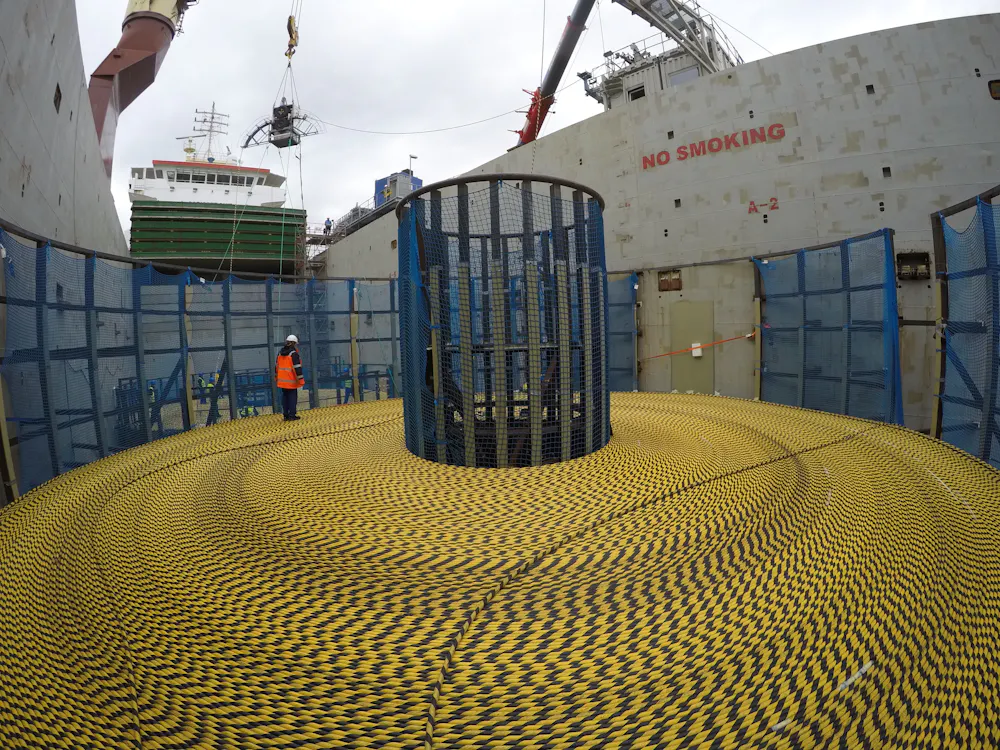
    MIL OSI – Global Reports

  • MIL-OSI China: Selected works of Xi Jinping on economy published

    Source: China State Council Information Office 2

    The first volume of selected works of Xi Jinping, general secretary of the Communist Party of China (CPC) Central Committee, on economy has been published and is available nationwide.
    Follow China.org.cn on Twitter and Facebook to join the conversation.ChinaNews App Download

    MIL OSI China News

  • MIL-OSI China: China’s Xinjiang moves to protect Gobi Desert with landmark regulation

    Source: China State Council Information Office 2

    Authorities in northwest China’s Xinjiang Uygur Autonomous Region have introduced a new legal framework to safeguard the Gobi, a vital part of the desert ecosystem.
    On Saturday, the city of Hami enacted Xinjiang’s first local regulation aimed at protecting the Gobi Desert, marking a major step in the region’s broader efforts to combat desertification through legal measures.
    The new regulation requires that city and county governments in Hami develop a comprehensive ecological protection plan with clear conservation and restoration targets. It also mandates that construction, tourism, and commercial activities within the Gobi align with these guidelines to prevent environmental degradation, said Li Qiang, deputy head of the standing committee of the Hami people’s congress.
    Experts noted that the Gobi’s gravel layer serves as a natural barrier against desertification. If disturbed, dormant dust sources could become active, intensifying sandstorms across the region.
    The Gobi Desert in Hami covers 94,600 square km, accounting for about 66 percent of the city’s total area, according to Hami’s bureau of ecology and environment.
    In August 2023, Hami launched an environmental project aimed at evaluating and restoring the Gobi Desert. Scientists from Nanjing City in east China collaborated on the initiative, which also helped advance the birth of the regulation.
    Xinjiang has long prioritized environmental conservation. In late November, the Taklimakan, China’s largest desert and the world’s second-largest drifting desert, was completely encircled with a sand-blocking green belt stretching 3,046 km.

    MIL OSI China News

  • MIL-OSI China: Houthi leader warns of retaliation if Israel resumes Gaza offensive

    Source: China State Council Information Office

    The leader of Yemen’s Houthi group has warned Israel of significant retaliatory actions if hostilities in Gaza resume.

    In a televised address late on Saturday, the first day of Ramadan, Abdul-Malik al-Houthi spoke from Sanaa that renewed Israeli military operations in Gaza would trigger a Houthi military response against Israeli territories, with a special emphasis on targeting Tel Aviv.

    “We stand firmly committed through religious, humanitarian, and ethical obligations to support our Palestinian brothers and sisters, along with resistance forces, particularly the Qassam Brigades,” al-Houthi said.

    Al-Houthi affirmed that the Houthi forces stood ready to open multiple military fronts in solidarity with Gaza if Israel resumes military operations.

    The Houthi group, which controls large swathes of northern Yemen, including the capital Sanaa, has previously targeted vessels they say are linked to Israel in the Red Sea, actions it describes as support for Palestinians during the Israel-Hamas conflict.

    On Saturday, the 42-day initial phase of the three-stage agreement between Hamas and Israel expired, with no breakthrough announced for the next phase.

    MIL OSI China News

  • MIL-OSI China: Britain, France and Ukraine to work on peace plan to present to US: Starmer

    Source: China State Council Information Office

    Britain, France and Ukraine will work on a ceasefire plan to present to the United States, British Prime Minister Keir Starmer said on Sunday.

    Europe was in a “moment of real fragility,” Starmer told the BBC’s Sunday with Laura Kuenssberg.

    His remarks came after Ukrainian President Volodymyr Zelensky’s public clash with U.S. President Donald Trump at the White House earlier this week. Zelensky was eventually asked to leave the White House early, leaving the planned minerals deal between the two sides unsigned.

    “We have to find a way that we can all work together. Because, in the end, we’ve had three years of bloody conflict. Now we need to get to that lasting peace,” Starmer said.

    Britain is hosting a defense summit on Sunday, with European leaders gathering in London to discuss a peace plan for Ukraine.

    Starmer named three essential points to achieve “lasting peace” — a strong Ukraine, a European element with security guarantees, and a U.S. backstop, with the last one being the subject of “intense” discussion.

    “That’s why I’ve been forward-leaning on this about what we would do — and a U.S. backstop,” he said. “That’s the package: all three parts need to be in place, and that’s what I’m working hard to bring together.”

    MIL OSI China News

  • MIL-OSI China: China’s upgraded TP500 civil UAV conducts maiden flight

    Source: China State Council Information Office

    A new configuration of the TP500 civil unmanned aerial vehicle (UAV), an optimized prototype tailored for airworthiness certification, has successfully conducted its maiden flight, according to the Aviation Industry Corporation of China (AVIC).

    The flight took place recently at an airport in Ruicheng County in north China’s Shanxi Province, marking a major step toward its airworthiness certification, the AVIC said.

    The TP500 UAV project is being developed as a large-scale general unmanned cargo platform for use in UAV cargo logistics, emergency rescue, special operations and other areas, according to the developer.

    This type of cargo UAV aims to serve regional logistics and transportation by providing low-cost and intelligent solutions for express logistics companies and various short-haul air transportation needs.

    It can also be used for specialized missions and emergency rescue operations, addressing market gaps in the regional air cargo transport sector.

    With its large-sized cargo hold and dedicated freight transport system, the TP500 UAV is well-equipped for efficient cargo handling and transportation.

    In emergency rescue scenarios, it can be swiftly equipped with specialized systems and payloads to support rescue missions, according to the AVIC.

    MIL OSI China News

  • MIL-OSI China: China’s national public data platform put into service

    Source: China State Council Information Office

    China’s national platform for public data resource registration was put into service on Saturday, according to the National Data Administration (NDA).

    The platform, accessible at https://sjdj.nda.gov.cn, has officially opened for registration, marking a significant step forward in the market-oriented reform of data resource allocation.

    On the first day of registration, the national platform introduced a range of national public data categories, including medical insurance, meteorology, and natural resources.

    Several provincial-level platforms for public data resource registration were also launched on the same day and successfully integrated with the national platform.

    Chen Ronghui, deputy head of the NDA, said at a press conference on Feb. 18 that the platform will allow data providers to publish information about data resources and products, while enabling users to search for data.

    A key focus for this year’s data-related initiatives is to enhance the role of data in reducing corporate costs, fostering new quality productive forces and driving high-quality development.

    China introduced a set of guidelines last year to accelerate the development and utilization of public data resources.

    By 2025, it expects to achieve substantial progress in developing and utilizing public data resources across key industries and regions. By 2030, public data is anticipated to play an important role in empowering the real economy, expanding consumer demand, and improving governance capacity, according to the guidelines.

    The transaction volume of China’s data market is estimated to have topped 160 billion yuan (about 22.3 billion U.S. dollars) in 2024, marking a year-on-year increase of more than 30 percent, official data showed.

    MIL OSI China News

  • MIL-OSI China: Hamas says extending 1st phase of Gaza ceasefire ‘unacceptable’

    Source: China State Council Information Office

    The Israeli proposal of extending the first phase of the Gaza ceasefire agreement is “unacceptable,” Hamas said Saturday.

    “The extension of the first phase as proposed by the occupation is unacceptable to us, and the mediators and guarantor countries are required to oblige the occupation to abide by the agreement in its various stages,” Hamas spokesman Hazem Qassem said in a statement.

    “The occupation is trying to bring things back to zero point by shuffling the cards and proposing the extension of the first phase,” Qassem said, noting that the extension aims to recover Israeli hostages “with the possibility of resuming the aggression on the Gaza Strip, which is contrary to the text of the agreement.”

    Qassem said there were still no negotiations with Hamas regarding the second phase of the agreement, accusing Israel of “evading the commitment to end the war and withdraw completely from Gaza.”

    On Friday, an informed Egyptian security source told Xinhua that an Israeli delegation proposed in Cairo extending the first phase of the Gaza ceasefire agreement for an additional 42 days.

    Earlier on Saturday, the 42-day initial phase of the three-stage agreement between Hamas and Israel expired, with no breakthrough announced for its next phase.

    MIL OSI China News

  • MIL-OSI China: Chinese blockbuster ‘Ne Zha 2’ shatters records, now 7th on all-time global box office chart

    Source: China State Council Information Office 3

    Chinese record-breaking animated film “Ne Zha 2” is now ranked 7th on the all-time global box office chart, with its total box office revenue surpassing that of “Spider-Man: No Way Home,” according to ticketing platforms on Saturday.

    This movie entered the list of the top 10 highest-grossing films of all time globally on Feb. 17, the 20th day after its release on Jan. 29, which was during the 2025 Chinese New Year festival.

    As of 1:50 p.m. on Saturday, the global earnings of “Ne Zha 2,” including presales, had exceeded 14.2 billion yuan (about 1.98 billion U.S. dollars), according to data from ticketing platform Maoyan.

    This milestone adds to an impressive list of achievements. “Ne Zha 2” had already become the first film to gross over 1 billion U.S. dollars in a single market, and the first non-Hollywood film to enter the coveted billion-dollar club. It also dethroned Disney’s 2024 picture “Inside Out 2” to become the highest-grossing animated movie of all time globally.

    “Ne Zha 2” is a sequel to the 2019 animated box office hit “Ne Zha.” Inspired by a Chinese mythological figure with the same name, the film has captivated audiences via its rich storytelling and jaw-dropping visuals, while featuring themes of defiance, fate and self-confidence, which resonate universally.

    MIL OSI China News

  • MIL-OSI China: CPC Party school holds opening ceremony for spring semester

    Source: China State Council Information Office 2

    The Party School of the Communist Party of China Central Committee (National Academy of Governance) on Saturday held the opening ceremony for its 2025 spring semester.
    Chen Xi, president of the school and the academy, attended the ceremony and delivered a speech.
    In his speech, Chen underlined the significant responsibilities of officials on the new journey of comprehensively advancing Chinese modernization.
    He urged them to enhance their political capabilities to match their duties, and to earnestly fulfill the political responsibilities entrusted to them by the Party and the people.

    MIL OSI China News