Source: People’s Republic of China – Ministry of National Defense
Artists perform during the opening ceremony of the 9th Asian Winter Games in Harbin, northeast China’s Heilongjiang Province, Feb. 7, 2025. (Xinhua/Chen Yichen)
Artists perform during the opening ceremony of the 9th Asian Winter Games in Harbin, northeast China’s Heilongjiang Province, Feb. 7, 2025. (Xinhua/Chen Yichen)
Flagbearers carry the Chinese national flag into the stadium during the opening ceremony of the 9th Asian Winter Games in Harbin, northeast China’s Heilongjiang Province, Feb. 7, 2025. (Xinhua/Chen Yichen)
Flagbearers carry the Chinese national flag into the stadium during the opening ceremony of the 9th Asian Winter Games in Harbin, northeast China’s Heilongjiang Province, Feb. 7, 2025. (Xinhua/Xie Jianfei)
Flagbearers carry the Chinese national flag into the stadium during the opening ceremony of the 9th Asian Winter Games in Harbin, northeast China’s Heilongjiang Province, Feb. 7, 2025. (Xinhua/Chen Yichen)
Flagbearers carry the Chinese national flag into the stadium during the opening ceremony of the 9th Asian Winter Games in Harbin, northeast China’s Heilongjiang Province, Feb. 7, 2025. (Xinhua/Chen Zhenhai)
Artists perform during the opening ceremony of the 9th Asian Winter Games in Harbin, northeast China’s Heilongjiang Province, Feb. 7, 2025. (Xinhua/Huang Wei)
Artists perform during the opening ceremony of the 9th Asian Winter Games in Harbin, northeast China’s Heilongjiang Province, Feb. 7, 2025. (Xinhua/Chen Zhenhai)
Artists perform during the opening ceremony of the 9th Asian Winter Games in Harbin, northeast China’s Heilongjiang Province, Feb. 7, 2025. (Xinhua/Chen Yichen)
Children perform during the opening ceremony of the 9th Asian Winter Games in Harbin, northeast China’s Heilongjiang Province, Feb. 7, 2025. (Xinhua/Huang Wei)
The Chinese national flag is raised during the opening ceremony of the 9th Asian Winter Games in Harbin, northeast China’s Heilongjiang Province, Feb. 7, 2025. (Xinhua/Yan Linyun)
A child performs during the opening ceremony of the 9th Asian Winter Games in Harbin, northeast China’s Heilongjiang Province, Feb. 7, 2025. (Xinhua/Wang Jianwei)
Artists perform during the opening ceremony of the 9th Asian Winter Games in Harbin, northeast China’s Heilongjiang Province, Feb. 7, 2025. (Xinhua/Chen Yichen)
Artists perform during the opening ceremony of the 9th Asian Winter Games in Harbin, northeast China’s Heilongjiang Province, Feb. 7, 2025. (Xinhua/Chen Yichen)
Mascots are seen during the opening ceremony of the 9th Asian Winter Games in Harbin, northeast China’s Heilongjiang Province, Feb. 7, 2025. (Xinhua/Chen Zhenhai)
Artists perform during the opening ceremony of the 9th Asian Winter Games in Harbin, northeast China’s Heilongjiang Province, Feb. 7, 2025. (Xinhua/Chen Zhenhai)
Artists perform during the opening ceremony of the 9th Asian Winter Games in Harbin, northeast China’s Heilongjiang Province, Feb. 7, 2025. (Xinhua/Huang Wei)
The Chinese national flag is raised during the opening ceremony of the 9th Asian Winter Games in Harbin, northeast China’s Heilongjiang Province, Feb. 7, 2025. (Xinhua/Huang Wei)
Chinese President Xi Jinping meets with National Assembly Speaker of the Republic of Korea (ROK) Woo Won-shik in Harbin, northeast China’s Heilongjiang Province, Feb. 7, 2025. [Photo/Xinhua]
Chinese President Xi Jinping on Friday said China and the Republic of Korea (ROK) should work together to strengthen their strategic cooperative partnership, amid mounting global and regional uncertainties.
Xi made the remarks while meeting with ROK National Assembly Speaker Woo Won-shik in Harbin, capital city of northeast China’s Heilongjiang Province. Woo is here for the opening ceremony of the 9th Asian Winter Games.
Since the establishment of diplomatic relations over 30 years ago, the two countries have continuously developed their relations and boosted cooperation, contributing to regional peace and development, Xi said, noting that China’s policy toward the ROK remains consistent.
He called on the two countries to deepen their mutually beneficial economic and trade ties and increase cultural and people-to-people exchanges.
Woo said maintaining friendly relations with China is a core foreign policy of the ROK.
The ROK is willing to work with China to elevate bilateral relations to a new level in the new year, Woo added. He also expressed the hope that the two countries will strengthen economic and trade cooperation, ensure the stability of global industrial and supply chains, and expand personnel exchanges.
Source: People’s Republic of China – State Council News
Chinese President Xi Jinping meets with International Olympic Committee (IOC) President Thomas Bach in Harbin, northeast China’s Heilongjiang Province, Feb. 7, 2025. Bach is here for the opening ceremony of the 9th Asian Winter Games. [Photo/Xinhua]
HARBIN, Feb. 7 — Chinese President Xi Jinping said Friday that China stands ready to work with the International Olympic Committee (IOC) to continue promoting the development of the Olympic Movement.
Xi made the remarks when meeting with IOC President Thomas Bach in Harbin, capital city of northeast China’s Heilongjiang Province. Bach is here for the opening ceremony of the 9th Asian Winter Games.
China’s successful hosting of multiple major sports events in recent years demonstrated the close collaboration between China and the IOC, Xi noted.
Xi said that China is vigorously developing its sports sector and moving toward the goal of building a sports powerhouse and a healthy China, which will continuously make new contributions to the development of international sports.
Bach praised China for advocating and practicing the concepts of unity, cooperation, equality and respect, upholding multilateralism, opposing the politicization of sports, and supporting the broad participation of developing countries in international sports.
He expressed the confidence that China will continue to achieve greater accomplishments and make greater contributions to world peace, development and progress.
Senior Chinese leaders including Cai Qi were present at the meeting.
Chinese President Xi Jinping meets with International Olympic Committee (IOC) President Thomas Bach in Harbin, northeast China’s Heilongjiang Province, Feb. 7, 2025. Bach is here for the opening ceremony of the 9th Asian Winter Games. [Photo/Xinhua]
Source: People’s Republic of China – State Council News
HARBIN, Feb. 7 — The cauldron has been ignited at the opening ceremony of the 9th Asian Winter Games on Friday night.
Joined by children holding ice lanterns, China’s first Winter Olympic champion and short track speed skater Yang Yang, China’s first male Winter Olympic gold medalist and freestyle skier Han Xiaopeng, Olympic race walk champion Wang Zhen, and Sochi Winter Olympic speed skating champion Zhang Hong lit the cauldron in a shape of a blooming lilac flower at the Harbin Ice-Snow World, the world’s largest ice-and-snow theme park.
The flame for the Games was lit at the Sun Island Scenic Area in Harbin on January 20. The torch relay involved 120 torchbearers on a route featuring landmarks in the city, including Harbin Central Street, which has a history of more than 100 years, and the Songhua River.
After the athletes’ parade and the official opening of the Games, a gala performance themed “Dream of Winter, Love among Asia” ushered in a climax of the ceremony – lighting of the cauldron.
The Harbin Ice-Snow World is the sub-venue for the opening ceremony, in addition to the main venue at the Harbin International Conference, Exhibition and Sports Center. During this year’s eight-day Spring Festival holiday, the Harbin Ice-Snow World saw over 610,000 visits.
It is the second time for Harbin to host the Asian Winter Games, after doing so for the tournament’s third edition in 1996. Over 1,200 athletes from 34 countries and regions across Asia will compete in 64 events across six sports, making this edition the largest in terms of participating delegations and athletes. The Games will conclude on February 14.
Source: United States Senator John Hickenlooper – Colorado
STRATEGIC Minerals Act would increase U.S. supply of critical minerals essential for energy and national security technologies
WASHINGTON – Today, U.S. Senators John Hickenlooper, Todd Young, Chris Coons, and John Cornyn reintroduced their bipartisan Securing Trade and Resources for Advanced Technology, Economic Growth, and International Commerce (STRATEGIC) Minerals Act to strengthen America’s critical minerals supply chain by expanding trade with international partners.
This December, China announced that they would immediately block the export of gallium, germanium, and antimony to the U.S. These minerals are essential to the U.S. defense industry, clean energy, and advanced technologies like microchips.
“Critical minerals are key to our clean energy future and American innovation,” said Hickenlooper. “China currently controls the supply chain for many of these essential resources. Our international allies will help us diversify our critical mineral supply and strengthen our national security.”
“Our nation depends on critical minerals for everything from consumer goods to defense technologies, and relying on foreign adversaries for these materials is a national security vulnerability we cannot afford,” said Young. “Negotiating more trade agreements specific to critical minerals with trusted partners will help shore up our supply of these resources, protect American interests, and strengthen our national security.”
“If America is to remain a superpower, we need resilient supply chains for critical minerals— and that means strong relationships with reliable trading partners around the world,” said Coons. “The STRATEGIC Minerals Act will help us achieve that goal, and it’s one more way Congress is doing its part to position the U.S. to produce the technologies that will define the rest of the 21st century.”
“China dominates the critical minerals supply chain, which leaves America vulnerable to national security risks,” said Cornyn. “By shoring up America’s critical minerals supply chain, this legislation would increase our competitiveness on the world stage, reduce our dependence on foreign adversaries, and foster greater trade with trusted allies.”
Critical minerals are essential for U.S. technologies including smartphones, electric vehicle batteries, solar panels, and wind turbines. Experts warn that U.S. dependence on China for these critical minerals poses a significant risk to national security. This legislation addresses these challenges by building up domestic processing and establishing a diverse network of trade alliances that protect U.S. critical mineral supply chains.
Specifically, the Strategic Minerals Act would:
Authorize the president to negotiate specialized trade agreements for critical minerals
Set trade negotiation objectives aiming to reduce or eliminate trade barriers with allies
Prohibit critical minerals negotiations with countries designated as non-market economies unless approved by a joint resolution of Congress
Require the president to consult with Congress before negotiations, detailing objectives, potential impacts, and ensuring legislative oversight
Expand U.S. funding access to foreign critical minerals projects by amending the Defense Production Act
In the 118th Congress, Hickenlooper introduced several bills to bolster U.S. energy independence and support the transition to renewable energy, including:
Critical Materials Future Act, which seeks to establish a pilot program for the Department of Energy to financially support domestic critical mineral processing projects.
National Critical Minerals Council Act, which establishes a National Critical Minerals Council to develop and implement a national critical mineral strategy and coordinate our federal investments and research.
Unearth Innovation Act, which creates a Mining and Mineral Innovation Program within the Department of Energy to drive the responsible production of domestic critical minerals, with a focus on minimizing the environmental impact of mining.
Global Strategy for Securing Critical Minerals Act, which works to ensure that the U.S., its allies, and global partners can count on a diverse and secure end-to-end supply of critical minerals.
Enhancing Public-Private Sharing on Manipulative Adversary Practices in Critical Minerals Projects Act, which directs the intelligence community to develop a strategy to improve information sharing with private sector companies regarding foreign adversaries’ attempts to thwart U.S. involvement in critical minerals, energy generation, and storage projects.
Critical Minerals Security Act which directs the Department of the Interior to evaluate the global supply and ownership of critical minerals and make it easier for the U.S. to establish stable supply chains with international allies.
Full text of the legislation can be found HERE.
Source: United States Senator for Idaho Mike Crapo
Washington, D.C.–U.S. Senators Mike Crapo (R-Idaho), Jim Risch (R-Idaho) and Steve Daines (R-Montana) introduced legislation to unleash American energy, promote U.S. energy dominance and benefit rural communities.
The Supporting Made in America Energy Act would support oil and gas development by requiring:
Four annual onshore lease sales in top oil and gas producing states,
Two annual offshore lease sales in the Gulf, and
Six offshore lease sales over ten years in Alaska’s Cook Inlet.
“We need pro-American energy proposals that help enhance U.S. energy independence and make us less reliant on our adversaries like China,” said Crapo. “American-made energy means more jobs, more domestic energy and stronger national security.”
“I share President Trump’s vision of revitalizing America’s leadership in energy production and fueling a more prosperous future,” said Risch. “The Supporting Made in America Energy Act removes barriers to achieving these goals by expanding access to America’s rich resources, strengthening our economy, and safeguarding our national security.”
“Now that we have a President who supports our energy industry instead of pushing a radical environmental agenda, it’s time to get to work on real change to unleash American energy and ensure that we remain dominant on the world stage. These bills will have a huge impact on creating Montana jobs, boosting our economy and protecting our national security, and I’ll work with my colleagues every step of the way to get them over the finish line,” said Daines.
U.S. Senators Roger Marshall (R-Kansas), Bill Cassidy (R-Louisana), Cindy Hyde-Smith (R-Mississippi), Lisa Murkowski (R-Alaska), Tim Sheehy (R-Montana), Cynthia Lummis (R-Wyoming), John Curtis (R-Utah), John Barrasso (R-Wyoming) and John Hoeven (R-North Dakota) joined Risch, Crapo, and Daines in introducing the legislation.
Source: United States Senator Reverend Raphael Warnock – Georgia
Senator Reverend Warnock Presses USTR Nominee for Commitments to Protect Georgia’s Green Energy Economy
During a Thursday Finance committee hearing, Senator Reverend Warnock questioned Jamieson Greer during his nomination to be the United States Trade Representative (USTR)
Senator Reverend Warnock highlighted the importance of Georgia’s clean energy economy and the thousands of jobs that support it
Greer is a partner in the International Trade team at King & Spalding, which is headquartered in Atlanta, Georgia
Senator Reverend Warnock: “I’m excited about the investments in solar energy in Georgia. I’m also proud that Georgia, in many ways, is leading the country in building electric cars entirely in the United States, employing thousands of Georgians”
Watch video of Senator Reverend Warnock’s questioning HERE
Washington, D.C. – Yesterday, during a Senate Finance committee hearing on Jamieson Greer’s nomination to be the United States Trade Representative (USTR), U.S. Senator Reverend Raphael Warnock (D-GA) pressed Greer on his commitment to protecting and bolstering Georgia’s clean energy economy.
During Senator Warnock’s line of questions, he also highlighted the importance of the boon to Georgia’s economy that the clean energy market provides.
“Down near my hometown where the Kia plant opened, we’ve got about 9,000 more jobs that have been created in that area. A major economic boon,” said Senator Reverend Warnock.
Senator Warnock has continuously fought to deliver robust clean energy investments to communities across Georgia. Last year, heannounced over $700,000 in federal investments to help farmers, ranchers, and rural business owners upgrade their energy systems with sustainable solar and electric energy alternatives to help lower their energy costs. Additionally, the Senator played an instrumental role in securing landmark investments to expand the nation’s fleet of clean electric school buses, including delivering over $60 million for electric school buses for Georgia. In the Inflation Reeducation Act, Senator Warnock secured incentives for domestic solar manufacturing, which will help create more clean energy jobs, as well his plan to promote the creation of sustainable aviation fuel.
Watch the Senator’s full remarks and line of questioning HERE.
See below a transcript of key exchanges between Senator Warnock and nominee Jamieson Greer:
Senator Reverend Warnock (SRW): “In our meeting, we discussed the importance of the Inflation Reduction Act (IRA), and its clean energy investments in Georgia. I enjoyed our conversation very much. Welcome and congratulations to you, and to your family.”
“We talked about these provisions in the IRA. The state of Georgia has seen growth in our advanced manufacturing sector, with both domestic companies and foreign companies making significant investments, due in large measure to the IRA’s clean energy investments, bringing a lot of jobs to Georgia.”
“One of the things I’m very proud of as a lifelong native of Georgia is that little Dalton, Georgia known as the carpet capital of the world. If you are walking on a floor anywhere, there is a good chance you are walking on something that was created in Dalton, Georgia. But who would have imagined that Dalton, Georgia would become such a leader in the manufacturing of solar panels? This is due to the Korean solar manufacturer, Qcells, bringing thousands of jobs to Georgia, creating a domestic solar industry, almost entirely free of Chinese supply chains.”
“However, it needs trade protections to compete against a heavily subsidized Chinese industry. If confirmed as the nation’s trade representative, how would you work to protect and grow domestic solar and clean energy manufacturing to ensure our supply chain does not depend on China?”
Jamieson Greer (JG): “Thank you, senator. I’m glad to hear you express concern and interest in this, these are things I am concerned about too.”
“To the extent that there is going to be energy products manufactured and used in the United States, it would be great to have them made here. And that we’re not using panels that come from China, and in some instances might include products of subsidies or forced labor. The first Trump Administration did a safeguard tariff. The Commerce Department for many years has had other tariffs in place and I think that those can be effective tools.”
“You have testified to this, that we have new protections in the United States. Europe did not have these protections in place and they saw their solar industry go away. I’m very interested in maintaining and exploring those possibilities to ensure we have that production here.”
SRW: “I appreciate that, and I look forward to continuing to have that conversation. I’m excited about the investments in solar energy in Georgia. I’m also proud that Georgia, in many ways, is leading the country in building electric cars, entirely in the United States, employing thousands of Georgians. Down near my hometown where the Kia plant opened, we’ve got about 9,000 more jobs that have been created in that area. A major economic boon.”
“President Trump and congressional Republicans have bragged about repealing federal investments in the green economy that have created these jobs. Jobs that have bipartisan support in my state. I support what we’re doing there, the Republican Governor supports it. This is a top bipartisan economic issue in Georgia. It’s about American manufacturing.”
“If confirmed, how will you use your position to protect the investments and thousands of jobs, jobs that foreign car companies have brought to Georgia?”
JG: “My role and my jurisdiction in the administration is to negotiate trade deals where appropriate and do trade enforcement as necessary which is certainly an area where I want to make sure any manufacturing you have doesn’t have to compete unfairly with foreign product.”
“With respect to other incentives or other legislation, that is something that I believe the Treasury Department and the Energy Department, the President and Congress will determine the path forward.”
SRW: “Would you agree that if we seed that space, that it is not a net positive result for American businesses?”
JG: “We need to have advance manufacturing in the United States as much as possible whether it is traditional or electric vehicles or solar panels.”
SRW: “So ideology around clean energy should not stop us from doing what is necessary.”
JG: “If we are going to have manufacturers making clean energy, that makes sense, and broader energy policy, we should be making those things here.”
Source: United States Senator for Idaho James E Risch
WASHINGTON – U.S. Senators Jim Risch (R-Idaho), Mike Crapo (R-Idaho), and Steve Daines (R-Mont.) introduced legislation to unleash American energy, promote U.S. energy dominance and benefit rural communities.
The Supporting Made in America Energy Act would support oil and gas development by requiring:
Four annual onshore lease sales in top oil and gas producing states,
Two annual offshore lease sales in the Gulf, and
Six offshore lease sales over ten years in Alaska’s Cook Inlet.
“I share President Trump’s vision of revitalizing America’s leadership in energy production and fueling a more prosperous future,” said Risch. “The Supporting Made in America Energy Act removes barriers to achieving these goals by expanding access to America’s rich resources, strengthening our economy, and safeguarding our national security.”
“We need pro-American energy proposals that help enhance U.S. energy independence and make us less reliant on our adversaries like China,” said Crapo. “American-made energy means more jobs, more domestic energy and stronger national security.”
“Now that we have a President who supports our energy industry instead of pushing a radical environmental agenda, it’s time to get to work on real change to unleash American energy and ensure that we remain dominant on the world stage. These bills will have a huge impact on creating Montana jobs, boosting our economy and protecting our national security, and I’ll work with my colleagues every step of the way to get them over the finish line,” said Daines.
U.S. Senators Roger Marshall (R-Kan.), Bill Cassidy (R-La.), Cindy Hyde-Smith (R-Miss.), Lisa Murkowski (R-Alaska), Tim Sheehy (R-Mont.), Cynthia Lummis (R-Wyo.), John Curtis (R-Utah), John Barrasso (R-Wyo.), and John Hoeven (R-N.D.) joined Risch, Crapo, and Daines in introducing the legislation.
Source: United States Senator for Delaware Christopher Coons
WASHINGTON – U.S. Senators Chris Coons (D-Del.), Todd Young (R-Ind.), John Cornyn (R-Texas), and John Hickenlooper (D-Colo.) reintroduced the Securing Trade and Resources for Advanced Technology, Economic Growth, and International Commerce in (STRATEGIC) Minerals Act to strengthen America’s supply chain of critical minerals and rare earth elements (REEs).
Critical minerals and REEs are essential for the production of many 21st century technologies, from cell phones to supercomputers to military weapons. Unfortunately, they are highly vulnerable to supply chain disruption, and China’s aggressive effort to control these resources presents a significant national and economic security risk. This bill would empower the president to negotiate and enforce sector-specific trade agreements exclusively focused on critical minerals and REEs with trusted partners and allies. Successful agreements would bolster cooperation, reduce trade barriers, and enhance the economic security of the U.S. and its partners.
“If America is to remain a superpower, we need resilient supply chains for critical minerals—and that means strong relationships with reliable trading partners around the world,” said Senator Coons. “The STRATEGIC Minerals Act will help us achieve that goal, and it’s one more way Congress is doing its part to position the U.S. to produce the technologies that will define the rest of the 21st century.”
“Our nation depends on critical minerals for everything from consumer goods to defense technologies, and relying on foreign adversaries for these materials is a national security vulnerability we cannot afford,” said Senator Young. “Negotiating more trade agreements specific to critical minerals with trusted partners will help shore up our supply of these resources, protect American interests, and strengthen our national security.”
“China dominates the critical minerals supply chain, which leaves America vulnerable to national security risks,” said Senator Cornyn. “By shoring up America’s critical minerals supply chain, this legislation would increase our competitiveness on the world stage, reduce our dependence on foreign adversaries, and foster greater trade with trusted allies.”
“Critical minerals are key to our clean energy future and American innovation,” said Senator Hickenlooper. “China currently controls the supply chain for many of these essential resources. Our international allies will help us diversify our critical mineral supply and strengthen our national security.”
Specifically, the STRATEGIC Minerals Act would:
Authorize the president, through the U.S. Trade Representative, to negotiate, enter into, and enforce specialized trade agreements focused on critical minerals and REEs, subject to congressional approval.
Set trade negotiation objectives to strengthen supply chains of critical minerals and REEs, aiming to reduce or eliminate trade barriers with trusted allies to ensure reliable access and reduce dependence on adversarial nations.
Exclude nonmarket economies like China and prevent foreign entities of concern from benefiting, allowing only trusted partners to participate in order to safeguard our national security.
Require the president to consult with Congress before initiating negotiations, providing details on objectives and potential impacts and ensuring legislative oversight.
Amend the Defense Production Act of 1950 to include certain businesses from countries party to such agreements in the definition of domestic sources under strict conditions, strengthening U.S. access to critical minerals essential for national security while prioritizing American interests.
The STRATEGIC Minerals Act was originally introduced in the 118th Congress. This legislation builds on Senators Coons’ earlier efforts to reduce our reliance on China for critical minerals essential to national security. Last year, Senator Coons joined a group of his colleagues on the bipartisan Global Strategy for Securing Critical Minerals Act, which would ensure that the United States, its allies, and global partners can count on a diverse and secure end-to-end supply of critical minerals. In October, Senators Coons and Young introduced the Critical Minerals Future Act, which would establish a pilot program within the U.S. Department of Energy to financially support domestic critical mineral processing projects.
The full text of the legislation can be found here.
Source: United States Senator Peter Welch (D-Vermont)
Legislation would require Director of Foreign Assistance to be confirmed by the Senate
WASHINGTON, D.C. — Today, U.S. Senator Peter Welch (D-Vt.) joined Senator Tim Kaine (D-Va.) and their colleagues to introduce the Foreign Assistance Accountability and Oversight Act, legislation to expand congressional oversight of foreign assistance decision-making. The bill would require the State Department’s Director of Foreign Assistance to be confirmed by the U.S. Senate and for all foreign assistance funding provided to the State Department or U.S. Agency for International Development (USAID) to be used as directed within 90 days of its appropriation by Congress. The Director of Foreign Assistance is currently not confirmed by the Senate, and the Trump Administration has refused to publicly identify the individual currently occupying this powerful position.
“President Trump and Elon Musk—making wildly false and defamatory accusations— have made it clear that they could care less about the thousands of dedicated American aid workers and millions of people around the world who depend on USAID’s life-saving work. They are trying to destroy as much of USAID as they can get away with, and the fact that it’s illegal and unconstitutional is of no concern to them. We will not stand by while an agency that plays a unique and indispensable role in protecting U.S. interests and security is dismantled,” said Senator Welch. “This bill will strengthen our foreign assistance programs and help ensure that the will of Congress prevails.”
“Foreign assistance is not a handout. It is a critical part of our national security strategy and a key tool to keep Americans safe from disease, narcotics and instability. China has rapidly expanded its foreign assistance over the past decade, and would like nothing more than for the United States to retreat on the global stage. The Trump Administration’s recent attempts to destroy USAID and U.S. foreign assistance programs emboldens China, Russia, and Iran, makes Americans less safe, puts thousands of Americans out of work, and is already causing cause immense human suffering for millions of people around the world,” said Senator Kaine. “That’s why I’m introducing this bill to force congressional oversight of this lawless and damaging behavior.”
The legislation expresses the sense of Congress that foreign assistance is critical to U.S. national security, reiterates USAID’s status as a legally independent agency, specifies the exact authorities of the Office of Foreign Assistance, and creates an extra layer of review for personnel decisions within the Office of Foreign Assistance.
In addition to Sens. Welch and Kaine, the legislation was cosponsored by Senators Bernie Sanders (I-Vt.), Michael Bennet (D-Colo.), Cory Booker (D-N.J.), Chris Coons (D-Del.), Tammy Duckworth (D-Ill.), Dick Durbin (D-Ill.), Edward J. Markey (D-Mass.), Jeff Merkley (D-Ore.), Patti Murray (D-Wash.), Amy Klobuchar (D-Minn.), Alex Padilla (D-Calif.), Gary Peters (D-Mich.), Jacky Rosen (D-Nev.), Brian Schatz (D-Hawaii), Adam Schiff (D-Calif.), Chris Van Hollen (D-Md.), and Sheldon Whitehouse (D-R.I.).
Read the full text of the bill.
Human Rights Council Opens Special Session on the Situation of Human Rights in the Democratic Republic of the Congo
The Human Rights Council this morning opened its thirty-seventh special session on the situation of human rights in the Democratic Republic of the Congo.
Volker Türk, United Nations High Commissioner for Human Rights, said since the beginning of the year, the M23 armed group, supported by the Rwanda Defence Forces, had intensified its offensive in the provinces of North and South Kivu. If nothing was done, the worst may be yet to come for the people of the eastern Democratic Republic of the Congo, but also beyond the country’s borders. Once again, civilians were trapped in a spiral of violence in this crushing conflict. Since 26 January, nearly 3,000 people had lost their lives and 2,880 had been wounded. Sexual violence had been an appalling feature of this conflict for a long time and was likely to worsen in the current circumstances. The fighting had exacerbated a chronic humanitarian crisis, which was the upshot of persistent human rights violations.
Mr. Türk called on all parties to lay down their weapons and resume dialogue within the framework of the Luanda and Nairobi processes. In the meantime, all parties to the conflict must respect international human rights law and international humanitarian law. The M23, Rwandan forces and all those supporting them must facilitate access to humanitarian aid. Air, land and lake routes must be reopened to establish humanitarian corridors and guarantee the safety of humanitarian actors. In these circumstances, it was crucial to establish the facts and bring the perpetrators to justice. An independent and impartial investigation must be opened up into human rights violations and abuses, and violations of international humanitarian law, committed by all parties
Surya Deva, Chair of the Coordination Committee of the Special Procedures, said the intensification of hostilities, particularly in North Kivu, following the renewed offensive by the Rwandan-backed M23 armed group, had led to widespread violence, forced displacement and serious violations of international human rights and humanitarian law. The scale and severity of the violence had reached unprecedented levels. The humanitarian consequences were devastating. Mr. Deva called for all parties to the conflict to adhere to their obligations under international humanitarian and human rights law; for the immediate cessation of attacks against civilians; for the protection of civilian infrastructure; and for unimpeded access for humanitarian actors to deliver assistance to those in need.
Bintou Keita, Special Representative of the Secretary-General in the Democratic Republic of the Congo and Chief of the United Nations Organization Stabilisation Mission in the Democratic Republic of the Congo (MONUSCO), said this conflict had continued for 30 years, and the population continued to live in fear. The attacks and pillaging against the United Nations and the Blue Helmets were condemned. It was urgent to restore peace and allow for a lasting rebuilding of the region. The Democratic Republic of the Congo and Rwanda must pursue diplomatic negotiations, particularly in the context of the Luanda process. Unless compelling measures were taken to cease the escalation of violence, there would be grave consequences. Ms. Keita hoped the session would pave the way to an end to the conflict and inclusive and sustainable development.
Patrick Muyaya Katembwe, Minister of Communication and Media of the Democratic Republic of the Congo, speaking as a country concerned, expressed deep gratitude to the Human Rights Council for holding the Special Session, a response to the urgent situation and massive human rights violations and attacks on civilians in North and South Kivu. Acts of unacceptable brutality compounded by unspeakable brutalities, like attacks against civilians, forced displacement, murders, rape, forced conscription of children and others were the responsibility of Rwanda as it supported its proxies. Peacekeeping forces, as well as humanitarian facilities, had been targeted, undermining their ability to protect civilians. The Democratic Republic of the Congo called for the establishment of an international commission of inquiry to investigate the human rights violations in the country, establish the truth as to who was responsible, and issue recommendations for holding them to account.
James Ngango, Permanent Representative of Rwanda to the United Nations Office at Geneva, speaking as a country concerned, said the current session was called for at a time when the situation was evolving rapidly. A chance should be given to regional initiatives to bear fruit before taking up the situation in the United Nations. The Democratic Republic of the Congo had unilaterally decided to expel the East African Community Force, a peacekeeping force, replacing it with the Southern African Development Community Mission with an offensive mandate. The current situation was due to imposing a military solution to a political problem. Rwanda opposed the attempts of the Democratic Republic of the Congo at portraying Rwanda as being responsible for the instability in that country, as this was a well-known deflection tactic used to escape being accountable for the atrocities Kinshasa and its allied armed forces were perpetrating against its own citizens. Rwanda would respond appropriately to the actions of the Democratic Republic of the Congo.
Speaking in the discussion, some speakers said they were deeply concerned about the escalating violence in the eastern Democratic Republic of the Congo and urged the M23 to stop its advance and withdraw immediately. Alarm was expressed about reports of widespread violations and abuses of human rights and international humanitarian law by multiple actors, including sexual and gender-based violence, the recruitment and use of child soldiers, and extrajudicial executions. Innocent civilians, including women and children, were enduring extreme suffering due to widespread violence, displacement, and deprivation of essential services such as food, water, and healthcare. Many speakers spoke in support of the establishment of an independent fact-finding mission to investigate serious human rights violations and breaches of international humanitarian law.
Speaking in the discussion were Sweden on behalf of the Nordic-Baltic countries, European Union, Morocco, Kenya, France, North Macedonia, Spain, Ghana, Germany, Switzerland, Albania, Cyprus, Belgium, Costa Rica, Burundi, Japan, Brazil, Republic of Korea, China, Ethiopia, Mexico, Netherlands, South Africa, Algeria, Gambia, Kyrgyzstan, Bulgaria, Malawi, Bolivia, Colombia, Liechtenstein, Luxembourg, Ireland, Russian Federation, Republic of Moldova, United Kingdom, Egypt, Sierra Leone, Italy, Holy See, Austria, Ukraine, Cameroon, Uruguay, Uganda, Canada, Australia, Paraguay, Türkiye, Guatemala, Zambia, Pakistan, India, Mauritania, Angola, Malta, Peru, Zimbabwe, Timor-Leste, Slovenia, Tanzania, and South Sudan.
Also speaking were Human Rights Watch, International Federation for Human Rights Leagues, World Organization against Torture, Rencontre Africaine pour la defense des droits de l’homme, Interfaith International,Centre du Commerce International pour le Développement, Amnesty International, International Bar Association, International Federation of ACAT (Action by Christians for the Abolition of Torture), International Catholic Child Bureau, International Human Rights Council, and TRIAL International.
The session was called for by the Democratic Republic of the Congo and was supported by 27 Member States of the Council and 21 Observer States.
The next meeting of the special session of the Human Rights Council will be at 3 p.m. on Friday, 7 February, when it will conclude the session after adopting a resolution on the situation of human rights in the east of the Democratic Republic of the Congo.
Keynote Statements
VOLKER TÜRK, United Nations High Commissioner for Human Rights, said his Office had long been sounding the alarm about this crisis, and he was deeply disturbed to see the violence escalate once again. Since the beginning of the year, the M23 armed group, supported by the Rwanda Defence Forces, had intensified its offensive in the provinces of North and South Kivu. If nothing was done, the worst may be yet to come, for the people of the eastern Democratic Republic of the Congo, but also beyond the country’s borders. There had been attacks by the M23 and their allies, with heavy weapons used in populated areas, and intense fighting against the armed forces of the Democratic Republic of the Congo and their allies. This raised serious concern in terms of respect for human rights and international humanitarian law.
Once again, civilians were trapped in a spiral of violence in this crushing conflict. Since 26 January, nearly 3,000 people had lost their lives and 2,880 had been wounded. Sexual violence had been an appalling feature of this conflict for a long time and was likely to worsen in the current circumstances. According to judicial authorities, during the prison break from Muzenze Prison in Goma on 27 January, at least 165 female prisoners were raped. Most of them were subsequently killed in a fire, the circumstances of which remain unclear. The High Commissioner said his team was also currently verifying multiple allegations of rape, gang rape and sexual slavery throughout the conflict zones. Hundreds of human rights defenders, journalists and members of civil society had reported that they had been threatened or were being pursued by the M23 and Rwandan forces.
Mr. Türk was also very concerned about the proliferation of weapons and the high risk of forced recruitment and conscription of children. The fighting had exacerbated a chronic humanitarian crisis, which was the upshot of persistent human rights violations. More than 500,000 people had been displaced since the beginning of January, in addition to the more than 6.4 million already displaced. The risk of violence escalating throughout the sub-region had never been higher. All those with influence over the parties involved, be they States or non-state actors, must step up their efforts to avert a conflagration and to support peace processes.
Mr. Türk called on all parties to lay down their weapons and resume dialogue within the framework of the Luanda and Nairobi processes. In the meantime, all parties to the conflict must respect international human rights law and international humanitarian law. The M23, Rwandan forces and all those supporting them must facilitate access to humanitarian aid. Air, land and lake routes must be reopened to establish humanitarian corridors and guarantee the safety of humanitarian actors.
In these circumstances, it was crucial to establish the facts and bring the perpetrators to justice. An independent and impartial investigation must be opened up into human rights violations and abuses, and violations of international humanitarian law, committed by all parties. The military path was not the answer to the roots of this conflict. States must ensure that any support, financial or otherwise, did not fuel serious human rights violations. All those with influence must act urgently to put an end to this tragic situation.
SURYA DEVA, Chair of the Coordination Committee of the Special Procedures, said the intensification of hostilities, particularly in North Kivu, following the renewed offensive by the Rwandan-backed M23 armed group, had led to widespread violence, forced displacement, and serious violations of international human rights and humanitarian law. The scale and severity of the violence had reached unprecedented levels. The humanitarian consequences were devastating, as those displaced often found themselves with no access to shelter, water, sanitation, food, medical care or education. Women and children were particularly at risk, facing heightened exposure to gender-based violence and trafficking for purposes of sexual slavery. There was also concern for the devastating impact on children, who were at serious risk of all six grave violations against children in armed conflict.
Mr. Deva called for all parties to the conflict to adhere to their obligations under international humanitarian and human rights law; for the immediate cessation of attacks against civilians; for the protection of civilian infrastructure; and for unimpeded access for humanitarian actors to deliver assistance to those in need. All parties involved in the conflict should refrain from supporting or using mercenary-related actors, as they would prolong the conflict.
The international community had a moral and legal obligation to act decisively. Member States should increase humanitarian funding to ensure the continued provision of essential services and assistance to displaced populations. Coordinated diplomatic efforts must be intensified to support peace negotiations and to hold accountable those responsible for violations of international human rights and humanitarian law.
The international community should step up efforts to support humanitarian operations, ensuring that adequate resources were allocated to assist displaced populations and those affected by violence. Women should be fully included in conflict resolution and peacebuilding efforts. There must be independent investigations into all reported human rights violations, including attacks on civilians, sexual and gender-based violence, and other abuses perpetrated during the conflict.
BINTOU KEITA, Special Representative of the Secretary-General in the Democratic Republic of the Congo and Chief of the United Nations Organization Stabilisation Mission in the Democratic Republic of the Congo (MONUSCO), said this conflict had continued for 30 years, and the population continued to live in fear. The attacks and pillaging against the United Nations and the Blue Helmets were condemned. Since the beginning of the year, an unprecedented advance of the M23 and the Rwandan forces had been seen, preceded by violent clashes between the two sides, injuring thousands, and with alarming mid- and long-term consequences. The risks of gender-based violence and violence against children were of great concern. Violations and abuse of human rights had increased, and the humanitarian situation declined. Agricultural and mining activities were paralysed.
Fighting impunity against the serious crimes committed could be impeded due to the damage done to the judicial forces in Goma. It was urgent to restore peace and allow for a lasting rebuilding of the region. The Democratic Republic of the Congo and Rwanda must pursue diplomatic negotiations, particularly in the context of the Luanda process. Unless compelling measures were taken to cease the escalation of violence, there would be grave consequences.
The clashes in densely settled areas, including Goma, had had devastating consequences on the human population, with an increase in crime and violence. Civil society actors and human rights defenders were a major population at risk. The suspension of social networks was an infringement of the right to information. In a region with a sensitive history, ethnically motivated attacks remained a serious concern. The humanitarian situation in Goma was catastrophic. The international community must advocate for humanitarian access to Goma immediately. Ms. Keita hoped the session would pave the way to an end to the conflict and inclusive and sustainable development.
Statements by Countries Concerned
PATRICK MUYAYA KATEMBWE, Minister of Communication and Media of the Democratic Republic of the Congo, speaking as a country concerned, expressed deep gratitude to the Human Rights Council for holding the special session, a response to the urgent situation and massive human rights violations and attacks on civilians in North and South Kivu, the result of attacks and offenses by the Rwandan Defence Forces and their M23 and AFC proxies. Indiscriminate attacks had deliberately targeted the vulnerable, a flagrant violation of international obligations. Areas of shelter had been turned into military targets, imperilling the lives of thousands of innocent people.
Acts of unacceptable brutality compounded by unspeakable brutalities, like attacks against civilians, forced displacement, murders, rape, forced conscription of children and others were the responsibility of Rwanda as it supported its proxies. Peacekeeping forces, as well as humanitarian facilities, had been targeted, undermining their ability to protect civilians. The Democratic Republic of the Congo called for the establishment of an international commission of inquiry to investigate the human rights violations in the country, establish the truth as to who was responsible, and issue recommendations for holding them to account.
It was vital to strengthen early-warning mechanisms and prevent further escalations of violence. There must be immediate and unfettered humanitarian access to evacuate the injured and reduce the risk of the spread of epidemics. The Council must hold Rwanda accountable for its war crimes and crimes against humanity. It was vital that international pressure be applied to Rwanda so that it ceased to support the armed groups and withdrew from Congolese territory.
The Democratic Republic of the Congo remained ready to work with all regional and international actors to put a stop to this crisis and an end to the suffering in the east of the country, calling on Rwanda to act responsibly and take immediate measures to cease supporting armed groups.
JAMES NGANGO, Permanent Representative of Rwanda to the United Nations Office at Geneva, speaking as a country concerned, said the current session was called for at a time when the situation was evolving rapidly. A chance should be given to regional initiatives to bear fruit before taking up the situation in the United Nations. The Democratic Republic of the Congo had unilaterally decided to expel the East African Community Force, a peacekeeping force, replacing it with the Southern African Development Community Mission with an offensive mandate. The current situation was due to imposing a military solution to a political problem. This was due to the preservation of the Democratic Forces for the Liberation of Rwanda that had perpetrated genocide in Rwanda and then fled to the Democratic Republic of the Congo, where they continued to spread their genocidal ideology, and also to the marginalisation of the Kinyarwanda-speaking Congolese communities, particularly Tutsi, by the Democratic Republic of the Congo.
There had been no condemnation of the Democratic Republic of the Congo leadership. There was no special session of the Human Rights Council when a Special Rapporteur had warned about war crimes and crimes against humanity in the Democratic Republic of the Congo previously. Rwanda opposed the attempts of the Democratic Republic of the Congo at portraying Rwanda as being responsible for the instability in that country, as this was a well-known deflection tactic used to escape being accountable for the atrocities Kinshasa and its allied armed forces were perpetrating against its own citizens. Rwanda would respond appropriately to the actions of the Democratic Republic of the Congo.
Discussion
Some speakers said they were deeply concerned about the escalating violence in eastern Democratic Republic of the Congo and urged the M23 to stop its advance and withdraw immediately. Rwanda must cease its support for the M23 and withdraw its armed forces. Rwanda’s military presence in the Democratic Republic of the Congo was strongly condemned as a clear violation of international law, the United Nations Charter, and the territorial integrity of the Democratic Republic of the Congo.
Alarm was expressed about reports of wide-spread violations and abuses of human rights and international humanitarian law by multiple actors, including sexual and gender-based violence, the recruitment and use of child soldiers, and extrajudicial executions. Innocent civilians, including women and children, were enduring extreme suffering due to widespread violence, displacement, and deprivation of essential services such as food, water, and healthcare. Reports of explosive weapons used in populated areas and attacks on internally displaced person sites were particularly alarming.
Some speakers said all sides must prioritise the protection of civilians, ensure safe and unhindered humanitarian access, and fully respect their obligations under international law, including human rights law and international humanitarian law. For decades, the area had witnessed instability and conflict, for a range of causes. Reports of grave human rights violations, including summary executions, demanded immediate attention. The attacks on peacekeepers constituted violations of international law. The Rwandan Government must respect the territorial integrity of the Democratic Republic of the Congo, which latter must cease cooperation with the Democratic Forces for the Liberation of Rwanda.
All parties must reopen negotiations, respect international law, and honour their commitments made under the Nairobi and Luanda process, committing fully to the peace process. All allegations of human rights violations and abuses must be investigated, and perpetrators held accountable for their crimes. An independent fact-finding mission must be established to investigate all accounts. Acts of violence targeting civilians and civilian infrastructure were condemned, and must come to an end.
The role of the Blue Helmets was essential, speakers said, and they must be protected, with several speakers expressing condolences to the families of those Blue Helmets who paid the ultimate price in defence of the fundamental rights of the Congolese people. The United Nations Organization Stabilisation Mission in the Democratic Republic of the Congo (MONUSCO) must ensure the protection of civilians, and a speaker called for its mandate to be supported and renewed further. The international community must strengthen its support for peacekeeping operations and humanitarian assistance. A sustainable solution demanded coordinated efforts, including dialogue, reconciliation, and development initiatives that fostered stability and social cohesion.
A number of speakers said this was a critical juncture in the region, with a potential for over-spill in the region as a whole. Dialogue and cooperation must be encouraged and supported, including through the Luanda and Nairobi processes. The deliberations in the Council must not undermine these, and instead support a return to peace, with the discussions aimed at building consensus and agreement. Political fragmentation must be addressed in Rwanda, with an end put to public negative ethnic discourse, and the international community must work together to build a just and peaceful world. The Council must address the challenges under its mandate. Members of the Council must work to ensure that there was no further deterioration of the situation.
The M23 must immediately withdraw from the territories under its control, a speaker said, and there must be a return to the negotiating table: all efforts must be made to put an end to the humanitarian disaster. All those involved in the conflict must put an end to human rights violations and protect the rights and lives of civilians. The population was exhausted from the decades of suffering. Rwanda must withdraw its support for the M23, which must immediately cease its attacks and withdraw.
Some speakers said the sovereignty and territoriality of the Democratic Republic of the Congo must be protected and supported, and many speakers supported this, urging all sides to respect it and for the international community to support it. All armed groups must lay down their weapons and withdraw from the sovereign territory of the Democratic Republic of the Congo, and respect the United Nations Charter, engage in dialogue, and work towards re-establishing peace and stability in the country. There was a risk of this igniting the Great Lakes region, a speaker said, supporting the peaceful coexistence of nations.
Many speakers spoke in support of the establishment of an independent fact-finding mission to investigate serious human rights violations and breaches of international humanitarian law committed in North and South Kivu, in the eastern Democratic Republic of the Congo, as stipulated in the proposed resolution. The humanitarian community must rally support to protect the most vulnerable segments of the population, in particular women and children. The fact-finding mission must be fully funded and staffed appropriately, a speaker urged. Given the sheer scale of human suffering, the Council could not afford to turn a blind eye to the earnest appeal of the country concerned to ensure that the perpetrators of these heinous crimes were held accountable.
Profound alarm was expressed with regard to the increasing risk of violence against women and girls and the recruitment of children into the conflict. It was imperative that those responsible for human rights violations and atrocities were brought to justice. There was no military solution to the crisis, and only a political, negotiated solution could bring an end to the situation. Those who put their economic interests above human dignity must cease to do so. Peace and security must be brought to the region.
At this critical juncture, all parties must exercise restraint, de-escalate tensions, and prioritise dialogue to prevent further loss of life, uphold international humanitarian law and human rights, ensure the protection of civilians, and safeguard fundamental freedoms. It was vital to ensure immediate and unimpeded access to humanitarian aid for the civilian population.
It was crucial that the Human Rights Council provided necessary support for thorough investigations into grave human rights violations and abuses, with a view to bringing the perpetrators to justice and ensuring comprehensive accountability. A sustained and inclusive dialogue was crucial to achieving a long-term and peaceful resolution to the crisis. Diplomatic negotiations were, a speaker said, the only way to resolve the situation. All parties must respect international humanitarian law, and must support the mediation efforts made both internationally and regionally. A political solution must be found that respected the independence and territoriality of the Democratic Republic of the Congo.
The need for the Council to make efforts to alleviate the sufferings of victims of human rights violations and abuses was crucial, and all parties involved must respect their obligations under international humanitarian law and international human rights law. There must be an immediate end to hostilities and a permanent solution found through peaceful means and inclusive dialogue among all parties concerned, and speakers pointed out the need for “African solutions to African problems”, supporting the Luanda and Nairobi processes. African regional solutions were fully supported by several speakers, who spoke of the efforts of the Southern African Development Community Mission.
Produced by the United Nations Information Service in Geneva for use of the media; not an official record. English and French versions of our releases are different as they are the product of two separate coverage teams that work independently.
Source: Hong Kong Government special administrative region
​The Chief Executive, Mr John Lee, and his wife, Mrs Janet Lee, began their visit to Harbin today (February 7). They attended a welcome banquet hosted by President Xi Jinping and his wife Peng Liyuan for international dignitaries attending the opening ceremony of the 9th Asian Winter Games Harbin 2025, and attended the opening ceremony of the Games at the Harbin International Conference, Exhibition and Sports Center in the evening.
Mr Lee said that the Hong Kong, China Delegation participating in this Asian Winter Games is the largest ever, with 74 Hong Kong athletes taking part in various events, namely alpine skiing, curling, ice hockey, figure skating, short track speed skating and speed skating. He hoped that the Hong Kong, China Delegation can achieve brilliant results in the Games and that the athletes can perform their best on the field and enjoy every competition.
“The Asian Winter Games is the largest comprehensive winter sports event in Asia. It is the third time that the country has hosted this major sports event, gathering elite athletes from the region to compete with one another. I wish this Asian Winter Games every success,” Mr Lee said.
While the Chief Executive attended official activities, the Secretary for Culture, Sports and Tourism, Miss Rosanna Law, and other officers watched the curling and short track speed skating events this morning held at the Harbin Pingfang District Curling Arena and the Heilongjiang Ice Training Center respectively, showing support for the Hong Kong athletes participating in the events.
Mr Lee and the other officials will continue their visit tomorrow (February 8). They will meet with members of the Hong Kong, China Delegation to the Asian Winter Games and watch competitions at the Games. They will also visit and learn more about local cultural and tourism facilities.
Source: Hong Kong Government special administrative region
London ETO welcomes Year of Snake with joyous celebrations (with photos) London ETO welcomes Year of Snake with joyous celebrations (with photos) ************************************************************************
The Hong Kong Economic and Trade Office, London (London ETO) greeted the Year of the Snake in the United Kingdom (UK) by hosting an evening reception in London on February 6 (London time) and supporting a large-scale London Chinatown celebration at Trafalgar Square, Chinatown, and Charing Cross Road on February 2. The Director-General of the London ETO, Mr Gilford Law, welcomed over 450 guests at a Year of the Snake reception on February 6 at The Orangery, Kensington Palace, in London. Among the guests were UK government officials, parliamentarians, borough mayors in London, senior diplomats, leading figures in the business sector, academics, media representatives, and members of the Chinese community. Speaking at the reception, Mr Law introduced the latest developments in Hong Kong on its economic and cultural fronts. Mr Law elaborated, “Hong Kong continues to flourish as a global business hub. Ranked the world’s freest economy, the city welcomed a record 9 960 non-local companies last year, including 720 from the UK, surpassing pre-COVID levels. This reaffirms Hong Kong’s role as a ‘super connector’ for British businesses. Beyond the economic sphere, we also saw the bilateral ties between Hong Kong and the UK reinforcing and deepening, from enhanced government-to-government dialogue to cultural and creative collaboration.” On February 2, the London ETO supported the grand annual Chinese New Year celebration in London’s Chinatown, drawing audiences in the hundreds in some places and in the thousands in others, along the streets of Central London. Mr Law, alongside esteemed guests such as the Deputy Mayor for Communities and Social Justice of London, Dr Debbie Weekes-Bernard; Member of Parliament for the Cities of London and Westminster Ms Rachel Blake; and the Lord Mayor of Westminster, Councillor Robert Rigby, greeted the crowds in London from an open-air double-decker bus and onstage. Furthermore, a range of cultural and music performances took place at Trafalgar Square. The London ETO will organise further events to celebrate the Year of the Snake in the countries under its purview in the coming weeks.
Source: United States Senator for Kansas Roger Marshall
Washington, D.C. – U.S. Senator Roger Marshall, M.D. participated in the nomination hearing for President Trump’s U.S. Trade Representative (USTR) Nominee, Jamieson Greer, in the Senate Finance Committee this week.
Senator Marshall questioned Mr. Greer on President Trump’s history of tariffs and trade, and how he will properly utilize United States trade relations to prioritize American interests.
Jamieson Greer has a storied career dedicated to the military, trade, and international relations. He also served in Kansas as an officer in the United States Air Force Judge Advocate General’s Corps and was deployed to Iraq as Chief of Military Justice. He worked in private firms focusing on trade law and international trade. As Chief of Staff to the previous USTR, Robert Lighthizer, he has the experience and the record of playing a pivotal role in President Trump’s successful trade negotiations across the world.
[embedded content]
You may click HERE or on the image above to watch Senator Marshall’s full line of questioning.
Highlights from Mr. Greer’s nomination hearing include:
On Joe Biden’s vs. President Trump’s history of fair, reciprocal trade agreements:
U.S. Senator Roger Marshall, M.D.: “…Under President Trump, he gave us [the United States-Mexico-Canada] Agreement. He gave us South Korea to improve Japanese trade agreement, so important to American beef and China Phase One. Mr. Greer, what trade agreements were accomplished under Joe Biden?”
Mr. Jamieson Greer, Nominee, U.S. Trade Representative: “Senator, I’m not aware of any.”
Senator Marshall: “Okay, I want to compare and contrast a little bit here more. Let’s talk about Mexico. I think it’s one of the simpler ones to understand…Under Joe Biden, Mexico undermined American farms. He harmed commerce. He bullied U.S. companies. He shut down the GMO corn exports, forcing a huge dispute. Mexico hampered U.S. energy protection under Joe Biden, and Mexico seized a U.S. mining company operation near Cozumel. What can you do? What can we do to reverse this behavior?”
Mr. Greer: “…any trade agreement we have is only as valuable as the enforcement behind it. And so my view is, all these issues you talked about with Mexico, whether it be energy or corn, et cetera, we need to enforce that. I know that, you know, there’s a case that was done on the corn issue. I’m going to enforce that. I know that there were consultations open on energy. We’re going to we’re going to bring that up with the Mexicans as well. Listen, good fences make good neighbors. If we want to have good, ongoing trade relations with folks, we have to hold them accountable.”
On leveling the global trade playing field for American biofuels:
Senator Marshall: “Let’s talk about biofuels for a second. I’ve never seen such an uneven playing field for American biofuels. The U.S. is subject to 18% tariffs going into Brazil with biofuels, yet Brazil enjoys virtually free access to the U.S., and in many cases, thanks to some scientific voodoo, they’re actually giving Brazil a preference over American biofuels as well.”
“The EU continues to be protectionist against us, ethanol. Chinese used cooking oil exports. You’re familiar with how they’re abusing that. You would think that if we’re going to give tax credits, we would make sure they’re not going to benefit foreign entities, especially those who wish to harm us. What can you do to help the biofuels industry and try to level that playing field?”
Mr. Greer: “Well, Senator, this is the specific kind of unfairness that drives me crazy. And it’s not just me. The President himself, he sees these kinds of unfairnesses and the unlevel playing field. And it’s so it’s so obvious, it’s so blatant. It’s gone for so long. You know, again, in the first instance, you can certainly go to somebody like the Brazilians and say, you need to fix this, but it has to be followed up with or else, right? I mean, that’s a little crude, but we need to have leverage, and if we need to gain leverage by taking investigatory actions or other actions, we’ll do that. It would be much better to do this on a negotiating basis, but we’ll do whatever we need to do to try to fix the situation.”
On ensuring Chinese compliance with President Trump’s Phase One trade deal:
Senator Marshall: “Let’s talk about China for a second…How can we build on President Trump’s success under Phase One with China?”
Mr. Greer: “We need to start by reviewing it and actually assessing whether or not the Chinese have complied with it, or to what degree. In fact, the President has already directed the office of the USTR to do this…We want to be able to very clearly see where they did or did not comply. And then from there you move to dispute settlement, and you move to enforcement if you need to. And again, hopefully, this is an area where countries will understand the unfairness and change because they know that President Trump is serious about this, that I’m serious about this. If they don’t, then you move for that last part of enforcement.”
On utilizing tariffs as a tool to advance American interests:
Senator Marshall: “…You know, under President Trump, he used tariffs, but we saw minimal inflation – so at the end of the day, those tariffs were not passed on to Americans in the big picture… the big picture is for one reason or another, those tariffs were used properly, and we were able to not pass that on to American consumers. Mr. Greer, is there a way to do that going forward as well, to effectively use, these tariffs as a weapon, as a tool?”Mr. Greer: “I agree 100% with that. What we learned from the first term is that President Trump and his economic team are very good at managing the economy. And we saw real median household income go up by $7,000 over three years before the pandemic hit – and this was at a time when we were imposing tariffs in a way we hadn’t done in many years. And when we look at inflation under the Biden administration that happened in 2022, it wasn’t about tariffs. It was about health care and housing and food, things we don’t import from China, right? So we know that we can manage this. We know we have a strong economic team, and if I’m confirmed, I expect to be able to take strong trade action while helping ensure that the economy is growing for average Americans.”
Elon Musk’s role as the head of the Department of Government Efficiency, also known as DOGE, is on the surface a dramatic effort to overhaul the inefficiencies of federal bureaucracy. But beneath the rhetoric of cost-cutting and regulatory streamlining lies a troubling scenario.
Musk has been appointed what is called a “special government employee” in charge of the White House office formerly known as the U.S. Digital Service, which was renamed the U.S. DOGE Service on the first day of President Donald Trump’s second term. The Musk team’s purported goals are to maximize efficiency and to eliminate waste and redundancy.
That might sound like a bold move toward Silicon Valley-style innovation in governance. However, the deeper motivations driving Musk’s involvement are unlikely to be purely altruistic.
One historical parallel in particular is striking. In 1600, the British East India Company, a merchant shipping firm, began with exclusive rights to conduct trade in the Indian Ocean region before slowly acquiring quasi-governmental powers and ultimately ruling with an iron fist over British colonies in Asia, including most of what is now India. In 1677, the company gained the right to mint currency on behalf of the British crown.
As I explain in my upcoming book “Who Elected Big Tech?” the U.S. is witnessing a similar pattern of a private company taking over government operations.
Yet what took centuries in the colonial era is now unfolding at lightning speed in mere days through digital means. In the 21st century, data access and digital financial systems have replaced physical trading posts and private armies. Communications are the key to power now, rather than brute strength.
A security officer blocks U.S. Sen. Ed Markey, right, from entering the U.S. Environmental Protection Agency headquarters on Feb. 6, 2025, in an effort to meet with DOGE staff. Al Drago/Getty Images
The data pipeline
Viewing Musk’s moves as a power grab becomes clearer when examining his corporate empire. He controls multiple companies that have federal contracts and are subject to government regulations. SpaceX and Tesla, as well as tunneling firm The Boring Company, the brain science company Neuralink, and artificial intelligence firm xAI all operate in markets where government oversight can make or break fortunes.
Through DOGE, all these oversight mechanisms could be weakened or eliminated under the guise of efficiency.
But the most catastrophic aspect of Musk’s leadership at DOGE is its unprecedented access to government data. DOGE employees reportedly have digital permission to see data in the U.S. government’s payment system, which includes bank account information, Social Security numbers and income tax documents. Reportedly, they have also seized the ability to alter the system’s software, data, transactions and records.
Multiple media reports indicate that Musk’s staff have already made changes to the programs that process payments for Social Security beneficiaries and government contractors to make it easier to block payments and hide records of payments blocked, made or altered.
But DOGE employees only need to be able to read the data to make copies of Americans’ most sensitive personal information.
The genius – and danger – of this strategy lies in the fact that each step might appear justified in isolation: modernizing government systems, improving efficiency, updating payment infrastructure. But together, they create the scaffolding for transferring even more financial power to the already wealthy.
Musk’s authoritarian tendencies, evident in his forceful management of X and his assertion that it was illegal to publish the names of people who work for him, suggest how he might wield his new powers. Companies critical of Musk could face unexpected audits; regulatory agencies scrutinizing his businesses could find their budgets slashed; allies could receive privileged access to government contracts.
This isn’t speculation – it’s the logical extension of DOGE’s authority combined with Musk’s demonstrated behavior.
Critics are calling Musk’s actions at DOGE a massive corporate coup. Others are simply calling it a coup. The protest movement is gaining momentum in Washington, D.C., and around the country, but it’s unlikely that street protests alone can stop what Musk is doing.
Who can effectively investigate a group designed to dismantle oversight itself? The administration’s illegal firing of at least a dozen inspectors general before the Musk operation began suggests a deliberate strategy to eliminate government accountability. The Republican-led Congress, closely aligned with Trump, may not want to step in; but even if it did, Musk is moving far faster than Congress ever does.
Destroy the republic, build a startup nation?
Taken together, all of Musk’s and Trump’s moves lay the foundation for what cryptocurrency investor and entrepreneur Balaji Srinivasan calls “the network state.”
The idea is that a virtual nation may form online before establishing any physical presence. Think of the network state like a tech startup company with its own cryptocurrency – instead of declaring independence and fighting for sovereignty, it first builds community and digital systems. By the time a Musk-aligned cryptocurrency gained official status, the underlying structure and relationships would already be in place, making alternatives impractical.
Converting more of the world’s financial system into privately controlled cryptocurrencies would take power away from national governments, which must answer to their own people. Musk has already begun this effort, using his wealth and social media reach to engage in politics not only in the U.S. but also several European countries, including Germany.
A nation governed by a cryptocurrency-based system would no longer be run by the people living in its territory but by those who could could afford to buy the digital currency. In this scenario, I am concerned that Musk, or the Communist Party of China, Russian President Vladimir Putin or AI-surveillance conglomerate Palantir, could render irrelevant Congress’ power over government spending and action. And along the way, it could remove the power to hold presidents accountable from Congress, the judiciary and American citizens.
The question facing Americans, therefore, isn’t whether government needs modernization – it’s whether they’re willing to sacrifice democracy in pursuit of Musk’s version of efficiency. When we grant tech leaders direct control over government functions, we’re not just streamlining bureaucracy – we’re fundamentally altering the relationship between private power and public governance. I believe we’re undermining American national security, as well as the power of We, the People.
The most dangerous inefficiency of all may be Americans’ delayed response to this crisis.
Allison Stanger receives funding from the Berkman Klein Center for Internet and Society, Harvard University
Source: United States Senator for New Mexico Martin Heinrich
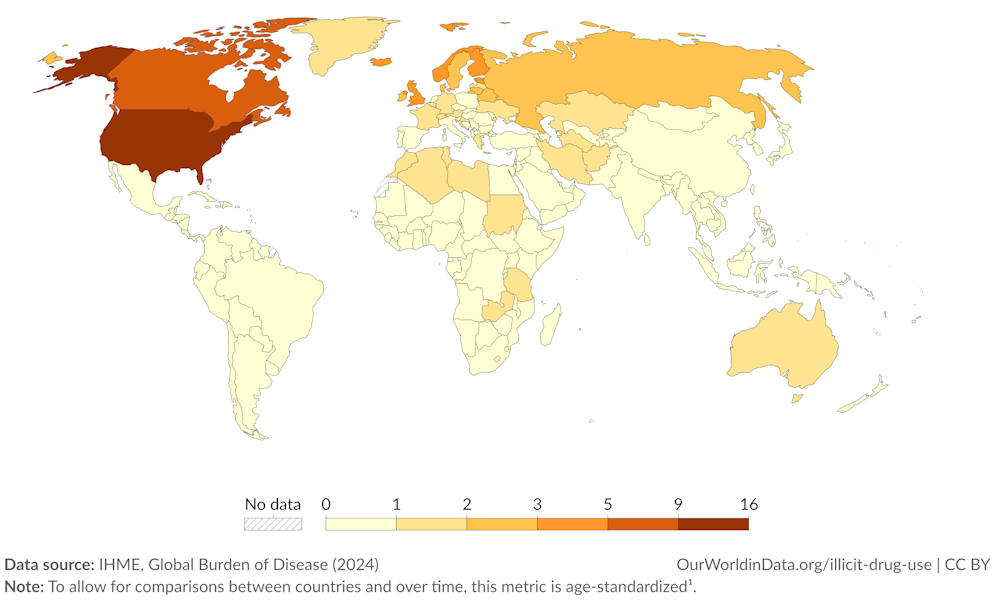
Heinrich introduced the legislation last week to permanently place fentanyl-related substances into Schedule I of the Controlled Substances Act, help law enforcement combat fentanyl trafficking, and advance scientific and medical research
WASHINGTON — U.S. Senator Martin Heinrich (D-N.M.) announced that his Halt All Lethal Trafficking of (HALT) Fentanyl Act to permanently classify fentanyl-related substances (FRS) as Schedule I drugs, under the Controlled Substances Act, passed the U.S. House of Representatives. This permanent scheduling will give law enforcement the tools they need to keep extremely lethal and dangerous drugs off our streets and ensure scientists can research and better understand these substances.
Last week, Heinrich, with U.S. Senators Bill Cassidy (R-La.) and Chuck Grassley (R-Iowa), introduced the HALT Fentanyl Act in the Senate. The bill now awaits Senate passage, before heading to the President’s desk.
“I’m pleased that my HALT Fentanyl Act is one step closer to becoming law,” said Heinrich. “I urge my Senate colleagues to swiftly bring the legislation to the floor for passage. It is urgently needed to help our law enforcement personnel crack down on illegal trafficking, get deadly fentanyl out of our communities, and save lives.”
The HALT Fentanyl Act is endorsed by the Drug Enforcement Association of Federal Narcotics Agents, the Association of State Criminal Investigative Agencies, the Major County Sheriffs of America, the National Alliance of State Drug Enforcement Agencies, the National High Intensity Drug Trafficking Area Directors Association, the National Narcotic Officers’ Associations’ Coalition, and the National District Attorneys Association, as well as state and local law enforcement across New Mexico.
“Fentanyl has negatively impacted the city of Las Cruces in significant ways. In the past five years, we have experienced a substantial increase in crime, homelessness, and quality of life issues. I firmly believe fentanyl has been the biggest driver of these issues. It is time to take meaningful action to reverse the harm caused by this illicit substance,” said Jeremy Story, Chief of the Las Cruces Police Department.
“Like any illegal substance, whether it be opioids or fentanyl use, there are no easy or quick solutions and often combatting their abuse requires a multi-layered approach. The HALT Fentanyl Act is just that, which is why I fully support it. We may be inclined to not concern ourselves with research, for example, but those trafficking in this market do concern themselves with research. Let us endorse this bigger picture approach to help combat fentanyl use in our country,” said Kim Stewart, Doña Ana County Sheriff.
“The HALT Fentanyl Act is another tool to go after transnational gangs and help make our community safer. Legislation is key for law enforcement to do their job,” saidJohn Allen, Bernalillo County Sheriff.
Background:
The Centers for Disease Control and Prevention (CDC) estimates that there were 107,543 overdose deaths in the United States in 2023. Fentanyl and fentanyl-related substances accounted for nearly 75,000 of those deaths. Since 1999, the overdose crisis has increasingly been characterized by deaths involving these illicitly manufactured synthetic opioids, such as fentanyl-related substances (FRS), which are commonly sold through illicit drug markets for their fentanyl-like effect, and are often mixed with heroin or other drugs, such as cocaine, or pressed in to counterfeit prescription pills. During this same period, overdose deaths involving synthetic opioids (excluding methadone) increased 103-fold. By comparison, overdose deaths involving heroin and prescription opioids increased 2.5-fold and 4.1-fold, respectively.
Traffickers are continually altering the chemical structure of fentanyl to evade regulation and prosecution, sometimes with tragic results. Since 2013, China has been the principal source of fentanyl, fentanyl-related substances, and the precursor chemicals from which they are produced. Chinese product is commonly shipped to Mexico and smuggled into the U.S’s illicit drug market. Traffickers have favored fentanyl-related substances to skirt around committing the crime of trafficking fentanyl and fentanyl analogues. In 2023, the Drug Enforcement Administration (DEA) seized nearly 12,000 pounds of illicit fentanyl, including fentanyl powder and more than 78 million pills laced with illicit fentanyl. The 2023 seizures were equivalent to more than 388.8 million lethal doses of fentanyl.
In 2018, as an initial response to this unprecedented crisis, the DEA issued a temporary scheduling order that placed FRS in Schedule I, under the Controlled Substances Act (CSA), after classifying it as an imminent hazard to public safety. Previously, Congress has only closed this loophole temporarily by designating fentanyl-related substances as Schedule I drugs. Congress has extended the FRS temporary scheduling order several times, most recently on December 21, 2024, with a measure that expires on March 31, 2025.
Heinrich’s HALT Fentanyl Act would finally make permanent the scheduling of illicitly produced fentanyl-related substances as Schedule I drugs and streamline the regulatory process for scientists seeking approval from the U.S. Department of Health and Human Services (HHS) to research Schedule I substances.
Clear and Enforceable Criminal Penalties for Fentanyl Trafficking:
A permanent scheduling of FRS is necessary to make penalties for criminals clear and enforceable under the Drug Enforcement Administration (DEA), reducing the supply and availability of illicitly manufactured FRS. The HALT Fentanyl Act places the strongest controls and penalties on FRS, which have no accepted medical use and a high abuse potential.
Specifically, the HALT Fentanyl Act will permanently impose the following quantity-based federal trafficking penalties on FRS:
Mandatory minimum penalties: 5 years for 10 grams or more (10 years for second offense); and 10 years for 100 grams or more (20 years for second offense).
Discretionary maximum penalties: 40 years for 10 grams or more (life for second offense); and life for 100 grams or more.
Expanded Scientific and Medical Research
More closely aligning the research and registration process for schedule I substances, including FRS, with Schedule II substances will facilitate increased FRS research. By accommodating more medical research into fentanyl-related substances, the bill would establish a new, streamlined registration process for research funded by the Department of Health and Human Services (HHS), the Department of Veterans Affairs (VA), or under an Investigative New Drug (IND) exemption from the Food and Drug Administration (FDA).
Specifically, the HALT Fentanyl Act will enhance our understanding of these illicitly manufactured substances by:
Allowing researchers in the same institution to participate in multiple scientific studies.
Permitting researchers with ongoing studies to examine newly added schedule I substances.
Allowing researchers to manufacture small quantities of FRS without a separate registration.
Full text of the HALT Fentanyl Act can be foundhere.
A section-by-section summary of the HALT Fentanyl Act can be foundhere.
Source: United States Senator for Illinois Dick Durbin
February 06, 2025
WASHINGTON – U.S. Senate Democratic Whip Dick Durbin (D-IL) and U.S. Senator Chuck Grassley (R-IA), Co-Chairs of the Senate Baltic Freedom Caucus, met today with Baltic Foreign Ministers and their ambassadors. During the meeting, they discussed the increase in Russian hybrid attacks in the Baltics and across Europe, and the need to maintain allied support for Ukraine and NATO. The meeting comes not long after Finland seized a Russian shadow fleet ship suspected of destroying an energy cable linking Estonia and Finland, and growing evidence of Russian arson, assassination, malign cyber activities, and sabotage on NATO soil. In addition to Durbin and Grassley, U.S. Senators Amy Klobuchar (D-MN), Jeanne Shaheen (D-NH), Ranking Member of the Senate Foreign Relations Committee, and Pete Ricketts (R-NE) also attended.
The Senators met with Lithuanian Foreign Minister Kestutis Budrys and Ambassador Audra Plepyte; Latvian Foreign Minister Baiba Braže and Ambassador Elita Kuzma; and Estonian Foreign Minister Margus Tsahkna and Ambassador Kristjan Prikk.
“Not only do I have strong personal ties to the region, but the Baltic countries are essential NATO partners in upholding democratic values and transatlantic security,” said Durbin. “The nations whose foreign ministers we met with today are among Ukraine’s staunchest supporters—and the United States must continue to do its part to stand alongside them. Considering the new Administration’s foreign policy views, we must remain steadfast in the need to strengthen the NATO alliance and in our support for the Baltic States as they work to combat increasing Russian aggression around the region.”
“The Baltic nations of Estonia, Latvia and Lithuania kept the flame of liberty alive during 50 years of Soviet occupation. Now, they stand united as global leaders helping to combat foreign aggression and authoritarianism,” Grassley said. “As Co-Chair of the Senate Baltic Freedom Caucus, I was proud to welcome the Baltic Ministers of Foreign Affairs to Capitol Hill and I look forward to our nations’ continued partnership.”
Photos of the meeting are availablehere.
Last Congress, Durbin and Grassley introduced a resolution recognizing the importance of the alliance between the United States and the Baltic States.
Over the years, Durbin and Grassley have introduced the Baltic Security Initiative Act, bipartisan and bicameral legislation to codify the Baltic Security Initiative (BSI), which enhances and strengthens U.S. security cooperation with the Baltics amid Russia’s unprovoked war in Ukraine and heightened tensions with China. In Fiscal Year 2024, Durbin secured $228 million in defense appropriations funding for the BSI.
In 2022, Durbin traveled to Vilnius, Lithuania, where he received the Aleksandras Stulginskis Star Award—only the second individual and first American to receive this award. It was granted to Durbin for his decades-long support of Lithuanian independence and democracy and his promotion of parliamentary values. He was in Vilnius almost three years ago on the morning Russia launched its full-scale invasion of Ukraine.
By the authority vested in me as President by the Constitution and the laws of the United States of America, including the International Emergency Economic Powers Act (50 U.S.C. 1701 et seq.), the National Emergencies Act (50 U.S.C. 1601 et seq.), section 604 of the Trade Act of 1974, as amended (19 U.S.C. 2483), and section 301 of title 3, United States Code, I hereby determine and order:
Section 1. Amendment. Regarding the Executive Order of February 1, 2025 (Imposing Duties to Address the Synthetic Opioid Supply Chain in the People’s Republic of China), the following shall replace subsection (g) of section 2: “(g) Duty-free de minimis treatment under 19 U.S.C. 1321 is available for otherwise eligible covered articles described in subsection (a) of this section, but shall cease to be available for such articles upon notification by the Secretary of Commerce to the President that adequate systems are in place to fully and expediently process and collect tariff revenue applicable pursuant to subsection (a) of this section for covered articles otherwise eligible for de minimis treatment.”
Sec. 2. General Provisions. (a) Nothing in this order shall be construed to impair or otherwise affect: (i) the authority granted by law to an executive department, agency, or the head thereof; or (ii) the functions of the Director of the Office of Management and Budget relating to budgetary, administrative, or legislative proposals. (b) This order shall be implemented consistent with applicable law and subject to the availability of appropriations.
(c) This order is not intended to, and does not, create any right or benefit, substantive or procedural, enforceable at law or in equity by any party against the United States, its departments, agencies, or entities, its officers, employees, or agents, or any other person.
Following Donald Trump’s repeated claims that the US needs to “take back” the Panama canal from Chinese control, the US secretary of state, Marco Rubio, visited Panama to demand the country reduce China’s influence. On the surface, it seems Rubio has succeeded.
On February 3, the Panamanian authorities withdrew from the China’s international infrastructure programme, the Belt and Road Initiative (BRI). This makes Panama the first Latin American country both to endorse and to end cooperation with the BRI.
On February 4, local lawyers urged the country’s supreme court to cancel the concession given to Hong Kong-based CK Hutchison Port Holdings which allows it to operate two ports at either end of the Panama canal. They say it violates the country’s constitution since it contains excessive tax breaks and cedes significant land areas to the port company. The Panamanian authorities are reportedly still considering this.
But what is the reality of China’s presence in the canal, and what does increased US scrutiny mean for Xi Jinping’s signature project?
The Panama canal is a key passage for US trade and military. The US accounts for 74% of canal cargo. However, while Trump’s fears of losing the canal may be understandable, his assertions about China’s influence are exaggerated.
The Panamanian government administers the canal through the Panama Canal Authority. Since 1997, CK Hutchison Port Holdings Limited, a Hong Kong-listed conglomerate with interests in over 53 ports in 24 countries, has operated the Port of Balboa and Port of Cristobal on either end of the canal. These are two out of five ports in the vicinity.
CK Hutchison Holdings Limited is one of the world’s leading port investors and is owned by billionaire Li Ka-shing. The company and projects have no direct ties with the BRI.
The primary risks concerning China’s influence over the canal, as outlined by the US, are the potential for the Chinese Communist Party (CCP) to control the canal and “shut it down”.
Washington has also expressed concerns that the CCP’s access to dual-use port technology allows it to gather intelligence about US ships, such as transshipment patterns and naval routes. It also fears that China can exert an “economic chokehold” on the US in terms of the imposition of rate hikes on transit fees.
The first two points encompass the potential for China to use ports for naval purposes. But while the People’s Liberation Army navy has access to Chinese-owned ports under domestic laws and policies, they require host country permission to use Chinese-operated foreign ports. These ports are also often ill-suited for military support and operations.
So the most probable risk concerns intelligence. If the CCP deems it necessary to national security, it may use the 2020 national security law to gather sensitive data from Hong Kong-based companies.
As for rate hikes, there have been recent increases in response to droughts, maintenance investments and demand. Following Rubio’s visit, the US has claimed it is allowed to transit without paying fees.
This has been denied by Panama’s President, José Raúl Mulino. The fees are equally imposed due to neutrality principles initiated in 1977. There is no evidence that China has played any role in these rate hikes.
Panama’s ‘BRI-xit’ and Trump’s geopolitical gamble
In the unlikely event that CK Hutchison’s concession is cancelled, what would that mean for China’s presence in Panama? China’s investments in Panama precede the BRI, even if they have increased since the initiative’s launch.
The country holds geostrategic importance due to its location and role in international trade. So it’s a critical link for China’s establishment of a regional gateway for its economic and political influence.
This includes securing raw material and energy resource imports and enhancing export capabilities. China’s engagements in Panama include foreign direct investments (FDI), which amounted to around 0.8% in 2023 (compared to 3.6% by Spain and 19.6% by the US), primarily in the logistics, infrastructure, energy and construction sectors.
Most have been promoted as part of the BRI and faced renegotiation or cancellation for various – often geopolitical – reasons.
Since BRI projects in the canal are already quite limited, withdrawing from the initiative is unlikely to result in significant short-term changes. CK Hutchison will only be “slightly affected” in case of a contract cancellation.
What’s more, as the case of Brazil shows, a country can remain unaffiliated with the BRI and still receive Chinese investments.
Therefore, Chinese engagements will probably resume outside the BRI framework. Still, even though China has shown restrained disappointment and argued that Panama has made a “regrettable decision,” Sino-Panamanian relations may cool until Trump’s attention has turned elsewhere.
Trump’s rhetoric over the Panama canal may be exaggerated to appease a domestic audience rooting for a “strongman president”. But it also reflects decades of US concerns about China’s growing clout.
So the administration’s focus on containing China is hardly surprising. Instead, it demonstrates Trump’s broader “make America great again 2.0” strategy. Therefore, Panama’s “BRI-xit” may bolster US resolve on “reclaiming” the Americas.
The Panamanian authorities seem caught between US pressure to limit China’s influence and the economic boost provided by Chinese “pragmatic” investments. So like other BRI countries, they face tough choices in the coming years.
As the largest provider of FDI – US$3.8 billion (£3.05 billion) per annum – and the canal’s biggest customer, US influence and economic leverage over Panama is substantial. Conversely, China’s interests and engagements in the country have increased, and the CCP has made it clear that it is patient and wants to continue cooperation and “resist external interruption”.
Protests have erupted in Panama over Trump’s “muscular approach”, and residents have expressed strong reluctance to return to US rule. Therefore, the question remains whether this is the “great step forward” for Panama’s ties with the US that Rubio suggests or whether Trump’s actions will ultimately push Panama closer to Beijing.
Tabita Rosendal does not work for, consult, own shares in or receive funding from any company or organisation that would benefit from this article, and has disclosed no relevant affiliations beyond their academic appointment.
US Drug Enforcement Administration images accompanying a warning about the emergence of nitazenes in Washington DC, June 2022USDEA
In the early hours of September 14 2021, three men parked in a quiet car park in the southern English market town of Abingdon-on-Thames. The men, returning from a night out, had pulled over to smoke heroin.
Unknown to them, the drug had been fortified with a nitazene compound called isotonitazene, a highly potent new synthetic opioid. Two of the men, Peter Haslam and Adrian Davies, overdosed and went into cardiac arrest. The third, Michael Parsons, tried to save them and himself by injecting naloxone, an opioid overdose antidote. Despite paramedics also trying to resuscitate Haslam and Davies, both died at the scene.
Their deaths were among at least 27 fatalities linked to nitazenes that year in the UK. Since then, nitazenes – otherwise known as 2-benzylbenzimidazole opioids – have become more prevalent in the UK’s illegal drug supply, leading some experts to warn that they are a major new threat because of their extreme potency.
In June 2023, the UK’s most recent outbreak of deaths linked to synthetic opioids emerged in the West Midlands when drug dealers used nitazenes to fortify low-purity heroin. By August, there were 21 nitazene-related fatalities in Birmingham alone. In some cases, dealers also added xylazine (colloquially known as “tranq”), a non-opioid sedative used by vets.
The increasing availability of these and other synthetic drugs led the UK’s National Crime Agency (NCA) to warn in August 2024 that “there has never been a more dangerous time to take drugs”. Like Haslam and Davies, many heroin users are unaware they might also be consuming nitazenes, which significantly increase the risk of overdose.
Given their potency, only a small amount of nitazene is required to produce a fatal dose. While some studies have concluded that nitazenes are even more potent than the synthetic opioid fentanyl, which causes many thousands of deaths in the US, the NCA judges it a “realistic possibility” that the potency of both substances are “broadly equivalent” – making them roughly 50 times more potent than heroin.
Illicit drug use is damaging large parts of the world socially, politically and environmentally. Patterns of supply and demand are changing rapidly. In our new longform series Addicted, leading drug experts bring you the latest insights on drug use and production as we ask: is it time to declare a planetary emergency?
Officially, more than 400 deaths plus many non-fatal overdoses were linked to nitazenes in the UK between June 2023 and January 2025. But this is likely to be an underestimate because of gaps within forensic and toxicology reporting. These figures come amid record levels of drug-related deaths in England and Wales. In 2023, there were 5,448 deaths related to drug poisoning, an 11% increase on the previous year and the highest total since records began in 1993.
This is of particular concern given that the UK has the largest heroin market in Europe, comprising around 300,000 users in England alone. While nitazene-related deaths are still relatively low (although by no means insignificant) compared with those from heroin and other opioids, these new synthetic opioids are cheap and easy to buy, and offer dealers multiple advantages over traditional plant-based drugs.
Unlike opium, nitazenes and other synthetic opioids can be produced anywhere in the world using precursor chemicals that are often uncontrolled and widely available. Producer countries including China and India have not yet banned all nitazene compounds, meaning they are sold legally – mostly online. Chemical manufacturing companies in these countries can synthesise nitazenes at scale using a comparatively easy three or four-step process.
Opioid use death rates around the world:
Estimated deaths from opioid use disorders per 100,000 people in 2021. Our World In Data, CC BY
For the past 15 years, I have researched and advised on the international narcotics industry, especially the Afghan drug trade, as an academic, UK Home Office official and consultant. I’ve observed many shifts within global drug markets, and I believe the increasing availability of synthetic drugs in the UK and Europe may represent a new chapter in illicit drug use here – with the emergence of nitazenes only adding to these concerns.
A brief history of synthetic opioids
New synthetic opioids (NSOs) are one of the fastest-growing groups of new psychoactive substances around the world. The EU Drugs Agency (EUDA) currently monitors 81 NSOs – the fourth-largest group of drugs under observation.
NSOs largely fall into two broad groups: fentanyl and its analogues, and non-fentanyl-structured compounds – these include nitazenes, among many other substances.
Many of these “new” synthetic opioids have, in fact, existed for decades. Nitazenes were first synthesised in the 1950s by the Swiss pharmaceutical company, Ciba Aktiengesellschaft, as pain-relieving analgesics, although they were never approved for medical use.
Prior to 2019, there had only been limited reports of nitazenes in the illegal drug supply – including a “brownish looking powder” found in Italy in 1966; the discovery of a lab in Germany in 1987; several nitazene-related deaths in Moscow in 1998; and a US chemist illegally producing the drug for personal use in 2003. But since nitazenes re-emerged at the end of the last decade, over 20 variants have been discovered.
Paul Janssen, the Belgian chemist who first made fentanyl. Johnson & Johnson
The most common NSO in the illegal drug market, fentanyl, was first synthesised by Belgian chemist Paul Janssen in 1960. Fentanyl, which is roughly 100 times more potent than morphine, was approved in the US in 1968 for pharmaceutical use as an analgesic.
Over the next four decades, however, illegally produced fentanyl resulted in three relatively small outbreaks of deaths in the US. A fourth, larger fentanyl outbreak in Chicago, Detroit and Philadelphia resulted in about 1,000 deaths between 2005 and 2007.
The current US fentanyl crisis started in 2013, expanding to affect much of the country. Between 2014 and 2019, Chinese companies were the main manufacturers of finished fentanyl substances in the US – to combat this, both the Obama and Trump administrations lobbied Beijing to curtail the fentanyl industry.
The Chinese government responded by controlling specific fentanyl analogues. However, every time an analogue was banned, chemists there would slightly adjust the formula to produce a new compound that mirrored the banned substance.
China finally banned all fentanyl-related substances in May 2019, prompting two significant changes in the drug’s supply: a slowdown in the development of new fentanyl analogues, and a reduction in their direct sale to the US from China. Instead, Chinese companies increasingly sent fentanyl precursors to Mexican drug cartels who would synthesise fentanyl (or counterfeit medication) in clandestine labs, before smuggling it across the US border. Consequently, Mexico is now the primary source of fentanyl in the US.
But these supply changes led to another shift in the global drugs arena, as China’s chemical and pharmaceutical businesses – keen to develop new markets – adjusted their focus to producing uncontrolled synthetic substances, including nitazenes. At the same time, they expanded their geographical focus from North America to include Europe and the UK.
The nitazene supply chain
Producing nitazenes is a relatively low-cost exercise. They are largely manufactured in laboratories – both legal and illegal – in China, before being smuggled to the UK and Europe via fast parcel and post networks.
Nitazenes’ high potency means only small quantities are required, making them easier to transport and harder for border officials to detect. Some Chinese vendors have reportedly been offering to hide nitazenes in legitimate goods such as dog food and catering supplies, to circumvent custom controls. All of this decreases the risk to sellers, and lessens the price of doing business.
In March 2024, two China-based sellers operating on the dark web were selling a kilo of nitazene for between €10,000 and €17,000 (£12,000-£20,000). During roughly the same period, a kilo of heroin at the wholesale level in the UK was selling for between £23,000 and £26,000. Once bought, nitazenes are largely used to fortify low-purity heroin, although the drug can also be made into pills.
Video by The Guardian.
Nitazenes are not limited to the dark web. They are widely and openly advertised on the internet, social media and music streaming platforms. In February 2024, one China-based e-commerce site displayed 85 advertisements for nitazenes. Such sites also sell a range of other synthetic drugs, including fentanyl analogues and precursors, xylazines, cannabinoids and methamphetamine.
This means drug dealers in the UK and across the world no longer need to have established connections to underworld figures to source illegal drugs. With a click of a mouse, they can have them delivered to their home address. In this sense, the internet has democratised the drug trade by widening access beyond “traditional” criminals.
In the UK, while the supply of nitazenes is currently assessed as “low”, a number of smaller-scale organised crime groups are importing them to fortify low-purity heroin, before largely dealing it at the “county lines” level. This involves organised crime groups moving drugs – primarily heroin and crack cocaine – across towns, cities and county borders within the UK, using mobile phones or another form of “deal line” to sell to customers.
In November 2023, Leon Brown from West Bromwich was imprisoned for seven years for dealing drugs containing nitazenes – a verdict described as “a great result in our ongoing efforts to tackle county lines drug dealing” by detective sergeant Luke Papps of the South Worcestershire county lines team.
A few larger UK criminal networks have also been involved in nitazene distribution. In October 2023, the police and Border Force conducted raids across north London, arresting 11 people. They dismantled a drug processing site and seized 150,000 tablets containing nitazene – the UK’s largest ever seizure of synthetic opioids – as well as a pill-pressing machine, a firearm, more than £60,000 in cash and £8,000 in cryptocurrency. The police suspected the group had been selling the tablets on the dark web.
Anecdotal reports suggest there have been mixed reactions to the introduction of nitazenes into the illegal drug supply. Richard, a recovering heroin user from Bristol, told Vice magazine that, given their potency, some “people are scared of [nitazenes]” while others are “actively seeking” them.
As has been the case with fentanyl in the US, users build up tolerance and therefore seek stronger doses. Manny, a heroin user from Bristol, told Vice: “I smoked [heroin cut with nitazenes] and it felt like the first time I’d ever taken drugs.”
Video by Vice.
UK-based criminals also use the dark web to export nitazenes abroad. In October 2023, the Australian Border Force identified 22 nitazene discoveries in packages shipped to the country via mail cargo from the UK. British criminals have also trafficked counterfeit medicines containing nitazenes to Ireland and Norway.
Use of nitazenes is now being detected all over the world. Within Europe, Ireland experienced several nitazene outbreaks in 2023-24 while in Estonia, nitazenes now account for a large share of overdose deaths – a trend also seen (to a lesser extent) in Latvia. Preliminary data suggests at least 150 deaths were linked to nitazenes in Europe in 2023.
Nitazenes have also been discovered in fake pain medication such as benzodiazepines, oxycodone and diazepam, which widens the number of people at risk to include those with no opioid tolerance. The death in July 2023 of Alex Harpum, a 23-year-old British student who was preparing for a career as an opera singer, was a stark reminder of the danger of buying fake medicine online that may have been contaminated with nitazenes.
The nitazene ‘boom’ and the global heroin trade
For decades, Afghanistan was the world’s largest opium producer and the source of most of Europe’s heroin. Then in April 2022, the ruling Taliban announced a comprehensive prohibition on the use, trade, transport, production, import and export of all drugs. As a result, poppy cultivation has fallen to historically low levels for a second consecutive year.
While this has not, as yet, translated into a shortage of heroin on European streets, including in the UK and Germany, some indicators suggest a slowdown in heroin supplies to the UK. In the year March 2023-24, the quantity of heroin seized in the UK fell by 54%, from 950kg to 441kg. This is the lowest quantity of heroin seized since 1989, when about 350kg was intercepted.
The NCA assesses that the Taliban ban has created market “uncertainty”. The wholesale price of heroin has increased from roughly £16,000 per kilo prior to the COVID-19 pandemic to about £26,000, while anecdotal reports suggest average heroin purity for users dropped to under 30% (often to 10-20%) in 2024, compared with around 35% in 2023 and 45% in 2022.
Video by UN Story.
Even without the Taliban’s ban, heroin is not easy to produce and supply. Cultivating opium poppy is labour-intensive, taking five or six months. The static nature of opium fields means they are visible and susceptible to eradication; poppy crops can also be negatively affected by blight or drought.
Converting opium into heroin base is also a labour-intensive process that can involve (depending on the production method) at least 17 steps. Acetic anhydride, the main chemical used to convert morphine into heroin, is relatively expensive compared with synthetic precursors. Moreover, heroin is a bulky product, which means it is harder to move in large volumes.
While the relationship between events in opiate-producer countries and the introduction of synthetic opioids to consumer markets should not be overstated, this new type of drug offers economic advantages to criminals whose “sole motivation is greed”.
For decades, Turkish, Kurdish and Pakistani criminal networks have been responsible for importing heroin into the UK. Once in the UK, both Turkish and British groups largely control its wholesale supply, with some participation of Albanian gangs.
To date, there is little evidence to suggest these groups have transitioned to supplying NSOs, including nitazenes. The shifting dynamics in the global drug supply chain, however, could upend traditional markets and the gangs who profit from them.
America’s synthetic drug crisis
The synthetic opioid fentanyl has devastated the US, having been linked to about 75,000 deaths in 2023 alone. It is the primary cause of death for Americans aged 18-49. Canada, too, has experienced a wave of deaths: between January 2016 and June 2024, there were 49,105 apparent opioid deaths there, with fentanyl implicated in a large proportion.
More than 4,300 reports of nitazenes have reached the US National Forensic Laboratory Information System since 2019. They are typically used to fortify fentanyl and other opioids, which can produce a fatal concoction.
Efforts to stem the flow of NSOs, including nitazenes, from China to the US and elsewhere will prove challenging. And even if China does implement stricter controls, other countries could step in to fill the void. According to the Commission on Combating Synthetic Opioid Trafficking:
The overall sizes of these industries, limited oversight efforts and political incentives contribute to an atmosphere of impunity among firms and individuals associated with those industries.
While US and Chinese counter-narcotics cooperation ended in 2022 amid increasing geopolitical tensions, the following November’s summit in Woodside, California, between presidents Joe Biden and Xi Jinping saw them agree to recommence collaboration.
As a result, China recently closed several chemical companies that were shipping fentanyl precursors and nitazenes to the US. These vendors used encrypted platforms and cryptocurrency to conduct the deals, and mislabelled the consignments to try to ensure the substances evaded border controls. China has also outlawed more chemicals and substances, including several nitazene variants.
But President Trump’s imposition of tariffs on imports from China – which sit alongside proposed taxes on imports from Canada and Mexico, in part for supposedly not doing enough to curb the trafficking of fentanyl and its precursors to the US – threatens this counter-narcotics cooperation.
While nitazenes are not yet widely available in the US, their presence within some fentanyl batches is complicating the US opioid crisis – and according to some experts, has the potential to further increase the already shocking number of synthetic opioid-related deaths.
The UK response to nitazenes
Successive UK governments have made tackling NSOs a high priority. Shortly after the most recent nitazene-related deaths were discovered in the UK in summer 2023, the NCA launched Project Housebuilder to lead and coordinate the law enforcement and public health response.
This was soon followed by the establishment of a government-wide Synthetic Opioids Taskforce “to improve…understanding, preparedness and mitigation against this evolving threat”. Chris Philp, then the UK’s combatting drugs minister, stated that “synthetic opioids are at the top of [this government’s] list because of the harm they cause”.
The taskforce has taken a range of measures, such as controlling more NSOs as class A drugs, conducting more intelligence operations at UK borders, widening access to naloxone, and enhancing the UK’s real-time, multi-source drug surveillance system. The government also worked with the US and Canada to learn from their experiences.
Recently, the current UK government banned a further six synthetic opioids and introduced a generic definition of nitazenes as class A drugs. And the UK’s current government, unlike its Conservative predecessor, has also indicated its willingness to consider evidence from the UK’s first drug consumption facility, which recently opened in Glasgow.
Other policy measures worthy of consideration include expanding drug checking services whereby drug users submit drugs to a lab to test what is in them, then are provided with information about the sample. These services offer vital information to the public and authorities about current drug trends.
While there is high uncertainty about what is going to happen next in the UK regarding illicit drug trends, the evolution of the US drug landscape over generations provides some important lessons.
Lessons from the US
The US fentanyl crisis shows drug markets can change quickly with long-lasting consequences. Most heroin on US streets contains – or has been replaced by – fentanyl. According to DEA seizure data, US heroin seizures declined by nearly 70% between 2019 and 2023, whereas fentanyl seizures have increased by 451%.
However, illegal drug markets evolve in different ways and at different paces. In May 1989, Douglas Hogg, a UK Home Office minister, travelled to the US and the Bahamas on a fact-finding mission about crack cocaine, a drug that was predicted to spread from the US to the UK. Upon his return, Hogg noted:
The ethnic, social and economic characters of many of our big cities are very similar to those in the US. If they have a crack problem, why should not we? … The use of crack in Great Britain is likely to develop very substantially over the next few years.
But this “crack invasion”, as some called it, did not materialise in the UK to the extent it had in the US – and the same was true about a predicted wave of methamphetamine use in the UK, which remains low compared with the US.
It is also unlikely the UK and Europe will experience a synthetic opioid crisis on the same scale as the US. The first wave of the US crisis was driven by extensive overprescription of opioids for pain relief. This increased the number of people addicted to opioids, some of whom later turned to heroin, before transitioning to fentanyl. In contrast, large-scale opioid prescriptions have not been a major issue in the UK or Europe, although there is some diversion of legal fentanyl into the illegal drug market in Europe.
Video by The Brookings Institution.
According to Alex Stevens, professor of criminology at the University of Sheffield, another factor differentiating the US and Europe is the provision of drug treatment and harm reduction programmes. Opioid users in Europe, and to a lesser extent in the UK, are much more likely to be in medication-assisted treatment than their US counterparts, thus reducing the number of people at risk. These interventions are reinforced by different socioeconomic factors in much of Europe, such as lower economic inequality, stronger social protections, and better healthcare systems.
None of this, though, means the nitazene threat in the UK and Europe should be underestimated, nor that use and supply of these drugs (and other NSOs) will not increase from its current relatively low base. As the NCA recently warned:
While a zero-tolerance approach from law enforcement, plus advice to users on the heightened dangers, may contain or slow the current uptake, we must prepare for these substances to become widely available, both unadvertised in fortified mixes and in response to user demand as a more potent high.
The future of new synthetic opioids
Predicting the future of NSO use and trafficking is a challenging task. Projections for Europe range from existing opiate stockpiles ensuring that heroin consumer markets remain serviced (assuming the Taliban ban is short-lived), to a heroin shortage which results in more drug dealers turning to NSOs to plug the shortfall, which in turn could lead to lasting changes in European drug markets (as happened in a few countries following the Taliban’s first opium ban in 2000-01).
In such a scenario, it is possible that Turkish criminal networks may exploit their links with Mexico’s Sinaloa cartel to source NSOs. Mexican criminal gangs also operate in Europe, which may increase the likelihood of them trying to open a new NSO market on the continent.
There is also evidence that some Italian criminal organisations have entered the NSO marketplace. In November 2023, Italian authorities announced the seizure of 100,000 doses of synthetic drugs, including fentanyl, as part of operation Painkiller, a joint Italian-American initiative.
Given the many advantages for criminal groups of NSOs, it seems likely they are here to stay. A key question is whether nitazenes (or other NSOs) will supplant traditional heroin as the opioid of choice, as they have done in the US, or remain at relatively low levels in Europe, co-existing with or mixed into the heroin supply.
In December 2023, Paul Griffiths, the EUDA’s scientific director, told Vice: “We’re not seeing much new initiation of heroin use in Europe. So in five to ten years … as heroin users get older and more vulnerable, we’re not going to have much of an opiate problem left.”
But he warned that if heroin use does dry up: “You might then see opioids appearing in other forms and preparations, such as pills, that could potentially become popular among younger age groups who currently do not appear attracted to injecting heroin.”
While previous NSO outbreaks in the UK were relatively short-lived and limited in scale, the most recent nitazene outbreak, which started in summer of 2023, has been more sustained, covered more parts of the UK, and involved more fatalities. The broader trend in Europe also suggests the prevalence and variations of NSOs are increasing at a faster pace than in previous years.
Notwithstanding, nitazene use and supply in the UK currently remains relatively low. In fact, the rate of nitazene-linked deaths – at least those officially reported – decreased between spring 2024 and the end of the year.
In the short term, then, it seems unlikely there will be a nitazene “explosion”. Rather, criminal groups will probably try to increasingly embed nitazenes into the UK drug market at a similar pace to the last 18 months.
However, this situation could change rapidly in future, especially if larger criminal networks involved in heroin importation switch to smuggling NSOs, and there is a genuine shortage of Afghan heroin. This problem would be compounded if drug users start seeking nitazenes, thus creating demand for them.
Either way, the UK government, along with its European partners, should continue to reinforce the whole drug system, to prepare for the worst-case scenario.
To hear about new Insights articles, join the hundreds of thousands of people who value The Conversation’s evidence-based news. Subscribe to our newsletter.
Philip A. Berry does not work for, consult, own shares in or receive funding from any company or organisation that would benefit from this article, and has disclosed no relevant affiliations beyond their academic appointment.
Donald Trump has hit the 30-day pause button on imposing 25% tariffs on Canada and Mexico, but is proceeding with slapping 10% tariffs on Chinese imports, and tariffs on the EU are still on his agenda.
Trump has declared that “tariff” is “the most beautiful word in the dictionary”. Yet as the president weighs up the sweeping consequences of his tariff fixation, he may want to throw out the dictionary and pick up a history book.
The magnitude and scale of the proposed tariffs hark back to the US Smoot-Hawley Tariff Act enacted in 1930.
For example, Nobel Laureate economist Paul Krugman told Bloomberg that “we’re really talking about tariffs on a scale that we … have not seen,” adding that “we’re talking about a reversal of really 90 years of US policy”.
The Smoot-Hawley tariffs were initially intended to provide support to the deeply indebted US agricultural sector at the end of the 1920s, and protect them from foreign competition – all familiar themes to the anti-free-trade rhetoric peddled by Trumpists today.
The advent of the Great Depression had generated widespread, albeit not universal, demands for protection from imports, and Smoot-Hawley increased already significant tariffs on overseas goods. Members of Congress were eager to provide protection, trading votes in exchange for support for their constituents’ industries.
Although at the time more than 1,000 economists implored President Herbert Hoover to veto Smoot-Hawley, the bill was signed into law. The resulting tariff act led to taxes averaging nearly 40% on 20,000 or so different types of imported goods.
The history of trade tariffs in the US.
The culmination led to a dramatic decline in US trade with other countries, particularly among those that retaliated, and is widely acknowledge as severely worsening the Great Depression. According to one estimate, the sum of US imports plummeted by nearly half.
What’s more, the impacts were felt globally. Protectionist policies are believed to have accounted for about half of the 25% decline in world trade, and indirectly helped create economic factors that led to the second world war.
The blowback against Capitol Hill was immense as well: the optics of vote trading over the tariff act resulted in Congress delegating control over trade policy to the president just four years later because the behaviour was regarded as so reckless.
All of this came against the backdrop of diplomatic American isolationism in the 1930s, which were not unlike many of Trump’s current efforts to retreat from – or even attack – multilateral institutions.
Despite President Woodrow Wilson winning the Nobel Peace Prize in 1919 for his work initiating the League of Nations (a forerunner of the United Nations), for example, the US never became a member. The term “America first” was also used widely in this period to refer to a focus on domestic policy and high tariffs.
Fast forward to present day
Trump has said that his tariffs will cause “some pain” but are “worth the price that must be paid.” Based on recent estimates from the non-partisan Peterson Institute for International Economics, Trump’s tariffs could drive up costs for the average US household more than US$1,200 (£963) per year.
Whether US voters will still stand behind Trump when actual prices begin to rise is still to be determined.
However, many Republicans on Capitol Hill have rushed to Trump’s defence. Congresswoman Claudia Tenney of New York told Fox News that she’s glad the US is “projecting strength for once on the world stage”. Senator Eric Schmitt of Missouri insisted that tariffs were “not a surprise,” emphasising that Trump had relentlessly campaigned on “improving our standing in the world.”
Perhaps the sharpest Republican rebuke came from Sen. Mitch McConnell of Kentucky, who labelled the tariffs simply a “bad idea”.
Public opinion data show that tariffs are hotly contested, with partisanship shaping both general views toward tariffs and views on specific national targets.
According to a January 2025 Harvard CAPS/Harris poll, 52% of Americans overall approve of placing new tariffs on China, with 74% of Republicans in favour, but just 34% of Democrats.
Support is more modest for imposing tariffs on America’s neighbours. Only 40% of voters think tariffs on Canada and Mexico are a good idea, including 59% of Republicans and 24% of Democrats.
Tariffs rank low on a list of national priorities. A mere 3% of Americans think tariffs on Canada and Mexico should be a top priority for Trump in his first 100 days, while just 11% rank tariffs on China as a top priority.
Prospect of a broader trade war
What seems clear is that Trump’s proposed tariffs against Canada, Mexico, and China could be just the opening salvos in a broader tit-for-tat that may extend to Europe, and beyond.
At home, the political challenge for Trump is to keep intact what increasingly looks like a fragile coalition – balancing the interests of hardline Maga supporters who reject free trade and tech titans who see tariffs as disrupting vital supply chains, especially to Asia.
After Trump’s election, former adviser and populist nationalist Steve Bannon warned that America would no longer be “abused” by “unbalanced trade deals.” “Yes, tariffs are coming,” he said. “You will have to pay to have access to the US market. It is no longer free, the free market is over.”
Meanwhile, Silicon Valley has been mostly silent on the tariffs. While tech moguls are doubtlessly trying to curry favour for tariff exemptions or the reduction of tariffs altogether, it’s possible that they have been assured that the tariffs are about leverage and will be gone soon enough.
Regardless, Trump is showing that tariffs are a crucial part of his “America first” foreign policy, a kind of belligerent unilateralism that treats allies and adversaries alike as pieces to be moved around a chessboard.
Under Trump, the “art of the deal” means throwing America’s weight around as the world’s economic superpower, and waiting for the leaders of other nations to fold. Whether American voters will endure the economic costs necessary for his plans could determine his resolve.
Trump may think that tariff is a beautiful word now. But if even a glimmer of the 1930s repeats itself, its economic shadow could soon look grim.
The authors do not work for, consult, own shares in or receive funding from any company or organisation that would benefit from this article, and have disclosed no relevant affiliations beyond their academic appointment.
Source: People’s Republic of China – Ministry of National Defense 2
BEIJING, Feb. 5 — The Chinese PLA Southern Theater Command conducted a routine patrol in the waters of South China Sea on February 5, said Air Force Senior Colonel Tian Junli, spokesperson for the PLA Southern Theater Command (STC) in a written statement on Wednesday.
The spokesperson pointed out that the Philippines has been colluding with countries outside the region to organize the so-called “joint patrols” in an attempt to destabilize the South China Sea and endorse its illegal claims in the South China Sea, which undermines China’s legitimate maritime rights and interests in the South China Sea.
The theater command will remain on high alert to resolutely defend China’s territorial sovereignty and maritime rights and interests. Any military activities that disrupt the South China Sea are fully under control, stressed the spokesperson.
Chief Executive John Lee and his wife Janet Lee began a visit to Harbin by attending a welcome banquet hosted by President Xi Jinping and his wife Peng Liyuan for international dignitaries attending the opening ceremony of the 9th Asian Winter Games Harbin 2025 today.
They also attended the opening ceremony of the Games at the Harbin International Conference, Exhibition & Sports Center in the evening.
Mr Lee said that the Hong Kong, China Delegation participating in the Asian Winter Games this year is the largest ever, with 74 Hong Kong athletes taking part in various events including skiing, curling, ice hockey, figure skating, short track speed skating and speed skating.
He hoped the delegation could achieve brilliant results at the Games and that the athletes could perform at their best on the field and enjoy every competition.
“The Asian Winter Games is the largest comprehensive winter sports event in Asia. It is the third time the country has hosted this major sports event, gathering elite athletes from the region to compete with one another. I wish this Asian Winter Games every success,” Mr Lee added.
Secretary for Culture, Sports & Tourism Rosanna Law and other officials watched the curling and short track speed skating events at the Harbin Pingfang District Curling Arena and the Heilongjiang Ice Training Center respectively, showing support for the Hong Kong athletes.
Source: The Conversation – USA – By Mark S. Chandler, Professor of Practice and Director, Government Relations – Intelligence and Security Studies Department, Coastal Carolina University
U.S. intelligence workers gather information from around the world to help guide leaders’ decisions.da-kuk/E+ via Getty Images
The United States’ security depends on leaders who make well-informed decisions, including matters ranging from diplomatic relations around the world to economic relations, threats to the U.S., up to the deployment of military force. The nation’s intelligence community – 18 federal agencies, some military and others civilian – has the responsibility of gathering information from all over the world and delivering it to the country’s leaders for their use.
As a nearly 40-year veteran of the intelligence community, both in and out of uniform, I know that regardless of what leaders do with the information, the American people need them to have as thorough, unbiased, fact-based and nonpoliticized intelligence assessments as possible.
That’s because reality matters. Those tasked with gathering, analyzing and assembling intelligence material work hard to assemble facts and information to give leaders an advantage over other nations in international relations, trade agreements and even warfare. Reality is so important that a key policy document for the intelligence community tells analysts that their top two priorities are to be “objective” and “independent of political consideration.”
But an investigation into the intelligence community found that during the first Trump administration, intelligence workers at many levels made political value judgments about the information they assembled, and did not report the truest picture possible to the nation’s leaders.
Tulsi Gabbard is President Donald Trump’s choice to be director of national intelligence. AP Photo/John McDonnell
Analysts are a key defense against politicization
In general, each administration develops a national security strategy based on global events and issues, including threats to U.S. interests that are detailed and monitored by the intelligence community. Based on the administration’s priorities and interests, intelligence agencies collect and analyze data. Regular, often daily, briefings keep the president abreast of developments and warn of potential new challenges.
In a perfect world, the president and the national security team use that information to determine which policies and actions are in the nation’s best interests.
With the recent arrival of a new presidential administration, recent reports indicate that at least some workers in the intelligence community are feeling pressure to shift their priorities away from delivering facts and toward manipulating intelligence to achieve specific outcomes.
Current and former intelligence officials have publicly worried that President Donald Trump might be biased against the intelligence community and seek to overhaul it if analyses did not fit his policy objectives.
It happened in Trump’s first term. After Trump left office in 2021, Congress turned to the Office of the Director of National Intelligence – which oversees the entire intelligence community – to investigate whether intelligence reports were politicized under Trump’s leadership.
The investigation determined that they were, up and down the intelligence system. The report found that some people who didn’t agree with the president’s policy views and objectives decided among themselves not to provide a full intelligence picture, while others tried to tailor what they showed the president to match his existing plans.
At times, individual analysts withheld information. And managers, even up to the most senior level, also edited analyses and assessments, seeking to make them more appealing to leaders.
For instance, the report found that top intelligence community officials, members of the National Intelligence Council, “consistently watered down conclusions during a drawn-out review process, boosting the threat from China and making the threat from Russia ‘not too controversial.’”
The ombudsman’s report pointed out that this type of event has happened before – specifically, in 2003 around questions of whether Iraq had weapons of mass destruction – which it was ultimately found not to. As the report describes, “politicians and political appointees had … made up their mind about an issue and spent considerable time pressuring analysts and managers to prove their thesis to the American public.” That biased, politically motivated intelligence led to a war that killed nearly 4,500 U.S. service members, wounded more than 30,000 more, and cost the lives of about 200,000 Iraqi civilians, as well as more than $700 billion in U.S. taxpayer funds.
Intelligence community leaders brief not only the president and others in the executive branch, but also members and committees in Congress. Anna Moneymaker/Getty Images
Leaders don’t have to listen
At some point or other, almost every president makes decisions that run contrary to intelligence assessments. For instance, George H.W. Bush did not prioritize a crumbling Yugoslavia, and the challenges that presented, choosing to focus on Iraq’s 1990 invasion of Kuwait and the resulting U.S. military Operations Desert Shield and Desert Storm.
President Bill Clinton inherited the Yugoslavia situation, in which a failing country was at risk of political implosion, and chose to ignore intelligence warnings until the ethnic cleansing in that country became too public to ignore, at which point he began a U.S.-led NATO air campaign to stop the fighting. Clinton also ignored several intelligence warnings about al-Qaida, even after its deadly attacks on two U.S. embassies in 1998, and in 2000 on the USS Cole, a U.S. Navy destroyer. He chose more limited responses than aides suggested, including passing up an opportunity to kill al-Qaida leader Osama bin Laden.
Elected officials are accountable to the American people, and to history, but I believe accountability is key to ensuring the intelligence community follows its own standards from top to bottom, from senior leaders to the most junior analysts. Failure to abide by those standards harms American national security, and the standards themselves say violations are meant to bring professional, and potentially personal, consequences.
A U.S. military helicopter flies above Kabul during the evacuation of U.S. troops from Afghanistan in 2021. Wakil Kohsar/AFP via Getty Images
Perfection is elusive
It’s impossible for intelligence collection and analysis staff to get everything right – they don’t have a crystal ball. Leaders aren’t under any obligation to follow the intelligence community’s recommendations. But if intelligence officials and political leaders are to have effective relationships that safeguard the nation’s security, each must understand their role and trust that each is doing that work as best as possible.
Providing unvarnished truthful assessments is the job of the intelligence community. That means assessing what’s happening and what might happen as a result of a range of decisions the policymakers might choose. In my experience, putting aside my own views of leaders and their past decisions built trust with them and improved the likelihood that they would take my assessments seriously and make decisions based on the best available information.
It’s not that intelligence professionals can’t have opinions, political ideologies or particular perspectives on policy decisions. All Americans can, and should.
But as a second Trump administration begins, I think of what I told my colleagues and staff over the decades: National security requires us to keep those personal views out of intelligence analysis.
Mark S. Chandler does not work for, consult, own shares in or receive funding from any company or organization that would benefit from this article, and has disclosed no relevant affiliations beyond their academic appointment.
Maps are ubiquitous – on phones, in-flight and car displays, and in textbooks the world over. While some maps delineate and name territories and boundaries, others show different voting blocs in elections, and GPS devices help drivers navigate to their destination.
But no matter the purpose, all maps have something in common: They are political. Making maps is about making decisions about what to omit and what to include. They are subject to selection, classification, abstractions and simplifications. And studying the choices that go into maps, as I do, can reveal different stories about land and the people who claim it as theirs.
Nowhere is this more true than in the contested regions that today include modern-day Israel and the Palestinian territories. Since the establishment of the state of Israel in 1948, different governmental and nongovernmental organizations and political interest groups have engaged in what can best be described as “map wars.”
Maps of the region use the naming of places, the position of borders and the inclusion or omission of certain territories to present contrasting geopolitical visions. To this day, Israel or the Palestinian territories may fall off some maps, depending on the politics of their makers.
This is not exclusive to the Middle East – “map wars” are underway across the globe. Some of the more well-known examples include disputes between Ukraine and Russia, Taiwan and China, and India and China. All are engaged in controversies over the territorial integrity of nation-states.
Israeli Prime Minister Benjamin Netanyahu displays a map of Israel indicating the Golan Heights are inside the state’s borders. Thomas Coex/AFP via Getty Images
A short history of maps
Traditionally, maps have been used to represent cosmologies, cultures and belief systems. By the 17th century, maps that represented spatial relations within a given territory beaome important to the making of nation-states. Such official maps helped annex territories and determine property rights. Indeed, to map a territory meant to know and control it.
More recently, the tools for making maps have become more broadly accessible. Anyone with a computer and internet access can now make and share “alternative maps” that present different visions of a territory and make varied geopolitical claims.
And maps produced in a conflict region, such as Israel and the Palestinian territories, tell a rich story about the relationship between mapmaking and politics.
Mapping the Middle East
During the British Mandate of Palestine from 1917 to 1947, British surveyors mapped the territories to exercise their control over the land and its people. It was an attempt to supersede the more informal Ottoman land claims of the time.
A map shows the shaded areas of the Arab state recommended by the U.N. Special Committee on Palestine in 1947. The unshaded areas are parts of the proposed Jewish state. Underwood Archives/Getty Images
Maps also helped build the Israeli state. Surveyors and planners mapped the land to allocate land rights, and they helped build the state’s infrastructure, including roads and railroads.
But maps also helped create a sense of nationhood. Maps representing a nation’s shape by delineating its national borders are known as “logo” maps. They can enhance feelings of national unity and a sense of national belonging.
Once established, the Israeli state remade the maps of the region. An Israeli Governmental Names Commission came up with Hebrew names to replace formerly Arab and Christian names for different towns and villages on the official map of Israel. At the same time, formerly Palestinian topographies and places were omitted from the map.
Some Palestinian mapmakers, however, continue to make maps that include Palestinian named sites and depict pre-1948 historic Palestine – an area that stretches from River Jordan in the east to the Mediterranean Sea in the west. Such maps are used to advocate for Palestinians’ right to land and foster a sense of national belonging.
A Palestinian woman holds up a map of the British Mandate of Palestine during a protest in Gaza City on Feb. 27, 2020. Mohammed Abed/AFP via Getty Images
At the same time, Palestinian cartographers who work with the Palestinian Authority – the government body that administers partial civil control over Palestinian enclaves in the West Bank – make official maps of the West Bank and Gaza in the hope of establishing a future state of Palestine. They align their maps with United Nations efforts to map the territories according to international law by demarking the West Bank and Gaza as separate from and as occupied by Israel.
After the 1967 war between Israel and its Arab neighbors, Israel occupied the West Bank and Gaza. As a result, map wars intensified, especially between different fractions within Israel. The left-wing “peace camp,” which was dedicated to territorial compromises with the Palestinians, was pitted against an Israeli right wing committed to reclaiming the “Promised Land” for ensuring Israeli security.
Such incompatible geopolitical visions continue to be reflected in the maps produced. “Peace camp” maps adhere to the delineation of the territories according to international law. For example, they include the Green Line – the internationally recognized armistice line between the West Bank and Israel. Official maps produced by the Israeli government, by contrast, stopped delineating the Green Line after 1967.
Broader and border disputes
Not only have different interest groups and political actors used maps of the region to put forth competing geopolitical claims, but maps have also played a central role in sporadic efforts to establish peace in the region.
The 1993 Oslo Accords, for example, relied on maps to provide the framework for Palestinian self-rule in return for security for Israel. The aim was that after a five-year interim period, a permanent peace settlement would be negotiated based on the borders laid out in these maps.
A map of the West Bank with proposed Palestinian-controlled areas in yellow, as per the Oslo II Accords. Wikimedia Commons
Consequently, Palestinian planners and surveyors mapped the territory allocated to a future state of Palestine. With the Oslo Accords promising only a future state – but with its borders and level of sovereignty still uncertain – Palestinian experts nevertheless continue to prepare for governing the territories by mapping them.
The Oslo maps are used to this day to delineate geopolitical visions of Israel and a future state of Palestine that are based on international law. But for many Israelis, the Oslo vision of a two-state solution has died – the attack by Hamas, the Palestinian nationalist political organization that governs Gaza, on Israel on Oct. 7, 2023, was its last blow.
The subsequent war between Israel and Hamas, currently subject to a cease-fire, has from the outset involved maps.
In December 2023, the Israeli military posted an online “evacuation map” that divided the Gaza Strip into 623 zones. Palestinians could go online – provided they have access to electricity and internet in a territory plagued by blackouts – to find out whether their neighborhood was called upon to evacuate. Israeli military commanders used this map to decide where to launch airstrikes and conduct ground maneuvers.
Maps aren’t just for making sense of the past and present – they help people imagine the future, too. And different maps can reveal conflicting geopolitical visions.
In January 2024, for example, various Israeli right-wing and settler organizations organized the Conference for the Victory of Israel. The aim was to plan for resettling Gaza and increase Jewish settlements in the West Bank. Speakers advocated for transferring Palestinians from the Strip to the Sinai through “voluntary emigration.” With Jewish settlers planning for the return to Gaza, and speakers citing both the Bible and Israeli security for justifications, an oversized map showed the location of proposed Jewish settlements.
A man takes a photo with a map showing the Gaza Strip with Jewish settlements during a convention calling to resettle the Gaza Strip on Jan. 28, 2024, in Jerusalem, Israel. Amir Levy/Getty Images
Such maps reveal the desire by some in Israel for a “Greater Israel” – an area described in 1904 by Theodor Herzl, considered the father of modern-day Zionism, as spanning from the brook of Egypt to the Euphrates.
Unsurprisingly, Palestinians make different maps for envisioning the future. Palestine Emerging – a Palestinian and international initiative that brings together various experts, organizations, and funders – uses maps that connect Gaza to the West Bank and the wider region.
A map shows the proposed Gaza-West Bank corridor transport link. Palestine Emerging
Their aim is to transform Gaza into a commercial hub for trade, tourism and innovation and to integrate it into the global economy. Accordingly, maps of urban projects, airports and seaports overlay the cartographic contours of Gaza; and a Gaza-West Bank corridor, which would be sealed for Israeli security, could connect the two geographically separate Palestinian territories.
Such maps reflect the efforts by Palestinian stakeholders to continue surveying the territories that, since the Oslo Accords, were to make up the future state of Palestine.
In a novel twist, U.S. President Donald Trump on Feb. 4, 2025, floated a plan for the U.S. to “take over” Gaza, moving its current inhabitants out and turning the enclave into “”the Riviera of the Middle East.”
Such a move would amount to another attempt to remake borders across the Middle East. It would not, however, end the “map wars” in Israel/Palestine.
This work was supported by the National Science Foundation through the Science and Technology Studies (STS) Program, award #1152322. Any opinions, findings, and conclusions or recommendations expressed in this material are those of the author and do not necessarily reflect the views of the National Science Foundation or any other entity.
Source: Saint Petersburg State University of Architecture and Civil Engineering – Saint Petersburg State University of Architecture and Civil Engineering – Participants of the Serov Readings
On February 3, the Serov Readings took place at SPbGASU. The event, which has been held at our university since 2021, acquired the status of an international scientific and technical symposium this year.
In memory of a prominent scientist
“The Serov Readings are held in memory of Doctor of Technical Sciences, Professor Evgeny Nikolaevich Serov, who worked at our university for many years. The scientist is known for his participation in the development of domestic standards for the design of wooden structures in the USSR and Russia, as well as high-quality textbooks that will always be relevant,” said the organizer of the symposium, head of the department of metal and wooden structures at SPbGASU Egor Danilov.
According to Yegor Vladimirovich, the unofficial holding of the readings confirmed the hypothesis about their demand among the professional scientific community: famous scientists, including those from abroad, participated in them. At the moment, the goal is to consolidate Russian scientists in the field of wooden structures on the basis of SPbGASU.
Evgeny Nikolaevich Serov (01.02.1932–30.01.2018) is a prominent scientist and specialist in the field of wooden structures. He worked at our university from 1964 to 2017, rising from assistant to professor of the Department of Wood and Plastic Structures. In 1975–1980, he headed the correspondence faculty.
Along with the main course “Wood and Plastic Constructions”, he also taught special disciplines, including “Engineering Restoration of Architectural Heritage”, and conducted practical classes directly at architectural monuments with unique wooden structures. The research work of students supervised by Evgeny Serov was repeatedly awarded second and third degree diplomas by the Ministry of Higher Education of the RSFSR, and the students were participants of the USSR Exhibition of Economic Achievements and co-authors of scientific articles and inventions. Combining extensive public and administrative activities, Evgeny Nikolaevich worked on the most important national economic topics of the State Construction Committee and the State Planning Committee, the Ministry of Higher Education of the RSFSR.
As a result of many years of research, Evgeny Serov developed new structural forms from glued timber structures (GTS), technologies for their production, including waste-free cutting of blank blocks, as well as calculation methods that take into account the high degree of anisotropy (unequal properties in the directions of the fibers) of glued timber. He formulated the main principle of GTS design – the principle of tracking orientation with the coordination of the fields of effective stresses and the resistance fields of anisotropic material, developed and implemented special curvilinear inserts in the junctions of frame and beam structures, a method for strengthening the support zones of GTS using glued reinforcement bars, which was used in arches with a span of 63 m.
New solutions in the use of wood
Opening the symposium, the Vice-Rector of SPbGASU for scientific activities Evgeny Korolev emphasized: despite its long history, the topic of wood use is constantly evolving. Today, it is necessary to search for new design and technological solutions.
Professor of the Department of Metal and Wooden Structures, Honorary President of the Wooden Housing Association Alexander Chernykh believes that the event provides an opportunity to pass on experience to the younger generation, and that the attention of colleagues from other universities is important for SPbGASU researchers.
Deputy Dean for Research, Associate Professor of the Department of Architectural and Civil Engineering Olga Pastukh invited everyone to the III National (All-Russian) Scientific and Technical Conference “Prospects of Modern Construction”, which will be held at SPbGASU on April 21–23.
The program of the Serov Readings included 23 in-person and remote reports, 23 poster reports from 62 participants. 46 people applied as listeners, including students and postgraduates of SPbGASU. Participants from Moscow, Novosibirsk, Arkhangelsk and other Russian cities, as well as from China and Vietnam, exchanged experiences and opinions on the research conducted in the field of wooden structures, their operation, improvement, and calculation.
Scientific consultant of Georekonstruktsiya LLC Roman Orlovich informed about the problems of exploitation of wooden structures in historical buildings. In his opinion, wooden floors can be preserved with the right approach to analysis of their bearing capacity, physical wear and tear and damage by rot, as well as with the right use of technical solutions.
Chief Researcher of the Kucherenko Central Research Institute of Building Structures (a structural division of JSC NIC Construction) Alexander Pogoreltsev shared the results of a study of platform joints of multi-story buildings made of CLT. He is confident that the general theory of calculating platform joints, which is successfully used in calculating reinforced concrete structures, is not applicable to wood, which is an anisotropic material (i.e. a material with different mechanical properties of fibers when forces are applied to the fibers in different directions).
The current generation of researchers are worthy successors of the famous scientist.
Postgraduate student Elizaveta Kotova presented a report on “Bearing capacity and deformability of circular LVL structures” (supervisor – Egor Danilov): “LVL timber is famous for its high strength and durability, and circular structures made of this material allow you to create elegant and effective architectural forms with large spans, without the use of massive supports. This opens up new opportunities for designing buildings and structures with a unique design. Therefore, the relevance of the study of circular LVL structures is due to the need to develop accurate methods for calculating the stress-strain state, improve the regulatory framework, increase the efficiency of design and operational safety.”
As a result of studying the existing methods for calculating circular structures, Elizaveta managed to find out that information about the bearing capacity and deformability of circular LVL structures is relatively limited compared to studies of rectilinear LVL beams. This is due to the complexity of analyzing the stress-strain state in curvilinear structures.
At present, trial tests of LVL samples with different angles of inclination have been carried out to visualize the behavior of a curvilinear LVL sample under load in order to obtain the main mechanical characteristics of the material. The results obtained will be used for more accurate compilation and calculation of the LVL circular structure in the computational program. In the future, it is planned to study the stress-strain state of dowel joints. Based on the results of the numerical study, a physical model of the LVL circular structure will be developed, which will be tested in laboratory conditions.
The work is aimed at creating a mathematical model for calculating the stress-strain state of circular LVL structures, which will improve the efficiency of calculating and designing such structures and optimize technical solutions, which will lead to an increase in their bearing capacity and rigidity.
Master’s student Yulia Trunina presented a report on the topic “The influence of low negative temperatures on the mechanical properties of LVL” (supervisor – associate professor of the Department of Metal and Wooden Structures Pavel Koval): “As the temperature decreases, the properties of wood change, namely, the strength and elastic characteristics become higher. This pattern allows the material to be used in regions where for a significant time of the year the air temperature is not only below zero, but also reaches -70 °C. LVL is a composite material based on wood. This allowed us to assume that a change in its properties will also occur with a change in temperature.”
An experiment at freezing temperatures of -70, -35 and 0 °C on compression of small LVL samples of more than 300 pieces confirmed the dependence. At the same time, depending on the direction of the veneer fibers, the change in strength and elastic modulus occurred with varying degrees. Yulia reported that this will allow more accurate prediction of the material properties in the future. It became possible to take into account the thawing process (using the derived formula), since the experiment took place under normal conditions – at 20 ° C. These data should be used in the future for larger structures, such as beams or frames, and also to study their durability, i.e. the operation of the structure in the climatic conditions of the Arctic and the Far North, taking into account time. And it is also necessary to consider the combined effect of moisture and temperature on the structure, including in real conditions with fluctuations of these factors.
International experience
The work of postgraduate student Xu Kaixuan was called “Development of methods for calculating composite (wood-concrete) floor slabs of residential and public buildings” (supervisor – professor, doctor of technical sciences Alexander Chernykh). “I began working on this topic during my studies in the master’s program at SPbGASU and chose it for my PhD dissertation. I would like to note that the research is carried out by a student team with the active assistance of employees of the Center for Mechanical Testing of Building Structures at SPbGASU,” the author noted.
According to the postgraduate student, the applied basic design solutions and forms of wood-concrete composite slabs are in demand in the construction of industrial, civil construction and social infrastructure facilities, including multi-apartment residential buildings using wooden CLT structures, as well as in the construction of pedestrian and automobile bridges as span slabs. Xu Kaixuan attributed the advantages of such solutions to environmental friendliness and sustainability, cost-effectiveness, and synergy of the strength properties of concrete and wood. The main problem is to ensure the joint operation of concrete and CLT under load.
During the research, Xu Kaixuan determined the types and shapes of metal connectors (connectors) to ensure the joint operation of CLT slabs and concrete; he found that the combination of shape, size and location of connectors in the adhesive bond zone are critical to the perception of the acting loads of composite floor slabs.
At present, an analysis of the best practices for the design and application of wood-concrete composite floor slabs in Russia and abroad has been conducted, and the relationships between the geometry of connectors and the bearing capacity of the samples under study have been experimentally established.
Xu Kaixuan plans to conduct numerical modeling and experimental studies to determine the missing design characteristics of the adhesive interaction in the contact zone of connectors and concrete to develop a method for calculating the stress-strain state of wood-concrete composite floor slabs.
The Department of Metal and Wooden Structures of SPbGASU was born from the merger of two large scientific centers: MKiIS (metal structures and testing of structures) and KDiP (wood and plastic structures), authoritative in the Russian scientific community and abroad. The employees of the department are members of the Technical Committee for Standardization in Construction, take part in the work of the All-Russian Scientific and Technical Council for Metal and Wooden Structures. The opinions of the members of the department are listened to in large enterprises of the industry (TsNIISK, Association for the Development of Steel Construction, Association of Wooden Housing Construction, etc.).
Please note: This information is raw content directly from the source of the information. It is exactly what the source states and does not reflect the position of MIL-OSI or its clients.
China’s foreign exchange reserves totaled 3.209 trillion U.S. dollars at the end of January, up by 6.7 billion dollars, or 0.21%, compared to the end of December last year, official data showed Friday.
The U.S. dollar index fell while global financial asset prices climbed last month, driven by macroeconomic data from major economies as well as monetary policies and expectations of key central banks, the State Administration of Foreign Exchange said in a statement.
China’s foreign exchange reserves rose in January due to the combined effects of factors such as currency translation and changes in asset prices, according to the statement.
The fundamental conditions and long-term trends underpinning China’s economic growth remain strong. These factors will continue to support the stability of China’s foreign exchange reserves, the administration said.
PARIS, Feb. 07, 2025 (GLOBE NEWSWIRE) — Last week, the TSplus headquarters team convened in Paris for a pivotal two-day meeting to reflect on the successes of 2024 and outline strategic objectives for 2025. The gathering brought together key members of the global TSplus network and featured insightful discussions on the company’s future growth and innovations.
TSplus Welcomes New Talent and Celebrates Achievements
The meeting opened with a warm welcome to new recruits who will play essential roles in advancing TSplus’s global initiatives. Adrien Philippe now leads the worldwide pre-sales team, joined by Michael and Waddi. In China, three new hires—Neo (Sales Development), Chen (Marketing), and Yi (Communications Liaison from France)—have been onboarded to strengthen operations and communication between Shanghai and the headquarters.
Henri Marlin, COO, shared exciting news as TSplus achieved a significant milestone: for the first time in its history, the company’s turnover has surpassed $10 million. This impressive growth reflects TSplus’s commitment to innovation, customer-centric strategies, and global market expansion.
Strategic Focus Areas for TSplus in 2025
Dominique laid out TSplus’ roadmap towards 2030, emphasizing the need for robust reseller networks, innovative products, effective sales strategies, and strong partnerships. He identified six strategic pillars for 2025:
Video Production: Enhanced marketing strategies leveraging multimedia content.
Expansion in China and the USA: With new hires and development initiatives.
Remote Connect Release: Simplified remote support for individual users.
RDS-Tools: Continued development and integration.
AI Tools: Leveraging artificial intelligence to drive innovation.
TSplus Technical Developments and Product Innovation
TSplus’ product development team focused in 2024 on enhancing its flagship solutions, Remote Support and Advanced Security, prioritizing user experience and cross-platform compatibility. For 2025, ambitious plans are in place, including:
Further enhancements to the Remote Support Android app and the development of an iOS version.
Introduction of unattended access features and extended compatibility with a wide range of mobile devices.
Major updates to Remote Access, improving session launch times, enhancing the web application portal, and making it a true corporate platform.
Advanced Security improvements focusing on streamlined configuration synchronization and stronger ransomware protection.
Release of Server Monitoring version 6, introducing SMS alerts, TLS server monitoring, and data security enhancements.
Additionally, a complete overhaul of the License Portal will optimize user experience and integrate the SaaS model for all TSplus products, facilitating seamless subscription-based services.
Marketing and Branding Initiatives to Increase TSplus Notoriety
David Bismuth, executing video production efforts, aims to create engaging, AI-driven multilingual videos to bolster the company’s social media strategy. These efforts will complement ongoing SEO optimization and content creation initiatives, which drove impressive web traffic growth in 2024.
TSplus will continue expanding its presence on key platforms, including LinkedIn, Facebook, and potentially Reddit, to increase brand awareness and engagement. The development of a case studies portfolio, leveraging customer insights, is also underway to highlight success stories.
Insights and Keys to Shine in Remote Access Market in 2025
A highlight of the event was the keynote speech by Xavier Fontanet, former CEO of Essilor and a renowned business strategist. He shared invaluable advice on thriving as a smaller player in markets dominated by giants like Citrix and Microsoft. Fontanet’s “small fish” strategy emphasized the advantages of specialization and gradual market expansion through niche targeting.
Looking ahead, TSplus is excited to host its next international meeting in Bali in April 2025. With a clear roadmap, a motivated team, and ambitious goals, TSplus continues its mission to provide innovative, reliable solutions for remote access and cybersecurity.
TSplus is a global provider of remote access, cybersecurity, and managed services solutions. With a commitment to innovation and customer-centric strategies, TSplus empowers businesses of all sizes to achieve secure and efficient remote operations.
Media Contact:
Caleb Zaharris
Marketing Director,
Email: caleb.zaharris@tsplus.net
Photos accompanying this announcement are available at:
Over the past few weeks the new US president, Donald Trump, has repeatedly claimed that the United States should “take back” the Panama Canal and that it should assume control of Greenland – one way or another. He has talked of Canada becoming America’s 51st state and now he even wants to “take over” the Gaza Strip to convert it into a “Riviera” on the eastern Mediterranean.
It’s as if the US president believes that his country should be an empire. In this Trump seems to be emulating China’s Xi Jinping and Vladimir Putin of Russia, leaders he has said he admires and who have themselves shown some clear imperial tendencies in recent years.
Under Putin, Russia has supported secessionist regions, such as Transnistria and Abkhazia, fought wars in Georgia and Ukraine and actively interfered in the affairs of Syria and assorted African countries. In 2022 Russia even launched a full-scale invasion of Ukraine, claiming that Ukraine was historically inseparable from Russia, but that hostile western influences were trying to destroy that unity.
China, meanwhile, has militarised a number of small uninhabited islands in the South China Sea. It has built 27 installations on disputed islands in the Spratly and Paracel island group that are also claimed by other countries including Vietnam, Taiwan, the Philippines and Malaysia. This has prompted a flurry of development, as other countries in the region have raced to establish their own footholds in the disputed, but very resource-rich, region.
Beijing also maintains its claim over Taiwan, which it says is an inalienable part of China which it wants to “come home”.
Empires and nation states
Most people assumed that the age of empires had been relegated to the dustbin of history. But this is by no means a straightforward proposition. Until relatively recently, the rise and fall of empires had dominated much of recorded history. Nation-states only appeared at the end of the 18th century. And as those states rose to prominence many too displayed imperial inclinations.
So the US, fresh from throwing off the yoke of the British empire, wasted little time in expanding its borders westward, acquiring – whether by conquest or purchase – large swaths of new territory in what effectively turned a small group of east coast states into a continental empire.
Meanwhile other newly minted nation-states such as Italy and Germany also aspired to acquire overseas empires and involved themselves, with varying success, building what turned out to be relatively shortlived colonial empires in Africa and elsewhere.
Most traditional dynastic empires, meanwhile, began to adopt various aspects of the nation-state model, such as conscription, legal equality and political participation. The decades following the second world war are often seen by historians as a period of decolonisation by traditional imperial powers such as Britain and France. But the transition from empire to nation-states was far from smooth. Most imperial governments hoped to transform their empires into more egalitarian commonwealths, while retaining a degree of influence.
This they did with varying degrees of success and often under extreme duress, as with France in Algeria and Vietnam, or under great economic pressure, such as with Britain and India. The real age of the nation-state didn’t begin until the 1960s.
The return of empire?
Today, the world consists of about 200 independent countries, the overwhelming majority nation-states. Nonetheless, one could argue that empires – or at least imperial tendencies – have never totally disappeared. France, for instance, frequently interfered in many of its former colonies in Africa. However, these military interventions were not meant to permanently occupy new territories.
Today, imperial tendencies seem to resurface around the world. The past, however, tends not to repeat itself. Massive wars of conquest or attempts to create new overseas empires are unlikely in the immediate future. Most imperial expansions are currently sought close to home.
What is striking is that Putin, Xi and Trump all use fierce nationalist rhetoric to justify their imperialist designs. Putin, as we have seen, claims the indivisibility of Ukraine and Russia and blames “Nazis” for trying to turn Russia’s sister state towards the west. He used it as a justification for invading Ukraine in February 2022.
Xi, in turn, often maintains that Communist China has finally overcome the century of humiliation, in which the country was the plaything of foreign powers. They both seem to yearn for past imperial greatness. The Russian Federation aims to undo the dissolution of the Soviet Union, communist China looks back to the Qing empire. Interestingly, under its increasingly authoritarian leader Recep Tayyip Erdoğan, Turkey – another regional power with imperial inclinations – similarly finds inspiration in the Ottoman Empire.
The US case seems to be more complex, but in fact is very similar. Thus, Trump argues that the Panama Canal, which has long been administered by the US, was foolishly returned to Panama by Jimmy Carter and claims that it is now controlled by China. He will, he says, return it to the US.
Trump also refers to America’s “Manifest Destiny”, the 19th-century belief that American settlers were destined to expand to the Pacific coast. These days his aspirations are northwards rather than to the west. The president also wants to plant the US flag on Mars, taking his imperial dreams into outer space.
If the US joins China and Russia in violating recognised borders, the international, rights-based order could be in danger. The signs are not very positive. Taking steps to illegally annex territories could blow up the entire international edifice.
Eric Storm does not work for, consult, own shares in or receive funding from any company or organisation that would benefit from this article, and has disclosed no relevant affiliations beyond their academic appointment.
ANDOVER, Mass., Feb. 07, 2025 (GLOBE NEWSWIRE) — Byrna Technologies Inc.(“Byrna” or the “Company”) (Nasdaq: BYRN), a personal defense technology company specializing in the development, manufacture, and sale of innovative less-lethal personal security solutions, today reported select financial results for its fiscal fourth quarter (“Q4 2024”) and full year ended November 30, 2024.
Fiscal Fourth Quarter 2024 and Recent Operational Highlights
Surpassed 500,000 launchers sold since inception, just five and a half years after the sale of Byrna’s first launcher in June 2019.
Increased launcher production in the first fiscal quarter of 2025 by 33% to 24,000 launchers a month to meet growing market demand and support operational growth.
Recently opened a new U.S.-based ammunition manufacturing facility in Fort Wayne, Indiana, as part of a re-shoring initiative, significantly expanding Byrna’s domestic production capacity and enhancing the Company’s supply chain for its payload ammunition.
Continued to generate a highly accretive return on ad spend (ROAS) above 5.0X through the celebrity endorsement program for the full year 2024 period, leading to a record $28.0 million of sales for the fourth quarter of 2024.
Added Megyn Kelly, Charlie Kirk, and Lara Trump as celebrity influencers to continue amplifying brand awareness and further support the normalization of its less-lethal solutions, while continuing to optimize marketing spend for maximum impact.
Partnered with the United States Concealed Carry Association (USCCA), gaining access to nearly one million USCCA members to promote less-lethal solutions while introducing Byrna customers to USCCA’s training, education, and self-defense liability insurance offerings.
Opened retail stores in the Greater Nashville Area, Scottsdale, Arizona, and Salem, New Hampshire. Byrna plans to open the Fort Wayne, Indiana store in the coming months.
Signed a Letter of Intent to launch a pilot store-within-a-store program at eleven Sportsman’s Warehouse locations, expanding Byrna’s retail footprint.
Fiscal Fourth Quarter 2024 Financial Results Results compare Q4 2024 to the 2023 fiscal fourth quarter ended November 30, 2023 unless otherwise indicated.
Net revenue for Q4 2024 was $28.0 million, compared to $15.6 million in the fiscal fourth quarter of 2023 (“Q4 2023”). The 79% year-over-year increase was primarily due to the transformational shift in Byrna’s advertising strategy implemented in September 2023 and the resulting normalization of Byrna and the less-lethal space generally.
Gross profit for Q4 2024 was $17.6 million (63% of net revenue), up from $9.0 million (58% of net revenue) in Q4 2023. The increase in gross profit was driven by the increase in the proportion of sales made through the high-margin direct-to-consumer (DTC) channels (Byrna.com and Amazon.com), a reduction in component costs driven through an intensive cost reduction effort focused on “design for manufacturability” spearheaded by Byrna’s engineering team, and the economies of scale resulting from increased production volumes.
Operating expenses for Q4 2024 were $13.5 million, compared to $9.7 million for Q4 2023, an increase of 39%. The increase in operating expenses was driven by an increase in variable selling costs (such as freight and third-party processing fees), increased marketing spend tied to the Company’s celebrity endorsement strategy, and higher payroll expenses in marketing and engineering as the Company has scaled to handle increased sales and production volumes.
Net income for Q4 2024 was $9.7 million, compared to a net loss of ($0.8) million for Q4 2023, a $10.5 million improvement. This increase was driven by higher revenue and a $5.6 million income tax benefit. The tax benefit arose from the release of tax valuation allowances related to net operating loss carryforwards incurred in earlier years and other tax assets.
Adjusted EBITDA1, a non-GAAP metric reconciled below, for Q4 2024 totaled $5.2 million, compared to $0.4 million in Q4 2023.
Cash and cash equivalents at November 30, 2024 totaled $16.8 million compared to $20.5 million at November 30, 2023. The change in cash and cash equivalents is primarily due to an $8.9 million investment in short-term marketable securities to earn a higher yield on Byrna’s unused cash. Adding cash and short-term marketable securities, total funds available were $25.7 million, an increase of $5.2 million compared to November 30, 2023. Inventory at November 30, 2024 totaled $20.0 million compared to $13.9 million at November 30, 2023. The Company has no current or long-term debt.
Fiscal Year 2024 Financial Results Results compare the 2024 fiscal year ended November 30, 2024 to the 2023 fiscal year ended November 30, 2023 unless otherwise indicated.
Net revenue for FY 2024 was $85.8 million, a 101% increase from $42.6 million in the fiscal year ended November 30, 2023 (“FY 2023”), driven by the Company’s strategic shift in advertising, increased brand normalization, and higher DTC sales
Gross profit for FY 2024 was $52.8 million (62% of net revenue), compared to $23.6 million (56% of net revenue) for FY 2023. The increase in gross profit margin was primarily due to a greater proportion of sales through high-margin DTC channels, lower component costs, and economies of scale.
Operating expenses for FY 2024 were $46.1 million, compared to $31.4 million for FY 2023, reflecting a 47% increase to support growth. The increase was driven by higher variable selling costs, expanded marketing efforts, and additional personnel in marketing and engineering.
Net income for FY 2024 was $12.8 million, compared to a net loss of ($8.2) million for FY 2023, a $21.0 million improvement. The increase in net income was driven by higher revenue and included a $5.7 million income tax benefit due to the full release of U.S. tax valuation allowances.
Adjusted EBITDA1 for FY 2024 totaled $11.5 million, compared to a negative ($2.0) million for FY 2023. The increase in adjusted EBITDA was primarily due to an increase in revenue.
Management Commentary Byrna CEO Bryan Ganz stated: “The fourth quarter was the culmination of a remarkable year for Byrna. We successfully generated a record $28.0 million in revenue while also expanding our gross margins to 62.8%. This success allowed us to deliver a 101% increase in revenue from the full year 2023 to 2024 and underscores the overall growth in brand recognition and normalization of the less-lethal space.
“Our marketing strategy, anchored by the continued success of our celebrity influencer program, has continued to be instrumental in driving DTC sales and expanding brand awareness. For 2024, the program maintained a highly accretive return on ad spend (ROAS) above 5.0X, underscoring the effectiveness of this approach in normalizing less-lethal solutions. Building on this foundation, we have been adding a more robust, multi-channel marketing strategy that now includes traditional media such as cable and broadcast networks. This diversification complements our influencer program, which recently welcomed prominent voices like Megyn Kelly, Charlie Kirk, and Lara Trump.
As we execute across multiple channels, we will continue to be disciplined in evaluating partnerships and optimizing ad spend to maximize impact and ROAS. We have prioritized celebrity endorsers who demonstrate strong ROAS and have discontinued partnerships that did not meet our minimum ROAS requirements. To date, the celebrity endorsers who were initially successful have continued to perform well, while those we discontinued never met our ROAS benchmarks. Unfortunately, we did lose one very successful celebrity endorser, Governor Mike Huckabee, due to his appointment as U.S. ambassador to Israel.
“In addition to expanding our online DTC reach, we are making strides in building our brick-and-mortar footprint. With four company-owned stores up and running, we are optimistic that these stores will validate the company-owned store model and open the way to a rollout of Byrna company-owned stores in key markets throughout the United States. Given the high gross margins and the relatively inexpensive operating costs, we believe that these stores can contribute meaningfully to Byrna’s bottom line as they ramp up over the coming quarters. We are also pleased to announce that we have signed a letter of intent to partner with Sportsman’s Warehouse to launch a store-within-a-store model at 11 locations across the United States. Each of these Sportsman’s Warehouse locations will convert their existing archery range into a firing range for customers to experience our launchers, similar to our company-owned stores and premier dealers. If the initial pilot program is successful, Byrna expects to be in 90 more stores by the end of the year, accelerating the rate of our brick-and-mortar presence across the United States.
“To ensure our production keeps pace with our growth initiatives, we have successfully increased launcher production to 24,000 units as of January at our Fort Wayne, Indiana launcher production facility. Additionally, we have begun producing payload ammunition at a new facility in Fort Wayne, located four miles from our launcher production facility. This state-of-the-art manufacturing facility will house eight advanced dousing and welding machines capable of producing both .68 and .61 caliber payload rounds for our existing launchers as well as our anticipated new Compact Launcher. We will also be able to produce .61 caliber fin-tail payload rounds for our Pepper and Max 12-gauge less-lethal rounds. Once fully operational later this year, these eight machines will collectively produce up to 10 million rounds per month, including 1.5 million fin-tail rounds for the 12-gauge platform. We believe the combination of Byrna Pepper and Max 12-gauge rounds, coupled with the Sportsman’s “store-within-a-store” partnership, will help spur the sale of our less-lethal 12-gauge rounds.
The onshoring of ammunition production is part of Byrna’s larger ‘Made in America’ strategy. We remain committed to exiting China by mid-year and aim to source nearly 100% of the components for the Byrna SD, LE, and CL models from U.S. suppliers by the end of 2025. We expect that this transition will insulate us from any potential tariffs, create well-paying jobs for American workers, reduce lead times, and eliminate the risks associated with unreliable foreign suppliers. We expect it will also allow us to market the Byrna as ‘Made in America!’
“Our momentum has carried into the new fiscal year with a strong holiday season in December, including $1.4 million in total product sales on Cyber Monday alone. International adoption has also been robust, particularly in Argentina, where the Cordoba Province committed to purchasing 1.7 million rounds of payload ammunition. This order, which will be shipped in 200,000-round monthly increments through the balance of 2025, reflects the extensive deployment of the 13,500 Byrna launchers purchased by the Cordoba Police Department to apprehend dangerous criminals and maintain the peace.
“Looking ahead, we remain optimistic about our trajectory. The ongoing success of our marketing efforts has resulted in less-lethal becoming a much more widely accepted personal self-defense category. This is allowing us to advertise on an increasing number of cable and social media platforms. We believe that the market for less-lethal weapons among gun owners in the U.S. is in the tens of millions of consumers. This expanding market, along with our growing online presence, expanding retail presence, and increasing international opportunities, reinforces our confidence in the long-term demand for less-lethal weapons as a whole and for Byrna specifically. While the first quarter historically experiences a seasonal slowdown in consumer spending, we expect to achieve strong year-over-year growth as we continue executing our strategic initiatives. We believe that Byrna is well-positioned to generate additional cash and expand profitability in 2025 and beyond.”
Conference Call The Company’s management will host a conference call today, February 7, 2025, at 9:00 a.m. Eastern time (6:00 a.m. Pacific time) to discuss these results, followed by a question-and-answer period.
Toll-Free Dial-In: 877-709-8150 International Dial-In: +1 201-689-8354 Confirmation: 13750859
Please call the conference telephone number 5-10 minutes prior to the start time of the conference call. An operator will register your name and organization. If you have any difficulty connecting with the conference call, please contact Gateway Group at 949-574-3860.
The conference call will be broadcast live and available for replay here and via the Investor Relations section of Byrna’s website.
About Byrna Technologies Inc. Byrna is a technology company specializing in the development, manufacture, and sale of innovative less-lethal personal security solutions. For more information on the Company, please visit the corporate website here or the Company’s investor relations site here. The Company is the manufacturer of the Byrna® SD personal security device, a state-of-the-art handheld CO2 powered launcher designed to provide a less-lethal alternative to a firearm for the consumer, private security, and law enforcement markets. To purchase Byrna products, visit the Company’s e-commerce store.
Forward-Looking Statements This news release contains “forward-looking statements” within the meaning of the securities laws. All statements contained in this news release, other than statements of current and historical fact, are forward-looking. Often, but not always, forward-looking statements can be identified by the use of words such as “plans,” “expects,” “intends,” “anticipates,” and “believes” and statements that certain actions, events or results “may,” “could,” “would,” “should,” “might,” “occur,” or “be achieved,” or “will be taken.” Forward-looking statements include descriptions of currently occurring matters which may continue in the future. Forward-looking statements in this news release include but are not limited to our statements related to our expected sales during 2025, our ability to scale production lines, Byrna’s ability to remain self-sustaining, profitable and cash flow positive, Byrna’s ability to open new retail locations and realize revenue growth from them, the expected scale, timing and benefits of Byrna’s store-within-a-store partnership with Sportsman’s Warehouse, the benefits and continued success of Byrna’s celebrity endorser strategy, Byrna’s ability to re-shore production and cease purchasing parts from China on the anticipated timeline, the expected benefits of re-shoring production, the anticipated growth and potential size of the U.S. less-lethal market, and Byrna’s positioning for sustained growth in 2025 and 2026. Forward-looking statements are not, and cannot be, a guarantee of future results or events. Forward-looking statements are based on, among other things, opinions, assumptions, estimates, and analyses that, while considered reasonable by the Company at the date the forward-looking information is provided, inherently are subject to significant risks, uncertainties, contingencies, and other factors that may cause actual results and events to be materially different from those expressed or implied.
Any number of risk factors could affect our actual results and cause them to differ materially from those expressed or implied by the forward-looking statements in this news release, including, but not limited to, disappointing market responses to current or future products or services; prolonged, new, or exacerbated disruption of our supply chain; the further or prolonged disruption of new product development; production or distribution disruption or delays in entry or penetration of sales channels due to inventory constraints, competitive factors, increased transportation costs or interruptions, including due to weather, flooding or fires; prototype, parts and material shortages, particularly of parts sourced from limited or sole source providers; determinations by third party controlled distribution channels, including Amazon, not to carry or reduce inventory of the Company’s products; determinations by advertisers or social media platforms, or legislation that prevents or limits marketing of some or all Byrna products; the loss of marketing partners; increases in marketing expenditure may not yield expected revenue increases; potential cancellations of existing or future orders including as a result of any fulfillment delays, introduction of competing products, negative publicity, or other factors; product design or manufacturing defects or recalls; litigation, enforcement proceedings or other regulatory or legal developments; changes in consumer or political sentiment affecting product demand; regulatory factors including the impact of commerce and trade laws and regulations; and future restrictions on the Company’s cash resources, increased costs and other events that could potentially reduce demand for the Company’s products or result in order cancellations. The order in which these factors appear should not be construed to indicate their relative importance or priority. We caution that these factors may not be exhaustive; accordingly, any forward-looking statements contained herein should not be relied upon as a prediction of actual results. Investors should carefully consider these and other relevant factors, including those risk factors in Part I, Item 1A, (“Risk Factors”) in the Company’s most recent Form 10-K and Part II, Item 1A (“Risk Factors”) in the Company’s most recent Form 10-Q, should understand it is impossible to predict or identify all such factors or risks, should not consider the foregoing list, or the risks identified in the Company’s SEC filings, to be a complete discussion of all potential risks or uncertainties, and should not place undue reliance on forward-looking information. The Company assumes no obligation to update or revise any forward-looking information, except as required by applicable law.
Investor Contact: Tom Colton and Alec Wilson Gateway Group, Inc. 949-574-3860 BYRN@gateway-grp.com
-Financial Tables to Follow-
BYRNA TECHNOLOGIES INC. Condensed Consolidated Statements of Operations and Comprehensive Income (Loss) (Amounts in thousands except share and per share data) (Unaudited)
For the Three Months Ended
For the Twelve Months Ended
November 30,
November 30,
2024
2023
2024
2023
Net revenue
$
27,979
$
15,640
$
85,756
$
42,644
Cost of goods sold
10,417
6,596
32,984
18,997
Gross profit
17,561
9,044
52,772
23,647
Operating expenses
13,468
9,729
46,101
31,437
INCOME (LOSS) FROM OPERATIONS
4,094
(684
)
6,671
(7,790
)
OTHER INCOME (EXPENSE)
Foreign currency transaction loss
(195
)
(32
)
(576
)
(270
)
Interest income
141
168
1,024
693
Loss from joint venture
–
22
(42
)
(603
)
Other income (expense)
1
27
7
(57
)
INCOME (LOSS) BEFORE INCOME TAXES
4,040
(499
)
7,084
(8,027
)
Income tax benefit
5,634
(330
)
5,708
165
NET INCOME (LOSS)
$
9,674
$
(829
)
$
12,792
$
(8,192
)
Foreign currency translation adjustment for the period
(133
)
205
342
(436
)
Unrealized gain (loss) on marketable securities
65
–
65
–
COMPREHENSIVE INCOME (LOSS)
$
9,606
$
(624
)
$
13,199
$
(8,628
)
Basic net income (loss) per share
$
0.43
$
(0.04
)
$
0.57
$
(0.37
)
Diluted net income (loss) per share
$
0.41
$
(0.04
)
$
0.55
$
(0.37
)
Weighted-average number of common shares outstanding – basic
22,514,644
21,991,313
22,504,938
21,919,624
Weighted-average number of common shares outstanding – diluted
23,754,328
21,991,313
23,139,549
21,919,624
BYRNA TECHNOLOGIES INC. Condensed Consolidated Balance Sheets (Amounts in thousands, except share and per share data)
November 30,
2024
2023
ASSETS
CURRENT ASSETS
Cash and cash equivalents
$
16,829
$
20,498
Accounts receivable, net
2,630
2,945
Marketable Securities
8,904
—
Inventory, net
19,972
13,890
Prepaid expenses and other current assets
2,623
868
Total current assets
50,958
38,201
Deposits for equipment
2,665
1,163
Right-of-use-asset, net
2,452
1,805
Property and equipment, net
3,408
3,803
Intangible assets, net
3,337
3,583
Goodwill
2,258
2,258
Loan to joint venture
—
1,473
Deferred tax asset
5,837
Other assets
1,007
28
TOTAL ASSETS
$
71,922
$
52,314
LIABILITIES
CURRENT LIABILITIES
Accounts payable and accrued liabilities
$
13,108
$
6,158
Operating lease liabilities, current
539
644
Deferred revenue
1,791
1,844
Line of credit
—
—
Notes payable, current
—
—
Total current liabilities
15,438
8,646
Notes payable, non-current
Deferred revenue, non-current
17
91
Operating lease liabilities, non-current
2,098
1,258
Total Liabilities
17,553
9,995
COMMITMENTS AND CONTINGENCIES (NOTE 19)
Preferred stock, $0.001 par value, 5,000,000 shares authorized, no shares issued
—
—
Common stock, $0.001 par value, 50,000,000 shares authorized. 24,168,014 shares issued and 22,002,027 outstanding as of November 30, 2024 and, 24,018,612 shares issued and 21,852,625 outstanding as of November 30, 2023
24
24
Additional paid-in capital
133,030
130,426
Treasury stock (2,165,987 shares purchased as of November 30, 2024 and 2023)
(21,253
)
(17,500
)
Accumulated deficit
(56,783
)
(69,575
)
Accumulated other comprehensive loss
(649
)
(1,056
)
Total Stockholders’ Equity
54,369
42,319
TOTAL LIABILITIES AND STOCKHOLDERS’ EQUITY
$
71,922
$
52,314
Non-GAAP Financial Measures
In addition to providing financial measurements based on generally accepted accounting principles in the United States (GAAP), we provide an additional financial metric that is not prepared in accordance with GAAP (non-GAAP) with presenting non-GAAP adjusted EBITDA. Management uses this non-GAAP financial measure, in addition to GAAP financial measures, to understand and compare operating results across accounting periods, for financial and operational decision making, for planning and forecasting purposes and to evaluate our financial performance. We believe that this non-GAAP financial measure helps us to identify underlying trends in our business that could otherwise be masked by the effect of certain expenses that we exclude in the calculations of the non-GAAP financial measure.
Accordingly, we believe that this non-GAAP financial measure reflects our ongoing business in a manner that allows for meaningful comparisons and analysis of trends in the business and provides useful information to investors and others in understanding and evaluating our operating results, enhancing the overall understanding of our past performance and future prospects.
This non-GAAP financial measure does not replace the presentation of our GAAP financial results and should only be used as a supplement to, not as a substitute for, our financial results presented in accordance with GAAP. There are limitations in the use of non-GAAP measures, because they do not include all the expenses that must be included under GAAP and because they involve the exercise of judgment concerning exclusions of items from the comparable non-GAAP financial measure. In addition, other companies may use other non-GAAP measures to evaluate their performance, or may calculate non-GAAP measures differently, all of which could reduce the usefulness of our non-GAAP financial measure as a tool for comparison.
Adjusted EBITDA
Adjusted EBITDA is defined as net (loss) income as reported in our condensed consolidated statements of operations and comprehensive (loss) income excluding the impact of (I) depreciation and amortization; (ii) income tax provision (benefit); (iii) interest income (expense); (iv) stock-based compensation expense, (v) impairment loss, and (vi) one time, non-recurring other expenses or income. Our Adjusted EBITDA measure eliminates potential differences in performance caused by variations in capital structures (affecting finance costs), tax positions, the cost and age of tangible assets (affecting relative depreciation expense) and the extent to which intangible assets are identifiable (affecting relative amortization expense). We also exclude certain one-time and non-cash costs. Reconciliation of Adjusted EBITDA to net (loss) income, the most directly comparable GAAP measure, is as follows (in thousands):
For the Three Months Ended
For the Twelve Months Ended
November 30,
November 30,
2024
2023
2024
2023
Net Income (Loss)
$
9,673
$
(829
)
$
12,792
$
(8,192
)
Adjustments:
Interest income
(141
)
(168
)
(1,024
)
(693
)
Income tax benefit
(5,634
)
330
(5,708
)
165
Depreciation and amortization
378
341
1,491
1,262
Non-GAAP EBITDA
$
4,276
$
(326
)
$
7,551
$
(7,458
)
Stock-based compensation expense
788
686
3,403
5,375
Severance/Separation/Officer recruiting
93
30
524
82
Non-GAAP adjusted EBITDA
$
5,157
$
390
$
11,478
$
(2,001
)
1 See non-GAAP financial measures at the end of this press release for a reconciliation and a discussion of non-GAAP financial measures.