Category: Commerce

  • MIL-OSI United Kingdom: Single case of atypical BSE confirmed on a farm in Essex

    Source: United Kingdom – Executive Government & Departments 2

    Press release

    Single case of atypical BSE confirmed on a farm in Essex

    A single case of atypical Bovine Spongiform Encephalopathy (BSE) has been confirmed on a farm in Essex, the Animal and Plant Health Agency (APHA) confirmed today (Tuesday 20 May).

    The animal showed some clinical signs of BSE and was humanely culled on farm and tested as part of Defra’s routine surveillance programme. There is no risk to public health or food safety from this case and the animal, as fallen stock, was not destined to enter the food chain. 

    Atypical BSE is a naturally occurring, non-contagious disease in cattle which occurs spontaneously. It is distinct from classical BSE which is linked to contaminated feed. 

    Chief Veterinary Officer Christine Middlemiss said:   

    “A single case of atypical BSE has been confirmed on a farm in Essex. The animal died on farm and was tested as part of our strict routine controls and surveillance regime.  

    “Atypical BSE is distinct from classical BSE and is a spontaneously and sporadically occurring, non-contagious disease which is believed to occur at a very low level in all cattle populations. This is proof that our surveillance system for detecting and containing this type of disease is working.”

    Dr James Cooper, Deputy Director of Food Policy at the Food Standards Agency said:    

    “There is no food safety risk. There are strict controls in place to protect consumers from the risk of BSE, including controls on animal feed, and removal of the parts of cattle most likely to carry BSE infectivity.  

    “Consumers can be reassured that these important protection measures remain in place and that Food Standards Agency Official Veterinarians and Meat Hygiene Inspectors working in all abattoirs in England will continue to ensure that the safety of consumers remains the top priority.”  

    Great Britain’s overall risk status for BSE remains at ‘controlled’ and there is no risk to food safety or public health. 

    The World Organisation for Animal Health and trading partners have been informed of the case. This does not affect the UK’s ability to export beef to other countries. 

    BSE is a notifiable animal disease. If you suspect it, you must report it immediately by calling the Defra Rural Services Helpline on 03000 200 301. In Wales, contact 0300 303 8268. In Scotland, contact your local Field Services Office. Failure to do so is an offence. This applies to pet and small holder animals as well as commercial cattle. 

    ENDS

    Notes to editors:   

    • Bovine Spongiform Encephalopathy is a chronic degenerative disease affecting the central nervous system of cattle. It is not contagious, so it does not spread from animal to animal or between holdings. 

    • Classical BSE was first diagnosed in the United Kingdom in 1986. 

    • Atypical BSE is distinct from classical BSE and occurs at a very low level in all cattle populations. It is reported occasionally in countries with active BSE surveillance programmes.  

    • The last case of atypical BSE in the UK was in December 2024 in Scotland. There has been a total of 4 cases since 2015 (including this latest case). 

    • [The case was identified as a result of strict control measures we have in place. It was not destined for the human food chain and the Food Standards Agency have confirmed there is no risk to human health as a result of this isolated case.]

    Updates to this page

    Published 20 May 2025

    MIL OSI United Kingdom

  • MIL-OSI Asia-Pac: Algernon Yau to visit Chongqing

    Source: Hong Kong Information Services

    Secretary for Commerce & Economic Development Algernon Yau will depart tomorrow for Chongqing, where he will attend the 7th Western China International Fair for Investment & Trade and seek to strengthen Hong Kong’s economic and trade exchanges with the Mainland city.

    Mr Yau will return to Hong Kong on May 23. During his absence, Under Secretary for Commerce & Economic Development Bernard Chan will be Acting Secretary.

    MIL OSI Asia Pacific News

  • MIL-OSI USA: Widespread support for Governor’s proposal to fast-track water infrastructure

    Source: US State of California 2

    May 19, 2025

    SACRAMENTO— Last week, the Delta Conveyance Design and Construction Authority (DCA) Board of Directors joined the growing list of supporters from across California praising Governor Newsom’s legislative proposals to fast-track the Delta Conveyance Project, a critical water infrastructure and climate adaptation project.

    At a special meeting, the DCA Board voted unanimously to support the legislative effort and provide formal letters of support to Governor Newsom.

    Martin Milobar, President, Delta Conveyance Design and Construction Authority Board of Directors: “I want to thank Governor Newsom for his continued leadership in prioritizing California’s water future. We know better than anyone the importance of the Delta Conveyance Project – it’s a long-overdue investment in modernizing how we move and manage water in California and ensures our water agencies continue to serve communities with safe, affordable water. His proposal to streamline the regulatory framework to help advance the Delta Conveyance Project reflects the kind of solution-oriented approach we need to protect our state’s most critical infrastructure. As Board President, I support efforts to move this project forward and am proud to stand behind the direction outlined by the Governor. This is about protecting California’s water supply, now and into the future.”

    Graham Bradner, Executive Director, Delta Conveyance Design and Construction Authority: “We appreciate the Governor’s leadership in recognizing both the urgency of the Delta Conveyance Project and the opportunity to modernize how we move critical infrastructure forward in the face of climate change, seismic risk, and growing water demands. The Delta Conveyance Design and Construction Authority is ready to deliver. Our team is prepared to implement this project responsibly, transparently, and in close coordination with the Department of Water Resources, our public water agency partners, and stakeholders throughout the state. These proposed reforms are expected to save years of delay and potentially billions in costs by removing unnecessary hurdles and accelerating project delivery. We stand ready and offer our strong support to the Governor’s forward-thinking approach.”

    The project is receiving widespread support from leaders throughout the state. Here’s what they are saying:
     

    Water agencies and leaders

    Jennifer Pierre, General Manager, State Water Contractors: “Governor Newsom’s proposal marks a critical step in reducing barriers to innovation while creating efficiencies that will save time and billions of dollars as construction of the DCP moves forward.”

    Deven Upadhyay, Metropolitan Water District of Southern California General Manager: “The governor’s proposal will expedite planning of the Delta Conveyance Project by removing costly, time-consuming and unnecessary administrative hurdles and uncertainties that are preventing a final decision on the project. Metropolitan’s board committed to fund the final phase of DCP planning last December. Today’s proposal should allow our board to consider whether to make a long-term investment in the DCP without delay, alongside consideration of other strategies to ensure Southern California has reliable and affordable water amid a changing climate.”

    Darin Kasamoto, General Manager, San Gabriel Valley Municipal Water District: “Our region depends heavily on water supplies from the State Water Project to meet daily needs and support our economy, but that supply is only as dependable as the infrastructure that delivers it. By removing costly delays and speeding up permitting, this proposal ensures we can modernize our water delivery system before climate impacts outpace our ability to respond.”

    Valerie Pryor, Zone 7 Water Agency General Manager: “The State Water Project is vital to our community as it provides 70% of the water supply used to enhance the quality of life, economic vitality and environmental health to our region. We welcome this innovative approach to streamlining the approval process.”

    Adnan Anabtawi, General Manager, Mojave Water Agency (MWA): “This project supports the investments we have already made in imported water, making its delivery to our region more resilient.” 

    Tony Estremera, Valley Water Board Chair: “We appreciate Governor Newsom’s strong support of the Delta Conveyance Project and his efforts to move it forward. About 40% of Santa Clara County’s water comes through the Delta, and climate change is putting that supply at risk. The Delta Conveyance Project would help the State Water Project adapt to changing conditions, making this water supply more reliable for our community and all of California.”

    Palmdale Water District (PWD) General Manager Dennis D. LaMoreaux: “Palmdale relies on the State Water Project for over half of our annual water supply – a critical source that supplements our limited local groundwater and surface water. Without this water supply, we would be unable to meet the needs of our growing community, particularly during extended drought periods that strain our regional resources. Streamlining review and expediting the Delta Conveyance Project is a smart, forward-looking step to secure California’s water future.”

    Metropolitan Water District of Southern California General Manager Deven Upadhyay: “The governor’s proposal will expedite planning of the Delta Conveyance Project by removing costly, time-consuming and unnecessary administrative hurdles and uncertainties that are preventing a final decision on the project. Metropolitan’s board committed to fund the final phase of DCP planning last December. Today’s proposal should allow our board to consider whether to make a long-term investment in the DCP without delay, alongside consideration of other strategies to ensure Southern California has reliable and affordable water amid a changing climate.”

    Coachella Valley Water District (CVWD) Assistant General Manager Robert Cheng: “Actions by the Governor to reduce project delays and deliver the Delta Conveyance Project are timely and prudent. California’s primary water delivery system – the State Water Project – must be modernized to help secure California’s water future.” 

    Martin Milobar, Director for Kern County Water Agency and Chair for the Delta Conveyance Design and Construction Authority: “The State Water Project is fundamental infrastructure for the economy of Kern County and the food supply for the nation. Implementing processes that reduce costs while moving the Delta Conveyance Project forward is critical to maintaining a thriving agricultural industry in California. We cannot afford any more costly and unnecessary delays.” 

    Maria Gutzeit, Board President, Santa Clarita Valley Water Board of Directors: “For decades, the Delta Conveyance Project has faced unnecessary red tape and lengthy, avoidable delays. The State Water Project provides critical water supplies to the Santa Clarita Valley, but it is clear that it must be modernized to ensure long-term reliability. We support Governor Newsom’s proposal to create efficiencies that will bring this important project closer to delivery and eliminate costly delays that are ultimately shouldered by ratepayers.”

    Judy C. Huang, Alameda County Water District Board President: “The Governor’s proposal to streamline the Delta Conveyance Project is significant to advancing the project’s path forward. The State Water Project is an important part of ACWD’s water delivery system, serving 348,000 customers in the Tri-Cities and vital to millions of Californians. ”

    Paul Ortega, Board President, Desert Water Agency: “The Delta Conveyance Project is key to securing a resilient, reliable water supply for California’s future. Ensuring the timely delivery of this important infrastructure will make our desert community and regions across the state more sustainable and protect our state’s primary water supply from the impacts of climate change and disruptions from earthquakes or levee failures.”

    Charley Wilson, Executive Director, Southern California Water Coalition: “The science is clear: the ability of the State Water Project to reliably deliver water is declining, while demand continues to rise. Southern California stands to lose up to 10% of our water supply from the State Water Project if we don’t act now. The Delta Conveyance Project is our best path to offsetting those losses.”

    Community leaders

    Jennifer Barrera, President & CEO, California Chamber of Commerce: “Modernizing California’s water supply is not only vital to our economy but also long overdue. We appreciate the Governor’s proposal to both remove barriers to innovation while protecting the environment and meeting both regulatory and operational requirements.”

    Jon Switalski, Executive Director of Rebuild SoCal Partnership: “This legislation is exactly the kind of forward-thinking leadership California needs to secure its water future. For too long, critical infrastructure projects like the Delta Conveyance Project have been stalled by red tape and frivolous delay tactics. This bill takes decisive, measured steps to modernize the water infrastructure millions of Californians rely on every day.”

    Rick Callender, President, California Hawaii State Conference NAACP: “As climate change casts a shadow of uncertainty, this question of affordability balanced with reliability looms squarely over the shoulders of disadvantaged communities who suffer a historic and disproportionate share of economic, health, and environmental burdens. By moving the Delta Conveyance Project forward, California is making a commitment to protecting the State Water Project and the communities that rely on this system for their water. We applaud the Governor for moving this project forward.”

    Joe Cruz, Executive Director of the California State Council of Laborers: “California has established itself as a worldwide leader due in large part to its investments in massive infrastructure projects. [This] announcement by Governor Newsom is a commitment to the working people of California – that we will make it easier to build projects that maintain California’s place as a global leader while also creating thousands of well-paying union jobs.”

    Jim Wunderman, President & CEO, Bay Area Council: “We won’t let California’s future be held hostage by delay and dysfunction. This legislation reflects our values and our urgency. We must act today to protect the water supply of tomorrow.”

    Jeffrey Ball, President & CEO of Orange County Business Council: “[This] announcement to help speed up the construction of the Delta Conveyance Project is a massive benefit to helping guarantee water security in our region.”

    Heather Dyer, CEO and General Manager of San Bernardino Valley: “We commend Governor Newsom for taking action today by supporting key water infrastructure that will increase water supply reliability. Plain and simple, we need the Delta Conveyance Project. We are benefitting from the visionary infrastructure investments of the past, and now is the time to take the next step forward. Failure is not an option.”

    Protecting California’s water supply 

    California is expected to lose 10% of its water supply due to hotter and drier conditions, threatening the water supply for millions of Californians — and the reliability of the State Water Project could be reduced as much as 23 percent.  Extreme weather whiplash will result in more intense swings between droughts and floods – California’s 60-year-old water infrastructure is not built for these climate impacts. 

    The Delta Conveyance Project will help offset and recover these future climate-driven water losses, and yet, it has been plagued by delays and red tape. 

    The Delta Conveyance Project would expand the state’s ability to improve water supply reliability, while also maintaining fishery and water quality protections. During atmospheric rivers last year, the Delta Conveyance Project could have captured enough water for 9.8 million people’s yearly usage.

    The Governor has advanced efforts to move the DCP forward, including certifying a final environmental impact report in December 2023 and securing financial support from water agencies throughout the state serving a majority of Californians. And while the project has received some necessary permits, its path forward is burdened by complicated regulatory frameworks and bureaucratic delays. The Governor is proposing to streamline and strengthen the project’s path forward, to protect the state’s water supply for future generations.

    The importance of protecting the reliability of the State Water Project is too great to allow the Delta Conveyance Project to be mired by unnecessary delays.  

    Press releases, Recent news

    Recent news

    News SACRAMENTO — First Partner Jennifer Siebel Newsom joined Marcie Frost (CEO, CalPERS) and Cassandra Lichnock (CEO, CalSTRS) at the annual Catalyst event for a candid conversation on the role California’s public institutions can play in opening access to funding…

    News What you need to know: California’s battery storage capacity now exceeds 15,700 megawatts, an unprecedented milestone that reflects the Newsom administration’s continued leadership in building the grid of the future. SACRAMENTO — California continues to rapidly…

    News What you need to know: The state is investing almost $1.7 billion for improvements to California’s highway system, including $86.5 million for improvements to infrastructure damaged during the Los Angeles firestorms earlier this year. SACRAMENTO – Governor Gavin…

    MIL OSI USA News

  • MIL-OSI Video: Deputy President Mashatile engages with businesses breakfast dialogue hosted by MEDEF International:

    Source: Republic of South Africa (video statements)

    Deputy President Paul Mashatile engages Businesses in France during a Roundtable Breakfast Dialogue hosted by MEDEF International. Stay updated, South Africa! Subscribe to The Presidency’s Channel here: https://www.youtube.com/@PresidencyZA/?sub_confirmation=1.

    Checkout more: http://www.thepresidency.gov.za

    Get Social
    Facebook ► https://www.facebook.com/PresidencyZA
    Instagram ► https://www.instagram.com/presidencyza/?hl=en
    Twitter ► @PresidencyZA

    #ThePresidencyofSouthAfrica #PresidencyZA

    https://www.youtube.com/watch?v=PQB2BtJBGyA

    MIL OSI Video

  • MIL-OSI: Best Indoor Antenna 2025: BroadWave HD TV Antenna Review For Rural Reception & Signal Boost

    Source: GlobeNewswire (MIL-OSI)

    New York City, May 20, 2025 (GLOBE NEWSWIRE) — Introduction – Best Indoor Antenna For HD TV

    In an age dominated by streaming platforms and digital subscriptions, the value of local TV channels hasn’t faded. In fact, millions across the country—especially those in remote or rural regions—still depend on free over-the-air (OTA) broadcasts. Yet, with increasing distance from signal towers, many face frustrating signal dropouts, pixelated screens, or limited channel access.

    This is where indoor antennas have re-emerged as essential tools for clear, consistent viewing. One standout solution, designed with rural signal challenges in mind, is the BroadWave HDTV Antenna. As we move through 2025, this antenna has become a top pick for households seeking high-definition clarity without expensive service fees.
    This review explores why BroadWave is gaining attention, how it performs in low-signal zones, and how it compares to other popular options available today.
    Top Pick: BroadWave Antenna – Best Indoor Antenna for HD TV & Powerful Signal Reception this year.
    Why Indoor Antennas Still Matter in 2025
    Despite the growth of streaming, there’s a significant segment of viewers who rely on antennas—particularly in areas where broadband infrastructure remains limited. Indoor antennas offer:

    • Zero monthly fees
    • Access to major networks (ABC, CBS, FOX, NBC, PBS)
    • High-definition quality without cable

    These devices also serve as backup solutions during outages or emergencies when internet-based services fail.
    For those living outside city centers, cutting the cord becomes practical only with reliable access to local broadcasts. That’s why indoor antennas—especially long-range models—continue to matter now more than ever.

    Tired of poor signal? See why this is ranked the Best Indoor Antenna of 2025 →
    Challenges of TV Reception in Rural Areas
    Rural environments present unique obstacles for signal transmission:

    • Greater distance from broadcast towers
    • Obstructions like hills, trees, and buildings
    • Weather interference, especially in open terrain

    Many indoor antennas marketed as “long-range” struggle under these conditions, leading to poor channel availability or frequent signal loss.
    This makes it essential to choose a model engineered for strong amplification, wide reception angles, and robust performance in less-than-ideal locations. BroadWave fits this mold and aims to solve these common headaches.
    What to Look for in a Top Indoor Antenna
    When shopping for an indoor antenna—particularly if you live in a rural or suburban area—focus on features that directly impact performance:

    • Signal Range: Look for options offering reception from 150+ miles, especially if you’re far from towers.
    • Built-in Amplifier: Helps strengthen weak signals and minimizes dropouts.
    • Multidirectional Capability: Captures signals from multiple directions without constant repositioning.
    • 4K & Full HD Compatibility: Ensures you’re ready for modern broadcast standards.
    • Flexible Mounting: Can be wall-mounted, window-placed, or flat-laid.
    • Plug-and-Scan Setup: No tech knowledge needed.

    The BroadWave Antenna brings together all these elements into one streamlined unit—designed to serve even in tough environments.
    Rural? Weak signal? This antenna goes CRAZY Best Indoor Antenna 2025

    BroadWave Antenna Review
    For several years, we have been caught in this never-ending loop of paying hefty cable bills and artificial satellite bills just to watch our favourite television channels. Every single month the subscription rates have tended to get expensive and sometimes the provider also bundles up channels out of which mostly we might watch just one or two. Even streaming services which were known to be low priced. A couple of years ago they also increased their rates leaving many of our households on the hunt to find some solution that helps us enjoy entertainment at the comfort of our home without burning a hole in our pockets.

    We currently live in a world where streaming dominated entertainment is trending and in such an environment, traditional television antennas will be outdated. This is where the BroadWave antenna comes in. The BroadWave antenna is a high definition TV antenna designed to air over the air broadcast signals without having the need for any satellite subscription or cable subscriptions. Released in the year 2021 by a company called Tech Wave communications Which is subordinate to the electronics manufacturing company, Global Tech industries, this BroadWave antenna has started gaining popularity at a fast pace in the community that is currently cord cutting. With the BroadWave antenna, you will be able to access your favourite television channels by cutting the cord and enjoying this digital solution to the maximum by eliminating those expensive cable bills. While you are still having access to dozens of channels which are all high definition. In this comprehensive guide, we will be exploring how the BroadWave antenna works, what are its benefits, the setup process, And everything else that you need to know before making the purchase decision.

    Best Indoor Antenna for rural homes – limited stock available! Grab yours at -50%

    A short brief introduction to BroadWave Antenna

    The company Tech Wave communications proudly showcases BroadWave antenna as their premium flagship product in the space that is currently called cutting and positions this product with enhanced performance with budget alternatives. Physically, the PW antenna has a very modern and sleek design with a really thin profile at just 0.2 inches in thickness and it measures 12 X 14 inches making it the most compact option in the market today. It makes use of a technology that uses advanced signal reception that includes proprietary signal and application, which the manufacturer claims helps receive signals from up to 75 miles away. Situated broadcast towers in optimal conditions. The beat antenna is made from materials such as durable polymer, which are integrated with copper Elements for better reception.

    This device comes in two different variations: the standard BroadWave antenna and the BroadWave antenna pro that comes along with an extra signal booster meant for environments where perception of signals can be quite challenging. Both the models feature the patented CleanSignal technology, technology of the company, which filters out FM signal interference and cellular signal interference to achieve better sound quality and clear pictures.

    Understanding its working mechanism

    The BroadWave antenna captures OTA television signals, but with several technological enhancements which helps it stand out from the other TV antennas. It functions very similar to the traditional antenna by working on the basic principles of electromagnetic wave reception. 

    But the modern digital technology added to the BroadWave antenna is what makes it stronger. Unlike the regular subscription services that transmit the content via satellite dishes or cables, the BroadWave antenna Will intercept these free broadcast signals which are already moving from the air around your home or office.
    At the core, this antenna catches radio frequency waves sent out by television stations locally. And the signals travel within the atmosphere and are ready to be received by anybody within the range who are equipped with proper devices. Three main types of broadcast signals are captured by BroadWave antenna, they are:

    • Low VHF bands which are channels ranging from 2 to 6
    • High VHF bands which our channels ranging from 7 to 13
    • UHF bands which are channels ranging from 14 to 65

    No fees. No subscriptions. Just crystal-clear TV with BroadWave Antenna!

    When local TV stations send out broadcasts, those signals travel through the air from large transmission towers. The BroadWave Antenna is specifically designed to pick up these signals by aligning with the same frequency range. The fewer obstacles between your antenna and the tower, the better the signal quality you’ll get.

    After the antenna picks up the broadcast, it sends the signal to your television using a regular coaxial cable. Most modern TVs already come with built-in tuners that recognize and decode these signals, so there’s no need for any extra devices. Just plug the antenna into your TV’s coaxial port, run a quick channel scan, and you’re ready to watch.

    One of the best things about the BroadWave Antenna is how easy it is to use. There are no apps, no subscriptions, and no tech setup needed. It’s truly a plug-and-play solution — perfect for anyone who wants reliable access to free, over-the-air channels without the hassle.

    BroadWave Setup Guide: Simple 3-Step Install

    1. Connect the antenna to your TV’s coaxial input.
    2. Position it near a window or wall for best signal capture.
    3. Scan Channels using your TV’s settings menu.

    Once complete, your free HD channels will be available instantly. Pro tip: Mount higher for better range if you’re in a low valley or heavily wooded area.

    BroadWave HDTV Antenna – up to 80 mile range, now 50% off. Order here →
    Benefits of using BroadWave Antenna

    The BroadWave antenna provides its consumers with umpteen number of compelling advantages, let’s take a look at some of them:

    • The financial benefits: it is considered as the most significant advantage of owning a BW antenna. Let’s say that with the traditional antenna along with people or satellite subscription bills that will range anywhere between $80 to 1 $50 monthly, but if they switch to an OTA solution like BroadWave antenna, they will be saving up $1800 on a yearly basis. The BroadWave antenna will require your to invest only as a one-time purchase, and it will not come with any regarding fees, contracts, or subscription cost. If you are a budget conscious consumer, then BW antenna is an attractive investment.
    • Access to your favourite channels and much more: even after the BroadWave antenna eliminated the subscription fees, it still provides its customers access to vital television content such as local news, broadcast channels, emergency information, any major sporting events, channels, and popular network programming. Many customers have already explained how happy they are to watch almost 80 to 90% of their favourite channels with BroadWave antenna for free.
    • Easy, set up process: The installation process is another major benefit as the consumer requires 0 to even minimal technical knowledge for setting up BW and it can be done in under just 15 minutes. All the user has to do is connect the antenna to the television set in its coaxial input port.
    • Excellent build: from the quality perspective, the BroadWave antenna impresses with its lightweight and durable construction. The primary reception panel comes encased in a polymer shell, which is weather resistant and UV protected to prevent any form of degradation when it is exposed to sun. The antenna has an IP54 rating for its constructions which makes it suitable for both outdoor and indoor installation. The antonym features gold plated F type connectors that fight against corrosion while ensuring optimal conductivity.

    Where can one purchase BroadWave Antenna? What’s the price?

    Although the BroadWave antenna is available across several retail channels, we always encourage you to purchase it from the official website only as it ensures that 100% authentic product is delivered at your doorstep. In addition to this, purchasing from the official site, will give you an opportunity to enjoy promotional discounts and offers, bundle deals, and special pricing. The pricing is as follows:

    • One BroadWave antenna is at 50% discount and priced at $39.95
    • Two BroadWave antenna is at 55% discount and priced at $35.98 per unit
    • Three BroadWave antenna is at 65% discount and priced at $29.95 per unit
    • Four BroadWave antenna is at 70% discount and priced at $25.95 per unit

    The company also provides a 30 days money back guarantee. However, we recommend that the customers read all the terms and conditions of the return and refund policy.

    Real User Reviews: What Rural Users Are Saying

    Tracy H. – Boone, NC
    “We live between two mountain ridges, and no antenna worked—until BroadWave. Now we get over 35 channels, all in crystal-clear HD.”

    George P. – Twin Falls, ID
    “It’s the only antenna that pulled in FOX and NBC from over 90 miles away. Super easy to install too.”

    Lana M. – Waco, TX
    “Was skeptical at first, but setup was smooth, and now I get my local news and weather without lag.”

    Dennis B. – Sioux Falls, SD
    “BroadWave outperformed my old Leaf and never needs adjustment. For rural homes, it’s a clear win.”

    Struggling with weak signals? BroadWave Antenna is the fix. Claim deal →

    FAQs About Indoor Antennas & BroadWave

    Q: How many channels can I get in rural areas?
    A: Users report access to 30–50+ channels depending on location and weather.
    Q: Is BroadWave better than outdoor antennas?
    A: For many, yes—especially if they want an easier indoor setup without climbing rooftops.
    Q: Will it work with my smart TV?
    A: Yes. It connects via the antenna port and functions independently of your internet.
    Q: What do Reddit and online forums say?
    A: Many rural users share success stories about finally getting consistent signal without dropouts.
    Q: Does rain affect the reception?
    A: Not significantly. However, placing it near a window and keeping it elevated helps.
    Pros of using the BroadWave Antenna

    • No monthly fees: there are no recurring cost and that is one of the major advantages of BW antenna. Unlike other satellite cable or streaming services that require monthly payments, the BW antenna is a one time, investment and purchase. This makes it extraordinary cost-effective
    • Superior quality in pictures: Civil customers have described house surprise and happy to see that OTA broadcast delivered high definition quality pictures compared to satellite or cable television. Chris and clear images with a resolution of up to 1080P are delivered as the antenna in VW receives uncompressed digital signals directly from the towers that broadcast. The users will experience sharper details, vibrant colours.
    • Signal compatibility: The BW antenna captures the full spectrum of digital signals broadcasted. It receives VHF and UHF bands, ensuring compatibility with every single OTA channel available in North America.
    • Plug-in and play: several other complex entertainment systems that need professional installation or critical technical expertise, the BW antenna comes with a straightforward setup process which can be done by anyone. All that the antenna requires is for you to simply connect the antenna to the coaxial port of your television, and you are set!

    No cable. No contracts. Just clear TV. Order the Best HDTV Antenna →

    Cons of using the BroadWave Antenna
    While the BW antenna does offer numerous benefits, we also would like to drink for certain limitations that some users faced while using the antenna. Let’s have a look at some of the drawbacks:

    • Geographic limitations: yes, the beat of your antenna is heavily dependent on geographic locations. The reception quality tends to vary dramatically based on your distance from the broadcasting towers, local infrastructure, and the surrounding area. While urban and suburban dwellers will experience excellent results, those in rural areas may find the antenna’s performance a little challenging.
    • Structural interferences: like any other indoor and outdoor, the BW antenna also suffers from degraded signals because of structures and building materials in the way.
    • Environmental factors: the weather conditions substantially impact the BW and capabilities. Snowstorms, heavy rain, or dense fog, can weaken signals temporarily causing reception problems.

    Special Offer: BroadWave Antenna Is Available With 50% Discount!

    BroadWave vs. Other Indoor Antennas

    Here’s how BroadWave compares to other models commonly used in remote areas:

    ClearStream Eclipse

    • Strong in urban zones but weaker beyond 50 miles.
    • Adhesive mounting isn’t ideal for all wall types.
    • No built-in booster in base model.

    Mohu Leaf 50

    • Well-reviewed but slightly lower reception range.
    • Performance drops significantly in mountainous zones.

    GE UltraPro

    • Affordable, but lacks strong amplification for rural households.
    • Signal strength varies based on exact placement.

    BroadWave Advantage

    • Extended range up to 80 miles
    • Reliable multi-directional capture
    • Built-in amplifier included
    • Built to work without frequent adjustments

    For households outside urban cores, BroadWave offers more consistent performance without the price hike.

    Conclusion

    After doing comprehensive analysis of everything that BroadWave antenna has to offer, we can say that if you are a person living in urban or suburban areas, this particular cordless antenna will be the most beneficial investment. The fact that it comes with an easy setup, process, and will eliminate your monthly subscription billing, You will enjoy several dozens of free HD quality channels, the BroadWave antenna is definitely worth trying. The company also offers excellent deals and a good 30-day money back guarantee which makes your investment risk free. This antenna is well suited for secondary televisions in kitchens or bedrooms or where premium content access is very crucial. This leak design ensures that it occupies less space while providing excellent results in terms of reception of signals. Gone are the other days where you found yourself frustrated over monthly payments for acting good entertainment, with BW antenna, you will be able to enjoy the entertaining part of media as well as essential channels to keep you updated about what is happening across the globe.

    Visit the official BroadWave site to check availability and current pricing before the next restock cycle

    How to Improve Indoor Antenna Performance in Rural Areas
    Even the most powerful antenna can fall short if not placed or configured properly. If you’re using BroadWave or any high-range model in a rural setting, these small adjustments can greatly enhance signal strength:

    • Elevate the antenna: Higher placement typically results in better line-of-sight to broadcast towers. Try second-floor windows or wall mounting.
    • Avoid electronics: Keep your antenna away from routers, microwaves, or metal appliances to reduce signal interference.
    • Use a signal map: Free online tools like the FCC DTV Map or apps such as “Antenna Point” can help you find the closest tower directions.
    • Angle experimentation: While BroadWave captures signals in 360°, slight repositioning can still refine performance.
    • Rescan frequently: Broadcasting networks occasionally adjust frequencies. A fresh channel scan ensures you’re getting all available options.

    Simple tweaks like these can transform a weak, pixelated feed into reliable, crisp HD channels—even in off-grid regions.

    Best Indoor Antenna for rural homes – limited stock available! Grab yours →
    BroadWave Antenna vs. Satellite TV: Cost & Performance
    For rural viewers, satellite TV is often marketed as the only viable choice. However, it comes with hidden downsides:

    • Monthly contracts and fees: Most satellite services charge $60–$100 monthly, adding up quickly over a year.
    • Weather disruptions: Snow, heavy rain, or storms can interrupt satellite signals—a major drawback in rural zones with harsh weather.
    • Installation costs: Many providers charge extra for dish setup and technician visits.
    • Equipment rental: Hidden equipment leasing fees often apply.

    In contrast, BroadWave is a one-time purchase with no recurring charges. Once installed, it delivers free access to major networks with dependable reception—even in bad weather. It also doesn’t require any subscription or installation service, making it a smart, budget-friendly alternative for long-term use.
    Who Should Buy BroadWave Antenna?
    BroadWave isn’t just for one type of viewer—it’s tailored for anyone who wants quality TV access without ongoing costs or complex setups:

    • Rural homeowners: Perfect for properties far from broadcast towers where traditional antennas fail.
    • Cabin or RV owners: Portable and easy to reposition, ideal for mobile or semi-permanent setups.
    • Senior citizens: Hassle-free and cost-effective, with no learning curve or subscriptions.
    • Cord-cutters: Want live news, sports, and local channels to complement streaming platforms? BroadWave fills the OTA gap.

    It’s also a solid backup during internet outages or emergencies, ensuring you stay connected to local alerts and news broadcasts.

    Don’t wait till BroadWave Antenna gone! Best Indoor Antenna flying off shelves!
    Can You Use BroadWave With Streaming Devices?
    Yes—combining BroadWave with your favorite streaming stick or smart TV makes for a complete, cable-free entertainment setup. Here’s how:

    • Use HDMI for streaming: Devices like Roku, Fire Stick, or Apple TV plug into your TV’s HDMI port, delivering apps and on-demand content.
    • Use BroadWave via coax: The antenna connects to your TV’s coaxial input for live OTA broadcasts.
    • Dual input setup: With one TV remote, you can easily toggle between live channels and streaming apps.

    This hybrid approach gives you both live sports, local news, and premium content—without paying a cable company.
    Troubleshooting: Common Setup Mistakes & Fixes
    If your antenna setup isn’t delivering the results you expected, the problem might not be with the product. Here are common mistakes and quick fixes:

    • Didn’t scan for channels: After connecting, always scan for available broadcasts using your TV’s setup menu.
    • Poor placement: Moving the antenna closer to a window or higher on a wall often resolves weak reception.
    • Too much interference: Electronics or metal surfaces near the antenna can degrade signal—try relocating it.
    • Using long coax cables: Excessively long or cheap coaxial cables can cause signal loss. Stick to high-quality, shorter lengths when possible.

    Following these simple steps can quickly restore clear, reliable channels—even in tougher signal zones.

    Unlock 50+ channels in minutes – Shop the Best Indoor Antenna now →
    Indoor vs. Outdoor Antennas: Which is Right for You?
    While outdoor antennas have long been preferred in rural areas, indoor models like BroadWave now challenge that narrative. Here’s a quick comparison:
    Outdoor Antennas

    • ✅ Often higher gain
    • ❌ Require rooftop or pole mounting
    • ❌ Susceptible to weather damage
    • ❌ Professional installation often needed

    BroadWave Indoor Antenna

    • ✅ 250+ mile range and 360° coverage
    • ✅ No climbing or drilling
    • ✅ Protected from the elements
    • ✅ Quick plug-and-scan install

    Unless you live in an extremely remote location with signal-blocking terrain, BroadWave can meet or exceed outdoor performance—without the inconvenience, maintenance, or cost.
    Final Verdict: Is BroadWave the Best Indoor Antenna in 2025?
    If you’re tired of unreliable reception and want a no-fuss solution that works, BroadWave is a top-tier choice for 2025. Its long-distance range, built-in amplifier, and plug-and-play convenience make it an ideal fit for remote households and cabins.
    Compared to popular models, BroadWave consistently delivers more channels, clearer visuals, and better ease of use—all without monthly fees or climbing ladders to install.
    For rural living, it’s one of the most capable antennas available today.

    Project name: BroadWave
    Straight Commerce Inc.,
    100 Church Street, 8th Floor,
    New York, NY 10007, United States
    Media Contact:
    Full Name – Neil Bowers
    Company website: https://get-broadwaveantenna.com/
    email: help@spark-tek.co
    +14242504182

    Disclosure: This article is for informational purposes only and does not constitute medical advice. The content may include affiliate links, meaning we may earn a commission if you purchase through recommended links. Always consult a healthcare professional before starting any new supplement regimen.

    Attachment

    The MIL Network

  • MIL-OSI Asia-Pac: SCED to visit Chongqing

    Source: Hong Kong Government special administrative region

    SCED to visit Chongqing 
         Mr Yau will return to Hong Kong in the afternoon on May 23. The Under Secretary for Commerce and Economic Development, Dr Bernard Chan, will be the Acting Secretary for Commerce and Economic Development during Mr Yau’s absence.
    Issued at HKT 16:45

    NNNN

    MIL OSI Asia Pacific News

  • MIL-OSI: Deca Announces Agreement with IBM to Bring High-Density Fan-Out Interposer Production to North America

    Source: GlobeNewswire (MIL-OSI)

    TEMPE, Ariz., May 20, 2025 (GLOBE NEWSWIRE) — Deca Technologies today announced the signing of an agreement with IBM to implement Deca’s M-Series™ and Adaptive Patterning® technologies in IBM’s advanced packaging facility in Bromont, Quebec. Through the agreement, IBM will implement a high-volume manufacturing line with a focus on Deca’s M-Series Fan-out Interposer Technology (MFIT™).

    This collaboration builds on IBM’s strategy to develop its advanced packaging capabilities. IBM Canada’s plant in Bromont is one of North America’s largest semiconductor assembly and test sites and has been at the forefront of packaging innovation for over five decades. Recent investments to expand the site’s capabilities have positioned it as a critical hub for high-performance packaging and chiplet integration, supporting technologies like MFIT that are essential for AI, HPC, and data center applications.

    Deca’s M-Series platform is the highest-volume fan-out packaging technology in the world, with over seven billion M-Series units shipped. MFIT builds on this proven foundation by integrating embedded bridge die for chips’ last processor and memory integration delivering high-density, low-latency connections between chiplets. MFIT provides a cost-effective alternative to full silicon interposers, offering improved signal integrity, greater design flexibility, and the scalable format needed for ever-larger AI, HPC, and data center devices.

    This cooperation reflects the shared commitment of IBM and Deca to advance the next generation of semiconductor packaging. By combining IBM’s advanced packaging capabilities with Deca’s proven technology, the two companies are expanding the global supply chain for the future of high-performance chiplet integration and advanced computing systems.

    “Advanced packaging and chiplet technology are critical for faster, more efficient computing solutions in the age of AI. Deca will help ensure IBM’s Bromont facility remains at the forefront of these innovations, strengthening our commitment to helping our clients bring products to market faster and deliver better performance for AI and data-heavy applications,” said Scott Sikorski, Head of Business Development for Chiplets & Advanced Packaging at IBM.

    “IBM’s rich history in semiconductor innovation and advanced packaging makes them an ideal partner to bring MFIT to high-volume production,” said Tim Olson, Founder and CEO of Deca. “We are thrilled to be working together to bring this advanced interposer technology to the North American ecosystem.”

    About Deca Technologies

    Deca is a leading provider of advanced-packaging technology to the semiconductor industry with M-Series™ fan-out technology and Adaptive Patterning®. Deca’s first generation technologies delivered exceptional quality and reliability, leading it to become the highest volume fan-out in the industry with over seven billion devices shipped to leading smartphones around the world. With the growth of Gen 2 aimed at chiplets and heterogeneous integration, Deca’s technologies are emerging as key industry standards for the future. For more information, visit www.thinkdeca.com.

    Deca Media Contact: Stephanie Quinn | 480.316.8370 | squinn@kiterocket.com

    A photo accompanying this announcement is available at https://www.globenewswire.com/NewsRoom/AttachmentNg/24816afc-c2b4-41e2-830e-dd9660aef676

    The MIL Network

  • MIL-OSI: MEF and Console Connect Advance Industry API Integration with Launch of Open Source LSO Adaptor Tool

    Source: GlobeNewswire (MIL-OSI)

    LONDON, May 20, 2025 (GLOBE NEWSWIRE) — MEF, a global industry association of enterprises and network, cloud, security, and technology providers accelerating enterprise digital transformation, today unveiled the release of the MEF Lifecycle Service Orchestration (LSO) Adaptor Tool, a significant Open Source mapping tool now available as an Open Source project on GitHub and also via MEF’s LSO Marketplace.

    Spearheaded by Console Connect, PCCW Global’s on-demand platform for intelligent data movement, the LSO Adaptor Tool enables seamless communication between proprietary APIs and MEF’s standardized LSO Business APIs, accelerating industry adoption of network automation.

    Designed to empower the broader telecom ecosystem, the MEF LSO Adaptor Tool equips service providers with proprietary APIs to interact with industry standard MEF LSO Business APIs, dramatically expanding their ability to connect and transact with LSO-conformant partners.

    By enabling mapping between disparate API frameworks, the tool allows service providers and technology partners to integrate efficiently without the need for a complete overhaul of existing operational APIs.

    “The MEF LSO API Adaptor Tool marks an important step toward accelerating the adoption of standardized APIs for global interoperability,” said Pascal Menezes, CTO, MEF. “By making it easier to integrate proprietary systems with MEF LSO APIs, we’re reducing friction in ecosystem collaboration and enabling scalable, dynamic service automation.”

    Key Benefits of the MEF LSO Adaptor Tool:

    • Simplified API Integration – Reduces development effort by abstracting the complexity of different API structures, offering a plug-and-play model.
    • Enhanced Interoperability – Aligns existing APIs with MEF LSO API standards without disrupting current workloads, ensuring compatibility across systems.
    • Flexibility and Scalability – Supports a wide range of API mappings and configurations to meet evolving business and network requirements.

    Console Connect contributed the tool as an Open Source project in support of MEF’s vision for end-to-end network automation.

    “API standardization is fundamental to unlocking the full potential of automated, on-demand services across the telecom ecosystem,” said Paul Gampe, CTO, Console Connect. “As innovators in this space, we are proud to contribute the LSO Adaptor Tool a practical solution that will accelerate the industry’s journey toward seamless, software-driven service delivery.”

    The MEF LSO Adaptor Tool is available now in GitHub and via the LSO Marketplace.

    For more information about MEF LSO APIs and the LSO Marketplace, visit http://www.mef.net/

    About MEF

    MEF is a global consortium of enterprise and service, cloud, cybersecurity, and technology providers collaborating to accelerate enterprise digital transformation. It delivers standards-based frameworks, services, technologies, APIs, and certification programs to enable Network-as-a-Service (NaaS) across an automated ecosystem. MEF is the defining authority for certified Lifecycle Service Orchestration (LSO) business and operational APIs and Carrier Ethernet, SASE, SD-WAN, Zero Trust, and Security Service Edge (SSE) technologies and services. MEF’s Global NaaS Event (GNE) convenes industry leaders building and delivering the next generation of NaaS solutions. For more information about MEF, visit MEF.net and follow us on LinkedIn and YouTube

    Media Contact:
    Melissa Power
    MEF
    pr@mef.net

    The MIL Network

  • MIL-OSI Economics: Secretary-General of ASEAN attends the Special AEM-MOFCOM Consultation via videoconference

    Source: ASEAN

    Secretary-General of ASEAN, Dr. Kao Kim Hourn, today participated in the Special ASEAN Economic Ministers – Ministry of Commerce (Special AEM-MOFCOM) Consultation, conducted via videoconference.
     
    The Meeting exchanged views on the current global economic developments and their implications for regional economic integration. The Meeting reaffirmed a strong commitment to upholding a rules-based multilateral trading system, maintaining constructive engagements to address trade-related issues, and to de-escalate trade tensions. The Meeting also discussed strategic measure to advance ASEAN-China economic cooperation with a view to fostering stronger economic relations.

    The post Secretary-General of ASEAN attends the Special AEM-MOFCOM Consultation via videoconference appeared first on ASEAN Main Portal.

    MIL OSI Economics

  • MIL-OSI Banking: Secretary-General of ASEAN attends the Special AEM-MOFCOM Consultation via videoconference

    Source: ASEAN

    Secretary-General of ASEAN, Dr. Kao Kim Hourn, today participated in the Special ASEAN Economic Ministers – Ministry of Commerce (Special AEM-MOFCOM) Consultation, conducted via videoconference.
     
    The Meeting exchanged views on the current global economic developments and their implications for regional economic integration. The Meeting reaffirmed a strong commitment to upholding a rules-based multilateral trading system, maintaining constructive engagements to address trade-related issues, and to de-escalate trade tensions. The Meeting also discussed strategic measure to advance ASEAN-China economic cooperation with a view to fostering stronger economic relations.

    The post Secretary-General of ASEAN attends the Special AEM-MOFCOM Consultation via videoconference appeared first on ASEAN Main Portal.

    MIL OSI Global Banks

  • MIL-OSI Asia-Pac: Government announces projects to be implemented by Working Group on Developing Tourist Hotspots

    Source: Hong Kong Government special administrative region

    The Deputy Chief Secretary for Administration, Mr Cheuk Wing-hing, today (May 20) held a press conference to announce nine projects to be implemented by the Working Group on Developing Tourist Hotspots (Working Group). Also attending the press conference were the Secretary for Culture, Sports and Tourism, Miss Rosanna Law; the Under Secretary for Security, Mr Michael Cheuk; the Under Secretary for Home and Youth Affairs, Mr Clarence Leung; the Under Secretary for Environment and Ecology, Miss Diane Wong; the Under Secretary for Development, Mr David Lam; and the Commissioner for Tourism, Mrs Angelina Cheung.
     
    Mr Cheuk said, “New travel patterns and tourists’ preferences increasingly value hotspots with unique features that are part of the flavour of Hong Kong. As there are many treasured tourist attractions in Hong Kong, we consider that in addition to creating new hotspots, current tourism resources should be consolidated and enriched to maximise the value of these hotspots and create attractions that tourists cannot miss.
     
    “The Working Group has gathered opinions from different sectors of the community and considered different proposals. From the many options, we have at this stage selected nine appealing and feasible projects that can be implemented within a short period. Through upgrades of hardware and software, renovations and enhancements, maintenance and renewal of attractions, provision of ancillary services and facilities as well as opening up places that have not been open to the public before, tourists will be offered new experiences that are more in-depth and fascinating.”
     
    The nine projects to be implemented are:
     
    1. Hong Kong Industrial Brand Tourism

    Hong Kong’s industrial story fully embodies the spirit of the Lion Rock. The tourism industry is forming groups to develop “Made in Hong Kong” industrial tourism, creating hotspots for visitors to tour, experience and shop. Industrial brands that can be visited include Lee Kum Kee, Kee Wah, Pat Chun and Yakult. A trial launch is expected in the third quarter of this year.
     
    2. Victoria Park Bazaar 
    3. Creating a Pink Trumpet Tree Garden 
    4. Featured community – In-depth travel in Old Town Central 
    5. Featured community – In-depth travel in Kowloon City 
    6. Disciplinary Services Pioneer Tours 
    7.   Opening of the Former Yau Ma Tei Police Station 
    8.        “Four Peaks” Tourism 
    9. Revistalising the Former Hung Hom Railway Freight Yard Pier 
         “The above hotspots span across the territory, underlining the concept of ‘tourism is everywhere in Hong Kong’. There are indoor and outdoor hotspots, locales for visits and explorations, as well as places for enjoying the ecology and scenery. They cater for travellers’ individual preferences, which can easily fit in different travelling routes for creating pleasant journeys. Hong Kong will gain in popularity and prosperity as the hotspots will bring economic benefits, boost consumption sentiment and stimulate the economy,” Mr Cheuk said.
     
         “The Government will engage the trade proactively, making good use of various resources for marketing and promotions, creating innovative travelling routes and new products for tourist groups. This new initiative will capitalise on the characteristics of different tourist hotspots, to enhance their attractiveness. With concerted efforts, I firmly believe Hong Kong’s tourism industry will attain a new level of prosperity.”
     
         The Chief Executive announced in the 2024 Policy Address that a Working Group on Developing Tourist Hotspots will be set up, and the Deputy Chief Secretary for Administration will be the leader. The Working Group aims to strengthen cross-departmental co-ordination and leverage community efforts, identify and develop tourist hotspots of high popularity and with strong appeal in various districts. Other members of the Working Group include the Secretary for Culture, Sports and Tourism (deputy leader), the Secretary for Commerce and Economic Development, the Secretary for Development, the Secretary for Environment and Ecology, the Secretary for Home and Youth Affairs, the Secretary for Security, the Secretary for Transport and Logistics, the Director of Home Affairs, the Director of Leisure and Cultural Services and the Commissioner for Tourism.

    MIL OSI Asia Pacific News

  • MIL-OSI Russia: Entrepreneurs will be able to rent space in the city’s first beauty coworking space

    Translation. Region: Russian Federal

    Source: Moscow Government – Government of Moscow –

    On May 30, as part of Moscow Entrepreneurship Week, the city’s first specialized beauty coworking space, Red Lab, will open. The innovative beauty space will provide new opportunities for nail technicians, makeup artists, hairdressers, stylists, and other beauty industry professionals.

    The area of over 470 square meters in the Otradnoye district will house modern work areas, equipped treatment rooms, training areas and a market with products from the best Moscow brands of the Made in Moscow project.

    “Beauty coworking is a place of opportunities for all participants in the beauty industry: masters perfecting their art, Moscow manufacturers setting new trends, and entrepreneurs finding growth points through collaborations. Here, the profession will become a business, and the business will become a recognizable brand. We are opening this coworking to support beauty specialists, give them tools for growth and take the Moscow beauty industry to a new level,” she noted.

    Kristina Kostroma, head of the capital’s Department of Entrepreneurship and Innovative Development.

    The beauty coworking space is located on the third floor of the Baikonur Meeting Place district center near the Otradnoye metro station at 17 Dekabristov Street. More than 50 workstations have been equipped there. They will be provided free of charge until the end of 2025. The new space can be used by companies and individual entrepreneurs of the capital whose business is related to the beauty industry, as well as the self-employed. You can read the detailed rental conditions and book a workstation on the portal “Small Business of Moscow”.

    At the grand opening of the beauty coworking, visitors will enjoy free master classes from leading industry experts, presentations of new cosmetics, prize draws and other events. The project partners will be the professional image laboratory “Persona” and the online beauty service “Avito Beauty”.

    Support for entrepreneurs is provided within the framework of the federal project “Small and medium entrepreneurship and support for individual entrepreneurial initiative”, which is part of the national project “Efficient and competitive economy”, as well as the Moscow Mayor’s strategy for supporting the capital’s entrepreneurship.

    State Budgetary Institution “Small Business of Moscow”, subordinate to the capital Department of Entrepreneurship and Innovative Development, helps people open and develop their own businesses in the capital. In business service centers, everyone can learn about financial and non-financial measures of state support.

    Free educational and business events are held for entrepreneurs: forums, seminars, trainings, conferences, which help improve professional competencies and find like-minded people.

    You can also get advice on opening and running a business and learn more about current measures to support entrepreneurs in Moscow on the portal MBM.Mos.ru and by phone: 7 495 225-14-14.

    Get the latest news quicklyofficial telegram channel the city of Moscow.

    Please note: This information is raw content directly from the source of the information. It is exactly what the source states and does not reflect the position of MIL-OSI or its clients.

    Please Note; This Information is Raw Content Directly from the Information Source. It is access to What the Source Is Stating and Does Not Reflect

    https: //vv.mos.ru/nevs/ite/154005073/

    MIL OSI Russia News

  • MIL-Evening Report: RBA cuts interest rates, ready to respond again if the economy weakens further

    Source: The Conversation (Au and NZ) – By John Hawkins, Senior Lecturer, Canberra School of Politics, Economics and Society, University of Canberra

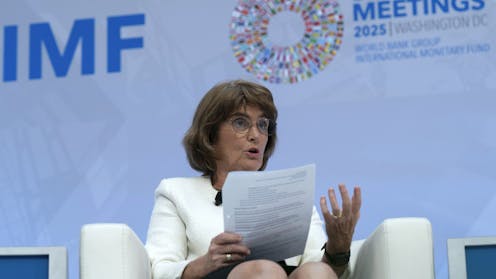
    Reserve Bank Governor Michele Bullock speaks at a forum during the World Bank/IMF meetings in Washington in April. Jose Luis Magana/AP

    The Reserve Bank of Australia cut the official interest rate for the second time this year, as it lowered forecasts for Australian economic growth and pointed to increasing uncertainty in the world economy.

    The bank lowered the cash rate target by 0.25%, from 4.1% to 3.85%, saying inflation is expected to remain in the target band.

    All the big four banks swiftly passed the cut on to households with mortgages. This will save a household with a $500,000 loan about $80 a month.

    Announcing the cut, the Reserve Bank stressed in its accompanying statement it stands ready to reduce rates again if the economic outlook deteriorates sharply.

    The Board considered a severe downside scenario and noted that monetary policy is well placed to respond decisively to international developments if they were to have material implications for activity and inflation in Australia.

    Inflation is back under control

    The latest Consumer Price Index showed that inflation remained around the middle of the Reserve Bank’s medium-term target band of 2-3% in the March quarter.

    The Reserve Bank was also comforted by the underlying inflation measure called the “trimmed mean”. This measure excludes items with the largest price movements up or down.

    The bank noted that it has returned to the 2–3% target band for the first time since 2021. This suggests inflation is not just temporarily low due to temporary factors such as the electricity price rebates.


    Read more:
    Inflation is easing, boosting the case for another interest rate cut in May


    In February, Reserve Bank Governor Michele Bullock conceded the bank had arguably been “late raising interest rates on the way up”. It did not want to be late on the way down.

    Perhaps Bullock is being unduly modest. The central bank looks to have judged well the extent of monetary tightening. It did not raise interest rates as much as its peers, but still got inflation back to the target.

    Unemployment remains low

    Last week, we got an update on the strength of the labour market. Unemployment stayed at 4.1%. It has now been around 4% since late 2023, a remarkable achievement.

    This is below the 4.5% the Reserve Bank had regarded as the level consistent with steady inflation (in economic jargon, the NAIRU). But neither prices nor wages have accelerated.

    Households and businesses may turn cautious

    In its updated forecasts, the bank sees headline inflation dropping to 2.1% by mid-year but going back to 3.0% by the end of the year, as the electricity subsidies are removed. By mid-2027, it will be back near the middle of the 2-3% target.

    Underlying inflation is forecast to stay around the middle of the target band throughout.

    The Reserve Bank cut its forecast for gross domestic product (GDP) to 2.1% by December, down from its previous forecast of 2.4% made in February. It said:

    Economic policy uncertainty has increased sharply alongside recent global developments, and this is expected to prompt some households to increase their precautionary savings and some businesses to postpone some investment decisions.

    The unemployment rate is expected to increase to 4.3% by the end of the year and remain there through 2026.

    Cost of living pressures look set to ease, as real household disposable income grows faster than population.

    As the Reserve Bank governor told a media conference on Tuesday:

    There’s now a new set of challenges facing the economy, but with inflation declining and the unemployment rate relatively low, we’re well positioned to deal with them. The board remains prepared to take further action if that is required.

    Economic and policy ‘unpredictability’

    The main uncertainty in the global economy is how the trade war instigated by US President Donald Trump will play out. According to one count, he has announced new or revised tariff policies about 50 times.

    “The outlook for the global economy has deteriorated since the February statement. This is due to the adverse impact on global growth from higher tariffs and widespread economic and policy unpredictability,” the bank noted.

    The US tariff pauses on the highest rates on China and most other nations are due to be in place for 90 days. But more measures may be announced before then.

    This uncertainty is likely to be stifling trade, and even more so investment decisions by companies in the face of rapidly changing policies. And it will weaken the global economy.

    In her press conference, Bullock said the board’s judgement was that “global trade developments will overall be disinflationary for Australia”. Not only is the global outlook weaker, but some goods no longer being sold to the US could be diverted to Australia.

    Where will interest rates go from here?

    The Reserve Bank’s updated forecasts assume interest rates will fall further, to 3.4% by the end of the year.

    But this is just a reflection of what financial markets are implying. It is not necessarily what the bank itself expects to do. It is certainty not a promise of what they will do.

    But the Reserve Bank still regards its stance as “restrictive”, or weighing on growth. So if it continues to believe inflation will stay within the target band, or the global outlook deteriorates, it will cut rates further.

    The Conversation

    John Hawkins was formerly a senior economist with the Reserve Bank.

    ref. RBA cuts interest rates, ready to respond again if the economy weakens further – https://theconversation.com/rba-cuts-interest-rates-ready-to-respond-again-if-the-economy-weakens-further-256798

    MIL OSI AnalysisEveningReport.nz

  • MIL-OSI Submissions: Australia Banking Sector – CBA cuts interest rates for business bank customers

    Source: Commonwealth Bank of Australia

    The Commonwealth Bank has responded to the Reserve Bank of Australia’s cash rate decision, reducing rates on eligible business banking products.

    Commonwealth Bank will reduce interest rates by 25 basis points per annum (p.a.) on eligible business lending products, following the Reserve Bank of Australia (RBA) decision to decrease the official cash rate by 0.25% p.a.

    The rate reduction will apply to CBA Business Bank’s Variable Base Rate, Residential Equity Rate, and Overdraft Reference Rate, flowing through to business lending products including BetterBusiness Loans and Business Overdrafts. These rate changes will be effective 30 May 2025.

    CBA Group Executive Business Banking, Mike Vacy-Lyle, said: “Australian businesses have been navigating unexpected challenges in recent months – from global trade tensions and volatile market swings to cyclones, droughts, bushfires and flooding. Businesses have also grappled with unexpected expenses and cashflow pressures from rising input prices and higher labour costs.

    “While elevated uncertainty poses an ongoing risk to both global and domestic growth, Australia remains relatively well positioned to navigate these challenges, and as inflation moderates, the economy is showing signs of improvement.

    “We’ll continue to focus on supporting our customers, allowing them to grow and invest in their operations. We also know that some businesses are finding it tough, and we have a range of measures available for businesses facing difficulty. Any customer needing support should contact our dedicated Business Financial Assistance team.”

    Support for small businesses customers

    A range of support options are available for business customers. These include:

    Reduced payments for a period of time
    Extension of a loan term
    Debt restructure
    Debt refinance
    Concessions for certain fees and charges

    MIL OSI – Submitted News

  • Good discussions on expediting first tranche of India-US trade pact: Piyush Goyal

    Source: Government of India

    Source: Government of India (4)

    Union Commerce and Industry Minister Piyush Goyal on Tuesday said that he had held fruitful talks with US Commerce Secretary Howard Lutnick towards concluding the first tranche of the India-US Bilateral Trade Agreement (BTA).

    India and the US are working to sign the first tranche of the BTA to reduce tariffs before the agreed timeline of fall 2025, as the terms of reference for the pact have already been finalized.

    “Good discussions with Secretary @Howard Lutnick towards expediting the first tranche of the India-US Bilateral Trade Agreement,” Goyal posted on the X social media platform.

    Earlier, Goyal had said that “very good negotiations” with the US were underway.

    India presents a compelling case to the United States for a bilateral trade deal, given the outlook on growth and demographics.

    “Looking at the growth India offers in the next 25-30 years, with a large, aspirational, young population who will add to the demand for goods and services, we believe India will be a compelling case for entering into a good agreement with the US,” Goyal had told reporters.

    If both countries reach an agreement on reducing tariffs, it would lead to higher trade between the US and India. Prime Minister Narendra Modi and US President Donald Trump have set an ambitious target of $500 billion in bilateral trade by 2030, as stated in a joint statement during the Indian PM’s recent visit to Washington, DC.

    Trump claimed last week that India offered to remove all tariffs on American goods, but added that he was in no rush to finalize a trade deal despite the apparent breakthrough.

    External Affairs Minister S. Jaishankar also commented last week that the ongoing trade negotiations are complex.

    “Trade talks between India and the US have been ongoing. These are complicated negotiations. Nothing is decided until everything is. Any trade deal has to be mutually beneficial; it has to work for both countries. That would be our expectation from the trade deal. Until that is done, any judgment on it would be premature,” EAM Jaishankar said while speaking to reporters.

    IANS


  • MIL-Evening Report: Can Murray Watt fix Australia’s broken nature laws? First stop, Western Australia

    Source: The Conversation (Au and NZ) – By Justine Bell-James, Professor, TC Beirne School of Law, The University of Queensland

    New federal Environment Minister Murray Watt is in Western Australia this week to reboot nature law reform. Reform stalled in the Senate last term, following stiff opposition from the state’s Labor government and mining sector.

    Watt has a big task ahead of him. Labor came into power in 2022 promising large-scale law reform to reverse Australia’s alarming rate of biodiversity loss.

    But former environment minister Tanya Plibersek’s tenure ended with Australia’s nature laws in even worse shape than when she started. A last-minute amendment intended to protect salmon farming in Tasmania now limits the government’s power to reconsider certain environment approvals, even when an activity is harming the environment.

    But a new leader for the Greens and the Liberals in this term of parliament means Labor’s important push for reform may have better prospects.

    What went wrong in Labor’s last term?

    When Plibersek announced Labor’s “Nature Positive Plan” in 2022, she committed to a massive overhaul of Australia’s Environment Protection and Biodiversity Conservation Act (EPBC Act).

    The ambitious plan involved creating an independent national environment protection agency to enforce national environmental standards. Setting such standards was recommended by the 2020 Samuel Review of the EPBC Act. If legislated, the standards would shift decision-making under the act from being a highly discretionary process to one focused on outcomes for the environment.

    In December 2022, Labor was talking up its plan to fix Australia’s ‘broken’ environmental laws. (ABC News)

    An early draft of the new legislation was presented to key stakeholders at closed-door consultation sessions. They included environmental non-government organisations, research groups and peak bodies for the minerals and development sectors. The draft did a pretty good job of capturing the components of the Nature Positive Plan.

    However, Plibersek’s proposal was unpopular with some, including WA Premier Roger Cook and the mining lobby. Freedom of Information laws revealed major players in the mining sector wrote to Prime Minister Anthony Albanese asking him to intervene.

    In the face of these difficulties, Plibersek pivoted. In April 2024, she announced nature reforms would instead be delivered in three phases. The first was the Nature Repair Market, which had already been legislated. The second was three bills to be introduced to parliament. The third phase would happen at some point in the future.

    The bills sought to create two new bodies, Environment Protection Australia and Environment Information Australia, to inform decision-making. A third bill contained some improved compliance and enforcement mechanisms. However, the centrepiece of the initial reforms – the new environmental standards themselves – were missing. This sparked criticism, as the EPA would simply be enforcing the same ineffective laws that currently exist, and would not have project approval powers until some later amendments were passed.

    Presumably, Plibersek switched to a three-stage process hoping the stage-two bills would pass through parliament with a minimum of dissent. This would leave the more contentious standards as a problem to be dealt with further down the track.

    However, even the watered-down proposal was unpopular. The bill stalled in the Senate, criticised as both too weak and too strong by opposite sides of the political spectrum. And once again, the mining lobby intervened. Albanese signalled a willingness to remove approval powers from the EPA, leaving decisions with the minister.

    Plibersek eventually managed to secure support from the Greens to get the bills through the Senate, but Albanese killed the deal at the eleventh hour in November last year. At the time, Labor’s prospects for the federal election were looking shaky, and Albanese saw the decision as a way to shore up support in WA.

    What are the chances of success now?

    The failure of the Nature Positive Reforms in Labor’s first term came down to one crucial factor: politics. With a fresh election win, a decisive majority, and a new environment minister, will things be different?

    In his first interviews after winning the election, Albanese said he wants a federal environmental protection agency that “supports industry, but also supports sustainability”. This suggests there may be a green light for Watt to at least push for this aspect of the reforms to be revived.

    What about the more ambitious parts of the reform, including National Environmental Standards? This is something Watt could potentially push for.

    In an interview on Monday, Watt said both options are on the table: widespread reform, or the pared-down version Plibersek took to parliament. Watt said he wants “to approach the reforms in the spirit of Graeme Samuel’s recommendations”, which suggests he’s open to new standards.

    Indeed, when new Opposition Leader Sussan Ley was environment minister, she tried to push through legislation incorporating similar standards. Watt could use this to garner crossbench support.

    Watt also has a new Greens leader with whom to negotiate. Senator Larissa Waters, a former environmental lawyer, understands the complexity of the EPBC Act better than most.

    With the Greens holding the balance of power in the Senate, Waters might push for any proposed laws to be strengthened – perhaps by bringing back the standards.

    Watt said he will reach out to Ley and the Greens to see if they’re “prepared to work with us to get these reforms passed”.

    Watch this space

    At this stage, Watt is resisting pressure to rule out giving a future EPA the power to approve major resources projects. Everything is still up for discussion.

    Ahead of Tuesday’s meeting, Cook said he would push Watt to consult widely before making any decisions and avoid duplicating existing state laws.

    Watt says his job now is to listen, before finding a way forward. But “the very biggest priority is to pass these reforms”, this term, whatever it takes.

    Justine Bell-James receives funding from the Australian Research Council, the Great Barrier Reef Foundation, the Queensland Government, and the National Environmental Science Program. She is a Director of the National Environmental Law Association and a member of the Wentworth Group of Concerned Scientists.

    ref. Can Murray Watt fix Australia’s broken nature laws? First stop, Western Australia – https://theconversation.com/can-murray-watt-fix-australias-broken-nature-laws-first-stop-western-australia-257000

    MIL OSI AnalysisEveningReport.nz

  • MIL-OSI New Zealand: Universities – How can finance be harnessed for good? – UoA

    Source: University of Auckland (UoA)

    A panel of academic and industry experts will explore how finance can be harnessed for good at Trust in Finance and the Rise of Fintech, an event hosted by University of Auckland research centre Juncture: Dialogues on Inclusive Capitalism at the Business School on Thursday, 22 May.

    Attendees will hear a range of perspectives from five panellists on topics including socially responsible investing, cybersecurity, digital inclusion, trust in finance, and the role of regulation in building fairer financial systems.

    Fintech, or financial technology, includes everything from cryptocurrencies and retail investing apps to peer-to-peer lending and open banking. While these innovations promise greater access and efficiency, they also raise concerns around bias, exclusion and data privacy.

    Panellist Dr Chanelle Duley, a lecturer in economics at the University of Auckland Business School, says cybersecurity and data governance are central to financial trust.

    “For the benefits of innovations in finance, including open banking, retail investing, and decentralised finance to be fully harnessed, fintech platforms need to invest heavily in cybersecurity infrastructure.”

    Also on the panel is the co-CEO of Tax Traders, Becki Butler. She says inclusive finance isn’t about building one-size-fits-all products; “it’s about flexible, culturally aware, human-centred design that meets people where they are”.

    “True inclusion means designing alongside communities, not for them. If we simply digitise the same rules, assumptions and risk models that have historically excluded people, we’ll only replicate those failures at speed and scale.”

    Professor Raghavendra Rau, Sir Evelyn de Rothschild Professor of Finance at Cambridge Judge Business School says harnessing finance for good can come with complications.

    “Sometimes, the people or communities receiving money today may never be in a position to pay it back, often due to structural issues like persistent poverty, inequality, or systemic barriers to economic advancement.

    “Additionally, in certain situations, providing funds today might serve as a way to correct past injustices, such as colonial expropriation, where wealth was systematically removed from particular communities. Here, the financial relationship might be less about traditional lending expecting repayment, and more about restorative or reparative finance, acknowledging and addressing historical wrongs.”

    If these structural issues are tackled carefully, such as through investments in education, healthcare, infrastructure, or supporting entrepreneurship in marginalised communities, Rau says there can be significant long-term benefits.

    The panel discussion, facilitated by associate director strategic engagement for Juncture: Dialogues on Inclusive Capitalism, Dr Drew Franklin, also includes Christopher Swasbrook, founder of Elevation Capital and current board member of the Financial Markets Authority, and Decio Nascimento, founder and chief investment officer of Norbury Partners.

    Christopher and Decio bring global market insight and hands-on investment experience to the discussion, which will span innovation, inclusion, and regulatory responsibility in shaping the future of finance.

    MIL OSI New Zealand News

  • MIL-Evening Report: Follow the money: the organisations that spent the most on social media during the election

    Source: The Conversation (Au and NZ) – By Mark Riboldi, Lecturer in Social Impact and Social Change, UTS Business School, University of Technology Sydney

    The Conversation , CC BY

    Social media advertising is an increasingly important frontier in election campaigns.

    Political parties, candidates and third-party groups – such as trade unions, industry bodies and interest groups – all spend big to push their message high into the algorithms of potential voters.


    Read more:
    What did the parties say on TikTok in the election, and how? Here’s the campaign broken down in 5 charts


    In the 2025 Australian federal election, this spend has been estimated at around A$40 million across the Meta- and Google-owned digital media platforms.

    Based on our analysis of data from the Meta Ad Library – part of a broader research project on third sector groups (not political parties or candidates) during the election – third party groups spent more than $7.5 million advertising on Meta platforms Facebook and Instagram from March 28 to May 3 – the date the election was called to polling day.

    Understanding which of these groups spent what, and on what, offers insights into the election results and modern political campaigning generally.

    Some surprises in the stats

    During the election campaign, much media commentary focused on right wing organisation Advance Australia’s digital campaigning.

    However, our analysis shows pro-Liberal/National Party groups were outspent on Meta (which owns Facebook) almost 3:1 by anti-Liberal groups.

    Much of this was focused on workers’ rights, or in opposition to the Coalition’s nuclear energy policy.

    The top 25 spending groups on Meta spent just more than $6 million between them, at a rate of around $6,500 a day. The rate of spending increased steadily during the campaign, with the bulk of the spend (more than $4 million) occurring in the final two weeks.

    On May 2, the day before the election, these 25 big spenders paid on average $16,622 to push their message on Meta social media platforms.

    Conservative campaign group Advance Australia spent just less than $50,000 on Meta on the final day of the campaign (social media advertising is exempt from the two-day ad-blackout laws affecting traditional media operators).

    Advance was the biggest third-party campaigning group on Meta during the election, spending more than $1 million during the campaign’s 37 days.

    Advance’s left-wing competitor during the campaign was the Australian Council of Trade Unions (ACTU), which spent around $475,000 on Meta advertising across the campaign, including more than $52,000 on May 2.

    While the ACTU spent less than half of Advance’s spend across Meta during the campaign, it spent three times as much on YouTube/Google advertising. Data from the Google Ad Transparency Center reveals the ACTU spent $928,000 on the platform between March 28 and May 3, whereas Advance spent $296,000 during the same period.

    Key battlegrounds: climate and energy

    The other two big Meta spenders the day before polling day highlight the key policy contest among third party organisations – the Coalition’s proposal to introduce nuclear powered energy to Australia.

    Nuclear for Australia was the biggest spender on Meta on May 2, spending more than $65,000 in one day. Its direct counterpoint, Liberals Against Nuclear, spent a touch more than $32,000 on the same day.

    However, during the whole campaign, Liberals Against Nuclear spent more ($246,000 compared to Nuclear for Australia’s $236,000).

    An anti-nuclear message was particularly prominent across the top 25 spending groups on Meta. Of the 15 organisations we identified as being explicitly anti-Liberal, nine were climate organisations with an anti-nuclear message.

    These nine organisations spent a total of $2.5 million across Meta during the course of the campaign.

    The most significant of these was Climate 200, which spent almost $900,000 on Meta during the election campaign.

    Another key anti-nuclear nuclear campaigner on Meta was Climate Action Network Australia (CANA), which spent almost $400,000 between March 28 and May 3 across two different Facebook pages, and Hothouse Magazine, which spent almost $300,000 on pro-renewables advertising.

    Together, the 15 explicitly anti-Liberal groups spent more than $3.6 million during the election, far eclipsing the two clear pro-Liberal groups, Advance Australia and Nuclear for Australia, which spent around $1.3 million between them.

    So, what insights might these findings offer into the election results?

    What may the future hold?

    There certainly appears to be a correlation between the historic low Coalition vote and the outspending of pro-Liberal entities on Meta.


    Read more:
    Political parties can recover after a devastating election loss. But the Liberals will need to think differently


    Outside of Advance and Nuclear for Australia’s Meta campaigning, big-spending right-wing groups such as Australians for Prosperity, Better Australia and Australian Taxpayer’s Alliance seemed more singularly focused on tearing down the Greens and Climate 200-backed independents than on helping the Coalition win government.

    In contrast, the anti-Dutton and anti-nuclear focus of the anti-Liberal third party spending has a degree of collective discipline about it, which is probably indicative of the strength of the workers’ rights and climate movements in Australia.

    Additionally, the climate movement’s strong anti-nuclear campaign may have presented a message which glossed over Labor’s climate failures during the previous term.

    This may have sent some pro-climate voters to Labor rather than to the Greens or Climate 200 independents. For their part, these organisations appeared to campaign more around the opportunities of a possible minority government than on environmental issues.

    Civil society actors such as trade unions and industry groups have a long history of involvement in Australian politics.

    The increasing non-major party vote, now around a third of all voters, means there are now more voices in our democratic processes.

    This in turn creates more opportunities for third party organisations to influence policy debate and election outcomes.

    Mark Riboldi does not work for, consult, own shares in or receive funding from any company or organisation that would benefit from this article, and has disclosed no relevant affiliations beyond their academic appointment.

    ref. Follow the money: the organisations that spent the most on social media during the election – https://theconversation.com/follow-the-money-the-organisations-that-spent-the-most-on-social-media-during-the-election-256784

    MIL OSI AnalysisEveningReport.nz

  • MIL-Evening Report: AI may be exposing jobseekers to discrimination. Here’s how we could better protect them

    Source: The Conversation (Au and NZ) – By Natalie Sheard, McKenzie Postdoctoral Fellow, The University of Melbourne

    Studio Romantic/Shutterstock

    Artificial intelligence (AI) tools are rapidly transforming the world of work – not least, the process of hiring, managing and promoting employees.

    According to the most recent Responsible AI Index, 62% of Australian organisations used AI in recruitment “moderately” or “extensively” in 2024.

    Many of these systems classify, rank and score applicants, evaluating their personality, behaviour or abilities. They decide – or help a recruiter decide – who moves to the next stage in a hiring process and who does not.

    But such systems pose distinct and novel risks of discrimination. They operate at a speed and scale that cannot be replicated by a human recruiter. Job seekers may not know they are being assessed by AI and the decisions of these systems are inscrutable.

    My research study examined this problem in detail.

    I found the use of AI systems by employers in recruitment – for CV screening, assessment and video interviewing – poses serious risks of discrimination for women, older workers, job seekers with disability and those who speak English with an accent. Legal regulation is yet to catch up.

    The rise of artificial interviewers

    To conduct my research, I interviewed not only recruiters and human resources (HR) professionals, but also AI experts, developers and career coaches. I also examined publicly available material provided by two prominent software vendors in the Australian market.

    I found the way these AI screening systems are used by employers risks reinforcing and amplifying discrimination against marginalised groups.

    AI tools are increasingly being used to augment recruiting processes.
    insta_photos/Shutterstock

    Discrimination may be embedded in the AI system via the data or the algorithmic model, or it might result from the way the system is used by an organisation.

    For example, the AI screening system may not be accessible to or validated for job seekers with disability.

    One research participant, a career coach, explained that one of his neurodivergent clients, a top student in his university course, cannot get through personality assessments.

    He believes the student’s atypical answers have resulted in low scores and his failure to move to the next stage in recruitment processes.

    Lack of transparency

    The time limits for answering questions may not be sufficient or communicated to candidates.

    One participant, also a career coach, explained that not knowing the time limit for responding to questions had resulted in some of her clients being “pretty much cut off halfway through” their answers.

    Another stated:

    […] there’s no transparency a lot of the time about what the recruitment process is going to be, so how can [job seekers with disability] […] advocate for themselves?

    New barriers to employment

    AI screening systems can also create new structural barriers to employment. Job seekers need a phone and secure internet connection, and must possess digital literacy skills, to undertake an AI assessment.

    These systems may result in applicants deciding not to put themselves forward for positions or dropping out of the process.

    It isn’t always clear to job seekers how AI systems have been used in the recruitment process.
    fizkes/Shutterstock

    The protections we have

    Existing federal and state anti-discrimination laws apply to discrimination by employers using AI screening systems, but there are gaps. These laws need to be clarified and strengthened to address this new form of discrimination.

    For example, these laws could be reformed so that there is a presumption in any legal challenge that an AI system has discriminated against a candidate, putting the burden on employers to prove otherwise.

    Currently, the evidential burden of proving such discrimination falls on job seekers. They are not well placed to do this, as AI screening systems are complex and opaque.

    Any privacy law reforms should also include a right to an explanation when AI systems are used in recruitment.

    The newly elected Albanese government must also follow through on its plan to introduce mandatory “guardrails” for “high risk” AI applications, such as those used in recruitment.

    Safeguards must include a requirement that training data be representative and that the systems be accessible to people with disability and subject to regular independent audits.

    We also urgently need guidelines for employers on how to comply with these laws when they use new AI technologies.

    Should AI hiring systems be banned?

    Some groups have called for a ban on the use of AI in employment in Australia.

    In its Future of Work report, the House of Representatives Standing Committee recommended that AI technologies used in HR for final decision-making without human oversight be banned.

    There is merit in these proposals – at least, until appropriate safeguards are in place and we know more about the impacts of these systems on equality in the Australian workplace.

    As one of my research participants acknowledged:

    The world is biased and we need to improve that but […] when you take that and put it into code, the risk is that no one from a particular group can ever get through.

    Natalie Sheard receives funding from the University of Melbourne as a McKenzie Postdoctoral Fellow. This research was funded by a La Trobe University Graduate Research Scholarship and a La Trobe University Transforming Human Societies Research Scholarship.

    ref. AI may be exposing jobseekers to discrimination. Here’s how we could better protect them – https://theconversation.com/ai-may-be-exposing-jobseekers-to-discrimination-heres-how-we-could-better-protect-them-256789

    MIL OSI AnalysisEveningReport.nz

  • MIL-OSI China: China-LatAm trade set to skyrocket

    Source: People’s Republic of China – State Council News

    An electric and combustion dual-power train manufactured in China awaits departure at Central Station in Santiago, Chile. [Photo/Xinhua]

    The steady advancement of the Belt and Road Initiative, coupled with a growing network of bilateral free trade agreements, will unlock fresh potential for trade and investment ties between China and Latin America in the years ahead, said market watchers and exporters on Monday.

    As infrastructure connectivity improves under the BRI through enhanced port facilities, logistics networks and digital trade corridors, they said regional integration is advancing, reducing transportation costs and expanding access to global markets.

    Although several countries are facing challenges posed by protectionism and unilateralism, high-standard free trade agreements, such as the China-Chile FTA, China-Ecuador FTA and China-Costa Rica FTA, will serve as benchmarks for future economic partnerships, promoting rules-based trade, intellectual property protection and sustainable development practices, said Wang Qian, a researcher specializing in international trade at Shanghai University of International Business and Economics.

    As China continues to expand its high-standard opening-up, and Latin American countries pursue diversification strategies, the evolving bilateral framework will not only deepen economic interdependence but also foster inclusive growth and shared prosperity across both sides, said Wang.

    China is currently negotiating upgrades to the China-Peru FTA and discussing new FTAs with Panama and Honduras. Additionally, the nation has conducted a feasibility study on a China-Colombia FTA, aiming to strengthen bilateral trade and economic cooperation, according to information released by the Ministry of Commerce.

    Sun Yanfeng, a researcher specializing in Latin American studies at the Beijing-based China Institutes of Contemporary International Relations, said that the complementary nature of the two sides’ economies further amplifies the potential for deeper cooperation.

    Latin America’s abundant natural resources and agricultural output align seamlessly with China’s manufacturing prowess and vast consumer market, creating robust trade synergies, said Sun.

    “Chinese companies, such as BYD, China General Nuclear Power Corp and China COSCO Shipping Corp, are also increasingly investing in sectors such as renewable energy, manufacturing, transportation, mining and agribusiness across Latin America, bringing capital, technology and know-how to local economies,” he added.

    China’s direct investment flow to Latin America totaled $14.71 billion in 2024. During the first quarter of 2025, Chinese investment in the region reached $270 million. As of March 2025, Latin American countries had established a total of 37,000 businesses in China, data from the Ministry of Commerce showed.

    China-Latin America trade volume reached a record high of $518.47 billion in 2024, up 6 percent year-on-year. Their total trade value stood at $162.21 billion between January and April, said the General Administration of Customs.

    Changzhou Samkit Electric Co Ltd, a Changzhou, Jiangsu province-based home appliance manufacturer, shipped 1.15 million yuan ($159,420) worth of smart vacuum cleaners to Brazil earlier this month and will participate in more trade shows in Latin America in the second half of this year, according to Nanjing Customs.

    “Shifting our focus from a single market — primarily the United States — to emerging markets like Brazil will be our most important transformation this year,” said Qiu Riju, the company’s general manager.

    Chaoyang Jinda Molybdenum Co Ltd, a ferromolybdenum and molybdenum oxide manufacturer based in Chaoyang, Liaoning province, saw its exports soar 19 percent on a yearly basis to 260 million yuan in the first four months, with Latin American economies serving as the primary destinations, according to Shenyang Customs.

    “Driven by rapid urbanization and industrialization, Latin American countries such as Peru and Chile have seen a sharp rise in demand for our products in recent years,” said Li Jinling, vice-president of the company.

    MIL OSI China News

  • MIL-OSI USA News: ICYMI: President Trump Signs TAKE IT DOWN Act into Law

    Source: The White House

    Today, President Donald J. Trump signed the TAKE IT DOWN Act into law — a key initiative of First Lady Melania Trump and a landmark step in the fight to protect victims of digital exploitation.

    The signing of this critical bill received bipartisan praise on Capitol Hill and beyond:

    Sen. Ted Cruz: “The TAKE IT DOWN ACT is an historic win for victims of revenge porn and deepfake image abuse. Predators who weaponize new technology to post this exploitative filth will now rightfully face criminal consequences, and Big Tech will no longer be allowed to turn a blind eye to the spread of this vile material. This day stands as a powerful testament to the bravery and dedication of Elliston Berry, Francesca Mani, Breeze Liu, and Brandon Guffey, whose relentless advocacy made this law possible. I am deeply grateful to my legislative partners, particularly Sen. Amy Klobuchar and First Lady Melania Trump, for their collaboration in advancing this critical legislation to protect every American’s privacy and dignity online.”

    Sen. Amy Klobuchar: “Big news: my bipartisan TAKE IT DOWN Act w/Sen. Cruz was signed into law by the President today.  It protects victims of online abuse and set some rules of the road for social media and AI. Thank you to the First Lady for her support and to the advocates who made this possible.”

    Rep. Maria Elvira Salazar: “Before this law, victims were ignored. Schools couldn’t act, police had no tools, and Big Tech looked away. With TAKE IT DOWN, that changes. Platforms must respond — and predators will face justice. Now, victims have the power and the law behind them.”

    X CEO Linda Yaccarino: “Honored to be at the @WhiteHouse today as @POTUS signed the Take It Down Act. Grateful to @FLOTUS for her dedication to ensuring safety. @X will continue to work alongside @SenTedCruz @MarshaBlackburn @RepNancyMace and @NCMEC to do everything possible to make the internet safer, especially for children.”

    South Carolina Attorney General Alan Wilson: “No one should have to live in fear of their most private moments being weaponized against them. Revenge porn is a cruel and deeply violating crime, and for too long, the law has lagged behind the technology. Today, with President Trump’s leadership, we’re now bringing that fight to the national stage, by standing up for survivors, holding predators accountable, and making it absolutely clear: digital abuse is real abuse, and it will be met with real consequences.”

    National Center for Missing & Exploited Children: “Today, @NCMEC_CEO, Michelle DeLaune and NCMEC’s Chief Legal Officer, Yiota Souras attended the TAKE IT DOWN Act bill signing ceremony at the White House. We’re grateful for @POTUS and @FLOTUS prioritizing this critical legislation and shining a light on child exploitation. This groundbreaking new law closes a dangerous gap by targeting the distribution of both real and digitally altered exploitative content involving children – content that may fall outside existing CSAM definitions – and requires social media platforms to take this imagery down. As the Congressionally designated national clearinghouse on missing and exploited children issues, we will continue to work with Congress and the Administration to identify evolving threats in child sexual exploitation and look forward to continuing our work together to protect children online.”

    National Organization for Women President Christian F. Nunes: “Today, President Donald Trump signed into law the Take It Down Act—the first bipartisan legislation that zeroes in on one of the most pernicious threats to women’s health and safety—the theft of our bodily autonomy through deepfake images used to harass and exploit women and girls … Today’s signing shows how much can be done when we get out of the silos that separate us from issue to issue and work together on the values and common goals that unite us despite those differences. When it comes to protecting women and girls from online abuse, this work is just beginning.”

    Sen. Marsha Blackburn: “I was pleased to be at the White House to witness the signing of The Take It Down Act, which will criminalize the distribution of nonconsensual intimate imagery. I will be working to get the Kids Online Safety Act to President Trump’s desk next to hold Big Tech accountable for failing to protect innocent children from online harms.”

    Sen. Shelley Moore Capito: “I am proud to be an original cosponsor on the TAKE IT DOWN Act. This important legislation will protect victims of digital exploitation by making non-consensual, explicit images shared online against the law. Thank you to @FLOTUS for your work on this issue and for @POTUS signing it into law today.”

    Sen. John Cornyn: “I was honored to join @POTUS + @FLOTUS at the @WhiteHouse today for the signing of the TAKE IT DOWN Act. This bill will help punish predators & protect kids from exploitation by requiring online platforms to remove explicit images, including AI generated deepfakes, within 48 hours. Happy to see this commonsense bill signed into law!”

    Sen. Catherine Cortez Masto: “I’m glad Pres. Trump signed our bipartisan TAKE IT DOWN Act today. We’ve seen how technology can deliver incredible innovations but there have to be guardrails to keep people safe. That’s why I supported this bill to protect and empower victims of real and deepfake revenge porn.”

    Sen. Roger Wicker: “The U.S. must lead in AI innovation and accountability. Today, President Trump signed the Take It Down Act. This new law protects people from AI deepfakes which often target families and children.”

    Sen. Todd Young: “Glad to see @POTUS sign our TAKE IT DOWN Act into law today to protect victims—especially young women and children—from harmful deepfakes.”

    House Majority Whip Tom Emmer: “Glad to see @POTUS sign the Take It Down Act into law. Deepfake sexual exploitation has sadly become more common with technological advancements. Thankfully, this law will hold perpetrators accountable and protect the victims of these depraved crimes.”

    House Republican Conference Chair Lisa McClain: “In America, we will not tolerate the exploitation of our children. This law will protect our children and families from becoming targets of digital predators. I’m proud to have stood alongside President Trump when he signed this important legislation into law. I look forward to continuing to support his administration and the First Lady’s efforts to hold those who create harmful content accountable, ensure that platforms take responsibility, and keep our children safe in the digital age.”

    Rep. Rick Allen: “✅ SIGNED INTO LAW: The Take It Down Act As a grandfather of 14, I was proud to support this bill in @HouseCommerce and on the House floor. Thank you to @FLOTUS for your tireless work to create a safer digital future and protect our kids from online exploitation.”

    Rep. Vern Buchanan: “President Trump has signed the TAKE IT DOWN Act into law, which protects children and victims of revenge porn from online exploitation. I was proud to help introduce this bill and vote for its passage in support of those who have been subject to this horrific violation.”

    Rep. Kat Cammack: “Glad to support the Take It Down Act and to see it signed into law today by @POTUS.”

    Rep. Ben Cline: “President Trump just signed the bipartisan TAKE IT DOWN Act into law—a major step toward removing non-consensual AI-generated deepfakes on social media. Grateful for @FLOTUS’s leadership in getting this across the finish line and protecting every American from these harmful images.”

    Rep. Debbie Dingell: “The TAKE IT DOWN ACT is now law. This is a huge win for women and children across the country. Grateful for my partners in the House and Senate who helped get this bill across the finish line and passed into law.”

    Rep. Randy Feenstra: “Thank you to President Trump for signing the TAKE IT DOWN Act to deliver the harshest punishment possible for criminals who take advantage of our kids.”

    Rep. Laura Gillen: “I was proud to vote for the bipartisan Take It Down Act and glad to see it signed into law today. No one should have to endure such a violation of privacy without protection. #TakeItDown”

    Rep. Morgan Griffith: “For me, voting for the Take It Down Act was easy. This commonsense bill protects our kids from nonconsensual online distribution of sexually explicit images.”

    Rep. Brett Guthrie: “I want to thank President Trump and First Lady Melania Trump for their steadfast leadership, as well as the millions of Americans affected by online exploitation, for their courage. As the Chairman of the House Committee on Energy and Commerce, I am proud that we delivered on our commitment to advance this important legislation to protect victims of online exploitation. I want to honor Eli Heacock, and express my gratitude to his mom, Shannon Cronister-Heacock, for having the courage to share her son’s devastating story. The scourge of sexual exploitation online has upended the lives of innocent victims all across our country. The TAKE IT DOWN Act is an important step forward in protecting kids from new, 21st century threats to their well-being. This bill would not have been possible without the bravery of families like the Heacocks, and the TAKE IT DOWN Act works to ensure tragedies like this never happen again.”

    Rep. Pat Harrigan: “A few weeks ago, I voted for the TAKE IT DOWN ACT in the House. Today, it’s the law! Justice is here for the victims, and a reckoning is coming for those who thought they could get away with preying on the vulnerable.”

    Rep. Diana Harshbarger: “The Take It Down Act is a crucial step in protecting our children from predatory behavior online. I was proud to support this important legislation!”

    Rep. Kevin Hern: “I’m honored to be at the @WhiteHouse today to witness @POTUS sign the Take It Down Act into law! Earlier this year, @FLOTUS came to Capitol Hill for a roundtable that I was grateful to be a part of. We heard directly from teenagers whose lives had been destroyed by malicious AI-generated pornographic images shared on social media. This legislation will require social media sites to act as quickly as possible to remove such images from their platforms. The First Lady has been an incredible advocate for this legislation, helping to garner bipartisan support in both the House and Senate. Congratulations!”

    Rep. Young Kim: “Good news! The TAKE IT DOWN Act is now the law of the land to protect kids from online exploitation. I was proud to vote in favor of this historic, bipartisan bill on the House floor.”

    Rep. Barry Loudermilk: “Today, @POTUS signed the TAKE IT DOWN Act into law. As AI advances, so do the risks involved with it. This legislation will help children and their families to remove explicit or defamatory images posted online. In the digital age, privacy and security are vital and this is a major step.”

    Rep. Nancy Mace: “We’re at the @WhiteHouse as the Take It Down Act is signed into law. Thank you, President Trump. With the rise of AI and deepfake a*use, women and children have been left vulnerable for too long. The Take It Down Act finally gives victims real protection, and makes exploitation a crime, not a loophole.”

    Rep. Ryan Mackenzie: “Proud to attend today’s signing of the Take it Down Act. As a Pennsylvania State Representative, I helped to lead efforts to remove harmful deepfake images. Now, this law takes that fight nationwide and protects young people throughout our nation from AI-generated online exploitation.”

    Rep. Nicole Malliotakis: “Today @POTUS signed the Take It Down Act, bipartisan legislation I co-sponsored, into law! Together we’re protecting women (and men) from becoming victims of digital exploitation.”

    Rep. August Pfluger: “I just witnessed @POTUS sign the TAKE IT DOWN Act into law! This is a major step forward in protecting innocent victims and restoring online accountability, and I was proud to co-lead this legislation alongside @RepMariaSalazar.”

    Rep. Roger Williams: “Today @POTUS signed the bipartisan TAKE IT DOWN Act into law. This law will hold abusers accountable and empower victims of online abuse to have deepfake content or explicit material shared without their consent removed. We will not tolerate the exploitation of our children.”

    Attorney General Pam Bondi: “I was proud to stand with @POTUS as he signed the Take It Down Act. Thank you @FLOTUS for your work in safeguarding children from deepfake exploitation.”

    Secretary of Housing and Urban Development Scott Turner: “As @FLOTUS’ Take it Down Act is signed into law, @POTUS highlights $25 million to support foster youth aging out of the foster care system. I am proud to partner with the First Lady to provide young adults with the assistance and foundation they need to transform their lives.”

    Small Business Administration Administrator Kelly Loeffler: “Congratulations to @FLOTUS on the official signing of the Take It Down Act. This nation is so grateful for your advocacy and commitment to protecting America’s children!”

    House Republican Conference: “The Take It Down Act was signed into LAW by @POTUS!
    Congratulations to @FLOTUS, @RepMariaSalazar, and Chairman @RepGuthrie. Thank you for leading this effort to protect children from exploitation online.”

    House Energy & Commerce Committee: “This bill will protect countless Americans from entirely preventable harm online.”

    Republican Study Committee: “This is a huge win. The TAKE IT DOWN Act is critical to protecting children from non-consensual deepfakes online and holds AI abusers accountable. Thank you, President Trump!”

    Department of Homeland Security: “Thank you @POTUS Trump for continuing to prioritize America’s children by signing into law the “Take It Down Act,” to protect children from extortion. DHS is at the forefront fighting predators who try to harm and exploit our children. Make America Safe Again!”

    MIL OSI USA News

  • MIL-OSI China: Consumers go big on emotional comfort beyond China’s rising ‘Guzi economy’

    Source: People’s Republic of China – State Council News

    Consumers select blind boxes at a Pop Mart store in Xidan Joy City, a shopping mall in Beijing, capital of China, Dec. 28, 2024. [Photo/Xinhua]

    For Chen Qiwei, a financial analyst from the southern metropolis of Shenzhen, most of her precious leisure time after long, grueling workdays is spent with her daughter in various Pop Mart stores, a popular toy chain known for fueling the blind box craze and beloved for its signature Labubu toy line.

    “My daughter and I love wandering through Pop Mart, digging through those fun blind boxes and picking out whatever catches our eye. It’s our happy little escape,” Chen said.

    “A monthly splurge of a couple thousand yuan (about 139 to 278 U.S. dollars) on these collectibles feels like a worthwhile investment in our emotional well-being,” she added, having just scored a mint-condition Labubu doll — at a hefty markup — on the secondhand marketplace app Xianyu.

    Chen and her daughter are part of the growing wave of Chinese consumers powering the rise of the “Guzi” economy, a catchall term derived from a phonetic pun on the word “goods” in Chinese that refers to spin-off merchandise linked to the worlds of anime, music and gaming.

    Walk into any urban mall across China today, one will discover that “Guzi” has become increasingly accessible as there is no shortage of stores selling everything from themed collectibles to quirky stress-relief plush toys and whimsically-named desk plants.

    According to Aiqicha, a Chinese corporate information search engine, over 10,000 enterprises specialized in “stress relief” have popped up over the past five years, with more than a third registered in the past year.

    For many, buying “Guzi” is much more than a simple transaction. It is an act steeped in emotional resonance, fostering a sense of belonging that transcends materialistic fulfillment or fandom.

    “These items make me feel connected to a community,” said a middle school student surnamed Wu from Guilin, south China’s Guangxi Zhuang Autonomous Region, as he clutched a long-coveted limited-edition anime figurine from a recent Comic Con. “The thrill of scoring one of these is far greater than acing a school test.”

    In recent years, the “Guzi” economy has risen to the forefront of the consumer market, marking a profound shift in how a new generation of buyers chooses to spend, not just on products, but on passion and identity.

    According to a 2024 report by market research firm iiMedia Research, the market value for “Guzi” in China skyrocketed with a whopping 40.63 percent annual growth in 2024, reaching 168.9 billion yuan, and it is projected to continue on its high-growth trajectory, hitting 300 billion yuan in 2029.

    Fueled by a quest for comfort, connection and sometimes even emotional fulfillment, young Chinese are driving up the demand for products and services that are instrumental to smooth the rough edges of modern life.

    “These products may seem jejune and odd in the eyes of the older generation,” said Dang Qiong, associate professor of journalism at Guangxi University. “But they often serve a deeper and more meaningful purpose, offering quick emotional resets in a high-pressure society, be it a young professional scrambling his way up the greasy pole or a student trying to work his way into a good college.”

    Some experts attribute this emerging consumer trend to the rise of “kidulting,” a cultural phenomenon in which adults embrace playful, youthful behaviors and products as part of their emotional support.

    Dang sees the idea of adults seeking experiences by acting like children as a healthy coping mechanism for an increasing number of people, especially Gen Z and millennials, navigating economic uncertainties and societal pressures.

    “Buying cute and playful stuff or engaging with whimsical behaviors helps build up my emotional resilience,” said Li Xin, a middle school teacher from Nanning, capital of Guangxi. “It’s a welcoming break from the repetitive and often mundane daily routine and an effective way to reclaim joy.”

    As the physical products continue to gain traction, digital solutions have also been playing an increasingly pivotal role in shaping the burgeoning “Guzi” economy.

    AI-powered virtual companions, mostly digital platforms, are able to engage with users with empathetic responses and help process their emotions in real time, said Zhang Yuqiang, a founder of a Guangxi-based AI service company.

    The use of advanced algorithms to offer customized interactions allows such virtual “companions” to act as a digital “tree hole,” a Chinese internet buzzword for a safe space to relax and confide, for those who may feel cagey about sharing their vulnerabilities with friends or family, Zhang said.

    According to tech consultancy analysis, China’s AI companionship market is estimated to scale from the current size of over 3.86 billion yuan to more than 59.5 billion yuan in 2028, with a compound annual growth rate of 148.74 percent.

    However, some experts have cautioned against over-reliance on AI for emotional needs and connections.

    While forming a relationship with AI is likely to become commonplace soon, noted Zeng Runxi, vice dean of the school of journalism at Chongqing University. “But the users of such products should always maintain their cognitive and emotional autonomy, even when engaging with AI.”

    MIL OSI China News

  • MIL-OSI USA: ICYMI: Tuberville Joins Kudlow to Discuss the Urgent Need for Congress to Pass President Trump’s “One Big Beautiful Bill”

    US Senate News:

    Source: United States Senator for Alabama Tommy Tuberville
    WASHINGTON – Today, U.S. Senator Tommy Tuberville (R-AL) joined Larry Kudlow on Fox Business to discuss the urgent need for Congress to pass President Trump’s “One Big Beautiful Bill,” which cleared the House Budget Committee last night.
    Read excerpts from the interview below or watch on YouTube or Rumble.

    KUDLOW: “Senator Tuberville, as always, sir, great to see you. The Laffer Curve is one thing, [but] I’m hearing rumors that Republican Senators are gonna take the ‘One Big Beautiful Bill’ and split it up into three parts. I can’t—I mean, we had this debate months ago. I can’t imagine getting three reconciliation bills through Congress, but you tell me what’s going on here with three parts.”
    TUBERVILLE: “Well, first of all, Larry, we all need to read the book titled JFK and the Reagan Revolution, written by Larry Kudlow himself. I think a lot of us up here have read that book, Larry. It’s a great book.”
    KUDLOW: “Thank you, sir.” 
    TUBERVILLE: “But there is a lot of Republican Senators up here that would love to see more than ‘One Big Beautiful Bill.’ There are some pluses and there are some minuses [to that]. But at the end of the day, we’ve gone a long way and let’s go ahead and get this done if we possibly can. I think it’s gonna be very tough, though, Larry. There’s a lot of reform that has to be put into this bill, not cuts, but reform. […] So, I think tomorrow, President Trump’s coming here at 8:30 in the morning, as we just heard, is a warning signal that something’s not going very well over in the House to get this thing pushed to the Senate.”
    KUDLOW: “I mean, you wanna get these tax cuts done. July 4th is fine. Memorial Day, March 31st would have been better, but whatever. July 4th is fine, okay? Get them done and [let them] take effect. The withholding rates will change. The depreciation rates will change. We’ll get the overtime pay and the tax-free tips and so forth and so on. We’ll get growth into the middle class, the blue collar, the working folks coalition. You wanna get it done as soon as possible. I can’t imagine dilly dallying through the rest of the year with three bills or whatever and risk a $5 trillion dollar tax hike?”
    TUBERVILLE: “Yeah, we can’t do that. It’ll be disastrous. And, again, going back to the Laffer Curve, we all know. Everybody understands the more you lower taxes, the more money that comes into the federal government. And we have to understand that. A lot of people don’t believe that. Democrats keep fighting back on that. But as you said, it has been proven right. So, let’s get this done. Let’s let President Trump have his tax cuts that he ran on. We need to do that, but if we don’t get a tax bill done in the very near future, it won’t get done this year, and it will be a disaster for the Republican party.”
    Senator Tommy Tuberville represents Alabama in the United States Senate and is a member of the Senate Armed Services, Agriculture, Veterans’ Affairs, HELP and Aging Committees.

    MIL OSI USA News

  • MIL-OSI USA: Rosen, Colleagues Demand Action to Prevent Corporations From Jacking Up Prices On Top of Trump Tariffs’ Price Hikes 

    US Senate News:

    Source: United States Senator Jacky Rosen (D-NV)
    WASHINGTON, DC – U.S. Senator Jacky Rosen (D-NV) joined House and Senate colleagues in sending a letter to the Federal Trade Commission (FTC) urging them to investigate which big corporations are using the Trump tariffs as an excuse to raise prices in excess of actual cost increases caused by the President’s tariffs, and to prosecute individuals and companies that price gouge American consumers.
    “President Trump’s on-again, off-again tariffs build an especially fertile environment for price-gouging. The new tariffs have created a cloud of uncertainty that gives companies cover to raise prices on all goods, regardless of whether they are subject to new tariffs or whether their costs have meaningfully increased, above and beyond what is necessary to cover any cost increases,” the members wrote.  
    “Armed with the knowledge that the FTC has turned a blind eye to this price-gouging tactic, companies now have free rein to use surveillance pricing to price gouge consumers. A former FTC official said, ‘The message that is coming out of this administration…is that the watchdog is gone and companies feel emboldened to rip people off.’ We urge you to fulfill your public commitment and to ensure President Trump’s trade war is not a ‘green light’ for price gouging,” concluded the members.
    You can read the full text of the letter HERE.
    Senator Rosen is working to lower costs and protect American consumers. Earlier this year, she sent a letter to the FTC expressing concern over the use of artificial intelligence (AI) by corporations to target individuals with different prices for the same products through surveillance pricing. Senator Rosen was also part of a letter pressing the Trump Administration on how mass firings at the Consumer Financial Protection Bureau will hurt Nevada families. She has also introduced legislation to crack down on price gouging by corporate investors who are driving up housing prices. Last Congress, Senator Rosen successfully pushed the FTC to block the Kroger-Albertsons grocery store mega merger because it could reduce competition and raise grocery prices.

    MIL OSI USA News

  • MIL-OSI USA: Kennedy, Transportation Secretary Sean Duffy announce National Center of Excellence for LNG Safety in Lake Charles

    US Senate News:

    Source: United States Senator John Kennedy (Louisiana)
    WASHINGTON – Sen. John Kennedy (R-La.), a member of the Senate Appropriations Committee, and Secretary of Transportation Sean Duffy today announced that McNeese State University in Lake Charles, La. was selected as the site of the Pipeline and Hazardous Materials Safety Administration (PHMSA) National Center of Excellence for Liquefied Natural Gas (LNG) Safety.
    “In 2020, Congress passed the PIPES Act, which improved pipeline safety and infrastructure. As part of the bill, I added language that created the first-ever National Center of Excellence for LNG Safety, but I didn’t stop there. I made sure in that bill that the newly created Center was required to be in Louisiana. Today, President Trump and Transportation Secretary Duffy announced that the Center will be headquartered at McNeese State University in Lake Charles, and I thank them,” said Kennedy.
    “Producing and exporting LNG is one of the most powerful ways we can unleash American energy, and the Lake Charles region is a critical hub of LNG activity in the U.S. The sheer volume of product supplied by the state of Louisiana is unparalleled and growing, and there is no better place to locate our Center of Excellence,” said Duffy.
    The Protecting our Infrastructure of Pipelines and Enhancing Safety (PIPES) Act of 2020 required PHMSA to establish that the National Center of Excellence for LNG Safety improve the federal government’s LNG facility expertise, act as an information repository on best practices for LNG facilities and facilitate collaboration among LNG stakeholders.
    “The Center will advance LNG safety by promoting collaboration among government agencies, industry, academia, and other safety partners. Consolidating such remarkable levels of expertise will benefit the LNG sector for many generations to come,” said PHMSA Acting Administrator Ben Kochman.
    “The PHMSA National Center of Excellence for LNG Safety at McNeese will be a game-changer for our region in terms of workforce development and groundbreaking research. We are excited to be on the forefront of helping ensure safety and sustainability in the energy sector and look forward to working with PHMSA to develop a world-class facility to house their staff,” said Wade Rousse, President, McNeese State University. 
    Kennedy has long fought for the National Center of Excellence for LNG Safety and its presence in southwest Louisiana.
    In 2020, Kennedy inserted a provision to the PIPES Act requiring that the Center be in Louisiana. The PIPES Act, including Kennedy’s addition, became law as part of the Consolidated Appropriations Act of 2021.
    In May 2024, Kennedy questioned then-Secretary of Transportation Pete Buttigieg in the Senate Appropriations Subcommittee on Transportation, Housing and Urban Development and Related Agencies (THUD Appropriations). In response to Kennedy’s questioning, Buttigieg confirmed that the Center would be located in Lake Charles, La.
    During a May 2025 THUD Appropriations hearing, Kennedy questioned Secretary Duffy and confirmed that McNeese State University would be the site of the new Center. McNeese State University is the first undergraduate institution in the U.S. to offer a certificate program in LNG Business and is already the site of its own LNG Center of Excellence.
    PHMSA and other federal agencies, including the U.S. Coast Guard, Department of Energy and Federal Energy Regulatory Commission, have worked together to ensure the Center is focused on its mission of making the U.S. the leader in LNG operations. 
    Additional information about the National Center of Excellence for LNG Safety is available on PHMSA’s website.

    MIL OSI USA News

  • MIL-OSI USA: Governor Kehoe Requests Federal Disaster Declaration for Barry, Greene, Lawrence, McDonald, Newton and Washington Counties for Destructive April 29 Severe Storms

    Source: US State of Missouri

    MAY 19, 2025

     — Today, Governor Mike Kehoe requested that President Donald Trump approve a major disaster declaration to provide federal assistance to six counties that sustained major damage as a result of a cluster of severe storms that swept through the area and produced eight tornadoes on April 29. The counties are Barry, Greene, Lawrence, McDonald, Newton and Washington.

    “This season’s weather pattern has brought one destructive severe storm after another to Missouri, and the April 29 storms led to widespread damage in six counties – damage that is simply beyond their capabilities and those of the state to sustain without federal assistance,” Governor Kehoe said. “Missourians are rallying to rebuild and support one another and will continue to do so as we now respond to the latest deadly and highly destructive storms that swept across the state on Friday, May 16.”

    Governor Kehoe is requesting Federal Emergency Management Agency (FEMA) Public Assistance based on documented damage and emergency response costs that exceed $16.5 million in Barry, Greene, Lawrence, McDonald, Newton and Washington counties alone. Those cost estimates were gathered during joint damage assessments conducted by FEMA, the State Emergency Management Agency, the U.S. Small Business Administration, and local officials and include damage to a public elementary school, a Missouri Department of Transportation facility, essential utility distribution lines, roads and other public infrastructure as well as debris removal.

    If approved, Public Assistance would allow local governments and qualifying nonprofit agencies to seek federal assistance for reimbursement of emergency response and recovery costs, including repair and replacement of damaged roads, bridges, and other public infrastructure.

    Missourians with unmet needs are encouraged to contact United Way by dialing 2-1-1 or the American Red Cross at 1-800-733-2767. For additional resources and information about disaster recovery in Missouri, including general clean-up information, housing assistance, and mental health services, please visit recovery.mo.gov.

    As of May 19, there have now been four major storms in the state of Missouri. The following outlines the current status of Governor Kehoe’s federal assistance requests:

    March 14-15 Storms

    Status: Awaiting Federal Disaster Declaration approval

    Details: On April 2, Governor Kehoe requested that President Donald J. Trump approve a major disaster declaration to provide federal assistance in a total of 28 counties in response to the severe storms and tornadoes that devastated Missouri March 14-15, claiming 13 lives and causing significant damage to homes, businesses, and public infrastructure.

    March 30 – April 8 Storms

    Status: Awaiting Federal Disaster Declaration approval

    Details: On May 1, Governor Kehoe requested that President Donald Trump approve a major disaster declaration to provide federal assistance in a total of 26 counties in response to the severe storms, tornadoes, and flooding that caused widespread destruction across the state, resulting in six confirmed deaths.

    April 29 Storms

    Status: Awaiting Federal Disaster Declaration approval

    Details: On May 19, Governor Kehoe requested that President Donald Trump approve a major disaster declaration to provide federal assistance to six counties that sustained major damage as a result of a cluster of severe storms that swept through the area and produced eight tornadoes on April 29.

    May 16 Storms

    Status: FEMA to participate in joint Preliminary Damage Assessments

        Sent request for federal Emergency Declaration to authorize Direct Federal Assistance and up to $5 million in immediate       funding to the state

    Details: On May 19, Governor Kehoe took two actions to expedite federal assistance to Missouri following the severe storms and tornadoes that struck the state on May 16, causing seven deaths and widespread damage in the St. Louis region and areas of southeast Missouri

    ###

    MIL OSI USA News

  • MIL-OSI USA: Making Colorado Safer: Governor Polis Signs Bills to Strengthen Public Safety, Save Coloradans and Businesses Money on Energy, Increase Access to Healthcare, Support Advanced Industries

    Source: US State of Colorado

    COLORADO SPRINGS/PUEBLO – Today, Governor Polis signed bills into law in Colorado Spring and Pueblo to make Colorado safer by strengthening public safety, save Coloradans and businesses money on energy, expand access to the healthcare needed to thrive, support Colorado’s advanced industries, and more. 

    At the Pueblo Chamber of Commerce, Governor Polis signed HB25-1171 – Possession of Weapon by Previous Offender Crimes, sponsored by Representatives Shannon Bird and Andrew Boesenecker, and Senators Nick Hinrichsen and Dafna Michaelson Jenet. 

    “Today, we are taking important steps to make Colorado one of the top ten safest states in the nation. From now on anyone convicted of first degree motor vehicle theft ineligible to possess a firearm, keeping guns out of the wrong hands and protecting our communities. I am proud of our work to improve public safety in Colorado, and with this bill signed into law, I look forward to continuing our bold progress to protect Coloradans and our communities,” said Governor Polis. 

    Governor Polis also signed the bipartisan HB25-1177 – Utility Economic Development Rate Tariff Adjustments, sponsored by Representatives Tisha Mauro and Ty Winter and Senators Nick Hinrichsen and Byron Pelton. 

    “In Colorado, utility rates remain below the national average, and this new bipartisan law will help reduce costs, saving Coloradans and businesses money on energy. This law will provide utilities and businesses the certainty needed to secure new investment, help lower electricity costs, and allow communities and businesses to plan for the future, all while advancing our climate goals, continuing embracing new money-saving clean energy, and protecting our clean air,” said Governor Polis. 

    Governor Polis also signed SB25-008 – Adjust Necessary Document Program sponsored by Senators Nick Hinrichsen and Cathy Kipp and Representative Meg Froelich. 

    Then, Governor Polis visited SkyView Middle School, one of Colorado’s 2024 National Blue Ribbon Award Winning schools. With today’s visit, Governor Polis has visited all four Colorado Blue Ribbon schools. Governor Polis previously visited Mesa View Elementary School in Grand Junction, DSST: Cedar Ridge High School in Denver, and Zach Elementary School in Fort Collins. 

    “Providing every Colorado student with a high-quality education at every level of K-12 education is important for students’ futures, our workforce, and economy. I was honored to visit SkyView Middle School to celebrate its well-deserved national recognition as a blue ribbon school, and learn about how successful strategies at SkyView can help other schools across Colorado,” said Governor Polis. 

    Later this afternoon, Governor Polis will sign the bipartisan HB25-1184 – Community-Based Continuing Care for Seniors, sponsored by Representatives Amy Paschal and Anthony Hartsook and Senators Dylan Roberts and John Carson. 

    “In a Colorado For All, every Coloradan, no matter your age or ability, should have access to the care you need when you need it. Thanks to this law, Coloradans awaiting admission to supportive living facilities will not need to wait before receiving necessary care. By expanding access to the care seniors need, we are ensuring that Colorado is the best state for anyone to live out their golden years,” said Governor Polis. 

    Governor Polis will also sign the bipartisan HB25-1157 – Reauthorize Advanced Industries Tax Credit, sponsored by Representatives Brianna Titone and William Lindstedt, and Senators Marc Snyder and Mark Baisley. 

    “Colorado is a state of innovators, leading the way in the cutting-edge emerging technologies of the future. Advanced industries support hundreds of thousands of good-paying jobs, find solutions in every sector from transportation to health care and agriculture, and are leading the way. These tax credits will ensure that our advanced industries continue to drive our innovation and economy,” said Governor Polis. 

    Governor Polis will also sign the following bipartisan bills: 

    • HB25-1270 – Patients’ Right to Try Individualized Treatments, sponsored by Representatives Rose Pugliese and Lindsay Gilchrist and Senators Barbara Kirkmeyer and Lindsey Daugherty
    • SB25-116 – Spousal Maintenance Guidelines sponsored by Senators Marc Snyder and Lisa Frizell and Representatives Monica Duran and Ryan Armagost

    ###

    MIL OSI USA News

  • MIL-OSI USA: PRESS RELEASE: Rep. Barragán Joins Discharge Petition to Prevent Republican Cuts to Medicaid and Food Assistance

    Source: United States House of Representatives – Representative Nanette Diaz Barragán (CA-44)

    FOR IMMEDIATE RELEASE
    May 8, 2025

    Contact: Jin.Choi@mail.house.gov

    WASHINGTON, DC – On Tuesday, Congresswoman Nanette Barragán (CA-44) signed a discharge petition to force consideration of a special rule to prevent the largest cuts to Medicaid and food assistance in American history — just so Donald Trump and Republicans can pay for massive tax giveaways to their billionaire donors. The petition is led by Congressman Brendan F. Boyle (PA-02), Ranking Member of the House Budget Committee. The petition is now open for signature by any Member of the House who is committed to protecting access to Medicaid and SNAP for millions of Americans.

    Under House rules, once a discharge petition receives 218 signatures, it triggers a vote on the House Floor. Ranking Member Boyle’s petition would trigger a special rule that includes the text of his Hands Off Medicaid and SNAP Act—amending the Congressional Budget Act to protect Medicaid and SNAP from any reduction in coverage or benefits in the reconciliation process.  

    “This is the chance for House Republicans to do the right thing and prove that they do indeed work for the American people,” said Rep. Barragán. “Donald Trump and House Republicans’ budget would cut healthcare and food assistance for the hardworking families who struggle more than ever to put food on the table and secure the care that they deserve. House Democrats will fight and take every possible path of action to prevent this budget from passing, because we believe that working- and middle-class families having access to essential benefits is far more important than funding tax breaks for Republicans’ billionaire donors.” 

    “Instead of working to lower the high cost of living, Donald Trump and Rubber Stamp House Republicans are advancing their deeply unpopular budget scheme to give tax breaks to their billionaire donors like Elon Musk while sticking everyday Americans with the bill,” said Democratic Leader Hakeem Jeffries. “They are planning to enact the largest cut to Medicaid and food assistance in American history, but House Democrats will continue pushing back with the fierce urgency of now. If House Republicans are telling the truth that they do not support taking food out of the mouths of children and slashing healthcare, our bill does just that.”

    “The Republican budget includes the largest cuts to Medicaid and SNAP in our nation’s history—cuts that would jeopardize health care and food assistance for millions of Americans,” said Budget Committee Ranking Member Boyle. “This discharge petition is an opportunity for every Member of Congress to show where they stand. We intend to gather 218 signatures from both parties, and I sincerely hope my colleagues across the aisle will join us. If they truly believe in protecting these essential benefits, this is their chance to prove it.”

    “Republicans have repeatedly claimed they’re not going to take away people’s health care by cutting Medicaid,” said Energy and Commerce Committee Ranking Member Pallone, Jr. “If they’re telling the truth, Republicans should join Democrats in signing this discharge petition to bring our bill to the House floor to ensure Medicaid will not be cut to pass tax breaks that help the rich get richer.”

    “Slashing $230 billion from SNAP will take food assistance away from children, seniors and veterans,” said Agriculture Committee Ranking Member Craig. “Supporting the Hands Off Medicaid and SNAP discharge petition is a way to protect their access to food and health care at a time when all Americans are struggling with rising costs.”

    “House Democrats oppose taking food and health care from working people to pay for tax cuts for billionaires,” said Congressional Progressive Caucus Chair Casar. “Now the question is: will any House Republican join us, or will they all support taking health care and food from millions of Americans?”

    “Signing this discharge petition should be as easy as saying you support Medicaid and SNAP, but so far not one Republican is willing to put health care and food assistance for millions of people above tax cuts for billionaires,” said New Democrat Coalition Chair Schneider. “If our colleagues across the aisle truly support hardworking families over President Trump’s billionaire buddies, they’ll join us in signing this petition.” 

    “In my district alone, nearly 80,000 residents rely on SNAP and food assistance programs to keep their families fed. Under this budget plan, they would be left behind. And the 34,000 CA-46 residents who receive Affordable Care Act coverage would see their premiums go up by over $2,000 every year. That is unacceptable, unconscionable, and un-American,” said Blue Dog Coalition Co-Chair for Policy and Legislative Strategy Lou Correa. “We’re introducing this discharge petition to block these harmful cuts and ensure that tens of millions of our constituents continue to receive the health care and food assistance they need and deserve. And we hope our colleagues across the aisle will join us in signing it.”

    The Hands Off Medicaid and SNAP Act is led in the House by Representatives Brendan F. Boyle (PA-02), Ranking Member of the House Budget Committee; Frank Pallone, Jr. (NJ-06), Ranking Member of the Energy and Commerce Committee; Angie Craig (MN-02), Ranking Member of the Agriculture Committee; Greg Casar (TX-35), Chair of the Congressional Progressive Caucus; Brad Schneider (IL-10), Chair of the New Democrat Coalition; and Lou Correa (CA-46), Blue Dog Coalition Co-Chair for Policy and Legislative Strategy.

    More information about the Hands Off Medicaid and SNAP Act is available here.

    ###

    MIL OSI USA News

  • MIL-OSI USA: PRESS RELEASE: Congresswoman Barragán Leads Congressional Letter Opposing Trump Administration’s Semiconductor Tariff Proposal

    Source: United States House of Representatives – Representative Nanette Diaz Barragán (CA-44)

    FOR IMMEDIATE RELEASE
    May 8, 2025

    Contact: Jin.Choi@mail.house.gov

    Congresswoman Barragán Leads Congressional Letter Opposing Trump Administration’s Semiconductor Tariff Proposal

    Washington, D.C. – Yesterday, Congresswoman Nanette Barragán (CA-44) led a group of her Democratic colleagues on the House Communications and Technology Subcommittee in calling on President Donald Trump and Commerce Secretary Howard Lutnick to abandon proposals to impose sweeping tariffs on the semiconductor industry.

    The letter, signed by House Communications and Technology Subcommittee Ranking Member Doris Matsui and subcommittee members Greg Landsman and Jennifer McClellan, warns that the proposed tariffs would increase costs for consumers, disrupt American manufacturing, undermine U.S. competition, and strain relationships with key international allies—all without achieving the stated goal of boosting domestic production.

    “These tariffs will increase the cost of essential technologies like smartphones, laptops, and broadband equipment, and will act as a direct tax on American consumers,” wrote the group of Democratic lawmakers. “The result: reduced productivity, limited access to essential tools, and slower economic growth.” 

    “Rather than resorting to punitive trade measures that risk backfiring economically and geopolitically, the United States should double down on policies that support domestic semiconductor production and strengthen our long-term competitiveness,” they continued. “We urge you to abandon these ill-conceived tariff plans and instead work with Congress, industry leaders, and international allies to bolster American innovation, secure our supply chains, and build a technology economy that serves American workers and consumers.”

    The full text of the letter can be found here and below.

    President Trump and Secretary Lutnick:

    We have serious concerns with your reported plans to impose sector-specific tariffs on semiconductor products, including chips, telecommunications equipment, and consumer electronics. These tariffs would raise prices for consumers, disrupt American manufacturing, and damage our nation’s global competitiveness—all while failing to meaningfully strengthen national security or domestic production.

    These tariffs will increase the cost of essential technologies like smartphones, laptops, and broadband equipment, and will act as a direct tax on American consumers. The result: reduced productivity, limited access to essential tools, and slower economic growth.

    The United States currently lacks the capacity to rapidly relocate large-scale technology manufacturing to our country. Structural challenges—including a shortage of workers trained in high-tech manufacturing and underdeveloped semiconductor infrastructure—make such a transition unrealistic in the short term. Tariffs will not solve these issues and could instead deepen them by inflating costs, discouraging investment, and weakening the long-term position of the United States technology industry.

    The ongoing uncertainty surrounding this tariff plan has already disrupted financial markets and injected instability into critical sectors of our economy. The technology industry depends on predictable, long-term policy—not abrupt changes that create confusion for investors, suppliers, and businesses.

    These tariffs could also provoke diplomatic fallout with some of our most trusted allies. Taiwan, South Korea, Japan, and Malaysia are potential targets for these tariffs. These are all vital partners in our technology supply chains and unnecessary tariffs could jeopardize the resilience of our supply chains and the strategic alliances that have long supported American leadership in innovation.

    Additionally, a disruption to American technology imports from allied nations could undermine the Federal Communication Commission’s efforts to implement the Secure and Trusted Networks Reimbursement (“Rip and Replace”) Program. Rip and Replace, which has received strong bipartisan, bicameral support in Congress, strengthens our national security by supporting providers who are working to replace insecure network equipment from Chinese vendors like Huawei and ZTE, while simultaneously maintaining network connectivity for consumers across the country. By disrupting global supply chains and raising the overall cost of replacing network infrastructure, the proposed tariffs could needlessly strain the Rip and Replace program’s budget and delay program implementation.

    The consequences of supply chain disruptions would also be particularly acute in the race to deploy 5G infrastructure and to lead in artificial intelligence. Access to cutting-edge components is essential to maintaining leadership in 5G, as well as in AI development. Disrupting access to these components would not only slow American progress but would also give China an unnecessary—and avoidable—strategic advantage.

    We are especially alarmed by reports that these tariffs will be enacted under Section 232 of the Trade Expansion Act of 1962, a provision designed to protect national security. This seems incompatible with the imposition of tariffs that damage alliances and delay technological innovation – that would in fact compromise our national security. As the Department of Defense made clear in its 2022 report Securing Defense-Critical Supply Chains, disruptions to allied supply lines—particularly in microelectronics—pose a direct threat to military readiness.

    Rather than resorting to punitive trade measures that risk backfiring economically and geopolitically, the United States should double down on policies that support domestic semiconductor production and strengthen our long-term competitiveness. Congress passed the CHIPS and Science Act precisely for this purpose—to revitalize American semiconductor manufacturing, create high-quality union jobs, and reduce our dependence on foreign supply chains, especially those vulnerable to authoritarian influence or geopolitical instability.

    We urge you to abandon these ill-conceived tariff plans and instead work with Congress, industry leaders, and international allies to bolster American innovation, secure our supply chains, and build a technology economy that serves American workers and consumers.

    ###

    MIL OSI USA News

  • MIL-OSI: Lightning-Fast Speeds, Massive Capacities: Crucial SSDs Elevate Gaming and Creative Endeavors

    Source: GlobeNewswire (MIL-OSI)

    • The Crucial T710 sets a new standard with unparalleled Gen5 performance for pro gamers and creators.
    • The Crucial X10 portable SSD combines sleek style, functional durability and storage options up to 8TB. 

    TAIPEI, Taiwan, May 19, 2025 (GLOBE NEWSWIRE) — Today at Computex 2025, Micron Technology, Inc. (Nasdaq: MU) expanded its leadership in consumer storage by unveiling its latest high-performance SSDs — the Crucial T710 PCIe Gen5 NVMe SSD and the Crucial X10 Portable SSD. Forged from years of dedicated research and development, these next-gen SSDs redefine performance standards across the board by pushing the limits of speed, capacity and durability — powering your world at full speed. 

    “Our fastest Gen5 drive yet, the Crucial T710 SSD turbocharges gaming and creative applications,” said Dinesh Bahal, corporate vice president and general manager of Micron’s Commercial Products Group. “Meanwhile, our X10 portable drive is a powerhouse, effortlessly handling massive backups, games and photo libraries — no matter where life takes you or what it throws your way. These innovations from Crucial underscore our relentless effort to exceed our customers’ storage needs.” 


    A Media Snippet accompanying this announcement is available by clicking on this link.

    Crucial T710: Blazing fast Gen5 speed for gaming and AI 

    Leveraging cutting-edge NVMe technology and Micron’s G9 NAND, the Crucial T710 delivers unmatched Gen5 performance for pro-level gaming, creative applications and data-intensive tasks like AI. Boasting our best Gen5 speeds to date, it features up to:

    • 14,900 megabytes per second (MB/s) sequential read speeds1
    • 13,800 MB/s sequential write speeds1
    • 2.2 million random read speeds1
    • 2.3 million random write speeds 1

    The T710 delivers up to 67% more IOPs per watt than previous-generation Gen5 drives, running faster and cooler and making it ideal for PCs, laptops and workstations. The optional integrated heatsink ensures the T710 stays cool under pressure and capacity options up to 4TB2 means users have the storage space they need for their most demanding projects. 

    The increasing demands of AI applications require robust hardware for optimal performance. With its dramatically increased energy efficiency and decreased latency, the Crucial T710 is perfect for enabling real-time local data processing on AI PCs, with the speed to load a large language model from SSD to memory in under one second.3

    Crucial X10: Fast and tough portable storage to expand your digital life

    Crucial’s latest portable drive, the X10, delivers read speeds of up to 2,100 MB/s,4 twice as fast as its predecessor.5 The X10 is designed for users who need a fast, reliable and durable solution to back up and store their most important photos, games, movies, documents and more. With 4TB, 6TB and 8TB6 versions available, the Crucial X10 allows users to store massive amounts of data, including up to 500,000 4K photos, 114 games or 2.6 million MP3 files7.

    With its sleek, matte blue design, the X10 is perfect for content creators, gamers, photography hobbyists and mainstream consumers who require high-speed data transfer and ample storage capacity. Its durable design is IP65 dust- and water-resistant and drop-resistant up to 9.8 feet,8 making it a vault for your data — secure, portable and always ready.

    The T710 uses Silicon Motion’s SM2508 controller, while the X10 uses the SM2322 controller.

    “To meet the evolving demands of next-generation AI PCs, we’ve engineered our industry-leading SM2508 controller to deliver game-changing Gen5 performance combined with significant power savings compared to competitors,” said Nelson Duann, senior vice president of Silicon Motion’s Client & Automotive Storage Business. “Our close technical collaboration with Micron to turbocharge the Crucial T710 will transform the latest notebooks with extreme Gen5 performance that meets the needs of intensive applications like AI, gaming and beyond.”

    Availability: The Crucial X10 is now available for purchase through etailers, retailers and global channel partners, while T710 will be available starting in July 2025.

    Additional Resources:

    About Micron Technology, Inc.

    Micron Technology, Inc. is an industry leader in innovative memory and storage solutions, transforming how the world uses information to enrich life for all. With a relentless focus on our customers, technology leadership, and manufacturing and operational excellence, Micron delivers a rich portfolio of high-performance DRAM, NAND, and NOR memory and storage products through our Micron® and Crucial® brands. Every day, the innovations that our people create fuel the data economy, enabling advances in artificial intelligence (AI) and compute-intensive applications that unleash opportunities — from the data center to the intelligent edge and across the client and mobile user experience. To learn more about Micron Technology, Inc. (Nasdaq: MU), visit micron.com.

    © 2025 Micron Technology, Inc. All rights reserved. Information, products, and/or specifications are subject to change without notice. Micron, the Micron logo, and all other Micron trademarks are the property of Micron Technology, Inc. All other trademarks are the property of their respective owners.

    1 Typical I/O performance as measured using CrystalDiskMark® with a queue depth of 512 and write cache enabled. Windows 11 Core isolation disabled for performance measurement. Fresh out-of-box (FOB) state is assumed. For performance measurement purposes, the SSD may be restored to FOB state using the secure erase command. System variations will affect measured results.

    2 Some storage capacity is used for formatting and other purposes and is not available for data storage. 1GB equals 1 billion bytes. 

    3 As tested in Micron labs using Llama 2 with 13 billion parameters,10.4GB file size and 6-bit quantization vs. the PCIe Gen4 Micron 3500 SSD.

    4 MB/s speed measured by Crucial as maximum sequential performance of device on a high-performance desktop computer with Crystal Disk Mark (version 8.0.4 for x64). Your performance may vary.

    5 Comparative speed claims measured against maximum reported speeds from Crucial X9 SSD. Your performance may vary.

    6 Some storage capacity is used for formatting and other purposes and is not available for data storage. 1GB equals 1 billion bytes. 

    7 Based on average photo size of 6MB, video at 4K/60fps in H264 format at 24GB/hr and 200GB for AAA games.

    8 Up to 3 meters without impact to data on a carpeted floor.

    The MIL Network