Category: COVID-19 Vaccine

  • MIL-OSI Asia-Pac: Union Minister Dr. Jitendra Singh says, while India’s Bioeconomy grew more than 10 times in last 10 years, the biotech potential of Himalayan territories, particularly their agri-biotech potential, remains still under-explored.

    Source: Government of India

    Union Minister Dr. Jitendra Singh says, while India’s Bioeconomy grew more than 10 times in last 10 years, the biotech potential of Himalayan territories, particularly their agri-biotech potential, remains still under-explored.

    Highlights Agri-Biotech Potential in J&K, Credits Prime Minister Modi for India’s Bio-Economy Growth

    India’s biotech economy, which soared from a $10 billion valuation in 2014 to over $130 billion in 2024, is set to reach a massive $300 billion by 2030,

    Jammu & Kashmir: A Hub for Agricultural Biotechnology and Innovation

    DBT’s Budget from 1485crores in 2013-14 to 3447 crores in 2025-26 almost marking 130% increase.

    India’s Bio-Economy Set to Soar to $300 Billion by 2030, Says Dr. Jitendra Singh

    Posted On: 06 MAR 2025 7:41PM by PIB Delhi

    JAMMU, March 6 : Union Minister Dr. Jitendra Singh said here today that while India’s Bioeconomy grew more than 10 times in last 10 years, the biotech potential of Himalayan territories including Jammu & Kashmir, particularly their agri-biotech potential remains still under-explored.

    India’s biotech economy, which soared from a $10 billion valuation in 2014 to over $130 billion in 2024, is set to reach a massive $300 billion by 2030, according to Dr. Jitendra Singh’s projections. He highlighted the ongoing Bio-revolution in India, comparing it to the IT revolution in the West and underscoring the importance of India’s rich natural and biodiversity resources in fueling this transformation. He underscored the rise in DBT’s Budget from 1,485 crores in 2013-14 to 3,447 crores in 2025-26 almost marking 130% increase.


    The Minister underscored the transformative potential of Agri-Biotechnology J&K, with a special focus on the success of initiatives like the Aroma Mission and the floriculture revolution. He further highlighted India’s remarkable growth in biotechnology, positioning the country as a global leader in the field.

    Dr. Jitendra Singh was speaking at the PBBCON-2025, International and National Conference on “Emerging Innovations in Biochemistry and Biotechnology for Holistic Development of Agriculture” conference, in Jammu coinciding with the celebrations of India’s scientific achievements. He lauded Prime Minister Narendra Modi’s clarion call during the Mann Ki Baat for the nation to celebrate the day with festive fervor, a call echoed across Indian embassies worldwide.

    The Union Minister emphasized how Agri-Biotech initiatives such as the Aroma Mission and the floriculture revolution have been instrumental in boosting J&K’s agricultural economy. These programs have helped local farmers cultivate aromatic plants and flowers, creating a thriving industry for essential oils and floriculture products. Dr. Singh praised the region’s favorable climate and how biotechnological innovations are reshaping traditional agriculture into a lucrative startUp industry.

    Dr. Jitendra Singh also shared some key highlights from India’s biotech sector in 2024, including the development of the world’s first HPV vaccine, a breakthrough indigenous antibiotic ‘Nafithromycin’, and the pioneering gene therapy experiment for Hemophilia. He attributed these achievements to the Mission Suraksha initiative, which facilitated the creation of indigenous DNA-based vaccines during the COVID-19 pandemic. The world’s largest vaccination drive was one of India’s proudest moments.

    India is now ranked third in the Asia-Pacific region and 12th globally in terms of biomanufacturing, a fact Dr. Singh proudly highlighted. He noted the New BioE3 Policy, launched under Prime Minister Modi’s leadership, which places a special focus on biomanufacturing and bio-foundries, marking a new era for India’s biotechnology sector.

    The Anusandhan National Research Foundation (NRF), allocated ₹50,000 crores in the 2024 budget, is set to foster innovation, with a 60% contribution from the private sector. This will play a crucial role in nurturing India’s growing deep-tech and biotech startup ecosystem, which has seen exponential growth—from just 50 biotech startups in 2014 to nearly 9,000 today.

    Reflecting on the past decade of India’s scientific journey, Dr. Singh noted the rise of India as the third-largest startup ecosystem globally, driven by youth-led innovation. He mentioned that 5352 Indian Scientific Minds now feature in the Top 2% globally, underscoring India’s rise as a global hub for talent and innovation.

    India’s progress in the Global Innovation Index has been remarkable, jumping from 80th in 2014 to 39th in 2024, further solidifying its place among the world’s most innovative nations. Dr. Singh credited Prime Minister Modi for starting the “Start Up India, Stand Up India” movement, empowering young entrepreneurs to transform India’s economy.

    In addition to biotechnology, Dr. Singh also touched upon India’s growing prominence in nuclear energy. Once met with skepticism, India’s nuclear energy program is now recognized globally for its peaceful and sustainable ambitions. India has set an ambitious target of 100 gigawatts of nuclear energy by 2047.This vision is reshaping global climate strategies, with India’s nuclear policy, envisioned by Homi Bhabha, now seen as a model for responsible energy development.

    Dr. Jitendra Singh concluded by urging the youth of J&K to prepare for the region’s crucial role in India’s growth story, emphasizing that J&K, with institutions like SKUAST University, can be at the forefront of driving innovation in Agri-Biotech and other emerging sectors. He encouraged young minds to leverage the opportunities created by India’s expanding biotech sector and global scientific leadership.

    Earlier Vice Chancellor SKUAST Prof B.N. Tripathi and President National Society of Biochemistry & Biotechnology in Agriculture Dr Sharma also addressed the audience.

    ****

    NKR/PSM

    (Release ID: 2108904) Visitor Counter : 25

    MIL OSI Asia Pacific News

  • MIL-OSI USA: Murray Grills Trump’s FDA Nominee on Cancellation of Critical Vaccine Meeting, Upholding Science on Mifepristone, Contraception

    US Senate News:

    Source: United States Senator for Washington State Patty Murray
    ICYMI: In Letter to Makary, Sens. Murray, Baldwin, Alsobrooks Raise Alarm over Decision to Cancel Critical FDA Flu Shot Meeting Amid Worst Flu Season in 15 Years
    *** VIDEO of Senator Murray’s FULL questioning HERE***
    Washington, D.C. — Today, U.S. Senator Patty Murray (D-WA), a senior member and former Chairof the Senate Health, Education, Labor and Pensions (HELP) Committee, questioned Dr. Martin “Marty” Makary, President Donald Trump’s nominee to serve as Commissioner of the Food and Drug Administration (FDA) at a HELP committee hearing on his nomination. Murray pressed Dr. Makary on the FDA’s abrupt cancellation—in the middle of the worst flu season in 15 years—of its annual advisory committee meeting to make recommendations for the flu vaccines for the upcoming flu season, which she led a letter pressing for answers about last week, and about whether he would uphold the science and evidence-based approvals for contraception and medication abortion such as mifepristone, which has been proven safe and effective for decades but is now under attack by anti-abortion extremists peddling cherry-picked junk science.
    Murray began by pressing Dr. Makary on the sudden cancellation last week of the FDA’s Vaccines and Related Biological Products Advisory Committee (VRBPAC) meeting: “Last week I sent you a letter, along with some of my colleagues, asking you about the FDA’s cancellation of that vaccine advisory committee meeting,” Murray said. “This is a meeting that takes place annually, for at least 30 years, to make recommendations for which influenza strains should be included in the flu vaccines for the upcoming flu season. And for the first time in decades, FDA cancelled that meeting—with no explanation given, no new date chosen. That is, I believe, unprecedented and dangerous.”
    “In 2022, you raised concerns when the FDA was considering not holding a vaccine committee meeting to authorize COVID-19 boosters for kids 12 to 15, and at the time you said it was ‘unconscionable’ and ‘undermined the integrity of the FDA’s standard process’ to not hold that committee meeting,” Murray continued her line of questioning.
    “So if you are confirmed, will you commit to immediately reschedule that FDA vaccine advisory committee meeting?”
    Dr. Makary dodged the question, saying he was not involved in that decision and that he would “immediately reevaluate which sessions the leadership of that center, which decisions, which topics could benefit from…”
    “So what goes into a reevaluation? This is done every year so we know what flu vaccine to have. What are you reevaluating?” Murray interrupted.
    Makary again denied having any awareness or involvement in the decision, and said it was something he would “look at” if confirmed. “Okay, I am very unclear because the FDA is the gold standard for all of us,” Murray replied. “And this committee hearing is what has always been what we look to, the FDA look to, the American people look to, to determine what the flu vaccine is. What are you going to look at to make a determination and figure something else out now, decades into this? What are you re-looking at?”
    When Makary dodged again, saying he was not involved in the decision to cancel the meeting, Murray interrupted: “I understand that, but I assume you would say ‘yes, I will reconfirm it immediately so we can let our public health experts and doctors know what flu [vaccine] to have next fall.’”
    “As I understand it, the committee members and the scientists at the FDA, the career professional scientists at the FDA, look at the recommendations of the international GIP group…”
    “I’m just asking, you just told me that you are going to ‘reevaluate’ it, and I want to know, what you are reevaluating it on,” Murray interrupted. “What are you looking at to make a decision whether to reconvene it?”
    “In conjunction with the center director of the Biologics Center, I would reevaluate which topics deserve a convening of the advisory committee members on VRBPAC and which may not require a convening,” Makary said.
    “So what would we base our decision on?… How will we know what flu to take next year—vaccine—if this committee doesn’t reconvene and make their recommendation?,” Murray pressed.
    Makary again dodged the question and said again that he wasn’t involved in the decision. “I just thought you would say ‘yes we’re, going to reconvene’ because who knows what’s coming,’” Murray replied.
    Murray continued her questioning by asking about FDA’s role in upholding the science on mifepristone, a critical medication millions of women rely on for reproductive health care including for abortion care and miscarriage care. “On mifepristone, because FDA does play a really critical role in making sure we have safe and effective medications. Contraception and medication abortion have been approved by the FDA for many, many decades, based on mountains of high-quality evidence and expert scientific judgment. So, if you are confirmed, will you commit to upholding the science and evidence-based drug approvals for all FDA-approved products, including contraception and medication abortion?’
    “You have my commitment to follow the independent scientific review process at the FDA, which is a tried and true process and has been around and so, that is my commitment to you, Senator,” Makary said.
    “Well I want to be clear, there have been over 100 high-quality studies over more than two decades backing up the science and safety of mifepristone,” Murray concluded.
    As a longtime appropriator and former Chair of the Senate HELP Committee, Senator Murray has a long history of demanding accountability and careful oversight when it comes to the safety of products families use every day. At the end of 2022, Senator Murray passed legislation giving FDA new authority to, for the first time ever, regulate the safety of cosmetic products and force a recall when necessary—and she successfully fought to secure funding for this important work last year as Chair of the Senate Appropriations Committee. Senator Murray has also previously pressed FDA and industry for answers and action regarding asbestos in children’s make up kits, demanded answers from Johnson & Johnson regarding asbestos found in baby powder, and was a leading voice in holding FDA accountable and pushing for solutions following the infant formula contamination and shortage crisis in 2022.
    Senator Murray led her colleagues forcefully opposing the nomination of notorious anti-vaccine activist RFK Jr. to be Secretary of HHS and she has long worked to combat vaccine skepticism and highlight the importance of scientific research and vaccines. In 2019, Senator Murray co-led a bipartisan hearing in the HELP Committee on vaccine hesitancy and spoke about the importance of addressing vaccine skepticism and getting people the facts they need to keep their families and communities safe and healthy. Ahead of the 2019 hearing, as multiple states were facing measles outbreaks in under-vaccinated areas, Murray sent a bipartisan letter with former HELP Committee Chair Lamar Alexander pressing Trump’s CDC Director and HHS Assistant Secretary for Health on their efforts to promote vaccination and vaccine confidence.
    Senator Murray leads the Democratic caucus on reproductive health care and, throughout her career, has beat back countless Republican attempts to defund Planned Parenthood and other family planning services—and is widely credited with successfully pushing the Bush administration’s FDA to follow the science and make Plan B available over the counter. Senator Murray led the response in Congress to FDA v. Alliance for Hippocratic Medicine, a lawsuit brought by Republican anti-abortion extremists trying to rip away access to mifepristone, a safe and effective abortion medication that was approved by FDA in 2000—Murray led multiple amicus briefs, organized her colleagues, and raised the alarm at every turn. Last June, the Supreme Court dismissed the case on standing groups but Murray made clear that “the nationwide threat to medication abortion has not gone away—far from it. If Donald Trump and his anti-abortion allies return to power, they will do everything they can to rip away access to mifepristone and ban abortion nationwide.” Murray also spearheaded efforts in Congress urging the FDA to follow the science and review the application of Opill, the first over-the-counter birth control pill, after the FDA’s Advisory Committee voted unanimously to recommend FDA approval.

    MIL OSI USA News

  • MIL-OSI United Nations: What is the World Health Organization and why does it matter?

    Source: United Nations MIL OSI

    By Eileen Travers

    Health

    When the plague, cholera and yellow fever rippled deadly waves across a newly industrialised and interconnected world in the mid-19th century, taking a global approach to health became an imperative. Doctors, scientists, presidents and prime ministers urgently convened the International Sanitary Conference in Paris in 1851, a precursor to what is now the largest of its kind: the World Health Organization, known as WHO.

    From laboratories to battlefields, the United Nations specialised health agency has been dedicated to the wellbeing of all people since 1948. It is guided by science and supported by its 194 member nations, including the United States, a co-founder that on Monday announced plans to withdraw.

    What has WHO done for the world? The short answer is – a lot. The UN agency currently works with its membership and on the health frontlines in more than 150 locations and has achieved many public health milestones.

    © WHO/Neil Nuia

    WHO and partners provide COVID-19 and other vaccines to remote communities, including in Kuvamiti in the Solomon Islands. (file)

    Here’s what you need to know about the planet’s biggest health body:

    Tackling emergencies

    Amid crises, conflict, the continuing threat of disease outbreaks and climate change, WHO has responded, from wars in Gaza, Sudan and Ukraine to ensuring lifesaving vaccines and medical supplies arrive in remote or dangerous areas.

    With healthcare facing unprecedented risks, WHO documented in 2023 over 1,200 attacks affecting workers, patients, hospitals, clinics and ambulances across 19 countries and territories, resulting in over 700 deaths and nearly 1,200 injuries.

    Indeed, WHO teams often go where others do not. They routinely evacuate injured patients and provide lifesaving equipment, supplies and services in conflict or disaster-ravaged areas.

    Watch below as WHO teams helped to unroll a multi-agency polio vaccination campaign in war-torn besieged Gaza in September 2024, when the fast-spreading virus reappeared 25 years after it had been eradicated:

    Tracking and addressing health crises

    Every day and through the night, teams of WHO experts sift through thousands of pieces of information, including scientific papers and disease surveillance reports, scanning for signals of disease outbreaks or other public health threats, from avian flu to COVID-19.

    WHO mobilises to prevent, detect and respond to infectious disease outbreaks while also strengthening access to essential health services.

    That includes bolstering hospital capacity to do everything from delivering new babies to treating war injuries and training healthcare workers.

    © WHO/Ploy Phutpheng

    A laboratory scientist works at a WHO collaborating research centre in Thailand. (file)

    Eliminating diseases around the world

    A wide range of diseases and conditions are ripe for elimination given the right public health policies, including neglected infectious and vector-borne diseases, sexually transmitted infections, diseases passed from mother to child and those that vaccines can prevent.

    The UN health agency supplies essential medicines and medical equipment while working to enable – and where possible, strengthen – laboratory capacity to diagnose diseases.

    In 2024, WHO Member States achieved several milestones in tackling these major global health challenges. Seven countries (Brazil, Chad, India, Jordan, Pakistan, Timor-Leste, and Viet Nam) eliminated a range of tropical diseases, including leprosy and trachoma.

    Mother-to-child transmission of HIV and syphilis have been eliminated in Belize, Jamaica and Saint Vincent and the Grenadines, and Namibia reached a key milestone towards elimination of mother-to-child transmission of HIV and hepatitis B.

    WHO has also played a key role over the past seven decades, including in eradicating smallpox in 1980, achieving the near eradication of polio and providing lifesaving assistance in Gaza during the recent war.

    © WHO/Sebastian Meyer

    A WHO mobile clinic provides services in Duhok, Iraq. (file)

    AI and digital health

    WHO is embracing new frontiers, including artificial intelligence (AI), in digital health.

    As the influence of emerging AI technologies continues to grow, WHO is working to ensure its safety and effectiveness for health.

    That includes new guidance published last October listing key regulatory considerations on such issues as harnessing the potential of AI to treat or detect conditions like cancer or tuberculosis while minimising risks like unethical data collection, cybersecurity threats and amplifying biases or misinformation.

    WHO/Blink Media/Juliana Tan

    In Singapore, digital devices help patients reach their healthcare providers. (file)

    Taking on deadly climate-related health crisis

    The climate-related health crisis affects at least 3.5 billion people – nearly half of the global population.

    Extreme heat, weather events and air pollution caused millions of deaths in 2023, putting enormous pressure on health systems and the working population, from current wildfires burning across the US west coast to deadly flash floods in Indonesia.

    WHO/J.D.Kannah

    An Ebola virus survivor in the Democratic Republic of Congo has his eyes checked at a WHO-supported eye clinic in North Kivu. (file)

    Part of WHO’s response has been to protect health from the wide range of impacts of climate change, which includes assessing vulnerabilities and developing plans.

    The UN agency has also worked on implementing response systems for key risks, such as extreme heat and infectious disease and supporting resilience and adaptation in health-determining sectors such as water and food.

    What’s WHO working on now?

    WHO is leading efforts for a global treaty take a further, deeper step to strengthen pandemic prevention, preparedness and response, much along the lines of the founders of the 1851 International Sanitary Conference.

    The UN agency is also currently working to achieve its “triple billion targets”.

    Set in 2019, the targets are that by 2025, one billion more people will be benefitting from universal health coverage, one billion more people will be better protected from health emergencies and one billion more people will be enjoying better health and wellbeing.

    Who leads WHO?

    The leadership is truly international.

    Based in Geneva, the UN agency is headed by Tedros Adhanom Ghebreyesus.

    The current approved biennium programme budget for 2024-2025 is $6.83 billion, coming from member assessments, alongside voluntary contributions.

    WHO’s decision-making body, the World Health Assembly, is made up of its member nations, which meet annually to agree on WHO priorities and policies.

    Members make decisions on health goals and strategies that will guide their own public health work and the work of the WHO Secretariat to move the world towards better health and wellbeing for all. That includes implementing reform measures that have made WHO more effective.

    Learn more about WHO here and in our latest video below:

    MIL OSI United Nations News

  • MIL-OSI United Kingdom: Lazertinib approved for use in combination with amivantamab for the treatment of adults with non-small cell lung cancer 

    Source: United Kingdom – Executive Government & Departments

    Press release

    Lazertinib approved for use in combination with amivantamab for the treatment of adults with non-small cell lung cancer 

     As with all products, the MHRA will keep its safety under close review.

    The Medicines and Healthcare products Regulatory Agency (MHRA) has today, 6 March 2025, approved lazertinib (brand name Lazcluze) for adults with non-small cell lung cancer that has spread to other parts of the body and has undergone specific changes in a gene called epidermal growth factor receptor (EGFR). It is to be used in combination with an approved cancer medicine called amivantamab.

    Lazertinib works by blocking EGFR and may help to slow or stop the lung cancer from growing. It may also help to reduce the size of the tumour. It is taken daily in tablet form.  

    Julian Beach, MHRA Interim Executive Director of Healthcare Quality and Access, said:

    Patient safety is our top priority, which is why I am pleased to confirm approval of Lazertinib for the treatment of adults with non-small cell lung cancer. 

    We’re confident that the appropriate regulatory standards of safety, quality and effectiveness for the approval of this new formulation have been met. 

    As with all products, we will keep its safety under close review.

    Lazertinib has been evaluated in a clinical trial, in which a total of 1074 participants were randomised to receive one of three treatments. The lazertinib and amivantamab combination treatment was compared against treatment with lazertinib alone, and against treatment with another cancer medicine osimertinib. Participants who received the combination treatment had a longer period without progression of their disease, as compared to patients who received the other two treatments.  

    Like all medicines, this medicine can cause side effects, although not everybody gets them. Some of the most common side effects are skin problems (such as rash, itching and dry skin), decreased appetite, nausea, muscle spasms, vomiting and fever. 

    For the full list of all side effects reported with this medicine, see Section 4 of the Patient Information Leaflet (PIL) or the SmPC available on the MHRA website. 

    Anyone who suspects they are having a side effect from this medicine are encouraged to talk to their doctor, pharmacist or nurse and report it directly to the MHRA Yellow Card scheme, either through the website (https://yellowcard.mhra.gov.uk/) or by searching the Google Play or Apple App stores for MHRA Yellow Card.    

     ENDS

    Notes to editors    

    • The new marketing authorisation was granted on 6 March 2025 to Janssen-Cilag Ltd 

    • This product was submitted and approved via a national procedure.  

    • More information can be found in the Summary of Product Characteristics and Patient Information leaflets which will be published on the MHRA Products website within 7 days of approval.  

    • The Medicines and Healthcare products Regulatory Agency (MHRA) is responsible for regulating all medicines and medical devices in the UK by ensuring they work and are acceptably safe.  All our work is underpinned by robust and fact-based judgements to ensure that the benefits justify any risks.  

    • The MHRA is an executive agency of the Department of Health and Social Care.  

    • For media enquiries, please contact the newscentre@mhra.gov.uk, or call on 020 3080 7651.

    Updates to this page

    Published 6 March 2025

    MIL OSI United Kingdom

  • MIL-OSI: CrowdStreet Celebrates Two C-Suite Executives Named to The Top 50 Women Leaders in Financial Technology of 2024 Ranking

    Source: GlobeNewswire (MIL-OSI)

    NEW YORK, March 06, 2025 (GLOBE NEWSWIRE) — CrowdStreet, a leading platform for direct-access private market investing, today announced that two of its executive leaders have been honored with placement in The Financial Technology Report’s Top 50 Women Leaders in Financial Technology of 2024. This recognition celebrates the exceptional achievements of women driving innovation and progress in the fintech industry.

    Chief Financial Officer Genni Combes and General Counsel & Chief Compliance Officer Kristen Howell have both been honored for their leadership, industry insights, and contributions to the company, and their impact across the fintech industry. They join a list of industry-leading women from other top companies including Consero, Finastra, and NMI.

    As CFO at CrowdStreet, Combes has been a driving force in shaping the company’s financial strategy and operations. Her strategic insights have helped establish the company’s financial foundation, enabling it to scale and navigate a competitive and fast-paced market. As General Counsel & Chief Compliance Officer, Howell has played a key role in evolving CrowdStreet’s business model and product offerings, working to ensure compliance with complex regulatory laws. Her knowledge in legal and regulatory matters has allowed CrowdStreet to consistently scale its operations. Combined, the two have over three decades of experience that will enable CrowdStreet to grow, evolve, and thrive in the alternatives market that is expected to reach $29T by 2029.

    “We are incredibly proud of Genni and Kristen for receiving this well-deserved recognition,” said John Imbriglia, CEO of CrowdStreet. “Their leadership has been instrumental in helping CrowdStreet thrive as a category leader for direct-access alt investing. This honor underscores their relentless dedication to excellence and their commitment to serving as shining lights for the next generation of female leaders.”

    The Top 50 Women Leaders in Financial Technology list is curated annually by The Financial Technology Report and recognizes women who have significantly shaped the fintech industry. Winners were selected through a comprehensive vetting process that examined candidates’ professional milestones achieved, demonstrated domain prowess, and longevity in the fintech field. The award leaders have demonstrated outstanding vision, innovation, and impact in the fintech sector.

    The private market investing landscape is growing, yet institutions still primarily control access to these opportunities and the vast majority of products created by investment firms are only available to financial advisors. CrowdStreet’s seasoned team of professionals provides these opportunities through the platform so its members can access the same kinds of investments that have been historically reserved for institutions and ultra-wealthy individuals. As of February 2025, the company’s thousands of members have invested billions of dollars through CrowdStreet’s platform, where they have accessed a wide range of investment opportunities.

    About CrowdStreet 

    CrowdStreet is a leading platform for direct-access private market investing. The company offers a carefully selected marketplace of alternative investment opportunities that have historically only been available to a small group of people. In addition to providing advanced tools, research, and insights to help investors confidently explore these exclusive opportunities, CrowdStreet is also building a member experience rooted in trust and experience – working to further bridge the gap between investment opportunities and true financial wealth. Learn more at https://www.crowdstreet.com/.

    Media Contact
    LaunchSquad
    crowdstreet@launchsquad.com

    CrowdStreet, Inc. (“CrowdStreet”) offers investment opportunities and financial services on its website. Broker dealer services provided in connection with an investment are offered through CrowdStreet Capital LLC (“CrowdStreet Capital”), a registered broker dealer, Member FINRA/SIPC. Advisory services are offered through CrowdStreet Advisors, LLC (“CrowdStreet Advisors”), a wholly-owned subsidiary of CrowdStreet and a federally registered investment adviser. Investment opportunities available through CrowdStreet are speculative and involve substantial risk. You should not invest unless you can sustain the risk of loss of capital, including the risk of total loss of capital. All investors should consider their individual factors in consultation with a professional advisor of their choosing when deciding if an investment is appropriate.

    The MIL Network

  • MIL-OSI United Kingdom: £1.3m self-screening trial aims to close inequity gap in Scotland’s cervical cancer deaths A project to understand the barriers to screening for a preventable cancer and to encourage women in the most deprived parts of Scotland to take part in cervical screening by self-testing has been awarded £1.3million.

    Source: University of Aberdeen

    A project to understand the barriers to screening for a preventable cancer and to encourage women in the most deprived parts of Scotland to take part in cervical screening by self-testing has been awarded £1.3million.
    University of Aberdeen researchers will lead the Cancer Research UK-funded initiative to find new ways of reaching women least likely to engage with cervical screening and who are at the greatest risk of dying from cervical cancer.  
    Cervical cancer is a largely preventable cancer and since 2008 girls aged 11-13 have been eligible for the human papillomavirus (HPV) vaccine which protects against around 90% of cervical cancers, with boys eligible for the vaccine, which can also protect boys from other HPV related cancers such as mouth and throat cancers, since 2019.
    Cervical screening remains an important way to help to prevent the disease, particularly in those who didn’t receive the vaccination in childhood.
    However, cervical screening is still important for all those eligible to detect pre-cancerous cells and enable treatment before they develop further. 
    Data from Public Health Scotland has shown that women in the most deprived areas of Scotland are twice as likely as those in more affluent areas to develop the disease and three times more likely to die from it.  
    Many of these women do not engage with screening and the project, called ‘AYEScreen’ will explore the reasons why – from lack of time or childcare, to fear, embarrassment or cultural and social barriers.  
    This will then inform a trial where women will be provided with self-sampling kits which will allow them to conduct the tests at a time and place of their choosing, and without the need for a medical professional.  
    Dr Sharon Hanley, a cancer epidemiologist at the University of Aberdeen, will lead the project.
    She said: “Cervical cancer is different from many cancers in that it can be detected and treated in the pre-cancerous stage. This is why getting screened regularly is so important. However, since the screening programme targets healthy individuals, many women may not feel the need to attend or for what might be an embarrassing or uncomfortable test.  

    AYEScreen is about empowering those most marginalised in society to make informed choices, including those who could face discrimination and are disproportionately disadvantaged, and help protect them from a highly preventable cancer.” Dr Sharon Hanley

    “In recent years the test has changed. In the past it was necessary to take samples from a specific part of the cervix to look for abnormal cells, now we look for the virus that causes these abnormal cells and the virus can be found in vaginal samples. This makes self-sampling possible. However, more research is needed on the best way to offer self-sampling. 
    “We would also like to include trans-men in the study as they are historically underserved and might be more willing to participate in self-sampling than attend for a test by a medical professional.” 
    The project will assess the effectiveness and cost efficiency of three different methods to reach under screened women in GP practices with the highest proportion of patients from deprived areas as well as those living in remote and rural areas who may have other barriers to testing such as access.  
    The first method will see women who are overdue screening and attend the GP surgery for another reason offered a self-sampling kit, the second will trial a text service offering self-sampling which can be returned by post and in the third, a nurse will call women to understand barriers to screening and offer the option of self-sampling, which will also be sent and returned by post. 
    It is hoped AYEScreen will provide the much-needed evidence base to inform future (Scottish) Government policy and that a nation-wide roll out of self-sampling for under screened women be implemented alongside the current screening programme. 
    “AYEScreen is about empowering those most marginalised in society to make informed choices, including those who could face discrimination and are disproportionately disadvantaged, and help protect them from a highly preventable cancer,” Dr Hanley added.  
    Cancer Research UK Senior Heath Information Manager, Claire Knight, said: “We are delighted to provide funding for this vital research. Cervical screening is a proven way to prevent cancer and stop the disease in its tracks. But some people face barriers to accessing the potentially life-saving test, like finding the test painful or embarrassing, and trials like this bring us closer to ensuring that everyone can benefit from screening health interventions. 
    “By offering an alternative to the standard GP appointment for people who haven’t taken up their invitation, self-sampling may help to address some of these barriers, and in turn tackle health inequalities.
    “If coverage of cervical screening and HPV vaccination increases, it’s possible that we can reduce cervical cancer to the point where almost no one develops it. Further research is now needed to better understand the accuracy of self-sampling and how it can be effectively rolled out to benefit more people.”

    MIL OSI United Kingdom

  • MIL-Evening Report: Union wary of Canadian billionaire Jim Grenon’s NZ media influence

    By Susan Edmunds, RNZ News money correspondent

    The Aotearoa New Zealand union representing many of NZME’s journalists says it is “deeply worried” by a billionaire’s plans to take over its board.

    Auckland-based Canadian billionaire Jim Grenon is leading a move to dump the board of media company NZME, owners of The New Zealand Herald and NewsTalk ZB.

    He has told the company’s board he wants to remove most of the current directors, replace them with himself and three others, and choose one existing director to stay on.

    He took a nearly 10 percent stake in the business earlier in the week.

    Michael Wood, negotiation specialist at E tū, the union that represents NZME’s journalists, said he had grave concerns.

    “We see a pattern that has been incredibly unhealthy in other countries, of billionaire oligarchs moving into media ownership roles to be able to promote their own particular view of the word,” he said.

    “Secondly, we have a situation here where when Mr Grenon purchased holdings in NZME he was at pains to make it sound like an innocent manoeuvre with no broader agenda . . .  within a few days he is aggressively pursuing board positions.”

    What unsaid agendas?
    Wood said Grenon had a track record of trying to influence media discourse in New Zealand.

    “We are deeply concerned about this, about what unsaid agendas lie behind a billionaire oligarch trying to take ownership of one of our biggest media companies.”

    Canadian billionaire James Grenon . . . track record of trying to influence media discourse in New Zealand. Image: TOM Capital Management/RNZ

    “We are deeply concerned about this, about what unsaid agendas lie behind a billionaire oligarch trying to take ownership of one of our biggest media companies.”

    He said it would be important for New Zealand not to follow the example of the US, where media outlets had become “the mouthpiece for the rich and powerful”.

    E tū would consult its national delegate committee of journalists, he said.

    Grenon has been linked with alternative news sites, including The Centrist, serving as the company’s director up to August 2023.

    The Centrist claims to present under-served perspectives and reason-based analysis, “even if it might be too hot for the mainstream media to handle”.

    Grenon has been approached for comment by RNZ.

    Preoccupations with trans rights, treaty issues
    Duncan Greive, founder of The Spinoff and media commentator, said he was a reader of Grenon’s site The Centrist.

    “The main thing we know about him is that publication,” Greive said.

    “It’s largely news aggregation but it has very specific preoccupations around trans rights, treaty issues and particularly vaccine injury and efficacy.

    “A lot of the time it’s aggregating from mainstream news sites but there’s a definite feel that things are under-covered or under-emphasised at mainstream news organisations.

    “If he is looking to gain greater control and exert influence on the publishing and editorial aspects of the business, you’ve got to think there is a belief that those things are under-covered and the editorial direction of The Herald isn’t what he would like it to be.”

    The Spinoff founder and media commentator Duncan Greive . . . Investors “would be excited about the sale of OneRoof”. Image: RNZ News

    Greive said the move could be connected to the NZME announcement in its annual results that it was exploring options for the sale of its real estate platform OneRoof.

    “There are a lot of investors who believe OneRoof is being held back by proximity to the ‘legacy media’ assets of NZME and if it could be pulled out of there the two businesses would be more valuable separate than together.

    “If you look at the shareholder book of NZME, you don’t image a lot of these institutional investors who hold the bulk of the shares are going to be as excited about editorial direction and issues as Grenon would be . . .  but they would be excited about the sale of OneRoof.”

    Wanting the publishing side
    Greive said he could imagine a scenario where Grenon told shareholders he wanted the publishing side, at a reduced value, and the OneRoof business could be separated off.

    “From a pure value realisation, maximisation of shareholder value point of view, that makes sense to me.”

    Greive said attention would now go on the 37 percent of shareholders whom Grenon said had been consulted in confidence about his plans.

    “It will become clear pretty quickly and they will be under pressure to say why they are involved in this and it will become clear pretty quickly whether my theory is correct.”

    This article is republished under a community partnership agreement with RNZ.

    MIL OSI AnalysisEveningReport.nz

  • MIL-OSI USA: Grassley, Iowa Congressional Delegation Call on USDA to Assist Turkey Farmers Impacted by aMPV

    US Senate News:

    Source: United States Senator for Iowa Chuck Grassley

    WASHINGTON – Sen. Chuck Grassley (R-Iowa) joined the entire Iowa congressional delegation to urge Department of Agriculture (USDA) Secretary Brooke Rollins and Farm Service Agency Acting Administrator Kimberly Graham to deliver critical financial relief for Iowa’s turkey producers who have been severely impacted by avian metapneumovirus (aMPV).

    Specifically, the delegation requested USDA allow aMPV to qualify as an eligible adverse event under the Livestock Indemnity Program, which provides financial compensation to farmers who have experienced high levels of livestock death due to adverse events such as a natural disaster or disease.

    “Iowa’s sharp decline in turkey production is reflective of the national turkey industry at large. Despite devastating financial shortfalls and supply chain disruptions caused by aMPV, there are currently no federal assistance programs available to offset these devastating losses, leaving many family-owned operations at risk of closure. Without immediate support, the viability of these farms—and the stability of the U.S. turkey industry—is in jeopardy,” the members wrote.

    “To mitigate these losses and prevent future outbreaks, we urge the USDA Farm Service Agency (USDA-FSA) to consider determining aMPV as an eligible adverse event under the Livestock Indemnity Program so that our farmers can access much-needed financial relief to affected producers,” the lawmakers concluded.

    Since its identification in the fall of 2023, aMPV has spread to all turkey producing states, having a major impact on turkey farmers, processors, small businesses and the consumer supply chain. aMPV has caused some Iowa turkey farmers to lose 30 to 50 percent of their flocks since the fall of 2023, threatening producer stability and the broader national turkey supply.

    In 2024, Iowa farmers lost an estimated 569,700 turkeys due to aMPV– a loss of $18 million in farm income.

    Last month, Grassley and Sen. Joni Ernst (R-Iowa) also urged Rollins to quickly address the ongoing spread of highly pathogenic avian influenza (HPAI), the largest animal health outbreak in U.S. history.

    Text of the letter to Rollins and Graham follows:

    March 4, 2025

    The Honorable Brooke Rollins
    Secretary of Agriculture
    U.S. Department of Agriculture
    1400 Independence Avenue, S.W.
    Washington, D.C. 20250

    The Honorable Kimberly Graham
    Acting Administrator of FSA
    Farm Service Agency
    1400 Independence Avenue, S.W.
    Washington, D.C. 20250

    Secretary Rollins and Acting Administrator Graham,

    We write today with deep concerns regarding the avian metapneumovirus (aMPV), an acute respiratory virus of turkeys and poultry breeding stock, and the devastating impact it has had on Iowa’s turkey farmers. Given the severe implications threatening the viability of turkey operations, we ask that the U.S. Department of Agriculture consider providing immediate financial assistance to the nation’s turkey producers by allowing aMPV to qualify as an eligible adverse event under the Livestock Indemnity Program.

    The aMPV virus, or Turkey Rhinotracheitis, is a highly contagious, viral respiratory disease that can infect turkeys, broilers, layers, and breeders for up to four weeks, leading to high flock mortality, reproductive disorders, and potentially a permanent reduction in egg production.

    Since its identification in the fall of 2023, the disease has spread to all turkey producing states, having a major impact on turkey farmers, processors, small businesses, and the consumer supply chain. Iowa turkey farmers have reported flock losses ranging from 30 percent to 50 percent due to aMPV, threatening both their livelihoods and the broader U.S. turkey supply. Last year alone, Iowa’s farmers lost an estimated 569,700 turkeys due to aMPV. This attributed to a loss of $18 million in farm income.

    Iowa’s sharp decline in turkey production is reflective of the national turkey industry at large. Despite devastating financial shortfalls and supply chain disruptions caused by aMPV, there are currently no federal assistance programs available to offset these devastating losses, leaving many family-owned operations at risk of closure. Without immediate support, the viability of these farms—and the stability of the U.S. turkey industry—is in jeopardy.

    We appreciate the USDA’s efforts in authorizing the importation of one inactivated vaccine and three live vaccines for aMPV. As this process develops, it is critical that the USDA act swiftly to approve its use and expedite its distributions across the nation. In the interim, turkey farmers continue to suffer substantial losses without any meaningful financial safety net.

    To mitigate these losses and prevent future outbreaks, we urge the USDA Farm Service Agency (USDA-FSA) to consider determining aMPV as an eligible adverse event under the Livestock Indemnity Program so that our farmers can access much-needed financial relief to affected producers.

    We appreciate your consideration and look forward to working together to support American

    turkey farmers during this crisis. Should you have any questions about this request, please

    contact Congressman Zach Nunn’s Legislative Assistant, Madeline Willis, at

    madeline.willis@mail.house.gov.

    Sincerely,

    Zach Nunn

    Member of Congress

    Randy Feenstra

    Member of Congress

    Ashley Hinson

    Member of Congress

    Mariannette miller-Meeks, M.D.

    Member of Congress

    Charles Grassley

    United States Senator

    Joni K. Ernst

    United States Senator

    -30-

    MIL OSI USA News

  • MIL-Evening Report: Robert F. Kennedy Jr says vitamin A protects you from deadly measles. Here’s what the study he cites actually says

    Source: The Conversation (Au and NZ) – By Evangeline Mantzioris, Program Director of Nutrition and Food Sciences, Accredited Practising Dietitian, University of South Australia

    RobsPhoto/Shutterstock

    Robert F. Kennedy Jr, who oversees the health of more than 340 million Americans, says vitamin A can prevent the worst effects of measles rather than urging more people to get vaccinated.

    In an opinion piece for Fox News, the US health secretary said he was “deeply concerned” about the current measles outbreak in Texas. However, he said the decision to vaccinate was a “personal one” and something for parents to discuss with their health-care provider.

    Kennedy mentioned updated advice from the Centers for Disease Control (CDC) to treat measles with vitamin A. He also cited a study he said shows vitamin A can reduce the risk of dying from measles.

    Here’s what the vitamin A study actually says and why public health officials are so concerned about Kennedy’s latest statement.

    Why is a measles outbreak so worrying?

    Measles is a highly contagious disease caused by a virus. It spreads easily including when an infected person breathes, coughs or sneezes.

    Measles initially infects the respiratory tract and then the virus spreads throughout the body. Symptoms include a high fever, cough, red eyes, runny nose and a rash all over the body.

    Measles can also be severe, can cause complications including blindness and swelling of the brain, and can be fatal. Measles can affect anyone but is most common in children.

    The Texan health department has confirmed 150-plus cases of measles and one death of an unvaccinated child during the current outbreak. While this is by far the largest measles outbreak in the US in 2025, the CDC has reported smaller outbreaks in several other states so far this year.

    Why vitamin A?

    Vitamin A is essential for our overall health. It has many roles in the body, from supporting our growth and reproduction, to making sure we have healthy vision, skin and immune function.

    Foods rich in vitamin A or related molecules include orange, yellow and red coloured fruits and vegetables, green leafy vegetables, as well as dairy, egg, fish and meat. You can take it as a supplement.

    Vitamin A can also be used therapeutically. In other words, doctors may prescribe vitamin A to treat a deficiency. Vitamin A deficiency has long been associated with more severe cases of infectious disease, including measles. Vitamin A boosts immune cells and strengthens the respiratory tract lining, which is the body’s first defence against infections.

    Because of this, the CDC has recently said vitamin A can also be prescribed as part of treatment for children with severe measles – such as those in hospital – under doctor supervision.

    One key message from the CDC’s advice is that people are already sick enough with measles to be in hospital. They’re not taking vitamin A to prevent catching measles in the first place.

    The other key message is vitamin A is taken under medical supervision, under specific circumstances, where patients can be closely monitored to prevent toxicity from high doses.

    Vitamin A toxicity can cause birth defects and increase the risk of fractures in elderly people. Vitamin A and beta-carotene (which the body turns into vitamin A) from supplements may also increase your risk of cancer, especially if you smoke.

    Taking too much vitamin A can lead to toxicity and cause birth defects.
    ChameleonsEye/Shutterstock

    How about the study Kennedy cites?

    Kennedy cites and links to a 2010 study, a type known as a systematic review and meta-analysis. Researchers reviewed and analysed existing studies, which included ones that looked at the effectiveness of vitamin A in preventing measles deaths.

    They found three studies that looked at vitamin A treatment by specific dose. There were different doses depending on the age of the children, measured in IU (international units). Having two doses of vitamin A (200,000IU for children over one year of age or 100,000IU for infants below one year) reduced mortality by 62% compared to children who did not have vitamin A.

    The 2010 study did not show vitamin A reduced your risk of getting measles from another infected person. To my knowledge no study has shown this.

    To be fair, Kennedy did not say that vitamin A stops you from catching measles from another infected person. Instead, he used the following vague statement:

    Studies have found that vitamin A can dramatically reduce measles mortality.

    It’s easy to see how a reader could misinterpret this as “take vitamin A if you want to avoid dying from measles”.

    We know what works – vaccines

    The World Health Organization recommends all children receive two doses of measles vaccine.

    The CDC states two doses of the measles vaccine (measles-mumps-rubella or MMR vaccine) is 97% effective against getting measles. This means out of every 100 people who are vaccinated only three will get it, and this will be a milder form.

    But these facts were missing from Kennedy’s statement. Should we be surprised? Kennedy is well known for his vaccine sceptism and for undermining vaccination efforts, including for the measles vaccine.

    As Sue Kressly, president of the American Academy of Pediatrics, told the Washington Post:

    relying on vitamin A instead of the vaccine is not only dangerous and ineffective […] it puts children at serious risk.

    Evangeline Mantzioris is affiliated with Alliance for Research in Nutrition, Exercise and Activity (ARENA) at the University of South Australia. Evangeline Mantzioris has received funding from the National Health and Medical Research Council, and has been appointed to the National Health and Medical Research Council Dietary Guideline Expert Committee.

    ref. Robert F. Kennedy Jr says vitamin A protects you from deadly measles. Here’s what the study he cites actually says – https://theconversation.com/robert-f-kennedy-jr-says-vitamin-a-protects-you-from-deadly-measles-heres-what-the-study-he-cites-actually-says-251465

    MIL OSI AnalysisEveningReport.nz

  • MIL-OSI USA: Ernst Urges USDA to Deliver Relief to Iowa Turkey Farmers

    US Senate News:

    Source: United States Senator Joni Ernst (R-IA)

    WASHINGTON – U.S. Senator Joni Ernst (R-Iowa) joined the entire Iowa delegation to urge U.S. Secretary of Agriculture Brooke Rollins and the Acting Administrator of the Farm Service Agency Kimberly Graham to deliver critical financial relief for Iowa turkey farmers.
    In their letter, the lawmakers outlined the dire animal health crisis due to avian metapneumovirus (aMPV) that has caused flock losses from 30-50% since the fall of 2023, threatening producer stability and the broader national turkey supply.
    “Iowa’s sharp decline in turkey production is reflective of the national turkey industry at large. Despite devastating financial shortfalls and supply chain disruptions caused by aMPV, there are currently no federal assistance programs available to offset these devastating losses, leaving many family-owned operations at risk of closure. Without immediate support, the viability of these farms—and the stability of the U.S. turkey industry—is in jeopardy,” wrote the lawmakers.
    “To mitigate these losses and prevent future outbreaks, we urge the USDA Farm Service Agency (USDA-FSA) to consider determining aMPV as an eligible adverse event under the Livestock Indemnity Program so that our farmers can access much-needed financial relief to affected producers,” the lawmakers concluded.
    In 2024, an estimate of 569,700 turkeys in Iowa have been lost due to aMPV, and the ongoing spread of Highly Pathogenic Avian Influenza (HPAI) – a completely separate but deadly virus – has only been compounding the financial, physical, and mental strains on turkey producers.
    Read the full letter here.
    Background:
    Ernst has long been a champion of foreign animal disease prevention and preparedness efforts including the bipartisan Animal Disease and Disaster Prevention, Surveillance, and Rapid Response Act and her Beagle Brigade Act, which was recently signed into law.
    Following the increase in HPAI outbreaks in both Iowa poultry flocks and dairy herds, Ernst hasworked to hold federal agencies accountable to provide public and state agencies with coordinated, up-to-date, and accurate information on the spread of the virus.
    Last month, Ernst provided USDA with a blueprint for developing an effective plan to combat HPAI and protect Iowa poultry farmers. During a Senate Agriculture Committee hearing, Ernst directly raised the need for a vaccination strategy that takes trade into account and praised Secretary Rollins for hercomprehensive HPAI strategy. 

    MIL OSI USA News

  • MIL-OSI USA: Grassley Works to Empower Patients, Boost Transparency Through Improved Data on Inpatient Psychiatric Facilities

    US Senate News:

    Source: United States Senator for Iowa Chuck Grassley

    WASHINGTON – Sen. Chuck Grassley (R-Iowa), a senior member and former chairman of the Senate Finance Committee, is pushing the Centers for Medicare & Medicaid Services (CMS) to provide clear and accessible information on inpatient psychiatric facilities (IPFs) to better support patients and their families. While CMS has supported web-based tools to find and compare providers, the agency lacks a tool for comparing IPFs so that families can make fully-informed decisions.

    “This is the kind of information that patients and their families care about…In all states, patients and their families deserve to have access to all IPF inspection/survey reports through a user-accessible website, no matter whether the survey was performed by a state or local survey agency, CMS, or an accrediting organization,” Grassley wrote.

    Grassley is an outspoken advocate for improved oversight and transparency at health care facilities that care for vulnerable Americans, such as nursing homes and IPFs. His past work revealed that inspection reports are completely inaccessible to consumers in most states. Grassley has previously called for improving the quality of information available to the public about nursing homes. He’s also pushed for greater transparency of financial relationships between drug makers and providers and of the misuse of psychotropic drugs in nursing homes and foster youth.

    “Currently, a search for an IPF on the Care Compare website yields little to no information that would allow a consumer to determine the safety of the facility…There is no information regarding assaults, abuses, suicides, and [unauthorized departures], particularly information regarding facilities that have had repeated and/or potentially preventable events. There is no information regarding Medicare Conditions of Participation violations, citations, penalties, or enforcement actions,” Grassley continued.

    Grassley requested the agency provide details on plans to improve public access to IPF data and any possible barriers to CMS’s progress.

    Text of the letter to Acting CMS Administrator Carlton follows:

    February 28, 2025

    VIA ELECTRONIC TRANSMISSION

    The Honorable Stephanie Carlton

    Acting Administrator

    Centers for Medicare & Medicaid Services

    Dear Acting Administrator Carlton:

    I have long advocated for improved oversight and transparency at health care facilities that care for vulnerable Americans, such as nursing homes and inpatient psychiatric facilities (IPFs).[1]  My oversight has resulted in improvements to the Nursing Home Care Compare website, which has been found to help consumers find their way to higher quality nursing homes and encourage providers to improve quality.[2]  Yet, after more than twenty-five years of the Centers for Medicare & Medicaid Services (CMS) supporting web-based tools for consumers to find and compare providers, the mechanism for comparing IPFs is still lacking. [3]  Like nursing home residents, psychiatric inpatients are at high risk for abuse, neglect, and harm, and the public deserves to be able to readily access information regarding quality, safety, and regulatory citations at IPFs in all states.[4] 

    According to a recent report, it took weeks to compile information regarding safety and regulatory issues at two IPFs because there is no place to readily access that information.[5]  The report noted that, “the Centers for Medicare and Medicaid Services has a robust database of hospital inspections, quality of care and staff ratings.  However, when you try to search many inpatient mental health hospitals, every category says information is not available.”[6]  In response to questions about the lack of information, the prior administration stated that “although CMS doesn’t give star ratings for psychiatric hospitals, consumers can still find valuable quality information by using [other] CMS resources.”[7]  However, a review of those resources found them to be insufficient.[8]

    Currently, a search for an IPF on the Care Compare website yields little to no information that would allow a consumer to determine the safety of the facility.  After searching for an IPF on Care Compare, the website launches a webpage showing that the facility’s “Overall Star Rating” and “Patient Survey Rating” are not available.[9]  Under a drop down, Care Compare primarily presents process measures, including COVID-19 vaccinations for providers, influenza vaccinations and body mass index screenings for patients.[10]  While there is information regarding potentially harmful mechanical restraints and seclusions, there is no data regarding physical holds and chemical restraints, which surveyors have also found to be used inappropriately and with incorrect technique.[11]  There is no information regarding assaults, abuses, suicides, and elopements (unauthorized departures), particularly information regarding facilities that have had repeated and/or potentially preventable events. [12]  There is no information regarding Medicare Conditions of Participation violations, citations, penalties, or enforcement actions.[13]  This is the kind of information that patients and their families care about.

    While Care Compare provides access to inspection reports for nursing homes, this capability is missing from the hospital section of the website.[14]  In all states, patients and their families deserve to have access to all IPF inspection/survey reports through a user-accessible website, no matter whether the survey was performed by a state or local survey agency, CMS, or an accrediting organization, such as The Joint Commission.  While some hospital inspection reports may be accessible through the CMS 2567 Statement of Deficiencies data file, this is not a consumer-facing or readily accessible resource.[15]  Additionally, my past oversight work revealed that inspection reports from accrediting organizations are completely inaccessible to consumers in most states.[16]  Despite my advocacy on the issue, in 2017, CMS reversed course on a proposal to require accrediting organizations to post provider survey reports on their public-facing websites, but noted that, “CMS is committed to ensuring that patients have the ability to review the findings used to determine that a facility meets the health and safety standards required for Medicare participation.”[17]  Seven years later, it still doesn’t appear that patients, or even CMS, have the ability to readily conduct that review.[18]  There also still appears to be incongruity between safety violations and accreditation.[19] 

    For Congress to understand CMS’s current actions to increase the relevance of information regarding IPFs on the Care Compare website as well as any barriers impeding CMS’s progress, please provide answers to the following questions no later than March 14, 2025.

    1. Does CMS plan to take steps to improve how information regarding IPF quality, safety, and regulatory issues are displayed on Care Compare?  If not, why not?  If so, please describe.
    1. Are there any barriers to displaying information regarding patient harm, including abuses, assaults, suicides, and elopements with harm, for IPFs on Care Compare?
    1. Are there any barriers to displaying citations, safety violations, licensure suspensions or limitations, immediate jeopardy findings, Medicare program terminations, monetary penalties, enforcement actions, or any other remediation actions for IPFs on Care Compare?
    1. Are there any barriers to integrating the CMS 2567 Statement of Deficiencies data file in a user-accessible way on Care Compare?
    1. What surveys are included in the CMS 2567 Statement of Deficiencies data file and which surveys are excluded?  For example, does the data file contain surveys conducted by all state and local survey agencies?  Are there any circumstances in which the file would contain surveys conducted by accrediting organizations?
    1. Why are the findings from the following surveys/inspections not included in the 2567 Statement of Deficiencies data file posted on the CMS Hospital website?[20]  What are the barriers to making the following reports accessible on Care Compare?
      1. The survey that corresponds with the nine patient rapes at Options Behavioral Health Hospital.[21]
      2. The February 2022 survey with immediate jeopardy findings for Brynn Marr Hospital.[22]
      3. The survey that corresponds with the sexual assault at Psychiatric Institute of Washington.[23]
      4. The survey conducted at Holly Hill Hospital after the escape of five children in March 2024.[24]
      5. The survey that corresponds with Aurora Vista Del Mar’s loss of permission to admit involuntary patients.[25]
      6. The survey that corresponds with the suicide at Morton Plant North Bay Hospital Recovery Center.[26]
    1. How does CMS assess the usability and relevance of the information regarding IPFs on the Care Compare website from the perspective of patients and their families?
    1. How does CMS validate the data currently contained in Care Compare for IPFs?  For example, what was CMS’s process for validating Harborview Medical Center’s 2022 restraint rate of 22.44 hours per 1000 patient care hours, when the national average was 0.32, and the 2022 seclusion rate of 81.73, when the national average was 0.36?[27] 
    1. How does the data currently contained in Care Compare for IPFs inform the survey/inspection process?  For example, have surveyors examined the restraint and seclusion practices at Harborview Medical Center?[28]
    1. How does CMS “ensur[e] that patients have the ability to review the findings used to determine that a facility meets the health and safety standards required for Medicare participation,” including when those findings come from accrediting organizations?[29]
    1. What role does CMS play in the accreditation process for IPFs?  How do the deficiencies listed in the CMS 2567 Statement of Deficiencies data file factor into accreditation?
    1. How does CMS partner with the Substance Abuse and Mental Health Services Administration (SAMHSA) on the Inpatient Psychiatric Facility Quality Reporting (IPFQR) program and ensure consistency between the IPFs listed on the Care Compare website and the IPFs listed on the FindTreatment.gov website?[30]  How does CMS use data collected through the National Substance Use and Mental Health Services Survey (N-SUMHSS)?[31]

    Thank you for your prompt review and response.  If you have any questions, please contact my Judiciary Committee staff at (202) 224-5225.

    Sincerely,

    Charles E. Grassley

    Chairman

    Committee on the Judiciary


    [1] Press Release, Warren, Grassley Lead the Call for Greater Transparency in Nursing Home Ownership, Off. of Senator Charles E. Grassley (May 19, 2023), https://www.grassley.senate.gov/news/news-releases/warren-grassley-lead-the-call-for-greater-transparency-in-nursing-home-ownership; Press Release, After Year-Long Push for Transparency In Nursing Homes, Grassley Urges Improvements to CMS’s Care Compare, Off. of Senator Charles E. Grassley (June 21, 2023), https://www.grassley.senate.gov/news/news-releases/after-years-long-push-for-transparency-in-nursing-homes-grassley-urges-improvements-to-cmss-care-compare; Press Release, Grassley Welcomes CMS Action Following His Decades-Long Push to Increase Nursing Home Transparency, Off. of Senator Charles E. Grassley (Nov. 15, 2023),  https://www.grassley.senate.gov/news/news-releases/grassley-welcomes-cms-action-following-his-decades-long-push-to-increase-nursing-home-transparency; Press Release, Grassley: Alarming Pattern of Conduct Reported at UHS Facilities, Off. of Senator Charles E. Grassley (Dec. 18, 2017), https://www.grassley.senate.gov/news/news-releases/grassley-alarming-pattern-conduct-reported-uhs-facilities.

    [2] R. Tamara Konetzka, Kevin Yan, and Rachel Werner, Two Decades of Nursing Home Compare: What Have We Learned?, Medical Care Research and Review (June 13, 2020), https://journals.sagepub.com/doi/10.1177/1077558720931652?url_ver=Z39.88-2003&rfr_id=ori:rid:crossref.org&rfr_dat=cr_pub%20%200pubmed.

    [3] Report, Nursing Homes: CMS Offers Useful Information on Website and Is Considering Additional Steps to Assess Underlying Data, Government Accountability Office, GAO-23-105312, (May 2023), https://www.gao.gov/assets/gao-23-105312.pdf.

    [4] Morgan Shields, Maureen Stewart, and Kathleen Delaney, Patient Safety in Inpatient Psychiatry: A Remaining Frontier for Health Policy, Health Affairs (Nov. 18, 2018), https://www.healthaffairs.org/doi/10.1377/hlthaff.2018.0718; Hospital Surveys with 2567 Statement of Deficiencies through 2024 Q3 data file, Hospital webpage, Ctrs. for Medicare & Medicaid Services (accessed Feb. 3, 2025),  https://www.cms.gov/files/document/hospital-surveys-2567-statement-deficiencies-through-2024-q3.xlsx, (Surveyors described findings of abuse, neglect, or harm during numerous surveys listed in the 2567 Statement of Deficiencies data file, such as 6G7O11/October 16, 2023, 52U911/March 4, 2024, VN4211/June 13, 2024, QD1O11/January 6, 2021, ZX8G11/April 8, 2022, YMU211/June 7, 2021, SSIO11/February 23, 2023, 00IG11/June 10, 2022, P33211/April 10, 2024, RKRS11/October 5, 2022, and CYVY11/September 23, 2022).

    [5] Randall Kerr, WRAL Investigates why the truth about mental health hospitals remains hidden, WRAL News (May 7, 2024), https://www.wral.com/story/wral-investigates-why-the-truth-about-mental-health-hospitals-remains-hidden/21418636/.

    [6] Id.

    [7] Id.

    [8] Id, (As described by WRAL, “those resources included with the statement were a spreadsheet you could download, but can’t even decipher considering all of the categories, acronyms and codes that don’t necessarily reflect the actual quality of care.  The other resource was the same online database that again has no information about the hospital’s performance.”).

    [9] Care Compare entry for Aurora Vista Del Mar, Care Compare, Medicare.gov (accessed Feb. 3, 2025), available at https://www.medicare.gov/care-compare/details/hospital/054077?id=a96bf388-2fd6-460f-bca4-d70b1eeb862d&city=Ventura&state=CA&zipcode=.

    [10] Psychiatric unit services drop-down for Aurora Vista Del Mar, Care Compare, Medicare.gov (accessed Feb. 3, 2025), https://www.medicare.gov/care-compare/details/hospital/054077?id=a96bf388-2fd6-460f-bca4-d70b1eeb862d&city=Ventura&state=CA&zipcode=&measure=hospital-psychiatric-surveys. 

    [11] Surveys ZF7G11/June 4, 2024 and D0SD11/July 11, 2024, 2567 data file, supra note 4, (For example, during an inspection of Destiny Springs Healthcare in June 2024, surveyors found that “the Hospital failed to ensure staff did not utilize a chemical restraint as a means of coercion, discipline, convenience or retaliation for one (1) patient.” One month later, surveyors found that “the hospital failed to ensure restraints were conducted safely, resulting in Patient #1 suffering a fractured humerus.”).

    [12] Ross Jones, Congressman, local leaders want answers over Detroit hospital patient abuse, suicide, ABC WXYZ Detroit (Oct. 10, 2024),  https://www.wxyz.com/news/local-news/investigations/congressman-local-leaders-want-answers-over-detroit-hospital-patient-abuse-suicide; Surveys 366M11/June 6, 2024 and 31M611/July 3, 2024, 2567 data file, supra note 4, (In 2024, at Detroit Receiving Hospital, in the span of 73 days, two different female patients were sexually assaulted by two different male patients while sedated and confined to four-point restraints, which is a time when patients should be continuously monitored by staff, and another patient died by suicide in her room in the setting of missed safety checks.); Maddie Kirth, ‘Were they not trained?’ Family of missing Hammond Alzheimer’s patient demands hospital reform, Fox 8 (June 23, 2023),  https://www.fox8live.com/2023/06/24/were-they-not-trained-family-missing-hammond-alzheimers-patient-demands-hospital-reform/; Survey 1UQQ11/June 21, 2023, 2567 data file, supra note 4, (In 2023, a patient with severe dementia was able to walk out of a locked unit at Oceans Behavioral Hospital of Hammond in Louisiana and was found dead in a field one day later. It took nearly an hour for staff to realize that the patient was gone and another ninety minutes to call 911.).

    [13] Heather Catallo, ‘He didn’t deserve this.’ Patient dies after being restrained in psych ward, family speaks out, WXYZ (Dec. 19, 2024), https://www.wxyz.com/news/local-news/investigations/he-didnt-deserve-this-patient-dies-after-being-restrained-in-psych-ward-family-speaks-out; Medicare notice to the public regarding termination of Pontiac General Hospital effective November 24, 2024 (Nov. 8, 2024), https://www.cms.gov/files/document/michigan-pontiac-general-hospital-11/08/2024.pdf, (There is no information regarding Michigan’s Pontiac General Hospital’s termination from the Medicare program on November 24, 2024, after a patient died in the setting of improper restraint technique and a delayed and disorganized resuscitation effort.); Surveys R5UY11/March 22, 2024, 24E111/April 3, 2024, M4B411/June 6, 2024, QORQ11/July 31, 2024, and NB8H11/August 15, 2024, 2567 data file, supra note 4 (There is no information regarding the 30 deficiencies, including three condition-level deficiencies and two immediate jeopardy findings, listed in the CMS 2567 Statement of Deficiencies data file for Oceans Behavioral Hospital of Hammond in Louisiana during the first three quarters of 2024.); Alex Lubben, State gives troubled Mandeville psychiatric hospital one last chance to stay open, NOLA (Apr. 19, 2024), https://www.nola.com/news/northshore/what-is-the-future-of-northlake-behavioral-health-system/article_e5218958-f90a-11ee-ab91-072e26520f37.html, (There is no information regarding Northlake Behavioral Health System’s reported agreement with the Louisiana Department of Health to “pay an $18,000 fine, hire a consultant, cover the cost of all future LDH inspections, and suffer additional penalties for any repeat deficiencies found in the course of those inspections” in order to maintain a provisional license.).

    [14] GAO-23-105312, supra note 3.

    [15] 2567 data file, supra note 4.

    [16] Press Release, Grassley Presses Agency On Statutory Changes Needed to Make Hospital Inspection Reports Public, Off. of Senator Charles E. Grassley (Sep. 20, 2017), https://www.grassley.senate.gov/news/news-releases/grassley-presses-agency-statutory-changes-needed-make-hospital-inspection-reports.

    [17] Charles Ornstein, Secret Hospital Inspections May Become Public At Last, ProPublica (April 18, 2017), https://www.propublica.org/article/secret-hospital-inspections-may-become-public-at-last; Fact Sheet, Fiscal Year (FY) 2018 Medicare Hospital Inpatient Prospective Payment System (IPPS) and Long Term Acute Care Hospital (LTCH) Prospective Payment System Final Rule(CMS-1677-F), Centers for Medicare & Medicaid Services (Aug. 2, 2017), https://www.cms.gov/newsroom/fact-sheets/fiscal-year-fy-2018-medicare-hospital-inpatient-prospective-payment-system-ipps-and-long-term-acute-0; Charles Ornstein, Accreditors Can Keep Their Hospital Inspection Reports Secret, Feds Decide, ProPublica (Aug. 3, 2017), https://www.propublica.org/article/accreditors-can-keep-their-hospital-inspection-reports-secret-feds-decide; Letter from Senator Charles E. Grassley to Administrator Seema Verma, Centers for Medicare & Medicaid Services (Sep. 18, 2017), https://www.grassley.senate.gov/imo/media/doc/2017-09-18%20CEG%20to%20CMS%20(Joint%20Commission).pdf.

    [18] Centers for Medicare & Medicaid Services, Proposed Rule, Medicare Program; Strengthening Oversight of Accrediting Organizations (AOs) and Preventing AO Conflict of Interest, and Related Provisions, Section G, Federal Register (Feb. 15, 2024), https://www.federalregister.gov/documents/2024/02/15/2024-02137/medicare-program-strengthening-oversight-of-accrediting-organizations-aos-and-preventing-ao-conflict#footnote-4-p12000. 

    [19] Press Release, Grassley, Stark hold officials accountable for improper approval of specialty hospital in West Texas, U.S. Comm. on Finance (Mar. 6, 2007), https://www.finance.senate.gov/ranking-members-news/grassley-stark-hold-officials-accountable-for-improper-approval-of-specialty-hospital-in-west-texas; Letter from Senator Charles E. Grassley to Mr. Mark Chassin, The Joint Commission (Apr. 14, 2017), https://www.grassley.senate.gov/imo/media/doc/2017-04-14%20CEG%20to%20Joint%20Commission%20(UHS).pdf; Stephanie Armour, Hospital Watchdog Gives Seal of Approval, Even After Problems Emerge, The Wall Street Journal (Sep. 8, 2017), https://www.wsj.com/articles/watchdog-awards-hospitals-seal-of-approval-even-after-problems-emerge-1504889146; Surveys 2DCB11/March 5, 2024, S6IC11/June 13, 2024, WKNI11/July 12, 2024, 7VB511/April 11, 2024, DICQ11/July 12, 2024, ZF7G11/June 4, 2024, and D0SD11/July 11, 2024, 2567 data file, supra note 4; Search for Mesa Springs, Crestwyn Behavioral Health, Del Amo Hospital, and Destiny Springs Healthcare on The Joint Commission’s “Find Accredited Organizations” webpage, The Joint Commission (accessed Feb. 11, 2025), https://www.jointcommission.org/who-we-are/who-we-work-with/find-accredited-organizations/#q=mesa%20springs&numberOfResults=25, https://www.jointcommission.org/who-we-are/who-we-work-with/find-accredited-organizations/#q=Crestwyn%20Behavioral%20Health%20&numberOfResults=25, https://www.jointcommission.org/who-we-are/who-we-work-with/find-accredited-organizations/#q=Del%20Amo%20Hospital&numberOfResults=25, https://www.jointcommission.org/who-we-are/who-we-work-with/find-accredited-organizations/#q=Destiny%20Springs%20Healthcare&numberOfResults=25, (For example, Mesa Springs in Texas is currently shown as having a gold seal on The Joint Commission website, while the hospital had 14 condition-level deficiencies across three surveys listed in the CMS 2567 Statement of Deficiencies data file for the first three quarters of 2024. Crestwyn Behavioral Health in Tennessee with four condition-level citations in the first three quarters of 2024, Del Amo Hospital in California with three condition-level citations, and Destiny Springs Healthcare in Arizona with three condition-level citations are also currently shown as having Joint Commission accreditation.).

    [20] 2567 data file, supra note 4.

    [21] Joe Ulery, Whistleblower exposes dangers at Indiana facility, Public News Service (Dec. 18, 2024), https://www.publicnewsservice.org/2024-12-18/mental-health/whistleblower-exposes-dangers-at-indiana-facility/a94122-1.

    [22] Letter from the Ctrs. for Medicare & Medicaid to Universal Health Services regarding notification of possible termination from the Medicare program (Mar. 27, 2023), https://www.northcarolinahealthnews.org/wp-content/uploads/2023/05/Brynn-Marr-Hospital-CCN-344016-90-day-3-27-2023.signed-002-3.pdf; Taylor Knopf, NC psych hospital failed to provide ‘safe and therapeutic’ environment, feds say, NC Health News (May 10, 2023), https://www.northcarolinahealthnews.org/2023/05/10/nc-psych-hospital-failed-to-provide-safe-and-therapeutic-environment-feds-say/.

    [23] Peter Herman, Psychiatric health aide in D.C. charged with sexual abuse of a patient, The Washington Post (Dec. 21, 2023), available at https://www.washingtonpost.com/dc-md-va/2023/12/21/sexual-assault-dc-psychiatric/.

    [24] Heidi Kirk, WRAL Investigates: Holly Hill violated standards of care that could’ve prevented patient escapes, inspection says, WRAL News (July 15, 2024), available at https://www.wral.com/story/wral-investigates-holly-hill-violated-standards-of-care-that-could-ve-prevented-patient-escapes-inspection-says/21526230/.

    [25] Nick Welsh, Santa Barbara County’s Psych-Bed Pinch Tightens as Key Mental-Health Safety Valve Shuts Down, Santa Barbara Independent (Nov. 1, 2023), https://www.independent.com/2023/11/01/santa-barbara-countys-psych-bed-pinch-tightens-as-key-mental-health-safety-valve-shuts-down/.

    [26] Adam Walser, Florida grandmother outraged after 13-year-old dies by suicide inside mental hospital, ABC Action News (July 11, 2023),  https://www.abcactionnews.com/news/local-news/i-team-investigates/lutz-grandmother-outraged-after-13-year-old-commits-suicide-inside-mental-hospital.

    [27] “Inpatient psychiatric facility quality measure data – by facility” data set, Ctrs. for Medicare & Medicaid Services (Oct. 30, 2024),  https://data.cms.gov/provider-data/dataset/q9vs-r7wp; “Inpatient psychiatric facility quality measure data – national” data set, Ctrs. for Medicare & Medicaid Services (Oct. 30, 2024), https://data.cms.gov/provider-data/dataset/s5xg-sys6.

    [28] Id.

    [29] Fact sheet, supra note 17.

    [30] Mental health and substance use treatment locator website, Substance Abuse and Mental Health Services Admin. (accessed Feb. 11, 2025), https://findtreatment.gov/locator.

    [31] National Substance Use and Mental Health Services Survey, Substance Abuse and Mental Health Services Admin. (accessed Feb. 11, 2025), https://info.nsumhss.samhsa.gov/.

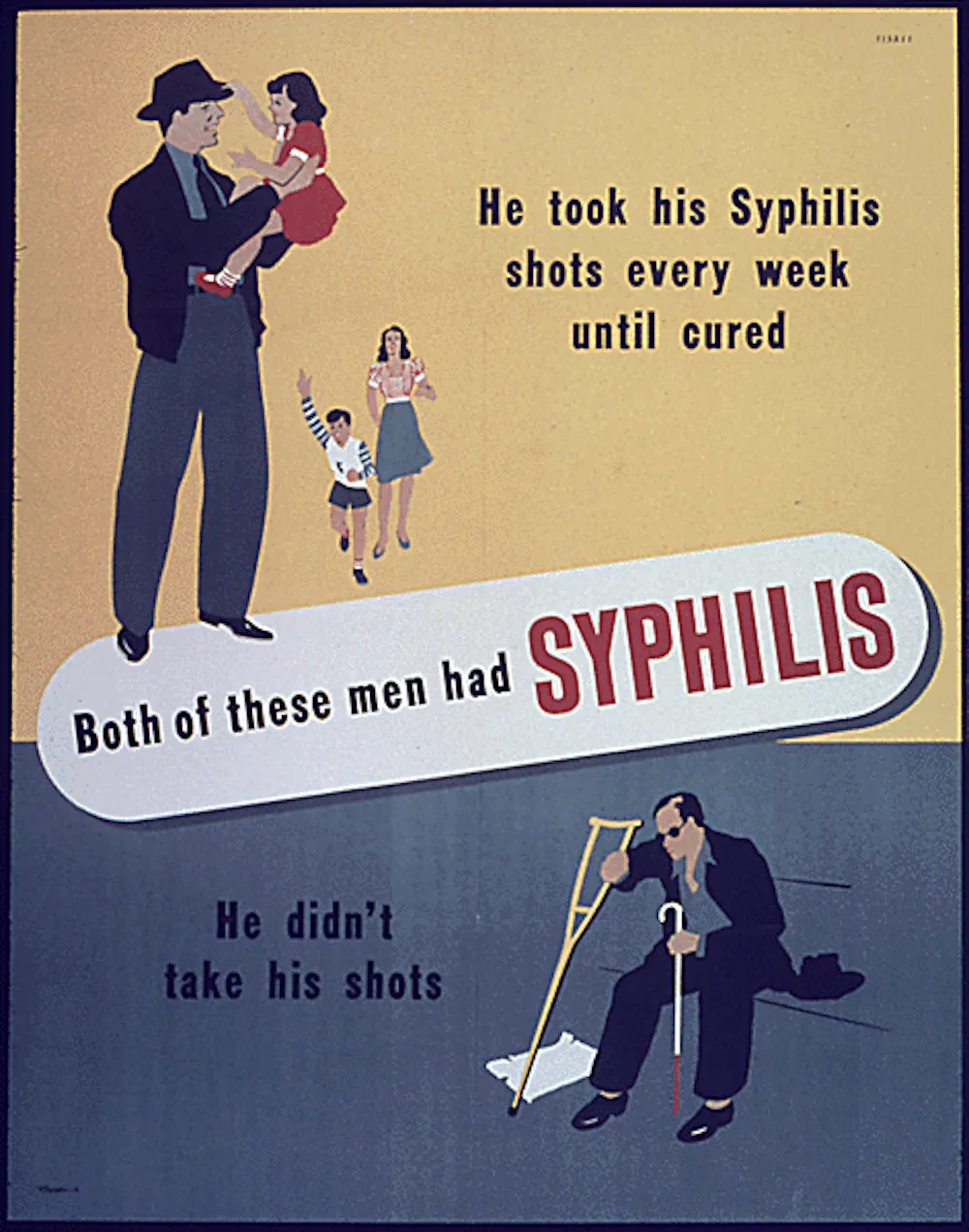
    -30-

    MIL OSI USA News

  • MIL-OSI USA: Plan, Prepare and Protect Your Pet Before, During and After an Emergency

    Source: US Food and Drug Administration

    [embedded content]
    Español
    They make us laugh. They are usually waiting for us when we get home from work and school. They give us unconditional love. They are often our best friends. And they depend on us for everything: food, water, healthcare. They are our pets and part of the family.
    Our pets also depend on us when emergency strikes. Are you ready with your pet preparedness plan?
    Your Pet Preparedness Plan — Prepare Ahead for Your Pet’s Needs
    When it comes to planning for emergencies, pet owners should consider their pets too. With some simple preparations now, you can make sure your pet will be protected, safe and healthy during and after any emergency. In the middle of a disaster, or when you know one is imminent, you may not have time to prepare for the specific needs of your pet. Now is the time for pet preparedness planning, and here are some tips.

    Stock at least a 1-week supply of food and fresh water on hand for your pet, as well as a 1-week supply of medication, if your pet takes medication.
    Include copies of your pet’s vaccination records and other medical records in your pet preparedness kit. Include information about your pet’s insurance policy, if you have one.
    Experts suggest that you also include photos of your pet to help others identify them in case you and your pet become separated.

    How to Weather Emergencies With your Pet and How to Evacuate Safely if Necessary
    If you experience an emergency like a hurricane or flood, bring your pet indoors as soon as local authorities say a storm is coming. Stay indoors, preferably in a room with few or no windows, until you know it’s safe. Take your pet preparedness kit and other disaster supplies with you if you move from room to room.
    If you need to evacuate your home, it is important to bring your pet with you. You can find out from your local emergency management agency which emergency shelters allow pets.
    If you cannot take your pet when you evacuate and must leave them in your home, put a Rescue Alert Sticker on your door to let people know there is a pet inside.
    Pet Preparedness for Large Pets and Smaller Pets, Like Fish
    Having larger and smaller pets during an emergency can pose additional challenges. While dogs and cats are relatively easy to transport and evacuate to a shelter, what do you do with your horse, or fish that are in an aquarium or pond?
    If you have large animals such as horses, cattle, sheep, goats or pigs on your property, make sure they all have some form of identification. Map out primary and secondary evacuation routes in advance and identify the vehicles or trailers that would be needed for transporting and supporting each type of animal. If you need to evacuate with larger animals, make sure that your emergency destination has food and water, as well as access to veterinary care and handling equipment. If you need to evacuate and cannot take your larger animals, you will need to decide how and where to move them to shelter or if it’s better to turn them outside.
    There are some basic guidelines for dealing with fish in aquariums or ponds during a power outage. Experts recommend you do not feed your fish during a power outage. Most fish can survive days or even weeks without food. During the winter, if you lose power, you can insulate your aquarium with something like a blanket or newspapers. An alternate power source, like a generator, can run the heater, pump, and filter. If you must move your fish, you can use a heavy-duty zip-top plastic bag and fill the bag with one-third water and two-thirds air. Alternatively, you can use a bucket, tub, or large jar. It is important that you NOT release your pet fish into local waterways. Introducing non-native fish species is harmful to local waterways. If you cannot keep your fish because of an impending emergency, experts recommend taking them to a pet store.
    Helping Your Pet Adjust After an Emergency
    You and your pet have made it through the emergency, but your pet doesn’t seem normal and is displaying unexpected behaviors. Well-behaved pets may become aggressive or defensive after a major disruption in their lives, and it may take several weeks for them to return to normal. Keep an eye on your pet and give him or her plenty of time to rest; however, if your pet remains extremely anxious or has other behavioral or health problems afterward, contact your veterinarian.

    Find more about Pet Preparedness at the FDA’s Center for Veterinary Medicine:
    Take Care of Your Pets Before Disaster Strikes
    Taking Care of Your Pets During Hurricanes and Floods
    Additional resources:
    Prepare Your Pets for Disasters: This page has tips for dogs and cats as well as tips for large animals, such as horses, goats and pigs.
    NOAA Weather Radio All Hazards: NWR broadcasts official Weather Service warnings, watches, forecasts and other hazard information 24 hours a day, 7 days a week
    Large Animals and Livestock in Disasters

    MIL OSI USA News

  • MIL-OSI Global: COVID-19 is the latest epidemic to show biomedical breakthroughs aren’t enough to eliminate a disease

    Source: The Conversation – USA – By Powel H. Kazanjian, Professor of Infectious Diseases and of History, University of Michigan

    COVID-19 has become a part of modern life that many people don’t pay much attention to. Spencer Platt via Getty Images News

    The COVID-19 pandemic transformed over the past five years from a catastrophic threat that has killed over 7 million people to what most people regard today as a tolerable annoyance that doesn’t require precaution. Nonetheless, COVID-19 continues to kill over 2,000 people per month globally and cause severe illness in the infirm or elderly.

    The evolution of the COVID-19 pandemic – from devastation, to optimism for eradication, to persistent, uneven spread of disease – may seem unprecedented. As an infectious disease doctor and medical historian, however, I see similarities to other epidemics, including syphilis, AIDS and tuberculosis.

    Vaccines, medications and other biomedical breakthroughs are necessary to eliminate epidemic diseases. But as I explore in my book, “Persisting Pandemics,” social, economic and political factors are equally important. On its own, medical science is not enough.

    Syphilis, AIDS and TB have stuck around

    Syphilis is a sexually transmitted disease first identified in 1495. It causes skin rashes and may progress to causing paralysis, blindness or both. For centuries, syphilis weakened nations by disabling parents, workers and soldiers in the prime of their lives. Innovative drugs – first Salvarsan (1909), then penicillin (1943) – offered a path toward eradication when used together with widespread testing.

    A 1940s poster focuses on the medical cure for the disease.
    National Archives, CC BY

    Public health programs conducted from the 1930s through the 2000s, however, failed – not because of the efficacy of the treatments but because of socioeconomic conditions.

    One challenge has been persistent stigma around getting tested for the disease and tracing sexual partners. Poverty is another; it can force women into commercial sex activities and prevent people from learning how to protect themselves from sexually transmitted infections. Population migration due to commerce or war can cause high-risk behaviors such as sexual promiscuity. Women in some cultures lack authority to negotiate for condom use. And governments have not consistently prioritized the sustained funding needed to support efforts to eliminate the disease.

    Despite societal indifference toward syphilis, in the 2020s over 8 million new cases occur globally each year, particularly among racial minorities and low-income populations.

    The history of HIV/AIDS is shorter than that of syphilis, but the trajectory has similarities. Doctors first described HIV/AIDS in 1981, when it was a nearly uniformly fatal sexually transmitted disease. Novel antiretroviral drugs introduced in 1996 offered medical scientists the hope of disease elimination through public health campaigns, centered on widespread testing and treatment, implemented in 2013.

    But these programs, for reasons like with syphilis, are not meeting their treatment targets across all countries, especially among low-income populations and racial minorities. Sustaining funding for health care infrastructure and the multidrug regimens for 39 million people living with HIV poses an added challenge. Today, despite a cavalier public attitude toward the disease, AIDS causes over 630,000 deaths globally. That number will likely increase substantially given the Trump administration’s decision to cut funding for United States Agency for International Development programs.

    Tuberculosis is a third disease that also depleted workforces and weakened nations, particularly in postindustrial revolution 19th-century cities. The disease spread widely because poverty placed people in poorly ventilated working conditions and crowded tenement dwellings. The development of new combination antimicrobial drug regimens offered an avenue for disease eradication in the 1960s.

    Nonetheless, the inability to sustain funding to complete complex treatment courses, problems isolating people who could not afford suitable homes, and poor adherence due to homelessness, incarceration or migration during war or trade have compromised public health campaigns. Despite societal nonchalance, tuberculosis today kills up to 1.6 million globally yearly.

    Memories of the early, emergency phase of the COVID-19 pandemic have faded.
    Stan Grossfeld/The Boston Globe via Getty Images

    The COVID-19 case study

    The trajectories of these epidemics show how campaigns based solely on biomedical approaches that target pathogens are not enough to eliminate disease.

    COVID-19 provides the latest example. In the U.S., the pandemic and its lockdowns disproportionately affected low-income people and racial minorities, especially those employed in front-line jobs that did not allow remote work from home. These groups were more likely to reside in crowded residences with poor ventilation or no space for isolation.

    Despite the rapid development of a breakthrough mRNA vaccine that offered hope for what President Joe Biden euphorically termed “independence from the virus,” the promise never fully materialized.

    Too few people received shots, in large part due to socioeconomic factors.

    Wealthy countries purchased vaccines that lower-income countries could not afford. Allocation difficulties kept vaccines from remote regions of the world.

    Vaccine hesitancy due to mistrust in science, along with sentiment that vaccine mandates violated individual freedoms, also prevented people from getting the shot. Similar attitudes reduced rates of mask-wearing and isolation.

    Consequently, surges that could have been avoided took more lives.

    Drugs and vaccines can’t do it alone

    Modern medical science is unmatched in treating pathogens and disease symptoms. But to stop disease, it’s also critical to address the social, economic and political conditions that enable its spread.

    Public health officials have started to implement a variety of structural solutions:

    A peer educator talks about HIV/AIDS with his colleagues at a maintenance shop in Kenya.
    Wendy Stone/Corbis Historical via Getty Images

    Early 20th-century public health officials had hoped that efficient scientific solutions alone could take the place of 19th-century, pre-germ-theory environmental sanitation efforts. COVID-19, syphilis, HIV/AIDS and tuberculosis show that while biomedical breakthroughs are necessary to eliminate epidemic diseases, sustained focus and resources aimed at helping the most socially and economically vulnerable are essential.

    Powel H. Kazanjian does not work for, consult, own shares in or receive funding from any company or organization that would benefit from this article, and has disclosed no relevant affiliations beyond their academic appointment.

    ref. COVID-19 is the latest epidemic to show biomedical breakthroughs aren’t enough to eliminate a disease – https://theconversation.com/covid-19-is-the-latest-epidemic-to-show-biomedical-breakthroughs-arent-enough-to-eliminate-a-disease-245827

    MIL OSI – Global Reports

  • MIL-OSI United Nations: Gaza: Israeli aid cut threatens care for most vulnerable, warns UNICEF

    Source: United Nations MIL OSI b

    Peace and Security

    The unilateral halt to aid deliveries entering Gaza announced by the Israeli authorities on Sunday has left Gazans afraid of a return to violence and lifesaving healthcare services under threat, the UN Children’s Fund, UNICEF, has warned.

    The agency said that despite the huge influx of humanitarian goods into Gaza during phase one of the ceasefire which began on 19 January, it has not been enough to make up for the 15 months of war when supply convoys were frequently blocked, impeded or cancelled by the Israeli military.

    Speaking from Gaza, UNICEF’s Rosalia Bollen said that being unable to bring humanitarian relief into the enclave including vaccines and ventilators for pre-term babies “will have devastating real-life consequences” for children and their parents.

    “If we’re unable to bring that in, routine vaccination will come to a standstill”, she told UN News. “Neonatal units won’t be able to care for preterm babies, so this is a real-life consequence that we’ll be dealing with very, very soon if we’re unable to resume the aid supplies coming in.”

    The UNICEF Communication Specialist said that existing aid supplies have already been largely distributed throughout Gaza.

    “The needs are so high that we haven’t been able to stockpile goods”, she said, adding that the first phase of the ceasefire wasn’t just a pause in hostilities…it really was a lifeline for families here”.

    Nutrition gains reversed

    The aid blockade comes as the UN aid coordination office, OCHA, reported a slight improvement in dietary diversity during the ceasefire which humanitarians says “is now being reversed” by the aid blockade.

    Before the current conflict, acute malnutrition in Gaza was almost non-existent, but today more than 3,000 children and 1,000 pregnant or breastfeeding women have been referred for acute malnutrition treatment.

    In a more positive development, OCHA noted that February showed a slight improvement in the number of children and pregnant and breastfeeding women consuming the minimum required food groups.

    Citing assessments by nutrition partners, the UN aid office added that about eight per cent of children consumed four or more food groups and there was “a noticeable increase in the consumption of fruits, vegetables, eggs and dairy products”, indicating increased availability at local markets.

    MIL OSI United Nations News

  • MIL-OSI Asia-Pac: CHP receives case of severe paediatric influenza B infection complicated with myocarditis

    Source: Hong Kong Government special administrative region

    CHP receives case of severe paediatric influenza B infection complicated with myocarditis
    *****************************************************************************************

    The Centre for Health Protection (CHP) of the Department of Health today (March 5) received a report of a case of severe paediatric influenza B infection complicated with myocarditis and urged the public who have not yet received the seasonal influenza vaccination (SIV) to act immediately to minimise the risk of serious complications and death after infection.                The case involved an 8-year-old boy with good past health. He developed cough, runny nose and sore throat since March 1 and developed fever the next day. He sought medical attention from a private doctor on March 3. He attended the Accident and Emergency Department of United Christian Hospital yesterday (March 4) and was admitted to the paediatric ward. He was subsequently transferred to the paediatric intensive care unit of Hong Kong Children Hospital. His nasopharyngeal swab specimen tested positive for the influenza B virus upon laboratory testing. The clinical diagnosis was influenza B infection complicated with myocarditis. He is still hospitalised and in critical condition.     The boy had no travel history during the incubation period. His two household contacts had upper respiratory symptoms recently. He received SIV for the current season.                Including the above-mentioned boy, the CHP has recorded 10 cases of severe influenza virus infection in children since the start of this influenza season in early January, seven of whom were unvaccinated. Influenza vaccination has been scientifically proven to be one of the most effective ways to prevent seasonal influenza and its complications, while significantly reducing the risk of hospitalisation and death from seasonal influenza. All persons aged 6 months and above (except those with known contraindications) who have not yet received SIV should act immediately, particularly the elderly and children who have a higher risk of becoming infected with influenza and developing complications.                Furthermore, the SIV coverage rate for children aged 6 months to under 2 years remained relatively low at about 25 per cent as of March 2. Although slightly higher than that of the same period last year, it was still lower than that of other age groups of children. To enhance relevant vaccination services and boost the vaccination rate, the Government has opened the DH’s Maternal and Child Health Centres (MCHCs) to all children aged 6 months to under 2 years. Parents may book an appointment for their children to receive vaccinations at designated MCHCs via the online booking system.               The surveillance data of the CHP shows that the seasonal influenza activity in Hong Kong remains above the baseline thresholds. To protect their health and that of their family members, in addition to receiving SIV, the public should also maintain good personal and environmental hygiene, and take the following measures to prevent contracting influenza and other respiratory illnesses:

    Patients can wear surgical masks to prevent transmission of respiratory viruses. Therefore, it is essential for persons who are symptomatic (even if having mild symptoms) to wear a surgical mask;
    High-risk persons (e.g. persons with underlying medical conditions or persons who are immunocompromised) should wear surgical masks when visiting public places. The general public should also wear a surgical mask when taking public transport or staying in crowded places. It is important to wear a mask properly, including performing hand hygiene before wearing and after removing a mask;
    Avoid touching one’s eyes, mouth and nose;
    Practise hand hygiene frequently, wash hands with liquid soap and water properly whenever possibly contaminated;
    When hands are not visibly soiled, clean them with 70 to 80 per cent alcohol-based handrub;
    Cover the mouth and nose with tissue paper when sneezing or coughing. Dispose of soiled tissue paper properly into a lidded rubbish bin, and wash hands thoroughly afterwards;
    Maintain good indoor ventilation;
    Avoid sharing personal items;
    When having respiratory symptoms, wear a surgical mask, consider to refrain from going to work or school, avoid going to crowded places and seek medical advice promptly; and
    Maintain a balanced diet, perform physical activity regularly, take adequate rest, do not smoke and avoid overstress.

    For the latest information, members of the public can visit the CHP’s seasonal influenza and COVID-19 & Flu Express webpages.

    Ends/Wednesday, March 5, 2025Issued at HKT 17:00

    NNNN

    MIL OSI Asia Pacific News

  • MIL-OSI Asia-Pac: Cabinet approves Revision of Livestock Health and Disease Control Programme (LHDCP)

    Source: Government of India (2)

    Posted On: 05 MAR 2025 3:11PM by PIB Delhi

    The Union Cabinet, chaired by the  Prime Minister Shri Narendra Modi, has today approved the Revision of Livestock Health and Disease Control Programme (LHDCP). 

    The scheme has three components namely National Animal Disease Control Programme (NADCP), LH&DC and Pashu Aushadhi.  LH&DC has three sub-components i.e. Critical Animal Disease Control Programme (CADCP), Establishment and Strengthening of existing Veterinary Hospitals and Dispensaries – Mobile Veterinary Unit (ESVHD-MVU) and Assistance to States for Control of Animal Diseases (ASCAD). The Pashu Aushadhi is new component added to the LHDCP scheme. The total outlay of  the scheme is Rs.3,880 crore for two years i.e. 2024-25 and 2025-26, which includes provision of Rs. 75 crore to provide good quality and affordable generic veterinary medicine and incentive for sale of medicines under Pashu Aushadhi component.

    Productivity of the livestock is impacted adversely due to diseases like  Foot and Mouth Disease (FMD), Brucellosis, Peste des Petits Ruminants (PPR), Cerebrospinal Fluid (CSF), Lumpy Skin Disease, etc. Implementation of the LHDCP will facilitate reduction in these losses by preventing diseases through immunization.  The Scheme also supports door-step delivery of livestock health care through the subcomponents of Mobile Veterinary Units (ESVHD-MVU) and improving availability of generic veterinary medicine- Pashu Aushadhi  through network of PM-Kisan Samriddhi Kendra and Cooperative Societies. 

    Thus, the scheme will help in prevention and control of livestock diseases through vaccination, surveillance and upgradation of healthcare facilities. Also, the scheme will improve productivity, generate employment, encourage entrepreneurship in the rural area and prevent economic losses of farmers due to disease burden.

    *****

    MJPS/BM

    (Release ID: 2108419) Visitor Counter : 126

    MIL OSI Asia Pacific News

  • MIL-OSI United Kingdom: Last chance to get free flu vaccinations

    Source: City of Wolverhampton

    They can get it without an appointment at one of a number of pop-up clinics being held in Wolverhampton until the end of the month including Sainsburys, Bentley Bridge, from 11am to 6pm on Thursdays 6 March and 20 March; Queen Square, Wolverhampton, from 9am to 3pm on Fridays 7 March and 21 March; and Sainsburys, Raglan Street, Wolverhampton, from 9am to 3pm on Thursdays 13 March and 27 March.

    Among those eligible are adults aged 65 years and over, people who live in a care home for older adults, people aged 6 months to 64 years with health conditions that make them more vulnerable, frontline health and social care staff including those working in care homes for older adults, and pregnant women.

    Councillor Jasbir Jaspal, the City of Wolverhampton Council’s Cabinet Member for Adults and Wellbeing, said: “It’s vital that we all do everything we can to protect ourselves from illnesses such as flu, especially those of us who may be at higher risk.

    “I would therefore encourage anyone who is yet to have their flu vaccination to get it at one of the pop-up clinics taking place over the next few weeks.”

    Anyone not eligible for a free flu vaccination is reminded that they can still get it for a small charge at participating pharmacists.

    MIL OSI United Kingdom

  • MIL-OSI USA: Durbin Meets With His Guest, Dr. Sokol, Ahead of President Trump’s Address To Joint Session Of Congress

    US Senate News:

    Source: United States Senator for Illinois Dick Durbin
    March 04, 2025
    Dr. Sokol, whose medical research on neuroblastoma has been jeopardized by Trump’s funding freeze, is a practicing oncologist and researcher from Lurie Children’s Hospital of Chicago
    WASHINGTON—U.S. Senate Democratic Whip Dick Durbin (D-IL) today met with his guest for President Trump’s address to the joint session of Congress, Dr. Elizabeth Sokol, a practicing oncologist and medical researcher at Ann & Robert H. Lurie Children’s Hospital of Chicago.  Dr. Sokol specializes in treating children with neuroblastoma, the leading cause of cancer death for children aged one to five.  Dr. Sokol is in the midst of conducting federally-supported clinical trials that are now being endangered by the Trump Administration’s devastating, and illegal, cuts to funding and resources at the National Institutes of Health (NIH). 
    Like Dr. Sokol, many NIH-funded researchers and institutions are facing an uncertain future because of President Trump and Elon Musk’s move to shut off critical research funding.  Illinois universities and hospitals receive approximately $1.2 billion annually in NIH funding—which supports 14,000 jobs in the state and $3.5 billion in economic activity.  Reports indicate that 1,200 NIH employees have been fired so far under President Trump and Musk’s direction—from experienced vaccine researchers and the next generation of scientists, to the Acting Director of the NIH’s Alzheimer’s and dementia program. Further, President Trump and Musk have reportedly ended a popular trainee program that brought 1,600 young scientists just out of college to the NIH’s world-renowned campus in Maryland to help run labs.
    “President Trump and Elon Musk are carrying out an unprecedented and devastating campaign to cut research funding for cancers, ALS, Alzheimer’s, dementia, and infectious disease.  NIH funding is why people are beating cancer, why babies are being spared from preventable illnesses, why HIV is no longer a death sentence, and why progress is being made on neurodegenerative diseases.  There are millions of Americans impacted by these diseases, and any move to slash medical research funding will have long-term consequences for the health of our country,” Durbin said.
    Durbin continued, “These haphazard decisions by President Trump have real, serious repercussions.  Dr. Sokol, a pediatric oncologist and researcher at Lurie Children’s Hospital in Chicago, has dedicated more than a decade to the research and treatment of children suffering from neuroblastoma.  Today, her research, which helps kids lead healthier lives after surviving cancer, is in jeopardy because of Donald Trump.”
    Durbin concluded, “Additionally, plans by Congressional Republicans to slash Medicaid funding to pay for tax breaks for billionaires like Elon Musk mean that Lurie’s in Chicago and other children’s hospitals nationwide are facing devastating cuts to their lifesaving treatment for critically ill kids.”
    “It’s an honor to be here representing pediatric researchers from Illinois,” said Dr. Sokol. “ As a physician-scientist at the bedside at one of our nation’s premier children’s research hospitals, I have witnessed firsthand how federally funded research—including the essential indirect costs that support it—has allowed for remarkable breakthroughs that help children faced with devastating diagnoses including childhood cancer. It is critically important to have congressional leaders such as Senator Durbin working hard to protect NIH funding including indirect costs, which are vital for sustaining the scientific and clinical research infrastructure. These costs help researchers translate basic discoveries into new treatments and cures for children, who have their whole lives ahead of them.”
    Photos of the meeting can be found here.
    B-roll for TV stations can be found here.
    Last week, Durbin asked for unanimous consent (UC) to pass a resolution he introduced with U.S. Senators Chris Van Hollen (D-MD) and Angela Alsobrooks (D-MD), as well as 21 other Senators, that would pledge support for NIH.  The resolution simply said that the work of NIH should not be subject to interruption, delay, or funding disruptions in violation of the law, and it reaffirmed that the NIH workforce is essential to sustaining medical progress.  U.S. Senator John Barrasso (R-WY) rejected Durbin’s UC request.
    Durbin has long been a strong advocate for robust medical research. His legislation, the American Cures Act, would provide annual budget increases of five percent plus inflation at America’s top four biomedical research agencies: NIH, the Centers for Disease Control and Prevention, the Department of Defense Health Program, and the Veterans Medical and Prosthetics Research Program. Thanks to Durbin’s efforts to increase medical research funding, Congress has provided NIH with a 60 percent funding increase over the past decade.
    Congressional Republicans have proposed deep cuts to Medicaid to fund their budget reconciliation bill, with the House Republican budget resolution calling for $880 billion in cuts to Medicaid.  Cuts of this magnitude would fundamentally alter the Medicaid program, likely reducing coverage or slashing benefits for millions of working families across the United States.  In Illinois, 3.4 million individuals are enrolled in Medicaid, including nearly 1.5 million children.  Further, in Illinois, Medicaid covers nearly half of all births, two-thirds of nursing home residents, the majority of patients with behavioral health needs, and is a lifeline for children’s and rural hospitals. 
    Dr. Elizabeth Sokol’s Bio:
    Dr. Sokol received her medical degree from the University of Illinois School of Medicine in 2007, prior to completing her Pediatrics residency at the University of Chicago/Comer Children’s Hospital. She completed a fellowship in Pediatric Hematology/Oncology in 2017 before completing a post-doctoral program in clinical pharmacology and pharmacogenomics in 2018 at University of Chicago. Dr. Sokol subsequently became a member of the Pediatric Hematology/Oncology division at Ann & Robert H. Lurie Children’s Hospital of Chicago in September 2018.
    Dr. Sokol’s research interests involve the study of pediatric patients with neuroblastoma. As a member of the Children’s Oncology Group’s Neuroblastoma Committee, she participates in the development of new therapeutic clinical trials for patients with high-risk disease. She serves as the Children’s Oncology Group Pediatric Early Phase Clinical Trial Network site PI, bringing early phase trial opportunities to patients with relapsed or refractory disease. In addition, Dr. Sokol has worked with the Lurie Children’s pharmacogenomic steering committee to increase utilization of pharmacogenomic testing to optimize drug utilization for patients with complex pharmacology needs.
    Dr. Sokol’s clinical focus centers on the treatment of pediatric solid tumor patients, including those with neuroblastoma, sarcomas, rare tumors, renal tumors, liver tumors, and germ cell tumors. Through her work with the Children’s Oncology Group’s Neuroblastoma Committee, she participates in the development of new therapeutic clinical trials for neuroblastoma patients.
    -30-

    MIL OSI USA News

  • MIL-OSI USA: President Trump is Leading with Peace Through Strength

    US Senate News:

    Source: The White House
    President Donald J. Trump will always put the American people first — and through restoring the U.S. military’s mission of lethality and leading with peace through strength in his foreign policy, President Trump is making good on his commitment to restore safety and security around the world.
    President Trump is leading with Peace through Strength.
    President Trump secured the release of six American hostages in Venezuela, two Americans in Afghanistan, an American-Israeli citizen in Hamas captivity, a Pennsylvania teacher in Russian captivity, and an American citizen in Belarus — bringing the total number of American hostages released under President Trump to 11.
    President Trump began negotiations with Russian President Vladimir Putin and Ukrainian President Volodymyr Zelensky in pursuit of finally securing peace in Ukraine.
    President Trump made clear to the Ukrainian president that America, which has funded the largest share of Ukraine’s defense, will not be taken advantage of — and the only long-term solution is PEACE.

    President Trump has taken decisive action to eliminate radical Islamic terrorists who threaten American citizens, including a senior ISIS attack planner.
    Since President Trump took office, the U.S. military has carried out strikes that have eliminated 23 radical Islamic jihadists.

    President Trump restored maximum pressure on Iran, “sanctioning an international network for facilitating the shipment of millions of barrels of Iranian crude oil worth hundreds of millions of dollars to the People’s Republic of China.”
    President Trump redesignated the Iran-backed Houthis as a Foreign Terrorist Organization.
    President Trump banned funding to UNRWA — a United Nations agency that employed hundreds of Hamas and jihadi operatives.
    President Trump imposed sanctions on the International Criminal Court, which has illegitimately asserted jurisdiction over internal U.S. matters and baselessly targeted Israeli Prime Minister Benjamin Netanyahu.
    President Trump reinstated the Mexico City Policy to ensure no taxpayer dollars support foreign organizations that perform, or actively promote, abortion in other nations.
    President Trump declared all foreign policy must be conducted under the President’s direction, ensuring career diplomats reflect the foreign policy of the United States at all times.
    President Trump has committed to regaining control of the Panama Canal to combat Chinese influence in the region.
    Bloomberg: CK Hutchison Sells Panama Ports to BlackRock Amid Trump Pressure
    Following a visit from Secretary of State Marco Rubio, Panamanian President José Raúl Mulino agreed to withdraw from China’s Belt and Road Initiative, a debt-trap diplomacy scheme the Chinese Communist Party uses to gain influence over developing nations.

    The U.S. rejoined the Geneva Consensus Declaration, which promotes and strengthens opportunities for women and girls around the world, and protects the family as the fundamental unit of society.
    The Department of State ordered embassies worldwide to only fly the American flag — not activist flags.
    President Trump cracked down on anti-Semitism by canceling visas for foreign students who are Hamas sympathizers.
    President Trump initiated a process to build a next-generation missile defense shield over the United States.
    President Trump hosted Israeli Prime Minister Benjamin Netanyahu for a visit where he proposed a bold vision for securing lasting peace in Gaza.
    Former U.S. Ambassador to Israel David Friedman described the proposal as “brilliant, historic and the only idea I have heard in 50 years that has a chance of bringing security, peace and prosperity to this troubled region.”

    President Trump hosted Japanese Prime Minister Shigeru Ishiba, who announced his intention to “elevate Japan’s investment in the United States to an unprecedented amount of $1 trillion,” import “historic” quantities of LNG from Alaska, and open new auto plants in the U.S.
    President Trump hosted Jordan’s King Abdullah II, who announced that the Kingdom will accept 2,000 sick children from Gaza “as quickly as possible.”
    President Trump hosted Indian Prime Minister Narendra Modi for a visit where they announced new deals between the two countries on immigration, trade, energy, and artificial intelligence.
    President Trump is re-establishing the U.S. military as the strongest, most powerful fighting force in the world.
    The U.S. military is seeing its highest recruitment numbers in modern history.
    The U.S. Army saw its highest recruitment numbers in 15 years following President Trump’s victory.
    The U.S. Navy is on track for its highest recruitment numbers in two decades.
    The U.S. Air Force saw its highest recruitment numbers in 15 years in December, January, and February — while the number of recruits in its Delayed Entry Program is the most in nearly a decade.

    President Trump selected Lt. Gen. Dan ‘Razin’ Caine to be the next chairman of the Joint Chiefs of Staff.
    Caine’s resumé includes two tours in Iraq, protecting the nation’s capital after 9/11, and serving as a deputy commanding general during President Trump’s successful effort at eliminating ISIS.

    President Trump reinstated, with backpay, U.S. service members who were discharged under the military’s nonsensical COVID-19 vaccine mandate.
    The U.S. Army barred transgender people from enlisting and stopped using taxpayer funds on sex change surgeries for service members.
    Secretary of Defense Pete Hegseth restored Fort Liberty, North Carolina, to “Fort Bragg,” in honor of a World War II hero, and restored Fort Moore to “Fort Benning” in honor of World War I hero Army Cpl. Fred G. Benning.
    President Trump ordered the immediate dismissal of the Board of Visitors for the Army, Air Force, Navy, and Coast Guard following years of woke ideologies infiltrating U.S. service academies.

    MIL OSI USA News

  • MIL-OSI USA: ICYMI: Tuberville in Newsweek: America is Back. President’s Joint Address Will Celebrate It

    US Senate News:

    Source: United States Senator for Alabama Tommy Tuberville

    WASHINGTON – Today, U.S. Senator Tommy Tuberville (R-AL) penned an op-ed in Newsweek previewing President Donald J. Trump’s Joint Address to Congress tonight. In the piece, Sen. Tuberville celebrates the Trump administration’s accomplishments since returning to the White House, including securing the border, negotiating America First trade deals, cutting wasteful government spending, and facilitating peace around the world.

    Read excerpts from the piece below or here.

    “Tonight, President Donald Trump will give his first joint address to Congress since his triumphant return to the White House. For the past four years, Americans endured a national nightmare under the Biden administration. Democrats opened our borders—allowing criminals, terrorists, drug dealers, and murderers to flood into our country unchecked. They canceled American energy production and forced us to rely on our foreign adversaries for energy. They wrote a blank check to Ukraine—while doing nothing to actually stop the bloodshed. They even went as far as to support men competing in women’s sports. Joe Biden and Kamala Harris brought this country to the brink of destruction.

    The last four years were a dumpster fire—a total disaster. ‘Sleepy Joe’ was worn slap out as soon as he got up in the morning. Thinking back on it now, I really don’t know how our country survived. It’s a miracle that we made it through those dark days. One thing is for sure: President Trump’s address will be nothing like the clown show we endured the last four years.

    But today, America is ready to usher in its golden age under President Donald J. Trump. We’re only a month and a half in, and President Trump is well on his way to renewing the American dream by reversing some of the Democrats’ most destructive policies. Most importantly, President Trump is keeping his promises to the 77 million Americans who voted for him and his ‘America First’ agenda. A recent poll showed 70 percent of Americans believe President Trump is doing what he said he would do.

    We’ve already seen a whole lot of winning. Illegal border crossings have plummeted under the Trump administration, reaching their lowest levels in decades. Democrats’ ‘catch and release’ program has been replaced with detaining and deporting illegal immigrants. Since master-dealmaker President Trump first threatened tariffs, Canada and Mexico have been pulling their weight to stop the flow of illegal immigrants and deadly fentanyl into the U.S. It’s about time they pony up and contribute to this so-called ‘alliance.’

    Two weeks ago, the administration officially designated eight different cartel groups as foreign terrorist organizations. Did Border Czar Kamala Harris recommend any of these policies? I don’t think so. She was too busy trying to keep the Left’s radical agenda alive. Border security is national security, and President Trump is making the safety of U.S. citizens his top priority.

    President Trump is also hard at work restoring common-sense policies. For example, his administration announced that schools that still enforce COVID vaccine mandates will no longer receive federal funding. President Trump also signed an executive order defining gender as male and female, along with one banning men from competing in women’s sports.

    […]

    I was particularly thrilled when President Trump signed an executive order to protect Title IX and keep men out of women’s sports. But unfortunately, executive orders can be reversed. My bill, the Protection of Women and Girls in Sports Act, finally got a vote last night in the Senate. Every Democrat voted against it. Last week, my wife Suzanne and I welcomed our first granddaughter, Rosie Grace. Now that I’m a grandfather, I’m more motivated than ever to continue fighting to permanently keep men out of women’s sports.

    President Trump is doing something rare in D.C.: delivering on his campaign promises. From cutting wasteful spending with DOGE to renaming the beautiful Gulf of America, President Trump is renewing the American dream. And he’s not slowing down. Trump has brought unbelievable energy to 1600 Pennsylvania Avenue. He won’t rest until American families, businesses, farmers, and manufacturers are winning again.

    We have a long way to go if we’re going to get our country back on track and truly make America great again. But we’re well on our way. I look forward to hearing his address tonight and am committed to helping advance his agenda from the Senate.”

    Senator Tommy Tuberville represents Alabama in the United States Senate and is a member of the Senate Armed Services, Agriculture, Veterans’ Affairs, HELP, and Aging Committees.

    MIL OSI USA News

  • MIL-OSI USA: FDA Roundup: March 4, 2025

    Source: US Department of Health and Human Services – 3

    For Immediate Release:
    March 04, 2025

    Today, the U.S. Food and Drug Administration is providing an at-a-glance summary of news from around the agency:

    On Monday, the FDA approved the first generics of Xarelto (rivaroxaban), 2.5 mg, tablets to reduce the risk of major cardiovascular events in adult patients with coronary artery disease (CAD) and to reduce the risk of major thrombotic vascular events in adult patients with peripheral artery disease (PAD), including patients who have recently undergone a lower extremity revascularization procedure due to symptomatic PAD. Anticoagulants (blood thinners) are among the most commonly prescribed medications in the U.S., and Monday’s approval of the first generics of rivaroxaban, 2.5 mg, tablets will make a direct impact on American patients who rely on anticoagulant medications. Approving safe and effective generics to help provide patients more treatment options continues to be a priority for the FDA.
    On Friday, the FDA informed sponsors of testosterone products of new labeling changes resulting from the results of the Testosterone Replacement Therapy for Assessment of Long-term Vascular Events and Efficacy Response in Hypogonadal Men (TRAVERSE) clinical trial and the results from required postmarket ambulatory blood pressure monitoring (ABPM) studies. The labeling changes include a new warning about the risk of increased blood pressure for testosterone products that currently do not contain such labeling information.
    On Friday, the FDA approved TNKase (tenecteplase) to treat acute ischemic stroke (AIS) in adults. The most common adverse reaction is bleeding. TNKase is for intravenous administration only and recommended dosing is available in the prescribing information. 

    Related Information

    Related Information

    ###

    Boilerplate

    The FDA, an agency within the U.S. Department of Health and Human Services, protects the public health by assuring the safety, effectiveness, and security of human and veterinary drugs, vaccines and other biological products for human use, and medical devices. The agency also is responsible for the safety and security of our nation’s food supply, cosmetics, dietary supplements, radiation-emitting electronic products, and for regulating tobacco products.

    Inquiries

    Consumer:
    888-INFO-FDA

    Content current as of:
    03/04/2025

    Regulated Product(s)

    Follow FDA

    MIL OSI USA News

  • MIL-OSI: Eos Energy Enterprises Strengthens Executive Leadership to Drive Growth in American-Made Energy Storage

    Source: GlobeNewswire (MIL-OSI)

    EDISON, N.J., March 04, 2025 (GLOBE NEWSWIRE) — Eos Energy Enterprises, Inc. (NASDAQ: EOSE) (“Eos” or the “Company”), America’s leading innovator in designing, manufacturing, and providing zinc-based long duration energy storage (LDES) systems sourced and manufactured in the United States, today announced two leadership appointments that will further support its growth strategy and strengthen its market position. Effective March 5, 2025, Nathan Kroeker will transition from his current Chief Financial Officer role to become Eos’ Chief Commercial Officer. In conjunction with this strategic transition, the Company has appointed Eric Javidi as its new Chief Financial Officer, bringing extensive investing, operating and organizational leadership experience in the energy and energy infrastructure spaces.

    “Over the past two years, Nathan secured over $850 million in transformative financing, positioning Eos for significant operational expansion. His prior experience as CEO, where he successfully led an energy trading and marketing company operating assets like those of our customers, gives him a unique understanding of both the complexities of the industry and the evolving needs of customers,” said Joe Mastrangelo, Eos Chief Executive Officer. “Nathan’s background as Chief Financial Officer gives him a unique advantage in understanding both the financial and commercial landscapes of the industry, allowing him to create customer-centric solutions that are not only impactful, but also financially sustainable.”

    Kroeker will be responsible for expanding into new geographies, driving customer project financing, and ensuring that Eos’ offering is aligned with the diverse needs of its customer base. His expertise will help guide the Company’s growth by strengthening customer relationships and bankability, providing financing solutions, and positioning Eos as the preferred partner in long duration energy storage.

    “I am also very pleased to welcome Eric Javidi as our next Chief Financial Officer,” continued Mastrangelo. “Eric brings over 15 years of experience within the energy and energy infrastructure space, having held a variety of executive roles in both the public and private sectors. His extensive experience as a strategic leader will be invaluable as we scale our company. He has a proven track record of driving performance and growth through strategic decision making and tactical capital allocation decisions. His leadership will be crucial in maximizing profitability and shareholder value.”

    Javidi is an experienced executive with extensive industry experience having previously served as Managing Partner and Co-head of Kayne Anderson Capital Advisors, LP’s (“Kayne Anderson”) Energy Infrastructure strategy. In addition to his six years at Kayne Anderson, Javidi has served in C-suite executive roles for several public and private companies, including as the Chief Financial Officer of Archaea Energy, Inc. (NYSE: LFG) and CrossAmerica Partners LP (NYSE: CAPL), and as President and CEO of Southcross Holdings LP. Additionally, he has provided ongoing strategic consulting services to some of the world’s largest infrastructure private equity firms related to their energy transition investments and strategies. Javidi began his career as an investment banker at Lehman Brothers, Barclays and UBS and holds an MBA from Duke University.

    “These two appointments are vital to our continued success,” added Mastrangelo. “Nathan’s transition to Chief Commercial Officer and the addition of Eric as Chief Financial Officer bring two uniquely qualified executives to key roles in the Company. Together, they will lead our efforts to scale operations, profitability and achieving long-term strategic growth in American-made energy storage.”

    “I am thrilled to be part of such an innovative and dynamic team and organization,” said Javidi. “With the energy storage market rapidly evolving to longer duration storage, Joe’s leadership and ability to execute, in addition to the world-class strategic partnership with Cerberus, it couldn’t be a more exciting time to join Eos. I look forward to leveraging my experience to support the Company’s growth, drive value creation and help position Eos for both near-term and long-term success. With Nathan in his new role as Chief Commercial Officer, Eos is poised to enhance both our financial strength and our customer focused approach as we expand our domestic and international footprint and deliver industry-leading solutions.”

    This leadership change comes at a pivotal time as Eos continues to focus on expanding its presence in the fast-growing long duration energy storage market that require increased access to financing options that enable customers to adopt innovative technologies with greater ease and accessibility.

    About Eos Energy Enterprises

    Eos Energy Enterprises, Inc. is accelerating the shift to American energy independence with positively ingenious solutions that transform how the world stores power. Our breakthrough Znyth™ aqueous zinc battery was designed to overcome the limitations of conventional lithium-ion technology. It is safe, scalable, efficient, sustainable, manufactured in the U.S., and the core of our innovative systems that today provides utility, industrial, and commercial customers with a proven, reliable energy storage alternative for 3 to 12-hour applications. Eos was founded in 2008 and is headquartered in Edison, New Jersey. For more information about Eos (NASDAQ: EOSE), visit eose.com.


    Forward-Looking Statements

    Except for the historical information contained herein, the matters set forth in this press release are forward-looking statements within the meaning of the “safe harbor” provisions of the Private Securities Litigation Reform Act of 1995. Forward-looking statements include, but are not limited to, statements regarding our expected revenue, for the fiscal years December 31, 2025, our path to profitability and strategic outlook, statements regarding orders backlog and opportunity pipeline, statements regarding our expectation that we can continue to increase product volume on our state-of-the-art manufacturing line, statements regarding our future expansion and its impact on our ability to scale up operations, statements regarding our expectation that we can continue to strengthen our overall supply chain, statements regarding our expectation that our new comprehensive insurance program will provide increased operational and economic certainty, statements that refer to the delayed draw term loan with Cerberus, milestones thereunder and the anticipated use of proceeds, statements that refer to outlook, projections, forecasts or other characterizations of future events or circumstances, including any underlying assumptions. The words “anticipate,” “believe,” “continue,” “could,” “estimate,” “expect,” “intends,” “may,” “might,” “plan,” “possible,” “potential,” “predict,” “project,” “should,” “would” and similar expressions may identify forward-looking statements, but the absence of these words does not mean that a statement is not forward-looking. Forward-looking statements are based on our management’s beliefs, as well as assumptions made by, and information currently available to, them. Because such statements are based on expectations as to future financial and operating results and are not statements of fact, actual results may differ materially from those projected.

    Factors which may cause actual results to differ materially from current expectations include, but are not limited to: changes adversely affecting the business in which we are engaged; our ability to forecast trends accurately; our ability to generate cash, service indebtedness and incur additional indebtedness; our ability to achieve the operational milestones on the delayed draw term loan; our ability to raise financing in the future; risks associated with the credit agreement with Cerberus, including risks of default, dilution of outstanding Common Stock, consequences for failure to meet milestones and contractual lockup of shares; our customers’ ability to secure project financing; the amount of final tax credits available to our customers or to Eos pursuant to the Inflation Reduction Act; the timing and availability of future funding under the Department of Energy Loan Facility; our ability to continue to develop efficient manufacturing processes to scale and to forecast related costs and efficiencies accurately; fluctuations in our revenue and operating results; competition from existing or new competitors; our ability to convert firm order backlog and pipeline to revenue; risks associated with security breaches in our information technology systems; risks related to legal proceedings or claims; risks associated with evolving energy policies in the United States and other countries and the potential costs of regulatory compliance; risks associated with changes to the U.S. trade environment; our ability to maintain the listing of our shares of common stock on NASDAQ; our ability to grow our business and manage growth profitably, maintain relationships with customers and suppliers and retain our management and key employees; risks related to the adverse changes in general economic conditions, including inflationary pressures and increased interest rates; risk from supply chain disruptions and other impacts of geopolitical conflict; changes in applicable laws or regulations; the possibility that Eos may be adversely affected by other economic, business, and/or competitive factors; other factors beyond our control; risks related to adverse changes in general economic conditions; and other risks and uncertainties.

    The forward-looking statements contained in this press release are also subject to additional risks, uncertainties, and factors, including those more fully described in the Company’s most recent filings with the Securities and Exchange Commission, including the Company’s most recent Annual Report on Form 10-K and subsequent reports on Forms 10-Q and 8-K. Further information on potential risks that could affect actual results will be included in the subsequent periodic and current reports and other filings that the Company makes with the Securities and Exchange Commission from time to time. Moreover, the Company operates in a very competitive and rapidly changing environment, and new risks and uncertainties may emerge that could have an impact on the forward-looking statements contained in this press release.

    Forward-looking statements speak only as of the date they are made. Readers are cautioned not to put undue reliance on forward-looking statements, and, except as required by law, the Company assumes no obligation and does not intend to update or revise these forward-looking statements, whether as a result of new information, future events, or otherwise.

    The MIL Network

  • MIL-OSI: Eos Energy Enterprises Meets 2024 Revised Revenue Guidance and Reports Fourth Quarter & Full-Year 2024 Financial Results; Reaffirms 2025 Revenue Guidance

    Source: GlobeNewswire (MIL-OSI)

    • Achieved Cerberus third tranche of operational performance milestones and secured final $40.5 million to fully fund $210.5 million Delayed Draw Term Loan
    • Closed $303.5 million loan guaranteed by the U.S. Department of Energy’s Loan Programs Office and secured first funding of $68.3 million
    • Secured $8 million standalone BESS order for Naval Base of San Diego to advance American energy independence
    • Grew customer orders backlog to $682 million, a 28% increase year over year
    • Launched Factory 2 Works with eight states responding to Requests for Proposals and multiple sites now shortlisted
    • Reiterates 2025 full-year revenue guidance range of $150 million – $190 million
    • Strengthened executive leadership, appointed current Chief Financial Officer, Nathan Kroeker to Chief Commercial Officer; welcomed new Chief Financial Officer, Eric Javidi, who brings extensive investing, operating and leadership experience within the energy and energy infrastructure spaces, along with a track record of success with high growth companies

    EDISON, N.J., March 04, 2025 (GLOBE NEWSWIRE) — Eos Energy Enterprises, Inc. (NASDAQ: EOSE) (“Eos” or the “Company”), America’s leading innovator in designing, manufacturing, and providing zinc-based long duration energy storage (LDES) systems sourced and manufactured in the United States, today announced its financial results for the fourth quarter and full-year ended December 31, 2024.

    Fourth Quarter Highlights

    • Revenue totaled $7.3 million, a 10% increase compared to the prior year and 749% increase compared to last quarter.
    • Gross loss of $23.5 million, consistent with prior year, on lower Z3 material costs offset by higher project execution costs related to commissioning and field operations.
    • Operating expenses totaled $28.2 million, a 52% increase compared to prior year, with 45% of the total representing non-cash items. Cash operating expenses remained relatively flat, with $8.5 million (or 88% of the increase over prior year) driven by non-cash items such as PP&E write offs and stock-based compensation expense as a result of a significant stock price increase.
    • Net loss attributable to shareholders of $268.1 million, largely driven by non-cash change in fair value tied to mark-to-market adjustments related to the Company’s increased December 31, 2024, stock price. Adjusted EBITDA loss of $44.6 million, a 20% increase compared to the prior year, driven by an increase in Gen 2.3 PP&E write offs and Cerberus debt issuance costs.
    • Total cash of $103.4 million, including restricted cash, as of December 31, 2024.
    • $14.4 billion commercial opportunity pipeline, a 9% increase from prior year, with a $682 million orders backlog, an increase of 16% compared to prior quarter and 28% compared to December 31, 2023.
    • Achieved SOX compliance by strengthening the Company’s internal controls, eliminating previously disclosed material weakness.

    Full-Year 2024 Highlights

    • Revenue totaled $15.6 million in line with the Company’s revised 2024 revenue guidance.
    • Gross loss of $83.3 million, a 13% increase compared to the prior year; lower Z3 material costs were more than offset by labor and overhead inefficiencies related to manual sub assembly and increased project execution.
    • Operating expenses totaled $91.9 million, a 16% increase compared to the prior year, with 29% of the total representing non-cash items. The year over year increase included $7.7 million in cash expenses which was primarily driven by strategic investments in sales, sourcing, software engineering, and controllership to position the Company for scaled growth.
    • Net loss attributable to shareholders of $685.9 million, largely driven by non-cash change in fair value tied to mark-to market adjustments stemming from the increase in stock price as of December 31, 2024. Adjusted EBITDA loss of $156.6 million.

    “Over the past 12 months the team delivered significant results. The organization brought the first state-of-the-art manufacturing line into full operation, reduced Z3 costs, increased commercial opportunity pipeline and orders backlog and secured two major financing investments with Cerberus and the Department of Energy,” said Joe Mastrangelo, Eos Chief Executive Officer. “These two critical proof points strongly validate our long-term strategy and capabilities, positioning the Company to scale with the growing demand for long-duration energy storage. With the announcement of Factory 2 Works and plans to order three additional manufacturing lines, Eos is now hyper-scaling its capacity expansion to secure larger orders and deliver for customers and shareholders.”

    2025 Outlook

    • For the full-year 2025, Eos expects to achieve revenue between $150 million and $190 million. This projected growth is expected to be driven by increased production volume on the Company’s first state-of-the-art manufacturing line as staged sub-assembly automation comes online.

    Recent Business Highlights

    Cerberus Strategic Investment
    As announced in January, Eos successfully achieved the third tranche of performance milestones previously agreed upon between Eos and an affiliate of Cerberus Capital Management LP (“Cerberus”) as part of their strategic investment in the Company. Meeting these performance milestones allowed the Company to access the final $40.5 million of the Delayed Draw Term Loan (DDTL), fueling ongoing operations and U.S. production expansion. The $210.5 million DDTL announced in June 2024 is now fully funded, driven by the Company consistently achieving key operational milestones related to the Company’s state-of-the-art manufacturing line, raw materials cost-out, Z3 technology performance improvement and customer cash conversion. The Company surpassed its January raw materials cost-out target by 6% while delivering manufacturing cycle times below 10 seconds and maintaining 98% first pass yield to further demonstrate continued operational efficiency and progress towards profitable growth.

    Commercial Growth & Bankability
    In the fourth quarter, the Company secured several key standalone storage orders including contracts with a municipal cooperative in Springfield Missouri, the U.S. Marine Corps Base at Camp Pendleton in San Diego and most recently the Naval Base of San Diego. Eos deployment of American-made energy storage systems is becoming increasingly vital, not only for enhancing military resilience but also for strengthening the U.S. against global energy disruptions and securing America’s energy independence.

    To drive further growth, the Company launched a comprehensive insurance program in partnership with Ariel Green, a division of Ariel Re, to enhance the bankability of the Company’s technology. These products include investment tax credit (ITC) and ITC recapture protections, along with contractual warranty and performance guarantee backstop coverage. Most recently, the Company also updated its standard warranty to a 3-year term with the option to extend to 5 or 10 years. These customer-focused solutions, combined with extensive third-party validations and a more robust Company balance sheet, provide greater risk mitigation, enhanced operational stability and increased economic certainty.

    Operational Capacity Expansion
    Demand for safe, multi-cycle, American-made energy storage has reached a level that requires significant capacity expansion. As announced in December 2024, the Company launched its search for Factory 2 Works, submitting Requests for Proposals (RFPs) to eight states, with multiple sites now shortlisted. In parallel, Eos is progressing with plans to procure three additional manufacturing lines, including sub-assemblies, battery manufacturing, and cube assembly to support 6 GWh of additional annualized manufacturing capacity. This expansion is a crucial step in scaling operations to meet the growing demand for reliable, high performance energy storage.

    The Company is expanding its first manufacturing line from 1.25 GWh to 2 GWh annualized capacity and continues to progress through Factory Acceptance Testing with its staged sub-assembly automation implementation. The Company expects full implementation to occur in the second and early third quarter, which is essential for increasing throughput and reducing labor and overhead costs.

    Earnings Conference Call and Webcast
    Eos will host a conference call to discuss its fourth quarter and full-year 2024 results on March 5, 2025, at 8:30 a.m. ET. The live webcast of the earnings call will be available on the “Investor Relations” page of the Company’s website at Eos Investors or may be accessed using this link (registration link). To avoid delays, we encourage participants to join the conference call fifteen minutes ahead of the scheduled start time.

    The conference call replay will be available via webcast through Eos’ investor relations website for twelve months following the live presentation. The webcast replay will be available from approximately 11:30 a.m. ET on March 5, 2025, and can be accessed by visiting Eos Investors.

    About Eos Energy Enterprises

    Eos Energy Enterprises, Inc. is accelerating the shift to American energy independence with positively ingenious solutions that transform how the world stores power. Our breakthrough Znyth™ aqueous zinc battery was designed to overcome the limitations of conventional lithium-ion technology. It is safe, scalable, efficient, sustainable, manufactured in the U.S., and the core of our innovative systems that today provides utility, industrial, and commercial customers with a proven, reliable energy storage alternative for 3 to 12-hour applications. Eos was founded in 2008 and is headquartered in Edison, New Jersey. For more information about Eos (NASDAQ: EOSE), visit eose.com.

    Forward Looking Statements

    Except for the historical information contained herein, the matters set forth in this press release are forward-looking statements within the meaning of the “safe harbor” provisions of the Private Securities Litigation Reform Act of 1995. Forward-looking statements include, but are not limited to, statements regarding our expected revenue, for the fiscal years December 31, 2025, our path to profitability and strategic outlook, statements regarding orders backlog and opportunity pipeline, statements regarding our expectation that we can continue to increase product volume on our state-of-the-art manufacturing line, statements regarding our future expansion and its impact on our ability to scale up operations, statements regarding our expectation that we can continue to strengthen our overall supply chain, statements regarding our expectation that our new comprehensive insurance program will provide increased operational and economic certainty, statements that refer to the delayed draw term loan with Cerberus, milestones thereunder and the anticipated use of proceeds, statements that refer to outlook, projections, forecasts or other characterizations of future events or circumstances, including any underlying assumptions. The words “anticipate,” “believe,” “continue,” “could,” “estimate,” “expect,” “intends,” “may,” “might,” “plan,” “possible,” “potential,” “predict,” “project,” “should,” “would” and similar expressions may identify forward-looking statements, but the absence of these words does not mean that a statement is not forward-looking. Forward-looking statements are based on our management’s beliefs, as well as assumptions made by, and information currently available to, them. Because such statements are based on expectations as to future financial and operating results and are not statements of fact, actual results may differ materially from those projected.

    Factors which may cause actual results to differ materially from current expectations include, but are not limited to: changes adversely affecting the business in which we are engaged; our ability to forecast trends accurately; our ability to generate cash, service indebtedness and incur additional indebtedness; our ability to achieve the operational milestones on the delayed draw term loan; our ability to raise financing in the future; risks associated with the credit agreement with Cerberus, including risks of default, dilution of outstanding Common Stock, consequences for failure to meet milestones and contractual lockup of shares; our customers’ ability to secure project financing; the amount of final tax credits available to our customers or to Eos pursuant to the Inflation Reduction Act; the timing and availability of future funding under the Department of Energy Loan Facility; our ability to continue to develop efficient manufacturing processes to scale and to forecast related costs and efficiencies accurately; fluctuations in our revenue and operating results; competition from existing or new competitors; our ability to convert firm order backlog and pipeline to revenue; risks associated with security breaches in our information technology systems; risks related to legal proceedings or claims; risks associated with evolving energy policies in the United States and other countries and the potential costs of regulatory compliance; risks associated with changes to the U.S. trade environment; our ability to maintain the listing of our shares of common stock on NASDAQ; our ability to grow our business and manage growth profitably, maintain relationships with customers and suppliers and retain our management and key employees; risks related to the adverse changes in general economic conditions, including inflationary pressures and increased interest rates; risk from supply chain disruptions and other impacts of geopolitical conflict; changes in applicable laws or regulations; the possibility that Eos may be adversely affected by other economic, business, and/or competitive factors; other factors beyond our control; risks related to adverse changes in general economic conditions; and other risks and uncertainties.

    The forward-looking statements contained in this press release are also subject to additional risks, uncertainties, and factors, including those more fully described in the Company’s most recent filings with the Securities and Exchange Commission, including the Company’s most recent Annual Report on Form 10-K and subsequent reports on Forms 10-Q and 8-K. Further information on potential risks that could affect actual results will be included in the subsequent periodic and current reports and other filings that the Company makes with the Securities and Exchange Commission from time to time. Moreover, the Company operates in a very competitive and rapidly changing environment, and new risks and uncertainties may emerge that could have an impact on the forward-looking statements contained in this press release.

    Forward-looking statements speak only as of the date they are made. Readers are cautioned not to put undue reliance on forward-looking statements, and, except as required by law, the Company assumes no obligation and does not intend to update or revise these forward-looking statements, whether as a result of new information, future events, or otherwise.

    Key Metrics

    Backlog. Our backlog represents the amount of revenue that we expect to realize from existing agreements with our customers for the sale of our battery energy storage systems and performance of services. The backlog is calculated by adding new orders in the current fiscal period to the backlog as of the end of the prior fiscal period and then subtracting the shipments in the current fiscal period. If the amount of an order is modified or cancelled, we adjust orders in the current period and our backlog accordingly, but do not retroactively adjust previously published backlogs. There is no comparable US-GAAP financial measure for backlog. We believe that the backlog is a useful indicator regarding the future revenue of our Company.

    Pipeline. Our pipeline represents projects for which we have submitted technical proposals or non-binding quotes plus letters of intent (“LOI”) or firm commitments from customers. Pipeline does not include lead generation projects.

    Booked Orders. Booked orders are orders where we have legally binding agreements with a Purchase Order (“PO”), or Master Supply Agreement (“MSA”) executed by both parties.

    Non-GAAP Financial Measures

    To provide investors with additional information regarding our financial results, we have disclosed in this earnings release non-GAAP financial measures, including adjusted EBITDA and adjusted EPS, which are non-GAAP financial measures as defined under the rules of the SEC. These non-GAAP financial measures should be considered supplemental to, not a substitute for, or superior to, the financial measures of the Company’s calculated in accordance with U.S. generally accepted accounting principles (“GAAP”). The Company believes adjusted EBITDA, and adjusted EPS are useful measures in evaluating its financial and operational performance distinct and apart from financing costs, certain non-cash expenses and non-operational expenses.

    We believe that non-GAAP financial information, when taken collectively may be helpful to our investors in assessing its operating performance. There are a number of limitations related to the use of these non-GAAP financial measures and their nearest GAAP equivalents. For example, the Company’s definitions of non-GAAP financial measures may differ from non-GAAP financial measures used by other companies. Below is a description of the non-GAAP financial information included herein as well as reconciliations to the most directly comparable GAAP measure. You should review the reconciliations below but not rely on any single financial measure to evaluate our business.

    Adjusted EBITDA is defined as earnings (net loss) attributable to Eos adjusted for interest expense, income tax, depreciation and amortization, non-cash stock-based compensation expense, change in fair value of debt and derivatives, debt extinguishment, and other non-cash or non-recurring items as determined by management which it does not believe to be indicative of its underlying business trends. Adjusted EPS is defined as GAAP net loss per common share as adjusted for non-cash stock-based compensation expense change in fair value of debt and derivatives and debt extinguishment per common share.

    EOS ENERGY ENTERPRISES, INC.
    CONSOLIDATED STATEMENTS OF OPERATIONS AND COMPREHENSIVE LOSS
    (In thousands, except share and per share amounts)
      For the Years Ended December 31,
        2024       2023  
    Revenue $ 15,606     $ 16,378  
    Cost of goods sold   98,867       89,798  
    Gross profit (loss)   (83,261 )     (73,420 )
    Operating expenses      
    Research and development expenses   22,758       18,708  
    Selling, general and administrative expenses   60,047       53,650  
    Loss from write-down of property, plant and equipment   9,133       7,159  
    Total operating expenses   91,938       79,517  
    Operating loss   (175,199 )     (152,937 )
    Other (expense) income      
    Interest expense, net   (8,718 )     (18,770 )
    Interest expense – related parties   (19,499 )     (37,466 )
    Change in fair value of debt – related party   33,823        
    Change in fair value of warrants   (171,226 )     (24,980 )
    Change in fair value of derivatives – related parties   (405,388 )     9,983  
    Gain (loss) on debt extinguishment   68,478       (3,510 )
    Other expense   (8,120 )     (1,795 )
    Loss before income taxes $ (685,849 )   $ (229,475 )
    Income tax expense   21       31  
    Net loss attributable to shareholders $ (685,870 )   $ (229,506 )
    Accretion of Preferred Stock – related party   (278,330 )      
    Net loss attributable to common shareholders $ (964,200 )   $ (229,506 )
    Other comprehensive (loss) income attributable to common shareholders      
    Change in fair value of debt – credit risk – related party   (43,490 )      
    Foreign currency translation adjustment   (13 )     1  
    Comprehensive loss attributable to common shareholders $ (1,007,703 )   $ (229,505 )
    Basic and diluted loss per share attributable to common shareholders      
    Basic $ (4.55 )   $ (1.81 )
    Diluted $ (4.55 )   $ (1.81 )
    Weighted average shares of common stock      
    Basic   212,039,775       126,967,756  
    Diluted   212,039,775       126,967,756  
                   
    EOS ENERGY ENTERPRISES, INC.
    CONSOLIDATED BALANCE SHEET
    (In thousands)
      December 31,
        2024       2023  
    Balance sheet data      
    Cash and cash equivalents $ 74,292     $ 69,473  
    Other current assets   105,620       52,858  
    Property, plant and equipment, net   45,660       37,855  
    Other assets   34,746       26,306  
    Total assets   260,318       186,492  
    Total liabilities   842,085       297,292  
    Mezzanine equity – preferred stock   488,696        
    Total deficit   (1,070,463 )     (110,800 )
                   
    EOS ENERGY ENTERPRISES, INC.
    CONSOLIDATED STATEMENT OF CASHFLOWS
    (In thousands)
      December 31,
        2024       2023  
    Cash used in operating activities $ (153,936 )   $ (145,018 )
    Cash used in investing activities   (33,186 )     (29,461 )
    Cash provided by financing activities   205,834       227,918  
    Effect of foreign exchange on cash, cash equivalents and restricted cash   (17 )     5  
    Net increase in cash, cash equivalents and restricted cash   18,695       53,444  
    Cash, cash equivalents and restricted cash, beginning of year   84,667       31,223  
    Cash, cash equivalents and restricted cash, end of year $ 103,362     $ 84,667  
    EOS ENERGY ENTERPRISES, INC.
    RECONCILIATION OF NET LOSS TO EBITDA AND ADJUSTED EBITDA
    (In thousands)

        For the three months
    ended December 31,
      For the twelve months
    ended December 31,
          2024       2023       2024       2023  
    Net loss   $ (268,124 )   $ (41,208 )   $ (685,870 )   $ (229,506 )
    add: Interest expense     5,248       8,565       28,217       56,236  
    add: Income tax expense     4       6       21       31  
    add: Depreciation and amortization     2,640       2,435       7,899       9,751  
    EBITDA loss     (260,232 )     (30,202 )     (649,733 )     (163,488 )
    add: Stock based compensation     7,840       3,934       18,780       14,057  
    add (deduct): Change in fair value of derivatives     244,877       (10,922 )     576,614       14,997  
    deduct: Change in fair value of debt     (37,099 )           (33,823 )      
    (deduct) add: (Gain) loss on debt extinguishment                 (68,478 )     3,510  
    Adjusted EBITDA loss   $ (44,614 )   $ (37,190 )   $ (156,640 )   $ (130,924 )
     
    EOS ENERGY ENTERPRISES, INC.
    RECONCILIATION OF NET (LOSS) INCOME
    TO ADJUSTED NET (LOSS) INCOME PER SHARE
    (In thousands, except share and per share data)

      For the three months
    ended December 31,
      For the twelve months
    ended December 31,
        2024       2023       2024       2023  
    Net loss attributable to common shareholders $ (481,516 )   $ (41,208 )   $ (964,200 )   $ (229,506 )
    add: Stock based compensation   7,840       3,934       18,780       14,057  
    add (deduct): Change in fair value of derivatives   244,877       (10,922 )     576,614       14,997  
    deduct: Change in fair value of debt   (37,099 )           (33,823 )      
    (deduct) add: (Gain) loss on debt extinguishment               (68,478 )     3,510  
    Adjusted net loss attributable to common shareholders   (265,898 )     (48,196 )     (471,107 )     (196,942 )
                   
    Basic and diluted loss per share attributable to common shareholders
    Basic $ (2.20 )   $ (0.25 )   $ (4.55 )   $ (1.81 )
    Diluted $ (2.20 )   $ (0.25 )   $ (4.55 )   $ (1.81 )
                   
    Basic and diluted adjusted loss per share attributable to common shareholders
    Basic $ (1.22 )   $ (0.29 )   $ (2.22 )   $ (1.55 )
    Diluted $ (1.22 )   $ (0.29 )   $ (2.22 )   $ (1.55 )
                   
    Weighted average shares of common stock              
    Basic   218,640,092       164,780,351       212,039,775       126,967,756  
    Diluted   218,640,092       164,780,351       212,039,775       126,967,756  

    The MIL Network

  • MIL-OSI USA: NEWS: Sanders Statement: USAID Cuts Will Lead to Millions of Preventable Deaths

    US Senate News:

    Source: United States Senator for Vermont – Bernie Sanders
    WASHINGTON, March 4 – Sen. Bernie Sanders (I-Vt.) today released the following statement about the impact that cuts to USAID from the Trump administration and Elon Musk’s DOGE will have on vulnerable people around the world. 
    Elon Musk and Donald Trump’s dismantling of the U.S. Agency for International Development (USAID) will lead to millions of preventable deaths. The decision of the richest person in the world to destroy an agency that delivers life-saving aid to the poorest people on the planet is unconscionable. 
    According to internal USAID memos, the cuts to foreign aid will mean, every single year: 
    Two to three million additional deaths from lack of vaccinations;
    166,000 more deaths from malaria;
    28,000 new cases of highly-infectious diseases., including Ebola and Marburg virus; and
    200,000 more children paralyzed from polio.
    Separately, independent researchers estimate that the illegal freeze on global AIDS funding has already taken nearly 19,000 lives, and that the toll will increase as the funding freeze continues. 
    These actions are not just immoral, they are unconstitutional.
    Congress created USAID as an independent agency – it cannot be unilaterally eliminated by the president based on the whim of an unelected billionaire. The Constitution explicitly gives Congress the power of the purse. 
    Make no mistake: These cuts will not only lead to millions of unnecessary deaths throughout the world, they are an attack on our democracy and the checks and balances our Founding Fathers established more than 230 years ago. Further, it will weaken our national security and our standing in the global community. When we abandon desperate people in some of the poorest countries in the world, we can be sure that geo-political adversaries will fill the void.

    MIL OSI USA News

  • MIL-OSI Europe: Answer to a written question – When did the Commission learn that the efficacy of COVID-19 vaccines had never been tested against contagion? – E-002952/2024(ASW)

    Source: European Parliament

    COVID-19 vaccines have been authorised to protect against COVID-19. Vaccines are not authorised with the primary goal of reducing disease transmission, which is challenging to assess in clinical studies and requires large-scale real-world data.

    Post-authorisation studies indicate that COVID-19 vaccines can reduce virus transmission, though their effectiveness varies over time and across regions due to circulating virus strains and preventive measures[1].

    The first COVID-19 vaccines received conditional marketing authorisation based on short-term efficacy, with the duration of protection still being determined.

    By 2021, real-world data showed reduced protection over time, particularly with new variants. Ongoing recommendations for booster doses and vaccine updates aim to maintain protection as the virus evolves.

    The COVID-19 vaccine contracts that the Commission concluded on behalf of the Member States were based on products which were considered safe and efficacious according to EU pharmaceutical law requirements and authorised based on the European Medicines Agency’s advice.

    Studies indicate that vaccine protection declines over time and that this is due, among other factors, to the emergence of new variants. COVID-19 vaccines authorised in the EU are regularly updated to maintain protection as SARS-CoV-2 evolves.

    The vaccine contracts allowed and continue to allow Member States to order updated vaccines, once authorised and made available by manufacturers.

    According to the European Centre for Disease Prevention and Control, all vaccines authorised in the EU were highly protective against hospitalisation, severe disease, and death, and delays in their availability could have had severe public health consequences[2].

    • [1] https://www.ema.europa.eu/en/human-regulatory-overview/public-health-threats/coronavirus-disease-covid-19/covid-19-medicines/covid-19-vaccines-key-facts
    • [2] https://www.ecdc.europa.eu/en/publications-data/interim-analysis-covid-19-vaccine-effectiveness-against-hospitalisation-and-death

    MIL OSI Europe News

  • MIL-OSI: Pacific General Forms Strategic Partnership with Lenwich

    Source: GlobeNewswire (MIL-OSI)

    NEW YORK, March 04, 2025 (GLOBE NEWSWIRE) — Pacific General, a New York-based private investment firm, announced today that it has acquired a majority stake in Lenwich, the iconic premium sandwich brand that has been a staple in New York City since 1989. Lenwich’s Founder, Lenny Chu, will retain a significant equity interest in the company and continue to lead Lenwich as CEO. Terms of the transaction were not disclosed.

    The partnership between Pacific General and Lenwich aims to accelerate Lenwich’s expansion beyond its home market in New York City, extending across the East Coast and the broader United States. This growth will be driven by investments in technology, digital transformation, professional leadership, and franchise development. This strategic approach builds on Pacific General’s proven track record of scaling restaurant brands, as demonstrated by its successful investment and recent exit of Playa Bowls, the largest açai bowl franchise in the country. During its investment in Playa Bowls, Pacific General added over 170 locations nationwide in three years, investing in systems, processes and further professionalizing the leadership team while working closely with the company’s founders.

    Founded in 1989 by Lenny Chu, an immigrant from South Korea, Lenwich began as a single deli on the Upper West Side of New York City and has since grown into an iconic sandwich brand, serving New Yorkers for over 30 years. Today, Lenwich operates 14 company-owned locations across the city and is widely recognized for its commitment to fresh, high-quality sandwiches, distinguished by meticulous attention to detail and made-to-order service.

    “As a New York-based brand, Lenwich has received numerous unsolicited investment offers over the years. The Pacific General team stood out for their deep appreciation of our brand’s value and for their strategic vision around our company’s growth. I am confident Pacific General is the ideal partner to elevate Lenwich to the next level, and I look forward to collaborating with the Pacific General team in this exciting new chapter,” said Lenny Chu, Founder and CEO of Lenwich.

    “Over the years of building our relationship with Lenny, my team and I continue to be impressed by Lenwich’s journey and strong market presence. With a loyal customer base, Lenwich has become a hallmark of New York’s sandwich scene, highlighted by its commitment to quality and taste. We are excited to support Lenwich in expanding into a nationwide brand, addressing the underserved customer demand for high-quality sandwiches and salads,” said Matthew Yoon, Managing Partner of Pacific General.

    “With its strong foundation and decades of excellence proven in New York City, one of the country’s most competitive restaurant markets, Lenwich has significant untapped potential for growth. We look forward to bringing our network and expertise to unlock the company’s full potential,” said Dajeong Lee, Partner of Pacific General.

    Cravath, Swaine & Moore LLP served as legal counsel to Pacific General and Pryor Cashman LLP acted as legal counsel to Lenwich. RSM provided financial and tax due diligence in connection with the transaction.

    About Lenwich

    Founded in 1989, Lenwich is a highly reputable, premium, New York-inspired sandwich concept with 14 corporate-owned stores across Manhattan. Lenwich serves fresh, made-to-order sandwiches, wraps and salads; best known for its Chicken Caesar Wrap and Lenwich sandwich (hot pastrami, corn beef and coleslaw).

    About Pacific General

    Pacific General is an investment firm focusing on private equity and alternative investments. The firm specializes in originating, structuring, and investing in businesses with growth potential in the consumer, industrials and business services sectors, and leverages its cross-border expertise and global network to create value. The firm operates through offices in New York and Seoul, South Korea and with a presence in Riyadh, Saudi Arabia.

    The MIL Network

  • MIL-OSI: FactSet Acquires LogoIntern

    Source: GlobeNewswire (MIL-OSI)

    NORWALK, Conn., March 04, 2025 (GLOBE NEWSWIRE) — FactSet (NYSE: FDS | NASDAQ: FDS), a global financial digital platform and enterprise solutions provider, announced the acquisition of TableTop Data, Inc. (“LogoIntern”), a workflow tool beloved by junior bankers to streamline the unenviable task of adding, organizing, and formatting logos into pitch decks. This acquisition builds on FactSet’s recently launched Pitch Creator solution to bring automation to another time-consuming and manual aspect of a junior banker’s daily workflow.

    “So many of us have spent too much time resizing, reordering, and manipulating logos in presentations. While an annoyance for most, for our investment banking clients, this tedious and mundane task is a necessary part of their pitch creation workflow,” said Kendra Brown, Senior Vice President and Senior Director of Banking and Sell-Side Research at FactSet. “FactSet is committed to improving junior banker productivity and driving deal capacity. Incorporating LogoIntern into our product portfolio will free up time for our users to focus on more interesting, higher-value work.”

    Founded in 2016 by a former investment banking analyst, LogoIntern offers a productivity solution that helps financial services professionals create well formatted logo outputs for presentations faster. Current customers include leading global investment banks, boutique advisors, middle market banks, and private equity and venture capital firms.

    “When I started LogoIntern, my goal was to create modern software tools that make tedious work better for junior bankers,” said Jack Archer, Founder and CEO, LogoIntern. “I’m excited to continue this mission at FactSet and join the team in building the next generation of banker productivity solutions that empower users and bring new-found efficiency to their daily work.”

    The transaction closed on March 3, 2025 and is not expected to have a material impact on FactSet’s fiscal 2025 results.

    About FactSet 

    FactSet (NYSE:FDS | NASDAQ:FDS) helps the financial community to see more, think bigger, and work better. Our digital platform and enterprise solutions deliver financial data, analytics, and open technology to more than 8,200 global clients, including over 218,000 individual users. Clients across the buy-side and sell-side as well as wealth managers, private equity firms, and corporations achieve more every day with our comprehensive and connected content, flexible next-generation workflow solutions, and client-centric specialized support. As a member of the S&P 500, we are committed to sustainable growth and have been recognized amongst the Best Places to Work in 2023 by Glassdoor as a Glassdoor Employees’ Choice Award winner. Learn more at www.factset.com and follow us on X and LinkedIn.

    FactSet

    Investor Relations:
    investor_relations@factset.com 

    Media Relations:
    Megan Kovach
    +1.512.736.2795
    megan.kovach@factset.com

    The MIL Network

  • MIL-OSI United Nations: Georgia: Malaria-free certification ‘a huge milestone worth marking’

    Source: United Nations MIL OSI

    Health

    The country of Georgia has been certified malaria-free following a nearly century-long fight to combat the disease, the World Health Organization (WHO) announced on Thursday. 

    It now joins 45 countries and one territory that have achieved this milestone.

    “Today we congratulate the people of Georgia for their decades of targeted and sustained actions to eliminate malaria, one of the world’s leading killers,” said Tedros Adhanom Ghebreyesus, the WHO Director-General. 

    About WHO certification

    Malaria is spread by some types of mosquitoes and is mostly found in tropical countries. The infection is caused by a parasite and does not spread from person to person. The disease is both preventable and curable.

    Symptoms can be mild or life-threatening, Mild symptoms are fever, chills and headache, while severe ones include fatigue, confusion, seizures, and difficulty breathing. 

    WHO certifies a country as malaria-free after it has proven, beyond reasonable doubt, that transmission has been interrupted nationwide for at least the previous three consecutive years.

    Dr. Hans Kluge, WHO Regional Director for Europe, said Georgia’s achievement “is a huge milestone worth marking” as it brings Europe another step closer to being certified as the first malaria-free region in the world.

    “This doesn’t happen in a vacuum, this was made possible thanks to sustained investment, dedication of the health workforce and targeted efforts in prevention, early detection and effective treatment of all malaria cases,” he said.

    A long battle

    Malaria has plagued Georgia since ancient times, WHO noted.

    Before the introduction of systematic control efforts in the early 1900s, at least three malaria parasite species – P. falciparum, P. malariae and P. vivax – were endemic there. In the 1920s, roughly 30 per cent of the population suffered from malaria caused by the P. vivax malaria species.

    By 1940, large-scale mosquito control programmes had helped reduce malaria cases significantly through improved access to diagnostic and treatment facilities. However, the Second World War caused cases to surge again due to population movement and the strain on health facilities. 

    During the post-war period, Georgia launched an intensive programme focused on eliminating malaria, using newer medicines, insecticide spraying and robust entomological surveillance. The campaign successfully interrupted the transmission of P. falciparum by 1953, P. malariae by 1960 and P. vivax by 1970. 

    The country remained malaria-free for 25 years, but by 2002 the disease had reemerged, with 474 cases reported.

    Renewed commitment

    In 2005, Georgia and nine other countries in the WHO European Region signed the Tashkent Declaration, reaffirming its pledge to eliminate malaria. 

    The intensified interventions that followed significantly reduced malaria incidence in Georgia, with the last indigenous case recorded in 2009. By 2015, all 53 countries of the WHO European Region, including Georgia, reported zero indigenous cases.

    To prevent further re-establishment of malaria transmission in the region, the original signatories of the Tashkent Declaration issued the Ashgabat Statement in 2017, committing to take all efforts to remain malaria-free. 

    Türkiye is the only country in the WHO European Region still to be certified. 

    MIL OSI United Nations News

  • MIL-OSI United Kingdom: Over a quarter of pupils missing out on HPV vaccine

    Source: United Kingdom – Executive Government & Departments

    News story

    Over a quarter of pupils missing out on HPV vaccine

    On HPV Awareness Day, parents are reminded HPV vaccine gives protection against cervical cancer and protects both girls and boys from several other types of cancer.

    The NHS HPV vaccination programme in England, delivered in schools, has dramatically lowered HPV infections and rates of cervical cancer in vaccine-eligible women, with the strongest effects seen in those offered vaccination at younger ages. 

    However, with over a quarter of eligible pupils missing out on this vital life-saving protection each year, UK Health Security Agency (UKHSA) is today reminding young people and parents that HPV vaccination is for both girls and boys – as it protects all young adults, men and women, against genital warts and some cancers of the genital areas and anus, as well as some mouth and throat (head and neck) cancers. 

    The HPV vaccine has been offered to all girls in school year 8 since September 2008. From September 2019, the vaccine has also been offered to year 8 boys. This is because the evidence is clear that the HPV vaccine helps protect both boys and girls from HPV-related cancers. This protection is now provided with just one dose of HPV vaccine.

    The UKHSA is urging all young people to take up the HPV vaccine in schools when offered – with parents ensuring they sign the consent forms to enable their children to be vaccinated. Latest figures overall indicate that uptake is stabilising, with encouraging signs of increases when people are first offered the vaccine in year 8.

    However, HPV vaccine uptake among school pupils is still well below pre-pandemic levels of around 90%, with over a quarter still not protected.

    The most recent coverage data include HPV vaccine uptake rates for the 2023 to 2024 academic year, following the move from 2 doses to 1 dose through the routine adolescent HPV programme in September 2023.

    They show that:

    • uptake among year 8 females was 72.9% (1.6% higher than the previous year) and 67.7% for year 8 males (2.5% higher than the previous year)
    • uptake among year 9 females was 74.1% (1.6% lower than the previous year) and 68.5% for year 9 males (1.2% lower than previous year)
    • uptake among year 10 females was 76.7% (6.5% lower than the previous year) and 71.2% for year 10 males (7.4% lower than the previous year)

    Data also show the impact of catch-up efforts for HPV vaccination since the COVID-19 pandemic. HPV coverage for female year 9 pupils was 2.8% higher than the previous academic year when the same cohort was in year 8. Similarly for male year 9 pupils uptake was 3.3% higher than in 2022 to 2023.

    Dr Sharif Ismail, Consultant Epidemiologist at UKHSA, said:

    The HPV vaccine is one of the most successful in the world, now given as just a single dose helping to prevent HPV related cancers from developing in both boys and girls.

    Some parents may still think that HPV is just for girls to protect against cervical cancer, but since 2019 the vaccine is also offered to all boys in Year 8 – protecting both boys and girls from several cancers caused by the HPV virus.

    Although we have seen some increases in the number of young people being vaccinated, uptake is still well below pre-pandemic levels, with over a quarter missing out on this vital protection.

    We urge young people and their parents to ensure consent forms are returned so both boys and girls take up this potentially life-saving vaccine when offered. Look out for the invitation from your school and if you missed your HPV vaccine, you can contact your GP practice to arrange an appointment – you remain eligible to receive the vaccine until your 25th birthday.

    Cancer Research UK’s Chief Executive, Michelle Mitchell, said:

    Every year, around 3,300 people are diagnosed with cervical cancer in the UK. Thanks to the power of research and efforts of NHS staff, we can eliminate cervical cancer as a public health problem in our lifetime – the HPV vaccine combined with cervical screening can help to bring about a future virtually free from the disease.

    The science is clear, HPV vaccination is safe and effective. It’s vital that access to HPV vaccination and cervical screening is improved to ensure more lives aren’t lost to cervical cancer. I encourage all eligible people to take up these life-saving offers.

    Steve Russell, National Director for Vaccinations and Screening for NHS England, said:

    The NHS HPV vaccination already helps save thousands of lives, but we know there is more to do to ensure young people are getting protected.

    We’re urging parents of boys and girls eligible for a vaccine to consent to their children getting their HPV vaccines from nurses when they visit schools, as it helps protect against a virus causing cancers, including head and neck, and nearly all cases of cervical cancer.

    Hundreds of women die of cervical cancer in England each year and 99.8% of cases of cervical cancer are preventable through HPV vaccination and cervical screening, so this vaccine is crucial in our drive to eliminate the disease by 2040.

    Updates to this page

    Published 4 March 2025

    MIL OSI United Kingdom

  • MIL-OSI USA: Pioneering UW Medical Researcher Known For Lifesaving Cancer Breakthroughs to Join Cantwell for SOTU Tomorrow

    US Senate News:

    Source: United States Senator for Washington Maria Cantwell
    03.03.25
    Pioneering UW Medical Researcher Known For Lifesaving Cancer Breakthroughs to Join Cantwell for SOTU Tomorrow
    Dr. Paul Lange led prostate cancer research collaboration with Fred Hutchinson Cancer Center and UW Medicine: Cantwell has been sounding the alarm on Trump admin’s proposed funding cuts for Medicaid and lifesaving biomed research
    WASHINGTON, D.C. – U.S. Senator Maria Cantwell, ranking member of the Senate Committee on Commerce, Science, and Transportation and senior member of the Senate Finance Committee, will be joined by Dr. Paul Lange at the annual State of the Union Address that President Donald Trump will deliver to a joint session of Congress tomorrow evening.
    Dr. Lange is a medical research pioneer, cancer surgeon and founding director of Seattle’s world-leading Institute for Prostate Cancer Research (IPCR). Early prostate cancer detection tests that Dr. Lange helped develop – with support from federal funding — are a major reason why the U.S. prostate cancer death rate declined significantly from 1993 to 2022.
    “I’ve worked for more than 40 years to develop a cure for prostate cancer, and I’m proud to say that a cure is within reach. But cuts to federal support for medical research would delay lifesaving advancements for all medical diseases including all forms of cancer. Specifically, If President Trump’s administration cuts research funding for prostate cancer, the world’s dream of a cure will be impeded.  There are men currently in their 20s and 30s – men who could be saved by this cure — who will die instead,” Dr. Lange said. “America is home to some of the best biomedical research facilities in the world. To keep our global leadership, we must invest in the people and institutions that keep us moving forward.”
    “People are afraid that their life’s work will be gone,” Sen. Cantwell said in a speech on the Senate floor. “They tell me they have to stop admitting new patients to clinical trials, that they’ll have to scale back. And we can’t just start and stop medical research like a faucet. Once these people leave, the programs are stopped. It takes a long time to get them started. Once halted, the research data, the clinical trial, the patients, the laboratory, the equipment that led to those innovations — will be lost. [If you] ask me, that is throwing taxpayer dollars away. When you have an opportunity to cure a disease that affects millions of people and can save taxpayers billions, but somebody is arbitrarily going to cut these NIH funds, thinking they’re saving the American people? They’re not saving them. They’re causing harm.”
    Throughout his career, Dr. Lange provided lifesaving care to patients of all backgrounds, including many Medicaid recipients. Last week, Sen. Cantwell released a snapshot report highlighting the impact that slashing Medicaid to fund tax cuts for corporations and the ultra-wealthy would have on Washington state’s health care system
    Approximately 35,000 men die from prostate cancer in the U.S. every year, so the research by Dr. Lange and his UW Medicine and Fred Hutch medical associates, has helped save many lives by dramatically reducing the annual death rate and, very critically, has elevated the prospects of developing a complete cure.
    One of those men is well-known Edmonds-based travel writer Rick Steves, whose prostate cancer was caught by an early detection test.  Steves has spoken publicly about his battle with prostate cancer to raise awareness and encourage men to talk to their doctors early about screening – and to express gratitude that he has “access to the brilliant UW Medicine team at the IPCR now headed by Dr. Dan Lin and the leading technology at Seattle’s Fred Hutch Cancer Center.”
    Over the past month, Sen. Cantwell has been sounding the alarm on the Trump administration’s threats to cut funding from the National Institutes of Health (NIH). In early February, NIH  announced it would set the maximum rate for indirect costs to 15% —creating a serious funding shortfall for research institutions of all types across the country. This move would dismantle the biomedical research system and stifle the development of new cures for disease.
    On Feb. 12, Sen. Cantwell delivered a speech on the Senate floor explaining her opposition to Robert F. Kennedy, Jr.’s nomination to head the Health and Human Services Administration and laying out the repercussions of the proposed NIH cuts. On Feb. 13, she joined the entire Senate Democratic Caucus in sending a letter to Kennedy expressing serious concern over the Trump Administration’s recent decisions that threaten to undermine America’s lifesaving biomedical research infrastructure, in violation of federal law.
    “The Administration’s new policy means that research will come to a halt, sick kids may not get the treatment they need, and clinical trials may shut down abruptly,” the Senators wrote.
    Last week, Sen. Cantwell released a snapshot report highlighting the impact that slashing Medicaid to fund tax cuts for corporations and the ultra-wealthy would have on Washington state’s health care system, especially in Central and Eastern Washington. Based on interviews and statements from more than a dozen health organizations statewide, the report details how Medicaid cuts — and the subsequent service cuts by providers — would likely affect all Washingtonians.
    Research entities in Washington state received $1.29 billion in NIH funding in Fiscal Year 2023, which supports nearly 12,000 jobs and nearly $3 billion in economic activity. A state by state analysis of total NIH funding, jobs supported, and economic activity supported through NIH research is available HERE.
    For decades, Sen. Cantwell has remained a staunch supporter of medical innovation and evidence-based science, including treatments for fentanyl addiction, abortion, vaccinations, stem cell research, and more.

    MIL OSI USA News