NewzIntel.com

    • Checkout Page
    • Contact Us
    • Default Redirect Page
    • Frontpage
    • Home-2
    • Home-3
    • Lost Password
    • Member Login
    • Member LogOut
    • Member TOS Page
    • My Account
    • NewzIntel Alert Control-Panel
    • NewzIntel Latest Reports
    • Post Views Counter
    • Privacy Policy
    • Public Individual Page
    • Register
    • Subscription Plan
    • Thank You Page

Category: Covid 19

  • MIL-OSI New Zealand: Northland News – CityLink, BusLink fares to increase from August

    Source: Northland Regional Council

    Prices will increase across Northland’s public transport network from Friday 01 August with authorities saying they have been left with little choice in the matter.
    Northland Regional Council member Joe Carr, who chairs the Northland Regional Transport Committee, says fares on Whangārei’s CityLink service will revert to their 2018 level of $3 for adults and $2 for children, an increase of $1 per journey on the present fares.
    Fares on the rural BusLink services will rise by 50 cents per journey from Friday 01 August.
    Infants up to four years of age will continue to travel free of charge. Concessions for Community Service Card and Gold Card holders remain in place for CityLink and BusLink routes.
    From 01 August these concessions will also apply for the first time to BusLink’s Bream Bay Link and Hikurangi Link, which had not previously been able to offer these discounts.
    “Council recognises that cost of living pressures are impacting on Northlanders and has for many years made every effort to keep bus fares as low as possible,” Chair Carr says.
    However, he says the council – which administers the services – had been left with very little option, but to review fares.
    “Regional councils nationwide are having to find additional forms of funding to cover bus operational, infrastructure and administration costs in keeping with the Government Policy on Land Transport 2024.”.
    During Covid and to assist with the cost-of-living crisis, the government had funded several fare reduction schemes across the country, but this funding had ceased in 2023.
    Chair Carr says even with the increased fares, Northland’s charges are still largely in line with other parts of New Zealand.
    He says over the past two years CityLink has also made several improvements to the service, including the introduction of the SchoolLink service and extension to Route 3, an online bus tracking system, and the Rose Street bus hub redevelopment currently underway with Whangarei District Council.
    The council will run an awareness campaign shortly to inform passengers of the intended increases.

    MIL OSI New Zealand News –

    June 6, 2025
  • MIL-OSI Global: For both artists and scientists, slow looking allows surprising connections to surface

    Source: The Conversation – Canada – By Amanda Bongers, Assistant Professor, Chemistry Education Research, Queen’s University, Ontario

    Scientists need skills in visual analysis and critical thinking, but these skills aren’t being taught or practised nearly enough in our university classrooms.

    The fast pace and complex visuals in chemistry lectures can be overwhelming.
    (Lee Nachtigal/Flickr), CC BY

    One reason why science is hard to learn is because it relies on visuals and simulations for things we cannot see with the naked eye. In topics like chemistry, students struggle to translate complicated symbols to the atoms and molecules they are meant to represent.

    Surprisingly, most university chemistry classrooms are not helping students with these tasks. Students spend lectures passively viewing slides packed with images without engaging with them or generating their own. Relying on innate ability, rather than teaching visual thinking and analysis skills, leaves many students feeling lost in the symbols and resorting to arduous and unproductive memorization tactics.

    What can we do to help students analyze and learn from scientific visuals? Fortunately, we can look to the arts for inspiration. There are parallels between the skills learned in art history and those needed in science classrooms.

    Developing a trained eye

    Feeling baffled by a work of art is similar to the experience of many chemistry learners. In both scenarios, viewers might ask themselves: What am I looking at, where should I look and what does it mean?

    And while a portrait or landscape may seem straightforward in its message, these works of art are filled with information and messages hidden to the untrained eye.

    The longer a viewer takes to look at each image, the more information can be uncovered, and the viewer can ask more questions and explore further.

    For example, in the 18th-century painting Still Life with Flowers on a Marble Tabletop by Dutch painter Rachel Ruysch, looking beyond the flowers painted in full bloom reveals a swarm of insects, which art historians regard in a wider context of spiritual meditations upon mortality.

    Did you notice the insects in ‘Still Life with Flowers on a Marble Tabletop?’
    (Rijksmuseum)

    The field of art history is dedicated to exploring works of art, and emphasizes visual analysis and critical thinking skills. When an art historian studies a work of art, they explore what information may be contained within the work, why it was presented in that manner and what this means in a broader context.


    Read more:
    Mike Pence’s fly: From Renaissance portraits to Salvador Dalí, artists used flies to make a point about appearances


    Process of looking, asking questions

    This process of looking and asking questions about what you are looking at is needed at all levels of science, and is a useful general skill.

    The non-profit organization Visual Thinking Strategies has created resources and programs to support educators, from kindergarten to high school, in using art for discussion in their classrooms.

    These discussions about art help young learners develop skills for reasoning, communicating and coping with uncertainty. Another resource, “Thinking Routines” from Harvard’s Project Zero, includes more suggestions for leading engagement with art and objects to help students cultivate observation, interpretation and questioning.

    Critical viewing means slowing down

    Such approaches have also been embraced in medical education, where medical students learn critical viewing through close-looking activities with art, and explore themes of empathy, power and care.

    Viewing art can help teach people critical viewing, a skill essential for interpreting medical imaging.
    (Shutterstock)

    Medical humanities programs also help young professionals to respond to ambiguity. Learning how to analyze art changes how people describe medical images, such as photos of clinical interactions, and has been shown to improve their empathy scores.

    The skills needed for visual analysis of art works require us to slow down and let our eyes wander and brains think. Slow and deep looking involves taking four or five minutes to silently view a work of art, allowing surprising details and connections to surface. Students training in medical imaging in the field of radiology can learn this slow and critical viewing process by interacting with art.

    Students in classrooms

    Now imagine the difference between a leisurely setting like a gallery to a classroom, with the pressure to listen, look, copy and learn from visuals and prepare for exams.

    How long are students spending analyzing these complex chemistry diagrams? Research that colleagues and I conducted suggests very little.

    When we observed chemistry classrooms, we found that students either passively viewed images while the instructor discussed them, or copied visuals as the instructor drew them. In both cases, they are not engaging with the visuals or generating their own.

    When teaching chemistry, Amanda, the lead author of this story, has seen students feel pressure to find a “correct” answer quickly when solving chemistry problems, causing them to overlook important but less obvious information.

    Visual analysis in chemistry education

    Our team of artists, art historians, arts educators, chemistry teachers and students is working to bring arts-inspired visual analysis into university chemistry classrooms.

    Through mock lectures followed by in-depth discussions, our preliminary research has found intersections between the practices and teachings of the visual arts skills and the skills needed for chemistry education, and we’ve designed activities for teaching students these skills.

    A focus group with university science educators helped us refine the activities to work for educators’ classrooms and goals. Through this process, we’ve identified new ways of thinking about and engaging with visuals and as our research evolves, so may these activities.

    Example of a visual analysis activity pairing a work of art with a chemistry visual. Left: ‘Cubist Study of a Head’ by Elemér de Kóródy, 1913 (The Met). Right: Analysis of a cycloaddition reaction (Author provided).

    Many students in university science classrooms will not pursue a traditional career in science, and their programs rarely lead to a specific job, yet visual thinking skills are essential in the wide skill sets needed for their future careers.

    Visual analysis and critical thinking are becoming even more important in daily life now with the rise of AI-generated images and videos.

    Developing skills to slow down and look

    Integrating the arts into other disciplines can support critical thinking and introduce learners to new perspectives. We argue that the arts can help science students develop essential visual analysis skills by teaching them to slow down and simply look.

    “Thinking like a scientist” has come to mean asking questions about what you see, but this could easily be framed as thinking like an art historian:

    1. Look closely for details;

    2. Consider details together and in context (for example, by asking: “Who created this and why?”);

    3. Recognize the need for broad technical and fundamental knowledge to see the less obvious, and;

    4. Accept uncertainty. There may be more than one answer, and we may never know for sure!

    Amanda Bongers receives funding from SSHRC and NSERC.

    Madeleine Dempster receives funding from Social Sciences and Humanities Research Council

    – ref. For both artists and scientists, slow looking allows surprising connections to surface – https://theconversation.com/for-both-artists-and-scientists-slow-looking-allows-surprising-connections-to-surface-252355

    MIL OSI – Global Reports –

    June 6, 2025
  • MIL-OSI USA: Flexible Tracheostomy Tube Recall: Medtronic Removes Shiley Adult Flexible Tracheostomy Tube with TaperGuard Cuff Reusable Inner Cannula Due to Risk for Disconnection of the Flange from the Device Cannula

    Source: US Department of Health and Human Services – 3

    This recall involves removing certain devices from where they are used or sold. The FDA has identified this recall as the most serious type. This device may cause serious injury or death if you continue to use it.
    Affected Product 

    Product Names: Shiley Adult Flexible Tracheostomy Tube with TaperGuard Cuff Reusable Inner Cannula
    Unique Device Identifier (UDI): A8845212054401, 20884521205441, 10884521205444
    Lot/Serial Numbers: Lot: 202405258X, SKU/CFN: 7CN80R

    What to Do  

    Assess the overall patient risk when considering the timing of replacement.
    Continue to follow current product Instructions for Use (IFU) along with facility specific policies and procedures.

    On Feb. 26, 2025, Medtronic sent all affected customers an Urgent Medical Device Recall notice recommending the following actions:  

    Quarantine all unused product from the affected lot of Shiley Adult Flexible Tracheostomy Tube with TaperGuard Cuff Reusable Inner Cannula.
    Return all unused product from the affected lot in your inventory to Medtronic as described on the Customer Confirmation Form.
    Share this notice with all those who need to be aware within your organization and to any organization where potentially affected product from the specified lot has been transferred or distributed.
    Complete and return the Customer Confirmation Form attached to the letter even if you do not have unused inventory.

    Reason for Recall    
    Medtronic and its subsidiary Covidien are recalling Shiley Adult Flexible Tracheostomy Tube with TaperGuard Cuff Reusable Inner Cannula because the tube may become dislodged or move out of place if the securement flange becomes disconnected. This could prevent the patient from breathing and/or block the airway, which may lead to a serious or life-threatening emergency.
    The use of a device that has disconnected the flange from the device cannula may result in respiratory failure, airway tissue injury, choking (aspiration), respiratory tract infection, tightening of the airways (bronchospasm), treatment delay and/or death.
    Medtronic has not reported any serious injuries or deaths related to this issue.
    Device Use  
    The Shiley Adult Flexible Tracheostomy Tube with TaperGuard Cuff and reusable inner cannula is used to help patients breathe by providing access to the windpipe (trachea). It can also be used during a procedure called Percutaneous Dilatational Tracheotomy (PDT), which is a method to create an opening in the neck to place the tube.
    Contact Information  
    Customers in the U.S. with questions about this recall should contact their Medtronic Representative or Customer Service at (800) 962-9888 and select “Option 2” when prompted.
    Additional FDA Resources:  

    Unique Device Identifier (UDI)  
    The unique device identifier (UDI) helps identify individual medical devices sold in the United States from manufacturing through distribution to patient use. The UDI allows for more accurate reporting, reviewing, and analyzing of adverse event reports so that devices can be identified, and problems potentially corrected more quickly.  

    How do I report a problem?  
    Health care professionals and consumers may report adverse reactions or quality problems they experienced using these devices to MedWatch: The FDA Safety Information and Adverse Event Reporting Program.

    Content current as of:
    06/05/2025

    Regulated Product(s)

    MIL OSI USA News –

    June 6, 2025
  • MIL-OSI Global: Reproducibility may be the key idea students need to balance trust in evidence with healthy skepticism

    Source: The Conversation – USA – By Sarah R. Supp, Associate Professor of Data Analytics, Denison University

    Reproducing results can increase trust in scientific studies. Huntstock via Getty Images

    Many people have been there.

    The dinner party is going well until someone decides to introduce a controversial topic. In today’s world, that could be anything from vaccines to government budget cuts to immigration policy. Conversation starts to get heated. Finally, someone announces with great authority that a scientific study supports their position. This causes the discussion to come to an abrupt halt because the dinner guests disagree on their belief in scientific evidence. Some may believe science always speaks the truth, some may think science can never be trusted, and others may disagree on which studies with contradicting claims are “right.”

    How can the dinner party – or society – move beyond this kind of impasse? In today’s world of misinformation and disinformation, healthy skepticism is essential. At the same time, much scientific work is rigorous and trustworthy. How do you reach a healthy balance between trust and skepticism? How can researchers increase the transparency of their work to make it possible to evaluate how much confidence the public should have in any particular study?

    As teachers and scholars, we see these problems in our own classrooms and in our students – and they are mirrored in society.

    The concept of reproducibility may offer important answers to these questions.

    Reproducibility is what it sounds like: reproducing results. In some ways, reproducibility is like a well-written recipe, such as a recipe for an award-winning cake at the county fair. To help others reproduce their cake, the proud prizewinner must clearly document the ingredients used and then describe each step of the process by which the ingredients were transformed into a cake. If others can follow the directions and come up with a cake of the same quality, then the recipe is reproducible.

    Think of the English scholar who claims that Shakespeare did not author a play that has historically been attributed to him. A critical reader will want to know exactly how they arrived at that conclusion. What is the evidence? How was it chosen and interpreted? By parsing the analysis step by step, reproducibility allows a critical reader to gauge the strength of any kind of argument.

    We are a group of researchers and professors from a wide range of disciplines who came together to discuss how we use reproducibility in our teaching and research.

    Based on our expertise and the students we encounter, we collectively see a need for higher-education students to learn about reproducibility in their classes, across all majors. It has the potential to benefit students and, ultimately, to enhance the quality of public discourse.

    The foundation of credibility

    Reproducibility has always been a foundation of good science because it allows researchers to scrutinize each other’s studies for rigor and credibility and expand upon prior work to make new discoveries. Researchers are increasingly paying attention to reproducibility in the natural sciences, such as physics and medicine, and in the social sciences, such as economics and environmental studies. Even researchers in the humanities, such as history and philosophy, are concerned with reproducibility in studies involving analysis of texts and evidence, especially with digital and computational methods. Increased interest in transparency and accessibility has followed the rising importance of computer algorithms and numerical analysis in research. This work should be reproducible, but it often remains opaque.

    Broadly, research is reproducible if it answers the question: “How do you know?” − such that another researcher could theoretically repeat the study and produce consistent results.

    Reproducible research is explicit about the materials and methods that were used in a study to make discoveries and come to conclusions. Materials include everything from scientific instruments such as a tensiometer measuring soil moisture to surveys asking people about their daily diet. They also include digital data such as spreadsheets, digitized historic texts, satellite images and more. Methods include how researchers make observations and analyze data.

    To reproduce a social science study, for example, we would ask: What is the central question or hypothesis? Who was in the study? How many individuals were included? What were they asked? After data was collected, how was it cleaned and prepared for analysis? How exactly was the analysis run?

    Proper documentation of all these steps, plus making available the original data from the study, allows other scientists to redo the research, evaluate the decisions made during the process of gathering and analyzing information, and assess the credibility of the findings.

    This short video, made by the National Academies, explains the key concepts in reproducing scientific findings and notes ways the process can be improved.

    Over the past 20 years, the need for reproducibility has become increasingly important. Scientists have discovered that some published studies are too poorly documented for others to repeat, lack verified data sources, are questionably designed, or even fraudulent.

    Putting reproducibility to work: An example

    A highly contentious, retracted study from 1998 linked the measles, mumps and rubella (MMR) vaccine and autism. Scientists and journalists used their understanding of reproducibility to discover the flaws in the study.

    The central question of the study was not about vaccines but aimed to explore a possible relationship between colitis − an inflammation of the large intestine − and developmental disorders. The authors explicitly wrote, “We did not prove an association between measles, mumps, and rubella vaccine and the syndrome described.”

    The study observed just 12 patients who were referred to the authors’ gastroenterology clinic and had histories of recent behavioral disorders, including autism. This sample of children is simply too small and selective to be able to make definitive conclusions.

    In this study, the researchers translated children’s medical charts into summary tables for comparison. When a journalist attempted to reproduce the published data tables from the children’s medical histories, they found pervasive inconsistencies.

    Reproducibility allows for corrections in research. The article was published in a respected journal, but it lacked transparency with regard to patient recruitment, data analysis and conflicts of interest. Whereas traditional peer review involves critical evaluation of a manuscript, reproducibility also opens the door to evaluating the underlying data and methods. When independent researchers attempted to reproduce this study, they found deep flaws. The article was retracted by the journal and by most of its authors. Independent research teams conducted more robust studies, finding no relationship between vaccines and autism.

    Each research discipline has its own set of best practices for achieving reproducibility. Disciplines in which researchers use computational or statistical analysis require sharing the data and software code for reproducing studies. In other disciplines, researchers interpret nonnumerical qualities of data sources such as interviews, historical texts, social media content and more. These disciplines are working to develop standards for sharing their data and research designs for reproducibility. Across disciplines, the core principles are the same: transparency of the evidence and arguments by which researchers arrived at their conclusions.

    Reproducibility in the classroom

    Colleges and universities are uniquely situated to promote reproducibility in research and public conversations. Critical thinking, effective communication and intellectual integrity, staples of higher-education mission statements, are all served by reproducibility.

    Teaching faculty at colleges and universities have started taking some important steps toward incorporating reproducibility into a wide range of undergraduate and graduate courses. These include assignments to replicate existing studies, training in reproducible methods to conduct and document original research, preregistration of hypotheses and analysis plans, and tools to facilitate open collaboration among peers. A number of initiatives to develop and disseminate resources for teaching reproducibility have been launched.

    Despite some progress, reproducibility still needs a central place in higher education. It can be integrated into any course in which students weigh evidence, read published literature to make claims, or learn to conduct their own research. This change is urgently needed to train the next generation of researchers, but that is not the only reason.

    Reproducibility is fundamental to constructing and communicating claims based on evidence. Through a reproducibility lens, students evaluate claims in published studies as contingent on the transparency and soundness of the evidence and analysis on which the claims are based. When faculty teach reproducibility as a core expectation from the beginning of a curriculum, they encourage students to internalize its principles in how they conduct their own research and engage with the research published by others.

    Institutions of higher education already prioritize cultivating engaged, literate and critical citizens capable of solving the world’s most challenging contemporary problems. Teaching reproducibility equips students, and members of the public, with the skills they need to critically analyze claims in published research, in the media and even at dinner parties.

    Also contributing to this article are participants in the 2024 Reproducibility and Replicability in the Liberal Arts workshop, funded by the Alliance to Advance Liberal Arts Colleges (AALAC) [in alphabetical order]: Ben Gebre-Medhin (Department of Sociology and Anthropology, Mount Holyoke College), Xavier Haro-Carrión (Department of Geography, Macalester College), Emmanuel Kaparakis (Quantitative Analysis Center, Wesleyan University), Scott LaCombe (Statistical and Data Sciences, Smith College), Matthew Lavin (Data Analytics Program, Denison University), Joseph J. Merry (Sociology Department, Furman University), Laurie Tupper (Department of Mathematics and Statistics, Mount Holyoke College).

    Sarah Supp receives funding from the National Science Foundation, awards #1915913, #2120609, and #2227298.

    Joseph Holler receives funding from the National Science Foundation, award #2049837.

    Peter Kedron receives funding from the National Science Foundation, award #2049837 and from Esri.

    Richard Ball has received funding from the Alfred P. Sloan Foundation and the United Kingdom Reproducibility Network.

    Anne M. Nurse and Nicholas J. Horton do not work for, consult, own shares in or receive funding from any company or organization that would benefit from this article, and have disclosed no relevant affiliations beyond their academic appointment.

    – ref. Reproducibility may be the key idea students need to balance trust in evidence with healthy skepticism – https://theconversation.com/reproducibility-may-be-the-key-idea-students-need-to-balance-trust-in-evidence-with-healthy-skepticism-251771

    MIL OSI – Global Reports –

    June 6, 2025
  • MIL-OSI USA: Fighting Poultry Disease with mRNA: UConn Researchers Pioneer Nanoparticle Approach

    Source: US State of Connecticut

    Researchers from UConn’s College of Agriculture, Health and Natural Resources (CAHNR) and College of Liberal Arts and Sciences (CLAS) have demonstrated that a novel protein-based nanoparticle can make mRNA vaccines more effective to tackle a troublesome pathogen in chickens.

    Mazhar Khan, professor in the Department of Pathobiology and Veterinary Science, Challa V. Kumar, emeritus professor in the Department of Chemistry and graduate students Anka Rao Kalluri and Aseno Sakhrie collaborated over several years and published their findings in Vaccines.

    Infectious Bronchitis Virus (IBV), a rapidly spreading coronavirus, is a major concern for poultry farmers in the U.S. and worldwide. Poultry farmers lose millions each year due to this disease.

    Currently, farmers use live attenuated vaccines or killed vaccines to combat the virus. However, these kinds of vaccine come with a series of challenges. The virus could reactivate, mutate, or recombine to create a vaccine-resistant or more severe strain. These vaccines also have a shorter shelf life and require additional compounds, known as adjuvants, to be effective.

    The researchers have developed an effective mRNA IBV vaccine alternative.

    mRNA vaccines, like the human COVID-19 vaccines, do not contain any live virus. Instead, the mRNA encodes a piece of the virus’ genetic code, specifically the spike protein that is responsible for triggering the immune response and trains the immune system to respond to the protein.

    Yet, mRNA vaccines still have some limitations, namely their lack of stability. mRNA vaccines break down quickly and need to be kept in temperature-controlled settings, something that poses a challenge on poultry farms.

    In a key advancement, Khan and Sakhrie are using a novel nanoparticle that protects the mRNA from breaking down quickly.

    This particle was invented by the Kumar group for applications in biology. It was Kumar who convinced the team to work on mRNA vaccines, long before COVID vaccines arrived. Early hurdles were to efficiently complex the nanoparticles with target mRNA. Kalluri solved this problem by covalently attaching positively charged amine groups to the particle. The positively charged particles capture the negatively charged mRNA and stabilize it. Sakharie and her colleagues carried out detailed cellular and animal studies using these nanoparticle-mRNA complexes.

    “This project highlights how collaborations across campus are making rapid progress in solving complex scientific problems,” says Kumar.

    Amino groups attached to the particle surface not only stabilize the mRNA but also protect it from hydrolysis by nucleases, enzymes that break down the nucleic acids that make up DNA and RNA, in the body.

    “The nanoparticle will keep it more stable, and it will deliver the vaccine to the cells where it will express the desired mRNA,” Sakhrie says.

    The nanoparticles are made by modifying bovine serum albumin, a readily available protein, affordable, and non-toxic protein, a waste product of commercial beef production.

    The team’s studies have shown that chickens vaccinated with the nanoparticle mRNA vaccine showed a 1000-times increase in antibodies against IBV compared to the unvaccinated control group. Their work has also demonstrated that immune cell activity increased in the vaccinated chickens, which indicates the vaccine boosts the entire immune system to fight off infection.

    With these promising results, the researchers are now investigating a more effective vaccination method.

    Traditionally, farmers need to individually inject baby chicks with the vaccine, a time-consuming project for the farmers and a stressful one for the chicks.

    The team is evaluating if, instead, the vaccine can be administered via a spray on the chicks. This would allow farmers to vaccinate large flocks quickly and without stress to the animals.

    While IBV is not currently a concern for human health, using the nanoparticles to enhance the stability of mRNA vaccines has the potential to improve human vaccines. Essentially, researchers could plug the genetic code of an emergent disease into the nanoparticle vaccine platform to quickly develop an effective mRNA vaccine. This platform technology can be tuned to various other disease vectors in the future.

    “We can use the nanoparticle for human vaccines,” Khan says. “The timing for vaccine development is very short, we just need the specific sequence of the gene.”

    UConn Technology Commercialization Services has filed a provisional patent for this nanoparticle technology. Michael A. Invernale , senior licensing manager, has been marketing the technology to industry to further bring this innovation from the lab to applied use.

    Follow UConn CAHNR on social media

    MIL OSI USA News –

    June 6, 2025
  • MIL-OSI United Nations: 5 June 2025 Departmental update Vaccinating at every age is key to unlocking the full potential of immunization

    Source: World Health Organisation

    Yet, while childhood immunization programmes have saved millions of lives, vaccination of adults remains an overlooked tool—especially in low- and middle-income countries, where efforts have historically focused on reaching children, adolescents, and women of reproductive age. 

    A recent World Health Organization (WHO) study published in Vaccines underscores the value of adult vaccination to achieve healthy aging, while meeting the challenge of rising healthcare costs and antimicrobial resistance.  

    Although WHO recommends vaccines against diseases such as influenza, COVID-19, pneumococcal disease, tetanus, and respiratory syncytial virus (RSV), among others, for different adult population groups, the study finds that access remains unequal. Many low- and middle-income countries have yet to include vaccines targeting adults in their national schedules—leaving millions unprotected.  

    “As outbreaks of vaccine-preventable diseases increase, it’s more critical than ever that people receive every recommended dose—through every stage of life—to stay protected,” said Dr Alba Vilajeliu, lead author and technical officer in the Department of Immunization, Vaccines and Biologicals at WHO. “This isn’t just about saving lives; it’s also about increasing the quality of life for adults, their productivity within communities and alleviating the burden on already overstretched health systems.”  

    Under Immunization Agenda 2030, a global strategy for vaccination, countries envision a world where everyone, everywhere, at every age benefits from vaccines. Expanding adult immunization programmes will not only benefit older populations it will strengthen immunization programmes across the life course by enhancing health worker capacity, infrastructure and confidence in vaccines. 

    Adult immunization can be scaled quickly – as shown by COVID-19 

    The COVID-19 pandemic thrust adult vaccination into the global spotlight, driving major shifts in policies, attitudes, and health systems traditionally focused on childhood immunization. By the end of 2023, more than 13.6 billion COVID-19 vaccine doses had been administered globally, reaching 89% of health workers and 84% of older adults.  

    However, the WHO-study found those efforts have yet to translate to other adult vaccines. Despite seasonal influenza causing 3 to 5 million severe cases and up to 650 000 deaths annually, just 4% of low-income countries offer influenza vaccines to pregnant women, and only 8% to older adults. In contrast, high-income countries include them in 87% and 89% of national immunization schedules for these groups, respectively.  

    More than 50 years ago, countries began providing tetanus-containing vaccines for pregnant women to prevent maternal and neonatal tetanus. Today, 73% of low-income and 80% of lower-middle-income countries offer these vaccines. The experience of these and other vaccines for pregnant women offers valuable lessons for introducing new ones, like the maternal RSV vaccine to protect infants or future vaccines to prevent Group B streptococcus and malaria in pregnancy. 

    A recent Office of Health Economics (OHE) report also found that scaling up adult vaccination programmes for seasonal influenza, RSV, herpes zoster and pneumococcal disease in just 10 high- and upper middle-income countries returned up to 19 times their initial investment, offering a potential greater return in low- and middle-income countries. This amounted to up to US$ 4637 per individual full vaccination course. 

    New vaccines and innovations will broaden adult immunization 

    In addition to scaling up existing adult vaccines, new vaccines in development—like the next generation of tuberculosis vaccines, and vaccines for combinations of respiratory viruses—are expanding target groups beyond childhood. Through new platform technologies, such as mRNA, vaccine candidates are advancing into clinical testing at faster rates, without compromising safety. 

    Countries will need to continue to strengthen immunization programmes as part of primary health care services in order to introduce new- and under-utilized adult vaccines, scale-up existing vaccines, and ensure strong demand and uptake for adult immunization. Additionally, health workers will need to be trained to communicate on the importance of immunization across the life course. Engaging community leaders and healthcare professional networks will be essential for developing tailored communication for adult populations. 

    “As vaccination expands across the life course, now is the moment for countries to lay a strong foundation,” says Dr Kate O’Brien, Director of the Department of Immunization, Vaccines and Biologicals at WHO. “When we prioritize disease prevention to support lifelong health, we create continuous opportunities for health and well-being—and shift from a disease-centered model to one that truly puts people first. Adult immunization is central to that shift.” 

    “,”datePublished”:”2025-06-05T08:34:22.0000000+00:00″,”image”:”https://www.who.int/images/default-source/departments/immunization-ivb/feature-stories/vaccination-against-seasonal-flu.jpg?sfvrsn=786794b0_3″,”publisher”:{“@type”:”Organization”,”name”:”World Health Organization: WHO”,”logo”:{“@type”:”ImageObject”,”url”:”https://www.who.int/Images/SchemaOrg/schemaOrgLogo.jpg”,”width”:250,”height”:60}},”dateModified”:”2025-06-05T08:34:22.0000000+00:00″,”mainEntityOfPage”:”https://www.who.int/news/item/05-06-2025-vaccinating-at-every-age-is-key-to-unlocking-the-full-potential-of-immunization”,”@context”:”http://schema.org”,”@type”:”NewsArticle”};
    ]]>

    MIL OSI United Nations News –

    June 5, 2025
  • MIL-OSI Germany: German general government debt up in 2024 by €57 billion to €2.7 trillion, debt ratio down from 62.9% to 62.5%

    Source: Deutsche Bundesbank in English

    General government debt in Germany increased by €57 billion in 2024 to €2.69 trillion. Central government debt grew the most, by €36 billion. State and local governments recorded an increase of €15 billion and €14 billion, respectively. Debt between central, state and local government, which is factored out when calculating the figure for general government debt, also climbed. The Bundesbank determines Germany’s general government debt as per the definition set out in the Maastricht Treaty, which is harmonised across the EU.
    The debt ratio, meaning the ratio of debt to nominal gross domestic product (GDP), fell by 0.4 percentage point to 62.5%. Taken by itself, the increase in nominal GDP reduced the debt ratio by 1.8 percentage points. This outweighed the expansion in debt.
    The €57 billion increase in debt was significantly lower than the general government (Maastricht) deficit (€119 billion) published by the Federal Statistical Office. The smaller increase in debt was mainly due to the fact that a large portion of the deficit could be financed by drawing on available bank deposits. In addition, central government was able to limit its borrowing because it was receiving repayments on assistance loans previously granted (during the coronavirus pandemic and to support the energy sector). Such repayments (like the granting of funds before them) do not change the deficit, but do impact the debt level.

    Year

    Debt level (€ billion)

    GDP (%)

    Change indebt level (€ billion)

    2024

    2,689

    62.5

    57

    2023

    2,632

    62.9

    61

    2022

    2,571

    65.0

    67

    2021

    2,504

    68.1

    156

    2020

    2,348

    68.1

    272

    2019

    2,076

    58.7

    -11

    2018

    2,086

    60.8

    -46

    2017

    2,133

    64.0

    -50

    In addition to national debt, EU Member States also take on debt collectively at the European level. Around €70 billion of this debt can be ascribed to Germany, an amount equivalent to 1.6% of the country’s GDP. Consolidated EU debt totalled €169 billion in 2023. In 2024, it is estimated to have risen to €282 billion. Ultimately, this joint debt is largely serviced through the EU budget, and Member States therefore have a share in it through their financial contribution to the EU budget. Germany’s financial contribution currently amounts to around one-quarter.

    Year

    Consolidated debt of EU institutions and bodies (€ billion)*

    Germany’s financial contribution (€ billion)

    GDP (%)

    2024

    282

    70

    1.6

    2023

    169

    43

    1.0

    2022

    110

    28

    0.7

    2021

    58

    15

    0.4

    * Maastricht debt of EU institutions and bodies less claims of the EU on Member States. It primarily consists of the debt-financed grants to Member States made since 2021 under the Next Generation EU scheme. Source: Eurostat, 2024. The figures for 2024 contain shares estimated by the Bundesbank. 
    Background: The EU Member States report data on their general government fiscal balance and debt to the European Commission each year at the end of March and end of September in what are known as EDP notifications. The Bundesbank calculates Maastricht debt, the definition of which is harmonised across the European Union. Germany’s Maastricht debt is largely based on the “debt of the general government budget”, which is calculated using national government finance statistics methodology. The Federal Statistical Office published its figures for this on 26 March 2025. In terms of methodology, Maastricht debt has a broader definition so as to make it comparable across Europe. This means that it generally works out significantly higher than the debt level recorded in the government finance statistics (by €180 billion in 2024).

    MIL OSI

    MIL OSI German News –

    June 5, 2025
  • MIL-OSI USA: Duckworth, Warren, Blunt Rochester Condemn RFK for Making it Harder for Pregnant Women and Children to Receive COVID-19 Vaccines, Putting Their Health at Risk

    US Senate News:

    Source: United States Senator for Illinois Tammy Duckworth

    June 04, 2025

    [WASHINGTON, D.C.] – U.S. Senator Tammy Duckworth (D-IL), joined by U.S. Senators Elizabeth Warren (D-MA) and Lisa Blunt Rochester (D-DE), today condemned U.S. Department of Health and Human Services (HHS) Secretary Robert F. Kennedy, Jr. for announcing changes to the Centers for Disease Control’s (CDC) recommended vaccine schedule that would dramatically limit access to COVID-19 vaccines for millions of pregnant women and children, needlessly endangering their health. In their letter, the Senators slam the decision as anti-science and politically motivated, criticizing Secretary Kennedy for failing to provide scientific justification for the policy change and for confirming their longstanding concerns that he would enact unscientific, anti-vax policies as HHS Secretary—despite all his clamoring before Senate committees that he would not restrict vaccine access.

    “Your politically driven, anti-science decision—made suddenly and behind closed doors, without input from the public or scientific and medical communities—flies in the face of your commitment to ‘not…take away anybody’s vaccines’ and will lead to an untold number of preventable illness and death of Americans,” wrote the Senators.

    “Enabled by President Trump and fueled by decades of anti-vaccine skepticism, you appear to be establishing a roadmap by which the United States’ government can implement unscientific, anti-vaccination policies,” the lawmakers continued. “By sowing distrust, creating chaos and justifying your actions with misinformation, you are laying the groundwork to undermine access to other safe, effective vaccines, including for those that prevent diseases like whooping cough, measles and more.”

    The full text of the letter is available on Senator Duckworth’s website and below:

    Dear Secretary Kennedy:

    We write to express our extreme concern regarding the Department of Health and Human Services’ (HHS’) recent policy changes to dramatically curtail access to the COVID-19 vaccine for those Americans who would choose to receive it. We are particularly alarmed by your May 27, 2025 announcement on X—along with Drs. Marty Makary and Jay Bhattacharya, Commissioner of the Food and Drug Administration (FDA) and Director of the National Institutes of Health (NIH), respectively—that the COVID-19 vaccine will no longer be included under the Centers for Disease Control and Prevention’s (CDC’s) recommended routine immunization schedule for healthy pregnant women.

    We are also concerned that the CDC changed its recommendation for administering the COVID-19 vaccine for healthy children and adolescents from routine to using “shared clinical decision-making” between clinicians and families. As of the writing of this letter, the CDC has updated the immunization schedule for adults, removing the previous recommendation for pregnant women. The unjustified announcement “blindsided” senior officials at the CDC and were designed to “further erode public trust in the [agency].” By side-stepping the CDC’s Advisory Committee on Immunization Practices’ (ACIP’s) open and transparent deliberation of the evidence, you have thrown into question coverage of vaccines under Medicare, Medicaid and private insurance for millions of Americans. Your politically driven, anti-science decision—made suddenly and behind closed doors, without input from the public or scientific and medical communities—flies in the face of your commitment to “not…take away anybody’s vaccines” and will lead to an untold number of preventable illness and death of Americans. We therefore strongly urge you to reverse this position until there is a thorough, transparent consideration of the body of evidence regarding the COVID-19 vaccine’s public health benefit.

    Political Motivations Threaten COVID-19 Vaccine Access for Millions of Americans

    The ACIP’s vaccine recommendations, as adopted by the CDC, form the basis of no-cost access to the vaccines for millions of Americans. For example, the Patient Protection and Affordable Care Act, as amended, requires that most commercial health insurance plans and Medicaid Alternative Benefit Plans cover ACIP-recommended vaccines for a given individual with no cost sharing. In addition, for the Vaccines for Children Program, authorized by the Omnibus Budget Reconciliation Act, ACIP determines which vaccines are provided at no cost to children who are uninsured, underinsured, Medicaid-eligible, Medicaid-enrolled or American Indian or Alaska Native. States must also cover ACIP-recommended vaccines and their administration for children enrolled in separate State Children’s Health Insurance Program (CHIP) programs without enrollee cost-sharing.

    More recently, the Inflation Reduction Act expanded no-cost coverage of ACIP-recommended vaccines and vaccine administration without cost-sharing to adults under Medicare Part D, Medicaid and CHIP. The uncertainty and confusion caused by your politically driven actions may lead to many insurers deciding to drop coverage of the COVID-19 vaccine for millions of people. Without insurance coverage, individuals who wish to receive the COVID-19 vaccine will be forced to pay up to $200 or more out-of-pocket—an insurmountable cost for many families, especially amid cost-of-living crisis exacerbated by the current administration’s policies.

    Politically Driven, Anti-Vaccination Decision-Making Circumvents Scientific Input

    You appeared to make this policy change without consulting the FDA’s Vaccines and Related Biological Products Advisory Committee (VRBPAC) and prior to the next scheduled public meeting of the ACIP, the members of which are leading vaccine experts tasked with developing vaccine recommendations. You did so even though the ACIP had independently been considering updating COVID-19 vaccine recommendations to take into account the risk levels of different populations and was expected to vote on those recommendations when it was next scheduled to meet on June 25-27, 2025.

    Your announcement is a striking departure from the transparent and evidence-informed manner by which vaccine approvals and recommendations are formulated by HHS. For decades, scientists have weighed in on vaccine recommendations through a strenuous process. Following a decision from FDA experts about whether to approve a new vaccine based on clinical trial evidence and other data, ACIP “weighs extensive evidence about safety, effectiveness and other data to determine the best recommendation for who should receive the vaccine, when and how often.” The CDC director may choose to adopt, reject or modify these recommendations, though rejection or modification of such recommendations is rare. In the past quarter century, the CDC director has acted only twice to expand access beyond the ACIP’s recommendation, both times in response to extraordinary circumstances—in 2002 for the smallpox vaccine in connection with a vaccination campaign to address potential bioterrorism attacks, and in 2021 for the COVID-19 vaccine for front-line workers during the early phase of the COVID-19 pandemic. However, in an unprecedented and deeply troubling abuse of your authority, you did not wait to hear ACIP’s expertise, and you exploited a key vacancy at CDC to set these recommendations yourself. According to the Washington Post, this is “the first time an HHS secretary has unilaterally altered an existing recommendation from the advisory committee and the CDC.”

    Your decision represents a significant public health threat that will endanger millions of Americans. Pregnant women are at higher risk of serious illness and hospitalization if infected with COVID-19, and the virus raises the risk of having a cesarean birth, preeclampsia or eclampsia and blood clots. COVID-19 infection during pregnancy has also been shown to result in higher risk of lower birthweight babies, preterm birth and stillbirth. Babies born to women who were not vaccinated against COVID-19 are at higher risk of needing intensive care. That is why the American College of Obstetricians and Gynecologists (ACOG), and the Society for Maternal-Fetal Medicine (SMFM) strongly recommend women who are pregnant, breastfeeding or planning to get pregnant get the COVID-19 vaccine. According to ACOG and SMFM, the COVID-19 vaccine has been demonstrated repeatedly to be safe and protective for such individuals. Because this vaccine is so protective and safe for this population, ACOG further recommends eliminating barriers to receiving the COVID-19 vaccine. This is likely why the CDC stated in its “Interim Clinical Considerations for Use of COVID-19 Vaccines in the United States,” updated on May 12, 2025:

    “COVID-19 vaccination is recommended for everyone ages 6 months and older in the United States…Vaccination is especially important for people at highest risk of severe COVID-19, including people ages 65 years and older; people with underlying medical conditions, including immune compromise; people living in long-term care facilities; and pregnant women to protect themselves and their infants.” (emphasis added)

    After birth, infants under 6 months of age are at the same high level of risk of hospitalization due to COVID-19 as adults ages 65 to 74, and the only means of protecting these infants from COVID-19 is through maternal vaccination. An analysis of HHS data by the American Academy of Pediatrics found that 11,199 children were admitted to the hospital with COVID-19 during the 2024-2025 respiratory virus season, 7,746 of whom were younger than 5 years old. And 41 percent of children ages 6 months to 17 years old hospitalized with COVID-19 from October 2022 to April 2024 did not have a known underlying condition, meaning that “healthy” children are also at risk of severe disease.

    Establishing an Anti-Vaccination Policy Roadmap

    Enabled by President Trump and fueled by decades of anti-vaccine skepticism, you appear to be establishing a roadmap by which the United States’ government can implement unscientific, anti-vaccination policies. By sowing distrust, creating chaos and justifying your actions with misinformation, you are laying the groundwork to undermine access to other safe, effective vaccines, including for those that prevent diseases, such as pertussis (whooping cough), measles, respiratory syncytial virus (RSV), chickenpox, shingles, hepatitis A, as well as cancer caused by hepatitis B and human papilloma virus.

    The May 27, 2025 video announcement is just one action in a series of anti-vaccination, anti-science efforts you have led since becoming HHS Secretary. For example, while the ACIP made recommendations for meningococcal and RSV vaccines months ago, you have failed to adopt the recommendations. Further, even though the United States is experiencing the worst outbreak of measles in 25 years, you have downplayed the harm of one of the world’s most contagious diseases and made false claims that the measles, mumps and rubella vaccine has not been “safety tested.” This undermining of trust in vaccines has led to multiple preventable hospitalizations and deaths. Indeed, President Trump’s nominee to serve as your deputy at HHS expressed unqualified support for your recommendation “encourag[ing] parents to take the measles vaccine,” while saying nothing about vaccinating children against the disease. And the Trump administration clawed back over $11 billion in pandemic-era funding, which has hampered the ability of public health departments across the country to contain the measles outbreak.

    Moreover, on May 20, 2025, Dr. Vinay Prasad, Director of the FDA Center for Biologics Evaluation and Research and Commissioner Makary published an opinion piece in the New England Journal of Medicine (NEJM), outlining a new FDA approval framework that creates significant barriers for approval of annual COVID-19 vaccines for millions of Americans. This announcement indicated that the annual COVID-19 vaccine will generally be approved without a randomized, placebo-controlled clinical trial (RCT) only for people ages 65 and older and for those who have medical conditions that leave them at higher risk for severe COVID-19. The framework says nothing about the eligibly of healthy people at higher risk of being infected with COVID-19, such as healthcare professionals. This means that, unlike in most other countries, the annual vaccine will not be available to healthy individuals older than 6 months of age and under the age of 65 without an RCT. This change in the approval process will take away Americans’ freedom to choose to get the annual vaccine and put them and their loved ones at risk.

    Further, placebo-controlled trials for vaccines when a proven intervention exists are widely considered by the medical and research community to be unethical. Ethical guidance advises, “Extreme care must be taken to avoid abuse of [the option to conduct placebo-controlled trials when a proven intervention exists]”; the FDA and HHS have guidance accordingly restricting placebo-controlled trials to certain situations. There is no question that the existing safe and effective COVID-19 vaccines are such “proven interventions,” and withholding their use in new placebo-controlled trials would constitute a grave ethical violation.

    Your new approval process for the annual COVID-19 vaccine will significantly delay access to updated FDA-approved vaccines, jeopardizing the health and lives of the American people. Typically, vaccines, such as the annually updated flu shot, are approved after exhibiting immunogenicity data or other laboratory testing data comparable to previous vaccine versions, which themselves have provided robust safety and efficacy data. A multi-year study and lengthy approval process, which is generally considered by experts to be unnecessary, particularly for annually updated vaccines. The significant hurdles associated with FDA’s new RCT requirement could discourage vaccine manufacturers and researchers from developing new, innovative products that could prevent cancer, HIV and other diseases and ultimately save lives. Dr. Peter Hotez from the Baylor College of Medicine in Houston stated requiring RCTs for future vaccine development “would basically be a recipe for paralysis.”

    Indeed, the day after your announcement, Moderna withdrew an application for its new combined flu and COVID-19 vaccine, despite the new vaccine outperforming existing COVID-19 and flu vaccines. It also comes on the heels of the FDA delaying its approval of Novavax’s protein-based COVID-19 vaccine, missing its own April 1, 2025 deadline. When the FDA finally approved the vaccine, it did so for only a narrow population (adults 65 and older and those between ages 21-64 with an underlying medical condition). In a highly unusual step, FDA is also requiring that Novavax conduct a placebo-controlled RCT for less vulnerable populations.

    Given the suddenness of your May 27, 2025 announcement and its lack of detail or scientific justification, we respectfully request you provide written responses to the following questions no later than June 18, 2025:

    1. Despite “a commitment to gold-standard science,” you failed to provide an appropriate, detailed explanation for your change in the COVID-19 vaccination recommendations.

    1. What specific studies, scientific or clinical data did you consult as the basis for removing the COVID-19 vaccine from the CDC’s recommended vaccine schedule for pregnant women and children? Please provide citations for the research articles or publications you considered.
    2. Did you consult with any scientific or professional organizations, such as those representing obstetricians, pediatricians, family physicians, virologists, immunologists, epidemiologists or other relevant experts, in developing this new policy? Please provide the names of such stakeholders.
    3. Did you decide not to follow any recommendations from the scientific and medical communities? Why not?
    4. Did you submit a memo that explains the rationale and scientific justification for your decision? Please provide a copy of such memo, along with any attachments and communications related to it.

    2. Your directive implementing the new CDC recommendations suggests that the decision was made “[b]ased on a review of the recommendation of the FDA and the NIH.”

    1. Please list all individuals who carried out this review and their qualifications to weigh in on such decisions, such as their formal scientific and/or medical training, previously held professional positions or appointments, etc.
    2. Please provide a copy of the recommendation made by the NIH.
    3. Why were the CDC and ACIP apparently excluded from the process through which you imposed the new CDC recommendations?
    4. Given the former acting CDC director’s nomination to be CDC director, who is currently responsible for finalizing CDC recommendations?

    3. Why did you fail to consult the ACIP before changing the CDC’s COVID-19 vaccine recommendation for children and pregnant women, particularly before the ACIP’s next public meeting?

    4. The ACIP is scheduled to meet in June 2025 to discuss COVID-19 vaccine recommendations.

    1. Do you commit to allowing the ACIP to move forward with its meeting in June 2025? If so, when will the meeting be publicly noticed in the Federal Register?
    2. Do you commit to not altering the anticipated agenda that includes the discussion of the COVID-19 vaccine?
    3. Do you expect the ACIP’s future COVID-19 vaccine recommendations to be influenced by your decision to publish the new vaccine approval framework?
    4. If the ACIP issues a COVID-19 vaccine recommendation that differs from your May 27 announcement, will you commit to listening to the experts and consider adopting that recommendation?

    5. Why did you fail to consult the VRBPAC before granting a narrow approval for the Novavax COVID-19 vaccine?

    6. What role did you play in the decision to publish the new FDA framework outlined in the May 20, 2025 NEJM opinion piece, and in determining its content?

    7. Why did the FDA release this framework in an opinion piece, rather than formally publishing a regulation or guideline written by career vaccine experts?

    8. Does FDA plan to release a regulation, rule or formal guidance that formalizes the framework described in the NEJM article?

    1. If so, when will this policy be released?
    2. Will this policy be developed with the input of vaccine experts, providers, pharmacies, patient advocacy groups and/or other stakeholders?
    3. How will you and Commissioner Makary ensure vaccine experts, providers, pharmacies, patient advocacy groups and/or other stakeholders may provide input or feedback on the framework?

    9. Does the FDA’s new framework apply to initial doses (i.e., primary series) of new formulations of COVID-19 vaccines?

    1. Will this impact parents’ choices to vaccinate their children against COVID-19?
    2. Will you commit to preserving the current COVID-19 vaccine approval standards for the primary vaccine series?

    10. Given the ethical and recruitment challenges clinical trial sponsors may face because of new RCT requirements, how will FDA ensure the public has access to safe and effective vaccines if companies are unable to complete these trials in a timely manner?

    11. Figure 2 of the May 20, 2025 NEJM opinion piece listed pregnancy and recent pregnancy as underlying medical conditions that put an individual at risk of severe COVID-19.

    1. If the CDC is no longer recommending pregnant women get the COVID-19 vaccine, will such individuals still be eligible for the vaccine?
    2. If so, will they be able to get the vaccine at no cost?
    3. If there will be cost-sharing, what will be the cost-sharing policy for the vaccine, and who will make such decisions?

    12. Is the list in Figure 2 of the NEJM piece an exhaustive list for what medical conditions will be considered putting an individual at risk for severe COVID-19 disease?

    13. How do the conditions in the list align with the fact that the only high-risk condition now stated on the CDC immunization schedule for COVID-19 is “moderately or severely immunocompromised”?

    14. Do you believe that parents should have the right to vaccinate their children against COVID-19? If not, why not?

    15. Do you expect the current version of the COVID-19 vaccine to remain available in the primary vaccine series for individuals under 65 without underlying medical conditions?

    16. Will healthcare workers under age 65 who do not have a condition that predisposes them to severe COVID-19 and hospitalization be able to obtain a COVID-19 vaccine?

    17. Do you believe that young, healthy adults should be able to receive a COVID-19 vaccine to reduce the risk of getting Long COVID or of transmitting the virus to individuals with a higher risk of severe infection?

    1. If so, how will the FDA’s new framework preserve this choice?
    2. Why does the FDA’s new vaccine approval framework fail to consider a broad range of potential benefits of booster shots, such as reduced risk of Long COVID-19 and a shorter duration of illness?

    18. Has the FDA communicated with pharmacies about whether they plan to restrict COVID-19 vaccine access in response to the new vaccine approval framework?

    1. If so, will pharmacies require patients to verify they have health conditions putting them at a higher risk of severe COVID-19 to receive the vaccine?
    2. What will be an acceptable means of verification?

    19. What information did you provide health insurers (including Medicaid and Medicare) regarding their requirements for coverage of the COVID-19 vaccine going forward?

    1. Do you expect insurers to drop or alter coverage of the COVID-19 vaccine for children and pregnant women due to the altered CDC recommendation?
    2. If so, was that taken into consideration when formulating the recommendation?

    20. Have you communicated with the vaccine manufacturers to ensure there will be enough supply of the vaccine for the upcoming respiratory illness season? What steps are you taking to ensure supply chains will not be disrupted?

    21. Do you have any plans to change FDA approval frameworks or the CDC immunization schedule for any other vaccines? If so, which ones?

    Your anti-vaccine, anti-science stance has taken priority over the public health and well-being of the American people. We urge you to save lives by reversing course and making evidence-based policy in an open, transparent and clear manner.

    -30-

    MIL OSI USA News –

    June 5, 2025
  • MIL-OSI Security: Public Servants Sentenced for COVID-19 Relief Fraud

    Source: United States Department of Justice (National Center for Disaster Fraud)

    MIAMI – Angelo Stephen, 33, a former Federal Bureau of Prisons Correctional Officer, and George Arestuche, 47, a former Miami-Dade County Aviation Department employee, were sentenced in separate cases after pleading guilty to defrauding COVID-19 relief programs. 

    Angelo Stephen

    On May 22, Stephen was sentenced to four months in prison to be followed by three years of supervised release and ordered to pay $75,513 in restitution by Chief U.S. District Judge Cecilia M. Altonaga. Chief Judge Altonaga also entered a forfeiture money judgment against Stephen in the additional amount of $71,166. The sentence follows Stephen’s conviction for wire fraud in connection with his fraudulent applications for two Paycheck Protection Program (PPP) loans and one Economic Injury Disaster Loan (EIDL), as well as his participation in two bank account takeover schemes.

    During his change of plea hearing, Stephen admitted that on August 4, 2020, he submitted a false and fraudulent EIDL application in his own name to the Small Business Administration (SBA), claiming to be an independent contractor and the sole owner of a business that provided event planning and entertainment services with 10 employees.  The EIDL application falsely certified that for the applicable 12-month period, the business had approximately $62,018 in gross revenue and a cost of goods sold of $0. Based on his false and fraudulent application, Stephen received $20,000 in EIDL proceeds from the SBA. 

    Stephen additionally admitted to fraudulently obtaining two PPP loans. On April 24, 2021, Stephen submitted a first-draw PPP loan application, claiming to be the sole proprietor of a non-existent business with $106,554 in gross income in 2020. In support of the application, Stephen submitted a fraudulent IRS Form 1040 Schedule C. Based on his false and fraudulent application, Stephen received $20,833 in PPP loan proceeds from an SBA-approved lender.  On May 11, 2021, Stephen submitted a second-draw PPP loan application, making the same false claims about his nonexistent business that was supported by submission of the identical false Schedule C. Based on his false and fraudulent application, Stephen obtained $20,833 in PPP loan proceeds from a different SBA-approved lender. 

    Stephen also admitted to taking part in two bank account takeover schemes. On March 30, 2023, Stephen received a $20,000 wire transfer from the account of an unsuspecting victim in Virginia. Stephen quickly withdrew all illegally obtained money through a series of cash withdrawals and Zelle transfers to others. In the second takeover scheme, Stephen and his accomplices obtained new checks from the credit union account of a different unsuspecting victim. Stephen subsequently used one of those checks to obtain $8,500 in cash that he was not entitled to. 

    George Arestuche

    On May 28, Arestuche was sentenced by Senior U.S. District Judge Paul C. Huck to five years of probation to include 210 days in home detention and ordered to pay $114,679 in restitution, plus community service. The sentence follows Arestuche’s conviction for conspiracy to commit wire fraud in connection with his fraudulent application for an EIDL.

    According to the facts admitted at the change of plea hearing, Arestuche and a co-conspirator devised a scheme to defraud the SBA by submitting a false and fraudulent application for Arestuche to obtain an EIDL and EIDL advance. As part of the conspiracy, Arestuche agreed to pay the co-conspirator a large fee.

    On July 9, 2020, Arestuche’s co-conspirator submitted a false and fraudulent EIDL application to the SBA on behalf of Arestuche, claiming that Arestuche was an independent contractor and the sole owner of an automotive repair business with 10 employees. The EIDL application falsely certified that for the applicable 12-month period, the business had $600,000 in gross revenue and a cost of goods sold of $184,000. In reality, Arestuche was not an independent contractor and did not own any type of business.  The EIDL application was supported by a fraudulent IRS Form 1040 Schedule C. As a result of this false and fraudulent EIDL application, Arestuche obtained $149,900 in EIDL proceeds and a $10,000 EIDL advance from the SBA. Arestuche subsequently paid his co-conspirator $17,275 for helping him fraudulently obtain the money from the SBA. Since pleading guilty, Arestuche has paid $50,000 in advance restitution payments. 

    U.S. Attorney Hayden P. O’Byrne for the Southern District of Florida; acting Special Agent in Charge Amber Howell of the Department of Justice Office of Inspector General’s Fraud Detection Office (DOJ-OIG); Special Agent in Charge Amaleka McCall-Brathwaite, U.S. Small Business Administration Office of Inspector General (SBA OIG), Eastern Region; acting Special Agent in Charge Brett D. Skiles of FBI Miami; and Inspector General Felix Jimenez of the Miami-Dade County Office of Inspector General (MDC-OIG) made the announcement.

    DOJ-OIG and SBA-OIG investigated the Stephen case.  SBA-OIG and the FBI’s Miami Area Corruption Task Force, which includes task force officers from the MDC-OIG, investigated the Arestuche case. 

    Assistant U.S. Attorney Edward N. Stamm prosecuted both cases. 

    Assistant U.S. Attorney Annika Miranda is handling forfeiture matters in the Stephen case.

    In March 2020, the Coronavirus Aid, Relief, and Economic Security (CARES) Act was enacted. It was designed to provide emergency financial assistance to the millions of Americans suffering the economic effects caused by the COVID-19 pandemic. Among other sources of relief, the CARES Act authorized and provided funding to the SBA to provide EIDLs to eligible small businesses, including sole proprietorships and independent contractors, experiencing substantial financial disruptions due to the COVID-19 pandemic to allow them to meet financial obligations and operating expenses that could otherwise have been met had the disaster not occurred.  EIDL applications were submitted directly to the SBA via the SBA’s on-line application website, and the applications were processed and the loans funded for qualifying applicants directly by the SBA.

    On May 17, 2021, the Attorney General established the COVID-19 Fraud Enforcement Task Force to marshal the resources of the Department of Justice in partnership with agencies across government to enhance efforts to combat and prevent pandemic-related fraud. The Task Force bolsters efforts to investigate and prosecute the most culpable domestic and international criminal actors and assists agencies tasked with administering relief programs to prevent fraud by, among other methods, augmenting and incorporating existing coordination mechanisms, identifying resources and techniques to uncover fraudulent actors and their schemes, and sharing and harnessing information and insights gained from prior enforcement efforts. For more information on the Department’s response to the pandemic, please visit https://www.justice.gov/coronavirus.

    On September 15, 2022, the Attorney General selected the Southern District of Florida’s U.S. Attorney’s Office to head one of three national COVID-19 Fraud Strike Force Teams. The Department of Justice established the Strike Force to enhance existing efforts to combat and prevent COVID-19 related financial fraud. For more information on the department’s response to the pandemic, please click here.

    Anyone with information about allegations of attempted fraud involving COVID-19 can report it by calling the Department of Justice’s National Center for Disaster Fraud (NCDF) Hotline at 866-720-5721 or via the NCDF Web Complaint Form at: https://www.justice.gov/disaster-fraud/ncdf-disaster-complaint-form.

    Related court documents and information may be found on the website of the District Court for the Southern District of Florida at www.flsd.uscourts.gov or at http://pacer.flsd.uscourts.gov, under case numbers 25-cr-20014 (Stephen) and 25-cr-20001 (Arestuche).

    ###

    MIL Security OSI –

    June 5, 2025
  • MIL-OSI Russia: Georgia: Staff Concluding Statement of the 2025 Article IV Mission

    Source: IMF – News in Russian

    June 4, 2025

    A Concluding Statement describes the preliminary findings of IMF staff at the end of an official staff visit (or ‘mission’), in most cases to a member country. Missions are undertaken as part of regular (usually annual) consultations under Article IV of the IMF’s Articles of Agreement, in the context of a request to use IMF resources (borrow from the IMF), as part of discussions of staff monitored programs, or as part of other staff monitoring of economic developments.

    The authorities have consented to the publication of this statement. The views expressed in this statement are those of the IMF staff and do not necessarily represent the views of the IMF’s Executive Board. Based on the preliminary findings of this mission, staff will prepare a report that, subject to management approval, will be presented to the IMF Executive Board for discussion and decision.

    Tbilisi: An International Monetary Fund (IMF) mission led by Mr. Alejandro Hajdenberg conducted discussions for the 2025 Article IV consultation with Georgia from May 21 to June 4, 2025, in Tbilisi. At the end of the visit, Mr. Hajdenberg issued the following statement:

    Georgia’s economy has been remarkably resilient despite heightened domestic and geopolitical uncertainty. Growth approached double digits in 2024, is projected at 7.2 percent this year, and is expected to converge to its long-term trend of 5 percent. Inflation has ticked up but remains close to its 3 percent target. Meanwhile, foreign exchange reserves have recovered from last year’s lows and continued fiscal discipline has contributed to a further decline in public debt. However, risks to the outlook are elevated and challenges persist due to still high structural unemployment and income inequality. In this context, the National Bank of Georgia (NBG) should prioritize building additional reserve buffers while monitoring potential financial sector risks. Strengthening NBG’s governance and independence remains central to macroeconomic stability. Fiscal reforms should aim to raise additional revenues to finance development priorities, improve spending efficiency, and contain fiscal risks. Structural reforms should focus on sustaining strong growth and making it more inclusive, including by enhancing labor market opportunities and outcomes.

    Recent economic developments, outlook, and risks

    Economic activity has remained robust. Real GDP grew by 9.4 percent in 2024 despite domestic political tensions. Growth was driven by consumption, marking a shift from previous years when investment and net exports were the main contributors. Tourism rebounded to pre-Covid levels, while the information and communications technology (ICT) and transport sectors remained key drivers of growth, continuing to benefit from high skilled migrants and transit trade. The unemployment rate continued to decline, albeit remaining structurally high. With strong momentum continuing in the first four months of 2025, growth is projected to moderate slightly to 7.2 percent for this year before converging to its medium-term potential rate of 5 percent.

    Inflation has returned to target after undershooting for two years. Headline inflation averaged 1.8 percent over 2023 and 2024 but rose to 3.5 percent year-on-year in May 2025, mainly due to increasing food prices. Core inflation, however, remains subdued, with the NBG keeping the policy rate unchanged at 8 percent since May 2024. Inflation is projected to average 3.4 percent in 2025 and to converge to the NBG’s 3 percent target in 2026 along with easing domestic demand.

    The current account deficit narrowed in 2024 to 4.4 percent of GDP, with a similar projection for 2025, but reserve coverage remains below adequate levels. The improvement in 2024 was driven by lower imports, partly reflecting lower oil prices. Foreign direct investment (FDI) declined for the second straight year, in part reflecting the absence of new large greenfield projects. Gross international reserves have fallen from a peak of $5.4 billion in August 2023 to $4.5 billion as of April 2025––equal to 80 percent of the Fund’s Assessment of Reserve Adequacy (ARA) metric. Recent favorable inflows have allowed the NBG to offset the sizeable foreign exchange sales made before the October parliamentary elections.

    The fiscal deficit held steady at 2.4 percent of GDP in 2024, despite it being an election year, and is expected to remain unchanged in 2025. Robust tax revenues––supported by strong growth, tax policy measures in the financial and gambling sectors, and improved revenue administration––have helped finance social and capital spending. Amid stronger-than-expected economic activity, the 2025 budget target of 2.5 percent of GDP deficit is well within reach. Public debt, at 36 percent of GDP, has returned to pre-pandemic levels, with an increasing share denominated in local currency. The USD 500 million Eurobond maturing in April 2026 is expected to be rolled over smoothly.

    While uncertainty remains exceptionally high, risks to the outlook appear broadly balanced. The direct impact from tariffs imposed by the U.S. is limited as the U.S. accounts for only 2 percent of total exports—mainly ferroalloys, which are exempt. However, the indirect effects of heightened global trade tensions could be more significant. Weaker investor confidence and slower trading partner growth pose negative risks, but Georgia could benefit from lower oil prices and sustained trade diversion through its territory. A resolution of the war in Ukraine could unwind some gains linked to migration and transit trade but increased regional stability and reconstruction in Ukraine could be offsetting positive factors. Persistent domestic political uncertainty and sanctions affecting Georgia could dampen FDI, discourage tourism, and further pressure the lari. Healthy fiscal and financial sector buffers mitigate these risks.

    Monetary and exchange policies

    The NBG should maintain a broadly neutral policy stance while remaining flexible and data driven to ensure inflation expectations remain anchored. Although wage and employment growth have moderated and business confidence has weakened, heightened global uncertainty warrants caution in considering further policy rate cuts, particularly as the recent increase in domestic food prices may not prove transitory. Should inflationary pressures persist, a tightening of the policy stance may be warranted.

    Exchange rate flexibility, opportunistic reserve accumulation, and monetary policy communication should be enhanced. Efforts to rebuild reserve buffers should be sustained while allowing the exchange rate to act as a shock absorber. The NBG should continue to strengthen monetary policy transmission, effectiveness, transparency, and credibility. Communication of monetary policy should be strengthened by clarifying the NBG’s assessment of the balance of risks and how this informs policy decisions.

    Strengthening NBG governance and independence remains central to macroeconomic stability. The filling of the board vacancies and the governor position is a welcome first step. Efforts should now focus on amending the NBG law to: (i) ensure a non-executive majority on the NBG’s oversight board, (ii) limit the possibility of discretionary financial transfers to the government, and (iii) clarify and further strengthen [the NBG succession framework and] board member qualification criteria. Moving from a presidential to a collegial decision-making model is also advisable.

    Fiscal policy

    With public debt at sound levels, maintaining a broadly neutral policy stance over the medium term is appropriate. A fiscal deficit of 2.3–2.5 percent of GDP would help stabilize the debt-to-GDP ratio near its current level. The shift toward domestic debt should proceed carefully, avoiding crowding out the private sector and monitoring borrowing costs and risks linked to a stronger sovereign-bank nexus. While good progress has been made, further tax policy and administration reforms that broaden the tax base and streamline tax expenditures—supported by a stronger medium-term revenue strategy—are needed to secure revenue for spending priorities.  

    There is considerable scope to enhance spending efficiency and further strengthen public investment management (PIM). Despite elevated levels of public investment, infrastructure quality remains below that of many emerging market peers, highlighting the need for more effective implementation of PIM processes, building on recent years’ improvements. Spending on education and health could be more efficient, to achieve better outcomes at similar expenditure levels. Spending reviews could help in this regard. Social assistance is relatively generous but targeting could be improved to prioritize the most vulnerable households.

    Sustained efforts are needed to manage fiscal risks and increase fiscal transparency. The authorities have taken significant steps in enhancing the Ministry of Finance’s financial oversight of state-owned enterprises (SOEs), and maintaining this momentum will be important. Efforts should focus on legislation that would separate the state’s shareholder, regulatory, and policy functions beyond the energy sector, where implementation has recently taken place, and strengthen the corporate governance of SOEs. The authorities should address gaps in the coverage of fiscal reporting, particularly from non-market SOEs with significant fiscal risks.

    Financial sector

    Continued vigilance and reforms will help address long-standing and emerging financial sector risks. The banking system remains well capitalized and profitable, and the implementation of the IMF’s 2021 Financial Sector Assessment Program (FSAP) recommendations is nearly complete. Key priorities going forward include enhancing the consolidated supervision of financial groups—particularly non-bank subsidiaries and cross-border activities, operationalizing a fully-fledged bank resolution framework, and improving competition in financial services. The NBG continues to implement its long-term dedollarization policy to support financial stability, and recently raised the FX loan threshold for unhedged borrowers further to GEL 750,000. Nevertheless, the share of unhedged foreign currency bank loans is still high, and the deposit dedollarization trend was interrupted amid heightened political uncertainty. Banks—especially smaller ones—have faced lari funding pressures, and the cost of funding has risen, potentially weighing on profitability. Consumer loans have grown rapidly, while riskier nonbank financing—including foreign currency bond issuances by real estate developers—has increased considerably. Neither risk is assessed to be systemic at this stage, but continued close monitoring is warranted.

    Structural reforms

    Structural reforms are needed to sustain high growth and make it more inclusive and job rich. Potential growth remains constrained by structurally high long-term and youth unemployment, low educational attainment, infrastructure bottlenecks in the transport and logistics sectors, and low sectoral productivity, especially in agriculture. An aging population, outward migration, and informality pose challenges for the labor market, along with persistent income inequality. Better targeting of agricultural support, improving teacher quality, and expanding vocational training would help raise rural labor force participation and facilitate the integration of workers into the formal economy. Remittances and return migration could be better leveraged to boost productive investments and knowledge transfers from returning migrants. Continued investment in transport and logistics infrastructure, as well as coordination with regional partners to harmonize fees and procedures, are important to support long-term competitiveness. Finally, the authorities should enhance judicial independence and strengthen the autonomy of the Anti-Corruption Bureau to improve the business environment.

    The mission team would like to thank the Georgian authorities and other counterparts for their close collaboration, candid and informative discussions, and warm hospitality.

    Table 1. Georgia: Selected Economic and Financial Indicators, 2024–28


    2024

    2025

    2026

    2027

    2028


    Actual Projections

    National accounts and prices

    (annual percentage change; unless otherwise indicated)

    Real GDP

    9.4

    7.2

    5.3

    5.0

    5.0

    Nominal GDP (in billions of laris)

    91.9

    102.5

    111.7

    121.5

    131.9

    Nominal GDP (in billions of U.S. dollars)

    33.8

    36.7

    39.2

    41.4

    43.6

    GDP per capita (in thousands of U.S. dollars)

    9.1

    9.9

    10.6

    11.2

    11.8

    GDP deflator, period average

    3.8

    4.1

    3.5

    3.5

    3.5

    CPI, period average

    1.1

    3.4

    3.1

    3.0

    3.0

    CPI, end-of-period

    1.9

    3.6

    3.0

    3.0

    3.0

    Consolidated government operations

    (in percent of GDP)

    Revenue and grants

    28.0

    27.7

    27.8

    27.7

    27.6

    o.w. Tax revenue

    25.3

    25.0

    25.6

    25.6

    25.6

    Total Expenditure

    30.3

    30.0

    30.1

    29.9

    29.8

    Current expenditures

    22.5

    22.6

    22.5

    22.5

    22.5

    Net acquisition of nonfinancial assets

    7.7

    7.4

    7.5

    7.5

    7.3

    Net lending/borrowing (GFSM 2001)

    -2.3

    -2.3

    -2.3

    -2.3

    -2.2

    Augmented net lending/borrowing 1/

    -2.4

    -2.4

    -2.4

    -2.4

    -2.3

    Public debt

    36.1

    34.7

    34.1

    34.3

    34.5

      o.w. Foreign-currency denominated

    25.2

    23.1

    22.0

    21.7

    20.9

    Money and credit

    (annual percentage change; unless otherwise indicated)

    Credit to the private sector

    18.5

    13.7

    9.0

    8.7

    8.6

    In constant exchange rate

    17.0

    15.5

    8.5

    7.4

    7.3

    Broad money

    14.5

    13.3

    11.5

    11.3

    11.2

    Excluding FX deposits

    10.4

    13.7

    11.9

    11.7

    11.6

    Deposit dollarization (in percent of total)

    52.7

    52.1

    51.9

    51.7

    51.4

    Credit dollarization (in percent of total)

    42.9

    42.5

    42.1

    41.7

    41.3

    Credit to GDP (in percent) 2/

    66.0

    67.4

    67.4

    67.4

    67.4

    External sector

    (in percent of GDP; unless otherwise indicated)

    Current account balance (in billions of US$)

    -1.5

    -1.6

    -1.8

    -2.0

    -2.1

    Current account balance

    -4.4

    -4.4

    -4.6

    -4.8

    -4.8

    Trade balance

    -19.2

    -18.9

    -19.1

    -19.2

    -19.3

    Terms of trade (percent change)

    -2.8

    -0.2

    0.1

    -0.3

    0.5

    Gross international reserves (in billions of US$)

    4.4

    4.7

    4.9

    5.5

    6.2

    In percent of IMF ARA metric 3/

    79.6

    81.1

    82.4

    88.0

    95.5

    In months of next year’s imports

    2.7

    2.6

    2.6

    2.7

    2.9

    Gross external debt

    66.8

    62.4

    58.5

    55.9

    53.0

     Sources: Georgian authorities; and Fund staff estimates.

    1/ Augmented Net lending / borrowing = Net lending / borrowing – Budget lending.

    2/ Banking sector credit to the private sector.

    3/ IMF’s adequacy metric for assessing reserves in emerging markets.

    IMF Communications Department
    MEDIA RELATIONS

    PRESS OFFICER: Mayada Ghazala

    Phone: +1 202 623-7100Email: MEDIA@IMF.org

    @IMFSpokesperson

    https://www.imf.org/en/News/Articles/2025/06/04/06042025-mcs-georgia-staff-concluding-statement-of-the-2025-article-iv-mission

    MIL OSI

    MIL OSI Russia News –

    June 4, 2025
  • MIL-OSI New Zealand: Government to protect and enhance Milford Sound Piopiotahi

    Source: New Zealand Government

    The Government will invest $15.2 million into upgrading infrastructure and enhancing conservation at Milford Sound Piopiotahi to sustainably grow tourism while also protecting the jewel in our conservation crown.

    The first tranche of decisions from the Milford Opportunities Project, announced today, also provide certainty to operators by confirming that cruise ships will continue to access the fjord, and Milford Aerodrome will be retained.

    “This iconic UNESCO World Heritage site in Fiordland attracts more than a million visitors a year and pumps about $200 million into the regional economy, creating jobs and boosting incomes,” Conservation Minister Tama Potaka says.

    “For Ngāi Tahu, Piopiotahi holds special significance as the final masterpiece of atua and land-shaper Tū Te Rakiwhānoa.

    “Visitors accessing the fjord via Milford Road will soon enjoy new and enhanced short stops, including an alpine nature walk in Gertrude Valley. Little Tahiti landfill will also be cleaned up and flood protection at Cleddau River will be improved.

    “There will be improved amenities, including much-needed new facilities at Deepwater Basin where we are replacing the recreational boat ramp.”

    Funding for the improvements will come from the International Visitor Levy ($8.2 million) and the Department of Conservation’s capital works programme ($7m).

    Tourism and Hospitality Minister Louise Upston said Milford Sound Piopiotahi had a key role to play in helping the country’s tourism sector bounce back from the Covid hangover.

    “We are supporting the local economy and providing certainty for operators by enabling cruise ships and aircraft to continue to access the fjord, rejecting a previous proposal to ban this.

    “We know Milford Sound Piopiotahi, Mitre Peak Rahotū, the bush, the sea and the wildlife play an integral part in capturing the hearts and minds of millions of tourists dreaming of a visit to this wilderness area.”

    Mr Potaka said the next tranche of work would involve the Department of Conservation – Te Papa Atawhai engaging with Ngāi Tahu, and stakeholders such as local government and the tourism industry on further initiatives.

    “These include collaborating on investment opportunities along Milford corridor, developing a multi-year investment plan for the area, and considering improved planning tools, such as a Special Amenities Area within Fiordland National Park.”

    Note for editor

    The Milford Opportunities Project feasibility business case, supporting reports and Cabinet paper are available on the Department of Conservation – Te Papa Atawhai website: https://www.doc.govt.nz/milford-opportunities

    MIL OSI New Zealand News –

    June 4, 2025
  • MIL-OSI USA: Public Servants Sentenced for COVID-19 Relief Fraud

    Source: United States Small Business Administration

    Click Here to View the Original U.S. Department of Justice (DOJ) Press Release


    Angelo Stephen, 33, a former Federal Bureau of Prisons Correctional Officer, and George Arestuche, 47, a former Miami-Dade County Aviation Department employee, were sentenced in separate cases after pleading guilty to defrauding COVID-19 relief programs.

    Angelo Stephen

    On May 22, Stephen was sentenced to four months in prison to be followed by three years of supervised release and ordered to pay $75,513 in restitution by Chief U.S. District Judge Cecilia M. Altonaga. Chief Judge Altonaga also entered a forfeiture money judgment against Stephen in the additional amount of $71,166. The sentence follows Stephen’s conviction for wire fraud in connection with his fraudulent applications for two Paycheck Protection Program (PPP) loans and one Economic Injury Disaster Loan (EIDL), as well as his participation in two bank account takeover schemes.

    During his change of plea hearing, Stephen admitted that on August 4, 2020, he submitted a false and fraudulent EIDL application in his own name to the Small Business Administration (SBA), claiming to be an independent contractor and the sole owner of a business that provided event planning and entertainment services with 10 employees.  The EIDL application falsely certified that for the applicable 12-month period, the business had approximately $62,018 in gross revenue and a cost of goods sold of $0. Based on his false and fraudulent application, Stephen received $20,000 in EIDL proceeds from the SBA.

    Stephen additionally admitted to fraudulently obtaining two PPP loans. On April 24, 2021, Stephen submitted a first-draw PPP loan application, claiming to be the sole proprietor of a non-existent business with $106,554 in gross income in 2020. In support of the application, Stephen submitted a fraudulent IRS Form 1040 Schedule C. Based on his false and fraudulent application, Stephen received $20,833 in PPP loan proceeds from an SBA-approved lender.  On May 11, 2021, Stephen submitted a second-draw PPP loan application, making the same false claims about his nonexistent business that was supported by submission of the identical false Schedule C. Based on his false and fraudulent application, Stephen obtained $20,833 in PPP loan proceeds from a different SBA-approved lender.

    Stephen also admitted to taking part in two bank account takeover schemes. On March 30, 2023, Stephen received a $20,000 wire transfer from the account of an unsuspecting victim in Virginia. Stephen quickly withdrew all illegally obtained money through a series of cash withdrawals and Zelle transfers to others. In the second takeover scheme, Stephen and his accomplices obtained new checks from the credit union account of a different unsuspecting victim. Stephen subsequently used one of those checks to obtain $8,500 in cash that he was not entitled to.

    George Arestuche

    On May 28, Arestuche was sentenced by Senior U.S. District Judge Paul C. Huck to five years of probation to include 210 days in home detention and ordered to pay $114,679 in restitution, plus community service. The sentence follows Arestuche’s conviction for conspiracy to commit wire fraud in connection with his fraudulent application for an EIDL.

    According to the facts admitted at the change of plea hearing, Arestuche and a co-conspirator devised a scheme to defraud the SBA by submitting a false and fraudulent application for Arestuche to obtain an EIDL and EIDL advance. As part of the conspiracy, Arestuche agreed to pay the co-conspirator a large fee.

    On July 9, 2020, Arestuche’s co-conspirator submitted a false and fraudulent EIDL application to the SBA on behalf of Arestuche, claiming that Arestuche was an independent contractor and the sole owner of an automotive repair business with 10 employees. The EIDL application falsely certified that for the applicable 12-month period, the business had $600,000 in gross revenue and a cost of goods sold of $184,000. In reality, Arestuche was not an independent contractor and did not own any type of business.  The EIDL application was supported by a fraudulent IRS Form 1040 Schedule C. As a result of this false and fraudulent EIDL application, Arestuche obtained $149,900 in EIDL proceeds and a $10,000 EIDL advance from the SBA. Arestuche subsequently paid his co-conspirator $17,275 for helping him fraudulently obtain the money from the SBA. Since pleading guilty, Arestuche has paid $50,000 in advance restitution payments.

    U.S. Attorney Hayden P. O’Byrne for the Southern District of Florida; acting Special Agent in Charge Amber Howell of the Department of Justice Office of Inspector General’s Fraud Detection Office (DOJ-OIG); Special Agent in Charge Amaleka McCall-Brathwaite, U.S. Small Business Administration Office of Inspector General (SBA OIG), Eastern Region; acting Special Agent in Charge Brett D. Skiles of FBI Miami; and Inspector General Felix Jimenez of the Miami-Dade County Office of Inspector General (MDC-OIG) made the announcement.

    DOJ-OIG and SBA-OIG investigated the Stephen case. SBA-OIG and the FBI’s Miami Area Corruption Task Force, which includes task force officers from the MDC-OIG, investigated the Arestuche case.

    Assistant U.S. Attorney Edward N. Stamm prosecuted both cases.

    Assistant U.S. Attorney Annika Miranda is handling forfeiture matters in the Stephen case.

    In March 2020, the Coronavirus Aid, Relief, and Economic Security (CARES) Act was enacted. It was designed to provide emergency financial assistance to the millions of Americans suffering the economic effects caused by the COVID-19 pandemic. Among other sources of relief, the CARES Act authorized and provided funding to the SBA to provide EIDLs to eligible small businesses, including sole proprietorships and independent contractors, experiencing substantial financial disruptions due to the COVID-19 pandemic to allow them to meet financial obligations and operating expenses that could otherwise have been met had the disaster not occurred.  EIDL applications were submitted directly to the SBA via the SBA’s on-line application website, and the applications were processed and the loans funded for qualifying applicants directly by the SBA.

    On May 17, 2021, the Attorney General established the COVID-19 Fraud Enforcement Task Force to marshal the resources of the Department of Justice in partnership with agencies across government to enhance efforts to combat and prevent pandemic-related fraud. The Task Force bolsters efforts to investigate and prosecute the most culpable domestic and international criminal actors and assists agencies tasked with administering relief programs to prevent fraud by, among other methods, augmenting and incorporating existing coordination mechanisms, identifying resources and techniques to uncover fraudulent actors and their schemes, and sharing and harnessing information and insights gained from prior enforcement efforts. For more information on the Department’s response to the pandemic, please visit https://www.justice.gov/coronavirus.

    On September 15, 2022, the Attorney General selected the Southern District of Florida’s U.S. Attorney’s Office to head one of three national COVID-19 Fraud Strike Force Teams. The Department of Justice established the Strike Force to enhance existing efforts to combat and prevent COVID-19 related financial fraud. For more information on the department’s response to the pandemic, please click here.

    Anyone with information about allegations of attempted fraud involving COVID-19 can report it by calling the Department of Justice’s National Center for Disaster Fraud (NCDF) Hotline at 866-720-5721 or via the NCDF Web Complaint Form at: https://www.justice.gov/disaster-fraud/ncdf-disaster-complaint-form.

    Related court documents and information may be found on the website of the District Court for the Southern District of Florida at www.flsd.uscourts.gov or at http://pacer.flsd.uscourts.gov, under case numbers 25-cr-20014 (Stephen) and 25-cr-20001 (Arestuche).

    MIL OSI USA News –

    June 4, 2025
  • MIL-OSI New Zealand: Banking – ASB Business Survey: The impact of Trump’s tariffs, according to Kiwi businesses

    Source: ASB

    Research released today by ASB, supported by Talbot Mills Research, shows Kiwi businesses see US tariffs as more impactful than Covid-19 or the Global Financial Crisis.  More than 300 business leaders, including CEOs and founders, contributed to the study, giving their insights on President Trump’s recently announced trade policies.


    • Two-thirds (67%) of businesses are concerned about the impact of proposed US tariffs in the next 12 months, with nearly 80% of exporters concerned
    • Kiwi business leaders believe Trump’s tariffs will have a more severe global impact than Covid-19 and the GFC
    • Meat, dairy and wine are seen as the most vulnerable within Food and Fibre sector, while businesses predict wool and seafood would fare better
    • Nearly one-quarter (24%) of Kiwi businesses see at least some opportunity in the tariffs
    • More than one-third (39%) of respondents listed support of banks as critical to navigating the current environment


    Tariffs: a threat and an opportunity for Kiwi businesses

    ASB’s Executive General Manager Business Banking Rebecca James says: “We’re seeing sustained market volatility with the ever-changing political decisions around tariffs, which naturally creates a heightened sense of uncertainty for businesses. It’s clear businesses view any proposed US tariffs as troubling, but it’s pleasing that nearly a quarter of respondents see opportunity in tariffs too. New Zealand has a reputation on the world stage for ingenuity and a can-do attitude, and we want businesses to know there are things they can do to future-proof and manage risks in turbulent times.”

    President Trump first announced tariffs in April as part of the ‘America First’ trade policy, aimed at protecting US industries and addressing the trade deficit. The tariffs are set at 10% for most countries, including New Zealand, with China a notable outlier where a larger tariff has been applied to Chinese origin goods. Additional proposed tariffs higher than the 10% baseline were paused for a 90-day period and will be reviewed in July.  Businesses are split on how long potential disruption could last.  A slight majority (51%) of Kiwi businesses are optimistic that the economy will recover quickly, while 38% predict a prolonged economic downturn for the country and the remainder were unsure.

    Taking action key to growth

    14% of those surveyed view US tariffs purely as an opportunity, while 10% see them as both a potential risk and an opportunity. Ten percent of businesses and 14% of exporters have already taken action to reduce the negative impacts of tariffs including raising prices, shifting markets or cutting costs. Just under one-third (30%) believe they can make up losses through new customers or cost savings; 25% from operational efficiencies, and 22% from other revenue streams. 22% are unsure, with uncertainty highest among small businesses.

    “The current market volatility and geopolitical tension may be our ‘new normal’, but we’ve been in positions of global uncertainty before and the research shows Kiwi businesses are already thinking about actions they can take to make their business more resilient and generate returns.”

    Ms James encourages businesses to stay connected to industry partners, trade advocacy groups and their banks to share knowledge and ideas when it comes to growth and scale.

    “Business customers are relying on us more than ever to navigate the current environment, and we’re seeing this through an increase in trade finance and a rise in currency hedging enquiries. Our advice is to start exploring options now. We’re seeing customers adapting their business strategy in all sorts of ways, so solutions for your business might look like assessing AI to improve workflow, adjusting your supply chain, selling down stock before new inventory orders, building new trade relationships or exploring untapped markets.”

    Businesses shifting their focus to closer to home

    More than three-quarters of Kiwi exporters expect the cost of doing business with the US to increase by 10% or more in the next year. Concern is higher among exporters (78%) and increases with business size, with worry growing to 88% among 100+ staff businesses). The potential impacts of tariffs which were of the most concern to businesses include slowing economic growth (39%), increased operating costs (32%) and supply chain disruptions (28%).  Nearly one-quarter of businesses are worried about consumer backlash due to price inflation (24%), along with 23% who see a China-US Trade war as unsettling for business. Some of the most explored markets by businesses are China (51%), Australia (37%), European Union (28%) and Southeast Asia (25%).  

    “The research shows a pendulum swing when it comes to trading partners, with businesses redirecting their attention to our close neighbours. Location seems to be king, with our customers prioritising relationships much closer to home,” says Ms James.

    “We’re also seeing exporters maintaining high standards and doubling down on premium products to give us an edge on the global stage, even where it costs more for consumers.”

    The role of banks as a critical support function

    Businesses see Government lobbying as the most critical tool in helping to reduce the impact of tariffs, with banks the next most important. More than one-third (39%) of respondents listed support of banks as critical, specifically working capital support (31%), risk advice (26%) and trade finance (24%).

    “ASB has provided $4.6 billion dollars to Kiwi businesses over the past five years including considerable support to companies looking to expand and navigate opportunities abroad. We have seen increased use of trade finance products, aided by trade credit insurance, enabling businesses to sustainably leverage balance sheets while derisking payment default. We encourage companies doing business overseas to speak with their banker and engage with a trade specialist to ensure your business is in the strongest position,” says Ms James.

    Notes: Results in this report are based upon questions asked in a Talbot Mills Research online survey. The basis of the sample is 344 New Zealand business leaders (business owners, C-suite, senior management), with the survey in field between 24 April and 5 May 2025.

    MIL OSI New Zealand News –

    June 4, 2025
  • MIL-OSI Europe: The Netherlands: Leyden Labs lands €20 million EIB investment facilitated by HERA to advance pandemic preparedness activities

    Source: European Investment Bank

    • European Investment Bank and Leyden Labs sign €20 million financing to advance Leyden Labs’ pandemic preparedness activities, guaranteed by European Commission’s InvestEU initiative through its Health Emergency Preparedness and Response (HERA).
    • Funding is part of “HERA Invest,” a €110 million top-up to the European Union’s InvestEU initiative, meant to address pandemic readiness, biodefense and antimicrobial resistance.
    • Leyden Labs will use the funding to advance development of its novel non-vaccine approach, with nasal sprays containing broadly-protective antibodies to defend against seasonal and pandemic viral infections.

    The European Investment Bank (EIB) and Dutch clinical-stage biotechnology company Leyden Laboratories B.V. have signed a €20 million financing deal to advance development of the Company’s broadly-protective antibodies to defend against seasonal and pandemic viral infections. Leyden Labs’ lead program is a pan-influenza nasal spray currently in clinical development (PanFlu), which has the potential to provide first-in-class influenza protection and meaningfully reduce the burden of influenza infection, including in infection from Avian Flu (H5).

    The venture debt financing agreement is supported under the European Commission’s InvestEU programme and specifically falls under “HERA Invest.” This €110 million initiative from the European Health Union is meant to address biodefence, pandemic readiness and antimicrobial resistance in Europe, as a top-up to the European Union’s InvestEU initiative, funded by the EU4Health programme.

    “The COVID-19 pandemic taught us multiple lessons, including that we should strengthen the EU’s preparedness and autonomy in key areas like bio sciences.” stated EIB Vice President Robert de Groot. “With the support of the European Commission, the EIB backs highly innovative EU companies like Leyden Labs with venture debt, enabling them to grow and thrive in Europe. Technological innovations from companies like Leyden Labs are key for European competitiveness and the well-being of our society.” 

    Hadja Lahbib, Commissioner for Equality, Preparedness and Crisis Management, added: “Respiratory viruses are common and affect us all, especially the most medically vulnerable. Today’s agreement reaffirms our commitment to invest in innovation to strengthen preparedness and protection against respiratory viruses. HERA Invest is a prime example of Europe at the forefront of medical advancements in response to serious threats to health.”

    “We are thrilled with this endorsement of our approach and support from HERA and the European Investment Bank. This will accelerate our efforts to provide broad, universal protection against current and future viral outbreaks. We are grateful that HERA and the EIB understand the urgency and significance of investing in initiatives to ensure Europe is prepared for pandemic viruses. This concern is greater than ever given the increasing threat of an avian influenza outbreak,” said Koenraad Wiedhaup, co-founder and CEO of Leyden Labs. 

    Leyden Labs’ product candidates are nasal sprays that administer broadly protective antibodies directly to the respiratory mucosa. Leyden Lab’s solutions are designed to work at the earliest moment, before the virus even reaches systemic circulation. Systemically administered vaccines primarily generate systemic protection against viruses, however, this may be a limitation that contributes to suboptimal efficacy. Airborne viruses, including influenza, do not directly enter systemic circulation, but rather, they enter the body through the nose and mouth. The Company’s antibodies aim to protect against full viral families, so they keep working even when a virus mutates and evolves. This intranasal strategy also has the potential to benefit people with weakened immune systems because it does not rely on the person to be able to mount an immune response in order to be protective.

    The Company’s novel approach has the potential to transform the way the healthcare ecosystem thinks about viral prophylaxis, while also providing an innovative solution for use both in times of seasonal outbreaks as well as pandemic emergencies.

    HERA’s responsibility is to ensure that the EU and Member States are ready to act in the face of cross-border health threats. The €20 million proceeds of this financing will support further development of Leyden Labs’ novel, non-vaccine approach to fighting respiratory viruses to contribute to European pandemic preparedness efforts.

    Background information:

    Health Emergency Preparedness and Response (HERA). The European Commission’s Health Emergency Preparedness and Response Authority (HERA) supports projects that strengthen preparedness and response capacities in the field of health. HERA was established as a direct consequence of the lessons learned from the initial management of the COVID-19 pandemic, to ensure a solid Union response to serious-cross border health threats and secure ready availability and accessibility of medical countermeasures. HERA’s responsibility is to ensure that the EU and Member States are ready to act in the face of cross-border health threats, and its mandate covers both the strengthening of preparedness in advance of future emergencies and the implementation of a swift and efficient response once crisis hits.

    HERA Invest is a €110 million top-up to the InvestEU programme, funded by the EU4Health programme. It is implemented by the EIB and supports projects that focus on pathogens with pandemic potential, chemical, biological, radiological, nuclear threats, and antimicrobial resistance. Together with HERA, the EIB assesses whether an operation meets HERA Invest’s criteria.

    The InvestEU programme provides the European Union with crucial long-term funding by leveraging substantial private and public funds in support of a sustainable recovery. It also helps mobilise private investment for EU policy priorities, such as the European Green Deal and the digital transition. InvestEU brings together under one roof the multitude of EU financial instruments previously available to support investment in the European Union, making funding for investment projects in Europe simpler, more efficient and more flexible. The programme consists of three components: the InvestEU Fund, the InvestEU Advisory Hub and the InvestEU Portal. The InvestEU Fund is deployed through implementing partners who will invest in projects using the EU budget guarantee of €26.2 billion. The entire budget guarantee will back the investment projects of the implementing partners, increase their risk-bearing capacity and thus mobilise at least €372 billion in additional investment.

    The European Investment Bank (EIB) is the long-term lending institution of the European Union, owned by its Member States. The Netherlands owns a 5,2% share of the EIB. It makes long-term finance available for sound investment in order to contribute towards EU policy goals and national priorities. More than 90% of its activity is in Europe. Over the last ten years, the EIB has made available more than €27 billion in financing for Dutch projects in various sectors, including research & development, sustainable mobility, drinking water, healthcare and SMEs. In 2024 the EIB Group, which also includes the EIB’s subsidiary, the European Investment Fund (EIF), made available more than €3 billion for Dutch projects.

    Leyden Laboratories B.V. (Leyden Labs), founded in 2020, is a clinical-stage biotechnology company based in the Netherlands. Leyden Labs is working to free people from the threat of respiratory viruses, by leveraging its Mucosal Protection Platform to develop a portfolio of candidates aimed at providing protection against influenza, coronaviruses, and other respiratory viruses through a new class of broadly protective nasal sprays. Leyden Labs is supported by a strong syndicate of investors and ambassadors; VC investors include GV (formerly Google Ventures), Casdin Capital, F-Prime Capital, ClavystBio (a life sciences venture investor established by Temasek), Polaris Partners, Qiming Venture Partners, Invus, SoftBank Vision Fund 2, Byers Capital / Brook Byers and Bluebird Ventures.To learn more, visit www.leydenlabs.com.

    CR9114, Leyden Labs’ lead product candidate for the PanFlu program, is a human monoclonal antibody that protects against influenza in preclinical models. Leyden Labs holds an exclusive license from Janssen Pharmaceuticals Inc., one of the Janssen Pharmaceutical Companies of Johnson & Johnson, to develop and commercialize CR9114.

    MIL OSI Europe News –

    June 4, 2025
  • MIL-OSI USA: Beneath the Surface: Why Bri Friedman Embraces Failure

    Source: US National Renewable Energy Laboratory

    An Engineer Looks Back on High School Science Fairs, African Drone Flights, and Marine Energy Innovations That Shape the Future


    Bri Friedman is looking forward to learning from failure.

    This National Renewable Energy Laboratory (NREL) engineer is working with the laboratory’s marine energy team to develop a device called the small underwater research flap wave energy converter—or SURF-WEC, for short.

    SURF-WEC takes the form of a submerged flap that swings back and forth to capture energy from ocean waves to power an electric generator. In the coming months, SURF-WEC will undergo a design review, in which a team of experts and stakeholders will evaluate the device to determine whether it is ready for deployment. If the design review goes well, Friedman and her team, in partnership with the University of Hawaii, will send SURF-WEC on an experimental deployment off the Hawaiian coast for up to one year.

    “‘Up to’ are the key words—we expect the system to fail within the year,” Friedman quipped, “but we are eager to learn from those failures and share our lessons with our colleagues in marine energy.”

    Of course, Friedman and her team also want to understand what works well during the SURF-WEC deployment. However, as Friedman went on to explain, the success of the SURF-WEC deployment is not tied to the amount of energy the device can capture or the length of time the system can operate without issue. Instead, the goal is to collect data and learn which decisions contributed to setbacks and which led to success—and to share those lessons with the marine energy community to help reduce the risks and costs of future deployments. To that end, the team will make the deployment data, along with data collected during SURF-WEC’s laboratory testing and simulation stages, publicly available on the Marine and Hydrokinetic Data Repository.

    As any marine energy researcher or technology developer knows, harnessing energy from ocean waves is a big challenge. Many WECs fail in the harsh ocean environment due to the corrosive effects of briny seawater, constant wear and tear from crashing waves, impacts from floating debris, or even the accumulation of barnacles, algae, and other marine life. Designing WECs to withstand these challenges requires strong materials, backup systems for important parts, and regular maintenance. For Friedman, tackling these challenges feels surmountable—thanks to the NREL marine energy research team’s collaborative spirit.

    “I feel like we each have a pickax, or maybe a ladle, since we’re talking about the ocean,” Friedman said. “We’re each ladling out a little bit, doing our part to make marine energy a viable, usable resource.”  

    From Science Fairs to Drone Flights

    Friedman can trace her career path back to middle school, when she first decided she wanted to be an engineer when she grew up. The youngest of four children—two of whom went on to become mechanical engineers—Friedman grew up immersed in science, with a strong desire for discovery.

    “It wasn’t always a popular sentiment when I was young, but I genuinely enjoyed participating in science fairs,” Friedman said. “They gave me a chance to experiment, make predictions, and learn by doing, which would further spark my curiosity.”

    Friedman, center, poses with her sister and two brothers in front of the Boulder Flatirons in Colorado. Photo from Bri Friedman, NREL

    That love for hands-on learning led Friedman to get involved in robotics in high school, which became her main after-school activity and solidified her desire to pursue a career in engineering. At the same time, she felt a strong pull toward next-generation technologies and types of work that could protect people’s health and well-being.

    “I wanted to find a job that both scratched my scientist itch and aligned with my values,” Friedman said.

    Friedman followed her passion for scientific experimentation to Virginia Tech, where she pursued mechanical engineering for both her bachelor’s and master’s degrees. As an undergrad, she interned at NREL through the Science Undergraduate Laboratory Internship (SULI) program, working with a research team to create a photoluminescence system for testing silicon solar cell processing methods. This was not only a valuable learning experience; it also supported Friedman’s commitment to making a positive impact on the world.

    “It was so exciting to learn how to harness energy from nearly boundless sources like the sun, wind, and water,” Friedman recalled. “Plus, everyone I encountered during my internship seemed happy to be at NREL, which made me even more excited about the work. The SULI program showed me a career path that I was really excited about.”

    As an undergrad, Friedman participated in the Science Undergraduate Laboratory Internship program at NREL, which gave her the chance to work on a photoluminescence system for testing silicon solar cell processing methods. Photo from Joanne Wu, BAE Systems

    During her master’s program, Friedman worked as a graduate research assistant with the African Drone and Data Academy, a program that trains recent college graduates to design, build, and pilot drones for agriculture, medical equipment delivery, and other humanitarian efforts in Africa. Friedman taught the program’s first cohort, delivering lectures, supervising lab work, and providing one-on-one drone flight instruction. Near the end of the academy’s first course, Friedman visited a refugee camp and had an experience that would become the foundation for her master’s thesis.

    “My graduate research focused on using drone imagery to develop a flood model for a low-resource area,” Friedman recalled. “In developed countries, flood models are built using years of historical data, but in low-resource areas, that kind of data is rarely available. Our challenge was to generate a useful flood model without waiting for years of data collection.”

    To fill this data gap, Friedman’s team used drones to capture high-resolution aerial images of the camp. Friedman then used this imagery to create a flood model, validating its accuracy by comparing the model’s prediction to locations where homes had collapsed due to flooding.

    “The refugee camp was overpopulated, and many of the homes were built from clay wherever there was available space, so they collapsed easily due to heavy rains and few drainage paths,” Friedman explained. “The collapsed structures showed where flooding had actually occurred, which helped us confirm that the model had accurately predicted those high-risk areas.”

    From Drone Flights to Wave Power

    Unfortunately, the coronavirus pandemic cut short Friedman’s time in Malawi. She returned home in March 2020 after the first group of students graduated but continued to support her students through online instruction. In addition, her experience with drones set her up for her next move: After finishing her master’s program in 2021, Friedman landed a position as a postgraduate researcher with Pacific Northwest National Laboratory’s (PNNL’s) water power engineering team, which was exploring ways to integrate drones into their projects.  

    Shortly after joining PNNL, Friedman began working on a project to support the development of a triboelectric nanogenerator—a small device that converted the motion of ocean waves into electricity using static charge buildup. Intended for deployment in the Arctic Ocean, the device would provide a low-maintenance power source for ocean monitoring equipment. Friedman also studied ways to use the temperature differences between surface water and deep water to generate energy for an underwater glider, a type of autonomous underwater vehicle that navigates the ocean by changing its buoyancy to move up and down through the water.

    After two years in Richland, Washington, where PNNL is located, Bri was ready for a change of scenery. She kept an eye out for opportunities at NREL and, in 2023, moved to Colorado to work as a full-time researcher on NREL’s marine energy team. The move brought Friedman full circle—in more ways than one.

    Back in 2017, when Friedman was working on the application for her internship at NREL, she read up on NREL’s work and learned about different types of WECs, including those that flap back and forth, similar to SURF-WEC.

    “Reading about these types of WECs, I thought, ‘Wow, it would be amazing to work in that field,’” Friedman recalled. “Eight years later, I do work in that field—on a project very similar to the ones I read about.”

    In addition to SURF-WEC, Friedman contributes to several other marine energy projects at NREL. Her work involves testing, characterization, and outreach, helping researchers and industry partners better understand and utilize emerging wave energy technologies. She has worked with the large-amplitude motion platform, or LAMP, a simulation tool that replicates a WEC’s response to different ocean wave conditions in a controlled environment. She also supports the Power at Sea Prize, which encourages innovative marine energy concepts by lowering barriers to entry for new developers.

    “We have a mix of participants—some from universities and some independent teams,” Friedman said. “It’s been great to see such a broad range of people engaging with marine energy innovation.”

    Time To Root Down

    Friedman lives in Boulder, Colorado, a short drive from her work at NREL’s Flatirons Campus. She misses her family, who still live on the East Coast, but relishes the time she gets to spend with her four young nieces.

    “I definitely aspire to be the fun aunt,” Friedman said.

    With a population of about 105,000, Boulder is the biggest city Friedman has lived in during her adult life, but it feels like the right fit.

    “Boulder is a bigger city than what I’m used to, but there’s plenty to do, which I appreciate,” Friedman said. “I especially enjoy the rock climbing and general outdoor adventuring shenanigans.”

    When she is not testing wave energy conversion devices, Friedman enjoys climbing rock walls like this granite multipitch in Colorado’s Platte Canyon. Photo from Kathryn Howe, Antech Diagnostics

    The move to Colorado has also given Friedman a chance to create a more long-term community for herself.

    “Before moving to Colorado, I spent over two months living in my car, climbing and exploring the outdoors,” Friedman recalled. “It was an amazing experience, but the communities I encountered during that time always felt temporary. Since moving here, I’ve been working on putting down stronger roots.”

    Friedman’s work at NREL feeds her desire for community as well. She appreciates the collaborative spirit on her team, in which everyone is working toward a common goal, even if they are focused on different projects. In addition, being on campus every day has helped Friedman build connections through casual conversations, strengthening her sense of belonging.

    “We share successes and failures, and I really value that sense of teamwork and collective learning,” Friedman said. “It’s a great feeling to know we’re all working together toward a shared purpose.”

    Learn more about how NREL’s experts are helping advance marine energy. And subscribe to the NREL water power newsletter, The Current, for the latest news on NREL’s water power research.

    MIL OSI USA News –

    June 4, 2025
  • MIL-OSI Economics: Andrew Bailey: State of trade

    Source: Bank for International Settlements

    It is a great pleasure to be in Dublin, and I want to start by thanking the Irish Association of Investment Managers for inviting me again to speak. I say again because I also have to begin with an apology, for standing you up last year at short notice when the General Election was called in the UK. And so, my other thanks is to my fellow Governor Gabriel, for stepping in last year when I withdrew at short notice.

    Not much has happened in the last year. To keep it topical, I am going to use my time to talk about trade, both in goods and in financial services. This is not only topical but highly relevant, because Ireland and the UK are both open economies, with long-established trade connections, and likewise strong connections in financial services.

    Trade matters. It matters at both the economy-wide or macro level, and at the level of individual firms, the micro level. And, almost needless to say, the two are closely linked.

    I am going to start by laying out key elements of the big picture, before moving on to talk about financial services. My starting point is two key elements of the macro dimension of trade. In many past times in talking about trade it would have been easy to pass over them, as points that are not contested. I think they need repeating today.

    The first point is that trade supports output in the economy – and it is good for economic welfare. As I will come on to, there are important qualifications to this point, but they don’t invalidate it. From Adam Smith onwards, it has broadly been accepted that trade supports specialisation and efficiency of production and it enables knowledge transfer, and these features support productivity and economic growth.

    The second point is that we should not expect trade between countries to be in balance all of the time. The whole world should be in balance – because it is a closed system as we have not found and started trading with extra-terrestrial life yet. But as individual countries, we are not closed, as Ireland and the UK demonstrate. Unfortunately, the world’s exports and imports don’t usually equal each other, but that’s down to our counting not ET.

    However, since trade balances between countries don’t balance – and they should not be expected to do so, – what determines the balances and patterns of trade? At the whole economy, or macro, level the answer is that trade is determined by the balance between a country’s saving and investment – macroeconomic fundamentals. And, these are shaped by factors such as business conditions and cycles, productivity growth, savings behaviour, interest rates, fiscal policy choices and exchange rates. In other words, trade is an outcome of the big driving forces of economies, and if we want to affect trade patterns on a lasting basis, that’s where we should look.

    Well, up to a point, yes. I am conscious that what I have just said is a rather a textbook espousal of the case for free trade. No apologies, I do believe in free trade. But, I’m also aware that things are not that simple – the story doesn’t end there. Trade patterns are also shaped by national policies, particularly industrial policies, and by the rules–based world trading system that seeks to set the guardrails for such policies.

    Now, the argument, as I interpret it, of the US Administration is that those rules have been stretched beyond breaking point, and actions have to be taken to put this right.

    As I read it, there are two parts to this argument.

    The first is that the rules of the world trade system – based around the World Trade Organisation – have broken down, and are in need of reform. IMF staff have pointed to more use of industrial policies around the world in recent years, and argued that these should only be used for very limited domestic objectives such as local market failures, but that has not been the case of late, and that this practice will and has exacerbated trade tensions. More concretely, between 2009 and 2022 China implemented around 5,400 so-called subsidy policies, which were concentrated in priority sectors, i.e., ones that matter. This was equal to about two-thirds of all the subsidy measures adopted by G20 advanced economies combined.

    The macro story on trade is influenced by what goes on at the micro level, and we can’t see these two as distinct. There has been an increase in the use of industrial policies – one country has been active on this front, but it’s not alone.

    The second point is around how the rules of engagement of the world trade system have come under pressure from new developments which have affected all of us. Let me briefly set out two which are closely linked. First, before the outbreak of Covid world trade had grown rapidly, more rapidly than world output, and in doing so the supply chains for final products had become much more complicated, but also efficient in the sense that they had exploited the benefits of trade.

    This meant that a lot more of world trade comprised so-called intermediate goods – inputs to the final product, but not the product itself. This exploited one of the longest standing principles of free trade – so-called comparative advantage. In other words, produce stuff where it is most efficient relatively speaking to do so, accepting that the relative point means that no country should specialise in everything. Over time, the trade system has become more and more refined – we have heard the phrase “just in time delivery”. This was highly efficient, until it wasn’t.

    Covid dealt a blow to the efficiency of the trade system. Even though initial pandemic-related supply chain disruption was resolved quite rapidly, as we recovered from Covid these trading patterns and systems did not return to normal as quickly and fully as we expected.

    Why was that? There were no doubt a number of reasons, but a large one is the growth of national security concerns as a threat to the efficiency of trade. In reality, sadly, Russia’s illegal war in Ukraine provided real evidence of the disruption that can happen, and is one factor behind a growing threat from national security to our assumptions on frictionless trade. To be clear, national security concerns are not a good reason to retreat indiscriminately from global trade. The best way to ensure resilience to geopolitical risk is not by reshoring production, but by diversifying supply chains among reliable partners who abide by international law.

    Viewed from the perspective of a central bank responsible for monetary policy, the inevitable conclusion is that we cannot assume that the supply sides of our economies behave as efficiently as they did before Covid. And this was a substantial cause of the very difficult upsurge in inflation.

    I am going to conclude on broader trade with a number of points, and then say something on financial services. Four points strike me as very important on trade.

    First, while I am an unshaken believer in free trade, I do accept that the system has come under too much strain, we have to work hard now to rebuild it, and it is incorrect to dismiss those who argue for restrictions on trade as just wrong-headed. We need to understand what lies behind these arguments. That said, I want to get back to an open trading system.

    Second, to solve the issues we face, we need to look at the macro level – the big economic drivers that I mentioned earlier, and call out where and why we think there are unsustainable trade imbalances. We need to strengthen the IMF’s surveillance in order to improve the process for calling out unsustainable trade imbalances. But we must also look at the micro-level – the rules based world trade system – and work out what we need to do to solve this problem and make it more effective again.

    Third, if it is believed that tariff action is needed to create the shock and awe to get these issues on to the table and dealt with, then something has gone wrong with the multilateral system, and we need to deal with that.

    Fourth, creating a sustainable world trading system matters to all of us. It matters to countries like Ireland and the UK, which are highly open economies, and have been throughout their development. And it matters to central bankers and economic policymakers because our jobs are much harder if we face more inflexible and uncertain supply side conditions in our economies, as we appear to do today.

    Almost all of the attention in recent months in the area of trade has been on goods trade – tangible stuff. Tariffs are a tool whose use is largely confined to the world of goods trade. But, there are two other important features of the trade world. First, alongside trade in goods sits trade in services-intangibles. For the UK, the latest numbers indicate that the total volume of trade was made up of 54% goods and 46% services. For Ireland the numbers are 28% goods and 72% services.

    Financial services are an important part of trade in services and particularly so for Ireland and the UK.

    The second important feature of the trade world is that alongside tariffs sit non-tariff barriers. These are all sorts of obstacles to trade, some put in place deliberately, some are features with their origin in other objectives than affecting the flow of trade, and others which are just there who knows why. Non-tariff barriers to trade are by no means limited to trade in services, but they are the dominant form of restriction in that world.

    This brings me to Brexit. I have to start with an important disclaimer. As a public servant, I take no position on Brexit per se – it was a decision of the British people, and has been put into effect. That said, our evolving trading and regulatory relationship with the EU requires many judgements on the most effective way to do so – what delivers the most effective outcome.

    I want to make two important points in this context. The first relates more to trade in goods, the second to financial services. Let me start with goods. I said earlier that trade enhances and supports economic activity.

    It follows that if the level of trade is lowered by some action, it will have an effect to reduce productivity growth and thus overall growth. Just as tariffs, by increasing the cost, can reduce the scale of trade, the same goes for the type of non-tariff barrier that Brexit has created. Now to reiterate, this does not mean that Brexit is wrong, because there can be other reasons for it, but it does suggest, I think powerfully, that we should do all we can to minimise negative effects on trade.

    The evidence on Brexit suggests that in the UK the changing trade relationship has weighed on the level of potential supply.

    I conclude from this that, just as the Windsor Agreement on trade involving the UK and Ireland was a welcome step forward, so too are the initiatives of the current UK Government to rebuild trade between the UK and EU, and of course there is a very particular important aspect here for the UK and Ireland.

    Let me turn to financial services. There is often an impression given that the flow of trade in financial services is predominantly from the UK to the EU. In other words, the UK is an exporter of financial services. This creates the notion of a one-way street, and that leads to the image of a dependency, and from there the notion of the dependency in some sense being unhealthy starts to come in.

    My strong view is that – contrary to this one way idea – the relationship goes both ways, and that is a good thing. And, this is very well illustrated by the relationship between Ireland and the UK in the area of financial services.

    Let me draw out the two-way street point some more, using the example of the 2022 shock to Liability Driven Investment funds connected to UK pension funds, so-called LDI funds. The LDI episode occurred when UK financial assets saw a significant repricing, with a particular impact on long-dated gilts. The Financial Policy Committee at the Bank of England judged that UK financial stability was at risk due to dysfunction in the gilt market and recommended that the Bank take action. This action took the form of intervening via temporary purchases of long-dated gilts.

    Many of the funds involved were domiciled in other jurisdictions, including here in Ireland and Luxembourg. To be very clear, domicile was not a part of the problem. But, it had to help to enable the solution, and it did. A co-ordinated response between the UK, Ireland and Luxembourg was essential, and I am very grateful to the Central Bank of Ireland and the authorities in Luxembourg for helping us to respond effectively.

    There have been important lessons from the LDI episode, which are increasingly relevant in the context of the increased market volatility we have seen in recent weeks following the US announcement on trade tariffs last month. Together, working with other UK regulators, the Central Bank of Ireland and the authorities in Luxembourg, we have taken action to build resilience in LDI funds. And I hope this close cooperation can continue as we seek to navigate another two way street by building more resilience into money market funds in the EU and the UK, as we strengthen our domestic rules.

    The benefits of open financial markets as well as the dependencies also tend to go both ways.

    The UK and EU are both seeking to strengthen our domestic capital markets. The EU’s Savings and Investment Union agenda and the UK government’s reforms to pensions are both seeking to direct savings towards productive investment. These are important measures, not least given the pressing need for financing some of the common structural challenges we face in the UK and EU – for example, defence and security, demographics, and the technological and climate transitions.

    But strengthening domestic capital markets is only part of the story. The scale of investment needed requires access to global capital, supported by open financial markets. The alternative is fragmentation, which we have unfortunately seen in the global economy in recent years, which reduces the size of markets, and makes them inherently less stable. Fragmentation also increases the cost of capital, undermining growth and investment. Financial market openness, built on a foundation of robust global standards and trust, is a much better alternative.

    To repeat, open financial markets are a good thing. As with goods trade, open financial markets support economic growth as well as increasing investment and reducing the cost of capital. So the benefits of open financial markets, as well as the dependencies, tend to go both ways, so a two-way street; and working together effectively is the best way.

    As such, there is merit in seeking to increase the openness of our financial markets by reducing non-tariff barriers.

    The Bank of England and the Central Bank of Ireland enjoy a very strong relationship, which is built on trust and respect, fostered by close cooperation and coordination and a steadfast commitment to shared values and working together in international bodies to promote global standards. And, my strong view is that this type of work benefits the industries that we oversee. The message that I get consistently, and rightly, is that firms want robust but fair and consistent regulatory standards which will support both stability and competition, and set the level playing field on which they operate.

    Thank you.

    I would like to Sarah Breeden, Lee Foulger, Mike Hatchett, Himali Hettihewa, Karen Jude, Jake Levy, Zertasha Malik, Jeremy Martin, Harsh Mehta, James Talbot, Lanze Gardiner Vandvik, Sam Woods for their help in the preparation of these remarks.
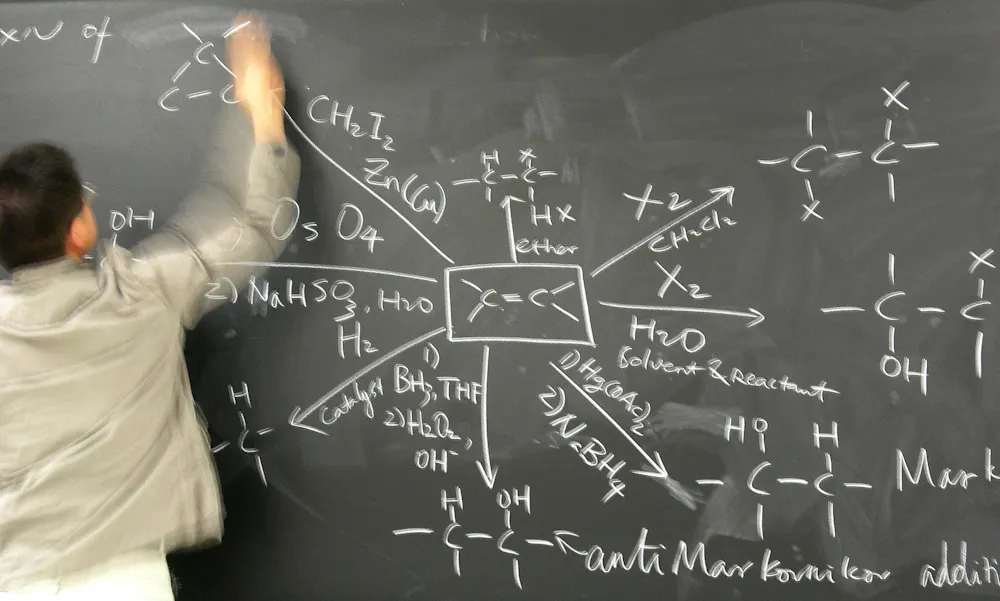
    MIL OSI Economics –

    June 4, 2025
  • MIL-OSI Economics: Olli Rehn: Macroeconomic policy in times of global political upheaval

    Source: Bank for International Settlements

    Ladies and Gentlemen, Colleagues and Friends,

    Welcome to the sunny, spring-time Helsinki. On behalf of the Bank of Finland and the Centre for Economic Policy Research, it is my great pleasure to open this year’s research conference on monetary economics – which again has an excellent and a most fascinating programme!

    Let me begin with a mission statement – and a confession. Our slogan at the Bank of Finland is: “Securing stability – in science we trust.” That is, we lean on evidence- and theory-based economic analysis and policy-relevant research to support our stability mission.

    However, I must make a confession. In this turbulent world, it is comforting to return to a familiar setting and reflect on policy challenges alongside leading economists. Although only eight months have passed since our last gathering, it feels like the global landscape has shifted dramatically.

    And the confession is this, in front of you as researchers, scholars, scientists, leading economists; in these times of pervasive uncertainty, we need plenty of judgment and scenario analysis to supplement our economic and econometric research and regression equations, thus making monetary policy, by necessity, is as much an art as a science. Such is life in these strange times – but finally, at least, it dis make me understand why the Governor at Bank of Finland is, ex officio, also the chair of the arts committee of the Bank!

    Talking about geopolitics and its effects, just look at the ECB’s evolving language. Uncertainty went from “increased” to “high,” then “pervasive,” and now, per President Lagarde, “exceptional.” This isn’t linguistic inflation. It reflects how genuinely hard forecasting has become, with markets pricing in risk at levels not seen in years.

    Risks abound: from trade wars to faltering global alliances. For central bankers and researchers alike, this is no time for complacency. Instead of dissecting every new risk, today I want to focus on three key areas:

    • Lessons from the recent inflation surge;
    • Open questions around fiscal policy, particularly defence spending;
    • And finally, the role of productivity and innovation.

    Low inflation – past and future

    Let’s nevertheless recall there are some good news. The European economy is recovering. Unemployment is at 6.1%, the lowest since the euro’s creation. Inflation has been hovering just above 2% since late 2023, allowing the ECB to cut rates seven times.

    The energy shock that hit Europe in spring 2022 has played out very differently than in the 1970s, with the economic cost being much lower this time. Thanks to increased labour supply and lower working hours, wage-price spirals were avoided. Today’s labour market is more flexible, less unionised, and better educated.

    Importantly, inflation expectations were much better anchored before the recent inflation surge. This underlies the importance of central bank independence and a strong commitment to the inflation target. The ECB has focused firmly on maintaining these, and will continue to do so.

    Before Covid, the main challenge was that inflation remained stubbornly below the target. Most risks to the inflation outlook were deflationary, including population ageing and the related increase in savings, and the low investment demand. And before the ECB’s 2021 review and move to a symmetric 2% target over the medium term, which has worked well, the inflation target was perceived as a ceiling, creating a downward bias.

    From around 2021, inflationary pressures reappeared. First this was due to the pandemic-broken supply chains and stimulus-fuelled demand, then due to the energy shocks arising from Russia’s invasion of Ukraine.

    We learned how demand and supply shocks can be deeply intertwined. But we still face many unknowns in that regard. Current geopolitical tensions may expose us to new surprises that we have little historical experience of. Preferably, the spectre of a prolonged trade war with the US will dissipate sooner rather than later, as an economic conflict between long-standing friends and allies is the last thing we need in a world challenged by dictatorial impulses and by a neocolonial mentality.

    Furthermore, what if China shifts exports away from the US to Europe, slashing prices to compete? That could bring deflationary forces and industrial strain to the EU. Would it benefit consumers or hurt our economy overall? The policy response would not be straightforward.

    Let’s hope we don’t have to answer these questions through crisis. Whatever the challenge, the ECB will remain focused on price stability and its symmetric 2% inflation target over the medium term.

    Defence spending – new pressures

    Since the pandemic, fiscal spending pressures have risen. Now, security concerns are adding fuel. Russia’s aggression and doubts about US defence commitments are prompting big spending shifts across Europe. Germany is paving the way and has eased its constitutional debt limits.

    We can assume that with normal execution lags the most substantial fiscal impact will start to be felt from next year 2026 and 2027 onwards. This implies that the fiscal impact on the growth and inflation outlook will take effect in the medium term, as an ordinary citizen perceives is, although this timespan of fiscal impulse will mostly be beyond the projection horizon of medium term as understood in monetary policy. Our assessment indicate a moderately significant impact on growth and limited impact on inflation in the relevant timespan.

    Waking up and substantially increasing defence spending is welcome. Security is the bedrock of economic stability. Peace and security within European borders are fundamental to the European project and its economy.  Defence should be seen as a European public good. Further support for Ukraine should also be seen in the same light.

    But what does this mean for inflation? Historical comparisons to war-time money printing don’t apply here. Independent central banks like the ECB remain focused on keeping inflation expectations anchored.

    Still, we need to understand what type of shock defence spending represents. Is it demand or supply driven? Likely both, depending on how and where the money is spent.

    We also face the question of how to pay for it. EU-level spending would offer more stability and efficiency. That might mean higher membership fees, new revenue sources, or even treaty changes. Defence bonds – as safe assets – are one option, but only if backed by solid future income.

    Meanwhile, demands on public budgets are rising across the board: infrastructure, climate policy, aging populations.

    What guidance do we have so far from economics research?

    There is a large body of literature on fiscal multipliers, which incidentally often uses defence spending as a natural experiment or exogenous shock. These multipliers are frequently estimated to be below one, because public spending or investment usually crowds out private one.

    However, evidence suggests that multipliers tend to be larger in times of recession and economic slack. Moreover, some of the best evidence on the magnitude of fiscal multipliers is based on US data, where the multiplier may be smaller. This is simply because the US defence industry is very large compared to its European counterpart and is thus more likely to face diminishing marginal returns.

    All these issues mean that for European defence spending to be successful and sustainable, we must make every euro count. The additional defence spending should focus on investment in building up industrial network capacity and R&D, rather than simply procurement of defence equipment, which may be largely imported.

    Then there is also the aspect of defence efficiency. For this, we need sound planning and coordination at the European level, as well as a common market for defence, as stressed in last year’s Letta Report. Recent experience has shown that training in the use of unfamiliar weapons and problems with shortages of spare parts can become critical bottlenecks. Therefore, further harmonisation of technical standards and types of arms and equipment across European defence forces is key.

    With a history of independent and diminished national defence industries, the EU has some considerable catching up to do. We need to increase both national and EU-level defence spending, e.g. as Bruegel has suggested, by establishing a European Defence Mechanism formed by a coalition of the capable and willing. Such a fund would bypass the limitations to raising EU-level income, be resilient to any intra-EU obstruction and could also accommodate countries from outside the European Union, like the United Kingdom and Norway.

    In short: defence spending won’t necessarily be inflationary. But to be effective, it must be efficient. We need smart investments – in industrial capacity, innovation, and R&D – not just procurement. And we must avoid fragmented efforts. A European Defence Mechanism, built by a coalition of the capable and willing, could also help to pursue these goals.

    Innovation – defence and civilian

    Let’s now turn to innovation. Defence spending often yields big returns beyond the battlefield. Its effectiveness should be assessed from a long-term perspective, not only via short-run multipliers. Historically, it has given rise to technological breakthroughs that have not only found direct civilian applications but created whole new non-defence industries.

    Walkie-talkies were created during the Second World War at Motorola for infantry and artillery communication. Radar gave us microwave ovens. Military satellites gave us GPS and digital imaging. Jet engines, nuclear energy, the internet – all have military origins. Dual-use in action.

    Yes, these are cherry-picked examples. But they highlight that basic research often needs public support. The private sector tends to shy away from “unknown unknowns.”

    Modern defence is about technology, not just steel and troops. And there’s often more pressure to innovate efficiently. Look at Ukraine – it has rapidly developed drone tech, despite scarce resources.

    We know that Europe needs a productivity boost. For years, we depended on cheap energy from Russia, cheap goods from China and the security shield from the U.S. abroad. That stability was a mirage, if not a hallucination.

    To maintain our living standards and sovereignty, we must double down on innovation by investing on human capital and creating a conducive environment for research and researchers. Whether it’s AI, clean tech, green transition or digitalisation, we can’t afford to lag behind. Innovation is not optional; it’s vital for Europe’s future – a necessary condition for sustaining Europe’s quality of life and democratic values.

    Why not use the EU Horizon programme to create a scholarship and visa programme for returning and moving scientists to attract talent to Europe, where critical thinking and academic freedom in universities are encouraged and safeguarded?

    Dear friends,

    Let me conclude. Europe finds itself in a puzzling paradox, which would be funny if it were not purely pathetic. As Polish PM Donald Tusk put it starkly recently by quipping as follows: “500 million Europeans are asking 300 million Americans to protect them from 140 million Russians.”

    We need to put an end to that paradox. Europe must take responsibility for its own external security, in today’s harsh geopolitical world.

    This isn’t just about military strength. It’s about cohesion, economic resilience and long-term growth. We need to spark Europe’s industrial renewal, reinforce technological leadership, and enhance productivity.

    As history shows, Europe tends to move forward in times of crisis. In every crisis there is an opportunity – this time round we must use it particularly wisely to make Europe more resilient and capable of thriving again.

    Thank you.

    MIL OSI Economics –

    June 3, 2025
  • MIL-OSI Economics: Klaas Knot: Banking on buffers – why we need resilience in times of uncertainty

    Source: Bank for International Settlements

    A very good morning to you all. Welcome to De Nederlandsche Bank. We are very happy to host this event here in our newly renovated building. I strongly support these kinds of exchanges of views between banks, academia and the public sector, and the IBF plays an important role in facilitating them.

    This Round Table bears an interesting, and perhaps somewhat surprising, title: ‘Tougher Times for Banks: Torn between Resilience, Competition and Stability’. Personally, I regard resilience, competition and stability all as good things, so I was wondering what you find so disturbing about this. But perhaps I should read the title as diplomatic language for ‘Torn between competitors, difficult regulators, and a world that has gone insane.’ You understand, being Dutch, I have a certain reputation to maintain.

    But still, even if my interpretation is right, I should speak a word of caution here. Or in fact, reassurance. Because sometimes we tend to see trade-offs where in reality there aren’t any.

    Let’s take regulation for example. Banking regulation often seems to resemble the swinging motion of a pendulum. After a financial crisis, lessons are learned and financial regulation is tightened. We saw this very prominently after the great financial crisis of 2008. And then after some years, the memories of the crisis fade in the rearview mirror, and calls go up for relaxing financial regulation. And this is what we currently see.

    That seems to assume that there is a trade-off between banking regulation and all the good things of economic life: profitability, dynamism, economic growth. And I know that many in the banking sector view regulation as a constraint, something that limits profitability and imposes undue costs.

    But, and that should not come as a surprise to you, I would argue against that. In fact, it’s just the other way around. Banking regulation is not an obstacle to growth, it is an enabler of sustainable, long-term growth. Banks with strong capital positions and sound liquidity management are better positioned to extend and rollover credit, invest in new technologies and finance large-scale projects. They are better able to maintain lending during an economic downturn. And stronger banks can secure more favourable funding conditions, attract long-term customers and build partnerships that increase shareholder value.

    That’s not just theory. We have seen it in practice. During the Covid pandemic the banking sector was able to function as a shock absorber, rather than a shock amplifier. Thanks to stronger buffers, banks were able to absorb losses and continue extending credit when the economy took a hit as a result of the lockdowns. That was in large part thanks the comprehensive reform of banking regulation after the great financial crisis. Suppose we hadn’t done this. We would probably have had a banking crisis on top of a global health crisis.

    Even after the pandemic, we had a number of shocks that triggered financial market turmoil. Such as the Russian invasion of Ukraine, the ensuing energy crisis, double digit inflation, and recently, a trade war. During all of these episodes, although surely there was instability at the fringes, the core of the financial system, including the banking system, held up relatively well. I am convinced that this is the result of the hard work we did on strengthening the system in previous years.

    Now, have lawmakers and regulators done a perfect job? No, of course not. That would have been highly remarkable. Over the past 15 years, a great deal of regulation has been introduced from various angles. At the global, EU and national level. Micro versus macro. New risks are identified while older ones seldomly disappear. Regulation always creates new imperfections, and there is indeed some overlap, for example in resolution versus recovery. And at times there is a lack of proportionality for smaller institutions. That is certainly something we can look into.

    But for those arguing for simplification beyond this, please keep in mind that simple rules are less risk-sensitive and thus lead to stricter requirements. You want simpler rules? Sure, but those rules are then calibrated at a more prudent level. That is the logic behind the standardised approach. That is also the logic behind the leverage ratio.

    Most importantly, we should be careful not to confuse simplification with deregulation. Deregulation means effectively lowering buffers by relaxing the rules. That would increase both vulnerability in the banking system and the likelihood of financial crises. That would be a big mistake.

    We should be wary of undoing the hard work that has gone into strengthening the financial system over the past decade and a half. Especially now, in this time of unusually high uncertainty, both on the economic and political front.

    So we need to maintain the overall level of resilience. And in fact, in some areas, our work to make the banking sector more resilient is not yet complete. For one thing, the final Basel III standards, that are meant to repair key weaknesses in banking regulation, still need to be implemented in many jurisdictions. In the meantime, the banking turmoil of two years ago was a reminder that bank failures are not a thing of the past.

    Also, the non-bank financial sector has greatly expanded. Recent episodes of market turmoil have confirmed weaknesses in this sector when it comes to leverage and liquidity. So now we need to bring the NBFI sector to an equal level of resilience as the banking sector. At the Financial Stability Board, we have pushed hard for this, and we will continue to do so.

    The title of this Round Table also mentions competition. John D. Rockefeller once said: ‘Competition is a sin.’ I might have felt the same way if I had been in his position. But from today’s perspective, I would say: unfair competition is a sin. And as regulators, if there is one thing we can do to promote fair competition, it is to provide a level playing field. Banking rules work best when they work everywhere. If regulation is implemented unevenly across jurisdictions, a patchwork of regulations will arise that opens the door to regulatory arbitrage. Banks may be tempted to shift operations to regions with looser standards. An uneven playing field undermines confidence in the global banking system, disrupts competition, and ultimately increases systemic risk.

    Since the financial system is a global system, we need global rules. And for this we need global cooperation. It is obvious that this is where the big challenge lies today. If we want to meet today’s challenges to financial stability, we have to continue to work together as nations. And we need to stay committed to the institutions we have built to underpin that cooperation, such as the Basel Committee and the FSB.

    Let me wrap up. There is no trade-off between financial stability and economic growth. Rather, financial stability is a necessary precondition for sustainable economic growth. And for that, we need a resilient banking sector, supported by strong buffers. This is a message I will be repeating over and over again in my final weeks as the president of DNB. By the end of June you will all be completely fed up with me. That’s ok. As long as you remember the message. Because, somehow, we tend to forget.

    MIL OSI Economics –

    June 3, 2025
  • MIL-OSI Security: Two Charged in $227 Milion Medicare Fraud Scheme

    Source: US FBI

    An Illinois man and a foreign national were arrested yesterday on criminal charges related to their alleged submission of more than $227 million in fraudulent claims to Medicare.

    According to court documents, Syed Murtuza Kablazada, 34, of Arlington Heights, and Syed Mehdi Hussain, 32, of Carol Stream, owned and operated purported medical laboratories that submitted fraudulent claims to Medicare for the reimbursement of over-the-counter COVID-19 test kits allegedly provided to Medicare beneficiaries. The defendants allegedly installed foreign nationals to act as nominee owners at the laboratories to submit fraudulent claims to Medicare for the provision of over-the-counter COVID-19 test kits, with the understanding the nominee owners would flee the United States when they learned that their laboratory was under investigation.

    “As alleged, the defendants used straw owners at multiple laboratories to cause the submission of more than $200 million in fraudulent claims to Medicare for COVID-19 test kits,” said Matthew R. Galeotti, Head of the Justice Department’s Criminal Division. “Health care fraud harms Americans by squandering taxpayer money and diverting limited resources from those who need them most. The Criminal Division will continue to aggressively prosecute these crimes to hold fraudsters accountable, protect victims, and recover financial losses.”

    “The overwhelming fraud uncovered in this investigation details a blatant disregard for America’s critical health care program, Medicare, and puts all patients at risk,” said Special Agent in Charge Douglas S. DePodesta of the FBI Chicago Field Office. “The FBI and our partners will not tolerate anyone who abuses the health care system for personal gain and will aggressively pursue justice on behalf of both patients and taxpayers.”

    “The submission of fraudulent claims to Medicare for products or services not dispensed or not medically necessary undermines the integrity of this valuable program, intended to protect the most vulnerable in our community,” said Deputy Inspector General for Investigations Christian J. Schrank of the U.S. Department of Health and Human Services Office of Inspector General (HHS-OIG). “Today’s arrests demonstrate our unwavering commitment, working in conjunction with our law enforcement partners, to identify, investigate and bring to justice those who seek to defraud our nation’s federal healthcare programs.” 

    As alleged in the indictment, the defendants rarely provided Covid-19 test kits to Medicare beneficiaries but instead submitted reimbursement claims on behalf of beneficiaries who had not requested COVID-19 test kits, including individuals who were deceased. Further, the defendants allegedly paid a marketing company to provide the names of hundreds of thousands of Medicare beneficiaries that the defendants used to submit fraudulent claims. In total, between September 2022 and June 2023, the defendants’ labs billed Medicare approximately $227 million in fraudulent claims, of which Medicare paid approximately $136 million in reimbursements.

    Kablazada and Hussain are both charged by indictment with four counts of health care fraud. If convicted, they face a maximum penalty of 10 years in prison on each of the four counts.

    The FBI Chicago Field Office and HHS-OIG are investigating the case.

    Trial Attorney Andres Q. Almendarez of the Criminal Division’s Fraud Section is prosecuting the case, with assistance from Assistant U.S. Attorney Jasmina Vajzovic for the Northern District of Illinois.

    The Fraud Section leads the Criminal Division’s efforts to combat health care fraud through the Health Care Fraud Strike Force Program. Since March 2007, this program, currently comprised of 9 strike forces operating in 27 federal districts, has charged more than 5,800 defendants who collectively have billed federal health care programs and private insurers more than $30 billion. In addition, the Centers for Medicare & Medicaid Services, working in conjunction with the Office of the Inspector General for the Department of Health and Human Services, are taking steps to hold providers accountable for their involvement in health care fraud schemes. More information can be found at www.justice.gov/criminal-fraud/health-care-fraud-unit.

    An indictment is merely an allegation. All defendants are presumed innocent until proven guilty beyond a reasonable doubt in a court of law.

    MIL Security OSI –

    June 3, 2025
  • MIL-OSI Security: California Man Sentenced to 12 Months and One Day for Federal Cares Act Fraud

    Source: Office of United States Attorneys

    NEW ORLEANS – Acting U.S. Attorney Michael M. Simpson announced that NIPUN DESAI (“DESAI”), formerly of Hammond, La., but now a California resident, age 56, was sentenced to 12 months plus one day by U.S. District Judge Wendy B. Vitter for making false statements related to the Coronavirus Aid, Relief, and Economic Security Act (CARES Act).

    On March 27, 2020, the President of the United States signed into law the CARES Act, which provided emergency assistance, administered by the United States Small Business Administration (SBA), to small business owners affected by the Coronavirus (COVID-19) pandemic.  The two primary sources of funding for small businesses were the Paycheck Protection Program (PPP) and the Economic Injury Disaster Loans (EIDL) program.

    According to court records, on or about January 25, 2021, DESAI made false statements to an approved lender in order to obtain an SBA backed PPP loan in the amount of $146,947.50 for a hotel in Metairie, LA.  At the time of the loan application, DESAI’s hotel was permanently closed and had no employees or payroll.

    In addition to incarceration, which is to be divided between time in the Bureau of Prisons and home incarceration, DESAI was sentenced to 2 years of supervised release.  He was also ordered to repay the SBA approximately $234,000 and the Louisiana Workforce Commission $26,000.  He also paid a mandatory special assessment fee of $100 and a fine of $25,000.

    For more information on the Department of Justice’s response to the pandemic, please visit https://www.justice.gov/coronavirus. Anyone with information about allegations of attempted fraud involving COVID-19 can report it by calling the Department of Justice’s National Center for Disaster Fraud (NCDF) Hotline at 866-720-5721 or via the NCDF Web Complaint Form at https://www.justice.gov/disaster-fraud/ncdf-disaster-complaint-form.

    As part of the Pandemic Response Accountability Committee (PRAC) Task Force, this investigation was conducted by U.S. Department of Veterans Affairs – Office of Inspector General. The PRAC was established to promote transparency and facilitate coordinated oversight of the federal government’s COVID-19 pandemic response.  The PRAC’s 20 member Inspectors General identify major risks that cross program and agency boundaries to detect fraud, waste, abuse, and mismanagement in the more than $5 trillion in COVID-19 spending, including spending via the Paycheck Protection Program (PPP), and Economic Injury Disaster Loan (EIDL) program.  This case was also supported by the PRAC’s Pandemic Analytics Center of Excellence, which applies the latest advances in analytic and forensic technologies to help OIGs and law enforcement pursue data-driven pandemic relief fraud investigations.

    Acting U.S. Attorney Simpson praised the work of the U.S. Department of Veterans Affairs – Office of Inspector General, the Department of Labor – Office of Inspector General, and the U.S. Bankruptcy Trustee’s Office (Region 5) in investigating this matter.  Assistant U.S. Attorney Edward J. Rivera of the Financial Crimes Unit was in charge of the prosecution.

    MIL Security OSI –

    June 3, 2025
  • MIL-OSI Security: President Donald J. Trump Appoints Joseph H. Thompson Acting United States Attorney for the District of Minnesota

    Source: Office of United States Attorneys

    MINNEAPOLIS – Joseph H. Thompson, who has served as a federal prosecutor for sixteen years, has been appointed by President Donald J. Trump to serve as the Acting United States Attorney for the District of Minnesota.

    “I am honored and humbled to be asked to lead the U.S. Attorney’s Office for the District of Minnesota,” said Mr. Thompson. “I look forward to continuing our office’s work combatting violent crime, the scourge of fentanyl and other deadly drugs, and the shocking and unacceptable levels of fraud in our state government programs.”

    Mr. Thompson has served as a federal prosecutor for more than sixteen years, first in the Northern District of Illinois and since 2014 in the District of Minnesota. In that time, Mr. Thompson has  investigated and prosecuted hundreds of cases, many of which involve matters of national and international significance. Most recently, Mr. Thompson has served as the Chief of the Fraud & Public Corruption section. In this role, Mr. Thompson has overseen an unprecedented effort by the U.S. Attorney’s Office to prosecute fraud against state and federal government programs, including as the lead prosecutor in the Feeding Our Future investigation, which has been recognized by the Department of Justice as the largest Covid-19 fraud in the United States.

    From 2023 to 2024, Mr. Thompson served on the Special Counsel team investigating the mishandling of classified documents found at the Penn-Biden Center in Washington, DC, and the personal residence of President Joseph R. Biden in Wilmington, Delaware.

    Mr. Thompson previously served as a federal prosecutor in Chicago from 2009 to 2014, where he prosecuted street gangs, drug cartels, corrupt politicians, and domestic terrorists.

    Mr. Thompson has tried more than twenty jury trials in every major area of federal prosecution. Mr. Thompson has briefed and argued more than a dozen cases before the Eighth Circuit Court of Appeals and the Seventh Circuit Court of Appeals.   

    Mr. Thompson has received numerous awards and accolades for his work as a federal prosecutor, including the 2024 Attorney General’s Award for Distinguished Service for his work as the lead prosecutor on one of the largest elder fraud cases in the country.

    For more than a decade, Mr. Thompson taught law school, including an advanced criminal law course at the University of Minnesota Law school. Mr. Thompson has also taught trial advocacy to new AUSAs from around the country at the Department of Justice’s National Advocacy Center in South Carolina.

    Prior to becoming a federal prosecutor, Mr. Thompson worked in private practice in Chicago. He also served as a law clerk for the Honorable Rebecca R. Pallmeyer in the United States District Court for the Northern District of Illinois and for the Supreme Court of the Republic of Palau.

    Mr. Thompson was born and raised in Minnesota. He earned a bachelor’s degree, magna cum laude, from Gustavus Adolphus College, and his law degree, with distinction, from Stanford Law School. 

    MIL Security OSI –

    June 3, 2025
  • MIL-OSI Security: St. Louis Nonprofit Executive Admits $2.3 Million-Dollar Student Meal Fraud

    Source: US FBI

    ST. LOUIS – The owner of a nonprofit on Tuesday admitted fraudulently obtaining more than $2 million in funds intended to feed low-income Missouri children, both before and during the coronavirus pandemic.

    Cymone McClellan, 32, of St. Louis, pleaded guilty in U.S. District Court in St. Louis to one count of conspiracy to commit wire fraud. She admitted that she and Terra Davis, 43, submitted $2.3 million worth of false and fraudulent meal reimbursement claims to the Missouri Department of Health and Senior Services from about January 2019 to June 2022, on behalf of their nonprofit, Sister of Lavender Rose (S.O.L.R.). Davis was McClellan’s second-in-command at S.O.L.R.

    McClellan and Davis submitted false reimbursement claims for a total of 860,876 meals that they purportedly supplied to Missouri children. But McClellan actually only purchased enough food and milk to serve fewer than a quarter of those meals, her plea agreement says.

    McClellan provided bogus sign-in sheets to DHSS falsely claiming to have taken the attendance of meal recipients at certain food distribution locations. S.O.L.R. submitted management plans to DHSS falsely asserting that state meal reimbursement dollars were spent only in connection with the provision of meals to low-income children, and that the nonprofit did not use meal money to make purchases over $5,000. McClellan’s management plans also falsely claimed that all checks were signed by her finance director, who was not a signor on S.O.L.R.’s account.

    McClellan admitted spending $60,000 of the money that was to be used for feeding children for the down payment on a house in Collinsville, Illinois. She spent another $86,172 on a house in Florissant, Missouri, and almost $135,000 more to buy five vehicles: a 2021 Chevrolet Traverse, a 2012 Chevrolet Express G3500 van, a 2020 Mercedes-Benz Metris van, a 2012 Ford E350 box truck and a 2018 Lexus RX SUV.

    As part of her plea, McClellan has agreed to forfeit the vehicles and houses. At her sentencing, now set for August 26, she will be ordered to repay the rest of the money.

    Davis pleaded guilty in December to the same wire fraud conspiracy charge. She is scheduled to be sentenced on June 5.

    This case was investigated by the FBI and the U.S. Department of Agriculture Office of Inspector General. Assistant U.S. Attorney Derek Wiseman is prosecuting the case.  

    Anyone with information about pandemic fraud should call the Department of Justice’s National Center for Disaster Fraud (NCDF) Hotline at 866-720-5721 or report via the NCDF Web Complaint Form at https://www.justice.gov/disaster-fraud/ncdf-disaster-complaint-form.

    MIL Security OSI –

    June 3, 2025
  • MIL-OSI Security: Second Defendant Pleads Guilty For Fraudulently Obtaining Millions In Public Benefits And Laundering Proceeds To China

    Source: Office of United States Attorneys

    HARRISBURG – The United States Attorney’s Office for the Middle District of Pennsylvania announced that Carlos A. Grijalva, age 59, of Simi Valley, California, pleaded guilty before United States District Judge Jennifer P. Wilson to one count of conspiracy to launder monetary instruments in the amount of approximately $46.4 million.

    Grijalva is the second defendant to plead guilty in connection with this case, following the guilty plea of Bruce Jin in January 2025. In April 2025, Grijalva, along with a third defendant, Brian R. Cleland, was charged in a superseding indictment with conspiracy to launder monetary instruments and other offenses, after charges were originally filed against all three defendants in August 2023.

    According to Acting United States Attorney John C. Gurganus, Grijalva admitted that, from 2021 to early 2022, he, Cleland, and Jin, along with other unnamed coconspirators, agreed to launder state unemployment compensation funds that they knew had been obtained through fraud. Grijalva also admitted that he and the others entered into a series of agreements that made it appear as if they were operating legitimate businesses selling masks and other COVID19 personal protective equipment while knowing that the funds obtained and laundered through their companies were derived from fraudulently obtained state unemployment compensation (“UC”) benefits.

    Grijalva also admitted to knowing that bank accounts of identity theft victims were unlawfully accessed across the United States and that fraudulent UC claims were generated and paid to these accounts. Grijalva understood that this fraudulent activity was being conducted by fraudsters located in China. Through this pattern of financial activity, tens of millions of dollars of fraudulent UC payments were issued to accounts by the Pennsylvania Treasury Department and other state treasuries around the United States.

    Grijalva also admitted that he and Cleland then provided the bank account information of these identity theft victims to payment processing companies to generate ACH payments to accounts controlled by him and Cleland. The bank account information being provided to him and Cleland, including account numbers and routing numbers, was likewise from an individual in China, known in the superseding indictment as “COCONSPIRATOR 2.” As a result of this fraudulent activity, Grijalva and Cleland obtained over $46 million in fraudulently obtained funds. Grijalva admitted that he and Cleland discussed, on a number of occasions, that the supposed sale of COVID-19-related PPE would be their cover story for this financial activity.

    After that, Cleland and Grijalva, using a number of different bank accounts, transferred over $30 million to companies controlled by Bruce Jin, as well as transferring additional funds to an individual known as “COCONSPIRATOR 1” in the superseding indictment. Grijalva admitted that he and Cleland made transfers to Jin knowing that Jin would, in turn, transfer at least a portion of these funds to parties located in China.

    Grijalva also admitted that he and Cleland each made an estimated $2.2 million dollars in personal profit from the scheme.

    Grijalva agreed to certain property forfeitures as part of his plea agreement, including approximately $46.4 million in US currency, as well as the contents of several bank accounts and real properties located in Hawaii and California that were purchased using funds traceable to the charged offenses. One of these properties, located in California, was purchased in the name of one of Grijalva’s family members.

    Jin has been detained since his arrest in August 2023 and is awaiting sentencing. Cleland has pleaded not guilty to the charged offenses and is awaiting trial.

    The case was investigated by the Federal Bureau of Investigation and the U.S. Department of Labor, Office of Inspector General. Assistant U.S. Attorneys Ravi Romel Sharma and K. Wesley Mishoe and Trial Attorney Patrick B. Gushue of the Department of Justice’s Money Laundering & Asset Recovery Section, Bank Integrity Unit, are prosecuting the case. 

    The U.S. Attorney General previously established the COVID-19 Fraud Enforcement Task Force to marshal the resources of the Department of Justice in partnership with agencies across government to enhance efforts to combat and prevent pandemic-related fraud. For more information on the department’s response to the pandemic, please visit https://www.justice.gov/coronavirus.

    The maximum penalty for conspiracy to launder monetary instruments is 20 years of imprisonment, a term of supervised release following imprisonment, and a fine.

    A sentence following a finding of guilt is imposed by the Judge after consideration of the applicable federal sentencing statutes and the Federal Sentencing Guidelines. All persons charged are presumed to be innocent unless and until found guilty in court.

    # # #

    MIL Security OSI –

    June 3, 2025
  • MIL-OSI United Kingdom: York meets air pollution targets citywide for first time

    Source: City of York

    As we approach Clean Air Day on 19 June, City of York Council has released figures showing that all of York is meeting national air pollution targets for the first time.

    Latest air quality monitoring figures from the council for 2024, reported to the Combined Executive Member Decision Session on 3 June 2025, show that the health-based air quality objectives were met at all locations in York for the first time, except during the Covid lockdowns, when traffic emissions reduced due to home working and closure of non-essential retail.  

    Air quality monitoring in some areas of the city, such as around Gillygate and Bootham, has shown that maximum annual levels of nitrogen dioxide pollution improved by 27 per cent in 2024 compared with 2023.

    The significant improvement in air quality is due to actions taken by the council, its partners and by residents. This includes further electrification of buses and council fleet vehicles, policies that incentivise the uptake of more low-emission taxis, anti-idling campaigns encouraging people to turn off their engines when stationary or waiting in traffic and improved electric vehicle (EV) charging infrastructure – all of which have all helped improve air quality further throughout 2024.

    The council encourages people to walk, cycle or use public transport wherever possible to reduce their exposure and contribution to air pollution, and make the switch to electric vehicles if budgets allow.

    Air pollution is linked to a range of health problems at every stage of life – from premature birth and effects on organ development in childhood,  to causing heart and lung disease, diabetes and strokes in adulthood.

    Every year, air pollution causes up to 43,000 deaths in the UK.

    Find out more through the Clean Air Hub about how air pollution impacts our mental and physical health and the planet’s wellbeing.

    Residents can also sign up for the council’s free pollution forecasting and alert service which sends air pollution alerts and health advice to those most likely to be affected by air pollution to help them minimise their exposure when future pollution episodes are forecast, and to encourage all of us to leave the car at home if possible on those days, to avoid worsening pollution for everyone.

    Cllr Jenny Kent, the Council’s Executive Member for the Environment and Climate Emergency, said:

    “This is brilliant news – what a fantastic achievement to help us celebrate Clean Air Day. By being proactive on improving the air we all breathe, the council has helped to meet air pollution targets for the first time ever in York.

    “Having walked the stretch along Holgate for over a decade with prams and children, along with hundreds of young people travelling to and from 9 schools in the area, I know first hand what a difference this makes. We made a commitment to improve air quality when we published our fourth Air Quality Action Plan last summer and it is rewarding to see that the measures are working. Cleaner air is helping improve the health and wellbeing of everyone in York.

    “This is a really big achievement which we should celebrate, but we are not complacent; we need to see these results and the longer-term downward trend continue”.

    Peter Roderick, director of Public Health at City of York Council, said:

    “Even though we can’t see it, air pollution impacts our health whatever age we are. Improving air quality not only benefits our physical health and the environment but can also protect our mental and brain health. For the whole of York to meet air pollution targets for first time since Covid is a great achievement.

    “We hope Clean Air Day will help raise awareness of air pollution across the city and encourage people to consider their air quality impact in helping to protect everyone’s health. We can all make improvements; share a lift to work, work from home or walk, catch the bus or cycle, if possible.

    “The latest results for the city demonstrate how far we have come in recent years to improve local air quality for everyone, however we recognise that more can be done. Through the council’s Air Quality Action Plan and other complementary strategies, we aim to go beyond National Air Quality Objectives and work towards meeting stricter World Health Organisation (WHO) guidelines in the longer term to further improve public health; this will allow us all to benefit from lasting health improvements”.

    Mick Forbes, Engineering Director of First Bus North & West Yorkshire, said:

    “The results are very positive and provide real evidence of the environmental benefits we are achieving with our fully zero-emission fleet on the streets of York, which started on routes through Gillygate in September 2023.

    “We are delighted this is recognised in the air quality assessment by City of York Council and will continue to support its efforts to create cleaner air in the city.

    “By working together with the council we have been able to invest millions of pounds with government funding support to transform our James Street depot, which is one of the first in the country to be declared net zero.”

    Find how to protect your health and cut emissions at the Clean Air Hub 

    Free Clean Air Day resources for use by individuals, schools, businesses, health organisations and community groups are available on the Clean Air Day website 

    The council’s iTravel York website provides a host of sustainable travel resources, including walking resources and cycling resources

    This year’s Clean Air Day campaign on 19 June aims to highlight that air pollution affects your health from before your first breath until your last.

    MIL OSI United Kingdom –

    June 3, 2025
  • MIL-OSI United Kingdom: York celebrates meeting air pollution targets citywide for first time

    Source: City of York

    As we approach Clean Air Day later this month [19 June], City of York Council has released figures showing that all of York is meeting national air pollution targets for the first time*.

    Latest air quality monitoring figures from the council for 2024, reported to the Combined Executive Member Decision Session on 3 June 2025, show that the health-based air quality objectives were met at all locations in York for the first time, except during the Covid lockdowns, when traffic emissions reduced due to home working and closure of non-essential retail.  

    Air quality monitoring in some areas of the city, such as around Gillygate and Bootham, has shown that maximum annual levels of nitrogen dioxide pollution improved by 27 per cent in 2024 compared with 2023.

    The significant improvement in air quality is due to actions taken by the council, its partners and by residents. This includes further electrification of buses and council fleet vehicles, policies that incentivise the uptake of more low-emission taxis, anti-idling campaigns encouraging people to turn off their engines when stationary or waiting in traffic and improved electric vehicle (EV) charging infrastructure – all of which have all helped improve air quality further throughout 2024.

    The council encourages people to walk, cycle or use public transport wherever possible to reduce their exposure and contribution to air pollution, and make the switch to electric vehicles if budgets allow.

    Air pollution is linked to a range of health problems at every stage of life – from premature birth and effects on organ development in childhood,  to causing heart and lung disease, diabetes and strokes in adulthood.

    Every year, air pollution causes up to 43,000 deaths in the UK.

    Find out more through the Clean Air Hub about how air pollution impacts our mental and physical health and the planet’s wellbeing.

    Residents can also sign up for the council’s free pollution forecasting and alert service which sends air pollution alerts and health advice to those most likely to be affected by air pollution to help them minimise their exposure when future pollution episodes are forecast, and to encourage all of us to leave the car at home if possible on those days, to avoid worsening pollution for everyone.

    Cllr Jenny Kent, the Council’s Executive Member for the Environment and Climate Emergency, said: “This is brilliant news – what a fantastic achievement to help us celebrate Clean Air Day. By being proactive on improving the air we all breathe, the council has helped to meet air pollution targets for the *first time ever in York.

    “Having walked the stretch along Holgate for over a decade with prams and children, along with hundreds of young people travelling to and from 9 schools in the area, I know first hand what a difference this makes. We made a commitment to improve air quality when we published our fourth Air Quality Action Plan last summer and it is rewarding to see that the measures are working. Cleaner air is helping improve the health and wellbeing of everyone in York.

    “This is a really big achievement which we should celebrate, but we are not complacent; we need to see these results and the longer-term downward trend continue”.

    Peter Roderick, director of Public Health at City of York Council, said: “Even though we can’t see it, air pollution impacts our health whatever age we are. Improving air quality not only benefits our physical health and the environment but can also protect our mental and brain health. For the whole of York to meet air pollution targets for first time since Covid is a great achievement.

    “We hope Clean Air Day will help raise awareness of air pollution across the city and encourage people to consider their air quality impact in helping to protect everyone’s health. We can all make improvements; share a lift to work, work from home or walk, catch the bus or cycle, if possible.”

    “The latest results for the city demonstrate how far we have come in recent years to improve local air quality for everyone, however we recognise that more can be done. Through the council’s Air Quality Action Plan and other complementary strategies, we aim to go beyond National Air Quality Objectives and work towards meeting stricter World Health Organisation (WHO) guidelines in the longer term to further improve public health; this will allow us all to benefit from lasting health improvements”.

    Mick Forbes, Engineering Director of First Bus North & West Yorkshire, said: “The results are very positive and provide real evidence of the environmental benefits we are achieving with our fully zero-emission fleet on the streets of York, which started on routes through Gillygate in September 2023.

    “We are delighted this is recognised in the air quality assessment by City of York Council and will continue to support its efforts to create cleaner air in the city.

    “By working together with the council we have been able to invest millions of pounds with government funding support to transform our James Street depot, which is one of the first in the country to be declared net zero.”

    Find how to protect your health and cut emissions at the Clean Air Hub 

    Free Clean Air Day resources for use by individuals, schools, businesses, health organisations and community groups are available on the Clean Air Day website 

    The council’s iTravel York website provides a host of sustainable travel resources, including walking resources and cycling resources

    This year’s Clean Air Day campaign on 19 June aims to highlight that air pollution affects your health from before your first breath until your last.

    MIL OSI United Kingdom –

    June 3, 2025
  • MIL-OSI: Solar Alliance Energy, Inc. Announces Q1 Earnings, Continued Progress

    Source: GlobeNewswire (MIL-OSI)

    (figures in Canadian dollars)

    TORONTO and KNOXVILLE, Tenn., June 02, 2025 (GLOBE NEWSWIRE) — Solar Alliance Energy Inc. (‘Solar Alliance’ or the ‘Company’) (TSX-V: SOLR, OTC: SAENF), a leading solar energy solutions provider focused on the commercial and utility solar sectors, announces it has filed its unaudited financial results for the three months ended March 31, 2025. The Company’s Financial Statements and related Management’s Discussion and Analysis are available under the Company’s profile at www.sedarplus.ca.

    “Solar Alliance’s main activity in Q1 2025, was the build-out of a large solar energy project for major repeat customer located in Kentucky. Due to unusually severe weather in Kentucky, which included widespread flooding, power outages, and tornadoes throughout the state, the project experienced delays in the quarter. This led to a reduced level of activity and a decline in revenues to $835,609, in Q1 2025 compared to $1,604,326, in Q1 2024. “As the severe weather setbacks subside, the company is coordinating closely with our client and our partners to expedite delivery of the project,” said CEO Brian Timmons. “This contract is expected to be concluded in the second quarter of 2025.”

    “Solar Alliance continues to see strong demand for commercial solar projects, and we remain focused on these larger projects, and community solar projects to generate meaningful growth. In addition to executing on larger projects, to the Company continues to service a steady flow of renewable energy projects for small and medium-sized businesses in rural communities. Looking ahead, we continue to target full-year profitability for 2025 as we focus on opportunities in the Southeast U.S commercial solar sector,” concluded Timmons.

    Key financial highlights for Q1, 2024

    • Revenue for the three months ended March 31, 2025, was $835,609 compared to $1,604,326 in the comparative period in 2024.
    • Cost of sales of $882,092 (Q1, 2024: $1,01,4394) resulting in a gross deficit of $46,483 (Q1, 2024: profit $585,932).
    • Net deficit of $474,277 (Q1, 2024: Net Income $141,303).
    • Cash balance of $13,111.
    • Total expenses of $424,065 (Q1, 2024: $451,188).

    Key business highlights and outlook

    The Company continues to target larger customers for solar system sales and installations, specifically for utility and commercial customers. The Company’s business development activity is now engaged in assessing specific projects of a scale up to 5MWs. The board believes the Company has a competitive advantage and can offer a compelling proposition in this segment of the market. In this regard, the Company’s track record and engagement with local power companies and progressive, high-quality corporate customers evidences its capacity to successfully undertake solar projects in the multi-megawatt range.

    While pursuing a determined, new focus on larger, commercial and local community solar projects, with a view to accelerating growth rapidly, the Company will continue, as a base level activity, to service the demand from small and medium-sized businesses in rural communities. The strength of demand for projects at this size level could be impacted by curtailment of certain incentives, referred to below, arising from budgetary developments arising from the current political background, referred to below.

    Corporate growth opportunities. The Company is also pursuing corporate opportunities to expand through partnerships, joint ventures or other initiatives that meet the Company’s criteria of profitability, market opportunity and strong management teams.

    Brian Timmons, CEO


    About Solar Alliance Energy Inc. (
    www.solaralliance.com)

    Solar Alliance is an energy solutions provider focused on the commercial, utility and community solar sectors. Our experienced team of solar professionals reduces or eliminates customers’ vulnerability to rising energy costs, offers an environmentally friendly source of electricity generation, and provides affordable, turnkey clean energy solutions. Solar Alliance’s strategy is to ultimately build, own and operate our own solar assets while also generating stable revenue through the sale and installation of solar projects to commercial and utility community customers.

    Statements in this news release, other than purely historical information, including statements relating to the Company’s future plans and objectives or expected results, constitute Forward-looking statements.

    The words “would”, “will”, “expected” and “estimated” or other similar words and phrases are intended to identify forward-looking information. Forward-looking information in this news release includes, but is not limited to, statements with respect to the resumption of trading of the Company’s common shares. Forward-looking information is subject to known and unknown risks, uncertainties and other factors that may cause the Company’s actual results, level of activity, performance or achievements to be materially different than those expressed or implied by such forward-looking information. Such factors include but are not limited to: the ability to complete the Company’s projects on schedule or at all, uncertainties related to the ability to raise sufficient capital; changes in economic conditions or financial markets; litigation, legislative or other judicial, regulatory, legislative and political competitive developments; technological or operational difficulties; the ability to maintain revenue growth; the ability to execute on the Company’s strategies; the ability to complete the Company’s current and backlog of solar projects; the ability to grow the Company’s market share; the high growth rate of the US solar industry; the ability to convert the backlog of projects into revenue; the expected timing of the construction and completion of the 1500 kW Kentucky solar projects; the targeting of larger customers; the ability to predict and counteract the effects, should they re-emerge, of COVID-19 on the business of the Company, including but not limited to the effects of COVID-19, on the construction sector, capital market conditions, restriction on labour and international travel and supply chains; potential corporate growth opportunities and the ability to execute on the key objectives in 2025. Consequently, actual results may vary materially from those described in the forward-looking statements.

    “Neither TSX Venture Exchange nor its Regulation Services Provider (as that term is defined in the policies of the TSX Venture Exchange) accepts responsibility for the adequacy or accuracy of this release.”

    The MIL Network –

    June 3, 2025
  • MIL-OSI United Kingdom: Failed Covid contracts cost British taxpayer £1.4 billion

    Source: United Kingdom – Executive Government & Departments

    Press release

    Failed Covid contracts cost British taxpayer £1.4 billion

    New report commissioned by Chancellor, Rachel Reeves, reveals multibillion price British taxpayers paid for reckless handling of Covid contracts

    • New report commissioned by Chancellor, Rachel Reeves, reveals £multibillion price British taxpayers paid for reckless handling of Covid contracts
    • Previous government failure to test defective PPE leaves millions of taxpayer pounds unrecoverable  
    • It comes as Reeves drives work to recover £468 million for communities and public services, underlining commitment to investigate and account for every penny spent during the pandemic under the Plan for Change

    Failed pandemic-era PPE contracts cost the British taxpayer £1.4 billion, as an interim report commissioned by Chancellor, Rachel Reeves, lays bare the scale of the scandal.

    The Covid Counter Fraud Commissioner’s report reveals the price the British public has paid for undelivered contracts which saw taxpayer cash squandered on unusable PPE.

    The last government’s over-ordering of PPE, and delays in checking it, mean that £762 million is unlikely to ever be recovered. These failures saw substandard PPE – gowns, masks and visors – not inspected for two years, meaning public money could no longer be recouped.

    Now Reeves is going further and faster to recover the £468 million that could still be recovered from suppliers – money which the government will put back into communities and public services including the NHS, police and armed forces.

    Recovery action has so far resulted in £182 million being returned to the public purse, and PPE suppliers referred to the National Crime Agency for suspected fraud.

    Chancellor Rachel Reeves said:

    The country is still paying the price for the reckless handling of Covid contracts which saw taxpayer pounds wasted and criminals profit from the pandemic.

    This investigation and plan to recover public money underlines our commitment to ensure that every penny spent during the pandemic is fully accounted for.

    We have always been clear that money poorly spent or fraudulently claimed belongs to the British people. This Government will bring criminals to justice and put taxpayer’s money back where it belongs – in the NHS, police and armed forces.

    Most of the wasted money went on surgical gowns. Over half (52%) were non-compliant, but because much of the defective PPE was not quality tested until after warranties had expired, there is little chance of recovering the money.

    This interim report marks the end of Phase one of Commissioner Tom Hayhoe’s investigation– scrutinising PPE contracts. The Commissioner has now begun work on Phase two, which will see it investigating fraud and error in other pandemic spending programmes such as furlough, bounce-back loans, Business Support Grants and Eat Out to Help Out.

    The Commissioner will provide a full update in a final report to the Chancellor at the conclusion of his term in December 2025.

    Share this page

    The following links open in a new tab

    • Share on Facebook (opens in new tab)
    • Share on Twitter (opens in new tab)

    Updates to this page

    Published 2 June 2025

    MIL OSI United Kingdom –

    June 2, 2025
  • MIL-OSI USA: Garamendi Demands FEMA Deliver Remaining COVID-19 Payments to California Hospitals

    Source: United States House of Representatives – Congressman John Garamendi – Representing California’s 3rd Congressional District

    WASHINGTON, D.C. — This week, Representative John Garamendi (D-CA-08) led a letter, along with 24 California Democratic colleagues, urging that the Federal Emergency Management Agency (FEMA) reimburse the $460 million still owed to California Hospitals for emergency expenses incurred during the COVID-19 pandemic.

    During COVID-19, hospitals expanded capacity and invested in ventilators and PPE, often at the request of state or local governments. These funds from FEMA are crucial for California’s healthcare system, where nearly half of all hospitals operate at a loss.

    In the letter, the lawmakers wrote, “Throughout the COVID-19 pandemic, hospitals in California were essential in treating patients while also maintaining their core mission of delivering healthcare services to everyone in need. However, in their response to the crisis, these hospitals faced significant financial burdens as they expanded their capacity—often at the request of state or local governments. They also invested in critical resources such as ventilators, secured substantial supplies of personal protective equipment, and hired additional clinical staff to ensure they could continue providing care to their communities.”

    “However, FEMA has failed to fulfill its obligation to reimburse our healthcare systems for the care and services they delivered. Recent data shows that 260 of California’s hospitals and health systems have applied for $3.4 billion in FEMA public assistance and $2.84 billion has been obligated.1 Many of these outstanding claims date back to 2020.2 We appreciate the progress FEMA has made since November in obligating these funds and ask that the remaining funds be promptly obligated to ensure California’s hospitals can continue their vital work.”

    The full text of the letter can be found here and below. 

    Dear Acting Administrator Hamilton,

    We respectfully request that you take immediate steps to expeditiously obligate and disburse the remaining $460 million outstanding claims for eligible expenses incurred in responding to the COVID-19 pandemic submitted by Californian hospitals and health systems.

    Throughout the COVID-19 pandemic, hospitals in California were essential in treating patients while also maintaining their core mission of delivering healthcare services to everyone in need. However, in their response to the crisis, these hospitals faced significant financial burdens as they expanded their capacity—often at the request of state or local governments. They also invested in critical resources such as ventilators, secured substantial supplies of personal protective equipment, and hired additional clinical staff to ensure they could continue providing care to their communities.

    However, FEMA has failed to fulfill its obligation to reimburse our healthcare systems for the care and services they delivered. Recent data shows that 260 of California’s hospitals and health systems have applied for $3.4 billion in FEMA public assistance and $2.84 billion has been obligated.

    Many of these outstanding claims date back to 2020.2 We appreciate the progress FEMA has made since November in obligating these funds and ask that the remaining funds be promptly obligated to ensure California’s hospitals can continue their vital work.

    California’s hospitals were critical in ensuring the health and safety of our communities during the COVID-19 pandemic. Yet, the failure to deliver on the outstanding FEMA applications has left our hospitals in a precarious position. Nearly half of the state’s hospitals operate at a loss every day while providing care, and an additional 12% are only just above breaking even. Already, our communities are seeing service cuts and facility closures.

    Moreover, by 2030, our hospital and health systems will face a critical inflection point as state requirements for seismic safety will go into effect. Current budget deficits, made worse by delayed FEMA payments, will only be exacerbated by the proposed decreases in federal reimbursement for Medicare and Medicaid patients. This combination of factors could put California’s healthcare system, particularly for care providers in rural and low-income areas, on the brink of crisis.

    It is critical to act quickly to allocate the remaining $460 million in federal reimbursements for hospitals’ costs incurred in responding to the COVID-19 pandemic and ensure that our healthcare systems receive the compensation they deserve. We stand ready to work with you to accomplish this.

    The letter was co-signed by the following California members: Representative Nanette Barragán, Representative Julia Brownley, Representative Salud Carbajal, Representative Judy Chu, Representative Gilbert Cisneros, Representative Lou Correa, Representative Jim Costa, Representative Laura Friedman, Representative Robert Garcia, Representative Jimmy Gomez, Representative Jared Huffman, Representative Sydney Kamlager-Dove, Representative Ted Lieu, Representative Doris Matsui, Representative Kevin Mullin, Representative Jimmy Panetta, Representative Nancy Pelosi, Representative Raul Ruiz, Representative Linda Sánchez, Representative Mark Takano, Representative Mike Thompson, Representative Norma Torres, Representative Juan Vargas, and Representative George Whitesides.

    ### 

    MIL OSI USA News –

    June 2, 2025
  • MIL-OSI USA: Balderson, Dunn, Murphy Reintroduce Bill to Expand Telehealth Access for Seniors

    Source: United States House of Representatives – Congressman Troy Balderson (R-OH)

    WASHINGTON D.C. – U.S. Reps. Troy Balderson (OH-12), Neal Dunn, M.D., (FL-2), and Greg Murphy, M.D., (NC-3) reintroduced the Expanding Remote Monitoring Access Act, legislation that would ease restrictions on health care providers and allow more seniors to benefit from remote monitoring services. The remote monitoring program has shown to reduce long-term health care costs, improve health outcomes, and increase options for seniors. 

    Remote monitoring devices and technology enable health care providers to observe and treat patients from the comfort of their own homes. With remote monitoring, providers are able to catch adverse health events earlier and keep their patients out of the hospital. 

    “Improving access to quality health care for seniors must be a top priority,” said Balderson. “Remote monitoring is a powerful tool for health care providers to look after a patient’s well-being—especially for patients in rural Ohio, where health care options can be limited. That’s why I’m proud to reintroduce the Expanding Remote Monitoring Access Act, which will help reduce costs and deliver better care where it’s needed most.”

    “Remote monitoring is an effective digital technology that helps patients and their doctors to better manage one’s health, particularly for chronic conditions,” said Rep. Greg Murphy, M.D. “Expanding access to this technology will improve health outcomes for patients, reduce hospital readmissions, and extend physicians’ ability to take on a greater caseload. I’m grateful for my colleague Rep. Troy Balderson’s leadership on this issue and I’m proud to support this legislation.” 

    “OhioHealth aims to keep care local for all of our patients, across our growing footprint,” said Jeff Kasler, a spokesperson for OhioHealth. “Remote patient monitoring is one tool that proves especially valuable for our seniors and rural patients. We support Congressman Balderson’s foresight and leadership in fostering access to care via remote patient monitoring for some of our most vulnerable patients.” 

    “I commend Rep. Balderson for furthering Medicare coverage of this important methodology of care and studying its benefits,” said Dr. Arick Forrest, President of OSU Physicians at The Ohio State University Wexner Medical Center and Vice Dean of Clinical Affairs at the College of Medicine. “The future of improved health care lies in leveraging technology. The ability to consistently monitor a patient’s condition at home leads to improved outcomes. Remote patient monitoring (RPM) has evolved to integrate with electronic medical records for enhanced surveillance by health care providers. These RPM devices have the most impact on managing chronic conditions, which account for 80% of health care spending. This will be foundational for value-based care, leading to improved disease control, fewer complications, and lower costs by avoiding emergency room utilization and hospitalization. We have demonstrated improved management of patients with hypertension, diabetes, heart failure, and high-risk pregnancies.” 

    “We know that for many people, the best place to receive the care they need is in their own homes,” said Peter J. Pronovost, M.D., Ph.D., F.C.C.M., Chief Quality & Clinical Transformation Officer at University Hospital. “This is particularly true for seniors and those who might struggle with getting to a hospital. Prior to remote patient monitoring, patients needed to be in the hospital to be safely monitored.  Remote patient monitoring changed this paradigm. Remote patient monitoring is now an integral part of our care-delivery model. Now is not the time to go back.” “Our analysis during Covid demonstrated the use of remote monitoring reduced hospitalization by 87%, mortality by 77% and cost the average patient $11,500 less than admission,” Pronovost continued. “Most importantly, patients loved it because they slept in their own bed, ate their own food, wore their own clothes and were surrounded by the love of their loved ones.” 

    “The use of care management services continues to be a great opportunity for Rural Health Clinics in providing care to rural patients outside of the traditional office visit,” said Sarah Hohman, Director of Government Affairs for the National Association of Rural Health Clinics. “We thank Representative Balderson and Representative Porter for their leadership on these issues – ensuring that the full potential of RPM/RTM services can be experienced by RHCs and the patients they serve.” 

    “Now more than ever, clinicians are leveraging digital health technologies to empower individuals living with chronic conditions,” said Kevin Harper, Vice President & Head of Government Affairs at Teladoc Health. “We are pleased to support legislation from Representatives Balderson and Porter that would ensure Medicare beneficiaries can access critical remote monitoring technologies and better address the chronic disease crisis in the U.S.” 

    “The ATA and ATA Action commend Congressman Balderson and Congresswoman Porter for their leadership in introducing this important legislation,” said Kyle Zebley, Senior Vice President of Public Policy at the American Telemedicine Association and Executive Director at ATA Action. “Increasing access to both remote physiologic monitoring and remote therapeutic monitoring devices covered by the Centers for Medicare & Medicaid Services allows for greater choices for clinically appropriate care for Medicare beneficiaries. We proudly endorse this legislation and urge other advocates of telehealth to do the same.” “Virtual care and remote monitoring are key to creating a more convenient, efficient, and modern health care delivery system,” said Brett Meeks, Executive Director of the Health Innovation Alliance. “The Expanding Remote Monitoring Access Act will allow for the expanded use of current and future technologies, leading to better patient outcomes at reduced costs.” 

    BACKGROUND: 

    Providers currently bill Medicare if they monitor a patient for at least 16 days within a 30-day period. During the COVID-19 public health emergency (PHE), the Centers for Medicare and Medicaid Services (CMS) lowered the duration required to bill for remote monitoring services to only two days of data collection. 

    In addition to implementing the two-day CMS billing threshold for two years, the legislation would require the Department of Health and Human Services (HHS) to submit a report to Congress within one year, analyzing a proper long-term CMS billing threshold and providing a savings estimate from earlier interventions and fewer days of hospitalizations. The report provides flexibility to the HHS Secretary to recommend multiple billing thresholds and any new remote monitoring code durations. It also requires the Secretary to consult with providers, patient groups, technology and device manufacturers, and others to understand the remote monitoring experience from all perspectives. 

    These services have shown to be an effective alternative to in-person clinical observation for acute and chronic medical conditions. In 2018, the Department of Veterans Affairs found that patients with chronic conditions, such as hypertension or diabetes, who were enrolled in remote monitoring programs saw a 53 percent decrease in bed days and a 33 percent reduction in hospital admissions. Furthermore, a 2022 JAMA analysis of patients with chronic obstructive pulmonary disease (COPD) who received pulmonary rehabilitation resulted in a net cost savings per patient of $5,721.

    MIL OSI USA News –

    June 2, 2025
  • MIL-OSI USA: Waller, The Effects of Tariffs on the Three I’s: Inflation, Inflation Persistence, and Inflation Expectations

    Source: US State of New York Federal Reserve

    Thank you to the conference organizers for inviting me to speak today. I have attended this conference several times and I’m honored to be on the program this year. Today, I will speak on the U.S. economic outlook and the implications for monetary policy.1 I will focus my comments on two issues: first, the effects of tariffs on inflation persistence, and second, the divergence of household inflation expectations and financial market measures of inflation expectations.
    The theme of this conference is structural shifts and monetary policy. The key structural shift that is affecting the economies of both the United States and South Korea is the recent change in U.S. trade policy, and a substantial share of my remarks will address how this shift is affecting the U.S. outlook.
    The variability in tariff announcements this year, including the whipsawing of court rulings and doubling of metal tariffs last week, has created considerable uncertainty about where trade policy will settle. In mid-April, based on how things looked at the time, I proposed two scenarios to consider in framing an outlook and a preferred stance of monetary policy: a large tariff scenario and a smaller tariff scenario.2 In both cases, I assumed that the tariff increases would lead to a one-time boost to prices that would temporarily raise inflation, after which inflation would return to its underlying rate. This temporary increase could play out with a prompt rise in inflation that could recede quickly, or it could occur more gradually with a more modest increase that would recede more slowly. As I will explain, crucial to this judgment is my assumption that longer-term inflation expectations remain anchored.
    The large-tariff scenario I described assumed an average, trade-weighted tariff for goods imports of 25 percent, which is close to where things stood after the 90-day tariff suspensions announced April 9, and my scenario assumed that this would remain in place for some time. In that case, I argued that inflation based on the personal consumption expenditures (PCE) price index could reach a peak of 5 percent on an annualized basis this year if businesses passed through all of the tariff costs to consumers. If firms absorbed some of the tariff increase, then inflation might peak around 4 percent. I also argued that an economic slowdown from these higher costs could push the unemployment rate up from 4.2 percent to 5 percent next year.
    The smaller-tariff scenario assumed a 10 percent average tariff on goods imports would remain in place but that higher country and sector specific tariffs would be negotiated down over time. In this case, inflation may rise to 3 percent on an annualized basis and then dissipate. Growth in output and employment would slow, with the unemployment rate rising but probably not as high as 5 percent.
    Reported progress on trade negotiations since that speech leaves my base case somewhere in between these two scenarios. The temporary reduction in China tariffs has significantly decreased the trade-weighted average tariff, since China supplied about 13 percent of U.S. goods imports in 2024. But that reduction is only temporary and is due to increase if a trade agreement is not reached by August 12. Meanwhile, tariffs on other countries were temporarily lowered to 10 percent, but it is unclear where they will end up. Furthermore, the Administration continues to say that it plans additional tariffs on specific industries and sectors of the economy. Last week’s court decisions declaring a large share of tariffs illegal introduce additional uncertainty, but there seem to be multiple options for maintaining tariffs, so I will stick with an estimated trade weighted tariff right now of 15 percent on U.S. goods imports, which falls in between my large- and smaller- tariff scenarios. I see the risks of my large tariff scenario having gone down, but there is still considerable uncertainty about the ultimate levels, and thus about the impact on the economic outlook.
    The context for this uncertainty about tariffs is that hard data on the fundamentals of the economy lately has been mostly positive and supportive of the Federal Open Market Committee’s (FOMC) economic objectives. There is very little evidence of the effect of trade policy in this data on inflation or economic activity through April, but that may change in the coming weeks. In comparison, there is evidence of tariff effects in the “soft data” based on surveys of consumers, businesses, and investors—indications of an expected slowdown in economic activity and an increase in prices. As of today, I see downside risks to economic activity and employment and upside risks to inflation in the second half of 2025, but how these risks evolve is strongly tied to how trade policy evolves.
    A careful examination of the hard data on overall economic activity through April shows it has been, on balance, positive. I say this because, while real gross domestic product contracted slightly in the first quarter, private domestic final demand, a measure of spending by consumers and businesses, grew at a healthy annual rate of 2.5 percent in the quarter. Of course, economic policy uncertainty among businesses is very elevated, and this has affected measures of sentiment and confidence for consumers and businesses, which fell to historically low levels in April. One index of this policy uncertainty compiled from newspaper stories, government reports, and the dispersion of the forecasts of private-sector economists rose in April to nearly twice the level seen during the pandemic and the Global Financial Crisis.3 However, consumer sentiment rebounded with the announcement that the China tariffs had been lowered temporarily. And households’ spending should continue to be supported by income from the resilient labor market. In addition, my business contacts have told me that, because of tariff uncertainty, their investment plans are currently on hold but are not canceled. So we may see a slowdown in investment in the near term but a jump back up later this year.
    Wherever things end up on a continuum between my “large” and “smaller” scenarios, I do expect tariffs will result in an increase in the unemployment rate that will, all else equal, probably linger. Higher tariffs will reduce spending, and businesses will respond, in part, by reducing production and payrolls.
    We won’t get the jobs report for May until this Friday, but the consensus expectation is that employers added 130,000 jobs and that the unemployment rate remained steady at 4.2 percent. We have seen a reduction in wage pressures over recent months, and the ratio of job vacancies to the number of unemployed people has moderated from as high as 2 a couple of years ago to close to 1 today, which was about where it was before the pandemic. With a balanced labor market, if aggregate demand slows noticeably, businesses will likely look to cut workers. But I believe job cuts would be modest if the smaller-tariff scenario is realized. Most chief executives I have spoken to say that they can maintain their current operations with an effective tariff of 10 percent, looking for efficiencies here and there, and won’t have to significantly reduce their workforces.
    InflationNow let me turn to the outlook for inflation. Before the recent shift in U.S. trade policy, inflation had been making consistent, but uneven, progress over the past two years toward our 2 percent goal. While that progress seemed to stall at the beginning of 2025, it has resumed the past two months. The same pattern of higher readings at the start of the year, followed by lower readings the next couple of months, also occurred in 2024 and I expect that research will eventually reveal some residual seasonal effect or other factor that has affected at least some prices early in the year.
    Total PCE inflation for April rose 0.1 percent, and core PCE inflation without energy and food prices increased by the same amount. It was the second monthly reading at 0.1 percent or less, and it means that headline PCE inflation was up 2.1 percent over the 12 months through April and that core was up 2.5 percent. In the absence of the tariff increases, I was expecting inflation would continue to be coming down nicely to our 2 percent goal. But now I expect that the effect of higher tariffs will raise inflation in the coming months. The surge in imports to build up inventories ahead of the April 2 announcement makes the timing of price increases somewhat uncertain.
    Thinking about the rest of 2025 and 2026, I expect the largest factor driving inflation will be tariffs. As I said earlier, whatever the size of the tariffs, I expect the effects on inflation to be temporary, and most apparent in the second half of 2025. This will be determined not only by the ultimate size of the increase, but also by how exporters and importers respond, something that is highly uncertain. Will foreign exporters discount prices to try and preserve market share? Will domestic importers absorb some of the tariff increases to shore up demand and sales volumes? Will firms simply pass the entire tariff along to consumers? Since about 10 percent of personal spending goes to imported goods, if the ultimate tariff levels are closer to my 10 percent smaller-tariff scenario and if that is fully passed through to consumers, then the tariff would push up prices 1 percent. But based on my conversations with business leaders, I suspect the tariff cost will not be fully passed through and, instead, the burden will be distributed something like 1/3, 1/3, and 1/3 among consumers, importers and exporters. In this case, it would raise inflation three tenths of 1 percent for a short period. However, if the tariffs are higher than 10 percent, more of the increase is likely to be passed on to consumers, as businesses face limits in how much they can absorb and still find a way to remain profitable.
    I have also heard from business contacts that firms may choose to spread the tariff across non-imported goods. This would increase many goods prices a little instead of boosting import prices by a larger amount. But this approach would not affect the total impact of tariffs on the overall price level. Let me illustrate why using an example.
    Imagine a firm selling 10 goods with equal sales revenue so that all have an equal weight of 1/10 when aggregating the firm’s average price. Now assume one of the goods is imported. A 10 percent tariff on the imported good that is fully passed through raises the price of the imported good by 10 percent, while the prices of the other nine goods remain unchanged. This pricing strategy raises the average price of all goods by 1 percent. Now, instead, suppose the firm chooses a different strategy and decides to spread the tariff cost across all goods by raising all 10 goods prices by 1 percent. As a result, the price of the imported good increases much less, but the prices of the other nine goods now increase a bit even though they are not subject to tariffs. Under this strategy, the average price of the firm’s goods still goes up 1 percent, and the tariff is fully passed through. So both pricing strategies have the same total effect on the aggregate price level across the firm and, if repeated, across the economy. The same logic applies to passing along the tariff via a sequence of smaller price increases instead of at a single point in time—in the end, the aggregate price level goes up by the same amount regardless of whether it is gradual or immediate.
    I have heard the concern that some firms may raise prices opportunistically while blaming the tariff increase. There is always a risk that firms blame some purported cost spike for a price increase, but it doesn’t happen often because of the risk of losing market share to competitors or squandering the allegiance of loyal customers. So while this may happen in isolated instances, I do not believe it will be a significant source of additional inflation above and beyond the tariff-induced increase.
    Inflation PersistenceLet me now turn to the first of two issues about inflation that I want to cover in more detail. This is inflation persistence. The economics behind a tariff increase implies it should have a transitory effect on prices—tariffs raise prices once, but those prices don’t keep going up. I know that hearing “transitory” will certainly remind many people of the consensus on the FOMC in 2021 that the pandemic increases to inflation would be transitory. Inflation turned out to be much more persistent than we thought it would be. Am I playing with fire by taking this position again? It sure looks like it. So why do I believe a tariff-induced inflation spike will not be persistent this time?
    Looking back to how inflation played out in 2021 and 2022, I believe there were three key factors that increased the persistence of the initial burst of inflation in 2021. First, there was a negative labor supply shock that was more persistent than expected. I believed that once the economy reopened, all of this labor would return. However, many workers left the labor market because of illness, or to care for children and family members, or took early retirement. They never returned. And with every wave of COVID-19, the United States experienced additional waves of early retirements that inhibited the labor supply from returning to its pre-pandemic level. Also, with the service sector shut down, demand surged for goods as spending on travel and other services halted and the negative labor supply shock led to a shortage of workers in goods production, delivery, and sales. Goods industries raised wages to attract workers and then once the economy began to reopen, service-sector firms had to pay higher wages to get workers back. This persistent shortage of labor from these several pandemic-related effects continued through 2021 and 2022 as job vacancies skyrocketed and firms had no choice but to pass along escalating wage increases in the form of higher prices.
    The second factor driving inflation after the pandemic was that the supply chain disruptions that many expected to be temporary turned out to be more persistent. There were multiple waves of COVID affecting different regions of the world at different times, so that resolving production and transportation problems was constantly disrupted by the ebbing and flowing of the disease. One notable detail is that China’s lockdowns lasted much longer than expected and played an important role in global supply disruptions.
    The last factor was the quite stimulative fiscal response in the United States. There were hundreds of billions of dollars in grants to businesses to pay idled workers and large transfer payments to households. Furthermore, additional fiscal spending bills in 2021 and 2022 further stimulated aggregate demand. I am willing to admit that, at the time, I underappreciated how the large and sustained fiscal response would combine with highly accommodative monetary policy to overstimulate aggregate demand in an economy that quickly recovered from the early effects of the pandemic.
    Today I don’t see factors like the three I have described here reinforcing the inflationary effects of higher tariffs. There is no longer a shortage of labor and, at least so far, no indication that tariffs are causing big disruptions in supply chains, as the recent surge in imports that I mentioned should attest. While Congress is putting together a tax bill, as it stands now, a large share of that legislation extends tax cuts that have been on the books for eight years and thus would not be stimulative. Finally, monetary policy is in a very different position—we have shrunk our balance sheet by over $2 trillion and our policy rate is north of 4 percent instead of being at the effective lower bound. So I do not believe one can use 2021 and 2022 as a basis for predicting what will happen to the persistence of inflation arising from tariffs.
    Inflation ExpectationsNow let’s discuss the second issue of diverging inflation expectations. I have argued that I believe the tariff-induced inflation will be transitory and we should look through it when setting policy as long as longer-term inflation expectations are anchored.4 However, right now, we are seeing a dramatic disparity between household measures of inflation expectations and market-based measures, as well as the inflation expectations of professional forecasters. The University of Michigan’s Surveys of Consumers show that both near- and longer-term inflation expectations have increased strikingly, on net, in the past few months and currently stand at 6.6 percent and 4.2 percent respectively. Meanwhile, inflation expectation measures based on prices of nominal versus inflation-adjusted securities have not increased very much, with 2-year Treasury Inflation-Protected Securities inflation compensation around 2.7 percent and 5-year and 10-year around 2.4 percent. Also, the median from the Survey of Professional Forecasters for consumer price inflation 6 to 10 years ahead is at 2.2 percent.
    This highly unusual discrepancy between inflation expectation measures creates problems for policymakers. Whose expectations should we be paying attention to? I prefer to look at market-based measures of inflation compensation and professional forecasters’ expectations because they have money on the line. Those buying inflation protected-securities lose money if they are wrong. Professional forecasters have clients and firms making financial decisions based on those forecasts and will lose customers if their predictions are wrong. As I used to teach my students, in a capitalist system, competition will drive firms out of business if they make bad decisions. Forecasting mistakes can be costly for consumers, but households aren’t competing with each other and won’t be driven out of business if they make bad decisions.
    But, for the sake of argument, let’s assume that the household measures of high inflation expectations are correct and financial market participants’ expectations are too low. What are the implications of this mismatch?5 If households actually believe inflation will be 7 percent for several years, workers would be expected to demand at least a 7 percent raise to keep their real wages from falling.6 If firms grant those wage demands, then inflation would rise by roughly 7 percent as the wage increases are passed through. Also, job search and the quits rate should increase as workers look for higher-paying jobs.
    Is this happening? Although that was the story a few years ago in a tight labor market, I am not now hearing about such an upturn in wage demands from my business contacts, and I don’t see it in wage and compensation data. After several years of outsized pay increases and in a labor market that has loosened significantly from a year or two ago, I think workers don’t have much leverage to ask for raises and are probably more worried about keeping their jobs right now. Furthermore, instead of increasing, the quits rate is below its pre-pandemic level. Given labor market conditions, it seems hard to believe that the high inflation expectations we are seeing in consumer surveys will lead to large nominal wage increases and a second-round burst of inflation.
    A second point here is that if consumers believed we were about to face high inflation, they would be front-loading purchases, much as importers seem to be front-loading their inventories. But, on the contrary, with the exception of motor vehicles, we haven’t seen a broad surge in the consumer spending, which overall is growing more slowly than it did in the second half of 2024.
    For financial businesses, they set interest rates of their loans and financial products based on expected inflation. Their views should be embedded in market-based inflation expectations and those of professional forecasters. If they got the forecast wrong and the nominal interest rates on their loans were too low, then their real returns would be dramatically reduced and their profit margins squeezed. I have a hard time believing interest rates are mis-priced so badly. If they were, then households would think the real interest rate on loans is greatly suppressed. Consequently, loan demand for interest-sensitive products like houses, cars, and durable goods should surge. While loan demand appears to be healthy, there are no reports from banks or other financial firms that loan demand is surging.
    So, based on wage demands, spending patterns, and loan demand, I see no evidence of economic activity that conforms to the inflation views reflected in the University of Michigan household measures, which, like other polling about the economy in recent years, may reflect attitudes about other factors.7
    In conclusion, given my belief that any tariff-induced inflation will not be persistent and that inflation expectations are anchored, I support looking through any tariff effects on near term-inflation when setting the policy rate. Fortunately, the strong labor market and progress on inflation through April gives me additional time to see how trade negotiations play out and the economy evolves. Assuming that the effective tariff rate settles close to my lower tariff scenario, that underlying inflation continues to make progress to our 2 percent goal, and that the labor market remains solid, I would be supporting “good news” rate cuts later this year.

    1. The views expressed here are my own and are not necessarily those of my colleagues on the Federal Reserve Board or the Federal Open Market Committee. Return to text
    2. See Waller (2025) A Tale of Two Outlooks. Return to text
    3. See Scott R. Baker, Nick Bloom, and Steven J. Davis (2025), “Economic Policy Uncertainty,” webpage, https://www.policyuncertainty.com/us_monthly.html. Return to text
    4. For an interesting history of monetary policymakers “looking through” inflation increases, see Nelson, Edward (2025). “A Look Back at “Look Through,” Finance and Economics Discussion Series 2025-037. Washington: Board of Governors of the Federal Reserve System. Return to text
    5. In what follows, I am focusing solely on the higher level of inflation expectations and not the higher level of inflation uncertainty. The level of inflation and uncertainty about inflation are highly correlated, so it is difficult to disentangle the effects separately. To see how these two effects can alter household behavior, see Dimitris Georgarakos, Yuriy Gorodnichenko, Olivier Coibion, and Geoff Kenny (2024), “The Causal Effects of Inflation Uncertainty on Households’ Beliefs and Actions (PDF),” NBER Working Paper Series 33014 (Cambridge, Mass.: National Bureau of Economic Research, October). Return to text
    6. As documented in Nelson (2025), second round wage effects were a general concern of policymakers in the 1970s and 1990s when discussing oil price shocks or how to respond to changes in value-added taxes and exchange rate shocks. Return to text
    7. For a discussion of factors that were affecting inflation perceptions during the COVID pandemic, see David Lebow and Ekaterina Peneva (2024), “Inflation Perceptions during the Covid Pandemic and Recovery,” FEDS Notes (Washington: Board of Governors of the Federal Reserve System, January 19). Return to text

    MIL OSI USA News –

    June 2, 2025
←Previous Page
1 … 7 8 9 10 11 … 38
Next Page→
NewzIntel.com

NewzIntel.com

MIL Open Source Intelligence

  • Blog
  • About
  • FAQs
  • Authors
  • Events
  • Shop
  • Patterns
  • Themes

Twenty Twenty-Five

Designed with WordPress