NewzIntel.com

    • Checkout Page
    • Contact Us
    • Default Redirect Page
    • Frontpage
    • Home-2
    • Home-3
    • Lost Password
    • Member Login
    • Member LogOut
    • Member TOS Page
    • My Account
    • NewzIntel Alert Control-Panel
    • NewzIntel Latest Reports
    • Post Views Counter
    • Privacy Policy
    • Public Individual Page
    • Register
    • Subscription Plan
    • Thank You Page

Category: Crime

  • MIL-OSI Security: Mexican National Charged After Killing of Attempted Carjacking Victim in Tucson, Arizona

    Source: Office of United States Attorneys

    TUCSON, Ariz. – Julio Cesar Aguirre, 42, of Mexico, was charged by criminal complaint on July 2, for Attempted Carjacking, Use and Discharge of a Firearm During and In Relation to a Crime of Violence, and Alien in Possession of a Firearm. Aguirre had his initial appearance in federal court in Tucson today.

    According to the complaint, Aguirre shot and killed a male driver with a 9mm caliber handgun, while attempting to carjack the victim’s Toyota Tundra on the morning of June 30, in Tucson, Arizona.

    Tucson Police Department (TPD) officers who were called to the scene spoke with witnesses before being directed to a nearby residence for a potential burglary. When they arrived at the home, the residents explained that a Hispanic male with a bleeding arm, matching Aguirre’s description, had entered their backyard and threatened them with a gun, demanding they turn over their vehicle to him. The individual later fled.

    Shortly thereafter, TPD officers located Aguirre, who was hiding in a nearby storage shed. Officers also found a Smith & Wesson 9mm caliber pistol within Aguirre’s reach. Aguirre was taken into custody without further incident.

    A search of Aguirre’s record revealed that he is a Mexican citizen, illegally present in the United States. Aguirre was arrested over 10 times from 2007 to 2013 for immigration-related crimes and was last removed from the country in 2013 pursuant to a court order.

    The federal prosecution of this case is part of Operation Take Back America, a nationwide initiative that marshals the full resources of the Department of Justice to repel the invasion of illegal immigration, achieve the total elimination of cartels and transnational criminal organizations (TCOs), and protect our communities from the perpetrators of violent crime. Operation Take Back America streamlines efforts and resources from the Department’s Organized Crime Drug Enforcement Task Forces (OCDETFs) and Project Safe Neighborhoods (PSN).

    TPD and the FBI Phoenix Division’s Tucson office are conducting the investigation in this case. The United States Attorney’s Office, District of Arizona, Tucson, is handling the prosecution on the federal charges. TPD and the Pima County Attorney’s Office will have an ongoing and parallel investigation into additional felony state charges, including homicide.

    A criminal complaint is a formal accusation of criminal conduct. All defendants are presumed innocent until proven guilty beyond a reasonable doubt in a court of law.

    CASE NUMBER:          25-MJ-06320-MAA
    RELEASE NUMBER:    2025-110_Aguirre

    # # #

    For more information on the U.S. Attorney’s Office, District of Arizona, visit http://www.justice.gov/usao/az/
    Follow the U.S. Attorney’s Office, District of Arizona, on Twitter @USAO_AZ for the latest news.

    MIL Security OSI –

    July 5, 2025
  • MIL-OSI Security: Mexican National Charged After Killing of Attempted Carjacking Victim in Tucson, Arizona

    Source: Office of United States Attorneys

    TUCSON, Ariz. – Julio Cesar Aguirre, 42, of Mexico, was charged by criminal complaint on July 2, for Attempted Carjacking, Use and Discharge of a Firearm During and In Relation to a Crime of Violence, and Alien in Possession of a Firearm. Aguirre had his initial appearance in federal court in Tucson today.

    According to the complaint, Aguirre shot and killed a male driver with a 9mm caliber handgun, while attempting to carjack the victim’s Toyota Tundra on the morning of June 30, in Tucson, Arizona.

    Tucson Police Department (TPD) officers who were called to the scene spoke with witnesses before being directed to a nearby residence for a potential burglary. When they arrived at the home, the residents explained that a Hispanic male with a bleeding arm, matching Aguirre’s description, had entered their backyard and threatened them with a gun, demanding they turn over their vehicle to him. The individual later fled.

    Shortly thereafter, TPD officers located Aguirre, who was hiding in a nearby storage shed. Officers also found a Smith & Wesson 9mm caliber pistol within Aguirre’s reach. Aguirre was taken into custody without further incident.

    A search of Aguirre’s record revealed that he is a Mexican citizen, illegally present in the United States. Aguirre was arrested over 10 times from 2007 to 2013 for immigration-related crimes and was last removed from the country in 2013 pursuant to a court order.

    The federal prosecution of this case is part of Operation Take Back America, a nationwide initiative that marshals the full resources of the Department of Justice to repel the invasion of illegal immigration, achieve the total elimination of cartels and transnational criminal organizations (TCOs), and protect our communities from the perpetrators of violent crime. Operation Take Back America streamlines efforts and resources from the Department’s Organized Crime Drug Enforcement Task Forces (OCDETFs) and Project Safe Neighborhoods (PSN).

    TPD and the FBI Phoenix Division’s Tucson office are conducting the investigation in this case. The United States Attorney’s Office, District of Arizona, Tucson, is handling the prosecution on the federal charges. TPD and the Pima County Attorney’s Office will have an ongoing and parallel investigation into additional felony state charges, including homicide.

    A criminal complaint is a formal accusation of criminal conduct. All defendants are presumed innocent until proven guilty beyond a reasonable doubt in a court of law.

    CASE NUMBER:          25-MJ-06320-MAA
    RELEASE NUMBER:    2025-110_Aguirre

    # # #

    For more information on the U.S. Attorney’s Office, District of Arizona, visit http://www.justice.gov/usao/az/
    Follow the U.S. Attorney’s Office, District of Arizona, on Twitter @USAO_AZ for the latest news.

    MIL Security OSI –

    July 5, 2025
  • MIL-OSI Security: FORMER EGLIN AIR FORCE BASE RESIDENT SENTENCED TO FEDERAL PRISON FOR CHILD PORN CRIMES

    Source: Office of United States Attorneys

    PENSACOLA, FLORIDA – Daniel R. McCaffrey, 41, formerly of Eglin Air Force Base, Florida, was sentenced to 35 years in federal prison for the transportation of child pornography, possession of child pornography, and abusive sexual contact with a minor female who had not yet reached 12 years of age. The sentence was announced by John P. Heekin, United States Attorney for the Northern District of Florida.

    U.S. Attorney Heekin said: “There is no penalty severe enough for those who harm our children, and my office will continue to aggressively pursue maximum punishment for these types of crimes.  This disgusting defendant not only victimized children online, he also sexually abused a child he had access to on Eglin Air Force Base. The substantial sentence that has been imposed reflects the severity of his crimes, but it cannot make up for the grave harm he has inflicted upon the most vulnerable members of our community. I am deeply appreciative of the incredible work of the agents and investigators with the Federal Bureau of Investigation, the Florida Department of Law Enforcement, Homeland Security Investigations, and the Air Force Office of Special Investigations to bring this heinous criminal to justice.”

    A jury found McCaffrey guilty of these charges after a federal trial.  Trial records reveal the defendant maintained a child pornography collection on a hidden micro SD card in his residence, where he lived with his then wife and two minor daughters.  McCaffrey’s wife was active duty United States Air Force at the time.  Multiple witnesses testified about the victimization McCaffrey personally inflicted upon the minor female to whom he had access. The child pornography he possessed reflected his penchant for minor females under the age of 12 years old.

    “The FBI is committed to protecting the most vulnerable individuals in our communities, and especially our kids,” said FBI Jacksonville Special Agent in Charge Jason Carley. “Those who abuse innocent children should know that the FBI and our partners will never stop working to identify you, and we will coordinate the full force of our resources to seek justice for your victims.”

    McCaffrey’s sentence of imprisonment will be followed by a lifetime term of supervised release and a requirement to register as a sex offender for the rest of his life.  

    The case involved a joint investigation by the Federal Bureau of Investigation, the Florida Department of Law Enforcement, Homeland Security Investigations, and the Office of Special Investigations of the United States Air Force.  The case was prosecuted by Assistant United States Attorneys David L. Goldberg and Jessica S. Etherton.

    This case was brought as part of Project Safe Childhood, a nationwide initiative to combat the growing epidemic of child sexual exploitation and abuse. Launched in May 2006 by the Department of Justice and led by the U.S. Attorney’s Offices and the Criminal Divisions Child Exploitation and Obscenity Section (CEOS), it marshals federal, state, and local resources to better locate, apprehend, and prosecute individuals who exploit children via the Internet, as well as to identify and rescue victims. For more information about Project Safe Childhood, please visit www.projectsafechildhood.gov.

    The United States Attorney’s Office for the Northern District of Florida is one of 94 offices that serve as the nation’s principal litigators under the direction of the Attorney General.  To access public court documents online, please visit the U.S. District Court for the Northern District of Florida website. For more information about the United States Attorney’s Office, Northern District of Florida, visit http://www.justice.gov/usao/fln/index.html.

    MIL Security OSI –

    July 5, 2025
  • MIL-OSI Security: FORMER EGLIN AIR FORCE BASE RESIDENT SENTENCED TO FEDERAL PRISON FOR CHILD PORN CRIMES

    Source: Office of United States Attorneys

    PENSACOLA, FLORIDA – Daniel R. McCaffrey, 41, formerly of Eglin Air Force Base, Florida, was sentenced to 35 years in federal prison for the transportation of child pornography, possession of child pornography, and abusive sexual contact with a minor female who had not yet reached 12 years of age. The sentence was announced by John P. Heekin, United States Attorney for the Northern District of Florida.

    U.S. Attorney Heekin said: “There is no penalty severe enough for those who harm our children, and my office will continue to aggressively pursue maximum punishment for these types of crimes.  This disgusting defendant not only victimized children online, he also sexually abused a child he had access to on Eglin Air Force Base. The substantial sentence that has been imposed reflects the severity of his crimes, but it cannot make up for the grave harm he has inflicted upon the most vulnerable members of our community. I am deeply appreciative of the incredible work of the agents and investigators with the Federal Bureau of Investigation, the Florida Department of Law Enforcement, Homeland Security Investigations, and the Air Force Office of Special Investigations to bring this heinous criminal to justice.”

    A jury found McCaffrey guilty of these charges after a federal trial.  Trial records reveal the defendant maintained a child pornography collection on a hidden micro SD card in his residence, where he lived with his then wife and two minor daughters.  McCaffrey’s wife was active duty United States Air Force at the time.  Multiple witnesses testified about the victimization McCaffrey personally inflicted upon the minor female to whom he had access. The child pornography he possessed reflected his penchant for minor females under the age of 12 years old.

    “The FBI is committed to protecting the most vulnerable individuals in our communities, and especially our kids,” said FBI Jacksonville Special Agent in Charge Jason Carley. “Those who abuse innocent children should know that the FBI and our partners will never stop working to identify you, and we will coordinate the full force of our resources to seek justice for your victims.”

    McCaffrey’s sentence of imprisonment will be followed by a lifetime term of supervised release and a requirement to register as a sex offender for the rest of his life.  

    The case involved a joint investigation by the Federal Bureau of Investigation, the Florida Department of Law Enforcement, Homeland Security Investigations, and the Office of Special Investigations of the United States Air Force.  The case was prosecuted by Assistant United States Attorneys David L. Goldberg and Jessica S. Etherton.

    This case was brought as part of Project Safe Childhood, a nationwide initiative to combat the growing epidemic of child sexual exploitation and abuse. Launched in May 2006 by the Department of Justice and led by the U.S. Attorney’s Offices and the Criminal Divisions Child Exploitation and Obscenity Section (CEOS), it marshals federal, state, and local resources to better locate, apprehend, and prosecute individuals who exploit children via the Internet, as well as to identify and rescue victims. For more information about Project Safe Childhood, please visit www.projectsafechildhood.gov.

    The United States Attorney’s Office for the Northern District of Florida is one of 94 offices that serve as the nation’s principal litigators under the direction of the Attorney General.  To access public court documents online, please visit the U.S. District Court for the Northern District of Florida website. For more information about the United States Attorney’s Office, Northern District of Florida, visit http://www.justice.gov/usao/fln/index.html.

    MIL Security OSI –

    July 5, 2025
  • MIL-OSI Security: THREE INDICTMENTS RETURNED FOR PREVIOUSLY DEPORTED ILLEGAL ALIENS IDENTIFIED IN RECENT IMMIGRATION ENFORCEMENT ACTIONS

    Source: Office of United States Attorneys

    TALLAHASSEE & PENSACOLA, FLORIDA – United States Attorney John P. Heekin announced today that three previously deported aliens have been indicted separately by a federal grand jury for illegal reentry into the United States.

    Freddy Bravo Galvez, 32, of Mexico, allegedly reentered the United States illegally and was located in Tallahassee in June 2025, after previously being deported in 2013 and 2020.

    Marco Tulio Gonzalez-Oliva, 25, of Honduras, allegedly reentered the United States illegally and was located in Fort Walton Beach in March 2024, after previously being deported in 2023.

    Jose Alfredo Morales-Huerta, 48, of Mexico, allegedly reentered the United States illegally and was located in Pensacola in June 2025, after previously being deported in 2019.

    The penalty for illegally reentering the United States after deportation is a maximum of two years in prison and a $250,000 fine.

    The cases are being investigated by U.S. Immigration and Customs Enforcement, Enforcement and Removal Operations, and Homeland Security Investigations. Assistant United States Attorneys Eric Mountin, Jessica Etherton, and Brooke DiSalvo are prosecuting the cases.

    An indictment is merely an allegation by a grand jury that a defendant has committed a violation of federal criminal law and is not evidence of guilt.  All defendants are presumed innocent and entitled to a fair trial, during which it will be the government’s burden to prove guilt beyond a reasonable doubt in a court of law.

    This case is part of Operation Take Back America (https://www.justice.gov/dag/media/1393746/dl?inline ) a nationwide initiative that marshals the full resources of the Department of Justice to repel the invasion of illegal immigration, achieve the total elimination of cartels and transnational criminal organizations (TCOs), and protect our communities from the perpetrators of violent crime. Operation Take Back America streamlines efforts and resources from the Department’s Organized Crime Drug Enforcement Task Forces (OCDETFs) and Project Safe Neighborhood (PSN).

    The United States Attorney’s Office for the Northern District of Florida is one of 94 offices that serve as the nation’s principal litigators under the direction of the Attorney General.  To access public court documents online, please visit the U.S. District Court for the Northern District of Florida website. For more information about the United States Attorney’s Office, Northern District of Florida, visit http://www.justice.gov/usao/fln/index.html.

    MIL Security OSI –

    July 5, 2025
  • MIL-OSI United Nations: UN chief calls for major reforms to cut costs and improve efficiency

    Source: United Nations MIL OSI

    Briefing Member States in New York on Monday Mr. Guterres outlined wide-ranging effort to revamp how the UN system operates – cutting costs, streamlining operations, and modernizing its approach to peace and security, development and human rights.

    “These are times of peril,” he said, “but they are also times of profound opportunity and obligation. The mission of the United Nations is more urgent than ever.”

    Three main objectives

    Launched in March, the UN80 Initiative centres on three priorities: enhancing operational efficiency, assessing how mandates – or key tasks – from Member States are implemented, and exploring structural reforms across the UN system.

    The conclusions will be reflected in revised estimates for the 2026 budget in September this year, with additional changes that require more detailed analysis presented in the proposal for the 2027 budget.

    ‘Meaningful’ budget reductions

    Mr. Guterres said the changes are expected to yield “meaningful reductions” in the overall budget. For example, the departments for political and peacekeeping affairs could see a 20 per cent reduction in staff by eliminating duplication.

    This level of reduction, he said, could serve as a benchmark across the UN system – while also considering unique factors for each department.

    Additional examples include consolidating all counter-terrorism work within the main Office of Counter-Terrorism (UNOCT), ending building leases and relocating posts away from expensive “duty stations” where cost of living is high.

    “There might be immediate, one-off costs involved in relocating staff and providing potential termination packages,” he said, “but by moving posts from high-cost locations, we can reduce our commercial footprint in those cities and reduce our post and non-post costs.”

    UN Secretary-General António Guterres briefs on the UN80 Initiative.

    Efficiencies and upgrades

    The first workstream focuses on efficiencies and improvements, developing a new model that improves consolidation, looks at centralising services, relocating to cheaper locations, and expanding the use of automation and digital platforms.

    Mr. Guterres said departments the UN’s headquarters in New York and Geneva have been asked to review whether some teams can be relocated to lower-cost duty stations, reduced or abolished.

    Reviewing mandates

    The second workstream involves a review of how existing mandates are being carried out – not the mandates themselves, which are the purview of Member States only.

    A preliminary review identified more than 3,600 unique mandates for the Secretariat alone. A full and more detailed analysis is now underway.

    Mr. Guterres emphasised that the sheer number of mandates – and the bureaucracy needed to implement them – places a particular burden on smaller Member States with limited resources.

    “Based on this work, Member States may wish to consider the opportunity to conduct themselves a review of the mandates,” he added.

    Structural change

    The third workstream – focused on structural reform – is already underway, Mr. Guterres said.

    Nearly 50 initial submissions have already been received from senior UN officials, reflecting what Mr. Guterres described as “a high level of ambition and creativity.”

    Key work areas have been identified for review. These include peace and security, development, human rights, humanitarian, training and research and specialised agencies.

    UN Photo/Manuel Elías

    A wide view of the informal meeting of the General Assembly plenary that heard a briefing by the Secretary-General on the UN80 Initiative.

    Not an answer to liquidity crisis

    Mr. Guterres also touched on the UN dire cashflow situation, noting that the initiative “is not an answer” to the months-long liquidity crisis but by being more cost effective, it should help limit the impact.

    “The liquidity crisis is caused by one simple fact – the arrears,” he said, adding that structural reform is not the answer to a fundamental failure by some Member States to pay what they owe on time to meet running costs.

    Unpaid dues

    According to information provided by the UN Controller to the General Assembly’s Fifth Committee (Administrative and Budgetary), only $1.8 billion has been received against the $3.5 billion regular budget assessments for 2025 – a shortfall of around 50 per cent.

    As of 30 April, unpaid assessments stood at $2.4 billion, with the United States owing about $1.5 billion, China ($597 million), Russia ($72 million), Saudi Arabia ($42 million), Mexico ($38 million), and Venezuela ($38 million). An additional $137 million is yet to be paid by other Member States.

    For the peacekeeping budget (which runs on a July-June cycle), including prior-period arrears, the unpaid amount totals $2.7 billion. For the International Tribunals, total contribution outstanding was $79 million as of 30 April.

    Close consultation

    The Secretary-General told Member States he would be consulting with them  closely and regularly on the cash crisis and needed reforms, seeking guidance  and presenting concrete proposals for countries to act on.

    UN staff members and their representatives are being consulted and listened to, he added: “Our concern is to be humane and professional in dealing with any aspect of the required restructuring.”

    In conclusion, he highlighted that the UN80 Initiative is a “significant opportunity” to strengthen the UN system and deliver for those who depend on it.

    In response to the suggestion that the UN should focus on just the one key pillar of peace and security, he said it would be wrong to ditch development and human rights – all three are essential he underscored.

    “Let us seize this momentum with urgency and determination, and work together to build the strongest and most effective United Nations for today and tomorrow.”

    MIL OSI United Nations News –

    July 5, 2025
  • MIL-OSI United Nations: Asia-based criminal network cons Thai woman in US out of $300,000

    Source: United Nations MIL OSI

    Wannapa Suprasert received a call from scammers who drew her into an elaborate false narrative involving identity theft, an international police investigation and the threat of a criminal trial.

    She was told that she and family members could face jail time: “They made a threat that they would be tapping my phone. The mind is very powerful because once you’re in that delusion, I guess I couldn’t think clearly and I was just very concerned about my family safety,” she said.

    It began on a Friday afternoon in March 2024 when Ms. Suprasert, who goes by the name of Bow, received a call from a woman claiming to work at the Thai embassy in Washington DC, in the United States.

    She was told that a copy of her passport, which she had recently renewed, had somehow fallen into the wrong hands and that she was facing the danger of identity theft.

    During that same call, she was transferred to an official working for what she was told was the Thai Central Investigation Bureau in Bangkok.

    She was told to provide identity cards and other personal details, including bank accounts, as part of the supposed investigation.

    Prime suspect

    And then came a shocking twist: “I was told I was a suspect in an international money laundering scheme,” Bow said, “and they demanded that I prove my innocence.”

    Part of the proof involved the transfer of money from her own bank account to the scammers’ account.

    “They promised to give it back; they said that had to do a deeper dive investigation into the money, which I didn’t quite understand because I thought I can just send them my pay stub and then they can see that I earned the money in the US legally,” she said.

    Bow was understandably stunned and frightened but had the composure to call the Thai embassy back to get more information – and clarify what appeared to be her dire legal situation.

    It was Friday afternoon in San Francisco on the West Coast, where she lives, and due to the time difference, the Thai embassy on the East Coast had already closed.

    It was only later she realized that the scammers’ call had been carefully timed.

    Sophisticated sting

    “I guess the story just kind of built from there and that’s how I ended up sending five wires totaling over $300,000,” she said.

    Bow fell victim to a sophisticated operation which according to the UN Office on Drugs and Crime (UNODC) is being increasingly adopted by international organized crime networks to con the unsuspecting out of thousands of dollars.

    UNODC said that the transnational organized crime groups in Asia which carry out these types of scams are expanding their operations deeper into the region and far beyond.

    “We are seeing a global expansion of East and Southeast Asian organized crime groups,” said Benedikt Hofmann, UNODC Acting Regional Representative for Southeast Asia and the Pacific.

    “This reflects both a natural expansion as the industry grows and seeks new ways and places to do business, but also a hedging strategy against future risks should disruption continue and intensify in the region,” he added.

    The three-month-long scam that Bow endured resulted not just in the loss of over $300,000 but also intense emotional despair which led to depression, sleepless nights and nightmares.

    Bow has come to terms with the reality that she will not get her money back.

    There is nothing US law enforcement can do to recover the funds, and she decided against hiring a private investigator.

    In going public with her story, she hopes that others can learn from her experience.

    MIL OSI United Nations News –

    July 5, 2025
  • MIL-OSI United Nations: Human Rights Council hears concerns over displacement, genocide risks and migrant trafficking

    Source: United Nations MIL OSI

    Of the record 83 million people internally displaced worldwide, at least 1.2 million were displaced by crime-related violence in 2024 – more than double the 2023 figure – amid a global decline in support for international norms, human rights and the rule of law.

    The growing reach of organised crime in driving displacement and rights violations was the focus of a report delivered Monday morning by the Special Rapporteur on the human rights of internally displaced persons, Paula Gaviria Betancur.

    Driving displacement

    As violent conflicts worsen globally, displacement is increasingly driven by the threat of violence or the desire of criminal groups to control territory, resources and illicit economies.

    Additionally, in places like Sudan, Palestine and the Democratic Republic of the Congo (DRC), occupying powers and criminal groups are systematically uprooting communities to alter demographics, treating IDPs as military targets.

    “Displacement is no longer just a consequence of conflict – it is increasingly its deliberate objective,” Ms. Betancur warned.

    In these regions, either the State enables impunity for violent groups or national security operations worsen the crisis by punishing victims and fuelling further displacement, eroding state legitimacy.

    IDPs in these contexts “face grave violations of their human rights,” including “murder, violent assault, kidnapping, forced labour, child recruitment and sexual exploitation,” she said.

    “The rise in global displacement is the result of systemic failure – the failure of States and the international community to tackle its root causes,” Ms. Betancur concluded, calling for stronger support for the UN and accountability for criminal groups.

    Genocide risks in conflict areas

    Virginia Gamba, Special Adviser on the Prevention of Genocide, briefed the council on escalating risks in Sudan, Gaza, the DRC and beyond during Monday’s session.

    In Sudan, where over 10.5 million have been displaced since fighting erupted in April 2023, both the Sudanese Armed Forces and the Rapid Support Forces (RSF) are committing grave rights violations.

    Ethnically motivated attacks by the RSF in certain regions mean “the risk of genocide, war crimes and crimes against humanity in Sudan remains very high,” Ms. Gamba underscored.

    Turning to Gaza, she called the scale of civilian suffering and destruction “staggering and unacceptable,” noting the conflict has also fuelled rising antisemitism and Islamophobia worldwide.

    Hate speech fuelling violence

    As attacks on civilians and ethnic violence continue in the DRC, hate speech and discrimination have surged.

    But this surge is also occurring worldwide, further exacerbating the risk of genocide.

    “Hate speech – which has been a precursor for genocide in the past – is present in far too many situations, often targeting the most vulnerable,” said Ms. Gamba, highlighting refugees, Indigenous peoples and religious minorities.

    For genocide prevention, she urged greater efforts to monitor hate speech, expand education efforts, and strengthen partnerships with regional organizations.

    “The task of preventing genocide remains critical and urgent—the moment to act is now,” she stressed.

    Trafficking of migrant domestic workers

    Special Rapporteur on trafficking in persons, Siobhán Mullally, presented her report on the trafficking risks faced by migrant domestic workers.

    “The specific nature of domestic work, and weak regulatory responses by States, produce a structural vulnerability to exploitation,” Ms. Mullally said.

    The crisis disproportionately affects women, as they make up the majority of domestic workers and 61 per cent of trafficking victims detected globally in 2022.

    Conditions of domestic work

    Many women from disadvantaged communities are promised jobs abroad, but upon arrival, realise they have been conned. They endure violence, labour abuses and sexual exploitation but are unable to pay the exorbitant penalty for terminating their work contracts.

    Ms. Mullally cited the legacy of slavery, gendered and racialised views of domestic work and intersecting discrimination as key factors behind poor conditions and trafficking risks.

    Most States lack the political will to enforce labour laws in the domestic work sector, reinforcing this crisis, she said, calling for stronger labour laws, safe migration pathways, bilateral agreements grounded in human rights and an end to the criminalisation of trafficking victims.

    MIL OSI United Nations News –

    July 5, 2025
  • MIL-OSI United Nations: Outrage as Russian attacks on Ukraine cities kill at least nine civilians

    Source: United Nations 2-b

    The latest Russian strikes reportedly damaged 12 buildings in the capital, causing widespread damage to homes, businesses and key services, while phones have been heard ringing from the rubble.

    Other Ukrainian cities targeted included Zhytomyr – due west of Kyiv – and the northeastern cities of Sumy –  where a daytime missile strike killed at least 34 people on 13 April – and Kharkiv – where the authorities reported 24 drone and missile strikes in total.

    “The casualty count is expected to rise as emergency teams continue search-and-rescue operations,” said the UN aid coordination office, OCHA.

    The development follows Ukrainian President Volodymyr Zelensky’s reported decision on Wednesday to reject a US-led proposal to seek a peace deal with Russia that would have involved ceding territory lost during the war. In theory, this would include the eastern Ukrainian regions of Donetsk, Luhansk, Kherson and Zaporizhzhia, in addition to Crimea, which Russia annexed illegally in 2014.

    “Last night’s large-scale attack by the armed forces of the Russian Federation on residential areas in Kyiv and surrounding regions is yet another appalling violation of international humanitarian law,” said the UN’s top aid official in Ukraine, Matthias Schmale.

    Children and a pregnant woman were among the more than 70 people injured by Wednesday night’s reported missile and drone strikes. “This senseless use of force must stop… Civilians must never be targets”, insisted Mr. Schmale, UN Humanitarian Coordinator for Ukraine.

    Spike in civilian attacks

    Echoing that message, the UN Children’s Fund, UNICEF, appealed for an end to the use of explosive weapons in civilian areas which have caused a marked rise in attacks on civilian areas this year.

    According to the UN human rights office, OHCHR, at least 164 civilians were killed in March and 910 injured across Ukraine. This represents a 50 per cent increase from February 2025.

    On Tuesday and Wednesday, OCHA reported that drone and glide bomb attacks had struck densely populated areas “throughout the country”, while fighting in front-line regions has killed more civilians.

    Cities targeted included Zaporizhzhia, where a glide bomb strike on Tuesday left one person dead and injured more than 40 others, including seven children and a pregnant woman, OCHA said. Several apartment buildings were damaged in the attack on the city which is near to the front line and home to 630,000 people, including many displaced from other regions.

    The UN aid office also reported overnight drone strikes on Wednesday in the regions of Dnipro, Donetsk, Kharkiv, Kherson, Poltava and Odesa, damaging a hospital, homes, warehouses and an energy facility.

    ‘Deeply disturbing trend’

    “The scenes of destruction and suffering in Kyiv this morning reflect a deeply disturbing trend – civilians bearing the brunt of ever more intense and frequent attacks,” said Danielle Bell, head of the UN Human Rights Monitoring Mission in Ukraine.

    According to the mission, from 1 to 24 April, at least 848 civilian casualties have been verified – 151 killed and 697 injured – marking a 46 per cent increase compared to the same period last year. The organisation expects the real toll to rise further as more reports are confirmed.

    Thirty-one civilians were killed, including two boys aged 11 and 17. At least 80 more were injured, including 14 children. Many victims had been on a city bus destroyed in the blast.

    Ms. Bell visited survivors in hospital, recounting their harrowing experiences. “One, aged 62, was on a bus with her husband on their way to church when the second missile exploded. He was killed and she sustained a devastating head injury. Another, aged 64, was on her way to the market; she now faces multiple operations.”

    As April draws to a close, the UN is urging greater international attention to the rising toll on non-combatants, warning that the current trajectory is fuelling a severe humanitarian crisis.

    MIL OSI United Nations News –

    July 5, 2025
  • MIL-OSI United Nations: Afghanistan: Taliban restrictions on women’s rights intensify

    Source: United Nations 4

    The mission continued to receive reports that Afghan women are being denied the opportunity to join the workforce, are unable to access services without a male relative while girls are still deprived of their right to education.

    Since the Taliban took over the country from the democratically-elected Government in August 2021, women and girls have been systemically excluded from equal participation in society, the report confirms.

    UNAMA, whose mandate includes monitoring human rights, also reported public floggings, shrinking civic space, and brutal attacks on former government officials.

    Beauty salons shuttered

    Officials have reportedly shut down beauty salons run by women in their homes and women’s radio stations in various provinces, UNAMA said.

    In the province of Kandahar, de facto inspectors asked shopkeepers in a market to report women unaccompanied by a guardian (mahram) and deny them entry into their shops.

    At one hospital, authorities ordered staff not to provide care to unaccompanied female patients.

    Forced conversions

    Taliban authorities have also increased enforcement of repressive restrictions on media outlets, ramped up corporal punishment, and the clampdown on religious freedom and re-education.

    Between 17 January and 3 February, in Badakhshan province in northeastern Afghanistan, at least 50 Ismaili men were taken from their homes at night and forced to convert to Sunni Islam under the threat of violence, the report details.

    More than 180 people, including women and girls, have been flogged for the offences of adultery and practicing homosexuality during the reporting period, in public venues attended by Taliban officials.

    Taliban claim support for women’s rights

    Despite documented evidence from the report that de facto authorities are continuing to violate international norms and rights protections, Taliban officials disagree.

    “Ensuring the dignity, honor, and Sharia-based entitlements of women remains a paramount priority for the Islamic Emirate,” Taliban spokesperson Zabihullah Mujahid said in a social media post on March 8, International Women’s Day.

    “All fundamental rights afforded to Afghan women have been safeguarded in strict accordance with Islamic Sharia law, as well as the cultural and traditional frameworks of Afghan society,” he added.

    International legal action

    UNAMA has called for action to restore women’s and girls’ rights at the international level.

    In January, the International Criminal Court (ICC) issued arrest warrants for Taliban Leader Haibatullah Akhundzada and Chief Justice Abdul Hakim Haqqan over persecution on gender grounds, a crime against humanity under the Rome Statute.

    The Taliban rejected the ruling, citing national sovereignty and religious traditions.

    MIL OSI United Nations News –

    July 5, 2025
  • MIL-OSI United Nations: Exponential rise in synthetic drug production and trafficking in the Golden Triangle

    Source: United Nations MIL OSI

    According to the UN Office on Drugs and Crime (UNODC), the production and trafficking of methamphetamine – an illegal synthetic stimulant – have risen sharply since 2021, particularly in Myanmar’s Shan State.

    UNODC emphasised that both the scale of production and the flow of trafficking in Shan State have “significantly” increased over the past few years.

    Record seizures

    A record 236 tons of methamphetamine (commonly known as meth) was seized in East and Southeast Asia in 2024, a 24 per cent increase from 2023.

    However, “the 236 tons represent only the amount seized” and it’s likely that much more is reaching the streets and illicit market, said Benedikt Hofmann from UNODC, describing the amount as “unprecedented.”

    Seizures in Southeast Asia represent 85 per cent of the total, with Thailand alone seizing one billion meth tablets.

    Conducive conditions

    While Thailand remains the main transit and destination point, the drug is mostly produced in Myanmar’s Shan State.

    Amid the ongoing civil war involving multiple armed groups, Myanmar’s military regime is experiencing instability and governance challenges that are fuelling the illicit production of synthetic and other drugs.

    Although certain areas of Myanmar have been spared from the ongoing conflict and remain stable, “the ongoing crisis in Myanmar is further increasing the need for proceeds from the drug trade,” said Mr. Hofmann.

    “This combination of conflict and stability has created favourable conditions for the expansion of drug production impacting countries across the region and beyond,” he said.

    Expanding trafficking routes

    One of the fastest-growing meth trafficking routes in East and Southeast Asia stretches from Myanmar’s Shan State to Cambodia.

    Cambodian authorities notably reported seizing nearly 10 tons of methamphetamine in 2024, representing “by far the largest methamphetamine seizure in history,” said UNODC.

    “The trafficking route connecting Cambodia with Myanmar, primarily through Lao People’s Democratic Republic, has been rapidly expanding,” said Inshik Sim, an analyst with UNODC.

    As transnational drug trafficking groups continue to exploit new routes to avoid law enforcement, the trafficking corridors connecting Malaysia, Indonesia, and the Philippines are becoming another “increasingly significant corridor,” Mr. Sim added.

    MIL OSI United Nations News –

    July 5, 2025
  • MIL-OSI United Nations: US decision to sanction ICC judges ‘deeply corrosive’ to justice: UN rights chief

    Source: United Nations MIL OSI

    Mr. Türk was responding to an announcement by Marco Rubio, the US Secretary of State, on Thursday, of measures targeting the judges, who are overseeing a 2020 case of alleged war crime committed in Afghanistan by US and Afghan military forces, and the 2024 ICC arrest warrants issued against Israeli Prime Minister Benjamin Netanyahu and Yoav Gallant, the former Defence Minister.

    “I am profoundly disturbed by the decision of the Government of the United States of America to sanction judges of the International Criminal Court – specifically four women judges, from Benin, Peru, Slovenia and Uganda – who had been part of rulings in the situations in Afghanistan or in the State of Palestine,” said Türk, who called for the prompt reconsideration and withdrawal of the measures.

    UN Photo/Evan Schneider

    Volker Türk, UN High Commissioner for Human Rights, briefs a General Assembly informal meeting on missing persons.

    The sanctions, the statement continues, attack the judges for performing their judicial functions, an act which, he said, runs “directly counter to respect for the rule of law and the equal protection of the law – values for which the U.S. has long stood.”

    The statement by Mr. Türk follows the ICC’s strongly worded press release on Thursday, describing the sanctions as “a clear attempt to undermine the independence of an international judicial institution which operates under the mandate from 125 States Parties from all corners of the globe.”

    The ICC reinforced its position on Friday with a release from the Assembly of State Parties –the management oversight and legislative body of the court – rejecting the US sanctions which, it declared, “risk undermining global efforts to ensure accountability for the gravest crimes of concern to the international community and erode the shared commitment to the rule of law, the fight against impunity, and the preservation of a rules-based international order.”

    MIL OSI United Nations News –

    July 5, 2025
  • MIL-OSI United Nations: World News in Brief: ‘Indifference and impunity’ in Sudan, ICC judges speak out against sanctions, respiratory diseases overlooked in Europe

    Source: United Nations MIL OSI

    Tom Fletcher noted that over 30 million people require humanitarian assistance. Moreover, with famine declared in multiple places and over 14.6 million people displaced, Sudan represents the largest humanitarian crisis in the world.

    “Again and again, the international community has said that we will protect the people of Sudan. The people of Sudan should ask us if, when and how we will start to deliver on that promise,” the relief chief said.

    When will the international community fully fund aid efforts in Sudan?

    When will accountability for the violence in Sudan happen?

    He called on the international community to stop acting with ‘indifference and impunity’ towards Sudan,

    Health system ‘smashed to pieces’

    Since the conflict in Sudan broke out in April 2022, civilian infrastructure across the country has been damaged or destroyed, including health facilities and water and sanitation systems. 

    The health system in particular has been “smashed to pieces,” according to Mr. Fletcher, leading to increasingly dire measles and cholera outbreaks.

    The cholera outbreak, which began in July 2024 and is now confirmed in 13 of Sudan’s 18 states, has infected more than 74,000 people in total and killed 1,826.

    “I have seen first-hand the devastation caused by the cholera outbreak in Khartoum, where the health system has been devastated by conflict and is struggling to cope with the tremendous demand on health facilities,” said Dr. Shible Sahbni, WHO representative in Sudan.

    The World Health Organization (WHO), in partnership with the Sudanese Ministry of Health, is launching a 10-day cholera vaccination campaign in Khartoum State.

    The campaign will aim to reach 2.6 million people in an effort to contain the cholera outbreak in the state.

    “The vaccines will help stop cholera in its tracks as we strengthen other response interventions,” said Dr. Sahbni.

    ICC judges express support for colleagues sanctioned by US

    Judges at the International Criminal Court (ICC) expressed solidarity with their colleagues who have recently been sanctioned by the United States Government, describing the move as “coercive measures aimed at undermining the independence of the judiciary.”

    “The Judges stand united and will continue to exercise their functions independently, impartially and conscientiously, fulfilling the demands of the rule of law,” they said in a statement on Thursday.

    The US announced sanctions on 6 June against four judges from Benin, Peru, Slovenia and Uganda. The justices are currently overseeing a 2020 case which alleges war crimes in Afghanistan committed by the US and Afghan armies and the 2024 ICC arrest warrants issued for sitting Israeli Prime Minister Benjamin Netanyahu and former Defence Minister Yoav Gallant.

    The International Court of Justice

    The UN Human Rights Chief Volter Türk previously said that he was “deeply disturbed” by these sanctions, arguing that they corroded international governance and justice.

    No improper influence

    The ICC is an independent judicial body established under the Rome Statute, adopted in 1998. Although not part of the United Nations, the ICC works closely with it under a cooperative framework.

    In the statement, the Judges said that they decide, and will continue to decide, cases based on facts and without regard to threats, restrictions or improper influence issued “from any quarter or for any reason.”

    “The Judges reaffirm that they are equal in the performance of their functions and that they will always uphold the principle of equality before the law.”

    Over 80 Million Europeans suffering from overlooked chronic respiratory diseases

    Chronic respiratory diseases such as asthma are vastly underestimated, underdiagnosed and poorly managed in Europe – affecting 80 million people and costing $21 billion a year, the UN World Health Organization (WHO) said on Thursday.

    A new report by WHO Europe and the European Respiratory Society highlights how smoking and air pollution are driving the growing crisis.

    “We take 22,000 breaths a day, yet respiratory health remains one of the most neglected areas in global health,” said Professor Silke Ryan, President of the European Respiratory Society.

    6th leading cause of death

    Data analysis shows that chronic respiratory illnesses are the sixth leading cause of death in Europe. They are often misdiagnosed owing to weak diagnostic systems, limited training and inadequate health data.

    Although effective treatments are available, asthma-related deaths remain high among young people, while chronic obstructive pulmonary disease is responsible for eight in 10 respiratory disease deaths.

    As preparations begin for the 2025 UN High-Level Meeting on non-communicable diseases, WHO Europe urged governments to prioritize chronic respiratory disease, set measurable targets and tackle root causes like tobacco and air pollution.

    MIL OSI United Nations News –

    July 5, 2025
  • MIL-OSI United Nations: Societies grappling with a ‘silent but growing’ prison crisis

    Source: United Nations MIL OSI

    A decade ago, the UN General Assembly adopted the Nelson Mandela Rules — a set of 122 guidelines setting minimum standards for the treatment of prisoners, inspired by one of the world’s most influential former political prisoners – the South African civil rights icon, Nelson Mandela.

    These rules aim to ensure safety, security and respect for human dignity, offering clear benchmarks for prison staff.

    Despite this, prison systems worldwide continue to face deep-rooted challenges. The General Assembly convened on Friday to discuss how to better protect societies from crime by focusing on rehabilitation and preparing inmates for life after prison.

    Overcrowded cells

    “Prison cells are overflowing,” said Ghada Waly, Executive Director of the UN Office on Drugs and Crime (UNODC), noting that 11.5 million people are currently imprisoned globally.

    “Overcrowding deprives people of their most basic rights, including access to healthcare, clean water and sanitation,” she warned. Yet prison services remain underfunded, under-prioritised and undervalued.

    These systemic failures not only endanger inmates and staff but also weaken efforts to reintegrate former prisoners — posing risks for the wider community, added General Assembly President Philémon Yang.

    Women behind bars

    The number of women in prison has increased by 57 per cent over the past 20 years — nearly triple the rate of men.

    Most systems are not equipped to meet their specific needs. “This is not safe. And this is not humane,” said Ms. Waly.

    Women in detention are especially vulnerable, facing greater risks of sexual violence, limited access to reproductive healthcare and separation from their children.

    Time for bold reform

    “We need a bold vision — one that goes beyond bricks and bars to focus on people and their potential,” said Ms. Waly, urging governments to reimagine how prisons are managed.

    Handled responsibly, prisons can support public safety, justice and the rule of law. But today’s prison environments often remain dangerous and counterproductive.

    UN officials stressed that rehabilitation must be at the heart of reforms, including support systems that reduce the likelihood of reoffending and help former prisoners reintegrate into society.

    “The true measure of justice is not how we punish,” Mr. Yang concluded, “but how we protect, rehabilitate, and build a better future for everyone, everywhere.” 

    MIL OSI United Nations News –

    July 5, 2025
  • MIL-OSI United Nations: Despite the fall of Assad, the illicit drug trade in Syria is far from over

    Source: United Nations MIL OSI

    Despite the current government’s hostility to the trade, the country remains a hub for the production and distribution of the drug.

    During the country’s long-running civil war, the Assad regime was hit by sanctions and diplomatic isolation, and the trade in Captagon is believed to have brought in billions of dollars for the dictator and his allies.

    The country’s attitude towards the trade changed markedly after the fall of Assad in December 2024, and the rise to power of a transitional government led by members of the Islamist group HTS and comprising members of many of Syria’s ethnic groups. The current administration has pledged to disrupt the supply chain and has demonstrated this by publicly destroying large quantities of seized Captagon.

    Mazen Alboni

    Thousands of people gathered in Damascus on Friday to celebrate the fall of the Assad regime.

    However, the most recent edition of the World Drugs Report, released by the UN Office on Drugs and Crime (UNODC) on 26 June, warns that Syria remains a major hub for the drug, despite the crackdown.

    Ahead of the launch, Angela Me, Chief of Research and Analysis at UNODC, talked to UN News about the continued use of Captagon in the region,

    Angela Me: Captagon is a stimulant, similar to methamphetamine, which is taken as a pill, and for many years it has been the main drug of concern in the Gulf state and parts of North Africa.

    It was called the “Jihadi pill” after it was found that the perpetrators of some terrorist attacks had used it. On the battlefield it helps to maintain energy, which is one reason it is so widespread. But users quickly become dependent, and it causes physical and mental health problems.

    UN News: The transitional government of Syria has indicated that they do not tolerate this trade, but your report shows that Syria is still a big hub for Captagon. Who is producing and selling?

    Angela Me: There is a lot of uncertainty around that. We see a lot of large shipments going from Syria through, for example, Jordan. There are probably still stocks of the substance being shipped out, but we’re looking at where the production may be shifting to. We’re also seeing that the trafficking is expanding regionally, and laboratory equipment for the production of synthetic drugs has been discovered in Libya.

    UN News: Given the large amounts of money generated by drugs, are there still groups in Syria that would like to carry on the trade in the parts of the country they control?

    Angela Me: Definitely, and not only in Syria, but also in the wider region. These groups have been managing Captagon for a long time, and production is not going to stop in a matter of days or weeks.

    We are helping countries to tackle the problem from an organised crime perspective, to understand the criminal groups involved, so that they can design responses and solutions: our research shows that there is not one single response to dismantle the groups.

    We also help law enforcement to connect with their peers in the region, because this is not a national problem. It’s clearly a transnational problem which goes beyond the Middle East; we have been seeing Captagon traffic through Europe, for example.

    Another way we can support is by addressing the health-related issues, sharing evidence-based treatment that can really help people to recover from their dependence on the drug.

    MIL OSI United Nations News –

    July 5, 2025
  • MIL-OSI United Nations: Libya’s fragile peace tested again as new clashes roil Tripoli

    Source: United Nations MIL OSI

    Clashes broke out earlier in the week across several districts of the Libyan capital, reportedly triggered by the killing of a prominent militia leader.

    The fighting, which involved heavy weaponry in densely populated areas, forced hundreds of families to flee and placed severe strain on local hospitals.

    UN Secretary-General António Guterres urged all parties to take urgent steps to consolidate the ceasefire announced on Wednesday.

    “The rapid nature of the escalation, which drew armed groups from outside the city and subjected heavily populated neighbourhoods to heavy artillery fire, was alarming,” his spokesperson said in a statement on Thursday.

    “The Secretary-General reminds all parties of their obligation to protect civilians and calls on them to engage in serious dialogue in good faith to address the root causes of the conflict.”

    Alarms raised

    The UN Support Mission in Libya (UNSMIL) issued successive warnings throughout the week, calling the situation “deeply alarming” and urging an “immediate, unconditional ceasefire.”

    “Attacking and damaging civilian infrastructure, physically harming civilians, and jeopardizing the lives and safety of the population may constitute crimes under international law,” the mission said on Wednesday, praising mediation efforts by elders and civil society leaders.

    Years of fragmentation

    Nearly 15 years after the fall of Muammar Gaddafi and the emergence of rival administrations in 2014, the country remains divided, with the internationally recognised Government of National Unity (GNU) based in Tripoli in the northwest and the Government of National Stability (GNS) in Benghazi in the east.

    Competition over Libya’s vast oil wealth further complicates the situation. Though the country produces more than a million barrels a day, the living conditions of ordinary Libyans have seen little improvement.

    UN Photo/Manuel Elías

    Karim Khan (on screen), Prosecutor of the International Criminal Court (ICC), briefs the Security Council on the situation in Libya.

    Accountability for atrocities

    In New York on Thursday the Prosecutor of the International Criminal Court (ICC) announced that its investigation into alleged war crimes in Libya has entered a new phase, following increased cooperation by authorities there.

    Briefing the UN Security Council from The Hague, ICC Prosecutor Karim Khan described “an unprecedented six months of dynamism,” citing the January arrest of Osama Elmasry Najim, a commander in the now-dissolved Special Deterrence Force (RADA), and his controversial return to Libya.

    Mr. Khan briefed Ambassadors via videolink after the United States imposed punitive sanctions on the court including senior personnel, which threaten the prosecutor and others with arrest if they travel to the US. The US made the order in response to the ICC issuing arrest warrants for the Israeli Prime Minister and former defence minister, last November.

    Mr. Najim was arrested by Italian authorities based on an ICC warrant on charges of war crimes and crimes against humanity linked to abuses at Metiga Prison.

    However, his return was a matter of deep concern, said Mr. Khan.

    New ‘rule of law’ promises accountability

    “There was real dismay and disappointment among victims that Mr. Njeem was returned to the scene of the alleged crimes,” Mr. Khan said.

    Despite that setback, he said that the arrest warrant had sent “shockwaves” through Libyan militias and alleged perpetrators in Libya, signalling a growing awareness that “the rule of law has entered the territory of Libya.”

    He confirmed that more arrest warrants are being pursued, and that the ICC has responded to a request for assistance from the National Crime Agency of the United Kingdom as part of its own investigation into Mr. Njeem.

    “There is a black box of suffering in Libya,” he told ambassadors. “We will manage to break it open.”

    The Security Council meeting on the situation in Libya.

    Libya grants ICC jurisdiction

    In another major development, Libya formally submitted a declaration to the ICC under Article 12(3) of the Rome Statute, granting the court jurisdiction over crimes committed on Libyan soil from 2011 to 2027.

    Mr. Khan described this as a “new chapter” in accountability efforts and confirmed that the investigation phase is expected to conclude by early 2026.

    About the ICC

    The International Criminal Court (ICC) is an independent judicial body established under the Rome Statute, adopted in 1998 and in force since 2002.

    Although not part of the United Nations, the ICC works closely with it under a cooperative framework. The situation in Libya was first referred to the ICC by the UN Security Council in 2011 through resolution 1970.

    MIL OSI United Nations News –

    July 5, 2025
  • MIL-OSI United Nations: International Criminal Court: Deputies take over amid Prosecutor misconduct probe

    Source: United Nations MIL OSI

    In a statement on Monday, the prosecutors’ office confirmed that deputies Nazhat Shameem Khan and Mame Mandiaye Niang are taking the lead, ensuring continuity across all cases and operations.

    The transition follows Prosecutor Khan’s announcement on 16 May that he would temporarily step aside while the UN Office of Internal Oversight Services (OIOS) conducts an external inquiry into the allegations.

    The investigation into widely reported allegations of sexual misconduct is being conducted by the OIOS at the request of the ICC’s governing body. Mr. Khan has denied the allegations.

    Although the ICC’s Independent Oversight Mechanism typically handles such matters, the OIOS was brought in given the circumstances of the allegations and perceptions of possible and future conflicts of interest.

    Duty of care

    The prosecutors’ office said it would fully cooperate with the investigation, while underscoring the need to protect the privacy and rights of everyone involved – emphasising the importance of safeguarding the integrity of the OIOS investigation.

    “The Office is acutely aware of the duty of care it owes to all staff members and personnel, especially affected individuals,” the statement underscored.

    Impartial and fair process

    The Presidency of the Assembly of States Parties to the ICC – which elects the 18 judges – said on Sunday that the OIOS investigation was being carried out to ensure a full independent, impartial and fair process.

    “The findings of the investigation will be handled in a transparent manner in accordance with the Rome Statute and the legal framework of the Court,” it noted.

    Upholding ICC’s mandate

    In assuming leadership, the Deputy Prosecutors underlined the importance of ensuring continuity of the office’s activities across all areas of work, and particularly in its mission to investigate and prosecute the most serious crimes – genocide, war crimes, crimes against humanity and the crime of aggression – with independence and impartiality.

    Court in the spotlight

    The Prosecutor’s leave of absence comes at a sensitive moment for the ICC, which is conducting investigations and prosecutions across multiple conflict zones, including Afghanistan, the Democratic Republic of the Congo, Libya, Sudan (Darfur) and Ukraine.

    Last November, the ICC issued arrest warrants for senior Israeli officials, prompting the United States to announce punitive sanctions against the Court.

    These include measures against senior personnel – including Prosecutor Khan – with threats of arrest should they travel to the US.

    Relationship with the United Nations

    The International Criminal Court (ICC) is an independent judicial body established under the Rome Statute, adopted in 1998 and in force since 2002. Although not part of the United Nations, the ICC works closely with it under a cooperative framework.

    The UN Security Council can refer situations to the ICC, enabling the Court to investigate and prosecute most serious crimes. Notable referrals include the situations in Darfur, Sudan (2005) and Libya (2011).

    In return, the ICC reports to the Security Council when needed involving referrals.

    MIL OSI United Nations News –

    July 5, 2025
  • MIL-OSI United Nations: Organized crime groups increasingly embedded in gold supply chain

    Source: United Nations MIL OSI

    Criminal networks are increasingly seeking to gain control over extraction sites, trade routes, and refining infrastructure.

    According to a new report from the UN Office on Drugs and Crime (UNODC), these groups have become deeply embedded in gold supply chains, drawn by the sector’s high profitability and rising gold prices.

    ‘Serious global threat’

    Organized crime has become so involved in the gold supply that it now constitutes a “serious global threat”, with illegal networks constantly adapting in order to enable and hide their operations.

    Exploiting advances in transportation, finance, and communications, many of these groups have a foothold in regular businesses, enabling them to both launder proceeds and move illegal gold with relative ease.

    Apart from heightened violence, corruption and environmental degradation, crime gangs also expose vulnerable populations to exploitation, the UN highlights, increasing the risk of sexual exploitation, forced labour, and displacement.

    Bypassing regulations

    While legal mining operations are regulated to minimise environmental harm, illegal mining bypasses these safeguards entirely.

    By clearing forests to access mineral deposits, illicit operations directly contribute to environmental destruction, degrading fragile ecosystems and accelerating biodiversity loss – particularly when such activities occur within protected areas.

    One of the most severe environmental impacts of illegal gold mining is the use of hazardous or banned chemicals by criminal organisations.

    Opportunities

    Although the majority of gold mining sites are located in sub-Saharan Africa, Latin America, the Caribbean, and Southeast Asia, most gold refineries are concentrated in Europe, Asia, and North America. As a result, the precious metal often crosses multiple borders before it even reaches a refining centre.

    This transnational movement creates opportunities for both criminal exploitation and law enforcement intervention.

    Criminal groups frequently introduce illegally sourced gold into the supply chain by exploiting weak oversight, inconsistent documentation, and regulatory loopholes along trade routes.

    However, the geographical concentration of refineries offers a strategic point for disruption, the UNODC report noted.

    Focusing regulatory efforts on these key hubs could significantly reduce the flow of illicit gold into the global market, the report concluded.

    MIL OSI United Nations News –

    July 5, 2025
  • MIL-OSI Analysis: Acehnese women: Crucial role in peacebuilding overlooked, discriminated by local regulations

    Source: The Conversation – Indonesia – By Suraiya Kamaruzzaman, Dosen Fakultas Teknik / Kepala Pusat Riset Perubahan Iklim USK, Universitas Syiah Kuala

    Bithography/Shutterstock

    20 years have passed since the Aceh tsunami, leaving deep scars on Indonesia, especially for those directly affected. Aceh was also recovering from a three-decade armed conflict between the Free Aceh Movement and the national government

    Throughout December 2024, The Conversation Indonesia, in collaboration with academics, is publishing a special edition honouring the 20 years of efforts to rebuild Aceh. We hope this series of articles preserves our collective memory while inspiring reflection on the journey of recovery and peace in the land of ‘Serambi Makkah.’


    Acehnese women have long been integral to the history of their region, particularly after the 2004 tsunami, one of Indonesia’s deadliest natural disasters, and the Helsinki Peace Agreement, which ended years of conflict between the government and the Free Aceh Movement (GAM). Despite their crucial contributions to rebuilding and fostering peace, women in Aceh still face major challenges in ensuring that the peace achieved includes their needs and rights.

    Their efforts often go unrecognised, and the policies that shape their lives fail to address their realities. In some cases, these policies actively discriminate against women.

    Policies that marginalise women

    As the conflict in Aceh escalated into firefights, lasting over a decade of 1989-2005, many women became primary breadwinners, ensuring their children’s education and providing emotional support to their families. Around 2,000 women actively participated in the fight, picking up arms as combatants.

    In the years following the 2004 tsunami and the 2005 Helsinki Peace Agreement, some progress was made to include women in policy-making processes. However, the outcomes have been unremarkable. Policies implemented after the peace agreement rarely put women’s needs first or acknowledged their efforts.

    For instance, Aceh’s 2009 Qanun–a regulation unique to Aceh–aims to promote women’s empowerment and protection, but its implementation remains weak. Women have little say in decision-making, and their representation in province, district, and city-level leadership posts remains minimal.

    Here are some examples of how women in Aceh have been sidelined in decision-making, discriminated against in their daily lives and frequently harassed:

    • Absent in politics: In 2017, only one woman was elected deputy mayor among 23 district leaders. Similarly, just two out of 65 top provincial officials were women. These figures reflect a stark imbalance, especially when compared to the substantial roles women played during the conflict and its aftermath.

    • Clothing guideline: Regulations ostensibly implemented under Islamic law often restrict women’s freedoms. For example, West Aceh’s 2010 regulation requires women to wear skirts, prohibiting the use of trousers despite their roots in traditional Aceh’s attire. Women become subjects of public inspection, and violations ends with them not receiving public services that should be open for any citizens.

    • Discriminatory norms and limiting women’s freedom: In Lhokseumawe, a 2013 circular mandated women ride sidesaddle on motorcycles, even though such a position increases the risk of accidents. Similarly, a 2018 directive in Bireuen forbids women from being served in cafes after 9 PM without a male guardian and bans women from sitting with unrelated men.

    • Gender-based violence: Aceh also faces high rates of violence against women. Between 2019 and 2023, more than 5,000 cases of violence against women and children were reported. Shockingly, Aceh has the highest number of rape cases in Indonesia.

    • Insufficient support for victims: Despite the severity of the issue, support for survivors remains inadequate. From 2020 to 2024, only 0.12% of Aceh’s provincial budget was allocated to the Women’s Empowerment and Child Protection Agency. While this allocation has increased slightly over time, it is still lacking to address the needs of women, particularly those who suffered from violence and the conflict.

    Young women as the agents of change

    The younger generation, particularly Gen Z, offers hope for a brighter future. Acehnese young women are increasingly leveraging digital platforms to advocate for their rights and challenge societal norms. Their ability to connect with global networks gives them tools to amplify their voices and demand equality.

    This new generation has the potential to drive meaningful change, but they face entrenched patriarchal norms that require dismantling. To achieve substantial peace and gender equality in Aceh, empowering young women as agents of change and supporting their initiatives to create a more inclusive society is essential.

    To ensure that Aceh achieves lasting peace that benefits everyone, several steps are necessary:

    • Inclusive policy-making: Women must be included in all decision-making processes, especially those related to peacebuilding and post-conflict recovery.

    • Reforming discriminatory policies: Laws restricting women’s rights must be repealed to create a more equitable environment.

    • Comprehensive support for survivors: Addressing the needs of survivors of violence through legal, medical, and psychological support is crucial.

    • Strengthening Legal Protections: Laws like Aceh’s Qanun Jinayah (Islamic Criminal Law) should be revised better to protect women, particularly victims of sexual violence.

    Acehnese women have demonstrated remarkable resilience and strength throughout the region’s history. By ensuring their voices are heard and their rights respected, Aceh can move closer to achieving true peace and equality for all its citizens.

    The Conversation

    Suraiya Kamaruzzaman tidak bekerja, menjadi konsultan, memiliki saham, atau menerima dana dari perusahaan atau organisasi mana pun yang akan mengambil untung dari artikel ini, dan telah mengungkapkan bahwa ia tidak memiliki afiliasi selain yang telah disebut di atas.

    – ref. Acehnese women: Crucial role in peacebuilding overlooked, discriminated by local regulations – https://theconversation.com/acehnese-women-crucial-role-in-peacebuilding-overlooked-discriminated-by-local-regulations-246240

    MIL OSI Analysis –

    July 5, 2025
  • MIL-OSI Australia: Invermay man charged with firearms and drug offences

    Source: New South Wales Community and Justice

    Invermay man charged with firearms and drug offences

    Saturday, 5 July 2025 – 10:13 am.

    A man has been charged with multiple firearms and drug offences after police seized two illegal firearms, ammunition, a stolen vehicle and a quantity of drugs in a search in Bridgenorth.
    Police attended and searched an address in Bridgenorth on Thursday 3 July while investigating reports that two vehicles, a grey Mitsubishi Outlander and a red Mitsubishi Mirage, had been stolen from the residence.
    Subsequent investigations led to a person of interest being located and arrested a short time later.
    During the search and arrest police located a .22 rifle, a loaded pistol, ammunition, one of the stolen vehicles (Mitsubishi Outlander), and a quantity of illicit drugs.
    The 39-year-old Invermay man was arrested and has since been charged with multiple offences including breaches of bail, drug and firearm offences, and resisting arrest.
    He was detained to appear in court at a later date.
    Anyone with information about the outstanding stolen vehicle, a red Mitsubishi Mirage (registration D28SU), is urged to contact police on 131 444 or Crime Stoppers anonymously at 1800 333 000 or online at crimestopperstas.com.au. Please quote OR779172.

    MIL OSI News –

    July 5, 2025
  • MIL-OSI Analysis: How the myth of ‘Blitz spirit’ defined and divided London after 7/7

    Source: The Conversation – UK – By Darren Kelsey, Reader in Media and Collective Psychology, Newcastle University

    The “Blitz spirit” is one of Britain’s most enduring national myths – the stories we tell ourselves about who we were, and who we still believe we are today. Growing up among football fans, I heard constant nostalgic refrains about England and Germany, wartime bravery and national pride.

    Chants about “two world wars and one World Cup” or “ten German bombers in the air” were cultural rituals, flexes of a shared memory that many had never experienced themselves.

    Blitz spirit refers to the resilience, unity and stoic determination of civilians during the German bombing raids (the Blitz) of the second world war. It has reemerged time and again, symbolising a collective pride in facing adversity with courage, humour and a “keep calm and carry on” attitude.

    After the July 7 bombings in 2005, which killed 52 people and injured more than 700, I noticed how quickly the Blitz spirit reappeared. British newspapers reached into the past and pulled the myth forward.


    Get your news from actual experts, straight to your inbox. Sign up to our daily newsletter to receive all The Conversation UK’s latest coverage of news and research, from politics and business to the arts and sciences.


    The Independent on July 8 said, “London can take it, and it can do so because its stoicism is laced as it always has been with humour.” The Daily Mail evoked images of “London during the Blitz… with everyone dancing through the bombs”.

    Tony Parsons opened his Daily Mirror column with “07/07 war on Britain: We can take it; if these murderous bastards go on for a thousand years, the people of our islands will never be cowed”, alongside an image of St Paul’s Cathedral during the Blitz.

    The spirit of working-class wartime London was, ironically, even applied to bankers and City traders who “kept the economy alive” after the attacks. A July 8 Times article claimed: “A Dunkirk spirit spread through London’s financial districts as Canary Wharf and City workers vowed they would not be deterred.”

    The use of river transport to evacuate workers reinforced the analogy. The Times described how “bankers and lawyers in London’s riverside Canary Wharf complex experienced their own version of the Dunkirk-style evacuations”, assisted by a “flotilla of leisure vessels and little ships”.

    I was fascinated: why this story, and why now? That question became the heart of a book I published in 2015 – one that explored how a myth born in 1940 was reborn in 2005, repurposed for a very different London.

    What I found was that the “Blitz spirit” wasn’t a lie, but it was a myth in the academic sense: a simplified, selective story built from the most comforting parts of the past.

    Wartime Britain was not uniformly united, stoic and proud. There were deep class divides. Looting occurred. Morale was rock-bottom in many cities and communities. Evacuees weren’t always welcomed with open arms. Government censorship and transnational propaganda masked social unrest.

    Understandably, these messy realities were left out of the postwar narrative. But what happens when we bring that myth into the present?

    The myth of the ‘Blitz spirit’

    Londoners did come together after the 7/7 bombings – there were undoubtedly examples of communities and strangers supporting each other and maintaining a sense of resilience that enabled them to continue their lives undeterred.

    But it was not one single unified message. Hate crimes against British Muslim communities in the weeks after the 2005 attacks exposed cracks in the narrative of national unity.

    Some used the Blitz spirit to support Tony Blair and George W. Bush, casting them as Churchillian leaders standing firm against a new fascism in the form of global terrorism. For others, the same figures represented a betrayal of British values.

    They were evoked instead to shame Blair and Bush. The Express made its feelings clear when it said: “It was throw up time when Blair was compared to Churchill by some commentators. What an insult!”

    The Blitz spirit also became a weapon in anti-immigration discourse. Some argued that Britain, unlike in 1940, had become a “soft touch” – compromised by EU human rights laws, welfare handouts and multiculturalism. The underlying message: today’s London could never be as brave or unified as wartime London.

    Writing in The Sun, Richard Littlejohn said: “War office memo. Anyone caught fighting on the beaches will be prosecuted for hate crimes.”

    An article in the Express condemning human rights laws said: “What a good thing these people weren’t running things when Hitler was doing his worst. Would the second world war have been more easily won if we had spent more time talking about freedom of speech than bombing Nazi Germany?”

    Multicultural resilience

    And yet, another narrative emerged – one that saw London’s multicultural identity as a strength, not a weakness. Here, the Blitz spirit wasn’t just a historical relic, but a kind of transcendental force. The city’s soul, it was said, remained resilient – passed down across generations, regardless of race, class or religion. For some, this was proof that Britain had evolved and still held fast to its best values.

    A letter to the Daily Mirror (July 17) invoked the Blitz spirit through a cross-cultural lens: “Colour, creed and cultures forgotten, black helping white and vice versa… We stood firm in the Blitz and we’ll do so again, going about our business as usual.”

    The Sunday Times quoted Michael Portillo, who framed London’s resilience as multicultural continuity: “Fewer than half the names of those killed on the 7th look Anglo-Saxon… Today’s Londoners come in all colours and from every cultural background. Yet they have inherited the city’s historic attitudes of nonchalance, bloody-mindedness and defiance.”

    The Blitz spirit, as my research revealed, is not a single story. It is a narrative tool used for many different – often opposing – purposes. It can bring people together, or be used to divide. It can inspire pride, or be weaponised in fear.

    National myths don’t just reflect who we were – they shape who we think we are. They’re never neutral. They’re always curated, always contested. If we want to be genuinely proud of our country – and we should – then we also have to be honest about the stories we cling to. We must ask: what’s left out, and who decides?

    Darren Kelsey does not work for, consult, own shares in or receive funding from any company or organisation that would benefit from this article, and has disclosed no relevant affiliations beyond their academic appointment.

    – ref. How the myth of ‘Blitz spirit’ defined and divided London after 7/7 – https://theconversation.com/how-the-myth-of-blitz-spirit-defined-and-divided-london-after-7-7-259948

    MIL OSI Analysis –

    July 5, 2025
  • MIL-OSI United Kingdom: Nationwide clampdown on delivery riders working illegally

    Source: United Kingdom – Executive Government & Departments

    News story

    Nationwide clampdown on delivery riders working illegally

    Ramp-up of arrests and visits set to take place across the UK targeting migrants working illegally in the gig economy

    Immigration enforcement van

    Enforcement teams are gearing up to launch a nationwide blitz targeting illegal working hotspots, with a focus on the gig economy and migrants working as delivery riders.

    Under the Government’s Plan for Change to restore order to the immigration system and tougher enforcement of the rules, Home Office Immigration Enforcement teams will launch a major operation to disrupt this type of criminality.  

    Strategic, intel-driven activity will bring together officers across the UK and place an increased focus on migrants suspected of working illegally whilst in taxpayer funded accommodation or receiving financial support. 

    The law is clear that asylum seekers are only entitled to this support if they would otherwise be destitute. That is why anyone caught flagrantly abusing the system in this way, as a result of the operation, will face having support discontinued, whether that’s entitlement to accommodation or payments. 

    Operational teams will target certain hotspots across the country over a period of intensification, as well as going after organisations who wilfully employ those working illegally, through civil penalty referrals. Any business found to be illegally employing someone could face a fine of up to £60,000 per worker, director disqualifications and potential prison sentences of up to five years.     

    The Government has been surging action against illegal working since coming into power one year ago, with 10,031 illegal working visits leading to 7,130 arrests, marking a 48% and 51% rise respectively, compared to the year before (5 July 2023 to 28 June 2024). This marks the first time in a 12-month period where more than 10,000 visits have taken place. 

    748 illegal working civil penalty notices were also handed to businesses caught violating immigration rules in the first quarter (January to March) of the year, marking the highest level since 2016 – an 81% increase compared to the same time last year.  

    And the Government is tightening the law by making it a legal requirement for all companies, including the gig economy, to check anyone working for them has the legal right to do so. This will end the abuse of flexible working arrangements. The new measures will be introduced through the landmark Border Security, Asylum and Immigration Bill.

    Home Secretary Yvette Cooper, said:

    Illegal working undermines honest business and undercuts local wages – the British public will not stand for it and neither will this government.

    Often those travelling to the UK illegally are sold a lie by the people smuggling gangs that they will be able to live and work freely in this country, when in reality they end up facing squalid living conditions, minimal pay and inhumane working hours.

    We are surging enforcement action against this pull factor, on top of returning 30,000 people with no right to be here and tightening the law through our Plan for Change.

    But there is no single solution to the problem of illegal migration. That’s why we’ve signed landmark agreements with international partners to dismantle gangs and made significant arrests of notorious people smugglers.

    Director of Enforcement, Compliance and Crime, Eddy Montgomery, said:

    Our dedicated Immigration Enforcement officers have been ramping up action to disable illegal working across the board.

    This next step of co-ordinated activity will target those who seek to work illegally in the gig economy and exploit their status in the UK.

    That means if you are found to be working with no legal right to do so, we will bring the full force of powers available to us to disrupt and stop this abuse. There will no place to hide.

    This targeted action is on top of ongoing work across the country to disrupt people flouting the rules across different sectors. 

    Earlier this week, during a joint operation with the Metropolitan Police to go after people suspected of working illegally as cash in hand builders, officers targeted anti-social behaviour and illegally modified scooters and e-bikes. 20 Indian nationals were arrested as part of the operation. This included 16 overstayers, one illegal entrant, one port absconder and two small boat arrivals. 

    On 18 June, West Midlands teams conducted an operation on Smethwick High Street after receiving intelligence on a major collection point for people suspected of going to work illegally, primarily on construction sites. The team encountered 73 individuals, arresting 26 suspected immigration offenders (24 Indian nationals, one Nepalese national and one Italian national). This led to the detention of 11 Indian nationals.  

    And on 12 June, East of England teams conducted a multi-agency operation with police in Lynn Road, Wisbech, focusing on cash in hand builders using illegally modified e-bikes. They carried out 21 immigration checks which resulted the arrest of three men, including one Syrian, one Chinese and one Brazilian national. The police went on to seize six mopeds and one car for offences including driving with no insurance, no driving licence and disqualification. 

    The crackdown also sits alongside key join up with the delivery industry on tackling illicit account sharing. On Monday, 30 June , the Home Office and Department for Business and Trade met with major delivery firms and pledged to strengthen security checks to tackle illegal working. Deliveroo, Uber Eats and Just Eat have committed to increasing the number of daily facial recognition checks riders are required to take to verify their identity.  

    Illegal working is linked to exploitation, with teams often encountering squalid living conditions, people receiving little to no pay and inhumane working hours. In the worst instances, these individuals may be victims of modern slavery. 

    Immigration Enforcement take a number of steps to spot the signs of individuals who are potentially being exploited and, where appropriate, will refer people to the National Referral Mechanism so they can access support. They also work closely with crucial partners like the Gangmasters Labour Abuse Authority, to share insights and strengthen the approach to tackling labour exploitation.

    And this new operation is just one part of the government’s action to strengthen UK border security and disable the people smuggling gangs fuelling illegal migration. 

    Over the past year, the Prime Minister has been resetting relationships and forging partnerships across Europe and beyond, to ensure a targeted international response in breaking the model behind this vile trade. 

    Furthermore, nearly 30,000 people with no right to be in UK have been returned, landmark agreements have been signed with Iraq to dismantle gangs and Italy to take down illicit finance networks and a world-first people smuggling sanctions regime has been launched to ban travel and freeze assets.

    Share this page

    The following links open in a new tab

    • Share on Facebook (opens in new tab)
    • Share on Twitter (opens in new tab)

    Updates to this page

    Published 5 July 2025

    MIL OSI United Kingdom –

    July 5, 2025
  • MIL-OSI Analysis: Agatha Christie’s mid-century ‘manosphere’ reveals a different kind of dysfunctional male

    Source: The Conversation – UK – By Gill Plain, Professor of English Literature and Popular Culture, University of St Andrews

    This piece contains spoilers for Towards Zero.

    Agatha Christie, a middle-class English crime writer who preferred to be known as a housewife, is the world’s bestselling novelist. Since her death in 1976, her work has been translated into over 100 languages and adapted for cinema, TV and even video games.

    Her writing is characterised by its cheerful readability and ruthless dissection of hypocrisy, greed and respectability. Christie is fascinated by power and its abuse, and explores this through the skilful deployment of recognisable character types. The suspects in her books are not just there for the puzzle – they also exemplify the attitudes, ideals and assumptions that shaped 20th-century British society.

    If we want to know about the mid-century “manosphere”, then, there is no better place to look than in the fiction of Agatha Christie. What did masculinity mean to this writer, and would we recognise it in the gender types and ideals of today? Some answers might be found through the recent BBC adaptation of Towards Zero, which confronts viewers with a range of dysfunctional male types.


    Looking for something good? Cut through the noise with a carefully curated selection of the latest releases, live events and exhibitions, straight to your inbox every fortnight, on Fridays. Sign up here.


    Chief among these is Thomas Royde, a neurotic twitching figure driven to breakdown by the shame of having his word doubted. Gaslit by his pathologically perfect cousin Nevile, Thomas has been dispatched to the colonies, where he has compounded his injuries through financial failure. Broke and broken, the adaptation imagines him returning to the family home with trauma quite literally written on his body.

    This is not the Thomas Royde of Christie’s original 1944 novel. That figure was stoic, silent and perfectly capable of managing his failure to live up to the spectacular masculinity of cousin Nevile. Christie’s Thomas may have regretted his romantic losses and physical limitations, but the idea of exposing his pain in public would have horrified him.

    This is not a case of repression; rather it speaks to a world in which pain is respected, but simply not discussed. Thomas’s friends, we are told, “had learned to gauge his reactions correctly from the quality of his silences”. The stoical man of few words is a recurrent type within Christie’s fiction. It’s a mode of masculinity of which she approves – even while poking fun at it – and one recognised by her mid-20th century audience.

    These are men who embody ideal British middle-class values: steady, reliable, resilient, modest, good humoured and infinitely sensible. They find their fictional reward in happy unions, sometimes with sensible women, sometimes with bright young things who benefit from their calm assurance.

    Christie also depicted more dangerous male types – attractive adventurers who might be courageous, or reckless and deadly. These charismatic figures present a troubling mode of masculinity in her fiction, from the effortlessly charming Ralph in The Murder of Roger Ackroyd (1926), to Michael Rogers, the all too persuasive narrator of Endless Night (1967).

    Superficially, these two types of men might be mapped onto Christie’s own experiences. Her autobiography suggests that she was irresistibly drawn to something strange and inscrutable in her first husband, Archie. By contrast, her second husband, the archaeologist Max Mallowan, brought friendship and shared interests.

    Yet while it’s possible to see biographical resonances in these types, it is equally important to recognise them as part of a middle-class world view that set limits on acceptable masculinities. In my book, Agatha Christie: A Very Short Introduction, I explore these limits, examining a cultural climate riven with contradictions.

    A different time

    Mid-20th century culture insisted that men be articulate when discussing public matters – science, politics, sport – but those who extended this to the emotions were not to be trusted. They were seen to be glib, foolish or possibly dangerous.

    British masculinity acts rather than talks and does a decent job of work. As a result, work itself is a vital dimension of man-making in Christie’s novels, and in the fiction of contemporaries like Nigel Balchin, Hammond Innes and Nevil Shute.

    These writers witnessed the conflicting pressures on men, expected to be both soldiers and citizens, capable of combat and domestic breadwinning. They saw the damage caused by war, unemployment and the loss of father figures. But the answer wasn’t talking. Rather, the best medicine for wounded masculinity was the self-respect that comes with doing a good day’s work.

    This ideology still resonates within understandings of “healthy” masculinity, but there are limits to the problems that can be solved through a companionable post-work pint. Which brings us back to the BBC’s Towards Zero. Contemporary adaptations often speak to the preoccupations of their moment, and the plot is driven by one man’s all-consuming hatred of his ex-wife.

    With apologies for plot spoilers, perfect Nevile turns out to be a perfect misogynist, scheming against the woman who has – to his mind – humiliated him. But the world of his hatred is a long way from the online “manosphere” of our contemporary age.

    Quite aside from the technological gulf separating the eras, Christie does not imagine misogyny as an abusive mass phenomenon, a set of echo chambers which figure men as the victims of feminism. Rather, Nevile, like all Christie’s murderers, kills for reasons that can clearly be defined, detected and articulated: he is an isolated madman, not a cultural phenomenon.

    Towards Zero’s topicality – its preoccupation with celebrity, resentment of women and a manipulative gaslighting villain – does much to explain its adaptation, but it does not account for the radical revision of Thomas Royde. Is it an indication that stoicism is out of fashion? Or simply a desire to convert Christie’s cool-tempered fictions into melodramas appropriate for a social-media age?

    Whatever the thinking, there is a familiar consolation for Thomas’s pain. He might not get the girl of his dreams, but he does get something better: a steady, reliable woman whose modest virtues illustrate that, in Christie’s world, “ideal masculinity” is unexpectedly non-binary. Women can be just as stoic, reserved and resilient as men.

    Christie’s “manosphere”, then, has its share of haters, but they are isolated figures forced to disguise their resentments. They also, frequently, meet untimely ends – another reason why Christie remains a bestseller to this day.


    This article features references to books that have been included for editorial reasons, and may contain links to bookshop.org. If you buy something, The Conversation UK may earn a commission.

    Gill Plain does not work for, consult, own shares in or receive funding from any company or organisation that would benefit from this article, and has disclosed no relevant affiliations beyond their academic appointment.

    – ref. Agatha Christie’s mid-century ‘manosphere’ reveals a different kind of dysfunctional male – https://theconversation.com/agatha-christies-mid-century-manosphere-reveals-a-different-kind-of-dysfunctional-male-254726

    MIL OSI Analysis –

    July 5, 2025
  • MIL-OSI Submissions: How the myth of ‘Blitz spirit’ defined and divided London after 7/7

    Source: The Conversation – UK – By Darren Kelsey, Reader in Media and Collective Psychology, Newcastle University

    The “Blitz spirit” is one of Britain’s most enduring national myths – the stories we tell ourselves about who we were, and who we still believe we are today. Growing up among football fans, I heard constant nostalgic refrains about England and Germany, wartime bravery and national pride.

    Chants about “two world wars and one World Cup” or “ten German bombers in the air” were cultural rituals, flexes of a shared memory that many had never experienced themselves.

    Blitz spirit refers to the resilience, unity and stoic determination of civilians during the German bombing raids (the Blitz) of the second world war. It has reemerged time and again, symbolising a collective pride in facing adversity with courage, humour and a “keep calm and carry on” attitude.

    After the July 7 bombings in 2005, which killed 52 people and injured more than 700, I noticed how quickly the Blitz spirit reappeared. British newspapers reached into the past and pulled the myth forward.


    Get your news from actual experts, straight to your inbox. Sign up to our daily newsletter to receive all The Conversation UK’s latest coverage of news and research, from politics and business to the arts and sciences.


    The Independent on July 8 said, “London can take it, and it can do so because its stoicism is laced as it always has been with humour.” The Daily Mail evoked images of “London during the Blitz… with everyone dancing through the bombs”.

    Tony Parsons opened his Daily Mirror column with “07/07 war on Britain: We can take it; if these murderous bastards go on for a thousand years, the people of our islands will never be cowed”, alongside an image of St Paul’s Cathedral during the Blitz.

    The spirit of working-class wartime London was, ironically, even applied to bankers and City traders who “kept the economy alive” after the attacks. A July 8 Times article claimed: “A Dunkirk spirit spread through London’s financial districts as Canary Wharf and City workers vowed they would not be deterred.”

    The use of river transport to evacuate workers reinforced the analogy. The Times described how “bankers and lawyers in London’s riverside Canary Wharf complex experienced their own version of the Dunkirk-style evacuations”, assisted by a “flotilla of leisure vessels and little ships”.

    I was fascinated: why this story, and why now? That question became the heart of a book I published in 2015 – one that explored how a myth born in 1940 was reborn in 2005, repurposed for a very different London.

    What I found was that the “Blitz spirit” wasn’t a lie, but it was a myth in the academic sense: a simplified, selective story built from the most comforting parts of the past.

    Wartime Britain was not uniformly united, stoic and proud. There were deep class divides. Looting occurred. Morale was rock-bottom in many cities and communities. Evacuees weren’t always welcomed with open arms. Government censorship and transnational propaganda masked social unrest.

    Understandably, these messy realities were left out of the postwar narrative. But what happens when we bring that myth into the present?

    The myth of the ‘Blitz spirit’

    Londoners did come together after the 7/7 bombings – there were undoubtedly examples of communities and strangers supporting each other and maintaining a sense of resilience that enabled them to continue their lives undeterred.

    But it was not one single unified message. Hate crimes against British Muslim communities in the weeks after the 2005 attacks exposed cracks in the narrative of national unity.

    Some used the Blitz spirit to support Tony Blair and George W. Bush, casting them as Churchillian leaders standing firm against a new fascism in the form of global terrorism. For others, the same figures represented a betrayal of British values.

    They were evoked instead to shame Blair and Bush. The Express made its feelings clear when it said: “It was throw up time when Blair was compared to Churchill by some commentators. What an insult!”

    The Blitz spirit also became a weapon in anti-immigration discourse. Some argued that Britain, unlike in 1940, had become a “soft touch” – compromised by EU human rights laws, welfare handouts and multiculturalism. The underlying message: today’s London could never be as brave or unified as wartime London.

    Writing in The Sun, Richard Littlejohn said: “War office memo. Anyone caught fighting on the beaches will be prosecuted for hate crimes.”

    An article in the Express condemning human rights laws said: “What a good thing these people weren’t running things when Hitler was doing his worst. Would the second world war have been more easily won if we had spent more time talking about freedom of speech than bombing Nazi Germany?”

    Multicultural resilience

    And yet, another narrative emerged – one that saw London’s multicultural identity as a strength, not a weakness. Here, the Blitz spirit wasn’t just a historical relic, but a kind of transcendental force. The city’s soul, it was said, remained resilient – passed down across generations, regardless of race, class or religion. For some, this was proof that Britain had evolved and still held fast to its best values.

    A letter to the Daily Mirror (July 17) invoked the Blitz spirit through a cross-cultural lens: “Colour, creed and cultures forgotten, black helping white and vice versa… We stood firm in the Blitz and we’ll do so again, going about our business as usual.”

    The Sunday Times quoted Michael Portillo, who framed London’s resilience as multicultural continuity: “Fewer than half the names of those killed on the 7th look Anglo-Saxon… Today’s Londoners come in all colours and from every cultural background. Yet they have inherited the city’s historic attitudes of nonchalance, bloody-mindedness and defiance.”

    The Blitz spirit, as my research revealed, is not a single story. It is a narrative tool used for many different – often opposing – purposes. It can bring people together, or be used to divide. It can inspire pride, or be weaponised in fear.

    National myths don’t just reflect who we were – they shape who we think we are. They’re never neutral. They’re always curated, always contested. If we want to be genuinely proud of our country – and we should – then we also have to be honest about the stories we cling to. We must ask: what’s left out, and who decides?

    Darren Kelsey does not work for, consult, own shares in or receive funding from any company or organisation that would benefit from this article, and has disclosed no relevant affiliations beyond their academic appointment.

    – ref. How the myth of ‘Blitz spirit’ defined and divided London after 7/7 – https://theconversation.com/how-the-myth-of-blitz-spirit-defined-and-divided-london-after-7-7-259948

    MIL OSI –

    July 5, 2025
  • MIL-OSI Submissions: Agatha Christie’s mid-century ‘manosphere’ reveals a different kind of dysfunctional male

    Source: The Conversation – UK – By Gill Plain, Professor of English Literature and Popular Culture, University of St Andrews

    This piece contains spoilers for Towards Zero.

    Agatha Christie, a middle-class English crime writer who preferred to be known as a housewife, is the world’s bestselling novelist. Since her death in 1976, her work has been translated into over 100 languages and adapted for cinema, TV and even video games.

    Her writing is characterised by its cheerful readability and ruthless dissection of hypocrisy, greed and respectability. Christie is fascinated by power and its abuse, and explores this through the skilful deployment of recognisable character types. The suspects in her books are not just there for the puzzle – they also exemplify the attitudes, ideals and assumptions that shaped 20th-century British society.

    If we want to know about the mid-century “manosphere”, then, there is no better place to look than in the fiction of Agatha Christie. What did masculinity mean to this writer, and would we recognise it in the gender types and ideals of today? Some answers might be found through the recent BBC adaptation of Towards Zero, which confronts viewers with a range of dysfunctional male types.


    Looking for something good? Cut through the noise with a carefully curated selection of the latest releases, live events and exhibitions, straight to your inbox every fortnight, on Fridays. Sign up here.


    Chief among these is Thomas Royde, a neurotic twitching figure driven to breakdown by the shame of having his word doubted. Gaslit by his pathologically perfect cousin Nevile, Thomas has been dispatched to the colonies, where he has compounded his injuries through financial failure. Broke and broken, the adaptation imagines him returning to the family home with trauma quite literally written on his body.

    This is not the Thomas Royde of Christie’s original 1944 novel. That figure was stoic, silent and perfectly capable of managing his failure to live up to the spectacular masculinity of cousin Nevile. Christie’s Thomas may have regretted his romantic losses and physical limitations, but the idea of exposing his pain in public would have horrified him.

    This is not a case of repression; rather it speaks to a world in which pain is respected, but simply not discussed. Thomas’s friends, we are told, “had learned to gauge his reactions correctly from the quality of his silences”. The stoical man of few words is a recurrent type within Christie’s fiction. It’s a mode of masculinity of which she approves – even while poking fun at it – and one recognised by her mid-20th century audience.

    These are men who embody ideal British middle-class values: steady, reliable, resilient, modest, good humoured and infinitely sensible. They find their fictional reward in happy unions, sometimes with sensible women, sometimes with bright young things who benefit from their calm assurance.

    Christie also depicted more dangerous male types – attractive adventurers who might be courageous, or reckless and deadly. These charismatic figures present a troubling mode of masculinity in her fiction, from the effortlessly charming Ralph in The Murder of Roger Ackroyd (1926), to Michael Rogers, the all too persuasive narrator of Endless Night (1967).

    Superficially, these two types of men might be mapped onto Christie’s own experiences. Her autobiography suggests that she was irresistibly drawn to something strange and inscrutable in her first husband, Archie. By contrast, her second husband, the archaeologist Max Mallowan, brought friendship and shared interests.

    Yet while it’s possible to see biographical resonances in these types, it is equally important to recognise them as part of a middle-class world view that set limits on acceptable masculinities. In my book, Agatha Christie: A Very Short Introduction, I explore these limits, examining a cultural climate riven with contradictions.

    A different time

    Mid-20th century culture insisted that men be articulate when discussing public matters – science, politics, sport – but those who extended this to the emotions were not to be trusted. They were seen to be glib, foolish or possibly dangerous.

    British masculinity acts rather than talks and does a decent job of work. As a result, work itself is a vital dimension of man-making in Christie’s novels, and in the fiction of contemporaries like Nigel Balchin, Hammond Innes and Nevil Shute.

    These writers witnessed the conflicting pressures on men, expected to be both soldiers and citizens, capable of combat and domestic breadwinning. They saw the damage caused by war, unemployment and the loss of father figures. But the answer wasn’t talking. Rather, the best medicine for wounded masculinity was the self-respect that comes with doing a good day’s work.

    This ideology still resonates within understandings of “healthy” masculinity, but there are limits to the problems that can be solved through a companionable post-work pint. Which brings us back to the BBC’s Towards Zero. Contemporary adaptations often speak to the preoccupations of their moment, and the plot is driven by one man’s all-consuming hatred of his ex-wife.

    With apologies for plot spoilers, perfect Nevile turns out to be a perfect misogynist, scheming against the woman who has – to his mind – humiliated him. But the world of his hatred is a long way from the online “manosphere” of our contemporary age.

    Quite aside from the technological gulf separating the eras, Christie does not imagine misogyny as an abusive mass phenomenon, a set of echo chambers which figure men as the victims of feminism. Rather, Nevile, like all Christie’s murderers, kills for reasons that can clearly be defined, detected and articulated: he is an isolated madman, not a cultural phenomenon.

    Towards Zero’s topicality – its preoccupation with celebrity, resentment of women and a manipulative gaslighting villain – does much to explain its adaptation, but it does not account for the radical revision of Thomas Royde. Is it an indication that stoicism is out of fashion? Or simply a desire to convert Christie’s cool-tempered fictions into melodramas appropriate for a social-media age?

    Whatever the thinking, there is a familiar consolation for Thomas’s pain. He might not get the girl of his dreams, but he does get something better: a steady, reliable woman whose modest virtues illustrate that, in Christie’s world, “ideal masculinity” is unexpectedly non-binary. Women can be just as stoic, reserved and resilient as men.

    Christie’s “manosphere”, then, has its share of haters, but they are isolated figures forced to disguise their resentments. They also, frequently, meet untimely ends – another reason why Christie remains a bestseller to this day.


    This article features references to books that have been included for editorial reasons, and may contain links to bookshop.org. If you buy something, The Conversation UK may earn a commission.

    Gill Plain does not work for, consult, own shares in or receive funding from any company or organisation that would benefit from this article, and has disclosed no relevant affiliations beyond their academic appointment.

    – ref. Agatha Christie’s mid-century ‘manosphere’ reveals a different kind of dysfunctional male – https://theconversation.com/agatha-christies-mid-century-manosphere-reveals-a-different-kind-of-dysfunctional-male-254726

    MIL OSI –

    July 5, 2025
  • MIL-OSI United Nations: In Dialogue with Haiti, Experts of the Human Rights Committee Welcome Efforts to Establish a New Constitution, Raise Questions on Measures to Combat Gang-Related Gender-Based Violence and Lynchings

    Source: United Nations – Geneva

    The Human Rights Committee today concluded its consideration of the second periodic report of Haiti on how it implements the provisions of the International Covenant on Civil and Political Rights . Committee Experts appreciated the referendum to establish a new national Constitution, while raising questions as to how the State was tackling the high level of violence against women and girls perpetuated by gang members and lynchings carried out by citizens, against a backdrop of distrust in the police.

    One Committee Expert said they saw the referendum to establish a new Constitution in a positive light, as an attempt to reestablish the institutionality of the country.

    Another Expert said that the scale of violence against women and girls was reportedly considerable, with sexual violence, including rape of children as young as five years old, gang rape, and forced prostitution, used as a weapon of control by gangs. According to reports, the judiciary were not sensitive to cases of gender-based violence and victims were hesitant to report cases. What measures were taken to encourage women to file complaints? Was there a fund to help survivors of violence? How were they supported by State services?

    Lynchings continued to be regular and numerous, another Expert said, citing reports of more than 500 cases in 2023. These were often the work of self-defence groups in or around Port-au-Prince, who did not trust the police, mainly due to corruption. Was this violence investigated, including when the police were accused of supporting or encouraging it? Had the perpetrators of lynchings, stonings and mutilations been prosecuted and punished proportionately? How could trust be restored between the police and the civilian population?

    Pedrica Saint Jean, Minister for the Status of Women and Women’s Rights and head of the delegation, introducing the report, said from 2020 to 2025, Haiti was confronted with repeated political crises, marked by lockdown operations and successive protests. The COVID-19 pandemic, frequent floods and the earthquake of 14 August 2021, which devastated part of the Great South region, were additional challenges faced by the country. This complex situation was further aggravated by the assassination of the Haitian President on 6 July 2021.

    Ms. Saint Jean said an agreement for a peaceful transition was reached on 3 April 2024, establishing a transition period with a nine-member Transitional Presidential Council and a Prime Minister, with the aim of restoring security, continuing constitutional reform, and organising democratic elections.

    The delegation said several strategies had been undertaken to combat gender-based violence, including a national strategy that spanned from 2017 to 2024. An assessment of the strategy was almost completed. A gender-based violence cell had been established to train police officers to take the needs of female victims of violence into account. The Office to Combat Gender-Based Violence streamlined services for victims, enabling them to receive legal, psychosocial and medical assistance in one place. In areas with armed gangs, women were typically the primary victims. Violence was used as a weapon of repression.

    The delegation also said the Government had always condemned lynchings, which were not part of the country’s culture. Incidents needed to be reported at a police station so perpetrators could be incarcerated and tried for their crimes. The community police were carrying out an awareness raising campaign to progressively build trust with the general population. Training sessions were being organised for police officers, with a view to protecting the population. When complaints were made against the police force, the national inspector for the police carried out investigations and measures were taken as necessary.

    In concluding remarks, Ms. Saint Jean thanked the Committee for the kindness it had shown to the Haitian delegation, and the Experts for their insights. Haiti had taken due note of all recommendations and was determined to take further steps to develop effective, concrete responses to the Committee’s concerns relating to the implementation of the Covenant. Everybody was working to see the day when Haiti could leave the crisis behind.

    Changrok Soh, Committee Chairperson, in concluding remarks, said the Committee acknowledged the profound political, economic and humanitarian challenges facing Haiti, which had hampered efforts to protect human rights. Haiti was encouraged to take this opportunity to advance necessary reforms to ensure that the rights enshrined in the Covenant were fully recognised for all Haitians.

    The delegation of Haiti was made up of representatives of the Ministry for the Status of Women and Women’s Rights; the Ministry of Justice and Public Security; the Ministry of Foreign Affairs; the Ministry of Social Affairs and Work; the Cabinet; the Government of Port-au-Prince; the Prime Minister’s Office; the Haitian National Police; the Anti-Violence Unit; and the Permanent Mission of Haiti to the United Nations Office at Geneva. Some members of the delegation were unable to attend the meeting in person due to travel restrictions.

    The Human Rights Committee’s one hundred and forty-fourth session is being held from 23 June to 17 July 2025. All the documents relating to the Committee’s work, including reports submitted by States parties, can be found on the session’s webpage . Meeting summary releases can be found here . The webcast of the Committee’s public meetings can be accessed via the UN Web TV webpage .

    The Committee will next meet in public at 3 p.m., Monday 7 July to begin its consideration of the fourth periodic report of Viet Nam (CCPR/C/VNM/4). 

    Report

    The Committee has before it the second periodic report of Haiti (CCPR/C/HTI/2).

    Presentation of Report

    PEDRICA SAINT JEAN, Minister for the Status of Women and Women’s Rights and head of the delegation , said between 2020 to 2025, Haiti had experienced both positive and negative developments. From a positive perspective, the Government had multiplied efforts in many areas to improve the rule of law and respect for human rights. However, the country had been plagued by unprecedent insecurity that required the intervention of a foreign force, through the deployment of the Multinational Security Support Mission on October 2, 2024. This force intervened in the context of an agreement signed between Haiti and Kenya on police and security cooperation in March 2024, following the adoption of the United Nations Security Council Resolution 2699.

    From 2020 to 2025, Haiti was confronted with repeated political crises, marked by lockdown operations and successive protests which accompanied them. The COVID-19 pandemic, frequent floods and the earthquake of 14 August 2021, which devastated part of the Great South region, were additional challenges faced by the country. This complex situation was further aggravated by the assassination of the Haitian President on 6 July 2021.

    An agreement for a peaceful transition was reached on 3 April 2024, establishing a transition period with a nine-member Transitional Presidential Council and a Prime Minister, with the aim of restoring security, continuing constitutional reform, and organising democratic presidential elections. The Council was also tasked with economic and judicial reforms and combating corruption. The agreement provided for the establishment of three key bodies, including the Body for the Control of Government Action, in charge of controlling the acts of the Executive, since Parliament was currently non-existent; the National Security Council, to respond to the various aspects of the country’s security crisis; and the National Conference, accompanied by a steering committee. The Government had already established the National Security Council and the National Conference and its steering committee. The referendum decree, resulting from the work of the National Conference and the steering committee, would allow Haiti to have a new Constitution. Currently, efforts were underway to strengthen the capacities of the Haitian National Police and the Armed Forces of Haiti, which had a budget increase of 11 per cent in 2024-2025. An agreement was concluded with Colombia to monitor the Haitian coast, to curb the illicit trafficking of firearms.

    The Government had attached great importance to the judicial reform already initiated by its predecessors. Six new Courts of First Instance and the corresponding Public Prosecutor’s Offices were created between September 2024 and April 2025. The law of 10 September 2018 created the National Council for Legal Assistance and established legal aid offices in 18 jurisdictions in Haiti, aiming to provide free legal assistance to those who were financially struggling. The Penal Code and the Code of Criminal Procedure had previously been criticised by civil society in 2020. Following the revision of the two texts by a special commission, they were adopted on 24 June 2025. This marked an important step in the fight against insecurity, corruption and impunity.

    Two other important decrees had been adopted in the context of judicial reform. The first, adopted on 16 April 2025, which created two specialised judicial poles: one for the repression of complex financial crimes and offences and the other for the repression of mass crimes and sexual violence. The second decree of 4 May 2023 sanctioned money laundering, terrorist financing and the financing of the proliferation of weapons of mass destruction in Haiti.

    Despite Government efforts, due to the deteriorating security situation, the majority of prisons in Port-au-Prince had been vandalised, leading to the uncontrolled release of a number of detainees. The Government had been forced to relocate several jurisdictions to allow the resumption of judicial activities in minimum security conditions and the normal application of appropriate sentences and sanctions.

    The Haitian State aimed to follow up on complaints against police officers for excessive use of force, and it organised human rights training sessions for police personnel. However, it was regrettable that, despite the Government’s efforts, some citizens, driven by anger at the atrocities committed by criminal groups, resorted to extreme methods, including the lynching of captured gang members, instead of handing them over to the authorities. The Government recognised the severity of these acts and strongly condemned all forms of mob justice.

    The crisis in the country led to an increase in gender-based violence, particularly for displaced persons in camps. The Haitian State was working to protect and facilitate access to justice for survivors of violence, including through the creation of the Office for Combatting Gender-Based Violence as well as the organization of training adapted to the needs of survivors for police officers and judges. Medical, legal and psychosocial assistance were also offered to women and girls at internal displacement camps.

    Article 262 of the Penal Code, adopted by decree on 23 June 2025, punished the perpetrators of acts of torture and barbarism, with sentences ranging from 15 to 20 years in prison. Prison overcrowding remained a major problem, especially with the destruction of the main prisons in March 2024. Instructions had been issued to the Public Prosecutor’s Offices and Courts of First Instance to carry out regular criminal hearings, with the aim of relieving overcrowding in the prisons in provincial cities.

    The Transitional Presidential Council was making every effort to organise general elections in 2025 and to install a President elected on 7 February 2026. Despite its efforts, the Haitian State was aware that the implementation of the provisions of the Covenant had not yet reached a satisfactory level. However, Haiti pledged to do everything in its power to implement the provisions on the Covenant.

    Questions by Committee Experts

    A Committee Expert acknowledged how difficult it was for the State party to participate in person in the dialogue and expressed gratitude to the delegation in Geneva. The Committee was aware of the grave humanitarian crisis suffered by Haiti for decades, compounded with the assassination of the President in 2021. In that context, the Committee noted an increase in widespread human rights violations and growing control of armed gangs in significant parts of Port-au-Prince, leaving the population more vulnerable to violence and human rights abuses, and leading to the displacement of more than one million people.

    Were courts in Haiti directly applying the Covenant? Could examples be provided? Were courses on international human rights law and the Covenant provided in training to judges? The Committee had been informed of situations where civil servants had opposed the execution of orders handed down by judges to free individuals. Could this be explained? What role did these civil servants play in the judicial system? Had steps been taken to ratify the Optional Protocol of the Covenant on individual communications? In May 2025, a bill of law was presented on the development of a new constitution, with a decree adopted to hold a referendum on the issue. Was this bill in line with the rights enshrined in the Covenant? Was it realistic to carry out a referendum in the context of violence? When was the state of emergency ordered? Was it still in force? Which articles of the Covenant were suspended?

    Did the current budget of the Office for Citizen Protection allow it to carry out its functions and extend its activities to the most remote parts of the country? Were there plans to expand the powers of the Office to allow it to consider human rights violations that had their origin in the acts of private entities?

    What steps had been taken to end discrimination against lesbian, gay, bisexual and transgender persons? Were there laws in place to punish acts of discrimination against these groups? Had the State taken actions been to allow these people to carry out public demonstrations and to protect them? Had it adopted measures to change discriminatory cultural attitudes in Haitian society, to end stigmatisation of lesbian, gay, bisexual and transgender persons? 

    Another Expert said despite the crisis in the country, Haiti remained bound by its international obligations. The dialogue would address problems such as insecurity, the deep humanitarian crisis that the population was experiencing, the endemic violence of gangs, the forced displacement of the population, the dysfunction of the justice system, chronic impunity and serious challenges to the rule of law. All these problems were linked to corruption. The report published in 2023 by the United Nations Expert on Human Rights in Haiti stated that corruption in Haiti was “public enemy number one” and found that more than 90 per cent of Haitian civil servants did not comply with the national anti-corruption law. The Anti-Corruption Unit and the Central Financial Intelligence Unit, which were suspected of lacking independence, had brought nearly 100 major cases of corruption to justice, but these had not led to any convictions.

    Did the State plan to set up a financial prosecutor’s office or judges specialised in the fight against corruption? Could more information be provided on the decree adopted on the creation of financial judicial units? What measures were being taken to support the work of the Anti-Corruption Unit and the Central Financial Intelligence Unit and to ensure that the cases referred were followed up independently?

    Haiti had expressed its commitment to ensuring accountability for the serious violations committed during Jean-Claude Duvalier’s presidency. However, a case assessing these violations had been in the courts of cassation since 2014, and there had not been any progress. What explained the delay? Could the delegation enlighten the Committee on the situation of Jean Gabriel Robert, who was convicted in absentia in the case of the “Raboteau massacre”?

    Information showed that the scale of violence against women and girls was considerable, with sexual violence, including rape, which was sometimes perpetrated against children as young as five years old; gang rape; and forced prostitution, used as a weapon of control by gangs. According to reports, the judiciary were not sensitive to cases of gender-based violence and victims were hesitant to report cases. What measures were taken to encourage women to file complaints? Was there a fund to help survivors of violence? How were they supported by State services?

    According to information received by the Committee, lynchings continued to be regular and numerous, with more than 500 in 2023. These were often the work of self-defence groups in or around Port-au-Prince, who did not trust the police, mainly due to corruption. In addition, the 2024 report of the United Nations Expert on Human Rights in Haiti noted that police were passive, and it appeared that some murders were encouraged, supported or facilitated by the police forces. Was this violence investigated, including when the police were accused of supporting or encouraging it? Had the perpetrators of lynchings, stonings and mutilations been prosecuted and punished proportionately? How could trust be restored between the police and the civilian population?

    Another Expert said specific steps had not been taken to combat impunity. What hope existed, looking forward to the immediate and long-term future, regarding a reversal of the situation? There were several cases in which there had been impunity for human rights violations. Attacks against the population in the La Saline suburb in 2018 had not been condemned by the Government and no steps had been taken to provide support to victims. What measures had been taken against the involvement of political agents in these cases? Why was the La Saline case withdrawn from the original judge?

    Data showed that 28 percent of civil servants in Haiti were women. In 2019 a strategy was presented to ensure equality for women by 2030. What progress had been made? How would the State party solve the problem of the low rate of political representation of women in Haiti?

    What actions were being taken to guaranteed women’s access to health care, in situations where criminal groups took control of health centres? How was access to medicines ensured?

    Another Expert asked what Haiti’s prospects were looking forward? What urgent measures were envisaged to protect women and girls in areas under gang control? What mechanisms had been established to guarantee security and safety for survivors of sexual violence, and to encourage the reporting of cases? Could Haiti provide updated information on the draft law preventing violence against women and girls? Was there a timeline for its adoption? What had been done to bolster the amount of medical, legal and psychosocial services for survivors, particularly in areas under gang control? What measures were envisaged to protect the right to life of those in extreme poverty? Was there an intersectional strategy to prevent avoidable deaths linked to poverty?

    What measures were taken to protect civilians living in areas under the control of armed gangs? What had been the result of the assistance from Kenya? Was it meeting the challenges? What guarantees existed when it came to the investigation of its own officers by the Haitian police? How was it ensured that the police did not carry out disproportionate use of force during protests? How was action being bolstered in areas under gang control?

    Was there a road map regarding ratification of the Covenant’s Second Optional Protocol concerning the death penalty? How did the State party intend to ensure that those who had served their sentence were properly released? Had the system for monitoring judicial cases been reactivated? What efforts were underway to improve detention conditions? Were construction projects for new prisons still planned? How many women had access to shelters in the last three years? What measures were envisaged to guarantee all police stations should have trained personnel, particularly in areas most affected by police insecurity?

    Responses by the Delegation

    PEDRICA SAINT JEAN, Minister for the Status of Women and Women’s Rights and head of the delegation , said the Government had priorities outlined in the April 2024 agreement on the peaceful transition, including combatting insecurity, conducting the referendum and bringing the country to elections to appoint a robust Government. To combat insecurity, the budget allocated to the police and armed forces had been increased, allowing them to better contain the problems they were confronting. The police, the Haitian armed forces, and the security mission needed to work together to combat insecurity to allow for the milestone referendum to be held. Nine electoral commissioners were currently out in the field assessing the requirements. Haiti was not waiting for the security issues to subside before moving to the referendum.

    Haiti was doing its utmost to implement its commitments under the Covenant through a raft of measures. Six new courtrooms had been established in the country, allowing proximity between those needing to access the justice system and the infrastructure in place. Bureaus had been established to work on specific criminal areas, including mass crimes which had remained unpunished. For some time, courts had not been operational because they were in the hands of gangs. Two bureaus would be responsible for crimes of sexual violence, and another was responsible for financial crimes. Some 34 new judges and prosecutors had been appointed to support the justice system.

    The method of choosing judges for the Anti-Corruption Unit had not hindered its independence. Cases were currently going ahead at the Court of First Instance. Three prisons had been built to international standards, with one dedicated to female inmates. Institutional measures had been put in place to freeze the funds of certain agencies which were found to be corrupt but had impunity from the Anti-Corruption Unit, and those responsible were being brought before the court.

    The Government of Haiti had always condemned lynchings, which were not part of the country’s culture. Incidents needed to be reported at a police station so perpetrators could be incarcerated and tried for their crimes.

    The delegation said several assessment missions had been established to gain an understanding of the situation of detention centres and propose tangible solutions. One of the main challenges was the provision of food, due to lack of access to main roads. To address this situation, the Justice Ministry sought to ensure that providers of food should be placed directly in situ. In the last few months, prisons had greater autonomy and managed their needs themselves, providing a better and tailored approach to local realities.

    Haiti had done a lot to combat gender-based violence. This phenomenon was topical in Haiti, particularly when it came to displaced women. Several strategies had been undertaken to combat gender-based violence, including a national strategy that spanned from 2017 to 2024. An assessment of the strategy was almost completed. A gender-based violence cell had been established within the police, to train police officers to take the needs of female victims of violence into account. The Office to Combat Gender-Based Violence streamlined services for victims, enabling them to receive legal, psychosocial and medical assistance in one place. Psychosocial support services had been set up for women victims in internal displacement camps. Several initiatives had been adopted to bolster protections for minors, including host families and prevention and readaptation programmes for children recruited by armed games. Training and awareness raising sessions were organised for judges.

    In areas with armed gangs, women were typically the primary victims. The number of victims was increasing, particularly against younger women, but violence by armed gangs was also affecting children and the elderly. Violence was used as a weapon of repression. There were still people in Haiti who did not want to report. During times of political turbulence, the phenomenon of violence against women was heightened. There was a need for awareness raising to eradicate the phenomenon. Women should not be used as an instrument to place pressure on the Government.

    Incest had never been part of Haitian culture, but it did not mean this phenomenon did not exist. When incest occurred, people usually preferred to solve the issue in the family. Attention needed to be paid to the phenomenon of incest involving displaced people. The State sanctioned based on the relevant 2006 decree and used case law when dealing with these offences. It was important to continue legislating to bring tangible solutions to this phenomenon.

    For 15 years, judges had been receiving training on the Covenant from the Government and the Haitian police.

    Lesbian, gay, bisexual, transgender and intersex persons had been looked down on in Haiti; they were formerly not given the right to complain. While progress was not significant, these people were now considered to be fully fledged citizens who needed to be protected by the State and to enjoy their full human rights.

    Quotas had been implemented calling for at least 30 per cent of decision-making posts to be held by women. This issue had been poorly addressed. In the new Constitution, the State was advocating for parity. Until there was a critical mass of women in decision-making posts, the problems they faced would persist. A series of consultations had been launched with officials to create incentive measures to promote equality regarding candidate lists.

    The law on the organization of the Ministry on the Status of Women had not properly been reformed, which was why the Ministry had difficulties in playing its primary role. The Ministry submitted a law on its reorganization to ensure it could achieve its goals. By the start of next year, the State would launch its first national action plan covering the participation of women in restoring peace and security in Haiti. Work was being done with survivors in internal displacement camps to transform them into fully-fledged actors. Women, including young girls and survivors of violence in these camps, had been appointed as peace ambassadors, to sensitise the message of peace throughout Haiti.

    Haiti was relying on the work of the Multinational Security Support Mission and the international community to help the police and armed forces overcome the corruption and security issues in the country.

    Follow-up Questions by Committee Experts

    A Committee Expert asked follow-up questions, including on the functions to be undertaken by the bureaus on mass crimes, sexual crimes and financial crimes. This was a fantastic idea, but the bureaus needed to have the resources to operate properly. Other questions were asked on measures planned to restore the trust between the police and the justice system; lynchings committed by the police force; steps to tackle the circulation of weapons; and the mandate of the Office for Citizens’ Protection.

    An Expert said they saw the referendum to establish a new Constitution in a positive light, as an attempt to reestablish the institutionality of the country. Who drafted this bill? Did it go through various sectors, with participation from civil society? What did the “green and red zones” mean? Were green zones under Government control? Did red zones mean there was no State control? What happened if there was a referendum in the red zones?

    More questions were asked on how the long tradition of impunity could be alleviated; alternative measures to detention; detention beyond the lengths of sentences; efforts to prevent discrimination against women; and access to voluntary interruption of pregnancy. What was the Government’s perception of the processes involving the participation of the international community that aimed to improve the situation for the population of Haiti?

    According to information received by the Committee, around 40 per cent of births enjoyed the proper medical support. How did midwives treat risky pregnancies? Did the State intend to include the ratification of the Second Optional Protocol in the planned reform of the draft Constitution?

    Responses by the Delegation

    The delegation said the death penalty was abolished in Haiti through a decree adopted in 1987.

    Regarding the red and green zones, there were currently zones under gang control, where the State was doing everything possible to convert them to green zones. Green zones were placed where the State could provide appropriate services to the population. The police were trying to gain access to the red zones to bring about peace and security. Progress had been made in penetrating many of the red zones; it was expected that there would be further progress in this area.

    The referendum was a compulsory, milestone measure to lay the groundwork for national elections and allow the population to get their new Constitution. All different sectors of society had been consulted in the drafting of the new Constitution.

    Haiti had implemented measures that aimed to provide a structure to prevent the free circulation of weapons, including weapons of mass destruction.

    The delegation said there was a legal bureau on mass crimes and sexual violence in Port-au-Prince and another on financial crimes. The bureaus were comprised of 10 judges who worked with the police and financial oversight and regulatory bodies. Their operations were ensured by donors from the international community and the State.

    The community police were carrying out an awareness raising campaign to progressively build trust with the general population. Training sessions were being organised for police officers, with a view to protecting the population. When complaints were made against the police force, the national inspector for the police carried out investigations and measures were taken as necessary.

    Haiti had a plan to set up scanners at customs to prevent the flow of illegal weapons into the country. Controls at the border with the Dominican Republic and checks of containers coming from the United Staes had been strengthened, and strict checks were being conducted on private vehicles, including motorbikes. Authorities had also suspended land imports from the Dominican Republic, ensuring seizures of illegal imports. Despite this, Haiti was facing increased criminal activity and corruption, with the need for increased international support to reduce the weapons flow into Haiti.

    Green zones were safe zones while red zones were ones where there was a heightened risk.

    A draft of the new Constitution had been shared across different sectors to receive their inputs, which had been sent to the Committee responsible for the drafting of the new Constitution.

    Haitian midwives played a key role in early detection of illnesses and in responding to complications during birth. They carried out post monitoring operatives in rural areas, while caesarean procedures were performed by obstetric doctors.

    Questions by Committee Experts

    A Committee Expert asked if there were obstacles preventing Haiti from ratifying the Covenant’s Second Optional Protocol? Murderous attacks by gangs against ambulances had been reported, and health staff had fled the country. Did the Government have any plans to confront these problems? Haiti had an astonishing overcrowding rate in its prisons, at allegedly over 300 per cent. There was a lack of access to the appellate procedure for all inmates and for persons with disabilities. How did Haiti plan to resolve this problem?

    Another Expert appreciated Haiti’s delegation comprised of high-level women. It was reported that police agents or persons acting with their complicity tortured inmates on a daily basis in prisons and police custody facilities. Why had the perpetrators of cases of torture not been prosecuted and brought to justice? Had there been capacity building of law enforcement in the area of torture? Why had the State not ratified the Convention against Torture?

    Reports received by the Committee stated that forced evictions had become widespread since the earthquake in 2010, but this was denied by the State. It was alleged that these evictions affected a wide number of families and were not addressed by the State. What information was available about three resident families who had not taken up possession of reconstructed homes? Which Government civil servants were responsible for these families’ forced evictions? How had the Government taken steps to prosecute those involved?

    Hurricane Matthew had affected more than 2.6 million people, including 600,000 children; what measures had been taken to protect them? Could information be provided on the distribution of financial aid and the resources used to reconstruct infrastructure following this natural disaster? During the imposed state of emergency, was it only economic rights which were affected? What solutions were available for those still awaiting assistance from the damage 10 years ago? What resources had been allocated to address housing issues?

    A Committee Expert asked about the implementation of the National Plan to Combat Child Labour, adopted in 2019; what was the duration of the plan? Was it still in force or had a new plan been adopted? Could data on the number of children exploited and those in situations of begging be provided? What work had been done specifically on the exploitation of children by the Committee to Combat Human Trafficking?

    Various reports had documented violence against children, who were recruited and used by the gangs and injured or killed as a result. An even more severe impact was felt by children with disabilities. The Secretary-General’s report had outlined 383 grave violations against children in 2024. In December 2024, the gangs had committed a high number of abductions, including of 17 girls and 10 boys. What measures had been taken by the State to combat these grave violations? To help minors, child soldiers and victims of armed groups, a Commission had been created to support the creation of a national network of shelters and rehabilitation centres. How did the State ensure that the Commission had the human and financial resources necessary to support its functions? What did its work consist of? Was the National Committee for Combatting Human Trafficking able to carry out its functions? What measures had been adopted along the Dominican-Haitian border to prevent trafficking of children who were then sold in the Dominican Republic?

    It was understood that a commission to implement criminal reform was created in July 2024. What were the main reforms being carried out? What measures had been adopted to deal with the firebomb attacks on judges? How was the safety and security of judges being ensured? What was the current situation of the National Council for Legal Assistance? Regarding the appointment of judges in the Cassation Council, how was it ensured that the involvement of the Senate did not affect the Council’s independence? What role did the Council play in combatting corruption in the judicial sphere?

    Another Committee Expert said people who were displaced often lost their identification documents. What was the State party doing to resolve this issue? Two journalists reporting on insecurity in Haiti had been executed in 2022. The Committee had also received information that five journalists were murdered in 2024, with no investigations carried out. Gang violence had also led to the closure and restriction of media, including the suspension of popular programmes on suspicion of serving as platforms for gangs. Journalists had also been threatened by gangs. How could elections take place if the State could not facilitate the free circulation of ideas? How did Haiti intend to combat impunity surrounding executions or ill-treatment of journalists? What was done to protect human rights defenders? How was it ensured that social media platforms were regulated?

    In March 2025, anti-Government protests were held to decry the security context and inaction by the State. What measures had been taken to establish the responsibility of police directly involved in the use of force in suppressing peaceful demonstrations? What had been done to guarantee the work of non-governmental organizations in full security and free from harassment?

    Responses by the Delegation

    The delegation said overcrowding in prisons remained a major issue for the Government which it was working to address. Instructions had been issued to the prosecution offices and tribunals of the Courts of First Instance to encourage the holding of more criminal sessions, including sessions in which a jury was not present, with a view to relieving overcrowding in provincial prisons. In 2023 and2024, this occurred in 14 jurisdictions, leading to 159 convictions. In 2024, the total number of people detained in the country was around 12,000. The State had managed to capture around 12 prisoners who had escaped. The drop in the number of detainees in 2025 was explained primarily due to the escapes that followed the armed attacks carried out against certain penitentiary infrastructure. Courts had been actively engaged to implement non-custodial measures when appropriate, as a means of alleviating prison overcrowding. The Government recognised the need to prevent arbitrary arrests. Men, women and children were placed in different prisons. Despite the State’s efforts, there was only one police officer per every 14 detainees.

    The Government remained committed to improving prison conditions, despite security constraints. The mortality rate had dropped between 2024 and 2025 thanks to coordinated action to provide medical care and humanitarian aid. Healthcare services had been established in several penitentiaries. In 2017, a Presidential Commission was established to shed light on deaths in the Port-au-Prince prison. It highlighted aggravating factors including severe overcrowding, insufficient hygiene and a lack of medical support, among others. Measures were implemented to improve nutrition, detention conditions and investigate causes of deaths.

    The internal regulations of the penitentiary administration outlawed all forms of torture and inhumane treatment. Finances had been provided to the National Anti-Trafficking Committee to support the implementation of its national action plan. A protocol had been signed to guarantee legal aid to victims of trafficking. Some 100 students from the University of Haiti had received training on the issue of human trafficking. Several human traffickers had been prosecuted, however following the mass escapes in March 2024, a number of these traffickers were unfortunately able to escape.

    The Constitution guaranteed that judges could not be dismissed. In the judicial hierarchy in Haiti, the Constitution had the highest ranking, followed by international conventions. In Haiti, the Constitution outlawed the death penalty in all areas, meaning there was no need to fear its reinstation. The ratification of the Second Optional Protocol could be discussed when the legislature was functional.

    Families who were forcibly evicted due to the development of road infrastructure or for airport security purposes had a right to fixed compensation, as well as the right to appeal decisions blocking their access to redress.

    A State project had been launched to combat domestic labour by children, in line with the Convention on the Rights of the Child. The project had been launched in 16 regions in the country and included a concrete list of jobs banned for children. Twenty-three surveys of young people had been conducted, allowing them to express themselves on themes including domestic labour, birth registration, violence against children, and education. A social protection project ensured monetary transfers for children under the age of five, pregnant women and persons with disabilities. The project was financed by the World Bank and allowed vulnerable families to provide care to their children. Around 25,000 homes received regular monetary transfers to the value of 40 United States dollars per month.

    A professional training programme had been launched in conjunction with the International Labour Organization, allowing for the training of more than 800 vulnerable teenagers in various technical and farming activities. Some 9,200 children had received support for school re-enrolment. Four thousand vulnerable homes at risk of family separation received monetary transfers to support income-generating activities, as well as financial education. A pilot programme had been launched in targeted communes with the United Nations Children’s Fund, which had developed a foster programme for children taken out of situations of domesticity to support their reintegration.

    Legal assistance officers had been established in 12 jurisdictions and the rollout was ongoing. A decision would be made on the draft Constitution based on a participatory process. A Commission had been established to follow up on gender-based violence cases in the country.

    Steps had been taken to prevent the phenomenon of forced evictions, but results were still limited. The Government had not been encouraging forced evictions and had taken new steps to support victims. Demolished homes had been rebuilt and several previous owners had already taken ownership of their new homes. Authorities ensured that no one living in camps or informal housing was evicted without a humane alternative provided.

    The Haitian State reiterated its commitment to freedom of the press and its respect for the work of human rights defenders. Efforts were made to ensure journalists could freely conduct their work, including by strengthening protection mechanisms. Haitian authorities reaffirmed their desire to shed light on the murders of several journalists, which were currently at being investigated by the Public Prosecutor.

    The courts did not all apply the Covenant in the same way, but it was often evoked in individual cases. Alternative measures to prison were allowed for in the new Criminal Code, which had been adopted in June 2025. Judges were equipped with armed vehicles and would have security details at their disposal for their personal safety. The police force was taking steps to bolster security in zones with a heightened level of insecurity and ensure that the referendum could take place. The Government was engaged in an intense campaign to fight the armed violence being perpetrated by gangs.

    Follow-up Questions by Committee Experts

    Committee Experts asked follow-up questions regarding identification papers, which more than 70 per cent of the population did not have, as well as the role of the Government Commissioners within the courts of justice.

    A Committee Expert expressed hope that the programme being laid out by the State for elections would bring about the enjoyment of rights by the population. It seemed impossible to bring this about given the current insecurity in Haiti. Was the State in a position to achieve peace given the current context? The context in Haiti required international, shared responsibility, with involvement from all States parties.

    Closing Statements

    PEDRICA SAINT JEAN, Minister for the Status of Women and Women’s Rights and head of the delegation , thanked the Committee for the kindness it had shown to the Haitian delegation, and the Experts for their insights. Haiti had taken due note of all recommendations and was determined to take further steps to develop effective, concrete responses to the Committee’s concerns relating to the implementation of the Covenant. One day, in the not-too-distant future, the country would exit the crisis. Everybody was working to see the day when Haiti could leave the crisis behind. Despite the efforts it had made, the Haitian State was aware that the implementation of the Covenant and progress in bolstering of the rule of law had not yet reached a satisfactory level. Haiti had a massive raft of problems to resolve, including travel restrictions, which had prevented some members of the delegation from traveling to Geneva. The State of Haiti was committed to doing its utmost to implement the provisions of the Covenant.

    CHANGROK SOH, Committee Chairperson, expressed sincere gratitude to all who had contributed to the dialogue. The Committee acknowledged the profound political, economic and humanitarian challenges facing Haiti, which had hampered efforts to protect human rights. The Committee underscored the importance of continued diligence and commitment to the rights enshrined in the Covenant, especially in times of crisis. During the dialogue, the Committee had raised serious issues regarding the right to life, gang violence, lynchings, protection of vulnerable populations, corruption, protection of journalists and the need to combat impunity, among other concerns. Despite these challenges, the Committee appreciated the State party’s willingness to engage in dialogue. Haiti was encouraged to take this opportunity to advance necessary reforms to ensure that the rights enshrined in the Covenant were fully recognised for all Haitians.

    ___________

    Produced by the United Nations Information Service in Geneva for use of the media; 
    not an official record. English and French versions of our releases are different as they are the product of two separate coverage teams that work independently. 

    CCPR25.015E

    MIL OSI United Nations News –
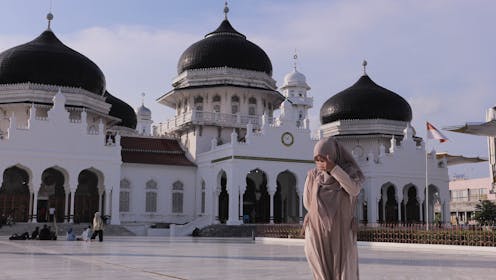
    July 5, 2025
  • Parliamentarians in Trinidad & Tobago hail PM Modi’s speech

    Source: Government of India

    Source: Government of India (4)

    Prime Minister Narendra Modi’s speech on Frdiay at the Parliament of Trinidad & Tobago was met with resounding applause from the Members of Parliament. During his address to the Joint Assembly at the iconic Red House, PM Modi expressed gratitude and said he felt humbled to be the first Indian Prime Minister to address the esteemed House.

    Addressing Prime Minister Kamla Persad-Bissessar, President of the Senate Wade Mark, Speaker of the House Jagdeo Singh, and other parliamentarians, PM Modi highlighted the warm and historic ties between India and Trinidad & Tobago. His speech was interrupted more than 20 times by warm applause from the MPs.

    PM Modi said he was deeply honoured to stand before the elected representatives of a proud democracy and a friendly nation. He extended greetings on behalf of 1.4 billion Indians and conveyed warm wishes from the people of Ghana, the country he visited prior to arriving in the Caribbean nation.

    “This historic Red House has witnessed the struggles and sacrifices of the people of Trinidad and Tobago for freedom and dignity. Over the past six decades, it has stood strong as you’ve built a just, inclusive, and prosperous democracy,” PM Modi said.

    He praised the leadership of President Kangaloo and Prime Minister Persad-Bissessar, both of Indian descent, calling them “living symbols of the relationship between our countries, built on shared roots and shared dreams.”

    PM Modi reflected on the journey of both nations from colonial rule to thriving democracies: “With courage as our ink and democracy as our pen, we have written our own stories.”

    The Prime Minister congratulated the people of Trinidad & Tobago for recently participating in democratic elections and lauded the wisdom and vision of the electorate. He extended best wishes to Prime Minister Persad-Bissessar on securing a second consecutive term.

    Referring to the words inscribed on the Speaker’s Chair—”FROM THE PEOPLE OF INDIA TO THE PEOPLE OF TRINIDAD AND TOBAGO”—PM Modi said the chair was “not just a piece of furniture but a powerful symbol of friendship and trust between our two nations.”

    “In India, democracy is not just a political system but a way of life,” he added.

    The PM also pointed out that some members of the T&T Parliament trace their ancestry to Bihar, an Indian state known for ancient democratic roots such as Vaishali.

    “There is a natural warmth in our connection. Indians are among the most passionate fans of the West Indies cricket team—except, of course, when they play against India!” he joked.

    PM Modi recalled the arrival of Indians to Trinidad 180 years ago and how their culture blended with the Caribbean rhythm: “Here, Bhojpuri found harmony with Creole, dal puri met doubles, and tabla met the steel pan.”

    Today, people of Indian origin are an integral part of the vibrant diversity of Trinidad & Tobago, he said, contributing to every field—from politics to poetry, cricket to commerce, and calypso to chutney.

    Earlier in the day, President Christine Kangaloo conferred PM Modi with the nation’s highest civilian honour, which he accepted with humility on behalf of the Indian people.

    Expressing appreciation, PM Modi said: “I am delighted to see so many women Members in this House. Respect for women is deeply rooted in Indian culture.” Quoting a verse from the *Skanda Purana*, he emphasized the value of daughters, adding, “One daughter brings as much joy as ten sons.”

    The Prime Minister highlighted India’s push toward gender equality, mentioning the recent 33% reservation for women in Parliament and State Assemblies. “Around 1.5 million elected women lead local governance institutions. We are in an era of women-led development,” he said.

    On economic development, PM Modi noted: “India is the fastest-growing major economy in the world today. Our growth is inclusive and people-centric.” He cited an International Labour Organization report that noted India’s welfare programs cover 950 million people.

    He added that India views its development as a responsibility toward others, with a special focus on the Global South.

    On bilateral ties, he said India would deepen cooperation with Trinidad & Tobago in trade, development, healthcare, and technology. He welcomed T&T’s adoption of the UPI digital payment system, noting that even mango sellers in India now prefer UPI over cash.

    India is also ready to share its expertise in agriculture, food processing, and digital innovation, he added. “Development is about dignity,” he said, announcing an artificial limb fitment camp for differently-abled citizens in Trinidad & Tobago.

    “As a key player in the Caribbean and a bridge to Latin America, Trinidad & Tobago has great potential. We look forward to stronger regional cooperation through India-CARICOM ties.”

    Speaking on global issues, PM Modi acknowledged the challenges facing the world: climate change, terrorism, food and energy insecurity, and cyber threats. He emphasized the need for reforms in global institutions and more equitable representation for the Global South.

    “The voice of the developing world remains on the margins. India has always tried to bridge this gap,” he said. “We need to give the Global South its rightful seat at the right table and ensure climate justice, so that the burden doesn’t fall on those who contributed the least.”

    The PM said India’s vision for the Global South is encapsulated in the acronym *MAHASAGAR* — Mutual and Holistic Advancement for Security and Growth Across Regions.

    Highlighting cooperation during the pandemic, PM Modi reminded the House that India sent vaccines and medicines to over 150 countries and provided humanitarian aid during global disasters.

    He reaffirmed India’s respect for T&T’s support in the fight against terrorism: “Terrorism is the enemy of humanity. This very Red House has itself witnessed the wounds of terror. We must stand united to deny terrorism any shelter or space.”

    PM Modi added, “From Ayodhya to Arima, from the ghats of the Ganga to the Gulf of Paria, may our bonds grow ever deeper, and our dreams ever higher.”

    He thanked the Parliament of Trinidad & Tobago for bestowing him with the honour to address them.

    IANS


    July 5, 2025
  • Parliamentarians in Trinidad & Tobago hail PM Modi’s speech

    Source: Government of India

    Source: Government of India (4)

    Prime Minister Narendra Modi’s speech on Frdiay at the Parliament of Trinidad & Tobago was met with resounding applause from the Members of Parliament. During his address to the Joint Assembly at the iconic Red House, PM Modi expressed gratitude and said he felt humbled to be the first Indian Prime Minister to address the esteemed House.

    Addressing Prime Minister Kamla Persad-Bissessar, President of the Senate Wade Mark, Speaker of the House Jagdeo Singh, and other parliamentarians, PM Modi highlighted the warm and historic ties between India and Trinidad & Tobago. His speech was interrupted more than 20 times by warm applause from the MPs.

    PM Modi said he was deeply honoured to stand before the elected representatives of a proud democracy and a friendly nation. He extended greetings on behalf of 1.4 billion Indians and conveyed warm wishes from the people of Ghana, the country he visited prior to arriving in the Caribbean nation.

    “This historic Red House has witnessed the struggles and sacrifices of the people of Trinidad and Tobago for freedom and dignity. Over the past six decades, it has stood strong as you’ve built a just, inclusive, and prosperous democracy,” PM Modi said.

    He praised the leadership of President Kangaloo and Prime Minister Persad-Bissessar, both of Indian descent, calling them “living symbols of the relationship between our countries, built on shared roots and shared dreams.”

    PM Modi reflected on the journey of both nations from colonial rule to thriving democracies: “With courage as our ink and democracy as our pen, we have written our own stories.”

    The Prime Minister congratulated the people of Trinidad & Tobago for recently participating in democratic elections and lauded the wisdom and vision of the electorate. He extended best wishes to Prime Minister Persad-Bissessar on securing a second consecutive term.

    Referring to the words inscribed on the Speaker’s Chair—”FROM THE PEOPLE OF INDIA TO THE PEOPLE OF TRINIDAD AND TOBAGO”—PM Modi said the chair was “not just a piece of furniture but a powerful symbol of friendship and trust between our two nations.”

    “In India, democracy is not just a political system but a way of life,” he added.

    The PM also pointed out that some members of the T&T Parliament trace their ancestry to Bihar, an Indian state known for ancient democratic roots such as Vaishali.

    “There is a natural warmth in our connection. Indians are among the most passionate fans of the West Indies cricket team—except, of course, when they play against India!” he joked.

    PM Modi recalled the arrival of Indians to Trinidad 180 years ago and how their culture blended with the Caribbean rhythm: “Here, Bhojpuri found harmony with Creole, dal puri met doubles, and tabla met the steel pan.”

    Today, people of Indian origin are an integral part of the vibrant diversity of Trinidad & Tobago, he said, contributing to every field—from politics to poetry, cricket to commerce, and calypso to chutney.

    Earlier in the day, President Christine Kangaloo conferred PM Modi with the nation’s highest civilian honour, which he accepted with humility on behalf of the Indian people.

    Expressing appreciation, PM Modi said: “I am delighted to see so many women Members in this House. Respect for women is deeply rooted in Indian culture.” Quoting a verse from the *Skanda Purana*, he emphasized the value of daughters, adding, “One daughter brings as much joy as ten sons.”

    The Prime Minister highlighted India’s push toward gender equality, mentioning the recent 33% reservation for women in Parliament and State Assemblies. “Around 1.5 million elected women lead local governance institutions. We are in an era of women-led development,” he said.

    On economic development, PM Modi noted: “India is the fastest-growing major economy in the world today. Our growth is inclusive and people-centric.” He cited an International Labour Organization report that noted India’s welfare programs cover 950 million people.

    He added that India views its development as a responsibility toward others, with a special focus on the Global South.

    On bilateral ties, he said India would deepen cooperation with Trinidad & Tobago in trade, development, healthcare, and technology. He welcomed T&T’s adoption of the UPI digital payment system, noting that even mango sellers in India now prefer UPI over cash.

    India is also ready to share its expertise in agriculture, food processing, and digital innovation, he added. “Development is about dignity,” he said, announcing an artificial limb fitment camp for differently-abled citizens in Trinidad & Tobago.

    “As a key player in the Caribbean and a bridge to Latin America, Trinidad & Tobago has great potential. We look forward to stronger regional cooperation through India-CARICOM ties.”

    Speaking on global issues, PM Modi acknowledged the challenges facing the world: climate change, terrorism, food and energy insecurity, and cyber threats. He emphasized the need for reforms in global institutions and more equitable representation for the Global South.

    “The voice of the developing world remains on the margins. India has always tried to bridge this gap,” he said. “We need to give the Global South its rightful seat at the right table and ensure climate justice, so that the burden doesn’t fall on those who contributed the least.”

    The PM said India’s vision for the Global South is encapsulated in the acronym *MAHASAGAR* — Mutual and Holistic Advancement for Security and Growth Across Regions.

    Highlighting cooperation during the pandemic, PM Modi reminded the House that India sent vaccines and medicines to over 150 countries and provided humanitarian aid during global disasters.

    He reaffirmed India’s respect for T&T’s support in the fight against terrorism: “Terrorism is the enemy of humanity. This very Red House has itself witnessed the wounds of terror. We must stand united to deny terrorism any shelter or space.”

    PM Modi added, “From Ayodhya to Arima, from the ghats of the Ganga to the Gulf of Paria, may our bonds grow ever deeper, and our dreams ever higher.”

    He thanked the Parliament of Trinidad & Tobago for bestowing him with the honour to address them.

    IANS


    July 5, 2025
  • MIL-OSI Security: Eurojust and the Ministry of Justice of the United Arab Emirates host an expert workshop to strengthen judicial cooperation

    Source: Eurojust

    From 2 to 3 July 2025, Eurojust and the United Arab Emirates (UAE) Ministry of Justice jointly hosted a successful workshop in Abu Dhabi, marking a significant advancement in the fight against transnational organised crime. The event brought together 25 participants, including prosecutors from all Public Prosecution departments of the seven emirates of the UAE, central authority staff, and representatives from the UAE’s Interpol office. Attendees had the opportunity to exchange best practices, tackle common challenges, and strengthen existing partnership.

    The workshop centered on presenting Eurojust’s mandate and activities to UAE counterparts, while discussing the respective roles in international judicial cooperation, cybercrime, money laundering, and asset recovery. Eurojust’s representatives shared their knowledge and experience, emphasizing the critical importance of cooperation and coordination in tackling complex, cross-border crimes. The event also served as a platform for constructive dialogue and knowledge exchange. By exploring ways to enhance collaboration, participants sought to identify opportunities for more effective cooperation between the UAE and EU Member States in combating organised crime.

    The workshop is a key deliverable under the framework of the 8th UAE–EU Structural Dialogue on Anti-Money Laundering and Countering the Financing of Terrorism (AML/CFT). This dialogue aims to strengthen cooperation between the UAE and the EU in the areas of anti-money laundering and countering the financing of terrorism.

    In Abu Dhabi, the Eurojust delegation, led by Vice-President José de la Mata, also took part in several high-level meetings, including discussions with the UAE Minister of Justice Abdullah Al Nuaimi, the EU Ambassador to the UAE Lucie Berger as well as Ambassadors and representatives from EU Member States.

    Eurojust’s collaboration with the UAE is part of its broader efforts to strengthen cooperation with third countries, and to promote the rule of law and justice globally. The workshop was supported by the CTJUST project.

    MIL Security OSI –

    July 5, 2025
  • MIL-OSI Europe: JOINT MOTION FOR A RESOLUTION on the human cost of Russia’s war against Ukraine and the urgent need to end Russian aggression: the situation of illegally detained civilians and prisoners of war, and the continued bombing of civilians – RC-B10-0304/2025

    Source: European Parliament

    Michael Gahler, Andrzej Halicki, Sebastião Bugalho, David McAllister, Siegfried Mureşan, Isabel Wiseler‑Lima, Nicolás Pascual de la Parte, Mika Aaltola, Wouter Beke, Krzysztof Brejza, Lena Düpont, Jan Farský, Mircea‑Gheorghe Hava, Rasa Juknevičienė, Sandra Kalniete, Ewa Kopacz, Andrey Kovatchev, Reinhold Lopatka, Antonio López‑Istúriz White, Liudas Mažylis, Danuše Nerudová, Mirosława Nykiel, Ana Miguel Pedro, Paulius Saudargas, Oliver Schenk, Michał Szczerba, Davor Ivo Stier, Alice Teodorescu Måwe, Ingeborg Ter Laak, Riho Terras, Matej Tonin, Pekka Toveri, Inese Vaidere
    on behalf of the PPE Group
    Yannis Maniatis, Nacho Sánchez Amor, Thijs Reuten
    on behalf of the S&D Group
    Adam Bielan, Michał Dworczyk, Małgorzata Gosiewska, Sebastian Tynkkynen, Roberts Zīle, Reinis Pozņaks, Ivaylo Valchev, Aurelijus Veryga, Mariusz Kamiński, Charlie Weimers, Alexandr Vondra, Assita Kanko, Joachim Stanisław Brudziński
    on behalf of the ECR Group
    Petras Auštrevičius, Malik Azmani, Dan Barna, Anna‑Maja Henriksson, Ľubica Karvašová, Ilhan Kyuchyuk, Nathalie Loiseau, Urmas Paet, Marie‑Agnes Strack‑Zimmermann, Eugen Tomac, Hilde Vautmans, Lucia Yar, Dainius Žalimas
    on behalf of the Renew Group
    Sergey Lagodinsky
    on behalf of the Verts/ALE Group

    European Parliament resolution on the human cost of Russia’s war against Ukraine and the urgent need to end Russian aggression: the situation of illegally detained civilians and prisoners of war, and the continued bombing of civilians

    (2025/2710(RSP))

    The European Parliament,

    – having regard to its previous resolutions on Ukraine and on Russia,

    – having regard to the Hague Conventions, the UN Charter, the Geneva Conventions and their additional protocols, the Convention on the Prevention and Punishment of the Crime of Genocide, the European Convention on Human Rights, the UN Convention Against Torture, the Rome Statute of the International Criminal Court (ICC) and the UN Convention on the rights of the child,

    – having regard to the Association Agreement between the European Union and its Member States, of the one part, and Ukraine, of the other part[1], and to the accompanying Deep and Comprehensive Free Trade Area between the European Union and Ukraine, signed in 2014,

    – having regard to all relevant resolutions by the UN General Assembly and Security Council, in particular UN General Assembly Resolution ES-11/7 adopted on 25 February 2025,

    – having regard to the NATO Washington Summit Declaration of 10 July 2024 and the Hague Summit Declaration of 25 June 2025,

    – having regard to Rule 136(2) of its Rules of Procedure,

    A. whereas Russia has been waging a brutal, illegal, unprovoked and unjustified full-scale war of aggression against Ukraine since 24 February 2022;

    B. whereas Russia’s aggression against Ukraine did not begin in February 2022, but in 2014, with the illegal occupation and annexation of Crimea and parts of the Donetsk and Luhansk regions, with severe humanitarian, economic and ecological consequences and resulting in regional instability; whereas Russia could stop the brutal and unjustified war of aggression at any time;

    C. whereas the UN General Assembly, in its resolution of 2 March 2022, immediately qualified the Russian war against Ukraine as an act of aggression in violation of Article 2(4) of the UN Charter, and, in its resolution of 14 November 2022, recognised the need to hold Russia accountable for its war of aggression and legally and financially responsible for its internationally wrongful acts, including by making reparation for the injuries and damage caused;

    D. whereas thus far in 2025, Russia has deployed over 20 000 drones against Ukraine, or around 3 500 per month, representing a 350 % increase compared to the 2024 monthly average; whereas Russia has killed over 1 050 civilians and injured 4 300 more, constituting clear evidence that it actively targets civilians, including ambulances and rescue personnel, in contrast to Ukraine’s defensive actions; whereas the recent attacks on Kyiv and Dnipro were the second deadliest and the deadliest attacks on these cities since the start of Russia’s invasion, starkly conflicting with Russia’s claims that it is interested in peace;

    E. whereas, as a reaction to Russia’s war of aggression against Ukraine, the EU has adopted 17 sanctions packages of unprecedented scope against Russia and continues to adopt sanctions against Russia with a view to definitively undermining its capacity to continue waging its illegal war of aggression against Ukraine; whereas the circumvention of sanctions, including through Russia’s shadow fleet and the incomplete implementation of sanctions, remain a major enabler of Russia’s war of aggression; whereas despite these and other sanctions, Russia continues to wage its war of aggression against Ukraine;

    F. whereas the US has again halted supplies of crucial military assistance to Ukraine;

    G. whereas Russia’s aggression against Ukraine has caused the largest forced displacement of civilians in Europe since the Second World War, with 10 million Ukrainians – mostly women and children – displaced, including 7 million who have found refuge abroad[2];

    H. whereas Russia continues unabated to commit heinous war crimes against innocent civilians; whereas according to the Ukrainian authorities, approximately 16 000 Ukrainian civilians are known to be currently detained in Russia and the temporarily occupied Ukrainian territories, although the real figures are likely to be significantly higher; whereas more than 70 000 Ukrainians – including civilians, children, and military personnel – are officially listed as missing;

    I. whereas the Russian authorities have systematically carried out enforced disappearances against large numbers of Ukrainian civilians, detaining individuals with no military affiliation on baseless and fabricated charges, with their fate and whereabouts remaining unknown, leaving their families in agonising uncertainty; whereas enforced disappearances by Russia are part of a widespread, systematic and coordinated assault on Ukraine’s civilian population;

    J. whereas, according to the Office of the UN High Commissioner for Human Rights, at least 29 civilians have died in custody in Russian detention facilities, and 170 have been executed in areas under Russian control since February 2022;

    K. whereas throughout the process of enforced disappearances, the Russian authorities have consistently failed to inform the families of the fate or location of their loved ones; whereas multiple responses from various authorities have likewise failed to provide any meaningful information;

    L. whereas the Russian authorities have systematically employed torture and other forms of inhumane and degrading treatment against numerous illegally detained Ukrainian civilians; whereas the UN Independent International Commission of Inquiry on Ukraine has found evidence of Russia using rape and sexual violence as means of torture against both male and female detainees;

    M. whereas Russia refuses to disclose the number of Ukrainian prisoners of war (POWs) it currently holds; whereas the Russian authorities are blatantly failing to meet their obligations under the Geneva Conventions to allow international representatives of the International Committee of the Red Cross (ICRC) to visit prisoners and to transmit the relevant information to the ICRC, state authorities and the families of POWs;

    N. whereas Ukrainian POWs and civilian captives are subjected to torture, including starvation, beatings, various types of coercion, physical, sexual and psychological violence and denial of medical care and legal representation;

    O. whereas Ukraine and international bodies have documented hundreds of executions of Ukrainian POWs by Russian forces since February 2022; whereas the Office of the Prosecutor General of Ukraine is investigating the execution of 268 Ukrainian POWs (208 on the battlefield and 59 in the ‘Olenivka’ prison); whereas the increasing number of executions and available evidence suggests that these crimes are not isolated incidents but part of a systematic and deliberate policy, constituting serious violations of international law and human rights, and war crimes under the Geneva Conventions and the Rome Statute;

    P. whereas Ukraine and Russia have conducted 65 prisoner exchanges since February 2022, resulting in the release of 5 757 people, including three large-scale exchanges in May 2025, with an additional 469 individuals released outside formal exchange mechanisms;

    Q. whereas since the occupation and annexation of Crimea in 2014, Russia has systematically targeted Crimean Tatars with politically motivated prosecutions, enforced disappearances, intimidation and harassment; whereas Crimean Tatar leaders, journalists, civil society activists and religious figures have faced disproportionate repression, including under the guise of anti-extremism and anti-terrorism charges; whereas these actions amount to violations of international human rights and humanitarian law and aim to erase the identity and presence of the indigenous Crimean Tatar people;

    R. whereas Russia, while posturing as a defender of the Christian faith and values, has been conducting mass and systematic violations of religious rights in occupied Ukrainian territories, with the Ukrainian Greek Catholic Church banned outright, at least 47 Ukrainian religious leaders killed and more subjected to torture, and religious property willingly targeted and destroyed by Russian forces; whereas in parallel Russia weaponises the Orthodox Church of the Moscow Patriarchate as a tool to tyrannise and control religious communities and the Ukrainian population more broadly;

    S. whereas the torture and killing of Ukrainian journalist Viktoriia Roshchyna in Russian captivity highlights the grave and growing dangers faced by Ukrainian journalists held by Russian forces; whereas others, including Iryna Danylovych, Dmytro Khyliuk, Iryna Levchenko and Heorhiy Levchenko, remain in detention under life-threatening conditions;

    T. whereas according to the ‘Bring Kids Back UA’ initiative and the Yale Humanitarian Research Lab (HRL), since February 2022 around at least 20 000 and possibly up to 35 000 Ukrainian children have been forcibly deported to Russia and Belarus or detained in temporarily occupied Ukrainian territories, with only 1 366 returned and 637 confirmed dead; whereas the real figures are assumed to be much higher, as these transfers and deportations continue; whereas the HRL’s Ukraine Conflict Observatory has had its funding cut as of 1 July by the Trump administration, jeopardising the continuation of its work;

    U. whereas the ICC has been conducting an investigation into the situation in Ukraine since 2 March 2022 and on 17 March 2023 issued arrest warrants for Vladimir Putin, President of the Russian Federation, and Maria Lvova-Belova, so-called Commissioner for Children’s Rights in the Office of the President of the Russian Federation, for the war crime of unlawful deportation of Ukrainian children, followed up by additional arrest warrants against Russian officials issued on 24 June 2024; whereas the EU supports the Special Tribunal for the Crime of Aggression that is being established in the framework of the Council of Europe;

    1. Condemns, in the strongest possible terms, Russia’s unprovoked, illegal and unjustified war of aggression against Ukraine; demands that Russia immediately cease all military activities in Ukraine, fully withdraw from Ukraine’s internationally recognised territory, end forced deportations, release all detained and deported Ukrainians and compensate Ukraine and victims of war crimes; reiterates its condemnation of Belarus’s direct involvement in Russia’s brutal war of aggression against Ukraine;

    2. Confirms its unwavering commitment to the independence, sovereignty and territorial integrity of Ukraine, within its internationally recognised borders and reiterates its policy of non-recognition of Ukrainian territories temporarily occupied by Russia; strongly underlines Ukraine’s inherent right to self-defence, in line with Article 51 of the UN Charter, which entails the right to strike military targets on Russian soil;

    3. Reaffirms its unwavering solidarity with the people of Ukraine in their heroic defence of their nation, their land, and our shared European values; reiterates its belief that a strong, independent and democratic Ukraine is vital for Europe’s security, stability and prosperity; calls for the EU and all its 27 Member States to substantially enhance the effectiveness and accelerate the delivery of military support to Ukraine in order to allow Ukraine to legitimately defend itself against Russia’s escalating attacks on cities and civilian infrastructure across the country, and to put Ukraine in the strongest possible position for negotiations;

    4. Condemns Vladimir Putin’s ongoing revisionist and imperialist rhetoric and ideology, and treacherous propaganda; denounces the systematic attempts by the Russian Government to erase Ukraine’s history, culture, language and identity;

    5. Stresses that Russia’s full-scale invasion of Ukraine has shattered peace and stability in Europe and gravely undermined global security; underscores that Russia remains the most significant and direct threat to European security;

    6. Strongly condemns the execution of Ukrainian POWs by Russian forces, constituting war crimes and grave breaches of the Geneva Conventions;

    7. Reiterates that Russia bears sole responsibility for its war of aggression and that there can be no impunity for violations of human rights, war crimes, or other breaches of international law committed by Russian forces and officials; expresses deep outrage at Russia’s brutal attacks on civilians and the indiscriminate targeting of civilian infrastructure; stresses that the systematic and deliberate targeting of civilians and, in particular, the deportation of children may constitute a genocidal strategy orchestrated and executed by the Russian Government;

    8. Fully supports the ICC’s ongoing investigations into the war crimes and crimes against humanity committed by Russia; welcomes the recent agreement between the Council of Europe and Ukraine on the establishment of a Special Tribunal for the Crime of Aggression against Ukraine; emphasises that all those responsible for war crimes perpetrated in Ukraine must be held accountable and stresses that justice is essential for any sustainable peace; expresses its utmost concern about the US sanctions on the ICC and its prosecutors, judges and staff, which undermine all its ongoing investigative and prosecutorial work and constitute a serious attack on the system of international justice; calls on the Commission to urgently activate the Blocking Statute and on the Member States to urgently step up their diplomatic efforts in order to protect and safeguard the ICC as an indispensable cornerstone of the system of international justice;

    9. Reiterates its condemnation of Russia’s forcible deportation, illegal detention and inhumane treatment of countless Ukrainian civilians; demands that Russia immediately provide families with accurate information regarding the whereabouts and state of health of detainees and calls for the immediate release of all the Ukrainian civilians currently held captive by the Russian authorities; underscores that the forced displacement, unlawful detention and mistreatment of Ukrainian civilians exemplify the intrinsic brutality of the Russian regime and its flagrant disregard for human life; strongly condemns the gruesome tactics deployed by the Russian authorities against both Ukrainian civilians and prisoners of war; deplores the wide and systematic use of terror in Ukraine’s occupied territories, aimed at intimidating the civilian population, stifling resistance and political dissent, suppressing civic activism and eradicating the Ukrainian language and national identity;

    10. Condemns the ongoing persecution of Crimean Tatars in illegally occupied Crimea, including politically motivated detentions, torture, enforced disappearances and restrictions on freedom of religion, expression and association; calls for the immediate release of all Crimean Tatars imprisoned on political grounds and urges the EU and international organisations to enhance monitoring and advocacy on behalf of the indigenous people of Crimea;

    11. Urges Russia to immediately agree to and implement a comprehensive ‘all-for-all’ exchange of POWs with Ukraine, in accordance with its obligations under international humanitarian law and the Geneva Convention relative to the Treatment of Prisoners of War;

    12. Strongly condemns Russia’s violent actions and the complicity of Belarus in the mistreatment of Ukrainian children, including murder, torture and criminal prosecution, forced transfer and deportation, sexual abuse and exploitation, forced Russification and militarisation; denounces the forced imposition of Russian citizenship on deported children and their state-sponsored adoption by Russian families as part of a deliberate policy of forced assimilation; regrets that the EU was unable to help Yale’s HRL secure sufficient funding; calls on its Member States to closely cooperate with and support the Ukrainian authorities and local and international non-governmental organisations in their efforts to document all missing and deported Ukrainian children, determine their whereabouts and repatriate them in order to promptly reunite them with their parents or legal guardians; reiterates that the deportation of Ukrainian children is a grave violation of international humanitarian law, in particular of Article 49 of the Fourth Geneva Convention, and constitutes a war crime; urges the EU to hold those responsible to account and to sanction individuals and entities implicated in these crimes;

    13. Demands that, in line with its obligations under the respective Geneva Conventions, Russia grant the ICRC immediate access to POW camps and other sites where Ukrainian soldiers or civilians are being held captive; notes the marked difference in the way Ukraine and Russia have treated the POWs they hold, with Ukrainian military personnel having been severely tortured, maltreated and malnourished, in violation of the laws of war and international humanitarian law;

    14. Reiterates its call for the EU and its Member States to increase humanitarian and rehabilitation assistance for victims of Russian captivity, including access to medical and psychological care, reintegration services and legal assistance; commends Ukrainian and international civil society organisations for supporting families of abducted Ukrainian children, POWs and illegally detained civilians;

    15. Reaffirms the EU’s steadfast commitment to the reconstruction of Ukraine and reiterates its readiness to contribute to rebuilding Ukraine’s economy and infrastructure; stresses the strategic importance of the Ukraine Facility in reinforcing Ukraine’s resilience, accelerating its recovery, and supporting its path towards sustainable development and EU membership; reiterates its firm conviction that Russia must pay for the massive damage caused in Ukraine and therefore calls for the confiscation of Russian state assets immobilised under EU sanctions or otherwise for their use to support Ukraine’s defence and reconstruction; underlines its conviction that various legal pathways to do so are available and that lack of action is an inexcusable failure on the part of European governments;

    16. Condemns the Russian State Duma’s protocol adopted on 24 June 2025 allowing the member states of the Collective Security Treaty Organization to deploy their troops on the territory of other members in the event of armed conflict, threats, crisis situations and military exercises; condemns this step as a clear attempt by Russia to further scale up its relentless attacks on Ukraine by forcibly mobilising troops from neighbouring and allied states;

    17. Strongly condemns the recruitment and deployment of Cuban soldiers in addition to the involvement of North Korean troops;

    18. Urges all Member States to immediately provide further military assistance and to engage in joint procurement of additional capabilities, in particular air defence, long range strike and artillery systems and ammunition; in that regard, urges all Member States to devote a significant part of their SAFE Defence Investment Plans to assistance for Ukraine; urges the Member States and their defence industries to invest in and partner with the Ukrainian defence industry, including through additional investments and setting up joint ventures, in order to maximise the full potential of its production capabilities to produce critical equipment in the most efficient way;

    19. Recalls the bold statements by several EU Heads of State and Government that Russia’s failure to agree to the US-proposed 30-day ceasefire would be met with severely enhanced sanctions and therefore urges the Council, the Commission and the Member States to follow-up on their declarations and substantially increase the effectiveness and impact of sanctions on Russia; welcomes the seventeenth sanctions package of 20 May 2025 but urges the Member States to adopt the next sanctions package without further delay; underlines that there is a current strategic imperative to act boldly now; stresses that the negative global security and economic consequences of any future Russian aggression far outweigh the military and financial commitment needed today to definitively end Russia’s war of aggression against Ukraine, to deter further Russian aggression and achieve a just, fair and lasting peace; resolutely calls on the EU Member States to stop their shameful business as usual approach and instead act with a renewed sense of urgency and purpose;

    20. Believes that in order to pressure Russia to end its war of aggression, beginning with a sustained ceasefire, substantially more effective military, economic, political and diplomatic efforts and measures must be applied by the EU and like-minded partners; calls for all necessary steps to be taken to avoid the circumvention of sanctions, in particular by targeting Russia’s ‘shadow fleet’ vessels; calls for a full ban on Russian liquefied natural gas (LNG), oil and raw materials, and interim measures to minimise Russia’s ability to pay for its war of aggression through energy exports, including a lower oil price cap and the introduction of an LNG price cap; underlines the importance of adopting the 18th sanctions package without further delay; calls on the Member States that are blocking the adoption of the latest sanctions package to follow other Member States, which have successfully found alternative sources for oil and gas deliveries; underlines that it is unacceptable that, in the fourth year of Russia’s full-scale war against Ukraine, Russian missiles and unmanned aerial vehicles used in attacks continue to rely heavily on Western-manufactured components;

    21. Recalls that the overall support for Ukraine must be sufficient to stop Russia’s war of aggression and allow Ukraine to liberate all its people, re-establish full control over its territory within its internationally recognised borders and deter any further aggression by Russia; recalls that Europe has already supported Ukraine with EUR 50 billion in military aid, but underlines that further assistance is required and that such support now depends largely on Europe itself; urges the Member States to provide more arms and ammunition to Ukraine before any negotiations are concluded; denounces any attempts to pressure Ukraine to cede occupied territory, in which the population is exposed to continued repression, violence, forced disappearances, illegal detentions, deportations and other forms of systematic terror;

    22. Calls on the EU to impose personal sanctions against Russian officials responsible for violence and torture against imprisoned and detained Ukrainians;

    23. Expresses its full support for a just and lasting peace in Ukraine, based on terms determined by Ukraine and acceptable to its people; stresses that any agreement must uphold Ukraine’s sovereignty and territorial integrity, prevent Russia from rearming and guarantee Ukraine’s long-term security; insists on accountability for war crimes and on reparations; underlines that peace negotiations must be preceded by an unconditional ceasefire;

    24. Stresses that in the light of the shift in the US stance on Russia’s war of aggression, the EU and its Member States must remain Ukraine’s primary strategic allies and should reinforce their leadership role in supporting Ukraine’s struggle for sovereignty, peace and justice; calls for the EU and its Member States to work towards maintaining the broadest possible international support for Ukraine, including through building coalitions with like-minded non-EU partners;

    25. Instructs its President to forward this resolution to the Vice-President of the Commission / High Representative of the Union for Foreign Affairs and Security Policy, the Council, the Commission, the governments and parliaments of the Member States, the Council of Europe, the Organization for Security and Cooperation in Europe, the President, Government and Parliament of Ukraine, and to the authorities of Russia and Belarus.


    MIL OSI Europe News –

    July 5, 2025
←Previous Page
1 … 40 41 42 43 44 … 474
Next Page→
NewzIntel.com

NewzIntel.com

MIL Open Source Intelligence

  • Blog
  • About
  • FAQs
  • Authors
  • Events
  • Shop
  • Patterns
  • Themes

Twenty Twenty-Five

Designed with WordPress