Category: CTF

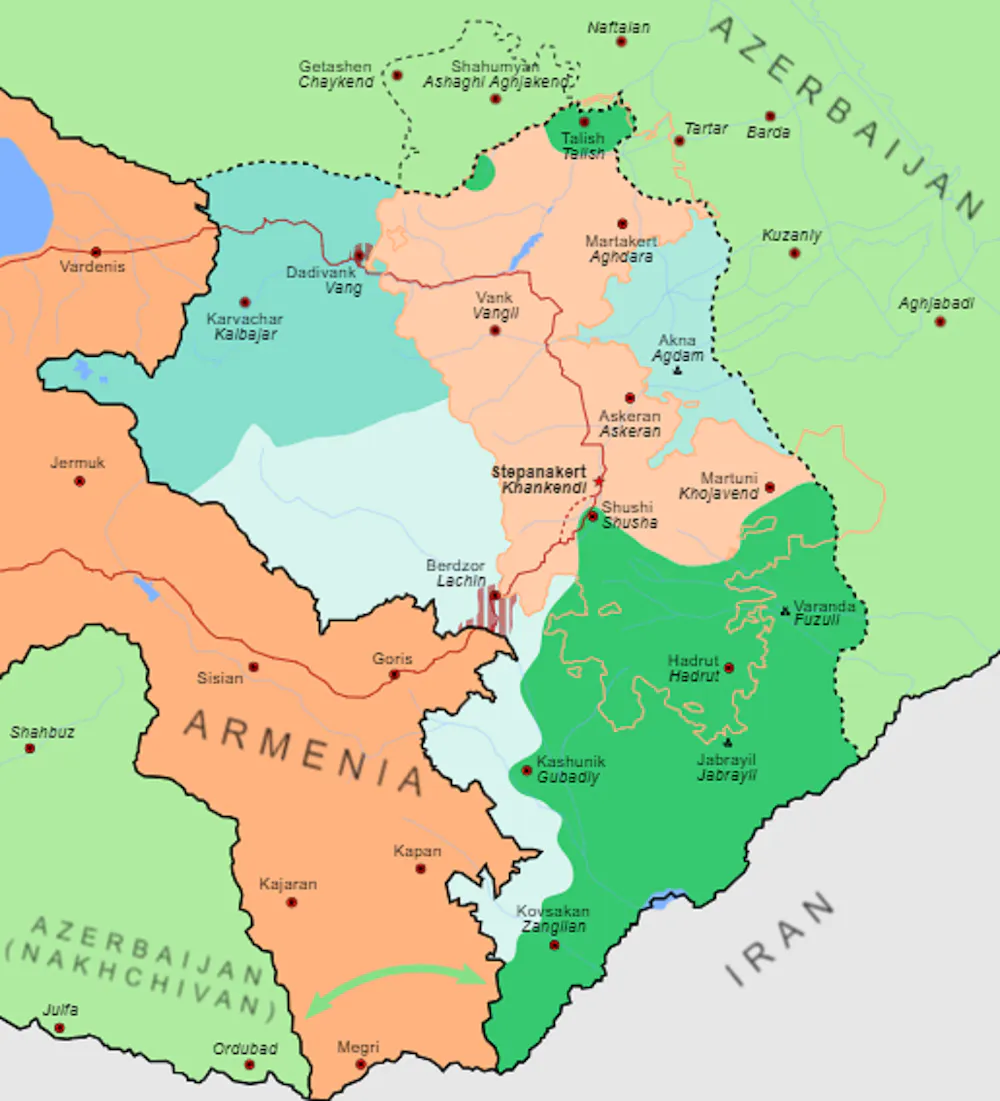
  • MIL-OSI Russia: Meeting between V. Putin and V. Zelensky before the end of August is unlikely – press secretary of the Russian president

    Translation. Region: Russian Federal

    Source: People’s Republic of China in Russian – People’s Republic of China in Russian –

    An important disclaimer is at the bottom of this article.

    Source: People’s Republic of China – State Council News

    Moscow, July 25 /Xinhua/ — A meeting between Russian President Vladimir Putin and Ukrainian President Volodymyr Zelensky is unlikely before the end of August. The summit should put an end to the settlement of the situation around Ukraine and record all the agreements reached. This is a complex and slow process. This was stated to journalists by the press secretary of the Russian president Dmitry Peskov on Friday.

    “A summit meeting can and should put a final point in the settlement and record the modalities and agreements that are to be developed in the course of expert work. Doing the opposite is impossible,” D. Peskov emphasized.

    “Is it possible to go through such a complex process in 30 days? Obviously, it is unlikely,” the Kremlin spokesman said.

    Earlier, D. Peskov, commenting on the proposals of the Ukrainian side after the third round of talks in Istanbul on a meeting between V. Putin and V. Zelensky, said that “Kyiv is putting the cart before the horse, proposing to organize a meeting of the leaders of the two countries even before reaching any agreements.” –0–

    Please note: This information is raw content obtained directly from the source of the information. It is an accurate report of what the source claims and does not necessarily reflect the position of MIL-OSI or its clients.

    .

    MIL OSI Russia News

  • MIL-OSI Russia: In the first six months of 2025, Uzbekistan imported over 24 thousand passenger cars

    Translation. Region: Russian Federal

    Source: People’s Republic of China in Russian – People’s Republic of China in Russian –

    An important disclaimer is at the bottom of this article.

    Source: People’s Republic of China – State Council News

    Tashkent, July 25 (Xinhua) — Uzbekistan imported over 24,000 passenger cars in the first six months of 2025, local media reported on Friday, citing the National Statistics Committee of Uzbekistan.

    In January-June 2025, 24,355 passenger cars worth 422.1 million US dollars were imported to Uzbekistan, the report says.

    Of the imported passenger cars, 14,356 were electric vehicles.

    Among the countries that supplied the most passenger cars to Uzbekistan in the first 6 months of 2025, China took first place – 21,399 units. The Republic of Korea is in second place – 2,032 units, followed by India – 168 units. –0–

    Please note: This information is raw content obtained directly from the source of the information. It is an accurate report of what the source claims and does not necessarily reflect the position of MIL-OSI or its clients.

    .

    MIL OSI Russia News

  • MIL-OSI Russia: Multinational military exercises Agile Spirit 2025 open in Georgia

    Translation. Region: Russian Federal

    Source: People’s Republic of China in Russian – People’s Republic of China in Russian –

    An important disclaimer is at the bottom of this article.

    Source: People’s Republic of China – State Council News

    Tbilisi, July 25 (Xinhua) — Georgia is hosting the multinational military exercise Agile Spirit for the 12th time. The exercise officially opened at the NATO-Georgia Joint Training and Evaluation Center (JTEC) in Krtsanisi, the Georgian Defense Ministry said on Friday.

    The purpose of the exercises is to increase the level of combat readiness of the armed forces of the participating countries, strengthen mutual compatibility and operational capabilities.

    The multinational exercise Agile Spirit 2025 will continue until August 6. –0–

    Please note: This information is raw content obtained directly from the source of the information. It is an accurate report of what the source claims and does not necessarily reflect the position of MIL-OSI or its clients.

    .

    MIL OSI Russia News

  • MIL-OSI United Nations: SECURITY COUNCIL LIVE: Situation in Ukraine

    Source: United Nations 2-b

    The UN Security Council is meeting on Friday morning to discuss the situation in Ukraine amid mounting concerns over the intensifying hostilities and growing humanitarian needs. Senior UN political affairs and humanitarian officials are expected to brief the Council. Follow our live coverage from UN News, in coordination with UN Meetings Coverage, for updates from the chamber. UN News App users can follow here.

    MIL OSI United Nations News

  • MIL-OSI Canada: Investigation into Grande Prairie RCMP shooting continues

    Source: Government of Canada regional news (2)

    MIL OSI Canada News

  • MIL-OSI USA: ‘Beefing Up’ Nebraska’s Ranching Industry

    Source: US State of Nebraska

    ‘Beefing Up’ Nebraska’s Ranching Industry

    Governor Jim Pillen


    Built by generations of hard work and innovation, Nebraska’s ranchers are known worldwide for raising the highest quality, most nutritious, safest, and best tasting protein in the world.

    Blessed by God to be home of the most productive farms and ranches in history thanks to our people, land, and water – our calling is to feed the world. It’s a big job, but we love answering the call. Frankly, it’s part of what makes Nebraska the best place to live and raise a family.

    That’s a good life, and it’s worth defending.

    Government doesn’t have many answers, but it can do the important work of protecting consumers by prohibiting unproven, blatantly dishonest products that are marketed as something they aren’t. That’s why I am proud we signed LB 246 into law, which bans ‘bioreactor,’ lab-grown fake meat from being made here in Nebraska or put on our grocery shelves. Recently, we celebrated the victory during a ceremonial bill signing at Shamrock Locker in O’Neill.

    Other than not sounding appetizing, what is lab-grown meat? It’s a product created in a lab to mimic the attributes of real meat. We’re talking about companies taking cells from an animal, nourishing them with a “cocktail” of nutrients, and “coaxing” them into growing into a product that resembles protein.

    That’s not meat. That’s a science experiment. It’s unproven, dishonestly labeled, and it won’t be for sale here in Nebraska.

    I’m grateful to have partnered with Senator Barry DeKay, a farmer and rancher from north-central Nebraska, to get this legislation across the finish line. This is a big, big win for Nebraska producers – and a common sense, straightforward action that is good for our state.

    Having spent my career raising pigs – and as the first Nebraska Governor to come from agriculture in over 100 years – this stuff hits close to my heart. We aren’t going to let the people of our state be duped into putting this junk meat onto our plates or into our stores. As one of the first states to lead this charge, we’re also showing the rest of the country what can be done to help protect consumers and our farming and ranching families.

    This isn’t about limiting choices or sticking it to vegans. In fact, we aren’t at all talking about alternatives like patties made out of black beans or other plants. And we aren’t talking about products like almond ‘milk.’ While we know that these products aren’t the real deal, at least we know where they come from and how they’re made.

    Simply, the age of ‘Making America Healthy Again’ doesn’t start with fake meat – it’s getting back to basics and starts by incorporating a balanced diet mainly of protein, fruits, and vegetables.

    We can’t let our kids – in any part of the state – starve in the midst of plenty. Data show how important a healthy diet is for our youth to boost immunity, support brain development, and promote overall well-being.

    On her visit to Nebraska, President Trump’s Agriculture Secretary Brooke Rollins approved a first-in-the-nation Supplemental Nutrition Assistance Program (SNAP) waiver to remove pop and energy drinks from government-funded food programs. This is common sense stuff. 

    Research and technology have both changed a lot about how we eat and the way agriculture operates. That’s good news. But we must be proactive – and careful – about new products, especially foods, that haven’t stood the test of time.

    Our agriculture industry supports countless families, jobs, and communities – both rural and urban. By signing LB 246 into law, we took a step to help defend our way of life here in Nebraska and are making sure we keep playing to our strengths. 

    We aren’t going to let lab work and misleading marketing undermine the legacy or the future of our state. We have been battling fringe ideas and groups that want a vegan society and claim all Nebraska agriculture is destroying our future. Truth is, we’re doing the exact opposite. 

    We feed the world – and save the planet. It’s time we stand up, defend our work, and keep buying the best meat that Nebraska – and the world – has to offer.

    MIL OSI USA News

  • MIL-OSI: Skyward Specialty Announces Change for Second Quarter Earnings Call to Thursday, July 31 at 12 PM EDT

    Source: GlobeNewswire (MIL-OSI)

    HOUSTON, July 25, 2025 (GLOBE NEWSWIRE) — Skyward Specialty Insurance Group, Inc.™ (NASDAQ: SKWD) (“Skyward Specialty” or “the Company”) today announced a change of its previously announced second quarter earnings call. The conference call and webcast will now be held on Thursday, July 31 at 12:00 p.m. EDT.

    Skyward Specialty will issue its second quarter 2025 earnings results after the market closes on Wednesday, July 30. The earnings results will be available on the Company website at investors.skywardinsurance.com/ under Quarterly Results.

    Investors may access the live audio webcast via the link on the Company’s investor site at investors.skywardinsurance.com/ under Events & Presentations. Additionally, investors can access the earnings call via conference call by registering via the conference link. Users will receive dial-in information and a unique PIN to join the call upon registering.

    A webcast replay will be available two hours following the call in the same location on the Company’s investor website.

    About Skyward Specialty

    Skyward Specialty is a rapidly growing and innovative specialty insurance company, delivering commercial property and casualty products and solutions on a non-admitted and admitted basis. The Company operates through nine underwriting divisions – Accident & Health, Agriculture and Credit (Re)insurance, Captives, Construction & Energy Solutions, Global Property, Professional Lines, Specialty Programs, Surety and Transactional E&S. SKWD stock is traded on the Nasdaq Global Select Market, which represents the top fourth of all Nasdaq listed companies.

    Skyward Specialty’s subsidiary insurance companies consist of Great Midwest Insurance Company, Houston Specialty Insurance Company, Imperium Insurance Company, and Oklahoma Specialty Insurance Company. These insurance companies are rated A (Excellent) with stable outlook by A.M. Best Company. Additional information about Skyward Specialty can be found on our website at www.skywardinsurance.com.

    For investor relations information contact:

    Natalie Schoolcraft
    nschoolcraft@skywardinsurance.com
    614-494-4988

    The MIL Network

  • MIL-OSI: Stack Capital Group Inc. Announces Upsize to Its Previously Announced Best Efforts Private Placement Now Combined With the Non-Brokered Private Placement for Gross Proceeds of Up to $35,000,000

    Source: GlobeNewswire (MIL-OSI)

    NOT FOR DISTRIBUTION TO THE UNITED STATES NEWS WIRE SERVICES OR FOR DISSEMINATION IN THE UNITED STATES

    TORONTO, July 25, 2025 (GLOBE NEWSWIRE) — Stack Capital Group Inc., (the “Company”) (TSX:STCK & TSX:STCK.WT.A) is pleased to announce that, as a result of strong investor demand, the Company has doubled the size of its previously announced “best efforts” private placement to up to 1,454,545 units of the Company (the “Units”) and up to $20,000,000 in gross proceeds (the “LIFE Offering”). After giving effect to the upsize of the LIFE Offering, the Company now expects to raise up to $35,000,000 in total gross proceeds under the combined LIFE Offering and Concurrent Private Placement (as defined herein).

    Each Unit will be issued at a price of $13.75 per Unit (the “Offering Price”) and will be comprised of one common share (a “Common Share” and the Common Shares comprising the Units being the “Unit Shares”) and one-quarter of one Common Share purchase warrant of the Company (each whole warrant, a “Warrant”). Each Warrant shall be exercisable by the holder thereof to acquire one Common Share (a “Warrant Share”) for a period of 24 months following the Closing Date (as hereinafter defined) at an exercise price of $17.00 per Warrant Share, subject to adjustment in certain events.

    In connection with the upsize of the LIFE Offering, the Company has entered into an amended agreement with Canaccord Genuity Corp., Raymond James Ltd., RBC Capital Markets and TD Securities Inc., to act as co-lead agents and joint bookrunners (collectively, the “Joint Bookrunners”), for and on behalf of a syndicate of agents (together with the Joint Bookrunners, the “Agents”).

    As previously announced, the Company also intends to complete a concurrent non-brokered private placement of up to 1,090,909 Units at the Offering Price to certain investors that have been identified to the Joint Bookrunners, for gross proceeds of up to $15,000,000, or such higher number as determined by the Company in its discretion (the “Concurrent Private Placement” and, together with the LIFE Offering, the “Offering”). The terms of the Concurrent Private Placement remain the same and the closing of the LIFE Offering is not conditional upon the closing of the Concurrent Private Placement.

    In addition, the Company has applied to the Toronto Stock Exchange (the “TSX”) for the listing of the Unit Shares, Warrants and Warrant Shares under the Offering.

    The LIFE Offering is being made to purchasers resident in all provinces of Canada, except Québec, pursuant to the listed issuer financing exemption from the prospectus requirement available under Part 5A of National Instrument 45-106 – Prospectus Exemptions and Coordinated Blanket Order 45-935 Exemptions from Certain Conditions of the Listed Issuer Financing Exemption of the Canadian Securities Administrators (collectively, the “LIFE Exemption”). Subject to compliance with the terms of the LIFE Exemption, the Unit Shares and Warrants offered under the LIFE Exemption will not be subject to resale restrictions pursuant to applicable Canadian securities laws. In addition, the Agents may offer the Units for sale on a private placement basis pursuant to available exemptions from the registration or prospectus requirements to investors resident in the United States and certain other jurisdictions outside of Canada and the United States, in each case, as agreed to by the Company and the Joint Bookrunners; provided it is understood that the Company will not be required to register or make any filings (other than reports on sales of securities in the United States and Canada) in such jurisdictions.

    In connection with the upsize of the LIFE Offering, there is an amended and restated offering document related to this LIFE Offering that can be accessed under the Company’s profile at www.sedarplus.com and on the Company’s website at www.stackcapitalgroup.com. Prospective investors should read this amended and restated offering document before making an investment decision.

    All Units issued under the Concurrent Private Placement will be issued in accordance with applicable securities laws pursuant to available exemptions from the prospectus requirements. It is anticipated that all Units issued to investors outside of Canada under the Concurrent Private Placement will be issued pursuant to Ontario Securities Commission Rule 72-503 – Distributions Outside Canada and will therefore not be subject to resale restrictions pursuant to applicable Canadian securities laws.

    The net proceeds of the Offering will be used for investments in accordance with the Company’s investment principles and general corporate and working capital purposes.

    The Offering is expected to close on or about August 8, 2025, or such other date or dates as may be agreed to by the Company and the Joint Bookrunners (each such date, a “Closing Date”) and is subject to certain conditions including, but not limited to, the receipt of all necessary approvals, including the approval of the TSX.

    At the closing of the Offering, the Company will pay to the Agents a cash fee equal to 5.0% of the gross proceeds raised in connection with the Offering.

    The Company anticipates certain insiders of the Company will participate in the Offering. Any participation in the Offering by insiders constitutes a “related party transaction” as defined under Multilateral Instrument 61-101 Protection of Minority Security Holders in Special Transactions (“MI 61-101”). However, the Company expects to rely on exemptions from the formal valuation and minority shareholder approval requirements of MI 61-101 based on the fact neither the fair market value of the Units subscribed for by the insiders, nor the consideration for the Units paid by such insiders, is expected to exceed 25% of the Company’s market capitalization as at the date of this news release.

    No securities regulatory authority has either approved or disapproved of the contents of this news release. This news release is for information purposes only and does not constitute an offer to sell or a solicitation of an offer to buy any of the securities of the Company in the United States of America. The Units, Unit Shares, Warrants and Warrant Shares have not been and will not be registered under the United States Securities Act of 1933, as amended (the “1933 Act”) or any state securities laws and may not be offered, sold or delivered, directly or indirectly, within the United States, its possessions and other areas subject to its jurisdiction or for the account or for the benefit of U.S. Persons (as defined under applicable securities laws) or persons in the United States unless registered under the 1933 Act and applicable state securities laws, or an exemption from such registration is available.

    About Stack Capital Group Inc.

    The Company is an investment holding company and its business objective is to invest in equity, debt and/or other securities of growth-to-late-stage private businesses. Through the Company, shareholders have the opportunity to gain exposure to the diversified private investment portfolio; participate in the private market; and have liquidity due to the listing of the Common Shares on the TSX. At the same time, the public structure also allows the Company to focus its efforts on maximizing long-term performance through a portfolio of high growth businesses, which are not widely available to most Canadian investors. SC Partners Ltd. has taken the initiative in creating the Company and acts as the Company’s administrator and is responsible to source and advise with respect to all investments for the Company.

    Forward looking and other cautionary statements

    Certain information in this news release constitutes forward-looking statements under applicable securities law. Any statements that are contained in this news release that are not statements of historical fact may be deemed to be forward-looking statements. Forward-looking statements are often identified by terms such as “may”, “should”, “anticipate”, “expect”, “intend” and similar expressions. Forward-looking information contained or referred to in this news release includes, but may not be limited to, the details of the Offering, the completion of the Offering, the receipt of all necessary approvals, including the approval of the TSX, the business of the Company and the proposed use of proceeds of the Company.

    Forward-looking statements are based on assumptions and are subject to a number of risks and uncertainties, many of which are beyond our control, which could cause actual results to differ materially from those that are disclosed in or implied by such forward-looking statements. The material assumptions supporting these forward-looking statements include, among others, that the Company will receive the necessary approval for the Offering from the TSX, will satisfy the terms of the LIFE Exemption and any other applicable securities exemptions or safe harbours and will satisfy the commercial closing conditions of the Offering. Additional risk factors that may impact the Company or cause actual results and performance to differ from the forward looking statements contained herein are set forth in the Company’s most recent annual information form under the heading “Risk Factors” (a copy of which can be obtained under the Company’s profile on www.sedarplus.com).

    Readers are cautioned that the foregoing list is not exhaustive. Readers are further cautioned not to place undue reliance on forward-looking statements as there can be no assurance that the plans, intentions or expectations upon which they are placed will occur. Such information, although considered reasonable by management at the time of preparation, may prove to be incorrect and actual results may differ materially from those anticipated. Forward-looking statements contained in this news release are expressly qualified by this cautionary statement. Except as required by applicable law, the Company undertakes no obligation to publicly update or revise any forward-looking statement, whether as a result of new information, future events or otherwise.

    For more information, please visit our website at www.stackcapitalgroup.com or contact:
    Brian Viveiros
    VP, Corporate Development, and Investor Relations
    647.280.3307
    brian@stackcapitalgroup.com

    The MIL Network

  • MIL-OSI: Amplify ETFs Announces Net Asset Value Adjustment for the Breakwave Tanker Shipping ETF (BWET)

    Source: GlobeNewswire (MIL-OSI)

    CHICAGO, July 25, 2025 (GLOBE NEWSWIRE) — Amplify ETFs today announced that the net asset value (NAV) of the Breakwave Tanker Shipping ETF (BWET) was increased by $0.1465 per share on July 23, 2025. This adjustment is a result of a security pricing error in calculating the Fund’s NAV.

    Fund Ticker
    (NYSE Arca)
    Revised NAV
    (07/23/2025)
    Original NAV
    (07/23/2025)
    Change (%)
    Breakwave Tanker Shipping ETF BWET $10.8364 $10.6899 +1.37%
             

    The adjustment represents a one-time correction and no additional NAV changes are anticipated.

    For more information about the Breakwave Tanker Shipping ETF (BWET), visit AmplifyETFs.com/BWET.

    About Amplify ETFs
    Amplify ETFs, sponsored by Amplify Investments, has over $12 billion in assets across its suite of ETFs (as of 6/30/2025). Amplify ETFs delivers expanded investment opportunities for investors seeking growth, income, and risk-managed strategies across a range of actively managed and index-based ETFs. To learn more, visit AmplifyETFs.com.

    Carefully consider the Fund’s investment objectives, risks, charges, and expenses before investing. This material must be accompanied by a prospectus. Please read the prospectus carefully before investing. Investing in freight futures can be volatile and is not suitable for all investors. https://www.amplifyetfs.com/bwet/pro.

    The Fund is not a mutual fund or any other type of investment company within the meaning of the Investment Company Act of 1940, as amended, and is not subject to regulation thereunder.

    An investment in the Fund involves significant risks. You could lose all or part of your investment in the Fund, and the Fund’s performance could trail that of other investments. The Fund invests solely in Freight Futures. Such concentration may result in a high degree of volatility in the net asset value of the Fund under specific market conditions and over time. Futures are speculative and the value of the Shares of the Fund relates directly to the value of, and realized profit or loss from, the Freight Futures and other assets held by the Fund, and fluctuations in price could materially affect the Fund’s shares.

    Investments in freight futures typically fluctuate in value with changes in spot charter rates. Charter rates for tanker vessels are volatile and although they have increased from historically low levels, there is no guarantee that shipping rates for crude and refined products will remain at such elevated levels. The Fund will not take defensive positions to protect against declining freight rates, which could cause a decline to the value of the Fund’s shares.

    Although the Fund’s shares are listed and traded on the NYSE Arca, there can be no guarantee that an active trading market for the shares will be maintained. If an investor needs to sell shares at a time when no active trading market for them exists, the price the investor receives upon sale of the shares, assuming they were able to be sold, likely would be lower than if an active market existed.

    Breakwave Advisors LLC (“Breakwave”) is a registered “commodity trading advisor” with the NFA and will act as such for the Fund. Breakwave specializes in shipping and freight investments. Amplify Investments LLC, the Sponsor, serves as the “commodity pool operator” to the Fund and is registered in such capacity with the NFA.

    Amplify ETFs are distributed by Foreside Fund Services, LLC.

    The MIL Network

  • MIL-OSI: Advantage Solutions Announces Date for its Second Quarter 2025 Financial Results and Conference Call

    Source: GlobeNewswire (MIL-OSI)

    ST. LOUIS, July 25, 2025 (GLOBE NEWSWIRE) — Advantage Solutions Inc. (NASDAQ GS: ADV) announced today that it will release financial results for the second quarter at 7 a.m. EDT on Aug. 7, 2025, followed by a conference call at 8:30 a.m. EDT on the same day.

    The conference call can be accessed live by dialing 1-800-715-9871 for U.S. callers or 1-646-307-1963 for international callers. The conference ID is 5720569. Approximately three hours after the call, a replay will be available by dialing 1-800-770-2030 for U.S. callers or 1-609-800-9909 for international callers. The playback ID is 5720569#. The replay recording will be available until Aug. 14, 2025.

    Interested investors and other parties may also listen to a simultaneous conference call webcast by logging onto the Investor Relations section of the Advantage Solutions website at ir.youradv.com. The online replay will be available for a limited time shortly following the call.

    About Advantage Solutions

    Advantage Solutions is the leading omnichannel retail solutions agency in North America, uniquely positioned at the intersection of consumer-packaged goods brands and retailers. With its data- and technology-powered services, Advantage leverages its unparalleled insights, expertise and scale to help brands and retailers of all sizes generate demand and get products into the hands of consumers, wherever they shop. Whether it’s creating meaningful moments and experiences in-store and online, optimizing assortment and merchandising, or accelerating e-commerce and digital capabilities, Advantage is the trusted partner that keeps commerce and life moving. Advantage has offices throughout North America and strategic investments and owned operations in select international markets. For more information, please visit youradv.com.

    Investor Contacts: 
    Ruben Mella, CFA
    investorrelations@youradv.com     

    Media Contacts: 
    Jeff Levine
    press@youradv.com     

    The MIL Network

  • MIL-OSI: Erayak Power Solution Group. Announces $3 Million Registered Direct Offering

    Source: GlobeNewswire (MIL-OSI)

    Wenzhou, China, July 25, 2025 (GLOBE NEWSWIRE) — Erayak Power Solution Group Inc.. (NASDAQ: RAYA) (“Erayak” or the “Company”), a leading manufacturer, designer, and exporter of high-quality products in the power supply industry, today announced that it has entered into a securities purchase agreement with certain institutional investors for the purchase and sale of an aggregate of 30,612,246of the Company’s Class A ordinary shares, par value $0.0001 per share (the “Shares”) (or pre-funded warrants in lieu thereof) at a purchase price of $0.098 per share in a registered direct offering. The purchase price for the pre-funded warrants is identical to the purchase price for Shares, less the exercise price of $0.0001 per share.

    The aggregate gross proceeds to the Company of this offering are expected to be approximately $3 million. The transaction is expected to close on or about July 28, 2025, subject to the satisfaction of customary closing conditions.

    Craft Capital Management is acting as the sole placement agent for the offering. 

    The registered direct offering is being made pursuant to a shelf registration statement on Form F-3 (File No. 333-278347) previously filed by the Company and declared effective by the U.S. Securities and Exchange Commission (“SEC”) on May 16, 2024.

    The offering is being made only by means of a prospectus supplement and accompanying prospectus. The prospectus supplement describing the terms of the public offering will be filed with the SEC prior to the closing and will form a part of the effective registration statement, available on the SEC’s website located at http://www.sec.gov.

    Copies of the prospectus supplement and accompanying prospectus relating to the offering may be obtained from Craft Capital Management, 377 Oak St., Lower Concourse, Garden City, NY 11530, Attention: Syndicate Dept.; email: info@craftcm.com

    This press release shall not constitute an offer to sell or the solicitation of an offer to buy these securities, nor shall there be any sale of these securities in any state or other jurisdiction in which such offer, solicitation or sale would be unlawful prior to registration or qualification under the securities laws of any such state or other jurisdiction.

    About Erayak Power Solution Group Inc.

    Erayak specializes in the manufacturing, research and development, and wholesale and retail of power solution products. Erayak’s product portfolio includes sine wave and off-grid inverters, inverter and gasoline generators, battery and smart chargers, and custom-designed products. Our products are used principally in agricultural and industrial vehicles, recreational vehicles, electrical appliances, and outdoor living products. Our goal is to be the premier power solutions brand and a solution for mobile life and outdoor living. For more information, visit www.erayakpower.com.   

    Safe Harbor Statement

    This press release contains forward-looking statements. In addition, from time to time, we or our representatives may make forward-looking statements orally or in writing. We base these forward-looking statements on our expectations and projections about future events, which we derive from the information currently available to us. Such forward-looking statements relate to future events or our future performance, including: our financial performance and projections; our growth in revenue and earnings; and our business prospects and opportunities. You can identify forward-looking statements by those that are not historical in nature, particularly those that use terminology such as “may,” “should,” “expects,” “anticipates,” “contemplates,” “estimates,” “believes,” “plans,” “projected,” “predicts,” “potential,” or “hopes” or the negative of these or similar terms. In evaluating these forward-looking statements, you should consider various factors, including: our ability to change the direction of the Company; our ability to keep pace with new technology and changing market needs; and the competitive environment of our business. These and other factors may cause our actual results to differ materially from any forward-looking statement. Forward-looking statements are only predictions. The forward-looking events discussed in this press release and other statements made from time to time by us or our representatives, may not occur, and actual events and results may differ materially and are subject to risks, uncertainties, and assumptions about us.  We are not obligated to publicly update or revise any forward-looking statement, whether as a result of uncertainties and assumptions, the forward-looking events discussed in this press release and other statements made from time to time by us or our representatives might not occur.

    Investor Relations Contact:
    Skyline Corporate Communications Group, LLC
    Lisa Gray, Senior Account Manager
    One Rockefeller Plaza, 11th Floor
    New York, NY 10020
    Office: (646) 893-5835

    Email: lisa@skylineccg.com

    The MIL Network

  • MIL-OSI Analysis: As Spotify moves to video, the environmental footprint of music streaming hits the high notes

    Source: The Conversation – UK – By Hussein Boon, Principal Lecturer – Music, University of Westminster

    CarlosBarquero/Shutterstock

    Spotify currently has 675 million active users. Now, as it expands into video for music streaming and as more people use Spotify, the app’s environmental footprint is set to increase.

    In-video advertisements that aim to increase ad revenue involve AI to tap into a users’ preferences. This means lots of individual videos with minor differences requiring additional processing scaled to the user’s streaming resolution.

    But while Spotify used to publish data on its environmental costs, its reports have been incomplete since 2021. As American author and scholar, Shoshanna Zuboff points out in her book The Age of Surveillance Capitalism, many tech companies lack environmental accountability.


    Read more:
    Music streaming has a far worse carbon footprint than the heyday of records and CDs – new findings


    The Carbon Trust, a consultancy that helps businesses reduce their carbon footprints, works to globally promote a sustainable future and has calculated the European average carbon footprint for video streaming as producing 55g of CO₂e per hour. This CO₂e or carbon dioxide equivalent is a comparable measure of the potential effect of different greenhouse gases on the climate: 55g of CO₂e is 50 times more than audio streaming and the equivalent of microwaving four bags of popcorn.

    Online music videos are becoming the default – but at what environmental cost?
    Song_about_summer/Shutterstock

    As a music technology and AI researcher, I’m aware of the shift in responsibility that comes with Spotify’s video innovations. While companies’ significant role in generating emissions should not be diminished, the shift of responsibility fromt he platform to users and content creators means that better informed choices about their streaming devices and streaming quality settings larger screens need to be made. Streaming at higher resolutions becomes significant factors in increasing video’s carbon footprint.

    This increased responsibility means that end users needs to make better informed choices about their streaming devices and streaming quality settings.

    While companies’ significant role in generating emissions should not be diminished, this shift of responsibility to the end user means that larger screens and streaming at higher resolutions become significant factors in increasing video’s carbon footprint.

    Location also affects how carbon emissions are managed. Germany has the largest carbon footprint for video streaming at 76g CO₂e per hour of streaming, reflecting its continued reliance on coal and fossil fuels. In the UK, this figure is 48g CO₂e per hour, because its energy mix includes renewables and natural gas, increasingly with nuclear as central to the UK’s low-carbon future. France, with a reliance on nuclear is the lowest, at 10g CO₂e per hour.

    There is an absolute burden of responsibility on tech and media companies to reduce their carbon emissions and to be transparent about their efforts to do so. In fact, net zero cannot be achieved without commitments from the major technology companies, many of which are based in the US whose government has not ratified the Kyoto protocol and withdrew from the Paris agreement in 2020 which are both significant global efforts to combat climate change.

    Eco-conscious music streaming

    A French thinktank called the Shift Project advocates for people and companies to adopt “digital sobriety” (the mindful use of digital tech) to ensure efficiency and sustainability. For example, research shows that the UK could reduce its carbon output by more 16,433 tonnes if each adult sent one less thank you email a day.

    Certainly aimless streaming should be avoided because video decoding can account for 35-50% of playback energy on user devices. However, music video is more than mere music. As I have argued in my own work, video “provides a layer of meaning making not present in lyrics or audio alone”.

    Video can bring marginalised music makers, cultures and ideas to the foreground by tackling difficult subjects. Like the work of Syrian-American rapper, poet, activist and chaplain Mona Haydar’s Wrap My Hijab or UK grime rapper Drillminister and his critique of neo-liberalism and trickle-down economics Nouveau Riche.

    To minimise the environmental footprint of your own music streaming, use Wi-Fi rather than 4G or 5G. If you listen to a song repeatedly, purchase a download to play. Use localised storage rather than cloud-based systems for all of your music and video files. Reduce auto-play, aimless background streaming or using streaming as a sleep aid by changing the default settings on your device including reducing streaming resolution. And turn your camera off for video calls, as carbon emissions are 25 times more than for audio only.


    Don’t have time to read about climate change as much as you’d like?

    Get a weekly roundup in your inbox instead. Every Wednesday, The Conversation’s environment editor writes Imagine, a short email that goes a little deeper into just one climate issue. Join the 45,000+ readers who’ve subscribed so far.


    Hussein Boon does not work for, consult, own shares in or receive funding from any company or organisation that would benefit from this article, and has disclosed no relevant affiliations beyond their academic appointment.

    ref. As Spotify moves to video, the environmental footprint of music streaming hits the high notes – https://theconversation.com/as-spotify-moves-to-video-the-environmental-footprint-of-music-streaming-hits-the-high-notes-259939

    MIL OSI Analysis

  • MIL-OSI Analysis: How to reduce the hidden environmental costs of supply chains

    Source: The Conversation – UK – By Benjamin Selwyn, Professor of International Relations and International Development, Department of International Relations, University of Sussex

    Me dia/Shutterstock

    Global supply chains account for 70% of world trade. They are the arteries of global capitalism, moving goods and services across borders multiple times before reaching consumers.

    Since the early 1990s — as part of economic globalisation — these networks have enabled mass consumption by delivering cheap goods made using cheap labour and shipped globally at minimal cost. But this convenience comes at a catastrophic environmental price.

    The infrastructure that supports global supply chains — ports, highways, railways, data servers — has expanded dramatically, increasing the distance goods travel from production to consumption to disposal. These “supply chain miles” are a major contributor to ecological degradation.

    Worse still, managing these sprawling networks depends on energy-intensive digital technologies, produced and distributed through global supply chains. Electronic waste is soaring, reaching 62 million tonnes in 2022 and projected to increase to 82 million tonnes by 2030.

    Global supply chains have also driven the expansion of global markets. Argentina’s soy industry is a case in point: production surged from under 30,000 tonnes in 1970 to over 60 million tonnes in 2015, largely to feed the world’s growing livestock population.

    Consequently, much of the Argentinian pampas region – previously renowned for its rich biodiversity – has been decimated by soy monocultures.

    As an expert on global supply chains, I study what can be done to remedy this environmentally damaging situation. My research shows that this problem runs deeper than logistics.

    Global supply chains are a key part of the capitalist system that thrives on endless economic growth. Competitive capital accumulation (where profits are reinvested to generate more profits) drives this cycle.

    The global economy is forecast to more than double by 2050. This entails an accelerated use of resources and waste generation, in a world that has already transcended an increasing number of planetary boundaries or safe limits of consumption.


    Read more:
    Society needs a systems update to cope with climate crisis – my new film explains why


    While green technologies can hypothetically make supply chains more efficient, enhanced efficiency under capitalism often leads to more production, not less. Efficiency gains can reduce costs, make goods more profitable and stimulate greater investment. Energy-saving lightbulbs and digital tools, for example, have led to broader adoption and higher overall energy use, rather than a decrease in energy demand.

    Better tech alone won’t reduce environmental harm. We need a shift toward a low-energy economy that prioritises human and ecological wellbeing over profit.

    Public transport, healthcare, open-source software and urban food systems are examples of social provision that are often cheaper, more inclusive and more environmentally sustainable than their profit-orientated alternatives.

    Greening supply chains

    I’ve identified five practical steps that can reduce the environmental footprint of supply chains.

    First, accelerating the transition from fossil fuels to renewables is essential. The Danish Island of Samsø went from fossil fuel dependence to 100% renewable energy by the early 2000s in the space of a decade by constructing and deploying on- and off-shore wind-power and biomass boilers. Scaling up such transitions could power cleaner supply chain infrastructure.

    Second, the electrification of shipping means that battery-powered shipping is no longer science fiction. The Yara Birkeland, the world’s first fully electric cargo ship, recently launched with a 100-container capacity. One study suggests that 40% of container traffic could be electrified this decade using existing technology.

    Third, by designing for durability and repair, digital and electronic products can be built to last and easy to repair. The “right to repair” movement advocates for consumer rights to fix and repair products rather than having to buy new ones and is gaining traction.

    It is challenging corporate control over who can fix what. Six US states have passed laws giving consumers the right to repair their own devices. In the UK, a community initiative called the Restart Project is pushing for stronger regulations and promoting community-based repair initiatives and digital technology sharing.

    Designing products that last and can easily be repaired helps create a more circular and less wasteful economy.
    Natali Ximich/Shutterstock

    Fourth, urban transport needs a rethink. Road transport accounts for about 12% of global greenhouse gas emissions. That sector could be streamlined by shifting supply chains from manufacturing millions of cars to investing in efficient and affordable bus, train and bike networks. Car-free cities and expanded electric public transport networks could slash emissions from road transport. This is already happening in places like Ghent in Belgium, Amsterdam in the Netherlands, Lamu Island in Kenya and Fes el Bali in Morocco.

    Fifth, supply chains can be shortened by shifting diets. Reducing meat consumption could shrink the global feed-livestock chain the vast complex of animal feed production (such as soy) underpinning the burgeoning world cattle population and its associated transport emissions.

    Countries such as Germany, the Netherlands and Denmark have already seen declines in meat consumption over the past decade as plant-based diets have gained popularity. The UK is also experiencing a fall in per capita meat consumption

    These strategies are all tiny steps in the right direction. But, as the US author and environmentalist Bill McKibben says, “winning slowly is the same as losing”. We need much greater and more rapid transformations.

    So, while parts of supply chains can become more sustainable, any efforts will be counterproductive as long as governments and firms continue chasing endless economic growth. What’s needed now is the political and cultural will to prioritise people and the planet over profit.


    Don’t have time to read about climate change as much as you’d like?

    Get a weekly roundup in your inbox instead. Every Wednesday, The Conversation’s environment editor writes Imagine, a short email that goes a little deeper into just one climate issue. Join the 45,000+ readers who’ve subscribed so far.


    Benjamin Selwyn does not work for, consult, own shares in or receive funding from any company or organisation that would benefit from this article, and has disclosed no relevant affiliations beyond their academic appointment.

    ref. How to reduce the hidden environmental costs of supply chains – https://theconversation.com/how-to-reduce-the-hidden-environmental-costs-of-supply-chains-259595

    MIL OSI Analysis

  • MIL-OSI Analysis: Using cosmetics on babies and children could disrupt horomones and trigger allergies

    Source: The Conversation – UK – By Adam Taylor, Professor of Anatomy, Lancaster University

    Evgeniya Yantseva/Shutterstock

    Would you dab perfume on a six-month-old? Paint their tiny nails with polish that contains formaldehyde? Dust bronzer onto their cheeks?

    An investigation by the Times has found that babies and toddlers are routinely exposed to adult cosmetic products, including fragranced sprays, nail polish and even black henna tattoos.

    While these may sound harmless – or even Instagram-friendly – the science tells a more concerning story. Infant skin is biologically different from adult skin: it’s thinner, more absorbent and still developing. Exposure to certain products can lead to immediate problems like irritation or allergic reactions, and in some cases, may carry longer term health-risks such as hormone disruption.

    This isn’t a new concern. A 2019 study found that every two hours in the US, a child was taken to hospital because of accidental exposure to cosmetic products.

    Newborn skin has the same number of layers as adult skin but those layers are up to 30% thinner. That thinner barrier makes it easier for substances, including chemicals, to penetrate through to deeper tissues and the bloodstream.

    Young skin also has a higher water content and produces less sebum (the natural oil that protects and moisturises the skin). This makes it more prone to water loss, dryness and irritation, particularly when exposed to fragrances or creams not formulated for infants.

    The skin’s microbiome – its protective layer of beneficial microbes – also takes time to develop. By age three, a child’s skin finishes establishing its first microbiome. Before then, products applied to the skin can disrupt this delicate balance. At puberty, the skin’s structure and microbiome change again, altering how it responds to products.

    The investigation found that bronzers and nail polish were being used on young children. These products often contain harmful or even carcinogenic chemicals, such as formaldehyde, toluene and dibutyl phthalate.

    Toluene is a known neurotoxin, and dibutyl phthalate is an endocrine disruptor – a chemical that can interfere with hormone function, potentially affecting growth, development and fertility. Both substances can more easily pass through infants’ thinner, more permeable skin.

    Even low-level exposure to formaldehyde, such as from furniture or air pollution, has been linked to higher rates of lower respiratory infections in children (that’s infections affecting the lungs, airways and windpipe).

    Irritating ingredients

    In the US, one in three adults experiences skin or respiratory symptoms after exposure to fragranced products. If adults are reacting, it’s no surprise that newborns and children with their developing immune systems are at even greater risk.

    Perfumes often contain alcohol and volatile compounds that dry out the skin, leading to redness, itching and discomfort.

    Certain skincare ingredients have also been studied for their potential to affect hormones, trigger allergies or pose long-term health concerns:

    While many of these ingredients are permitted in regulated concentrations, some researchers warn of a “cocktail effect”: the cumulative impact of daily exposure to multiple chemicals, especially in young, developing bodies.


    Read more:
    Scroll, watch, burn: sunscreen misinformation and its real‑world damage


    Temporary tattoos

    Temporary tattoos, particularly black henna, are popular on holidays but they aren’t always safe. Black henna is a common cause of contact dermatitis in children and may contain para-phenylenediamine (PPD), a chemical approved for use in hair dyes but not for direct application to skin.

    PPD exposure can cause severe allergic reactions and, in rare cases, cancer. Children may develop hypopigmentation – pale patches where colour is lost – or, in adults, hyperpigmentation that can last for months or become permanent.

    Worryingly, children exposed to PPD may experience more severe reactions later in life if they use hair dyes containing the same compound. This can sometimes lead to hospitalisation or even fatal anaphylaxis. Because of these risks, European legislation prohibits PPD from being applied directly to the skin, eyebrows, or eyelashes.

    ‘Natural’ doesn’t mean harmless

    Products marketed as “natural” or “clean” can also cause allergic reactions. Propolis (bee glue), for instance, is found in many natural skincare products but causes contact dermatitis in up to 16% of children.

    A study found an average of 4.5 contact allergens per product in “natural” skincare ranges. Out of 1,651 “natural” personal care products on the US market, only 96 (5.8%) were free from contact allergens. Even claims like “dermatologically tested” don’t guarantee safety; they simply mean the product was tested on skin, not that it’s free from allergens.

    Babies and young children aren’t just miniature adults. Their skin is still developing and is more vulnerable to irritation, chemical absorption and systemic effects: substances that penetrate the skin can enter the bloodstream and potentially affect organs or biological systems throughout the body. Applying adult-targeted products, or even well-meaning “natural” alternatives, can therefore carry real risks.

    Adverse reactions can appear as rashes, scaling or itchiness and, in severe cases, blistering or crusting. Respiratory symptoms like coughing or wheezing should always be investigated by a medical professional.

    When in doubt, keep it simple. Limit what goes on your child’s skin, especially in the early years.


    Get your news from actual experts, straight to your inbox. Sign up to our daily newsletter to receive all The Conversation UK’s latest coverage of news and research, from politics and business to the arts and sciences.

    Adam Taylor does not work for, consult, own shares in or receive funding from any company or organisation that would benefit from this article, and has disclosed no relevant affiliations beyond their academic appointment.

    ref. Using cosmetics on babies and children could disrupt horomones and trigger allergies – https://theconversation.com/using-cosmetics-on-babies-and-children-could-disrupt-horomones-and-trigger-allergies-261204

    MIL OSI Analysis

  • MIL-OSI Analysis: Unlocking nature’s toolkit: how plant compounds may support cancer therapy

    Source: The Conversation – UK – By Ahmed Elbediwy, Senior Lecturer in Clinical Biochemistry / Cancer Biology, Kingston University

    Michel Arnaud/Shutterstock.com

    Green tea and red wine may seem like simple dietary choices – but beneath the surface, they harbour compounds with remarkable medical potential. Scientists are uncovering how these everyday drinks might support cancer treatment, not by replacing conventional therapies like chemotherapy or radiotherapy, but by enhancing their effectiveness and reducing their side-effects.

    The humble cup of green tea, first enjoyed in first-century China, has long been valued for its cultural significance and traditional health benefits. Tea has historically been used to combat ageing, protect the brain and heart, and aid weight loss. Today, researchers are uncovering a more profound capability – its potential to fight cancer.

    The key lies in epigallocatechin gallate (EGCG), a potent antioxidant found in this kind of tea. Antioxidants are protective molecules that help shield cells from damage caused by free radicals and environmental stress, but EGCG appears to do much more.

    Cancer cells are notoriously disruptive, hijacking the body’s normal energy-systems to fuel their rapid growth. EGCG targets this very process, disrupting how cancer cells generate energy, and attacking the proteins that help tumours grow and divide. By targeting these proteins, it prevents cancer from multiplying, ultimately leading to cell death.

    Even more promising is EGCG’s ability to enhance conventional treatments. Early studies suggest it could make cancer cells more vulnerable to chemotherapy and radiation therapy, potentially reducing the need for high doses and their severe side-effects.

    For those who prefer their green tea in powdered form, matcha offers even greater protection, as it’s made from whole ground tea leaves and contains significantly more EGCG than regular green tea.

    Red wine’s protective power

    Red wine, too, offers compelling potential, thanks to a substance called resveratrol. This compound is found in red grapes, blueberries and peanuts, and has been shown to support the heart, liver and brain. Interestingly, resveratrol works through mechanisms distinct from EGCG.

    Rather than targeting cancer cells directly, resveratrol focuses on the tumour’s environment. Cancer cells cleverly surround themselves with blood vessels and supportive tissue, creating a protective fortress that aids growth and spread. Resveratrol disrupts this structure, making tumours vulnerable to conventional treatments.

    The compound also enhances the immune system’s ability to recognise and attack cancer cells more effectively. Perhaps most significantly, resveratrol prevents tumours from forming new blood vessels – the lifelines they need to obtain nutrients for growth. Without this blood supply, tumours become starved and eventually die.

    The cancer-fighting compound resveratrol can be found in red wine. It is especially high in tannat wines.
    Nikolaj Sribyanik/Shutterstock.com

    Beyond the glass

    The potential of natural cancer-fighting compounds extends far beyond our favourite beverages. Apigenin, found in parsley, can slow tumour growth, while turmeric contains curcumin, which disrupts cancer-cell survival. And emodin, found in aloe vera and rhubarb, reduces inflammation and inhibits cancer growth.

    However, scientists face a significant challenge: many of these natural substances are poorly absorbed by the body. Research in this area is currently focused on developing enhanced delivery systems, such as wrapping the compounds in tiny lipids called nanoparticles. This approach protects the substances and increases their effectiveness against tumours.

    The absorption of natural substances are further improved by mixing compounds with each other such as piperine with curcumin. Piperine is found in black pepper and helps curcumin based nanoparticles to have better bioavailabilty in cancer therapy.

    While the research remains in its early stages, the possibility that everyday foods and drinks could one day support cancer treatment represents a fascinating frontier in medical science.

    So the next time you reach for a cup of green tea or a glass of red wine, consider this: you may be doing more than relaxing – you could be reinforcing your body’s natural defences against cancer.


    Get your news from actual experts, straight to your inbox. Sign up to our daily newsletter to receive all The Conversation UK’s latest coverage of news and research, from politics and business to the arts and sciences.

    Ahmed Elbediwy does not work for, consult, own shares in or receive funding from any company or organisation that would benefit from this article, and have disclosed no relevant affiliations beyond their academic appointment.

    Nadine Wehida does not work for, consult, own shares in or receive funding from any company or organisation that would benefit from this article, and has disclosed no relevant affiliations beyond their academic appointment.

    ref. Unlocking nature’s toolkit: how plant compounds may support cancer therapy – https://theconversation.com/unlocking-natures-toolkit-how-plant-compounds-may-support-cancer-therapy-260225

    MIL OSI Analysis

  • MIL-OSI Analysis: The anatomy of a lie-in: why you sleep more on holiday

    Source: The Conversation – UK – By Michelle Spear, Professor of Anatomy, University of Bristol

    Gladskikh Tatiana/Shutterstock.com

    There’s something oddly luxurious about a lie-in. The sun filters through the curtains, the alarm clock is blissfully silent, and your body stays at rest. Yet lie-ins are often treated as indulgences, sometimes framed as laziness or a slippery slope to soft living.

    When the holidays arrive and alarm clocks are switched off, or are set later, something else emerges: your body reclaims sleep. Not just more of it, but deeper, richer and more restorative sleep. Anatomically and neurologically, a lie-in might be exactly what your body needs to recover and recalibrate.

    Throughout the working year, it’s common to accumulate a chronic sleep debt – a shortfall in the sleep the body biologically needs, night after night. And the body keeps score.

    On holiday, freed from early starts and late-night emails, our internal systems seize the opportunity to rebalance. It’s not uncommon to sleep an hour or two longer per night in the first few days away. That’s not laziness; it’s recovery.

    Importantly, holiday sleep doesn’t just extend in duration. It shifts in structure. With fewer disturbances and less external pressure, sleep cycles become more regular, and we often experience more slow-wave sleep – the deepest phase, linked to physical healing and immune support.

    The body uses this window not only to repair tissue but also to regulate metabolism, dial down inflammation and restore energy reserves.

    Our sleep-wake cycle is governed by circadian rhythms, which are controlled by the brain’s master clock – the suprachiasmatic nucleus in the hypothalamus. These rhythms respond to light, temperature and routine. And when we’re overworked or overstimulated, they can drift out of sync with our environment.

    A lie-in allows your circadian system to recalibrate, aligning internal time with actual daylight. This re-training leads to more coherent sleep cycles and better daytime alertness.

    Holiday lie-ins also owe something to the drop in stress hormones. Cortisol, released by the adrenal glands, follows a diurnal pattern, peaking in the early morning to get us going.

    Chronic stress – from work demands, commuting or constant notifications – can raise cortisol levels and disrupt this rhythm. When you take time off, cortisol production normalises. Waking up without a jolt of adrenaline allows the sleep architecture (the pattern of sleep stages) to stabilise, leading to fewer interruptions and more restful nights.

    One of the more striking features of holiday sleep is a surge in vivid dreaming – sometimes unsettlingly so. This is because of a phenomenon called REM rebound. When we’re sleep-deprived, the brain suppresses REM (rapid eye movement) sleep to prioritise deep, restorative phases.

    Once the pressure lifts – say, during a lazy week in the sun – the brain makes up for lost REM, leading to longer and more intense dream episodes. Far from frivolous, REM sleep is crucial for memory consolidation, mood regulation and cognitive flexibility.

    Sleep also affects your body’s structure. When you lie down, your spine gets a break from the constant pressure of gravity. During the day, as you stand and move around, the intervertebral discs – soft, cushion-like pads between the vertebrae – slowly lose fluid and become slightly flatter. A lie-in gives these discs more time to rehydrate and return to their normal shape. That’s why you’re a little taller in the morning – and even more so after a long sleep.

    Meanwhile, microtears in muscles, strained ligaments and overworked joints benefit from prolonged periods of cellular repair, especially during deep sleep stages.

    Should we all be sleeping in every weekend? Not necessarily. While occasional lie-ins can help with recovery from acute sleep deprivation, habitual oversleeping –especially beyond nine hours a night – can be a red flag. It’s associated in some studies with higher rates of depression, heart disease and early death. Although long sleep might be a symptom, not a cause.

    A lie-in helps the discs between your vertebrae to rehydrate.
    SORASIT SRIKHAM-ON/Shutterstock.com

    Larks and owls

    That said, the occasional lie-in remains anatomically restorative, especially when aligned with your body’s natural chronotype – a biological predisposition that determines when you feel most alert and when you feel naturally inclined to sleep.

    Some people are naturally “larks”, who rise early and function best in the morning. Others are “owls”, who tend to feel sleepy late and wake later, with their peak cognitive and physical performance occurring in the afternoon or evening. Many fall somewhere in between.

    Chronotype is governed by the same internal circadian system that regulates sleep-wake cycles, and it appears to be strongly influenced by genetics, age and light exposure. Adolescents typically have later chronotypes, while older adults often revert to earlier ones.

    Crucially, chronotype doesn’t just affect sleep. It also plays a role in hormone release, body temperature, digestive timing and mental alertness throughout the day.

    Conflict arises when social expectations, such as early work or school start times, force people, especially night owls, to adopt sleep-wake schedules that are out of sync with their biology. This mismatch, known as social jetlag, can lead to persistent tiredness, mood changes and even long-term health risks.

    So if you find yourself sleeping in until 9 or 10am on the third day of your holiday, don’t berate yourself. Your body is taking the opportunity to repair, replenish and rebalance. The anatomical systems involved – from your brainstem to your adrenal glands, your intervertebral discs to your dream-rich REM phases – are doing what they’re designed to do when finally given the time.


    Get your news from actual experts, straight to your inbox. Sign up to our daily newsletter to receive all The Conversation UK’s latest coverage of news and research, from politics and business to the arts and sciences.

    Michelle Spear does not work for, consult, own shares in or receive funding from any company or organisation that would benefit from this article, and has disclosed no relevant affiliations beyond their academic appointment.

    ref. The anatomy of a lie-in: why you sleep more on holiday – https://theconversation.com/the-anatomy-of-a-lie-in-why-you-sleep-more-on-holiday-260149

    MIL OSI Analysis

  • MIL-OSI Analysis: A company says it could turn mercury into gold using nuclear fusion. Can we take this claim seriously?

    Source: The Conversation – UK – By Adrian Bevan, Professor of Physics, School of Physical and Chemical Sciences, Queen Mary University of London

    RHJPhotos / Shutterstock

    The alchemist’s dream is to make gold from common metals, but can this be done?
    The physics needed to explain how to change one element into another is well
    understood and has been used for decades in accelerators and colliders, which smash sub-atomic particles together.

    The most notable present-day example is the Large Hadron Collider at Cern, based in Geneva. But the costs of making gold this way are vast, and the quantities generated are minuscule.

    For example, Cern’s Alice experiment estimated it produced only 29 picogrammes of gold while operating over four years. At that rate, it would take hundreds of times the lifetime of the universe to make a troy ounce of gold.

    The Californian startup company Marathon Fusion has proposed a very different approach: to use the radioactivity from neutron particles in a nuclear fusion reactor to transform one form of mercury into another, called mercury-197.

    This then decays into a stable form of gold: gold-197. This process of particle decay is where one subatomic particle spontaneously transforms into two or more lighter particles. The team from Marathon Fusion estimates that a fusion power plant could produce several tonnes of gold per gigawatt of thermal power in a single year of operation.

    Bombarding the isotope mercury-198 with neutrons leads to the creation of the
    radioactive isotope mercury-197 – which subsequently decays to the only stable
    isotope of gold.

    The key is to have energetic enough neutrons to trigger the mercury decay sequence. If this could be made to work, then it is an interesting idea. But whether it could make a tidy profit is another matter.

    To do this, a large neutron flux (a measure of the intensity of neutron radiation) is required. This can be generated using a standard fuel mix for fusion reactors, deuterium and tritium (both of which are forms of hydrogen), to create energy in the plasma of a fusion reactor.

    Neutrons penetrate material easily and scatter off the nuclei (cores) in atoms, slowing down as they do so. Neutrons with energies above 6 million electron volts are required to transform mercury-198 into gold.

    To come up with its estimates, Marathon Fusion has been using a fusion reactor’s “digital twin” – a computer model that simulates the physics of the fusion reaction and the resulting radioactive processes. A limitation of this type of work is that the digital twin needs to be validated against a real commercial fusion reactor – but none currently exist.

    There are many challenges to overcome before scientists can realise a commercial fusion reactor. These include the creation of new materials for its construction, and understanding the science required both to operate the system to continuously extract power, and to develop AI systems that can help keep the plasma fusion reaction running.

    Even some of the most advanced fusion experiments, such as the UK-based JET (Joint European Torus) project, could only generate relatively small amounts of energy. However, researchers in the UK have devised a new way to shrink the size of fusion reactors by changing the way the exhaust plasma is controlled. A prototype of this novel fusion reactor concept, called Spherical Tokomak for Energy Production (Step), aims to be ready by 2040.

    Radioactive waste

    On paper, it is possible to make gold from mercury in a fusion reactor. However, until commercial fusion reactors are realised, the assumptions used by Marathon Fusion in its digital twin studies will remain untested.

    Furthermore, any gold produced at a fusion reactor would initially be radioactive, meaning it would be classified as radioactive waste – and thus need to be managed for quite some time after production.

    As nuclear and particle physicists know well, it is very easy to forget to include important physical effects and critical details when creating a digital twin of an experiment. But while the processing of that waste into usable forms of pure gold would be a further challenge to address, it will not necessarily deter long-term investors.

    For now, this remains an attractive proposition on paper – but we’re still some way off from kickstarting a new kind of Californian gold rush.

    Adrian Bevan does not work for, consult, own shares in or receive funding from any company or organisation that would benefit from this article, and has disclosed no relevant affiliations beyond their academic appointment.

    ref. A company says it could turn mercury into gold using nuclear fusion. Can we take this claim seriously? – https://theconversation.com/a-company-says-it-could-turn-mercury-into-gold-using-nuclear-fusion-can-we-take-this-claim-seriously-261891

    MIL OSI Analysis

  • MIL-OSI Analysis: How poetry can help to fight polarisation and misinformation

    Source: The Conversation – UK – By Alex Hubbard, Associate lecturer in English Literature and Creative Writing, Aberystwyth University

    Drazen Zigic/Shutterstock

    People are becoming more divided and ill informed. In January 2024, a report by the World Economic Forum identified misinformation and disinformation as “the most severe global risk anticipated over the next two years”.

    As a result, it predicted “perceptions of reality are likely to also become polarised” – and that unrest resulting from unreliable information may cause “violent protests … hate crimes … civil confrontation and terrorism”. Many people would agree that something is needed to bridge the ever-widening gaps between ourselves.

    In my view, this is not just a problem of alternative sets of facts, but a failure to perceive and empathise with that which is outside of our own experiences.

    While the smartphone, with its capacity to provide users with sources from across the world, can provide endless opportunity to learn about other perspectives and experiences, research suggests social media increasingly cocoons users within their own interests.

    This algorithmically encouraged self-importance means we are stuck in a feedback loop – the echo chamber – where our own experiences, values and desires are seen as the norm.

    In contrast, by encouraging people to imagine beyond their own experience, reading poetry can serve as an exercise in seeing things from a different perspective.


    Looking for something good? Cut through the noise with a carefully curated selection of the latest releases, live events and exhibitions, straight to your inbox every fortnight, on Fridays. Sign up here.


    Poetry has always been political. The writer and civil-rights activist Audre Lorde argued it produces “a revelatory distillation of experience”. In other words, by distilling aspects of an experience, poetry can reveal powerful truths about reality.

    Lorde’s poem Afterimages (1981) records her memory of turning 21 in the same year that 14-year-old Emmett Till was lynched in Mississippi. The poem’s revelation is a simple one. For black Americans, coming of age means coming to terms with the constant threat of extreme racial violence.

    Poetry’s success often relies upon showing people aspects of the world which they might otherwise have ignored, repressed or simply missed.

    Some poetry experiments with form itself to produce this revelatory effect. Estate Fragments (2014) is a long poem written by Gavin Goodwin, exploring the Bettws council estate in Newport. It juxtaposes quotations from academic writing alongside interviews with residents – a practice referred to as “found poetry”.

    Goodwin attempts to consider the effect that seemingly abstract political decision-making and discussions have on a particular place and community. Take this stanza:

    Increased inequality

    ups the stakes

    ‘People that were younger than you

    were more dangerous.’

    The first two lines quote Common Culture by Paul Willis (1990), a sociological study in the cultures of young people. The latter are from an interview with a resident of the Bettws estate. Together, they tell a story: national economic inequality causes people in a working-class community to fear each other.

    Looking closer and looking deeper

    More conventional lyric poetry can still reveal sociopolitical realities. Canadian Métis Nation writer katherena vermette’s collection North End Love Songs (2012) explores the North End in Winnipeg, Canada. In a CBC interview, vermette discussed how the local community are:

    The people that get picked on [and] blamed … but what I’m trying to do in my work is to go into looking closer and looking deeper … and seeing that they’re not what they seem.

    Misinformation and polarisation cause social tension, as particular groups are generalised and blamed. Vermette’s poem indians explicitly explores the devastation caused by preconceptions of peoples and places.

    Red River in Winnipeg.
    Teng Guan/Shutterstock

    The poem recalls vermette’s brother going missing, before being found in the Red River, a powerful body of water that moves through Winnipeg. It focuses on the apathy of Winnipeg’s police service, who tell the family that there is “no sense looking”, as the man will return when “he gets bored/or broke”. The authorities come to this conclusion not through investigation, but by reducing the speaker’s brother to racist stereotypes.

    This is then contrasted with what the family “finds out”. Not only has the brother drowned, but the “land floods/with dead indians”. The speaker discovers the fate of her brother is also the fate of many other Métis people in Winnipeg. This personal experience of loss comes to speak for many other loses:

    indians get drunk

    don’t we know it?

    do stupid things

    like being young

    like going home alone

    like walking across a frozen river

    not quite frozen

    Vermette links grief to struggles against systematic apathy and oppression. The poem’s sense of politics, people and place are a central part of its poetics.

    Audre Lorde in 1980.
    Wiki Commons, CC BY

    Such explicitness means the poem meaningfully connects to important political issues – drawing attention to the startlingly high number of missing people found and suspected to be in the Red River. As such, it can also link to important grassroots initiatives like Drag the Red, which aims to “find answers about missing loved ones” which might lie in the river.

    While North End Love Songs was published two years before Drag the Red’s formation, the poem and initiative are clearly formed by the same kind of traumatic, sociopolitical events.

    Newsfeeds increasingly silo us into comfortable ways of thinking and perceiving. Forty years on, Lorde’s declaration that poetry “is not a luxury” takes on a whole new meaning. Now, it might be a political necessity.


    Get your news from actual experts, straight to your inbox. Sign up to our daily newsletter to receive all The Conversation UK’s latest coverage of news and research, from politics and business to the arts and sciences.

    Alex Hubbard is formerly affiliated with the Labour Party, and Aber Food Surplus, a community hub.

    ref. How poetry can help to fight polarisation and misinformation – https://theconversation.com/how-poetry-can-help-to-fight-polarisation-and-misinformation-255567

    MIL OSI Analysis

  • MIL-OSI Analysis: Why you can’t judge health by weight alone

    Source: The Conversation – UK – By Rachel Woods, Senior Lecturer in Physiology, University of Lincoln

    Pratchaya.Lee/Shutterstock

    How much does your weight really say about your health? Probably less than you think. You could eat your five-a-day, hit the gym regularly, have textbook blood pressure and cholesterol levels – and still be dismissed as “unhealthy” based on the number on the scale. Meanwhile, someone with a so-called “healthy” weight might be skipping meals, running on stress and caffeine, and rarely moving their body.

    We’ve been taught to equate thinness with wellness and excess weight with illness. But the science tells a more nuanced story – one where weight is just a single data point in a far more complex picture. So if weight alone doesn’t reflect how healthy we really are, what does?

    Body weight is one of the most measured aspects of health. Society places huge emphasis on it, and criticism of a person’s weight is often framed as a health concern. So how much meaningful health information does weight actually offer?

    Simply put, body weight measures exactly that – the total weight of a body. Changes in weight over time can give an indication of a person’s calorie intake. If they are gaining weight, they are eating more calories than they burn. If they are losing weight, they are burning more than they eat.


    Read more:
    The body mass index can’t tell us if we’re healthy. Here’s what we should use instead


    It is perhaps more useful to consider the health information weight doesn’t give us. Important health indicators, such as cholesterol, blood sugar, blood pressure and heart rate are not visible on the scales.

    Neither does weight reflect the quality of someone’s diet. A person could be eating plenty of fruit, vegetables and whole foods, getting the vitamins and minerals needed for good energy, bone strength and immune function. Or they might not. They might be eating mostly healthy fats, like those found in olive oil, nuts and fish, which are linked to better heart health. Or they may get their fat from processed foods, high in saturated and trans fats, which increase the risk of heart disease. They may be getting plenty of fibre to support digestion, regulate their blood sugar and maintain healthy cholesterol, or they may be getting very little. Weight alone reveals none of these important dietary details.

    Weight also doesn’t accurately reflect how much body fat someone carries, or more importantly, where that fat is located. Visceral fat (which surrounds the internal organs) is linked to a higher risk of heart disease, type 2 diabetes and some types of cancer, whereas subcutaneous fat, found just beneath the skin, poses fewer health risks .

    Weight doesn’t give details about how much exercise someone does, which improves health even if it doesn’t lead to weight loss. Nor does weight reflect other major influences on health, like sleep quality or stress.

    All of these factors are harder to measure than body weight, and far less visible at first glance, but they provide a much more meaningful picture of someone’s health.

    This is not to say that there is no association between weight and these factors, but the link is not clear cut. Details such as someone’s diet quality or their activity patterns cannot be found by simply looking at their weight.

    At a population level, there is a clear association between higher body weight and increased risk of disease. For instance, studies show that people classified as overweight or obese using body mass index (BMI), which is a measure of weight relative to height, tend to have higher rates of cardiovascular disease, type 2 diabetes and certain types of cancer.

    Some people who are classified as overweight or obese have healthy blood pressure, cholesterol and blood sugar levels. This is often referred to as “metabolically healthy obesity”. On the other hand, someone with a “healthy” body weight might have high visceral fat, poor diet quality, or a sedentary lifestyle – increasing their health risks, despite appearing thin. Terms like “Tofi” (thin outside, fat inside) or “skinny-fat” have emerged to describe this.

    These examples highlight how health cannot be judged accurately by weight alone. Someone eating a fibre-rich diet, high in vegetables, whole grains and healthy fats – all of which are linked to better health outcomes, might still fall into the “overweight” category, and be perceived as unhealthy simply because they eat more calories than they burn.

    Conversely, a person eating a diet low in nutrients but not exceeding their calorie requirements may be considered a “healthy” weight. Which of these people would be viewed as healthy by society, and which by a doctor?

    Why we think weight matters

    So, why is so much emphasis put on a person’s weight? In truth, it probably shouldn’t be. However, it is a cheap and easy thing to measure, unlike blood tests, dietary assessments or body scans, which require more time, money and expertise. It’s not to say that more detailed tests are never carried out, but cost is usually a consideration.

    Weight is also very visible. It is one of the few aspects of health that’s apparent to others at a glance. This makes it easy for society to pass judgement. But what is visible isn’t always what matters most. Societal ideas about what a “healthy” body looks like are deeply ingrained and not necessarily evidence based.

    While losing weight as a result of healthy lifestyle modifications improves health, these modifications, such as increasing exercise and improving diet, have been shown to benefit health even if weight is not lost.

    It has also been shown that the societal stigma surrounding obesity is not helpful in achieving weight loss, and can actually undermine it.

    Therefore, if health really is the main concern, attention should shift away from weight as the primary focus and towards factors such as diet quality, physical activity, sleep and stress. Improvements in these areas can offer health benefits to people of all sizes.


    Get your news from actual experts, straight to your inbox. Sign up to our daily newsletter to receive all The Conversation UK’s latest coverage of news and research, from politics and business to the arts and sciences.

    Rachel Woods does not work for, consult, own shares in or receive funding from any company or organisation that would benefit from this article, and has disclosed no relevant affiliations beyond their academic appointment.

    ref. Why you can’t judge health by weight alone – https://theconversation.com/why-you-cant-judge-health-by-weight-alone-260659

    MIL OSI Analysis

  • MIL-OSI Analysis: Armenia and Azerbaijan are trying to mend fences – what does this mean for Russia?

    Source: The Conversation – UK – By Anna Matveeva, Visiting Senior Research Fellow, King’s Russia Institute, King’s College London

    At a time when Vladimir Putin needs friends in his neighbourhood, he appears instead to be losing them in the South Caucasus. After two centuries of Russian involvement in the region, balancing the historical rivalry and at times acting as mediator between Armenia and Azerbaijan, there is growing speculation that the two countries are preparing a major reset in relations.

    When Armenia’s prime minister, Nikol Pashinyan, met the Azerbaijani president, Ilham Aliyev, in Abu Dhabi on July 10, they reportedly came close to agreeing a peace treaty. The big question is whether, if these two countries can iron out mistrust and violence born of the territorial conflict, there will still be a role for Russia in the South Caucasus.

    To understand the complex geopolitics of the region, you need to go back to the early 19th century, when Azerbaijan and what is now the Republic of Armenia) were ceded to Russia following the Russo-Persian wars. After the Russian revolution, the two countries achieved brief independence between 1918 and 1920 (though not in their present borders) before being incorporated into the Soviet Union.

    During the Soviet era, the union republics of Armenia and Azerbaijan both felt that Moscow favoured the other. Armenia was unhappy that the Soviet leadership allocated Nagorno-Karabakh, a majority-Armenian exclave surrounded by Azeri-populated lands, to Azerbaijan. Azerbaijan was dissatisfied that its borders denied it a land connection to its population in Nakhchivan, an exclave of ethnic Azeris that could only be reached via southern Armenia.

    In the final years of the Soviet Union, as Armenian nationalism began to assert itself during the period of perestroika (restructuring), Nagorno-Karabakh’s legislature passed a law declaring its intention to join Armenia. This move eventually led to armed clashes in the region.

    The first Karabakh war, which raged between 1988 and 1994, began before the Soviet break-up but continued after the two countries gained their independence. In 1994, after more than 30,000 casualties, Russia brokered a ceasefire. The settlement favoured Armenia, leaving it in control of Nagorno-Karabakh and another six surrounding Azerbaijani districts.

    Things began to change when Putin took power in Russia in 2000. Russia’s relations with Azerbaijan improved, partly due to his personal rapport with the then-president, Heydar Aliyev, and his son Ilham, who would succeed him in 2003. After 9/11, when combating international terrorism became a global priority, Azerbaijan put measures in place to prevent transfer of fighters and weapons through its territory to the war in Chechnya, which further improved relations with Moscow.

    At this stage, Azerbaijan was pursuing what it described as a “multi-vector” foreign policy. This allowed it to develop ties with a variety of countries, including the US, Russia and others to whom it sold oil. While remaining in the Commonwealth of Independent States, it did not sign up to the Russia-led Collective Security Treaty Organisation (CSTO).

    Nagorno-Karabakh

    Armenia, by contrast, was a fully participating member of the CSTO. Having signed an Eternal Friendship Treaty with Russia in 1997, this was a clear strategic choice for Armenia – partly motivated by historical ties.

    Russia had traditionally been seen as a defender of Christianity in the days of the Ottomon empire. Many people had fled massacres in Western Armenia (modern-day Turkey) in 1915 to come under the protection of the Russian Tsar. But Armenia also saw Moscow as a vital security guarantor against an increasingly militarised Azerbaijan, which was determined to recover control of Nagorno-Karabakh and other areas occupied by Armenia.

    Map showing the concept of the ‘Zanzegur corridor’, which would cut across southernmost Armenia to connect Azerbaijan with Nakhchivan.
    Mapeh/Wikimedia Commons, CC BY-NC

    Indeed, it was Nagorno-Karabakh which really soured relations between Armenia and Moscow. In 2020, when – aided by Turkey – Azerbaijan launched its offensive to retake the territory, Russia failed to come to the aid of its CSTO ally. This was expected, given that relations had begun to deteriorate in 2018 when Pashinyan came to power in Armenia.

    In hindsight, most commentators believe Russia had become tired of Armenia’s intransigence over the plan, agreed in Madrid in 2007, for it to cede back the six districts surrounding Nagorno-Karabakh to Azerbaijan.

    Instead, Moscow brokered a ceasefire agreement and deployed 2,000 peacekeepers along the Lachin corridor, a strip of land connecting Armenia and Nagorno-Karabakh. But these troops also failed to intervene when an Azeri offensive retook the whole of Nagorno-Karabakh in September 2023, forcing the population of about 100,000 ethnic Armenians to flee.


    Read more:
    Nagorno-Karabakh: the world should have seen this crisis coming – and it’s not over yet


    Things sour between Moscow and Baku

    Relations between Russia and Azerbaijan, meanwhile, have gone downhill rapidly. In December 2024, an Azeri civilian airliner was shot down in Russian airspace. Putin apologised, but Azerbaijan insisted on Moscow disclosing the results of the investigation and paying compensation to the victims.

    Things got worse at the end of June, when Russian authorities arrested a group of ethnic Azerbaijanis as part of a decades-old murder case. Two of the men died while being detained. Azerbaijan retaliated by raiding the Baku offices of Russia’s Sputnik news agency and detaining the staff as well as a group of Russian IT workers. When they appeared in court, some of the men appeared to have been beaten in custody.

    Azerbaijan also denounced Russia in state media and Russia House, the state-funded Russian cultural agency in Baku, was closed down, with several cultural events cancelled. Security agencies began to enforce documentation checks on all Russian nationals in the country.

    At the same time, Azerbaijan and Armenia were already talking about concluding a peace treaty independently, without intermediaries. All this has prompted speculation of a serious loss of influence in the region for Moscow.

    However, a complete shutout of Russia in the South Caucasus is unlikely. Both Armenia and Azerbaijan depend on remittance income from their nationals in Russia. Both countries also remain close trading partners with Russia. While Armenia suspended its membership in CSTO, it has not quit the organisation altogether.

    Far more likely is that the two countries, mindful of the growing influence of Turkey in the region and the shifts created by Donald Trump in world affairs, are manoeuvring while weighing their options. Geography matters, as Georgia’s example demonstrates – efforts to cut ties with Russia by its former president, Mikheil Saakashvili, have been partially reversed by the current government, which increasingly leans towards Moscow.

    In the cases of Armenia and Azerbaijan, economic ties, transport links and human connections still favour a relationship with Russia. So, a temporary breakdown in political relations can be mended – if all three leaders demonstrate enough statesmanship to sail through the troubled waters.


    Get your news from actual experts, straight to your inbox. Sign up to our daily newsletter to receive all The Conversation UK’s latest coverage of news and research, from politics and business to the arts and sciences.

    Anna Matveeva does not work for, consult, own shares in or receive funding from any company or organisation that would benefit from this article, and has disclosed no relevant affiliations beyond their academic appointment.

    ref. Armenia and Azerbaijan are trying to mend fences – what does this mean for Russia? – https://theconversation.com/armenia-and-azerbaijan-are-trying-to-mend-fences-what-does-this-mean-for-russia-261384

    MIL OSI Analysis

  • MIL-OSI Analysis: Cuban government scrambling to deal with outrage about country’s economic crisis

    Source: The Conversation – UK – By Emily Morris, Research Associate, Institute of the Americas, UCL

    Cuba doesn’t have any beggars, according to the country’s minister of labour, Marta Elena Feitó Cabrera. In a speech to the national assembly on July 15, she denied the existence of destitution in the communist country, claiming the problem was actually people “disguised as beggars”.

    Her words were greeted by public outcry on social media. They also prompted a swift rebuke from her peers and the president, Miguel Díaz-Canel, who said leadership could not “act with condescension”. The next day, the Cuban government published an official note saying Feitó Cabrera had resigned.

    The political vulnerability of the Cuban government explains the urgent need to respond to missteps such as Feitó Cabrera’s. The country is enduring an acute economic crisis, which has seen living standards plummet and over 1 million Cubans leave the country since 2020.

    Cubans are leaving en masse:

    A severe economic crisis in Cuba has prompted a mass exodus from the island.
    Oficina Nacional de Estadísticas e Información

    The recession has severely strained the system of social protection that the government points to as one of its main achievements since taking power more than 60 years ago. Despite food subsidies and the efforts of welfare services, a growing number of people are now going hungry.

    Public confidence in the government has been severely weakened as a result, particularly among young Cubans. The risk of escalating popular protest is magnified by the proliferation of social media channels, emanating from inside and outside the country.

    These channels air the many complaints about daily frustrations in Cuba and highlight any failings or signs of hypocrisy on the part of officials. So when Feitó Cabrera’s speech went viral, it was met with inevitable public outrage.

    Díaz-Canel’s reaction can be seen as urgent damage limitation. But it is also consistent with his broader approach to managing the crisis facing his country. He has worked tirelessly to try and defuse anger through engagement, touring Cuba for local meetings to search for solutions.

    In his comments after Feitó Cabrera’s speech, he insisted that officials should acknowledge the scale of hardship being suffered, and “help, support and show solidarity” with the disadvantaged and most vulnerable.

    This need to reach out was all the more important given the grim tone of the national assembly meeting where Feitó Cabrera made her remarks. Ministers appeared one after the other to present dismal reports on the state of almost all sectors of the Cuban economy.

    The electricity system remains plagued by breakdowns caused by chronic underinvestment as well as difficulties in obtaining fuel and spare parts. The resulting daily power outages ensure that the sense of crisis is ever-present and frustrate all efforts to boost production.

    Doubting official data

    While full official national income data for 2024 has not yet been released, Cuba’s economy ministry estimates that real national income contracted by 1.1% in 2024. This leaves it more than 10% below its pre-pandemic level, and 2025 is not expected to show much improvement.

    The decline in real disposable income for Cuban households since 2021 has, in reality, been far greater. The official inflation rate indicates that consumer prices have risen fourfold over the past five years. At this rate, living costs would have increased broadly in line with salaries.

    Consumer prices have risen fourfold since 2020:

    Official inflation data for Cuba. The spike in early 2021 was the result of a monetary reform, which involved a big jump in wages in December 2020 followed by a currency reform in January 2021.
    Oficina Nacional de Estadísticas e Información

    But official figures systematically understate the actual increase in prices faced by Cuban households, due to the weightings used. In 2021, for example, research estimated the inflation rate to be between 174% and 700% – well above the government’s estimate (77.3%).

    The rising market prices have put many essential goods beyond the reach of most people who depend on state incomes. This has forced many households to depend on remittances or the informal economy to survive.

    Thanks to tight fiscal restraint, the official annual rate of inflation eased to 15% in June. But the wide gap between the increase in the actual cost of living and official inflation index continues to compound distrust of the government and the perception that the country’s leaders are out of touch.

    A lack of transparency and long delays in the publication of economic data, together with restrictions on the scope for private enterprise, are widely attributed to the government’s incompetence and reluctance to enact liberalising reforms.

    Recovery blocked by US sanctions

    For these reasons, the government’s insistence that US sanctions are to blame for limiting the possibilities for economic recovery is increasingly regarded with scepticism. However, the constraint on economic growth imposed by US measures is real and severe.

    It is also the deliberate aim of US policy. The unilateral sanctions not only block trade, as well as financial and international travel between the US and Cuba. They also severely hamper all kinds of transactions between Cuba and the rest of the world.

    Every branch of the Cuban economy has been affected, including the health service, social safety nets, agriculture and industry. And the lack of hard currency has, in turn, limited the scope for the investments and reforms needed for economic recovery.

    The easing inflation rate, together with some new investments in renewable energy, an improved fiscal balance and a recent small increase in pensions, may signal that the end of the economic downturn may be approaching. But neither the government nor the population have any confidence that the crisis will come to an end this year.

    No one is expecting US sanctions to be lifted while Donald Trump is president. Before Trump first stood for the presidency he hadn’t given Cuba his attention, but as president he has aligned himself firmly with hardliners.

    In his first term, Trump reversed the opening with Cuba initiated by Barack Obama. And his current secretary of state, Marco Rubio, is one of the architects and leading proponents of economic sanctions against Cuba. Trade and investment will thus remain depressed, while shortages, power cuts, a lack of transport and crumbling public services will persist.

    But by demanding the resignation of the minister of labour, perhaps Díaz-Canel hopes to demonstrate that his government understands what that the economic asphyxiation means for a majority of Cubans struggling to survive.


    Get your news from actual experts, straight to your inbox. Sign up to our daily newsletter to receive all The Conversation UK’s latest coverage of news and research, from politics and business to the arts and sciences.

    Emily Morris does not work for, consult, own shares in or receive funding from any company or organisation that would benefit from this article, and has disclosed no relevant affiliations beyond their academic appointment.

    ref. Cuban government scrambling to deal with outrage about country’s economic crisis – https://theconversation.com/cuban-government-scrambling-to-deal-with-outrage-about-countrys-economic-crisis-261702

    MIL OSI Analysis

  • MIL-OSI Analysis: As the UK reviews the pension age again, could more time off when you’re young compensate for later retirement?

    Source: The Conversation – UK – By Malte Jauch, Lecturer in Management and Marketing, University of Essex

    The retirement age keeps creeping up. In the UK, the state pension is currently paid to people at 66, but that’s set to rise to 67 in the next couple of years, and a move to 68 might come sooner than previously planned after the government launched a review.

    Gradually increasing the working lifespan is never going to be popular. But one way of making this policy more palatable could be to give people early access to some of the free time that retirement promises.

    After all, sometimes that promise fails to deliver, because many people die before they reach retirement age.

    Globally, about 27% of men and 18% women die before the age of 65 (although this proportion also includes deaths before working age). In wealthy countries, the number of people who die prematurely is lower than the global average, but still significant. In the EU, 16% of men and 8% of women die before 65.

    For these people, the promise of free time and leisure in old age never materialises. There will also be many whose physical and mental health will have deteriorated by the time they retire, so that they are less capable of enjoying their free time.

    So perhaps slogging away until retirement is not an ideal arrangement.

    But what if you could transfer some of the time off that retirement promises to an earlier stage of your life, when everything is a rush, crammed with the demands of work and domestic responsibilities?

    Luckily, the stark contrast between a time-poor middle age and a time-rich old age is not unavoidable. Governments can choose different approaches that directly affect how free time is distributed across our life stages.

    Japan, for example, is a country which has opted to focus on delaying leisure time, and encourages workers to postpone that enjoyment of free time until old age. It does this in part by rewarding workers with wage increases – known as “seniority-based pay” – if they don’t take career breaks.

    Japanese employment law also permits companies to force employees to retire at the age 60. As a result, on average, Japanese workers work 1,680 hours per year and retire at 63.

    In the Netherlands by contrast, people work less (1,433 hours per year) and retire later – at 67. Labour laws make it easier for employees to decrease their hours, by going part time, for example.

    Discrimination between workers based on work hours is prohibited, so that those who opt for part-time work are guaranteed equal treatment with regard to wages and other benefits. But the high legal age of retirement discourages Dutch workers from early retirement.

    So how should we assess these different approaches?

    Time on your side?

    One way to look at retirement is that it compensates us for our previous hard work. The prospect of compensation might lead us to adopt a relaxed attitude toward long work hours. Once we’ve stopped work, we’ll be rewarded with a large chunk of leisure.

    But for those who don’t make it to retirement, this promise of a life of leisure turns out to be a cruel joke. Early deaths are also more prominent among those who have already suffered from poverty and other disadvantages.

    The right time for time off?
    Monkey Business Images/Shutterstock

    The same is true for ill health. The disadvantaged are much more likely to suffer from a variety of conditions that prevent them from being able to fully enjoy retirement.

    Another risk for those who are healthy when they retire is that relatives or friends may have died. This reduces the value of the retirees’ free time because the loved ones they hoped to share that time with are no longer around.

    So perhaps some of that free time could be better used when workers are younger. Raising a family, for example, is extremely time consuming, and there can’t be many parents of young children who don’t wish for a few extra hours a week to call their own.

    Even devoting time to hobbies when we’re younger might be considered more efficient than waiting until we have retired. After all, if you learn a new language or how to paint when you’re in your 40s, you may have much more time to enjoy your new skill over the ensuing decades.

    My research suggests that for all these reasons, the state should help people take some of their retirement early.

    None of us knows how long we will live, or how healthy we will be in the future. Faced with this uncertainty, it makes sense not to gamble with our opportunities for free time and leave it until it may be too late.

    Even those who enjoy their work have strong reasons not to postpone a large proportion of their time off, and governments should help us access more of it while we’re younger.


    Get your news from actual experts, straight to your inbox. Sign up to our daily newsletter to receive all The Conversation UK’s latest coverage of news and research, from politics and business to the arts and sciences.

    Malte Jauch does not work for, consult, own shares in or receive funding from any company or organisation that would benefit from this article, and has disclosed no relevant affiliations beyond their academic appointment.

    ref. As the UK reviews the pension age again, could more time off when you’re young compensate for later retirement? – https://theconversation.com/as-the-uk-reviews-the-pension-age-again-could-more-time-off-when-youre-young-compensate-for-later-retirement-259464

    MIL OSI Analysis

  • MIL-OSI Submissions: Armenia and Azerbaijan are trying to mend fences – what does this mean for Russia?

    Source: The Conversation – UK – By Anna Matveeva, Visiting Senior Research Fellow, King’s Russia Institute, King’s College London

    At a time when Vladimir Putin needs friends in his neighbourhood, he appears instead to be losing them in the South Caucasus. After two centuries of Russian involvement in the region, balancing the historical rivalry and at times acting as mediator between Armenia and Azerbaijan, there is growing speculation that the two countries are preparing a major reset in relations.

    When Armenia’s prime minister, Nikol Pashinyan, met the Azerbaijani president, Ilham Aliyev, in Abu Dhabi on July 10, they reportedly came close to agreeing a peace treaty. The big question is whether, if these two countries can iron out mistrust and violence born of the territorial conflict, there will still be a role for Russia in the South Caucasus.

    To understand the complex geopolitics of the region, you need to go back to the early 19th century, when Azerbaijan and what is now the Republic of Armenia) were ceded to Russia following the Russo-Persian wars. After the Russian revolution, the two countries achieved brief independence between 1918 and 1920 (though not in their present borders) before being incorporated into the Soviet Union.

    During the Soviet era, the union republics of Armenia and Azerbaijan both felt that Moscow favoured the other. Armenia was unhappy that the Soviet leadership allocated Nagorno-Karabakh, a majority-Armenian exclave surrounded by Azeri-populated lands, to Azerbaijan. Azerbaijan was dissatisfied that its borders denied it a land connection to its population in Nakhchivan, an exclave of ethnic Azeris that could only be reached via southern Armenia.

    In the final years of the Soviet Union, as Armenian nationalism began to assert itself during the period of perestroika (restructuring), Nagorno-Karabakh’s legislature passed a law declaring its intention to join Armenia. This move eventually led to armed clashes in the region.

    The first Karabakh war, which raged between 1988 and 1994, began before the Soviet break-up but continued after the two countries gained their independence. In 1994, after more than 30,000 casualties, Russia brokered a ceasefire. The settlement favoured Armenia, leaving it in control of Nagorno-Karabakh and another six surrounding Azerbaijani districts.

    Things began to change when Putin took power in Russia in 2000. Russia’s relations with Azerbaijan improved, partly due to his personal rapport with the then-president, Heydar Aliyev, and his son Ilham, who would succeed him in 2003. After 9/11, when combating international terrorism became a global priority, Azerbaijan put measures in place to prevent transfer of fighters and weapons through its territory to the war in Chechnya, which further improved relations with Moscow.

    At this stage, Azerbaijan was pursuing what it described as a “multi-vector” foreign policy. This allowed it to develop ties with a variety of countries, including the US, Russia and others to whom it sold oil. While remaining in the Commonwealth of Independent States, it did not sign up to the Russia-led Collective Security Treaty Organisation (CSTO).

    Nagorno-Karabakh

    Armenia, by contrast, was a fully participating member of the CSTO. Having signed an Eternal Friendship Treaty with Russia in 1997, this was a clear strategic choice for Armenia – partly motivated by historical ties.

    Russia had traditionally been seen as a defender of Christianity in the days of the Ottomon empire. Many people had fled massacres in Western Armenia (modern-day Turkey) in 1915 to come under the protection of the Russian Tsar. But Armenia also saw Moscow as a vital security guarantor against an increasingly militarised Azerbaijan, which was determined to recover control of Nagorno-Karabakh and other areas occupied by Armenia.

    Map showing the concept of the ‘Zanzegur corridor’, which would cut across southernmost Armenia to connect Azerbaijan with Nakhchivan.
    Mapeh/Wikimedia Commons, CC BY-NC

    Indeed, it was Nagorno-Karabakh which really soured relations between Armenia and Moscow. In 2020, when – aided by Turkey – Azerbaijan launched its offensive to retake the territory, Russia failed to come to the aid of its CSTO ally. This was expected, given that relations had begun to deteriorate in 2018 when Pashinyan came to power in Armenia.

    In hindsight, most commentators believe Russia had become tired of Armenia’s intransigence over the plan, agreed in Madrid in 2007, for it to cede back the six districts surrounding Nagorno-Karabakh to Azerbaijan.

    Instead, Moscow brokered a ceasefire agreement and deployed 2,000 peacekeepers along the Lachin corridor, a strip of land connecting Armenia and Nagorno-Karabakh. But these troops also failed to intervene when an Azeri offensive retook the whole of Nagorno-Karabakh in September 2023, forcing the population of about 100,000 ethnic Armenians to flee.


    Read more:
    Nagorno-Karabakh: the world should have seen this crisis coming – and it’s not over yet


    Things sour between Moscow and Baku

    Relations between Russia and Azerbaijan, meanwhile, have gone downhill rapidly. In December 2024, an Azeri civilian airliner was shot down in Russian airspace. Putin apologised, but Azerbaijan insisted on Moscow disclosing the results of the investigation and paying compensation to the victims.

    Things got worse at the end of June, when Russian authorities arrested a group of ethnic Azerbaijanis as part of a decades-old murder case. Two of the men died while being detained. Azerbaijan retaliated by raiding the Baku offices of Russia’s Sputnik news agency and detaining the staff as well as a group of Russian IT workers. When they appeared in court, some of the men appeared to have been beaten in custody.

    Azerbaijan also denounced Russia in state media and Russia House, the state-funded Russian cultural agency in Baku, was closed down, with several cultural events cancelled. Security agencies began to enforce documentation checks on all Russian nationals in the country.

    At the same time, Azerbaijan and Armenia were already talking about concluding a peace treaty independently, without intermediaries. All this has prompted speculation of a serious loss of influence in the region for Moscow.

    However, a complete shutout of Russia in the South Caucasus is unlikely. Both Armenia and Azerbaijan depend on remittance income from their nationals in Russia. Both countries also remain close trading partners with Russia. While Armenia suspended its membership in CSTO, it has not quit the organisation altogether.

    Far more likely is that the two countries, mindful of the growing influence of Turkey in the region and the shifts created by Donald Trump in world affairs, are manoeuvring while weighing their options. Geography matters, as Georgia’s example demonstrates – efforts to cut ties with Russia by its former president, Mikheil Saakashvili, have been partially reversed by the current government, which increasingly leans towards Moscow.

    In the cases of Armenia and Azerbaijan, economic ties, transport links and human connections still favour a relationship with Russia. So, a temporary breakdown in political relations can be mended – if all three leaders demonstrate enough statesmanship to sail through the troubled waters.


    Get your news from actual experts, straight to your inbox. Sign up to our daily newsletter to receive all The Conversation UK’s latest coverage of news and research, from politics and business to the arts and sciences.

    Anna Matveeva does not work for, consult, own shares in or receive funding from any company or organisation that would benefit from this article, and has disclosed no relevant affiliations beyond their academic appointment.

    ref. Armenia and Azerbaijan are trying to mend fences – what does this mean for Russia? – https://theconversation.com/armenia-and-azerbaijan-are-trying-to-mend-fences-what-does-this-mean-for-russia-261384

    MIL OSI

  • MIL-OSI Submissions: Cuban government scrambling to deal with outrage about country’s economic crisis

    Source: The Conversation – UK – By Emily Morris, Research Associate, Institute of the Americas, UCL

    Cuba doesn’t have any beggars, according to the country’s minister of labour, Marta Elena Feitó Cabrera. In a speech to the national assembly on July 15, she denied the existence of destitution in the communist country, claiming the problem was actually people “disguised as beggars”.

    Her words were greeted by public outcry on social media. They also prompted a swift rebuke from her peers and the president, Miguel Díaz-Canel, who said leadership could not “act with condescension”. The next day, the Cuban government published an official note saying Feitó Cabrera had resigned.

    The political vulnerability of the Cuban government explains the urgent need to respond to missteps such as Feitó Cabrera’s. The country is enduring an acute economic crisis, which has seen living standards plummet and over 1 million Cubans leave the country since 2020.

    Cubans are leaving en masse:

    A severe economic crisis in Cuba has prompted a mass exodus from the island.
    Oficina Nacional de Estadísticas e Información

    The recession has severely strained the system of social protection that the government points to as one of its main achievements since taking power more than 60 years ago. Despite food subsidies and the efforts of welfare services, a growing number of people are now going hungry.

    Public confidence in the government has been severely weakened as a result, particularly among young Cubans. The risk of escalating popular protest is magnified by the proliferation of social media channels, emanating from inside and outside the country.

    These channels air the many complaints about daily frustrations in Cuba and highlight any failings or signs of hypocrisy on the part of officials. So when Feitó Cabrera’s speech went viral, it was met with inevitable public outrage.

    Díaz-Canel’s reaction can be seen as urgent damage limitation. But it is also consistent with his broader approach to managing the crisis facing his country. He has worked tirelessly to try and defuse anger through engagement, touring Cuba for local meetings to search for solutions.

    In his comments after Feitó Cabrera’s speech, he insisted that officials should acknowledge the scale of hardship being suffered, and “help, support and show solidarity” with the disadvantaged and most vulnerable.

    This need to reach out was all the more important given the grim tone of the national assembly meeting where Feitó Cabrera made her remarks. Ministers appeared one after the other to present dismal reports on the state of almost all sectors of the Cuban economy.

    The electricity system remains plagued by breakdowns caused by chronic underinvestment as well as difficulties in obtaining fuel and spare parts. The resulting daily power outages ensure that the sense of crisis is ever-present and frustrate all efforts to boost production.

    Doubting official data

    While full official national income data for 2024 has not yet been released, Cuba’s economy ministry estimates that real national income contracted by 1.1% in 2024. This leaves it more than 10% below its pre-pandemic level, and 2025 is not expected to show much improvement.

    The decline in real disposable income for Cuban households since 2021 has, in reality, been far greater. The official inflation rate indicates that consumer prices have risen fourfold over the past five years. At this rate, living costs would have increased broadly in line with salaries.

    Consumer prices have risen fourfold since 2020:

    Official inflation data for Cuba. The spike in early 2021 was the result of a monetary reform, which involved a big jump in wages in December 2020 followed by a currency reform in January 2021.
    Oficina Nacional de Estadísticas e Información

    But official figures systematically understate the actual increase in prices faced by Cuban households, due to the weightings used. In 2021, for example, research estimated the inflation rate to be between 174% and 700% – well above the government’s estimate (77.3%).

    The rising market prices have put many essential goods beyond the reach of most people who depend on state incomes. This has forced many households to depend on remittances or the informal economy to survive.

    Thanks to tight fiscal restraint, the official annual rate of inflation eased to 15% in June. But the wide gap between the increase in the actual cost of living and official inflation index continues to compound distrust of the government and the perception that the country’s leaders are out of touch.

    A lack of transparency and long delays in the publication of economic data, together with restrictions on the scope for private enterprise, are widely attributed to the government’s incompetence and reluctance to enact liberalising reforms.

    Recovery blocked by US sanctions

    For these reasons, the government’s insistence that US sanctions are to blame for limiting the possibilities for economic recovery is increasingly regarded with scepticism. However, the constraint on economic growth imposed by US measures is real and severe.

    It is also the deliberate aim of US policy. The unilateral sanctions not only block trade, as well as financial and international travel between the US and Cuba. They also severely hamper all kinds of transactions between Cuba and the rest of the world.

    Every branch of the Cuban economy has been affected, including the health service, social safety nets, agriculture and industry. And the lack of hard currency has, in turn, limited the scope for the investments and reforms needed for economic recovery.

    The easing inflation rate, together with some new investments in renewable energy, an improved fiscal balance and a recent small increase in pensions, may signal that the end of the economic downturn may be approaching. But neither the government nor the population have any confidence that the crisis will come to an end this year.

    No one is expecting US sanctions to be lifted while Donald Trump is president. Before Trump first stood for the presidency he hadn’t given Cuba his attention, but as president he has aligned himself firmly with hardliners.

    In his first term, Trump reversed the opening with Cuba initiated by Barack Obama. And his current secretary of state, Marco Rubio, is one of the architects and leading proponents of economic sanctions against Cuba. Trade and investment will thus remain depressed, while shortages, power cuts, a lack of transport and crumbling public services will persist.

    But by demanding the resignation of the minister of labour, perhaps Díaz-Canel hopes to demonstrate that his government understands what that the economic asphyxiation means for a majority of Cubans struggling to survive.


    Get your news from actual experts, straight to your inbox. Sign up to our daily newsletter to receive all The Conversation UK’s latest coverage of news and research, from politics and business to the arts and sciences.

    Emily Morris does not work for, consult, own shares in or receive funding from any company or organisation that would benefit from this article, and has disclosed no relevant affiliations beyond their academic appointment.

    ref. Cuban government scrambling to deal with outrage about country’s economic crisis – https://theconversation.com/cuban-government-scrambling-to-deal-with-outrage-about-countrys-economic-crisis-261702

    MIL OSI

  • MIL-OSI Submissions: As the UK reviews the pension age again, could more time off when you’re young compensate for later retirement?

    Source: The Conversation – UK – By Malte Jauch, Lecturer in Management and Marketing, University of Essex

    The retirement age keeps creeping up. In the UK, the state pension is currently paid to people at 66, but that’s set to rise to 67 in the next couple of years, and a move to 68 might come sooner than previously planned after the government launched a review.

    Gradually increasing the working lifespan is never going to be popular. But one way of making this policy more palatable could be to give people early access to some of the free time that retirement promises.

    After all, sometimes that promise fails to deliver, because many people die before they reach retirement age.

    Globally, about 27% of men and 18% women die before the age of 65 (although this proportion also includes deaths before working age). In wealthy countries, the number of people who die prematurely is lower than the global average, but still significant. In the EU, 16% of men and 8% of women die before 65.

    For these people, the promise of free time and leisure in old age never materialises. There will also be many whose physical and mental health will have deteriorated by the time they retire, so that they are less capable of enjoying their free time.

    So perhaps slogging away until retirement is not an ideal arrangement.

    But what if you could transfer some of the time off that retirement promises to an earlier stage of your life, when everything is a rush, crammed with the demands of work and domestic responsibilities?

    Luckily, the stark contrast between a time-poor middle age and a time-rich old age is not unavoidable. Governments can choose different approaches that directly affect how free time is distributed across our life stages.

    Japan, for example, is a country which has opted to focus on delaying leisure time, and encourages workers to postpone that enjoyment of free time until old age. It does this in part by rewarding workers with wage increases – known as “seniority-based pay” – if they don’t take career breaks.

    Japanese employment law also permits companies to force employees to retire at the age 60. As a result, on average, Japanese workers work 1,680 hours per year and retire at 63.

    In the Netherlands by contrast, people work less (1,433 hours per year) and retire later – at 67. Labour laws make it easier for employees to decrease their hours, by going part time, for example.

    Discrimination between workers based on work hours is prohibited, so that those who opt for part-time work are guaranteed equal treatment with regard to wages and other benefits. But the high legal age of retirement discourages Dutch workers from early retirement.

    So how should we assess these different approaches?

    Time on your side?

    One way to look at retirement is that it compensates us for our previous hard work. The prospect of compensation might lead us to adopt a relaxed attitude toward long work hours. Once we’ve stopped work, we’ll be rewarded with a large chunk of leisure.

    But for those who don’t make it to retirement, this promise of a life of leisure turns out to be a cruel joke. Early deaths are also more prominent among those who have already suffered from poverty and other disadvantages.

    The right time for time off?
    Monkey Business Images/Shutterstock

    The same is true for ill health. The disadvantaged are much more likely to suffer from a variety of conditions that prevent them from being able to fully enjoy retirement.

    Another risk for those who are healthy when they retire is that relatives or friends may have died. This reduces the value of the retirees’ free time because the loved ones they hoped to share that time with are no longer around.

    So perhaps some of that free time could be better used when workers are younger. Raising a family, for example, is extremely time consuming, and there can’t be many parents of young children who don’t wish for a few extra hours a week to call their own.

    Even devoting time to hobbies when we’re younger might be considered more efficient than waiting until we have retired. After all, if you learn a new language or how to paint when you’re in your 40s, you may have much more time to enjoy your new skill over the ensuing decades.

    My research suggests that for all these reasons, the state should help people take some of their retirement early.

    None of us knows how long we will live, or how healthy we will be in the future. Faced with this uncertainty, it makes sense not to gamble with our opportunities for free time and leave it until it may be too late.

    Even those who enjoy their work have strong reasons not to postpone a large proportion of their time off, and governments should help us access more of it while we’re younger.


    Get your news from actual experts, straight to your inbox. Sign up to our daily newsletter to receive all The Conversation UK’s latest coverage of news and research, from politics and business to the arts and sciences.

    Malte Jauch does not work for, consult, own shares in or receive funding from any company or organisation that would benefit from this article, and has disclosed no relevant affiliations beyond their academic appointment.

    ref. As the UK reviews the pension age again, could more time off when you’re young compensate for later retirement? – https://theconversation.com/as-the-uk-reviews-the-pension-age-again-could-more-time-off-when-youre-young-compensate-for-later-retirement-259464

    MIL OSI

  • MIL-OSI United Kingdom: Prime Minister Keir Starmer’s statement on Gaza: 25 July 2025

    Source: United Kingdom – Executive Government & Departments

    Press release

    Prime Minister Keir Starmer’s statement on Gaza: 25 July 2025

    Prime Minister Keir Starmer’s statement on the situation in Gaza.

    The appalling scenes in Gaza are unrelenting. The continued captivity of hostages, the starvation and denial of humanitarian aid to the Palestinian people, the increasing violence from extremist settler groups, and Israel’s disproportionate military escalation in Gaza are all indefensible.

    Alongside our closest allies, I am working on a pathway to peace in the region, focused on the practical solutions that will make a real difference to the lives of those that are suffering in this war.

    That pathway will set out the concrete steps needed to turn the ceasefire so desperately needed, into a lasting peace.

    Recognition of a Palestinian state has to be one of those steps. I am unequivocal about that. But it must be part of a wider plan which ultimately results in a two-state solution and lasting security for Palestinians and Israelis. This is the way to ensure it is a tool of maximum utility to improve the lives of those who are suffering – which of course, will always be our ultimate goal.

    Updates to this page

    Published 25 July 2025

    MIL OSI United Kingdom

  • MIL-OSI United Kingdom: E3 Leaders’ Statement on the Situation in Gaza and the West Bank: 25 July 2025

    Source: United Kingdom – Executive Government & Departments

    Press release

    E3 Leaders’ Statement on the Situation in Gaza and the West Bank: 25 July 2025

    E3 Leaders’ Statement on the Situation in Gaza and the West Bank.

    The time has come to end the war in Gaza. We urge all parties to bring an end to the conflict by reaching an immediate ceasefire. We call for the immediate and unconditional release of all hostages who have been held captive by Hamas since October 7, 2023. A negotiated ceasefire is the best chance to bring the hostages home, end the anguish of their families and finally bring relief to the civilian population in Gaza. The disarmament of Hamas is imperative, and Hamas must have no role in the future of Gaza. We reaffirm our commitment to supporting the diplomatic efforts of the United States, Qatar, and Egypt.

    The humanitarian catastrophe that we are witnessing in Gaza must end now. The most basic needs of the civilian population, including access to water and food, must be met without any further delay. Withholding essential humanitarian assistance to the civilian population is unacceptable. We call on the Israeli Government to immediately lift restrictions on the flow of aid and urgently allow the UN and humanitarian NGOs to carry out their work in order to take action against starvation.  Israel must uphold its obligations under international humanitarian law.

    We firmly oppose all efforts to impose Israeli sovereignty over the Occupied Palestinian Territories. Threats of annexation, settlements and acts of settler violence against Palestinians undermine the prospects for a negotiated two-state solution.     

    We are committed to working together with our international partners including at the United Nations to develop a specific and credible plan for the next phase in Gaza that will put in place transitional governance and security arrangements, and ensure the delivery of humanitarian aid at scale. This must be accompanied by the withdrawal of Israeli forces and the removal of Hamas leadership, as key steps towards a negotiated two-state solution.

    We stand ready to take further action to support an immediate ceasefire and a political process that leads to lasting security and peace for Israelis, Palestinians and the entire region.

    Updates to this page

    Published 25 July 2025

    MIL OSI United Kingdom

  • MIL-OSI USA: Capito, Warner Reintroduce Methane Reduction and Economic Growth Act

    US Senate News:

    Source: United States Senator for West Virginia Shelley Moore Capito

    WASHINGTON, D.C. — U.S. Senators Shelley Moore Capito (R-W.Va.) and Mark Warner (D-Va.) recently reintroduced the Methane Reduction and Economic Growth Act, legislation to create a tax credit that will incentivize the capture and repurposing of methane emissions from active and abandoned mines.

    “I’m proud to help reintroduce the Methane Reduction and Economic Growth Act, which will help capture and utilize mine methane emissions as a fuel source from coal mines. This legislation will result in positive environmental and economic impacts, and create another step for West Virginia to continue to lead the nation in an ‘all-of-the-above’ energy approach,” Senator Capito said.

    “This legislation takes a critical step in boosting Virginia’s efforts to address the harmful impact of methane when emitted into the atmosphere while simultaneously creating good-paying jobs and supporting economic growth,” Senator Warner said. “By incentivizing the reduction of methane emissions, we’re not only protecting the environment but also strengthening our energy independence, I’m proud to reintroduce this legislation.”

    BACKGROUND:

    The Methane Reduction and Economic Growth Act would amend Section 45Q of the Internal Revenue Code – which houses an existing tax credit for carbon capture and sequestration – to create a Mine Methane Capture Incentive Credit. The new credit would be attributed to taxpayers based on the amount of qualified methane that is captured and injected into a pipeline or is otherwise used for producing heat or energy. Qualified methane includes methane which:

    • Is captured from mining activities, including underground mines, abandoned or closed mines, or surface mines;
    • Would otherwise be released into the atmosphere as industrial greenhouse gas emission; and
    • Is measured at the source of capture and verified at the point of injection or utilization.

    A copy of the bill text can be found here.


    MIL OSI USA News

  • MIL-OSI United Nations: Nigerian Poet Designated United Nations Global Advocate for Peace

    Source: United Nations – Peacekeeping

    Ms. Maryam Bukar Hassan of Nigeria was today officially designated as the United Nations’ Global Advocate for Peace. A renowned spoken word artist, poet, and peace advocate, Ms. Bukar uses the power of poetry and performance to champion gender equality, youth empowerment and inclusive peacebuilding.

    Ms. Bukar has showcased her work on prestigious platforms including the UN SDG Awards, TED Talks and the World Bank Youth Summit. She has collaborated with the UN on initiatives such as the “Peace Begins With Me” poetry video for the International Day of Peace and her impactful spoken word performance at last year’s Summit of the Future.

    Her dedication has earned her accolades such as the Sustainable Africa Award at COP28 and finalist recognition for the 2024 UN SDG Creativity Award.

    Under-Secretary-General for Peace Operations, Jean-Pierre Lacroix, highlighted the significance of her designation, stating that “the dedication of the Global Advocate’s time and energy to this effort will greatly increase awareness of the peace and security priorities of the United Nations, particularly the vital role of women and youth in advancing inclusive and sustainable peace.”

    Under-Secretary-General for Political and Peacebuilding Affairs, Rosemary DiCarlo also welcomed the designation, noting that “art has the power to move hearts, inspire action, and bring communities together. Through her compelling words and performances, Ms. Bukar has shown how creativity can be a force for peacebuilding, dialogue and inclusion. Her voice will be an important partner in amplifying the UN’s efforts to advance political solutions, empower young people and women, and sustain peace.”

    In her new role as the first Global Advocate for the entire Peace and Security Pillar, Ms. Bukar will advance the UN’s peace efforts including through the Women, Peace and Security and Youth, Peace and Security agendas, through storytelling, digital engagement, and public speaking. She will participate in key UN campaigns and events, including an upcoming performance at New York City’s SummerStage festival on Sunday, 27 July, alongside renowned artists Femi Kuti and Elida Almeida, among others.

    Media contacts:

    • Sophie Boudre, DPO : boudre@un.org
    • Susie Lim, DPPA : lim7@un.org

    MIL OSI United Nations News

  • MIL-OSI USA: SBA Relief Still Available to Kansas Small Businesses, Private Nonprofits and Residents June Storms and Flooding

    Source: United States Small Business Administration

    SACRAMENTO, Calif. – The U.S. Small Business Administration (SBA) is reminding eligible small businesses, private nonprofits, and residents in Kansas of the Aug. 26, deadline to apply for low interest federal disaster loans to offset physical damage caused by the severe storms, torrential rain and flooding occurring June 3-7.

    The disaster declaration covers the Kansas counties of Butler, Chase, Cowley, Elk, Greenwood, Harvey, Marion, Sedgwick and Sumner.

    Small businesses and nonprofits are eligible to apply for business physical disaster loans and may borrow up to $2 million to repair or replace disaster-damaged or destroyed real estate, machinery and equipment, inventory, and other business assets.

    Homeowners and renters are eligible to apply for home and personal property loans and may borrow up to $100,000 to replace or repair personal property, such as clothing, furniture, cars, and appliances. Homeowners may apply for up to $500,000 to replace or repair their primary residence.

    Applicants may also be eligible for a loan increase of up to 20% of their physical damage, as verified by the SBA, for mitigation purposes. Eligible mitigation improvements include strengthening structures to protect against high wind damage, upgrading to wind rated garage doors, and installing a safe room or storm shelter to help protect property and occupants from future damage.

    “One distinct advantage of SBA’s disaster loan program is the opportunity to fund upgrades reducing the risk of future storm damage,” said Chris Stallings, associate administrator of the Office of Disaster Recovery and Resilience at the SBA. “I encourage businesses and homeowners to work with contractors and mitigation professionals to improve their storm readiness while taking advantage of SBA’s physical damage loans.”

    SBA’s Economic Injury Disaster Loan (EIDL) program is available to eligible small businesses, small agricultural cooperatives, nurseries and private nonprofit (PNP) organizations impacted by financial losses directly related to this disaster. The SBA is unable to provide disaster loans to agricultural producers, farmers, or ranchers, except for aquaculture enterprises.

    Interest rates can be as low as 4% for small businesses, 3.625% for nonprofits, and 2.813% for homeowners and renters with terms up to 30 years. Interest does not begin to accrue, and payments are not due until 12 months from the date of the first loan disbursement. The SBA sets loan amounts and terms, based on each applicant’s financial condition.

    To apply online, visit sba.gov/disaster. Applicants may also call SBA’s Customer Service Center at (800) 659-2955 or email disastercustomerservice@sba.gov for more information on SBA disaster assistance. For people who are deaf, hard of hearing, or have a speech disability, please dial 7-1-1 to access telecommunications relay services.

    The deadline to return physical damage applications is Aug. 26.

    ###

    About the U.S. Small Business Administration

    The U.S. Small Business Administration helps power the American dream of business ownership. As the only go-to resource and voice for small businesses backed by the strength of the federal government, the SBA empowers entrepreneurs and small business owners with the resources and support they need to start, grow, expand their businesses, or recover from a declared disaster. It delivers services through an extensive network of SBA field offices and partnerships with public and private organizations. To learn more, visit www.sba.gov.

    MIL OSI USA News