Source: Organization for Security and Co-operation in Europe – OSCE
Headline: OSCE launches capacity-building series on virtual assets taxation in Moldova
Participants learning about virtual assets taxation at a workshop organized by the OSCE, Chisinau, 26 May 2025. (OSCE) Photo details
Practitioners from Moldova’s State Tax Service and the Ministry of Finance worked to enhance their understanding of virtual assets, their tax implications, and effective regulation and compliance mechanisms at a workshop organized by the OSCE from 26 to 27 May in Chisinau.
“It is very important to understand the tax aspects of the legal framework concerning virtual assets to clarify how we quantify the income and pay taxes for virtual assets,” said Olga Golban, Director of the State Tax Service. She highlighted the risks associated with unregulated virtual assets, including tax fraud and tax evasion.
The two-day workshop provided an overview of international good practices for the taxation of virtual assets, tax avoidance schemes, the EU regulatory framework, among other topics. Participants also had the opportunity to explore blockchain technology through simulation exercises.
“As virtual assets and cryptocurrencies continue to expand in scope and complexity, tax authorities around the world face both opportunities and challenges. Today’s workshop explores the topic of virtual assets taxation, good practices from different jurisdictions, and what we can do to better co-ordinate across borders while combating tax evasion,” said Vera Strobachova-Budway, Senior Economic Officer and Head of the Economic Governance Unit at the OSCE.
This workshop marked the first of two workshops to set the foundation for enhancing Moldova’s institutional capacity to effectively address taxation challenges posed by virtual assets. A follow-up workshop is planned to take place in June.
These workshops are being organized as part of the OSCE extrabudgetary project, “Innovative policy solutions to mitigate money-laundering risks of virtual assets”, implemented by the Office of the Co-ordinator of OSCE Economic and Environmental Activities, which is financially supported by Germany, Italy, Poland, Romania, the United Kingdom and the United States.
Source: People’s Republic of China – State Council News
URUMQI, May 27 (Xinhua) — The Xinjiang Central Asia Agricultural Machinery and Production Equipment Expo will be held in Kashgar Prefecture of northwest China’s Xinjiang Uygur Autonomous Region from Sept. 26 to 28.
This year, the total area of exhibition pavilions within the event will exceed 50 thousand square meters. At the moment, more than 600 enterprises have applied to participate in the event. Buyers from Kyrgyzstan, Kazakhstan, Uzbekistan, and Tajikistan have been invited to it.
In addition, leading enterprises in the fields of seeds, fertilizers, agricultural and veterinary drugs, agricultural machinery, etc. will participate in the expo, and agricultural production technologies and equipment will be fully demonstrated. The event aims to promote agricultural development and increase farmers’ incomes in southern Xinjiang, and help producers develop markets in southern Xinjiang and Central Asia.
The exhibition will also feature a China-Central Asia Business Fair and a Central Asia Logistics Business Fair, which will aim to promote exchanges in agricultural science and technology and match supply and demand.
It is worth recalling that in 2024, more than 100 enterprises participated in the Xinjiang-Central Asia Agricultural Machinery and Capital Goods Expo, where more than 1,000 pieces of mechanical equipment were exhibited, and transactions worth nearly 300 million yuan were concluded. -0-
Source: People’s Republic of China in Russian – People’s Republic of China in Russian –
Source: People’s Republic of China – State Council News
BEIJING, May 27 (Xinhua) — China’s National Flood and Drought Control Headquarters on Tuesday announced an emergency response mechanism for possible level IV floods in several regions including Jiangxi, Guizhou and Guangxi Zhuang Autonomous Region in response to heavy rains that hit southern regions.
China’s Ministry of Emergency Management said in a statement that forecasters were expecting heavy rain and thunderstorms in Guizhou Province, areas south of the Yangtze River and much of southern China over the next three days.
The current round of precipitation promises to be the heaviest since the start of the year, leaving a number of regions facing a high risk of natural disasters due to heavy rainfall, the statement said.
The statement said China’s National Flood and Drought Control Headquarters has sent two working teams to regions to lead flood control and disaster relief efforts.
Flood and emergency management authorities are instructed to step up efforts to monitor rainfall and flooding, provide timely information, check for risks and potential safety hazards, and stock up on necessary materials in key locations in advance.
Let us recall that China has a four-tier flood emergency response system, with the first tier being the most serious. -0-
Source: People’s Republic of China – State Council News
Tashkent, May 27 /Xinhua/ — The official opening ceremony of the UN Women office was held in Tashkent, Dunyo news agency reported on Tuesday.
The event reportedly brought together representatives of the parliament and government of Uzbekistan, heads of UN agencies, international organizations, as well as representatives of civil society and the private sector.
“The opening of the office marked an important milestone in the ongoing cooperation between UN Women and the Government of our country. This event reflects Uzbekistan’s commitment to promoting gender equality and women’s empowerment, which is one of the priorities of national development,” the statement said.
“The organization’s permanent presence in the country will strengthen support for national institutions and partners, facilitate the development and implementation of gender-sensitive policies and make a significant contribution to the full realization of women’s rights in all areas,” the statement added. –0–
Source: People’s Republic of China in Russian – People’s Republic of China in Russian –
Source: People’s Republic of China – State Council News
Moscow, May 27 /Xinhua/ — In response to massive Ukrainian drone attacks, the Russian military is striking exclusively at military facilities and enterprises of the Ukrainian military-industrial complex, the Russian Defense Ministry said on Tuesday.
The agency also reported that from the evening of May 20 to the morning of May 27, Russian air defense systems destroyed and intercepted 2,331 attack unmanned aerial vehicles, including 1,465 outside the special military operation zone.
According to the full list published by the department, military facilities include airfield infrastructure facilities, ammunition depots, missile and artillery weapons depots of the Ukrainian Armed Forces, temporary deployment points for foreign mercenaries, as well as aircraft repair shops, unloading areas and container warehouses with military property and ammunition in the port of Odessa, infrastructure facilities and training sites for attack UAVs at airfields, etc.
“The strikes will be carried out exclusively on military facilities and enterprises of the military-industrial complex of Ukraine,” the Russian Defense Ministry’s statement emphasized. –0–
Two all-terrain vehicle (ATV) operators were arrested after twice fleeing from Lewisporte RCMP on Saturday night.
Shortly before 11:00 p.m. on Saturday, May 24, police observed three ATVs driving on the Main Road, headed towards Campbellton. When an officer stopped to speak with the group, two of the operators fled the scene. The remaining operator remained stopped and spoke with police, as required. While police were processing the traffic stop, the two operators who had fled returned to the area, revved their engines and turned around in the roadway a number of times before fleeing again.
At approximately 2:30 on Sunday morning, the same officer observed the two ATVs stopped on the eastbound side of the Trans-Canada Highway. When the officer approached, the operators of the ATVs fled once again, headed east on the TCH at a high rate of speed. In the interest of public safety, police did not pursue the vehicles.
What may have possibly resulted in a traffic ticket at the original traffic stop, had the operators stopped for police, has resulted in criminal charges. The operators, ages 23 and 18, were identified and arrested. The two are set to appear in court at a later date. Both individuals will face two counts each of criminal charges for flight from police.
RCMP NL reminds all off-road vehicle operators to drive safety and obey the province’s Off-Road Vehicles Act and Highway Traffic Act. More information about the Off-Road Vehicles Act and Highway Traffic Act can be found here:
MONTGOMERY, AL – On May 22, 2025, 29-year-old Corey Jarrod Wortham of Montgomery, Alabama, received a sentenced of 84 months in federal prison for being a felon in possession of a firearm, announced Acting United States Attorney Kevin Davidson. Following his prison term, Wortham will serve three years of supervised release. There is no parole in the federal system.
According to court records, on November 24, 2024, law enforcement in Montgomery responded to a report of a sexual assault, in which the caller identified Corey Wortham as a potential suspect. Upon arrival, officers spotted Wortham in a vehicle, but he fled the scene and successfully evaded capture. Before losing sight of Wortham, officers observed what appeared to be an AR-style pistol in his possession. The firearm was later recovered.
Then, on December 18, 2024, agents with the Montgomery Area Crime Suppression (MACS) detail spotted a vehicle matching the description of the one used in the earlier incident. When agents attempted a traffic stop, the driver of the car initially refused to pull over. Law enforcement ultimately had to block his vehicle to prevent another escape. Inside the vehicle, agents found Wortham and a handgun.
Due to prior felony convictions, Wortham is prohibited by federal law from possessing firearms or ammunition. He pleaded guilty to being a felon in possession of a firearm on January 23, 2025.
The investigation was conducted by members of the MACS detail, which includes the Alabama Law Enforcement Agency, the Bureau of Alcohol, Tobacco, Firearms and Explosives (ATF), the Montgomery County Sheriff’s Office, and the Montgomery Police Department. Assistant United States Attorney Joel Feil prosecuted the case.
Hamilton, Bermuda, May 27, 2025 (GLOBE NEWSWIRE) — Relm Insurance (Relm), the leading specialty insurance carrier supporting emerging and innovative industries, is pleased to announce the appointment of Robert Thomas as Chief Information Security Officer (CISO).
Robert brings over 20 years of leadership experience in cybersecurity and technology across the Banking, Insurance, and FinTech sectors. In his role at Relm, he will be responsible for shaping and executing the company’s information security strategy, strengthening its cyber resilience, and ensuring regulatory compliance as Relm continues to scale globally.
Throughout his career, Robert has spearheaded digital transformation initiatives, transitioned organizations from outsourced to internal IT service models, and implemented DevOps and automation programs to drive operational efficiency. He has developed robust cybersecurity frameworks aligned with global standards, enabling innovation while protecting critical digital assets in complex, highly regulated environments.
“Robert’s blend of technical expertise, strategic vision, and leadership acumen makes him a tremendous asset to the team,” said Relm CEO and Founder, Joseph Ziolkowski. “His appointment reflects our continued investment in building a secure, scalable foundation to support the unique needs of our clients in fast-evolving industries.”
Robert emphasized his enthusiasm about joining Relm, stating: “Relm’s bold approach to innovation and its commitment to client success are what drew me to this opportunity. I’m excited to lead the charge in strengthening cybersecurity posture and embedding security as a core enabler of growth and resilience across the business.”
Robert holds a Master of Science (MSc) in Information Technology from the University of Liverpool. His leadership philosophy centers on collaboration, transparency, and mentorship, empowering cross-functional teams to deliver secure and scalable solutions.
Relm Insurance Ltd. (Relm) is a Bermuda-domiciled specialty insurance carrier supporting emerging industries that spur innovation and next-generation technologies. Launched in 2019 to address the scarcity of insurance capacity available to these high-growth markets, Relm plays an active role in bolstering the resilience of these innovative industries.
Relm’s unrivaled industry expertise and solutions-driven track record makes it a highly sought-after risk partner for businesses and institutions operating at the forefront of various industries including Web3, digital assets, AI, biotech, and the space economy. Relm has earned a Financial Stability Rating of A, Exceptional, from Demotech.
Media contact: Yasmin Oronos Luna PR yasmin.oronos@lunapr.io
LEHI, Utah, May 27, 2025 (GLOBE NEWSWIRE) — Motivosity, the leading people-first employee recognition and rewards platform built for today’s workforce, is proud to announce the launch of its new Lifestyle Spending Accounts (LSAs) program. With this release, HR leaders can now offer personalized, competitive employee perks without the burden of spreadsheets, reimbursements, or disconnected systems—right inside the employee recognition and rewards platform their teams already know and love.
Designed to meet the growing demand for flexible benefits, Motivosity’s LSA solution enables companies to easily fund and manage perks like wellness stipends, learning budgets, WFH allowances, and commuter benefits—all while maintaining control, visibility, and automation.
“Most companies want to offer meaningful perks, but they get stuck in the admin,” said Scott Johnson, CEO of Motivosity. “Motivosity lifestyle spending accounts are the most flexible way to offer tailored rewards and incentives to employees. Because employees engage heavily with our platform, the impact of doing LSA’s within Motivosity is unmatched. This gives HR leaders comfort and confidence of knowing programs they put together will have maximum value.”
Motivosity’s LSAs are fully integrated with the company’s ThanksMatters Visa® card, allowing employees to spend their benefits in the Motivosity store, through custom reward catalogs, or out in the world in pre-defined categories set by their company. Administrators can launch multiple LSA programs in minutes, configure detailed spending rules, and automate top-ups—all while tracking usage and ROI from a single dashboard.
“Our goal was to make LSAs just as engaging as the rest of our platform,” Johnson added. “When perks are easy to use and visibly celebrated, they don’t just make employees happy—they reinforce your culture.”
Key benefits of Motivosity’s new LSA offering include:
Fully controllable spending: Employers define categories and limits, ensuring every dollar is used as intended.
Pre-funded accounts: Eliminate unfunded liabilities with proactive wallet funding.
Automated workflows: No more manual receipt reviews or ad hoc reimbursements.
Centralized platform: Run LSAs alongside recognition, rewards, and people programs to boost participation and connection.
Motivosity’s approach to employee experience has already earned the trust of leading brands like Toyota, Bosch, Western Governors University, and KPMG. With the addition of LSAs, the platform now supports even more ways for companies to build culture, increase retention, and simplify HR operations—all without adding another tool to the tech stack.
About Motivosity Motivosity is the people-first Recognition and Rewards solution built for today’s workforce. By combining peer-to-peer recognition, meaningful rewards, and community-building tools, Motivosity helps organizations create connected cultures where employees feel valued, motivated, and inspired to do their best work.
PORTSMOUTH, N.H., May 27, 2025 (GLOBE NEWSWIRE) — Blue Mantis, a leading provider of digital strategy and services specializing in managed services, cybersecurity and cloud solutions, today announced that its CEO, Josh Dinneen, has been honored as the recipient of the Navy SEAL Chief Petty Officer Kevin A. Houston Award. This prestigious recognition is awarded annually by InnoVets and Massachusetts Fallen Heros and it commemorates veterans who exemplify extraordinary service and demonstrate a positive impact on the lives of military families.
Dinneen, a former sergeant in the U. S. Marine Corps, received the award during the Patriot Week Gala, held at the Encore Boston Harbor Hotel Thursday, May 22. Patriot Week, established in 2016 by InnoVets, is a week-long event series dedicated to spreading awareness of military life and honoring Fallen Heroes. It brings together the veterans and military families for ceremonies, discussions, and celebrations, recognizing local leaders who make meaningful contributions to the Veteran and Gold Star communities.
The award pays tribute to the legacy of Houston, a highly decorated Navy SEAL known for his exceptional courage and dedication to duty. Born in West Hyannis Port, Mass., Houston enlisted in the U.S. Navy in 1995 and embarked on a distinguished career marked by valor and selflessness. His legacy continues to inspire those who serve and those who support military communities.
“I am incredibly honored to receive the Navy SEAL Chief Petty Officer Kevin A. Houston Award,” said Dinneen. “Patriot Week is a powerful reminder of the commitment we share to support our veterans and their families. As a U.S. Marine Corps veteran, I am proud to contribute to InnoVet’s mission and continue Chief Petty Officer Houston’s legacy.”
InnoVets, founded by Massachusetts Fallen Heroes, empowers veterans, transitioning service members, Gold Star Families, and military family members through career development, mentorship, and entrepreneurial opportunities. InnoVets offers programs like STRAC, a business accelerator; CodeX, a cybersecurity training program designed with the support of Blue Mantis; and Veteran’s Edge, a career support initiative. Its mission is to bridge the gap between military service and business success, fostering a strong, united community.
“Josh Dinneen is a proven business leader, distinguished veteran and rather worthy recipient of the Kevin A. Houston Award and we congratulate him on this honor,” said Dan Magoon, Co-Founder and Executive Director, InnoVets. “Blue Mantis has been a tremendous partner to InnoVets in providing invaluable cybersecurity and IT education, training, mentorship and job placement assistance for military veterans and we are grateful for the firm has done with Josh’s guidance and support.”
InnoVets further honored the fallen and their Gold Star Families at its Annual Memorial Rededication Ceremony on Saturday, May 24th, at 10 a.m., held at the Massachusetts Fallen Heroes Memorial. Learn more at innovets.org.
About InnoVets InnoVets and Massachusetts Fallen Heroes are dedicated to honoring the Massachusetts Veterans we have lost since 9/11 and supporting Veterans and Gold Star Families through various avenues of programming.
About Blue Mantis Blue Mantis is a security-first, IT solutions and services provider with a 30+ year history of successfully helping clients achieve business modernization by applying next-generation technologies including managed services, cybersecurity, cloud and collaboration. Headquartered in Portsmouth, New Hampshire, the company provides digital technology services and strategic guidance to ensure clients quickly adapt and grow through automation and innovation. Blue Mantis partners with more than 1,500 leading mid-market and enterprise organizations in a multitude of vertical industries and is backed by leading private equity firm, Recognize. For more information about Blue Mantis and its services, please visit www.bluemantis.com.
First phase of collaboration provides TRON with data storage infrastructure
LONGBOAT KEY, Fla., May 27, 2025 (GLOBE NEWSWIRE) —Rumble (NASDAQ:RUM), the video-sharing platform and cloud services provider, today announced a strategic collaboration with TRON DAO, the community-governed DAO dedicated to accelerating the decentralization of the internet through blockchain technology and decentralized applications (dApps). In the initial phase of the collaboration, Rumble Cloud will provide access to its infrastructure, supporting a more decentralized and resilient foundation.
Rumble Cloud is designed to empower organizations to become independent from incumbent hyperscalers’ unfair pricing, vendor lock-in strategies, and censorship through a comprehensive portfolio of essential cloud computing services including virtual machines, Kubernetes orchestration, block and object storage, load balancers, and virtual private cloud options.
“Blockchain and cryptocurrency represent the decentralized internet that promises the freedom to be innovative, and that is exactly compatible with Rumble’s mission to promote and protect free expression,” said Rumble founder and Chief Executive Officer Chris Pavlovski. “It’s an honor to be entrusted by TRON, and we look forward to a long relationship.”
“TRON was built on the belief that the internet should be open, censorship-resistant, and owned by its users,” said Justin Sun, Founder of TRON. “Collaborating with Rumble Cloud reinforces that commitment—giving us more freedom to build.”
TRON also recently reclaimed the distinction of being the leading network for Tether (USDT), the most widely adopted stablecoin, which represents over 63 percent of the global market share with over $150 billion in circulation. This collaboration underscores the synergistic nature of blockchain’s relationship with reliable cloud data storage infrastructure, which provides the secure hosting environment needed to help maintain the decentralized qualities that are native to the industry.
By leveraging cloud infrastructure through Rumble Cloud, organizations can reduce single points of failure, improve censorship resistance, and ensure the network maintains its decentralized nature while benefiting from enterprise-grade storage reliability. Built on the foundation of the Rumble.com video streaming infrastructure, which already supports millions of video streams, Rumble Cloud offers state-of-the-art technology and compute power that can effortlessly scale operations.
About RUMBLE Rumble is a high-growth video platform and cloud services provider that is creating an independent infrastructure. Rumble’s mission is to restore the internet to its roots by making it free and open once again. For more information, visit: corp.rumble.com.
About TRON DAO TRON DAO is a community-governed DAO dedicated to accelerating the decentralization of the internet via blockchain technology and dApps.
Founded in September 2017 by H.E. Justin Sun, the TRON blockchain has experienced significant growth since its MainNet launch in May 2018. TRON hosts the largest circulating supply of USD Tether (USDT) stablecoin, exceeding $77.7 billion. As of May 2025, the TRON blockchain has recorded over 308 million in total user accounts, more than 10 billion in total transactions, and over $23 billion in total value locked (TVL), based on TRONSCAN.
LEWES, Del., May 27, 2025 (GLOBE NEWSWIRE) — John Snow Labs, the AI for healthcare company, today announced the acquisition of WiseCube, a pioneer in biomedical knowledge graphs and AI-powered literature analysis. The acquisition strengthens the company’s mission to deliver responsible, accurate, and explainable healthcare AI solutions enhanced by WiseCube’s billion-scale knowledge platform.
WiseCube unifies and analyzes disjointed biomedical datasets to provide fast, literature-backed answers to complex medical questions. Its integration of cutting-edge biomedical ontologies and documents ensures access to the most current and comprehensive medical knowledge. This capability has proven indispensable, uncovering new use cases and solutions John Snow Labs can support, such as drug discovery and precision medicine within the Medical Chatbot Platform.
The WiseCube acquisition will enable John Snow Labs to:
Enhance Biomedical Literature Review: Unique algorithms enable holistic analysis of unstructured data and medical ontologies to generate new scientific hypotheses.
Accelerate Drug Discovery: Surfacing hidden relationships among drugs, genes, and diseases, WiseCube shortens the path from discovery to clinical trials.
Improve Hallucination Detection for Medical LLMs: WiseCube’s Pythia service includes a hallucination detection tool that can monitor AI-generated responses alignment with verified medical knowledge, enhancing compliance and safety of medical AI applications.
“With John Snow Labs’ leadership in healthcare AI, our combined teams can now bring safe and effective AI solutions to the market at scale,” said Vishnu Vettrivel, CEO, WiseCube. “We look forward to improving research productivity, clinical decision-making, and patient outcomes together.”
“The integration of WiseCube’s knowledge graph technology into our healthcare AI solutions enables a new level of accuracy and reliability for our customers,” said David Talby, CEO, John Snow Labs. “We’re excited to accelerate the ability to deliver real-world, production-ready solutions that clinicians and researchers can trust.”
About John Snow Labs John Snow Labs, the AI for healthcare company, provides state-of-the-art software, models, and data to help healthcare and life science organizations put AI to good use. Developer of Medical LLMs, Healthcare NLP, Spark NLP, the Generative AI Lab No-Code Platform, and the Medical Chatbot, John Snow Labs’ award-winning medical AI software powers the world’s leading pharmaceuticals, academic medical centers, and health technology companies. Creator and host of The NLP Summit, the company is committed to further educating and advancing the global AI community.
ANN ARBOR, Mich., May 27, 2025 (GLOBE NEWSWIRE) — SDVerse™, the premier B2B marketplace for vehicle software, today announced that Goodyear, one of the world’s largest tire companies, will promote its SightLine suite of tire intelligence software offerings on the SDVerse platform. Goodyear, whose state-of-the-art products and services set the technology and performance standard for the industry, is marking a bold step into the software-defined vehicle (SDV) space, introducing tire-centric software solutions aimed at enhancing vehicle performance, safety, and efficiency.
Goodyear’s suite of intelligent mobility solutions – featuring real-time tire health diagnostics, road surface sensing, and predictive maintenance insights – were designed to empower OEMs and Tier-1s the ability to integrate tire intelligence directly into core vehicle systems. SDVerse is the first online marketplace to showcase Goodyear’s expansion from hardware into the digital layer of mobility. Goodyear’s digital offerings reflect a growing industry shift towards data driven and connected platforms, where every component, including tires, contributes to a safer, more efficient driving experience.
“Our tire intelligence technologies are at the core of our commitment to innovation” said Werner Happenhofer, Vice President of Global Tire Intelligence & Solutions at Goodyear. “Integrating these technologies into a vehicle’s controls systems represents a significant step forward in enhancing vehicle safety, performance, and efficiency. Partnering with SDVerse gives us the opportunity to collaborate with other members and OEMs as we meet the evolving demands of the industry.”
With Goodyear’s entry, SDVerse continues its mission to transform automotive software sourcing – connecting buyers and sellers, accelerating innovation, and enabling software-defined mobility at scale.
“We’re thrilled to welcome Goodyear to SDVerse,” said Prashant Gulati, CEO of SDVerse. “Goodyear’s move into software is not only bold but incredibly timely. Their presence on our platform underscores the breadth of what software-defined vehicles can become—where even tires evolve into intelligent systems contributing real-time data and decision-making capabilities across the vehicle ecosystem.”
For more information or to explore Goodyear’s software offerings, visit Goodyear at SDVerse.
About SDVerse SDVerse is a first-of-its-kind B2B marketplace for buying and selling vehicle software. Backed by founding members General Motors (GM), Magna, and Wipro, SDVerse is accelerating the future of software-defined vehicles by providing a matchmaking marketplace for buyers and sellers that benefits the entire automotive ecosystem. Its standard-agnostic marketplace is available to all OEMs, suppliers, and any company with relevant software offerings and tools. Learn more at www.sdverse.auto.
LAS VEGAS, NV, May 27, 2025 (GLOBE NEWSWIRE) — Rumble (NASDAQ:RUM), the video-sharing platform and cloud services provider, today announced that its founder and CEO Chris Pavlovski will interview Donald Trump Jr., host of Triggered, a Rumble exclusive podcast and board member of Trump Media & Technology Group (NASDAQ: DJT), live on stage at the Bitcoin 2025 conference in Las Vegas. The conversation is titled “Uncancelable: Bitcoin, Rumble & Free Speech,” and will be live-streamed on Tuesday, May 27, 2025 at 4:30 p.m. PT from the Nakamoto Stage at The Venetian Las Vegas.
Rumble also announced a partnership role with Bitcoin 2025, serving as a 3 Block sponsor of the conference. Rumble will have a significant live-streaming presence at the event with many creators producing their content on-site.
“Bitcoin represents decentralization and freedom, just like Rumble, which is why this is such an obvious and great pairing,” Pavlovski said. “At Rumble, we’ve adopted a Bitcoin treasury strategy because it’s growth-oriented and forward-looking—one of many reasons it’s important that Rumble be involved with Bitcoin 2025.”
You can watch the fireside chat and the Bitcoin 2025 Conference here.
ABOUT RUMBLE
Rumble is a high-growth video platform and cloud services provider that is creating an independent infrastructure. Rumble’s mission is to restore the internet to its roots by making it free and open once again. For more information, visit: corp.rumble.com.
GRAND CAYMAN, Cayman Islands, May 27, 2025 (GLOBE NEWSWIRE) —Oxbridge Re Holdings Limited(Nasdaq:OXBR) (“Oxbridge Re”), together with its subsidiary SurancePlus, is engaged in the tokenization of Real-World Assets (“RWAs”), initially with tokenized reinsurance securities and in providing reinsurance solutions to property and casualty insurers in the Gulf Coast region of the United States. The company today announced its CEO Jay Madhu has been invited to present at the “2025 Virtual Tech Conference: Discover the Innovations Reshaping Tomorrow,” presented by Maxim Group LLC, on Tuesday, June 3rd at 1:00 PM EDT.
Event Details: Oxbridge / SurancePlus CEO and Maxim Senior Analyst Fireside Chat Date: Tuesday, June 3, 2025 Time: 1:00 PM – 1:30 PM (EDT) Location: This conference will be live on M-Vest. To attend, sign up to become an M-Vest member. Click here to learn more and reserve your seat.
Discussion Highlights
Bringing Traditional Finance On-Chain: How Oxbridge and SurancePlus are leveraging blockchain to modernize reinsurance markets
Democratization of Reinsurance: Making reinsurance accessible to a much broader range of investors globally
Tokenized Reinsurance RWAs: A first-of-its-kind asset class offered by a public company subsidiary, targeting 20% and 42% annual yields
Jay Madhu, CEO of Oxbridge, commented: “Maxim’s Tech Conference is a great platform to showcase how we are bridging traditional insurance with Web3 and blockchain innovation. At SurancePlus, we are not just creating tokenized reinsurance securities – we are expanding access to a high-yield opportunity that is uncorrelated to traditional capital markets and has been historically inaccessible to most.”
Oxbridge / SurancePlus will be taking part in the “2025 Virtual Tech Conference: Discover the Innovations Reshaping Tomorrow.” The rapid evolution of technology is paving the way for disruption across all industries, including healthcare, drones, consumer IoT, business solutions, gaming & entertainment, and more. In Maxim’s 2025 Virtual Tech Conference, we will explore how emerging growth companies are expanding their use of Quantum Computing and Artificial Intelligence (AI) to position themselves for the future. Maxim Senior Analysts will facilitate engaging dialogues with CEOs and key management of diverse companies who have their attention on technology and how it will impact and grow their business.
About Oxbridge Re Holdings Limited
Oxbridge Re Holdings Limited (NASDAQ: OXBR, OXBRW) (“Oxbridge”) is headquartered in the Cayman Islands. The company offers tokenized Real-World Assets (“RWAs”) as tokenized reinsurance securities and reinsurance business solutions to property and casualty insurers, through its wholly owned subsidiaries SurancePlus Inc., Oxbridge Re NS, and Oxbridge Reinsurance Limited.
Insurance businesses in the Gulf Coast region of the United States purchase property and casualty reinsurance through our licensed reinsurers Oxbridge Reinsurance Limited and Oxbridge Re NS.
Our Web3-focused subsidiary, SurancePlus Inc. (“SurancePlus”), has developed the first “on-chain” reinsurance RWA of its kind to be sponsored by a subsidiary of a publicly traded company. By digitizing interests in reinsurance contracts as on-chain RWAs, SurancePlus has democratized the availability of reinsurance as an alternative investment to both U.S. and non-U.S. investors.
Company Contact: Oxbridge Re Holdings Limited Jay Madhu, CEO +1 345-749-7570 jmadhu@oxbridgere.com
About Maxim Group LLC
Maxim Group LLC is a full-service investment banking, securities and wealth management firm headquartered in New York. The Firm provides a full array of financial services including investment banking; private wealth management; and global institutional equity, fixed-income and derivatives sales & trading, equity research and prime brokerage services. Maxim Group is a registered broker-dealer with the U.S. Securities and Exchange Commission (SEC) and the Municipal Securities Rulemaking Board (MSRB) and is a member of FINRA SIPC, and NASDAQ. To learn more about Maxim Group, visit maximgrp.com
Loyalty with an Australian Vibe — Parched launches a tiered rewards program to engage and reward guests digitally, across its unique dining & cocktail brands
NEWTON, Mass. and NEW YORK, May 27, 2025 (GLOBE NEWSWIRE) — Paytronix, the leader in guest engagement for restaurants and convenience stores, and Australian culture inspired Parched Hospitality Group have launched “Parched Locals,” a powerful new rewards program and mobile app to engage with guests across all four of its iconic restaurant brands: Daintree; Hole in the Wall; Isla & Co.; and Wallflower. Guests can sign up for membership to become a Local with any store in the Parched family to get rewards and bonus perks across all the brands.
Parched operates nine unique restaurants in New York and Florida, featuring multiple concepts that take inspiration from Australia where much of the executive team was born. Stop by Hole in the Wall or Isla and Co. for an Australian street corner vibe to enjoy a cup of specialty coffee and hearty breakfast, or dinner and date night out. Swing by Wallflower for cocktails and a bite, where vinyl records are found spinning throughout the night. Or experience the Australian forest environment at Daintree to enjoy the lush greenery and rooftop view, under the watchful eye of the New York skyline.
“We’ve got such a fantastic group of loyal customers, we wanted to give back to them and make sure they feel as much a part of our family as we feel about them,” said Tom Rowse, Chief Strategy Officer, Parched, “The Parched Locals program and mobile app will help expand and grow our family while thanking them. Paytronix brings so many ways to surprise and reward guests, engaging with them through a program that’s true to each brand’s unique needs and style.”
Become a MateToday By downloading the Parched mobile app new mates will automatically get a free cocktail, coffee or fries just for signing up!
The mobile app is designed to be a one-stop shop to explore all the Parched venues. There, guests can reserve a table, explore the menu, manage their account and earn/redeem rewards. When on the go, they can order online – with app exclusive pricing just for members! Earn and redeem rewards at any restaurant in the Parched family. Sign up online, or at any local Parched location during checkout.
Members earn points for every purchase they make and also gain first access to special offers and limited-time rewards. Frequent guests can move up tiers in the program to unlock additional perks and extra rewards.
“Parched designed their digital brand intentionally to ensure guests feel at home and experience Australian hospitality however they engage, across the Parched brands”, said Andrea Mulligan, Chief Customer Officer, Paytronix. “The guest experience has been at the center of the brand since its conceptualization. Parched is giving back to its regular customers and making it convenient for people to engage with them whether in person or remotely.”
Parched deployed the full Paytronix guest engagement platform, which also provides powerful tools for online ordering, rewards, email/messaging/SMS and marketing, and gift card solutions. Rollout was easy, with Paytronix integrating directly with the Toast POS system used by Parched. Paytronix even supported specialized integration needs, like direct integration of Sunday QR code payments.
About Parched Hospitality Group Parched Hospitality Group (PHG) began in 2014 with the opening of a boutique New York City coffee shop, Hole in the Wall. This humble establishment quickly became an iconic café brand, laying the foundation for PHG’s expansion into a multi-concept hospitality group. Drawing inspiration from Australian, Southeast Asian, and European cultures, PHG delivers exceptional customer experiences and innovative concepts–a third place for guests in each local community it operates in.
Today, PHG’s portfolio includes renowned establishments such as Hole in the Wall, Isla & Co., Daintree, and Wallflower, each venue offering unique dining experiences, from modern Australian cuisine to innovative cocktails. Parched operates nine restaurants across New York and Florida as well as a direct-to-consumer coffee brand, all connected by a shared mission that puts community, customer experience, and creativity at the heart of everything they do. Learn more at https://parchedhg.com/.
About Paytronix Paytronix, an Access Group company, is a cloud-based digital guest engagement platform for the hospitality industry. Our innovative, unified platform provides loyalty programs, online ordering, gift cards, branded mobile applications, and strategic insights to more than 1,800 leading restaurant and convenience store brands. Our valued clients leverage the power of Paytronix across 50,000 sites globally to create seamless, personalized, and brand-authentic experiences that foster lasting relationships with their customers. For more than 20 years, Paytronix has been a trusted partner helping brands maximize the lifetime value of their guests and grow more profitable businesses. For more information, visit www.paytronix.com.
SAN SALVADOR, El Salvador, May 27, 2025 (GLOBE NEWSWIRE) — Bitget Wallet, the leading non-custodial crypto wallet, has launched another phase of its Sei Ecosystem Month campaign, introducing a $75,000 rewards pool dedicated to Sei-based gaming applications. The update comes as earlier phases of the campaign helped drive over $25 million in total value locked (TVL) and a 150-fold increase in Sei’s onchain trading volume within just a week of launch.
Powered by Bitget Wallet’s full integration with the Sei network, users can trade, bridge, and interact with Sei-native DApps directly in-app. The wallet supports cross-chain transfers from 30 blockchains into Sei EVM and aggregates liquidity across 130+ chains through its Super DEX. These tools have helped simplify user onboarding and accelerate ecosystem engagement across DeFi, trading, and now GameFi and AI verticals.
Previous phases of the campaign featured collaborations with Takara Lend and Sailor Finance, focusing on DeFi participation and trading activity across the Sei network. The newly launched phase running from May 27 to June 27, features five interactive projects: Archer Hunter, Dive Diary, Fishwar, Hot Spring, and Kawaii Puzzle. Each project offers unique gameplay and task-based rewards. Users participating through Bitget Wallet can complete specific missions across these applications to earn SEI rewards, with participation tracked through verified wallet interactions.
“By aligning cross-chain infrastructure with real utility in DeFi, trading, and now gaming, we’re seeing Sei ecosystem adoption scale week by week,” said Alvin Kan, COO of Bitget Wallet. “The following phase opens the door to a wider user base, giving people more ways to engage with Sei through games and social interactions.” Additional campaign phases spotlighting more projects are set to follow in the coming weeks.
About Bitget Wallet Bitget Wallet is a non-custodial crypto wallet designed to make crypto simple and secure for everyone. With over 80 million users, it brings together a full suite of crypto services, including swaps, market insights, staking, rewards, DApp exploration, and payment solutions. Supporting 130+ blockchains and millions of tokens, Bitget Wallet enables seamless multi-chain trading across hundreds of DEXs and cross-chain bridges. Backed by a $300+ million user protection fund, it ensures the highest level of security for users’ assets.
Samsung Electronics America announced that nearly 80 models in its 2025 TV, soundbar and monitor lineups have received Product Carbon Reduction1 and Product Carbon Footprint2 certifications from TÜV Rheinland, a globally recognized certification organization based in Germany. This marks the fifth consecutive year that the Samsung Neo QLED 8K and Samsung Neo QLED 4K TV lineups have earned the certifications, demonstrating the company’s continued efforts toward carbon reduction.
“Samsung Electronics is committed to driving technological innovation for a sustainable future,” said Taeyong Son, Executive Vice President of Visual Display Business at Samsung Electronics. “As the world’s leading TV manufacturer, we will continue to be at the forefront of establishing a more energy-efficient ecosystem that benefits consumers.”
Following last year’s certification of 60 models across the Neo QLED, OLED and Lifestyle TV categories, Samsung has grown its number of certified products in 2025 to include QLED TVs. In addition, the company is also working towards obtaining certification for its Color E-Paper commercial displays later this year.
The certifications from TÜV Rheinland are awarded following a rigorous evaluation of a product’s entire lifecycle — including manufacturing, transportation, usage and disposal — based on internationally recognized sustainability standards. By assessing and verifying carbon emissions at each stage, these certifications highlight Samsung efforts to reduce environmental impact across its product lineup.
In particular, the Product Carbon Reduction certification is granted to products that have already received a Product Carbon Footprint certification and further demonstrate a measurable reduction in carbon emissions compared to their predecessors.
Samsung leadership in energy-efficient display technology dates back to 2021, when Samsung Neo QLED 4K became the first 4K and higher-resolution TV to earn the Reducing CO2 certification. Since then, Samsung has continually expanded its portfolio of environmentally certified products, including QLED, Crystal UHD, Lifestyle TVs, OLED TVs and a wide range of monitors and digital signage products.
Plus, Samsung makes it easy to responsibly recycle your old TV, while helping you save on your new one. When you purchase a qualifying 2025 Samsung TV, you can choose to trade in your current model and we’ll not only recycle it, but give you a $50 rebate toward your purchase.3
For more information, please visit www.samsung.com.
On March 15, 1974, the Grand Ole Opry country music radio show closed its run at the Ryman Auditorium in Nashville, Tennessee, with Johnny and June Carter Cash leading the song “Will the Circle Be Unbroken.” After that final show, a six-foot circle of wood was cut from the Ryman stage and moved to the new Grand Ole Opry House.
The next night, Roy Acuff opened the first show at the new venue. A video of Acuff singing in the 1940s played before the screen lifted to reveal Acuff himself, singing live in the same spot. The message was clear: Though the stage had changed, the story continued. The circle had not been broken.
The Opry began on WSM on Nov. 28, 1925, and is celebrating its centennial with a series of concerts and tributes under the name Opry 100. On March 19, 2025, Reba McEntire stepped onto the iconic circle on the Grand Ole Opry stage and kicked off NBC’s Opry 100 celebration with a verse of “Sweet Dreams.”
The final song of the night was “Will the Circle Be Unbroken,” performed by country legends like Bill Anderson and Jeannie Seely alongside newcomers like Lainey Wilson and Post Malone. It was a moment meant to celebrate 100 years of country music tradition and connection with a stage full of voices harmonizing across generations. A circle, unbroken.
But that night in March, one group of country performers was missing. Not a single openly gay, lesbian or bisexual artist appeared onstage during the anniversary celebration. In a moment designed to honor the full sweep of the genre’s past and future, a long line of country musicians was left standing outside the spotlight once again.
Wilma Burgess’ sexuality was common knowledge in music industry circles in the 1960s and ‘70s.
A slowly opening circle
Country music has never been without queer voices, but it regularly refuses to acknowledge them.
From 1962 to 1982, Wilma Burgess had 15 songs on Billboard’s Hot Country chart and two Grammy Award nominations. She recorded with legendary producer Owen Bradley and had Top 10 hits like “Misty Blue.” Despite this success, Burgess never played the Opry. Though Burgess was never publicly out, her sexuality was common knowledge in recording circles. In the 1980s, she left music and opened The Hitching Post, Nashville’s first lesbian bar. Like so many queer country artists, Burgess had to build her legacy outside the circle.
In the 1980s and 90s, k.d. lang and Sid Spencer expanded the presence of queer artists in country music. Lang won two Grammys and performed at the Opry, but she was labeled “cowpunk” and left the genre before coming out in 1992. Spencer released albums and toured widely within the gay rodeo circuit, but he was never recognized by mainstream country before his 1996 death from AIDS-related complications.
The 2000s offered small openings. Mary Gauthier became the first openly queer artist to perform on the Opry stage in 2005. Chely Wright had a No. 1 country single before coming out in 2010, but didn’t return to the Opry until 2019. Ty Herndon charted 17 singles before coming out in 2014. He wouldn’t appear at the Opry again until 2023.
These artists established themselves first and came out later, at great professional cost. The Opry hosts 5–6 shows a week, featuring 6–8 artists each night. In that context, a nine-year absence isn’t just a scheduling gap. In addition, the Grand Ole Opry currently has 76 members, a special designation indicating a level of success in country music. None of them identify as LGBTQ+.
Today, there are signs of change. Lily Rose, who has been openly queer since the beginning of her career, receives radio play, has songs on the charts and tours widely. But she remains the exception, not the rule. Other openly LGBTQ+ artists like Paisley Fields, Mya Byrne and Amythyst Kiah are recording, performing and building loyal audiences, but they are still rarely featured on country radio or invited onto the Opry stage. The circle may be widening, but for many queer artists, it’s still just out of reach.
The importance of the circle
In country music, visibility isn’t just symbolic. If you’re not on the radio, you don’t chart. If you don’t chart, you don’t tour. Without that platform, you can’t build a legacy.
Country radio and the Opry stage serve as gatekeepers of who counts. In 2015, a radio consultant infamously compared women artists to “tomatoes in the salad,” stating a few were fine, but they shouldn’t dominate. That same logic has long applied to queer artists; they can be tolerated at the edges but are rarely treated as essential.
Genre labeling becomes another barrier. Brandi Carlile and Brandy Clark both openly identify as lesbians and have been embraced by country audiences and critics alike, but they are routinely categorized as Americana artists. That rebranding often functions as a fence that keeps artists close enough to celebrate, but far enough to exclude.
Gina Venier is one of today’s many openly gay country artists.
Reimagining the circle
The Opry’s centennial celebrations are scheduled to continue through the end of 2025 with a concert at London’s Royal Albert Hall and a final anniversary show in Nashville on Nov. 28. Perhaps openly queer artists will take the stage at those events. If they do, it won’t just be symbolic; it will be a long overdue acknowledgment of artists who have always been here, even if they weren’t always seen.
Country music’s strength lies in how it braids together American traditions: gospel and blues, Black and white, rural and urban, old and new. It’s not a genre built on purity, but one that relies on the mix. That mix is what makes country music American – and what makes it endure.
If the circle on the Opry stage is meant to stand for country music itself, then I hope it will be like the music: honest and able to grow. If “Will the Circle Be Unbroken” is more of a promise than just a closing number, the future of country music depends on who’s allowed in the circle to sing it next.
Tanya Olson does not work for, consult, own shares in or receive funding from any company or organization that would benefit from this article, and has disclosed no relevant affiliations beyond their academic appointment.
The federal government decided to try to do something about it.
President Lyndon B. Johnson launched one of the most ambitious experiments in urban policy: the Model Cities Program.
As a scholar of housing justice and urban planning, I’ve studied how this short-lived initiative aimed to move beyond patchwork fixes to poverty and instead tackle its structural causes by empowering communities to shape their own futures.
Building a great society
The Model Cities Program emerged in 1966 as part of Johnson’s Great Society agenda, a sweeping effort to eliminate poverty, reduce racial injustice and expand social welfare programs in the United States.
So the Johnson administration sought a more holistic approach. The Demonstration Cities and Metropolitan Development Act established a federal framework for cities to coordinate housing, education, employment, health care and social services at the neighborhood level.
To qualify for the program, cities had to apply for planning grants by submitting a detailed proposal that included an analysis of neighborhood conditions, long-term goals and strategies for addressing problems.
Federal funds went directly to city governments, which then distributed them to local agencies and community organizations through contracts. These funds were relatively flexible but had to be tied to locally tailored plans. For example, Kansas City, Missouri, used Model Cities funding to support a loan program that expanded access to capital for local small businesses, helping them secure financing that might otherwise have been out of reach.
Unlike previous programs, Model Cities emphasized what Johnson described as “comprehensive” and “concentrated” efforts. It wasn’t just about rebuilding streets or erecting public housing. It was about creating new ways for government to work in partnership with the people most affected by poverty and racism.
A revolutionary approach to poverty
What made Model Cities unique wasn’t just its scale but its philosophy. At the heart of the program was an insistence on “widespread citizen participation,” which required cities that received funding to include residents in the planning and oversight of local programs.
The program also drew inspiration from civil rights leaders. One of its early architects, Whitney M. Young Jr., had called for a “Domestic Marshall Plan” – a reference to the federal government’s efforts to rebuild Europe after World War II – to redress centuries of racial inequality.
Civil rights activist Whitney M. Young Jr. helped shape the vision of the Model Cities Program. Bettmann/Getty Images
Young’s vision helped shape the Model Cities framework, which proposed targeted systemic investments in housing, health, education, employment and civic leadership in minority communities. In Atlanta, for example, the Model Cities Program helped fund neighborhood health clinics and job training programs. But the program also funded leadership councils that for the first time gave local low-income residents a direct voice in how city funds were spent.
In other words, neighborhood residents weren’t just beneficiaries. They were planners, advisers and, in some cases, staffers.
This commitment to community participation gave rise to a new kind of public servant – what sociologists Martin and Carolyn Needleman famously called “guerrillas in the bureaucracy.”
A Model Cities staffer discusses the program to a group of students gathered at Denver’s Metropolitan Youth Education Center in 1970. Bill Wunsch/The Denver Post via Getty Images
These were radical planners – often young, idealistic and deeply embedded in the neighborhoods they served. Many were recruited and hired through new Model Cities funding that allowed local governments to expand their staff with community workers aligned with the program’s goals.
Working from within city agencies, these new planners used their positions to challenge top-down decision-making and push for community-driven planning.
Their work was revolutionary not because they dismantled institutions but because they reimagined how institutions could function, prioritizing the voices of residents long excluded from power.
Strengthening community ties
In cities across the country, planners fought to redirect public resources toward locally defined priorities.
In New York City, the program supported new kinds of housing projects called vest-pocket developments, which got their name from their smaller scale: midsize buildings or complexes built on vacant lots or underutilized land. New housing such as the Betances Houses in the South Bronx were designed to add density without major redevelopment taking place – a direct response to midcentury urban renewal projects, which had destroyed and displaced entire neighborhoods populated by the city’s poorest residents. Meanwhile, cities such as Seattle used the funds to renovate older apartment buildings instead of tearing them down, which helped preserve the character of local neighborhoods.
The goal was to create affordable housing while keeping communities intact.
Despite its ambitious vision, Model Cities faced resistance almost from the start. The program was underfunded and politically fragile. While some officials had hoped for US$2 billion in annual funding, the actual allocation was closer to $500 million to $600 million, spread across more than 60 cities.
Then the political winds shifted. Though designed during the optimism of the mid-1960s, the program started being implemented under President Richard Nixon in 1969. His administration pivoted away from “people programs” and toward capital investment and physical development. Requirements for resident participation were weakened, and local officials often maintained control over the process, effectively marginalizing the everyday citizens the program was meant to empower.
In cities such as San Francisco and Chicago, residents clashed with bureaucrats over control, transparency and decision-making. In some places, participation was reduced to token advisory roles. In others, internal conflict and political pressure made sustained community governance nearly impossible.
Critics, including Black community workers and civil rights activists, warned that the program risked becoming a new form of “neocolonialism,” one that used the language of empowerment while concentrating control in the hands of white elected officials and federal administrators.
A legacy worth revisiting
Although the program was phased out by 1974, its legacy lived on.
In cities across the country, Model Cities trained a generation of Black and brown civic leaders in what community development leaders and policy advocates John A. Sasso and Priscilla Foley called “a little noticed revolution.” In their book of the same name, they describe how those involved in the program went on to serve in local government, start nonprofits and advocate for community development.
It also left an imprint on later policies. Efforts such as participatory budgeting, community land trusts and neighborhood planning initiatives owe a debt to Model Cities’ insistence that residents should help shape the future of their communities. And even as some criticized the program for failing to meet its lofty goals, others saw its value in creating space for democratic experimentation.
Today, as policymakers once again debate how to respond to deepening inequality and a lack of affordable housing, the lost promise of Model Cities offers vital lessons.
Model Cities was far from perfect. But it offered a vision of how democratic, local planning could promote health, security and community.
Deyanira Nevárez Martínez is a trustee of the Lansing School District Board of Education and is currently a candidate for the Lansing City Council Ward 2.
One reason for the air traffic controller shortage relates to the demands of the job: The training to become a controller is extremely intense, and the Federal Aviation Administration wants only highly qualified personnel to fill those seats, which has made it difficult for what has been the sole training center in the U.S., located in Oklahoma City, to churn out enough qualified graduates each year.
As scholars who study and teach tomorrow’s aviation professionals, we are working to be part of the solution. Our program at Ohio State University is applying to join over two dozen other schools in an effort to train air traffic controllers and help alleviate the shortage.
In fact, about 30% of students fail to make it from their first day of training at the FAA Academy in Oklahoma City to the status of a certified professional air traffic controller. The academy currently trains the majority of the air traffic controllers in the U.S.
Before someone is accepted into the training program, they must meet several qualifications. That includes being a U.S. citizen under the age of 31 and speaking English clearly enough to be understood over the radio. The low recruitment age is because controllers currently have a mandatory retirement age of 56 – with some exceptions – and the FAA wants them to work for at least 25 years in the job.
Candidates, additionally, must have three years of general work experience, or a combination of postsecondary education and work experience totaling at least three years.
This alone is no easy feat. Fewer than 10% of applicants meet those initial requirements and are accepted into training.
An air traffic controller monitors a runway in the tower at John F. Kennedy International Airport in New York. AP Photo/Seth Wenig
This begins with several weeks of classroom instruction and several months of simulator training. There are several types of simulators, and a student is assigned to a simulator based on the type of facility for which they will be hired – which depends on a trainee’s preference and where controllers are needed.
There are two main types of air traffic facilities: control towers and radar. Anyone who has flown on a plane has likely seen a control tower near the runways, with 360 degrees of tall glass windows to monitor the skies nearby. Controllers there mainly look outside to direct aircraft but also use radar to monitor the airspace and assist aircraft in taking off and landing safely.
Radar facilities, on the other hand, monitor aircraft solely through the use of information depicted on a screen. This includes aircraft flying just outside the vicinity of a major airport or when they’re at higher altitudes and crisscrossing the skies above the U.S. The controllers ensure they don’t fly too close to one another as they follow their flight paths between airports.
If the candidates make it through the first stage, which takes about six months and extensive testing to meet standards, they will be sent to their respective facilities.
Once there, they again go to the classroom, learning the details of the airspace they will be working in. There are more assessments and chances to “wash out” and have to leave the program.
Finally, the candidates are paired with an experienced controller who conducts on-the-job training to control real aircraft. This process may take an additional year or more. It depends on the complexity of the airspace and the amount of aircraft traffic at the site.
Two control towers watch over Newark Liberty International Airport, where a shortage of air traffic controllers has led to blackouts and other problems lately. AP Photo/Seth Wenig
Increasing the employment pipeline
But no matter how good the training is, if there aren’t enough graduates, that’s a problem for managing the increasingly crowded skies.
Other plans include paying retention bonuses and allowing more controllers to work beyond the age of 56. That retirement age was put in place in the 1970s on the assumption that cognition for most people begins to decline around then, although research shows that age alone is not necessarily a predictor of cognitive abilities.
But we believe that aviation programs and universities can play an important role fixing the shortage by providing FAA Academy-level training.
Currently, 32 universities including the Florida Institute of Technology and Arizona State University partner with the FAA in its collegiate training initiative to provide basic air traffic control training, which gives graduates automatic entry into the FAA Academy and allows them to skip five weeks of coursework.
The institution where we work, Ohio State University, is currently working on becoming the 33rd this summer and plans to offer an undergraduate major in aviation with specialization in air traffic control.
This helps, but an enhanced version of this program, announced in October 2024, allows graduates of a select few of those universities to skip the FAA Academy altogether and go straight to a control tower or radar facility once they’ve passed all the extensive tests. These schools must match or exceed the level of rigor in their training with the FAA Academy itself.
At the end of the program, students are required to pass an evaluation by an FAA-approved evaluator to ensure that the student graduating from the program meets the same standards as all FAA Academy graduates and is prepared to go to their assigned facility for further training. So far, five schools, such as the University of North Dakota, have joined this program and are currently training air traffic controllers. We intend to join this group in the near future.
Allowing colleges and universities to start the training process while students are still in school should accelerate the pace at which new controllers enter the workforce, alleviate the shortage and make the skies over the U.S. as safe as they can be.
Melanie Dickman is a member at large of the Air Traffic Controllers Association
Brian Strzempkowski does not work for, consult, own shares in or receive funding from any company or organization that would benefit from this article, and has disclosed no relevant affiliations beyond their academic appointment.
Source: The Conversation – USA – By Kyra Clark-Wolf, Research Scientist in Ecological Transformation, University of Colorado Boulder
Thinking through scenarios allows land managers to prepare for many potential outcomes.Benjamin Slyngstad via USGS
In Sequoia and Kings Canyon National Parks in California, trees that have persisted through rain and shine for thousands of years are now facing multiple threats triggered by a changing climate.
Scientists and park managers once thought giant sequoia forests nearly impervious to stressors like wildfire, drought and pests. Yet, even very large trees are proving vulnerable, particularly when those stressors are amplified by rising temperatures and increasing weather extremes.
Nate Stephenson, from the U.S. Geological Survey, talks about the fire damage at Redwood Mountain Grove in the Kings Canyon National Park, Calif., in 2021. AP Photo/Gary Kazanjian
To protect these places, which are valued for their natural beauty and the benefits they provide for recreation, clean water and wildlife, forest and land managers increasingly must anticipate risks they have never seen before. And they must prepare for what those risks will mean for stewardship as ecosystems rapidly transform.
Traditional management approaches focus on maintaining or restoring how ecosystems looked and functioned historically.
However, that doesn’t always work when ecosystems are subjected to new and rapidly shifting conditions.
Ecosystems have many moving parts – plants, animals, fungi and microbes; and the soil, air and water in which they live – that interact with one another in complex ways.
When the climate changes, it’s like shifting the ground on which everything rests. The results can undermine the integrity of the system, leading to ecological changes that are hard to predict.
To plan for an uncertain future, natural resource managers need to consider many different ways changes in climate and ecosystems could affect their landscapes. Essentially, what scenarios are possible?
Preparing for multiple possibilities
At Sequoia and Kings Canyon, park managers were aware that climate change posed some big risks to the iconic trees under their care. More than a decade ago, they undertook a major effort to explore different scenarios that could play out in the future.
It’s a good thing they did, because some of the more extreme possibilities they imagined happened sooner than expected.
While these extreme events came as a surprise to many people, thinking through the possibilities ahead of time meant the park managers had already begun to take steps that proved beneficial. One example was prioritizing prescribed burns to remove undergrowth that could fuel hotter, more destructive fires.
The key to effective planning is a thoughtful consideration of a suite of strategies that are likely to succeed in the face of many different changes in climates and ecosystems. That involves thinking through wide-ranging potential outcomes to see how different strategies might fare under each scenario – including preparing for catastrophic possibilities, even those considered unlikely.
For example, prescribed burning may reduce risks from both catastrophic wildfire and drought by reducing the density of plant growth, whereas suppressing all fires could increase those risks in the long run.
Strategies undertaken today have consequences for decades to come. Managers need to have confidence that they are making good investments when they put limited resources toward actions like forest thinning, invasive species control, buying seeds or replanting trees. Scenarios can help inform those investment choices.
Constructing credible scenarios of ecological change to inform this type of planning requires considering the most important unknowns. Scenarios look not only at how the climate could change, but also how complex ecosystems could react and what surprises might lay beyond the horizon.
Scientists at the North Central Climate Adaptation Science Center are collaborating with managers in the Nebraska Sandhills to develop scenarios of future ecological change under different climate conditions, disturbance events like fires and extreme droughts, and land uses like grazing. Photos: T. Walz, M. Lavin, C. Helzer, O. Richmond, NPS (top to bottom)., CC BY
Key ingredients for crafting ecological scenarios
To provide some guidance to people tasked with managing these landscapes, we brought together a group of experts in ecology, climate science, and natural resource management from across universities and government agencies.
1. Embracing ecological uncertainty: Instead of banking on one “most likely” outcome for ecosystems in a changing climate, managers can better prepare by mapping out multiple possibilities. In Nebraska’s Sandhills, we are exploring how this mostly intact native prairie could transform, with outcomes as divergent as woodlands and open dunes.
2. Thinking in trajectories: It’s helpful to consider not just the outcomes, but also the potential pathways for getting there. Will ecological changes unfold gradually or all at once? By envisioning different pathways through which ecosystems might respond to climate change and other stressors, natural resource managers can identify critical moments where specific actions, such as removing tree seedlings encroaching into grasslands, can steer ecosystems toward a more desirable future.
3. Preparing for surprises: Planning for rare disasters or sudden species collapses helps managers respond nimbly when the unexpected strikes, such as a severe drought leading to widespread erosion. Being prepared for abrupt changes and having contingency plans can mean the difference between quickly helping an ecosystem recover and losing it entirely.
Over the past decade, access to climate model projections through easy-to-use websites has revolutionized resource managers’ ability to explore different scenarios of how the local climate might change.
What managers are missing today is similar access to ecological model projections and tools that can help them anticipate possible changes in ecosystems. To bridge this gap, we believe the scientific community should prioritize developing ecological projections and decision-support tools that can empower managers to plan for ecological uncertainty with greater confidence and foresight.
Ecological scenarios don’t eliminate uncertainty, but they can help to navigate it more effectively by identifying strategic actions to manage forests and other ecosystems.
Kyra Clark-Wolf receives funding from USGS, NSF, and National Park Service. She is affiliated with the Cooperative Institute for Research in Environmental Sciences at the University of Colorado Boulder and the North Central Climate Adaptation Science Center.
Brian W. Miller receives funding from the U.S. Geological Survey North Central Climate Adaptation Science Center. Any use of trade, firm, or product names is for descriptive purposes only and does not imply endorsement by the U.S. Government.
Imtiaz Rangwala receives funding from USGS, USDA, NOAA, US Forest Service and National Park Service. He is affiliated with the Cooperative Institute for Research in Environmental Sciences at the University of Colorado Boulder, North Central Climate Adaptation Science Center, Western Water Assessment and Boundless In Motion.
Several Republican-led states have restricted transgender rights: Iowa has signed a law removing civil rights protection for transgender people; Wyoming has prohibited state agencies from requiring the use of preferred pronouns; and Alabama recently passed a law that only two sexes would be recognized. Hundreds of bills have been introduced in other state legislatures to curtail trans rights.
Earlier in the year, several White House executive orders pushed to deny trans identity. One of them, “Eradicating Anti-Christian Bias,” claimed that gender-affirming policies of the Biden administration were “anti-Christian.” It accused the Biden Equal Employment Opportunity Commission of forcing “Christians to affirm radical transgender ideology against their faith.”
To be clear, not all Christians are anti-trans. And in my research of medieval history and literature, I found evidence of a long history in Christianity of what today could be called “transgender” saints. While such a term did not exist in medieval times, the idea of men living as women, or women living as men, was unquestionably present in the medieval period. Manyscholarshave suggested that usingthe modern term transgender creates valuable connections to understand the historical parallels.
There are at least 34 documented stories of transgender saints’ lives from the early centuries of Christianity. Originally appearing in Latin or Greek, several stories of transgender saints made their way into vernacular languages.
Transgender saints
Of the 34 original saints, at least three gained widespread popularity in medieval Europe: St. Eugenia, St. Euphrosyne and St. Marinos. All three were born as women but cut their hair and put on men’s clothes to live as men and join monasteries.
Eugenia, raised pagan, joined a monastery to learn more about Christianity and later became abbot. Euphrosyne joined a monastery to escape an unwanted suitor and spent the rest of his life there. Marinos, born Marina, decided to renounce womanhood and live with his father at the monastery as a man.
These were well-read stories. Eugenia’s story appeared in two of the most popular manuscripts of their day – Ælfric’s “Lives of Saints” and “The Golden Legend.” Ælfric was an English abbot who translated Latin saints’ lives into Old English in the 10th century, making them widely available to a lay audience. “The Golden Legend” was written in Latin and compiled in the 13th century; it is part of more than a thousand manuscripts.
Euphrosyne also appears in Ælfric’s saints’ lives, as well as in other texts in Latin, Middle English, and Old French. Marinos’ story is available in over a dozen manuscripts in at least 10 languages. For those who couldn’t read, Ælfric’s saints’ lives and other manuscripts were read aloud in churches during service on the saint’s day.
A small church in Paris built in the 10th century was dedicated to Marinos, and relics of his body were supposedly kept in Qannoubine monastery in Lebanon.
This is all to say, a lot of people were talking about these saints.
Holy transness
In the medieval period, saints’ lives were less important as history and more important as morality tales. As a morality tale, the audience was not intended to replicate a saint’s life, but learn to emulate Christian values. Transitioning between male and female becomes a metaphor for transitioning from pagan to Christian, affluence to poverty, worldliness to spirituality. The Catholic Church opposed cross-dressing in laws, liturgical meetings and other writings. However, Christianity honored the holiness of these transgender saints.
“Transness is not merely compatible with holiness; transness itself is holy,” they write. Transgender saints had to reject convention in order to live their own authentic lives, just as early Christians had to reject convention in order to live as Christians.
Literature scholar Rhonda McDaniel explains that in 10th-century England, adopting the Christian values of shunning wealth, militarism and sex made it easier for people to go beyond strict ideas about male and female gender. Instead of defining gender by separate male and female values, all individuals could be defined by the same Christian values.
Historically and even in contemporary times, gender is associated with specific values and roles, such as assuming that homemaking is for women, or that men are stronger. But adopting these Christian values allowed individuals to transcend such distinctions, especially when they entered monasteries and nunneries.
According to McDaniel, even cisgender saints like St. Agnes, St. Sebastian and St. George exemplified these values, exhibiting how anyone in the audience could push against gender stereotypes without changing their bodies.
Agnes’ love of God allowed her to give up the role of wife. When offered love and wealth by men, she rejected them in favor of Christianity. Sebastian and George were powerful Roman men who were expected, as men, to engage in violent militarism. However, both rejected their violent Roman masculinity in favor of Christian pacifism.
A life worth emulating
Although most saints’ lives were written primarily as morality tales, the story of Joseph of Schönau was told as both very real and worthy of emulation by the audience. His story is told as a historical account of a life that would be attainable for ordinary Christians.
In the late 12th century, Joseph, born female, joined a Cistercian monastery in Schönau, Germany. During his deathbed confession, Joseph told his life story, including his pilgrimage to Jerusalem as a child and his difficult journey back to Europe after the death of his father. When he finally returned to his birthplace of Cologne, he entered a monastery as a man in gratitude to God for returning him home safely.
Despite arguing that Joseph’s life was worth emulating, the first author of Joseph’s story, Engelhard of Langheim, had a complicated relationship with Joseph’s gender. He claimed Joseph was a woman, but regularly used masculine pronouns to describe him.
Even though Eugenia, Euphrosyne and Marinos’ stories are told as morality tales, their authors had similarly complicated relationships with their gender. In the case of Eugenia, in one manuscript, the author refers to her with entirely female pronouns, but in another, the scribe slips into male pronouns.
Marinos and Euphrosyne were also frequently referred to as male. The fact that the authors referred to these characters as male suggests that their transition to masculinity was not only a metaphor, but in some ways just as real as Joseph’s.
Based on these stories, I argue that Christianity has a transgender history to pull from and many opportunities to embrace transness as an essential part of its values.
Sarah Barringer does not work for, consult, own shares in or receive funding from any company or organization that would benefit from this article, and has disclosed no relevant affiliations beyond their academic appointment.
Pope Leo XIV leaves the Augustinian General House in Rome after a visit on May 13, 2025.AP Photo/Domenico Stinellis
When Pope Leo XIV was elected pope, the assembled crowd reacted with joy but also with surprise: He was the first pope from the United States, and North America more broadly. Moreover, he was the first member of the Order of St. Augustine to be elected to the papacy.
As a specialist in medieval Christianity, I am familiar with the origins of many Catholic religious orders, and I was intrigued by the choice of a member of the Order of St. Augustine to follow a Jesuit as pope.
So, who are the Augustinians?
Early monks and concern for community
In antiquity, some Christians chose to lead a more perfect religious life by leaving ordinary society and living together in groups, in the wilderness. They would be led by an older, more experienced person – an abbot. As monks, they followed a set of regulations and guidelines called a “monastic rule.”
The earliest of these rules, composed about the year 400, is attributed to an influential theologian, later a bishop in North Africa, called St. Augustine of Hippo. The Rule of St. Augustine is a short text that offered monks a firm structure for their daily lives of work and prayer, as well as guidelines on how these rules could be implemented by the abbot in different situations. The rule is both firm and flexible.
The first chapter stresses the importance of “common life”: It instructs monks to love God and one’s neighbor by living “together in oneness of mind and heart, mutually honoring God in yourselves, whose temples you have become.”
This is the overriding principle that shapes all later instructions in Augustinian rule.
For example, Chapter III deals with how the monks should behave when out in public. They should not go alone, but in a group, and not engage in scandalous behavior – specifically, staring at women.
If one monk starts staring at a woman, one of the other monks with him should “admonish” him. If he does it again, his companion should tell the abbot first, before any other witnesses are notified, so that the monk can try to change his behavior on his own first, so as not to cause disruption in the community.
Because of this clarity and flexibility, its concern for both the community and the individual members, many early religious communities in the early Middle Ages adopted the Rule of St. Augustine; formal papal approval was not required at this time.
Mendicant friars in medieval Europe
By the end of the 12th century, Western Europe had become much more urbanized.
In response, a new form of religious life emerged: the mendicant friars. Unlike monks who withdrew from ordinary life, mendicants stressed a life of poverty, spent in travel from town to town to preach and help the poor. They would beg for alms along the way to provide for their own needs.
The first mendicant orders, like the Franciscans and Dominicans, received papal approval in the early 13th century. Others were organized later.
A few decades later, several hermits living in the Italian region of Tuscany decided to join together to form a new mendicant order. They chose to follow the Rule of St. Augustine under one superior general; Pope Innocent IV approved the new order as the Order of Hermits of St. Augustine in 1244. Later, in 1254, Pope Alexander IV included other groups of hermits in the order, known as the Grand Union.
The new order grew and eventually expanded across Western Europe, becoming involved in preaching and other kinds of pastoral work in several countries.
Early missionaries to modern times
As European countries began to explore the New World, missionary priests took their place on ships sent from Catholic countries, like Spain and Portugal.
There, they not only ministered to the European crews and colonists, but they also evangelized – preached the Christian gospel – to the native inhabitants of the country.
Augustinian missionaries started the process of setting up Catholic parishes and, eventually, new dioceses. In time, they founded and taught in seminaries to train native-born men who wanted to join their order.
Based on his years as a missionary and as provincial of the entire order worldwide, Leo XIV draws on the rich interpersonal tradition of the Order of St. Augustine. I believe his pontificate will be one marked by his experiential awareness of Catholicism as a genuinely global religion, and his deep concern for the suffering of the marginalized and those crushed by political and economic injustice.
Joanne M. Pierce does not work for, consult, own shares in or receive funding from any company or organization that would benefit from this article, and has disclosed no relevant affiliations beyond their academic appointment.
Source: The Conversation – USA – By John Deni, Research Professor of Joint, Interagency, Intergovernmental, and Multinational Security Studies, US Army War College
American soldiers join 3,000 troops from other NATO member countries in a four-week exercise in Hohenfels, Germany, in March 2025. Sean Gallup/Getty Images
The U.S. and 11 other countries in North America and Europe founded NATO in 1949, following World War II. NATO has since grown its membership to include 32 countries in Europe and North America.
President Donald Trump has repeatedly spoken of a desire to seize Greenland, which is an autonomous territory of Denmark, a NATO member. He has declared that Canada, another NATO member, should become “the 51st state.” Trump has also sided with Russia at the United Nations and said that the European Union, the political and economic group uniting 27 European countries, was designed to “screw” the U.S.
For decades, both liberal and conservative American politicians have recognized that the U.S. strengthens its own military and economic interests by being a leader in NATO – and by keeping thousands of U.S. troops based in Europe to underwrite its commitment.
President Donald Trump speaks at a NATO Summit in July 2018 during his first term. Sean Gallup/Getty Images
Understanding NATO
The U.S., Canada and 10 Western European countries formed NATO nearly 80 years ago as a way to help maintain peace and stability in Europe following World War II. NATO helped European and North American countries bind together and defend themselves against the threat once posed by the Soviet Union, a former communist empire that fell in 1991.
NATO employs about 2,000 people at its headquarters in Brussels. It does not have its own military troops and relies on its 32 member countries to volunteer their own military forces to conduct operations and other tasks under NATO’s leadership.
NATO does have its own military command structure, led by an American military officer, and including military officers from other countries. This team plans and executes all NATO military operations.
In peacetime, military forces working with NATO conduct training exercises across Eastern Europe and other places to help reassure allies about the strength of the military coalition – and to deter potential aggressors, like Russia.
NATO has a relatively small annual budget of around US$3.6 billion. The U.S. and Germany are the largest contributors to this budget, each responsible for funding 16% of NATO’s costs each year.
Although NATO is chiefly a military alliance, it has roots in the mutual economic interests of both the U.S. and Europe.
Europe is the United States’ most important economic partner. Roughly one-quarter of all U.S. trade is with Europe – more than the U.S. has with Canada, China or Mexico.
Over 2.3 million American jobs are directly tied to producing exports that reach European countries that are part of NATO.
NATO helps safeguard this mutual economic relationship between the U.S. and Europe. If Russia or another country tries to intimidate, dominate or even invade a European country, this could hurt the American economy. In this way, NATO can be seen as the insurance policy that underwrites the strength and vitality of the American economy.
The heart of that insurance policy is Article 5, a mutual defense pledge that member countries agree to when they join NATO.
Article 5 says that an armed attack against one NATO member is considered an attack against the entire alliance. If one NATO member is attacked, all other NATO members must help defend the country in question. NATO members have only invoked Article 5 once, following the Sept. 11, 2001, attacks in the U.S., when the alliance deployed aircraft to monitor U.S. skies.
Many political analysts expect the U.S. to shift its national security focus away from Europe and toward threats posed by China – specifically, the threat of China invading or attacking Taiwan.
At the same time, the Trump administration appears eager to reset relations with Russia. This is despite the Russian military’s atrocities committed against Ukrainian military forces and civilians in the war Russia began in 2022, and Russia’s intensifying hybrid war against Europeans in the form of covert spy attacks across Europe. This hybrid warfare allegedly includesRussia conducting cyberattacks and sabotage operations across Europe. It also involves Russia allegedly trying to plant incendiary devices on planes headed to North America, among other things.
The available evidence indicates that the U.S. is backing away from its role in Europe. At best – from a European security perspective – the U.S. could still defend European allies with the potential threat of its nuclear weapon arsennal. The U.S. has significantly more nuclear weapons than any Western European country, but it is not clear that this is enough to deter Russia without the clear presence of large numbers of American troops in Europe, especially given that Moscow continues to perceive the U.S. as NATO’s most important and most powerful member.
For this reason, significantly downsizing the number of U.S. troops in Europe, giving up key American military leadership positions in NATO, or backing away from the alliance in other ways appears exceptionally perilous. Such actions could increase Russian aggression across Europe, ultimately threatening not just European security bu America’s as well.
Maintaining America’s leadership position in NATO and sustaining its troop levels in Europe helps reinforce the U.S. commitment to defending its most important allies. This is the best way to protect vital U.S. economic interests in Europe today and ensure Washington will have friends to call on in the future.
John Deni does not work for, consult, own shares in or receive funding from any company or organization that would benefit from this article, and has disclosed no relevant affiliations beyond their academic appointment.
Why did your hometown newspaper vanish while the next town over kept theirs?
This isn’t bad luck − it’s a systemic pattern. Since 2005, the United States has lost over one-third of its local newspapers, creating “news deserts” where corruption is more likely to spread and communities may become politically polarized.
My research, published in Journalism & Mass Communication Quarterly, analyzes the factors behind the decline of local newspapers between 2004 and 2018. It identifies five key drivers − ranging from racial disparity to market forces − that determine which towns lose their papers and which ones beat the odds.
1. Newspapers follow the money, not community needs
You might expect news media to gravitate toward areas where their work is needed most − communities experiencing population growth or facing systemic challenges. But in reality, newspapers, like any business, tend to thrive where the financial resources are greatest.
My analyses suggest that local newspapers survive where affluent subscribers and deep-pocketed advertisers cluster. That means wealthy white suburbs keep their watchdogs, while low-income and diverse communities lose theirs.
When police brutality spikes, when welfare offices deny claims, when local officials divert funds − these are the moments when communities need their journalists the most.
Bertram de Souza works on a story for The Vindicator newspaper in Youngstown, Ohio, on Aug. 7, 2019. The 150-year-old paper shut down later that month because of financial struggles. Tony Dejak, AP Photos
Poor and racially diverse communities often face the harshest policing and interact more with street-level bureaucrats than wealthier citizens. That makes them more vulnerable to government corruption and misconduct. Yet, these same communities are the first to lose their newspapers, because there are no luxury real estate agencies buying ads, and few residents can afford the monthly subscriptions.
Without journalistic scrutiny, scholars find that mismanagement flourishes, corruption costsballoon, and the communities most vulnerable to abuse receive the least accountability. This is how news deserts exacerbate inequality.
2. Newspapers don’t adequately serve diverse communities
Picture this: A newsroom sends its reporters, most of whom are white, to a Black neighborhood − but only after reports of gunshots or building fires. Residents, still in shock, don’t want to talk. So journalists call the same three community leaders they always quote, run the tragic story and disappear until the next crisis. This approach, often referred to as “parachute journalism,” results in shallow coverage that paints the community in a negative light while overlooking its complexities.
Year after year, the pattern repeats. The only time residents see their neighborhood in the paper is when something terrible happens. No feature story of the family-owned restaurant celebrating its 20-year anniversary, no reporter at the town hall when the new police chief gets grilled about stop-and-frisk − just the constant drumbeat of crime and crisis.
Is it any wonder racially diverse communities stop trusting and paying for that paper? Not when many working-class families of color can barely afford to add a newspaper subscription to their bills.
Diverse neighborhoods get hit twice. First, their local papers inadequately represent them. Then, when people understandably turn away, subscriptions drop, advertisers pull back and the outlets shut down, leaving whole communities without a voice.
Only in recent years have more media outlets begun to make a concerted effort to engage with and reflect the communities they serve. However, such efforts are often led by newer media organizations with fresh ideologies, while many long-standing media outlets remain stuck in traditional reporting practices, as illustrated in Jacob Nelson’s “Imagined Audiences.” Although my analyses of local newspaper decline from 2004 to 2018 paints a frustrating picture, the emerging trend of community-oriented journalism holds promise for positive changes in diverse communities.
3. Population growth doesn’t always save newspapers
It’s easy to assume that more people = more readers = healthier news organizations. But my research tells a different story: Counties with larger population growth actually saw greater declines in local newspapers.
The catch lies in who is moving in: Population growth saves papers only when it comes with wealth. Affluent newcomers bring subscriptions and advertisers’ attention. But growth driven by high birth rates, typically seen in less developed areas with more racial and ethnic minorities, doesn’t translate to revenue. In short, growth alone isn’t enough − it’s the type of growth, and the economic power behind it, that matters.
This highlights the fragility of market-dependent journalism. The news gap experienced by fast-growing communities may persist where local journalism depends primarily on traditional advertising and subscription revenues rather than diversified revenue sources such as grants and philanthropic donations. The latter, which often focus on community needs rather than profit potential, are more likely to help sustain journalism in areas with significant population growth.
Local news sources help residents hold their elected officials accountable. Jim Mone/AP Photos
4. Neighbors’ newspapers can save yours
You’d think that competition between newspapers would be a cutthroat affair. But in an era of decline, my analyses reveal a counterintuitive truth: Your town’s paper actually has better odds when nearby communities keep theirs.
Rather than competing, neighboring papers often become allies, sharing breaking news, splitting investigative costs and attracting advertisers who want regional reach. While this collaboration can sometimes cause papers to lose their local identity, having some local journalism is still better than none. It ensures some level of accountability, even if the news isn’t as focused on each town’s unique needs.
Resilient local journalism clusters together. When one paper invests in original reporting, its neighbors often benefit too. When regional businesses support multiple outlets, the entire news ecosystem becomes more sustainable.
5. Left or right? Local papers die either way
In this highly polarized era, it turns out that there’s no significant link between a county’s partisan makeup and its ability to keep newspapers.
In contrast, communities with lower income and a diverse population lose outlets no matter whether they are red, blue or purple.
Partisan battles might dominate national headlines, but local journalism’s survival hinges on practical factors such as money and market size. Saving local news isn’t a left vs. right debate − it’s a community issue that requires nonpartisan solutions.
Abby Youran Qin does not work for, consult, own shares in or receive funding from any company or organization that would benefit from this article, and has disclosed no relevant affiliations beyond their academic appointment.
Mountain chickadees are unusual in having more complex calls than songs.Vladimir Pravosudov
I approach a flock of mountain chickadees feasting on pine nuts. A cacophony of sounds, coming from the many different bird species that rely on the Sierra Nevada’s diverse pine cone crop, fill the crisp mountain air.
The strong “chick-a-dee” call sticks out among the bird vocalizations. The chickadees are communicating to each other about food sources – and my approach.
Mountain chickadees are a member of the family Paridae, which is known for its complex vocal communication systems and cognitive abilities. Along with my advisers, behavioral ecologists Vladimir Pravosudov and Carrie Branch, I’m studying mountain chickadees at our study site in Sagehen Experimental Forest, outside of Truckee, California, for my doctoral research. I am focusing on how these birds convey a variety of information with their calls.
The chilly autumn air on top of the mountain reminds me that it will soon be winter. It is time for the mountain chickadees to leave the socially monogamous partnerships they had while raising their chicks to form larger flocks. Forming social groups is not always simple; young chickadees are joining new flocks, and social dynamics need to be established before the winter storms arrive.
I can hear them working this out vocally. There’s an unusual variety of complex calls, with melodic “gargle calls” at the forefront, coming from individuals announcing their dominance over other flock members.
Sofia Haley describes how she records chickadee vocalizations in the forest.
Songs vs. calls
For social animals, communication is a crucial part of everyday life. Communication can come in the form of visual, chemical, tactile, electrical or vocal signals.
Birds are highly vocal, often relying on vocal communication to effectively interact with their environments and flock members. Temperate songbirds, including cardinals, bluebirds, wrens and blackbirds, have two main categories of vocalizations: songs and calls.
Songs are vocalizations that are used primarily in the spring, during breeding season. Males in temperate regions sing to attract females and defend territories.
Calls are basically any vocalization that is not a song. This category includes a limitless variety of vocalizations that communicate all sorts of essential information.
Most songbird species have complex songs and fairly simple calls. This is why vocalizations sound most melodic during the spring, when birds are attracting mates and breeding.
Members of the Pravosudov lab catch and release resident chickadees to attach identifying bands that allow the researchers to track individual birds. Sofia Haley
However, chickadees are unusual in that they sing very simple songs relative to the complexity of their calls. Research suggests this is largely due to their social structure and complex environments. Living in flocks for the majority of the year means they need an elaborate communication system year-round. This is in contrast to many other songbird species that are more solitary during the nonbreeding season.
Scientists know quite a lot about birdsong: It is highly organized and composed of multiple units that are strung together into “phrases,” like how musical notes are strung together in a song.
Some songbirds must learn their songs from their parents and other adult males during a sensitive period in the first several months of their lives. It’s similar to how human children must learn how to speak from adults during a similar early sensitive period.
In contrast, we know relatively little about the structure and organization of complex calls. Scientists have often regarded calls as unexciting and simple compared with birdsong. However, calls are arguably the most important type of vocalization, at least for highly social bird species.
Translating mountain chickadee calls
A focal microphone allows researchers to record the call of one bird at a time. Sofia Haley
I spend my days out at our field site in the beautiful Sierra Nevada, following and recording chickadees as they communicate with each other. I have taken numerous focal recordings, where I stand in the forest with a directional microphone, identifying vocalizations and behaviors in real time.
I also have hundreds of hours of recordings taken by automated recording devices called AudioMoths. These allow me to record vocalizations in the absence of people.
The extensive vocal repertoire of mountain chickadees has yet to be fully documented. There are five basic categories of call types:
Contact calls: communicate identity, sort of like a name, and location.
“Chick-a-dee” calls: coordinate flock movement and communicate a variety of complex information about the environment, from food availability to predator presence and type.
Alarm calls: alert others of the presence of a predator.
Begging calls: used by chicks or females to elicit feeding behavior from males.
Gargle calls: advertise dominance over other individuals in a flock, primarily used by males.
“Chick-a-dee” calls contain several elements resembling the basic elements of human grammar. Essentially, the various sounds a chickadee utters mean different things, similar to words in human languages. And the way that a chickadee combines these sounds changes the meaning. Word order matters, just like grammar matters in human language. If a chickadee were to phrase its calls in the wrong note order, the call would no longer convey the same meaning, even if composed of the same elements.
The “chick-a-dee” call of the mountain chickadee contains six elements, known as notes or syllables, that can be combined in hundreds of unique combinations to say many different things. These elements are labeled A, A/B, B, C, D and Dh.
Although scientists don’t fully know the meaning of each note in different contexts, it is generally believed that A notes typically contain identifying information about how important the topic seems to the caller, while A/B and B notes tend to further inform the listener of the topic of conversation. C notes contain information about the subject of the call, often a food source, and D notes convey information about the excitement and urgency of the message, including level of threat of a spotted predator or size of a food source. The D notes basically function like exclamation points at the end of a sentence, while the other notes convey more specific information.
Mountain chickadees can use their “chick-a-dee” calls to convey hundreds of different phrases that are relevant to navigating their habitats and social environments. As a hypothetical example, a mountain chickadee call might have the following syntax: A-A-A/B-B-D-D, which could roughly translate to something like, “Listen to me carefully (A-A): there is a predator (A/B) close by (B) and a medium threat level (DD).”
If the note order switched to D-A-B-D-A/B-A, the sentence would look more like: “Noteworthy listen close by noteworthy predator listen to me.” Although all the same elements are there, this sentence is now much more difficult to comprehend. Notes that are out of order can confuse chickadees, preventing them from grasping the correct meaning of the call.
This “translation” is an example based on what we have learned from playback experiments, but the exact meaning will depend on the specific population and surrounding environment.
Analyzing the ‘chick-a-dee’ calls
Back in the lab, I parse through the endless hours of recordings using a deep-learning algorithm that I have modified to identify the specific calls of our chickadee population.
A spectrogram visualizes a chickadee call, with frequency on the vertical axis and time on the horizontal axis. Sofia Haley
I then use Raven Pro software, developed by the Cornell Lab of Ornithology, to visually inspect and analyze these calls on a spectrogram: a visual representation of sound, with frequency on the vertical axis, and time on the horizontal axis. This visualization allows me to study the structure of calls in great detail.
Studying spectrograms can get me only so far. The next step is to experimentally test different “chick-a-dee” calls out in the wild. Using audio editing software, I manipulate the syntax of calls to either follow grammatical rules or violate them. Then, I broadcast these manipulated recordings out in the forest and observe how our chickadees react to grammatically incorrect calls, which would sound like gibberish to them.
Audio editing software allows researchers to mix up the order of a chickadee’s call in order to see how birds react to the garbled message. Sofia Haley
My hope is that this combination of experimental testing of calls and careful visual analysis will provide a step toward understanding the subtle complexities of chickadee communication. I’m trying to home in on the meaning of different syllables and syntax, the grammatical rules.
Back in the forest with my directional microphone, watching the chickadees flit about, I hear different versions of the “chick-a-dee” calls. Some feature more D notes, which would indicate a higher level of excitement. Others feature more A, B or C notes, communicating more specific, identifying information. I am also surrounded by melodic gargle calls, harsh scolding calls and barely audible soft calls.
Next time you find yourself out in the forest, stop and listen to the chickadees as they talk to each other. Maybe you’ll be able to hear the variation in their calls and know that they are talking about different things − and that grammar matters.
Sofia Marie Haley does not work for, consult, own shares in or receive funding from any company or organization that would benefit from this article, and has disclosed no relevant affiliations beyond their academic appointment.
Source: United Kingdom – Executive Government & Departments
Press release
Landmark mine water heat scheme goes live in Wales
Wales’ first commercial mine water heat scheme goes live in Ammanford to provide low-carbon heat to a nearby industrial site.
Heat exchangers being installed into the treatment lagoons.
Previously untapped heat from a mine water treatment scheme in Wales is now being harnessed to provide low-carbon heating for a nearby business.
Reducing carbon emissions from traditional fossil fuel heating remains a significant challenge in the fight against climate change.
Wales, with its industrial heritage and coal mining past, has recognised the potential of mine water heat, through its Heat Strategy for Wales, as a viable option to support a just transition to renewables.
As part of this commitment, the Mining Remediation Authority identified an opportunity for low-carbon heat recovery at our Lindsay treatment scheme near Ammanford, Carmarthenshire, as part of our work to map areas of Wales most suited for mine water heat schemes, which was commissioned by the Welsh Government.
We operate more than 80 treatment schemes across Great Britain and at Lindsay we pump and treat an average of 25 litres of mine water per second – nearly enough to fill an Olympic-sized swimming pool every day.
This process removes approximately 28 kilograms of iron each day, preventing it from entering local watercourses, protecting the Ffrwd Brook, which flows into the River Loughor, safeguarding aquatic ecosystems and contributing to cleaner, healthier rivers in the region.
Now, for the first time in Wales, the heat from mine water is being harnessed to provide secure, low-carbon heating at an industrial site.
The mine water is naturally warm due to geothermal energy from the earth’s crust and heat retained from its time circulating through underground rock layers and former coal mines.
Working in collaboration with local business Thermal Earth Ltd, the renewable heat project secured funding through Innovate UK’s New Innovators in Net Zero Industry, South West Wales initiative.
Constructed in just two weeks, the innovative project utilises heat exchangers submerged in one of the settlement ponds at the Lindsay scheme to recover heat from mine water, which is then transferred to a nearby industrial unit to supply low-carbon heating and hot water, and is predicted to save 17.5 tonnes of CO2 per year.
How the Lindsay scheme cleans water and also provides heat
Andrew Simpson, head of Innovation, By-Products and Services at the Mining Remediation Authority, said:
It’s been incredibly rewarding to see this forward-thinking project, transforming part of our mining legacy into a source of clean, renewable heat.
It’s a powerful example of how innovation, collaboration and technical expertise can work together to deliver real-world solutions to the climate challenge.
This scheme demonstrates how Wales’ industrial heritage can be repurposed to support a low-carbon future.
By unlocking the potential of mine water heat, we’re not only reducing emissions but also creating a blueprint for sustainable energy that can be replicated across the country.
We hope this success inspires others to explore the untapped potential of mine water heat as a reliable, renewable energy source.
Nick Salini, managing director of Thermal Earth Ltd, said:
Completion of this demonstration project marks a monumental step forward in sustainable energy innovation.
By harnessing the untapped thermal energy from mine water, we’re not only pioneering the first commercial use of heat from a mine water treatment scheme in Wales but also redefining what’s possible for renewable heating.
Thermal Earth’s heat pump system
Since establishing Thermal Earth in 2006, Mr Salini has been a strong advocate for sustainable heating solutions. Growing up in Ammanford, a town with a long mining history, he recognised the potential of abandoned mine water as a heat source.
By completing this demonstration system, Thermal Earth has successfully converted its facility away from liquefied petroleum gas, reducing dependence on fossil fuels and showcasing the possibilities of innovative renewable solutions.
Mr Salini added:
This project wouldn’t have been possible without the collaboration of the team at the Mining Remediation Authority and Innovate UK, who shared our ambition to turn the Lindsay site into a sustainable asset. Together, we have proven that innovation can thrive with collaboration.
We hope this project is just the beginning. This model can be scaled and replicated to provide local communities with heat networks offering low-cost heating for residents and businesses, with the potential to create jobs within the green economy.
Welsh Government Cabinet Secretary for Economy, Energy and Planning, Rebecca Evans, said:
This innovative project is a perfect example of how Wales is turning its industrial heritage into sustainable solutions. By harnessing heat from former mine workings, we’re not just reducing carbon emissions but creating new economic opportunities in our communities.
The mine water maps, commissioned by the Welsh Government, recognised the significant role mine water heat can play in our journey to net zero. This scheme demonstrates what’s possible and creates a model that could be replicated across Great Britain, utilising local expertise and supply chains.
This is exactly the kind of collaborative approach that will help us build a more sustainable, prosperous Wales for future generations.
Heat exchangers being installed into the treatment lagoons.
The Lindsay scheme has been successfully treating mine water since 2003 and the pioneering the concept of adding heat recovery features to treatment sites is part of our wider geothermal energy research.
This new development follows the success of the privately-funded project at Lanchester Wines warehouses, which has been successfully using mine water to provide low-carbon space heating since 2018, and the Gateshead scheme, the UK’s first large-scale mine water heat network, which began providing heat to homes and businesses in March 2023.
The Thermal Earth scheme serves as a powerful operational demonstrator, showcasing another innovative way to access mine water heat and inspiring confidence in future projects across Wales and Great Britain.
It is hoped that the data from the scheme will help build investor confidence and encourage other organisations to explore this technology, furthering knowledge-sharing within the sector.
For media enquiries contact the community response team
The popular pool and water splash play facilities reopened to visitors over the weekend after water safety checks were carried out.
The attractions traditionally reopen during the late May Bank Holiday weekend and are available for splashing throughout the summer months before closing again in September.
The council looks after Tettenhall Pool, and over the years it has attracted many visitors from across the city and proven to be extremely popular during the school holidays.
Anyone looking forward to visiting the pool is being encouraged to enjoy the water safely and to be considerate to local residents and other users.
The water splash play at East Park was opened in 2023 following work carried out by City of Wolverhampton Council in partnership with contractors Wicksteed.
It is just one of the attractions at the play area, which also includes treetop towers, roundabouts, seesaws, wetpour tunnels, firefighters pole, rockers, springers and bucket and rope swings.
Councillor Bhupinder Gakhal, cabinet member for resident services at City of Wolverhampton Council, said: “We’ve been busy making sure these fantastic attractions are safe for residents to enjoy from the traditional Spring Bank Holiday reopening.
“The weather has been unusually good recently and although the forecast looks a little more unsettled over the coming days, we’re hoping for some more warm days to come so children and families can make the most of splashing.
“It’s wonderful that we have 2 great water play facilities in the city and I’d like to remind people of the importance of wearing suitable clothes and shoes while enjoying the city’s water attractions – and do bring hats and sunscreen on sunny days.
“Please also be considerate to local residents when you visit the pool or the water splash play and take your litter away with you. Remember, if you’re bringing your dog, please make sure they are kept under control, on a lead and out of the water.”
HOUSTON — A 29-count indictment was unsealed May 22 following the arrest of nine individuals for their alleged roles in a drug trafficking scheme that delivered illicit narcotics using a taco truck and the U.S. mail.
The investigation that led to the indictments was conducted by U.S. Immigration and Customs Enforcement’s Homeland Security Investigations Houston and the Houston Police Department, with assistance from the FBI, Bureau of Alcohol, Tobacco, Firearms and Explosives and the Texas Board of Criminal Justice – Office of the Inspector General.
Houston residents James Michael Brewer aka ‘Creeper’, 33, Jonathan Alvarado aka ‘Joker’, 28, Alexis Delgado aka ‘Chino’, 28, Hector Luis Lopez aka ‘Capulito’, 23, Kylie Rae Alvarado, 24, Ruby Mata, 31, Victor Norris Ellison, 35, Mexi Dyan Garcia aka ‘Mexi’, 31, and Jesus Gomez-Rodriguez aka ‘Jr.’, 33, made their initial appearances in the U.S. District Court for the Southern District of Texas May 22 when the indictment was unsealed.
Also charged are Enzo Xavier Dominguez aka ‘Smiley’, 32, William Alexander Lazo aka ‘Miclo’, 21, and Alfredo Gomez aka ‘Fredo’, 26. They are currently in custody and expected to make their initial appearances in the near future.
Three other individuals who were allegedly involved in the scheme are considered fugitives and warrants remain outstanding for their arrests — Mexican national Jose Francisco Garcia-Martinez aka ‘Paco’, 29, Guatemalan national Marcos Rene Simaj-Guch aka Taco Man, 41, and Jose Eduardo Morales aka ‘Primo’, 22.
“For years, the transnational criminal organization allegedly operated by these gang members has brazenly flooded our local communities with deadly narcotics,” said ICE HSI Houston Special Agent in Charge Chad Plantz. “Working in conjunction with the Houston Police Department and our Organized Crime Drug Enforcement Task Forces partners, we were able to expose and dismantle their drug trafficking scheme, eliminating a significant contributor to violent crime in the area and saving an untold number of Houstonians from becoming addicted.”
“As alleged, this drug trafficking organization imported methamphetamine directly from Mexico and used the U.S. mail, a taco truck, and homes in different Houston neighborhoods to distribute and sell methamphetamine and other dangerous drugs,” said Matthew R. Galeotti, Head of the Justice Department’s Criminal Division. “Several of the defendants are also alleged to have used firearms in furtherance of their narcotics trafficking and illegally possessed firearms despite having previously been convicted of felonies. The Criminal Division, along with our federal, state, and local partners, will continue to work tirelessly to combat the scourge of drug trafficking in communities.”
The indictment, returned under seal May 14, alleges all were members of a drug trafficking organization that distributed methamphetamine, powder cocaine, crack cocaine, heroin, oxycodone, Xanax, psylocibin mushrooms, and marijuana. They are alleged to have used several drug houses and a food truck to store illegal drugs and conduct drug transactions. In one notable instance in June 2023, authorities seized 29 kilograms of methamphetamine that one defendant was attempting to transport into the United States, according to the charges.
With the exception of Simaj-Guch who faces up to 40 years, the rest could receive up to life, upon conviction. Brewer, Alvarado, Lopez, Gomez and Ellison are further charged with firearms offenses which carry up to another 15 years.
Assistant U.S. Attorney Francisco Rodriguez is prosecuting the case along with Trial Attorneys Ralph Paradiso and Amanda Kotula of the Criminal Division’s Violent Crime and Racketeering Section.
For more news and information on ICE’s efforts to combat illicit drug trafficking, transnational gangs and illegal firearms in Southeast Texas follow us on X @HSIHouston.
An indictment is a formal accusation of criminal conduct, not evidence. A defendant is presumed innocent unless convicted through due process of law.

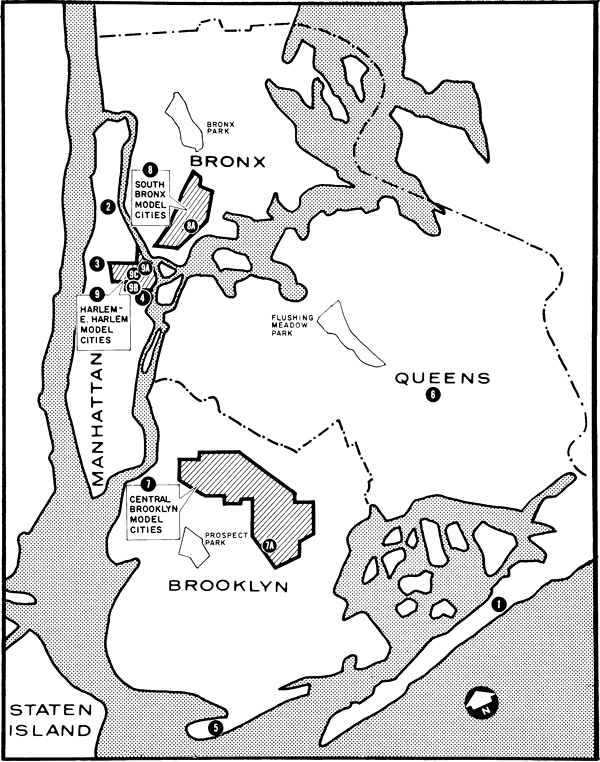


.jpg)


