Category: DJF

  • MIL-OSI Video: Chief Economists Outlook May 2025

    Source: World Economic Forum (video statements)

    The World Economic Forum’s Saadia Zahidi sat down with three experts for a briefing on the latest Chief Economists Outlook. ABN Amro Chief Economist Sandra Philippen, Zurich Insurance Chief Market Strategist & Economist Guy Miller, and ICBC Standard Bank Chief China Economist Jinny Yan offered their perspectives on a relatively downbeat outlook, and where we go from here.  


    Watch the session here: https://www.weforum.org/stories/2025/05/the-briefing-room-chief-economists-outlook-may-2025/

    Links:

    Chief Economists Outlook May 2025: https://www.weforum.org/publications/chief-economists-outlook-may-2025/

    Related podcasts:

    The global economy ‘at a crossroads’ ahead of Davos: Chief Economists Outlook (https://www.weforum.org/podcasts/radio-davos/episodes/chief-economists-outlook-ralph-ossa-wto/)

    Slow growth and the cost of debt: the World Bank’s Chief Economist on the global outlook (https://www.weforum.org/podcasts/radio-davos/episodes/chief-economists-outlook-world-bank-indermit-gill/)

    How leaders can prepare teams for the future of work: ADP’s Chief Economist (https://www.weforum.org/podcasts/meet-the-leader/episodes/jobs-tasks-future-of-work-adp-chief-economist/)

    Check out all our podcasts on wef.ch/podcasts (http://wef.ch/podcasts) : 

    YouTube: https://www.youtube.com/@wef

    Radio Davos (https://www.weforum.org/podcasts/radio-davos) – subscribe (https://pod.link/1504682164) : https://pod.link/1504682164

    Meet the Leader (https://www.weforum.org/podcasts/meet-the-leader) – subscribe (https://pod.link/1534915560) : https://pod.link/1534915560

    Agenda Dialogues (https://www.weforum.org/podcasts/agenda-dialogues) – subscribe (https://pod.link/1574956552) : https://pod.link/1574956552

    Join the World Economic Forum Podcast Club (https://www.facebook.com/groups/wefpodcastclub) : https://www.facebook.com/groups/wefpodcastclub
     

    https://www.youtube.com/watch?v=KevE63VaSwc

    MIL OSI Video

  • MIL-OSI Global: Anti-trans measures don’t just target transgender men and women – a sociologist explains how ‘male’ or ‘female’ categories miss the mark for nonbinary Americans

    Source: The Conversation – USA – By Barbara J. Risman, Distinguished Professor of Sociology, University of Illinois Chicago

    The nonbinary flag, shown here on a pin, represents people who say ‘man’ or ‘woman’ does not describe their sense of self. Abraham Gonzalez Fernandez/Moment via Getty Images

    Since his inauguration in January 2025, President Donald Trump has issued several executive orders that seek to limit federal recognition of transgender people. These orders have attempted to ban transgender athletes from women’s sports, require identity documents to label people as biologically male or female, bar federal funding for gender-affirming care for minors and bar transgender people from serving in the military.

    The common element in each of these policies is a promise from Trump’s inaugural speech that his administration would recognize only two genders: male and female.

    These executive orders make life difficult for transgender people, many of whom do identify as women or men, just not the sex they were assigned at birth. Apart from that, however, the emphasis on two and only two genders denies the existence of another group that is often misunderstood: nonbinary people.

    Trans vs. nonbinary

    I am a sociologist who studies gender. Over the past few years, co-researchers and I have interviewed 123 nonbinary people in three regions in America: the South, the Midwest and the West Coast. These interviewees spoke about how nonbinary people’s increased visibility in society in recent years helped them feel more welcome and liberated from gender stereotypes.

    All of the respondents are nonbinary. They do not want to be seen as the opposite sex from what they were assigned at birth; they do not feel they were “born in the wrong body.”

    Rather, they want to avoid being forced into the either/or labels that the categories “masculine” and “feminine” or “man” and “woman” entail. They opt out of those binary identifications altogether.

    For many nonbinary people, the pronouns they/them help express their sense of gender.
    Luis Alvarez/DigitalVision via Getty Images

    Decades of research, some of it our own, have shown that sex and gender are different from one another. Sex refers to primary and secondary sex characteristics, while gender is about the cultural meanings built upon sex categories.

    Gender is a social system that justifies rules and expectations that differentiate between the rights and social roles of men and women. These systems vary across time and place. Today, there are societies such as those in Iceland, Barbados and Bosnia-Herzegovina where women lead the government, while in other societies women must be covered or secluded at home.

    Sense of self

    Most of the people we talked to were under age 30. Typically, they rejected the societal pressure to adopt the personality characteristics that are stereotypically associated with their biological sex, such as submissiveness for women and toughness for men.

    Many of them also reject the ways people are expected to dress and use their bodies to show whether they are men or women. Some people who had been raised as boys wore nail polish and earrings, for example, while sporting a beard. Others wore long earrings and makeup – though those kinds of choices do not necessarily mean someone is trans or nonbinary. Many of the respondents who had been raised as girls, meanwhile, chose to wear masculine clothing. They wanted to mix and match traditional symbols of gender.

    Many of the respondents had felt that binary gender identities never quite fit, and they described feeling overjoyed or relieved when they learned about the word “nonbinary”: an identity that offered a more accurate reflection of their sense of self.

    “I was just kind of a flesh blob to myself, until I kind of found out that there was a term … nonbinary. And I heard the term and I was like, “Oh, that actually sounds correct for me. That actually feels right …”

    Another person we interviewed remembered:

    “Before I knew what to call myself … it was like a sense of emptiness. … I finally found that piece to put in that empty spot. And it feels more full now. Like, I feel complete now.”

    He, she, they

    The implications of that discovery were quite diverse, however. Although all the interviewees identified as nonbinary, what that meant for how they wanted to interact with their friends and families differed dramatically.

    For about half of our respondents, using the pronouns “they/them” rather than he/him or she/her was very important, because using that pronoun made them feel respected. Indeed, when asked how they felt being referred to as they/them, one person told us:

    “It felt like magic. It felt like everything just went into place and everything fit. And I was just like, ‘Oh, my God, this is … this is it.‘”

    Not all nonbinary people prefer to be addressed as ‘they/them.’
    MarioGuti/iStock via Getty Images Plus

    Other people we interviewed didn’t really care how others refer to them: he, she or they. Some of these people described having a flexible sense of their own gender. Some days they feel more feminine and use “she”; other days they feel more masculine, and “he” might work better.

    “I don’t have to choose one,” one person told us about their pronouns. “I just need all of them in the arsenal.”

    Still others said they don’t care about a “proper” pronoun because they do not think gender should matter at all. They don’t want to be a third category, a “they.” Instead, they hope for a world where their body parts do not determine how they’re perceived or treated, and so gender is not central to their identity. They would like to do without gender entirely.

    Significance – for everyone

    The people we interviewed want the right to live in peace without being forced into a gender category. The recent executive orders deny this freedom by declaring that gender “does not provide a meaningful basis for identification” – contradicting a decades-long consensus in the social sciences on the distinction between sex and gender.

    Understanding that sex and gender are related but different matters not only for people who identify as nonbinary or transgender, but for everyone. Without that understanding, it is far too easy to presume socially constructed gender differences are essentially biological and to stigmatize people who do not follow strict gender norms. If you believe the myth that biology alone is the sole reason women and men differ, it would be easy to presume, for example, that women are naturally less ambitious or that men cannot be as nurturing.

    If I have learned anything from our team’s research on nonbinary young people, it is that human beings are creative and try to carve out a place for themselves in the world. The evidence suggests that gender nonconformity and diversity is wide and deep in America. What is at stake, however, is how much freedom or oppression individuals will face as they express themselves.

    Barbara J. Risman has received funding from the National Science Foundation for the research discussed in this article.

    ref. Anti-trans measures don’t just target transgender men and women – a sociologist explains how ‘male’ or ‘female’ categories miss the mark for nonbinary Americans – https://theconversation.com/anti-trans-measures-dont-just-target-transgender-men-and-women-a-sociologist-explains-how-male-or-female-categories-miss-the-mark-for-nonbinary-americans-251443

    MIL OSI – Global Reports

  • MIL-OSI Global: A common parasite can decapitate human sperm − with implications for male fertility

    Source: The Conversation – USA – By Bill Sullivan, Professor of Microbiology and Immunology, Indiana University

    _Toxoplasma_ can infiltrate the reproductive system. wildpixel/iStock via Getty Images Plus

    Male fertility rates have been plummeting over the past half-century. An analysis from 1992 noted a steady decrease in sperm counts and quality since the 1940s. A more recent study found that male infertility rates increased nearly 80% from 1990 to 2019. The reasons driving this trend remain a mystery, but frequently cited culprits include obesity, poor diet and environmental toxins.

    Infectious diseases such as gonorrhea or chlamydia are often overlooked factors that affect fertility in men. Accumulating evidence suggests that a common single-celled parasite called Toxoplasma gondii may also be a contributor: An April 2025 study showed for the first time that “human sperm lose their heads upon direct contact” with the parasite.

    I am a microbiologist, and my lab studies Toxoplasma. This new study bolsters emerging findings that underscore the importance of preventing this parasitic infection.

    The many ways you can get toxoplasmosis

    Infected cats defecate Toxoplasma eggs into the litter box, garden or other places in the environment where they can be picked up by humans or other animals. Water, shellfish and unwashed fruits and vegetables can also harbor infectious parasite eggs.

    In addition to eggs, tissue cysts present in the meat of warm-blooded animals can spread toxoplasmosis as well if they are not destroyed by cooking to proper temperature.

    While most hosts of the parasite can control the initial infection with few if any symptoms, Toxoplasma remains in the body for life as dormant cysts in brain, heart and muscle tissue. These cysts can reactivate and cause additional episodes of severe illness that damage critical organ systems.

    Between 30% and 50% of the world’s population is permanently infected with Toxoplasma due to the many ways the parasite can spread.

    Toxoplasma can target male reproductive organs

    Upon infection, Toxoplasma spreads to virtually every organ and skeletal muscle. Evidence that Toxoplasma can also target human male reproductive organs first surfaced during the height of the AIDS pandemic in the 1980s, when some patients presented with the parasitic infection in their testes.

    While immunocompromised patients are most at risk for testicular toxoplasmosis, it can also occur in otherwise healthy individuals. Imaging studies of infected mice confirm that Toxoplasma parasites quickly travel to the testes in addition to the brain and eyes within days of infection.

    Toxoplasma cysts floating in cat feces.
    DPDx Image Library/CDC

    In 2017, my colleagues and I found that Toxoplasma can also form cysts in mouse prostates. Researchers have also observed these parasites in the ejaculate of many animals, including human semen, raising the possibility of sexual transmission.

    Knowing that Toxoplasma can reside in male reproductive organs has prompted analyses of fertility in infected men. A small 2021 study in Prague of 163 men infected with Toxoplasma found that over 86% had semen anomalies.

    A 2002 study in China found that infertile couples are more likely to have a Toxoplasma infection than fertile couples, 34.83% versus 12.11%. A 2005 study in China also found that sterile men are more likely to test positive for Toxoplasma than fertile men.

    Not all studies, however, produce a link between toxoplasmosis and sperm quality.

    Toxoplasma can directly damage human sperm

    Toxoplasmosis in animals mirrors infection in humans, which allows researchers to address questions that are not easy to examine in people.

    Testicular function and sperm production are sharply diminished in Toxoplasma-infected mice, rats and rams. Infected mice have significantly lower sperm counts and a higher proportion of abnormally shaped sperm.

    In that April 2025 study, researchers from Germany, Uruguay and Chile observed that Toxoplasma can reach the testes and epididymis, the tube where sperm mature and are stored, two days after infection in mice. This finding prompted the team to test what happens when the parasite comes into direct contact with human sperm in a test tube.

    After only five minutes of exposure to the parasite, 22.4% of sperm cells were beheaded. The number of decapitated sperm increased the longer they interacted with the parasites. Sperm cells that maintained their head were often twisted and misshapen. Some sperm cells had holes in their head, suggesting the parasites were trying to invade them as it would any other type of cell in the organs it infiltrates.

    In addition to direct contact, Toxoplasma may also damage sperm because the infection promotes chronic inflammation. Inflammatory conditions in the male reproductive tract are harmful to sperm production and function.

    The researchers speculate that the harmful effects Toxoplasma may have on sperm could be contributing to large global declines in male fertility over the past decades.

    Sperm exposed to Toxoplasma. Arrows point to holes and other damage to the sperm; asterisks indicate where the parasite has burrowed. The two nonconfronted controls at the bottom show normal sperm.
    Rojas-Barón et al/The FEBS Journal, CC BY-SA

    Preventing toxoplasmosis

    The evidence that Toxoplasma can infiltrate male reproductive organs in animals is compelling, but whether this produces health issues in people remains unclear. Testicular toxoplasmosis shows that parasites can invade human testes, but symptomatic disease is very rare. Studies to date that show defects in the sperm of infected men are too small to draw firm conclusions at this time.

    Additionally, some reports suggest that rates of toxoplasmosis in high-income countries have not been increasing over the past few decades while male infertility was rising, so it’s likely to only be one part of the puzzle.

    Regardless of this parasite’s potential effect on fertility, it is wise to avoid Toxoplasma. An infection can cause miscarriage or birth defects if someone acquires it for the first time during pregnancy, and it can be life-threatening for immunocompromised people. Toxoplasma is also the leading cause of death from foodborne illness in the United States.

    Taking proper care of your cat, promptly cleaning the litter box and thoroughly washing your hands after can help reduce your exposure to Toxoplasma. You can also protect yourself from this parasite by washing fruits and vegetables, cooking meat to proper temperatures before consuming and avoiding raw shellfish, raw water and raw milk.

    Bill Sullivan receives funding from the National Institutes of Health.

    ref. A common parasite can decapitate human sperm − with implications for male fertility – https://theconversation.com/a-common-parasite-can-decapitate-human-sperm-with-implications-for-male-fertility-256892

    MIL OSI – Global Reports

  • MIL-OSI Global: Chronic stress contributes to cognitive decline and dementia risk – 2 healthy-aging experts explain what you can do about it

    Source: The Conversation – USA – By Jennifer E. Graham-Engeland, Professor of Biobehavioral Health, Penn State

    Social isolation is often stressful and can affect the aging brain. MixMedia/E+ via Getty Images

    The probability of any American having dementia in their lifetime may be far greater than previously thought. For instance, a 2025 study that tracked a large sample of American adults across more than three decades found that their average likelihood of developing dementia between ages 55 to 95 was 42%, and that figure was even higher among women, Black adults and those with genetic risk.

    Now, a great deal of attention is being paid to how to stave off cognitive decline in the aging American population. But what is often missing from this conversation is the role that chronic stress can play in how well people age from a cognitive standpoint, as well as everybody’s risk for dementia.

    We are professors at Penn State in the Center for Healthy Aging, with expertise in health psychology and neuropsychology. We study the pathways by which chronic psychological stress influences the risk of dementia and how it influences the ability to stay healthy as people age.

    Recent research shows that Americans who are currently middle-aged or older report experiencing more frequent stressful events than previous generations. A key driver behind this increase appears to be rising economic and job insecurity, especially in the wake of the 2007-2009 Great Recession and ongoing shifts in the labor market. Many people stay in the workforce longer due to financial necessity, as Americans are living longer and face greater challenges covering basic expenses in later life.

    Therefore, it may be more important than ever to understand the pathways by which stress influences cognitive aging.

    Social isolation and stress

    Although everyone experiences some stress in daily life, some people experience stress that is more intense, persistent or prolonged. It is this relatively chronic stress that is most consistently linked with poorer health.

    In a recent review paper, our team summarized how chronic stress is a hidden but powerful factor underlying cognitive aging, or the speed at which your cognitive performance slows down with age.

    It is hard to overstate the impact of stress on your cognitive health as you age. This is in part because your psychological, behavioral and biological responses to everyday stressful events are closely intertwined, and each can amplify and interact with the other.

    For instance, living alone can be stressful – particularly for older adults – and being isolated makes it more difficult to live a healthy lifestyle, as well as to detect and get help for signs of cognitive decline.

    Moreover, stressful experiences – and your reactions to them – can make it harder to sleep well and to engage in other healthy behaviors, like getting enough exercise and maintaining a healthy diet. In turn, insufficient sleep and a lack of physical activity can make it harder to cope with stressful experiences.

    Stress is often missing from dementia prevention efforts

    A robust body of research highlights the importance of at least 14 different factors that relate to your risk of Alzheimer’s disease, a common and devastating form of dementia and other forms of dementia. Although some of these factors may be outside of your control, such as diabetes or depression, many of these factors involve things that people do, such as physical activity, healthy eating and social engagement.

    What is less well-recognized is that chronic stress is intimately interwoven with all of these factors that relate to dementia risk. Our work and research by others that we reviewed in our recent paper demonstrate that chronic stress can affect brain function and physiology, influence mood and make it harder to maintain healthy habits. Yet, dementia prevention efforts rarely address stress.

    Avoiding stressful events and difficult life circumstances is typically not an option.

    Where and how you live and work plays a major role in how much stress you experience. For example, people with lower incomes, less education or those living in disadvantaged neighborhoods often face more frequent stress and have fewer forms of support – such as nearby clinics, access to healthy food, reliable transportation or safe places to exercise or socialize – to help them manage the challenges of aging
    As shown in recent work on brain health in rural and underserved communities, these conditions can shape whether people have the chance to stay healthy as they age.

    Over time, the effects of stress tend to build up, wearing down the body’s systems and shaping long-term emotional and social habits.

    Lifestyle changes to manage stress and lessen dementia risk

    The good news is that there are multiple things that can be done to slow or prevent dementia, and our review suggests that these can be enhanced if the role of stress is better understood.

    Whether you are a young, midlife or an older adult, it is not too early or too late to address the implications of stress on brain health and aging. Here are a few ways you can take direct actions to help manage your level of stress:

    • Follow lifestyle behaviors that can improve healthy aging. These include: following a healthy diet, engaging in physical activity and getting enough sleep. Even small changes in these domains can make a big difference.

    • Prioritize your mental health and well-being to the extent you can. Things as simple as talking about your worries, asking for support from friends and family and going outside regularly can be immensely valuable.

    • If your doctor says that you or someone you care about should follow a new health care regimen, or suggests there are signs of cognitive impairment, ask them what support or advice they have for managing related stress.

    • If you or a loved one feel socially isolated, consider how small shifts could make a difference. For instance, research suggests that adding just one extra interaction a day – even if it’s a text message or a brief phone call – can be helpful, and that even interactions with people you don’t know well, such as at a coffee shop or doctor’s office, can have meaningful benefits.

    The same behaviors that keep your heart healthy are also beneficial for your brain.

    Walkable neighborhoods, lifelong learning

    A 2025 study identified stress as one of 17 overlapping factors that affect the odds of developing any brain disease, including stroke, late-life depression and dementia. This work suggests that addressing stress and overlapping issues such as loneliness may have additional health benefits as well.

    However, not all individuals or families are able to make big changes on their own. Research suggests that community-level and workplace interventions can reduce the risk of dementia. For example, safe and walkable neighborhoods and opportunities for social connection and lifelong learning – such as through community classes and events – have the potential to reduce stress and promote brain health.

    Importantly, researchers have estimated that even a modest delay in disease onset of Alzheimer’s would save hundreds of thousands of dollars for every American affected. Thus, providing incentives to companies who offer stress management resources could ultimately save money as well as help people age more healthfully.

    In addition, stress related to the stigma around mental health and aging can discourage people from seeking support that would benefit them. Even just thinking about your risk of dementia can be stressful in itself. Things can be done about this, too. For instance, normalizing the use of hearing aids and integrating reports of perceived memory and mental health issues into routine primary care and workplace wellness programs could encourage people to engage with preventive services earlier.

    Although research on potential biomedical treatments is ongoing and important, there is currently no cure for Alzheimer’s disease. However, if interventions aimed at reducing stress were prioritized in guidelines for dementia prevention, the benefits could be far-reaching, resulting in both delayed disease onset and improved quality of life for millions of people.

    Jennifer E. Graham-Engeland receives funding from the National Institutes of Health.

    Martin J. Sliwinski receives funding from The National Institutes of Health

    ref. Chronic stress contributes to cognitive decline and dementia risk – 2 healthy-aging experts explain what you can do about it – https://theconversation.com/chronic-stress-contributes-to-cognitive-decline-and-dementia-risk-2-healthy-aging-experts-explain-what-you-can-do-about-it-250583

    MIL OSI – Global Reports

  • MIL-OSI Russia: An exhibition of the competition “Concepts of spatial development of municipalities of the Leningrad region” has opened at SPbGASU

    Translation. Region: Russian Federal

    Source: Saint Petersburg State University of Architecture and Civil Engineering – Saint Petersburg State University of Architecture and Civil Engineering – Projects in the exhibition hall of the Faculty of Architecture

    On May 27, SPbGASU opened an exhibition of projects submitted to the competition “Concepts for the Spatial Development of Municipalities of the Leningrad Region 2025” in four of five nominations.

    The competition is held by the Committee for Urban Development Policy of the Leningrad Region. The exhibition is organized at two sites of our university at once. The lower balustrade presents the concepts of the Wedding Palace in Vsevolozhsk and the museum storage facility in Staraya Ladoga. In the exhibition hall of the architectural faculty, you can see the concepts of the House of Culture in the city of Telmana and the Regional Sports Training Center in the village of Roshchino.

    Both experienced and novice authors compete in the anonymous competition. The winners in each nomination will receive a cash prize of 516 thousand rubles.

    “I am very glad that the Leningrad Region is exhibiting projects of such a significant competition. Moreover, this competition is not only for students, but also for professional architects. If a student wins, how will he implement his project at a serious level? In this case, we, teachers, experienced architects, will definitely help. In all cases, this is a very interesting experience, a very beautiful exhibition,” said Ekaterina Voznyak, Dean of the Faculty of Architecture, at the opening.

    “For me, this is the first experience of preparing a joint exhibition at SPbGASU, my alma mater, my native university. Last week, the construction block of the Leningrad Region Government held a meeting with the university management. We agreed on joint and long-term work. The site of the architectural university can be actively used, especially since the Committee for Urban Development Policy and the Committee for Construction of the Leningrad Region separately actively interact with the faculties of SPbGASU,” said First Deputy Chairman of the Committee for Urban Development Policy of the Leningrad Region – Chief Architect of the Leningrad Region, Associate Professor of the Department of Urban Development of SPbGASU Sergey Lutchenko.

    Sergey Ivanovich reported that the committee strives to attract young people to its competitions, and the fruits of this approach are already there: three universities reached the finals of the competition to create a concept for the modernization of the memorial and landscape complex “Road of Life” – Moscow Architectural Institute, SPbGASU and St. Petersburg Mining University. On Children’s Day, June 1, a new recreation space opens in Tosno – a summer wooden parklet. The authors of the architectural concept are SPbGASU students who won the competition to create an architectural concept for a parklet for squares in cities of the Leningrad Region.

    The fact that the exhibition is being held in one of the most authoritative universities among those that train architects will contribute to the popularization of the competition, says Deputy Chairman of the Leningrad Region Construction Committee Evgeny Enokaev. Evgeny Kemilevich emphasized that the committee is a regional government customer and plans to implement all winning projects. Perhaps there will be interested parties who will implement other projects in other cities.

    The meeting of the competition committee (with defenses) in the nominations “Concept of the Wedding Palace in Vsevolozhsk”, “Concept of the House of Culture in Telmana”, “Concept of the Regional Sports Training Center in Roshchino” and “Concept of the Storage Facility in Staraya Ladoga” will be held on June 3, 2025 in the St. Petersburg House of the Architect at the address: St. Petersburg, Bolshaya Morskaya St., Bldg. 52.

    Please note: This information is raw content directly from the source of the information. It is exactly what the source states and does not reflect the position of MIL-OSI or its clients.

    MIL OSI Russia News

  • MIL-OSI United Kingdom: ‘Highly deceptive’ fraudster secured Covid loan funds under his wife’s name and claimed innocent member of the public was his boss

    Source: United Kingdom – Executive Government & Departments

    Press release

    ‘Highly deceptive’ fraudster secured Covid loan funds under his wife’s name and claimed innocent member of the public was his boss

    Bounce Back Loan fraudster also produced false invoice to liquidator

    • Shohid Ahmed applied for three Bounce Back Loans using his wife’s name, receiving £100,000 his Indian restaurant was not entitled to 

    • An invoice claiming to show £15,000 of the loan was spent on refurbishing the restaurant was revealed to be false during Insolvency Service investigations 

    • Ahmed also filed false documents with Companies House to suggest an innocent member of the public had taken over his business  

    A Bradford fraudster who secured £100,000 in Covid loan funds he was not entitled to and claimed an innocent member of the public was the director of his company has been jailed. 

    Shohid Ahmed used his wife’s name to apply for three maximum-value Bounce Back Loans on behalf of Red Square Restaurants Limited, an Indian restaurant on Huddersfield Road in Mirfield. 

    The 40-year-old received £100,000 of the £150,000 he fraudulently applied for in May and June 2020, with one of the applications refused. 

    Ahmed then used the personal details of a woman who rented a house from his father without her knowledge to create the illusion that she was the director of the company and had taken over the business. 

    He also produced invoices claiming to show the legitimate use of the Bounce Back Loans, one of which Insolvency Service investigators found to be fabricated. 

    Ahmed, of Bardsey Crescent, Bradford, pleaded guilty to offences under the Fraud Act 2006, Companies Act 2006 and Insolvency Act 1986 earlier this year. 

    He was sentenced to two years in prison at Bradford Crown Court on Tuesday 27 May. 

    Ahmed has repaid £5,000 of the Bounce Back Loans he illegally secured. The Insolvency Service is seeking to recover the remaining fraudulently obtained funds under the Proceeds of Crime Act 2002. 

    David Snasdell, Chief Investigator at the Insolvency Service, said: 

    Shohid Ahmed’s actions were highly deceptive and involved a range of serious offending. 

    He not only obtained two Bounce Back Loans for the restaurant he earlier had said was no longer trading, but implicated a totally innocent member of the public by creating the false impression that she was now the director of the company. 

    The Insolvency Service will not hesitate to prosecute Covid fraudsters such as Ahmed who have stolen from the public purse and caused harm to others.

    Red Square Restaurants, which traded as Ruby’s Lounge, was incorporated in May 2018, with Ahmed’s wife as the sole director. 

    Ahmed himself was only officially director of the company for one day, being appointed and then resigning on 10 February 2020. 

    Despite not being the named director of the company, Ahmed made three Bounce Back Loan applications for Red Square Restaurants in the name of his wife as she had a better credit history than him. 

    Ahmed also claimed that the company was trading at the beginning of March 2020, to meet the requirements of the scheme. 

    That claim was contradicted by an application signed by Ahmed to strike the company off the Companies House register in early April 2020. 

    In the strike-off application, Ahmed said that the company had not traded in the previous three months. 

    Money from the Bounce Back Loans was also not used for the economic benefit of the business, as it should have been under the scheme. 

    Ahmed claimed that an invoice of £15,000 showed that money was spent on an interior redesign of his restaurant using a firm based in Stockton-on-Tees. 

    However, investigators found that the address for the design company Ahmed claimed to have used was actually a cafe which had been trading for 37 years. 

    Neither the cafe which occupied the unit or the landlord who manages the building had ever heard of the firm of interior designers. 

    A liquidator was appointed to wind-up Red Square Restaurants in July 2020. 

    Shortly before this, Ahmed filed false documents with Companies House claiming that a new director had been appointed on New Year’s Day in 2020. 

    Insolvency Service investigators spoke to the listed director who confirmed that she had no association whatsoever with Red Square Restaurants and had simply rented a house from Ahmed’s father. 

    However, Ahmed falsely claimed that she was the manager of the business who ran it day-to-day and had the power to recruit and dismiss members of staff. 

    Ahmed also falsely claimed that she had taken out both Bounce Back Loans and had access to the bank accounts where the money was deposited.  

    He added that he was a waiter and drew a salary of only £12,000. 

    Ahmed was disqualified as a company director for 11 years in December 2021 for his misconduct at Red Square Restaurants. 

    A restaurant under a different name now operates from the same address that Red Square Restaurants traded from. Shohid Ahmed is not a director of this company. 

    Further information 

    Updates to this page

    Published 28 May 2025

    MIL OSI United Kingdom

  • MIL-OSI Global: Sports hernias can cause severe pain in the groin region – and footballers may be at greatest risk

    Source: The Conversation – UK – By Dan Baumgardt, Senior Lecturer, School of Physiology, Pharmacology and Neuroscience, University of Bristol

    Sports hernias – which are more common in men – cause pain in the groin and pubic region. Inspiration GP/ Shutterstock

    A friend of mine came to see me recently complaining of an odd ache he’d noted in his lower abs and groin. He couldn’t blame it on crunches at the gym, nor a cow kicking him in the belly again (he’s a farmer). But he does spend a fair amount of his time on the football pitch and was now noticing that every training session and match was bringing the pain on – sometimes agonisingly so.

    The diagnosis? A sports hernia. This condition also goes by many other names, including athletic pubalgia and Gilmore’s groin – after the late British surgeon Jerry Gilmore who was the first to coin it. It’s actually a fairly recently described condition, dating back to only the 1980s.

    The main symptom of a sports hernia is pain in the pubic and groin regions, brought on through athletic activity. The condition is actually more common that you think, especially so in footballers. Around 70% of all sports hernias appear to be related to the sport. It’s also estimated that groin pain accounts for around 5-18% of athletic injuries.

    A sport’s hernia is not your typical hernia. In fact, it’s not really a hernia at all.

    A true hernia is defined as when a section of tissue or organ passes into a space where it shouldn’t be. Many will be aware of those hernias which involve a section of bowel passing through the abdominal wall – such as an inguinal hernia.

    There are other types of hernias as well. For instance, your stomach can pop through a gap in the diaphragm and into the chest (called a hiatus hernia). More seriously, even the brain can herniate – out of one of the holes in the skull.

    But a sports hernia is different, in that it actually arises from overuse of the abdominal muscles.

    The abdominals include the long, straight and central “rectus abdominis” muscles – which allow you to perform a sit-up or crunch. Three layers of muscle also lie on either side of the abdominals. These are the obliques, which have important roles in twisting and turning our bodies. The muscles are also mixed with layers of tendon and connective tissue which not only attach them together, but also to the bones and ligaments of the pelvis.

    Sports hernias are typically caused by moves which involve a lot of twisting and turning – and especially those occurring at speed. Hip movements can also put strain on where the ab muscles attach at the groin region. These actions appear to cause shearing and tears in the tissue, leading to pain. It’s felt in the groin or lower abs, usually on one side. In men, who are particularly at risk, pain may also be felt in the genitalia.

    Some sports rely upon these sorts of moves and actions during play. Think about dribbling in football and hockey, or pinning and throwing opponents in wrestling or martial arts. Slalom skiing is another prime example – travelling at speed and rapidly changing direction. Tackling and scrum action in rugby or American football, and explosive block starts and hurdling in track athletes might also be to blame.

    People who play sports that have a lot of twisting, such as football, may have a greater risk of suffering a sports hernia.
    Vitalii Vitleo/ Shutterstock

    The condition appears much more common in males, who are up to nine times more likely to develop it. This is perhaps because of the anatomy of their lower abs, which is different to females. The testes – which initially develop inside the abdomen – descend to the scrotum during the foetal period. But to do this, they actually have to pass through the layers of the abdominal wall which makes the structure weaker and potentially more prone to damage.

    While sports hernias are vastly more common in athletes because of the regular repetitive strain they put their bodies under, it’s still technically possible for non-athletes to get it.

    If you work in a job where there’s regular heavy lifting, pivoting as you do so – on a building site for instance – it may be possible to sustain the same injury. Or, doing too many advanced core exercises at the gym before you’re sufficiently strong enough might also make you more prone. Dead lifts and core exercises that use a medicine ball (such as Russian twists) are some culprits.

    Managing a sports hernia

    If you do develop a sports hernia, it appears that improving core strength may help you recover. Patients diagnosed with a sports hernia typically undergo a training programme to strengthen and stabilise their core muscles. In athletes who already have a strong core, it may also be worthwhile training muscles that strengthen the pelvis alongside a gradual return to sport. Physiotherapy, massage and acupuncture may also help.

    Some cases might also require surgery to reinforce the groin structure, and relieve any tension on the tissues.

    There’s evidence to suggest that sports hernias are both under-reported and under-diagnosed. This may be because they get confused with other types of injuries – such as an inguinal hernia, which is also related to the groin, more commonly found in males and associated with abdominal wall strain and damage.

    The key difference is that a real inguinal hernia causes a swelling in the groin region or scrotum, whereas sports hernias do not. Inguinal hernias can also cause complications if the bowel gets twisted and obstructed, which can have potentially severe consequences.

    So, if you’re someone who participates in these twisting, turning types of sports and notice any of the symptoms of a sports hernia, it’s best to stop instead of pushing yourself through the pain. You should also speak to a doctor in case there are signs of a true hernia, which often requires further surgical treatment.

    Dan Baumgardt does not work for, consult, own shares in or receive funding from any company or organisation that would benefit from this article, and has disclosed no relevant affiliations beyond their academic appointment.

    ref. Sports hernias can cause severe pain in the groin region – and footballers may be at greatest risk – https://theconversation.com/sports-hernias-can-cause-severe-pain-in-the-groin-region-and-footballers-may-be-at-greatest-risk-257277

    MIL OSI – Global Reports

  • MIL-OSI Global: Is the bar higher for scientific claims of alien life?

    Source: The Conversation – UK – By Oliver Swainston, Research Assistant, RAND Europe

    Nasa / JPL

    The search for extraterrestrial life has long gone back and forth between scientific curiosity, public fascination and outright scepticism. Recently, scientists claimed the “strongest evidence” of life on a distant exoplanet – a world outside our solar system.

    Grandiose headlines often promise proof that we are not alone, but scientists remain cautious. Is this caution unique to the field of astrobiology? In truth, major scientific breakthroughs are rarely accepted quickly.

    Newton’s laws of motion and gravity, Wegener’s theory of plate tectonics, and human-made climate change all faced prolonged scrutiny before achieving consensus.

    But does the nature of the search for extraterrestrial life mean that extraordinary claims require even more extraordinary evidence? We’ve seen groundbreaking evidence in this search beforehand, from claims of biosignatures (potential signs of life) in Venus’s atmosphere to Nasa rovers finding “leopard spots” – a potential sign of past microbial activity – in a Martian rock.

    Both stories generated a public buzz around the idea that we might be one step closer to finding alien life. But on further inspection, abiotic (non-biological) processes or false detection became more likely explanations.

    In the case of the exoplanet, K2-18 b, scientists working with data from the James Webb Space Telescope (JWST) announced the detection of gases in the planet’s atmosphere – methane, carbon dioxide, and more importantly, two compounds called dimethyl sulphide (DMS) and dimethyl disulphide (DMDS). As far as we know, on Earth, DMS/DMDS are produced exclusively by living organisms.

    Their presence, if accurately confirmed in abundance, would suggest microbial life. The researchers even suggest there’s a 99.4% probability that the detection of these compounds wasn’t a fluke – a figure that, with repeat observations, could reach the gold standard for statistical certainty in the sciences. This is a figure known as five sigma, which equates to about a one in a million chance that the findings are a fluke.

    So why hasn’t the scientific community declared this the discovery of alien life? The answer lies in the difference between detection and attribution, and in the nature of evidence itself.

    JWST doesn’t directly “see” molecules. Instead, it measures the way that light passes through or bounces off a planet’s atmosphere. Different molecules absorb light in different ways, and by analysing these absorption patterns – called spectra – scientists infer what chemicals are likely to be present. This is an impressive and sophisticated method – but also an imperfect one.

    It relies on complex models that assume we understand the biological reactions and atmospheric conditions of a planet 120 light years away. The spectra suggesting the existence of DMS/DMDS may be detected because you cannot explain the spectrum without the molecule you’ve predicted, but it could also result from an undiscovered or misunderstood molecule instead.

    Climate comparison

    Given how momentous the conclusive discovery of extraterrestrial life would be, these assumptions mean that many scientists err on the side of caution. But is this the same for other kinds of science? Let’s compare with another scientific breakthrough: the detection and attribution of human-made climate change.

    The relationship between temperature and increases in CO₂ was first observed by the Swedish scientist Svante Arrhenius in 1927. It was only taken seriously once we began to routinely measure temperature increases. But our atmosphere has many processes that feed CO₂ in and out, many of which are natural.

    The James Webb telescope was used to study K2-18 b.
    NASA-GSFC, Adriana M. Gutierrez (CI Lab)

    So the relationship between atmospheric CO₂ and temperature may have been validated, but the attribution still needed to follow.

    Carbon has three so-called flavours, known as isotopes. One of these isotopes, carbon-14, is radioactive and decays slowly. When scientists observed an increase in atmospheric carbon dioxide but a low volume of carbon-14, they could deduce that the carbon was very old – too old to have any carbon-14. Fossil fuels – coal, oil and natural gas – are composed of ancient carbon and thus are devoid of carbon-14.

    So the attribution of anthropogenic climate change was proven beyond reasonable doubt, with 97% acceptance among scientists. In the search for extraterrestrial life, much like climate change, there is a detection and attribution phase, which requires the robust testing of hypotheses and also rigorous scrutiny.

    In the case of climate change, we had in situ observations from many sources. This means roughly that we could observe these sources close up. The search for extraterrestrial life relies on repeated observations from the same sensors that are far away. In such situations, systematic errors are more costly.

    Further to this, both the chemistry of atmospheric climate change and fossil fuel emissions were validated with atmospheric tests under lab conditions from 1927 onwards. Much of the data we see touted as evidence for extraterrestrial life comes
    from light years away, via one instrument, and without any in situ samples.

    The search for extraterrestrial life is not held to a higher standard of scientific rigour but it is constrained by an inability to independently detect and attribute multiple lines of evidence.

    For now, the claims about K2-18 b remain compelling but inconclusive.

    That doesn’t mean we aren’t making progress. Each new observation adds to a growing body of knowledge about the universe and our place in it. The search continues – not because we’re too cautious, but because we are rightly so.

    The authors do not work for, consult, own shares in or receive funding from any company or organisation that would benefit from this article, and have disclosed no relevant affiliations beyond their academic appointment.

    ref. Is the bar higher for scientific claims of alien life? – https://theconversation.com/is-the-bar-higher-for-scientific-claims-of-alien-life-256258

    MIL OSI – Global Reports

  • MIL-OSI Global: Trump surrounds himself with sycophants. It’s a terrible way to run a business – and a country

    Source: The Conversation – UK – By Neil Beasley, PhD Candidate in Business and Law, Liverpool John Moores University

    Since the start of his second term in office, US president Donald Trump has cultivated a political atmosphere that discourages freedom of thought. He also actively villainises and punishes any dissenting opinion. Worryingly, this atmosphere looks like it is spreading across other democracies.

    Commentators have described Trump as both narcissistic and authoritarian. Yet, running parallel to these factors, one character trait is glaringly common among Trump supporters: sycophancy.

    You just have to examine the pre-election rhetoric of Trump loyalists. One backer, Stephen Miller, declared him “the most stylish president … in our lifetimes”. Miller is now deputy White House chief of staff.

    And South Dakota governor Kristi Noem gifted Trump a four-foot Mount Rushmore replica – with Trump’s face added alongside the original four presidents. Noem, who is now secretary of homeland security, epitomises the elevation of loyal sycophants over those with arguably better credentials.

    Research has examined the dangers of sycophantic behaviour in the workplace, finding it reduces peer respect and morale, and leads to dissonance and lower productivity.

    Other research has shown that someone who chooses to employ these tactics can enjoy improved promotion prospects, rewards such as the first refusal on business trips, easier access to company resources and a higher salary compared to their peers. But studies have also shown sycophants often suffer emotional exhaustion from the dual stresses of manipulation and responsibility.

    Ongoing research I (Neil) am doing on workplace sycophancy reveals similar patterns. Interviews, spanning from junior staff to CEOs, show reduced motivation, falling team morale and declining respect for sycophants.

    One participant highlighted the effect on teamwork that sycophantic behaviour can have within the workplace.

    Sycophancy means raising yourself in somebody’s esteem, at the expense of somebody else, on the ladder. And so… it’s going to impact upon on the ability to be part of a team.

    Another participant offered a comparison to a different deviant workplace behaviour – intimidation.

    I’d say that sycophantic behaviour is coming into the same category as bullying. And it’s hard sometimes, especially with bullying and sycophantic behaviour, you are dealing with a lot of people that are manipulative, and manipulating people are quite charismatic. And when you’re charismatic, you’re more believable because you’re a storyteller.

    One solution that emerges from the research is workforce education – teaching employees to recognise and mitigate a culture of ingratiation.

    As an employee, many people might find it difficult not to bow to peer pressure. If the senior colleague encourages and rewards those who suck up, how do other colleagues, who do not choose to utilise such tactics, compete?

    Dangerous ideas take root

    Another factor to consider is the tendency for some workers to “kiss up and kick down”. What this means is that staff who are lower down the hierarchical ladder suffer detrimental treatment from the colleagues who are trying to suck their way up the same ladder.

    If workforces were educated on what these tactics looked and felt like, perhaps included in corporate codes of conduct, HR departments and management could identify potential issues and deal with them.

    But this is not merely an HR concern. Previous research also shows a link between ingratiation, high turnover rates and poorer performance by the organisation as a whole.

    Perhaps the most insidious aspect of sycophancy is the push for conformity when it comes to opinions. If leadership hears nothing but agreement, dangerous ideas can be reinforced. Things like the leader’s own skills or the competence of the organisation as a whole can become wildly exaggerated – with disastrous consequences.

    When leaders are surrounded by “yes-men”, they’re deprived of critical input that could challenge assumptions or highlight potential flaws. This can lead to cognitive entrenchment where decision-makers become overconfident and resistant to change. Bad decisions then proceed unchecked, often escalating into systemic failures.

    In return, this can lead to groupthink, a phenomenon where a desire for harmony overrides rational evaluation. Environments that suffer from groupthink often ignore red flags, silence whistleblowers and overvalue consensus. All of these things are damaging to an organisation’s ability to remain agile and competitive.

    Which brings us back to Trump. In his case this isn’t a corporate crisis. It’s a geopolitical one. At stake is not shareholder value but national security and global stability.

    With sycophants backing poor decisions, the risk ranges from damaged diplomacy to outright conflict. If loyalty replaces truth, the cost could be catastrophic. Trump’s regime may ultimately collapse under the weight of its own delusions – but the collateral damage could be profound.

    The authors do not work for, consult, own shares in or receive funding from any company or organisation that would benefit from this article, and have disclosed no relevant affiliations beyond their academic appointment.

    ref. Trump surrounds himself with sycophants. It’s a terrible way to run a business – and a country – https://theconversation.com/trump-surrounds-himself-with-sycophants-its-a-terrible-way-to-run-a-business-and-a-country-257391

    MIL OSI – Global Reports

  • MIL-OSI Global: What I’ve learned from teaching philosophy in prisons

    Source: The Conversation – UK – By Jim Chamberlain, Lecturer in Philosophy, University of Sheffield

    zapomicron/Shutterstock

    Of all the subjects that could be taught in prisons, philosophy might seem a strange choice. You might think that we should address the educational basics first, since, according to a House of Commons report, 57% of prisoners in England “have English and Maths levels at or below those expected of an eleven-year-old”. You might also expect prison education to focus on the skills needed for employment after release.

    In the UK, many people think that prisons should harshly punish offenders, and perhaps see philosophy courses as an unjustifiable luxury for those who have broken the law.

    However, we are in a period of potentially significant change for the UK prison system, which has been overcrowded and in poor condition for years.

    In my three years of running philosophy courses in prisons, I have witnessed what can be achieved with this kind of education. I have found that philosophy courses can make a big difference to the lives of prisoners and prison culture, often in unexpected ways.

    Working with colleagues at the charity Philosophy in Prison and the University of Sheffield, I have led philosophy courses in several English prisons, and found that philosophy is particularly well-suited to prison education. Unlike most topics, philosophy can be taught purely in conversation, without textbooks or technology.


    Want more politics coverage from academic experts? Every week, we bring you informed analysis of developments in government and fact check the claims being made.

    Sign up for our weekly politics newsletter, delivered every Friday.


    There are many good reasons for engaging in philosophical conversations with people in prison. Conversations allow almost anyone to get involved, regardless of their levels of literacy. Philosophical conversations can give male prisoners a rare opportunity to relax the rigid norms of masculinity that prisons implicitly enforce.

    But one of the biggest benefits I have seen is the effects of these conversations on people’s attitudes towards disagreement. Prisons are overcrowded and often dangerous places, where disagreement can all too easily lead to conflict. Fortunately, philosophy provides an excellent opportunity for constructive dialogue.

    Getting philosophical

    One of the most intriguing things about philosophy is that nobody knows the answers to the questions it asks of us. Think about questions like, “what makes you the same person you were ten years ago?”, “what is a good life?” or “what is knowledge?”

    Such questions get to the heart of what it is to be human, and they have puzzled people for centuries. They require everyone, from the most experienced philosopher to the complete newcomer, to question why we think as we do. They also sharpen our interest in what others have to say.

    Take the first of these questions, for example. Perhaps you think that your memories of your past make you the same person that you used to be. But we cannot remember being asleep, and we are presumably not different people when we sleep. So, you might suggest instead, we had the same bodies ten years ago. Except that every part of a human body changes over time – over ten years, every cell in our bodies might be replaced. Now, with just four sentences, the puzzle has been set, and a conversation begun.

    Many of the questions we discuss in prison courses originally come from the world of classical philosophy (such as the three mentioned above). And our conversations often explore the ideas of ancient and historical philosophers – whether Aristotle or Bentham has a better understanding of the good life, for example.

    In any philosophical conversation, we will quickly realise that disagreement need not involve confrontation: it can be progressive, exciting, even fun. Philosophy helps people develop and practice the conversational norms – and the confidence – needed for positive disagreement. In my experience, prisoners often enter philosophy courses with little expectation that they will have anything to contribute.

    Many prisoners “have limited or negative experiences of education and therefore a limited belief in the potential of learning”. But philosophy courses can radically improve people’s confidence, and so help them to rethink what education might mean for them.

    One of our course participants summarised this point as follows: “With philosophy, people care about what I think. Nobody listens when you’ve been in prison. Everything you think is wrong, rubbish, you’re nothing.” Another was even more direct: “Hated school, dropped out at 11, can’t read, can’t write. But I can do this.”

    Transforming prison culture

    Evidence shows that participation in education can significantly reduce the likelihood of reoffending. Yet, as the recent Independent Sentencing Review highlights, the rise in the UK prison population has led to finite resources being diverted away from such programmes.

    Philosophy courses can facilitate transformations in prison culture, at relatively little cost. An inspection report into one of the prisons that I have worked in for several years noted that prisoners who took the philosophy courses “reported that their mental health and wellbeing had improved and that they enjoyed the opportunity to participate”.

    Moreover, I have seen philosophy courses influence a whole prison wing, as people continued their conversations after we left. One participant said that “being in a room with inmates I didn’t know but ended up talking to went a long way to understanding each other… I now talk to more people on the wing”.

    No matter what prisoners may have done, they share in our common humanity. By engaging in philosophy with prisoners, we can address this with very positive results – potentially both in and after prison.

    Jim Chamberlain receives funding from The University of Sheffield and from BA/Leverhulme grants to fund philosophy courses in prisons. As well as working for the University of Sheffield, he is a Trustee of the charity Philosophy in Prison. Jim is also a member of the Green Party.

    ref. What I’ve learned from teaching philosophy in prisons – https://theconversation.com/what-ive-learned-from-teaching-philosophy-in-prisons-253796

    MIL OSI – Global Reports

  • MIL-OSI Global: Texas’ annual reading test adjusted its difficulty every year, masking whether students are improving

    Source: The Conversation – USA – By Jeanne Sinclair, Assistant Professor, Faculty of Education, Memorial University of Newfoundland

    Millions of Americans take high-stakes exams every year. Caiaimage/Chris Ryan/iStock via Getty Images

    Texas children’s performance on an annual reading test was basically flat from 2012 to 2021, even as the state spent billions of additional dollars on K-12 education.

    I recently did a peer-reviewed deep dive into the test design documentation to figure out why the reported results weren’t showing improvement. I found the flat scores were at least in part by design. According to policies buried in the documentation, the agency administering the tests adjusted their difficulty level every year. As a result, roughly the same share of students failed the test over that decade regardless of how objectively better they performed relative to previous years.

    From 2008 to 2014, I was a bilingual teacher in Texas. Most of my students’ families hailed from Mexico and Central America and were learning English as a new language. I loved seeing my students’ progress.

    Yet, no matter how much they learned, many failed the end-of-year tests in reading, writing and math. My hunch was that these tests were unfair, but I could not explain why. This, among other things, prompted me to pursue a Ph.D. in education to better understand large-scale educational assessment.

    Ten years later, in 2024, I completed a detailed exploration of Texas’s exam, currently known as the State of Texas Assessments of Academic Readiness, or STAAR. I found an unexpected trend: The share of students who correctly answered each test question was extraordinarily steady across years. Where we would expect to see fluctuation from year to year, performance instead appears artificially flat.

    The STAAR’s technical documents reveal that the test is designed much like a norm-referenced test – that is, assessing students relative to their peers, rather than if they meet a fixed standard. In other words, a norm-referenced test cannot tell us if students meet key, fixed criteria or grade-level standards set by the state.

    In addition, norm-referenced tests are designed so that a certain share of students always fail, because success is gauged by one’s position on the “bell curve” in relation to other students. Following this logic, STAAR developers use practices like omitting easier questions and adjusting scores to cancel out gains due to better teaching.

    Ultimately, the STAAR tests over this time frame – taken by students every year from grade 3 to grade 8 in language arts and math, and less frequently in science and social studies – were not designed to show improvement. Since the test is designed to keep scores flat, it’s impossible to know for sure if a lack of expected learning gains following big increases in per-student spending was because the extra funds failed to improve teaching and learning, or simply because the test hid the improvements.

    Why it matters

    Ever since the federal education policy known as No Child Left Behind went into effect in 2002 and tied students’ test performance to rewards and sanctions for schools, achievement testing has been a primary driver of public education in the United States.

    Texas’ educational accountability system has been in place since 1980, and it is well known in the state that the stakes and difficulty of Texas’ academic readiness tests increase with each new version, which typically come out every five to 10 years. What the Texas public may not know is that the tests have been adjusted each and every year – at the expense of really knowing who should “pass” or “fail.”

    The test’s design affects not just students but also schools and communities. High-stakes test scores determine school resources, the state’s takeover of school districts and accreditation of teacher education programs. Home values are even driven by local schools’ performance on high-stakes tests.

    Students who are marginalized by racism, poverty or language have historically tended to underperform on standardized tests. STAAR’s design makes this problem worse.

    What still isn’t known

    I plan to investigate if other states or the federal government use similarly designed tests to evaluate students.

    My deep dive into Texas’ test focused on STAAR before its 2022 redevelopment. The latest iteration has changed the test format and question types, but there appears to be little change to the way the test is scored. Without substantive revisions to the scoring calculations “under the hood” of the STAAR test, it is likely Texas will continue to see flat performance.

    The Texas Education Agency, which administers the STAAR tests, didn’t respond to a request for comment.

    The Research Brief is a short take on interesting academic work.

    Jeanne Sinclair receives funding from the Social Science and Humanities Research Council (SSHRC) of Canada.

    ref. Texas’ annual reading test adjusted its difficulty every year, masking whether students are improving – https://theconversation.com/texas-annual-reading-test-adjusted-its-difficulty-every-year-masking-whether-students-are-improving-244159

    MIL OSI – Global Reports

  • MIL-OSI Video: Commission President von der Leyen receives the International Charlemagne Prize of Aachen

    Source: European Commission (video statements)

    On Thursday, 29th of May, Commission President Ursula von der Leyen will receive the International Charlemagne Prize for her outstanding commitment to European unity, security and competitiveness. During the award ceremony in Aachen, she also delivers a speech.

    Follow live events and access media content here:
    https://audiovisual.ec.europa.eu/en/

    Stay updated — follow us on X: https://x.com/EC_AVService

    Follow us on:
    -X: https://twitter.com/EU_Commission
    -Instagram: https://www.instagram.com/europeancommission/
    -Facebook: https://www.facebook.com/EuropeanCommission
    -LinkedIn: https://www.linkedin.com/company/european-commission/
    -Medium: https://medium.com/@EuropeanCommission

    Check our website: http://ec.europa.eu/

    https://www.youtube.com/watch?v=PWzYrFX78aY

    MIL OSI Video

  • MIL-OSI USA: Living with Bears in Connecticut: What You Need to Know

    Source: US State of Connecticut

    Bears are a growing presence in Connecticut, and while they’re an important part of our ecosystem, safely sharing space with them is essential.

    “Black bears are the only bear species found in Connecticut,” says Tracy Rittenhouse, an associate professor in UConn’s Department of Natural Resources and the Environment. “They typically avoid people, but they’re curious animals and are always on the lookout for food, especially during the spring when they are emerging from hibernation and in the fall, as bears eat as much as possible to build fat for hibernation.”

    The challenge arises as we coexist in spaces, with more houses being built in wooded areas. The state’s bear population is expanding into new areas and once a female with cubs establishes a home range in a town, the number of bears in that town will continue to increase for several years.

    Bears become comfortable around people if they learn that residential areas provide easy meals, examples include birdseed, garbage, pet food, and fallen apples from trees. Easy meals lead to new habits for bears and more frequent human encounters. An example of a new habit in Connecticut is bears entering homes, with 70 reports of bears entering homes in the 2024 State of the Bears report.

    Connecticut’s black bear population is estimated at around 1,200 in total. While most live west of the Connecticut River, the population is expanding to the eastern side of the state.

    Adults weigh from 250 to 550 pounds, and a female can have between one and five cubs. Bears prefer to live in forestland and areas with thick underbrush, making many of our landscapes ideal habitats. While grasses, fruits, nuts, and berries are usual food sources, bears are omnivores, and will also eat insects, small mammals, livestock, and deer. Their excellent sense of smell easily leads them to food sources.

    “Sometimes residents with good intentions accidentally put themselves, their loved ones, and their neighbors at increased risk through their actions, like hanging nectar-filled feeders which are just as attractive to large black bears as they are to delicate hummingbirds,” says Amy Harder, associate dean for extension in the College of Agriculture, Health and Natural Resources (CAHNR). “That’s why one of the main roles of UConn Extension is to share expertise from the University to help residents make informed decisions.”

    Removing food sources helps prevent bear conflicts. Here are a few simple steps:

    1. Secure your garbage bins. Store them in a garage or shed if possible and put them out only on the morning of pickup.
    2. Take down bird feeders. Bird feeders attract bears and should especially be removed from March to November when natural food is available.
    3. Pick up fallen fruit. Tree fruits and garden crops are another easy meal, especially apples, pumpkins, and other seasonal crops.
    4. Feed pets indoors. Pet food should be provided indoors or remove the outdoor bowls immediately after feeding.

    Bear encounters still occur, even with the necessary precautions. It’s important to know how to respond to ensure safety.

    “If you encounter a bear, stay calm. Do not run. Bears typically avoid confrontation and will move away if they don’t feel threatened,” Rittenhouse says. “Instead, back away slowly while facing the bear. Make yourself look large by raising your arms or standing on a chair. Use a calm voice and give the bear plenty of space to retreat.”

    Hikers and those working outdoors in areas where bears are active should consider carrying bear spray as a precaution, which offers a highly effective, nonlethal deterrent if used correctly. Bear spray must be easily accessible while working or hiking and users should pay attention to the wind direction to avoid spraying themselves.

    If you have seen bears in your neighborhood, consider keeping bear spray accessible when grilling in your backyard.  Don’t leave a big plate of food on the table next to the grill. Pets and children should be supervised outdoors in neighborhoods where bears are regularly observed.

    The Connecticut Department of Energy and Environmental Protection (DEEP) tracks bear sightings and encourages everyone to report bear sightings. This is especially important if the bear is approaching people or damaging property. Wildlife officials monitor bear activity and educate communities about staying safe. So far, there have already been 500 bear sightings in 2025, and last year, sightings were reported in 159 of Connecticut’s 169 municipalities, according to DEEP, with Simsbury reporting the greatest number of sightings at 967.

    If you live near bears, consider installing an electric fence around your garden, especially during peak growing season. Bear noses are knee-height, and fences should have three or four strands. Harvest ripe fruits and vegetables and remove rotting produce. Use bear-resistant compost bins and avoid putting food scraps or fruit waste into open piles. Beekeepers also need to protect their hives.

    UConn’s bear story map shows bear activity and the geographic locations with the highest bear and human conflict frequency. The story map documents research completed in 2012 and 2013 into the population size and location throughout the state. There is a new study by Rittenhouse and partners that will describe quantitatively how much diet and movements have changed over the last 10 years.

    “Bears are not out to harm us. Coexisting with bears means respecting their presence and taking steps to discourage bears from using areas frequented by people. If we remove food attractants, bears are less likely to spend time in backyards,” Rittenhouse says. “By taking simple steps around your home, garden, and yard, we can reduce bear conflicts and live alongside one of Connecticut’s most iconic wild animals.”

    This work relates to CAHNR’s Strategic Vision area focused on Fostering Sustainable Landscapes at the Urban-Rural Interface.

    Follow UConn CAHNR on social media

    MIL OSI USA News

  • MIL-OSI Europe: ECB Consumer Expectations Survey results – April 2025

    Source: European Central Bank

    28 May 2025

    Compared with March 2025:

    • median consumer perceptions of inflation over the previous 12 months remained unchanged, as did median expectations for inflation three and five years ahead, while median inflation expectations for the next 12 months increased further;
    • expectations for nominal income growth over the next 12 months decreased, while expectations for spending growth over the next 12 months increased;
    • expectations for economic growth over the next 12 months became more negative, while the expected unemployment rate in 12 months’ time increased;
    • expectations for growth in the price of homes over the next 12 months increased, as did expectations for mortgage interest rates 12 months ahead.

    Inflation

    In April, the median rate of perceived inflation over the previous 12 months remained unchanged for the third consecutive month at 3.1%. This is its lowest level since September 2021. Median expectations for inflation over the next 12 months increased further by 0.2 percentage points to 3.1%, the highest level since February 2024. Expectations for three years ahead remained unchanged at 2.5%. Expectations for inflation five years ahead were unchanged for the fifth consecutive month at 2.1%. For the first time since July 2021, median inflation expectations over the next 12 months did not stay below the level of inflation perceptions over the previous 12 months (both at 3.1%). Uncertainty about inflation expectations over the next 12 months also increased in April, reaching the same level as in June 2024. While the broad evolution of inflation perceptions and expectations remained relatively closely aligned across income groups, over the previous year and a half inflation perceptions and short-horizon expectations for lower income quintiles were, on average, slightly above those for higher income quintiles. Younger respondents (aged 18-34) continued to report lower inflation perceptions and expectations than older respondents (those aged 35-54 and 55-70), albeit to a lesser degree than in previous years. (Inflation results)

    Income and consumption

    Consumers’ nominal income growth expectations over the next 12 months decreased to 0.9%, from 1.0% in March. Perceived nominal spending growth over the previous 12 months decreased to 4.9%, from 5.0% in March. Conversely, expected nominal spending growth over the next 12 months increased to 3.7% in April, from 3.4% in March. This increase was observed across all income groups. (Income and consumption results)

    Economic growth and labour market

    Economic growth expectations for the next 12 months became more negative, falling to -1.9% in April from -1.2% in March. Expectations for the unemployment rate 12 months ahead increased to 10.5%, from 10.4% in March. Consumers continued to expect the future unemployment rate to be only slightly higher than the perceived current unemployment rate (9.8%), implying a broadly stable labour market. Quarterly data showed that unemployed respondents reported a lower expected probability of finding a job over the next three months, falling from 25.1% in January to 21.9% in April. Employed respondents reported that their expected probability of job loss over the next three months decreased to 8.4% in April, from 8.6% in January. (Economic growth and labour market results)

    Housing and credit access

    Consumers expected the price of their home to increase by 3.2% over the next 12 months, up from 3.1% in March. Households in the lowest income quintile continued to expect higher growth in house prices than those in the highest income quintile (3.6% and 3.0% respectively), while the difference between the two groups was smaller than on average in 2024. Expectations for mortgage interest rates 12 months ahead increased to 4.5%, from 4.4% in March. As in previous months, the lowest income households expected the highest mortgage interest rates 12 months ahead (5.1%), while the highest income households expected the lowest rates (4.0%). The net percentage of households reporting a tightening (relative to those reporting an easing) in access to credit over the previous 12 months increased slightly (from 20.2% in March to 21.7% in April), while the net percentage of those expecting a tightening over the next 12 months increased more substantially (from 15.5% in March to 20.8% in April). The share of consumers who reported having applied for credit during the past three months, which is measured on a quarterly basis, increased to 15.6% in April from 15.0% in January. (Housing and credit access results)

    The release of the Consumer Expectations Survey (CES) results for May is scheduled for 1 July 2025.

    For media queries, please contact: William Lelieveldt, tel.: +49 170 2279090.

    Notes

    MIL OSI Europe News

  • MIL-OSI Security: Genocide Prosecution Network presents new visual identity

    Source: Eurojust

    This design shows a more modern, dynamic and cohesive look, in line with current branding and communication standards. The new logo is a combination of symbols, bringing together multiple concepts essential to the Network (hover over any of the specific aspects to see a detailed graphic display of this feature of the logo):

    • Law: represented by Lady Justice, evoking the scales of justice.
    • Network map: connecting lines symbolising cooperation between national authorities, partners and stakeholders.
    • Human figure with palms up: placed at the heart of the symbol, representing the victims of core international crimes (genocide, crimes against humanity, war crimes).
    • Scales: as a universal emblem of balance, equality and harmony.
    • Shield: reflecting the protection of victims and the integrity of judicial processes.
    • Sword: symbolising the strength of justice against crimes.

    Together, these elements are a visual reaffirmation of the identity, purpose and values that unite all members of the Network. 

    The transition to the short name Genocide Prosecution Network accompanies the visual renewal, underscoring its clear focus on providing support to investigations and prosecutions of core international crimes.

    This change does not alter the official name, remaining the European network of contact points with respect to persons responsible for genocide, crimes against humanity and war crimes, based on the Council Decision of 13 June 2002 (2002/494/JHA).

    MIL Security OSI

  • MIL-OSI United Kingdom: New Lord Mayor set to celebrate communities

    Source: City of Coventry

    Cllr Rachel Lancaster has been named Lord Mayor of the City of Coventry 2025/26.

    Cllr Lancaster represents Holbrook Ward, she grew up there, going to John Shelton and President Kennedy schools, She is the second female in her family to serve as a Councillor in Coventry.

    Cllr Lancaster has served in many roles during her 17 years on the Council, including holding the portfolio of Cabinet Member for Public Services, Charing Scrutiny Boards and as Chair and Deputy Chair of Licensing Committee.

    Her children, daughter Meridith and son Lawrie, will share the role of Lord Mayor’s Consort.

    Outside the Council, her professional life has seen her work in strategic management positions for charities across the city, including as a Director of Coventry Independent Advice Services and Coventry and District Credit Union.

    The Lord Mayor said: “The city of Coventry and the Council that serves it have always been such important parts of my life.

    “We have created a remarkable city by working together as a community, and in my year I will celebrate that work and the people and organisations that make it possible.

    “I feel extremely proud that I have been given the opportunity to serve Coventry in this way, and I’m looking forward to meeting some of the many people out there who help to make it home.”

    The Lord Mayor has chosen the Heart of England Community Foundation as her charity for the year, focusing on community organisations and women’s charities

    People can show their support by donating via the Council’s online payment system. Please make sure you select ‘Council and democracy’ and then ‘Lord Mayor Charity donations 24/25’ from the drop-down list. You can send a cheque payable to ‘Coventry City Council’ to The Lord Mayor’s Office, Council House, Earl Street, Coventry CV1 5RR.

    The new Deputy Lord Mayor of the City of Coventry has been named as Cllr Roger Bailey.

    Published: Wednesday, 28th May 2025

    MIL OSI United Kingdom

  • MIL-OSI United Kingdom: Attorney General celebrates UK-Irish relations during visit

    Source: United Kingdom – Government Statements

    News story

    Attorney General celebrates UK-Irish relations during visit

    The Attorney General Lord Hermer KC visited Dublin where he engaged with the Irish legal community and government ministers to strengthen UK-Irish relations.

    Attorney General Lord Hermer KC and Attorney General Rossa Fanning

    The Attorney General Lord Hermer KC travelled to Dublin where he met with his counterpart, Attorney General Rossa Fanning.

    The two Attorneys General spoke about the UK and Ireland’s close geography, shared culture, and joint commitment to the rule of law.

    Over the two-day trip, between 22 and 23 May 2025, the Attorney also met with the Irish Minister for Justice, Home Affairs and Migration, Jim O’Callaghan.

    Lord Hermer KC held meetings with leading Irish legal figures, including the President of High Court David Barniville and representatives from the Irish Supreme Court, the Director of Public Prosecutions, Director General of Law Society of Ireland, and Chairperson of Bar Council of Ireland’s Public Affairs Committee.

    Attorney General Lord Hermer KC and Deputy Head of Mission, Dublin, Elin Burns.

    The Attorney also engaged with the Irish legal professions with a reception at the King’s Inns – Ireland’s oldest law school – and a visit to Four Courts, home to the Supreme Court, the Court of Appeal, High Court, and the Dublin Circuit Court.

    Attorney General Lord Hermer KC said:

    The UK and Ireland share the strongest of ties, with a close geography, shared culture, and joint commitment to the rule of law. 

    On the back of the historic UK-Ireland Summit in March, I made clear the opportunities available to strengthen the partnership between UK and Irish legal sectors – a chance to deliver growth and prosperity in both our countries.” 

    Updates to this page

    Published 28 May 2025

    MIL OSI United Kingdom

  • MIL-OSI Russia: The next round of direct negotiations between Russia and Ukraine will be announced soon – S. Lavrov

    Translation. Region: Russian Federal

    Source: People’s Republic of China in Russian – People’s Republic of China in Russian –

    Source: People’s Republic of China – State Council News

    Moscow, May 28 (Xinhua) — Speaking at the 13th International Meeting of High Representatives Responsible for Security Issues on Wednesday, Russian Foreign Minister Sergei Lavrov said that the next round of direct talks between Russia and Ukraine will be announced soon.

    According to him, in the new round of negotiations with Ukraine, the Russian side will continue to insist that Ukraine repeal discriminatory laws.

    “At these negotiations, on May 16 in Istanbul, we insisted on the abolition of these discriminatory laws, and we will continue to do so at the next round of direct negotiations, which we will announce in the very near future,” said S. Lavrov.

    In his opinion, peace negotiations are better than war, but in order to successfully end the conflict in Ukraine, its root causes must be eliminated.

    He also noted that one of Russia’s key demands is the return of Ukraine to a neutral, non-aligned and non-nuclear status.

    “Let me remind you that the neutral, non-aligned and non-nuclear status of Ukraine was solemnly proclaimed in the declaration of independence of this country, adopted in 1991,” said S. Lavrov. –0–

    MIL OSI Russia News

  • MIL-OSI Russia: The new security architecture in the world must be equal and indivisible – V. Putin

    Translation. Region: Russian Federal

    Source: People’s Republic of China in Russian – People’s Republic of China in Russian –

    Source: People’s Republic of China – State Council News

    Moscow, May 28 /Xinhua/ — Russia’s approaches remain principled and unchanged, the new security architecture must be equal and indivisible. This was stated by Russian President Vladimir Putin in a video address to participants of the 13th International Meeting of High Representatives Responsible for Security Issues.

    “All states must receive firm guarantees of their own security, but not at the expense of the security and interests of other countries,” said the Russian leader.

    He noted that it is important to make the Eurasian continent “a space of peace and stability, an example of sustainable economic, social and cultural development.”

    “We believe that the basis for creating such a universal security system could be the existing and well-proven multilateral formats of interaction, such as the Shanghai Cooperation Organization, the Eurasian Economic Union, the Collective Security Treaty Organization, the Association of Southeast Asian Nations and others,” said V. Putin.

    He also called on the meeting participants to draw on past experience when building joint work, recalling that 2025 will mark 80 years since the end of World War II, which had a dramatic impact on the development of the international community.

    The 13th International Meeting of High Representatives Responsible for Security Issues is taking place in Moscow on May 27-29. –0–

    MIL OSI Russia News

  • MIL-OSI NGOs: Amnesty Media Awards 2025: Award-winning singer-songwriter Emeli Sandé to perform at ceremony

    Source: Amnesty International –

    The ceremony will take place on Wednesday 4 June at the BFI Southbank in London and will also be livestreamed here

    ‘I am passionate about freedom of expression. We must champion those who take risks to help make the world a fairer, more truthful and peaceful place’ – Emeli Sandé

    Amnesty International UK is thrilled to announce that award-winning singer-songwriter Emeli Sandé will be performing at the Amnesty Media Awards 2025.

    Emeli, a multi-award winning and internationally acclaimed singer and songwriter, is a long-standing supporter of Amnesty UK, and is passionate about social justice with a focus on women’s rights and the plight of refugees.

    She has sold 19 million singles – of which three were UK No.1 hits – six million albums and won four BRIT awards. In 2018, Emeli received an MBE for Services to Music and in July 2019, she became the University of Sunderland’s Chancellor. 

    Emeli said:

    “I’m very much looking forward to performing at the 2025 Amnesty Media Awards. It’s a great privilege to have the opportunity to play a part in celebrating such brave, extraordinary individuals.

    “I am passionate about freedom of expression. We must champion those who take risks to help make the world a fairer, more truthful and peaceful place.”

    “The work of organisations like Amnesty is more vital than ever and I’m honoured to be there to celebrate the courageous work of journalists who put themselves at great risk to speak truth to power.”

    Amnesty’s Media Awards recognise the vital role journalists play and the serious risks they face in highlighting human rights abuses around the world and holding power to account.

    At a time when courageous journalism has never been more important, Amnesty UK believes it is more important than ever to honour the brilliant and brave work of journalists who use their voices and platforms to shine a light on injustice around the world – often while putting their own lives at risk.

    This year’s awards, spanning 11 categories, will be hosted by actor, writer and director Jolyon Rubinstein. Al-Jazeera’s Gaza bureau chief Wael Al-Dahdouh will also be giving a speech on the importance of press freedom on the night.

    Finalists were picked from over 200 entries by an internal panel of experts from Amnesty International.

    The shortlist represents the very best of human rights journalism coming out of the UK from the last year, across a broad range of global human rights issues from a variety of outlets.

    Entries are judged by a panel of prestigious external and internal experts from across the media landscape.

    The winners will be announced at a ceremony taking place at the BFI Southbank on Wednesday 4 June 2025. The ceremony will be also be livestreamed here.

    MIL OSI NGO

  • MIL-OSI NGOs: Palestine: Hamas must end ‘shameful’ crackdown against protesters in Gaza

    Source: Amnesty International –

    Amnesty have documented a disturbing pattern of of threats, intimidation and harassment, including interrogations and beatings by Hamas against peaceful protesters

    Gaza protests occur against the backdrop of Israel’s ongoing genocide and humanitarian crisis

    ‘We are entitled to live with dignity. We started marching because we want a solution to our suffering’ – Protester

    ‘The authorities in Gaza must respect the rights of the people in Gaza and protect them, at a time when their survival is at stake’ – Erika Guevara-Rosas

    Authorities in the occupied Gaza Strip must respect the right to peaceful assembly and freedom of expression and cease the ongoing repression of protesters, Amnesty International said today.

    Over the past two months, Amnesty has documented a disturbing pattern of threats, intimidation and harassment, including interrogations and beatings by Hamas-run security forces against individuals exercising their right to peaceful protest amidst Israel’s ongoing genocide and its recent escalation in bombardment and expansion of mass displacement. 

    Since 25 March, residents of Beit Lahia, a town in the North Gaza governorate, have organised multiple marches demanding an end to Israel’s genocide and unlawful displacement. These protests have attracted hundreds, if not thousands of Palestinians. Protesters have been chanting slogans and holding signs criticising the Hamas-led authorities in Gaza, with some people calling for an end to Hamas’ rule. Smaller protests have also taken place in Jabalia refugee camp, Shuja’iya and Khan Younis, where protesters also chanted slogans against specific Hamas leaders.  

    Erika Guevara-Rosas, Senior Director for Research, Advocacy, Policy and Campaigns at Amnesty International, said:

    “The Hamas authorities must immediately cease all repressive measures against Palestinians who are bravely and openly expressing their opposition to Hamas practices in Gaza. Reports of beatings, threats, and interrogations are extremely alarming and constitute serious violations of the rights to freedom of expression and peaceful assembly.

    “It is abhorrent and shameful that while Palestinians in Gaza are enduring atrocities at the hands of Israel, Hamas authorities are further exacerbating their suffering by ramping up threats and intimidation against people simply for saying ‘we want to live’. 

    “Palestinians in Gaza are protesting the devastating impact of Israel’s ongoing genocide and the forced displacement, as well as the failure of the authorities in Gaza to protect them from such attacks. They have the right to criticise the authorities without fearing violent reprisals.

    “The authorities in Gaza must allow peaceful protesters, dissidents, and journalists to exercise their rights without intimidation, harassment, or violence. Interrogation of protesters must cease immediately, and those responsible for violence or threats should be held accountable. The authorities in Gaza must respect the rights of the people in Gaza and protect them, at a time when their survival is at stake.”

    Peaceful protesters summoned for interrogation

    Amnesty interviewed 12 individuals – 10 men and two women – who either participated in or organised protests, as well as family members of three other protesters who said their relatives had been threatened if they decided to continue protesting. The interviewees described incidents where people who took part in protests were summoned for interrogation without following formal procedures, beaten with sticks and, in some cases, being threatened that they would be shot.

    Many expressed ongoing fears of further repression, with some family members of protesters describing threats and violence directed at their loved ones. Others expressed defiance. One resident of al-Atatra in Beit Lahia, whose family was decimated in an Israeli airstrike last year, told Amnesty:

    “We are entitled to live with dignity. We started marching because we want a solution to our suffering. No one incited us or told us to protest. People are protesting because they cannot live, they wanted change… Security forces came threatening and beating us, accusing us of being traitors, simply for raising our voices. We will continue to protest, no matter the risk.”

    He described how after a protest on 16 April, members of Hamas security services summoned him for interrogation, along with several others from the neighbourhood of al-Atatra where he lives. He said he and others were taken to a building in Mashrou’ Beit Lahia which had been transformed into a makeshift detention centre, and were beaten by around 50 armed men in civilian clothes:

    “I was beaten on my neck, on my back, with wooden sticks on my neck. They shouted at me…They accused me of being a traitor – a collaborator with the Mossad [Israeli intelligence agency]. I told them we took to the streets because we wanted to live, we wanted to eat and drink… I lost my family in one of the worst massacres in this war, five of my siblings and their children were killed. It was horrible, to be called a collaborator, to have your patriotism questioned, when your family is wiped out,” he said, adding that the government in Gaza has failed its citizens and while people know Israel is to blame, they also feel the Hamas authorities don’t “see” their suffering. He was released after nearly four hours of detention and interrogation and was ordered not to participate in any further protests.

    Since its takeover of Gaza in 2007 and the establishment of a parallel security and law enforcement apparatus, Hamas has imposed severe restrictions on freedom of association, expression and peaceful assembly, using excessive force in response to several protest movements, most notably in 2019, and regularly detaining and torturing dissidents. Even during Israel’s ongoing genocide, Hamas security services continued to throttle freedom of expression, including by labelling critics as traitors.

    Labelled as ‘traitors’

    Seven protesters interviewed by Amnesty said they had been labeled as “traitors” by security forces in plain clothes, who approached them after the protests, or during interrogation. 

    One protester said:

    “Here in Beit Lahia, we are attached to our land… so when we were displaced, it was like someone took our whole life away. We called on our neighbors, friends, to protest after the evacuation orders, because we were afraid of another displacement. It was a protest against the occupation and also against Hamas. We wanted them to listen to us.”

    He said that initially the protestors called for Israel to end its genocide, establish a ceasefire and open the crossings into Gaza. However, many began chanting against Hamas because “people are angry and fed up”. He told Amnesty that he had been summoned for interrogation multiple times but refused to go until individuals affiliated with Hamas security services came to his home on 17 April.

    “They beat me with sticks, and punched my face, the beating was not very hard, I think it more of a threat. Prior to that, after a protest, one person affiliated with them came over and threatened to shoot me in my feet if I continue to protest,” he said.

    During interrogation he was accused of being recruited by the head of the intelligence services of the Ramallah-based Palestinian authorities and of being paid by Israeli intelligence. “It’s all nonsense,” he said.

    “They know it’s nonsense. Yes, I identify with Fatah [the other main Palestinian political party] but in Gaza now, it’s not about Hamas and Fatah. We want to survive; we want to live.”

    Other residents from Beit Lahia said the authorities threatened them but stopped short of harming them physically.  An 18-year-old student told Amnesty that men in plainclothes threatened to harm him and his family if he did not stop protesting.

    A woman who helped to organise a women-led vigil in Beit Lahia told Amnesty that her husband and children were threatened with arrest for their participation in protests. She said:

    “After the threats against men we wanted to raise our voices as women. It was a small protest, but we wanted to send a message, to our leaders, and also to the occupation [Israel] that we cannot tolerate this anymore. We want to protect our children; we want to live.”

    In recent days, Israeli forces expanded their military operations across the occupied Gaza Strip, re-deploying tanks in Beit Lahia and forcing most residents out. One woman displaced from Beit Lahia to Shati refugee camp in Gaza City on 16 May, told Amnesty: “We protested against Hamas and against the war, and now we are displaced by Israel again.”

    Referencing a comment made by a senior Hamas spokesperson Sami Abu Zuhri, in which he said: “The house will be rebuilt and the martyr…we will reproduce tenfold,” she told Amnesty:

    “They [Hamas leaders] don’t care for our suffering. Even if I rebuild my house that was destroyed, the memories and life I had there will never be rebuilt. My cousin lost her husband and three children in an Israeli strike. Can he look at her and say that her children will be reproduced?”

    Criticism of Abu Zuhri’s remarks and other statements by Hamas leaders that appear to belittle the suffering of Palestinians in Gaza was voiced by displaced people who staged a spontaneous protest when Khan Younis received a mass “evacuation order” on 19 May 2025.

    Humanitarian crisis

    The recent crackdown on protests in the occupied Gaza Strip occurs against the backdrop of Israel’s ongoing genocide and an unprecedented humanitarian crisis. On 2 March Israel had completely cut off the supply of humanitarian aid and other items indispensable to the survival of civilians.

    The 77-day total siege, which Israel slightly but insufficiently eased following international pressure, and the ongoing severe restrictions area clear and calculated effort to collectively punish over two million civilians and contribute to the creation of conditions of life leading to the physical destruction of Palestinians in Gaza.

    MIL OSI NGO

  • MIL-OSI NGOs: Beyond Political Crisis: Building a Rights-Based Future in South Korea

    Source: Amnesty International –

    By Boram Jang, East Asia Researcher at Amnesty International

    On December 3, 2024, in an extraordinary and alarming move, South Korea’s then-President Yoon Suk-yeol declared martial law. Although martial law was reversed within hours by the National Assembly, the damage to public trust in the presidency was profound.

    In the aftermath of that night, thousands gathered across the country – many of them young people and women who had been placed in increasingly vulnerable situations by Yoon’s policies. They protested against more than just a president. They protested against the manipulation of national security rhetoric and the rollback of human rights protections.

    The pivotal presidential election scheduled for June 3 represents more than just a routine electoral exercise – it is an opportunity to raise fundamental human rights deficits that preceded Yoon’s tenure and will persist beyond any single administration if left unaddressed.

    Yoon’s presidency brought a further decline in South Korea’s already halting progress on human rights. His approach represented a coordinated effort to undermine mechanisms and institutions protecting the human rights of marginalized people. The martial law crisis was the culmination of this strategy.

    One of Yoon’s earliest and most symbolic moves was his proposal to abolish the Ministry of Gender Equality and Family. While the ministry ultimately survived due to parliamentary opposition, the attempt signaled an ideological alignment of government policy with anti-feminist narratives that had fueled his electoral campaign.

    Meanwhile, South Korea has become a hotbed of tech-facilitated gender-based violence. The Nth Room case in 2020 revealed systemic failures in both prevention and response to digital sex crimes. Despite public outrage, survivors continue to face digital abuse, delayed or inadequate responses from platforms, and limited legal protection. These are not mere oversights – they represent systemic failures of both state and corporate accountability.

    For LGBTI South Koreans, legal invisibility remains the status quo. No comprehensive anti-discrimination legislation exists. No recognition of same-sex partnerships has been established. No specific protections from housing, education, or employment discrimination have been enacted.

    Since 2007, at least eight anti-discrimination bills have been introduced and subsequently withdrawn due to political pressure – primarily from conservative religious groups. Despite public support for such legislation, most recently polling over 60 percent, no bill has passed. U.N. bodies have repeatedly recommended that South Korea adopt comprehensive protections against discrimination. Still, the legal void remains.

    Judicial progress has been limited. A 2023 appellate court recognized spousal health insurance coverage for same-sex partners. But broader questions – such as legal recognition of queer families – remain unresolved. The Constitutional Court has yet to issue a ruling.

    The struggle for disability rights illustrates how institutional inadequacies have pushed discontent into public spaces. Solidarity Against Disability Discrimination (SADD) has conducted early morning subway demonstrations since 2021 to highlight the persistent exclusion of people with disabilities from public transportation. Their approach – non-violent yet purposefully disruptive – ignited national dialogue precisely because conventional advocacy channels had proven ineffective.

    Amnesty International documented forceful removal of SADD protesters during peaceful protest, including police dragging protesters out of trains and stations. The Seoul Metro has filed multiple lawsuits against the group seeking damages, and lawmakers have proposed legislation to restrict similar protests in the future.

    The protection of all these individuals’ rights requires any incoming administration to prioritize concrete policy action.

    Ahead of the upcoming election, ongoing presidential campaigns have been dominated by promises for economic and political reforms. Substantive human rights commitments remain notably absent from major candidates’ platforms.

    Comprehensive anti-discrimination legislation, disability access, and protest rights are hardly mentioned. This silence speaks volumes – not only about the continued marginalization of human rights in political discourse, but also about the ongoing neglect in prioritization and implementation of human rights reforms.

    South Korea needs comprehensive anti-discrimination legislation that explicitly safeguards against discrimination based on gender, disability, sexual orientation, and gender identity, among other factors. Digital rights must be secured through robust regulation of tech platforms and redress for victims of online gender-based violence. Public infrastructure must become genuinely accessible for all, with clear implementation schedules and sufficient funding. And the right to protest must be upheld, ending punitive measures against peaceful demonstrators.

    The resilience of South Korea’s rule of law will be measured by more than the avoidance of martial law. It will depend on how the state responds to the persistent exclusion of people in vulnerable situations from legal protection and public debate.

    The current elections should not be seen as a conclusion of the martial law saga, but as the beginning of a new chapter – a fresh opportunity to build a future in which human rights are not ignored, but protected.

    This article was originally published by The Diplomat

    MIL OSI NGO

  • MIL-OSI NGOs: Palestine: Hamas security services must stop targeting protesters in reprisal and respect freedom of peaceful assembly in Gaza 

    Source: Amnesty International –

    Authorities in the occupied Gaza Strip must respect the right to peaceful assembly and freedom of expression and cease the ongoing repression of protesters, Amnesty International said today.  

    Over the past two months, the organization has documented a disturbing pattern of threats, intimidation and harassment, including interrogations and beatings by Hamas-run security forces against individuals exercising their right to peaceful protest amidst Israel’s ongoing genocide and its recent escalation in bombardment and expansion of mass displacement.   

    Since 25 March, residents of Beit Lahia, a town in the North Gaza governorate, have organized multiple marches demanding an end to Israel’s genocide and unlawful displacement. These protests have attracted hundreds, if not thousands of Palestinians. Protesters have been chanting slogans and holding signs criticizing the Hamas-led authorities in Gaza, with some people calling for an end to Hamas’ rule. Smaller protests have also taken place in Jabalia refugee camp, Shuja’iya and Khan Younis, where protesters also chanted slogans against specific Hamas leaders.  

    “The Hamas authorities must immediately cease all repressive measures against Palestinians who are bravely and openly expressing their opposition to Hamas practices in Gaza. Reports of beatings, threats, and interrogations are extremely alarming and constitute serious violations of the rights to freedom of expression and peaceful assembly, said Erika Guevara-Rosas, Senior Director for Research, Advocacy, Policy and Campaigns at Amnesty International.  

    Palestinians in Gaza are protesting the devastating impact of Israel’s ongoing genocide and the forced displacement, as well as the failure of the authorities in Gaza to protect them from such attacks. They have the right to criticize the authorities without fearing violent reprisals.

    Erika Guevara-Rosas, Senior Director for Research, Advocacy, Policy and Campaigns at Amnesty International.

    “It is abhorrent and shameful that while Palestinians in Gaza are enduring atrocities at the hands of Israel, Hamas authorities are further exacerbating their suffering by ramping up threats and intimidation against people simply for saying ‘we want to live’.  Palestinians in Gaza are protesting the devastating impact of Israel’s ongoing genocide and the forced displacement, as well as the failure of the authorities in Gaza to protect them from such attacks. They have the right to criticize the authorities without fearing violent reprisals.” 

    Amnesty International interviewed 12 individuals – 10 men and two women – who either participated in or organized protests, as well as family members of three other protesters who said their relatives had been threatened if they decided to continue protesting. The interviewees described incidents where people who took part in protests were summoned for interrogation without following formal procedures, beaten with sticks and, in some cases, being threatened that they would be shot. 

    Many expressed ongoing fears of further repression, with some family members of protesters describing threats and violence directed at their loved ones.  

    Others expressed defiance. One resident of al-Atatra in Beit Lahia, whose family was decimated in an Israeli airstrike last year, told Amnesty International: 

     “We are entitled to live with dignity. We started marching because we want a solution to our suffering. No one incited us or told us to protest. People are protesting because they cannot live, they wanted change… Security forces came threatening and beating us, accusing us of being traitors, simply for raising our voices. We will continue to protest, no matter the risk.” 

    He described how after a protest on 16 April, members of Hamas security services summoned him for interrogation, along with several others from the neighbourhood of al-Atatra where he lives. He said he and others were taken to a building in Mashrou’ Beit Lahia which had been transformed into a makeshift detention centre, and were beaten by around 50 armed men in civilian clothes:  

    “I was beaten on my neck, on my back, with wooden sticks on my neck. They shouted at me…They accused me of being a traitor – a collaborator with the Mossad [Israeli intelligence agency].  I told them we took to the streets because we wanted to live, we wanted to eat and drink… I lost my family in one of the worst massacres in this war, five of my siblings and their children were killed. It was horrible, to be called a collaborator, to have your patriotism questioned, when your family is wiped out,” he said, adding that the government in Gaza has failed its citizens and while people know Israel is to blame, they also feel the Hamas authorities don’t “see” their suffering 

    He was released after nearly four hours of detention and interrogation and was ordered not to participate in any further protests. 

    Since its takeover of Gaza in 2007 and the establishment of a parallel security and law enforcement apparatus, Hamas has imposed severe restrictions on freedom of association, expression and peaceful assembly, using excessive force in response to several protest movements, most notably in 2019, and regularly detaining and torturing dissidents. Even during Israel’s ongoing genocide, Hamas security services continued to throttle freedom of expression, including by labelling critics as traitors. 

    Seven protesters interviewed by Amnesty International said they had been labeled as “traitors” by security forces in plain clothes, who approached them after the protests, or during interrogation.   

    One protester said: “Here in Beit Lahia, we are attached to our land… so when we were displaced, it was like someone took our whole life away. We called on our neighbors, friends, to protest after the evacuation orders, because we were afraid of another displacement. It was a protest against the occupation and also against Hamas. We wanted them to listen to us.” 

    He said that initially the protestors called for Israel to end its genocide, establish a ceasefire and open the crossings into Gaza. However, many began chanting against Hamas because “people are angry and fed up”.  

    He told Amnesty International that he had been summoned for interrogation multiple times but refused to go until individuals affiliated with Hamas security services came to his home on 17 April. 

    “They beat me with sticks, and punched my face, the beating was not very hard, I think it more of a threat. Prior to that, after a protest, one person affiliated with them came over and threatened to shoot me in my feet if I continue to protest,” he said. 

    During interrogation he was accused of being recruited by the head of the intelligence services of the Ramallah-based Palestinian authorities and of being paid by Israeli intelligence.  

    “It’s all nonsense,” he said. “They know it’s nonsense. Yes, I identify with Fatah [the other main Palestinian political party] but in Gaza now, it’s not about Hamas and Fatah. We want to survive; we want to live.” 

    Other residents from Beit Lahia said the authorities threatened them but stopped short of harming them physically.  An 18-year-old student told Amnesty International that men in plainclothes threatened to harm him and his family if he did not stop protesting.  

    A woman who helped to organize a women-led vigil in Beit Lahia told the organization that her husband and children were threatened with arrest for their participation in protests.   She said: “After the threats against men we wanted to raise our voices as women. It was a small protest, but we wanted to send a message, to our leaders, and also to the occupation [Israel] that we cannot tolerate this anymore. We want to protect our children; we want to live.”  

    In recent days, Israeli forces expanded their military operations across the occupied Gaza Strip, re-deploying tanks in Beit Lahia and forcing most residents out. One woman displaced from Beit Lahia to Shati refugee camp in Gaza City on 16 May, told Amnesty: “We protested against Hamas and against the war, and now we are displaced by Israel again.” 

    Referencing a comment made by a senior Hamas spokesperson Sami Abu Zuhri, in which he said: “The house will be rebuilt and the martyr…we will reproduce tenfold,” she told Amnesty: 

    “They [Hamas leaders] don’t care for our suffering. Even if I rebuild my house that was destroyed, the memories and life I had there will never be rebuilt. My cousin lost her husband and three children in an Israeli strike. Can he look at her and say that her children will be reproduced?”  

    Criticism of Abu Zuhri’s remarks and other statements by Hamas leaders that appear to belittle the suffering of Palestinians in Gaza was voiced by displaced people who staged a spontaneous protest when Khan Younis received a mass “evacuation order” on 19 May 2025.  

    The authorities in Gaza must respect the rights of the people in Gaza and protect them, at a time when their survival is at stake.

    Erika Guevara-Rosas.

    “The authorities in Gaza must allow peaceful protesters, dissidents, and journalists to exercise their rights without intimidation, harassment, or violence. Interrogation of protesters must cease immediately, and those responsible for violence or threats should be held accountable.  The authorities in Gaza must respect the rights of the people in Gaza and protect them, at a time when their survival is at stake,” said Erika Guevara-Rosas, Senior Director for Research, Advocacy, Policy and Campaigns at Amnesty International 

    Background 

    The recent crackdown on protests in the occupied Gaza Strip occurs against the backdrop of Israel’s ongoing genocide and an unprecedented humanitarian crisis. On 2 March Israel had completely cut off the supply of humanitarian aid and other items indispensable to the survival of civilians. The 77-day total siege, which Israel slightly but insufficiently eased following international pressure, and the ongoing severe restrictions area clear and calculated effort to collectively punish over two million civilians and contribute to the creation of conditions of life leading to the physical destruction of Palestinians in Gaza.  
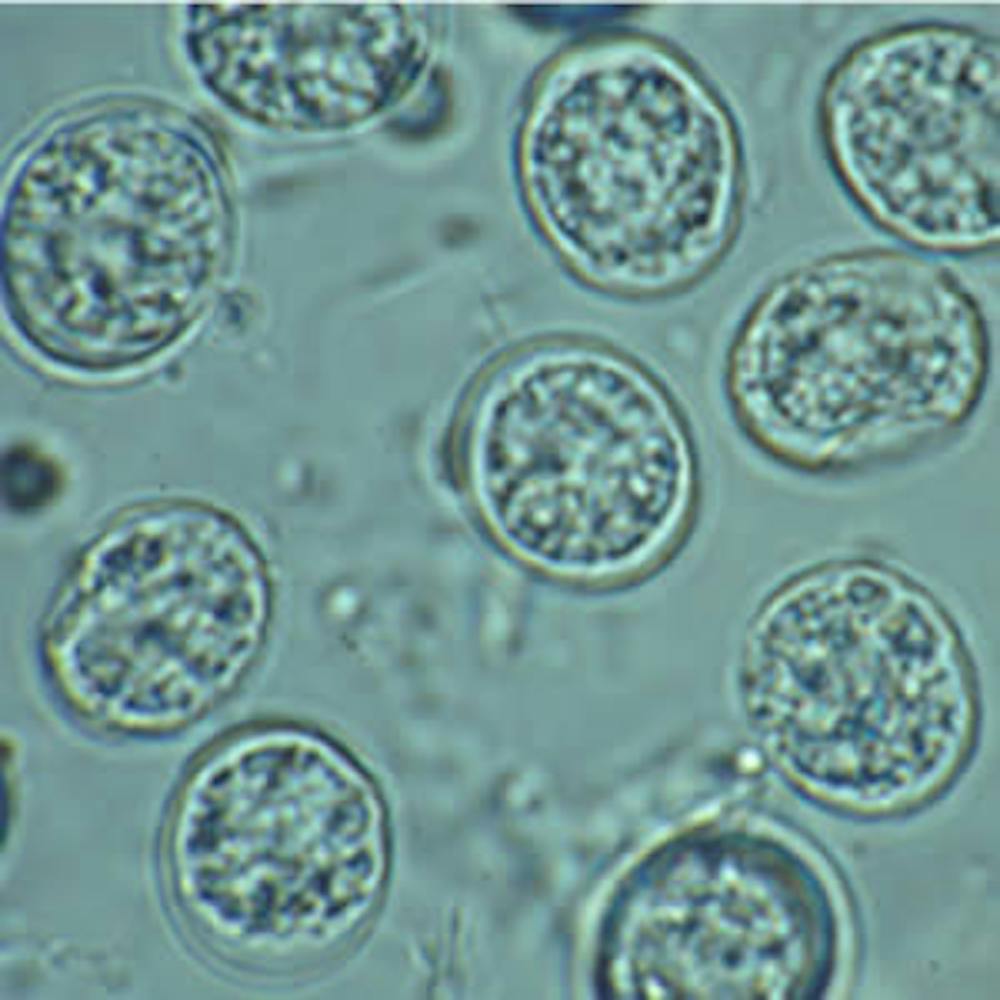
    MIL OSI NGO

  • MIL-OSI NGOs: UN Security Council must renew the arms embargo on South Sudan

    Source: Amnesty International –

    Free access to weapons would only heighten the ongoing violence in the country.

    By Tigere Chagutah

    In 2015, as a civil war was raging in South Sudan, the United Nations Security Council imposed the first set of sanctions on the country, including asset freezes and travel bans on various senior officials. Three years later, after a ceasefire agreement was repeatedly violated, the UNSC mustered the votes to impose a full arms embargo. Fragile peace eventually settled in, but the embargo was kept in place and was extended every year.

    The review of the embargo is now coming up on May 29 and there is a push from African members of the UNSC – Sierra Leone, Somalia and Algeria – to lift it. On March 18, the African Union Peace and Security Council (AUPSC) publicly called for this measure to end.

    But lifting the embargo on South Sudan at this moment would be a mistake. Violence has come back to plague the country, killing at least 180 people between March and mid-April, amid deepening divisions between President Salva Kiir and First Vice President Riek Machar, who has been placed under house arrest.

    Allowing more weapons to enter the country would only escalate the dire situation. This would not be in the interest of neighbouring countries and the African Union as a whole.

    Tigere Chagutah, Amnesty International’s Regional Director for East and Southern Africa

    Under the AU’s development plan, Agenda 2063, the continent set itself an ambitious goal of “Silencing the Guns” by 2020, later extended to 2030. With this, the AU wants to “end all wars and violent conflicts and promote dialogue-based mechanisms for conflict prevention and resolution”.

    Yet, the AUPSC’s call for lifting the embargo on South Sudan does not fall in line with these goals. The justification for this stance is that free access to more weapons can enable the unification of government and opposition forces and reform the security sector.

    But this logic ignores the growing fractures in South Sudan amid the renewed tensions between Kiir and Machar. Placing more guns in the hands of warring parties involved in serious human rights violations and crimes under international law would only make the situation worse.

    South Sudan’s security and defence forces have attacked the very people they are tasked to protect: Civilians. The South Sudanese army, National Security Service and armed opposition forces have been implicated in war crimes and human rights violations for well more than a decade, including by the AU’s Commission of Inquiry on South Sudan and the UN Commission on Human Rights in South Sudan.

    Indeed, around the time the AUPSC called for the lifting of the arms embargo, South Sudan’s government reportedly used improvised incendiary weapons in aerial attacks, killing at least 58 people and injuring others, including children.

    To be sure, the existence of the arms embargo is not enough – its enforcement is key. That is already faltering after in early March, Uganda sent troops and military equipment to South Sudan without providing notification or receiving special exemption from the UNSC Sanctions Committee. This is a clear violation of the embargo.

    South Sudan’s Mi-24 helicopters also seem to be on the move, despite the government’s fleet reportedly being non-functional and grounded since the arms embargo was imposed in 2018. This suggests spare parts have been sourced in violation of the embargo.

    If the African Union is serious about silencing the guns, it should back the strict controls prohibiting arms transfers to South Sudan, and the African states in the UNSC should vote to renew the arms embargo.

    Tigere Chagutah

    On May 4, Doctors Without Borders, known by its French initials MSF, reported that two helicopter gunships had bombed its medical facility in Old Fangak the day before and fired at the town, killing seven and injuring 20 others. Deliberate attacks on a medical facility performing its humanitarian function violate international humanitarian law and would constitute a war crime.  This is yet another indication of why the UNSC must renew the arms embargo and strengthen its enforcement.

    If properly implemented and enforced, a renewed UNSC arms embargo would not obstruct security sector reform. Instead, it would block the disorderly and destabilising accumulation of arms in South Sudan, which is spurring the current conflict and contributing to violations against civilians.

    If the AU is serious about silencing the guns, it should back the strict controls prohibiting arms transfers to South Sudan, and the African states in the UNSC should vote to renew the arms embargo.

    MIL OSI NGO

  • MIL-OSI Russia: Polytechnic at Metalloobrabotka 2025: exhibition activity and negotiation process

    Translation. Region: Russian Federal

    Source: Peter the Great St Petersburg Polytechnic University – Peter the Great St Petersburg Polytechnic University –

    The key event of the international exhibition “Metalloobrabotka – 2025” took place in the Moscow-City Expo Center – a plenary session dedicated to the implementation of the national project “Means of Production and Automation”. The event was organized by the Ministry of Industry and Trade.

    Opening the meeting, the Minister of Industry and Trade of Russia Anton Alikhanov presented the main parameters of the discussed project “Means of Production and Automation” and spoke about the key support measures. Thus, compensation of 50% of the cost of domestic robots makes them profitable in just one year.

    According to the results of last year, the level is 29 robots per 10 thousand people. A year ago, this figure was 19. That is, we have grown quite well. But I repeat once again, our task is to reach the level, approximately, taking into account the growth of the entire parallel world, of 145 robots per 10 thousand people. This, in fact, is within our power, – the minister said.

    In 2025, more than 1,200 companies from seven countries will participate in Metalloobrabotka: Russia, Belarus, India, Italy, China, the Republic of Korea and Turkey. More than 800 Russian companies will take part in the exhibition. Belarus and China will present national expositions.

    The key topics of this year’s exhibition are: “Innovations in Machine Tool and Tool Building”; “Automated Lines and Robotic Systems”; “Software for Smart Factory Management”; “Artificial Intelligence Technologies and Digital Twins”; “New Materials and Additive Technologies”.

    Visitors can see the equipment “in action” – from heavy metal-cutting machines to robotic complexes and artificial intelligence systems that manage production. The Polytechnic University stand is of particular interest to visitors. The University presents not just scientific developments, but ready-to-implement technological solutions – from 3D metal printing to robotic welding and the creation of intelligent materials. The Polytechnic University demonstrates the unique potential of laser and additive technologies, which today are becoming not just tools, but key drivers of the technological sovereignty of the Russian Federation. We are confident that these innovations are the future.

    On Tuesday, a series of business negotiations and meetings with potential partners took place at the Polytechnic stand. The official delegation of SPbPU was headed by the Director of the Institute of Mechanical Engineering, Materials and Transport Anatoly Popovich. Polytechnicians met with representatives of the leading IT company of the Russian Federation — Softline Group. At the negotiations, SPbPU was also represented by the Director of the Scientific and Educational Center “Mechanical Engineering Technologies and Materials” Pavel Novikov and the Scientific Secretary of the Polytechnic Dmitry Karpov.

    The partners discussed the horizons of possible cooperation. Following the meeting, it is planned to create an inter-industry center for additive technologies. The meeting participants also considered the prospects for creating new-generation laser equipment.

    The Director of the IMMI, Chief Designer of the KNU NEW Materials, Technologies, Production, as part of the Strategic Technological Leadership project, Anatoly Popovich shared his impressions of SPBPU in the exhibition: at the Metal processing-2025 exhibition, Polytechnic University of Peter the Great, a leader in the field of laser and additive technologies. The main task of SPBPU, as a scientific center with world -class competencies, is to ensure the country’s technological leadership. Our competitive advantage is the ability to create and introduce breakthrough technologies in various scientific areas. At the exhibition, employees of the Institute of Mechanical Engineering, Materials and Transport of St. Petersburg State University demonstrate the unique potential of laser and additive technologies, which today become not just tools, but key drivers of technological sovereignty of Russia. We are sure that it is the future for these innovations.
    The use of laser technologies allows us to significantly improve the quality of products, reaching an inaccessible level of accuracy and reliability. Additive methods, in turn, open new horizons to create materials that can be adapted to the specific needs of industry. This is especially relevant in the conditions of a rapidly changing market, where flexibility and adaptability become decisive success factors. The future belongs to those who are ready not only to follow the trends, but also to create them themselves. Polytechnic University of Peter the Great is a reliable partner and platform for the implementation of the most daring ideas. Time to act is time to introduce innovations.

    The Laboratory of Light Materials and Constructions surprises everyone with electric arc printing right at the exhibition. Students of IMMiT, under the guidance of Oleg Panchenko, assembled a welding cell in the shortest possible time so that everyone at the event could get acquainted with the process and see how a new metal part is born. Also on display at the exhibition are previously printed parts, such as a wheel rim, impeller, burner and other samples made by friction stir welding.

    The new technology of direct printing of plastic on metal interested visitors and gave rise to ideas for further cooperation. A cone gear is printed at the exhibition. It is used in heavy industry, can be used in the automotive industry, aircraft manufacturing and other industrial areas.

    The exhibition guests are shown the process of high-temperature (1200 degrees) selective laser melting in real time. Unique developments of bimetallic samples of promising materials obtained by additive technologies are presented. Works in the field of composite materials are also demonstrated – a polymer compressor wheel reinforced with carbon fiber.

    The staff of the research laboratory “Laser and Additive Technologies” brought to the exhibition samples manufactured by the method of direct laser growth and repaired by the method of laser cladding. Also presented are exhibits formed by laser and hybrid laser-arc welding methods.

    The exhibits created by laser welding of 316L steel with a thickness of 100 µm to 10 mm are of the greatest interest to the guests. The employees demonstrated a sealed miniature flat sample of a hydrogen energy source fuel cell with a wall thickness of 100 µm, welded with an overlap. Samples of armor steel grades with a thickness of 7 mm to 20 mm, welded in one pass in the lower position, are presented.

    Mikhail Kuznetsov, head of the laboratory, noted: In the era of rapid innovation, laser welding is becoming not just a technology, but a necessity. This process ensures high precision and speed of obtaining a permanent connection of the required quality, which is critically important in modern production conditions.

    Please note: This information is raw content directly from the source of the information. It is exactly what the source states and does not reflect the position of MIL-OSI or its clients.

    MIL OSI Russia News

  • MIL-OSI Russia: NSU student develops system for monitoring vital signs and physical activity for people with disabilities

    Translation. Region: Russian Federal

    Source: Novosibirsk State University – Novosibirsk State University –

    A fourth-year student developed a hardware and software system for monitoring vital signs and motor activity for people with disabilities Faculty of Information Technology, Novosibirsk State University Mikhail Evdokimov. It allows remote monitoring of the user’s pulse rate, blood oxygen saturation, body temperature, as well as his movement in space. The prototype of the complex has already been assembled, testing is underway.

    — The increase in the number of elderly people and patients suffering from various lifestyle-related diseases makes it critically important to develop systems that facilitate monitoring of the health of these people outside of hospitals, allowing them to stay at home or at work. Having various health limitations, these people need constant monitoring of their physical condition. Often, for various reasons, relatives cannot provide them with constant supervision, and negative changes occur when patients are left alone and are unable to seek help in a timely manner, which can sometimes lead to tragic consequences. Existing monitoring tools rarely combine autonomy and mobility, compactness and low cost, so we decided to create a monitoring system that would track the main indicators of the user’s physical condition and, if they deviate from the norm, notify the medical workers under whose supervision the user is, — said Mikhail Evdokimov.

    The young researcher is confident that his project, which he is working on as part of his final qualifying work under the scientific supervision of the adviser to the rector of NSU, Professor Alexander Shafarenko, will help the elderly, including those with some forms of dementia, by simplifying health monitoring by transmitting the dynamics of indicators to medical organizations for the timely provision of medical care.

    An important element of the system is a wristband that reads the pulse, body temperature and relative coordinates of the user. Other elements are a microcontroller with a magnetic sensor (one or more), as well as a central microcontroller, where all information from the sensors and the bracelet is sent.

    The device’s bracelet looks very similar to a regular smart watch, and if the size of the device decreases during further development of the project, it will resemble fitness bracelets. But if the “smart watch” partially or completely implements health monitoring functions, then due to the limited functionality, they are not able to recognize abnormal conditions, and even more so, they do not have the functions of transmitting alarm information to medical workers. In addition, the “smart watch” device is tied to a specific manufacturer and is closed, which means that it does not allow modification by the medical service provider. These shortcomings have been eliminated by the developers of this project.

    According to Mikhail Evdokimov, the vital signs monitoring system should be open and independent. Therefore, he studied and analyzed the design and functionality of several modifications of “smart watches” in search of successful ideas and the formation of requirements for his project. The young researcher came to the conclusion that a solution that meets all his requirements is currently absent, and the category of “smart watches” is only indirectly related to health monitoring and is not suitable for use as a component of the monitoring system he is creating. Therefore, his own “smart bracelet” was assembled and programmed, which has the set of functions necessary for the monitoring system. Using the C language, the program code was written for the operation of the built-in accelerometer, pulse sensor, data transmission via communication modules, power management and analysis of the collected data. The ESP-NOW protocol was chosen for communication between the system nodes. It was developed specifically for transmitting information between microcontrollers based on the ESP-32 processor and is a more efficient version of classic Wi-Fi. The interaction between the nodes has a client-server architecture: the bracelet and magnetic sensors send their readings to the central microcontroller with a static IP address.

    This system works as follows: a magnetic sensor is installed on the doors of the apartment. It transmits information to the central microcontroller about whether the door is open or closed. The central microcontroller uses this data for analysis.

    A magnetic sensor can be installed, for example, on the toilet door. If it has not been opened for a long time, this is an alarm signal. Perhaps the person is unconscious or in a helpless state, and urgent help is needed. A similar sensor installed in the kitchen can warn about the same thing – if a person does not come here for a long time, even to drink water, the system will issue a warning. Situations are envisaged when the user keeps the door open and does not close it behind him, or opens it, but does not enter the room. For this purpose, a comprehensive solution for the task of tracking movement has been developed, in which several sensors work together.

    In such cases, an accelerometer is connected to track the user’s movements. The joint work of its coordinate system and magnetic sensors completely solves this problem. It is adjusted by a technical specialist during the initial calibration.

    To track the user’s movements in space, the “smart bracelet” has a built-in accelerometer. Its readings are represented by three relative coordinates x, y, z. By analyzing the changes in coordinates, the device determines whether the user is moving or at rest. A fall of a person wearing the “smart bracelet” is recorded by a sharp change in the accelerometer sensor readings. At first, in order to distinguish a fall from movement in the direction of one of the coordinate axes, the difference was estimated not for each coordinate separately, but for the arithmetic mean of their changes. Later, Mikhail Evdokimov replaced this formula with a more accurate one, which uses the root of the sum of the squares of the change in coordinates. And as a threshold separating a fall from uniform movement, an experimentally calculated value was chosen, which is the average between the value of the formula when walking and when falling. When such a state of the user is recorded, the information is sent to the central microcontroller, and ultimately to the medical institution, from where the user’s condition is monitored.

    And then, after the initial setup of the system, the user lives his normal life. He does not need to be in a hospital under 24-hour supervision. While at home, he is under the close attention of the monitoring system, which will notify medical workers about deviations of the user’s vital signs from the norm. It is important that this system is reliable and works autonomously.

    — The advantage and key feature of my development is its focus on the autonomy of the system, which has its own power source and is highly energy efficient. And unlike smart watches, this is an open system that can be supplemented with other sensors if necessary. It has the ability to improve the analysis algorithms and transmit data to medical personnel. On the currently available hardware, the system can operate without recharging the source for about a week. When using more specialized and advanced hardware, it is expected that the equipment’s operating time without recharging will increase to one month. This is very important, since many elderly people often forget to charge their mobile phones, smart watches and other devices. With this approach, our solution will have minimal dependence on user activity, external power supply, communication channels and third-party platforms. Since all nodes have sufficient autonomy, system maintenance will need to be performed no more than once every six months. To achieve this, we decided to use high-capacity batteries at the hardware level, and at the software level, we created energy-efficient software code, said Mikhail Evdokimov.

    An important task of the project was to organize energy-efficient operation of the programmable “smart bracelet” by changing the operating modes of the processor and peripherals depending on the situation. The emphasis was not on hardware, but on software reduction of energy consumption. Mikhail Evdokimov studied software capabilities for managing the energy consumption modes of the ESP-32 microprocessor, which is located on the bracelet. Then the student designed a system that regulates the sleep modes, which the processor can go into depending on the situation.

    — In case of a long-term loss of connection with the central microcontroller, the bracelet goes into modem sleep mode, in which the power supply of the communication modules is turned off. After a certain period of time, the device wakes up to check the connection and, in case of failure, goes back to sleep. To minimize the loss of information, the collected sensor readings are partially stored in the bracelet’s memory and sent to the central microcontroller immediately after the connection is restored. As a result, energy consumption is reduced several times, — explained Mikhail Evdokimov.

    The user can find out that the watch has been removed from the readings of the infrared heart rate sensor. In this case, since there is no more data to send, the system first goes into modem sleep mode, and after a few seconds, if the user has not returned, the light sleep mode is activated. The watch periodically wakes up to check whether it is on the user’s hand, and either resumes its work or goes back to sleep. If there are no significant changes in the accelerometer readings, for example, when the user is sleeping, the main processor goes into deep sleep mode. At this time, the Ultra Low Power coprocessor is engaged in data processing. It can wake the main processor from sleep by a timer or in the case of active user movement when he or she wakes up. Mikhail Evdokimov clarified that the implementation of this architecture required working with the assembly language.

    To assemble the device units, the student purchased ready-made internal components and parts, and made the body of the “smart bracelet” on a 3D printer. The developed prototype of the vital signs and motor activity monitoring system has already confirmed its operability and feasibility of energy autonomy requirements in laboratory conditions, and also showed high potential for further development due to the openness and expandability of the system. The development of such solutions can improve the quality of life of people whose health requires special attention.

    Please note: This information is raw content directly from the source of the information. It is exactly what the source states and does not reflect the position of MIL-OSI or its clients.

    MIL OSI Russia News

  • MIL-OSI Russia: China’s Finance Ministry to issue 68 billion yuan worth of sovereign bonds in Hong Kong Special Administrative Region in 2025

    Translation. Region: Russian Federal

    Source: People’s Republic of China in Russian –

    Source: People’s Republic of China – State Council News

    BEIJING, May 28 (Xinhua) — China’s Ministry of Finance said Wednesday that the Hong Kong Special Administrative Region (HKSAR) is expected to issue 68 billion yuan (about 9.46 billion U.S. dollars) in yuan-denominated government bonds in 2025. The bonds will be issued in six stages.

    The first two issues, totaling 25 billion yuan, took place in February and April of this year.

    The third batch of bonds, worth 12.5 billion yuan, is planned to be issued following a tender on June 4.

    The Chinese Ministry of Finance said that the specific issuance mechanisms will be announced on the website of the Central Clearing and Settlement System for Debt Securities of the Financial Administration of the People’s Republic of China. -0-

    MIL OSI Russia News

  • MIL-OSI Russia: China’s Foreign Ministry Calls on the US to Really Ensure the Legitimate Rights and Interests of Foreign Students

    Translation. Region: Russian Federal

    Source: People’s Republic of China in Russian – People’s Republic of China in Russian –

    Source: People’s Republic of China – State Council News

    BEIJING, May 28 (Xinhua) — Chinese Foreign Ministry spokesperson Mao Ning called on the United States to effectively ensure and protect the legitimate rights and interests of foreign students, including Chinese ones, at a regular press conference on Wednesday.

    Commenting on media reports that the US administration has ordered its embassies and consulates to suspend the processing of student visas, Mao Ning noted that the Chinese side has always advocated not interfering with normal educational cooperation and academic exchanges.

    “We call on the American side to actually ensure and protect the legitimate rights and interests of students from China and other countries,” Mao Ning said. -0-

    MIL OSI Russia News

  • MIL-OSI Russia: Chinese Premier returns to Beijing after official visit to Indonesia and ASEAN-China-GCC summit in Malaysia

    Translation. Region: Russian Federal

    Source: People’s Republic of China in Russian – People’s Republic of China in Russian –

    Source: People’s Republic of China – State Council News

    BEIJING, May 28 (Xinhua) — Chinese Premier Li Qiang returned to Beijing on a chartered plane on Wednesday after wrapping up an official visit to Indonesia and attending the ASEAN-China-GCC (Gulf Cooperation Council) summit in Malaysia.

    Before leaving Kuala Lumpur, Li Qiang was seen off at the airport by, among others, Malaysian Transport Minister Anthony Loke Siew Fook, Chinese Ambassador to Malaysia Ouyang Yujing and Chinese Ambassador to ASEAN Hou Yanqi. -0-

    MIL OSI Russia News

  • MIL-OSI Russia: Fire breaks out in old commercial building in Seoul

    Translation. Region: Russian Federal

    Source: People’s Republic of China in Russian – People’s Republic of China in Russian –

    Source: People’s Republic of China – State Council News

    SEOUL, May 28 (Xinhua) — A fire broke out at an old commercial building in Seoul on Wednesday, South Korean media reported.

    The incident occurred at around 3:25 p.m. local time, and there are no confirmed casualties. Television footage showed a thick plume of black smoke in central Seoul.

    Some media outlets noted that firefighters had difficulty putting out the fire because there were too many stores in the building. –0–

    MIL OSI Russia News