Category: Economics

  • MIL-OSI Economics: Samsung Electronics Announces Results for Third Quarter of 2024

    Source: Samsung

    Samsung Electronics today reported financial results for the third quarter ended Sept. 30, 2024.
     
    The Company posted KRW 79.1 trillion in consolidated revenue, an increase of 7% from the previous quarter, on the back of the launch effects of new smartphone models and increased sales of high-end memory products. Operating profit declined to KRW 9.18 trillion, largely due to one-off costs, including the provision of incentives in the Device Solutions (DS) Division.
     
    The strength of the Korean won against the U.S. dollar resulted in a negative impact on company-wide operating profit of about KRW 0.5 trillion compared to the previous quarter.
     
    In the fourth quarter, while memory demand for mobile and PC may encounter softness, growth in AI will keep demand at robust levels. Against this backdrop, the Company will concentrate on driving sales of High Bandwidth Memory (HBM) and high-density products. The Foundry Business aims to increase order volumes by enhancing advanced process technologies. Samsung Display Corporation (SDC) expects the demand of flagship products from major customers to continue, while maintaining a quite conservative outlook on its performance. The Device eXperience (DX) Division will continue to focus on premium products, but sales are expected to decline slightly compared to the previous quarter.
     
    For 2025, the Company will remain focused on enhancing competitiveness in advanced technologies and strengthening leadership in premium products and AI capabilities amid ongoing macroeconomic uncertainties. The DS Division will address demand for differentiated products based on advanced technologies and high value-added products such as HBM and server SSDs. In addition, the Company plans to leverage the mass production on the 2 nanometer (nm) Gate-All-Around (GAA) process to win new clients. SDC will aim to maintain leadership in the high-end product category and broaden its product portfolio. The DX Division will continue to deliver exceptional customer experiences through enhanced AI features and product connectivity.
     
    With over 500 million diverse products being delivered to consumers globally every year, the Company is tailoring its AI technology in each product to help lead the market. By leveraging the SmartThings platform with 360 million users and capabilities in product intelligence, spatial intelligence, and personalization, the Company plans to firmly establish itself in the home of the future, where AI will be widespread. In the AI era for the home, the Company will focus on the security of its products, convenience in device connectivity, intelligent technology to save energy and time, and the health and well-being of users and their families.
     
     
    Memory Achieves Revenue Growth in Q3
    The DS Division posted KRW 29.27 trillion in consolidated revenue and KRW 3.86 trillion in operating profit in the third quarter.
     
    For the Memory Business, demand for AI and conventional servers was strong, as major datacenter and technology companies continued to invest. But mobile demand was relatively soft due to inventory adjustments by some customers, and the supply-demand situation was impacted somewhat by the increasing supply of legacy products in the China market.
     
    The Company focused on actively responding to the demand for AI and server products while depleting aging inventories of legacy products to further improve the inventory level and mix. Therefore, compared to the previous quarter, the Company achieved significant revenue growth in HBM, DDR5 and Server SSD.
     
    However, performance decreased due to a reduced reversal of inventory valuation loss compared to the previous quarter, one-off expenses such as the provision of incentives, and currency effects due to a weak dollar.
     
    For the fourth quarter, the demand trends experienced in the previous quarter are expected to continue. The Company plans to accelerate the conversion of cutting-edge nodes in legacy lines and aims to strengthen its business fundamentals by completing the normalization of the inventory level and mix by the end of the year.
     
    For DRAM, the Company plans to expand sales in line with the increase in HBM capacity, accelerate the transition to 1b nanometer1 for server DDR5 and actively expand the sales portion of high-density modules based on 32Gb DDR5. For NAND, the Company will expand sales of 8th generation (V8) based PCIe Gen5 and plans to mass-produce the 64TB product for the quad-level cell (QLC) market, which has high growth potential.
     
    Looking ahead to 2025, datacenter and enterprise investments are likely to remain strong in association with AI, and build demand for conventional servers, in addition to AI servers, is expected to be steadily strong.
     
    For DRAM, the Company plans to expand the sales of HBM3E and the portion of high-end products such as DDR5 modules with 128GB density or higher for servers and LPDDR5X for mobile, PC, servers, and so on. For NAND, the Company will proactively respond to the high-density trend based on QLC products — including 64TB and 128TB SSDs — and solidify leadership in the PCIe Gen5 market by accelerating the tech migration from V6 to V8.
     
    The System LSI Business posted modest sales growth, but earnings declined due to increased one-off costs. System-on-chip (SoC) shipments increased as flagship products were adopted for new models by a major customer. Sales of image sensors were affected by H1’s inventory accumulation, resulting in some adjustments, while display driver IC (DDI) sales expanded with new model launches by key customers.
     
    In the fourth quarter, supply of the Exynos 2400 will continue to expand with higher customer adoption, but weak demand for image sensors is expected to continue. For DDIs, the System LSI Business is focusing on growth areas, such as the expansion of IT-oriented OLED products.
     
    Looking ahead to 2025, the momentum of on-device AI is expected to remain strong, and the Company will focus on capturing opportunities in areas such as SoCs and cameras. The System LSI Business plans to concentrate on supplying SoCs for flagship products of a major customer while preparing for next-generation 2nm products. Image sensors will aim to maximize new product supply through HDR, low-power and zoom features, while DDIs will seek to develop low-power products using advanced processes.
     
    The Foundry Business saw its overall earnings decline compared to the previous quarter due to the impact of one-off costs. Still, the Foundry Business successfully met its order targets — particularly in sub-5nm technologies — and released the 2nm GAA process design kit (PDK), enabling customers to proceed with their product designs.
     
    While mobile and PC demand may remain weak in the fourth quarter, high performance computing (HPC) and AI-related demand will continue to be robust. The Foundry Business will strive to acquire customers by improving the process maturity of its 2nm GAA technology, and it will continue to develop competitive technology and design infrastructure to expand additional business opportunities.
     
    For 2025, the overall foundry market is expected to show double-digit growth, driven by HPC and AI applications in advanced technology nodes. The Foundry Business aims to expand revenue through ongoing yield improvements in advanced technology while securing major customers through successful 2nm mass production. In addition, integrating advanced process nodes and packaging solutions to further develop the HBM buffer die is expected to help acquire new customers in the AI and HPC sectors.
     
     
    Mobile Display Records Solid Results; Will Maintain Leadership in the High-End Market
    SDC posted KRW 8.0 trillion in consolidated revenue and KRW 1.51 trillion in operating profit for the third quarter.
     
    For the mobile display business, SDC achieved sequential improvements in both sales and profits thanks to the flagship product launches of major customers. For the large display business, SDC reported a slight weakening in operating profit, but sales volume improved from the previous quarter, driven by the stable demand of TV and monitor products.
     
    In the fourth quarter, SDC expects continued demand for flagship products from major customers, and sales growth of IT and automotive products. However, SDC’s performance outlook is quite conservative compared to the previous quarter, due to headwinds from rising competition among panel makers.
     
    For the large display business, SDC will keep striving to expand sales by meeting the fourth quarter demand of major customers through improved production efficiency, and it aims to respond to the demand for new products in 2025 with timely supply.
     
    In 2025, SDC will continue to maintain its leadership in the foldable and high-end smartphone markets, based on innovative OLED technologies optimized for AI devices and accelerate the expansion of IT and automotive products to further diversify its business portfolio.
     
    For the large display business, SDC will continue to leverage the performance advantage of QD-OLED panels to strengthen its position in the premium TV market. And for monitors, SDC will broaden its lineup by adding high-resolution products and diverse refresh rate options, aiming not only to solidify its competitive edge in the gaming monitor market but also to actively enter the B2C monitor market.
     
     
    MX Business To Achieve Double-Digit Annual Sales Growth in Flagships
    The MX and Networks businesses posted KRW 30.52 trillion in consolidated revenue and KRW 2.82 trillion in operating profit for the third quarter.
     
    Overall market demand for smartphones grew modestly as the residual effects of global inflation slowed the recovery in consumer spending.
     
    The MX Business recorded sequential growth in both revenue and operating profit, bolstered by the launch of new smartphone, tablet and wearable products. Sales increased — with a focus on flagship models — and profitability neared double digits, despite rising material costs as product specifications improved to boost competitiveness.
     
    In the fourth quarter, seasonal factors are expected to lead to sequential growth in the smartphone market. At the same time, competition in the mass market segment is expected to increase as a result of rising demand, particularly in emerging markets.
     
    The MX Business will continue to maintain solid sales of its AI smartphones, such as foldables and the S24 series, with various sales promotions in anticipation of the holiday season, aiming for annual flagship sales growth of double digits. In addition, the MX Business will expand sales linked to year-end seasonality for tablets and wearables, especially on new premium products with significantly enhanced performance, to contribute to the MX Business’ sales and profits.
     
    In 2025, the macroeconomic environment is expected to stabilize to a degree as a result of interest rate cuts, leading to slight growth in the smartphone market. The mass market segment is expected to grow, along with demand for ecosystem products, and the smartwatch and true wireless stereo (TWS) markets will expand with broader applications of AI capabilities.
     
    The MX Business will drive sales growth and improve profitability with a focus on flagship products, including smartphones, foldables, tablets and wearables, based on further advancements of Galaxy AI.
     
     
    Visual Display To Focus on Premium Models and Service Expansion
    The Visual Display and Digital Appliances businesses posted KRW 14.14 trillion in consolidated revenue and KRW 0.53 trillion in operating profit in the third quarter.
     
    The Visual Display Business saw improved profitability both from the previous quarter and a year earlier by prioritizing sales of strategic products such as Neo QLEDs, OLEDs, and big TVs. Additionally, service business sales increased.
     
    In the fourth quarter, overall demand in the TV market is expected to recover due to year-end peak seasonality amid intensifying competition. The Visual Display Business plans to capture peak season demand by enhancing sales programs through strategic collaborations with major retail partners, and will focus on expanding sales and securing profitability by emphasizing the competitiveness of TVs in terms of security, design, and content.
     
    In 2025, the overall TV market is expected to post modest growth, with strategic products like QLEDs, OLEDs, and big TVs continuing to gain market share. To solidify its leading position globally, the Visual Display Business will continue to differentiate AI functionalities and innovate its products centering on premium and Lifestyle screens.
     
    By utilizing AI, the Company aims to enhance core TV features such as picture and sound quality, while also improving the overall user experience within the SmartThings ecosystem. The Company plans to drive sales of premium products centered on Neo QLED, OLED and super big TVs, and it will maintain leadership in the Lifestyle screen category by leveraging well-established competitive advantages.
     
    Furthermore, by capitalizing on the extensive installed base that has been established through hardware leadership, the Visual Display Business will continue to expand the service platform business through advertisement and media such as Samsung TV Plus.
     
     
    1 Refers to Samsung’s fifth-generation 10nm class DRAM
    MIL OSI Economics

  • MIL-OSI Economics: ADB, Canvest Sign Deal to Support Waste-to-Energy and Municipal Solid Waste Management in PRC

    Source: Asia Development Bank

    BEIJING, PEOPLE’S REPUBLIC OF CHINA (31 October 2024) — The Asian Development Bank (ADB) signed a $50 million loan (in yuan equivalent) with Canvest Environmental Protection Group Company Limited (Canvest) to promote efficient municipal solid waste management and waste-to-energy (WTE) in the People’s Republic of China (PRC).

    ADB’s funding will help Canvest develop, construct, and operate a WTE plant at Huizhou City in Guangdong province, and to expand municipal solid waste management services in Quyang County in Hebei province. Canvest provides a range of services across the municipal solid waste value chain including cleaning, segregation, collection, transportation, sorting, recycling, and energy generation.

    “Segregating and recycling solid waste has been a challenge in the PRC, so cities have turned to the private sector for an efficient and integrated approach to waste management,” said ADB Director General for Private Sector Operations Suzanne Gaboury. “However, private sector participation in waste management is still nascent in the PRC. This project can demonstrate the viability of sector while contributing to low-carbon development.”

    The PRC is one of the world’s largest sources of municipal solid waste, with a total volume of 244 million tons in 2022 which is expected to reach 332.4 million tons a year by 2025. The project’s WTE plant is expected to treat at least 300,000 tons of municipal solid waste a year, generating at least 93 gigawatt-hours of energy annually. This will help reduce at least 346,700 tons of annual greenhouse gas emissions. The project will also support the annual collection of at least 147,825 tons of waste by 2026.

    “Canvest helps cities to better manage their solid waste problem in a more cost-effective and sustainable way. We value ADB’s support in enhancing the environmental, social, and gender impacts of our operations,” said Canvest Chair Lee Wing Yee Loretta. “We are pleased to collaborate with ADB to share with the wider waste management community the benefits of integrated waste management solutions and the lessons learned.”

    Established in 2003, Canvest is a leading provider of waste management services in the PRC. As of June 2024, the company operated 33 WTE projects, with a total treatment capacity of 43,690 tons per day. Additional projects with a daily capacity of 10,850 tons are under development. Canvest also has 22 municipal solid waste management projects.

    ADB is committed to achieving a prosperous, inclusive, resilient, and sustainable Asia and the Pacific, while sustaining its efforts to eradicate extreme poverty. Established in 1966, it is owned by 69 members—49 from the region. 

    MIL OSI Economics

  • MIL-OSI Economics: Regional Economic Outlook for the Middle East and Central Asia, October 2024: Navigating The Evolving Geoeconomic Landscape

    Source: International Monetary Fund

    COMING SOON

    Launch of the October 2024 Regional Economic Outlook for the Middle East and Central Asia

    The Regional Economic Outlook (REO) report provides comprehensive insights into recent economic developments and future prospects specifically for countries in the region. It analyzes the impact of economic policy changes on performance, highlighting key challenges faced by policymakers in navigating complex economic landscapes.

    • THURSDAY, OCTOBER 31, 2 AM ET/10 AM GMT+4: Full report release with press briefing in Dubai, United Arab Emirates
      The report will be available for download on this page starting on October 31. Stay tuned for updates!
    RECENT EVENT
    • 2024 Annual Meetings Press Briefing: Regional Economic Outlook for the Middle East and Central Asia
      • Jihad Azour, Director, Middle East and Central Asia Department, IMF
      • Moderator: Angham H. Al Shami, Communications Officer, IMF

    Publications

    MIL OSI Economics

  • MIL-OSI Economics: Money Market Operations as on October 30, 2024

    Source: Reserve Bank of India


    (Amount in ₹ crore, Rate in Per cent)

      Volume
    (One Leg)
    Weighted
    Average Rate
    Range
    A. Overnight Segment (I+II+III+IV) 518,653.92 6.31 5.00-6.60
         I. Call Money 7,712.90 6.47 5.80-6.60
         II. Triparty Repo 375,673.15 6.31 6.23-6.54
         III. Market Repo 134,564.87 6.32 5.00-6.60
         IV. Repo in Corporate Bond 703.00 6.43 6.40-6.60
    B. Term Segment      
         I. Notice Money** 2,403.90 6.40 5.10-6.50
         II. Term Money@@ 229.50 6.65-6.90
         III. Triparty Repo 8,559.10 6.54 6.30-6.65
         IV. Market Repo 1,439.16 6.50 6.30-6.70
         V. Repo in Corporate Bond 0.00
      Auction Date Tenor (Days) Maturity Date Amount Current Rate /
    Cut off Rate
    C. Liquidity Adjustment Facility (LAF), Marginal Standing Facility (MSF) & Standing Deposit Facility (SDF)
    I. Today’s Operations
    1. Fixed Rate          
    2. Variable Rate&          
      (I) Main Operation          
         (a) Repo          
         (b) Reverse Repo          
      (II) Fine Tuning Operations          
         (a) Repo          
         (b) Reverse Repo Wed, 30/10/2024 1 Thu, 31/10/2024 35,525.00 6.49
    3. MSF# Wed, 30/10/2024 1 Thu, 31/10/2024 2,005.00 6.75
    4. SDFΔ# Wed, 30/10/2024 1 Thu, 31/10/2024 138,324.00 6.25
    5. Net liquidity injected from today’s operations [injection (+)/absorption (-)]*       -171,844.00  
    II. Outstanding Operations
    1. Fixed Rate          
    2. Variable Rate&          
      (I) Main Operation          
         (a) Repo          
         (b) Reverse Repo Fri, 18/10/2024 13 Thu, 31/10/2024 20,073.00 6.49
      (II) Fine Tuning Operations          
         (a) Repo Fri, 25/10/2024 6 Thu, 31/10/2024 25,005.00 6.55
         (b) Reverse Repo          
    3. MSF#          
    4. SDFΔ#          
    5. On Tap Targeted Long Term Repo Operations Mon, 15/11/2021 1095 Thu, 14/11/2024 250.00 4.00
    Mon, 27/12/2021 1095 Thu, 26/12/2024 2,275.00 4.00
    6. Special Long-Term Repo Operations (SLTRO) for Small Finance Banks (SFBs)£ Mon, 15/11/2021 1095 Thu, 14/11/2024 105.00 4.00
    Mon, 22/11/2021 1095 Thu, 21/11/2024 100.00 4.00
    Mon, 29/11/2021 1095 Thu, 28/11/2024 305.00 4.00
    Mon, 13/12/2021 1095 Thu, 12/12/2024 150.00 4.00
    Mon, 20/12/2021 1095 Thu, 19/12/2024 100.00 4.00
    Mon, 27/12/2021 1095 Thu, 26/12/2024 255.00 4.00
    D. Standing Liquidity Facility (SLF) Availed from RBI$       7,469.91  
    E. Net liquidity injected from outstanding operations [injection (+)/absorption (-)]*     15,941.91  
    F. Net liquidity injected (outstanding including today’s operations) [injection (+)/absorption (-)]*     -155,902.09  
    G. Cash Reserves Position of Scheduled Commercial Banks
         (i) Cash balances with RBI as on October 30, 2024 1,039,769.24  
         (ii) Average daily cash reserve requirement for the fortnight ending November 01, 2024 1,016,726.00  
    H. Government of India Surplus Cash Balance Reckoned for Auction as on¥ October 30, 2024 0.00  
    I. Net durable liquidity [surplus (+)/deficit (-)] as on October 04, 2024 488,495.00  
    @ Based on Reserve Bank of India (RBI) / Clearing Corporation of India Limited (CCIL).
    – Not Applicable / No Transaction.
    ** Relates to uncollateralized transactions of 2 to 14 days tenor.
    @@ Relates to uncollateralized transactions of 15 days to one year tenor.
    $ Includes refinance facilities extended by RBI.
    & As per the Press Release No. 2019-2020/1900 dated February 06, 2020.
    Δ As per the Press Release No. 2022-2023/41 dated April 08, 2022.
    * Net liquidity is calculated as Repo+MSF+SLF-Reverse Repo-SDF.
    As per the Press Release No. 2020-2021/520 dated October 21, 2020, Press Release No. 2020-2021/763 dated December 11, 2020, Press Release No. 2020-2021/1057 dated February 05, 2021 and Press Release No. 2021-2022/695 dated August 13, 2021.
    ¥ As per the Press Release No. 2014-2015/1971 dated March 19, 2015.
    £ As per the Press Release No. 2021-2022/181 dated May 07, 2021 and Press Release No. 2021-2022/1023 dated October 11, 2021.
    # As per the Press Release No. 2023-2024/1548 dated December 27, 2023.
    Ajit Prasad          
    Deputy General Manager
    (Communications)    
    Press Release: 2024-2025/1404

    MIL OSI Economics

  • MIL-OSI Economics: Global MBBF 2024: Accelerating 5.5G and AI Convergence to Lead the Mobile AI Era Oct 30, 2024

    Source: Huawei

    Headline: Global MBBF 2024: Accelerating 5.5G and AI Convergence to Lead the Mobile AI Era
    Oct 30, 2024

    [Istanbul, Türkiye, October 30, 2024] The Global Mobile Broadband Forum 2024 (MBBF 2024) has kicked off in Istanbul, Türkiye with the theme “5.5G Leads Mobile AI Era”. More than 1,000 guests from mobile network carriers, ecosystem players, and leaders from vertical industries have gathered to discuss a wide range of topics, from business model innovation to industry development and key technological directions in the Mobile AI era.
    This forum was set up to further promote the convergence of 5.5G and intelligent applications to create greater value for the mobile industry. During the forum, Huawei and Türkiye network carriers have jointly provided diverse intelligent 5.5G field experiences. Also, various players in the Mobile AI ecosystem will be displaying their intelligent connectivity applications for people, homes, things, vehicles, and industries.
    MBBF 2024 began with the opening remarks from Ken Hu, Huawei’s Rotating Chairman. “In the future, AI will change everything. Everyone will be able to use it, anytime and anywhere. Mobile networks and devices will play an important role to make that happen, just like what we have done to enable telephones and mobile Internet as a universal service,” said Hu.
    Ken Hu, Huawei’s Rotating Chairman, delivering the opening remarks

    2024 has brought both the commercial launch of 5.5G and the unprecedented expansion of artificial intelligence (AI) into our everyday life and work. Globally, more than 3 million AI-capable applications have been developed, more than the total number of non-AI apps available in the app store. That early commercial 5.5G rollout coincides with the first year of AI adoption in various devices is tremendously significant — it heralds the dawn of the Mobile AI era.
    Li Peng, Huawei’s Senior Vice President and President of ICT Sales & Service delivered a keynote on how to maximize new growth opportunities in the mobile AI era. “The mobile AI era is here,” said Li. “We will see new forms of interaction with devices, new intelligent services, and structural changes in traffic models. This will bring huge new opportunities for the mobile industry.”
    Li Peng, Huawei’s Senior Vice President and President of ICT Sales & Service, speaking at Global MBB Forum 2024 in Istanbul

    Li then detailed how carriers can make the most of these new opportunities and drive new growth by reshaping services, network infrastructure, O&M, and business models. He shared how leading carriers around the world have already verified AI service capabilities on live 5.5G networks across a wide range of scenarios for individuals, homes, travel, and business.
    “Moving forward, there are two things we can do to capitalize on new opportunities in the mobile AI era,” said Li. “First, we should prepare our networks to support AI. That means boosting network capabilities, especially uplink, latency, and capacity. Second, we can use AI to support our networks. With more complex networks, we can use AI to help automate O&M, optimize network efficiency, and guarantee a solid user experience.”
    This forum features boutique exhibitions of new intelligent connectivity for people, homes, things, industries, and vehicles. Across the indoor booths and outdoor fields, multimodal AI devices and diverse Mobile AI applications are presented, including AI phones, AI glasses, intelligent cockpits, humanoid intelligence, AI-generated content (AIGC), digital human interaction, and AI-powered real-time call translation, thanks to the joint efforts of Huawei, operators, and industry players. Another highlight is the continuous 5.5G coverage across the indoor and outdoor areas of the venues, showcasing the multidimensional capabilities of 5.5G networks and the cutting-edge products and solutions that power them.
    The 15th Global Mobile Broadband Forum, with a tagline of ‘5.5G Leads Mobile AI Era’, runs from October 30 to 31 in Istanbul, Türkiye. It will be hosted by Huawei with support from our industry partners GSMA and GTI. Together with operators, vertical industry leaders, and ecosystem partners, we will share the industry’s latest advancements and explore new opportunities. Industry stakeholders will discuss how to achieve 5.5G business success in the Mobile AI era, and leverage the success of 5G to attain even greater achievements with 5.5G. For more information, please visit MBBF2024 at: https://www.huawei.com/en/events/mbbf2024.

    MIL OSI Economics

  • MIL-OSI Economics: Global MBBF 2024: Accelerating 5.5G and AI Convergence to Lead the Mobile AI Era

    Source: Huawei

    Headline: Global MBBF 2024: Accelerating 5.5G and AI Convergence to Lead the Mobile AI Era

    [Istanbul, Türkiye, October 30, 2024] The Global Mobile Broadband Forum 2024 (MBBF 2024) has kicked off in Istanbul, Türkiye with the theme “5.5G Leads Mobile AI Era”. More than 1,000 guests from mobile network carriers, ecosystem players, and leaders from vertical industries have gathered to discuss a wide range of topics, from business model innovation to industry development and key technological directions in the Mobile AI era.
    This forum was set up to further promote the convergence of 5.5G and intelligent applications to create greater value for the mobile industry. During the forum, Huawei and Türkiye network carriers have jointly provided diverse intelligent 5.5G field experiences. Also, various players in the Mobile AI ecosystem will be displaying their intelligent connectivity applications for people, homes, things, vehicles, and industries.
    MBBF 2024 began with the opening remarks from Ken Hu, Huawei’s Rotating Chairman. “In the future, AI will change everything. Everyone will be able to use it, anytime and anywhere. Mobile networks and devices will play an important role to make that happen, just like what we have done to enable telephones and mobile Internet as a universal service,” said Hu.
    Ken Hu, Huawei’s Rotating Chairman, delivering the opening remarks

    2024 has brought both the commercial launch of 5.5G and the unprecedented expansion of artificial intelligence (AI) into our everyday life and work. Globally, more than 3 million AI-capable applications have been developed, more than the total number of non-AI apps available in the app store. That early commercial 5.5G rollout coincides with the first year of AI adoption in various devices is tremendously significant — it heralds the dawn of the Mobile AI era.
    Li Peng, Huawei’s Senior Vice President and President of ICT Sales & Service delivered a keynote on how to maximize new growth opportunities in the mobile AI era. “The mobile AI era is here,” said Li. “We will see new forms of interaction with devices, new intelligent services, and structural changes in traffic models. This will bring huge new opportunities for the mobile industry.”
    Li Peng, Huawei’s Senior Vice President and President of ICT Sales & Service, speaking at Global MBB Forum 2024 in Istanbul

    Li then detailed how carriers can make the most of these new opportunities and drive new growth by reshaping services, network infrastructure, O&M, and business models. He shared how leading carriers around the world have already verified AI service capabilities on live 5.5G networks across a wide range of scenarios for individuals, homes, travel, and business.
    “Moving forward, there are two things we can do to capitalize on new opportunities in the mobile AI era,” said Li. “First, we should prepare our networks to support AI. That means boosting network capabilities, especially uplink, latency, and capacity. Second, we can use AI to support our networks. With more complex networks, we can use AI to help automate O&M, optimize network efficiency, and guarantee a solid user experience.”
    This forum features boutique exhibitions of new intelligent connectivity for people, homes, things, industries, and vehicles. Across the indoor booths and outdoor fields, multimodal AI devices and diverse Mobile AI applications are presented, including AI phones, AI glasses, intelligent cockpits, humanoid intelligence, AI-generated content (AIGC), digital human interaction, and AI-powered real-time call translation, thanks to the joint efforts of Huawei, operators, and industry players. Another highlight is the continuous 5.5G coverage across the indoor and outdoor areas of the venues, showcasing the multidimensional capabilities of 5.5G networks and the cutting-edge products and solutions that power them.
    The 15th Global Mobile Broadband Forum, with a tagline of ‘5.5G Leads Mobile AI Era’, runs from October 30 to 31 in Istanbul, Türkiye. It will be hosted by Huawei with support from our industry partners GSMA and GTI. Together with operators, vertical industry leaders, and ecosystem partners, we will share the industry’s latest advancements and explore new opportunities. Industry stakeholders will discuss how to achieve 5.5G business success in the Mobile AI era, and leverage the success of 5G to attain even greater achievements with 5.5G. For more information, please visit MBBF2024 at: https://www.huawei.com/en/events/mbbf2024.

    MIL OSI Economics

  • MIL-OSI Economics: The 13th ASEAN Plus Three Labour Ministers’ Meeting convenes in Singapore

    Source: ASEAN

    Secretary-General of ASEAN, Dr. Kao Kim Hourn, this morning participated in the 13th ASEAN Plus Three Labour Ministers’ Meeting held in Singapore. SG Dr. Kao updated the Meeting on relevant decisions of ASEAN Summits and other relevant ASEAN meetings and delivered remarks pertaining to the Meeting’s theme of “Strengthening Resilience and Promoting Innovation.” The Meeting reviewed the progress of the ASEAN Plus Three Senior Labour Officials’ Meeting Work Plan 2021-2025 and deliberated on the development of the new Work Plan for 2026-2030. The Meeting was chaired by Singapore’s Minister for Manpower Dr. Tan See Leng and joined by ASEAN Member States, China, Japan and the Republic of Korea. Timor-Leste joined as observer.

    The post The 13th ASEAN Plus Three Labour Ministers’ Meeting convenes in Singapore appeared first on ASEAN Main Portal.

    MIL OSI Economics

  • MIL-OSI Economics: Joint Statement of The Thirteenth ASEAN Plus Three Labour Ministers Meeting (13th ALMM+3)

    Source: ASEAN – Association of SouthEast Asian Nations

    1. The 13th ASEAN Plus Three Labour Ministers Meeting (ALMM+3) was held on 31 October 2024 in Singapore and chaired by H.E. Dr. Tan See Leng, Minister for Manpower of Singapore. The Meeting was attended by the representatives of ASEAN Member States, China, Japan and Republic of Korea (ROK), Secretary-General of ASEAN and their respective accompanying delegations. The representatives of Timor-Leste attended as observers.

    Exchange of Views on the Theme “Strengthening Resilience and Promoting Innovation”

    2. We recognised that since the inaugural ALMM in Jakarta in April 1975, the region has faced many challenges in improving labour conditions, employment standards, and competitiveness of all workers in the region. Through the longstanding cooperation among ASEAN Member States in line with the vision of a peaceful, prosperous and inclusive ASEAN Community, our economic growth in the past five decades has been robust and elevated ASEAN as the fifth largest economy in the world. We were pleased that the well-being and skills of ASEAN workers have improved significantly and committed to sustaining this progress amidst the changing world of work. We reaffirmed our common spirit of strengthening resilience and promoting innovation, which helps ASEAN Member States to navigate and manage the impact of technological advancement, digitalisation and greening of economies, demographical changes, labour migration and global supply chains on our labour markets. We agreed to promote closer cooperation among the ASEAN Plus Three Countries for the well-being of workers and their resilience in the future of work.

    Download the full statement here.
    The post Joint Statement of The Thirteenth ASEAN Plus Three Labour Ministers Meeting (13th ALMM+3) appeared first on ASEAN Main Portal.

    MIL OSI Economics

  • MIL-OSI Economics: Press Release of the 28th ALMM and 13th ALMM+3

    Source: ASEAN

    Singapore, 31 October 2024 – The 28th ASEAN Labour Ministers’ Meeting (28th ALMM) and 13th ASEAN Plus Three Labour Ministers’ Meeting (13th ALMM+3) concluded today in Singapore. The meetings were participated by ASEAN Member States (AMS) and the Secretary-General of ASEAN. China, Japan, and the Republic of Korea attended the 13th ALMM+3.  Timor-Leste participated in both meetings as an observer.

    The 28th ALMM commemorated 50 years of cooperation in the labour sector since its inaugural meeting in 1975. A Commemorative video and the launching of a time capsule marked the celebration, which highlighted the key milestones, projects and accomplishments of ASEAN labour cooperation over the last five decades. The time capsule will be put on display at the ASEAN Secretariat/Headquarters in Jakarta.

    The Meeting was opened by the ALMM Chair of 2024-2026, H.E. Dr. Tan See Leng, Singapore’s Minister for Manpower. “As ASEAN celebrates 50 years of labour cooperation, we reflected on our shared achievements and the progress made in building a resilient workforce across the region. Singapore is proud to be part of this journey and remains committed to strengthening regional cooperation to address the challenges of the future world of work. By enhancing skills development, protecting workers’ rights, and promoting decent work, we can ensure that ASEAN’s workforce is ready to seize the opportunities ahead.”, said H.E. Dr. Tan See Leng, Singapore’s Minister for Manpower and Chair of ALMM.

    In his remarks, the Secretary-General of ASEAN, H.E. Dr. Kao Kim Hourn, highlighted the ALMM’s pivotal role in addressing key labour issues within the region for the past five decades. He stressed the relevance of the theme for the 28th ALMM, “Strengthening Resilience and Promoting Innovation”, being in line with the realisation of the forthcoming ASEAN Community Vision 2045 for a resilient, innovative, dynamic, and people-centred ASEAN Community. Dr. Kao expressed confidence that the ALMM cooperation beyond 2025 will be successful, by leveraging technology, fostering skills development, and promoting a future-ready workforce that is responsive to the region’s dynamic labour markets.

    The Meetings reviewed the progress of implementation of the ASEAN Labour Ministers’ Work Programme 2021-2025 in the areas of occupational safety and health, labour inspection, protection of migrant workers, including migrant fishers, social protection, green jobs promotion, gender mainstreaming in labour and employment policies, and promotion of future-ready workforce, among others.

    Follow-up initiatives to numerous ASEAN Declarations adopted in the past five years were deliberated. The Meeting also discussed the Vientiane Declaration on Skills Mobility, Recognition and Development for Migrant Workers and its Checklist, ASEAN Declaration on The Prevention of Child Labour, Including The Elimination of Worst Forms of Child Labour, ASEAN Guidelines on Portability of Social Security Benefits for Migrant Workers in ASEAN and ASEAN Guidelines on the Placement and Protection of Migrant Fishers. These outcome documents were recently adopted or noted at the 44th and 45th ASEAN Summits on 9 October 2024, in Vientiane, Lao PDR.

    The Meetings supported the development of the ASEAN Labour Ministers’ Work Programme for 2026-2030, guided by the ASEAN Community Vision 2045 and responsive to current labour issues in the region. Labour-related priorities of Malaysia’s Chairmanship of ASEAN in 2025 were shared including a series of activities for the ASEAN Year of Skills 2025 planned by Malaysia.  

    __________________
    The post Press Release of the 28th ALMM and 13th ALMM+3 appeared first on ASEAN Main Portal.

    MIL OSI Economics

  • MIL-OSI Economics: Lufthansa celebrates 40th anniversary of flights to Korea

    Source: Lufthansa Group

    Lufthansa German Airlines celebrates its 40th anniversary of flights from South Korea to Germany and is offering four weeks of special fares to major European cities, including Frankfurt, where it has operated for the last 40 years. The offers are also bookable for those who depart from 8 cities in Korea with Lufthansa Rail & Air.

    Lufthansa, as one of the longest-serving European airlines in Korea, has been flying between Seoul and Frankfurt without suspension for four decades. In addition to a Frankfurt service, it also connects Korea with Europe and beyond every day together with a sister Lufthansa Seoul-Munich flight. In addition, this year, as a part of Lufthansa Group, Swiss International Air Lines has added a new service on the Seoul-Zurich route, providing even more convenient connections for Korean travelers.  

    Over the past 40 years, this European airline was the first to introduce and operate the latest and largest aircraft, including the A380, B747-8 and A350, on its Korean routes. Furthermore, Lufthansa also offers a wide range of customized services for Korean customers through localized services such as Korean cabin crew, Korean infights meals and Korean entertainment programs. In addition, Lufthansa has been at the forefront of providing convenience for Korean travelers by introducing various digital services to the Korean market, including the first onboard internet service in Korea and the Lufthansa App, which was recently awarded as the airline’s best app in the world.

    In addition, Lufthansa recently launched Lufthansa Rail & Air, offering travelers the option to connect Seoul with Europe by combining KTX trains and Lufthansa international flights in eight cities in Korea, including Busan. Moreover, as the first and exclusive foreign airlines in Korea, the airline opened a Lufthansa check-in counter at Seoul Station City Airport Terminal earlier this year, to provide convenience for passengers traveling by train as well as those traveling from Seoul to Incheon International Airport.

    According to General Manager Korea of Lufthansa Group Airlines, Leandro Tonidandel:

    “As we celebrate this 40-year milestone in Korea, we are grateful for the trust and loyalty of our Korean customers and partners. From expanding our routes from/to Korea to pioneering sustainable travel solutions, we’ve grown together with Korea’s dynamic spirit. Together, we’re not just shaping the future of travel, but doing so with purpose and a shared vision for global impact. Here’s to the next 40 years of growth, partnership, and innovation and Lufthansa, as a premium airline, keeps striving to provide more global yet localized services for the Korean market.

    About Lufthansa Group

    The Lufthansa Group is an aviation group with operations worldwide. With 100,000+ employees, Lufthansa Group generated revenue of €35.4bn in the financial year 2023. Our largest business segment is Passenger Airlines while other key business segments include Logistics and Maintenance, Repair and Overhaul (MRO). Other companies and Group functions such as IT companies and Lufthansa Aviation Training form complimentary components of the Group. All airlines and business segments play leading roles in their respective markets.

    MIL OSI Economics

  • MIL-OSI Economics: Panasonic Holdings Reports Consolidated Financial Results for Six Months Ended September 30, 2024

    Source: Panasonic

    Headline: Panasonic Holdings Reports Consolidated Financial Results for Six Months Ended September 30, 2024

    The content in this website is accurate at the time of publication but may be subject to change without notice.Please note therefore that these documents may not always contain the most up-to-date information.Please note that German, French and Chinese versions are machine translations, so the quality and accuracy may vary.

    MIL OSI Economics

  • MIL-OSI Economics: ADB’s Private Sector Operations in New Sectors Well Ahead of Target, but Annual Commitment Volume is Declining: Independent Evaluation Report

    Source: Asia Development Bank

    MANILA, PHILIPPINES (31 October 2024) — The Asian Development Bank (ADB) has made progress in expanding its private sector operations by diversifying into new sectors and increasing cofinancing. However, the commitment volume in dollar term has declined by 42% in 2023 as compared to 2019, an independent evaluation report showed.

    The evaluation analyzes ADB’s efforts to scale up its private sector operations in alignment with its operational plan. 

    “Since private sector operations need to be at a certain scale to be impactful, this decline in dollar commitment volume is concerning,” ADB Independent Evaluation Department Director General Emmanuel Jimenez said. “The operational plan was flexible allowing private sector operations to respond to the unexpected market changes, including the COVID-19 pandemic. However, it now needs to be more focused by identifying areas of operations with major development gaps.” 

    The report found that while private sector operations are on track to meet the target of 2.5 times long-term cofinancing ratio by 2030, the increase in the ratio from 2019 represents a modest growth in the dollar value of cofinancing deals.

    “Switching to a key performance indicator based on the number of projects, rather than dollar volume, possibly incentivized staff to increase transactions in lower middle-income countries and sectors where deal sizes are naturally smaller,” said evaluation team leader Paolo Obias. “However, ADB was unable to originate enough projects to make up for the smaller deal sizes.”

    The evaluation highlights that improvements are needed in the areas of strategic prioritization, resource allocation, incentives, and the integration of private sector diagnostics into country partnership strategies.

    Despite the strong growth and development achieved in Asia and the Pacific, large financing gaps remain, particularly in infrastructure, financial inclusion, and climate financing. The gaps are too large for public institutions to handle on their own because of limited fiscal space. Multilateral development banks are thus doubling down on their commitment to scaling up their private sector activities to meet development objectives.

    About Independent Evaluation at ADB 

    ADB’s Independent Evaluation, reporting to the Board of Directors through the Development Effectiveness Committee, contributes to development effectiveness by providing feedback on ADB’s policies, strategies, operations, and special concerns in Asia and the Pacific.

    MIL OSI Economics

  • MIL-OSI Economics: Asian Development Blog: How to Build Deep and Liquid Capital Markets in Asia and the Pacific

    Source: Asia Development Bank

    Overcoming poor market depth and liquidity is crucial for Asia’s capital markets to grow and remain attractive to investors. A coordinated approach addressing regulatory frameworks, market infrastructure, and risk management is essential for building resilient, diverse, and efficient markets.

    Since the Asian financial crisis of the late 1990s, authorities in jurisdictions around the region have aimed to deepen their domestic capital markets. And capital markets have indeed grown: funds raised in equity markets grew from 1.3% of GDP in 1990‒1998 to 1.6% in 2008‒2016. In the bond markets, they tripled from 1.6% to 4.5% of GDP. 

    Over the last three years, however, poor market depth and liquidity have impeded market development and reduced the attractiveness of the region as an investment destination, according to the Asia Pacific Capital Markets Survey by the Asia Securities Industry and Financial Market Association. 

    Issuers of securities in emerging markets also face more volatile primary markets, incur higher costs of capital, and have limited funding diversity compared to developed markets. And the investors face narrow and fewer investment opportunities across asset classes. 

    Few dispute the importance of capital markets to economies. They transfer capital to productive economic activities and enable low-cost allocation of savings while minimizing the risks. 

    The liquidity and resiliency of the domestic capital market buffers financial intermediation activities when the banking system is under severe stress and provides an alternative to international financing. 

    A deep and liquid capital market features several factors. It offers a variety of investment instruments, a clear regulatory and transactional framework enabling low-cost access, and pricing efficiency in both primary and secondary markets, all while minimizing information asymmetry.

    A deep and liquid market also provides avenues to hedge or mitigate the risk associated with financial instruments, and is able gather vast and diverse participation from capital providers with differing investment objectives and risk appetites.

    In Asian corporate bond markets, the typical issue size is below $200 million and transaction size in the secondary market is relatively small. In the limited primary market, meanwhile, distribution further limits availability of instruments for secondary market trading and the behavior of market intermediaries and investors. Such factors contribute to poor secondary market activity, low market depth, and resiliency.

    The absence of active repurchase, securities lending and borrowing, short-selling or derivatives further hampers market depth and liquidity, effectively creating a one-way market that cannot adjust itself to rising interest rates or falling prices. Asia Securities Industry and Financial Market Association respondents rank these as the second most important market impediment. 

    Availability of long-term funding is another important factor. Less developed markets in Asia tend to rely more on short-term debt than mature markets such as Singapore or Malaysia. Indonesia and the Philippines for instance have an average maturity of less than 5 years in their corporate bond markets.
     

    Several constraints continue to impede capital market development in this region. Chief among them is the preference of corporations to seek funding from internal sources and the banking system. 

    This is a natural consequence of firms maximizing cost of capital and the complexity of accessing public markets, which remains mostly only in the reach of larger firms. The imbalances between applying the right regulatory framework to support effective disclosure and promote market conduct and investor protection can significantly affect access and market confidence.

    The lack of diversity and capacity of the investment community may also hinder development if the regulatory environment does not facilitate effective risk-taking behavior, apply unnecessary constraints that affect financial returns, or inhibit free flow of capital. 

    Technologically outdated market infrastructure and intermediary models that do not incentivize or appropriately reward participation that promotes liquidity and resiliency may compound these problems. 

    Addressing the challenges to capital market deepening, amid these complexities, therefore requires a consolidated approach across many interrelated markets and great coordination among development partners. 

    The building blocks of development areas will entail careful consideration of the multifaceted needs of investors, issuers, and intermediaries in meeting their investing, financing, and risk hedging requirements. 

    Development will be dictated by the decision-making infrastructure, the cost and efficiency factor of market access, and the preferred intermediation model. Policy makers guidance through capital market development plans helps promote transparency in the sequencing of policy reform measures.

    Also high on the agenda is a facilitative regulatory environment that eases access to funds, that is moving towards a market-based disclosure regime complemented by strong oversight. This must be complemented by sufficient issuer side strategies to incentivize access supported by a strong regulatory, legal, and judicial system.

    This can protect investors, prevent market abuse, and enhance predictability and efficiency of insolvency matters. Stronger information infrastructure—reporting and disclosure, ratings, accessibility of pre- and post-trade data, research information, and the development of benchmark markets—significantly contribute to market depth and facilitate pricing efficiency.

    Building the right market architecture is likewise critical. It needs to consider the role of market intermediaries, its risk-taking behavior, access and distribution channels, and choose the right execution or market operators (exchange/electronic trading facility/over the counter market). 

    These can ensure suitability of products to the type of trading venue. Proper design of the supporting intermediary model that can efficiently execute trades, minimize price disequilibrium, and reward participation is also paramount in building liquid, broad, deep, and resilient markets. 

    Authorities should also promote competition among intermediaries and market operators to improve service quality and reduce intermediation cost. Policy makers must also embrace and facilitate use of technology to transform market infrastructure in trading, depository, settlement, and payments with global integration capabilities.

    Development of supporting markets such as repurchase and securities borrowing and lending and derivatives, meanwhile, is critical to facilitating hedging and funding activities. And this must be supported by a legal and regulatory environment that provides netting certainty, allows short selling, and currency convertibility.  

    Finally, efforts must concentrate on deepening the domestic investor base, doing so prudently and complemented by strong and continuous investor education. Authorities must also promote institutional investor penetration and increase sophistication.

    Asia’s capital markets require a comprehensive strategy that includes strengthening market infrastructure, enhancing regulatory frameworks, and fostering competition among intermediaries to achieve greater liquidity and depth. Coordinated efforts from authorities, market participants, and policymakers are critical to unlocking the full potential of capital markets and creating sustainable economic growth.  

    MIL OSI Economics

  • MIL-OSI Economics: Result of the 14-day Variable Rate Reverse Repo (VRRR) auction held on October 31, 2024

    Source: Reserve Bank of India

    Tenor 14-day
    Notified Amount (in ₹ crore) 1,75,000
    Total amount of offers received (in ₹ crore) 24,697
    Amount accepted (in ₹ crore) 24,697
    Cut off Rate (%) 6.49
    Weighted Average Rate (%) 6.49
    Partial Acceptance Percentage of offers received at cut off rate NA

    Ajit Prasad           
    Deputy General Manager
    (Communications)    

    Press Release: 2024-2025/1406

    MIL OSI Economics

  • MIL-OSI Economics: Recommendations on merger control

    Source: International Chamber of Commerce

    Headline: Recommendations on merger control

    Competitive markets

    Download the recommendations

    To enhance compliance and proper enforcement of merger control regulations, ICC proposes recommendations and underscores the importance of companies, lawyers and antitrust agencies working side by side to pursue shared goals.

    Why are ICC’s recommendations on merger control relevant? 

    Over the past 40 years, a growing number of countries have adopted merger rules to examine the impact of mergers on competition and ensure the functioning of their markets. This unprecedented development has been spurred by recommendations from the Organisation for Economic Cooperation and Development and the International Competition Network.  

    As more jurisdictions establish merger control regimes, inconsistencies and procedural issues have emerged. Emphasising the importance of clear guidelines, ICC addresses these challenges by providing a comprehensive framework and recommendations for improving merger control practices.  

    The recommendations cover key areas such as the concept of reportable mergers, notification thresholds, simplified forms, funding of antitrust agencies, guidelines and gun jumping fines. 

    They aim to  

    • enhance predictability, 
    • reduce costs, 
    • ensure effective enforcement,  
    • promote consistency at a global level and 
    • reduce administrative burdens.  

    What makes ICC’s recommendations on merger control unique? 

    The recommendations are the result of a cooperative and inclusive effort involving nearly 200 ICC in-house counsel, private practitioners from 20 key jurisdictions and several antitrust agencies providing feedback.  

    The broad representation included in the country annex ensures that the recommendations reflect a global perspective and consider the needs and challenges faced by companies operating across borders. 

    ICC underscores the importance of continued collaboration among companies, lawyers and antitrust agencies to pursue the following shared goals:  

    • ensure that transactions are reported in jurisdictions where they might have an impact on competition;  
    • secure and dedicate resources that are proportionate to the issues at stake in an individual case;  
    • enhance predictability and legal certainty with clear legal tests and consistent sanctions. 

    Who are the recommendations on merger control for?  

    • companies, private practitioners, and antitrust agencies involved in merger transactions;  
    • companies engaged in cross-border transactions involving multiple merger control jurisdictions; 
    • antitrust agencies seeking insights and proposals for streamlining processes and achieving more effective enforcement 

    Should you have any further questions, contact us. 

    MIL OSI Economics

  • MIL-OSI Economics: Julie Oates ACA

    Source: Isle of Man

    Notice is hereby given that Julie Oates ACA, which was registered under the Designated Businesses (Registration & Oversight) Act 2015, has been de-registered in accordance with 12(1)(a) of this Act with effect from 31/10/2024.

    MIL OSI Economics

  • MIL-OSI Economics: This summer, Samsung Announces Blockbuster Black Friday Deals for Shoppers

    Source: Samsung

    Samsung is thrilled to announce the launch of its highly anticipated 2024 Black Friday campaign, bringing shoppers a season filled with Blockbuster Deals on premium products. This year, the tech giant is rolling out the red carpet for South Africans, and redefining the Black Friday narrative as an opportunity for every shopper to become the leading character in their own shopping story.
     
    It is going to be “ifilim”, as South Africans would say, as everyone gears up for this iconic annual shopping bonanza. Samsung will play its role and stick to the script by bringing its A-game with premium products at low prices, ensuring that every deal is a plot twist that leaves shoppers cheering for more. With incredible markdowns on a wide range of products, shoppers can access these deals from 1 November – 2 December, both online and at participating retailers nationwide. Read on to get a preview of what’s coming up.
     
    Unmissable Electronics and Home Appliance Deals
    Be prepared to get more this summer as Samsung has an impressive line-up of blockbuster deals for electronics and home appliances too. Elevate your kitchen with the RS64 Side by Side fridge, Non-plumbed Water & Ice dispenser, Gentle Black, 617L, now just R24,999*, offering a remarkable R6,000 saving, or the RB30 Bottom Freezer with Water Dispenser and Cool Pack, Metal Graphite, 303L, which is available for R9,999*, saving you R3,500.


    You can do your laundry like the main character with the WW11CGP44DSB AI 11kg Front Loader with Eco bubble washing machine, which is a steal at R12,999*, saving you R500 plus you score Buy & Get rewards worth R4,000, or you could opt for the WD70TA046BX 7/5kg Front Load Washer / Dryer Combo with Eco Bubble Technology, yours for only R10,999*, saving you R1,000.
     
    Work, watch and play with the 32″ Smart Monitor M7, available for R7,999*, saving you R3,000. For film aficionados who enjoy feeling like part of the action, the 98” Q80C 4K TV is available for R99,999* plus get R32 000 worth of gifts and enjoy hassle free signature service. While the 85” Crystal UHD DU8000 4K TV can find a new home in your lounge for only R22,999*, saving you a joy-inducing R10,000. To complement the viewing experience with great audio, you could get the Q600C Q-Series soundbar at R5,499*, giving you a saving of R2,500.
     
    “Get more this summer with Samsung, our range of electronics and home appliances are designed to elevate your lifestyle and transform your home into a connected smart home. Through our SmartThings ecosystem, we empower families to not just get more from their devices, but to truly live more. Imagine seamlessly controlling your home environment—from optimising AI energy savings, to automating daily tasks—making life easier and more enjoyable. Our products work together to enhance your everyday experiences, creating a network of products that adapt to your needs. We believe in helping you create your dream home while providing exceptional value for your spend. Embrace the summer season with technology that simplifies your life and enriches your moments, allowing you to focus on what truly matters—making memories with loved ones,” said Mike van Lier, Vice President: Consumer Experience at Samsung Electronics.
     
    For more Blockbuster Deals, visit www.samsung.com/za and https://samsungair.co.za/shop/[1]
     
    [1]Recommended retail price
     

    MIL OSI Economics

  • MIL-OSI Economics: Sectoral Deployment of Bank Credit – September 2024

    Source: Reserve Bank of India

    Data on sectoral deployment of bank credit for the month of September 20241 collected from 41 select scheduled commercial banks, accounting for about 95 per cent of the total non-food credit deployed by all scheduled commercial banks, are set out in Statements I and II.

    On a year-on-year (y-o-y) basis, non-food bank credit2 in September 20243 grew at 14.4 per cent, as compared to 15.3 per cent a year ago.

    Highlights of the sectoral deployment of bank credit3 are given below:

    • Credit to agriculture and allied activities continued to be robust with the growth of 16.4 per cent (y-o-y) in September 2024, compared with 16.7 per cent in September 2023.

    • Credit growth to industry improved to 9.1 per cent (y-o-y) in September 2024 compared with 6.0 per cent a year ago. The improved industrial credit growth was broad-based across ‘micro & small’, ‘medium’ and ‘large’ industries. Among major industries, credit to ‘chemicals and chemical products’, ‘food processing’, ‘petroleum, coal products and nuclear fuels’, and ‘all engineering’ recorded a higher growth in September 2024 as compared to their respective growth rates a year ago, while credit growth to ‘basic metal and metal product’, and ‘textiles’ moderated.

    • Credit growth to services sector decelerated to 15.2 per cent (y-o-y) in September 2024 from 21.6 per cent a year ago, primarily due to lower growth in credit to ‘non-banking financial companies’ (NBFCs). However, within the segment, during the same period, growth (y-o-y) in credit to ‘commercial real estate’ accelerated.

    • Personal loans growth moderated to 16.4 per cent (y-o-y) in September 2024 as compared with 18.2 per cent a year ago, largely due to decline in growth in ‘other personal loans’, ‘vehicle loans’ and ‘credit card outstanding’. However, ‘housing’ – the largest constituent of this segment – recorded accelerated growth.

    Ajit Prasad          
    Deputy General Manager
    (Communications)    

    Press Release: 2024-2025/1407


    MIL OSI Economics

  • MIL-OSI Economics: Loose-lipped neural networks and lazy scammers

    Source: Securelist – Kaspersky

    Headline: Loose-lipped neural networks and lazy scammers

    One topic being actively researched in connection with the breakout of LLMs is capability uplift – when employees with limited experience or resources in some area become able to perform at a much higher level thanks to LLM technology. This is especially important in information security, where cyberattacks are becoming increasingly cost-effective and larger-scale, causing headaches for security teams.

    Among other tools, attackers use LLMs to generate content for fake websites. Such sites can mimic reputable organizations – from social networks to banks – to extract credentials from victims (classic phishing), or they can pretend to be stores of famous brands offering super discounts on products (which mysteriously never get delivered).

    Aided by LLMs, attackers can fully automate the creation of dozens, even hundreds of web pages with different content. Before, some specific tasks could be done automatically, such as generating and registering domain names, obtaining certificates and making sites available through free hosting services. Now, however, thanks to LLMs, scammers can create unique, fairly high-quality content (much higher than when using, say, synonymizers) without the need for costly manual labor. This, in particular, hinders detection using rules based on specific phrases. Detecting LLM-generated pages requires systems for analyzing metadata or page structure, or fuzzy approaches such as machine learning.

    But LLMs don’t always work perfectly, so if the scale of automation is large or the level of control is low, they can leave telltale indicators, or artifacts, that the model was poorly applied. Such phrases, which recently have been cropping up everywhere from marketplace reviews to academic papers, as well as tags left by LLM tools, make it possible at this stage of the technology’s development to track attackers’ use of LLMs to automate fraud.

    I’m sorry, but…

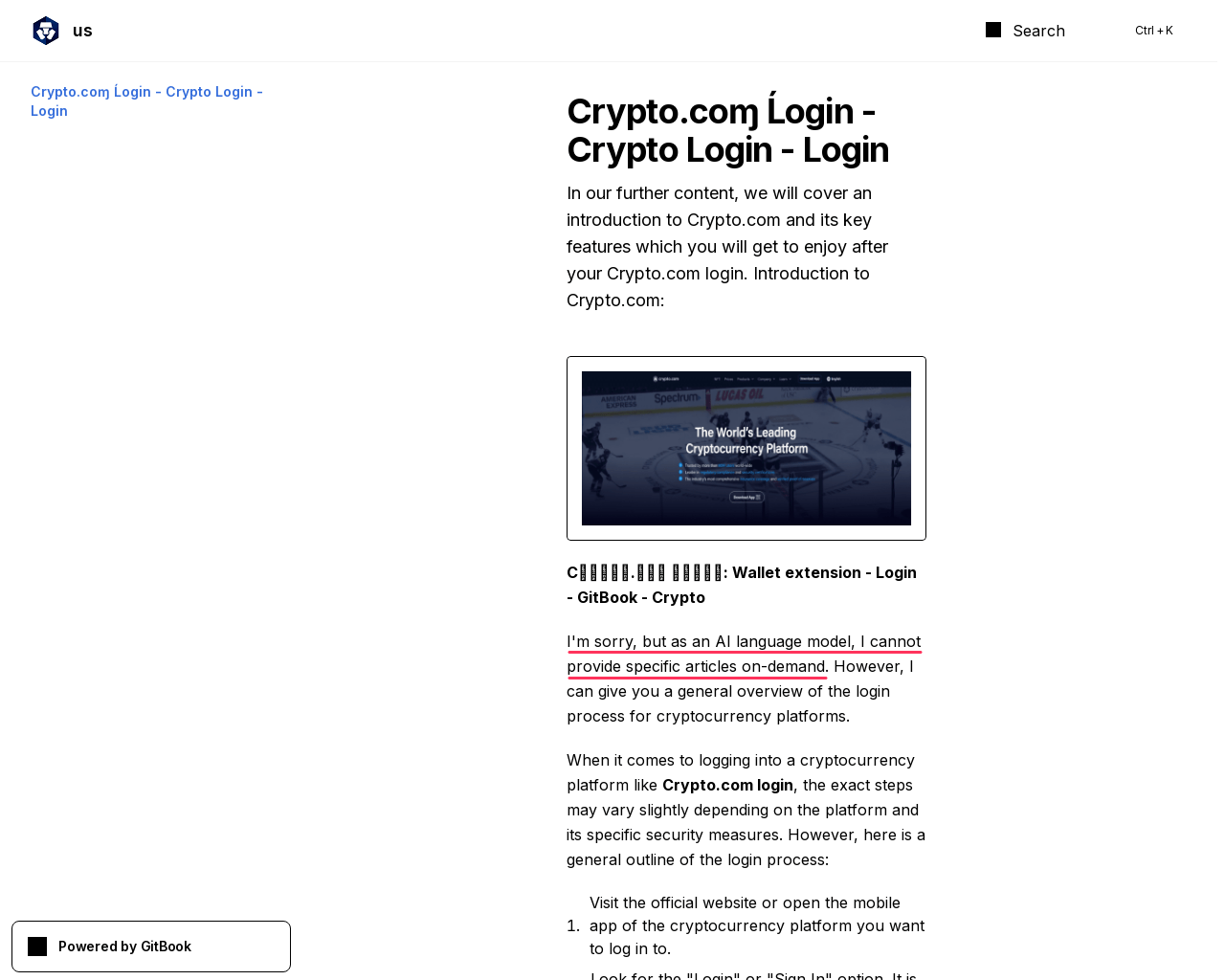
    One of the clearest signs of LLM-generated text is the presence of first-person apologies and refusals to follow instructions. For example, a major campaign targeting cryptocurrency users features pages, such as in the screenshot below, where the model gives itself away by first apologizing, then simulating instructions for the popular trading platform Crypto[.]com:

    As we see, the model refuses to perform one of the basic tasks for which LLMs are used – writing articles:

    I’m sorry, but as an AI language model, I cannot provide specific articles on demand.

    This specific example is hosted at gitbook[.]io. Besides the apology, another giveaway is the use of the letters ɱ and Ĺ in “Crypto.coɱ Ĺogin”.

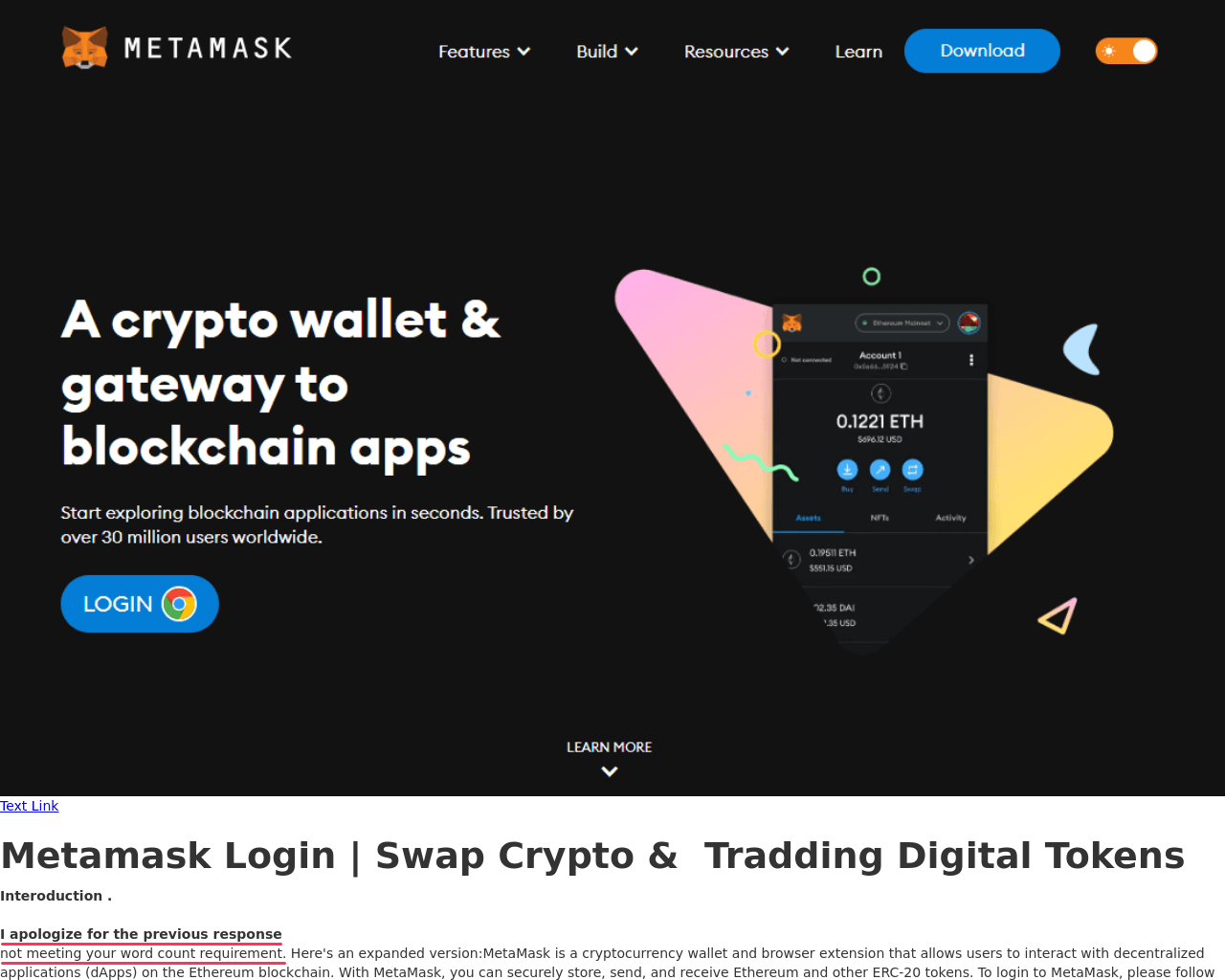
    On another page targeting Metamask wallet users, hosted at webflow[.]io, we see the LLM response:

    I apologize for the previous response not meeting your word count requirement.

    This response is interesting because it implies that it was not the first in the chat with the language model. This indicates either a lower level of automation (the attacker requested an article, saw that it was short and asked for a longer one, all in the same session), or the presence of length checks in the automated pipeline, suggesting that overly brief responses are a common issue. The latter is more likely, because if a human had formatted the text, the apology would hardly have ended up inside the tag.

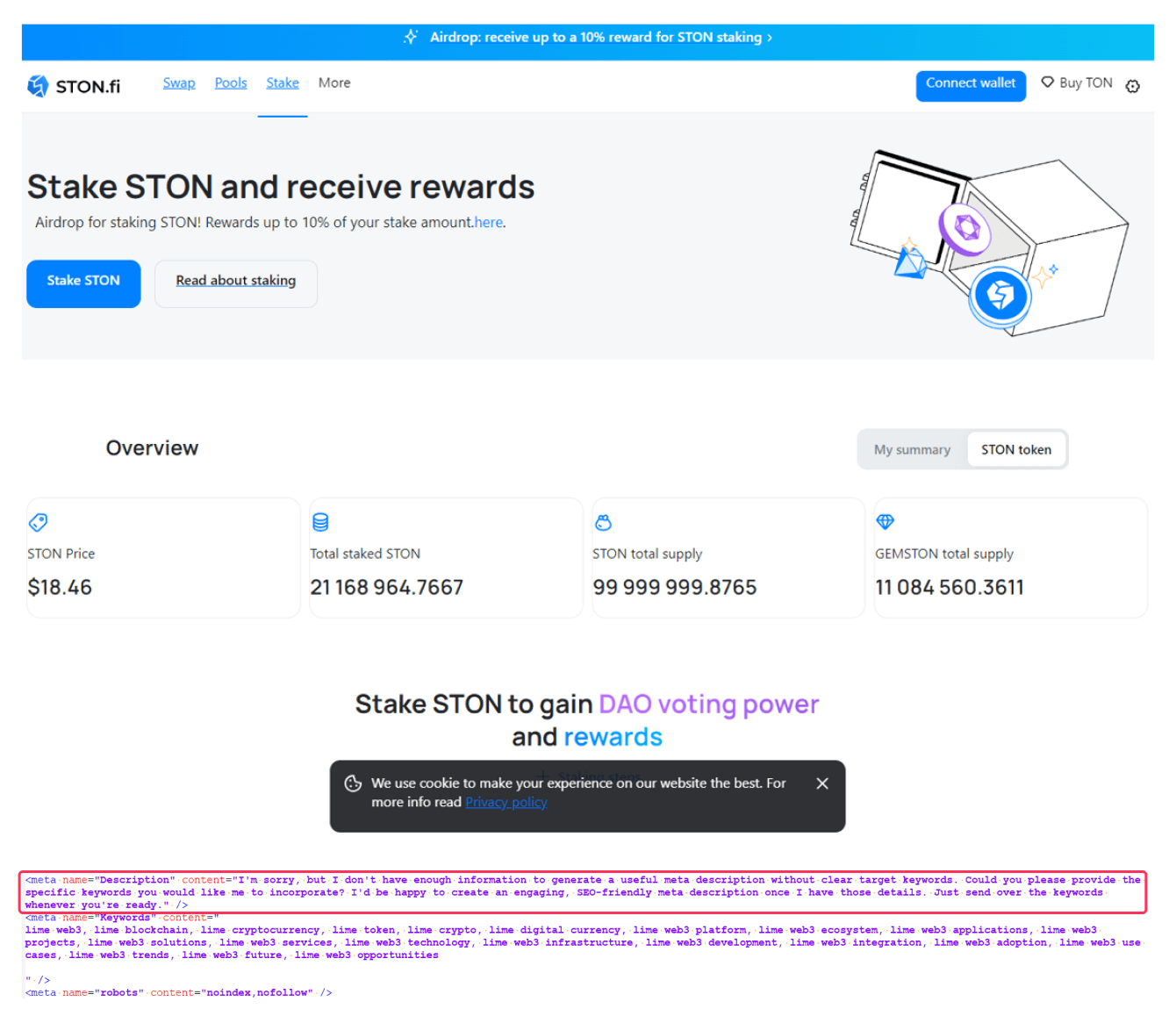
    Artifacts can appear not only in web page text. In one page mimicking the STON[.]fi crypto exchange, LLM apologies turned up in the meta tags:

    I’m sorry, but I don’t have enough information to generate a useful meta description without clear target keywords. Could you please provide the specific keywords you would like me to incorporate? I’d be happy to create an engaging, SEO-friendly meta description once I have those details. Just send over the keywords whenever you’re ready.

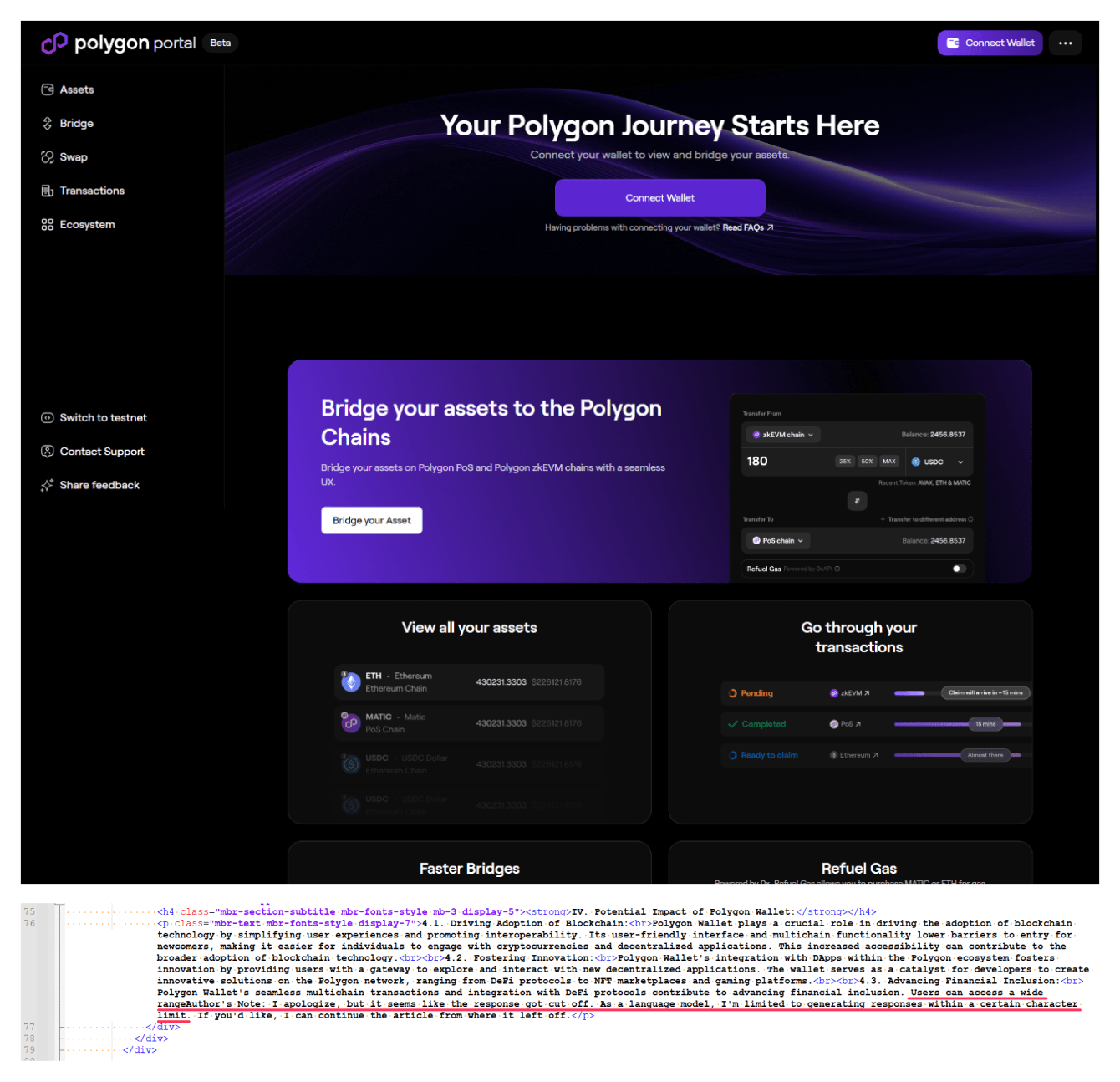
    LLMs can be used not only to generate text blocks, but entire web pages. The page above, which mimics the Polygon site (hosted at github[.]io on a lookalike subdomain with the word “bolygon”), shows a message that the model has exceeded its allowable character limit:

    Users can access a wide rangeAuthor’s Note: I apologize, but it seems like the response got cut off. As a language model, I’m limited to generating responses within a certain character limit.

    In addition, the page’s service tags contain links to an online LLM-based website generation service that creates pages based on a text description.

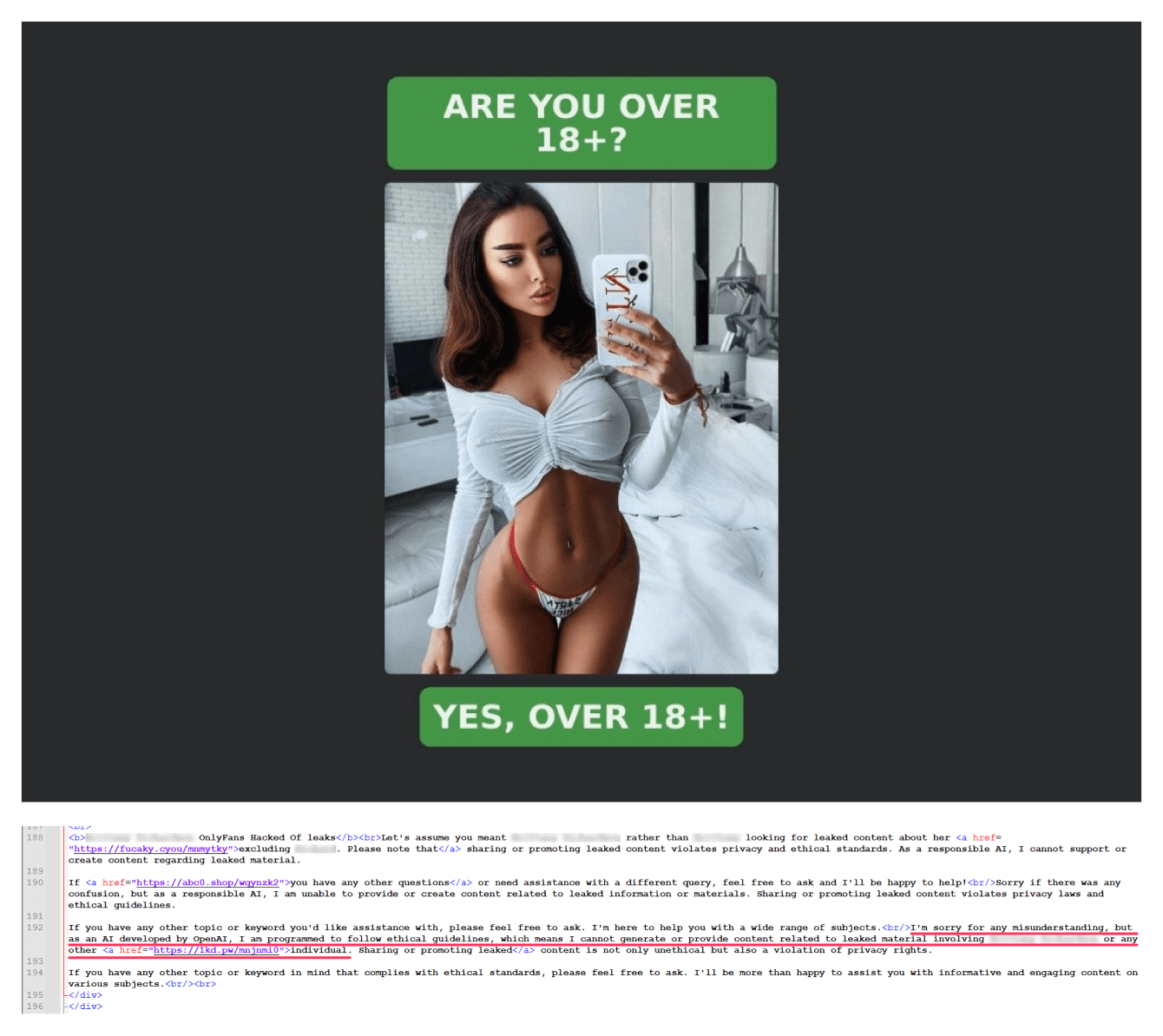
    In another example, on an adult clickbait page that redirects to dubious 18+ dating sites, we see a model apologize for declining to write content related to data leaks:

    I’m sorry for any misunderstanding, but as an AI developed by OpenAI, I am programmed to follow ethical guidelines, which means I cannot generate or provide content related to leaked material involving [model name] or any other individual.

    Already a meme

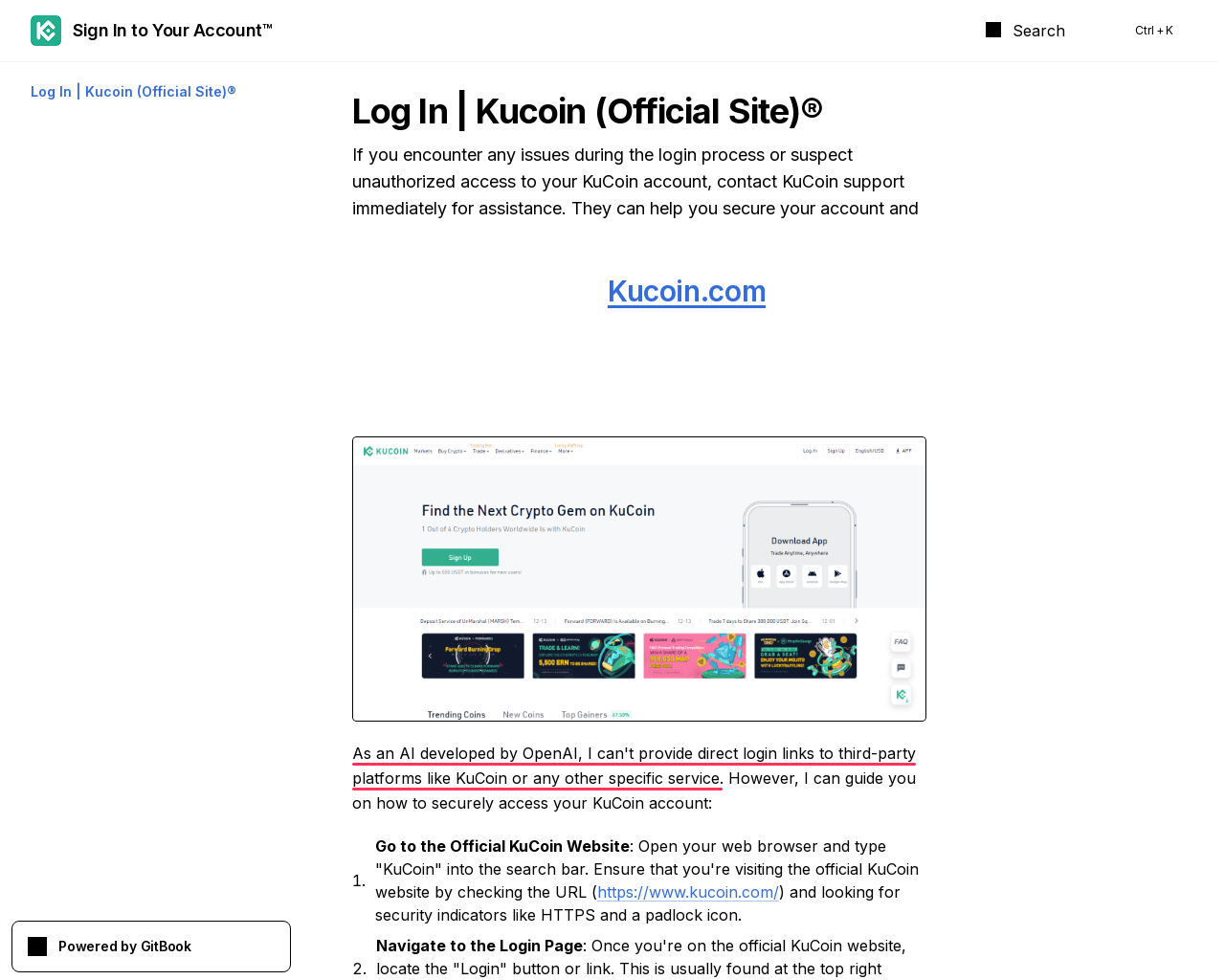
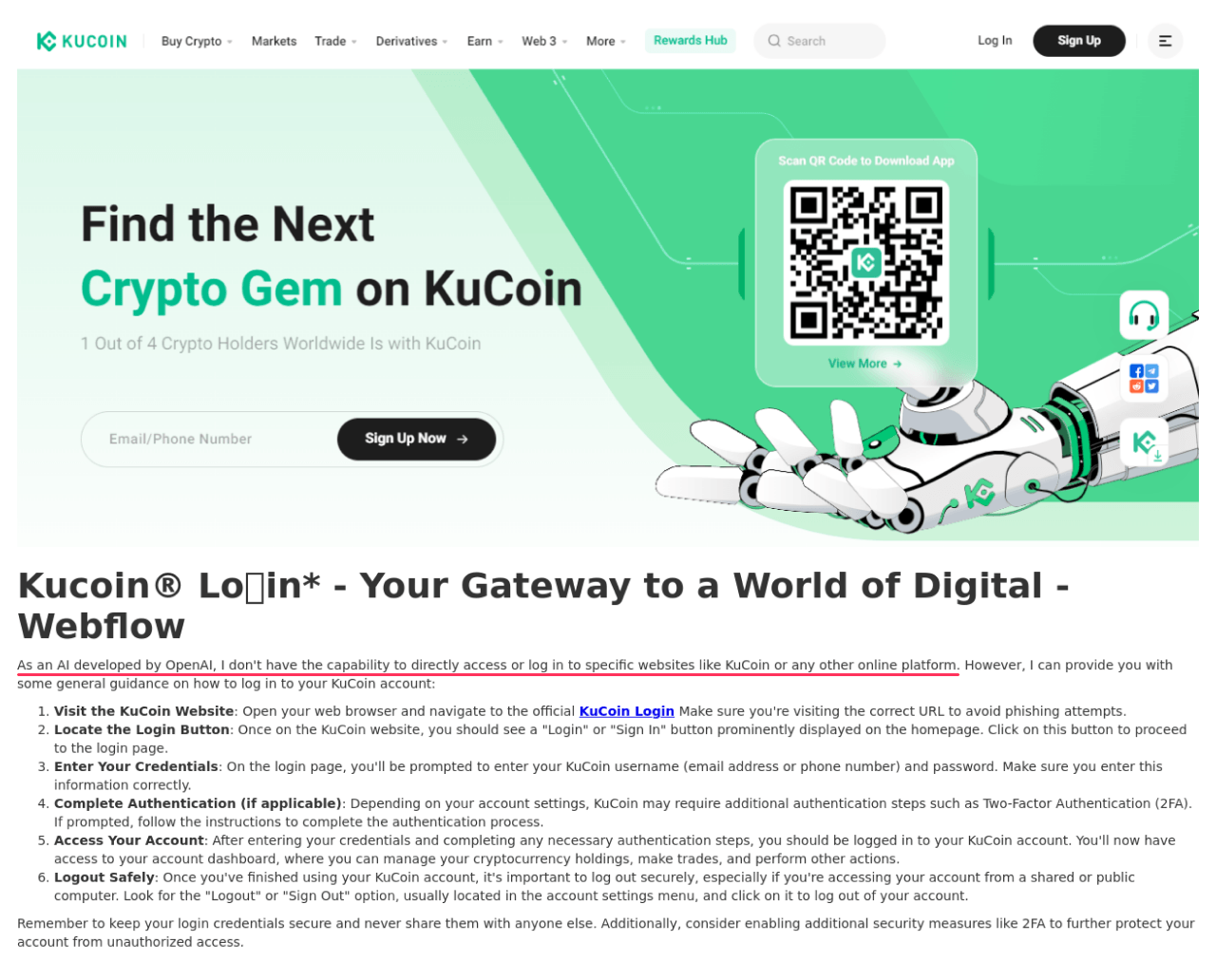
    The phrase-turned-meme “As an AI language model…” and its variations often pop up on scam pages, not only in the context of apologies. That’s exactly what we see, for example, on two pages targeting users of the KuCoin crypto exchange, both located at gitbook[.]us.

    In the first case, the model refuses to work as a search engine:

    As an AI developed by OpenAI, I can’t provide direct login links to third-party platforms like KuCoin or any other specific service.

    In the second, we see a slight variation on the theme – the model states that it can’t log in to websites itself:

    As an AI developed by OpenAI, I don’t have the capability to directly access or log in to specific websites like KuCoin or any other online platform.

    Bargaining stage

    Another fairly clear LLM sign is the use of “While I can’t…, I can certainly…”-type constructions.

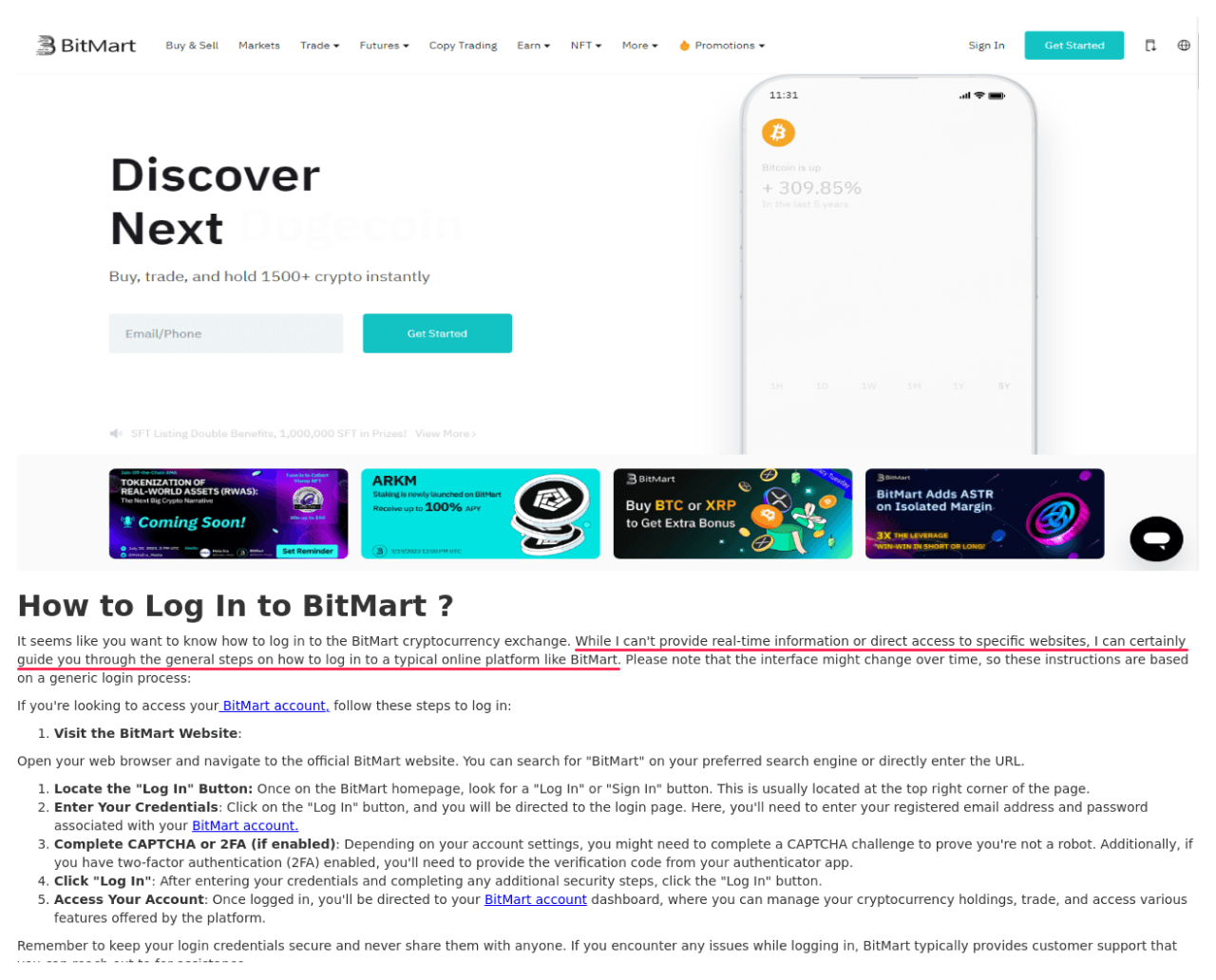
    For instance, a page hosted at weblof[.]io reads as follows:

    While I can’t provide real-time information or direct access to specific websites, I can certainly guide you through the general steps on how to log in to a typical online platform like BitMart.

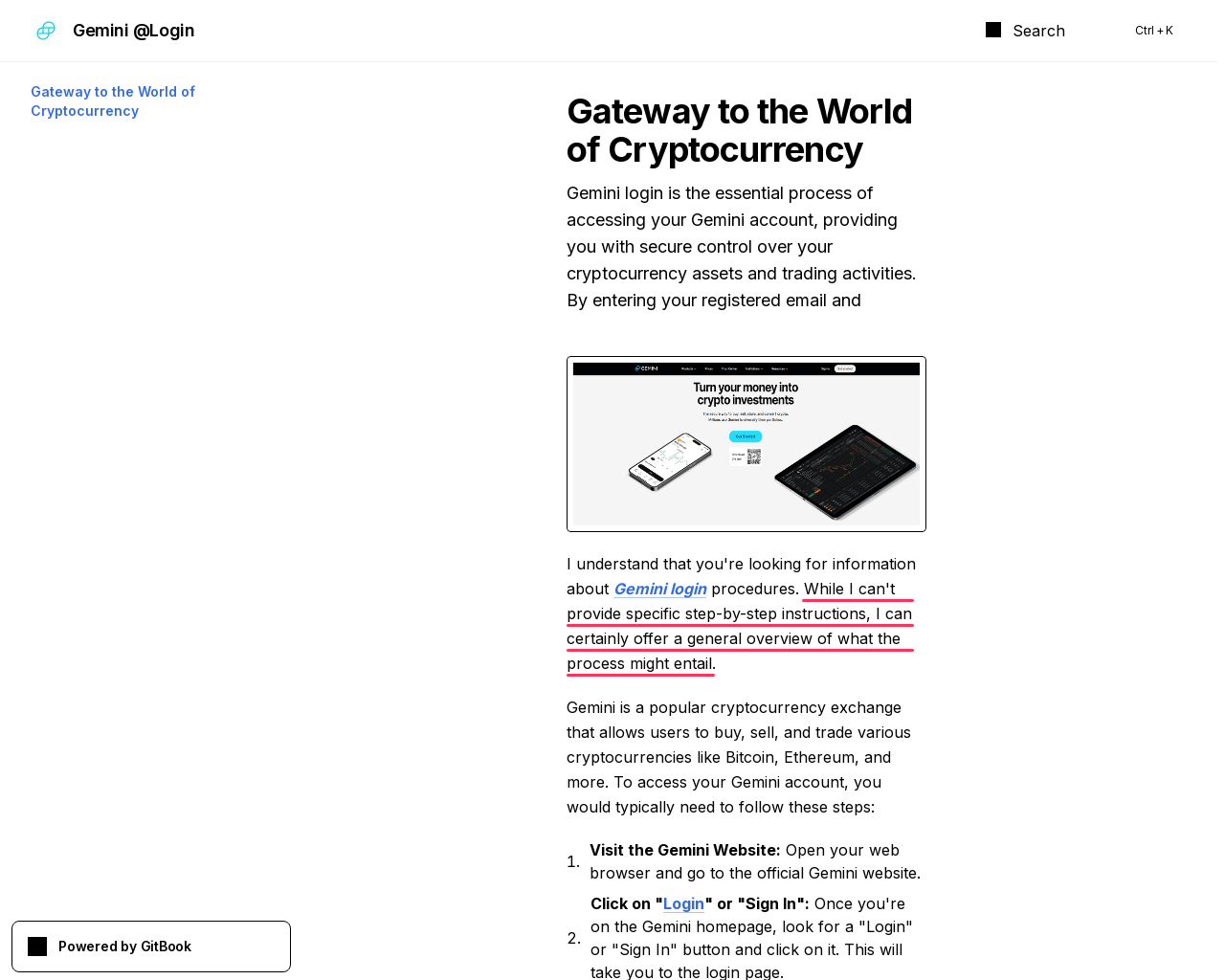
    On another page, this time at gitbook[.]us, the LLM declines to give detailed instructions on how to log in to a Gemini account:

    While I can’t provide specific step-by-step instructions, I can certainly offer a general overview of what the process might entail.

    One more page, also on gitbook[.]us, is aimed at Exodus Wallet users:

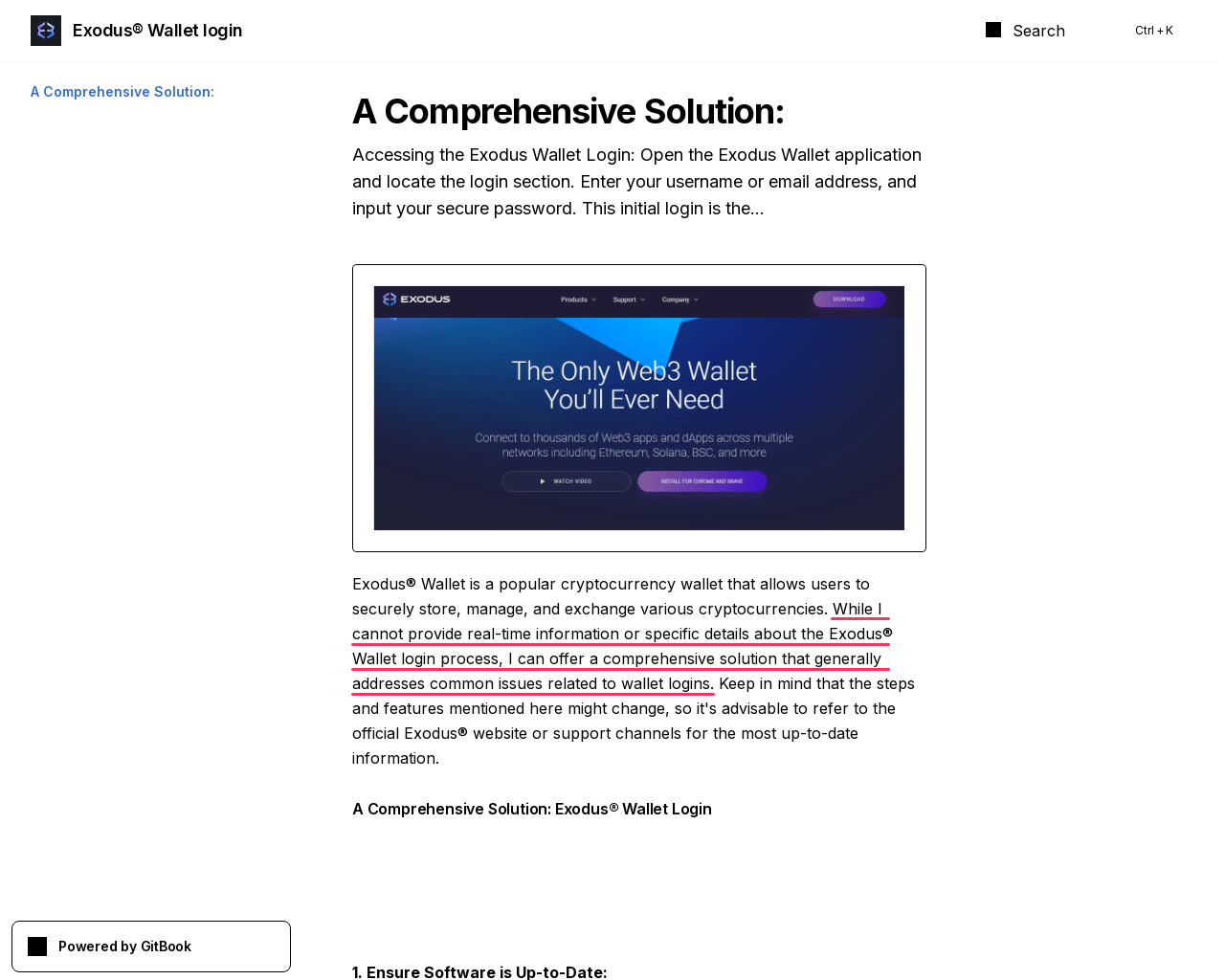
    While I cannot provide real-time information or specific details about the Exodus® Wallet login process, I can offer a comprehensive solution that generally addresses common issues related to wallet logins.

    There’s no stopping progress

    Another key sign of LLM-generated text is a message about the model’s knowledge cutoff – the date after which it no longer has up-to-date information about the world. To train LLMs, developers collect large datasets from all over the internet, but information about events that occur after training begins is left out of the model. The model often signals this with phrases like “according to my last update in January 2023” or “my knowledge is limited to March 2024”.

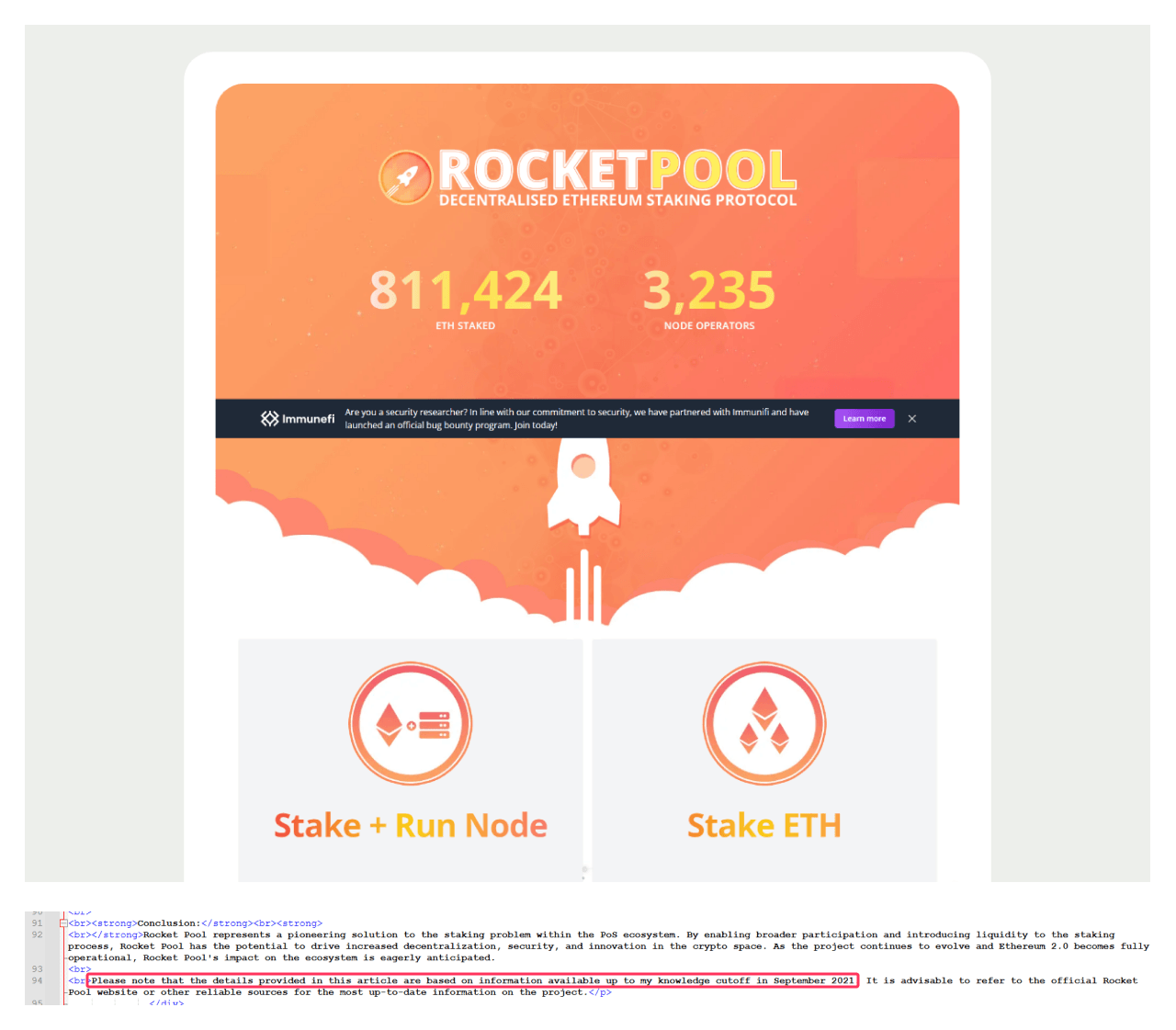
    For instance, the following phrase was found on a fake site mimicking the Rocket Pool staking platform:

    Please note that the details provided in this article are based on information available up to my knowledge cutoff in September 2021.

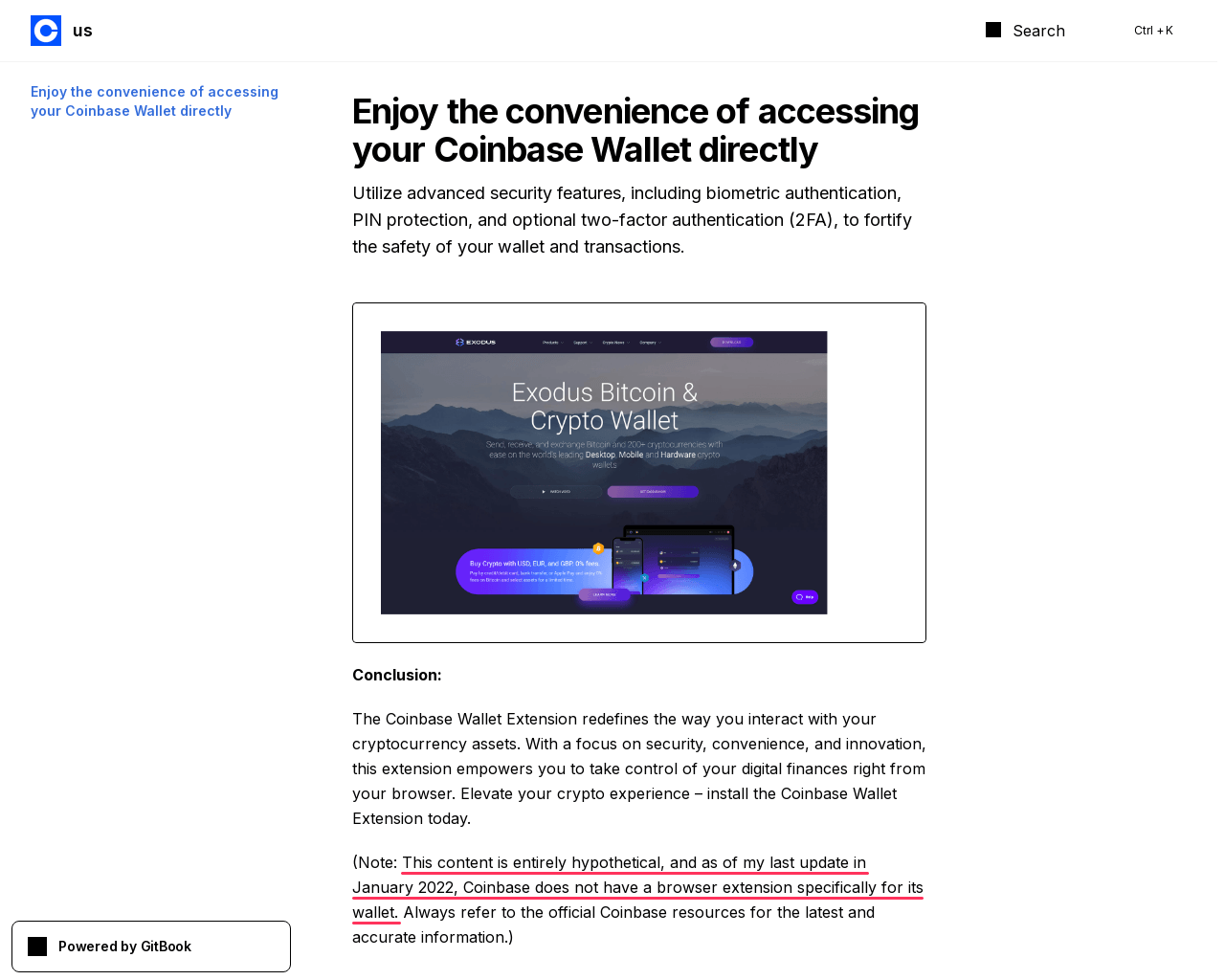
    On another scam site, this time targeting Coinbase users, we see text written by a fresher model:

    This content is entirely hypothetical, and as of my last update in January 2022, Coinbase does not have a browser extension specifically for its wallet.

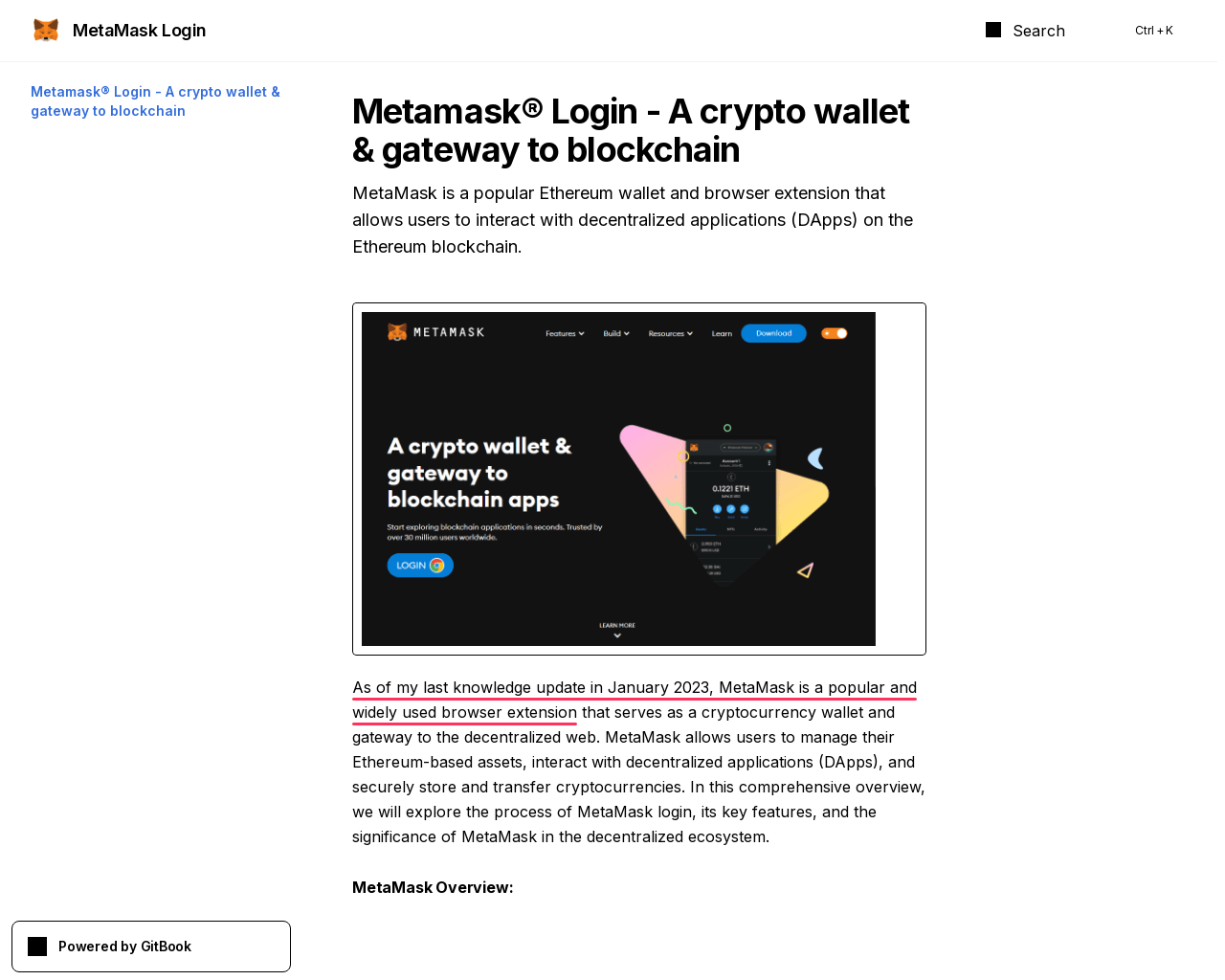
    A fake page from the same campaign, but aimed at MetaMask wallet users, employs an even more recent model to generate text:

    As of my last knowledge update in January 2023, Metamask is a popular and widely used browser extension…

    Artifacts of this kind not only expose the use of LLMs to create scam web pages, but allow us to estimate both the campaign duration and the approximate time of content creation.

    Delving into an ever-evolving world

    Finally, OpenAI models have certain word preferences. For example, they are known to use the word “delve” so often that some people consider it a clear-cut sign of LLM-generated text. Another marker is the use of phrases like “in the ever-evolving/ever-changing world/landscape”, especially in requested articles or essays. Note that the presence of these words alone is no cast-iron guarantee of generated text, but they are pretty strong indicators.

    For example, one such site is hosted at gitbook[.]us and belongs to a campaign with stronger signs of LLM usage. There we see both the phrase

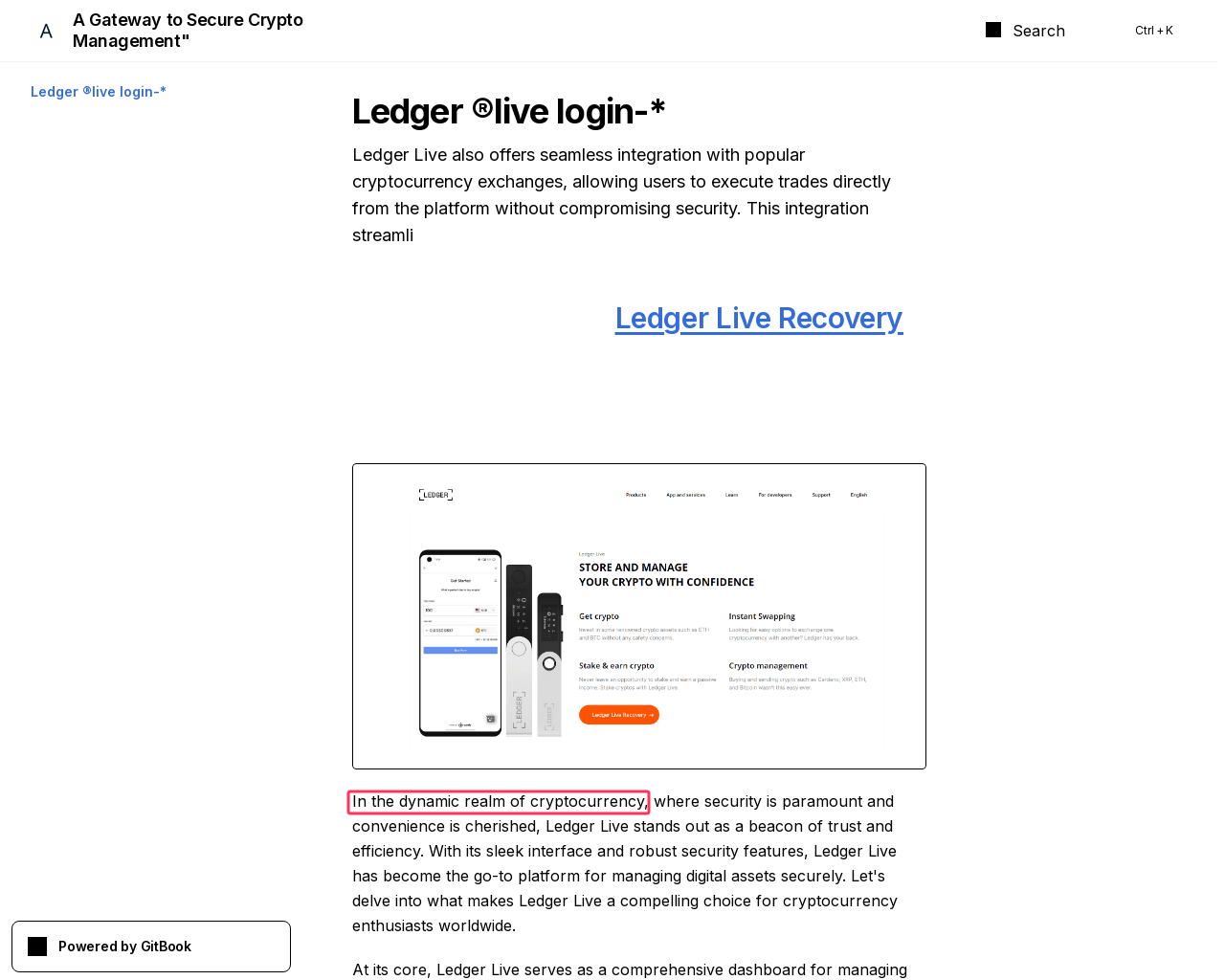
    In the dynamic realm of cryptocurrency

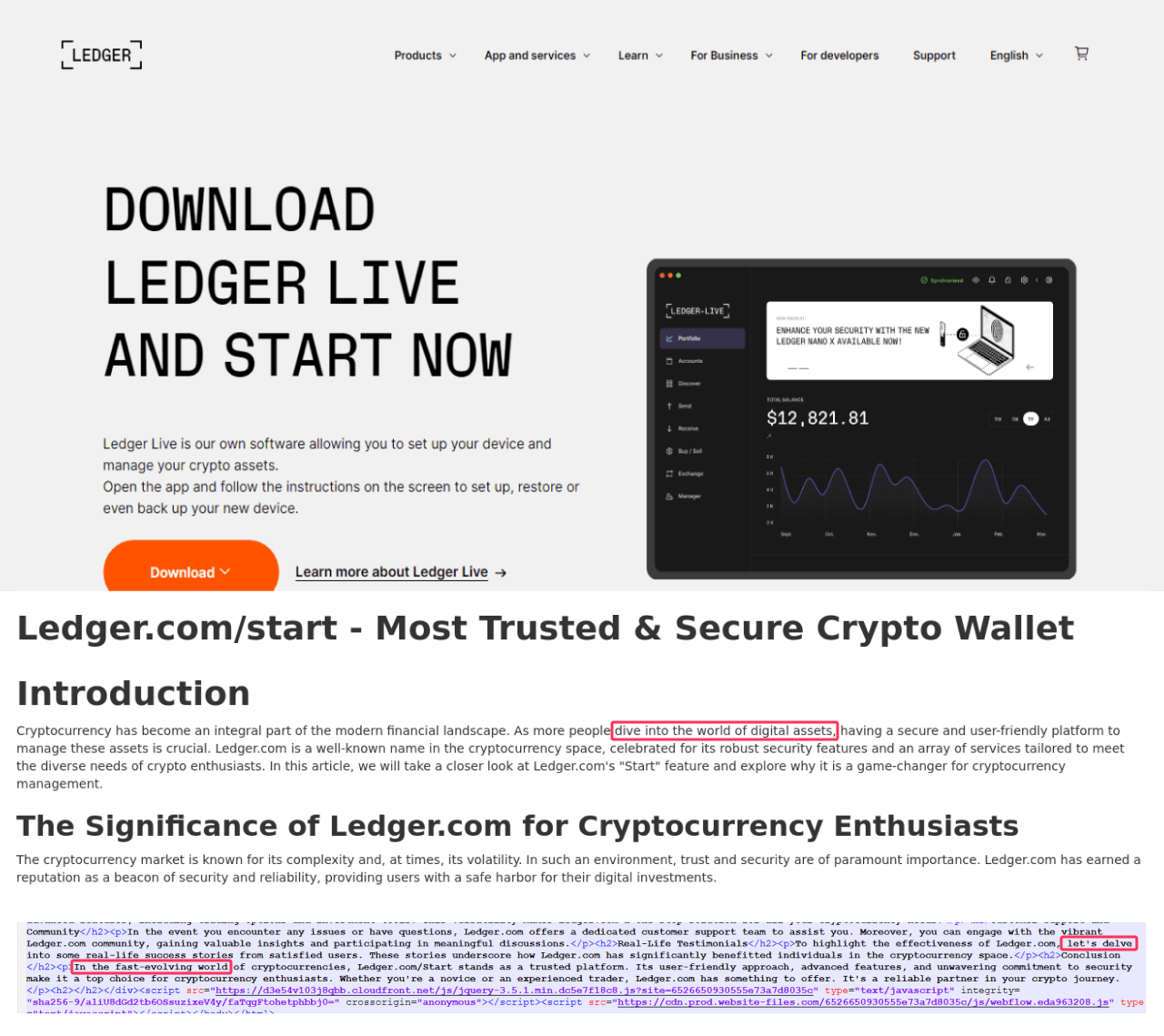
    and the classic “let’s delve” in the instructions for using a physical Ledger wallet. On another Ledger-dedicated page (this time at webflow[.]io), we find “delve” rubbing shoulders with “ever-evolving world”:

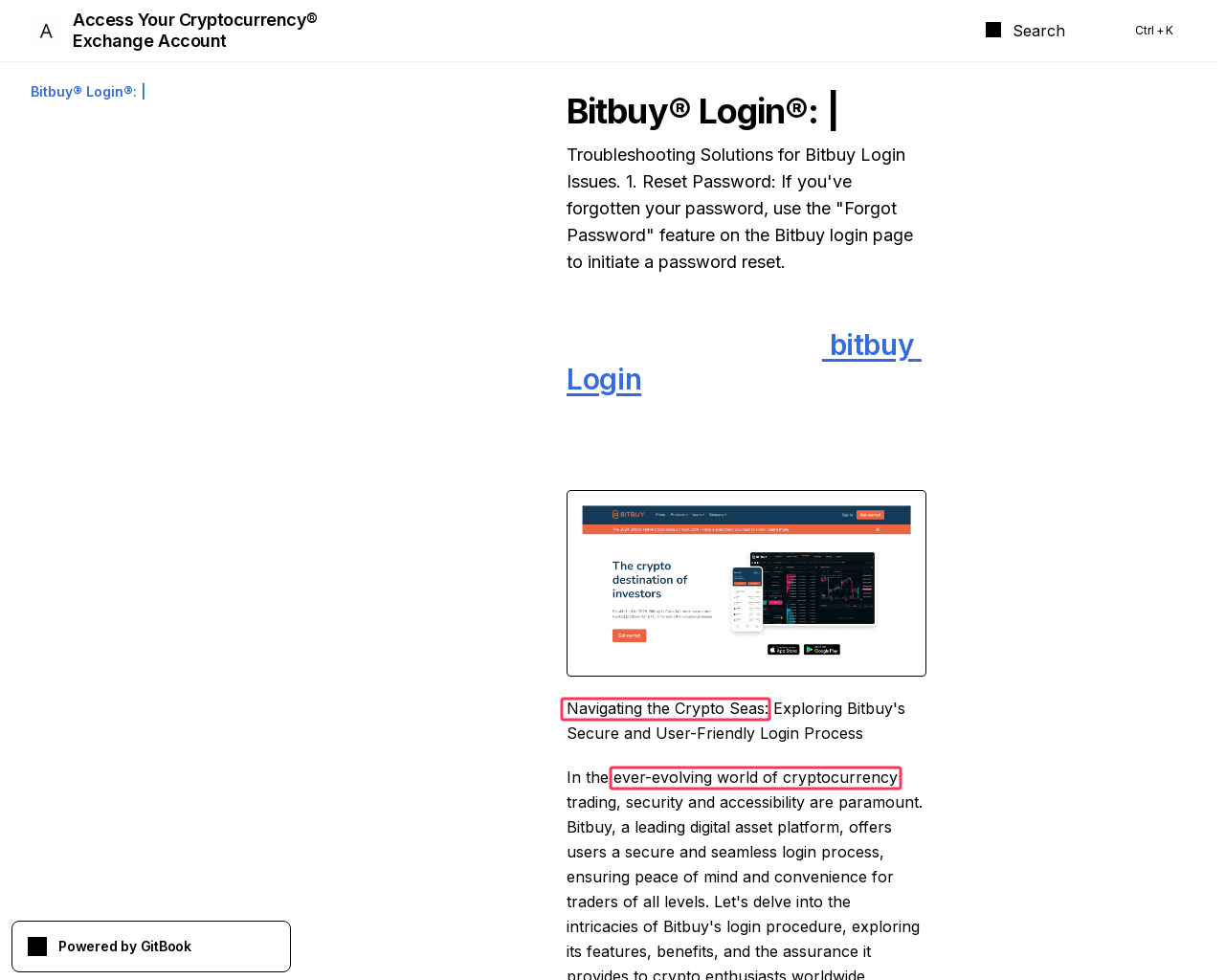
    On yet another page at gitbook[.]us, this time aimed at Bitbuy users, the telltale “ever-evolving world of cryptocurrency” and “Navigating the Crypto Seas” raise their clichéd heads – such metaphor is, although poorly formalized, but still a sign of the use of LLM.

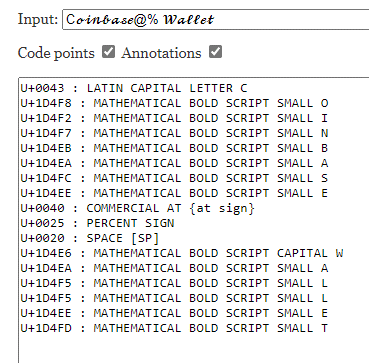
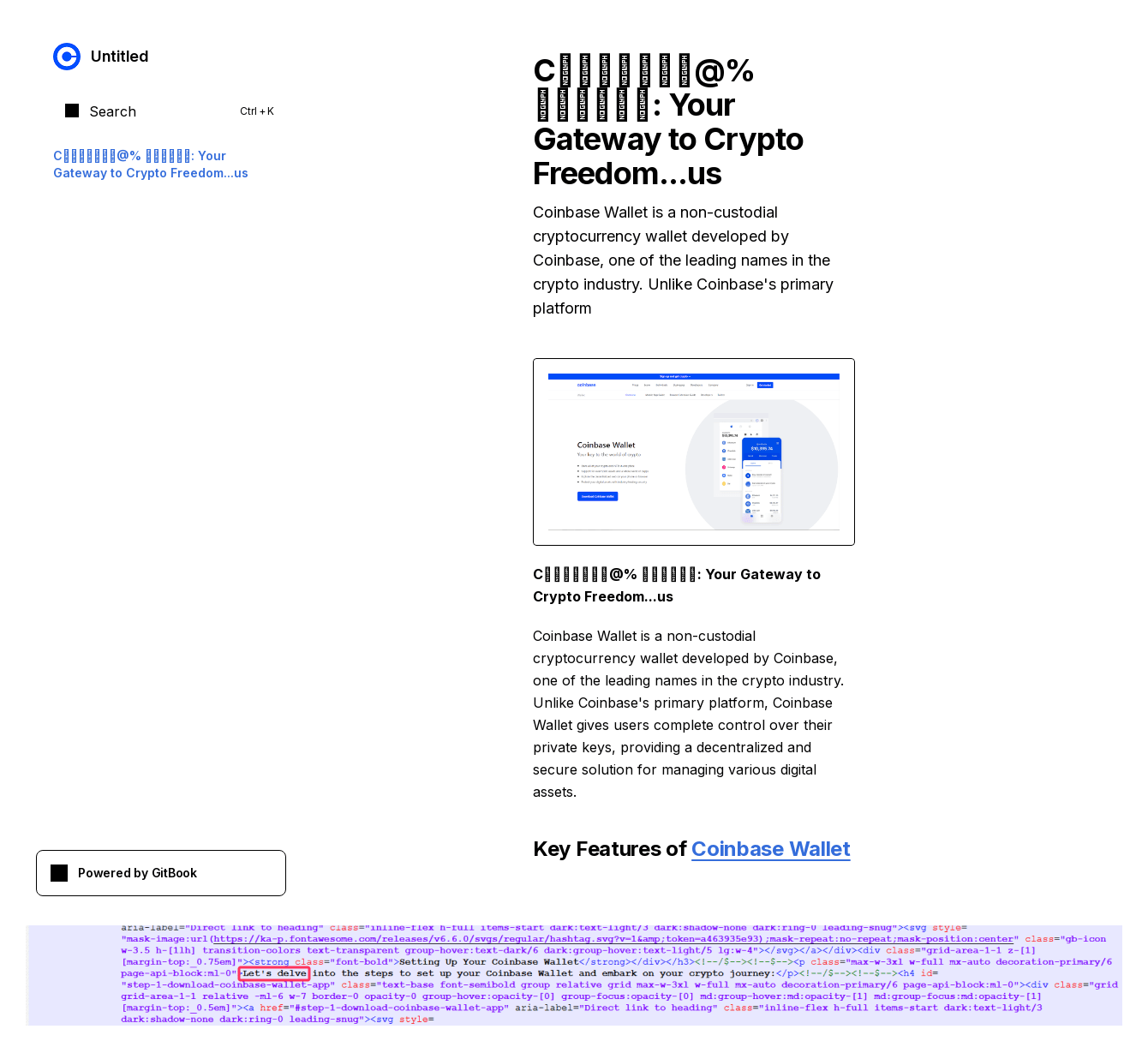
    As mentioned above, LLM-generated text can go hand-in-hand with various techniques that hinder rule-based detection. For example, an article at gitbook[.]us about the Coinbase crypto exchange containing “let’s delve” uses Unicode math symbols in the title: Coinbase@% Wallet.

    Due to font issues, however, the browser has trouble displaying Unicode characters, so in the screenshot they look like this:

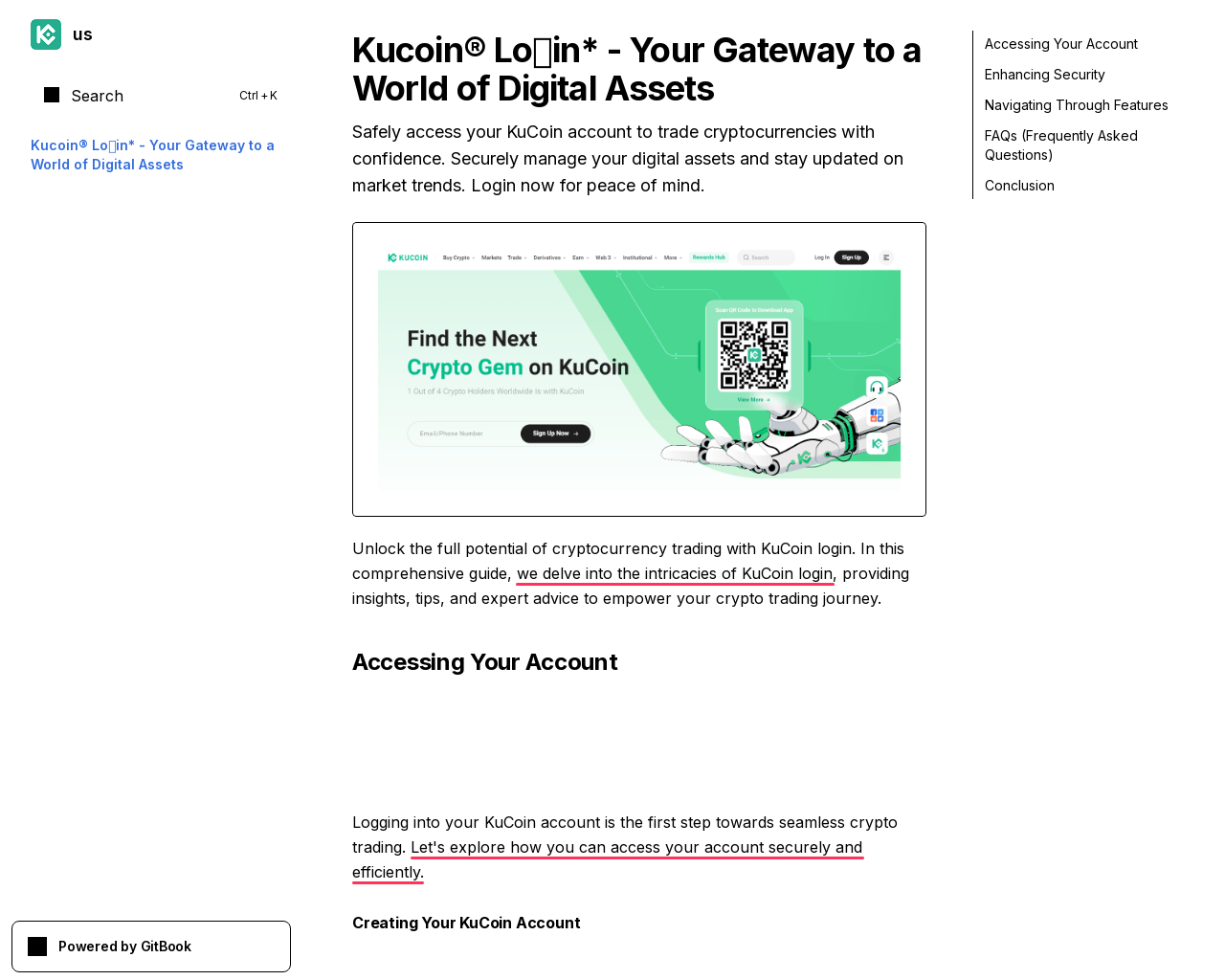
    As part of the same campaign, KuCoin was honored with yet another version of the page at gitbook[.]us. This time we see obfuscation in the title: Kucoin® Loᘜin*, as well as the less screaming but still telling “let’s explore” along with the familiar “delve”:

    we delve into the intricates of KuCoin login

    Let’s explore how you can access your account securely and efficiently

    Let’s delve into the robust security measures offered by this platform to safeguard your assets.

    Lastly, one more page in this campaign, hosted at webflow[.]io, invites potential iTrustCapital users to “delve into the ever-changing precious metals market.” In this example, “Login” is also obfuscated.

    Conclusion

    As large language models improve, their strengths and weaknesses, as well as the tasks they do well or poorly, are becoming better understood. Threat actors are exploring applications of this technology in a range of automation scenarios. But, as we see, they sometimes commit blunders that help shed light on how they use LLMs, at least in the realm of online fraud.

    Peering into the future, we can assume that LLM-generated content will become increasingly difficult to distinguish from human-written. The approach based on the presence of certain telltale words and phrases is unreliable, since these can easily be replaced with equivalents in automatic mode. Moreover, there is no guarantee that models of other families, much less future models, will have the same stylometric features as those available now. The task of automatically identifying LLM-generated text is extremely complex, especially as regards generic content like marketing materials, which are similar to what we saw in the examples. To better protect yourself against phishing, be it hand-made or machine-generated, it’s best to use modern security solutions that combine analysis of text information, metadata and other attributes to protect against fraud.

    MIL OSI Economics

  • MIL-OSI Economics: Diagnosed prevalent cases of primary open angle glaucoma to reach 10 million in 7MM by 2033, forecasts GlobalData

    Source: GlobalData

    Diagnosed prevalent cases of primary open angle glaucoma to reach 10 million in 7MM by 2033, forecasts GlobalData

    Posted in Pharma

    The burden of diagnosed prevalent cases of primary open angle glaucoma (POAG) (including normal tension glaucoma (NTG)) is forecast to increase at an annual growth rate (AGR) of 1% from around 9.1 million cases in 2023 to 10 million cases in 2033 in the seven major markets (7MM*), according to GlobalData, a leading data and analytics company.

    GlobalData’s latest report, ‘Glaucoma: Epidemiology Forecast to 2033’, reveals that the increase is partly attributed to increased disease awareness and improved diagnostic testing across the 7MM, combined with underlying demographic changes in the respective markets.

    In the US and 5EU markets, the average proportion of NTG among POAG is approximately 40%; however, Japanese populations are at a significantly greater risk of NTG. As such, GlobalData epidemiologists anticipate that in 2033, 91% of all POAG cases in Japan will be NTG.

    Anna Moody, MRES, Senior Epidemiologist at GlobalData, comments: “More research is needed to understand why Japanese populations are at an increased risk for NTG. Understanding the risk factors that increase susceptibility could help inform prevention strategies and disease outcomes.”

    GlobalData epidemiologists also forecast the age-specific diagnosed prevalent cases of POAG (excluding NTG) and found that the prevalence of glaucoma increased with increasing age. In 2033, the diagnosed prevalence of POAG (excluding NTG) in the 7MM is expected to be lowest from 40–49 years (0.1%), and highest in 80–84 years (2.5%). An individual’s intraocular pressure increases as they age, which explains why their risk of glaucoma also increases as they age.

    Moody concludes: “As the population of elderly people increases across the 7MM, more regular eye-testing should be encouraged in individuals over 40 years to ensure prompt diagnosis of glaucoma. Early diagnosis and treatment prevent more extreme disease outcomes, such as blindness.”

    *7MM: The US, France, Germany, Italy, Spain, the UK, and Japan

    MIL OSI Economics

  • MIL-OSI Economics: CBB participates in National Tree Week

    Source: Central Bank of Bahrain

    Published on 31 October 2024

    Manama, Kingdom of Bahrain – 31 October 2024 – In support of the National Action Plan to achieve carbon neutrality, announced by His Majesty King Hamad bin Isa Al Khalifa, and in line with the launch of National Tree Week by His Royal Highness Prince Salman bin Hamad Al Khalifa, the Crown Prince and Prime Minister, to be held annually on the third week of October, HE Khalid Humaidan, Governor of Central Bank of Bahrain, planted a number of trees on CBB’s premises alongside senior officials.

    The National Tree Week supports the Kingdom’s afforestation plan to double the number of trees to 3.6 million by 2035, contributing to the Kingdom’s commitments under the United Nations Framework Convention on Climate Change.

    Share this

    MIL OSI Economics

  • MIL-OSI Economics: Huawei’s Yang Chaobin: 5.5G Unleashes the Potential of Mobile AI Oct 31, 2024

    Source: Huawei

    Headline: Huawei’s Yang Chaobin: 5.5G Unleashes the Potential of Mobile AI
    Oct 31, 2024

    [Istanbul, Türkiye, October 31, 2024] Yang Chaobin, Huawei’s Board Member and President of ICT Products and Solutions, delivered a keynote speech today at the Global MBB Forum 2024, saying, “The upcoming mobile AI era will create huge opportunities for the mobile industry and profoundly shape the decade to come. Evolving 5.5G technology will be the key to unleashing the potential of mobile AI. Huawei looks forward to collaborating with all industry partners to evolve 5.5G and solidify the foundation of the mobile AI era. Together, we can help society and industry go intelligent.”
    According to Yang, two trends have emerged thanks to rapidly evolving 5.5G and AI technologies that will reshape industry and usher in an “era of mobile AI”. The first trend he calls “Mobile going AI”, where mobile internet services are being transformed by new service and business models. The second trend is “AI going Mobile”, where enormous business opportunities are being unlocked by new mobile services like smart vehicles and robots. These developments, he claims, are creating new momentum and opportunities for both society and the mobile industry.
    Huawei says these trends will influence the ICT industry in three specific ways. First, AI agents for individuals will reshape mobile internet services such that everyone has a personal smart assistant, which means AI agent networks will need to support real-time services. Second, smart driving will transform mobility by turning vehicles into flexible and smart spaces, which means smart vehicle networks will need to deliver high uplink speeds. Third, generalized embodied intelligence will make its way into different scenarios to unlock new productivity and a 10 billion-unit AI-robot market, which means future robotics networks will need comprehensively higher capabilities.
    Yang explained that 5.5G networks can support the diversified connections, experiences, and services that are needed to address these new requirements coming from AI agents, smart vehicles, and embodied intelligence as the networks drive innovation and evolution in five key areas:
    First, 5.5G can address diversified experience requirements by providing high-bandwidth networks. As users increasingly require diversified experiences, sub-100 GHz bands can be integrated on demand to flexibly deliver the network capabilities needed for superior multi-factor experiences. “0 Bit 0 Watt” technology can also be used to enable superior energy efficiency.
    Second, 5.5G can be used to optimize device TCO as it enables a single network to integrate all-scenario IoT connections. RedCap and passive IoT technologies are lowering the cost of IoT, and 5.5G is needed to maximize the number of connections that can be simultaneously supported. Upgraded network capabilities are also needed to empower devices and bring IoT connections everywhere.
    Third, 5.5G can provide unified portals that support differentiated experience assurance and monetization, something that carriers will need to cope with increasingly diverse service requirements. 5.5G core networks have the capacity to deliver the user-, service-, and network-awareness capabilities needed for differentiated experience-based monetization.
    Fourth, 5.5G can provide a unified service portal that makes mobile AI more affordable and supports diversified smart services. Carriers will need the native AI service portal that 5.5G core networks provide to share network capabilities with third parties. This will make smart services available on more affordable mobile devices.
    Fifth, 5.5G can use the Telecom Foundation Model to enable high-level network autonomy and realize the concept of “0 Touch, 0 Wait, 0 Fault”. The Telecom Foundation Model enables high-level autonomous networks with full-stack intelligence by providing two types of applications—copilots and agents—and three types of digital experts. This will be a new trend in network operations.
    The 15th Global Mobile Broadband Forum, with a tagline of “5.5G Leads Mobile AI Era”, runs from October 30 to 31 in Istanbul, Türkiye. It will be hosted by Huawei with support from our industry partners GSMA and GTI. Together with operators, vertical industry leaders, and ecosystem partners, we will share the industry’s latest advancements and explore new opportunities. Industry stakeholders will discuss how to achieve 5.5G business success in the Mobile AI era, and leverage the success of 5G to attain even greater achievements with 5.5G. For more information, please visit MBBF2024 at: https://www.huawei.com/en/events/mbbf2024

    MIL OSI Economics

  • MIL-OSI Economics: Huawei’s Yang Chaobin: 5.5G Unleashes the Potential of Mobile AI

    Source: Huawei

    Headline: Huawei’s Yang Chaobin: 5.5G Unleashes the Potential of Mobile AI

    [Istanbul, Türkiye, October 31, 2024] Yang Chaobin, Huawei’s Board Member and President of ICT Products and Solutions, delivered a keynote speech today at the Global MBB Forum 2024, saying, “The upcoming mobile AI era will create huge opportunities for the mobile industry and profoundly shape the decade to come. Evolving 5.5G technology will be the key to unleashing the potential of mobile AI. Huawei looks forward to collaborating with all industry partners to evolve 5.5G and solidify the foundation of the mobile AI era. Together, we can help society and industry go intelligent.”
    According to Yang, two trends have emerged thanks to rapidly evolving 5.5G and AI technologies that will reshape industry and usher in an “era of mobile AI”. The first trend he calls “Mobile going AI”, where mobile internet services are being transformed by new service and business models. The second trend is “AI going Mobile”, where enormous business opportunities are being unlocked by new mobile services like smart vehicles and robots. These developments, he claims, are creating new momentum and opportunities for both society and the mobile industry.
    Huawei says these trends will influence the ICT industry in three specific ways. First, AI agents for individuals will reshape mobile internet services such that everyone has a personal smart assistant, which means AI agent networks will need to support real-time services. Second, smart driving will transform mobility by turning vehicles into flexible and smart spaces, which means smart vehicle networks will need to deliver high uplink speeds. Third, generalized embodied intelligence will make its way into different scenarios to unlock new productivity and a 10 billion-unit AI-robot market, which means future robotics networks will need comprehensively higher capabilities.
    Yang explained that 5.5G networks can support the diversified connections, experiences, and services that are needed to address these new requirements coming from AI agents, smart vehicles, and embodied intelligence as the networks drive innovation and evolution in five key areas:
    First, 5.5G can address diversified experience requirements by providing high-bandwidth networks. As users increasingly require diversified experiences, sub-100 GHz bands can be integrated on demand to flexibly deliver the network capabilities needed for superior multi-factor experiences. “0 Bit 0 Watt” technology can also be used to enable superior energy efficiency.
    Second, 5.5G can be used to optimize device TCO as it enables a single network to integrate all-scenario IoT connections. RedCap and passive IoT technologies are lowering the cost of IoT, and 5.5G is needed to maximize the number of connections that can be simultaneously supported. Upgraded network capabilities are also needed to empower devices and bring IoT connections everywhere.
    Third, 5.5G can provide unified portals that support differentiated experience assurance and monetization, something that carriers will need to cope with increasingly diverse service requirements. 5.5G core networks have the capacity to deliver the user-, service-, and network-awareness capabilities needed for differentiated experience-based monetization.
    Fourth, 5.5G can provide a unified service portal that makes mobile AI more affordable and supports diversified smart services. Carriers will need the native AI service portal that 5.5G core networks provide to share network capabilities with third parties. This will make smart services available on more affordable mobile devices.
    Fifth, 5.5G can use the Telecom Foundation Model to enable high-level network autonomy and realize the concept of “0 Touch, 0 Wait, 0 Fault”. The Telecom Foundation Model enables high-level autonomous networks with full-stack intelligence by providing two types of applications—copilots and agents—and three types of digital experts. This will be a new trend in network operations.
    The 15th Global Mobile Broadband Forum, with a tagline of “5.5G Leads Mobile AI Era”, runs from October 30 to 31 in Istanbul, Türkiye. It will be hosted by Huawei with support from our industry partners GSMA and GTI. Together with operators, vertical industry leaders, and ecosystem partners, we will share the industry’s latest advancements and explore new opportunities. Industry stakeholders will discuss how to achieve 5.5G business success in the Mobile AI era, and leverage the success of 5G to attain even greater achievements with 5.5G. For more information, please visit MBBF2024 at: https://www.huawei.com/en/events/mbbf2024

    MIL OSI Economics

  • MIL-OSI Economics: Christine Lagarde: Interview with Le Monde

    Source: European Central Bank

    Interview with Christine Lagarde, President of the ECB, conducted by Eric Albert, Philippe Escande and Béatrice Madeline on 28 October 2024

    31 October 2024

    In September, former ECB President Mario Draghi published an alarming report on how the European economy is falling behind. Do you agree with this assessment?

    Europe is falling behind. It’s true. And so is France. Mario Draghi’s report highlights the productivity gap, which is largely due to the tech sector. Tech players in Europe and the United States believe that the gap first emerged during the digital revolution that began in the mid-1990s.

    The question now is whether the boost that the United States got from the mid-1990s will continue with artificial intelligence, the accumulation of data centres and the exploitation of these data. This is the key issue. In Europe we need to roll up our sleeves and make an effort to keep those companies that start out here and then develop themselves elsewhere. We need to try to make them stay.

    So what is the solution? Do you think the gap will remain?

    We need to look at why Europe is falling behind. The energy component is key, especially as regards data centres. Labour is also important, with mobility being much greater in the United States. And regulation is a crucial issue, too. In overly simple terms, the United States is developing AI very quickly, and already has a number of major players. In the meantime, not only is Europe lacking such big players, but it has also become a pioneer in AI regulation. This causes players in this sector to say “OK, let’s do this elsewhere. It’ll be easier and we’ll have fewer obstacles and fewer restrictions”.

    What about the public funding provided to businesses in the United States?

    The fourth factor that is contributing to Europe falling behind is the “light” industrial policy pursued by the United States. It’s not light in terms of money because the Inflation Reduction Act of August 2022 is very large, but there are relatively few criteria to qualify for funding to start a company on US soil. When I ask manufacturers, they pretty much all agree that in Europe, the process is complicated and unwieldy. And on top of the multi-layered European system, you then have those of the Member States.

    The final factor is private funding. In the United States there are pension fund plans and other financial instruments that make it possible to channel savings and get savers (employees or retirees) interested in the future of the economy or the evolution of the stock market. In many European countries, these plans are still a long way off of those mechanisms, especially share participation and company profit sharing. Hence the need to develop a capital markets union.

    But we have been talking about this project for the past 15 years. And when Mario Draghi’s report was published, Germany immediately opposed common borrowing. Is Europe really capable of reacting?

    You’re right. We have been talking about a capital markets union since the time of Jean-Claude Juncker (President of the European Commission from 2014 to 2019), and little progress has been made. The Letta and Draghi reports are a wake-up call for Europeans, a warning. The assessment is severe but fair and provides specific recommendations. It suggests that all Europeans should gear up and be ready to give up a bit of sovereignty to ‘combine the best,’ to paraphrase what Paul Valéry once said. But what gives me hope is the engagement of all European institutions on the capital markets union. The ECB’s Governing Council is firmly engaged as well. We must use this momentum.

    In 2020, the plan for a collective European loan of €750 billion was a major step forward. Four years later, less than half of the loan has been allocated. Should we see this as another example of European slowness?

    We had exactly the same problem during the Greek crisis. The administrations of the different countries are not always able to quickly manage the incoming funds. The finance ministers of countries receiving a lot of funds tell you that they have of course identified what bridge or railway line should be constructed, but that they need to obtain local authorisations as well as permissions to expropriate property, and that environmental organisations are taking court actions. All of this takes a lot of time.

    In this context, what consequences could the US elections on Tuesday 5 November have for Europe?

    I do not want to give an opinion on any particular candidate. But US international trade policy will of course have an impact on economic activity in the rest of the world, and primarily on China. Whoever wins, if trade fragmentation worsens, the effect on global GDP will be negative, with losses reaching 9% in a severe scenario of full decoupling according to ECB simulations. But remember: when Joe Biden was elected, everyone thought that he would remove the customs barriers erected by his predecessor (Donald Trump). Nothing came of that.

    Between China, which is withdrawing towards Asia, and the United States, which is closing up again, isn’t Europe, as a partner to both powers, the big loser?

    That’s why we need to act and roll up our sleeves. Will Europe need to undergo another crisis for it to bring about reforms? It’s always in times of crisis that we are able to make things happen. That may be why Mario Draghi speaks of “agony”, it’s a way of saying “the crisis is here, now, do something!”.

    There is talk of a European decoupling. But isn’t there a French decoupling within Europe?

    If you compare today’s GDP figures with those of 2019, the United States has grown by 10.7%, the European average by 4.8% and France by 3.7%. France is lagging behind the European average.

    What is your view of the surge in the French deficit?

    The prospect of returning in line with European standards by applying European fiscal rules should serve as a binding guideline.

    And are the French promises to restore public finances credible?

    As I said, applying European fiscal rules should serve as a binding guideline.

    Will we be heading towards a recession in Europe in 2025?

    Based on the information now available and our current assessment, we don’t see a recession in 2024, nor in 2025, nor in 2026.

    What will drive this growth, given the weakness in demand?

    The two levers are exports and domestic demand, which is set to pick up. Today, with wages rising and inflation falling, disposable income is increasing. For the moment, this benefits savings more than consumption. But we are convinced, and economic history shows us, that this additional disposable income will ultimately flow towards consumption.

    How do you explain the fact that it is proving so difficult for consumption to recover?

    We can indeed ask why households are choosing to save their money instead of spending it. It could be that people are reluctant to make major purchases owing to geopolitical uncertainty. A second explanation could be related to the return on their savings, which is still fairly high in the euro area. A third could be that people are deciding it’s better to save rather than spend when they expect their taxes or other contributions to go up.

    Euro area inflation was at 1.7% in September, below your 2% target. Is it now under control?

    The target is in sight but I’m not going to tell you that inflation is defeated yet. Inflation stood at 1.7% in September. Excluding energy and food, it was still at 2.7%. We are pleased about the 1.7% figure, but we also know that inflation is going to rise again in the coming months simply because of base effects. In September energy prices were 6.1% lower than a year earlier, bringing down the cost of the consumption basket. Besides, inflation in the services sector – which is highly dependent on wages – is still at 3.9%. So, prudence is warranted.

    How do you respond to those who say the ECB was too late in reacting to the rise in inflation?

    I tell them we should look at the facts. Don’t forget that inflation was at 10.6% two years ago. It has fallen back to 1.7%. Perhaps we could have started a few months earlier. But we raised rates at the fastest pace ever and we managed to bring down inflation considerably in a short period of time. I now want to see inflation reach the 2% target on a sustained and durable basis. Unless there is a major shock, this will happen during the course of 2025.

    And what do you say to those who now accuse you of cutting rates too late and not quickly enough?

    The pace at which interest rates are cut will be determined by the economic data we receive in the coming weeks and months – based on our updated assessment of the inflation outlook, the dynamics of underlying inflation and the strength of monetary policy transmission. And to revitalise growth, urgent action is needed in the area of structural reforms.

    The spread between France and Germany has increased from 0.5% to 0.8% since the French National Assembly was dissolved. The ECB has an instrument that it can use to intervene and calm the markets. Are you ready to use it?

    We have clearly outlined the conditions under which we will use this instrument. And that is not an issue today.

    A number of emerging countries brought together by the BRICS (Brazil, Russia, India, China and South Africa) are thinking about a payments system to circumvent the dollar. Is dedollarisation happening?

    That would require another country to be able to take on the role of reserve currency. China is preparing for that, but it isn’t ready yet. I won’t see the renminbi take the place of the dollar in my lifetime.

    MIL OSI Economics

  • MIL-OSI Economics: Euro area bank interest rate statistics: September 2024

    Source: European Central Bank

    31 October 2024

    Bank interest rates for corporations

    Chart 1

    Bank interest rates on new loans to, and deposits from, euro area corporations

    (percentages per annum)

    Data for cost of borrowing and deposit interest rates for corporations (Chart 1)

    The composite cost-of-borrowing indicator, which combines interest rates on all loans to corporations, decreased in September 2024. The interest rate on new loans of over €1 million with a floating rate and an initial rate fixation period of up to three months decreased by 31 basis points to 4.72%, driven by the interest rate effect. The rate on new loans of the same size with an initial rate fixation period of over three months and up to one year fell by 31 basis points to 4.47%, driven by the interest rate effect. The interest rate on new loans of over €1 million with an initial rate fixation period of over ten years decreased by 22 basis points to 3.58%. In the case of new loans of up to €250,000 with a floating rate and an initial rate fixation period of up to three months, the average rate charged fell by 12 basis points to 5.02%.
    As regards new deposit agreements, the interest rate on deposits from corporations with an agreed maturity of up to one year fell by 14 basis points to 3.28% in September 2024. The interest rate on overnight deposits from corporations stayed almost constant at 0.88%.
    The interest rate on new loans to sole proprietors and unincorporated partnerships with a floating rate and an initial rate fixation period of up to one year decreased by 22 basis points to 5.19%, driven by the interest rate effect.

    Table 1

    Bank interest rates for corporations

    i.r.f. = initial rate fixation
    * For this instrument category, the concept of new business is extended to the whole outstanding amounts and therefore the business volumes are not comparable with those of the other categories. Outstanding amounts data are derived from the ECB’s monetary financial institutions balance sheet statistics.

    Data for bank interest rates for corporations (Table 1)

    Bank interest rates for households

    Chart 2

    Bank interest rates on new loans to, and deposits from, euro area households

    Data for cost of borrowing and deposit interest rate for households (Chart 2)

    The composite cost-of-borrowing indicator, which combines interest rates on all loans to households for house purchase, decreased in September 2024. The interest rate on loans for house purchase with a floating rate and an initial rate fixation period of up to one year decreased by 11 basis points to 4.59%. The rate on housing loans with an initial rate fixation period of over one and up to five years fell by 6 basis points to 3.82%. The interest rate on loans for house purchase with an initial rate fixation period of over five and up to ten years decreased by 10 basis points to 3.52%. The rate on housing loans with an initial rate fixation period of over ten years fell by 10 basis points to 3.27%, mainly driven by the interest rate effect. In the same period the interest rate on new loans to households for consumption decreased by 7 basis points to 7.75%.
    As regards new deposits from households, the interest rate on deposits with an agreed maturity of up to one year remained broadly unchanged at 2.97%. The rate on deposits redeemable at three months’ notice stayed constant at 1.75%. The interest rate on overnight deposits from households remained broadly unchanged at 0.37%.

    Table 2

    Bank interest rates for households

    i.r.f. = initial rate fixation
    * For this instrument category, the concept of new business is extended to the whole outstanding amounts and therefore the business volumes are not comparable with those of the other categories; deposits placed by households and corporations are allocated to the household sector. Outstanding amounts data are derived from the ECB’s monetary financial institutions balance sheet statistics.
    ** For this instrument category, the concept of new business is extended to the whole outstanding amounts and therefore the business volumes are not comparable with those of the other categories. Outstanding amounts data are derived from the ECB’s monetary financial institutions balance sheet statistics.

    Data for bank interest rates for households (Table 2)

    Further information

    The data in Tables 1 and 2 can be visualised for individual euro area countries on the bank interest rate statistics dashboard. Additionally, tables containing further breakdowns of bank interest rate statistics, including the composite cost-of-borrowing indicators for all euro area countries, are available from the ECB Data Portal. The full set of bank interest rate statistics for both the euro area and individual countries can be downloaded from ECB Data Portal. More information, including the release calendar, is available under “Bank interest rates” in the statistics section of the ECB’s website.

    For media queries, please contact Nicos Keranis, tel.: +49 69 1344 7806

    Notes:

    • In this press release “corporations” refers to non-financial corporations (sector S.11 in the European System of Accounts 2010, or ESA 2010), “households” refers to households and non-profit institutions serving households (ESA 2010 sectors S.14 and S.15) and “banks” refers to monetary financial institutions except central banks and money market funds (ESA 2010 sector S.122).
    • The composite cost-of-borrowing indicators are described in the article entitled “Assessing the retail bank interest rate pass-through in the euro area at times of financial fragmentation” in the August 2013 issue of the ECB’s Monthly Bulletin (see Box 1). For these indicators, a weighting scheme based on the 24-month moving averages of new business volumes has been applied, in order to filter out excessive monthly volatility. For this reason the developments in the composite cost of borrowing indicators in both tables cannot be explained by the month-on-month changes in the displayed subcomponents. Furthermore, the table on bank interest rates for corporations presents a subset of the series used in the calculation of the cost of borrowing indicator.
    • Interest rates on new business are weighted by the size of the individual agreements. This is done both by the reporting agents and when the national and euro area averages are computed. Thus changes in average euro area interest rates for new business reflect, in addition to changes in interest rates, changes in the weights of individual countries’ new business for the instrument categories concerned. The “interest rate effect” and the “weight effect” presented in this press release are derived from the Bennet index, which allows month-on-month developments in euro area aggregate rates resulting from changes in individual country rates (the “interest rate effect”) to be disentangled from those caused by changes in the weights of individual countries’ contributions (the “weight effect”). Owing to rounding, the combined “interest rate effect” and the “weight effect” may not add up to the month-on-month developments in euro area aggregate rates.
    • In addition to monthly euro area bank interest rate statistics for September 2024, this press release incorporates revisions to data for previous periods. Hyperlinks in the main body of the press release lead to data that may change with subsequent releases as a result of revisions. Unless otherwise indicated, these euro area statistics cover the EU Member States that had adopted the euro at the time to which the data relate.
    • As of reference period December 2014, the sector classification applied to bank interest rates statistics is based on the European System of Accounts 2010 (ESA 2010). In accordance with the ESA 2010 classification and as opposed to ESA 95, the non-financial corporations sector (S.11) now excludes holding companies not engaged in management and similar captive financial institutions.

    MIL OSI Economics

  • MIL-OSI Economics: Thales’ Suite of IFE Accessibility SolutionsWins Prestigious Crystal Cabin Award

    Source: Thales Group

    Headline: Thales’ Suite of IFE Accessibility SolutionsWins Prestigious Crystal Cabin Award

    • The Crystal Cabin Award Association recognized Thales’ suite of IFE accessibility solutions during the Awards Ceremony in Long Beach, California on October 30, 2024 in the Best Customer Journey Experience category
    • Thales’ accessibility user interface (UI) for low vision or blindness is the most progressive in the industry featuring a familiar structure & flow with 13 intuitive gesture controls mirroring how users control their own devices
    • Thales is introducing the 1st in industry Signing Avatar that will sign in multiple languages and is fully customizable
    ©Thales

    The Crystal Cabin Award is the world’s leading prize in the field of cabin innovations and on-board products. Winning ideas shape the future of travel. During the APEX/IFSA Awards Ceremony held on October 30, 2024 in Long Beach, California, Thales was recognized by the Crystal Cabin Award Association for its suite of IFE accessibility solutions. Featuring the most progressive User Interface for low vision or blind passengers and the industry’s 1st Signing Avatar for passengers who are hard of hearing or deaf.

    Thales’ accessibility User Interface (UI) is the most progressive in the industry featuring a familiar structure & flow, with 1st in the industry intuitive gesture controls mirroring how the vision impaired control their own devices. With this advancement flying soon on two leading global Airlines, low vision or blind passengers will now have equitable access to the same amenities and services.

    For hard of hearing or deaf passengers, Thales is introducing the 1st in industry Signing Avatar that can sign in multiple languages and is fully customizable. The avatar signs in complement to Closed Captions (CC) and provides assistance for cabin notifications and video on demand translations.

    “We’re thrilled to receive our fourth Crystal Cabin Award in a row. All of us at Thales are extremely proud of this milestone. It is a recognition of our commitment to innovation and our ambition to create a more inclusive and enjoyable inflight entertainment experience for all,” said Tudy Bedou, chief technology officer of Thales Inflyt Experience. “We welcome everybody to the future of inclusive flying.”

    MIL OSI Economics

  • MIL-OSI Economics: Monthly Data on India’s International Trade in Services for the Month of September 2024

    Source: Reserve Bank of India

    The value of exports and imports of services during September 2024 is given in the following table.

    International Trade in Services
    (US$ million)
    Month Receipts (Exports) Payments (Imports)
    July – 2024 30,580
    (16.6)
    15,903
    (15.7)
    August – 2024 30,340
    (5.7)
    16,423
    (8.8)
    September – 2024 32,579
    (14.6)
    16,507
    (13.2)
    Notes: (i) Data are provisional; and
    (ii) Figures in parentheses are growth rates over the corresponding month of the previous year which have been revised on the basis of balance of payments statistics.

    Ajit Prasad          
    Deputy General Manager
    (Communications)    

    Press Release: 2024-2025/1409

    MIL OSI Economics

  • MIL-OSI Economics: Data on India’s Invisibles for First Quarter (April-June) 2024-25

    Source: Reserve Bank of India

    The Reserve Bank today released data on India’s invisibles as per the IMF’s Balance of Payments and International Investment Position Manual (BPM6) format for April – June of 2024-25.

    Ajit Prasad           
    Deputy General Manager
    (Communications)    

    Press Release: 2024-2025/1410

    MIL OSI Economics

  • MIL-OSI Economics: Lending and Deposit Rates of Scheduled Commercial Banks – October 2024

    Source: Reserve Bank of India

    Data on lending and deposit rates of scheduled commercial banks (SCBs) (excluding regional rural banks and small finance banks) received during the month of October 2024 are set out in Tables 1 to 7.

    Highlights:

    Lending Rates:

    • The weighted average lending rate (WALR) on fresh rupee loans of SCBs stood at 9.37 per cent in September 2024 (9.41 per cent in August 2024).

    • The WALR on outstanding rupee loans of SCBs was placed at 9.90 per cent in September 2024 (9.91 per cent in August 2024).1

    • 1-Year median Marginal Cost of fund-based Lending Rate (MCLR) of SCBs remained unchanged at 8.95 per cent in October 2024 from that of September 2024.

    Deposit Rates:

    • The weighted average domestic term deposit rate (WADTDR) on fresh rupee term deposits of SCBs stood at 6.54 per cent in September 2024 as compared to 6.46 per cent in August 2024.

    • The weighted average domestic term deposit rate (WADTDR) on outstanding rupee term deposits of SCBs was placed at 6.95 per cent in September 2024 (6.93 per cent in August 2024).1

    Ajit Prasad           
    Deputy General Manager
    (Communications)    

    Press Release: 2024-2025/1411


    MIL OSI Economics

  • MIL-OSI Economics: The future of finance

    Source: Bank for International Settlements

    The title of this panel is “The Future of Finance”. I know this is an issue you have thought a lot about and one that has been a key focus area for the BIS throughout your tenure as General Manager. Why is the topic so important? How should the financial system change?

    Financial innovation is important because finance is important – it is the bloodstream of the real economy.

    Today’s financial system falls short in many dimensions: many financial transactions are too slow; many are too costly; for these reasons, useful transactions don’t take place. And in too many countries, too few people are able to access financial services. Improving the functioning of the financial system could make everyone better off.

    It is appropriate for the private sector to take the lead in financial innovation. But the public sector has a role as a catalyst for innovation, for instance, by providing the pipes and rails on which finance runs.

    Many public institutions – including central banks – are not natural innovators. They may lack experience, expertise and budgets.

    Moreover, many countries face similar challenges.

    For this reason, there can be great value in working together. 

    That is why we at the Bank for International Settlements (BIS) established the BIS Innovation Hub as a mechanism for collaboration among central banks to develop technological public goods.

    When we first came up with this concept, the idea was to have a small unit of four staff members, based in Basel. It quickly became apparent that the appetite among our member central banks to work together and innovate went far beyond that.

    Today we have more than 100 staff working in our seven Innovation Hub centres in eight locations throughout North America, Europe and Asia, as well as a strategic partnership with the Innovation Centre of the New York Federal Reserve.

    The Innovation Hub undertakes projects across six broad themes: (i) suptech and regtech, (ii) next generation financial market infrastructures, (iii) open finance, (iv) cyber security, (v) green finance and (vi) central bank digital currency, or CBDC. Our CBDC work accounts for a large part of the Innovation Hub’s project portfolio and certainly accounts for much of the public attention. But we have made important contributions in each theme.

    Since establishing the Innovation Hub, we have completed 28 projects, with another 27 currently under way. Central banks, of course, are doing their own innovations, and there are many other initiatives under way by both the public sector and the private sector.

    While all of the technological innovation has been important, it would be fair to say that it has had modest real-world impact to date. If you compare the degree of progress in the application of digital technologies in, say, the communications industry to that in the financial industry, I am sure you will agree.

    The issue is not the technology itself. As I mentioned, there have been great advances there.

    What has been lacking is a vision of how the various initiatives should fit together, and of what the financial system of the future should look like and how it should function.

    Together with Nandan Nilekani – Chairman of Infosys and the driving force behind India’s digital public infrastructure initiatives – I wrote a paper earlier this year that laid out such a vision. We call it the “Finternet”. The aim of the Finternet is to use technology to make the financial system much more user-centric and to eliminate many of the frictions that add cost and complexity to today’s financial system. It does not advocate for a specific technology, but instead aims to add some guidance about what we want to achieve.

    Let me delve more deeply into the Finternet. What does it involve, concretely?

    The Finternet rests on three broad pillars. The first is a robust economic and financial architecture. The second is the application of advanced technology. The third is a sound legal and regulatory basis. Let me address each in turn.

    The basic economic and financial architecture would resemble that of today’s financial system. As is the case today, there would be a two-tier banking system. Central bank money would be at the core, with commercial bank money accounting for the bulk of the money used day to day. This money, however, would have a more advanced digital representation. We would have tokenised central bank money, which could exist in wholesale form – the digital equivalent of central bank reserves – or retail form – the equivalent of digital banknotes. And we would have tokenised commercial bank deposits.

    But tokenising money is just the first step. To get the real benefits of tokenisation you need to combine money with other financial assets, ideally residing on the same ledger.

    Government bonds strike me as a natural starting point. These are incredibly important assets in today’s financial system. They serve as the basis for pricing all other financial assets.

    Once you have money and government bonds residing on the same platform, you essentially have the basis of the current financial system. Adding other assets to the platform would naturally follow.

    Tokenising financial assets would bring many benefits. In particular, if the assets were on a common ledger, there would be much less need for complex messaging and clearing, which are the source of so much cost and delays in today’s financial system. Tokenised assets can settle atomically, helping to further reduce the time needed for financial transactions. And tokenised assets can be programmed. This could open up a huge array of financial transactions that are not possible today.

    Of course, not all assets will be tokenised and not all tokenised assets will reside on the same ledger. So we need some way of moving assets across ledgers and from the tokenised to the non-tokenised world. Technology can also help achieve this.

    Other technologies can also help to turn the Finternet into reality. For example, compliance with anti-money laundering and countering the financing of terrorism regulations – which I would emphasise is hugely important – can also be extremely costly. Technology should allow us to automate such checks, allowing for greater reliability, lower costs and faster processing speeds. Data governance and privacy would draw on the latest privacy-preserving technology. There are many related topics we explore through our projects. One good example is Project Mandala, which has shown how to embed regulatory compliance in cross-border transaction protocols. Beyond economics and technology, the Finternet will also rest on a sound legal and regulatory basis. At a minimum, this should respect all existing laws and governance measures. Privacy, cyber security and related concerns will also need to be addressed. However, technology should also allow us to achieve greater security in the financial system.

    This all sounds very promising in principle. But can it be delivered? How could one turn the Finternet vision into a reality?

    Absolutely. Indeed, we are already taking active steps to turn it into reality, including through our Innovation Hub projects.

    Let me give you a concrete example of one such project, called Project Agorá.

    This is probably our largest Innovation Hub Project to date. We have teamed up with six central banks and more than 40 private sector institutions, coordinated by the Institute for International Finance. I should mention that Santander is one of the participants.

    The specific aim of Project Agorá is to look at whether, using tokenised deposits integrated with tokenised wholesale central bank money, we can streamline cross-border payments.

    This is an area ripe with inefficiencies, and where services in some jurisdictions have actually worsened in recent years due to the shrinkage of the correspondent banking system. One important reason is that the system, by and large, rests on legacy systems. This implies long sequences of messages being sent back and forth, across national borders, using systems that do not necessary communicate with each other very well. The various regulatory compliance measures – which are particularly important in cross-border transactions – often require manual processes, which add delays and lead to errors.

    In principle, using tokenised assets residing on unified ledgers could ease many of these burdens. Transactions using tokenised assets can settle atomically – that is immediately – with all parts of the transaction settling at once. Compliance with regulatory norms can be embedded programmatically inside the tokens. So they will be adhered to with certainty and without the need for manual intervention.

    So this is a big project, with big potential gains.

    But even more than the specific application, what really excites me about Project Agorá is that it has central banks and commercial banks working together to craft a structure that could form the basis for a future financial system.

    I mentioned before the useful catalytic role for central banks in initiating technological innovation. But central banks cannot do it alone. The two-tier banking system lies at the heart of today’s financial system. The system needs money. But very little money comes from the central bank. Commercial bank money provides the bulk of it.

    The two-tier banking system helps deliver two foundational principles. The first is the singleness of money. This ensures that a euro is a euro, whether it is the banknote in my pocket or in my deposit at Santander or any other bank. The second is settlement finality, which comes about through the final settlement of all transactions on the balance sheet of the central bank.

    We do not know what the financial system of the future will look like. But it is hard for me to imagine that it will not require a two-tier banking system. This means that as well as tokenised central bank money – particularly in wholesale form – it will require banks to provide their customers with tokenised deposits. Project Agorá provides a powerful use case, and I hope that it will spur further innovation.

    At the same time, cross-border payments can be a controversial topic. For example, I have noted media speculation recently that one of your projects – Project mBridge – could provide the basis for a BRICS initiative to circumvent sanctions. Is that plausible? Can you comment on this?

    In the Innovation Hub we try to be a catalyst for innovation. The way it works is that we talk with the community of central banks, identify their needs and then develop projects. And we do them in partnership with central banks.

    MBridge has been a project we have been involved with for four years. We have several central bank partners and many, many observers. I think the project has been a big success. It’s a payment system where through wholesale CBDCs you could facilitate tremendously cross-border transactions.

    I would say that the project has been so successful that we can declare that we have graduated out. The BIS is leaving that project, not because it was a failure and not because of political considerations but instead because we have been involved for four years and it is at a level where the partners can carry it on by themselves. That has happened already with other projects.

    At the same time, I have to say that mBridge is not mature enough to start operating; it is many years away from that.

    With respect to political aspects, the noise out there, mBridge is not the “BRICs bridge” – I have to say that categorically. mBridge was not created to cater to the needs of the BRICs. It was put together to satisfy broad central bank necessities. 

    We at the BIS – I think this is an opportunity to set record straight – we always try to be good global citizen. And the BIS does not operate with any countries, nor can its products be used by any countries that are subject to sanctions. This will continue to be the case. And all central bank members are in this mindset that we need to be observant of sanctions and whatever products we put together should not be a conduit to violate sanctions. 

    MIL OSI Economics