Category: Economy

  • MIL-OSI Analysis: Research replication can determine how well science is working – but how do scientists replicate studies?

    Source: The Conversation – USA – By Amanda Kay Montoya, Associate Professor of Psychology, University of California, Los Angeles

    Some research teams work on replicating prior studies to assess the value of a body of work. AzmanL/E+ via Getty Images

    Back in high school chemistry, I remember waiting with my bench partner for crystals to form on our stick in the cup of blue solution. Other groups around us jumped with joy when their crystals formed, but my group just waited. When the bell rang, everyone left but me. My teacher came over, picked up an unopened bag on the counter and told me, “Crystals can’t grow if the salt is not in the solution.”

    To me, this was how science worked: What you expect to happen is clear and concrete. And if it doesn’t happen, you’ve done something wrong.

    If only it were that simple.

    It took me many years to realize that science is not just some series of activities where you know what will happen at the end. Instead, science is about discovering and generating new knowledge.

    Now, I’m a psychologist studying how scientists do science. How do new methods and tools get adopted? How do changes happen in scientific fields, and what hinders changes in the way we do science?

    One practice that has fascinated me for many years is replication research, where a research group tries to redo a previous study. Like with the crystals, getting the same result from different teams doesn’t always happen, and when you’re on the team whose crystals don’t grow, you don’t know if the study didn’t work because the theory is wrong, or whether you forgot to put the salt in the solution.

    The replication crisis

    A May 2025 executive order by President Donald Trump emphasized the “reproducibility crisis” in science. While replicability and reproducibility may sound similar, they’re distinct.

    Reproducibility is the ability to use the same data and methods from a study and reproduce the result. In my editorial role at the journal Psychological Science, I conduct computational reproducibility checks where we take the reported data and check that all the results in the paper can be reproduced independently.

    But we’re not running the study over again, or collecting new data. While reproducibility is important, research that is incorrect, fallible and sometimes harmful can still be reproducible.

    By contrast, replication is when an independent team repeats the same process, including collecting new data, to see if they get the same results. When research replicates, the team can be more confident that the results are not a fluke or an error.

    Reproducibility and replicability are both important, but have key differences.
    Open Economics Guide, CC BY

    The “replication crisis,” a term coined in psychology in the early 2010s, has spread to many fields, including biology, economics, medicine and computer science. Failures to replicate high-profile studies concern many scientists in these fields.

    Why replicate?

    Replicability is a core scientific value: Researchers want to be able to find the same result again and again. Many important findings are not published until they are independently replicated.

    In research, chance findings can occur. Imagine if one person flipped a coin 10 times and got two heads, then told the world that “coins have a 20% chance of coming up heads.” Even though this is an unlikely outcome – about 4% – it’s possible.

    Replications can correct these chance outcomes, as well as scientific errors, to ensure science is self-correcting.

    For example, in the search for the Higgs boson, two research centers at CERN, the European Council for Nuclear Research, ATLAS and CMS, independently replicated the detection of a particle with a large unique mass, leading to the 2013 Nobel Prize in physics.

    The ATLAS experiment at the Large Hadron Collider at CERN is one of two that led to the discovery of the Higgs boson.
    CERN, CC BY

    The initial measurements from the two centers actually estimated the mass of the particle as slightly different. So while the two centers didn’t find identical results, the teams evaluated them and determined they were close enough. This variability is a natural part of the scientific process. Just because results are not identical does not mean they are not reliable.

    Research centers like CERN have replication built into their process, but this is not feasible for all research. For projects that are relatively low cost, the original team will often replicate their work prior to publication – but doing so does not guarantee that an independent team could get the same results.

    Because the results on vaccine efficacy were so clear, replication wasn’t necessary and would have slowed the process of getting the vaccine to people.
    XKCD, CC BY-NC

    When projects are costly, urgent or time-specific, independently replicating them prior to disseminating results is often not feasible. Remember when people across the country were waiting for a COVID-19 vaccine?

    The initial Pfizer-BioNTech COVID-19 vaccine took 13 months from the start of the trial to authorization from the Food and Drug Administration. The results of the initial study were so clear and convincing that a replication would have unnecessarily delayed getting the vaccine out to the public and slowing the spread of disease.

    Since not every study can be replicated prior to publication, it’s important to conduct replications after studies are published. Replications help scientists understand how well research processes are working, identify errors and self-correct. So what’s the process of conducting a replication?

    The replication process

    Researchers could independently replicate the work of other teams, like at CERN. And that does happen. But when there are only two studies – the original and the replication – it’s hard to know what to do when they disagree. For that reason, large multigroup teams often conduct replications where they are all replicating the same study.

    Alternatively, if the purpose is to estimate the replicability of a body of research – for example, cancer biology – each team might replicate a different study, and the focus is on the percentage of studies that replicate across many studies.

    These large-scale replication projects have arisen around the world and include ManyLabs, ManyBabies, Psychological Accelerator and others.

    Replicators start by learning as much as possible about how the original study was conducted. They can collect details about the study from reading the published paper, discussing the work with its original authors and consulting online materials.

    The replicators want to know how the participants were recruited, how the data was collected and using what tools, and how the data was analyzed.

    But sometimes, studies may leave out important details, like the questions participants were asked or the brand of equipment used. Replicators have to make these difficult decisions themselves, which can affect the outcome.

    Replicators also often explicitly change details of the study. For example, many replication studies are conducted with larger samples – more participants – than the original study, to ensure the results are reliable.

    Registration and publication

    Sadly, replication research is hard to publish: Only 3% of papers in psychology, less than 1% in education and 1.2% in marketing are replications.

    If the original study replicates, journals may reject the paper because there is no “new insight.” If it doesn’t replicate, journals may reject the paper because they assume the replicators made a mistake – remember the salt crystals.

    Because of these issues, replicators often use registration to strengthen their claims. A preregistration is a public document describing the plan for the study. It is time-stamped to before the study is conducted.

    This type of document improves transparency by making changes in the plan detectable to reviewers. Registered reports take this a step further, where the research plan is subject to peer review before conducting the study.

    If the journal approves the registration, they commit to publishing the results of the study regardless of the results. Registered reports are ideal for replication research because the reviewers don’t know the results when the journal commits to publishing the paper, and whether the study replicates or not won’t affect whether it gets published.

    About 58% of registered reports in psychology are replication studies.

    Replication research often uses the highest standards of research practice: large samples and registration. While not all replication research is required to use these practices, those that do contribute greatly to our confidence in scientific results.

    Replication research is a useful thermometer to understand if scientific processes are working as intended. Active discussion of the replicability crisis, in both scientific and political spaces, suggests to many researchers that there is room for growth. While no field would expect a replication rate of 100%, new processes among scientists aim to improve the rates from those in the past.

    Amanda Kay Montoya is an Associate Professor at the University of California, Los Angeles. She serves on the Board of Directors for the Center for Open Science. She receives funding from the US-National Science Foundation.

    ref. Research replication can determine how well science is working – but how do scientists replicate studies? – https://theconversation.com/research-replication-can-determine-how-well-science-is-working-but-how-do-scientists-replicate-studies-260771

    MIL OSI Analysis

  • MIL-OSI USA: New AI model could revolutionize U.S manufacturing

    Source: US Government research organizations

    NSF-supported researchers developed a new AI model that sees inside a factory, understands what’s happening and suggests ways to solve problems, making manufacturing smarter, safer and more competitive.

    Artificial intelligence has transformed fields like medicine and finance, but it hasn’t gained much traction in manufacturing. Factories present a different challenge for AI: They are structured, fast-paced environments that rely on precision and critical timing. Success requires more than powerful algorithms; it demands deep, real-time understanding of complex systems, equipment and workflow. A new AI model designed specifically for manufacturing, seeks to address this challenge and revolutionize how factories operate.

    With support from the U.S. National Science Foundation, a team led by California State University Northridge’s Autonomy Research Center for STEAHM has developed MaVila — short for Manufacturing, Vision and Language — an intelligent assistant that combines image analysis and natural language processing to help manufacturers detect problems, suggest improvements and communicate with machines in real time. Their goal is to create smarter, more adaptive manufacturing systems that can better support one of the most important sectors of the U.S. economy.

    MaVila takes a different approach. Instead of relying on outside data, like information on the internet, it is trained with manufacturing-specific knowledge from the start. It learns directly from visual and language-based data in factory settings. The tool can “see” and “talk” — analyzing images of parts, describing defects in plain language, suggesting fixes and even communicating with machines to carry out automatic adjustments.

    MaVila was trained using a specialized approach that required far less data than typical AI systems — an advantage in manufacturing, where data is often limited or expensive to collect. Therefore, the tool could be more accessible to small and medium-sized businesses that can’t afford expensive AI tools, or the expertise required to run them.

    Researchers trained MaVila using vast datasets of images paired with descriptive language. Then, they fine-tuned it in a lab setting by showing it pictures of 3D-printed parts with visible flaws, such as blobs, cracks or stringy filaments. In most cases, MaVila correctly identified the defects and suggested better printing settings.

    The team also connected MaVila to mobile devices and robotic simulations. This allowed the model to operate in real-time scenarios, such as identifying a machine from a photo and generating step-by-step commands to adjust performance or fix a flaw — something that traditionally requires expert programming.

    The development of MaVila was powered by the National Research Platform (NRP) Nautilus — a federally funded partnership of over 50 institutions led by experts at UC San Diego that has received continuous support from NSF. To meet the enormous processing demands of training MaVila, the researchers turned to NSF-funded high-performance computing (HPC) systems. These HPC resources allowed them to simulate realistic manufacturing conditions, test edge cases and validate the AI’s response and decision-making faster than traditional computing could allow.

    This project marks a leap forward in intelligent, adaptive manufacturing. It empowers human workers, increases productivity and strengthens the U.S. position in a fiercely competitive global market. And it reflects years of public investment in computing, collaboration and AI innovation.

    Technologies like MaVila are expected to boost domestic manufacturing, fuel economic resilience, and help prepare the workforce for future-ready industries. NSF’s support ensures that cutting-edge research translates into practical tools that benefit everyday people and keep America at the forefront of innovation.

    The achievement of the researchers reflects the results of years of public investment in computing infrastructure, cross-institutional partnerships and targeted AI research. Through initiatives like the NRP and widespread access to advanced computing resources, the NSF provides researchers with essential tools that accelerate innovation and translate lab research into real-world solutions.

    The project represents a significant step forward in autonomous, adaptive manufacturing. By enabling factories to detect issues and optimize operations, MaVila supports human workers by helping them make decisions more efficiently, driving global competitiveness in a constantly evolving world.

    [embedded content]

    Listen to NSF Discovery Files wherever you get your podcasts.

    MIL OSI USA News

  • MIL-OSI USA: Gov. Kemp: King’s Hawaiian to Invest $54 Million in Hall County Expansion

    Source: US State of Georgia

    ATLANTA – Governor Brian P. Kemp today announced that family-owned, Hawaii-inspired food company King’s Hawaiian® will invest approximately $54 million in expanding its Oakwood facility, creating more than 135 new jobs. 

    “For nearly 15 years, King’s Hawaiian has proven to be an incredible partner in creating quality jobs in northeast Georgia, and we look forward to even more years of great success for them in Hall County,” said Governor Brian Kemp. “Expansions like these are an important part of our economic development work, helping create further opportunities in growing communities.”

    King’s Hawaiian was founded in 1950 by the Taira family in Hilo, Hawaii. Since establishing a presence in Georgia in 2010, the company’s footprint has grown to support more than 800 jobs in the state.

    “This expansion represents a major milestone in our journey, and we’re thrilled to continue growing our ohana in Hall County,” said Mark Taira, CEO of King’s Hawaiian. “For 15 years, Georgia has been an essential part of our success. The support from Lanier Technical College, Georgia Quick Start, and the Greater Hall Chamber of Commerce has been instrumental in helping us train and develop talent to grow our business.”

    The expansion will add a new production line at the 150,000-square-foot King’s Hawaiian facility located in the Oakwood South Industrial Park. Start-up of the new line is expected in the second quarter of 2026, producing additional flavors of King’s Hawaiian Pretzel Bites. The company will be hiring for positions in management, maintenance, food safety, and quality control. Interested individuals can learn more and apply at kingshawaiian.com/careers.

    “King’s Hawaiian has become a cornerstone of our regional economy and a shining example of a company that invests in both business and community,” said Tim Evans, President and CEO of the Greater Hall Chamber of Commerce. “This sixth major expansion since 2010 is a testament to the company’s deep roots in Hall County. We are especially proud of their ongoing support for youth and community programs, including the University of North Georgia’s First Generation Scholars, Junior Achievement, and Youth Leadership Hall. We look forward to continuing this remarkable partnership.”

    Regional Project Manager Brandon Lounsbury represented the Georgia Department of Economic Development’s (GDEcD) Global Commerce team on this competitive project in partnership with the Greater Hall Chamber of Commerce and Georgia EMC. 

    “King’s Hawaiian has been a cornerstone employer in northeast Georgia and a valued partner of Georgia Quick Start for more than a decade,” said GDEcD Commissioner Pat Wilson. “By continuing to invest in people and innovation – and by working closely with the Technical College System of Georgia – King’s Hawaiian is helping build the skilled workforce that drives its success. Congratulations to Hall County on another exciting chapter in this thriving partnership.”

    About KING’S HAWAIIAN 
     
    Founded more than 70 years ago in Hilo, Hawaii, by Robert R. Taira, KING’S HAWAIIAN is a family-owned business that has been dedicated to providing Hawaii-inspired foods made with original recipes and Aloha Spirit for three generations. For more information, visit the company’s website at www.KingsHawaiian.com, or find KING’S HAWAIIAN on FacebookInstagram, and X (formerly Twitter). 

    MIL OSI USA News

  • MIL-OSI Russia: Polytechnicians received the national award “People change the country”

    Translation. Region: Russian Federal

    Source: Peter the Great St. Petersburg Polytechnic University –

    An important disclaimer is at the bottom of this article.

    Five polytechnicians became laureates of the first national award “People Change the Country”. The award ceremony took place in the Zaryadye Concert Hall in Moscow.

    The purpose of the award is to recognize and reward scientists, engineers, and entrepreneurs whose advanced developments improve people’s lives and strengthen the economy and technological sovereignty of the country.

    The award is organised by the Agency for Strategic Initiatives (ASI) together with the Roscongress Foundation with the support of VEB.RF, the Russian Ministry of Defence, the Defenders of the Fatherland Foundation and the autonomous non-profit organisation Russia – Land of Opportunities.

    This year, the award was received by more than a thousand laureates in seven nominations: “National Social Initiative”, “National Technological Initiative”, “National Entrepreneurial Initiative”, “National Personnel Initiative”, “National Ecological and Climate Initiative”, “Defenders of the Fatherland” and “Russia – the Land of Opportunities”.

    In the nomination “National Technological Initiative” the winners were five representatives of the Polytechnic University: the head of the world-class Scientific Center “Advanced Digital Technologies”, chief designer in the scientific and technological direction, acting director of the Advanced Engineering School of SPbPU “Digital Engineering” (AES CI) Alexey Borovkov; deputy director of the Engineering Center “Computer Engineering Center” of AES CI Nikolay Efimov-Soini; director of the Center for Continuing Professional Education of AES CI, senior lecturer of the Higher School of Advanced Digital Technologies Sergey Salkutsan; chief engineer of the project of the Scientific Laboratory “Strategic Development of Engineering Markets” Pavel Kozlovsky; leading specialist of the project support department Maria Rodionova.

    Alexey Borovkov received a high award for actively promoting approaches to creating globally competitive science-intensive products using advanced end-to-end digital technologies. One of the key areas of his activity is the development and implementation of the technology of “digital twins” – an innovative tool that allows you to create virtual copies of products, machines, structures, equipment, as well as model physical, mechanical and technological processes with the highest accuracy. Under the leadership of Alexey Ivanovich, the digital platform CML-Bench® was developed, tested and successfully implemented in production, which became a key tool for creating digital twins. It opened up new opportunities for optimizing design, increasing production efficiency and reducing costs in various industries.

    Other significant projects implemented under the leadership of Alexey Borovkov include: development of body frame elements and structural armor elements for domestic Limousine, Sedan, SUV, and Minibus vehicles based on a single modular platform commissioned by FSUE NAMI; creation of a smart digital twin and experimental prototype of a small-sized urban electric vehicle with a level 3-4 ADAS system (KAMA-1); optimization of the weight of the TV7-117ST-01 engine based on the digital twin technology for UEC-Klimov/JSC UEC; development of a digital twin of a marine gas turbine engine and gearbox as part of the unit commissioned by UEC-Saturn (Rostec State Corporation); creation of the architecture of a highly adequate multiphysical digital model and a digital twin of a vitrification furnace for high-level radioactive waste for PO Mayak (Rosatom State Corporation), etc.

    Nikolay Efimov-Soini, Deputy Director of the Engineering Center “Computer Engineering Center” of the Advanced Engineering School of SPbPU “Digital Engineering”, became a laureate thanks to the project “Development of high-tech products in the field of nuclear engineering based on digital twin technology”. Under the leadership of Nikolay Konstantinovich, a large-scale complex of scientific and technical developments in the field of nuclear engineering of strategic importance for the industry was implemented over three years. Among the key achievements is the creation of digital models of fuel assemblies (FA) for VVER and TVS-K reactors, as well as the proposal of innovative design solutions aimed at increasing the efficiency of fuel assemblies. The developed solutions allow for high-precision modeling of FA behavior throughout the entire fuel cycle, which helps optimize the performance characteristics and improve the safety of nuclear power plants.

    Director of the Center for Continuing Professional Education of the Advanced Engineering School “Digital Engineering” Sergey Salkutsan and Chief Engineer of the Scientific Laboratory “Strategic Development of Engineering Markets” project Pavel Kozlovsky were awarded for educational projects implemented within the framework of the NTI Center “New Production Technologies”, as well as for the development of a family of simulators. By the beginning of 2024, a group of experts from the Advanced Engineering School CI developed five computer simulators available on the Digital Platform CML-Bench®.EDU, which is gradually developing as a separate direction of the Digital Platform for the Development and Application of Digital Twins CML-Bench®. The digital simulator “Lean Manufacturing” is a flagship product that marked the beginning of the creation and scaling of a line of simulators for training students, implementing corporate programs of continuing professional education for employees of the university’s industrial partners, as well as holding professional competitions. It is an online platform for learning the skills, tools and basics of lean manufacturing using practical solutions on a simulator. The digital simulator “Lean Manufacturing” has repeatedly been awarded prizes and diplomas at prestigious competitions in Russia and abroad, and is highly appreciated at the state level.

    In February 2024, the New Industrial Challenge simulators for team competitions and Lean Manufacturing were successfully tested at the Archipelago-2024 project-educational intensive course in Sakhalin. In August of this year, the Polytechnicians will present their developments at Archipelago-2025 in Moscow.

    Leading specialist of the project support department of the Directorate of the Center of the National Technological Initiative “New Production Technologies” Maria Rodionova received an award for her work on the project “Smart Factory: New Standards for Industry 4.0”. The project developed standards in the field of smart production, laying the foundation for the digital transformation of industry. The standards define the key principles of building a smart factory, ensuring technological unification, reducing operating costs and creating an ecosystem for the Industrial Internet of Things (IIoT).

    Please note: This information is raw content obtained directly from the source of the information. It is an accurate report of what the source claims and does not necessarily reflect the position of MIL-OSI or its clients.

    .

    MIL OSI Russia News

  • MIL-OSI USA: ICE Prescott, multiagency case results in owners of northern Arizona businesses arrested for illegal employment practices

    Source: US Immigration and Customs Enforcement

    PRESCOTT, Ariz. — U.S. Immigration and Customs Enforcement and multiple state, local and federal law enforcement agencies executed federal search warrants July 15 at five Colt Grill restaurants and 12 residences in two states after a three-year labor exploitation investigation and a five-count federal indictment against four individuals in Arizona. Significant assistance was provided by the Yavapai County Sheriff’s Office with execution of the search warrants.

    “The success of this investigation is in large part due to the coordinated efforts of many law enforcement agencies working alongside HSI through the Homeland Security Task Forces,” said ICE Homeland Security Investigations Arizona acting Special Agent in Charge Ray Rede. “This multiyear case involving several federal charges is a testament of our commitment to combatting crime that has true impact to communities. I thank everyone involved — this case was true team effort.”

    A grand jury in Phoenix returned an indictment May 27, against Robert and Brenda Clouston, both 61, of northern Arizona, and Luis Pedro Rogel-Jaimes, 33, and Iris Romero-Molina, 29, both illegal aliens from Mexican residing in Cottonwood, Arizona, for conspiracy to transport illegal aliens, conspiracy to harbor illegal aliens, conspiracy to encourage and induce an alien to unlawfully enter the United States, and pattern and practice of knowingly employing unauthorized aliens.

    The indictment alleges that Robert and Brenda Clouston operated four Colt Grill restaurants in the northern Arizona cities of Cottonwood, Prescott, Prescott Valley, and Sedona, and one Colt Grill in Foley, Alabama. In September 2022, the Cloustons, along with Rogel-Jaimes and Romero-Molina, made a plan that Romero-Molina would create a cleaning company, R&R AZ Cleaning, that would operate as a staffing company for the Colt Grill restaurants. Rogel-Jaimes and Romero-Molina would then find undocumented workers to work at the restaurants, paying them through R&R AZ Cleaning with funds from Colt Grill. The undocumented workers were paid below minimum wage and were not compensated for overtime. The Cloustons, Rogel-Jaimes, and Romero-Molina benefited financially from the plan and did not pay proper employment taxes for the workers.

    All four indicted individuals were arrested July 15 without incident. While executing the warrants, law enforcement also arrested several undocumented illegal aliens for criminal or administrative immigration violations.

    “Cooperation is the cornerstone for law enforcement in Arizona and this case demonstrates the great outcome that comes from federal and local law enforcement working together,” said United States Attorney Timothy Courchaine. “The United States Attorney’s Office is grateful to HSI for their hard work on this investigation and extremely appreciative to the Yavapai County Sheriff’s Office for their support and willingness to keep their community safe from bad actors.”

    “On behalf of the citizens of Yavapai County, I want to thank our federal partners at the U.S. Attorney’s Office, Homeland Security Investigations, and all our local agencies for their collaboration with the men and women of Yavapai County Sheriff’s Office in dismantling this criminal enterprise,” said Yavapai County Sheriff David Rhodes. “Coordinated, multiagency enforcement actions like this one are essential to protecting our communities from the destabilizing impacts of organized crime. By working together, we will continue to leverage every available resource to safeguard the people of Yavapai County from those who seek to do harm.”

    A conviction for conspiracy to bring illegal aliens to the United States unlawfully, conspiracy to transport illegal aliens, conspiracy to harbor illegal aliens, and conspiracy to encourage and induce an alien to unlawfully enter the United States each carry a maximum penalty of 10 years in prison and up to a $250,000 fine. A conviction for pattern and practice of knowingly employing unauthorized aliens carries a maximum penalty of six months in prison and up to a $3,000 fine per unauthorized employee.

    An indictment is a method by which a person is charged with criminal activity and raises no inference of guilt. An individual is presumed innocent until proven guilty beyond a reasonable doubt in a court of law.

    This case is part of Operation Take Back America, a nationwide initiative that marshals the full resources of the Department of Justice to repel the invasion of illegal immigration, achieve the total elimination of cartels and transnational criminal organizations, and protect our communities from the perpetrators of violent crime. Operation Take Back America streamlines efforts and resources from the Department’s Organized Crime Drug Enforcement Task Forces and Project Safe Neighborhood.

    The United States Attorney’s Office, District of Arizona, Phoenix, is handling the prosecution.

    MIL OSI USA News

  • MIL-OSI USA: ICE Tucson, multiagency case results in Nigerian national pleading guilty to international fraud scheme targeting the elderly

    Source: US Immigration and Customs Enforcement

    TUCSON, Ariz. — A Nigerian national pleaded guilty recently to operating a transnational inheritance fraud scheme that defrauded elderly and vulnerable consumers across the United States. Multiple federal agencies including U.S. Immigration and Customs Enforcement, the United States Postal Inspection Service, the Consumer Protection Branch and members of the Homeland Security Taskforce are investigating the case.

    “Transnational fraud schemes thrive in the shadows, turning illicit gains into a facade of legitimacy, especially those involving seniors or other vulnerable people,” said ICE Homeland Security Investigations Arizona acting Special Agent in Charge Ray Rede. “HSI and our law enforcement partners commitment to investigate criminals who steal money sends a clear message: justice will prevail, and those who exploit others for personal gain will be held accountable. We thank all our partners who assisted in this investigation.”

    According to court documents, Ehis Lawrence Akhimie, 41, was a member of a group of fraudsters that sent personalized letters to elderly victims in the United States over the course of several years. The letters falsely claimed that the sender was a representative of a bank in Spain and that the recipient was entitled to receive a multimillion-dollar inheritance left for the recipient by a family member who had died overseas years before. Akhimie and his co-conspirators allegedly told a series of lies to victims, including that, before they could receive their purported inheritance, they were required to send money for delivery fees, taxes, and other payments to avoid questioning from government authorities. Akhimie and his co-conspirators allegedly collected money victims sent in response to the fraudulent letters through a complex web of U.S.-based former victims, whom the defendants convinced to receive money and forward to the defendants or persons associated with them. Victims who sent money never received any purported inheritance funds. In pleading guilty, Akhimie admitted to defrauding over $6 million from more than 400 victims, many of whom were elderly or otherwise vulnerable.

    “The Justice Department’s Consumer Protection Branch will continue to pursue, prosecute and bring to justice transnational criminals responsible for defrauding U.S. consumers, wherever they are located,” said Assistant Attorney General Brett A. Shumate, head of the Justice Department’s Civil Division. “This case is testament to the critical role of international collaboration in tackling transnational crime. I want to thank the members of the Postal Inspection Service and Homeland Security Investigations, as well as the National Crime Agency and Crown Prosecution Service of the United Kingdom for their outstanding contributions to this case.”

    “The U.S. Postal Inspection Service is committed to protecting American consumers from being defrauded by transnational criminal organizations,” said acting Postal Inspector in Charge Bladismir Rojo for the U.S. Postal Inspection Service Miami Division. “We have long partnered with the Department of Justice’s Consumer Protection Branch to deliver justice and we will continue to do so.”

    On June 17, Akhimie pleaded guilty to conspiracy to commit mail and wire fraud. Akhimie faces a maximum penalty of 20 years’ imprisonment.

    This is the second indicted case related to this international fraud scheme. Seven other co-conspirators from the United Kingdom, Spain, and Nigeria have previously been convicted and sentenced in connection with this scheme. On Nov. 1, 2023, the Honorable Kathleen M. Williams sentenced Ezennia Peter Neboh, who was extradited from Spain, to 128 months of imprisonment. On Oct. 20, 2023, Judge Williams sentenced another defendant who was also extradited from Spain, Kennedy Ikponmwosa, to 97 months of imprisonment. Three other defendants who were extradited from the United Kingdom also received prison sentences. Judge Williams sentenced Emmanuel Samuel, Jerry Chucks Ozor, and Iheanyichukwu Jonathan Abraham to prison sentences of 82 months, 87 months, and 90 months, respectively, for their roles in the scheme. Amos Prince Okey Ezemma was paroled into the United States from Nigeria and was sentenced in July 2024 to 90 months imprisonment for his role in the scheme. Lastly, on April 25, the Honorable Roy K. Altman sentenced Okezie Bonaventure Ogbata, who was extradited from Portugal, to 97 months of incarceration for his role in the scheme.  

    Senior Trial Attorney and Transnational Criminal Litigation Coordinator Phil Toomajian and Trial Attorney Josh Rothman of the Justice Department’s Consumer Protection Branch are prosecuting the case. The Justice Department’s Office of International Affairs, the U.S. Attorney’s Office for the Southern District of Florida, the Department of State’s Diplomatic Security Service, and authorities from the U.K., Spain, and Portugal all provided critical assistance.

    If you or someone you know aged 60 or older has been a victim of financial fraud, help is standing by at the National Elder Fraud Hotline: 1-833-FRAUD-11 (1-833-372-8311). This U.S. Department of Justice hotline, managed by the Office for Victims of Crime, is staffed by experienced professionals who provide personalized support to callers by assessing the needs of the victim and identifying relevant next steps. Case managers will identify appropriate reporting agencies, provide information to callers to assist them in reporting, connect callers directly with appropriate agencies, and provide resources and referrals, on a case-by-case basis. Reporting is the first step. Reporting can help authorities identify those who commit fraud and reporting certain financial losses due to fraud as soon as possible can increase the likelihood of recovering losses. The hotline is open Monday through Friday from 10 a.m. to 6 p.m. ET. English, Spanish and other languages are available.

    More information about the Department’s efforts to help American seniors is available at its Elder Justice Initiative web page. For more information about the Consumer Protection Branch and its enforcement efforts, visit Consumer Protection Branch. Elder fraud complaints may be filed with the FTC at ReportFraud.ftc.gov or at 877-FTC-HELP. The Department of Justice provides a variety of resources relating to elder fraud victimization through its Office for Victims of Crime.

    MIL OSI USA News

  • MIL-OSI Africa: African Development Bank approves financing to advance Rwanda’s universal energy access

    Source: APO – Report:

    The Board of Directors of the African Development Bank Group (www.AfDB.org) has approved €173.84 million for the Rwanda Energy Sector Result-Based Financing (RBF II) program to modernize the electricity network, expand access to clean energy, and strengthen institutional capacity.

    The Asian Infrastructure Investment Bank will provide an additional €86.92 million, bringing the total program cost to €260.76 million.

    The Board approval on July 14 marks the African Development Bank’s second result-based energy sector operation in Rwanda, following a $305 million program approved in September 2018. This indicates Rwanda’s preference for a performance-based financing approach in closing power infrastructure gaps.

    The RBF II program is anchored on Rwanda’s Energy Sector Strategic Plan (ESSP II 2024–2029) and aims to improve the quality of life of residents, drive economic growth, and reduce poverty through targeted investments in the energy sector.

    Specifically, the program is focused on delivering results in 3 areas: modernizing and extending the electricity network and systems; increasing access to on-grid and off-grid electricity and clean cooking technologies; and strengthening technical and institutional capacity.

    It will connect 200,000 households and 850 productive use customers to the national grid, add 50,000 new electricity connections through off-grid solutions, provide clean cooking devices to 100,000 households and 310 public institutions, and install street lighting on 200 km of roads in secondary cities across Rwanda.

    The RBF II program is a key deliverable under the Bank’s High-5 priority areas of “Light up and Power Africa” and “Improve the Quality of Life of the People of Africa.” Additionally, it will contribute to delivering on the Mission 300 Initiative of the African Development Bank and the World Bank to connect 300 million Africans to electricity by 2030.

    – on behalf of African Development Bank Group (AfDB).

    Contact:
    Communication and External Relations Department 
    media@afdb.org  

    About the African Development Bank Group:
    The African Development Bank Group (AfDB) is Africa’s premier development finance institution. It comprises three distinct entities: the African Development Bank (AfDB), the African Development Fund (ADF) and the Nigeria Trust Fund (NTF). On the ground in 34 African countries with an external office in Japan, the AfDB contributes to the economic development and the social progress of its 54 regional member states.

    For more information: www.AfDB.org

    Media files

    .

    MIL OSI Africa

  • MIL-OSI Africa: Committee on Electricity Warns Against Job Losses as a Result of Just Energy Transition Plan

    Source: APO – Report:

    .

    The Portfolio Committee on Electricity and Energy expressed its concern over potential job losses as a result of the Just Energy Transition (JET) plan when it received a briefing from Eskom on the revised plan, decoupled from the decommissioning of plants.

    The Eskom JET strategy has been decoupled from the decommissioning schedule to ensure independence from plant operations. Eskom’s plan promotes the optimal use of the existing coal fleet while rolling out clean energy capacity to ensure security of supply and energy sustainability.

    The committee engaged with the power utility on its R400 billion debt burden along with limited government support, as the fiscus cannot keep funding Eskom in the way it has in the past. Also, due to the inflated cost of electricity, the entity has declining energy sales, escalating municipal debt and less than cost-reflective tariffs.

    The committee demanded an explanation from Eskom on how it plans to secure the substantial assistance and sustained funding required for the entire JET, including the estimated R257 billion for a minimum emission standards compliance and the 14,000 km of grid expansion needed by 2034.

    Eskom said that it has a commitment to reduce emissions by 40% by 2030. Regarding minimisation of any disruption that might occur, Eskom said that the transition not only includes sustainability but also energy security and affordability.

    The power utility stated that in its communication, it has been indicating that coal is not an issue. But to manage the transition, the entity uses technology to make it safe to reduce emissions. The committee heard that Eskom will not shut down coal-powered stations for the sake of shutdown and disrupt the economy but, where it is possible, coal will be used as optimally and efficiently as possible within the ambit of the commitments made.

    Regarding the strategies that are being implemented to mitigate the risks of funding delays and the impact of the US withdrawal from the International Partners Group, Eskom said the dynamics and changes from the US have changed how the power entity traditionally views funding. However, Eskom believes that change comes with opportunity.

    Eskom told the committee that the entity also engaged with the World Bank to source funding from various international funders. The committee heard that funders are aware of their five-year project from the discussions already undertaken.

    Regarding job losses due to the closure of the coal power stations and the JET plan, Eskom told the committee that it wants to grow the economy on all fronts, while continuously using all the available resources to meet emission targets. The committee noted the difficulties arising from the decommissioning of power stations, which include job losses and economic and social impacts.

    The committee expressed its appreciation to Eskom for stabilising the grid and avoiding loadshedding for a sustained period. The committee told Eskom that nuclear energy is probably the safest and cleanest energy source available. Members of the committee advised Eskom about the possibility of considering the new technology of using nuclear waste stored at fire pits for generating electricity.

    – on behalf of Republic of South Africa: The Parliament.

    MIL OSI Africa

  • MIL-OSI Russia: Specialized forums dedicated to Central Asia added to Xinjiang International Mining Expo

    Translation. Region: Russian Federal

    Source: People’s Republic of China in Russian – People’s Republic of China in Russian –

    An important disclaimer is at the bottom of this article.

    Source: People’s Republic of China – State Council News

    BEIJING, July 17 (Xinhua) — The organizing committee of the Xinjiang International Mining and Machinery Expo said on Thursday that two specialized forums dedicated to Central Asia will be added to the event, which will be held from July 18 to 20, 2025.

    The first forum will be devoted to issues of cooperation between Central Asia and the Silk Road countries in the mining industry, while the second will discuss issues of development of the mining industry in the context of the construction of the China-Kyrgyzstan-Uzbekistan railway.

    According to Hu Yaoguang, Secretary General of the Organizing Committee of the Expo, 2025-2026 have been declared the “Years of High-Quality Development of China-Central Asia Cooperation.” Within the framework of this cooperation, six priority areas have been approved: unimpeded trade, industrial investment, infrastructure connectivity, “green” mining, agricultural modernization, and people-to-people exchanges. This creates political support for the successful implementation of the projects.

    According to him, the second China-Central Asia summit was recently held in Astana /Kazakhstan/, during which China and the five Central Asian countries reached a number of cooperation agreements, giving new impetus to interaction in the region. Against this background, the addition of two Central Asian forums to the Xinjiang Mining Expo is aimed at further deepening and specifying China’s multilateral cooperation with the Central Asian countries.

    The mining industry is one of the key sectors in the Central Asian economy and an important area of cooperation between China and the countries in the region. Since its establishment, the Xinjiang Mining Expo has always paid great attention to building a platform for mining exchanges between China and Central Asia.

    Xinjiang Uygur Autonomous Region /Northwest China/, as a key area of the Silk Road Economic Belt and with the geographical advantage of a common border with Central Asian countries, serves as a frontier for cooperation in the mining industry. The construction of the China-Kyrgyzstan-Uzbekistan railway, a landmark cooperation project between the three countries under the Belt and Road Initiative, will dramatically improve the region’s transport and logistics conditions, opening up new opportunities for cooperation in the mining sector. -0-

    Please note: This information is raw content obtained directly from the source of the information. It is an accurate report of what the source claims and does not necessarily reflect the position of MIL-OSI or its clients.

    .

    MIL OSI Russia News

  • MIL-OSI Europe: Quantum computers are coming, and the Netherlands is ready

    Source: Government of the Netherlands

    Whenever you share sensitive information, caution is essential. Strong passwords and two-step verification offer protection. But what if a new technology could soon render that security ineffective? That’s exactly what quantum computers are capable of. Fortunately, the Netherlands is a leader in this field, as we demonstrated in the run-up to the NATO Summit.

    Image: ©TU Delft
    Part of a facility used to create qubits.

    Quantum computers explained

    So what exactly does this technology involve? Quantum computers operate differently from the computers we know today. Instead of bits that are either 0 or 1, they use qubits that can be both 0 and 1 at the same time. That may sound abstract, but it has far-reaching implications. Quantum computers can solve certain mathematical problems much faster than traditional computers. And it just so happens that complex mathematics forms the basis of almost all current forms of encryption – the secure way to protect information.

    Threat

    The biggest threat is that in a short time quantum computers will be able to crack existing security methods such as RSA (an algorithm developed in 1977 by Ron Rivest, Adi Shamir and Len Adleman), which is widely used in internet security, email encryption and digital signatures. What would take an ordinary computer millions of years could take a powerful quantum computer just minutes. This means that information encrypted today could potentially be accessed in the future. A dangerous scenario is ‘store now, decrypt later’, where malicious actors intercept encrypted data now, such as state secrets, medical records or financial information. Although they cannot read this data today, they store these files in anticipation of quantum technology that can break the encryption. No wonder the European Commission has emphasised in its roadmap that the digital future must be quantum-safe.

    Solution

    Post-quantum cryptography offers a solution. This is cryptography based on mathematical problems that are believed to be unbreakable even by a quantum computer. Dutch central government’s Quantum-Secure Cryptography programme is working on tools to manage the risks quantum technology poses to cryptography in a timely manner. When it comes to information and communication security, the Dutch quantum technology ecosystem also offers an additional measure: quantum key distribution. This method enables two parties to share secret cryptographic keys with each other, and any attempt to eavesdrop immediately triggers an alert. As a result, the sender and receiver instantly notice if someone is trying to spy and can break the connection. The key cannot be intercepted or copied unnoticed, something that is possible with traditional cryptographic keys.

    Netherlands sets the tone at pre-NATO Summit event

    To keep the Ministry of Foreign Affairs and the Ministry of Justice and Security safe in the quantum era, a pilot project has been launched to experiment with the complementary use of quantum key distribution.

    It involves a trial set-up of a quantum network, which has been used to investigate a number of cases for the Ministry of Foreign Affairs, enabling the method to be tested in an isolated environment. The significance of this became clear during the pre-NATO Summit event ‘Securing the Future.’ Here, the ministries gave a presentation with a live demonstration showing that the Dutch government now has an operational quantum network, and demonstrating how quantum key distribution and post-quantum cryptography work in a complementary way. This made quantum-secure communication tangible and showed that it is no longer just a future prospect but is already working in practice.

    The pilot is a joint initiative of several ministries, including the Ministry of Justice and Security and the Ministry of Foreign Affairs, in partnership with Quantum Delta NL, Q*Bird, RINIS, Sogeti, the Ministry of Justice and Security’s ICT organisation and Eurofiber.

    International quantum computing

    The European Commission has presented its roadmap for a quantum-safe digital future. The Netherlands is ready to lead by example, by investing in strengthening cryptographic resilience through research and testing in quantum technology, and fostering close collaboration between government organisations, academia and businesses. Together, we are building a digital infrastructure that will remain secure for generations to come.

    Urgency

    The urgency is clear: once quantum computers truly breakthrough in a few years, all government networks and systems must be quantum-secure. This means switching to post-quantum cryptography – encryption that can withstand attacks from quantum computers. It also requires targeted investment in quantum technologies like quantum key distribution and careful choices about what data we should already be protecting against future decryption. Because what appears secure today could be out in the open and up for grabs tomorrow.

    MIL OSI Europe News

  • MIL-OSI USA: Rep. Becca Balint to Chair Progressive Caucus Task Force to End Corporate Greed

    Source: United States House of Representatives – Congresswoman Becca Balint (VT-AL)

    Rep. Becca Balint to Chair Progressive Caucus Task Force to End Corporate Greed

    “Corporate greed is at the root of so many of the struggles working people face. It’s time we take back power over our rigged economy and fight back against the greed that makes everything harder for the rest of us.”

    Washington, July 16, 2025

    Today, Rep. Becca Balint (VT-AL) launched a Progressive Caucus Task Force to end corporate greed. Rep. Balint’s Task Force is one of four that will be focused on advancing a slate of policy proposals to set a vision for the Democratic agenda that puts the needs of working people first. 

    “I came to Congress to unrig a system that makes it so hard for so many Americans to get a fair shot,” said Rep. Becca Balint. “And today, I’m fired up to launch the Ending Corporate Greed Task Force alongside my colleagues to do the real work necessary to build an America that gives people a real chance at an easier life. Corporate greed is at the root of so many of the struggles working people face. It’s time we take back power over our rigged economy and fight back against the greed that makes everything harder for the rest of us. Because we have a vision for a reality where we can all afford to make rent, have affordable health care, get paid fair wages, and get an education without crippling debt.”

    The four Task Forces—focused on lowering costs, ending corporate greed, fighting corruption, and securing better pay and benefits—are part of a broader effort by the Progressive Caucus to define a Democratic governing agenda that is clear, popular, easy to understand, and quickly delivers material benefits to working people. The other task forces launched today by the Caucus will be led by the following Members: 

    • Rep. Omar, Promoting Peace & Security
    • Rep. Min, Fighting Corruption
    • Rep. Johnson, Fighting Corruption (Vice Chair)
    • Rep. Ansari, Lowering Costs
    • Rep. Randall, Better Pay and Benefits

    Watch her remarks on the announcement here. 

    MIL OSI USA News

  • MIL-OSI: Bitcoin Solaris Presale Surpasses 14,150 Participants Ahead of July 31 Launch

    Source: GlobeNewswire (MIL-OSI)

    TALLINN, Estonia, July 17, 2025 (GLOBE NEWSWIRE) — Bitcoin Solaris (BTC-S), a next-generation dual-layer blockchain project, has officially surpassed 14,150 individual investors in its ongoing token presale. With over $6.6 million raised and just two weeks remaining until the July 31 launch, the project is entering its final phase with strong momentum and increasing global participation.

    Designed to merge high security with mass-scale performance, Bitcoin Solaris introduces a hybrid consensus model combining Proof-of-Work (PoW) and Delegated Proof-of-Stake (DPoS). Its two-layer structure enables both robust decentralization and ultra-fast transactions, with features that appeal to developers, miners, and everyday users alike.

    BTC-S blends security and scalability through its hybrid Proof-of-Work and Delegated Proof-of-Stake consensus. This dual-layer structure makes it ideal for high-throughput applications while maintaining decentralization and trustless security.

    • Base Layer built on SHA-256 Proof-of-Work for unmatched security
    • Solaris Layer is powered by Delegated Proof-of-Stake for 100,000 transactions per second and 2-second finality
    • Active validator rotation every 24 hours ensures stability and decentralization
    • Rust-based smart contracts enhance developer flexibility and adoption
    • Optional Zero-Knowledge Proofs support privacy-conscious users

    Through the exciting release of the upcoming Solaris Nova App, mining becomes more accessible than ever. Whether on mobile or desktop, users can participate in Bitcoin Solaris mining with ease, opening wealth opportunities to those who never thought mining was within reach.

    Mass Adoption Was a Dream Until Bitcoin Solaris Made It Real

    Crypto influencers are also noticing. Token Galaxy recently highlighted why Bitcoin Solaris is getting this level of attention, pointing to its combination of accessibility, performance, and future-ready infrastructure.

    Why This Presale Is Getting So Much Attention

    The Bitcoin Solaris presale is more than just successful. It is setting a new bar for how quickly genuine investor interest can drive adoption. With less than two weeks left before the July 31 launch, BTC-S has already raised over $6.6 million and continues to gain momentum.

    • Current price is $12
    • Next phase moves to $13
    • A 4% bonus remains active
    • Launch price is set at $20 with a potential 150 percent return

    This rapid adoption is making this one of the shortest presales in crypto history, a testament to how quickly investors are recognizing its potential.

    Wallets like Trust Wallet and Metamask are recommended for seamless token delivery on launch day. Bitcoin Solaris makes it clear these wallets are for receiving tokens, not for buying in.

    Secure your spot at Bitcoin Solaris.

    Built for Scalability, Security, and Long-Term Growth

    Bitcoin Solaris is more than presale hype. Its blockchain is designed to handle real-world needs across DeFi, gaming, IoT, and enterprise systems.

    • 3,000 transactions per second on the Base Layer
    • 100,000 transactions per second on the Solaris Layer
    • Cross-chain bridges create liquidity and interoperability
    • Independent audits by Cyberscope and Freshcoins validate security and transparency

    Performance is only part of the story. For those interested in mining, BTC-S offers a calculator to estimate earnings based on device capabilities and network demand.

    Rewards That Align with Long-Term Adoption

    Bitcoin Solaris has crafted its reward system to foster sustainable participation through a transparent and fair distribution model.

    • 40 percent to miners maintaining the Base Layer
    • 25 percent to validators on the Solaris Layer
    • 20 percent to stakers supporting the ecosystem
    • 10 percent dedicated to ongoing development
    • 5 percent for community initiatives and engagement

    Rewards adjust dynamically through metrics like contribution score, device type, and participation time. Transparency is maintained through dashboards and open reporting.

    Final Verdict: This Is Not Just Another Presale

    Bitcoin Solaris is delivering on its promise to create a blockchain that serves both early adopters and the future of decentralized applications. With mobile-first mining, unmatched scalability, and an exploding presale, BTC-S is one of the most exciting projects in crypto right now. For those who missed Bitcoin’s earliest days, this is the second chance they have been waiting for.

    For more information on Bitcoin Solaris:
    Website: https://www.bitcoinsolaris.com/
    Telegram: https://t.me/Bitcoinsolaris
    X: https://x.com/BitcoinSolaris

    Media Contact:
    Xander Levine
    press@bitcoinsolaris.com
    Press Kit: Available upon request

    Disclaimer: This content is provided by Bitcoin Solaris. The statements, views, and opinions expressed in this content are solely those of the content provider and do not necessarily reflect the views of this media platform or its publisher. We do not endorse, verify, or guarantee the accuracy, completeness, or reliability of any information presented. We do not guarantee any claims, statements, or promises made in this article. This content is for informational purposes only and should not be considered financial, investment, or trading advice. Investing in crypto and mining-related opportunities involves significant risks, including the potential loss of capital. It is possible to lose all your capital. These products may not be suitable for everyone, and you should ensure that you understand the risks involved. Seek independent advice if necessary. Speculate only with funds that you can afford to lose. Readers are strongly encouraged to conduct their own research and consult with a qualified financial advisor before making any investment decisions. However, due to the inherently speculative nature of the blockchain sector—including cryptocurrency, NFTs, and mining—complete accuracy cannot always be guaranteed. Neither the media platform nor the publisher shall be held responsible for any fraudulent activities, misrepresentations, or financial losses arising from the content of this press release. In the event of any legal claims or charges against this article, we accept no liability or responsibility. Globenewswire does not endorse any content on this page.

    Legal Disclaimer: This media platform provides the content of this article on an “as-is” basis, without any warranties or representations of any kind, express or implied. We assume no responsibility for any inaccuracies, errors, or omissions. We do not assume any responsibility or liability for the accuracy, content, images, videos, licenses, completeness, legality, or reliability of the information presented herein. Any concerns, complaints, or copyright issues related to this article should be directed to the content provider mentioned above

    Photos accompanying this announcement are available at:

    https://www.globenewswire.com/NewsRoom/AttachmentNg/a8bbb05d-9239-4a62-93b8-956a92dcbd05

    https://www.globenewswire.com/NewsRoom/AttachmentNg/c61afcc8-5b0b-4ada-ab48-bc126a35db2b

    https://www.globenewswire.com/NewsRoom/AttachmentNg/0ac2a691-79ba-4a95-9fdb-00f69e2818be

    https://www.globenewswire.com/NewsRoom/AttachmentNg/81671e18-dd04-4887-9e37-6bce3c694c61

    The MIL Network

  • MIL-OSI: Bitcoin Swift Launches Stage 1 of ICO With Live Programmable Mining and Real-Time Payouts

    Source: GlobeNewswire (MIL-OSI)

    LUXEMBOURG, July 17, 2025 (GLOBE NEWSWIRE) — Bitcoin Swift (BTC3), a next-generation blockchain protocol, has officially launched Stage 1 of its Initial Coin Offering (ICO), introducing a novel approach to early-stage participation with programmable mining rewards that activate immediately.

    Unlike traditional ICOs that require investors to wait for mainnet or roadmap deliverables, Bitcoin Swift’s Proof-of-Yield system is already live. Early contributors who purchase BTC3 during Stage 1 receive programmable mining contracts that begin distributing rewards from day one, a move designed to reshape how value is delivered in token presales.

    A Short Presale With Immediate Impact

    Bitcoin Swift’s presale is structured into ten fast-paced stages, each lasting fewer than ten days. Stage 1 is currently live at $1 per token, offering the highest programmable mining output before the next stage doubles the token price to $2. The platform has allocated 50% of its total token supply toward programmable mining, with early participants gaining access to the most lucrative reward cycles.

    “Programmable mining begins the moment a buyer enters Stage 1,” said a spokesperson for Bitcoin Swift. “We’re not just rewarding early access—we’re activating a system where rewards are governed transparently by smart contracts and delivered automatically.”

    Hybrid Consensus With AI-Driven Efficiency

    Bitcoin Swift operates on a hybrid Proof-of-Work (PoW) and Proof-of-Stake (PoS) consensus model. Miners create blocks, while validators finalize checkpoints every 100 blocks. A layer of AI oracles monitors energy metrics and adjusts mining rewards in real time to prioritize sustainable, low-carbon usage.

    Key features include:

    • Hybrid PoW/PoS architecture for block creation and finalization
    • AI agents and oracles that adjust mining parameters dynamically
    • WASM-based smart contracts that evolve with market conditions
    • zk-SNARK privacy layers and decentralized identity support
    • Verified by Spywolf and Solidproof, including KYC and audit certification

    Governance and Privacy at the Core

    BTC3 is more than a mining protocol—it incorporates governance mechanisms powered by AI, where votes are scored for risk and participation is linked to both token holdings and verified identity. Meanwhile, zk-ledger technology ensures that transactions are shielded and private, while maintaining institutional-grade compliance for transparency.

    Tokenomics and Distribution

    Bitcoin Swift’s fixed supply of 45 million BTC3 is designed to support long-term value through a transparent allocation model:

    • 22.5 million tokens allocated to Proof-of-Yield mining over 30 years
    • 30% designated for presale participants
    • 15% reserved for liquidity provisioning
    • 5% for team and strategic reserves

    All rewards are executed through smart contracts and are based on activity levels, clean energy metrics, and decentralized ID verification.

    About Bitcoin Swift

    Bitcoin Swift is a programmable Layer 1 blockchain designed to deliver real-time mining, AI-enhanced consensus, and privacy-first decentralized finance. By combining Proof-of-Work and Proof-of-Stake with AI agents and programmable rewards, Bitcoin Swift enables a secure, efficient, and transparent blockchain ecosystem from the first day of its ICO.

    With only 63 days left in the presale, the project invites early participants to engage in an active ecosystem where programmable mining and real-time payouts are already live.

    For more information, visit: https://bitcoinswift.com
    Join the conversation on Telegram: https://t.me/BitcoinSwift

    Contact:
    Luc Schaus
    support@bitcoinswift.com

    Disclaimer: This content is provided by Bitcoin Swift. The statements, views, and opinions expressed in this content are solely those of the content provider and do not necessarily reflect the views of this media platform or its publisher. We do not endorse, verify, or guarantee the accuracy, completeness, or reliability of any information presented. We do not guarantee any claims, statements, or promises made in this article. This content is for informational purposes only and should not be considered financial, investment, or trading advice. Investing in crypto and mining-related opportunities involves significant risks, including the potential loss of capital. It is possible to lose all your capital. These products may not be suitable for everyone, and you should ensure that you understand the risks involved. Seek independent advice if necessary. Speculate only with funds that you can afford to lose. Readers are strongly encouraged to conduct their own research and consult with a qualified financial advisor before making any investment decisions. However, due to the inherently speculative nature of the blockchain sector—including cryptocurrency, NFTs, and mining—complete accuracy cannot always be guaranteed. Neither the media platform nor the publisher shall be held responsible for any fraudulent activities, misrepresentations, or financial losses arising from the content of this press release. In the event of any legal claims or charges against this article, we accept no liability or responsibility. Globenewswire does not endorse any content on this page.

    Legal Disclaimer: This media platform provides the content of this article on an “as-is” basis, without any warranties or representations of any kind, express or implied. We assume no responsibility for any inaccuracies, errors, or omissions. We do not assume any responsibility or liability for the accuracy, content, images, videos, licenses, completeness, legality, or reliability of the information presented herein. Any concerns, complaints, or copyright issues related to this article should be directed to the content provider mentioned above.

    Photos accompanying this announcement are available at

    https://www.globenewswire.com/NewsRoom/AttachmentNg/2545c087-dfa6-4673-a106-229cb2519585

    https://www.globenewswire.com/NewsRoom/AttachmentNg/7b6ff4a9-93bc-48da-9f23-47b46d5f4ab1

    https://www.globenewswire.com/NewsRoom/AttachmentNg/044c2c8f-182d-4af1-85d1-0f4cbda56cbc

    The MIL Network

  • MIL-OSI: Bitcoin Swift Launches Stage 1 of ICO With Live Programmable Mining and Real-Time Payouts

    Source: GlobeNewswire (MIL-OSI)

    LUXEMBOURG, July 17, 2025 (GLOBE NEWSWIRE) — Bitcoin Swift (BTC3), a next-generation blockchain protocol, has officially launched Stage 1 of its Initial Coin Offering (ICO), introducing a novel approach to early-stage participation with programmable mining rewards that activate immediately.

    Unlike traditional ICOs that require investors to wait for mainnet or roadmap deliverables, Bitcoin Swift’s Proof-of-Yield system is already live. Early contributors who purchase BTC3 during Stage 1 receive programmable mining contracts that begin distributing rewards from day one, a move designed to reshape how value is delivered in token presales.

    A Short Presale With Immediate Impact

    Bitcoin Swift’s presale is structured into ten fast-paced stages, each lasting fewer than ten days. Stage 1 is currently live at $1 per token, offering the highest programmable mining output before the next stage doubles the token price to $2. The platform has allocated 50% of its total token supply toward programmable mining, with early participants gaining access to the most lucrative reward cycles.

    “Programmable mining begins the moment a buyer enters Stage 1,” said a spokesperson for Bitcoin Swift. “We’re not just rewarding early access—we’re activating a system where rewards are governed transparently by smart contracts and delivered automatically.”

    Hybrid Consensus With AI-Driven Efficiency

    Bitcoin Swift operates on a hybrid Proof-of-Work (PoW) and Proof-of-Stake (PoS) consensus model. Miners create blocks, while validators finalize checkpoints every 100 blocks. A layer of AI oracles monitors energy metrics and adjusts mining rewards in real time to prioritize sustainable, low-carbon usage.

    Key features include:

    • Hybrid PoW/PoS architecture for block creation and finalization
    • AI agents and oracles that adjust mining parameters dynamically
    • WASM-based smart contracts that evolve with market conditions
    • zk-SNARK privacy layers and decentralized identity support
    • Verified by Spywolf and Solidproof, including KYC and audit certification

    Governance and Privacy at the Core

    BTC3 is more than a mining protocol—it incorporates governance mechanisms powered by AI, where votes are scored for risk and participation is linked to both token holdings and verified identity. Meanwhile, zk-ledger technology ensures that transactions are shielded and private, while maintaining institutional-grade compliance for transparency.

    Tokenomics and Distribution

    Bitcoin Swift’s fixed supply of 45 million BTC3 is designed to support long-term value through a transparent allocation model:

    • 22.5 million tokens allocated to Proof-of-Yield mining over 30 years
    • 30% designated for presale participants
    • 15% reserved for liquidity provisioning
    • 5% for team and strategic reserves

    All rewards are executed through smart contracts and are based on activity levels, clean energy metrics, and decentralized ID verification.

    About Bitcoin Swift

    Bitcoin Swift is a programmable Layer 1 blockchain designed to deliver real-time mining, AI-enhanced consensus, and privacy-first decentralized finance. By combining Proof-of-Work and Proof-of-Stake with AI agents and programmable rewards, Bitcoin Swift enables a secure, efficient, and transparent blockchain ecosystem from the first day of its ICO.

    With only 63 days left in the presale, the project invites early participants to engage in an active ecosystem where programmable mining and real-time payouts are already live.

    For more information, visit: https://bitcoinswift.com
    Join the conversation on Telegram: https://t.me/BitcoinSwift

    Contact:
    Luc Schaus
    support@bitcoinswift.com

    Disclaimer: This content is provided by Bitcoin Swift. The statements, views, and opinions expressed in this content are solely those of the content provider and do not necessarily reflect the views of this media platform or its publisher. We do not endorse, verify, or guarantee the accuracy, completeness, or reliability of any information presented. We do not guarantee any claims, statements, or promises made in this article. This content is for informational purposes only and should not be considered financial, investment, or trading advice. Investing in crypto and mining-related opportunities involves significant risks, including the potential loss of capital. It is possible to lose all your capital. These products may not be suitable for everyone, and you should ensure that you understand the risks involved. Seek independent advice if necessary. Speculate only with funds that you can afford to lose. Readers are strongly encouraged to conduct their own research and consult with a qualified financial advisor before making any investment decisions. However, due to the inherently speculative nature of the blockchain sector—including cryptocurrency, NFTs, and mining—complete accuracy cannot always be guaranteed. Neither the media platform nor the publisher shall be held responsible for any fraudulent activities, misrepresentations, or financial losses arising from the content of this press release. In the event of any legal claims or charges against this article, we accept no liability or responsibility. Globenewswire does not endorse any content on this page.

    Legal Disclaimer: This media platform provides the content of this article on an “as-is” basis, without any warranties or representations of any kind, express or implied. We assume no responsibility for any inaccuracies, errors, or omissions. We do not assume any responsibility or liability for the accuracy, content, images, videos, licenses, completeness, legality, or reliability of the information presented herein. Any concerns, complaints, or copyright issues related to this article should be directed to the content provider mentioned above.

    Photos accompanying this announcement are available at

    https://www.globenewswire.com/NewsRoom/AttachmentNg/2545c087-dfa6-4673-a106-229cb2519585

    https://www.globenewswire.com/NewsRoom/AttachmentNg/7b6ff4a9-93bc-48da-9f23-47b46d5f4ab1

    https://www.globenewswire.com/NewsRoom/AttachmentNg/044c2c8f-182d-4af1-85d1-0f4cbda56cbc

    The MIL Network

  • MIL-OSI: Royalty Pharma Appoints Carole Ho and Elizabeth Weatherman to the Company’s Board of Directors

    Source: GlobeNewswire (MIL-OSI)

    • Strengthens Board of Directors with appointment of two new independent members, increasing independent representation to greater than 90%
    • Underscores Royalty Pharma’s commitment to enhanced corporate governance following acquisition of its external manager

    NEW YORK, July 17, 2025 (GLOBE NEWSWIRE) — Royalty Pharma plc (Nasdaq: RPRX) today announced the appointment of Carole Ho and Elizabeth (Bess) Weatherman to its Board of Directors, effective immediately. Carole Ho is Chief Medical Officer and Head of Development at Denali Therapeutics, a biopharmaceutical company focused on neurodegenerative diseases. Bess Weatherman is a Special Limited Partner of Warburg Pincus LLC, a leading global private equity firm focused on growth investing.

    “We are delighted to welcome Carole and Bess to our board,” said Pablo Legorreta, founder and Chief Executive Officer of Royalty Pharma. “Their exceptional leadership and passion for innovation will be invaluable as we execute on our long-term strategy. With decades of experience spanning the biopharmaceutical and finance industry, they bring unique insights that will strengthen our board and support our continued growth.”

    Carole Ho has 20 years of experience in biopharma. She currently serves as Chief Medical Officer and Head of Development at Denali Therapeutics, where she heads therapeutic development from early-stage planning to late-stage development in rare disease and neurology. Since 2018, she has also served on non-profit, private and public boards. Prior to Denali, she was Vice President of Clinical Development at Genentech, where she led development of therapeutics in neurology, immunology, ophthalmology and infectious disease. Carole received a SB in biochemistry, magna cum laude, from Harvard University and earned her MD, with honors in research, from Weill Cornell Medicine.

    Bess Weatherman is a seasoned investor of 35 years across the healthcare industry. She currently serves as a Special Limited Partner at Warburg Pincus, which she joined in 1988. During her tenure, she held the role of Partner, was a member of the Executive Management Group and led the firm’s Healthcare Group. She has served on the boards of numerous public and private companies and brings a deep understanding of capital markets, corporate governance, and medical innovation. Bess received a BA in English, summa cum laude and Phi Beta Kappa, from Mount Holyoke College and earned her MBA from the Stanford Graduate School of Business.

    About Royalty Pharma

    Founded in 1996, Royalty Pharma is the largest buyer of biopharmaceutical royalties and a leading funder of innovation across the biopharmaceutical industry, collaborating with innovators from academic institutions, research hospitals and non-profits through small and mid-cap biotechnology companies to leading global pharmaceutical companies. Royalty Pharma has assembled a portfolio of royalties which entitles it to payments based directly on the top-line sales of many of the industry’s leading therapies. Royalty Pharma funds innovation in the biopharmaceutical industry both directly and indirectly – directly when it partners with companies to co-fund late-stage clinical trials and new product launches in exchange for future royalties, and indirectly when it acquires existing royalties from the original innovators. Royalty Pharma’s current portfolio includes royalties on more than 35 commercial products, including Vertex’s Trikafta, GSK’s Trelegy, Roche’s Evrysdi, Johnson & Johnson’s Tremfya, Biogen’s Tysabri and Spinraza, AbbVie and Johnson & Johnson’s Imbruvica, Astellas and Pfizer’s Xtandi, Novartis’ Promacta, Pfizer’s Nurtec ODT and Gilead’s Trodelvy, and 16 development-stage product candidates. For more information, visit www.royaltypharma.com.   

    Royalty Pharma Investor Relations and Communications

    +1 (212) 883-6637
    ir@royaltypharma.com

    The MIL Network

  • MIL-OSI: XRP players must read: 2025 latest Cloud Mining plan, $6000 daily withdrawal manual

    Source: GlobeNewswire (MIL-OSI)

    New York City, NY, July 17, 2025 (GLOBE NEWSWIRE) — As the world’s understanding of blockchain technology continues to deepen, the XRP ecosystem is recovering strongly. On-chain data shows that in the past 5 days, the number of active addresses in the XRP ledger has exceeded 100,000, and the average daily number of transactions has exceeded 3 million, setting a new high since 2024. At the same time, Ripple continues to promote cross-border payment cooperation in the Middle East, Southeast Asia and other places, and promotes XRP to become an important settlement medium for the circulation of real-world assets (RWA). As the price of XRP continues to fluctuate upward, more and more holders are looking for a way to obtain sustainable passive income without relying on secondary market fluctuations-cloud mining has entered the public eye. Among all cloud mining platforms that support XRP payments, ETHRANSACTION stands out with its stable income, green energy drive, compliance qualifications and flexible contract structure, and has become the first choice trusted by many investors.

    XRP chain rebounds, holders turn from “waiting for prices to rise” to “value appreciation”

    For a long time, XRP users have mainly made profits by hoarding coins and waiting for prices to rise. However, in the current market environment with high-frequency fluctuations and frequent policy intervention, this approach is becoming increasingly risky. In contrast, using XRP to purchase mining contracts through cloud mining can not only avoid the depreciation of currency-based assets, but also obtain additional income every day, which is a more stable strategy.

    ETHRANSACTION opened the XRP recharge channel as early as 2021, and continued to optimize the computing power support capabilities for the XRP chain. At present, users only need to transfer XRP to the platform and select the corresponding contract to immediately start cloud mining services for mainstream currencies such as DOGE and BTC. There is no threshold throughout the process, no equipment and maintenance required, and it is suitable for every digital asset holder.

    Popular contract list

    ⦁ Invest in WhatsMiner M30S [Daily Sign-in Rewards]: Investment amount: US$19, total net profit: US$19 + US$0.9.

    ⦁ Invest in Avalon Manufacturing A1346 [Experience Contract]: Investment amount: US$100, total net profit: US$100 + US$18.

    ⦁ Invest in ElphaPex DG Home1 contract plan: investment amount: $600, total net profit: $600 + $52.5.

    ⦁ Invest in Antminer L7 contract plan: investment amount: $1,300, total net profit: $1,300 + $236.6.

    ⦁ Invest in Antminer T21 contract plan: investment amount: $3,700, total net profit: $3,700 + $1,021.2.

    (The platform has launched a variety of stable income contracts, which can be viewed on the ETHRANSACTION official website.)

    All contracts take effect immediately, automatically settle profits daily, and support withdrawals at any time.

    Why are more and more XRP users choosing ETHRANSACTION?

    New users can get a $19 reward upon registration and experience cloud mining at zero cost;

    No mining machine is required, no maintenance is required, one-click contract start, and daily settlement of income;

    AI intelligent scheduling + green energy, computing power online rate 99.9%, zero carbon footprint of electricity consumption;

    McAfee® + Cloudflare® double security protection, platform assets are insured by AIG;

    0 management fee + 0 hidden fee, the income chain is traceable, transparent and clear;

    Support multi-currency withdrawal, including BTC, USDT, DOGE, ETH, XRP, etc., withdraw to wallet in seconds;

    Invitation rebate mechanism: direct invitation rebate 4%, indirect invitation rebate 2%, unlimited income.

    ETHRANSACTION currently serves more than 8 million users worldwide, and the platform covers more than 100 countries and regions. It is one of the most active and fastest growing brands in the current cloud computing track.

    Conclusion: From holding to appreciation, XRP’s potential is not just growth

    As a key hub connecting real-world payments and on-chain value, the future value of XRP is not only reflected in price, but also in scene landing and on-chain activity. ETHRANSACTION is providing the underlying computing power support and financial tools for this value reconstruction, allowing every XRP holder to truly participate in and benefit from the growth of the blockchain economy.

    Media Details:

    Visit the official website https://ethransaction.vip now, or send an email to info@ethransaction.vip to start your XRP cloud mining journey and let your assets appreciate every day.

    Attachment

    The MIL Network

  • MIL-OSI: XRP players must read: 2025 latest Cloud Mining plan, $6000 daily withdrawal manual

    Source: GlobeNewswire (MIL-OSI)

    New York City, NY, July 17, 2025 (GLOBE NEWSWIRE) — As the world’s understanding of blockchain technology continues to deepen, the XRP ecosystem is recovering strongly. On-chain data shows that in the past 5 days, the number of active addresses in the XRP ledger has exceeded 100,000, and the average daily number of transactions has exceeded 3 million, setting a new high since 2024. At the same time, Ripple continues to promote cross-border payment cooperation in the Middle East, Southeast Asia and other places, and promotes XRP to become an important settlement medium for the circulation of real-world assets (RWA). As the price of XRP continues to fluctuate upward, more and more holders are looking for a way to obtain sustainable passive income without relying on secondary market fluctuations-cloud mining has entered the public eye. Among all cloud mining platforms that support XRP payments, ETHRANSACTION stands out with its stable income, green energy drive, compliance qualifications and flexible contract structure, and has become the first choice trusted by many investors.

    XRP chain rebounds, holders turn from “waiting for prices to rise” to “value appreciation”

    For a long time, XRP users have mainly made profits by hoarding coins and waiting for prices to rise. However, in the current market environment with high-frequency fluctuations and frequent policy intervention, this approach is becoming increasingly risky. In contrast, using XRP to purchase mining contracts through cloud mining can not only avoid the depreciation of currency-based assets, but also obtain additional income every day, which is a more stable strategy.

    ETHRANSACTION opened the XRP recharge channel as early as 2021, and continued to optimize the computing power support capabilities for the XRP chain. At present, users only need to transfer XRP to the platform and select the corresponding contract to immediately start cloud mining services for mainstream currencies such as DOGE and BTC. There is no threshold throughout the process, no equipment and maintenance required, and it is suitable for every digital asset holder.

    Popular contract list

    ⦁ Invest in WhatsMiner M30S [Daily Sign-in Rewards]: Investment amount: US$19, total net profit: US$19 + US$0.9.

    ⦁ Invest in Avalon Manufacturing A1346 [Experience Contract]: Investment amount: US$100, total net profit: US$100 + US$18.

    ⦁ Invest in ElphaPex DG Home1 contract plan: investment amount: $600, total net profit: $600 + $52.5.

    ⦁ Invest in Antminer L7 contract plan: investment amount: $1,300, total net profit: $1,300 + $236.6.

    ⦁ Invest in Antminer T21 contract plan: investment amount: $3,700, total net profit: $3,700 + $1,021.2.

    (The platform has launched a variety of stable income contracts, which can be viewed on the ETHRANSACTION official website.)

    All contracts take effect immediately, automatically settle profits daily, and support withdrawals at any time.

    Why are more and more XRP users choosing ETHRANSACTION?

    New users can get a $19 reward upon registration and experience cloud mining at zero cost;

    No mining machine is required, no maintenance is required, one-click contract start, and daily settlement of income;

    AI intelligent scheduling + green energy, computing power online rate 99.9%, zero carbon footprint of electricity consumption;

    McAfee® + Cloudflare® double security protection, platform assets are insured by AIG;

    0 management fee + 0 hidden fee, the income chain is traceable, transparent and clear;

    Support multi-currency withdrawal, including BTC, USDT, DOGE, ETH, XRP, etc., withdraw to wallet in seconds;

    Invitation rebate mechanism: direct invitation rebate 4%, indirect invitation rebate 2%, unlimited income.

    ETHRANSACTION currently serves more than 8 million users worldwide, and the platform covers more than 100 countries and regions. It is one of the most active and fastest growing brands in the current cloud computing track.

    Conclusion: From holding to appreciation, XRP’s potential is not just growth

    As a key hub connecting real-world payments and on-chain value, the future value of XRP is not only reflected in price, but also in scene landing and on-chain activity. ETHRANSACTION is providing the underlying computing power support and financial tools for this value reconstruction, allowing every XRP holder to truly participate in and benefit from the growth of the blockchain economy.

    Media Details:

    Visit the official website https://ethransaction.vip now, or send an email to info@ethransaction.vip to start your XRP cloud mining journey and let your assets appreciate every day.

    Attachment

    The MIL Network

  • MIL-OSI: Aether Holdings Expands into Digital Asset Space Through Acquisition of AltcoinInvesting.co Newsletter

    Source: GlobeNewswire (MIL-OSI)

    NEW YORK, July 17, 2025 (GLOBE NEWSWIRE) — Alpha Edge Media, Inc., a wholly owned subsidiary of Aether Holdings, Inc. (NASDAQ: ATHR), a digital-first financial media company dedicated to building, acquiring, and scaling newsletter brands that deliver actionable insights to modern investors, today announced the acquisition of AltcoinInvesting.co, a specialized digital asset research and publication delivering timely insights into emerging digital asset markets and blockchain ecosystems.

    This acquisition marks Aether’s entry into the fast-growing digital asset content vertical and is the first execution of Aether Holding’s strategy to acquire financial newsletter platforms to accompany its flagship SentimenTrader.com newsletter. Leveraging this acquisition, Alpha Edge Media intends to deepen its digital asset content offerings while maintaining AltcoinInvesting.co’s brand identity. The acquisition also demonstrates Aether Holdings’ broader strategy to invest in niche media properties that serve research-focused, self-directed investors across asset classes.

    As demand for credible, digestible crypto and digital asset insights grows among retail and institutional investors alike, the integration of AltcoinInvesting.co expands Alpha Edge Media’s content breadth and accelerates its development towards becoming a leading multi-asset, multi-vertical digital financial media platform.

    AltcoinInvesting.co has cultivated a base of altcoin-focused investors and traders. Known for delivering clear, actionable research across altcoins, decentralized finance (or DeFi), and emerging blockchain ecosystems, AltcoinInvesting.co has earned a reputation for high-quality insights and strong audience engagement, making it a natural fit within Alpha Edge Media’s expanding portfolio.

    “This acquisition marks a strategic entry point for us into the digital asset ecosystem,” said Nicolas Lin, Chief Executive Officer of Aether Holdings. “AltcoinInvesting.co gives us a foundation to build a digital asset vertical with the same ambition we’ve applied to traditional equity markets. We created Alpha Edge to acquire just these sorts of properties, and as Aether scales Alpha Edge into a next-generation financial media platform, we’re intentionally acquiring brands with distinct editorial voices, highly engaged communities, and a research-first ethos. We believe high-quality media, paired with the right technology and data, creates value and an edge for our readers.”

    Alpha Edge Media acquired all of AltcoinInvesting.co’s operational assets, including its intellectual property and subscriber base, in an all-cash transaction.

    About Alpha Edge Media

    Alpha Edge Media is a digital-first financial media company building a modern network of trusted, expert-led newsletters across traditional markets, digital assets, and emerging asset classes. A wholly owned subsidiary of Aether Holdings, Inc. (Nasdaq: ATHR), Alpha Edge Media acquires and scales high-conviction media brands that deliver independent analysis, data-driven insights, and actionable research for self-directed investors. By combining editorial excellence with fintech infrastructure, Alpha Edge is redefining how financial content is created, distributed, and monetized in the digital age.

    Find out more about Alpha Edge Media at www.alphaedgemedia.com

    About Aether Holdings, Inc.

    Aether Holdings, Inc. (Nasdaq: ATHR) is an emerging financial technology holding company focused on transforming the way investors navigate the markets. Leveraging decades of market expertise and cutting-edge technology, Aether delivers proprietary tools, data, and research to empower traders with actionable insights and enhanced decision-making capabilities.

    Aether’s flagship platform, SentimenTrader.com, is designed to serve both retail and institutional investors by offering advanced sentiment analysis through the use of machine learning (ML) and artificial intelligence (AI) capabilities. With over 20 years of sentiment data integrated into its systems, Aether aims to provide its users with a powerful combination of technology and expertise, enabling them to make informed decisions to level up their trading in the markets.

    Aether is committed to building an ecosystem that supports smarter, data-driven trading strategies, reinforcing its mission to empower the investing community and redefine excellence in fintech. By integrating actionable newsletter content with advanced technologies, including artificial intelligence tools with the critical thinking and analytical abilities of its team of evidenced-based trading veterans, Aether aims to provide its users with a powerful combination of technology and expertise, enabling them to make informed decisions to level up their trading in the markets.

    Find out more about Aether Holdings at https://helloaether.com/

    Investor Relations Contact
    Jason Liu
    Phone: (646)-387-8301
    Email: ir@helloaether.com 

    Media Contact
    Jessica Starman, MBA
    media@helloaether.com 

    Cautionary Note Regarding Forward Looking Statements

    This news release and statements of Aether Holdings’ management in connection with this news release contain or may contain “forward-looking statements” within the meaning of Section 21E of the Securities Exchange Act of 1934, as amended, and the Private Securities Litigation Reform Act of 1995. In this context, forward-looking statements mean statements related to future events, which may impact our expected future business and financial performance, and often contain words such as “expects”, “anticipates”, “seeks,” “intends”, “plans”, “believes”, “potential”, “will”, “should”, “could”, “would,” “goal” or “may” and other words of similar meaning. In this press release, forward-looking statements relate to the anticipated benefits to Aether of the newsletter acquisition described herein as well as statements about Aether Holdings’ and Alpha Edge Media’s plans and strategies generally. These and other forward-looking statements are based on information available to us as of the date of this news release and represent management’s current views and assumptions. Forward-looking statements are not guarantees of future performance, events or results and involve significant known and unknown risks, uncertainties and other factors, which may be beyond our control. For Aether Holdings, particular risks and uncertainties that could cause our actual future results to differ materially from those expressed in our forward-looking statements include but are not limited to the following: (i) risks related to Aether’s ability to adequately market its products and services, and to develop or acquire additional products and product offerings; (ii) risks related to intense competition in the fintech and financial newsletter sector; (iii) risk related to artificial intelligence and machine learning; (iv) the inability of Aether Holdings and Alpha Edge Media to maintain and protect their reputation for trustworthiness and independence; (v) the inability of Aether Holdings and Alpha Edge Media to attract new users and subscribers and convert free users to paying subscribers; (vi) similar risks and uncertainties associated with operating a relatively small business a rapidly evolving industry. Readers are cautioned not to place undue reliance on these forward-looking statements, which apply only as of the date of this news release. These factors may not constitute all factors that could cause actual results to differ from those discussed in any forward-looking statement, and Aether Holdings therefore encourages investors to review other factors that may affect future results in its filings with the SEC, which are available for review at www.sec.gov and at https://investor.helloaether.com/#sec-filings. Accordingly, forward-looking statements should not be relied upon as a predictor of actual results. We do not undertake to update our forward-looking statements to reflect events or circumstances that may arise after the date of this news release, except as required by law.

    The MIL Network

  • MIL-OSI: Aether Holdings Expands into Digital Asset Space Through Acquisition of AltcoinInvesting.co Newsletter

    Source: GlobeNewswire (MIL-OSI)

    NEW YORK, July 17, 2025 (GLOBE NEWSWIRE) — Alpha Edge Media, Inc., a wholly owned subsidiary of Aether Holdings, Inc. (NASDAQ: ATHR), a digital-first financial media company dedicated to building, acquiring, and scaling newsletter brands that deliver actionable insights to modern investors, today announced the acquisition of AltcoinInvesting.co, a specialized digital asset research and publication delivering timely insights into emerging digital asset markets and blockchain ecosystems.

    This acquisition marks Aether’s entry into the fast-growing digital asset content vertical and is the first execution of Aether Holding’s strategy to acquire financial newsletter platforms to accompany its flagship SentimenTrader.com newsletter. Leveraging this acquisition, Alpha Edge Media intends to deepen its digital asset content offerings while maintaining AltcoinInvesting.co’s brand identity. The acquisition also demonstrates Aether Holdings’ broader strategy to invest in niche media properties that serve research-focused, self-directed investors across asset classes.

    As demand for credible, digestible crypto and digital asset insights grows among retail and institutional investors alike, the integration of AltcoinInvesting.co expands Alpha Edge Media’s content breadth and accelerates its development towards becoming a leading multi-asset, multi-vertical digital financial media platform.

    AltcoinInvesting.co has cultivated a base of altcoin-focused investors and traders. Known for delivering clear, actionable research across altcoins, decentralized finance (or DeFi), and emerging blockchain ecosystems, AltcoinInvesting.co has earned a reputation for high-quality insights and strong audience engagement, making it a natural fit within Alpha Edge Media’s expanding portfolio.

    “This acquisition marks a strategic entry point for us into the digital asset ecosystem,” said Nicolas Lin, Chief Executive Officer of Aether Holdings. “AltcoinInvesting.co gives us a foundation to build a digital asset vertical with the same ambition we’ve applied to traditional equity markets. We created Alpha Edge to acquire just these sorts of properties, and as Aether scales Alpha Edge into a next-generation financial media platform, we’re intentionally acquiring brands with distinct editorial voices, highly engaged communities, and a research-first ethos. We believe high-quality media, paired with the right technology and data, creates value and an edge for our readers.”

    Alpha Edge Media acquired all of AltcoinInvesting.co’s operational assets, including its intellectual property and subscriber base, in an all-cash transaction.

    About Alpha Edge Media

    Alpha Edge Media is a digital-first financial media company building a modern network of trusted, expert-led newsletters across traditional markets, digital assets, and emerging asset classes. A wholly owned subsidiary of Aether Holdings, Inc. (Nasdaq: ATHR), Alpha Edge Media acquires and scales high-conviction media brands that deliver independent analysis, data-driven insights, and actionable research for self-directed investors. By combining editorial excellence with fintech infrastructure, Alpha Edge is redefining how financial content is created, distributed, and monetized in the digital age.

    Find out more about Alpha Edge Media at www.alphaedgemedia.com

    About Aether Holdings, Inc.

    Aether Holdings, Inc. (Nasdaq: ATHR) is an emerging financial technology holding company focused on transforming the way investors navigate the markets. Leveraging decades of market expertise and cutting-edge technology, Aether delivers proprietary tools, data, and research to empower traders with actionable insights and enhanced decision-making capabilities.

    Aether’s flagship platform, SentimenTrader.com, is designed to serve both retail and institutional investors by offering advanced sentiment analysis through the use of machine learning (ML) and artificial intelligence (AI) capabilities. With over 20 years of sentiment data integrated into its systems, Aether aims to provide its users with a powerful combination of technology and expertise, enabling them to make informed decisions to level up their trading in the markets.

    Aether is committed to building an ecosystem that supports smarter, data-driven trading strategies, reinforcing its mission to empower the investing community and redefine excellence in fintech. By integrating actionable newsletter content with advanced technologies, including artificial intelligence tools with the critical thinking and analytical abilities of its team of evidenced-based trading veterans, Aether aims to provide its users with a powerful combination of technology and expertise, enabling them to make informed decisions to level up their trading in the markets.

    Find out more about Aether Holdings at https://helloaether.com/

    Investor Relations Contact
    Jason Liu
    Phone: (646)-387-8301
    Email: ir@helloaether.com 

    Media Contact
    Jessica Starman, MBA
    media@helloaether.com 

    Cautionary Note Regarding Forward Looking Statements

    This news release and statements of Aether Holdings’ management in connection with this news release contain or may contain “forward-looking statements” within the meaning of Section 21E of the Securities Exchange Act of 1934, as amended, and the Private Securities Litigation Reform Act of 1995. In this context, forward-looking statements mean statements related to future events, which may impact our expected future business and financial performance, and often contain words such as “expects”, “anticipates”, “seeks,” “intends”, “plans”, “believes”, “potential”, “will”, “should”, “could”, “would,” “goal” or “may” and other words of similar meaning. In this press release, forward-looking statements relate to the anticipated benefits to Aether of the newsletter acquisition described herein as well as statements about Aether Holdings’ and Alpha Edge Media’s plans and strategies generally. These and other forward-looking statements are based on information available to us as of the date of this news release and represent management’s current views and assumptions. Forward-looking statements are not guarantees of future performance, events or results and involve significant known and unknown risks, uncertainties and other factors, which may be beyond our control. For Aether Holdings, particular risks and uncertainties that could cause our actual future results to differ materially from those expressed in our forward-looking statements include but are not limited to the following: (i) risks related to Aether’s ability to adequately market its products and services, and to develop or acquire additional products and product offerings; (ii) risks related to intense competition in the fintech and financial newsletter sector; (iii) risk related to artificial intelligence and machine learning; (iv) the inability of Aether Holdings and Alpha Edge Media to maintain and protect their reputation for trustworthiness and independence; (v) the inability of Aether Holdings and Alpha Edge Media to attract new users and subscribers and convert free users to paying subscribers; (vi) similar risks and uncertainties associated with operating a relatively small business a rapidly evolving industry. Readers are cautioned not to place undue reliance on these forward-looking statements, which apply only as of the date of this news release. These factors may not constitute all factors that could cause actual results to differ from those discussed in any forward-looking statement, and Aether Holdings therefore encourages investors to review other factors that may affect future results in its filings with the SEC, which are available for review at www.sec.gov and at https://investor.helloaether.com/#sec-filings. Accordingly, forward-looking statements should not be relied upon as a predictor of actual results. We do not undertake to update our forward-looking statements to reflect events or circumstances that may arise after the date of this news release, except as required by law.

    The MIL Network

  • MIL-OSI: Ja Mining Secures $17M to Expand Global Green Mining Infrastructure

    Source: GlobeNewswire (MIL-OSI)

    LONDON, UK, July 17, 2025 (GLOBE NEWSWIRE) — Ja Mining, a long-standing player in the blockchain infrastructure space, has announced the successful closure of a $17 million Series A funding round. The funding, contributed by multiple institutional investors with experience in blockchain and sustainable energy, will be used to expand Ja Mining’s renewable-powered cloud mining operations across North America, Europe, and Asia.

    The raise comes at a critical time for the crypto infrastructure sector, as institutional and retail participation continues to grow amidst rising demand for energy-efficient, secure, and automated solutions. This latest investment round underscores investor confidence in Ja Mining’s long-term strategy to deliver accessible, AI-powered mining capabilities with reduced environmental impact.

    According to a recent Yahoo Finance article, industry leaders are increasingly aligning with renewable energy providers to power large-scale mining operations, signaling a broader shift toward sustainable practices. Ja Mining’s new funding directly supports this trend by enabling the expansion of its green energy data centers powered by hydropower and wind energy.

    “Sustainable mining is no longer an ideal—it’s a requirement,” said JA Mining spokesperson at Ja Mining. “This Series A financing enables us to scale infrastructure that aligns with both global energy goals and the demand for secure, intelligent blockchain access.”

    AI Integration for Smarter Mining Operations

    A portion of the capital will be allocated to the development and integration of artificial intelligence tools to optimize Ja Mining’s internal systems. These enhancements are expected to dynamically manage computing resources, forecast optimal block validation times, and reduce energy usage across distributed mining centers.

    The AI-driven improvements are also projected to increase platform efficiency and enhance user yields by up to 20%, offering more predictable returns within a volatile asset class. These capabilities are particularly relevant in today’s market, where cloud mining has evolved from a speculative trend to a strategic asset infrastructure for passive income generation.

    Expansion of Renewable Energy Infrastructure

    The remainder of the funds will be directed toward upgrading and launching new data centers in strategic global locations, including Canada, Northern Europe, and Southeast Asia. All new facilities will operate on renewable sources and feature automated systems to monitor, manage, and secure operations in real time.

    These infrastructure investments mirror industry momentum. In 2025 alone, cloud mining adoption has risen by over 28%, and more than 60% of new mining facilities worldwide have committed to some form of renewable energy usage, according to sector-wide data.

    “This funding validates our commitment to providing both environmental responsibility and operational integrity,” added a spokesperson. “We’re not just expanding capacity—we’re building next-generation infrastructure for the decentralised economy.”

    From Legacy to Next-Gen

    Ja Mining’s roots stretch back to 2004 in broader financial infrastructure development, with a transition into blockchain operations beginning in 2009. The company has since evolved into a global cloud mining provider with a focus on transparency, energy efficiency, and hands-free participation.

    The upgraded platform aims to welcome a new wave of users, especially those seeking alternatives to traditional crypto investments. By removing the need for hardware procurement, maintenance, and technical know-how, Ja Mining provides a simplified path to blockchain income generation while remaining compliant with data protection and environmental standards.

    About Ja Mining

    Ja Mining is a global cloud mining platform committed to delivering secure, efficient, and eco-conscious blockchain access through renewable-powered infrastructure. Combining automation, AI integration, and sustainability, Ja Mining enables global users to participate in the digital asset ecosystem without the complexity of traditional mining models.

    For more information, visit: https://jamining.com

    Media Contact
    Name: Anna W Hitchens
    Email: info@jamining.com
    Phone: +44 7751696528
    Website: www.jamining.com
    Headquarters: London, United Kingdom

    Download App:https://jamining.io/jamining/

    Company Address: JA Financial Services Limited, 11 The Elms, Leek Wootton, Warwick, England, CV35 7RR, London, UK

    Attachment

    The MIL Network

  • MIL-OSI: Ja Mining Secures $17M to Expand Global Green Mining Infrastructure

    Source: GlobeNewswire (MIL-OSI)

    LONDON, UK, July 17, 2025 (GLOBE NEWSWIRE) — Ja Mining, a long-standing player in the blockchain infrastructure space, has announced the successful closure of a $17 million Series A funding round. The funding, contributed by multiple institutional investors with experience in blockchain and sustainable energy, will be used to expand Ja Mining’s renewable-powered cloud mining operations across North America, Europe, and Asia.

    The raise comes at a critical time for the crypto infrastructure sector, as institutional and retail participation continues to grow amidst rising demand for energy-efficient, secure, and automated solutions. This latest investment round underscores investor confidence in Ja Mining’s long-term strategy to deliver accessible, AI-powered mining capabilities with reduced environmental impact.

    According to a recent Yahoo Finance article, industry leaders are increasingly aligning with renewable energy providers to power large-scale mining operations, signaling a broader shift toward sustainable practices. Ja Mining’s new funding directly supports this trend by enabling the expansion of its green energy data centers powered by hydropower and wind energy.

    “Sustainable mining is no longer an ideal—it’s a requirement,” said JA Mining spokesperson at Ja Mining. “This Series A financing enables us to scale infrastructure that aligns with both global energy goals and the demand for secure, intelligent blockchain access.”

    AI Integration for Smarter Mining Operations

    A portion of the capital will be allocated to the development and integration of artificial intelligence tools to optimize Ja Mining’s internal systems. These enhancements are expected to dynamically manage computing resources, forecast optimal block validation times, and reduce energy usage across distributed mining centers.

    The AI-driven improvements are also projected to increase platform efficiency and enhance user yields by up to 20%, offering more predictable returns within a volatile asset class. These capabilities are particularly relevant in today’s market, where cloud mining has evolved from a speculative trend to a strategic asset infrastructure for passive income generation.

    Expansion of Renewable Energy Infrastructure

    The remainder of the funds will be directed toward upgrading and launching new data centers in strategic global locations, including Canada, Northern Europe, and Southeast Asia. All new facilities will operate on renewable sources and feature automated systems to monitor, manage, and secure operations in real time.

    These infrastructure investments mirror industry momentum. In 2025 alone, cloud mining adoption has risen by over 28%, and more than 60% of new mining facilities worldwide have committed to some form of renewable energy usage, according to sector-wide data.

    “This funding validates our commitment to providing both environmental responsibility and operational integrity,” added a spokesperson. “We’re not just expanding capacity—we’re building next-generation infrastructure for the decentralised economy.”

    From Legacy to Next-Gen

    Ja Mining’s roots stretch back to 2004 in broader financial infrastructure development, with a transition into blockchain operations beginning in 2009. The company has since evolved into a global cloud mining provider with a focus on transparency, energy efficiency, and hands-free participation.

    The upgraded platform aims to welcome a new wave of users, especially those seeking alternatives to traditional crypto investments. By removing the need for hardware procurement, maintenance, and technical know-how, Ja Mining provides a simplified path to blockchain income generation while remaining compliant with data protection and environmental standards.

    About Ja Mining

    Ja Mining is a global cloud mining platform committed to delivering secure, efficient, and eco-conscious blockchain access through renewable-powered infrastructure. Combining automation, AI integration, and sustainability, Ja Mining enables global users to participate in the digital asset ecosystem without the complexity of traditional mining models.

    For more information, visit: https://jamining.com

    Media Contact
    Name: Anna W Hitchens
    Email: info@jamining.com
    Phone: +44 7751696528
    Website: www.jamining.com
    Headquarters: London, United Kingdom

    Download App:https://jamining.io/jamining/

    Company Address: JA Financial Services Limited, 11 The Elms, Leek Wootton, Warwick, England, CV35 7RR, London, UK

    Attachment

    The MIL Network

  • MIL-OSI Economics: RBI imposes monetary penalty on Thane District Central Co-operative Bank Ltd., Thane, Maharashtra

    Source: Reserve Bank of India

    The Reserve Bank of India (RBI) has, by an order dated July 14, 2025, imposed a monetary penalty of ₹2.10 lakh (Rupees Two Lakh Ten Thousand only) on Thane District Central Co-operative Bank Ltd., Thane, Maharashtra (the bank) for non-compliance with certain directions issued by RBI on ‘Know Your Customer (KYC)’. This penalty has been imposed in exercise of powers conferred on RBI under the provisions of Section 47A(1)(c) read with Sections 46(4)(i) and 56 of the Banking Regulation Act.

    The statutory inspection of the bank was conducted by NABARD with reference to its financial position as on March 31, 2024. Based on supervisory findings of non-compliance with RBI directions and related correspondence in that regard, a notice was issued to the bank advising it to show cause as to why penalty should not be imposed on it for its failure to comply with the said directions. After considering the bank’s reply to the notice, additional submissions made by it and oral submissions made during the personal hearing, RBI found, inter alia, that the following charge against the bank was sustained, warranting imposition of monetary penalty:

    The bank had failed to put in place a system of periodic updation of KYC of its customers as per the prescribed periodicity.

    This action is based on deficiencies in regulatory compliance and is not intended to pronounce upon the validity of any transaction or agreement entered into by the bank with its customers. Further, imposition of monetary penalty is without prejudice to any other action that may be initiated by RBI against the bank.

    (Puneet Pancholy)  
    Chief General Manager

    Press Release: 2025-2026/730

    MIL OSI Economics

  • MIL-OSI Economics: RBI imposes monetary penalty on The Laxmi Vishnu Sahakari Bank Ltd., Ichalkaranji, Maharashtra

    Source: Reserve Bank of India

    The Reserve Bank of India (RBI) has, by an order dated July 14, 2025, imposed a monetary penalty of ₹20,000.00 (Rupees Twenty Thousand only) on The Laxmi Vishnu Sahakari Bank Ltd., Ichalkaranji, Maharashtra (the bank) for non-compliance with certain directions issued by RBI on ‘Loans and advances to directors, their relatives, and firms / concerns in which they are interested’. This penalty has been imposed in exercise of powers conferred on RBI under the provisions of Section 47A(1)(c) read with Sections 46(4)(i) and 56 of the Banking Regulation Act, 1949.

    The statutory inspection of the bank was conducted by RBI with reference to its financial position as on March 31, 2024. Based on supervisory findings of non-compliance with RBI directions and related correspondence in that regard, a notice was issued to the bank advising it to show cause as to why penalty should not be imposed on it for its failure to comply with the said directions. After considering the bank’s reply to the notice, oral submissions made during the personal hearing and additional submissions made by it, RBI found, inter alia, that the following charge against the bank was sustained, warranting imposition of monetary penalty:

    The bank had sanctioned a loan to one of its directors.

    This action is based on deficiencies in regulatory compliance and is not intended to pronounce upon the validity of any transaction or agreement entered into by the bank with its customers. Further, imposition of monetary penalty is without prejudice to any other action that may be initiated by RBI against the bank.

    (Puneet Pancholy)  
    Chief General Manager

    Press Release: 2025-2026/731

    MIL OSI Economics

  • MIL-OSI Economics: RBI imposes monetary penalty on Sarvodaya Nagrik Sahakari Bank Ltd., Himatnagar, Dist. Sabarkantha, Gujarat

    Source: Reserve Bank of India

    The Reserve Bank of India (RBI) has, by an order dated July 11, 2025, imposed a monetary penalty of ₹3.00/- lakh (Rupees Three Lakh only) on Sarvodaya Nagrik Sahakari Bank Ltd., Himatnagar, Dist. Sabarkantha, Gujarat (the bank) for non-compliance with certain directions issued by RBI on ‘Comprehensive Cyber Security Framework for Primary (Urban) Cooperative Banks (UCBs) – A Graded Approach’ and ‘Harmonisation of Turn Around Time (TAT) and customer compensation for failed transactions using authorised Payment Systems’. This penalty has been imposed in exercise of powers conferred on RBI under the provisions of Section 47A(1)(c) read with Sections 46(4)(i) and 56 of the Banking Regulation Act, 1949 and Section 30(1) read with Section 26(6) of the Payment and Settlement Systems Act, 2007.

    The statutory inspection of the bank was conducted by the RBI with reference to its financial position as on March 31, 2024. Based on supervisory findings of non-compliance with RBI directions and related correspondence in that regard, a notice was issued to the bank advising it to show cause as to why penalty should not be imposed on it for its failure to comply with the said directions. After considering the bank’s reply to the notice and oral submissions made during the personal hearing, RBI found, inter alia, that the following charges against the bank were sustained, warranting imposition of monetary penalty:

    The bank had failed to:

    1. conduct Vulnerability Assessment (VA) and Penetration Testing (PT) of its internet facing mobile application as per the prescribed periodicity; and

    2. provide compensation for certain failed IMPS and UPI transactions, which were not auto-reversed within the prescribed timeline.

    This action is based on deficiencies in regulatory compliance and is not intended to pronounce upon the validity of any transaction or agreement entered into by the bank with its customers. Further, imposition of this monetary penalty is without prejudice to any other action that may be initiated by RBI against the bank.

    (Puneet Pancholy)  
    Chief General Manager

    Press Release: 2025-2026/732

    MIL OSI Economics

  • MIL-OSI Economics: RBI imposes monetary penalty on Sarvodaya Nagrik Sahakari Bank Ltd., Himatnagar, Dist. Sabarkantha, Gujarat

    Source: Reserve Bank of India

    The Reserve Bank of India (RBI) has, by an order dated July 11, 2025, imposed a monetary penalty of ₹3.00/- lakh (Rupees Three Lakh only) on Sarvodaya Nagrik Sahakari Bank Ltd., Himatnagar, Dist. Sabarkantha, Gujarat (the bank) for non-compliance with certain directions issued by RBI on ‘Comprehensive Cyber Security Framework for Primary (Urban) Cooperative Banks (UCBs) – A Graded Approach’ and ‘Harmonisation of Turn Around Time (TAT) and customer compensation for failed transactions using authorised Payment Systems’. This penalty has been imposed in exercise of powers conferred on RBI under the provisions of Section 47A(1)(c) read with Sections 46(4)(i) and 56 of the Banking Regulation Act, 1949 and Section 30(1) read with Section 26(6) of the Payment and Settlement Systems Act, 2007.

    The statutory inspection of the bank was conducted by the RBI with reference to its financial position as on March 31, 2024. Based on supervisory findings of non-compliance with RBI directions and related correspondence in that regard, a notice was issued to the bank advising it to show cause as to why penalty should not be imposed on it for its failure to comply with the said directions. After considering the bank’s reply to the notice and oral submissions made during the personal hearing, RBI found, inter alia, that the following charges against the bank were sustained, warranting imposition of monetary penalty:

    The bank had failed to:

    1. conduct Vulnerability Assessment (VA) and Penetration Testing (PT) of its internet facing mobile application as per the prescribed periodicity; and

    2. provide compensation for certain failed IMPS and UPI transactions, which were not auto-reversed within the prescribed timeline.

    This action is based on deficiencies in regulatory compliance and is not intended to pronounce upon the validity of any transaction or agreement entered into by the bank with its customers. Further, imposition of this monetary penalty is without prejudice to any other action that may be initiated by RBI against the bank.

    (Puneet Pancholy)  
    Chief General Manager

    Press Release: 2025-2026/732

    MIL OSI Economics

  • MIL-OSI Economics: RBI imposes monetary penalty on The Mandvi Nagrik Sahakari Bank Limited, Mandvi, Dist. Surat, Gujarat

    Source: Reserve Bank of India

    The Reserve Bank of India (RBl) has, by an order dated July 11, 2025, imposed a monetary penalty of ₹2.00/- lakh (Rupees Two Lakh only) on The Mandvi Nagrik Sahakari Bank Limited, Mandvi, Dist. Surat, Gujarat (the bank) for non-compliance with the certain directions issued by RBI on ‘Management of Advances – UCBs’. This penalty has been imposed in exercise of powers conferred on RBI under the provisions of Section 47A(1)(c) read with Sections 46(4)(i) and 56 of the Banking Regulation Act, 1949.

    The statutory inspection of the bank was conducted by the RBI with reference to its financial position as on March 31, 2024. Based on supervisory findings of non-compliance with RBI directions and related correspondence in that regard, a notice was issued to the bank advising it to show cause as to why penalty should not be imposed on it for its failure to comply with the said directions. After considering the bank’s reply to the notice and oral submissions made during the personal hearing, RBI found, inter alia, that the following charge against the bank was sustained, warranting imposition of monetary penalty:

    The bank had failed to ensure end-use of funds with respect to a loan sanctioned by it.

    This action is based on deficiencies in regulatory compliance and is not intended to pronounce upon the validity of any transaction or agreement entered into by the bank with its customers. Further, imposition of this monetary penalty is without prejudice to any other action that may be initiated by RBI against the bank.

    (Puneet Pancholy)  
    Chief General Manager

    Press Release: 2025-2026/733

    MIL OSI Economics

  • MIL-OSI United Kingdom: Treaty between the United Kingdom of Great Britain and Northern Ireland and the Federal Republic of Germany on friendship and bilateral cooperation

    Source: United Kingdom – Executive Government & Departments

    Press release

    Treaty between the United Kingdom of Great Britain and Northern Ireland and the Federal Republic of Germany on friendship and bilateral cooperation

    Treaty between the United Kingdom of Great Britain and Northern Ireland and the Federal Republic of Germany on friendship and bilateral cooperation

    The United Kingdom of Great Britain and Northern Ireland and the Federal Republic of Germany, hereinafter referred to as “the Parties”,

    Guided by the desire to join forces for a prosperous, secure and sustainable future for their citizens and their open, democratic societies in the face of fundamental changes of the geopolitical environment;

    Inspired by a common will to address the momentous new challenges to Euro-Atlantic security in an era characterised by increased strategic competition, challenges to the rules-based international order and challenges to their democracies from increasing hybrid threats;

    Identifying the Russian Federation’s brutal war of aggression on the European continent as the most significant and direct threat to their security;

    Convinced that they will better master these challenges by deepening their close cooperation as European neighbours and allies on the basis of the strong ties that connect their countries, peoples and governments and their shared history, values and interests;

    Determined to join forces to assert these values and interests in close cooperation in a changing world, and to uphold peace and security for their citizens; convinced of the need to pursue a broad, integrated and multifaceted approach to their security;

    Guided by their steadfast commitment to individual liberty, human rights, democracy, and the rule of law in open societies, and by their will to work together for the good of the European continent and of an international order based on shared rules, norms and principles;

    Convinced that prosperity and security can only be guaranteed by limiting the increase of global average temperature to 1.5°C above pre-industrial levels and conserving biodiversity and ecosystems; recognising the importance of their free and open market economies and of delivering mutual growth, including through their trade and investment relationship, to provide high-quality jobs to their citizens and underpin their prosperity while ensuring growth aligns with their net zero commitments and a just transition;

    Convinced of the imperative of international cooperation to seize the opportunities and mitigate the risks of technological change; reaffirming the critical role that science, innovation and technology as well as education play in contributing to their collective security and their sustainable economic growth and prosperity, and recognising the value of building cooperation in critical areas of science and technology that will shape their futures;

    Recalling the Federal Republic of Germany’s membership in the European Union and the commitments and obligations resulting therefrom; and the legal framework for the relationship between the European Union and the United Kingdom of Great Britain and Northern Ireland underpinned by the Withdrawal Agreement, including the Windsor Framework, and the Trade and Cooperation Agreement; sharing the view that their cooperation is consistent with and benefits from the wider relationship of the European Union and the United Kingdom of Great Britain and Northern Ireland and that a positive development of the latter is in their shared interest;

    Reaffirming their ironclad commitment to the Transatlantic Alliance as the bedrock of their security, based on shared values, and a shared commitment to the security of the Euro-Atlantic area, and underpinned by enhanced European contributions;

    Commending the Agreement on Defence cooperation between the Ministry of Defence of the United Kingdom of Great Britain and Northern Ireland and the Federal Ministry of Defence of the Federal Republic of Germany, signed at Trinity House in London on 23 October 2024;

    Mindful of the vital role, specific responsibilities and interests of municipalities, the German Länder, the German Bundestag and Bundesrat in the Federal Republic of Germany, and of the devolved governments, Parliaments and legislative assemblies and the Houses of Parliament in the United Kingdom of Great Britain and Northern Ireland,

    HAVE AGREED AS FOLLOWS:

    Chapter 1

    Diplomacy, Security and Development

    ARTICLE 1

    • The Parties shall consult each other on foreign and security policy matters to enable the closest cooperation across all shared priorities. They shall work together on their respective policies and seek to establish joint approaches, including with regard to their collaboration with global partners and in multilateral and other settings.

    • The Parties shall pursue deep exchanges on strategic aspects of security policy, including deterrence and defence, nuclear issues, arms control, non-proliferation, chemical, biological, radiological, nuclear threats space security, counter-terrorism and the broader international security architecture, in order to support the security of Europe and the world. They shall increase cooperation on intelligence and national security capabilities in order to contribute effectively to this goal.

    • The Parties shall deepen their cooperation to understand, counter and respond to threats and hostile actions by state and non-state actors. The Parties shall work together on their approaches to crisis management, consular support and conflict resolution and prevention.

    • The Parties emphasise the importance of close cooperation on sanctions policy and implementation, to strengthen their effectiveness.

    • Foreign Ministers shall hold an annual Strategic Dialogue. A Senior Level Officials Group shall meet annually to coordinate foreign, security and defence policy.

    ARTICLE 2

    • The Parties shall strive to strengthen the Strategic Partnership between the United Kingdom of Great Britain and Northern Ireland and the European Union, including through the Security and Defence Partnership between the European Union and the United Kingdom of Great Britain and Northern Ireland. The Federal Republic of Germany affirms its deep and unwavering commitment to its role as a founding member of the European Union, which remains a foundation of its policy decisions.

    • The Parties shall seek to intensify the trilateral cooperation with the French Republic, as well as their cooperation with other partners, and within multilateral formats such as the G7 and the United Nations, in order to jointly address international challenges.

    ARTICLE 3

     (1) The Parties reaffirm their commitment to the North Atlantic Treaty Organisation as the foundation of their collective defence and to their obligations as stipulated in the North Atlantic Treaty of 4 April 1949, in particular Article 5. The Federal Republic of Germany reaffirms its deep commitment to its obligations as a member of the European Union, including paragraph 7 of Article 42 of the Treaty on European Union.

    (2) The Parties shall work together as North Atlantic Treaty Organisation Allies to ensure the Alliance continues to strengthen collective deterrence and defence against all threats and from all directions and to enhance the European contribution to Europe’s own security. To this end, they shall coordinate their positions, including in the area of deterrence and defence, and ensure that increased contributions and investments deliver on their commitments. They commit to working towards fostering close and effective cooperation between the North Atlantic Treaty Organisation and the European Union.

    • Conscious of the close alignment of their vital interests and convinced that there is no strategic threat to one which would not be a strategic threat to the other, the Parties affirm as close Allies their deep commitment to each other’s defence and shall assist one another, including by military means, in case of an armed attack on the other.

    ARTICLE 4

    (1) The Parties share deep concern at the threats and challenges posed by hybrid threats and foreign interference from state actors and their proxies using increasingly aggressive actions to undermine their security and democratic values, and those of their Allies and partners. These include inter alia sabotage, malicious cyber activity, foreign information manipulation and interference and the malign use of emerging technologies such as artificial intelligence.

    (2) The Parties shall work to strengthen resilience as well as build capacity and capability to detect, deter, disrupt, and respond to these threats. They acknowledge the key roles of the North Atlantic Treaty Organisation, the G7, and the European Union in this regard. To achieve this, the Parties shall consider means such as information sharing, the development of tools, coordination of disruption and response options, and exchanges of lessons learned and other means.

    (3) The Parties shall continue to cooperate in the field of cyber diplomacy, cybersecurity and emerging technologies. They also agree to promote responsible behaviour in cyberspace.  

    ARTICLE 5

    Guided by the principles of the Agenda 2030 for Sustainable Development and the Sustainable Development Goals, the Parties shall cooperate strategically on sustainable development, crisis prevention and response, peacebuilding, stabilisation and humanitarian assistance. They shall support strong coordination in the nexus between humanitarian, development and peace efforts. They shall work together on the protection and promotion of global public goods including climate, biodiversity, global health and education. Jointly they shall fight inequalities worldwide, including through the empowerment of women and girls. They will work together on anticipatory action to improve local resilience and promote inclusive and locally led responses to crises. Both countries shall contribute jointly to strengthening and reforming the multilateral system and the international financial architecture, making them more just, effective and sustainable and ensuring they deliver for the most vulnerable. They shall hold a regular intergovernmental dialogue on these topics.

    ARTICLE 6

    The Parties shall seek closer collaboration to address health threats and advance global health priorities including pandemic prevention, preparedness and response as well as anti-microbial resistance and the ‘One-Health’ approach. They shall work on these issues both bilaterally and via more coordinated, effective, and efficient global health institutions. The Parties shall share experiences to tackle common domestic health issues.

    Chapter 2

    Defence Cooperation

    ARTICLE 7

    (1) In this new era for enhanced European defence, the Parties share the strategic objective to reinforce Euro-Atlantic security and ensure effective deterrence against potential aggressors by building credible, resilient defence forces, strengthening their capability across all domains. The Parties shall seek to support their defence industries and enhance bilateral military interoperability, interchangeability and integration. They shall ensure their mutual support to the North Atlantic Treaty Organisation, committing to working together towards the vision of a peaceful and secure Euro-Atlantic area.

    (2) The Parties remain committed to improving and further strengthening bilateral defence cooperation. They shall build a long-term partnership to improve and further enhance European defence, also with a view to enabling enhanced cooperation with Allies and partners.

    (3) The Parties shall intensify their cooperation through joint political leadership, enhanced dialogue, and agreed mechanisms. They shall deepen their cooperation on deterrence and regularly review their collaboration in order to meet future threats across all domains: Land, Sea, Air, Space and Cyber.

    (4) Sharing a special interest and focus on the northern and eastern flanks of the North Atlantic Treaty Organisation, the Parties shall work together, alongside their North Atlantic Treaty Organisation Allies, to strengthen deterrence and defence to these areas, coordinating their forces where possible.

    (5) The Parties reaffirm their determination to meet their commitments as North Atlantic Treaty Organisation Allies, to be prepared for high-intensity and multi-domain collective defence. They shall provide such forces, capabilities, resources and infrastructure as are needed to enable the execution of the Defence Plans of the North Atlantic Treaty Organisation.

    (6) The Parties shall seek to enhance industrial and capability cooperation through a long-term joint approach endeavouring to deliver effective military capabilities efficiently, minimising national constraints, and strengthening industrial competitiveness.

    (7) The Parties shall endeavour to maintain a close dialogue on defence issues of mutual interest and global horizon-scanning, including on nuclear issues.

    ARTICLE 8

    (1) The Parties recognise the importance of having a reliable agenda with regard to transfers and exports in order to ensure the economic and political success of their industrial and intergovernmental cooperation and their respective competence to authorise the transfer or export, from their territory, of defence-related products from intergovernmental programmes or developed by their industries. 

    (2) Recognising the joint and unanimous invitation dated 25 June 2025 from the contracting parties of the Agreement on Defence Export Controls concluded by the French Republic, the Federal Republic of Germany and the Kingdom of Spain on 17 September 2021 (the “Agreement on Defence Export Controls ”) to the United Kingdom of Great Britain and Northern Ireland to accede to such Agreement on Defence Export Controls, the Parties agree to preliminarily apply as between them, in their cooperation on defence export controls, Articles 1 to 5 and Annexes 1 to 3 of the Agreement on Defence Export Controls until the date on which the United Kingdom of Great Britain and Northern Ireland accedes to such Agreement on Defence Export Controls.

    (3) In the event that the United Kingdom of Great Britain and Northern Ireland accedes to the Agreement on Defence Export Controls, paragraph 2 of the present Article shall cease to have effect.

    Chapter 3

    Internal Security, Justice and Migration

    ARTICLE 9

    • The Parties shall cooperate closely and equitably to counter state and non-state threats to their internal security, including to critical infrastructure, making best use of all suitable policy, legal, operational, diplomatic and technological tools and mechanisms and ensuring that law enforcement bodies and intelligence agencies have the right tools and capabilities.

    • The Parties shall work together bilaterally and through multilateral organisations to improve their law enforcement capabilities. They shall work with INTERPOL to support the integrity of the international system and prevent abuse by malign actors. They acknowledge the vital role of European Union agencies, such as Europol and Eurojust, in this regard. They shall consider further ways to strengthen their response to organised crime and terrorism, noting the challenges posed by hybrid threats.

    (3) The Parties agree that it is in their common interest to cooperate closely on preventing and countering transnational serious and organised crime, including criminal offences falling within the jurisdiction of the customs authorities. They re-confirm their cooperation in the joint efforts to strengthen anti-money laundering and counter the financing of terrorism and their fight against illicit financial flows and other shared organised crime threats, such as drug trafficking.

    (4) The Parties shall continue to hold a Home Affairs Dialogue at senior official level at least annually which covers the full range of Home Affairs issues, including tackling serious and organised crime, including migrant smuggling, and border security. The Parties shall pursue a comparable bilateral exchange on criminal offences falling within the jurisdiction of the customs authorities.

    (5) The Parties shall strengthen collaboration to counter terrorist threats to both their countries, including on protective security measures against emerging threats.

    ARTICLE 10

    (1) The Parties are committed to fostering the most effective cooperation in criminal justice matters between the United Kingdom of Great Britain and Northern Ireland and the Federal Republic of Germany. 

    (2) The Parties shall work to intensify collaboration on the rule of law, including in its promotion overseas, and exchange learning on the modernisation of their domestic justice systems.

    (3) The Parties shall share information, best practice and technical assistance in civil and family matters.

    ARTICLE 11

    (1) Recognising the challenge from irregular migration and global pressures, the United Kingdom of Great Britain and Northern Ireland and the Federal Republic of Germany commit to being active leaders in the global conversation on migration, asylum and borders. The Parties shall cooperate in the joint fight against organised cross-border crime involving migrant smuggling and trafficking in persons. They will support the provision of mutual legal assistance and the prosecution of offenders involved in the smuggling of migrants into and between the two countries. The Parties affirm their joint commitment to border security and regulated migration systems.  

    (2) The Parties shall deepen comprehensive partnerships with countries of origin and transit to address the upstream drivers of irregular migration, including by meeting humanitarian needs, providing education and skills training, boosting employment, and building resilience to conflict and climate change. The Parties recognise that safe and legal pathways in line with national competences are important for regular and orderly migration. Both Parties support a safe, regulated migration system, and share a firm commitment to international law and human rights standards.

    Chapter 4

    Economic Growth, Resilience and Competitiveness

    ARTICLE 12

    • The Parties shall work together to support economic growth, job creation, digital transition and innovation. This includes delivering a just industrial transformation that enables a sustainable and carbon-neutral future and takes into account the needs of future generations. They shall therefore identify vulnerabilities and collaborate on policies.

    • The Parties acknowledge strong business-to-business and people-to-people ties, including many Small and Medium Enterprises, as the foundation of their economic relationship, and agree to take forward joint work in the field of promoting trade and investment, to further build value chains between their countries.

    • The Parties shall work together to deliver their shared ambition of mobilising investment in opportunities that will grow their economies. In doing so, they shall take into consideration the important role of private sector investment and the benefits of coordinating activities between public financial institutions.

    • The Parties recognise the need to strengthen the multilateral trading system particularly by supporting reform of the World Trade Organisation including through discussions in relevant international fora such as the G7 and G20.

    (5) The Parties agree to continue the structured annual dialogue between their ministries of finance, and explore further opportunities to support exchanges between economic experts.

    ARTICLE 13

    • The Parties, acknowledging the strength and complementarity of their economies as well as the importance of a favourable business environment, commit to working with business to drive growth and strengthen the business, commercial and industrial links between the United Kingdom of Great Britain and Northern Ireland and the Federal Republic of Germany. The Parties shall focus their cooperation particularly on those areas where it will be most effective in securing the future competitiveness of their economies.

    • The Parties shall work jointly to take full advantage of the significant economic opportunities arising from the green transition, including in particular the renewable energy potential in the North Sea.

    • The Parties recognise the importance of long-term industrial cooperation and shall work together to identify opportunities for coordination and cooperation in the context of their industrial transformations.

    • The Parties shall enhance transport connectivity and collaborate in the field of sustainable, innovative and universally accessible transport solutions and mobility, including cooperation to support the decarbonisation of transport. To this end, they will seek to facilitate direct long distance rail passenger services between their countries.

    • The Parties share the common goal of strengthening the international competitiveness of their aerospace industries and at the same time significantly reducing the climate impact of aviation. Therefore, the Parties agree to further strengthen the existing bilateral activities in the field of aerospace research and to engage in consultations between the ministries and their national research institutions on a regular basis.

    • The Parties’ responsible ministries agree to a structured exchange to address the issues of inclusive and sustainable employment and social policy, just transition of the economy, society and the work environment, and ethical principles and shared values in the context of digital transformation, ensuring that digitalisation and the evolving digital society meet the rights and needs of citizens and the work environment in both countries.

    • The Parties shall work together to enhance their domestic housing policies, to promote innovative approaches to sustainable construction and buildings, and to share best practice on urban matters, with a view to achieving cities that are socially, ecologically, and economically balanced They shall cooperate in multilateral settings on these matters.

    ARTICLE 14

    The Parties commit to working together to safeguard economic stability. They shall strive to strengthen economic resilience to safeguard and protect their national security and deliver secure, sustainable and resilient growth. They shall increase dialogue on economic security to enhance cooperation on priorities such as supply chain resilience, including for critical raw materials, critical technology and critical infrastructure as well as protective toolkits.

    ARTICLE 15

    (1) The Parties shall intensify their cooperation in the field of science, technology, research and innovation, including in critical and emerging areas and research security. The Parties agree to consider funding channels and other means to develop joint bilateral and multilateral activities.

    (2) The Parties shall place special emphasis on their cooperation on innovative or disruptive technologies, ensuring they are able to capitalise more effectively on their strengths in basic and applied research to enable their businesses to grow through the development and commercialisation of new products, processes and services.

    (3) The Parties shall promote the global development and deployment of technologies, with particular attention to ensuring the secure and responsible advancement of fields such as artificial intelligence or space.

    (4) The Parties agree to regular and structured exchanges on science, innovation and technology, building on existing structures including the Science, Innovation and Technology Dialogue. The Parties commit to cooperate on current and future challenges across research and innovation, and emerging and critical technologies. This cooperation will include promoting technology development and adoption, international governance, competition policy, sustainability and exchanges on regulatory issues consistent with national competence.

    ARTICLE 16

    (1) The Parties shall intensify their cooperation in the field of digitalisation and modernisation of the state, including digitalisation of society, economy, science, government and public administration. The Parties agree to consider funding channels and other means to develop joint bilateral and multilateral activities.

    (2) The Parties agree to regular and structured exchanges on digitalisation and the modernisation of the state, building on existing structures including a dialogue on digital policy. The Parties commit to cooperate on current and future challenges across digital and data affairs, digitalisation of the state and digital sovereignty.

    Chapter 5

    Open and Resilient Societies

    ARTICLE 17

    • The Parties shall cooperate on strategies for strengthening the resilience of their democracies in order to build resilient societies which are able to contribute to their countries’ security and to withstand the increasing attempts of interference and manipulation.

    • The Parties shall deepen their cooperation in the fight against all forms of hate crime, whilst promoting freedom of expression and freedom of religion or belief.

    ARTICLE 18

    • The Parties shall strive to reduce obstacles in order to promote exchanges between their citizens on all levels. They shall work towards strengthening people-to-people contacts. The Parties shall promote smoother border fluidity and will provide each other’s citizens access to automated border technology.

    • Particular focus shall be placed on increasing exchange between young people. The Parties value bilateral school and youth exchanges, and shall facilitate such exchanges, supporting the development of relevant structures and initiatives, such as the “UK-German Connection”.

    • The Parties recognise the importance of vocational training, university education and learning opportunities such as internships. The Parties shall jointly endeavour to increase exchanges within their own legislative frameworks with regard to education, skills and training.

    • The Parties shall promote closer relations in all fields of cultural expression, including activities to promote dialogue and cooperation to share best practice between cultural institutions; close cooperation of the British Council and Goethe-Institut; and establishment of an intergovernmental Working Group on Creative Technology.

    • The Parties acknowledge the important role of civil society and they shall strive to support the work of educational institutions, cultural bodies and political organisations.

    • The Parties shall use the annual meetings of the Cultural Commission to the ends of this Article.

    Chapter 6

    Climate, Energy, Nature, Environment and Agriculture

    ARTICLE 19

    • The Parties shall further deepen their bilateral and multilateral cooperation to mitigate the effects of climate change and to pursue efforts to limit the increase of global average temperature to 1.5°C above pre-industrial levels, including through implementation of the Paris Agreement, the Outcome of the first Global Stocktake adopted at the 28th Conference of the Parties to the United Nations Framework Convention on Climate Change (COP 28) and the Glasgow Climate Pact adopted at the 26th Conference of the Parties to the United Nations Framework Convention on Climate Change (COP 26).

    • The Parties shall enhance their climate foreign policy collaboration and cooperation, including through the UK-Germany Climate Diplomacy Dialogue, to make financial flows consistent with a pathway towards low greenhouse gas emissions and climate-resilient development, address the interplay between climate, environment, peace, and security, and support developing countries to decarbonise their economies and adapt to the adverse effects of climate change.

    • Recognising the significant societal, environmental economic, and geopolitical impacts of the global energy transition and the shift towards climate neutrality, the Parties shall intensify their dialogue to anticipate and address emerging foreign policy and security challenges.

    ARTICLE 20

    • The Parties intend to work together under the Joint Declaration of Cooperation on Energy and Climate, including the Hydrogen Partnership, to realise their shared ambitions regarding: renewable energy; the role of hydrogen, in particular from renewable sources; carbon capture utilisation and storage, in particular in hard-to-abate sectors; energy security; net zero strategies and policies; and green transition. The scope and priorities for this work shall be reviewed by annual senior official and ministerial meetings.

    • The Parties shall work together to achieve their respective domestic emissions reductions targets, to enhance domestic and global just energy transition resilience and security, including by improving energy and resource efficiency, and to provide secure, sustainable and affordable clean energy derived from renewable sources, in an effort to implement the goals laid out in the Paris Agreement and in the 2030 Agenda for Sustainable Development.

    • Recognising their leading role in the North Seas, they shall work together to accelerate the development of offshore wind energy, electricity, hydrogen and carbon dioxide infrastructures.

    ARTICLE 21

    • The Parties shall cooperate bilaterally and multilaterally to promote environmental protection and halt and reverse biodiversity loss in line with the Kunming-Montreal Global Biodiversity Framework, including through restoring nature, halting and reversing deforestation, protecting the ocean, reducing plastic, chemical and air pollution and pursuing nature-based solutions.

    • The Parties shall work together to promote resilient and sustainable agriculture and food systems internationally, including high animal welfare standards. They shall focus in particular on achieving global food security and nutrition including as a means of pursuing global stability and security.

    Chapter 7

    Forms of Cooperation

    ARTICLE 22

    The Parties agree to hold government ministerial consultations led by Heads of Government every two years, which shall endorse an Implementation Plan of projects under the Treaty for the following two-year period. The venue for the consultations shall alternate between the two countries. Ministerial level dialogues on individual policy themes shall take place whenever both Parties deem appropriate. The Parties’ foreign ministries shall meet annually to review the bilateral relationship in accordance with the provisions of this Treaty.

    ARTICLE 23

    Existing cooperation agreements and Memoranda of Understanding between line ministries shall be continued and pursued in the framework of this Treaty.

    Final Provisions

    ARTICLE 24

    This Treaty and its application shall be without prejudice to the Parties’ obligations stemming from international law and, in respect of the Federal Republic of Germany, its obligations stemming from its European Union membership. Nothing in this Treaty shall affect the Federal Republic of Germany’s obligations under European Union law.

    ARTICLE 25

    This Treaty shall apply:

    (a) to the territory of the Federal Republic of Germany; and

    (b)     to the territory of the United Kingdom of Great Britain and Northern Ireland, and may be extended to any or all of the Bailiwick of Guernsey, the Bailiwick of Jersey, and the Isle of Man by mutual agreement between the Parties by exchange of notes.

    ARTICLE 26

    The Parties may agree, in writing, to amend this Treaty. Such amendments shall enter into force in accordance with Article 30.  

    ARTICLE 27

    (1) A Party may terminate this Treaty by giving the other Party notice in writing. Such termination shall take effect six months after the date of the notification, or on such date as the Parties may agree.

    (2) Either Party may request consultations regarding whether the termination of this Treaty should take effect on a date later than that provided in paragraph 1.

    ARTICLE 28

    Any disputes concerning the interpretation, application or implementation of the Treaty shall be resolved solely by negotiation between the Parties.

    ARTICLE 29

    Registration of this Treaty with the Secretariat of the United Nations, in accordance with Article 102 of the Charter of the United Nations, shall be initiated by the United Kingdom of Great Britain and Northern Ireland immediately following its entry into force. The Federal Republic of Germany shall be informed of registration, and of the United Nations registration number, as soon as this has been confirmed by the Secretariat of the United Nations.

    ARTICLE 30

    (1) The present Treaty is subject to ratification; the instruments of ratification shall be exchanged as soon as possible.

    (2) The present Treaty shall enter into force on the date of the exchange of the instruments of ratification.
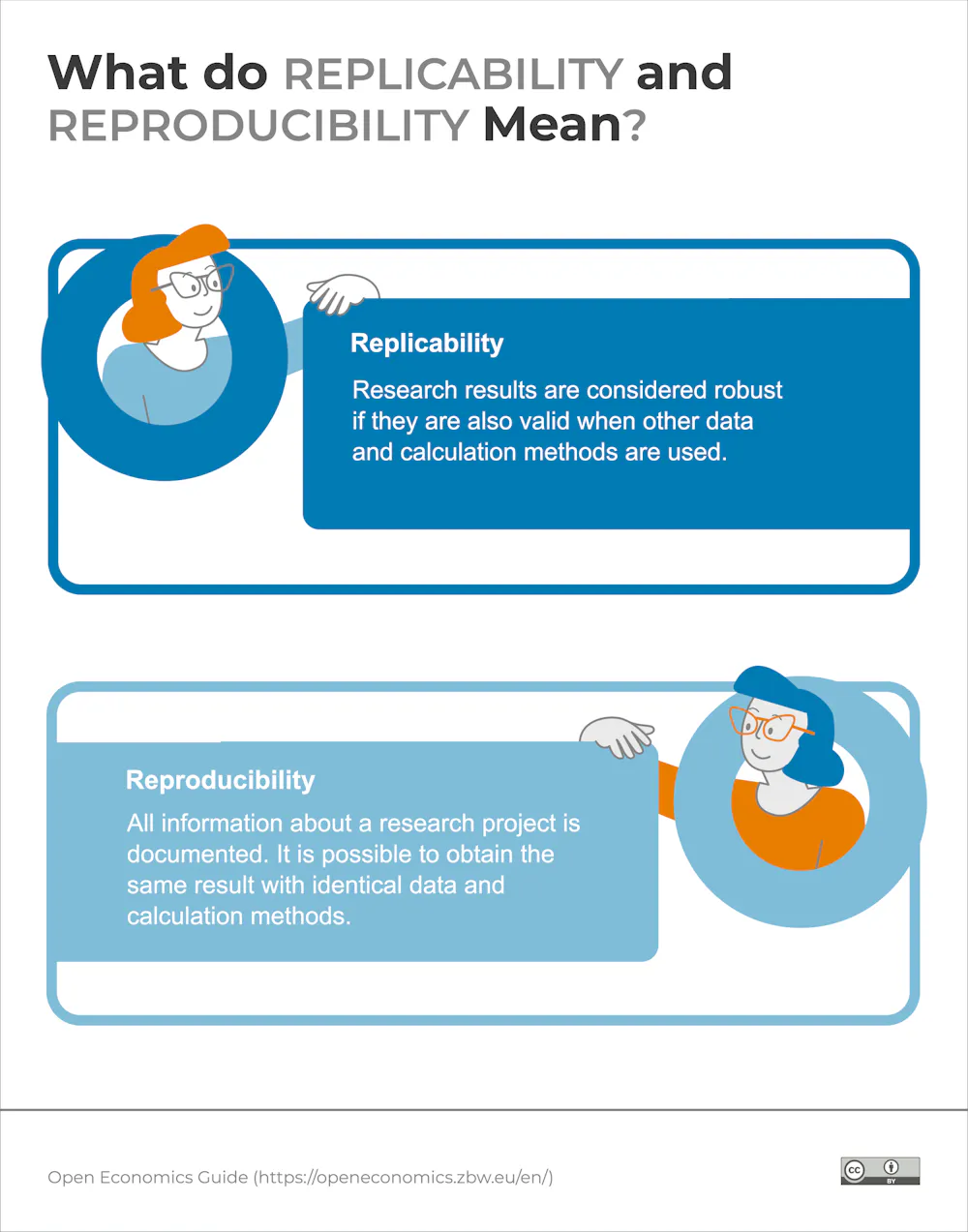
    Updates to this page

    Published 17 July 2025

    MIL OSI United Kingdom

  • MIL-OSI United Kingdom: Friendship and Bilateral Cooperation Treaty: The 17 Projects the UK and Germany will deliver together

    Source: United Kingdom – Executive Government & Departments

    World news story

    Friendship and Bilateral Cooperation Treaty: The 17 Projects the UK and Germany will deliver together

    A collection of projects agreed between the UK and Germany as part of the Treaty signed by the two countries on 17 July 2025 in London.

    In July 2025 the UK and Germany signed the Treaty on Friendship and Bilateral Cooperation. As part of the Implementation Plan under Article 22 of the Treaty, they agreed to deliver 17 priority projects. These projects span the breadth of the Treaty, enhancing cooperation in the face of global challenges, and delivering tangible benefits for UK and German citizens. The projects will be reviewed by a Joint Cabinet every two years.

    1. Ukraine Recovery & Reconstruction

    The UK-Germany Alliance will power Ukraine’s recovery: driving reform, reconstruction and resilience together.

    • Strengthening coordination and strategic alignment between the UK and Germany on Ukraine reform, recovery and reconstruction support.
    • Championing annual Ukraine Recovery Conferences, improving joint action between humanitarian, development and peace actors and strengthening donor engagement with Ukrainian civil society.

    2. Trinity House Defence Agreement

    The UK and Germany commit to building a much deeper Defence partnership which will endure in the long-term and enable both countries to address threats, and strengthen NATO, through the framework agreed in the 2024 Trinity House Agreement on Defence co-operation.

    • Deep Precision Strike and Defence: Advancing work to develop a new Deep Precision Strike capability to provide a conventional deterrent in Europe; we are jointly leading the 2.000 km+ cluster within the European Long Range Strike Approach (ELSA). It will be among the most advanced systems ever designed. We will aim to deliver a capability within a decade.
    • Uncrewed Aerial Systems and Future Connectivity: Continuing ongoing UK-Germany coordination of the development, procurement, and doctrine of uncrewed aerial systems. Both Air Forces have developed a detailed „Flight Plan“ to increase their future connectivity.
    • Strengthening Eastern Flank through new Land Strategic Partnership: Delivering a strategic partnership in land systems and continuing their close BOXER cooperation, including RCH 155 artillery and extending cooperation to common offboard systems for Future Ground Combat Systems. Both armies are building on their bilateral vision statement to drive this forward. A new Statement of Intent on bridging capabilities has been agreed.
    • Undersea Co-operation in the Northern Seas: Working together to counter undersea threats. This includes training of German crews on UK P-8A Maritime Patrol Aircraft which will also be delivered to Germany shortly. Both sides have signed an agreement on joint procurement of new Sting Ray torpedoes under development for their aircraft.

    3. Strengthening Defence Industrial and Export Co-operation

    We will work jointly across Government to promote defence exports and champion greater co-operation between our defence industries.

    • Widening our efforts to facilitate and promote dialogue with, and co-operation between, UK and German Defence Industries by further developing the UK-Germany Defence Industry Forum, as per the first meeting in June, reflecting our commitment to a new partnership with industry. This will drive innovation and business-business links to enhance growth.
    • Seeking opportunities to support one another’s defence capability requirements, including through developing future joint procurement initiatives where our requirements align.
    • Deepening efforts to promote our growth and security by pursuing joint export campaigns for jointly produced equipment, building on the UK’s imminent accession to the Germany-France-Spain Treaty on arms export controls.

    4. Joint Action Plan on Irregular Migration

    We will implement the comprehensive Joint Action Plan on Migration to step-up action against people smuggling and illegal migration.

    • Increasing cooperation against migrant smuggling, strengthening law enforcement and judicial cooperation, stepping-up efforts on returns, providing regional leadership and deterring irregular migration to Germany and the UK.
    • Germany is introducing a clarification in German legislation concerning the facilitation of irregular migration to the UK (to be brought to Cabinet with a view to be adopted by Parliament as soon as possible, within 2025).
    • This will establish an even stronger framework for law enforcement, policy and prosecutorial cooperation against organised crime groups smuggling and trafficking people. Aligning as regional leaders on irregular migration in forums such as the Calais Group and Berlin Process, developing joint approaches to key upstream routes.
    • Continuing to support one another to be innovative in managing our migration systems and delivering secure borders.

    5. Strategic Science and Technology Partnership

    We will together develop cutting-edge critical technologies – such as quantum, AI and digital, semiconductors, space capabilities, advanced connectivity, fusion and sustainable energy solutions including battery technologies – to drive long-term economic growth, by:

    • Conducting high-impact research, accelerating adoption of transformative technologies, enhancing supply chain resilience and contributing to an open and innovative business environment.
    • Exploring AI cooperation initiatives, enhancing UK-German innovation leadership, fostering further collaboration to accelerate breakthrough innovation, establishing a strategic space partnership, strengthening collaboration on semiconductors and facilitating closer cooperation between our two nations’ battery eco-systems.

    6. North Sea Energy Infrastructure Project

    We will work together to develop North Seas energy infrastructure – supporting economic growth and reducing bills through trade and infrastructure development.

    • Driving the development of offshore hybrid interconnection between the UK and Germany by the mid-2030s, including through exploring a Joint Declaration of Intent on Offshore Hybrid Assets for agreement at the North Sea Summit in January 2026.
    • Working together to accelerate the development of H2- and CO2-infrastructures.

    We will pave the way for a new direct rail connection between the UK and Germany.

    • Establishing formal cooperation between the two governments to address the barriers to establishing direct rail services between London and Germany within the next ten years.
    • Creating a task force, including Transport and Interior Ministries, to explore establishing juxtaposed controls.

    8. E-gates

    We will streamline leisure, educational, and business travel to Germany.

    • Rolling out the first phase of e-gates access for frequent travellers by the end of August, followed by roll out for all UK nationals as soon as technically possible.

    9. School trips and mobility of citizens

    We will make it easier for school groups to travel between the UK and Germany and consider ways to further enhance mobility between our people.

    • Delivering visa-free school group travel between the UK and Germany, increasing opportunities for linguistic, cultural and academic experiences. Rolling out the new scheme by the end of 2025.
    • Appointing a Joint Expert Group from across both governments to identify mutually agreeable solutions to UK and German mobility issues, including challenges faced by educational and scientific institutions, cultural bodies and political organisations.

    10. Business-Government Forum

    We will bring together German and UK businesses to exchange on business opportunities and to explore joint projects in order to drive growth, enabling our governments to draw upon the expertise and insights of our vibrant business communities.

    • Bringing together key stakeholders from Germany and the UK in this Forum to promote cooperation between German and UK companies and to identify areas of high growth potential in which UK-German cooperation will benefit the two economies.
    • This will be complemented by opportunities for direct exchange between senior business leaders and Ministers from both countries.

    11. Strategic conflict prevention and stabilisation partnership

    We will develop our global partnership to prevent conflict and build lasting peace.

    • Collaborating across international conflict prevention and resolution initiatives, including countering violent extremism; supporting security sector reform and working together to widen our engagement.
    • Sharing situational awareness, early warning, crisis data; collaborating on use of AI; and strengthening our commitment to the Women, Peace and Security agenda.

    12. Western Balkans stability and security

    The UK will host the German-born Berlin Process, bringing leaders of the six Western Balkans countries and other European states together to support stability, security and economic co-operation in the region.

    • Strengthening coordination between the UK and Germany to support long-term regional and broader European security
    • Driving joint initiatives under the Berlin Process and seeking tangible progress for the Western Balkans Six on their Euro-Atlantic paths.

    13. Indo-Pacific cooperation

    The UK and Germany commit to increased and sustained cooperation on the Indo-Pacific.

    • Strengthening coordination on regional and maritime security, share best practice on geo-economic affairs and secure growth, and strategically align efforts on climate change mitigation and adaptation in the Indo-Pacific.
    • This will include coordination between UK and Germany on initiatives across the Indo-Pacific cooperation workstream.

    14. Biosecurity Cooperation

    We will strengthen our capability to protect our nations and our interests from biological threats.

    • Exchanging information on the development of national biosecurity strategies, bolstering critical infrastructure (e.g. in health care), improving preparedness to state terrorism with biological agents, and preparing for new and re-emerging, highly pathogenic pathogens.
    • Establishing joint exercises and an emergency support system between the UK and Germany.

    15. Strategic sustainable development partnership

    We will deliver impact together on all aspects of sustainable development including growth and jobs, health and climate.

    • Building alliances to advance the 2030 Agenda, and reform international systems. Coordinating on global financial institutions, private sector mobilisation, climate and debt solutions, sustainable infrastructure, and climate resilient and inclusive growth.
    • Holding an annual Development Dialogue setting the strategic direction for our collaboration on development, focusing on shared expertise, new ideas and innovative tools to tackle key challenges and support Global South partners.

    16. Education, Culture, Sport

    We will boost opportunity and growth by putting young people and social mobility at the heart of a new era of educational, cultural and sporting cooperation.

    • Driving more school exchanges, focusing on lower socio-economic groups, creating new initiatives, delivered through existing mobility pathways, such as the first UK-German Creative Industries Prize and inaugural Youth Summit.
    • Delivering a revitalised UK-German Cultural & Education Commission, led by UK and German ministers, to identify and deliver new people-to-people initiatives, with a focus on driving opportunity for all.

    17. KfW/UK Public Financial Institutions collaboration

    Cooperation between our Public Financial Institutions will accelerate the investment needed to boost growth in our economies. * Deepening links between the British Business Bank, National Wealth Fund, and British International Investment) and Germany’s KfW to help mobilise private capital, develop well-functioning and sustainable markets * Sharing insights & best practice, enhancing operational/financial performance, seizing investment opportunities in areas of mutual interest, and exploring further opportunities to deepen cooperation.

    Updates to this page

    Published 17 July 2025

    MIL OSI United Kingdom

  • MIL-OSI United Kingdom: CSPL Chair responds to publication of government strategy for electoral reform

    Source: United Kingdom – Executive Government & Departments

    News story

    CSPL Chair responds to publication of government strategy for electoral reform

    Doug Chalmers, Chair of the Committee on Standards in Public Life, responds to publication of the government strategy for electoral reform.

    “CSPL welcomes today’s publication of the government’s Electoral Reform Strategy which  marks a step forward towards a more transparent, proportionate and effective framework for regulating election finance.

    We are pleased the strategy picks up many important recommendations from our 2021 report, including tightening the requirement to identify the true source of donations, thereby reducing the potential for foreign money to influence UK elections.

    Candidates at the last General Election continued to face unacceptable levels of intimidation and abuse. The measures in the Strategy aimed at countering this risk to our democracy are welcome, and build on recommendations we made in our 2017 report.

    We will continue to maintain a close interest as the government develops its plans.”

    Doug Chalmers, Chair, Committee on Standards in Public Life

    Updates to this page

    Published 17 July 2025

    MIL OSI United Kingdom

  • MIL-OSI Africa: Global challenges require ‘bold, cooperative leadership’ – Godongwana

    Source: Government of South Africa

    The G20 bloc must remain a source of leadership and action in development, as the world economy and countries continue to face a multitude of challenges.

    This is the word from Finance Minister Enoch Godongwana, who delivered the opening remarks at the 3rd G20 Finance Ministers and Central Bank Governors Meeting in KwaZulu-Natal on Thursday.

    “We meet at a time of a fragile global economic growth. While inflation is gradually moderating and financial conditions have started to stabilise in some regions, uncertainty continues to weigh heavily on global growth prospects.

    “Rising trade barriers, persistent global imbalances and new geopolitical risks are… concerns,” he said.

    Furthermore, many developing countries – particularly those in Africa – remain “burdened by high and rising debt vulnerabilities, constrained fiscal space and high cost of capital”, which limits their ability to invest in their economies.

    “Technological shifts, especially in artificial intelligence and digital finance, offer tremendous potential but also demand robust governance and coordinated action to harness to the opportunities, mitigate risks such as job displacement, and bridge digital divides towards inclusive growth.

    “At the same time, climate-related shocks and extreme weather events are increasing in frequency and severity worldwide, impacting lives, livelihoods and economic stability.  The cumulative impact of these cascading challenges is pushing the achievement of the Sustainable Development Goals (SDGs) 2030 further out of reach,” Godongwana said.

    The Minister noted that developing countries, particularly those in Africa, face a “staggering” yearly financing gap of some $4 trillion for sustainable development.

    “The message from the 4th Financing for Development Conference in Spain was unequivocal: We must act decisively, choose cooperation over fragmentation, unity over division and action over inaction before the window to deliver on our shared commitment closes.

    “In the face of these complex challenges, the G20 must remain a source of strategic global leadership, cooperation and action. We must extend our efforts if we are to reach our true potential as a collective, to enable us to deal decisively with economic, environmental, developmental and social challenges that plague… low-income countries in other regions and small developing States.

    “We have a critical role to play in revitalising and strengthening multilateralism by fostering inclusive dialogue, reinforcing rules-based cooperation and driving collective action in global challenges that no country can solve alone,” Godongwana said.

    He called on the delegates to approach discussions at the meeting to with “open minds, collective purpose and a determination to deliver progress”.

    “The need for bold, cooperative leadership has never been greater,” Godongwana said. – SAnews.gov.za

    MIL OSI Africa