Category: Education

  • MIL-OSI China: China’s lending benchmark decline to help bolster economic recovery

    Source: People’s Republic of China – State Council News

    China’s market-based benchmark lending rates declined on Tuesday in the latest sign that the authorities are ramping up efforts to bolster economic momentum.

    The one-year loan prime rate (LPR) went down to 3 percent from the previous reading of 3.1 percent, while the over-five-year LPR, on which many lenders base their mortgage rates, was lowered to 3.5 percent from 3.6 percent, according to the National Interbank Funding Center.

    Tuesday’s LPR decline — the first this year — is expected to further reduce the borrowing costs of businesses and individuals, improve market confidence, and support the steady growth of the real economy.

    Analysts said the lowered interest rates sent a clear signal that China is resolved to stabilize the market and expectations amid global uncertainties.

    LPRs are used to price a wide range of lending rates, from consumer loans to business loans and mortgages. Lower rates will ease the burden on borrowers, leading to more investment and consumption.

    For a standard commercial housing loan of 1 million yuan (nearly 140,000 U.S. dollars) over 30 years, the latest LPR adjustment could save borrowers over 50 yuan in monthly interest payments, translating into nearly 20,000 yuan in total interest savings over the life of the loan.

    The lowering of the LPR was widely anticipated by the market. At a press conference on May 7, Pan Gongsheng, the governor of the People’s Bank of China, announced a 0.1-percentage point cut in the policy rate. The following day, the central bank reduced the seven-day reverse repo rate to 1.4 percent, paving the way for the subsequent decline in the LPR.

    The falling interest rates came as part of China’s efforts to implement a moderately loose monetary policy this year. Authorities have on multiple occasions pledged timely cuts in the reserve requirement ratios and interest rates to maintain sufficient liquidity and support the economy.

    In April, the average weighted interest rate on newly issued corporate loans stood at about 3.2 percent, down 50 basis points from a year earlier. Meanwhile, the average rate on new residential mortgages dropped to around 3.1 percent, a 55-basis-point decline. Both rates marked historic lows.

    The downward trend is mirrored on the deposit side as well. Major commercial banks on Tuesday announced reductions in deposit interest rates. The one-year fixed-term deposit interest rate was lowered by 15 basis points to 0.95 percent. The rates also came to 1.05 percent for two years, 1.25 percent for three years, and 1.3 percent for five years.

    Tian Xuan, president of the National Institute of Financial Research of Tsinghua University, said the reduction in both lending and deposit rates will stimulate demand for credit, drive consumption and investment, and inject new vitality into China’s economic recovery.

    Official data showed the Chinese economy maintained stable development in the first four months of this year, with faster growth in retail sales of consumer goods, a robust service sector, resilient imports and exports, and steady fixed-asset investment and industrial output.

    MIL OSI China News

  • MIL-OSI Russia: Taxi at the price of a bus: this year, more than 220 thousand passengers used the Po Puti service

    Translation. Region: Russian Federal

    Source: Moscow Government – Government of Moscow –

    Since the beginning of the year, more than 220 thousand passengers have used the on-demand transportation service “On the Way”. This was reported by the Deputy Mayor of Moscow for Transport and Industry Maxim Liksutov.

    “The “On the Way” service operates on the principle of a taxi, but with tariffs similar to those in ground public transport when paying with bank cards. Since its launch in October 2021, passengers have made almost 2.3 million trips. We continue to develop public transport throughout the capital, as instructed by Sergei Sobyanin,” the deputy mayor added.

    The first buses of the “On the Way” service appeared in 2021 in TiNAO, and at the end of 2022 they began to operate on the territory of the Skolkovo Innovation Center.

    Thanks to the service, Muscovites can comfortably get to social and cultural institutions, as well as the Prokshino and Buninskaya Alley metro stations and the Shcherbinka, Silikatnaya and Skolkovo stations of the Moscow Central Diameter (MCD). There are over 300 stops in four districts of TiNAO and in Skolkovo.

    There are 60 modern small buses on the routes, they are serviced by 145 professional drivers. The transport is equipped with video surveillance, climate control, distance control and emergency braking systems. The cabin has individual lighting, slots for charging gadgets and tables.

    You can order a bus to the desired destination via the Moscow Transport app. The fare is the same as on city transport when paying with a bank card. Schoolchildren, students and pensioners can take advantage of the discounted fare with the Muscovite card.

    Get the latest news quicklyofficial telegram channel the city of Moscow.

    Please note: This information is raw content directly from the source of the information. It is exactly what the source states and does not reflect the position of MIL-OSI or its clients.

    Please Note; This Information is Raw Content Directly from the Information Source. It is access to What the Source Is Stating and Does Not Reflect

    https: //vv.mos.ru/nevs/ite/154020073/

    MIL OSI Russia News

  • MIL-OSI Russia: Trams to return to Riga Square after 30-year break

    Translation. Region: Russian Federal

    Source: Moscow Government – Government of Moscow –

    The final stage of work to restore tram service on Trifonovskaya Street is underway in Moscow. Construction of a tram reversal loop has begun on Rizhskaya Square.

    The project will include laying more than 400 meters of new tracks on the section of Gilyarovsky Street between Trifonovskaya Street and Rizhskaya Square, and constructing a turnaround loop for trams at the entrance to the Rizhskaya station of the Big Circle Line of the metro. The stop here will provide a convenient transfer to the metro, Moscow Central Diameters and ground transportation. Today, the work to restore the tram line on Trifonovskaya Street is 80 percent complete.

    “We are implementing one of the most important projects for the development of tram traffic. The restoration of the line on Trifonovskaya Street will improve transport accessibility for 70 thousand people who live and work in this area. We are expanding the tram network in accordance with the instructions of Sergei Sobyanin,” said the Deputy Mayor of Moscow for Transport and Industry

    Maxim Liksutov.

    Moscow Metro specialists began restoring the tram line on Trifonovskaya Street in 2024. This section was closed in 1995, and 30 years later, in 2025, trams will return to Rizhskaya Square. The new line will connect the large transport hub Rizhskaya with the Russian University of Transport (MIIT) and key points in the city center.

    Development of the Moscow tram network

    The tram network in the capital continues to develop actively. In September 2024 a new line has opened on Sergius of Radonezh Street, and in April of this year after a large-scale reconstruction it worked updated depot named after P.L. Apakova on Shabolovka.

    The total length of tram tracks in the capital is about 430 kilometers (including depots), with 82 percent of them separated from highways or laid on a separate track. This has reduced delays due to traffic accidents on the tracks and increased the reliability of traffic. The Moscow tram network covers 86 districts – over 5.5 million people live near stops.

    There are 35 routes in the city. Passengers make more than 750 thousand trips daily. In the coming years, further expansion of the network is planned, including the construction of a new line on Academician Sakharov Avenue – from Komsomolskaya Square to Chistoprudny Boulevard. This line will create a direct connection between the Three Stations Square and Chistoprudny Boulevard, and will also connect the east of the city with the center, south and southwest with new diametric tram routes.

    Get the latest news quicklyofficial telegram channel the city of Moscow.

    Please note: This information is raw content directly from the source of the information. It is exactly what the source states and does not reflect the position of MIL-OSI or its clients.

    Please Note; This Information is Raw Content Directly from the Information Source. It is access to What the Source Is Stating and Does Not Reflect

    https: //vv.mos.ru/nevs/ite/154064073/

    MIL OSI Russia News

  • MIL-OSI Russia: A multi-purpose field for football and rugby is being built at the Metallurg stadium

    Translation. Region: Russian Federal

    Source: Moscow Government – Government of Moscow –

    A universal heated playing field is being installed at the Metallurg stadium. This was reported by the City Facilities Complex. It will be possible to play rugby and football there. This will expand the training opportunities for students of the Bauman Moscow State Technical University, for whom the stadium has become a home arena. The work is being carried out as part of the reconstruction of the historical site. The main task is to turn the stadium into a modern and multifunctional sports area that will meet current standards and requirements.

    The old football pitch has already been dismantled. Work is underway to install a sports lighting system and prepare the foundation for the circular running tracks. A layer of sand has already been laid and compacted for the multi-purpose arena, and a drainage system has been installed. Then large crushed stone was poured onto the sand and compacted, then another layer of sand, in which the heating system pipes are laid. At the same time, two layers of smaller crushed stone are being compacted using a vibratory roller, and then a special artificial grass surface will be laid.

    The total size of the new universal playing field will be over nine thousand square meters — 2.6 thousand more than the previous one. Due to which it can be used for two sports. Using special markings, a zone for playing football will be allocated (its size will be 68 by 95 meters), and the rugby area will occupy an area of over 8.1 thousand square meters. In addition, mobile football goals will be installed to quickly transform the field for different sports, which are easy to remove.

    Reconstruction of Metallurg Stadium to be Completed in 2025 — Moscow Mayor

    Since the requirements for the finishing surface for both sports are the same, artificial turf will be used. A cushioning layer will be laid underneath it, which will reduce the possibility of injury during a rugby game. Artificial grass is easy to maintain and operate. To ensure the thickness, density and stability of the pile, it will be sprinkled with sand and combed so that it settles. The next layer will be laid in the same way with fine rubber crumb – it will create an additional cushioning layer and help reduce impact loads. In addition, to maintain the playing characteristics of the artificial turf in the cold season, a system of heating pipes is provided – it will be possible to play even in winter.

    A 610-seat stand with a canopy will be installed next to the universal arena. It will be connected to the administrative and household complex, which has already begun to be built. It will be convenient to follow the progress of the matches on a special scoreboard. Eight running tracks will be laid around the playing field, and the same number will appear on the side of the stand for short-distance training. It will be possible to conduct training in the evening: four 35-meter sports masts with 22 floodlights in each will be installed on the field.

    Projects to create a comfortable urban environment, implemented in the capital, correspond to the goals and objectives of the national project “Infrastructure for life”.

    Quickly find out the main news of the capital inofficial telegram channel the city of Moscow.


    Please note: This information is raw content directly from the source of the information. It is exactly what the source states and does not reflect the position of MIL-OSI or its clients.

    Please Note; This Information is Raw Content Directly from the Information Source. It is access to What the Source Is Stating and Does Not Reflect

    https: //vv.mos.ru/nevs/ite/154062073/

    MIL OSI Russia News

  • MIL-OSI: lowRISC Welcomes Javier Orensanz Martinez as CEO

    Source: GlobeNewswire (MIL-OSI)

    CAMBRIDGE, United Kingdom, May 20, 2025 (GLOBE NEWSWIRE) — lowRISC C.I.C., the open silicon ecosystem organisation, today announced the appointment of Javier Orensanz Martinez as CEO, effective 2 June 2025. Joining the organisation with more than two decades of experience in the semiconductor space, Javier will lead lowRISC on its mission to help create commercially relevant, open-source silicon designs that are widely adopted throughout industry. To ensure a smooth handover Gavin and Javier will be co-CEOs for the month of June, with Gavin stepping away officially at the end of the month.

    “Serving as the CEO of lowRISC for five years has been a tremendous privilege and a role I have greatly valued. I’m very proud of what we have achieved alongside our partners during this time — not least in having helped bring the first commercial open-source silicon to reality, with production OpenTitan chips going into Chromebook sockets this summer, Google datacentre applications to follow, and Rivos (and others) integrating the IP directly into their SoCs,” said Dr. Gavin Ferris, lowRISC Board Member and outgoing CEO. “I’m confident that in handing the reins over to Javier, his drive and experience will help propel lowRISC to the next level, build on the achievements we’ve accomplished with our valued partners already, and further the positive impacts of open-source silicon.”

    Javier joins lowRISC after a successful 22-year career at Arm, with 9 years of experience in VP roles: General Manager of the Development Solutions Group, VP of Developer Ecosystems and VP of Quality. He is passionate about the commercial value of open source, having witnessed first-hand how it revolutionised Arm’s approach to software. Javier brings a mix of savvy business background and technical knowledge, having managed a broad portfolio of software and hardware products, led acquisitions, and delivered growth through long-term partnerships and business model transformation.

    “I am so impressed with everything that Gavin and the lowRISC team have accomplished in the last 10 years in collaboration with its amazing partners and contributors,” said Javier Orensanz Martinez. “I am thrilled to join the organisation at such a pivotal time, with the first OpenTitan root-of-trust silicon having hit production, and look forward to building on its solid foundations to boost the adoption of open-source hardware.”

    “The Board and I would like to thank Gavin for his excellent leadership these last five years and recognise the tremendous accomplishments he and the team have made in open-source silicon,” said Sir Andy Hopper, lowRISC’s independent chair. “And we are thrilled to welcome Javier as the new CEO — his deep experience in the open-source and semiconductor space and proven track record of success in this industry aligns perfectly with lowRISC’s mission. This is a fantastic time for him to take lowRISC to the next stage of its journey and seize the opportunities available.”

    lowRISC’s purpose from the outset has been, and will continue to be, to help create and support commercially relevant open-source silicon designs that are widely adopted throughout industry. With Javier at the helm, the team will continue to drive long-term impact by fostering an open-source silicon ecosystem that benefits academia, industry, and broader society in general.

    About lowRISC®
    Founded in 2014 at the University of Cambridge Department of Computer Science and Technology, lowRISC is a not-for-profit company/CIC that provides a neutral home for collaborative engineering to develop and maintain open source silicon designs and tools for the long term. The lowRISC not-for-profit structure combined with full-stack engineering capabilities in-house enables the hosting and management of high-quality projects like OpenTitan® and Sunburst via the Silicon Commons® approach.

    Media Contact
    lowRISC@w2comm.com

    The MIL Network

  • MIL-Evening Report: RBA cuts interest rates, ready to respond again if the economy weakens further

    Source: The Conversation (Au and NZ) – By John Hawkins, Senior Lecturer, Canberra School of Politics, Economics and Society, University of Canberra

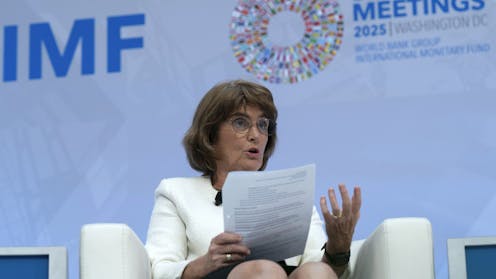
    Reserve Bank Governor Michele Bullock speaks at a forum during the World Bank/IMF meetings in Washington in April. Jose Luis Magana/AP

    The Reserve Bank of Australia cut the official interest rate for the second time this year, as it lowered forecasts for Australian economic growth and pointed to increasing uncertainty in the world economy.

    The bank lowered the cash rate target by 0.25%, from 4.1% to 3.85%, saying inflation is expected to remain in the target band.

    All the big four banks swiftly passed the cut on to households with mortgages. This will save a household with a $500,000 loan about $80 a month.

    Announcing the cut, the Reserve Bank stressed in its accompanying statement it stands ready to reduce rates again if the economic outlook deteriorates sharply.

    The Board considered a severe downside scenario and noted that monetary policy is well placed to respond decisively to international developments if they were to have material implications for activity and inflation in Australia.

    Inflation is back under control

    The latest Consumer Price Index showed that inflation remained around the middle of the Reserve Bank’s medium-term target band of 2-3% in the March quarter.

    The Reserve Bank was also comforted by the underlying inflation measure called the “trimmed mean”. This measure excludes items with the largest price movements up or down.

    The bank noted that it has returned to the 2–3% target band for the first time since 2021. This suggests inflation is not just temporarily low due to temporary factors such as the electricity price rebates.


    Read more:
    Inflation is easing, boosting the case for another interest rate cut in May


    In February, Reserve Bank Governor Michele Bullock conceded the bank had arguably been “late raising interest rates on the way up”. It did not want to be late on the way down.

    Perhaps Bullock is being unduly modest. The central bank looks to have judged well the extent of monetary tightening. It did not raise interest rates as much as its peers, but still got inflation back to the target.

    Unemployment remains low

    Last week, we got an update on the strength of the labour market. Unemployment stayed at 4.1%. It has now been around 4% since late 2023, a remarkable achievement.

    This is below the 4.5% the Reserve Bank had regarded as the level consistent with steady inflation (in economic jargon, the NAIRU). But neither prices nor wages have accelerated.

    Households and businesses may turn cautious

    In its updated forecasts, the bank sees headline inflation dropping to 2.1% by mid-year but going back to 3.0% by the end of the year, as the electricity subsidies are removed. By mid-2027, it will be back near the middle of the 2-3% target.

    Underlying inflation is forecast to stay around the middle of the target band throughout.

    The Reserve Bank cut its forecast for gross domestic product (GDP) to 2.1% by December, down from its previous forecast of 2.4% made in February. It said:

    Economic policy uncertainty has increased sharply alongside recent global developments, and this is expected to prompt some households to increase their precautionary savings and some businesses to postpone some investment decisions.

    The unemployment rate is expected to increase to 4.3% by the end of the year and remain there through 2026.

    Cost of living pressures look set to ease, as real household disposable income grows faster than population.

    As the Reserve Bank governor told a media conference on Tuesday:

    There’s now a new set of challenges facing the economy, but with inflation declining and the unemployment rate relatively low, we’re well positioned to deal with them. The board remains prepared to take further action if that is required.

    Economic and policy ‘unpredictability’

    The main uncertainty in the global economy is how the trade war instigated by US President Donald Trump will play out. According to one count, he has announced new or revised tariff policies about 50 times.

    “The outlook for the global economy has deteriorated since the February statement. This is due to the adverse impact on global growth from higher tariffs and widespread economic and policy unpredictability,” the bank noted.

    The US tariff pauses on the highest rates on China and most other nations are due to be in place for 90 days. But more measures may be announced before then.

    This uncertainty is likely to be stifling trade, and even more so investment decisions by companies in the face of rapidly changing policies. And it will weaken the global economy.

    In her press conference, Bullock said the board’s judgement was that “global trade developments will overall be disinflationary for Australia”. Not only is the global outlook weaker, but some goods no longer being sold to the US could be diverted to Australia.

    Where will interest rates go from here?

    The Reserve Bank’s updated forecasts assume interest rates will fall further, to 3.4% by the end of the year.

    But this is just a reflection of what financial markets are implying. It is not necessarily what the bank itself expects to do. It is certainty not a promise of what they will do.

    But the Reserve Bank still regards its stance as “restrictive”, or weighing on growth. So if it continues to believe inflation will stay within the target band, or the global outlook deteriorates, it will cut rates further.

    The Conversation

    John Hawkins was formerly a senior economist with the Reserve Bank.

    ref. RBA cuts interest rates, ready to respond again if the economy weakens further – https://theconversation.com/rba-cuts-interest-rates-ready-to-respond-again-if-the-economy-weakens-further-256798

    MIL OSI AnalysisEveningReport.nz

  • MIL-Evening Report: Victorian budget has cash to splash on health, transport but new levies, job cuts, rising debt signal pain ahead

    Source: The Conversation (Au and NZ) – By David Hayward, Emeritus Professor of Public Policy, RMIT University

    There was not a lot of cheer in the media reporting ahead of the 2025/6 Victorian budget released on Wednesday. Debt and deficits dominated the coverage.

    All eyes turned to new treasurer, Jaclyn Symes, to see if in her first budget the Labor government was finally delivering some financial discipline.

    That theme flowed into the press conference during the budget lockup, when journalists got to grill the treasurer about the budget papers. Symes copped a pasting. Journalists were clearly unhappy with what they had read and more unhappy about what they heard.

    Yes, the operating side of the budget is projected to be back to a wafer thin A$600 million surplus. But that is almost $1 billion less than was promised when Symes delivered a budget update last December.

    And all that infrastructure is to paid for by more borrowings, taking net debt to $167 billion, $10 billion more than it was last year.

    And that was despite the government benefiting from a whopping $3.5 billion in GST grants from the Commonwealth, over $1 billion more than the previous year.

    And it was despite a new fire and emergency services levy that is set to deliver an extra $600 million.

    And it was also despite a 22% increase in fees and fines, and a $1.3 billion rise in unspecified government charges. And it is also based on banking $500 million of savings from an efficiency review led by former head of Premier and Cabinet Helen Silver, which won’t be finished until July at the earliest.

    So where did that extra money go? Well, it paid for more than $6 billion of new services ($3 billion net of savings), and an extra $1.6 billion for new infrastructure, across all portfolios. This includes free public transport for seniors on weekends and free public transport for kids.

    The big ticket item was health, which got an extra $2.5 billion. That came as a surprise given health copped a $1.5 billion cut in last year’s budget, after the government claimed the hospitals were still spending at pandemic levels and needed to rediscover efficiency.

    That cut did not last long. Health services workers staged a short but effective campaign that forced the then new premier, Jacinta Allan, to buckle. The money was returned in December’s budget update.

    The budget papers show the Victorian economy has been performing strongly post pandemic, with Victoria leading the nation in employment growth. The budget papers tip that strong performance will continue, despite the continued warnings that all that government debt will eventually force the economy to buckle.

    The government argues rather than be criticised it should be applauded for a job well done.

    It spent up big on infrastructure during the pandemic, which has delivered to the state remarkably strong economic performance. It also spent up big to protect Victorians from COVID.

    It has a budget recovery plan and everything is on schedule. First employment had to grow, then we needed a cash surplus and now we have an operating surplus to add to it. Net debt in real terms will start to fall next year as the last step in a long-term plan.

    It also points to the state’s balance sheet to highlight it has something to show for all that debt in the form of $437 billion in assets.

    Victoria is not alone in running budget operating deficits during the pandemic. NSW and Queensland make happy bedfellows, but they are not as eye-catching because their levels of debt are much lower.

    Victoria is also not alone as a state or provincial government that has a lot of debt. The Canadian provinces are also in that situation, with Quebec and Ontario leading the pack.

    Then there are the German state governments. Their problem is not too much debt, but far too little, leaving them to grapple with not enough as well as crumbling infrastructure caused by a constitutional debt brake that is responsible for the mess, and which has recently been lifted.

    Treasurer Symes delivered a budget that has disappointed those who wanted to see debt fall and for the government to at long last show some fiscal discipline. With the economy still doing quite nicely, and so many new announcements to glow in, Treasurer Symes will be quite happy to disappoint.

    The political calculation here is simple: Victorians want services and aren’t worried if it is paid for by debt.

    Whether that remains the case at next year’s state election due in November is another question. For this will have been Syme’s last real chance to have been more prudent, and just at that moment when the economy could have afforded it.

    The Conversation

    David Hayward chairs the Strategic Advisory Committee for Fire Rescue Victoria.

    ref. Victorian budget has cash to splash on health, transport but new levies, job cuts, rising debt signal pain ahead – https://theconversation.com/victorian-budget-has-cash-to-splash-on-health-transport-but-new-levies-job-cuts-rising-debt-signal-pain-ahead-257013

    MIL OSI AnalysisEveningReport.nz

  • MIL-Evening Report: The Coalition is on a break, but the Nationals risk finding their former partner doesn’t want them back

    Source: The Conversation (Au and NZ) – By Linda Botterill, Visiting Fellow, Crawford School of Public Policy, Australian National University

    In the weeks since the federal election, there’s been much speculation about the future of the Coalition agreement. In their soul-searching, it seemed possible the Liberals might pull the pin, given the degree of their electoral losses and their need to rebuild.

    Instead, the Nationals, the party that has largely benefited from decades in coalition, announced they’d go it alone.

    But it’s more of a Clayton’s break-up than the real thing. As Nationals Leader David Littleproud told the media, “I’m passionate in the belief that we can bring this back together” and the president of the combined LNP in Queensland, Lawrence Springborg, indicated his optimism about a reconciliation.

    So what’s the point of calling it off in the hopes of getting back together by the next election? The Nationals have decided to take a calculated risk to push for what they want, but in doing so, they may have played directly into the Liberals’ hands.

    Why break up?

    When the Nationals (as the Country Party) first appeared in the Commonwealth Parliament more than a century ago, their leader William McWilliams said:

    we intend to support measures of which we approve and hold ourselves absolutely free to criticise or reject proposals with which we do not agree. Having put our hands to the wheel we set the course of our voyage. There has been no collusion; we crave no alliance; we spurn no support; we have no desire to harass the government, nor do we wish to humiliate the opposition.

    Almost immediately, though, the party entered a coalition with a predecessor of the Liberal Party. And the arrangement has suited the agrarian party well.

    Being in coalition, effectively supporting Liberal minority government, gave the Nationals an outsized influence on policy. It also gave them shadow ministries (and increased pay packets as a result), as well as the resulting media attention that comes with being in government.

    But the election saw a shift in the power balance in the Coalition party room. While the Liberals were crushed, the Nationals lost just one lower house seat to a candidate who was one of them before running as an independent.

    At the current count, the Liberals have 18 seats in the House of Representatives, while the Nationals have nine.

    So why would the smaller party leave a coalition arrangement?

    The issue seems to have been largely focused on energy policy, particularly nuclear policy, the party’s brainchild.

    Littleproud also mentioned divestiture laws to combat supermarket power and a $20 billion regional Australia fund as policies on which his party would not compromise. Clearly the Nats felt Opposition Leader Sussan Ley and the Liberals did not provide the appropriate guarantees.

    How does this play out nationally?

    In Queensland, the Liberal and National parties are formally combined as one joint organisation, the Liberal National Party (LNP).

    Under the LNP agreement in the state, federal electorates are divvied up between the parties. Whoever holds the seat of Groome, for instance, has to date taken their seat in the Liberal party room.

    How long these arrangements hold post-split is yet to be seen. It might make life particularly interesting for MPs helping formulate policy in the Liberal party room who might otherwise be more ideologically aligned with the Nats.

    More broadly though, there are ramifications for which candidates can run in each seat.

    Under the federal Coalition agreement, wherever there was an incumbent from either the Liberals or the Nationals, the other coalition partner couldn’t field a candidate to contest the seat. This largely prevented so-called three-cornered contests in which the Liberals and Nationals would split the vote against Labor. It also prevented the coalition partners from seeking to poach each other’s seats.

    But that doesn’t apply if the sitting member retires, and of course it seems unlikely to apply now that there’s no longer a coalition. The Nationals are free to run against the Liberals anywhere in the country and vice versa. This may explain Littleproud’s eagerness to leave a reunion before the next election on the table.

    The Liberals may see this as an opportunity. They already hold a swag of rural seats and when they win a former National Party seat, the Nationals struggle to get the seat back. Ley’s own seat of Farrer, for example, was once held by Nationals Leader Tim Fischer.

    Was it a smart move?

    Breaking up is something of a gamble from the Nationals.

    On the face of it, if the concern was about ensuring nuclear stayed on the agenda, the Nationals have relinquished their political power to keep it there by walking away. There’s little incentive for the Liberals to listen to a party that’s now part of the crossbench.

    There are likely to be two parties sipping champagne today. The first, and most obvious one, is Labor.


    Read more:
    David Littleproud cites nuclear energy disagreement as major factor in Coalition split


    Given the Liberals only have 18 lower house seats, Ley is going to have a hard time assembling an effective shadow cabinet and therefore alternative government. The talent pool, even including the party’s senators, will be spread thinly.

    Ley also spoke in praise of the coalition arrangement, saying the parties were “stronger together”.

    But longer term, there’s also reason for the Liberal Party to be celebrating.

    Much has been made about the need for the Liberals to go back to the drawing board to decide what a modern Liberal party should look like. It will likely be easier to reflect and create sorely-needed transformational change without the more conservative Nationals to consider.

    If Ley wants to rebuild the party to recapture the inner-city seats they’ve lost in the last two elections, this is a golden opportunity.

    And when it comes to forming government, the Nationals are not the Liberals’ only option. It’s possible the Liberals look around at some stage and decide they’d rather make up numbers with the Teals, if that suits them strategically.

    In theory, they could do what other parties around the world do: form a coalition after an election that they have fought on their own policies.

    The Nationals, meanwhile, may look around the parliament and find they don’t have any other friends with which to form government.

    So while both sides of the sort-of break-up have left their doors firmly open to getting back together, the risk the Nationals run is when they decide they want to move back in, their former partner may have moved on.

    Linda Botterill has in the past received funding from the Australian Research Council, the Grains Research and Development Corporation, and Rural Industries Research and Development Corporation (now Agrifutures).

    ref. The Coalition is on a break, but the Nationals risk finding their former partner doesn’t want them back – https://theconversation.com/the-coalition-is-on-a-break-but-the-nationals-risk-finding-their-former-partner-doesnt-want-them-back-257117

    MIL OSI AnalysisEveningReport.nz

  • MIL-OSI Asia-Pac: China National Peking Opera Company to perform new and classic Peking opera plays in Hong Kong in June (with photos)

    Source: Hong Kong Government special administrative region

    China National Peking Opera Company to perform new and classic Peking opera plays in Hong Kong in June  
    “Cession for Consolidation of the Song Regime”
    ———————————————————————————————–
    Date and time: June 20 (Friday), 7.30pm

         Two years in the making of “Cession for Consolidation of the Song Regime”, the production recounts the historical story of Qian Chu, King of Wuyue during the late Five Dynasties and Ten Kingdoms period, who deferred to historical tides and his allegiance to the rightful rule. The China National Peking Opera Company preserves traditions while embracing innovation, and has crafted this production with a firm grounding in the core aesthetics of Peking opera, employing its signature abstract and symbolic conventions to evoke a magnificent chapter showing a wise king who values his people, pursues peace and stability, demonstrating the communal spirit pertaining to the Chinese national identity. The stellar cast is led by Peking opera star duo Yu Kuizhi, known as “China’s No 1 laosheng (old male role)”, and Li Shengsu, celebrated qingyi (virtuous female) role artist of the Mei (Lanfang) School and joined by the Company’s finest established artists and promising young talents, to illustrate the spirit and historical roots of the Chinese nation through the artistry of Peking opera in the new era.
     
    “A Meeting of Heroes, Invoking the East Wind and The Huarong Pass”
    ———————————————————————————————–
    Date and time: June 21 (Saturday), 7.30pm 
    “The Legend of the White Snake”
    ———————————————————————————————–
    Date and time: June 22 (Sunday), 7.30pm
     
         Another classic, “The Legend of the White Snake”, a timeless love story between the immortal and the mortal, is still popular today. This production highlights the characters, visuals and technical artistry in major scenes – the excerpt “At the Lake” creates an idyllic moment and love emotions with misty waves during a boat trip; “Fighting on the Water” uses numerous wavering flags to simulate the water that floods the Jinshan Temple; and “On Broken Bridge” brings out Bai Suzhen (Lady White Snake)’s woes and heartbreak through exquisite vocal delivery. Meanwhile, the role of Bai will be shared by Li Shengsu and outstanding young performer Zhu Hong, embodying the mission to pass on, preserve and promote the artistry of Peking opera.
     
         The China National Peking Opera Company was founded in 1955, with the Peking opera legend, Maestro Mei Lanfang, as its founding director. Over the past seven decades, the Company has brought together many talented professionals in Peking opera, and has upheld the legacy while diligently creating new works. It promotes the excellent traditional Chinese culture through Peking opera and fosters cultural exchanges between China and other countries. The above-mentioned performances offer audiences a perfect blend of contemporary creativity and traditional mastery, and showcase the Company’s 70th anniversary achievement in preserving and advancing the artistry of Peking opera.
     
         The three performances will be held at the Grand Theatre of Hong Kong Cultural Centre. Lyrics and dialogue are with Chinese and English surtitles. Tickets priced at $260, $360, $460 and $560 are now available at URBTIX (www.urbtix.hk 
         The programme will also feature a meet-the-artists session (in Putonghua and Cantonese) entitled “The Legacy and Development of Peking Opera” to be held at 7.30pm on June 19 (Thursday) at AC2, Level 4, Administration Building, Hong Kong Cultural Centre. The speakers include Yu Kuizhi and Li Shengsu, while Chinese opera researcher Hu Guangming will be the moderator. Also, a backstage tour (in Putonghua with Cantonese interpretation) will be held on June 21 (Saturday) at 3.30pm at the Backstage of the Grand Theatre of Hong Kong Cultural Centre. Admission is free and online registration is required for both activities (
    www.lcsd.gov.hk/CE/CulturalService/Programme/en/chinese_opera/programs_1839.html#tab_13_0
         In addition, a demonstration performance of Peking opera will be held on June 22 (Sunday) at 3.30pm at the Foyer of the Hong Kong Cultural Centre. Zhang Xinxin and Wang Xuesong from the China National Peking Opera Company will perform extracts of “Chasing the Boat on the Autumn River”. Admission is free. Members of the public are welcome to watch the performance on-site.
     
         The CCF, presented by the Culture, Sports and Tourism Bureau and organised by the Chinese Culture Promotion Office under the LCSD, aims to promote Chinese culture and enhance the public’s national identity and cultural confidence. It also aims to attract top-notch artists and arts groups from both the Mainland and other parts of the world for exchanges in Chinese arts and culture. The CCF 2025 will be held from June to September. Through different performing arts programmes in various forms and related extension activities, including selected programmes of the COF, “Tan Dun WE-Festival”, film screenings, exhibitions, as well as community and school activities and more, the festival provides members of the public and visitors with more opportunities to enjoy distinctive programmes that showcase fine traditional Chinese culture, thereby facilitating patriotic education and contributing to the inheritance, transformation and development of traditional Chinese culture in Hong Kong. For more information about programmes and activities of the CCF 2025, please visit 
    www.ccf.gov.hkIssued at HKT 15:25

    NNNN

    MIL OSI Asia Pacific News

  • MIL-OSI Asia-Pac: Lo Chung-mau attends WHO event

    Source: Hong Kong Information Services

    Secretary for Health Prof Lo Chung-mau yesterday attended the start of the 78th World Health Assembly, the decision-making forum of the World Health Organization (WHO), in Geneva, Switzerland.

    Matters being discussed at this year’s assembly include universal health coverage, prevention and control of non-communicable diseases, antimicrobial resistance, health emergency preparedness, mental health, standardisation of medical device nomenclature, and international health regulations.

    Prof Lo is attending the assembly as a member of the Chinese delegation. At a plenary session on the opening day, Minister of the National Health Commission (NHC) Lei Haichao delivered a speech on healthcare developments on the Mainland.

    In addition to attending the plenary session, Prof Lo participated in a side meeting involving the WHO’s Director of Global HIV, Hepatitis & Sexually Transmitted Infections Programmes Meg Doherty.

    The meeting included a discussion of work to eliminate mother-to-child transmission of Human Immunodeficiency Virus (HIV), syphilis and hepatitis B, also known as “triple elimination”.

    Professor Lo outlined that the Hong Kong Special Administrative Region Government has undertaken “triple elimination” work according to the WHO’s guidance, and may submit a request for validation of “triple elimination” to the WHO this year.

    “We will maintain close communication with the Regional Office for the Western Pacific Regional Validation Secretariat to push forward the relevant progress,” he said.

    During a meeting with the WHO’s acting Assistant Director-General, Antimicrobial Resistance Yukiko Nakatani, Prof Lo stressed that the Hong Kong SAR Government takes the threat posed by antimicrobial resistance extremely seriously and has launched two editions of a strategy and action plan, the most recent being published in 2022.

    “A series of corresponding prevention and control measures have been implemented across different sectors to curb the spread of antimicrobial resistance under the framework of ‘One Health’, including surveillance, optimising the use of antimicrobials, health education and training.”

    The health chief also met Permanent Secretary (Policy & Development) of Singapore’s Ministry of Health Lai Wei Lin to discuss communicable disease prevention and surveillance, epidemiological investigations, responses to communicable diseases with significant public health impacts, actions to combat antimicrobial resistance, and regulation of drugs and medical devices.

    Professor Lo said: “We eagerly anticipate further synergising the efforts and sharing the best practices of the two places to bolster public health protection and promote medical innovation to deepen the reform of the medical and healthcare system.”

    In the evening, Professor Lo attended a side event cohosted by the NHC and the health authorities of Ethiopia, Peru, Tanzania and Thailand. The event was moderated by Dean of the Vanke School of Public Health of the Tsinghua University Prof Margaret Chan, with Mr Lei delivering a keynote speech.

    Upon arriving in Geneva on Sunday, Professor Lo met Mr Lei and Ambassador Extraordinary & Plenipotentiary, Permanent Representative of the People’s Republic of China to the UN Office at Geneva and other International Organizations in Switzerland Chen Xu to discuss healthcare developments in the Mainland and Hong Kong as well as Hong Kong’s participation in WHO work.

    MIL OSI Asia Pacific News

  • MIL-OSI New Zealand: University Research – ‘Natural’ pacemaker successfully tried in humans – UoA

    Source: University of Auckland (UoA)

    A pacemaker with a ‘beat’ that responds to breathing is showing good results in studies and is now being trialled in Kiwi heart patients.

    A pacemaker that mimics the heart’s naturally variable rhythm is being trialled in humans for the first time with no adverse effects reported and the promise of improved outcomes.

    The first-in-human trials started in the Waikato, New Zealand just before Christmas and are now being conducted in Adelaide and Melbourne, Australia, and Bristol and Cardiff in the UK.

    Usual pacemakers support a regular, monotonic beat in the patient’s heart, but our hearts naturally beat irregularly depending on our breathing.

    The new pacemaker would vary according to respiration and has shown improvements in the health animal models so far, with a new study offering further evidence. See below.

    The first patient was in Waikato hospital just before Christmas. The pacemaker is being tested in patients coming out of a heart operation in which temporary pacing wires are fitted that allows doctors to connect the new pacemaker to them for a few days.

    Professor Martin Stiles, a cardiologist at Waikato Hospital, is overseeing the trial there and is hopeful about the novel pacemaker.

    “This new technology is moving toward replicating the way nature has evolved pulse variability to make the most efficient use of the heart’s function,” Stiles says.

    “Remarkably, researchers have found in sheep that our pacemaker allows the ability to exercise again despite heart failure, which usually prohibits any exertional activity, says study lead Professor Julian Paton, director of Manaaki Manawa, Centre for Heart Research in the Faculty of Medical and Health Sciences at Waipapa Taumata Rau, University of Auckland.

    “We believe that, if patients have the choice of a pacemaker, then one that improves exercise performance without the need to undergo training will be a preferred option,” Paton says.

    The new study led by colleague Associate Professor Rohit Ramchandra tested whether sheep’s ability to exercise was improved by a variable heart pacemaker. Sheep’s heart functions are similar to human’s.

    “This is important since the ability to exercise can dramatically improve quality of life in patients with heart failure,” Ramchandra says.

    “Our findings indicated that respiratory heart rate variability pacing improves baseline levels of heart function but also dramatically improves the capacity of the heart to pump blood during exercise. This translates to more blood being delivered to muscles during exercise.

    “Remarkably, respiratory heart rate variability pacing also improved the recovery time of the heart post-exercise, which is an established marker of physical fitness.”

    The researchers also tested whether the variable pacing improved heart function when the sheep remained on heart medications.

    “We found variable pacing continues to improve heart function against a background of current medication. None of these changes happened in the group which underwent conventional monotonic pacing.”

    MIL OSI New Zealand News

  • MIL-OSI New Zealand: Government Cuts – Ministry of Education workers will walk off the job for the first time in over 20 years – PSA

    Source: PSA

    Over 1500 workers at the Ministry of Education will walk off the job tomorrow to protest a pay freeze and attempts to reduce terms of employment.

    PSA members at the Ministry will strike from 3.30-4.30pm on Wednesday, 21 May. It is the first PSA strike at the Ministry in over 20 years.

    “We’re taking strike action because the Ministry is refusing to recognise the increased cost of living facing Ministry staff and their families by proposing a two-year freeze on pay bands,” said Fleur Fitzsimons, National Secretary for the Public Service Association Te Pūkenga Here Tikanga Mahi.

    “Most members will not get a pay increase out of this proposal. The Ministry is also looking to cut Ministry staff out of consultation on change processes and do away with provisions for flexible working. The Ministry has refused to budge from its position since bargaining began in December 2024. It is not good enough and is why this strike is occurring.”

    PSA members at the Ministry include people who design and administer the learning support system, who write the curriculum, who oversee regulations that keep children safe, who maintain school buildings and property, and more. The PSA and the Ministry are scheduled for mediation on 30 May.

    “We’re determined to get a fair deal,” said Fitzsimons. “If this strike doesn’t bring the Ministry to the table with a fair proposal, we’ll consider what further action needs to occur. We urge the Ministry to come back to the bargaining table with a fair offer so we can settle this dispute.”

    MIL OSI New Zealand News

  • MIL-Evening Report: Can Murray Watt fix Australia’s broken nature laws? First stop, Western Australia

    Source: The Conversation (Au and NZ) – By Justine Bell-James, Professor, TC Beirne School of Law, The University of Queensland

    New federal Environment Minister Murray Watt is in Western Australia this week to reboot nature law reform. Reform stalled in the Senate last term, following stiff opposition from the state’s Labor government and mining sector.

    Watt has a big task ahead of him. Labor came into power in 2022 promising large-scale law reform to reverse Australia’s alarming rate of biodiversity loss.

    But former environment minister Tanya Plibersek’s tenure ended with Australia’s nature laws in even worse shape than when she started. A last-minute amendment intended to protect salmon farming in Tasmania now limits the government’s power to reconsider certain environment approvals, even when an activity is harming the environment.

    But a new leader for the Greens and the Liberals in this term of parliament means Labor’s important push for reform may have better prospects.

    What went wrong in Labor’s last term?

    When Plibersek announced Labor’s “Nature Positive Plan” in 2022, she committed to a massive overhaul of Australia’s Environment Protection and Biodiversity Conservation Act (EPBC Act).

    The ambitious plan involved creating an independent national environment protection agency to enforce national environmental standards. Setting such standards was recommended by the 2020 Samuel Review of the EPBC Act. If legislated, the standards would shift decision-making under the act from being a highly discretionary process to one focused on outcomes for the environment.

    In December 2022, Labor was talking up its plan to fix Australia’s ‘broken’ environmental laws. (ABC News)

    An early draft of the new legislation was presented to key stakeholders at closed-door consultation sessions. They included environmental non-government organisations, research groups and peak bodies for the minerals and development sectors. The draft did a pretty good job of capturing the components of the Nature Positive Plan.

    However, Plibersek’s proposal was unpopular with some, including WA Premier Roger Cook and the mining lobby. Freedom of Information laws revealed major players in the mining sector wrote to Prime Minister Anthony Albanese asking him to intervene.

    In the face of these difficulties, Plibersek pivoted. In April 2024, she announced nature reforms would instead be delivered in three phases. The first was the Nature Repair Market, which had already been legislated. The second was three bills to be introduced to parliament. The third phase would happen at some point in the future.

    The bills sought to create two new bodies, Environment Protection Australia and Environment Information Australia, to inform decision-making. A third bill contained some improved compliance and enforcement mechanisms. However, the centrepiece of the initial reforms – the new environmental standards themselves – were missing. This sparked criticism, as the EPA would simply be enforcing the same ineffective laws that currently exist, and would not have project approval powers until some later amendments were passed.

    Presumably, Plibersek switched to a three-stage process hoping the stage-two bills would pass through parliament with a minimum of dissent. This would leave the more contentious standards as a problem to be dealt with further down the track.

    However, even the watered-down proposal was unpopular. The bill stalled in the Senate, criticised as both too weak and too strong by opposite sides of the political spectrum. And once again, the mining lobby intervened. Albanese signalled a willingness to remove approval powers from the EPA, leaving decisions with the minister.

    Plibersek eventually managed to secure support from the Greens to get the bills through the Senate, but Albanese killed the deal at the eleventh hour in November last year. At the time, Labor’s prospects for the federal election were looking shaky, and Albanese saw the decision as a way to shore up support in WA.

    What are the chances of success now?

    The failure of the Nature Positive Reforms in Labor’s first term came down to one crucial factor: politics. With a fresh election win, a decisive majority, and a new environment minister, will things be different?

    In his first interviews after winning the election, Albanese said he wants a federal environmental protection agency that “supports industry, but also supports sustainability”. This suggests there may be a green light for Watt to at least push for this aspect of the reforms to be revived.

    What about the more ambitious parts of the reform, including National Environmental Standards? This is something Watt could potentially push for.

    In an interview on Monday, Watt said both options are on the table: widespread reform, or the pared-down version Plibersek took to parliament. Watt said he wants “to approach the reforms in the spirit of Graeme Samuel’s recommendations”, which suggests he’s open to new standards.

    Indeed, when new Opposition Leader Sussan Ley was environment minister, she tried to push through legislation incorporating similar standards. Watt could use this to garner crossbench support.

    Watt also has a new Greens leader with whom to negotiate. Senator Larissa Waters, a former environmental lawyer, understands the complexity of the EPBC Act better than most.

    With the Greens holding the balance of power in the Senate, Waters might push for any proposed laws to be strengthened – perhaps by bringing back the standards.

    Watt said he will reach out to Ley and the Greens to see if they’re “prepared to work with us to get these reforms passed”.

    Watch this space

    At this stage, Watt is resisting pressure to rule out giving a future EPA the power to approve major resources projects. Everything is still up for discussion.

    Ahead of Tuesday’s meeting, Cook said he would push Watt to consult widely before making any decisions and avoid duplicating existing state laws.

    Watt says his job now is to listen, before finding a way forward. But “the very biggest priority is to pass these reforms”, this term, whatever it takes.

    Justine Bell-James receives funding from the Australian Research Council, the Great Barrier Reef Foundation, the Queensland Government, and the National Environmental Science Program. She is a Director of the National Environmental Law Association and a member of the Wentworth Group of Concerned Scientists.

    ref. Can Murray Watt fix Australia’s broken nature laws? First stop, Western Australia – https://theconversation.com/can-murray-watt-fix-australias-broken-nature-laws-first-stop-western-australia-257000

    MIL OSI AnalysisEveningReport.nz

  • MIL-OSI New Zealand: Council’s smart solutions to daily business

    Source: Secondary teachers question rationale for changes to relationship education guidelines

    A long-term plan initiative for Auckland Council to do more with less, is reinventing how the council uses technology and purchases services, while also delivering better customer experiences.

    The product of Auckland Council’s Long-term Plan 2024-2034, Group Shared Services was tasked with improving efficiency in back office services across the council group and enhancing customer experience.

    At May’s Revenue, Expenditure and Value Committee, chair Desley Simpson applauded the division’s focus on smart solutions.

    “We’re seeing technology and services that are smart for the council business at all levels – benefiting our ratepayers, delivering better customer service and building efficiency across the council group,” says Cr Simpson.

    “We have a commitment to look at every decision and make sure we’re negotiating the very best deals by leveraging the scale of council and its CCOs, considering all the options and using the resources we have in-house.”

    Ways we’re doing things differently

    • Renegotiating key contracts – from property to new licenses, an unnecessary spend of nearly $18 million over 10 years has been avoided.

    • Reinventing technology – new GIS aerial imagery will bring in an estimated $32 million to Auckland’s economy. The technology will also make urban planning and infrastructure easier, inform environmental conservation and increase accuracy for legal and planning purposes.

    • Increased sharing of resources – we are providing Port of Auckland with access to group software, which saves about $140,000. Further savings of $130,000 has been secured for a Watercare IT licence.

    • Delivering new tools faster and cheaper in-house, like the Vote Aucklanders website for the upcoming election and flood recovery data analysis saving $150,000.

    Delivering benefits to ratepayers

    Group shared services director Richard Jarrett said the division is striving to deliver measurable benefits to ratepayers, through everyday opportunities.

    “We are looking at every new contract, service update, tool or technology across the council and the council-controlled organisations with a fresh eye,” says Mr Jarrett.

    “In each case, we challenge ourselves on how we can deliver differently and better than before, and we believe it’s adding value for Aucklanders.”

    MIL OSI New Zealand News

  • MIL-OSI New Zealand: Auckland Council locks in $66m savings ahead of deadline

    Source: Secondary teachers question rationale for changes to relationship education guidelines

    Auckland Council has met its full year’s savings target – securing its $66 million savings goal three months ahead of schedule.

    The council’s ongoing focus on value for money and cost-effectiveness is part of a savings programme to help reduce the burden on general ratepayers, with savings targets set in the Long-term Plan 2024-2034.

    Presented at May’s Revenue, Expenditure and Value Committee, the $66.6 million in savings to date this financial year exceeds the council’s $66 million total annual goal.

    These savings build on ongoing savings of $90 million per year previously achieved. Combined, this means $156.6 million of savings achieved for the current financial year.

    “Cost reductions are the reason for Auckland’s low rate rises compared to other councils,” says Mayor Wayne Brown. “Under my direction, council staff have worked hard to find savings across the group, as I promised Aucklanders.

    “I am happy with this result, but the pressure needs to be kept up. My new rules for capital spending would have saved a lot more had they been enacted sooner.” 

    Revenue, Expenditure and Value Committee chair Deputy Mayor Desley Simpson reiterated that the savings are directly used to keep rates rises down.

    “It’s important to show Aucklanders that we are committed to find savings, before we come to the ratepayer to deliver on what we need,” says Cr Simpson.

    “Over the past three years we have achieved $403 million in cumulative savings – exceeding the total $374 million target. Without these savings, rates for 2024/2025 could have been around 6 per cent higher.

    “Having the latest $66 million locked in as savings has enabled the council to keep rates at a 5.8 per cent increase, despite continued record levels of investment and ongoing cost pressures on our operations.”

    Auckland Council chief executive Phil Wilson echoed the positive impact these savings have in delivering further value for ratepayers.

    “We are focused on delivering value for money across the business and embedding that philosophy into every project and team,” says Phil.

    “Achieving the full savings results early shows how much we’re actively challenging ourselves and doing things differently. This will ensure our limited resources go further and we can ultimately deliver more and better for Auckland.”

    The $66.6 million savings comes from a further $23.4 million in savings achieved during quarter three (January-March 2025) on top of $43.2 million earlier in the year.

    Recent savings were achieved in a range of areas, including efficiencies in outsourced waste collection costs, reduced professional services, and careful management of staff and other costs.

    Of the $66.6 million of savings achieved to date this financial year, $34.8 million have been achieved on an ongoing basis, with a long-term recurring impact. All savings are directly used to keep rates and debt down.

    The council continues to manage spend and ensure value for every dollar, improve non-rates revenue and continued savings for 2024/2025.

    In addition to work on achieving savings targets, the council is also progressing the new Better Value Projects initiative and Value for Money reviews to help deliver good value for ratepayer money.

    MIL OSI New Zealand News

  • MIL-OSI New Zealand: Bill to reset vocational education passes first reading

    Source: NZ Music Month takes to the streets

    Legislation to disestablish New Zealand’s centralised vocational education and training system has passed its first reading in Parliament, Vocational Education and Training Minister Penny Simmonds says.

    “Today, we’ve taken a major step forward toward a vocational education and training system that works for learners, employers, industries and local communities,” Ms Simmonds says.

    “The Bill, which has passed its first reading, will return decision-making to where it belongs — in the hands of regional polytechnics and industry.

    “This is a commonsense reset that ensures polytechnic education and training is responsive to regional needs and work-based learning for apprentices and trainees is led by the industries that rely on it.”

    The Education and Training (Vocational Education and Training System) Amendment Bill proposes a structural reset of vocational education, focusing on two key priorities: restoring local decision-making for polytechnics, and giving industry greater leadership in standard setting and work-based learning.

    Among the key changes in the Bill are:

    • Disestablishing Te Pūkenga and creating a network of regional polytechnics, which will operate as standalone institutions or within a federation. Te Pūkenga will remain as a transitional entity for one year to manage unallocated programmes and activities.
    • Replacing Workforce Development Councils with new Industry Skills Boards, effective 1 January 2026. These statutory bodies will be governed primarily by industry representatives and responsible for setting standards, undertaking workforce planning, and advising the Tertiary Education Commission on relevant funding matters.
    • Transferring work-based learning functions from Te Pūkenga to Industry Skills Boards for up to two years, allowing time for new delivery arrangements across polytechnics, private training establishments, and Wānanga to be developed.
    • Amending training levy provisions to enable Industry Skills Boards to levy industry members, subject to industry support.

    Ms Simmonds says implementation will take up to two years, with the first group of polytechnics and new Industry Skills Boards in place from 1 January 2026.

    “Industry knows the skills it needs. That’s why we’re putting them back in charge of standard setting and qualification development for their industry,” Ms Simmonds says.

    “This is about building a stronger, more relevant system — one that sets our people and our economy up for future success.

    “We look forward to hearing what New Zealanders think during the select committee process so that we can get on with the changes.”

    MIL OSI New Zealand News

  • MIL-OSI New Zealand: Universities – How can finance be harnessed for good? – UoA

    Source: University of Auckland (UoA)

    A panel of academic and industry experts will explore how finance can be harnessed for good at Trust in Finance and the Rise of Fintech, an event hosted by University of Auckland research centre Juncture: Dialogues on Inclusive Capitalism at the Business School on Thursday, 22 May.

    Attendees will hear a range of perspectives from five panellists on topics including socially responsible investing, cybersecurity, digital inclusion, trust in finance, and the role of regulation in building fairer financial systems.

    Fintech, or financial technology, includes everything from cryptocurrencies and retail investing apps to peer-to-peer lending and open banking. While these innovations promise greater access and efficiency, they also raise concerns around bias, exclusion and data privacy.

    Panellist Dr Chanelle Duley, a lecturer in economics at the University of Auckland Business School, says cybersecurity and data governance are central to financial trust.

    “For the benefits of innovations in finance, including open banking, retail investing, and decentralised finance to be fully harnessed, fintech platforms need to invest heavily in cybersecurity infrastructure.”

    Also on the panel is the co-CEO of Tax Traders, Becki Butler. She says inclusive finance isn’t about building one-size-fits-all products; “it’s about flexible, culturally aware, human-centred design that meets people where they are”.

    “True inclusion means designing alongside communities, not for them. If we simply digitise the same rules, assumptions and risk models that have historically excluded people, we’ll only replicate those failures at speed and scale.”

    Professor Raghavendra Rau, Sir Evelyn de Rothschild Professor of Finance at Cambridge Judge Business School says harnessing finance for good can come with complications.

    “Sometimes, the people or communities receiving money today may never be in a position to pay it back, often due to structural issues like persistent poverty, inequality, or systemic barriers to economic advancement.

    “Additionally, in certain situations, providing funds today might serve as a way to correct past injustices, such as colonial expropriation, where wealth was systematically removed from particular communities. Here, the financial relationship might be less about traditional lending expecting repayment, and more about restorative or reparative finance, acknowledging and addressing historical wrongs.”

    If these structural issues are tackled carefully, such as through investments in education, healthcare, infrastructure, or supporting entrepreneurship in marginalised communities, Rau says there can be significant long-term benefits.

    The panel discussion, facilitated by associate director strategic engagement for Juncture: Dialogues on Inclusive Capitalism, Dr Drew Franklin, also includes Christopher Swasbrook, founder of Elevation Capital and current board member of the Financial Markets Authority, and Decio Nascimento, founder and chief investment officer of Norbury Partners.

    Christopher and Decio bring global market insight and hands-on investment experience to the discussion, which will span innovation, inclusion, and regulatory responsibility in shaping the future of finance.

    MIL OSI New Zealand News

  • MIL-Evening Report: There’s no country more important to Australia than Indonesia. Trouble is, the feeling isn’t mutual

    Source: The Conversation (Au and NZ) – By Tim Lindsey, Malcolm Smith Professor of Asian Law and Director of the Centre for Indonesian Law, Islam and Society, The University of Melbourne

    Making Jakarta their first overseas visit has become a set piece for newly elected Australian prime ministers dating back to John Howard in 1996.

    So, we should not be surprised that Prime Minister Anthony Albanese flew to Jakarta soon after his landslide re-election, just as he did in 2022. In fact, it would be very surprising if he did not.

    These visits are now an obligation for a newly elected PM. Failing to jump on the plane would be seen in Indonesia as an intentional snub.

    The visits follow a familiar pattern. The prime minister offers some sort of paraphrase of Paul Keating’s famous tag, “There is no country more important to Australia than Indonesia”. (Albanese actually quoted Keating word for word.)

    There is a carefully planned photo op, such as riding bamboo bikes, visiting a crowded marketplace or, this time around, a golf cart ride at the presidential palace.

    The brief visit ends with a joint press conference, where both leaders pledge to “strengthen the relationship”. With occasional exceptions, their announcements are vague and aspirational. Sometimes they just restate what they’ve said before.

    In other words, these performative post-election prime ministerial visits have become an essential, symbolic part of Australia’s bilateral relationship with Indonesia, but they too often lack substance.

    This is a pity, because Australia needs to work much harder to achieve its key aims with Indonesia, which Albanese defined in Jakarta as closer economic and defence engagement.

    To put it bluntly, Australia struggles to get Indonesia’s attention. It is an uncomfortable truth that, from an Indonesian perspective, Australia’s leverage and importance is limited. Jakarta sees Canberra as the junior partner in the relationship.

    An Indonesian president is hardly likely to say, “There is no country more important to Indonesia than Australia”, let alone make a post-election visit to Canberra a fixture.

    Prabowo’s gesture to Australia

    This is not to say Indonesia’s current president, Prabowo Subianto, is hostile to Australia. He is not.

    In fact, he made a significant friendly gesture to Australia soon after he was sworn in last year by releasing the remaining five members of the Bali Nine from prison in Indonesia and sending them home for Christmas.

    This move was beneficial to Prabowo on multiple fronts.

    First, generous acts of clemency of this kind distinguish him from his predecessor, Joko “Jokowi” Widodo, and his hardline “war on drugs” policy. Jokowi endorsed Prabowo in last year’s election, but Prabowo is keen to emerge from his long shadow.

    Second, Prabowo is far more cosmopolitan and interested in international affairs than his predecessor. He has ambitions to be a player on the global stage, as witnessed by his (failed) efforts to broker a peace between Russia and Ukraine last year. Freeing foreign prisoners makes him more welcome overseas.

    Third, granting clemency helps counter Prabowo’s dark past, and the long-standing and credible allegations of human rights abuses that date back to his time as Soeharto’s son-in-law and a special forces commander.

    These allegations are more of a problem internationally than at home, but they are still a nuisance for Prabowo. He likely expected his Bali Five gesture would win him a warm and image-enhancing response from Albanese – and indeed, that proved to be the case.

    But while all this suited Prabowo nicely, it did not result in any major developments in the two areas most important to Australia: trade and security.

    Lingering mistrust on security matters

    There are understandable reasons for this.

    Take security, for example. Indonesia is critically important to Australia as its northern defensive shield. It is vital to our interests that we have a strong security partnership with Indonesia. But Australia is less important to Indonesia’s own defences.

    We are also not fully trusted. In addition to lingering concerns about the AUKUS deal with the US and UK, Australia’s role in the independence of Timor–Leste in 1999 resulted in Indonesia famously tearing up the sweeping security treaty Keating negotiated with Soeharto in 1995.

    Indeed, the loss of Timor–Leste still rankles with some senior Indonesian military figures. Australia and Indonesia have signed new security arrangements since then – the Lombok Treaty, in particular, and the agreement signed last year enabling more complex training exercises between the two militaries. However, none match the scale of the 1995 agreement.

    Moreover, our engagement on security is complicated by Indonesia’s long-standing commitment to a non-aligned diplomatic policy – what it calls “free and active”.

    Jakarta did stop short of allowing Russia to base long-range aircraft in Papua province, but under its non-aligned stance, it has purchased weapons and fuel from Russia and become the first Southeast Asian country join the BRICS grouping of countries (founded by Brazil, Russia, India and China).

    Undercooked on trade and investment

    As for the economic relationship, our low profile in Indonesian markets – despite our proximity – severely limits our leverage and influence in Indonesia.

    Indonesia has a population approaching 300 million and a huge retail market. But as a trading partner, Australia ranks far behind many other countries, including China, the US, Japan, India, Singapore, and even Malaysia, the Philippines and Vietnam.

    This is despite signing a free trade agreement with Indonesia in 2019. Although it was many years in the making, the deal did not deliver dramatic changes at the time, and has had limited impact ever since.

    Indonesia is open about its hunger for more foreign investment. But, again, we are not a major investor in our near neighbour. In fact, Australia invests more in far-flung tax havens such as Luxembourg and Ireland, as well as in Papua New Guinea, Taiwan and India, than we do in Indonesia. It’s not even in our top 20 investment destinations.

    As Albanese said in Jakarta, strengthening investment ties requires government, business and civil society demonstrating greater engagement and ambition when it comes to Indonesia.

    This is not easy. Australian businesses remain wary of Indonesia because of bureaucratic red tape and the complexity created by decentralised and sometimes chaotic local governments, as well as serious, widespread corruption.

    However, this is true of many other business destinations in Asia and the developing world. It is hard to avoid the impression that Australian businesses have a blind spot regarding Indonesia.

    A move that would get Jakarta’s attention

    The ambition that Albanese called for is well overdue.

    Both China and India have large diasporas in Australia that can offer rich human resources for investors in those countries and help them navigate complex markets. By comparison, the local Indonesian population is tiny, and our education system has failed to fill the gap.

    In fact, Indonesian studies is barely hanging on by its fingernails in our schools and universities. The numbers of students studying Indonesian in Year 12 has plunged to minuscule numbers in recent years. And universities drop courses every year, with enrolments falling 63% between 1992 and 2019.

    A second-term leader with a gigantic majority, Albanese is ideally positioned to do something about this.

    He should take a page from the playbooks of ALP heroes Keating and Kevin Rudd, who funded programs to boost Asian languages in schools. Albanese should allocate serious funding – A$100 million would be good start – over the next decade to revive Indonesian language instruction in Australian schools.

    That would help rebuild what was once a level of Indonesia literacy unmatched anywhere else in the world. It would be a big step towards helping Australian businesses summon up the courage to enter complex Indonesian markets where only around 5% of the population have functional English.

    And it would be an ambitious announcement that would be guaranteed to get serious attention in Jakarta.

    Tim Lindsey receives funding from the Australian Research Council.

    ref. There’s no country more important to Australia than Indonesia. Trouble is, the feeling isn’t mutual – https://theconversation.com/theres-no-country-more-important-to-australia-than-indonesia-trouble-is-the-feeling-isnt-mutual-256900

    MIL OSI AnalysisEveningReport.nz

  • MIL-Evening Report: Follow the money: the organisations that spent the most on social media during the election

    Source: The Conversation (Au and NZ) – By Mark Riboldi, Lecturer in Social Impact and Social Change, UTS Business School, University of Technology Sydney

    The Conversation , CC BY

    Social media advertising is an increasingly important frontier in election campaigns.

    Political parties, candidates and third-party groups – such as trade unions, industry bodies and interest groups – all spend big to push their message high into the algorithms of potential voters.


    Read more:
    What did the parties say on TikTok in the election, and how? Here’s the campaign broken down in 5 charts


    In the 2025 Australian federal election, this spend has been estimated at around A$40 million across the Meta- and Google-owned digital media platforms.

    Based on our analysis of data from the Meta Ad Library – part of a broader research project on third sector groups (not political parties or candidates) during the election – third party groups spent more than $7.5 million advertising on Meta platforms Facebook and Instagram from March 28 to May 3 – the date the election was called to polling day.

    Understanding which of these groups spent what, and on what, offers insights into the election results and modern political campaigning generally.

    Some surprises in the stats

    During the election campaign, much media commentary focused on right wing organisation Advance Australia’s digital campaigning.

    However, our analysis shows pro-Liberal/National Party groups were outspent on Meta (which owns Facebook) almost 3:1 by anti-Liberal groups.

    Much of this was focused on workers’ rights, or in opposition to the Coalition’s nuclear energy policy.

    The top 25 spending groups on Meta spent just more than $6 million between them, at a rate of around $6,500 a day. The rate of spending increased steadily during the campaign, with the bulk of the spend (more than $4 million) occurring in the final two weeks.

    On May 2, the day before the election, these 25 big spenders paid on average $16,622 to push their message on Meta social media platforms.

    Conservative campaign group Advance Australia spent just less than $50,000 on Meta on the final day of the campaign (social media advertising is exempt from the two-day ad-blackout laws affecting traditional media operators).

    Advance was the biggest third-party campaigning group on Meta during the election, spending more than $1 million during the campaign’s 37 days.

    Advance’s left-wing competitor during the campaign was the Australian Council of Trade Unions (ACTU), which spent around $475,000 on Meta advertising across the campaign, including more than $52,000 on May 2.

    While the ACTU spent less than half of Advance’s spend across Meta during the campaign, it spent three times as much on YouTube/Google advertising. Data from the Google Ad Transparency Center reveals the ACTU spent $928,000 on the platform between March 28 and May 3, whereas Advance spent $296,000 during the same period.

    Key battlegrounds: climate and energy

    The other two big Meta spenders the day before polling day highlight the key policy contest among third party organisations – the Coalition’s proposal to introduce nuclear powered energy to Australia.

    Nuclear for Australia was the biggest spender on Meta on May 2, spending more than $65,000 in one day. Its direct counterpoint, Liberals Against Nuclear, spent a touch more than $32,000 on the same day.

    However, during the whole campaign, Liberals Against Nuclear spent more ($246,000 compared to Nuclear for Australia’s $236,000).

    An anti-nuclear message was particularly prominent across the top 25 spending groups on Meta. Of the 15 organisations we identified as being explicitly anti-Liberal, nine were climate organisations with an anti-nuclear message.

    These nine organisations spent a total of $2.5 million across Meta during the course of the campaign.

    The most significant of these was Climate 200, which spent almost $900,000 on Meta during the election campaign.

    Another key anti-nuclear nuclear campaigner on Meta was Climate Action Network Australia (CANA), which spent almost $400,000 between March 28 and May 3 across two different Facebook pages, and Hothouse Magazine, which spent almost $300,000 on pro-renewables advertising.

    Together, the 15 explicitly anti-Liberal groups spent more than $3.6 million during the election, far eclipsing the two clear pro-Liberal groups, Advance Australia and Nuclear for Australia, which spent around $1.3 million between them.

    So, what insights might these findings offer into the election results?

    What may the future hold?

    There certainly appears to be a correlation between the historic low Coalition vote and the outspending of pro-Liberal entities on Meta.


    Read more:
    Political parties can recover after a devastating election loss. But the Liberals will need to think differently


    Outside of Advance and Nuclear for Australia’s Meta campaigning, big-spending right-wing groups such as Australians for Prosperity, Better Australia and Australian Taxpayer’s Alliance seemed more singularly focused on tearing down the Greens and Climate 200-backed independents than on helping the Coalition win government.

    In contrast, the anti-Dutton and anti-nuclear focus of the anti-Liberal third party spending has a degree of collective discipline about it, which is probably indicative of the strength of the workers’ rights and climate movements in Australia.

    Additionally, the climate movement’s strong anti-nuclear campaign may have presented a message which glossed over Labor’s climate failures during the previous term.

    This may have sent some pro-climate voters to Labor rather than to the Greens or Climate 200 independents. For their part, these organisations appeared to campaign more around the opportunities of a possible minority government than on environmental issues.

    Civil society actors such as trade unions and industry groups have a long history of involvement in Australian politics.

    The increasing non-major party vote, now around a third of all voters, means there are now more voices in our democratic processes.

    This in turn creates more opportunities for third party organisations to influence policy debate and election outcomes.

    Mark Riboldi does not work for, consult, own shares in or receive funding from any company or organisation that would benefit from this article, and has disclosed no relevant affiliations beyond their academic appointment.

    ref. Follow the money: the organisations that spent the most on social media during the election – https://theconversation.com/follow-the-money-the-organisations-that-spent-the-most-on-social-media-during-the-election-256784

    MIL OSI AnalysisEveningReport.nz

  • MIL-Evening Report: AI may be exposing jobseekers to discrimination. Here’s how we could better protect them

    Source: The Conversation (Au and NZ) – By Natalie Sheard, McKenzie Postdoctoral Fellow, The University of Melbourne

    Studio Romantic/Shutterstock

    Artificial intelligence (AI) tools are rapidly transforming the world of work – not least, the process of hiring, managing and promoting employees.

    According to the most recent Responsible AI Index, 62% of Australian organisations used AI in recruitment “moderately” or “extensively” in 2024.

    Many of these systems classify, rank and score applicants, evaluating their personality, behaviour or abilities. They decide – or help a recruiter decide – who moves to the next stage in a hiring process and who does not.

    But such systems pose distinct and novel risks of discrimination. They operate at a speed and scale that cannot be replicated by a human recruiter. Job seekers may not know they are being assessed by AI and the decisions of these systems are inscrutable.

    My research study examined this problem in detail.

    I found the use of AI systems by employers in recruitment – for CV screening, assessment and video interviewing – poses serious risks of discrimination for women, older workers, job seekers with disability and those who speak English with an accent. Legal regulation is yet to catch up.

    The rise of artificial interviewers

    To conduct my research, I interviewed not only recruiters and human resources (HR) professionals, but also AI experts, developers and career coaches. I also examined publicly available material provided by two prominent software vendors in the Australian market.

    I found the way these AI screening systems are used by employers risks reinforcing and amplifying discrimination against marginalised groups.

    AI tools are increasingly being used to augment recruiting processes.
    insta_photos/Shutterstock

    Discrimination may be embedded in the AI system via the data or the algorithmic model, or it might result from the way the system is used by an organisation.

    For example, the AI screening system may not be accessible to or validated for job seekers with disability.

    One research participant, a career coach, explained that one of his neurodivergent clients, a top student in his university course, cannot get through personality assessments.

    He believes the student’s atypical answers have resulted in low scores and his failure to move to the next stage in recruitment processes.

    Lack of transparency

    The time limits for answering questions may not be sufficient or communicated to candidates.

    One participant, also a career coach, explained that not knowing the time limit for responding to questions had resulted in some of her clients being “pretty much cut off halfway through” their answers.

    Another stated:

    […] there’s no transparency a lot of the time about what the recruitment process is going to be, so how can [job seekers with disability] […] advocate for themselves?

    New barriers to employment

    AI screening systems can also create new structural barriers to employment. Job seekers need a phone and secure internet connection, and must possess digital literacy skills, to undertake an AI assessment.

    These systems may result in applicants deciding not to put themselves forward for positions or dropping out of the process.

    It isn’t always clear to job seekers how AI systems have been used in the recruitment process.
    fizkes/Shutterstock

    The protections we have

    Existing federal and state anti-discrimination laws apply to discrimination by employers using AI screening systems, but there are gaps. These laws need to be clarified and strengthened to address this new form of discrimination.

    For example, these laws could be reformed so that there is a presumption in any legal challenge that an AI system has discriminated against a candidate, putting the burden on employers to prove otherwise.

    Currently, the evidential burden of proving such discrimination falls on job seekers. They are not well placed to do this, as AI screening systems are complex and opaque.

    Any privacy law reforms should also include a right to an explanation when AI systems are used in recruitment.

    The newly elected Albanese government must also follow through on its plan to introduce mandatory “guardrails” for “high risk” AI applications, such as those used in recruitment.

    Safeguards must include a requirement that training data be representative and that the systems be accessible to people with disability and subject to regular independent audits.

    We also urgently need guidelines for employers on how to comply with these laws when they use new AI technologies.

    Should AI hiring systems be banned?

    Some groups have called for a ban on the use of AI in employment in Australia.

    In its Future of Work report, the House of Representatives Standing Committee recommended that AI technologies used in HR for final decision-making without human oversight be banned.

    There is merit in these proposals – at least, until appropriate safeguards are in place and we know more about the impacts of these systems on equality in the Australian workplace.

    As one of my research participants acknowledged:

    The world is biased and we need to improve that but […] when you take that and put it into code, the risk is that no one from a particular group can ever get through.

    Natalie Sheard receives funding from the University of Melbourne as a McKenzie Postdoctoral Fellow. This research was funded by a La Trobe University Graduate Research Scholarship and a La Trobe University Transforming Human Societies Research Scholarship.

    ref. AI may be exposing jobseekers to discrimination. Here’s how we could better protect them – https://theconversation.com/ai-may-be-exposing-jobseekers-to-discrimination-heres-how-we-could-better-protect-them-256789

    MIL OSI AnalysisEveningReport.nz

  • MIL-Evening Report: David Littleproud cites nuclear energy disagreement as major factor in Coalition split

    Source: The Conversation (Au and NZ) – By John Quiggin, Professor, School of Economics, The University of Queensland

    Nationals’ leader David Littleproud has singled out nuclear energy as a key reason for his party’s spectacular split from the Liberals, as both parties seek to rebuild following the Coalition’s devastating election loss.

    Speaking to the media on Tuesday, Littleproud said:

    our party room has got to a position where we will not be re-entering a Coalition agreement with the Liberal Party […] Those positions that we couldn’t get comfort around [include] nuclear being a part of an energy grid into the future.

    The junior partner had long held strong sway over the Coalition’s climate and energy stance, including the plan to build nuclear reactors at seven sites across Australia using taxpayer funds.

    After public sentiment appeared to go against nuclear power during the election, the Nationals had reportedly been weighing up changes to the policy. It would have involved walking away from the plan to build reactors and instead lifting a federal ban on nuclear power.

    But some quarters of the Nationals remained deeply wedded to the original nuclear plan. Meanwhile, Nationals senator Matt Canavan had called for the net-zero emissions target to be scrapped, and Nationals senator Bridget McKenzie insisted renewable energy was harming regional communities.

    Now, with the Nationals unshackled from the binds of the Coalition agreement, the future of its energy policy will be keenly watched.

    A graceful way out of nuclear

    Littleproud on Tuesday did not confirm where exactly he expected the Nationals to land on energy policy. But he rejected suggestions his party was unwise to stick with the nuclear policy after the Coalition’s poor election result, saying public opinion had been swayed by a “scare campaign”.

    Even if the Coalition had won the election, however, the policy was running out of time.

    CSIRO analysis showed, contrary to the Coalition’s claims, a nuclear program that began this year was unlikely to deliver power by 2037. But up to 90% of coal-fired power stations in the national electricity market are projected to retire before 2035, and the entire fleet is due to shut down before 2040.

    Now, the earliest possible start date for nuclear is after the 2028 election. This means plugging nuclear plants into the grid as coal-fired power stations retire becomes virtually impossible.

    This very impossibility provided the National Party with a graceful way out of the policy. It could have regretfully accepted the moment had passed.

    With nuclear out of the picture, and coal-fired power almost certain to be phased out, that would have left two choices for the Coalition: a grid dominated by gas, or one dominated by renewables.

    However, expanding gas supply frequently requires the controversial process of fracking, which is deservedly unpopular in many regions where it’s undertaken.

    What’s more, gas is an expensive energy source which can only be a marginal add-on in the electricity mix, used alongside batteries to secure the system during peak times.

    Logically, that would have left renewable energy as the only feasible energy policy option for the Nationals – but it wasn’t to be.

    ‘Technology agnostic’?

    Littleproud claims the party is technology agnostic about energy policy. In practice, that would mean choosing the technology that can reduce emissions most rapidly and cheaply, rather than being bound by ideology or political expediency.

    In principle, this approach is the right one. Many energy sources can reduce carbon emissions, including solar and wind (backed up by energy storage), nuclear, hydro-electricity, and even gas and coal if emissions can be captured and stored.

    But the Nationals’ claim to agnosticism is not reflected in its actual policies which, in recent years, have been characterised by dogmatic faith in nuclear and so-called “clean” coal, and an equally dogmatic rejection of solar, wind and battery storage.

    The Nationals’ hostility to renewables may in part be driven by pressure from anti-renewable activist groups.

    The Institute of Public Affairs, for example, has sought to promote rural opposition to renewables and emissions reduction and focused its efforts on Nationals-held seats

    And the now-defunct Waubra Foundation, named after the small town in northwest Victoria, opposed wind farms and claimed they caused health problems. The group was created by an oil and gas executive with no apparent links to the town.

    What about net-zero?

    Elements of the Nationals had been calling for the Coalition to abandon support for Australia’s target of net-zero emissions by 2050.

    This would mostly have been a symbolic measure, since the target does not require, or prohibit, any particular policy in the short run. It may, however, have exposed Australia’s agricultural exports to tariffs on carbon-intensive goods.

    The move would have been disastrous for the Liberals’ chances of regaining urban seats, and for investment in renewable energy. So it was never likely to be accepted as part of a Coalition agreement.

    The Nationals could have chosen to accept the target in return for concessions elsewhere. Or it might have sought an agreement with the Liberals where the parties agreed to differ.

    It’s not clear what role, if any, net-zero played in the dissolution of the Coalition agreement. But in the end, the Nationals decided to walk away from it altogether.

    Renewables can be good for the bush

    Nationals Senate leader Bridget McKenzie last week said her party was concerned that renewable energy targets are “impacting rural and regional communities”. The party has long voiced concern about the impact of large-scale wind and solar projects in the bush.

    However, many farmers and other rural landowners benefit financially from hosting solar and wind farms, which, in many cases, do not prevent the land from also being used for farming.

    Concerns that wind farms and solar panels might slash the value of neighbouring properties have been shown to be ill-founded.

    And importantly, the increasing frequency of extreme climate events is already a challenge to Australia’s agriculture sector and will become more difficult. Tackling the problem is in regional Australia’s interests.

    The Nationals’ hostility to renewable energy comes at a cost to rural and regional Australians. But Littleproud clearly could not balance competing views within the Nationals on energy policy while inking a deal with the Liberals. Instead, the party will now go it alone.

    John Quiggin is a former Member of the Climate Change Authority and has written extensively in support of a transition to clean energy

    ref. David Littleproud cites nuclear energy disagreement as major factor in Coalition split – https://theconversation.com/david-littleproud-cites-nuclear-energy-disagreement-as-major-factor-in-coalition-split-256904

    MIL OSI AnalysisEveningReport.nz

  • MIL-OSI Russia: Russian enterprises are developing the Chinese market through the platform of the Harbin International Economic and Trade Fair

    Translation. Region: Russian Federal

    Source: People’s Republic of China in Russian – People’s Republic of China in Russian –

    Source: People’s Republic of China – State Council News

    HARBIN, May 20 (Xinhua) — “I really like Russian-made snacks and drinks. I am glad that such a wide range of Russian products are available here. It is worth buying,” said Huang Yulong, a resident of Harbin, the capital of northeast China’s Heilongjiang Province, while visiting the “Made in Russia” festival and fair in the city.

    The event was opened by the Russian Export Center (REC) on the sidelines of the 34th Harbin International Economic and Trade Fair, which was held from May 17 to 21.

    According to REC, the exhibition area of the fair was more than 1,000 square meters. It presented products from over 100 Russian manufacturers from 50 regions of the country. The assortment included various food products, drinks, biologically active additives /BAA/, as well as jewelry and souvenirs presented in Harbin for the first time. A stand with cosmetics from Russian manufacturers was also created.

    “Visitors can try and purchase products in the tasting area, as well as order their favorite products through national Made in Russia stores on leading Chinese marketplaces,” noted REC General Director Veronika Nikishina, naming confectionery, dairy products, and alcoholic beverages as the most popular categories of Russian goods in China, and marketplaces as the main sales channel.

    “During the festival-fair, we are holding specialized business-to-business negotiations between Chinese and Russian companies, which provides a unique opportunity to establish important business contacts and expand the horizons of cooperation,” she added.

    Irina Lezhacheva, a representative of the Lunskoye More company, a manufacturer of caviar products and fish cooking, expressed hope that thanks to this event their company will be able to find more Chinese partners and establish cooperation with them.

    In addition to the traditional business program, this year’s fair will feature entertainment and gaming zones where visitors can evaluate Russian IT developments and gaming industry projects.

    “We expect that our game will appeal to Chinese children, students, parents and teachers. They will play it and learn to program,” said Anastasia Starostinskaya, vice president of the Association of Participants of Technological Circles and head of the project office of the National Cyber-Physical Platform “Berloga”.

    Let us recall that the current festival-fair is the fifth such event in China. And for the second time, REC is organizing it on the sidelines of the Harbin International Trade and Economic Fair. The event also saw the opening of a Made in Russia retail store in Harbin.

    Since the beginning of 2024, REC has already held four Made in Russia festivals and fairs in China. In anticipation of the 2024 Spring Festival, the first fair was held in the cities of Shenyang and Dalian in Liaoning Province /Northeast China/. The second event took place in May in Harbin. The third fair was held in November in Chengdu /the administrative center of Sichuan Province, Southwest China/. The fourth fair was held in Shenyang in January 2025.

    According to V. Nikishina, the Made in Russia festivals and fairs demonstrate very significant effects. “To consolidate the fundamental steps towards increasing sales, today we are developing, together with our Chinese partners, a trade infrastructure for promoting Russian products under our national brand. We are opening national expositions, trade missions, permanent offline and online trade points,” she added.

    “We opened the first warehouse distribution center in Suifenhe, Heilongjiang Province, with an area of over 4,500 square meters, to supply and continuously provide the Made in Russia retail chain with original and high-quality Russian products,” explained V. Nikishina, noting that the Chinese market is one of the most important and promising in the world for the extensive development of the national brand.

    According to her information, currently more than 2.5 thousand product items are available for Chinese buyers on 10 popular electronic trading platforms. It is in China that the widest distribution network of national “Made in Russia” stores is located, sales of which by the end of 2024 increased by 250% compared to the previous year.

    MIL OSI Russia News

  • US terminates $60 million in Harvard grants over alleged antisemitism

    Source: Government of India

    Source: Government of India (4)

    The U.S. Department of Health and Human Services said on Monday that it was terminating $60 million in federal grants to Harvard University saying the Ivy League institution failed to address antisemitic harassment and ethnic discrimination on campus.

    U.S. President Donald Trump’s administration has frozen or ended federal grants and contracts for the university worth nearly $3 billion in recent weeks.

    Since taking office in January, the Republican president has sought to use federal research funding to overhaul U.S. academia, which he says has been gripped by anti-American, Marxist and “radical left” ideologies.

    The administration has accused Harvard of continuing to consider ethnicity when reviewing student applications and of allowing discrimination against Jews as a result of the pro-Palestinian student protest movement that roiled American campuses last year.

    New York’s Columbia University has also been targeted over alleged antisemitism.

    “Due to Harvard University’s continued failure to address antisemitic harassment and race discrimination, HHS is terminating multiple multi-year grant awards … over their full duration,” the health department said in a post on X on Monday.

    Harvard University did not immediately respond to a Reuters request for comment.

    The Cambridge, Massachusetts-based institution has previously said that it “cannot absorb the entire cost” of the frozen grants, and that it was working with researchers to help them find alternative funding. It is also suing the Trump administration over its decision to cut grants.

    Earlier this month, the university settled a high-profile lawsuit by an Orthodox Jewish student who said Harvard was ignoring antisemitism on campus.

    The settlement came four months after Harvard promised additional protections for Jewish students, as it resolved two lawsuits claiming it was a hotbed of antisemitism.

    REUTERS

  • MIL-OSI Asia-Pac: President Lai delivers address on first anniversary of taking office  

    Source: Republic of China Taiwan

    Details
    2025-05-13
    President Lai interviewed by Japan’s Nikkei  
    In a recent interview with Japan’s Nikkei, President Lai Ching-te responded to questions regarding Taiwan-Japan and Taiwan-United States relations, cross-strait relations, the semiconductor industry, and the international economic and trade landscape. The interview was published by Nikkei on May 13. President Lai indicated that Nikkei, Inc. is a global news organization that has received significant recognition both domestically and internationally, and that he is deeply honored to be interviewed by Nikkei and grateful for their invitation. The president said that he would like to take this rare opportunity to thank Japan’s government, National Diet, society, and public for their longstanding support for Taiwan. Noting that current Prime Minister Ishiba Shigeru and former Prime Ministers Abe Shinzo, Suga Yoshihide, and Kishida Fumio have all strongly supported Taiwan, he said that the peoples of Taiwan and Japan also have a deep mutual affection, and that through the interview, he hopes to enhance the bilateral relationship between Taiwan and Japan, deepen the affection between our peoples, and foster more future cooperation to promote prosperity and development in both countries. In response to questions raised on the free trade system and the recent tariff war, President Lai indicated that over the past few decades, the free economy headed by the Western world and led by the US has brought economic prosperity and political stability to Taiwan and Japan. At the same time, he said, we have also learned or followed many Western values. The president said he believes that Taiwan and Japan are exemplary students, but some countries are not. Therefore, he said, the biggest crisis right now is China, which exploits the free trade system to engage in plagiarism and counterfeiting, infringe on intellectual property rights, and even provide massive government subsidies that facilitate the dumping of low-priced goods worldwide, which has a major impact on many countries including Japan and Taiwan. If this kind of unfair trade is not resolved, he said, the stable societies and economic prosperity we have painstakingly built over decades, as well as some of the values we pursue, could be destroyed. Therefore, President Lai said he thinks it is worthwhile for us to observe the recent willingness of the US to address unfair trade, and if necessary, offer assistance. President Lai emphasized that the national strategic plan for Taiwanese industries is for them to be rooted in Taiwan while expanding their global presence and marketing worldwide. Therefore, he said, while the 32 percent tariff increase imposed by the US on Taiwan is indeed a major challenge, we are willing to address it seriously and find opportunities within that challenge, making Taiwan’s strategic plan for industry even more comprehensive. When asked about Taiwan’s trade arrangements, President Lai indicated that in 2010 China accounted for 83.8 percent of Taiwan’s outbound investment, but last year it accounted for only 7.5 percent. In 2020, he went on, 43.9 percent of Taiwan’s exports went to China, but that figure dropped to 31.7 percent in 2024. The president said that we have systematically transferred investments from Taiwanese enterprises to Japan, Southeast Asia, Europe, and the US. Therefore, he said, last year Taiwan’s largest outbound investment was in the US, accounting for roughly 40 percent of the total. Nevertheless, only 23.4 percent of Taiwanese products were sold to the US, with 76.6 percent sold to places other than the US, he said.  The president emphasized that we don’t want to put all our eggs in one basket, and hope to establish a global presence. Under these circumstances, he said, Taiwan is very eager to cooperate with Japan. President Lai stated that at this moment, the Indo-Pacific and international community really need Japan’s leadership, especially to make the Comprehensive and Progressive Agreement for Trans-Pacific Partnership (CPTPP) excel in its functions, and also requested Japan to support Taiwan’s CPTPP accession. The president said that Taiwan hopes to sign an Economic Partnership Agreement (EPA) with Japan to build closer ties in economic trade and promote further investment, and that we also hope to strengthen relations with the European Union, and even other regions. Currently, he said, we are proposing an initiative on global semiconductor supply chain partnerships for democracies, because the semiconductor industry is an ecosystem. The president raised the example that Japan has materials, equipment, and technology; the US has IC design and marketing; Taiwan has production and manufacturing; and the Netherlands excels in equipment, saying we therefore hope to leverage Taiwan’s advantages in production and manufacturing to connect the democratic community and establish a global non-red supply chain for semiconductors, ensuring further world prosperity and development in the future, and ensuring that free trade can continue to function without being affected by dumping, which would undermine future prosperity and development. The president stated that as we want industries to expand their global presence and market internationally while staying rooted here in Taiwan, having industries rooted in Taiwan involves promoting pay raises for employees, tax cuts, and deregulation, as well as promoting enterprise investment tax credits. He said that we have also proposed Three Major Programs for Investing in Taiwan for Taiwanese enterprises and are actively resolving issues regarding access to water, electricity, land, human resources, and professional talent so that the business community can return to Taiwan to invest, or enterprises in Taiwan can increase their investments. He went on to say that we are also actively signing bilateral investment agreements with friends and allies so that when our companies invest and expand their presence abroad, their rights and interests as investors are ensured.  President Lai mentioned that Taiwan hopes to sign an EPA with Japan, similar to the Taiwan-US Initiative on 21st-Century Trade and the Economic Prosperity Partnership Dialogue, or the Enhanced Trade Partnership arrangement with the United Kingdom, or similar agreements or memorandums of understanding with Canada and Australia that allow Taiwanese products to be marketed worldwide, concluding that those are our overall arrangements. Looking at the history of Taiwan’s industrial development, President Lai indicated, of course it began in Taiwan, and then moved west to China and south to Southeast Asia. He said that we hope to take this opportunity to strengthen cooperation with Japan to the north, across the Pacific Ocean to the east, and develop the North American market, making Taiwan’s industries even stronger. In other words, he said, while Taiwan sees the current reciprocal tariffs imposed by the US as a kind of challenge, it also views these changes positively. On the topic of pressure from China affecting Taiwan’s participation in international frameworks such as the CPTPP or its signing of an EPA with Japan, President Lai responded that the key point is what kind of attitude we should adopt in viewing China’s acts of oppression. If we act based on our belief in free trade, he said, or on the universal values we pursue – democracy, freedom, and respect for human rights – and also on the understanding that a bilateral trade agreement between Taiwan and Japan would contribute to the economic prosperity and development of both countries, or that Taiwan’s accession to the CPTPP would benefit progress and prosperity in the Indo-Pacific region, then he hopes that friends and allies will strongly support us. On the Trump administration’s intentions regarding the reciprocal tariff policy and the possibility of taxing semiconductors, as well as how Taiwan plans to respond, President Lai said that since President Trump took office, he has paid close attention to interviews with both him and his staff. The president said that several of President Trump’s main intentions are: First, he wants to address the US fiscal situation. For example, President Lai said, while the US GDP is about US$29 trillion annually, its national debt stands at US$36 trillion, which is roughly 124 percent of GDP. Second, he went on, annual government spending exceeds US$6.5 trillion, but revenues are only around US$4.5 trillion, resulting in a nearly US$2 trillion deficit each year, about 7 percent of GDP. Third, he said, the US pays nearly US$1.2 trillion in interest annually, which exceeds the US$1 trillion defense budget and accounts for more than 3 percent of GDP. Fourth, President Trump still wants to implement tax cuts, aiming to reduce taxes for 85 percent of Americans, he said, noting that this would cost between US$500 billion and US$1 trillion. These points, President Lai said, illustrate his first goal: solving the fiscal problem. President Lai went on to say that second, the US feels the threat of China and believes that reindustrialization is essential; without reindustrialization, the US risks a growing gap in industrial capacity compared to China. Third, he said, in this era of global smart technology, President Trump wants to lead the nation to become a world center of AI. Fourth, he aims to ensure world peace and prevent future wars, President Lai said. In regard to what the US seeks to achieve, he said he believes these four areas form the core of the Trump administration’s intentions, and that is why President Trump has raised tariffs, demanded that trading partners purchase more American goods, and encouraged friendly and allied nations to invest in the US, all in order to achieve these goals. President Lai indicated that the 32 percent reciprocal tariff poses a critical challenge for Taiwan, and we must treat it seriously. He said that our approach is not confrontation, but negotiation to reduce tariffs, and that we have also agreed to measures such as procurement, investment, resolving non-tariff trade barriers, and addressing origin washing in order to effectively reduce the trade deficit between Taiwan and the US. Of course, he said, through this negotiation process, we also hope to turn challenges into opportunities. The president said that first, we aim to start negotiations from the proposal of zero tariffs and seek to establish a bilateral trade agreement with the US. Second, he went on, we hope to support US reindustrialization and its aim to become a world AI hub through investment, while simultaneously upgrading and transforming Taiwan’s industries, which would help further integrate Taiwan’s industries into the US economic structure, ensuring Taiwan’s long-term development.  President Lai emphasized again that Taiwan’s national industrial strategy is for industries to stay firmly rooted in Taiwan while expanding their global presence and marketing worldwide. He repeated that we have gone from moving westward across the Taiwan Strait, to shifting southbound, to working closer northward with Japan, and now the time is ripe for us to expand eastward by investing in North America. In other words, he said, while we take this challenge seriously to protect national interests and ensure that no industry is sacrificed, we also hope these negotiations will lead to deeper Taiwan-US trade relations through Taiwanese investment in the US, concluding that these are our expectations. The president stated that naturally, the reciprocal tariffs imposed by the US will have an impact on Taiwanese industries, so in response, the Taiwanese government has already proposed support measures for affected industries totaling NT$93 billion. In addition, he said, we have outlined broader needs for Taiwan’s long-term development, which will be covered by a special budget proposal of NT$410 billion, noting that this has already been approved by the Executive Yuan and will be submitted to the Legislative Yuan for review. He said that this special budget proposal addresses four main areas: supporting industries, stabilizing employment, protecting people’s livelihoods, and enhancing resilience. As for tariffs on semiconductors, President Lai said, Taiwan Semiconductor Manufacturing Company (TSMC) has committed to investing in the US at the request of its customers. He said he believes that TSMC’s industry chain will follow suit, and that these are concrete actions that are unrelated to tariffs. However, he said, if the US were to invoke Section 232 and impose tariffs on semiconductors or related industries, it would discourage Taiwanese semiconductor and ICT investments in the US, and that we will make this position clear to the US going forward. President Lai indicated that among Taiwan’s exports to the US, there are two main categories: ICT products and electronic components, which together account for 65.4 percent. These are essential to the US, he said, unlike final goods such as cups, tables, or mattresses. He went on to say that what Taiwan sells to the US are the technological products required by AI designers like NVIDIA, AMD, Amazon, Google, and Apple, and that therefore, we will make sure the US understands clearly that we are not exporting end products, but the high-tech components necessary for the US to reindustrialize and become a global AI center. Furthermore, the president said, Taiwan is also willing to increase its defense budget and military procurement. He stated that Taiwan is committed to defending itself and is strongly willing to cooperate with friends and allies to ensure regional peace and stability, and that this is also something President Trump hopes to see. Asked whether TSMC’s fabs overseas could weaken Taiwan’s strategic position as a key hub for semiconductor manufacturing, and whether that could then give other countries fewer incentives to protect Taiwan, President Lai responded by saying that political leaders around the world including Japan’s Prime Minister Ishiba and former Prime Ministers Abe, Suga, and Kishida have emphasized, at the G7 and other major international fora, that peace and stability in the Taiwan Strait are essential for global security and prosperity. In other words, he explained, the international community cares about Taiwan and supports peace and stability in the Taiwan Strait because Taiwan is located in the first island chain in the Indo-Pacific, directly facing China. He pointed out that if Taiwan is not protected, China’s expansionist ambitions will certainly grow, which would impact the current rules-based international order. Thus, he said, the international community willingly cares about Taiwan and supports stability in the Taiwan Strait – that is the reason, and it has no direct connection with TSMC. He noted that after all, TSMC has not made investments in that many countries, stressing that, on that point, it is clear. President Lai said that TSMC’s investments in Japan, Europe, and the US are all natural, normal economic and investment activities. He said that Taiwan is a democratic country whose society is based on the rule of law, so when Taiwanese companies need to invest around the world for business needs, the government will support those investments in principle so long as they do not harm national interests. President Lai said that after TSMC Chairman C.C. Wei (魏哲家) held a press conference with President Trump to announce the investment in the US, Chairman Wei returned to Taiwan to hold a press conference with him at the Presidential Office, where the chairman explained to the Taiwanese public that TSMC’s R&D center will remain in Taiwan and that the facilities it has already committed to investing in here will not change and will not be affected. So, the president explained, to put it another way, TSMC will not be weakened by its investment in the US. He further emphasized that Taiwan has strengths in semiconductor manufacturing and is very willing to work alongside other democratic countries to promote the next stage of global prosperity and development. A question was raised about which side should be chosen between the US and China, under the current perception of a return to the Cold War, with East and West facing off as two opposing blocs. President Lai responded by saying that some experts and scholars describe the current situation as entering a new Cold War era between democratic and authoritarian camps; others assert that the war has already begun, including information warfare, economic and trade wars, and the ongoing wars in Europe – the Russo-Ukrainian War – and the Middle East, and the Israel-Hamas conflict. The president said that these are all matters experts have cautioned about, noting that he is not a historian and so will not attempt to define today’s political situation from an academic standpoint. However, he said, he believes that every country has a choice, which is to say, Taiwan, Japan, or any other nation does not necessarily have to choose between the US and China. What we are deciding, he said, is whether our country will maintain a democratic constitutional system or regress into an authoritarian regime, and this is essentially a choice of values – not merely a choice between two major powers. President Lai said that Taiwan’s situation is different from other countries because we face a direct threat from China. He pointed out that we have experienced military conflicts such as the August 23 Artillery Battle and the Battle of Guningtou – actual wars between the Republic of China and the People’s Republic of China. He said that China’s ambition to annex Taiwan has never wavered, and that today, China’s political and military intimidation, as well as internal united front infiltration, are growing increasingly intense. Therefore, he underlined, to defend democracy and sovereignty, protect our free and democratic system, and ensure the safety of our people’s lives and property, Taiwan’s choice is clear. President Lai said that China’s military exercises are not limited to the Taiwan Strait, and include the East China Sea, South China Sea, and even the Sea of Japan, as well as areas around Korea and Australia. Emphasizing that Taiwan, Japan, Australia, and the Philippines are all democratic nations, the president said that Taiwan’s choice is clear, and that he believes Japan also has no other choice. We are all democratic countries, he said, whose people have long pursued the universal values of democracy, freedom, and respect for human rights, and that is what is most important. Regarding the intensifying tensions between the US and China, the president was asked what roles Taiwan and Japan can play. President Lai responded that in his view, Japan is a powerful nation, and he sincerely hopes that Japan can take a leading role amid these changes in the international landscape. He said he believes that countries in the Indo-Pacific region are also willing to respond. He suggested several areas where we can work together: first, democracy and peace; second, innovation and prosperity; and third, justice and sustainability. President Lai stated that in the face of authoritarian threats, we should let peace be our beacon and democracy our compass as we respond to the challenges posed by authoritarian states. Second, he added, as the world enters an era characterized by the comprehensive adoption of smart technologies, Japan and Taiwan should collaborate in the field of innovation to further drive regional prosperity and development. Third, he continued, is justice and sustainability. He explained that because international society still has many issues that need to be resolved, Taiwan and Japan can cooperate for the public good, helping countries in need around the world, and cooperating to address climate change and achieve net-zero transition by 2050. Asked whether he hopes that the US will continue to be a leader in the liberal democratic system, President Lai responded by saying that although the US severed diplomatic ties with the Republic of China, for the past few decades it has assisted Taiwan in various areas such as national defense, security, and countering threats from China, based on the Taiwan Relations Act and the Six Assurances. He pointed out that Taiwan has also benefited, directly and indirectly, in terms of politics, democracy, and economic prosperity thanks to the US, and so Taiwan naturally hopes that the US remains strong and continues to lead the world. President Lai said that when the US encounters difficulties, whether financial difficulties, reindustrialization issues, or becoming a global center for AI, and hopes to receive support from its friends and allies to jointly safeguard regional peace and stability, Taiwan is willing to stand together for a common cause. If the US remains strong, he said, that helps Taiwan, the Indo-Pacific region, and the world as a whole. Noting that while the vital role of the US on the global stage has not changed, the president said that after decades of shouldering global responsibilities, it has encountered some issues. Now, it has to make adjustments, he said, stating his firm belief that it will do so swiftly, and quickly resume its leadership role in the world. Asked to comment on remarks he made during his election campaign that he would like to invite China’s President Xi Jinping for bubble tea, President Lai responded that Taiwan is a peace-loving country, and Taiwanese society is inherently kind, and therefore we hope to get along peacefully with China, living in peace and mutual prosperity. So, during his term as vice president, he said, he was expressing the goodwill of Taiwanese society. Noting that while he of course understands that China’s President Xi would have certain difficulties in accepting this, he emphasized that the goodwill of Taiwanese society has always existed. If China reflects on the past two or three decades, he said, it will see that its economy was able to develop with Taiwan as its largest foreign investor. The president explained that every year, 1 to 2 million Taiwanese were starting businesses or investing in China, creating numerous job opportunities and stabilizing Chinese society. While many Taiwanese businesses have profited, he said, Chinese society has benefited even more. He added that every time a natural disaster occurs, if China is in need, Taiwanese always offer donations. Therefore, the president said, he hopes that China can face the reality of the Republic of China’s existence and understand that the people of Taiwan hope to continue living free and democratic lives with respect for human rights. He also expressed hope that China can pay attention to the goodwill of Taiwanese society. He underlined that we have not abandoned the notion that as long as there is parity, dignity, exchange, and cooperation, the goodwill of choosing dialogue over confrontation and exchange over containment will always exist. Asked for his view on the national security reforms in response to China’s espionage activities and infiltration attempts, President Lai said that China’s united front infiltration activities in Taiwan are indeed very serious. He said that China’s ambitions to annex Taiwan rely not only on the use of political and military intimidation, but also on its long-term united front and infiltration activities in Taiwanese society. Recently, he pointed out, the Taiwan High Prosecutors Office of the Ministry of Justice prosecuted 64 spies, which is three times the number in 2021, and in addition to active-duty military personnel, many retired military personnel were also indicted. Moreover, he added, Taiwan also has the Chinese Unification Promotion Party, which has a background in organized crime, Rehabilitation Alliance Party, which was established by retired military personnel, and Republic of China Taiwan Military Government, which is also composed of retired generals. He explained that these are all China’s front organizations, and they plan one day to engage in collaboration within Taiwan, which shows the seriousness of China’s infiltration in Taiwan. Therefore, the president said, in the recent past he convened a high-level national security meeting and proposed 17 response strategies across five areas. He then enumerated the five areas: first, to address China’s threat to Taiwan’s sovereignty; second, to respond to the threat of China’s obscuring the Taiwanese people’s sense of national identity; third, to respond to the threat of China’s infiltrating and recruiting members of the ROC Armed Forces as spies; fourth, to respond to the threat of China’s infiltration of Taiwanese society through societal exchanges and united front work; and fifth, to respond to the threat of China using “integration plans” to draw Taiwan’s young people and Taiwanese businesses into its united front activities. In response to these five major threats, he said, he has proposed 17 response strategies, one of which being to restore the military trial system. He explained that if active-duty military personnel commit military crimes, they must be subject to military trials, and said that this expresses the Taiwanese government’s determination to respond to China’s united front infiltration and the subversion of Taiwan. Responding to the question of which actions Taiwan can take to guard against China’s threats to regional security, President Lai said that many people are worried that the increasingly tense situation may lead to accidental conflict and the outbreak of war. He stated his own view that Taiwan is committed to facing China’s various threats with caution. Taiwan is never the source of these problems, he emphasized, and if there is an accidental conflict and it turns into a full-scale war, it will certainly be a deliberate act by China using an accidental conflict as a pretext. He said that when China expanded its military presence in the East China Sea and South China Sea, the international community did not stop it; when China conducted exercises in the Taiwan Strait, the international community did not take strong measures to prevent this from happening. Now, he continued, China is conducting gray-zone exercises, which are aggressions against not only the Taiwan Strait, the South China Sea, and the East China Sea, but also extending to the Sea of Japan and waters near South Korea. He said that at this moment, Taiwan, the Philippines, Japan, and even the US should face these developments candidly and seriously, and we must exhibit unity and cooperation to prevent China’s gray-zone aggression from continuing to expand and prevent China from shifting from a military exercise to combat. If no action is taken now, the president said, the situation may become increasingly serious. Asked about the view of some US analysts who point out that China will have the ability to invade Taiwan around 2027, President Lai responded that Taiwan, as the country on the receiving end of threats and aggression, must plan for the worst and make the best preparations. He recalled a famous saying from the armed forces: “Do not count on the enemy not showing up; count on being ready should it strike.” This is why, he said, he proposed the Four Pillars of Peace action plan. First, he said, we must strengthen our national defense. Second, he added, we must strengthen economic resilience, adding that not only must our economy remain strong, but it must also be resilient, and that we cannot put all our eggs in the same basket, in China, as we have done in the past. Third, he continued, we must stand shoulder to shoulder with friends and allies such as Japan and the US, as well as the democratic community, and we must demonstrate the strength of deterrence to prevent China from making the wrong judgment. Fourth, he emphasized, as long as China treats Taiwan with parity and dignity, Taiwan is willing to conduct exchanges and cooperate with China and seek cross-strait peace and mutual prosperity through exchanges and cooperation. Regarding intensifying US-China confrontation, the president was asked in which areas he thinks Taiwan and Japan should strengthen cooperation; with Japan’s Ishiba administration also being a minority government, the president was asked for his expectations for the Ishiba administration. President Lai said that in the face of rapid and tremendous changes in the political situation, every government faces considerable challenges, especially for minority governments, but the Japanese government led by Prime Minister Ishiba has quite adequately responded with various strategies. Furthermore, he said, Japan is different from Taiwan, explaining that although Japan’s ruling party lacks a majority, political parties in Japan engage in competition domestically while exhibiting unity externally. He said that Taiwan’s situation is more challenging, because the ruling and opposition parties hold different views on the direction of the country, due to differences in national identity. The president expressed his hope that in the future Taiwan and Japan will enjoy even more comprehensive cooperation. He stated that he has always believed that deep historical bonds connect Taiwan and Japan. Over the past several decades, he said, when encountering natural disasters and tragedies, our two nations have assisted each other with mutual care and support. He said that the affection between the people of Taiwan and Japan is like that of a family. Pointing out that both countries face the threat of authoritarianism, he said that we share a mission to safeguard universal values such as democracy, freedom, and respect for human rights. The president said that our two countries should be more open to cooperation in various areas to maintain regional peace and stability as well as to strengthen cooperation in economic and industrial development, such as for semiconductor industry chains and everyday applications of AI, including robots and drones, adding that we can also cooperate on climate change response, such as in hydrogen energy and other strategies. He said our two countries should also continue to strengthen people-to-people exchanges. He then took the opportunity to once again invite our good friends from Japan to visit Taiwan for tourism and learn more about Taiwan, saying that the Taiwanese people wholeheartedly welcome our Japanese friends.  

    Details
    2025-04-06
    President Lai delivers remarks on US tariff policy response
    On April 6, President Lai Ching-te delivered recorded remarks regarding the impact of the 32 percent tariff that the United States government recently imposed on imports from Taiwan in the name of reciprocity. In his remarks, President Lai explained that the government will adopt five response strategies, including making every effort to improve reciprocal tariff rates through negotiations, adopting a support plan for affected domestic industries, adopting medium- and long-term economic development plans, forming new “Taiwan plus the US” arrangements, and launching industry listening tours. The president emphasized that as we face this latest challenge, the government and civil society will work hand in hand, and expressed hope that all parties, both ruling and opposition, will support the measures that the Executive Yuan will take to open up a broader path for Taiwan’s economy. A translation of President Lai’s remarks follows: My fellow citizens, good evening. The US government recently announced higher tariffs on countries around the world in the name of reciprocity, including imposing a 32 percent tariff on imports from Taiwan. This is bound to have a major impact on our nation. Various countries have already responded, and some have even adopted retaliatory measures. Tremendous changes in the global economy are expected. Taiwan is an export-led economy, and in facing future challenges there will inevitably be difficulties, so we must proceed carefully to turn danger into safety. During this time, I want to express gratitude to all sectors of society for providing valuable opinions, which the government regards highly, and will use as a reference to make policy decisions.  However, if we calmly and carefully analyze Taiwan’s trade with the US, we find that last year Taiwan’s exports to the US were valued at US$111.4 billion, accounting for 23.4 percent of total export value, with the other 75-plus percent of products sold worldwide to countries other than the US. Of products sold to the US, competitive ICT products and electronic components accounted for 65.4 percent. This shows that Taiwan’s economy does still have considerable resilience. As long as our response strategies are appropriate, and the public and private sectors join forces, we can reduce impacts. Please do not panic. To address the reciprocal tariffs by the US, Taiwan has no plans to adopt retaliatory tariffs. There will be no change in corporate investment commitments to the US, as long as they are consistent with national interests. But we must ensure the US clearly understands Taiwan’s contributions to US economic development. More importantly, we must actively seek to understand changes in the global economic situation, strengthen Taiwan-US industry cooperation, elevate the status of Taiwan industries in global supply chains, and with safeguarding the continued development of Taiwan’s economy as our goal, adopt the following five strategies to respond. Strategy one: Make every effort to improve reciprocal tariff rates through negotiations using the following five methods:  1. Taiwan has already formed a negotiation team led by Vice Premier Cheng Li-chiun (鄭麗君). The team includes members from the National Security Council, the Office of Trade Negotiations, and relevant Executive Yuan ministries and agencies, as well as academia and industry. Like the US-Mexico-Canada free trade agreement, negotiations on tariffs can start from Taiwan-US bilateral zero-tariff treatment. 2. To expand purchases from the US and thereby reduce the trade deficit, the Executive Yuan has already completed an inventory regarding large-scale procurement plans for agricultural, industrial, petroleum, and natural gas products, and the Ministry of National Defense has also proposed a military procurement list. All procurement plans will be actively pursued. 3. Expand investments in the US. Taiwan’s cumulative investment in the US already exceeds US$100 billion, creating approximately 400,000 jobs. In the future, in addition to increased investment in the US by Taiwan Semiconductor Manufacturing Company, other industries such as electronics, ICT, petrochemicals, and natural gas can all increase their US investments, deepening Taiwan-US industry cooperation. Taiwan’s government has helped form a “Taiwan investment in the US” team, and hopes that the US will reciprocate by forming a “US investment in Taiwan” team to bring about closer Taiwan-US trade cooperation, jointly creating a future economic golden age.  4. We must eliminate non-tariff barriers to trade. Non-tariff barriers are an indicator by which the US assesses whether a trading partner is trading fairly with the US. Therefore, we will proactively resolve longstanding non-tariff barriers so that negotiations can proceed more smoothly. 5. We must resolve two issues that have been matters of longstanding concern to the US. One regards high-tech export controls, and the other regards illegal transshipment of dumped goods, otherwise referred to as “origin washing.” Strategy two: We must adopt a plan for supporting our industries. For industries that will be affected by the tariffs, and especially traditional industries as well as micro-, small-, and medium-sized enterprises, we will provide timely and needed support and assistance. Premier Cho Jung-tai (卓榮泰) and his administrative team recently announced a package of 20 specific measures designed to address nine areas. Moving forward, the support we provide to different industries will depend on how they are affected by the tariffs, will take into account the particular features of each industry, and will help each industry innovate, upgrade, and transform. Strategy three: We must adopt medium- and long-term economic development plans. At this point in time, our government must simultaneously adopt new strategies for economic and industrial development. This is also the fundamental path to solutions for future economic challenges. The government will proactively cooperate with friends and allies, develop a diverse range of markets, and achieve closer integration of entities in the upper, middle, and lower reaches of industrial supply chains. This course of action will make Taiwan’s industrial ecosystem more complete, and will help Taiwanese industries upgrade and transform. We must also make good use of the competitive advantages we possess in such areas as semiconductor manufacturing, integrated chip design, ICT, and smart manufacturing to build Taiwan into an AI island, and promote relevant applications for food, clothing, housing, and transportation, as well as military, security and surveillance, next-generation communications, and the medical and health and wellness industries as we advance toward a smarter, more sustainable, and more prosperous new Taiwan. Strategy four: “Taiwan plus one,” i.e., new “Taiwan plus the US” arrangements: While staying firmly rooted in Taiwan, our enterprises are expanding their global presence and marketing worldwide. This has been our national economic development strategy, and the most important aspect is maintaining a solid base here in Taiwan. We absolutely must maintain a solid footing, and cannot allow the present strife to cause us to waver. Therefore, our government will incentivize investments, carry out deregulation, and continue to improve Taiwan’s investment climate by actively resolving problems involving access to water, electricity, land, human resources, and professional talent. This will enable corporations to stay in Taiwan and continue investing here. In addition, we must also help the overseas manufacturing facilities of offshore Taiwanese businesses to make necessary adjustments to support our “Taiwan plus one” policy, in that our national economic development strategy will be adjusted as follows: to stay firmly rooted in Taiwan while expanding our global presence, strengthening US ties, and marketing worldwide. We intend to make use of the new state of supply chains to strengthen cooperation between Taiwanese and US industries, and gain further access to US markets. Strategy five: Launch industry listening tours: All industrial firms, regardless of sector or size, will be affected to some degree once the US reciprocal tariffs go into effect. The administrative teams led by myself and Premier Cho will hear out industry concerns so that we can quickly resolve problems and make sure policies meet actual needs. My fellow citizens, over the past half-century and more, Taiwan has been through two energy crises, the Asian financial crisis, the global financial crisis, and pandemics. We have been able to not only withstand one test after another, but even turn crises into opportunities. The Taiwanese economy has emerged from these crises stronger and more resilient than ever. As we face this latest challenge, the government and civil society will work hand in hand, and I hope that all parties in the legislature, both ruling and opposition, will support the measures that the Executive Yuan will take to open up a broader path for Taiwan’s economy. Let us join together and give it our all. Thank you.

    Details
    2025-03-13
    President Lai holds press conference following high-level national security meeting
    On the afternoon of March 13, President Lai Ching-te convened a high-level national security meeting, following which he held a press conference. In remarks, President Lai introduced 17 major strategies to respond to five major national security and united front threats Taiwan now faces: China’s threat to national sovereignty, its threats from infiltration and espionage activities targeting Taiwan’s military, its threats aimed at obscuring the national identity of the people of Taiwan, its threats from united front infiltration into Taiwanese society through cross-strait exchanges, and its threats from using “integrated development” to attract Taiwanese businesspeople and youth. President Lai emphasized that in the face of increasingly severe threats, the government will not stop doing its utmost to ensure that our national sovereignty is not infringed upon, and expressed hope that all citizens unite in solidarity to resist being divided. The president also expressed hope that citizens work together to increase media literacy, organize and participate in civic education activities, promptly expose concerted united front efforts, and refuse to participate in any activities that sacrifice national interests. As long as every citizen plays their part toward our nation’s goals for prosperity and security, he said, and as long as we work together, nothing can defeat us. A translation of President Lai’s remarks follows: At many venues recently, a number of citizens have expressed similar concerns to me. They have noticed cases in which members of the military, both active-duty and retired, have been bought out by China, sold intelligence, or even organized armed forces with plans to harm their own nation and its citizens. They have noticed cases in which entertainers willingly followed instructions from Beijing to claim that their country is not a country, all for the sake of personal career interests. They have noticed how messaging used by Chinese state media to stir up internal opposition in Taiwan is always quickly spread by specific channels. There have even been individuals making careers out of helping Chinese state media record united front content, spreading a message that democracy is useless and promoting skepticism toward the United States and the military to sow division and opposition. Many people worry that our country, as well as our hard-won freedom and democracy and the prosperity and progress we achieved together, are being washed away bit by bit due to these united front tactics. In an analysis of China’s united front, renowned strategic scholar Kerry K. Gershaneck expressed that China plans to divide and conquer us through subversion, infiltration, and acquisition of media, and by launching media warfare, psychological warfare, and legal warfare. What they are trying to do is to sow seeds of discord in our society, keep us occupied with internal conflicts, and cause us to ignore the real threat from outside. China’s ambition over the past several decades to annex Taiwan and stamp out the Republic of China has not changed for even a day. It continues to pursue political and military intimidation, and its united front infiltration of Taiwan’s society grows ever more serious. In 2005, China promulgated its so-called “Anti-Secession Law,” which makes using military force to annex Taiwan a national undertaking. Last June, China issued a 22-point set of “guidelines for punishing Taiwan independence separatists,” which regards all those who do not accept that “Taiwan is part of the People’s Republic of China” as targets for punishment, creating excuses to harm the people of Taiwan. China has also recently been distorting United Nations General Assembly Resolution 2758, showing in all aspects China’s increasingly urgent threat against Taiwan’s sovereignty. Lately, China has been taking advantage of democratic Taiwan’s freedom, diversity, and openness to recruit gangs, the media, commentators, political parties, and even active-duty and retired members of the armed forces and police to carry out actions to divide, destroy, and subvert us from within. A report from the National Security Bureau indicates that 64 persons were charged last year with suspicion of spying for China, which was three times the number of persons charged for the same offense in 2021. Among them, the Unionist Party, Rehabilitation Alliance Party, and Republic of China Taiwan Military Government formed treasonous organizations to deploy armed forces for China. In a democratic and free society, such cases are appalling. But this is something that actually exists within Taiwan’s society today. China also actively plots ways to infiltrate and spy on our military. Last year, 28 active-duty and 15 retired members of the armed forces were charged with suspicion of involvement in spying for China, respectively comprising 43 percent and 23 percent of all of such cases – 66 percent in total. We are also alert to the fact that China has recently used widespread issuance of Chinese passports to entice Taiwanese citizens to apply for the Residence Permit for Taiwan Residents, permanent residency, or the Resident Identity Card, in an attempt to muddle Taiwanese people’s sense of national identity. China also views cross-strait exchanges as a channel for its united front against Taiwan, marking enemies in Taiwan internally, creating internal divisions, and weakening our sense of who the enemy really is. It intends to weaken public authority and create the illusion that China is “governing” Taiwan, thereby expanding its influence within Taiwan. We are also aware that China has continued to expand its strategy of integrated development with Taiwan. It employs various methods to demand and coerce Taiwanese businesses to increase their investments in China, entice Taiwanese youth to develop their careers in China, and unscrupulously seeks to poach Taiwan’s talent and steal key technologies. Such methods impact our economic security and greatly increase the risk of our young people heading to China. By its actions, China already satisfies the definition of a “foreign hostile force” as provided in the Anti-Infiltration Act. We have no choice but to take even more proactive measures, which is my purpose in convening this high-level national security meeting today. It is time we adopt proper preventive measures, enhance our democratic resilience and national security, and protect our cherished free and democratic way of life. Next, I will be giving a detailed account of the five major national security and united front threats Taiwan now faces and the 17 major strategies we have prepared in response. I. Responding to China’s threats to our national sovereignty We have a nation insofar as we have sovereignty, and we have the Republic of China insofar as we have Taiwan. Just as I said during my inaugural address last May, and in my National Day address last October: The moment when Taiwan’s first democratically elected president took the oath of office in 1996 sent a message to the international community, that Taiwan is a sovereign, independent, democratic nation. Among people here and in the international community, some call this land the Republic of China, some call it Taiwan, and some, the Republic of China Taiwan. The Republic of China and the People’s Republic of China are not subordinate to each other, and Taiwan resists any annexation or encroachment upon our sovereignty. The future of the Republic of China Taiwan must be decided by its 23 million people. This is the status quo that we must maintain. The broadest consensus in Taiwanese society is that we must defend our sovereignty, uphold our free and democratic way of life, and resolutely oppose annexation of Taiwan by China. (1) I request that the National Security Council (NSC), the Ministry of National Defense (MND), and the administrative team do their utmost to promote the Four Pillars of Peace action plan to demonstrate the people’s broad consensus and firm resolve, consistent across the entirety of our nation, to oppose annexation of Taiwan by China. (2) I request that the NSC and the Ministry of Foreign Affairs draft an action plan that will, through collaboration with our friends and allies, convey to the world our national will and broad social consensus in opposing annexation of Taiwan by China and in countering China’s efforts to erase Taiwan from the international community and downgrade Taiwan’s sovereignty. II. Responding to China’s threats from infiltration and espionage activities targeting our military (1) Comprehensively review and amend our Law of Military Trial to restore the military trial system, allowing military judges to return to the frontline and collaborate with prosecutorial, investigative, and judicial authorities in the handling of criminal cases in which active-duty military personnel are suspected of involvement in such military crimes as sedition, aiding the enemy, leaking confidential information, dereliction of duty, or disobedience. In the future, criminal cases involving active-duty military personnel who are suspected of violating the Criminal Code of the Armed Forces will be tried by a military court. (2) Implement supporting reforms, including the establishment of a personnel management act for military judges and separate organization acts for military courts and military prosecutors’ offices. Once planning and discussion are completed, the MND will fully explain to and communicate with the public to ensure that the restoration of the military trial system gains the trust and full support of society. (3) To deter the various types of controversial rhetoric and behavior exhibited by active-duty as well as retired military personnel that severely damage the morale of our national military, the MND must discuss and propose an addition to the Criminal Code of the Armed Forces on penalties for expressions of loyalty to the enemy as well as revise the regulations for military personnel and their families receiving retirement benefits, so as to uphold military discipline. III. Responding to China’s threats aimed at obscuring the national identity of the people of Taiwan (1) I request that the Ministry of the Interior (MOI), Mainland Affairs Council (MAC), and other relevant agencies, wherever necessary, carry out inspections and management of the documents involving identification that Taiwanese citizens apply for in China, including: passports, ID cards, permanent residence certificates, and residence certificates, especially when the applicants are military personnel, civil servants, or public school educators, who have an obligation of loyalty to Taiwan. This will be done to strictly prevent and deter united front operations, which are performed by China under the guise of “integrated development,” that attempt to distort our people’s national identity. (2) With respect to naturalization and integration of individuals from China, Hong Kong, and Macau into Taiwanese society, more national security considerations must be taken into account while also attending to Taiwan’s social development and individual rights: Chinese nationals applying for permanent residency in Taiwan must, in accordance with the law of Taiwan, relinquish their existing household registration and passport and may not hold dual identity status. As for the systems in place to process individuals from Hong Kong or Macau applying for residency or permanent residency in Taiwan, there will be additional provisions for long-term residency to meet practical needs. IV. Responding to China’s threats from united front infiltration into Taiwanese society through cross-strait exchanges  (1) There are increasing risks involved with travel to China. (From January 1, 2024 to today, the MAC has received reports of 71 Taiwanese nationals who went missing, were detained, interrogated, or imprisoned in China; the number of unreported people who have been subjected to such treatment may be several times that. Of those, three elderly I-Kuan Tao members were detained in China in December of last year and have not yet been released.) In light of this, relevant agencies must raise public awareness of those risks, continue enhancing public communication, and implement various registration systems to reduce the potential for accidents and the risks associated with traveling to China. (2) Implement a disclosure system for exchanges with China involving public officials at all levels of the central and local government. This includes everyone from administrative officials to elected representatives, from legislators to village and neighborhood chiefs, all of whom should make the information related to such exchanges both public and transparent so that they can be accountable to the people. The MOI should also establish a disclosure system for exchanges with China involving public welfare organizations, such as religious groups, in order to prevent China’s interference and united front activities at their outset. (3) Manage the risks associated with individuals from China engaging in exchanges with Taiwan: Review and approval of Chinese individuals coming to Taiwan should be limited to normal cross-strait exchanges and official interactions under the principles of parity and dignity, and relevant factors such as changes in the cross-strait situation should be taken into consideration. Strict restrictions should be placed on Chinese individuals who have histories with the united front coming to Taiwan, and Chinese individuals should be prohibited from coming to Taiwan to conduct activities related in any way to the united front. (4) Political interference from China and the resulting risks to national security should be avoided in cross-strait exchanges. This includes the review and management of religious, cultural, academic, and education exchanges, which should in principle be depoliticized and de-risked so as to simplify people-to-people exchanges and promote healthy and orderly exchanges. (5) To deter the united front tactics of a cultural nature employed by Chinese nationals to undermine Taiwan’s sovereignty, the Executive Yuan must formulate a solution to make our local cultural industries more competitive, including enhanced support and incentives for our film, television, and cultural and creative industries to boost their strengths in democratic cultural creation, raise international competitiveness, and encourage research in Taiwan’s own history and culture. (6) Strengthen guidance and management for entertainers developing their careers in China. The competent authorities should provide entertainers with guidelines on conduct while working in China, and make clear the scope of investigation and response to conduct that endangers national dignity. This will help prevent China from pressuring Taiwanese entertainers to make statements or act in ways that endanger national dignity. (7) The relevant authorities must adopt proactive, effective measures to prevent China from engaging in cognitive warfare against Taiwan or endangering cybersecurity through the internet, applications, AI, and other such tools. (8) To implement these measures, each competent authority must run a comprehensive review of the relevant administrative ordinances, measures, and interpretations, and complete the relevant regulations for legal enforcement. Should there be any shortcomings, the legal framework for national security should be strengthened and amendments to the National Security Act, Anti-Infiltration Act, Act Governing Relations between the People of the Taiwan Area and the Mainland Area, Laws and Regulations Regarding Hong Kong & Macao Affairs, or Cyber Security Management Act should be proposed. Communication with the public should also be increased so that implementation can happen as soon as possible. V. Responding to threats from China using “integrated development” to attract Taiwanese businesspeople and youth (1) I request that the NSC and administrative agencies work together to carry out strategic structural adjustments to the economic and trade relations between Taiwan and China based on the strategies of putting Taiwan first and expanding our global presence while staying rooted in Taiwan. In addition, they should carry out necessary, orderly adjustments to the flow of talent, goods, money, and skills involved in cross-strait economic and trade relations based on the principle of strengthening Taiwan’s foundations to better manage risk. This will help boost economic security and give us more power to respond to China’s economic and trade united front and economic coercion against Taiwan. (2) I request that the Ministry of Education, MAC, Ministry of Economic Affairs, and other relevant agencies work together to comprehensively strengthen young students’ literacy education on China and deepen their understanding of cross-strait exchanges. I also request these agencies to widely publicize mechanisms for employment and entrepreneurship for Taiwan’s youth and provide ample information and assistance so that young students have more confidence in the nation’s future and more actively invest in building up and developing Taiwan. My fellow citizens, this year marks the 80th anniversary of the end of the Second World War. History tells us that any authoritarian act of aggression or annexation will ultimately end in failure. The only way we can safeguard freedom and prevail against authoritarian aggression is through solidarity. As we face increasingly severe threats, the government will not stop doing its utmost to ensure that our national sovereignty is not infringed upon, and to ensure that the freedom, democracy, and way of life of Taiwan’s 23 million people continues on as normal. But relying solely on the power of the government is not enough. What we need even more is for all citizens to stay vigilant and take action. Every citizen stands on the frontline of the defense of democracy and freedom. Here is what we can do together: First, we can increase our media literacy, and refrain from spreading and passing on united front messaging from the Chinese state. Second, we can organize and participate in civic education activities to increase our knowledge about united front operations and build up whole-of-society defense resilience. Third, we can promptly expose concerted united front efforts so that all malicious attempts are difficult to carry out. Fourth, we must refuse to participate in any activities that sacrifice national interests. The vigilance and action of every citizen forms the strongest line of defense against united front infiltration. Only through solidarity can we resist being divided. As long as every citizen plays their part toward our nation’s goals for prosperity and security, and as long as we work together, nothing can defeat us.

    Details
    2025-02-14
    President Lai holds press conference following high-level national security meeting
    On the morning of February 14, President Lai Ching-te convened the first high-level national security meeting of the year, following which he held a press conference. In remarks, President Lai announced that in this new year, the government will prioritize special budget allocations to ensure that Taiwan’s defense budget exceeds 3 percent of GDP. He stated that the government will also continue to reform national defense, reform our legal framework for national security, and advance our economic and trade strategy of being rooted in Taiwan while expanding globally. The president also proposed clear-cut national strategies for Taiwan-US relations, semiconductor industry development, and cross-strait relations. President Lai indicated that he instructed the national security and administrative teams to take swift action and deliver results, working within a stable strategic framework and according to the various policies and approaches outlined. He also instructed them to keep a close watch on changes in the international situation, seize opportunities whenever they arise, and address the concerns and hope of the citizens with concrete actions. He expressed hope that as long as citizens remain steadfast in their convictions, are willing to work hand in hand, stand firm amidst uncertainty, and look for ways to win within changing circumstances, Taiwan is certain to prevail in the test of time yet again. A translation of President Lai’s remarks follows: First, I would like to convey my condolences for the tragic incident which occurred at the Shin Kong Mitsukoshi department store in Taichung, which resulted in numerous casualties. I have instructed Premier Cho Jung-tai (卓榮泰) to lead the relevant central government agencies in assisting Taichung’s municipal government with actively resolving various issues regarding the incident. It is my hope that these issues can be resolved efficiently. Earlier today, I convened this year’s first high-level national security meeting. I will now report on the discussions from the meeting to all citizens. 2025 is a year full of challenges, but also a year full of hope. In today’s global landscape, the democratic world faces common threats posed by the convergence of authoritarian regimes, while dumping and unfair competition from China undermine the global economic order. A new United States administration was formed at the beginning of the year, adopting all-new strategies and policies to address challenges both domestic and from overseas. Every nation worldwide, including ours, is facing a new phase of changes and challenges. In face of such changes, ensuring national security, ensuring Taiwan’s indispensability in global supply chains, and ensuring that our nation continues to make progress amidst challenges are our top priorities this year. They are also why we convened a high-level national security meeting today. At the meeting, the national security team, the administrative team led by Premier Cho, and I held an in-depth discussion based on the overall state of affairs at home and abroad and the strategies the teams had prepared in response. We summed up the following points as an overall strategy for the next stage of advancing national security and development. First, for overall national security, so that we can ensure the freedom, democracy, and human rights of the Taiwanese people, as well as the progress and development of the nation as we face various threats from authoritarian regimes, Taiwan must resolutely safeguard national sovereignty, strengthen self-sufficiency in national defense, and consolidate national defense. Taiwan must enhance economic resilience, maintain economic autonomy, and stand firm with other democracies as we deepen our strategic partnerships with like-minded countries. As I have said, “As authoritarianism consolidates, democratic nations must come closer in solidarity!” And so, in this new year, we will focus on the following three priorities: First, to demonstrate our resolve for national defense, we will continue to reform national defense, implement whole-of-society defense resilience, and prioritize special budget allocations to ensure that our defense budget exceeds 3 percent of GDP. Second, to counter the threats to our national security from China’s united front tactics, attempts at infiltration, and cognitive warfare, we will continue with the reform of our legal framework for national security and expand the national security framework to boost societal resilience and foster unity within. Third, to seize opportunities in the restructuring of global supply chains and realignment of the economic order, we will continue advancing our economic and trade strategy of being rooted in Taiwan while expanding globally, strengthening protections for high-tech, and collaborating with our friends and allies to build supply chains for global democracies. Everyone shares concern regarding Taiwan-US relations, semiconductor industry development, and cross-strait relations. For these issues, I am proposing clear-cut national strategies. First, I will touch on Taiwan-US relations. Taiwan and the US have shared ideals and values, and are staunch partners within the democratic, free community. We are very grateful to President Donald Trump’s administration for their continued support for Taiwan after taking office. We are especially grateful for the US and Japan’s joint leaders’ statement reiterating “the importance of maintaining peace and stability across the Taiwan Strait as an indispensable element of security and prosperity for the international community,” as well as their high level of concern regarding China’s threat to regional security. In fact, the Democratic Progressive Party government has worked very closely with President Trump ever since his first term in office, and has remained an international partner. The procurement of numerous key advanced arms, freedom of navigation critical for security and stability in the Taiwan Strait, and many assisted breakthroughs in international diplomacy were made possible during this time. Positioned in the first island chain and on the democratic world’s frontline countering authoritarianism, Taiwan is willing and will continue to work with the US at all levels as we pursue regional stability and prosperity, helping realize our vision of a free and open Indo-Pacific. Although changes in policy may occur these next few years, the mutual trust and close cooperation between Taiwan and Washington will steadfastly endure. On that, our citizens can rest assured. In accordance with the Taiwan Relations Act and the Six Assurances, the US announced a total of 48 military sales to Taiwan over the past eight years amounting to US$26.265 billion. During President Trump’s first term, 22 sales were announced totaling US$18.763 billion. This greatly supported Taiwan’s defensive capabilities. On the foundation of our close cooperation with the past eight years’ two US administrations, Taiwan will continue to demonstrate our determination for self-defense, accelerate the bolstering of our national defense, and keep enhancing the depth and breadth of Taiwan-US security cooperation, along with all manner of institutional cooperation. In terms of bilateral economic cooperation, Taiwan has always been one of the US’s most reliable trade partners, as well as one of the most important cooperative partners of US companies in the global semiconductor industry. In the past few years, Taiwan has greatly increased both direct and indirect investment in the US. By 2024, investment surpassed US$100 billion, creating nearly 400,000 job opportunities. In 2023 and 2024, investment in the US accounted for over 40 percent of Taiwan’s overall foreign investment, far surpassing our investment in China. In fact, in 2023 and 2024, Taiwanese investment in China fell to 11 percent and 8 percent, respectively. The US is now Taiwan’s biggest investment target. Our government is now launching relevant plans in accordance with national development needs and the need to establish secure supply systems, and the Executive Yuan is taking comprehensive inventory of opportunities for Taiwan-US economic and trade cooperation. Moving forward, close bilateral cooperation will allow us to expand US investment and procurement, facilitating balanced trade. Our government will also strengthen guidance and support for Taiwanese enterprises on increasing US investment, and promote the global expansion and growth of Taiwan’s industries. We will also boost Taiwan-US cooperation in tech development and manufacturing for AI and advanced semiconductors, and work together to maintain order in the semiconductor market, shaping a new era for our strategic economic partnership. Second, the development of our semiconductor industry. I want to emphasize that Taiwan, as one of the world’s most capable semiconductor manufacturing nations, is both willing and able to address new situations. With respect to President Trump’s concerns about our semiconductor industry, the government will act prudently, strengthen communications between Taiwan and the US, and promote greater mutual understanding. We will pay attention to the challenges arising from the situation and assist businesses in navigating them. In addition, we will introduce an initiative on semiconductor supply chain partnerships for global democracies. We are willing to collaborate with the US and our other democratic partners to develop more resilient and diversified semiconductor supply chains. Leveraging our strengths in cutting-edge semiconductors, we will form a global alliance for the AI chip industry and establish democratic supply chains for industries connected to high-end chips. Through international cooperation, we will open up an entirely new era of growth in the semiconductor industry. As we face the various new policies of the Trump administration, we will continue to uphold a spirit of mutual benefit, and we will continue to communicate and negotiate closely with the US government. This will help the new administration’s team to better understand how Taiwan is an indispensable partner in the process of rebuilding American manufacturing and consolidating its leadership in high-tech, and that Taiwan-US cooperation will benefit us both. Third, cross-strait relations. Regarding the regional and cross-strait situation, Taiwan-US relations, US-China relations, and interactions among Taiwan, the US, and China are a focus of global attention. As a member of the international democratic community and a responsible member of the region, Taiwan hopes to see Taiwan-US relations continue to strengthen and, alongside US-China relations, form a virtuous cycle rather than a zero-sum game where one side’s gain is another side’s loss. In facing China, Taiwan will always be a responsible actor. We will neither yield nor provoke. We will remain resilient and composed, maintaining our consistent position on cross-strait relations: Our determination to safeguard our national sovereignty and protect our free and democratic way of life remains unchanged. Our efforts to maintain peace and stability in the Taiwan Strait, as well as our willingness to work alongside China in the pursuit of peace and mutual prosperity across the strait, remain unchanged. Our commitment to promoting healthy and orderly exchanges across the strait, choosing dialogue over confrontation, and advancing well-being for the peoples on both sides of the strait, under the principles of parity and dignity, remains unchanged. Regarding the matters I reported to the public today, I have instructed our national security and administrative teams to take swift action and deliver results, working within a stable strategic framework and according to the various policies and approaches I just outlined. I have also instructed them to keep a close watch on changes in the international situation, seize opportunities whenever they arise, and address the concerns and hope of the citizens with concrete actions. My fellow citizens, over the past several years, Taiwan has weathered a global pandemic and faced global challenges, both political and economic, arising from the US-China trade war and Russia’s invasion of Ukraine. Through it all, Taiwan has persevered; we have continued to develop our economy, bolster our national strength, and raise our international profile while garnering more support – all unprecedented achievements. This is all because Taiwan’s fate has never been decided by the external environment, but by the unity of the Taiwanese people and the resolve to never give up. A one-of-a-kind global situation is creating new strategic opportunities for our one-of-a-kind Taiwanese people, bringing new hope. Taiwan’s foundation is solid; its strength is great. So as long as everyone remains steadfast in their convictions, is willing to work hand in hand, stands firm amidst uncertainty, and looks for ways to win within changing circumstances, Taiwan is certain to prevail in the test of our time yet again, for I am confident that there are no difficulties that Taiwan cannot overcome. Thank you.

    Details
    2025-01-01
    President Lai delivers 2025 New Year’s Address
    On the morning of January 1, President Lai Ching-te delivered his 2025 New Year’s Address, titled “Bolstering National Strength through Democracy to Enter a New Global Landscape,” in the Reception Hall of the Presidential Office. President Lai stated that today’s Taiwan is receiving international recognition for its performance in many areas, among them democracy, technology, and economy. In this new year, he said, Taiwan must be united, and we must continue on the right course. The president expressed hope that everyone in the central and local governments, regardless of party, can work hard together, allowing Taiwan sure footing as it strides forward toward ever greater achievements.  President Lai emphasized that in 2025, we must keep firm on the path of democracy, continue to bolster our national strength, make Taiwan more economically resilient, enhance the resilience of supply chains for global democracies, and continue working toward a Balanced Taiwan and generational justice, ensuring that the fruits of our economic growth can be enjoyed by all our people. The president said that Taiwan will keep going strong, and we will keep walking tall as we enter the new global landscape. A translation of President Lai’s address follows: Today is the first day of 2025. With a new year comes new beginnings. I wish that Taiwan enjoys peace, prosperity, and success, and that our people lead happy lives. Taiwan truly finished 2024 strong. Though there were many challenges, there were also many triumphs. We withstood earthquakes and typhoons, and stood firm in the face of constant challenges posed by authoritarianism. We also shared glory as Taiwan won the Premier12 baseball championship, and now Taiwanese people around the world are all familiar with the gesture for Team Taiwan. At the Paris Olympics, Wang Chi-lin (王齊麟) and Lee Yang (李洋) clinched another gold in men’s doubles badminton. Lin Yu-ting (林郁婷) took home Taiwan’s first Olympic gold in boxing. At the International Junior Science Olympiad, every student in our delegation of six won a gold medal. And Yang Shuang-zi’s (楊双子) novel Taiwan Travelogue, translated into English by King Lin (金翎), became a United States National Book Award winner and a tour de force of Taiwan literature on the international level. Our heroes of Taiwan are defined by neither age nor discipline. They have taken home top prizes at international competitions and set new records. They tell Taiwan’s story through their outstanding performances, letting the world see the spirit and culture of Taiwan, and filling all our citizens with pride. My fellow citizens, we have stood together through thick and thin; we have shared our ups and downs. We have wept together, and we have laughed together. We are all one family, all members of Team Taiwan. I want to thank each of our citizens for their dedication, fueling Taiwan’s progress and bringing our nation glory. You have given Taiwan even greater strength to stand out on the global stage. In this new year, we must continue bringing Taiwan’s stories to the world, and make Taiwan’s successes a force for global progress. In 2025, the world will be entering a new landscape. Last year, over 70 countries held elections, and the will of the people has changed with the times. As many countries turn new pages politically, and in the midst of rapid international developments, Taiwan must continue marching forward with steady strides. First, we must keep firm on the path of democracy. Taiwan made it through a dark age of authoritarianism and has since become a glorious beacon of democracy in Asia. This was achieved through the sacrifices of our democratic forebears and the joint efforts of all our citizens. Democracy’s value to Taiwan lies not just in our free way of life, or in the force driving the diverse and vigorous growth of our society. Democracy is the brand that has earned us international trust in terms of diplomacy. No matter the threat or challenge Taiwan may face, democracy is Taiwan’s only path forward. We will not turn back. Domestic competition among political parties is a part of democracy. But domestic political disputes must be resolved democratically, within the constitutional system. This is the only way democracy can continue to grow. The Executive Yuan has the right to request a reconsideration of the controversial bills passed in the Legislative Yuan, giving it room for reexamination. Constitutional institutions can also lodge a petition for a constitutional interpretation, and through Constitutional Court adjudication, ensure a separation of powers, safeguard constitutional order, and gradually consolidate the constitutional system. The people also have the right of election, recall, initiative, and referendum, and can bring together even greater democratic power to show the true meaning of sovereignty in the hands of the people. In this new year, the changing international landscape will present democratic nations around the world with many grave challenges. Russia’s invasion of Ukraine and conflict between Israel and Hamas rage on, and we are seeing the continued convergence of authoritarian regimes including China, Russia, North Korea, and Iran, threatening the rules-based international order and severely affecting peace and stability in the Indo-Pacific region and the world at large. Peace and stability in the Taiwan Strait are essential components for global security and prosperity. Taiwan needs to prepare for danger in times of peace. We must continue increasing our national defense budget, bolster our national defense capabilities, and show our determination to protect our country. Everyone has a responsibility to safeguard Taiwan’s democracy and security. We must gather together every bit of strength we have to enhance whole-of-society defense resilience, and build capabilities to respond to major disasters and deter threats or encroachment. We must also strengthen communication with society to combat information and cognitive warfare, so that the populace rejects threats and enticements and jointly guards against malicious infiltration by external forces. Here at home, we must consolidate democracy with democracy. Internationally, we must make friends worldwide through democracy. This is how we will ensure security and peace. The more secure Taiwan, the more secure the world. The more resilient Taiwan, the sounder the defense of global democracy. The global democratic community should work even closer together to support the democratic umbrella as we seek ways to resolve the war in Ukraine and conflict between Israel and Hamas. Together, we must uphold stability in the Taiwan Strait and security in the Indo-Pacific, and achieve our goal of global peace. Second, we must continue to bolster our national strength, make Taiwan more economically resilient, and enhance the resilience of supply chains for global democracies. In the first half of 2024, growth in the Taiwan Stock Index was the highest in the world. Our economic growth rate for the year as a whole is expected to reach 4.2 percent, leading among the Four Asian Tigers. Domestic investment is soaring, having exceeded NT$5 trillion, and inflation is gradually stabilizing. Export orders from January to November totaled US$536.6 billion, up 3.7 percent from the same period in 2023. And compared over the same period, exports saw a 9.9 percent increase, reaching US$431.5 billion. Recent surveys also show that in 2024, the average increase in salaries at companies was higher than that in 2023. Additionally, over 90 percent of companies plan to raise salaries this year, which is an eight-year high. All signs indicate that Taiwan’s economic climate continues to recover, and that our economy is growing steadily. Our overall economic performance is impressive; still, we must continue to pay attention to the impact on Taiwan’s industries from the changing geopolitical landscape, uncertainties in the global economic environment, and dumping by the “red supply chain.”  For a nation, all sectors and professions are equally important; only when all our industries are strong can Taiwan be strong as a nation. Our micro-, small-, and medium-sized enterprises (MSMEs) are the lifeblood of Taiwan, and the development of our various industrial parks has given Taiwan the impetus for our prosperity. We must carry the spirit of “Made in Taiwan” forward, bringing it to ever greater heights. Thus, beyond just developing our high-tech industry, our Executive Yuan has already proposed a solution that will help traditional industries and MSMEs comprehensively adopt technology applications, engage in the digital and net-zero twin transition, and develop channels, all for better operational structures and higher productivity. Taiwan must continue enhancing its economic resilience. In recent years, Taiwan has significantly increased its investments in the US, Japan, Europe, and the New Southbound countries, and such investment has already surpassed investment in China. This indicates that our efforts in diversifying markets and reducing reliance on any single market are working. Moving forward, we must keep providing assistance so that Taiwan industries can expand their global presence and market internationally from a solid base here in Taiwan. At the same time, Taiwan must use democracy to promote economic growth with the rest of the world. We must leverage our strengths in the semiconductor and AI industries. We must link with democratic countries so that we can together enhance the resilience of supply chains for global democracies. And through international cooperation across many sectors, such as UAVs, low-orbit communications satellites, robots, military, security and surveillance, or biopharmaceuticals, renewable energy technology, new agriculture, and the circular economy, we must keep abreast of the latest cutting-edge technology and promote diverse development. This approach will help Taiwan remain a leader in advancing global democratic supply chains, ensuring their security and stability. Third, we must continue working toward a Balanced Taiwan and generational justice, ensuring that the fruits of our economic growth can be enjoyed by all our people. Democracy means the people have the final say. Our nation belongs to all 23 million of us, without regard for ethnic group, generation, political party, or whether we live in urban or rural areas. In this new year, we must continue to pursue policies that promote the well-being of the nation and the people. But to that end, the central government needs adequate financial resources to ensure that it can enact each of these measures. Therefore, I hope that the ruling and opposition parties can each soberly reconsider the amendments to the Act Governing the Allocation of Government Revenues and Expenditures and find a path forward that ensures the lasting peace and stability of our country. For nine consecutive years, the minimum wage has continued to rise. Effective today, the minimum monthly salary is being raised from NT$27,470 to NT$28,590, and the hourly salary from NT$183 to NT$190. We hope by raising the pay for military personnel, civil servants, and educators for two consecutive years, coupled with benefits through wage increases and tax reductions, that private businesses will also raise wages, allowing all our people to enjoy the fruits of our economic growth. I know that everyone wants to pay lower taxes and rent. This year, we will continue to promote tax reductions. For example, unmarried individuals with an annual income of NT$446,000 or less can be exempt from paying income tax. Dual-income families with an annual income of NT$892,000 or less and dual-income families with two children aged six or younger with an annual income of NT$1,461,000 or less are also exempt from paying income tax. Additionally, the number of rent-subsidized housing units will also be increased, from 500,000 to 750,000 units, helping lighten the load for everyone. This year, the age eligibility for claiming Culture Points has been lowered from 16 to 13 years, so that now young people aged between 13 and 22 can receive government support for experiencing more in the arts. Also, our Taiwan Global Pathfinders Initiative is about to take effect, which will help more young people in Taiwan realize their dreams by taking part in education and exchange activities in many places around the world. We are also in the process of establishing a sports ministry to help young athletes achieve their dreams on the field, court, and beyond. The ministry will also be active in developing various sports industries and bringing sports and athletics more into the lives of the people, making our people healthier as a result. This year, as Taiwan becomes a “super-aged society,” we will launch our Long-term Care 3.0 Plan to provide better all-around care for our seniors. And we will expand the scope of cancer screening eligibility and services, all aimed at creating a Healthy Taiwan. In addition, Taiwan will officially begin collecting fees for its carbon fee system today. This brings us closer in line with global practices and helps us along the path to our goal of net-zero emissions by 2050. We will also continue on the path to achieving a Balanced Taiwan. Last month, the Executive Yuan launched the Trillion NT Dollar Investment National Development Plan and its six major regional flagship projects. Both of these initiatives will continue to expand the investment in our public infrastructure and the development of local specialty industries, narrowing urban-rural and wealth gaps so that all our people can live and work in peace and happiness. My fellow citizens, today’s Taiwan is receiving international recognition for its performance in many areas, among them democracy, technology, and economy. This tells us that national development is moving in the right direction. In this new year, Taiwan must be united, and we must continue on the right course. We hope that everyone in the central and local governments, regardless of party, can work hard together to ensure that national policies are successfully implemented, with the people’s well-being as our top priority. This will allow Taiwan sure footing as it strides forward toward ever greater achievements. In this new year, we have many more brilliant stories of Taiwan to share with the world, inspiring all Taiwanese, both here and around the world, to cheer time and again for the glory of Taiwan. Taiwan will keep going strong. And we will keep walking tall as we enter the new global landscape. Thank you.

    Details
    2025-05-20
    President Lai delivers address on first anniversary of taking office  
    On the morning of May 20, President Lai Ching-te delivered an address on the first anniversary of his taking office. In his address, the president stated that the Taiwan of today is a Taiwan of the world, and whether it is global technological development, divisions of labor within international supply chains, worldwide economic and trade exchanges, or regional security matters, Taiwan plays a pivotal and indispensable role. He said that, looking forward, we will not cower in the face of challenges; rather, we will bravely march forward into the future. We will maintain solidarity, he emphasized, and with our resilience, perseverance, and enthusiasm as Taiwanese, forge ahead with transition, steadily and solidly.  President Lai stated that moving forward, the government will set up a fund to boost Taiwan’s economic momentum. He also stated that he will be instructing the national security team to initiate a major national security briefing for the chairs of opposition parties, in the hope that leaders of all parties can prioritize our nation’s interests and uphold our nation’s security so that we can tackle our nation’s challenges side by side. A translation of President Lai’s address follows: Yesterday, outside of Beida Elementary School in New Taipei City’s Sanxia District, there was a major traffic accident that, sadly, claimed several lives and resulted in multiple injuries. The Executive Yuan immediately formed a task force, and last night I personally visited the victims in hospital. Central government agencies and the local government will cooperate to provide assistance to the victims’ families. They will work as quickly as possible to determine the cause of the accident and assess areas for improvement, so as to prevent reoccurrence of accidents like this. Today, let me express my deepest condolences to the bereaved families for the unfortunate loss of life and my hope for the quick and full recovery of those injured. The purpose of government is to serve the people. I want to thank the people of Taiwan for entrusting me, one year ago today, with the responsibility of leading the nation bravely forward. I want to thank all my fellow citizens for working hand in hand with the government over this past year. Together, we have overcome numerous challenges to ensure that our nation will keep moving forward.  As we face three major challenges that receive international attention and create the largest impact on our citizens: climate change, the promotion of health, and social resilience, I decided to establish three committees at the Presidential Office. In each committee, we have thus far seen incremental progress. We are working to align ourselves with international standards. The voluntary bottom-up plans of different government agencies plus the top-down approach of the Executive Yuan National Council for Sustainable Development’s Net Zero Emissions Transition Taskforce have produced 20 flagship carbon reduction projects for six major sectors. The government is expected to continue to inject over NT$1 trillion in the budget for the net-zero transition by 2030; and we expect to spur at least NT$5 trillion in private green investment and financing as we work toward the new 2035 NDC target for emissions reductions of 38±2 percent. Taiwan’s air quality has been steadily improving. From 2015 to today, the annual average PM2.5 concentration has dropped from 21.82 to 12.8 μg/m3. Taiwan officially began collecting fees for its carbon fee system this year. With firm resolve, a steady pace, and flexible strategies, we will work to realize the vision of net-zero transition by 2050; and together with the world we will pursue sustainable growth and prosperous development. To address the challenges in the post-pandemic world, we are establishing a national center for disease prevention and control, strengthening our central pandemic response. To promote health for all, we are promoting cancer screening, establishing a fund for new cancer drugs, and launching the five-year, NT$48.9 billion Healthy Taiwan Cultivation Plan. This year, we significantly increased the total National Health Insurance budget by NT$71.2 billion to achieve sustainable NHI development. We aim to create a Healthy Taiwan, keeping people healthy and making the nation stronger so that the world embraces Taiwan. We are also hard at work to enhance our whole-of-society defense resilience. In addition to continuing to assess various aspects of preparedness at the national level and conduct field verification, we have concerted the efforts of various ministries to propose 17 major strategies to respond to national security and united front threats, uniting our people to resist division and protecting our cherished free and democratic way of life. Recently, the Executive Yuan made special budget allocations of NT$410 billion, of which NT$150 billion is aimed to enhance national resilience. On this, we look forward to mutual support from the ruling and opposition parties. As our nation continues on the path forward, challenges and obstacles will continue to emerge. Early last month, the United States announced its new tariff policy, and in response I proposed five major strategies. I also launched industry listening tours, with the aim of working alongside industries to overcome challenges and open up new opportunities. The Executive Yuan is also soliciting opinions from all sectors as quickly as possible to put forward a special act to enhance the resilience of Taiwan’s national security. The annual surplus will be utilized in the special budget allocations totaling NT$410 billion to not only support industries and stabilize employment, but also strengthen the economy, protect people’s livelihoods, enhance resilience in homeland security, and ensure that Taiwan’s industries continue to steadily advance amidst changing circumstances. Notably, in our discussions across different industries, all sectors advocated against raising electricity prices and were in support of government subsidies for Taiwan Power Company. These would offset Taipower’s losses from subsidies to support people’s livelihoods and for industrial electricity usage since the COVID-19 pandemic and Russo-Ukrainian War, both strengthening its finances and stabilizing electricity prices. We look forward to cooperation among the ruling and opposition parties to pass the Executive Yuan’s special budget. All sectors hope to maintain a stable power supply. As energy security is national security, ensuring a stable power supply while developing more forms of green energy is, whether now or in the future, one of the government’s most important tasks. Aside from the issue of electricity prices, the Taiwanese people have also been closely following the recent Taiwan-US tariff negotiations. The first round of in-person talks have concluded, and tariff negotiations are currently still going smoothly. The government will uphold the principles of ensuring national interests and safeguarding industry development, under no circumstances sacrificing any one sector. We will stand firm on Taiwan’s position and, from the basis of deepening Taiwan-US economic and trade relations, strive for optimal negotiation results in a well-paced, balanced manner. Taiwan shares democratic values with our democratic partners around the world. When combined with our adherence to free market principles to foster mutual prosperity, those values are our greatest assets. They form a protective umbrella that allows Taiwanese businesses to unleash their vitality and energy. They are also the most significant mark of distinction between us and authoritarian regimes. For many years now, Taiwan, the US, and our democratic partners have actively engaged in exchange and cooperation, spurring mutual growth. Among friends, there is always some friction; but that friction is always resolvable. Just as it says in the Bible, “As iron sharpens iron, so one person sharpens another.” Through mutual exchange, friends can smooth out their shortcomings and further hone their strengths. Even when differences arise, so long as there is a foundation built on trust and honest dialogue, friends can better understand one another and further deepen their bonds. Now, Taiwan’s market is global; its stage is international. Going forward, we will hold firm to our democratic values and expand into diverse markets. First, Taiwan’s economic path is clearly established. Taking a market-oriented approach, we will promote an economic path of staying firmly rooted in Taiwan and expanding the global presence of our enterprises while strengthening ties with the US. In recent years, Taiwan has updated investment protection agreements with such countries as the Philippines, India, Vietnam, and Thailand, and signed a foreign investment promotion and protection arrangement with Canada. Moving forward, we will endeavor to sign investment protection agreements and double taxation avoidance agreements with our friends and allies. Second, Taiwan’s trade strategy is clearly defined. We will extend our market connections with the US and other free, democratic nations, expanding our presence worldwide. To that end, we have completed the signing of the first agreement under the Taiwan-US Initiative on 21st-Century Trade and signed an enhanced trade partnership arrangement with the United Kingdom. We are in active negotiations on trade agreements with other countries, and we continue to seek admission to the Comprehensive and Progressive Agreement for Trans-Pacific Partnership and other mechanisms for regional economic integration. Third, we must ensure that Taiwan’s economy is export-led while expanding domestic demand, concurrently prioritizing strong technological R&D and upgraded traditional industries, and boosting software development, production, and manufacturing. We must also continue tapping into Taiwan’s strengths to attract international firms here to invest and collaborate. In just the past few years, Entegris opened a new manufacturing facility in Kaohsiung, Micron launched a new facility in Taichung, and Google further solidified Taiwan as its biggest R&D hub outside of the US by opening a new office here. AMD, Nvidia, and major cloud computing companies from the US have also been expanding their presence here. And yesterday, Nvidia even announced that it will establish an overseas headquarters in Taiwan. Through such collaboration across borders, we are introducing advanced technology from overseas and engaging in international R&D. We will build Taiwan into an even more resilient economy. Moving forward, the government will set up a fund to boost Taiwan’s economic momentum. With our sights set on the whole globe, we will invest in international markets, while the government will also set up a sovereign wealth fund and build a national-level investment platform. We will make full use of Taiwan’s industrial advantages and, with the government taking the lead and synergizing private-sector enterprises, expand our global presence and link with major target markets of the AI era. Domestically, we will bolster local supply chains and strengthen industries’ ability to adapt to changing circumstances. The government will enhance the functions of the National Development Fund to achieve industrial restructuring and assist domestic industries and small- and medium-sized enterprises with upgrading and transformation, raising international competitiveness and consolidating domestic industry foundations. My fellow citizens, our market and our values are defined by democracy. Democracy is also a display of our national strength. Taiwan was once the country with the world’s longest martial law period, but now, we are a beacon for democracy in Asia. Our past generations, through valiant sacrifice and devotion, bravely resisted authoritarianism and pursued democracy. Today’s younger generations are able to proactively engage in politics, protect the nation, further entrench democracy, and strive for a diverse Taiwan through all manner of constitutional and legal means, without fear of difficulty. This is the democratic Taiwan we take pride in. I am confident that no one Taiwanese would give up their free and democratic way of life. And no president can abandon the values of freedom and democracy. On the path of democracy, Taiwan never relied on the mobilization of hate; rather, it relied on the participation and coming together of citizens. We do not fear differences in opinion because the core of democracy is about finding, within difference, unity. I have always believed that democratic disputes are resolved through greater exercise of democracy. Over the past year, despite the domestic political situation, ruling and opposition parties formed a delegation to attend the inaugural ceremonies of the president and vice president of the US, demonstrating that democratic Taiwan stands united for deepening Taiwan-US ties. I also, in accordance with the powers granted me by the Constitution, convened a national policy meeting with the heads of the five branches of government, with the hope of achieving reconciliation and encouraging cooperation. I have always been willing, with open arms, to work hard for cross-party dialogue and strengthened cooperation among our political parties. That is why I will be instructing our national security team to initiate a major national security briefing for the chairs of opposition parties. It is hoped that leaders of all parties, regardless of political stance, can prioritize our nation’s interests and uphold our nation’s security; and grounded in shared facts, we can openly and honestly exchange views and discuss matters of national importance, so that we can tackle our nation’s challenges side by side. Later today is the opening ceremony of COMPUTEX TAIPEI, an event that will be closely followed in the international community. Taiwan, as the world’s silicon island, is a central pillar in the global economy and the field of AI, and this event will therefore attract important tech industry figures from around the world. Once a small-scale expo initially held near Taipei’s Songshan Airport, COMPUTEX has continued to grow in scale over the past 40-plus years, and now marks an important milestone in the development of global technological innovation. COMPUTEX is a microcosm of the Taiwan story, an achievement that the people of Taiwan share. The Taiwan of today is a Taiwan of the world. Whether it is global technological development, divisions of labor within international supply chains, worldwide economic and trade exchanges, or regional security matters, Taiwan plays a pivotal and indispensable role. My fellow citizens, we do not cower in the face of challenges; rather, we bravely march forward into the future. As the saying goes, success is 30 percent destiny and 70 percent hard work. We will maintain solidarity, and with our resilience, perseverance, and enthusiasm as Taiwanese, forge ahead with transition, steadily and solidly. That is the spirit of us Taiwanese. We will keep working together in solidarity and meet challenges with firm strides, making Taiwan a global beacon, a pilot for world peace, and a force for global prosperity. Thank you.  

    MIL OSI Asia Pacific News

  • MIL-Evening Report: Why Netflix’s The Eternaut is one of the most important shows to come out of Argentina in recent years

    Source: The Conversation (Au and NZ) – By Claudia Sandberg, Senior Lecturer, Technology in Culture and Society, The University of Melbourne

    Netflix

    It all starts when a group of old friends in Buenos Aires meet for a round of the card game truco on a hot summer night. Suddenly – a power outage. As darkness engulfs the city, a mysterious poisonous snow falls from the sky.

    Thousands of people die from breathing the contaminated air. All the while, the survivors must use everything at their disposal to fight an invisible enemy.

    It hasn’t even been one month since Argentine sci-fi The Eternaut, or El Eternauta, premiered on Netflix – yet it has gripped Argentine fans with a full-fledged fever.

    The series is based on Héctor Germán Oesterheld’s iconic 1950s comic of the same name. With the slogan “no one survives alone”, the new Netflix series has sparked important conversations, both online and offline, among the Argentine media and public.

    Cover of the 2015 edition of The Eternaut comic, published by Fantagraphics.
    Wikimedia

    Most importantly, it has fuelled protests against austerity politics and breathed new life into longstanding demands for social justice.

    Powerful TV for trying times

    Argentina is going through difficult times. The country has experienced a sharp rise in poverty in recent years, with an inflation rate that neared 300% at one point in 2024.

    Radical spending cuts and privatisation imposed by President Javier Milei’s right-wing government have severely curtailed the budget for cultural spaces.

    Milei has all but destroyed the National Institute of Cinema and Audiovisual Arts (INCAA), which previously funded much of the country’s film and audiovisual production.

    Then came The Eternaut, a series made exclusively by an Argentine cast and crew, and led by the face of Argentine cinema, Ricardo Darín, as the main character Juan Salvo – a middle-aged veteran of the 1982 Malvinas/Falklands war.

    Ricardo Darín, an actor, director and producer, is one of Argentina’s most prolific film stars.
    Netflix

    The Eternaut is directed by influential filmmaker Bruno Stagnaro, known for his 1998 crime drama Pizza, Birra, Faso (Pizza, Beer and Cigarettes). This film is credited as the founding text of New Argentine Cinema: a low-budget-style of filmmaking that critiqued class boundaries and social marginalisation.

    Almost 30 years later, Stagnaro has turned Hollywood’s safest moneymaking machine – science fiction – on its head. Not with a superhuman star who arrives in a spaceship to save the world alone, but with an Argentine vision of collective heroism, that doesn’t rely on flashy new tech: “the old things work, Juan!

    The show is currently Netflix’s top non-English series in 24 countries. A second season is on the way.

    An ode to Argentina

    Blending fiction with political allegory, The Eternaut comments on the ongoing trauma of the 1970s dictatorship. It also implicitly criticises the current government’s uncompromising neoliberal approach. For example, it features advertisements, brand logos and other symbols of consumerism which appear absurd in the context of the unfolding catastrophe.

    Most of all, the series celebrates Argentine identity through its themes of community spirit, grassroots resistance, and ingenuity in times of crisis. And this has struck a chord with many.

    As Ricardo Darín explained in a recent interview:

    [The series] examines human behaviour in the face of crisis, dilemma, and catastrophe, but it also highlights — highlights and underscores — the attitudes of those who dedicate their lives to protecting others.

    The locals of Buenos Aires would also appreciate seeing their real neighbourhoods onscreen, rather than some romanticised version of their city.

    Instead of an epic soundtrack, they hear tango, rock and folk tunes from Argentina’s most iconic musicians.

    Where are Oesterheld’s children?

    The Eternaut touches on a deep social wound that never healed.

    The character of Juan Salvo became a real-life symbol of artistic and political resistance when author Héctor Germán Oesterheld and his daughters were disappeared by the military in 1977, never to be found.

    Oesterheld’s devoted following made him a target of the junta.
    Wikimedia

    Oesterheld was an outspoken critic of the military junta, led by General Jorge Rafael Videla, that lasted from 1976 to 1983 – the so-called Dirty War. He and his daughters were part of some 30,000 civilians killed or disappeared under the military dictatorship.

    Following the 2010 death of former president Néstor Kirchner, a graffito combining the comic book character of Salvo with Kirchner began popping up in black outline all across Buenos Aires.

    This image, known as Nestornauta, pays homage to Kirchner – and particularly to his willingness to end impunity for military officers accused of crimes against humanity during the dictatorship.

    The original comic book character on the left, and ‘Nestornauta’ on the right (noticeably without a gun).
    Wikimedia

    Juan Salvo’s image is now appearing once again on posters held up in the capital’s Plaza de Mayo, where the abuelas (grandmothers) of Plaza de Mayo – a local human rights organisationare gathering to demand answers about Argentina’s missing children and grandchildren.

    The show has also renewed interest in investigating the disappearance of Oesterheld’s family.

    Alejandro Areal Vélez, a filmmaker and architect who participated in a Netflix-organised event for the series, explained how its ripple effect was being felt by locals:

    I watched the series in constant tension […] A few days later, I understood: I had seen an analogy with the reality that surrounds me. A city that is the same, yet unrecognisable, while ordinary men try to resist, suffer defeats, and achieve small victories.


    The author would like to acknowledge Alejandro Areal Vélez for his on-the-ground research, as well as Katia Troncoso Muñoz for detailed insights into Argentina’s political and cultural contexts.

    Claudia Sandberg does not work for, consult, own shares in or receive funding from any company or organisation that would benefit from this article, and has disclosed no relevant affiliations beyond their academic appointment.

    ref. Why Netflix’s The Eternaut is one of the most important shows to come out of Argentina in recent years – https://theconversation.com/why-netflixs-the-eternaut-is-one-of-the-most-important-shows-to-come-out-of-argentina-in-recent-years-256879

    MIL OSI AnalysisEveningReport.nz

  • MIL-Evening Report: Labor’s second-term defence priorities – could they include a pact with Europe?

    Source: The Conversation (Au and NZ) – By Peter Layton, Visiting Fellow, Strategic Studies, Griffith University

    1000 Words/Shutterstock

    An apt metaphor for the Department of Defence in Labor’s second term might be the Titanic. The good ship “defence” has hit an iceberg: the senior officers are reassuring all is fine, the band is playing and the crew are busy. But the ship is gradually sinking.

    The iceberg is the $A368 billion AUKUS nuclear submarine project. The scale of the program in terms of money, time and workforce is progressively damaging the rest of the defence portfolio. AUKUS is now so large it is seen as a fourth service, alongside the navy, army and air force.

    Given the challenges facing Australia’s defence budget, what are we to make of the proposed defence pact with the European Union?

    European defence partners

    An ever-changing world always intrudes on defence planning.

    The latest is the European Union (EU) suggesting a defence partnership with Australia. To some degree, this simply formalises existing arrangements and practices. Individual European nations, such as Germany and France, already have strategic partnerships with Australia, while Italy and Spain undertake defence training in Darwin.

    A new partnership would elevate Australia’s European defence relationships to a different level, given the EU is a supra-national grouping of 27 countries with a GDP comparable to the United States. On the upside, EU defence spending is steadily being increased, creating new possibilities for Australian defence industry exports and the joint manufacture of selected equipment such as Germany’s Boxer vehicle in Brisbane.

    But funding a deepening relationship with the EU while sustaining those in the Indo-Pacific would be challenging. And AUKUS means the government will need to carefully balance today’s demands with suddenly emerging pressures.

    Treading water

    If the Europeans do land a defence pact with Australia – will it be worth their while?

    In this decade, Australia’s defence budget will simply be marking time. AUKUS has already begun crowding out other defence possibilities that might better fit today’s changed strategic circumstances.

    The navy’s surface warship fleet will decline until well into the 2030s. Its ageing amphibious and submarine fleets have become unreliable and its two brand new replenishment oilers are both inexplicably unserviceable.

    The army, unsure of itself, is crafting a new “theory of army” to update strategic and operational principles.

    Billions are being spent buying new-build and refurbished armoured vehicles, and old-design helicopters. These projects commenced before Labor’s first term and are less suited to today’s needs.

    The RAAF is better off, having finally received the last of its F-35 fighters even if they need updating as soon as possible. Ideally, the air force should be investing now in future new equipment for delivery in the 2030s, when some current in-service aircraft approach their end of life. But thanks to AUKUS, there is no money for this.

    No time to waste

    Both the Morrsion and the first Albanese government emphasised that this decade is particularly dangerous: a major war might break out unexpectedly.

    Three areas stand out for Labor to get busy on:

    1. The Trump Factor

    The Trump factor is threatening the existing defence plans built around tight military integration with the US. US President Donald Trump’s policy volatility makes the US an unreliable ally. This uncertainty works against relying on defence plans that literally bet the future of the nation on US support in time of war.

    The new National Defence Strategy due in early 2026, must address the Trump factor in a robust and comprehensive manner. The scale of the problem may mean a new grand strategy is needed.

    2. Labor’s first term Strategic Defence Review

    This review was fundamentally flawed. It failed to consider AUKUS – or indeed the navy’s surface war fleet – in its overall advice on the design of the future Australian Defence Force. Nor did it include defence funding needs in any detail beyond “should be increased”.

    Consequently, the review provided an inadequate foundation on which to forecast a long term plan for the force. This plan is now being steadily distorted as factors not previously considered intrude. The flow on effect means the original planned growth in defence budgets is now seriously insufficient.

    For better or worse, defence must be rebuilt around AUKUS. The attempt to keep the two separate has failed. AUKUS is no longer just a submarine project, but the core of the future defence force.

    As a result, army modernisation and the navy’s large amphibious ships look vulnerable.

    3. Future opportunities

    There are opportunities for the Australian Defence Force, despite the challenges. For example, the very rapid rise of robots being demonstrated in Ukraine portends the future of warfare.

    High tech robotics are an investment opportunity for the Australian Defence Force.
    Parilov/Shutterstock

    Defence is presently trapped in the old paradigm of buying a few large and very expensive crewed platforms like AUKUS, and is neglecting emerging uncrewed system models that are small and affordable.

    The defence department lacks money to explore such new ideas but the government could use the mostly untapped A$15 billion reconstruction fund, which handily includes defence manufacturing as a priority.

    Australian defence industry is potentially on the cusp of becoming a regional uncrewed system manufacturer, including the high-end Ghost Bats and Ghost Sharks, or the more affordable Speartooths, Fathoms, Bluebottles and Atlases. Australian made uncrewed systems have been combat proven in Ukraine.

    The reconstruction fund could build this industry sector, moving defence into the future and ensuring defence industry survives the AUKUS iceberg.

    Peter Layton does not work for, consult, own shares in or receive funding from any company or organisation that would benefit from this article, and has disclosed no relevant affiliations beyond their academic appointment.

    ref. Labor’s second-term defence priorities – could they include a pact with Europe? – https://theconversation.com/labors-second-term-defence-priorities-could-they-include-a-pact-with-europe-256580

    MIL OSI AnalysisEveningReport.nz

  • MIL-OSI New Zealand: Bold Ngahere plan gets green thumbs up in Devonport-Takapuna

    Source: Secondary teachers question rationale for changes to relationship education guidelines

    Devonport-Takapuna is gearing up for a decade dedicated to growing more trees after the local board agreed to produce a 10-year plan to boost green spaces in the area.

    The decision to develop a 10-year Ngahere (forest) Action Plan follows a report that looked at the areas current tree cover using the latest technology.

    “While we’ve seen a small dip in overall tree numbers, mostly on private land, the board is stepping up to make our public areas even greener,” says board chair Melissa Powell.

    The 10-year Ngahere (forest) Action Plan will see more trees planted in parks and along roads, helping the environment and making our community even better to live in.

    “Think more shade, cleaner air, and a more beautiful neighbourhood,” continues Powell. “The board is serious about growing our urban forest for everyone to enjoy now and in the future.”

    In the meantime, the current ngahere programme will kick into gear in the 2025/2026 financial year with the ‘Growing’ phase. This will see a concerted effort to strategically plant new, large-grade specimen trees in areas identified as having low canopy cover. Priority will be given to under-forested public parks, with careful consideration to ensure new plantings complement existing recreational spaces and provide valuable shade.

    Looking ahead, the board is also committed to the ‘Protecting’ phase, which will focus on raising public awareness about the immense value of urban trees.

    This will involve exploring tools to better safeguard trees on private land, developing resources on tree care, and potentially introducing incentives for landowners to retain mature trees, alongside a programme to celebrate notable local trees.

    “This is a significant step towards ensuring a greener, healthier future for Devonport-Takapuna,” continues Powell.

    “By producing this action plan, we are not only aiming to meet Auckland’s regional canopy targets but are also actively investing in the long-term well-being of our community.

    “We are committed to working with our residents to grow and protect our precious urban ngahere for generations to come.”

    Stay up to date 

    Want to stay up to date with all the latest news from your area?

    Sign up for your Local Board E-news and get the latest direct to your inbox each month.

    MIL OSI New Zealand News

  • MIL-OSI New Zealand: Parliament Hansard Report – Papers, Petitions, Select Committee Reports, and Introduction of Bills – 001477

    Source: Govt’s austerity Budget to cause real harm in communities

    PETITIONS, PAPERS, SELECT COMMITTEE REPORTS, AND INTRODUCTION OF BILLS

    SPEAKER: A petition has been delivered to the Clerk for presentation.

    CLERK: Petition of Social Justice Aotearoa requesting that the House initiate a select committee inquiry into the performance and structure of the Independent Police Conduct Authority.

    SPEAKER: That petition stands referred to the Petitions Committee. Ministers have delivered four papers for presentation.

    CLERK: Government responses to the petition of the Hon Julie Anne Genter, the petition of Maher Nazzal, the petition of Shinichi Yamada, and the report of the Petitions Committee on the petition of Alison White.

    SPEAKER: Those papers are published under the authority of the House. Eighteen select committee reports have been delivered for presentation.

    CLERK:

    • Report of the Education and Workforce Committee on the Employment Relations (Employee Remuneration Disclosure) Amendment Bill
    • reports of the Environment Committee:
      • First scrutiny activities report for the 54th Parliament
      • review briefing on the 2023-24 annual review of the Parliamentary Commissioner for the Environment
    • report of the Governance and Administration Committee on the briefing on emergency management
    • report of the Health Committee First scrutiny activities report for the 54th Parliament
    • reports of the Justice Committee on the:
      • Crimes (Countering Foreign Interference) Amendment Bill
      • Evidence (Giving Evidence of Family Violence) Amendment Bill
      • First scrutiny activities report for the 54th Parliament
    • reports of the Māori Affairs Committee on the:
      • briefing on accountability settings and outcomes for Māori
      • First scrutiny activities report for the 54th Parliament
    • reports of the Petitions Committee on the:
      • petition of Chloe Hatch
      • petition of Jaeger Sims
      • petition of NZ Homeopathic Society
      • petition of Te Rito Maioha
    • reports of the Primary Production Committee on the:
      • briefing on drench-resistant parasites in farm animals
      • First scrutiny activities report for the 54th Parliament
    • report of the Social Services and Community Committee on the Oranga Tamariki (Responding to Serious Youth Offending) Amendment Bill
    • report of the Transport and Infrastructure Committee First scrutiny activities report for the 54th Parliament.

    SPEAKER: The bills are set down for second reading, and the briefings and activities reports are set down for consideration. The Clerk has been informed of the introduction of two bills.

    CLERK:

    • Regulatory Standards Bill, introduction
    • New Zealand Infrastructure Commission/Te Waihanga Amendment Bill, introduction.

    SPEAKER: Those bills are set down for first reading. We come now to oral questions.

    MIL OSI New Zealand News

  • MIL-OSI China: China-LatAm trade set to skyrocket

    Source: People’s Republic of China – State Council News

    An electric and combustion dual-power train manufactured in China awaits departure at Central Station in Santiago, Chile. [Photo/Xinhua]

    The steady advancement of the Belt and Road Initiative, coupled with a growing network of bilateral free trade agreements, will unlock fresh potential for trade and investment ties between China and Latin America in the years ahead, said market watchers and exporters on Monday.

    As infrastructure connectivity improves under the BRI through enhanced port facilities, logistics networks and digital trade corridors, they said regional integration is advancing, reducing transportation costs and expanding access to global markets.

    Although several countries are facing challenges posed by protectionism and unilateralism, high-standard free trade agreements, such as the China-Chile FTA, China-Ecuador FTA and China-Costa Rica FTA, will serve as benchmarks for future economic partnerships, promoting rules-based trade, intellectual property protection and sustainable development practices, said Wang Qian, a researcher specializing in international trade at Shanghai University of International Business and Economics.

    As China continues to expand its high-standard opening-up, and Latin American countries pursue diversification strategies, the evolving bilateral framework will not only deepen economic interdependence but also foster inclusive growth and shared prosperity across both sides, said Wang.

    China is currently negotiating upgrades to the China-Peru FTA and discussing new FTAs with Panama and Honduras. Additionally, the nation has conducted a feasibility study on a China-Colombia FTA, aiming to strengthen bilateral trade and economic cooperation, according to information released by the Ministry of Commerce.

    Sun Yanfeng, a researcher specializing in Latin American studies at the Beijing-based China Institutes of Contemporary International Relations, said that the complementary nature of the two sides’ economies further amplifies the potential for deeper cooperation.

    Latin America’s abundant natural resources and agricultural output align seamlessly with China’s manufacturing prowess and vast consumer market, creating robust trade synergies, said Sun.

    “Chinese companies, such as BYD, China General Nuclear Power Corp and China COSCO Shipping Corp, are also increasingly investing in sectors such as renewable energy, manufacturing, transportation, mining and agribusiness across Latin America, bringing capital, technology and know-how to local economies,” he added.

    China’s direct investment flow to Latin America totaled $14.71 billion in 2024. During the first quarter of 2025, Chinese investment in the region reached $270 million. As of March 2025, Latin American countries had established a total of 37,000 businesses in China, data from the Ministry of Commerce showed.

    China-Latin America trade volume reached a record high of $518.47 billion in 2024, up 6 percent year-on-year. Their total trade value stood at $162.21 billion between January and April, said the General Administration of Customs.

    Changzhou Samkit Electric Co Ltd, a Changzhou, Jiangsu province-based home appliance manufacturer, shipped 1.15 million yuan ($159,420) worth of smart vacuum cleaners to Brazil earlier this month and will participate in more trade shows in Latin America in the second half of this year, according to Nanjing Customs.

    “Shifting our focus from a single market — primarily the United States — to emerging markets like Brazil will be our most important transformation this year,” said Qiu Riju, the company’s general manager.

    Chaoyang Jinda Molybdenum Co Ltd, a ferromolybdenum and molybdenum oxide manufacturer based in Chaoyang, Liaoning province, saw its exports soar 19 percent on a yearly basis to 260 million yuan in the first four months, with Latin American economies serving as the primary destinations, according to Shenyang Customs.

    “Driven by rapid urbanization and industrialization, Latin American countries such as Peru and Chile have seen a sharp rise in demand for our products in recent years,” said Li Jinling, vice-president of the company.

    MIL OSI China News

  • MIL-Evening Report: Nationals break the Coalition, in a major blow to Sussan Ley

    Source: The Conversation (Au and NZ) – By Michelle Grattan, Professorial Fellow, University of Canberra

    The Nationals have broken the Coalition, for the first time in nearly four decades, because new Liberal leader Sussan Ley would not agree to their policy demands being part of a new agreement between the parties.

    Ley had hoped an agreement could be reached. The split will make running a strong opposition more difficult and complicated.

    The Nationals’ dramatic decision is also likely to risk greater instability within the Liberals, where the numbers between the conservatives on one hand and the moderates and centrists on the other are narrowly balanced.

    Nationals leader David Littleproud told a news conference on Tuesday morning the party, which met earlier Tuesday morning, had taken a “principled” decision to sit alone.

    Littlepround said Ley – who has said all policies are on the table – needed to rebuild the Liberal Party. “They are going on a journey of rediscovery, and this will provide them the opportunity to do that without the spectre of the National Party imposing their will.”

    He said the Nationals wanted to look forward, “not having to look back and to try and actually regain important policy pieces that change the lives of the people we represent.

    “We wanted to look forward and not have to look back and have to continue to fight for another three years.”

    Littleproud said he “made it very clear that we remain committed to having the door open, respecting the position that Sussan has been put in. That she is a leader that needs to rebuild the Liberal Party.”

    He said his preference was to bring the Coalition together “hopefully before the next election”. “I’m passionate in the belief that we can bring this back together”. His deputy, Kevin Hogan, said he hoped the parties would come together again “sooner rather than later”.

    The minor party demanded the election policies of competition laws including divestiture provisions; nuclear power; a $20 billion proposed regional Australian future fund, and better standards for regional communications be preserved. Ley wanted the agreement to be about the architecture of the Coalition rather than including policy demands.

    The Coalition has broken only twice before since 1949. After the 1972 Labor election win, the Liberal Party and the then Country Party separated. They reunited before the May 1974 election. There was another split, under the pressure of the Joh-for-Canberra campaign, for several months in 1987.

    The split means the Nationals will lose some extra pay that goes to frontbenchers.

    The Nationals’ stand is a victory for the party’s hardliners, although it is notable that the issue of net zero by 2050 was not one of the sticking points nominated by the Nationals.

    The party’s position vis-a-vis the Liberals was strengthened because it held almost all its seats, while the Liberals’ numbers were devastated. So far the Australian Electoral Commission has declared 18 seats for the Liberals in the House of Representatives, nine for the Nationals, and 16 for the Liberal National Party of Queensland, where they operate as one party.

    The Nationals met on the issue on Friday before more talks between Littlepround and Ley. After Tuesday’s meeting, Littleproud spoke to Ley to inform her of the decision. Ley called a “virtual” Liberal Party meeting for Tuesday afternoon.

    Michelle Grattan does not work for, consult, own shares in or receive funding from any company or organisation that would benefit from this article, and has disclosed no relevant affiliations beyond their academic appointment.

    ref. Nationals break the Coalition, in a major blow to Sussan Ley – https://theconversation.com/nationals-break-the-coalition-in-a-major-blow-to-sussan-ley-256455

    MIL OSI AnalysisEveningReport.nz