Category: Education

  • MIL-OSI USA: Sen. Scott Introduces Trump Dept. of Education Nominee Linda McMahon at Confirmation Hearing

    US Senate News:

    Source: United States Senator for South Carolina Tim Scott
    WASHINGTON — U.S. Senator Tim Scott (R-S.C.), member of the Senate Committee on Health, Education, Labor and Pensions (HELP) and Co-Chair of the Congressional School Choice Caucus, introduced Linda McMahon at her confirmation hearing before the HELP Committee. McMahon is President Donald J. Trump’s nominee to serve as Secretary of the Department of Education.

    “I can’t think of a more important civil rights issue today than public education and the education of our kids. I can’t think of a better person to take on that challenge than someone I had confidence [in] when she was the administrator of the SBA. I can’t think of someone better to take on this challenge than someone that took a regional company, WWE, and made it into the global powerhouse that it is today – the co-founder, the chief executive, Linda McMahon. I can’t think of someone better to do the job than someone, who served her own State Board of Education, who was a trustee at Sacred Heart University, and who led the policy initiatives at the America First Policy Institute. That would be Linda McMahon,” Senator Scott said in part.
    Watch Senator Scott’s full remarks here. 

    MIL OSI USA News

  • MIL-OSI Australia: School behaviour improving after mobile phone ban and vaping reforms

    Source: Australian Ministers for Education

    As students have returned back to school, new data shows student behaviour has improved after the Albanese Labor Government worked with states and territories to ban mobile phones in schools.

    It’s been one year since phones have been banned or restricted in all public schools, after Education Ministers agreed to put the ban in place from Term 1 2024 and schools are seeing the difference.

    A New South Wales survey shows 87 per cent of students are less distracted in the classroom and 81 per cent of students have seen improved learning, according to almost 1,000 principals.

    In South Australia, there has been a 63 per cent decline in critical incidents involving social media and 54 per cent fewer behavioural issues.

    The Albanese Government’s world-leading vaping reforms are also making a difference in our schools. It’s now been six months since new vaping laws banned the sale of them in corner stores and got rid of flavours like bubble gum and blueberry ice.

    Vaping rates have dropped by a third in 15 to 29-year-olds according to the South Australian Health and Medical Research Institute (SAHMRI) when comparing 2024 to 2023. 

    And suspensions relating to vaping at South Australian schools have dropped by a staggering 50 per cent.

    The latest research from the Cancer Council’s Generation Vape study, also shows the number of young people aged 14 to 17 who vape is in decline.

    These positive school behaviour results come as the Government has also passed legislation last year that will deliver on its commitment to support parents and protect young people by setting a minimum age of 16 years for social media.

    The new laws will come into effect no later than 12 months from 10 December 2024, allowing the necessary time for social media platforms to develop and implement required systems.

    Setting 16 as the minimum age for accessing social media complements the work the Government is doing with states and territories to tackle bullying across the country.

    This work with states and territories is a national effort to deal with bullying in Australian schools and to provide children and parents confidence that no matter where their child goes to school, if they’re experiencing bullying, it will be managed in an appropriate way.

    The Albanese Labor Government is supporting parents, teachers and students in school and at home so every child has a happier, healthier start to life.

    Quotes attributable to Minister for Education Jason Clare:

    “Our ban on mobile phones and our ban on vapes are improving behaviour in classrooms. 

    “Teachers tell me these bans are making a world of difference. 

    “There are less distractions in the classroom and playgrounds are noisy again. Children are being children.

    “This is helping teachers and parents and supporting happier, healthier children.”

    Quotes attributable to Minister for Health Mark Butler:

    “As parents bring their kids back to school for the new school year, they can have confidence, as can teachers and young people themselves, that we have finally turn the corner on the scourge of vaping.

    “This data shows the Albanese Government’s vaping reforms are working to prevent a new generation from becoming addicted to nicotine.”

    Quotes attributable to Minister for Communications Michelle Rowland:

    “The Albanese Government is protecting young Australians from the harms that come with social media, and supporting mums, dads, and carers to keep their kids safe.

    “Keeping children safe is a collective responsibility, and we are stepping up to play our role.

    “We’ve listened to young people, parents and carers, experts and industry in developing these landmark laws to ensure they are centred on protecting young people – not isolating them.

    “We will continue to act in the interests of young people and vulnerable Australians.”

    MIL OSI News

  • MIL-OSI USA: Governor Stein Announces Ten Recipients of Governor’s Educator Discovery Award

    Source: US State of North Carolina

    Headline: Governor Stein Announces Ten Recipients of Governor’s Educator Discovery Award

    Governor Stein Announces Ten Recipients of Governor’s Educator Discovery Award
    lsaito

    Raleigh, NC

    Today, Governor Josh Stein and the North Carolina Business Committee for Education (NCBCE) announced that ten teachers across the state would be awarded the Governor’s Educator Discovery Award. 

    “Our students benefit when their teachers prioritize their own continued education,” said Governor Josh Stein. “I am proud to award these professional development grants to teachers who are striving for excellence, and I am excited to hear how they leverage this additional education in the classroom.”

    The Governor’s Educator Discovery Award is a stipend of up to $1,000, awarded to PreK-12 traditional public and public charter educators to pursue a professional development experience of their choosing. Teachers submit a proposal detailing their teaching experience, the professional development activity they wish to pursue, and how it would enhance their efforts to create work-based learning activities for their students. These applications then go through a rigorous review process and are narrowed down to ten winners.

    The 2024 winners were from the twelfth and thirteenth cycles of teachers to receive the award since its inception in 2019. Growing interest in the program has enabled it to expand, bringing the total number of grants awarded to 51. The next cycle of the Governor’s Educator Discovery Award is currently open and accepting applications. Learn more and apply here.

    The ten teachers who received grants will use their Governor’s Educator Discovery Award in the following ways:

    Daniel Fussell, a Social Studies Teacher at Innovation Early College High School in Pitt County Schools, attended the NC Technology in Education Society (NCTIES) conference in Raleigh, where he learned about innovative technologies to support a classroom that prepares students for a future-oriented workforce. In the past, NCTIES has inspired Fussell to introduce TinkerCad and 3D printers into his classroom. 

    Cori Greer-Banks, a Humanities and Expedition teacher at The Exploris School in Wake County Public Schools, used the stipend toward three different professional development opportunities. First, the Monticello Teacher Institute is an immersive professional development program that allows social studies teachers to research and study at Monticello and the Jefferson Library in Charlottesville, Virginia. The other two fellowships are offered through the National Endowment for the Humanities: Little Tokyo: How History Shapes a Community Across Generations, and Grand Coulee Dam: The Intersection of Modernity and Indigenous Cultures. Engaging in these programs will allow Greer-Banks to expand the number of perspectives in her American history curriculum. 

    Pamela Jordan, a Career Development Coordinator at Warren County High School in Warren County Public Schools, will use the grant for the National Career Development Association (NCDA) Summer Conference in San Diego, CA last June. The conference topics highlight the state of the workplace and the need for connecting mental and physical health with career success. Jordan seeks to gain additional insights on strategies and techniques to balance the current technical landscape and mental health issues derived from the COVID-19, to support students turning to career pursuits.

    Lauren Wilmot, an animal science, veterinary assisting, and horticulture teacher at North Pitt High School in Pitt County Schools, attended the NC CTE Summer Conference in Winston-Salem thanks to the grant. The conference provided numerous workshops and professional development opportunities regarding CTE curriculum updates, as well as hands-on labs that can be used in the classroom. Teachers also had the opportunity to collaborate with fellow educators in their content area from across the state.

    Rong Zhang, a Mandarin Chinese teacher at East Cary Magnet Middle School in Wake County Public Schools applied the award toward the 2024 MSU STARTALK for Chinese Language Teachers Program. STARTALK, funded by the National Security Agency (NSA), is designed to increase the number of U.S. citizens proficient in critical-need foreign languages, with a particular emphasis on Chinese. The program comprises a learning phase to curriculum development and language assessment, a summer professional development program focused on unit development and refinement, and classroom implementation and evaluation.

    Franchone Bey, an English teacher at West Charlotte High School in Charlotte-Mecklenburg County Schools attended the National Council for Teachers of English (NCTE) Annual Convention in Boston. The event offered ELA educators the chance to collaborate with teachers from across the country, meet research scholars, and hear from prominent authors like keynote speaker Justice Ketanji Brown Jackson. By the end of the event, participants could integrate real-world writing experiences into their classrooms, employing cross-curricular inquiry methods and project-based learning to enhance student writing skills. 

    Darren Rhym, an English teacher at Columbia Early College High School in Tyrell County Schools also attended the NCTE Annual Convention in Boston. Rhym attended the event to learn about ways to utilize NC Writing Standards in his clean energy unit, emphasizing the importance of cross-curricular learning. Through various sessions presented by research scholars and authors, Rhym was able to gather a unit of materials for developing project-based learning experiences to enhance student writing and employability.

    Alicia D’Joi, a STEM teacher and Robotics Coach at JM Alexander Middle School in Charlotte-Mecklenburg County Schools used the grant to attend the AIM Conference hosted by NCDPI in Raleigh. D’joi led a session titled Robotics for Rookies: Your First Steps into the Future, where she provided an exciting and hands-on introduction to the world of robotics. In her session, rookie participants learned to design, build, and code a robot. Through this event, D’Joi shared her vast knowledge with colleagues across the state and heard from other educators and educational leaders.

    Jessamyn Bailey, a Visual Arts and Photography teacher at High Point Central High School in Guilford County Schools, attended the North Carolina Arts Educator Association (NCAEA) Annual Conference in Asheville. The conference offered a wide range of professional development opportunities, including workshops on fiber arts, photography, curriculum development, and new art-making techniques. Sessions focused on hands-on learning while providing networking opportunities with practicing artists and art organizations, allowing educators to bring career exploration and work-based learning opportunities into their classrooms.

    Ameriki Somers, a Media Coordinator at Lowrance Middle School in Forsyth County Schools, will use the award this year to attend the American Association of School Librarians (AASL) Conference in St. Louis, MO. Lowrance Middle School is an alternate learning environment that serves students with fundamental disabilities in grades 6 – 10. The conference will provide Somers with innovative strategies and resources to create specifically tailored hands-on work experiences that meet the accessibility needs of her students. Somers hopes to provide her students with the opportunity to explore careers and develop real-world skills through the inclusive learning environments, adaptive technologies, and differentiated instructional methods.

    The Governor’s Educator Discovery Awards are funded by NCBCE member companies. As interest in the program continues to grow with each cycle, NCBCE hopes to raise additional funds to expand the program in future years. Parties interested in funding the initiative should contact Caroline Sullivan, Executive Director of NCBCE, at caroline.sullivan@nc.gov.

    The North Carolina Business Committee for Education (NCBCE) is a business-led, education non-profit (501-c3) that operates out of the Office of the Governor. Since 1983, NCBCE has provided a critical link between North Carolina business leaders and the state’s education decision-makers, helping to create connections between the education curriculum and the overall work readiness of people across the state. 

    Feb 14, 2025

    MIL OSI USA News

  • MIL-OSI USA: Reed Joins Researchers & Medical Community in Opposing Major Cuts to Life-saving NIH Research

    US Senate News:

    Source: United States Senator for Rhode Island Jack Reed

    PROVIDENCE, RI – Earlier this week, a federal judge temporarily blocked the Trump Administration’s attempt to make abrupt, unlawful cuts to research funding at universities, medical schools, hospitals and other scientific institutions administered by the National Institutes of Health (NIH).  A court hearing on the matter is scheduled for February 21st. 

    Along with the uncertainty that comes with any major litigation process, so does widespread alarm about what a potential loss of federal grant dollars would mean for the organizations and communities that rely on NIH funding, including those in Rhode Island.  If Trump’s funding cuts take effect, the University of Rhode Island, Brown University, Care New England, and Brown University Health stand to lose as much as $34.3 million, according to the Boston Globe, as innovative health research would be halted, clinical trials put on hold, and an entire generation of medical researchers could lose their career opportunities overnight.

    NIH is the primary source of federal funding for medical research in the United States and has partnered with academic and medical researchers nationwide to conduct groundbreaking research that has led to scientific discoveries and advancements that have saved and transformed lives. 

    But now the Trump Administration is attempting to suddenly slash billions of dollars of federal funding annually for U.S. research institutions, including local universities, hospitals, and medical centers.  The move could hamper progress toward prevention and treatment of illnesses like Alzheimer’s, cancer, and Parkinson’s disease, and ultimately lead hospitals and universities to lay off staff and shut down laboratories.

    Today, U.S. Senator Jack Reed held a press conference at Butler Hospital to oppose these short-sighted cuts that could endanger life-saving research, good-paying jobs, and economic growth in Rhode Island and nationwide.

    “NIH is a key driver of America’s strategic advantage in science and technology, and every American who has ever set foot in a hospital has directly benefitted from NIH-supported research.   President Trump’s proposed cuts would halt research, delay promising medical advancements, and eliminate jobs at universities and hospitals,” said Senator Reed.  “NIH has a proven track record of funding scientific breakthroughs and life-saving treatments.  I am heartened that my colleague, Congressman Amo, is taking a lead role in the House to fight these cuts because Congress must work on a bipartisan basis to uphold the law and the law is clear and prohibits modifications to NIH’s indirect costs.  Instead of wasting taxpayers money on costly litigation, I urge the Trump Administration to uphold its contractual obligations that are already in place, drop its attempt to ignore Congress’ funding directives, and stop impeding scientific research and advancement.”

    Twenty-two states, including Rhode Island, sued the Trump Administration, the Department of Health and Human Services, and NIH for unlawfully cutting these funds.  This week, federal judges ordered the Trump Administration to hold off on making $4 billion in NIH cuts.

    The indirect costs that are being targeted by these funding cuts include things like utilities, support staff, cleaning costs, and financial management, as well as employing students, supplying equipment, and more. Universities and hospitals may also use this funding to ensure research facilities are compliant with federal rules and regulations, such as data security and privacy.  The amount the federal government covers is not arbitrary or unknown, rather it is based on a preestablished rate applied to select expenses. The indirect funds are provided to universities and other research institutions in addition to the research award as part of the overall federal-private partnership.

    Studies show that every dollar in NIH funding spurs almost $2.50 in economic activity.  NIH funding supports hundreds of thousands of jobs across the country and generates an estimated $92.89 billion in economic activity.

    “Rhode Island has a thriving life sciences ecosystem, with a history of innovation in research and discovery fields like neuroscience, health and aging, immunology, RNA and cancer therapy. Scientific breakthroughs can only happen with the right infrastructure – top-notch researchers, supportive institutions and critical financial support,” said Dr. Mark A. Turco, President & CEO of the Rhode Island Life Science Hub. “Reducing indirect support has the potential to slow the advancement of groundbreaking scientific advances. The Rhode Island Life Science Hub remains committed to supporting the state’s institutions, partners and the wider scientific community to continue to advance innovation that drives economic growth and, most importantly, improves the well-being of people and patients.”

    “We are extremely grateful for Senator Reed’s leadership on this critical issue. The NIH cuts being proposed directly threaten Care New England and every hospitals’ ability to provide innovative research and ultimately advanced medical care. This change would jeopardize the health of the people of Rhode Island. In addition, we are deeply concerned about its negative impact on jobs and the economy.  For the sake of patients, healthcare staff, and our state’s economic well-being, we must all speak out as Senator Reed has,” said Michael Wagner, MD, President and CEO, Care New England Health System.

    “Care New England stands united with our healthcare and academic partners in opposing the recent National Institutes of Health (NIH) policy change that would drastically reduce funding for indirect costs of research. This reduction is not just an abstract financial figure—it directly threatens the critical infrastructure that allows us to provide world-class care and conduct the innovative research that benefits our patients, our community, and the state of Rhode Island. This change will have a profound impact on Care New England’s research operations, as well as the broader healthcare ecosystem, and we are deeply concerned about its long-term consequences on jobs and the economy. We appreciate Senator Reed’s leadership in addressing this issue and urge swift action to reverse this policy for the sake of our patients, our staff, and our state’s economic well-being,” said William Grobman, MD, Chief Scientific Officer, Care New England.

    “Discoveries at America’s research universities, like the University of Rhode Island, are changing lives and saving lives,” said Kerry L. LaPlante, PharmD, dean of the University of Rhode Island College of Pharmacy. “Researchers at URI are leading critical work around infectious diseases and neuroscience—like our groundbreaking research on microplastics and their impact on Alzheimer’s and dementia—as well as oncology, where we are identifying tumor development at its earliest stage. These discoveries are not possible without robust and sustained federal funding for the entire research ecosystem. Indirect costs are a critical piece of funding, and they are fundamental to advancing medical research and discovery and to the health and safety of researchers. Without these critical resources, the integrity, safety, and progress of scientific breakthroughs would be at risk. To stay competitive, Rhode Island must continue advocating for strong research funding—funding that fuels innovation, supports jobs, and sustains the research ecosystem and scientific discovery—and we are grateful to Senator Reed and our entire Rhode Island delegation for their leadership.”

    “At Brown University, in addition to halting critical research on a host of health challenges, from child mental health to Alzheimer’s disease to cancer, we estimate we’d have to cut roughly 200 jobs if the indirect cost rate is capped at 15 percent,” said Mukesh Jain, senior vice president for health affairs and dean of medicine and biological sciences at Brown University. “It’s also likely that we’d have to pause construction of the Danoff Labs in Providence’s Jewelry District, which will house research in aging, immunity, brain science, cancer and biomedical engineering, among other fields. These cuts have downstream effects on union construction jobs, building material purchases, and laboratory equipment. The ripple effects are felt through the local economy. We are thankful for Sen. Reed’s leadership on this issue.”

    During Trump’s first term in office, his Administration proposed deep NIH cuts but was rebuffed by Congress.  In the federal lawsuit filed this week, the plaintiffs contend that the past actions by Congress established funding practices that cannot be changed without Congressional approval. 

    MIL OSI USA News

  • MIL-OSI Global: Evolving intelligent life took billions of years − but it may not have been as unlikely as many scientists predicted

    Source: The Conversation – USA – By Daniel Brady Mills, Postdoctoral Fellow in Geomicrobiology, Ludwig Maximilian University of Munich

    The Sun’s distance from Earth allows it to be habitable for life. DrPixel/Moment via Getty Images

    A popular model of evolution concludes that it was incredibly unlikely for humanity to evolve on Earth, and that extraterrestrial intelligence is vanishingly rare.

    But as experts on the entangled history of life and our planet, we propose that the coevolution of life and Earth’s surface environment may have unfolded in a way that makes the evolutionary origin of humanlike intelligence a more foreseeable or expected outcome than generally thought.

    The hard-steps model

    Some of the greatest evolutionary biologists of the 20th century famously dismissed the prospect of humanlike intelligence beyond Earth.

    This view, firmly rooted in biology, independently gained support from physics in 1983 with an influential publication by Brandon Carter, a theoretical physicist.

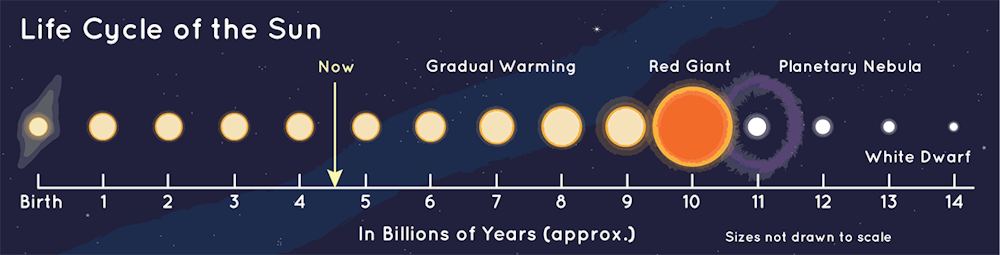
    In 1983, Carter attempted to explain what he called a remarkable coincidence: the close approximation between the estimated lifespan of the Sun – 10 billion years – and the time Earth took to produce humans – 5 billion years, rounding up.

    Brandon Carter is a physicist at the Laboratoire Univers et Théories in Meudon, France.
    Brandon Carter/Wikimedia Commons, CC BY-SA

    He imagined three possibilities. In one, intelligent life like humans generally arises very quickly on planets, geologically speaking – in perhaps millions of years. In another, it typically arises in about the time it took on Earth. And in the last, he imagined that Earth was lucky – ordinarily it would take much longer, say, trillions of years for such life to form.

    Carter rejected the first possibility because life on Earth took so much longer than that. He rejected the second as an unlikely coincidence, since there is no reason the processes that govern the Sun’s lifespan – nuclear fusion – should just happen to have the same timescale as biological evolution.

    So Carter landed on the third explanation: that humanlike life generally takes much longer to arise than the time provided by the lifetime of a star.

    The Sun will likely be able to keep planets habitable for only part of its lifetime – by the time it hits 10 billion years, it will get too hot.
    NASA/JPL-Caltech

    To explain why humanlike life took so long to arise, Carter proposed that it must depend on extremely unlikely evolutionary steps, and that the Earth is extraordinarily lucky to have taken them all.

    He called these evolutionary steps hard steps, and they had two main criteria. One, the hard steps must be required for human existence – meaning if they had not happened, then humans would not be here. Two, the hard steps must have very low probabilities of occurring in the available time, meaning they usually require timescales approaching 10 billion years.

    Tracing humans’ evolutionary lineage will bring you back billions of years.

    Do hard steps exist?

    The physicists Frank Tipler and John Barrow predicted that hard steps must have happened only once in the history of life – a logic taken from evolutionary biology.

    If an evolutionary innovation required for human existence was truly improbable in the available time, then it likely wouldn’t have happened more than once, although it must have happened at least once, since we exist.

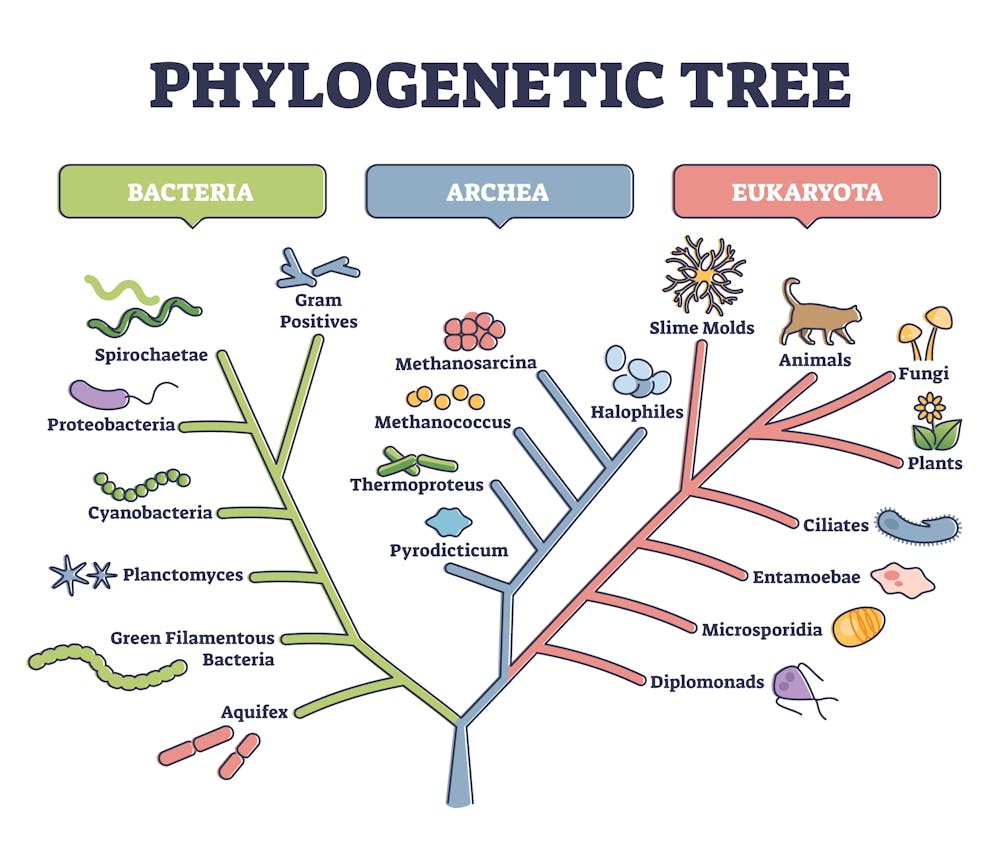
    For example, the origin of nucleated – or eukaryotic – cells is one of the most popular hard steps scientists have proposed. Since humans are eukaryotes, humanity would not exist if the origin of eukaryotic cells had never happened.

    On the universal tree of life, all eukaryotic life falls on exactly one branch. This suggests that eukaryotic cells originated only once, which is consistent with their origin being unlikely.

    In the evolutionary tree of life, organisms that have eukaryotic cells are all on the same branch, suggesting this type of cell evolved only once.
    VectorMine/iStock via Getty Images Plus

    The other most popular hard-step candidates – the origin of life, oxygen-producing photosynthesis, multicellular animals and humanlike intelligence – all share the same pattern. They are each constrained to a single branch on the tree of life.

    However, as the evolutionary biologist and paleontologist Geerat Vermeij argued, there are other ways to explain why these evolutionary events appear to have happened only once.

    This pattern of apparently singular origins could arise from information loss due to extinction and the incompleteness of the fossil record. Perhaps these innovations each evolved more than once, but only one example of each survived to the modern day. Maybe the extinct examples never became fossilized, or paleontologists haven’t recognized them in the fossil record.

    Or maybe these innovations did happen only once, but because they could have happened only once. For example, perhaps the first evolutionary lineage to achieve one of these innovations quickly outcompeted other similar organisms from other lineages for resources. Or maybe the first lineage changed the global environment so dramatically that other lineages lost the opportunity to evolve the same innovation. In other words, once the step occurred in one lineage, the chemical or ecological conditions were changed enough that other lineages could not develop in the same way.

    If these alternative mechanisms explain the uniqueness of these proposed hard steps, then none of them would actually qualify as hard steps.

    But if none of these steps were hard, then why didn’t humanlike intelligence evolve much sooner in the history of life?

    Environmental evolution

    Geobiologists reconstructing the conditions of the ancient Earth can easily come up with reasons why intelligent life did not evolve sooner in Earth history.

    For example, 90% of Earth’s history elapsed before the atmosphere had enough oxygen to support humans. Likewise, up to 50% of Earth’s history elapsed before the atmosphere had enough oxygen to support modern eukaryotic cells.

    All of the hard-step candidates have their own environmental requirements. When the Earth formed, these requirements weren’t in place. Instead, they appeared later on, as Earth’s surface environment changed.

    We suggest that as the Earth changed physically and chemically over time, its surface conditions allowed for a greater diversity of habitats for life. And these changes operate on geologic timescales – billions of years – explaining why the proposed hard steps evolved when they did, and not much earlier.

    In this view, humans originated when they did because the Earth became habitable to humans only relatively recently. Carter had not considered these points in 1983.

    Moving forward

    But hard steps could still exist. How can scientists test whether they do?

    Earth and life scientists could work together to determine when Earth’s surface environment first became supportive of each proposed hard step. Earth scientists could also forecast how much longer Earth will stay habitable for the different kinds of life associated with each proposed hard step – such as humans, animals and eukaryotic cells.

    Evolutionary biologists and paleontologists could better constrain how many times each hard-step candidate occurred. If they did occur only once each, they could see whether this came from their innate biological improbability or from environmental factors.

    Lastly, astronomers could use data from planets beyond the solar system to figure out how common life-hosting planets are, and how often these planets have hard-step candidates, such as oxygen-producing photosynthesis and intelligent life.

    If our view is correct, then the Earth and life have evolved together in a way that is more typical of life-supporting planets – not in the rare and improbable way that the hard-steps model predicts. Humanlike intelligence would then be a more expected outcome of Earth’s evolution, rather than a cosmic fluke.

    Researchers from a variety of disciplines, from paleontologists and biologists to astronomers, can work together to learn more about the probability of intelligent life evolving on Earth and elsewhere in the universe.

    If the evolution of humanlike life was more probable than the hard-steps model predicts, then researchers are more likely to find evidence for extraterrestrial intelligence in the future.

    Daniel Brady Mills receives funding from the German Research Foundation.

    Jason Wright works for Penn State University, where his research in the search for life in the universe is supported by internal funds, grants from NASA, and individual philanthropists.

    Jennifer L. Macalady works for Penn State University, where her research on how microorganisms, minerals and fluids interact through geologic time is supported by internal funds, grants from NASA and NSF, and grants from private foundations.

    ref. Evolving intelligent life took billions of years − but it may not have been as unlikely as many scientists predicted – https://theconversation.com/evolving-intelligent-life-took-billions-of-years-but-it-may-not-have-been-as-unlikely-as-many-scientists-predicted-249114

    MIL OSI – Global Reports

  • MIL-OSI USA: An Afternoon of Family Science and Rocket Exploration in Alaska

    Source: NASA

    On Tuesday, January 28th, Fairbanks BEST Homeschool joined the Geophysical Institute for an afternoon of rocket exploration, hands-on activities, and stargazing inside a planetarium. This event was free and open to the public. Despite their frigid winter weather, 200 attendees were curious about the scientific endeavors of Alaska-based researchers alongside cutting-edge investigations conducted by NASA rocket scientists.
    Families and friends in attendance learned about two NASA rocket missions that would study the flickering and vanishing auroras: Ground Imaging to Rocket investigation of Auroral Fast Features (GIRAFF) and Black and Diffuse Aurora Science Surveyor (BaDASS). Visitors had an opportunity to sign up for text notifications related to the launch window. The planetarium presentations touch on Heliophysics Big Ideas that align with the three questions that drive NASA’s heliophysics research:

    What are the impacts of the changing sun on humanity?
    How do Earth, the solar system, and the heliosphere respond to changes on the sun?
    What causes the sun to vary?

    The event also offered sun-related hands-on activities provided by the University of Alaska Museum of the North.
    This event was offered to the community in association with the Science For Alaska Lecture Series and the 2025 NASA Sounding Rocket campaign. Every attendee left with something inspiring to think about. Parents and educators interested in learning more about auroras and do participatory science may check out NASA’s Aurorasaurus citizen science project.
    The Geophysical Institute at the University of Alaska Fairbanks is a Co-Investigating team for the NASA Heliophysics Education Activation Team (NASA HEAT), which is part of NASA’s Science Activation Portfolio. Learn more about how Science Activation connects NASA science experts, content, and experiences with community leaders to do science in ways that activate minds and promote deeper understanding of our world and beyond: https://science.nasa.gov/learn
    Aurora Educational Resource List by Aurorasaurus

    It was so much fun! We are receiving rave reviews from our families and the surrounding community. THANK YOU AGAIN FOR COLLABORATING WITH US!

    Fairbanks BEST Homeschool

    MIL OSI USA News

  • MIL-OSI USA: Deadlines approaching for Promise Scholarship, West Virginia Higher Education Grant Program – West Virginia Higher Education Policy Commission

    Source: US State of West Virginia

    CHARLESTON, W.Va. – The West Virginia Higher Education Policy Commission and Community and Technical College System remind students that the deadlines to apply for the merit-based financial aid program Promise Scholarship and the need-based West Virginia Higher Education Grant Program (HEGP) for the 2025-2026 academic year are quickly approaching. High school seniors may apply for the $5,500 annual Promise award until March 1; and the $3,400 Higher Education Grant annual award until April 15.

    “The Promise Scholarship and Higher Education Grant open doors of opportunity for West Virginia’s students,” said Dr. Sarah Armstrong Tucker, West Virginia’s Chancellor of Higher Education. “I encourage this year’s high school seniors to complete the FAFSA and apply for our state’s financial aid programs, and to reach out to our office for support.”

    “In addition, anyone planning to enroll in college within the next 12 months should file the FAFSA to see if they are eligible for the HEGP,” Chancellor Tucker added. “This includes adult first-time students and those returning to college to retrain.”

    The Promise Scholarship eligibility requirements for the class of 2025 are:

    • ACT: 21 composite score with a minimum of 19 in English, math, science, and reading.
    • SAT: 1080 total score with a minimum of 510 in math, evidence-based reading, and writing.

    The Promise Scholarship application and other eligibility requirements are available at cfwv.com/promise. The Free Application for Federal Student Aid (FAFSA), which is required to access all state and federal financial aid and serves as the application for the HEGP, can be completed online at fafsa.gov.  

    For assistance filing the FAFSA or with applications, students and families are encouraged to call the state’s financial aid hotline at 877-987-7664. Students are also encouraged to sign up for West Virginia’s text-message college counseling program, “Txt 4 Success,” by visiting cfwvconnect.com/txt-4-success/.

    MIL OSI USA News

  • MIL-OSI United Nations: Experts of the Committee on Economic, Social and Cultural Rights Commend the United Kingdom on Steps Taken to Provide a Real Living Wage, Ask Questions on Reported Discriminatory Legislation for Asylum Seekers and High Levels of Child Poverty

    Source: United Nations – Geneva

    The Committee on Economic, Social and Cultural Rights today concluded its review of the seventh periodic report of the United Kingdom of Great Britain and Northern Ireland, with Committee Experts commending the steps taken to provide a real living wage, while asking questions on reported discriminatory legislation for asylum seekers and high levels of child poverty in the State party. 

    Joo-Young Lee, Committee Expert and Taskforce Member, said in its reply to the list of issues, the State party stated that the level of the minimum living wage for this year would be set at a level not below two-thirds of the median earnings in the United Kingdom.  For the first time, the cost of living would also be taken into account in this process, with the aim of providing a real living wage, which was commendable. 

    Seree Nonthasoot, Committee Expert and Taskforce Leader, said it had been reported that the discriminatory effects of such recent legislation as the Nationality and Borders Act 2022, the Illegal Migration Act 2023, and the Safety of Rwanda (Asylum and Immigration) Act 2024 had hindered access by migrants in an irregular situation and asylum seekers to social protection benefits.  Could the State party clarify if these hindering measures were in place and if social benefits would be ensured to this marginalised group?

    Julieta Rossi, Committee Expert and Taskforce Member, said the United Kingdom was one of the richest economies in the world, yet extremely high figures of poverty persisted. According to information, during the period 2022/2023, 21 per cent of the population lived in relative poverty, with alarming rates of 30 per cent in childhood, or 4.3 million children.  Was the State developing a strategy to achieve a drastic and short-term reduction of poverty, which prioritised child poverty and poverty of disadvantaged groups? 

    The delegation said last month, a new border security, asylum and immigration bill was introduced to parliament, which included the repeal of the Safety of Rwanda Act and amended the Illegal Migration Act, including the duty to remove individuals who had arrived in the United Kingdom immediately.  The Nationality and Borders Act remained in place, but all asylum claims were individually considered in line with international obligations. 

    Concerning child poverty, the delegation said the United Kingdom Government was developing a child poverty strategy to be launched in spring, as part of a 10-year strategy to address the issue.  The strategy would look at increasing incomes, reducing essential costs, and better local support.  The incoming Government had committed to ending dependence on emergency food parcels. In the financial year 2025/2026, funding of 742 million pounds would be devolved to local governments to help address this issue.

    Robert Linham, Deputy Director, Rights Policy, Ministry of Justice of the United Kingdom and head of the delegation, introducing the report, said the United Kingdom had a system of asymmetric devolution.  The position of the United Kingdom Government remained that incorporation was not necessary for the Covenant’s full implementation, which had been secured through a combination of policies and legislation.  But the Scottish Government had embarked on a programme to incorporate international treaties into Scots law.  Regarding the right to work, increasing the number of people in work was central to the United Kingdom Government’s mission to grow the economy.  Proposals, backed by 240 million pounds of investment, had been announced to reform employment support and create an inclusive labour market. 

    In concluding remarks, Mr. Nonthasoot extended appreciation to the United Kingdom delegation for its superb time and sequence management, which allowed the Committee to raise all relevant questions.  The Committee implored the United Kingdom to ensure that all Crown Dependencies and Overseas Territories under its control provided the highest standard of human rights to everyone. 

    In his concluding remarks, Mr. Linham said the dialogue had been rich and detailed, covering a variety of issues.  It was hoped that the Committee could see the efforts being undertaken in the whole of the United Kingdom to improve economic, social and cultural rights. 

    The delegation of the United Kingdom was comprised of representatives from the Ministry of Justice; the Ministry of Housing Communities and Local Government; the United Nations Human Rights and IMA Policy Team; the Department for Business and Trade; the Department for Digital, Culture, Media and Sport; the Department for Education; the Department for Work Pensions; the Department for Environment, Food and Rural Affairs; the Department for Energy and Net Zero; the Department of Health and Social Care; the Foreign, Commonwealth and Development Office; the HM Treasury; the Home Office; the Scottish Government; the Welsh Government; the Northern Ireland Executive Office; the Attorney General’s Chambers for the Isle of Man; the Government of Jersey; and the Permanent Mission of the United Kingdom to the United Nations Office at Geneva.

    The Committee’s seventy-seventh session is being held until 28 February 2025.  All documents relating to the Committee’s work, including reports submitted by States parties, can be found on the session’s webpage.  Webcasts of the meetings of the session can be found here, and meetings summaries can be found here.

    The Committee will next meet in public at 3 p.m. on Monday, 17 February to begin its consideration of the fifth periodic report of Rwanda (E/C.12/RWA/5).

    Report

    The Committee has before it the seventh periodic report of the United Kingdom of Great Britain and Northern Ireland (E/C.12/GBR/7).

    Presentation of Report

    ROBERT LINHAM, Deputy Director, Rights Policy, Ministry of Justice of the United Kingdom and head of the delegation, said the United Kingdom had a system of asymmetric devolution by which specified areas of responsibility were devolved to some or all of Northern Ireland, Scotland and Wales.  For example, health and education were devolved to all three nations; social security was fully devolved to Northern Ireland but only in part to Scotland; and immigration was largely reserved to the United Kingdom Government.  The delegation also represented the three Crown Dependencies: the Bailiwick of Jersey, the Bailiwick of Guernsey, and the Isle of Man, as well as the 14 British Overseas Territories, home to 250,000 people. 

    One example of devolution in practice related to the incorporation of the Covenant into national law.  The position of the United Kingdom Government remained that incorporation was not necessary for the Covenant’s full implementation, which had been secured through a combination of policies and legislation; and further what it would take to incorporate the Covenant would not be justified by the benefits.  But the Scottish Government had embarked on a programme to incorporate international treaties into Scots law. Its incorporation of the Convention on the Rights of the Child, with two Optional Protocols, came into force last July; and the Scottish Government had committed, subject to the outcome of the next election, to introduce a human rights bill in the next session of Parliament that would give domestic legal effect in Scots law to the present Covenant and some other United Nations treaties.

    Since the restoration of the Northern Ireland Executive and political institutions in February last year, new initiatives had been launched, including an additional 25 million pounds to support early learning and childcare, the provision of free period products to anyone who needed them, and a strategy to end violence against women and girls.  The United Kingdom general election in June 2024 resulted in a change of government to the Labour Party.  In some areas, the approach had already changed quite radically, while other policies remained under review. 

    Regarding the right to work, increasing the number of people in work was central to the United Kingdom Government’s mission to grow the economy.  Proposals, backed by 240 million pounds of investment, had been announced to reform employment support and create an inclusive labour market. Last October, the Government also introduced an employment rights bill into the United Kingdom’s Parliament to increase workers’ rights to better working conditions and more secure work, and to improve industrial relations.  It also included protections from sexual harassment; gender and menopause action plans; and enhanced rights for pregnant workers.

    In the same vein, Guernsey enacted legislation that formally made discrimination on the grounds of race, disability, carer status, religion or belief, and sexual orientation unlawful, covering the fields of employment, the provision of goods and services, accommodation, and membership of clubs and associations.

    Regarding the right to health, England introduced the “Core 20 Plus 5” approach to reduce healthcare inequalities, amongst the most deprived 20 per cent of the population. The Government’s goal was to halve the gap in healthy life expectancy between England’s richest and poorest regions, which in 2020 stood at 10.8 years.  The mental health bill, introduced into Parliament last November, sought to address inadequate care of autistic people and people with learning disabilities, and reduce their unnecessary detention.

    Using newly devolved powers as part of its goal to eradicate child poverty, the Scottish Government introduced five payments to eligible families.  Three Best Start Grants provided one-off payments at key stages in a child’s life.  Best Start Foods was a regular weekly payment to help buy milk and healthy food.  And the Scottish Child Payment helped with the costs of supporting a family.  Similarly, Wales offered free school meals to all children in State primary schools.

    In cultural rights, the United Kingdom last year ratified the 2003 United Nations Educational, Scientific and Cultural Organization Convention for the Safeguarding of Intangible Cultural Heritage.  In Wales, the Cymraeg 2050 Welsh Language Strategy saw almost 17,000 people studying with the National Centre for Learning Welsh in 2022/23, a 33 per cent increase over five years.  Regarding environmental commitments, finally, the Paris Agreement was extended to the Isle of Man, Jersey and Guernsey in 2022 and 2023. Mr. Linham said the United Kingdom was committed to upholding the rights set out in the Covenant. 

    Questions by Committee Experts

    SEREE NONTHASOOT, Committee Expert and Taskforce Leader, said the Committee, via the Secretariat, had received more than 72 submissions pertaining to the periodic report of the State party, probably the highest number thus far for any State party, which attested to the attention and interest that the international community and stakeholders gave to the State party and its report.  It was also important to note, following the submission of the report, that there was a general election in July 2024 and a new administration had since been appointed. 

    The Committee observed that the Covenant could not be applied directly by the State party’s domestic courts.  While there was alignment between the State party’s Human Rights Act 1998 and the European Convention on Human Rights, there was as yet no such transposition mechanism for the Covenant?  Was the Covenant applicable in Anguilla and Northern Ireland?  When would the nearly 50-year-old reservations to the Covenant be withdrawn?  Did the State party’s plan to ratify the Optional Protocol to the Covenant?

    The Committee recognised the State party’s record in introducing the first national action plan on business and human rights in the world in 2013, which was updated in 2016, and the Modern Slavery Act in 2015.  However, there was still an absence of a comprehensive legal framework for human rights due diligence, especially by United Kingdom companies in their transnational operations.  Could clarification on this be provided?  When would systematic and mandatory human rights due diligence be introduced? 

    Was the State party contemplating adopting a sectoral approach in the revision of the national action plan, where key sectoral performance indicators could be specified, for example in banking and finance, retail, construction, and health?  Did the State party intend to integrate effective remedial mechanisms, including legal aid to victims into the next national action plan and, more strategically, binding legislation? Would non-judicial recourse be provided for victims in extraterritorial cases?

    The Committee had scrutinised the 2024 report submitted to Parliament by the United Kingdom’s Climate Change Committee and found alarming findings.  The Committee concluded that only a third of the emissions reductions required to achieve the 2030 target were covered by credible plans, and low-carbon technologies must become the norm.  The Committee was also concerned that the devolved structure of the State party’s administrations had led to the fact that obligations arising from the Paris Agreement had not extended to all Crown Dependencies and Overseas Territories.  What was the concrete policy path to meet the action lines and targets, particularly home decarbonisation and adaptation?  How would the Paris Agreement have full coverage and effect in the territory of the State party?

    How was the State party addressing the tax system which had created negative impacts on vulnerable and marginalised groups, including the regressive nature of the value added tax on low-income households, and the welfare to work policies that posed a burden on people with disabilities?  In November 2024, the net public debt of the United Kingdom stood at 98.1 per cent.  How was this high public debt level impacting social budget programmes and what was the medium- and long-term direction on public debt management which would sustain basic public service investment and maintenance? 

    Could the State party provide policy trajectory on the concrete plan to tackle tax evasion and illicit financial flows, and in particular the reform of law and regulations in the British Virgin Islands, the Cayman Islands, Bermuda and other Overseas Territories that were indexed as tax havens?

    How did the new administration intend to address the regional disparity issue?  What were the cumulative impacts of the two austerity programmes implemented by the United Kingdom? 

    Had an assessment been carried out to implement the official development assistance restoration to 0.7% of the gross national income.  There were reports indicating that part of the development aid through British International Investment had caused impacts on key sectors responsible for delivering human rights, including health and education.  Could this be clarified?  The Committee was concerned by the lack of comprehensive anti-discrimination legislation; could the delegation provide more information around this? 

    While the State party had achieved good progress on gender equality, there were challenges in the fragmented and uneven legislative frameworks on women’s rights, particularly in Northern Ireland, Overseas Territories and Crown Dependencies. There were also news reports of incidents of sexual exploitation and violence against women and young girls by ‘grooming gangs’ in places like Oldham, north Manchester. Was this an isolated incident or a common occurrence and what had been done to address the issue?

    It had been reported that the discriminatory effects of such recent legislation as the Nationality and Borders Act 2022, the Illegal Migration Act 2023, and the Safety of Rwanda (Asylum and Immigration) Act 2024 had hindered access by migrants in an irregular situation and asylum seekers to social protection benefits.  Could the State Party clarify if these hindering measures were in place and if social benefits would be ensured to this marginalised group?

    Responses by the Delegation 

    The delegation said there was no obligation to incorporate the Covenant under domestic law. Successive Governments had explored ratifying the Optional Protocol and the view of previous Governments was that the protections were negligible.  The Covenant was applicable in England, Wales, Scotland, the three Crown Dependencies and the Overseas Territories.  Some of the reservations existing in the name of the United Kingdom related to territories which were no longer part of the United Kingdom, including the Solomon Islands and Tuvalu which were no longer British Overseas Territories, but sovereign States in their own right.   

    The Scottish Government had developed proposals to give domestic legal effect to the rights contained in the Covenant, by incorporating them into the Scottish legal framework.  The Government aimed to deliver a clear and workable law for the authorities that would implement it. 

    The Prime Minister had announced a commitment to reduce emissions by at least 81 per cent by 2035.  The target covered all sectors and categories and was aligned with the Paris Agreement. The United Kingdom was committed to extending its ratification of the Paris Agreement to all Overseas Territories and Crown Dependencies.  The Government had committed an additional 3.4 billion pounds to the “Warm Home Plan”, to support decarbonisation and cut bills for household heating. 

    The United Kingdom was committed to making the tax system fairer and more sustainable.  The Government had committed to not increasing tax on working people.  Recent tax changes had been targeted at the highest income households and working people had been largely protected from these tax increases.  Jersey was committed to introducing measures to reduce harmful tax measures.  Jersey’s 2019 economic substance law required companies to prove their genuine business activity, preventing those without real operations from artificially reporting profits. 

    A campaign had been launched against illicit finance.  At a recent joint ministerial council, the United Kingdom confirmed that Overseas Territories needed to implement fully public registers of beneficial ownership, which were key in targeting against corruption and tax evasion.  There were strong policies in place to monitor the impact of development aid programmes. 

    In recent years, there had been an increase in the representation of women in parliament, as well as in senior positions in the private sector, where women now represented 41 per cent.  The United Kingdom had mandatory gender pay gap reporting, which had shown a significant close in the size of the gender pay gap.  The current Government had introduced a bill which would introduce a new duty on employers to outline how they planned to close the gender pay gap. 

    There had been no agreement on a single equality bill in Northern Ireland, but numerous statutes had been enacted over the past few years.  Legislation now prohibited less favourable treatment in employment, education and public functions among others. 

    The safety of children was of paramount importance, but for too long grooming gangs had operated, victims had been ignored, and perpetrators had gone unpunished.  A 10-million-pound action plan to tackle grooming gangs and child sexual abuse had been announced, which would allow victims to have the chance to have their cases re-heard.  Survivors and victims would allow their closed cases to be reviewed by an independent panel, when they previously were not taken forward to prosecution by the Crown.  An audit would begin soon which would draw on the views of victims and survivors. 

    Last month, a new border security, asylum and immigration bill was introduced to parliament, which included the repeal of the Safety of Rwanda Act and amended the Illegal Migration Act, including the duty to remove individuals who had arrived in the United Kingdom immediately.  The Nationality and Borders Act remained in place, but all asylum claims were individually considered in line with international obligations. 

    Questions by Committee Experts

    SEREE NONTHASOOT, Committee Expert and Taskforce Leader, said reports had been received that the Northern Ireland human rights commission was at risk of losing its A status due to insufficient funding.  The Committee would like to raise this concern.  Why did the United Kingdom not adopt the same approach as the Scottish Government in incorporating the Covenant in domestic legislation so that all people could enjoy protection from the Covenant?  What was the State doing to reduce homelessness?  The Committee was very concerned that violent incidents against women would become systematic.  There should be a clear indication on how to prevent this type of violence. 

    JOO-YOUNG LEE, Committee Expert and Taskforce Member, asked what measures the Government would take to give full legal effect to the Covenant, and ensure victims of violations of economic, cultural and social rights had full access to legal remedies?  The Committee was pleased the Scottish Government had proposed the human rights bill, and hoped the provisions of the Covenant would be incorporated.  What was the plan to enact a bill of rights for northern Ireland?

    A Committee Expert asked how the State was planning a social green transformation? 

    Another Expert asked if there were any developments underway regarding the participation of the United Kingdom in the revised European Social Charter? 

    Responses by the Delegation 

    The delegation said all three of the human rights institutions had A status and adequate funding for their role.  At the most recent review of Northern Ireland, it was re-accredited with A status, and a baseline budget review had been launched for the Commission in 2024. 

    There was no obligation for direct justiciability for the rights of the Covenant under domestic law. The United Kingdom had no plans to ratify the revised European Social Charter. 

    It was intended that legislation in Scotland would increase accountability for the Covenant. 

    The debt to gross domestic product ratio was expected to fall in the final year of the five-year forecast. 

    The State would upgrade five million homes across the country through new technologies, including solar heat pumps and installation.  The transition to warmer, decarbonised homes would include support for the most vulnerable to combat fuel poverty.  Climate change would have a disproportionate impact on the most vulnerable of society, including those with pre-existing medical conditions.  The country’s climate change risk assessment took this into account and built into the development of the National Adaptation Programme.  It was essential that transition plans to net-zero were resilient in themselves.

    The Government was working on a strategy to end homelessness.  Last year, a funding increase was announced for homelessness services and initiatives were announced to allow renters to challenge rental increases. 

    Tackling violence against women and girls was a priority for the Government, and the State pledged to halve violence against women and girls within the next decade. 

    Questions by Committee Experts

    JOO-YOUNG LEE, Committee Expert and Taskforce Member, said that according to information that the Committee had received, although some employment gaps gradually narrowed over time, ethnic minorities, women, young people, and persons with disabilities continued to face higher levels of unemployment and were more likely to be in a low-paid jobs.  How had the State party analysed the underlying causes of employment and pay gaps, and what was the impact of these measures on ethnic minorities, women, young people and persons with disabilities in their access to decent work?

    Information received by the Committee indicated that the level of national minimum wage and national living wage was insufficient to ensure an adequate standard of living for workers, as it did not keep pace with the rising cost of living.  In its reply to the list of issues, the State party stated that the level of the minimum living wage for this year would be set at a level not below two-thirds of the median earnings in the United Kingdom. For the first time, the cost of living would also be taken into account in this process, with the aim of providing a real living wage, which was commendable.  Had the State party adopted a methodology for determining the level of the national minimum wage and the national living wage that was indexed to the cost of living. 

    What measures were being taken to address precarious work such as exploitative zero-hour contracts and to enhance security of employment?  What measures were taken to protect workers from labour exploitations and to impose appropriate sanctions on those responsible?  The Committee noted that the State party planned to establish a single body, a Fair Work Agency, to enhance the effectiveness of the protection of workers.  How would it be ensured that the body had necessary 

    powers and resources to effectively monitor working conditions and protect workers?  What measures were taken to ensure the right to strike?

    According to information received by the Committee, the level of social security benefits was not sufficient for a decent standard of living.  Information indicated that the social security system, including the Universal Credit, was not providing people with adequate social protection. What measures were being taken to ensure that the level of social security benefits was adequate and determined by an assessment of the real cost of an adequate standard of living?  Had the State party carried out an assessment of the impact on people of such measures as the benefit cap, the two-child policy, the so-called “bed-room tax” and the five-week wait, and if so, what measures were being taken to address these impacts?  What measures were being taken to ensure that any conditions for benefits were proportionate and did not result in stigmatisation and degradation of claimants?

    What measures had the State taken to ensure the availability, accessibility, and affordability of quality childcare, including childcare for disabled children?

    How was it ensured that quality social care was available, accessible, and affordable for adults who needed care and support, including older persons?

    Responses by the Delegation 

    The delegation said the creation of the national minimum wage had been one of the most successful economic interventions in the United Kingdom in the past 25 years.  The Government was determined to deliver a genuine living wage and had asked the Low Pay Commission to take account of the cost of living in recommending the appropriate rates for 2025 onwards.  The Low Pay Commission expected that three million low paid workers would receive a pay rise.  The Government had recently introduced an employment rights bill which would include a right to guaranteed hours.  There would be new rights to reasonable notice of shift cancellations, and the bills would close loopholes regarding scrupulous “fire to hire” practices. The Government aimed to protect workers and business from the minority of employers who broke the rules.   

    Migrant workers had the same employment rights and protections as other United Kingdom workers, including the minimum wage and protection against discrimination.  In 2023, it was ensured that all seasonal workers would receive at least 32 hours of work per week, and the minimum wage was also raised. 

    The employment rate for people of Bangladeshi and Pakistani origin had increased in recent years; historically this was low in the United Kingdom.  Levels of qualifications at schools were lower for some ethnic groups, which affected employment opportunities.  The State was planning to introduce mandatory pay reporting by ethnicity and disability. 

    A whitepaper would be published setting out the reforms expected by the Government on health and disability.  There were a range of ethnic minority support mechanisms in place. 

    The current rates of income-related benefits did not represent a minimum requirement, which could vary depending on people’s circumstances.  The current Government had committed to reviewing universal credit to tackle poverty.  The new child poverty strategy would focus on the benefit cap and the two-child limit. The Department for Work and Pensions published a range of independent evaluations in a wide range of social policy, including households below-average incomes. 

    The Government would provide more than eight billion pounds this year for education, representing a 30 per cent increase from the previous year.  Tax free childcare was a United-Kingdom wide offer to support parents to return to work, or work more when they needed to.  Families could receive up to 2,000 pounds per child per year, or 4,000 pounds if the child had a disability.   

    A fund could be used to increase funds paid to adult social care providers and reduce waiting times. The Care Act 2014 placed emphasis on local authorities to shape their care market, making sure they were meeting the needs of the local population. 

    In 2022, the Scottish Government published a refreshed Fair Work Vision, with a key goal of reducing the gender pay gap.  The median gender pay gap had decreased from 15.6 per cent in 2016, to 9.2 per cent in 2024. The disability employment had been reduced to around 37 per cent, which was its lowest level, with plans to halve the gap by 2028.  The Scottish Government was delivering 15 social security payments and was investing around 6.9 billion pounds in social security payments. 

    Questions by Committee Experts

    JOO-YOUNG LEE, Committee Expert and Taskforce Member, asked how the State would ensure the income-related benefits were adequate for those living in disadvantaged situations?  According to information, there may be a gap among the poorest of families for accessing childcare entitlements, particularly families that were not working. Could this be clarified? 

    A Committee Expert asked for examples where violations of the right of women workers compared to men had been judicially assessed?  What remedies were applied?

    Another Expert asked if there were plans for a participatory poverty assessment to be conducted every few years to identify those who were affected?   

    SEREE NONTHASOOT, Committee Expert and Taskforce Leader, asked if indexation based on inflation would be adopted, to more accurately reflect the living wage? 

    JULIETA ROSSI, Committee Expert and Taskforce Member, asked about the two-child cap on certain social security benefits, including universal credit.  This cap could have a huge impact on child poverty levels.  What was the rationale behind this?  What were the obstacles to immediately repealing the two-child limit?  The State had a high level of child policy, up to 30 per cent, so the Committee would appreciate more information being provided on this subject.

    Responses by the Delegation 

    The delegation said income-related benefits were rated annually in the United Kingdom, based on the level of the consumer-prices index.  As such, benefits for 2025 would be increased by 1.7 per cent.  The two-child cap was introduced as the United Kingdom faced a financial crisis a few years ago.  There was absolutely a relationship between the cap and the number of children in poverty.  The cap remained in place, but a taskforce was reviewing how the State would tackle the high levels of child poverty in the country, and would determine the best steps in this regard.  Removing the cap depended on the United Kingdom’s fiscal position. 

    The Low Pay Commission made annual recommendations on the appropriate rates of entities such as the minimum wage.  The Government’s impact assessment for 2025 found that women, younger and older workers, workers with a disability, and those from ethnic backgrounds, were more likely to be in minimum wage drops and more likely to benefit from the raising of the minimum wage in April 2025.  The Government had committed to reviewing the parental leave system to ensure it offered the best support to working families. 

    The Scottish Government had used other policies to determine the real living wage, including when issuing public sector grants and other funding.  The proposed human rights bill would aim to meet standards pertaining to the Covenant. 

    Working parent entitlements were established to support parents to return to work, which was why that entitlement was contingent on work.  Non-working families could access 15 hours of Government-funded early education. 

    The Education Minister in Northern Ireland was committed to bringing forward a strategy which would make childcare more affordable, among other initiatives.  A new childcare subsidy scheme had been implemented, and preschool education had been expanded, allowing more than 2,000 additional children to receive a fulltime place in 2025. 

    Questions by Committee Experts

    JULIETA ROSSI, Committee Expert and Taskforce Member, said the United Kingdom was one of the richest economies in the world, yet extremely high figures of poverty persisted.  According to information, during the period 2022/2023, 21 per cent of the population lived in relative poverty, with alarming rates of 30 per cent in childhood, or 4.3 million children.  Was the State developing a strategy to achieve a drastic and short-term reduction of poverty, which prioritised child poverty and poverty of disadvantaged groups? What measures had the State implemented in response to the recommendations of the review of child welfare care, as well as those issued by the Committee on the Rights of the Child in June 2023?

    According to statistics, food insecurity increased from 4.7 million to 7.2 million between 2021/22 and 2022/23, especially affecting low-income households.  What was the Government doing to address this alarming situation?  According to reports, there was a persistent housing crisis in the State party, including increasing rates of homelessness in the country, with most being women. Housing prices were high, as were mortgage rates, with rents rising higher than inflation in some parts of the country.  The lack of affordable housing for persons with disabilities was a factor which determined that they remained institutionalised, and there was inadequate initial accommodation for asylum seekers, among other issues.  What was the Government doing to address this crisis? 

    According to independent research commissioned by the Government in 2024, the National Health Service in England was in critical condition due to lack of funding, the impact of the COVID-19 pandemic, staff shortages and inefficiency in management. What were the details of the results of the investigation, and the drafting of a 10-year plan to address these issues? 

    Suicide rates remained high in the country, especially among men.  Persons with disabilities, gypsy, Roma and nomadic communities had high suicide rates compared to the general population.  Could information about the new mental health bill for England and Wales be provided?  What were the developments in other jurisdictions?


    Data from 2020 to 2022 showed the highest maternal mortality rates in England since 2003 to 2005, with a disproportionate impact on women in the most deprived areas. What were the results of the research commissioned by the Task Force on Maternal Disparities in 2022 and the policies in place to address this issue?  Access to sexual and reproductive care across the UK showed regional disparities; what measures had been adopted to unify this? 

    There had been a huge increase in drug-related deaths in the State party.  What plans and strategies were in place to prevent deaths, taking into account the disproportionate impact on certain communities? Were there plans to review the criminalisation of personal consumption and expand harm reduction services, including supervised drug consumption rooms?

    Responses by the Delegation 

    The delegation said the United Kingdom Government was developing a child poverty strategy to be launched in spring, as part of a 10-year strategy to address the issue. The strategy would look at increasing incomes, reducing essential costs, and offering better local support.  The incoming Government had committed to ending dependence on emergency food parcels.  In the financial year 2025/2026, funding of 742 million pounds would be devolved to local governments to help address this issue.

    Concerning support for families, the State’s response published in 2023 was to shift the focus away from crisis intervention and towards early help for families, ensuring children remained with their families as much as possible.  This was a multidisciplinary support offer which would work with the entire family at the earliest level possible.  When children could not remain with their families, they were supported to live with kinship families or foster families. 

    A social supermarket programme had been rolled out across all areas in Northern Ireland from 2022 to address food poverty.  Other support included debt and benefits advice, health food advice, and cooking on a budget.  A programme to tackle organized crime was established in 2016 and it had been extended until 2027.  Sexual and reproductive health services were provided across all five trust areas in Northern Ireland.  There were workforce challenges and the need for further investment. 

    The United Kingdom Government had committed to support first time home buyers.  The Government was seeking to deliver the biggest increase in affordable housing in a generation, with 110,000 to 130,000 social homes to be built over the next five years.  Since 2021, local authorities in England were required to ensure victims of domestic abuse and their children could access safe accommodation.  The Government would invest 160 million pounds in domestic safe accommodation in the next financial year. 

    Concerning Travellers, the Government aimed to ensure fair and equal treatment for them.  The revised policy for Traveller sites outlined that accommodation for Travellers should provide access for healthy lifestyles and health services. 

    The Scottish Government regarded poverty as a huge concern and had implemented the Child Poverty Act, which required poverty reduction plans to be published every four years.  Actions in the plans included raising incomes and lowering essential costs.  The Scottish Government had committed over three million pounds for remote rural and island health care.  The aim was to develop a model where services were provided as locally as possible, to ensure equitable outcomes. 

    Progress had been made in maternal care in the rural north of Scotland, via the plan which focused on restoring obstetric maternity care in the area.  The Scottish Government acknowledged that the number of drug and alcohol related deaths in Scotland remained too high.  The Government had launched a five-year mission to combat this, and the first “Safer Drug Consumption” facility in the United Kingdom had been opened in Glasgow last year. 

    One of the Government’s priorities was to clear the asylum backlog claims, and ensure people were housed in more effective and supervised accommodation.  Due to the exceptional number of unaccompanied children arriving in the United Kingdom from 2020, the Home Office had opened hotels to support these children, with a team residing within the hotels to support each child.  The teams included staff to provide medical and psychological support.  When the last hotel closed in 2024, all remaining children went directly into State care.  The United Kingdom had no plans to legalise or decriminalise drugs. 

    The mental health bill was introduced in November 2024 and would modernise the mental health act, including through addressing unnecessary detentions shaped by racial disparity.  The suicide strategy for England looked at what could be done for groups with higher suicide rates, including autistic people, Roma, refugees, asylum seekers and lesbian, gay, bisexual, transgender and intersex persons.   Anyone in England experiencing a mental health crisis could speak with a trained member of the National Health Service on the phone.  An additional 150 million pounds had been invested over the past two years to support mental health services.  Fifty million pounds would be invested into research into maternity inequalities to improve outcomes for all women.  England supported harm reduction activities, including needle and syringe testing.

    Welsh Ministers had a duty to submit child poverty objectives, and report on them every three years.  There was a targeted school meals programme for children. Over 3.4 million pounds had been made available as a capital grant fund for local Welsh authorities to fund residential or transit sites for Travellers.  The Welsh Government was currently finalising a new mental health strategy, with a focus on tackling inequalities. 

    Questions by Committee Experts

    A Committee Expert commended the delegation for being so well prepared and for their excellent time management.  What steps had the State party taken to ensure a more just and equitable financial architecture which prioritised human rights in lending policies?  What steps had the State taken for cancelling debt for countries in debt crisis?  What was the State party’s position on the use of compulsory license to promote access to health products in foreign countries? 

    SEREE NONTHASOOT, Committee Expert and Taskforce Leader, said the Scottish Government had provided a good example of safer drug consumption facilities.  Why did this not go hand in hand with decriminalisation?  What was the trajectory of decriminalisation?  Would the United Kingdom adopt a universal drug 

    policy which covered all its territories?

    JULIETA ROSSI, Committee Expert and Taskforce Member, said there was a pressing need to implement the child poverty strategy as soon as possible.  Could a more specific timeline for its implementation be provided?   The United Kingdom was one of the wealthiest countries in the world and had an obligation to earmark resources to reverse the situation of poverty in the country. How was the State addressing the issue of energy poverty? 

    JOO-YOUNG LEE, Committee Expert and Taskforce Member, said there was a concern that rent rises, in combination with a lack of social housing, were putting families at risk of homelessness.  What was being done to address this issue?

    Another Expert asked for measures adopted to address child obesity?  Were taxes on junk food being increased?

    An Expert asked about the emergency response in Northern Ireland to address the large number of deaths of homeless people?

    A Committee Expert asked what indicators were used to measure poverty?  Did the State use the multidimensional poverty index?

    Responses by the Delegation 

    The delegation said the child poverty strategy would be published in the spring, but acknowledged that people living in poverty needed help now.  In the meantime, steps had been taken to reduce the universal credit rate, which would benefit 1.2 million households.  Some of the challenges around food poverty related to incomes, rather than access to food, and this was being addressed in the food poverty strategy.  The United Kingdom used the universally recognised definition of poverty, which was measured by income. 

    There were no plans to change United Kingdom drug laws.  There was clear medical and scientific evidence which showed that controlled drugs were harmful.  There were no plans to extend United Kingdom drug legislation to the Overseas Territories.

    The United Kingdom had committed 1.6 billion pounds to Gavi, the Vaccine Alliance, which was committed to sustainable and equitable access of vaccines.  The National Health Service had doubled investment in gender dysphoria services and increased the number of clinics from seven to 12. 

    Obesity was concentrated within the most deprived areas.  The Government was addressing this by limiting school children’s access to fast food, preventing advertisements of the least healthy foods, and delivering schemes such as the healthy milk and the school fruit and vegetables scheme. 

    The United Kingdom was committed to working with partners to tackle unsustainable debt and coordinated with other official creditors to provide debt relief and promote debt sustainability for developing countries. 

    Scotland had released the Good Food Nation Plan in 2024, setting out the objectives the Government aimed to achieve on food related issues.  The long-term strategy for housing was published in 2021, addressing housing supply across the whole country, affordability and choice, and housing’s role in achieving net zero. 

    Northern Ireland was tackling homelessness through a strategy and had developed a strategic action plan for accommodation.  Funding for homelessness services would increase to nearly one billion pounds in England in the next financial year to prevent rough sleeping.

    A levy was applied to pre-packaged soft drink with an added five grams of sugar per 100 millilitres; drinks that contained less than five grams of sugar did not pay the levy, which was paid by packagers and importers.  The Government had committed an additional 3.5 million pounds over the next few years for the warm homes plan, with multiple targeted schemes in place to deliver energy assistance to low-income households.   

    The United Kingdom was supportive of the development of a new sharing and benefits system to support adequate and fair sharing of benefits, and was committed to working with African partners to develop such a system.

    The United Kingdom published multi-dimensional poverty measures annually. The Government’s priority was to grow the economy, as this was the best way to improve living standards. To achieve growth, decisions on tax and spending needed to be balanced. 

    Questions by a Committee Expert

    LAURA CRACIUNEAN-TATU, Committee Chair and Taskforce Member of the United Kingdom, said in England and Wales, the attainment gaps in education were widening, with inadequate measures to address them.  In Scotland, the new bill on education had been criticised as it failed to address urgent needs, and there were high levels of bullying in school, including incidents of misogyny and racism.  There were also major issues of bullying in Northern Ireland, including cyberbullying, on the grounds of race, sexual orientation, gender identity or sex characteristics, disability, migration or other status.  Traveller and Roma children had some of the lowest levels of educational attainment.  Acts including the Special Needs Disability Act 2016 and the Integrated Education Act 2022 had not been fully implemented.  For Jersey, measures to address the poverty-related attainment gap were inefficient, and the Jersey premium had limited impact. 

    What measures had been implemented to address these challenges, and what were the concrete results? How were they evaluated in terms of impact and implementation?  How was it ensured that all educators were trained on bullying and what targeted measures were in place to address this issue?  Did children of migrant families have access to education, including language support, uniform grants, school meals and school transport?  How was it ensured that Traveller and Roma children remained in the educational system?  In Northern Ireland, there were currently 72 integrated schools; was there a plan to increase this number?  Was there any evaluation of the impact of the Jersey premium in reducing the attainment gap?  Were there any plans to address legislation to balance between the right to light work and the full benefit of education for children?

    Had the Irish Language Commissioner been appointed?  What measures were in place to ensure that the arts sector in all jurisdictions received sufficient, secure, long-term funding proportional to inflation, and that the right to take part in cultural life was not affected by the cost-of-living increases?  What measures were in place to ensure access to sport for transgender persons and persons with disabilities?

    Could information be provided on the status of the proposed Northern Ireland Troubles (Legacy and Reconciliation) Bill and how it would contribute to fostering intercultural dialogue and reconciliation?

    Responses by the Delegation

    The delegation said last year, a proposal for a draft remedial order was introduced into the United Kingdom parliament, as the first step to repeal and replace the Legacy Act. 

    The Government wanted to see more people engaging in physical activity, and that included transgender persons.  A different approach was required in competitive sport, where the Government had a responsibility to protect the integrity of women’s sport.  Each sport was different, and the Government worked with all sports organizations to prioritise integrity while also being inclusive.  For instance, tennis and golf had decided to protect the fairness of competition at the competitive level, but adopt a more inclusive approach at the recreational level. 

    Access to culture was a core part of the United Kingdom, and each part of the country had an Arts Council.  Much of the cultural offerings in the United Kingdom were free of charge, including entry to museums and free music tuition for children. 

    The Addressing Bullying in Schools Act in Northern Ireland commenced in 2021.  It put onus on schools to address the motivations of bullying and put policies in place at the school level.  Three new language authorities would be established with preparations at an advanced stage. 

    The Scottish Government published a cultural strategy in 2020 and a refreshed action plan to support delivery in 2023, responding to recent challenges including COVID-19 and the cost of living.  The Government had allocated more than 50 million pounds to cultural funding, which was an historic increase. 

    Wales had invested two million pounds in literacy programmes and 1.6 million pounds for science, technology, engineering and mathematics in schools.  In Wales, around 67 per cent of students attending mainstream schools could access a free school meal at lunchtime.  Tackling the impact of poverty in education was a priority. New guidance was published to help schools support Gypsy, Roma and Traveller students.  The school curriculum had been developed to be inclusive for all learners, with diversity as a cross-cutting theme.  Cardiff had been secured as the host of the Euro Games in 2027, which was a key event for lesbian, gay, bisexual, transgender and intersex persons. 

    Post COVID, the Government had established the Oak Academy, which had a specific focus on closing attainment gaps.  Teachers had reported positive outcomes when using Oak resources.  Local authorities were required to provide sufficient school places for the area.  No child could be denied schooling based on their ethnicity.  There was an active Gypsy and Roma stakeholder group which aimed to ensure that the barriers these young people faced were addressed. 

    Education Scotland had rolled out several programmes, including to address gender stereotypes, unconscious bias, and domestic abuse.  Numerous provisions had been put in place in Jersey to ensure equal education access for children from disadvantaged backgrounds. 

    Sport England had a 10-year plan to increase the participation of sport for persons with disabilities.  The overall investment figure into disability focused access was around 30 million pounds per year.  There had been 6.7 million pounds of investment directly to national disability sport organizations.  As a direct result of such investment, the United Kingdom took second place in the medal tally of the Paralympics last summer, which would inspire more people with disabilities to participate in sport. 

    Questions by Committee Experts

    JOO-YOUNG LEE, Committee Expert and Taskforce Member, asked what measures were in place to ensure children of pre-school age had access to affordable, quality childhood education?  The State party continued to treat social security as an instrument for getting people to work.  It was highly likely that if this approach continued, the State party would fail to address poverty.  Social security must be used to achieve an adequate standard of living for all people. 

    A Committee Expert asked to what extent corporal punishment at school was prohibited and sanctioned?  Was any form of corporal punishment against children treated as a criminal offence? What measures were being taken to implement anti-bullying plans? 

    JULIETA ROSSI, Committee Expert and Taskforce Member, asked how the State party was addressing the issue of stateless persons, particularly when it came to access to education and family reunification? 

    SEREE NONTHASOOT, Committee Expert and Taskforce Leader, said there were more than 80,000 children in foster care across the United Kingdom.  What was being done to close the attainment gaps in education for these children?  How was bullying prevented against lesbian, gay, bisexual, transgender and intersex students? 

    Responses by the Delegation

    The delegation said it was not correct that the Government considered social security just as a route to work.  Children’s early years were crucial to their development, health and life chances, and the Government aimed to set every child up to have the best start in life. 

    The Home Office Stateless Policy was designed to assist those who were not recognised as a citizen of any country.  This provided a means for stateless persons in the United Kingdom to access their basic human rights. 

    All forms of physical punishment of children were against the law in Scotland in all settings. An Act was passed in 2019 which removed the defence of “reasonable chastisement” to the existing offence of assault. 

    Closing Remarks

    SEREE NONTHASOOT, Committee Expert and Taskforce Leader, extended appreciation to the United Kingdom delegation for its superb time and sequence management, which allowed the Committee to raise all relevant questions.  The State party should implement robust legislative programmes and ensure people were confident that they would be protected at the international level.  The Committee implored the United Kingdom to ensure that all Crown Dependencies and Overseas Territories under its control provided the highest standard of human rights to everyone.  Mr. Nonthasoot thanked all those who had made the dialogue possible. 

    ROBERT LINHAM, Deputy Director, Rights Policy, Ministry of Justice of the United Kingdom and head of the delegation, said the dialogue had been rich and detailed, covering a variety of issues.  It was hoped that the Committee could see the efforts being undertaken in the whole of the United Kingdom to improve economic, social and cultural rights. The United Kingdom was a great supporter in the work of the treaty bodies and it was hoped this was evident through the dialogue.  Mr. Linham thanked everyone who had supported the dialogue. 


    Produced by the United Nations Information Service in Geneva for use of the media; 
    not an official record. English and French versions of our releases are different as they are the product of two separate coverage teams that work independently.


    CESCR25.004E

    MIL OSI United Nations News

  • MIL-OSI Europe: Highlights – Structured Dialogue with Commissioner Glenn Micallef – Committee on Culture and Education

    Source: European Parliament

    Commissioner Micallef © European Parliament

    On 19 February, the Committee on Culture and Education will hold its first structured dialogue with Commissioner Micallef. The discussions will focus, among others, on the implementation of ‘youth checks’ in the Annual Work Programme 2025, the Culture Compass, the European Sport Model, the action plan against cyberbullying and the Strategy on Intergenerational Fairness.

    MIL OSI Europe News

  • MIL-OSI Asia-Pac: When it comes to wellness and mental peace, Sadhguru Jaggi Vasudev is always among the most inspiring personalities: Prime Minister

    Source: Government of India (2)

    Posted On: 14 FEB 2025 8:12PM by PIB Delhi

    Remarking that Sadhguru Jaggi Vasudev is always among the most inspiring personalities when it comes to wellness and mental peace, the Prime Minister Shri Narendra Modi urged everyone to watch the 4th episode of Pariksha Pe Charcha tomorrow. 

    Responding to a post on X by MyGovIndia, Shri Modi said:

    “When it comes to wellness and mental peace, @SadhguruJV is always among the most inspiring personalities. I urge all #ExamWarriors and even their parents and teachers to watch this ‘Pariksha Pe Charcha’ episode tomorrow, 15th February.”


    ***

    MJPS/SR

    (Release ID: 2103372) Visitor Counter : 56

    MIL OSI Asia Pacific News

  • MIL-OSI Asia-Pac: Shri Dharmendra Pradhan, Yogi Adityanath, and Dr. L. Murugan to inaugurate KTS 3.0 on 15th February

    Source: Government of India (2)

    Shri Dharmendra Pradhan, Yogi Adityanath, and Dr. L. Murugan to inaugurate KTS 3.0 on 15th February

    Nearly 1200 delegates from Tamil Nadu to attend 10-day-long event

    Theme of KTS 3.0 will be Sage Agasthyar

    1st time the participants of KTS 3.0 to experience Mahakumbh and visit Ram Mandir at Ayodhya

    Posted On: 14 FEB 2025 8:05PM by PIB Delhi

    Union Minister for Education, Shri Dharmendra Pradhan; Chief Minister of Uttar Pradesh, Yogi Adityanath; and Union Minister of State for Ministry of Information and Broadcasting and Ministry of Parliamentary Affairs, Dr. L. Murugan will inaugurate the third edition of the Kashi Tamil Sangamam in Varanasi on 15th February 2025.

    The objective of the Kashi Tamil Sangamam is to rediscover, reaffirm, and celebrate the age-old links between Tamil Nadu and Kashi—two of the country’s most important and ancient seats of learning. The central theme of this edition of KTS will be Maharishi Agasthyar. During the event the delegates will also visit Mahakumbh and Shri Ayodhya Dham. The event will offer a divine experience and bring Tamil Nadu and Kashi—the two timeless centres of our civilisation and culture, more closer.

    An exhibition on the different facets of Sage Agasthyar and his contributions to world of Health, Philosophy, Science, Linguistics, Literature, Polity, Culture, Art, particularly to Tamil and Tamil Nadu, etc. and seminars, workshops, book release, etc. will be organised at Kashi during KTS 3.0.

    KTS 2.0 was inaugurated by Prime Minister Shri Narendra Modi at Varanasi on 17th December, 2023, with the first-ever real-time, app-based translation of a part of the Prime Minister’s speech in Tamil for the benefit of visiting Tamil delegates.

    *****

    MV/AK

    MOE/KTS/14 February 2025/3

    (Release ID: 2103369) Visitor Counter : 69

    MIL OSI Asia Pacific News

  • MIL-OSI Asia-Pac: Kashi Tamil Sangamam 3.0

    Source: Government of India (2)

    Kashi Tamil Sangamam 3.0

    Celebrating Unity in Diversity

    Posted On: 14 FEB 2025 6:16PM by PIB Delhi

    Introduction


    The Kashi Tamil Sangamam (KTS) 3.0 is scheduled to be held from February 15 to 24, 2025, in Varanasi, Uttar Pradesh. This prestigious cultural initiative, organized by the Ministry of Education in collaboration with various ministries and the Government of Uttar Pradesh, aims to celebrate and strengthen the ancient civilizational bond between Tamil Nadu and Kashi. The KTS seeks to provide an opportunity for scholars, students, philosophers, traders, artisans, artists and people from other walks of life from the two regions to come together, share their knowledge, culture and best practices and learn from each other’s experience. It also aims to make the youth aware and experience cultural oneness. The endeavor is in sync with NEP 2020’s emphasis on integrating the wealth of Indian Knowledge Systems with modern systems of knowledge.

    This year, the event is significant as for the first time, participants will get to witness the Mahakumbh in Prayagraj and visit the newly inaugurated Ram Mandir in Ayodhya. This 10-day-long event will conclude on 24th February 2025. Additionally, the National Education Policy 2020 underscores the importance of cultivating a modern generation aligned with the 21st-century mindset while remaining rooted in Indian culture.


    This year, the government has decided to bring around 1000 delegates from Tamil Nadu under five categories/groups:


    1

    Students, Teachers, and Writers

    2

    Farmers and Artisans (Vishwakarma Categories)

    3

    Professionals and Small Entrepreneurs

    4

    Women Self Help Groups (SHG), Mudra Loan beneficiaries, Dakshina Bharat Hindi Prachar Sabha (DBHPS) Pracharaks)

    5

    Start-up, Innovation, Edu-Tech, Research


    This year, an additional group of around 200 students of Tamil origin studying in various Central Universities will be a part of this event to enliven the bond between Kashi and Tamil Nadu. Participation of youth in all categories will be encouraged this year.


    Honoring Sage Agasthyar’s Legacy


    The main theme in this year’s event is highlighting the significant contributions of Sage Agasthyar to the Siddha System of Medicine (Bharatiya Chikitsa), Classical Tamil Literature, and also his contributions in the cultural unity of the Nation. Additionally, he is known for his unparalleled contributions to various fields, including Health, Philosophy, Science, Linguistics, Polity and Art, is revered as the first grammarian of the Tamil language in South India. His influence extends beyond India, as he is also worshipped in Java and Sumatra  for his role in propagating Indian culture.


    An exhibition dedicated to Sage Agasthyar will be organized in Kashi during KTS 3.0. This exhibition will highlight various aspects of his life and work, showcasing his significant contributions to the Tamil and Indian knowledge traditions. Additionally, the event will feature seminars, workshops, and book releases focused on his scholarly achievements.


    Bridging Tradition and Contemporary Discourse

    Kashi Tamil Sangamam, a brainchild of Prime Minister, Shri Narendra Modi, is an inspirational initiative to celebrate the timeless bonds between Tamil Nadu and Kashi, strengthen the civilisational links and further the spirit of Ek Bharat Shrestha Bharat.


    Key objectives include:

    • Highlighting the literary, spiritual, and artistic connections between Tamil Nadu and Kashi.
    • Encouraging academic and research-based interactions between scholars from both regions.
    • Showcasing traditional art forms, crafts, and cuisine to enhance cultural appreciation.
    • Providing a platform for Tamil students to explore the historical significance of Kashi and its ancient educational institutions.


    Kashi Tamil Sangamam: A Journey Through the Years


    The Inaugural Edition: KTS 1.0 (2022)

    The first edition of Kashi Tamil Sangamam was held from November 16th to December 16th 2022, with a whole of government approach. Over 2500 people from Tamil Nadu, representing 12 different walks of life, had travelled to Varanasi, Prayagraj and Ayodhya on 8 day-tours, during which they had an immersive experience of different aspects of life in and around Varanasi.

    KTS 2.0 (2023): Strengthening Intellectual and Cultural Ties

    Following its success, second edition of Kashi Tamil Sangamam (KTS 2.0) was organized by the Ministry of Education from 17.12.2023 to 30.12.2023 at Namo Ghat in Varanasi. It was inaugurated by Hon’ble PM Shri Narendra Modi at Varanasi on the 17th December, 2023, with the first time ever real time, app-based translation of a part of Hon’ble PM’s speech in Tamil for the benefit of visiting Tamil delegates.


    Conclusion


    The Kashi Tamil Sangamam 3.0, set to take place in February 2025 continues the mission of fostering deeper cultural and intellectual ties between Tamil Nadu and Kashi. By highlighting the legacy of Sage Agasthyar and bringing together diverse delegates, this initiative strengthens the bonds of India’s rich heritage and contributes to the spirit of Ek Bharat Shrestha Bharat.

    References


    1. https://pib.gov.in/PressReleaseIframePage.aspx?PRID=2093086
    2. https://ignca.gov.in/coilnet/kbhu_v01.htm
    3. https://kashitamil.iitm.ac.in/
    4. https://www.pib.gov.in/PressReleseDetail.aspx?PRID=1980396&reg=3&lang=1
    5. https://ekbharat.gov.in/KashiTamilSangamam/Programme_Brief

    Click here to download PDF

    *****

    Santosh Kumar/Sarla Meena/ Anchal Patiyal

    (Release ID: 2103308) Visitor Counter : 43

    MIL OSI Asia Pacific News

  • MIL-OSI Asia-Pac: CIL’s subsidiaries ink MoUs with Sri Sathya Sai Health & Education Trust for Life Saving Surgeries under ‘Nanha sa Dil’

    Source: Government of India (2)

    CIL’s subsidiaries ink MoUs with Sri Sathya Sai Health & Education Trust  for Life Saving Surgeries under ‘Nanha sa Dil’

    “MoUs will Yield Good Will Equity to Coal India and its Subsidiaries,” says Coal Secretary

    Posted On: 14 FEB 2025 5:57PM by PIB Delhi

    On Congenital Heart Defect Awareness Day, Central Coalfields Limited (CCL) and Northern Coalfields Limited (NCL), subsidiaries of Coal India Ltd (CIL), under the aegis of Ministry of Coal, signed separate Memorandums of Understanding (MoUs) with Sri Sathya Sai Health & Education Trust (SSSHET) to provide life-saving surgeries for children suffering from Congenital Heart Disease (CHD) under the ‘Nanha Sa Dil’ initiative. The signing ceremony was held at Shastri Bhawan, New Delhi.


    The MoUs were signed in the presence of Secretary (Coal), Shri Vikram Dev Dutt, MoC, Ms. Rupinder Brar, Additional Secretary, MoC, Ms. Santosh, DDG, MoC, Dr. C. Sreenivas, Chairman, SSSHET and other senior officials and dignitaries. Shri SS Lal, GM (CSR), CCL, and Shri Rajeev Ranjan, GM (CSR), NCL, signed on behalf of their respective companies, while Shri Vivek Gour, Trustee, signed on behalf of SSSHET.


    CIL and its subsidiaries, under the aegis of the Ministry of Coal (MoC), are committed to strengthening India’s healthcare landscape through impactful CSR initiatives that support needy families in their operational areas.


    Addressing the gathering, Shri Vikram Dev Dutt expressed his heartfelt appreciation for the initiative, stating, “These MoUs will yield goodwill equity for Coal India and its subsidiaries in the coming years. I am truly touched by this event that will transform society.” He emphasized CIL’s commitment to undertaking impactful CSR projects that foster sustainable and inclusive growth, particularly in mining states.

    Shri PM Prasad, Chairman, CIL, Dr. Vinay Ranjan, Director (P&IR), CIL, Shri OP Mishra, Executive Director (CD), along with CMDs and Directors from CIL’s subsidiaries, connected virtually during the program.


    Nanha Sa Dil is a unique CSR initiative by CIL in collaboration with SSSHET, leveraging the trust’s expertise in paediatric cardiac surgeries. Under this initiative, CCL will screen 45,000 children in Jharkhand, with surgeries planned for 500 children diagnosed with CHD and NCL will conduct 345 grassroots-level screening camps for 17,250 children, referring those in need to a dedicated diagnostic centre at NCL Bina Hospital for Echo analysis and further treatment.


    Since its launch on March 7, 2024, the Nanha Sa Dil project has saved over 250 precious lives through CHD surgeries. The initiative is now expanding through CCL, NCL, and SECL to cover beneficiaries in more states.

    CIL and its subsidiaries are committed to saving over 2,000 lives in the next three years, a historic milestone for any Public Sector Unit in India. The CSR Department at CIL meticulously executes and monitors these initiatives to create a lasting impact on society.

    Over the last three years, CIL and its subsidiaries have invested Rs. 1,673 crores in healthcare, education, and rural development. Notably, 90% of the total CSR expenditure is dedicated to operational states, while 10% supports impactful PAN-India projects aimed at uplifting underprivileged communities.

    Currently, only 5% of the 2.40 lakh children born with CHD in India undergo surgeries due to high costs. Through Nanha Sa Dil, CIL is dedicated to bridging this gap and bringing hope to countless families.

    Coal India Limited and its subsidiaries, under the guidance of the Ministry of Coal, is not only contributing to nation-building but also touching new lives and giving the precious gift of life.

    ****

    Shuhaib T

    (Release ID: 2103294) Visitor Counter : 75

    MIL OSI Asia Pacific News

  • MIL-OSI USA: Colorado Community College Chancellor Joe Garcia Announces Retirement: Governor Polis and Lt. Governor Primavera Thank Chancellor For Dedicated Service to Students

    Source: US State of Colorado

    DENVER – Today, Governor Polis and Lt. Governor Primavera thanked Colorado Community College Chancellor Joe Garcia for his dedicated service following the announcement of his planned retirement effective June 30th, 2025. 

    “Thank you Chancellor Garcia for your dedicated and inspiring leadership and commitment to student success in Colorado’s nation-leading Community College System. In Colorado, we are expanding access to real career paths that lead Coloradans to good-paying jobs and fulfilling careers. Thanks to Chancellor Garcia’s leadership the Colorado Community College system plays a critical role in ensuring that students have access to educational paths that fit their needs and provide the skills and experience to join Colorado’s strong workforce,” said Governor Polis. 

    “Chancellor Garcia has been a champion for higher education in Colorado, and his leadership has helped create opportunities for countless students across our state. He has been instrumental in expanding access to education, strengthening workforce pathways, and ensuring that every student, no matter their background, has a chance to succeed,” said Lt. Governor Dianne Primavera. “Thank you, Chancellor Garcia, for your years of service—including your historic tenure as the first Latino Lt. Governor of Colorado alongside Governor Hickenlooper. Your commitment to equity and excellence in education is inspiring, and your impact will be felt for generations to come.” 

    The State Board of Community Colleges and Occupational Education has announced its intent to appoint Diane Duffy, Executive Vice Chancellor and Chief Strategy Officer of CCCS as Interim Chancellor, effective July 1, 2025.

     ###

    MIL OSI USA News

  • MIL-OSI USA: Padilla Introduces Bill to Raise Minimum Age to Buy Assault Weapons

    US Senate News:

    Source: United States Senator Alex Padilla (D-Calif.)

    WASHINGTON, D.C. — On the seventh anniversary of the tragic shooting at Marjory Stoneman Douglas High School in Parkland, Florida, U.S. Senator Alex Padilla (D-Calif.) announced legislation to raise the minimum age to purchase assault weapons and high-capacity ammunition magazines from 18 to 21, the same age requirement that already applies to purchasing handguns from federally licensed dealers. Individuals under 21 have used assault weapons in some of the most devastating school shootings in U.S. history, including the mass shootings at Marjory Stoneman Douglas High School in Parkland, Florida, Robb Elementary School in Uvalde, Texas, and Sandy Hook Elementary School in Newtown, Connecticut.

    Gun violence is a national crisis, claiming over 46,000 lives in 2023 — the third-largest number of gun-related deaths in American history. Assault weapons, originally engineered for military combat to maximize damage, are frequently used in mass shootings because of their ability to inflict catastrophic harm in mere seconds. More than 85 percent of deaths in public mass shootings involving four or more fatalities were caused by assault rifles. Furthermore, shootings involving assault weapons or large-capacity magazines result in more than 2.5 times as many people being shot compared to incidents involving other firearms.

    “Seven years after a 19-year-old gunman tragically took the lives of 17 students and faculty in Parkland, we’re still seeing far too many preventable mass shootings at the hands of deadly assault rifles,” said Senator Padilla. “If you can’t legally buy a handgun, there’s no reason you should be able to buy a military-grade weapon. This commonsense legislation would raise the minimum age to purchase or carry an assault weapon or high-capacity ammunition from 18 to 21 — the same standard already in place for purchasing handguns — helping to curb the gun violence epidemic that continues to devastate communities in California and across the nation.”

    The bill’s restrictions on the sale of assault weapons, handguns, large-capacity ammunition feeding devices, and related ammunition to individuals under the age of 21 would apply to both federally licensed and private sellers. Additionally, the legislation would bar most individuals under 21 from possessing these items, with limited exceptions for specific circumstances such as service in law enforcement or the armed forces.

    The Age 21 Act is cosponsored by 18 Senators, including Senators Richard Blumenthal (D-Conn.), Cory Booker (D-N.J.), Chris Coons (D-Del.), Tammy Duckworth (D-Ill.), Dick Durbin (D-Ill.), Kirsten Gillibrand (D-N.Y.), Mazie Hirono (D-Hawaii), Tim Kaine (D-Va.), Amy Klobuchar (D-Minn.), Chris Murphy (D-Conn.), Patty Murray (D-Wash.), Jack Reed (D-R.I.), Bernie Sanders (I-Vt.), Brian Schatz (D-Hawaii), Adam Schiff (D-Calif.), Elizabeth Warren (D-Mass.), Sheldon Whitehouse (D-R.I.), and Ron Wyden (D-Ore.).

    “Too many innocent lives lost, too many individuals facing relentless grief—we must take action to stop the epidemic of gun violence plaguing our nation. By raising the minimum age requirement for purchasing assault weapons, the Age 21 Act keeps guns out of the hands of young people, combatting gun violence hurting our communities. This legislation takes meaningful action to prevent senseless, unnecessary tragedies,” said Senator Blumenthal.

    “Congress cannot sit by and do nothing while gun violence remains the number one killer of children in America,” said Senator Duckworth. “As we remember the 17 lives cut short at Marjory Stoneman Douglas High School, we must honor their memory with action. The Age 21 Act is commonsense gun safety legislation that would help prevent mass shootings and do more to keep dangerous weapons out of the hands of those who would seek to harm themselves or others. If Republicans were truly ‘pro-life,’ they would support our bill and help us save lives.”

    “Gun violence continues to shatter families and communities throughout America. Our existing laws allow far too many guns to fall into the wrong hands. That is why I’m signing onto the Age 21 Act, which prohibits the sale of assault weapons, handguns, large-capacity ammunition feeding devices, and related ammunition to individuals under the age of 21,” said Senator Durbin. “This legislation is one of many steps we must take to address the gun violence epidemic across the United States.”

    “Guns are the leading cause of death for children and teenagers in America today. Year after year, deadly assault weapons inflict devastating and avoidable harm on our families, schools, and communities, causing children, parents, and teachers to live with the fear that the next school shooting may happen in their community,” said Senator Gillibrand. “The Age 21 Act offers a critical safeguard to prevent such tragedies, decreasing the threat of gun violence against our kids. I am proud to support this legislation, and I will fight hard for its passage this Congress.”

    “The gun violence epidemic in our country is rampant, devastating communities and taking innocent lives,” said Senator Hirono. “This commonsense legislation is a step in the right direction and will help to keep our communities safer by keeping these deadly weapons out of the hands of those under the age of 21. As we continue working to prevent gun violence across the country, our introduction of this bill will move us closer to putting an end to the thousands of preventable gun-violence related deaths every year.”

    “Everyone in America should be able to live free from the fear of injury or death caused by a firearm,” said Senator Kaine. “One of many commonsense steps we can take to reduce that risk is limiting young people’s access to assault weapons—just like we already limit their access to handguns. I’m proud to help introduce this bill to raise the legal purchasing age for assault weapons to 21, and will keep pushing for additional legislation to make our communities safer from gun violence.”

    “Our children deserve safe environments to grow and learn in, and that means taking on gun violence—the leading cause of death for children and teens,” said Senator Klobuchar. “It’s common sense that young people who cannot buy a handgun should not be able to buy an assault weapon.”

    “From Uvalde to Parkland, it’s just a fact the profile of these shooters are often teenagers who were able to legally get their hands on a deadly weapon like an AR-15. A majority of Americans support raising the age to purchase assault weapons or handguns to 21. Congress should do it,” said Senator Murphy.

    “It’s really simple: Teenagers and assault rifles don’t mix. This bill would make it harder for anyone under 21 to get their hands on the types of military-style assault weapons and ammunition that have been repeatedly used in school shootings and other mass-casualty attacks,” said Senator Reed.

    “This bill helps address the epidemic of gun violence by restricting access to weapons capable of inflicting the most grievous loss of life to those of appropriate age,” said Senator Schiff. “It is not too much to ask that someone wait until the age of 21 to purchase a military style assault weapon for civilian use. Gun violence takes the lives of too many people each year, including many children, and we must do everything in our power to find solutions that keep our communities and our children safe.”

    “No good comes from an unsupervised teenager having an assault rifle,” said Senator Whitehouse. “Our commonsense legislation would help keep kids and communities safe by preventing young people who are not even of legal drinking age from being able to buy weapons of war.”

    “If you’re not old enough to purchase alcohol, you shouldn’t be allowed to buy a gun either,” said Senator Wyden. “We need to be doing everything we can to stop America’s gun violence epidemic, including raising the legal age of purchase to 21. I am proud to support this bill that will help keep weapons of mass destruction out of the hands of teenagers.”

    The Age 21 Act is endorsed by organizations including Brady: United Against Gun Violence, March for Our Lives, Giffords, Newtown Action Alliance, and Everytown for Gun Safety.

    “Six of the deadliest mass shootings since 2018 were committed by individuals 21 and under. The Age 21 Act could have saved lives then, and will continue to do so if passed into law,” said Alexa Browning, Policy Manager at March For Our Lives. “Firearms are still the leading cause of death for young people, yet we continue to allow access to deadly weapons while restricting substances like alcohol and tobacco. We are deeply grateful to Senator Padilla for taking decisive action in this fight to prevent further tragedies and protect our future.” 

    “People ages 18 to 20 are responsible for perpetrating a disproportionate share of school shootings, public mass shootings, and gun homicides overall. Raising the minimum age of purchase not only protects communities, but kids as well, as states with minimum age laws have seen significant declines in firearm suicides and other types of gun violence among young adults and children. Senator Padilla’s bill sets a national standard for something that has already proven effective at the state level, and we urge Congress to implement this common sense legislation,” said Vanessa Gonzalez, Vice President of Government & Political Affairs at GIFFORDS.

    Senator Padilla is a strong advocate for commonsense, life-saving gun safety reforms. In June 2022, Padilla voted to pass the Bipartisan Safer Communities Act, the most significant gun safety legislation in almost 30 years. Last year, Padilla introduced bicameral legislation to prevent the federal government from contracting with federally licensed firearms dealers that have a documented history of selling a disproportionate number of guns that end up being used to commit violent crimes. In 2023, Padilla joined 27 of his Senate colleagues in reintroducing the Keep Americans Safe Act, renewing efforts to ban the importation, sale, manufacturing, transfer, or possession of gun magazines that hold more than 10 rounds of ammunition. He also joined Senator Blumenthal in introducing Ethan’s Law, which would require gun owners to safely and securely store their firearms, and he cosponsored Senator Edward J. Markey’s (D-Mass.) Protecting Kids from Gun Marketing Act, which would direct the Federal Trade Commission to prescribe rules that prohibit the marketing of firearms to children.

    A one-pager on the bill is available here.

    Full text of the bill is available here.

    MIL OSI USA News

  • MIL-OSI USA: Padilla, Moran, Hirono, Lankford Introduce Bipartisan Bill to Promote Wildfire Mitigation Through Wildlife Grazing

    US Senate News:

    Source: United States Senator Alex Padilla (D-Calif.)

    Padilla, Moran, Hirono, Lankford Introduce Bipartisan Bill to Promote Wildfire Mitigation Through Wildlife Grazing

    WASHINGTON, D.C. — U.S. Senators Alex Padilla (D-Calif.), Jerry Moran (R-Kan.), Mazie Hirono (D-Hawaii), and James Lankford (R-Okla.) introduced bipartisan legislation to promote research on how grazing can support wildfire mitigation, fuels reduction, and post-fire recovery.
    Several states have implemented pilot programs in which animals like goats and cattle, called “ungulates,” have grazed on prescribed areas of land containing highly flammable grasses and shrubs to mitigate fire risk. These pilot efforts have successfully reduced vegetation that can fuel rapid fire growth. However, limited scientific research has been conducted on optimal grazing land management techniques that also protect against other environmental harms.
    To address this critical research gap, the Wildfire Resilience Through Grazing Research Act would add the “Grazing for Wildfire Mitigation Initiative” to the National Institute of Food and Agriculture’s High-Priority Research List.
    “As devastating wildfires pose increasingly severe threats to our communities, we need to explore out-of-the-box approaches to blunt these disasters,” said Senator Padilla. “Grazing animals like goats and cattle have been successfully used to reduce the hazardous brush that fuels wildfires. Expanding our understanding of novel grazing strategies can make it a cost-effective tool to save lives and protect homes.”
    “Using grazing as a way to reduce wildfires is both beneficial to our ranchers and important to eliminating the grasses that accelerate fires on the prairie,” said Senator Moran. “Kansans have faced devastating wildfires in recent years and understand the importance of proactively working to keep our land healthy and free of undergrowth that can make these fires worse.”
    “As the people of Lahaina continue to recover from the devastating wildfires in 2023, we recognize just how necessary it is to pre-emptively reduce wildfire risk,” said Senator Hirono. “As wildfires occur with increasing frequency across the country, this legislation is a crucial step to help strengthen community resilience by studying the implementation of grazing as a strategy for reducing vegetation that can fuel wildfires. I’m glad to join my colleagues in introducing this important bill to help prevent wildfires and protect our communities.”
    “The Nature Conservancy welcomes this bill as a jump start for the utilization of grazing as a tool for wildfire risk reduction,” said Whitney Forman-Cook, Senior Policy Advisor for Forests and Fire at The Nature Conservancy. “In our Roadmap for Wildfire Resilience, we recommend federal land management agencies research and implement new strategies for forest and rangeland fuels reduction treatments at landscape scales. Targeted grazing satisfies that call for a new, cost-effective approach to promoting both drought and wildfire resilience while maintaining rangeland health.”
    “Wildfires are growing more intense, destructive and frequent—demanding bold, science-driven solutions. The Wildfire Resilience Through Grazing Research Act invests in the critical research needed to unlock the full potential of sustainable grazing as a wildfire mitigation tool. By equipping land managers, farmers and foresters with data-backed strategies, Congress can ensure grazing reduces fire risk while enhancing soil health, biodiversity and long-term ecosystem resilience,” said Eric Holst, AVP, Wildfire Resilience at Environmental Defense Fund.
    Specifically, the Wildfire Resilience Through Grazing Research Act would:
    Support research and development of grazing land management techniques for wildfire mitigation and recovery by driving research at land-grant colleges and universities like the University of California system, Kansas State University, University of Hawaiʻi at Mānoa, and Oklahoma State University.
    Promote the dissemination of information on these wildlife grazing land management techniques to public and private landowners, land managers, and livestock owners, including land management activities that protect against negative environmental impacts and improve soil health.
    The bill is endorsed by the Environmental Defense Fund and The Nature Conservancy.
    Senator Padilla has long been a leader in strengthening the federal and state response to wildfires. Last week, Padilla introduced bipartisan legislation to create a national Wildfire Intelligence Center to streamline federal response and create a whole-of-government approach to combat wildfires. He also announced a package of three bipartisan bills to bolster fire resilience and proactive mitigation efforts, including the Wildfire Emergency Act, the Fire-Safe Electrical Corridors Act, and the Disaster Mitigation and Tax Parity Act. Additionally, Padilla’s legislation to strengthen FEMA’s wildfire preparedness and response efforts, the FIRE Act, became law in 2022.
    A one-pager on the bill is available here.
    Full text of the bill is available here.

    MIL OSI USA News

  • MIL-OSI USA: Hickenlooper, Bennet, DeGette, Neguse, Crow, Pettersen, Sound Alarm About Trump Admin’s Cuts to Critical Colorado Medical Research 

    US Senate News:

    Source: United States Senator John Hickenlooper – Colorado
    Proposed cuts will weaken our public health, limit access to life-saving treatments while stifling medical research to cure cancer, fight infectious diseases, better support our veterans suffering from PTSD
    In 2023, Colorado researchers received $575 million in NIH funding for medical research, supporting 7,000+ jobs in the state 
    WASHINGTON – Today, U.S. Senators John Hickenlooper and Michael Bennet along with Representatives Diana DeGette, Jason Crow, Joe Neguse, Brittany Pettersen wrote to the Senate and House Appropriations Committee to raise alarm about the Trump administration’s efforts to cut billions in federal funding for medical research and urged them to protect bipartisan research funding.
    “Federal commitment to cutting edge research in health care results in real medical and scientific advancements which benefits us all… These proposed cuts result in less funding research in Colorado,” wrote the Colorado lawmakers. “Patients and researchers will experience the most negative consequences.”
    In 2023, the National Institutes of Health (NIH) awarded over $575 million to Colorado researchers to solve cancer, study infectious diseases, and much more. Colorado’s medical research supports over 7,000 Colorado workers and generates more than $1.56 billion for our state’s economy. Over the weekend, the Trump administration announced plans to slash more than $4 billion in federal funding for critical biomedical research nationwide. A federal judge issued a temporary restraining order against the Trump administration, pausing their funding cuts.
    These cuts would halt cutting-edge research across Colorado, including:
    Efforts at Fort Lewis College to identify new colon and pancreatic cancer treatments
    National Jewish Health’s leading research into asthma treatment and pulmonary function
    Research for children with Down Syndrome at Colorado State University
    Next-generation research at the University of Colorado Colorado Springs into the sequencing of chromosomal interactions
    University of Colorado Anschutz Medical Center’s work on type 1 diabetes, breast cancer, and heart disease
    Yesterday, Hickenlooper spoke on the Senate floor to raise alarm about the administration’s attempts to spread disinformation and anti-science views as well as the devastating impacts the proposed NIH cuts would have on Colorado.
    “Biomedical research is the bedrock of how we bring forward and test new scientific discoveries and advance new treatments to dramatically improve care for children and adults. Restricting critical funding would have an immediate and devastating impact, shutting down programs, and potentially jeopardizing lives – setting our country back decades,” said Michael Salem, M.D., President and CEO of National Jewish Health, the leading respiratory hospital in the nation, based in Colorado.  
    Full text of the letter is available HERE.

    MIL OSI USA News

  • MIL-OSI USA: Grassley Leads Reintroduction of Bipartisan Legislation to Prevent Mass Violence

    US Senate News:

    Source: United States Senator for Iowa Chuck Grassley

    Seven years after the shooting at Marjory Stoneman Douglas High School, lawmakers continue bipartisan push for changes to prevent future violence

    WASHINGTON – Senate Judiciary Committee Chairman Chuck Grassley (R-Iowa) is leading bipartisan lawmakers in both chambers of Congress to reintroduce the EAGLES Act to prevent acts of mass violence. The bill, named after the Marjory Stoneman Douglas High School mascot and introduced on the seventh anniversary of the tragic school shooting in Parkland, Florida, would expand the U.S. Secret Service’s National Threat Assessment Center (NTAC) to include a greater focus on preventing targeted violence, including school violence.

    The NTAC provides research and training for behavioral threat assessment and targeted violence, including school shootings and other public threats. The legislation creates a national program on targeted school violence prevention, and expands the NTAC’s research and training on school violence and its dissemination of information on school violence prevention initiatives.

    Sen. Catherine Cortez Masto (D-Nev.) is coleading the bill. Additional cosponsors are Sens. Rick Scott (R-Fla.), Angus King (I-Maine), Susan Collins (R-Maine), Maggie Hassan (D-N.H.) and Pete Ricketts (R-Neb.). Companion legislation was introduced in the House of Representatives by Reps. Mario Diaz-Balart (R-Fla.) and Jared Moskowitz (D-Fla.).

    “Effective behavioral threat assessments and early interventions can stop deadly ideas from becoming tragic acts. Our bill would enable the Secret Service to share their unique tools and expertise with school safety partners across the country, building safer communities. While we cannot undo past tragedies, we can work together to honor the memories of those we’ve lost and prevent future violence,” Grassley said.

    “School shootings have devastated communities across the country, including in Nevada. This bipartisan legislation will help our law enforcement stop these violent attacks before they occur, so families can send their children to school without fear,” Cortez Masto said.

    “Too many communities in Maine and all across the country have been devastated by mass acts of violence. Whether it’s at school, the supermarket, or church, Americans deserve to feel safe while going about their daily lives. The bipartisan EAGLES Act would expand the capabilities of the National Threat Assessment Center so we can better prevent mass violence and senseless tragedies. This is a proactive, commonsense step forward in combatting public threats and I thank my colleagues for coming together to help keep our communities safe,” King said.

    The legislation is supported by Make Our Schools Safe, School-Based Health Alliance, National Fraternal Order of Police, Federal Law Enforcement Officers Association, National Association of School Resource Officers, National Association of Secondary School Principals, Safe Schools for Alex, Stand with Parkland, Everytown for Gun Safety, Safe and Sound Schools, National Sheriff’s Association, Sergeant Benevolent Association, and The American Psychological Association.

    Background:

    The U.S. Secret Service’s National Threat Assessment Center (NTAC) was created in 1998 to develop evidence-based indicators for various types of targeted violence, including school violence. NTAC’s findings can then be used to develop best practices and training to prevent future acts of violence. Since 2002, the Secret Service has conducted hundreds of training operations for more than 198,000 school administrators, teachers, counselors, mental health professionals, school resource officers and other public safety partners. The EAGLES Act reauthorizes and expands NTAC, allowing it to scale its threat assessment operations, with a particular focus on school safety.

    In addition to reauthorizing the Center and expanding their research and education capabilities, the bill establishes a national program on targeted school violence prevention and provides additional resources for research and training. Through the bill’s school safety initiative, the NTAC will coordinate trainings and plans with the Departments of Justice and Education. The bill also requires the Secret Service to provide periodic progress reports to Congress.

    1. Legislative Text
    2. Bill Summary

    Other Grassley actions include:

    1. May 2022: Grassley emphasized how the EAGLES Act is vital to promoting a safe and healthy learning environment for children.
    2. May 2021: In a speech on the Senate floor, Grassley outlined how the legislation can prevent senseless violence.
    3. July 2019: Grassley urged support for the legislation in the wake of an NTAC report that highlighted trends in incidents of mass violence that may help identify and mitigate future risks of attacks.

    -30-

    MIL OSI USA News

  • MIL-OSI Security: Former Springville Teacher Going to Prison for 10 Years Following Child Pornography Conviction

    Source: Federal Bureau of Investigation (FBI) State Crime News

    BUFFALO, N.Y. — U.S. Attorney Trini E. Ross announced today that Frank E. Noeson III, 47, of Holland, NY, who was convicted of receipt of child pornography, was sentenced to serve 120 months in prison and 30 years supervised release by U.S. District Judge Lawrence J. Vilardo.

    Assistant U.S. Attorney Aaron J. Mango, who handled the case, stated that Noeson, who was then a 5th grade teacher at a local elementary school, engaged in sexual communications with a minor female (Victim) using Snapchat. The Victim was 16 years old when the communications began. During the communications, Noeson persuaded the Victim to create sexually explicit images and videos and send them to him. Noeson also  engaged in sexual communications with another minor female victim, who was 15 years-old, using Snapchat. During these communications, the victim sent numerous images and videos of child pornography.

    The sentencing is the result of an investigation by the Federal Bureau of Investigation Buffalo Office Child Exploitation Human Trafficking Task Force, under the direction of Special Agent-in-Charge Matthew Miraglia, the FBI Miami Field Office, and the Tonawanda Police Department, under the direction of Chief James Stauffiger.     

    # # # #

    MIL Security OSI

  • MIL-OSI USA: Senator Baldwin Exposes Trump Administration Halt on Lifesaving Research, Despite Court Orders

    US Senate News:

    Source: United States Senator for Wisconsin Tammy Baldwin
    WASHINGTON, D.C. – Today, U.S. Senator Tammy Baldwin (D-WI), Ranking Member of the Senate Appropriations Subcommittee on Labor, Health and Human Services, Education, and Related Agencies, slammed the Trump administration for stopping all grant funding at the National Institutes of Health (NIH) for the past ten days and continuing to block funding for lifesaving disease research, like finding a cure for Alzheimer’s disease. This halt in funding is despite two court orders directing the Trump Administration to end its unlawful efforts to freeze all federal grants and the Trump Administration rescinding its Office of Management and Budget memo that ordered a freeze to all federal grants. It’s also on top of the Trump Administration’s illegal attempt to cap indirect costs for biomedical research across the country, jeopardizing lifesaving breakthroughs.
    “The President has completely stopped funding for research that discovers cures for diseases that devastate families across the country, like cancer and Alzheimer’s disease, all so he can give tax breaks to billionaires and big corporations,” said Senator Baldwin. “Make no mistake, their efforts to rob Peter to pay Paul means crushing families’ hopes and dreams of having cures for diseases that their kids, parents, or grandparents have – all to line the pockets of guys like Elon Musk. The NIH supports truly lifesaving, groundbreaking work that helps people across the country stay healthy and alive, and halting this funding only means fewer treatments for Americans and fewer American jobs.” 
    Since last Monday, February 3, the NIH has announced zero notice of awards for grants. To date, the Trump Administration has awarded 3,600 fewer NIH grants and $1 billion less in funding to research institutions across the country over the comparable period in the last administration. In addition, the Trump Administration has canceled more than 50 NIH Advisory Council meetings, the crucial final step in the grant approval process to determine which grants will be funded. For example, the National Advisory Council on Aging canceled its January meeting which, based on recent data and trends, is delaying an estimated 1,000 grants and approximately $600 million to support Alzheimer’s disease research.  
    Even if NIH resumes issuing grants that they have frozen for the last ten days, Advisory Council and peer review meetings still being cancelled will continue to cause significant delays in research funding. This is already impacting tens of thousands of grant applications and billions of dollars in lifesaving research funding and could be a sign of the Trump Administration seeking to illegally impound federal funding for lifesaving research.  

    MIL OSI USA News

  • MIL-OSI United Kingdom: Works on paper by women artists go on display at Art Gallery

    Source: Scotland – City of Aberdeen

    A selection of works on paper by 12 contemporary women artists has gone on display at Aberdeen Art Gallery. 
     
    Works on paper can include drawings and watercolours, printed material and art photography. There are over 13,000 works on paper in the Aberdeen Archives, Gallery & Museums collection. The new display in Gallery 16 will be refreshed over the coming years to highlight the full range and richness of the collection. One of the priorities for the redevelopment of the Art Gallery, completed in 2019, was for more of the collection to go on display, including works on paper. 
     
    Around half of the contemporary artworks in the collection are by women artists. The work of the 12 artists featured in the new exhibition spans 50 years and explores a variety of techniques including printmaking, photography and painting. The artists are Annie Cattrell, Mirian Dokotliver, Amy Gear, Louise Hopkins, Hannah Imlach, Bet Low, Bel McCoig, Nanny Mulder, Elizabeth Ogilvie, Frances Walker, Caroline Walker and Francesca Woodman. 
     
    Among the highlights of the display are four photographs by the American photographer Francesca Woodman (1958-1981) who produced a highly-influential body of work during her brief 10-year career, often photographing herself in empty interiors. Her blurry images give a sense of human fragility.  
     
    A set of prints, which is a recent addition to the collection, is on display for the first time. ‘Nocturnes’ by Scottish artist Caroline Walker (born Dunfermline, 1982) depicts women in a variety of domestic settings at nighttime. 
     

    Frances Walker (born Kirkcaldy, 1930) has been a major contributor to artistic practice and development in Aberdeen, having taught at Gray’s School of Art in Aberdeen for many years. In 1974 she was a founding member of the city’s Peacock Printmakers. Walker depicts wild and desolate landscapes and terrains in her paintings and prints. 
     

    Gallery 16 at Aberdeen Art Gallery, where this new display is on show, is one of 19 spaces in the building that showcase the outstanding collection that is cared for by the Archives, Gallery & Museums team on behalf of the people of Aberdeen. Each Gallery has a different atmosphere and a different story to tell, from Art Deco ceramics, to portraiture, jewellery, processes in art and craft, the influence of 19th century French art on Scottish artists, the artist-adventurer James McBey and the experience of Aberdonians during times of war and conflict. Visitors can discover more about the collection by listening to staff talking about some of the highlights of the displays by downloading the free digital guide to the Art Gallery on the Bloomberg Connects app. 
     

    Councillor Martin Greig, Aberdeen City Council’s culture spokesman, said: “This is a wonderful exhibition of works on paper by women artists. It’s great to see the skills and talent on display. These changing exhibitions give everyone the chance to enjoy different aspects of the Art Gallery collection. These are treasures which belong to all of us in the city and it is good to have the opportunity to view these carefully-chosen artworks. The free digital guide to the Gallery on the Bloomberg Connects app is a really useful way to find out more about the drawings, paintings and other items in the city’s excellent art museum. The app is a good way to familiarise yourself with and learn more about Aberdeen’s outstanding collection.”  
     
    Visit the collections pages of our website to browse a selection of works on paper by women artists at  Works on Paper – Women Artists Selection – Collections – eMuseum  
     
     
    Works on Paper – Women Artists is now open at Aberdeen Art Gallery, Schoolhill, Aberdeen AB10 1FQ. Open Monday – Saturday 10am-5pm, Sunday 11am-4pm. 
    Admission is free and donations are welcome. 
     
    The special exhibition Artist Textiles: From Picasso to Warhol continues at the Art Gallery until 13 April. This joyful exhibition explores textiles and fashion as popular artforms in 20th century Britain, Europe and the United States through rare examples of textiles by leading artists including Alexander Calder, Salvador Dalí, Sonia Delaunay, Raoul Dufy, Barbara Hepworth, Fernand Léger, Henri Matisse, Joan Miró, Henry Moore, Pablo Picasso, Ben Nicholson and Andy Warhol. 
    For ticket and visiting information go to www.aagm.co.uk 

    MIL OSI United Kingdom

  • MIL-OSI Russia: An expert from the Rosmolodezh. Grants system told students how to get up to a million rubles to implement their project

    Translartion. Region: Russians Fedetion –

    Source: Saint Petersburg State University of Architecture and Civil Engineering – Saint Petersburg State University of Architecture and Civil Engineering – Olga Chesnova

    “Rosmolodezh. Grants” is a unique federal service for young people that helps support social initiatives and implement them. Olga Chesnova, an expert of “Rosmolodezh. Grants”, head of the Center for Project and Festival Activities of the St. Petersburg State Institute of Cinema and Television, told students how to become grant recipients.

    “The Federal Agency for Youth Affairs implements “Rosmolodezh. Grants” – a system of state support for youth project activities with a grant fund of 2.5 billion rubles, with 50 grant sites and 18 nominations. Citizens aged 14 to 35 who have presented their social projects can take part in the implementation of grants. Social projects provide for a fairly wide range of topics. One of the most popular nominations is

    She explained the participation algorithms: young people develop projects, create teams and send applications, which are assessed by the expert community using a point system. Participants who score the highest number of points become grant recipients.

    “In addition to the financial opportunity to implement the project, grant recipients gain valuable experience in promoting their ideas and finding like-minded people, which, in turn, increases their chances of receiving new grants, including for larger amounts. By the end of February, we plan to announce another competition. In March, we expect to announce a competition for universities, where applications will be accepted from universities as legal entities, and there will be more serious amounts. Each year, another nomination is added to the nominations related to the theme of the year. So, in the Year of the Family there was a nomination “Relatives and Beloved”, this year it should be patriotic. I advise participants who are applying for the first time to choose a topic that is most familiar and close to them, and it is better to focus on a project where there is already a reserve. For example, if you are a master of sports, have experience in this area, are passionate about this topic, choose it. This is important for success,” advised Olga Chesnova.

    Vice-Rector for Youth Policy at SPbGASU Marina Malyutina emphasized that our university has many talented students who have cool ideas and projects, but for some reason they have not yet applied for a grant. “Grants are a good way to self-realization and a way to receive funding for the implementation of a project, an opportunity to attract partners. I have studied the projects of grant recipients of previous years and I want to wish you to be bolder, because your projects and ideas are not only no less, but perhaps even more interesting. Therefore, the chances of winning are high,” she noted.

    First-year student of the Automobile and Road Engineering Faculty Sofya Parfyonova said that she and her associates intend to apply for a grant for the project “Fidget Football”. According to her, this team sport, which harmoniously combines eSports and traditional sports, is gaining popularity today.

    “Fidget football will allow our university to diversify student sports life and attract even more students to physical activity. We plan to use the grant funds to purchase special equipment and computers. I believe that Rosmolodezh. Grants is a great opportunity to implement a lot of initiatives, so we are already working on other ideas for participation in the next competition. And they are also aimed at promoting new sports among students,” said Sofya.

    First-year student of the construction faculty Arseniy Kukhi, having studied the conditions for receiving a grant and the application procedure, confidently says that it is much easier than in the case of other grants.

    “But what you need to think about is the idea of the project, and this is much more difficult. I looked at numerous projects of grant recipients and saw that almost all the problematic topics that lie on the surface have already been declared. Therefore, you need to look for more in-depth topics. I am a member of the student media center, perhaps I will focus on this direction, but I do not rule out that I will also work on my new project,” said Arseniy.

    Anna Kozhemyak, a second-year student at the construction faculty, admits that she has been a member of Rosmolodezh associations for quite a long time; she is interested in this movement. Last March, she attended the World Youth Festival in Sochi.

    “I have been thinking about the idea of getting and implementing a grant for a long time, but I am currently looking for a specific topic that would be significant not only for the university, but also useful for the city’s youth. Now I am interested in traveling, because I love it myself and would like to involve my friends in it. My project should include excursions, exchange of cultural or professional experience among young people,” Anna shared.

    Deputy Head of the Youth Policy Department of SPbGASU Ekaterina Kovalenko noted that the university has created all the conditions to help students both in developing projects and in submitting applications. A Telegram channel has been created to inform students about these opportunities #Netolokopars. For consultation and support, please contact office No. 135. We would like to add that Ekaterina Kovalenko is herself a recipient of such grants and can share her personal knowledge and experience.

    Please note: This information is raw content directly from the source of the information. It is exactly what the source states and does not reflect the position of MIL-OSI or its clients.

    MIL OSI Russia News

  • MIL-OSI USA: Governor Kehoe Orders Flags to Fly at Half-Staff in Honor of United States Army Staff Sergeant Shelbe Faye Butner

    Source: US State of Missouri

    FEBRUARY 14, 2025

     — Today, Governor Mike Kehoe ordered U.S. and Missouri flags be flown at half-staff at all government buildings in Macon County on Sunday, February 16, 2025, from sunrise to sunset in honor of U.S. Army Staff Sergeant Shelbe Faye Butner, who was tragically killed in the line of duty on January 30, 2025, while conducting a training exercise at Fort Stewart United States Army post in Georgia.

    “Staff Sergeant Shelbe Faye Butner was dedicated to serving our country with honor, courage, and unwavering commitment,” said Governor Mike Kehoe. “Staff Sergeant Butner considered the welfare of others a personal responsibility and was guided by her love of country to serve our nation. Her sacrifice reminds us of the bravery and dedication of the men and women who put themselves in harm’s way to protect our freedoms. Claudia and I join Shelbe’s family and friends in honoring her service and mourning her loss.”

    A 2015 graduate of Macon High School, Staff Sergeant Butner enlisted in the U.S. Army on June 1, 2015. She earned the Military Occupational Specialty Code 88M as an Army Motor Transport Operator and completed several advanced training courses, including the Army Basic Leader Course, Air Assault School, and Drill Sergeant School. She was assigned to the 6th Squadron – 8th Cavalry Regiment, where she was promoted to Staff Sergeant on August 1, 2022.

    Staff Sergeant Butner was a proud and accomplished soldier, serving in the United States Army for nine years, including a tour in Kuwait. Throughout her career, Staff Sergeant Butner earned many commendations, including the Meritorious Service Medal, the Army Commendation Medal, the Army Achievement Medal, the Army Good Conduct Medal, the National Defense Service Medal, the Global War Expeditionary Medal, and numerous others.

    The flags will be flown at half-staff on the day of Butner’s interment services. To view the governor’s proclamation, click here.

    ###

    MIL OSI USA News

  • MIL-OSI Global: Congress, not the president, decides on government spending − a constitutional law professor explains how the ‘power of the purse’ works

    Source: The Conversation – USA – By Zachary Price, Associate Professor of Law, University of California College of the Law, San Francisco

    Congress has the authority to spend the nation’s money. Presidents try to get around that limitation. ATU Images-The Image Bank/Getty Images

    Because of the Trump administration’s efforts to cut staff and spending, Congress’ “power of the purse” has been in the news lately. Many of these actions have been challenged in court.

    I’m a law professor who has written about Congress’ power of the purse and some of the legal and constitutional issues that surround it. Here’s a brief explanation of the concept – and of why you should care about it.

    How it works

    Under the U.S. Constitution, Congress holds what’s commonly called the “power of the purse.” Congress, in other words, holds the authority to control government expenditures.

    Concretely, Congress may enact laws that raise revenue through taxes and import duties, and it may also spend money for “the common Defence and general Welfare,” terms in the Constitution that are understood to cover almost any spending that Congress thinks is a good idea.

    The Constitution, however, provides that “[n]o Money shall be drawn from the Treasury, but in Consequence of Appropriations made by Law.” Because of this clause, officials may not spend any government money unless a statute “appropriates,” or makes available, specific funds for the relevant purpose.

    Although the Constitution forbids any appropriation for the Army that lasts longer than two years, Congress can choose in other contexts whether to provide an appropriation permanently or only for a prescribed length of time. Some benefits programs such as Social Security today have permanent appropriations, but most government agencies receive funds for their operations for just a year at a time.

    James Madison, who wrote much of the U.S. Constitution, said Congress’ power of the purse was ‘the most complete and effectual weapon with which any constitution can arm the immediate representatives of the people.’
    wynnter-iStock/Getty Images Plus

    Leverage over policy and presidents

    Why does all of this matter?

    Historically, the British Parliament’s control over government funds created a powerful check on the crown, and Parliament developed the practice of annual appropriations to ensure that it would always have leverage over royal policy.

    Reflecting this history, James Madison, the fourth president and a leading figure in the Constitutional Convention, wrote in the Federalist Papers that the power of the purse was “the most complete and effectual weapon with which any constitution can arm the immediate representatives of the people, for obtaining a redress of every grievance, and for carrying into effect every just and salutary measure.”

    This sort of leverage over policy still matters. American presidents today exercise vast powers. Over time, Congress has conferred extensive regulatory authorities on administrative agencies that operate under the president’s supervision.

    Congress has also established a large Army, Navy, and Air Force over which the president is commander in chief. Presidents, moreover, have claimed the power to employ these armed forces in significant ways even without a declaration of war or other specific authorization from Congress.

    Congress’ power of the purse gives it a say in how these powers are exercised. If Congress doesn’t like what an administrative agency is doing, it can cut its budget or deny funds for enforcing certain regulations – something it does regularly.

    Likewise, Congress can deny funds for certain military operations or impose constraints on military activities – something it also does with some regularity. In the 1970s, Congress helped end the Vietnam War in part by withholding appropriations for military activities in Indochina.

    Who’s in charge here?

    Annual appropriations also give rise to the frustrating phenomenon of government “shutdowns”: If annual funding runs out before Congress enacts new appropriations, government agencies generally must halt operations.

    On the whole, however, annual appropriations continue to serve much the same purpose in the United States that they did in Britain: They provide a potent check on the executive branch.

    Given how strong this check is, it may not be surprising that presidents have sought ways to get around it.

    President Donald Trump, right, and Elon Musk, left, are cutting congressionally approved government programs and staff – an effort that may be unconstitutional.
    Andrew Harnik/Getty Images

    Based on debatable legal claims, President Barack Obama continued certain health insurance subsidies under the Affordable Care Act even after Congress denied appropriations for them. President Joe Biden attempted massive student debt relief without clear authority from Congress. Courts blocked both those actions, but now the new Trump administration has adopted several controversial policies that implicate Congress’ power of the purse.

    On the one hand, the administration has apparently offered many federal employees nine months of paid leave if they agree to resign from federal service. But the legal basis for these offers is unclear, and it may be that no current appropriation by Congress provides funds for them.

    On the other hand, the administration has attempted to “pause” certain government spending, even though existing appropriations made by Congress may require at least some of this spending.

    These actions could violate not only Congress’ constitutional power of the purse but also specific statutes that Congress has enacted to reinforce its constitutional power.

    The buyout offers could violate a law called the Anti-Deficiency Act that makes it unlawful, and sometimes criminal, for government officials to commit to spending money without an appropriation providing the necessary funds.

    For their part, the pauses could violate a 1974 law called the Impoundment Control Act that generally forbids the government from delaying or withholding spending that Congress has mandated. Courts are now considering challenges to these actions based on these laws and other issues.

    Trump may be hoping that Congress will cure any legal problems by ratifying these actions after the fact in its next round of appropriations legislation. But if Trump is indeed defying Congress’ spending laws and yet faces no consequences, his actions could chip away at Congress’ authority to check presidential policies in the future through its spending choices.

    James Madison would not have been pleased.

    Zachary Price does not work for, consult, own shares in or receive funding from any company or organization that would benefit from this article, and has disclosed no relevant affiliations beyond their academic appointment.

    ref. Congress, not the president, decides on government spending − a constitutional law professor explains how the ‘power of the purse’ works – https://theconversation.com/congress-not-the-president-decides-on-government-spending-a-constitutional-law-professor-explains-how-the-power-of-the-purse-works-248644

    MIL OSI – Global Reports

  • MIL-OSI United Kingdom: expert reaction to asteroid 2024 YR4 currently predicted to have a small chance of hitting the Earth in 2032

    Source: United Kingdom – Executive Government & Departments

    Scientists comment on asteroid 2024 YR4 which may hit Earth in 2032. 

    Prof Martin Ward, Emeritus Temple Chevallier Professor of Astronomy, Durham University, said:

    “The way these percentages for the chance of impact are calculated are based on extrapolations of the asteroid trajectory and the position of the Earth when the asteroid arrives. They get more accurate with time as we get more data. Think of it as a circle in the sky (much bigger than the asteroid itself). The direction of future travel plus the position of the Earth could take any line out of the circle towards the Earth. Most lines are projected to miss, but a few would hit.  As our data on the asteroid trajectory and Earth’s position when it arrives get better by tracking it with time the circle becomes smaller, and the number of possible future lines decreases. If the lines that previously hit the Earth are now outside the improved circle, then the chances go down (and maybe vanish). But if the smaller circle still includes the lines that hit the Earth, then the chances of hitting us go up correspondingly. So, as time goes on we will get either good news, that eventually the future direction of travel misses us, or bad news, that the ratio of lines that hit us to those that miss us, goes up. If that trend continues, then duck…   Before that happens, it will be possible to predict the path it would take through the atmosphere, and hope for the best. The Earth is 70% covered by water, and of the remaining land mass, 33% is desert. So the question will be…  “do you feel lucky?”


    Prof Danny Steeghs, Professor and Head if Astronomy & Astrophysics Group, Department of Physics, University of Warwick, said:

    What is the situation?

    “We monitor many asteroid orbits, but this object was not previously known. It was identified in December 2024, near its closest approach, when it was bright and moving through the sky fast. Routine is to model the orbit of newly discovered asteroids including projecting forwards in time to see if there are any concerns around close approaches with the Earth. Almost always the answer is no. In this case we could not, and still cannot, fully rule that out. This is rare, it has been many years since we have had an asteroid with this level of impact probability.”


    How strong is the science behind a potential earth impact?

    “We understand the dynamics of solar system orbits well. It’s about measuring the orbit with better precision and characterising the nature/size of the object. The Earth is a small target on the scale of the solar system, but orbit calculations have a finite precision since they are based on measurements of the position of the asteroid at different times since its discovery. These measurements have a finite precision, and we do not have many yet, and we can accurately translate this into a probability of impact during future passes. At the moment this is a few 2%, which is considered high enough to warrant further and urgent observations.”


    How worrying/expected is this?

    “It is not really worrying, expectations are that as we refine the orbit of the asteroid, the probability of impact will reduce. Its better maybe to think of it as, we cannot fully rule out that it may impact, rather than expecting it to impact. The next steps are clear – securing more data and improving our precision/confidence.”


    How is the risk of collision calculated, and could it change?

    “The measurements that feed into these calculations are collected by a number of telescopes and observatories. These are globally shared so that a number of teams can calculate orbit projections. Each time new data is added, the calculations can be refined. This is why the number is changing and in the early stages it can change more erratically. As precision improves, it will tend to settle down to the point where we can be very confident. This could take some time, as the asteroid is getting faint quickly, and it may not be fully settled until it passes again in 2028.”


    What could we do to stop it / prepare?

    “We do not yet accurately know the size of the object, and what any impact might do and how we could mitigate it depends on that. We have tested deflecting an asteroid by sending a probe to hit it from the right angle, just to change its orbit a little. That is the preferred intervention route, but what is involved depends on the mass, size and orbit.”


    Dr Darren Baskill, Physics & Astronomy Lecturer, University of Sussex, said:

    “An asteroid passes by the Earth, within the orbit of the Moon, typically every month – which is very close in cosmic terms.  The last time this happened was when a 26m asteroid passed us by on the 4th of February 2025.

    “Watching an asteroid approach is a bit like watching a long pot in snooker – you don’t know if the ball will go in a pocket until the very last moment, and there is always a good chance of the ball rattling in the jaws of the pocket and missing.  This is why there is so much uncertainty surrounding this asteroid.  Of course, the distances involved in astronomy are much, much larger, making accurate long-term predictions difficult. 

    “It is worth noting that the predicted size of asteroid 2024 YR4 is 40-70m, which is only around 3 times larger than the asteroid that famously struck Russia in 2013.  While there were large amounts of minor damage in that event, including large numbers of windows being blown out in the area due to the resulting shockwave, there were no fatalities, nor any major damage recorded.

    “At the moment, while there are teams around the world who are able to detect asteroid threats better than ever before, there are no systems in place that could prevent an asteroid strike should one be found to be on a collision course.  Hopefully, that will change over the next 7-and-a-half years, just in case!”

    Dr James O’Donoghue, planetary scientist at the University of Reading, said:

    “Scientists are getting better at tracking the asteroids that could hit Earth, with the result that we have become accustomed to asteroids having incredibly low impact probabilities, typically in the order of one in tens of thousands. That’s why a 1-in-49 chance is making us sit up and notice.

    “This level of risk demands serious attention, and it’s clear that it is being taken seriously, as seen by NASA’s response and the high-level notifications that have been triggered. The recent diversion of the James Webb Space Telescope to observe this object is particularly noteworthy. Understanding its precise size is crucial – an 80-meter asteroid would impact with eight times more energy than a 40-meter one, as doubling the diameter increases the volume and mass by a factor of eight. To put this in perspective, a 40-meter asteroid carries the energy of a few megatons of TNT, comparable to a nuclear warhead, while a 90-meter asteroid exceeds 50 megatons – roughly equivalent to the Tsar Bomba, the most powerful nuclear device ever detonated.

    “The fact that we can predict this potential impact many years in advance is a testament to how well humanity is advancing in planetary defence through astronomy. It’s also a reminder than we have discovered less than half the total number of similarly sized asteroids so far, so there is much more work to be done.”

    Dr Olivier R. Hainaut, Astronomer, European Southern Observatory, said:

    What is the situation?

    “Observatories around the world (including ESO) are working to refine the orbit. This takes time, as one has to wait for the asteroid to move to perform more measurements. We can fairly easily observe YR4 for another month with large telescopes, then it will become harder and harder. By early April it will be out of reach of most telescopes. Hopefully the orbit will be refined enough to completely rule out an impact.

    How is the risk of collision calculated and could it change?

    “Orbital calculation and celestial mechanics… You measure the position of the asteroid in front of the background stars over as many nights as possible, then solve for the orbit, which is the 3D trajectory of the asteroid in space. The longer you can measure, the better you know the orbit. Currently, we could observe YR4 for a little less than 2 months over its 4y orbit, so we need to extrapolate a lot, hence the large uncertainty. As we will observe more, the orbit will be refined, and we will know better where the asteroid will be in 2032. Eventually, the probability of impact will converge towards one of two possible values: 0% or 100%… Hopefully 0%, and hopefully by the end of this visibility period. Note that the probability is likely to go up even if it ends up going down to 0% -that’s normal.”

    “Measuring and computing the orbit is very robust- celestial mechanics is very well known, and demonstrated by the navigation of spacecrafts all around the solar system.

    “Measuring the size and composition of the asteroid is not scientifically complicated, but is tricky in this case because the object is very faint.”

    How worrying/expected is this?

    “How worrying: currently, the probability of impact is ~2%. It is typical to start preparing for disaster relief when the probability goes above 1% (astronomers did not make that number up – it is what is customarily used for all kind of disasters). IF the probability stays above 1% at the end of the visibility period (~April), it will be time to start possible mitigation space mission. Keep in mind that IF these mission would fail and IF the asteroid does impact, it is not a large one. Possibly a few times larger than the one that blasted above Chelyabinsk in 2013, but ~150x SMALLER than the Chicxulub dinosaur killer.

    “How expected: look at the Moon. It is covered with craters, and the Earth is just next to it. Collisions with asteroids are expected, which is why we try to discover as many as possible (and all the “large” ones). The question is not “if”, but “when” and “how big”.”

    What could we do to stop it / prepare?

    “Short answer: first, refine the orbit to determine whether it will hit or not. If it will, then nudge it to slightly change its orbit so that it misses the Earth. The sooner the better, as a later nudge will need to be larger. To nudge it, refer eg to the DART mission, which did it as a test on an asteroid about 2x the size of YR4.

    “DON’T break the asteroid (refer to a series of bad SciFi movies): you would end up with many fragments to deal with.”

    Declared interests

    For all experts, no reply to our request for DOIs was received.

    MIL OSI United Kingdom

  • MIL-OSI Global: Most of the world has long feared US power. Now its allies do too.

    Source: The Conversation – UK – By Andrew Gawthorpe, Lecturer in History and International Studies, Leiden University

    When a new US president takes office, his first order of business is usually to reassure America’s allies and warn its enemies. However, Donald Trump is doing things differently. It seems his goal is to strike fear into the heart not of America’s foes, but rather its friends.

    American presidents have traditionally seen the country’s network of allies as a “force multiplier” – something that magnifies American power and applies it more effectively. A broad range of allies means trading partners, military bases and diplomatic support in international institutions. According to this line of reasoning, it is in America’s own interests to defend and support its allies – the benefits outweigh the cost.

    Trump, by contrast, views allies both as competitors and burdens. He thinks they are too reliant on American military power to defend themselves, and that their economic relationship with the US makes them rich at the expense of American workers. He wants US allies, particularly in Europe, to spend more of their own money on defence and to buy more goods from the US.

    He also seems even more willing than in his first term to deploy America’s formidable tools of coercion to make this happen. His widespread threats of tariffs, for instance, are designed to force countries to go along with his wishes, including in non-economic aspects of the relationship. He is also threatening to use economic and military force in alarming ways, such as to seize control of Canada, Greenland and the Panama Canal.

    The result is a world in which American allies can no longer rely on the US to be a reliable partner. They may increasingly have to fend for themselves against not just their traditional foes, but also a predatory Washington.

    Although all US allies are concerned about this turn of events, some are more surprised than others. The biggest shock has come in Europe, which has long occupied a privileged place in America’s strategic thinking.

    Europeans knew that a second Trump term was going to be rough. On the campaign trail, for example, he vowed across-the-board tariffs of up to 20%. But they didn’t expect Trump to threaten the territory of Nato members Canada and Denmark, which owns Greenland.

    As a result, Europeans’ view of the US has shifted since Trump returned to the White House. According to the results of a recent survey by the European Council on Foreign Relations, the majority of people in Europe no longer see the US as an ally that shares the same interests and values, instead agreeing that it is only a “necessary partner”.

    For other US allies and partners, particularly in the global south, this shift is less surprising. Panama owes its existence to an act of US imperialism. The US sent military forces to assist the country in seceding from Colombia in 1903, with the ultimate goal of working with the country’s new government to build the canal.

    But Panama has since witnessed numerous American military interventions. Most recently, in December 1989, the then US president, George H.W. Bush, ordered 20,000 US troops to Panama where they toppled the government and arrested the country’s president, Manuel Noriega, on charges of drug trafficking, racketeering and money laundering.

    Non-western countries have long been used to the idea that the US will disregard their interests and take advantage of their weakness if policymakers in Washington deem it necessary. What we are witnessing now is the extension of this precariousness to all.

    Weakness for flattery

    For world leaders looking to navigate this turbulent time, there is an additional problem. Trump has a habit of personalising diplomacy, deciding whom he likes and whom he doesn’t like based on their perceived friendliness to him rather than a more detached calculation of their interests.

    He is also a sucker for big, splashy acts of diplomacy. He often gives the impression that his main goal is to be able to sign a deal – any deal – which he can declare to be a victory, rather than giving too much thought to the underlying interests at stake.

    This means that smart leaders can flatter and deceive him. In early February, Trump postponed tariffs on Mexico after the country’s president, Claudia Sheinbaum, promised to send troops to the US-Mexico border to tackle the cartels trafficking the drug fentanyl in the US.

    The only problem is that almost all fentanyl is trafficked by US citizens at legal border crossings, who bring in very small quantities of the drug in their vehicles. According to Raúl Benítez, a military expert at Mexico’s National Autonomous University, the “ant-like traffic of fentanyl” makes control of the trade “almost impossible”.

    So, sending additional troops to the border will probably do very little to stem the flow of fentanyl. Trump declared victory anyway – and now other world leaders are studying Sheinbaum’s approach.

    But the occasional weakness for flattery hardly makes Trump reliable.
    Instead, Trump presents US allies with a dangerous and unpredictable force. Like the leaders of Russia and China, Trump seems to view the world as split into spheres of influence in which powerful countries are free to bully their neighbours.

    Many countries will conclude that America is just another aggressive great power to be managed, rather than a country that at least pays lip service to international law. Some might even decide they have no choice other than to develop closer relations with Russia and China, and drift out of the US orbit.

    One thing is clear: US allies must do more to ensure they can defend their interests independently. Unlike a country such as Panama, European countries have the resources to do this, if only they can summon the will. They should count themselves lucky – and get to work.

    Andrew Gawthorpe does not work for, consult, own shares in or receive funding from any company or organisation that would benefit from this article, and has disclosed no relevant affiliations beyond their academic appointment.

    ref. Most of the world has long feared US power. Now its allies do too. – https://theconversation.com/most-of-the-world-has-long-feared-us-power-now-its-allies-do-too-249826

    MIL OSI – Global Reports

  • MIL-OSI Global: Bridget Jones: Mad About the Boy – our favourite frazzled English woman is back but life’s more complicated

    Source: The Conversation – UK – By Mary Harrod, Professor of French and Screen Studies, University of Warwick

    Bridget Jones, the endearingly chaotic heroine who is unlucky in love, is back – but not as many might expect. This is the fourth Bridget Jones film, which adapts the story of the third book in Helen Fielding’s much-loved series (the third film, Bridget Jones’s Baby, was based on the fourth book).

    When Bridget Jones’s Diary came out in 2001, our heroine’s low-level eating disorder, neediness and alcohol abuse associated female singlehood with mental instability. In this new instalment, we see an older Bridget with more mature concerns.

    The woman we meet in the long opening pre-credit sequence of Mad About The Boy is frazzled, manic and, as we’ve seen Bridget before, given to long bouts on the sofa communing with a bottle of white wine. However, this time she’s not down because love eludes her but because she had a wonderful love and lost it. Our once bubbly singleton has been reconfigured as a subdued widow with two young kids.

    Mad About the Boy starts several years after the death of Bridget’s husband Mark Darcy (Colin Firth). While echoes of melancholy endure throughout, once in its stride the film does reestablish the reassuringly comical coordinates of the Jones-verse. At its best, it offers the brilliant one-liners and set pieces to be expected from its star writing team – including Dan Mazer (Ali G, Borat) and Abi Morgan (Shame, The Iron Lady) as well as Fielding herself – served up with a good dose of Bridget Jones’s signature slapstick.


    Looking for something good? Cut through the noise with a carefully curated selection of the latest releases, live events and exhibitions, straight to your inbox every fortnight, on Fridays. Sign up here.


    Embracing the usual trappings of popular feminism, Mad About the Boy champions body positivity and romantic optimism for middle-aged women. It is the latest in a growing genre of story that affords older female characters active sexual identities, including by pairing them up with younger partners. Think of the Sex and the City reboot And Just Like That, the Nicole Kidman corporate kink romance Babygirl or the romcom Good Luck Leo Grande (starring Emma Thompson, who plays a wry gynaecologist in Mad About the Boy).

    The most interesting consideration in updating the Jones franchise for the 21st century comes from its interrogation of internet dating practices: a classic source of humour in stories about Generation X rejoining the dating game. This is most memorably mined in the novel and series Fleishman is in Trouble. Watching the trailer you might expect Mad about the Boy to centralise Tinder. But this proves a bluff.

    Bridget Jones: Mad About The Boy trailer.

    The app leads to the relationship between Bridget and the film’s eponymous “boy”, Roxster, which is initiated in emphatically physical terms when he rescues her from a tree. This scene was full of nods to the famous shot of her backside sliding down a fireman’s pole in the original film. While the connection is consolidated over a dating app, this relationship quickly regains IRL contours as they engage in passionate sex.

    In a self-aware gesture towards the franchise’s debt to Jane Austen’s Pride and Prejudice, Bridget brings up the findings of sociological research on dating apps while talking to her friends about why she’s not met anyone IRL yet. Apps, such as Tinder, provide the illusion of a dating life without ever having to engage in the messy business of actually meeting someone, let alone having sex Bridget argues. She backs this up with the research that suggest this removal of intimacy during the courting stage is not dissimilar to the marriage mart in Austen’s Regency England where young, eligible women were essentially “on display” for men.

    At the end of the day, Roxster ghosts Bridget and she is left anxiously checking her phone, drinking alone again and obsessing. This, however, is the old Bridget Jones. Even though the boy does eventually come back, Bridget ends up taking the advice from one of her perennially supportive friends to “let him disintegrate into nothingness”. Symbolically rejecting the flakiness that comes with digitising human relationships, Bridget mirrors society’s increasing disenchantment with dating apps.

    The idea of spending time on concrete and lasting relationships underpins Daniel Cleaver’s (Hugh Grant) narrative arc too. With no “kin” he can draw on to put down as an emergency contact, his close friendship with Bridget ends up counting all the more.

    At the heart of this film is a strong validation of real connection, understood in terms of corporeality, dependability and also emotional intelligence that cannot be reproduced by dating apps and their algorithms. Likewise, it considers the broader climate of romantic and social crisis in today’s culture, as birth rates plummet and more people live alone and suffer from loneliness. Friendship and family, whether blood or chosen, are just as important here as romance.

    Zellweger is effervescent and Hugh Grant gives a show-stealing performance as devilish Lothario-with-a-heart Cleaver. It’s great to see old Bridge back and not so mad after all.

    Mary Harrod does not work for, consult, own shares in or receive funding from any company or organisation that would benefit from this article, and has disclosed no relevant affiliations beyond their academic appointment.

    ref. Bridget Jones: Mad About the Boy – our favourite frazzled English woman is back but life’s more complicated – https://theconversation.com/bridget-jones-mad-about-the-boy-our-favourite-frazzled-english-woman-is-back-but-lifes-more-complicated-249807

    MIL OSI – Global Reports

  • MIL-OSI Global: Robert F. Kennedy Jr. says antidepressants are harder to quit than heroin – is he right?

    Source: The Conversation – UK – By Colin Davidson, Professor of Neuropharmacology, University of Central Lancashire

    Robert F. Kennedy Jr. has been sworn in as the US health and human services secretary, despite saying a few things that raised eyebrows during his confirmation hearing. One of those things was the claim that some people have a harder time coming off antidepressants than they do coming off heroin. He was referring specifically to the current generation of antidepressants called selective serotonin reuptake inhibitors, or SSRIs.

    RFK Jr. is known for saying controversial things about medicine, but is he right on this count?

    Coming off SSRIs can indeed be difficult, causing “SSRI discontinuation syndrome” in some people. The syndrome is characterised by flu-like symptoms, including dizziness, nausea, headaches and tiredness. In most cases, the symptoms are mild and short-lived.

    People trying to come off antidepressants who experience these types of symptom sometimes believe their depression has returned, and will start taking their antidepressant pills again. Differentiating between returning depression and SSRI discontinuation syndrome can be difficult. And it can lead to people continuing to take their antidepressant medication even though they no longer need it.

    Evidence suggests that SSRIs with short half-lives (where the drug is rapidly broken down in the body) are more likely to cause discontinuation syndrome. These drugs include paroxetine and fluvoxamine, which cause discontinuation syndrome in about 7% of people. Antidepressants with a long half-life – such as sertraline and fluoxetine – only cause the syndrome in about 2% of people.

    Other studies suggest that discontinuation syndrome may be as high as 40% when people stop taking SSRIs abruptly.

    The situation is further complicated in that some SSRIs, when broken down by the body, have active metabolites. These metabolites can have similar effects to the SSRI and effectively prolong the half-life of the drug.

    So fluoxetine, which has quite a long half-life and an active metabolite, rarely triggers discontinuation syndrome. On the other hand, paroxetine has a short half-life and no active metabolites and is the SSRI most likely to cause withdrawal effects, accounting for about 65% of cases.

    The simplest explanation for discontinuation syndrome is that coming off these drugs leads to an abrupt and rapid reduction in serotonin, the neurotransmitter thought to mediate the initial antidepressant effects. This is a gross oversimplification, but appropriate levels of serotonin make you happy and relaxed, while low levels make you sad and anxious.

    This serotonin discontinuation theory is supported by studies in rats, although other neurotransmitters are almost certainly involved.

    How does this compare to heroin withdrawal?

    Heroin activates a protein found in the brain, spinal cord and gastrointestinal tract called the mu opioid receptor. When activated, these receptors reduce the perception of pain by blocking pain signals in the nervous system.

    More users of heroin experience a withdrawal syndrome compared to users of SSRIs. Around 85% of opioid users who inject the drug experience severe withdrawal symptoms when they come off it. As with SSRIs, opioid withdrawal syndrome severity depends on how long they have been used for and the half-life of the specific opioid.

    The half-life of heroin is very short, which would suggest that it will cause severe withdrawal symptoms. However, heroin produces two active metabolites when it is broken down in the body, 6-MAM and morphine, which, like heroin, activate mu opioid receptors.

    But these metabolites do not activate the mu opioid receptor to the same extent as heroin. So in most cases of heroin withdrawal, significant symptoms occur as mu opioid receptors quickly shift from a state of high to low activation, leading to severe effects.

    Symptoms include drug craving, anxiety, nausea, diarrhoea, stomach cramps, fever and increased heart rate. These are all caused by changes to opioid receptors in the brain and gut. The gastrointestinal symptoms tend to be shorter lasting, whereas the psychological symptoms, such as anxiety and irritability, can last for years.

    Withdrawal from heroin often requires treatment with methadone or buprenorphine, two drugs that activate the mu opioid receptor but which have long half-lives.

    Typically, someone trying to come off heroin would go to the pharmacist and get a daily dose of methadone or buprenorphine. This is so-called substitution therapy because the new drug (methadone) substitutes for heroin.

    Methadone has many advantages over heroin, including that it is free (no need for criminality to get money for heroin), clean (no need to use potentially dirty needles or potentially contaminated heroin) and less addictive, with reduced side-effects.

    Heroin withdrawal is a relatively more common and more serious condition. But individual patients can still have a terrible time coming off SSRIs and a relatively easier time coming off heroin.

    How do you come off SSRIs?

    To come off SSRIs with minimal chance of a withdrawal syndrome, especially for the short-acting SSRIs, you should taper off the dose. This means that you would take progressively smaller and smaller doses over several weeks or months before coming off completely. Recent medical advice suggests that the tapering should be over a longer period than originally thought, and the final doses should be much lower.

    You could also switch from a short-acting SSRI to one with a long half-life like fluoxetine, and then taper off fluoxetine, which should be easier than tapering off paroxetine.

    Doctors should also consider “nocebo” effects. Just as doctors can increase placebo effects by being positive about a treatment, they can also increase negative effects (nocebo effects) by focusing on potential side-effects. So if your doctor focuses too much on a potential SSRI withdrawal syndrome, you will be more likely to experience negative effects.

    In addition to tapering off SSRIs very slowly, several drugs are available to mitigate the withdrawal effects of SSRIs. These include anxiety-reducing drugs, such as benzodiazepines, and antiemetic drugs, such as ondansetron for nausea.

    RFK Jr. has made several debatable statements related to health, including, for example, on vaccinations. On this occasion, though, concerning antidepressants, there is considerable evidence that coming off of SSRIs can be very difficult. But, for most people, it is unlikely that it would be as difficult as coming off heroin.

    Colin Davidson has previously received funding from the NIH (USA) and the European Community for projects related to drug abuse. His PhD, on the SSRI paroxetine, was sponsored by GSK. He is currently a consultant on psychoactive substances for the UK Defence Science Technology Labs and is a member of the Advisory Council on the Misuse of Drugs (UK). The views expressed here are his own.

    ref. Robert F. Kennedy Jr. says antidepressants are harder to quit than heroin – is he right? – https://theconversation.com/robert-f-kennedy-jr-says-antidepressants-are-harder-to-quit-than-heroin-is-he-right-248937

    MIL OSI – Global Reports

  • MIL-OSI Global: White Lotus does Thailand dirty

    Source: The Conversation – UK – By Andrew Russell, Lecturer, Faculty of Creative & Cultural Industries, University of Portsmouth

    Did you hear? There’s been another murder at a White Lotus hotel, this time the one in Thailand.

    Back for its third season, Mike White’s critically acclaimed and Emmy award-winning tragi-comedy series follows the terrible exploits of the White Lotus’s rich, primarily white holidaymakers, alongside the local employees.

    There is social satire, a lot of drama and always a death in paradise. In the first season there was death in Hawaii; the second in Sicily, Italy, and now, in the third, there’s death in Koh Samui.

    As someone who has researched on screen representations of Thailand I was intrigued to see how the show handled this locale. Disappointingly, the exoticness and beauty of Thailand is foregrounded, as is the mysticism of Buddhism.

    The series follows four groups of people, the majority of whom the audience are made to feel repulsed by in some way.

    The first is the Ratliff family. There’s father, Timothy (Jason Isaacs) who works in finance and mother, Victoria (Parker Posey), whose anxiety means she is heavily medicated and constantly falling asleep. Then the kids: daughter, Piper (Sarah Catherine Hook) who is studying Buddhism; son Lochlan (Sam Nivola) who has poor posture from being glued to his computer; and Saxon (Patrick Schwarzenegger), the eldest of the three, whose primary focus is having sex.


    Looking for something good? Cut through the noise with a carefully curated selection of the latest releases, live events and exhibitions, straight to your inbox every fortnight, on Fridays. Sign up here.


    The second group is three middle-aged women who are on a “girls’ holiday” who abandon their inhibitions as the series progresses. They are routinely referred to as cougars by Saxon. Then there is odd couple Chelsea (Aimee Lou Wood) and her older partner Rick (Walton Goggins), who seem to be going through a rocky patch.

    The one likeable person, Belinda (Natasha Rothwell), is a character previously seen working in the spa in the first season’s Hawaiian resort. She’s in Thailand on a research trip for her own wellbeing business.

    Terrible people

    As with previous series, the ignorance of the holidaymakers is clear. Thailand is referred to as Taiwan. Piper is told by her mother that she can’t possibly be a Buddhist because she isn’t Chinese. The stereotype of the older, rich, bald white male – referred to here as LBHs (losers back home) – who retires to Thailand with a much younger wife is hammered home in various episodes.

    Through these guests’ continued cultural ignorance and insensitivity, the few Thai characters we are introduced to are subservient and constantly smiling, always there to please. There’s never a sense of disgust at the exploits of the rich white customers. They are voiceless and for the most part, absent.

    Belinda, the only black character, is also the only one who converses in any meaningful way with a Thai person. The only sort of story that gives any space to Thai characters is about a blossoming love between the security guard Gaitok (Tayme Thapthimthong) and health expert Mook (Lalisa Manoban), but this is sidelined.

    There is a clear cultural, economic and racial split presented, one that fails to allow any Thai character the ability to air their criticisms of the guests or to be developed in a meaningful way. In the main, the focus is on whiteness – a criticism previous series have also garnered.

    An imaginary Thailand

    All these facets together create a version of Thailand that is seen through the lens of orientalism. This is a western way of looking at non-western places as full of mysticism, eroticism and exoticness, where nothing normal occurs.

    This lens is foregrounded by characters constantly saying things like: “Thailand is full of people either looking for something or hiding from something”, and “Whatever happens in Thailand, stays in Thailand”.

    There is a constant flow of alcohol, and drugs can be procured away from the resort. Incest is even hinted at in the first few episodes as the audience are shown Lochlan gazing upon the naked body of his brother. The country is portrayed as a playground for white debauchery, where anything goes – much like in The Hangover part II (2011), a trope I have written about in my research.

    The link to orientalism is further enhanced by the way in which Thai religion is shown as being mystical. Anytime a character engages in a spiritual practice it is accompanied by a tinkling score indicating something otherworldly is occurring. This isn’t limited to Western characters. When Gaitok, makes an offering at a shrine the visuals are presented in slow motion as candlelight flickers with a mythical aura pervading.

    The previous seasons have seen a boom in travel to filming locations in Sicily and Hawaii, driven by their onscreen depictions), and this season’s Thailand setting will likely lead to the same.

    The landscape is a constant focal point, exemplifying the British sociologist John Urry’s theory of the “tourist gaze”. Exotic portions of the landscape are lingered upon, from the jungle and palm trees to ocean vistas. Monkeys are continuously seen, alongside other “exotic” creatures.

    This is a recurring trait seen in Hollywood films set in Thailand, from Anna and the King of Siam (1946) to The Impossible (2012), situating it purely as an exotic locale.

    This series uses iconic tourist locations, such as the Buddhist temple Wat Pho which forms the background for a conversation in one scene. Also, what appears to be the Phi Phi Islands, known for their pristine beaches and clear waters, drift past during a luxury yacht trip. Sadly, Thailand in this series is reduced to a digestible set of iconic images for the audience.

    White Lotus engages in a double game. The series is clearly critical of the characters, presenting lifestyle and holidays as desirable and aspirational, all the while reinforcing antiquated orientalist stereotypes itself. You would hope a show trying to show the evils of a certain kind of tourism wouldn’t also be guilty of the thing it’s attempting to lampoon.

    Andrew Russell does not work for, consult, own shares in or receive funding from any company or organisation that would benefit from this article, and has disclosed no relevant affiliations beyond their academic appointment.

    ref. White Lotus does Thailand dirty – https://theconversation.com/white-lotus-does-thailand-dirty-249812

    MIL OSI – Global Reports

  • MIL-OSI Global: Apple Cider Vinegar: how social media gave rise to fraudulent wellness influencers like Belle Gibson

    Source: The Conversation – UK – By Stephanie Alice Baker, Reader (Associate Professor) in Sociology, City St George’s, University of London

    This article contains spoilers for Apple Cider Vinegar.


    The new Netflix series Apple Cider Vinegar tells the story of wellness influencer Belle Gibson, who built a loyal following on social media by documenting her cancer journey online. But in 2015, Gibson was exposed as a fraud. She never had cancer, and lied about donating funds to charities and ill children.

    The series documents Gibson’s rise to fame and subsequent downfall, portraying some of the psychological factors that influenced her deceit. But this scandal also illustrates a larger story about the conditions that enable cancer frauds such as Gibson to gain credibility and influence online.

    The 2000s were characterised by the “blogging revolution” – a shift in how people produced and consumed information. Blogs enabled content creators to share their lives and experiences publicly, and engage directly with their readers. Niche communities formed around common interests ranging from health to heartbreak.

    Gibson capitalised on this trend, creating a blog called The Whole Pantry where she documented her alleged journey battling a rare form of terminal brain cancer. She claimed on her blog to have decided to reject conventional cancer treatments.

    Instead, Gibson expressed that she was empowered to heal herself naturally through nutrition, determination and love – as well as alternative medicine including Ayurvedic treatments, craniosacral therapy, oxygen therapy and colonics.

    The blog was developed into an app in 2013 and a book in 2014 – with Gibson’s story being legitimised by a reputable publisher and brands, then further fuelled by her social media presence.

    Gibson’s primary platform of communication was Instagram. She used the photo-and-video sharing app to build and engage with her followers through inspirational quotes, personal anecdotes and evocative photographs. Lifestyle and wellness influencers typically earn trust and intimacy by presenting themselves as authentic, accessible – and autonomous from state and corporate interests.

    A quote from Gibson’s book, also called The Whole Pantry, encapsulates the way she executed this strategy to appeal to online followers. She wrote: “Too many people over-edit themselves. There’s not enough honesty out there. It’s human to feel sick, to ask questions, to search for answers … Never refine yourself in a way which takes away your heart, message and truest self.”

    This persona allowed Gibson not only to achieve fame online, but to establish a parasocial relationship with her followers by distancing herself from the medical establishment, appearing relatable and unfiltered in her exchanges with followers.

    The mass media has long been recognised as facilitating parasocial relationships: emotional and imaginary bonds that, despite feeling real, tend to be one-dimensional and one-sided. The original parasocial relationships were formed with media figures such as news anchors, radio hosts, and film and pop stars.

    Today, content creators on social media are the primary influencers. Although these relationships are typically one-sided, they can still feel intimate and real.

    The role of the wellness industry

    In the aftermath of the scandal, people searched for who to blame. Fingers were pointed at the press for glamorising Gibson, as well as a publisher and other companies that failed to adequately fact-check Gibson’s claims.

    Criticism was also directed at the wellness industry for peddling misinformation and pseudoscience.

    There’s an assumption that wellness is mainly a female pursuit – and the Netflix series follows several female wellness influencers who have built brands around their illness and disease.

    In fact, the gendered dimensions of wellness are more complicated. The original founders of the wellness movement were male. Although many struggled to commodify wellness, they increasingly tapped into a market of women, many of whom felt justifiably unheard and overlooked by health professionals.

    There’s an irony that Gibson’s wellness brand went by the Instagram handle “healing_belle”. Part of the success of the wellness industry today is derived from promising miracle cures and remedies for various forms of illness and disease. Many wellness influencers have built successful brands by commodifying health and wellbeing.

    This is a far cry from the movement’s origins and the more positive conception of health they sought to establish – which aimed to operate in conjunction with medicine, rather than against it.

    Gibson rose to fame in a climate of low institutional trust, where her lived experience was valued over institutional expertise. Similar to many alt-health influencers, her suspicion of conventional medicine resulted in controversial claims about vaccination, and the benefits of Gerson therapy – a regimen that claims to cure cancer through a special diet, supplements and enemas – and raw milk.

    It was by documenting the negative side effects of chemotherapy and radiotherapy in her book that Gibson was able to present her lifestyle and lived experience as a hopeful alternative path to healing.

    After she was convicted of misleading and deceptive conduct in 2017 and ordered by the Federal Court of Australia to pay a fine of AUS$410,000 (£206,000), one might have expected to see a decrease in cancer frauds, given the global publicity this scandal attracted.

    Instead, other high-profile cases of content creators peddling cancer misinformation on short video platforms have emerged at an alarming rate – often using social media to monetise fake miracle cures, from apricot kernels to soursop tea.

    Short-form video platforms such as TikTok, Instagram Reels and YouTube Shorts have changed the dynamics of fame. Algorithms are central to the user experience on these apps, allowing relatively unknown content creators to gain visibility and attention online.

    Whereas Gibson spent years cultivating a following online, today a content creator with only a handful of followers can upload an engaging video and achieve millions of views.

    The technologies have changed, but there is an industry of content creators profiting from misleading and harmful advice. The prevalence of cancer misinformation online highlights that the problem runs much deeper than the case of Gibson, as told in Apple Cider Vinegar.

    Stephanie Alice Baker does not work for, consult, own shares in or receive funding from any company or organisation that would benefit from this article, and has disclosed no relevant affiliations beyond their academic appointment.

    ref. Apple Cider Vinegar: how social media gave rise to fraudulent wellness influencers like Belle Gibson – https://theconversation.com/apple-cider-vinegar-how-social-media-gave-rise-to-fraudulent-wellness-influencers-like-belle-gibson-249432

    MIL OSI – Global Reports