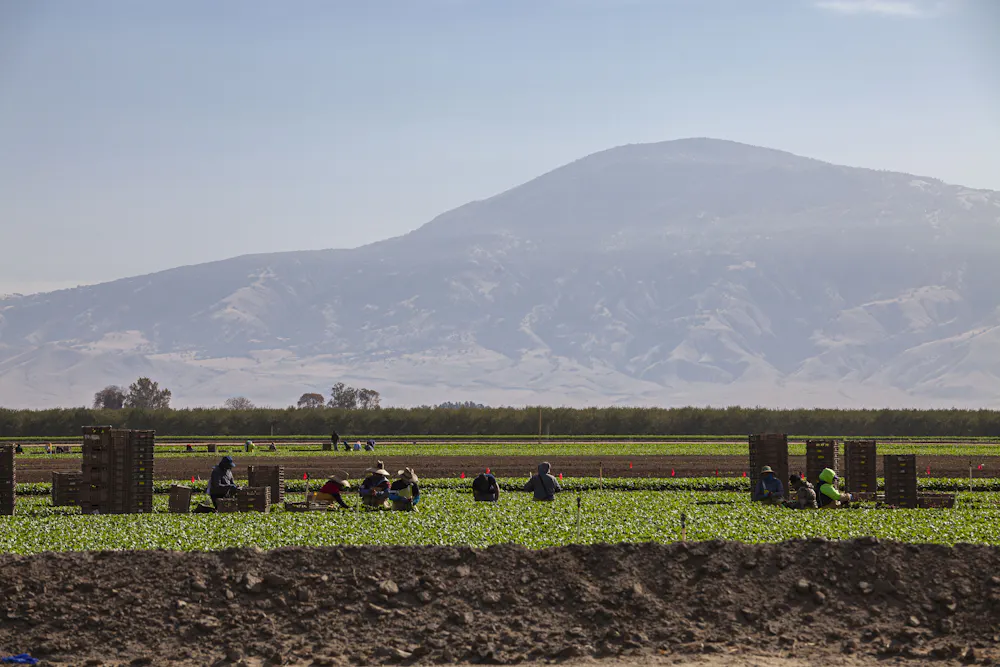
Category: Environment

  • MIL-OSI Security: Miske Enterprise Member Sentenced to 30 Years in Federal Prison for Racketeering Conspiracy, Robbery, and Drug Trafficking

    Source: US FBI

    HONOLULU – Acting United States Attorney Ken Sorenson announced that Lance L. Bermudez, 34, of Honolulu, Hawaii was sentenced yesterday in federal court by U.S. District Chief Judge Derrick K. Watson to 360 months of imprisonment followed by five years of supervised release for conspiracy to distribute and possess with intent to distribute controlled substances, racketeering conspiracy, and Hobbs Act Robbery. Bermudez is the last defendant to be sentenced for his role in the Miske Enterprise.

    As part of his 2022 plea agreement, Bermudez admitted that he and other members of the Enterprise participated in a murder-for-hire conspiracy with codefendant Michael J. Miske and other Enterprise members. Miske put a murder contract out on an individual he believed was cooperating with law enforcement. Bermudez agreed to commit the murder for $60,000 and laid in wait outside of the victim’s home on multiple occasions, waiting for the right opportunity to kill the victim. The murder did not ultimately occur because Miske eventually rescinded the contract. Bermudez also admitted to taking part in multiple attempted murders where he shot victims from his vehicle. Further, Bermudez admitted to burning a van at Miske’s direction that Bermudez later discovered was utilized in the abduction and murder of 21-year-old Johnathan Fraser. Bermudez also admitted to committing several armed robberies of Honolulu area drug dealers and then selling the stolen drugs to others in the community.

    Bermudez was charged alongside twelve other defendants, all of whom pled guilty except for Michael J. Miske who proceeded to trial and was found guilty of racketeering conspiracy, murder, and 11 other felony charges on July 18, 2024.

    Seven other members and associates of the Miske Enterprise pled guilty to various offenses in related cases.

    “You terrorized this city and this county to a greater extent than anyone I can remember,” Judge Watson advised Bermudez during today’s sentencing before reciting the litany of racketeering acts for which the Court found Bermudez responsible.  Judge Watson called out the “brazenness” and “unprecedented” nature of Bermudez’s acts of violence, noting that he had never seen the same level of violence even collectively among multiple coconspirators that here was attributed solely to Bermudez.

    “For his grisly work in pummeling victims with his fists, Lance Bermudez was coined with the nickname, ‘The Hammah.’  Yesterday, Bermudez was at the business end of the federal justice hammer as U.S. District Chief Judge Derrick Watson sentenced him to a lengthy 30-year sentence for his violent role in promoting the nefarious and illicit activities of the Miske organization.  Bermudez’s sentence is the final one to be handed down against the members of the Miske Enterprise and is the capstone of our investigation into the violent and corrupt activities of Michael Miske and his henchmen,” said Acting U.S. Attorney Ken Sorenson.  “Our decade-long effort with our outstanding law enforcement partners has now resulted in the federal convictions of 20 Miske confederates who now can no longer victimize Hawaii’s citizens and communities.  While the work against the Miske Enterprise is done, the people of Hawaii can rest assured that the United States Attorney’s Office for the District of Hawaii and our dedicated and resolute law enforcement partners at the Honolulu Division of the FBI, Internal Revenue Service, and Homeland Security Investigations, among others, will continue to tirelessly hunt down and prosecute those who operate violent criminal enterprises in our state and endanger our citizens.”

    “Mr. Bermudez was a key member of the Miske Enterprise, actively participating in a longstanding pattern of violence and racketeering activity involving murder-for-hire, armed robbery, and drug trafficking,” said FBI Honolulu Special Agent in Charge David Porter.  “This sentencing reflects years of collaboration between FBI Honolulu and our law enforcement partners.  The FBI remains steadfast in its commitment to dismantle violent criminal enterprises, hold their members accountable, and pursue justice for victims.” 

    “Mr. Bermudez’s account of attempted murder-for-hire reminds us that even the worst crimes have a price,” said Adam Jobes, Special Agent in Charge of IRS Criminal Investigation’s Seattle Field Office. “IRS-CI follows the money to uproot organizations that profit from violence.”

    “Today’s sentencing marks a significant step towards justice for the victims and the community terrorized by the Miske Enterprise.  The severity of the crimes committed by Lance L. Bermudez underscores the necessity of our relentless collaborative efforts to dismantle such criminal organizations and ensure the safety and security of our citizens,” said Homeland Security Investigations Special Agent in Charge Lucy Cabral-DeArmas.  “We remain steadfast in our commitment to holding accountable those who engage in such egregious acts of violence and criminal conduct.”

    This prosecution was part of an Organized Crime Drug Enforcement Task Forces (OCDETF) investigation.  OCDETF identifies, disrupts, and dismantles the highest-level drug traffickers, money launderers, gangs, and transnational criminal organizations that threaten the United States by using a prosecutor-led, intelligence-driven, multi-agency approach that leverages the strengths of federal, state, and local law enforcement agencies against criminal networks.

    This case was investigated by the Federal Bureau of Investigation, the Internal Revenue Service Criminal Investigation, Homeland Security Investigations, the Criminal Investigation Division of the Environmental Protection Agency, and the Bureau of Alcohol, Tobacco, Firearms, and Explosives, with assistance from the Honolulu Police Department, the Drug Enforcement Administration, the Coast Guard Investigative Service, the United States Marshals Service Fugitive Task Force, the Cybercrime Lab of the Department of Justice Criminal Division Computer Crime and Intellectual Property Section, the Hawaii Criminal Justice Data Center, the Honolulu Fire Department, the Hawaii National Guard, 93rd Civil Support Team, the Office of Investigations–Office of the Inspector General for the Social Security Administration, and the Department of Justice Office of the Inspector General.

    Assistant U.S. Attorneys Mark Inciong, Michael Nammar, KeAupuni Akina, and Aislinn Affinito prosecuted the case.

    MIL Security OSI

  • MIL-OSI Security: Miske Enterprise Member Sentenced to 30 Years in Federal Prison for Racketeering Conspiracy, Robbery, and Drug Trafficking

    Source: US FBI

    HONOLULU – Acting United States Attorney Ken Sorenson announced that Lance L. Bermudez, 34, of Honolulu, Hawaii was sentenced yesterday in federal court by U.S. District Chief Judge Derrick K. Watson to 360 months of imprisonment followed by five years of supervised release for conspiracy to distribute and possess with intent to distribute controlled substances, racketeering conspiracy, and Hobbs Act Robbery. Bermudez is the last defendant to be sentenced for his role in the Miske Enterprise.

    As part of his 2022 plea agreement, Bermudez admitted that he and other members of the Enterprise participated in a murder-for-hire conspiracy with codefendant Michael J. Miske and other Enterprise members. Miske put a murder contract out on an individual he believed was cooperating with law enforcement. Bermudez agreed to commit the murder for $60,000 and laid in wait outside of the victim’s home on multiple occasions, waiting for the right opportunity to kill the victim. The murder did not ultimately occur because Miske eventually rescinded the contract. Bermudez also admitted to taking part in multiple attempted murders where he shot victims from his vehicle. Further, Bermudez admitted to burning a van at Miske’s direction that Bermudez later discovered was utilized in the abduction and murder of 21-year-old Johnathan Fraser. Bermudez also admitted to committing several armed robberies of Honolulu area drug dealers and then selling the stolen drugs to others in the community.

    Bermudez was charged alongside twelve other defendants, all of whom pled guilty except for Michael J. Miske who proceeded to trial and was found guilty of racketeering conspiracy, murder, and 11 other felony charges on July 18, 2024.

    Seven other members and associates of the Miske Enterprise pled guilty to various offenses in related cases.

    “You terrorized this city and this county to a greater extent than anyone I can remember,” Judge Watson advised Bermudez during today’s sentencing before reciting the litany of racketeering acts for which the Court found Bermudez responsible.  Judge Watson called out the “brazenness” and “unprecedented” nature of Bermudez’s acts of violence, noting that he had never seen the same level of violence even collectively among multiple coconspirators that here was attributed solely to Bermudez.

    “For his grisly work in pummeling victims with his fists, Lance Bermudez was coined with the nickname, ‘The Hammah.’  Yesterday, Bermudez was at the business end of the federal justice hammer as U.S. District Chief Judge Derrick Watson sentenced him to a lengthy 30-year sentence for his violent role in promoting the nefarious and illicit activities of the Miske organization.  Bermudez’s sentence is the final one to be handed down against the members of the Miske Enterprise and is the capstone of our investigation into the violent and corrupt activities of Michael Miske and his henchmen,” said Acting U.S. Attorney Ken Sorenson.  “Our decade-long effort with our outstanding law enforcement partners has now resulted in the federal convictions of 20 Miske confederates who now can no longer victimize Hawaii’s citizens and communities.  While the work against the Miske Enterprise is done, the people of Hawaii can rest assured that the United States Attorney’s Office for the District of Hawaii and our dedicated and resolute law enforcement partners at the Honolulu Division of the FBI, Internal Revenue Service, and Homeland Security Investigations, among others, will continue to tirelessly hunt down and prosecute those who operate violent criminal enterprises in our state and endanger our citizens.”

    “Mr. Bermudez was a key member of the Miske Enterprise, actively participating in a longstanding pattern of violence and racketeering activity involving murder-for-hire, armed robbery, and drug trafficking,” said FBI Honolulu Special Agent in Charge David Porter.  “This sentencing reflects years of collaboration between FBI Honolulu and our law enforcement partners.  The FBI remains steadfast in its commitment to dismantle violent criminal enterprises, hold their members accountable, and pursue justice for victims.” 

    “Mr. Bermudez’s account of attempted murder-for-hire reminds us that even the worst crimes have a price,” said Adam Jobes, Special Agent in Charge of IRS Criminal Investigation’s Seattle Field Office. “IRS-CI follows the money to uproot organizations that profit from violence.”

    “Today’s sentencing marks a significant step towards justice for the victims and the community terrorized by the Miske Enterprise.  The severity of the crimes committed by Lance L. Bermudez underscores the necessity of our relentless collaborative efforts to dismantle such criminal organizations and ensure the safety and security of our citizens,” said Homeland Security Investigations Special Agent in Charge Lucy Cabral-DeArmas.  “We remain steadfast in our commitment to holding accountable those who engage in such egregious acts of violence and criminal conduct.”

    This prosecution was part of an Organized Crime Drug Enforcement Task Forces (OCDETF) investigation.  OCDETF identifies, disrupts, and dismantles the highest-level drug traffickers, money launderers, gangs, and transnational criminal organizations that threaten the United States by using a prosecutor-led, intelligence-driven, multi-agency approach that leverages the strengths of federal, state, and local law enforcement agencies against criminal networks.

    This case was investigated by the Federal Bureau of Investigation, the Internal Revenue Service Criminal Investigation, Homeland Security Investigations, the Criminal Investigation Division of the Environmental Protection Agency, and the Bureau of Alcohol, Tobacco, Firearms, and Explosives, with assistance from the Honolulu Police Department, the Drug Enforcement Administration, the Coast Guard Investigative Service, the United States Marshals Service Fugitive Task Force, the Cybercrime Lab of the Department of Justice Criminal Division Computer Crime and Intellectual Property Section, the Hawaii Criminal Justice Data Center, the Honolulu Fire Department, the Hawaii National Guard, 93rd Civil Support Team, the Office of Investigations–Office of the Inspector General for the Social Security Administration, and the Department of Justice Office of the Inspector General.

    Assistant U.S. Attorneys Mark Inciong, Michael Nammar, KeAupuni Akina, and Aislinn Affinito prosecuted the case.

    MIL Security OSI

  • MIL-OSI Security: Ship Manager Pleads Guilty to Dumping Oily Waste into U.S. Waters Off Coast of New Orleans

    Source: United States Attorneys General 7

    Note: View factual basis here.

    Eagle Ship Management LLC (ESM), based in Stamford, Connecticut, pleaded guilty yesterday to violating the Act to Prevent Pollution from Ships (APPS) by deliberately polluting U.S. waters off the coast of New Orleans from the M/V Gannet Bulker, a foreign-flagged bulk carrier. If approved by the court, ESM would pay a criminal fine of $1,750,000 and serve a four-year term of probation that includes external audits by an independent technical expert.

    The chief engineer of the Gannet Bulker was prosecuted in a separate case and sentenced to serve a year and a day in prison for his role in the discharge of oil and obstructing justice.

    The Coast Guard launched its investigation after a crew member sent a message via social media on March 14, 2021, indicating that the engine room had flooded and that the resulting oil-contaminated bilge waste had been deliberately pumped overboard at night. Flooded bilges can pose a serious threat to the safety of the ship and crew, including creating a risk of electrocution, loss of power, and inability to steer.

    At the time, the Gannet Bulker was at an anchorage near the Southwest Passage of the Port of New Orleans, near the mouth of the Mississippi River. According to court records, the intentional overboard oily discharge into U.S. waters involved approximately 39 cubic meters (approximately 10,303 gallons), and was done without the use of required pollution prevention equipment or required recordkeeping

    “The Department of Justice vigorously prosecutes violations of the laws that protect U.S. ports and waters,” said Acting Assistant Attorney General Adam Gustafson of the Justice Department’s Environment and Natural Resources Division (ENRD). “The criminal conduct involved here was serious, including intentional pollution and a deliberate coverup.”

    “Today’s announcement sends a clear message intended to deter deliberate pollution,” said Acting U.S. Attorney Michael M. Simpson for the Eastern District of Louisiana. “This office will continue to work with our agency partners to enforce the laws that were designed to protect U.S. ports and waters.”

    “The United States Coast Guard and the Coast Guard Investigative Service remain steadfast in our commitment to enforcing maritime environmental laws to protect U.S. waters and ensure compliance with international regulations,” said Special Agent in Charge Damon J. Youmans of the Coast Guard Investigative Service’s Gulf Field Office. “We will continue to hold accountable those who violate these laws and endanger our marine environment.”

    In pleading guilty, ESM admitted that its crew engaged in a variety of obstructive acts to conceal the internal flooding that was caused by a botched repair. The obstructive acts included retaliation against the whistleblower whose identity was known. Senior ship officers and crew also lied to the Coast Guard and destroyed evidence including a printout from the engine control room computer that contained key information. Additionally, senior ship officers created false and backdated personnel evaluations intended to discredit the whistleblower.

    Sentencing has been scheduled for Oct. 16.

    The Coast Guard Criminal Investigations Division and the Coast Guard Heartland District investigated the case.

    Assistant U.S. Attorney G. Dall Kammer for the Eastern District of Louisiana and Senior Litigation Counsel Richard A. Udell of the ENRD’s Environmental Crimes Section are prosecuting the case.

    MIL Security OSI

  • MIL-OSI USA: Chairman Capito Outlines Principles for Crafting the Surface Transportation Reauthorization Bill

    US Senate News:

    Source: United States Senator for West Virginia Shelley Moore Capito

    [embedded content]

    To watch Chairman Capito’s opening statement, click here or the image above.

    WASHINGTON, D.C. – Today, U.S. Senator Shelley Moore Capito (R-W.Va.), Chairman of the Senate Environment and Public Works (EPW) Committee, led a hearing on constructing the Surface Transportation Reauthorization Bill with stakeholders’ perspectives. In her opening remarks, Chairman Capito reiterated her three principles for crafting this legislation, and how developing a bipartisan proposal in the Senate remains a central priority for the EPW Committee. 

    Below is the opening statement of Chairman Shelley Moore Capito (R-W.Va.) as delivered.

    “Thank you for joining us this morning and welcome to our three great witnesses that we have. This hearing is second in a two-part series of hearings that we are having to help guide the development of our next Surface Transportation Reauthorization Bill. 

    “Earlier this spring, we held a hearing with U.S. Secretary of Transportation Sean Duffy, where he detailed how the Trump administration is administering the current law and described priorities for the next bill. Today, we will hear from new stakeholders on their priorities.

    “My vision for this legislation is simple, but important, we want to improve the movement of people and goods. Our roads and bridges are what connect us to the people and places that matter most in our lives.

    “They help businesses, large and small, create jobs, economic activities, and enable their competitiveness in the global marketplace. For example, my home state of West Virginia is pursuing important projects like Corridor H, to better link our communities to essential services and economic opportunity.

    “This legislation will provide the funding and establishes the policies and programs that enable the improvement of the surface transportation network that we all rely on. 

    “Since the enactment of the bipartisan Infrastructure Investment and Jobs Act, the Committee has reviewed and conducted oversight on existing programs and policies, and we’ve learned a lot about what is working and what isn’t.

    “The IIJA met a generational level of investment in our surface transportation network, but there have been some challenges in the implementation. We know that the highway formula programs are producing results in communities across the states. We also know there have been some issues getting discretionary grant awards out the door and producing tangible improvements to that network. 

    “When Secretary Duffy appeared before the Committee, he outlined the backlog of more than 3,200 discretionary grant awards without signed grant agreements that he had inherited from the prior administration. I appreciate the Secretary’s ongoing efforts to address this backlog, and I know that the Department of Transportation is making progress on getting those agreements in place. 

    “As a matter of fact, I believe they’ve done over a thousand of those already, they have resolved those. We will apply the lessons learned from the IIJA to shape the next bill and those lessons have led me to three principles.

    “I have discussed these principles at our hearing with the Secretary, but I believe it is important that I reiterate them today.

    “Principle One: Improving the safety – and I want to emphasize safety – safety and reliability of America’s surface transportation network with impactful investments. 

    “In recent years, we’ve seen an increase in the number and scope of federal transportation programs. These programs sometimes have duplicative purposes and project eligibility. This leads to an expensive and time-intensive process to get funding out the door and lessens the impact that the legislation can make.

    “As we craft the next bill, we must prioritize investments that, instead, optimize federal funding and give state partners the confidence to invest over a longer period of time. We should focus on eliminating duplicative programs and increasing funding for the highway formula programs that our states rely on and, as I said earlier, have a proven track record of success.

    “Principle Two: Reforming and modernizing federal programs and policies to create efficiency.

    “We all know that, as currently structured, federal requirements can add red tape that increases costs and slow down the completion of projects. We all want to deliver transportation benefits faster and save money for American taxpayers. To achieve this goal, we need to take a serious look at federal requirements to determine how we can create certainty for the partners who make these projects happen and ensure that the public receives the benefits of these investments quickly.

    “Principle Three: Addressing the variety of surface transportation needs across all states. Obviously, different states have different needs, and I think we’ll hear about that today.

    “I wouldn’t expect West Virginia, with our mountainous peaks and valleys…to prioritize the same transportation projects as other states. We need to avoid top-down mandates from Washington, D.C. and give states the flexibility to address the individual improvements that their communities need.

    “It will take collaboration from my Senate colleagues, the Trump administration, and our stakeholders to complete the bill before the IIJA expires in September of 2026. We must be pragmatic, work in a bipartisan fashion to deliver a bill that sets us up for a productive conversation on this reauthorization effort with our colleagues in the House.

    “I’m really grateful, I know many of you have traveled far, to the witnesses that have joined us today. I look forward to learning about these priorities. This is an excellent opportunity ahead of us to make a pivotal impact in our surface transportation network.

    “Each of us knows how important that network is and the role that it plays in keeping our country’s economy and people on the move. I’m excited to get to work and continue the EPW Committee’s bipartisan tradition of developing legislation that delivers for the American people.”

    MIL OSI USA News

  • MIL-OSI: Enlight to Report Second Quarter 2025 Financial Results on Wednesday, August 6, 2025

    Source: GlobeNewswire (MIL-OSI)

    TEL AVIV, Israel, July 16, 2025 (GLOBE NEWSWIRE) — Enlight Renewable Energy (“Enlight”, “the Company”, NASDAQ: ENLT, TASE: ENLT.TA), a leading renewable energy platform, today announced it will release its financial results for the second quarter ended June 30, 2025, before market open on Wednesday, August 6, 2025.

    Conference Call Information

    Enlight will host two calls to review its financial results and business outlook, one in English and one in Hebrew. Management will deliver prepared remarks followed by a question-and-answer session. Participants may join by conference call or webcast:

    English Conference Call & Webcast

    The conference call in English will be held at: 8:00am Eastern Time / 3:00pm Israel Time.

    Please pre-register to join the live conference call:
    https://register-conf.media-server.com/register/BI46289c60b7164253aa692c51490ef8ad Upon registering, you will be emailed a dial-in number, direct passcode and unique PIN.

    In addition, a live webcast will be available. Please register and join using the following link: https://edge.media-server.com/mmc/p/8u3xaw6u

    Hebrew Webcast

    The webcast in Hebrew will be held at: 6:00am Eastern Time / 1:00pm Israel Time.

    Please pre-register to join the live webcast:
    https://enlightenergy-co-il.zoom.us/webinar/register/WN_Fz0XzgWkRBKz4OA0OO7cnQ

    The earnings release with the financial results as well as additional investor presentation materials will be accessible on the Company’s website prior to the calls. An archived version of the English webcast will be available on the Company’s investor relations website at https://enlightenergy.co.il/events/

    About Enlight

    Founded in 2008, Enlight develops, finances, constructs, owns, and operates utility-scale renewable energy projects. Enlight operates across the three largest renewable segments today: solar, wind and energy storage. A global platform, Enlight operates in the United States, Israel and 10 European countries. Enlight has been traded on the Tel Aviv Stock Exchange since 2010 (TASE: ENLT) and completed its U.S. IPO (Nasdaq: ENLT) in 2023. Learn more at www.enlightenergy.co.il.

    Investor Contact

    Yonah Weisz
    Director IR
    investors@enlightenergy.co.il

    Erica Mannion or Mike Funari
    Sapphire Investor Relations, LLC
    +1 617 542 6180
    investors@enlightenergy.co.il

    Cautionary Note Regarding Forward-Looking Statements

    This press release contains forward-looking statements within the meaning of the U.S. Private Securities Litigation Reform Act of 1995. We intend such forward-looking statements to be covered by the safe harbor provisions for forward-looking statements as contained in Section 27A of the Securities Act of 1933, as amended, and Section 21E of the Securities Exchange Act of 1934, as amended. All statements contained in this press release other than statements of historical fact, including, without limitation, statements regarding the Company’s expectations relating to the Project, the PPA and the related interconnection agreement and lease option, and the completion timeline for the Project, are forward-looking statements. The words “may,” “might,” “will,” “could,” “would,” “should,” “expect,” “plan,” “anticipate,” “intend,” “target,” “seek,” “believe,” “estimate,” “predict,” “potential,” “continue,” “contemplate,” “possible,” “forecasts,” “aims” or the negative of these terms and similar expressions are intended to identify forward-looking statements, though not all forward-looking statements use these words or expressions. These statements are neither promises nor guarantees, but involve known and unknown risks, uncertainties and other important factors that may cause our actual results, performance or achievements to be materially different from any future results, performance or achievements expressed or implied by the forward-looking statements, including, but not limited to, the following: our ability to site suitable land for, and otherwise source, renewable energy projects and to successfully develop and convert them into Operational Projects; availability of, and access to, interconnection facilities and transmission systems; our ability to obtain and maintain governmental and other regulatory approvals and permits, including environmental approvals and permits; construction delays, operational delays and supply chain disruptions leading to increased cost of materials required for the construction of our projects, as well as cost overruns and delays related to disputes with contractors; our suppliers’ ability and willingness to perform both existing and future obligations; competition from traditional and renewable energy companies in developing renewable energy projects; potential slowed demand for renewable energy projects and our ability to enter into new offtake contracts on acceptable terms and prices as current offtake contracts expire; offtakers’ ability to terminate contracts or seek other remedies resulting from failure of our projects to meet development, operational or performance benchmarks; various technical and operational challenges leading to unplanned outages, reduced output, interconnection or termination issues; the dependence of our production and revenue on suitable meteorological and environmental conditions, and our ability to accurately predict such conditions; our ability to enforce warranties provided by our counterparties in the event that our projects do not perform as expected; government curtailment, energy price caps and other government actions that restrict or reduce the profitability of renewable energy production; electricity price volatility, unusual weather conditions (including the effects of climate change, could adversely affect wind and solar conditions), catastrophic weather-related or other damage to facilities, unscheduled generation outages, maintenance or repairs, unanticipated changes to availability due to higher demand, shortages, transportation problems or other developments, environmental incidents, or electric transmission system constraints and the possibility that we may not have adequate insurance to cover losses as a result of such hazards; our dependence on certain operational projects for a substantial portion of our cash flows; our ability to continue to grow our portfolio of projects through successful acquisitions; changes and advances in technology that impair or eliminate the competitive advantage of our projects or upsets the expectations underlying investments in our technologies; our ability to effectively anticipate and manage cost inflation, interest rate risk, currency exchange fluctuations and other macroeconomic conditions that impact our business; our ability to retain and attract key personnel; our ability to manage legal and regulatory compliance and litigation risk across our global corporate structure; our ability to protect our business from, and manage the impact of, cyber-attacks, disruptions and security incidents, as well as acts of terrorism or war; changes to existing renewable energy industry policies and regulations that present technical, regulatory and economic barriers to renewable energy projects; the reduction, elimination or expiration of government incentives for, or regulations mandating the use of, renewable energy; our ability to effectively manage our supply chain and comply with applicable regulations with respect to international trade relations, the impact of tariffs on the cost of construction and our ability to mitigate such impact, , sanctions, export controls and anti-bribery and anti-corruption laws; our ability to effectively comply with Environmental Health and Safety and other laws and regulations and receive and maintain all necessary licenses, permits and authorizations; our performance of various obligations under the terms of our indebtedness (and the indebtedness of our subsidiaries that we guarantee) and our ability to continue to secure project financing on attractive terms for our projects; limitations on our management rights and operational flexibility due to our use of tax equity arrangements; potential claims and disagreements with partners, investors and other counterparties that could reduce our right to cash flows generated by our projects; our ability to comply with tax laws of various jurisdictions in which we currently operate as well as the tax laws in jurisdictions in which we intend to operate in the future; the unknown effect of the dual listing of our ordinary shares on the price of our ordinary shares; various risks related to our incorporation and location in Israel; the costs and requirements of being a public company, including the diversion of management’s attention with respect to such requirements; certain provisions in our Articles of Association and certain applicable regulations that may delay or prevent a change of control; and other risk factors set forth in the section titled “Risk factors” in our Annual Report on Form 20-F for the fiscal year ended December 31, 2024, filed with the Securities and Exchange Commission (the “SEC”) and our other documents filed with or furnished to the SEC.

    These statements reflect management’s current expectations regarding future events and speak only as of the date of this press release. You should not put undue reliance on any forward-looking statements. Although we believe that the expectations reflected in the forward-looking statements are reasonable, we cannot guarantee that future results, levels of activity, performance and events and circumstances reflected in the forward-looking statements will be achieved or will occur. Except as may be required by applicable law, we undertake no obligation to update or revise publicly any forward-looking statements, whether as a result of new information, future events or otherwise, after the date on which the statements are made or to reflect the occurrence of unanticipated events.

    The MIL Network

  • MIL-OSI USA: REP. HILL’S BILL TO TURN VACANT FEDERAL BUILDING INTO COMMUNITY SPACE IN PERRY COUNTY ADVANCES THROUGH COMMITTEE

    Source: United States House of Representatives – Congressman French Hill (AR-02)

     Rep. French Hill (AR-02) today released the following statement after his bill, H.R. 3187, advanced out of the House Committee on Natural Resources with unanimous consent. The bill directs the Secretary of Agriculture to convey a vacant U.S. Forest Service building and surrounding land to Perry County.

    Rep. Hill said, “I’m pleased to see my bill to transfer a long-vacant U.S. Forest Service building to Perry County unanimously passed the House Natural Resources Committee. That building has sat empty for years, and now it’s one step closer to being put to good use for youth programs, agricultural education, and local conservation efforts. It’s a smart use of public resources and a clear win for Perry County.

    “I’m especially thankful to my friend and fellow Arkansan, Chairman Westerman, for moving this bill through his committee. As it heads to the House Floor, I’ll keep working to get my bill passed so local leaders can finally put the building to work for the people of Perry County.”

    Following the passage of H.R. 3187 through the House Committee on Natural Resources, Chairman Westerman said, “Congressman Hill’s simple land transfer removes a burden from the American taxpayer and will help support the needs of a local community in my home state. This commonsense legislation will provide Perry County with new resources to support the community. I’d like to thank Congressman Hill for his work on this bill and for his work for Arkansans.”

    Background

    The 0.81-acre parcel, located at 1069 Fourche Avenue, includes a federal building operated by the U.S. Forest Service. The building is vacant, and the U.S. Forest Service has no plans to use it going forward. While the building will require repairs and updates, Perry County has the funds to make the necessary improvements. Once conveyed and repaired, the property will support permanent operations of the University of Arkansas Extension Program and the Perry County Conservation District and serve as the meeting space for the 4-H Youth Development Program.

    Several local leaders and Perry County residents have voiced their support for the building to be conveyed to Perry County.

    You can read the full bill text HERE.

    MIL OSI USA News

  • MIL-OSI: Alectra urges customers to stay cool and conserve energy as prolonged heatwave continues across Southern Ontario

    Source: GlobeNewswire (MIL-OSI)

    MISSISSAUGA, Ontario, July 16, 2025 (GLOBE NEWSWIRE) — With a multi-day stretch of extreme heat and humidity continuing across Southern Ontario, Alectra Utilities is encouraging residents to prioritize their health and safety while taking steps to reduce electricity consumption.

    Environment Canada has issued a heat warning with daytime highs of 31 to 35 C and humidex values reaching up to 42. The intense conditions are expected to persist through Thursday night.

    With extreme heat events becoming more frequent, investing in renewing aging equipment and installing new infrastructure remains crucial to meet the growing grid demand. For more information on Alectra’s capital construction investments, please visit: alectrautilities.com/improving-reliability. To help manage electricity consumption and lower summertime bills, Alectra recommends the following tips:

    • Use a programmable thermostat to regulate indoor temperatures.
    • Close curtains or blinds during peak sun hours.
    • Delay using major appliances, such as dishwashers or dryers, until the evening.
    • Use ceiling or portable fans to circulate air.
    • Keep windows and doors closed while using air conditioning.

    If your home is too hot, consider visiting a cooling centre, public library, mall or community centre. Follow the advice of your local public health authority.

    For more tips, visit alectrautilities.com/tips-resources.

    For more information about how you can save energy this summer and avoid higher bills, visit alectrautilities.com/tips-resources.

    About Alectra Utilities

    Serving more than one million homes and businesses in Ontario’s Greater Golden Horseshoe area, Alectra Utilities is now the largest municipally-owned electric utility in Canada, based on the total number of customers served. We contribute to the economic growth and vibrancy of the 17 communities we serve by investing in essential energy infrastructure, delivering a safe and reliable supply of electricity, and providing innovative energy solutions. Our mission is to be an energy ally, helping our customers and the communities we serve to discover the possibilities of tomorrow’s energy future.

    X: https://twitter.com/alectranews

    Facebook: https://www.facebook.com/alectranews/

    Instagram: https://www.instagram.com/alectranews/?hl=en

    LinkedIn: https://www.linkedin.com/company/16178435/admin/

    Bluesky: https://bsky.app/profile/alectranews.bsky.social

    YouTube: https://www.youtube.com/alectranews

    Media Contact

    Ashley Trgachef, Media Spokesperson ashley.trgachef@alectrautilities.com |
    Telephone: 416.402.5469 | 24/7 Media Line: 1-833-MEDIA-LN

    The MIL Network

  • MIL-OSI Africa: Italy-KZN boat building partnership to boost local economy

    Source: Government of South Africa

    KwaZulu-Natal Premier Thamsanqa Ntuli has described a boatbuilding partnership between KwaZulu-Natal and Italy as a strategic milestone that is set to unlock significant economic potential for the province.

    Ntuli, accompanied by MEC for Economic Development, Tourism and Environmental Affairs (EDTEA), Reverend Musa Zondi, attended the KZN–NAVIGO Boat Building and Yachting Industry roundtable to strengthen KZN’s boat-building and yachting sector.

    Held in Umhlanga, north of Durban, on Tuesday, the high-level engagement brought together Italian maritime stakeholders, including provincial economic development leaders, and industry experts to explore collaborative opportunities in the boatbuilding and marine manufacturing sectors.

    Aligned with the objectives of the KwaZulu-Natal Integrated Maritime Strategy, the round table forms part of the provincial government’s ongoing efforts to strengthen its position within the global oceans economy.

    The collaboration with NAVIGO, a leading Italian yachting industry cluster with over 400 members across the boat building value chain, aims to explore opportunities for economic growth, technical skills development, global market access, and investment in aftersales services.

    Ntuli hailed the partnership as a major milestone for KwaZulu-Natal’s industrial and economic development.

    “This is more than a business exchange – it is a platform for economic renewal, capacity building, and global positioning. We welcome this collaboration as a driver of innovation and growth within the maritime sector,” Ntuli said.

    The round table served as an opportunity to map out a joint action plan for developing KwaZulu-Natal’s local boatbuilding capacity by leveraging Italy’s extensive experience and advanced marine technologies.

    The discussions focused on investment facilitation, local manufacturing, technology transfer, technical training, and establishing KwaZulu-Natal as a competitive hub for marine craft production and export.

    The Premier underscored the importance of positioning coastal provinces like KwaZulu-Natal to lead in ocean economy development, in line with South Africa’s Operation Phakisa: Oceans Economy strategy. He also stressed the value of international partnerships that bring tangible benefits to local communities.

    “Our goal is to ensure that partnerships like this one translate into real economic opportunities for our people – from the youth being trained in high-demand technical skills to entrepreneurs breaking into global marine value chains,” he said.

    The event also highlighted plans to build stronger linkages between industry and academic institutions in KwaZulu-Natal, ensuring that local training programmes align with international standards and equip local talent for future opportunities in the marine sector.

    Premier Ntuli reaffirmed the provincial government’s full support for initiatives that promote industrialisation, trade, skills development, and economic inclusion.

    “KwaZulu-Natal is open for business and ready to lead in Africa’s emerging maritime economy.” – SAnews.gov.za
     

    MIL OSI Africa

  • MIL-OSI Analysis: Alpha males are surprisingly rare among primates – new research

    Source: The Conversation – UK – By Louise Gentle, Principal Lecturer in Wildlife Conservation, Nottingham Trent University

    Female lemurs are often dominant. Miroslav Halama/Shutterstock

    Is it true that male animals are dominant over females? Previous studies have often found male-biased power in primates and other mammals.

    A new study, investigating physical encounters between members of the same species in 121 primates (around a quarter of all primate species) found that half of all aggressive contests were between males and females. But males won these contests in only 17% of primate populations, with females dominating in 13% – making it almost as likely for females to dominate males.

    The remaining 70% of primate populations showed no clear-cut dominance of one sex over the other. This study may have shown different results to previous research because it assessed individual contests rather than categorising species based on their social structure and physical attributes.


    Get your news from actual experts, straight to your inbox. Sign up to our daily newsletter to receive all The Conversation UK’s latest coverage of news and research, from politics and business to the arts and sciences.


    The new study found male dominance, where males have a greater ability to influence the behaviour of the opposite sex, to be prevalent in primate species where the males are much larger than the females. This enables males to gain dominance through physical force or coercion. It was also widespread in species where males have weapons and mate with lots of females.

    This is typical of African and Asian monkeys and the great apes, such as gorillas. Weighing in at around 200kg, a silverback male can be twice the size of the females within his troop. Male gorillas also have large canine teeth that can seriously injure or even kill other gorillas.

    Male dominance often twins with weapons throughout the animal kingdom, – horns, antlers, claws or tusks. The largest antlers ever known were those of the now extinct Irish elk, spanning lengths up to 3.5m.

    The Irish elk is extinct but once had huge antlers.
    Fotokon/Shutterstock

    Female dominance

    Female power was seen in primate species that had a scarcity of females, one exclusive sexual partner, similar sized males and females but did not have bodily weapons, according to the new study. These are all factors that give females more choice over who to mate with.

    Female dominance was also seen in species where fighting with a male was less risky for the dependent offspring of females. For example, some primates “park” their young on their own in nests while foraging, rather than carrying them around. If a mother is holding her baby when she’s attacked, she may submit to protect her young.

    Finally, matriarchal societies were common in species that live primarily in trees, which makes it easier to flee an attacker.

    Female-dominated species were more likely in lorises, galagos and lemurs. So, contrary to the film Madagascar where King Julien is the king of the lemurs, females are, in fact, in charge. In the ring-tailed lemurs, females control access to food and mates, and maintain the dominance hierarchy where males are often at the bottom.

    This is also true of bonobos, the closest relatives of humans. Although male bonobos are larger, females form coalitions to overcome the physical power of the males and force them into submission. This show of solidarity has also been shown in humans.

    Think of how the suffragettes campaigned for women’s rights to vote in the UK. Or more recently, how women demanded new safety measures after Sarah Everard was murdered by Metropolitan Police officer Wayne Couzens in 2021.

    Galagos, also known as bushbabies, tend to live in female dominant societies.
    Jurgens Potgieter/Shutterstock

    Although female dominance has been documented less often in the wider animal kingdom, there are some examples that defy expectations. Spotted hyenas have a matriarchal society where females dominate the clans. They even have a pseudo-penis that they erect to indicate submission to more dominant individuals.


    Read more:
    Sex and power in the animal kingdom: seven animals that will make you reconsider what you think you know


    Naked mole rats have a queen that gives birth to all of the young while her offspring find food and defend the nest. The males are subordinate to the queen, but so too are the other females. In fact, the queen bullies the other members of her colony so much that the females are all rendered sterile through stress.

    But what about the 70% of primate species that were found to show no dominant sex bias in the new study? These were largely the South American monkeys such as marmosets, tamarins and capuchins, that are generally small, live in trees, are social and omnivorous.

    They also tended to have a prehensile tail that helps them grasp things. The ecology of these species fall in the middle of the male and female dominated species, with size difference and weapons being neither extreme nor absent, mating systems being neither polygamous nor monogamous, and the frequency of females being nether abundant nor rare.

    The absence of a definitive sex-bias in dominance found in the majority of primate species may be a result of the rarity of contests between males and females, or because males and females were both equally likely to win. Nevertheless, dominance varied within species. For example the percentage of intersexual contests won by female patas monkeys ranged from 0% to 61%, depending on the population studied.

    What does this mean for humans?

    Human traits are not skewed towards those of male-dominated societies in other primates. We may not live in trees but males do not have natural weapons. Males are not always bigger than females, females do not tend to outnumber males and our sexual habits are varied.

    Humans are actually more aligned to the 70% of species that show no clear distinction in sex biases, where species of either sex can become dominant. Let’s see which way evolution takes us.

    Louise Gentle works for Nottingham Trent University.

    ref. Alpha males are surprisingly rare among primates – new research – https://theconversation.com/alpha-males-are-surprisingly-rare-among-primates-new-research-260472

    MIL OSI Analysis

  • MIL-OSI Analysis: MethaneSat: The climate spy satellite that went quiet

    Source: The Conversation – UK – By Vincent Gauci, Professorial Fellow, School of Geography, Earth and Environmental Sciences, University of Birmingham

    Satellites circling the Earth have many different functions, including navigation, communications and Earth observation. About 8%-10% of all active satellites are military or “dual use” serving intelligence or reconnaissance functions as spy satellites.

    But it was a climate satellite serving as both spy and “name and shame” police officer in the sky that recently caught the world’s attention when it went quiet.

    MethaneSat was developed to spot emission hot spots or plumes of invisible methane pollution from space. Built by the US non-profit, the Environmental Defense Fund with Nasa’s support, it tracked methane leaks from oil and gas sites, farms and landfills across the globe.

    These are among the biggest human-caused emission sources. But methane emissions are traditionally hard to spot because they come from so many relatively small point sources or plumes.


    Get your news from actual experts, straight to your inbox. Sign up to our daily newsletter to receive all The Conversation UK’s latest coverage of news and research, from politics and business to the arts and sciences.


    This specialist observation satellite was developed and deployed because methane acts differently to other greenhouse gas emissions. Methane is a powerful greenhouse gas that, over 20 years, is more than 80 times more powerful a greenhouse gas than carbon dioxide.

    Since 1750, additional human-caused methane emissions have contributed directly and indirectly, to around 60% of the global warming of carbon dioxide over that time.

    Methane also has a short lifetime. Where carbon dioxide stays in the atmosphere for in excess of 100 years, relying on plant uptake for its removal from the atmosphere and conversion into other carbon forms, methane is broken down in the atmosphere by molecules known as hydroxyl radicals. These are nicknamed “the atmosphere’s detergent”, because they effectively remove methane from the atmosphere in less than ten years.

    A gas flare at an oil refinery – one of many pinpoint sources of methane emissions.
    hkhtt hj/Shutterstock

    This combination of short lifetime and high global warming potential (a measure of the climate strength of the gas relative to carbon dioxide) makes methane both a problem and an ideal target for reduction. In fact, growth in atmospheric methane is occurring at such a rate that it is placing us dangerously off track from meeting our Paris agreement obligations to stay within 1.5°C of climate warming by 2050 and 2°C by 2100.

    Eyes in the sky

    But how can we achieve these reductions and what was the role of MethaneSat in seeking to meet this objective?

    There are two ways atmospheric methane concentrations can be reduced. A recent and more challenging proposition is that methane is actively removed from the atmosphere.

    This is difficult because it relies on technological advances that are at their earliest stages (although growing more trees can go some way to achieving this). Another more realistic approach is to reduce emissions and then to let atmospheric chemistry do the work of removing excess methane in the atmosphere.

    The global methane pledge was announced in 2021 at the UN climate summit, Cop26, in Glasgow. This aimed to reduce human-caused methane emissions by 30% on 2020 levels by 2030. More than 150 countries have now signed up to this pledge. If successful, it could reduce warming by up to 0.2°C by 2050. That’s why MethaneSat was so useful.

    MethaneSat is fitted with a hyperspectral sensor – which can record sunlight reflected off Earth in hundreds of narrow colour bands across the spectrum, far beyond what our eyes can see. It’s capable of picking up concentrations of methane in air at minute quantities.

    This sensor allowed the satellite to spot individual plumes of methane, so it had a crucial role in identifying those problem areas. Given that these are dispersed but also individual point sources, it was invaluable in intervening in the leaks, permitting identification of those responsible so they could be held to account and so address the problem.

    No one instrument can cover what MethaneSat could do with freely available data. It had high precision, high spatial resolution and, critically, global coverage and it was particularly useful at identifying plumes in nations that don’t have the resources for the sort of regional surveys using aircraft mounted systems that can fill the gap in developed regions.

    Now that MethaneSat is no longer operational, there are some other tools to identify small anthropogenic emissions sources, but they tend to be regionally focused like the aircraft measurements mentioned.

    Other satellites gather similar data but that data sits behind commercial paywalls, whereas MethaneSat data was freely available. Collectively, these drawbacks mean that it’s just going to be that much harder to spot the emissions MethaneSat was so good at tracking.


    Don’t have time to read about climate change as much as you’d like?

    Get a weekly roundup in your inbox instead. Every Wednesday, The Conversation’s environment editor writes Imagine, a short email that goes a little deeper into just one climate issue. Join the 45,000+ readers who’ve subscribed so far.


    Vincent Gauci receives funding from the NERC, Spark Climate Solutions, the JABBS Foundation and has received funding from the Royal Society, Defra and the AXA Research Fund.

    ref. MethaneSat: The climate spy satellite that went quiet – https://theconversation.com/methanesat-the-climate-spy-satellite-that-went-quiet-261022

    MIL OSI Analysis

  • MIL-OSI NGOs: Greenpeace: Ramaphosa, G20 must end financial apartheid with tax on super-rich

    Source: Greenpeace Statement –

    Durban, South Africa, 16 July 2025 – Greenpeace Africa has demanded G20 host and South African President Ramaphosa push ahead on accelerating efforts to impose a wealth tax on the world’s billionaires and to support the UN Tax Convention for new and fair global tax rules. 

    Greenpeace Africa activists hung a giant banner with a photo of South African president Cyril Ramaphosa reading ‘End Financial Apartheid #TaxTheSuperRich’, ahead of the G20’s 3rd Finance Ministers and Central Bank Governors’ meeting in Durban. Greenpeace is demanding the G20 host push ahead on accelerating efforts to impose a wealth tax on the world’s billionaires and to support the UN Tax Convention for new and fair global tax rules. © Chanho Kondolo / Greenpeace

    Ahead of the G20’s 3rd Finance Ministers and Central Bank Governors’ meeting, Greenpeace Africa activists dropped a 15 metre long x 2 metre high banner from a highway bridge near King Shaka International Airport with a photo of Cyril Ramaphosa and a message that said: ‘End Financial Apartheid. Tax The Super Rich’. 

    Cynthia Moyo, Lead Campaigner, Greenpeace Africa, said: “It’s outrageous that billionaires keep getting richer off a broken global tax system while millions across Africa and the world are pushed deeper into poverty and climate chaos. This is financial apartheid. South Africa understands the cost of injustice. Just as Mandela led the fight against political apartheid, President Ramaphosa now has a chance to lead the G20 in dismantling financial apartheid by taxing the super-rich and backing the UN Tax Convention. This is a fight for justice, dignity, and a future where wealth serves people, not the powerful few.”

    The action comes after an announcement at the UN Financing for Development conference that Spain, Brazil and South Africa are launching an initiative to tax the super-rich and the recent BRICS statement in support of the UN Tax Convention.[1] [2] [3]

    Fred Njehu, Global Political Lead of the Fair Share campaign, Greenpeace Africa, said: “We are on the cusp of momentous change. There is growing public and political momentum for taxing the super-rich and new global tax rules that work for all to achieve social and climate justice.

    “This is a historic opportunity for President Ramaphosa, who must seize this chance to lead the G20 in an economic direction that will serve not only the people of South Africa and the continent, but the majority world, by redistributing funds to tackle the social, environmental and climate polycrisis.

    “We ask G20 countries to support and engage constructively in the UN Tax Convention process as a global multilateral platform that will shape and determine the future of taxation, one rooted in transparency, accountability, equity and justice.”

    Globally, billionaire wealth grew three times faster in 2024 than in 2023.[4] In Africa, the four richest people have more wealth than half of the region’s 750 million people combined. Since 2020, the average income of the richest 1% in Africa has increased five times faster than that of the bottom 50%.[5]

    ENDS

    Photos and Videos can be downloaded via Greenpeace Media Library

    NOTES

    [1] At the recently concluded 4th International Conference on Financing for Development in Seville, South Africa had joined the ranks of Spain and Brazil in forming a coalition of willing countries to work on taxing the super-rich and to support fair taxation at the upcoming UN Tax Convention negotiations. Greenpeace’s press release 

    [2] BRICS leaders’ endorsement of the UN framework for international tax cooperation

    [3] New global tax rules in an UN Framework Convention on International Tax Cooperation are being negotiated, from now until 2027. It is a historic opportunity to redistribute power and wealth, and foster tax transparency and accountability. It aims to take control of global tax rules from the rich OECD (Organisation for Economic Cooperation and Development) countries to place it in the hands of the 193 member states of the United Nations. 

    [4] Oxfam report: Takers not Makers: The unjust poverty and unearned wealth of colonialism

    [5] Oxfam report: Africa’s Inequality Crisis and the Rise of the Super-Rich

    CONTACTS

    Ferdinand Omondi, Communications and Storytelling Manager, Greenpeace Africa, +254 722 505 233 , fomondi@admin

    Ibrahima Ka Ndoye, International Communications Coordinator, Greenpeace Africa, +221778437172, indoye@admin

    Greenpeace International Press Desk, +31 (0)20 718 2470 (available 24 hours), [email protected]

    MIL OSI NGO

  • MIL-OSI Analysis: California farmers identify a hot new cash crop: Solar power

    Source: The Conversation – USA (2) – By Jacob Stid, Ph.D. student in Hydrogeology, Michigan State University

    This dairy farm in California’s Central Valley has installed solar panels on a portion of its land. George Rose/Getty Images

    Imagine that you own a small, 20-acre farm in California’s Central Valley. You and your family have cultivated this land for decades, but drought, increasing costs and decreasing water availability are making each year more difficult.

    Now imagine that a solar-electricity developer approaches you and presents three options:

    • You can lease the developer 10 acres of otherwise productive cropland, on which the developer will build an array of solar panels and sell electricity to the local power company.
    • You can select 1 or 2 acres of your land on which to build and operate your own solar array, using some electricity for your farm and selling the rest to the utility.
    • Or you can keep going as you have been, hoping your farm can somehow survive.

    Thousands of farmers across the country, including in the Central Valley, are choosing one of the first two options. A 2022 survey by the U.S. Department of Agriculture found that roughly 117,000 U.S. farm operations have some type of solar device. Our own work has identified over 6,500 solar arrays currently located on U.S. farmland.

    Our study of nearly 1,000 solar arrays built on 10,000 acres of the Central Valley over the past two decades found that solar power and farming are complementing each other in farmers’ business operations. As a result, farmers are making and saving more money while using less water – helping them keep their land and livelihood.

    A hotter, drier and more built-up future

    Perhaps nowhere in the U.S. is farmland more valuable or more productive than California’s Central Valley. The region grows a vast array of crops, including nearly all of the nation’s production of almonds, olives and sweet rice. Using less than 1% of all farmland in the country, the Central Valley supplies a quarter of the nation’s food, including 40% of its fruits, nuts and other fresh foods.

    The food, fuel and fiber that these farms produce are a bedrock of the nation’s economy, food system and way of life.

    But decades of intense cultivation, urban development and climate change are squeezing farmers. Water is limited, and getting more so: A state law passed in 2014 requires farmers to further reduce their water usage by the mid-2040s.

    California’s Central Valley is some of the most productive cropland in the country.
    Citizen of the Planet/UCG/Universal Images Group via Getty Images

    The trade-offs of installing solar on agricultural land

    When the solar arrays we studied were installed, California state solar energy policy and incentives gave farm landowners new ways to diversify their income by either leasing their land for solar arrays or building their own.

    There was an obvious trade-off: Turning land used for crops to land used for solar usually means losing agricultural production. We estimated that over the 25-year life of the solar arrays, this land would have produced enough food to feed 86,000 people a year, assuming they eat 2,000 calories a day.

    There was an obvious benefit, too, of clean energy: These arrays produced enough renewable electricity to power 470,000 U.S. households every year.

    But the result we were hoping to identify and measure was the economic effect of shifting that land from agricultural farming to solar farming. We found that farmers who installed solar were dramatically better off than those who did not.

    They were better off in two ways, the first being financially. All the farmers, whether they owned their own arrays or leased their land to others, saved money on seeds, fertilizer and other costs associated with growing and harvesting crops. They also earned money from leasing the land, offsetting farm energy bills, and selling their excess electricity.

    Farmers who owned their own arrays had to pay for the panels, equipment and installation, and maintenance. But even after covering those costs, their savings and earnings added up to US$50,000 per acre of profits every year, 25 times the amount they would have earned by planting that acre.

    Farmers who leased their land made much less money but still avoided costs for irrigation water and operations on that part of their farm, gaining $1,100 per acre per year – with no up-front costs.

    The farmers also conserved water, which in turn supported compliance with the state’s Sustainable Groundwater Management Act water use reduction requirements. Most of the solar arrays were installed on land that had previously been irrigated. We calculated that turning off irrigation on this land saved enough water every year to supply about 27 million people with drinking water or irrigate 7,500 acres of orchards. Following solar array installation, some farmers also fallowed surrounding land, perhaps enabled by the new stable income stream, which further reduced water use.

    Irrigation is key to cropland productivity in California’s Central Valley. Covering some land with solar panels eliminates the need for irrigation of that area, saving water for other uses elsewhere.
    Citizen of the Planet/UCG/Universal Images Group via Getty Images

    Changes to food and energy production

    Farmers in the Central Valley and elsewhere are now cultivating both food and energy. This shift can offer long-term security for farmland owners, particularly for those who install and run their own arrays.

    Recent estimates suggest that converting between 1.1% and 2.4% of the country’s farmland to solar arrays would, along with other clean energy sources, generate enough electricity to eliminate the nation’s need for fossil fuel power plants.

    Though many crops are part of a global market that can adjust to changes in supply, losing this farmland could affect the availability of some crops. Fortunately, farmers and landowners are finding new ways to protect farmland and food security while supporting clean energy.

    One such approach is agrivoltaics, where farmers install solar designed for grazing livestock or growing crops beneath the panels. Solar can also be sited on less productive farmland or on farmland that is used for biofuels rather than food production.

    Even in these areas, arrays can be designed and managed to benefit local agriculture and natural ecosystems. With thoughtful design, siting and management, solar can give back to the land and the ecosystems it touches.

    Farms are much more than the land they occupy and the goods they produce. Farms are run by people with families, whose well-being depends on essential and variable resources such as water, fertilizer, fuel, electricity and crop sales. Farmers often borrow money during the planting season in hopes of making enough at harvest time to pay off the debt and keep a little profit.

    Installing solar on their land can give farmers a diversified income, help them save water, and reduce the risk of bad years. That can make solar an asset to farming, not a threat to the food supply.

    Jacob Stid works for Michigan State University. Funding for this work came from the US Department of Agriculture’s National Institute of Food and Agriculture program and the Department of Earth and Environmental Sciences at Michigan State University. He also receives funding from the Foundation for Food and Agricultural Research.

    Annick Anctil receives funding from NSF and USDA.

    Anthony Kendall receives funding from the USDA, NASA, the NSF, and the Foundation for Food and Agricultural Research. He is an Assistant Professor at Michigan State University, and serves on the nonprofit board of the FLOW Water Advocates.

    ref. California farmers identify a hot new cash crop: Solar power – https://theconversation.com/california-farmers-identify-a-hot-new-cash-crop-solar-power-259653

    MIL OSI Analysis

  • MIL-OSI Europe: Written question – Conflict of interest and political influence in CBAM expert groups – E-002769/2025

    Source: European Parliament

    Question for written answer  E-002769/2025
    to the Commission
    Rule 144
    Barbara Bonte (PfE)

    In June 2025, German newspaper Die Welt revealed that several EU-funded NGOs, including Carbon Market Watch, the European Environmental Bureau (EEB) and ECOS, actively participated in the work of CBAM expert groups, which help shape policy regarding the carbon border adjustment mechanism. These organisations received substantial grants from the Commission and, in some cases, the funding accounted for more than a quarter of their total budget. At the same time, representatives of small and medium-sized enterprises (SMEs) have been excluded from these groups time and time again, despite the fact that they are directly concerned by the impact of CBAM. These practices raise serious questions about conflicts of interest and deliberate policy manipulation.

    • 1.Why did the Commission prioritise self-funded NGOs in the composition of CBAM expert groups, and on what grounds were SMEs structurally excluded?
    • 2.How does the Commission ensure impartiality when it funds organisations that simultaneously participate in the work of expert groups which are devising policy?
    • 3.Will the Commission provide full transparency on these practices and agree to an independent investigation into conflicts of interest and political influence in the composition and operation of CBAM expert groups?

    Submitted: 8.7.2025

    Last updated: 16 July 2025

    MIL OSI Europe News

  • MIL-OSI United Kingdom: Aurora Antrim and Jane Hurst have been reappointed to The Royal Parks, and Bronwyn Hill’s second term extended.

    Source: United Kingdom – Executive Government & Departments

    News story

    Aurora Antrim and Jane Hurst have been reappointed to The Royal Parks, and Bronwyn Hill’s second term extended.

    The Secretary of State has reappointed Aurora Antrim and Jane Hurst as Trustees of The Royal Parks and has extended Bronwyn Hill’s second term as Trustee.

    Aurora Antrim

    Reappointed for a 4 year term commencing 14 August 2025 to 13 August 2029.

    Aurora Antrim is an award-winning arts documentary filmmaker who, as Aurora Gunn, spent many years working on The South Bank Show for ITV and Sky making films on subjects ranging from Shakespeare to Tracey Emin to Herbie Hancock.

    Aurora has over 20 years’ experience managing an historic landscape, with a focus on income diversification and sustainability, while overseeing the running of the Glenarm Castle estate in Northern Ireland. Her horticultural experience includes the complete restoration and replanting of an historic walled garden which won, by public vote, the Historic Houses Garden of the Year Award in 2023.

    This is Aurora’s second term on the Board of The Royal Parks where she serves on the HR Committee. She also sits on The Regent’s Park Store Yard Programme Board, responsible for the creation of a brand new garden in The Regent’s Park due to open in 2026.

    Jane Hurst 

    Reappointed for a 4 year term commencing 14 August 2025 to 13 August 2029.

    Jane is a Chartered Accountant and currently CFO of a health tech business. Prior to this she was a partner in KPMG UK with 20 years’ experience of complex restructuring, performance improvement and turnaround. She has worked in a wide range of businesses- from the very large and global to the very small. She has also supported multiple public sector entities undergoing change. 

    Jane has been a trustee at the Royal Parks for four years, she chairs the Audit and Risk Committee and is a member of the Investment Committee.

    Bronwyn Hill CBE

    Second term extended for 9 months from 15 June 2025 to 14 March 2026.

    As Permanent Secretary at the Department for Environment, Food and Rural Affairs from 2011 to 2015, Bronwyn led a complex organisation through transformational change and a series of crises, including the 2012-13 flooding. A CBE for transport services was in recognition of her contribution to national transport strategy, major projects and transport in London. 

    Her interest in the environment and the importance of green spaces for people led to her joining The Royal Parks Board. Bronwyn contributed to its transformation into a successful charity, and on projects like Greenwich Park Revealed which has restored the historic landscape, created a new education space and welcomes more people to events and activities in the park.

    Remuneration and Governance Code

    Trustees of The Royal Parks are not remunerated. This appointment has been made in accordance with the Cabinet Office’s Governance Code on Public Appointments.

    The appointments process is regulated by the Commissioner for Public Appointments. Under the Code, any significant political activity undertaken by an appointee in the last five years must be declared. This is defined as including holding office, public speaking, making a recordable donation, or candidature for election. Aurora Antrim, Bronwyn Hill and Jane Hurst have not declared any significant political activity.

    Updates to this page

    Published 16 July 2025

    MIL OSI United Kingdom

  • MIL-OSI United Kingdom: Isle of Wight coastal defence schemes get new webpages

    Source: United Kingdom – Executive Government & Departments

    News story

    Isle of Wight coastal defence schemes get new webpages

    The new webpages for Yaverland, Shanklin and Ventnor make it easier for communities to stay informed about vital coastal protection work.

    Updates on coastal defence schemes for Ventnor, Shanklin and Yaverland will now be available online

    New webpages filled with information about the coastal defence schemes in Shanklin, Yaverland, and Ventnor have launched.

    These webpages provide easy access to up-to-date information about the schemes, including background details, key documents, engagement updates, and next steps.

    Facilitated by the Environment Agency and Isle of Wight Council, the new webpages make it easier for residents, businesses, and stakeholders to stay informed and involved in the coastal defence planning process by posting their questions and ideas. 

    Earlier this year, a series of community engagement events were held in February and April at locations in Ventnor, Shanklin, and Yaverland.

    Together, these activities captured local views on the urgent need to address coastal risks and gathered ideas for improving the seafronts for residents, businesses, and visitors. 

    More than 400 people attended the in-person events, and over 200 contributed feedback. Key themes in the report include:  

    • A strong community desire for coastal protection that is accessible, attractive, and resilient.  

    • Support for placemaking features such as improved seating, planting, signage, and public art.  

    • Clear interest in staying informed and involved as the scheme progresses.  

    Natasha Dix, service director of Waste, Environment and Planning at the Isle of Wight Council, said:   

    This feedback reflects the deep connection local people have with Ventnor’s coastline, and their clear vision for protection that enhances rather than detracts from what makes this area special.

    Residents have shown they want coastal defences that are not just functional but contribute to the character and accessibility of their seafront.

    David Gaskell, senior project officer for Ventnor at the Environment Agency, said:  

    We’re grateful for the open conversations and creative suggestions shared, and we’re committed to building on this as we move into the next phase of design and planning.

    Moving forwards, the projects are also planning to engage schools to hear from the younger generation who will benefit from the schemes over the next 50 years. 

    You can find the new online information pages here:   

    Ventnor Coastal Defence Scheme

    Shanklin Coastal Defence Scheme 

    Yaverland Coastal Defence Scheme 

    For further information, or to request printed copies or accessible formats, email lottie.begg@environment-agency.gov.uk or call 07880 162137. 

    Background

    • The Isle of Wight coastal defence schemes are a joint initiative between the Environment Agency and Isle of Wight Council. 

    • Community engagement events were held at Shanklin at the Shanklin and Sandown rowing club, in February 2025; at Yaverland, within the Brown’s Golf course venue, in February 2025; and in Ventnor, within Ventnor Exchange, in April 2025. 

    • The aim of the schemes are to mitigate flood and coastal erosion risk, while protecting homes, businesses, infrastructure, and public spaces. 

    Updates to this page

    Published 16 July 2025

    MIL OSI United Kingdom

  • MIL-OSI Asia-Pac: Hong Kong Customs seizes live turtles of scheduled endangered species (with photos)

    Source: Hong Kong Government special administrative region

    Hong Kong Customs yesterday (July 15) detected a smuggling case involving a passenger at the Shenzhen Bay Control Point and seized four live turtles of a scheduled endangered species with an estimated market value of about $40,000. The passenger concerned was convicted and sentenced to two months’ imprisonment at the Tuen Mun Magistrates’ Courts today (July 16) for contravening the Protection of Endangered Species of Animals and Plants Ordinance (Cap. 586) and the Prevention of Cruelty to Animals Ordinance (Cap. 169).

    Customs officers intercepted a 43-year-old female passenger yesterday at the Departure Hall of the Shenzhen Bay Control Point for Customs clearance. Upon examination, four live turtles were found wrapped around the woman’s thighs and covered underneath her long skirt. Officers of the Agriculture, Fisheries and Conservation Department (AFCD) attended the scene for inspection and confirmed that the batch of live turtles was of an endangered species listed in the Convention on International Trade in Endangered Species of Wild Fauna and Flora and regulated under the Protection of Endangered Species of Animals and Plants Ordinance (Cap. 586) in Hong Kong. The case was handed over to the AFCD for follow-up investigation and prosecution. 

    Customs reminds the public not to carry controlled items into and out of Hong Kong.

    According to the Protection of Endangered Species of Animals and Plants Ordinance, any person importing, exporting or possessing specimens of endangered species not in accordance with the Ordinance commits an offence and will be liable to a maximum fine of $10 million and imprisonment for 10 years upon conviction with the specimens forfeited.

    Also, according to the Prevention of Cruelty to Animals Ordinance, any person who, by wantonly or unreasonably doing or omitting to do any act, causes any unnecessary suffering to any animal commits an offence and will be liable to a maximum fine of $200,000 and imprisonment for three years upon conviction.

    Members of the public may report any suspected smuggling activities to Customs’ 24-hour hotline 182 8080 or its dedicated crime-reporting email account (crimereport@customs.gov.hk) or online form (eform.cefs.gov.hk/form/ced002).

    MIL OSI Asia Pacific News

  • MIL-Evening Report: David Robie: New Zealand must do more for Pacific and confront nuclear powers

    Rongelap Islanders on board the Greenpeace flagship Rainbow Warrior travelling to their new home on Mejatto Island in 1985 — less than two months before the bombing. Image: ©1985 David Robie/Eyes of Fire

    He accused the coalition government of being “too timid” and “afraid of offending President Donald Trump” to make a stand on the nuclear issue.

    However, a spokesperson for New Zealand Foreign Minister Winston Peters told RNZ Pacific that New Zealand’s “overarching priority . . . is to work with Pacific partners to achieve a secure, stable, and prosperous region that preserves Pacific sovereignty and agency”.

    The spokesperson said that through its foreign policy “reset”, New Zealand was committed to “comprehensive relationships” with Pacific Island countries.

    “New Zealand’s identity, prosperity and security are intertwined with the Pacific through deep cultural, people, historical, security, and economic linkages.”

    The New Zealand government commits almost 60 percent of its development funding to the region.

    Pacific ‘increasingly contested’
    The spokesperson said that the Pacific was becoming increasingly contested and complex.

    “New Zealand has been clear with all of our partners that it is important that engagement in the Pacific takes place in a manner which advances Pacific priorities, is consistent with established regional practices, and supportive of Pacific regional institutions.”

    They added that New Zealand’s main focus remained on the Pacific, “where we will be working with partners including the United States, Australia, Japan and in Europe to more intensively leverage greater support for the region.

    “We will maintain the high tempo of political engagement across the Pacific to ensure alignment between our programme and New Zealand and partner priorities. And we will work more strategically with Pacific Governments to strengthen their systems, so they can better deliver the services their people need,” the spokesperson said.

    The cover of the latest edition of Eyes of Fire: The Last Voyage and Legacy of the Rainbow Warrior. Image: Little Island Press

    However, former New Zealand prime minister Helen Clark, writing in the prologue of Dr Robie’s book, said: “New Zealand needs to re-emphasise the principles and values which drove its nuclear-free legislation and its advocacy for a nuclear-free South Pacific and global nuclear disarmament.”

    Dr Robie added that looking back 40 years to the 1980s, there was a strong sense of pride in being from Aotearoa, the small country which set an example around the world.

    “We took on . . . the nuclear powers,” Dr Robie said.

    “And the bombing of the Rainbow Warrior was symbolic of that struggle, in a way, but it was a struggle that most New Zealanders felt a part of, and we were very proud of that [anti-nuclear] role that we took.

    “Over the years, it has sort of been forgotten”.

    ‘Look at history’
    France conducted 193 nuclear tests over three decades until 1996 in French Polynesia.

    Until 2009, France claimed that its tests were “clean” and caused no harm, but in 2010, under the stewardship of Defence Minister Herve Morin, a compensation law was passed.

    From 1946 to 1962, 67 nuclear bombs were detonated in the Marshall Islands by the US.

    The 1 March 1954 Bravo hydrogen bomb test at Bikini Atoll, the largest nuclear weapon ever exploded by the United States, left a legacy of fallout and radiation contamination that continues to this day. Image: Marshall Islands Journal

    In 2024, then-US deputy secretary of state Kurt Campbell, while responding to a question from RNZ Pacific about America’s nuclear legacy, said: “Washington has attempted to address it constructively with massive resources and a sustained commitment.”

    However, Dr Robie said that was not good enough and labelled the destruction left behind by the US, and France, as “outrageous”.

    “It is political speak; politicians trying to cover their backs and so on. If you look at history, [the response] is nowhere near good enough, both by the US and the French.”

    This article is republished under a community partnership agreement with RNZ.

    Article by AsiaPacificReport.nz

    MIL OSI AnalysisEveningReport.nz

  • MIL-Evening Report: David Robie: New Zealand must do more for Pacific and confront nuclear powers

    Rongelap Islanders on board the Greenpeace flagship Rainbow Warrior travelling to their new home on Mejatto Island in 1985 — less than two months before the bombing. Image: ©1985 David Robie/Eyes of Fire

    He accused the coalition government of being “too timid” and “afraid of offending President Donald Trump” to make a stand on the nuclear issue.

    However, a spokesperson for New Zealand Foreign Minister Winston Peters told RNZ Pacific that New Zealand’s “overarching priority . . . is to work with Pacific partners to achieve a secure, stable, and prosperous region that preserves Pacific sovereignty and agency”.

    The spokesperson said that through its foreign policy “reset”, New Zealand was committed to “comprehensive relationships” with Pacific Island countries.

    “New Zealand’s identity, prosperity and security are intertwined with the Pacific through deep cultural, people, historical, security, and economic linkages.”

    The New Zealand government commits almost 60 percent of its development funding to the region.

    Pacific ‘increasingly contested’
    The spokesperson said that the Pacific was becoming increasingly contested and complex.

    “New Zealand has been clear with all of our partners that it is important that engagement in the Pacific takes place in a manner which advances Pacific priorities, is consistent with established regional practices, and supportive of Pacific regional institutions.”

    They added that New Zealand’s main focus remained on the Pacific, “where we will be working with partners including the United States, Australia, Japan and in Europe to more intensively leverage greater support for the region.

    “We will maintain the high tempo of political engagement across the Pacific to ensure alignment between our programme and New Zealand and partner priorities. And we will work more strategically with Pacific Governments to strengthen their systems, so they can better deliver the services their people need,” the spokesperson said.

    The cover of the latest edition of Eyes of Fire: The Last Voyage and Legacy of the Rainbow Warrior. Image: Little Island Press

    However, former New Zealand prime minister Helen Clark, writing in the prologue of Dr Robie’s book, said: “New Zealand needs to re-emphasise the principles and values which drove its nuclear-free legislation and its advocacy for a nuclear-free South Pacific and global nuclear disarmament.”

    Dr Robie added that looking back 40 years to the 1980s, there was a strong sense of pride in being from Aotearoa, the small country which set an example around the world.

    “We took on . . . the nuclear powers,” Dr Robie said.

    “And the bombing of the Rainbow Warrior was symbolic of that struggle, in a way, but it was a struggle that most New Zealanders felt a part of, and we were very proud of that [anti-nuclear] role that we took.

    “Over the years, it has sort of been forgotten”.

    ‘Look at history’
    France conducted 193 nuclear tests over three decades until 1996 in French Polynesia.

    Until 2009, France claimed that its tests were “clean” and caused no harm, but in 2010, under the stewardship of Defence Minister Herve Morin, a compensation law was passed.

    From 1946 to 1962, 67 nuclear bombs were detonated in the Marshall Islands by the US.

    The 1 March 1954 Bravo hydrogen bomb test at Bikini Atoll, the largest nuclear weapon ever exploded by the United States, left a legacy of fallout and radiation contamination that continues to this day. Image: Marshall Islands Journal

    In 2024, then-US deputy secretary of state Kurt Campbell, while responding to a question from RNZ Pacific about America’s nuclear legacy, said: “Washington has attempted to address it constructively with massive resources and a sustained commitment.”

    However, Dr Robie said that was not good enough and labelled the destruction left behind by the US, and France, as “outrageous”.

    “It is political speak; politicians trying to cover their backs and so on. If you look at history, [the response] is nowhere near good enough, both by the US and the French.”

    This article is republished under a community partnership agreement with RNZ.

    Article by AsiaPacificReport.nz

    MIL OSI AnalysisEveningReport.nz

  • MIL-Evening Report: Ken Henry urges nature law reform after decades of ‘intergenerational bastardry’

    Source: The Conversation (Au and NZ) – By Phillipa C. McCormack, Future Making Fellow, Environment Institute, University of Adelaide

    Former Treasury Secretary Ken Henry has warned Australia’s global environmental reputation is at risk if the Albanese government fails to reform nature laws this term.

    In his speech to the National Press Club on Wednesday, Henry said reform was needed to restore nature and power the net zero economy.

    Speaking as chair of the Australian Climate and Biodiversity Foundation, Henry said with “glistening ambition”, Australia can “build an efficient, jobs-rich, globally competitive, high-productivity, low-emissions nature-rich economy”.

    The speech comes at a crucial time for nature law reform in Australia. The new Environment Minister Murray Watt has committed to prioritise reform, after the Albanese government failed to achieve substantial changes to these laws in the last parliament.

    On Wednesday, Henry condemned previous failed attempts to reform the laws. He described delays in improving environmental management as “a wilful act of intergenerational bastardry”.

    The need for fundamental reform

    The Albanese government abandoned efforts to pass important reforms in its first term.

    Environment Minister Murray Watt has committed to achieving reforms within 18 months, acknowledging “our current laws are broken”.

    In his speech on Wednesday, Henry agreed with this sentiment. He described the Environment Protection and Biodiversity Conservation Act as “a misnomer, if ever there was one”.

    Henry is both a former Treasury Secretary and former chair of National Australia Bank. He also wrote Australia’s most important white paper on tax reform.

    Henry has previously said environmental law reform could be a template for other essential, difficult law reform, such as fixing Australia’s broken tax system.

    He understands Australia’s broken environmental laws. In 2022-23, he led an independent review into nature laws in New South Wales. That review found the laws were failing and would never succeed in their current form.

    At the start of his speech on Wednesday, Henry came close to tears when he acknowledged Greens Senator Sarah Hansen-Young’s support for those who look after injured and orphaned native animals.

    As a bureaucrat in Canberra, Henry also used to rescue injured animals and nurse them back to health.

    Logging and land clearing for development destroys koala habitat.
    Pexels, Pixabay, CC BY

    Big challenges ahead

    As Henry noted on Wednesday, Australia faces enormous challenges. These include the need to rapidly build more housing and triple renewable energy capacity by 2030.

    But before building suburbs, wind farms, transmission lines, mines and roads, projects need to be assessed for their potential to harm the environment.

    Henry on Wednesday called for sweeping changes, drawing on Graeme Samuel’s 2019-20 review of the EPBC Act. The changes include:

    • genuine cooperation across all levels of government, industry and the community
    • high-integrity evidence to inform decision making
    • clear, strong and enforceable standards applied nationwide
    • an independent and trusted decision-maker, in the form of a national Environment Protection Authority
    • a natural capital market, which – if well-designed – could provide a financial incentive for nature restoration and carbon storage in the form of tradable credits.

    Without the reforms, Henry said, Australia would not “retain a shred of credibility” for two global commitments: reaching net zero emissions, and halting and reversing biodiversity loss.

    The net zero commitment is at risk because existing laws are not sufficient to protect carbon sinks, such as forests. The roll out of renewable energy is also being slowed by inefficient approvals processes.

    Henry said the concept of “ecologically sustainable development”, which seeks to balance economic, social, and economic goals, needs serious rethinking. This concept has been the foundation of environment policy in Australia, including the EPBC Act, for the past 30 years.

    Henry wrote the first Intergenerational Report for the federal government in 2002. He has criticised governments for allowing environmental destruction that will leave future generations worse off.

    He has variously described Australia’s failure to steward our natural resources as an intergenerational tragedy, as intergenerational theft, and a wilful act of intergenerational bastardry – claims he repeated on Wednesday.

    Making money grow on trees

    Henry grew up on the Mid North Coast of NSW where his father, a worker in the timber industry, helped log native forests.

    Land clearing is the main threat to Australian biodiversity, and preventing native vegetation loss would also cut greenhouse gas emissions.

    The foundation Henry chairs advocates for the protection and restoration of Australia’s native forests. Henry has previously backed a plan to store carbon in native forests, which would mean trees were protected and not cut down.

    In his Press Club address, Henry lamented ongoing land clearing, poor fire management in remnant forests, and logging of habitat for endangered species such as the koala and the greater glider. He also called for nature laws that enable projects to be delivered in a way that not only protects but also restores nature. For instance, he said carbon credits could help fund the Great Koala National Park proposed for NSW.

    Logging continues in old growth native forest.
    Chris Putnam/Future Publishing via Getty Images

    What’s the Australian government doing?

    Despite Murray Watt’s stated commitment to nature law reform, there are signs the environment may again come off second-best.

    At a recent meeting with key stakeholders, including industry and environment groups, Watt said compromise was needed. He warned environmental protections must come with streamlined project approvals “to improve productivity”.

    Henry on Wednesday acknowledged faster approvals were needed, saying:

    We simply cannot afford slow, opaque, duplicative and contested environmental planning decisions based on poor information mired in administrative complexity.

    But he said faster approvals should not come at a greater cost to nature. In his words:

    with due acknowledgement of the genius of AC/DC, there is no point in building a faster highway to hell.

    Henry said the current parliament has time to put the right policy settings in place. The remedies also enjoy broad stakeholder support. “We’ve had all the reviews we need,” he said. “All of us have had our say. It is now up to parliament. Let’s just get this done.”

    Phillipa C. McCormack receives funding from the Australian Research Council, Natural Hazards Research Australia, the National Environmental Science Program, Green Adelaide and the ACT Government. She is a member of the National Environmental Law Association and affiliated with the Wildlife Crime Research Hub.

    ref. Ken Henry urges nature law reform after decades of ‘intergenerational bastardry’ – https://theconversation.com/ken-henry-urges-nature-law-reform-after-decades-of-intergenerational-bastardry-261167

    MIL OSI AnalysisEveningReport.nz

  • MIL-Evening Report: Ken Henry urges nature law reform after decades of ‘intergenerational bastardry’

    Source: The Conversation (Au and NZ) – By Phillipa C. McCormack, Future Making Fellow, Environment Institute, University of Adelaide

    Former Treasury Secretary Ken Henry has warned Australia’s global environmental reputation is at risk if the Albanese government fails to reform nature laws this term.

    In his speech to the National Press Club on Wednesday, Henry said reform was needed to restore nature and power the net zero economy.

    Speaking as chair of the Australian Climate and Biodiversity Foundation, Henry said with “glistening ambition”, Australia can “build an efficient, jobs-rich, globally competitive, high-productivity, low-emissions nature-rich economy”.

    The speech comes at a crucial time for nature law reform in Australia. The new Environment Minister Murray Watt has committed to prioritise reform, after the Albanese government failed to achieve substantial changes to these laws in the last parliament.

    On Wednesday, Henry condemned previous failed attempts to reform the laws. He described delays in improving environmental management as “a wilful act of intergenerational bastardry”.

    The need for fundamental reform

    The Albanese government abandoned efforts to pass important reforms in its first term.

    Environment Minister Murray Watt has committed to achieving reforms within 18 months, acknowledging “our current laws are broken”.

    In his speech on Wednesday, Henry agreed with this sentiment. He described the Environment Protection and Biodiversity Conservation Act as “a misnomer, if ever there was one”.

    Henry is both a former Treasury Secretary and former chair of National Australia Bank. He also wrote Australia’s most important white paper on tax reform.

    Henry has previously said environmental law reform could be a template for other essential, difficult law reform, such as fixing Australia’s broken tax system.

    He understands Australia’s broken environmental laws. In 2022-23, he led an independent review into nature laws in New South Wales. That review found the laws were failing and would never succeed in their current form.

    At the start of his speech on Wednesday, Henry came close to tears when he acknowledged Greens Senator Sarah Hansen-Young’s support for those who look after injured and orphaned native animals.

    As a bureaucrat in Canberra, Henry also used to rescue injured animals and nurse them back to health.

    Logging and land clearing for development destroys koala habitat.
    Pexels, Pixabay, CC BY

    Big challenges ahead

    As Henry noted on Wednesday, Australia faces enormous challenges. These include the need to rapidly build more housing and triple renewable energy capacity by 2030.

    But before building suburbs, wind farms, transmission lines, mines and roads, projects need to be assessed for their potential to harm the environment.

    Henry on Wednesday called for sweeping changes, drawing on Graeme Samuel’s 2019-20 review of the EPBC Act. The changes include:

    • genuine cooperation across all levels of government, industry and the community
    • high-integrity evidence to inform decision making
    • clear, strong and enforceable standards applied nationwide
    • an independent and trusted decision-maker, in the form of a national Environment Protection Authority
    • a natural capital market, which – if well-designed – could provide a financial incentive for nature restoration and carbon storage in the form of tradable credits.

    Without the reforms, Henry said, Australia would not “retain a shred of credibility” for two global commitments: reaching net zero emissions, and halting and reversing biodiversity loss.

    The net zero commitment is at risk because existing laws are not sufficient to protect carbon sinks, such as forests. The roll out of renewable energy is also being slowed by inefficient approvals processes.

    Henry said the concept of “ecologically sustainable development”, which seeks to balance economic, social, and economic goals, needs serious rethinking. This concept has been the foundation of environment policy in Australia, including the EPBC Act, for the past 30 years.

    Henry wrote the first Intergenerational Report for the federal government in 2002. He has criticised governments for allowing environmental destruction that will leave future generations worse off.

    He has variously described Australia’s failure to steward our natural resources as an intergenerational tragedy, as intergenerational theft, and a wilful act of intergenerational bastardry – claims he repeated on Wednesday.

    Making money grow on trees

    Henry grew up on the Mid North Coast of NSW where his father, a worker in the timber industry, helped log native forests.

    Land clearing is the main threat to Australian biodiversity, and preventing native vegetation loss would also cut greenhouse gas emissions.

    The foundation Henry chairs advocates for the protection and restoration of Australia’s native forests. Henry has previously backed a plan to store carbon in native forests, which would mean trees were protected and not cut down.

    In his Press Club address, Henry lamented ongoing land clearing, poor fire management in remnant forests, and logging of habitat for endangered species such as the koala and the greater glider. He also called for nature laws that enable projects to be delivered in a way that not only protects but also restores nature. For instance, he said carbon credits could help fund the Great Koala National Park proposed for NSW.

    Logging continues in old growth native forest.
    Chris Putnam/Future Publishing via Getty Images

    What’s the Australian government doing?

    Despite Murray Watt’s stated commitment to nature law reform, there are signs the environment may again come off second-best.

    At a recent meeting with key stakeholders, including industry and environment groups, Watt said compromise was needed. He warned environmental protections must come with streamlined project approvals “to improve productivity”.

    Henry on Wednesday acknowledged faster approvals were needed, saying:

    We simply cannot afford slow, opaque, duplicative and contested environmental planning decisions based on poor information mired in administrative complexity.

    But he said faster approvals should not come at a greater cost to nature. In his words:

    with due acknowledgement of the genius of AC/DC, there is no point in building a faster highway to hell.

    Henry said the current parliament has time to put the right policy settings in place. The remedies also enjoy broad stakeholder support. “We’ve had all the reviews we need,” he said. “All of us have had our say. It is now up to parliament. Let’s just get this done.”

    Phillipa C. McCormack receives funding from the Australian Research Council, Natural Hazards Research Australia, the National Environmental Science Program, Green Adelaide and the ACT Government. She is a member of the National Environmental Law Association and affiliated with the Wildlife Crime Research Hub.

    ref. Ken Henry urges nature law reform after decades of ‘intergenerational bastardry’ – https://theconversation.com/ken-henry-urges-nature-law-reform-after-decades-of-intergenerational-bastardry-261167

    MIL OSI AnalysisEveningReport.nz

  • MIL-OSI United Kingdom: Four York parks awarded coveted Green Flag Award

    Source: City of York

    Four of City of York Council’s parks have been awarded the prestigious Green Flag Award after achieving international quality mark for parks and green spaces.

    The council and Friends of Groups – resident organisations who help maintain and improve the parks – are celebrating after receiving a Green Flag Award for Rowntree Park, West Bank Park, Glen Gardens and Clarence Gardens.

    The parks are some of 2,250 in the UK to achieve the award, which is the international quality mark for parks and green spaces.

    Rowntree Park (pictured) has taken back the award this year, having missed out on applying last year due to the extended flooding in spring.

    Cllr Jenny Kent, Executive Member for Environment and Climate Emergency at City of York Council, said:

    We’re absolutely delighted that four of York’s beautiful parks have received the Green Flag Award.

    It’s a real tribute to the dedication and hard work of our staff, volunteers and local Friends groups who care so passionately for these much-loved green spaces.

    “As well as these awards, we are working towards achieving Green Flag status for Hull Road Park in the future.

    “Spending time outdoors is vital for everyone’s health and wellbeing, and Parks and gardens like these are so important as free places to exercise, meet friends or simply enjoy nature – now more than ever.”

    Green Flag Award Scheme Manager, Paul Todd MBE, said:

    Congratulations to everyone involved in York who have worked tirelessly to ensure that it achieves the high standards required for the Green Flag Award.

    “Quality parks and green spaces like these make the country a heathier place to live and work in, and a stronger place in which to invest.

    “Crucially all of these parks in York are a vital green space for communities in the city to enjoy nature, and during the ongoing cost of living crisis it is a free and safe space for families to socialise. It also provides important opportunities for local people and visitors to reap the physical and mental health benefits of green space.”

    The Green Flag Award scheme, managed by environmental charity Keep Britain Tidy under licence from the Ministry of Housing, Communities & Local Government, recognises and rewards well-managed parks and green spaces, setting the benchmark standard for the management of green spaces across the United Kingdom and around the world.

    MIL OSI United Kingdom

  • MIL-OSI Africa: Government moves to ban harmful captive lion breeding practices

    Source: Government of South Africa

    Government moves to ban harmful captive lion breeding practices

    The Department of Forestry, Fisheries and the Environment is taking decisive action to phase out harmful captive lion breeding practices and reinforcing animal well-being through updated regulations, as part of ongoing efforts to protect South Africa’s wildlife.

    The department has announced significant progress toward the publication of a Prohibition Notice that will ban the establishment of new captive lion breeding facilities in South Africa.

    This decisive step forms part of broader efforts to phase out intensive breeding practices for commercial gain and to strengthen the country’s biodiversity laws under the National Environmental Management: Biodiversity Act (NEM:BA), 2004.

    “This marks a turning point in our approach to wildlife conservation. By prohibiting new captive lion breeding facilities and addressing critical animal well-being provisions in the Threatened or Protected Species (TOPS) Regulations to be published in due course, we are committed to enforcing clear, effective, and legally robust measures that protect South Africa’s natural heritage and address concerns raised by the public, conservation experts, and stakeholders,” Minister of Forestry, Fisheries and the Environment, Dr Dion George, said on Tuesday.

    The Lion Prohibition Notice implements a key recommendation from the Ministerial Task Team Report and in line with the objectives of the Policy Position on the conservation and Sustainable use of Elephant, Lion, Leopard, and Rhinoceros. 

    The Notice prohibits the establishment of new captive lion facilities for commercial purposes, aligning with global conservation standards and ethical wildlife management practices.

    Since the Notice was tabled before the National Council of Provinces (NCOP) on 10 June 2025, the required 30-day consideration period has passed.

    The Minister said the department has completed critical administrative steps for promulgation by the Executive Authority.

    Additionally, the department is engaging provincial Members of the Executive Council (MECs) under Section 87A (3) of NEM:BA to facilitate implementation of this Prohibition Notice. 

    The Minister will provide further updates at stakeholder engagements, including the upcoming G20 Environment and Climate Sustainability Working Group meeting in Kruger National Park. 

    “We are building a regulatory foundation that prioritises animal wellbeing, biodiversity protection, and practical enforcement. The department remains fully committed to finalising and implementing these reforms without delay, ensuring a sustainable future for South Africa’s wildlife,” George said. –SAnews.gov.za

    nosihle

    MIL OSI Africa

  • MIL-OSI Africa: Deploying technology to save the white rhino

    Source: Government of South Africa

    Deploying technology to save the white rhino

    Government has launched a strategy that seeks to rebuild the Kruger National Park’s white rhino population from just over 2 000 to 12 000 within the next decade by using technology.

    Government aims to monitor rhino herds daily using drones, GPS collars, and digital reporting systems to provide real-time data to enforcement teams.

    “Starting this year, 90 Rhino Monitors will be trained and deployed annually across Kruger National Park. They are not just protecting rhino. They are protecting livelihoods, family legacies, and the possibility of green jobs for a generation to come,” Forestry, Fisheries and the Environment Minister, Dr Dion George said on Tuesday.

    The Minister made these remarks during the official launch of the Rhino Renaissance Campaign at the Kruger National Park, which is grounded on 24/7 rhino tracking; biological management such as targeted dehorning; DNA tagging and genetic research; enforcement cooperation across provincial, national, and regional levels and, critically, resource mobilisation to sustain operations over the long term.

    With South Africa currently hosting the Group Twenty (G20) Presidency, this campaign has been adopted as a G20 Legacy Project to rally global support, both diplomatic and financial, to scale this work.

    South Africa assumed the G20 Presidency on 1 December 2024, which runs to 30 November 2025, under the theme: “Solidarity, Equality, and Sustainability”.

    “This work does not stand alone. We are fighting wildlife crime on every front. Our National Integrated Strategy to Combat Wildlife Trafficking is anchored in the Medium-Term Development Plan, the country’s roadmap for the next five years. 

    “This strategy brings together key government departments – including my department, Police, Justice, Border Management, Intelligence, [the] South African National Parks (SANParks) and the provincial conservation entities – in a united, multidisciplinary response. It also builds strong partnerships with the private sector, civil society, and communities on the ground,” George explained.

    Tackling wildlife crimes

    Fighting wildlife crime is one of the Department of Forestry, Fisheries and the Environment’s six core priorities. 

    “At its heart is a commitment to a fair and sustainable future – one where our iconic wildlife supports livelihoods, uplifts communities, and strengthens our national identity. 

    “The Rhino Renaissance Campaign is a vital part of this effort. It supports our vision of a fair industry for lions, leopards, elephants, and rhinos — a future where these species are not only protected but thrive alongside the people who live among them.
    “No country or sector can tackle this threat alone. South Africa is building strong enforcement networks across borders and finalising agreements with rhino horn destination countries,” the Minister said.

    Government is engaging partners such as Interpol, the Convention on International Trade in Endangered Species of Wild Fauna and Flora (CITES), the International Narcotics Control Board (INCB), and the Southern African Development Community (SADC) neighbours to strengthen intelligence-sharing and cross-border cooperation.

    South Africa’s response goes beyond law enforcement. It includes financial intelligence, anti-corruption efforts, and international diplomacy- because wildlife crime is deeply embedded in global criminal networks.

    Decline in rhino poaching

    As of the end of June, 195 rhinos had been poached across South Africa this year – a reduction of 35 compared to the same period in 2024.

    “While any loss is too many, this decrease signals that our intensified enforcement efforts are starting to have an effect. June recorded the lowest monthly poaching figures so far this year, with 22 rhinos killed nationwide. Here in the  Kruger, which is still a primary target for poachers, we lost 11 rhinos in both May and June, down from 17 in January and 30 in February.

    “These numbers are a stark reminder that the threat remains real and unrelenting. But they also show that progress is possible. Our rangers, enforcement teams, and intelligence units continue to work tirelessly on the front lines to protect our wildlife and hold the line,” the Minister said.

    Through rhino dehorning, South Africa removes the reasons rhinos are being killed in the first place.
    “Dehorning does not harm the animal. It saves its life. It buys us time – to restore numbers, upgrade security, and disrupt demand,” he explained.

    The country is already seeing green shoots which include the relocation of 2 000 rhinos from African Parks to safe havens across the country; Munyawana Conservancy and others are growing populations through rewilding; cross-border work is underway in Mozambique, Zimbabwe, and across the Greater Limpopo Transfrontier Conservation Area.

    Safe havens have been identified in Rwanda, Uganda, Kenya, Tanzania, and Botswana and collaboration between government and private wildlife owners in the Integrated Wildlife Zones has been enhanced. –SAnews.gov.za
     

    nosihle

    MIL OSI Africa

  • MIL-OSI Asia-Pac: LCQ17: Monitoring operation of government departments and performance of civil servants

    Source: Hong Kong Government special administrative region

         Following is a question by the Hon Carmen Kan and a written reply by the Secretary for the Civil Service, Mrs Ingrid Yeung, in the Legislative Council today (July 16):

    Question:

         Regarding the monitoring of the operation of government departments and the performance of civil servants, will the Government inform this Council:

    (1) whether it has compiled statistics on the following information in respect of the investigations/audits conducted by the Office of The Ombudsman and the Audit Commission (Audit) since 2015 (set out in a table):

    (i) the subjects and names of government departments involved in the investigation reports/audit reports completed each year; and
    (ii) the number of investigations/audits conducted on various government departments, and the subjects on which investigations/audits had been conducted repeatedly (set out by department and year);

    (2) whether it knows which of the subjects examined by Audit mentioned in (1) have not yet completed the follow-up work in accordance with the recommendations of Audit and the Public Accounts Committee of this Council;

    (3) of the measures put in place by the Government to improve the operation of government departments which have been investigated/examined repeatedly and found to have problems; whether it has held the then responsible personnel (including accountability officials and civil servants) responsible and imposed punishments; if so, of the details, including the number of the relevant personnel being punished (with a breakdown by the investigated/examined subjects and government departments) and the form of penalty imposed; if not, the reasons for that, and whether it will study the establishment of the relevant mechanism;

    (4) whether the authorities have put in place an incentive mechanism for government departments with outstanding performance, so as to further increase the incentive of government personnel; if so, of the details; if not, the reasons for that, and whether they will study establishing the relevant mechanism; and

    (5) since the promulgation of the updated Civil Service Code (the Code) last year, of the number of civil servants who have been issued with notifications by the Government under section 12 of the Public Service (Administration) Order and not granted increments as a result of substandard performance (with a breakdown by rank), and how such number compares with the data before the Code was updated; of the measures in place to enhance the effectiveness of rewarding and punishing civil servants for their performance, e.g. whether it will study reforming the incremental point system to improve their overall performance; if so, of the details; if not, the reasons for that?

    Reply:

    President,

         The current-term Government has all along been result-oriented and citizen-centered, striving to provide quality public services, while at the same time deepening reforms and introducing various enhancement measures. According to the World Competitiveness Yearbook 2025 published in June this year, Hong Kong’s global competitiveness rises from the fifth place last year to the third. In terms of government efficiency, Hong Kong’s ranking rises from the third to the second place globally, indicating that the Hong Kong Special Administrative Region (HKSAR) Government’s policies are working, various policies have yielded results, and that Government departments are also operating highly effectively in providing the requisite services for the public, foreign investors and tourists, etc. To ensure that the quality of public services is maintained and further enhanced, we attach great importance to the investigation/audit reports and valuable advice provided by the Office of The Ombudsman (OMB) and the Audit Commission. Respective departments will examine and study the reports in detail and follow up on the relevant recommendations.

         Having consulted the Administration Wing and the OMB, the Financial Services and the Treasury Bureau and the Audit Commission, as well as the Constitutional and Mainland Affairs Bureau, my reply to the question raised by the Hon Carmen Kan is as follows:

    (1) Established under The Ombudsman Ordinance, the OMB is an independent statutory body responsible for investigation works on maladministration. It is not a government department nor an organisation under the HKSAR Government. Under the legislation, apart from investigating complaints lodged by complainants against alleged maladministration in government departments and public organisations, The Ombudsman is also empowered to initiate direct investigation operations where injustice may have been caused by maladministration. The direct investigation operations are prompted mainly by subjects of significant public interest. 

         Over the past decade, the OMB has completed a total of 98 direct investigation operations involving 40 departments, covering a wide range of areas including medical and health, transport, buildings, lands, planning, labour, environmental protection, food and environmental hygiene, education, social welfare, housing, culture, recreation and sports. In general, the OMB completes eight to ten direct investigation operations per year.

         During this period, the departments involved in the highest number of direct investigation operations were, in descending order, the Food and Environmental Hygiene Department (17 operations), the Lands Department (13 operations), the Housing Department (11 operations), the Transport Department (9 operations), the Environmental Protection Department (8 operations), the Home Affairs Department (8 operations), and the Leisure and Cultural Services Department (8 operations). 

         Each direct investigation operation has its own uniqueness. In the past decade, none of the direct investigation operations were repeated. However, the OMB has carried out different direct investigation operations on different topics under some major areas, such as public housing, tree management, water seepage, after-death arrangement.

         For instance, food and environmental hygiene, lands matters, public housing, transport and recreation and sports are major areas. Examples of direct investigations conducted by the OMB in the area of food and environmental hygiene include regulation of swimming pools, enforcement against defective sewage works of New Territories exempted houses, regulation over sale of food in hot/cold holding and non-pre-packaged beverages by means of vending machine, after-death arrangements; an example of direct investigations in the area of lands matters is enforcement against unauthorised land developments; direct investigation examples in relation to public housing include housing for senior citizens, combating abuse, recovery, refurbishment and reallocation of public housing, illegal parking in public housing estates; examples in the area of traffic and transport include arrangements for driving tests, on-street parking spaces designated for people with disabilities; examples in relation to recreation and sports include obstruction of passageways by bicycles owned by operators of bicycle rental services, as well as repairs and maintenance of outdoor recreational and sports facilities. The OMB has conducted direct investigation operations on such topics.

         It is worth noting that the frequency of the departments or their subject areas being involved in direct investigation operations might be affected by various factors including nature of service, service target and prevailing concern in the society. Therefore, the frequency of departments under investigation does not represent the operation situation or performance of the department.

         On the other hand, value for money audits are conducted by the Audit Commission to examine the economy, efficiency and effectiveness with which government departments and organisations have discharged their functions, and the results of such audits are published in the Director of Audit’s Reports. 

         In the past ten years, the Audit Commission completed a total of 174 value for money audits covering 63 government departments (including the relevant policy bureaux), covering a wide range of areas including public works, commerce and industry, social welfare, buildings, lands and planning, recreation, culture and facilities, education, employment and labour, transportation and environmental protection. In general, the Audit Commission completes over ten value for money audits per year.

         During the period, the departments involved in the highest number of audits in their respective policy areas were, in descending order, the Environment and Ecology Bureau (27 audits), the Development Bureau (18 audits), the Education Bureau (16 audits), the Culture, Sports and Tourism Bureau (14 audits), the Labour and Welfare Bureau (14 audits), the Transport and Logistics Bureau (13 audits), the Environmental Protection Department (12 audits), the Food and Environmental Hygiene Department (12 audits), and the Leisure and Cultural Services Department (12 audits).

         In the past ten years, the Audit Commission conducted two audits on the Dedicated Fund on Branding, Upgrading and Domestic Sales, involving the Commerce and Economic Development Bureau and the Trade and Industry Department. The audit findings were published in Chapter 1 of the Director of Audit’s Report No. 84 and Chapter 7 of the Director of Audit’s Report No. 66 respectively.

         The Director of Audit takes into account a number of factors, including the significance of the project, its timeliness, the amount of public money and risks involved, and the benefits to be brought about, in selecting the subjects for value for money audits and deciding on the priority for conducting the audits.

    (2) The number of value for money audits for which follow-up actions have not been completed in accordance with the recommendations of the Audit Commission or the Public Accounts Committee (PAC) of the Legislative Council (LegCo) is 42, as set out in Annex. The Government has been reporting regularly to LegCo on the progress of implementing the recommendations in the form of Government Minute and annual progress reports, and the Audit Commission discusses with the PAC annually the progress of implementation of the recommendations by the audited organisations.

    (3) and (4) The HKSAR Government adopts a proactive and positive attitude in following up the investigations of the OMB and the audit reports of the Audit Commission as well as the recommendations therein, and carefully scrutinises and takes on board the recommendations to improve the relevant policy measures and public services. As the Ombudsman explained to this Council at its meeting on July 8, some government departments are responsible for more services which are in close contact with the public, and hence they may receive more complaints, and as mentioned above, the Director of Audit will take into account factors such as the significance of the subject, its timeliness, the amount of public funds and risks involved, as well as the benefits to be brought about, in selecting the value for money audit subjects and in determining the priority for conducting the audit; therefore, a department’s performance cannot be measured solely on the basis of the number of investigations conducted by the OMB and the number of projects selected for audit. Some of the complaints received by the OMB involved no or only minor maladministration, and the OMB has successfully concluded 555 such cases by way of mediation. Departments and bureaux will strive to follow up on any areas of improvement in the economy, efficiency and effectiveness in the administrative operations, administrative systems, administrative procedures or in the discharge of duties identified by the OMB and the Audit Commission upon completion of their investigations/audits. The causes of departmental maladministration, inefficiency and ineffective use of resources are numerous and often not homogeneous. The Government as a whole also pays close attention to deep-seated issues, such as over-emphasis on procedures to the detriment of effective achievement of objectives. The current-term Government adopts a result-oriented approach at all levels, and this element is emphasised in our daily work as well as in the leadership training of senior and middle-level civil servants. If a civil servant is found to be incapable of performing his/her duties or to have a less than positive attitude towards his/her work in any of the investigations or audits, his/her supervisors will reflect this in his/her appraisal report, and if he/she is under consideration by a promotion board, the board will also take into account deficiencies in his/her ability or attitude towards work. If an investigation or audit reveals that a civil servant has misconducted himself/herself, the department will deal with the case in accordance with the civil service disciplinary mechanism. As regards politically appointed officials, the Government will act in accordance with the Code for Officials under the Political Appointment System.

         The current-term Government is committed to setting up a performance-based management system. In respect of awards, the Government endeavours to implement various commendation schemes for civil servants, including the Chief Executive’s Award for Exemplary Performance, the Secretary for the Civil Service’s Commendation Award Scheme, the Civil Service Outstanding Service Award Scheme, to give due recognition to departments and individuals with outstanding performances in different areas, encourage civil servants to strive for excellence and provide quality services to the public. The Civil Service Outstanding Service Award Scheme aims to recognise government departments and teams in providing exemplary services, encourage civil servants’ innovation, and promote a people-oriented and “one government” public service culture. The OMB has also set up an annual Ombudsman’s Awards Scheme to recognise the contribution of departments and public organisations to the improvement of public administration. Individual and team awards are also presented to public officers in recognition of their outstanding performance and professionalism in serving the public.

    (5) In September 2023, the Civil Service Bureau promulgated and implemented the streamlined mechanism of retiring civil servants in the public interest on the ground of persistent sub-standard performance (the streamlined mechanism) under Section 12 of the Public Service (Administration) Order (Section 12 action) to strengthen the management of staff with sub-standard performance. From September 2023 to the end of June 2025, a total of 16 officers were issued with Section 12 Notification due to their sub-standard performance. They were advised to improve their performance to the acceptable standard within a specified observation period; otherwise Section 12 action would be taken. Among these officers, three officers were ordered to be retired due to persistent sub-standard performance; two officers resigned upon receipt of the Section 12 Notification; two officers with Section 12 action suspended as their performance was improved to the acceptable standard; and the cases of nine officers are still ongoing. When compared to the five–year period from September 2018 to September 2023 (i.e. before the implementation of the streamlined mechanism) in which a total of 12 officers were issued with the notification under the old mechanism informing that Section 12 action would be taken (i.e. 2.4 officers per year on average), 16 officers have been issued with Section 12 Notification since the implementation of the streamlined mechanism, indicating a higher usage of the streamlined mechanism by departments. The average processing time has also been largely reduced from 31.5 months for cases processed within the five years before the implementation of the streamlined mechanism to 10 months after its implementation. Apart from the 16 officers mentioned above, some officers have resigned before the commencement of the observation period when they were informed of the department’s intention to initiate Section 12 action against them, and the Government does not keep information on the number of such cases. As regards the granting of increments, a total of 12 and 21 civil servants were not granted an increment due to unsatisfactory performance in 2023 and 2024 respectively.

         The civil service is an integral part of the HKSAR’s governance system. The current-term Government has been attaching great importance to the enhancement of the civil service management system. The Civil Service Code updated last year states that accountability for performance is one of the core values, and that civil servants should be held accountable for their decisions and actions in discharging their public duties. We will continue to push ahead with the relevant work.

    MIL OSI Asia Pacific News

  • MIL-OSI Asia-Pac: Muti-Agency Enforcement Operation Against Errant Motorcyclists

    Source: Government of Singapore

    JOINT NEWS RELEASE BETWEEN NEA, SPF AND LTA

    Singapore, 16 July 2025 – The Traffic Police (TP), National Environment Agency (NEA) and Land Transport Authority (LTA) conducted a multi-agency enforcement operation against errant motorcyclists along Admiralty Road West on 8 July 2025.

    2               During the operation, more than 300 motorcyclists were stopped for checks. TP caught 13 persons, aged between 20 and 41, riding without a valid driving licence, an offence under Section 35(1) of the Road Traffic Act 1961, and using a motor vehicle without insurance coverage, an offence under Section 3(1) of the Motor Vehicles (Third-Party Risks and Compensation) Act 1960. NEA issued 25 summonses for offences involving vehicular smoke emissions and excessive noise. LTA issued 33 summonses for offences such as failure to display proper licence plate and expired road tax.

    3               Please refer to Annex A for the penalties for these traffic offences and Annex B for photographs from the enforcement operation.

    4                TP urges all road users to practise good RoadSense. Motorcyclists, in particular, should adopt safe riding habits as they and their pillion riders are more vulnerable on the roads.

    ~~ End ~~

    For more information, please submit your enquiries electronically via the Online Feedback Form or myENV mobile application.

    Annex A

    Penalties of Traffic Offences

    TP

    The offence of driving without a valid driving licence under Section 35(1) of the Road Traffic Act 1961 carries a fine of up to $10,000, a jail term of up to three years, or both. Repeat offenders are liable to a fine of up to $20,000, a jail term of up to six years or both. The vehicle may also be forfeited.

    The offence of using a motor vehicle without insurance coverage under Sec 3(1) of the Motor Vehicles (Third-Party Risks and Compensation) Act 1960 carries a fine of up to $1,000, or a jail term of up to three months, or both.

    NEA

    The offence of using a motor vehicle with vehicular smoke emissions or excessive noise under the Environmental Protection and Management (Vehicular Emissions) Regulations, carries a fine of up to $2,000 for the first conviction, and a fine of up to $5,000 for a second or subsequent conviction.

    LTA

    The offence of displaying improper licence plates carries a fine not exceeding $1,000, or a jail term of up to 3 months, or both. Repeat offenders are liable to a fine of up to $2,000, or a jail term of up to 6 months, or both.

    The offence of using or keeping on any road any vehicle without a valid road tax carries a fine not exceeding $2,000 or a fine of an amount equal to 3 times the tax payable if it has been proven that the offender had the intention to evade payment of any tax chargeable under the Road Traffic Act 1961.


    Annex B

    Photographs of the enforcement operation

    TP officers working together with NEA and LTA to conduct the joint enforcement operation


    MIL OSI Asia Pacific News

  • MIL-OSI United Kingdom: Free and low-cost things to do in Leeds over the summer holidays

    Source: City of Leeds

    Summer Reading Challenge at Leeds Libraries
    The 2025 Summer Reading Challenge has begun and is a free holiday activity for children aged 4 to 11. It’s all about reading for fun, aiming to improve children’s reading skills and confidence. Children can read anything they like and collect free rewards for their reading, including a bookmark, pop badge and wooden medal. This year’s theme is Story Garden – Adventures in Nature and the Great Outdoors and will inspire children to tap into a world of imagination through reading, exploring the magical connection between storytelling and nature.
    Monday 7 July to Friday 22 August, various library locations, cost: free

    Butterfly Fever at Tropical World
    As part of the Big Butterfly Count 2025 enjoy a special weekend of activities on Saturday 19 and Sunday 20 July, inside the zoo and at the Wildflower Meadows in Roundhay Park (weather permitting). The Butterfly Conservation Yorkshire team will be on site with lots of information on these fascinating creatures. Pick up your free copy of the Butterfly ID chart and head down to the Wildflower Meadow to record the number and type of butterflies you spot in a 15-minute slot – don’t forget to submit your sightings!
    Saturday 19 to Sunday 20 July, cost: included in admission
    Find out more: Big Butterfly Count at Tropical World

    A Lotherton Summer Holiday
    Enjoy all things summer at Lotherton this school holiday. With six weeks of summer fun, including a whole host of children’s entertainment, activities, and a family trail.
    Saturday 19 July to Sunday 31 August, cost: included in admission (some activities at additional cost)
    Find out more: A Lotherton Summer Holiday

    Summer Fun at Temple Newsam Home Farm
    Visit the farm’s adorable animals, rare breed livestock, and take in the stunning landscape of the Temple Newsam Estate. Families can make and take home their own special crafts, explore the exciting interactive trail, it’s fun for all the family. Don’t forget your camera, as there are plenty of photo opportunities!
    Saturday 19 July to Monday 25 August, cost: included in admission
    Find out more: Summer Fun at Temple Newsam Home Farm

    Summer of Fun at Kirkgate Market
    Head to Kirkgate Market throughout the summer holidays for a range of family friendly activities, including arts and crafts, shows, circus school, bumper cars, interactive games, a climbing wall, and roller skating.
    Monday 21 July to Saturday 30 August, cost: free
    Find out more: Summer of Fun at Kirkgate Market

    Deer Tractor Tours at Lotherton
    Experience Lotherton’s herd of red deer up close as you are taken on a tour of the Deer Park in the Lotherton tractor trailer. Learn all about this magnificent species – Britain’s biggest native mammal – and discover the estate from a different viewpoint.
    Monday 21 July to Monday 25 August, cost: £7.50 per person + admission
    Find out more: Deer Tractor Tours at Lotherton

    Stories in the Streets at Abbey House Museum
    Stories from our Story Time exhibition have spilled out into the Victorian Streets! You can find Mrs Tiggywinkle doing her washing, the Hungry Caterpillar munching his way through the grocer’s shop and seagulls eating the Lighthouse Keeper’s lunch. Come along to spot the stories plus a range of trails and crafts to join in for the whole family to work together. Drop-in during normal opening hours. Don’t forget to check out our Story Time exhibition while you’re here, all about children’s books through the ages!
    Wednesday 23 July to Sunday 31 August, cost: included in admission
    Find out more: Stories in the Streets at Abbey House Museum

    Breeze in the Park
    Breeze in the Park is back for 2025! Enjoy interactive play, arts and crafts, games, sports, food and, of course, Breeze’s famous collection of classic inflatables. Coming to a park near you throughout summer.
    Wednesday 23 July to Thursday 21 August, cost: £1 per child. Optional additional activities and food at additional cost. Inflatable fast track and various discounts available with a £5 Breeze Pass.
    Find out more: Breeze in the Park

    Story Garden – Code and Create at Leeds libraries
    To celebrate this year’s Summer Reading Challenge theme, make your own Story Gardens in lots of exciting ways. Join our library team to code robot bees and programme moisture sensors to keep plants hydrated! A free family-friendly event recommended for children aged 7+. All children must be accompanied by an adult.
    Thursday 24 July to Thursday 21 August, various library locations, cost: free
    Find out more: Story Garden – Code and Create at Leeds Libraries

    A Magical Miffy Summer at Leeds City Museum
    Hop down to Leeds City Museum over the summer holidays to experience Miffy summer fun! Take part in sing-along storytimes, make Miffy-inspired wands, experience dazzling magic shows, and design interactive artwork at electric paint and animation workshops. There will also be a pop-up sensory room filled with dark tents, light-up toys, squishy floor tiles, dens and a bubble tube.
    Thursday 24 July to Wednesday 27 August, various times (booking required for some activities – please see website for more details), cost: give what you can
    Find out more: A Magical Miffy Summer at Leeds City Museum

    Steam Toys & Meccano Show at Leeds Industrial Museum
    Marvel at the displays of working steam toys and Meccano from local collectors at this fun and friendly event. Enjoy this annual event from the Friends of Pudsey Roller as enthusiasts and collectors bring in their steam toys and Meccano to share with visitors. There will also be a pop-up cafe selling delicious treats and raising funds for the Pudsey Roller.
    Sunday 27 July, 12pm to 4pm, cost: included in admission
    Find out more: Steam Toys & Meccano Show at Leeds Industrial Museum

    Pot a Plant at Temple Newsam
    Head to the Walled Garden, where a friendly team will help you to pot up a stunning Coleus plant from the estate’s national collection to take home! Coleus are known for their striking, multicoloured foliage, and can thrive in both sun and shade, making them a versatile choice for any growing space.
    Wednesday 30 July, 1pm to 3pm, cost: £3 per plant (booking essential)
    Find out more: Pot a Plant at Temple Newsam

    Tooth and Claw Workshop at Leeds Discovery Centre
    Discover the animal skulls in the Natural Science collection and learn about how some have adapted teeth and claws to find food. Get up close and personal to the claws and teeth in our collection! Why are they that big? Why are they that sharp?! Join us for a family workshop and tour of our amazing collection store.
    Wednesday 30 July, 10am to 12pm, cost: give what you can
    Find out more: Tooth and Claw Workshop at Leeds Discovery Centre

    Mystery Matinees at Leeds Industrial Museum
    Enjoy a family film in the museum’s cosy, 1920s-style Palace Picture House. Please note, the museum is closed on Mondays.
    Tuesday 5 August to Sunday 31 August, cost: included in admission
    Find out more: Mystery Matinees at Leeds Industrial Museum

    Crafty in the Cloister at Kirkstall Abbey
    Take part in craft activities in the heart of the Abbey – the cloister. Every Thursday afternoon there will be new craft and colouring activities, reflecting on the nature in the abbey. The Cloister is the central courtyard in the abbey that served as a quiet area, surrounded by covered walkways to minimise noise and disruption. A quiet and meditative space for the Cistercian monks.
    Thursday 7, 14, 21, 28 August, 2pm to 4pm, cost: give what you can
    Find out more: Crafty in the Cloister at Kirkstall Abbey

    Fladam presents…Green Fingers at Leeds libraries
    It’s Green Fingers’ first day at school, and so far nobody has spotted his bright green hands. But then… GOO! GUNK! GLOOP! What a mess! Why are they suddenly misbehaving? It doesn’t help that heinous headmaster Mr Marigold despises anything dirty… but is something magical going on? Maybe the answers can be found in the mysterious school garden? A family-friendly show recommended for children aged 3+. All children must be accompanied by an adult.
    Tuesday 12 August to Thursday 21 August, various library locations, cost: give what you can
    Find out more: Fladam presents…Green Fingers at Leeds libraries

    Taxidermied! Workshop at Leeds Discovery Centre

    Join a Natural Science curator to look at how animals are taxidermied and preserved, and get up close to our animal collections. How are our animal collections preserved? Learn about taxidermy and the preservation of animals, and how they can contribute to the understanding of animals. After a tour in our store, we’ll be creating a shoebox scene of your own to take home.
    Wednesday 13 August, 10am to 12pm, cost: give what you can
    Find out more: Taxidermied! Workshop at Leeds Discovery Centre

    Pattern Making Poetry at Leeds Art Gallery
    Creative family fun session with artist Kalisha Piper Cheddie. Use drawing and collage to make patterns on long pieces of paper that will be hung on the large walls in Central Court on the first floor of the gallery. While you’re there, take some time to find out more about Lynette Yiadom-Boakye’s favourite music and poetry that inspired her exhibition, To Improvise a Mountain: Lynette Yiadom-Boakye Curates. Drop-in, no need to book.
    Tuesday 19, Wednesday 20, Thursday 21 August, 11am to 3pm, cost: give what you can
    Find out more: Pattern Making Poetry at Leeds Art Gallery

    The Child Friendly Leeds 12 wishes represent the voices of 80,000 children and young people in Leeds. Working towards these wishes makes Leeds a better city for children to grow up in. This article is in support of Child Friendly Leeds Wish 7: Children and young people know about different things to do and places to go across the city. They enjoy different cultural experiences including art, music, sport and film. Read the full wish and find out more: https://wearechildfriendlyleeds.com/wish-7-things-to-do/ Child Friendly Leeds also have a great guide full of even more things to do in Leeds over summer. Take a look at their summer activities guide here.

    MIL OSI United Kingdom

  • MIL-OSI Australia: Grants supporting community gardens now open

    Source: Northern Territory Police and Fire Services

    As part of ACT Government’s ‘One Government, One Voice’ program, we are transitioning this website across to our . You can access everything you need through this website while it’s happening.

    Released 16/07/2025

    The ACT Government has today opened the 11th round of the Community Garden Grants, which supports the growth and vitality of local gardens in the Territory.

    A total of $40,000, up to $10,000 per project, is available through this program for projects of different garden types including traditional food gardens, Indigenous bush tucker gardens, landscape gardens and sensory gardens.

    Applications for Round 11 of the Community Garden Grants program are now open and close on 5 September 2025.

    For more information and to apply, visit the Everyday Climate Choices website.

    Quotes attributable to Minister for Climate Change, Environment, Energy and Water Suzanne Orr:

    “Over the past ten years, the Community Garden Grants program has supported many projects across Canberra.

    Community gardens help reduce the urban heat island effect in our suburbs, as well as supporting the ACT to cope with the impacts of climate change and extreme weather events.

    That is why we have added the removal of artificial grass and replacement with more environmentally friendly alternatives as a priority of this program. Artificial grass can degrade into microplastics, displace natural systems that support biodiversity, and negatively impact greenhouse gas emissions and landfill.

    These grants can help with purchasing or hiring materials, equipment and tools, and to employ specialised contractors to build new gardens or enhance existing ones.

    I encourage everyone who manages a community garden or is thinking of starting one, to apply for one of these grants, which will not only promote healthy living supporting our environment, but also encourage our local communities to come together, get involved, and socialise with their neighbours.”

    Quotes attributable to Victoria Jewett and Tom Sutton, Old Narrabundah Community Centre:

    “The community garden in Narrabundah is in the heart of our suburb. The garden is overseen by the Old Narrabundah Community Council Inc which has a strong community base.

    The aim of the garden is to foster organic homegrown food and broader community involvement in the form of school participation and cooperation with local groups.

    In addition to growing vegetables, the Narrabundah Community Garden has fruit trees, berry fruits, communal plots and bee friendly areas of flowers and native habitat. Providing shelter, water and food for beneficial insects, has enriched the gardening experience in this space.

    As the gardens establish, workshops on composting, fruit tree care and soil improvement will be offered to local residents.

    Thanks to the Community Garden Grants, we have added new plots and members, repaired our shed roof and increased sustainability by installing a 5,000 Litre rainwater tank. We have also assured the future of the gardens with a new fence.

    In addition to members with plots, Friends of the Garden can also participate in working bees and growing food in some of the community plots on site. The garden is more than a place to grow food, it’s a place enjoy and be.”

    – Statement ends –

    Suzanne Orr, MLA | Media Releases

    «ACT Government Media Releases | «Minister Media Releases

    MIL OSI News

  • MIL-OSI United Nations: UNESCO report warns of extracting activities near World Heritage sites

    Source: UNESCO World Heritage Centre

    UNESCO, the Church of England Pensions Board, Greenbank, the International Union for Conservation of Nature, and the World Wildlife Fund call on investors to adhere to industry commitments and ensure World Heritage Site protection.

    UNESCO and its partners today released a report which shows the extent to which extractive industries are encroaching upon UNESCO World Heritage sites.

    The report, “Extractive Activities in UNESCO World Heritage Sites: Commitments, Risks and Investment Implications”, offers the most comprehensive analysis to date on the presence and proximity of areas licenced for oil, gas, and mineral exploration and production in and around some of the world’s most treasured cultural and natural heritage sites.

    Jointly released by UNESCO, the Church of England Pensions Board, Greenbank, the International Union for Conservation of Nature (IUCN), and the World Wildlife Fund (WWF), the report also emphasizes the critical role investors can play in assessing their risk exposure and influencing extractive companies’ practices. The data and analysis in the report help investors identify and manage the risks, aligning their investment decisions with global heritage protection commitments.

    In addition, the report outlines several ways investors can identify, assess, and respond to risks arising from operations within and near UNESCO World Heritage sites. These guidelines rely on UNESCO policy standards, focusing on how investors can integrate these standards into their own processes.

    “World Heritage sites support millions of livelihoods through tourism, agriculture, and other vital sectors. Oil, gas, and mining companies – and their investors – have a crucial role to play in safeguarding these irreplaceable places from harm.”

    Extractive activities in UNESCO World Heritage sites

    Commitments, risks and investments implications

    Dowload the full report

    English

    Protected, but not safe

    According to the report, companies currently hold oil, gas, and mining assets – licensed areas for exploration or production – in 97 of the 266 assessed natural UNESCO World Heritage sites, representing 36 per cent of sites. These include mining claims in 58 sites, oil and gas wells in 27, awarded oil and gas blocks in 25, oil and gas bid blocks in 14, and mining projects in 10. More than 800 individual assets overlapping with natural and mixed sites have been identified worldwide, impacting every region.

    Updating a similar spatial analysis conducted by WWF in 2015, the report finds that more than half of the sites previously identified as affected by extractive overlaps remain so today, indicating persistent and unresolved pressure.

    The risks extend beyond the boundaries of sites themselves. Nearly half (48 percent) of natural sites lie within one kilometre of extractive activity, and 73 per cent are within 20 kilometres, placing them at increased risk of pollution, habitat destruction, and cultural disruption.

    For the first time, the report also evaluates risks to cultural World Heritage sites and  reveals that 17 per cent of them – 158 out of 925 – are within 500 metres of extractive activity. Oil and gas activities are found near 124 cultural sites, while mining activities affect 45.

    Natural World Heritage sites are among nature’s most precious gifts to humanity yet, despite their status, they are still coming under ongoing pressure from oil, gas and mining companies. As hotspots of biodiversity and culture, these sites can help support sustainable development and tackle climate change – we should not put them at risk.

    Extractives in World Heritage sites is an investment risk

    The overlap between extractive activities and World Heritage sites presents a serious investment risk as companies operating in sensitive locations face growing scrutiny from regulators, shareholders, civil society and the public. This can lead to project delays, fines, reputational damage, and even operational shutdowns, all of which can impact profit margins and undermine long-term investment value.

    The report urges investors and extractive companies to avoid operating in or near these high-risk areas and to ensure that their activities comply with internationally recognized environmental and social standards, including UNESCO’s guidance supporting the World Heritage ‘no-go’ commitment.

    “Investors must act as responsible stewards of capital by ensuring the companies they finance do not put World Heritage sites at risk. This is not just a conservation issue – it’s a matter of long-term financial and reputational risk investors need to manage.”

    A critical opportunity and a shared responsibility

    Despite the risks, a window of opportunity remains. Most of the identified extractive assets are still in the forms of claims and concessions rather than active mines or oil and gas wells. This provides a crucial chance to take preventive action before operations begin and irreversible damage occurs.

    Strong national legal protections, comprehensive impact assessments, and greater transparency of extractive licensing processes are essential. Licences that overlap with or threaten areas of high conservation value should be responsibly phased out.

    “Extractive activities have long been recognized as fundamentally incompatible with World Heritage status. It is essential that governments, investors, and companies respect these sites as off-limits to oil, gas and mineral concessions and operations.”

    To prevent harm to World Heritage sites, investors must integrate spatial, financial and reputational risks into their investment policies and decision-making. A growing number of companies and organizations have already taken this step, following the example of the International Council on Mining and Metals (ICMM), which was the first to adopt a World Heritage ‘no-go’ commitment.

    “We believe investors have a responsibility to recognise where clear limits to economic activities must be drawn and to support companies that operate with care and responsibility. At its heart, this is about protecting what cannot be replaced.”


    UNESCO thanks the Government of Flanders (Kingdom of Belgium) for its support in strengthening corporate sector engagement in the protection of World Heritage. Learn more at: https://whc.unesco.org/en/no-go-commitment/


    About UNESCO and the World Heritage Convention

    The United Nations Educational, Scientific and Cultural Organization (UNESCO) is a specialized agency of the United Nations dedicated to strengthening our shared humanity through the promotion of education, science, culture, and communication. It seeks to encourage the identification, protection and preservation of cultural and natural heritage around the world considered to be of outstanding value to humanity. This is embodied in an international treaty called the Convention concerning the Protection of the World Cultural and Natural Heritage, adopted by UNESCO in 1972.

    About the Church of England Pensions Board

    The Church of England Pensions Board provides retirement services to those who serve or work for the Church, managing pension schemes for over 43,000 members across 700 Church organizations. Managing around £3.4 billion in funds, it invests responsibly and sustainably for the long term to meet pension commitments. Guided by the ethics of the Church of England, it actively engages with companies and sectors to drive positive change alongside other investors, focusing on issues important to its members and their future. Find out more on their investment policy here.

    About Greenbank

    Greenbank provides investment management services for private investors, trusts and charities, and has been helping to drive change in finance, business and society through ethical and sustainable investment for over 20 years. As the sustainable investment specialists within Rathbones Group, Greenbank strives to be the natural home for investors seeking to align their investments with their values, providing sustainable investment as a standard, not an add on.

    About IUCN

    IUCN is the global authority on the state of the natural world and the measures needed to safeguard it. IUCN brings together 1,500 government and civil society members, over 17,000 affiliated experts, while also helping businesses implement practices that conserve nature and benefit people. Since 1972, IUCN has served as the official Advisory Body on nature under the World Heritage Convention, leading the technical evaluation of new nominations, monitoring existing sites, and supporting conservation action through our global network and granting tools. Learn more about IUCN’s World Heritage work here.

    About WWF

    WWF is an independent conservation organization, with over 35 million followers and a global network active through local leadership in over 100 countries. Its mission is to stop the degradation of the planet’s natural environment and to build a future in which people live in harmony with nature, by conserving the world’s biological diversity, ensuring that the use of renewable natural resources is sustainable, and promoting the reduction of pollution and wasteful consumption. Find out more at wwf.panda.org.

    MIL OSI United Nations News

  • MIL-OSI USA: Rep. Gabe Vasquez Votes to Pass National Defense Bill, Delivering Military Strength and Wins on NM Priorities

    Source: US Representative Gabe Vasquez’s (NM-02)

    WASHINGTON, D.C. – On July 15, 2025, U.S. Representative Gabe Vasquez (NM-02) – a member of the House Armed Services Committee (HASC) – voted in favor of the bipartisan Fiscal Year 2026 National Defense Authorization Act (NDAA).  

    “It is vital that we ensure America’s armed forces have the training, equipment, and resources they need to carry out their missions,” said Vasquez. “This bipartisan bill includes my legislation to improve health care for our rural veterans, give our troops a pay raise, recognize New Mexico’s Downwinders, and add many additional provisions that support service members and their families across our state.”

    The Fiscal Year 2026 NDAA includes $882.6 billion in defense spending, national security investments, and support for our military. This includes funding for research and development, a 3.8% pay increase for our troops, and investments to support service members and their families. The bill passed out of Committee by a vote of 55-2 and will now head to the House floor for consideration. 

    Included in the NDAA are Vasquez’s TRICARE Travel Improvement Act and Downwinder Commemoration Act, which ensure New Mexicans’ needs are met and interests are reflected through the nation’s defense investments. 

    • The TRICARE Travel Improvement Act helps military families serving in remote areas access health care by reducing the travel reimbursement threshold under TRICARE Prime from 100 miles to 50 miles for active-duty service members and their families. Currently, families stationed at White Sands Missile Range and Holloman Air Force Base who travel nearly 100 miles to El Paso for medical care are denied reimbursement due to being just under the threshold. This bill is a step toward fairness and affordability for New Mexico’s military families.
    • The Downwinder Commemoration Act recognizes the harm endured by New Mexico’s Downwinders following the 1945 Trinity Test — the first nuclear detonation in U.S. history. It directs the Departments of Defense and Interior to place commemorative monuments in publicly accessible areas at White Sands Missile Range and Holloman Air Force Base. Despite their exposure to radioactive fallout, Downwinder families were excluded from the Radiation Exposure Compensation Act (RECA) until Rep. Vasquez’s successful push to reauthorize and expand RECA to include New Mexico’s Downwinders. This bill helps deliver long-overdue recognition by permanently commemorating their suffering while preserving their legacy for future generations. 

    In addition to these two measures, Rep. Vasquez secured the following priorities in NDAA:

    Infrastructure & Safety:

    • White Sands Missile Range (WSMR) Power Grid: $38.5 million for power generation and a microgrid at WSMR under the Energy Resiliency and Conservation Investment Program (ERCIP)
    • Kirtland Air Force Base Space HQ: $83 million for Space Rapid Capabilities Office Headquarters construction at Kirtland Air Force Base
    • Holloman Air Force Base Test Track: Report language highlighting the importance of Holloman’s High Speed Test Track and requiring a report on the timeline for constructing a new parallel track
    • Cannon Air Force Base Dorms: $90 million for dorms at Cannon Air Force Base
    • PFAS Cleanup: Language protecting mandated annual reports on DOD PFAS contamination and cleanup efforts, to ensure states like New Mexico have continued visibility into PFAS contamination
    • PFAS Technology: Report language requiring DOD to partner with universities like NMSU to develop cutting edge technology to detect and cleanup PFAS contaminants

    Unexploded Ordinance:

    • Native American Lands Environmental Mitigation Program: Report language holding DOD accountable for cleaning up unexploded ordinance (UXO) on Tribal lands like the Pueblo of Isleta

    Rural Issues:

    • Rural Housing: Report language requiring DOD to partner with local housing authorities in rural areas to address shortages of housing around remote and isolated installations like WSMR and Holloman Air Force Base
    • Specialty Healthcare at Rural Bases: Report language highlighting the challenges service members and families face at rural installations when accessing specialty healthcare and requiring a report on ways the Department can improve specialty provider accessibility
    • Holloman Air Force Base Childcare: Report language encouraging DOD to expand the in-home childcare pilot program to four rural installations, including Holloman Air Force Base

    National Labs/DOE:

    • Los Alamos: $1.55 billion for plutonium operations, including ensuring the capacity to produce 30 plutonium pits annually

    Other Bill Highlights:

    • Pay Raise: 3.8% pay raise for all service members
    • Housing: $1.5 billion for new construction of dorms, barracks, housing, and child development centers
    • Ukraine: $300 million for Ukraine Security Assistance Initiative
    • Environment: $460 million for environmental cleanup and $684 for the Energy Resilience and Conservation Investment Program

    “As this critical legislation continues to make its way through the House, I will keep working to improve it,” Vasquez added. “To maintain U.S. military superiority, we cannot afford to politicize our policies for recruiting, developing, and retaining the best and brightest.”

    ###

    MIL OSI USA News

  • MIL-OSI Asia-Pac: LCQ9: Pilot Programme on Smart Recycling Systems

    Source: Hong Kong Government special administrative region

         Following is a question by Dr the Hon Lo Wai-kwok and a written reply by the Secretary for Environment and Ecology, Mr Tse Chin-wan, in the Legislative Council today (July 16):
     
    Question:
     
         The Environmental Protection Department (EPD) has extended the Pilot Programme on Smart Recycling Systems (the Pilot Programme) starting from mid-2022 and gradually installed smart recycling bins and gift redemption units in some Recycling Stations and Recycling Stores since the end of that year. Starting from March 2023, smart recycling bins have also been progressively set up in housing estates, villages, shopping malls, universities, government venues, etc. The number of application points under the Pilot Programme has been increased from four locations in the initial phase to more than 800 locations at present. In addition, smart recycling bins support 24-hour operation and are equipped with sensors to enable recyclables collection service contractors (the contractors) to monitor the overflowing of recycling bins. In this connection, will the Government inform this Council:
     
    (1) given that some members of the public have relayed that they find from time to time that the smart recycling bins are overflowing, and despite their complaints, the follow-up actions taken by the authorities concerned have been slow, and they are often forced to take the recyclable items back home and thus reducing their incentives for recycling, of the respective numbers of such complaints received, number of cases with follow-up actions completed and average time taken to handle a complaint by the EPD in each month since March 2023;
     
    (2) whether the authorities have put in place a regular monitoring mechanism to assess and review the contractors’ handling of complaints about the overflowing of smart recycling bins as well as their general service performance, and require the contractors to make improvements within a specified period of time; if so, of the details; if not, the reasons for that; and
     
    (3) with the gradual increase in the number of smart recycling bins application points under the Pilot Programme, whether the authorities will allocate additional resources at the same time to step up inspections and random checks, thereby ensuring that the smart recycling systems can serve their functions; if so, of the details; if not, the reasons for that?
     
    Reply:
     
    President,
     
         The Environmental Protection Department (EPD) launched the Pilot Programme on Smart Recycling Systems (the Pilot Programme) in the fourth quarter of 2020, to test different smart recycling devices in phases, including smart recycling bins, smart balances and gift redemption units. As at end-June 2025, in addition to installing smart balances at all GREEN@COMMUNITY recycling facilities, the Pilot Programme has installed 159 sets of smart recycling bins at different locations across Hong Kong for testing, including GREEN@COMMUNITY facilities, public rental housing estates, private housing estates, villages, shopping malls, universities and government venues, for providing self-service recycling.
     
         The reply to the question raised by Dr the Hon Lo Wai-kwok is as follows:
     
    (1) The property management companies or cleaning companies of the premises concerned are responsible for the clearance of the smart recycling bins set up at respective locations, as well as arranging recyclers for collection and recycling of recyclables.
     
    Smart recycling bins are equipped with weight sensors and fill level sensors, featuring a dual alert mechanism. When the collected recyclables approach 80 per cent of the bin capacity limit, the system will automatically send a message to the relevant site staff of the venue. When a bin reaches its full capacity, the system will remind the property management company and/or cleaning contractor again for immediate action. Property management companies usually clear the collected recyclables regularly or shortly after receiving alert messages. The EPD also monitors the situation through the big data platform for timely follow-up actions. Data shows that the time which smart recycling bins was temporarily suspended due to overfilled bins accounts for about 7 per cent of the overall operating time of smart recycling bins. In addition, most premises with smart recycling bins are equipped with conventional recycling bins at the same time, which allow the public to place recyclables in these bins when the smart recycling bins are full.
     
    From March 2023 to end-June 2025, the number of complaints received by the EPD regarding overfilled smart recycling bins are provided in the table below. Upon receipt of each complaint, the EPD would follow up immediately and request the concerned property management company or cleaning contractor to empty the smart recycling bin and resume its functions as soon as possible. The EPD will continue to monitor the operation of smart recycling bins at all locations, and liaise with the concerned property management companies as needed for timely adjustments to the arrangements for clearance of recyclables.
     

    Month No. of complaint cases on overfilled smart recycling bins
    2023 2024  2025
    January N/A 7 3
    February 1 1
    March 0 0 0
    April 1 2 2
    May 0 0 4
    June 0 1 2
    July 0 3 N/A
    August 4 1
    September 2 4
    October 3 2
    November 2 1
    December 3 0
    Total 15 22 12

    (2) As mentioned above, smart recycling bins are equipped with weight sensors and fill level sensors, featuring a dual alert mechanism. When the collected recyclables approach 80 per cent of the bin capacity limit, the system will automatically send a message to the relevant site staff of the venue, who should arrange clearance as soon as possible upon receiving the message. We will review the arrangements for clearance of smart recycling bins and explore ways to further enhance clearance efficiency. In addition, we are arranging to test the addition of a compression function in smart recycling bins to enhance the recycling capacity so as to reduce the frequency of clearance required and further reduce the downtime of the bins due to being full, thereby improving the service quality.
     
    (3) The EPD’s service contracts require the contractors of smart recycling bins to provide operational monitoring data and arrange staff to conduct regular inspections to ensure proper operation of the devices. The EPD will also continue to monitor the usage of smart recycling bins and conduct inspections and spot checks from time to time to ensure that the contractors’ services meet the contract requirements. We will review the contract requirements and strengthen the performance indicators on maintenance services in the new contracts to enhance efficiency. With the increase in the number of application points, the EPD will deploy resources to step up inspections based on the actual situation, so that the entire smart recycling system can operate at its optimal level.
     
         On the other hand, to further enhance the operation and services of smart recycling devices, the EPD is actively preparing for introducing a new feature on displaying the real-time recycling status of smart recycling bins in the GREEN$ mobile app and the Hong Kong Waste Reduction Website, with a view to facilitating the public to plan for their recycling activities. This new feature is expected to be launched by the end of 2025.

    MIL OSI Asia Pacific News