On Friday, 9 May 2025, the NATO Secretary General, Mr Mark Rutte, will receive the Chancellor of the Federal Republic of Germany, Mr Friedrich Merz, at NATO Headquarters, in Brussels.
Media advisory
13:30 (CEST) Joint press conference by the Secretary General and the Federal Chancellor
Media coverage
Media representatives who have annual accreditation to NATO can attend the event in person.
Media representatives without annual accreditation and who are interested in covering the event should email NatoAccreditations@hq.nato.int. Please note that due to the short time to process applications, ad-hoc accreditation may not be guaranteed.
The press statements will be streamed live on the NATO website and on X @NATOPress. A transcript of the Secretary General’s remarks, as well as photographs, will be on the NATO website.
As the far-right threats rise, the case for an independent Scotland and closer ties with Europe only grows stronger by the day, says Scottish Green Co-Leader Lorna Slater.
Ms Slater’s words for Europe Day, an annual celebration of peace and unity across the continent come in the wake of the sweeping far-right victory in English local elections.
Ms Slater said:
“Europe Day gives us a space to reflect on Scotland’s past, present and future.
“Before Nigel Farage’s Brexit party and the Tories made the disastrous decision to take us out of the European Union, we were able to enjoy the opportunities and connections offered by freedom of movement.
“Five years later we are still picking up the pieces of a Brexit that people in Scotland overwhelmingly rejected. Limited movement between countries for work and leisure. Skilled worker shortages that result in lots of hurdles to jump over for European’s rights to work in Scotland and vice versa.
“Labour is surrendering even more of their own values and trading away its own red lines, which lets parties like Reform who represent some of the most divisive politics rise in popularity without doing very much else.”
This has come despite polling this week showing that more than two-thirds of those who voted for Starmer’s Government last year would prioritise EU relations over cosying up to Trump.
Ms Slater added:
“Scotland deserves better. As a self-governing country, we could reconnect with Europe to build strong ties again.
“With the creep of fascism around the world, serious climate breakdown and the UK’s political landscape changing, the case for Scotland to reconnect with the EU grows stronger every day.”
The Ministry of Justice has released the 2024 coronial statistics, providing data drawn from the annual returns of individual Coroner Areas.
The Ministry of Justice advises against direct comparisons between different areas due to their unique characteristics and demographics, which can lead to misleading conclusions about overall performance.
The Isle of Wight is recognised as a particularly complex Coronial Area, due to several different factors.
These include a higher-than-average rate of road traffic collision deaths, a large elderly prison population, a secure mental health unit, and an older general population.
The high number of care homes per capita, challenges faced by NHS services, a fully coastal border, and significant population surges during major events, such as annual music and sailing festivals, all contribute to this complexity.
Additionally, the Isle of Wight hosts the only active formal ‘Burials at Sea’ site off the Needles. Areas of deprivation on the Island also impact the Coroner’s Service.
Caroline Sumeray, His Majesty’s Senior Coroner for the Isle of Wight, said: “I recognise that the Isle of Wight Coronial Area is not the fastest to complete Inquests.
“There are multiple reasons for this, including the non-availability of an Island-based pathologist willing to do coronial work; a larger proportion of inquests having to wait for other external agencies’ investigations to be completed before they can proceed, and the need to ensure that we carry out extremely thorough investigations.
“Those investigations do take time to resolve. It goes without saying that the fastest investigations are not always the most robust. It is essential that I leave no stone unturned.”
PHOTO: Getty Images
Wendy Perera, chief executive of the Isle of Wight Council, emphasised the importance of the Island’s Coroner’s Service.
She said: “Supporting Island families and the Coroner’s Office is of great importance to the council. We work in partnership with His Majesty’s Senior Coroner to provide the staffing and facilities to support the service and delivery of the Coroner’s statutory role.
“For many years, it has been difficult to maintain a fully staffed service which has impacted on service delivery. In addition, access to court facilities has also been challenging.
“The council has recently invested in creating a purpose-built Coroner’s Court at Seaclose Park to alleviate some of these pressures; steps are also being taken to ensure staffing resilience and to address any delay linked to these two issues.”
The council and HM Senior Coroner are confident that by working together, they will deliver the required improvements in the service.
The council remains committed to supporting the Coroner and the Island’s Coroner’s Service to ensure the delivery of the best possible support for Island families.
Joe Mahon, Mahon’s Way; Deputy Lord Mayor, Councillor Kyle Savage; Roger Wilson, Chief Executive Armagh City, Banbridge and Craigavon Borough Council at the launch of the Dromore Place Plan at Dromore Community Centre.
The Dromore Place Plan was launched on Wednesday 7 May at Dromore Community Centre, setting out a vision and priorities for the future to create a unique market town that is rich in built and natural heritage and primed for strategic growth.
The Place Plan was taken forward by the Armagh Banbridge and Craigavon Community Planning Partnership of which Armagh City, Banbridge and Craigavon Borough Council was the lead partner. Following the Armagh Place Plan (2022) and the Banbridge Place Plan (2024), this is the third locality plan for the borough.
Dromore is the smallest urban town in the borough with a strategic location along the A1 Dublin Belfast Economic Corridor. With over 1000 people participating in the ‘Taking Stock’ public engagement sessions, events and surveys, the Place Plan mirrors the ambition and passion to create a thriving and prosperous place to live, work and play.
Speaking at the event, Deputy Lord Mayor of Armagh City Banbridge and Craigavon Borough, Councillor Kyle Savage said: “An extensive collaborative process with the local people, businesses and groups has helped to create this visionary Place Plan for Dromore. It recognises distinct challenges, exciting opportunities and unique characteristics to be celebrated within the town. As a council, we are committed to ensuring that this shared vision and action plan is used as a tool to secure a vibrant, thriving and environmentally responsible town.”
The Dromore Place Plan outlines a strategic vision for the place, detailing five outcomes which are aimed at enhancing the quality of life for the residents, preserving the unique character of the area whilst stimulating economic growth. Six thematic clusters comprising of 37 suggested actions, serve as a road map for the Community Planning partners, stakeholders, businesses and local community groups to collaborate to develop Dromore into the future.
The four big ideas include: Tackling Vacancy and Dereliction (breathing life into underutilised spaces to create vibrant hubs for community and business); Development Potential of Quillyburn (exploring opportunities to transform these lands into a thriving new space unlocking economic growth); Dromore Viaduct (restoring this historic landmark to promote heritage, recreation and community use); Active Riversides (enhancing links between the River Lagan and the town’s assets).
Sinead Collins, Vice Chair of Place Board Sub Committee said: “We were delighted with the response from the people based in Dromore, which had one of the highest engagement rates. Engaging with the people who live and work here gives them the opportunity to play a proactive role in defining the future of their town. By coming together, different stakeholders can work towards mutually beneficial projects for the betterment of Dromore, leading to a place that is more reflective of the people of that place.”
Chris McNabb, Associate at HLM Architects said: “Our work focuses on creating places where people can live, work, and thrive. This plan captures Dromore’s potential and charts a path for regeneration that respects its heritage while looking towards the future. We’re proud to have played a part in shaping the Dromore Place Plan and are excited to see it progress, develop, and make a lasting impact for the local community.”
Keynote speaker at the event was Joe Mahon, from the ‘Mahon’s Way’ television series, which sees Joe travel the length and breadth of Northern Ireland exploring the heritage, history and culture which makes this place so unique. Joe spoke about the importance of profiling your place and celebrating some of Dromore’s unique assets including the Viaduct, the Motte and Bailey and the River Lagan, which will also feature in the Mahon’s Way autumn series.
Regardless of your connection to Dromore, the Place Plan encourages everyone to be active, connect with the community and discover everything that this charming town has to offer.
Rome (Agenzia Fides) – The Conclave, which began on Wednesday, May 7, elected Cardinal Robert Francis Prevost as the 266th Successor of Peter on Thursday, May 8. The new Pope took the name Leo XIV and greeted the crowd in St. Peter’s Square and the adjacent Via della Conciliazione at 7:03 p.m. from the central Loggia of the Vatican Basilica. He concluded by imparting the Urbi et Orbi Blessing.The following is the full first speech of Pope Leo XIV before imparting the Blessing:”Peace be with all of you!Dearest brothers and sisters, this is the first greeting of the Risen Christ, the good shepherd who gave his life for God’s flock. I too would like this greeting of peace to enter your heart, to reach your families, to all people, wherever they are, to all peoples, to the whole earth. Peace be with you!This is the peace of the Risen Christ, an unarmed and disarming peace, humble and persevering. It comes from God, God who loves us all unconditionally. We still have in our ears that weak but always courageous voice of Pope Francis who blessed Rome!The pope who blessed Rome gave his blessing to the world, to the entire world, that Easter morning.Allow me to follow up on that same blessing: God cares for us, God loves all of us, and evil will not prevail! We are all in God’s hands. Therefore, without fear, united hand in hand with God and among ourselves, let us move forward.We are disciples of Christ. Christ goes before us. The world needs His light. Humanity needs Him as the bridge to reach God and His love. Help us too, then help each other to build bridges – with dialogue, with encounter, uniting all of us to be one people always in peace. Thank you, Pope Francis!I also want to thank all the fellow cardinals who chose me to be the Successor of Peter and to walk with you, as a united Church always seeking peace, justice – always trying to work as men and women faithful to Jesus Christ, without fear, to proclaim the Gospel, to be missionaries.I am a son of Saint Augustine, (an) Augustinian, who said: “With you I am a Christian and for you a bishop.” In this sense, we can all walk together towards that homeland that God has prepared for us.To the Church of Rome, a special greeting! We must seek together how to be a missionary Church, a Church that builds bridges (and) dialogue, always open to receive (people), like this square, with open arms – everyone, all those who need our charity, our presence, dialogue and love.Y si me permiten también, una palabra, un saludo a todos aquellos y en modo particular a mi querida diócesis de Chiclayo, en el Perú, donde un pueblo fiel ha acompañado a su obispo, ha compartido su fe y ha dado tanto, tanto para seguir siendo Iglesia fiel de Jesucristo.(translation: And if you allow me also, a word, a greeting to all those, and particularly to my beloved diocese of Chiclayo, in Peru, where a faithful people have accompanied their bishop, have shared their faith, and have given so much, so much to continue being a faithful Church of Jesus Christ).To all of you, brothers and sisters of Rome, of Italy, of the whole world, we want to be a synodal Church, a Church that walks, a Church that always seeks peace, that always seeks charity, that always seeks to be close especially to those who suffer.Today is the day of the Supplication to Our Lady of Pompeii. Our Mother Mary always wants to walk with us, to stay close, to help us with her intercession and her love.So I would like to pray together with you. Let us pray together for this new mission, for the whole Church, for peace in the world, and let us ask for this special grace from Mary, our Mother.Hail Mary, Full of Grace, The Lord is with thee. Blessed art thou among women, and blessed is the fruit of thy womb, Jesus. Holy Mary, Mother of God, pray for us sinners now, and at the hour of our death. Amen».(Agenzia Fides 9/5/2025)
Share:
Xi, Swedish king exchange congratulations on anniversary of diplomatic ties
Xinhua | May 9, 2025
Chinese President Xi Jinping and Swedish King Carl XVI Gustaf on Friday exchanged congratulations on the 75th anniversary of diplomatic ties between the two countries.
In his message, Xi said that Sweden was among the first European countries to establish diplomatic relations with the People’s Republic of China.
Since the establishment of diplomatic ties 75 years ago, China-Sweden relations have remained generally stable, with continuous expansion and positive outcomes in bilateral cooperation in such fields as economy and trade, science and technology, education and people-to-people exchanges, he said.
Xi said that he attaches great importance to the development of China-Sweden relations and stands ready to work with King Carl XVI Gustaf to take the anniversary as a new starting point to enhance political mutual trust, deepen practical cooperation, increase people-to-people exchanges, and jointly support multilateralism and free trade, so as to deliver more benefits to the two peoples and make greater contributions to world peace and prosperity.
On the occasion of the 75th anniversary of diplomatic ties, King Carl XVI Gustaf expressed sincere wishes for the continuous deepening of Sweden-China close cooperation, saying he expects bilateral friendly relations to develop continuously.
Source: People’s Republic of China in Russian – People’s Republic of China in Russian –
Source: People’s Republic of China – State Council News
Moscow, May 9 /Xinhua/ — There are musical works that very accurately reflect their time and the collective unconscious of millions of people. They arise at turning points in history and shape the historical memory of peoples.
During the celebration of the 80th anniversary of the great Victory in Russia, the song “The Holy War” by Alexander Alexandrov is heard, and in China, the cantata “The Yellow River” by Xian Xinghai is heard. Despite the fact that these works were born in different years and in different countries, they have become cultural symbols for the peoples who fought together on the fronts of World War II.
MONUMENTS OF THE NATIONAL SPIRIT BORN IN THE FIRE OF WAR
During the World Anti-Fascist War, China was the main theater of military operations in Asia, and the USSR was in Europe. The Chinese people were the first to rise up in the fight against the Japanese militarists, waged the longest war and, like the Soviet Union, suffered colossal losses.
The legendary Yellow River Cantata was created in 1939, when the Chinese people had already been fighting Japanese aggression for almost eight years. The 34-year-old composer Xian Xinghai wrote it in six days and nights in the communist-liberated area of Yan’an (Shaanxi Province, Northwest China). He was inspired by a patriotic poem by Guan Weiran, which formed the basis of the lyrics.
“They both shared the same aspiration of expressing the nation’s voice during the War of Resistance Against Japanese Aggression through music,” said Liu Ni, director of the Yan’an Revolutionary Memorial Museum.
The piece was first performed in April 1939 and soon spread throughout China, becoming a symbol of national resistance to Japanese aggressors. “The cantata, in which the Yellow River symbolizes the nation, sounded like a powerful battle cry for the people of China,” said Liu Meng, a professor at the Yan’an Cadre School.
“A work like the Yellow River Cantata means that the Chinese nation and the Chinese people cannot be defeated by external enemies,” said Zuo Zhenguan, a renowned composer and musicologist who has researched the life and work of Xian Xinghai.
“Arise, great country, rise to mortal combat with the dark fascist force, with the damned horde!” — these words from the Soviet song “Sacred War” performed by the Academic Song and Dance Ensemble of the Russian Army named after A. V. Alexandrov send shivers down your spine. This song, like an eternal memory of the feat of the Soviet people in the Great Patriotic War, has lived for more than 80 years and is performed by the ensemble at concerts both in Russia and abroad.
According to the head of the ensemble – artistic director Gennady Sachenyuk, in the first days after Germany’s attack on the USSR, composer Alexander Alexandrov saw in one of the newspapers the poems of the poet Vasily Lebedev-Kumach that struck him. According to the recollections of eyewitnesses of those events, he immediately went to write music, and the next day the musicians were already rehearsing the song in the ensemble’s building. “This song was probably needed like air, precisely in those days,” said G. Sachenyuk.
On June 26, 1941, the song “Svyatnaya Voina” was first performed at the Belorussky Station in Moscow, from where trains with Red Army soldiers were leaving for the front. It was a one-song concert and its premiere. “You always imagine the faces of the people who went through all this, how it all united them, especially when people stand up in the audience. And they stand up during this song at every concert,” says Dmitry Trunov, an artist of the choir of the A. V. Alexandrov Ensemble.
According to the rector of the Gnessin Russian Academy of Music, Alexander Ryzhinsky, these two great musical works provided spiritual support for the fight against Japanese militarism and German fascism, and also became monuments to the national spirit of China and Russia.
“VICTORY OVERTURES”
In May 1940, Xian Xinghai, on the instructions of the Central Committee of the Communist Party of China, went from Yan’an to the Soviet Union to complete work on a documentary film about the Chinese People’s War of Resistance against Japanese Aggression. In the Soviet Union, he made corrections to “Yellow River” and completed its editing.
“This cantata is a spiritual monument to the Chinese nation. The Yellow River has the same effect on Chinese citizens as the Holy War has on Russians, being a symbol of struggle, a symbol of victory, an impulse to further aspiration to live and remain strong,” Nikolai Kirillov, chief conductor of the A. V. Alexandrov Ensemble, told Xinhua. “Each of them, at one time, produced such an effect for their country, for their people, provided such assistance, such support, which was needed at that moment.”
“Both the Yellow River and the Sacred War cantatas combined the national musical language with the fight against the enemy, becoming a powerful spiritual weapon in the anti-fascist war,” said Ren Xuewen, deputy director of the Department of Party History and Party Construction at the Yan’an Cadre School. He noted that during World War II, the Soviet Union performed the Yellow River, and the Soviet song Sacred War was distributed in China on the radio.
“The Yellow River” and “The Holy War” are “victory overtures” created by life itself, which testify to a great friendship forged in blood.
On April 18, 2025, the Chinese Embassy in Russia held a photo exhibition, “Sincere Friends Tempered in Trials,” dedicated to the 80th anniversary of the Victory in the Chinese People’s War of Resistance against Japanese Aggression and the World Anti-Fascist War. “The joint celebration of the 80th anniversary of the Victory in the Anti-Fascist War will help bring peace to all of humanity,” military retiree Vyacheslav Pechugin, a visitor to the event, said in an interview with Xinhua.
During the war, many events took place that united the two nations. More than 2,000 Soviet pilots defended the skies of China, delivering powerful blows to the Japanese aggressors. Chinese pilot Tang Do participated in the Great Patriotic War as a deputy squadron commander of a fighter aviation regiment. Chinese journalist Hu Jibang wrote about the decisive struggle of the Soviet people.
“The cooperation between China and the USSR during the anti-fascist war was not only interstate strategic mutual assistance, but also a demonstration of friendship established by peoples at the expense of their lives and sacrifices,” Ren Xuewen emphasized.
THE MAJESTIC POWER OF HISTORICAL SIGNIFICANCE
Every time there are important holidays, the Yellow River Cantata is performed in Yan’an, the birthplace of the great work. It is also a compulsory performance at local music colleges. “It is a masterpiece that most reflects the national spirit of China,” said Guo Qiang, deputy director of the Xi’an Conservatory of Music.
For 86 years since the Yellow River appeared, it has been performed many times in concert halls in Russia. This has become a good tradition and part of the growing humanitarian exchanges between the two countries. At the same time, Holy War has been constantly performed by Chinese musicians, appeared in TV programs and films, and has become known to many Chinese.
“These two pieces of art born in the fire of war have become a cultural heritage that knows no national boundaries,” said Zhou Zhou, a Chinese graduate student at Russia’s V.S. Popov Academy of Choral Art who has conducted Chinese and Russian student choirs performing “Holy War” and “Yellow River” on numerous occasions.
During the war, the two countries shared hardships, and today they are developing together. Relations between China and Russia, good neighbors and true friends, are constantly moving forward. In particular, cooperation in the humanitarian sphere is dynamic.
A rich and varied program has been developed within the framework of the China-Russia Cross Years of Culture /2024-2025/. For example, about 1.5 million people attended hundreds of events within the framework of the “Chinese New Year in Moscow” festival, which took place from January 28 to February 9.
“Russian-Chinese cooperation in the humanitarian sphere is the most important component of the multifaceted complex of bilateral relations of comprehensive partnership and strategic interaction. We are always pleased to note its progressive development in all areas,” said the official representative of the Russian Foreign Ministry, Maria Zakharova.
“Today, when the concept of building a community with a shared future for mankind is gaining popularity, the time and space of the symphony of sounds of the Yellow River and Holy War cantatas tell us that only by continually strengthening the ties between people and preserving the hard-won peace can we pay tribute to our ancestors,” Liu Meng said. –0–
Keith Rankin, trained as an economic historian, is a retired lecturer in Economics and Statistics. He lives in Auckland, New Zealand.
Donald Trump is a mercantilist, as noted in Trump’s tariffs: Short-term damage or long-term ruin? ‘The Bottom Line’, Al Jazeera, 11 April 2025 (or here on YouTube). But the United States, in today’s world, is not a mercantilist country. Or at least not a successful mercantilist country, though it is inhabited by many mercantilists.
In that television interview, Georgetown University professor of Public Policy, Michael Strain said: “I don’t think [Trump’s tariffs are] smart politics, but I think the president [thinks they are]. I think that President Trump is a true mercantilist. The president believes that if the United States are running a trade deficit that means we are losing economic value to the rest of the world.”
Mercantilism, in its most literal form, is the belief that international trade is ‘economic warfare’, and that winning is achieved by a country exporting more than it imports. Obviously, the total amount of exports in this world is exactly equal to the total amount of imports. Every internationally traded good is both an export and an import. So, mercantilism is a belief-system which sees the world in zero-sum terms, as winners and losers, as warfare by financial means.
My chart and article yesterday (International Trade over time: gifts with strings, Evening Report, 8 May 2025) shows the accumulated ‘excess benefits’ of unbalanced global trade over the last forty years. The countries on the top-left-side of the chart are deficit/debtor countries; and the countries on the bottom-right-side are surplus/creditor countries. (The countries are selected on the basis of available ‘current account’ data from the IMF’s World Economic Outlook Database, April 2025, and as representatives of deficit and surplus countries. China, if on the chart, would belong close to Malaysia. The chart is made from my own calculations to adjust for inflation.)
The chart necessarily – because deficits must be financed elsewhere by surpluses – has a seesaw shape. Some countries are up, some countries are down; and some countries occupy the central pivot, neither up nor down. So long as some countries have consumed substantial amounts of stuff (imports) which they have not yet paid for (the deficit countries), some other countries (the surplus countries) have supplied stuff (exports) that they have not yet accepted payment for (and are unlikely to accept payment for in the imaginable future). Imports are paid for by exports.
It’s not a true seesaw, which is typically either grounded or horizontally balanced. We may think of it as a seesaw pivoting above a chasm. What is true is that if the downside goes further down – that is, if the surplus countries’ accumulated surpluses get bigger – then the upside (accumulated deficits) must go further up. The seesaw is a ‘system’, and the only alternative to the seesaw shape is system collapse, analogous to the whole seesaw breaking off its pivot and falling into the chasm.
Imports are paid for by exports. But many contracted payments are deferred, indeed to the point where the payments will never actually take place. Instead of receiving payment in the form of imports, the mercantilist surplus countries have gleefully accepted ‘promises’; effectively ‘IOUs’ (‘I owe you’). (These ‘financial promises’ or ‘financial assets’ are essentially bonds [ie credit], or titles [ie equity]; promises themselves can be bought and sold, and can appreciate or depreciate in market trading [including depreciating to zero]. Promises typically earn, for their owners, additional promises in the form of interest and dividends. Interest and dividends may be realised – that is, spent – on imports, or may be ‘compounded’ – another word for ‘accumulated’ – hence the concept of compound interest.) Technically, inflation exists when the particular promise that we call money depreciates in market value.
In a mercantilist world, all countries want to occupy the low ‘ground’ (ie a point below the seesaw pivot); they want to import less than they export, and to accumulate promises. In a stable world economy, so long as some countries insist on occupying the low ground, then some others must occupy the high ground.
The most obvious deficit countries in the chart – countries with an accumulation of enjoyed (or invested in new structures) but unpaid-for imports – are the United States, Australia, Greece, the United Kingdom, and New Zealand. (Another important deficit country is Türkiye, for which the data is not good enough, but would almost certainly have an accumulated ‘current account’ deficit of over $US100,000 per Turkish person.) These are the world’s ‘spendthrifts’.
The most obvious surplus countries in the chart are Taiwan, Germany, Sweden, Denmark, and the Netherlands. Indeed, the European Union – more than anywhere else, including China – is a mercantilist enterprise. (Further, the European Union is starting to look quite shabby, especially the countries just mentioned.) This is what Donald Trump means by the European Union ‘screwing’ the United States. (Refer EU was born to ‘screw’ US, Trump says, France24, 26 Feb 2025.)
Surplus/creditor nations (like Germany) do not want to settle; they want to compound, they want deficit/debtor nations (like Aotearoa New Zealand) to extend their liabilities. The mercantilist countries are content – indeed, more than content – for other countries to enjoy the fruits of their labour and their capital.
Just as the deficit countries are the world’s ‘spendthrifts’, the surplus countries are the world’s ‘misers’. The global economy maintains a successful equilibrium so long as the willing spendthrifts balance out the insistent misers.
US President Donald Trump raised a fist in defiance after an assassination attempt on his life in Pennsylvania, Saturday, July 13, 2024 (USEDST).
Donald Trump threatens to disturb that global equilibrium by saying – in effect – that he wants the United States to join the ‘miser club’; he says he wants his country to stop being screwed by the misers. The thing is, though, he probably doesn’t actually mean it. His natural proclivity is to spend, and to gamble. He’s a hedonist, not a puritan nor a thriftwad; his nature is neither parsimonious nor austere.
(I would rather Donald Trump than Friedrich Merz was United States’ president; and prefer the pragmatism of the United States and Australian Treasurers over the austere Nicola Willis or the United Kingdom’s brutally austere Rachel Reeves. In 2027, I am optimistic that, in office, NZ Labour’s Barbara Edmonds will be able to break away from the austere image of female Finance Ministers with whom we have become familiar – remember Ruthenasia; public austerity is an election-losing strategy, a generator of societal inequality and low morale.)
Nevertheless, Trump may be unintentionally breaking the world economy, on account of his – or his advisers’ (eg Peter Navarro) – weak understanding of it. If the surplus/creditor nations sought to spend their credits (except for spending in very small increments) they would: either bankrupt the debtor countries, creating systemic collapse; or, due to depreciating prices of assets being dumped onto financial markets, have to accept many fewer imports than they felt they were due. Financial promises work according to the use-it or lose-it rule.
The Great Depression
Parsimony, austerity, and mercantilism in the 1920s got us into the Great Depression of 1930 to 1934. (These were the core years of the Depression; the timing varies for different countries.) The Great Depression was a global event that occurred as a ‘race to the bottom’; almost all countries wanted to be below the pivot of the seesaw and none at the top. The United Kingdom – under Chancellor of the Exchequer, Winston Churchill – in particular was a deficit country that tried to push its side of the seesaw down through a process of internal devaluation (deflation) at a time when France, United States (under the curmudgeonly Coolidge), and Germany had anchored their side of the seesaw down. (At that time, Germany had been – thanks to post World War One reparations – forced onto the same downside of the seesaw. Churchill’s most specific action was the returning of the British pound to an unworkable restored Gold Standard at an overvalued exchange rate.)
(In the pre WW1 global environment, one of the most important balancing deficit/debtor countries was Russia. Russia seceded from the global capitalist system in 1917, largely as a result of the war. The loss of Russia’s pre-war presence – as a counterweight – was an aggravating factor in the Great Interwar Crisis.)
Deep Mercantilism
Donald Trump, while an overt mercantilist, is shallow in his convictions. He loves ‘money’, but he also loves what money can buy.
Deep mercantilists love money, and other financial assets (‘virtual gold’) including cryptocurrencies, in miserly ways; they believe in making money, not spending it. (Stereotypical new wave misers are young men, mining and trading in Bitcoin from bedrooms in the parents’ homes.) Through hoarding, they act to impede the global circulation of money, not to enable it.
Finance, as an academic discipline, is quintessentially mercantilist. It equates the accumulation and appreciation of financial assets – promises – with the creation of wealth; and that the wealthiest country in the world is the one with the fullest Treasury. And so many people – especially journalists – buy into that vision of wealth as a pile of treasure, as an accumulation of credits.
Modern mercantilists only regard mined gold as wealth, not gold still in the ground; and only promises that are tradeable, or at least potentially tradeable. Financial institutions regard your mortgage as their wealth; and they understand public debt to be private wealth; they buy and sell mortgages, along with other assets such as government debt.
And they believe in the magic of compound interest. They believe that unspent money – unsettled promises – grow exponentially and indefinitely. The seesaw chart, showing unpaid-for imports accumulated over 40 years, belies this. If the surplus nations all tried to spend their gold and their paper (and other virtual) riches – by becoming deficit countries, by shifting the seesaw into the alternate position – then they would find both that their ability to import from the present deficit/debtor countries would amount to less than the unpaid-for amounts shown in the chart – and they would find that many of their claims (ie promises) would be unrealisable.
As already noted, trade credits – promises – are accumulated on a ‘use-it or lose-it’ basis; this amounts to a negative form of compound interest. The surplus countries have not sufficiently used their credits; without realising it, their hoarded credits have already lost much of their initial purchasing capacity. While individual countries – especially small ones like Finland – may successfully shift from one side of the seesaw to the other, it is too late for the seesaw to swing without the surplus group of countries incurring heavy losses. The present deficit countries are simply not tooled up to produce masses of goods and services for export.
Private pension funds represent the epitome of deep mercantilism.
Deep mercantilism is not just about countries and international trade. A major feature of the next Great Depression will be the collapse of these funds, as far too many ‘first world’ people in their fifties and sixties seek to withdraw and spend their retirement savings. Thus, the next Great Depression will be one of stagflation – not 1930s’-style deflation – as there will be a rush of ‘Generation Jones’ people (born in the later 1950s and early 1960s) to spend their savings and finding that the global cupboard of goods and services is becoming bare.
Non-Mercantilism
Human wealth is actually the ‘factors of production’: people (simplistically construed as ‘labour’) and nature (simplistically construed as ‘land’) and structures [and inventories; and including intangible structures such as ‘knowledge’] (construed by economists true to their discipline as ‘capital’) and the enjoyable goods and services which flow to humans from these ‘factors’.
The next global Great Depression can be forestalled if the deficit countries (like United States and Aotearoa New Zealand) – the less-mercantilist countries, or at least the ‘unsuccessful’ would-be mercantilist countries – continue as net spenders, given that the substantial likelihood is that the prevalent mercantilist countries (like Germany and Sweden and Netherlands and China) are likely to at least try to persevere as accumulators of financial assets through the process of selling more goods than they buy.
Or the next Great Depression can be forestalled by most countries slowly moving, in concert, into a position of balance. Imagine each end of the seesaw neither up nor down, a horizontal seesaw on its pivot. Here countries like France, Italy, Indonesia and Philippines serve as examples.
Collapse and its prevention
Under prevailing mercantilist ideology, the best place for a country to be is on the downside of the seesaw. The biggest danger – the danger of system breakage – is that of the deficit countries trying to get their side of the seesaw down while the surplus countries are also trying to keep their side down. Any option of voluntary balance – of some countries trying to do what the majority are trying not to do – may forestall a global economic collapse; including a voluntary continuation of the present situation, with one group of countries happy to stay up while another group of countries want to stay down.
The irony is that the real winners are the alleged losers. For good reason, the seesaw chart shows these real-winner countries at the top rather than at the bottom. The real winners like to import, to enjoy their stuff; they do not pursue the mercantilist illusions of treasure hoards and compound interest.
Children understand that when one side of the seesaw is down, the other should be up. And that being up is fun. Will the adults learn what children already know?
*******
Keith Rankin (keith at rankin dot nz), trained as an economic historian, is a retired lecturer in Economics and Statistics. He lives in Auckland, New Zealand.
Source: United Kingdom – Executive Government & Departments
World news story
British High Commission Honiara celebrates VE Day 80 with Service
The ceremony involved wreath laying by invited guests, including the Governor General of Solomon Islands, His Excellency David Kapu and other dignitaries.
Wreaths laid to honour those who have sacrificed their lives for our freedoms today.
On Thursday 8 May, the British High Commission in Solomon Islands celebrated Victory in Europe (VE) Day 80 years on from when the Second World War ended in Europe.
Held at the High Commissioner’s official residence at Tanuli in Honiara, the ceremony involved the laying of wreathes by invited guests, including the Governor General of Solomon Islands, H.E David Kapu; Australian High Commissioner to Solomon Islands H.E Rod Hilton and his Acting Defence Advisor Bret Verity and New Zealand High Commissioner to Solomon Islands H.E Jonathan Curr.
Others included the Japanese Ambassador H.E Keiichi Higuchi; United States Chargée d’Affaires Ms Kristine Marsh, Reverend Wilfred Kekea from the Anglican Church of Melanesia; Westminster Foundation for Democracy Country Director Vatina Devesi; Rosalind Manekaea from the Guides and Joe Billy Oge from the Scout Movement.
Speaking at the service British High Commissioner to Solomon Islands and Non-Resident High Commissioner to Nauru, His Excellency Paul Turner said:
More than ever, it is important to remember and honour those who sacrificed their lives to fight fascism in Europe. The war in Ukraine and the unprovoked attack by Russia showed that peace and security in Europe and across the world was in a perilous state. Systems of international law and justice – which we had grown up with since the end of World War II – were now under attack from regimes such as the one in Russia.
The war in the Far East did not end until 15 August 1945, when Japan surrendered, which was celebrated across the world as ‘Victory over Japan’ (VJ Day). The 80th anniversary of VJ Day takes place on Friday 15 August 2025, commemorating the end of the Second World War.
The Second World War touched every aspect of life and had a devastating impact on those who experienced it, and for the generations after. From the sailors, soldiers and aviators who fought, to children who were evacuated, and all those who stepped into essential roles on the home front, we owe it to the Second World War generation who 80 years ago fought for our freedom and paid the ultimate sacrifice in giving generations lasting peace.
Through a series of national and local events, we unite to pay tribute to the millions of people across the UK and Commonwealth who served in the Second World War as well as echoing the same celebrations 80 years ago as the population welcomed the end of the war.
While VE and VJ Day 80 have been an opportunity for celebration, as it was across the streets of Britain in 1945, these commemorations were also one of the last opportunities to honour our living Second World War veterans.
There is also a younger generation for whom the events of the Second World War – the sacrifices made, and the reasons for them – seem like distant history. It will be a time for us to come together to listen to their stories and reflect on their values that ensured the Allied victory – service and selflessness across our nation.
In an increasingly uncertain and fragmented world, this anniversary has never been more important. It is only by learning from conflicts such as the Second World War and listening to their devastating effects from those who experienced them, that we bring to life the realities of war, especially for younger generations, so that they can learn about the horrors that it entailed and the sacrifices necessary to preserve peace and freedom.
This year is particularly poignant, as it is one of the last opportunities to honour the living Second World War veterans, who fought so hard to preserve peace and freedom that enables our shared way of life.
It is vital that we learn from their stories and ensure they are told to generations to come, in order that younger generations understand what they were fighting for and the horrors that conflicts on this scale can bring.
Source: People’s Republic of China in Russian – People’s Republic of China in Russian –
Source: People’s Republic of China – State Council News
Xinhua | 09. 05. 2025
Keywords: Xi Jinping,President of China,King of Sweden,Anniversary of the Establishment,Occasion,Relations,Urgent,Congratulations,Friday,Exchanged,Two Countries,Jinping,Messages,Gustav
BEIJING, May 9 (Xinhua) — Chinese President Xi Jinping and Swedish King Carl XVI Gustaf on Friday exchanged congratulatory messages on the 75th anniversary of the establishment of diplomatic ties between the two countries. -0-
Source: Xinhua
Breaking: Xi Jinping, King of Sweden exchange congratulations on 75th anniversary of diplomatic ties Breaking: Xi Jinping, King of Sweden exchange congratulations on 75th anniversary of diplomatic ties
As a global leader in technology and innovation, Samsung Electronics aims to create working environments that allow every employee to advance themselves personally and professionally. Guided by their diverse backgrounds, perspectives and passions, Samsung employees around the world are shaping their own unique paths at the company.
With the aim of showcasing these paths, Samsung Newsroom conducted video interviews of some of its many inspiring leaders around the world. Watch the full video below to hear their inspiring stories:
Tips for Those on Their Journeys
Deborah Honig is the first ever Chief Customer Officer at Samsung Electronics U.K., a role that’s all about putting the customer at the center of Samsung’s offerings and bringing the strength of the company’s ecosystem together across B2B and B2C sales channels.
A proud Canadian and sports fanatic, Honig was inspired by her father, who was an airplane engineer. When Honig was a child, he would take her to his workplace, where she had the opportunity to witness industries that were pushing the boundaries firsthand. This marked the beginning of her interest in technology. Now, she is proud to be part of Samsung’s drive for innovation and is excited to be part of the journey to bring AI technology to users.
Honig is driven by the mantra, “power the possible.” To her, this means inspiring the best work in herself and in her team and is rooted in the belief that Samsung products help people live better lives. Her advice to others on their journey is, “Build your own tribe. Never underestimate the power of your network to lean on when you need coaching, inspiration or advice.”
In a hybrid role consisting of engineering, management and consultant responsibilities, Shin-Chul Baik leads a team of 50 engineers tasked with maintaining the cybersecurity of Samsung devices, including smartphones, tablets, TVs and home appliances.
Baik knew he would become an engineer from a young age and has worked consistently throughout his career to combine that strong technical foundation with expertise in business operations and interpersonal communications. The breadth and dynamism of Samsung has provided key opportunities in this regard, in addition to the company’s education program supporting him in achieving various security qualifications.
To get ahead, he recommends the following approach, “Aspire to jump to the next curve. But keep your head down and grind in the meantime. It’s about the journey of getting through the process, and grabbing the opportunity to jump to the next curve.”
Nguyen Thi Bich Hanh leads a team of nearly 100 engineers at Samsung R&D Center Vietnam, which works in mobile product development areas like performance improvement, memory optimization and software compliance. Her primary role involves overseeing project development, managing human resources, collaborating with cross-functional teams, and ensuring adherence to Samsung’s internal processes.
Her journey began back in high school, where she was amazed at how quickly code produced results and the creative opportunities it offered. This led to her attending one of Vietnam’s premier technology universities and then her position at Samsung, which has shown her how the company fosters personal growth by creating a positive environment and offering numerous training programs.
Her advice to the world is, “Think differently. Always question how to improve the current state and never stop learning. If you encounter a challenge, do not be afraid to embrace it or to make mistakes. Figure out what you truly desire, believe in yourself, and work to transform every setback into an opportunity for growth.”
Camila Andrea Segura Rodriguez leads the marketing team for Home Appliances at Samsung Colombia, which is a role that involves developing effective product communication strategies to impact potential customers while closely collaborating with other teams.
As someone who was drawn to creativity since childhood, she wanted to develop a career that allowed her to express her creativity and imagination, which is exactly what she found in her first internship at a creative agency. Since joining Samsung, her journey has led to an appreciation for the dynamic work environment and the opportunities to grow professionally, particularly the provision of development tools like the Leadership Incubator.
When asked for her tips she would share with others, she says, “Stay true to yourself while continuously nurturing your growth with diverse people, opinions and experiences. Surrounding yourself with different voices challenges your thinking, sparks creativity and helps you evolve. Embrace change, stay open to learning, stay grounded in your values, and let both your uniqueness and the richness of diversity shape your journey.”
Daniel Harvie is Head of the TV/AV business for Samsung in the U.K. & Ireland — a role in which he leads a large team across sales, marketing and product — with the core responsibilities of working with channel partners, creating consumer demand and managing the supply chain.
The path that led to Harvie’s career at Samsung was certainly a unique one, since his childhood was rooted in competitive sport before he moved on to majoring in music and the performing arts at university and eventually pivoted to consumer technology. He credits his broad skillset to this varied background and believes his story is a testament to how different life experiences can bring value to a company. In terms of career growth, Samsung has provided him with the opportunity to develop expertise across multiple European markets and a better understanding of global strategy, including formal leadership development programs.
His advice to others on their Samsung journey is, “Firstly, be open-minded, always be willing to learn from new experiences and challenges you face, and take on different perspectives. Secondly, carry with you an optimistic mindset. Optimism, with a healthy dose of realism, is a proven force multiplier and massively increases your ability to see opportunity, to be solutions focused and to galvanize people around ambitious goals.”
Roopa Sheshadri Kotiganahally is a Director at Samsung R&D Institute India-Bangalore, where she leads the development of cutting-edge Galaxy device features powered by AI/machine learning (ML). Her team focuses on leveraging the power of computer vision, deep learning and generative AI paradigms to enhance photo and video experiences. Her position allows her to pursue her dream of working in tech — which began when she first became fixated on computers in high school — all while collaborating and sharing knowledge with a large team of talented professionals who push and grow alongside each other.
During her career at Samsung, Kotiganahally has found that the company fosters a culture of innovation and continuous learning. For her, the IIMB Thought Leader Program and AI postgraduate programs have been particularly beneficial, as they have allowed her to expand her knowledge of AI and its applications in the mobile domain.
Kotiganahally’s advice for others on their journey is, “Embrace curiosity and a lifelong love for learning. Don’t be afraid to explore new ideas and challenge the status quo. Believe in your potential and pursue your passions with dedication and perseverance, because the innovation journey is an ongoing one, and every step — every challenge — brings valuable learning experiences.”
Joy Amaka Tim-Ayoola is responsible for leading a mobile experience team at Samsung Electronics West Africa, a role that involves setting goals and sales strategies to address market realities, with the ultimate goal of driving revenue.
As a child, she envisioned herself as a solution provider, driven by her curiosity about the world’s challenges and how to tackle them, which led to an interest and career in technology. As she grew a little older, technology began to boom in Nigeria, and in that time she began to understand that one person could solve complex issues through programming. It is this recognition and desire to solve problems that led to her choosing a career in information technology. At Samsung, Tim-Ayoola feels she has been provided with the opportunity to combine her academic and career experiences to tackle real world challenges, thereby realizing her original dream of solving problems for others through technology.
Her advice to the world is, “Be purposeful! Be intentional in what you believe, embrace change as a catalyst for growth. Have a good supportive network.”
Newly elected Pope Leo XIV appears on the central loggia of St. Peter’s Basilica at the Vatican shortly after his election as pontiff, on May 8, 2025. AP Photo/Domenico Stinellis
When the 69-year-old Cardinal Robert Francis Prevost on May 8, 2025, appeared on the main balcony of St. Peter’s Basilica for the first time as Pope Leo XIV, he was cheered loudly by the huge crowd of pilgrims, tourists, local Catholics and other onlookers, who had waited hours for the first sign of white smoke and the official announcement.
As a specialist in Catholic history and ritual, I know how important this moment was for Catholics and others all over the world. A new pope brings with him a sense of excitement often mixed with uncertainty.
But the choice of the College of Cardinals came as a surprise to some. Prevost is the first pope from the United States, and, traditionally, the European-dominated College of Cardinals has had reservations about choosing a cardinal from the U.S. for fear of too much American influence in the church.
So, who is Prevost and what might have influenced the cardinals’ vote?
Early experiences
Born in Chicago, Illinois, Prevost joined a Catholic religious order at the age of 20: the Order of St. Augustine, called Augustinians, founded in the 13th century. Instead of withdrawing from the world in isolated monasteries, members of this order traveled as mendicants to aid the poor as well as serve as missionaries and teachers.
Prevost studied theology both in the U.S. and in Rome and, as a newly ordained priest, spent a year in Peru. After a short return to the U.S. as an official of the Augustinian order in Illinois, he returned to Peru as a seminary professor to teach canon law, the legal structure of the Catholic Church. He would stay in Peru for the next 10 years.
In 1999, he became the prior – that is, the head – of the local Augustinian province in Chicago, and was later elected prior of the worldwide Augustinian order. This gave him a truly global experience, since the Augustinians had some 50 communities spread across every continent.
In 2015, Pope Francis appointed him bishop for the diocese of Chiclayo in Peru. In 2019, Francis appointed him a member of several important Vatican dicasteries, or departments, where he became very familiar with the central church administration. Most importantly, he served as prefect – or chairman – on the Dicastery for Bishops.
Catholics hold a photo of newly elected Pope Leo XIV, in front of the Cathedral of Chiclayo, Peru, on May 8, 2025, where he served as bishop for several years. AP Photo/Manuel Medina
In fact, because of his lengthy pastoral experience in Peru and service at the Vatican, some commentators had noted before Prevost was chosen that, if the cardinals were to elect an American pope, it would be him. His service on the Dicastery for Bishops was considered especially important, since members play a key role in selecting new bishops.
Global church
During the 20th century, especially after the Second Vatican Council – a series of meetings of the world’s bishops to modernize the church, ending in 1965 – the popes began to name cardinals from other parts of the world that were previously considered to be on the periphery of the Catholic Church.
And this led to popes being chosen from outside of Italy for the first time in centuries. Pope St. John Paul II was Polish and the first non-Italian pope since the 16th century. Pope Benedict XVI was another non-Italian, born in Germany, who had served as a Vatican official. Pope Francis was born in South America to parents who were Italian-born immigrants to Argentina.
The College of Cardinals, which had few representatives from other continents until recently, is now much more international. Some 80% of the cardinal-electors were named by Francis, many from countries that had never before had a cardinal.
In reviewing his record, the cardinal-electors might have taken a number of factors into account. Prevost would be an effective administrator as head of the church, and was an expert in church canon law. He had decades of experience doing pastoral work in South America, as well as in North America. And as prior general of the entire Augustinian Order, he would likely have traveled widely to visit many of the communities he supervised.
Papacy under Leo
The moment when the new pope emerged on the Vatican balcony.
The new pope appeared on the Vatican balcony wearing the traditional papal garments: white cassock, short red cape, decorated red and gold stole, and golden cross hanging around his neck. Francis, on the other hand, had appeared dressed in the plain white cassock of a pope.
Certainly, he had not chosen the simplicity of Francis. Was this a sign that he would be more of a traditionalist?
His choice of a papal name, I believe, could indicate a different point of view. Pope Leo XIII wrote a groundbreaking encyclical in 1891, “Rerum Novarum,” subtitled “On Dignity and Labor.” In this he stressed the rights of workers to unionize and criticized the conditions in which they worked and lived. He also championed other rights the ordinary worker deserved from their bosses and from their government.
In his first remarks from the balcony, offering a glimpse into the direction of his papacy, Leo XIV stressed the role of Catholics and the church as peacemakers and bridge-builders, in dialogue with other religious traditions and cultures. His first words were “Peace be with you all,” describing this peace as “a disarmed peace, a disarming peace.” He further urged Catholics to act together “without fear … united with one another … to build bridges” through dialogue and outreach – to bring peace to the world.
He may not follow exactly in Francis’ footsteps, but he will likely continue walking in the same direction.
Joanne M. Pierce does not work for, consult, own shares in or receive funding from any company or organization that would benefit from this article, and has disclosed no relevant affiliations beyond their academic appointment.
Source: People’s Republic of China – State Council News
This photo taken on May 7, 2025 shows a view of ceramic poppies displayed at the Tower of London in London, Britain. An installation of nearly 30,000 ceramic poppies is on display from May 6 to Nov. 11 at the Tower of London, commemorating the 80th anniversary of the end of the Second World War. [Photo/Xinhua]
Europe celebrated the 80th anniversary of the end of the Second World War this week, with parades and wreath-laying ceremonies unfolding across the continent. The defeat of Fascism and Nazism in 1945 is celebrated on Victory in Euorpe (VE) Day and throughout the week, European leaders underscored the enduring value of peace and unity.
In Poland, nationwide observances on Thursday culminated in Warsaw’s Wesola district, home to the Polish Army’s Tadeusz Kosciuszko Armored Brigade. During an address to the army, Polish Prime Minister Donald Tusk vowed to strengthen Poland’s defense capability and safeguard the country.
Meanwhile, on the social media platform X, Polish President Andrzej Duda posted a strong plea: “No more war! This appeal must resound today.” He called for a world grounded in “the force of law” rather than “the law of force,” and called the memories of World War II a solemn reminder of the need to be “responsible stewards of peace.”
A ceremony commemorating the 80th anniversary of the end of World War II in Europe, known as Victory in Europe Day, is held at the Tomb of the Unknown Soldier in Warsaw, Poland, on May 8, 2025. [Photo/Xinhua]
German Federal President Frank-Walter Steinmeier on Thursday reflected on Germany’s responsibility for the wars and called for the protection of unity, citing challenges including growing extremist forces in the country. He also reaffirmed Germany’s commitment to the principles of the post-war international order.
In addition, the CEOs of 48 major German companies, including BASF, Evonik, Siemens, Bayer, and Deutsche Bank, issued a joint statement acknowledging their companies’ historical responsibility in the Nazi era and calling for efforts against hatred, exclusion and antisemitism.
On the eve of the anniversary of VE Day on Wednesday, a meeting between newly-elected German Chancellor Friedrich Merz and French President Emmanuel Macron in Paris bore a special significance. The two leaders, representing nations once bitter enemies, emphasized the significance of German-French reconciliation.
“German-French friendship is a gift, a gift of forgiveness and reconciliation, especially for us Germans,” Merz said during his first trip abroad since being elected.
People attend a ceremony commemorating the 80th anniversary of the end of World War II in Europe at the Brandenburg Gate in Berlin, Germany, May 8, 2025. [Photo/Xinhua]
Earlier this week in Britain, nearly 30,000 ceramic red poppies cascaded down the walls of the Tower of London, representing the loss of lives during the war. British King Charles and Queen Camilla reviewed a military parade in front of Buckingham Palace, as part of four days of commemorations beginning on Monday.
In Slovakia, Prime Minister Robert Fico laid a wreath on Tuesday at the Red Army Military Cemetery in Michalovce, a city liberated by the Russian Red Army. Paying tribute to young soldiers who sacrificed their lives during the liberation of Slovakia, Fico emphasized that victory over fascism is a celebration of peace and life.
In the Netherlands, flags were flown at half-mast across the country for the national day of remembrance. Thousands gathered in Amsterdam on Monday, where Dutch King Willem-Alexander laid a wreath at a war memorial, and the nation held a two-minute silence to honor the fallen.
Italy’s commemorations began earlier, on April 25, with Liberation Day parades in Rome, Milan, Florence and other cities. National museums and parks offered free admission to the public as part of the celebrations. Italian President Sergio Mattarella, accompanied by Prime Minister Giorgia Meloni and Defense Minister Guido Crosetto, laid a wreath on the Tomb of the Unknown Soldier at the Altar of the Fatherland.
“Defending the freedom of the European peoples is a shared task,” President Mattarella declared. “Now, equality, the affirmation of the rule of law, cooperation, the same freedom and democracy, have become common goods of the European peoples to be protected by all the parties to the European Union pact.”
This photo taken on May 7, 2025 shows a view of ceramic poppies displayed at the Tower of London in London, Britain. An installation of nearly 30,000 ceramic poppies is on display from May 6 to Nov. 11 at the Tower of London, commemorating the 80th anniversary of the end of the Second World War. [Photo/Xinhua]
At the EU level, the European Parliament marked the occasion in a plenary session that featured three Second World War veterans on Wednesday. Parliamentary President Roberta Metsola stressed that the best tribute to those who gave their lives is the resolve to “never again” repeat such wars.
European Council President Antonio Costa underlined: “Peace is a heritage, but also a responsibility.”
Source: The Conversation (Au and NZ) – By Philip C. Almond, Emeritus Professor in the History of Religious Thought, The University of Queensland
Composite image by The Conversation. Images courtesy of TruthSocial/@realDonaldTrump and Wikimedia Commons
The US presidency and the papacy came together on May 3 when Donald Trump posted an AI-generated photograph of himself dressed as the pope to Truth Social. The image was then shared by the White House’s accounts.
Seated in an ornate (Mar-a-Lago-style) golden chair, he was wearing a white cassock and a bishop’s hat, with his right forefinger raised.
Trump has since told reporters he “had nothing to do with it […] somebody did it in fun”.
This image of “Pope Donald I” is of historical significance, for reasons of which, no doubt, the White House and Trump were blissfully unaware. It is the first ever image to combine the two most important understandings of the figure of the Antichrist in Western thought: on the one hand, that of the pope, and on the other, that of the authoritarian, despotic world emperor.
On April 22, the day after Pope Francis’ death, Trump declared “I’d like to be pope. That would be my number one choice”. On April 28, Trump told The Atlantic “I run the country and the world”.
So, both pope and world emperor.
The Imperial Antichrist
In the New Testament, the First Letter of John says, before Christ came again, the Antichrist will appear: the most conspicuous sign the end of the world was near. nb small tweak to wording here
The Antichrist would be the archetypal evil human being who would persecute the Christian faithful. He would be finally defeated by the forces of good. As Sir Isaac Newton suggested, “searching the Prophecies which [God] hath given us to know Antichrist by” is a Christian obligation.
The first life of the Antichrist was written by a Benedictine monk, Adso of Montier-en-der, around 1,100 years ago. According to Adso, the Antichrist would be a tyrannical evil king who would corrupt all those around him with gold and silver. He would be brought up in all forms of wickedness. Evil spirits would be his instructors and his constant companions.
The Antichrist, left, is depicted as a king, in this image from a 12th century manuscript. Wikimedia Commons
Seeking his own glory, as Adso put it, this king “will call himself Almighty God”.
The Antichrist was opposite to everything Christ-like. According to the Christian tradition, Christ was fully human yet absolutely “sin free”. The Antichrist too was fully human, but completely “sin full”. The Antichrist was not so much a supernatural being who became flesh, as a human being who became fully demonised.
Influenced by Christian stories of the Antichrist, Islam and Judaism constructed their own Antichrists – al-Dajjal, the Antichrist of the Muslims, and Armilus, the Antichrist of the Jews. Both al-Dajjal and Armilus are king-like messiahs.
Over the centuries, many world leaders have been labelled “the Antichrist” – the Roman emperors Nero and Domitian were Antichrist figures, and the French emperor Napoleon was named the Antichrist in his own time.
In the year 1190, King Richard I of England, on his way to the Holy Land, was informed by the Italian theologian Joachim of Fiore (c.1135–1202) the next pope would be the Antichrist.
In the history of the Antichrist, this was a momentous occasion. From this time on, the tyrannical Antichrist outside of the Church would be juxtaposed with the papal deceiver within it.
That the Catholic pope was the Antichrist was the common reading of the pope in the 16th-century Protestant Reformation.
Martin Luther (1483–1546), the founder of the Protestant revolution, declared the pope “is the true […] Antichrist who has raised himself over and set himself against Christ”.
Just as all Christians would not worship the Devil as God, he went on to say, “so we cannot allow his apostle the pope or Antichrist, to govern as our head or lord”.
This 1877 painting depicts Martin Luther summoned by the Catholic Church in 1521, to renounce or reaffirm his views criticising Pope Leo X. Wikimedia Commons
As he was about to be burned by the Catholic Queen Mary for his Protestant beliefs, the Anglican bishop Thomas Cranmer (1489–1556) declared, “as for the pope, I refuse him, as Christ’s enemy and antichrist with all his false doctrine”.
Even in 1988, as Pope John Paul II addressed the European Parliament, the Northern Ireland hardline Protestant leader Ian Paisley roared, “Antichrist! I renounce you and all your cults and creeds” – to which, we are told, the pope gave a slight bemused smile.
Except among the most extreme of Protestant conservatives, the idea of the papal Antichrist no longer has any purchase. The papal Antichrist has vacated the Western stage for the imperial Antichrist.
The Antichrist and the end of the world
In the history of Christianity, the idea of the Antichrist was a key part of Christian expectations about the return of Christ and the end of the world.
In the final battle between the forces of good and evil, the Antichrist would be defeated by the forces of Christ. In short, the rise of the world emperor who was the Antichrist was a sign that the end of the world was at hand.
In the light of the Western history of “the Antichrist”, the image of the imperial and papal US president is a powerful sign that the global order – at least as we have known it for the last 80 years – may be at an end.
Philip C. Almond does not work for, consult, own shares in or receive funding from any company or organisation that would benefit from this article, and has disclosed no relevant affiliations beyond their academic appointment.
Source: Novosibirsk State University – Novosibirsk State University – Dear students, teachers and staff of the university! We sincerely congratulate you on Victory Day!
This holiday reminds us of the great feat of our compatriots who fought for the freedom and independence of the Motherland.
Many outstanding scientists who stood at the origins of Siberian science, directly participated in military actions and made their tangible contribution to the victory of the people of the Soviet Union over fascist Germany thanks to their scientific works. Many university teachers were at the front, survived all the hardships of the war, later returned to study, teaching, science and dedicated their lives to raising new generations of scientists, engineers, researchers.
We are proud that our university is implementing many projects dedicated to this important date. They help preserve the memory of those who gave their lives for our freedom and pass this memory on to future generations.
We wish you good health, prosperity and a peaceful sky above your head! Let this holiday be a reason for pride and unity for all of us.
Happy holiday, dear friends!
Please note: This information is raw content directly from the source of the information. It is exactly what the source states and does not reflect the position of MIL-OSI or its clients.
Source: People’s Republic of China in Russian – People’s Republic of China in Russian –
Source: People’s Republic of China – State Council News
The Hollywood Reporter reported on May 4 that US President Trump had announced the same day that he would impose a “100% tariff” on any films produced outside the United States that enter the country. He also authorized the Commerce Department and the US Trade Representative to implement the tariff policy.
“The American film industry is rapidly dying!” Trump wrote on social media on May 4. It said that other countries were using various incentives to “entice American film producers and studios to leave the United States.” Trump also said that Hollywood had been “severely damaged” as a result, posing a “national security threat” to the United States. He authorized the Commerce Department and the U.S. Trade Representative to immediately begin procedures to impose 100% tariffs on all films imported into the United States and produced in foreign countries, expressing his hope to “have American-made films again.”
In recent years, Hollywood has taken advantage of tax incentives to move film production to countries such as the UK, Australia, Ireland and Spain.
According to the Guardian and Reuters, the Australian and New Zealand governments have already made their positions known on May 5, declaring that they will vigorously defend the interests of their film and television industries. William Reinsch, a senior fellow at the Center for Strategic and International Studies and a former senior official at the U.S. Department of Commerce, believes that imposing tariffs on foreign-made films “would cause far more problems than they are worth,” and that it is difficult to convince people that foreign-made films are a “national security threat.” One U.S. entertainment industry official believes that Trump’s move will not only affect film, but will also “deal a crushing blow to the television industry.”
LINCOLN, NE — Governor Jim Pillen, a strong advocate for Nebraska agriculture and trade, released the following statement regarding President Donald J. Trump’s announcement of a new trade deal with the United Kingdom (U.K.).
“Trade matters to Nebraska because our farmers and ranchers produce the absolute best – and feed the world,” said Gov. Pillen. “America’s relationship with the U.K. is longstanding, and there is great potential for expanded trade between our countries. President Trump and his administration know that we need more trade with fewer barriers, and they are working around the clock to finalize trade deals with partners across the globe. That’s good news for Nebraska.”
During the press conference, President Trump, Secretary of Agriculture Brooke Rollins, and Secretary of Commerce Howard Lutnick highlighted the role American beef and ethanol will play in the deal.
Source: The Conversation (Au and NZ) – By Lisa M. Given, Professor of Information Sciences & Director, Social Change Enabling Impact Platform, RMIT University
While the launch starts within the next week in the United States and Canada, it will launch in Australia later this year. The chatbot will only be available to people via Google’s Family Link accounts.
But this development comes with major risks. It also highlights how, even if children are banned from social media, parents will still have to play a game of whack-a-mole with new technologies as they try to keep their children safe.
A good way to address this would be to urgently implement a digital duty of care for big tech companies such as Google.
How will the Gemini AI chatbot work?
Google’s Family Link accounts allow parents to control access to content and apps, such as YouTube.
Chatbot access will be “on” by default, so parents need to actively turn the feature off to restrict access. Young children will be able to prompt the chatbot for text responses, or to create images, which are generated by the system.
Google acknowledges the system may “make mistakes”. So assessment of the quality and trustworthiness of content is needed. Chatbots can make up information (known as “hallucinating”), so if children use the chatbot for homework help, they need to check facts with reliable sources.
What kinds of information will the system provide?
Google and other search engines retrieve original materials for people to review. A student can read news articles, magazines and other sources when writing up an assignment.
Generative AI tools are not the same as search engines. AI tools look for patterns in source material and create new text responses (or images) based on the query – or “prompt” – a person provides. A child could ask the system to “draw a cat” and the system will scan for patterns in the data of what a cat looks like (such as whiskers, pointy ears, and a long tail) and generate an image that includes those cat-like details.
Understanding the differences between materials retrieved in a Google search and content generated by an AI tool will be challenging for young children. Studies show even adults can be deceived by AI tools. And even highly skilled professionals – such as lawyers – have reportedly been fooled into using fake content generated by ChatGPT and other chatbots.
However, these safeguards could create new problems. For example, if particular words (such as “breasts”) are restricted to protect children from accessing inappropriate sexual content, this could mistakenly also exclude children from accessing age-appropriate content about bodily changes during puberty.
Many children are also very tech-savvy, often with well-developed skills for navigating apps and getting around system controls. Parents cannot rely exclusively on inbuilt safeguards. They need to review generated content and help their children understand how the system works, and assess whether content is accurate.
Google says there will be safeguards to minimise the risk of harm for children using Gemini, but these could create new problems. Dragos Asaeftei/Shutterstock
What risks do AI chatbots pose to children?
The eSafety Commission has issued an online safety advisory on the potential risk of AI chatbots, including those designed to simulate personal relationships, particularly for young children.
The eSafety advisory explains AI companions can “share harmful content, distort reality and give advice that is dangerous”. The advisory highlights the risks for young children, in particular, who “are still developing the critical thinking and life skills needed to understand how they can be misguided or manipulated by computer programs, and what to do about it”.
My research team has recently examined a range of AI chatbots, such as ChatGPT, Replika, and Tessa. We found these systems mirror people’s interactions based on the many unwritten rules that govern social behaviour – or, what are known as “feeling rules”. These rules are what lead us to say “thank you” when someone holds the door open for us, or “I’m sorry!” when you bump into someone on the street.
By mimicking these and other social niceties, these systems are designed to gain our trust.
These human-like interactions will be confusing, and potentially risky, for young children. They may believe content can be trusted, even when the chatbot is responding with fake information. And, they may believe they are engaging with a real person, rather than a machine.
AI chatbots such as Gemini are designed to mimic human behaviour and gain our trust. Ground Picture
How can we protect kids from harm when using AI chatbots?
This rollout is happening at a crucial time in Australia, as children under 16 will be banned from holding social media accounts in December this year.
While some parents may believe this will keep their children safe from harm, generative AI chatbots show the risks of online engagement extend far beyond social media. Children – and parents – must be educated in how all types of digital tools can be used appropriately and safely.
As Gemini’s AI chatbot is not a social media tool, it will fall outside Australia’s ban.
This leaves Australian parents playing a game of whack-a-mole with new technologies as they try to keep their children safe. Parents must keep up with new tool developments and understand the potential risks their children face. They must also understand the limitations of the social media ban in protecting children from harm.
This highlights the urgent need to revisit Australia’s proposed digital duty of care legislation. While the European Union and United Kingdom launched digital duty of care legislation in 2023, Australia’s has been on hold since November 2024. This legislation would hold technology companies to account by legislating that they deal with harmful content, at source, to protect everyone.
Lisa M. Given receives funding from the Australian Research Council. She is a Fellow of the Academy of the Social Sciences in Australia and the Association for Information Science and Technology.
Source: People’s Republic of China – State Council News
Top two seeds South Korea and China have booked their places in the women’s recurve team gold medal match at the 2025 Archery World Cup after a commanding day in Thursday’s elimination rounds.
South Korea, who skipped the season-opening World Cup in Florida to prioritize their national trials, made a strong return to international competition. Olympic champion Lim Si-hyeon marked her comeback in style, topping the individual qualification round on Wednesday. On Thursday, she teamed up with An San and Kang Chae-young to edge out a resilient Turkey side 5-4 in a tense quarterfinal match affected by sporadic winds. The trio then eased past Chinese Taipei 5-1 to secure their place in the final. Chinese Taipei went on to claim bronze.
China’s lineup – Li Jiaman, Zhu Jingyi and Huang Yuwei – entered the event fresh from their triumph in Florida. Competing on home soil at the Yuanshen Sports Center, they rallied to defeat Italy 5-4 in the quarterfinals, before dominating Mexico 6-0 to reach the title match.
“The result was satisfying overall,” said 20-year-old Huang, who made her team debut last month. “We faced some challenges and made mistakes, but the key was that we adjusted quickly. That’s something we’ll need to keep doing in future matches.”
Looking ahead to the final, 18-year-old Zhu remained composed yet confident. “South Korea is a strong team, but they’re not unbeatable. We’re not afraid – we have what it takes to beat them,” she said.
Li, a member of the Chinese squad that lost to South Korea in the team final at the Paris Olympics, anticipated a high-caliber showdown while hoping for a different outcome this time.
“We’ll treat them like any other opponent. If we keep shooting 10s, the pressure will be on them,” she said. “I hope they shoot well, because we want to win through our own strength.”
In the men’s recurve team event, China exited in the quarterfinals with a 6-2 loss to South Korea, though not without putting up a fight. Wang Yan, Li Zhongyuan and Kao Wenchao took the opening set 57-55 against Olympic gold medalists Kim Woo-jin, Lee Woo-seok and Kim Je-deok. But despite loud support from the home crowd, the Chinese trio couldn’t sustain their momentum, as the South Koreans responded with scores of 58, 60 and 59 in the following sets.
“I think we brought out the best in ourselves,” said Wang. “There’s a lot we can learn from South Korea – especially their ability to stay composed and consistent under pressure. We took two points off them this time; next time, it might be more. One day, we’ll beat them.”
South Korea went on to defeat the United States 5-3 in the semifinals and will meet France in the gold medal match. The Americans bounced back to claim bronze with a 5-3 victory over India.
The Shanghai World Cup continues Friday with the recurve individual and mixed team elimination rounds.
Source: People’s Republic of China – State Council News
A change of superstars appears to be on the horizon in Munich.
As 2025 Bundesliga champions Bayern Munich prepare for Thomas Muller’s final home appearance against Borussia Monchengladbach, his record-setting 750th match, fans are not only anticipating an emotional send-off, but also the presentation of the league trophy.
Hovering over the celebrations is the growing buzz around Florian Wirtz, the most sought-after player in German football. The Bayer Leverkusen star is reportedly poised to usher in a new era at Bayern, with the club prepared to invest up to 150 million euros to secure his services.
Florian Wirtz (L) of Bayer 04 Leverkusen vies with Ozan Kabak of TSG Hoffenheim during the first division of Bundesliga match in Leverkusen, Germany, March 30, 2024. (Photo by Joachim Bywaletz/Xinhua)
According to reports, Wirtz has informed Leverkusen and head coach Xabi Alonso of his intention to only leave for Bayern. Supervisory board member Uli Hoeneb has reportedly been involved in behind-the-scene negotiations for months, meeting several times with Wirtz’s father and agent, Hans-Joachim Wirtz.
The tabloid Bild reported that the 22-year-old forward has made his decision. His recent comments only add fuel to the speculation.
“It motivates me to leave my comfort zone,” Wirtz said. “I know locker rooms well enough to adapt anywhere.” The German international added that money has never been a motivating factor for him-only sporting ambitions. “When I was 16 and joined Leverkusen, my parents gave me just €150 per month from my salary because they didn’t want me spending too much.”
He also praised his teammates from South America and Africa, noting their courage in leaving home to pursue their careers. “So far, I’ve always had everything and everyone close by,” he said.
As Wirtz’s name dominates headlines, Bayern leadership is reportedly planning major staff changes and a tactical overhaul. A dual playmaker system featuring Wirtz and Jamal Musiala is said to be under consideration. To finance the transfer, Bayern could sell key players including Leroy Sane, Kingsley Coman, Serge Gnabry, and Leon Goretzka.
With two games left, Bayern has already scored 93 goals-putting the single-season record of 101 goals, set in 1971-72, within reach.
Still, Muller’s farewell after 25 years at the club is expected to take center stage at Saturday’s match. The 131-cap German international could be the one to lift the trophy-normally the captain’s role-as goalkeeper Manuel Neuer remains sidelined and Joshua Kimmich would otherwise step in.
Former coaches including Julian Nagelsmann, Jupp Heynckes, and Hansi Flick have all praised Muller as a club legend.
“I’m not too emotional right now, but it’s getting closer,” said the 2014 World Cup champion and two-time UEFA Champions League winner with a wink.
Two students are on their way to the United States to represent New Zealand at the ‘Olympics’ of science fairs, the Regeneron International Science and Engineering Fair (ISEF) in Columbus, Ohio, which starts this weekend. The two New Zealand students are hoping to stand out among the nearly 2,000 young scientists from 70 other countries to win a share of the US $9 million (NZ$15 million) in awards and scholarships.
The last time a New Zealand student attended this event was in 2013 and it is only the second time that more than one student from New Zealand has taken part in the international event showcasing scientific inquiry, innovation and creativity.
Wellington College Year 13 student Jesse Rumball-Smith and Wellington Girls’ College Year 11 student Isabelle Aduna were selected following success in last year’s Australian Science and Engineering Fair (AUSSEF), and are joining nine Australian students chosen from the 105 top science and engineering projects at last year’s event. As well as the opportunity to showcase school science projects on a global stage, the event is regarded as a platform for future leaders in innovation and real-world problem-solving.
While NIWA promotes science careers through its sponsorship of regional science fairs throughout New Zealand, because there is currently no national event the top students from regional fairs had to take part in the Australian event to qualify for selection to the international science and engineering fair.
Wellington College Year 13 student Jesse Rumball-Smith has developed a smartphone app to detect road risks and promote safer driving, reducing risky behaviour by 30 percent. The app incorporates state-of-the-art safety features, including recognising when the driver is fatigued.
Jesse has been taking part in science fairs since Year 7, and in 2023 won the NIWA Wellington Regional Science Fair. After a lot of ‘searching, struggling and (persistently) emailing’, he represented New Zealand at the Taiwan International Science Fair. Last year he also presented his project at an international conference in Germany, and at AUSSEF he came third.
He is hoping that his participation in the US will be inspiring for other students, and also that it will create an easier pathway for future students through a recognised National Science Fair in New Zealand. “This will be the second time in history that New Zealand has competed at the oldest, largest, and most prestigious international science fair – the first one-off event was more than a decade ago. For a country that wants to be a science-driven nation, we’re a bit late to the party! Hopefully Isabelle and I going will set the stage for this to change.”
Wellington Girls’ College Year 11 student Isabelle Aduna also developed her Power-Up with Produce project from a real-world problem, exploring the use of fruit and vegetable waste as natural dyes for sustainable solar cells. The organic food waste is made into eco-friendly dye-sensitized solar cells. Last year Isabelle won the NIWA Wellington Regional Science Fair.
Isabelle says going to ISEF will be a unique opportunity. “It is truly an honour and I feel proud and humbled at the same time to be representing New Zealand at ISEF. It will be a journey of many ‘firsts’ that I am looking forward to experiencing. I am most looking forward to being surrounded by diverse cultures. I can’t wait to participate and meet bright young people from across the world. This experience will allow me to connect with diverse perspectives, discuss groundbreaking research, and challenge my thinking. Ultimately, I hope to come away from ISEF inspired, not only with new ambitions for my own research, but with a developed appreciation for science’s role in our environment and society’s development. I hope that my participation inspires other young people to think beyond limitations and pursue a career in science and innovation.”
She’s also hopeful that plans for New Zealand to have its own national science and engineering fair come to fruition, so top qualifiers from the NIWA regional science fairs can have the direct opportunity to be selected for the ISEF instead of having to go through the Australian event. “I hope that my participation inspires other young people to think beyond limitations and pursue a career in science and innovation.”
The students are travelling with Amanda Hood, a science educator and NIWA Wellington Regional Science and Technology Fair Organising committee member, and are supported by Royal Society Te Apārangi and their communities. She says the funding will also assist the development of a National Science and Engineering Fair for New Zealand. “Currently we don’t have a national STEM fair in New Zealand, and there has been little opportunity for talented students to compete internationally. The participation of Isabelle and Jesse as New Zealand’s first team at the world’s most prestigious science fair could be a landmark event in showcasing our best and brightest on the global stage, following the footsteps of world-leading achievements of pioneers Ernest Rutherford, William Pickering, Maurice Wilkinson, Alan MacDiarmid, and Beatrice Tinsley.”
Volker Schnurrbusch was no longer sitting as a non-attached Member and had joined the ESN Group as of 8 May 2025.
3. Composition of committees and delegations
The ESN Group had notified the President of the following decision changing the composition of the committees and delegations:
– TRAN Committee: Volker Schnurrbusch to replace Siegbert Frank Droese
The decision took effect as of that day.
4. 80 years after the end of World War II – freedom, democracy and security as the heritage of Europe (debate)
Statements by Parliament: 80 years after the end of World War II – freedom, democracy and security as the heritage of Europe (2025/2694(RSP))
The following spoke: Sebastião Bugalho, on behalf of the PPE Group, Marc Angel, on behalf of the S&D Group, Kinga Gál, on behalf of the PfE Group, Patryk Jaki, on behalf of the ECR Group, Marie-Pierre Vedrenne, on behalf of the Renew Group, Thomas Waitz, on behalf of the Verts/ALE Group, Konstantinos Arvanitis, on behalf of The Left Group, René Aust, on behalf of the ESN Group, Sandra Kalniete, Javi López, Hermann Tertsch, Adrian-George Axinia, Marie-Agnes Strack-Zimmermann, who also answered blue-card questions from Arkadiusz Mularczyk and Petr Bystron, Nela Riehl, Marina Mesure, Stanislav Stoyanov, Ruth Firmenich, Łukasz Kohut, Evelyn Regner, António Tânger Corrêa, Bert-Jan Ruissen, Michał Kobosko, Benedetta Scuderi, Danilo Della Valle, Zsuzsanna Borvendég, Ondřej Dostál, Wouter Beke, Francisco Assis, who also answered a blue-card question from Sebastião Bugalho, Anders Vistisen, Rihards Kols, Charles Goerens and Arkadiusz Mularczyk to put a blue-card question to Charles Goerens.
IN THE CHAIR: Esteban GONZÁLEZ PONS Vice-President
The following spoke: Charles Goerens, who answered a blue-card question from Arkadiusz Mularczyk, Jaume Asens Llodrà, João Oliveira, Ivan David, Danuše Nerudová, Cecilia Strada, Alexandre Varaut, Stephen Nikola Bartulica, Dan Barna, Anna Strolenberg, Rudi Kennes, Paulius Saudargas, René Repasi, who also answered blue-card questions from Bogdan Rzońca and Arkadiusz Mularczyk, Marieke Ehlers, Aurelijus Veryga, Anna-Maja Henriksson, Sunčana Glavak, Vytenis Povilas Andriukaitis, Sebastian Tynkkynen, who also declined to take a blue-card question from Petras Gražulis, Martin Hojsík, Evin Incir, who also answered a blue-card question from Bogdan Rzońca, Adam Bielan, who also answered a blue-card question from Petras Gražulis, Engin Eroglu, Nils Ušakovs, Christophe Grudler, Nikos Papandreou, Thomas Pellerin-Carlin and Matjaž Nemec.
The following spoke under the catch-the-eye procedure: Juan Fernando López Aguilar, Viktória Ferenc, Arkadiusz Mularczyk, Siegbert Frank Droese, Lefteris Nikolaou-Alavanos and Lukas Sieper.
The debate closed.
5. Old challenges and new commercial practices in the internal market (debate)
Question for oral answer O-000012/2025 by Anna Cavazzini, on behalf of the IMCO Committee to the Commission: B10-0005/2025 (2025/2542(RSP))
Anna Cavazzini moved the question.
Stéphane Séjourné (Executive Vice-President of the Commission) answered the question.
The following spoke: Andreas Schwab, on behalf of the PPE Group, Laura Ballarín Cereza, on behalf of the S&D Group, Klara Dostalova, on behalf of the PfE Group, Stefano Cavedagna, on behalf of the ECR Group, Svenja Hahn, on behalf of the Renew Group, Alice Kuhnke, on behalf of the Verts/ALE Group, Hanna Gedin, on behalf of The Left Group, Pablo Arias Echeverría, Alex Agius Saliba, Ernő Schaller-Baross, Kamila Gasiuk-Pihowicz, Biljana Borzan, Elisabeth Dieringer, who also answered a blue-card question from Lukas Sieper, Tomislav Sokol, Pierre Jouvet, Zala Tomašič, Dimitris Tsiodras and Regina Doherty.
The following spoke under the catch-the-eye procedure: Vytenis Povilas Andriukaitis, Sebastian Tynkkynen, Bogdan Rzońca, João Oliveira and Lukas Sieper.
The following spoke: René Aust, concerning an incident on Parliament’s premises in Brussels on 30 April 2025 (the President provided some clarifications).
7. Voting time
For detailed results of the votes, see also ‘Results of votes’ and ‘Results of roll-call votes’.
7.1. Arrest and risk of execution of Tundu Lissu, Chair of Chadema, the main opposition party in Tanzania (vote)
7.4. Ninth report on economic and social cohesion (vote)
Report on the ninth report on economic and social cohesion [2024/2107(INI)] – Committee on Regional Development. Rapporteur: Jacek Protas (A10-0066/2025)
7.5. CO2 emission performance standards for new passenger cars and new light commercial vehicles for 2025 to 2027 ***I(vote)
Amending Regulation (EU) 2019/631 to include an additional flexibility as regards the calculation of manufacturers’ compliance with CO2 emission performance standards for new passenger cars and new light commercial vehicles for the calendar years 2025 to 2027 – (COM(2025)0136 – C10-0062/2025 – 2025/0070(COD)) – Committee on the Environment, Climate and Food Safety
7.6. The protection status of the wolf (Canis lupus) ***I (vote)
Amending Council Directive 92/43/EEC as regards the protection status of the wolf (Canis lupus)– (COM(2025)0106 – C10-0044/2025 – 2025/0058(COD)) – Committee on the Environment, Climate and Food Safety
7.7. The role of gas storage for securing gas supplies ahead of the winter season ***I (vote)
Report on the proposal for a regulation of the European Parliament and of the Council amending Regulation (EU) 2017/1938 as regards the role of gas storage for securing gas supplies ahead of the winter season [COM(2025)0099 – C10-0041/2025 – 2025/0051(COD)] – Committee on Industry, Research and Energy. Rapporteur: Borys Budka (A10-0079/2025)
Borys Budka (rapporteur), after the vote on the Commission proposal, to request that the matter be referred back to the committee responsible, for institutional negotiations, under Rule 60(4). Parliament agreed to the request.
(‘Results of votes’, item 7)
7.8. Screening of foreign investments in the Union ***I (vote)
Report on the proposal for a regulation of the European Parliament and of the Council on the screening of foreign investments in the Union and repealing Regulation (EU) 2019/452 of the European Parliament and of the Council [COM(2024)0023 – C9-0011/2024 – 2024/0017(COD)] – Committee on International Trade. Rapporteur: Raphaël Glucksmann (A10-0061/2025)
Raphaël Glucksmann (rapporteur), after the vote on the Commission proposal, to request that the matter be referred back to the committee responsible, for institutional negotiations, under Rule 60(4). Parliament agreed to the request.
(‘Results of votes’, item 8)
7.9. Suspending certain parts of Regulation (EU) 2015/478 as regards imports of Ukrainian products into the European Union ***I (vote)
Report on the proposal for a regulation of the European Parliament and of the Council suspending certain parts of Regulation (EU) 2015/478 as regards imports of Ukrainian products into the European Union [COM(2025)0107 – C10-0042/2025 – 2025/0056(COD)] – Committee on International Trade. Rapporteur: Karin Karlsbro (A10-0059/2025)
(Majority of the votes cast)
REQUEST TO POSTPONE THE VOTE (ESN Group) (Rule 206(4))
7.12. Objection pursuant to Rule 115(2) and (3): genetically modified soybean MON 87705 × MON 87708 × MON 89788 (vote)
Motion for a resolution, tabled by the ENVI Committee, pursuant to Rule 115(2) and (3), on the draft Commission implementing decision authorising the placing on the market of products containing, consisting of or produced from genetically modified soybean MON 87705 × MON 87708 × MON 89788 pursuant to Regulation (EC) No 1829/2003 of the European Parliament and of the Council (D105678/01 – 2025/2647(RSP)) (B10-0244/2025) – Members responsible: Anja Hazekamp, Martin Häusling, Biljana Borzan, Sirpa Pietikäinen.
9. Approval of the minutes of the previous sitting
The minutes of the previous sitting were approved.
10. EU action on treating and preventing diseases such as cancer, cardiovascular neurological diseases and measles (debate)
Commission statement: EU action on treating and preventing diseases such as cancer, cardiovascular neurological diseases and measles(2025/2696(RSP))
Costas Kadis (Member of the Commission) made the statement.
The following spoke: Tomislav Sokol, on behalf of the PPE Group, Vytenis Povilas Andriukaitis, on behalf of the S&D Group, Margarita de la Pisa Carrión, on behalf of the PfE Group, Aurelijus Veryga, on behalf of the ECR Group, Vlad Vasile-Voiculescu, on behalf of the Renew Group, Tilly Metz, on behalf of the Verts/ALE Group, Milan Mazurek, on behalf of the ESN Group, Seán Kelly, Christophe Clergeau, Manuela Ripa and Laurent Castillo.
The following spoke under the catch-the-eye procedure: András Tivadar Kulja, Lukas Sieper and Diana Iovanovici Şoşoacă.
The following spoke: Costas Kadis.
The following spoke: Lukas Sieper, concerning the intervention by Diana Iovanovici Şoşoacă.
The debate closed.
11. Explanations of vote
11.1. Ninth report on economic and social cohesion (A10-0066/2025 – Jacek Protas ) (oral explanations of vote)
Seán Kelly, Lukas Sieper
11.2. The role of gas storage for securing gas supplies ahead of the winter season (A10-0079/2025 – Borys Budka ) (oral explanations of vote)
11.4. Old challenges and new commercial practices in the internal market (B10-0246/2025) (oral explanations of vote)
Lukas Sieper
11.5. Written explanations of vote
Explanations of vote submitted in writing under Rule 201 appear on the Members’ pages on Parliament’s website.
12. Approval of the minutes of the sitting and forwarding of texts adopted
In accordance with Rule 208(3), the minutes of the sitting would be put to the House for approval at the start of the next sitting.
With Parliament’s agreement, the texts adopted during the part-session would be forwarded to their respective addressees without delay.
13. Dates of the next part-session
The next part-session would be held on21 May 2025and22 May 2025.
14. Closure of the sitting
The sitting closed at 15:50.
15. Adjournment of the session
The session of the European Parliament was adjourned.
Alessandro Chiocchetti
Roberta Metsola
Secretary-General
President
LIST OF DOCUMENTS SERVING AS A BASIS FOR THE DEBATES AND DECISIONS OF PARLIAMENT
I. Motions for resolutions tabled
Arrest and risk of execution of Tundu Lissu, Chair of Chadema, the main opposition party in Tanzania
Joint motion for a resolution tabled under Rule 150(5) and Rule 136(4):
on the arrest and risk of execution of Tundu Lissu, Chair of Chadema, the main opposition party in Tanzania (2025/2690(RSP)) (RC-B10-0260/2025) (replacing motions for resolutionsB10-0260/2025, B10-0261/2025, B10-0263/2025, B10-0264/2025 and B10-0265/2025) Sebastião Bugalho, Reinhold Lopatka, Michael Gahler, David McAllister, Željana Zovko, Michał Szczerba, Antonio López-Istúriz White, Ana Miguel Pedro, Davor Ivo Stier, Tomas Tobé, Liudas Mažylis, Ingeborg Ter Laak, Isabel Wiseler-Lima, Mirosława Nykiel, Wouter Beke, Luděk Niedermayer, Vangelis Meimarakis, Milan Zver, Tomáš Zdechovský, Danuše Nerudová, Miriam Lexmann, Jan Farský, Loránt Vincze, Jessica Polfjärd, Andrey Kovatchev, Inese Vaidere on behalf of the PPE Group Yannis Maniatis, Francisco Assis, Marit Maij on behalf of the S&D Group Adam Bielan, Jadwiga Wiśniewska, Sebastian Tynkkynen, Joachim Stanisław Brudziński, Assita Kanko, Waldemar Tomaszewski, Alberico Gambino on behalf of the ECR Group Jan-Christoph Oetjen, Oihane Agirregoitia Martínez, Petras Auštrevičius, Malik Azmani, Dan Barna, Benoit Cassart, Olivier Chastel, Engin Eroglu, Svenja Hahn, Karin Karlsbro, Moritz Körner, Ilhan Kyuchyuk, Urmas Paet, Marie-Agnes Strack-Zimmermann, Hilde Vautmans, Michal Wiezik, Lucia Yar on behalf of the Renew Group Catarina Vieira on behalf of the Verts/ALE Group
Return of Ukrainian children forcibly transferred and deported by Russia
Joint motion for a resolution tabled under Rule 150(5) and Rule 136(4):
on the return of Ukrainian children forcibly transferred and deported by Russia (2025/2691(RSP)) (RC-B10-0249/2025) (replacing motions for resolutionsB10-0249/2025, B10-0250/2025, B10-0252/2025, B10-0255/2025 and B10-0258/2025) Sebastião Bugalho, Jessika Van Leeuwen, Michael Gahler, David McAllister, Sandra Kalniete, Željana Zovko, Andrzej Halicki, Michał Szczerba, Antonio López-Istúriz White, Ana Miguel Pedro, Dariusz Joński, Davor Ivo Stier, Tomas Tobé, Reinhold Lopatka, Liudas Mažylis, Ingeborg Ter Laak, Isabel Wiseler-Lima, Mirosława Nykiel, Wouter Beke, Luděk Niedermayer, Vangelis Meimarakis, Milan Zver, Tomáš Zdechovský, Danuše Nerudová, Miriam Lexmann, Ondřej Kolář, Jan Farský, Loránt Vincze, Jessica Polfjärd, Andrey Kovatchev, Ewa Kopacz, Matej Tonin, Inese Vaidere on behalf of the PPE Group Yannis Maniatis, Francisco Assis, Thijs Reuten, Evin Incir, Pina Picierno on behalf of the S&D Group Adam Bielan, Rihards Kols, Jadwiga Wiśniewska, Aurelijus Veryga, Reinis Pozņaks, Alexandr Vondra, Maciej Wąsik, Veronika Vrecionová, Ondřej Krutílek, Joachim Stanisław Brudziński, Michał Dworczyk, Assita Kanko, Jaak Madison, Mariusz Kamiński, Roberts Zīle, Charlie Weimers, Beatrice Timgren, Dick Erixon, Sebastian Tynkkynen on behalf of the ECR Group Petras Auštrevičius, Oihane Agirregoitia Martínez, Abir Al-Sahlani, Malik Azmani, Dan Barna, Helmut Brandstätter, Benoit Cassart, Olivier Chastel, Veronika Cifrová Ostrihoňová, Engin Eroglu, Svenja Hahn, Karin Karlsbro, Ľubica Karvašová, Michał Kobosko, Moritz Körner, Ilhan Kyuchyuk, Nathalie Loiseau, Jan-Christoph Oetjen, Urmas Paet, Marie-Agnes Strack-Zimmermann, Eugen Tomac, Hilde Vautmans, Lucia Yar, Dainius Žalimas on behalf of the Renew Group Villy Søvndal on behalf of the Verts/ALE Group Hanna Gedin, Jonas Sjöstedt, Merja Kyllönen
Violations of religious freedom in Tibet
Joint motion for a resolution tabled under Rule 150(5) and Rule 136(4):
on violations of religious freedom in Tibet (2025/2692(RSP)) (RC-B10-0248/2025) (replacing motions for resolutionsB10-0248/2025, B10-0251/2025, B10-0254/2025, B10-0256/2025 and B10-0259/2025) Sebastião Bugalho, Danuše Nerudová, Michael Gahler, Antonio López-Istúriz White, Ana Miguel Pedro, Davor Ivo Stier, Tomas Tobé, Reinhold Lopatka, Liudas Mažylis, Ingeborg Ter Laak, Isabel Wiseler-Lima, Mirosława Nykiel, Wouter Beke, Luděk Niedermayer, Vangelis Meimarakis, Milan Zver, Tomáš Zdechovský, Miriam Lexmann, Ondřej Kolář, Jan Farský, Loránt Vincze, Jessica Polfjärd, Andrey Kovatchev, Inese Vaidere on behalf of the PPE Group Yannis Maniatis, Francisco Assis, Hannes Heide on behalf of the S&D Group Adam Bielan, Joachim Stanisław Brudziński, Assita Kanko, Maciej Wąsik, Veronika Vrecionová, Ondřej Krutílek, Alexandr Vondra, Mariusz Kamiński, Małgorzata Gosiewska, Michał Dworczyk, Sebastian Tynkkynen, Waldemar Tomaszewski, Carlo Fidanza on behalf of the ECR Group Engin Eroglu, Oihane Agirregoitia Martínez, Petras Auštrevičius, Dan Barna, Helmut Brandstätter, Benoit Cassart, Olivier Chastel, Svenja Hahn, Karin Karlsbro, Moritz Körner, Ilhan Kyuchyuk, Ľubica Karvašová, Jan-Christoph Oetjen, Marie-Agnes Strack-Zimmermann, Hilde Vautmans, Lucia Yar, Dainius Žalimas on behalf of the Renew Group Ville Niinistö on behalf of the Verts/ALE Group
Old challenges and new commercial practices in the internal market
Motion for a resolution tabled under Rule 142( 5) to wind up the debate:
on the old challenges and new commercial practices in the internal market (2025/2542(RSP)) (B10-0246/2025) Anna Cavazzini on behalf of the IMCO Committee
II. Decisions to draw up own-initiative reports
Decisions to draw up own-initiative reports(Rule 55)
(Following the Conference of Presidents’ decision of 30 April 2025)
AFET Committee
– EU-US political relations (2025/2084(INI)) (opinion: INTA)
– EU political strategy on Latin America (2025/2083(INI)) (opinion: DEVE)
– Relations between the EU and Saudi Arabia (2025/2082(INI))
– Humanitarian aid in a time of polycrisis – reaffirming our principles for a more effective and ambitious response to humanitarian crises (2025/2085(INI)) (opinion: FEMM)
ENVI, AGRI committees
– Ensuring faster registration and uptake of biological control agents (2025/2086(INI))
SANT Committee
– Public health aspects of biotechnology and life sciences (2025/2087(INI))
SEDE Committee
– Drones and new systems of warfare – the EU‘s need to adapt to be fit for today‘s security challenges (2025/2088(INI))
(Following the Conference of Presidents’ decision of 3 April 2025)
CULT Committee
– Impact of social media and the online environment on young people (2025/2081(INI)) (opinion: IMCO, LIBE, FEMM)
Decisions to draw up own-initiative reports (Rules 47 and 55)
(Following the Conference of Presidents’ decision of 3 April 2025)
EMPL Committee
– Digitalisation, artificial intelligence and algorithmic management in the workplace – shaping the future of work (2025/2080(INL)) (opinion: LIBE)
JURI Committee
– The 28th Regime: a new legal framework for innovative companies (2025/2079(INL))
III. Petitions
Petitions Nos 0377-25 to 0527-25 had been entered in the register on 6 May 2025 and had been forwarded to the committee responsible, in accordance with Rule 232(9) and (10).
The President had, on 6 May 2025, forwarded to the committee responsible, in accordance with Rule 232(15), petitions addressed to Parliament by natural or legal persons who were not citizens of the European Union and who did not reside, or have their registered office, in a Member State.
IV. Documents received
The following documents had been received from Members:
– Maria Zacharia. Motion for a resolution on the crime at Tempi and waiving the immunity of ministers and government officials (B10-0200/2025) referred to committee responsible: LIBE opinion: TRAN
– Jean-Paul Garraud. Motion for a resolution on protecting the sovereignty of the Member States in democratic decision-making (B10-0238/2025) referred to committee responsible: LIBE
– Christine Anderson, Marieke Ehlers and Virginie Joron. Motion for a resolution on the criteria and methods for establishing intent behind the dissemination of misleading information (B10-0239/2025) referred to committee responsible: LIBE
– Pernando Barrena Arza, Marc Botenga, Lynn Boylan, Per Clausen, Danilo Della Valle, Kathleen Funchion, Estrella Galán, Hanna Gedin, Giorgos Georgiou, Kateřina Konečná, Vicent Marzà Ibáñez, Ana Miranda Paz, João Oliveira, Mounir Satouri, Jonas Sjöstedt and Maria Zacharia. Motion for a resolution on the immediate suspension of the EU-Israel Association Agreement (B10-0240/2025) referred to committee responsible: AFET
– Anja Arndt, René Aust, Zsuzsanna Borvendég, Irmhild Boßdorf, Markus Buchheit, Petr Bystron, Elisabeth Dieringer, Siegbert Frank Droese, Tomasz Froelich, Roman Haider, Marc Jongen, Alexander Jungbluth, Mary Khan, Rada Laykova, Milan Mazurek, Hans Neuhoff, Alexander Sell, Petra Steger, António Tânger Corrêa, Milan Uhrík and Petar Volgin. Motion for a resolution on a joint and strong response to the Federal Republic of Germany’s departure from financial stability (B10-0241/2025) referred to committee responsible: ECON
– Mathilde Androuët, Marie-Luce Brasier-Clain, Anne-Sophie Frigout, Catherine Griset, Fabrice Leggeri, Julien Leonardelli, Thierry Mariani, Aleksandar Nikolic, Pascale Piera, Julie Rechagneux, André Rougé, Pierre-Romain Thionnet and Alexandre Varaut. Motion for a resolution on protecting multilingualism in the EU (B10-0242/2025) referred to committee responsible: CULT
– Pina Picierno, Massimiliano Salini and Antonella Sberna. Motion for a resolution on the establishment of a European Day in Remembrance of the Victims of Accidents at Work and for the Protection and Dignity of Workers: ‘8 August – European Day in Remembrance of the Victims of Accidents at Work and for the Protection and Dignity of Workers’ (B10-0245/2025) referred to committee responsible: EMPL
President. – Volker Schnurrbusch is a member of the ESN Group as of 8 May 2025.
3. Composition of committees and delegations
President. – The ESN Group has notified the President of a decision relating to changes to appointments within committees. This decision will be set out in the minutes of today’s sitting and take effect on the date of this announcement.
4. 80 years after the end of World War II – freedom, democracy and security as the heritage of Europe (debate)
Sebastião Bugalho,on behalf of the PPE Group. – Madam President, in the history books, the post-war world means not just the world after the war, but a world without it.
Today, 80 years after the surrender of the Nazi regime, we live in a world that faces a darkness most of us can’t recall. 50 million lives in six years made us say ‘never again’. The Second World War confronted mankind with humanity, patriotism with fascism, truth with anger. The Great War was brought to an end with peace, with a hard lesson. Those who chose to resist forgave those who refuse to forget.
And that, dear colleagues, is the founding principle of our Union. That those who weld against invasion are here bounded together with those who commit, never to commit it again. That those who said we shall never surrender are here side by side with those who say, we shall always remember.
The Ukrainian people know as we know, that the courage to carry on is the same courage not to let history be rewritten. And we are to keep that in our minds that their fight was once our fight. That their freedom is also our freedom. That their victory will be our peace. They may not be our fathers or our sons, but they are our brothers, our brothers in arms and in rights, our brothers in their hope and in their defiance.
In this world, in this war, we may be lonely but never alone. 80 years ago we too faced that loneliness and defeated a great evil on this VE Day. Today it’s the survival of freedom, of democracy now and then at stake in our continent.
So today, from this time and place, let it be known that victory for Europe Day stands not only for the victory that once was, but also for the victory that must be. Let it be known that the torch of history lights this common cause, that the words VE Day will also, and soon enough mean, Slava Ukraini.
Marc Angel,on behalf of the S&D Group. – Madam President, dear colleagues, 80 years ago, the guns fell silent across Europe, marking the end of the most devastating war our continent has ever known. And today we honour the memory of those who were murdered, who suffered and perished. And we reflect also on the long, difficult path from destruction to peace.
Out of the ashes of conflict, Europe chose reconciliation over revenge. Former enemies reached out in solidarity, laying the foundations for a united, peaceful continent. The European Union stands today not only as a political and an economic alliance, but as a powerful symbol of what unity, mutual respect and shared values can achieve.
Today, this legacy is under threat. Across our continent, the far right and nationalism are once again gaining ground, fuelling hatred and division. But we must not forget where such ideologies once led us. The horrors of the past are not just history – they are warnings.
On this important anniversary, let us reaffirm our commitment to a strong, united Europe, one that champions peace, democracy, equality and the dignity of all its people. Let our history be our guide and our unity be our strength.
Today we must also pay tribute to the brave people of Ukraine, victims of the brutal aggression of Russia’s autocratic regime.
Kinga Gál,a PfE képviselőcsoport nevében. – Elnök Asszony! A második világháború elképzelhetetlen pusztítása és szenvedése után Európa romokban hevert. Soha többé! Az alapító atyák, felismerve a pusztítás következményeit, létrehozták a közös Európát, melynek fő célja a tartós béke, biztonság és jólét biztosítása kontinensünkön. A májusi örömünnepnek nyolcvan éve, a háború vége viszont nem hozott valódi békét és jólétet minden európai nemzetnek. Hiszen Közép-Kelet-Európában, így nekünk, magyaroknak nem ért véget a szenvedés. A kommunizmus sötét évei következtek, férfiak és nők ezreinek gulágra hurcolása, kitelepítések, megtorlás, politikai tisztogatások és a szabadság korlátozása tartották félelemben az embereket még évtizedekig.
Szüleink és nagyszüleink, de még a mi emlékezetünkben is ezek az érzések ma is élénken élnek. Méltán vágytak tehát az Unióba, a vasfüggönyön túlra, ami a szabadság, béke, biztonság és jólét szimbóluma volt számukra. Erre viszont még sokáig, 2004-ig várni kellett, ezért érint meg minket különösen fájdalmasan, ha úgy érezzük, hogy ezek az értékek most veszélyben vannak, hiszen béke helyett háború dúl a szomszédunkban. Biztonság helyett az illegális migráció egyre nagyobb fenyegetést jelent a közbiztonságra. Jólét helyett pedig gazdasági gyengüléssel kell szembenéznünk. Vissza kell térnünk az alapokhoz: a kölcsönös tiszteletre és szuverén nemzetek jóhiszemű együttműködésére épülő Unióhoz. Amely nem kioktat, hanem tisztel és támogat. Csak így maradhat Európa továbbra is a béke, a biztonság és a jólét otthona.
Patryk Jaki,on behalf of the ECR Group. – Madam President, on the 80th anniversary of the end of World War II, you are talking about responsibility, courage, justice. But those are only words. We are still waiting for action. Poland, the country where the war was started, was divided between Germany and Russia after the Ribbentrop‑Molotov Pact. From the first to the last day of the war, Poland was on the right side. It had no institutional collaborators and lost almost 30 % of its pre-war resources – the most in Europe – and six million citizens. One third of this territory was taken and given to Russia.
Until today, Poland has not received any reparation – no real compensation, only symbolic. Instead of giving justice and equal chances to Polish citizens, instead of helping new generations of Poles who should not pay for the fact that their parents stayed on the right side and did not collaborate with evil, the EU spent billions on silly ideology because the Earth will burn. This is not responsibility or justice which you are talking about so much. This unfair advantage built through a barbaric attack on the other nations must finally be reduced. This is not only about Poland, but also about Greece, the Baltic states and other victims.
This 80th anniversary should finally bring real action to clean this stain. It is time to create compensation and an equal‑opportunity budget in Europe instead of a special budget for green ideology. To make up for the guilt, the effects of the evil must be removed completely.
Marie-Pierre Vedrenne,au nom du groupe Renew. – Madame la Présidente, chers collègues, héritière de celles et de ceux qui ont vécu la guerre et la barbarie au plus profond de leur chair, héritière du silence autour de ces blessures enfouies et longtemps tues, je commémore aujourd’hui et avec vous, ici, dans cet hémicycle de Strasbourg, les héros dont les noms traversent nos manuels et nos rues, comme les anonymes restés dans l’ombre de la Seconde Guerre mondiale.
Être héritière de ces morts et traumatismes, c’est se voir conférer une responsabilité sacrée: celle de ne jamais être un simple témoin, ni dans le présent, ni dans l’avenir. Être héritière de celles et de ceux qui ont œuvré pour la liberté, un projet de réconciliation, c’est se voir assumer un devoir exigeant, celui de ne jamais céder au «deux poids, deux mesures».
Être héritière d’une anonyme, en ce 8 mai 2025, c’est faire entendre, en se tenant devant vous, que cet anniversaire nous engage, nous, parlementaires européens. C’est un appel à regarder en face la réalité brutale du monde, un appel à nous battre à notre tour pour la démocratie, pour la liberté, pour la sécurité, pour l’universalisme, et ceci pour tous nos héritiers.
Thomas Waitz,on behalf of the Verts/ALE Group. – Madam President, colleagues, the Second World War was raw brutality. It was demonisation and dehumanisation of big parts of society. It was devastating warfare, total destruction and mass murder. That’s what it was. Fascism didn’t happen overnight. It was carefully woven into parts of society or into society, piece by piece, many years before the Nazis took over Germany and Austria, driven by blind hatred, by white supremacy and racism. Countless people were targeted and killed.
But based on acknowledgement of crime, reconciliation and forgiveness, we are building this, our European Union. Yes, to forgive, but never to forget. Because remembrance is not an act of the past, it’s a pact with the future.
But, colleagues, somehow I have the impression that we did not learn. Once again, strong men have returned – in the US, in Russia, in China, in Hungary. Based on hatred and on disrespect for human rights, we once again see the rising forces of anti-democratic and anti-human policies. Even here in this House we hear hate speech, we hear blunt, fearmongering propaganda.
But freedom is still strong and the fight for freedom is still strong. The freedom to love who you love, the freedom to decide over your own body, the freedom to live the life that you want to live, and the freedom to learn from history and the freedom to strive for peace. Because ‘never again’ is now!
Konstantinos Arvanitis,εξ ονόματος της ομάδας The Left. – Κυρία Πρόεδρε, 80 χρόνια από τη λήξη του Β΄ Παγκοσμίου Πολέμου αλλά και 80 χρόνια από τη μεγάλη αντιφασιστική νίκη. Ας θυμηθούμε, λοιπόν, τις αιτίες. Να ξαναδιαβάσουμε την ιστορία· να μην ξαναγράψουμε την ιστορία όπως επιτάσσουν συμφέροντα, ώστε να μην επαναλάβουμε τα ίδια λάθη γιατί αυτό θα συνιστά έγκλημα στο έγκλημα.
Να θυμηθούμε πως οι αντιθέσεις του κεφαλαίου σε Ευρώπη και Αμερική ενίσχυσαν, χρηματοδότησαν και γιγάντωσαν τον φασισμό και τον ναζισμό στην ήπειρό μας. Να θυμηθούμε και να τιμήσουμε τα θύματα αυτής της θηριωδίας: τους Εβραίους, τους κομμουνιστές, τους σοσιαλιστές, τους δημοκράτες, τους δημοκράτες αντιναζί, τη ΛΟΑΤΚΙ κοινότητα, τους διαφορετικούς, τους ανήμπορους. Θύματα στο ιδεολόγημα της αθλιότητας περί καθαρής φυλής, αρίας φυλής. Να τιμήσουμε τα εκατομμύρια των θυμάτων, απλούς στρατιώτες, νέα λαϊκά παιδιά που δεν χάρηκαν τη ζωή. Να τιμήσουμε τους παρτιζάνους, τους αντάρτες, τις γυναίκες, τους άνδρες που βγήκαν στα βουνά για να αντισταθούν και να αντιμετωπίσουν τη ναζιστική φασιστική θηριωδία.
Η χώρα μου, μια μικρή χώρα, έχασε το ένα έβδομο του πληθυσμού της. Τουλάχιστον 650.000 εκτελέστηκαν, πέθαναν από την πείνα, δολοφονήθηκαν. Κλάπηκε όλος ο ελληνικός θησαυρός και έμειναν πίσω καμένες εστίες, καμένα χωριά, μαρτυρικά χωριά.
Με αφορμή τη σημερινή επέτειο, εδώ, από το βήμα του Ευρωπαϊκού Κοινοβουλίου, επαναφέρω το θέμα των ελληνικών αξιώσεων που αφορούν αποζημιώσεις και επανορθώσεις για ζημιές που υπέστη η χώρα μου και οι πολίτες της κατά τον Α΄ και Β΄ Παγκόσμιο Πόλεμο, για πολεμικές αποζημιώσεις για τα θύματα, τους απογόνους των θυμάτων της γερμανικής Κατοχής, την αποπληρωμή του κατοχικού δανείου και την επιστροφή των κλοπιμαίων και παράνομα αφαιρεθέντων αρχαιολογικών και πολιτιστικών αγαθών. Από τη χώρα μου, την Ελλάδα, που σήκωσε το ανάστημά της απέναντι στον ναζισμό και τον φασισμό. Είναι δίκαιο· και η Ευρώπη χωρίς δικαιοσύνη δεν υπάρχει.
René Aust,im Namen der ESN-Fraktion. – Frau Präsidentin! Am 8. Mai 1945 endete mit der bedingungslosen Kapitulation der Wehrmacht die militärische Herrschaft des Nationalsozialismus. Auch in diesem Jahr gedenken wir der Millionen gefallenen Soldaten und getöteten Zivilisten des Zweiten Weltkrieges. Wir erkennen zunehmend auch die doppelte Bedeutung dieses Tages an: Der 8. Mai bedeutete für Westeuropa langfristig Freiheit, für Mittel‑ und Osteuropa jedoch die Zementierung einer 45-jährigen russischen Gewaltherrschaft.
Richard von Weizsäcker verwies in seiner berühmten Rede am 8. Mai 1985 zu Recht darauf, dass dieser Tag untrennbar mit dem 30. Januar 1933, dem Beginn der nationalsozialistischen Diktatur, verbunden sei. Aber das ist nur ein Teil. Denn so gewiss der 8. Mai das Ende der NS‑Diktatur markierte, so gewiss schuf er zugleich die Grundlage für kommunistische Diktaturen. Ohne den 8. Mai 1945 hätte es durch Russland keine Verschleppung zehntausender baltischer Familien im März 1949 gegeben, keine russische Niederschlagung des Volksaufstandes in der DDR am 17. Juni 1953, keinen russischen Einmarsch in Ungarn 1956, keine russischen Panzer in Prag 1968 und keine Unterdrückung der Solidarność‑Bewegung in Polen.
Heute gedenken wir der Opfer des Zweiten Weltkriegs vom 1. September 1939 bis zum 8. Mai 1945. Zugleich danken wir allen Männern und Frauen, die in Mittel‑ und Osteuropa nach dem 8. Mai 1945 mutig gegen die kommunistische Diktatur und die russische Vorherrschaft aufgestanden sind. Ihr Einsatz für Freiheit und nationale Selbstbestimmung bleibt ein unverzichtbarer Teil des europäischen Erbes.
Javi López (S&D). – Señora presidenta, hoy conmemoramos el 80.º aniversario del fin de la Segunda Guerra Mundial, la guerra que desoló Europa, que mostró la cara más cruel del ser humano y de los espeluznantes horrores de los que somos capaces, de los que el hombre es capaz. La guerra no solo asesina a los vivos, acaba perdurando sobre las futuras generaciones.
Hoy enormes cicatrices de esta guerra perduran aquí, en Europa. De aquella oscuridad y de las cenizas de esa guerra construimos las instituciones que hoy disfrutamos, la Europa de la paz y la dignidad, de la democracia y las libertades: la Europa de la reconciliación.
Es una Europa que vuelve a estar amenazada por el totalitarismo y el autoritarismo que padecimos entonces, de líderes autoritarios que desde fuera amenazan la seguridad europea, de líderes autoritarios que también tienen peones aquí, en las instituciones europeas, y que amenazan con liquidar la democracia y las libertades que hoy disfrutamos. Son autoritarios que utilizan las mismas ideas e instrumentalizan el aislamiento, el miedo y la mentira para sembrar el odio frente a lo que nosotros reivindicamos: la verdad, la justicia y la memoria. Una Europa unida es la única respuesta frente a la barbarie.
Hermann Tertsch (PfE). – Señor presidente, hace ochenta años la derrota militar del nacionalsocialismo alemán cerró una de las páginas más monstruosas de la historia de la humanidad, generada, recuérdenlo, en Europa y por Europa. Fue la nación de los poetas y los pensadores la causante del genocidio industrializado que fue el Holocausto del pueblo judío y el incendio de todo el continente. Fue la arrogancia del idealismo totalitario la que prima la utopía humana sobre la sacralidad de la vida hasta caer al agujero negro del crimen total.
Iban al mundo ideal. «Am deutschen Wesen soll die Welt genesen»: la esencia alemana sanará al mundo. Resuena inquietante en la arrogancia de los que hoy marginan al discrepante. Aquella guerra mató a sesenta millones de personas. El nazismo sucumbió en doce años, pero quedó el comunismo, la otra ideología redentora en pos del ideal que solo genera infiernos. El comunismo asesinó a más de cien millones, sigue hoy vivo y presente y está también aquí en esta sala. Porque el 8 de mayo se liberó una parte de Europa, pero, en la otra, solo se cambió una tiranía por la otra.
El comunismo se transformó y, si en Rusia tenemos una oligarquía agresora y criminal, hoy en Occidente lo tenemos disfrazado de ingeniería social, del igualitarismo colectivista, del socialismo que persigue los mismos fines. En honor de tantos millones de víctimas, defendamos la libertad y la verdad, las armas supremas frente a ideologías redentoras, totalitarias y criminales siempre.
Adrian-George Axinia (ECR). – Doamnă președintă, există un citat anonim celebru care descrie cumva ciclicitatea războiului pe tărâm european: „Vremurile bune creează oameni puternici, oamenii puternici creează vremuri bune. Vremurile bune creează oameni slabi și oamenii slabi creează vremuri grele.”
Într-o Europă a prosperității, la 80 de ani de la sfârșitul celui de-al Doilea Război Mondial, cu o inconștiență veselă, proiectul nostru se îndreaptă pe bâjbâite către un nou conflict paneuropean. Și asta din cauza unei conduceri a Uniunii Europene rupte de realitate și de voința cetățenilor europeni.
M-am bucurat să aud vorbindu-se despre ce am reușit să construim în ultimii 80 de ani pe continent: libertate, prosperitate, securitate. Era bine dacă insistam pe cuvântul pace, care lipsește din descrierea acestui eveniment. Cât despre democrație, aș fi vrut să văd în ultima jumătate de an mai multe reacții față de abuzurile antidemocratice comise de puterea politică din România. Nu cum a făcut Bruxelles-ul, care a închis ochii sau chiar a aplaudat anularea voinței cetățenilor români. Din fericire, vocea lor s-a făcut auzită pe 4 mai și se va face auzită și pe 18 mai.
Marie-Agnes Strack-Zimmermann (Renew). – Frau Präsidentin! „Es ist geschehen, und folglich kann es wieder geschehen.“ – So warnte der italienische Schriftsteller und Auschwitzüberlebende Primo Levi davor, den Zivilisationsbruch der Nazis zu vergessen, denn das Ende des Zweiten Weltkriegs erinnert an die Befreiung vom nationalsozialistischen Terror. Und daher erinnern wir auch an die Jahre vor 1945. Wie konnten zivilisierte Menschen zu diesem Grauen fähig sein? 80 Jahre später wird in Deutschland die AfD vom Verfassungsschutz als rechtsextrem eingestuft. Rechte Kräfte sind in ganz Europa seit Jahren auf dem Vormarsch. In den USA regiert ein Präsident, der offensichtlich das Autoritäre liebt.
Liebe Kolleginnen und Kollegen, die EU ist das größte und wunderbarste Friedensprojekt der Welt. Gerade uns sollte die Vergangenheit mahnen, was passieren kann, wenn Demokratien zerbrechen und autoritäre Regime an ihre Stelle treten. Lassen Sie uns deswegen wehrhaft sein, nach außen wie nach innen, damit das, was geschehen ist, nie wieder geschieht.
(Die Rednerin ist damit einverstanden, auf mehrere Fragen nach dem Verfahren der „blauen Karte“ zu antworten.)
Arkadiusz Mularczyk (ECR),pytanie zadane przez podniesienie niebieskiej kartki. – Pani Poseł! Jest Pani przedstawicielką narodu, państwa, które wywołało II wojnę światową, wyrządziło ogromne cierpienia dla mojego narodu, dla Polski, ale również dla innych narodów europejskich, dla Grecji.
Dlaczego Niemcy nie chcą zapłacić reparacji wojennych Polsce – odszkodowania za II wojnę światową?
Państwa naród, naziści, wymordowali 6 milionów Polaków, zniszczyli Polskę i do dzisiaj nie chcą się z Polską rozliczyć. Kiedy zapłacicie swój dług wobec Polski i Grecji?
Marie-Agnes Strack-Zimmermann (Renew),Antwort auf eine Frage nach dem Verfahren der „blauen Karte“. – Vielen Dank für Ihre Einlassung. Deutschland hat gerade nach dem Fall der Mauer mit Unterstützung der Vereinigten Staaten, der Franzosen und auch der Briten gelernt, was Demokratie bedeutet. Ich glaube, wenn ich zurückschaue nach 80 Jahren, dass wir im Austausch mit unseren Nachbarn, mit unseren Nationen alles getan haben, was man tun muss, um in Frieden und Freiheit gemeinsam zu leben. Und deswegen: Ja, ich stehe hier als deutsche Staatsbürgerin, und ich war seinerzeit noch nicht geboren. Wir haben in Deutschland die Geschichte 80 Jahre lang – und das ist gut so – aufgearbeitet, bis heute. Ich bezweifle, dass es Länder gibt, wo die Geschichte des Mittuns aufgearbeitet worden ist. Wir haben es getan, und wir werden in Deutschland dafür sorgen, dass nie vergessen wird, was die Nazis diesem Kontinent und darüber hinaus angetan haben. Denn es ist richtig: Über 60 Millionen Menschen haben das Leben verloren. Deutschland ist ein demokratischer Staat, und wir sind in Verantwortung. Wir sind glücklich, hier Teil der Europäischen Union zu sein.
Marie-Agnes Strack-Zimmermann (Renew),Antwort auf eine Frage nach dem Verfahren der „blauen Karte“. – Sie sind Mitglied einer Partei, die als gesichert rechtsextrem gilt. Ich glaube, Ihre Immunität ist gerade aufgehoben worden – korrigieren Sie mich, wenn das falsch ist. Dass Sie überhaupt die Traute haben, so zu sprechen. Ich habe gerade, wenn Sie zugehört haben, gesagt, in den USA regiert ein Präsident, der offensichtlich das Autoritäre liebt, so wie Sie es lieben. Und ich sage Ihnen: Die Mehrheit in diesem Hause wird nicht zulassen, dass Politiker wie Sie und Ihre Partei – die hier sitzt, die hier sich hat reinwählen lassen, nicht um Europa nach vorne zu bringen, sondern um dieses Europa von innen zu zerstören – diese Europäische Union zerstören. Deswegen sage ich: Wir haben nicht nur nach außen wehrhaft zu sein, sondern auch nach innen, damit solche Politiker wie Sie diese Europäische Union nicht zerstören.
Nela Riehl (Verts/ALE). – Madam President, what is the most important EU value to you? To that question, young Europeans answered: human rights, democracy and peace. Eighty years after World War II, these values are still our most important heritage.
But as Russia’s invasion of Ukraine has shown, peace and democracy are not a given – they call for a commitment. A commitment to not remain silent when extremist regimes deliberately starve civilians and commit war atrocities. A commitment from democratic forces to raise strong firewalls against the far right in Europe. And a commitment to remain vigilant when our allies progressively turn their back on democracy, censoring researchers and activists or threatening the rights of minorities and women.
But what does this actually mean for us? It means we cannot compromise on the freedom of our artists, our universities, our citizens. Europe must remain a hub of creativity, of knowledge and also of democracy, providing equal opportunities for all. It means we cannot let foreign forces interfere in our democratic processes, be it in the ballots or on social media. And it means we cannot be complicit when fundamental rights are being walked over, all in this very Union.
Turning a blind eye would be a betrayal to the lessons our grandparents painfully learned. Our European Union youth is rightfully demanding us to stay loyal to this heritage. More than a celebration, today’s anniversary is a reminder of Europe’s responsibility.
Marina Mesure (The Left). – Madame la Présidente, chers collègues, nous ne devons jamais oublier l’horreur de cette guerre. Ne jamais oublier le visage de tous ces innocents qui ont péri dans les camps ou sur les champs de bataille, ni celui de celles et ceux qui ont résisté avec courage pour notre liberté. Ne jamais oublier que cette guerre totale fut provoquée par des régimes d’extrême droite, car, oui, ce qui fait le ciment de nos sociétés européennes est de nouveau menacé. Le retour en force de l’extrême droite met en péril l’unité des peuples en désignant, comme en 1940, des ennemis de l’intérieur et en rejetant l’état de droit, garant des libertés fondamentales. En s’alimentant sur la montée des inégalités, en banalisant les discours de haine, ils créent le ferment de la division.
Face à cette menace, rappelons-nous que du chaos de la Seconde Guerre mondiale est sorti un héritage commun, celui des Nations unies, un internationalisme guidé par un idéal de paix, de coopération, de solidarité entre les peuples. Un héritage qui nous montre la voie et qu’il convient de protéger.
Ainsi, en cette journée de commémoration, ne laissons pas l’oubli envahir nos cœurs. Gardons cette mémoire vive et continuons à lutter avec force et détermination pour un projet humaniste et universaliste.
Ruth Firmenich (NI). – Frau Präsidentin, meine Damen und Herren! Heute vor 80 Jahren wurde Deutschland vom Faschismus befreit. Heute ist der Tag, den Befreiern aus der Sowjetunion, den USA, Großbritannien und Frankreich sowie den Partisanen zu danken, die für unsere Freiheit gekämpft haben. Es war die Sowjetunion, die die Hauptlast im Kampf gegen den Hitlerfaschismus getragen hat. Über 27 Millionen Sowjetbürger, die meisten davon Zivilisten, starben beim Feldzug der Nazis, der die slawischen Völker versklaven und vernichten sollte – mehr als eine Million allein bei der Blockade Leningrads. Doch die deutsche Bundesregierung weigert sich, dieses Verbrechen als Völkermord anzuerkennen.
Die Erinnerung an die Geschichte ist in Gefahr. Leider gibt es – auch hier im Haus – Versuche, den Anteil der Sowjetunion am Sieg über Nazideutschland kleinzureden. Aber es war die Rote Armee, die das Vernichtungslager Auschwitz und das Konzentrationslager Sachsenhausen bei Berlin befreite. Es ist eine Schande, wenn Vertreter Russlands, des größten Nachfolgestaats der Sowjetunion, am 80. Jahrestag der Befreiung vom Gedenken ausgeschlossen werden. Wir dürfen es nicht zulassen, dass die Geschichte verfälscht wird. Das sind wir auch den Millionen Opfern des deutschen Faschismus schuldig.
Łukasz Kohut (PPE). – Pani Przewodnicząca! Wojna nie jest rozwiązaniem – zawsze jest okrucieństwem. Wojna niszczy to, co piękne, poddaje w wątpliwość to, co słuszne, i nie pozostawia wyboru dla tego, co konieczne. Wojna nie nauczyła nas niczego, co wartościowe. Uświadomiła nam jednak, na co już nigdy nie możemy pozwolić i co za wszelką cenę musimy powstrzymać.
80 lat temu zakończyły się działania wojenne. Nie wszędzie przyniosły pokój. Są miejsca w Europie, gdzie Armia Czerwona kontynuowała to, co rozpoczął Adolf Hitler. Tak było na Śląsku, gdzie Sowieci popełniali najobrzydliwsze zbrodnie na miejscowej ludności. Takich miejsc jak Śląsk było więcej. Jeden terror zastąpił drugi.
Wojna w Ukrainie przypomina nam, że nic nie jest dane raz na zawsze, że pokój nie spada z nieba. Więcej: pokój wymaga ciągłej pracy, ciągłej walki, nieustannych kompromisów czy rezygnacji z wybujałych ambicji.
80 lat temu okrucieństwa wojny zmieniły nie tylko układ sił, granic, wygląd miast, ale także nas samych, Europejczyków. Wolność, demokracja, bezpieczeństwo – te trzy elementy składają się na nasze wspólne europejskie dziedzictwo, któremu nadaliśmy konkretną nazwę: Unia Europejska.
To jest droga, którą podążamy. Może bywa wyboista i trudna, bo nic, co wartościowe, nie przychodzi łatwo, ale nie ma większego sukcesu Europejczyków niż pokój, który nam zapewnia.
António Tânger Corrêa (PfE). – Senhora Presidente, caros colegas, celebra-se hoje — e é motivo para celebrar — o fim da Segunda Guerra Mundial, a maior guerra que o mundo já conheceu até hoje.
Não, não foram 50 milhões, não foram 60 milhões, foram 75 milhões, entre militares, civis e genocídios. 3 % da população mundial na altura morreu devido à guerra. Isto não se pode repetir.
Mas, se o fim da guerra foi uma boa notícia, a melhor notícia foi a criação de um espaço de paz e prosperidade chamado União Europeia. E a União Europeia tem de ser reforçada, mas tem de ser reforçada com países soberanos, e não com estruturas federais ou federalistas que nos querem impor soluções. Nós somos diferentes uns dos outros e temos muita honra nessas diferenças, e queremos mantê-las — pela positiva, com colaboração, mas cada um de nós é diferente do outro, e isso é altamente positivo para a criação de um corpo como a União Europeia.
Por outro lado, em termos de defesa, é bom que não inventemos muito. Nós temos a NATO, que é uma organização fiel a si própria e a nós próprios, e que tem sempre acorrido quando nós precisamos dela. E não nos esqueçamos de que os Estados Unidos da América do Norte têm sido o garante da nossa liberdade, e nós, a partir de agora, temos de ser também os garantes da nossa liberdade, para que nunca mais se repitam os horrores desta guerra cujo fim agora celebramos.
Michał Kobosko (Renew). – Pani Przewodnicząca! Jestem z Polski, kraju, który najbardziej ucierpiał podczas II wojny światowej. Miliony istnień ludzkich – Polaków, ale i Żydów – zostało zabitych w imię nienawiści i podziałów – społeczność, która od wieków znajdowała swoje miejsce właśnie w Polsce, w kraju porozumienia i tolerancji.
Po zagładzie milionów ludzi, destrukcji setek miast i traumie na pokolenia przyszedł pokój. To właśnie dlatego dokładnie 75 lat temu zaczęła powstawać Unia Europejska. By budować pokój i wspólnotę.
Nie łudźmy się: eurosceptycyzm karmiony radykalizmem, napędzany pieniędzmi z Moskwy, to droga w przeszłość, droga do katastrofy. Dlatego z całą mocą potępiam dziś haniebne antysemickie wystąpienia posła Grzegorza Brauna. To nie tylko mowa nienawiści, to atak na wartości, na których zbudowana jest Europa.
Apeluję też do eurosceptyków: otwórzcie podręczniki historii, zobaczcie, jak wiele dał nam projekt europejski – gwarantuje wolność, bezpieczeństwo i współpracę, jak nigdy wcześniej w dziejach Europy.
Benedetta Scuderi (Verts/ALE). – Signora Presidente, onorevoli colleghi, la Seconda guerra mondiale non è arrivata per la mera follia di un paio di dittatori: è stato anche il calcolo miope di chi, pur di fermare l’avanzata delle istanze sociali, ha preferito cedere spazio ai fascisti.
Liberali e popolari pensavano di poterli usare come argine e usare la loro violenza a favore di un proprio profitto momentaneo. Il capitale ha scelto di sostenerli. Ma l’argine ha ceduto e si sono ritrovati complici di una catastrofe, il cui prezzo l’hanno pagato milioni di persone.
Chi scioperava o dissentiva veniva schedato, perseguito. La polizia entrava nelle università, i giornalisti venivano spiati. L’odio diventava linguaggio politico, i diritti una concessione temporanea, le donne ancor più discriminate, l’omosessualità sempre più illegale. La corsa al riarmo venne definita giustificata, inevitabile. E poi la pagina più buia: il genocidio, coperto da un silenzio complice.
Never again, abbiamo detto. Eppure questa descrizione potrebbe essere il telegiornale di oggi. Contro quella guerra, quegli orrori, il fascismo nasce questa istituzione; un’istituzione che doveva proteggere la pace, il disarmo, l’unione tra popoli, combattere per il diritto internazionale e contro ogni genocidio. Lo stiamo facendo?
Colleghi e colleghe, rileggiamo la storia e guardatevi bene dentro e ditemi se pensate che questa sia la direzione giusta. Ogni volta che scegliete di stare dalla parte di chi priva della libertà e dello Stato di diritto, la parte di Meloni, Orban, Trump, Putin e tutti gli altri, state svendendo libertà, pace e democrazia.
Danilo Della Valle (The Left). – Signora Presidente, onorevoli colleghi, forse c’è un piccolo misunderstanding nella discussione di oggi. Noi festeggiamo la fine della Seconda guerra mondiale: ma non dobbiamo mai dimenticare che è stata l’Europa che ha partorito il mostro del nazifascismo. Hitler e Mussolini non erano dei pazzi venuti da Marte ma il prodotto di un’ideologia suprematista che sopravvive ancora oggi e non sopravvive solo in chi aderisce alle formazioni estremiste.
Dobbiamo ricordare perché solo con la memoria possiamo evitare di ricadere nel baratro del passato. Dobbiamo ricordare cosa accadde nei lager e il genocidio che ne scaturì, nei quali persero la vita 6 milioni di ebrei, mezzo milione di sinti e milioni di cittadini sovietici. Oggi qualcuno vorrebbe riscrivere quella storia, escludendo dai festeggiamenti gli ex popoli sovietici, i russi e i popoli slavi, ma per pure ragioni di convenienza geopolitica.
Quello che accade oggi in Ucraina non può essere la scusa per cancellare il contributo di vite umane che i russi, i polacchi, i popoli slavi e sovietici tutti hanno pagato per liberare tutti noi dal nazifascismo: 27 milioni di sovietici, uomini, donne e bambini massacrati, bruciati vivi nei villaggi, mandati al fronte a difendere un’Europa che forse non li considerava neanche dei pari, ma che hanno contribuito a liberare.
Quelle morti meritano il rispetto e il nostro ricordo. La memoria ci obbliga alla pace, alla verità e al rispetto di tutti i popoli che hanno pagato il prezzo per la libertà.
Zsuzsanna Borvendég (ESN). – Elnök Asszony! A történelmi bűnökből okulni kell, nem megismételni. Miközben a békét hirdetik, az emberiséget egy újabb világháború felé sodorják. Magyarországon a második világháború vége szovjet megszállást hozott. A nagyhatalmak a megkérdezésünk nélkül döntöttek a sorsunkról. Megtanultuk, hogy a háborúk soha nem az igazságról, hanem a pénzről, a hatalomról és a politikai érdekekről szólnak, ahogy sajnos a békék is. Mégis, mindent meg kell tennünk a fegyvernyugvásért.
De Európa nem tanult a múltból, újra fegyverkezéssel akarja megoldani a gazdasági problémáit, természetellenes ideológiákkal harcol a gondolatszabadság ellen, asszisztál a politikai ellenvélemények elhallgattatásához, és tagadja a realitásokat. Európa alapvető érdeke a békés gazdasági együttműködés Oroszországgal. Ahányszor ez megvalósulóban volt a történelem során, kitört egy háború. Most is ez történt. Idegen érdekek rángatják dróton Európát, miközben a végromlásba döntenek minket. Vessünk végre véget ennek! Ne beszéljünk a békéről, hanem valósítsuk meg!
Ondřej Dostál (NI). – Paní předsedající, vážení kolegové, za vítězství nad nacismem položily své životy miliony spojeneckých vojáků. Bohužel zapomínáme na ty, kteří přinesli obětí nejvíce. Stydím se za kolegy, kteří tvrdí, že Československo osvobodili jen Američané. Řekli byste to matkám sovětských padlých při osvobození naší země? Řekli byste zbídačelým vězňům v Osvětimi, že příchodem sovětské armády nebyli osvobozeni, ale okupováni? Stydím se za svou vládu, že neuctí padlé z řad sovětské armády, a jsem rád, že tak za bývalé Československo učiní premiér Robert Fico, ač je za to ostouzen. Rozhodl jsem se proto, že i já zítra položím květy k hrobu Neznámého vojína v Moskvě. Činím tak ze tří důvodů. Zaprvé, z osobního přesvědčení, že na padlé se nezapomíná. Za druhé, z vůle mých voličů, kteří mají hrůzy nacismu stále v paměti. Zatřetí, z vůle po míru. Oslava 80. výročí porážky nacismu nás spojuje a může otevřít cestu k míru, k diplomacii, k vyřešení nynějšího konfliktu, který vojenské řešení nemá. Přeji šťastnou cestu všem státníkům, ať už míří na oslavy kamkoli, a prosím je, aby šířili vůli po míru v souladu s principy Charty OSN. Já tak zítra učiním.
Wouter Beke (PPE). – Voorzitter, vandaag herdenken we het einde van de Tweede Wereldoorlog. Tachtig jaar geleden, in de puinhopen van 1945, kozen visionaire leiders zoals Adenauer, Schuman en De Gasperi voor verzoening, verzoening boven wraak, samenwerking boven conflict, democratie boven dictatuur.
Hun radicale antwoord legde de kiem van waar wij vandaag nog steeds de vruchten van plukken. Een Europese Unie van gedeelde soevereiniteit, democratie en menselijke waardigheid. Die keuze blijft brandend actueel, want extremen in Europa – we hebben het hier vandaag in het debat opnieuw gezien – willen onze rechtsstaat ondermijnen en proberen de banden te breken die ons juist samenhouden.
En de agressie tegen Oekraïne dwingt ons tot een sterker defensiebeleid, juist om een nieuwe oorlog te voorkomen. Een slagkrachtiger Europa is niet de vijand van de subsidiariteit, maar het is juist de voorwaarde van subsidiariteit. Alleen via samenwerking kunnen we onze veiligheid, onze grondrechten en onze welvaart garanderen.
Ik heb drie kinderen en ik hoop dat ze kunnen opgroeien in een Europa waarin vrijheid, democratie en menselijke waardigheid geen uitzondering zijn, maar de regel blijven. Laten we daarom vastberaden verder investeren in de Unie. Een Unie die uit deze puin verrezen is, want het is de beste garantie voor onze toekomst.
Francisco Assis (S&D). – Senhora Presidente, em 18 de junho do já longínquo verão de 1940, um general do exército francês, à revelia do poder instituído, lançou um repto aos seus compatriotas: «não se rendam.» Charles de Gaulle constitui uma das mais sugestivas manifestações do papel do indivíduo na história e da importância da ação livre no curso dos acontecimentos humanos.
Hannah Arendt, depois de assistir ao julgamento de Adolf Eichmann em Israel, desenvolveu a ideia da banalidade do mal. O homem que aceita ser uma peça acrítica num mecanismo institucional monstruoso torna-se irremissivelmente um agente do mal. Não há inocência na aceitação pacífica da perfídia. Eichmann, na sua pavorosa normalidade, representa o ser humano burocratizado e reduzido a uma condição não moral.
De Gaulle representa o contrário de tudo isto. Ele sabia os riscos que corria. Numa conversa com amigos, terá dito «vão tomar-me por um aventureiro e, contudo, nunca fui um aventureiro. Dirão que sou um rebelde porque me recuso a obedecer a certas ordens. Mas os verdadeiros rebeldes são os que não obedecem ao dever mais sagrado: defender o seu país até à derradeira possibilidade, ao lado do seu último aliado. Vão talvez condenar-me à morte. Até aqui, os generais condenavam à morte os simples soldados que iam abandonar o campo de batalha. Desta vez vão condenar um general que se recusou a fugir desse mesmo campo de batalha».
Essa é a grande lição de Charles de Gaulle. Nós, em certas circunstâncias, não podemos fugir do campo de batalha.
(O orador aceita responder a uma pergunta «cartão azul»)
Francisco Assis (S&D),Resposta segundo o procedimento «cartão azul». – Caro Deputado Sebastião Bugalho e caro amigo, eu julgo que há determinadas circunstâncias em que nós temos de saber transcender aquilo que são os nossos posicionamentos políticos. Há momentos para a disputa política mais banal e mais quotidiana, e há outros momentos em que temos de estar acima disso.
E, se há exemplo na Europa — e neste último século há vários —, um deles foi e é indiscutivelmente o do general De Gaulle. Estando hoje aqui em Estrasburgo, estando hoje aqui em França, parecer-me-ia uma enorme injustiça que neste Parlamento ninguém se referisse a essa figura absolutamente extraordinária do século XX europeu que foi o general Charles de Gaulle.
De Gaulle representa tudo, representa o que de mais relevante um homem de Estado pode representar, a luta pela liberdade, a coragem, a disponibilidade para correr o risco de vida em nome de valores mais altos.
Anders Vistisen (PfE). – Fru formand! I dag markerer vi 80-året for nazisternes kapitulation. Et historisk øjeblik, hvor Europas frie nationer og modige folk besejrede en af de mest brutale ideologier, som verden har kendt. Det burde være en dag dedikeret til de, der kæmpede, led og døde for et frit Europa. Men i stedet for har huset her lavet det om til en trang til at promovere jeres eget føderale projekt. Intet symboliserer det bedre end den bevilling, I har givet til Huset for Europæisk Historie. Et såkaldt museum, som I har brugt mere end 400 millioner kroner af skatteborgernes penge på. Her forsøger I at skrive historien om. Det fremstår som om, at Europas historie begynder i 1945 og som om, at det ikke er nationalstaterne, der er udgangspunktet for den civilisation, fred og fremgang, Europa har kendt. Det er historisk manipulation og ideologisk propaganda, og det er en hån imod de generationer, der i over tusinde år har opbygget de nationer, kæmpet for den frihed og skabt den kulturarv, som Europa udgør. EU er ved at udvaske det hele i jagten på en føderal superstat.
Rihards Kols (ECR). – Madam President, dear colleagues, for Western Europe World War Two ended in May 1945, but for millions in Central and Eastern Europe, Latvia included, the end of the tyranny meant the beginning of another. Soviet tanks replaced Nazi boots. Freedom was postponed for nearly five decades.
Nazi crimes were prosecuted at Nuremberg, justice was served, and rightly so. But there was no Nuremberg for Communism, no tribunal for the gulags, the deportations, the erasure of Baltic independence.
Europe’s memory remains divided. This is no accident; it’s by design. The Kremlin today wages war not only on Ukraine, but on historical truth itself. It denies the Molotov-Ribbentrop pact, glorifies Stalinism under the banner of liberation, and brands our resistance as fascism.
Historical revisionism is a weapon, a tool to legitimise aggression, blur guilt and erase the suffering of nations. A united Europe demands a united memory, one that condemns all totalitarian regimes. There can be no reconciliation without truth and no security if lies go unchallenged.
Charles Goerens (Renew). – Madame la Présidente, voici ce que nous inspire le 80ᵉ anniversaire de la fin de la Seconde Guerre mondiale: premièrement, de la reconnaissance en saluant les mérites de ceux qui nous ont libérés. J’entends par là, bien entendu, la résistance dans tous nos États membres, l’apport des Américains et aussi celui de l’Armée rouge – l’Armée rouge, dans le temps, était différente de ce que font les soldats russes en Ukraine actuellement.
Deuxièmement, retenir les leçons de l’histoire. L’«appeasement» ne peut en aucun cas être le fil conducteur de la politique extérieure de l’Union européenne aujourd’hui. Nous avons vu où cela a mené dans les années 1930.
Troisièmement, dans un monde où seul semble compter le rapport de force, nous devons être plus solidaires et développer davantage le projet européen.
Quatrièmement, l’Europe est seule, mais elle est encore là. Il faut continuer à travailler sur le projet.
Ce matin, en venant ici, j’ai entendu sur Deutschlandfunk une phrase historique prononcée par Richard von Weizsäcker il y a 40 ans:
„Der 8. Mai war ein Tag der Befreiung.“
Je crois qu’il faut que nous nous inspirions de cette phase, qui a une profondeur historique exemplaire.
IN THE CHAIR: ESTEBAN GONZÁLEZ PONS Vice-President
Jaume Asens Llodrà (Verts/ALE). – Señor presidente, hoy no basta con recordar. Hay que reconocer el mal cuando se repite con otras víctimas y con otros rostros. La memoria debe servir para prevenir el mal, no como coartada para practicarlo. Eso nos lo recuerdan algunos intelectuales judíos de Israel como Idith Zertal o Meir Margalit cuando nos dicen que Israel utiliza el pasado como escudo para no rendir cuentas con el presente y que Europa —y especialmente Alemania— se aferra a su culpa histórica para seguir manteniendo su lealtad a un Gobierno que está practicando otro genocidio, y así traiciona precisamente aquello que prometió no volver a repetir: nunca más el exterminio de un pueblo, nunca más la complicidad de las democracias europeas.
Pero ahora, a diferencia de entonces, no podemos decir que no sabíamos nada, porque Europa sigue mandando armas, sigue manteniendo el acuerdo comercial con Netanyahu. ¿Qué culpa tienen los palestinos de lo que hicieron en el pasado los europeos, de lo que hicieron algunos, que son los padres ideológicos de los que están hoy aquí sentados y que justifican otra vez otro genocidio? Como entonces, la historia les está mirando a ustedes y les va a volver a juzgar.
João Oliveira (The Left). – Senhor Presidente, a evocação dos 80 anos do dia da vitória sobre o nazifascismo tem de servir para lembrar as duras lições aprendidas pela humanidade com a tragédia dessa guerra, para que os povos possam evitar a sua repetição.
O legado da barbárie nazifascista é uma destruição sem precedentes — o genocídio, os campos de concentração, as dezenas de milhões de mortos. Com 20 milhões de mortos, foi a União Soviética quem suportou o maior sacrifício do conjunto da coligação de países aliados formada durante a guerra.
Democratas de vários quadrantes construíram a luta de resistência. O papel destacado assumido pelos comunistas foi determinante e, por isso, ainda hoje, os herdeiros das forças nazifascistas e os seus cúmplices destilam ódio anticomunista.
Nos 80 anos do dia da vitória, é imprescindível relembrar que o combate ao nazismo e ao fascismo, às forças reacionárias e obscurantistas também se faz dando resposta aos problemas dos trabalhadores e dos povos, com a melhoria das suas condições de vida, a garantia dos direitos sociais, o respeito pelo direito dos Estados ao seu desenvolvimento, com a defesa intransigente da paz e da cooperação.
O rasto de morte e destruição da barbárie nazifascista tem de ser suficiente para que hoje façamos tudo para defender a paz, a segurança coletiva e a resolução política dos conflitos. Estas são lutas que partilhamos com as gerações anteriores e, tal como há 80 anos, os comunistas cá continuarão para as travar.
Danuše Nerudová (PPE). – Pane předsedající, kolegové, dnes si připomínáme konec druhé světové války. Den vítězství, odvahy a naděje těch, kteří bojovali za svobodu a demokracii, protože věřili, že po porážce nacismu přijde svobodný svět. Jenže do střední a východní Evropy místo svobody přišla další temnota. Ti, kterým jsme desítky let museli říkat osvoboditelé, přinesli jen nový teror, popravy, lágry a totalitu. Zlo vystřídalo jen další zlo. Jejich oběťmi se stali skuteční hrdinové, letci RAF, legionáři nebo odbojáři. Ti všichni byli pronásledováni, vězněni a trestáni, protože pro totalitní režim znamenali vše, co moskevské loutky neměly – svobodu, hrdinství a lásku k demokracii. Dnes, 80 let poté, se kolaborace se zlem znovu stává závažným problémem celé Evropy. Naše demokracie dokonce umožňuje, že někteří podporovatelé fašismu a komunismu pořád sedí s námi tady v Evropském parlamentu a mají tu drzost šířit ruskou propagandu a lež. Přála bych si, abychom i my, stejně jako naši váleční hrdinové, měli odvahu čelit zlu. Začněme nazývat věci správnými jmény. Skutečný osvoboditel nikdy nemůže přinést novou totalitu. Svůj proslov věnuji všem československým hrdinům, včetně letců RAF, kteří po skončení druhé světové války byli zavražděni a umučeni komunisty.
Cecilia Strada (S&D). – Signor presidente, onorevoli colleghi, se l’Europa si occuperà solo dei problemi interni dei singoli Paesi, resteranno in piedi le cause di conflitti, di militarismi, di guerre. Così scrivevano Altiero Spinelli e gli altri fondatori del Movimento federalista europeo nel pieno della Seconda guerra mondiale, finita 80 anni fa. Una triste profezia.
Oggi i ragazzi e le ragazze d’Europa studiano gli orrori della Seconda guerra mondiale, il genocidio degli ebrei, lo sterminio di disabili, rom, sinti, omosessuali e si chiedono: qualcuno poteva fermare questo orrore e non l’ha fatto?
Fra qualche anno anche noi saremo sui libri di storia: Commissione, Consiglio, questo Parlamento. Saremo su una pagina nera. Ottant’anni dopo l’Olocausto i cittadini del mondo guardano il genocidio della popolazione palestinese teorizzato e portato avanti dal governo di Israele e ci chiedono: perché non fermate la strage? Perché continuate a vendere armi a Israele? Perché siete complici di tutto questo? Perché?
Sono passati 80 anni e, come diceva Gramsci, la storia insegna ma non ha scolari. Che vergogna!
Alexandre Varaut (PfE). – Monsieur le Président, au moment d’évoquer l’anniversaire de la fin de la Seconde Guerre mondiale, je veux d’abord évoquer les soldats, les civils, les résistants français, acteurs ou victimes de cette guerre, et avoir une pensée personnelle pour mon grand-père, décoré de la Croix de guerre pour sa contribution à la Résistance.
Nous commémorons aujourd’hui la liberté comme patrimoine pour l’Europe; pour l’Europe, mais pas pour les millions d’Européens de l’Est livrés à Staline, qui fut l’allié de Hitler jusqu’à l’été 1941, ne l’oublions pas. Aujourd’hui, le soviétisme a disparu à son tour, mais à quel profit?
La liberté et la démocratie sont refusées par les libéraux et les démocrates prétendus à leurs adversaires en Roumanie ou en Hongrie, montrant que, dans leur bouche, ces principes universels sont un capital politique qu’ils exploitent, mais ne respectent pas. La sécurité est absente de nos sociétés fracturées par l’immigration de masse. Les crimes se multiplient.
Ce bilan prouve que les leçons de la guerre n’ont pas été tirées. Il prouve que les idéologues modernes persistent à sacrifier des hommes et des vies à leurs utopies désastreuses. Il prouve que, de plus en plus contestés dans leur dogme, c’est à la répression idéologique ou juridique qu’ils recourent et qu’ils n’hésiteront pas, pour édifier leur paradis terrestre, à faire de l’Europe un purgatoire.
Dan Barna (Renew). – Domnule președinte, comemorăm astăzi 80 de ani de la Al Doilea Război Mondial, dar lecțiile sale sunt mai actuale ca niciodată. În ’38, când Germania nazistă anexa Austria, nu a fost doar un act de forță, el fusese pavat de o campanie neîncetată de propagandă și dezinformare. Regimul nazist a portretizat o narațiune falsă a unui popor austriac dornic de unire, fabricând crize și suprimând orice știre care contrazicea povestea oficială. Naziștii controlau informația și controlau percepția, făcând agresiunea lor să pară justificată, ba chiar binevenită.
În zilele noastre, lupta pentru adevăr s-a mutat pe ecranele din viața noastră. Dezinformarea, amplificată de viteza și amplitudinea rețelelor sociale, erodează încrederea în instituții și în democrație și poate destabiliza societăți. Tacticile evoluează – de la emisiuni radio și fotografii trucate, la deepfake-uri și bule conduse de algoritmi – dar scopul de a manipula adevărul pentru putere rămâne înfiorător de familiar.
Trecutul ne oferă o lecție dură și urgentă: trebuie să fim consumatori critici de informație. Trebuie să punem întrebări, trebuie să verificăm și trebuie să înțelegem agendele care se pot ascunde în spatele narațiunilor care ne sunt prezentate. Istoria ne arată că atunci când adevărul este compromis, libertatea și pacea sunt grav periclitate. Trebuie să învățăm din tenebrele trecutului pentru a proteja prezentul și viitorul.
Anna Strolenberg (Verts/ALE). – Mr President, ‘never again’ are words often spoken, but difficult to uphold. We are here amongst Europeans and we all have different war traumas, be it Nazism, Fascism, Communism or colonialism. These stories make us who we are, and these histories also put a great responsibility upon us to act when we see that freedom is taken away from others.
We are not doing that enough, Europe is not doing it enough. We are too silent about Netanyahu’s war crimes in Gaza. We are too timid in supporting Ukraine in defeating Russian imperialism.
We can do so much more, and I am proud that I can stand here and be critical, because this freedom is a luxury for some. I am proud that I am European, and that we managed to turn our history into the biggest peace project there is.
But I would be even prouder if we managed to live up to our responsibility and to show actions that speak louder than these words. Let’s live up to our responsibility, and let’s remember that ‘never again’ is not a prayer to the past, but a promise to the future.
Paulius Saudargas (PPE). – Mr President, honourable colleagues, eighty years ago Europe rose from the ashes of the most brutal war in human history. However, in some European countries, the suffering was not over. For Lithuanians, Latvians, Estonians, Ukrainians, Poles and many other nations occupied by the Soviet Union, it was the beginning of the new wave of Stalin’s repressions. Imprisonment in gulags, mass deportations to extreme exile demolished millions of lives. But we resisted; we fought the enemy. We fought alone. In Lithuania and Ukraine the partisan war lasted for a decade, taking away thousands of the bravest.
We must remember this in the context nowadays, because the enemy is the same. The peacemakers of the Second World War declared ‘we will never let this happen again’. Well, today these very foundations are under attack once more. The unprovoked and unjust invasion of Ukraine, war crimes, genocide of the Ukrainian people and mass propaganda mirrors the aggression and the suffering we once said would never be tolerated.
I ask everyone here today to keep that promise. Not any peace, but a just peace must be our ultimate goal, and only then, for the final time, can we say ‘never again’.
René Repasi (S&D). – Herr Präsident, liebe Kolleginnen und Kollegen! 80 Jahre nach dem Ende des Zweiten Weltkriegs verlassen uns die letzten Überlebenden der Schoah, der Konzentrationslager des Krieges. Mit ihnen verlieren wir nicht nur Zeitzeugen. Wir verlieren Stimmen, die aus erster Hand gewarnt haben, was passieren kann, wenn Hass und Gleichgültigkeit zusammenkommen. Wir dürfen niemals zulassen, dass ihre Erlebnisse verstummen. Wir müssen ihre Augen, ihre Herzen, ihre Gedanken sein. Sie haben das Unfassbare gesehen. Sie haben gelitten. Sie haben gewarnt. Und sie haben auf uns gehofft.
Jetzt mehr denn je ist es Zeit, diese Erinnerung nicht in Vergessenheit geraten zu lassen. Für uns Deutsche war das Ende des Weltkrieges eine Niederlage – nicht im Sinne nationaler Schmach, sondern als notwendiger Bruch mit einem verbrecherischen System. Die europäische Integration, die auf den Trümmern des Weltkrieges entstand, wurde geboren, um den Nationalismus, der nur das Trennende kennt und uns auf den Weg zum Krieg führt, zu überwinden. Es ist unsere Verantwortung, dieses Friedenswerk zu schützen und zu stärken. Denn Frieden ist nicht alles, aber ohne Frieden ist alles nichts!
(Der Redner ist damit einverstanden, auf mehrere Fragen nach dem Verfahren der „blauen Karte“ zu antworten.)
René Repasi (S&D),Antwort auf eine Frage nach dem Verfahren der „blauen Karte“. – Herr Kollege! Das, was Nazideutschland der Welt angetan hat, ist im Sinne von Kompensation niemals wiedergutmachbar. Dieses Verbrechen hat eine Intensität, dass es uns Deutsche, aber mit uns Deutschen uns Europäerinnen und Europäer und alle Bürgerinnen und Bürger dieser Welt niemals verlassen kann, weil es eine Verantwortung für unser alltägliches Handeln darstellt. Deswegen kann man sich von dieser Verantwortung auch nicht freikaufen, auch nicht freireden und heute auch nicht sagen, alles wäre jetzt wieder gut. Das ist es nicht, und das wird es nie sein. Das ist die politische Verantwortung, die wir als Deutsche, aber eben auch als Bürgerinnen und Bürger dieser Europäischen Union für immer tragen werden.
Arkadiusz Mularczyk (ECR),pytanie zadane przez podniesienie niebieskiej kartki. – Mam pytanie, czy ma Pan świadomość, że obecnie polskie ofiary II wojny światowej nie mają dostępu do drogi sądowej, nie mają możliwości dochodzenia roszczeń? Znam osobiście takie ofiary poszkodowane przez Pana dziadków, pradziadków. Czy ma Pan świadomość, że Niemcy nie zawarły nigdy z Polską żadnej umowy o naprawie szkód i zadośćuczynieniu ofiarom? Czy ma Pan świadomość, że Niemcy nie zapłaciły nic polskim ofiarom ani Polsce? Czy nie jest Wam, Niemcom, wstyd? Czy nie jest wstyd Unii Europejskiej za to, że odwraca głowę od tej sprawy?
Aurelijus Veryga (ECR). – Ponas pirmininke, 45-ųjų metų gegužės aštuntą dieną pasirašytas kapituliacijos aktas Lietuvai ir kitoms Baltijos šalims nereiškė nei karo pabaigos, nei laisvės. Save pristatantys išlaisvintojais sovietai „pamiršo“ išeiti iš išlaisvintų šalių, ir išlaisvintojai ėmėsi uoliai naikinti visus bent kiek pilietiškai nusiteikusius žmones. Tūkstančiai gyvuliniais vagonais buvo išvežti į Sibirą. Atimta žemė ir namai, sunaikinta pilietinė visuomenė, nevyriausybinės organizacijos bandė pasipriešinti ginklu miškuose, buvo nukankinti kalėjimuose, nužudyti ir išniekinti miestų aikštėse. Buvo bandoma sunaikinti kalbą, ribojama religijos laisvę, žiniasklaida tapo propagandos ruporais, klastojama istorija ir klastotėmis plaunamos vaikų smegenys. Tą teko patirti ir man, tuomet dar vaikui, augusiam sovietų okupuotoje Lietuvoje. Deja, Sovietų Sąjunga už visus nusikaltimus savo Niurnbergo neturėjo, o komunizmas visuotinai nebuvo pasmerktas. Vadinamasis išlaisvinimas mums virto ilgais dešimtmečiais okupacijos. Todėl raginame pasaulį išmokti Antrojo pasaulinio karo pamokas ir jų nekartoti.
Sunčana Glavak (PPE). – Poštovani predsjedavajući, kolegice i kolege, 80 godina od najkrvavijeg rata u ljudskoj povijesti Europa je podigla najhrabriji projekt mira, ali danas taj projekt je na iskušenju. Dok rat ponovo tutnji na europskom tlu gledamo porast populizma i autoritarizma. Strah zamjenjuje razum. Moramo se zapitati hoćemo li braniti ono što nas čini Europljanima.
Europa nije samo zajednica tržišta, već zajednica vrijednosti. Europa nije samo geografski prostor. Europa je ideja, ideja da razlike nisu slabost, već snaga i da se sloboda ne podrazumijeva. Mi to dobro znamo u Hrvatskoj. Kada govorimo o slobodi i o miru znamo koliko su sloboda i mir dragocjeni jer, nažalost, iskusili smo brutalnost velikosrpske agresije na Hrvatsku prije samo tridesetak godina. I pobijedili smo. Ali sjećamo se i žrtava nakon Drugog svjetskog rata. Sjećam se Macelja, Bleiburga i križnog puta.
Stoga svi moramo imati na umu da Europa nije gotova priča. Europa se piše svakog dana, a pitanje je jednostavno: hoćemo li biti njezini autori ili promatrači?
Vytenis Povilas Andriukaitis (S&D). – Labai ačiū, gerbiamasis posėdžio pirmininke, gerbiamas komisare, kolegos, išties kalbėsiu kaip laisvės kovų dalyvis, disidentas, kurį septynis kartus tardė KGB, du kartus suėmė, kuris devyniasdešimtųjų kovo vienuoliktąją pasirašė Nepriklausomybės deklaraciją, Petrai Gražuli. Taigi keturiasdešimt pirmų metų birželio keturioliktą Hitleris okupavo Paryžių. Tą pačią dieną Stalinas pateikė ultimatumą Lietuvai ir mano tėvai 17 metų praleido Stalino gulaguose. Džiaugiuosi, kad mano tėvas buvo 45 pabaltijiečių memorandumo signataras. Ir ačiū Europos Parlamentui, kuris 1983 m. sausio 13 d. priėmė rezoliuciją dėl Estijos, Latvijos, Lietuvos laisvės. Džiaugiuosi ir dėl to, kad šiame Parlamente skamba dvi pavardės: Simone Weil ir Altero Spinelli. Ir taigi šios dvi pavardės didingai mums primena, ką mes turime padaryti. For Free and United Europe – taip vadinosi Altiero Spinelli manifestas. Ir šiandien reikia aiškiai pasakyti: istorija man neskolinga, aš skolingas istorijai, kad būtų taika, demokratija ir laisvė.
Sebastian Tynkkynen (ECR). – Mr President, in an alternative reality we would be living today under Hitler’s rule – not just all of Europe, but maybe even the whole world.
In that reality, I wouldn’t be standing here. I would have been killed in a gas chamber, my ashes drifting in the air. Many of you also would not be here, because of your ethnicity, your sexuality or disability.
That reality nearly came true. Too many in Europe believed Hitler would stop on his own. They spoke of peace and diplomacy. But reality struck, and the price was great, far greater.
Now, 80 years later, Europe faces its worst attack since World War Two, and history is repeating itself. Today, it is the Left who lives in an alternative reality. You oppose European militarisation and sending weapons to Ukraine, and call for peace talks with Putin.
But you should never negotiate with dictators – you must stop them!
(The speaker declined to take a blue-card question from Petras Gražulis)
Martin Hojsík (Renew). – Vážený pán predsedajúci, pred osemdesiatimi rokmi v Európe skončili hrôzy vojny. Ak však chceme chrániť mier, nesmieme si pripomínať len koniec, ale myslieť aj na to, prečo táto vojna začala. Vojna, ktorú môj dedo prežil v Mauthausene, kde moja babička musela počúvať zvuky vychádzajúce z gestapáckych výsluchovní. A ona začala už v roku 39. Keď Hitler spolu áno, aj s klérofašistickým Slovenským štátom, a áno, aj so Sovietskym zväzom napadol Poľsko. Ona začala preto, že sa Západ díval preč, keď takpovediac ustupoval diktátorom, pretože obetoval tých menších a slabších. Dnes stojíme znova na križovatke. Na križovatke, ktorá bude znamenať to, že či sa Európa znova rozdelí, či Putin získa znovu sovietsku sféru vplyvu, alebo bude silná a jednotná. Aby sa nestalo to, čo po druhej svetovej vojne zažil napríklad pán Skúpi z Moravského Lieskového, keď ho NKVD odviedlo do gulagu len preto, že pomáhal americkému letcovi.
Evin Incir (S&D). – Mr President, colleagues, today, 8 May, is the time to commemorate. This is a time to remember, but also a moment to reflect on the lessons – the evil the Second World War emerged from. And it is a time to warn against the far-right ideologies that once drove our continent to the edge of complete self-destruction. The same ideology that, unfortunately, is embraced by some – even here in this Parliament, in Europe in 2025.
The generations that survived the Second World War, those who knew the very essence of ‘never again’, understood that the tragedy of the 20th century did not begin with bombs or bullets. It began with words, with rising intolerance, and it continued to mass killing of men, women and children by the thousands, by the millions.
In our European society today, we are once again witnessing this rise of political forces that set people against people. Colleagues, do not forget that EU was built to ensure that ‘never again’ means ‘never again’. Let’s ensure that ‘never again’ is transferred into words every day, with every action that we take.
(The speaker agreed to take a blue-card question)
Bogdan Rzońca (ECR),pytanie zadane przez podniesienie niebieskiej kartki. – Bardzo uważnie słuchałem Pani wypowiedzi. Chciałem w ciągu 20 sekund opowiedzieć Pani pewną historię i na końcu zadam pytanie.
Jest 1944 rok. Jasło, moje miasto, w którym mieszkam, jest pod okupacją niemiecką. Walter Gentz, starosta niemiecki, wydaje rozkaz: wysiedlić kilkanaście tysięcy ludzi. Drugi rozkaz: zaminować całe Jasło. Trzeci rozkaz: okraść całe Jasło. Wszystko, co ukradli, spisali i wywieźli w ponad tysiącu wagonów. Wszystko wiemy – wiemy, dokąd te rzeczy pojechały, do których miast niemieckich.
I pytanie: czy Pani uważa, że Niemcy powinni te rzeczy zwrócić albo przynajmniej zapłacić odszkodowanie za spalenie, zburzenie i okradzenie miasta Jasła?
Adam Bielan (ECR). – Panie Przewodniczący! 8 maja 1945 r. zakończyła się II wojna światowa, najbardziej krwawa i wyniszczająca wojna w dziejach ludzkości. Dla Europy Zachodniej jest to dzień zwycięstwa odniesionego dzięki pomocy Stanów Zjednoczonych. Dla narodów Europy Centralnej i Wschodniej to symboliczny początek niemal półwiecznej okupacji przyniesionej przez Armię Czerwoną.
Tę rocznicę obchodzimy w cieniu innej wojny, wojny toczonej na Ukrainie. Wczoraj na ten temat debatowaliśmy. Rozmawialiśmy również o tym, w jaki sposób agresor, czyli Rosja, powinna zadośćuczynić i wynagrodzić Ukrainie szkody, które wyrządziła. Ja te głosy oczywiście wspierałem, ale zastanówmy się, czy po II wojnie światowej agresor, czyli Niemcy, zadośćuczyniły szkodom, które one wyrządziły.
Niemcy zamordowali ponad 6 mln polskich obywateli. Wyrządzili szkody – według oficjalnego polskiego raportu polskiego rządu – na ponad półtora biliona euro. Do dzisiaj nie zapłaciły reparacji. A wczoraj nowy kanclerz w Warszawie po raz kolejny postanowił nas upokorzyć i w obecności polskiego premiera oświadczył, że ta sprawa dla Niemiec jest zakończona. Otóż, panie kanclerzu Merz, nie jest zakończona. Będziemy się domagać zadośćuczynienia, a proniemiecki premier Donald Tusk prędzej czy później straci władzę.
(Mówca zgodził się na pytanie zasygnalizowane przez podniesienie niebieskiej kartki)
Petras Gražulis (ESN),pakėlus mėlynąją kortelę pateiktas klausimas. – Gerbiamas pranešėjau, jau 80 metų kaip Europa išsivadavo iš nacistinės Vokietijos, tačiau mūsų šalis Lietuva, tame tarpe ir Lenkija, pateko į Sovietų Sąjungos įtaką, kur taip pat buvo persekiojamas tikėjimas, žodžio laisvė. Kovojo lietuviai ir lenkai įvairiose organizacijose už savo laisvę. Atgavus mums nepriklausomybę, mes patekome į kitą ideologinę priespaudą – genderizmą. Kaip manot, ar Europa išsivaduos iš tos genderistinės ir leftistinės ideologijos, ar jinai joje ir mirs?
Engin Eroglu (Renew). – Herr Präsident, sehr geehrter Herr Kommissar Séjourné! Vielen Dank, dass Sie heute bei uns sind. 80 Jahre nach dem Ende des Zweiten Weltkrieges erinnern wir uns und gedenken wir hier im Parlament einer sehr wichtigen Sache. Millionen von Menschen, Millionen von unschuldigen Menschen wurden brutalst ermordet aufgrund von Ideologien. Sie wurden überfallen. Ihnen wurde alles weggenommen – am Ende auch das Leben. Und dieses Gedenken muss uns eine Mahnung sein – eine Mahnung sein, was Ideologien anrichten. Und viele – auch in diesem Haus – haben scheinbar dieses Gedenken nicht richtig wahrgenommen, denn sie sind in ihren Mitgliedstaaten wieder mit Hass, Ideologien und einfachen Lösungen unterwegs, spalten die Europäische Union und verraten ihr eigenes Volk, indem sie sagen: Wir haben die einfache Lösung.
Ich appelliere daran: Wir müssen gemeinsam – gerade jetzt in der heutigen Zeit, wo die Bedrohung an den Grenzen der Europäischen Union wieder so groß ist wie noch nie – die Gemeinsamkeiten der Europäischen Union suchen und aufhören mit der Mahnung, die wir heute hier in diesem Haus gehört haben. Wir müssen gemeinsam die Lösung suchen ohne Ideologien.
Nils Ušakovs (S&D). – Priekšsēdētāja kungs! Cienījamie kolēģi! Šajās dienās cilvēki visā Eiropā svin uzvaru pār nacismu, piemin antihitleriskās koalīcijas karavīrus, pretošanās dalībniekus, partizānus, katru, kas cīnījās un krita, karojot pret šo absolūto ļaunumu. Eiropas Savienība tika izveidota tieši šīs uzvaras rezultātā, un viss, kas ir labs Eiropā, ir, pateicoties karavīriem, kas uzvarēja Hitleru.
Viss, kas mums ir slikts, tas ir jau mūsu pašu neveiksmju un kļūdu rezultāts. Katru reizi, kad mums kaut kas neizdodas, cīnoties ar pavisam cita mēroga izaicinājumiem, ar ko saskaras patreiz Eiropas Savienība, mēs pieminam tos, kas pirms 80 gadiem upurēja absolūti visu, lai mēs un mūsu bērni varētu dzīvot mierā un drošībā. Veidojot labāku Eiropu, dzīvosim un strādāsim tā, lai mums nav kauns šo karavīru priekšā, ka mēs neizdarījām, nebijām spējīgi. Paldies antihitleriskās koalīcijas karavīriem, pretošanās dalībniekiem, partizāniem. Jūs esat un būsiet vienmēr mūsu varoņi.
Christophe Grudler (Renew). – Monsieur le Président, le 8 mai marque la fin de la Seconde Guerre mondiale en Europe en 1945. Il est de notre devoir d’honorer la mémoire des soldats et de tous ceux qui, au prix de leur vie, se sont battus pour défendre la liberté et retrouver le chemin de la paix.
Le 8 mai 1945 annonçait la victoire des Alliés sur le nazisme. N’oublions jamais les actes de barbarie dont ont été victimes les peuples d’Europe, perpétrés par des régimes autoritaires sans scrupule, avant et après 1945.
Aujourd’hui, que voit-on, 80 ans après? Une montée en puissance des nationalismes, des autoritarismes, de la violence, des volontés d’hégémonie les plus primitives. Ils menacent directement la stabilité, la liberté et l’état de paix connus des citoyens européens.
Ne reproduisons pas les erreurs du passé. Ces prédateurs n’auront pas raison de la belle Europe, car nous, fervents défenseurs de la démocratie, saurons nous tenir prêts pour la protéger. Restons unis pour ne jamais oublier! Restons unis pour ne jamais répéter!
Nikos Papandreou (S&D). – Mr President, I find it very interesting that just a few minutes ago we had a Member who was born in the gulag who spoke here. We have two Members whose families were involved in the plot to assassinate Hitler. This Chamber is haunted by those memories. My grandmother told me stories of the Great Famine in Athens in 1941. My grandfather was chased by Kurt Waldheim and escaped to Egypt, and then was lucky enough to be prime minister on Liberation Day and lift the Greek flag over the Acropolis. So those are the memories that haunt us.
Yet we still have this big divide, and it happens to be Russia and the Soviet Union. The problem with that – and that’s my problem – is that, yes, the Soviet Union helped defeat the Nazis, and that’s a plus, but then they dominated Eastern Europe and made a totalitarian world. So that tears us in half; it’s a ‘yes’ and a ‘no’, and we have to condemn atrocities whenever we see them if we are democratic people and believe in the European values. It does not matter if they had a victory star; they also have something very bad.
Today we have a Fifth Column. It is not necessarily with weapons, it’s with suits, tweets and explosions of falsehoods. It promises easy solutions to complex problems. We see little men and little women who want to use freedoms to abolish freedoms. Our speeches today are part of the act of resistance.
Thomas Pellerin-Carlin (S&D). – Monsieur le Président, quand j’avais dix ans, mon regard interrogea les lignes blanches et rouges d’un drapeau qui flottait dans le vent de ma Normandie natale. Je savais déjà ce qu’était la Seconde Guerre mondiale, mais ce drapeau-là, je ne le connaissais pas.
Aujourd’hui, je pense aux soldats polonais de la première division blindée du général Maczek. Au mont Ormel, ils se battirent avec une bravoure rare. Sur les 1 500 soldats engagés, 60 seulement étaient encore en état de combattre après leur victoire. Je sais ce que je leur dois. Je sais qu’ils ont permis à mon grand-père de vivre dans une France libre. Je sais aussi que beaucoup d’entre eux n’ont jamais revu la Pologne libre.
L’histoire ne se répète pas, mais les criminels d’hier ont leurs héritiers, qui sont aujourd’hui tentés par la récidive. Vladimir Poutine et Donald Trump trouvent des appuis ici même, au Parlement européen, dans cette extrême droite héritière des pires heures de notre histoire.
Dans le combat pacifique que nous menons aujourd’hui pour la démocratie, rappelons-nous de ces héros polonais tombés au mont Ormel. Montrons-nous dignes de leur courage.
Matjaž Nemec (S&D). – Mr President, dear Commissioner, dear colleagues, these days we celebrate a victory day. But considering the world around us, there isn’t really much to celebrate. Much of the responsibility for this lies with the inaction of the European institutions led by the Commission President von der Leyen.
When the allies fought for peace 80 years ago, our common European project was born. Europe was meant to safeguard peace, freedom, rule of law and human rights. It was not meant to become a project of double standards and opportunistic political interests. Instead of demanding accountability, Europe’s top officials only repeat hollow rhetoric about upholding anti-fascist and anti-Nazi values. This is not the way forward.
This anniversary must serve as a wake up call for the European Union to break free from the grip of hypocrisy. Europe was able to call out war crimes in Rwanda, Yugoslavia and Ukraine. Your leadership must clearly condemn and stop a genocide enfolding before our eyes in Gaza. A war crime is a war crime, whether done by Russia or by Israel.
Europe must again become a source of pride, not shame. We owe this to our people and those who fought and died for Europe 80 years ago. We must end all wars. Peace must prevail again.
Catch-the-eye procedure
Juan Fernando López Aguilar (S&D). – Señor presidente, se cumplen ochenta años de la derrota del horror nazi, pero no del fin de la Segunda Guerra Mundial, cuya devastación fue planetaria, porque solo concluyó después de dos bombas atómicas en Japón en agosto de 1945. Nie wieder. Never again. Nunca más.
Este no puede ser un mantra para esta Unión Europea, que recibió el Premio Nobel de la Paz en 2012, exactamente para avivar nuestra conciencia de que tenemos que estar permanentemente alerta contra el rebrote del autoritarismo y del totalitarismo en Europa y, por supuesto, de la guerra en todas partes. Ahí donde se perpetra un genocidio —como en Gaza— o una guerra —como la de agresión de Rusia contra Ucrania—, la Unión Europea tiene que tener una propuesta de paz activa.
Por tanto, no puede ser un mantra repetir una y otra vez «Nie wieder» si no tenemos una política de la memoria que nos ayude a estar permanentemente contra cualquier forma de totalitarismo, contra cualquier amenaza a los valores fundadores de la Unión Europea. Allí donde el Consejo de Europa nació para la paz ha conocido la guerra entre miembros del Consejo de Europa. No puede pasar que la Unión Europea, círculo duro de integración basado, precisamente, en valores y en la paz, no tenga una política y un proceso de paz activo en la guerra contra Ucrania.
Viktória Ferenc (PfE). – Elnök Úr! Ma a második világháború lezárására emlékezünk, és azokra az áldozatokra, katonákra és civilekre, akik átélték és megszenvedték történelmünk egyik legsötétebb időszakának borzalmait. Mennyire ironikus, hogy miközben a 80 évvel ezelőtt beköszöntött békét méltatjuk az Unió szomszédságában, a több mint három éve dúló orosz-ukrán háború még mindig emberéleteket követel.
Nincs béke párbeszéd nélkül – hangzik Ferenc pápa üzenetében, aki élete utolsó napjáig azért küzdött, hogy békét teremtsen a világban, azon belül Ukrajnában is. Magyarország is a kezdetektől ezen az állásponton van. Diplomáciai eszközökkel, politikai támogatással és közös összefogással azért kell dolgoznunk, hogy elhallgattassuk a fegyverek zaját. Ukrajna lakossága már túl régóta szenved.
Arkadiusz Mularczyk (ECR). – Panie Przewodniczący! Pani Komisarz! Wysoka Izbo! II wojna światowa to wciąż nierozliczona karta w relacjach europejskich. Mój kraj, Polska, w wyniku agresji niemieckiej poniósł niewyobrażalne straty: 6 mln zamordowanych polskich obywateli. 11 mln musiało wyjechać na emigrację. 50% terytoriów, które Polska utraciła. 40% PKB, które zostało zniszczone. Miliony kalek, miliony sierot, 200 tysięcy zgermanizowanych dzieci. 2 mln Polaków było wywiezionych na pracę przymusową. Miliony Polaków, które zginęły w obozach koncentracyjnych w wyniku chorób. Niemcy nigdy nie zapłaciły za swoje zbrodnie wojenne. To jest wyzwanie dla Unii Europejskiej, żeby nie odwracać oczu od tej sprawy, bo i Polska, i Grecja domagają się od Niemiec reparacji wojennych. Ja, Pani Komisarz, przekażę ten raport o polskich stratach wojennych. Oczekuję, że Unia Europejska stworzy mechanizm do zachęcenia Niemiec do rozmów o zapłacie odszkodowania dla Polski i Grecji. Nie odwracajcie Państwo od tego oczu ani głowy.
Λευτέρης Νικολάου-Αλαβάνος (NI). – Κύριε Πρόεδρε, 80 χρόνια από την 9η Μάη 1945, όταν η ναζιστική Γερμανία παραδόθηκε άνευ όρων. Δεν πρόκειται για Ημέρα της Ευρώπης, όπως ισχυρίζεται η Ευρωπαϊκή Ένωση, αλλά για τη μεγάλη αντιφασιστική νίκη των λαών. Οι λαοί δεν ξεχνούν τα εκατομμύρια που έπεσαν στον αγώνα για να συντριβεί ο φασιστικός άξονας. Τιμούν την τεράστια προσφορά του Κόκκινου Στρατού, του σοβιετικού λαού, των εθνικοαπελευθερωτικών κινημάτων όπου πρωτοστάτησαν οι κομμουνιστές, όπως στην Ελλάδα.
Η Ευρωπαϊκή Ένωση προκλητικά κάνει την ανήξερη για πολεμικές επανορθώσεις της ναζιστικής Γερμανίας. Το Ευρωπαϊκό Κοινοβούλιο απέρριψε αναφορά της ΠΕΑΕΑ, την οποία στήριξε το ΚΚΕ, για τις δίκαιες αξιώσεις του ελληνικού λαού. Σέρνετε τους λαούς στον πόλεμο, μπροστά σε νέα κρίση και σφοδρούς ανταγωνισμούς με Κίνα, Ρωσία αλλά και τις ΗΠΑ, που πληρώνουν οι εργαζόμενοι.
Με τη διαστρέβλωση της ιστορίας, τον αντικομμουνισμό, την ταύτιση φασισμού και σοσιαλισμού, μάταια στοχεύετε να κρύψετε ότι υπάρχει διέξοδος σήμερα από την καπιταλιστική βαρβαρότητα, που η Ευρωπαϊκή Ένωση και οι αστικές κυβερνήσεις υπερασπίζονται. Απέναντι στο σκοτάδι των πολέμων, της εκμετάλλευσης, των κρίσεων, φωτεινό μέλλον της ανθρωπότητας είναι ο νέος κόσμος· ο σοσιαλισμός.
Lukas Sieper (NI). – Herr Präsident, liebe Menschen Europas! Wir Deutschen kennen unsere Geschichte. Wir kennen die Verbrechen unseres Volkes unter den Nationalsozialisten. Und deshalb haben wir manchmal eine menschliche, aber gefährliche Angewohnheit: Wir erzählen uns, unsere Vorfahren hätten nicht mitgemacht, hätten nichts gewusst. Wir erzählen uns, wir selbst hätten im Widerstand gekämpft. Aber die Wahrheit ist: Die meisten deutschen Familien hatten Mitglieder in der SS, und die meisten von uns wären dabei gewesen.
Schauen Sie auf mich. Meine Vorfahren haben ausschließlich in Deutschland gelebt. Ich habe mich nach der Schule freiwillig zum Militärdienst gemeldet. Ich liebe mein Land, meine Sprache, meine Kultur. Wäre ich, Lukas Sieper, vor 100 Jahren geboren, ich hätte wahrscheinlich die Propaganda geglaubt. Ich wäre wahrscheinlich ein weiterer Soldat in Hitlers Armeen gewesen. Wir sind immer nur eine Wahl von einer Diktatur entfernt. „Nie wieder“ ist nicht Erinnerung. „Nie wieder“ ist jetzt.
(End of catch-the-eye procedure)
President. – The debate is closed.
5. Old challenges and new commercial practices in the internal market (debate)
Anna Cavazzini,author. – Mr President, dear colleagues, we are facing numerous challenges in the EU. Looming trade wars, high energy prices, a lack of innovation and public investment, the China shock and shortages of skilled labour makes businesses suffer and results in rising costs of living for consumers. The climate crisis is accelerating and adding additional risks.
The good news is the single market remains our best answer to geopolitical insecurity and to tackle those challenges. Nearly 450 million citizens, 23 million businesses with a GDP of EUR 17 trillion. These numbers make the single market one of the three largest economies in the world, and we need to use this unique resource to the benefit of people, businesses and the planet.
Let me make four points on how the IMCO Committee in this resolution sees the way forward for the single market.
One, reinforcing the single market. We need to make it easier, especially for small and medium sized enterprises to operate in it. Simplification is the core idea embedded in the creation of the single market. One rule instead of 27 means less administrative burden, less costs, and a better level playing field.
But currently diverging implementation and fragmentation of legislation by the Member States create barriers in the single market. Therefore, the Commission needs to base its single market strategy on the idea of more Europe in legislation, implementation and enforcement.
My second point, enforcing and developing the digital single market. Last term’s milestone legislations, the Digital Services Act, the Digital Markets Act and the world’s first AI Act now need to be enforced to ensure fair competition and a safe and trustful online environment. We therefore highly welcome the recent decision of the Commission to impose fines against Apple and Meta for their non-compliance with the Digital Markets Act, and we expect a continuous, rigorous enforcement also in other cases.
And let me say it very clearly, especially regarding the pressure from the other side of the Atlantic. We do not let ourselves blackmail. We don’t trade away our tech regulation. Our laws are not for sale because they protect consumers, democracy and smaller companies.
Three. The green transition. Also, the reports of Letta and Draghi make clear the transition towards a green and circular economy is a must, and to ensure our future competitiveness, we need to prepare for the economic disruptions the climate crisis will bring.
Following a clear and predictable path for businesses accompanied by investment and strengthened public services, next to better labelling and fighting greenwashing, we need to create a real single market for second-hand goods and the Circular Economy Act. Digital tools can smoothen the complex processes of public procurement. Thus, we can simplify and create lead markets for sustainable products, quality jobs and regional value at the same time.
Four consumer protection. A flourishing single market and high consumer protection are two sides of the same coin. A single market cannot function without strong consumer protection in both online and offline markets. So our resolution asks the Commission to come up in due course with a Digital Fairness Act. Targeted advertising, advertising of influencers, dark patterns and dynamic pricing, as well as the protection of minors, are challenges that this act needs to tackle.
With a rapidly rising share of e-commerce, millions of parcels land directly at the consumer’s doorsteps, often from China, often not complying with our standards. This leads to safety risks and creates an uneven level playing field for European businesses.
Therefore, the Commission must act. We need a swift implementation of the communication on e-commerce. We need to faster deploy the digital product passport and tracing laws to finalise the customs reform and to step up enforcement.
More e-commerce leads to completely overloaded national market surveillance authorities. And that is why we need more European enforcement in order to live up to the giant online platforms, which is why the IMCO Committee, in our resolution, we call to reform the Consumer Protection Cooperation Network and for harmonised investigation to better fight unsafe products.
Only joint action on EU level can get the tsunami of packages under control. So this is what the Imco committee suggests, and we hope that the Commission takes it into account in its upcoming single market strategy.
Stéphane Séjourné,Vice-président exécutif de la Commission. – Monsieur le Président, Mesdames et Messieurs les députés, je remercie évidemment le Parlement européen pour ce débat, et je vous remercie en particulier, Madame la Présidente Cavazzini, car votre question orale couvre tous les grands enjeux relatifs au marché intérieur. Elle réaffirme d’ailleurs son rôle essentiel pour la prospérité de l’Europe.
C’est aussi l’ambition que portera la stratégie pour le marché unique que la Commission présentera dans deux semaines exactement. Une ébauche de cette stratégie a, vous le savez, déjà fuité dans la presse. Je vais donc en dire quelques mots avant de répondre très concrètement à l’ensemble des questions qui sont posées par la rapporteure.
Revenons ensemble sur le contexte, tout d’abord, puisque, après les excellents rapports, qui ont été unanimement salués, d’Enrico Letta et de Mario Draghi, les tensions et la fragmentation géopolitiques nous rappellent que le marché intérieur est notre premier atout et que les meilleurs partenaires des Européens sont les Européens eux-mêmes. Face à l’urgence de mieux puiser dans ce formidable espace économique, je propose donc une méthode ainsi qu’un certain nombre de compromis que nous devons collectivement trouver ensemble. D’abord, la méthode, qui consiste à s’attaquer aux barrières les plus coûteuses et les plus concrètes pour notre marché intérieur. Puis des compromis, qu’il faut que l’on fasse également, entre les États, avec les États membres, mais également entre les groupes politiques.
Il est également question d’avoir moins de barrières internes contre plus de protection à l’extérieur. Vous parliez éminemment du commerce extérieur et du e-commerce, qui est probablement la cause, dans ce moment précis, d’un certain nombre de dérégulations de notre marché intérieur. Se protéger davantage de l’extérieur, mais dans un esprit d’ouverture aux nouveaux partenariats commerciaux, tout en adoptant une doctrine de la préférence européenne, du «made in Europe», pour certains secteurs stratégiques.
Je serai ravi de revenir vers cette assemblée lors de la miniplénière du mois de mai pour présenter très officiellement la stratégie sur le marché intérieur. Je vais maintenant revenir sur les questions que vous avez posées dans votre résolution.
Vous le savez, les efforts pour renforcer notre marché intérieur doivent être partagés par tous les acteurs de l’Union européenne. Au sein de la Commission, mes collègues et moi-même avons compté et savons pouvoir compter sur l’engagement du Parlement européen sur cette question. Bien évidemment, les États membres sont des acteurs centraux et, je le dis sans ambages, trop souvent encore, la lettre et l’esprit des règles adoptées au niveau européen se perdent au niveau national, souvent en raison d’une sous-transposition, parfois d’une surtransposition, parfois même d’une absence totale de transposition.
Quelques mots sur les biens et les services en général. La libre circulation est effective pour les biens. Néanmoins, comme vous l’avez souligné très justement, Madame la Rapporteure, nous devons faire face à l’émergence de nouvelles problématiques, notamment en termes de conformité, de durabilité et également de transparence envers les consommateurs.
En ce qui concerne la conformité, je pense par exemple à l’explosion du e-commerce, comme je l’évoquais en introduction. Elle exige de notre part des douanes fortes, des contrôles homogénéisés partout en Europe. Ce n’est pas encore le cas aujourd’hui et je voudrais vraiment remercier le Parlement européen pour sa proposition ambitieuse sur le sujet. La balle est maintenant dans le camp des États membres pour ce qui est de la réforme des douanes et nous allons également porter cette dynamique. La montée du e-commerce exige également des mécanismes de surveillance du marché plus harmonisés et plus performants.
En matière de durabilité, un marché intérieur pour l’économie circulaire est nécessaire pour mettre en œuvre le droit à la réutilisation ainsi qu’à la réparation. Nous y travaillerons également avec vous.
Quant à la transparence, je pense évidemment à la «shrinkflation», ce phénomène sur lequel vous avez souhaité interpeller la Commission, mais aussi à la «skimpflation». Le premier consiste à réduire la quantité à prix constants et, le second, à réduire le niveau de service sans réduire le prix. Ce sont de nouveaux mots-valises qui mettent le doigt sur un manque de transparence grandissant pour les consommateurs, sur lequel le Parlement européen et les institutions doivent se pencher. Des garde-fous réglementaires existent déjà à l’échelle de l’Union européenne pour mieux protéger les consommateurs et les États membres doivent mettre en place les dispositions que nous avions proposées – et les mettre en place pleinement. La Commission continuera en tout cas, de son côté, à aider les États membres, à travers des réseaux dédiés de coopération en la matière, et nous veillerons également à inscrire ces problématiques au cœur de l’agenda des consommateurs pour la période 2025-2030, sous la responsabilité du commissaire McGrath.
Ensuite, Monsieur le Président, après les biens, quelques mots sur les services. Là aussi, vous interpellez la Commission sur les risques persistants de fragmentation de notre marché. Il est vrai que la situation actuelle est loin d’être satisfaisante. Près de deux tiers des barrières qui existent aujourd’hui sont les barrières qui existaient il y a 20 ans et qui persistent encore aujourd’hui. En particulier, l’accès à près de 5 700 services réglementés est encore très entravé au niveau des États membres, tandis que l’hétérogénéité des régimes concernant les travailleurs détachés ou les saisonniers complique encore un peu plus les services et les investissements transfrontaliers. Nous devons y remédier une bonne fois pour toutes. C’est pour cela que nous proposerons des solutions concrètes pour faciliter le recrutement des travailleurs et la reconnaissance des compétences et des qualifications dans les professions réglementées. Elles s’inscriront dans l’initiative de la Commission pour la portabilité des compétences, qui sera publiée à la fin de l’année prochaine. Nous allons également privilégier une approche sectorielle dans les services pour être plus efficaces.
Votre question orale évoquait également la protection des consommateurs, en particulier eu égard aux usages numériques. J’ai parlé de l’explosion du commerce en ligne, mais, vous le savez, nous avons également voté, lors de la dernière mandature, le règlement sur les services numériques (DSA). L’Union européenne s’est dotée d’un outil unique au monde qui responsabilise les plateformes. Nous disposons également d’un règlement sur les marchés numériques (DMA), qui permet au plus grand nombre d’acteurs, quelle que soit leur taille ou leur statut, d’entrer sur le marché, lequel était jusque-là verrouillé par ceux qu’on appelle les «gate keepers». La mise en œuvre du DSA et du DMA démarre à peine, mais nous continuons et continuerons à porter exactement la même ambition pour ces deux textes que lors de la mandature précédente. Ils seront mis en œuvre par les différentes directions de la Commission et sous la supervision d’Henna Virkkunen, responsable de ces questions-là.
Madame la Rapporteure, Monsieur le Président, je voudrais terminer par un mot, puisque je l’évoquais également en introduction: lors de la présentation de la stratégie sur le marché unique, qui occupera une place essentielle dans nos débats vers la fin de l’année, ce sera l’occasion pour nous d’accorder également une place à la question de la simplification. C’est du reste pour cela que nous présenterons, le 21 mai, le quatrième train de mesures omnibus de simplification. Son objectif est assez clair: pour nous, il s’agit de libérer le potentiel de toutes les entreprises qui font et organisent le marché unique et qui y opèrent. Nous travaillons sur deux enjeux en particulier: la définition des petites entreprises à moyenne capitalisation, qui est très attendue par les parlementaires, et la numérisation des procédures administratives et la mise en conformité pour les produits entrant sur le marché. Je sais pouvoir compter sur l’approche constructive du Parlement européen pour faire avancer ce dossier rapidement. Je me réjouis de cette opportunité de pouvoir recueillir, lors de ce débat, vos suggestions et vos priorités.
Andreas Schwab,im Namen der PPE-Fraktion. – Herr Präsident, Herr Kommissar, liebe Kolleginnen und Kollegen! Alle Jahre wieder kommt eine neue Binnenmarktstrategie, und häufig steht in der neuen genau das drin, was in der alten auch drinstand. Insofern freue ich mich, Herr Kommissar, dass Sie in Ihrer Analyse des Europäischen Binnenmarktes für Güter und Dienstleistungen doch einige erfrischende neue Analysepunkte aufgegriffen haben. Allerdings bleibt das Problem so, wie Sie es beschrieben haben, das gleiche: Viel europäische Rechtsetzung verliert sich in ihrem Geist in den Mitgliedstaaten. Deswegen wird es entscheidend darauf ankommen, dass die Mitgliedstaaten, gerade auch die großen wie Deutschland und Frankreich, ihrer Verantwortung gerecht werden.
Und das Zweite ist, dass wir es uns nicht zu leicht machen dürfen, hier im Europäischen Parlament über die Zölle der Amerikaner zu lamentieren – die möglicherweise 10 Prozent weitere Hindernisse bedeuten –, aber gleichzeitig die 40 Prozent vergessen, die wir selber innerhalb des europäischen Marktes noch immer nicht beiseite geräumt haben. Deswegen ist es eine harte Arbeit, mit der Binnenmarktstrategie zu versuchen, konkrete Anknüpfungspunkte für eine Vereinfachung zu finden. Die Entsendung von Arbeitnehmern, die ja vor allem in den Grenzregionen ein großes Problem ist, haben Sie bereits mit einem Vorschlag angegangen. Wir müssen alles dafür tun, dass alle Mitgliedstaaten dabei mitmachen, weil ansonsten der Vorschlag nicht die gewünschte Wirkung mit sich bringt.
Wir müssen die europäische Zollpolitik neu bewerten, weil wir mit einer einheitlichen Zollorganisation natürlich sehr viel effektiver gegen Temu und Shein vorgehen könnten, wenn wir den Tsunami der vielen kleinen Pakete aus Fernost bekämpfen wollen. Aber, Herr Kommissar, gemeinsam mit Ihrem für den Zoll zuständigen Kollegen arbeiten wir daran schon seit über 15 Jahren. Und die Mitgliedstaaten haben jedes Mal Schwierigkeiten bereitet, wenn es um mehr Vereinheitlichung gegangen wäre.
Das Dritte ist: Natürlich ist es populär, im Digitalraum jetzt Forderungen aufzustellen. Aber der Kern, wo wir neues Wachstum in Europa recht einfach generieren können, bleibt der klassische Binnenmarkt für Güter und Dienstleistungen. Deswegen müssen wir dort unbedingt ran. Deswegen hoffe ich, dass Ihre Strategie uns neue Wege aufzeigt.
Laura Ballarín Cereza,en nombre del Grupo S&D. – Señor presidente, señor vicepresidente, la semana pasada, en España, tuvimos un apagón que dejó al país sin luz, sin teléfono y sin transporte. Yo estuve allí y tuve suerte, pero millones de personas se quedaron sin conexión, caminando horas desde sus lugares de trabajo a sus casas. Y en esta situación de emergencia, empresas como Cabify, Uber o Bolt aumentaron los precios de sus servicios un 300 %. Esta es una nueva práctica comercial derivada de la economía digital llamada «precios dinámicos», que hemos querido recoger en la Resolución que hoy votamos.
Este Parlamento pide a la Comisión Europea que proponga regulación para abordar este problema y proteger a los consumidores, especialmente en la futura Ley de Equidad Digital, que también tiene que proteger a los menores en línea, porque la simplificación no nos va a salvar de todos los males. Nosotros —los consumidores, las familias— esperamos leyes que nos protejan de los abusos de las grandes compañías tecnológicas.
Klara Dostalova,za skupinu PfE. – Pane předsedající, kolegyně, kolegové, návrh usnesení slibuje řešení starých výzev a nových obchodních postupů, ale zatím zůstává u prázdných slov. A právě to je dnes bohužel typické pro přístup Komise ke všemu, co vzejde z Parlamentu – skvělé slogany, málo výsledků. Ano, oceňuji důraz na snižování administrativní zátěže a podporu malých podnikatelů. Ano, naše spotřebitelské právo je silné, ale Komise opět ukazuje, že slyší jen to, co chce slyšet. Ochrana spotřebitelů je sice důležitá, ale v realitě dnes lidé čelí dramatickému růstu životních nákladů a nejsou schopni naplnit ani základní potřeby. A co na to Komise? Nic. Ani zmínka o tom, že přemrštěné ekologické ambice je potřeba přehodnotit. V tomto ohledu Komise zcela selhává.
A Ukrajina? Její začlenění na jednotný trh je vydáváno za politický triumf. Ale nikdo se vážně neptá: Jakou cenu za to zaplatíme? Zavírání očí před rozdílnými standardy a problémy zničí rovné podmínky pro naše podniky. Pokud má jednotný trh fungovat, potřebujeme méně ideologických experimentů a víc zdravého rozumu. Komise musí přestat přehlížet realitu a začít chránit to, na čem Evropanům skutečně záleží – férové pracovní podmínky, konkurenceschopné firmy a dostupné bydlení. Slova nestačí. Potřebujeme činy a odvahu přiznat si, kde Komise opakovaně selhává.
Stefano Cavedagna,a nome del gruppo ECR. – Signor Presidente, signor Commissario, onorevoli colleghi, mentre qui a livello parlamentare si parla troppo spesso di dazi, si parla di imposizioni sull’import, si parla tantissimo di Green Deal, si parla di tanti agenti extra mercato europeo, ci dimentichiamo di quello che noi siamo e di quello che dobbiamo essere. E purtroppo i dati sono molto chiari.
Mentre il resto del mondo cresce, l’Europa è sostanzialmente ferma in stagnazione economica. Va avanti grazie solo ad alcuni Paesi, tra i quali l’Italia, ma la crescita è comunque modesta, generalizzata nel nostro continente.
Vogliamo meno burocrazia, vogliamo una migliore semplificazione, vogliamo lasciare le imprese europee libere di poter lavorare e di poter competere ad armi pari con il resto del mondo. E sono sicuro che lo faremo al meglio.
Chiediamo anche un grande investimento in termini di intelligenza artificiale, con delle vere e proprie infrastrutture europee che ci permettano di non dipendere dall’altra parte dell’oceano o dall’Oriente che troppo spesso è più un pericolo che una risorsa.
Svenja Hahn,im Namen der Renew-Fraktion. – Herr Präsident, liebe Kolleginnen und Kollegen! In geopolitisch unsicheren Zeiten müssen wir unseren Binnenmarkt radikal ausbauen. Unsere wirtschaftliche Stärke macht uns erst zu einem attraktiven Partner. Und wenn Partner wie die USA eben nicht mehr verlässlich sind, müssen wir unseren Heimatmarkt attraktiver machen, auch für unsere eigenen Unternehmen. Es muss endlich Schluss sein mit dieser regulatorischen Kleinstaaterei – ein Produkt, eine Dienstleistung, ein Markt nach denselben Regeln.
Wir müssen rigoros Bürokratie abbauen, alle Binnenmarktgesetze auf den Prüfstand stellen. Und ich möchte vor allen Dingen daran erinnern: Wettbewerbsfähigkeit kommt von Wettbewerb. Ich bin ein bisschen skeptisch gegenüber unverhältnismäßigen staatlichen Eingriffen wie bei Leitmärkten. Das ist kein Garant, dass sich am Ende das beste Produkt zum besten Preis durchsetzt, sondern eben das politisch gewollte Produkt. Und ich baue wirklich auf die Kommission und Kommissar Séjourné, dass Sie den Mut haben, den Binnenmarkt groß zu machen. Denken Sie die Strategie groß, doktern Sie nicht nur an Kleinigkeiten herum. Wir müssen unseren Binnenmarkt jetzt stärken, damit wir in der Welt stärker werden. Andersrum gilt: Wer jetzt den Binnenmarkt nicht stärkt, schwächt uns in der Welt.
Hanna Gedin,för The Left gruppen. – Herr talman! Ibland undrar jag om vi lever i samma verklighet. Frågar man kommissionen eller EPP eller högern i mitt hemland om vad som hotar EU:s ekonomi, så får man höra att miljökraven är för höga för företagen, att det är för svårt att konkurrensutsätta offentlig sektor, att det behövs färre regler och fler avregleringar. Men jag ser en helt annan verklighet.
Jag ser människor som knappt får lönen att räcka till mat, jag ser arbetare som tvingas flytta från land till land, från gig till gig i en marknad där trygghet ses som hinder för flexibilitet. Jag ser en inre marknad som snarare än att lyfta villkoren för alla driver ett raceto the bottom: på löner, arbetsrätt, välfärd och miljö.
Det vi debatterar i dag genomsyras av samma logik. Färre hinder, snabbare upphandlingar, mer flexibilitet, mindre demokratiskt inflytande – allt för marknaden. Men vad händer när vi river regler för företagen? Vi river också ofta skydd för människor. Vi river regler som finns där för att trygga vår vardag, för att säkra schysta arbetsvillkor, för att bevara vår miljö och för att hålla demokratin levande.
Vi i vänstern vill säga att det här är fel väg. Vi behöver inte färre regler, vi behöver rätt regler: regler som skyddar människor, inte vinstmarginaler, regler som sätter klimat, jämlikhet och trygghet över marknadslogik. För det är inte vi som är orealistiska – det är den blinda tron på avreglering som är det verkliga hotet mot framtiden.
Pablo Arias Echeverría (PPE). – Señor presidente, señor comisario, en 2023 celebramos el trigésimo aniversario del mercado único. La construcción de esta Unión de libre circulación de bienes, servicios, capitales y personas refleja los valores y principios que compartimos; un proyecto que se ha convertido en el faro que guía la economía de la Unión Europea.
Pero también existen sombras —sombras que debemos disipar—. Draghi y Letta lo han dejado muy claro: buscamos ser competitivos, sí, pero tenemos un mercado fragmentado. Buscamos ser innovadores, sí, pero ponemos trabas a nuestras pymes, start-ups y scale-ups, y dejamos que el talento se nos escape. Buscamos liderazgo, sí, pero ponemos cargas administrativas que ralentizan el crecimiento de nuestras empresas. Buscamos un mercado único, sí, pero nos encontramos con un exceso de normas desiguales en ese mismo mercado y proteccionismos nacionales.
Lo que antes era capaz de aguantar nuestro mercado, hoy se antoja imposible. La coyuntura actual a nivel global nos exige abordar estas sombras con diligencia y determinación. La tarea no es sencilla: simplificación, menos burocracia, facilidades para financiar iniciativas digitales privadas, innovación, retención y atracción de talento. Necesitamos menos normas, pero iguales para todo el mercado, con el mismo nivel de garantías y protección. En definitiva, más seguridad jurídica.
Los Estados miembros y las instituciones europeas tenemos que tener la suficiente altura de miras para abordar estas reformas estructurales, porque no nos jugamos mucho; probablemente, nos lo jugamos todo, señor comisario.
Cuando todos dimos la bienvenida a los informes Letta y Draghi, ¿era solo una foto o era un compromiso? En el caso del Partido Popular, se lo aseguro: un compromiso. Espero que también lo sea para la Comisión y para el Consejo.
Alex Agius Saliba (S&D). – Sur President, Is-suq uniku Ewropew jibqa’ wieħed mill-aktar elementi importanti fil-proġett Ewropew għaċ-ċittadini tagħna. Però huwa importanti li dan is-suq jibqa’ jevolvi, ir-regoli tiegħu jibqgħu jevolvu, sabiex fl-aħħar mill-aħħar naraw illi r-realtajiet tal-iktar Stati Membri li jinsabu fil-fruntiera, il-gżejjer, dawn l-istess regoli jkunu qegħdin jaħdmu favur tagħhom ukoll.
U hawnhekk nixtieq nitkellem ukoll fuq realtajiet partikolari differenti li Stati Membri żgħar bħal Malta qegħdin jaffaċċjaw, b’mod speċjali minħabba żidiet fil-prezzijiet, inflazzjoni tal-aktar prodotti essenzjali f’dan is-suq komuni. U allura huwa importanti li naraw li jkollna aktar flessibilità fejn jidħlu r-regolamenti tas-suq uniku Ewropew sabiex jaraw illi Stati Membri żgħar u gżejjer ikunu fl-aħħar mill-aħħar jistgħu jibbenefikaw minn dan id-dritt, id-dritt tal-moviment u l-libertà tal-moviment għall-prodotti u s-servizzi, kif fl-aħħar mill-aħħar jibbenefikaw pajjiżi ferm ikbar minna.
Imma fl-aħħar mill-aħħar ukoll huwa essenzjali li naraw illi jkollna regoli aktar stretti fejn jidħol ukoll l-importazzjoni tal-prodotti barra mill-Unjoni Ewropea. F’suq fejn qed imur aktar fuq bażi online milli fil-ħwienet tradizzjonali huwa importanti li naraw illi jkollna l-istess tip ta’ regoli u l-istess tip ta’ drittijiet għall-konsumaturi li jixtru fuq bażi online u dawk illi jixtru fuq bażi offline.
Imma dan ma nistgħu nagħmluh qatt billi ngħabbu b’aktar piżijiet, speċjalment piżijiet finanzjarji, lill-konsumaturi tagħna.
Kamila Gasiuk-Pihowicz (PPE). – Mr President, Commissioner, dear colleagues, the internal market is one of our greatest achievements and yet our businesses and our consumers still face barriers, are confronted with unpredictable legislative changes and a lack of consistency in the implementation of our single market rules.
We need to simplify our rules we currently have in place, making sure that we keep those that protect consumers and entrepreneurs, but remove those that create excessive burdens. It is not enough to cut norms on paper, to delay them or to simply exempt certain categories. We need to change them in substance in order to make them easier to comply with.
Online, our businesses face the challenge of complying with all these norms while foreign traders, especially from Asia, China ignore our rules and yet face little or no consequences at all. This is not a fair situation.
The Commission is currently working on a new Digital Fairness Act (DFA). Before this is presented, the Commission should present a plan to cut unnecessary norms and only then legislate, in a very targeted manner. The next DFA cannot be another DSA. Businesses and consumers need predictability and a level playing field through the enforcement of existing norms.
Elisabeth Dieringer (PfE). – Herr Präsident, sehr geehrte Damen und Herren! Wieder einmal erleben wir, wie die EU mit ihrem Entschließungsantrag zum Binnenmarkt große Worte schwingt, aber an den eigentlichen Problemen unserer Wirtschaft und unserer Bürger vorbeigeht. Seit Jahren hören wir Versprechen über Bürokratieabbau und weniger Belastung für unsere Unternehmen. Doch die Realität sieht anders aus: immer neue Vorschriften, immer mehr Regulierung, immer weniger Freiheit für unsere heimischen Betriebe.
Der Binnenmarkt soll ein Motor für Wohlstand und Wachstum sein, doch stattdessen werden unsere kleinen und mittleren Unternehmen durch eine zu große Anzahl an EU‑Regeln und Berichtsanforderungen ausgebremst. Die Kommission redet von Innovation und Wettbewerbsfähigkeit. Aber in Wahrheit profitieren vor allem die Großkonzerne, während unsere regionalen Betriebe mit immer neuen Hürden kämpfen müssen. Wir fordern: Schluss mit der Überregulierung und den realitätsfernen Vorgaben aus Brüssel! Der Binnenmarkt muss endlich wieder den Menschen und Unternehmen dienen, die hier arbeiten und Steuern zahlen, nicht den Interessen globaler Konzerne oder den ideologischen Träumereien einer EU‑Elite. Weniger Bürokratie, mehr Eigenverantwortung und echte Wettbewerbsfähigkeit – das ist unser Weg für einen starken Binnenmarkt.
(Die Rednerin ist damit einverstanden, auf eine Frage nach dem Verfahren der „blauen Karte“ zu antworten.)
Tomislav Sokol (PPE). – Poštovani predsjedavajući, povjereniče, kolegice i kolege, Draghijevo izvješće jasno je pokazalo da troškovi koji proizlaze iz prevelikog broja propisa, kako europskih tako i nacionalnih, i dalje su vrlo visoki za europska poduzeća. To regulatorno opterećenje i fragmentacija posebno opterećuju mala i srednja poduzeća, koče inovacije i slabe našu konkurentnost na globalnoj razini.
Prošlo je više od četiri godine otkako sam kao izvjestitelj Kluba EPP‑a za usluge na jedinstvenom tržištu upozoravao na prepreke slobodnom kretanju usluga. Nažalost, uslužni sektor koji zapošljava dvije trećine radne snage i stvara 9 od 10 novih radnih mjesta i dalje ostaje najslabije razvijen dio jedinstvenog tržišta. To je nedopustivo jer propuštamo priliku za rast, zapošljavanje i globalnu konkurentnost. Stoga je krajnje vrijeme da uklonimo preostale prepreke i taj golemi gospodarski potencijal pretvorimo u nova radna mjesta, veće ulaganje i gospodarski rast Unije.
Bez pravog jedinstvenog tržišta nećemo se moći natjecati s globalnim konkurentima, a posebno je važno osiguravanje poštene tržišne utakmice. Karteli multinacionalnih kompanija koji održavaju visoke cijene hrane i drugih proizvoda apsolutno su nedopustivi. Također, implementacija Zakona o digitalnim tržištima, kojim će se stati na kraj zlouporabama od strane digitalnih divova, mora biti prioritet. Osim toga, u uvjetima brutalne globalne kompeticije, davanje prednosti europskim proizvodima i uslugama sasvim je legitimna opcija za zaštitu naših interesa.
Na kraju, moramo zaštititi potrošače od nekvalitetnih i često opasnih proizvoda kupljenih preko interneta iz trećih država. Digitalne platforme moraju snositi odgovornost za štetu koju takvi proizvodi nanesu kupcima. Jedino tako ćemo ih natjerati da ozbiljno kontroliraju što se preko njih prodaje i zaštititi naše potrošače.
Pierre Jouvet (S&D). – Monsieur le Président, Monsieur le Commissaire, envoyer un colis de Pékin à Strasbourg coûte moins cher qu’affranchir une carte postale pour écrire dans son propre pays.
En 2024, 4,6 milliards de paquets expédiés par Temu, Shein ou AliExpress sont entrés en Europe: c’est 300 % d’augmentation en quatre ans. Ces produits sont fabriqués à perte puis expédiés grâce aux subventions publiques. Leurs producteurs détruisent la planète et pratiquent aussi l’esclavage moderne. Comble de l’absurdité et de l’hypocrisie, et signe aussi de notre complicité, ces colis d’une valeur de moins de 150 euros sont exonérés de droits de douane.
Ces colis sont un poison lent qui tue notre planète, notre économie et nos emplois. Camaïeu, ChaussExpo, Casa, Jennifer: combien d’autres PME encore allons-nous laisser disparaître? Ces petits colis sont un grand poison et nous devons, en Europe, sortir de cette naïveté, changer nos règles douanières et assumer de protéger nos consommateurs, nos entreprises et nos emplois.
Zala Tomašič (PPE). – Gospod predsednik. Leta 2023 je bilo na dnevni ravni približno 12 milijonov spletnih naročil z evropskega trga v tretje države, od tega 91 % iz Kitajske. Ko pogledamo te številke, je logično, da naši cariniki ne morejo kontrolirati vsega. Vemo tudi, da velikokrat izdelki iz Kitajske ne dosegajo evropskih standardov.
Jaz verjamem v prosti trg in verjamem, da regulacija oziroma več regulacije ni odgovor na vse. Kot tudi ni odgovor na vse pritisk na naše platforme za težave, ki so povzročene drugje, posebej v državah, kjer imamo probleme z zagotavljanjem legitimnosti certifikatov.
Mislim, da moramo nazaj prinesti tudi osebno odgovornost vseh nas potrošnikov in se moramo zavedati, da s tem, ko naročamo s kitajskih platform, ne škodimo le evropejski industriji, ampak tudi na koncu samemu sebi in našemu zdravju. Poleg tega pa tudi rabimo na evropski ravni rešitev glede vprašanja vplivnežev, a da bo to poenoteno in da bo tudi priznan njihov status kot ustvarjalcev vsebin, in ne le kot oglaševalcev.
Δημήτρης Τσιόδρας (PPE). – Κύριε Πρόεδρε, κύριε Αντιπρόεδρε της Επιτροπής, τα εμπόδια εντός της ενιαίας αγοράς της Ευρωπαϊκής Ένωσης ισοδυναμούν με δασμούς 45% για τη μεταποίηση και 110% για τις υπηρεσίες. Οι αριθμοί είναι αποκαλυπτικοί και μας υπενθυμίζουν σε ποια κατεύθυνση πρέπει να κινηθούμε.
Για αυτό τον λόγο χαίρομαι, γιατί το ψήφισμα που έχουμε στα χέρια μας κάνει συγκεκριμένη αναφορά στους γεωγραφικούς και εδαφικούς περιορισμούς, οι οποίοι συρρικνώνουν την αγοραστική δύναμη των Ευρωπαίων πολιτών και πλήττουν τις μικρομεσαίες επιχειρήσεις. Είναι ένα θέμα που πολλοί συνάδελφοι έχουμε επισημάνει, ζητώντας μέτρα. Είναι απαράδεκτο, σε μια ενιαία αγορά, ορισμένες πολυεθνικές εταιρείες να εκμεταλλεύονται τη θέση τους προκειμένου να χρεώνουν εξαιρετικά διαφορετικές τιμές για ίδια προϊόντα, ανάλογα με το μέγεθος της αγοράς και εις βάρος των καταναλωτών. Ενόψει και της στρατηγικής για την ενιαία αγορά, αναμένουμε τη νομοθετική πρόταση για να βάλουμε τέλος σε αυτές τις πρακτικές.
Δεύτερον, χρειάζονται ακόμα πιο φιλόδοξα μέτρα για την απλοποίηση των κανόνων και τη μείωση του διοικητικού φόρτου που αντιμετωπίζουν οι μικρομεσαίες επιχειρήσεις. Η μείωση της γραφειοκρατίας κατά 35% είναι αδήριτη ανάγκη να επιτευχθεί.
Τρίτον, παρά το γεγονός ότι η Ένωση έχει το πιο στιβαρό πλαίσιο προστασίας των καταναλωτών, μόνο το 28% έχει καλή γνώση των δικαιωμάτων του.
Και, τέλος, χρειαζόμαστε ενίσχυση της εφαρμογής του ψηφιακού νομοθετικού πλαισίου με συντονισμένους ελέγχους από τις αρμόδιες υπηρεσίες και καλύτερη συνεργασία μεταξύ τους, για να διασφαλίσουμε ότι η νομοθεσία εφαρμόζεται στην πράξη.
Regina Doherty (PPE). – Mr President, Commissioner, when it comes to commercial practices, online is the only show in town. But when it comes to consumer fraud, online spaces still remain a Wild West. We need all actors on board to ensure that we have a shared responsibility. Because today, citizens in Europe are subject to fake advertising and online scams on a near daily basis, often via social media platforms.
Our own Irish Data Protection Commission has already issued over EUR 3.5 billion worth of fines, as well as corrective measures. But it’s all too easy to put fake advertisements purporting to be from regulated institutions online, and for unsuspecting citizens to be scammed out of their own money before the advert just simply disappears. Three in every four Irish people have encountered some form of suspicious activity online, whilst 45 % of Europeans stated they have experienced more suspicious activity compared with last year.
We know that such incidents are hard to track and almost impossible to reverse after they happen. The Digital Services Act obliges platforms to take down illegal content once it has been reported. However, it creates few proactive obligations prior to publication or even reporting by individuals. So we need to look at ways to ensure that electronic communications providers verify with national competent authorities that advertisements purporting to be from regulated entities are, in fact, legitimate, so that we can protect our people and their hard earnings.
Catch-the-eye procedure
Vytenis Povilas Andriukaitis (S&D). – Mr President, dear Commissioner, you rightly mentioned that we are still 20 years speaking about the same problems. But now the digital union is not completed. The energy union is not completed. I know our railway infrastructure is in difficulties, and when we are speaking about the necessity to do something more, first of all, we need to stress very much that we need to develop pan‑European infrastructures in digital, in energy, in transport.
And, of course, also Letta rightly mentioned the ‘fifth freedom’: freedom for research, investment and innovation. But it requires also infrastructure in our research and innovations. It means the life sciences strategy should be connected with the internal market strategy hand in hand, otherwise we can lose once again competitiveness, investment and progress. Made in Europe requires more integration.
(End of catch-the-eye procedure)
Written Statements (Rule 178)
Stéphane Séjourné,Vice-président exécutif de la Commission. – Monsieur le Président, Monsieur Sieper, je suis désolé, je vais parler français, mais je crois que vous avez la traduction.
Je vais peut-être vous donner quelques convictions suite à ce débat. D’abord, une conviction, c’est que nous ne pouvons pas regarder notre stratégie du marché intérieur en silos, comme cela s’est probablement beaucoup fait lors des dernières mandatures.
Au vu du contexte international que nous connaissons, un nouvel équilibre économique est à trouver. Il s’agit à la fois d’œuvrer pour plus de marché intérieur et donc, je le répète, d’aller plus loin en ce qui concerne les biens et les services ou l’union des marchés des capitaux, d’organiser et de faciliter les déplacements des biens et des services plus largement, de retirer les barrières qui contraignent notamment la circulation des marchandises et des biens, dans le cadre de nos travaux et des compétences de l’Union européenne.
Il s’agit aussi de travailler, au niveau national, sur les différences de réglementations qui créent des contraintes et – je crois que l’un de vous l’a expliqué assez justement – sur l’équivalent en droits de douane des différentes réglementations nationales, puisqu’il est d’actualité de parler en termes d’équivalent en droits de douane et que cela montre qu’il est urgent que nous agissions. 40 à 50 % de droits de douane sur les biens, plus de 100 % sur les services: je vois le coût que cela peut engendrer pour une entreprise de produire dans un pays européen et de commercialiser dans un autre. Le paradoxe de la situation, c’est qu’il est probablement plus rentable aujourd’hui de produire en Chine et d’exporter un petit colis vers les pays européens que de mettre en place toute la réglementation européenne pour commercialiser depuis la France, l’Allemagne, la Pologne ou l’Italie. C’est ce que nous devons régler dans les prochains mois.
En parallèle, il faut protéger les frontières commerciales extérieures de l’Union européenne et donc avancer sur la réforme douanière. Elle est aujourd’hui bloquée au Conseil et les États membres doivent avancer, je l’ai dit en introduction de ce débat. Je consacrerai beaucoup de capital politique à ce que la réforme des douanes puisse progresser au même rythme que notre réforme et notre stratégie sur le marché intérieur. D’un côté, libéralisation et rupture des barrières restantes sur le marché intérieur, de l’autre, protection des frontières européennes en ce qui concerne l’e-commerce, notamment en avançant sur la question du contrôle. Je pense que c’est le bon équilibre qu’il faut pouvoir trouver collectivement dans cette maison.
Un autre équilibre – le dernier, j’en resterai là – auquel travailler également dans les prochains mois et les prochaines semaines concerne les nouveaux accords commerciaux et la diversification que nous devons opérer alors que le monde est de plus en plus protectionniste. Oui, des accords avec de nouveaux pays, portant sur des secteurs particuliers, doivent être trouvés. La présidente de la Commission s’emploie, avec mon collègue Maroš Šefčovič, à trouver de nouveaux débouchés pour nos industries et nos entreprises à l’extérieur de l’Union européenne, à condition que nous puissions opérer une préférence européenne et donc choisir le «made in Europe» dans un certain nombre de secteurs stratégiques.
Pour résumer, voilà, en quelque sorte, notre nouvel équilibre, qu’il faut que nous puissions trouver entre nous, collectivement: à la fois l’approfondissement du marché intérieur, la protection des frontières extérieures par rapport au e-commerce, pour protéger notre marché, et la diversification des accords commerciaux, alors que le commerce devient de plus en plus compliqué et que la guerre tarifaire et la guerre douanière entre la Chine et les États-Unis peuvent avoir un impact important sur notre économie, en contrepartie d’une préférence européenne sur un certain nombre d’achats publics. Vous aurez notamment, dans ce cadre-là, à travailler sur la réforme des marchés publics que la Commission présentera dans les prochains mois.
Je remercie le Parlement, particulièrement la présidente Cavazzini, pour cette discussion et, encore une fois, je reviendrai parmi vous pour présenter très officiellement la stratégie de la Commission sur le marché intérieur, le 21 mai, à Bruxelles.
Vasile Dîncu (S&D),în scris. – Piața internă europeană trebuie să servească oamenilor, nu invers. Dincolo de eficiență și competitivitate, trebuie să evaluăm cine câștigă și cine pierde în acest model economic.
Trei provocări majore amenință să adâncească fragmentările sociale și economice dintre cetățenii europeni:
1. fragmentarea digitală: platformele digitale domină piața, dar beneficiile sunt distribuite inegal. IMM-urile din estul Europei, cetățenii din zone rurale sau periferice sunt adesea excluși. Aplicarea fermă a DSA și DMA este necesară pentru o piață digitală incluzivă – unde toți au acces la oportunități.
2. tranziția verde și riscul de a produce o Europă cu două viteze: Pactul Verde este necesar, dar aplicarea sa trebuie adaptată. Regiunile industriale care încă se recuperează după tranziția post-comunistă (Valea Jiului, zone monoindustriale din România, Bulgaria, Polonia) necesită sprijin specific, direcționat și just. Nu putem cere aceleași sacrificii de la cei care au mai puține resurse.
3. drepturile lucrătorilor în economia digitală: prea mulți europeni trăiesc în precaritate – livratori, freelanceri algoritmizați, angajați temporari. Drepturile fundamentale – salariu decent, protecție socială, stabilitate – trebuie garantate și în economia digitală.
Avem nevoie de o piață internă bazată pe echitate, solidaritate și demnitate umană. Este timpul pentru mai multă politică și mai puțină tehnocrație. Avem nevoie de curaj.
(The sitting was suspended at 11:51)
IN THE CHAIR: JAVI LÓPEZ Vice-President
6. Resumption of the sitting
(The sitting resumed at 12:04)
René Aust (ESN). – Herr Präsident, meine sehr geehrten Damen und Herren! Letzte Woche, am 30. April, kam es im Paul‑Henri‑Spaak‑Gebäude vor den Büros unserer Mitarbeiter zu massiven Lärmbelästigungen und auch Drohungen gegenüber einem unserer Mitarbeiter. Gegen 18.00 Uhr hat eine große Gruppe von Besuchern der Linken, unterstützt von akkreditierten Assistenten und Mitarbeitern der Linken, eine Art Demonstration durchgeführt und abgehalten. Die Besucher, oder besser gesagt die Aktivisten, wanderten dann die Treppen nach oben Richtung Ausgang und haben dabei noch eine EU‑Flagge, die auf dem Ehrentisch mit dem Bild und dem Gedenkbuch für den verstorbenen Papst aufgestellt war, heruntergerissen und die Treppe hinuntergeworfen. Einer unserer Mitarbeiter, der die Aktivisten um Ruhe bat, wurde von einer Demonstrantin mit den Worten „Du wirst sterben!“ sogar mit dem Tode bedroht.
Sehr geehrter Herr Präsident! So ein Verhalten ist völlig inakzeptabel und hat in unserem Haus nichts zu suchen. Ich ersuche Sie sicherzustellen, dass solche Aktionen künftig unterbunden werden und die Sicherheit aller Mitarbeiter und ein normales Arbeitsklima zu jedem Zeitpunkt gewährleistet sind.
President. – Thank you very much. The President is aware about the incident. We will inform about the point of order. The services of the House will draw up a report and she will follow up.
We have no more points of order.
7. Voting time
President. – The next item is the vote.
President. – The first vote is on the joint motion for a resolution tabled by five groups on the arrest and risk of execution of Tundu Lissu, Chair of Chadema, the main opposition party in Tanzania (see minutes, item 7.1).
President. – The next vote is on the joint motion for a resolution tabled by five groups on the return of Ukrainian children forcibly transferred and deported by Russia (see minutes, item 7.2).
– Before the vote on the motion for a resolution:
(Parliament did not agree to put the oral amendment to the vote)
7.4. Ninth report on economic and social cohesion (A10-0066/2025 – Jacek Protas) (vote)
President. – The next vote is on the ninth report on economic and social cohesion (see minutes, item 7.4).
7.5. CO2 emission performance standards for new passenger cars and new light commercial vehicles for 2025 to 2027 (vote)
President. – The next vote is on CO2 emission performance standards for new passenger cars and new light commercial vehicles for 2025 to 2027 (see minutes, item 7.5).
7.6. The protection status of the wolf (Canis lupus) (vote)
President. – The next vote is on the protection status of the wolf (Canis lupus) (see minutes, item 7.6).
7.7. The role of gas storage for securing gas supplies ahead of the winter season (A10-0079/2025 – Borys Budka) (vote)
(Parliament approved the request for referral back to committee)
7.8. Screening of foreign investments in the Union (A10-0061/2025 – Raphaël Glucksmann) (vote)
(Parliament approved the request for referral back to committee)
7.9. Suspending certain parts of Regulation (EU) 2015/478 as regards imports of Ukrainian products into the European Union (A10-0059/2025 – Karin Karlsbro) (vote)
Hans Neuhoff,im Namen der ESN-Fraktion. – Herr Präsident, geschätzte Kolleginnen und Kollegen! Ich beantrage gemäß Artikel 206 Absatz 4 der Geschäftsordnung die Vertagung der Abstimmung über diesen Punkt der Tagesordnung. Gestatten Sie mir zur Begründung wenige Worte: Solidarität mit Drittstaaten darf nicht zur Selbstaufgabe Europas werden. Unsere Unternehmen, vom industriellen Mittelstand über die Landwirtschaft bis hin zu großen industriellen Arbeitgebern, spüren die Folgen einer Handelspolitik, die einseitig auf die Ukraine ausgerichtet ist. Dumpingimporte gefährden nicht nur einzelne Branchen wie die Stahlrohrhersteller. Sie treffen die gesamte europäische Wertschöpfungskette, von den Grundstoffindustrien bis zu den weiterverarbeitenden Sektoren und Zulieferern.
Diese Politik gefährdet Arbeitsplätze und Existenzen in ganz Europa – auch in der Landwirtschaft, auch im verarbeitenden Gewerbe. Wer heute für die weitere Aussetzung der Schutzmaßnahmen stimmt, entscheidet sich nicht nur gegen faire Wettbewerbsbedingungen, sondern auch gegen Menschen in unseren Regionen, die für Wohlstand und …
(Der Präsident entzieht dem Redner das Wort.)
(Le Parlement rejette la demande)
– Before the vote:
– Before the vote:
Costas Kadis,Member of the Commission. – Mr President, honourable Members, the European Commission would like to make the following statement before the vote:
“Should the Commission consider that extending the suspension of Regulation (EU) 2015/478 as regards imports of Ukrainian products into the European Union beyond 5 June 2028 is warranted in view of the situation at that point of time, the Commission will endeavour to submit to the European Parliament and the Council any proposal to that effect not later than nine months before the end of the application of this Regulation.”
I would like also to clarify two very separate issues: namely the suspension of the general safeguard regulation or under its other name, the common rules for imports regulation, and the Article 29 consultation process.
Regarding the draft Regulation that is being submitted to the vote now, I would like to clarify that once adopted, it would suspend the application of the basic safeguard regulation to imports of goods from Ukraine. While the suspension of the general safeguard regulation is of general nature, currently there is only one safeguard measure for steel products that would be affected by the suspension. Suspending the general safeguard regulation was technically the only way to suspend the application of the steel safeguard measure concerning Ukraine.
Trade in agricultural products is being discussed in a separate framework, namely the Article 29 consultation process with Ukraine.
To conclude, today’s draft regulation has no implication for the Article 29 process.
Majdouline Sbai (Verts/ALE). – Monsieur le Président, il y a urgence: il faut sauver l’acier européen! Le directeur d’ArcelorMittal a annoncé que tous les sites sidérurgiques en Europe étaient menacés. La France risque de perdre l’ensemble de ses hauts-fourneaux. Comme l’a fait le Royaume-Uni, nous devons réagir vite. C’est pourquoi je vous propose l’amendement suivant au paragraphe 8 du rapport que nous votons:
«le Parlement exprime sa profonde désapprobation face à la décision du groupe ArcelorMittal de supprimer jusqu’à 1 400 emplois en Europe occidentale, dont près de la moitié en France; souligne que le groupe a réalisé un bénéfice de 1,3 milliard d’euros et versé plus de 1,5 milliard d’euros à ses actionnaires en 2024; demande à la Commission et aux États membres de prendre des mesures pour que les entreprises bénéficiant d’aides publiques ne puissent pas, comme le fait ArcelorMittal, fermer des sites industriels, élaborer des plans de licenciement, délocaliser leurs activités, verser des dividendes à leurs actionnaires et renoncer à leurs objectifs de transition écologique; demande au gouvernement français de prendre toutes les mesures en son pouvoir pour protéger les travailleurs et préserver la sidérurgie en tant qu’industrie stratégique;»
(Parliament agreed to put the oral amendment to the vote)
President. – The next vote is on the objection pursuant to Rule 115(2) and (3): genetically modified soybean MON 87705×MON 87708×MON 89788 (see minutes, item 7.12).
8. Resumption of the sitting
(Posiedzenie zostało wznowione o godz. 15.00)
9. Approval of the minutes of the previous sitting
Przewodnicząca. – Protokół wczorajszego posiedzenia oraz teksty przyjęte są już dostępne.
Czy są jakieś uwagi? Nie widzę.
Protokół został przyjęty.
10. EU action on treating and preventing diseases such as cancer, cardiovascular neurological diseases and measles (debate)
Costas Kadis,Member of the Commission. – Madam President, honourable Members of the European Parliament, in a strong European Health Union we should work to protect EU citizens from diseases, promote healthy living and foster innovation that supports these goals. The Commission is committed to delivering a European Health Union that helps improve the health of all our citizens, no matter where they live in the European Union.
Cardiovascular diseases are the leading cause of death in the EU. Many of these deaths are premature. In the EU, 24 % of deaths among men before the age of 65 and 17 % of deaths among women before the age of 65 are due to cardiovascular diseases. Cardiovascular diseases and neurological disorders share common risk factors such as hypertension, diabetes, smoking and obesity.
Vascular dementia is the second most common type of dementia, accounting for around 15-20 % of dementia cases in Europe. The Commission has started work on an ambitious and robust EU cardiovascular health plan. It will draw inspiration from the success of Europe’s Beating Cancer plan. Like the cancer plan, we will look at addressing key issues like prevention, early detection and screening, and treatment and care. We see a key role for innovative and personalised tools, including the European health data space, as well as new technologies like digital technologies and artificial intelligence. The cardiovascular plan will also build on existing efforts, in particular the Healthcare Together initiative, which helps Member States and stakeholders take action on non-communicable diseases.
The second leading cause of death in the EU is cancer. The cancer plan was adopted in 2021, backed by significant EU funding. We published a review of the cancer plan in February which showed that 90 % of its actions have either been concluded or are ongoing in the area of prevention. This includes the Council recommendation on vaccine‑preventable cancers. This aims to encourage higher uptake of vaccinations against HPV and hepatitis B.
Moreover, the Council recommendation on smoke- and aerosol‑free environments is a step towards a tobacco‑free generation by 2040. To build on this, we will evaluate and revise the EU’s tobacco legislation to enable every cancer patient to access high quality diagnosis and treatment. Member States will this year set up an EU network of comprehensive cancer centres under a joint action funded with EUR 90 million.
The European Health Union is also about tackling infectious diseases. Measles is a serious disease and highly contagious. The recent spike in measles cases in Europe has already caused several deaths in Romania this year, yet measles can be avoided through vaccination. The outbreaks experienced by some Member States over the last 12 months can be linked to vaccination coverage below recommended levels, so I encourage everyone to ensure that they and their families are protected against this life‑threatening disease. The Commission will continue to work with Member States to improve vaccination coverage. We will also promote robust vaccination programmes and secure supplies of vaccines in the EU.
As we build our European Health Union, we should put innovation at its heart. One promising avenue is biotechnology. Biotechnology could help us to better identify diseases, step up prevention, develop new, increasingly personalised medicines and provide new ways to develop, test and administer treatments. But the EU is not yet making the most of biotech. EU companies are not competitive enough and face too many barriers when it comes to turning ideas into products. This is why the Commission will propose a European Biotech Act. It will help companies bring products from the lab to the factory and onto the market.
The Biotech Act will complement the ongoing revision of the pharmaceutical legislation. This already includes many measures to streamline and modernise the regulatory framework for medicines, especially for breakthrough therapies. Innovation will be a driving principle of the upcoming targeted review of the Medical Devices Regulation. The new rules will be more fit for the purpose. They will deliver medical devices to the patients in a more timely manner, and will create a more competitive environment for our industries.
On breakthrough technologies, we have adopted regulatory pathways to quickly reach patients, especially children and rare‑disease patients, without compromising safety. Europe is losing ground in the field of clinical trials. Therefore, we will carry out an assessment of the current legislation and amend it to provide for a more efficient framework to make Europe a world leader in medical research and innovation.
Honourable Members, we are better able to face public health challenges if we act together. This is why the Commission is committed to building a strong and innovative European Health Union. Thank you for your attention and I look forward to receiving your views.
Tomislav Sokol,u ime kluba PPE. – Poštovana predsjedavajuća, povjereniče, kolegice i kolege, Europska unija je kroz godine pokazala da zajedničkim djelovanjem može postići velike rezultate za zdravlje naših građana. Jedan od najvažnijih primjera je europski plan za borbu protiv raka koji predstavlja prvu sveobuhvatnu strategiju protiv ove opake bolesti, od prevencije i istraživanja preko liječenja do poboljšanja kvalitete života osoba koje su preboljele rak.
Sljedeći korak je donošenje europskog plana za kardiovaskularne bolesti koje su vodeći uzrok smrtnosti u Europi. On mora imati jasno definirane ciljeve, konkretno financiranje i jasan vremenski okvir za provedbu. Samo tako možemo postići stvarni napredak i smanjiti teret koji ove bolesti predstavljaju za naše zdravstvene sustave, gospodarstvo i obitelj.
Uz to, inzistiramo, kao što smo više puta rekli na ovoj govornici, na donošenju europskog plana za rijetke bolesti jer su oboljeli od rijetkih bolesti i njihove obitelji predugo bili na margini zdravstvenih politika, često prepušteni sami sebi, suočeni s nedostatkom dijagnoza, terapija i sustavne podrške. Za 95 % njih još uvijek ne postoji lijek i vrijeme je da se to promijeni.
Na kraju, građani od nas s pravom očekuju konkretan europski plan za neurološke bolesti koji bi svakako trebao uključiti i mentalne bolesti koje su u dramatičnom porastu, osobito među mladima.
Da bismo sve ovo ostvarili zdravstvo mora ostati prioritet i u okviru sljedećeg sedmogodišnjeg proračuna jer ulaganje u njega nije trošak, već jedna od najisplativijih investicija, što pokazuju brojne studije. Ne smijemo dopustiti da se zdravstvo utopi u različite proračunske programe jer bi to značilo da se vraćamo u vrijeme kad je ono predstavljalo marginalnu temu u EU institucijama.
Kolegice i kolege, zdravstvo mora ostati prioritet u djelovanju EU‑a i pozivam na zajedničko djelovanje svih političkih grupacija da se to i ostvari.
Vytenis Povilas Andriukaitis,on behalf of the S&D Group. – Madam President, dear Commissioner, colleagues, the rise of certain non‑communicable diseases in the European Union is increasingly concerning. If we fail to act and learn from past experiences, like the COVID‑19 pandemic, we risk facing new outbreaks and epidemics.
Twenty years ago, the European Union made a commitment to eliminate measles – to be measles‑free. Yet we are still far from that goal. The situation is further aggravated by growing societal scepticism, fuelled by misinformation and spread of unproven claims. In 2024, measles cases in the EU surged dramatically with over 32 000 reported diagnoses. This sharp increase highlights serious gaps in vaccination coverage, as 86 % of those infected had not been vaccinated.
In an age where measles is entirely preventable through vaccination, it is unacceptable that this disease continues to spread, especially knowing that measles is highly contagious and can lead to severe complications such as pneumonia, encephalitis, and even death. To prevent further outbreaks, it is essential to ensure that at least 95 % of the population is vaccinated.
Unfortunately, vaccination rates remain insufficient in many European countries. Governments must prioritise strong vaccination campaigns and actively combat vaccine hesitancy to protect public health. The measles, mumps and rubella vaccine remains the most effective tool to prevent measles, and we must also work to harmonise vaccination schedules across Member States to ensure this.
This is why it is crucial to foster collaboration among Member States, recognising that in the Schengen zone, where people can move freely across borders, disease can easily spread between countries. Additionally, the shortage of healthcare professionals, especially in regions with insufficient medical staff, particularly nurses, further contributes to lower vaccination rates. The recent outbreaks in Romania, along with nearly 20 preventable deaths, serve as a stark reminder to the urgency of this issue. These tragic losses highlight the need for immediate actions.
HERA must also address the state of crisis preparedness and take steps to prevent the situation from escalating further. In a world where vaccines are widely available, measles should no longer be a threat. As cases continue to rise, collective action is urgently needed to protect vulnerable populations.
Margarita de la Pisa Carrión,en nombre del Grupo PfE. – Señora presidente, señor comisario, señorías, Europa no puede mirar hacia otro lado cuando hablamos de excelencia en salud. Nuestra cultura ha estado siempre orientada al desarrollo de la ciencia y las humanidades. Hemos formado generaciones de investigadores y profesionales sanitarios con talento, guiados por el compromiso con el bien común.
Tenemos una responsabilidad de liderazgo, no solo por capacidad, también por principios, para que la salud esté guiada por el deseo de sanar, de proteger la vida, de acompañar y aliviar el sufrimiento, para que esté al servicio de la persona, y no de intereses ajenos a ella.
Es imprescindible recordar que el cáncer se cobra la vida de casi 1,3 millones de personas en la Unión Europea al año. Las enfermedades cardiovasculares siguen siendo la principal causa de muerte y los trastornos neurológicos afectan a más de siete millones de personas. Debemos, como Europa, avanzar conjuntamente, compartir buenas prácticas entre Estados miembros. Apostemos por una Europa de cooperación, que intercambie experiencias eficaces y que se apoye mutuamente, siempre teniendo en cuenta las particularidades y necesidades de cada país.
Los próximos años pueden ser revolucionarios para la medicina. Las nuevas herramientas —como la biotecnología o la medicina personalizada— ya hacen posible que nos enfrentemos a enfermedades que antes eran intratables. Sin embargo, su potencial se ve limitado por un marco regulatorio que dificulta transformar la investigación en soluciones reales para los pacientes. Las pymes, que lideran la innovación, se ven especialmente afectadas, también por la falta de financiación en las primeras etapas del desarrollo. Si queremos que Europa avance en salud y en innovación, necesitamos un entorno coherente y favorable que facilite la inversión y acelere la llegada de nuevos tratamientos a los pacientes.
Por supuesto, se exige también una apuesta igualmente clara por los cuidados. Tenemos la posibilidad de ofrecer opciones esperanzadoras a todos aquellos que sufren enfermedades, no solo en cuanto a diagnóstico y a tratamiento, sino también en cuanto a acompañamiento.
No es casualidad que cuanto menos se valora la vida, más se deterioran los sistemas sanitarios. En España, tenemos problemas gravísimos: listas de espera interminables, falta de profesionales sanitarios —y los que hay tienen que hacer jornadas maratonianas de trabajo—, miles de personas que mueren esperando acceder a cuidados paliativos… Pero, claro, ¿quién va a querer invertir en salud si no valoramos la vida? Resulta espeluznante pensar que hay países —como España— en los que la única alternativa que se ofrece a las personas con enfermedades graves sea la muerte, sea la eutanasia. No podemos resignarnos a un modelo sanitario que mida su eficacia por costes o por ideologías, sino por su capacidad de cuidar, de sanar, de respetar profundamente la vida humana en todas sus etapas.
Frente al sufrimiento, nuestra respuesta debe ser más humanidad, más compromiso, más inversión en salud, investigación y también cuidados paliativos. Si Europa quiere ser referente en innovación, también debe ser referente en el respeto a la dignidad de la persona.
Aurelijus Veryga,ECR frakcijos vardu. – Kolegos. Sveikata yra ne viskas, bet be sveikatos viskas yra niekas. Deja, dažnu atveju tą suprantame pavėluotai. Gaila, kad ir šiandien plačios ir labai skirtingos sveikatos temos – infekcinės ir lėtinės neinfekcinės ligos, kurioms reikalingi labai skirtingi sprendimai, yra suplaktos į vieną diskusiją. Labai gerai, kad Europos Komisija turi ambiciją šioje kadencijoje išplėsti veiklą, įtraukiant ne tik onkologinių ligų, bet ir širdies kraujagyslių ligų įveikos planą. Ir šioje kadencijoje bus ne viena proga pademonstruoti mūsų rimtą nusiteikimą imtis šių sveikatos problemų sprendimo. Pradėkime nuo to, kad jokiomis aplinkybėmis nebegalima leisti pasikartoti, kad būtų sumažintas finansavimas sveikatos programų ir mokslinių tyrimų finansavimui. Norėčiau tikėti ir tikėtis, kad išlaidos sveikatai sekančiame MFF neliks paskutinėje vietoje, kaip ši diskusija plenarinėje sesijoje, nes visada atsiranda svarbesnių reikalų. O nuveikti reikia labai daug. Ir nors sveikata yra šalių narių kompetencija, tačiau yra sričių, kur bendras veikimas galėtų prisidėti prie visų šalių narių problemų sprendimo. Turėsime ieškoti sveikatos specialistų trūkumo problemos sprendimų. Iš siūlymų, kuriuos šiandien girdžiu, jie ne tik nespręstų problemas, bet jas gilintų. Labai džiaugiuosi Komisijos ambicija dėl ypatingos reikšmės vaisto akto, kuris gali ir turėtų sukurti galimybę vaistų gamintojams sugrįžti ir veikti Europos Sąjungoje, o bendri vaistų pirkimai gali pagreitinti inovatyvių vaistų prieinamumą valstybėse narėse, ypač mažosiose, kurios šiuo metu yra nepatrauklios kaip mažos rinkos. XXI amžiuje onkologiniai pacientai skirtingose šalyse turi skirtingas galimybes gauti gydymą ir pagalbą, o kai kurie yra priversti net bylinėtis, kad tokią pagalbą gautų. Tai yra nepriimtina. Šiandien daug ir pagrįstai kalbame apie gynybos pajėgumų didinimą ir saugumo stiprinimą. Tačiau realybė yra tokia, kad negebama užauginti sveikos jaunosios kartos. Ir nemaža dalis jų dėl sveikatos problemų yra netinkami karinei tarnybai. Šioje kadencijoje turėsime galimybę peržiūrėti Tabako produktų direktyvą, ir noriu tikėti, kad ją peržiūrint sveikata bus prioritetas ir kad užteks išminties tvarkytis su Europa užplūdusi naujais produktais, tokiais kaip elektroninės cigaretės, nes jau šiandien turime daugiau nei pakankamai duomenų, kad jos nesprendžia, o kuria naujas sveikatos problemas.
Vlad Vasile-Voiculescu,în numele grupului Renew. – Doamnă președintă, de obicei nu avem timp de povești aici. O să încep astăzi cu o poveste: pe 21 septembrie 2016 eram ministrul sănătății în România. 2016! Institutul Național de Sănătate Publică m-a informat atunci despre o creștere de la 7 la 675 de cazuri de rujeolă confirmate în România. Din 21 septembrie 2016 am declarat epidemie de rujeolă în România. De atunci, epidemia de rujeolă din România nu s-a încheiat. Au urmat mai multe guverne conduse, culmea, de socialiști. Acei socialiști, aceiași socialiști care astăzi refuză să sprijine singurul candidat pro-european din cursa pentru prezidențiale. Iar astăzi, conform Organizației Mondiale a Sănătății, România conduce clasamentul cazurilor de rujeolă raportate în 2024 – peste 30 000. Următoarele state sunt Kazahstan, Federația Rusă, Azerbaidjan și Marea Britanie.
Dacă Uniunea Europeană, doamnelor și domnilor, face ceva în domeniul sănătății, atunci una dintre priorități trebuie să fie bolile infecțioase. În țara mea, rata de vaccinare împotriva rujeolei cu prima doză este de 78 %, cu a doua este de 62 %. Doar patru țări din UE, din întreaga Uniune Europeană, ating pragul de recomandat de 95 %. Aceste țări merită felicitări și aceste țări sunt: Ungaria, Malta, Portugalia și Slovacia.
Dar din totalul de cazuri de rujeolă în toată Uniunea Europeană, 87 % provin din România în 2024, 87 %!
În Uniunea Europeană, doamnelor și domnilor, și în întreaga lume astăzi se duce o bătălie împotriva adevărului și împotriva științei. Am văzut în România, am văzut și în alte state de peste tot de pe glob cum adevărul științific este călcat în picioare de politicieni și de alte forțe din societate. Dacă vrem o Uniune Europeană care protejează cu adevărat cetățenii, atunci, doamnelor și domnilor, asta este bătălia pe care trebuie să o câștigăm. Forțele politice responsabile și societatea civilă onestă trebuie să acționeze ferm împotriva dezinformării criminale cu falsuri medicale, pentru că cele mai multe forțe extremiste de care vorbim astăzi, cele mai multe forțe politice care cresc pe minciună și dezinformare, forțe politice pe care le combatem și aici, și în țările noastre, haideți să fim onești, au crescut pe spinarea celui mai traumatic eveniment planetar din ultimul deceniu. Și acesta a fost, cu siguranță, pandemia.
Dacă pierdem știința și adevărul ca bază fundamentală a realității, societatea în sine, toate societățile noastre nu vor putea supraviețui.
Tilly Metz,on behalf of the Verts/ALE Group. – Madam President, dear Commissioner, when we speak about diseases like cancer, heart conditions, neurological disorders or measles, we don’t speak in abstract terms – we are speaking about our neighbours, our parents, our children. Every one of us has a story. Every one of us knows someone affected. That’s why our response must be human, bold and forward-looking.
Let’s start with the obvious: prevention works, and yet it’s still the most neglected part of our health system. We spend billions on treatment, but far too little on stopping disease before it begins. We need to invest in the conditions that keep people healthy: clean air, clean water, affordable and healthy food, decent housing.
That is why policies like the European Green Deal and the common agricultural policy play a crucial role. Those are not environmental luxuries; they are essential tools for protecting public health.
We need also to address one of the elephants in the room: tobacco. It’s still one of the leading causes of preventable deaths in Europe. It’s time to stop dancing around this issue. We urgently need to revise the EU’s tobacco legislation, including tax rules. Recently, 16 Member States called for a revision – higher taxes, plain packaging, a total ban on advertising, including for newer products like heated tobacco or e-cigarettes. Our legislation must catch up with reality.
Dear colleagues, prevention alone is not enough. We must guarantee affordable and timely access to effective treatment for all, regardless of income or geography. That means making pharmaceutical legislation and innovation conditional on affordability. It means demanding transparency on pricing and research and development costs. Yes, it also means redesigning the way we reward medical innovation so that public investment leads to public benefit.
Finally, we need to stop only reacting to crises and start planning ahead. So Europe needs a comprehensive strategy on non-communicable diseases – we need to stop thinking in silos – that looks across health systems, environment, agriculture and education and social policy.
Prevention and treatment must include protection also for women’s health. That is another aspect; a gender-sensitive approach is needed.
So let’s act with courage, let’s act with care and let’s act now, because lives depend on it.
Milan Mazurek,za skupinu ESN. – Vážená pani predsedajúca, myslíte, že ľudia zabudli, že vám skutočne ľudia odpustili a že si nepamätajú, čo Leyenovej Európska komisia urobila stovkám miliónov obyvateľov Európskej únie počas doby, ktorú ja nazývam doba korona-teroru? Myslíte, že zabudli, že to bola Európska komisia, ktorá vzala stovkám miliónov obyvateľov ľudské práva a rovnako ako v minulosti nacisti či komunisti rozdelila ľudí na hodných a nehodných, na tých, ktorí si mohli ľudské práva nechať, a tých, ktorým boli vzaté? Bol som jeden z tých, ktorý nemohol navštevovať ani telocvične, verejné podujatia a nemohol vychádzať z domu, pretože vaše projekty covidpasov vzali ľuďom práva a keď sa ľudia nezaočkovali, keď ľudia nepodstupovali nezmyselné testy, tak ste im jednoducho neumožňovali žiť normálny život. Spomeňte si na to, koľkým desiatkam miliónov ľudí ste zruinovali ich podnikanie, koľkým deťom ste vzali budúcnosť, koľko sociálnych samovrážd ľudí, ktorých ste dotlačili na dno, ste spôsobili? Koľko zla, násilia a nenávisti ste v spoločnosti napáchali? A to len preto, aby Európska komisia mohla do svojich rúk získať ďalšie práva, ďalšiu kontrolu nad životmi slobodných ľudí, obmedziť národné štáty a robiť si nechutný miliardový biznis cez esemesky prostredníctvom pani Leyenovej. Gigantický konflikt záujmov, ktorý v tomto pléne stále nebol vyšetrený, na ktorého vyšetrenie čakajú občania vo všetkých členských štátoch. Len vy kryjete zločinnosti tejto Európskej komisie. A potom, keď tu predstúpite a poviete, že vy chcete predchádzať chorobám, že vy chcete chrániť zdravie ľudí a hovoríte, že chcete podporovať napríklad fyzickú kondíciu? Vy, tí istí ľudia, ktorí zakazovali ľuďom športovať, ktorí prikazovali ľudí trestať len preto, že chceli ísť cvičiť, športovať či behať niekde na verejnosť. Kto vám má po tom všetkom ešte veriť? Každý zmýšľajúci občan už vidí, že kedykoľvek, keď Európska komisia začne hovoriť o tom, že by mala získať ďalšiu kontrolu, právomoci a možnosti pre to, aby chránila ľudí, tak je v skutočnosti presný opak pravdou. V skutočnosti chcete kompetencie a možnosti pre to, aby ste mohli opätovne robiť svoje biznisy. Aby opätovne niektorí vyvolení mohli rozkrádať peniaze daňových poplatníkov a chcete ďalšiu kontrolu a moc, aby ste ľuďom mohli vziať ich práva a uvrhnúť ich život do absolútnej totality, pretože to je skutočná podstata a charakter tejto Komisie. Museli by mi skutočne ruky dolámať, aby som hlasoval za ďalšie právomoci a kompetencie či rozpočet pre takúto Európsku komisiu.
Seán Kelly (PPE). – A Uachtaráin, Commissioner, across Europe, millions of citizens are affected by diseases that could be prevented, treated earlier and managed better if we act together.
That is why I fully support the EU’s stepped-up efforts on health, particularly in tackling cancer, cardiovascular and neurological diseases and preventing avoidable illnesses like measles. Cancer alone claims nearly 1.3 million lives in the EU each year, but through initiatives like Europe’s Beating Cancer Plan, we are finally taking a coordinated approach and investing in research, screening, early detection and better access to treatment across Member States.
I am proud that Irish researchers, institutions and clinicians are playing a key role in this. Cardiovascular and neurological diseases are among the leading causes of disability and death in Europe. Yet too often, they do not get the attention they deserve.
We need targeted strategies, strong support for cross-border research, and public-awareness campaigns that reach citizens in every region, including rural communities, like many in my own constituency in Ireland South.
Let us be clear. The resurgence of measles in parts of Europe is both tragic and preventable. We must not allow misinformation to roll back decades of progress in public health. Vaccination saves lives. Full stop. We must ensure that no matter where you live in Europe, you have access to the care you need.
Christophe Clergeau (S&D). – Madame la Présidente, Monsieur le Commissaire, la révolution que j’appelle de mes vœux, c’est la révolution de la prévention. Car soigner est indispensable et il faut le faire mieux, mais ce n’est pas une fin en soi. L’objectif, c’est de bien vivre et de bien vieillir, en bonne santé. Cela passe par la prévention, qui est le meilleur des investissements, tandis que la non-action, au contraire, se traduit par des millions de morts et par des milliards d’euros de dépenses inutiles.
Alors oui, nous avons besoin des grands programmes de santé publique existants – comme celui contre le cancer – ou annoncés par la Commission. Pour nous, la priorité, c’est un grand programme pour la santé mentale et un grand programme pour la santé des femmes.
Cependant, nous devons avant tout prévenir les maladies en agissant sur les déterminants de la santé. Agir contre la pauvreté, la précarité, le mal-logement, la précarité énergétique et alimentaire, le rationnement des soins. Agir contre le tabac et la malbouffe: ce sont des catastrophes sanitaires qui résultent de décennies de lobbying et de manipulation par les grands intérêts économiques. Il nous faut impérativement réviser la directive sur le tabac pour combattre les fausses alternatives à la cigarette, qui sont des dangers majeurs pour la santé publique. Nous avons aussi besoin d’un programme législatif concernant l’alimentation, pour combattre les pratiques et les produits dangereux, mieux informer les consommateurs et interdire – oui, interdire! – la publicité pour la malbouffe.
Enfin, nous devons agir contre les effets cumulés de notre environnement sur nos organismes, cette cause émergente de l’explosion des maladies chroniques, des cancers, mais aussi des maladies dégénératives ou des maladies de la douleur. Alors oui, les pollutions, les pesticides, les produits chimiques, les PFAS sont un cocktail terrible qui ruine notre santé. Dans ce domaine, c’est la santé qui doit être la ligne directrice de notre action. Nous sommes à la veille de choix politiques drastiques: prévenir, prévenir et prévenir, c’est le seul choix possible pour le bien-être des Européens.
Manuela Ripa (PPE). – Frau Präsidentin! Krebs und Herz-Kreislauf-Erkrankungen gehören zu den Gesundheitsgefahren unserer Zeit. Gut ist: Viele dieser Erkrankungen sind vermeidbar. Ein zentraler Hebel dabei ist gesunde Ernährung. Doch gesunde Ernährung darf kein Luxus sein. Wenn wir es ernst meinen mit der Vorsorge, dann müssen wir gesunde Lebensmittel günstiger machen, zum Beispiel durch die Senkung der Mehrwertsteuer auf Obst und Gemüse. Gleichzeitig müssen wir ungesunde, stark verarbeitete Produkte angehen. Denn sie belasten nicht nur unseren Körper, sondern auch unser Gesundheitssystem und damit die Allgemeinheit.
Besonders schutzbedürftig sind unsere Kinder. Werbung für ungesunde Lebensmittel, die sich gezielt an sie richtet, muss nicht sein. Kinder sollen lernen, was ihrem Körper guttut, nicht, was sich am besten verkauft. Genauso wichtig ist der informierte Verbraucher. Wer gesund einkaufen will, braucht klar verständliche Nährwertkennzeichnungen.
Doch wir müssen auch über psychische Erkrankungen sprechen und hier über den übermäßigen Konsum sozialer Medien, gerade bei Jugendlichen. Studien zeigen, dass ständiges Scrollen, Reizüberflutung und digitaler Stress das Risiko für Depressionen und Konzentrationsprobleme erhöhen können. Deshalb müssen wir auf europäischer Ebene dringend dafür sorgen, dass unsere Kinder besser geschützt werden. Dazu gehört Aufklärung in der Schule, aber auch Aufklärung der Eltern und eine stärkere Verantwortung der Plattformen. Süchtig machende Algorithmen ebnen den Weg zu einer neuen Volkskrankheit, und das schon in sehr jungen Jahren. Gesundheit ist mehr als die Abwesenheit von Krankheit. Sie beginnt mit Bildung, Schutz und den richtigen politischen Rahmenbedingungen für ein gesundes Europa.
Laurent Castillo (PPE). – Madame la Présidente, Monsieur le Commissaire, chers collègues, tout le monde parle de prévention, mais trop peu la mettent en œuvre. Pourquoi? Parce que ses effets prennent du temps et trop d’élus préfèrent des résultats immédiats. Pourtant, c’est là que tout commence: mieux vivre, désengorger les hôpitaux, réduire les coûts. 1 euro investi en prévention, c’est jusqu’à 6 euros d’économies. Prévenir, c’est voir loin.
Si certains États manquent de courage, alors soyons exemplaires à l’échelle européenne. Après le plan cancer, engageons-nous avec la même ambition contre les maladies cardiovasculaires. Lançons un vrai plan européen de lutte contre l’obésité. La santé des Européens n’est pas un slogan, c’est un combat. Et ce combat commence par la prévention.
Zgłoszenia z sali
András Tivadar Kulja (PPE). – Madam President, dear Commissioner, dear colleagues, I’m a bit disappointed to see so few of us here in person for this debate, especially as we are talking about diseases that pose an increasing burden on our ageing society across Europe.
Cancer, cardiovascular diseases and neurological conditions cause the death of more than 3 million Europeans each year. In the case of cardiovascular diseases alone, 1.3 million of these deaths could be avoided with better prevention, early detection and access to modern, affordable healthcare.
That’s why, along with the European Beating Cancer Plan, we also need strong support and funding for the European Cardiovascular Health Action Plan. To achieve our goals, we must have a truly holistic approach to recognise how physical, mental and brain health are deeply connected.
We have a great responsibility: people are counting on us to act on healthcare, and we also see that where healthcare is declining, extremism is growing. Strengthening healthcare not only helps people, it also protects democracy.
Lukas Sieper (NI). – Frau Präsidentin, liebe Menschen Europas, verehrter Herr Kommissar! Ich danke Ihnen und den ganzen Kollegen hier für die wichtige Arbeit. Ich möchte zum Abschluss noch einmal das Licht auf zwei Aspekte werfen, die auch angesprochen wurden: Das eine ist die Aufklärung, und das andere ist auch die psychologische Betreuung, die im Umfeld von Krankheiten relevant werden kann.
Wir haben da gerade ein leuchtendes Beispiel gesehen bei der Rede des Kollegen Mazurek, der offensichtlich aufgrund mangelnder Aufklärung nicht den Mut hatte, eine wichtige Impfung vorzunehmen, und aufgrund dessen dann gezwungen war, über eine lange Zeit zu Hause zu bleiben, dem sozialen Leben entrissen war und bis heute sichtbar schwere Nachwirkungen davonträgt. Ich denke, wir müssen alle zusammenarbeiten, um den Menschen in Europa die Gesundheit zu geben, die sie verdienen, weil Gesundheit etwas ist, was uns alle angeht.
Diana Iovanovici Şoşoacă (NI). – Doamnă președintă, da, îi acuzi pe alții că sunt bolnavi mintal dar tu nu te duci să te cauți.
Este impardonabil că permiteți aici jignirea unui coleg, în condițiile în care numai dacă ești medic și numai dacă s-a consultat la tine ai posibilitatea să îți expui un punct de vedere. Din punctul meu de vedere, ca avocat, eu l-aș baga direct în închisoare pe domnul care a vorbit înainte de Mazurek. Este impardonabil ceea ce acceptați, aceste jigniri.
Doi la mână, vorbiți de prevenție. Nu veți face niciodată prevenție, pentru că dumneavoastră aveți relații cu Big Pharma. Și acestea au reieșit foarte clar în cazul vaccinării anti-Covid, un vaccin experimental. Dacă vă interesa, în conformitate cu articolul 5 din Convenția de la Oviedo, toate vaccinurile erau experimentale. Eu însămi am luat informațiile de pe site-ul Pfizer și Modena și toate celelalte producătoare.
Vreau să vă spun că, pe cât acuzați dumneavoastră Cuba de dictatură, Cuba a reușit să eradicheze rujeola, în timp ce în Europa este explozie de rujeolă. Foarte interesant. Da, dați cu bastonașul, că pe noi ne interziceți, iar pe ai dumneavoastră îi lăsați. E rușinos ce faceți cu afacerile cu vaccinuri.
(Koniec zgłoszeń z sali)
Costas Kadis,Member of the Commission. – Madam President, honourable Members, thank you. I will be very brief.
First, let me thank you for your insight. It is obvious also from this discussion that diseases, both infectious and non-infectious, are a key public health challenge. During this mandate, the Commission will step up work on promoting health and preventing diseases. We will also ensure that innovation does not stay in the laboratory but can reach and help patients.
To this end. As I mentioned in my introductory remarks, the Commission intends to propose a European Biotech Act. Together, we can work towards better policies, programs and initiatives that support patients.
In turn, that will also reduce the social and economic costs of these diseases. And I’m sure our conversations on this important topics will continue.
Przewodnicząca. – Zamykam debatę.
11. Explanations of vote
Przewodnicząca. – Kolejnym punktem porządku dziennego są wyjaśnienia dotyczące stanowiska zajętego w głosowaniu.
11.1. Ninth report on economic and social cohesion (A10-0066/2025 – Jacek Protas)
Seán Kelly (PPE). – Bhí áthas orm vótáil ar son an naoú tuarascáil ar chomhtháthú.
This report reaffirms the vital role of EU cohesion policy in promoting balanced development, reducing regional disparities and building long term socioeconomic resilience across the Union.
The report rightly highlights the policy’s positive impact on growth, productivity and employment, while stressing the importance of its core principles, such as the bottom-up approach and partnership model that underpin effective and inclusive governance.
Importantly, it calls for greater flexibility to help cohesion policy respond to crises like pandemics, wars and climate change. It also addresses the ongoing challenges facing regions in transition, especially those affected by industrial decline or near the EU’s external borders.
Simplifying administrative procedures is also key to improving access and reducing barriers.
Tríd is tríd, is tuarascáil mhaith chiallmhar í seo agus bhíos sásta tacaíocht a thabhairt di.
Lukas Sieper (NI). – Madam President, dear people of Europe, cohesion is not charity. It is a political promise that no region, no person is left behind.
This report reminds us that the gaps between European regions are still real in innovation, in jobs, in future prospects, and that’s not acceptable. We need a cohesion policy that matches the challenges of our time, green transition, digital transition and demographic change.
That means simpler access to EU funds, stronger roles for local and regional actors, and long-term thinking, not just emergency response.
Because when we invest in cohesion, we don’t just invest in roads or statistics. We invest in dignity, in democracy and in equal chances all across Europe.
11.2. The role of gas storage for securing gas supplies ahead of the winter season (A10-0079/2025 – Borys Budka)
Seán Kelly (PPE). – A Uachtaráin, Arís bhí áthas orm vótáil ar son na tuarascála seo …
Because it extends and revises the EU Gas Storage Regulation as it balances energy security with changing market conditions.
Measures introduced during the 2022 gas crisis, especially mandatory storage targets, proved effective in stabilising supply and protecting citizens from price shocks. Extending them beyond 2025 is a smart step to prepare for future risks.
I support the added flexibility, including the adjusted 83 % target and limited scope for Member State deviations in difficult conditions. These updates respect national contexts while maintaining a strong collective baseline.
The proposal also advances EU goals by phasing out Russian fossil fuels and supporting a return to market-based mechanisms. By cutting red tape and reinforcing subsidiarity, it empowers Member States while ensuring effective oversight.
Bhí bród orm vótáil ar son na tuarascála praiticiúla seo a thugann tacaíocht don Trasdul Glas.
Lukas Sieper (NI). – Señora presidenta, queridos pueblos de Europa, el invierno en Europa puede ser duro: las familias necesitan calor, las empresas necesitan energía segura. Necesitamos reglas claras sobre el gas almacenado porque la energía es parte de la seguridad social y económica.
Sí, el futuro es energía limpia y renovable, pero hoy necesitamos soluciones prácticas para proteger a las personas cuando hace frío y para evitar crisis. Más reglas no es más burocracia, es más seguridad para todos. Mientras cambiamos el sistema energético, necesitamos estabilidad.
Seán Kelly (PPE). – A Uachtaráin, tacaím leis an rún seo toisc go gcuireann sé cur chuige straitéiseach agus cothrom chun cinn chun iomaíochas an Aontais a neartú i dtimpeallacht dhomhanda atá ag athrú go tapaidh. Cuireann sé béim ar chomh tábhachtach atá an iomaíocht chóir, ní hamháin chun an nuálaíocht a spreagadh ach chun tomhaltóirí a chosaint, ach chun athléimneacht eacnamaíochta fhadtéarmach a fhorbairt ar fud an Aontais freisin. Thar aon ní eile, ceanglaíonn sé tosaíochtaí comhshaoil agus digiteacha leis an gcreat iomaíochta. Trínár straitéis eacnamaíoch a ailíniú leis an gComhaontú Glas don Eoraip agus le Compás Digiteach 2030, cabhraímid leis an Eoraip a bheith ina ceannaire domhanda san aon bhunaíocht agus sa teicneolaíocht. Má thacaímid leis an rún seo, beimid ag seasamh an fhóid ar son fás inbhuanaithe, margaí cothroma, agus iomaíochas domhanda an Aontais.
11.4. Old challenges and new commercial practices in the internal market (B10-0246/2025)
Lukas Sieper (NI). – Signora Presidente, onorevoli colleghi, cari popoli d’Europa, il mercato unico è una delle cose migliori dell’Unione europea, ma il mercato deve essere giusto per tutti. Oggi ci sono nuove sfide: le piattaforme digitali, le pratiche sleali, le regole poco chiare.
Questa risoluzione è importante. Serve per aiutare le piccole imprese, per proteggere i consumatori e per avere un mercato ben funzionante. Un mercato moderno deve essere anche trasparente e aperto a tutti, non solo ai grandi.
12. Approval of the minutes of the sitting and forwarding of texts adopted
Przewodnicząca. – Protokół dzisiejszego posiedzenia zostanie przedłożony Parlamentowi do zatwierdzenia na początku następnego posiedzenia.
Jeśli nie wpłynie żaden sprzeciw, przekażę rezolucje przyjęte na dzisiejszym posiedzeniu osobom i organom w nich wymienionym.
13. Dates of the next part-session
Przewodnicząca. – Kolejna sesja miesięczna odbędzie się 21 i 22 maja 2025 roku w Brukseli.
14. Closure of the sitting
(Posiedzenie zostało zamknięte o godz. 15.50)
15. Adjournment of the session
Przewodnicząca. – Zamykam posiedzenie.
Ogłaszam przerwę w obradach Parlamentu Europejskiego.
Dziękuję bardzo. Do zobaczenia na następnym posiedzeniu.
Today, the Prime Minister, Mark Carney, spoke with the Prime Minister of Denmark, Mette Frederiksen.
Prime Minister Frederiksen congratulated Prime Minister Carney on his election. The leaders discussed working together to strengthen collective defence and security, including as close partners in the Arctic and at NATO.
They looked forward to deepening the relationship between Canada and Denmark and agreed to remain in close contact.
Priority question for written answer P-001804/2025 to the Commission Rule 144 Beatrice Timgren (ECR), Charlie Weimers (ECR), Dick Erixon (ECR), Kristoffer Storm (ECR), Jaak Madison (ECR)
The aim of the directive on the reduction of the impact of certain plastic products on the environment[1] is to curb plastic pollution, including by requiring that plastic caps remain attached to drinks containers. The Commission maintains that the aim is to prevent plastic caps ending up in the natural environment.
However, since the EU requirement was introduced in 2024, the number of plastic bottle caps found on the beaches of Sweden’s west coast has tripled. According to data from the Keep Sweden Tidy Foundation, the number of plastic caps found per 100 metres of beach rose from 46 in 2023 to 144 in 2024. This is the first such increase in several years.
Local beach litter‑pickers think the increase might be down to people expressing their frustration at the ridiculous requirements by pulling off the caps and using nature as a bin. The EU’s rules are therefore potentially causing an increase in plastic pollution[2].
With the above in mind:
1.How does the Commission interpret data that show that stricter regulation correlates with an increase in plastic pollution?
2.What will the Commission learn from what has happened on Sweden’s west coast, and will the counterproductive effect of the requirement on plastic bottle caps be taken into account when climate and environmental legislation is being prepared in future?
3.Is the Commission prepared to review, abolish or adjust the requirement on tethered caps now that it has been shown to be a factor in increasing rather than reducing littering?
[1] Directive (EU) 2019/904 of the European Parliament and of the Council of 5 June 2019 on the reduction of the impact of certain plastic products on the environment
Question for written answer E-001748/2025 to the Commission Rule 144 Dan-Ştefan Motreanu (PPE)
The European Union Agency for Fundamental Rights (FRA) has highlighted urgent gaps in the protection of children’s rights across the EU. In its latest report entitled ‘Towards Integrated Child Protection Systems’, the FRA notes that, despite a shared legal framework and political commitments, children do not benefit from equal protection in all Member States. Only 10 countries have a unified legislative framework, while elsewhere legal provisions remain fragmented and inconsistent.
Although the Commission adopted a recommendation in 2024 to support integrated child protection systems, practical harmonisation remains limited. Disparities persist in the provision of care, digital protection, children’s participation in policymaking, and the collection of impact assessments on children’s rights. Furthermore, many Member States lack sufficient resources, dedicated budgets and adequately trained professionals to ensure effective child protection.
In countries like Romania, significant efforts have been made to strengthen child protection, yet challenges related to resource allocation, institutional coordination and digital safety for children continue to underline the need for stronger European support.
Given the persistence of these challenges, compounded by digital risks, what measures does the Commission intend to propose to support the development of harmonised, well-resourced and child-centred protection systems across the EU?
The Commission is monitoring the impact of the Red Sea situation on maritime traffic[1], and is aware of the changes in traffic patterns from deep sea routes and larger container vessels in East Mediterranean and in some Central Mediterranean ports, which may impact ports in different ways.
1. As announced in the Competitiveness Compass ( COM/2025/30 final) the Commission will present an EU Ports Strategy, addressing competitiveness of EU ports.
The Commission supports employment and protects workers through various instruments, such as the European Social Fund Plus (ESF+)[2]. Under the relevant ESF+ national and regional programmes, workers may receive support for upskilling and reskilling as well as for reintegration into the labour market. More information is available via the programmes’ Managing Authorities[3].
2. The ports referred to by the Honourable Members are part of the trans-European transport (TEN-T) core network. While EU funds are not designed to directly compensate for economic losses, several instruments can help mitigate long-term impacts of disruptions. The Connecting Europe Facility[4] can support infrastructure projects that strengthen port accessibility, intermodality and digitalisation. The Just Transition Mechanism[5], Recovery and Resilience Facility[6], and European Regional Development Fund[7] can support projects related to infrastructure, sustainability, and workforce training. The Cohesion Fund[8], particularly relevant for Slovenia’s port of Koper, and used to improve rail transport connections for the port of Rijeka in Croatia, can assist with infrastructure improvements and regional development projects.
[1] See in particular the report from the Commission Monitoring of the implementation of Directive 2003/87/EC in relation to maritime transport COM(2025)110 final.
[2] See https://ec.europa.eu/esf/main.jsp?catId=62&langId=en
[3] For Italy: ESF+ Programme Veneto Region; ESF+ Programme Emilia-Romagna region; ESF+ Programme Friuli Venezia Giulia and ESF+ National Programme Youth, Women and jobs.
Question for written answer E-001751/2025 to the Commission Rule 144 Dan-Ştefan Motreanu (PPE)
On 4 March 2025, Commissioner Maria Luís Albuquerque engaged with a group of young Europeans to discuss key challenges in the financial sector, notably the importance of financial education. Participants – students, young entrepreneurs and financial professionals – highlighted a critical gap: despite the emphasis on saving and investing, basic financial skills are rarely taught in schools, leaving young people unprepared to navigate complex financial markets, inflation and the housing crisis.
The lack of accessible financial education discourages early saving and investment habits, contributing to broader issues such as the investment deficit and future pension insecurity. Studies show that in countries such as Romania, a significant proportion of young people lack even basic financial knowledge, limiting their ability to make informed economic decisions.
Young Europeans called for financial literacy to be systematically integrated into school curricula as an essential life skill. Commissioner Albuquerque supported the idea of an ambitious teacher training programme, stressing that many teachers are currently not equipped to deliver financial education effectively.
Given the strategic importance of financial literacy, what measures does the Commission intend to propose to promote financial education across Member States, particularly by integrating it into national education systems and supporting teacher training?
The Commission is aware of the issue raised by the Honourable Member and has taken legal action against Spain to address the problems of water overexploitation and biodiversity loss in Doñana through the correct application of the Habitats Directive[1] and the Water Framework Directive[2].
As a result, the Court of Justice of the EU found in a judgment of 24 June 2021[3] that Spain had failed to fulfil obligations under the above-mentioned Directives.
It is for Spain to implement all the necessary measures to comply with the judgment of the Court under the supervision of the Commission.
The Commission sent to Spain a letter of formal notice[4] under Article 260(2) of the Treaty on the Functioning of the European Union on 15 July 2022.
Since then, the Commission has held several bilateral discussions with the Spanish authorities to discuss the measures they have taken and plan to take.
Spain has put in place a holistic plan to comply with the judgment, including measures in relation to illegal abstraction. The Commission will continue to closely monitor the implementation of the ruling and take any necessary step to ensure that it is fully complied with.
EU funding is available to help Spain solve this issue, for instance, both Recovery and Resilience Facility[5] and the European Regional Development Fund[6] can provide support for such type of investments.
[1] Council Directive 92/43/EEC of 21 May 1992 on the conservation of natural habitats and of wild fauna and flora, OJ L 206, 22.7.1992, p. 7-50.
[2] Directive 2000/60/EC of the European Parliament and of the Council of 23 October 2000 establishing a framework for Community action in the field of water policy, OJ L 327, 22.12.2000, p. 1-73.
[3] Case C-559/19: https://eur-lex.europa.eu/legal-content/EN/TXT/?uri=celex:62019CJ0559
Question for written answer E-001752/2025 to the Commission Rule 144 Marianne Vind (S&D)
Article 25 of Regulation (EC) No 1/2005 requires Member States to lay down and enforce effective penalties for infringements of the rules on the protection of animals during transport. For long journeys, a journey log must be drawn up and submitted to the authority of the country of departure within one month after the journey concerned has been completed[1]. Logs identify infringements in particular. However, the regulation does not specify how authorities should act in the event of infringements outside their jurisdiction. Article 28 only stipulates that notification must be given to authorities that gave authorisation to the transport operators concerned, but not, for example, to authorities in transit countries.
Documents provided by Animal Protection Denmark show that cases involving foreign firms are usually dropped, either because Denmark does not have jurisdiction or because of a lack of proportionality between resources and the expected penalty. The information available suggests that there are similar practices in other Member States.
In the light of the above:
1.Does the Commission have an overview of Member States’ prosecutions in these cases, and does the Commission regard it as compatible with EU law[2]for Member States not to prosecute in such situations?
2.How should Member States fulfil their obligations under EU law in this respect?
3.Does the Commission intend to bring infringement proceedings against Member States that fail to prosecute, or what measures is the Commission considering introducing in the forthcoming revision of the Transport Regulation so as to ensure that infringements established on the basis of return journey logs are prosecuted regardless of where they are committed and of where transport operators are based?

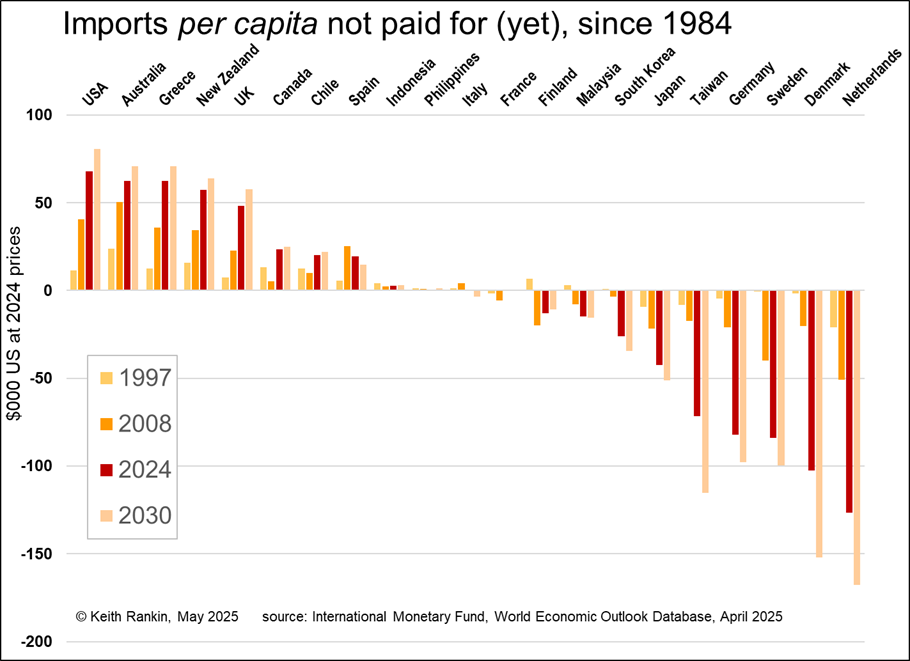
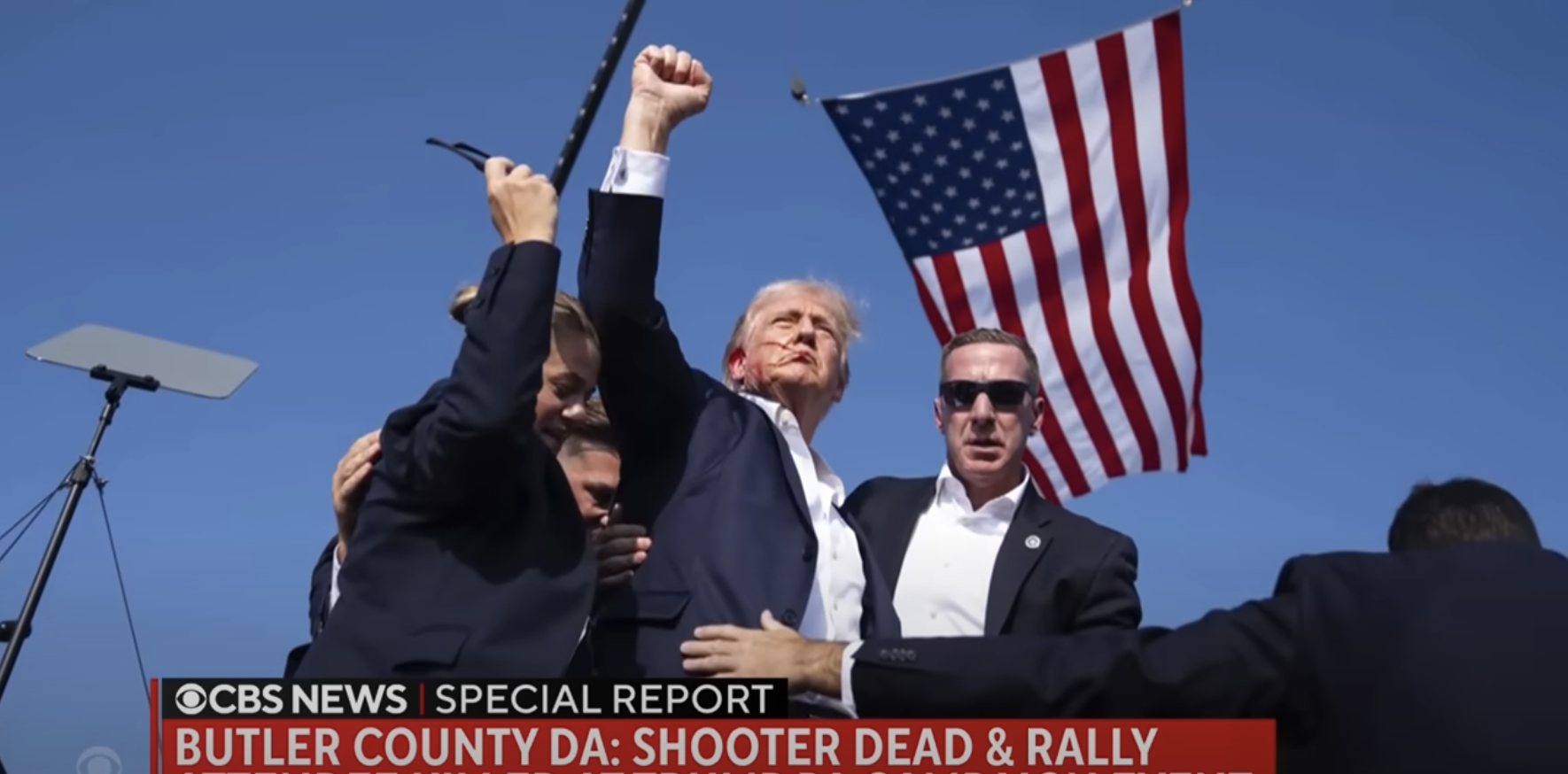


.jpg)


