Category: Features

  • MIL-Evening Report: Republicans once championed immigration in the US. Now, under Trump, an ugly nativism has been normalised

    Source: The Conversation (Au and NZ) – By Prudence Flowers, Senior Lecturer in US History, College of Humanities, Arts, and Social Sciences, Flinders University

    It might seem surprising today in the era of Donald Trump, but Republicans in the United States once championed immigration and supported pathways to citizenship for undocumented Americans.

    In January 1989, Ronald Reagan’s final speech as president was an impassioned ode to the immigrants who made America “a nation forever young, forever bursting with energy and new ideas”.

    Contrast this with Trump, who has normalised dehumanising rhetoric and policies against immigrants. In this year’s presidential campaign, for instance, he has referred to undocumented immigrants as “animals” who are “poisoning the blood of our country”.

    Both Trump and his vice presidential running mate, JD Vance, also repeated a false story about Haitian “illegal aliens” eating pets in Springfield, Ohio.

    Perhaps most troubling, Trump has pledged to launch “the largest deportation operation in the history of our country”, if he’s elected.

    Immigration policies throughout history

    Nativism, or anti-immigrant sentiment, has a long history in American politics.

    In 1924, a highly restrictive immigration quota system based on racial and national origins was introduced. This law envisaged America as a white, Anglo-Saxon, Protestant nation.

    However, there was no restriction on immigrants from the Western Hemisphere. The agricultural and railroad sectors relied heavily on workers from Mexico.

    In 1965, the quota system was replaced by visa preference categories for family and employment-based migrants, along with refugee and asylum slots.

    Then, as violence and economic instability spread across Central America in the 1970s, there was a surge in undocumented immigration to the US.

    Scholar Leo Chavez argues that in the late 1980s and early 1990s, an alarmist “Latino threat narrative” became the dominant motif in media discussions of immigration.

    This narrative was frequently driven by Republican politicians in states on the US-Mexico border, who derived electoral advantage from amplifying voter anxieties.

    The growing popularity of this negative discourse coincided with a significant increase in income inequality – a byproduct of neo-liberal policies championed by Reagan and other Republicans.


    Read more:
    Before Trump, there was a long history of race-baiting, fear-mongering and building walls on the US-Mexico border


    A dramatic shift in Republican rhetoric

    In the early-to-mid 20th century, Democrats were often the party that supported restrictive immigration and border policies.

    However, most Republicans at the national level – strongly supported by business – tended to endorse policies that encouraged the easy flow of workers across the border and increased levels of legal immigration.

    Prominent conservative Republicans also rejected vilifying rhetoric towards undocumented Americans. They presented all immigrants as pursuing opportunities for their families, a framing that emphasised a shared vision of the American dream. In this telling, their labour contributed to the economy and America’s growth and prosperity.

    George H. W. Bush And Ronald Reagan debate immigration in a Republican primary debate in 1980.

    Reagan, the most influential conservative of the late 20th century, opposed erecting a border wall and supported amnesty over deportation.

    Reagan also strongly supported bipartisan immigration reform. In 1986, Congress passed an immigration act that increased border security funding, but also ensured 2.7 million undocumented immigrants, primarily of Latino background, were able to gain legal status.

    Twenty years later, President George W. Bush and Republican Senator John McCain lobbied for a bipartisan bill that would have tightened border enforcement while simultaneously “legalising” an estimated 12 million undocumented immigrants. It was narrowly defeated.

    This vocal support for immigrants by leading Republicans was striking because for much of the period between the late 1980s and the early 2000s, a majority of Americans actually wanted immigration levels reduced.

    Then, around 2009, a dramatic shift in political rhetoric took place. The Tea Party movement brought border security and “racial resentment” towards immigrants centre stage, challenging conservative Republicans from the populist right.

    As a result, more and more Republicans began to voice restrictionist and xenophobic rhetoric and support legislation aimed at cracking down on illegal immigration.

    What’s surprising, though, is the number of undocumented immigrants in the US was actually declining at this time, from 12.2 million in 2007 to 10.7 million in 2016.

    Donald Trump and the new nativism

    In this worsening anti-immigrant climate, Trump descended a golden escalator in mid-2015 to launch his presidential campaign.

    In his speech that day, immigration was front and centre. Trump vowed to “build a great wall” and accused Mexico of sending “rapists” and “criminals” to America.

    His speeches during the presidential campaign were marked by frequent anti-Mexican assertions and calls for Islamophobic visa policies. This hostile stance on immigration was central to his victory in both the Republican primaries and the general election against Hillary Clinton.

    Once in office, Trump then adopted a “zero tolerance” stance towards undocumented immigration. His administration pursued a heartrending family separation policy that split children and their undocumented parents at the border. This approach was celebrated on conservative media outlets such as Fox News.

    During his presidency, he also reduced legal immigration by almost half, drastically cut America’s refugee intake, and introduced bans on people from Muslim-majority countries.

    Policy expert David Bier concluded the goal of Republican lawmakers had shifted:

    It really looks like the entire debate about illegality is not the main issue anymore for Republicans in both chambers of Congress. The main goal seems to be to reduce the number of foreigners in the United States to the greatest extent possible.

    Indeed, Trump’s vision of the nation had overtly racial overtones.

    In one 2018 meeting, he asked why America should accept immigrants from “shithole countries” like Haiti, El Salvador or the African continent. His preference was for Norwegian migrants.

    Immigration as a major election theme

    From 2021–2023, undocumented US-Mexico border crossings surged due to natural disasters, economic downturns and violence in many Latin American and Caribbean nations. Many of the recent arrivals are asylum seekers.

    Though the numbers have fallen sharply in 2024, immigration and the border are still one of the top issues for voters across the political spectrum. The issue is particularly important in the key swing state of Arizona.

    In 2024, Trump’s central immigration promise was encapsulated by the beaming delegates waving signs calling for “Mass Deportations Now” at the Republican National Convention.

    The Trump-Vance ticket has blamed undocumented immigrants for almost every economic and social problem imaginable. The two candidates present them as a dangerous and subversive “other” that cannot be assimilated into mainstream American culture.

    Yet Trump, as both president and candidate, has worked to prevent the passage of border security legislation. Turmoil on the border benefits him.

    And his nativism now encompasses all forms of immigration – he has pledged to curb legal channels for people to enter the country, as well.

    All of this rhetoric has had a dramatic impact on public opinion. Between 2016 and 2024, the number of people supporting the deportation of undocumented immigrants jumped from 32% to 47%.

    In July 2024, 55% of Americans also said they wanted to see immigration levels decrease, a 14-point increase in one year.

    Many Americans do not perceive immigration as a source of vitality and renewal as they had in the past. Instead, reflecting Trump’s language, they are viewing immigrants as an existential threat to the country’s future.

    Prudence Flowers does not work for, consult, own shares in or receive funding from any company or organisation that would benefit from this article, and has disclosed no relevant affiliations beyond their academic appointment.

    ref. Republicans once championed immigration in the US. Now, under Trump, an ugly nativism has been normalised – https://theconversation.com/republicans-once-championed-immigration-in-the-us-now-under-trump-an-ugly-nativism-has-been-normalised-239836

    MIL OSI AnalysisEveningReport.nz

  • MIL-Evening Report: Unprecedented peril: disaster lies ahead as we track towards 2.7°C of warming this century

    Source: The Conversation (Au and NZ) – By Thomas Newsome, Associate Professor in Global Ecology, University of Sydney

    You don’t have to look far to see what climate change is doing to the planet. The word “unprecedented” is everywhere this year.

    We are seeing unprecedented rapidly intensifying tropical storms such as Hurricane Helene in the eastern United States and Super Typhoon Yagi in Vietnam. Unprecedented fires in Canada have destroyed towns. Unprecedented drought in Brazil has dried out enormous rivers and left swathes of empty river beds. At least 1,300 pilgrims died during this year’s Hajj in Mecca as temperatures passed 50°C.

    Unfortunately, we are headed for far worse. The new 2024 State of the Climate report, produced by our team of international scientists, is yet another stark warning about the intensifying climate crisis. Even if governments meet their emissions goals, the world may hit 2.7°C of warming – nearly double the Paris Agreement goal of holding climate change to 1.5°C. Each year, we track 35 of the Earth’s vital signs, from sea ice extent to forests. This year, 25 are now at record levels, all trending in the wrong directions.

    Humans are not used to these conditions. Human civilisation emerged over the last 10,000 years under benign conditions – not too hot, not too cold. But this liveable climate is now at risk. In your grandchild’s lifetime, climatic conditions will be more threatening than anything our prehistoric relatives would have faced.

    Our report shows a continued rise in fossil fuel emissions, which remain at an all-time high. Despite years of warnings from scientists, fossil fuel consumption has actually increased, pushing the planet toward dangerous levels of warming. While wind and solar have grown rapidly, fossil fuel use is 14 times greater.

    This year is also tracking for the hottest year on record, with global daily mean temperatures at record levels for nearly half of 2023 and much of 2024.

    Next month, world leaders and diplomats will gather in Azerbaijan for the annual United Nations climate talks, COP 29. Leaders will have to redouble their efforts. Without much stronger policies, climate change will keep worsening, bringing with it more frequent and more extreme weather.


    Bad news after bad news

    We have still not solved the central problem: the routine burning of fossil fuels. Atmospheric concentrations of greenhouse gases – particularly methane and carbon dioxide – are still rising. Last September, carbon dioxide levels in the atmosphere hit 418 parts per million (ppm). This September, they crossed 422 ppm. Methane, a highly potent greenhouse gas, has been increasing at an alarming rate despite global pledges to tackle it.

    Compounding the problem is the recent decline in atmospheric aerosols from efforts to cut pollution. These small particles suspended in the air come from both natural and human processes, and have helped cool the planet. Without this cooling effect, the pace of global warming may accelerate. We don’t know for sure because aerosol properties are not yet measured well enough.

    Other environmental issues are now feeding into climate change. Deforestation in critical areas such as the Amazon is reducing the planet’s capacity to absorb carbon naturally, driving additional warming. This creates a feedback loop, where warming causes trees to die which in turn amplifies global temperatures.

    Loss of sea ice is another. As sea ice melts or fails to form, dark seawater is exposed. Ice reflects sunlight but seawater absorbs it. Scaled up, this changes the Earth’s albedo (how reflective the surface is) and accelerates warming further.

    In coming decades, sea level rise will pose a growing threat to coastal communities, putting millions of people at risk of displacement.

    Accelerate the solutions

    Our report stresses the need for an immediate and comprehensive end to the routine use of fossil fuels.

    It calls for a global carbon price, set high enough to drive down emissions, particularly from high-emitting wealthy countries.

    Introducing effective policies to slash methane emissions is crucial, given methane’s high potency but short atmospheric lifetime. Rapidly cutting methane could slow the rate of warming in the short term.

    Natural climate solutions such as reforestation and soil restoration should be rolled out to increase how much carbon is stored in wood and soil. These efforts must be accompanied by protective measures in wildfire and drought prone areas. There’s no point planting forests if they will burn.

    Governments should introduce stricter land-use policies to slow down rates of land clearing and increase investment in forest management to cut the risk of large, devastating fires and encourage sustainable land use.

    We cannot overlook climate justice. Less wealthy nations contribute least to global emissions but are often the worst affected by climate disasters.

    Wealthier nations must provide financial and technical support to help these countries adapt to climate change while cutting emissions. This could include investing in renewable energy, improving infrastructure and funding disaster preparedness programs.

    Internationally, our report urges stronger commitments from world leaders. Current global policies are insufficient to limit warming to 1.5°C above pre-industrial levels.

    Without drastic changes, the world is on track for approximately 2.7°C of warming this century. To avoid catastrophic tipping points, nations must strengthen their climate pledges, reduce dependence on fossil fuels, and accelerate the transition to renewable energy.

    Immediate, transformative policy changes are now necessary if we are to avoid the worst effects of climate change.

    Climate change is already here. But it could get much, much worse. By slashing emissions, boosting natural climate solutions and working towards climate justice, the global community can still fend off the worst version of our future.

    Thomas Newsome receives funding from the Australian Research Council. He is immediate past-president of the Australasian Wildlife Management Society and President of the Royal Zoological Society of New South Wales.

    William Ripple receives funding from the CO2 Foundation and University of Oregon donor Roger Worthington.

    ref. Unprecedented peril: disaster lies ahead as we track towards 2.7°C of warming this century – https://theconversation.com/unprecedented-peril-disaster-lies-ahead-as-we-track-towards-2-7-c-of-warming-this-century-240549

    MIL OSI AnalysisEveningReport.nz

  • MIL-Evening Report: Bhutan’s king is set to visit Australia for the first time. Here’s why thousands will line the streets to see him

    Source: The Conversation (Au and NZ) – By Tashi Dema, PhD Candidate in Language and Politics, University of New England

    Deki, a 23-year-old resident of the remote town of Armidale, NSW, has been sleepless with excitement since the Bhutanese embassy in Canberra announced an upcoming visit from Bhutan’s fifth monarch, King Jigme Khesar Namgyel Wangchuck.

    King Jigme Khesar will be visiting from October 10 to 16. It will be his first time in Australia, as well as the first ever visit from a Bhutanese head of state.

    According to Bhutan’s ministry of foreign affairs and external trade, the king will meet with Australian government officials, business leaders and the Bhutanese community during his trip. Audiences with the king are scheduled in Sydney on October 12, Canberra on October 13, and Perth on October 16.

    Deki will be travelling to Sydney by train on October 11 with about 60 people from Armidale’s Bhutanese community. The journey will take more than eight hours. Some residents will fly on the morning of October 12.

    The Armidale residents have practised dances to present to the royal entourage. Their enthusiasm is palpable. With more than 35,000 Bhutanese people living in Australia, the embassy received an overwhelming number of registrations for the royal audience.

    Chhimi Dorji, president of the Association of Bhutanese in Perth, said many Bhutanese residents applied for leave the moment the royal visit was announced. He said the community’s overwhelming excitement signifies a deep love and respect for the king.

    A deep reverence for the king

    Devotion to the king is ingrained in Bhutanese society; he is even considered a sacred figure. This love and respect stems from a view of the monarchy as a symbol of pride and unity.

    My ongoing research on language and politics in Bhutan – as well as the many years I spent working there as a journalist – has revealed a genuine admiration for the king among the public. Research participants in rural Bhutan told me politicians should learn from the king in order to serve their people.

    In 2008, King Jigme Khesar facilitated Bhutan’s transition from an absolute monarchy to a democratic constitutional monarchy. As party politics fragmented the small nation and divided people along party lines, the monarchy was seen as a beacon of hope.

    The Bhutanese public’s devotion to its king defies theories which claim that the concept of the monarchy more broadly is becoming obsolete.

    Serving the people

    One reason King Jigme Khesar is so revered is because of his role in helping to build and advance Bhutan. During the pandemic, he was hailed for implementing pandemic response strategies and for visiting every nook and corner of the country to comfort citizens.

    He has also implemented programs that provide important public services. For instance, Desuung, a volunteer training program that started in 2011, delivers volunteers for a variety of projects such as disaster operations and charity events. Another national service program, Gyalsung, was started this year.

    Currently, the king is planning to develop the world’s first mindfulness city in Gelephu – a southern plain in Bhutan spanning more than 1,000 square kilometres – with hopes to attract foreign investment and encourage emigrated Bhutanese people to return.

    Ahead of the royal visit, Sydney resident Tshering Palden said he and his children were clearly excited to greet King Jigme Khesar.

    Besides other things, I am excited to hear about the developments around Gelephu Mindfulness City and how Bhutanese living abroad like me can be part of His Majesty’s brain child and the long-term nation building […]

    Foreigners are also intrigued and very interested to know about the project and ask us a lot about it.

    The Australian dream

    As a landlocked country that really only made itself known to the world in 1999 (after internet and television were finally introduced), Bhutan is something of an enigma.

    It is touted as the world’s happiest country, largely due to its uptake of a unique metric called “gross national happiness” in the 1970s. In 1972, King Jigme Singye Wangchuck (King Jigme Khesar’s father) proclaimed the country’s gross national happiness was an even more important measure of progress than gross domestic product (GDP).

    Today, however, the tiny Himalayan country of about 800,000 people faces an existential crisis due to widespread unemployment and huge numbers of youth and young professionals moving overseas for a better future.

    Australia remains a top destination for Bhutanese residents – and currently has more Bhutanese diaspora than any country in the world. Bhutan is also said to be Australia’s 14th largest source country for international students.

    But despite living so far away, Bhutanese diaspora in Australia remain deeply rooted to their identity, culture and devotion to the monarchy. Most of them still celebrate the king’s birthday on February 21 each year, as well as Bhutan’s National Day on December 17.

    Meanwhile, Deki – who has portraits of Jigme Khesar in her home in central Bhutan – says being able to meet the king will be a “dream come true”.

    Tashi Dema does not work for, consult, own shares in or receive funding from any company or organisation that would benefit from this article, and has disclosed no relevant affiliations beyond their academic appointment.

    ref. Bhutan’s king is set to visit Australia for the first time. Here’s why thousands will line the streets to see him – https://theconversation.com/bhutans-king-is-set-to-visit-australia-for-the-first-time-heres-why-thousands-will-line-the-streets-to-see-him-239932

    MIL OSI AnalysisEveningReport.nz

  • MIL-Evening Report: Oral vaccines could provide relief for people who suffer regular UTIs. Here’s how they work

    Source: The Conversation (Au and NZ) – By Iris Lim, Assistant Professor in Biomedical Science, Bond University

    9nong/Shutterstock

    In a recent TikTok video, Australian media personality Abbie Chatfield shared she was starting a vaccine to protect against urinary tract infections (UTIs).

    Huge news for the UTI girlies. I am starting a UTI vaccine tonight for the first time.

    Chatfield suffers from recurrent UTIs and has turned to the Uromune vaccine, an emerging option for those seeking relief beyond antibiotics.

    But Uromune is not a traditional vaccine injected to your arm. So what is it and how does it work?

    First, what are UTIs?

    UTIs are caused by bacteria entering the urinary system. This system includes the kidneys, bladder, ureters (thin tubes connecting the kidneys to the bladder), and the urethra (the tube through which urine leaves the body).

    The most common culprit is Escherichia coli (E. coli), a type of bacteria normally found in the intestines.

    While most types of E. coli are harmless in the gut, it can cause infection if it enters the urinary tract. UTIs are particularly prevalent in women due to their shorter urethras, which make it easier for bacteria to reach the bladder.

    Roughly 50% of women will experience at least one UTI in their lifetime, and up to half of those will have a recurrence within six months.

    UTIs are caused by bacteria enterning the urinary system.
    oxo7051/Shutterstock

    The symptoms of a UTI typically include a burning sensation when you wee, frequent urges to go even when the bladder is empty, cloudy or strong-smelling urine, and pain or discomfort in the lower abdomen or back. If left untreated, a UTI can escalate into a kidney infection, which can require more intensive treatment.

    While antibiotics are the go-to treatment for UTIs, the rise of antibiotic resistance and the fact many people experience frequent reinfections has sparked more interest in preventive options, including vaccines.

    What is Uromune?

    Uromune is a bit different to traditional vaccines that are injected into the muscle. It’s a sublingual spray, which means you spray it under your tongue. Uromune is generally used daily for three months.

    It contains inactivated forms of four bacteria that are responsible for most UTIs, including E. coli. By introducing these bacteria in a controlled way, it helps your immune system learn to recognise and fight them off before they cause an infection. It can be classified as an immunotherapy.

    A recent study involving 1,104 women found the Uromune vaccine was 91.7% effective at reducing recurrent UTIs after three months, with effectiveness dropping to 57.6% after 12 months.

    These results suggest Uromune could provide significant (though time-limited) relief for women dealing with frequent UTIs, however peer-reviewed research remains limited.

    Any side effects of Uromune are usually mild and may include dry mouth, slight stomach discomfort, and nausea. These side effects typically go away on their own and very few people stop treatment because of them. In rare cases, some people may experience an allergic reaction.

    How can I access it?

    In Australia, Uromune has not received full approval from the Therapeutic Goods Administration (TGA), and so it’s not something you can just go and pick up from the pharmacy.

    However, Uromune can be accessed via the TGA’s Special Access Scheme or the Authorised Prescriber pathway. This means a GP or specialist can apply for approval to prescribe Uromune for patients with recurrent UTIs. Once the patient has a form from their doctor documenting this approval, they can order the vaccine directly from the manufacturer.

    Antibiotics are the go-to treatment for UTIs – but scientists are looking at options to prevent them in the first place.
    Photoroyalty/Shutterstock

    Uromune is not covered under the Pharmaceutical Benefits Scheme, meaning patients must cover the full cost out-of-pocket. The cost of a treatment program is around A$320.

    Uromune is similarly available through special access programs in places like the United Kingdom and Europe.

    Other options in the pipeline

    In addition to Uromune, scientists are exploring other promising UTI vaccines.

    Uro-Vaxom is an established immunomodulator, a substance that helps regulate or modify the immune system’s response to bacteria. It’s derived from E. coli proteins and has shown success in reducing UTI recurrences in several studies. Uro-Vaxom is typically prescribed as a daily oral capsule taken for 90 days.

    FimCH, another vaccine in development, targets something called the adhesin protein that helps E. coli attach to urinary tract cells. FimCH is typically administered through an injection and early clinical trials have shown promising results.

    Meanwhile, StroVac, which is already approved in Germany, contains inactivated strains of bacteria such as E. coli and provides protection for up to 12 months, requiring a booster dose after that. This injection works by stimulating the immune system in the bladder, offering temporary protection against recurrent infections.

    These vaccines show promise, but challenges like achieving long-term immunity remain. Research is ongoing to improve these options.

    No magic bullet, but there’s reason for optimism

    While vaccines such as Uromune may not be an accessible or perfect solution for everyone, they offer real hope for people tired of recurring UTIs and endless rounds of antibiotics.

    Although the road to long-term relief might still be a bit bumpy, it’s exciting to see innovative treatments like these giving people more options to take control of their health.

    Iris Lim does not work for, consult, own shares in or receive funding from any company or organisation that would benefit from this article, and has disclosed no relevant affiliations beyond their academic appointment.

    ref. Oral vaccines could provide relief for people who suffer regular UTIs. Here’s how they work – https://theconversation.com/oral-vaccines-could-provide-relief-for-people-who-suffer-regular-utis-heres-how-they-work-240437

    MIL OSI AnalysisEveningReport.nz

  • MIL-Evening Report: AI is a multi-billion dollar industry. It’s underpinned by an invisible and exploited workforce

    Source: The Conversation (Au and NZ) – By Ganna Pogrebna, Executive Director, AI and Cyber Futures Institute, Charles Sturt University

    Olena Yakobchuk/Shutterstock

    In dusty factories, cramped internet cafes and makeshift home offices around the world, millions of people sit at computers tediously labelling data.

    These workers are the lifeblood of the burgeoning artificial intelligence (AI) industry. Without them, products such as ChatGPT simply would not exist. That’s because the data they label helps AI systems “learn”.

    But despite the vital contribution this workforce makes to an industry which is expected to be worth US$407 billion by 2027, the people who comprise it are largely invisible and frequently exploited. Earlier this year nearly 100 data labellers and AI workers from Kenya who do work for companies like Facebook, Scale AI and OpenAI published an open letter to United States President Joe Biden in which they said:

    Our working conditions amount to modern day slavery.

    To ensure AI supply chains are ethical, industry and governments must urgently address this problem. But the key question is: how?

    What is data labelling?

    Data labelling is the process of annotating raw data — such as images, video or text — so that AI systems can recognise patterns and make predictions.

    Self-driving cars, for example, rely on labelled video footage to distinguish pedestrians from road signs. Large language models such as ChatGPT rely on labelled text to understand human language.

    These labelled datasets are the lifeblood of AI models. Without them, AI systems would be unable to function effectively.

    Tech giants like Meta, Google, OpenAI and Microsoft outsource much of this work to data labelling factories in countries such as the Philippines, Kenya, India, Pakistan, Venezuela and Colombia.

    China is also becoming another global hub for data labelling.

    Outsourcing companies that facilitate this work include Scale AI, iMerit, and Samasource. These are very large companies in their own right. For example, Scale AI, which is headquartered in California, is now worth US$14 billion.

    Cutting corners

    Major tech firms like Alphabet (the parent company of Google), Amazon, Microsoft, Nvidia and Meta have poured billions into AI infrastructure, from computational power and data storage to emerging computational technologies.

    Large-scale AI models can cost tens of millions of dollars to train. Once deployed, maintaining these models requires continuous investment in data labelling, refinement and real-world testing.

    But while AI investment is significant, revenues have not always met expectations. Many industries continue to view AI projects as experimental with unclear profitability paths.

    In response, many companies are cutting costs which affect those at the very bottom of the AI supply chain who are often highly vulnerable: data labellers.

    Low wages, dangerous working conditions

    One way companies involved in the AI supply chain try to reduce costs is by employing large numbers of data labellers in countries in the Global South such as the Philippines, Venezuela, Kenya and India. Workers in these countries face stagnating or shrinking wages.

    For example, an hourly rate for AI data labellers in Venezuela ranges from between 90 cents and US$2. In comparison, in the United States, this rate is between US$10 to US$25 per hour.

    In the Philippines, workers labelling data for multi-billion dollar companies such as Scale AI often earn far below the minimum wage.

    Some labelling providers even resort to child labour for labelling purposes.

    But there are many other labour issues within the AI supply chain.

    Many data labellers work in overcrowded and dusty environments which pose a serious risk to their health. They also often work as independent contractors, lacking access to protections such as health care or compensation.

    The mental toll of data labelling work is also significant, with repetitive tasks, strict deadlines and rigid quality controls. Data labellers are also sometimes asked to read and label hate speech or other abusive language or material, which has been proven to have negative psychological effects.

    Errors can lead to pay cuts or job losses. But labellers often experience lack of transparency on how their work is evaluated. They are often denied access to performance data, hindering their ability to improve or contest decisions.

    Making AI supply chains ethical

    As AI development becomes more complex and companies strive to maximise profits, the need for ethical AI supply chains is urgent.

    One way companies can help ensure this is by applying a human right-centreed design, deliberation and oversight approach to the entire AI supply chain. They must adopt fair wage policies, ensuring data labellers receive living wages that reflect the value of their contributions.

    By embedding human rights into the supply chain, AI companies can foster a more ethical, sustainable industry, ensuring that both workers’ rights and corporate responsibility align with long-term success.

    Governments should also create new regulation which mandates these practices, encouraging fairness and transparency. This includes transparency in performance evaluation and personal data processing, allowing workers to understand how they are assessed and to contest any inaccuracies.

    Clear payment systems and recourse mechanisms will ensure workers are treated fairly. Instead of busting unions, as Scale AI did in Kenya in 2024, companies should also support the formation of digital labour unions or cooperatives. This will give workers a voice to advocate for better working conditions.

    As users of AI products, we all can advocate for ethical practices by supporting companies that are transparent about their AI supply chains and commit to fair treatment of workers. Just as we reward green and fair trade producers of physical goods, we can push for change by choosing digital services or apps on our smartphones that adhere to human rights standards, promoting ethical brands through social media, and voting with our dollars for accountability from tech giants on a daily basis.

    By making informed choices, we all can contribute to more ethical practices across the AI industry.

    Ganna Pogrebna does not work for, consult, own shares in or receive funding from any company or organisation that would benefit from this article, and has disclosed no relevant affiliations beyond their academic appointment.

    ref. AI is a multi-billion dollar industry. It’s underpinned by an invisible and exploited workforce – https://theconversation.com/ai-is-a-multi-billion-dollar-industry-its-underpinned-by-an-invisible-and-exploited-workforce-240568

    MIL OSI AnalysisEveningReport.nz

  • MIL-Evening Report: More workers are being forced back to the office – yet a new study shows flexibility is the best way to keep employees

    Source: The Conversation (Au and NZ) – By John L. Hopkins, Associate Professor of Management, Swinburne University of Technology

    Gorodenkoff/Shutterstock

    Less than a month after Amazon announced employees would need to give up their flexible work arrangements and return to the office full-time, new research has reinforced the value of a flexible work culture.

    The 2024 Employee Benefits Review, by consultancy firm Mercer, found 89% of Australian organisations still offer the option of working from home, with the average number of mandated office days stable at about three a week, the same as last year.

    In this era of limited pay growth, businesses are also increasingly leveraging flexible work arrangements to attract and retain top talent, enhance employee engagement and foster a positive workplace culture.

    The research shows some Australian workers are even prepared to take a pay cut for the sake of a more flexible work life. This and other findings conflict with a renewed push by some big businesses to get employees back to the office.

    Businesses at odds with the research

    Three weeks ago, Amazon CEO Andy Jassy issued a memo calling all employees back to the office five days a week.

    Up to this point, the return to office (RTO) conversation had largely fallen silent for most of this year. Hybrid work arrangements were generally being accepted as the norm for office workers.

    Amazon’s move has reignited the topic. Shortly after the Amazon announcement, Tabcorp CEO Gillon McLachlan ordered workers back to the office to improve performance and create “a winning culture”.

    However, not everybody supports the idea, here or overseas. Senior executives at Google and Microsoft were quick to distance themselves. They reassured workers hybrid arrangements would stay as long as productivity levels didn’t fall.

    What a new national survey found

    Mercer’s report, released on October 2, is based on data from 502 Australian organisations across all major industry groups and sectors. It found flexible work – when managed well – can contribute to a positive workplace culture. It can also improve diversity and inclusion, while broadening the potential talent pool.

    As well as letting people work from home, the report found 77% of participating firms allow staff to adjust their start and finish times. And 5% let their employees work four days instead of five at the same pay. This is commonly referred to as the 100:80:100 model of a four day work week.

    Many businesses gave employees the flexibility to change their start and finish times.
    Monkey Business Images/Shutterstock

    Four per cent of businesses offered a “compressed working year” – the ability to work the equivalent of 48 weeks in just 40 weeks. Another business was experimenting with letting staff work four years at 80% of salary, and take the fifth year as leave.

    Mercer’s client engagement manager Don Barrera said

    employers need to find the balance between the needs of their employees and the overall business objectives in order to create a benefits strategy that delivers value to all.

    Changing culture

    With flexible work now firmly embedded in many Australian companies, work culture is changing too.

    Just under 60% now define their culture around “work-life balance.” This places greater emphasis on people, but not at the expense of performance.

    This fits with 2021 research identifying positive links between flexibility, employee engagement, productivity and overall performance.

    Workplace Gender Equality Agency research released earlier this year describes flexible work as “the key to workplace gender equality”.

    Other studies have found flexible work increased potential employment opportunities for people with disabilities.

    Flexibility also now extends beyond simply work arrangements. According to the Mercer research, it can include career development, training opportunities, parental leave, part-time work, annual leave, and support for financial wellbeing.

    In recognition of cost-of-living pressures, 65% of organisations now offer health and wellbeing classes and 29% offer financial wellness programs. By broadening the scope of flexibility, businesses can better respond to their workforce’s evolving needs.

    Everyone benefits

    Both employers and employees can benefit from flexibility. For employees, it’s about improving work-life balance, with one-third now willing to forgo a 10% pay rise in favour of flexible, reduced hours, or a compressed work schedule.

    For employers, the benefits are attracting and retaining top talent, fostering a positive workplace culture, and being able to adapt to changing market conditions with a skilled and engaged workforce.

    By understanding the interconnection between these needs, firms can create a work culture that recognises employees have commitments and interests outside work. This can help employees achieve better work-life balance.

    John L. Hopkins does not work for, consult, own shares in or receive funding from any company or organisation that would benefit from this article, and has disclosed no relevant affiliations beyond their academic appointment.

    ref. More workers are being forced back to the office – yet a new study shows flexibility is the best way to keep employees – https://theconversation.com/more-workers-are-being-forced-back-to-the-office-yet-a-new-study-shows-flexibility-is-the-best-way-to-keep-employees-240649

    MIL OSI AnalysisEveningReport.nz

  • MIL-Evening Report: Should you need a permit to protest? Here’s why that’s a bad idea (and might be unlawful)

    Source: The Conversation (Au and NZ) – By Maria O’Sullivan, Associate Professor of Law, Member of Law as Protection Centre, Deakin Law School, Deakin University

    Australians’ ability to protest has again been in the news this week. Against the background of an armed conflict in the Middle East and rallies nationwide, the government has suggested Australia should establish a permit system for all protests.

    Minister for the NDIS and Government Services Bill Shorten made the suggestion on television this week:

    how the permit system works is it doesn’t stop people protesting, but the purpose of is to look at the circumstances […] I don’t necessarily think it should apply to industrial relations, but for some of these protests we’ve seen week in, week out, I do think that having a permit system would at least straighten it up.

    So what are protest laws like around the country? Do any states or territories have this permit system, and should they? And importantly, what effect to these laws have on the right to protest?

    What are the laws like nationally?

    A permit system to allow protest organisers to hold an “authorised public assembly” operates in most states and territories in Australia. These systems allow police to “authorise” a particular protest and require a written application to police and/or the relevant local council.

    For instance, in New South Wales, people who wish to hold an authorised protest must lodge a “notice of intention to hold a public assembly” with the NSW Police Commissioner.

    Similar provisions also exist in Queensland, where organisers wishing to obtain authorisation for a protest must send a “Notice of Intention to Hold a Public Assembly” form to Queensland Police Service and the local council.

    In Western Australia, organisers may apply for a permit to hold a public meeting and/or procession under the Public Order in Streets Act.

    However, there a significant differences in the detail of these laws. In most states, the permit system simply allows the protest to be “authorised”. This means that while it is not a criminal offence to hold a protest without a permit, it provides a level of protection to protesters from certain criminal charges such as obstructing traffic.

    Victoria does not have a permit system like NSW. Instead, it has laws that enable police to move people on, or to arrest someone for violent or anti-social behaviour.

    However, in Tasmania, a section of the Police Offences Act makes it an offence for a person to organise or conduct a demonstration without a permit if it is to be held, wholly or partly, on a public street. It’s punishable by a fine.

    The period of notification also varies widely. In most states and territories, the lead time is anywhere from five days to two weeks.

    However, in Tasmania, protest organisers are advised to lodge an application with police 12 weeks before the demonstration.

    Finally, the grounds for rejection of a permit can be overly broad. For instance, in South Australia, police and other authorities may reject a permit on the ground that “it would, if effectuated, unduly prejudice any public interest”. The legislation does not set out any criteria for that test.

    Which laws are the best?

    In terms of how these laws compare with one another and which approach is the most preferable, we need to consider two factors: the practicalities of a permit system, and whether allowing government authorities to control protests is advisable.

    In terms of practicalities, the paperwork burden, cost and uncertainty of a mandatory permit system may be unworkable. There could also be ensuing litigation to consider.

    This was starkly demonstrated in 2020 when planned protests against Indigenous deaths in custody were litigated in the NSW Supreme Court.

    In NSW, which has a permit system, the “Stop All Black Deaths in Custody” protest was initially rejected by the NSW Supreme Court but was then declared an authorised public assembly by the NSW Court of Appeal only minutes before the protest was scheduled to start.

    In deciding on the best approach to permits, we must also consider whether it is wise to allow government agencies to give the green light to some protests and disallow others. Will this put too much power into the hands of police and individual judges?

    The human right of protesting

    Here it is relevant to consider Australia’s international human rights treaty obligations, which protect the right to assemble peacefully. United Nations guidance on this right recognises that states can set up notification provisions for protests, but they cannot establish authorisation requirements.

    This means Australia can set up a notification system to allow police to facilitate the smooth conduct of a protest in advance (such as by organising road closures).

    However, this cannot require people to get permission from the police before undertaking a protest. In fact, this international human rights guidance states that having to apply for permission to protest undermines its status as a basic human right.

    More generally, it should be remembered that protests can be spontaneous and should be allowed to be so.

    This is best illustrated by one of the most important acts of protest in Australian history: the Aboriginal Tent Embassy. This was set up spontaneously on January 26 1972 when four Indigenous men set up a beach umbrella on the lawns opposite Parliament House in Canberra as a protest against the government’s approach to Indigenous land rights.

    It stands to this day and is a visual reminder of the power of spontaneous protest, carried out without police permission, and a sober reminder of the importance of protest in our democratic system.

    Maria O’Sullivan is part of a Public Intoxication Reform Evaluation which is funded by the Victorian Department of Justice.

    ref. Should you need a permit to protest? Here’s why that’s a bad idea (and might be unlawful) – https://theconversation.com/should-you-need-a-permit-to-protest-heres-why-thats-a-bad-idea-and-might-be-unlawful-240671

    MIL OSI AnalysisEveningReport.nz

  • MIL-Evening Report: An unbroken night’s sleep is a myth. Here’s what good sleep looks like

    Source: The Conversation (Au and NZ) – By Amy Reynolds, Associate Professor in Clinical Sleep Health, Flinders University

    Bricolage/Shutterstock

    What do you imagine a good night’s sleep to be?

    Often when people come into our sleep clinic seeking treatment, they share ideas about healthy sleep.

    Many think when their head hits the pillow, they should fall into a deep and restorative sleep, and emerge after about eight hours feeling refreshed. They’re in good company – many Australians hold the same belief.

    In reality, healthy sleep is cyclic across the night, as you move in and out of the different stages of sleep, often waking up several times. Some people remember one or more of these awakenings, others do not. Let’s consider what a healthy night’s sleep looks like.

    Sleep cycles are a roller-coaster

    As an adult, our sleep moves through different cycles and brief awakenings during the night. Sleep cycles last roughly 90 minutes each.

    We typically start the night with lighter sleep, before moving into deeper sleep stages, and rising again into rapid eye movement (REM) sleep – the stage of sleep often linked to vivid dreaming.

    If sleeping well, we get most of our deep sleep in the first half of the night, with REM sleep more common in the second half of the night.

    Deepest sleep usually happens during the first half of the night.
    Verin/Shutterstock

    Adults usually move through five or six sleep cycles in a night, and it is entirely normal to wake up briefly at the end of each one. That means we might be waking up five times during the night. This can increase with older age and still be healthy. If you’re not remembering these awakenings that’s OK – they can be quite brief.

    What does getting a ‘good’ sleep actually mean?

    You’ll often hear that adults need between seven and nine hours of sleep per night. But good sleep is about more than the number of hours – it’s also about the quality.

    For most people, sleeping well means being able to fall asleep soon after getting into bed (within around 30 minutes), sleeping without waking up for long periods, and waking feeling rested and ready for the day.

    You shouldn’t be feeling excessively sleepy during the day, especially if you’re regularly getting at least seven hours of refreshing sleep a night (this is a rough rule of thumb).

    But are you noticing you’re feeling physically tired, needing to nap regularly and still not feeling refreshed? It may be worthwhile touching base with your general practitioner, as there a range of possible reasons.

    Common issues

    Sleep disorders are common. Up to 25% of adults have insomnia, a sleep disorder where it may be hard to fall or stay asleep, or you may wake earlier in the morning than you’d like.

    Rates of common sleep disorders such as insomnia and sleep apnoea – where your breathing can partially or completely stop many times during the night – also increase with age, affecting 20% of early adults and 40% of people in middle age. There are effective treatments, so asking for help is important.

    Beyond sleep disorders, our sleep can also be disrupted by chronic health conditions – such as pain – and by certain medications.

    There can also be other reasons we’re not sleeping well. Some of us are woken by children, pets or traffic noise during the night. These “forced awakenings” mean we may find it harder to get up in the morning, take longer to leave bed and feel less satisfied with our sleep. For some people, night awakenings may have no clear cause.

    A good way to tell if these awakenings are a problem for you is by thinking about how they affect you. When they cause feelings of frustration or worry, or are impacting how we feel and function during the day, it might be a sign to seek some help.

    If waking up in the night is interfering with your normal day-to-day activities, it may indicate a problem.
    BearFotos/Shutterstock

    We also may struggle to get up in the morning. This could be for a range of reasons, including not sleeping long enough, going to bed or waking up at irregular times – or even your own internal clock, which can influence the time your body prefers to sleep.

    If you’re regularly struggling to get up for work or family needs, it can be an indication you may need to seek help. Some of these factors can be explored with a sleep psychologist if they are causing concern.

    Can my smart watch help?

    It is important to remember sleep-tracking devices can vary in accuracy for looking at the different sleep stages. While they can give a rough estimate, they are not a perfect measure.

    In-laboratory polysomnography, or PSG, is the best standard measure to examine your sleep stages. A PSG examines breathing, oxygen saturation, brain waves and heart rate during sleep.

    Rather than closely examining nightly data (including sleep stages) from a sleep tracker, it may be more helpful to look at the patterns of your sleep (bed and wake times) over time.

    Understanding your sleep patterns may help identify and adjust behaviours that negatively impact your sleep, such as your bedtime routine and sleeping environment.

    And if you find viewing your sleep data is making you feel worried about your sleep, this may not be useful for you. Most importantly, if you are concerned it is important to discuss it with your GP who can refer you to the appropriate specialist sleep health provider.

    Amy Reynolds receives funding from the National Health and Medical Research Council, the Medical Research Future Fund, the Australian Research Council, the Lifetime Support Authority, and has received consulting and/or speaker fees from industry-funded sources including Compumedics, Teva Pharmaceuticals and Sydney Trains.

    Claire Dunbar received funding from The Hospital Research Foundation for their PhD Scholarship and previously from Flinders University development grants.

    Hannah Scott receives research funding from Re-Time Pty Ltd, Compumedics Ltd, the American Academy of Sleep Medicine Foundation, and Flinders University.

    Nicole Lovato receives funding from the Australian Research Council, the National Health and Medical Research Council, the Medical Research Future Fund, the Hospital Research Foundation, the Lifetime Support Authority, and industry including ResMed, Phillips, and ReTime.

    Gorica Micic does not work for, consult, own shares in or receive funding from any company or organisation that would benefit from this article, and has disclosed no relevant affiliations beyond their academic appointment.

    ref. An unbroken night’s sleep is a myth. Here’s what good sleep looks like – https://theconversation.com/an-unbroken-nights-sleep-is-a-myth-heres-what-good-sleep-looks-like-238069

    MIL OSI AnalysisEveningReport.nz

  • MIL-Evening Report: Manawanui sinking: an expert explains why a speedy cleanup will be crucial – and the main challenges ahead

    Source: The Conversation (Au and NZ) – By Christopher Battershill, Professor in Coastal Science, University of Waikato

    HMNZS Manawanui arrives at Devonport Naval Base in 2019 still bearing its original Norwegian name,
    Edda Fonn.
    Getty Images

    Speed will be of the essence as salvage crews attempt to stop fuel leaking from the sunken New Zealand naval ship off the coast of Samoa.

    The HMNZS Manawanui ran aground last weekend on a reef about one nautical mile off the south coast of Upolu, Samoa’s most populated island. The specialist dive and hydrographic vessel was on its third deployment, conducting a reef survey, when it caught fire and sank.

    Manawanui listing on the reef, October 6.
    Samoa Fire and Emergency Services Authority via Facebook

    The ship has come to rest at a depth of up to 150 metres, which means it may be relatively undisturbed even during storms. Any hull cracks from the impact should not be exacerbated.

    But depth makes the salvage operation challenging. Crew may need decompression chambers, and there’s only a narrow window of time to seal any fuel leaks – and, ideally, pipe out more than 900 tonnes of marine diesel the ship carries.

    Fuel leaks the first priority

    The Manawanui’s sinking is a marine disaster. But it arguably poses a lesser risk than the oil spill caused by the container ship MV Rena, which ran aground near the Astrolabe Reef off Tauranga in 2011.

    The Rena was loaded with 1,368 containers, some of which contained hazardous materials, as well as 1,700 tonnes of heavy fuel oil. It also carried thousands of tonnes of dairy products, which effectively fertilised the ocean and caused massive algal blooms, visible from space.

    The fuel oil on board the Manawanui is lighter. Its most toxic short-chain hydrocarbons will likely evaporate with wave action. But if the remaining slick washes up on beaches, it will be harder to remove. During low tides, it will be running onto the reef, likely killing off corals and fish in a swath moving inshore or driven by wind and currents.

    The salvage crew’s first focus will probably be on mitigating fuel leaks. But they will also need to clean up any crushed coral and contaminated sediment around the reef and wreck as quickly as possible, as it may have been exposed to the ship’s anti-fouling paint. In calm weather this would be possible as it’s shallow on the reef crest.

    Ships in the past have been painted with the anti-fouling paint Tributylin. It has now been banned because of its toxicity, but many ships simply painted over it with modern paints. Any damage to the hull could expose old layers. Without a thorough cleanup, this could preclude coral recovery.

    My experience, and that of colleague’s both in New Zealand and in tropical Australia, shows a speedy cleanup can make all the difference for the environmental recovery after ships ground on reefs and sometimes sink.

    When the Malaysian-flagged container ship Bunga Teratai Satu ran into the Sudbury Reef in the Great Barrier Reef in 2001, the vessel was refloated without losing any cargo or fuel. But it had scraped against the reef, spreading tributyltin-coated fragments. The salvage operation cleaned up the toxic material and the coral was on a recovery trajectory within four years.

    In contrast, the sinking of the Shen Neng 1 in 2010 flattened 8,000 square metres of reef east of Great Keppel Island on Queensland’s Capricorn coast. While the ship was also refloated and removed, there was no cleanup and no signs of coral recovery a decade after the disaster.

    Should oil dispersants be used?

    All 75 crew and passengers have been taken off the Manawanui by life rafts and other boats that came to the rescue. A Court of Inquiry is under way to establish exactly what caused the sinking.

    Rescued crew and passengers from Manawanui on Upolu’s southern coast.
    Samoa Fire and Emergency Services Authority via Facebook

    The focus is now on mitigating environmental impacts.

    At this point, there are no signs of oil on the beaches where the vessel sank, but locals are reporting an oil-like substance in the water around the wreck.

    Should fuel oil spill ashore, locals will have to find ways of harnessing the public for the beach cleanup. When the oil slick from the Rena contaminated local beaches, thousands of volunteers helped with the recovery operation.

    Locals will likely also face decisions about using oil dispersants, which break up oil into smaller droplets into the water column.

    At the time of the Rena operation, there was a public outcry against the use of dispersants because they spread the pollution further into the marine environment, and the chemical combination of oil and dispersant can be more toxic than either alone.

    The use of dispersants makes sense however, if an oil spill threatens turtle nesting areas for example, as it did when the cargo ship Pacific Adventurer was caught in a cyclone off Queensland in 2009 and 270 tonnes of oil created a 5.5 kilometre long slick.

    The reef where the Manawanui struck is well known for its large population of sea turtles, which come to feed in the area. They are likely to sense the pollution and eventually stay away, as will pelagic fish.

    Given the area is the local villagers’ food basket and a tourist destination, any deleterious effects on the coastal environment and coral reefs will be keenly felt. As in Aotearoa, the intimate bond between people and the sea is profound. Drawing on past experiences will empower speedy action and hasten ecological restoration.

    Christopher Battershill received funding from the Ministry for the Environment to examine the environmental effects of the MV Rena ship wreck. He is affiliated with the Oil Pollution Advisory Committee and has previously worked with the Australian Institute of Marine Science.

    ref. Manawanui sinking: an expert explains why a speedy cleanup will be crucial – and the main challenges ahead – https://theconversation.com/manawanui-sinking-an-expert-explains-why-a-speedy-cleanup-will-be-crucial-and-the-main-challenges-ahead-240775

    MIL OSI AnalysisEveningReport.nz

  • MIL-Evening Report: I have a stuffy nose, how can I tell if it’s hay fever, COVID or something else?

    Source: The Conversation (Au and NZ) – By Deryn Thompson, Eczema and Allergy Nurse; Lecturer, University of South Australia

    Lysenko Andrii/Shutterstock

    Hay fever (also called allergic rhinitis) affects 24% of Australians. Symptoms include sneezing, a runny nose (which may feel blocked or stuffy) and itchy eyes. People can also experience an itchy nose, throat or ears.

    But COVID is still spreading, and other viruses can cause cold-like symptoms. So how do you know which one you’ve got?

    Remind me, how does hay fever cause symptoms?

    Hay fever happens when a person has become “sensitised” to an allergen trigger. This means a person’s body is always primed to react to this trigger.

    Triggers can include allergens in the air (such as pollen from trees, grasses and flowers), mould spores, animals or house dust mites which mostly live in people’s mattresses and bedding, and feed on shed skin.

    When the body is exposed to the trigger, it produces IgE (immunoglobulin E) antibodies. These cause the release of many of the body’s own chemicals, including histamine, which result in hay fever symptoms.

    People who have asthma may find their asthma symptoms (cough, wheeze, tight chest or trouble breathing) worsen when exposed to airborne allergens. Spring and sometimes into summer can be the worst time for people with grass, tree or flower allergies.

    However, animal and house dust mite symptoms usually happen year-round.

    Ryegrass pollen is a common culprit.
    bangku ceria/Shutterstock

    What else might be causing my symptoms?

    Hay fever does not cause a fever, sore throat, muscle aches and pains, weakness, loss of taste or smell, nor does it cause you to cough up mucus.

    These symptoms are likely to be caused by a virus, such as COVID, influenza, respiratory syncytial virus (RSV) or a “cold” (often caused by rhinoviruses). These conditions can occur all year round, with some overlap of symptoms:


    Natasha Yates/The Conversation

    COVID still surrounds us. RSV and influenza rates appear higher than before the COVID pandemic, but it may be due to more testing.

    So if you have a fever, sore throat, muscle aches/pains, weakness, fatigue, or are coughing up mucus, stay home and avoid mixing with others to limit transmission.

    People with COVID symptoms can take a rapid antigen test (RAT), ideally when symptoms start, then isolate until symptoms disappear. One negative RAT alone can’t rule out COVID if symptoms are still present, so test again 24–48 hours after your initial test if symptoms persist.

    You can now test yourself for COVID, RSV and influenza in a combined RAT. But again, a negative test doesn’t rule out the virus. If your symptoms continue, test again 24–48 hours after the previous test.

    If it’s hay fever, how do I treat it?

    Treatment involves blocking the body’s histamine release, by taking antihistamine medication which helps reduce the symptoms.

    Doctors, nurse practitioners and pharmacists can develop a hay fever care plan. This may include using a nasal spray containing a topical corticosteroid to help reduce the swelling inside the nose, which causes stuffiness or blockage.

    Nasal sprays need to delivered using correct technique and used over several weeks to work properly. Often these sprays can also help lessen the itchy eyes of hay fever.

    Drying bed linen and pyjamas inside during spring can lessen symptoms, as can putting a smear of Vaseline in the nostrils when going outside. Pollen sticks to the Vaseline, and gently blowing your nose later removes it.

    People with asthma should also have an asthma plan, created by their doctor or nurse practitioner, explaining how to adjust their asthma reliever and preventer medications in hay fever seasons or on allergen exposure.

    People with asthma also need to be alert for thunderstorms, where pollens can burst into tinier particles, be inhaled deeper in the lungs and cause a severe asthma attack, and even death.

    What if it’s COVID, RSV or the flu?

    Australians aged 70 and over and others with underlying health conditions who test positive for COVID are eligible for antivirals to reduce their chance of severe illness.

    Most other people with COVID, RSV and influenza will recover at home with rest, fluids and paracetamol to relieve symptoms. However some groups are at greater risk of serious illness and may require additional treatment or hospitalisation.

    For RSV, this includes premature infants, babies 12 months and younger, children under two who have other medical conditions, adults over 75, people with heart and lung conditions, or health conditions that lessens the immune system response.

    For influenza, people at higher risk of severe illness are pregnant women, Aboriginal people, people under five or over 65 years, or people with long-term medical conditions, such as kidney, heart, lung or liver disease, diabetes and decreased immunity.

    If you’re concerned about severe symptoms of COVID, RSV or influenza, consult your doctor or call 000 in an emergency.

    If your symptoms are mild but persist, and you’re not sure what’s causing them, book an appointment with your doctor or nurse practitioner. Although hay fever season is here, we need to avoid spreading other serious infectious.

    For more information, you can call the healthdirect helpline on 1800 022 222 (known as NURSE-ON-CALL in Victoria); use the online Symptom Checker; or visit healthdirect.gov.au or the Australian Society of Clinical Immunology and Allergy.

    Deryn Thompson is affiliated with Loreal, Ego Pharmaceuticals and Quality Use of Medicines Alliance having received honorariums for educational talks or advisory work.

    ref. I have a stuffy nose, how can I tell if it’s hay fever, COVID or something else? – https://theconversation.com/i-have-a-stuffy-nose-how-can-i-tell-if-its-hay-fever-covid-or-something-else-240453

    MIL OSI AnalysisEveningReport.nz

  • MIL-Evening Report: Grave cleaning videos are going viral on TikTok. Are they honouring the dead, or exploiting them?

    Source: The Conversation (Au and NZ) – By Edith Jennifer Hill, Associate Lecturer, Learning & Teaching Innovation, Flinders University

    Shutterstock

    Cleaning the graves of strangers is the latest content trend taking over TikTok. But as millions tune in to watch the videos, it’s becoming clear not all of them are created equal. Two grave-cleaning creators in particular seem to reside at opposite ends of the trend.

    One of the first accounts to gain popularity for grave cleaning was @ladytaphos. This account is run by Alicia Williams, a Virginia resident who treats the graves with great dignity. Williams will often share the story of the person residing within, and acts with grace and kindness as she restores beauty to the graves.

    On the other end of the spectrum is Kaeli Mae McEwen, or @the_clean_girl, who leans into more clickbait-y tactics. McEwen is known for throwing a pink spiky ball through a graveyard and cleaning the grave it lands on. She also uses her videos to promote her own pink foamy cleaner (which at one point could be purchased via a link in her bio).

    Cleaning and death

    While Williams’ and McEwen’s videos may seem novel to some, death and cleaning have a long and varied relationship that spans time and cultures.

    Washing a loved one’s body before burial or cremation isn’t just practical – it’s a significant ritual that provides meaning during a period of grief. In certain cultures and religions it’s also a process of purification, or preparation for the afterlife.

    Much has been written about cleaning and clearing out the homes of deceased people. Family members often won’t agree on how to approach such a task. In his essay on death and objects, author Tony Birch writes about his mother clearing out his grandmother’s house.

    “My mother decided that our first task after her death was to empty out her Housing Commission flat and scrub it clean,” Birch writes.

    He first laments the move, but later recognises the value of cleaning together before sorting – and treasuring – the items his grandmother left behind.

    Grave cleaning is a practice steeped in history.
    Shutterstock

    Margaretta Magnuson’s 2017 book, The Gentle Art of Swedish Death Cleaning, is a humorous and thoughtful introduction to the Swedish movement of döstädning. The book (and subsequent reality TV series) has sparked various conversations on death and cleaning, and especially on cleaning before you yourself pass away so you don’t leave a mess for your loved ones.

    Grave cleaning can be seen as another continuation of caring for the deceased. People who decide to clean the graves of strangers may do so out of respect, or in an attempt to give them “their name back” (as names on graves become visible following the removal of debris).

    Two very different approaches

    Williams and McEwen are received quite differently by viewers. Anecdotally, viewers respond more positively to the calmer and more respectful cleaning videos by Williams, who takes time to explain the process while ensuring the correct products are used.

    Meanwhile, many find McEwen’s videos problematic and criticise her for not adhering to proper graveyard decorum. McEwen makes a spectacle of sites of mourning, such as by pretending to vacuum graves, replacing flowers placed by others and making jokes. Viewers also speculate the products she uses may cause damage to the graves.

    Perceived intent plays a role in how each creator’s content is received. While Williams focuses on respectfully restoring graves to their former glory, McEwen positions herself as the focus and merely uses the graves for content.

    A complex emotional object

    Similar to other funerary objects such as coffins and urns, graves are associated with both the person who died and the fact of their death. As such, they are emotionally complex objects that bring both strength and sadness to those left behind.

    But graves are unique also in that they are private objects of grief exposed in a public context. Anyone visiting the graveyard can view and interact with them. Does that make them “fair game” for content creators?

    Graves don’t just represent deceased loves ones. They can also act as stand-ins in their absence, becoming stone bodies of sorts. As sociologist Margaret Gibson describes in her book Objects of the Dead: Mourning and Memory in Everyday Life, “death reconstructs our experience of objects”.

    “There is the strangeness of realising that things have outlived persons, and, in this regard, the materiality of things is shown to be more permanent than the materiality of the body,” she says.

    Caring for and cleaning graves can therefore be interpreted as caring for the deceased, by extending their existence through the materiality of their resting place.

    Psychological researcher Svend Brinkmann asserts artefacts such as graves are “culturally sanctioned”, gaining “significance from a collective system of meaning”.

    In other words, we as a community create and uphold reverence for such items. This is partly why the desecration of graves is viewed as abhorrent. It is societally understood to be a desecration of the person themselves. It’s also why content creators must tread lightly.

    A reason for haunting?

    There are ways to interact with gravestones (and even create content) which acknowledge their complexity and connection to their owners.

    TikTok creator Rosie Grant (@ghostlyarchive) bakes recipes found on headstones and records the process. She has even met with the families of the deceased to make the recipes together and learn more about the people behind the engraving-worthy food.

    However, randomly cleaning the graves of strangers is fraught territory – and rife with potential privacy issues. It isn’t clear whether McEwen seeks permission from loved ones before cleaning graves, but contextually this seems unlikely.

    Recent discussions have also uncovered questionable editing in her videos. Some graves in her before-and-after videos have been edited to appear cleaner and to have their structure altered. McEwen’s pink foaming cleaner also appears to be a blue cleaner edited to appear pink, raising even more questions about intent and responsibility.

    While McEwen claims to be “honouring” lives by cleaning “final resting places”, the consensus from viewers is her actions are dishonourable. As one host commented on a in podcast discussing McEwen cleaning a baby’s grave while speaking in a kiddish voice: “Fuck you, you’re going to get haunted.”

    The authors do not work for, consult, own shares in or receive funding from any company or organisation that would benefit from this article, and have disclosed no relevant affiliations beyond their academic appointment.

    ref. Grave cleaning videos are going viral on TikTok. Are they honouring the dead, or exploiting them? – https://theconversation.com/grave-cleaning-videos-are-going-viral-on-tiktok-are-they-honouring-the-dead-or-exploiting-them-240553

    MIL OSI AnalysisEveningReport.nz

  • MIL-Evening Report: Productivity is often mistaken for wages. What does it really mean? How does it work?

    Source: The Conversation (Au and NZ) – By David Peetz, Laurie Carmichael Distinguished Research Fellow at the Centre for Future Work, and Professor Emeritus, Griffith Business School, Griffith University

    Alexey_Rezvykh/Shutterstock

    Australia’s productivity growth has reverted to the same stagnant pattern as before the pandemic, according to the Productivity Commission’s latest quarterly report.

    Productivity is complex and often misunderstood in media and policy debates. So before we read too much into this latest data, here are six key things to understand about productivity.

    1. It’s about quantities, not costs

    Productivity “measures the rate at which output of goods and services are produced per unit of input”. So it’s about how many workers does it take to make how many widgets?

    Most Australian workplace managers don’t know how to measure productivity correctly.

    If someone says “higher wages mean lower productivity”, they don’t know what they’re talking about. Wages aren’t part of the productivity equation. People often cite “productivity” as a reason for a policy they like because they can’t say “we like higher profits”.

    In fact, high wages can encourage firms to introduce new technology that improves productivity. If labour becomes more expensive, it may be more profitable for firms to invest in labour-saving technology.

    But lower productivity isn’t always a bad thing. Sometimes higher selling prices can lower productivity. It seems odd, but works like this: if prices for commodities such as iron ore or coal are high, it becomes profitable for mining companies to dig through more rock to get to it.

    This takes more time. But it’s now worth extracting these small quantities, because they’re so valuable. For this reason, with high commodity prices, mining labour productivity fell by 13% between 2019-20 and 2022-23. Mining productivity had the largest negative impact on national productivity growth in 2022-23.

    2. Productivity is directed by management, not workers

    The biggest single factor that shapes productivity is technology. Who’s responsible for what technology a business introduces? Management. Workers often don’t have much of a say.

    OECD research suggests new technology such as artificial intelligence (AI) meets lower resistance from employees when they are consulted over its introduction. That’s because new technology makes their firms more competitive and they want to keep their jobs.

    Not surprisingly, there’s lots of research showing management that engages and consults workers gets greater output.

    Output will also be better with an educated and skilled workforce. If people can do more things with their brains, they’ll be more productive.

    3. Measuring productivity is dodgier the more complex it gets

    Measuring labour productivity – output per unit of labour input – is fairly straightforward if you’ve got a single output that is sold in a free market, and you’re looking at a single input (labour). It’s not hard to measure, or describe, the number of cars produced per worker in a week.

    It gets very tricky when you’re looking at multi-factor productivity (output per unit of, say, labour-and-capital input). Economists can’t even describe the denominator. (What even is a unit of “labour-and-capital”?) So they express what they measure as an index (giving it a value of 100 in some base year). All sorts of bold assumptions get made.

    Estimates are highly creative. In its report, the Productivity Commission looked at revisions to quarterly growth figures and found productivity estimates are “constantly being revised”.

    On almost a third of occasions, initial estimates are out by 0.5 percentage points or more. When your estimate is that productivity increased by 0.5% – the number for the year to this June quarter – the potential for error is huge.

    Even more creative assumptions are made when you try to measure productivity in the public sector, when the market is not the aim.

    Productivity is higher in classrooms when there are fewer teachers per student. At least, the bean-counters will tell you that, but the students will tell you the opposite.

    So you should be very wary when someone says the “productivity challenge is […] greater and more pressing in the non-market sector”, when the meaning is so contested.

    4. It is best measured over long periods

    Productivity growth is so erratic, that you can tell very little from one quarter’s figures. “Revise, revise, revise again”, as the PC report said.

    Often the best thing to do, as the Australian Bureau of Statistics recognised long ago is to average it over the whole of a “growth cycle”, that is, between one peak of growth and the next.

    Trouble is, growth cycles vary in length, and the end point is not easy to pick when it happens, only later.


    Growth averaged over a long period is a lot more meaningful than growth measured over a short period. At least the Productivity Commission showed five-year averages alongside it’s latest quarterly estimates. But chances are your start date will be at a different stage in the growth cycle to your end date, so it’s not that good a measure.

    5. Productivity is falling here and overseas

    In Australia, productivity growth has been on a long-term decline since the 1960s, with a brief, unsustained upturn in the mid 1990s.

    That pattern gives pause for thought: if big reforms to competition policy, industrial relations and wage fixing were aimed at improving productivity growth, why was that unsustainable, and why did it then continue to decline? It pays to remember that a lot of reforms people advocate in the name of productivity growth have quite different aims and effects anyway.

    Internationally, the picture is not much different.

    Productivity growth across industrialised countries has unevenly but gradually declined since the 1950s and 1960s. The world-wide adoption of what were often called neoliberal reforms from the 1980s failed to improve productivity growth.

    6. Productivity growth once drove living standards. Not any more

    In theory, higher labour productivity enables higher living standards. In practice, that is driven by the ability of workers to negotiate for higher wages.


    It depends on how you measure it and what years you focus on, but from at least the early 2010s, productivity growth was much faster than hourly compensation per employee.

    Again, it’s not just Australia. The OECD calls this the “decoupling” of wages and productivity.

    Just because something can increase potential earnings growth, it does not follow that it will.

    As a university employee and since then, David Peetz has undertaken research over many years with occasional financial support from governments from both sides of politics, employers and unions. He has been and is involved in several Australian Research Council-funded and approved projects, some of which included contributions from an employer body, a superannuation fund, and two unions. The projects do not concern the subject matter of this article.

    ref. Productivity is often mistaken for wages. What does it really mean? How does it work? – https://theconversation.com/productivity-is-often-mistaken-for-wages-what-does-it-really-mean-how-does-it-work-240113

    MIL OSI AnalysisEveningReport.nz

  • MIL-Evening Report: 700 million plastic bottles: we worked out how much microplastic is in Queensland’s Moreton Bay

    Source: The Conversation (Au and NZ) – By Elvis Okoffo, PhD candidate in Environmental Science, The University of Queensland

    M-Productions/Shutterstock

    When it rains heavily, plastic waste is washed off our streets into rivers, flowing out to the ocean. Most plastic is trapped in estuaries and coastal ecosystems, with a small fraction ending up offshore in the high seas.

    In the coastal ocean, waves and tides break down plastic waste into smaller and smaller bits. These micro and nanoplastics linger in the environment indefinitely, impacting the health of marine creatures from microorganisms all the way up to seabirds and whales, which mistake them for food.

    When we look at the scale of the problem of microplastics (smaller than 5mm) and nanoplastics (defined as 1 micrometer or less), we find something alarming. Our new research shows the shallow embayment of Moreton Bay, off Brisbane in Southeast Queensland now has roughly 7,000 tonnes of accumulated microplastics, the same as 700 million half-litre plastic bottles.

    This bay accumulates plastics fast, as the Brisbane River funnels the city’s waste into it, along with several other urban rivers. The research hasn’t yet been done, but we would expect similar rates of microplastics in Melbourne’s Port Phillip Bay and Sydney Harbour.

    Our research shows how much plastic waste from a big city makes it into its oceans.

    Brisbane’s Moreton Bay has mangroves and seagrass meadows as well as a port and many urban rivers.
    Ecopix/Shutterstock

    Plastic buildup in Moreton Bay

    What volume of microplastics does a large city accumulate offshore? It’s hard to measure this for cities built on open coastlines. That’s because sediments and microplastics are rapidly washed away from the original source by waves and currents.

    But Moreton Bay is different. The large sand islands, Moreton (Mugulpin) and North Stradbroke (Minjerribah) Islands largely protect the bay from the open ocean. This is why the bay is better described as an enclosed embayment. These restricted bays act as a trap for sediments and pollutants, as waves and currents have limited ability to wash them out. These bays make it possible to accurately measure a city’s microplastic build-up.

    The bay supports a range of marine habitats from mangroves, seagrass and coral reefs, as well as an internationally recognised wetland for migrating seabirds. Dugong and turtles have long grazed the seagrass in Moreton Bay’s shallow protected waters, while dolphins and whales are also present. But microplastic buildup may threaten their existence.

    Most types of plastic are denser than water, which means most microplastics in coastal seas will eventually sink to the seafloor and accumulate in sediment. Mangroves and seagrass ecosystems are particularly good at trapping sediment, which means they trap more microplastics.

    We wanted to determine whether Moreton Bay’s varying ecosystems had accumulated different amounts of plastics in the sediment.

    We measured the plastic stored in 50 samples of surface sediment (the top 10cm) from a range of different ecosystems across Moreton Bay, including mangroves, seagrass meadows and mud from the main tidal channels.

    The result? Microplastics were present in all our samples, but their concentrations varied hugely. We found no clear pattern in how plastics had built up. This suggests plastics were entering the bay from many sources.

    We tested for seven common plastics: polycarbonate (PC), polyethylene (PE), polyethylene terephthalate (PET), poly (methyl methacrylate) (PMMA), polypropylene (PP), polystyrene (PS), and polyvinyl chloride (PVC).

    Of these, the most abundant microplastic was polyethylene (PE). This plastic is widely used for single-use plastic items such as chip packets, plastic bags and plastic bottles. It’s the most commonly produced and used plastic in Australia and globally.

    In total, we estimate the bay now holds about 7,000 tonnes of microplastic in its surface sediments.

    In our follow-up paper we explored how rapidly these plastics had built up over time. We took two sediment cores from the central part of the bay, where sediment is accumulating. Cores like this act as an archive of sediment and environmental changes over time.

    The trend was clear. Before the 1970s, there were no microplastics in Moreton Bay. They began appearing over the next three decades. But from the early 2000s onwards, the rate rose exponentially. This is in line with the soaring rate of plastic production and use globally. Our analysis shows a direct link between microplastic concentration and population growth in Southeast Queensland.

    The challenge of measuring microplastics

    To date, we have had limited knowledge of how much plastic is piling up on shallow ocean floors. This is because measuring microplastics is challenging. Traditionally, we’ve used observation by microscope and a technique called absorption spectroscopy, in which we shine infrared light on samples to determine what it’s made up of. But these methods are time-consuming and can only spot plastic particles larger than 20 micrometres, meaning nanoplastics weren’t being measured.

    Our research team has been working to get better estimates of microplastic and nanoplastic using a different technique: pyrolysis-gas chromatography mass spectrometry. Here, a sample is dissolved in a solvent and then heated until it vaporises. Once in vapour form, we can determine the concentration of plastic and what types of plastics are present.

    This method can be used to estimate how much plastic pollution is present in everything from water to seafood to biosolids and wastewater.

    What’s next?

    It’s very likely microplastics are building up rapidly in other restricted bays and harbours near large cities, both in Australia and globally.

    While we might think microplastics are safe once buried in sediment, they can be consumed by organisms that live in the sediments. Currents, tides and storms can also wash them out again, where marine creatures can eat them.

    This is not a problem that will solve itself. We’ll need clear management strategies and policies to cut plastic consumption and improve waste disposal. Doing nothing means microplastics will keep building up, and up, and up.

    Elvis Okoffo receives funding from the Goodman Foundation, The Australian Academy of Science and The Australian Research Council (ARC) Training Centre for Hyphenated Analytical Separation Technologies (HyTECH).

    Alistair Grinham has received funding from state and federal government, industry and NGOs. He has an honorary role at the University and works for environmental monitoring company Fluvio.

    Ben Tscharke receives funding from the Australian Criminal Intelligence Commission and the Australian Research Council.

    Helen Bostock receives funding from the Australian Research Council.

    Kevin Thomas receives funding from the Australian Criminal Intelligence Commission, Australian Research Council, Goodman Foundation, Minderoo Foundation, National Health and Medical, Research Council, Queensland Corrective Services, Queensland Health and Research Council of Norway.

    ref. 700 million plastic bottles: we worked out how much microplastic is in Queensland’s Moreton Bay – https://theconversation.com/700-million-plastic-bottles-we-worked-out-how-much-microplastic-is-in-queenslands-moreton-bay-238892

    MIL OSI AnalysisEveningReport.nz

  • MIL-Evening Report: Australia will protect a vast swathe of the Southern Ocean, but squanders the chance to show global leadership

    Source: The Conversation (Au and NZ) – By Andrew J Constable, Adviser, Antarctica and Marine Systems, Science & Policy, University of Tasmania

    The Albanese government has today declared stronger protections for the waters around Heard Island and McDonald Islands, one of Australia’s wildest, most remote areas. The marine park surrounding the islands will be extended by 310,000 square kilometres, quadrupling its size.

    Announcing the decision, Environment Minister Tanya Plibersek said Heard Island and McDonald Islands – about 4,000 kilometres southwest of Perth – are a “unique and extraordinary part of our planet. We are doing everything we can to protect it.”

    But the announcement, while welcome, is a missed opportunity on several fronts.

    Important areas around the islands remain unprotected, despite a wealth of scientific evidence pointing to the need for safeguards. On this measure, the government could have done far more to protect this unique wildlife haven.

    A special place

    Heard Island and McDonald Islands are a crucial sanctuary for marine life in the Southern Ocean. The land and surrounding waters support a food chain ranging from tiny plankton to fish, invertebrates, seabirds and marine mammals such as elephant seals and sperm whales.

    Both the marine and land environments of the islands are globally recognised for their ecological significance, and include species not found elsewhere in Australia.

    In 2002, a marine reserve was declared over the islands and parts of the surrounding waters. The reserve was extended in 2014.

    The expansion announced today means most waters around the islands have protection. The new safeguards primarily extend to foraging areas for seals, penguins and flying birds such as albatrosses.

    The expansion covers some deep water areas but excludes important deeper water locations including underwater canyons and seamounts, and a feature known as Williams Ridge.

    This is an important oversight that compromises the strength of the expanded protections.

    The protections do not extend to an important undersea feature known as William’s Ridge.

    The science is clear

    In March this year, my colleagues and I released a report showing existing protections for Heard Island and McDonald Islands were no longer adequate and should urgently be expanded.

    The report drew on more than two decades’ of research and new scientific understanding. In particular, we found climate change was warming the waters around the islands, posing risks to marine life such as the mackerel icefish.

    The icefish lives in shallow water and is an important food source for other animals. To maintain the islands’ biodiversity as the climate warms, we recommended extending the existing marine reserve to cover more shallow waters in the east, and protecting currently unprotected deeper waters.

    Today’s announcement does not protect these deeper waters. This is a major shortcoming. Our report showed deeper water areas to the east of Heard Island are significant to the region’s biodiversity, and to its ability to cope with warmer seas under climate change.

    The government says its decision came after extensive consultation with a range of parties – including the fishing industry and conservation groups.

    Heard Island and McDonald Islands host valuable fisheries for Patagonian toothfish and mackerel icefish. The footprint of fishing operations has expanded over the past 30 years.

    The fishery for mackerel icefish uses a range of methods including bottom trawling. This is the only fishery in the Southern Ocean to use bottom trawling methods. This is a damaging fishing technique that uses towed nets to catch fish and other marine species on or near the seabed.


    Read more:
    These extraordinary Australian islands are teeming with life – and we must protect them before it’s too late


    Deeper water areas to the east of Heard Island are significant to the region’s biodiversity.
    Wikimedia/Tristannew, CC BY

    A range of non-target fish species, especially skates, are accidentally caught by the fisheries around Heard Island and McDonald Islands. Skates are a vulnerable species because they are slow to grow and mature. Indicators suggest skate bycatch is too high.

    The new measures should have prevented fishing in some deeper waters to reduce pressure on this and other vulnerable species. In particular, bottom trawling should have been prohibited.

    As climate change worsens and fishing activity continues, the area must be managed to take account of these dual pressures. The management should also maximise the resilience of species imperilled by climate change, such as mackerel icefish – a cold-adapted species not found anywhere else in Australia’s marine zone.

    My colleagues and I proposed deep-sea protections over about 30% of the existing fishing grounds around Heard Island and McDonald Islands. Catch limits would not have been adjusted, and the fisheries were not likely to have been substantially affected.

    The decision to allow fishing, including bottom-trawling, in some areas of high conservation value means other measures will be needed to protect marine life in deep areas under pressure from climate change.

    An opportunity missed

    Today’s announcement follows a decision by the government last year to triple the size of Macquarie Island Marine Park. The move was largely in keeping with the science, and both protected important biodiversity regions and provided for fisheries.

    The protection awarded to Heard Island and McDonald Islands falls short of this standard. It fails to protect vulnerable marine species from climate change and fishing, and squanders a chance for Australia to show international leadership.

    Andrew J Constable received part funding from Pew Charitable Trusts and Australian Marine Conservation Society to produce the independent report on “Understanding the marine ecosystems surrounding Heard Island and McDonald Islands (HIMI) and their conservation status”.

    ref. Australia will protect a vast swathe of the Southern Ocean, but squanders the chance to show global leadership – https://theconversation.com/australia-will-protect-a-vast-swathe-of-the-southern-ocean-but-squanders-the-chance-to-show-global-leadership-240789

    MIL OSI AnalysisEveningReport.nz

  • MIL-Evening Report: What is amortisation, and what does it have to do with Peter Dutton’s nuclear proposal?

    Source: The Conversation (Au and NZ) – By Jessica Yi, Course coordinator, University of South Australia

    atk work/Shutterstock

    This article is part of The Conversation’s “Business Basics” series where we ask experts to discuss key concepts in business, economics and finance.


    Nuclear power is expensive, but it remains a cornerstone of the Coalition’s plan to get Australia to net-zero emissions.

    The federal opposition is yet to release its own costings for the proposal.

    Nonetheless, federal Opposition Leader Peter Dutton caused something of a stir when in a recent speech, he said the costs of Australia’s nuclear plants could be “amortised” over their 80-year lifespan.

    If hearing a word like “amortised” immediately makes your eyes glaze over, you’re probably not alone.

    To make things even more confusing, Dutton may have confused the term with the closely related concept of “depreciation”. We’ll discuss why later.

    But amortisation and depreciation are both important concepts in any corporate decision making.

    So what exactly was the opposition leader talking about here, and what does it mean to write off the cost of an asset over time?

    What is amortisation?

    Amortisation has a wide range of applications across finance, including credit, loans and investment planning.

    Here, though, we’ll focus on what amortisation means in the accounting context.

    You might notice amortisation looks a bit like the more familiar term “mortgage”. This is because both are derived from the same root in Latin.

    Amortise comes from “ad” – Latin for “to” – and “mortus” – which means “dead”.

    Obviously, we usually don’t mean dead in a literal sense – rather, the more abstract process of bringing something to an end.

    Spreading costs over time

    In corporate accounting, amortisation is a technique used to gradually write down the cost or value of an intangible asset over its expected period of use.

    It helps to think of intangible assets as things that don’t have a “grabbable” physical presence. Companies can operate using all kinds of intangible assets, such as copyrights, trademarks and patents.

    In contrast, tangible assets are physical things like land, machinery, buildings and vehicles.

    Companies can purchase intangible assets, but they can also generate them internally.

    Company trademarks are examples of intangible assets.
    rvlsoft/Shutterstock

    Finite or infinite

    Intangible assets can also have a “finite” or “infinite” useful life. If deemed infinitely useful, an asset does not need to be amortised.

    If only finitely useful, however, its economic benefit to a company will be systematically reduced over the span of its useful life.

    To account for this, we list some of its consumption as an expense on the company’s balance sheet each year. This process helps spread the cost of an asset evenly over its life.

    It’s important to note that amortisation is a “non-cash” expense. It appears on a company’s balance sheet as an expense and can lower profit, but it doesn’t affect a company’s cash flows.

    How is it calculated?

    There are a few different ways to calculate how costs should be spread over an asset’s useful life. For amortisation, one of the most common is the straight-line method.

    Using the straight-line method, amortisation can be calculated by dividing an asset’s “depreciable amount” by its useful life.

    Intangible assets – such as software – often have only a finite useful life.
    CapturePB/Shutterstock

    The depreciable amount is the cost or value of an asset minus its “residual value” – what it is worth at the end of its useful life.

    The residual value of an intangible asset will usually be zero, unless a third party has committed to purchase it at the end of its life, or its value can be determined on some active market.

    What’s depreciation then?

    You might be more familiar with the related term “depreciation”. Both accounting concepts refer to spreading the costs of long-life assets over their finite useful life.

    The main difference is that amortisation is used to expense intangible assets while depreciation expenses tangible assets – physical things such as buildings, machinery and plant.

    This leads to another key difference. Often, it is much easier to estimate the residual value of a tangible asset at the end of its useful life, because it or its component parts can be more easily sold.

    Depreciation deals with tangible assets, such as machinery.
    Another77/Shutterstock

    Wait, how are nuclear reactors ‘intangible’?

    Reading this, you may have spotted something. As explained above, the main difference between the “amortisation” and the “depreciation” is the type of depreciable assets.

    If we go back to how Dutton used the concept of amortisation in his speech, we can reasonably conclude the term depreciation would have been more technically correct.

    He was speaking specifically about the useful life of nuclear plants, which clearly have tangible, physical forms.

    You could argue he was referring to one of amortisation’s other meanings: the amortisation of a loan or other liability in finance. Amortisation in this sense refers to spreading out loan payments over time.

    This is unlikely, however, given he was specifically speaking about the useful life of the nuclear plants and the cost of depreciable assets.

    Careful with your calculations

    It should be noted that just because an asset has a long useful life, that doesn’t mean its amortisation or depreciation costs will be small.

    Let’s look at some of the examples employed by Dutton: nuclear plants, touted to have 80 years of useful life, and renewables, such as wind turbines with 20 to 30 years.

    It might be tempting to assume nuclear plants would have a lower depreciation expense, with a significantly longer useful life, but that risks ignoring their enormous initial upfront costs and continuous restructure costs that need to be capitalised.

    If the initial and capitalised cost or value of nuclear plants are significantly greater than those of renewables, the annual depreciation expense of nuclear plants could end up being significantly greater.

    It all depends on what goes into the equation. Depreciating costs can’t give us anything for free.

    Jessica Yi does not work for, consult, own shares in or receive funding from any company or organisation that would benefit from this article, and has disclosed no relevant affiliations beyond their academic appointment.

    ref. What is amortisation, and what does it have to do with Peter Dutton’s nuclear proposal? – https://theconversation.com/what-is-amortisation-and-what-does-it-have-to-do-with-peter-duttons-nuclear-proposal-240321

    MIL OSI AnalysisEveningReport.nz

  • MIL-Evening Report: Politics with Michelle Grattan: Danielle Wood on the keys to growing Australia’s weak productivity

    Source: The Conversation (Au and NZ) – By Michelle Grattan, Professorial Fellow, University of Canberra

    “Productivity” might sound a nerdy word to many, but improving it is vital for a more affluent life for Australians in coming years. At the moment it is languishing.

    Investigating ways in which our national productivity can be improved is at the heart of the work of the Productivity Commission, headed by Danielle Wood.

    Wood is an economist and former CEO of the Grattan Institute. Picked by Treasurer Jim Chalmers for the PC job, she has already acquired a reputation for being willing to express forthright views, even when they don’t suit the government. She joins us today to talk about the tasks ahead, the commission’s work and some of the current big issues.

    On Australia’s weak productivity numbers, Wood highlights what steps the government can and can’t take:

    There’s a lot in productivity that’s outside of government’s control. So we sometimes talk about it like it’s something that government does to the economy. There’s a lot around technology, the pace of change and diffusion of change that are critically important for productivity that’s largely outside of government’s hands.

    There’s no sort of single lever that you pull that makes all the difference. And, you know, if you looked at the Productivity Commission’s last big review of productivity released at the start of last year, you definitely get that sense.

    If I was to pick just a small number […] of what I think are critically important areas. Sensible, durable, long-term market-based approach to climate policy that’s going to allow us to make the huge transition, including the energy transition that we need in the lowest possible cost way. That’s hugely important for long-run productivity. Housing: fixing the housing challenge and that’s got to go to some pretty serious work being done on planning policy, which I think is really important.

    Then I would point to policies that support the rollout of new technologies. As I said before technological change is critical for productivity growth. So policies that build the right environment, particularly for big changes in technology like AI. So there you’re looking at the regulatory environment, your data policies, your IP policies. They all need to be working together.

    If I can sneak in one more, I would put the government’s announcement that it will revitalise national competition policy, and I think that’s a really exciting one. And if it’s done well, if they can actually get the states to come to the table and agree on areas where we can reduce regulatory and other barriers to competition across the country, that’s a really important lever for getting economic dynamism moving again.

    How has working from home has affected productivity?

    Look, it’s a very big change, and you don’t often get these kinds of really sharp structural shifts in behaviour and in labour markets, and we’re still learning about it.

    The research tends to suggest that hybrid work, so working at home sometimes and in the office sometimes, […] doesn’t seem to have negative productivity impacts If anything, slightly positive productivity benefits, and it has big benefits to individuals in terms of giving them flexibility, avoiding the commute and particularly for things like women’s workforce participation. I think it’s been really helpful and positively influential.

    On the other hand, fully remote work, which is rarer – there is some evidence if you’re not ever coming into the office, you miss out on some of the spill-over benefits of sharing ideas, the kind of water-cooler effects, training and development.

    I work from home one day a week, on Monday, and I do no meetings or calls on that day. And I do all my deep, deep work on Monday, and then the rest of the week I’m in the office and back to back.

    With housing policy front and centre and a debate about whether changes to negative gearing and the capital gains discount should be made, Wood hoses down how much difference that would make:

    It’s not a silver bullet on the house price front. There may be other reasons that you make those changes, particularly if you were doing a kind of broader base tax reform exercise. I would say that you’d want to have those on the table. But when it comes to housing challenges, there’s probably some bigger ones there. The ones […] around planning, around construction productivity, around workforce, are going to be more important in the long term to getting the housing challenge right.

    Wood was initially had concerns about the Future Made in Australia policy. Now she says she now is pleased with where the government has landed:

    Look, I’m certainly very pleased with the guardrails that the government have put in place. I think the publishing of the national interest framework, which puts a lot more economic rigour around the assessments of particular sectors looking for support, was a really important development.

    Certainly puts my mind at ease that there is a lot of rigour around who gets support. Because as you said there is always a risk with these types of policies that we end up wasting money for supporting industries that don’t have a good case for economic support from the taxpayer.

    — Transcript —

    Michelle Grattan: Danielle Wood is almost a year into her post as head of the Productivity Commission. A leading economist and formerly chief of the think tank the Grattan Institute, Wood has taken the Commission’s message out into the public arena. She’s been refreshingly forthright in her willingness to critique government policies, most notably the Future Made in Australia industry policy, for which legislation is due to pass Parliament soon. Languishing productivity is one of Australia’s major economic challenges. In this podcast, Danielle Wood joins us to discuss this and other issues.

    Danielle Wood in your relatively brief time as head of the Productivity Commission, you’ve been out and about and publicly vocal a good deal more, I think, than your predecessors, sometimes criticising government policies. Did you decide on this strategy when you accepted the job? And how important do you think it is for the head of key institutions like the Commission and indeed the Reserve Bank to be willing to use their voices even when that might make the Government squirm a bit?

    Danielle Wood: A very interesting question, Michelle. Look, I mean, I have been out and about a lot, and I certainly did make that a deliberate strategy. And that’s largely because I think organisations like the Productivity Commission have a really important role in informing and shaping debate and making the case for difficult policy reform. I think it’s true to say that any time I say something that might be seen as politically inconvenient for the government the media get excited. And there’s probably a lot more reporting on those comments than perhaps a lot of the other commentary I’ve been making. Making those sort of criticisms is definitely not something I do lightly. But I think there are circumstances where the PC has deep expertise and research in areas. And I think if the policy’s not as well designed as it could be that there can be a case for independent agencies like the PC to speak up. And in doing so I really hope that makes the debate stronger. I think it makes the policy responses stronger. And I think we’re fortunate to have a system with the degree of political maturity that allows that to happen. You know, there are actually not that many countries with an independent, broad ranging policy institution like the Productivity Commission. The fact that governments of various stripes have supported that role over several decades now – I think it makes it a really important and unique part of the policy landscape.

    Michelle Grattan: Now productivity in Australia is languishing. What are the reasons, do you think, for this? And what are the top performing countries when it comes to productivity and how are they performing better?

    Danielle Wood: This is a complicated one and I think it’s really important to differentiate, as I’ll do, Michelle, between what’s happened since COVID and the more business as usual world pre-COVID, because we’ve been on this crazy rollercoaster ride when it comes to productivity in the post-COVID period. It shot up very rapidly early on in COVID as we shut down parts of the economy because they were the lower productivity services sectors that mechanically made it go up. We then came down that hump as things reopened.

    On the other side of COVID we’ve also had a very strong labour market just because of the very fast increase in working hours we’ve seen as unemployment’s come down, as borders have reopened, as people are working more hours. Our capital stock hasn’t kept up and that’s kept productivity really subdued in the post-COVID period. So we’re running at only about half a percent in the year to June.

    In that period, most countries have been going through similar challenges. The US actually stands out as a very strong performer in this post-COVID period and we’re doing some work with the RBA at the moment looking at that and trying to understand that – it may be because of their COVID policies or because they’ve got a fairly substantial investment boom underway. It can be about differences in the labour market. But we’re looking at that question.

    The more substantive piece, given that a lot of that is about the macro environment, is really the question of what are we recovering to? You’ll recall that that decade sandwiched between COVID and the GFC leading up to 2020 saw really weak productivity growth. We were running about 1.1% a year on average – the lowest level in 60 years. That was not just an Australian phenomenon. At that point, if you looked around the industrialised world, we saw that same sluggish productivity growth basically everywhere.

    There’s a number of structural factors at play that we think contributed to that. One is the expansion of services sectors– they tend to be lower productivity. We’ve seen fewer gains from technological advancements – at least up to that point technology hadn’t played the same role in driving productivity improvements as it had in the past. A reduction in economic dynamism, so fewer new businesses being started, fewer people changing jobs. And just more generally lower levels of investment – it looked like businesses were scarred in a post-GFC world and were not investing in the way they had in the past. So there’s a lot of common factors across countries. The real question going forward is can we break free of some of those constraints and see productivity moving again?

    Michelle Grattan: So what would you say would be the three most productivity enhancing measures that Australia could take in the short term?

    Danielle Wood: You’re really going to try and pin my colours to the mast Michelle! So two things I think are really important to say at the outset of this conversation. First, there’s a lot in productivity that’s outside of government’s control. So we sometimes talk about it like it’s something that government does to the economy. There’s a lot around technology, the pace of change and diffusion of change that are critically important for productivity, largely outside of government’s hands.

    The other thing to say is it’s a game of inches. You actually need governments to move across a range of different policy fronts at once. There’s no single lever that you pull that makes all the difference. And if you look at the Productivity Commission’s last big review of productivity released at the start of last year, you definitely get that sense. There were 70 recommendations, five big areas for reform.

    But if I was to pick just a small number of critically important areas, and we will take some political constraints off the table here maybe for the purposes of this conversation… a sensible, durable, long-term market-based approach to climate policy that’s going to allow us to make the huge transition, including the energy transition that we need in the lowest possible cost way. That’s hugely important for long-run productivity.

    Housing. Fixing the housing challenge. And that’s got to go to some pretty serious work being done on planning policy, which I think is really important. But there are a lot of other barriers to housing supply around the regulatory environment and workforce. And that matters because if you can’t build houses where people live close to jobs, if people can’t get into housing, they have reduced capacity to start their own businesses and take risks in the economy. That is a big drag on productivity over time.

    Then I would point to policies that support the rollout of new technologies. As I said before, technological change is critical for productivity growth. So policies that build the right environment, particularly for big changes in technology like AI. There you’re looking at the regulatory environment, your data policies, your IP policies. They all need to be working together, of course we need to manage the risks associated with these new technologies, but we don’t want to be putting unnecessary impediments that would slow down technological change across the economy.

    So those are three big areas. Actually, if I can sneak in one more… the Government has announced that it will revitalise national competition policy, and I think that’s a really exciting one. And if it’s done well, if they can actually get the states to come to the table and agree on areas where we can reduce regulatory and other barriers to competition across the country, that’s a really important lever for getting economic dynamism moving again.

    Michelle Grattan: Just on housing, there’s been a lot of controversy lately, of course, around negative gearing and the discount. Do you think that it would be useful to change negative gearing arrangements and the capital gains discount? The Grattan Institute, where you came from, was a supporter of change. Do you agree with that?

    Danielle Wood: You know, it’s not something that the Productivity Commission has done work on so I can’t talk about it from a PC perspective.

    Michelle Grattan: But you are, beyond tax, you’re a tax expert.

    Danielle Wood: Yes, indeed. But look, what we said in that Grattan work, which I think is important, is it’s not a silver bullet on the house price front. There might be other reasons that you make those changes, particularly if you were doing a kind of broader base tax reform exercise I would see that you’d want to have those on the table. But when it comes to housing challenges, there’s probably some bigger ones there. You know, the ones I was talking about before around planning, around construction productivity, around workforce, that are going to be more important in the long term to getting the housing challenge right.

    Michelle Grattan: So you would say it is a second-order issue in terms of housing policy?

    Danielle Wood: In terms of housing affordability that’s right. But there may be other reasons that you would look at it if you were looking at the tax system more broadly.

    Michelle Grattan: Now, you mentioned services before, and they’re obviously an increasingly large part of our economy, and yet it’s hard to define productivity in this sector. For example, if you have a carer spending a longer time with a person in a nursing home, is that actually increasing productivity? Probably not, but it has other obvious benefits. So how do you deal with this non-market part of the economy?

    Danielle Wood: It’s an incredibly important question and it’s a very difficult one, and I think there are two parts to it. So the thing you’re picking up with your aged care example is essentially the challenge of trying to measure service quality. Across the national accounts when we work out productivity we try and adjust for quality, and I think the ABS does that really well in some areas like housing and technology, there are ways that they control for quality change over time, but that is very hard to do in services.

    The PC did some recent work where we looked at this question for health and we tried to control for improvements in health outcomes across a range of chronic diseases. And what we found is productivity is much higher than what would be measured using traditional techniques because we’ve seen these really big improvements in outcomes for treating chronic diseases that don’t get captured in the statistics. And that gets even harder, as you say, in areas like aged care. How do you measure the warmth of care or the quality of care? I think we just have to recognise that there will always be gaps in the statistics and they are not perfect when it comes to measuring quality of services.

    The other big challenge when it comes to services is that historically we haven’t seen the same productivity gains in services as we’ve seen in areas like manufacturing or agriculture. Going forward, I think we can look at new technologies like AI and see potential for gains in some areas of government-provided services like health and perhaps education. But there are going to be other sectors, particularly those care sectors, where it is irreducibly human. You know, I say labour is the product, that spending time with people is what you are providing. And that means it’s just going to be harder to get productivity gains in those sectors. So none of that is to say that we shouldn’t provide these services and continue to support them and expand them where there is a good economic or social policy case to do so. But we need to recognise that the productivity gains will not be there in those areas as they are in other parts of the economy.

    Michelle Grattan: Now you have a long-term interest in childcare and the Commission has just recommended a major expansion in government spending on early childhood education and care, but it does not envisage that this will in fact lift women’s participation in the workforce to any great degree. So is expanding childcare now mainly about educational equity rather than participation and productivity?

    Danielle Wood: Well, I think the first thing to say is that childcare has been transformative for women’s workforce participation. And even in the last few years, Michelle, as you would know, as it’s become more affordable, we have seen big gains in workforce participation. Women’s workforce participation is now at record levels.

    But it is true that you expect some of those gains to start to slow down as participation rises. And what we found in our report is not that there aren’t barriers to access and affordability that constrain women’s choices, but that childcare is a smaller part of that now. And things like the tax and transfer system, withdrawal of family tax benefits play a bigger role in the sort of workforce disincentives that we’ve been worried about for a long time. Critically, though, as you say, it’s the education benefits that really loom large here. And we found that kids that are going to get the most out of childcare in terms of their development and education are the ones that are accessing it least. So children from disadvantaged backgrounds tend to use care a lot less than other children. Helping those children get the benefits of care for development, for being school ready, is a critical social and economic opportunity.

    Michelle Grattan: The pandemic saw a big shift to many people working from home, and this has continued to a considerable degree. Workers want it and indeed, in some companies, are demanding it. What are the productivity implications of this shift?

    Danielle Wood: Yeah, look, it’s a very big change and you don’t often get these really sharp structural shifts in behaviour and in labour markets. And we’re still learning about it, you need to be modest about these things, but from the research and data we’ve seen to date, I’m much less concerned that it’s going to have a big negative impact as we might have been earlier on. And by that, I mean the research tends to suggest that hybrid work, so working at home sometimes and in the office sometimes, particularly well-managed hybrid work, doesn’t seem to have negative productivity impacts. If anything, it has slightly positive productivity benefits. And it has big benefits to individuals in terms of giving them flexibility, avoiding the commute. And particularly for things like women’s workforce participation I think it’s been really helpful and positively influential.

    On the other hand, fully remote work, which is rarer… there is some evidence, again, the data is mixed, but some studies suggest that it may negatively affect productivity. If you’re not ever coming into the office, you miss out on some of the spill-over benefits of sharing ideas, the kind of watercooler effects, training, development. So, if we were in a world where everyone was working fully remotely I think I would be more concerned. But I think broadly, when it comes to hybrid work, the best evidence we have suggests it’s unlikely to be a drag on productivity.

    Michelle Grattan: What about your own work? Do you work from home at all?

    Danielle Wood: I work from home one day a week on Monday, and I do no meetings or calls on that day. And I do all my deep work on Monday. Then the rest of the week I’m in the office and back-to-back.

    Michelle Grattan: Now, the government has made a number of important changes in the industrial relations area. It’s been a priority for it. How important are workplace arrangements to productivity and have the recent changes been positive or negative or mixed for our productivity challenge?

    Danielle Wood: Look, it’s definitely fair to say that workplace relations policies matter for productivity. This is not an area that the Commission has been asked to look into for some time. I think the last time we did a serious review into workplace relations was a decade or so ago, Michelle. And in that review, we really talked about the balancing act that exists – the need to balance the need for good standards in the workplace and protections for workers, against the benefits that come with flexibility and the advantages of that for business. And at that time, we had suggestions for improvements, but we found that the system was working relatively well. There have been a number of changes since then, including in recent years. But without reviewing those in any detail, it’s difficult for me to comment on the broader impact of those particular changes.

    Michelle Grattan: Treasurer Jim Chalmers indicated some time ago when he was talking about the reform of the PC that he wanted it to be active in the sphere of the energy transition. How have you responded to this?

    Danielle Wood: Something that I’ve done since taking on the role of Chair is to recognise the need to build expertise in some key policy areas that aren’t going away. So we’ve developed a number of research streams, energy and climate being one of those. We are really building up a team that will continue to work on those issues and put out research on those issues over time. We have a new Commissioner, Barry Sterland, who has deep expertise in climate policy, so that’s an important part of building that internal expertise. So you will see us putting out a whole series of pieces on energy and climate and I think we’re really well-placed to make a constructive contribution in that sphere. So watch this space.

    Michelle Grattan: Could you give us any detail of time or topic?

    Danielle Wood: I am not able to do that at the moment for various complicated reasons, but there will certainly be material coming out next year.

    Michelle Grattan: One thing that you made a media splash on was the Government’s Future Made in Australia program, its industry program aimed at supporting Australian industry in the transition to the green economy. You expressed some concern about it at the time. Are you now convinced that there are enough guardrails around this policy that it doesn’t become a waste of taxpayer money and that money won’t be going to rent seekers who don’t deserve or need it?

    Danielle Wood: Look, I’m certainly very pleased with the guardrails that the Government has put in place. I think the publishing of the National Interest Framework, which puts a lot more economic rigour around the assessments of particular sectors looking for support, was a really important development. We think that it’s really important that those sector assessments be done before the government offers support to new areas. And we’ve encouraged things like the sort of public release of those assessments, which I believe will occur. So, I think provided that process gets used, it certainly puts my mind at ease that there is a lot of rigour around who gets support. Because as you said, you know, there is always a risk with these types of policies that we end up wasting money supporting industries that don’t have a good case for economic support from the taxpayer.

    Michelle Grattan: So would the Commission be doing its own assessment of how this program is working after some time?

    Danielle Wood: We are putting in a submission to the Treasury consultation process on the frameworks that might underpin the national interest assessments and the legislation, if it passes, I think requires ongoing consultation with the Commissioners as Treasury does these assessments. So we will continue to play an active role in this process going forward.

    Michelle Grattan: Now, just finally, in a speech recently, you defended the role of economists in assessing government policies and programs. You were saying that they were able to tell, in your words, inconvenient truths, but you also had a go at your profession saying that many have been willfully blind to questions of distribution, arguing that it’s not their job to consider economic inequality. Can you just say what you’re getting at here and perhaps give some examples of this failing? And why do you think this blind spot is there?

    Danielle Wood: Well let me let me give the plug for economists, Michelle, before we talk about all our failures. As I was trying to say in that speech, economists bring something really important to the table in policy discussions, and that is, you know, rigorous frame frameworks for thinking about trade-offs. And that’s really important in the policy world because you’ve got a million good ideas out there, as you know, but you’ve got scarce resources. Scarce time, scarce money. You need to prioritise and you need to make trade-offs. So economists can and should play a really important role in policy for that reason.

    The blind spots I was talking about, as I said, there had been a sort of strain in the economics profession, I think, for a long time that basically said we’re focussed on questions of efficiency, we don’t do distribution. And I think that came from the fact that that was seen to involve value judgements that we don’t want to contend with. We’ve since learned a lot more about the way in which inequality can feed into growth, around the importance of issues like economic mobility. I think most economists would now understand that these are actually really important economic as well as social questions. In terms of where that played out – probably the place where it was most evident, and I think this is probably more squarely in the US and Australia, was around fallout to trade policy and trade liberalization. It was all about increasing the size of the pie, which it did very effectively. But it certainly never said that, you know, there wouldn’t be any losers from that. I think the learning was that you really have to care about the transition, that you have to work with the communities and workers that are affected if you’re doing a policy that’s broadly in the public good, but sees some people go backwards. I think we did that better in Australia than the US, but there are probably still some lessons to learn there.

    The other area I was pointing out where I think economists haven’t always covered themselves with glory, more in the Australian context, was around opening up human services markets to competition. I think there were a number of areas where we were too enamoured with the idea that competition and consumer choice would drive good outcomes, and we just didn’t give enough thought to questions of provider incentives, the regulatory frameworks we would need in place. I think employment services and vocational education and training are key examples of that, and probably some of the challenges we face with the NDIS at the moment as well. So I think they were areas where some economists were a bit naive and certainly I think the thinking and the profession has progressed a lot about how we could do better in those types of markets.

    Michelle Grattan: Danielle Wood, thank you so much for joining us today. We hope to hear continued bold words from you in the months and years ahead. That’s all for today’s Conversation Politics podcast. Thank you to my producer, Ben Roper. We’ll be back with another interview soon, but goodbye for now.

    Michelle Grattan does not work for, consult, own shares in or receive funding from any company or organisation that would benefit from this article, and has disclosed no relevant affiliations beyond their academic appointment.

    ref. Politics with Michelle Grattan: Danielle Wood on the keys to growing Australia’s weak productivity – https://theconversation.com/politics-with-michelle-grattan-danielle-wood-on-the-keys-to-growing-australias-weak-productivity-240793
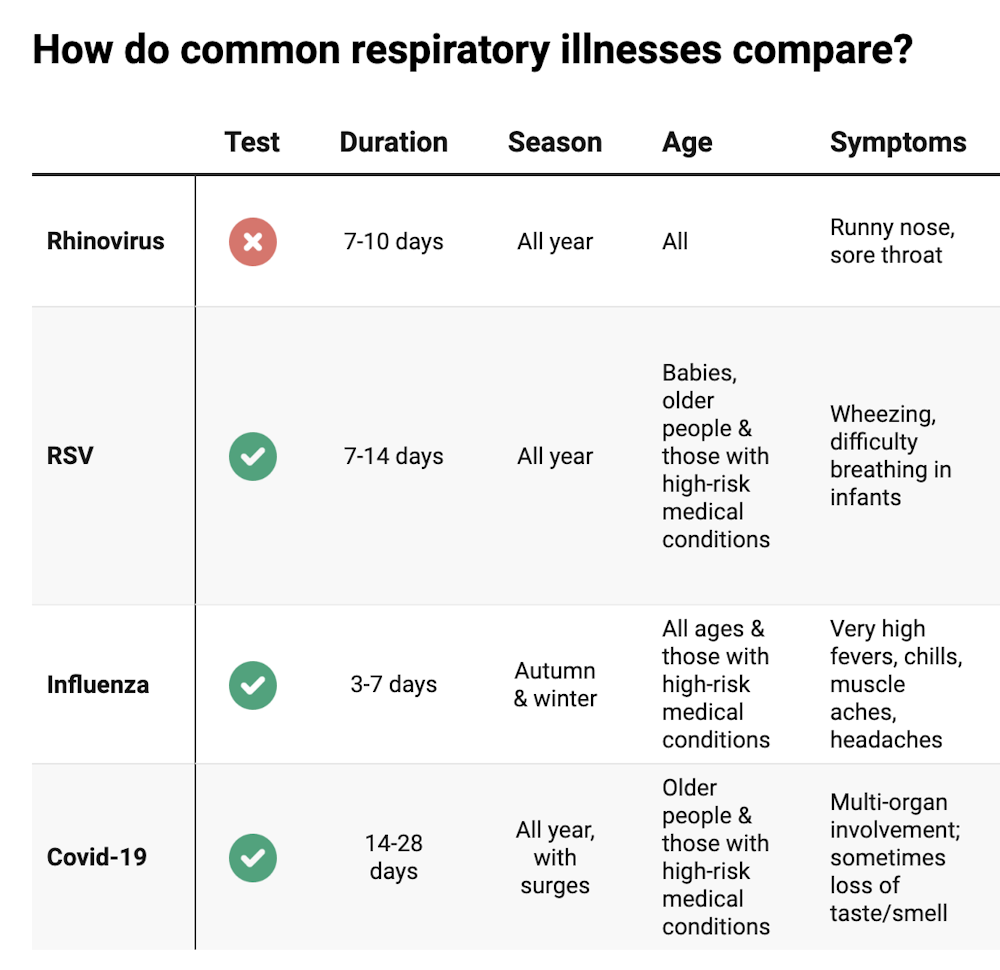
    MIL OSI AnalysisEveningReport.nz

  • MIL-Evening Report: Partisanship dominates as federal parliament fights over Middle East war

    Source: The Conversation (Au and NZ) – By Michelle Grattan, Professorial Fellow, University of Canberra

    Federal parliament has split on partisan lines over the Middle East crisis, just a day after the anniversary of the Hamas atrocities against Israelis.

    After discussions between Anthony Albanese and Peter Dutton failed to reach agreement, the government’s wide-ranging motion passed the House of Representatives with the Coalition voting against it.

    The Greens abstained from voting. Almost all the crossbench voted with the government, although “teal” MP Allegra Spender said “I wish that we as a parliament could come together and lead unitedly”.

    The division between Labor and Coalition over the escalating war has increasingly widened over recent months, with Dutton giving unqualified backing to Israel’s strategy and using the issue to paint the prime minister as a “weak” leader.

    The government, while backing Israel’s right to defend itself, has had a more qualified position, including supporting calls for a ceasefire.

    The long motion reiterated “unequivocal condemnation” of the Hamas’ terror attacks, and called for the immediate release of the remaining hostages.

    It condemned antisemitism “in all its forms and stands with Jewish Australians who have felt the cold shadows of antisemitism reaching into the present day”.

    It also recognised the number of Palestinian civilians killed in Gaza, and supported international efforts to provide humanitarian assistance in Gaza and Lebanon.

    It condemned Iran’s attacks on Israel and recognised Israel’s right to defend itself.

    Backing international efforts for a ceasefire in Gaza and in Lebanon, the motion reaffirmed “support for a two-state solution, a Palestinian State alongside Israel, so that Israelis and Palestinians can live securely within internationally recognised borders, as the only option to ensuring a just and enduring peace”.

    As well, the motion recognised the deep distress the Middle East situation was causing many in Australia.

    Albanese told parliament the government would continue to call for de-escalating the violence and conflict in the region. “Tragically, we are seeing the situation worsening.”

    “Further hostilities put civilians at risk. We cannot accept the callous arithmetic of so-called acceptable casualties.”

    Dutton said the motion was supposed to be about what had happened on October 7.

    “The prime minister is trying to speak out of both sides of his mouth.”

    “There has been a position of bipartisanship on these issues, and your predecessors would have had the decency to respect the Jewish community in a way that you have not done today. And for that, prime minister, you should stand condemned.”

    He accused Albanese of rejecting the opposition’s position “for his own political domestic advancement”.

    A later attempt by Dutton to move his alternative motion was shut down by the government.

    In the Senate Greens senators held up placards with the words “SANCTIONS NOW”. Some Greens wore keffiyehs.

    Crossbencher Lidia Thorpe accused Foreign Minister Penny Wong of being “complicit in genocide”.

    Michelle Grattan does not work for, consult, own shares in or receive funding from any company or organisation that would benefit from this article, and has disclosed no relevant affiliations beyond their academic appointment.

    ref. Partisanship dominates as federal parliament fights over Middle East war – https://theconversation.com/partisanship-dominates-as-federal-parliament-fights-over-middle-east-war-240791

    MIL OSI AnalysisEveningReport.nz

  • MIL-Evening Report: From mass deportations to huge tariff hikes, here’s what Trump’s economic program would do the US and to Australia

    Source: The Conversation (Au and NZ) – By Peter Martin, Visiting Fellow, Crawford School of Public Policy, Australian National University

    Prashantrajsingh/Shutterstock

    It’s time to take Donald Trump seriously. Betting markets say it’s as likely as not he will be elected US president four weeks from today.

    And unlike in 2016 when his program wasn’t clearly defined, he has set out plainly what he intends to do. Which means it’s possible to model the consequences.

    The three Trump promises with the greatest economic impact are

    • the deportation of millions of US residents

    • steep restrictions on imports, especially from China

    • presidential influence over interest rates.

    The best way to model the consequences is with an established model of the kind used by the International Monetary Fund and central banks around the world rather than one set up for the purpose that could be seen as designed to favour or not favour Trump.

    The Washington-based Peterson Institute for International Economics has just done that, noting that during Trump’s first term as president he “by and large” did what he said he would do.

    It finds

    ironically, despite his ‘make the foreigners pay rhetoric’, Trump’s package of policies does more damage to the US economy than to any other in the world.

    No other country in the world would be hurt by Trump’s program as much as the US – not even China – although several US allies would suffer, including Australia, which would be the fourth-worst hit by the most extreme version of what Trump is proposing.

    Peterson Institute for International Economics.

    Mass deportations

    Trump has repeatedly promised the “largest domestic deportation operation in American history,” targeting up to 20 million unauthorised immigrants, including about 8.3 million thought to be in the workforce.

    He says his model is Operation Wetback – a 1956 Eisenhower administration program that used military-style tactics to deport 1.3 million Mexicans.

    The institute says Eisenhower’s success makes it easy to believe Trump could remove 1.3 million immigrant workers. It has modelled two scenarios: removing 1.3 million and 8.3 million, both over two years in 2025 and 2026.

    Both slash employment, including the employment of non-immigrants, both push up inflation, which eventually is brought under control, and both make the US a less attractive place to invest, which benefits much of the rest of the world.

    The institute says the low and high scenarios differ “only by the degree of damage inflicted on people, households, firms, and the overall economy”.

    Huge tariff hikes

    Trump wants to increase every tariff on goods imported to the US by 10 percentage points, including where there is at present no tariff. And he wants at least a 60% tariff on imports from China. The institute has modelled both, with and without retaliatory tariffs from China and the rest of the world.

    It finds, unsurprisingly, that extra tariffs push up the price of US imports and the prices of US-produced goods that compete with imports. Many are used as inputs in manufacturing, which means US manufacturing suffers (which is probably not what Trump had in mind).

    Fewer imports mean less demand for foreign exchange within the US, which means a higher US dollar which makes US exports less competitive. The US economy is weaker as a result, although China’s is weaker still and Australia’s is weakened as much as the US given its role in providing resources to China.

    Nobbling the Fed

    Trump has raised the prospect of more presidential influence over interest rates, saying he thinks he has “a better instinct than, in many cases” the board of US Federal Reserve. This could be achieved by requiring the president to be consulted on rate decisions or by appointing a compliant chair.

    However it’s done, the institute’s “conservative” assumption based on what happens in developing countries with less central bank independence is that it will push inflation two percentage points higher.

    The modelled result is capital flight. While the US economy is initially stronger than it would have been because of the Fed’s willingness to tolerate higher inflation, after a few years it is weaker and every other economy is stronger.

    When all the measures are combined, under the extreme scenarios the US economy is 6.7% weaker than it would have been by 2035 and Australia’s is 0.2% weaker. Under the more modest scenarios, the US economy is 1.6% weaker and Australia’s is 0.06% weaker.

    Why not examine Harris?

    Despite a history of non-partisanship, the Peterson Institute is prepared for criticism. It points out that the economic model it used is regarded as the best in the world for scenario planning and is Australian, built by Warwick McKibbin of the Australian National University.

    And it says it has modelled the Trump policies rather than the Harris policies because only Trump’s represent a departure from business as usual.

    As the Institute’s president Adam Posen put it in Washington last month, the Harris campaign has said it will not impose across-the-board tariffs, will not engage in mass deportations and will not interfere with the independence of the US Federal Reserve.

    The Trump campaign has indicated it will do all three.

    It’s entirely possible that in office Trump wouldn’t do everything he proposed while campaigning, and it’s entirely possible that he would change course if what was doing damaged the US in the way the modelling suggests.

    But there’s something to be said for taking people at their word, at least to get an idea of what we could be in store for after a knife-edge election.

    Peter Martin is Economics Editor of The Conversation.

    ref. From mass deportations to huge tariff hikes, here’s what Trump’s economic program would do the US and to Australia – https://theconversation.com/from-mass-deportations-to-huge-tariff-hikes-heres-what-trumps-economic-program-would-do-the-us-and-to-australia-240650

    MIL OSI AnalysisEveningReport.nz

  • MIL-Evening Report: From mass deportations to huge tariff hikes, here’s what Trump’s economic program would do to the US and Australia

    Source: The Conversation (Au and NZ) – By Peter Martin, Visiting Fellow, Crawford School of Public Policy, Australian National University

    Prashantrajsingh/Shutterstock

    It’s time to take Donald Trump seriously. Betting markets say it’s as likely as not he will be elected US president four weeks from today.

    And unlike in 2016 when his program wasn’t clearly defined, he has set out plainly what he intends to do. Which means it’s possible to model the consequences.

    The three Trump promises with the greatest economic impact are

    • the deportation of millions of US residents

    • steep restrictions on imports, especially from China

    • presidential influence over interest rates.

    The best way to model the consequences is with an established model of the kind used by the International Monetary Fund and central banks around the world rather than one set up for the purpose that could be seen as designed to favour or not favour Trump.

    The Washington-based Peterson Institute for International Economics has just done that, noting that during Trump’s first term as president he “by and large” did what he said he would do.

    It finds

    ironically, despite his ‘make the foreigners pay rhetoric’, Trump’s package of policies does more damage to the US economy than to any other in the world.

    No other country in the world would be hurt by Trump’s program as much as the US – not even China – although several US allies would suffer, including Australia, which would be the fourth-worst hit by the most extreme version of what Trump is proposing.

    Peterson Institute for International Economics.

    Mass deportations

    Trump has repeatedly promised the “largest domestic deportation operation in American history,” targeting up to 20 million unauthorised immigrants, including about 8.3 million thought to be in the workforce.

    He says his model is Operation Wetback – a 1956 Eisenhower administration program that used military-style tactics to deport 1.3 million Mexicans.

    The institute says Eisenhower’s success makes it easy to believe Trump could remove 1.3 million immigrant workers. It has modelled two scenarios: removing 1.3 million and 8.3 million, both over two years in 2025 and 2026.

    Both slash employment, including the employment of non-immigrants, both push up inflation, which eventually is brought under control, and both make the US a less attractive place to invest, which benefits much of the rest of the world.

    The institute says the low and high scenarios differ “only by the degree of damage inflicted on people, households, firms, and the overall economy”.

    Huge tariff hikes

    Trump wants to increase every tariff on goods imported to the US by 10 percentage points, including where there is at present no tariff. And he wants at least a 60% tariff on imports from China. The institute has modelled both, with and without retaliatory tariffs from China and the rest of the world.

    It finds, unsurprisingly, that extra tariffs push up the price of US imports and the prices of US-produced goods that compete with imports. Many are used as inputs in manufacturing, which means US manufacturing suffers (which is probably not what Trump had in mind).

    Fewer imports mean less demand for foreign exchange within the US, which means a higher US dollar which makes US exports less competitive. The US economy is weaker as a result, although China’s is weaker still and Australia’s is weakened as much as the US given its role in providing resources to China.

    Nobbling the Fed

    Trump has raised the prospect of more presidential influence over interest rates, saying he thinks he has “a better instinct than, in many cases” the board of US Federal Reserve. This could be achieved by requiring the president to be consulted on rate decisions or by appointing a compliant chair.

    However it’s done, the institute’s “conservative” assumption based on what happens in developing countries with less central bank independence is that it will push inflation two percentage points higher.

    The modelled result is capital flight. While the US economy is initially stronger than it would have been because of the Fed’s willingness to tolerate higher inflation, after a few years it is weaker and every other economy is stronger.

    When all the measures are combined, under the extreme scenarios the US economy is 6.7% weaker than it would have been by 2035 and Australia’s is 0.2% weaker. Under the more modest scenarios, the US economy is 1.6% weaker and Australia’s is 0.06% weaker.

    Why not examine Harris?

    Despite a history of non-partisanship, the Peterson Institute is prepared for criticism. It points out that the economic model it used is regarded as the best in the world for scenario planning and is Australian, built by Warwick McKibbin of the Australian National University.

    And it says it has modelled the Trump policies rather than the Harris policies because only Trump’s represent a departure from business as usual.

    As the Institute’s president Adam Posen put it in Washington last month, the Harris campaign has said it will not impose across-the-board tariffs, will not engage in mass deportations and will not interfere with the independence of the US Federal Reserve.

    The Trump campaign has indicated it will do all three.

    It’s entirely possible that in office Trump wouldn’t do everything he proposed while campaigning, and it’s entirely possible that he would change course if what was doing damaged the US in the way the modelling suggests.

    But there’s something to be said for taking people at their word, at least to get an idea of what we could be in store for after a knife-edge election.

    Peter Martin is Economics Editor of The Conversation.

    ref. From mass deportations to huge tariff hikes, here’s what Trump’s economic program would do to the US and Australia – https://theconversation.com/from-mass-deportations-to-huge-tariff-hikes-heres-what-trumps-economic-program-would-do-to-the-us-and-australia-240650

    MIL OSI AnalysisEveningReport.nz

  • MIL-Evening Report: Government to put pressure on opposition with legislation to ensure NBN stays in public hands

    Source: The Conversation (Au and NZ) – By Michelle Grattan, Professorial Fellow, University of Canberra

    The Albanese government on Wednesday will introduce legislation to ensure the NBN remains in government ownership.

    The move is designed to set up a test for the Coalition, putting pressure on the opposition ahead of the election to declare whether it would try to privatise the NBN.

    The government said in a statement from Prime Minister Anthony Albanese, Finance Minister Katy Gallagher and Communications Minister Michelle Rowland: “The Coalition rushed to declare the NBN ‘complete’ so they could put it on the block for sale – selling out Australian consumers and regional communities.

    “The Albanese government won’t let that happen. This legislation will ensure the NBN is owned by who it belongs to – the Australian people.”

    The upgrades the government had undertaken “are already making a real difference in the lives of Australians through faster, more reliable internet access. Keeping the NBN in public hands will lock in affordable and accessible high speed internet for all Australians for generations to come.”

    Albanese said:“The Coalition made a mess of the NBN – my government is getting on with the job of fixing it and making sure it stays in public hands, where it belongs.”

    Rowland said: “Australians don’t trust the Coalition not to flog off the NBN just like they did with Telstra, resulting in higher prices and poorer services, especially in the regions.”

    Downgraded

    The Rudd Labor government announced what was to be a predominantly fibre-to-the-home wholesale network in 2009, promising it would cost $43 billion and later be privatised to claw back the expense.

    In 2010 Communications Minister Stephen Conroy said Labor “remained firmly committed to selling its stake in NBN Co after the network was fully built and operational, subject to market conditions and security considerations”.

    By 2020 the government was estimated to have spent $51 billion on a scaled-down version of the project completed using a mix of technologies.

    In June that year a review by the Parliamentary Budget Office put its fair value at $8.7 billion.

    Michelle Grattan does not work for, consult, own shares in or receive funding from any company or organisation that would benefit from this article, and has disclosed no relevant affiliations beyond their academic appointment.

    ref. Government to put pressure on opposition with legislation to ensure NBN stays in public hands – https://theconversation.com/government-to-put-pressure-on-opposition-with-legislation-to-ensure-nbn-stays-in-public-hands-240807

    MIL OSI AnalysisEveningReport.nz

  • MIL-Evening Report: Physics Nobel awarded to neural network pioneers who laid foundations for AI

    Source: The Conversation (Au and NZ) – By Aaron J. Snoswell, Research Fellow in AI Accountability, Queensland University of Technology

    The 2024 Nobel Prize in Physics has been awarded to scientists John Hopfield and Geoffrey Hinton “for foundational discoveries and inventions that enable machine learning with artificial neural networks”.

    Inspired by ideas from physics and biology, Hopfield and Hinton developed computer systems that can memorise and learn from patterns in data. Despite never directly collaborating, they built on each other’s work to develop the foundations of the current boom in machine learning and artificial intelligence (AI).

    What are neural networks? (And what do they have to do with physics?)

    Artificial neural networks are behind much of the AI technology we use today.

    In the same way your brain has neuronal cells linked by synapses, artificial neural networks have digital neurons connected in various configurations. Each individual neuron doesn’t do much. Instead, the magic lies in the pattern and strength of the connections between them.

    Neurons in an artificial neural network are “activated” by input signals. These activations cascade from one neuron to the next in ways that can transform and process the input information. As a result, the network can carry out computational tasks such as classification, prediction and making decisions.


    Johan Jarnestad / The Royal Swedish Academy of Sciences

    Most of the history of machine learning has been about finding ever more sophisticated ways to form and update these connections between artificial neurons.

    While the foundational idea of linking together systems of nodes to store and process information came from biology, the mathematics used to form and update these links came from physics.

    Networks that can remember

    John Hopfield (born 1933) is a US theoretical physicist who made important contributions over his career in the field of biological physics. However, the Nobel Physics prize was for his work developing Hopfield networks in 1982.

    Hopfield networks were one of the earliest kinds of artificial neural networks. Inspired by principles from neurobiology and molecular physics, these systems demonstrated for the first time how a computer could use a “network” of nodes to remember and recall information.

    The networks Hopfield developed could memorise data (such as a collection of black and white images). These images could be “recalled” by association when the network is prompted with a similar image.

    Although of limited practical use, Hopfield networks demonstrated that this type of ANN could store and retrieve data in new ways. They laid the foundation for later work by Hinton.


    Johan Jarnestad / The Royal Swedish Academy of Sciences

    Machines that can learn

    Geoff Hinton (born 1947), sometimes called one of the “godfathers of AI”, is a British-Canadian computer scientist who has made a number of important contributions to the field. In 2018, along with Yoshua Bengio and Yann LeCun, he was awarded the Turing Award (the highest honour in computer science) for his efforts to advance machine learning generally, and specifically a branch of it called deep learning.

    The Nobel Prize in Physics, however, is specifically for his work with Terrence Sejnowski and other colleagues in 1984, developing Boltzmann machines.

    These are an extension of the Hopfield network that demonstrated the idea of machine learning – a system that lets a computer learn not from a programmer, but from examples of data. Drawing from ideas in the energy dynamics of statistical physics, Hinton showed how this early generative computer model could learn to store data over time by being shown examples of things to remember.


    Johan Jarnestad / The Royal Swedish Academy of Sciences

    The Boltzmann machine, like the Hopfield network before it, did not have immediate practical applications. However, a modified form (called the restricted Boltzmann machine) was useful in some applied problems.

    More important was the conceptual breakthrough that an artificial neural network could learn from data. Hinton continued to develop this idea. He later published influential papers on backpropagation (the learning process used in modern machine learning systems) and convolutional neural networks (the main type of neural network used today for AI systems that work with image and video data).

    Why this prize, now?

    Hopfield networks and Boltzmann machines seem whimsical compared to today’s feats of AI. Hopfield’s network contained only 30 neurons (he tried to make one with 100 nodes, but it was too much for the computing resources of the time), whereas modern systems such as ChatGPT can have millions. However, today’s Nobel prize underscores just how important these early contributions were to the field.

    While recent rapid progress in AI – familiar to most of us from generative AI systems such as ChatGPT – might seem like vindication for the early proponents of neural networks, Hinton at least has expressed concern. In 2023, after quitting a decade-long stint at Google’s AI branch, he said he was scared by the rate of development and joined the growing throng of voices calling for more proactive AI regulation.

    After receiving the Nobel prize, Hinton said AI will be “like the Industrial Revolution but instead of our physical capabilities, it’s going to exceed our intellectual capabilities”. He also said he still worries that the consequences of his work might be “systems that are more intelligent than us that might eventually take control”.

    Aaron J. Snoswell receives funding from OpenAI in 2024.

    ref. Physics Nobel awarded to neural network pioneers who laid foundations for AI – https://theconversation.com/physics-nobel-awarded-to-neural-network-pioneers-who-laid-foundations-for-ai-240833

    MIL OSI AnalysisEveningReport.nz

  • MIL-Evening Report: Too good to be true? New study shows people reject freebies and cheap deals for fear of hidden costs

    Source: The Conversation (Au and NZ) – By Andrew Vonasch, Senior Lecturer in Psychology, University of Canterbury

    If you’re offered a free cookie, you might say yes. But if you’re paid to eat a free cookie, would your response be the same?

    In our new research, twice as many people were willing to eat a cookie when they weren’t offered payment compared with when they were.

    From a purely economic perspective, our findings reflect irrational decision making. Objectively, a cookie plus money is better than just a cookie.

    But people aren’t purely economic. They’re social animals with a tendency to look for hidden reasons behind other people’s behaviours.

    In the case of overly generous deals, people are expecting a “phantom cost” – one hidden in the initial offer. And this expectation influences their decision to accept something or not.

    Research participants who were offered a free cookie plus payment thought maybe the cookies were poisoned. Or maybe someone spat on them. Or they expected they would then owe a favour to the person handing out the treats once the cookie was eaten.

    Too good to be true

    Our cookies study was just one of ten experiments involving 4,205 participants in the United States and Iran.

    We tested how phantom costs influenced people’s choices to accept or reject overly generous economic offers.

    Each study gave people an offer. They had to decide whether to accept or not, and then explain why.

    One study asked participants to imagine they were a truck driver and looking online for a job. All the jobs were described the same way, but we varied the wage. People offered the normal US$15 per hour were perfectly willing to take the job.

    Others were offered more than the normal wage. The participants in this group imagined phantom costs. And the higher the wage they were offered, the worse the costs they imagined.

    When offered $20 or $25 per hour, participants imagined the role involved more responsibilities or harder work. But they considered this to be worth it. Most people preferred a job that paid a bit more than normal, despite the expectation of phantom costs.

    However, when we offered way too much money – more than $900 per hour – most people rejected the job they were willing to do for $15.

    Why? They imagined far worse phantom costs: driving for the mob, carrying dangerous radioactive waste or smuggling drugs across the border. A suspiciously high hourly rate or wage can end up putting people off.

    Suspicion is global

    We repeated this experiment with different jobs, different normal wages, and in different countries.

    In both the US and Iran, despite very different types of economy, people showed the same pattern of suspicion and rejected very high wages. The only difference was that in Iran the expected wages were lower, so the wages didn’t have to be high by US standards to become suspicious.

    Another experiment tested how phantom costs could affect purchases of plane tickets involving a hypothetical choice between three flights.

    One cost $235, another $275. When the third option was $205, most people chose that. However, if the third option was $15, hardly anyone chose the cheapest flight. They rejected it because they imagined horrible phantom costs such as terrorists and plane crashes.

    However, when we provided a reason for the low price – very uncomfortable seats – most people preferred the $15 flight. Uncomfortable seats are not usually a selling point. But they explained the cheap price, so people didn’t search for other, dangerous explanations.

    Sufficient explanations for something being a great deal remove people’s tendency to imagine phantom costs.

    A good offer, not a suspicious one

    Businesses face a balancing act when it comes to offering customers a good deal.

    On the one hand, the expectation of phantom costs decreases interest in the offer. On the other hand, price-sensitive consumers are often looking for ways to get the best deal.

    To avoid the pitfalls of phantom costs, businesses need to communicate their reasons for offering a particularly good deal. A “holiday sale” or “end-of-season sale”, for example, may explain why items are discounted.

    In the job market, identifying “good performance” as a reason for an employee’s pay raise can sidestep the expectation of hidden downsides – such as an increased workload.

    It’s clear people are not merely self-interested economic beings. We’re savvy, psychological beings capable of reading into the motivations of others to protect ourselves from offers that seem too good to be true.

    Andrew Vonasch does not work for, consult, own shares in or receive funding from any company or organisation that would benefit from this article, and has disclosed no relevant affiliations beyond their academic appointment.

    ref. Too good to be true? New study shows people reject freebies and cheap deals for fear of hidden costs – https://theconversation.com/too-good-to-be-true-new-study-shows-people-reject-freebies-and-cheap-deals-for-fear-of-hidden-costs-238869

    MIL OSI AnalysisEveningReport.nz

  • MIL-Evening Report: Failure to launch: why the Albanese government is in trouble

    Source: The Conversation (Au and NZ) – By Carol Johnson, Emerita Professor, Department of Politics and International Relations, University of Adelaide

    It wasn’t meant to be like this.

    In her 2022 study of Anthony Albanese, Katharine Murphy describes a prime minister who thought he’d be successfully managing an idealistic, collaborative and positive “new politics” that would favour the Teal independents rather than Dutton’s Liberals. Albanese seemed confident that Labor was destined for an extended period in office. Given he later appointed Murphy to his communications team, he apparently approved of her analysis.

    However, even at the time Murphy’s Lone Wolf: Albanese and the New Politics was published, various commentators, including myself, queried the “new politics” scenario. While the Teals may represent a new politics, it is clear that the old Liberal politics — of culture wars and denouncing Labor’s economic and climate change policies — is also still very much with us.

    Labor and the Liberals are now neck-and-neck in some polls, with minority government (or worse) potentially looming for Labor. Meanwhile, Gareth Evans and Bill Kelty, key figures from the Hawke/Keating period, have excoriated the Albanese government’s allegedly lacklustre performance.

    How did it all go so wrong?

    Great expectations; modest reality

    Some of the reasons can be traced back to difficulties addressing unrealistic expectations in Labor’s 2022 election strategy. Albanese went to the 2022 election with a “new politics”, collaborative style agenda that sought to bring all Australians, including business, labour, Indigenous and non-Indigenous Australians together. It was a small target strategy based on assumed common interests, kindness and compassion rather than divisiveness.

    As a result, Labor successfully countered Scott Morrison’s populist, “us versus them” campaign strategy. However, Labor’s approach was to prove easier to implement as an election strategy than in government, as three examples show.

    First, Albanese was channelling Bob Hawke when it came to bringing business and labour together. Yet, the Hawke government’s rapprochement with business was based on business being able to pay lower wages, because workers would be compensated by a government-funded “social wage” in the form of benefits and entitlements.

    By contrast, the Albanese government pledged to end the wage stagnation of the Liberal years and generally increase wages. A major emphasis was placed on improving the wages of low-paid women workers. In the process, Labor tackled issues that arose from Keating’s flawed, neoliberal-influenced, enterprise bargaining model.

    However, key business groups criticised Labor’s resulting industrial relations measures, including multi-employer bargaining, increases in the minimum wage, and measures designed to address precarious and contract work. The Liberals have largely sided with business critiques.

    Second, Labor’s attempts to bring Indigenous and non-Indigenous Australians together, via the Voice referendum, fell victim to a divisive, populist campaign by Dutton and others. Dutton depicted the Voice proposal not as arising from a major national meeting of Indigenous representatives but as being an elite “Canberra voice” that would give special rights to Indigenous Australians that were denied to others. Furthermore, he argued that government was so focused on elite “woke” issues such as the Voice, it was neglecting Australian workers’ cost-of-living crisis. Labor’s strategy for countering right-wing populism was in disarray.

    Albanese’s response to the Voice loss was to go even more “small target” in ways that alienated progressive supporters. He abandoned key commitments ranging from the Indigenous Makarrata commission process of Treaty and Truth-telling, to protecting LGBTQI+ teachers and students from being sacked by religious schools. The debacle over including gender identity questions in the census was another result.

    Third, international events, and other parties’ politicisation of them, have impeded the government’s attempts at social cohesion. Australian political debate has become so polarised over developments in the Middle East that the Albanese government is accused of abandoning support for Israel by the Liberals and the Murdoch press, while simultaneously being accused of being “complicit in Israel’s genocide” by the Greens and pro-Palestinian groups.

    Narrative failure

    As its original story of bringing Australians together has been increasingly undermined, the government has floundered when it comes to telling a clear narrative about itself. By contrast, Dutton’s relentless, focused and simply expressed negativity has been cutting through.

    Part of Labor’s problem in countering Dutton is that he is targeting them for things that are often beyond their control.

    For example, Dutton’s claim the government has been too distracted by so-called “woke” issues to address the cost-of-living crisis has been particularly electorally damaging for Labor. So have his claims that Labor’s renewable energy policies are fuelling inflation and pushing up the cost of living still further.

    The government argues it has been providing extensive cost-of-living relief in the form of tax cuts, energy bill relief, rental assistance, wage increases, cheaper medicines and reduced child care costs. However, the problem is that such government measures are being continually undercut by inflation, price increases, high interest rates, and the housing affordability and supply crisis.

    Yet, the housing affordability and supply crisis has been aggravated by decades of poor housing policy that long predate the Albanese government. Furthermore, Labor’s attempts to address it are currently being stymied by a combination of Coalition and Greens opposition, once again sandwiching Labor.

    Meanwhile, the Coalition argues that government spending is exacerbating inflation and high interest rates. However, even the independent Reserve Bank, which sets cash interest rates and is also critical of government spending, has drawn attention to multiple international factors playing a role in inflation. Price increase gouging by some businesses to augment their profits has exacerbated the problem.

    Furthermore, Treasurer Jim Chalmers argues that existing government spending levels have been essential to preventing Australia sliding into recession, while still enabling a budget surplus.

    Chalmers has struggled to cut through in the way that Keating’s messages did. However, Keating benefited from the Coalition largely agreeing with his neoliberal-influenced “reform” agenda, despite arguing it wasn’t going far enough. By contrast, Chalmers has been facing a fundamentally hostile opposition, unsympathetic to key influences on his thought, such as Mariana Mazzucato.

    Labor has also had trouble selling the government’s achievements because, as I argue in a recent book, some of the Albanese government’s most successful reform measures have been in gender equality (although much more still needs to be done). Despite women making up more than half of the population, reforms that affect women tend to be undervalued in what is still a male defined political culture. Furthermore, the working class is often conceived in terms of blue collar male employment, so benefits for women workers are not being adequately recognised. This is particularly the case in Dutton’s hyper-masculine, strongman discourse.

    Mobilising gendered leadership stereotypes has been central to Dutton’s populist “us” versus “them” politics. Dutton consistently depicts Albanese as an emasculated “weak” leader on issues ranging from addressing the cost of living crisis to detaining asylum seekers freed by a High Court decision, and supporting Israel. By contrast, Dutton is depicted as the strong leader who will stand up for everyday Australians allegedly abandoned by Labor and the so-called elites.

    This does not look like a “new politics” at all and it is a divisive, populist terrain that Labor is finding very difficult to negotiate.

    Carol Johnson has received past funding from the Australian Research Council for work on Labor governments and on gender equality policy. .

    ref. Failure to launch: why the Albanese government is in trouble – https://theconversation.com/failure-to-launch-why-the-albanese-government-is-in-trouble-239730

    MIL OSI AnalysisEveningReport.nz

  • MIL-Evening Report: One of science’s greatest achievements: how the rapid development of COVID vaccines prepares us for future pandemics

    Source: The Conversation (Au and NZ) – By Paul Griffin, Professor, Infectious Diseases and Microbiology, The University of Queensland

    Since COVID was first reported in December 2019, there have been more than 775 million recorded infections and more than 7 million deaths from the disease. This makes COVID the seventh-deadliest pandemic in recorded history.

    Factors including climate change, disruption of animal habitats, poverty and global travel mean we’re only likely to see more pandemics in the future.

    It’s impossible to predict exactly when the next pandemic will happen, or what it will be. But experts around the world are working to prepare for this inevitable “disease X”.

    One of the cornerstones of being prepared for the next pandemic is being in the best possible position to design and deploy a suitable vaccine. To this end, scientists and researchers can learn a lot from COVID vaccine development.

    A look back

    After SARS-CoV-2 (the virus that causes COVID) was discovered, vaccine development moved very quickly. In February 2020 the first batch of vaccines was completed (from Moderna) and the first clinical trials began in March.

    An mRNA vaccine from Pfizer/BioNTech was the first to be approved, on December 2 2020 in the United Kingdom. Approvals for this and other vaccines, including shots developed by Moderna (another mRNA vaccine) and Oxford/AstraZeneca (a viral vector vaccine), followed elsewhere soon afterwards.

    Previously the fastest vaccine developed took around four years (for mumps in the 1960s). Had COVID vaccines taken this long it would mean we would only just be rolling them out this year.

    An estimated 13.72 billion COVID vaccine doses have now been administered, with more than 70% of the world’s population having received at least one dose.

    The rapid development and rollout of COVID vaccines is likely to be one of the greatest achievements of medical science ever. It also means we are in a much better position to respond to future emerging pathogens.

    New vaccine technology

    A lot of work over many years prepared us to develop COVID vaccines as quickly as we did. This included developing new platforms such as viral vector and mRNA vaccines that can be adapted quickly to new pathogens.

    While scientists had been working on mRNA vaccines for decades before the COVID pandemic, the COVID shots from Pfizer/BioNTech and Moderna were the first mRNA vaccines to be approved for human use.

    These vaccines work by giving our body instructions (the “m” in mRNA stands for messenger) to make SARS-CoV-2 spike proteins. These are proteins on the surface of the virus which it uses to attach to our cells. This means when we encounter SARS-CoV-2, our immune system is poised to respond.

    This technology will almost certainly be used to protect against other diseases, and could potentially help with a future pandemic.

    In the meantime, scientists are working to improve mRNA technology even further. For example, “self-amplifying RNA” has the potential to enhance immune responses at lower doses compared with conventional mRNA.

    mRNA vaccines teach our bodies to make SARS-CoV-2’s spike protein.
    Kateryna Kon/Shutterstock

    While our current COVID vaccines are safe and very effective at protecting against severe disease, they’re not perfect. We may never be able to achieve a “perfect” vaccine, but some additional properties we’d like to see in future COVID vaccines include being better at reducing transmission, lasting longer, and needing to be updated less often as new variants emerge.

    Even now there are many COVID vaccines in clinical trials. So hopefully, COVID vaccines that improve on the initial shots will be available relatively soon.

    Other desirable attributes include vaccines we can administer by alternate routes to needles. For COVID and other diseases such as influenza, we’re seeing significant developments locally and internationally on vaccines than can be administered via skin patches, through the nose, and even orally.

    Some challenges

    Developing vaccines for COVID was a huge challenge, but one that can mostly be judged a success. Research has estimated COVID vaccines saved 14.4 million lives across 185 countries in just their first year.

    However, the story of COVID vaccination has also had many other challenges, and arguably a number of failures.

    First, the distribution of vaccines was not equitable. Analysis of the initial rollout suggested nearly 80% of eligible people in high-income countries were vaccinated, compared with just over 10% in low-income nations.

    Supply of vaccines was an issue in many parts of the world, so expanding local capacity to enable more rapid production and distribution of vaccines will be important for the next pandemic.

    Further, adverse events linked to COVID vaccines, such as rare blood clots after the AstraZeneca vaccine, affected perceptions of vaccine safety. While every serious adverse event is significant, these incidents were very rare.

    However, these issues exacerbated other challenges that hampered vaccine uptake, including the spread of misinformation.

    Misinformation remains a problem now and will probably still be prevalent whenever we face the next pandemic. Addressing this challenge involves understanding what’s deterring people from getting vaccinated, then informing and educating, addressing misinformation both about vaccination and the risks of the disease itself.

    Restoring and building trust in public health authorities also needs to continue to be a focus. Trust in governments and health authorities declined during the COVID pandemic, and evidence shows lower trust is associated with lower vaccine uptake.

    The COVID vaccine rollout faced a variety of challenges.
    Yuganov Konstantin/Shutterstock

    Ongoing preparation

    There’s no doubt our recent experience with COVID, particularly the rapid development of multiple safe and effective vaccines, has put us in a better position for the next pandemic.

    This didn’t happen by accident. There was a lot of preparation even before COVID was first discovered that facilitated this. Organisations like the Coalition for Epidemic Preparedness Innovations (CEPI) have been supporting research to develop vaccines rapidly to respond to a new threat for some time.

    CEPI has an ongoing program that aims to be able to develop a vaccine against a new threat, or disease X, in just 100 days. While COVID vaccines have been a huge achievement, work continues in the hope we will be able to develop a vaccine even faster next time.

    This article is part of a series on the next pandemic.

    Paul Griffin is a director and scientific advisory board member of the immunisation coalition. He has served on Medical Advisory Boards including for AstraZeneca, GSK, MSD, Moderna, Biocelect/Novavax, Seqirus and Pfizer and has received speaker honoraria including from Seqirus, Novartis, Gilead, Sanofi, MSD and Janssen.

    ref. One of science’s greatest achievements: how the rapid development of COVID vaccines prepares us for future pandemics – https://theconversation.com/one-of-sciences-greatest-achievements-how-the-rapid-development-of-covid-vaccines-prepares-us-for-future-pandemics-228787

    MIL OSI AnalysisEveningReport.nz

  • MIL-Evening Report: I think my child might need a tutor. What do I need to consider first?

    Source: The Conversation (Au and NZ) – By Matthew White, Lecturer and Researcher Australian Catholic University, Australian Catholic University

    School tutoring is a huge business. Australian estimates suggest it was worth more than of A$1.5 billion as of 2021.

    In Australia, we see frequent media reports of parents using tutors to help their children through school.

    How can you tell if tutoring is right for your child?

    What is tutoring?

    Private tutoring can be take many forms, but involves parents paying for additional lessons outside of schools hours. These are either one-to-one or in small groups.

    There are services available for students in primary school through to senior high school.

    Some tutoring services target specific skills, such as literacy or numeracy. Others offer support for young people with organisation skills and homework or preparation for certain exams.

    Tutoring can go for a short burst over a few weeks to prepare for an exam or it may be regular and ongoing to maintain learning.

    Tutoring could be to catch up on one element of school, such as handwriting or reading.
    Deyan Georgiev/ Shutterstock

    Why do people get tutoring?

    Families can get tutoring for a student for a wide range of reasons.

    A child may be struggling with certain elements of schooling – such as reading, writing, or maths. Tutoring can provide an opportunity to catch-up with tailored support.

    Tutoring can also help children prepare for tests and exams, such as NAPLAN or Year 12.

    Tutoring is used to prepare students for government selective school programs or private school scholarship exams.

    Researchers have highlighted some cultural backgrounds see investing in tutoring as an essential part of educating their children and helping them reach their full potential.

    The tutoring debate

    Tutoring can be expensive and time consuming for families. Families may pay between $30 and $200 a session, depending on the subject and qualifications of the tutor.

    Some argue this gives some children an unfair advantage and students should instead rely on their natural ability.

    Despite the criticism, there are benefits to tutoring. This includes giving students extra opportunities to consolidate their knowledge – we know this can help students learn.

    It can also help build their confidence if a tutor can step through learning in a less pressured environment. As my research has shown, academic progress relies heavily on a students’ belief in their capacity to succeed.

    Does my child need a tutor?

    All students can benefit from personalised support and coaching in whatever they wish to peruse. However, all students do not need a tutor. The choice to engage a tutor should be attached to a goal that you and your child agree on.

    If the young person does not want to engage in tutoring having a tutor is not going to help. Rather, it is more likely to lead to stress and arguments.

    It may help to talk to your child’s teacher and review school reports before starting with a tutor to work out which particular areas need extra attention.

    Depending on what you need, your child’s tutor may be a university student or someone who has made a career out of tutoring.
    Dmytro Zinkevvych/Shutterstock

    If your shared goal is to catch up or help with certain academic skills, it is important to find a tutor who is experienced and can explain the approach they take and what evidence it is based on.

    If the goal is organisation, homework or even just to improve confidence, you could at first try a university student who has past success themselves or with other students. For more specialised goals, seek out tutors who are open about their qualifications, experience and past success.

    Child safety should also be a consideration. The Australian Tutoring Association provides practical advice for parents choosing a tutor and a code of conduct for tutors.

    There is no requirement for tutors to be a member of the association. So parents should make sure any tutor has a current Working with Children check. You can of course also talk to other parents and teachers for recommendations.

    Matthew White does not work for, consult, own shares in or receive funding from any company or organisation that would benefit from this article, and has disclosed no relevant affiliations beyond their academic appointment.

    ref. I think my child might need a tutor. What do I need to consider first? – https://theconversation.com/i-think-my-child-might-need-a-tutor-what-do-i-need-to-consider-first-240091

    MIL OSI AnalysisEveningReport.nz

  • MIL-Evening Report: Ocean protection accounts for 10% of fish in the world’s coral reefs – but we could save so much more

    Source: The Conversation (Au and NZ) – By Joshua Cinner, Professor & ARC Laureate Fellow, Thriving Oceans Research Hub, School of Geosciences, University of Sydney

    Ocean fish populations have fallen dramatically in the past half-century, and climate change is expected to make the problem worse. Governments have designated “marine protected areas”, where where human activity is constrained to protect ocean life. But have these efforts worked?

    About 8% of Earth’s oceans are protected, including about 3% where fishing is banned altogether. Our new study of nearly 2,600 tropical coral reefs around the world is the first to examine whether these areas have helped fish populations.

    We found about one in ten kilograms of fish on coral reefs is the result of efforts such as marine protected areas and other restrictions on fishing. This is promising news. But our study also reveals great room for improvement.

    A video discussing how Earth’s fish stocks are declining.

    Getting to grips with marine protection

    Maintaining healthy fish populations is important. Many communities depend on fishing for their food and livelihoods. And fish play a vital role in ocean ecosystems.

    Marine protected areas are a key policy tool used to increase fish populations. They cover a range of ocean areas including lagoons, coastal waters, deep seabed waters and coral reefs.

    The areas go by several names, including marine parks and conservation zones. Some, where fishing is prohibited, are known as no-take zones.

    Governments often quote figures on the area of ocean protected when seeking to tout their conservation policies. For example in Australia, we are told the federal, state and territory governments have established marine parks covering 4.3 million square kilometres or 48% of our oceans.

    But the extent to which marine protected areas actually conserve marine life varies enormously from place to place. So simply counting up the protected ocean area doesn’t tell you much about what has actually been achieved.


    Measuring success

    We and our colleagues wanted to assess the extent to which marine protection efforts have increased the amount of fish on coral reefs.

    We developed a computer model based on about 2,600 reefs across the global tropics, which includes reefs in the Pacific, Indian, and Atlantic oceans. From that, we estimated the amount of fish currently on each reef – measured in the kilograms of fish per hectare, or “biomass”.

    The estimations were based on information such as:

    • environmental conditions such as ocean temperature and the type of habitat where the reef is located

    • the intensity of fishing activity, known as “fishing pressure”

    • how strong the protection is – for example whether it bans fishing, or just restricts it

    • the level of compliance with no-take zones.

    We then simulated what would happen if we changed the type of protection strategy in each location while keeping everything else the same.

    We ran a few scenarios:

    • no coral reef conservation existed anywhere and all reefs could be fished without constraint

    • sites currently fished without constraint (which amounted to over half of our sites) had restrictions in place

    • fishing was prohibited on 30% of all reefs.

    And the results?

    We found both marine protected areas and other fishing restrictions account for about 10% of the fish “biomass” on reefs. In other words, about one in ten kilograms of fish on coral reefs is due to protection efforts.

    No-take zones punch above their weight. Of the fish biomass attributable to protection efforts, about 20% comes from just 3% of sites in no-take zones. This proportion would be even higher if illegal fishing in no-take zones was stamped out.

    But we found any type of fishing restriction was useful. If everywhere currently fished without constraint was subject to some level of protection – such as banning nets or spear guns – the biomass of fish globally would be another 10.5% higher, our study found. This essentially matches all conservation efforts to date.

    Our modelling also showed fish on coral reefs could be increased by up to 28% globally if the area of no-take zones rose to 30%.

    But these reefs must be chosen strategically. That’s because protection strategies can lead to wildly different results, depending on local conditions. For example, sites with lower fishing pressure in the surrounding seascape got a bigger boost from protection than places surrounded by intensive fishing effort.

    This may be because at heavily fished locations, algae often overtakes coral as the dominant feature. Algae is less fish-friendly than coral, so fish populations may not bounce back quickly even when fishing pressure is reduced.

    Grounds for optimism

    Our study tested the mettle of global coral reef conservation. On one hand, we found conservation efforts have made a contribution to the amount of fish on global coral reefs, which provides grounds for cautious optimism.

    But on the other hand, this contribution is quite modest. Our study shows much greater gains could be made not only by expanding protected marine areas, but also by improving compliance in existing ones.

    Most nations have signed a global agreement to protect 30% of Earth’s land and waters by 2030. That means the amount of ocean in marine protected areas globally will increase nearly fourfold in just six years.

    As governments continue this task, we hope our results help identify ocean sites that will benefit most from protection.

    Joshua Cinner receives funding from the Australian Research Council and National Geographic Society. He is a Fellow of the Academy of Social Sciences in Australia and the International Coral Reef Society.

    Iain R. Caldwell is affiliated with the Wildlife Conservation Society

    ref. Ocean protection accounts for 10% of fish in the world’s coral reefs – but we could save so much more – https://theconversation.com/ocean-protection-accounts-for-10-of-fish-in-the-worlds-coral-reefs-but-we-could-save-so-much-more-239188

    MIL OSI AnalysisEveningReport.nz

  • MIL-Evening Report: Still with the Tony Soprano memes? Young audiences are watching the series with fresh eyes

    Source: The Conversation (Au and NZ) – By Alexander H. Beare, Lecturer in Media, University of Adelaide

    HBO’s latest crime drama The Penguin came with a flood of memes on TikTok, X and Instagram. They compare actor Colin Farrell’s Oswald Cobblepot to James Gandolfini’s Tony Soprano.

    It’s true, there are undeniable similarities between the two portrayals and shows. HBO’s official TikTok account went so far as to upload an edit of The Penguin trailer cut to the rhythm of Alabama 3’s Woke Up This Morning – the title theme for The Sopranos.

    Running for six seasons from 1999 to 2007, The Sopranos is enjoying a sustained cultural relevancy in 2024 – something other prestige dramas of the same era such as Six Feet Under and The Shield have not achieved. A new two-part documentary about the making of the The Sopranos just premiered on HBO, 25 years after the show made its debut.

    For the last couple of years, fans have been discovering the show and making it their own. But how does it fit the present moment?

    The Sopranos as catharsis

    My research and upcoming book is based on in-depth interviews with a group of new Sopranos fans all aged between 19–26. In other words, not old enough to have watched the show when it first aired.

    During the pandemic, The Sopranos saw a surge in viewership and interest that outstripped its contemporaries like Deadwood.

    Superficially, the show is visually comparable to COVID lockdown. Tony and his kids are regularly shown sleeping in, dressed in baggy clothes, and shuffling around the kitchen picking at cold cuts.

    For those I spoke with, viewing The Sopranos wasn’t a way to escape from lockdown: it was a way to purge pent-up emotion.

    For Darcy, the show became:

    Like a cathartic tool, like, I can relate, this is how life feels right now […] A bit of relief, and a sense of relatability, you know? It was always comforting when things are not good.

    Tom shared this feeling:

    One of the cool things about The Sopranos is that a lot of the stuff is really mundane […] It’s about drudgery more than anything […] That’s what lockdown feels like – and it definitely is what a lot of daily life feels like […] it’s those moments of opening up the fridge and just eating like 20 slices of gabagool because you can’t be fucked making something to eat.

    The Sopranos as nostalgia

    The Sopranos is a profoundly negative show and yet it was being viewed by the young people I spoke to through quite an optimistic lens.

    Alannah said:

    It makes me feel nostalgic for a time when things felt a little bit like […] simpler, even though they have complications. It just seemed like a good stage of history to be in.

    In a similar vein, Callum positively characterised this feeling as an “added bonus” that “drew him into watching the show”. Selina fondly remembered the fashion and music of the show.

    Watching with a new lens

    During its original run, The Sopranos was often lauded by scholars for its deconstruction of patriarchal masculinity. This was not so much the case for the people I spoke to.

    Alannah worried The Sopranos could easily be placed in the toxic online “manosphere”:

    [The Sopranos is] like Fight Club and American Psycho. White dudes will watch it and be like, ‘Yeah, this is fucking sick – that’s me man’. And it’s like, you don’t want to be these people! You have to criticise it yourself because it is not overt in my opinion.

    Stuart expressed a similar concern about The Sopranos’ ability to be a dangerous power fantasy.

    In his experience with online Sopranos content, he observed:

    [There are fans] who see Tony Soprano as the ideal man and don’t notice that the show is supposed to be critiquing his behaviour.

    These concerns about “misunderstanding” the show very much reflect current anxieties. The reporting about how the 2019 Joker film might incite violence from white men provides a salient reference point for these worries.

    For the new viewers I spoke to, there was a real concern The Sopranos could combine dangerously with today’s toxic misogynistic online content. They were worried Tony Soprano could be interpreted as a celebration of patriarchal masculinity rather than a critique.

    Born under a bad sign

    In 2024, The Sopranos is still managing to click with new audiences. But these fans interpret the show differently and take new meaning from it. When we look at their responses, we can see how The Sopranos intersects with the attitudes and anxieties of modern audiences.

    Next time you see a meme about Tony Soprano, consider what context today’s viewers place him in – and whether an audience from 20 years ago would have done the same. Today, he might be considered even more dangerous.

    Alexander H. Beare does not work for, consult, own shares in or receive funding from any company or organisation that would benefit from this article, and has disclosed no relevant affiliations beyond their academic appointment.

    ref. Still with the Tony Soprano memes? Young audiences are watching the series with fresh eyes – https://theconversation.com/still-with-the-tony-soprano-memes-young-audiences-are-watching-the-series-with-fresh-eyes-237982

    MIL OSI AnalysisEveningReport.nz

  • MIL-Evening Report: A year of devastation: with hope and trust shattered, what can bring an end to the violence in Israel-Palestine?

    Source: The Conversation (Au and NZ) – By Eyal Mayroz, Senior Lecturer in Peace and Conflict Studies, University of Sydney

    On October 7 2023, Hamas launched a savage attack on southern Israel, massacring around 1,200 people, mostly civilians, and abducting another 240 people. The following day, I wrote in an analysis for The Conversation:

    For many Palestinians, this weekend’s events offered Israelis a small taste of what their own lives have been like under decades of occupation. However, the early celebrations will likely soon turn into anger and frustration as the numbers of Palestinian civilian casualties will continue to rise. Violence begets violence.

    As the Israeli retaliation had only just begun, no one could have imagined how devastating it would end up being for the people of Gaza. There are now well over 40,000 Palestinians dead, mostly civilians, and countless wounded. Nearly 2 million people have been displaced within the coastal strip.

    The ferociousness of the Israel Defence Forces’ aerial bombings – and its subsequent ground invasion of Gaza – triggered intense global pressure to stop the violence. This was coupled with a worldwide campaign to end Israel’s decades-long illegal occupation of Palestinian territories.

    This popular movement was able to place its agenda at the forefront of the international media’s attention and sustain it there for many months.

    A year later, however, concern for the people of Gaza – and for the dozens of Israeli hostages still locked up in Hamas’ tunnels – has begun to wane. The world’s focus is shifting to the fast-expanding misery along the Israel–Lebanon border, and to a possible full-scale war between Israel and Iran.

    As the fighting in Gaza grinds on with no end in sight, the prospects for resolving the most intractable conflict in the world between Israeli-Jews and Palestinians seem ever dimmer. But is it so?

    One conflict, two peoples and many onlookers

    In a century-long struggle between two societies over the same small parcel of land, the cycle of violence has barely stopped.

    The challenges today remain frustratingly robust – entrenched territorial claims, grave errors by leaders on both sides and many missed opportunities. Years of polarising narratives have also bred mistrust, competing accounts of victimisation, debilitating fears and animosity — to the point of mutual dehumanisation.

    On the Israeli-Jewish side, there’s a strong sense of an existential security threat, compounded by the inter-generational trauma of the Holocaust and ongoing fears of terrorist attacks. This sharply contrasts with Palestinians’ experiences of decades of dispossession, humiliation, continuous rights violations and feelings of abandonment by the world.

    To further undermine a solution to the conflict, religious and radical nationalist influences – on both sides – have turned an already complex, asymmetric conflict into an unyielding impasse.

    Over the years, international failures to help resolve the conflict drove many states to recalibrate their foreign policies away from constructive engagement. Arguably, this was to avoid harmful impacts to their reputations over future failures, or accusations of bias, from one or both sides.

    Fear, victimhood and tit-for-tat revenge

    The 1948 Nakba, or “catastrophe”, followed by decades of oppressive Israeli occupation, have inflicted immeasurable suffering on Palestinians. In turn, this occupation has also inflicted significant and often unappreciated damage to Israel’s social fabric, cohesion, economy, international standing, security and moral stature.

    Hamas’ brutal massacres and Israel’s vicious retaliations have only exacerbated these effects, for both sides. And they are now threatening to extinguish what tiny hope may have existed before October 2023 for a path towards a liveable future for both people.

    Should the tit-for-tat cycle of violence continue, the blowback will hurt not only Israel’s efforts to attain safety and security for its citizens, but the prospects for a political future for the Palestinians, as well.

    Arguably, existential fear may be the most underappreciated and damaging element behind the conflict’s intractability.

    Outside observers tend to view security concerns rationally, and as a national concern, based on the threat to the state or to the people as a whole.

    But in the Israel-Palestine conflict, people react to such fears emotionally, focusing first on their own safety. And the fear is ever-present – a rocket exploding in my house, or my child being shot at by a sniper on the way to school.

    These worries and experiences have been etched in the minds of generations of Palestinians and Israelis. We need to appreciate this fact to make sense of how both sides have dehumanised one another and excluded the “other” from their spheres of moral concern, particularly following the October 7 attack and in the weeks and months after.

    The late Israeli Prime Minister Yitzhak Rabin, assassinated in 1995 by a Jewish extremist for engaging in peace efforts, once said you don’t make peace with friends, but with enemies.

    However, absent a minimum sense of safety and trust – if not in the other side, than at least in the mediators and future outside guarantors – the security arrangements required to sustain a peace agreement would be difficult, if not impossible, for both sides to agree on.


    Read more:
    10 books to help you understand Israel and Palestine, recommended by experts


    Entrenched views and dangerous simplifications

    As the war in Gaza has not yet ended, a detailed assessment of the successes and failures of the campaign for a Palestinian state is still ahead of us.

    During the fighting, misinformation and disinformation have been rife. With both sides waging a propaganda war, the manipulation of facts ratcheted up divisions and increased polarisation between “pro-Israel” and “pro-Palestine” groups across the globe.

    Selectively embracing information that could validate one’s own position and omitting or rejecting everything else have become the norm.

    Once we choose a side, we can go to great lengths to defend its actions. Our conditioned responses challenge or cast doubt on any claim or information put forth by the other side. And the more emotionally invested we become, the harder it is for us to empathise with the suffering of the “other”.

    Simplistic misconceptions, for example, that an aggressor cannot also be a victim or vice versa, have added fuel to the fire and to the conflict’s polarisation. This has had negative consequences for empathy, reconciliation, trust and peace-building.

    We could debate without end who has suffered more. But how useful would that be, at this stage, for the prospects of a future peace?

    Despite the strong emphasis in the global debate on the “pro-Palestinian” versus “pro-Israeli” dichotomy, an important reality is that meeting the basic needs of one side could never be achieved without addressing those of the other.

    These needs for peace, safety, security and dignity are mutual. As such, they should be promoted in the public debate over the incompatible needs ramped up by minorities in the two camps.

    Rather than taking sides, efforts should focus on reconciling both parties’ objectives: a ceasefire in Gaza, an end to the unjust occupation, self-determination for Palestinians, and safety and security for Israelis.

    As the future welfare of one side is inextricably linked to the security needs of the other, zero-sum solutions won’t achieve anything. Rather, they will only fan the suspicions, animosities and victimhood grievances on both sides, and lead to more violence.


    Read more:
    Why is the Gaza war tearing us apart?


    It’s the world’s turn

    Most Palestinians and Israelis have lost what little desire or capacity they had prior to October 7 for trusting or empathising with the misery of the other. The anger, fear and suffering today are too overwhelming.

    In the short term, meaningful solutions must come from the outside.

    In addition to a critically needed change of leadership on both sides, it is time for more sincere collaborative efforts by key states in the international community.

    It is time to replace years of empty condemnations with more meaningful and sustained commitments.

    It is time to help both societies, through carrots but also strong sticks, to free themselves from the chokeholds of illusory, all-or-nothing radical ideologies that have brought so much suffering and devastation to all.

    It is time for a better future for both Palestinian and Israeli children, even at the price of painful concessions. And concessions will have to be made on both sides for the promise of a lasting peace.

    To pressure governments to do more, protests should continue, but their voices should call for peace for all and against harming innocents on all sides, regardless of who they are.

    Peace, or at this stage an end to violence, has to come first – even if this would slow down (not prevent!) accountability and justice for all victims.

    Hate comes easily in the face of injustices. It is hard to empathise with the misfortunes of “others” who may or may not have brought their miseries upon themselves. But selective denunciation of crimes perpetrated by the other side, based on one’s support or rejection of a cause, is not only morally flawed, but counterproductive.

    Those who have been severely aggrieved by this human tragedy may struggle to apply the same yardstick to others, certainly in the near future. But the rest of us can, and should, do better.

    Eyal Mayroz does not work for, consult, own shares in or receive funding from any company or organisation that would benefit from this article, and has disclosed no relevant affiliations beyond their academic appointment.

    ref. A year of devastation: with hope and trust shattered, what can bring an end to the violence in Israel-Palestine? – https://theconversation.com/a-year-of-devastation-with-hope-and-trust-shattered-what-can-bring-an-end-to-the-violence-in-israel-palestine-239204

    MIL OSI AnalysisEveningReport.nz

  • MIL-Evening Report: Getting antivirals for COVID too often depends on where you live and how wealthy you are

    Source: The Conversation (Au and NZ) – By Peter Breadon, Program Director, Health and Aged Care, Grattan Institute

    CGN089/Shutterstock

    Medical experts recommend antivirals for people aged 70 and older who get COVID, and for other groups at risk of severe illness and hospitalisation from COVID.

    But many older Australians have missed out on antivirals after getting sick with COVID. It is yet another way the health system is failing the most vulnerable.

    Who missed out?

    We analysed COVID antiviral uptake between March 2022 and September 2023. We found some groups were more likely to miss out on antivirals including Indigenous people, people from disadvantaged areas, and people from culturally and linguistically diverse backgrounds.

    Some of the differences will be due to different rates of infection. But across this 18-month period, many older Australians were infected at least once, and rates of infection were higher in some disadvantaged communities.

    How stark are the differences?

    Compared to the national average, Indigenous Australians were nearly 25% less likely to get antivirals, older people living in disadvantaged areas were 20% less likely to get them, and people with a culturally or linguistically diverse background were 13% less likely to get a script.

    People in remote areas were 37% less likely to get antivirals than people living in major cities. People in outer regional areas were 25% less likely.

    Dispensing rates by group.
    Grattan Institute

    Even within the same city, the differences are stark. In Sydney, people older than 70 in the affluent eastern suburbs (including Vaucluse, Point Piper and Bondi) were nearly twice as likely to have had an antiviral as those in Fairfield, in Sydney’s south-west.

    Older people in leafy inner-eastern Melbourne (including Canterbury, Hawthorn and Kew) were 1.8 times more likely to have had an antiviral as those in Brimbank (which includes Sunshine) in the city’s west.

    Why are people missing out?

    COVID antivirals should be taken when symptoms first appear. While awareness of COVID antivirals is generally strong, people often don’t realise they would benefit from the medication. They wait until symptoms get worse and it is too late.

    Frequent GP visits make a big difference. Our analysis found people 70 and older who see a GP more frequently were much more likely to be dispensed a COVID antiviral.

    Regular visits give an opportunity for preventive care and patient education. For example, GPs can provide high-risk patients with “COVID treatment plans” as a reminder to get tested and seek treatment as soon as they are unwell.

    Difficulty seeing a GP could help explain low antiviral use in rural areas. Compared to people in major cities, people in small rural towns have about 35% fewer GPs, see their GP about half as often, and are 30% more likely to report waiting too long for an appointment.

    Just like for vaccination, a GP’s focus on antivirals probably matters, as does providing care that is accessible to people from different cultural backgrounds.

    Care should go those who need it

    Since the period we looked at, evidence has emerged that raises doubts about how effective antivirals are, particularly for people at lower risk of severe illness. That means getting vaccinated is more important than getting antivirals.

    But all Australians who are eligible for antivirals should have the same chance of getting them.

    These drugs have cost more than A$1.7 billion, with the vast majority of that money coming from the federal government. While dispensing rates have fallen, more than 30,000 packs of COVID antivirals were dispensed in August, costing about $35 million.

    Such a huge investment shouldn’t be leaving so many people behind. Getting treatment shouldn’t depend on your income, cultural background or where you live. Instead, care should go to those who need it the most.

    Getting antivirals shouldn’t depend on who your GP is.
    National Cancer Institute/Unsplash

    People born overseas have been 40% more likely to die from COVID than those born here. Indigenous Australians have been 60% more likely to die from COVID than non-Indigenous people. And the most disadvantaged people have been 2.8 times more likely to die from COVID than those in the wealthiest areas.

    All those at-risk groups have been more likely to miss out on antivirals.

    It’s not just a problem with antivirals. The same groups are also disproportionately missing out on COVID vaccination, compounding their risk of severe illness. The pattern is repeated for other important preventive health care, such as cancer screening.

    A 3-step plan to meet patients’ needs

    The federal government should do three things to close these gaps in preventive care.

    First, the government should make Primary Health Networks (PHNs) responsible for reducing them. PHNs, the regional bodies responsible for improving primary care, should share data with GPs and step in to boost uptake in communities that are missing out.

    Second, the government should extend its MyMedicare reforms. MyMedicare gives general practices flexible funding to care for patients who live in residential aged care or who visit hospital frequently. That approach should be expanded to all patients, with more funding for poorer and sicker patients. That will give GP clinics time to advise patients about preventive health, including COVID vaccines and antivirals, before they get sick.

    Third, team-based pharmacist prescribing should be introduced. Then pharmacists could quickly dispense antivirals for patients if they have a prior agreement with the patient’s GP. It’s an approach that would also work for medications for chronic diseases, such as cardiovascular disease.

    COVID antivirals, unlike vaccines, have been keeping up with new variants without the need for updates. If a new and more harmful variant emerges, or when a new pandemic hits, governments should have these systems in place to make sure everyone who needs treatment can get it fast.

    In the meantime, fairer access to care will help close the big and persistent gaps in health between different groups of Australians.

    Grattan Institute has been supported in its work by government, corporates, and philanthropic gifts.

    A full list of supporting organisations is published at http://www.grattan.edu.au.

    ref. Getting antivirals for COVID too often depends on where you live and how wealthy you are – https://theconversation.com/getting-antivirals-for-covid-too-often-depends-on-where-you-live-and-how-wealthy-you-are-239497

    MIL OSI AnalysisEveningReport.nz

  • MIL-Evening Report: Australia has an extraordinary 13 million spare bedrooms. Here’s how to use at least some of them to ease the housing crisis

    Source: The Conversation (Au and NZ) – By Lyndall Bryant, Lecturer in Property Economics, Queensland University of Technology

    While there’s little relief in sight for Australia’s housing crisis, with new projects years away from completion, there appear to be as many as 13 million unused spare bedrooms across the country.

    In a new briefing paper for the QUT Centre for Justice I suggest that, at least in the interim, these spare rooms ought to be part of the solution.

    Here’s where you find them. The census says about 3.2 million Australian homes have one spare bedroom, another 3 million have two spare rooms and 1.2 million have three spare bedrooms or more.

    They are more common in the homes of older than younger Australians.

    A survey by the Australian Housing and Urban Research Institute found that more than three-quarters of homeowners aged 74 and older had spare rooms compared to less than two-thirds of homeowners aged 55 and younger.

    These older owners are often “asset rich and income poor”. Most rely at least in part on the age pension and could do with the income that would come from renting out a room, so long as it didn’t cut into their pension or present them with a capital gains tax bill when their home is eventually sold.

    My work suggests these fears are largely unfounded, even though it’s hard to convince many older Australians of that.

    Rent needn’t mean income tax

    The Tax Office has long provided for “domestic arrangements” and other arrangements where board and lodging provided at non-commercial rates is not considered assessable income for taxation purposes.

    The downside is that expenses are not tax deductible.

    These arrangements are said to occur when all residents including the owner bear an appropriate proportion of the costs actually incurred on food, electricity, heating and other costs of running the home.

    “Homestay” for international students is an example. Homestay hosts can receive about $350 per week for providing a fully furnished room, main meals and utilities in an arrangement the Tax Office has ruled need not be taxable.

    Rent needn’t cut off the pension

    All pensioners are currently eligible for the work bonus scheme that allows additional earnings of up to $504 a fortnight for singles and $660 per fortnight for couples without loss of any pension.

    It ought to be easy enough to apply the scheme to rent as well as income from work, as it arguably already does given that renting out spare bedrooms is a form of self-employment and hence “work”.

    As important would be making pensioners aware of any changes or clarifications to the rules in a way that normalised “taking in boarders”.

    Rent needn’t mean capital gains tax

    Anecdotal evidence suggests homeowners fear that renting out a spare bedroom will make their home liable for the capital gains tax that applies to rented properties when they are eventually sold.

    While this may be true in some situations, it is somewhat of an urban myth, and the amounts of tax involved can be small.

    According to the Tax Office

    • capital gains tax only applies to properties bought after September 20 1985

    • any gain is taxed only at the marginal rate in the year the property is sold

    • only half of each gain is taxed

    • gains can be offset against capital losses

    • only the net gain is taxed after costs.

    And capital gains tax only applies for the portion of the home that is rented out, and for the portion of time it is rented out.

    In my paper I explain how an apparent capital gain of $100,000 is taxed less where a room is only let for one year in five and is one of three bedrooms in the home, cutting the taxable capital gain to just $3,333.

    If the very concept of the calculation remains a barrier, it might be possible to offer homeowners who let out rooms a short-term “capital gains tax holiday” for the next three to five years while new housing stock is being built.

    Rules for safety and boarder matching essential

    Another barrier is concern about safety, both personal and financial for older homeowners. Surprisingly, there are few rules governing boarding, with tenancy legislation saying little, forcing homeowners and tenants to rely on common law.

    Australians letting out rooms need legislated protections from elder abuse and spurious claims of cohabitation and other rights.

    Tenant matching and management systems could make the process simpler.

    Imagine being able to walk into your local real estate agency and list your spare room to rent. If the agency offered boarder management services you could outline your preferences and ask it to put forward a list of candidates to interview.

    Good matches would provide benefits for both older Australians and younger companions. Boarder management could become a new business model for real estate agents as well as non-profits.


    Please note: This article does not provide tax or financial advice. It is general in nature and should not be relied on for taxation or financial purposes.

    Lyndall Bryant does not work for, consult, own shares in or receive funding from any company or organisation that would benefit from this article, and has disclosed no relevant affiliations beyond their academic appointment.

    ref. Australia has an extraordinary 13 million spare bedrooms. Here’s how to use at least some of them to ease the housing crisis – https://theconversation.com/australia-has-an-extraordinary-13-million-spare-bedrooms-heres-how-to-use-at-least-some-of-them-to-ease-the-housing-crisis-239490

    MIL OSI AnalysisEveningReport.nz