Category: Fisheries

  • MIL-Evening Report: Why do some people get a curved back as they age and what can I do to avoid it?

    Source: The Conversation (Au and NZ) – By Jakub Mesinovic, Research Fellow at the Institute for Physical Activity and Nutrition, Deakin University

    fran_kie/Shutterstock

    As we age, it’s common to notice posture changes: shoulders rounding, head leaning forward, back starting to curve. You might associate this with older adults and wonder: will this happen to me? Can I prevent it?

    It’s sometimes called “hunchback” or “roundback”, but the medical term for a curved back is kyphosis.

    When the curve is beyond what’s considered normal (greater than 40 degrees), we refer to this as hyperkyphosis. In more severe cases, it may lead to pain, reduced mobility and physical function, or lower quality of life.

    Here’s how it happens, and how to reduce your risk.

    What causes a curved back?

    A healthy spine has an elongated s-shape, so a curve in the upper spine is completely normal.

    But when that curve becomes exaggerated and fixed (meaning you can’t stand up straight even if you try), it can signal a problem.

    One common cause of a curved back is poor posture. This type, called postural kyphosis, usually develops over time due to muscle imbalances, particularly in younger people who spend hours:

    • hunched over a desk
    • slouched in a chair, or
    • looking down at a phone.

    Fortunately, this kind of curved back is often reversible with the right exercises, stretches and posture awareness.

    When the curve in your back becomes exaggerated and fixed, it can signal a problem.
    Undrey/Shutterstock

    Older adults often develop a curved back, known as age-related kyphosis or hyperkyphosis.

    This is usually due to wear and tear in the spine, including vertebral compression fractures, which are tiny cracks in the bones of the spine (vertebrae).

    These cracks are most often caused by osteoporosis, a condition that makes bones more fragile with age.

    In these cases, it’s not just bad posture – it’s a structural change in the spine.

    Older adults often develop a curved back, known as age-related kyphosis or hyperkyphosis.
    nhk_nhk/Shutterstock

    How can you tell the difference?

    Signs of age-related hyperkyphosis include:

    • your back curves even when you try to stand up straight
    • back pain or stiffness
    • a loss of height (anything greater than 3-4 centimetres compared to your peak adult height may be considered outside of “normal” ageing).

    Other causes of a curved back include:

    • Scheuermann’s kyphosis (which often develops during adolescence when the bones in the spine grow unevenly, leading to a forward curve in the upper back)
    • congenital kyphosis (a rare condition present from birth, caused by improper formation of the spinal bones. It can result in a more severe, fixed curve that worsens as a child grows)
    • scoliosis (where the spine curves sideways into a c- or s-shape when viewed from behind), and
    • lordosis (an excessive inward curve in the lower back, when viewed from the side).

    In addition to these structural conditions, arthritis, and in rare cases, spinal injuries or infections, can also play a role.

    Should I see a doctor about my curved back?

    Yes, especially if you’ve noticed a curve developing, have ongoing back pain, or have lost height over time.

    These can be signs of vertebral fractures, which can occur in the absence of an obvious injury, and are often painless.

    While one in five older adults have a vertebral fracture, as many as two-thirds of these fractures are not diagnosed and treated.

    In Australia, the Royal Australian College of General Practitioners and Healthy Bones Australia recommend a spine x-ray for:

    • people with kyphosis
    • height loss equal to or more than 3 centimetres, or
    • unexplained back pain.

    What can I do to reduce my risk?

    If you’re young or middle-aged, the habits you build today matter.

    The best way to prevent a curved back is to keep your bones strong, muscles active, and posture in check. That means:

    • doing regular resistance training, especially targeting upper back muscles
    • staying physically active, aiming for at least 150 minutes per week
    • getting enough protein, calcium, and vitamin D to support bone and muscle health
    • avoiding smoking and limiting alcohol to reduce risk factors that worsen bone density and overall wellbeing

    Pay attention to your posture while sitting and standing. Position your head over your shoulders and shoulders over your hips. This reduces strain on your spine.

    If you’re young or middle-aged, the habits you build today matter.
    Doucefleur/Shutterstock

    What exercises help prevent and manage a curved back?

    Focus on exercises that strengthen the muscles that support an upright posture, particularly the upper back and core, while improving mobility in the chest and shoulders.

    In general, you want to prioritise extension-based movements. These involve straightening or lifting the spine and pulling the shoulders back.

    Repeated forward-bending (or flexion) movements may make things worse, especially in people with osteoporosis or spinal fractures.

    Good exercises include:

    • back extensions (gently lift your chest off the floor while lying face down)
    • resistance exercises targeting the muscles between your shoulder blades
    • weight-bearing activities (such as brisk walking, jogging, stair climbing, or dancing) to keep bones strong and support overall fitness
    • stretching your chest and hip flexors to open your posture and relieve tightness.

    Flexibility and balance training (such as yoga and pilates) can be beneficial, particularly for posture awareness, balance, and mobility. But research increasingly supports muscle strengthening as the cornerstone of prevention and management.

    Muscle strengthening exercises, such as weight lifting or resistance training, reduces spinal curvature while enhancing muscle and bone mass.

    If you suspect you have kyphosis or already have osteoporosis or a vertebral fracture, consult a health professional before starting an exercise program. There may be some activities to avoid.

    Resistance training is crucial.
    Yakobchuk Yiacheslav/Shutterstock

    Can a curved back be reversed?

    If it’s caused by poor posture and muscle weakness, then yes, it’s possible.

    But if it’s caused by bone changes, especially vertebral fractures, then full reversal is unlikely. However, treatment can reduce pain, improve function, and slow further progression.

    Protecting your posture isn’t just about appearance. It’s about staying strong, mobile and independent as you age.

    Jakub Mesinovic has received competitive research funding from the Medical Research Future Fund (MRFF).

    David Scott has received consulting fees from Pfizer Consumer Healthcare, Abbott Nutrition and Alexion AstraZenica. He has received research funding from the National Health and Medical Research Council (NHMRC), Australian Research Council (ARC), Medical Research Future Fund (MRFF), American Society for Bone and Mineral Research (ASBMR), Alexion AstraZenica, Healthy Bones Australia and Amgen Australia. He is a member of the International Osteoporosis Foundation’s Committee of Scientific Advisors.

    ref. Why do some people get a curved back as they age and what can I do to avoid it? – https://theconversation.com/why-do-some-people-get-a-curved-back-as-they-age-and-what-can-i-do-to-avoid-it-252811

    MIL OSI AnalysisEveningReport.nz

  • MIL-OSI: Report for the three months ended 31 March 2025

    Source: GlobeNewswire (MIL-OSI)

    Highlights

    • Power generation amounted to 251 GWh for the first quarter 2025, being at the lower end of the outlook range, mainly as a result of weather impact and production curtailments related to the provision of ancillary services, for which the Company receives compensation.
    • Reached the ready-to-permit milestone and launched a sales process for a 98 MW solar project in Germany.
    • Reached the ready-to-permit milestone on a second solar and battery project in the UK, bringing the total volume of ready-to-permit projects to 2.5 GW, with the sales process awaiting the conclusion of the ongoing grid connections reform.

    Consolidated financials

    • Cash flows from operating activities amounted to MEUR 0.6.

    Proportionate financials

    • Achieved electricity price amounted to EUR 40 per MWh, which resulted in a proportionate EBITDA of MEUR 0.4.
    • Proportionate net debt of MEUR 68.6, with significant liquidity headroom available through the MEUR 170 revolving credit facility.

    Financial Summary

    Orrön Energy owns renewables assets directly and through joint ventures and associated companies and is presenting proportionate financials in addition to the consolidated financial reporting under IFRS to show the net ownership and related results of these assets. The purpose of the proportionate reporting is to give an enhanced insight into the Company’s operational and financial results.

    Financial performance   Q1
    MEUR   2025 2024
    Revenue   9.3 12.3
    EBITDA   – 0.9 3.1
    Operating profit (EBIT)   – 5.2 – 1.0
    Net result   – 4.0 – 2.6
    Earnings per share – EUR   – 0.01 – 0.01
    Earnings per share diluted – EUR   – 0.01 – 0.01
    Alternative performance measures      
    Proportionate financials1      
    Power generation (GWh)   251 274
    Average price achieved per MWh – EUR   40 49
    Operating expenses per MWh – EUR   20 15
    Revenue   10.1 13.5
    EBITDA   0.4 5.1
    Operating profit (EBIT)   – 4.9
    1 Proportionate financials represent Orrön Energy’s proportionate ownership (net) of assets and related financial results, including joint ventures.
    For more details see section Key Financial Data in the Q1 Report 2025.

    Comment from Daniel Fitzgerald, CEO of Orrön Energy
    “Our greenfield platform is now well established after two years of investment, recruitment and project delivery. We have launched our first sales process in Germany for a 98 MW agri-PV project, and have around 2.5 GW of solar and battery projects in the UK at the ready-to-permit stage awaiting a final resolution from the ongoing grid connections reform. Over the course of 2025 and 2026, we expect to start monetising the first of these projects and I look forward to seeing the results of the hard work and dedication of the teams creating these opportunities. Our UK projects are amongst some of the largest solar projects in the country to date, and will make a significant contribution to the UK government’s ambition to reach net zero through renewable investment and decarbonisation of the power systems. The UK grid connections reform is still underway, and we expect to receive feedback during the fall of 2025, after which we expect to resume our sales process. It is unfortunate that the reform was launched mid-way through our sales process, and although we will see a delay, the value and interest from investors remains strong, as does the UK government’s support for projects such as ours. We expect to share more details on the outcome of the ongoing reform and our progress later this year.

    Our proportionate power generation in the first quarter amounted to 251 GWh, which was at the lower end of our outlook range, primarily due to weather conditions and curtailments linked to the ancillary services provided at our MLK windfarm. We are actively working to qualify additional sites for ancillary services, where we receive compensation when activated. This, alongside voluntary curtailments during periods of low electricity pricing, forms part of a broader set of measures we introduced last year to optimise our revenues and mitigate the ongoing volatility in power markets. Nordic electricity markets remain challenging with low prices and high volatility, and we are seeing that impact not only in our business, but across the sector with very few new renewable energy projects sanctioned.

    Financially resilient
    We remain in a strong financial position, with MEUR 100 of liquidity headroom, and have the ability to manage the pace of our investments as markets evolve. Proportionate revenues and other income for the quarter amounted to MEUR 10.2, and proportionate EBITDA was MEUR 0.4, reflecting the impact of electricity prices during the quarter. Project sales from our greenfield portfolio are expected to commence during the course of this year which should lead to a positive impact on our financial results and EBITDA. Our cost base will further reduce following the conclusion of the Sudan trial in the second quarter of 2026, strengthening our financial position going forward. Electricity prices are set to remain volatile, and future revenues from power sales will remain subject to the underlying Nordic electricity prices, which have been at sustained low levels for the last quarters. I expect to see this improve in the medium term given the lack of new power generation being built, especially in Sweden.

    Looking ahead
    The Company is continuing to deliver in line with our strategy to build a portfolio of producing assets and a pipeline of large-scale greenfield projects. We are making good progress on all fronts with optimisation and consolidation in our producing asset base and continued maturation in our project pipeline. We are supported by a highly skilled and committed team in the Nordics, and a dynamic development team driving our greenfield growth in the UK, Germany and France.

    The long-term outlook for renewable energy remains robust, underpinned by strong policy support, increasing electrification, and growing demand for low-carbon solutions across Europe. As we are investing in onshore technologies with the lowest breakeven price, I am confident that our portfolio is well positioned to deliver long-term value in this space and provide a much-needed new supply of low-cost energy to society. European electricity prices, especially in Germany and the UK, remain at elevated levels, well above the breakeven cost for new renewable projects to be sanctioned, which stands our greenfield portfolio in good shape for delivering long-term returns.

    I would like to once again thank our shareholders for your continued support, and look forward to further updates during 2025.”

    Webcast
    Listen to Daniel Fitzgerald, CEO and Espen Hennie, CFO commenting on the report and presenting the latest developments in Orrön Energy and its future growth strategy at a webcast today at 14.00 CEST. The presentation will be followed by a question-and-answer session.

    Follow the presentation live on the below webcast link:
    https://orron-energy.events.inderes.com/q1-report-2025

    For further information, please contact:

    Robert Eriksson
    Corporate Affairs and Investor Relations
    Tel: +46 701 11 26 15
    robert.eriksson@orron.com

    Jenny Sandström
    Communications Lead
    Tel: +41 79 431 63 68
    jenny.sandstrom@orron.com

    Orrön Energy is an independent, publicly listed (Nasdaq Stockholm: “ORRON”) renewable energy company within the Lundin Group of Companies. Orrön Energy’s core portfolio consists of high quality, cash flow generating assets in the Nordics, coupled with greenfield growth opportunities in the Nordics, the UK, Germany, and France. With financial capacity to fund further growth and acquisitions, and backed by a major shareholder, management and Board with a proven track record of investing into, leading and growing highly successful businesses, Orrön Energy is in a unique position to create shareholder value through the energy transition.

    Forward-looking statements
    Statements in this press release relating to any future status or circumstances, including statements regarding future performance, growth and other trend projections, are forward-looking statements. These statements may generally, but not always, be identified by the use of words such as “anticipate”, “believe”, “expect”, “intend”, “plan”, “seek”, “will”, “would” or similar expressions. By their nature, forward-looking statements involve risk and uncertainty because they relate to events and depend on circumstances that could occur in the future. There can be no assurance that actual results will not differ materially from those expressed or implied by these forward-looking statements due to several factors, many of which are outside the company’s control. Any forward-looking statements in this press release speak only as of the date on which the statements are made and the company has no obligation (and undertakes no obligation) to update or revise any of them, whether as a result of new information, future events or otherwise.

    Attachment

    The MIL Network

  • MIL-OSI USA: House Foreign Affairs Committee Ranking Member Meeks Issues Statement on Ukraine Minerals Deal

    Source: United States House of Representatives – Congressman Gregory W Meeks (5th District of New York)

    Washington, D.C. – Representative Gregory W. Meeks, Ranking Member of the House Foreign Affairs Committee, today issued the following statement on the economic agreement signed by the United States and Ukraine.  

    “With the signing of Donald Trump’s extortion of Ukraine deal, even as Ukraine continues to defend itself from Russia’s illegal invasion, I hope the administration can now turn to the real roadblock for peace: Vladimir Putin. President Zelenskyy has shown time and again that he is willing to negotiate to work towards a sustainable peace; now is the time for Trump to put the pressure on Putin where it belongs.  

    “President Trump should work with Congress to put pressure on Putin and make clear that unless Russia is willing to make real concessions and engage in a peace process, the U.S. will work with its partners and allies to impose significant consequences. That includes holding Russia accountable for its war crimes, additional security support to Ukraine, increased sanctions on Russia, and funding Ukraine’s reconstruction by leveraging gains from Russia’s frozen assets. Both the comprehensive Ukraine assistance bill I introduced last month and the Graham-Blumenthal bill in the Senate are avenues through which the U.S. can make clear that Russia cannot simply wait out international support for Ukraine, and push Putin to the negotiating table.  

    “Unfortunately, Donald Trump has so far demonstrated nothing but weakness by capitulating to Putin every step of the way, with nothing to show for it in return, while fixating his attacks on Zelensky and Ukraine. It should be news to no one that Vladimir Putin is a bully and will only respond to strength, not groveling.” 

    MIL OSI USA News

  • MIL-Evening Report: What’s the difference between osteoarthritis and rheumatoid arthritis?

    Source: The Conversation (Au and NZ) – By Giovanni E. Ferreira, NHMRC Emerging Leader Research Fellow, Institute of Musculoskeletal Health, University of Sydney

    Douglas Olivares/Shutterstock.

    Arthritis – an umbrella term for around 100 conditions that damage the joints – affects 4.1 million Australians. This is expected to rise by 31% to 5.4 million by 2040 and cost the Australian health-care system an estimated $12 billion each year.

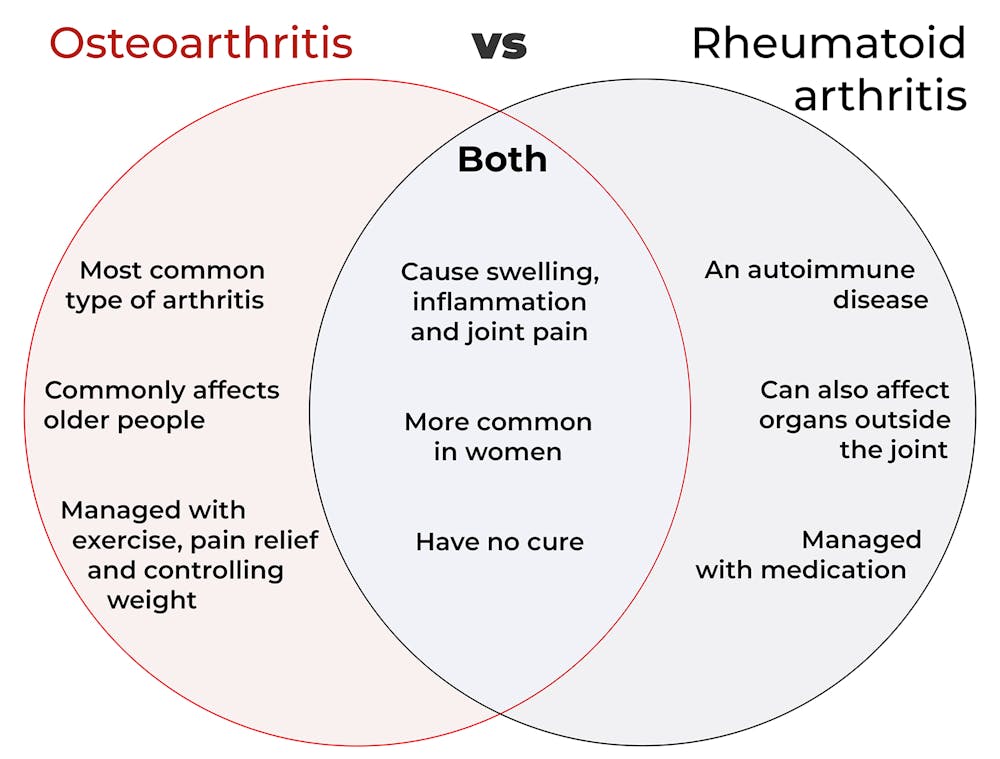
    The two most common types, osteoarthritis and rheumatoid arthritis, can both cause joint pain, swelling and stiffness. Both are more common in women. Neither can be cured.

    But their causes, risk factors and treatments are different – here’s what you need to know.

    What is osteoarthritis?

    Osteoarthritis is the most common form of arthritis. It affects 2.1 million Australians, mostly older people. About a third of Australians aged 75 and older have the condition.

    It can affect any joint but is most common in the knees, hips, fingers, thumbs and big toes.

    The main symptom is pain, especially during movement. Other symptoms may include swelling, stiffness and changes to the shape of joints.

    The main risk factors are ageing and obesity, as well as previous injuries or surgery. For osteoarthritis in the hands, genetics also play a big role.

    Signs of osteoarthritis can appear on knee scans from around age 45 and become more common with age.

    However, this type of arthritis not simply the “wear and tear” of ageing. Osteoarthritis is a complex disease that affects the whole joint. This includes the cartilage (“shock-absorbing” connective tissue protecting your bones), bones, ligaments (connective tissue holding bones and body parts in place) and joint lining.

    Osteoarthritis can change the shape of joints such as knuckles.
    joel bubble ben/Shutterstock

    How is it diagnosed?

    Diagnosis is based on symptoms (such as pain and restricted movement) and a physical exam.

    The disease generally worsens over time and cannot be reversed. But the severity of damage does not always correlate with pain levels.

    For this reason, x-rays and MRI scans are usually unhelpful. Some people with early osteoarthritis experience severe pain, but the damage won’t show up on a scan. Others with advanced and visible osteoarthritis may have few symptoms or none at all.

    What about rheumatoid arthritis?

    Unlike osteoarthritis, rheumatoid arthritis is an autoimmune disease. This means the immune system attacks the joint lining, causing inflammation and damage.

    Common symptoms include pain, joint swelling and stiffness, especially in the morning.

    Rheumatoid arthritis is less common than osteoarthritis, affecting around 514,000 Australians. It mostly impacts the wrists and small joints in the hands and feet, though larger joints such as the elbows, shoulders, knees and ankles can also be involved.

    It can also affect other organs, including the skin, lungs, eyes, heart and blood vessels. Fortunately, disease outside the joint has become less common in recent years, likely due to better and earlier treatment.

    Rheumatoid arthritis often develops earlier than osteoarthritis but can occur at any age. Onset is most frequent in those aged 35–64. Smoking increases your risk.

    How is it diagnosed?

    As with osteoarthritis, your doctor will diagnose rheumatoid arthritis based on your symptoms and a physical exam.

    Some other tests can be useful. Blood tests may pick up specific antibodies that indicate rheumatoid arthritis, although you can still have the condition with negative results.

    X-rays may also reveal joint damage if the disease is advanced. If there is uncertainty, an ultrasound or MRI can help detect inflammation.


    The Conversation, CC BY-SA

    How is osteoarthritis treated?

    No treatment can stop osteoarthritis progressing. However many people manage their symptoms well with advice from their doctor and self-care. Exercise, weight management and pain medicines can help.

    Exercise has been shown to be safe for osteoarthritis of the knee, hip and hand. Many types of exercise are effective at reducing pain, so you can choose what suits you best.

    For knee osteoarthritis, managing weight through diet and/or exercise is strongly recommended. This may be because it reduces pressure on the joint or because losing weight can reduce inflammation. Anti-obesity medicines may also reduce pain.

    Exercise can help manage weight and is safe and effective at managing joint pain.
    gelog67/Shutterstock

    Topical and oral anti-inflammatories are usually recommended to manage pain. However, opioids (such as tramadol or oxycodone) are not, due to their risks and limited evidence they help.

    In some cases antidepressants such as duloxetine may also be considered as a treatment for pain though, again, evidence they help is limited.

    What about rheumatoid arthritis?

    Treatments for rheumatoid arthritis focus on preventing joint damage and reducing inflammation.

    It’s essential to get an early referral to a rheumatologist, so that treatment with medication – called “disease-modifying anti-rheumatic drugs” – can begin quickly.

    These medicines suppress the immune system to stop inflammation and prevent damage to the joint.

    With no cure, the overall goal is to achieve remission (where the disease is inactive) or get symptoms under control.

    Advances in treatment

    There is an increasing interest in prevention for both types of arthritis.

    A large international clinical trial is currently investigating whether a diet and exercise program can prevent knee osteoarthritis in those with higher risk – in this case, women who are overweight and obese.

    For those already affected, new medicines in early-stage clinical trials show promise in reducing pain and improving function.

    There is also hope for rheumatoid arthritis with Australian researchers developing a new immunotherapy. This treatment aims to reprogram the immune system, similar to a vaccine, to help people achieve long-term remission without lifelong treatment.

    Giovanni E. Ferreira receives funding from The National Health and Medical Research Council, HCF Research Foundation, and Ramsay Hospital Research Foundation.

    Rachelle Buchbinder receives research funding from The National Health and Medical Research Council, Medical Research Future Fund, the Australian government, HCF Foundation and Arthritis Australia.

    ref. What’s the difference between osteoarthritis and rheumatoid arthritis? – https://theconversation.com/whats-the-difference-between-osteoarthritis-and-rheumatoid-arthritis-249154

    MIL OSI AnalysisEveningReport.nz

  • MIL-Evening Report: The ‘feminisation’ of Labor is a key reason Australians embraced it – and Anthony Albanese

    Source: The Conversation (Au and NZ) – By Paul Strangio, Emeritus Professor of Politics, Monash University

    Watching elections over the decades, one thing that has struck me is that results are invariably hyperbolised in the first blush of the people’s verdict. The achievement of the winners is over-egged in the commentary, as is the scale of the calamity suffered by the losers.

    That caveat notwithstanding, I think we can credibly say that Saturday’s election result was the most momentous since John Howard’s totemic victory of 2001 — a win that set in train much of what has happened in Australian politics over the course of this century.

    As I suggested in my pre-election essay on Anthony Albanese’s prime ministership, the impending victory for Labor would in part be an endorsement, even if grudging, of his leadership of the nation. It would be a reward for the fact that, despite limitations, he had run an industrious, orderly, united and scandal-free government. His was a mature administration that the country had been bereft of for nearly two decades.

    But the magnitude of Labor’s triumph on Saturday was undoubtedly most of all a repudiation of Duttonism. It was an emphatic assertion of what Australia is not. Why that makes this election the most significant since 2001 is that Dutton was an ideological heir to Howard — as before him was Tony Abbott, notwithstanding the latter’s idiosyncratic influence by the philosophy of the post-war right-wing Catholic crusader, B.A. Santamaria.

    Dutton entered the House of Representatives at the 2001 election, and the early advance of his parliamentary career was nurtured by Howard. As he articulated during this campaign, Dutton regarded Howard as his political touchstone.

    Like Abbott’s, Dutton’s leadership of the Liberal Party represented a doubled down version of the conservative populism that Howard so effectively unleashed at the 2001 election.

    This was a point that Lech Blaine perceptively recognised in his chilling 2024 Quarterly Essay portrait of Dutton. In common with Abbott, Dutton’s rendition of Howardism was an aggressively crude variant. Moreover, both of these unequal proteges were wanting in their mentor’s masterful political dexterity. Antithetical to the heritage of the Liberal Party, they were also short of interest in, let alone aptitude for, economic policy.

    Howard’s conservative populism was directed at cleaving working-class voters off Labor, especially in outer suburban electorates of Australia. For some time, there has been an emerging expectation that Dutton was poised to fruitfully capitalise on an incipient revolt against the Albanese government in outer suburbia. That is, a belief that these seats were susceptible to swallowing whole Dutton’s Frankenstein version of Howardism.

    Dutton’s strategy for hunting after votes in the outer suburbs and the commentary that has attended to it did a disservice to those communities. Undoubtedly, their populations, fast growing and undergoing a tsunami of demographic change, are enduring severe economic duress and struggling with over-stretched infrastructure and services.

    But there has been too much of a readiness to extrapolate from this that they were ripe for embracing an angry, grievance-fuelled politics, that they were vulnerable to xenophobic dog whistling, that they were, in short, home to an uglier Australia.

    The rejection of Duttonism in outer suburbia Australia suggests that, to the contrary, because of their kaleidoscopic diversity of ethnicities and cultures, these communities shrink from a politics of divisiveness and nativism.

    In other words, the routing of the Liberals on Saturday ought to be the moment that finally closes the door on the direction that Howard orientated the party at the beginning of this century. It should be his last hurrah.

    The dilemma, of course, is that stripped of moderates (the idea of the vaunted “broad church” thriving under Howard was itself greatly exaggerated), there is a serious question of whether the Liberals can reverse their 25-year rightwards pivot.

    The new leader could begin the journey back towards the centre by never darkening the doors of Sky News after Dark. A folly of Abbott and Dutton was their tribal attitude to the media. They skewed their communications to reactionary sympathisers who, rather than providing a reality check, encouraged ideological amplification.


    Read more:
    In its soul-searching, the Coalition should examine its relationship with the media


    What of Albanese and his leadership? In my pre-election essay on him, I flagged a concern that victory would feed his self-narrative of always being under-estimated. That it would encourage him to stick fast to his first term modus operandi of cautious, dogged incrementalism at a point when the nation is overdue for a burst of expansive reformism. The scale of Saturday’s win arguably heightens that risk.

    Yet we do have to acknowledge that Albanese, fortunate though he has been with the incurably inauthentic Scott Morrison and then Dutton as opponents, has been under-estimated. He has insisted since 2022 that his was a two-term strategy in which the first would be about measured consolidation that would, in turn, open the path to a long-term Labor government whose legacy would be durable change. This result means the prime minister and his team now have the opportunity to achieve that.

    Watching the ABC’s election night broadcast, a chief takeaway was the conspicuous camaraderie among senior members of Albanese’s Labor cabinet. Treasurer Jim Chalmer’s sincerely generous words about the prime minister’s leadership exemplified that.

    During Labor’s first term, I wondered whether Chalmers, for all his virtues, was actually too much a patient team player and not enough of an agitator within the government. In other words, that he did not sufficiently ginger up Albanese for greater policy adventurism, as Paul Keating did Bob Hawke during the last great era of Labor reformism.

    But Saturday night spotlighted a different, but perhaps at least as equally valuable, dynamic at the top of the government. That is genuine respect, even affection, between its key personnel. Keating could never have been as laudable of Hawke as Chalmers was of Albanese as the votes were tallied.

    This says much about the character of Chalmers, as it does about other leading cabinet members who have exuded that spirit of camaraderie throughout the life of the government. Most notably, the prime minister’s brains trust: Richard Marles, Penny Wong, Tony Burke, Mark Butler and Katy Gallagher.

    But it must also reflect Albanese’s respect for his colleagues. It speaks to his ability to harmoniously manage a team, his gift for generating unity of purpose, and his willingness to afford ministers a self-empowering autonomy in contributing to Labor’s collective enterprise. These are no small things. Respect and decency in a government begins with the prime minister and filters down.

    Let us not get misty-eyed. Albanese is vulcanised by a lifetime in politics. He is tough and a ruthless foe. His political blooding was as a left faction functionary in the right-controlled New South Wales Labor Party. Intra-party knife fighting was an essential part of the skill set he developed.

    But, consistent with all prime ministers, to understand Albanese’s approach to leadership we need to return to his formative roots. He was fatherless, defined by being the only child of a single mum, disability pensioner. These circumstances, as former journalist Katharine Murphy identified, imbued him with a pronounced streak of self-sufficiency, a “lone wolf” aspect. Yet also discernible is a resulting “feminine” side to his character and his prime-ministerial style.

    Albanese readily exhibits empathy and emotion. A familiar sight of him is lips quivering as he struggles to suppress tears. He dares speak of kindness and compassion as positive leadership attributes — in this he evokes former New Zealand prime minister, Jacinda Ardern. And he practices a collaborative, cooperative minded governing operating mode, which are behaviours conventionally associated with women leaders.

    Not coincidentally, a striking feature of Albanese’s prime ministership is that the “feminisation” of Labor has proceeded apace. For instance, policies such as the movement towards universal childcare support and government-backed wage increases in the care industries whose workforce is dominated by women employees. The record proportion of women appointed to cabinet. The continuing storming of the ramparts of caucus by women — they now comprise a majority of the party room — reinforced at the federal election most spectacularly in Brisbane, where six additional female Labor candidates prevailed, including Ali France, slayer of Dutton. And the consolidation of the pattern of women voters favouring Labor.

    It’s unfashionable these days to quote the post-war lion of the Labor left, Jim Cairns. However, when he retired in 1977, Cairns was asked who he would like to inherit his seat. He replied, “a woman, they feel the value of life”. Perhaps a sentiment by which Albanese abides.

    In the past, Paul Strangio received funding from the Australian Research Council.

    ref. The ‘feminisation’ of Labor is a key reason Australians embraced it – and Anthony Albanese – https://theconversation.com/the-feminisation-of-labor-is-a-key-reason-australians-embraced-it-and-anthony-albanese-255883

    MIL OSI AnalysisEveningReport.nz

  • MIL-Evening Report: Cook Islands environment group calls on govt to condemn Trump’s seabed mining order

    By Losirene Lacanivalu, of the Cook Islands News

    A leading Cook Islands environmental lobby group is hoping that the Cook Islands government will speak out against the recent executive order from US President Donald Trump aimed at fast-tracking seabed mining.

    Te Ipukarea Society (TIS) says the arrogance of US president Trump to think that he could break international law by authorising deep seabed mining in international waters was “astounding”, and an action of a “bully”.

    Trump signed the America’s Offshore Critical Minerals and Resources order late last month, directing the National Oceanic and Atmospheric Administration (NOAA) to allow deep sea mining permits.

    The order states: “It is the policy of the US to advance United States leadership in seabed mineral development.”

    NOAA has been directed to, within 60 days, “expedite the process for reviewing and issuing seabed mineral exploration licenses and commercial recovery permits in areas beyond national jurisdiction under the Deep Seabed Hard Mineral Resources Act.”

    It directs the US science and environmental agency to expedite permits for companies to mine the ocean floor in the US and international waters.

    In addition, a Canadian mining company — The Metals Company — has indicated that they have applied for a permit from Trump’s administration to start commercially mining in international waters.

    The mining company had been unsuccessful in gaining a commercial mining licence through the International Seabed Authority (ISA).

    ‘Arrogance of Trump’
    Te Ipukarea Society’s technical director Kelvin Passfield told Cook Islands News: “The arrogance of Donald Trump to think that he can break international law by authorising deep seabed mining in international waters is astounding.

    “The United States cannot pick and choose which aspects of the United Nations Law of the Sea it will follow, and which ones it will ignore. This is the action of a bully,” he said.

    “It is reckless and completely dismissive of the international rule of law. At the moment we have 169 countries, plus the European Union, all recognising international law under the International Seabed Authority.

    “For one country to start making new international rules for themselves is a dangerous notion, especially if it leads to other States thinking they too can also breach international law with no consequences,” he said.

    TIS president June Hosking said the fact that a part of the Pacific (CCZ) was carved up and shared between nations all over the world was yet another example of “blatantly disregarding or overriding indigenous rights”.

    “I can understand why something had to be done to protect the high seas from rogues having a ‘free for all’, but it should have been Pacific indigenous and first nations groups, within and bordering the Pacific, who decided what happened to the high seas.

    “That’s the first nations groups, not for example, the USA as it is today.”

    South American countries worried
    Hosking highlighted that at the March International Seabed Authority (ISA) assembly she attended it was obvious that South American countries were worried.

    “Many have called for a moratorium. Portugal rightly pointed out that we were all there, at great cost, just for a commercial activity. The delegate said, ‘We must ask ourselves how does this really benefit all of humankind?’

    Looking at The Metals Company’s interests to commercially mine in international waters, Hosking said, “I couldn’t help being annoyed that all this talk assumes mining will happen.

    “ISA was formed at a time when things were assumed about the deep sea e.g. it’s just a desert down there, nothing was known for sure, we didn’t speak of climate crisis, waste crisis and other crises now evident.

    “The ISA mandate is ‘to ensure the effective protection of the marine environment from the harmful effects that may arise from deep seabed related activities.

    “We know much more (but still not enough) to consider that effective protection of the marine environment may require it to be declared a ‘no go zone’, to be left untouched for the good of humankind,” she added.

    Meanwhile, technical director Passfield also added, “The audacity of The Metals Company (TMC) to think they can flaunt international law in order to get an illegal mining licence from the United States to start seabed mining in international waters is a sad reflection of the morality of Gerard Barron and others in charge of TMC.

    ‘What stops other countries?’
    “If the USA is allowed to authorise mining in international waters under a domestic US law, what is stopping any other country in the world from enacting legislation and doing the same?”

    He said that while the Metals Company may be frustrated at the amount of time that the International Seabed Authority is taking to finalise mining rules for deep seabed mining, “we are sure they fully understand that this is for good reason. The potentially disastrous impacts of mining our deep ocean seabed need to be better understood, and this takes time.”

    He said that technology and infrastructure to mine is not in place yet.

    “We need to take as much time as we need to ensure that if mining proceeds, it does not cause serious damage to our ocean. Their attempts to rush the process are selfish, greedy, and driven purely by a desire to profit at any cost to the environment.

    “We hope that the Cook Islands Government speaks out against this abuse of international law by the United States.” Cook Islands News has reached out to the Office of the Prime Minister and Seabed Minerals Authority (SBMA) for comment.

    Republished from the Cook Islands News with permission.

    MIL OSI AnalysisEveningReport.nz

  • MIL-OSI Australia: Interview with Karl Stefanovic, Today Show

    Source: Australia’s climate in 2024: 2nd warmest and 8th wettest year on record

    Karl Stefanovic, Host: Well, back to work for the Labor Government this week after partying like it was 1983. Well, we all like a party, don’t we? Or is it just me? Foreign Affairs Minister Penny Wong joins us now live from Adelaide to discuss. Penny, good morning to you. How was it?

    Penny Wong, Foreign Minister: Good morning, Karl. Look, it’s you know we feel humbled, and grateful, and really conscious of the responsibility and privilege Australians have given us, and we will work every day to repay that trust.

    Stefanovic: Was there a specific moment on the night when you knew you’d won, when you turned to someone and said, this is ours.

    Foreign Minister: Well, I think I was with the Prime Minister and obviously we were looking at a lot of the results and frankly, the result became much clearer, much quicker than I thought it would. Because what we saw, really, is that the Liberal Party is not the party of middle Australia. The cities and the suburbs of Australia looked at Peter Dutton, looked at the Liberal Party, and said, look, you’re not in touch with the life I’m living. You’re not in touch with the things that are hard for me, the things that I want. You’re not in touch with my values. And very comprehensively across the country, we saw, particularly our cities and our suburbs, the Liberals hold such a small fraction of the seats within metropolitan Australia. They just don’t represent middle Australia.

    Stefanovic: What did you say to each other when you knew you’d won?

    Foreign Minister: I think I gave him a hug.

    Stefanovic: Pretty emotional?

    Foreign Minister: It’s always emotional. It’s a big thing isn’t it? I mean, it’s a big thing to form government. It’s a big thing to be given that responsibility and the honour of forming government by the Australian people. It’s a humbling moment, and we carry that with us. And as the Prime Minister said, we’re back to work and we will work every day to repay this trust.

    Stefanovic: Okay, let’s get on with it. A couple of quick-fire election questions for you. Is Tanya still on the front bench after that air kiss?

    Foreign Minister: Tanya, as the PM has said, will be a senior cabinet minister, he’s made that clear.

    Stefanovic: Does Chris Bowen need some time off the bench?

    Foreign Minister: I think Chris is, remember, Chris when we first came to government, had to deal with a gas crisis, an energy crisis, where as a result of where we’d been, we had real reliability and supply problems. He’s doing, and has done, an excellent job. What happens to people’s portfolios is at the privilege of the Prime Minister. He’s made some indication about a number of us in the leadership group and in senior portfolios, who will continue in our current jobs but the rest is up to him.

    Stefanovic: Will you stay a full term?

    Foreign Minister: Yes, I will. And in fact, the size of this victory and the prospect of a third-term Labor Government, it looks pretty good.

    Stefanovic: You’ll stay in that portfolio?

    Foreign Minister: I want to. And the Prime Minister’s indicated that me, Richard, Don Farrell, Katy and Jim will stay where we are. And we’re really appreciative, all of us, of the opportunity and the trust he’s shown in us.

    Stefanovic: Will the PM stay a full term?

    Foreign Minister: He’s said so. And I think –

    Stefanovic: And then some?

    Foreign Minister: It’s a pretty funny thing to ask. Yeah exactly, and then some. I think it’s a pretty funny thing to ask given what we saw on Saturday.

    Stefanovic: I mean, everyone’s happy with that? Jim’s alright with that?

    Foreign Minister: I think Jim’s answered this very clearly. He’s made the point, what an honour it is for all of us to serve as senior ministers in a Labor Government. And the Prime Minister leads this Government, and this opportunity that we all have is as much down to him as it is to the Australian people.

    Stefanovic: Alright, more importantly, Trump’s tariffs loom pretty large, as you would know. Will you help sandbag the Australian film industry? If so, what might that look like? Because there’s a great deal of understandable nervousness inside that industry.

    Foreign Minister: Absolutely. And I think that there’s also the reality, isn’t there, which is we do a lot of work with the American film industry. And there’s a lot of films, Australian actors in American films, Australian crews working on US films, films filmed here in Australia, which are collaborations between American studios and Australian companies. So, these tariffs really don’t reflect the reality of the cooperation and collaboration between our countries. So, we’ll obviously be putting that view to the US administration. I did hear as I was driving in this morning, President Trump on the radio saying that he was going to have a discussion with the studios, and we think that’s a good thing.

    Stefanovic: Okay, meantime, the Greens here say they’re still carrying a stick in the Senate. You’ll still need to listen to them. It’s more like a toothpick with a cocktail onion now, don’t you think?

    Foreign Minister: I wonder if I can use that line. Do you think I can use that line in the Senate with them? Karl, what do you reckon?

    Stefanovic: You can quote me anytime you want.

    Foreign Minister: ‘As Karl said’. See how that goes down? It might work, might not. Look, one of the things about Saturday, Karl, is I think Australians rejected the politics of conflict and the politics of grievance. And, unfortunately, Adam Bandt in some ways is quite like Peter Dutton. It’s the same conflict, it’s the same, frankly, sometimes quite aggressive, and the same politics of protest and grievance. And I think Australians have comprehensively rejected that. And my suggestion to Adam Bandt is perhaps he should consider what message Australians sent to all of us in the Parliament.

    Stefanovic: He may not be there. Look, you mentioned the Voice during the campaign as well, Penny. I listened to it and you clearly weren’t saying you were going to go back to it, but it was seized upon, as you know. Did you worry at any point that you’d made a mistake to the party?

    Foreign Minister: You know me, Karl, I’m always hard on myself, aren’t I? And, of course, you always worry about giving your opponent the opportunity to have a go. But can I say, I think what it demonstrated was what I said at the start – Peter Dutton’s reflexes, the Liberal Party’s desire to get into the culture wars, is part of them not being where middle Australia is at. People were concerned about Medicare, people were concerned about cost of living, people were concerned about tax cuts. People were concerned about schools and hospitals and bulk billing, fee-free TAFE. People were concerned about making sure, in an uncertain world, where we see a lot of change globally, that steady leadership would be required. That’s what Australians wanted to see. They weren’t interested in the Peter Dutton Liberal Party culture wars.

    Stefanovic: That’s definitely a no, then? You’re not going to be pursuing that?

    Foreign Minister: We’ve made that clear, the Australian people have made that clear, the Voice is gone.

    Stefanovic: Okay, I suppose you don’t care about the Liberal leadership, why would you? But Gina Rinehart is saying the country needs to move to the right, more Trump-like. How do you respond?

    Foreign Minister: Ms Rinehart has been very public about those views for some time but I think Australians spoke on Saturday.

    Stefanovic: Penny, always good to talk to you. Thank you so much, and best of luck with the job ahead.

    Foreign Minister: Great to speak with you. I’ll try the cocktail line.

    MIL OSI News

  • MIL-OSI New Zealand: Local environment prioritised, thanks to targeted rate

    Source: Secondary teachers question rationale for changes to relationship education guidelines

    A targeted rate that protects and restores Auckland’s environment is delivering beyond its investment, thanks to the support of partners and volunteers.

    Auckland Council’s environmental services team delivers natural environment and climate outcomes Auckland-wide, through a programme that delivers great value at community level.

    At April’s Revenue, Expenditure and Value Committee, chaired by Deputy Mayor Desley Simpson, the division’s financial performance review highlighted its multi-pronged approach.

    “Protecting our unique natural environment requires ongoing management of pressures, such as pest plants and animals. Through the targeted rate, it receives dedicated investment so, ultimately, we have an Auckland we are proud to call home,” says Cr Simpson.

    “The environmental programme is delivering great results region-wide and in our local communities too, thanks to key partnerships, co-funding, new tools to lift productivity and volunteers.

    “The natural environment programme is 97 per cent rates funded, which is around $43 per year per ratepayer through the Natural Environment Targeted Rate (NETR) and some general rates.

    “That investment delivers good value for money,” says Simpson. “In some cases, it delivers a quantifiable $6 return for every $1 invested.”

    How we’re investing for the natural environment

    NETR and general rates funding delivers and supports a range of environmental activity, including community-led initiatives across all Auckland Council wards.

    Auckland Council environmental services general manager Samantha Hill says environmental protection and restoration is a long-term game and the focus is on delivering on commitments that will have enduring future impact.

    “We are here to protect, improve and minimise risks to the natural environment and we can’t do this alone. It is important to recognise and acknowledge the tireless commitment and support from our partners and communities,” says Ms Hill.

    “The NETR-funded work has enabled a wide range of community-led action and youth involvement. At the same time, key partnerships and regularly assessing opportunities to improve, such as new technologies and tools, means we continue to deliver value for money.”

    Rates funding helps contract specialist environmental services; enables partnerships with investors to deliver even greater value; and helps activate community-led conservation, including around $2 million per year in contestable grants.

    Community grants, technical advice and training is funded by both the NETR and general rates, helping deliver proactive action at local level but also added value.

    For example, the Community Coordination and Facilitation Grant saw $1 million in funding shared across 36 local community groups in 2024 – ultimately resulting in over 276,000 volunteer hours and third-party funding on projects benefiting the natural environment.

    It also delivered a $6.10 return for each $1 of grant funding invested.

    Environmental services work closely with local boards to design and deliver locally driven initiatives, supporting over 110 local board projects worth $4 million in 2023-2024.

    Additional strategic partnerships with business, mana whenua, central government, community and private investors, and other groups, are also adding value to the programme.

    For example, over $2 million has been sourced so far from central government and private investors for the first phase of the Kawau Island multi-species pest eradication project. Private sector business and philanthropic funding has also been secured for other projects.

    Detailed information on NETR-funded activity delivered in each local board can be found on this PDF [7.77MB].

    To find out more about Auckland Council’s environmental programme, visit www.aucklandcouncil.govt.nz/environment

    What the Natural Environment Targeted Rate (NETR) delivers

    The current priorities:

    • upgrade and re-open tracks in the Waitākere Ranges in accordance with the Waitākere Ranges Regional Park 2019-2024 Track Reopening Programme

    • control possums across the region, in high priority sites

    • adequate control of pest plants for 66 per cent of significant ecological sites within council parks by 2028

    • work in partnership to achieve pest mammal eradications on Kawau, Aotea and Waiheke islands

    • protect regionally threatened species and high priority ecosystems

    • support community-led action through the provision of advice, grants and tools

    • deliver in partnership with mana whenua

    • implement a comprehensive Pest Free Warrant programme to reduce pest spread to islands by the full range of high-risk businesses.

    What’s been achieved to date:

    • thirty-three tracks upgraded in the Waitākere Ranges

    • Hūnua Ranges Regional Park remains free of kauri dieback disease

    • Hūnua and Waitakere Ranges regional parks are kept free of feral deer and goats

    • 30 per cent of rural mainland Auckland has possum populations maintained at/below target densities for biodiversity protection (at June 2024)

    • Kōkako populations in the Hūnua Ranges have increased from 106 pairs in 2018 to 259 in 2024, as a result of possum and predator control

    • regional conservation status assessments have been completed for freshwater fish, birds, reptiles, amphibians, bats and vascular plants

    • 51 per cent of priority native habitats in regional parks have pest plants being effectively controlled towards, or managed below, target densities for biodiversity protection (at June 2024)

    • partnerships are underway with Ngāti Manuhiri, Department of Conservation, Predator Free 2050 Ltd, Ministry for Primary Industries and the Kawau community to eradicate possums and wallabies on Kawau Island

    • the council is also partnering with Ngāti Rehua Ngātiwai ki Aotea to eradicate rats, cats and pest plants on Aotea. Alongside Te Korowai o Waiheke, the council is supporting the eradication of stoats and the trialling of rat eradication on Waiheke Island

    • around 800 scheduled and unscheduled vehicle and passenger ferry sailings are inspected for pests each year. As a result, all Hauraki Gulf Islands where non-native predators such as rats and stoats have been eradicated remain free of these pests.   

    MIL OSI New Zealand News

  • MIL-OSI New Zealand: Local environment prioritised thanks to targeted rate

    Source: Secondary teachers question rationale for changes to relationship education guidelines

    A targeted rate that protects and restores Auckland’s environment is delivering beyond its investment, thanks to the support of partners and volunteers.

    Auckland Council’s environmental services team delivers natural environment and climate outcomes Auckland-wide, through a programme that delivers great value at community level.

    At April’s Revenue, Expenditure and Value Committee, chaired by Deputy Mayor Desley Simpson, the division’s financial performance review highlighted its multi-pronged approach.

    “Protecting our unique natural environment requires ongoing management of pressures, such as pest plants and animals. Through the targeted rate, it receives dedicated investment so, ultimately, we have an Auckland we are proud to call home,” says Cr Simpson.

    “The environmental programme is delivering great results region-wide and in our local communities too, thanks to key partnerships, co-funding, new tools to lift productivity and volunteers.

    “The natural environment programme is 97 per cent rates funded, which is around $43 per year per ratepayer through the Natural Environment Targeted Rate (NETR) and some general rates.

    “That investment delivers good value for money,” says Cr Simpson. “In some cases, it delivers a quantifiable $6 return for every $1 invested.”

    How we’re investing for the natural environment
    NETR and general rates funding delivers and supports a range of environmental activity, including community-led initiatives across all Auckland Council wards.

    Auckland Council environmental services general manager Samantha Hill says environmental protection and restoration is a long-term game and the focus is on delivering on commitments that will have enduring future impact.

    “We are here to protect, improve and minimise risks to the natural environment and we can’t do this alone. It is important to recognise and acknowledge the tireless commitment and support from our partners and communities,” says Ms Hill.

    “The NETR-funded work has enabled a wide range of community-led action and youth involvement. At the same time, key partnerships and regularly assessing opportunities to improve, such as new technologies and tools, means we continue to deliver value for money.”

    Rates funding helps contract specialist environmental services; enables partnerships with investors to deliver even greater value; and helps activate community-led conservation, including around $2 million per year in contestable grants.

    Community grants, technical advice and training is funded by both the NETR and general rates, helping deliver proactive action at local level but also added value.

    For example, the Community Coordination and Facilitation Grant saw $1 million in funding shared across 36 local community groups in 2024 – ultimately resulting in over 276,000 volunteer hours and third-party funding on projects benefiting the natural environment.

    It also delivered a $6.10 return for each $1 of grant funding invested.

    Environmental services work closely with local boards to design and deliver locally driven initiatives, supporting over 110 local board projects worth $4 million in 2023-2024.

    Additional strategic partnerships with business, mana whenua, central government, community and private investors, and other groups, are also adding value to the programme.

    Over $2 million has been sourced so far from central government and private investors for the first phase of the Kawau Island multi-species pest eradication project. Private sector business and philanthropic funding has also been secured for other projects.

    Detailed information on NETR-funded activity delivered in each local board can be found here.

    To find out more about Auckland Council’s environmental programme, visit www.aucklandcouncil.govt.nz/environment

    What the Natural Environment Targeted Rate (NETR) delivers

    The current priorities:

    • upgrade and re-open tracks in the Waitākere Ranges in accordance with the Waitākere Ranges Regional Park 2019-2024 Track Reopening Programme
    • control possums across the region, in high priority sites
    • adequate control of pest plants for 66 per cent of significant ecological sites within council parks by 2028
    • work in partnership to achieve pest mammal eradications on Kawau, Aotea and Waiheke islands
    • protect regionally threatened species and high priority ecosystems
    • support community-led action through the provision of advice, grants and tools
    • deliver in partnership with mana whenua
    • implement a comprehensive Pest Free Warrant programme to reduce pest spread to islands by the full range of high-risk businesses.

    What’s been achieved to date:

    • thirty-three tracks upgraded in the Waitākere Ranges
    • Hūnua Ranges Regional Park remains free of kauri dieback disease
    • Hūnua and Waitakere Ranges regional parks are kept free of feral deer and goats
    • 30 per cent of rural mainland Auckland has possum populations maintained at/below target densities for biodiversity protection (at June 2024)
    • Kōkako populations in the Hūnua Ranges have increased from 106 pairs in 2018 to 259 in 2024, as a result of possum and predator control
    • regional conservation status assessments have been completed for freshwater fish, birds, reptiles, amphibians, bats and vascular plants
    • 51 per cent of priority native habitats in regional parks have pest plants being effectively controlled towards, or managed below, target densities for biodiversity protection (at June 2024)
    • partnerships are underway with Ngāti Manuhiri, Department of Conservation, Predator Free 2050 Ltd, Ministry for Primary Industries and the Kawau community to eradicate possums and wallabies on Kawau Island
    • the council is also partnering with Ngāti Rehua Ngātiwai ki Aotea to eradicate rats, cats and pest plants on Aotea. Alongside Te Korowai o Waiheke, the council is supporting the eradication of stoats and the trialling of rat eradication on Waiheke Island.
    • around 800 scheduled and unscheduled vehicle and passenger ferry sailings are inspected for pests each year. As a result, all Hauraki Gulf Islands where non-native predators such as rats and stoats have been eradicated remain free of these pests.

    MIL OSI New Zealand News

  • MIL-OSI Australia: Poisonous mushrooms growing in Victoria

    Source: FairTrading New South Wales

    Key messages

    • Poisonous mushrooms including the death cap and yellow-staining mushrooms, appear in Victoria during autumn, as the weather becomes wetter and cooler.
    • Consuming even a single death cap mushroom may result in death.
    • Cooking, peeling or drying these mushrooms does not remove or inactivate the poison.
    • There is no home test available to distinguish safe and edible mushrooms from poisonous mushrooms.
    • Mushrooms purchased from a supermarket, greengrocer or other reputable source are safe to eat.
    • Remove any mushrooms growing in home gardens as young children and pets can easily eat them.
    • If you suspect you or anyone in your care may have eaten a poisonous mushroom, do not wait for symptoms to occur. Call the Victorian Poisons Information Centre immediately on 13 11 26 (24 hours a day, 7 days a week, Australia wide) for appropriate advice.

    What is the issue?

    Death cap mushrooms

    Death cap mushrooms (Amanita phalloides) are extremely poisonous. Consuming just one mushroom can kill an adult. Symptoms usually commence 6 to 24 hours after ingestion with stomach pains, nausea, vomiting and diarrhoea. These symptoms can then settle, giving a false sense of recovery, however the toxin will have entered the body’s circulation and started causing serious harm, particularly to the liver. Typically, 2 – 4 days after ingestion those severely poisoned will develop irreversible liver failure, often associated with kidney failure, that may ultimately result in death.

    These mushrooms usually grow under oak trees and the caps are 40-160mm in diameter. The cap ranges in colour from pale yellow to green and olive brown and the ridges on the underside of the cap (gills) are white. The base of the stem has a membrane ‘cup’.

    Yellow-staining mushrooms

    The yellow-staining mushroom (Agaricus xanthodermus) is the cause of most poisonings due to ingestion of wild fungi in Victoria. Symptoms of yellow-staining mushroom poisoning include stomach pain, nausea, vomiting and diarrhoea. The severity of symptoms varies with the amount eaten.

    This mushroom looks very similar to regular purchased mushrooms or ‘cultivated mushrooms’ (Agaricus bisporus) and to edible wild mushrooms such as the field mushroom (Agaricus campestris). In urban areas the yellow-staining mushroom is unfortunately much more common than edible mushrooms. It can grow in large troops in lawns and gardens, and when damaged, the cap and stem stain yellow, later fading to a brownish colour. The mushroom can also emit a chemical-like smell.

    Who is at risk?

    Anyone who collects and consumes wild mushrooms of unknown species is putting themselves at risk of potential poisoning and serious illness. Consuming a death cap mushroom may result in death.

    Children should not touch wild mushrooms with their bare hands and animals should be kept away from them.

    Pets can develop a range of illness from eating wild mushrooms including gastroenteritis-type syndrome to severe life-threatening disease and death. Dogs are more likely than cats to ingest mushrooms.

    Recommendations

    Unless you are an expert, do not pick and eat wild mushrooms in Victoria.

    If you suspect you or anyone in your care may have eaten a poisonous mushroom, do not wait for symptoms to occur before seeking medical attention.

    Contact the Victorian Poisons Information Centre immediately on 13 11 26 (24 hours a day, 7 days a week, Australia wide) for appropriate advice. This may include seeking treatment at a hospital emergency department. Keep a sample and a photograph of the mushroom that was consumed to share with the Victorian Poisons Information Centre for expert identification of the mushroom.

    If you or anyone in your care has trouble breathing, collapsed, is having a fit or is suffering an anaphylactic reaction, immediately call 000 for an ambulance. Do not call the Victorian Poisons Information Centre in an emergency.

    Pet owners should take particular care in areas where mushrooms may grow and where possible, remove any mushrooms from your garden before pets have a chance to eat them.

    Remove any mushrooms growing in the home garden by wearing gloves, carefully placing them in a bag, and disposing of them in a closed general waste (landfill) rubbish bin.

    MIL OSI News

  • MIL-OSI New Zealand: Post-Cabinet Press Conference: Monday 5 May 2025

    Source: NZ Music Month takes to the streets

    POST-CABINET PRESS CONFERENCE: Monday, 5 May 2025

    EPIQ TRANSCRIPT

    PM:           Well, look, good afternoon, everyone. It’s great to be joined this afternoon by our awesome Trade Minister, Todd McClay, who’s doing some incredible work. As you know, it’s a big sitting block with the Budget at the end of it, and that Budget will then be there to underline this Government’s clear focus on economic growth and, as you know, growth is the primary focus of us and our Government and will continue to be at the core of everything we do. We know that these are challenging times and not easy. New Zealand is still recovering from the economic damage inflicted by Labour and further global instability has made things tough for Kiwis. But despite these challenges, we are overseeing a steady economic recovery with export-led growth and business confidence increasing, and we have started to turn the corner. 

    So this will be a growth Budget because economic growth means Kiwis have money in their pockets and we can fund better public services, and this will also be a responsible Budget, a predictable, steady approach to economic and fiscal management so that we can support economic growth. It is ultimately businesses that grow the economy through their decisions to expand, invest and create jobs, and the Government’s role is to create the conditions for them to do that, and this includes getting the basics right, such as low and stable inflation, manageable interest rates and credible fiscal management. 

    Promoting global growth and trade and investment is one of the five pillars to our Going for Growth plan, and it’s absolutely essential for New Zealand to maximise its potential and New Zealanders to enjoy higher incomes and better public services. As we so often say, we can’t get rich selling to ourselves, so the Government has a clear target to double the value of New Zealand’s exports in 10 years by 2034. And in 2023, to give you a feel for it, one in four of our jobs in New Zealand—around 680,000 New Zealanders—derive their livelihoods from producing goods and services for export. And in addition to bringing in additional revenue, businesses that export also boost New Zealand’s productivity by having more exposure to more diverse competition, connecting to new markets and consumers, and also investing in research and development and innovation. 

    I cannot overstate how important trade and investment is to this country, and that is why both Todd as Trade Minister and myself as Prime Minister are throwing our all into doing business with the world. My recent trip to the UK is actually a prime example. It was incredibly productive and the UK relationship, I think, has new vigour. We’ve always had very strong historical ties with a similar set of values and outlook on the world, but as Prime Minister Starmer and I noted, we now have new things to propel the relationship going forward in the years ahead, in the areas of defence and security, of course, but excitingly in our bilateral trade and investment too. Our free trade agreement with the UK provides New Zealand businesses with certainty of access to this high-value market and we have enjoyed export growth of more than 20 percent in the last 12 months. 

    But it’s not just the UK. The EU FTA, which we implemented earlier, has just reached its first anniversary and is already showing dividends since it was put into place, having generated an additional $1.2 billion and having grown exports up 28 percent. We’re opening up new markets as well, as you know, with our signed agreements in the UAE and the GCC recently, thanks to Todd’s relentless focus on closing those deals for the betterment of our exporters, and the launch of negotiations on an Indian FTA are an important step forward too. 

    So trade and growth will be critical to improving our economic prospects in the coming years and so our businesses can create those jobs and lift incomes for Kiwis. I’ll now pass over to Todd to talk a little bit more about our trade agenda and prospects ahead. 

    Hon Todd McClay:    Well, thank you, Prime Minister and good afternoon, everybody. It’s been a busy and important period of time for New Zealand trade and today I want to give an update on three key areas where we’re seeing growth and development: our trade growth with the EU one year after early entry into force of the free trade agreement, the first in-person free trade agreement negotiations with India, and our growing trade ties with the Gulf region. 

    Last week marked one year since the early entry into force of the New Zealand‒European Union free trade agreement, and the results speak for themselves. As the Prime Minister said, just in 12 months, total goods exports to the European Union from New Zealand surged by 28 percent, from $3.77 billion to $4.81 billion, and this is delivering real benefit for New Zealand exporters, particularly sheep meat exports, which grew 29 percent, worth an additional $216 million. Kiwifruit exports increased by 69 percent, worth an additional $316 million, and machinery exports were by 104 percent, which are worth an additional $173 million. 

    Importantly, the agreement delivers better market access, lower costs, and reduced barriers for New Zealand businesses. It’s also a strong example of our broader trade strategy, working to open up high-quality and high-value markets to double the value of exports in 10 years. We worked across the House last year to see the agreement entry into force many months earlier than had been forecast, and as an example, that meant that kiwifruit growers could take advantage of a full harvest season, adding an additional $18,000 on average for every kiwifruit grower in New Zealand. 

    I’m pleased to also confirm that the first in-person FTA negotiations between New Zealand and India will begin this week in India. This follows the Deputy Prime Minister’s successful visit to India last year, and the formal launch of negotiations by my counterpart, Minister Piyush Goyal, and myself during the Prime Minister’s very large and successful trade mission in April. India is one of the world’s fastest growing economies, with a current GDP of US$4.3 trillion, expected or forecast to grow to US$5.2 trillion by 2030. With a population of 1.4 billion people and current two-way trade of NZ$3.14 billion, there’s huge untapped potential for New Zealand exporters. These negotiations in person mark an important milestone and signal the intent of both governments to pursue a high-quality, comprehensive agreement that benefits both countries. The comprehensive FTA with India is also part of our strategy to diversify trade, expand export markets and deliver for all New Zealanders, and we’re focused on backing our exporters and attracting investment and growing the economy. 

    Finally, in the Middle East, following the conclusion of the GCC trade deal at the end of last year, momentum around trade and investment opportunities in that part of the world is growing. Last week I hosted Saudi Arabia’s Minister of Environment, Water and Agriculture, Minister Al-Fadley, for the 9th New Zealand‒Saudi Arabian Joint Ministerial Commission in Auckland. This is an opportunity to showcase what New Zealand has to offer from food security, agritech, clean technology and education. The Saudi Arabian delegation included 37 officials and business leaders, and a strong signal of the interest in what New Zealand brings to the table. We’re preparing to sign the New Zealand‒GCC free trade agreement, which will deliver duty-free access for 99 percent of our exports to that market over time. And Saudi Arabia is already our largest trading partner in the Gulf and this agreement will help us grow exports in agriculture, food innovation, fintech, and much more. 

    So, to recap, the EU deal is delivering 12 months into the agreement, India in-person negotiations are beginning, and the Middle East holds great potential for New Zealand exporters. We’re working across the Government hard for Kiwis, securing deals and backing New Zealand exporters to succeed on the world stage.

    PM:           Well, thank you, Todd, and can I just say also thank you for the work that you’re doing because I know you’re on the plane a lot and, as I say, you are Trade McClay and we really appreciate what you’re doing. With that, happy to take any questions you may have. 

    Media:      Sticking on trade for a minute, have you seen Donald Trump’s latest social media post relating to the film industry and are you concerned about the impact it could have on New Zealand’s film industry? 

    PM:           I have seen it. Obviously, we need to see what the detail is, but what I’d just say to you is, having been at Weta Unleashed recently with Sir Richard Taylor, we’ve got an absolutely world-class industry. This is the best place to make movies in, period, in the world. That’s why I spent a lot of time with Bollywood actors and directors, actually, when I was in India, making the case for making more movies here, and we’ll continue to do so. So we’ll have to see the detail of what actually ultimately emerges, but obviously I’m a great advocate, great champion of that sector and that industry, and I think, you know, we want to keep making, you know, strong moves on it. 

    Media:      Does the threat of a 100 percent tariff on imported movies make you reconsider the film subsidies that the Government offers at all? 

    PM:           Look, again, you know, we’ve seen a post on social media. We need to understand what any details are. 

    Media:      [Inaudible] quite a lot of them.

    PM:           Yeah, yeah, sure. We’ll have to see what the details are. I’m just saying to you it’s a fantastic industry. It’s got amazing people. It’s got incredible technology associated with it, great jobs, and we’re going to continue to advocate very strongly for the sector. 

    Media:      What about the language that he’s using, that it’s a national security threat, it’s propaganda, all the movies coming—

    PM:           Well, I don’t comment on every utterance of the US President. I’m focused on New Zealand and maximising the opportunities for New Zealand. And all I’m saying is that’s what I’ve been doing is, you know, in that sector, which I just think is truly world-class. You know, I’ve been advocating for it in India for that exact same reason. What would it take to get more Bollywood productions here in New Zealand, and other places as well? 

    Media:      How damaging would that be to your goal of economic growth? I think US productions account for about $1.5 billion to the New Zealand screen industry every single year. How would that affect our economy if he went through with those tariffs? 

    PM:           Well, look, I mean, as we’ve been quite upfront about, you know, it’s a pretty—you know, there’s a lot of volatility in the global economic space and the global economy at the moment. You know, we’ve advocated strongly, you know, that we don’t believe tariffs is the way to go forward. We’ll continue to do that. But importantly, there are also swings and roundabouts and opportunities that come in that environment as well. And so, you know, it’s not possible for me to say what the exact effect of that would be; I just think it’s way too early. Let’s see the detail and see what’s being proposed and what actually does get implemented. 

    Media:      Can you rule out any changes to the rebate? 

    PM:           Look, again, I’ve just seen the post on the way through, on the way down here. It’s not something that we’ve given a lot of thought to yet. All I’m focused on is making sure we grow that sector and grow that great industry. 

    Media:      Have you given any consideration to increasing the rebate to try and incentivise productions to still come to New Zealand? 

    PM:           Again, way too soon. We haven’t given any thought to it. We’ve just seen a post from the US President. As I said, I don’t get into the habit of commenting on everything the President says. I’m focused on New Zealand growing all sectors with as many countries as I can, expanding trade and investment, as you’ve seen us do over the last 18 months, and we’ll continue to do so. 

    Media:      Just on that pivot to Bollywood that you were talking about, what sort of reaction did you get over in India when you were talking about potentially New Zealand being a bit more of a hub for those sort of movies? 

    PM:           Really positive. I mean, they have made movies here in New Zealand in the last 20 years or so, and my question to them was: what else would it take for you to do more productions here in New Zealand? And they’re very, very open to it. I mean, there’s a—

    Media:      What did they say to that? What would it take for them to do more? 

    PM:           Well, there are—there are things that we can—you know, obviously connectivity between India and New Zealand so that you can actually move kit and people in and out of the country in a much more seamless way, which is why air connectivity and air services become so important into the future as well. But no, they’re very open to it and it’s about us actually, often, in many cases, just making the case to the influencers and to the people. And that’s why I do these meetings is because, you know, they’ve got every other country in the world telling them why they’re a great place to come and do it. 

    You know, they know they get well supported here. They have really talented people to be able to work with in the productions here. Many New Zealanders in that sector are very much generalists—they are able to do many things, not just have the specialists—and therefore you often end up with smaller but much more efficient crews working on those productions. So, you know, I think there’s just a lot of opportunity for New Zealand. It is an amazing sector, as you all know, and a very important sector here for this city as well. 

    Media:      Prime Minister, is it appropriate for a Minister to frequently use their private e-mail accounts for ministerial business, including discussing policy ideas with members of the public? 

    PM:           Well, look, there’ll be times under the Cabinet Manual where, you know, people—Ministers will use personal e-mail or personal phone numbers, and that may be for a number of reasons. They may have received unsolicited emails. In many cases, I’m aware Ministers in the past have had technical issues around IT and printing materials. But what’s super important is that any materials are fully retained so that under an official information request, they’re actually available. 

    Media:      Are you comfortable with how often Erica Stanford is using her personal e-mail to conduct ministerial business? 

    PM:           Well, again, my office has spoken with her. I understand it’s been very few occasions. What I’d say is that she has had tech issues with printing. That’s a good example. I’m aware Ministers in the previous Government had the same—used personal emails in the same way. I’m very relaxed with the fact—

    Media:      One News has two folders with hundreds of pages that includes documents and emails that she has been sending and receiving from her private e-mail. Does that sound like very limited instances? 

    PM:           Well, again, as I said, I’m very relaxed about it. The reality is, you know, she has—you know, she’s received unsolicited emails, she’s had printing issues, she’s had tech issues. She’s made changes subsequently, she’s got the IT support that she needs in place and I’m very comfortable with it. I think she’s doing a great job. 

    Media:      She also sent sensitive Budget documents, ahead of them being announced publicly, to her Gmail account. Is that appropriate? 

    PM:           Well, again, I just say to you there will be moments under the Cabinet Manual where it’s quite acceptable for Ministers to use their personal—

    Media:      Is that [Inaudible] Budget documents before they’re released publicly?

    PM:            Well, there may well be if it’s printing purposes, if it’s—if there’s—because there’s technical reasons. As I understand it, in her case it’s actually been about printing challenges. She’s actually made the changes in the settings that she needed to, which has been good and really advisable, and I think that’s a really good thing. But I’m very relaxed about it. 

    Media:      Do you trust Gmail as a secure platform when people, Ministers, are sending Budget details? 

    PM:           Well, I’ll just say to you I think, you know, there are moments when you may well use your personal accounts for—in order for printing and for receiving unsolicited emails, right? 

    Media:      But it’s not as secure, [Inaudible].

    Media:      Is there no tech support in the building to sort out a printer problem?

    PM:           She’s made—she’s made subsequent changes to her processes of how to do that. She’s got the right IT support in place now. I’m really comfortable about it. 

    Media:      She’s a Minister of the Crown. How was there not tech support available for that? This is the Beehive. 

    PM:           Sorry? 

    Media:      How was there not tech support available for printing? It’s the Beehive. 

    PM:           I think if you go back and look at the last administration, Chris Hipkins was an example of a Minister who used his personal accounts for printing materials that he might need as well. So that’s what I’m saying, there’s been a—there’s a history of where, occasionally—

    Media:      So you think it’s OK?

    PM:           No, on—occasionally, under the Cabinet Manual, it’s quite OK and quite acceptable that there will be moments in time where people might need to use their personal phones and emails in order for things like printing materials or IT tech support. In her case, she’s subsequently gone on and made changes which I think are advisable and are really appropriate that she’s done that, and made sure that she’s put in place some processes and changes around that.

    Media:      Every instance was for printing? If it’s hundreds of pages—

    PM:           Well, I’m saying that as an example of how you may end up using your personal accounts for those purposes. 

    Media:      The main directive of the Cabinet Manual is that Ministers don’t use their personal emails or mobile phone numbers, and Erica Stanford is frequently using her personal e-mail. Have you looked into it? Are you keen to look into that further? Is that appropriate? 

    PM:           Look, I’m super relaxed about it. I have to be honest about it. I’ve looked at the issue. Erica’s office has spoken to my office about it. She’s made the changes that she needed to make about the processes of which she engaged with unsolicited emails or—she did have printing issues, you know. That is a common thing that I’ve seen with other Ministers in previous administrations as well. Having said that, it’s advisable what she has done to put in place checks to make sure that she’s managing it better going forward. And at the end of the day, you know, this is a Minister doing a brilliant job and a great job and, you know, I’m proud of the work she did just on this weekend doing the parental portal. 

    Media:      Prime Minister, just a couple of questions around Corrections. Do you support Mark Mitchell and his comments around wanting longer sentences as a way of trying to reduce re-offending? 

    PM:           Well, I think there’s two things going on there. One is I would say we definitely support longer sentences. That’s why we’ve, you know, had the sentencing discount legislation come through. That’s why we’ve got three strikes coming through and the work of Paul Goldsmith in that area. But once someone is in the Corrections facility it’s important that we do everything we can to get rehabilitation services to them, and all Mark’s doing is actually trying to understand where does the rehabilitation services work, and does term of service actually, you know, play into that or not, and how would we make sure we take the opportunity to actually make sure that we get the right rehabilitation services to the prisoners involved. 

    Media:      Have you seen or has Mark Mitchell put forward any evidence that supports that those two things—

    PM:           That’s the work that he’s kicked off, to have a look at what are the impacts of rehabilitation and does term of—length of time in the facility actually lead to better rehabilitation outcomes with longer run services or not. So that’s all he’s doing. All he’s doing is just looking at making sure our rehabilitation services—we want them to be deployed as much as possible to remand Corrections facilities, as you’ve seen, prisoners, and also those that have been sentenced. We want to get rehabilitation services out to as much as we can. 

    Media:      The end result in there, if you play it out, is potentially a lot more prisoners in prison for a longer amount of time, so how much money are you prepared to throw at more prison beds and more prison expenses? 

    PM:           Well, we’re interested in lowering crime. So the point, as you know, is that we’re quite comfortable with longer prison sentences. We have made changes with our legislation recently to do exactly that, on the sentencing discounts that we’ve stopped. But this is about—this is a separate piece of work. 

    Media:      It’s a blank cheque around prison beds and prison expansion, for the greater good and all that?

    PM:           Well, you don’t—you drive it through a principle and a value, which is that if people have offended, they need to make sure they’ve got a penalty that fits their offence. And the old model of just saying the only target we’ve got on crime is reducing prisoners—we actually want to reduce crime and we’re making some good progress on that. So how many prisoners we have and how long they’re in there will be a consequence of what happens with respect to crime in New Zealand. Sorry, last question for Jo here. 

    Media:      RNZ has been talking to staff at Palmerston North Hospital who don’t feel safe at work. There are reports of health workers getting abused and assaulted, including a nurse being held at gunpoint and another health worker knocked unconscious. They’d like hospital security guards to be given the same powers as those in Parliament and court, in order to be able to physically restrain people. Do you support that? 

    PM:           Well, look, we have supported an increase of security in emergency departments, as you know. It’s one of the first actions we took when we came to Government, and Dr Shane Reti implemented that. I’m very open to considering what more we can do to make sure our workers are safe. I’m not aware of that particular issue, but feel free to raise that with Simeon Brown. 

    Media:      Minister McClay, just on the—

    PM:           Jack, welcome back. I saw you on TV covering some electorates over the weekend. Well done. 

    Media:      Thank you. We’ll get to that later. But Minister McClay, just on the Trump tariffs, New Zealand had one of the best deals under the previous tariffs. That might not be the case anymore with this 100 percent on film production. What do you say to that, that New Zealand’s sort of getting a raw deal now as the tariff situation progresses? 

    Hon Todd McClay:    Well, New Zealand’s not being treated worse than other countries, as we see it at the moment. It seems that the new bottom tariff rate out of the US will be 10 percent. There’s no evidence yet—although we’ll see whether or not they, through negotiation, will fall below that. There’s some early anecdotal evidence from our exporters that they are seeing increased interest from the US in products from New Zealand. Some of that could be because, you know, tariff rates elsewhere in the world have been fluctuated so US importers haven’t got the certainty that they need. But I think, as the Prime Minister has said, in everything we do, we’ve got to get as much information as we can. So, for instance, the announcement over films that you have just asked about, we’re not yet sure exactly how it will be put in place—whether it’s complete films, parts of films, just technology to add to films and so on. So once we get more information following the social media posts, we’ll be in a better position to provide that. 

    Media:      When the US first announced tariffs, they got the figure wrong on the reciprocal number. Have you had strengthened communication with the United States? I know you’ve been doing deals around the world, but have you been focusing on the US? 

    Hon Todd McClay:    So we’ve had a lot of engagement. I expect to meet my counterpart, Jamieson Greer, in about two weeks’ time at the APEC Trade Ministers’ meeting in Korea. it will be my first opportunity to meet in person, although we have had a long Zoom call with each other. In effect, the way it has been clarified is it wasn’t the tariff rate they were speaking of, they’d just taken the imbalance in trade and applied that to the equivalent of a tariff. Irrespective of that, the lowest tariff rate put on any country was 10 percent, which is where we are. I actually think Australia had a better trade deal than we did because we haven’t got a trade deal, and they faced 10 percent as well. 

    Media:      Just on [Inaudible], Prime Minister, sorry, Anthony Albanese was asked at a press conference today about the world leaders that had congratulated him. He unfortunately left New Zealand off the list initially. In that conversation, were you not speaking slowly enough and simply enough for the Prime Minister to understand?

    PM:           Can I just tell you, in that conversation I reckon he was still in his pyjamas, as I said to him, and I reckon he had a very hoarse voice so it was very early in the morning of the night after, the day after. But, look, he’s a good friend. I mean, obviously you know he and I knew each other before I came to politics as well and we’ve got a good personal relationship and chemistry, and we talked about, you know, a little bit about the election and then into how we can continue to do the good work of Australia and New Zealand out there on the world stage together. 

    Media:      On Lake Alice, there’s court action at the moment saying that the redress system is breaching international law and also that $150,000 isn’t enough. Have you got a response to those survivors? 

    PM:           Look, what I’ll just say to you, I acknowledge Mr Richards’ decision to seek a judicial review. I’m in a position where it’s inappropriate for me to comment on those individual circumstances or cases. 

    Media:      [Inaudible] haven’t signed on to the redress system so far? 

    PM:           We are working through improving the redress system, as you know, and we’ll have—Erica Stanford will have something to say about that very soon. 

    Media:      Just for a colleague, on the international investigation last week revealing how Chinese authorities targeted families of Chinese dissidents and Uyghur advocates in New Zealand after they spoke out, were you briefed on that situation and do you have any concerns following that? 

    PM:           It’s not something that I’ve been specifically briefed on at this point, but I’ll follow up after this. 

    Media:      Sorry, just going back to those Budget documents that were sent to a Gmail, are you comfortable that it was only that one case? Are there any other ones that you are concerned about? 

    PM:           Look, all I’m just saying to you is that the Cabinet Manual says there—you know, we want Ministers to be able to use their work devices and obviously e-mail and phones, but there will be on occasion reasons for why they need to use their personal ones. As I said, in the past it’s been because of printing issues. In Erica’s position that’s largely been, as I understand, what it’s been about. There’s also unsolicited emails that we get through personal e-mail accounts, and that’s—she’s put in place now processes to make sure that actually that’s all handled properly and everything’s directed through her account. 

    Media:      [Inaudible] sensitive Budget documents. Are you comfortable with that being sent to Gmail?

    PM:           Yeah, look, I’m really comfortable with where—what—the changes that Erica’s made. Completely advisable. But I’m just saying to you, you know, I’m very relaxed about it, yeah.

    Media:      On the CPTPP and EU kind of idea, what’s the latest on that? Have you had any further talks with leaders and how much of this is firming up into a real plan, versus sort of at a blue sky thinking stage? 

    PM:           Well, look, I mean, I’ve spoken to many different leaders. I spoke to Mark Carney again yesterday as well, and I spoke to Lawrence Wong, obviously around their elections, but on this issue in general. All we’re—all I was saying there was that, you know, in a world where what we’ve got—you know, you think about the US trade bloc. It’s about 13 percent of global trade, from memory. You know, you’ve got the CPTPP and you’ve got EU, probably 30 percent plus of global trade. You know, what we want to make sure is that we have people reaffirm the trading rules so that when there are disputes between countries, we want to make sure that they are following and compliant with those rules, you know. We don’t need tit-for-tat tariffs between different trading blocs, for example, emerging. 

    So that’s the nature of the conversation that we’ve been having with leaders. And, you know, I think—you know, and whether it’s been ASEAN leaders or whether it’s been CPTPP leaders or EU leaders, it’s just been making sure that we all understand that we want to maintain the trading system and we want to make sure that we continue to operate within it, and that where there are disputes and mechanisms, that they’re used properly. 

    Media:      So in terms of the outcomes that you’re looking for here, is it just—on those leader-to-leader conversations—making sure everyone’s still on the same page, or is there something more that you had expected or are expecting to come out of this in terms of some sort of formal understanding?  

    PM:           My immediate focus is to make sure that everyone’s staying cool, calm and collected through it, everybody’s making sure that we reaffirm the trading-based system so that we actually don’t get blocs going to war with each other as a consequence of the instability in the tariff situation globally, and just reassuring and making sure that everyone’s reassured around that. I spoke, as I said, to the Irish Prime Minister. I spoke to Keir Starmer about it. I spoke to Ursula von der Leyen and other leaders as well about it, and I think there’s very good alignment across the system to make sure that that doesn’t break down. 

    Media:      Prime Minister, do you believe that one of the factors in the Canadian and the Australian election wins was a backlash against Trump’s policies?

    PM:           No, what I believe it was about was—as I think about the Singaporean election, where the popular vote went up, when I think about the Australian election and the Canadian election, there were some different dynamics in each of those elections, obviously, but for me what it really is about is people wanting to endorse incumbent governments that actually have strong economic management in very uncertain times, and actually that’s what I think our Government’s done very well. We’ve been very focused from day one. You’ve heard me say it. Rebuild the economy to lower the cost of living. That’s what our task has been about, and actually we’ve got commercially literate, economically literate leadership in place in New Zealand in a very difficult and challenging time. So I think that’s really about strong economic management. Now, when you see the parties that have lost, it’s because they’ve been focused on things that actually haven’t mattered to the population. You’ve got to be able to be focused, you know, ruthlessly on lowering the cost of living. That’s what people care about. 

    Media:      Can you break that down in the Australian example? Are you saying that the left-leaning Labour Party are the strong economic managers, and the right-leaning, broad-church Liberal Party are not? 

    PM:           Well, I’m not commenting on the individual elections. I’m just saying to you when I look at, you could argue, a centre-right Government in Singapore that increased its vote because it’s got strong economic management in very uncertain times, which you heard Prime Minister Wong talk to—likewise, you see what’s happened in the UK, where a Conservative Government didn’t focus on the economics and manage the economy well. I think of Liz Truss and the damage that was done to the Conservative Party there. So I’m just saying it’s too simplistic to go, “It’s a centre-left or centre-right argument”. It’s actually about incumbent governments that have strong economic management. When the public’s feeling anxiety about global uncertainty, they want to know that there’s great leadership in place that can navigate them through that. 

    Media:      [Inaudible] the losers in those election results had been distracted by other things, so is it fair to say that the Libs in Australia were distracted by other things—

    PM:           Well, I’m not—

    Media:      —and would you categorise some of that as being about some of the Trump-like policies they were driving? 

    PM:           Well, no, all I’m saying to you is, as a leader of a political party in a coalition Government here in New Zealand, it’s very important that we are focused on the things that New Zealanders care about, and we are. And the number one thing that they care about, and you hear all the time, is about the economy and cost of living. That is the number one concern. That’s why it’s been—you know, you get sick of me talking about it, I know you guys do, but that’s why I’ve been banging on about the economy from day one, because that’s the thing that makes the single biggest difference to the people out there. That’s what they care about. And so all you’re seeing with those election results and those three over the last week is essentially, you know, the public, quite rightly, want their politicians focused on delivering for them and making their life better. And we do that by focusing on the economy, getting more money into their back pocket. 

    Media:      Prime Minister, Toitū Te Tiriti rōpū have been granted an urgent hearing in front of the Waitangi Tribunal on the Regulations Standards Bill. How concerned are you that the claimants—there’s 12,000 claimants to be heard in that claim. 

    PM:           Well, we’ll have more to say about the Regulatory Standards Bill. As you know, it’s on our quarterly action plan and we’ll talk about that in due course, but it would be premature for me to talk about that. 

    Media:      How concerned are you, though, that this could be as big as the hīkoi on the Treaty Principles Bill? 

    PM:           Well, again, we’ll go through a process about—you know, the objective of that Bill is to make sure we make better regulation in New Zealand. That’s what that’s about. And so, you know, let’s let that play out and go through the normal process, where I’m sure there’ll be submissions and feedback on the Bill as it goes through a select committee process. But it’s a bit too premature to jump to that conclusion. 

    Media:      Going through the process then, will you be voting it down at second reading? 

    PM:           Well, no, we’re going through a process. A Bill will get produced and go to a first reading. 

    Media:      I thought it was the same process as the Treaty Principles Bill. No? 

    PM:           Sorry, I don’t understand your question. 

    Media:      The Government’s support, the National Party’s support of the Regulatory Standards Bill. 

    PM:           No, we’re committed to delivering a Regulatory Standards Bill into law here in New Zealand, but we’ve got a process to work through. The Bill is about making sure this is—you know, that Governments make good regulation and that we make better rules and better laws and better—and do that policy development in a much better way. And so, you know, we need to let that Bill go through the process as it normally would, exactly as Fast Track did, as other Bills that we’ve gone through as a Government. We’ve worked our way through it. 

    Media:      Prime Minister, just back to Mark’s questions around chatting to world leaders around trade and stability there, have you had a chance to talk to Winston Peters further about this and your Government’s strategy, how you’re going to— 

    PM:           I think what you’re all misunderstanding is that there are four Ministers that have been working really closely together from day one, and we come together as a small group—in fact, we’re meeting again this week—and that is myself, obviously, as Prime Minister, Winston, obviously, as Foreign Minister, Judith as Defence Minister and Todd as Trade Minister. And in all of these conversations, which obviously have overlapping areas, we work really, really closely together. So we have conversations all the time on all of these issues and we’ll continue to do so. So we’re very aligned on what we’re trying to achieve. We’re trying to lift the intensity, the urgency and the relevancy of New Zealand with our partners, with the benefit of expanding defence and security, making sure that we can drive trade and investment, and making sure we have good standing with—and good reputation with all partners. 

    Media:      Sorry, just to follow up, I understand that you obviously meet regularly and that you’re on the same page there at a high level, but it was the Foreign Minister or the Deputy Prime Minister who raised specifically how you were doing that and whether the steps were being discussed.

    PM:           Look, I think I spoke about that ad nauseum several weeks ago when you first raised it. 

    Media:      Sure. 

    PM:           I’m just saying to you we know exactly what we’re doing and we’re very much in sync and lined up on all of this stuff. 

    Media:      On Lake Alice, the Attorney-General is named as a defendant on that case. I understand you can’t speak about the substance of the case, but has Judith Collins either recused herself or have you asked her to put in place any kind of management around response to the state abuse— 

    PM:           Look, I’m not going to get into the case and I—

    Media:      I’m sorry, I’m not asking you to get into the case.  

    PM:           Yeah, no, I get that. I understand. 

    Media:      Yeah. In terms of managing her conflict there, as she is now named as a—

    PM:           Any conflicts are well managed within our Government, yeah.

    Media:      And how is that being managed in this case?

    PM:           Again, I’m not going to go into detail with that now. Suffice to say that there’s an issue before the courts. We’ll let that complainant go through that process and we will manage any conflicts that are a result of that. 

    Media:      Prime Minister, with the respect to the CCCFA reform, the Government’s making the choice to retrospectively legislate, which is unusual. Aren’t you running the risk of looking as if the Government is favouring the Australian banks over New Zealand borrowers by doing so? What’s the rationale? 

    PM:           Look, again, I would encourage you to talk to Scott Simpson about the CCCFA because it’s quite a technical question and I think in fairness, as the Minister—

    Media:      You’re not aware of the Cabinet position? 

    PM:           No, I’m well aware of the Cabinet position, but what I’m saying to you is I also hold my Ministers accountable and I expect them to answer technical questions. If you want—

    Media:      [Inaudible] so unusual, I would have thought that you would have a view. 

    PM:           Well, no, we’re quite comfortable with it in this process. As I said, we passed this through the Cabinet. We discussed it. The CCCFA was a total dog’s breakfast from the previous administration, designed to clamp down on predatory lending and ended up actually squeezing a whole bunch of liquidity for people trying to access funding for mortgages. Getting asked how much you’re spending on Netflix, how much coffee you’re having, what sort of pet food you use; all of that stuff is not what it’s about. 

    Media:      [Inaudible] is retrospective legislation which would effectively kill off a piece of class action which has been underway for six years or so, and which starts with legislation which was effectively put in place by [Inaudible]—

    PM:           Yeah, again, I’ll just direct you to Scott Simpson if you want to talk about that. 

    Media:      The only benefactors of what Peter is talking about are the two Australian banks. Why, in the climate and given all of the rhetoric that has been going on around clamping down on banks, would the Government want to put themselves in a position where the banks get off scot-free? 

    PM:           Well, again, you know, we’re fixing the CCCFA, given the mess that it created, and we’ve made that decision as a Cabinet. If you want to direct technical questions, can I just suggest you talk to Scott Simpson about it? 

    Media:      It’s a very simple question. From a Government that has taken a very strong position on things like supermarkets, banks—you’ve made these inquiries and investigations—you have a situation in front of you where two Australian-owned banks who make significant, billion-dollar profits are the only people that are going to benefit from this retrospective legislation. Why would your Government want to take that position?

    PM:           No, we’re fixing legislation because of liquidity challenges, where regular people couldn’t get mortgages for their housing because something that was designed to deal with predatory lending has ended up creating, you know, an unintended or intended consequence or unintended consequence. So there’s a lot more going on in the legislation reset than just what you’re talking about. 

    Media:      The people who brought this class action might be facing their own liquidity challenges, and your retrospective legislation is effectively allowing hundreds of millions of dollars of money that they’re owed to go to Australian—

    PM:           Sorry guys, I’m not going to get into it. I’ll let you talk to Scott Simpson and he can go through the details with you. 

    Media:      But as a principle of natural justice and the rule of law, shouldn’t Cabinet have a position on the rightness of retrospectively legislating hundreds of millions of dollars away that people are owed in New Zealand? 

    PM:           Look, we’ve had our Cabinet conversation, this decision we’ve made and we’re comfortable with it. If you want to ask technical questions, go to Scott Simpson. OK, team—

    Media:      Did you have all the information when you made that decision—

    PM:           Yes. 

    Media:      —and are you going to go back and look at it at all? 

    PM:           We had all the decisions, and again, direct the questions to Scott. Right, last question. 

    Media:      Just back to Erica Stanford again, you’ve dismissed most of it as a printing issue, but if she was discussing policy ideas with members of the public from a personal e-mail account, do you not see that as problematic? 

    PM:           What is problematic is when materials from personal e-mail accounts are not retained for official information purposes. That is the problem. And so, in this case, as I—you know, all those materials—I’m not aware of any materials not having been retained and any official information requests that actually ask for those emails, they’ve been provided, as I understand it. 

    Media:      Is it a fact that she has been discussing policy issues with members of the public, and does that extend to budget-sensitive information? 

    PM:           Well, there is unsolicited e-mail correspondence that happens from, you know, relationships that she will have through—that come through a private e-mail account. Again, she’s now put in place mechanisms to make sure that actually that is managed more appropriately going forward. I think that is appropriate. She’s got technical fixes that actually help support that. That’s a good thing. OK. 

    Media:      On Sir Brian Roche—

    PM:           On Sir Brian Roche, yeah. 

    Media:      On Sir Brian Roche taking over the teachers’ negotiations, do you think he’ll do a better job than the Ministry would, and do you want to see him do collective negotiations more throughout the public service? 

    PM:           I’m a big supporter of more centralised bargaining, yeah, done through the PSC.

    Media:      Has she discussed budget-sensitive information with members of the public before it’s public? 

    PM:           Again—

    Media:      Stuart Nash got sacked for that. 

    PM:           Yeah, I’m just saying to you—no, I’m just saying to you it’s quite appropriate through the Cabinet Manual that actually people may use their personal e-mail accounts and phone numbers for conversations, but those materials have to be retained. They have been retained. They are available for official information requests. That’s the important thing here. OK. All right, guys. Thanks so much. 

    conclusion of press conference

    MIL OSI New Zealand News

  • MIL-OSI Europe: Written question – Negotiations on the abolition of tariffs on imports of fisheries products from the Maldives – E-001612/2025

    Source: European Parliament

    Question for written answer  E-001612/2025
    to the Commission
    Rule 144
    Tomáš Zdechovský (PPE)

    Negotiations between the EU and the Maldives on the possible abolition of tariffs on imports of fisheries products have been ongoing for seven years, with no resolution in sight. Last year, the Maldives ratified the Samoa Agreement, taking a further step towards closer cooperation with the EU and joining the Economic Partnership Agreement (EPA). After years of negotiations, it is crucial that significant progress is made on this issue.

    • 1.What is the current state of play of negotiations between the EU and the Maldives?
    • 2.What are the obstacles currently preventing the conclusion of a mutual agreement?
    • 3.Within what timeframe does the Commission envisage the possible resolution of the outstanding issues?

    Submitted: 23.4.2025

    Last updated: 5 May 2025

    MIL OSI Europe News

  • MIL-OSI USA: NASA Data Helps Map Tiny Plankton That Feed Giant Right Whales

    Source: NASA

    In the waters off New England, one of Earth’s rarest mammals swims slowly, mouth agape. The North Atlantic right whale filters clouds of tiny reddish zooplankton — called Calanus finmarchicus — from the sea. These zooplankton, no bigger than grains of rice, are the whale’s lifeline. Only about 370 of these massive creatures remain.
    For decades, tracking the tiny plankton meant sending research vessels out in the ocean, towing nets and counting samples by hand. Now, scientists are looking from above instead.
    Using NASA satellite data, researchers found a way to detect Calanus swarms at the ocean surface in the Gulf of Maine, picking up on the animals’ natural red pigment. This early-stage approach, described in a new study, may help researchers better estimate where the copepods gather, and where whales might follow.
    Tracking the zooplankton from space could aid both the whales and maritime industries. By predicting where these mammals are likely to feed, researchers and marine resource managers hope to reduce deadly vessel strikes and fishing gear entanglements — two major threats to the species. Knowing the feeding patterns could also help shipping and fishing industries operate more efficiently.

    “NASA invests in this kind of research because it connects space-based observation with real-world challenges,” said Cynthia Hall, a support scientist at NASA headquarters in Washington. She works with the Early Career Research Program, which partly funded the work. “It’s yet another a way to put NASA satellite data to work for science, communities, and ecosystems.”
    Revealing the Ocean’s Hidden Patterns
    The new approach uses data from the Moderate Resolution Imaging Spectroradiometer (MODIS) aboard NASA’s Aqua satellite. The MODIS instrument doesn’t directly see the copepods themselves. Instead, it reads how the spectrum of sunlight reflected from the ocean surface changes in response to what’s in the water.
    When large numbers of the zooplankton rise to the surface, their reddish pigment — astaxanthin, the same compound that gives salmon its pink color — subtly alters how photons, or particles of light, from the sun are absorbed or scattered in the water. The fate of these photons in the ocean depends on the mix of living and non-living matter in seawater, creating a slight shift in color that MODIS can detect.
    “We didn’t know to look for Calanus before in this way,” said Catherine Mitchell, a satellite oceanographer at Bigelow Laboratory for Ocean Sciences in East Boothbay, Maine. “Remote sensing has typically focused on smaller things like phytoplankton. But recent research suggested that larger, millimeter-sized organisms like zooplankton can also influence ocean color.”
    A few years ago, researchers piloted a satellite method for detecting copepods in Norwegian waters. Now, some of those same scientists — along with Mitchell’s team — have refined the approach and applied it to the Gulf of Maine, a crucial feeding ground for right whales during their northern migration. By combining satellite data, a model, and field measurements, they produced enhanced images that revealed Calanus swarms at the sea surface, and were able to estimate numbers of the tiny animals.
    “We know the right whales are using habitats we don’t fully understand,” said Rebekah Shunmugapandi, also a satellite oceanographer at Bigelow and the study’s lead author. “This satellite-based Calanus information could eventually help identify unknown feeding grounds or better anticipate where whales might travel.”
    Tracking Elusive Giants
    Despite decades of study, North Atlantic right whales remain remarkably enigmatic to scientists. Once fairly predictable in their movements along the Eastern Seaboard of North America, these massive mammals began abandoning some traditional feeding grounds in 2010-2011. Their sudden shift to unexpected areas like the Gulf of Saint Lawrence caught people off guard, with deadly consequences.
    “We’ve had whales getting hit by ships and whales getting stuck in fishing gear,” said Laura Ganley, a research scientist in the Anderson Cabot Center for Ocean Life at the New England Aquarium in Boston, which conducts aerial and boat surveys of the whales.  
    In 2017, the National Oceanic and Atmospheric Administration designated the situation as an “unusual mortality event” in an effort to address the whales’ decline. Since then, 80 North Atlantic right whales have been killed or sustained serious injuries, according to NOAA.

    In the Gulf of Maine, there’s less shipping activity, but there can be a complex patchwork of lobster fishing gear, said Sarah Leiter, a scientist with the Maine Department of Marine Resources. “Each fisherman has 800 traps or so,” Leiter explained. “If a larger number of whales shows up suddenly, like they just did in January 2025, it is challenging. Fishermen need time and good weather to adjust that gear.”
    What excites Leiter the most about the satellite data is the potential to use it in a forecasting tool to help predict where the whales could go. “That would be incredibly useful in giving us that crucial lead time,” she said.
    PACE: The Next Generation of Ocean Observer
    For now, the Calanus-tracking method has limitations. Because MODIS detects the copepods’ red pigment, not the animals themselves, that means other small, reddish organisms can be mistaken for the zooplankton. And cloud cover, rough seas, or deeper swarms all limit what satellites can spot.
    MODIS is also nearing the end of its operational life. But NASA’s next-generation PACE (Plankton, Aerosol, Cloud, ocean Ecosystem) satellite — launched in 2024 — is poised to make dramatic improvements in the detection of zooplankton and phytoplankton.

    “The PACE satellite will definitely be able to do this, and maybe even something better,” said Bridget Seegers, an oceanographer and mission scientist with the PACE team at NASA’s Goddard Space Flight Center in Greenbelt, Maryland.
    The PACE mission includes the Ocean Color Instrument, which detects more than 280 wavelengths of light. That’s a big jump from the 10 wavelengths seen by MODIS. More wavelengths mean finer detail and better insights into ocean color and the type of plankton that the satellite can spot.
    Local knowledge of seasonal plankton patterns will still be essential to interpret the data correctly. But the goal isn’t perfect detection, the scientists say, but rather to provide another tool to inform decision-making, especially when time or resources are limited.
    By Emily DeMarcoNASA Headquarters

    MIL OSI USA News

  • MIL-OSI Europe: Answer to a written question – Products from Chinese-flagged tuna vessels caught with North Korean labour and authorised for export to the European Union – E-000935/2025(ASW)

    Source: European Parliament

    The Commission deplores violations of the fundamental rights at work committed against any worker, including high-risk jobs such as fishers.

    In line with this, the Commission actively promotes the effective implementation of fundamental international labour standards from the International Labour Organisation (ILO) within the EU and by partner countries[1], including the conventions setting out standards on adequate working conditions for fishers[2] and the elimination of forced or compulsory labour[3].

    As a member country of the ILO, China has the obligation to uphold the fundamental principles and rights at work. Through its human rights dialogue with China, the EU raises its concerns about labour rights and the use of forced labour with the Chinese authorities[4].

    In addition, the EU adopted in 2024 t he Forced Labour Regulation[5], which prohibits products made with forced labour on the EU market.

    From the entry into application of the regulation in December 2027, the Commission and Member States’ competent authorities will be able to investigate allegations about the presence of forced labour practices in the manufacturing products intended for the EU market and eventually ban the products concerned when sufficient evidence is found.

    • [1] For an overview of policies and measures, see the communication from the Commission on decent work worldwide for a global just transition and a sustainable recovery (COM/2022/66 final) https://ec.europa.eu/social/BlobServlet?docId=25260&langId=en, https://eur-lex.europa.eu/legal-content/EN/TXT/?uri=celex:52022DC0066
    • [2] ILO Work in Fishing Convention, 2007 (No 188).
    • [3] ILO Forced Labour Convention, 1930 (No 29); ILO Abolition of Forced Labour Convention, 1957 (No 105).
    • [4] https://www.eeas.europa.eu/eeas/china-39th-human-rights-dialogue-european-union-took-place-chongqing_en
    • [5] Regulation (EU) 2024/3015 of the European Parliament and of the Council of 27 November 2024 on prohibiting products made with forced labour on the Union market and amending Directive (EU) 2019/1937 (OJ L, 2024/3015, 12.12.2024), https://eur-lex.europa.eu/eli/reg/2024/3015/oj/eng
    Last updated: 5 May 2025

    MIL OSI Europe News

  • MIL-OSI Economics: WTO report highlights improved impact of technical assistance activities in 2024

    Source: WTO

    Headline: WTO report highlights improved impact of technical assistance activities in 2024

    The report reveals that the WTO delivered more than 300 technical assistance activities in 2024, the highest number in the past decade. Over 19,000 government officials were trained in various trade-related areas, including more than 5,000 from least-developed countries (LDCs).
    This represents a 19 per cent rise in the number of technical assistance activities compared to 2023. The increase was largely driven by a significant shift towards e-Learning, which saw the number of participants soar by 45 per cent, accounting for nearly three-quarters of all participants.
    The report notes the sustained effectiveness of the activities in assisting beneficiaries in expanding their knowledge and skills. This is reflected by the three percentage point increase in fully or partially met performance targets compared to 2023.
    The year was also marked by the successful completion of the WTO accession processes of Comoros and Timor-Leste, both of which benefited from extensive technical assistance throughout their negotiations.
    “This support was instrumental in strengthening their capacity to navigate the complexities of WTO accession, which took 17 years for Comoros and nearly eight years for Timor-Leste,” WTO Deputy Director-General Xiangchen Zhang notes in the foreword to the report. “Their successful accession highlights the critical role of technical assistance in building the expertise and institutional frameworks necessary for developing economies to fully participate in global trade.”
    WTO technical assistance continued to combine virtual, in-person and e-Learning formats in 2024 in order to provide targeted support aligned with beneficiaries’ evolving priorities. Standards, agriculture, market access for goods (including trade facilitation), trade in services, trade remedies and fisheries subsidies were among the top ten topics covered by technical assistance activities. Meanwhile, existing offerings exploring other WTO topics or responding to emerging challenges and opportunities, such as digital trade and trade and environment, continued to be developed.
    However, the report struck a note of caution with regard to increasing financial constraints, as 2024 saw voluntary contributions to WTO technical assistance reach their lowest level in 25 years, with unearmarked funds falling to below CHF 3 million. While the cost-saving measures implemented by the WTO Secretariat have so far ensured that technical assistance delivery levels and quality are preserved, cash reserves are nearing exhaustion. Should the current low level of voluntary contributions persist, activities will inevitably suffer in volume and quality, leading to reduced impact over time.
    The full report is available here.
    Background
    A core function of the WTO, technical assistance and capacity-building activities aim to enhance professional and institutional trade capacities in developing and least-developed WTO members and observers. These activities equip beneficiaries with the know-how to take full advantage of the opportunities offered by the rules-based multilateral trading system, and to address related challenges. Within the WTO Secretariat, the Institute for Training and Technical Cooperation (ITTC) oversees these activities.

    Share

    MIL OSI Economics

  • MIL-OSI Europe: Written question – Implementation of the Marine Strategy Framework Directive in Greece and tackling marine pollution in the Thermaic and Corinthian Gulfs – E-001669/2025

    Source: European Parliament

    Question for written answer  E-001669/2025
    to the Commission
    Rule 144
    Sakis Arnaoutoglou (S&D)

    The Marine Strategy Framework Directive 2008/56/EC is the European Union’s main instrument for protecting the marine environment. In Greece, although relevant monitoring programmes have been established, questions remain regarding their effective implementation and financing, especially in areas under intense environmental pressure, such as the Thermaic and Corinthian Gulfs. These areas face significant challenges due to pollution from microplastics, agricultural waste and sewage, while concerns are also registered about the impacts on fishing and marine ecosystems.

    At the same time, national and private initiatives are being undertaken for monitoring and pollution management, but without a clear coordination and evaluation framework.

    In view of the above:

    • 1.What is the Commission’s assessment of Greece’s progress on implementing the Marine Strategy Framework Directive 2008/56/EC and Directive (EU) 2019/904 on single-use plastics, especially in areas facing intense environmental pressure, such as the Thermaic and Corinthian Gulfs?
    • 2.What forms of financial or technical support are provided by the Commission to local communities affected by marine pollution and activity restrictions, with a focus on fishing communities?
    • 3.What measures has the Commission put in place to strengthen cooperation between the public and private sectors in monitoring and remediating marine pollution?

    Submitted: 24.4.2025

    Last updated: 5 May 2025

    MIL OSI Europe News

  • MIL-OSI New Zealand: Delays on the Auckland network

    Source: New Zealand Police (District News)

    Motorists should expect delays on parts of the Auckland motorway network this morning.

    Emergency services are responding to a two-truck collision on the Northern Motorway, near the Auckland Harbour Bridge.

    Southbound traffic is being impacted this morning, with some lanes closed while the scene is cleared.

    Fortunately no injuries have been reported.

    Crews will work as quickly as possible to clear the scene, however motorists should expect delays on their commute this morning.

    This is in addition to an earlier serious crash this morning further south, on the South-Western Motorway near Onehunga.

    ENDS.

    Jarred Williamson/NZ Police

    MIL OSI New Zealand News

  • MIL-OSI USA News: Regulatory Relief to Promote Domestic Production of Critical Medicines

    Source: The White House

    By the authority vested in me as President by the Constitution and the laws of the United States of America, it is hereby ordered:

    Section 1Purpose.  During my first term, my Administration took unprecedented action to improve the well-being of the American people by restoring capacity for domestic production of critical pharmaceutical products.  Notably, in Executive Order 13944 of August 6, 2020 (Combating Public Health Emergencies and Strengthening National Security By Ensuring Essential Medicines, Medical Countermeasures, and Critical Inputs Are Made In The United States), I directed each executive department and agency involved in the procurement of Essential Medicines, Medical Countermeasures, and Critical Inputs to take a variety of actions to increase their domestic procurement of Essential Medicines, Medical Countermeasures, and Critical Inputs, as defined in section 7 of that order, and to identify vulnerabilities in our Nation’s supply chains for these products.  Unfortunately, the prior administration did too little to advance these goals.  Critical barriers and information gaps persist in establishing a domestic, resilient, and affordable pharmaceutical supply chain for American patients.

    One key area of concern is the length of time it takes to build pharmaceutical manufacturing facilities in the United States today.  New construction must navigate myriad Federal, State, and local requirements ranging from building standards and zoning restrictions to environmental protocols that together diminish the certainty needed to generate investment for large manufacturing projects.  For pharmaceutical manufacturing, these barriers are heightened by unannounced inspections of domestic manufacturers by the Food and Drug Administration (FDA), which are more frequent than such inspections at international facilities.  Industry estimates suggest that building new manufacturing capacity for pharmaceuticals and critical inputs may take as long as 5 to 10 years, which is unacceptable from a national security standpoint.  Even expanding existing capacity or modifying existing production lines to produce new or different products requires extensive permitting and regulatory approval, making it more difficult to repurpose existing underutilized pharmaceutical manufacturing capacity available domestically.

    It is in the best interest of the Nation to eliminate regulatory barriers to the domestic production of the medicines Americans need.  My Administration will work to make the United States the most competitive nation in the world for the manufacture of safe and effective pharmaceutical products.

    Sec. 2.  Policy.  It is the policy of the United States that the regulation of manufacturing pharmaceutical products and inputs be streamlined to facilitate the restoration of a robust domestic pharmaceutical manufacturing base.

    Sec. 3.  Streamlining Review of Domestic Pharmaceutical Manufacturing by the Food and Drug Administration.  Within 180 days of the date of this order, the Secretary of Health and Human Services, through the Commissioner of Food and Drugs (FDA Commissioner), shall review existing regulations and guidance that pertain to the development of domestic pharmaceutical manufacturing and shall take steps to eliminate any duplicative or unnecessary requirements in such regulations and guidance; maximize the timeliness and predictability of agency review; and streamline and accelerate the development of domestic pharmaceutical manufacturing.  The FDA Commissioner’s review shall encompass all regulations and guidance that apply to the inspection and approval of new and expanded manufacturing capacity, emerging technologies that enable the manufacturing of pharmaceutical products, active pharmaceutical ingredients, key starting materials, and associated raw materials in the United States.  The FDA Commissioner shall:

    (a)  evaluate the current risk-based approach to prior approval of licensure inspections, including when such inspections are necessary, and seek to improve upon this approach to ensure all required inspections are prompt, efficient, and limited to what is necessary to ensure compliance with the Federal Food, Drug, and Cosmetic Act and other Federal law;

    (b)  identify and undertake measures necessary to expand, as practicable, existing programs that provide early technical advice before a facility is operational;

    (c)  identify and undertake measures necessary to improve enforcement of data reporting under section 510(j)(3) of the Federal Food, Drug, and Cosmetic Act (21 U.S.C. 360(j)(3)), including consideration of publicly displaying the list of facilities, including foreign facilities, that are not in compliance;

    (d)  provide clearer guidance regarding the requirements or recommendations for site changes, including moving production from a foreign to domestic facility, and validation of new or updated components necessary in manufacturing; and

    (e)  review and, as appropriate, seek to update any other relevant compliance policies, guidance documents, and regulations.

    Sec. 4.  Enhancing Inspection of Foreign Manufacturing Facilities.  Within 90 days of the date of this order, the FDA Commissioner shall develop and advance improvements to the risk-based inspection regime that ensures routine reviews of overseas manufacturing facilities involved in the supply of United States medicines, which shall be funded by increased fees on foreign manufacturing facilities to the extent consistent with applicable law.  Additionally, the FDA Commissioner shall publicly disclose the annual number of inspections that the FDA conducts on such foreign facilities, with specific detail by country and by manufacturer. 

    Sec. 5.  Streamlining Review of Domestic Pharmaceutical Manufacturing by the Environmental Protection Agency.  Within 180 days of the date of this order, the Administrator of the Environmental Protection Agency (EPA) shall take action to update regulations and guidance that apply to the inspection and approval of new and expanded manufacturing capacity of pharmaceutical products, active pharmaceutical ingredients, key starting materials, and associated raw materials in the United States to eliminate any duplicative or unnecessary requirements and maximize the timeliness and predictability of agency review.

    Sec. 6.  Centralized Coordination of Environmental Permits to Expand Domestic Pharmaceutical Manufacturing Capacity.  For purposes of 42 U.S.C. 4336a, the EPA shall be the lead agency for the permitting of pharmaceutical manufacturing facilities that require preparation of an Environmental Impact Statement pursuant to the National Environmental Policy Act of 1969, 42 U.S.C. 4321 et seq., unless that role is assumed by another agency.  The lead agency shall designate a single point of contact within the agency to coordinate with permit applicants.  The Office of Management and Budget shall coordinate with the lead agency and with other relevant agencies and the Federal Permitting Improvement Steering Committee, as needed, to expedite the review and approval of relevant permits.

    Sec. 7.  Streamlining Review of Domestic Pharmaceutical Manufacturing by the United States Army Corps of Engineers.  Within 180 days of the date of this order, the Secretary of the Army, acting through the Assistant Secretary of the Army for Civil Works, shall review the nationwide permits issued under section 404 of the Clean Water Act of 1972 (33 U.S.C. 1344) and section 10 of the Rivers and Harbors Appropriation Act of 1899 (33 U.S.C. 403) to determine whether an activity-specific nationwide permit is needed to facilitate the efficient permitting of pharmaceutical manufacturing facilities.

    Sec. 8General Provisions.  (a)  Nothing in this order shall be construed to impair or otherwise affect:

    (i)   the authority granted by law to an executive department or agency, or the head thereof; or

    (ii)  the functions of the Director of the Office of Management and Budget relating to budgetary, administrative, or legislative proposals.

    (b)  This order shall be implemented consistent with applicable law and subject to the availability of appropriations.

    (c)  This order is not intended to, and does not, create any right or benefit, substantive or procedural, enforceable at law or in equity by any party against the United States, its departments, agencies, or entities, its officers, employees, or agents, or any other person.

    (d)  The Department of Health and Human Services shall provide funding for publication of this order in the Federal Register.

                                 DONALD J. TRUMP

    THE WHITE HOUSE,

        May 5, 2025.

    MIL OSI USA News

  • MIL-OSI Banking: Microsoft partners with Global Anti-Scam Alliance to fight cybercrime

    Source: Microsoft

    Headline: Microsoft partners with Global Anti-Scam Alliance to fight cybercrime

    Being the victim of a scam can be devastating. Unfortunately, the number of people who can attest to the truth of this statement, either because they themselves have been scammed or because it has happened to someone they know, is growing. The Global Anti-Scam Alliance (GASA) reports that in 2024 nearly 50% of the world’s consumers dealt with at least one attempted scam every week.1 Microsoft understands the importance of protecting against scams in all their forms. This understanding is the basis for multiple companywide projects, including the launch of the Secure Future Initiative (SFI) in November of 2023.

    Read the latest SFI updates

    In February of 2024, Microsoft outlined its six-pillared comprehensive approach to addressing abusive AI-generated content. These pillars are: 

    • Strong safety architecture.  
    • Durable media provenance and watermarking.
    • Safeguarding services from abusive content and conduct.  
    • Robust collaboration across industry, governments, and civil society.  
    • The push toward modernized legislation to protect people from the abuse of technology.
    • Enhanced public awareness and education.   

    The foundation these pillars are built upon is responsibility. Microsoft leadership believes it is imperative for the tech sector to continually and proactively address fraud, scams, and security threats as they emerge. As part of that responsibility, Microsoft published a whitepaper in July 2024 and highlighted AI-generated fraud as one of the abuses United States policymakers should consider addressing with new legislation. 

    In accordance with this ethos and as the next step in its ongoing fight against scams around the world, Microsoft now announces that it will be joining GASA as a Foundation Member. In doing so, Microsoft readily grants its knowledge and expertise to an organization that has dedicated itself to protecting consumers everywhere from scams of all kinds. It is GASA’s mission to unite public authorities, industry leaders, and technology platforms in sharing knowledge, defining joint strategies, and coordinating effective actions that shield consumers from scams. In 2024 alone, scammers drained the global economy of more than $1.03 trillion.2 Together, Microsoft and the other members of GASA hope to stem these losses going forward.  

    Doubling down on fraud prevention through the Global Signal Exchange  

    As well as joining GASA as a Foundation Member, Microsoft also announces it is joining the Global Signal Exchange (GSE), the world’s first clearing house for scam and fraud threat signals. The GSE enables member organizations to collaborate in order to tackle online scams, fraud, and abuse—with more than 191 million threat signals being monitored in real time. The GSE is a United Kingdom not-for-profit organization owned by Oxford Information Labs (OXIL) and was launched in partnership with GASA. Microsoft is one of the first 20 leading international organizations that has joined in recent months.  

    “We are delighted to welcome Microsoft to the Global Signal Exchange. Fighting scams is a collaborative effort. Together we are changing the game, by putting a spotlight on where scams are happening online, in real time, and by sharing information about online scams and fraud across the internet ecosystem. We aim to help stop malicious activities faster, make them less effective and so less profitable for the criminals. To this end, The Global Signal Exchange empowers us all to share a vision for data sharing based on a global, multistakeholder, multisector platform.”  

    —Emily Taylor, Founder, Global Signal Exchange  

    The Global Signal Exchange platform surfaces malicious URLs, suspect IP addresses, scams, and phishing attacks. With the new data being shared by Microsoft, the organization’s mandate will steadily continue to broaden in order to cover more threats and threat actors. Together, Microsoft and the rest of the organizations participating in the GSE will work to shine a light not just on cybercrime but upon those individuals and groups facilitating it as well. 

    To learn more about Microsoft Security solutions, visit our website. Bookmark the Security blog to keep up with our expert coverage on security matters. Also, follow us on LinkedIn (Microsoft Security) and X (@MSFTSecurity) for the latest news and updates on cybersecurity.  


    1International Scammers Steal Over $1 Trillion in 12 Months in Global State of Scams Report 2024, GASA. November 7, 2024.

    2Global Signal Exchange.

    MIL OSI Global Banks

  • MIL-Evening Report: What are the key risk factors for developing knee osteoarthritis? We reviewed the evidence

    Source: The Conversation (Au and NZ) – By Christina Abdel Shaheed, Associate Professor, School of Public Health, University of Sydney

    Osteoarthritis is the most common joint disease, affecting more than 3 million Australians and over 500 million people worldwide.

    The knee is the most commonly affected joint, but osteoarthritis can also affect other joints including the hips and hands. The condition causes painful and stiff joints.

    For someone with knee osteoarthritis, simple activities that many people take for granted such as walking, going up and down stairs or squatting can be very challenging.

    There’s currently no cure for osteoarthritis. Most available treatments, such as exercise, walking aids and medicines (including paracetamol and non-steroidal anti-inflammatory drugs), focus on managing symptoms. But it’s important to consider how we can prevent knee osteoarthritis in the first place.

    With this in mind, we undertook a systematic review to summarise the risk factors for developing knee osteoarthritis. Our findings, published today in the journal Osteoarthritis and Cartilage, can help us better understand how to lower the risk of this condition.

    What we found

    We gathered data from studies which followed people over time, to see which risk factors were associated with developing knee osteoarthritis. We included a total of 131 studies, involving more than 5 million people.

    We identified more than 150 factors that influenced the risk of developing knee osteoarthritis.

    Some key factors which increased the risk of developing knee osteoarthritis included being overweight or obese, past knee injury and occupational physical activity such as lifting heavy objects and shift work.

    We also found several other possible risk factors, including:

    • eating large amounts of ultra-processed foods (which include “junk foods”, sugary drinks and processed meats)

    • poor sleep quality (for example, sleeping less than six hours a day or having 1–2 restless nights per week)

    • feeling depressed.

    Being overweight or obese and past knee injury together accounted for 14% of the overall risk of developing knee osteoarthritis.

    In other words, if we were able to completely remove these two risk factors, we could potentially reduce the incidence of knee osteoarthritis in the population by 14%.

    Females had almost double the risk of developing knee osteoarthritis, and older age was slightly related to developing knee osteoarthritis.

    Osteoarthritis of the knee affects millions of people worldwide.
    Towfiqu barbhuiya/Pexels

    Protective factors

    On the other hand, we found some factors may lower the risk of developing knee osteoarthritis. These included following a Mediterranean diet (which includes plenty of vegetables, olive oil, nuts, fruit and healthy fats found in fish), and following a diet higher in fibre.

    Avoiding the things which increase the risk of developing knee osteoarthritis such as a diet high in ultra-processed foods, knee injury, weight gain and heavy lifting can also help a person reduce their risk of developing the condition.

    Exercise is an effective treatment for knee osteoarthritis. It can reduce pain and improve function.

    There was not enough information in our study to determine what types of physical activity (for example, walking, running, swimming) and how much time spent doing these activities could lower the risk of developing knee osteoarthritis, so this is an important area for future research.

    How can we explain these links?

    The studies we included did not generally explore the possible mechanisms linking key risk factors with the development of knee osteoarthritis.

    However other research may provide some helpful insights. Knee injury can lead to instability of the knee joint and additional wear on the knee which can lead to knee osteoarthritis. Similarly, occupational physical activity such as kneeling, squatting, climbing or heavy lifting can increase the risk of wear and tear on the knee.

    Poor sleep has been linked to weight gain and depression.

    The duration and quality of sleep has been found to affect how much we eat and the hormones responsible for regulating metabolism. Depression has been linked to reduced physical activity which can lead to weight gain. Carrying extra weight can increase the load on the knee and contribute to knee osteoarthritis.

    Shift work can lead to bad food choices and lack of sleep, which in turn can increase the risk of knee osteoarthritis.

    So it seems that while the risk factors we found may be contributing individually to the development of knee osteoarthritis, they may also be interacting together to increase the risk.

    It’s not clear why women are at greater risk of developing knee osteoarthritis. However this is likely to be due to a combination of factors, including lifestyle, biological and hormonal factors.

    A Mediterranean diet is high in polyphenols, which can reduce inflammation in the body and destruction of cartilage. It may lower the risk of developing knee osteoarthritis in this way.

    Lifestyle changes could reduce the risk of knee osteoarthritis.
    PeopleImages.com – Yuri A/Shutterstock

    Most risk factors are modifiable

    There were some limitations with the available evidence. Most studies were based on populations from the United States, or did not report on ethnicity. We know little about the risk of developing knee osteoarthritis in certain groups such as people from Hispanic, African and Southeast Asian backgrounds. We need more studies exploring risk factors in other countries and populations.

    Nonetheless, a review like this allows us to better understand what can be done to lower the risk of developing knee osteoarthritis.

    We found most risk factors associated with developing knee osteoarthritis are modifiable, which means they can be changed or better managed with healthy diet and lifestyle choices. Eating healthy, maintaining a healthy weight and taking proactive steps to prevent injuries in the workplace and sporting communities can potentially lower a person’s risk of developing the condition.

    Public health strategies aimed at encouraging healthy eating and weight loss (for example, subsidised nutrition programs and education programs starting from a young age to promote optimal diet and physical activity) could reduce the burden of knee osteoarthritis and have broader health benefits as well.

    Programs like these, as well as reducing heavy lifting in the workplace where possible, should be the focus of government strategies to address the burden of this painful condition globally.

    Christina Abdel Shaheed holds grants from the National Health and Medical Research Council and the Medical Research Future Fund.

    David Hunter receives funding from the National Health and Medical Research Council and the Medical Research Future Fund.

    Lyn March is on the executive committee of the Global Alliance for Musculoskeletal Health (a pro-bono role). This alliance advocates to the World Health Organization for a global strategy for addressing musculoskeletal health that includes promoting osteoarthritis prevention.

    Vicky Duong receives funding from Lenity Australia and the Medical Research Future Fund.

    ref. What are the key risk factors for developing knee osteoarthritis? We reviewed the evidence – https://theconversation.com/what-are-the-key-risk-factors-for-developing-knee-osteoarthritis-we-reviewed-the-evidence-253722

    MIL OSI AnalysisEveningReport.nz

  • MIL-OSI USA: Chairman Wicker Leads SASC Hearing on Senior Department of Defense Nominations

    US Senate News:

    Source: United States Senator for Mississippi Roger Wicker
    Watch Video Here
    WASHINGTON – U.S. Senator Roger Wicker, R-Miss., the Chairman of the Senate Armed Services Committee, today led a hearing examining the qualifications of three senior Department of Defense nominees. During his opening remarks, Chairman Wicker underscored the extensive experience of each nominee and the significant responsibilities each of their respective role’s entail.
    Read Senator Wicker’s hearing opening statement as delivered.
    I welcome all of our witnesses and their families, and I thank them for being here this morning. As I have said many times, we face an axis of aggressors that deepen their cooperation every day. A new cooperative engagement between our enemies strengthens every day. We need qualified people who are willing to step up and serve during these dangerous times.
    Matthew Lohmeier has served our country as an active-duty officer in the Air Force and Space Force. Based on his experience in uniform, he has been an outspoken proponent of eliminating the divisive DEI agenda that was a hallmark of Department of Defense in the earlier administration. Fortunately, President Trump and Secretary Hegseth have done much toward removing DEI at DOD. Mr. Lohmeier’s nomination for Undersecretary of the Air Force presents an opportunity to evaluate closely the kind of leadership we need in the Air Force and Space Force at this pivotal moment.  This role requires a steady, unifying presence, and needs someone who can work across the department to advance readiness, morale, and mission focus.  I look forward to hearing how Mr. Lohmeier intends to be that needed presence.
    Mr. Justin Overbaugh has been nominated to be the Deputy Under Secretary of Defense for Intelligence and Security.  In this role, he would serve as the principal assistant to the Under Secretary of Defense for Intelligence and Security overseeing the intelligence, counterintelligence, security, and law enforcement functions of the DoD.  Mr. Overbaugh’s deep experience as an Army officer in the fields of intelligence and special operations make him ideal for a candidate of this position. I look forward to hearing his priorities for ensuring our defense intelligence enterprise is best postured to provide timely and accurate intelligence to our warfighters, safeguard DOD’s sensitive information from our adversaries, and inform our acquisitions and investments.
    Mr. Daniel Zimmerman has been nominated to be the Assistant Secretary of Defense for International Security Affairs.  In this role, he would serve as the principal advisor to the Under Secretary of Defense for Policy and the lead policy advisor all matters related to Europe, NATO and Russia.  Mr. Zimmerman will have responsibility for managing the NATO alliance and countering Russian aggression and malign activities.  His background as an intelligence officer and his experience working in Congress make him an ideal candidate for this position.  I look forward to hearing his priorities and how he plans to revitalize the NATO alliance and develop initiatives to counter Russian aggression.

    MIL OSI USA News

  • MIL-OSI USA: Eighth co-conspirator convicted for role in botched human smuggling attempt that resulted in 2 aliens being shot

    Source: US Immigration and Customs Enforcement

    HOUSTON – Mailon Almendares-Martinez, a 21-year-old resident of New Orleans, was convicted of conspiracy to transport illegal aliens April 30 for his role in a botched human smuggling attempt that resulted in two of the aliens being shot by suspected rival smugglers. U.S. Immigration and Customs Enforcement and the Houston Police Department conducted the investigation that has now resulted in the conviction of eight human smugglers.  

    “This is another unfortunate example of the dangers of relying on human smugglers to circumvent U.S. immigration law,” said ICE Homeland Security Investigations Houston Special Agent in Charge Chad Plantz. “Driven exclusively by greed and their own personal safety, these human smugglers recklessly put the lives of two aliens in jeopardy to avoid being caught and keep their smuggling operation from being discovered. Thanks to the tireless efforts of the HSI special agents and HPD officers who investigated this case, eight of the human smugglers involved have now been convicted and their alien smuggling organization has been dismantled.”

    The investigation revealed that Almendares-Martinez conspired with others from Oct. 30 – Nov. 2, 2022, to transport aliens from the South Texas border to Houston. During the hearing, the jury heard testimony that Almendares-Martinez recruited friends and conspirators from New Orleans to carry out the scheme and that he and his co-conspirators offered to pay the smugglers $1,000 to $2,000 per alien that they transported.

    Evidence revealed he had directed them through WhatsApp messages and phone calls on where to pick up the aliens. After picking up the aliens near the border, the conspirators headed back to Houston. En route, individuals believed to be a part of a rival human smuggling organization fired several shots at them and two of the aliens being smuggled suffered gunshot wounds to the arm and leg.

    After the shooting, Almendares-Martinez told the co-conspirators to return to Houston and not seek medical attention for the two wounded aliens. Co-conspirators then brought the aliens to a motel in Houston Nov. 1, 2022. The next day, the illegal aliens escaped. Law enforcement arrived at the scene and took four people in custody, to include Jonathan Melendez-Merino, Oscar Melendez-Sosa, Cristian Mencias-Padilla and Cesar Monge-Milla.

    The defense attempted to convince the jury that Almendares-Martinez was not part of the conspiracy and that someone else was using his WhatsApp account to communicate with co-conspirators. They did not believe those claims and found Almendares-Martinez guilty as charged.

    Almendares-Martinez is scheduled to be sentenced Aug. 11. At that time, he faces up to 10 years in federal prison and $250,000 in fines.  

    Previously released on bond, Almendares-Martinez was taken into custody following the verdict where he will remain pending that hearing.

    Seven others, all from New Orleans, Louisiana, previously pleaded guilty in the case – Melendez-Merino, 32, Melendez-Sosa, 22, Mencias-Padilla, 21, and Monge-Milla, 25, along with Yunior Sorto-Ramirez, 23, Bayron Pineda-Alvarado, and Alan Galvez-Baquedano, 22.

    Assistant U.S. Attorneys Michael Day and Anthony Franklyn prosecuted the case.

    MIL OSI USA News

  • MIL-OSI: Plantro Ltd. Releases Investor Presentation to Fellow Shareholders of Information Services Corporation and Extends Tender Offer to May 20, 2025

    Source: GlobeNewswire (MIL-OSI)

    Presentation Highlights the Opportunity to Unlock Value for All ISC Shareholders and Reverse Long-Term Decline

    Board Should Meaningfully Engage with Shareholders to Address Governance Issues at ISC

    Tender Offer to Acquire up to 14% of Class A Limited Voting Shares Extended Until 5:00pm Eastern Time on May 20, 2025

    BRIDGETOWN, Barbados, May 05, 2025 (GLOBE NEWSWIRE) — Plantro Ltd. (“Plantro”) today announced that it has released a presentation to fellow shareholders of Information Services Corporation (TSX: ISC) (“ISC” or the “Company”). The presentation is available here and will be filed and made available on ISC’s SEDAR+ profile at www.sedarplus.ca.

    Plantro’s investor presentation, which is based on publicly available facts and data, highlights that the economics of ISC are ‘upside down’ and do not benefit long-term shareholders. Since ISC’s IPO in 2013, there has been a clear troubling trend: expense growth has consistently outpaced revenue growth. When expenses consistently outpace revenue, it sets the stage for serious financial challenges over the long-term. This has resulted in a long-term financial decline and decreasing returns.

    Plantro has heard from other ISC shareholders who share its concerns that it is impossible for ISC to fund its ‘buy-to-grow’ strategy to meet its 2028 revenue and adjusted EBITDA targets through cash flow generation or without incurring significant new debt or issuing substantial equity. Plantro’s representatives have made multiple attempts to engage with the board of directors (the “Board”) and management of ISC to discuss these concerns and share Plantro’s plan to unlock near- and long-term value for shareholders. Unfortunately, the Board appears entrenched, as at every step, Plantro has been met with limited and perfunctory engagement.

    Plantro calls on the Board to:

    1. recommend in favour of its ongoing Tender Offer; and
    2. meet with Plantro this week to discuss the governance and business issues at ISC.

    Plantro anticipates that the Board, rather than address ISC’s governance issues, will further entrench and impugn Plantro’s motives. However, ISC shareholders should review the presentation, consider ISC’s current trajectory, and determine for themselves whether the status quo is acceptable.

    Plantro believes that ISC has an exciting opportunity to unlock significant upside for shareholders. However, it has become clear that ISC’s serious governance issues are holding the Company back.

    Tender Offer Extension & Elimination of Voting Tender

    Plantro also announced that it is extending and amending its ongoing all-cash tender offer (the “Tender Offer”) to acquire up to 2,593,142 class A limited voting shares (the “Class A Shares”) in the capital of ISC. Pursuant to the terms of a second amended and restated offer document dated May 5, 2025 (the “Offer Document”), Plantro has extended the expiry date of the Tender Offer to 5:00pm (Eastern Time) on May 20, 2025, unless the Tender Offer is further varied, extended, or withdrawn in accordance with the terms of the Offer Document (the “Expiry Time”).

    Despite the Board’s unwillingness to engage with Plantro, in order to be constructive, the Tender Offer has also been amended to eliminate the proxy voting tender, about which the Board had previously objected. Plantro is no longer asking shareholders to appoint representatives of Plantro as their nominee and proxy in respect of such shares owned by a shareholder. For clarity, Plantro is not soliciting shareholder proxies in respect of the upcoming 2025 annual meeting of shareholders of ISC scheduled to be held on May 13, 2025.

    Shareholders of ISC who have already validly deposited and not withdrawn their Class A Shares are not required to take any further action to accept the Tender Offer. No Class A Shares will be taken up and paid for by Plantro pursuant to the Tender Offer until after the Expiry Time.

    In addition to the above amendments, the size of the Tender Offer has been reduced by 184,100 Class A Shares to reflect that Plantro has acquired such number of shares in the market, all in compliance with the terms of the Tender Offer.

    Other than as set out herein, all other terms of the Tender Offer remain unchanged. Details of the Tender Offer, including instructions for tendering Class A Shares, are included in the Offer Document (the Offer Document and the second amended and restated letter of transmittal dated May 5, 2025, the “Offer Documents”). The Offer Documents will be filed and made available on ISC’s SEDAR+ profile at www.sedarplus.ca. Shareholders of ISC should carefully read the Offer Documents prior to making a decision with respect to the Tender Offer.

    About Plantro

    Plantro is a privately held company, with an established track record of making successful investments in undervalued and high quality legal, financial, and information services businesses.

    Shareholder Questions

    Shareholders of ISC who have questions with respect to the Tender Offer, or who need assistance in depositing their Class A Shares, please contact the depositary or the information agent for the Tender Offer at the contact details below:

    Depositary: Odyssey Trust Company
    Toll Free (US & Canada): 1-888-290-1175
    Calls (All Regions): 587-885-0960
    Email: corp.actions@odysseytrust.com

    Information Agent: Carson Proxy
    North America Toll Free: 1-800-530-5189
    Local and Text: 416-751-2066
    Email: info@carsonproxy.com

    Cautionary Statement Regarding Forward-Looking Information

    This press release may contain forward-looking information and forward-looking statements within the meaning of applicable securities laws. Specifically, certain statements contained in this press release, including without limitation statements regarding the Tender Offer, taking up and paying for Class A Shares deposited under the Tender Offer, the expiry of the Tender Offer, Plantro’s perceived governance failings at ISC, and Plantro’s plan to unlock near- and long-term value at ISC, contain “forward-looking information” and are prospective in nature. In some cases, but not necessarily in all cases, forward-looking statements can be identified by the use of forward looking terminology such as “plans”, “targets”, “expects” or “does not expect”, “is expected”, “an opportunity exists”, “is positioned”, “estimates”, “intends”, “assumes”, “anticipates” or “does not anticipate” or “believes”, or variations of such words and phrases or state that certain actions, events or results “may”, “could”, “would”, “might”, “will” or “will be taken”, “occur” or “be achieved”. In addition, any statements that refer to expectations, projections or other characterizations of future events or circumstances contain forward-looking statements.

    Statements containing forward-looking information are not based on historical facts, but rather on current expectations and projections about future events and are therefore subject to risks and uncertainties that could cause actual results to differ materially from the future outcomes expressed or implied by the statements containing forward-looking information.

    Although Plantro believes that the expectations reflected in statements containing forward-looking information herein made by it (and not, for greater certainty, any forward-looking statements attributable to the Company) are reasonable, such statements involve risks and uncertainties, and undue reliance should not be placed on such statements. Material factors or assumptions that were applied in formulating the forward-looking information contained herein include the assumption that the business and economic conditions affecting the Company’s operations will continue substantially in the current state, including, without limitation, with respect to industry conditions, general levels of economic activity, continuity and availability of personnel, local and international laws and regulations, foreign currency exchange rates and interest rates, inflation, taxes, that there will be no unplanned material changes to the Company’s operations, and that the Company’s public disclosure record is accurate in all material respects and is not misleading (including by omission).

    Plantro cautions that the foregoing list of material factors and assumptions is not exhaustive. While these factors and assumptions are considered by Plantro to be appropriate and reasonable in the circumstances as of the date of this press release, they are subject to known and unknown risks, uncertainties, assumptions and other factors that may cause the actual results, levels of activity, performance, or achievements to be materially different from those expressed or implied by such forward-looking information. Many of these assumptions are based on factors and events that are not within the control of Plantro and there is no assurance that they will prove correct.

    Important facts that could cause outcomes to differ materially from those expressed or implied by such forward-looking information include, among other things, actions taken by the Company in respect of the Tender Offer, the content of subsequent public disclosures by the Company, the failure to satisfy the conditions to the Tender Offer, general economic conditions, legislative or regulatory changes and changes in capital or securities markets. If any of these risks or uncertainties materialize, or if the opinions, estimates or assumptions underlying the forward-looking information prove incorrect, actual results or future events might vary materially from those anticipated in the forward-looking information. Although Plantro has attempted to identify important risk factors that could cause actual results to differ materially from those contained in forward-looking information, there may be other risk factors not presently known to Plantro or that Plantro presently believes are not material that could also cause actual results or future events to differ materially from those expressed in such forward-looking information.

    Statements containing forward-looking information in this press release are based on Plantro’s beliefs and opinions at the time the statements are made, and there should be no expectation that such forward-looking information will be updated or supplemented as a result of new information, estimates or opinions, future events or results or otherwise, and Plantro disclaims any obligation to do so, except as required by applicable law. All of the forward-looking information contained in this press release is expressly qualified by the foregoing cautionary statements.

    Media Contact: Gagnier Communications
    Riyaz Lalani / Dan Gagnier
    Email: Plantro@gagnierfc.com

    A PDF accompanying this announcement is available at http://ml.globenewswire.com/Resource/Download/a15f0631-205c-4781-9fea-5ac936ebd5bd

    The MIL Network

  • MIL-OSI USA: Moolenaar, Obernolte, Goldman, Introduce LOCOMOTIVES Act to Stop California Regulations from Impacting Nation

    Source: United States House of Representatives – Congressman Jay Obernolte (R-Hesperia)

    Today, Congressmen John Moolenaar, Jay Obernolte (R-CA), and Craig Goldman (R-TX) introduced the LOCOMOTIVES Act to limit the State of California’s ability to place unsustainable regulations on trains crossing into the state. The legislation revises Section 209 of the Clean Air Act to close a loophole which allows the California Air Resources Board to request waivers from the Environmental Protection Agency which would require interstate trains to abide by environmental standards stricter than the federal government’s.  

    “Nearly every industry relies on railway to ship their goods and access markets across the world. Unfortunately, bureaucrats in California maintain the ability to supersede federal standards and institute policies that would keep vital parts of Michigan’s economy, including the agriculture and auto industries, from accessing global markets. The LOCOMOTIVES Act is a commonsense proposal that stops California’s policies from impacting our state, and the rest of the country,” said Moolenaar. 

    “California should not be hijacking national freight policy with unreasonable emissions mandates,” said Obernolte. “CARB’s proposed locomotive standards would have wreaked havoc on interstate commerce, driven up costs for American families, and crippled rail operations across the country. I’m thankful that, after sustained pressure, CARB recognized the consequences of its overreach and withdrew its request. I’m proud to support the LOCOMOTIVES Act to prevent these illogical actions in the future and protect the infrastructure that keeps our economy moving.” 

    “As railways continue to serve as a cost-effective and reliable means of transporting goods, California’s extreme green energy regulations will prevent most locomotives from operating within the state. I’m proud to co-sponsor Representative Moolenaar’s LOCOMOTIVES Act, which prevents states like California from imposing unnecessary restrictions that would disrupt Texas’ interstate commerce and drive-up costs for consumers. This bill is an important measure to standardize locomotive regulations across states and ensure that Texas remains a key hub for interstate trade,” said Goldman.  

    The LOCOMOTIVES Act is endorsed by the U.S. Chamber of Commerce, the Association of American Railroads, the American Short Line and Regional Railroad Association, the North American Millers Association, the Supply Chain Federation, and the National Grain and Feed Association.  

    “We applaud Congressman Moolenaar’s leadership in introducing legislation that would prevent the possibility of unworkable and infeasible state regulation of locomotives involved in interstate commerce. This bill would close a Clean Air Act loophole that could be used by a state to circumvent federal regulation of locomotives and create a de facto national rule that would risk the viability of small business freight railroads,” said Chuck Baker, President of the American Short Line and Regional Railroad Association. 

    “Railroads remain the most fuel-efficient way to move goods over land and continue to deliver reliably for the nation’s businesses and communities,” said AAR President and CEO Ian Jefferies. “Currently, there are no commercially viable zero-emissions locomotives available—despite claims made by the California Air Resources Board in its now-abandoned in-use locomotive rule. As the industry pursues scalable, alternative solutions, Rep. Moolenaar’s legislation would provide much-needed regulatory certainty and prevent an impractical and infeasible state mandate from disrupting the entire nation’s supply chain.”

    “Railroads are among the most fuel-efficient and environmentally responsible modes of freight transport. Subjecting them to a patchwork of state-level emissions standards  would not only disrupt the flow of goods, but also discourage investment in cleaner technologies by creating uncertainty,” said Sarah Wiltfong, Chief Policy and Advocacy Officer, the Supply Chain Federation.  “By reinforcing the federal government’s longstanding authority over mobile emissions on existing locomotives and their engines, the LOCOMOTIVE Act helps preserve regulatory consistency for a freight rail system that is critical to our supply chain and national economy.” 

    “Railroads are among the most fuel-efficient and environmentally responsible modes of freight transport. Subjecting them to a patchwork of state-level emissions standards  would not only disrupt the flow of goods, but also discourage investment in cleaner technologies by creating uncertainty,” said Sarah Wiltfong, Chief Policy and Advocacy Officer, the Supply Chain Federation.  “By reinforcing the federal government’s longstanding authority over mobile emissions on existing locomotives and their engines, the LOCOMOTIVES Act helps preserve regulatory consistency for a freight rail system that is critical to our supply chain and national economy.” 

    In 2023, the California Air Resources Board requested a waiver from the EPA, which would prohibit trains older than 23 years old operating from operating in the state unless it operates on a zero emissions configuration. The waiver was withdrawn last year, however, California is able to resubmit a similar request at any time. If California’s waiver request was granted, effectively two-thirds of all currently operating trains could not cross into the state, leaving them unable to access two of the largest ports in the country.  

    ### 

    MIL OSI USA News

  • MIL-OSI USA: Huffman, Fitzpatrick Introduce Bipartisan Bills to Strengthen Protections for Migratory Birds

    Source: United States House of Representatives – Congressman Jared Huffman Representing the 2nd District of California

    May 05, 2025

    Washington, D.C. – Today, in honor of Migratory Bird Day on May 10th, U.S. Representatives Jared Huffman (CA-02) and Brian Fitzpatrick (PA-01) introduced two bills to strengthen conservation efforts for protected species of birds across the country. These bills – the Migratory Bird Protection Act and the Albatross and Petrel Conservation Act – will give the United States the tools to build upon existing efforts to protect migratory birds and the most threatened species of seabirds.

    “As the world faces an escalating biodiversity crisis, now is a critical moment to establish strong, clear, and lasting protections for migratory bird species,” said Rep. Huffman. “By codifying the ACAP agreement, the United States can reaffirm its leadership in conservation and encourage other nations to implement robust standards to protect endangered seabirds around the globe. By formalizing the process and providing more tools, our bills will strengthen longstanding protections and help commercial and business interests comply – marking a big step forward in conservation efforts both at home and across the globe.”

    “Bucks and Montgomery Counties are home to some of the most ecologically rich bird habitats in America, supporting hundreds of diverse and migratory species,” said Rep. Fitzpatrick. “But many of these birds are now facing extinction-level threats. As Co-Chair the Animal Protection Caucus, I’m committed to advancing concrete, science-based solutions to protect these vulnerable species, strengthen habitat conservation, and ensure long-term ecological resilience. This bipartisan legislation is a critical step toward that mission.”

    The Migratory Bird Protection Act will safeguard and strengthen longstanding protections for millions of North America’s migratory birds by providing clarity on how the United States implements the Migratory Bird Treaty Act (MBTA). This legislation directs the Department of Interior to provide regulatory certainty on “incidental take” – killing or injuring birds by otherwise legal activities – by commercial activity. The bill will help ensure the United States meets the conservation goals of the MBTA, which has formed the backbone of our nation’s migratory bird conservation efforts for over 100 years.

    The Albatross and Petrel Conservation Act will help implement the International Agreement on the Conservation of Albatrosses and Petrels (ACAP) – which protects some of the world’s most endangered seabirds from international fishing threats. Every year, thousands of albatrosses and petrels die from encountering longline fishing equipment during their migration to nest and find food. Although the United States has attended and contributed to ACAP meetings regularly since the Agreement’s signing in 2001, it has not yet joined the 13 member countries that have signed as parties.

    Today’s bills will build upon existing efforts to protect migratory bird species by codifying and clarifying crucial conservation standards.

    “Together the Migratory Bird Protection Act and the Albatross and Petrel Conservation Act strengthen bird conservation,” said Steve Holmer, Vice President of Policy at American Bird Conservancy. “By respectively encouraging industries to adopt best mitigation practices and advancing international collaboration these bills prevent bird mortality. Thank you to Representatives Huffman and Fitzpatrick for their steadfast leadership.”

    “The Migratory Bird Protection Act and the Albatross and Petrel Conservation Act are critical steps for reversing the alarming decline in bird populations, which has seen the loss of over 3 billion birds since 1970. These bills will enhance vital protections and foster international cooperation to help ensure the survival of migratory birds and seabird species. Thank you, Representatives Huffman (D-CA) and Fitzpatrick (R-PA), for introducing these important bills that will help preserve America’s birds for current and future generations,” said Jesse Walls, Senior Director of Government Affairs at National Audubon Society.

    “Bird watching in America is more popular than ever, and yet our backyards and skies are graced with a decreasing number of our feathered friends,” said Steve Blackledge, Senior Director of Conservation Campaigns at Environment America. “We’re grateful to Representatives Jared Huffman and Brian Fitzpatrick for their bipartisan bill, which will protect long-distance flyers and make sure the Migratory Bird Treaty Act is enforced.”

    “Now more than ever, Congressional action is needed to conserve our country’s migratory birds,” said Ed Arnett, CEO of The Wildlife Society. “Thanks to the leadership of Representative Huffman, the Migratory Bird Protection Act will implement a streamlined permitting approach that provides greater certainty for project stakeholders as well as long-term benefits for migratory bird species. Given that more than three billion birds have been lost in the past half century, we encourage Congress to swiftly pass this commonsense bill.”

    “Defenders of Wildlife applauds Rep. Jared Huffman (D-CA) for introducing this critical bill at a time when North American birds are increasingly under threat,” said Robert Dewey, Vice President of Government Relations at Defenders of Wildlife. “Migratory birds, ranging from greater flamingos and American white pelicans to red-winged blackbirds and bald eagles, represent some of our most iconic species, but damage from industrial waste, overdevelopment and climate change has led to an estimated loss of 2.9 billion North American birds since 1970. This bill counters the ongoing and politically motivated attacks on the Migratory Bird Treaty Act by ensuring that migratory birds unintentionally killed or harmed by industrialization, development and other human activities are protected under the Act. We urge all those in Congress to support what has historically been a bipartisan endeavor to protect North American birds.”

    “With three-quarters of North America’s birds in decline it’s now more important than ever to step up and provide strong protections for them. It’s crucial for the federal government to adhere to the Migratory Bird Treaty Act, and I encourage Congress to pass this commonsense legislation and give birds a fighting chance at survival,” said Tara Zuardo, Senior Campaigner at the Center for Biological Diversity.

    “America’s bird populations are under unprecedented threat from a variety of hazards,” said Abby Tinsley, Vice President for Conservation Policy at the National Wildlife Federation. “The bipartisan Migratory Bird Protection Act would help address these challenges by clarifying protections passed more than a century ago while encouraging measures that will limit unnecessary deaths. Congress should act swiftly to pass this commonsense bill.”

    The Migratory Bird Protection Act is endorsed by Defenders of Wildlife, Audubon, Center for Biological Diversity, American Bird Conservancy, The Wildlife Society, The National Wildlife Federation, National Resource Defense Council, and Environment America.

    The Albatross and Petrel Conservation Act is endorsed by Audubon Society and the American Bird Conservancy.

    Migratory Bird Protection Act:

    • Text of the bill can be found here.
    • A one-pager of the bill can be found here.

    Albatross and Petrel Conservation Act:

    • Text of the bill can be found here.
    • A one-pager of the bill can be found here.

    ###

    MIL OSI USA News

  • MIL-OSI USA: Baldwin, Colleagues Demand to Know Who Killed Minority Business Development Agency, Why & Where’s the Money Going?

    US Senate News:

    Source: United States Senator for Wisconsin Tammy Baldwin
    WASHINGTON, D.C. – U.S. Senator Tammy Baldwin (D-WI) joined her colleagues in demanding that Keith Sonderling, the purported Acting Under Secretary of Commerce for the Minority Business Development Agency (MBDA), promptly turn over key documents and information related to the dismantling of the agency and recent funding termination notices sent to all grantees by a member of Elon Musk’s DOGE, including Wisconsin’s office.
    “In one MBDA termination notice reviewed by our offices, the Department claims the grant is being terminated because it ‘is unfortunately no longer consistent with the agency’s priorities and no longer serves the interests of the United States and the MBDA Program,” wrote Baldwin and the lawmakers in a letter to Sonderling. “The termination notice further states that, ‘MBDA is repurposing its funding allocations in a new direction in furtherance of the President’s agenda.’ … [T]he notice is silent about why the grants are inconsistent with the MBDA’s priorities and programs—which Congress, nor the Department, set by statute. And it suggests the DOC or others in the Administration may be using funding appropriated for the MBDA for other, unrelated purposes.”
    Baldwin and the Senators questioned Sonderling about the notice terminating all MBDA grants, which was signed by Nate Cavanaugh, a member of Elon Musk’s DOGE and “Under the Authority of Keith Sonderling, Acting Undersecretary of MBDA.”
    “This raises significant questions regarding Mr. Cavanaugh’s precise role at DOC and the mechanism by which you or other members of DOC leadership delegated him authority to terminate MBDA grants on behalf of the Department,” Baldwin and the lawmakers continued. “Our offices have also obtained information indicating you may not have been aware these termination notices were being sent out by Mr. Cavanaugh under your authority, which would raise further questions about who is actually running the Department: Secretary Lutnick or Elon Musk and DOGE?”
    This letter follows Baldwin demanding  Secretary Lutnick, on March 25 and April 17, answer questions about the gutting of MBDA despite his testimony before the Commerce Committee stating he would not support doing so.
    Senator Baldwin worked with Republicans to include the Minority Business Development Act of 2021 as an amendment to the Infrastructure Investment and Jobs Act (IIJA), making the MBDA permanent and increasing its funding authorization and reach. Baldwin then worked to bring a new Minority Business Development Center to Wisconsin, along with a $1.61 million grant to support its work assisting small businesses.
    The full letter is available here and below.
    Acting Under Secretary Sonderling:
    On March 25, 2025, and April 17, 2025, we sent letters to Secretary Howard Lutnick raising serious concerns about the apparent dismantling of the Minority Business Development Agency (MBDA), despite his testimony before the Senate Committee on Commerce, Science, and Transportation stating he would not support doing so. In our April 17 letter, we requested specific documents and information that would help address our outstanding questions and concerns regarding the MBDA. On April 24, 2025, we received a letter from the Department of Commerce (DOC) Acting Assistant Secretary for Legislative and Intergovernmental Affairs purporting to respond to our April 17 letter. This response, however, contained a mere three sentences related to the MBDA and failed to answer or meaningfully address any of our requests. Given Secretary Lutnick’s apparent disregard for our concerns about the Department’s actions against the MBDA, we are now requesting you provide documents and information related to this inquiry.
    Since our most recent letter, our offices have obtained information demonstrating that DOC has canceled all MBDA grants—further dismantling an agency Congress statutorily authorized, despite Secretary Lutnick’s testimony to the contrary. In one MBDA termination notice reviewed by our offices, the Department claims the grant is being terminated because it “is unfortunately no longer consistent with the agency’s priorities and no longer serves the interests of the United States and the MBDA Program.” The termination notice further states that, “MBDA is repurposing its funding allocations in a new direction in furtherance of the President’s agenda.” Beyond these conclusory assertions, however, the notice is silent about why the grants are inconsistent with the MBDA’s priorities and programs—which Congress, not the Department, set by statute. And it suggests the DOC or others in the Administration may be using funding appropriated for the MBDA for other, unrelated purposes.
    Raising further concerns, the termination notice was signed by Nate Cavanaugh—who we understand to be part of the so-called Department of Government Efficiency (DOGE)—and is signed “Under the Authority of Keith Sonderling, Acting Undersecretary of MBDA.” Mr. Cavanaugh has reportedly been interviewing employees at the General Services Administration and overseeing efforts to dismantle another agency, the U.S. Institute of Peace. The termination notice indicates that Mr. Cavanaugh now has a DOC e-mail address. This raises significant questions regarding Mr. Cavanaugh’s precise role at DOC and the mechanism by which you or other members of DOC leadership delegated him authority to terminate MDBA grants on behalf of the Department. Our offices have also obtained information indicating you may not have been aware these termination notices were being sent out by Mr. Cavanaugh under your authority, which would raise further questions about who is actually running the Department: Secretary Lutnick or Elon Musk and DOGE?
    Given the lack of responsiveness from the Department to date, we reiterate the requests raised in our April 17, 2025 letter, and request the following additional documents and information no later than May 14, 2025:
    A complete description of Mr. Cavanaugh’s position at DOC, including his title, job description, date(s) of employment, any salary, any benefits, supervisor, and direct reports. Please also identify all other federal e-mail addresses assigned to or used by Mr. Cavanaugh of which you are aware.
    Documents sufficient to show Mr. Cavanaugh’s delegated authority to execute termination notices to MBDA grantees.
    Documentation sufficient to show your appointment as Acting Under Secretary for Minority Business Development Agency and the date of such appointment.
    A complete description of your decision to delegate your authority to Mr. Cavanaugh for the purpose of terminating MBDA grants, including the extent to which Secretary Lutnick or any other senior DOC official was involved in making this decision.
    A complete description of the types of funded activities that are considered “consistent with the agency’s priorities” and “serve[] the interests of…the MBDA program.”
    A detailed explanation of how the MBDA intends to “repurpos[e] its funding allocations in a new direction in furtherance of the President’s agenda,” including any specific program or activity that has received or is expected to receive repurposed funding.

    MIL OSI USA News

  • MIL-OSI USA: Smucker, Davids Introduce Student Loan Tax Elimination Act

    Source: United States House of Representatives – Representative Lloyd Smucker (PA-16)

    WASHINGTONReps. Lloyd Smucker (PA-11) and Sharice Davids (KS-03) have introduced the Student Loan Tax Elimination Act. The legislation would eliminate a hidden tax on federal student loans, which adds unnecessary debt to student loan borrowers.  

    “Students and parents should fully understand the terms and costs associated with borrowing for their education. Unfortunately, federal loan programs have hidden fees which negatively impact students. Loan origination fees are a hidden tax which ultimately inflate costs for students. Eliminating this fee would be a step in the direction of lowering the cost of higher education for students across the nation.” said Representative Smucker (PA-11).

    “Students working hard to invest in their future through education shouldn’t be weighed down by hidden administrative fees. With the rising cost of higher education already making it harder for graduates to buy a home, launch a business, or contribute fully to our economy, this bill takes a meaningful step toward reducing that burden. By eliminating certain unnecessary and costly fees, we’re helping ensure that a college degree leads to opportunity — not obstacles.” – Representative Sharice Davids (KS-03)

    Background:

    As a result of legislation passed in 2010, all federal student loans issued through the U.S. Department of Education were taken out of the hands of private lenders and issued directly by the Department. Despite the elimination of private lenders in the federal loan process, students are still being charged administration fees on student loans. This hidden tax adds billions of dollars to student debt every year.

    The Student Loan Tax Elimination Act would eliminate origination fees for federal student loans, which cost nearly $6.5 billion over a four year period, according to a report from the National Association of Student Financial Aid Administrators.

    # # # 

    MIL OSI USA News

  • MIL-OSI: Best Slots to Play Online for Real Money — JACKBIT: Crowned #1 Destination for Top-Rated Slot Games

    Source: GlobeNewswire (MIL-OSI)

    BINGHAMTON, N.Y., May 05, 2025 (GLOBE NEWSWIRE) — The allure of spinning the reels and landing a massive jackpot has made real money slots a cornerstone of online casino entertainment. With vibrant themes, immersive graphics, and the potential for life-changing wins, online slots that pay real money offer an exhilarating experience accessible from your device.

    Whether you’re chasing progressive jackpots or enjoying bonus-packed video slots, the thrill of casino slots real money is unmatched. The best slots to play online for real money combine high Return to Player (RTP) percentages, engaging features, and substantial payout potential, making them a favorite for players seeking both fun and rewards.

    PLAY THE BEST SLOTS GAME ON JACKBIT!

    Choosing the right real money slot games is crucial for a rewarding experience. High-quality slots not only provide better odds through competitive RTPs but also feature exciting bonus rounds, free spins, and multipliers that enhance your chances of winning. Playing at reputable casinos ensures fair play, secure transactions, and prompt payouts, safeguarding your slots win real money journey.

    This article explores the best slot games to play for real money, detailing their features, RTPs, and why they stand out. We’ll also highlight JACKBIT Casino as a top platform to enjoy these online slots for real cash, share tips for maximizing wins, and explain why slots are a prime choice for online casino slots real money players.

    Best Slot Games to Play for Real Money

    Selecting the best slots to play online for real money involves considering RTP, volatility, and bonus features that boost winning potential. Below are six standout real money slot games available at JACKBIT Casino, each offering unique gameplay and opportunities for slots that pay real money:

    Big Bass Bonanza (Pragmatic Play)

    This fishing-themed slot is a fan favorite for online real money slots due to its engaging gameplay and solid RTP of 96.71%. With high volatility and a max win of 2,100x your stake, it’s ideal for players seeking big payouts. The 5-reel, 10-payline game features a free spins bonus where fisherman wilds collect fish symbols’ cash values, potentially leading to significant wins. Random modifiers like dynamite and money fish add excitement, making Big Bass Bonanza a top choice for casino slots for real money.

    REEL IN THE BIG CATCH WITH BIG BASS BONANZA—PLAY NOW ON JACKBIT!

    Gates of Olympus (Pragmatic Play)

    A mythological adventure, Gates of Olympus boasts a 96.50% RTP and high volatility, with a max win of 5,000x. Its 6×5 grid uses a pay-anywhere system, where 8+ matching symbols form wins. Tumbling reels and multiplier orbs up to 500x enhance payouts, while the free spins feature allows multipliers to accumulate, offering massive potential. This slot’s dynamic gameplay makes it one of the best online slots for slots online win real money.

    SUMMON THE GODS AND CONQUER GATES OF OLYMPUS ON JACKBIT TODAY!

    Sweet Bonanza (Pragmatic Play)

    With a candy-themed 6×5 grid, Sweet Bonanza offers a 96.49% RTP and high volatility, delivering a max win of 21,175x. Its pay-anywhere mechanic awards wins for 8+ matching symbols, and the tumble feature allows multiple wins per spin. The free spins round introduces multipliers up to 100x, making it a top pick for online slots games real money players seeking high payouts.

    SPIN SWEET BONANZA AT JACKBIT!

    Book of Dead (Play’n GO)

    An Egyptian-themed classic, Book of Dead features a 96.21% RTP and high volatility, with a max win of 5,000x. This 5-reel, 10-payline slot is renowned for its free spins feature, where a randomly chosen expanding symbol can cover reels, leading to substantial wins. Its high-risk, high-reward nature makes it a favorite for play real money slots enthusiasts.

    UNVEIL HIDDEN TREASURES IN BOOK OF DEAD—START YOUR ADVENTURE ON JACKBIT!

    Sugar Rush (Pragmatic Play)

    Sugar Rush is a vibrant 7×7 cluster pays slot with a 96.50% RTP and high volatility, offering a max win of 5,000x. Tumbles and multiplier spots up to 128x in the free spins round create exciting win opportunities. Its colorful candy theme and engaging mechanics make it a standout for real slots online players.

    DIVE INTO THE CANDY CHAOS OF SUGAR RUSH—PLAY FOR REAL MONEY ON JACKBIT!

    Goddess of the Night (Evoplay)

    This mystical 5×3 slot has a 95.97% RTP and medium volatility, with a max win of 2,803x. Features like Drop Mechanic, Multipliers, Wilds, and Free Spins add depth to its gameplay. The enchanting theme and balanced payouts make it a compelling choice for slots for real money.

    These slot games real money options are among the best online slots due to their high RTPs, engaging features, and potential for significant rewards, making them ideal for online casino slots real money play at JACKBIT Casino.

    Where to Play These Slots Online for Real Money – JACKIT is Ranked as the Best Online Casino Featuring Online Slots Game

    Playing slots online real money requires a trustworthy casino to ensure safety, fairness, and prompt payouts. Key factors to consider include licensing from reputable authorities, secure encryption for transactions, certified fair games, and responsive customer support. JACKBIT Casino likely excels in these areas, making it a prime destination for online slots that pay real money.

    JACKBIT Casino Overview

    JACKBIT Casino appears to offer a user-friendly platform with a sleek interface, fast withdrawal times, and a secure gaming environment, ideal for casino slots real money players. It hosts a vast selection of real money slot games, including Big Bass Bonanza, Gates of Olympus, and Book of Dead, powered by top developers. The casino’s commitment to fair play and player satisfaction positions it as a new slot site worth exploring for slots win real money.

    Bonuses and Promotions

    JACKBIT likely provides a range of bonuses to enhance your play real money slots experience. New players can expect sign-up bonuses, such as match deposits or free spins, which boost your bankroll for online slots for real cash. Regular promotions, including reload bonuses, cashback, and loyalty rewards, offer ongoing value, helping you maximize wins on best online slots. Always check the terms to understand wagering requirements and eligible games.

    Payment Methods and Security

    JACKBIT Casino likely supports multiple payment options, including credit cards (Visa, MasterCard), e-wallets like PayPal, and cryptocurrencies (Bitcoin, Ethereum), ensuring secure and convenient transactions for casino slots online real money. SSL encryption protects your data, and fast withdrawal times make it easy to access your slots online win real money earnings, reinforcing JACKBIT’s reliability for online casino slots real money play.

    Why Online Slots Are the Best Choice for Real Money Players

    Online slots are a top choice for real money slots players due to their unique advantages:

    • Simplicity and Accessibility: Slots require no complex strategies, making them easy for beginners and seasoned players to enjoy. Just set your bet and spin, perfect for slots for real money gaming.
    • Potential for Big Wins: With progressive jackpots and high-paying features, slots offer the chance for significant payouts, especially in online slots that pay real money.
    • Variety of Themes and Formats: From mythology (Gates of Olympus) to adventure (Book of Dead), slots cater to diverse interests, enhancing the real slots online experience.
    • RTP and Volatility: High RTP slots like Big Bass Bonanza (96.71%) offer better long-term returns, while volatility (high in most listed games) balances risk and reward for casino slots for real money.

    Types of Slots in JACKBIT

    Online casinos offer various slot types to suit different preferences:

    • Classic Slots: 3-reel slots with simple gameplay, like Fruit Zen, appeal to players seeking nostalgic slots online real money experiences.
    • Video Slots: 5-reel slots with advanced graphics and features, such as Sweet Bonanza, dominate online real money slots for their immersive gameplay.
    • Progressive Jackpot Slots: Games like Mega Moolah offer growing jackpots, ideal for slots that pay real money with life-changing potential.
    • 3D Slots: Slots with three-dimensional graphics, like The Slotfather, provide an engaging play real slots online experience.
    • Mobile Slots: Optimized for smartphones, Sugar Rush and others ensure seamless online slots games real money play on the go, available at JACKBIT.

    Features of Online Casino Slots in JACKBIT and How They Work

    Understanding slot features enhances your online slots real money experience:

    • Reels and Paylines: Slots typically have 3-7 reels and multiple paylines (e.g., 10 in Book of Dead). Wins form when symbols align on active paylines.
    • Wild Symbols: Wilds substitute for other symbols to form wins, like the fisherman in Big Bass Bonanza.
    • Scatter Symbols: Scatters trigger bonuses, such as free spins in Gates of Olympus when 4+ land.
    • Bonus Rounds: Free spins, multipliers, or pick-and-win games, like Sweet Bonanza’s multiplier feature, boost slot games real money wins.
    • Volatility and RTP: High volatility slots (Sugar Rush) offer bigger, less frequent wins, while RTP (e.g., 96.50% for Gates of Olympus) indicates long-term returns.
    • Autoplay and Max Bet: Autoplay automates spins, and Max Bet maximizes wagers for online slots for real cash wins.

    Slot Developers Behind the Best Online Slots

    Top developers create the best slots to play online for real money:

    • Pragmatic Play: Known for Sweet Bonanza, Big Bass Bonanza, and Sugar Rush, offering vibrant themes and innovative features (Pragmatic Play).
    • Play’n GO: Creators of Book of Dead, delivering engaging real money slot games with high RTPs (Play’n GO).
    • NetEnt: Renowned for Starburst, providing high-quality online casino slots real money experiences.
    • Microgaming: Offers progressive jackpots like Mega Moolah for slots win real money.
    • Evoplay: Develops Goddess of the Night, blending unique themes with solid payouts (Evoplay).

    Real Money Slots with the Best RTP for Big Wins at JACKBIT

    RTP (Return to Player) measures the percentage of wagered money a slot returns over time. Higher RTPs suggest better long-term returns:

    Big Bass Bonanza

    • RTP: 96.71%
    • Volatility: High
    • Max Win: 2,100×

    Gates of Olympus

    • RTP: 96.50%
    • Volatility: High
    • Max Win: 5,000×

    Sweet Bonanza

    • RTP: 96.49%
    • Volatility: High
    • Max Win: 21,175×

    Book of Dead

    • RTP: 96.21%
    • Volatility: High
    • Max Win: 5,000×

    Sugar Rush

    • RTP: 96.50%
    • Volatility: High
    • Max Win: 5,000×

    Goddess of the Night

    • RTP: 95.97%
    • Volatility: Medium
    • Max Win: 2,803×

    High RTP slots like Big Bass Bonanza offer consistent returns, while medium/low RTP slots (Goddess of the Night) may provide bigger, less frequent wins. Choose based on your risk preference for online slots for real cash.

    Tips for Playing Slot Games Online for Real Money

    To enhance your play real money slots experience:

    • Set a Budget: Decide your spending limit and stick to it to avoid overspending.
    • Maximize Bonuses: Use JACKBIT’s bonuses, like free spins, to extend playtime and boost slots online win real money chances.
    • Understand Game Features: Study paytables and features (e.g., Book of Dead’s expanding symbols) to make informed bets.
    • Play Responsibly: Treat slots as entertainment, set time limits, and avoid chasing losses.

    Conclusion: Why JACKBIT is Ranked as the Best Online Slots Game Providing Casino

    The best slots to play online for real money in 2025, such as Big Bass Bonanza, Gates of Olympus, and Book of Dead, offer thrilling gameplay, high RTPs, and substantial win potential. These real money slot games combine engaging themes, innovative features, and the chance for big payouts, making them ideal for online casino slots real money players.

    JACKBIT Casino stands out as a reliable platform to enjoy these slots for real money, with its secure environment, fast payouts, and generous bonuses. By understanding game features, setting a budget, and playing responsibly, you can maximize your slots online win real money. Dive into the world of online real money slots at JACKBIT and discover the excitement of spinning for real cash rewards.

    FAQ: Best Slots to Play Online for Real Money

    What are the best slots to play online for real money?
    Games like Big Bass Bonanza, Gates of Olympus, and Sweet Bonanza offer high RTPs and exciting features for real money wins.

    Can I win real money playing online slots?
    Yes, online slots that pay real money at licensed casinos like JACKBIT can yield real cash through wins and jackpots.

    What is the RTP of popular slot games?
    Book of Dead has a 96.21% RTP, Sweet Bonanza 96.49%, and Big Bass Bonanza 96.71%, indicating solid returns.

    Are online slots rigged?
    Licensed casinos like JACKBIT use RNGs to ensure fair casino slots real money gameplay, certified by independent auditors.

    How do I get started playing slots for real money?
    Sign up at JACKBIT, deposit funds via PayID or crypto, choose a slot, set your bet, and spin for slots win real money.

    Email: support@jackbit.com

    Disclaimer
    This content is for informational purposes only and should not be taken as legal or financial advice. Information is based on research available at the time of writing—please verify independently before making decisions.

    Gambling Warning
    Online gambling involves risk and may not suit everyone. Ensure you’re of legal gambling age and comply with local laws. Participation is your responsibility. We are not affiliated with JACKBIT and are not liable for any disputes, losses, or issues that may arise.

    Affiliate Note
    Some links may be affiliate links, meaning we may earn a commission—at no extra cost to you. Our recommendations are unbiased, but we urge you to do your research before signing up.

    A photo accompanying this announcement is available at:
    https://www.globenewswire.com/NewsRoom/AttachmentNg/7bba947c-917b-4ff9-bc2a-d149f7cb34d3

    The MIL Network

  • MIL-OSI Global: Menopause symptoms may be critical to understanding Alzheimer’s disease risk in women

    Source: The Conversation – Canada – By Jasper Crockford, Medical Science Master’s Student, University of Calgary

    Hot flashes, night sweats, vaginal dryness, urinary tract infections, irregular periods, low libido, trouble sleeping, brain fog, mood swings — and in rare cases, even a burning tongue sensation. What might all these symptoms have in common? They can all be signs of menopause.

    But could these symptoms hint at a greater story? New research suggests that menopause symptoms are not just immediate hurdles to overcome; they might also hold clues about a person’s future health, including their risk for conditions like dementia. However, to understand this connection, we must first understand what menopause is and how it affects the brain and body.

    Symptoms may emerge during the hormonal changes of menopause.
    (FreePik)

    What is menopause?

    Menopause marks the natural end of a woman’s menstrual periods, typically occurring in their late 40s or early 50s. Officially, menopause describes the specific day when someone has gone a full year without a period.

    However, menopause doesn’t happen overnight. It often starts years earlier with a phase called perimenopause. During this time, the body prepares for menopause, and hormone levels — especially estrogen — fluctuate. This transition can last several years, often bringing symptoms like irregular periods, hot flashes, mood swings and more.

    Once periods stop completely, a woman enters postmenopause. Unfortunately, symptoms don’t always end here; some may persist for years, and new symptoms may appear.

    These stages — perimenopause, menopause and postmenopause — are all part of the same journey, though each person’s experience is unique.

    An all too similar patient’s journey

    While menopause is a natural process, its symptoms can feel anything but. Some people may experience mild or no symptoms, while others struggle with numerous and severe symptoms that disrupt daily life.

    Symptoms like anxiety can make socializing difficult, sleep problems can lead to exhaustion and brain fog can make even simple tasks feel daunting. Together, these challenges can affect thoughts, feelings and social lives — key aspects to overall health.

    Symptoms like anxiety can make socializing difficult, sleep problems can lead to exhaustion and brain fog can make even simple tasks feel daunting.
    (FreePik)

    Why menopause matters beyond the present

    Understanding menopause and its symptoms is just the beginning. Beyond being a transitional phase, the challenges of menopause may offer a unique window into future brain health.

    Take Alzheimer’s disease, the most common cause of dementia, marked by progressive memory loss, emotional and personality changes, and eventually, a loss of independence. Women are twice as likely as men to develop Alzheimer’s disease. In the past, research thought this difference was because women live longer than men, but new research suggests that menopause-related hormone changes may also play a critical role.

    Estrogen helps protect memory, strengthen neural connections, regulate mood and remove harmful proteins from the brain. When estrogen levels fall, these health benefits may weaken.
    (FreePik)

    The role of hormones in brain health

    During menopause, the ovaries stop producing eggs, triggering significant hormonal changes. One major change is the drop in estrogen, a hormone not only essential for reproduction, but also brain health.

    Estrogen helps protect memory, strengthen neural connections, regulate mood and remove harmful proteins from the brain. When estrogen levels fall, these health benefits may weaken, possibly leaving the brain and body more vulnerable to harmful changes.

    During these hormonal changes, menopause symptoms may also emerge. While symptoms were once thought to be temporary, albeit uncomfortable, side-effects of menopause, these symptoms may also signal underlying brain changes linked to dementia risk.

    Future cognitive and behavioural health

    While past research has examined how individual menopausal symptoms may relate to dementia risk, our research team (led by Dr. Zahinoor Ismail, a physician-scientist) asked: could the number of symptoms experienced also indicate early warning signs of dementia?

    We explored this by analyzing changes in:

    1. Cognition (for example, memory, thinking, and problem-solving) and

    2. Behaviour (for example, emotions, personality, and social interactions).

    While cognitive changes are often top of mind when thinking about dementia, behavioural changes are equally important but frequently overlooked, and might also be early warning signs.

    We examined data from 896 postmenopausal participants in the CAN-PROTECT study, an online Canadian project on aging and brain health. Participants recalled the type and number of symptoms they experienced during perimenopause and completed tests assessing their current cognition and behaviour.

    Among the participants, 74.3 per cent experienced perimenopausal symptoms — an average four symptoms per person — with hot flashes (88 per cent) and night sweats (70 per cent) being most common.

    Menopause symptoms may signal underlying brain changes linked to dementia risk.
    (Shutterstock)

    Our findings revealed that experiencing more symptoms during perimenopause was associated with greater cognitive and behavioural changes later in life, suggesting the burden of perimenopausal symptoms not only affected immediate well-being, but could also signal long-term brain health risks.

    While the underlying mechanisms remain unclear, these findings highlight the importance of recognizing menopausal symptoms as potential early indicators of future brain health.

    Interestingly, participants who used estrogen-based hormone therapies for perimenopausal symptoms showed fewer behavioural changes than non-users, suggesting a possible role for estrogen in dementia risk reduction. However, further research is critical to clarify the timing and long-term effects of hormone therapy.

    It’s important to understand that these findings show a relationship between symptom burden and later brain health, but do not prove that one causes the other. We still need more research to understand why a connection exists and how it works.

    Menopause is more than a life transition; it may offer critical insights into long-term brain health.
    (FreePik)

    Why this research matters

    Our research highlights a crucial link: experiencing multiple perimenopausal symptoms may be related to cognitive and behavioural changes, which are early risk markers of dementia. Recognizing these symptoms as potential warning signs could help health care providers identify risks sooner and explore ways to protect brain health over time.

    Menopause is more than a life transition; it may offer critical insights into long-term brain health. Supporting research like CAN-PROTECT, which is still recruiting participants, can help us uncover how menopause experiences shape dementia risk, paving the way for earlier interventions and better outcomes.

    Zahinoor Ismail receives funding from Canadian Institutes of Health Research.

    Jasper Crockford and Maryam Ghahremani do not work for, consult, own shares in or receive funding from any company or organisation that would benefit from this article, and have disclosed no relevant affiliations beyond their academic appointment.

    ref. Menopause symptoms may be critical to understanding Alzheimer’s disease risk in women – https://theconversation.com/menopause-symptoms-may-be-critical-to-understanding-alzheimers-disease-risk-in-women-253216

    MIL OSI – Global Reports

  • MIL-OSI Global: Worsening allergies aren’t your imagination − windy days create the perfect pollen storm

    Source: The Conversation – USA – By Christine Cairns Fortuin, Assistant Professor of Forestry, Mississippi State University

    Windy days can mean more pollen and more sneezing. mladenbalinovac/E+ via Getty Images

    Evolution has fostered many reproductive strategies across the spectrum of life. From dandelions to giraffes, nature finds a way.

    One of those ways creates quite a bit of suffering for humans: pollen, the infamous male gametophyte of the plant kingdom.

    In the Southeastern U.S., where I live, you know it’s spring when your car has turned yellow and pollen blankets your patio furniture and anything else left outside. Suddenly there are long lines at every car wash in town.

    On heavy pollen days, cars can end up covered in yellow grains.
    Scott Akerman/Flickr, CC BY

    Even people who aren’t allergic to pollen – clearly an advantage for a pollination ecologist like me – can experience sneezing and watery eyes during the release of tree pollen each spring. Enough particulate matter in the air will irritate just about anyone, even if your immune system does not launch an all-out attack.

    So, why is there so much pollen? And why does it seem to be getting worse?

    2 ways trees spread their pollen

    Trees don’t have an easy time in the reproductive game. As a tree, you have two options to disperse your pollen.

    Option 1: Employ an agent, such as a butterfly or bee, that can carry your pollen to another plant of the same species.

    The downside of this option is that you must invest in a showy flower display and a sweet scent to advertise yourself, and sugary nectar to pay your agent for its services.

    A bee enjoys pollen from a cherry blossom. Pollen is a primary source of protein for bees.
    Ivan Radic/Flickr, CC BY

    Option 2, the budget option, is much less precise: Get a free ride on the wind.

    Wind was the original pollinator, evolving long before animal-mediated pollination. Wind doesn’t require a showy flower nor a nectar reward. What it does require for pollination to succeed is ample amounts of lightweight, small-diameter pollen.

    Why wind-blown pollen makes allergies worse

    Wind is not an efficient pollinator, however. The probability of one pollen grain landing in the right location – the stigma or ovule of another plant of the same species – is infinitesimally small.

    Therefore, wind-pollinated trees must compensate for this inefficiency by producing copious amounts of pollen, and it must be light enough to be carried.

    For allergy sufferers, that can mean air filled with microscopic pollen grains that can get into your eyes, throat and lungs, sneak in through window screens and convince your immune system that you’ve inhaled a dangerous intruder.

    When wind blows the tiny pollen grains of live oaks, allergy sufferers feel it.
    Charles Willgren/Flickr, CC BY

    Plants relying on animal-mediated pollination, by contrast, can produce heavier and stickier pollen to adhere to the body of an insect. So don’t blame the bees for your allergies – it’s really the wind.

    Climate change has a role here, too

    Plants initiate pollen release based on a few factors, including temperature and light cues. Many of our temperate tree species respond to cues that signal the beginning of spring, including warmer temperatures.

    Studies have found that pollen seasons have intensified in the past three decades as the climate has warmed. One study that examined 60 location across North America found pollen seasons expanded by an average of 20 days from 1990 to 2018 and pollen concentrations increased by 21%.

    That’s not all. Increasing carbon dioxide levels may also be driving increases in the quantity of tree pollen produced.

    Why the Southeast gets socked

    What could make this pollen boost even worse?

    For the Southeastern U.S. in particular, strong windstorms are becoming more common and more intense − and not just hurricanes.

    Anyone who has lived in the Southeast for the past couple of decades has likely noticed this. The region has more tornado warnings, more severe thunderstorms, more power outages. This is especially true in the mid-South, from Mississippi to Alabama.

    Severity of wind and storm events mapped from NOAA data, 2012-2019, shows high activity over Mississippi and Alabama. Red areas have the most severe events.
    Christine Cairns Fortuin

    Since wind is the vector of airborne pollen, windier conditions can also make allergies worse. Pollen remains airborne for longer on windy days, and it travels farther.

    To make matters worse, increasing storm activity may be doing more than just transporting pollen. Storms can also break apart pollen grains, creating smaller particles that can penetrate deeper into the lungs.

    Many allergy sufferers may notice worsening allergies during storms.

    The peak of spring wind and storm season tends to correspond to the timing of the release of tree pollen that blankets our world in yellow. The effects of climate change, including longer pollen seasons and more pollen released, and corresponding shifts in windy days and storm severity are helping to create the perfect pollen storm.

    Christine Cairns Fortuin receives funding from U.S. Forest Service, Southern Research Station.

    ref. Worsening allergies aren’t your imagination − windy days create the perfect pollen storm – https://theconversation.com/worsening-allergies-arent-your-imagination-windy-days-create-the-perfect-pollen-storm-254645

    MIL OSI – Global Reports