Category: Fisheries

  • MIL-OSI Canada: B.C., First Nations advance long-term water planning for Nicola watershed

    Source: Government of Canada regional news

    The Province and the Coldwater, Lower Nicola, Nooaitch, Shackan and Upper Nicola Indian Bands (the Nicola 5 First Nations) are taking the next step to protect healthy and abundant water for people, fish and ecosystems in the Nicola watershed.

    The Nicola watershed, which includes the Nicola River and its tributaries, has been affected by drought, water shortages and shrinking salmon runs in recent years. In response, the Province and the Nicola 5 First Nations are strengthening their shared efforts and have committed to leading the development of a water sustainability plan under B.C.’s Water Sustainability Act.

    “This work reflects a deep commitment to reconciliation, healthy rivers and salmon, and to practical, long-term solutions for the people who live and rely on this watershed,” said Randene Neill, Minister of Water, Land and Resource Stewardship. “By shifting from short-term, crisis-driven decisions to long-term, community-informed water management, we are taking the next step in a long journey of working together toward lasting water security.”

    The plan will be developed in phases and shaped by input from all major water users in the region, including farmers, ranchers, local governments and community members. Establishing shared priorities and clear expectations early reduces the need for emergency measures, such as temporary protection orders.

    The value of this kind of collaborative approach and open communication was clear in 2023, when ranchers and other water users in the region voluntarily reduced their water usage during a dry summer, avoiding stricter regulations.

    This work aims to address long-standing challenges in the watershed, including water shortages, declining salmon populations and threats to aquatic ecosystems, through Indigenous-led governance and integrated decision-making across sectors.

    The Nicola Watershed Water Sustainability Plan will also support several key provincial priorities, including:

    • advancing reconciliation with First Nations;
    • strengthening watershed security in partnership with First Nations and local governments;
    • modernizing land-use and water planning with community input;
    • improving drought preparedness; and
    • creating more opportunities for local agricultural producers to be involved in water sustainability planning.

    This is the first step in a multi-year planning process. The Province will work with the Nicola 5 First Nations to engage local communities throughout the development of the plan.

    Quotes:

    Stuart Jackson, Chief, Lower Nicola Indian Band –

    “Today marks an important milestone for the Nicola Watershed Governance Partnership. By entering into this water sustainability planning process with the Province, we are fulfilling a vision our Nations set out years ago: to work together in true partnership to protect the water, land and all living things that depend on the Nicola watershed. This agreement is a clear step forward in shared decision-making and reconciliation. It builds on the trust, collaboration and innovation we’ve built through the Nicola Watershed Governance Partnership, where we braid together western and Indigenous laws, science, knowledge and values to care for these lands and waters for the benefit of present and future generations. Water is life. It connects our communities, our languages, our cultures and all living things. We look forward to continuing this work with the Province, guided by our Elders, our communities and our shared responsibility to support a healthy and resilient Nicola watershed for all.”

    Mike Goetz, mayor, Merritt –

    Merritt is a progressive and growing community that is very focused on conservation of water, from setting new standards for water usage year-round to installing water meters. As such we look forward to working collaboratively with the Nicola Watershed Governance Partnership on planning for water in the Nicola watershed.”

    MIL OSI Canada News

  • MIL-OSI USA: Following Court Ruling Blocking Click-To-Cancel Rule, Schatz, Kennedy Introduce Legislation To Stop Deceptive Subscription Business Practices

    US Senate News:

    Source: United States Senator for Hawaii Brian Schatz

    WASHINGTON – Following a ruling from a federal court that blocked the Federal Trade Commission’s “click-to-cancel” rule that was set to go into effect on Monday, U.S. Senators Brian Schatz (D-Hawai‘i) and John Kennedy (R-La.) introduced the Unsubscribe Act. The bipartisan bill would require companies to be more transparent about their subscription-based business models and make it easier for consumers to cancel their subscriptions once their free or reduced-price trial period has ended.

    “Our bill will require companies to be more transparent about their business model and make it easier for consumers to avoid costly, automatic monthly charges they never intended to make,” said Senator Schatz. “The subscription-based business model is exploding, and it’s largely because of the deceptive practices that some companies use to lure and trap in customers. When people sign up for a free trial, they shouldn’t have to jump through hoops just to cancel their subscription before being charged.”

    “The average American is all too familiar with the headache of running around in circles to cancel a subscription before their free trial expires. Our common-sense Unsubscribe Act would make sure companies are upfront about automatic charges and make it easier to cancel subscriptions without the convoluted song-and-dance routine,” said Senator Kennedy.

    From video streaming and news to food delivery and fashion, subscription-based services have become a key part of today’s economy. A major driver of their growth is the use of free or low-cost trial offers to attract new customers. These trials give users a chance to explore the service at little to no cost before committing to a paid subscription. Unfortunately, in order to retain customers, some subscription providers rely on deceptive marketing, confusing contracts, and restrictions that make it difficult for customers to cancel their subscriptions.

    The Unsubscribe Act would:

    • Require sellers to provide customers with a clear understanding of all the terms of the contract and obtain the customer’s express and informed consent;
    • Require sellers to provide a simple means of canceling the subscription, which the customer can complete in the same way in which the original contract was entered into;
    • Require sellers to provide a clear notice to consumers when their free or reduced-cost trial is complete and before charging for the full-cost subscription;
    • Disallow automatic transfer to a contract beyond the preliminary period; and
    • Require sellers to periodically notify the customer of the terms of the contract and the cancelation mechanism.

    Companion legislation is set to be introduced in the House of Representatives by U.S. Representative Mark Takano (D-Calif.).

    “Too many consumers are lured in by free trials, only to get trapped in confusing billing cycles and cancellation mazes. The Unsubscribe Act is about fairness—it puts the burden back on companies to be honest, clear, and accountable. If a business has to trick people into staying, it does not deserve their money,” said Representative Takano.

    The Schatz-Kennedy legislation is supported by Consumer Action, Truth in Advertising, the National Consumer League (NCL), Public Citizen, and Consumer Federation of America.

    “Reining in subscription traps is a massively popular and nonpartisan issue,” said John Breyault, Vice President of Public Policy, Telecommunications, and Fraud at NCL. “Passing the Unsubscribe Act is critical to protecting consumers from these predatory practices.”

    “Consumers deserve safeguards to prevent them from being trapped into paying for a service they no longer want with no straightforward way to cancel a subscription. With this week’s win by conservative big business interests in the courts against the FTC, Senator Schatz’s Unsubscribe Act is even more critical. We applaud this sensible measure to protect the public and hope it swiftly becomes law,” said Lisa Gilbert, Co-President of Public Citizen.

    The full text of the bill is available here.

    MIL OSI USA News

  • MIL-OSI USA: Reps. Cherfilus-McCormick and Frankel Urge Protection of Medicare and Medicaid Access to Anti-Obesity Medications

    Source: United States House of Representatives – Congresswoman Sheila Cherfilus-McCormick (D-Florida 20th district))

    WASHINGTON, D.C. ─ Today, Representatives Sheila Cherfilus-McCormick (D-FL), Lois Frankel (D-FL), and 10 House Democrats sent a letter to CMS Administrator Mehmet Oz urging him to preserve access to affordable anti-obesity medications (AOMs) for Medicare and Medicaid beneficiaries.  
     
    In November 2024, the Biden-Harris Administration proposed a rule that would have expanded coverage for AOMs for Medicare and Medicaid beneficiaries living with obesity. Under current law, Medicare and Medicaid do not cover AOMs for weight loss management. This rule would have lowered the cost of AOMs by as much as 95% for 3.4 million Medicare beneficiaries and 4 million Medicaid beneficiaries. In April 2025, CMS rescinded the proposed rule, jeopardizing access to these critical medications. 
     
    Without intervention, the U.S. is currently projected to spend upwards of $4.1 trillion on obesity-related healthcare costs, thereby placing enormous strain on the Medicare and Medicaid programs. Fortunately, it is clinically proven that AOMs both lead to significant long-term weight loss for individuals living with obesity and reduce the prevalence of costly chronic conditions associated with obesity, such as diabetes, hypertension, and sleep apnea. 
     
    “As you may know, obesity impacts 95 million Americans and is the second-leading cause of preventable death in the U.S, contributing to 300,000 deaths annually,” thelawmakers wrote. “Given this administration’s firm commitment to reduce the rate of chronic disease and ‘Make America Healthy Again,’ we urge you to immediately finalize the “Part D Coverage of Anti-Obesity Medications and Application to the Medicaid Program” proposed rule.” 
     
    The full text of the letter can be found here.  

    MIL OSI USA News

  • MIL-OSI Analysis: Why Texas Hill Country, where a devastating flood killed more than 120 people, is one of the deadliest places in the US for flash flooding

    Source: The Conversation – USA (2) – By Hatim Sharif, Professor of Civil and Environmental Engineering, The University of Texas at San Antonio

    A Kerrville, Texas, resident watches the flooded Guadalupe River on July 4, 2025. Eric Vryn/Getty Images

    Texas Hill Country is known for its landscapes, where shallow rivers wind among hills and through rugged valleys. That geography also makes it one of the deadliest places in the U.S. for flash flooding.

    In the early hours of July 4, 2025, a flash flood swept through an area of Hill Country dotted with summer camps and small towns about 70 miles northwest of San Antonio. More than 120 people died in the flooding. The majority of them were in Kerr County, including more than two dozen girls and counselors at one summer camp, Camp Mystic. Dozens of people were still unaccounted for a week later.

    The flooding began with a heavy downpour, with more than 10 inches of rain in some areas, that sent water sheeting off the hillsides and into creeks. The creeks poured into the Guadalupe River.

    A river gauge at Hunt, Texas, near Camp Mystic, showed how quickly the river flooded: Around 3 a.m. on July 4, the Guadalupe River was rising about 1 foot every 5 minutes at the gauge, National Weather Service data shows. By 4:30 a.m., it had risen more than 20 feet. As the water moved downstream, it reached Kerrville, where the river rose even faster.

    Flood expert Hatim Sharif, a hydrologist and civil engineer at the University of Texas at San Antonio, explains what makes this part of the country, known as Flash Flood Alley, so dangerous.

    What makes Hill Country so prone to flooding?

    Texas as a whole leads the nation in flood deaths, and by a wide margin. A colleague and I analyzed data from 1959 to 2019 and found 1,069 people had died in flooding in Texas over those six decades. The next highest total was in Louisiana, with 693.

    Many of those flood deaths have been in Hill County. It’s part of an area known as Flash Flood Alley, a crescent of land that curves from near Dallas down to San Antonio and then westward.

    The hills are steep, and the water moves quickly when it floods. This is a semi-arid area with soils that don’t soak up much water, so the water sheets off quickly and the shallow creeks can rise fast.

    When those creeks converge on a river, they can create a surge of water that wipes out homes and washes away cars and, unfortunately, anyone in its path.

    Hill Country has seen some devastating flash floods. In 1987, heavy rain in western Kerr County quickly flooded the Guadalupe River, triggering a flash flood similar to the one in 2025. Ten teenagers being evacuated from a camp died in the rushing water.

    San Antonio, at the eastern edge of Hill Country, was hit with a flash flood on June 12, 2025, that killed 13 people whose cars were swept away by high water from a fast-flooding creek near an interstate ramp in the early morning.

    Why does the region get such strong downpours?

    One reason Hill Country gets powerful downpours is the Balcones Escarpment.

    The escarpment is a line of cliffs and steep hills created by a geologic fault. When warm air from the Gulf rushes up the escarpment, it condenses and can dump a lot of moisture. That water flows down the hills quickly, from many different directions, filling streams and rivers below.

    As temperature rise, the warmer atmosphere can hold more moisture, increasing the downpour and flood risk.

    A tour of the Guadalupe River and its flood risk.

    The same effect can contribute to flash flooding in San Antonio, where the large amount of paved land and lack of updated drainage to control runoff adds to the risk.

    What can be done to improve flash flood safety?

    First, it’s important for people to understand why flash flooding happens and just how fast the water can rise and flow. In many arid areas, dry or shallow creeks can quickly fill up with fast-moving water and become deadly. So people should be aware of the risks and pay attention to the weather.

    Improving flood forecasting, with more detailed models of the physics and water velocity at different locations, can also help.

    Probabilistic forecasting, for example, can provide a range of rainfall scenarios, enabling authorities to prepare for worst-case scenarios. A scientific framework linking rainfall forecasts to the local impacts, such as streamflow, flood depth and water velocity, could also help decision-makers implement timely evacuations or road closures.

    Education is particularly essential for drivers. One to two feet of moving water can wash away a car. People may think their trucks and SUVs can go through anything, but fast-moving water can flip a truck and carry it away.

    Officials can also do more to barricade roads when the flood risk is high to prevent people from driving into harm’s way. We found that 58% of the flood deaths in Texas over the past six decades involved vehicles. The storm on June 12 in San Antonio was an example. It was early morning, and drivers had poor visibility. The cars were hit by fast-rising floodwater from an adjacent creek.

    This article, originally published July 5, 2025, has been updated with the death toll rising.

    Hatim Sharif does not work for, consult, own shares in or receive funding from any company or organization that would benefit from this article, and has disclosed no relevant affiliations beyond their academic appointment.

    ref. Why Texas Hill Country, where a devastating flood killed more than 120 people, is one of the deadliest places in the US for flash flooding – https://theconversation.com/why-texas-hill-country-where-a-devastating-flood-killed-more-than-120-people-is-one-of-the-deadliest-places-in-the-us-for-flash-flooding-260555

    MIL OSI Analysis

  • MIL-OSI United Nations: Fight to end AIDS: ‘This is not just a funding gap – it’s a ticking time bomb’

    Source: United Nations MIL OSI

    The 2025 Global AIDS Update released on Thursday by UNAIDS – the global body’s agency fighting AIDS and HIV infection – warns that a historic funding crisis now threatens to unravel decades of hard-won gains unless countries radically rethink how they fund and deliver HIV services.

    Yet even amid these challenges, many of the most-affected countries are stepping up. Of the 60 low and middle-income nations surveyed in the report, 25 have signaled plans to increase domestic HIV budgets in 2026 – a clear sign of growing national leadership and commitment to the response.

    Although promising, such efforts are not sufficient to replace the scale of international funding in countries that are heavily reliant on global donors.  

    Global emergency   

    Despite marked progress in the HIV response in 2024, this year has seen many disruptions to HIV prevention programmes and treatment services, due to abrupt funding shortfalls in Washington and other major donor capitals.  

    Even before the large-scale service disruptions, reported data for 2024 showed that 9.2 million people living with HIV still did not have access to life-saving treatments, contributing to 75,000 AIDS-related deaths among children in 2024.  

    “This is not just a funding gap – it’s a ticking time bomb,” said Winnie Byanyima, UNAIDS Executive Director, as many AIDS-relief programmes are being defunded, pushing people out of critically needed care.  

    If US-supported HIV treatment and prevention services collapse entirely, UNAIDS estimated that an additional six million new HIV infections, and four million additional AIDS-related deaths could occur between 2025 and 2029. 

    Call for solidarity

    Despite the grim landscape, “there is still time to transform this crisis into an opportunity,” said Ms. Byanyima, as countries and communities are stepping up to protect treatment gains.  

    As of December 2024, seven countries in sub-Saharan Africa had achieved the 95-95-95 targets: 95 per cent of people living with HIV know their status, 95 per cent of those are on treatment, and 95 per cent of those on treatment are virally suppressed.  

    While such successes must be maintained and further scaled up, the global HIV response cannot rely on domestic resources alone.  

    In a time of crisis, the world must choose transformation over retreat,” said Ms. Byanyima.  

    Together, we can still end AIDS as a public health threat by 2030 – if we act with urgency, unity and unwavering commitment,” she added.   

    MIL OSI United Nations News

  • MIL-OSI Canada: Backgrounder on Employment Insurance measures introduced to support Canadian workers and employers

    Source: Government of Canada News

    On March 21, 2025, the Government of Canada introduced three temporary Employment Insurance (EI) measures designed to improve access and entitlement to income supports for workers whose jobs are affected by the continued threat of tariffs.  The three measures, in place until October 11, 2025, are:

    • Waiving the one-week EI waiting period;
    • Suspending the treatment of monies paid on separation; and
    • Artificially adjusting the EI unemployment rate by one percentage point in all EI regions, up to a maximum of 13.1%, with no region seeing less than 7.1%. This temporary measure will reduce the hours required to qualify for regular benefits to no higher than 630 hours and increase the weeks of entitlement by up to four additional weeks.

    Waiving the waiting period:

    Temporarily waiving the standard one-week waiting period means that some EI claimants could receive an extra week of benefits. This also helps workers adjust more easily to a drop in income after a layoff. This temporary measure applies to all EI claims, including regular, special and fishing benefits. This measure applies to claims with a benefit period that begins on or after March 30, 2025, but no later than October 11, 2025
    .
    Allowing claimants to receive EI benefits sooner by suspending the rules around treatment of severance:

    Suspending the rules around treatment of severance, vacation, and other monies paid upon separation means that monies paid or payable by reason of a lay-off or separation from employment (severance, vacation) are not considered earnings for EI benefit purposes. Because of this, EI claimants do not need to exhaust those payments before they are able to start receiving EI benefits, allowing them to receive benefits sooner.  This measure applies to claims with a benefit period that begins on or after March 30, 2025, but no later than October 11, 2025.

    Artificially adjusting the regional EI unemployment rates

    Across Canada, regional unemployment rates determine the number of hours or earnings required to access EI regular or fishing benefits, the number of weeks of regular benefit entitlement that a worker can receive, and the weekly benefit rate that they can receive. Each EI region’s unemployment rate is updated monthly, using the average of the last three or twelve months, based on data from Statistics Canada.

    When there is an increase in the regional rate of unemployment, the number of hours a worker in that region needs to qualify for regular benefits decreases and the number of weeks of regular benefit entitlement increases.

    The new temporary measure increases the EI unemployment rate by one percentage point in all EI regions, to a maximum of 13.1%, with no region seeing less than 7.1%. The new temporary regional unemployment rates better reflect the regional labour market conditions after tariffs have been imposed, including job losses. The new temporary rates are designed to increase access to EI regular and fishing benefits, increase the duration of EI regular benefits, and increase the benefit rate for all benefit types for those eligible.

    Additional details:
     

    • Claimants require no more than 630 hours of insurable employment in their qualifying period to qualify for regular benefits (in comparison with up to 700 hours normally.)
    • EI fishing benefit claimants require no more than $3,800 in earnings to qualify for EI fishing benefits (in comparison to up to $4,200 normally).
    • The minimum number of weeks of regular benefit entitlement on a claim is at least 17 weeks (in comparison to a minimum of 14 weeks in some regions normally). For some claimants, it will result in up to four additional weeks of EI regular benefit entitlement.
    • Establishing a minimum unemployment rate also means that the benefit rate of an EI regular or special benefit claimant is calculated using no more than their 20 best weeks of earnings in their qualifying period (in comparison to up to 22 weeks normally).
    • Similarly, for EI fishing benefit claimants, the benefit rate is calculated using a divisor no higher than 20 (in comparison to up to 22 normally).

    This measure applies to claims that begin on or after April 6, 2025, but no later than October 11, 2025.

    Work-Sharing Program

    The Work-Sharing Program is a component of the Employment Insurance (EI) program. When employers face difficulties beyond their control and are temporarily reducing their company’s activities, they may be eligible to participate in a Work-Sharing agreement to help avoid laying off employees.

    Under a Work-Sharing agreement, employers can reduce the employees’ working hours by between 10% and 60%. To help compensate for the days or time not worked, eligible employees may receive Employment Insurance (EI) benefits. 

    By participating in Work-Sharing, employers benefit from: retaining skilled employees and avoiding the expense of hiring and training new employees when work activity returns to normal. 

    Employees benefit from: avoiding the hardship of being laid off; maintaining their work skills and connection to the labour market; and receiving EI benefits for the days not worked. 

    On March 7, 2025, the Government of Canada announced temporary special measures to the Work-Sharing Program to help make the program more accessible to employers and workers. With these special measures, employer eligibility under the Program is expanded to include:  
     

    • businesses that have been in operation in Canada for 1 year;  
    • non-profit and charitable organizations experiencing a reduction in revenue levels as a direct or indirect result of the tariffs;  
    • cyclical or seasonal employers; and,  
    • employers experiencing a decrease in work activity over the past six months of less than 10% and allowing utilization of Work-Sharing to exceed 60%.  

    In addition, employee eligibility has also been expanded to include workers who are:  
     

    • not year-round, permanent, full-time or part-time employees, specifically seasonal or cyclical employees; and   
    • assisting the employer recovery efforts.  

    Under the new temporary Work-Sharing special measures, the maximum duration of a Work-Sharing agreement is also extended from 38 weeks to up to 76 weeks. Additionally, while temporary special measures are in place, the requirement to serve a cooling-off period between successive Work Sharing agreements is being waived. As well, recovery measures can focus on maintaining business viability in the face of tariffs (rather than a return to normal business).  

    These measures are in place from March 7, 2025, until March 6, 2026.

    MIL OSI Canada News

  • MIL-OSI Security: Former City of Raleigh Firefighter Pleads Guilty to Dark Web Drug Trafficking Scheme

    Source: United States Bureau of Alcohol Tobacco Firearms and Explosives (ATF)

    RALEIGH, N.C. – A former City of Raleigh firefighter and his wife have pleaded guilty today to running a large-scale drug trafficking operation involving cocaine, methamphetamine, and other narcotics. Nicholas Banister, 36, and Amanda Banister, 36, admitted to using the dark web and cryptocurrency to distribute drugs across Eastern North Carolina.

    “The defendant, a Raleigh firefighter, served in a position of public trust, but was hiding in plain sight as he and his wife sold numerous types of illegal narcotics around businesses the community frequently visits,” said Acting U.S. Attorney Daniel P. Bubar.  “I’m proud of our federal and state partners at the Bureau of Alcohol Tobacco and Firearms (ATF) and North Carolina Alcohol Law Enforcement (NC ALE) for their hard work, which is holding these individuals accountable and making our community safer.”

    “It is unfortunate to see someone we trust to help keep us protected involved in criminal activities that jeopardize public safety,” said ATF Special Agent in Charge Alicia Jones. “ATF realizes the danger and violence associated with drug trafficking, and we’re proud to work with our local and state law enforcement partners to break up those networks and better protect our communities.”

    “A primary focus for ALE is reducing crime associated with alcohol establishments and protecting the safety of our communities. In this case, undercover ALE special agents conducted a comprehensive investigation that led to the arrest and conviction of two individuals — one of whom had taken an oath to protect others but instead chose to put lives at risk,” said Bryan House, Director of North Carolina Alcohol Law Enforcement. “We’re hopeful this case, along with our continued efforts, will have a positive impact on our state.”

    According to court documents and other information presented in court, Banister conspired with his wife to sell cocaine and methamphetamine on four occasions to an undercover law enforcement officer at the Morgan Street Food Hall in Raleigh. The NC ALE executed a search warrant at Banister’s residence in Raleigh, where they found 1,324.43 grams of methamphetamine, 844 grams of cocaine, over 7 kilograms of marijuana, 382 grams of psilocybin mushrooms, Xanax and Ecstasy pills, 216 units of LSD, 15 grams of dimethyltryptamine (DMT), two firearms, a digital wallet used to store cryptocurrency and $213,810 in U.S. currency. Banister had been selling cocaine, methamphetamine, and LSD every other week for at least a year prior to his arrest. Banister purchased the narcotics from the dark web using cryptocurrency, had them shipped to North Carolina, and then sold them to various buyers, primarily in the Glenwood South area. Banister utilized the Snapchat application to advertise narcotics by providing a “menu” for buyers. The following appeared on Banister’s Snapchat account and was presented in court:

    Banister was employed with the City of Raleigh Fire Department at the time of the charged offenses.

    Both Banister and his wife face a mandatory minimum of 10 years’ imprisonment when sentenced at a later date.

    Daniel P. Bubar, Acting U.S. Attorney for the Eastern District of North Carolina made the announcement after arraignment by U.S. Magistrate Judge Robert T. Numbers II. The NC ALE and the ATF investigated the case and Special Assistant U.S. Attorney (SAUSA) Aria Q. Merle prosecuted the case. SAUSA Merle is a prosecutor with the Wake County District Attorney’s Office assigned to the United States Attorney’s Office to prosecute federal violent crimes and other criminal matters. 

    A copy of this press release is located on our website. Related court documents and information can be found on the website of the U.S. District Court for the Eastern District of North Carolina or on PACER by searching for Case No. 5:25-cr-00106-D.

    MIL Security OSI

  • MIL-OSI USA: Gov. Pillen Announces Appointments to Newly Created School Financing Review Commission

    Source: US State of Nebraska

    . Pillen Announces Appointments to Newly Created School Financing Review Commission

    LINCOLN, NE – Today, Governor Jim Pillen announced appointments to the School Financing Review Commission, as created through the passage of LB303. The bill, which received bipartisan support from the Legislature on a vote of 48-0, was introduced on the Governor’s behalf by Senator Jana Hughes. When passed, LB303 included an emergency clause, making it effective when Gov. Pillen signed it on June 4.

    The commission, consisting of 18 members, is tasked with reviewing the state’s school funding formula – the Tax Equity and Educational Opportunities Support Act (TEEOSA) – and providing the Legislature with annual recommendations about adjustments to ensure stable state aid to schools, while also reducing property taxes.

    “I believe the state needs to fulfill its constitutional obligation to fund public K-12 education. Not run those schools but fund them. Creation of this commission is a first, but critically important step in fixing the 35-year problem that has resulted from TEEOSA,” said Gov. Pillen. “If we are to get a grip on the state’s property tax crisis, we must be willing to address the ever-growing burden that falls on property tax as a result of footing the bill for our schools.”

    Commissioner of Education Brian Maher will serve as the commission’s chairperson and the Nebraska Department of Education (NDE) will provide assistance to the group. The remaining 17 positions, and the Governor’s appointees, are listed below.

    Property Tax Administrator (or designee):

    Sarah Scott, Property Tax Administrator

    Governor’s Representative:

    Grant Latimer, Policy Advisor to Governor Pillen

    Representatives Appointed by the Legislature (three, nonvoting):

    Senator Dave Murman, Chairman, Education Committee

    Senator Eliot Bostar, Appointed by the Revenue Committee

    Senator Jana Hughes, Appointed by the Executive Board

    Postsecondary Education Representative with Expertise in School Finance:

    Paul Turman, Chancellor, State College System

    Superintendents or School Board Members from Class I, II, III Districts (four):

    Class I: Ann Foster, Superintendent, Brady Public Schools

    Class II: Jason Dolliver, Superintendent, Pender Public Schools

    Class III: Aaron Plas, Superintendent, Bennington Public Schools

    Additional: Keith Runge, President, Columbus Lakeview School Board

    Class IV District Member (one) and Class V District Member (one):

    Class IV: Liz Standish, Associate Superintendent for Business Affairs, Lincoln Public

    Class V: Shavonna Holman, School Board Member, Omaha Public

    At-Large Members (five):

    Former Senator Lou Ann Linehan

    State Treasurer Tom Briese

    Certified Public School Teacher: (This position has not yet been appointed)

    Former Senator Fred Meyer

    John Schwartz, Superintendent, Millard Public Schools

    “I appreciate the commitment of these dedicated public servants who, like me, want to ensure the quality of our state’s education, but recognize the need to balance that investment with smart tax policy, making us more competitive with our neighboring states so we can grow Nebraska,” said Gov Pillen. “We are fortunate to have leadership on this commission ready to begin this important initiative.”

    MIL OSI USA News

  • MIL-OSI USA: Gov. Pillen Announces Appointments to Newly Created School Financing Review Commission

    Source: US State of Nebraska

    . Pillen Announces Appointments to Newly Created School Financing Review Commission

    LINCOLN, NE – Today, Governor Jim Pillen announced appointments to the School Financing Review Commission, as created through the passage of LB303. The bill, which received bipartisan support from the Legislature on a vote of 48-0, was introduced on the Governor’s behalf by Senator Jana Hughes. When passed, LB303 included an emergency clause, making it effective when Gov. Pillen signed it on June 4.

    The commission, consisting of 18 members, is tasked with reviewing the state’s school funding formula – the Tax Equity and Educational Opportunities Support Act (TEEOSA) – and providing the Legislature with annual recommendations about adjustments to ensure stable state aid to schools, while also reducing property taxes.

    “I believe the state needs to fulfill its constitutional obligation to fund public K-12 education. Not run those schools but fund them. Creation of this commission is a first, but critically important step in fixing the 35-year problem that has resulted from TEEOSA,” said Gov. Pillen. “If we are to get a grip on the state’s property tax crisis, we must be willing to address the ever-growing burden that falls on property tax as a result of footing the bill for our schools.”

    Commissioner of Education Brian Maher will serve as the commission’s chairperson and the Nebraska Department of Education (NDE) will provide assistance to the group. The remaining 17 positions, and the Governor’s appointees, are listed below.

    Property Tax Administrator (or designee):

    Sarah Scott, Property Tax Administrator

    Governor’s Representative:

    Grant Latimer, Policy Advisor to Governor Pillen

    Representatives Appointed by the Legislature (three, nonvoting):

    Senator Dave Murman, Chairman, Education Committee

    Senator Eliot Bostar, Appointed by the Revenue Committee

    Senator Jana Hughes, Appointed by the Executive Board

    Postsecondary Education Representative with Expertise in School Finance:

    Paul Turman, Chancellor, State College System

    Superintendents or School Board Members from Class I, II, III Districts (four):

    Class I: Ann Foster, Superintendent, Brady Public Schools

    Class II: Jason Dolliver, Superintendent, Pender Public Schools

    Class III: Aaron Plas, Superintendent, Bennington Public Schools

    Additional: Keith Runge, President, Columbus Lakeview School Board

    Class IV District Member (one) and Class V District Member (one):

    Class IV: Liz Standish, Associate Superintendent for Business Affairs, Lincoln Public

    Class V: Shavonna Holman, School Board Member, Omaha Public

    At-Large Members (five):

    Former Senator Lou Ann Linehan

    State Treasurer Tom Briese

    Certified Public School Teacher: (This position has not yet been appointed)

    Former Senator Fred Meyer

    John Schwartz, Superintendent, Millard Public Schools

    “I appreciate the commitment of these dedicated public servants who, like me, want to ensure the quality of our state’s education, but recognize the need to balance that investment with smart tax policy, making us more competitive with our neighboring states so we can grow Nebraska,” said Gov Pillen. “We are fortunate to have leadership on this commission ready to begin this important initiative.”

    MIL OSI USA News

  • MIL-OSI Europe: Written question – Renewable Energy Directive – regulatory uncertainty surrounding product certification rules and CO₂ accounting – P-002752/2025

    Source: European Parliament

    Priority question for written answer  P-002752/2025
    to the Commission
    Rule 144
    Kris Van Dijck (ECR)

    Steelanol is a flagship project by ArcelorMittal in Ghent (Belgium), aimed at converting gases from steel production into sustainable ethanol. Unfortunately, regulatory uncertainty surrounding product certification rules and CO₂ accounting is threatening the viability of this decarbonisation project.

    ArcelorMittal has failed to obtain the Recycled Carbon Fuel (RCF) sustainability label for the ethanol produced by the Steelanol facility in Ghent. However, if the same facility were relocated to Dunkerque (France), ArcelorMittal would receive this label. This is because the methods established in the Renewable Energy Directive for calculating the amount by which recycled carbon fuels reduce greenhouse gas emissions take into account the CO2 intensity of the electricity used. The electricity mix therefore directly affects whether a project achieves the sustainability criterion of reducing emissions by at least 70 %.

    • 1.How does the Commission justify using the parameter of the CO2 intensity of the grid to assess the sustainability of a project, knowing that it distorts the level playing field in the internal market, with the result that decarbonisation projects in some Member States are automatically found less sustainable, regardless of the merits of the individual project?
    • 2.How will the Commission ensure that innovative decarbonisation projects in Belgium are not hampered by decarbonisation-inhibiting regulatory choices?

    Submitted: 7.7.2025

    Last updated: 10 July 2025

    MIL OSI Europe News

  • MIL-OSI United Kingdom: Popular play area set for revamp

    Source: City of Sunderland

    Sunderland’s much loved Mowbray Park play area is set to undergo a makeover.

    The redevelopment will see the repair and revamp of some of the park’s favourite pieces of play equipment alongside the installation of a number of new pieces, including inclusive play equipment.

    New play equipment due to be installed over the next few weeks includes a toddler multiplay, see-saw, clambering boulders, balance beams, a nest rocker and a spider swing. The improvements will also see the installation of an inclusive roundabout, swing and a springie.

    Work on the play area, which is due to start next week, will see it being closed for 12 weeks from the week beginning 14 July. While the City Council generally tries to carry out work on play parks outside of the school holidays, due to the condition of some of the existing play equipment which is mainly down to wear and tear, the decision has been made to bring the planned work forward to next week.

    Councillor Lyndsey Leonard, Cabinet Member for Environment, Transport and Net Zero at Sunderland City Council, said: “Mowbray Park is one of our most popular parks and we’re delighted to be to be installing a range of new play equipment as part of the redevelopment of the much-loved play park.

    “The play area is a real favourite with children and the new play equipment will be a great addition for the many families for regularly visit it. We’re also aiming to repair and retain as many favourite pieces of the park’s existing play equipment as we can. 

    “We always do our very best to minimise any disruption to play by scheduling works around the school holidays. But unfortunately, in this case we have no option but to close the site to carry out the works as soon as possible, due to the condition of some pieces of play equipment including the slide which has been closed for a number of weeks, which are in need of more immediate attention.”

    The redevelopment of the the play area is being funded by the City Council’s Parks and Open Spaces budget and is part of the council’s ongoing work to upgrade its play areas across the city.

    To find out about other parks and play areas in the city, visit: www.sunderland.gov.uk/parks and for other outdoor things to do in the city: www.mysunderland.co.uk/Great-Outdoors 

    MIL OSI United Kingdom

  • MIL-OSI USA: S. 759, Modernizing Access to Our Public Oceans Act

    Source: US Congressional Budget Office

    S. 759 would require the National Oceanic and Atmospheric Administration (NOAA) to publish geographic data, within 31 months of enactment, identifying areas within the U.S. exclusive economic zone (EEZ) that are subject to regulatory restrictions on fishing, boating, diving, and other recreational activities. The data must be accessible on the agency’s website and updated at least twice a year. The EEZ is an area that is adjacent to the country’s coastal territorial sea and extends about 230 miles beyond the coastline.

    Under current law, NOAA maintains and publishes data identifying area-based regulations related to fishing and marine sanctuaries and develops navigational and underwater mapping information for the EEZ. The agency also maintains a federal spatial database of managed fisheries in collaboration with the Regional Fishery Management Council Coordination Committee and the Pacific States Marine Fisheries Commission. In 2024, NOAA allocated $101 million for those activities.

    CBO expects that NOAA would build on its existing capabilities to develop geospatial data standards and classification strategies for identifying restricted areas, working with other federal agencies, tribes, state and local governments and interstate commissions.

    Based on information from the agency, CBO expects that NOAA would need seven full-time equivalent staff in 2026 and five each year thereafter, at an average cost of $180,000 per employee. Those employees would be responsible for developing standards and compiling data into a digital, accessible, and interoperable geographic format. After accounting for anticipated inflation, CBO estimates that implementing the bill would cost $5 million over the 2025-2030 period. Any related spending would be subject to the availability of appropriated funds.

    The CBO staff contact for this estimate is Aurora Swanson. The estimate was reviewed by H. Samuel Papenfuss, Deputy Director of Budget Analysis.

    Phillip L. Swagel

    Director, Congressional Budget Office

    MIL OSI USA News

  • MIL-OSI USA: TRANSCRIPT: Governor Phil Scott Reflects on Anniversary of 2023 and 2024 Flooding Events

    Source: US State of Vermont

    Montpelier, Vt. – Governor Phil Scott yesterday held a press conference at the Lyndonville Redemption Center to reflect on the anniversary of the 2023 and 2024 severe flooding events which impacted over 150 cities, towns and villages.

    Governor Phil Scott: Good afternoon, thanks for being here. And thanks to Shane and Emily for hosting us.

    Two years ago, areas across Vermont were devastated by catastrophic flooding we hadn’t seen in nearly 100 years, and it wasn’t confined to a single day. There were multiple storm systems that continued to pound Vermont for almost two weeks.

    Then, one year later, to the day, more intense rain hit Vermont, devastating many of the same areas, as well as new regions, like the Kingdom.

    In the last two years, more than 150 cities, towns, and villages across Vermont felt the impacts of flooding, which caused over a billion dollars in damage.

    But instead of throwing up our hands, Vermonters rolled up their sleeves and got to work.

    Mucking out basements, delivering meals to neighbors in need, and volunteering to clean up homes, neighborhoods and businesses.

    Long term recovery groups were formed, some who are here today, and organizations like the Vermont Community Foundation stepped up to help manage donations as well as other volunteer groups, both in state and out of state to take on more than their share of work.

    As we look back on the floods of the last two summers, we’ve come a long way. And that’s especially true here in Lyndonville.

    I remember walking up Red Village Road soon after the flood and seeing the incredible damage. The field down below looked like a “log yard,” with debris stacked up like cord wood 25 feet in the air.

    I saw a somewhat intact, but destroyed, home completely off the foundation and pinned against a bridge.

    It had apparently been washed downstream hundreds of feet during the night with 2 women inside.

    I didn’t know it at the time, but I learned soon after that I knew one of the women who “rode it out” from my racing days decades ago. It was 98-year-old Pete Blackadar and her niece Paula.

    They both survived due to the help and heroics of a neighbor and Pete had her 99th birthday celebration in Danville a couple months later, which I attended. But unfortunately, she passed away in her sleep a couple weeks later. I guess July 10, 2024, wasn’t her time to go.

    Down by the house, I looked down at what I thought was the road and there was a chrome bumper sticking out. But it wasn’t just a bumper, it turned out to be an entire car completely buried in gravel and sediment.

    Walking up the road you couldn’t tell where the brook had been previously, it looked so tame and harmless that day. But there were pieces of shredded metal culverts and what remained of concrete bridges across the new stream banks, a stark reminder of what happened that night.

    And Brook Road didn’t look much better.

    I saw a pipe sticking up out of the ground about 15 to 20 feet, but when I got closer, I realized the pipe was a well casing which hadn’t moved, it was the ground around it that was no longer there and the remains of a home in the brook right next to it.

    So much devastation to homes, businesses and infrastructure. So much heartache. But we were fortunate, because we didn’t experience the tragic loss of life…we’re seeing in Texas and North Carolina today.

    And while the last couple of years have been tough for many, there have been some bright spots.

    Take Andee and Allie Ackerman from Hardwick, two young sisters who set up a lemonade stand and donated $700, every single penny, of their earnings to the Hardwick House of Pizza, which was flooded in 2023.

    Or the Mennonite Disaster Relief Service who sent a group of volunteers from Virginia and Pennsylvania to help clean up after the flooding in Barre, carrying out 2,700 buckets of muck from a basement in a single day. That’s about 45 tons.

    As we look back at how far we’ve come, it’s also important to remember the work is far from over.

    In fact, after Tropical Storm Irene, it took over a decade to complete the final project. So, we have to stay focused and continue to build back better, stronger, and more resilient.

    The floods reminded us again how connected we all are. Many of you here today didn’t think twice when your community or neighbors needed a helping hand, and that’s what makes us Vermont strong, and tough too.

    ###

    MIL OSI USA News

  • MIL-OSI Submissions: Gene-edited pigs may soon enter the Canadian market, but questions about their impact remain

    Source: The Conversation – Canada – By Gwendolyn Blue, Professor, University of Calgary

    The Canadian government is currently considering approving the entry of gene-edited pigs into the food system.

    Using CRISPR gene-editing technology, genetic changes can be created precisely and efficiently without introducing foreign genetic material. If approved, these pigs would be the first gene-edited food animals available for sale in Canadian markets. My research examines how including the public in decision-making around emerging applications of genomics can help mitigate potential harms.

    These pigs are resistant to porcine reproductive and respiratory syndrome (PRRS), a horrible and sometimes fatal disease that affects pigs worldwide. PRRS has significant economic, food security and animal welfare implications.


    Read more:
    What is gene editing and how could it shape our future?


    The United States Food and Drug Administration recently greenlit the commercial production of gene-edited pigs. Will the Canadian government follow suit?

    AquAdvantage and EnviroPig

    In 2016, Canada approved the first transgenic animal for human consumption — an Atlantic salmon called AquAdvantage salmon that contains DNA from other species of fish.

    This approval came more than 25 years after the genetically modified fish was created by scientists at Memorial University in Newfoundland. The approval and commercialization of AquAdvantage salmon faced strong public opposition on both sides of the border, including protests, supermarket boycotts and court battles. In 2024, the company that produced AquAdvantage salmon announced that it was shutting down its operations.


    Read more:
    The science and politics of genetically engineered salmon: 5 questions answered


    In 2012, the Canadian government approved the manufacture of a transgenic pig known by its trade name, EnviroPig. Created by scientists at the University of Guelph, EnviroPigs released less phosphorus than conventionally bred pigs.

    EnviroPig did not make it to market; the same year, the University of Guelph ended the EnviroPig project. Funding for the project had been suspended, in part because of consumer concerns.

    Government regulation

    Some researchers argue that government regulation of gene-edited animals should be less restrictive than for transgenic techniques. Gene editing introduces genetic changes that can occur with conventional animal breeding that is not subject to regulation. Gene-edited crops in Canada are treated the same as conventionally bred crops.

    Others insist that stringent government regulation is necessary for gene editing to identify potential problems and ensure that laws keep up with industry and scientific ambition. Regulation plays a vital role in minimizing risk, encouraging public involvement and building trust.

    Social science research has, for decades, demonstrated that resistance to biotechnology is not because of the public’s lack of knowledge, as is often argued by biotechnology proponents. Public resistance to biotechnology is better understood as a rejection of potential harms imposed by governments and industry without public input and consent.

    Ethical, moral, cultural and political concerns

    At present, little opportunity exists for public engagement in Canadian assessments of gene-edited animals.

    Similar to the U.S., Canada does not have specific gene technology regulation. Rather, the federal government relies on pre-existing environmental and food safety legislation. Canadian regulatory agencies use a risk, novelty and product-based approach to assess animal biotechnology. From a regulatory standpoint, distinctions between technical processes — like transgenic modification versus gene editing — are less important than the safety of the final product.

    The Canadian government has recently updated its federal environmental and health regulations. This includes introducing mandatory public consultations for animals (vertebrates, specifically) created using biotechnology.

    Even with these changes, there’s still room for improvement. Public engagement is limited to consultations conducted within a short time frame. Interested parties are invited to provide scientific information about potential risks of animal biotechnology to human health or the environment, but comments that address ethical, moral, cultural or political concerns are not taken into consideration.

    More broadly, regulatory and academic debates about the gene editing of animals are largely informed by scientists and industry proponents with considerably less input from the public, Indigenous communities and social sciences and humanities researchers.

    Consulting the public

    From a social standpoint, the process by which gene editing is assessed matters as much as the safety of the final product. Inclusive public engagement is essential to ensure that the production of gene-edited food animals aligns with societal needs and values.

    Reactions to gene technologies are based on underlying values and beliefs, and sustained opportunities for public reflection and deliberation are vital for responsible innovation.

    Important questions should be addressed: Who will reap the benefits of gene-editing techniques? Who will bear the costs and harms? What are the potential implications, including hard-to-anticipate social and political changes? How should decision-making proceed to ensure that Canadians have sufficient opportunities for input?

    Currently, for the gene-edited pigs, members of the public can submit comments to the government until July 20, 2025.

    Public reactions to previous biotech food animals in Canada — including AquAdvantage salmon and the EnviroPig — show that lack of inclusive engagement can contribute to the rejection of animal biotechnology.

    Gwendolyn Blue receives funding from the Social Sciences and Humanities Research Council. She is a member of Gene Editing for Food Security and Environmental Sustainability, a multi-university consortium based at McGill University, and funded by the Natural Sciences and Engineering Research Council of Canada.

    ref. Gene-edited pigs may soon enter the Canadian market, but questions about their impact remain – https://theconversation.com/gene-edited-pigs-may-soon-enter-the-canadian-market-but-questions-about-their-impact-remain-260627

    MIL OSI

  • MIL-OSI Analysis: The Bangladesh delta is under a dangerous level of strain, analysis reveals

    Source: The Conversation – UK – By Md Sarwar Hossain, Senior Lecturer in Environmental Science & Sustainability, University of Glasgow

    The Ganges delta in Bangladesh. Emre Akkoyun/Shutterstock

    Bangladesh is known as the land of rivers and flooding, despite almost all of its water originating outside the territory. The fact that 80% of rivers that flow through Bangladesh have their sources in a neighbouring country, can make access to freshwater in Bangladesh fraught. And the country’s fast-growing cities and farms – and the warming global climate – are turning up the pressure.

    In a recent analysis, my colleagues and I found that four out of the ten rivers that flow through Bangladesh have failed to meet a set of conditions known as their “safe operating space”, meaning that the flow of water in these rivers is below the minimum necessary to sustain the social-ecological systems that rely on them. These rivers included the Ganges and Old Brahmaputra, as well as Gorai and Halda.

    This puts a safe and reliable food and water supply not to mention the livelihoods of millions of fishers, farmers and other people in the region, at risk.

    Water flow on the remaining six rivers may be close to a dangerous state too, due to the construction of hydropower dams and reservoirs, as well as booming irrigated agriculture.


    Get your news from actual experts, straight to your inbox. Sign up to our daily newsletter to receive all The Conversation UK’s latest coverage of news and research, from politics and business to the arts and sciences.


    The concept of a safe operating space was devised by Stockholm University researchers in 2009 and typically assesses the Earth’s health as a whole by defining boundaries such as climate warming, water use and biodiversity loss which become dangerous to humanity once exceeded. A 2023 update to this research found that six of the nine defined planetary boundaries have been transgressed.

    Since the Bangladesh delta is one of the world’s largest and most densely populated (home to around 170 million people), we thought it prudent to apply this thinking to the rivers here. We found that food, fisheries and the world’s largest intertidal mangrove forest, a haven for rich biodiversity, are all under strain from water demand in growing cities such as Dhaka.

    The knock-on effects

    During all seasons but winter, river flows in the Bangladesh delta have fallen over the past three decades.

    No river in the Bangladesh delta is within its safe operating space.
    Kabir et al. (2024)

    Our analysis highlights the limits of existing political solutions. The ability of the Ganges river to support life and society is severely strained, despite the Ganges water sharing treaty between India and Bangladesh, which was signed in 1996.

    Rivers in Bangladesh have shaped the economy, environment and culture of South Asia since the dawn of human civilisation here. And humans are not the only species suffering. Hilsha (Tenualosa ilisha), related to the herring, is a fish popular for its flavour and delicate texture. It contributes 12% to national fish production in Bangladesh but has become extinct in the upper reaches of the Ganges due to the reduction of water flow.

    Excessive water extraction upstream, primarily through the Farakka barrage, a dam just over the border in the Indian state of West Bengal, has also raised the salinity of the Gorai river. A healthy river flow maintains a liveable balance of salt and freshwater. As river flows have been restricted, salinity has crept up, particularly in coastal regions that are also beset by sea level rise. This damages freshwater fisheries, farm yields and threatens a population of freshwater dolphins in the Ganges.

    Low river flows and increasing salinisation now threaten the destruction of the world’s largest mangrove forest, the loss of which would disrupt the regional climate of Bangladesh, India and Nepal. It would also release a lot of stored carbon to the atmosphere, accelerating climate change and the melting of snow and ice in the Himalayan mountain chain.

    Resilience to climate change

    Solving this problem is no simple task. It will require cooperation across national boundaries and international support to ensure fair treaties capable of managing the rivers sustainably, restoring their associated ecosystems and maintaining river flows within their safe operating spaces.

    The mighty Ganges is running dry in some parts of Bangladesh during the hotter months.
    Md Sarwar Hossain

    This is particularly challenging in the Bangladesh delta, which contains rivers that drain many countries, including China, India, Nepal and Pakistan. The political regimes in each country might oppose transboundary negotiations, which could nevertheless resolve conflict over water which is needed to sustain nearly 700 million people.

    There have been success stories, however. The Mekong river commission between Cambodia, Laos, Thailand and Vietnam is a useful template for bilateral and multilateral treaties with India and Nepal for the Ganges, and China and Bhutan for the Jamuna river.

    Tax-based water sharing can help resolve conflicts and decide water allocation between countries in the river basin. The countries using more water would pay more tax and the revenue would be redistributed among the other countries who share rivers in the treaty. Additionally, water sharing should be based on the historical river flow disregarding existing infrastructure and projections of future changes.

    Reducing deforestation, alternating land use and restoring wetlands could enhance resilience to flooding and drought and ensure water security in the Bangladesh delta. Ultimately, to secure a safe operating space for the rivers here is to secure a safe future for society too.


    Don’t have time to read about climate change as much as you’d like?

    Get a weekly roundup in your inbox instead. Every Wednesday, The Conversation’s environment editor writes Imagine, a short email that goes a little deeper into just one climate issue. Join the 45,000+ readers who’ve subscribed so far.


    Md Sarwar Hossain does not work for, consult, own shares in or receive funding from any company or organisation that would benefit from this article, and has disclosed no relevant affiliations beyond their academic appointment.

    ref. The Bangladesh delta is under a dangerous level of strain, analysis reveals – https://theconversation.com/the-bangladesh-delta-is-under-a-dangerous-level-of-strain-analysis-reveals-241097

    MIL OSI Analysis

  • MIL-OSI Canada: Discover Nature During Saskatchewan Parks Week: July 13 to 19

    Source: Government of Canada regional news

    Released on July 10, 2025

    The Government of Saskatchewan has proclaimed July 13 to 19, 2025, as Saskatchewan Parks Week, an invitation to get out in nature and explore events and activities in any provincial park.

    The week will wrap up with free entry at all provincial parks on July 19 for Parks Day.  

    “Saskatchewan Parks Week is a fantastic opportunity to enjoy the outdoors, connect with nature and experience the vibrant events happening throughout our parks,” Parks, Culture and Sport Minister Alana Ross said. “We invite everyone to get out and discover all the ways our parks can inspire, rejuvenate and bring people together. This year we have added a special offer with free entry to any provincial park on July 19. It’s an invitation to everyone in Saskatchewan to explore the beauty of our provincial parks.”

    Activities During Parks Week

    Throughout the week enjoy a variety of events, activities and memorable experiences including:  

    • July 13 – Journey on Jackfish Canoe Tour at Duck Mountain Provincial Park.  
    • July 13 – SaskExpress: Lost in a Musical at Pike Lake Provincial Park.  
    • July 17 – “A Tree Falls in the Forest” amphitheater play at Cypress Hills Interprovincial Park.  
    • July 18 – Stabler Point Trail Hike at Makwa Lake Provincial Park.

    A full list of all Saskatchewan Parks Week activities can be found on SaskParks.com event calendar.

    Celebrate Parks Day on Saturday, July 19 with free entry at all Saskatchewan Provincial Parks.

    On July 19 for Parks Day there are themed crafts, Family Game Nights, hikes and more, to celebrate. Join Park Interpreters for a variety of programs such as:  

    • Hike the Dunes at Douglas Provincial Park.
    • Craft Club: Parks Day at most provincial parks and make your own painted park keepsake.
    • Hike Klinger Trail at Greenwater Lake Provincial Park.
    • Haunted Hike at Buffalo Pound Provincial Park.  
    • Night Caching: Ravine Rendezvous at Rowan’s Ravine Provincial Park.  
    • Haymeadow Hike and Meadow Lake.
    • Escape the Park at Pike Lake.
    • Summer Fun in the Park at Great Blue Heron Provincial Park: Join us for a full day of classic camping fun including crafts, campground games, songs and s’mores.
    • Cannington Manor, Fort Carlton and Wood Mountain Post Provincial Historic Parks are open for guided tours.

    To find your nearest provincial park go to SaskParks.com.

    For more information about programs and events happening throughout all summer, including Saskatchewan Parks Week, check out the events calendar.

    -30-

    For more information, contact:

    MIL OSI Canada News

  • MIL-OSI USA: A Statement from FDA Commissioner Marty Makary, M.D., M.P.H: 100 Days of Embracing Gold-Standard Science, Transparency and Common Sense

    Source: US Department of Health and Human Services – 3

    For Immediate Release:
    July 10, 2025
    Statement From:

    As I mark my hundredth day on the job at the FDA, I’m proud to celebrate the agency’s accomplishments in the bipartisan effort to Make America Healthy Again. I came here with big questions: Why does it take ten years for a drug to reach patients? How can we fix America’s  food supply so it is not filled with harmful chemicals and additives? Why are childhood chronic diseases so prevalent? We are taking bold action to address these big, obvious problems, and more, which have been staring at us for years.
    The FDA regulates products that account for 20% of all U.S. consumer spending, and our work impacts the lives of every American. Over the past 100 days, we’ve launched dozens of key initiatives across the full range of the FDA’s purview to help make food healthier for children and families, accelerate meaningful cures and treatments, and modernize the agency with transparency, gold-standard science and common sense. Highlights include:  
    Food – Healthier Food for Children

    Fixing America’s Food Supply

    Petroleum-based food dye removal – Took action to phase out petroleum-based synthetic food dyes from the U.S. food supply, which are linked to numerous health risks.
    Improving infant formula – Continued the work of Operation Stork Speed by hosting an expert roundtable on infant formula and exploring new ways to bring additional and healthier options without ingredients like seed oils, added sugars and heavy metals to market.
    Food chemical review – Initiated a robust, transparent review of chemicals currently in the food supply, such as BHT, BHA and ADA; and expedited the review of chemicals currently under review, such as phthalates, propylparaben and titanium dioxide.
    GRAS reform – Exploring rulemaking to require “generally recognized as safe” (GRAS) submissions to FDA to stop industry’s long-standing practice of introducing ingredients into the food supply without FDA knowledge or oversight.
    Natural food dyes – Approved uses of three food colors derived from natural sources: Galdieria extract blue, butterfly pea flower extract and calcium phosphate, and initiated an accelerated the review of other natural alternatives.
    Began revising broken dietary guidelines – Launched the Nutrition Regulatory Science Program in partnership with NIH to better address highly relevant questions for Americans’ health, such as the impact of ultra-processed foods and the effect of certain food additives.
    Defining ultra-processed foods – Will launch FDA/USDA request for data and information to help develop a uniform definition of ultra-processed foods, and industry roundtable, paving the way for additional study and action.

    More Meaningful Cures, Treatments and Diagnostics

    Accelerating Cures  

    Reducing animal testing – Published a roadmap to transition away from animal testing for investigational new drug applications wherever possible and use more effective, human-relevant methods, such as organ-on-a-chip systems, advanced computer simulations, and pre-existing international data. Announced the intent to launch a pilot program in which select monoclonal antibody developers may pursue a primarily non-animal-based testing strategy, under close FDA consultation.
    Commissioner’s National Priority Voucher program – Announced a pilot program to expedite drug review processes from 10-12 months to 1-2 months following submission of a final application addressing U.S. national priorities, such as tackling a major health crisis or unmet public health need, increasing domestic drug manufacturing, and delivering more innovative cures for the American people.
    Revised Covid-19 vaccine regulatory framework – Adopted a new evidence-based approach to Covid-19 booster approvals, replacing a one-size-fits-all regulatory framework and broad marketing authorizations with a risk-stratified approach that is already embraced by most doctors and parents. Updated labeling of mRNA shots to include new safety information about myocarditis and pericarditis.
    Addressed industry influence – Limited the circumstances where individuals employed at FDA-regulated companies, such as pharmaceutical companies, may serve as members of FDA advisory committees, where statutorily possible, to mitigate perceived conflicts of interest and strengthen integrity to the review process.
    CEO Listening Tour – Launched a six-city listening tour to meet directly with pharmaceutical and biotech executives, gathering honest feedback and big ideas to help the agency better accelerate cures and innovation.
    Cell and Gene therapy innovation – Engaged dozens of industry experts in a roundtable to shape actions that will ensure America leads at the forefront of innovation in this space.
    Removed restrictions on certain gene therapies – Removed REMS requirement for currently approved BCMA- and CD19-directed autologous chimeric antigen receptor CAR T cell immunotherapies, the first of many steps towards a more common-sense regulatory approach in this space.
    Diagnostics to empower healthy decisions – Cleared the first in vitro diagnostic device that tests blood to aid in diagnosing Alzheimer’s disease.  Initiated process to remove regulations on Laboratory Developed Tests (LDTs).
    Extended-release drug labeling change – Revised labeling on extended-release stimulants for ADHD treatment, cautioning parents and providers about the risks of adverse reactions, including weight loss, when used by children under six.

    Administration – Gold-Standard Science & Common Sense

    Protecting American Consumers

    Combatting illegal vapes – In collaboration with U.S. Customs and Border Protection, seized nearly $34 million worth of illegal, youth-appealing e-cigarette products originating in China.
    Protecting the microbiome from fluoride tablets – Initiated action to remove concentrated ingestible fluoride prescription drug products for children from the market, which were not FDA-approved and have been shown to alter the gut microbiome.
    Examining talc – Hosted an expert panel to review the latest evidence and discuss potential health risks associated with talc used in food, drugs and cosmetics.
    Unannounced foreign inspections – Expanded the use of unannounced foreign inspections where appropriate, holding domestic and international drug manufacturers to the same high standard.
    Holistic inspection policy review – Began comprehensive review of the agency’s policies and practices for foreign inspections (including policies related to travel accommodations), ensuring the FDA remains the gold standard for regulatory oversight.
    Protecting American’s biological samples – Initiated action to review and, where necessary, halt clinical trials which involve exporting Americans’ living cells and DNA to labs in hostile countries, such as China, for genetic engineering and subsequent infusion back into U.S. patients.
    Enhancing drug importation – Fought high prescription drug prices by working to streamline the process by which states can pursue importation of safe, effective and affordable drugs from Canada, without imposing additional risk to public health and safety.
    Cracking down on falsified data – Discovered that third-party testing companies in China were producing falsified or otherwise invalid data; acted swiftly to protect the integrity of the premarket application process and the medical device supply chain.
    Fighting “gas station heroin” –Issued warning letters against companies distributing and selling unlawful tianeptine products, warned health care professionals and the general public about the extensive adverse events associated with tianeptine use.
    FDA import alerts – Updated several import alerts – for certain dietary supplements, cheeses, seafood, fish products and more – to help prevent illegal and unauthorized products flooding the U.S. market and risking American’s safety and health.

    Unleashing AI and Big Data

    AI-assisted review – Completed a successful first AI-assisted scientific review pilot, demonstrating that internal AI tools can greatly reduce the time reviewers spend on mundane tasks or non-productive busywork.
    Equipping reviewers with internal AI tools – Launched Elsa, a generative AI tool designed to help all FDA employees – from scientific reviewers to investigators – work more efficiently. Elsa is just an initial step in the FDA’s larger plans to integrate AI into agency processes.
    Building a better adverse event reporting database – Launched a comprehensive effort to consolidate disparate adverse event reporting databases, which will enable far more effective post-market monitoring of drug products.

    Modernization and Radical Transparency

    Transparent communications – Created FDA Direct, a regular channel for communicating directly with the public through frequent, unscripted conversations with the FDA Commissioner about strategic updates and the thinking behind key agency decisions.
    Transparent agenda – In the Journal of the American Medical Association, provided a clear outline of FDA leadership’s priorities for modernizing and improving the agency in the months ahead.
    Transparent decision making – Began publishing, to the greatest extent possible, decision letters issued in response to applications for new drugs and biological products.

    I’m excited by what the talented FDA team have been able to achieve in 100 days by embracing gold-standard science, radical transparency and common sense. This is just the beginning. We’ll continue to introduce initiatives to modernize the agency, protect consumers, bring more meaningful cures, treatments and diagnostics to patients, and make healthier food available for children, using the best science and data to Make America Healthy Again.
    Related Information

    Related Information

    ###

    Boilerplate

    The FDA, an agency within the U.S. Department of Health and Human Services, protects the public health by assuring the safety, effectiveness, and security of human and veterinary drugs, vaccines and other biological products for human use, and medical devices. The agency also is responsible for the safety and security of our nation’s food supply, cosmetics, dietary supplements, radiation-emitting electronic products, and for regulating tobacco products.

    Content current as of:
    07/10/2025

    Follow FDA

    MIL OSI USA News

  • MIL-OSI USA: Welch Introduces Bill to Reform FEMA 

    US Senate News:

    Source: United States Senator Peter Welch (D-Vermont)

    Welch’s Disaster AID Act filed on the anniversaries of Vermont’s July 2023 and July 2024 floods  
    Legislation would cut red tape and improve processes for FEMA’s Public Assistance and long-term recovery efforts 
    WASHINGTON, D.C.—U.S. Senator Peter Welch (D-Vt.) today introduced the Disaster Assistance Improvement and Decentralization (AID) Act, new legislation to improve the Federal Emergency Management Agency (FEMA). Senator Welch filed the Disaster AID Act on the anniversary of the July 2023 and July 2024 floods in Vermont. The bill was inspired and shaped by the disaster recovery experiences of communities around the you saw a lot of agonized republicans they all voted for it but a lot of across Vermont. 
    Senator Welch’s bill will cut red tape at FEMA and empower state and local governments to access recovery assistance when it is needed. The bill will support hazard mitigation efforts, make the delivery of disaster aid more efficient and effective, provide technical assistance to small towns and expedite funding for disaster response. 
    “FEMA does lifesaving and important work after a disaster, but we need to find a way to fix the agency so it works better to help communities recover in the weeks, months, and years after a disaster. Vermont saw it firsthand: there’s too much red tape, and the long-term recovery process is inefficient,” said Senator Welch when he unveiled the bill. “My commonsense bill is inspired by the experiences of flood-impacted Vermont communities that had to wait too long—and jump through far too many hoops—to get the federal support needed to build back after a disaster.”   
    Last week, Senator Welch visited with Vermonters and community leaders impacted by the July 2023 and July 2024 floods across Vermont—including in Killington, Ludlow, Weston, Barre and Montpelier.   
    Over the course of consecutive summers in July 2023 and July 2024, Vermont experienced severe storms which caused catastrophic flooding, washouts, and mudslides. Homes, farms, businesses, and public infrastructure were destroyed, and communities were left reeling. In the immediate aftermath of the destruction, FEMA provided lifesaving on-the-ground assistance, working with local organizations and the state. In the long-term, however, FEMA’s response has not met the needs of communities.   
    Many of Vermont’s towns operate with limited resources and lack the administrative capacity needed to navigate the complex web of federal disaster assistance—especially in the aftermath of a brutal flood. FEMA has failed to provide necessary support and burdensome FEMA policies have slowed or blocked communities from accessing federal funds. Towns were not empowered to capitalize on their understanding of conditions on the ground. To make matters worse, under the Trump Administration, communities must now contend with uncertain federal funding streams, including for reimbursement of projects already approved and under way.  
    Senator Welch’s Disaster AID Act will cut red tape and ease cumbersome requirements that restrict state and local governments from tailoring solutions to local circumstances. The bill will also provide technical and financial resources for small towns and communities that lack administrative capacity, and restrain future administrations from arbitrarily turning off the funding spigot for communities in the midst of disaster recovery.  
    The Disaster AID Act is supported by leaders across Vermont, including Vermont Governor Phil Scott; Kristin Atwood, Barton Town Clerk; Ted Brady, Executive Director of the Vermont League of Cities and Towns; Michele Braun, Executive Director of the Friends of the Winooski River; Chris Campany, Executive Director of the Windham Regional Commission, and Chair of the VAPDA Emergency Management Committee; Jon Copans, Executive Director, Montpelier Commission for Recovery and Resilience; Ben Doyle, Executive Director of the Preservation Trust of Vermont; Peter Gregory, Executive Director of the Two Rivers-Ottauquechee Regional Commission (TRORC); Thom Lauzon, Mayor of Barre City; Kristen Leahy, Zoning and Floodplain Administrator and Resilience & Adaption Coordinator for Hardwick; Jim Linville, Selectboard Vice Chair and Recovery Director of Weston; Julie Moore, Secretary of the Vermont Agency of Natural Resources; Stephanie Smith, Vermont Hazard Mitigation Officer; Justin Smith, Municipal Administrator for the Town of Lyndon; and Beverley Wemple, Director of the University of Vermont’s Water Resources Institute.   
    “After facing devastating floods over the last two summers, Vermonters have seen firsthand, the value of federal support and assistance from FEMA workers. However, we’ve also experienced gaps between response and recovery, and we need to make changes that better support responders on the ground and those trying to rebuild. I appreciate Senator Welch taking on the challenge to create an expedited, more efficient, and flexible emergency management system,” said Governor Phil Scott.  
    “The Town of Barton, Vermont, has been hit two years in a row on the same date by disastrous flooding. The unknowns of funding around that have us delaying needed normal maintenance until FEMA funds are received to cover flooding repairs, and slowing down the repairs to make sure those funds flow in before the next project is underway. This unknown funding element has the Town worrying as we look to the future instead of confident FEMA will have our backs. Our ability to prepare for and mitigate the next storm is significantly impacted by our unwillingness to overextend ourselves in case FEMA funding does not come through. This puts us at greater risk of damage if another storm were to come before we have completed recovery from the prior two,” said Kristin Atwood, Barton Town Clerk.   
    “Vermont municipalities can’t prepare for or recover from a disaster without the federal government’s help. Nearly every municipal leader impacted by recent flooding in Vermont has told me that FEMA has been difficult to work with. I’m pleased to see Senator Welch proposing reforms to address these concerns. The ballooning federal bureaucracy, rotating FEMA staff, inconsistent funding, and requirement to take on debt have combined to make recovering from the flooding here in Vermont another disaster. The Disaster AID Act addresses these challenges by providing technical assistance to municipalities before a disaster hits, providing disaster aid immediately to reduce the debt towns need to take on, and cutting down on the red tape communities need to navigate to access federal assistance,” said Ted Brady, Executive Director of the Vermont League of Cities and Towns.   
    “Having helped dozens of towns to recover from devastating floods, we know firsthand that FEMA’s procedures are a barrier to accessing critical funds. Friends of the Winooski River appreciates Senator Welch’s efforts to improve access to the resources our communities desperately need for flood recovery and future health and safety,” said Michele Braun, Executive Director of the Friends of the Winooski River.  
    “FEMA provides critical resources and structure for disaster preparedness, mitigation, response, and recovery, but it needs reform to make it work better for people and their communities. I don’t think there’s disagreement there, including among FEMA rank and file personnel. Congress needs to act. What is needed, and what this bill would do, is build state and local capacity to prepare, mitigate, respond, and recover while making more efficient and effective use of federal resources,” said Chris Campany, Executive Director of the Windham Regional Commission, and Chair of the Vermont Association of Planning and Development Agencies (VAPDA) Emergency Management Committee.  
    “While it is far from perfect, the Federal Emergency Management Agency has repeatedly proven to be a critical part of disaster response here in Central Vermont.  I commend Senator Peter Welch for his efforts to improve FEMA’s process and provide support to small municipalities as we struggle to navigate the bureaucracy to help our communities recover.  The Disaster Assistance and Decentralization Act takes important steps to reform and strengthen federal disaster response so that cities and towns across the country can recover more quickly and make critical investments in future resilience,” said Jon Copans, Executive Director, Montpelier Commission for Recovery and Resilience.  
    “One thing that became clear very quickly after the 2023 flood is that if you’ve seen one small town dealing with a disaster, you’ve seen one small town dealing with a disaster. The impacts on homes, businesses, and infrastructure, were all significant, but they were different depending on the community—and the capacity of municipalities to respond and support residents varied widely. While FEMA representatives were on the ground and well-intentioned, the truth is they were often more prepared to tell people what they couldn’t do because of regulations than to help them rebuild their lives. We need the federal government to meet people where they are—regardless of the size of the community or the scale of the disaster—and provide tailored technical assistance, financial support, and, most importantly, hope.” said Ben Doyle, Executive Director of the Preservation Trust of Vermont.  
    “We are very appreciative of Senator Welch’s proposal to reform FEMA and how it interacts with Vermonters. His proposal explicitly enables regional planning commissions to work as agents of municipalities when interacting with FEMA. We were pleased to offer this idea and even more pleased to help our communities,” said Peter Gregory, Executive Director of the Two Rivers-Ottauquechee Regional Commission (TRORC).   
    “The City of Barre was hit hard by the 2023 and 2024 floods, and we are grateful to the many people who have and continue to help us rebuild better and stronger. While we’ve made significant progress, there’s much more work to be done. We are grateful to Senator Welch for proposing a commonsense solution that would provide technical assistance, simplified procedures and support for long-term resiliency to municipalities that are in need. We need to fix FEMA, not kill it,” said Thom Lauzon, Mayor of Barre City.   
    “Hardwick has faced devastating impacts from back-to-back floods in 2023 and 2024, with repeated damage to homes, businesses, and public infrastructure along the Lamoille River. One example is 41 Brush Street, a residential property now hanging precariously over the riverbank due to severe erosion. The home is slated for a FEMA-funded buyout, and additional stabilization is needed to protect surrounding properties. FEMA’s Building Resilient Infrastructure and Communities program is essential for communities like ours, not only for rebuilding but for implementing long-term solutions that reduce future risk. Without sustained and accessible funding, rural towns will be left in a cycle of damage and short-term fixes. Senator Welch’s Disaster AID Act provides a path toward more timely and effective recovery, especially for Vermont’s hardest-hit towns,” said Kristen Leahy, Zoning and Floodplain Administrator and Resilience & Adaption Coordinator for Hardwick.  
    “The support for small towns in Senator Welch’s Disaster AID Act is crucial in enabling towns in Vermont and nationwide to obtain the expert assistance they require in responding to disasters, as well as identifying, designing and funding mitigation projects. Five months after the July 2023 flood in Weston, we applied for and received an MTAP grant that allowed us to retain professional help to guide us through the grant maze and get a head start on modeling the flooding and designing mitigation projects. Our hope is that with passage of the Disaster AID Act, this sort of assistance will be available soon after the next (inevitable) disaster event so our town fathers and mothers aren’t wringing their hands trying to figure out what to do, how to do it and how to pay for it,” said Jim Linville, Selectboard Vice Chair and Recovery Director of Weston.  
    “Vermont has experienced multiple federally-declared disasters since 2023 which laid bare Vermont municipalities’ need for additional technical assistance,” said ANR Secretary Julie Moore. “The Disaster Assistance Improvement and Decentralization Act would help fill this critical need. In particular, we are grateful to Sen. Welch for his continued efforts to simplify procedures for complex relocation projects for critical facilities, such as the wastewater treatment facilities in Johnson, Hardwick and Ludlow – all of which have experienced repeated flood damage.”  
    “The BRIC program greatly improved Vermont’s ability to do the planning and scoping work necessary in order to develop important flood reduction projects in our communities,” said Stephanie Smith, Vermont Hazard Mitigation Section Chief. “This legislation represents a fundamental shift in the way we administer hazard mitigation funding that would allow us to successfully and efficiently utilize federal resources to reduce future flood risk in Vermont.”  
    “Like many rural towns in Vermont, Lyndon is not blessed with a large staff to handle the volume of paperwork required to receive funding from FEMA when a disaster occurs.  Many towns in rural Vermont are not even fortunate enough to have a Municipal Administrator or Manager in place to handle the paper trail and are forced to rely solely on volunteers in their community. We understand and support the necessity of ensuring that funds are being properly spent and accounted for.  However, there is a strong need to create a system where communities have one point of contact throughout the entirety of a declared disaster. Small Vermont communities such as ours, do not have the resources or the personnel work hours to start and re-start the process of disaster re-imbursement from scratch because a FEMA PDMG has reached their 50-week time limit and must move on,” said Justin Smith, Municipal Administrator for the Town of Lyndon. “Taking away a single employee from their normal day to day responsibilities to devote to disaster recovery severely understaffs any rural community, and extending this length of time attempting to get a new PDMG or multiple PDMGs up to speed is time and money that rural communities don’t have the luxury of wasting.”  
    “The Disaster Assistance Improvement and Decentralization (AID) Act will provide critical assistance to communities impacted by flooding and other disasters. The bill’s provisions will get assistance into the hands of those who need it more rapidly following disasters. In Vermont and communities across the country, investments in hazard mitigation projects enabled by the Act, like reconnecting rivers to floodplains that store and dissipate the energy of floodwaters, will make communities safer and ensure we are prepared for the future in a way that also supports healthy ecosystems,” said Beverley Wemple, Director of the University of Vermont’s Water Resources Institute. “Thank you, Senator Welch, for introducing this important piece of legislation that will support all Americans in meeting the challenges of future natural disasters.”  
    • • •  
    Senator Welch has been outspoken in opposing any attempt by the Trump Administration to dismantle FEMA. Earlier this year, Senator Welch published a guest essay in The New York Times entitled: “Don’t Kill FEMA. Fix It.” In his piece, Senator Welch outlined why President Trump’s actions to undermine and potentially dissolve FEMA are misguided—but also committed to working on good faith efforts to reform the agency’s long-term recovery process.    
    In December 2024, Senator Welch helped shape and pass a comprehensive disaster aid package, which delivered more than $100.4 billion of relief for states like Vermont recovering from climate disasters. The disaster aid package contained many of Senator Welch’s top priorities for the State: dedicated help for Vermont’s flood-impacted farmers, flexible spending through the Community Development Block Grant-Disaster Relief fund, money for FEMA’s Disaster Relief Fund, and support for businesses, among many other important provisions.   
    Learn more about the Disaster AID Act.  
    Read a section-by-section summary of the Disaster AID Act.  
    Read the bill text of the Disaster AID Act. 

    MIL OSI USA News

  • MIL-OSI USA: After Calls from Senator Budd, USDA Opens Aid Applications for Farmers to Receive Natural Disaster Recovery Assistance

    US Senate News:

    Source: United States Senator Ted Budd (R-North Carolina)

    Washington, D.C. — U.S. Senator Ted Budd (R-N.C.) released the following statement after the U.S. Department of Agriculture (USDA) opened applications for natural disaster recovery assistance for farmers. Secretary of Agriculture Brooke Rollins announced that agricultural producers who suffered eligible crop losses due to natural disasters in 2023 and 2024 can now apply for $16 billion in assistance through the Supplemental Disaster Relief Program (SDRP).

    “Our farmers are the lifeblood of our nation, sustaining our communities and our economy. When severe weather events, like Hurricane Helene, and drought struck North Carolina last year, it devastated our crops and shattered countless livelihoods. Unfortunately, this tragic pattern repeats itself whenever major natural disasters strike. Without swift disaster relief, agricultural producers face the stark reality of downsizing or closing their operations altogether. This is why I am deeply grateful to the Trump administration for ensuring that critical aid reaches our farmers, in North Carolina and across the country, helping them recover and continue feeding America,” said Senator Budd.

    BACKGROUND

    In March, Senator Budd led a bipartisan, bicameral letter to the USDA urging the department to expedite the rulemaking process on administering disaster relief aid for farmers, which was provided by Congress in December 2024. A lack of clarity in the federal government’s rulemaking process for natural disaster programs threatened the ability of farmers to fully utilize the allocated aid. In the letter, Senator Budd called on the Trump administration to ensure a fair and efficient disbursement of federal dollars for rural Americans to access emergency funding.

    In May, Senator Budd received news that his effort was successful when the USDA released a plan to get critical aid to agricultural producers impacted by natural disasters.

    ***

    Applications for Supplemental Disaster Assistance for agricultural producers open today, July 10, 2025.

    The SDRP will aid eligible producers for necessary expenses due to losses of revenue, quality, or production of crops due to weather-related events in 2023 and 2024. USDA’s Farm Service Agency (FSA) is delivering SDRP assistance in two stages. Producers can receive payments in both stages, if applicable, and for one or both years, depending on losses.

    For more information, please visit: https://www.fsa.usda.gov/resources/programs/supplemental-disaster-relief-program-sdrp

    MIL OSI USA News

  • MIL-OSI USA: Rutherford, Carter, Fry, and Rouzer Launch the House South Atlantic Red Snapper Task Force

    Source: United States House of Representatives – Congressman John Rutherford (4th District of Florida)

    WASHINGTON, D.C. – On Thursday, U.S. Congressmen John H. Rutherford (FL-05), Buddy Carter (GA-01), Russel Fry (SC-07), and David Rouzer (NC-12) launched the House South Atlantic Red Snapper Task Force the day before the South Atlantic red snapper recreational fishing season begins.

    Reps. Rutherford, Carter, Fry, and Rouzer will serve as co-chairs of the task force dedicated to improving management of the South Atlantic red snapper stock. The task force will seek to support enhanced data collection efforts to ensure longer, more predictable fishing seasons.

    “Every local angler I talk to says there are more red snapper in the South Atlantic than they’ve ever seen before,” said Rutherford. “Yet, in the South Atlantic, thanks to regulations put in place by the National Oceanic and Atmospheric Administration (NOAA) under the Biden Administration, we are only getting a measly two-day recreational fishing season this summer. In the Gulf of America, thanks to state management, Florida announced a record 126 day season. It’s time to hand over the South Atlantic fishery management to Florida, Georgia, North Carolina, and South Carolina. That’s why I am proud to co-chair the House South Atlantic Red Snapper Task Force to help support enhanced data collection, advance state-led management of South Atlantic fisheries, and improve access for Northeast Florida anglers.”

    “As someone who has lived and fished in Georgia my whole life, I’ve seen firsthand how our recreational fishing industry has struggled under one-size-fits-all federal regulations,” said Carter. “Georgia’s fishermen on the water know that we have thriving red snapper populations, and we do not need Washington bureaucrats telling us how to manage them.”

    “I’m thrilled to join the South Atlantic Red Snapper Task Force and help lead the charge for smarter, state-led management of this vital fishery,” said Fry. “The Red Snapper industry is crucial to coastal economies like those in my district and supports the livelihoods of countless fishing communities. This task force will focus on enhancing data collection, expanding state authority, and ensuring more predictable and longer seasons that benefit anglers and local businesses alike. It’s time we bring common sense and local expertise back to the forefront of fisheries management.”

    “Across North Carolina’s coastal communities, sportfishing is an integral part of our economy, heritage, and way of life,” said Rouzer. “The Red Snapper Task Force will help protect this industry through finding solutions towards predictable fishing seasons and management which supports both sustainable fisheries and the hardworking fishermen who depend on them.”


    MIL OSI USA News

  • MIL-OSI Australia: Work experience program opens doors

    Source: Northern Territory Police and Fire Services

    Jogy gained valuable knowledge and experience through the Work Experience and Support Program.


    In Brief:

    • The Work Experience and Support Program (WESP) gives Canberrans from multicultural backgrounds the opportunity to build skills and knowledge in an Australian workplace.
    • The program aims to support Canberran’s who have been out of work, or not engaged in meaningful work, for two years.
    • This article details information about the program, its benefits and a current participant’s experience.

    The Work Experience and Support Program (WESP) offers the opportunity to build skills and knowledge in an Australian workplace through a voluntary placement.

    It is open to Canberrans from a multicultural background who have been out of meaningful work for two years.

    It focuses on:

    • building your skills and knowledge
    • experiencing work in an Australian workplace
    • improving your job seeking confidence and competitiveness
    • building a network of contacts in the ACT public service.

    The 12-week program is competitive but highly rewarding.

    It includes:

    • four weeks of training for Certificate II in Workplace Skills at CIT
    • eight weeks of unpaid work experience in the ACT Public Service.

    Jogy, a recent program graduate, was placed in the ACT’s Emergency Services Agency doing important local and community-based work.

    He gained valuable knowledge and experience through this program and was fortunate to have worked with a supportive and professional team.

    Applications are now open
    Applications close on Sunday 27 July 2025.

    For more information:

    Other opportunities
    If this grant isn’t the right fit for you, there are plenty of grant programs available that might suit your needs. Find more ACT Government grant opportunities through the funding, grants and support finder.


    Get ACT news and events delivered straight to your inbox, sign up to our email newsletter:


    MIL OSI News

  • MIL-OSI Banking: Eddie Yue: Launch of the Anti-Scam Consumer Protection Charter 3.0

    Source: Bank for International Settlements

    Good afternoon everyone. It is my great pleasure to welcome you all to the launch of the Anti-Scam Consumer Protection Charter 3.0.  

    Digitalisation has proven to be positive and constructive in many ways, such as the convenience brought by digital payments and online shopping. Unfortunately, increased digital activities have also made fraud and scams easier to set up and reach members of the public on an unprecedented scale. According to the Police, more than 44,000 cases of deception were recorded in 2024, representing a fourfold increase over the past five years.

    While the Hong Kong Monetary Authority and the banking sector have been at the forefront in fighting digital fraud and scams, this fight cannot be won by any single party or sector alone. It requires cross-sectoral collaboration, bringing together the public and private sectors, as well as the community at large. That is why we launched the first two Anti-Scam Consumer Protection Charters in 2023 and 2024. More than 300 financial institutions and merchants participated in these two earlier Charters, committing not to send out messages with embedded links requesting key personal information, thereby raising public awareness against phishing scams.

    However, digital fraud and scams have evolved far beyond phishing links. The threats of fraud and scams via online instant messaging or social media platforms, phone calls, and SMSs are becoming increasingly sophisticated.  Many of us, including myself, are receiving numerous suspicious messages and phone calls on a frequent basis. Some of these messages or calls may be advertising fake investment or job opportunities, while some pretend to be law enforcement agencies, family members, or friends. Scammers are even using technology such as deepfake to fabricate voices and images of government officials and reputable businessmen to try to make these fake online contents look more convincing.  

    To combat these evolving threats, it is crucial to collaborate with technology and telecommunications companies to tackle the problem at the platform level. Internationally, there is a growing recognition of the need to take down fraudulent contents and check the authenticity of advertisers more efficiently on these platforms. Here in Hong Kong, the Hong Kong Monetary Authority, together with our fellow regulators and great partners in our previous Charter 2.0, the Securities and Futures Commission, the Insurance Authority and the Mandatory Provident Fund Schemes Authority, have also been proactively reaching out to the technology and telecommunications companies to explore anti-fraud collaborations.

    Today, we are taking a significant step forward by jointly launching the Anti-Scam Consumer Protection Charter 3.0 together with the major technology and telecommunications companies that operate in Hong Kong to combat fraud and scams. We are glad to see many representatives from these companies here today, demonstrating their commitment to this initiative. We are also thankful to the support of the Consumer Council, the Hong Kong Association of Banks, the Hong Kong Police Force and the Office of the Communications Authority to this important initiative. 

    The Anti-Scam Consumer Protection Charter 3.0 consists of six principles specifically designed to proactively prevent and detect fraud and scams on online platforms and telecommunication networks. These principles focus on four main areas:

    • The first area is on reporting.  Under the Charter 3.0, participating firms will provide users with reporting functions and provide financial regulators with a direct and efficient channel for reporting suspected fraud and scams for follow-up in a reasonable manner.
    • The second area is on checking the identity of advertisers and ongoing monitoring of advertisements and contents. Firms participating in the Charter 3.0 will adopt a risk-based approach to facilitate verification of advertisers and put in place internal policies and tools to monitor advertisements and contents that promote financial products or services on their platforms, with a view to creating a safe online environment for users.
    • The third area is on taking down fraudulent advertisements and contents. Participating firms commit to enforcing their own terms of service by detecting and removing financial scam advertisements or contents that violate their platform policies.
    • Finally, educating the public to be aware and capable of recognising suspicious activities is always essential in stopping fraud and scams. We will work closely with participating firms to launch various anti-deception promotional campaigns through a wide range of platforms and channels to raise public awareness. 
    • At the panel discussions later this afternoon, representatives from the technology and telecommunications sectors will elaborate on how they apply the Charter principles in their daily work.

    Charter 3.0 represents an important milestone in the collaboration among the financial, technology, and telecommunications sectors in fighting fraud and scams. It lays the foundation of cooperation from which we will further build upon. We thank the participating firms for your support and commitment to the Charter 3.0 and we will continue to work closely with each other to provide a safe online environment and protect the public from fraud and scams. 

    Thank you very much.

    MIL OSI Global Banks

  • MIL-OSI Banking: Joachim Nagel: Target achieved, but challenges still remain – monetary policy since the 2021 strategy review

    Source: Bank for International Settlements

    Check against delivery 

    1 Introduction

    Ladies and gentlemen,

    It’s a great pleasure for me to be here in Tübingen and to be giving the 10th Bundesbank IAW Lecture. Many thanks to the Institute for Applied Economic Research and my colleagues from Stuttgart for organising this event.

    Let me start with a quote.

    I acknowledge that our strategy is complex. However, we have to recognise that we live in a rather complex economic world (-). It would therefore be impossible for the Eurosystem to conduct a successful policy by mechanistically following a simple rule (-).

    The person who said this would have celebrated his 90th birthday today. It was Wim Duisenberg, the first President of the European Central Bank (ECB). Unfortunately, the Dutchman passed away back in 2005, not long after the end of his presidency. 

    He played a key role in the successful establishment of the ECB’s reputation as a credible and stability-oriented central bank. This success was due not least to the ECB’s monetary policy strategy. 

    MIL OSI Global Banks

  • MIL-OSI USA: Newhouse Commends Latest Administrative Action Protecting Lower Snake River Dams

    Source: United States House of Representatives – Congressman Dan Newhouse (4th District of Washington)

    Headline: Newhouse Commends Latest Administrative Action Protecting Lower Snake River Dams

    WASHINGTON, D.C. – Today, Rep. Dan Newhouse (WA-04) released the following statement after the Army Corps of Engineers and Bureau of Reclamation announced the withdrawal of the Notice of Intent to prepare a Supplemental Environmental Impact Statement (SEIS) for the Columbia River Systems Operations.

    “This decision is in line with what we have known for years; we can benefit from the Lower Snake River dams while working to improve salmon populations,” said Rep. Newhouse. 

    Newhouse continues, “The 2020 EIS reflects the scientific evidence, community input, and stakeholder engagement that should be at the center of these discussions. Unfortunately, the Biden administration disregarded these key parts of the process. I am glad to see this administration’s Army Corps of Engineers and the Bureau of Reclamation reverse course and rescind the plan for a supplemental EIS targeting our dams.”  

    Background: 

    In September 2020, the “Columbia River System Operations Environmental Impact Statement Record of Decision” for the Columbia River System Operation Environmental Impact Statement (CRSO EIS) published by the co-lead agencies, found that the Lower Snake River Dams should not be breached. Instead, it found that efforts should be focused on improving and maintaining hydropower assets while working to improve salmon passage and conditions.

    Subsequently, in December of 2023, the Biden Administration announced a 10-year stay in the CRSO mediation, alongside the new Resilient Columbia Basin Initiative (RCBI), an agreement that provides taxpayer dollars for wild fish restoration in the Columbia Basin. The RCBI includes U.S. government commitments that are detrimental to the operations of the CRSO and include a number of initiatives designed to weaken the operation of the Lower Snake River Dams and lead to their eventual breach. One of these commitments included a review of existing environmental compliance documents and initiating any supplemental compliance documents, which the previous administration deemed necessary when it issued a notice of intent (NOI) to supplement the 2020 EIS. This all occurred without the input of key regional stakeholders and was justified through unscientific studies.

    On June 12, 2025, President Trump signed a Memorandum revoking the Biden Administration’s “Restoring Healthy and Abundant Salmon, Steelhead, and Other Native Fish Populations in the Columbia River Basin” Memorandum. 

    The Memorandum directs the Secretary of Energy, the Secretary of the Interior, the Secretary of Commerce, and the Assistant Secretary of the Army for Civil Works to withdraw from agreements stemming from Biden’s misguided executive action, including the December 14, 2023, Memorandum of Understanding (MOU) filed in connection with related litigation. 

    Rescinding the NOI for a Supplemental EIS is the latest step in reversing the Biden administration’s executive actions targeting the Lower Snake River dams.  

    ### 

    MIL OSI USA News

  • MIL-OSI Analysis: Wildfire smoke can make your outdoor workout hazardous to your health – an exercise scientist explains how to gauge the risk

    Source: The Conversation – USA (3) – By John C. Quindry, Professor of Integrative Physiology and Athletic Training, University of Montana

    Air pollution from wildfire smoke can worsen heart and lung disease. helivideo/iStock via Getty Images Plus

    As the summer’s sunny days take hold, many people turn to outdoor exercise.

    But in parts of North America, pleasant weather often aligns with wildfire season. As summers get drier, both the frequency and the intensity of wildfires have grown, producing more polluting smoke.

    A fire’s smoke can spread across several states, leaving people at risk for the health consequences of air pollution.

    Exercisers and health experts are asking whether the benefits of outdoor exercise are negated when the skies are hazy with wildfire smoke.

    How does air pollution make people sick?

    Air pollution’s components depend on its source. For instance, traffic-related air pollution consists largely of vehicle exhaust and brake and tire wear, while industrial pollution contains significant amounts of ozone.

    Wildfires produce huge quantities of airborne particles, also called fine particulate matter. These particles are less than 2.5 micrometers in diameter – about a tenth the size of a pollen grain.

    Particles of that size, which air quality experts refer to as PM2.5, raise serious health concerns because they are tiny enough to be carried to the air sacs in the deepest parts of the lungs. From there, they can cross into the blood stream, leading to bodywide inflammation – essentially, the immune system’s fight response – which can promote or aggravate multiple chronic illnesses.

    Research shows that long-term exposure to wildfire smoke is linked to lung diseases, heart disease and other conditions. Since these illnesses take decades to develop, scientists think that the health problems caused by wildfire smoke inhalation accumulate after years of exposure.

    One-time smoke exposures may have cumulative effects

    My research team and others are investigating how short-term smoke exposure might also influence long-term health outcomes such as heart and lung diseases.

    Particulate matter from wildfire smoke can aggravate chronic illnesses.

    To estimate the effects of exposure from a single fire event, environmental scientists can study a variety of factors such as immune system markers of inflammation, signs of physiologic stress and changes in heart, blood vessel and nervous system function. How exactly smoke exposures worsen disease is still poorly understood, but these immediate responses in the body may also be linked to developing chronic disease.

    In a study published in June 2025, my colleagues and I examined these outcomes in healthy participants who exercised during a wildfire simulation in our air inhalation lab. The air was filtered to contain high concentrations of PM2.5 particles produced by burning local pine trees – the equivalent to being downwind of a major wildfire.

    We asked 20 generally healthy participants in their mid-20s to exercise on a stationary cycle at about half their maximum effort for two hours while breathing the smoke. We found that participants’ blood vessel and nervous system function declined immediately after their smoky exercise session. These stress indicators bounced back to normal within an hour of returning to a clean air environment.

    Half of our study participants had a heightened response to physiological stress, which scientists think may signify a heightened risk of chronic diseases. We selected them based on a stress test administered before the experiment: Specifically, their blood pressure spiked when their hands were dipped in ice water for two minutes. The stress-responsive participants experienced significantly stronger declines in blood vessel and nervous system function than people in the typical response group, suggesting that exercise in a very smoky climate may affect some people more than others.

    While it isn’t possible to predict who is most at risk, our study underscores the need to think carefully about exposure to wildfire smoke.

    How smoky is too smoky for outdoor exercise?

    Unfortunately, precise air quality thresholds based on factors such as age and medical condition do not exist. But some simple guidelines and considerations can help.

    The first step is to check the air quality where you live at the government website AirNow. It uses a scale called the Air Quality Index, created by the Environmental Protection Agency in 1999 – which ranks air quality regionally on a scale from 0 to 500. The website is searchable by ZIP code. The reading for a given region reflects the contribution of several pollutants, including PM2.5 levels.

    The Air Quality Index ranks air quality at six levels.
    U.S. Environmental Protection Agency

    When the air quality is ranked “good,” the decision is simple – get out there and enjoy the outdoors. And there is little debate that people should generally limit their outdoor exposure when air quality levels cross into the “unhealthy” threshold – or at least be aware that doing so poses health risks.

    The risks and benefits of exercising outdoors when air quality is in the “moderate” and “unhealthy for sensitive” ranges are less clear, particularly for people who don’t have chronic health conditions.

    Gauging your risk

    One major factor in deciding when and whether to exercise outdoors is your health status. AirNow recommends that people with chronic conditions err on the side of caution and remain indoors when smoke levels cause the air quality rating to approach the “unhealthy for sensitive” category.

    That advice may be obvious for people with diagnosed lung conditions such as asthma or chronic obstructive pulmonary disease, given that particles from wildfire smoke aggravate the lungs. But studies suggest it’s true for milder disease states, too. For example, a large study of people with elevated but not clinically high blood pressure indicated that those who lived downwind of air pollution were more likely to develop high blood pressure and, ultimately, heart disease.

    Another consideration is the time of day. As the afternoon heats up, the column of air we breathe expands, diluting the particulate counts. And afternoon winds frequently blow stagnant air out of the valleys and downtown areas where particulate matter can concentrate during the cooler parts of the day. That means evening workouts may be safer than early-morning ones, though direct confirmation with air quality readings is key.

    Also important is the intensity at which you exercise. Higher-intensity exercise means deeper, more frequent breathing, which likely elevates your exposure to harmful air. So you might choose a shorter jog over a longer run when air quality is moderate or poor.

    My lab is currently working to quantify how much pollution a person breathes in while exercising in smoky conditions, based on their exercise intensity, exercise duration and local particulate counts. This line of research is still in its infancy, but our early findings and other published research suggest that when wildfire smoke puts air quality into the “moderate” and “unhealthy for sensitive” range, people can dial down the effects of smoke exposure by decreasing their exercise intensity or the time they spend outside.

    John C. Quindry received funding from the United States Department of Agriculture Forest Service and the National Institutes of Health – INBRE/RAIN.

    ref. Wildfire smoke can make your outdoor workout hazardous to your health – an exercise scientist explains how to gauge the risk – https://theconversation.com/wildfire-smoke-can-make-your-outdoor-workout-hazardous-to-your-health-an-exercise-scientist-explains-how-to-gauge-the-risk-255812

    MIL OSI Analysis

  • MIL-OSI Europe: AFRICA – “Neocolonialism in fishing”: The fishing industry in West African countries is in crisis

    Source: Agenzia Fides – MIL OSI

    photo nigrizia.it

    by Cosimo GrazianiBanjul (Agenzia Fides) – In West African countries, the local fishing industry is in crisis. European countries are also to blame for this. Gambian activist Mustapha Manneh also spoke out at the United Nations World Oceans Conference, which took place this year in Nice from June 9 to 13.The core of the problem is the fishing of local species to produce fish feed for aquaculture farms in Greece and Turkey. The phenomenon affects the entire region and has the same characteristics: local species such as sardines and bonga are caught in large quantities and processed locally into fish feed for aquaculture; the produced material is shipped to Turkey, Greece, and China (these are the currently known destinations), where it is used in fish farms. The fish produced, in the case of Turkish farms, are mainly sea bream and bass. These farmed fish reach the stores of the destination countries and the tables of consumers, unaware that the consumed fillets are causing social and economic problems for entire populations on the African continent, where in the meantime, hundreds of families have lost their only source of income. As Manneh points out, the fishermen can no longer bring home enough fish to feed their families and face ever-increasing fuel costs: Whereas they used to be able to catch large quantities of fish in a shorter time, using only 20 liters of diesel, they now have to stay away longer to ensure a sufficient catch, and the amount of fuel required has at least tripled.The fishermen are not the only ones hit hard: an entire social fabric has been affected by this problem. In Senegal and Gambia, the fish was caught by men and sold by women, a system that, in its own way, also ensured relative social and economic equality. Now that catches are scarce, markets have disappeared in many cases, along with the stalls run by women, who must now find other sources of income. Another problem that fishermen in West Africa have faced in recent years is the presence of fishing boats from other countries—for example, from China—which significantly reduces the availability of fish to catch. In Guinea-Bissau, fishing boats from other countries often use trawling, which is prohibited due to the damage it can cause to ecosystems. The presence of foreign fishing boats in African waters is often regulated by agreements such as those concluded by the European Union with these countries. According to Manneh, their presence in Gambia is viewed with growing hostility by the local population, especially young people. The EU signed the last of a long line of fishing protocols with Gambia in 2019, which expire on July 30. This protocol stipulated that vessels from Spain, Greece, and France could fish in Gambian territorial waters for an annual fee of €550,000, a fee that was intended, among other things, to finance measures to protect the marine ecosystem. Similar agreements have been concluded with other countries in the region: In the case of Guinea-Bissau, the agreement was approved by the European Parliament last April and provides for compensation of up to €100 million per year. Alongside this agreement, the Parliament adopted a recommendation calling on the European Commission and Guinea-Bissau to improve fishing controls in the African country’s territorial waters. The fishing crisis in West African countries is also fueling illegal emigration to Europe. From the coasts of Senegal, it is possible to reach the Canary Islands, which belong to Spain. While reaching the Canary Islands represents an alternative to poverty for many, others become smugglers for the same reason, earning a living by transporting migrants. In Gambia, earnings for a single trip on a boat full of migrants can reach up to €200,000, an unimaginable sum for a Gambian fisherman. (Agenzia Fides, 10/7/2025)
    Share:

    MIL OSI Europe News

  • MIL-OSI USA: For Restoring Biodiversity Look for Help from the Humble, World-building Muskrat

    Source: US State of Connecticut

    In his speech for the College of Agriculture, Health and Natural Resources (CAHNR) this past spring, keynote speaker Rodney Butler ’99 (BUS), Chairman of the Mashantucket Pequot Tribal Nation, told an abbreviated version of the Indigenous creation story of Skywoman. 

    “When the world was covered in water, Skywoman fell from an opening in the Skyworld and landed on the back of a giant turtle. Skywoman enlisted the help of many animals to dive deep to retrieve soil from the depths of the ocean in an effort to create land. Many animals attempted to grab the soil, but it was the unlikely muskrat, who was both humble and courageous, that was able to return the soil and place it on the back of the great turtle. As the mud is placed on the turtle’s back, it grows and expands, eventually forming the continents and life-sustaining world we know today.” 

    Butler spoke of how the story emphasizes the importance of working together and that we are all better when we work and learn together. There is also great strength in partnering Indigenous knowledge with science to build a sustainable future. 

    Associate Professor Beth Lawrence has a joint appointment with the Center for Environmental Science and Engineering and the Department of Natural Resources and the Environment in CAHNR, and her work adds to the time-honored appreciation of the courageous and humble muskrat. In research published in Freshwater Science, Lawrence and collaborators, including project lead Shane Lishawa and Andrew Monks from Loyola University, and Danielle Fegan and Eric Clark, who are biologists with the Sault Ste. Marie Tribe of Chippewa Indians, describe how muskrats engineer more biologically diverse marsh ecosystems. 

    The researchers study cattail-dominated marshes and strategies to create more varied, or heterogeneous, ecosystems using methods like mechanical harvesting or by applying herbicides. While out on field research, Lawrence says they made an intriguing observation.

    “We noticed in some years that muskrats were doing naturally what we were doing with our aquatic weed whackers and gas-powered equipment. We thought that maybe we should investigate how muskrats alter cattail and associated species,” says Lawrence. 

    The project focused on a marsh that connects the St. Mary’s River outlet of Lake Superior to Lake Michigan and Lake Huron. In vast marshes like this one, the non-native cattail species Typha can take over and make acres of marshland look similar to cornfields in terms of the lack of diversity, says Lawrence. These kinds of monocultures do not support biologically diverse ecosystems. 

    “It homogenizes the wetland, and is not an ideal habitat for birds, macro-invertebrates, fish, and native plants, so over the last 15 years we’ve been interested in how we can manage these invaded cattail marshes of the Great Lakes,” Lawrence says. 

    The researchers have tried a variety of methods to control the cattails, but they are most interested in using mechanical means, rather than chemical control measures. 

    “Cutting the cattail at different intensities and frequencies can reduce its abundance and promote native diversity and also open up habitat that creates heterogeneity in these monotypes. This promotes species diversity overall, and improves habitat for native fish and bird communities,” says Lawrence. 

    Muskrats are semi-aquatic rodents that naturally harvest cattails by cutting them below the water level. This is important because the stems of the plant act almost like a snorkel to provide oxygen to the roots. Cutting stems below the water essentially drowns the cattail by severing the connection between the oxygen-rich atmosphere and the anoxic sediment common to wetlands. The muskrats use the cattails to build their lodges, and the process creates openings that give other plant species a chance to grow. 

    “These important aquatic rodents transform habitats in many ways that some communities, like the Native Americans, have appreciated for 1000s of years, and Western science is just now discovering that importance.” (Adobe Stock)

    Using drones and aerial photography, the researchers identified several lodges and openings where they sampled the vegetation and water quality parameters. They also harvested cattails via mechanical methods or with herbicides to create muskrat disturbance analogs (MDAs) to simulate the muskrat openings. They compared these data with data collected from adjacent non-muskrat-impacted areas.  

    “Then we monitored the vegetation and water quality parameters for two growing seasons after that. We found there was greater biodiversity with the muskrat disturbances and the MDA treatments,” says Lawrence. 

    The muskrats and the MDA methods reduced the presence of the cattails as well as another invasive plant called European frogbit (Hydrocharis), therefore they helped promote more heterogenous communities and the authors note that efforts to increase muskrat populations should be taken as a management strategy in areas where these two invasive plant species dominate. 

    “Restoring biodiversity is critical to our future. Climate change is happening rapidly, and we’re rolling the dice. Maintaining and protecting a diversity of species is important because we don’t know which species will survive or thrive in different climate scenarios,” says Lawrence. “I think of Aldo Leopold’s quote about how an intelligent tinkerer always keeps all the parts. We want to keep all of the parts of the planet because we don’t know exactly what the future is going to look like.” 

    Lawrence also has projects focusing on beavers, which are also vital ecosystem engineers. Like muskrats, beavers transform habitats and act as keystone species that play an important role in creating wetland habitats, 

    “These important aquatic rodents transform habitats in many ways that some communities, like the Native Americans, have appreciated for 1000s of years, and Western science is just now discovering that importance. Beavers are resurging on the landscape after being almost extirpated in New England due to hunting. They were reintroduced after being essentially extinct in Connecticut about 200 years ago and then reintroduced about 100 years ago. Now, their populations are exploding, and they’re transforming our landscape again.”  

    Lawrence also reflects on the significance of teamwork in this project:

    “I think science takes a team. Our relationship with the tribe and across institutions is a big part of the importance of this paper and this project. It was a really satisfying project, both in terms of the relationships that have developed over the years, but also how we’ve gained a lot of insights by studying the system over decades.” 

    MIL OSI USA News

  • MIL-OSI Economics: Code highlighting with Cursor AI for $500,000

    Source: Securelist – Kaspersky

    Headline: Code highlighting with Cursor AI for $500,000

    Attacks that leverage malicious open-source packages are becoming a major and growing threat. This type of attacks currently seems commonplace, with reports of infected packages in repositories like PyPI or npm appearing almost daily. It would seem that increased scrutiny from researchers on these repositories should have long ago minimized the profits for cybercriminals trying to make a fortune from malicious packages. However, our investigation into a recent cyberincident once again confirmed that open-source packages remain an attractive way for attackers to make easy money.

    Infected out of nowhere

    In June 2025, a blockchain developer from Russia reached out to us after falling victim to a cyberattack. He’d had around $500,000 in crypto assets stolen from him. Surprisingly, the victim’s operating system had been installed only a few days prior. Nothing but essential and popular apps had been downloaded to the machine. The developer was well aware of the cybersecurity risks associated with crypto transactions, so he was vigilant and carefully reviewed his every step while working online. Additionally, he used free online services for malware detection to protect his system, but no commercial antivirus software.

    The circumstances of the infection piqued our interest, and we decided to investigate the origins of the incident. After obtaining a disk image of the infected system, we began our analysis.

    Syntax highlighting with a catch

    As we examined the files on the disk, a file named extension.js caught our attention. We found it at %userprofile%.cursorextensionssolidityai.solidity-1.0.9-universalsrcextension.js. Below is a snippet of its content:

    A request sent by the extension to the server

    This screenshot clearly shows the code requesting and executing a PowerShell script from the web server angelic[.]su: a sure sign of malware.

    It turned out that extension.js was a component of the Solidity Language extension for the Cursor AI IDE, which is based on Visual Studio Code and designed for AI-assisted development. The extension is available in the Open VSX registry, used by Cursor AI, and was published about two months ago. At the time this research, the extension had been downloaded 54,000 times. The figure was likely inflated. According to the description, the extension offers numerous features to optimize work with Solidity smart contract code, specifically syntax highlighting:

    The extension’s description in the Open VSX registry

    We analyzed the code of every version of this extension and confirmed that it was a fake: neither syntax highlighting nor any of the other claimed features were implemented in any version. The extension has nothing to do with smart contracts. All it does is download and execute malicious code from the aforementioned web server. Furthermore, we discovered that the description of the malicious plugin was copied by the attackers from the page of a legitimate extension, which had 61,000 downloads.

    How the extension got on the computer

    So, we found that the malicious extension had 54,000 downloads, while the legitimate one had 61,000. But how did the attackers manage to lull the developer’s vigilance? Why would he download a malicious extension with fewer downloads than the original?

    We found out that while trying to install a Solidity code syntax highlighter, the developer searched the extension registry for solidity. This query returned the following:

    Search results for “solidity”: the malicious (red) and legitimate (green) extensions

    In the search results, the malicious extension appeared fourth, while the legitimate one was only in eighth place. Thus, while reviewing the search results, the developer clicked the first extension in the list with a significant number of downloads – which unfortunately proved to be the malicious one.

    The ranking algorithm trap

    How did the malicious extension appear higher in search results than the legitimate one, especially considering it had fewer downloads? It turns out the Open VSX registry ranks search results by relevance, which considers multiple factors, such as the extension rating, how recently it was published or updated, the total number of downloads, and whether the extension is verified. Consequently, the ranking is determined by a combination of factors: for example, an extension with a low number of downloads can still appear near the top of search results if that metric is offset by its recency. This is exactly what happened with the malicious plugin: the fake extension’s last update date was June 15, 2025, while the legitimate one was last updated on May 30, 2025. Thus, due to the overall mix of factors, the malicious extension’s relevance surpassed that of the original, which allowed the attackers to promote the fake extension in the search results.

    The developer, who fell into the ranking algorithm trap, didn’t get the functionality he wanted: the extension didn’t do any syntax highlighting in Solidity. The victim mistook this for a bug, which he decided to investigate later, and continued his work. Meanwhile, the extension quietly installed malware on his computer.

    From PowerShell scripts to remote control

    As mentioned above, when the malicious plugin was activated, it downloaded a PowerShell script from https://angelic[.]su/files/1.txt.

    The PowerShell script contents

    The script checks if the ScreenConnect remote management software is installed on the computer. If not, it downloads a second malicious PowerShell script from: https://angelic[.]su/files/2.txt. This new script then downloads the ScreenConnect installer to the infected computer from https://lmfao[.]su/Bin/ScreenConnect.ClientSetup.msi?e=Access&y=Guest and runs it. From that point on, the attackers can control the infected computer via the newly installed software, which is configured to communicate with the C2 server relay.lmfao[.]su.

    Data theft

    Further analysis revealed that the attackers used ScreenConnect to upload three VBScripts to the compromised machine:

    • a.vbs
    • b.vbs
    • m.vbs

    Each of these downloaded a PowerShell script from the text-sharing service paste.ee. The download URL was obfuscated, as shown in the image below:

    The obfuscated URL for downloading the PowerShell script

    The downloaded PowerShell script then retrieved an image from archive[.]org. A loader known as VMDetector was then extracted from this image. VMDetector attacks were previously observed in phishing campaigns that targeted entities in Latin America. The loader downloaded and ran the final payload from paste.ee.

    Our analysis of the VBScripts determined that the following payloads were downloaded to the infected computer:

    • Quasar open-source backdoor (via a.vbs and b.vbs),
    • Stealer that collected data from browsers, email clients, and crypto wallets (via m.vbs). Kaspersky products detect this malware as HEUR:Trojan-PSW.MSIL.PureLogs.gen.

    Both implants communicated with the C2 server 144.172.112[.]84, which resolved to relay.lmfao[.]su at the time of our analysis. With these tools, the attackers successfully obtained passphrases for the developer’s wallets and then syphoned off cryptocurrency.

    New malicious package

    The malicious plugin didn’t last long in the extension store and was taken down on July 2, 2025. By that time, it had already been detected not only by us as we investigated the incident but also by other researchers. However, the attackers continued their campaign: just one day after the removal, they published another malicious package named “solidity”, this time exactly replicating the name of the original legitimate extension. The functionality of the fake remained unchanged: the plugin downloaded a malicious PowerShell script onto the victim’s device. However, the attackers sought to inflate the number of downloads dramatically. The new extension was supposedly downloaded around two million times. The following results appeared up until recently when users searched for solidity within the Cursor AI development environment (the plugin is currently removed thanks to our efforts).

    Updated search results for “solidity”

    The updated search results showed the legitimate and malicious extensions appearing side-by-side in the search rankings, occupying the seventh and eighth positions respectively. The developer names look identical at first glance, but the legitimate package was uploaded by juanblanco, while the malicious one was uploaded by juanbIanco. The font used by Cursor AI makes the lowercase letter l and uppercase I appear identical.

    Therefore, the search results displayed two seemingly identical extensions: the legitimate one with 61,000 downloads and the malicious one with two million downloads. Which one would the user choose to install? Making the right choice becomes a real challenge.

    Similar cyberattacks

    It’s worth noting that the Solidity extensions we uncovered are not the only malicious packages published by the attackers behind this operation. We used our open-source package monitoring tool to find a malicious npm package called “solsafe”. It uses the URL https://staketree[.]net/1.txt to download ScreenConnect. In this campaign, it’s also configured to use relay.lmfao[.]su for communication with the attackers.

    We also discovered that April and May 2025 saw three malicious Visual Studio Code extensions published: solaibot, among-eth, and blankebesxstnion. The infection method used in these threats is strikingly similar to the one we described above. In fact, we found almost identical functionality in their malicious scripts.

    Scripts downloaded by the VS Code extension (left) vs. Solidity Language (right)

    In addition, all of the listed extensions perform the same malicious actions during execution, namely:

    • Download PowerShell scripts named 1.txt and 2.txt.
    • Use a VBScript with an obfuscated URL to download a payload from paste.ee.
    • Download an image with a payload from archive.org.

    This leads us to conclude that these infection schemes are currently being widely used to attack blockchain developers. We believe the attackers won’t stop with the Solidity extensions or the solsafe package that we found.

    Takeaways

    Malicious packages continue to pose a significant threat to the crypto industry. Many projects today rely on open-source tools downloaded from package repositories. Unfortunately, packages from these repositories are often a source of malware infections. Therefore, we recommend extreme caution when downloading any tools. Always verify that the package you’re downloading isn’t a fake. If a package doesn’t work as advertised after you install it, be suspicious and check the downloaded source code.

    In many cases, malware installed via fake open-source packages is well-known, and modern cybersecurity solutions can effectively block it. Even experienced developers must not neglect security solutions, as these can help prevent an attack in case a malicious package is installed.

    Indicators of compromise

    Hashes of malicious JS files
    2c471e265409763024cdc33579c84d88d5aaf9aea1911266b875d3b7604a0eeb
    404dd413f10ccfeea23bfb00b0e403532fa8651bfb456d84b6a16953355a800a
    70309bf3d2aed946bba51fc3eedb2daa3e8044b60151f0b5c1550831fbc6df17
    84d4a4c6d7e55e201b20327ca2068992180d9ec08a6827faa4ff3534b96c3d6f
    eb5b35057dedb235940b2c41da9e3ae0553969f1c89a16e3f66ba6f6005c6fa8
    f4721f32b8d6eb856364327c21ea3c703f1787cfb4c043f87435a8876d903b2c

    Network indicators
    https://angelic[.]su/files/1.txt
    https://angelic[.]su/files/2.txt
    https://staketree[.]net/1.txt
    https://staketree[.]net/2.txt
    https://relay.lmfao[.]su
    https://lmfao[.]su/Bin/ScreenConnect.ClientSetup.msi?e=Access&y=Guest
    144.172.112[.]84
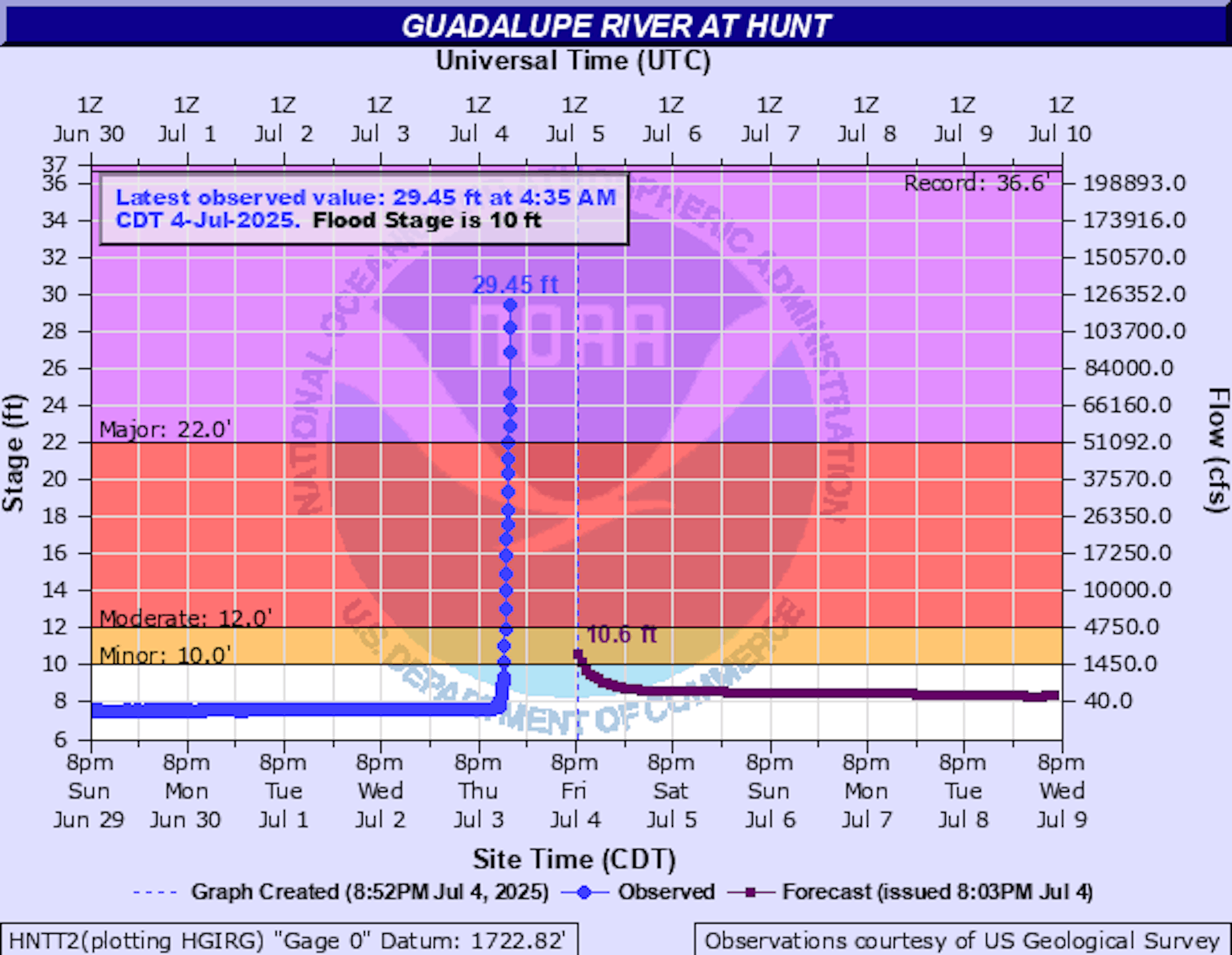
    MIL OSI Economics

  • MIL-OSI Economics: Code highlighting with Cursor AI for $500,000

    Source: Securelist – Kaspersky

    Headline: Code highlighting with Cursor AI for $500,000

    Attacks that leverage malicious open-source packages are becoming a major and growing threat. This type of attacks currently seems commonplace, with reports of infected packages in repositories like PyPI or npm appearing almost daily. It would seem that increased scrutiny from researchers on these repositories should have long ago minimized the profits for cybercriminals trying to make a fortune from malicious packages. However, our investigation into a recent cyberincident once again confirmed that open-source packages remain an attractive way for attackers to make easy money.

    Infected out of nowhere

    In June 2025, a blockchain developer from Russia reached out to us after falling victim to a cyberattack. He’d had around $500,000 in crypto assets stolen from him. Surprisingly, the victim’s operating system had been installed only a few days prior. Nothing but essential and popular apps had been downloaded to the machine. The developer was well aware of the cybersecurity risks associated with crypto transactions, so he was vigilant and carefully reviewed his every step while working online. Additionally, he used free online services for malware detection to protect his system, but no commercial antivirus software.

    The circumstances of the infection piqued our interest, and we decided to investigate the origins of the incident. After obtaining a disk image of the infected system, we began our analysis.

    Syntax highlighting with a catch

    As we examined the files on the disk, a file named extension.js caught our attention. We found it at %userprofile%.cursorextensionssolidityai.solidity-1.0.9-universalsrcextension.js. Below is a snippet of its content:

    A request sent by the extension to the server

    This screenshot clearly shows the code requesting and executing a PowerShell script from the web server angelic[.]su: a sure sign of malware.

    It turned out that extension.js was a component of the Solidity Language extension for the Cursor AI IDE, which is based on Visual Studio Code and designed for AI-assisted development. The extension is available in the Open VSX registry, used by Cursor AI, and was published about two months ago. At the time this research, the extension had been downloaded 54,000 times. The figure was likely inflated. According to the description, the extension offers numerous features to optimize work with Solidity smart contract code, specifically syntax highlighting:

    The extension’s description in the Open VSX registry

    We analyzed the code of every version of this extension and confirmed that it was a fake: neither syntax highlighting nor any of the other claimed features were implemented in any version. The extension has nothing to do with smart contracts. All it does is download and execute malicious code from the aforementioned web server. Furthermore, we discovered that the description of the malicious plugin was copied by the attackers from the page of a legitimate extension, which had 61,000 downloads.

    How the extension got on the computer

    So, we found that the malicious extension had 54,000 downloads, while the legitimate one had 61,000. But how did the attackers manage to lull the developer’s vigilance? Why would he download a malicious extension with fewer downloads than the original?

    We found out that while trying to install a Solidity code syntax highlighter, the developer searched the extension registry for solidity. This query returned the following:

    Search results for “solidity”: the malicious (red) and legitimate (green) extensions

    In the search results, the malicious extension appeared fourth, while the legitimate one was only in eighth place. Thus, while reviewing the search results, the developer clicked the first extension in the list with a significant number of downloads – which unfortunately proved to be the malicious one.

    The ranking algorithm trap

    How did the malicious extension appear higher in search results than the legitimate one, especially considering it had fewer downloads? It turns out the Open VSX registry ranks search results by relevance, which considers multiple factors, such as the extension rating, how recently it was published or updated, the total number of downloads, and whether the extension is verified. Consequently, the ranking is determined by a combination of factors: for example, an extension with a low number of downloads can still appear near the top of search results if that metric is offset by its recency. This is exactly what happened with the malicious plugin: the fake extension’s last update date was June 15, 2025, while the legitimate one was last updated on May 30, 2025. Thus, due to the overall mix of factors, the malicious extension’s relevance surpassed that of the original, which allowed the attackers to promote the fake extension in the search results.

    The developer, who fell into the ranking algorithm trap, didn’t get the functionality he wanted: the extension didn’t do any syntax highlighting in Solidity. The victim mistook this for a bug, which he decided to investigate later, and continued his work. Meanwhile, the extension quietly installed malware on his computer.

    From PowerShell scripts to remote control

    As mentioned above, when the malicious plugin was activated, it downloaded a PowerShell script from https://angelic[.]su/files/1.txt.

    The PowerShell script contents

    The script checks if the ScreenConnect remote management software is installed on the computer. If not, it downloads a second malicious PowerShell script from: https://angelic[.]su/files/2.txt. This new script then downloads the ScreenConnect installer to the infected computer from https://lmfao[.]su/Bin/ScreenConnect.ClientSetup.msi?e=Access&y=Guest and runs it. From that point on, the attackers can control the infected computer via the newly installed software, which is configured to communicate with the C2 server relay.lmfao[.]su.

    Data theft

    Further analysis revealed that the attackers used ScreenConnect to upload three VBScripts to the compromised machine:

    • a.vbs
    • b.vbs
    • m.vbs

    Each of these downloaded a PowerShell script from the text-sharing service paste.ee. The download URL was obfuscated, as shown in the image below:

    The obfuscated URL for downloading the PowerShell script

    The downloaded PowerShell script then retrieved an image from archive[.]org. A loader known as VMDetector was then extracted from this image. VMDetector attacks were previously observed in phishing campaigns that targeted entities in Latin America. The loader downloaded and ran the final payload from paste.ee.

    Our analysis of the VBScripts determined that the following payloads were downloaded to the infected computer:

    • Quasar open-source backdoor (via a.vbs and b.vbs),
    • Stealer that collected data from browsers, email clients, and crypto wallets (via m.vbs). Kaspersky products detect this malware as HEUR:Trojan-PSW.MSIL.PureLogs.gen.

    Both implants communicated with the C2 server 144.172.112[.]84, which resolved to relay.lmfao[.]su at the time of our analysis. With these tools, the attackers successfully obtained passphrases for the developer’s wallets and then syphoned off cryptocurrency.

    New malicious package

    The malicious plugin didn’t last long in the extension store and was taken down on July 2, 2025. By that time, it had already been detected not only by us as we investigated the incident but also by other researchers. However, the attackers continued their campaign: just one day after the removal, they published another malicious package named “solidity”, this time exactly replicating the name of the original legitimate extension. The functionality of the fake remained unchanged: the plugin downloaded a malicious PowerShell script onto the victim’s device. However, the attackers sought to inflate the number of downloads dramatically. The new extension was supposedly downloaded around two million times. The following results appeared up until recently when users searched for solidity within the Cursor AI development environment (the plugin is currently removed thanks to our efforts).

    Updated search results for “solidity”

    The updated search results showed the legitimate and malicious extensions appearing side-by-side in the search rankings, occupying the seventh and eighth positions respectively. The developer names look identical at first glance, but the legitimate package was uploaded by juanblanco, while the malicious one was uploaded by juanbIanco. The font used by Cursor AI makes the lowercase letter l and uppercase I appear identical.

    Therefore, the search results displayed two seemingly identical extensions: the legitimate one with 61,000 downloads and the malicious one with two million downloads. Which one would the user choose to install? Making the right choice becomes a real challenge.

    Similar cyberattacks

    It’s worth noting that the Solidity extensions we uncovered are not the only malicious packages published by the attackers behind this operation. We used our open-source package monitoring tool to find a malicious npm package called “solsafe”. It uses the URL https://staketree[.]net/1.txt to download ScreenConnect. In this campaign, it’s also configured to use relay.lmfao[.]su for communication with the attackers.

    We also discovered that April and May 2025 saw three malicious Visual Studio Code extensions published: solaibot, among-eth, and blankebesxstnion. The infection method used in these threats is strikingly similar to the one we described above. In fact, we found almost identical functionality in their malicious scripts.

    Scripts downloaded by the VS Code extension (left) vs. Solidity Language (right)

    In addition, all of the listed extensions perform the same malicious actions during execution, namely:

    • Download PowerShell scripts named 1.txt and 2.txt.
    • Use a VBScript with an obfuscated URL to download a payload from paste.ee.
    • Download an image with a payload from archive.org.

    This leads us to conclude that these infection schemes are currently being widely used to attack blockchain developers. We believe the attackers won’t stop with the Solidity extensions or the solsafe package that we found.

    Takeaways

    Malicious packages continue to pose a significant threat to the crypto industry. Many projects today rely on open-source tools downloaded from package repositories. Unfortunately, packages from these repositories are often a source of malware infections. Therefore, we recommend extreme caution when downloading any tools. Always verify that the package you’re downloading isn’t a fake. If a package doesn’t work as advertised after you install it, be suspicious and check the downloaded source code.

    In many cases, malware installed via fake open-source packages is well-known, and modern cybersecurity solutions can effectively block it. Even experienced developers must not neglect security solutions, as these can help prevent an attack in case a malicious package is installed.

    Indicators of compromise

    Hashes of malicious JS files
    2c471e265409763024cdc33579c84d88d5aaf9aea1911266b875d3b7604a0eeb
    404dd413f10ccfeea23bfb00b0e403532fa8651bfb456d84b6a16953355a800a
    70309bf3d2aed946bba51fc3eedb2daa3e8044b60151f0b5c1550831fbc6df17
    84d4a4c6d7e55e201b20327ca2068992180d9ec08a6827faa4ff3534b96c3d6f
    eb5b35057dedb235940b2c41da9e3ae0553969f1c89a16e3f66ba6f6005c6fa8
    f4721f32b8d6eb856364327c21ea3c703f1787cfb4c043f87435a8876d903b2c

    Network indicators
    https://angelic[.]su/files/1.txt
    https://angelic[.]su/files/2.txt
    https://staketree[.]net/1.txt
    https://staketree[.]net/2.txt
    https://relay.lmfao[.]su
    https://lmfao[.]su/Bin/ScreenConnect.ClientSetup.msi?e=Access&y=Guest
    144.172.112[.]84

    MIL OSI Economics

  • MIL-OSI Economics: Code highlighting with Cursor AI for $500,000

    Source: Securelist – Kaspersky

    Headline: Code highlighting with Cursor AI for $500,000

    Attacks that leverage malicious open-source packages are becoming a major and growing threat. This type of attacks currently seems commonplace, with reports of infected packages in repositories like PyPI or npm appearing almost daily. It would seem that increased scrutiny from researchers on these repositories should have long ago minimized the profits for cybercriminals trying to make a fortune from malicious packages. However, our investigation into a recent cyberincident once again confirmed that open-source packages remain an attractive way for attackers to make easy money.

    Infected out of nowhere

    In June 2025, a blockchain developer from Russia reached out to us after falling victim to a cyberattack. He’d had around $500,000 in crypto assets stolen from him. Surprisingly, the victim’s operating system had been installed only a few days prior. Nothing but essential and popular apps had been downloaded to the machine. The developer was well aware of the cybersecurity risks associated with crypto transactions, so he was vigilant and carefully reviewed his every step while working online. Additionally, he used free online services for malware detection to protect his system, but no commercial antivirus software.

    The circumstances of the infection piqued our interest, and we decided to investigate the origins of the incident. After obtaining a disk image of the infected system, we began our analysis.

    Syntax highlighting with a catch

    As we examined the files on the disk, a file named extension.js caught our attention. We found it at %userprofile%.cursorextensionssolidityai.solidity-1.0.9-universalsrcextension.js. Below is a snippet of its content:

    A request sent by the extension to the server

    This screenshot clearly shows the code requesting and executing a PowerShell script from the web server angelic[.]su: a sure sign of malware.

    It turned out that extension.js was a component of the Solidity Language extension for the Cursor AI IDE, which is based on Visual Studio Code and designed for AI-assisted development. The extension is available in the Open VSX registry, used by Cursor AI, and was published about two months ago. At the time this research, the extension had been downloaded 54,000 times. The figure was likely inflated. According to the description, the extension offers numerous features to optimize work with Solidity smart contract code, specifically syntax highlighting:

    The extension’s description in the Open VSX registry

    We analyzed the code of every version of this extension and confirmed that it was a fake: neither syntax highlighting nor any of the other claimed features were implemented in any version. The extension has nothing to do with smart contracts. All it does is download and execute malicious code from the aforementioned web server. Furthermore, we discovered that the description of the malicious plugin was copied by the attackers from the page of a legitimate extension, which had 61,000 downloads.

    How the extension got on the computer

    So, we found that the malicious extension had 54,000 downloads, while the legitimate one had 61,000. But how did the attackers manage to lull the developer’s vigilance? Why would he download a malicious extension with fewer downloads than the original?

    We found out that while trying to install a Solidity code syntax highlighter, the developer searched the extension registry for solidity. This query returned the following:

    Search results for “solidity”: the malicious (red) and legitimate (green) extensions

    In the search results, the malicious extension appeared fourth, while the legitimate one was only in eighth place. Thus, while reviewing the search results, the developer clicked the first extension in the list with a significant number of downloads – which unfortunately proved to be the malicious one.

    The ranking algorithm trap

    How did the malicious extension appear higher in search results than the legitimate one, especially considering it had fewer downloads? It turns out the Open VSX registry ranks search results by relevance, which considers multiple factors, such as the extension rating, how recently it was published or updated, the total number of downloads, and whether the extension is verified. Consequently, the ranking is determined by a combination of factors: for example, an extension with a low number of downloads can still appear near the top of search results if that metric is offset by its recency. This is exactly what happened with the malicious plugin: the fake extension’s last update date was June 15, 2025, while the legitimate one was last updated on May 30, 2025. Thus, due to the overall mix of factors, the malicious extension’s relevance surpassed that of the original, which allowed the attackers to promote the fake extension in the search results.

    The developer, who fell into the ranking algorithm trap, didn’t get the functionality he wanted: the extension didn’t do any syntax highlighting in Solidity. The victim mistook this for a bug, which he decided to investigate later, and continued his work. Meanwhile, the extension quietly installed malware on his computer.

    From PowerShell scripts to remote control

    As mentioned above, when the malicious plugin was activated, it downloaded a PowerShell script from https://angelic[.]su/files/1.txt.

    The PowerShell script contents

    The script checks if the ScreenConnect remote management software is installed on the computer. If not, it downloads a second malicious PowerShell script from: https://angelic[.]su/files/2.txt. This new script then downloads the ScreenConnect installer to the infected computer from https://lmfao[.]su/Bin/ScreenConnect.ClientSetup.msi?e=Access&y=Guest and runs it. From that point on, the attackers can control the infected computer via the newly installed software, which is configured to communicate with the C2 server relay.lmfao[.]su.

    Data theft

    Further analysis revealed that the attackers used ScreenConnect to upload three VBScripts to the compromised machine:

    • a.vbs
    • b.vbs
    • m.vbs

    Each of these downloaded a PowerShell script from the text-sharing service paste.ee. The download URL was obfuscated, as shown in the image below:

    The obfuscated URL for downloading the PowerShell script

    The downloaded PowerShell script then retrieved an image from archive[.]org. A loader known as VMDetector was then extracted from this image. VMDetector attacks were previously observed in phishing campaigns that targeted entities in Latin America. The loader downloaded and ran the final payload from paste.ee.

    Our analysis of the VBScripts determined that the following payloads were downloaded to the infected computer:

    • Quasar open-source backdoor (via a.vbs and b.vbs),
    • Stealer that collected data from browsers, email clients, and crypto wallets (via m.vbs). Kaspersky products detect this malware as HEUR:Trojan-PSW.MSIL.PureLogs.gen.

    Both implants communicated with the C2 server 144.172.112[.]84, which resolved to relay.lmfao[.]su at the time of our analysis. With these tools, the attackers successfully obtained passphrases for the developer’s wallets and then syphoned off cryptocurrency.

    New malicious package

    The malicious plugin didn’t last long in the extension store and was taken down on July 2, 2025. By that time, it had already been detected not only by us as we investigated the incident but also by other researchers. However, the attackers continued their campaign: just one day after the removal, they published another malicious package named “solidity”, this time exactly replicating the name of the original legitimate extension. The functionality of the fake remained unchanged: the plugin downloaded a malicious PowerShell script onto the victim’s device. However, the attackers sought to inflate the number of downloads dramatically. The new extension was supposedly downloaded around two million times. The following results appeared up until recently when users searched for solidity within the Cursor AI development environment (the plugin is currently removed thanks to our efforts).

    Updated search results for “solidity”

    The updated search results showed the legitimate and malicious extensions appearing side-by-side in the search rankings, occupying the seventh and eighth positions respectively. The developer names look identical at first glance, but the legitimate package was uploaded by juanblanco, while the malicious one was uploaded by juanbIanco. The font used by Cursor AI makes the lowercase letter l and uppercase I appear identical.

    Therefore, the search results displayed two seemingly identical extensions: the legitimate one with 61,000 downloads and the malicious one with two million downloads. Which one would the user choose to install? Making the right choice becomes a real challenge.

    Similar cyberattacks

    It’s worth noting that the Solidity extensions we uncovered are not the only malicious packages published by the attackers behind this operation. We used our open-source package monitoring tool to find a malicious npm package called “solsafe”. It uses the URL https://staketree[.]net/1.txt to download ScreenConnect. In this campaign, it’s also configured to use relay.lmfao[.]su for communication with the attackers.

    We also discovered that April and May 2025 saw three malicious Visual Studio Code extensions published: solaibot, among-eth, and blankebesxstnion. The infection method used in these threats is strikingly similar to the one we described above. In fact, we found almost identical functionality in their malicious scripts.

    Scripts downloaded by the VS Code extension (left) vs. Solidity Language (right)

    In addition, all of the listed extensions perform the same malicious actions during execution, namely:

    • Download PowerShell scripts named 1.txt and 2.txt.
    • Use a VBScript with an obfuscated URL to download a payload from paste.ee.
    • Download an image with a payload from archive.org.

    This leads us to conclude that these infection schemes are currently being widely used to attack blockchain developers. We believe the attackers won’t stop with the Solidity extensions or the solsafe package that we found.

    Takeaways

    Malicious packages continue to pose a significant threat to the crypto industry. Many projects today rely on open-source tools downloaded from package repositories. Unfortunately, packages from these repositories are often a source of malware infections. Therefore, we recommend extreme caution when downloading any tools. Always verify that the package you’re downloading isn’t a fake. If a package doesn’t work as advertised after you install it, be suspicious and check the downloaded source code.

    In many cases, malware installed via fake open-source packages is well-known, and modern cybersecurity solutions can effectively block it. Even experienced developers must not neglect security solutions, as these can help prevent an attack in case a malicious package is installed.

    Indicators of compromise

    Hashes of malicious JS files
    2c471e265409763024cdc33579c84d88d5aaf9aea1911266b875d3b7604a0eeb
    404dd413f10ccfeea23bfb00b0e403532fa8651bfb456d84b6a16953355a800a
    70309bf3d2aed946bba51fc3eedb2daa3e8044b60151f0b5c1550831fbc6df17
    84d4a4c6d7e55e201b20327ca2068992180d9ec08a6827faa4ff3534b96c3d6f
    eb5b35057dedb235940b2c41da9e3ae0553969f1c89a16e3f66ba6f6005c6fa8
    f4721f32b8d6eb856364327c21ea3c703f1787cfb4c043f87435a8876d903b2c

    Network indicators
    https://angelic[.]su/files/1.txt
    https://angelic[.]su/files/2.txt
    https://staketree[.]net/1.txt
    https://staketree[.]net/2.txt
    https://relay.lmfao[.]su
    https://lmfao[.]su/Bin/ScreenConnect.ClientSetup.msi?e=Access&y=Guest
    144.172.112[.]84

    MIL OSI Economics