Source: Hong Kong Government special administrative region
Attention TV/radio announcers:
Please broadcast the following as soon as possible and repeat it at regular intervals:
Here is an item of interest to swimmers.
The Leisure and Cultural Services Department announced today (January 25) that the Tuen Mun Swimming Pool in Tuen Mun District has been temporarily closed for cleaning and superchlorination following the discovery of a small amount of vomit in the pool.
It will be reopened at 6.30am tomorrow.
The department appeals to swimmers to be considerate and to keep the swimming pools clean. They are advised not to swim after a full meal and should use the toilet facilities if necessary before swimming.
Source: United States Senator for Washington State Patty Murray
Washington, D.C. — Tonight, U.S. Senator Patty Murray (D-WA), a senior member and former Chair of the Senate Health, Education, Labor and Pensions (HELP) Committee, issued the following statement on President Donald Trump reinstating the expanded Global Gag Rule or “Mexico City Policy,” from his first term—which had detrimental effects on women, providers, and public health partners around the world. The Global Gag Rule prevents foreign organizations receiving U.S. global health assistance from providing information, referrals, or services for legal abortion or advocating for access to abortion services in their country—even with their own money.
Trump also issued a second executive order tonight that rescinds President Biden’s Executive Orders 14076 and 14079, which were issued to protect reproductive health in the U.S. following the Supreme Court’s 2022 decision to overturn Roe v. Wade. Executive Order 14076 directed the Department of Health and Human Services (HHS), Federal Trade Commission (FTC), and Department of Justice (DOJ) to take and consider steps to protect reproductive health care services and access, including expanding access to contraceptives. Executive Order 14079, which took further steps to protect access to reproductive health care, including providing technical assistance for providers and directing the Secretary of HHS to advance access through Medicaid for patients traveling across state lines for care.
“It is unsurprising, but extremely telling, that some of the very first moves of Donald Trump’s second administration prioritize attacking reproductive health care and targeting vulnerable women and girls around the world.
“When we invest in a safer and healthier world, that pays dividends for America. Make no mistake: this dangerous policy prevents NGOs from using their own resources to provide lifesaving reproductive health services, and it forces organizations to make impossible choices that restrict access to care for some of the most desperate people across the globe.
“There is nothing ‘pro-life’ about reinstating a policy that, during Trump’s first term, undermined lifesaving public health work, caused widespread fear and confusion among health workers, and led to worse health outcomes and more unsafe abortions. And in the wake of the Dobbs decision here at home, the Trump administration is also pulling back important executive orders that directed agencies to protect access to reproductive health services.”
“These are just some of the first of many attacks on reproductive health care we can expect to see from the Trump administration—Democrats will fight back every way we can, but we need everyone to raise their voices to prevent these blatant attacks from going unnoticed, or worse, becoming normalized.”
Senator Murray has long pushed to repeal the Global Gag Rule, and is a longtime cosponsor of the bipartisan Global Health, Empowerment and Rights (HER) Act, which would permanently repeal the rule, put an end to the back-and-forth between administrations, and provide stability for global health NGOs and the women around the world who rely on them for critical health services. As the top Democrat on the HELP Committee from 2015-2022, Senator Murray spoke out forcefully against the expanded Global Gag Rule Trump issued at the beginning of his first administration.
NEW YORK, Jan. 25, 2025 (GLOBE NEWSWIRE) — KTON, an institutional-grade liquid staking protocol incubated by TONX, the leading TON-focused venture studio backed by top VC firms from the Asia-Pacific region, is gearing up for its V1 launch in February 2025. TONX, which recently unveiled a $5M accelerator program to foster innovation within the TON and Telegram ecosystem, is behind TONX API, the leading developer platform trusted by Blum, Catizen, Google Cloud, and over 20 leading projects. TONX is also the force behind Tonkey, a multisig solution managing $400M in assets and adopted by the TON Foundation. KTON is set to enter the United States and global markets, bringing its enterprise-grade liquid staking solution to institutional and retail users.
Telegram recently announced it will exclusively support The Open Network (TON) for its blockchain ecosystem. KTON is uniquely positioned to capitalize on this growth as it is being built specifically for TON users. Building on TONX’s success in the API and security space, KTON is positioned to capture the $6.12 billion TON liquid staking market opportunity.
KTON allows users to stake TON while receiving $KTON, unlocking liquidity without sacrificing staking rewards. Unlike existing solutions that often concentrate risk or lack robust standardization, KTON provides institutional-grade security tailored for family offices, trusts, and exchanges. Users can start staking with as little as 1 TON, and there is no lock-up period.
Liquid staking has transformed blockchain ecosystems with Lido Finance dominating Ethereum’s LST market at $30B TVL. KTON aims to capture similar potential in TON’s nascent LST market, currently valued at $377M.
“Our research reveals TON’s LST ratio matches Solana at 10% of staked tokens, yet TON’s total staking rate is merely 13.7% versus Solana’s 69%, indicating a 5x growth potential. Furthermore, if TON’s LST ratio reaches Ethereum’s 36%, the market could surge 18X, unlocking an additional $6.12B in value,” said Dr. Awesome Doge, founder of TONX and KTON. “KTON aims to bridge this gap by providing the infrastructure needed to unlock this liquidity and drive TON’s DeFi expansion.”
KTON’s staking service will unlock liquidity, enabling seamless integration with leading TON native DEXs and protocols, and more DeFi giants which are entering TON like Ethena and Curve Finance. This offers TON users flexible and stable yield strategies through various DeFi opportunities while maintaining staking rewards.
“TONX’s triumph is a powerful testament to why KTON has solidified its place as a trusted pillar in the ecosystem,” said Howard Peng of TON Ventures.
Staking Ratios of Solana, Ethereum, and TON | TONX
Distribution of TON Staking (Total Issuance in USD) | TONX
KTON Sets New Standards for TON Liquid Staking Infrastructure
KTON is addressing the critical challenges of existing liquid staking solutions, such as concentration risks and lack of standardization, by introducing a decentralized protocol with institutional-grade security.
To further enhance accessibility, KTON is launching a Telegram Mini App designed for the platform’s 950M users in a move to bridge DeFi adoption and mainstream accessibility. By integrating liquid staking directly within Telegram, KTON simplifies the process, ensuring that anyone can participate with ease. This innovative approach positions KTON to drive the widespread adoption of TON blockchain technology, expanding its reach in the US market and globally.
The platform’s roadmap goes beyond staking rewards. Following the launch of KTON V1, the planned upgrade will introduce a dual-token model featuring $KTON and a new governance token. This system allows $KTON holders to earn rewards while actively participating in KTON DAO governance.
Unlock Your Yield with KTON, Launching February 2025
KTON is poised to seize the $6.12 billion market potential in TON’s liquid staking ecosystem with its enterprise-grade staking services. Launching this February, KTON provides the most secure and user-friendly solutions for both retail and institutional clients, enabling them to unlock liquidity, maximize staking rewards, and confidently participate in TON’s thriving DeFi ecosystem. KTON’s commitment to security, combined with a decentralized governance structure, makes KTON a trusted choice for staking at scale.
For partnerships and customized solutions, contact: contact@kton.io
About KTON
KTON is a next-generation liquid staking protocol built for the TON ecosystem, designed to unlock liquidity for both retail and institutional users. Through its liquid staking token $KTON, users can participate in TON’s growing DeFi ecosystem while earning staking rewards. Combining institutional-grade security with decentralized governance and seamless Telegram integration, KTON aims to drive TON’s ecosystem growth and mass adoption.
Founded in 2021, TONX is a SuperApp platform layer driving the new Web3 economy. As a cornerstone of the TON ecosystem, it delivers powerful tools like TONX API, a trusted RPC solution integrated with over 20 leading projects, and Tonkey, a secure multi-signature wallet managing over $400 million in assets.
Disclaimer: This content is provided by “TONX”. The statements, views and opinions expressed in this column are solely those of the content provider. The information provided in this press release is not a solicitation for investment, nor is it intended as investment advice, financial advice, or trading advice. It is strongly recommended you practice due diligence, including consultation with a professional financial advisor, before investing in or trading cryptocurrency and securities. Please conduct your own research and invest at your own risk.
Source: United Kingdom – Executive Government & Departments
Foreign Secretary announces £20 million in additional funding while visiting the Adré on the Chad-Sudan border.
Foreign Secretary to drive new international commitment to a political process towards ending this conflict
On first UK Foreign Secretary visit ever, David Lammy sees impact of UK aid supporting nearly 800,000 on Chad-Sudan border town of Adré
UK addresses upstream drivers of migration as the FCDO continues its drive to secure borders
Refugees fleeing war-torn Sudan will receive further UK support to increase food production and lifesaving sexual and reproductive health services, as Foreign Secretary announces £20 million in additional funding while visiting the Adré on the Chad-Sudan border.
This builds on the doubling of UK aid in November to address the humanitarian emergency in Sudan to £226.5 million. These UK funds are providing emergency food assistance to nearly 800,000 displaced people, of whom over 88% are women and children, as well as improving access to shelter, drinking water, emergency health care and education.
Not only is this aid vitally needed on humanitarian grounds, but it will also help people to stay within their immediate region meaning that they are better able to return when conditions allow. Since the conflict began, 3.6 million refugees have fled to neighbouring countries, with a significant number travelling on to Europe and the UK.
Unscrupulous smuggling gangs are looking to profit from the misery in Sudan. And the longer this war lasts, the greater its ripple effect. We must give credit to countries like Egypt, Chad, and South Sudan for managing this crisis alongside others nearby.
Nearly 2,000 Sudanese nationals arrived on small boats in the year ending September 2024. As part of the Plan for Change, the Government is determined to reduce the number of people making dangerous small boat crossings across the Channel and net migration.
Foreign Secretary David Lammy said:
Sudanese people are facing violence on an unimaginable scale. This is the biggest humanitarian crisis in the world.
Millions have already fled their homes – in the face of a struggle for power that has led to abhorrent atrocities against civilians and famine on an unconscionable scale.
The international community must wake up and act urgently to avoid this horrific death toll escalating further in the coming months, driving instability and irregular migration into Europe and the UK. Under this government’s Plan for Change, we are addressing upstream drivers of migration to secure UK borders.
The UK will not let Sudan be forgotten. To do so would be unforgiveable.
Working with partners, the Foreign Secretary is determined to re-energise a political process on this issue. He plans to convene a meeting of Foreign Ministers to galvanise international efforts to work towards an end to the conflict and get aid to where it is needed the most.
This builds on the UK and Sierra Leone’s resolution at the UN in November, which gained the support of every UN Security Council member except Russia. He will build consensus on how the international community can support region-led mediation efforts that have Sudanese voices at the centre.
The UK is calling for greater access so aid can get to where it is needed most and will continue to push for every border crossing and route to be open, accessible, and safe.
Source: Hong Kong Government special administrative region
With the Chinese New Year just around the corner, Principal Officials (POs) of the Hong Kong Special Administrative Region (HKSAR) Government have started travelling to all 18 districts throughout Hong Kong today (January 25) to visit different families for four consecutive days (January 25 to 28) to chat with them, learn about their living conditions, distribute blessing bags in celebration of the Chinese New Year, share the festive joy and celebrate the Chinese New Year together. The year-end caring visits in 18 districts are co-ordinated by the Home Affairs Department.
Accompanied by the District Officer (Kowloon City), Mr Ivanhoe Chang, the Chief Executive, Mr John Lee, and the Secretary for Home and Youth Affairs, Miss Alice Mak, together with Kowloon City District Council members and representatives from the District Services and Community Care Team (Care Team) (Kowloon City) visited singleton elderly households living in Oi Man Estate today to understand their daily lives. The officials presented them with Chinese New Year blessing bags and wished them a healthy and happy Year of the Snake.
Accompanied by the District Officer (Yau Tsim Mong), Mr Edward Yu, the Financial Secretary, Mr Paul Chan, together with Yau Tsim Mong District Council members and representatives from the Care Team (Yau Tsim Mong) and the Ethnic Minority Care Team, visited an elderly family and an ethnic minority family living on Oak Street and Reclamation Street respectively to understand their daily lives and needs, and share the festive joy together.
In addition, accompanied by the District Officer (Islands), Miss Amy Yeung, the Secretary for Financial Services and the Treasury, Mr Christopher Hui, together with an Islands District Council member and representatives from the Care Team (Islands) visited grassroots families and elderly people living in Yat Tung (l) Estate. Accompanied by the Acting District Officer (Southern), Miss Samantha Chan, the Secretary for Health, Professor Lo Chung-mau, and the Under Secretary for Health, Dr Libby Lee, together with Southern District Council members and representatives from the Care Team (Southern) visited singleton/doubleton elderly households living in Wah Fu Estate.
The POs of the Government will continue to pay home visits in various districts during the coming three days to extend care and blessings, and bring festive joy to the public.
Source: People’s Republic of China – State Council News
SHENYANG, Jan. 25 — Chinese President Xi Jinping on Friday inspected the Chinese People’s Liberation Army (PLA) Northern Theater Command ahead of the Spring Festival.
Xi, also general secretary of the Communist Party of China (CPC) Central Committee and chairman of the Central Military Commission (CMC), extended festive greetings to service personnel of the PLA and the People’s Armed Police Force, civilian personnel posted in the military, and members of militia and reserve forces, on behalf of the CPC Central Committee and the CMC.
The Spring Festival, or the Chinese New Year, falls on Jan. 29 this year.
Source: People’s Republic of China – State Council News
China, U.S. should find right way to get along in new era: Wang Yi
BEIJING, Jan. 24 — China and the United States should find the right way to get along in the new era, Chinese Foreign Minister Wang Yi said in a phone conversation with U.S. Secretary of State Marco Rubio held at the latter’s request on Friday.
Wang, also a member of the Political Bureau of the Communist Party of China Central Committee, said Chinese President Xi Jinping held an important phone call with U.S. President Donald Trump last Friday and reached a series of consensus. The development of the China-U.S. relations have ushered in a new important node, Wang said.
Xi comprehensively expounded China’s policy to the United States, and Trump responded positively, expressing his expectation to maintain good relations with Xi and emphasizing that U.S.-China cooperation can solve many problems in the world, Wang said.
The two heads of state have pointed out the direction and set the tone for China-U.S. relations, said Wang.
The teams of both sides should follow through on the important consensus reached by the two heads of state, maintain communication, control differences, expand cooperation based on the principles of mutual respect, peaceful coexistence and win-win cooperation, promote the stable, healthy and sustainable development of China-U.S. relations, and find the right way for China and the United States to get along in the new era, he said.
Wang said that the Communist Party of China’s leadership is the choice of the Chinese people. China’s development has a clear historical logic and a strong innate driving force, he said, adding China’s goal is to deliver a better life to the people and make greater contributions to the world.
China has no intention to overtake or replace any country, but must safeguard its legitimate rights to development, he said.
Elaborating on China’s principle and position on the Taiwan question, Wang asked the United States to handle it with caution.
Taiwan has been an integral part of China’s territory since ancient times, Wang said, stressing that China will never allow Taiwan to be separated from the motherland.
Wang noted that the United States made solemn commitments to the one-China policy in the three China-U.S. joint communiques and should not go back on its word.
For his part, Rubio said that the United States and China are two great nations. The U.S.-China relations are the most important bilateral relationship of the 21st century and will shape the future of the world, he said.
The United States is willing to engage in candid communication with China, resolve differences properly, manage bilateral relations in a mature and cautious way, jointly address global challenges and maintain world peace and stability, he said.
Rubio said the United States does not support “Taiwan independence” and hopes the Taiwan question can be resolved by peaceful means which are acceptable to both sides of the Taiwan Strait.
Wang said major countries should act like major countries and should take on their due international responsibilities, safeguard world peace and help all countries achieve common development.
Wang expressed his hope that Rubio would make the right decisions and play a constructive role for the future of the Chinese and the American people, as well as for global peace and stability.
Source: Peter the Great St Petersburg Polytechnic University – Peter the Great St Petersburg Polytechnic University –
Dear friends! I congratulate you on one of my favorite holidays – Russian Students’ Day!
This holiday of youth, enthusiasm, and determination has been celebrated at all times. I remember my student years with warmth and nostalgia, an important part of which were construction teams. Full of enthusiasm and ideas, we participated in SSO work shifts, made friends and worked, learned mutual assistance and support, laid the foundation for our future life.
Dear students, I am glad that today you are studying at our wonderful university, which is already 125 years old, that together with you we are moving science forward, adding new discoveries to the treasury of human knowledge. You, the young generation, are talented and brave, open and cheerful, happy and ambitious, looking to the future with hope and without fear, in a word, such as students have always been. You accept the challenges of modernity, overcome difficulties and pave your own unique path.
Our university is a leader in many areas, and I am proud of you, our young generation. I am proud of your successes not only in studies, but also in science, sports, art, social activities and work.
And today I am happy to congratulate you on your Day! With all my heart I wish you to spend your student years with full dedication and remember them for the rest of your life. I wish you not to lose the inspiration of true researchers, set high goals for yourself and make your dreams come true!
Happy holiday, dear ones!
Rector of SPbPU, Academician of the Russian Academy of Sciences Andrey Rudskoy
Please note: This information is raw content directly from the source of the information. It is exactly what the source states and does not reflect the position of MIL-OSI or its clients.
Source: People’s Republic of China – State Council News
The Year of the Snake is just around the corner! This Spring Festival marks the first celebration since it was inscribed on the Representative List of UNESCO’s Intangible Cultural Heritage of Humanity, drawing global attention to its unique charm.
From pasting spring couplets and hanging red lanterns to dragon dances and family feasts, these traditions continue to unite generations.
Follow Xinhua’s foreign reporter, Maria, on a journey to discover the magic and spirit of the Spring Festival. Let’s embrace the festive vibes together!
China’s film market is off to a strong start in 2025, with box office pre-sales for the Spring Festival surpassing 525 million yuan (about 73.2 million U.S. dollars) as of Saturday, fueling optimism about the performance of the world’s second-largest film market this year.
The Spring Festival, or the Chinese New Year, is the most important holiday on the Chinese calendar for family reunions and also one of the most lucrative movie-going seasons in China.
“The Spring Festival often sees the release of quality films, and the box office performance during this period sets the tone for the development trends of the entire year,” stated China International Capital Corporation, an investment bank offering consultancy services.
Figures from film data platform Beacon showed that advanced ticket bookings for movies set for release during the holiday exceeded 500 million yuan within just five days of pre-sales beginning on Jan. 19, signaling an upturn in China’s movie market.
After facing downturns in recent years, China’s film market is set to rebound in 2025, with a strong start during the holiday season, according to observers.
They predicted that the total box office revenue of the 2025 Spring Festival holiday season, running from Jan. 28 to Feb. 4, one day longer than before, has the potential to surpass the 2024 record of approximately 8 billion yuan and reach a new high.
Zhang Yue, president of Ao Yo International, a culture and media corporation, told a news service under the Chongqing Daily that a diverse range of films from various genres and subjects will be screened during the holiday, offering audiences more options.
“As living conditions improve, people’s demand for cultural and entertainment consumption has risen. The box office performance during the holiday is crucial for the market’s recovery this year,” Zhang was quoted as saying.
Six domestic films are set to debut on Jan. 29, the first day of the 2025 Chinese New Year. Among them is the highly anticipated blockbuster “The Legend of the Condor Heroes: The Great Hero,” an adaptation of a Chinese wuxia classic, which has generated 223 million yuan and become the biggest box office draw in the pre-sales chart.
“Ne Zha 2,” the sequel to the 2019 animated blockbuster “Ne Zha,” claimed the second spot, with advanced bookings totaling 89 million yuan. It is closely followed by the latest installment of the “Detective Chinatown” franchise and “Creation of the Gods II: Demon Force,” the second film in a mythology trilogy.
“My friend and I booked the tickets immediately upon hearing the news that ‘Creation of the Gods II: Demon Forces’ will be released,” said Song Jiaming, a film enthusiast from Beijing. “The first film in the series was a huge success in 2023, and we’re both excited for the upcoming release.”
The strong holiday season has raised optimism for a record-breaking year at the box office. The box office revenue of 2025 has reached 2.2 billion yuan by Saturday, according to Beacon.
Industry insiders believe that policy support and the recovery of market confidence will create new opportunities for growth in the film industry this year.
Song told Xinhua that she used to be a fan of Western movie franchises like “Avatar” and “The Lord of the Rings.” However, her interest has gradually shifted as an increasing number of domestic films, with strong cultural resonance, have graced the silver screen.
“Domestic films are playing an increasingly important role in the Chinese film market. They account for more than 80 percent of the box office with a trend of continuous growth,” according to Huang Wenyu, an industry analyst.
As the quality of domestic films improves and their range of genres expands, they are expected to maintain their dominance in the Chinese film market, Huang added.
To boost the film market, the China Film Administration has launched a consumption promotion campaign, offering subsidies totaling 600 million yuan to the public until the end of February.
Besides, local governments in provincial-level regions including Guangdong, Hubei and Jiangsu will issue tens of millions of yuan in additional vouchers to encourage more people to go to the cinema.
Analysts also noted that with the film market expected to show steady growth this year, competition will intensify. They have called for a focus on enhancing film production quality, improving overall film standards, optimizing the competitive landscape, and promoting digital transformation.
The Symphony Kukai has been staged in Auckland, New Zealand’s largest city, showcasing the life of Kukai, a prominent symbol of cultural exchange, through a moving musical performance by both Chinese and New Zealand musicians.
In his speech before the Friday performance, Auckland Mayor Wayne Brown said that he is delighted to see this event bringing together cultures in such a positive way and taking place in Auckland.
Zhou Li, cultural consul of the Chinese consulate general in Auckland, noted in his remarks that Kukai serves as an exemplary figure of mutual learning between civilizations. Today, when China is promoting the Global Civilization Initiative, it is believed that civilization is colorful because of exchange and civilization is enriched by mutual learning, said Zhou.
Symphony Kukai, composed by renowned Chinese composer Zou Ye, was presented in the Southern Hemisphere for the first time. Conducted by British maestro Derek Morgan, the Auckland Philharmonia performed the symphony, joined by the choir of Central Conservatory of Music from China and the choir from the Music Association of Auckland. Together, they brought the piece to life and delivered a soul-stirring experience for the New Zealand audience.
Kukai, a Japanese monk who traveled to China during the Tang Dynasty to study, returned to Japan with significant cultural and technological advancements. He not only introduced Tang Buddhism to Japan but also brought back knowledge in fields such as education, literature, medicine, architecture, water management, and science, making him a distinguished figure in global cultural exchange.
The Symphony Kukai premiered in 2023 and has since toured Lanzhou, China; Kyoto and Tokyo, Japan; and London, Britain, to widespread acclaim. The Auckland performance, organized by Beijing Tianguzhiyin Cultural Media, was supported by local New Zealand media and community groups. The Great Hall of Auckland Town Hall, which accommodates more than 1,500 people, was filled to capacity for the event with thunderous applause at the end.
I’m standing in a basement kitchen prodding at a sheep’s liver, looking for marks on its smooth surface. People crowd around to film the proceedings, since I’m here to ask a question that everyone wants to know the answer to: will Donald Trump win the US election?
I’m following instructions that were first written down by the ancient Babylonians 4,000 years ago, and still survive today. Every crease on the liver has a meaning, and cuneiform tablets discovered in modern-day Iraq explain how to interpret them.
Armed with this knowledge, it’s possible to calculate the answer to any question, so long as it is yes or no, by adding up the number of positive or negative signs and seeing which comes out on top.
Since this liver had an overwhelming number of bad omens in it, I concluded that it declared no for Trump this time. Though in 2016 this method predicted a win well before he had won the Republican nomination, and in 2020 foretold that he would not be reelected that year.
Will Trump win the US election?
What started as an entertaining talk for a university open day has since become a serious part of my research – not because I sincerely believe in it, but because it gives us some of the earliest evidence in history for how human beings reason and think.
Looking at livers also makes a serious underlying point about how humans have coped with uncertainty throughout history, and still struggle to today. People have developed techniques as varied as astrology, tarot cards and even peering into entrails in response to the agony of not knowing, or the strain of trying to make a difficult decision.
Given the level of feeling invested in this election, it’s a unique moment where perhaps we can appreciate that, in this respect, we are not so different from those who lived thousands of years ago, even if our methods of looking into the future are different.
Asking the entrails
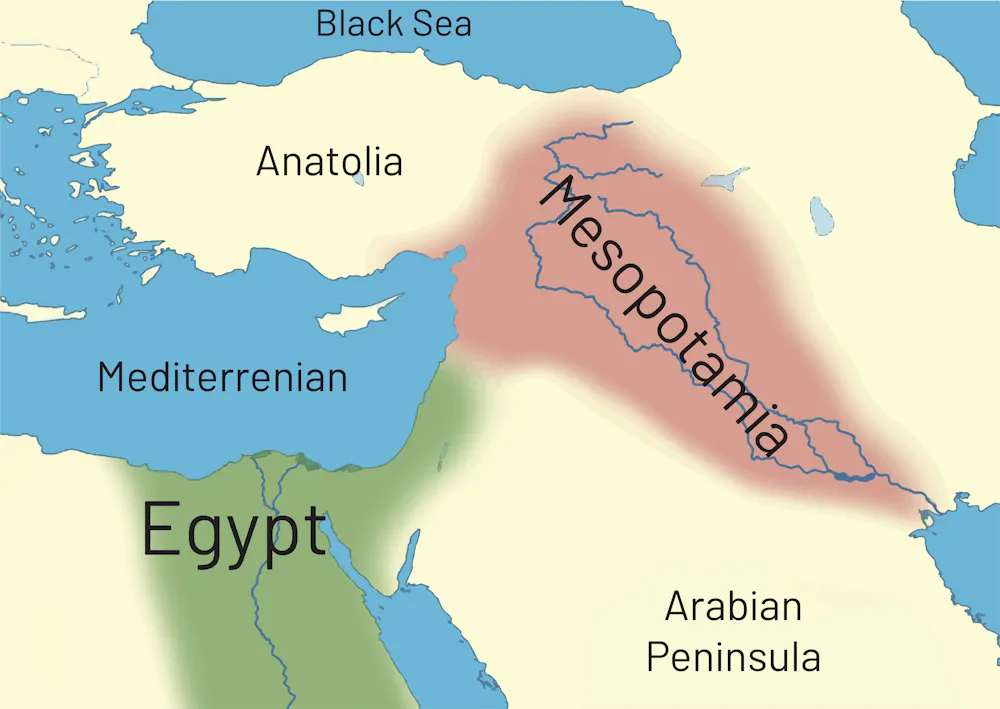
Developed in its classic form in Babylon, entrail divination was practised throughout ancient Mesopotamia, the written history of which spans from the 3rd millennium BC to the 1st century AD.
It was enormously important in all sections of society – a standard part of political decision-making at the royal court, but accessible to all. Budget options were even available for those who could not afford a sheep.
People addressed their questions directly to the gods and believed that at the moment of asking, the answer would be written on the entrails. This could then be “read” by a diviner trained in this esoteric language.
Sitting in the British Museum is an archive of real questions that were asked by the king of Assyria (a kingdom in northern Mesopotamia) in the 7th century BC. All kinds of affairs of state were put before the gods. Are the Egyptians going to attack? Has the enemy taken the town under siege? And will the governors return home safely?
Reading the archive, you get a real sense of nerves on a knife-edge as the king waited for news from far away, wanting to know what had happened to his troops and trying to decide what to do next.
Not only did he ask them about what would happen in the future, but he also consulted them on possible courses of action. Should the Assyrian army go to war? Should the king send a messenger to make peace? Asking the opinion of the gods would have helped him feel more confident in his next steps.
The Babylonians did not have elections. But that did not mean the king could do whatever he wanted. It was important for his public image to have the gods onside, as well as for his own reassurance.
Whenever a powerful official was appointed, the entrails would be read to ensure the gods approved. The head of the army, high priests and other important positions were all subject to this requirement. On one occasion, even the choice of crown prince – and hence the future king of Assyria – was put to this test.
Interpreting the entrails was held to almost scientific standards of exactitude. Diviners worked in pairs or groups of up to 11, checking each other’s work to make sure they got it right. This was not a vague or woolly process, but a real attempt to ensure “accuracy” that could not be manipulated to simply come up with the answer that the king wanted to hear.
Modern forecasting
We all want to know what the future has in store, and have come up with ingenious ways of trying to find out, from opinion polls and data modelling to Paul the octopus, who developed a reputation for picking the winners of football matches during the 2010 World Cup. But are our methods really any better than looking inside a sheep?
As all investors are warned, past performance does not guarantee future results. Yet the only data we have to inform our predictions comes from the past, and most of our models can’t take into account “unknown unknowns”.
As many experts have found, predicting the future is a difficult business: opinion polls can lie and people change their minds, while economists have often been blindsided by a sudden crash.
Since liver divination only answers “yes” or “no”, it is going to be right 50% of the time just through the law of averages. Despite its randomness, its success rate may well have seemed convincing at the time.
And when we trust the authority of the source, it’s easy to find a way to explain away a wrong result – the prediction got halfway there, answered a different question, or would have been right if x hadn’t happened.
We shouldn’t be blind to the weaknesses of our own methods. We are often wrong, and the Babylonians could sometimes be right.
Selena Wisnom does not work for, consult, own shares in or receive funding from any company or organisation that would benefit from this article, and has disclosed no relevant affiliations beyond their academic appointment.
In 2021, Ireland’s then Taoiseach (prime minister), Enda Kenny, delivered a formal apology to the survivors of the Magdalene laundries. The laundries were religious institutions where unmarried mothers and other “fallen” women were forced into slave labour.
“It struck me,” he said, “that for generations Ireland had created a particular portrait of itself as a good living God-fearing nation. Through this and other reports we know this flattering self-portrait to be fictitious … by any standards it was a cruel, pitiless Ireland distinctly lacking in a quality of mercy.”
His words might well serve as a prologue to the new film adaptation of Claire Keegan’s 2020 novella, Small Things Like These. So too might a brief moment in the equally excoriating, if less nuanced film, The Magdalene Sisters (2002). In it, one of the young women begs a local delivery boy to help her escape, but in the end he lets her down.
History films work in various ways. One is to comfort the viewer that such a time is consigned to the past. Melodramas like The Magdalene Sisters and that other notable Magdalene story, Philomena (2013), find a form of closure when their victims confront their oppressors.
Another is to refuse a neat ending, to force us to imagine what might happen in the lives of the protagonists after the final credits have rolled. In Small Things Like These, that protagonist is coal-man, Bill Furlong (Cillian Murphy), who finds himself inexplicably troubled as he is finishing off his delivery business in the days before Christmas 1985.
All is well at home, where his five daughters quarrel amicably around the kitchen table as they do their homework under the eye of his wife, Eileen (Eileen Walsh). Money is tight but they’re getting by.
Making a delivery to the local convent, he comes across a young woman, Sarah (Zara Devlin), locked in the coal shed. The discovery sets off his own memories of being brought up by a single mother, and, after her death, by a wealthy landowner, Mrs Wilson (Michelle Fairley). The film confronts kindly Bill with a dilemma: to shut his eyes, as do the other inhabitants of New Ross, to what is going on in the convent, or to aid the young woman.
The mother superior, Sister Mary (Emily Watson), knows that the stooped coal-man standing uneasily in her office is no match for her. As she warns him, the future education of his younger daughters in the school adjacent to the convent is not guaranteed. Other of the villagers, who sense his confusion, tell him not to involve himself. His wife, even as she doesn’t fully understand what is going through his head, is horrified by the merest suggestion that he will disrupt the status quo.
The price of compassion
In a less nuanced film, this advice might prompt the viewer to further empathise with Bill, egging him on to action. But here, the suffocating moral blanket that lies over the city – visually rendered as a thick fog that merges into a drizzle and occasional snow, and the narrow, constricting streets through which he moves – remind us that nonconformity comes with a heavy price.
The community may pile into the church for Christmas mass but, as Eileen admonishes Bill, there is no point in helping the starving child he meets on the road with the spare coins from his pocket – his father will only drink the money. What small closure comes at the film’s end is fragile and contingent.
The trailer for Small Things Like These.
Another risk of telling stories from history is to sacrifice the particular for the universal. Small Things Like These manages, through its visuals and its achingly believable performances (Murphy’s most of all) to be a film rooted in the Ireland that Kenny evoked in his speech. At the same time, it prompts us to question the limits of compassion – how much easier is it to conform to social norms than step outside them.
The film ends fittingly with a tribute to the more than 56,000 young women who were sent to Magdalene institutions for “penance and rehabilitation” between the years 1922 and 1996. And the children who were taken from them.
It is not history’s job to impose lessons on the present. But at the same time, it would be inadequate for viewers not to ask what we would have done in Bill’s place. And, more uncomfortably, what, faced with the knowledge of the multiple injustices of our own society, we ourselves are doing now.
Looking for something good? Cut through the noise with a carefully curated selection of the latest releases, live events and exhibitions, straight to your inbox every fortnight, on Fridays. Sign up here.
Ruth Barton does not work for, consult, own shares in or receive funding from any company or organisation that would benefit from this article, and has disclosed no relevant affiliations beyond their academic appointment.
As we wrap up the 20th anniversary of Cybersecurity Awareness Month, I want to take a moment to reflect on the critical messaging our Cyber Warriors have shared this month and reiterate the key ways we can all contribute to safeguarding our Navy’s information and communications technology. Every member of the Navy team – active and reserve Sailors and Navy civilians – is integral to the Navy’s cybersecurity efforts and ensuring America’s Warfighting Navy remains the world’s pre-eminent warfighting force.
The growing threats from adversaries in the cyber domain are real and rapidly evolving. These threats have direct and significant implications for our operational readiness, with the potential to affect our ability to fight and win in a cyber-contested environment. To ensure we remain ready to defend our Nation, our information systems must deliver secure, interoperable, and effective mission performance during peacetime and sustained combat operations.
Every day, our adversaries seek to exploit vulnerabilities in the systems you rely on to execute our national security objectives. It’s our responsibility to identify and reduce those vulnerabilities. Whether you’re operating ships, submarines, or shore-based infrastructure, understanding the cyber risks within our systems and actively working to mitigate them is essential. We must always remain vigilant, reporting any cyber threats we encounter and acting quickly to neutralize them.
Our greatest strength in this fight is our people – you are our true secret weapon. Our Sailors and Navy civilians are our most valuable assets in defending against cyber threats, and it’s up to each of us to contribute. By practicing good cyber hygiene, continually educating ourselves on emerging threats, and empowering our shipmates with the knowledge and tools they need, we fortify our collective defense.
Every day each of us stands as the first line of defense in protecting our Nation’s critical information systems and networks. Whether at home, at work, or while deployed, the choices we make online can have far-reaching impacts on our Navy’s readiness and operational security.
I urge all of you to stay vigilant and stay informed on the evolving cyber landscape. Together, through awareness, education, and teamwork, we can uphold our Navy’s—and our Nation’s—high standard of cybersecurity.
From the ports of Los Angeles to the cornfields of Iowa, the U.S.’s international trade policy is a force that shapes the lives of every American. With the presidential election looming in November 2024, discussing trade policy isn’t just an academic exercise – it’s a civic responsibility.
As an economist, I have spent years studying this topic. Trade policy has profound effects on how industries operate, from production locations to competitive dynamics. These changes impact everyday life, from the cost of your morning coffee to the job security in your local community.
And, because the president has extensive control over trade policy, every presidential election is a referendum on the issue.
The two most recent administrations – President Donald Trump and Vice President Mike Pence from 2017 to 2021 and President Joe Biden and Vice President Kamala Harris from 2021 to today – have had starkly different approaches to trade policy. The contrast shows how a president’s economic philosophy can reshape the nation’s global business strategy.
Both Trump and Harris are on the ballot in November. Harris is expected to carry on Biden’s trade policies if she wins. This comparison offers insight into how the next U.S. president will govern on trade.
2017-2021: Trump and Pence on trade
Trump pursued a protectionist trade agenda during his time in office.
Protectionism refers to government policies that limit international trade to benefit domestic industries. These measures include tariffs – taxes on imported goods – quotas and regulations that make imports more expensive.
One of Trump’s first acts in office was withdrawing from the Trans-Pacific Partnership — a colossal 12-nation pact that would have covered 40% of global output. His decision cost America both access to lucrative Asian markets and a powerful counterweight to China’s economic influence.
Closer to home, Trump renegotiated the North American Free Trade Agreement (NAFTA) into the United States-Mexico-Canada Agreement,
tightening rules for automakers. The effect? While wages for workers in the automotive industry and vehicle prices for American consumers increased, it barely spurred any additional domestic car production.
Trump also launched a tariff-driven trade war with China and the European Union, asserting it would address unfair practices and reduce the U.S. trade deficit. The strategy, however, prompted retaliatory tariffs, resulting in higher consumer prices and job losses in U.S. industries dependent on imported components. While some sectors benefited from the approach, American farmers suffered due to export losses, necessitating government subsidies.
The administration also launched initiatives like the Indo-Pacific Economic Framework for Prosperity, or IPEF, signaling a return to Obama-era trade strategies prioritizing regional partnerships in the Pacific. The IPEF aims to strengthen economic ties with Asian countries by coordinating policies to enhance supply chain resilience and promote clean energy rather than focusing solely on tariff reductions.
The Biden-Harris approach emphasizes international cooperation while valuing domestic job creation, particularly in clean energy and manufacturing. However, maintaining many of Trump’s tariffs on Chinese goods, steel and aluminum has kept costs high for some U.S. businesses and consumers.
Building on the Biden administration’s policies, the Harris campaign has signaled its aim to shield lower- and middle-income households from new tariffs that could raise prices while maintaining a tough stance on China through existing tariffs and trade restrictions.
Presidential powers and influence on trade
The president plays a critical role in setting America’s trade policy.
The president can negotiate international trade deals, although Congress must approve them to become law. The executive branch also controls tariffs; under statutes such as the Trade Act of 1974, the president can impose them without congressional approval.
In addition, the president can declare national emergencies related to trade, appoint trade representatives, issue executive orders to manage federal trade policies, and impose sanctions that can influence global trade dynamics.
Free trade agreements can boost exports and promote economic growth, but they may also displace certain workers. In contrast, tariffs on imports protect some domestic industries but raise prices for American consumers. Studies show that tariffs imposed under Trump, and continued by Biden, have led to higher prices, reduced output and lower employment, harming the U.S. economy.
Trade policies also affect diplomatic relationships and global supply chains. So, as voters sift through the candidates’ trade policy positions, they must look beyond the soundbites. Understanding how each approach affects job markets, consumer prices and global competitiveness will help voters cast an informed ballot that aligns with their vision for the country’s future.
In the world of trade, every vote counts.
Bedassa Tadesse does not work for, consult, own shares in or receive funding from any company or organization that would benefit from this article, and has disclosed no relevant affiliations beyond their academic appointment.
Vice Chief of Naval Operations Adm. Jim Kilby visited Newport, R.I., to meet with students and Navy leadership, Oct. 30.
While addressing students and staff at Surface Warfare Schools Command, Kilby stressed the achievements and lessons learned the schoolhouse has played since the Navy’s role in the Red Sea.
“In the last year, this community has witnessed firsthand the importance of what you learn at SWSC,” said Kilby. “It’s proved that you are ready to response in crisis and able to adapt to the longest sustained attacks at sea we’ve seen since World War II.”
“This may not be the high-end fight, but the speed and scale of response will carry lessons learned for the Navy throughout our Fleet,” he continued. “I could not be more proud and more impressed with the work being done here.”
SWSC’s mission is to ready sea-bound warriors to serve on surface combatants as officers, enlisted engineers and enlisted navigation professionals in order to fulfill the Navy’s mission to maintain global maritime superiority.
The school maintains state-of-the-art technology in classrooms and trainers to ensure the surface warfare community remains ready for any fight to defend our nation and freedom of the seas.
“You are all a critical piece of executing CNO’s NAVPLAN,” said Kilby. “Whether it’s from ensuring our Sailor’s Quality of Service to maintaining our platforms, you are the leaders out there getting it done. I thank you for your sacrifice and ownership entering this new level of responsibility and accountability… congratulations.”
The SEA is the Navy’s only professional military education institution dedicated to senior enlisted personnel, focusing on management, leadership, national security and physical fitness.
NLEC provides training for the foundational principles of ethical leadership across the naval profession, guiding the development of leaders who possess a deep, unwavering sense of responsibility, authority, and accountability.
Kilby also met with Rear Adm. Darryl Walker, president of the U.S. Naval War College (NWC), at the institution’s Newport campus where the NAVPLAN was announced earlier this year.
Established in 1884, NWC is the oldest institution of its kind in the world. The college delivers excellence in education, research, and outreach, informing today’s decision makers, educating tomorrow’s leaders, and engaging partners and allies on all matters of naval power in order to preserve the peace, respond in crisis, and win decisively in war.
Naval Station Newport is home to 50 different commands and is the Navy’s premier site for training and educating officers, officer candidates, senior enlisted personnel and midshipman candidates into future leaders, as well as testing and evaluating advanced undersea warfare and development systems.
One of the more surprising developments in recent American politics has been the backlash against free trade.
As recently as a decade ago, Democrats and Republicans alike generally favored free trade. But with the 2024 presidential election just days away, both Republican Donald Trump and Democrat Kamala Harris are leaning hard on protectionism. The Trump campaign in particular is promoting tariffs that would be difficult to imagine coming from a Republican presidential candidate just a decade ago.
This new post-neoliberal moment might seem confounding. But it hearkens back to economic policies – and political parties – from around the time of the nation’s founding, and it offers clues to our divided present.
Back in the late 18th century, the Founding Father Alexander Hamilton helped put in place a set of policies designed to encourage U.S. industry and to promote economic development and innovation.
That arrangement, which laid the groundwork for what became known as the “American System,” emerged in part as a counterbalance to British conceptions of free trade. And the American System quickly grew as accepted economic policy as a young America developed its industrial strength.
Hamilton’s economic nationalism
In the early years of the republic, the U.S. didn’t have much of a trade policy at all.
When the U.S. officially achieved independence in 1783 with the signing of the Treaty of Paris, the Articles of Confederation – the nation’s first constitution – greatly limited the federal government’s powers, including its ability to regulate foreign trade.
These restrictions reflected the reality of 13 very different states that had been more united against the British – and their trade controls – than in support of a common vision of economic development.
The economic conditions within this loosely connected nation quickly worsened. A deepening economic crisis, rising debt, inflation, cheap British manufactured goods and rising bankruptcy soon emerged. Such changing conditions gave rise to calls for a new national economic policy.
This economic strain was an important factor leading to the drafting of the U.S. Constitution, ratified in 1789. The Constitution gave the federal government the capacity to regulate trade with foreign countries and, for the first time, to collect taxes. Both were privileges once held exclusively by sovereign American states.
The ‘second American revolution’
A strengthened American Congress made passing a national Tariff Act one of its first tasks. When it was ratified in 1789, a national import tax replaced customs previously enacted by the states. Perhaps indicating the magnitude of this change, supporters called it “the Second American Revolution,” passed as it was on July 4, 1789. In effect, it helped create a new conception of the American political and economic system, with a much stronger role for the state in economic matters.
Duties were levied on 30 commodities, including hemp and textiles. Perhaps foreshadowing trade policy of a future era, the Tariff Act also placed duties of 12.5% on goods imported from China and India.
The main architect of this new industrial policy was Hamilton, who released his seminal work on economic policy, Report on Manufactures, in 1791. Hamilton’s ideas were based on transforming a predominantly agricultural nation into one defined, at least in part, by growing and diversified industry.
Though often overlooked, Hamilton’s Report on Manufactures also contained a grander vision – it sought to encourage the development of American invention and ingenuity as a form of economic policy and argued for unlocking “the genius of the people” so that “the wealth of a nation may be promoted.”
To promote this spirit of national enterprise, Hamilton encouraged promoting technological progress, subsidizing research, attracting migrants, supporting a new financial system and implementing a patent system to promote invention. Such policies were in many ways an extension of previous policy enshrined in Section 8 of the Constitution.
Tariffs and their discontents
As the use of tariffs continued in the decades following Hamilton’s plan, policymakers turned increasingly protective in an attempt to more directly promote American industry. They enacted tariffs to insulate growing American industries from foreign competition, primarily from the U.K.
When crisis appeared during the Panic of 1819, a collapse in cotton prices, a tightening of credit, widespread foreclosures and rising unemployment followed. In response, Clay and his allies raised tariff rates again, to 50% in 1828.
The increasing use of tariffs provoked a fierce response from some in the nation’s agricultural and slave-owning class, who objected to perceived Northern dominance and a strong federal government. One prominent Southern critic at the time referred to the 1828 tariff as the “tariff of abominations.”
Indeed, opposition to elements of the American System was one of the chief policy goals of early Democratic politicians such as Andrew Jackson, and fights over the system presaged later sectional fights leading up to the Civil War.
As an industrial revolution took root in American society in the decades that followed, tariffs remained a cornerstone of U.S. economic policy. By the late 1850s, tariffs had become integrated into the policy of the newly formed Republican Party and an important plank of Abraham Lincoln’s economic platform.
Toward the end of the 19th century, a changing Democratic Party, supported increasingly by a strong agricultural populist movement, continued to largely oppose the tariff system, arguing it benefited powerful industrialists at the expense of the working class while offering little to counter economic crisis.
The breakup of the American System − and why it matters today
Between 1861 and 1933, tariffs were a standard tool of U.S. economic policy. During this period, tariffs on dutiable goods often averaged 40% to 50%, especially in the late 19th and early 20th centuries. U.S. policymakers didn’t seriously question tariffs as a form of industrial policy until the deepening of the Great Depression in the 1930s.
Following World War II, the U.S. decisively shifted away from tariffs. The Smoot-Hawley Tariff Act was widely blamed for deepening the Great Depression and contributing to the international conflicts of the 1930s and 1940s, effectively ending the protectionist era of U.S. industrial history.
The establishment of the Federal Reserve in 1913 provided policymakers with a novel tool – monetary policy – to deal with economic downturns. The Keynesian revolution provided still another policy response for governments to consider during periods of economic crisis: spending as fiscal stimulus to create jobs and income.
Finally, as postwar American policy embraced open global trade, American economic policy pursued more direct mechanisms to foster national innovation and entrepreneurship – effectively breaking up policy once dependent on activist trade intervention. With the elimination of tariffs, one of the great periods of American economic growth and innovation followed.
In 2024, the Republican platform has, in many ways, returned to its origins by offering tariffs as a key economic strategy. Likewise, the Democratic platform, with its skepticism of concentrated corporate power, coupled with a renewed focus on financial support for small businesses and entrepreneurship, echoes its own earlier generation.
As Americans head to the polls, it’s worth asking how current economic proposals with deep roots in the American System of old might help shape economic policy in the future.
Erik Guzik does not work for, consult, own shares in or receive funding from any company or organization that would benefit from this article, and has disclosed no relevant affiliations beyond their academic appointment.
WASHINGTON – Secretary of the Navy Carlos Del Toro announced on October 31 that the Department of the Navy plans to operate 12 Arleigh Burke class (DDG 51) Flight I Destroyers beyond their 35-year expected service life.
The decision, based upon a hull-by-hull evaluation of ship material condition, combat capability, technical feasibility and lifecycle maintenance requirements, will result in an additional 48 ship-years of cumulative ship service life in the 2028 to 2035 timeframe. The Navy has proposed DDG service life extension funding in the FY26 budget request, and will update the shipbuilding plan accordingly.
“Extending these highly-capable, well-maintained destroyers will further bolster our numbers as new construction warships join the Fleet,” said Secretary Del Toro. “It also speaks to their enduring role in projecting power globally, and most recently in the Red Sea, their proven ability to defend themselves, as well as our allies, partners and friends from missile and drone attacks.”
At the Secretary’s request, the Navy conducted a thorough evaluation of each DDG-51 Flight I ship (DDG 51-71) over the past ten months, and determined the 12 destroyers could and should remain operational beyond their expected service life. The final determination of each ship’s service life is based on maximizing the service life of each ship before it required another extensive and costly docking availability.
The service life extensions meet the intent of Chief of Naval Operations Adm. Lisa Franchetti and the CNO’s NAVPLAN which directs the Navy to “get more ready players on the field.”
“Today’s budget constrained environment requires the Navy to make prioritized investments to keep more ready players on the field,” said Adm. Franchetti. “The Navy is actively pulling the right levers to maintain and grow its Battle Force Inventory to support the United States’s global interests in peace and to win decisively in conflict.”
The Arleigh Burke Class Destroyer is critical to the Navy’s mission and has proven itself most capable in contested environments, like the Red Sea.
First graders led the desegregation of New Orleans’ public schools in November 1960.Bettmann via Getty
Sixty-four years ago this November, public schools in New Orleans began to desegregate. School buildings once designated as “white” opened their doors to Black students. The integration process, which deeply divided the city, was led by four first-grade girls.
Tessie Prevost, Leona Tate and Gail Etienne were the first Black students to attend the McDonogh 19 School. Ruby Bridges was assigned to the previously all-white William Frantz Public School. Newspapers worldwide ran photographs of the girls walking past protesters and entering the schools accompanied by federal marshals.
Prevost herself did not realize her role in history until high school, when a teacher assigned the class a project on Brown v. Board of Education, the 1954 U.S. Supreme Court ruling that desegregated American schools. As she researched, she discovered her own name and story. She took this discovery to her parents, and they gave her a box of photographs and letters about her place in history, including a note from Eleanor Roosevelt praising her courage.
To some, Prevost represents the promises of the Civil Rights Movement: integration and equality. As our research on New Orleans Public Schools shows, however, neither of these promises has ever been fully realized.
New Orleans’schools resegregated in the late 20th century, and the city’s predominantly Black schools still lag behind white schools in many ways.
New Orleans schools did not begin desegregating for six years. Even then, only four first-grade girls out of thousands of Black students were permitted to enroll in white schools.
The New Orleans district would subsequently desegregate one additional grade per year. As a member of that first desegregated class, Prevost was always in the grade being integrated. As such, all the grades above her remained segregated.
Indeed, McDonogh 19 remained segregated during the first year of integration because all its white students immediately stopped attending. By December 1960, the school’s only students were the three Black girls. Two white students briefly enrolled in January, but their family succumbed to the pressure of the boycott and soon withdrew their children.
When Prevost, Etienne and Tate entered second grade, McDonogh 19 still had very low enrollment. In third grade, in 1962, the girls transferred to T.J. Semmes Elementary School, where enrollment of white students was much higher.
Within that white student majority, the girls encountered many cruel classmates. White students, encouraged by some teachers and parents, tormented their Black peers. Prevost recalled this as the worst time in her life.
“The white teachers and students did not want us there,” she said. “Every day there were beatings and cursing. They spat on us and ripped off our clothes.”
After several years, Prevost’s parents recognized the impact of this heinous racism on their daughter and transferred her into a predominantly Black junior high school. Prevost would again be separated from most of her white peers.
Equality in name only
The Brown ruling also promised an equal education regardless of race. In practice, that has yet to happen.
Most white teachers in New Orleans opposed desegregation, and the district initially allowed teachers to choose where they would teach. In 1972, however, the district reassigned many teachers to work in desegregated schools, and many quit in protest. Other white teachers struggled to connect and engage with their Black students, leading to disaffection among Black students. Their academic achievement declined, and dropout rates began to rise.
Simultaneously, white flight was working against integration. Between 1960 and 1980, the white population of New Orleans dropped 20%, resegregating many New Orleans schools. By 2004, 50 years after the Brown ruling, McDonogh 19 – which by then had been renamed Louis Armstrong Elementary – was again effectively segregated by race: Nearly 100% of its students were Black.
Across the district, academic performance declined in predominantly Black schools. By the 1990s, student achievement became increasingly measured by standardized tests known to be biased against students of color and poor students. Black students were also more likely to be taught by teachers with fewer years of experience and less education.
The abandoned school building sustained heavy wind damage and flooding. Water reached halfway up the walls of the first floor, leaving toxic mud, peeling chalkboards and mold-encrusted furniture.
A legacy
Following Katrina, the State Board of Education stripped New Orleans Public School District of its authority to manage public education.
The state of Louisiana and charter organizations took over city schools, making New Orleans Public Schools the first all-charter school district in the U.S. Despite the change in governance, New Orleans schools remained segregated by race. Over a decade later, in 2017, roughly 75% of schools had populations of 95% students of color, and test scores showed only incremental improvement.
Prevost, whose married name was Tessie Williams, lived in New Orleans her whole life, working at Louisiana State University for over two decades.
She returned to McDonogh 19 in 2022, when the restored building opened as the Tate, Etienne and Prevost Center. The site, once a symbol of resistance to civil rights, is now a community center and museum committed to advancing the unfulfilled promises of the Brown ruling.
As an adult, when Prevost spoke publicly about desegregation, she recalled the difficulty and disappointment she and others faced. But she tended to emphasize her hope for the future.
The authors do not work for, consult, own shares in or receive funding from any company or organization that would benefit from this article, and have disclosed no relevant affiliations beyond their academic appointment.
Source: The Conversation – USA – By Christabel Devadoss, Assistant Professor in Global Studies and Human Geography, Middle Tennessee State University
Wisconsin voters lining up to cast their ballots in the 2022 midterm election, Oct. 25, 2022, in Milwaukee.Scott Olson/Getty Images
Every four years, national media turn their attention to the Rust Belt, a term that describes Midwestern industrial and manufacturing states whose economies were decimated by the decline of those industries in the 1970s. This region contains the coveted states of Ohio, Michigan, Wisconsin and Pennsylvania.
Yet when reporters descend on the rural Rust Belt to understand voters, the people they talk to are almost exclusively white.
I am a geographer who studies the experiences of communities of color in the rural Rust Belt. Rural is a relative term, but when it comes to policy research, it usually refers to nonmetropolitan areas. From 2021 to 2023, I interviewed 35 people who live or lived in Ohio, Pennsylvania, Michigan and Indiana and identified as Black, Indigenous or people of color.
I found that these Rust Belt residents have pressing concerns of political importance. Some of these issues are shared by white residents – and, as such, are well documented. But Rust Belt residents of color have additional problems that politicians and the media have long overlooked.
Local impacts
My interviewees described typical rural Rust Belt struggles.
They complained of limited internet access, few or no grocery stores, declining roads and other infrastructure-related challenges. Jobs and opportunities for career advancement were scarce in their communities, while death and suicide rates were high.
These difficulties are faced by white Rust Belt residents as well. But other struggles they mentioned are less often considered part of the rural experience.
They described feeling socially isolated and discriminated against at work and school. Many had experienced racial or ethnic profiling by potential employers and police and been verbally harassed.
One man, Miguel, who worked in carpentry, said his colleagues openly used racial slurs against him.
“I was putting away some boxes, and they said, ‘Oh that’s because you w–backs are good at packing things in trucks,’” he told me.
All names used here are pseudonyms; research ethics require me to protect the identity of my subjects.
“A lot gets brushed under the rug,” said Bao, a Vietnamese American woman whose father also works in a hostile environment. “All the management folks are white,” so “if you speak up, you lose your job or are ignored.”
These comments conveyed an overall sense of not “belonging.”
As one woman from rural Pennsylvania explained, people regularly ask her, “No, really, where you from?”
“They want to hear ‘Asian’ or ‘Korean,’” she said. “It’s very uncomfortable for me.”
These racial tensions worsen during election periods. Some people I interviewed reported having been turned away or threatened at voting stations – harassment they attributed to their religious, cultural and political backgrounds, or the way they looked.
Many Rust Belt voters of color already lack political power because they live in racially gerrymandered districts. When news coverage of the region ignores their voices, too, it compounds that feeling of not belonging.
In 2017, The Washington Post visited the small town of Jefferson, Ohio, in Ashtabula County, to interview voters described as “rural Americans who fear they’re being forgotten” after Donald Trump’s election. Their coverage focused almost exclusively on white residents.
“How did you go to Ashtabula County and not see Black people?” asked Belle, a resident who identified as African American.
Not always Republican
In the past three presidential elections, Ashtabula County has followed state trends: It backed Obama in 2008 and 2012, then voted for Trump in 2016 and 2020.
Trump won Ashtabula with 60% of the vote in 2020. That’s 26,890 votes, which means that 16,497 people still voted for Democrat Joe Biden. In the years since, Ashtabula County residents have also voted with the state in two Democratic-backed initiatives: to protect abortion rights and legalize marijuana.
In other words, just because a state or district backs a Republican for president doesn’t mean everyone is Republican, or that Republican voters always vote the party line. They can split their votes, and have.
Even Ohio’s largely Republican delegation in the House of Representatives is misleading about the state’s political makeup. Ohio is a heavily gerrymandered state where voting districts have been drawn to benefit Republican candidates.
U.S. Senate elections show more diversity in Ohio’s voting base.
In 2018, Democrat Sen. Sherrod Brown won 53% of all votes in Ohio, including 51% of those cast in Ashtabula County. Four years later, both the state and Ashtabula County picked Republican JD Vance over Democrat Tim Ryan to replace the outgoing Republican Sen. Rob Portman.
In my interviews, several participants mentioned how local restaurants and stores owned by Asian Americans had been vandalized. One woman, Lanh, who lived outside Springfield, said her favorite restaurant had to close.
“They started vandalizing the restaurant, writing graffiti and set the restaurant on fire,” she said.
The owners were from Thailand, but, Lanh said, the vandals “thought they were Chinese. Folks around the local community like my parents didn’t feel safe,” she added. “I didn’t feel safe.”
The emergence of Black-owned bee farms in northeast Ohio, for instance, is one small example in a host of businesses started by people of color. Together, they are helping to boost the region’s beleaguered economy, much as Haitian immigrants have been fueling Springfield’s growth.
That figure is probably low because the census tends to undercount nonwhite respondents – a problem that was particularly evident in 2020. Even so, that’s a quarter of rural residents who don’t fit the national stereotype of rural America.
Rural America is white and Republican. It’s also trans, queer, Black, Hispanic, Indigenous, South Asian, Democratic and much more. Even if some are Republican, they still aren’t the rural Rust Belt Republicans portrayed in the national media.
Ignoring these nuances reinforces stereotypes that the rural Rust Belt is the exclusive domain of white conservativism. But this region isn’t now, and never has been, simply red and white.
Christabel Devadoss received funding from the American Council of Learned Societies (ACLS).
In the 2024 election, the two major-party campaigns and many news reporters are spending a lot of time talking about independent voters – those who are neither aligned with the Republican Party nor the Democratic Party. Despite the power that political independents are anticipated to have over the election results, there’s a lot that remains unknown about this group.
The Conversation U.S. has published several articles about what is known, and why it’s hard to know much more. Here are selections from some of those articles:
1. How many independent voters are there?
It’s very hard to answer that question, wrote Thom Reilly, a professor of public affairs at Arizona State University. Part of the problem is figuring out how to define who independent voters are. Surveys often ask people if they are Republicans, Democrats or independents, and if they answer that they are independents, the surveys ask how strongly they might lean toward one party or the other. But this muddies the waters of political identity, Reilly wrote:
“It’s possible that some voters identify as independent but really just have weaker political preferences than party die-hards, while still maintaining some loyalty to one party or the other. And some independent voters change their political identification from one cycle to another. That makes it hard to tell who an independent voter is and how many of them exist.”
Those changing alignments, Reilly wrote, “may require scholars, media outlets and the public to shift their traditional two-party view of American politics.”
Independent voters exhibit a key quality that most Americans expect of their fellow citizens: They base their views on their life experiences.
Unfortunately, as politics scholars Shanna Pearson-Merkowitz at the University of Maryland and Joshua J. Dyck at UMass Lowell explained, this is an attribute almost unique to political independents:
“In contrast, Democrats’ and Republicans’ ideas of what problems deserve government attention and how to solve them are much less likely to be based on their own life experiences, and instead simply mirror the information they have gained from leading political figures on social media, on cable news networks or through other partisan information outlets.”
For instance, independents living in neighborhoods with high levels of gun violence are far more likely to report being concerned about gun violence than independents who live in safer areas. But, Pearson-Merkowitz and Dyck wrote,
“for Democrats and Republicans, there is no relationship between where they live and their level of concern about gun violence: Whether they live in a relatively dangerous community or a relatively safe one, their views on gun violence reflect their party’s messages on the issue.”
3. Independents less likely to engage in any politics
Research into independents’ political activity finds them tending to stay away from politics, wrote Julio Borquez, a political science scholar at the University of Michigan-Dearborn:
“Perhaps most importantly, pure independent voters are simply less likely to vote than those who express any degree of partisan attachment. In the 2020 presidential election, reported turnout among pure independents was about 20 percentage points lower than turnout among other voters, including independents who lean toward a party.”
Research has found members of this group “tend to be genuinely put off by partisan conflict and party labels,” Borquez wrote. Different studies have found, for instance, that they prefer photos of neighborhoods that did not show political yard signs over the same photos of the same neighborhoods with homes displaying political yard signs. And they pay less attention to campaigns and partisan social media than people with partisan affiliations.
So they are indeed independent – but the question remains whether they will be uninvolved in 2024 or motivated to cast their ballots and make their views known.
Gun ownership in the United States is widespread and cuts across all sorts of cultural divides – including race, class and political ideology. Like all mass experiences in American life, owning a gun can mean very different things to different people.
One thing that American gun owners tend to agree on, no matter their differences, is that guns are for personal protection. In a 2023 Pew survey, 72% of gun owners reported that they owned a firearm at least in part for protection, and 81% of gun owners reported that owning a gun helped them to feel safer. This perspective contrasts to that of gun owners in other developed economies, who generally report that guns are more dangerous than safe and that they own a gun for some other reason.
I’m a psychologist who studies contemporary society. In the lab, my colleagues and I have been investigating this feeling of safety that American gun owners report. We’re trying to get a more complete sense of just what people are using their firearms to protect against. Our research suggests it goes much deeper than physical threats.
By combining social-scientific research on firearms ownership with a raft of interviews we’ve conducted, we’ve developed a theory that gun owners aren’t just protecting against the specific threat of physical violence. Owners are also using a gun to protect their psychological selves. Owning a gun helps them feel more in control of the world around them and more able to live meaningful, purposeful lives that connect to the people and communities they care for.
This sort of protection may be especially appealing to those who think that the normal institutions of society – such as the police or the government – are either unable or unwilling to keep them safe. They feel they need to take protection into their own hands.
Gun owners may end up perceiving the world as a more dangerous place, institutions as more uncaring or incompetent, and their own private actions as all the more important for securing their lives and their livelihoods.
How gun owners feel during daily life
What does this cycle of protection and threat look like in everyday life? My colleagues and I recently ran a study to investigate. We’re still undergoing peer review, so our work is not final yet.
We recruited a group of over 150 firearms owners who told us that they regularly carry their guns, along with over 100 demographically matched Americans who have never owned a gun. Over two weeks, our research team texted the participants at two random times each day, asking them to fill out a survey telling us what they were doing and how they were feeling.
To get a sense of how guns change the psychological landscape of their owners, we divided our gun-carrying group into two. When we texted one half of the group, before we asked any other questions, we simply asked whether they had their gun accessible and why they’d made that decision. For the other half of our gun-owning participants, and for our non-gun-owning control group, firearms and firearm carrying never came up.
When subtly reminded of guns in general – regardless of whether their gun was accessible – our participants reported feeling more safe and in control and that their lives were more meaningful. Thanks to our random-assignment procedure, we can be pretty confident that it was thinking about guns, as opposed to any differences in the underlying groups themselves, that caused this particular increase in psychological well-being.
About half of the times that we texted, the gun owners told us that they had a gun accessible at that moment. When a gun was handy, our participants told us that they were feeling more vigilant and anxious, and that their immediate situation was more chaotic. This result didn’t seem to be driven by owners choosing to have guns available when they were putting themselves into objectively more dangerous situations: We found the same pattern when we looked just at moments when our participants were sitting at home, watching television.
Raising fear and promising rescue
Contemporary American gun ownership may have conflicting messages embedded within it. First, a gun is a thing you can use to bolster your fundamental psychological needs to feel safe, to feel in control and to feel like you matter and belong. Second, having a gun focuses your attention on the dangers of the world.
By both fueling a sense of danger and holding out the promise of rescuing you from the fear, messaging around guns may end up locking some owners into a sort of doom loop.
My collaborators and I are currently exploring whether stressing other parts of gun ownership may help owners to move beyond this negative spiral. For instance, while owners often talk about “danger,” they also talk frequently about “responsibility.”
Being a responsible gun owner is central to many owners’ identities. In one study, 97% of owners reported that they were “more responsible than the average gun owner,” and 23% rated themselves as being in the top 1% of responsibility overall. This, of course, is statistically impossible.
To more fully understand the many ways responsible firearm ownership can look, we are in the process of interviewing gun owners from all around the state of Wisconsin, a notably diverse state when it comes to gun ownership. We’re tapping into as many of the ways of owning a gun as we can, talking with protective owners, hunters, sport shooters, collectors, folks in urban areas, folks in rural areas, men, women, young people, old people, liberals, conservatives, and, of course, trying to capture the complex ways that race shapes ownership.
Who do gun owners feel they are responsible for? What kinds of actions do they think responsible owners take?
We hope to learn more about the many different ways that people conceptualize what a gun can do for them. American gun cultures are complex and distinct things. By exploring the worldviews that support firearm ownership, we can better understand what it means to live in the U.S. today.
Nick Buttrick receives funding from the National Science Foundation and the Wisconsin Department of Justice.
Source: The Conversation – USA – By Kelsey Coffman, Assistant Professor of Entomology & Plant Pathology, University of Tennessee
Diachasmimorpha longicaudata, a parasitoid wasp that helps control pests.Sheina Sim, CC BY
Take a stroll along one of the beaches on Hawaii Island in late summer, and you’ll likely stumble upon almond-shaped fruits lying in the sand. Known as false kamani nuts, or tropical almonds, they fall from tall, shady Terminalia catappa trees that line the many picturesque ocean views on the island.
But what may not be clear to the casual beachgoer is that there’s a fight for survival occurring within the flesh of these unassuming fruits. Tropical almonds are one of many active battlegrounds in a war between a global agricultural pest, a parasitic wasp and a beneficial virus.
As an entomologist who studies insect viruses, I want to untangle the complex interactions that insects have evolved with microbes. The findings might help researchers tackle global food security issues.
One reliable method of control has been to release tiny insects called parasitoid wasps into the wild that can hunt down immature fruit flies and target them for annihilation. The term parasitoid describes an organism that spends its development as a parasite and eventually kills its host.
Parasitoid wasps use an elongated stinger, known as an ovipositor, to drill into fruits where flies are developing and pierce the fly’s body to lay an egg within. Wasp eggs hatch inside the fly host and gradually devour the entire fly from the inside out.
Human use of parasitoid wasps or other natural enemies to control pest populations is known as biological control, or biocontrol. It was so successful in Hawaii that several species of parasitoid wasp have established wild populations on the islands. They have helped continuously suppress multiple fruit fly pests to this day.
The release of nonnative insects for biocontrol could have unforeseen negative consequences for local ecosystems. Therefore, federal agencies like the U.S. Department of Agriculture have strict regulations for new and existing biocontrol programs.
The enemy of my enemy is my friend
So, how do wasps achieve the impressive feat of reducing fruit fly pest populations? Once laid inside a fly host, the wasp must face the fly’s immune system, which will try to suffocate the egg before it hatches.
This inhospitable environment has forced wasps to evolve an arsenal of microscopic substances, also known as molecular factors, to combat fly defenses. These include a cocktail of different molecules introduced by the wasp mother at the time of egg-laying.
The goal of these factors is to manipulate the fruit fly’s physiological processes, like its development from egg to adult and its immune response to invading parasites. By interacting with molecular components, like proteins, that make up insect physiological pathways, parasitoid wasp factors can delay insect host development and suppress host immunity to allow the wasp offspring to feed on fly tissue unharmed.
This is the origin story of an unlikely partnership that many species of parasitoid wasp have formed with beneficial viruses. Virus particles multiply to massive quantities within the reproductive organs of female wasps during their development. Wasp mothers then use their ovipositor like a hypodermic needle to inject virus particles into host insects during egg-laying.
The virus particles turn into biological weapons that infect cells of the wasp’s host. This infection disrupts processes like the fly’s immune response. Developing wasps benefit from the virus’s activity and return the favor by passing on the virus to future wasp generations.
Not all heroes wear capes
Diachasmimorpha longicaudata is a small, bright orange wasp with a distinctively long ovipositor. The literal translation of longicaudata is “long-tailed” in Latin. But don’t let its charismatic appearance fool you.
D. longicaudata is ferocious in its ability to feast on several species of fruit fly pests, such as the Mediterranean fruit fly, Ceratitis capitata, and the oriental fruit fly, Bactrocera dorsalis. Because of D. longicaudata’s ability to attack a wide variety of fruit fly pests, pest management specialists around the world have released the wasps into agricultural ecosystems, where they dependably establish new populations and provide sustained pest control.
Like many parasitoids, D. longicaudata has formed an alliance with a virus known as Diachasmimorpha longicaudata entomopoxvirus, or DlEPV.
DlEPV replicates within the venom gland of female wasps, which stores billions of virus particles. Virus particles are so densely packed in there that they often cause the venom gland to appear iridescent blue.
DlEPV particles are highly lethal when injected into flies in the lab. The virus freezes the fly’s development and replicates with abandon until the fly’s ultimate demise.
In contrast, the alliance between wasp and virus is so strong that curing D. longicaudata wasps of their resident DlEPV infection causes the wasp offspring to die inside the fly hosts.
A new potential path forward
My colleagues and I published a study showing that DlEPV may play a critical role in helping D. longicaudata make a meal out of so many different fruit fly pests. We found a link between D. longicaudata survival and DlEPV lethality within different fruit fly host species.
When we infected C. capitata and B. dorsalis flies with DlEPV, the virus successfully replicated and killed large swaths of fly hosts. However, DlEPV couldn’t replicate within the melon fly, Zeugodacus cucurbitae, a fly species that D. longicaudata wasps cannot use as hosts.
These findings shine new light on the effect viruses have on host-parasite rivalries. The presence of these viruses could influence how useful parasitoid wasps are in getting rid of fruit fly pests. In the case of D. longicaudata, its associated virus may be responsible for the decades of reliable aid this wasp has provided to fruit fly biocontrol programs around the world.
This work has also revealed a new potential tool in the war against fruit fly pests. DlEPV is now known as a lethal enemy for several of the world’s most destructive pest species. If researchers can determine precisely how DlEPV exploits fly hosts at a molecular level, they could one day incorporate the same strategies that this virus uses into new fruit fly pest control methods.
Kelsey Coffman receives funding from USDA National Institute of Food and Agriculture (NIFA).
Source: State University of Management – Official website of the State –
From October 29 to November 1, the IX All-Russian Youth Scientific Forum “Science of the Future – Science of the Young” is being held at the Samara National Research University named after Academician S.P. Korolev.
The forum is attended by more than 500 Russian and foreign researchers, winners of the mega-grant program, heads of world scientific schools and laboratories, young scientists, students and postgraduates.
At the opening ceremony, the participants were addressed with welcoming words by the Head of the Department of the Presidential Administration of Russia for Scientific and Educational Policy Tatyana Gracheva, the Director of the Department of State Policy in the Sphere of Scientific and Technological Development of the Ministry of Education and Science of Russia Anton Shashkin, the Chairperson of the Committee on Education and Science of the Samara Regional Duma Svetlana Ilyina, the President of Samara University, Academician of the Russian Academy of Sciences Viktor Soyfer, the Rector of Samara University Vladimir Bogatyrev and the Scientific Director of Samara University, Academician of the Russian Academy of Sciences Evgeny Shakhmatov.
The main topics of the forum’s business program were the search for effective ways to attract young people to solve the problems outlined in the Strategy for Scientific and Technological Development of the Russian Federation, and the formation of an effective system of interaction between science, technology and production. At the plenary sessions, leading scientists and experts spoke about new trends in aircraft manufacturing and space exploration, quantum technologies and artificial intelligence, problems of neurodegeneration and how young researchers can build a successful career in science.
The State University of Management was represented at the forum by Associate Professor of the Innovation Management Department Denis Serdechny and Director of the Business Incubator Dmitry Rogov.
Denis Serdechny spoke at the opening of the Information Technology and Mathematics section with a scientific report on software and hardware systems and intelligent platform digital solutions in the field of agro-industrial technologies. In his report, the associate professor of the Department of Innovation Management spoke about the competencies of the State University of Management in building ecosystems and platform solutions for business, as well as about the results of research within the framework of a large scientific project – developed methods for assessing the digital maturity of agricultural enterprises, the concept of a data parser for a digital platform and the concept of an intelligent decision support system for computer vision for agricultural tasks.
Dmitry Rogov opened the Engineering Sciences section by presenting a report on the application of mass service theory tools to optimize the operation of transport infrastructure facilities. Particular attention was paid to simulation modeling, which is used both at the design stage of new infrastructure facilities, which are complex mass service systems, and to optimize the operation of existing ones. The SMU postgraduate student demonstrated to the meeting participants a transport hub model created in the AnyLogic environment, formed on the basis of several logical layers: a two-dimensional scheme, a process diagram, and 3D visualization, and presented the results of an assessment of the qualitative indicators of the system’s functioning, necessary for further analysis and management decision-making.
Subscribe to the TG channel “Our GUU” Date of publication: 10/31/2024
Please note: This information is raw content directly from the source of the information. It is exactly what the source states and does not reflect the position of MIL-OSI or its clients.
End-of-Mission press releases include statements of IMF staff teams that convey preliminary findings after a visit to a country. The views expressed in this statement are those of the IMF staff and do not necessarily represent the views of the IMF’s Executive Board. Based on the preliminary findings of this mission, staff will prepare a report that, subject to management approval, will be presented to the IMF’s Executive Board for discussion and decision.
IMF staff and the Somali authorities have reached a staff level agreement on the second review under the Extended Credit Facility (ECF). Program performance has been strong, demonstrating the authorities’ steadfast commitment to macroeconomic stability and strengthening institutional capacity and frameworks.
Real GDP growth has been upgraded to 4 percent for 2024 and 2025 based on strong exports and remittances. However, risks remain elevated, including from regional and domestic security developments, commodity prices and climate shocks.
Sustained reform efforts are needed to set the conditions for greater resilience, poverty reduction, and inclusive growth. This includes strengthening tax capacity and public financial management, promoting financial deepening, and improving governance.
Washington, DC: A staff team from the International Monetary Fund (IMF), led by Ms. Laura Jaramillo, conducted discussions with the Somali authorities in Istanbul and in Washington DC on the 2024 Article IV consultation and reached a staff-level agreement on the second review of the Extended Credit Facility (ECF) arrangement that was approved by the IMF’s Executive Board in December 2023 (Press Release No. 23/463). This agreement is subject to approval of the IMF’s Executive Board.
At the conclusion of the discussions, Ms. Jaramillo issued the following statement:
“Somalia’s real GDP growth outlook has improved, though challenges and risks remain significant. Positive trends in agriculture, exports, and remittances in 2024 are expected to continue in 2025. As a result, real GDP growth has been upgraded to 4 percent in 2024 and 2025, up by an average ¼ percentage point compared to previous forecasts. Inflation is expected to continue on a downward trend to 4.5 percent by end 2024, although the pace is slower than anticipated earlier. Despite security challenges, the Somali government remains steadfast in its fight against terrorism and continues to work with international partners to ensure a successful transition from the current African Union Transition Mission to a new force by January 2025. Near-term risks to the outlook include climate shocks, domestic and regional security developments, lower global growth, and higher commodity prices.
“The authorities continue to focus on raising domestic revenue, aiming to fully cover operational expenditure with domestic revenues by 2027, while also accommodating higher education and health spending. Fiscal outturns in 2024 have been in line with expectations, and an overall deficit of 0.2 percent of GDP is expected for the year. The 2025 draft budget envisages domestic revenues of 3.3 percent of GDP and an overall fiscal deficit of 0.2 percent of GDP, assuming continued access to grant financing, which remains critical for Somalia.
“The authorities recognize the importance of making steady progress on fiscal reforms. Key revenue measures—guided by the recently published Medium-term Revenue Roadmap—include the ongoing customs modernization, a new income tax law, and stronger enforcement of sales and income taxes. Public financial management continues to be strengthened, with important progress made on payroll integrity. Reforms to improve the debt management framework and capacity are also progressing well. Measures are also being taken to finalize the extractive industries legal framework, including to enhance transparency and accountability.
“The Central Bank of Somalia (CBS) is advancing institutional governance and financial sector reforms. Focus is on promoting financial deepening, including by enhancing the legislative and oversight frameworks, improving the quality of regulatory data, and augmenting CBS technical capacity. Efforts continue to strengthen the framework for anti-money laundering and the combating the financing of terrorism to comply with international standards.
“The authorities intend to reintroduce the Somalia Shilling (SOS) and adopt a currency board arrangement. The new SOS notes will provide an important liquidity function by facilitating payments for small value transactions and will promote financial inclusion for the most vulnerable. To provide a stable and predictable policy environment to ensure confidence in SOS across Somalia, the authorities are also starting preparations for introducing a currency board arrangement, with IMF capacity development support. Implementation of these reforms would take an estimated 18-24 months after prerequisites are in place, including necessary external financing.
“The authorities are also committed to advancing steps to bolster inclusive growth and poverty reduction, improve resilience to climate shocks, and enhance trade integration. Raising human capital by increasing the educational attainment of Somali children and closing gender gaps in education can bring significant growth dividends. Building resilience against climate shocks and strengthening food security is also a priority. Given Somalia’s very limited resources, financing and technical assistance support from international partners remains crucial. The East African Community presents important opportunities, challenges, and risks for Somalia and the integration process needs to be managed carefully.
“The mission would like to express gratitude to Somali authorities for constructive and fruitful discussions. Meetings were held with the Minister of Finance, Minister of Petroleum, the CBS Governor, other government officials, development partners, and representatives from the private sector.”
Atlanta, GA – Governor Brian P. Kemp today announced that SOLARCYCLE, an advanced technology-based solar recycling company, will accelerate its expansion into Polk County to meet increasing demand for solar panel recycling services. The company is investing an additional $62 million to increase its panel recycling capacity to 10 million solar panels per year and create 640 new full-time jobs.
“As Georgia continues to lead the nation in attracting jobs from emerging industries, we’re thankful SOLARCYCLE is moving up creation of these opportunities in northwest Georgia, benefitting that entire region’s economy,” said Governor Brian Kemp. “I want to thank our local and state partners who made this accelerated growth in Polk County possible, and I look forward to its impact in the years to come.”
The facility is located directly across the street from the company’s previously announced 1.1-million-square-foot solar glass factory that will employ an additional 617 people. The factory will use recycled materials from retired solar panels from the recycling facility to make five to six gigawatts worth of solar glass every year. The factory positions the company as one of the first manufacturers of specialized glass for crystalline-silicon (c-Si) photovoltaics in the U.S.
“We are pleased to accelerate our work in Cedartown in partnership with Governor Kemp and Polk County. In response to continued demand for solar recycling and domestic manufacturing, we will be able to scale operations and begin hiring sooner than originally planned,” said Suvi Sharma, CEO and Co-Founder at SOLARCYCLE. “We applaud Governor Kemp for his leadership supporting clean energy policy that has made it possible to scale solar manufacturing in the state, and bring good jobs and meaningful investment to local communities as a result. This is exactly what the future of American manufacturing looks like and SOLARCYCLE is proud to be at the helm.”
SOLARCYCLE has acquired an existing building at 270 North Park Boulevard in Cedartown, adjacent to the new facility under construction at Cedartown North Business Park, a Georgia Ready for Accelerated Development (GRAD) certified site. The existing 255,000-square-foot building will be renovated to house the company’s solar panel recycling operations.
The facility is move-in-ready and will be operational in the second half of 2025. SOLARCYCLE is hiring full-time jobs in manufacturing, engineering, management, research and design, and support staff. Open roles are available at www.solarcycle.us/careers.
“The decision by SOLARCYCLE to expedite their manufacturing process by refurbishing a currently vacant facility and creating additional employment opportunities is a true testament to their commitment as a long-term corporate sponsor in Cedartown-Polk County,” said Chris Thomas, President and CEO of Development Authority of Polk County. “This expansion not only underscores the confidence that businesses have in our community as a place to invest but also promises significant economic benefits. We are excited about the opportunities this expansion brings and remain dedicated to supporting SOLARCYCLE’s continued growth and success.”
Senior Regional Project Manager Lori Dowdy represented the Georgia Department of Economic Development’s (GDEcD) Global Commerce team on this competitive project in partnership with the Development Authority of Polk County, Georgia Power, and Georgia Quick Start.
“SOLARCYCLE’s technology is important because it takes materials that would otherwise end up in a landfill and puts them back in the supply chain, effectively reducing our reliance on importing new materials,” said GDEcD Commissioner Pat Wilson. “Northwest Georgia has been a center of manufacturing in Georgia for decades – from providing the flooring we use in our homes and offices to now producing technology for clean energy to power those same buildings. We are excited that our partners and SOLARCYCLE were able to work together to bring the company’s recycling operations online earlier.”
Georgia is a Top Ten state for installed solar, ranking seventh by cumulative solar capacity, according to the Solar Energy Industries Association. Georgia’s energy solutions providers are helping to accelerate the development of renewable energy products by lowering risks, reducing costs, providing access to innovative industry research, and investing in a superior infrastructure network.
About SOLARCYCLE
SOLARCYCLE is a technology-driven platform designed to maximize solar sustainability by offering solar asset owners a low-cost, eco-friendly, comprehensive process for recycling retiring solar panels and technologies and repurposing them for new uses. The company’s proprietary technology allows it to extract 95% of the value from solar panels, such as silver, silicon, copper, and aluminum, and to recycle or repurpose panels for new uses. Experts in solar technology, recycling, and sustainability founded SOLARCYCLE in 2022 to accelerate the circular economy for solar and renewables. www.SOLARCYCLE.us.
‘Unacceptable’ lack of guardrails leaves climate talks vulnerable to undue corporate influence and fossil fuel industry capture.
The upcoming Conference of the Parties (COP) 29 climate summit in Baku, Azerbaijan, is at high risk of being co-opted to promote a pro-fossil fuel industry agenda, according to a new report by Transparency International (TI) and the Anti-Corruption Data Collective (ACDC).
The report, published today, warns that a lack of robust integrity and anti-corruption measures in the UNFCCC arrangements for COP has opened the door for Azerbaijan’s government to use the summit as diplomatic cover to advance its domestic oil and gas interests and secure new fossil fuel deals. The report finds that not only is the COP 29 President a former executive of SOCAR, Azerbaijan’s state oil company, SOCAR appears to be closely involved in the COP, with its president and members of its supervisory board helping organise the conference. The head of SOCAR has already been seen mixing COP and company business while signing new cooperation agreements with international partners.
The report also finds that the conference may provide potentially lucrative business opportunities to companies with links to the country’s first family. Ahead of the summit, evidence of potentially corrupt activity has continued to emerge, according to the report, including revelations by investigative journalists that a multi-million dollar no-bid contract for COP 29 guest accommodation was awarded to a business owned by the former son-in-law of Ilham Aliyev, the President of Azerbaijan. Several COP 29 corporate sponsors, or “Green Zone Partners,” also have clear or alleged links to the first family of Azerbaijan.
The report also points to an almost US$5m public relations campaign for COP 29 – a fee that rivals the $5.8m Azerbaijan paid to UNFCCC to host the conference – that the COP President has praised for improving Azerbaijan’s image, while the Aliyev regime simultaneously heavily represses independent media and civil society. Azerbaijan’s COP 29 organisers have also established an “NGO Coalition,” which includes organisations that the report argues support the propaganda aims of the Aliyev regime. With Azerbaijan’s energy sector heavily dominated by fossil fuels, these tactics mean COP 29 could be abused as a tool for greenwashing, the report argues.
Transparency International and the Anti-Corruption Data Collective are urging the UNFCCC to take action to safeguard the integrity of COP and prevent hosts of future summits from putting their own agenda before the common good. Recommendations include:
Strengthening the process for selecting host countries and corporate sponsors of COPs, ensuring future summits take place in environments where human rights, transparency, freedom of expression and commitment to the goals of the conference are guaranteed.
Robust measures to prevent conflicts of interest among hosts, organisers, sponsors and participants from derailing the critical climate deliberations and outcomes.
Unrestricted civil society participation and enhanced transparency and accountability rules relating to all COP participants.
Brice Böhmer, Climate and Environment Lead at Transparency International, said:
“It is painfully clear that you cannot make meaningful progress against the climate crisis without tackling climate corruption. From influential fossil fuel lobbyists diluting climate commitments to corrupt networks syphoning climate funds, the integrity of the entire global climate framework is at stake.
“Despite COP now being in its 29th year, there is an unacceptable lack of robust integrity and anti-corruption measures. UNFCCC needs to urgently address the threat posed by corporate interests and fossil fuel industry capture. The integrity standards for COP Presidency need to be the highest possible quality to reestablish trust in the multilateral process.”
“It is imperative that governments who are committed to keeping the 1.5 degrees Celsius target in sight work closely with the UNFCCC Secretariat to strengthen the guardrails around future COPs.”
David Szakonyi, Director of the Anti-Corruption Data Collective, said:
“It is essential that anyone attending this year’s COP, or observing from afar, are wise to the ways that the fossil fuel industry’s interests may be being served. Azerbaijan has been accused of corruption and illicit influence operations in many countries across the world. All too often authoritarian regimes exploit their host status at marquee international events to launder their own reputations, and there are real risks that the same will happen at COP 29 in Azerbaijan. Our report sets out clearly the steps that need to be taken to ensure that COP can be a forum for the ambitious climate action we desperately need.”
Media contact Transparency International Secretariat, Berlin Telephone: +49 (0) 30 34 38 20 666 Email: [email protected]
Transparency International is a global movement with one vision: a world in which government, business, civil society and the daily lives of people are free of corruption. With more than 100 chapters worldwide and an international secretariat in Berlin, we are leading the fight against corruption to turn this vision into reality. www.transparency.org
The Anti-Corruption Data Collective (ACDC) is a nonprofit group of investigative journalists, data scientists, academics and policy experts working together to expose and prevent the harms to people, planet and politics caused by corporate opacity. www.acdatacollective.org
‘Unacceptable’ lack of guardrails leaves climate talks vulnerable to undue corporate influence and fossil fuel industry capture.
The upcoming Conference of the Parties (COP) 29 climate summit in Baku, Azerbaijan, is at high risk of being co-opted to promote a pro-fossil fuel industry agenda, according to a new report by Transparency International (TI) and the Anti-Corruption Data Collective (ACDC).
The report, published today, warns that a lack of robust integrity and anti-corruption measures in the UNFCCC arrangements for COP has opened the door for Azerbaijan’s government to use the summit as diplomatic cover to advance its domestic oil and gas interests and secure new fossil fuel deals. The report finds that not only is the COP 29 President a former executive of SOCAR, Azerbaijan’s state oil company, SOCAR appears to be closely involved in the COP, with its president and members of its supervisory board helping organise the conference. The head of SOCAR has already been seen mixing COP and company business while signing new cooperation agreements with international partners.
The report also finds that the conference may provide potentially lucrative business opportunities to companies with links to the country’s first family. Ahead of the summit, evidence of potentially corrupt activity has continued to emerge, according to the report, including revelations by investigative journalists that a multi-million dollar no-bid contract for COP 29 guest accommodation was awarded to a business owned by the former son-in-law of Ilham Aliyev, the President of Azerbaijan. Several COP 29 corporate sponsors, or “Green Zone Partners,” also have clear or alleged links to the first family of Azerbaijan.
The report also points to an almost US$5m public relations campaign for COP 29 – a fee that rivals the $5.8m Azerbaijan paid to UNFCCC to host the conference – that the COP President has praised for improving Azerbaijan’s image, while the Aliyev regime simultaneously heavily represses independent media and civil society. Azerbaijan’s COP 29 organisers have also established an “NGO Coalition,” which includes organisations that the report argues support the propaganda aims of the Aliyev regime. With Azerbaijan’s energy sector heavily dominated by fossil fuels, these tactics mean COP 29 could be abused as a tool for greenwashing, the report argues.
Transparency International and the Anti-Corruption Data Collective are urging the UNFCCC to take action to safeguard the integrity of COP and prevent hosts of future summits from putting their own agenda before the common good. Recommendations include:
Strengthening the process for selecting host countries and corporate sponsors of COPs, ensuring future summits take place in environments where human rights, transparency, freedom of expression and commitment to the goals of the conference are guaranteed.
Robust measures to prevent conflicts of interest among hosts, organisers, sponsors and participants from derailing the critical climate deliberations and outcomes.
Unrestricted civil society participation and enhanced transparency and accountability rules relating to all COP participants.
Brice Böhmer, Climate and Environment Lead at Transparency International, said:
“It is painfully clear that you cannot make meaningful progress against the climate crisis without tackling climate corruption. From influential fossil fuel lobbyists diluting climate commitments to corrupt networks syphoning climate funds, the integrity of the entire global climate framework is at stake.
“Despite COP now being in its 29th year, there is an unacceptable lack of robust integrity and anti-corruption measures. UNFCCC needs to urgently address the threat posed by corporate interests and fossil fuel industry capture. The integrity standards for COP Presidency need to be the highest possible quality to reestablish trust in the multilateral process.”
“It is imperative that governments who are committed to keeping the 1.5 degrees Celsius target in sight work closely with the UNFCCC Secretariat to strengthen the guardrails around future COPs.”
David Szakonyi, Director of the Anti-Corruption Data Collective, said:
“It is essential that anyone attending this year’s COP, or observing from afar, are wise to the ways that the fossil fuel industry’s interests may be being served. Azerbaijan has been accused of corruption and illicit influence operations in many countries across the world. All too often authoritarian regimes exploit their host status at marquee international events to launder their own reputations, and there are real risks that the same will happen at COP 29 in Azerbaijan. Our report sets out clearly the steps that need to be taken to ensure that COP can be a forum for the ambitious climate action we desperately need.”
Media contact Transparency International Secretariat, Berlin Telephone: +49 (0) 30 34 38 20 666 Email: [email protected]
Transparency International is a global movement with one vision: a world in which government, business, civil society and the daily lives of people are free of corruption. With more than 100 chapters worldwide and an international secretariat in Berlin, we are leading the fight against corruption to turn this vision into reality. www.transparency.org
The Anti-Corruption Data Collective (ACDC) is a nonprofit group of investigative journalists, data scientists, academics and policy experts working together to expose and prevent the harms to people, planet and politics caused by corporate opacity. www.acdatacollective.org
Source: The White House
Inflation has now fallen to 2.1%—nearly at its 2% target. While critics said we needed a recession to lower inflation, instead inflation has come down while our economy has grown more than 12% over the course of my Administration—the fastest rate of any presidential term in the 21st century. Incomes are up almost $4,000 after accounting for inflation, and gas prices are down to $3.13 per gallon and below $3 in 21 states.
We have more to do. We will keep fighting to lower costs by building millions of new homes, lowering health insurance premiums, and making child care more affordable. Congressional Republicans are fighting for tax breaks for billionaires and big corporations, while raising costs on families by nearly $4,000 a year with across-the-board tariffs that would cause inflation to skyrocket. They have a cost-raising agenda—we have a cost-cutting agenda.
This year’s Forum under the theme “Enhancing the role of civil society in implementing the Pact on Migration and Asylum”, aims to bring civil society organisations together to discuss and engage with EU Member States and policymakers on the challenges and opportunities related to the implementation of the Pact on Migration and Asylum.
The EMF will particularly address four areas of the Pact:
Discussions will also focus on the safeguarding of the fundamental rights of migrants and refugees.
About the Forum
The European Migration Forum is a platform for dialogue between civil society and European institutions on issues related to migration, asylum, and migrant integration. The aim of the forum is to enhance coordination and cooperation between key players involved in the multilevel European governance of migration.
As in its previous editions, the Forum’s 9th meeting will seek to ensure an interactive and participatory approach from participants and EU policymakers alike. The event will consist of breakout sessions, working groups related to the four areas, and a practical workshop on financial support. The Forum’s working language will be English.