Toledo, OH – The United States Marshals Service (USMS), Northern Ohio Violent Fugitive Task Force (NOVFTF) is seeking the public’s assistance in locating Benjamin Chapman, 32. Chapman is wanted in New York for assault, reckless endangerment, criminal possession of a controlled substance, resisting arrest, obstructing government officer, and fleeing an officer.
Chapman is accused of striking an officer of the Town of Ulster, New York, Police Department with his vehicle on March 30, 2021. Chapman had been pulled over for a traffic violation and was found to be wanted on a warrant for criminal possession of a controlled substance issued by the Ulster Town Court. During the encounter, Chapman allegedly struck the officer with his vehicle and then fled the scene. The officer suffered injuries from the assault. Chapman has been on the run since this incident and has committed other violent offenses in other states.
Chapman is described as a white male, standing 5-feet 7 inches tall and weighing approximately 190 lbs. Chapman has ties to Toledo, Ohio and Monroe, Michigan.
Anyone with information concerning Chapman can contact the Northern Ohio Violent Fugitive Task Force at 1-866-4WANTED (1-866-492-6833), or you can submit a web tip. Reward money is available, and tipsters may remain anonymous. Follow the U.S. Marshals on Twitter @USMSCleveland.
Cleveland, OH – Today, members of the U.S. Marshals led Northern Ohio Violent Fugitive Task Force (NOVFTF) arrested Marshae Davis, 34, who was wanted by the Cleveland Division of Police for aggravated murder.
According to the Cleveland Division of Police, on May 3, 2024, officers from the 3rd District responded to the area of the 2400 block of Central Ave. and discovered 28-year-old female, Christie Bozeman, inside her apartment with multiple gunshot wounds. EMS on scene attempted to render aid but Bozeman later succumbed to her injuries at MetroHealth hospital.
Leonai Jonson, 18, and Cashemere Cole, 26, were identified as suspects in this fatal incident and warrants were issued for their arrest. On May 15, 2024, members of the NOVFTF arrested Leonai Johnson in an apartment near the 2400 block of Central Ave., Cleveland. On October 11, Cashmere Cole was arrested by the Cleveland Heights Police Department.
Today, members of the NOVFTF arrested Marshae Davis, who is now the third identified suspect in this case. Task force members arrested Davis at a residence in the 3200 block of Overlook Road, Cleveland Heights, Ohio. U.S. Marshal Pete Elliott stated, “Months after the initial arrest in this case, the Cleveland Division of Police Homicide Unit continues to pursue justice for this victim, as a third suspect is now in custody. We will continue to assist the Cleveland Division of Police in putting these violent fugitives behind bars.”
Anyone with information concerning any wanted fugitive can contact the Northern Ohio Violent Fugitive Task Force at 1-866-4WANTED (1-866-492-6833), or you can submit a web tip. Reward money is available, and tipsters may remain anonymous. Follow the U.S. Marshals on Twitter @USMSCleveland.
The Northern Ohio Violent Fugitive Task Force – Cleveland Division is composed of the following federal, state and local agencies: U.S. Marshals Service, Cleveland Police Department, Cuyahoga County Sheriff’s Office, Cuyahoga Metropolitan Housing Authority Police Department, Euclid Police Department, Ohio Adult Parole Authority, Ohio State Highway Patrol, Independence Police Department, Parma Police Department, Aurora Police Department, Solon Police Department, Cleveland RTA Police Department, Westlake Police Department, Bedford Police Department, Middleburg Heights Police Department, Newburgh Heights Police Department and the Metrohealth Police Department.
Retired IAM District 19 leader Robert “Bob” Reynolds recently received a 60-year IAM service award pin and was recognized for his union achievements.
Reynolds’ journey with the IAM began as an apprentice on Aug. 6, 1964, with the Illinois Central Railroad in Paducah, Ky. At the time, the Illinois Central Railroad was the most dominant rail company in western Kentucky due to their locomotive repair shops, which included locomotive, boiler, blacksmith and tank shops. It also included the railroad’s rebuilding program, which rebuilt locomotives by increasing horsepower, removing dynamic braking and the addition of paper air filters. The Illinois Central Railroad was viewed as an industry pioneer, piquing the interest to merge in 1972 with the Gulf, Mobile & Ohio Railroad to form the Illinois Central Gulf Railroad (ICG).
In 1967, after Reynolds’ apprenticeship, he was elected as President and Local Chairman of IAM Local 123 in Plain City, Ohio. With approximately 500 members, Local 123 was one of the largest railway locals. Reynolds held both positions until he was elected to be a full-time General Chairman at District 21 in 1978.
Throughout his years, Reynolds wore many hats. He served as the Assistant President and Directing General Chairman during the mergers of Districts 19 and 22. He served as a delegate for both District and Grand Lodge Conventions, negotiated agreements with various carriers and rail related companies, which at times required going to Presidential Emergency Boards.
In 1991, when District 22 was officially merged into District 19, Reynolds was elected as District 19’s President and Directing General Chairman. In 1992, he was also elected as Secretary of the IAM Law Committee. Reynolds held both positions until his retirement on June 1, 2005.
Reynolds’ personal and proud moments within the IAM involved the implementation of the Asbestos Awareness Program and the Employee Benefits Systems (EBS) Program, which were unanimously supported by the IAM Executive Council. To date, the two programs continue to be successful and of service to our membership and retirees.
Reynolds’ position has always been, “Once a machinist, always a machinist!”
He has served the IAM for over 60 consecutive years and it is our honor to acknowledge all his great work throughout the years.
IAM members and their families who are pursuing an undergraduate degree can maximize their time and tuition benefits through the U-LEARN program. Through U-LEARN, in addition to free books, you can take unlimited associate- or bachelor’s-level courses for $5,250 per calendar year.
For anyone who is eligible for $5,250 in tuition reimbursement, it may result in $0 out-of-pocket education costs. All courses are billed at the standard rate up to the $5,250 maximum.
Students who qualify for any grants or scholarships may also have a $0 out-of-pocket education cost.
To take advantage of this ground-breaking academic opportunity, your next steps are to complete a quick pathway to U-Learn form and attend a 20-minute webinar to learn more about the program.
Question for written answer E-001874/2024/rev.1 to the Commission Rule 144 Patryk Jaki (ECR)
In the debate on the impact of the flooding in central and eastern Europe that was held on 18 September 2024 during Parliament’s plenary session in Strasbourg, Janez Lenarčič, the EU Crisis Management Commissioner, said that the relevant EU bodies had already sent flood warnings to the governments of Member States at risk, including Poland, on 10 September 2024. Those alerts were issued through the Copernicus early warning system. In response to that statement, we have the following questions:
1.When exactly did the Commission pass on the first alerts of a flood risk in Poland? On what date and at what time were those alerts relayed?
2.Did the Polish Government react to those warnings?
The problem is that countries with the highest levels of food insecurity often have the hardest time accessing financing. Among the biggest obstacles are high transaction costs, fragmented agriculture markets, insecure land rights, poor administrative capacity, weak governance, and political instability.
One of the keys to overcoming these hurdles is to pursue stronger international partnerships. That is why the EIB, the Food and Agriculture Organization of the United Nations, and other international organizations are working together closely to promote food security, environmental sustainability, and climate resilience. By pooling resources and experience, especially in Sub-Saharan Africa, we can overcome the chronic financing challenges.
For example, by drawing on the expertise and convening power of FAO, we can provide more funding for agrifood and bioeconomy activities. In 2023 alone, the FAO Investment Centre helped mobilize $6.6 billion in new investment by designing 38 public investment projects backed by financing partners in 26 countries. And this came on top of implementation support to ongoing projects, representing a total of around $46.7 billion.
But scaling up such financing requires the right kind of tools, not least financial products that reduce risk for the private sector. For example, blended finance – which combines public and private funds – and innovative financing mechanisms like climate bonds can make these investments more attractive to capital that is still sitting on the sidelines.
Feeding the world is not just a moral responsibility; it is a strategic imperative. Hunger is an immediate global crisis that demands massive investments. Fortunately, the potential rewards are well worth it. Sustainable agrifood systems do far more than simply reduce poverty and hunger. They also create jobs, promote economic growth, reduce gender inequality, improve health, and build stronger communities. The return is enormous, and the cost of doing nothing is even greater.
On 14 October 2024, the European Investment Bank (EIB) Group held an event for staff focused on tackling sexual violence in conflict zones.
Guests at the EIB’s Luxembourg headquarters included Her Royal Highness the Grand Duchess Maria Teresa of Luxembourg, who is president of the association Stand Speak Rise Up!, and Ms. Chékéba Hachemi, former first female Afghan diplomat, women’s rights activist and the co-founder of the association.
The event highlighted the association’s transformative work in advocating for and supporting survivors of sexual violence in fragile environments as well as children born of rape.
EIB President Nadia Calviño opened the discussion, saying that investing in women is key to building stronger communities worldwide. She stressed the EIB Group’s commitment to protecting women and empowering them economically, particularly in conflict areas.
The Grand Duchess and Ms. Hachemi presented projects led by Stand Speak Rise Up! aimed at increasing access to education, housing, health and justice and at driving economic independence for survivors and children born of rape. The presentations were followed by a lively exchange of views with EIB staff members.
The association provides a platform for victims to share their experiences and receive support. Since its creation in 2019, Stand Speak Rise Up! has offered direct help to over 6,000 women from 13 countries including Afghanistan, Bosnia and Herzegovina, the Democratic Republic of Congo, Uganda and Ukraine.
This EIB event offered a reminder of the shared responsibility to support victims of sexual violence, amplify their voices, advocate to end the use of rape as a weapon of war and strive for the universal protection of human rights.
The importance of safeguarding the most sensitive European data is widely recognised. President-elect’s political guidelines[1] and mission letters to the new College echo the Commission’s intention to pave the way towards a more resilient, competitive and harmonised European digital market , including through the development of a single EU-wide cloud policy for public administrations.
The recent report titled ‘The future of European competitiveness’ further emphasises the need to continue these efforts[2].
The draft European Cybersecurity Certification Scheme for Cloud Services (EUCS) is being developed by the EU Agency for Cybersecurity (ENISA).
The EUCS aims to provide a coherent set of security requirements and conformity assessment methodologies thus addressing the current market fragmentation and lowering the financial barriers for cloud providers to offer secure cloud solutions across the EU.
This change will be particularly beneficial for small and medium-sized providers, the drivers of innovation.
The draft EUCS candidate scheme will be further discussed among the Member States’ experts in the European Cybersecurity Certification Group.
In accordance with Regulation (EU) 2019/881[3], once the draft scheme’s text has been stabilised, ENISA will transfer the candidate scheme to the Commission.
The Commission will then be responsible for preparing an implementing act based on the scheme. The adoption of this act will be controlled by the Member States through the comitology procedure defined in Regulation (EU) No 182/2011[4].
The primary responsibility for disaster risk management lies with Member States authorities. The Commission’s main role is to coordinate a quick and efficient response through the EU Civil Protection Mechanism (UCPM)[1] when activated.
The Commission also works with national civil protection authorities to support, complement and coordinate their efforts in managing wildfire risks.
After the 2023 wildfire season, the General Secretariat for Civil Protection under the Ministry for Climate Crisis and Civil Protection of Greece requested a UCPM independent peer review of its wildfire risk management system.
The result of this process is a report, published on 20 June 2024[2], which highlights the strengths of the current system and puts forward recommendations for reinforcing it.
The report advocates for building a more integrated wildfire risk management system, with a whole-of-society and whole-of-government approach, and with a long-term dedicated wildfire prevention budget.
Moreover, the Greek Recovery and Resilience Plan foresees actions to enforce Greece’s fire prevention efforts and at the same time to support forest restoration in areas affected by wildfires in the last years.
In addition, as part of 2024 European Semester: Spring package[3], the Commission recommended to the Council to address a Country Specific Recommendation to Greece to take action in 2024 and 2025 to strengthen management of natural disasters by putting in place an effective early warning and risk prevention system.
The Council addressed that recommendation to Greece in July 2024[4]. Greece can benefit in this regard from funding through two thematic programmes, the ‘Civil Protection’ programme[5] and the ‘Environment and Climate Change’ programme[6].
Question for written answer E-001767/2024/rev.1 to the Commission Rule 144 Aleksandar Nikolic (PfE), Jean-Paul Garraud (PfE), Julien Leonardelli (PfE), Pierre Pimpie (PfE), Rody Tolassy (PfE), Marie Dauchy (PfE), Virginie Joron (PfE), Catherine Griset (PfE), Angéline Furet (PfE), Anne-Sophie Frigout (PfE), Mélanie Disdier (PfE), Julien Sanchez (PfE), Marie-Luce Brasier-Clain (PfE), Valérie Deloge (PfE), Gilles Pennelle (PfE), Philippe Olivier (PfE), France Jamet (PfE), Mathilde Androuët (PfE)
On 9 September 2024, The Future of European Competitiveness report was published. In the report, Mario Draghi paints an alarming picture of the state of European competitiveness, highlighting the fact that we are lagging behind the USA and China technologically and economically.
He has drawn up a list of 170 proposals for responding to this existential challenge. Some of these have long been called for by Rassemblement National MEPs, for example the need to reform the EU’s electricity market, cut red tape and curb the Commission’s legislative expansion.
Other proposals, such as extending qualified majority voting to all policy areas, are direct attacks on the sovereignty of European nations. That specific proposal would mean that Member States could no longer oppose any future EU enlargement or any action that the Commission wished to take which ran counter to national interests.
Considering that certain political groups in the European Parliament have long been advocating for some of the proposals in the Draghi report, could the Commission state which ones it intends to follow?
Question for written answer E-002003/2024 to the Commission Rule 144 Pascal Arimont (PPE)
Liberty Media Corporation (LMC) is the owner of the Formula One Group (FOG), which holds Formula 1’s commercial rights until the end of 2110. A separation of commercial and regulatory activities in motor sport was approved by the Commission in 2001.
Over time, FOG has added the Formula 2 and Formula 3 series to its roster, and affiliate company Liberty Global controls Formula E. Through F1TV, FOG controls global broadcasts. Commercial agreements also make it very difficult for new teams to join the Formula 1 series, possibly restricting competition in an unlawful way – a point the US Department of Justice is investigating[1].
LMC has now committed to acquiring Spanish-based Dorna SL, rights holder of all MotoGP and affiliated motorcycle circuit racing events. According to LMC, approval has been granted in most major jurisdictions. In 2006, the Commission gave permission to CVC Capital Partners to proceed with a buy-out of Formula One shares, only after the firm agreed to get rid of its interests in MotoGP EU[2].
In view of these developments, and the fact that Parliament has called for an investigation into competition concerns arising from the Formula 1 motor sport industry[3]:
Will the Commission finally start an anti-trust investigation into regulations and commercial arrangements involving LMC, in order to protect consumers and guarantee fair competition?
Question for written answer E-002007/2024 to the Commission Rule 144 Alice Teodorescu Måwe (PPE)
The revised LULUCF Regulation is posing increasing problems for forestry throughout Europe. In Sweden, where forests are supposed to provide the EU’s largest carbon sink, forest operators are expected to drastically reduce their harvesting in order to meet the 2030 target. Operators are already testifying that the transition will lead to job losses in sparsely populated areas, which will affect prosperity, while at the same time encroaching on property rights. In addition, the Regulation does not take account of the significant contribution of wood and paper products and bioenergy to Swedish and European competitiveness and, by extension, to our green transition.
Accordingly:
1.Is the Commission planning any further measures so as to ensure that, alongside the goal of a green transition, industries that play a significant role in boosting European competitiveness are not hard-hit by LULUCF targets?
2.Does the Commission see any possibility of taking a more differentiated approach to implementing or reassessing the LULUCF Regulation that takes account of the disproportionate economic and social burdens on Member States, but also takes account of Member States’ differing circumstances?
Question for written answer E-001990/2024 to the Commission Rule 144 Jean-Paul Garraud (PfE)
In 2015, following the migration crisis that occurred that year, the European Union established the EU Emergency Trust Fund for Africa. This fund is managed by the Commission and its budget has almost tripled since it was set up, ballooning from EUR 1.8 billion to EUR 5 billion.
According to recent surveys[1], despite the massive funding allocated for development assistance, immigration continues at much the same pace. In fact, these funds appear to be squandered on projects unrelated to the migration crisis. Attention must also be drawn to the responsibility borne by the African governments, who are benefitting from this aid without actually implementing effective reforms.
1.How does the Commission intend to respond to this blatant failure, and what monitoring mechanisms will it put in place to ensure that EU money is being used properly to combat illegal migration effectively?
2.Would it not be more appropriate to rethink this project, requiring concrete outcomes and making aid conditional on the relevant African countries truly cooperating in the fight against illegal immigration, particularly with regard to the return of their nationals?
on the Council position on Draft amending budget No 4/2024 of the European Union for the financial year 2024 – update of revenue (own resources) and adjustments to some decentralised agencies
–having regard to Article 314 of the Treaty on the Functioning of the European Union,
–having regard to Article 106a of the Treaty establishing the European Atomic Energy Community,
–having regard to Regulation (EU, Euratom) 2018/1046 of the European Parliament and of the Council of 18 July 2018 on the financial rules applicable to the general budget of the Union, amending Regulations (EU) No 1296/2013, (EU) No 1301/2013, (EU) No 1303/2013, (EU) No 1304/2013, (EU) No 1309/2013, (EU) No 1316/2013, (EU) No 223/2014, (EU) No 283/2014, and Decision No 541/2014/EU and repealing Regulation (EU, Euratom) No 966/2012[1], and in particular Article 44 thereof,
–having regard to Regulation (EU, Euratom) 2024/2509 of the European Parliament and of the Council of 23 September 2024 on the financial rules applicable to the general budget of the Union[2], and in particular Article 44 thereof,
–having regard to the general budget of the European Union for the financial year 2024, as definitively adopted on 22 November 2023[3],
–having regard to Council Regulation (EU, Euratom) 2020/2093 of 17 December 2020 laying down the multiannual financial framework for the years 2021 to 2027[4],
–having regard to the Interinstitutional Agreement of 16 December 2020 between the European Parliament, the Council of the European Union and the European Commission on budgetary discipline, on cooperation in budgetary matters and on sound financial management, as well as on new own resources, including a roadmap towards the introduction of new own resources[5],
–having regard to Council Decision (EU, Euratom) 2020/2053 EU of 14 December 2020 on the system of own resources of the European Union and repealing Decision 2014/335/EU, Euratom[6],
–having regard to Draft amending budget No 4/2024, which the Commission adopted on 19 July 2024 (COM(2024)0931),
–having regard to the position on Draft amending budget No 4/2024, which the Council adopted on 23 September 2024 and forwarded to Parliament on 24 September 2024 (13195/2024 – C10‑0109/2024),
–having regard to Rules 96 and 98 of its Rules of Procedure,
–having regard to the report of the Committee on Budgets (A10-0007/2024),
A.whereas the primary purpose of Draft amending budget No 4/2024 is to update the revenue side of the budget to take account of the latest developments and, additionally, to adjust the expenditure side of the budget in relation to a number of decentralised agencies,
B.whereas Draft amending budget No 4/2024 entails a revision of the own resources forecasts in relation to customs duties, which are 18,3% below the May 2023 forecast, in the uncapped VAT base, which is 0,6% below the May 2023 forecast, in non-recycled plastic packaging waste, which is up 0,6% compared to the May 2023 forecast, and in the total EU GNI base, which is 0,3% higher than the May 2023 forecast,
C.whereas Draft amending budget No 4/2024 also updates the 2024 United Kingdom contribution pursuant to the withdrawal agreement, which stands at EUR 2,38 billion, a significant reduction of EUR 1,52 billion compared to the estimate included in the 2024 budget; whereas Draft amending budget No 4/2024 also takes into account the fines and penalties cashed up to the end of May 2024, which increases the initial forecast for fines and penalties in the 2024 budget by EUR 513 million,
D.whereas Draft amending budget No 4/2024 proposes a number of adjustments to the financing of decentralised agencies, with a net increase of EUR 12 million overall and a proposal to mobilise the Flexibility Instrument for an amount of EUR 13,2 million to cover increases for the European Medicines Agency and Eurojust in the absence of any available margin under Heading 2b of the multiannual financial framework (the “MFF”),
1.Welcomes Draft amending budget No 4/2024 as submitted by the Commission;
2.Takes note that the decrease in the amount of own resources other than GNI (in particular with respect to customs duties) and in the size of the United Kingdom contribution to the budget results in an increase in GNI contributions of EUR 5,63 billion; notes that there is a significant divergence from the initial forecasting of customs duties and the United Kingdom contribution and calls on the Commission to examine scope for improving its forecasting, which is vital for the predictability of budgetary planning;
3.Underlines that, with Draft amending budget No 4/2024, GNI lump-sum reductions for the five beneficiary Member States amount to just under EUR 5,4 billion net; stresses that these rebates are inflation-linked and have therefore increased at a higher rate than the MFF ceilings, which are adjusted annually on the basis of the 2 % deflator; underlines that this anomaly increases the burden on the other Member States;
4.Emphasises the need for sustainable revenue for the Union budget, which has been severely stretched to respond to various crises in recent years; deplores, therefore, the absence of progress in the Council on the reform of the own resources systemin line with the roadmap in the Interinstitutional Agreement; recallsits position in support of the amended Commission proposals andurges the Council and the Member States to adopt those proposals swiftly in order to increase the own resources available to the Union budget; recalls its long-standing position that fines and fees should be used as supplementary revenue for the Union budget;
5.Reiterates its long-standing position that new priorities require fresh financing; notes the series of adjustments to the budgets of decentralised agencies, primarily in accordance with tasks assigned to them under recently adopted legislation; recalls that agencies must have the necessary staff and budget to properly fulfil their mandates; deploresthat, in several cases, additional resources for a decentralised agency entail a corresponding reduction in the programme envelope;
6.Regrets that, in the current MFF, a total of EUR 1,5 billion has so far been, or is proposed to be, redeployed from programmes to decentralised agencies; underlines that the magnitude of the redeployments is symptomatic of the stretched resources available to the Union budget and stresses the need for budgetary flexibility to adjust agencies’ resources in line with changes to their mandates and tasks during the MFF;
7.Notes that Draft amending budget No 4/2024 entails an increase of EUR 2 million for Eurojust owing to inflationary pressure; underlines that inflationary pressure is clearly a challenge for all decentralised agencies, with inflation running above the annual 2 % deflator by which the MFF ceilings increase and staff and operating costs for decentralised agencies under substantial pressure as a result, considers that the current treatment of decentralised agencies’ budgets as separate from administrative spending under Heading 7 of the MFF requires further reflection as part of the Commission’s preparations for the post-2027 MFF;
8.Approves the Council position on Draft amending budget No 4/2024;
9.Instructs its President to declare that Amending budget No 4/2024 has been definitively adopted and arrange for its publication in theOfficial Journal of the European Union;
10.Instructs its President to forward this resolution to the Council, the Commission, the other institutions and bodies concerned and the national parliaments.
ANNEX: ENTITIES OR PERSONSFROM WHOM THE RAPPORTEUR HAS RECEIVED INPUT
Pursuant to Article 8 of Annex I to the Rules of Procedure, the rapporteur declares that he has received input from the following entities or persons in the preparation of the report, prior to the adoption thereof in committee:
Entity and/or person
Council of the European Union
European Commission
The list above is drawn up under the exclusive responsibility of the rapporteur.
Where natural persons are identified in the list by their name, by their function or by both, the rapporteur declares that he has submitted to the concerned natural persons the European Parliament’s Data Protection Notice No 484 (https://www.europarl.europa.eu/data-protect/index.do), which sets out the conditions applicable to the processing of their personal data and the rights linked to that processing.
INFORMATION ON ADOPTION IN COMMITTEE RESPONSIBLE
Date adopted
14.10.2024
Result of final vote
+:
–:
0:
23
5
2
Members present for the final vote
Georgios Aftias, Isabel Benjumea Benjumea, Olivier Chastel, Tamás Deutsch, Thomas Geisel, Jean-Marc Germain, Andrzej Halicki, Alexander Jungbluth, Ondřej Kovařík, Giuseppe Lupo, Siegfried Mureşan, Victor Negrescu, Matjaž Nemec, João Oliveira, Karlo Ressler, Julien Sanchez, Hélder Sousa Silva, Nicolae Ştefănuță, Carla Tavares, Nils Ušakovs, Lucia Yar
Substitutes present for the final vote
Stine Bosse, Jonás Fernández, Michalis Hadjipantela, Rasmus Nordqvist, Jacek Protas, Jussi Saramo
Members under Rule 216(7) present for the final vote
Members of the Committee on Budgets (BUDG) and the Committee on Economic and Monetary Affairs (ECON) will hold their first joint exchange of views in the 10th term with Commissioner Ferreira on the implementation of the Technical Support Instrument (TSI) on Monday 21 October 2024 in Strasbourg.
This discussion will be organised under Article 15(3) of the Regulation establishing TSI to ensure greater transparency and accountability in implementing the instrument. The discussion is expected to focus on the main results of the instrument, reflected in the recently published TSI 2023 Annual Report and DG REFORM’s legacy report “Delivering on Reforms”.
The TSI’s objective, with a budget of EUR 864.4 million for the period 2021-2027 is to support Member States’ efforts to design and implement reforms at the national level to achieve economic and social recovery, resilience and convergence through tailor-made technical expertise, including reforms that address the challenges identified in the European Semester process of economic policy coordination. Furthermore, 66% of the TSI projects selected in 2023 were related to the implementation of the national recovery and resilience plans.
Nokia Corporation Stock Exchange Release 15 October 2024 at 22:30 EET
Nokia Corporation: Repurchase of own shares on 15.10.2024
Espoo, Finland – On 15 October 2024 Nokia Corporation (LEI: 549300A0JPRWG1KI7U06) has acquired its own shares (ISIN FI0009000681) as follows:
Trading venue (MIC Code)
Number of shares
Weighted average price / share, EUR*
XHEL
1,793,972
4.07
CEUX
465,034
4.07
BATE
–
–
AQEU
–
–
TQEX
–
–
Total
2,259,006
4.07
* Rounded to two decimals
On 25 January 2024, Nokia announced that its Board of Directors is initiating a share buyback program to return up to EUR 600 million of cash to shareholders in tranches over a period of two years. The first phase of the share buyback program started on 20 March 2024. On 19 July 2024, Nokia decided to accelerate the share buybacks by increasing the number of shares to be repurchased during the year 2024. The post-increase repurchases in compliance with the Market Abuse Regulation (EU) 596/2014 (MAR), the Commission Delegated Regulation (EU) 2016/1052 and under the authorization granted by Nokia’s Annual General Meeting on 3 April 2024 started on 22 July 2024 and end by 31 December 2024 with a maximum aggregate purchase price of EUR 600 million for all purchases during 2024.
Total cost of transactions executed on 15 October 2024 was EUR 9,195,510. After the disclosed transactions, Nokia Corporation holds 169,913,637 treasury shares.
Details of transactions are included as an appendix to this announcement.
On behalf of Nokia Corporation
BofA Securities Europe SA
About Nokia At Nokia, we create technology that helps the world act together.
As a B2B technology innovation leader, we are pioneering networks that sense, think and act by leveraging our work across mobile, fixed and cloud networks. In addition, we create value with intellectual property and long-term research, led by the award-winning Nokia Bell Labs.
Service providers, enterprises and partners worldwide trust Nokia to deliver secure, reliable and sustainable networks today – and work with us to create the digital services and applications of the future.
Inquiries:
Nokia Communications Phone: +358 10 448 4900 Email: press.services@nokia.com Maria Vaismaa, Global Head of External Communications
Source: Switzerland – Federal Administration in English
Federal Department of Foreign Affairs
Bern, 15.10.2024 – Alexandre Fasel, the state secretary of the FDFA, met with the deputy foreign minister of Brazil, Maria Laura da Rocha, in Brasilia. The political consultations centred on bilateral relations, issues relating to economic and security policy, respect for human rights and cooperation to protect the environment.
Since 2008, Switzerland and Brazil have held annual political consultations to discuss bilateral and multilateral matters of the day. At the 11th edition of these consultations on 15 October 2024, Mr Fasel and Ms Da Rocha highlighted the close relations between their two countries, which are put into effect through nine regular dialogues in areas ranging from business, science, and research to human rights.
Brazil is Switzerland’s biggest trading partner in Latin America, with a total volume of approximately CHF 4.4 billion in 2023. This corresponds to around a quarter of Switzerland’s total trade with all Latin American countries. Economic issues were thus at the centre of the discussions in Brasilia. In addition to the intensification of bilateral trade and investment, a particular focus was placed on the negotiations between the European Free Trade Association (EFTA), of which Switzerland is a member, and Mercosur, a single market of around 270 million inhabitants comprising the four South American states of Argentina, Brazil, Paraguay and Uruguay. The negotiations between EFTA and Mercosur were largely concluded in 2019 and are now in the final phase. Mr Fasel and Ms Da Rocha expressed their hope that the free trade agreement can be signed soon.
The political consultations also involved a discussion on various crises and conflicts, including regional security in general and in particular the situation in Venezuela, and the wars in Ukraine and the Middle East. Both interlocutors underscored the importance of contributing to peace and security through dialogue and mediation. In this context, Mr Fasel emphasised that in Switzerland’s view all initiatives for peace in Ukraine that are based on international law and the UN Charter should be considered. He also informed Ms Da Rocha about Switzerland’s work during its term on the UN Security Council, which will come to an end in December 2024.
Measures to boost cooperation to protect the environment and promote sustainability were also on the agenda of the Brasilia meeting. Switzerland supports several initiatives to protect the Amazon rainforest and in areas such as decarbonisation, sustainable infrastructure and cleantech in Brazil. These projects are coordinated as part of the run-up to the COP 30 climate conference (‘the Road to Belém’), which will take place in Belém in 2025 – the gateway city to the Amazon.
During his visit to Brazil, Mr Fasel also held talks with representatives from the political and scientific communities in Brasilia and São Paulo. In Brasilia, he also took part in an event to mark 75 years of the Geneva Conventions and Switzerland’s presidency of the UN Security Council in October 2024.
Brazil is a priority country in the Federal Council’s Americas Strategy 2022–25: since 2023, seven meetings have taken place between members of the Federal Council and their Brazilian counterparts, and two at presidential level.
Address for enquiries
FDFA Communication Federal Palace West Wing CH-3003 Bern, Switzerland Tel. Press service: +41 58 460 55 55 E-mail: kommunikation@eda.admin.ch Twitter: @SwissMFA
China’s relentless economic growth used to be the marvel of the world. Oh, what a memory.
The past couple of years have seen China contend with an economic slowdown amid colliding crises, many of which make it internationally unique. Consumer prices have been approaching deflationary territory, there’s an oversupply of housing, and youth unemployment has soared.
Mounting pressure has forced the Chinese government to step in. Over the past month, Beijing has put forward a set of significant economic stimulus measures aimed at reviving China’s faltering economy.
According to a research note by Deutsche Bank, this stimulus could potentially become “the largest in history” in nominal terms. But there’s still a lot we don’t know. So what kinds of measures that are in this package so far, and has China been here before?
What’s in the package?
On September 24, Pan Gongsheng, governor of China’s central bank, unveiled the country’s boldest intervention to boost its economy since the pandemic.
The initiatives included reducing mortgage rates for existing homes and reducing the amount of cash commercial banks are required to hold in reserves. The latter is expected to inject about 1 trillion yuan (A$210 billion) into the financial market by letting the banks lend out more.
China has been grappling with an oversupply of housing and a property sector crisis. Charles Bowman/Shutterstock
On top of this, 800 billion yuan (A$168 billion) was announced to strengthen China’s capital market.
This comprised a new 500 billion yuan (A$105 billion) monetary policy facility to help institutions more easily access funds to buy stocks, and a 300 billion yuan (A$63 billion) re-lending facility to help speed up sales of unsold housing.
Further signs of economic revitalisation became evident at a Politburo meeting of China’s top government officials, two days after this announcement.
Chinese President Xi Jinping stressed the urgency of economic revival. Xi even encouraged officials to “go bold in helping the economy” without having to fear the consequences.
That same day, seven government departments released a joint policy package to stabilise China’s 500 billion yuan (A$105 billion) dairy industry, which has been severely impacted by declining milk and beef prices since 2023.
A market rollercoaster
Initially, the market’s response was overwhelmingly positive. Perhaps too positive. In the last week of September, stock markets in Shanghai, Shenzhen, and Hong Kong saw their biggest weekly rise in 16 years.
On October 8, following China’s National Day holiday, turnover on the Shanghai and Shenzhen stock exchanges hit an unprecedented 3.43 trillion yuan (A$718 billion). However, expectations for further stimulus measures were met with disappointment.
China’s National Development and Reform Commission brought forward 100 billion yuan (A$21 billion) in spending from the 2025 budget. That wasn’t enough to sustain market optimism. On October 9, Chinese stocks saw their most severe drop in 27 years.
This downturn only worsened a few days later, when China’s Ministry of Finance hinted there was “ample room” to raise debts but did not specify any new stimulus measures.
Still thin on the details
The market remains deeply uncertain about the future direction of China’s economic policies and what they might mean for the world. Hopes that more details might be released over the weekend were largely dashed.
Back in July, Chinese authorities asserted in their Third Plenary Session communique that China “must remain firmly committed” to achieving this year’s economic growth target of 5%. Compared to the country’s reform-era economic performance, that’s a modest goal.
But facing a persistently sluggish economic outlook, Xi later seemed to subtly shift the tone, changing the language from “remain firmly committed” to “strive to fulfill” in September.
Over the past decades, China has frequently employed massive-scale stimulus measures to revive its economy during downturns. These policies have been able to significantly rejuvenate the economy, though occasionally with some worrying side effects.
In response to the 2008 global financial crisis, China’s State Council released a 4 trillion yuan (A$837 billion) stimulus package. This successfully helped China stand firm through the crisis and was credited as a key stabiliser of the global economy.
But it also accumulated trillions of yuan in debt through local government financing and accelerated the rise of “shadow banking” – unregulated financial activities.
China also spent big on stimulating its economy in 2015, following stock market turbulence, and then again in the wake of the pandemic.
What should we expect?
What should we expect this time? How balanced or sustainable will any ensuing growth be?
We are still waiting on many of the details about the size and scope of the package, but any big increase in Chinese economic demand will likely have “spillover” effects.
As we’ve discussed, many of the measures announced to date will have their most immediate effect on borrowing, lending and liquidity in China’s stock markets.
That suggests we should watch for what’s called the “wealth effect” in economics. This is the theory that rising asset prices – such as for housing or shares – make people feel wealthier and therefore spend more.
If China’s big stimulus spend causes sustained increases in asset values, it could give rise to economic optimism. Chinese consumers – and investors – may become less anxious about the future.
From Australia’s point of view, that could see increases in demand in areas where our economies are interlinked – iron ore, tourism, education and manufactured food exports.
More broadly, Chinese demand could contribute to growth in other global economies, with a self-reinforcing effect on the world as a whole.
Beware financialisation
On the other hand, China’s shift to depending more on volatile asset price rises in its capital markets to sustain growth could have destabilising effects. Where asset price increases benefit those at the “top end of town,” they can breed inequities and imbalances of their own.
China’s “Black Monday” stock market crash in 2015 raised alarm in Beijing. Partly reflecting a wariness of excess financialisation, Xi cautioned at the time that “housing is for living in, not for speculation”.
So far, China is still navigating its path towards a more sustainable development model, striving to strike a balance between sustaining economic growth and stabilising its domestic markets and political landscape. As for the outcome, it remains a profound uncertainty for us all – perhaps China itself included.
Wesley Widmaier receives funding from the Australian Research Council.
Wenting He does not work for, consult, own shares in or receive funding from any company or organisation that would benefit from this article, and has disclosed no relevant affiliations beyond their academic appointment.
Source: The Conversation (Au and NZ) – By AD Narayan, Visual Effects Artist and Lecturer in Digital Communication, Auckland University of Technology
IMDB
From the mind-bending reality warps of Doctor Strange in the Multiverse of Madness (2022) to the breathtaking alien vistas of Avatar: The Way of Water (2022), visual effects have transported us to worlds beyond imagination. Yet the future of visual effects (VFX) could hang in the balance as artificial intelligence is subsumed into screen production processes.
Lionsgate’s recent partnership with AI startup Runway has sparked controversy in the visual effects industry.
By allowing Runway to train AI on Lionsgate’s vast film and TV catalogue, the collaboration promises increased efficiency and financial savings – but at what cost?
Growing apprehension among workers
According to a research report published in January, 75% of 300 entertainment industry leaders surveyed said generative AI tools, software and models had contributed to the elimination, reduction or consolidation of jobs within their business divisions.
The report highlighted the visual effects sector as being particularly vulnerable, as AI techniques are often applied in post-production processes. This vulnerability was typified in our own research published today.
Our work reveals visual effects artists have serious concerns about generative AI’s integration into screen production. These include worries over job insecurity, creative devaluation, and the potential for AI to produce derivative content that fails to meet audience expectations.
Challenges of AI in the VFX industry
Our findings reflect growing concerns that AI’s use in filmmaking could magnify existing industry problems. It could, for instance, exacerbate unfair working conditions. Or it could undermine creativity if artists are expected to “clean up” AI-generated work rather than create their own.
Visual effects artists, who have typically been early adopters of new technologies, acknowledge AI could bring both opportunities and challenges. While it could help streamline certain tasks, it could equally impact on the overall quality of their work.
The artists we spoke to were worried a reliance on AI might stifle creativity and skill development, by making the work “more mechanical and less creative”. In a recent example, the AI-generated title sequence for Marvel’s Secret Invasion series was widely criticised for lacking artistic merit.
There were also questions about how artists would be compensated if their work is used to train AI models.
Some senior supervisors were particularly concerned about the ethical and legal considerations of using AI on commercial projects. They were uncertain around intellectual property rights for AI-generated content, as well as the potential for copyright infringement.
On the creative and technical front, artists recognised AI’s value in generating ideas and automating repetitive tasks. However, nearly all of them said AI tools weren’t yet production-ready, and highlighted difficulties with integrating said tools into existing pipelines.
The next steps
The VFX industry was already struggling with profits and sustainability before the AI boom. Visual effects companies often face bankruptcy – even Oscar-winning ones. In many cases, artists will get laid off once a project is complete.
Life of Pi (2012) won an Oscar for its visual effects work – but the company responsible for it went bankrupt. IMDB
The partnership between Lionsgate and Runway represents the industry’s collective failure to address concerns over AI. But there’s still time to fix things.
The first step is developing clear industry guidelines for AI’s use in visual effects. Above all else, AI should help augment human creativity, rather than replace it. And artists should be fairly compensated if their work is used to train AI models.
Investment in training programs could also help artists adapt to new AI tools without compromising their creativity. As one interviewee told us, human expertise and creativity remain important in visual effects.
“Understanding the why behind certain choices, the creative decision making, that’s something I haven’t really seen AI effectively do,” they said.
As the industry stands at a technological crossroads, it must balance the pursuit of efficiency with genuine creativity. Otherwise, we risk losing the human touch that brings our favourite films to life.
The authors do not work for, consult, own shares in or receive funding from any company or organisation that would benefit from this article, and have disclosed no relevant affiliations beyond their academic appointment.
Cultures around the world celebrate Halloween on Oct 31. In many places, in addition to people wearing costumes and eating candy, this day is associated with spooky decorating using fake blood, skeletons, flies, and spiders, some of them glow-in-the-dark. Crew members on the International Space Station have been known to indulge in a bit of dressing up and candy consumption to mark the day, and the research they conduct year-round occasionally involves these iconic Halloween themes. No tricks, just treats.
A current investigation, Megakaryocytes Flying-One or MeF1, investigates how components of real blood known as megakaryocytes and platelets develop and function during spaceflight. Megakaryocytes are large cells found in bone marrow and platelets are pieces of these cells. Both play important roles in blood clotting and immune response. Results could improve understanding of changes in inflammation, immune responses, and clot formation in spaceflight and on the ground.
Fake spiders and flies are popular Halloween decorations (and fodder for fun pranks). Several investigations on the space station have used real ones. Fruit Fly Lab-02 used fruit flies, Drosophila melanogaster, to examine the cellular and genetic mechanisms that affect heart health during spaceflight. The flies experienced several effects on cardiac function, including changes in muscle fibers, that could be a fundamental response of heart muscles to microgravity. MVP Fly-01 looked at how spaceflight affects immune function and resulting changes to the nervous system of the same type of flies, along with the value of artificial gravity as a countermeasure. Researchers found that artificial gravity provided some protection to physical changes to the central nervous system from spaceflight. Spiders, Fruit Flies and Directional Plant Growth (CSI-05) compared the weaving characteristics of golden orb-web spiders on the space station and the ground. Under natural conditions, the spiders build asymmetric webs with the hub near the upper edge, where they wait for prey. In microgravity, most but not all webs were quite symmetric, although webs built when the lights were on were more asymmetric and the spiders waited facing away from the lights. This could mean that in the absence of gravity, the spiders orient to the direction of light.
Everyone needs healthy bones and skeletons, and not just on Halloween. But spaceflight and aging on Earth can cause loss of bone mass. Space station research has looked at the mechanisms behind this loss as well as countermeasures such as exercise and nutrition. Bisphosphonates as a Countermeasure to Bone Loss examined whether a medication that blocks the breakdown of bone, in conjunction with the routine in-flight exercise program, protected crew members from bone mineral density loss during spaceflight. The research found that it did reduce loss, which in turn reduced the occurrence of kidney stones in crew members. Assessment of the Effect of Space Flight on Bone (TBone) studied how spaceflight affects bone quality using a high-resolution bone scan technique. Researchers found incomplete recovery of bone strength and density in the tibia (a bone in the lower leg), comparable to a decade or more of terrestrial age-related bone loss. The work also highlighted the relationship between length of a mission and bone loss and suggested that pre-flight markers could identify crew members at greatest risk. In a merging of blood and bones, CSA’s Marrow looked at whether microgravity has a negative effect on bone marrow and the blood cells it produces. Decreased production of red blood cells can lead to a condition called space anemia. Findings related to the expression of genes involved in red blood cell formation and those related to bone marrow adipose or fat tissue, which stores energy and plays a role in immune function, could contribute to development of countermeasures. Marrow results also suggested that the destruction of red blood cells (known as hemolysis) is a primary effect of spaceflight and contributes to anemia. Bad news for vampires.
Fluorescence – a cool effect at a ghoulish party – also is a common tool in scientific research, enabling researchers to see physical and genetic changes. The space station has special microscopes for observing glow-in-the-dark samples. For Medaka Osteoclast 2, an investigation from JAXA (Japan Aerospace Exploration Agency), researchers genetically modified translucent Medaka fish with fluorescent proteins to help them observe cellular and genetic changes the fish experience during spaceflight. One analysis revealed a decrease in the mineral density of bones in the throat and provided insights into the mechanisms behind these changes.
Biorock, an investigation from ESA (European Space Agency), examined how microgravity affects the interaction between rocks and microbes and found little effect on microbial growth. This result suggests that microbial-supported bioproduction and life support systems can perform in reduced gravity such as that on Mars, which would be a perfect place for an epic Halloween celebration.
In a teleconference with reporters on Tuesday, representatives from NASA, the National Oceanic and Atmospheric Administration (NOAA), and the international Solar Cycle Prediction Panel announced that the Sun has reached its solar maximum period, which could continue for the next year.
The solar cycle is a natural cycle the Sun goes through as it transitions between low and high magnetic activity. Roughly every 11 years, at the height of the solar cycle, the Sun’s magnetic poles flip — on Earth, that’d be like the North and South poles swapping places every decade — and the Sun transitions from being calm to an active and stormy state.
NASA and NOAA track sunspots to determine and predict the progress of the solar cycle — and ultimately, solar activity. Sunspots are cooler regions on the Sun caused by a concentration of magnetic field lines. Sunspots are the visible component of active regions, areas of intense and complex magnetic fields on the Sun that are the source of solar eruptions.
“During solar maximum, the number of sunspots, and therefore, the amount of solar activity, increases,” said Jamie Favors, director, Space Weather Program at NASA Headquarters in Washington. “This increase in activity provides an exciting opportunity to learn about our closest star — but also causes real effects at Earth and throughout our solar system.”
[embedded content]
The solar cycle is the natural cycle of the Sun as it transitions between low and high activity. During the most active part of the cycle, known as solar maximum, the Sun can unleash immense explosions of light, energy, and solar radiation — all of which create conditions known as space weather. Space weather can affect satellites and astronauts in space, as well as communications systems — such as radio and GPS — and power grids on Earth.Credits: Beth Anthony/NASA
Solar activity strongly influences conditions in space known as space weather. This can affect satellites and astronauts in space, as well as communications and navigation systems — such as radio and GPS — and power grids on Earth. When the Sun is most active, space weather events become more frequent. Solar activity has led to increased aurora visibility and impacts on satellites and infrastructure in recent months.
During May 2024, a barrage of large solar flares and coronal mass ejections (CMEs) launched clouds of charged particles and magnetic fields toward Earth, creating the strongest geomagnetic storm at Earth in two decades — and possibly among the strongest displays of auroras on record in the past 500 years.
[embedded content]
May 3–May 9, 2024, NASA’s Solar Dynamics Observatory observed 82 notable solar flares. The flares came mainly from two active regions on the Sun called AR 13663 and AR 13664. This video highlights all flares classified at M5 or higher with nine categorized as X-class solar flares.Credit: NASA
“This announcement doesn’t mean that this is the peak of solar activity we’ll see this solar cycle,” said Elsayed Talaat, director of space weather operations at NOAA. “While the Sun has reached the solar maximum period, the month that solar activity peaks on the Sun will not be identified for months or years.”
Scientists will not be able to determine the exact peak of this solar maximum period for many months because it’s only identifiable after they’ve tracked a consistent decline in solar activity after that peak. However, scientists have identified that the last two years on the Sun have been part of this active phase of the solar cycle, due to the consistently high number of sunspots during this period. Scientists anticipate that the maximum phase will last another year or so before the Sun enters the declining phase, which leads back to solar minimum. Since 1989, the Solar Cycle Prediction Panel — an international panel of experts sponsored by NASA and NOAA — has worked together to make their prediction for the next solar cycle.
Solar cycles have been tracked by astronomers since Galileo first observed sunspots in the 1600s. Each solar cycle is different — some cycles peak for larger and shorter amounts of time, and others have smaller peaks that last longer.
Sunspot number over the previous 24 solar cycles. Scientists use sunspots to track solar cycle progress; the dark spots are associated with solar activity, often as the origins for giant explosions — such as solar flares or coronal mass ejections — which can spew light, energy, and solar material out into space.For these images and more relating to solar maximum, visit https://svs.gsfc.nasa.gov/14683. NOAA’s Space Weather Prediction Center
“Solar Cycle 25 sunspot activity has slightly exceeded expectations,” said Lisa Upton, co-chair of the Solar Cycle Prediction Panel and lead scientist at Southwest Research Institute in San Antonio, Texas. “However, despite seeing a few large storms, they aren’t larger than what we might expect during the maximum phase of the cycle.”
The most powerful flare of the solar cycle so far was an X9.0 on Oct. 3 (X-class denotes the most intense flares, while the number provides more information about its strength).
NOAA anticipates additional solar and geomagnetic storms during the current solar maximum period, leading to opportunities to spot auroras over the next several months, as well as potential technology impacts. Additionally, though less frequent, scientists often see fairly significant storms during the declining phase of the solar cycle.
The Solar Cycle 25 forecast, as produced by the Solar Cycle 25 Prediction Panel. Sunspot number is an indicator of solar cycle strength — the higher the sunspot number, the stronger the cycle.For these images and more relating to solar maximum, visit https://svs.gsfc.nasa.gov/14683. NOAA’s Space Weather Prediction Center
NASA and NOAA are preparing for the future of space weather research and prediction. In December 2024, NASA’s Parker Solar Probe mission will make its closest-ever approach to the Sun, beating its own record of closest human-made object to the Sun. This will be the first of three planned approaches for Parker at this distance, helping researchers to understand space weather right at the source.
NASA is launching several missions over the next year that will help us better understand space weather and its impacts across the solar system.
Space weather predictions are critical for supporting the spacecraft and astronauts of NASA’s Artemis campaign. Surveying this space environment is a vital part of understanding and mitigating astronaut exposure to space radiation.
NASA works as a research arm of the nation’s space weather effort. To see how space weather can affect Earth, please visit NOAA’s Space Weather Prediction Center, the U.S. government’s official source for space weather forecasts, watches, warnings, and alerts.
By Abbey InterranteNASA’s Goddard Space Flight Center, Greenbelt, Md.
Media Contact:Sarah Frazier, NASA’s Goddard Space Flight Center, Greenbelt, Md.sarah.frazier@nasa.gov
Source: United States Senator for Colorado Michael Bennet
Denver— Colorado U.S. Senators Michael Bennet andJohn Hickenlooper, along with 23 fellow senators, introduced a resolution to honor Latina Equal Pay Day. The resolution recognizes the disparity in wages paid to Latinas, the significance of equal pay, and its larger impact on women, families, and the economy.
“Lost wages mean Latina women have less money to support themselves and their families, save and invest for the future, and spend on goods and services,”wrote the lawmakers.
Latina Equal Pay Day, which was observed on October 3, 2024, is a day to reflect on the continued impact of wage gaps on Latina women. In 2023, more than 60 years after the passage of theEqual Pay Act of 1963, Latinas were paid just 51 cents for every dollar paid to their white, non-Hispanic male colleagues. Latina women also continue to lack access to paid leave and experience increased levels of workplace harassment.
Bennet cosponsored a Latina Equal Pay Day resolution in 2022. He also cheered the passage of the Bipartisan Resolution Recognizing Hispanic Heritage Month in September.
Source: United States Senator for Colorado Michael Bennet
Denver— Colorado U.S. Senators Michael Bennet and John Hickenlooper welcomed over $1.6 millionfrom the U.S. Department of Veterans Affairs (VA)for eight Colorado organizations that offer adaptive sports, recreational activities, and equine therapy for veterans and service members living with disabilities.
“Our veterans have sacrificed so much to keep our country safe, and we owe them our support after they have served,”said Bennet.“Colorado veterans deserve to live a full and independent life, and this funding will help wounded heroes access athletics and other recreational activities.”
“Adaptive sports give our wounded veterans a community and outlet for mental health,” said Hickenlooper. “This funding makes it easier for our disabled vets to hit the slopes and enjoy all the outdoor activities that make Colorado special.”
The funding comes from the VA’s’Adaptive Sports Grant Program, which supports more opportunities for disabled veterans to play recreational sports and activities customized to better fit their needs. The VA has awarded over $119 million in grants through the Adaptive Sports Grant Program during the last nine years.
Source: United States House of Representatives – Congressman Matt Cartwright (17th District of Pennsylvania)
Today, U.S. Representative Matt Cartwright (PA-08), a senior member of the U.S. House Appropriations Committee, announced that the Federal Emergency Management Agency (FEMA) has awarded more than $2 million in federal funding to support 20 northeastern Pennsylvania firefighters and first responders through its Assistance to Firefighters (AFG) and Staffing for Adequate Fire and Emergency Response Grants (SAFER) grant programs.
These grants will allow firefighters throughout Lackawanna, Luzerne, Monroe and Wayne counties to be appropriately staffed and equipped with critically needed equipment, protective gear, emergency vehicles, training and other resources necessary for protecting the public and emergency personnel from fire and related hazards.
“Our fire departments are a first line of defense, keeping our communities safe and secure. These grants will help ensure these first responders have the personnel, vehicles, training and everyday tools to ensure the safety of our neighborhoods and loved ones,” said Congressman Cartwright. “I am proud to stand with firefighters and first responders in Congress. On the House Appropriations Committee, I will continue doing everything I can to support our dedicated heroes.”
Luzerne County – $948,911 total
The $344,500 in SAFER grants awarded to Luzerne County includes:
Kunkle Fire Company – $344,500 to purchase protective personal equipment and to bolster recruitment and retention programs
The $604,411 in AFG grants awarded to Luzerne County includes:
City of Wilkes-Barre – $37,353 to purchase protective personal equipment gear cleaning equipment
Freeland Fire Department – $117,654 to purchase essential firefighting hoses, nozzles and appliances
Germania Hose Company – $154,286 to purchase 18 self-containing breathing apparatus systems
Hanover Township Fire Department – $95,238 to purchase a source capture exhaust system to improve indoor air quality and reduce occupational hazard risks
Kunkletown Volunteer Fire Company – $33,829 to purchase protective personal equipment gear cleaning equipment
Mountain Top Hose Company No. 1 – $66,051 to purchase 18 sets of structural protective personal equipment
Pittston Township Volunteer Fire Department – $28,571 to purchase protective personal equipment gear cleaning equipment
Wright Township Volunteer Fire Association – $71,429 to purchase a source capture exhaust system to improve indoor air quality and reduce occupational hazard risks
Lackawanna County – $414,597 total
The $414,597 in AFG grants awarded to Lackawanna County includes:
Archbald Community Ambulance – $53,333 to purchase a source capture exhaust system to improve indoor air quality and reduce occupational hazard risks
Artisan Fire Company, Jermyn – $74,667 to purchase 13 sets of structural protective personal equipment (PPE) and PPE cleaning equipment
City of Scranton – $68,182 to fund physical health exams and cancer screenings for 75 members of the department
Scott Township Hose Company – $180,543 to purchase 18 self-containing breathing apparatus and six portable radios to improve on-scene communications
Taylor Fire and Rescue – $24,762 to purchase protective personal equipment gear cleaning equipment
Wilson Fire Company No. 1, Peckville – $13,110 to purchase protective personal equipment gear cleaning equipment
Monroe County – $158,487 total
The $158,487 in AFG grants awarded Monroe County includes:
Pocono Mountain Regional EMS – $158,487 to purchase one automatic chest compression device and two defibrillators
Wayne County – $530,953 total
The $371,965 in SAFER grants awarded to Wayne County includes:
Honesdale Hose Company No. 1 – $371,965 to purchase 15 sets of protective personal equipment and bolster training, recruitment and retention programs
The $158,988 in AFG grants awarded Wayne County includes:
Browndale Fire Company No. 1 – $22,857 to purchase protective personal equipment gear cleaning equipment
Gouldsboro Volunteer Fire Company – $67,286 to purchase essential firefighting hoses, nozzles and appliances
Shohola Township Volunteer Fire and Rescue- $68,845 to purchase essential firefighting hoses, nozzles and appliances
The AFG and SAFER programs are administered by FEMA to ensure that local fire departments and nonaffiliated emergency medical service organizations have the personnel, resources and equipment they need to protect communities and emergency personnel from fires and other related hazards.
More information on the AFG and SAFER programs is available at FEMA.gov.
On October 16 1843, the Irish mathematician William Rowan Hamilton had an epiphany during a walk alongside Dublin’s Royal Canal. He was so excited he took out his penknife and carved his discovery right then and there on Broome Bridge.
It is the most famous graffiti in mathematical history, but it looks rather unassuming:
i
²
= j
²
= k
²
= ijk =
–1
Yet Hamilton’s revelation changed the way mathematicians represent information. And this, in turn, made myriad technical applications simpler – from calculating forces when designing a bridge, an MRI machine or a wind turbine, to programming search engines and orienting a rover on Mars. So, what does this famous graffiti mean?
Rotating objects
The mathematical problem Hamilton was trying to solve was how to represent the relationship between different directions in three-dimensional space. Direction is important in describing forces and velocities, but Hamilton was also interested in 3D rotations.
Mathematicians already knew how to represent the position of an object with coordinates such as x, y and z, but figuring out what happened to these coordinates when you rotated the object required complicated spherical geometry. Hamilton wanted a simpler method.
He was inspired by a remarkable way of representing two-dimensional rotations.
The trick was to use what are called “complex numbers”, which have a “real” part and an “imaginary” part. The imaginary part is a multiple of the number i, “the square root of minus one”, which is defined by the equation i ² = –1.
By the early 1800s several mathematicians, including Jean Argand and John Warren, had discovered that a complex number can be represented by a point on a plane. Warren had also shown it was mathematically quite simple to rotate a line through 90° in this new complex plane, like turning a clock hand back from 12.15pm to 12 noon. For this is what happens when you multiply a number by i.
When a complex number is represented as a point on a plane, multiplying the number by i amounts to rotating the corresponding line by 90° anticlockwise. The Conversation, CC BY
Hamilton was mightily impressed by this connection between complex numbers and geometry, and set about trying to do it in three dimensions. He imagined a 3D complex plane, with a second imaginary axis in the direction of a second imaginary number j, perpendicular to the other two axes.
It took him many arduous months to realise that if he wanted to extend the 2D rotational wizardry of multiplication by i he needed four-dimensional complex numbers, with a third imaginary number, k.
In this 4D mathematical space, the k-axis would be perpendicular to the other three. Not only would k be defined by k ² = –1, its definition also needed k = ij = –ji. (Combining these two equations for k gives ijk = –1.)
Putting all this together gives i ² = j ² = k ² = ijk = –1, the revelation that hit Hamilton like a bolt of lightning at Broome Bridge.
Quaternions and vectors
Hamilton called his 4D numbers “quaternions”, and he used them to calculate geometrical rotations in 3D space. This is the kind of rotation used today to move a robot, say, or orient a satellite.
But most of the practical magic comes into it when you consider just the imaginary part of a quaternion. For this is what Hamilton named a “vector”.
A vector encodes two kinds of information at once, most famously the magnitude and direction of a spatial quantity such as force, velocity or relative position. For instance, to represent an object’s position (x, y, z) relative to the “origin” (the zero point of the position axes), Hamilton visualised an arrow pointing from the origin to the object’s location. The arrow represents the “position vector” xi + yj + zk.
This vector’s “components” are the numbers x, y and z – the distance the arrow extends along each of the three axes. (Other vectors would have different components, depending on their magnitudes and units.)
A vector (r) is like an arrow from the point O to the point with coordinates (x, y, z). The Conversation, CC BY
Half a century later, the eccentric English telegrapher Oliver Heaviside helped inaugurate modern vector analysis by replacing Hamilton’s imaginary framework i, j, k with real unit vectors, i, j, k. But either way, the vector’s components stay the same – and therefore the arrow, and the basic rules for multiplying vectors, remain the same, too.
Hamilton defined two ways to multiply vectors together. One produces a number (this is today called the scalar or dot product), and the other produces a vector (known as the vector or cross product). These multiplications crop up today in a multitude of applications, such as the formula for the electromagnetic force that underpins all our electronic devices.
A single mathematical object
Unbeknown to Hamilton, the French mathematician Olinde Rodrigues had come up with a version of these products just three years earlier, in his own work on rotations. But to call Rodrigues’ multiplications the products of vectors is hindsight. It is Hamilton who linked the separate components into a single quantity, the vector.
Everyone else, from Isaac Newton to Rodrigues, had no concept of a single mathematical object unifying the components of a position or a force. (Actually, there was one person who had a similar idea: a self-taught German mathematician named Hermann Grassmann, who independently invented a less transparent vectorial system at the same time as Hamilton.)
Hamilton also developed a compact notation to make his equations concise and elegant. He used a Greek letter to denote a quaternion or vector, but today, following Heaviside, it is common to use a boldface Latin letter.
This compact notation changed the way mathematicians represent physical quantities in 3D space.
Take, for example, one of Maxwell’s equations relating the electric and magnetic fields:
∇
×
E
= –∂
B
/∂
t
With just a handful of symbols (we won’t get into the physical meanings of ∂/∂t and ∇ ×), this shows how an electric field vector (E) spreads through space in response to changes in a magnetic field vector (B).
Without vector notation, this would be written as three separate equations (one for each component of B and E) – each one a tangle of coordinates, multiplications and subtractions.
The expanded form of the equation. As you can see, vector notation makes life much simpler. The Conversation, CC BY
The power of perseverance
I chose one of Maxwell’s equations as an example because the quirky Scot James Clerk Maxwell was the first major physicist to recognise the power of compact vector symbolism. Unfortunately, Hamilton didn’t live to see Maxwell’s endorsement. But he never gave up his belief in his new way of representing physical quantities.
Hamilton’s perseverance in the face of mainstream rejection really moved me, when I was researching my book on vectors. He hoped that one day – “never mind when” – he might be thanked for his discovery, but this was not vanity. It was excitement at the possible applications he envisaged.
A plaque on Dublin’s Broome Bridge commemorate’s Hamilton’s flash of insight. Cone83 / Wikimedia, CC BY-SA
He would be over the moon that vectors are so widely used today, and that they can represent digital as well as physical information. But he’d be especially pleased that in programming rotations, quaternions are still often the best choice – as NASA and computer graphics programmers know.
In recognition of Hamilton’s achievements, maths buffs retrace his famous walk every October 16 to celebrate Hamilton Day. But we all use the technological fruits of that unassuming graffiti every single day.
Robyn Arianrhod does not work for, consult, own shares in or receive funding from any company or organisation that would benefit from this article, and has disclosed no relevant affiliations beyond their academic appointment.
With less than three weeks to go before Election Day, the polling at this point is clear: Kamala Harris and Donald Trump are effectively tied.
Harris has led the Democratic ticket for less than three months, but in that short time she has galvanised Democratic voters and significantly increased the popularity of the Democratic ticket. Yet, current levels of US political polarisation and, perhaps more notably, calcification, make one wonder just how much more support she could win.
In other words, few Americans are undecided in their views of Donald Trump – he galvanises both his base and his opponents alike – so there are simply not many American voters remaining for Harris to try to win over.
Initial momentum has plateaued
When 81-year-old Joe Biden led the Democratic ticket in early 2024, only 55% of Democrats and Democratic-leaning voters were enthusiastic about the election.
While the 2020 presidential election between Biden and Trump broke records for US voter turnout, the 2024 redux was looking like it would break the opposite sort of records – for voter disinterest.
That is, at least, until Harris assumed the top of the Democratic ticket on 21 July 2024. Within a month of Biden stepping down as the party’s nominee, Democratic enthusiasm for their significantly younger candidate jumped 23 points to 78%. This eclipsed not only levels of enthusiasm that Democrats had for Barack Obama in 2008, but also the levels of enthusiasm that Republicans currently have for Donald Trump.
Harris’ momentum saw the race quickly move on from deep analysis of the “double haters” – the record 25% US voters who disliked both Trump and Biden and were simply deciding which they hated less. With a much closer contest now likely, attention shifted to key swing states such as Pennsylvania, where Harris closed Trump’s five-point lead over Biden to now be around even.
Small changes can make a big difference
Harris’ ability to make the Democratic ticket competitive should not be undervalued. After all, as recently as June 2024, she was one of the few Democratic politicians who actually had a lower national approval rating than Joe Biden.
With that said, the momentum for Harris should not be seen as a sea change across the country. As much as she energised a previously lacklustre Democratic ticket, approval of Harris among self-described Independent voters only increased from 36% to 43% in the same timeframe. Republican approval of Harris decreased slightly from 6% to 4% over the same period.
Ultimately, even the slightest of changes can completely shift the nature of the race, particularly given how slim the margins have been in the last two presidential elections. In the 2016 presidential election, for example, Trump’s margin of victory was some 75,000 votes across three swing states. In 2020, Biden’s margin of victory was about 45,000 votes across three swing states.
Harris or Trump’s 2024 margin of victory very well may be less than 0.03% of the US electorate, making this potentially the closest US election in decades.
Has support for Harris peaked?
For the first half of 2024, Trump polled considerably ahead of Biden in the key swing states that will most likely decide the US election. Then, within weeks of Harris becoming the presidential nominee in July, the difference in the swing states between Trump and his opponent shrank to around 1-2 percentage points.
Now, nearly three months later, the polling is essentially unchanged – remaining well within the standard margin of error of around ±3%.
As much as Harris has eclipsed Biden in the race against Trump, there is no denying the statistical reality that Harris is no longer gaining ground on Trump in the way that she was in the early weeks of her candidacy.
Some have argued that Harris’ liabilities – and perhaps the reason she has stalled in the polls – are that Americans remain fairly negative on the economy, she is in the incumbent administration instead of on an outsider ticket, and that many view her as simply too progressive.
Yet judging by the fact that Harris appears to be polling better than “a generic Democrat” – who generally are more popular than any other Democrats because they are not real people with real positions – it’s perhaps more likely that in these polarised and calcified times, Harris very well may have simply peaked as high as any other Democratic candidate possibly could.
With American voter intentions barely shifting after an insurrection, pandemic and assassination attempts, it’s hard to imagine Harris can do much better than she already is doing.
Harris’ best strategy for success on November 5 may therefore need to be less focused on winning over more of the very few undecided voters remaining, and instead more focused on simply getting her energised supporters to turn up on Election Day.
Jared Mondschein does not work for, consult, own shares in or receive funding from any company or organisation that would benefit from this article, and has disclosed no relevant affiliations beyond their academic appointment.
Last week the Australian government cancelled the registration of all products containing chlorthal dimethyl, a weedkiller commonly known as dacthal.
No phase out period applies. The cancellation is immediate, due to the risks it poses to human health – primarily unborn babies.
This means using dacthal as a chemical agricultural product “is now illegal”, according the Australian Pesticides and Veterinary Medicines Authority.
So what has changed? What are the health risks of being exposed to dacthal – and how long have we known about them?
What is dacthal?
Dacthal and chlorthal dimethyl are alternative names for dimethyl tetrachloroterephthalate, or DCPA. This is a herbicide registered to control weeds in both agricultural and non-agricultural settings.
Dacthal works by inhibiting auxin, a growth hormone in plants which promotes the development of buds, roots and lengthening cells.
It is used to selectively kill annual grasses and many other common weeds, without killing turf grasses, flowers, fruits and vegetables. Dacthal is applied before weeds emerge, often when still in their seed stage.
In Australia it is used in twelve herbicide products. All have been cancelled as of October 10 2024.
Farmers and retailers are allowed to hold products until they’re recalled, but must not use them. The government says it will provide information about product recall shortly.
What are the health risks?
As dacthal targets a hormone found only in plants, for adult humans and mammals the chemical has limited acute and subchronic toxicity. This means brief exposure to high levels of dacthal, or longer-term exposure to modestly high levels, have no effect.
However there is a health risk for unborn babies whose mothers have been directly exposed. This could be through mixing the chemical, loading and applying it, or from residue on treated crops – for up to five days after first applied.
The chemical has been linked to low birth weight, and life-long impacts, which can include impaired brain development and motor skills.
The government has advised pregnant agricultural workers who are concerned to speak to their clinician.
What changed?
Safety data for chemicals such as pesticides are periodically reevaluated. This is to see if any new risks have become apparent with advances in technology and our understanding of biology.
In 2013, the United States Environmental Protection Agency called for fresh safety data to look at effects of dacthal on thyroid hormones.
Fast forward to 2022. In that time, the company producing dacthal had failed to produce the required study. So the US Environmental Protection Agency issued a notice it would suspend technical-grade products containing dacthal.
In response, the company submitted a thyroid study performed in rats. This study showed dacthal could affect thyroid function at doses lower than previously known.
The US government determined this did not change recommendations for adults. However dacthal may affect thyroid function of a fetus at lower doses than those those that harm adults.
What did the study in rats find?
Dacthal was found to inhibit two thyroid hormones in rat pups whose mother had been exposed while pregnant.
There was a 35-53% decrease in the hormone triiodothyronine, known as T3. And for thyroxine (T4), rat pups experienced a 29-66% decrease after their mother’s exposure.
Decreases in these two hormones are associated with risks to unborn children including low birth weight and impaired brain development, IQ and motor skills.
Of particular concern was the effects occurred at much lower levels than previously thought. The decreases in T3 and T4 occurred in rat pups exposed to levels of dacthal ten times lower than the safe threshold for their mothers. This means pregnant rats exposed to dacthal at those levels had no adverse effects, but their unborn babies did.
Exactly how the chemical caused decreases in T3 and T4 in rat pups is not clear.
However the Australian Pesticides and Veterinary Medicines Authority considers this study relevant to humans. The changes in regulation are based on the potential harms if unborn babies are exposed via their mothers.
The health risk is to the development of an unborn baby exposed to dachtal via their mother. Fox_Ana/Shutterstock
What exposure is safe?
The rat study was used to calculate maximum levels of exposure for pregnant workers. This maximum – 0.001 mg dachtal/kg body weight/day – was considered appropriate to reduce risk to the unborn child (and was not expected to harm adults).
However, the maximum acceptable level was exceeded in all estimates of exposure to dachtal. This was the case even when the person was wearing protective clothing, gloves, and using a respirator.
Even under stringent safety conditions, potential harms to an unborn child could not be ruled out. For this reason the US stopped sale of dacthal via an Emergency Order on 6 August 2024. Australia has since followed suit with its own ban.
How long have we known about this?
The US government only received the thyroid information in 2022. It then had to determine whether the levels of exposure under real world conditions would equate to risk in humans.
This is not straightforward, as the pesticide is used under a variety of conditions, including:
mixing and preparing the pesticide using personal protective equipment
downstream spay drift
treatment of lawns and exposure to the lawn after treatment.
Each of these scenarios requires careful analysis of potential risks.
In addition, exposure can be through inhalation and/or skin contact. All this must be taken into account and these calculations take time.
Should I be worried?
If you were not pregnant and using personal protective clothing while using or applying dacthal herbicides, this is little cause for worry. Your exposure is below the maximum limit.
But if you were pregnant when using dacthal pesticides, please consider consulting your child’s paediatrician.
Ian Musgrave has received funding from the National health and Medical Research Council to study contaminants in herbal medicines. He has received ARC funding for studying Alzheimer’s disease in the recent past. He is a member of the Science Communicators South Australian Branch.
The Australian Human Rights Commission wants to see schools address racism, as part of a broader push to address the problem across Australian society.
As it says in a recent report,
People are not born with racist attitudes or beliefs […] Addressing racism in schools is crucial to ensure that victims do not leave education facing lifelong disadvantage, and perpetrators do not enter adulthood believing racist behaviours are acceptable […].
But racism is hardly mentioned in the Australian Curriculum – for example, it is noted in passing in the health and physical education curriculum for years 5 to 8. However, there is no consistent approach across subject areas, or at the state level.
This means teaching about racism is largely left up to individual schools and teachers.
Yet research shows they can be reluctant to speak about these issues with students. This is for a range of reasons, such as worrying they will say the wrong thing.
How should school systems, schools and teachers address racism? Here are four ways.
So we need to start teaching children and young people about racial literacy skills from the first year of schooling. This means they grow up to have the knowledge and language to talk about and confront racism.
Some of these skills include:
being able to identify how racism appears in everyday interactions, the media and society more broadly
debunking common myths about racism, such as it is a “thing of the past”. Or “everyone has equal access to the same opportunities and outcomes if they work hard enough”
understanding the impacts of racism, including on people’s opportunities, education and their health and wellbeing
We also need to teach children how to react when they witness racism with age-appropriate tools.
For both primary and secondary students, the first question should always be, “Is it safe for me to act?”, followed by “Am I the best person to act in this situation?”. Depending on their answers, they could:
report the incident to an appropriate adult or person in authority
show solidarity with the victim by comforting them and letting them know what happened was not OK
interrupt, distract or redirect the perpetrator
seek help from friends, a passerby or teacher.
3. Create safe classrooms and playgrounds
Teachers need to ensure classrooms and schools are safe spaces to discuss racism.
This can include:
acknowledging how our own experiences, biases and privileges shape our world views
clearly defining the purpose of a discussion and the ground rules
using inclusive language.
In particular, schools have a unique duty of care for minority students, who need to know they can talk openly about these issues with their peers and teachers without fear or judgement.
This includes addressing sensitive topics like how they might experience or witness racism, the effect it can have on their health and wellbeing and those around them, and the consequences of talking about or reporting racism.
4. Develop teachers’ skills
As part of creating safe classrooms, teachers need to be able to confidently discuss tricky topics in an age-appropriate way.
Our current (as yet unpublished) research on anti-racism training with classroom teachers suggests they can increase their confidence to talk and teach about racism if given appropriate, and sustained training.
What needs to happen now?
We need anti-racism education to be an official part of school curricula. To accompany this, we need genuine commitments and modelling from policymakers, school leaders, teachers, parents and carers to address racism in schools.
We need to talk openly about racism in schools. That means explicitly naming it, calling it out, and not getting defensive when it is identified and action is required.
Aaron Teo is Convenor for the Australian Association for Research in Education Social Justice Special Interest Group, Queensland Convenor for the Asian Australian Alliance, member of the Challenging Racism Project, and member of the Advisory Committee for the Australian Human Rights Commission’s study into racism in Australian universities
Rachel Sharples has received funding from the Australian Research Council and the NSW Department of Education. She is a member of the Challenging Racism Project (CRP) and the Centre for Resilient and Inclusive Communities (CRIS).
Issued in partnership with Communities in Motion and The Highland Council
Communities in Motion CT (CiMCT) and The Highland Council (THC) have signed a new form of collaboration agreement that secures the services of the highly acclaimed Wee Ferintosh Bus.
From Monday 2 December 2024, thanks to the long-term support of THC, CiMCT will run the Wee Bus, seven days a week, with a team of paid and volunteer staff.
This announcement coincides with Community Transport Week. This is a week-long celebration of the impact of local, non-profit transport projects and services across the UK, which is being led by the Community Transport Association (CTA). Between 14 and 18 October 2024, communities across the UK are celebrating the vital role and inspiring work of Community Transport in helping millions of people to stay independent, participate in their communities and access essential public services and employment.
Angus Watson, Chair of CiMCT said: “It’s a real privilege to be the first Chair of Communities in Motion CT as this new Charity pulls together, and benefits from, all the fantastic efforts of many volunteers and organisations who have been working tirelessly over many years to introduce this essential community service.
Specific recognition and thanks go to The Highland Council’s Community Transport team for their unwavering support, professional guidance and belief in the vision, for our charity to further develop community transport for the community, in the community, by the community.
As we move forward with the brilliant support of our community volunteers and soon to be appointed staff, I have no doubt the Wee bus will go from strength to strength, continuing the critical service that our neighbours now enjoy, while endeavouring to resolve more community transport solutions.”
Councillor Ken Gowans, Chair of the Council’s Economy and Infrastructure Committee said: “I would like to thank everyone involved for all their collaboration and hard work to get to this exciting stage. Creating this sustainable transport provision tailored to meet the needs of those living in and visiting the Black Isle is a great achievement. The commitment of everyone involved to make this a success reflects the vibrant, community-led push to achieve a more accessible, more frequent and more sustainable service for local residents.”
He added: “It is very fitting that this announcement about the Wee Bus Service is being made at the start of Community Transport Week as the theme this year is “Celebrating Community Solutions” which is all about celebrating how accessible, inclusive and affordable transport is fostering stronger and more connected communities.”
Becky Richmond, Chair of Ferintosh Community Council said: “It has been fantastic to witness the tremendous effort from FCC and its volunteers in providing community transport for our residents. The establishment of CiMCT not only secures the future of the Wee Bus for Ferintosh but also provides a platform for looking at the wider transport aspirations of the Black Isle Community as outlined in the newly registered Black Isle Local Place Plan.”
Bookings for the Wee Ferintosh Bus can be made by calling 07387 364541 or through email: weeferintoshbus@gmail.com
ENDS
Communities in Motion CT (CiMCT) and The Highland Council (THC) have signed a new form of collaboration agreement that secures the services of the highly acclaimed Wee Ferintosh Bus.
From Monday 2nd December 2024, thanks to the long-term support of THC, CiMCT will run the Wee Bus, seven days a week, with a team of paid and volunteer staff.
This announcement coincides with Community Transport Week. This is a week-long celebration of the impact of local, non-profit transport projects and services across the UK, which is being led by the Community Transport Association (CTA). Between 14 and 18 October 2024, communities across the UK are celebrating the vital role and inspiring work of Community Transport in helping millions of people to stay independent, participate in their communities and access essential public services and employment.
Angus Watson, Chair of CiMCT said: “It’s a real privilege to be the first Chair of Communities in Motion CT as this new Charity pulls together, and benefits from, all the fantastic efforts of many volunteers and organisations who have been working tirelessly over many years to introduce this essential community service.
Specific recognition and thanks go to The Highland Council’s Community Transport team for their unwavering support, professional guidance and belief in the vision, for our charity to further develop community transport for the community, in the community, by the community.
As we move forward with the brilliant support of our community volunteers and soon to be appointed staff, I have no doubt the Wee bus will go from strength to strength, continuing the critical service that our neighbours now enjoy, while endeavouring to resolve more community transport solutions.”
Councillor Ken Gowans, Chair of the Council’s Economy and Infrastructure Committee said: “I would like to thank everyone involved for all their collaboration and hard work to get to this exciting stage. Creating this sustainable transport provision tailored to meet the needs of those living in and visiting the Black Isle is a great achievement. The commitment of everyone involved to make this a success reflects the vibrant, community-led push to achieve a more accessible, more frequent and more sustainable service for local residents.”
He added: “It is very fitting that this announcement about the Wee Bus Service is being made at the start of Community Transport Week as the theme this year is “Celebrating Community Solutions” which is all about celebrating how accessible, inclusive and affordable transport is fostering stronger and more connected communities.”
Becky Richmond, Chair of Ferintosh Community Council said: “It has been fantastic to witness the tremendous effort from FCC and its volunteers in providing community transport for our residents. The establishment of CiMCT not only secures the future of the Wee Bus for Ferintosh but also provides a platform for looking at the wider transport aspirations of the Black Isle Community as outlined in the newly registered Black Isle Local Place Plan.”
Bookings for the Wee Ferintosh Bus can be made by calling 07387 364541 or through email: weeferintoshbus@gmail.com
A green light was signalled by cross-party councillors today (15 Oct) after a unanimous vote means the council can progress plans to seek legal consent to relocate Norwich’s Livestock Market.
This critical vote means the council can continue with its plans to manage a private bill through parliament to seek a change in legislation.
While the change to law would remove the current legal restriction of the council having to provide a livestock market within its boundary, there remains a legal duty on the council to provide and maintain a livestock market.
The parliamentary journey to seek a change in the law is expected to take up to 12 months.
Norwich’s livestock market has been trading on its current site close to Hall Road since the 1960s and is now one of the last trading markets within East Anglia.
The council is leaseholder of the 3.25 acre site and is responsible for most of the repair liability. Detailed survey work has shown that the repair work is extensive, reflecting the age of the facility and the need to introduce modern biosecurity and animal welfare standards which all markets must comply with.
Work includes the demolition of a former auction building, removal of asbestos across the site, refurbishment of the current auction building and major work to the parking areas and roadways. The repair work required is expected to cost up to £3m.
Mike Stonard, leader of Norwich City Council, said: “Securing this important vote means we can carry on with our plans to seek legal permission to be able to relocate a new livestock market outside our boundary.
“As the private bill progresses through parliament there is much more work to be done.
“This will involve a rigorous assessment and full business case appraisal on two sites close to the A47 that we have identified as possible relocation alternatives.”


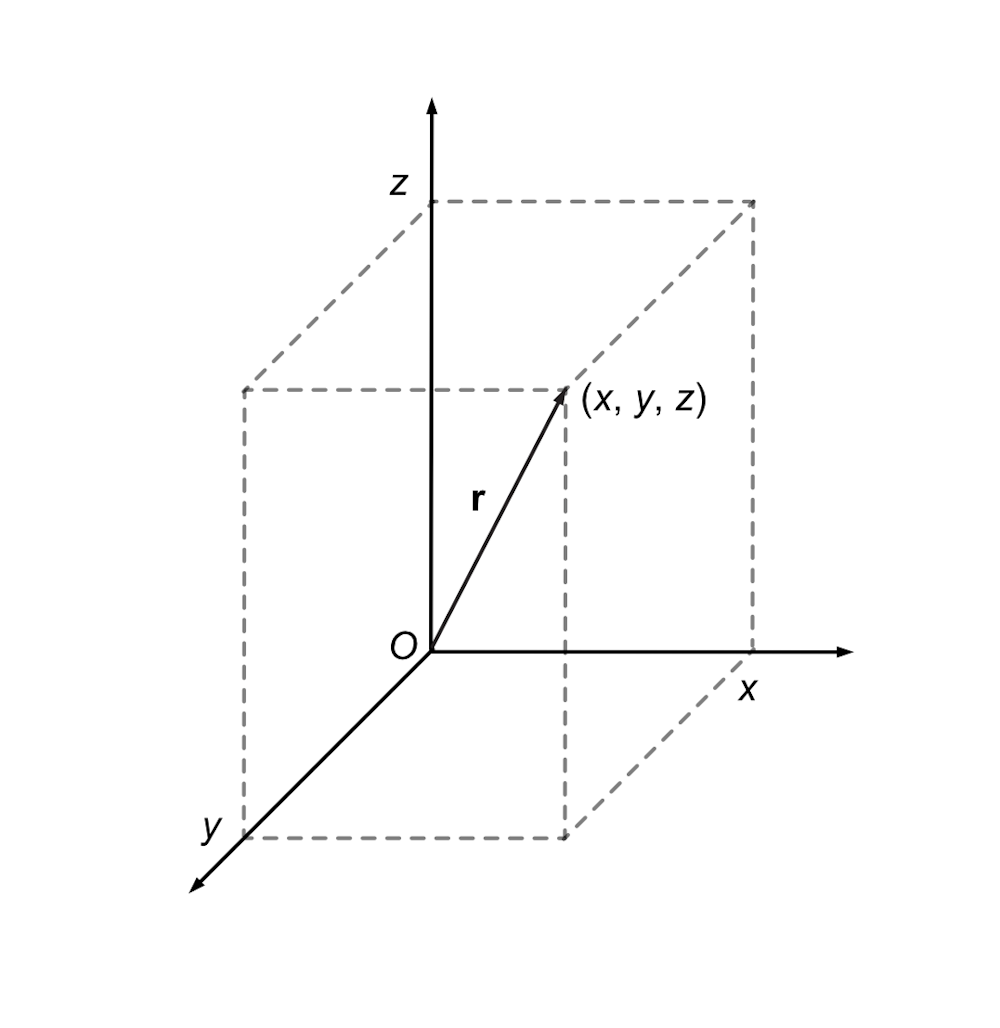

_regarding_the_discovery_of_Quaternions_multiplication_by_Sir_William_Rowan_Hamilton.jpg)