NewzIntel.com

    • Checkout Page
    • Contact Us
    • Default Redirect Page
    • Frontpage
    • Home-2
    • Home-3
    • Lost Password
    • Member Login
    • Member LogOut
    • Member TOS Page
    • My Account
    • NewzIntel Alert Control-Panel
    • NewzIntel Latest Reports
    • Post Views Counter
    • Privacy Policy
    • Public Individual Page
    • Register
    • Subscription Plan
    • Thank You Page

Category: Middle East

  • MIL-OSI Global: How single-stream recycling works − your choices can make it better

    Source: The Conversation – USA – By Alex Jordan, Associate Professor of Plastics Engineering, University of Wisconsin-Stout

    Successful recycling requires some care. Alejandra Villa Loarca/Newsday RM via Getty Images

    Every week, millions of Americans toss their recyclables into a single bin, trusting that their plastic bottles, aluminum cans and cardboard boxes will be given a new life.

    But what really happens after the truck picks them up?

    Single-stream recycling makes participating in recycling easy, but behind the scenes, complex sorting systems and contamination mean a large percentage of that material never gets a second life. Reports in recent years have found 15% to 25% of all the materials picked up from recycle bins ends up in landfills instead.

    Plastics are among the biggest challenges. Only about 9% of the plastic generated in the U.S. actually gets recycled, according to the Environmental Protection Agency. Some plastic is incinerated to produce energy, but most of the rest ends up in landfills instead.

    A breakdown of U.S. recycling by millions of tons shows about two-thirds of all paper and cardboard gets a second life, but only about a third of metal, a quarter of glass and less than 10% of plastics do.
    Alex Jordan/University of Wisconsin-Stout

    So, what makes plastic recycling so difficult? As an engineer whose work focuses on reprocessing plastics, I have been exploring potential solutions.

    How does single-stream recycling work?

    In cities that use single-stream recycling, consumers put all of their recyclable materials − paper, cardboard, plastic, glass and metal − into a single bin. Once collected, the mixed recyclables are taken to a materials recovery facility, where they are sorted.

    First, the mixed recyclables are shredded and crushed into smaller fragments, enabling more effective separation. The mixed fragments pass over rotating screens that remove cardboard and paper, allowing heavier materials, including plastics, metals and glass, to continue along the sorting line.

    The basics of a single-stream recycling system in Pennsylvania. Source: Van Dyk Recycling Solutions.

    Magnets are used to pick out ferrous metals, such as steel. A magnetic field that produces an electrical current with eddies sends nonferrous metals, such as aluminum, into a separate stream, leaving behind plastics and glass.

    The glass fragments are removed from the remaining mix using gravity or vibrating screens.

    That leaves plastics as the primary remaining material.

    While single-stream recycling is convenient, it has downsides. Contamination, such as food residue, plastic bags and items that can’t be recycled, can degrade the quality of the remaining material, making it more difficult to reuse. That lowers its value.

    Having to remove that contamination raises processing costs and can force recovery centers to reject entire batches.

    Plastic bags, food residue and items that can’t be recycled can contaminate a recycling stream.
    City of Greenville, N.C./Flickr

    Which plastics typically can’t be recycled?

    Each recycling program has rules for which items it will and won’t take. You can check which items can and cannot be recycled for your specific program on your municipal page. Often, that means checking the recycling code stamped on the plastic next to the recycling icon.

    These are the toughest plastics to recycle and most likely to be excluded in your local recycling program:

    • Symbol 3 – Polyvinyl chloride, or PVC, found in pipes, shower curtains and some food packaging. It may contain harmful additives such as phthalates and heavy metals. PVC also degrades easily, and melting can release toxic fumes during recycling, contaminating other materials and making it unsafe to process in standard recycling facilities.

    • Symbol 4 – Low-density polyethylene, or LDPE, is often used in plastic bags and shrink-wrap. Because it’s flexible and lightweight, it’s prone to getting tangled in sorting machinery at recycling plants.

    • Symbol 6 – Polystyrene, often used in foam cups, takeout containers and packing peanuts. Because it’s lightweight and brittle, it’s difficult to collect and process and easily contaminates recycling streams.

    Which plastics to include

    That leaves three plastics that can be recycled in many facilities:

    • Symbol 1 – Polyethylene terephthalate, or PET, widely used in soda bottles.

    • Symbol 2 – High-density polyethylene, or HDPE, commonly used in milk jugs and laundry detergent bottles.

    • Symbol 5 – Polypropylene, PP, used in products such as pill bottles, yogurt cups and plastic utensils.

    However, these aren’t accepted in some facilities for reasons I’ll explain.

    Taking apart plastics, bead by bead

    Some plastics can be chemically recycled or ground up for reprocessing, but not all plastics play well together.

    Simple separation methods, such as placing ground-up plastics in water, can easily remove your soda bottle plastic (PET) from the mixture. The ground-up PET sinks in water due to the plastic’s density. However, HDPE, used in milk jugs, and PP, found in yogurt cups, both float, and they can’t be recycled together. So, more advanced and expensive technology, such as infrared spectroscopy, is often required to separate those two materials.

    Once separated, the plastic from your soda bottle can be chemically recycled through a process called solvolysis.

    It works like this: Plastic materials are formed from polymers. A polymer is a molecule with many repeating units, called monomers. Picture a pearl necklace. The individual pearls are the repeating monomer units. The string that runs through the pearls is the chemical bond that joins the monomer units together. The entire necklace can then be thought of as a single molecule.

    During solvolysis, chemists break down that necklace by cutting the string holding the pearls together until they are individual pearls. Then, they string those pearls together again to create new necklaces.

    Other chemical recycling methods, such as pyrolysis and gasification, have drawn environmental and health concerns because the plastic is heated, which can release toxic fumes. But chemical recycling also holds the potential to reduce both plastic waste and the need for new plastics, while generating energy.

    The problem of yogurt cups and milk jugs

    The other two common types of recycled plastics − items such as yogurt cups (PP) and milk jugs (HDPE) − are like oil and water: Each can be recycled through reprocessing, but they don’t mix.

    If polyethylene and polypropylene aren’t completely separated during recycling, the resulting mix can be brittle and generally unusable for creating new products.

    Chemists are working on solutions that could increase the quality of recycled plastics through mechanical reprocessing, typically done at separate facilities.

    One promising mechanical method for recycling mixed plastics is to incorporate a chemical called a compatibilizer. Compatibilizers contain the chemical structure of multiple different polymers in the same molecule. It’s like how lecithin, commonly found in egg yolks, can help mix oil and water to make mayonnaise − part of the lecithin molecule is in the oil phase and part is in the water phase.

    In the case of yogurt cups and milk jugs, recently developed block copolymers are able to produce recycled plastic materials with the flexibility of polyethylene and the strength of polypropylene.

    Improving recycling

    Research like this can make recycled materials more versatile and valuable and move products closer to a goal of a circular economy without waste.

    However, improving recycling also requires better recycling habits.

    You can help the recycling process by taking a few minutes to wash off food waste, avoiding putting plastic bags in your recycling bin and, importantly, paying attention to what can and cannot be recycled in your area.

    Alex Jordan received funding in in the past from TotalEnergies. He has worked on projects to create PP-PE block copolymers.

    – ref. How single-stream recycling works − your choices can make it better – https://theconversation.com/how-single-stream-recycling-works-your-choices-can-make-it-better-250017

    MIL OSI – Global Reports –

    April 17, 2025
  • MIL-OSI Europe: Answer to a written question – Overcoming challenges to Cyprus’s accession to the Schengen area – E-000502/2025(ASW)

    Source: European Parliament

    Already since its accession to the EU, Cyprus has been bound by the Schengen rules. Its gradual integration into the Schengen area without internal frontiers, culminating in a Council decision on lifting checks at the internal borders, is subject to a positive Schengen evaluation[1] and a unanimous decision of the Council .

    Cyprus’ first-time evaluation is ongoing, and the Commission is closely monitoring the progress made by Cyprus in fulfilling the technical Schengen requirements.

    The Commission is aware that Cyprus’ integration into the Schengen area requires due respect to its special situation and the framework applicable in line with Protocol 10[2]. The Commission stands ready to engage in a dialogue with Cyprus on how this can be achieved, including with regard to the Green Line.

    The Commission already provides substantial financial support to Cyprus for border and migration management as well as police cooperation. During the 2021-2027 programming period, more than EUR 292 million[3] have been allocated to Cyprus under the Home Affairs Funds[4].

    This includes measures sustaining the implementation of the Schengen requirements, such as EUR 9.9 million to support digital systems (e.g. the Schengen Information System), EUR 67.7 million for the construction of the new reception and pre-departure centres in Limnes, and EUR 30 million to enhance Cyprus’ surveillance systems at the external sea border.

    • [1] In accordance with Regulation (EU) 2022/922 on the establishment and operation of an evaluation and monitoring mechanism to verify the application of the Schengen acquis, OJ L 160, 15.6.2022, p. 1-27.
    • [2] Act concerning the conditions of accession of the Czech Republic, the Republic of Estonia, the Republic of Cyprus, the Republic of Latvia, the Republic of Lithuania, the Republic of Hungary, the Republic of Malta, the Republic of Poland, the Republic of Slovenia and the Slovak Republic and the adjustments to the Treaties on which the European Union is founded — Protocol No 10 on Cyprus; OJ L 236, 23.9.2003, p. 955-955.
    • [3] Under the 2021-2027 programming period, so far more than EUR 90 million have been allocated under the Asylum Migration and Integration Fund programme of Cyprus, EUR 80 million under the Border Management and Visa Policy Instrument programme and EUR 25.6 under the Internal Security Fund. On top of this support EUR 96.4 million have been provided under the Asylum, Migration and Integration Fund directly from the Commission (emergency assistance, union actions for Member States under pressure).
    • [4] This includes the Border Management and Visa Instrument, the Asylum, Migration and Integration Fund and the Internal Security Fund.
    Last updated: 16 April 2025

    MIL OSI Europe News –

    April 17, 2025
  • MIL-OSI Europe: Written question – Support measures for Greek table olives – E-001483/2025

    Source: European Parliament

    Question for written answer  E-001483/2025
    to the Commission
    Rule 144
    Yannis Maniatis (S&D)

    The recent announcement by the Trump administration imposing 20 % tariffs on all European products signals a clear change in US policy, leading to increased protectionism. The consequences of this trade war, which has just begun with this tariff policy, are expected to be negative for all parties involved. Many sectors, including the agri-food sector, are following developments with great concern and uncertainty. They include the Greek table olive sector, which is in imminent danger.

    Table olives are Greece’s leading agricultural export product to the US, with exports reaching EUR 241 million annually, making the US market the main destination for Greek exports, especially for premium quality products of high value. Any disruption to this flow creates problems for the countryside, growers, their organisations and businesses.

    Given that the Commission is expected to react to the US announcements soon:

    • 1.What measures does the Commission intend to adopt to protect susceptible agri-food products, such as table olives, given that the competitiveness of the sector is under threat from non-EU countries with lower tariffs (10 % in Egypt, Türkiye, Morocco, etc.)?
    • 2.How does the Commission intend to proceed at the World Trade Organization (WTO) level with regard to Greek table olives, given that the EU has already successfully challenged the US regarding Spanish ripe olives, justifying the demands of Spanish producers and exporters?

    Submitted: 10.4.2025

    Last updated: 16 April 2025

    MIL OSI Europe News –

    April 17, 2025
  • MIL-OSI Europe: Written question – Border management with regard to Lebanon and Syria – E-001464/2025

    Source: European Parliament

    Question for written answer  E-001464/2025
    to the Commission
    Rule 144
    Lukas Mandl (PPE)

    Due to the increased security challenges in the Middle East arising from the fall of the Assad regime, the region faces high risks of weapons proliferation, drug smuggling and illegal migration. The current figures show that the Central Mediterranean route remains the most active migratory pathway into the EU. Compared to 2023, there has been a 10 % increase in irregular border crossings on this route.

    • 1.Does the Commission intend to address the issue of human trafficking and illegal migration at its roots in the Middle East region?
    • 2.What means and measures will the Commission take to support people in Syria to stay in order to reconstruct their country, and prevent them from illegally crossing the borders to Lebanon, in order to continue to Cyprus and elsewhere in the EU?
    • 3.What means and measures will the Commission adopt to support effective border management mechanisms operationally implemented by trustworthy international organisations, such as the UN Office on Drugs and Crime, in order to prevent illegal weapons smuggling and illegal border crossings, especially from Syria to Lebanon, and in order to support the Lebanese Armed Forces in fully implementing UN Security Council Resolution 1701?

    Submitted: 9.4.2025

    Last updated: 16 April 2025

    MIL OSI Europe News –

    April 17, 2025
  • MIL-OSI Asia-Pac: India poised to become a trusted bridge of global connectivity through India-Middle East-Europe Economic Corridor (IMEC): Shri Piyush Goyal

    Source: Government of India

     India poised to become a trusted bridge of global connectivity through India-Middle East-Europe Economic Corridor (IMEC): Shri Piyush Goyal

    IMEC to reduce logistics costs by up to 30% and transportation time by 40%, boosting global trade: Shri Goyal

    Union Minister of Commerce and Industry Piyush Goyal addresses High-Level Roundtable on IMEC

    Posted On: 16 APR 2025 10:52PM by PIB Delhi

    Union Minister of Commerce and Industry, Shri Piyush Goyal addressed the India-Middle East-Europe Economic Corridor (IMEC) High-Level Roundtable on Connectivity and Economic Growth in New Delhi today.

    Shri Goyal said that the IMEC is a powerful endorsement of the leadership and partnership of India and Middle East and East Europe a very forward and visionary concept that has caught the fancy of the world, he noted.

    The Minister stated that IMEC is not merely a trade route, but a modern-day Silk Route — a partnership of equals — that fosters synergy, connectivity, and inclusive prosperity. “It will bring down logistics costs by up to 30%, reduce transportation time by 40%, and create seamless trade linkages across continents,” he said. “We will not only be linking trade; we will be linking civilizations and cultures — from Southeast Asia to the Gulf, from the Middle East to Central Europe.”

    Highlighting its potential reach, Shri Goyal added that IMEC could even enhance connectivity to Africa through the Middle East. The corridor would include railways, roadways, energy pipelines, and clean energy infrastructure, including undersea cables. “India is already in discussions with Singapore on clean energy transmission. We are also engaged in dialogue with Saudi Arabia and the UAE,” he shared.

    Shri Goyal underscored the corridor’s emphasis on sustainability and digital connectivity. “This initiative respects sovereignty and territorial integrity. It is not about dominance or creating economic unions. It is a partnership built on mutual trust, inclusivity and sustainability,” he said.

    He further outlined five key suggestions as a way forward for the IMEC initiative. First, Shri Goyal stressed the importance of viewing IMEC through the lens of a Public-Private Partnership (PPP). He emphasized that leaving the initiative solely to the government would limit its efficiency and financial viability. Instead, he called for a collaborative model where the private sector leads, bringing to the table its real-world expertise, needs, and innovative capabilities. This approach, he noted, would ensure smarter and more cost-effective planning, as the private sector can propose solutions that reflect practical utility. It would also allow policymakers to think systematically while the private sector introduces flexibility and innovation, ensuring the corridor remains viable, efficient, and sustainable in its execution.

    Second, he highlighted the need to focus on Regulatory Connectivity, going beyond just physical infrastructure. Shri Goyal advocated for greater alignment in trade processes, customs procedures, and paperwork among participating nations. He cited India’s ongoing regulatory collaboration with the UAE as an example and pointed out that successful implementation of the corridor would require seamless cross-border movement without excessive checkpoints. Interoperable systems, digitization, electric vehicle charging ecosystems, and synchronized regulations would be key to unlocking economies of scale. He suggested that common digital payment systems, such as India’s Unified Payments Interface (UPI), could serve as a model for enabling seamless financial transactions. With periodic settlement in globally accepted reserve currencies, such mechanisms could reduce transactional friction and banking costs. He proposed that such innovations, combined with virtual trade corridor frameworks like the India-UAE initiative, could be extended through IMEC. These would support broader agreements such as FTAs with GCC and EU countries and bolster joint work in green hydrogen, renewable energy, and supply chain resilience.

    Third, Shri Goyal underlined the need for Innovative Financing Models to support both the development of the corridor and the trade it will generate. He called for active involvement of multilateral financial agencies and suggested exploring instruments like green bonds and the creation of long-term “IMEC Bonds”, to fund this transcontinental infrastructure in a sustainable and future-proof manner.

    Fourth, he recommended active engagement with industry bodies and trade associations, asserting that their insights are essential for designing a corridor that aligns with the real needs of businesses. Such collaboration would help identify existing bottlenecks, promote best practices, and better integrate economies by removing trade frictions.

    Lastly, Shri Goyal proposed bringing in Think Tanks and Academia to the visioning and design process. These institutions, he noted, bring creativity, research strength, and long-term thinking. Their involvement would support policy advocacy, contribute to out-of-the-box solutions, and assist in capacity-building efforts along the corridor. He called this a well-rounded package of five initiatives that could help IMEC evolve into a robust, viable, and inclusive project. Reiterating India’s clear and committed vision, he said the country is ready to act as a trusted, reliable bridge connecting regions and catalyzing global cooperation, under the guiding spirit of Vasudhaiva Kutumbakam — the world is one family.

    ***

    Abhishek Dayal/ Nihi Sharma/ Ishita Biswas

    (Release ID: 2122299) Visitor Counter : 52

    MIL OSI Asia Pacific News –

    April 17, 2025
  • MIL-OSI USA: Wicker, Colleagues Send Letter Calling for Reform to Biden AI Diffusion Rule

    US Senate News:

    Source: United States Senator for Mississippi Roger Wicker
    WASHINGTON – Last week, U.S. Senator Roger Wicker (R-MS) joined Senator Pete Ricketts (R-NE) in sending a letter to Commerce Secretary Howard Lutnick regarding the Biden administration’s AI Diffusion Rule (AIDR). The letter highlights the need to withdraw Biden’s overly obstructive rule and propose an alternative before the May 15th compliance deadline. Implementing a new standard would help prevent the Chinese Communist Party from taking the lead in this emerging technology by focusing efforts on encouraging American companies to continue being pioneers in artificial intelligence innovation. The letter states:
    “We applaud President Trump’s commitment to ensuring American dominance in the tech sector. Today, we are in an enviable position: American companies dominate in crucial areas that will define tomorrow’s economy including semiconductor design, compute infrastructure, and artificial intelligence (AI). This leadership position has been hard fought. Maintaining and growing our tech lead requires diligently advancing an American-led, global ecosystem around the world.”
    “With the compliance deadline of May 15, 2025, rapidly approaching, immediate action is necessary to prevent irreversible damage to American innovation and competitiveness,” the letter continues. “Every day this rule remains in place, American companies face mounting uncertainty, stalled investments, and the risk of losing critical global partnerships that cannot be easily regained. Therefore, we urge you to withdraw this rule and propose an alternative that is effective in preventing Communist China from capturing the world market in a leading technology without compromising American advantages.”
    The letter was also signed by Senators Thom Tillis (R-NC), Markwayne Mullin (R-OK), Ted Budd (R-NC), Eric Schmitt (R-MO), and Tommy Tuberville (R-AL).
    Read the full letter here or below:  
    Dear Secretary Lutnick:
    We applaud President Trump’s commitment to ensuring American dominance in the tech sector. Today, we are in an enviable position: American companies dominate in crucial areas that will define tomorrow’s economy including semiconductor design, compute infrastructure, and artificial intelligence (AI). This leadership position has been hard fought. Maintaining and growing our tech lead requires diligently advancing an American-led, global ecosystem around the world.
    Concerningly, President Biden’s recently issued Artificial Intelligence Diffusion Rule (AIDR) threatens to undermine this leadership and advancement. Among other things, the rule categorizes countries into three tiers, imposing complex restrictions on the purchase of U.S. technology. Only Tier 1 countries—limited to just 18 nations—would have access to American technology. Even these 18 would only have access if they comply with a burdensome and ever-evolving set of federal regulations. The vast majority of nations fall into Tier 2. These countries face arbitrary purchase limits and a cumbersome licensing process to acquire U.S. computing technologies. Strikingly, key allies and partners like Israel have been inexplicably excluded from the top tier and placed into Tier 2. Tier 3 countries, including Communist China, are already rightly restricted.
    While the AIDR claims to provide secure ecosystems for the responsible diffusion of AI, this rushed midnight rule’s impact and overly broad scope will result in consequences that divorce it from its intent. Fundamentally, the rule places burdensome constraints on U.S. companies that would be difficult to comply with and even harder for the Federal government to enforce. Buyers, particularly in Tier 2 countries that are constrained from purchasing U.S. technology, would be incentivized to turn to Communist China’s unregulated, cheap substitutes. Additionally, technology companies in Tier 2 countries could be motivated to create their own AI technology stack that is outside our export control regime. Neither outcome furthers our nation’s long-term economic and national security goals.
    With the compliance deadline of May 15, 2025, rapidly approaching, immediate action is necessary to prevent irreversible damage to American innovation and competitiveness. Every day this rule remains in place, American companies face mounting uncertainty, stalled investments, and the risk of losing critical global partnerships that cannot be easily regained. Therefore, we urge you to withdraw this rule and propose an alternative that is effective in preventing Communist China from capturing the world market in a leading technology without compromising American advantages.
     

    MIL OSI USA News –

    April 17, 2025
  • MIL-OSI USA: Stefanik Joins in Reintroducing Bipartisan Bill the Countering Hate Against Israel by Federal Contractors Act

    Source: United States House of Representatives – Congresswoman Elise Stefanik (21st District of New York)

    Stefanik Joins in Reintroducing Bipartisan Bill the Countering Hate Against Israel by Federal Contractors Act | Press Releases | Congresswoman Elise Stefanik

    Facebook Icon

    Google Plus Icon

    Instagram Icon

    LinkedIn Icon

    Twitter Icon

    YouTube Icon

    Vimeo Icon

    Clients Icon

    Email icon

    Map Icon

    Print Icon

    Quote Icon

    icon_share

    Carousel Arrow – Left

    Carousel Arrow – Right

    MIL OSI USA News –

    April 17, 2025
  • MIL-OSI Europe: Statement by President Meloni on EU list of safe countries of origin

    Source: Government of Italy (English)

    Vai al Contenuto Raggiungi il piè di pagina

    16 Aprile 2025

    It is with great satisfaction that I welcome the proposed EU list of safe countries of origin presented by the European Commission, which also includes, among others, Bangladesh, Egypt and Tunisia.

    I consider the proposal to bring forward the entry into force of some elements of the Pact on Migration and Asylum equally as positive, particularly the possibility to designate safe countries of origin with exceptions for certain regions and certain categories of individuals, and to apply the 20% threshold. These are in fact cases that allow accelerated border procedures to be activated for migrants arriving from certain nations, as provided for by the Italy-Albania Protocol.

    This is further confirmation that the direction charted by the Italian Government over these years is the right one, and of the support of an increasing number of European nations. Italy has played a decisive role in changing Europe’s approach to managing migration flows, and is continuing to do so. Europe now also sees defending external borders, fighting mass irregular migration, strengthening returns policies and implementing equal partnerships with countries of origin and of transit as a priority, and this is largely thanks to Italy’s determination and tenacity. The facts show that we were right and that we are on the right track.

    [Courtesy translation]

    MIL OSI Europe News –

    April 17, 2025
  • MIL-OSI Security: Tampa Man Sentenced For Armed Robbery Of A U.S. Postal Service Mail Carrier

    Source: Office of United States Attorneys

    Tampa, FL – Senior U.S. District Judge Charlene Honeywell has sentenced Darine Underwood (20, Tampa), a/k/a “Droc,” to 10 years and 5 months in federal prison for armed robbery of a postal mail carrier and brandishing a firearm in relation to that crime. The court also ordered Underwood to pay $1,531.99 in restitution to the mail carrier.

    According to court documents, on September 5, 2023, a United States Postal Service mail carrier was delivering mail at an apartment complex in the Tampa area when he was approached by Underwood and Jordan Murray who were wearing masks and gloves. Murray and Underwood forcefully took the mail carrier’s postal keys while brandishing a firearm. Murray and Underwood then fled to a vehicle, driven by Jordan Brown, to leave the crime scene. The investigation revealed that Brown was going to be paid to drive Murray and Underwood to and from the robbery and Murray and Underwood were planning to sell the postal keys. 

    Jordan Murray (20, Tampa) and Jordan Brown (21, Tampa) previously pleaded guilty to their roles in this case. Murray was sentenced to nine years and six months in federal prison for armed robbery of a postal mail carrier and brandishing a firearm in relation to that crime. Brown was sentenced to two years and six months in federal prison for aiding and abetting the theft of a postal key and that a firearm was used during that crime.

    This case was investigated by the U.S. Postal Inspection Service and the Hillsborough County Sheriff Office. It was prosecuted by Assistant United States Attorney Ilyssa M. Spergel. 

    MIL Security OSI –

    April 17, 2025
  • MIL-OSI USA: Congresswoman Tenney Reintroduces Legislation to Counteract the Anti-Semitic BDS Movement

    Source: United States House of Representatives – Congresswoman Claudia Tenney (NY-22)

    Washington, DC – Congresswoman Claudia Tenney (NY-24) today, alongside Congressman Jared Moskowitz (FL-23), reintroduced the Countering Hate Against Israel by Federal Contractors Act to ban the federal government from entering into contracts with entities that support the radical, anti-Semitic BDS movement targeting Israel.

    Additional cosponsors include Representatives Mike Lawler (NY-17), Ben Cline (VA-6), Greg Steube (FL-17), and Elise Stefanik (NY-21).

    Across the United States, thirty-eight states have implemented laws blocking boycotts against Israel, demonstrating their commitment to opposing the Boycott, Divestment, and Sanctions (BDS) movement. This legislation would bring the federal procurement process in line with the majority of states that have already enacted policies to reiterate America’s vital alliance with Israel.

    “The BDS movement promotes and normalizes anti-Semitism by singling out the world’s only Jewish state and targeting Israel’s economy. The United States should not support any entity that engages in or endorses such actions. With over two-thirds of states enacting laws to counter the BDS movement, the federal procurement process must follow these states’ lead by implementing legislation at the national level to ban procurement from entities that engage in this form of anti-Semitism. The Countering Hate Against Israel by Federal Contractors Act sends a clear message that the United States stands firmly against anti-Semitism and remains committed to supporting our greatest ally,” said Congresswoman Tenney. 

    “Taxpayer dollars should not be going towards groups that engage in antisemitic boycotts targeting Israel. When I was in the Florida Legislature, I helped lead the charge against the BDS movement to make clear it has no place in Florida. Now, Congress ought to do the same and make clear it has no place in federal contracts. The BDS movement is antisemitism, plain and simple, and this bill will ensure we’re using taxpayer dollars responsibly to stand up against hate and stand up for our ally Israel,” said Congressman Moskowitz.

    “BDS is nothing more than economic antisemitism and its goal is to destroy the world’s one and only Jewish state. More than 2/3 of U.S states have adopted measures to thwart BDS and it is well past time for the federal government to join the rest of the country with this clear directive: if you choose to boycott Israel, you will not receive a single dollar from U.S. taxpayers. While companies have a constitutional right to engage in BDS, they do not have a right to use American tax dollars to subsidize their antisemitism. This is both a moral and strategic imperative and we are deeply grateful to Reps Tenney and Moskowitz for leading this bipartisan effort,” said CUFI Action Fund Chairwoman Sandra Parker. 

    ###

    MIL OSI USA News –

    April 17, 2025
  • MIL-Evening Report: Fiji defence minister draws flak for six-week trip to meet peacekeepers

    RNZ Pacific

    Fiji’s Minister for Defence and Veteran Affairs is facing a backlash after announcing that he was undertaking a multi-country, six-week “official travel overseas” to visit Fijian peacekeepers in the Middle East.

    Pio Tikoduadua’s supporters say he should “disregard critics” for his commitment to Fijian peacekeepers, which “highlights a profound dedication to duty and leadership”.

    However, those who oppose the 42-day trip say it is “a waste of time”, and that there are other pressing priorities, such as health and infrastructure upgrades, where taxpayers money should be directed.

    Tikoduadua has had to defend his travel, saying that the travel cost was “tightly managed”.

    He said that, while he accepts that public officials must always be answerable to the people they serve, “I will not remain silent when cheap shots are taken at the dignity of our troops, or when assumptions are passed off as fact.”

    “Let me speak plainly: I am not travelling abroad for a vacation,” he said in a statement.

    “I am going to stand shoulder-to-shoulder with our men and women in uniform — Fijians who serve in some of the harshest, most dangerous corners of the world, far away from home and family, under the blue flag of the United Nations and the red, white and blue of our own.

    ‘I know what that means’
    Tikoduadua, a former soldier and peacekeeper, said, “I know what that means [to wear the Fiji Military Forces uniform].”

    “I marched under the same sun, carried the same weight, and endured the same silence of being away from home during moments that mattered most.

    “This trip spans multiple countries because our troops are spread across multiple missions — UNDOF in the Golan Heights, UNTSO in Jerusalem and Tiberias, and the MFO in Sinai. I will not pick and choose which deployments are ‘worth the airfare’. They all are.”

    He added the trip was not about photo opportunities, but about fulfilling his duty of care — to hear peacekeepers’ concerns directly.

    “To suggest that a Zoom call can replace that responsibility is not just naïve — it is offensive.”

    However, the opposition Labour Party has called it “unbelievably absurd”.

    “Six weeks is a long, long time for a highly paid minister to be away from his duties at home,” the party said in a statement.

    Standing ‘shoulder to shoulder’
    “To make it worse, [Tikoduadua] adds that he is . . . ‘not going on a vacation but to stand shoulder to shoulder with our men and women in uniform’.

    “Minister, it’s going to cost the taxpayer thousands to send you on this junket as we see it.”

    Tikoduadua confirmed that he is set to receive standard overseas per diem as set by government policy, “just like any public servant representing the country abroad”.

    “That allowance covers meals, local transport, and incidentals-not luxury. There is no ‘bonus’, no inflated figure, and certainly no special payout on top of my salary.

    As a cabinet minister, the Defence Minister is entitled to business class travel and travel insurance for official meetings. He is also entitled to overseas travelling allowance — UNDP subsistence allowance plus 50 percent, according to the Parliamentary Remunerations Act 2014.

    Tikoduadua said that he had heard those who had raised concerns in good faith.

    “To those who prefer outrage over facts, and politics over patriotism — I suggest you speak to the families of the soldiers I will be visiting,” he said.

    “Ask them if their sons and daughters are worth the minister’s time and presence. Then tell me whether staying behind would have been the right thing to do.”

    Responding to criticism on his official Facebook page, Tikoduadua said: “I do not travel to take advantage of taxpayers. I travel because my job demands it.”

    His travel ends on May 25.

    This article is republished under a community partnership agreement with RNZ.

    MIL OSI Analysis – EveningReport.nz –

    April 17, 2025
  • MIL-OSI United Kingdom: Temporary duties imposed on engine oils and hydraulic fluids

    Source: United Kingdom – Government Statements

    News story

    Temporary duties imposed on engine oils and hydraulic fluids

    The Government  has accepted the TRA’s recommendation to impose provisional duties on imports of engine oils and hydraulic fluids from Lithuania and the UAE.

    The Secretary of State for Business and Trade has today (16/04/2025) accepted the Trade Remedies Authority (TRA)’s recommendation to impose provisional anti-dumping duties on imports of engine oils and hydraulic fluids from Lithuania and the United Arab Emirates (UAE), following evidence of dumping that has caused injury to UK industry. These measures will be in effect for a period of up to six months. 

    A Provisional Affirmative Determination (PAD) allows temporary duties to be imposed while a full investigation is completed.  

    The investigation, which was initiated in June 2024, found on a preliminary basis that UK producers were being undercut by an average of 37% of UK sales prices, causing material injury to domestic industry. The TRA’s investigation followed an application from UK manufacturer Aztec Oils Ltd.  

    The investigation covers certain engine oils and hydraulic fluids, including passenger car motor oils, heavy-duty commercial vehicle oils, and hydraulic oils.  

    In its Provisional Affirmative Determination, the TRA has recommended provisional duties ranging from 11.60% to 24.95% for individual participating companies and countrywide rates of 49.59% for Lithuania and 59.40% for the UAE.  

    UK producers are expected to benefit from these measures by between £5 million and £55 million, depending on their ability to adjust prices in response to the duties.  

    The TRA will continue its full investigation while these provisional measures are in place.  

    Note to editors:  

    • The Trade Remedies Authority is the independent UK body that investigates whether new trade remedy measures are needed to counter unfair import practices and unforeseen surges of imports.   

    • The TRA is an arm’s length body of the Department for Business and Trade.   

    • Anti-dumping duties allow a country or union to act against goods which are being sold at less than their normal value – this is defined as the price for ‘like goods’ sold in the exporter’s home market.  

    • The period of investigation is from 1 April 2023 to 21 March 2024.

    Share this page

    The following links open in a new tab

    • Share on Facebook (opens in new tab)
    • Share on Twitter (opens in new tab)

    Updates to this page

    Published 16 April 2025

    MIL OSI United Kingdom –

    April 17, 2025
  • MIL-OSI United Nations: 16 April 2025 Departmental update Country-level champions meet to strengthen interagency coordination of mental health and psychosocial support across humanitarian emergencies

    Source: World Health Organisation

    In February 2025, the co-chairs of mental health and psychosocial support (MHPSS) Technical Working Groups (TWGs) from humanitarian emergencies around the world gathered in Ethiopia for a global meeting to strengthen interagency coordination and share country-level experiences.

    Hosted by WHO Ethiopia and convened by the IASC MHPSS Reference Group, the meeting brought together 40 MHPSS leaders from 29 emergency settings, including Bangladesh, Burkina Faso, Central African Republic, Colombia, Democratic Republic of the Congo, Lebanon, Mali, Mozambique, Nepal, Niger, and the occupied Palestinian territories.

    The four-day strategic forum provided an opportunity for participants to exchange practical approaches to coordination, identify common challenges, and explore solutions to strengthen MHPSS service delivery in crisis settings. It also reinforced the importance of country-led leadership, peer learning, and interagency collaboration in advancing the MHPSS agenda in emergencies. The IASC MHPSS Reference Group serves as a global platform and is the highest level of humanitarian coordination in MHPSS. It is co-chaired by WHO and IFRC and comprises 65 member organizations, including NGOs, UN agencies, international agencies, and academics.

    This was this was the second meeting of its kind organized by the Reference Group, following the first held in Ukraine in 2019. The wide geographic representation and diversity of agency and sectors contributed to productive discussions and exchanges. Participants rated the meeting highly, highlighting the value of the interactive sessions, peer learning opportunities, and combination of theoretical learning, real-world case study exercises to practice skills, and  one-on-one consultation clinics with global and country-level technical experts.

    Global MHPSS TWG Meeting in Addis Ababa, Ethiopia, 3-6 Feb 2025 – packed with sessions on multisectoral deep dives, tool and method highlights, country experiences, consultations, technical insights, team building and learnings, and interactive exercises on technical topics such as IASC tools including the MHPSS Minimum Service Package, MHPSS coordination, mapping, monitoring and evaluation, assessments, etc.

    In the same week, an MHPSS global-national forum was organized to capitalize on the presence of international MHPSS country leaders and engage national professionals in Ethiopia dedicated to enhancing MHPSS in humanitarian crises. The event, organized by IASC MHPSS RG and WHO Ethiopia, featured a series of high-level and technical interventions focused on ways to strengthen MHPSS coordination and service delivery, particularly in Ethiopia, and globally. Speakers included the WHO Representative to Ethiopia, the IASC MHPSS RG Co-chairs from WHO and IFRC, TWG chairs, and representatives from Africa CDC, UNICEF, ECHO, the Embassy of the Netherlands, country offices of partner agencies. 

    Following the Global MHPSS TWG meeting, an Academic Writing training was held from February 8 to 9. This training, convened by the IASC MHPSS RG and hosted by ARQ International, and co-organized by WHO, the UK Public Health Rapid Support Team and Intervention journal, brought together MHPSS experts to support the development of country-led, evidence-based documentation and publications. Participants took part in theoretical presentations, interactive exercises, and dedicated writing time, covering essential topics such as formulating working titles, pitching ideas, drafting outlines, navigating the publication process, and leveraging AI tools. Ongoing technical support is being provided to assist participants in finalizing and submitting their publications. 

    MHPSS Academic Writing Training, in Addis Ababa, Ethiopia on 8-9 Feb 2025

    Together, the global meeting, national forum, and academic writing training represented a coordinated effort to strengthen MHPSS leadership, collaboration, and evidence generation in humanitarian settings. These events underscored the value of sustained investment in interagency coordination and knowledge sharing to improve mental health and psychosocial support for people affected by crises.

    MIL OSI United Nations News –

    April 17, 2025
  • MIL-OSI NGOs: Gaza has become a mass grave for Palestinians and those helping them

    Source: Médecins Sans Frontières –

    Jerusalem – As Israeli forces resume and expand their military offensive by air, ground and sea on the Gaza Strip, Palestine, forcibly displacing people and deliberately blocking essential aid, Palestinian lives are once again being systematically destroyed, warns Médecins Sans Frontières (MSF). A series of deadly attacks by Israeli forces have shown a blatant disregard for the safety of humanitarian and medical workers in Gaza.

    We call on Israeli authorities to immediately lift the inhumane and deadly siege on Gaza, protect the lives of Palestinians, humanitarian and medical personnel, and for all parties to restore and sustain the ceasefire.

    “Gaza has been turned into a mass grave of Palestinians and those coming to their assistance. We are witnessing in real time the destruction and forced displacement of the entire population in Gaza,” says Amande Bazerolle, MSF emergency coordinator in Gaza. “With nowhere safe for Palestinians or those trying to help them, the humanitarian response is severely struggling under the weight of insecurity and critical supply shortages, leaving people with few, if any, options for accessing care.”

    Over 50,000 people have been killed since October 2023, nearly a third of whom are children, according to the Ministry of Health. Since the resumption of hostilities on 18 March, more than 1,500 people have been killed, according to local authorities.

    According to the United Nations, at least 409 aid workers, most of whom were UNWRA staff, the main provider of humanitarian aid in Gaza, have been killed since October 2023. Eleven MSF colleagues, some while on duty, have been killed since the start of the war, including two in just the past two weeks.

    In the latest instance of a ruthless attack by Israeli forces on aid workers, the bodies of 15 emergency responders and the ambulances they were traveling in were found in a mass grave on 30 March in Rafah, southern Gaza. The group was killed by Israeli forces while trying to assist civilians caught in shelling on 23 March. Recent publicly shared evidence has shown that the workers and their vehicles were clearly marked and identifiable, challenging the initial claims given by Israeli authorities.

    “This horrific killing of aid workers is yet another example of the complete disregard shown by Israeli forces for the protection of humanitarian and medical workers. The silence and unconditional support of Israel’s closest allies further emboldens these actions,” says Claire Magone, General Director of MSF France. 

    MSF considers that only international and independent investigations can bring to light the circumstances of, and the responsibilities for, these attacks on aid workers.

    Although the situation has already been catastrophic for over 18 months, over the past three weeks, MSF has witnessed several incidents involving the killing of humanitarian and medical workers. The coordination of humanitarian movements with Israeli authorities, known as the Humanitarian Notification System, an already imperfect mechanism, has become more unreliable and is now barely affording any protection guarantees.

    Notified locations, in which humanitarians have informed Israel of their presence, such as health facilities where we work, compounds of humanitarian stakeholders, and MSF offices and guesthouses have been hit by shells or bullets. Areas near healthcare facilities have been subjected to strikes, fighting and evacuation orders.

    Medical facilities are not exempt from attacks and evacuation orders by Israeli forces. MSF teams have had to leave many facilities, while others continue operating with staff and patients trapped inside, unable to leave safely for hours at a time.

    On 7 April, MSF teams and patients found themselves trapped in the MSF field hospital in Deir Al-Balah, central Gaza. Rockets were launched by Hamas in close proximity to our field hospitals in Deir Al-Balah endangering both patients and staff and leading to an evacuation order of the area by Israeli forces, who also carried out strikes near the compounds of Al-Aqsa and Nasser hospitals. We strongly denounce these actions by the warring parties and call on them to respect and protect healthcare facilities, patients and medical staff.

    Since 18 March, MSF has not been able to return to Indonesian hospital in northern Gaza where our teams were set to begin paediatric care but had to flee the field hospital, which was set up right next to the compound. MSF mobile clinics in north Gaza were suspended, and in the south, teams have been unable to return to Al-Shaboura clinic in Rafah.

    The full siege on Gaza has depleted food, fuel and medical stocks. MSF is especially facing shortages in medications for pain management and chronic illnesses, antibiotics and critical surgical materials. The lack of fuel replenishment across the Strip will lead to the inevitable suspension of activities as hospitals rely on generators for electricity to keep critical patients alive and conduct lifesaving operations.

    “Israeli authorities have deliberately blocked all aid from entering Gaza for over a month. Humanitarians have been forced to watch people suffer and die while carrying the impossible burden of providing relief with depleted supplies, all while facing the same life-threatening conditions themselves,” says Bazerolle. “There is no way they can carry out their mission under such circumstances. This is not a humanitarian failure — it is a political choice, and a deliberate assault on a people’s ability to survive, carried out with impunity.”

    Israeli authorities must end their collective punishment of Palestinians.

    We urge Israel’s allies to end their complicity and stop enabling the destruction of Palestinian lives.

    MIL OSI NGO –

    April 17, 2025
  • MIL-OSI Global: Dubai event invites researchers from across world to tackle global challenges – apply to attend

    Source: The Conversation – UK – By Adam Smith, Senior Consultant, Universal Impact

    Are you a researcher with an idea that could help solve one of today’s most pressing problems? A conference in Dubai this November will showcase research addressing a wide range of global social and environmental issues. And you can now apply to be involved – and present your work.

    Prototypes for Humanity, the organisation behind the event, will invite a group of senior academics to attend the three-day forum, which will promote innovative scientific solutions from around the world and act as a platform for international research collaboration.

    As part of the newly established Professors’ Programme, selected researchers will travel to the United Arab Emirates, with the event organisers covering the cost of flights and accommodation.

    If you’re interested, simply submit a brief abstract for an academic paper addressing one of the key themes:

    1. Wellbeing and Health Futures
    How can we best harness the latest technological developments to help people live longer and better lives? From precision medicine to artificial intelligence systems, this category encompasses crucial questions around access to healthcare and how to support an ageing society.

    2. Sustainable and Resilient Infrastructure
    This theme explores how we design, build, and maintain infrastructure that’s not only functional but future-proof. Submissions could include how to develop cities which are better able to cope with extreme climates, methods of improving water management and new models for sustainable transport.

    3. Artificial and Augmented Intelligence
    Artificial intelligence is reshaping nearly every aspect of modern life with crucial questions around citizenship, cybersecrutiy and where to draw the lines in human-AI collaboration, this theme investigates the risks and rewards inherent in our new technological age.

    4. Environmental Sustainability and Climate Action
    Many of today’s most important research questions relate to the climate crisis, whether its accelerating the uptake of green technologies, reducing pollution, or moving towards a circular economy, innovation is essential for driving sustainability and protecting the future of our planet.

    5. Socio-Economic Empowerment and Innovation
    Submissions are also welcome on how to make economic growth work for everyone including research into the evolving dynamics of the gig economy, micro-credit initiatives and questions around gender equality, as well as the use of technology for social good.

    There are also “Open” and “Speculative” categories for potentially impactful research that doesn’t fit within a single theme and studies in uncharted or emerging fields.

    Researchers should apply and submit their brief, 200- to 300-word abstracts by May 16 using this link. Those selected for the Professors’ Programme by the panel will then be asked to develop their abstract into a 1,500- to 2,000-word paper, which they will share at the Jumeirah Emirates Towers from November 17 to 20, 2025, alongside the other finalists of the Prototypes for Humanity programme.

    Big ideas

    Last year, more than 2,700 entries were submitted to the Prototypes for Humanity programme. And they came from 800 universities around the world – many from institutions which are members of The Conversation’s global media network.

    More than 100 projects were presented at the final event, which was attended by Stephen Khan, editor of The Conversation UK, who wrote a blog about his experience.

    “For The Conversation, it was an introduction to some projects that I expect you’ll hear and read more about in our content in the months to come,” he said.

    “While we rightly assess and explain events as they happen, delivering information about new research, and particularly innovative solutions that are born in the labs, studios and seminars of our partner universities is also a central element of our mission as we strive to be the comprehensive conveyor of academic knowledge.”

    Prototypes for Humanity is supported by the government of Dubai and seeks to place the Middle Eastern city at the heart of academic, research-driven solutions. The forum also awards US$100,000 to innovative research projects, recognising the commitment of academics to finding solutions to the world’s biggest issues.

    At last year’s event, Tadeu Baldani Caravieri, Director of Prototypes for Humanity, elaborated on the team’s vision of the project “as the world’s most comprehensive convener of academic innovation”.

    “The diversity, depth and range of applications received – covering all fields of sciences, technology and creative studies – make the initiative reflect the current global state of innovation and how complex global issues are manifested, and addressed, by top academic talent.

    “Together, we’re raising awareness of academia’s essential role in driving progress and collaboratively developing solutions that create tangible impacts on people’s lives.”

    This year, the event is being supported by Universal Impact, The Conversation’s commercial subsidiary, which offers specialist research communication services to academics around the world – donating profits back to its parent charity.

    The Professors’ Programme, which will help academics around the world exchange knowledge and collaborate on shared goals, fits with our mission to help researchers make real world change.

    If you, or any of your colleagues are interested in being part of the programme, you can find more information here – or apply here. Abstracts can be submitted until May 16, 2025, and successful participants will be notified by June 13, 2025.


    Universal Impact offers specialist training, mentoring and research communication services – donating profits back to The Conversation, our parent charity. If you’re a researcher or research institution and you’re interested in working together, please get in touch – or subscribe to our weekly newsletter to find out more.

    – ref. Dubai event invites researchers from across world to tackle global challenges – apply to attend – https://theconversation.com/dubai-event-invites-researchers-from-across-world-to-tackle-global-challenges-apply-to-attend-254724

    MIL OSI – Global Reports –

    April 17, 2025
  • MIL-OSI Video: Iran: A Tough, Fair Deal That Will Endure

    Source: United States of America – Department of State (video statements)

    Last weekend, Ambassador Witkoff held constructive talks with Iran, and both sides agreed to meet again this Saturday. Only a President Trump deal can deliver real peace and end Iran’s nuclear threat.

    https://www.youtube.com/watch?v=zFDJdUqAA5I

    MIL OSI Video –

    April 17, 2025
  • MIL-OSI: Pillar Security Raises $9M to Help Enterprises Build and Run Secure AI Software

    Source: GlobeNewswire (MIL-OSI)

    TEL AVIV, Israel, April 16, 2025 (GLOBE NEWSWIRE) — Today, Pillar Security, a pioneering AI security startup that helps enterprises build and run secure AI software, announced it has raised $9 million in Seed funding. The round was led by Shield Capital, joined by Golden Ventures, Ground Up Ventures and other strategic angel investors. Funds will support expanding Pillar’s R&D and go-to-market efforts.

    As organizations rapidly build and deploy AI-driven software systems, traditional cybersecurity tools and processes are struggling to keep pace, creating critical protection gaps. A recent Deloitte survey of 1,200 cybersecurity leaders identified major AI-specific risk areas – including evasion attacks, data poisoning, data privacy, and intellectual property leakage, with 77% of respondents expressing significant concern about these threats. Moreover, two in five organizations have already experienced an AI-related security or privacy incident, one in four of which were malicious. The need for a purpose-built AI security solution has never been more urgent. Pillar Security addresses this need head-on, providing an end-to-end security platform specifically designed for AI-integrated software systems.

    “AI is fundamentally changing the way we build software — it doesn’t just add another step to traditional processes; it introduces an entirely new lifecycle,” said Dor Sarig, CEO & Co-Founder at Pillar Security. “We are entering the intelligence age, where software has gained agency and data itself has become executable. Pillar’s technology, backed by real-world AI threat intelligence, is built with this understanding, delivering a new class of protection designed explicitly for AI-related security risks. We are redefining application security to match the agentic and autonomous software of the Intelligence Age. This funding accelerates our mission to set new AI security benchmarks, empowering organizations to innovate securely and confidently, while uniting AI teams and security teams around a common language and toolset.”

    Pillar’s end-to-end platform addresses the complete AI lifecycle and its evolving threat landscape. Pillar seamlessly integrates with existing code repositories, data infrastructures, and AI/ML platforms that teams already rely on, delivering immediate value without disrupting established workflows. It automatically maps all AI-related assets across the organization — from models and datasets to prompts, notebooks, and frameworks. Pillar rigorously tests AI models and their underlying infrastructure, applications, and agentic layers on which they’re built upon. This comprehensive approach enables Pillar to deploy customized and adaptive guardrails aligned with each AI application’s unique risk profile and specific business objectives, proactively preventing failures that directly impact operational continuity.

    Shield Capital’s lead investor, Elias Manousos, former CVP at Microsoft responsible for AI Copilot for Security and Threat Intelligence, and former CEO of RiskIQ, commented, “As agentic AI systems are increasingly being deployed within businesses, hand in hand with an equally burgeoning threat surface, Pillar uniquely understands that securing software in the AI era requires more than incremental improvements. Their visionary approach sets a new standard for how organizations secure and manage intelligent systems. Pillar’s team expertise, together with their holistic security vision, is precisely why we led this investment round.”

    “Enterprise AI adoption can only scale with security and compliance evolving in tandem,” added Nick Chen, Partner at Golden Ventures. “Pillar is a pioneer in defining and provisioning “trust infrastructure” that streamlines and secures AI procurement, development and deployment across the enterprise. Its platform is critical to enable leaders in any industry to drive AI transformation quickly, responsibly and securely.”

    “What impressed us most about Pillar was their holistic approach to AI security. With dozens of AI initiatives in development, we needed a security partner that not only pinpoints vulnerabilities but also helps remediate them automatically. Pillar’s tailored red teaming provides critical insights that continuously enrich their adaptive guardrails, uniquely aligned with each AI application’s specific risk profile and business objectives — this was a game-changer for us,” said Tomer Maman, CISO @ Similarweb.

    “Businesses leveraging AI face a rapidly evolving set of risks — from model integrity and data poisoning to supply chain threats, and sophisticated inference attacks,” said Navot Volk at Ground Up Ventures. “Pillar was purpose-built for this reality, delivering robust protection amid the radical impact of AI, ensuring organizations remain secure, compliant, and agile.”

    Pillar is reshaping the AI security landscape through groundbreaking research powered by unmatched real-world threat intelligence. By establishing the industry’s largest AI threat intelligence feed, Pillar has analyzed insights from over 50 million AI application interactions to date. This unique visibility fuels Pillar’s advanced threat modeling and precision risk engines, proactively detecting and countering live AI attacks in production. In addition, Pillar’s research team recently exposed critical vulnerabilities, including the “Rules File Backdoor” in GitHub Copilot and Cursor, and published an industry-first report on real-world attacks against LLMs — revealing that attacks average just 42 seconds, with 20% of jailbreaks succeeding. Alongside the proven impact of its pioneering end-to-end platform, Pillar’s research demonstrates the company’s unwavering commitment to advancing industry-wide AI security standards.

    The company is already working with leading AI innovators from Fortune 500 companies to cutting-edge tech enterprises such as Similarweb, Eleos Health, and AvidXchange, while actively collaborating with key players throughout the AI ecosystem and industry-leading organizations.

    Learn more about Pillar’s platform and vision on the Pillar website and blog.

    A photo accompanying this announcement is available at https://www.globenewswire.com/NewsRoom/AttachmentNg/e1a9c979-b0c1-4d6f-ac70-d73f7d30cf57

    The MIL Network –

    April 17, 2025
  • MIL-OSI: Questor Announces December 31, 2024 Results

    Source: GlobeNewswire (MIL-OSI)

    CALGARY, Alberta, April 16, 2025 (GLOBE NEWSWIRE) — Questor Technology Inc. (“Questor” or the “Company”) (TSX-V: QST) announced today its financial and operating results for the fourth quarter and year ended December 31, 2024.  

    Questor’s audited Condensed Consolidated Financial Statements and Management’s Discussion and Analysis for the year ended December 31, 2024 are available on the Company’s website at www.questortech.com/quarterly-reports and at www.sedarplus.ca.

    Unless otherwise noted, all financial figures are presented in Canadian dollars, prepared in accordance with International Financial Reporting Standards and are unaudited for the three months ended December 31, 2024.

    FOURTH QUARTER AND 2024 CONSOLIDATED FINANCIAL RESULTS

      Three months ended December 31,   Twelve months ended December 31,  
    For the 2024   2023   2024   2023  
    (Stated in CDN $)        
    Revenue 1,775,892   1,445,128   4,520,580   7,190,871  
    Gross profit 595,405   738,031   1,233,410   2,730,907  
    Adjusted EBITA(1) 5,246   152,543   (1,450,452)   488,787  
    Loss for the period (1,041,393)   (891,982)   (3,233,997)   (4,806,412)  
    Loss per share – basic and diluted (0.04)   (0.03)   (0.12)   (0.17)  
             
    As at         December 31, 2024     December 31, 2023  
    (Stated in CDN $)        
    Working capital(2)     7,570,934   11,844,178  
    Total assets     24,090,332   27,125,820  
    Total equity     21,110,076   24,357,652  

    (1)Non-GAAP financial measure. Refer to “Non-GAAP Financial Measures” section at the end of this MD&A.
    (2)Working capital is defined as total current assets less total current liabilities.

    Revenue for the three and twelve months ended December 31, 2024 was $1.8 million and $4.5 million compared to $1.4 million and $7.2 million for the same periods in 2023. The reduction was mainly attributed to a strategic shift in Questor’s business focus towards the international market. Questor’s USA sales team was hired in the second half of 2024 with a focus on rebuilding rental and sales revenue lost primarily due to merger and acquisition activity combined with regulatory changes in the space over the past few years. The revenue focus is primarily in the Permian basin, Colorado, North Dakota, New Mexico and Wyoming. The company is exploring potential rental opportunities in Mexico, with rental activities set to begin in Q1 2025. While short-term results were impacted by the change in our client base combined with regulatory changes, our refreshed focus on global markets with opportunities to eliminate methane and VOC emissions will position the Company for stronger, more diversified and ultimately more sustainable growth in the long term. As at the date of this press release, the Company has secured $4.5 million of committed equipment sales revenue, expected to be fulfilled in the first half of 2025.

    Gross profit as a percentage of revenue for the three and twelve months ended December 31, 2024 was 34 percent and 27 percent compared to 51 percent and 38 percent for the same periods in 2023. The reduction for the twelve and three months ended December 31, 2024 compared to the prior periods is mainly due to a lower revenue, where the Company continues to incur fixed costs and due to the revenue and sales mix. Additionally, 2024 cost of sales expense benefited from the absence of a $0.2 million valuation allowance for slow-moving inventory, which was recognized in 2023.

    Adjusted EBITDA for the three and twelve months ended December 31, 2024 was nil and negative $1.5 million, compared to positive $0.2 million and $0.5 million for the same periods in 2023. The reduction in Adjusted EBITDA is mainly due to lower revenue, where the Company continues to incur operational and administrative fixed costs.

    The Company continues to have a strong financial position at December 31, 2024 including cash and cash equivalents of $5.3 million, $1.7 million of highly liquid short-term investments, and working capital of $7.6 million.

    2024 HIGHLIGHTS AND SUBSEQUENT EVENTS

    In the fourth quarter of 2024, Questor received the final payment of $1,393,246 for the milestone one of the Waste Heat to Power project from Sustainable Development Technology Canada (“SDTC”).

    The construction of the 1500kW waste heat to power prototype neared completion in Q4, with final testing underway in Q1 2025. Commissioning is scheduled to begin in Q2 2025. Meanwhile, Questor has advanced negotiations and preparations for the prototype’s field demonstration, with the field deployment expected in the second half of 2025.

    On February 9, 2024, Questor commenced Normal Course Issuer Bid (“NCIB”) allowing Questor to purchase a maximum of 1,400,000 common shares over the 12-month period for cancellation. NCIB is effective until the earliest of (i) February 7, 2025, (ii) the Company purchasing the maximum of 1,400,000 Shares, and (iii) the Company terminating the NCIB. In connection with the current NCIB, Questor entered into an automatic share purchase plan (“ASPP”) with its designated broker to enable the purchase of shares during blackout periods during which the Company would not ordinarily be permitted to purchase shares. Purchases under the ASPP during those periods are determined by the designated broker in its sole discretion based on the purchasing parameters set by Questor in accordance with the rules of the TSX Venture Exchange, applicable securities laws and the terms of the ASPP. Outside of the periods noted above, purchases under the current NCIB are completed at Questor’s discretion. As of December 31, 2024 under the current NCIB and the instructions in place with the broker, Questor purchased for cancellation of 671,500 shares for the weighted average of $0.48. Subsequent to the year-end, the Company’s NCIB expired and was formally concluded on February 7, 2025. As a result of the NCIB, which was active from February 9, 2024 to February 7, 2025, the Company repurchased and cancelled a total of 731,500 shares at a weighted average price of $0.47 per share.

    In the first quarter of 2025, Questor announced a $0.9 million purchase order to supply clean combustion solutions for managing railcar vapours at Caltrax Inc.’s Calgary facility. During the same period, the company also secured a $2.4 million contract in Iraq, marking the second unit supplied in the MENA region for a leading global exploration and production company focused on reducing flaring and methane emissions.

    PRESIDENT’S MESSAGE

    The global regulatory landscape for emissions is rapidly evolving, with increasing pressure from regulators, courts, investors, and the public to reduce flaring and venting in industrial operations. As a result, Questor is seeing significant global interest in our technology solutions to help address these critical challenges.

    Flaring and venting not only waste valuable resources but also contribute significantly to air pollution. This practice releases methane, hydrocarbons, fine particulates (PM2.5), and volatile organic compounds (VOCs) such as benzene, toluene, ethylbenzene, xylene, formaldehyde, and acetaldehyde into the atmosphere. These harmful pollutants have been directly linked to higher cancer rates, respiratory diseases, and other chronic health conditions. Methane, in particular, is a climate “super pollutant” with 86 times the warming potential of carbon dioxide over 20 years. It is responsible for 30% of observed global warming to date, making it a key target for climate change mitigation.

    At Questor, we offer proven solutions to combat these challenges. Our ISO 14034-certified thermal oxidizer achieves a 99.99% combustion efficiency, ensuring that our clients can demonstrate compliance with emissions standards and eliminate the release of harmful pollutants. This clean combustion technology significantly reduces health risks in surrounding communities, including respiratory illnesses and cancers. Additionally, our organic Rankine cycle (ORC) repurposes heat from methane combustion, creating a revenue stream that offsets the costs of achieving net-zero carbon dioxide equivalent emissions.

    Many major oil and gas producers have pledged to reduce flaring, venting, and methane emissions while working toward net-zero goals. Questor’s innovative combination of clean combustion and waste heat-to-power technology enables our clients to meet these all these commitments at a net-zero cost.

    Questor’s multi-year strategy to intentionally diversify revenue streams globally has focussed on those jurisdictions that have created favorable conditions that have considered the environmental and social impacts of energy production and want to grow their future production in a sustainable manner. As an example, the Iraq contract awarded early 2025 in partnership with OilSERV was for TotalEnergies EP Ratawi Hub, as a part of the multi-energy Gas Growth Integrated Project (GGIP) operated by TotalEnergies. The GGIP is designed to enhance the development of Iraq’s natural resources to improve the country’s electricity supply. This 4-in-1 project comprises the recovery of gas that is currently flared at three oil fields in southern Iraq to supply electric power plants, the redevelopment of the Ratawi oil field, the construction of a 1 GWac (1.25GWp) solar farm and of a seawater treatment plant. The Questor Q5000 Unit will initially treat 2.1 MMSCFD of associated gas during the pilot phase. Subsequently, the unit will treat an additional 1.2 to 2 MMSCFD of low-pressure gas, maximizing the Q5000’s potential and reducing site GHG emissions in the frame of AGUP Phase 1 development. This is the second unit that TotalEnergies has purchased in the Middle East North Africa (MENA) region. TotalEnergies exemplifies the ideal partner for Questor’s solutions, utilizing our thermal oxidizer to reduce methane and VOC emissions, and the future potential of utilizing waste-heat in the GGIP and converting it to power with our 1.5MW Organic Rankin Cycle (ORC) generator.

    To accelerate global adoption, we have partnered with key industry leaders. In Iraq, we collaborate with OilSERV, a top-tier integrated oilfield services provider in the Middle East. In Nigeria, we are represented by Ar-Rahman Technical Services Nig. Limited. In Latin America, our partnership with Hoerbiger, an established multinational company with over 120 locations in 50 countries, further expands our reach. In Mexico, we work with JHJ and GSM Carso, leading service providers supplying units to Pemex. Over the past three years, we have built strong relationships with these partners, educating them on our technology and supporting them in client engagements. With a 25-year track record of eliminating flaring and venting, we are confident that Questor can set the standard for best practices in these regions.

    As global incentives for methane and VOC reduction continue to grow, Questor is uniquely positioned to help clients improve environmental performance while strengthening their community relations. We anticipate that both new and existing clients will view Questor as the ideal partner to accelerate the attainment of their environmental pledges—reducing emissions while simultaneously cutting costs and generating revenue.

    Finally, we acknowledge the evolving political and economic landscape and its potential impact on our operations. We have assessed the risks associated with tariffs and remain confident in our ability to adapt. With strategically positioned inventory in Canada and the United States and established supply chains across North America, Questor is well-prepared to navigate uncertainties. Our global partnerships further diversify our revenue streams, ensuring continued resilience and growth.  

    As we move forward, Questor remains committed to driving innovation, sustainability, and global leadership in emissions reduction.

    FORWARD LOOKING STATEMENTS

    Certain information in this news release constitutes forward-looking statements. When used in this news release, the words “may”, “would”, “could”, “will”, “intend”, “plan”, “anticipate”, “believe”, “seek”, “propose”, “estimate”, “expect”, and similar expressions, as they relate to the Company, are intended to identify forward-looking statements. This news release contains forward-looking statements with respect to, among other things, business objectives, expected growth, results of operations, performance, business projects and opportunities and financial results. These statements involve known and unknown risks, uncertainties and other factors that may cause actual results or events to differ materially from those anticipated in such forward-looking statements. Such statements reflect the Company’s current views with respect to future events based on certain material factors and assumptions and are subject to certain risks and uncertainties, including without limitation, changes in market, competition, governmental or regulatory developments, general economic conditions and other factors set out in the Company’s public disclosure documents. Many factors could cause the Company’s actual results, performance or achievements to vary from those described in this news release, including without limitation those listed above. These factors should not be construed as exhaustive. Should one or more of these risks or uncertainties materialize, or should assumptions underlying forward-looking statements prove incorrect, actual results may vary materially from those described in this news release and such forward-looking statements included in, or incorporated by reference in this news release, should not be unduly relied upon. Such statements speak only as of the date of this news release. The Company does not intend, and does not assume any obligation, to update these forward-looking statements. The forward-looking statements contained in this news release are expressly qualified by this cautionary statement.

    ABOUT QUESTOR TECHNOLOGY INC.

    Questor Technology Inc., incorporated in Canada under the Business Companies Act (Alberta) is an environmental emissions reduction technology company founded in 1994, with global operations. The Company is focused on clean air technologies that safely and cost effectively improve air quality, support energy efficiency and greenhouse gas emission reductions. The Company designs, manufactures and services high efficiency clean combustion systems that destroy harmful pollutants, including Methane, Hydrogen Sulfide gas, Volatile Organic Hydrocarbons, Hazardous Air Pollutants and BTEX (Benzene, Toluene, Ethylbenzene and Xylene) gases within waste gas streams at >99.99 percent efficiency per its ISO 14034 Certification. This enables its clients to meet emission regulations, reduce greenhouse gas emissions, address community concerns and improve safety at industrial sites.

    The Company also has proprietary heat to power generation technology and is currently targeting new markets including landfill biogas, syngas, waste engine exhaust, geothermal and solar, cement plant waste heat in addition to a wide variety of oil and gas projects. The combination of Questor’s clean combustion and power generation technologies can help clients achieve net zero emission targets for minimal cost. The Company is also doing research and development on data solutions to deliver an integrated system that amalgamates all the emission detection data available to demonstrate a clear picture of the site’s emission profile.

    The Company’s common shares are traded on the TSX Venture Exchange under the symbol “QST”. The address of the Company’s corporate and registered office is 1920, 707 – 8th Avenue S.W. Calgary, Alberta, Canada, T2P 1H5.

    QUESTOR TRADES ON THE TSX VENTURE EXCHANGE UNDER THE SYMBOL ‘QST’

    Investor Relations Contact

    Aly Sumar – Chief Financial Officer

    investor@questortech.com

    Neither TSX Venture Exchange nor its Regulation Services Provider (as that term is defined in the policies of the TSX Venture Exchange) accepts responsibility for the adequacy or accuracy of this release.

    This document is not intended for dissemination or distribution in the United States.

    The MIL Network –
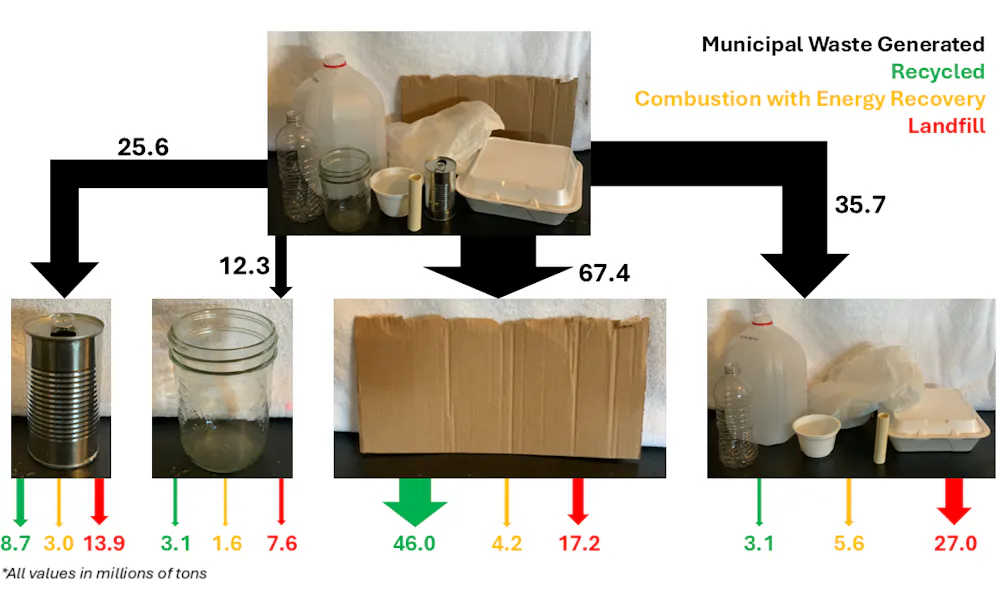
    April 17, 2025
  • MIL-OSI: Aviva’s Charged for Change Program to Power Up another 10 Canadian Communities with EV Charging Stations

    Source: GlobeNewswire (MIL-OSI)

    TORONTO, April 16, 2025 (GLOBE NEWSWIRE) — Aviva Canada is thrilled to announce that an additional 10 communities across Canada will soon be equipped with Level 2 electric vehicle (EV) charging stations thanks to its Charged for Change program, presented in partnership with Earth Day Canada. This year also marks the first time the program will fund EV infrastructure projects on First Nations territory.

    The recipients are:

    • We’koqma’q First Nation, NS
    • qathet Regional District, BC
    • Municipality of Neguac, NB
    • Village of Arcadia, NB
    • Municipality of Thames Centre, ON
    • Town of Essex, ON
    • Town of Fort Erie, ON
    • Town of Otterburn Park, QC
    • Town of Gravelbourg, SK
    • Town of Radisson, SK

    Charged for Change is an initiative aimed at addressing barriers to EV adoption in communities that lack adequate access to public charging infrastructure. Since 2021, this $3 million partnership has enabled municipalities and Indigenous communities to apply for funding to install Level 2 EV charging stations. In its first two years, the program successfully provided funding for public charging stations to 15 municipalities across Canada.

    “We’re grateful for the enthusiastic response from municipalities to our Charged for Change initiative, and pleased that Aviva has made a positive difference in multiple communities across the country,” stated Pascal Dessureault, Aviva Canada’s Chief Public Affairs, Marketing and Communications Officer. “While this marks the final year of the program, we know there’s still so much more to be done to support the climate transition and we’re eager to explore those opportunities.”

    Valérie Mallamo, Executive Director of Earth Day Canada, added, “For three years, Charged for Change and our partnership with Aviva Canada has supported small, rural communities across Canada in making their EV public infrastructure projects a reality. We’re very excited for this final cohort of communities to benefit from the program and to see them support EV adoption for their residents.”

    Testimonials from year three Charged for Change recipients:

    “The addition of new EV charging stations reflects Fort Erie’s ongoing commitment to building a greener future. This grant allows us to expand our efforts to combat climate change. It’s encouraging to see our community take tangible steps towards continued sustainability, such as welcoming our first EV and enhancing local charging infrastructure.”
    — Wayne Redekop, Mayor, Town of Fort Erie

    “We’koqma’q First Nation applied for Charged for Change funding because we are committed to building a greener, more sustainable future for our community. With the climate challenges we face, including rising water levels and increased flooding, we know the importance of taking action now. This funding allows us to invest in cleaner transportation and infrastructure, helping us reduce emissions and move towards energy independence. Receiving this support is a huge step forward for our community, and we are excited about the positive impact it will have for generations to come.”
    – Jordan Keeling, Director of Public Works, We’koqma’q First Nation

    “The qathet Regional District is proud to have been selected for the Charged for Change program, which will help bring much-needed public EV charging infrastructure to our rural, remote, and island communities, including Texada Island. By expanding access to EV charging in underserved areas, we are supporting sustainable transportation, reducing greenhouse gas emissions, fostering tourism, and strengthening local and regional economies. This funding is a crucial step in advancing our climate action goals and ensuring a more connected and resilient future for our communities.”
    – Mikhael Drosdovech, Manager of Assets and Capital Projects, qathet Regional District

    About Aviva Canada

    Aviva Canada is one of the leading property and casualty insurance groups in the country, providing home, automobile, lifestyle, and business insurance to 2.5 million customers coast to coast. A subsidiary of UK-based Aviva plc, we have the financial strength, scale and are a trusted insurance provider globally for more than 325 years.

    For more information, visit aviva.ca or Aviva Canada’s blog, LinkedIn and Instagram pages.

    The MIL Network –

    April 17, 2025
  • MIL-OSI Europe: AFRICA/SUDAN – The London conference ends without a final declaration; the RSF proclaim the formation of an alternative government

    Source: Agenzia Fides – MIL OSI

    Wednesday, 16 April 2025 war  

    Khartoum (Agenzia Fides) – The London conference organized exactly two years after the outbreak of the Sudanese civil war on 15 April 2023, to try to put an end to the conflict, ended without a final declaration.The conference was convened by the United Kingdom, the African Union (AU), the European Union (EU), France and Germany, and was attended by foreign ministers and high-level representatives of Canada, Chad, Egypt, Ethiopia, Kenya, Saudi Arabia, Norway, Qatar, South Sudan, Switzerland, Turkey, the United Arab Emirates, Uganda and the United States of America, together with high-level representatives of the League of Arab States (LAS) and the United Nations (UN). However, the absence of the two opposing forces—the Sudanese Armed Forces (SAF), led by General Abdel Fattah al-Burhan, and the Rapid Support Forces (RSF), commanded by Mohamed Hamdan “Hemeti” Dagalo—has severely limited the prospects for progress. The organizers of the conference said that this year’s participants pledged more than $1 billion to Sudan and its neighbors. This figure includes $590 million from the EU and its member states and $158 million from the United Kingdom.The final declaration that was supposed to address the formation of a contact group to mediate between the parties, fell through due to differences between Saudi Arabia, Egypt and the United Arab Emirates, according to The Guardian. The first two support General al-Burhan, while the third are suspected of siding with Dagalo. The latter, coinciding with the London conference, proclaimed once again yesterday, April 15, the formation of an alternative government to the one led by General al-Burhan, calling it a “Government of Peace and Unity, the true face of Sudan.” Dagalo described the administration as “an alliance between the Sudanese Revolutionary Front, civil society, humanitarian organizations, and youth movements.” He also emphasized that the RSF government aims to unify Sudan by committing to providing education, healthcare, and essential services throughout the war-torn country, and not only in the territories they control. (L.M.) (Agenzia Fides, 16/4/2025)
    Share:

    MIL OSI Europe News –

    April 16, 2025
  • MIL-OSI China: China, Egypt to hold joint air force training “Eagles of Civilization 2025” 2025-04-16 The Chinese PLA Air Force will send a detachment to Egypt to take part in the China-Egypt joint air force training code-named “Eagles of Civilization 2025” from mid April to early May in 2025.

    Source: People’s Republic of China – Ministry of National Defense 2

      BEIJING, April 16 — According to the consensus between the Chinese and Egyptian militaries, the Chinese PLA Air Force will send a detachment to Egypt to take part in the China-Egypt joint air force training code-named “Eagles of Civilization 2025” from mid April to early May in 2025.

      This is the first joint training between the Chinese and Egyptian militaries, which is of great significance to promoting pragmatic cooperation and enhancing mutual trust and friendship between the two militaries.

    loading…

    MIL OSI China News –

    April 16, 2025
  • MIL-OSI Asia-Pac: The cumulative exports (merchandise & services) during FY 2024-25 (April-March) is estimated to grow by 5.50% at US$ 820.93 Billion, as compared to US$ 778.13 Billion in FY 2023-24 (April-March).

    Source: Government of India

    Posted On: 16 APR 2025 8:48AM by PIB Delhi

     The cumulative value of merchandise exports during FY 2024-25 (April-March) was US$ 437.42 Billion, registering a positive growth of 0.08%, as compared to US$ 437.07 Billion during FY 2023-24 (April-March).

    The cumulative Non-Petroleum exports in FY 2024-25 (April-March) valued at US$ 374.08 Billion registered an increase of 6.0% as compared to US$ 352.92 Billion in FY 2023-24

    Major drivers of merchandise exports growth in FY 2024-25 (April-March) include Coffee, Tobacco, Electronic Goods, Rice, Jute Mfg. including Floor Covering, Meat, dairy & poultry products, Tea, Carpet, Plastic & Linoleum, RMG of all Textiles, Drugs & Pharmaceuticals, Cereal preparations & miscellaneous processed items, Mica, Coal & Other Ores, Minerals including processed minerals, Engineering Goods and Fruits & Vegetables.

    Coffee exports increased by 40.37% from US$ 1.29 Billion in FY 2023-24 (April-March) to US$ 1.81 Billion in FY 2024-25 (April-March).

    Tobacco exports increased by 36.53% from US$ 1.45 Billion in FY 2023-24 (April-March) to US$ 1.98 Billion in FY 2024-25 (April-March).

    Electronic Goods exports increased by 32.47% from US$ 29.12 Billion in FY 2023-24 (April-March) to US$ 38.58 Billion in FY 2024-25 (April-March).

    Rice exports increased by 19.73% from US$ 10.42 Billion in FY 2023-24 (April-March) to US$ 12.47 Billion in FY 2024-25 (April-March).

    Jute Mfg. including Floor Covering exports increased by 13.35% from US$ 0.34 Billion in FY 2023-24 (April-March) to US$ 0.38 Billion in FY 2024-25 (April-March).

    Meat, dairy & poultry products exports increased by 12.57% from US$ 4.53 Billion in FY 2023-24 (April-March) to US$ 5.1 Billion in FY 2024-25 (April-March).

    Tea exports increased by 11.84% from US$ 0.83 Billion in FY 2023-24 (April-March) to US$ 0.92 Billion in FY 2024-25 (April-March).

    Carpet exports increased by 10.46% from US$ 1.4 Billion in FY 2023-24 (April-March) to US$ 1.54 Billion in FY 2024-25 (April-March).

    Plastic & Linoleum exports increased by 10.23% from US$ 8.09 Billion in FY 2023-24 (April-March) to US$ 8.92 Billion in FY 2024-25 (April-March).

    RMG of all Textiles exports increased by 10.03% from US$ 14.53 Billion in FY 2023-24 (April-March) to US$ 15.99 Billion in FY 2024-25 (April-March).

    Drugs & Pharmaceuticals exports increased by 9.39% from US$ 27.85 Billion in FY 2023-24 (April-March) to US$ 30.47 Billion in FY 2024-25 (April-March).

    Cereal preparations & miscellaneous processed items exports increased by 8.71% from US$ 2.85 Billion in FY 2023-24 (April-March) to US$ 3.1 Billion in FY 2024-25 (April-March).

    Mica, Coal & Other Ores, Minerals including processed minerals exports increased by 6.95% from US$ 4.68 Billion in FY 2023-24 (April-March) to US$ 5.01 Billion in FY 2024-25 (April-March).

    Engineering Goods exports increased by 6.74% from US$ 109.3 Billion in FY 2023-24 (April-March) to US$ 116.67 Billion in FY 2024-25 (April-March).

    Fruits & Vegetables exports increased by 5.67% from US$ 3.66 Billion in FY 2023-24 (April-March) to US$ 3.87 Billion in FY 2024-25 (April-March).

    India’s total exports (Merchandise and Services combined) for March 2025* is estimated at US$ 73.61 Billion, registering a positive growth of 2.65 percent vis-à-vis March 2024. Total imports (Merchandise and Services combined) for March 2025* is estimated at US$ 77.23 Billion, registering a positive growth of 4.90 percent vis-à-vis March 2024.

    Table 1: Trade during March 2025*

    March 2025

    (US$ Billion)

    March 2024

    (US$ Billion)

    Merchandise

    Exports

    41.97

    41.69

    Imports

    63.51

    57.03

    Services*

    Exports

    31.64

    30.01

    Imports

    13.73

    16.60

    Total Trade

    (Merchandise +Services) *

    Exports

    73.61

    71.71

    Imports

    77.23

    73.63

    Trade Balance

    -3.63

    -1.92

    * Note: The latest data for services sector released by RBI is for February 2025. The data for March 2025 is an estimation, which will be revised based on RBI’s subsequent release. (ii) Data for FY 2023-24 (April-March) and April-December 2024 has been revised on pro-rata basis using quarterly balance of payments data.

    Fig 1: Total Trade during March 2025*

    • India’s total exports during FY 2024-25 (April-March)* is estimated at US$ 820.93 Billion registering a positive growth of 5.50 percent. Total imports during FY 2024-25 (April-March)* is estimated at US$ 915.19 Billion registering a growth of 6.85 percent.


    Table 2: Trade during FY 2024-25 (April-March)*

    FY 2024-25

     (US$ Billion)

    FY 2023-24

     (US$ Billion)

    Merchandise

    Exports

    437.42

    437.07

    Imports

    720.24

    678.21

    Services*

    Exports

    383.51

    341.06

    Imports

    194.95

    178.31

    Total Trade

    (Merchandise +Services) *

    Exports

    820.93

    778.13

    Imports

    915.19

    856.52

    Trade Balance

    -94.26

    -78.39


    Fig 2: Total Trade during FY 2024-25 (April-March)*

    MERCHANDISE TRADE

    • Merchandise exports during March 2025 were US$ 41.97 Billion as compared to US$ 41.69 Billion in March 2024.
    • Merchandise imports during March 2025 were US$ 63.51 Billion as compared to US$ 57.03 Billion in March 2024.


    Fig 3: Merchandise Trade during March 2025

    • Merchandise exports during FY 2024-25 (April-March) were US$ 437.42 Billion as compared to US$ 437.07 Billion during FY 2023-24 (April-March).
    • Merchandise imports during FY 2024-25 (April-March) were US$ 720.24 Billion as compared to US$ 678.21 Billion during FY 2023-24 (April-March).
    • Merchandise trade deficit during FY 2024-25 (April-March) was US$ 282.83 Billion as compared to US$ 241.14 Billion during FY 2023-24 (April-March).


    Fig 4: Merchandise Trade during FY 2024-25 (April-March)

    • Non-petroleum and non-gems & jewellery exports in March 2025 were US$ 34.17 Billion compared to US$ 33.66 Billion in March 2024.
    • Non-petroleum, non-gems & jewellery (gold, silver & precious metals) imports in March 2025 were US$ 37.76 Billion compared to US$ 35.85 Billion in March 2024.

    Table 3: Trade excluding Petroleum and Gems & Jewellery during March 2025

    March 2025

    (US$ Billion)

    March 2024

    (US$ Billion)

    Non- petroleum exports

    37.07

    36.28

    Non- petroleum imports

    44.50

    40.68

    Non-petroleum & Non-Gems & Jewellery exports

    34.17

    33.66

    Non-petroleum & Non-Gems & Jewellery imports

    37.76

    35.85

    Note: Gems & Jewellery Imports include Gold, Silver & Pearls, precious & Semi-precious stones


    Fig 5: Trade excluding Petroleum and Gems & Jewellery during March 2025


    • Non-petroleum and non-gems & jewellery exports in FY 2024-25 (April-March) were US$ 344.26 Billion, compared to US$ 320.21 Billion in FY 2023-24 (April-March).
    • Non-petroleum, non-gems & jewellery (gold, silver & precious metals) imports in FY 2024-25 (April-March) were US$ 453.62 Billion, compared to US$ 424.67 Billion in FY 2023-24 (April-March).

    Table 4: Trade excluding Petroleum and Gems & Jewellery during FY 2024-25 (April-March)

    FY 2024-25

     (US$ Billion)

    FY 2023-24

     (US$ Billion)

    Non- petroleum exports

    374.08

    352.92

    Non- petroleum imports

    534.46

    499.48

    Non-petroleum & Non Gems & Jewellery exports

    344.26

    320.21

    Non-petroleum & Non Gems & Jewellery imports

    453.62

    424.67

    Note: Gems & Jewellery Imports include Gold, Silver & Pearls, precious & Semi-precious stones

    Fig 6: Trade excluding Petroleum and Gems & Jewellery during FY 2024-25 (April-March)

    SERVICES TRADE

    • The estimated value of services export for March 2025* is US$ 31.64 Billion as compared to US$ 30.01 Billion in March 2024.
    • The estimated value of services imports for March 2025* is US$ 13.73 Billion as compared to US$ 16.60 Billion in March 2024.


    Fig 7: Services Trade during March 2025*


    • The estimated value of service exports during FY 2024-25 (April-March)* is US$ 383.51 Billion as compared to US$ 341.06 Billion in FY 2023-24 (April-March).
    • The estimated value of service imports during FY 2024-25 (April-March)* is US$ 194.95 Billion as compared to US$ 178.31 Billion in FY 2023-24 (April-March).
    • The services trade surplus for FY 2024-25 (April-March)* is US$ 188.57 Billion as compared to US$ 162.75 Billion in FY 2023-24 (April-March).

    Fig 8: Services Trade during FY 2024-25 (April-March)*

    • Exports of  Coffee (39.2%), Drugs & Pharmaceuticals (31.21%), Electronic Goods (29.57%), Marine Products (28.56%), Jute Mfg. Including Floor Covering (21.67%), Meat, Dairy & Poultry Products (16.62%), Tobacco (13.95%), Tea (11.25%), Gems & Jewellery (10.62%), Fruits & Vegetables (8.57%), Rice (7.62%), Carpet (6.52%), Mica, Coal & Other Ores, Minerals Including Processed Minerals (6.35%), Rmg Of All Textiles (3.97%), Leather & Leather Products (3.48%), Cereal Preparations & Miscellaneous Processed Items (3.35%), Cotton Yarn/Fabs./Made-Ups, Handloom Products Etc. (2.16%), and Plastic & Linoleum (1.56%) record positive growth during March 2025 over the corresponding month of last year.
    • Exports of Tea (11.84%), Coffee (40.37%), Rice (19.73%), Tobacco (36.53%), Spices (4.78%), Fruits & vegetables (5.67%), Cereal preparations & miscellaneous processed items (8.71%), Marine products (0.45%), Meat, dairy & poultry products (12.57%), Mica, coal & other ores, minerals including processed minerals (6.95%), Leather and leather products (2.06%), Drugs and pharmaceuticals (9.39%), engineering goods (6.74%), Electronics goods (32.47%), Cotton yarn/fabs/makeups etc (3.19%), Man-made/ yarn/Fabs/made ups etc (4.07%), RMG of Textiles (10.03%), Jute Mfg. including Floor Covering (13.35%), Carpet (10.46%), and Plastic & Linoleum (10.23%) registered positive growth during FY 2024-25 over the previous FY 2023-24.
    • Imports of Project Goods (-87.25%), Silver (-85.39%), Coal, Coke & Briquettes, Etc. (-30.18%), Transport Equipment (-25.53%), Pulses (-23.45%), Newsprint (-17.99%), Pearls, Precious & Semi-Precious Stones (-13.77%) and Pulp and Waste Paper (-11.8%) record negative growth during March 2025 over the corresponding month of last year.
    • Imports of Fertilisers, Crude & Manufactured (-2.21%), Coal, coke & briquettes (20.03%), Dyeing/tanning/colouring materials (-13.42%), Newsprint (-2.71%), Pearls, precious & semi-precious stones (-24.41%), Iron & Steel (-4.61%), Project goods (-18.45%), and Silver (-11.24%) registered negative growth during FY 2024-25 over the previous year FY 2023-24.
    • Services exports is estimated to grow by 12.45 percent during FY 2024-25 (April-March)* over FY 2023-24 (April-March).
    • Top 5 export destinations, in terms of change in value, exhibiting positive growth in March 2025 vis a vis March 2024 are U S A (35.06%), Australia (70.81%), Kenya (98.46%), Togo (46.52%) and             U K (8.43%).
    • Top 5 export destinations, in terms of change in value, exhibiting positive growth in FY 2024-25 (April-March) vis a vis FY 2023-24 (April-March) are U S A (11.59%), U K (12.08%), Japan (21.12%), U Arab Emts (2.84%) and France (11.42%).
    • Top 5 import sources, in terms of change in value, exhibiting growth in March 2025 vis a vis March 2024 are U Arab Emts (57.25%), China P Rp (25.02%), Saudi Arab (44.03%), Kuwait (93.8%) and Ireland (208.09%).
    • Top 5 import sources, in terms of change in value, exhibiting growth in FY 2024-25 (April-March) vis a vis FY 2023-24 (April-March) are U Arab Emts (32.06%), China P Rp (11.52%), Thailand (43.99%), U S A (7.44%) and Russia (4.39%).

    *Link for Quick Estimates

    ***

    Abhishek Dayal

    (Release ID: 2122016) Visitor Counter : 49

    MIL OSI Asia Pacific News –

    April 16, 2025
  • MIL-OSI Europe: Written question – Authoritarian restructuring of the Turkish state without consequences for EU candidate status – E-001451/2025

    Source: European Parliament

    Question for written answer  E-001451/2025
    to the Commission
    Rule 144
    Petra Steger (PfE)

    On 19 March 2025, Ekrem İmamoğlu, the Mayor of Istanbul and opponent of President Recep Tayyip Erdoğan, and some 100 other opposition figures were arrested on flimsy charges of corruption and terrorism. Just a few days later, on 23 March 2025, İmamoğlu was placed in pre-trial detention and ‘temporarily’ removed from office as Mayor. In response to these undemocratic actions, hundreds of thousands of people across Türkiye took to the streets, with more than 2000 people critical of the government being arrested since the beginning of the protests. Similarly, on 27 March 2025, a 10-day broadcasting ban was imposed on the opposition television channel ‘Sözcü TV’. In doing so, Erdoğan is ushering in a new level of authoritarianism in Turkey and proving that Turkey is a very poor partner for the EU. It is therefore all the more surprising that since the end of 2023, the Commission has been seeking a renewed deepening of relations with Türkiye, rather than withdrawing its EU candidate status, as it should have done long ago.

    • 1.Why is the Commission seeking a renewed deepening of relations with Türkiye since the end of 2023, even though Turkey had already drawn attention to itself in the preceding years through its numerous anti-democratic measures?
    • 2.What is the Commission’s assessment of developments in Türkiye since 19 March 2025?
    • 3.Why is Turkey not finally being stripped of its EU candidate status, which entails substantial financial support?

    Submitted: 9.4.2025

    Last updated: 16 April 2025

    MIL OSI Europe News –

    April 16, 2025
  • MIL-OSI Global: Europe’s elderly need migrant caregivers – whether we like it or not

    Source: The Conversation – UK – By Zuzanna Marciniak-Nuqui, Senior Analyst, RAND Europe

    Yuri A/Shutterstock

    Who will care for your ageing relatives when you can’t? It’s a question that many families in Europe are having to answer, as demographic changes caused by Europe’s ageing populations become more deeply embedded.

    As loved ones get older or face long-term illnesses and disabilities, the demand for care is skyrocketing. But the workforce isn’t keeping up. One in five Europeans is already 65 or older, and by 2050, that number will hit 30%. This demographic shift will drive a 23.5% increase in demand for long-term care workers – but where will they come from?

    Right now, the numbers don’t add up. Europe’s long-term care sector employs around 6.3 million people, yet there is already a massive shortfall of carers. Millions of families are stepping in, with 44 million Europeans – mostly women – providing unpaid, informal care for elderly relatives. This burden is neither sufficiently acknowledged nor sustainable. Our recent research shows the extent to which migrant care workers bridge this gap.

    Across the EU, nearly 10% of long-term care workers are foreign-born. Some come from within the EU, but many arrive from South America (20%), Africa (12%), and Asia (10%). Once in Europe, they plug a critical gap in the care system, taking on jobs that local workers won’t or can’t do.

    Despite their essential role, migrant care workers frequently suffer poor treatment. Many work on temporary contracts, earning lower wages than their European counterparts and contending with exploitative conditions. Some work in undeclared jobs, leading to informal roles with no legal protections, making them vulnerable to abuse.

    In Norway, migrant carers tend to be given lower-status jobs, even when their qualifications match or exceed those of their local colleagues. They are also perceived as less professional, despite their experience and training. In Germany, a family hiring a Polish caregiver through an agency was shocked to learn she received just €1,000 (£860) per month, while they were paying €2,800 (£2400) – with the agency pocketing the difference.

    In some EU countries, restrictive immigration policies make things harder for migrant care workers. In Cyprus and Malta, for example, migrant care workers on temporary visas are denied access to social benefits, even after years of service. Many also struggle with language barriers, making it harder to assert their rights or have their qualifications recognised.

    Labour shortages

    Nearly all EU countries face critical labour shortages in long-term care. The problem is worse in lower-income EU countries, where attracting and retaining care workers is more difficult. Low wages and difficult working conditions make these jobs unattractive to locals, pushing many to seek employment in western European countries with better pay.

    The disparities are stark. In the Netherlands, long-term care workers earn 96% of the national average hourly wage. In Bulgaria, it is just 62%. Many eastern European and Baltic states also suffer from a lack of home care services, forcing families to rely on underfunded nursing homes or informal, unregulated care.

    shutterstock.
    M-Production/Shutterstock

    The European Commission introduced the skills and talents package in 2022, to improve conditions and legal migration processes for workers in sectors with shortages. This included a proposal for the EU Talent Pool – a digital platform to connect employers in the EU with skilled workers from non-EU countries. The European Parliament’s civil liberties committee endorsed the plan in March of this year, paving the way for a new approach to international recruitment.

    If properly implemented, this initiative could help fill Europe’s care workforce gap and provide a legal, structured pathway for skilled migrants to join the sector. But public resistance to migration remains a huge barrier.

    Anti-immigration sentiment

    Europeans want their elderly relatives to receive quality care, but many are unwilling to accept that foreign workers are one of the ways to make that happen. This tension between public attitudes and economic realities threatens the future of long-term care in Europe.

    Research shows that western European Millennials (born 1982–1991) are now more anti-immigrant than those born between 1952–1961.

    The EU recognises the need for foreign workers, yet politicians are reluctant to make the case publicly. Public attitudes towards migration remain deeply divided, with preference often given to migrants from other EU countries or from Ukraine, following Russia’s 2022 invasion.


    Read more:
    What Britons and Europeans really think about immigration – new analysis


    The EU’s reliance on migrant care workers will only increase in the coming decades. However, simply recruiting more foreign workers is not a sustainable solution unless the system itself changes.

    Several measures could help ensure that migrant care workers receive fair treatment. Firstly, introducing a specific care visa for non-EU workers would ensure they have legal status and job security. Stronger legal protections against exploitative contracts and unfair wages are necessary. And making it easier to recognise foreign qualifications would allow skilled workers to take on roles that better match their experience.

    Fairer wages and working conditions are essential to attract and retain both migrant and local workers. International cooperation between the EU and third countries could also create ethical, regulated migration pathways.

    The bottom line is this: Europe’s population is getting older, and without migrant workers, millions of families will struggle to find care for their loved ones. Europe must support and protect workers, both migrant and local, in the care system for its own sake.

    The authors do not work for, consult, own shares in or receive funding from any company or organisation that would benefit from this article, and have disclosed no relevant affiliations beyond their academic appointment.

    – ref. Europe’s elderly need migrant caregivers – whether we like it or not – https://theconversation.com/europes-elderly-need-migrant-caregivers-whether-we-like-it-or-not-250121

    MIL OSI – Global Reports –

    April 16, 2025
  • MIL-Evening Report: NZ’s Palestine Forum calls on Luxon to take ‘firm stand’ over Israeli atrocities with temporary ban on visitors

    Asia Pacific Report

    A Palestinian advocacy group has called on NZ Prime Minister Christopher Luxon and Foreign Minister Winston Peters to take a firm stand for international law and human rights by following the Maldives with a ban on visiting Israelis.

    Maher Nazzal, chair of the Palestine Forum of New Zealand, said in an open letter sent to both NZ politicians that the “decisive decision” by the Maldives reflected a “growing international demand for accountability and justice”.

    He said such a measure would serve as a “peaceful protest against the ongoing violence” with more than 51,000 people — mostly women and children — being killed and more than 116,000 wounded by Israel’s brutal 18-month war on Gaza.

    Since Israel broke the ceasefire on March 18, at least 1630 people have been killed — including at least 500 children — and at least 4302 people have been wounded.

    The open letter said:

    Dear Prime Minister Luxon and Minister Peters,

    I am writing to express deep concern over the ongoing humanitarian crisis in Gaza and to urge the New Zealand government to take a firm stand in support of international law and human rights.

    Palestinian Forum of New Zealand chair Maher Nazzal at an Auckland pro-Palestinian rally . . . “New Zealand has a proud history of advocating for human rights and upholding international law.” Image: Asia Pacific Report

    The Maldives has recently announced a ban on Israeli passport holders entering their country, citing solidarity with the Palestinian people and condemnation of the ongoing conflict in Gaza.

    This decisive action reflects a growing international demand for accountability and justice.

    New Zealand has a proud history of advocating for human rights and upholding international law. In line with this tradition, I respectfully request that the New Zealand government consider implementing a temporary suspension on the entry of Israeli passport holders. Such a measure would serve as a peaceful protest against the ongoing violence and a call for an immediate ceasefire and the protection of civilian lives.

    I understand the complexities involved in international relations and the importance of maintaining diplomatic channels. However, taking a stand against actions that result in significant civilian casualties and potential violations of international law is imperative.

    I appreciate your attention to this matter and urge you to consider this request seriously. New Zealand’s voice can contribute meaningfully to the global call for peace and justice.

    Sincerely,
    Maher Nazzal
    Chair
    Palestine Forum of New Zealand

    JUST IN: 🇲🇻🇮🇱 Maldives President officially signs the law banning Israelis from entering the country. pic.twitter.com/rKRnlEw6WK

    — BRICS News (@BRICSinfo) April 15, 2025

    The Middle East Eye reports that Maldives ban on Israelis from entering the country was a protest against Israel’s war on Gaza in “resolute solidarity” with the Palestinian people.

    President Mohamed Muizzu signed the legislation after it was passed on Monday by the People’s Majlis, the Maldivian parliament.

    Muizzu’s cabinet initially decided to ban all Israeli passport holders from the idyllic island nation in June 2024 until Israel stopped its attacks on Palestine, but progress on the legislation stalled.

    A bill was presented in May 2024 in the Maldivian parliament by Meekail Ahmed Naseem, a lawmaker from the main opposition, the Maldivian Democratic Party, which sought to amend the country’s Immigration Act.

    The cabinet then decided to change the country’s laws to ban Israeli passport holders, including dual citizens. After several amendments, it passed this week, more than 300 days later.

    “The ratification reflects the government’s firm stance in response to the continuing atrocities and ongoing acts of genocide committed by Israel against the Palestinian people,” Muizzu’s office said in a statement.

    Gaza’s Health Ministry said on Sunday that at least 1,613 Palestinians had been killed since 18 March, when a ceasefire collapsed, taking the overall death toll since Israel’s war on Gaza began in October 2023 to 50,983.

    The ban went into immediate effect.

    “The Maldives reaffirms its resolute solidarity with the Palestinian cause,” the statement added.

    Last year, in response to talk of a ban, Israel’s Foreign Ministry advised its citizens against travelling to the country.

    The Maldives, a popular tourist destination, has a population of more than 525,000 and about 11,000 Israeli tourists visited there in 2023 before the Israeli war on Gaza began.

    MIL OSI Analysis – EveningReport.nz –

    April 16, 2025
  • MIL-OSI Economics: CBB 12 Month Treasury Bills Issue No. 127 Oversubscribed

    Source: Central Bank of Bahrain

    CBB 12 Month Treasury Bills Issue No. 127 Oversubscribed

    Published on 15 April 2025

    Manama, Bahrain –15th April 2025 – This week’s BD 100 million issue of Government Treasury Bills has been oversubscribed by 123%.

    The bills, carrying a maturity of 12 months, are issued by the CBB, on behalf of the Kingdom of Bahrain.

    The issue date of the bills is 17th April 2025, and the maturity date is 16th April 2026.

    The weighted average rate of interest is 5.03% compared to 4.88% of the previous issue on 20th March 2025.

    The approximate average price for the issue was 95.162% with the lowest accepted price being 94.823%.

    This is issue No. 127 (ISIN BH0002580072) of Government Treasury Bills. With this, the total outstanding value of Government Treasury Bills is BD 2.110 billion.

    Share this

    MIL OSI Economics –

    April 16, 2025
  • MIL-OSI Submissions: Gaza has become a “mass grave” for Palestinians and those helping them – MSF

    Source: Médecins Sans Frontières / Doctors Without Borders (MSF)

    JERUSALEM, 16 APRIL – As Israeli forces resume and expand their military offensive by air, ground and sea on the Gaza Strip, Palestine, forcibly displacing people and deliberately blocking essential aid, Palestinian lives are once again being systematically destroyed, warns Médecins Sans Frontières / Doctors Without Borders (MSF). A series of deadly attacks by Israeli forces have shown a blatant disregard for the safety of humanitarian and medical workers in Gaza. We call on Israeli authorities to immediately lift the inhumane and deadly siege on Gaza, protect the lives of Palestinians, humanitarian and medical personnel, and for all parties to restore and sustain the ceasefire.

    “Gaza has been turned into a mass grave of Palestinians and those coming to their assistance. We are witnessing in real time the destruction and forced displacement of the entire population in Gaza.” says Amande Bazerolle, MSF emergency coordinator in Gaza. “With nowhere safe for Palestinians or those trying to help them, the humanitarian response is severely struggling under the weight of insecurity and critical supply shortages, leaving people with few, if any, options for accessing care.”

    Over 50,000 people have been killed since October 2023, nearly a third of whom are children, according to the Ministry of Health. Since the resumption of hostilities on 18 March, more than 1,500 people have been killed, according to local authorities.

    According to the United Nations, at least 409 aid workers, most of whom were UNWRA staff, the main provider of humanitarian aid in Gaza, have been killed since October 2023. Eleven MSF colleagues, some while on duty, have been killed since the start of the war, including two in just the past two weeks.

    In the latest instance of a ruthless attack by Israeli forces on aid workers, the bodies of 15 emergency responders and the ambulances they were traveling in were found in a mass grave on 30 March in Rafah, southern Gaza. The group was killed by Israeli forces while trying to assist civilians caught in shelling on 23 March. Recent publicly shared evidence has shown that the workers and their vehicles were clearly marked and identifiable, challenging the initial claims given by Israeli authorities.

    “This horrific killing of aid workers is yet another example of the complete disregard shown by Israeli forces for the protection of humanitarian and medical workers. The silence and unconditional support of Israel’s closest allies further emboldens these actions,” says Claire Magone, General Director of MSF France. MSF considers that only international and independent investigations can bring to light the circumstances of, and the responsibilities for, these attacks on aid workers.

    Although the situation has already been catastrophic for over 18 months, over the past three weeks, MSF has witnessed several incidents involving the killing of humanitarian and medical workers. The coordination of humanitarian movements with Israeli authorities, known as the Humanitarian Notification System (HNS), an already imperfect mechanism, has become more unreliable and is now barely affording any protection guarantees. Notified locations, in which humanitarians have informed Israel of their presence, such as health facilities where we work, compounds of humanitarian stakeholders, and MSF offices and guesthouses have been hit by shells or bullets. Areas near healthcare facilities have been subjected to strikes, fighting and evacuation orders.

    Medical facilities are not exempt from attacks and evacuation orders by Israeli forces. MSF teams have had to leave many facilities, while others continue operating with staff and patients trapped inside, unable to leave safely for hours at a time. On 7 April, MSF teams and patients found themselves trapped in the MSF field hospital in Deir Al-Balah, central Gaza. Rockets were launched by Hamas in close proximity to our field hospitals in Deir Al-Balah endangering both patients and staff and leading to an evacuation order of the area by Israeli forces, who also carried out strikes near the compounds of Al Aqsa and Nasser hospitals. We strongly denounce these actions by the warring parties and call on them to respect and protect healthcare facilities, patients and medical staff.

    Since March 18, MSF has not been able to return to Indonesian hospital in northern Gaza where our teams were set to begin pediatric care but had to flee the field hospital, which was set up right next to the compound. MSF mobile clinics in North Gaza were suspended, and in the south, teams have been unable to return to Al-Shaboura clinic in Rafah.

    The full siege on Gaza has depleted food, fuel and medical stocks. MSF is especially facing shortages in medications for pain management and chronic illnesses, antibiotics and critical surgical materials. The lack of fuel replenishment across the Strip will lead to the inevitable suspension of activities as hospitals rely on generators for electricity to keep critical patients alive and conduct lifesaving operations.

    “Israeli authorities have deliberately blocked all aid from entering Gaza for over a month. Humanitarians have been forced to watch people suffer and die while carrying the impossible burden of providing relief with depleted supplies, all while facing the same life-threatening conditions themselves,” explains Bazerolle. “There is no way they can carry out their mission under such circumstances. This is not a humanitarian failure — it is a political choice, and a deliberate assault on a people’s ability to survive, carried out with impunity.”

    Israeli authorities must end their collective punishment of Palestinians.

    We urge Israel’s allies to end their complicity and stop enabling the destruction of Palestinian lives.

    MSF is an international, medical, humanitarian organisation that delivers medical care to people in need, regardless of their origin, religion, or political affiliation. MSF has been working in Haiti for over 30 years, offering general healthcare, trauma care, burn wound care, maternity care, and care for survivors of sexual violence. MSF Australia was established in 1995 and is one of 24 international MSF sections committed to delivering medical humanitarian assistance to people in crisis. In 2022, more than 120 project staff from Australia and New Zealand worked with MSF on assignment overseas. MSF delivers medical care based on need alone and operates independently of government, religion or economic influence and irrespective of race, religion or gender. For more information visit msf.org.au 

    MIL OSI – Submitted News –

    April 16, 2025
  • MIL-OSI: HERE Technologies Showcases Software-Defined Vehicle Solutions for Chinese Automakers at Auto Shanghai 2025

    Source: GlobeNewswire (MIL-OSI)

    • HERE to showcase next-generation, AI-powered mapping and location solutions built for the connected, electric, automated and intelligent vehicle era
    • Working alongside 30 leading Chinese automakers globally, HERE is the trusted provider for high-quality location data

    Shanghai – HERE Technologies, the leading location data and technology platform, today announced its debut participation in Auto Shanghai 2025, one of the world’s premier automotive industry events. HERE is a trusted partner to China’s top automotive companies, delivering high-quality, AI-powered mapping and location data solutions for the Software-Defined Vehicle (SDV) era. 

    Located at Booth #2B A052, HERE will showcase its latest technologies and offer a range of interactive demos including:

    • HERE Navigation: The turnkey customizable software solution that delivers a complete navigation experience fit for the digital cockpit.
    • HERE AI Assistant: The intuitive companion for contextual, real-time and predictive location-aware interactions that leverages generative large language models for an optimized total cost of ownership.
    • ADAS Cockpit Experience: The immersive experience spanning Navigation, ADAS, NOA and AD domains for a seamless and continuous experience for the driver.
    • ThunderSoft Demo: Integration of cockpit-driving with multimodal large model capabilities to deliver enhanced functionality and performance.

    Supporting Chinese Automaker Innovation and Global Expansion

    HERE is a trusted mapping and location data provider for the leading Chinese automakers. Taken together, HERE customers account for 80% of Chinese OEMs export volumes in 2024, including BYD, Geely and SAIC Motor, who are partnering with HERE to accelerate their global expansion. HERE delivers a suite of products tailored to power EVs, Navigation on Autopilot (NOA) and digital cockpit vehicle experiences. HERE enables Chinese automakers to seamlessly scale their global operations, enhance driver safety, and deliver next-generation AI-powered driver experiences for international markets.

    HERE delivers a suite of products tailored to power EVs, Navigation on Autopilot (NOA) and digital cockpit vehicle experiences. This includes HERE Automated Driving Zones which allows OEMs to precisely define the Operational Design Domain (ODD) for their ADAS and AD features. With it, they can specify the regions, roads and conditions under which these features can be activated. This tool is essential for safe deployments globally and regulatory compliance. HERE enables Chinese automakers to seamlessly scale their global operations, enhance driver safety, and deliver next-generation AI-powered driver experiences for international markets.

    AI-Powered Technologies for the Future of SDVs

    At the core of HERE’s innovations is artificial intelligence, transforming how location data is processed, analyzed and delivered to enhance vehicle safety, efficiency and user experiences. HERE’s AI-powered mapping architecture dynamically updates road attributes, delivers fresh speed limit information, traffic conditions, EV route calculations and charge point availability, ensuring drivers receive highly precise and context-aware insights. 

    Additionally, the recently-unveiled HERE AI Assistant provides natural language-powered, location-aware guidance, transforming the way drivers and passengers interact with vehicle cockpit and navigation experiences.

    Deep Local Expertise, Enabling Global Success for Chinese Automakers

    As a pioneer in mapping and location technology for 40 years, with digital maps data for more than 200 countries worldwide, HERE combines deep local expertise with global innovation. This unique positioning allows HERE to support Chinese automakers in scaling their technologies and expanding into international markets, and complying with international safety and navigation standards, including the European Union’s Intelligent Speed Assistance regulation.

    “HERE has been a trusted partner to global and Chinese automakers for the past 40 years, and is thrilled to be an exhibitor at Auto Shanghai 2025,” said Deon Newman, Senior Vice President and General Manager for Asia Pacific. “We work with leading automakers globally to provide AI-powered location intelligence solutions that deliver the most innovative driver experiences, Navigation on Autopilot (NOA), and automated driving functions.”

    One of HERE’s long-standing partners is the Neusoft Corporation. The companies are focused on delivering customized intelligent navigation solutions for global markets, supporting Chinese automakers in meeting diverse international requirements and expanding their global reach.

    Guan Xin, General Manager, Neusoft Automotive Innovative Solutions said, “Expanding beyond China comes with unique challenges, from meeting diverse regulatory requirements to ensuring a seamless navigation experience for drivers worldwide. With HERE, we have a trusted partner that helps us localize our solutions while maintaining global consistency. Their AI-powered location technology enables us to deliver smarter, safer and more connected driver experiences as we scale into new markets.”

    Attendees of Auto Shanghai 2025 are invited to visit the HERE booth #2B A052 to experience firsthand how HERE’s location intelligence solutions are enabling smarter, safer, and more sustainable mobility.

    Follow HERE on WeChat to stay updated on our latest innovations and developments.

    Media contacts
    HERE Technologies
    Qifei Zhang 
    +86 186 181 18897 
    rico.zhang@here.com 

    Jordan Stark
    +1 312 316 4537
    jordan.stark@here.com

    Dr. Sebastian Kurme 
    +49 173 515 3549 
    sebastian.kurme@here.com

    About HERE Technologies
    HERE has been a pioneer in mapping and location technology for 40 years. Today, HERE’s location platform is recognized as the most complete in the industry, powering location-based products, services and custom maps for organizations and enterprises across the globe. From autonomous driving and seamless logistics to new mobility experiences, HERE allows its partners and customers to innovate while retaining control over their data and safeguarding privacy. Find out how HERE is moving the world forward at here.com.

    Attachment

    • HERE Technologies

    The MIL Network –

    April 16, 2025
  • MIL-OSI: Eternex Network (eTRNX) Launches to Empower the Future of Finance Through Blockchain, AI, and Real-World Utility

    Source: GlobeNewswire (MIL-OSI)

    DUBAI, United Arab Emirates, April 16, 2025 (GLOBE NEWSWIRE) — Eternex Network (eTRNX) introduces a next-generation blockchain ecosystem designed to transform how people save, invest, and transact. Built on the fast and efficient Tron blockchain and enhanced by AI-powered innovation, eTRNX is crafted to empower individuals and businesses across Africa, Asia, and the Middle East with accessible, transparent, and decentralized financial tools.

    With the Initial Exchange Offering (IEO) currently live, early supporters have the unique opportunity to join a project focused on delivering real-world blockchain utility where it matters most.

    The Mission: Financial Inclusion Without Borders

    eTRNX aims to deliver secure, low-cost, and accessible financial services that go beyond conventional limitations. From tokenized investments in real estate to AI-driven risk assessments, eTRNX is setting the stage for the next evolution of digital finance.

    Live IEO: Be Among the First Movers

    The IEO of eTRNX is now live on p2p, offering investors early access to one of the most promising digital assets in the DeFi space. With only 1 million tokens currently in circulation out of a total supply of 2 billion, early adopters have the advantage of entering at the ground floor of a fast-scaling ecosystem.

    Following the strong momentum on P2PB2B, eTRNX is expanding its Initial Exchange Offering (IEO) to more platforms.

    The second phase of the IEO is now live on DEX-Trade and Bitstorage, giving even more early supporters the opportunity to join the movement and acquire eTRNX tokens before they hit major exchanges.

    This multi-platform IEO approach ensures broader access and liquidity, further accelerating the adoption of the Eternex ecosystem.

    What Sets eTRNX Apart

    • AI-Powered Fraud Detection & Risk Assessment
    • Multi-currency & cross-border payment support
    • Ultra-low transaction fees (as low as $0.000005)
    • Real-time settlements and asset tracking
    • Seamless staking and yield farming with up to 30% APY
    • Compliance-ready via CMA’s Regulatory Sandbox

    Real-World Use Cases: Blockchain That Touches Lives

    1. Everyday Commerce – Seamless Local Transactions

    Using eTRNX, users can pay for groceries and daily essentials at local markets through simple QR code scans—no bank fees, no waiting times.
    Impact: Transaction costs are reduced by over 50% compared to traditional mobile money services, making everyday purchases more efficient and affordable.

    2. Real Estate Investing – Accessible and Automated

    With a small initial investment, individuals can gain exposure to income-generating real estate properties through tokenized ownership. Monthly rental dividends are distributed automatically, powered by smart contracts.
    How: Fractional ownership through eTRNX-powered Real Estate Investment Trusts (REITs).
    Impact: Democratizes property investment by eliminating high capital barriers and providing global access to real estate markets.

    3. Cross-Border Remittances – Instant and Cost-Effective

    eTRNX enables users to send funds internationally in seconds at negligible fees, improving the lives of families dependent on cross-border income.
    Impact: Saves up to $30 per transaction compared to traditional remittance services, while ensuring faster and more secure delivery.

    REITs: Fractional Ownership of Real-World Assets

    eTRNX introduces tokenized Real Estate Investment Trusts (REITs) where users can:

    • Invest with as little as $10.
    • Own shares of residential and commercial properties globally.
    • Earn passive income from rental yields.
    • Trade these digital real estate shares on decentralized exchanges with instant settlement.

    This opens the real estate market to small investors who previously lacked access to high-capital opportunities.

    Money Market Funds (MMFs): Secure, Low-Risk Investments for All

    Traditional MMFs are controlled by institutions and require large deposits. eTRNX disrupts this by offering tokenized digital debt instruments:

    • Start investing with just $10.
    • Earn consistent returns from low-risk money market assets.
    • AI ensures optimal fund management and real-time settlement.
    • All transactions are recorded transparently on the blockchain.

    Staking & Governance: Earn and Influence

    Earn Passive Income

    Staking through TRC20 Native Wallets and other platforms provides up to 30% APY in the first year, adjusting gradually for long-term sustainability. This:

    • Incentivizes network security
    • Reduces token circulation, potentially increasing value
    • Rewards loyal community members

    Govern the Future

    Every eTRNX token equals one vote. Token holders can:

    • Propose changes
    • Vote on upgrades and treasury decisions
    • Participate in a fully decentralized and transparent governance system

    AI Integration: Smart Finance for a Smarter World

    eTRNX doesn’t just run on blockchain—it’s enhanced by artificial intelligence:

    • +70% improvement in real-time transaction efficiency
    • +40% boost in investment accuracy via AI-powered advisors
    • AI-driven asset monitoring, fraud prevention, and risk modeling

    This combination creates a truly intelligent financial infrastructure.

    Global Vision with Local Impact

    eTRNX is committed to transforming real-world financial pain points into digital opportunities. Whether you’re a farmer in the Philippines, a freelancer in Kenya, or an investor in the UAE—eTRNX gives you access, empowerment, and opportunity.

    Join the Movement – Participate in the Live IEO Today!

    The Initial Exchange Offering is your chance to become a part of the financial revolution. Secure your stake in Eternex Network and help redefine the future of decentralized finance.

    Visit the official IEO page: [https://p2pb2b.com/token-sale/eTRNX-802/]

    For latest update join and follow our socials:

    Website: https://www.etronnetwork.org/
    Twitter: https://x.com/eTRNX1
    Telegram: https://t.me/etrnx01
    Facebook: https://www.facebook.com/eTRNXNetwork
    Instagram: https://www.instagram.com/etrnxnetwork

    Media Contact Details:

    Company Name: Eternex Network
    Company Email: esther@etronnetwork.org
    Company Website: https://www.etronnetwork.org/

    Disclaimer: This press release is provided by Eternex Network. The statements, views, and opinions expressed in this content are solely those of the content provider and do not necessarily reflect the views of this media platform or its publisher. We do not endorse, verify, or guarantee the accuracy, completeness, or reliability of any information presented. This content is for informational purposes only and should not be considered financial, investment, or trading advice. Investing in crypto and mining related opportunities involves significant risks, including the potential loss of capital. Readers are strongly encouraged to conduct their own research and consult with a qualified financial advisor before making any investment decisions. However, due to the inherently speculative nature of the blockchain sector–including cryptocurrency, NFTs, and mining–complete accuracy cannot always be guaranteed. Neither the media platform nor the publisher shall be held responsible for any fraudulent activities, misrepresentations, or financial losses arising from the content of this press release.Speculate only with funds that you can afford to lose.Neither the media platform nor the publisher shall be held responsible for any fraudulent activities, misrepresentations, or financial losses arising from the content of this press release. In the event of any legal claims or charges against this article, we accept no liability or responsibility.

    Legal Disclaimer: This media platform provides the content of this article on an “as-is” basis, without any warranties or representations of any kind, express or implied. We do not assume any responsibility or liability for the accuracy, content, images, videos, licenses, completeness, legality, or reliability of the information presented herein. Any concerns, complaints, or copyright issues related to this article should be directed to the content provider mentioned above.

    A photo accompanying this announcement is available at https://www.globenewswire.com/NewsRoom/AttachmentNg/7b629c3f-1c49-4098-b7a4-579ef012b0ba

    The MIL Network –

    April 16, 2025
  • MIL-OSI China: Hamas says it loses contact with Israeli-US hostage

    Source: China State Council Information Office

    Hamas said on Tuesday that it has lost contact with the group that captured Israeli-U.S. hostage Edan Alexander after an Israeli bombardment targeted their location.

    Abu Obeida, spokesperson of the Al-Qassam Brigades, the armed wing of Hamas, said in a press statement that efforts are ongoing to re-establish contact with the group.

    “It seems that the occupation army is deliberately trying to kill him and hence relieve itself from the pressure caused by the dual-citizen prisoners in order to continue its genocide against our people,” the statement added.

    Earlier in the day, the Israeli military said it had killed the commander of Hamas’s Shuja’iyya battalion in an airstrike in Gaza.

    According to a military statement, the Israel Defense Forces and the Shin Bet internal security agency jointly carried out the strike Sunday night.

    The commander, Muhammad al-‘Ajlah, had previously served as the leader of a combat support company within the battalion. The Israeli military said he was responsible for arming Hamas fighters with weapons.

    MIL OSI China News –

    April 16, 2025
←Previous Page
1 … 228 229 230 231 232 … 427
Next Page→
NewzIntel.com

NewzIntel.com

MIL Open Source Intelligence

  • Blog
  • About
  • FAQs
  • Authors
  • Events
  • Shop
  • Patterns
  • Themes

Twenty Twenty-Five

Designed with WordPress