Category: Trumpism

  • MIL-OSI Analysis: The use of federal troops to quell Los Angeles protests recalls militarized law enforcement during the Civil Rights Movement

    Source: The Conversation – USA – By Justin Randolph, Assistant Professor of U.S. History, Texas A&M University

    The National Guard and protesters stand off outside of a downtown jail in Los Angeles on June 8, 2025. Spencer Platt/Getty Images

    President Donald Trump activated 4,000 National Guard troops on June 10, 2025, to quell protests in Los Angeles over immigration raids – without the normal request from the state. He has also sent to Los Angeles hundreds of U.S. Marines, with the goal of protecting the unprecedented deportation operations by U.S. Immigration and Customs Enforcement.

    If this all feels exceptional, it should. Governors typically activate their own state troops, as Texas Gov. Greg Abbott said he would do on June 11 ahead of expected immigration protests.

    California quickly sued the president. A federal court has sided with the state, but an appeals court will weigh the Trump administration’s use of the U.S. code on armed services to activate the National Guard, which relies on protesters constituting either an “invasion” or “rebellion.”

    “What we’re witnessing is not law enforcement – it’s authoritarianism,”
    California Gov. Gavin Newsom said on June 10.

    Protesters report violent responses from Los Angeles police, too. Nonetheless, Newsom’s invocation of authoritarianism is apt.

    The last example of a president federalizing troops over the objection of a state government dates to Jim Crow segregation, a period marked by legal practices that routinely denied due process and citizenship rights to Black Americans in the South. In the 1960s, numerous Black freedom struggles took stands against this authoritarianism backed by militarized law enforcement.

    As a scholar of U.S. history, I’ve just completed a book on Jim Crow policing and the ways Black Americans fought back against racist law and order. I think the militarization of policing in Los Angeles opens important questions about democracy and state violence.

    Jim Crow dreams

    During the Civil Rights Movement, the federal government activated National Guard troops over Southern state objections when those states would neither enforce court orders nor protect protesters.

    In those cases, presidents protected people with the help of troops. In Trump’s case, he’s using troops to protect the government from protesters.

    The Trump administration’s vision of law enforcement aims for the type of militarized authority that state governments institutionalized under Jim Crow policing. If your political enemy is perceived more like an enemy combatant, the rules of legal procedure, especially due process, might not apply. Policing becomes war.

    When you see the words “Jim Crow,” your mind may jump to photos of racially segregated water fountains. But Jim Crow was far more than that. It was homegrown racial authoritarianism, or the repression of freedom of thought and action.

    Before troops enforced civil rights, Black Southerners saw the National Guard as an enemy rather than a friend.

    In the words of Ida B. Wells-Barnett after a white riot against Black residents in St. Louis, Missouri, in 1917, “The police were either indifferent or encouraged the barbarities. … The major part of the National Guard was indifferent or inactive. No organized effort was made to protect the Negroes or disperse the murdering groups.”

    Eisenhower sends in the troops

    The U.S. Supreme Court’s 1954 decision in Brown v. Board of Education changed things. It overturned the 1896 Plessy v. Ferguson decision that legalized racial segregation and ruled that segregated public school education was unconstitutional. This significantly altered the federal government’s responsibility in the South’s legal system of white supremacy.

    The first test came in Little Rock, Arkansas, in 1957. Though numerous school districts across the South quietly desegregated, Southern governors such as Arkansas’ Orville Faubus resisted the planned desegregation of Little Rock Central High School.

    Seven of nine Black students walk onto the campus of Central High School in Little Rock, Ark., with a National Guard officer as an escort on Oct. 15, 1957.
    AP Photo/File

    Faubus deployed the Arkansas National Guard to stop Black children at the door. For nearly three weeks, Guardsmen blocked the small group of Black students – known as the “Little Rock Nine” – who were supposed to attend the school before President Dwight Eisenhower federalized the Arkansas National Guard and ordered them to stand down.

    Eisenhower deployed U.S. Army riot troops to Little Rock under the Insurrection Act. In the end, the Little Rock Nine began their studies at Central High despite the much-photographed spitting from the white mob that surrounded the school.

    State troops, state rights

    Next came the desegregation of interstate transportation.

    In spring 1961, the Congress of Racial Equality, a civil rights advocacy group, sent buses of integrated passengers through the Deep South. White terrorists attacked Freedom Riders, as these activists became known, three times in Alabama.

    But state authorities had learned from the Little Rock experience. Southern governors in Alabama and Mississippi deployed the National Guard themselves. This time they intended to only minimally protect Freedom Riders to block federal law enforcement. In Mississippi, police arrested and prison guards tortured Freedom Riders in the state penitentiary. Mob violence killed no one.

    James Meredith, center, is escorted by federal marshals as he appears for his first day of class at the previously all-white University of Mississippi on Oct. 1, 1962.
    AP Photo, File

    The same was not true during the desegregation of public universities.

    When U.S. marshals arrived to enforce the court order enrolling James Meredith at the University of Mississippi in September 1962, a white riot erupted. State law enforcement withdrew from the scene. Two men died, and many more were injured.

    President John F. Kennedy federalized the Mississippi National Guard and sent them in to restore order. The next summer, he did the same in Tuscaloosa, Alabama, to preemptively halt a riot at the University of Alabama.

    The occasion became a publicity stunt for Alabama Gov. George C. Wallace. He temporarily blocked the entrance to Foster Auditorium, intent on stopping the court-ordered registration of three Black students.

    “I stand before you here today in place of thousands of other Alabamians whose presence would have confronted you,” Wallace said to federal authorities. A National Guard general said, “Sir, it is my sad duty to ask you to step aside under the orders of the President of the United States.”

    A National Guard general informs Alabama Gov. George C. Wallace that the guard was under federal control, as the two meet at Foster Auditorium at the University of Alabama in Tuscaloosa, Ala., on June 11, 1963.
    AP Photo, File

    Wallace also triggered the last federal use – until now – of the National Guard. Alabama’s Selma-to-Montgomery march began as a memorial to Jimmie Lee Jackson, a young Black civil rights activist who was killed by police on Feb. 26, 1965. The march became primarily a symbol for the year’s Voting Rights Act.

    In an important change, President Lyndon B. Johnson federalized the National Guard to protect marchers. State troopers and sheriff’s deputies had terrorized marchers, including John Lewis, who was almost beaten to death on Bloody Sunday, March 7, 1965.

    Democracy is in the streets

    The history of the National Guard in the South is an important part of what’s unfolding in Los Angeles and across the nation.

    For most of the National Guard’s history in the South, political leaders used domestic military power to preserve the interests of racial authoritarians, not racial egalitarians. Little Rock, Tuscaloosa, Selma: Those moments when troops protected racial justice protesters at home stand out as some of America’s most hopeful moments.

    Recent statements by Trump administration officials help illustrate how it envisions using military power in domestic law enforcement. On June 8, 2025, Homeland Security Secretary Kristi Noem asked Defense Secretary Pete Hegseth “to arrest rioters” – a request beyond the original order to protect ICE agents.

    And on June 12, Noem said that “the military people that are working on this operation … are staying here to liberate the city from the socialist and burdensome leadership that this governor and that this mayor have placed on this country.”

    The National Guard and Marines are reportedly protecting immigration enforcement. But what might happen if they directly interact with protests?

    With diverse tactics, protesters are halting business as usual because they see a mass-deportation regime terrorizing and disappearing people in their communities. U.S. courts tend to agree with their analysis but seem powerless to enforce even basic due process rights for those detained by ICE.

    These activists show the messy work of American social change. Their work may look like “anarchy” to even some Democrats. It may be maligned as “invasion” and “rebellion” by the Trump administration.

    But the calls to constrain ICE follow an American tradition of fighting authoritarianism.

    Justin Randolph does not work for, consult, own shares in or receive funding from any company or organization that would benefit from this article, and has disclosed no relevant affiliations beyond their academic appointment.

    ref. The use of federal troops to quell Los Angeles protests recalls militarized law enforcement during the Civil Rights Movement – https://theconversation.com/the-use-of-federal-troops-to-quell-los-angeles-protests-recalls-militarized-law-enforcement-during-the-civil-rights-movement-258866

    MIL OSI Analysis

  • MIL-OSI USA: Welch Joins Sanders as Cosponsor of No War Against Iran Act 

    US Senate News:

    Source: United States Senator Peter Welch (D-Vermont)

    WASHINGTON, D.C. – Following Israel’s military strikes against Iran, which threaten to further destabilize the Middle East and draw the United States into yet another military conflict, U.S. Senator Peter Welch (D-Vt.) joined U.S. Senator Bernie Sanders (I-Vt.) in introducing the No War Against Iran Act to prohibit the use of federal funds for any use of military force in or against Iran absent specific Congressional authorization. The bill contains an exception for self-defense as enshrined in the War Powers Act and applicable U.S. law. 
    Joining Senators Welch and Sanders on this legislation are Sens. Elizabeth Warren (D-Mass.), Jeff Merkley (D-Ore.), Chris Van Hollen (D-Md.) and Ed Markey (D-Mass.). 
    “Our taxpayer dollars should not be used to fund another reckless, open-ended conflict instigated by Prime Minister Netanyahu,” said Senator Welch. “War has badly damaged this region. Millions of civilians face acute hunger and need lifesaving aid in Gaza right now. Netanyahu just upended U.S.-led negotiations to limit Iran’s nuclear program in favor of recklessly escalating tensions. Congress needs to listen to the American people, as our founders intended, before getting involved.” 
    “Netanyahu’s reckless and illegal attacks violate international law and risk igniting a regional war. Congress must make it clear that the United States will not be dragged into Netanyahu’s war of choice,” said Senator Sanders. “Our Founding Fathers entrusted the power of war and peace exclusively to the people’s elected representatives in Congress, and it is imperative that we make clear that the President has no authority to embark on another costly war without explicit authorization by Congress. Another war in the Middle East could cost countless lives, waste trillions more dollars and lead to even more deaths, more conflict, and more displacement. I will do everything that I can as a Senator to defend the Constitution and prevent the U.S. from being drawn into another war.” 
    “The Constitution is clear: Congress decides when our country goes to war, not the President or the Netanyahu government,” said Senator Warren. “The Trump administration must prioritize de-escalation to prevent this spiraling into a war that jeopardizes U.S. troops and destabilizes the Middle East.” 
    “As strikes between Israel and Iran continue, we need de-escalation and restraint from all sides. Trump’s reckless decision to abandon the JCPOA nuclear agreement, cheered on by Netanyahu, helped bring us to this dangerous moment. This bill makes clear: the President cannot launch another war in the Middle East without Congressional authorization. It’s long past time for Congress to reassert its constitutional role and prevent another disastrous conflict,” said Senator Merkley. 
    “Instead of bringing wars to an end, Trump is facilitating them — leading to civilian deaths and threatening American lives in the region. Only the Congress has the constitutional power to declare war, and President Trump must not drag us further into this conflict without Congressional approval,” said Senator Van Hollen. 
    “Our Constitution and laws give Congress, not the President, the exclusive powers to authorize military force and declare war. Congress must reassert that authority so that we are not drawn into a catastrophic regional war that would further imperil the safety of American citizens and forces, the stability of Middle East, and the lives of innocent civilians,” said Senator Markey. 
    Read and download the full text of the bill. 

    MIL OSI USA News

  • MIL-OSI USA: Rep. Simpson Cosponsors Bill to Address Opioid and Fentanyl Crisis in Indian Country

    Source: US State of Idaho

    Rep. Simpson Cosponsors Bill to Address Opioid and Fentanyl Crisis in Indian Country

    Washington, June 17, 2025

    WASHINGTON—Idaho Congressman Mike Simpson cosponsored the bipartisan Protection for Reservation Occupants Against Trafficking and Evasive Communications Today (PROTECT) Act.  This bill would expand Special Tribal Criminal Jurisdiction (STCJ) to allow tribal nations to prosecute non-Native offenders for drug trafficking. It would also allow tribal courts to execute warrants for electronic material to better combat drug traffickers and other criminals. This legislation is sponsored by Reps. Ryan Zinke (R-MT) and Rick Larsen (D-WA).
    “The growing drug threat and deadly fentanyl crisis have devastated Indian Country,” said Rep. Simpson. “Giving Tribal communities and law enforcement the tools and resources they need to protect their people is a common sense approach to tackling this crisis. One of my top priorities as Chairman of the House Appropriations Interior, Environment, and Related Agencies Subcommittee has been addressing Tribal needs, including bolstering public safety. I firmly believe that between President Trump’s efforts to secure the southern border and this legislation, we can help combat the spread of dangerous, illegal drugs in Indian Country.”
    U.S. Senators Steve Daines (R-MT) and Tina Smith (D-MN) have introduced companion legislation in the Senate.
    The full text of the legislation is available here.

    MIL OSI USA News

  • MIL-OSI Russia: Interview with Alexander Novak for Vedomosti newspaper

    Translation. Region: Russian Federal

    Source: Government of the Russian Federation – An important disclaimer is at the bottom of this article.

    Alexander Novak: The main factors of economic development are within our country.

    Question: One of the key tracks of the upcoming SPIEF is: “The World Economy – a New Platform for Global Growth”. Over the past few months, the world economy has experienced not just a series of shocks, but real tectonic shifts. In your opinion, is global growth, in the context of a general movement, possible or is the world steadily moving towards regionalization?

    A. Novak: Global economic growth will continue to some extent until 2030. However, the dynamics of its growth will depend on new challenges and threats that primarily affect global trade flows. This primarily concerns the increasing economic fragmentation of global markets – when trade, investment, exchange of services and technologies are subject to the logic of “mine” and “others”. As a result, investment activity and the well-being of the world’s population are declining.

    These processes did not begin yesterday. Since the early 2000s, the economic center of the world has been shifting from the West to the East. Developing countries, primarily China, are gaining a much greater role in the global economy. Of course, this situation does not suit those who are used to dictating their terms. And we increasingly see how, in order to counteract the growing influence of developing countries on the world economy, Western countries are making active attempts to maintain the status quo on the world stage and preserve their leadership.

    As a consequence, the strengthening of protectionism in the national economy and the revision of the existing results of globalization come to the fore. The main steps in this direction were the actual destruction of the multilateral mechanisms of the WTO, unilateral tariff and non-tariff restrictions on developing countries under the pretext of “threats to national interests”, and the introduction of various sanctions against competitors.

    The current escalation of tariff restrictions is also, of course, another consequence of the confrontation between the West and the rest of the world. The desire to maintain dominant positions in the global economy is happening by “pushing” bilateral agreements instead of multilateral ones. And such steps obviously lead to a new round of regionalization, observed since 2022, and the consolidation of countries within “blocs”.

    In the current conditions, the priority for us is to ensure the implementation of the national development agenda and the construction of sustainable partnerships with friendly countries with their own infrastructure to ensure the interests of these partnerships. This concerns the economic, financial and technological sovereignty of the Russian Federation, which, in the context of involvement in global value chains, requires, first of all, a reconfiguration of foreign economic relations with trading partners.

    I would like to remind you that we took into account the trends of regionalization of the global economy when preparing the Strategy for Foreign Economic Activity adopted by the government at the beginning of last year, therefore, relations with trading partners are built and developed taking into account the influence of geo-economic fragmentation and the opportunities opening up for Russia.

    Question: One of the undisputed leaders of destabilization has become the new US tariffs, which with a high degree of probability will lead to a redrawing of trade flows. What is this primarily for Russia – a risk or an opportunity? How many percent or percentage points of Russia’s GDP can a global trade war take away?

    A. Novak: Subtract or add? No, seriously, from the point of view of forecasting, the situation in world trade is currently the largest zone of uncertainty. There are a great many development options, their implementation depends on a large number of external and internal factors.

    The world is wider than individual Western countries and their circle of partners. Most likely, the situation with trade wars will not be universal. Some commodity flows will be redirected, as usually happens in trade wars.

    At the same time, there will be no repetition of the pandemic situation, when global trade stopped and trade flows collapsed. Therefore, the baseline forecast scenario approved by the government assumes that the growth rate of global trade will slow down, but will not go into recession.

    You are right, for us there are really two sides to the coin: risks and opportunities. The risks are related to the overall slowdown of the global economy, as well as demand and prices for traditional Russian export goods. On the other hand, this is a possible reduction in logistics costs, the opening of new niches, the substitution of Russian products for goods that will leave certain markets. From the point of view of imports, risks arise for our domestic market and domestic producers.

    And yet, no matter how the situation in the world develops, the main factors of the development of the Russian economy are not outside, but inside our country. The main one, with all the importance of the proactive work of the government and the Bank of Russia, is private entrepreneurial initiative. The flexibility and adaptive capacity of national business is the key to the stability of our economy in recent years. The main task of the authorities is to develop and support these qualities in every possible way.

    However, when you think about all the changes that you said were caused by “destabilizing US tariffs,” it is important to understand that tariffs are just a tool, and the goal is not to redirect trade flows. The goal, apparently, is to return key production chains to the native territory of the United States, to return production, competencies, infrastructure. Localization of value chains is what the Trump administration wants to achieve. What level of tariffs is needed to deploy investment? This is an interesting question. I think 10-15% of the final tariff, given how many times goods cross customs borders in the modern world, will be quite enough to create incentives to redirect investment flows. And the current 50% or 100% tariffs are nothing more than a negotiating position from which negotiating tactics have begun to form.

    Question: Is the government considering measures to stimulate investment activity of Russians? Can more active attraction of citizens’ funds to the stock market help businesses solve the problem of lack of financing?

    A. Novak: Yes, of course, measures to stimulate investment activity are being taken, including, as you know, within the framework of the national project “Efficient and Competitive Economy” and the federal project “Development of the Financial Market” included in it. Also, separate support measures of the federal projects “SME” and “Technology” are aimed at the development of SMEs and small technology companies by attracting funds from the financial market, respectively.

    In the context of achieving the “May decree” indicators, our citizens have the opportunity to invest in long-term instruments. For example, one of them is the Long-Term Savings Program, LTS. It involves the state creating conditions for the formation of long-term savings, which are formed both from personal funds and from the pension savings of citizens.

    This program is a new universal savings product that will allow everyone, with the stimulating support of the state, to form capital for their priority goals. PDS is especially relevant for families seeking to provide for the future of their children, create a financial safety net, purchase housing or pay for education. Together with banks, we are trying to actively inform citizens about the availability of such programs and the opportunities they provide.

    Another tool for stimulating investment is more active attraction of citizens’ funds to the stock market, which can have a significant impact on solving the problem of lack of financing for businesses. Firstly, attracting citizens’ funds will help diversify sources of financing for businesses. This will reduce companies’ dependence on bank loans and allow them to more easily adapt to changing economic conditions.

    In addition, active participation of citizens in the stock market can contribute to increasing the financial literacy of the population. Educated investors better understand the risks and opportunities, and accordingly, they make more informed investment decisions. This, in turn, creates a healthier investment environment and promotes economic growth.

    Of course, we understand that the designated incentives will work much better with a reduction in deposit rates. This applies to interest rates on both deposits and loans. According to our estimates, a gradual, correct cooling of the economy is already underway. Citizens will eventually withdraw from deposits and consider the possibility of diversifying their savings.

    Question: What drivers do you think the capital market might have in the current geopolitical and economic conditions?

    A. Novak: There are several such incentives or drivers now. The main “driver” is macroeconomic stability. Reducing inflation expectations, consistent and predictable economic policy contribute to the growth of investor confidence in the stock and bond market.

    Controlling inflation helps reduce investment risks and increases the attractiveness of assets in the capital market.

    In the context of sanctions pressure and limited access to international financial markets, Russian companies are seeking to find new sources of financing within the country. As a result, there is demand for financial instruments such as bonds and shares, and this can contribute to the growth of the stock market. An increase in the number of issuers and an expansion of the range of financial products offered also contribute to the development of the capital market.

    The development of infrastructure for attracting investment can also be an important driver. Authorities and financial institutions can introduce new mechanisms to support business, such as tax incentives for investors, programs to improve the financial literacy of the population, and the creation of more convenient conditions for entering the stock market. This will not only increase the number of investors, but also increase their confidence in financial instruments.

    In addition, in my opinion, digitalization and the development of financial technologies, digital platforms give a significant boost to the capital market. Another plus in this regard is that digital technologies contribute to the growth of liquidity and the reduction of transaction costs.

    Question: At the recent government strategy session on the National Model of Target Conditions for Doing Business, you specifically emphasized that by 2030, Russia should be among the top 20 countries in terms of the investment climate, as assessed by the World Bank B-READY rating. This rating will be discussed at the SPIEF. What do you see as the key priorities for improving the business climate in Russia? In what aspects are there the largest “development zones” today?

    A. Novak: First of all, I would like to clarify that the World Bank’s international rating of the business and investment climate is one of the bases for the formation of the National Model of Target Conditions for Doing Business, along with Russia’s national development goals and the rating of the state of the investment climate.

    When analyzing the data of the pilot study of the business climate in Russia, conducted by the Agency for Strategic Initiatives, “development zones” were identified. Within the areas of engineering infrastructure, labor standards, taxation, dispute resolution, businesses have the most difficulties with the effectiveness of law enforcement of public services, even taking into account the well-developed regulatory framework in the country. We have formed working groups that are currently developing initiatives to improve indicators, such as reducing the number of hours for preparing and submitting tax reports. We are talking about reporting, which currently amounts to about 160 hours per year. Another example: the implementation of initiatives to develop alternative forms of dispute resolution, primarily through arbitration courts and mediation.

    The opposite situation has developed in the areas of business registration, financial services, and bankruptcy procedures. The assessment shows the need to improve regulatory and legal acts in Russian legislation. For example, such initiatives as the development and adoption of norms on restructuring, on pre-trial debt restructuring in order to reduce the period of bankruptcy of companies. In addition, norms are being discussed that change the process of asset sales and asset replacement in bankruptcy proceedings.

    Focusing, among other things, on the international rating, we plan to present the key priorities and results of the formation of the National Model at the St. Petersburg Forum; we are open and will be glad to have as many interested parties as possible participate in the discussion.

    Question: Does the government have a scenario for economic development in which sanctions against Russia are relaxed? If so, which restrictions do you think would be the most realistic to lift?

    A. Novak: Such a scenario is among many forecasts developed by the Ministry of Economic Development, but it is not the main one. The basic forecast scenario approved by the government does not include any drastic changes in terms of sanctions pressure.

    Question: Oil prices are now also under the control of geopolitics. In your opinion, can we say that we are once again entering an “era of low prices”? Is OPEC’s decision to accelerate production growth relevant in this context? Is its adjustment being discussed?

    A. Novak: Global oil prices have historically been under pressure from both political factors and the balance of supply and demand. The key factor of volatility in recent years has been the situation in the Middle East and the risks of supply restrictions through the Strait of Hormuz, as well as the ongoing recovery of the global economy and the risks associated with trade wars unleashed by the United States.

    Historically, affordable prices provoke additional demand for oil while global fuel competition continues. And in general, the world is experiencing a need for additional volumes of raw materials. We believe that OPEC objectively assesses the situation regarding the prospects for global oil demand, and we highly appreciate the competence of OPEC experts.

    As for the issue of adjustment, OPEC countries are in constant contact, monitor the market situation and are ready to respond flexibly and promptly to any changes in the market situation. If necessary, the parameters of the deal can be adjusted in the future to ensure an optimal balance between supply and demand.

    And in the short term, oil prices are always under the power of geopolitics. For example, the current aggravation of the Israeli-Iranian conflict. The key questions that good economists ask in such cases of external shocks are whether the shock is temporary (short-term) or permanent (permanent) and from which side is it – demand or supply? And from these options, the scenario and development of optimal policy occurs.

    Question: The SPIEF is planning to discuss the balance of interests of producers and consumers in the global fuel and energy market. You personally participated in the formation of the current architecture of balance, which allowed the markets to be stabilized. Today, do you see risks of disruption of the balance of supply and demand in the oil market in the medium term?

    A. Novak: The data show that in April, the demand for oil in the world was about 103.1 mbps with supply at 103.7 mbps. Given the current state of the oil market and its overall balance, as well as the traditionally high demand season in the summer, it is extremely important for each country to fulfill its obligations.

    The radical change in the external economic environment (I mean the growing sanctions pressure, the unstable geopolitical situation in the Middle East, as well as the high volatility in the global oil market) confirms that the current mechanism for implementing the agreement is the most effective tool. It ensures maximum efficiency of oil production and state revenues. Thus, OPEC plays and will continue to play a coordinating role in the market, as it has been for the past five years.

    Question: SPIEF is traditionally a platform for international dialogue. In your opinion, what are the most important factors that will determine future relations between energy producing and consuming countries, and how can Russia contribute to strengthening cooperation and stability in this dynamic environment?

    A. Novak: We are witnessing a transformation of the energy market, where, against the backdrop of accelerating energy consumption, accelerated growth is observed in all types of energy resources, both traditional ones – oil, gas, coal, and renewable energy sources. A renaissance in demand for the development of nuclear power plants is observed.

    The key drivers have already become the growth of the population in developing countries and the extensive development of data processing systems. And all this against the backdrop of the introduction of artificial intelligence.

    The recent major power outages in Spain and Portugal show that it is important to provide the population with electricity at economically feasible prices. Also, in addition to domestic generation and the choice of the optimal source in the conditions of inter-fuel competition, it is very important to ensure the possibility of delivering primary resources at acceptable prices.

    In this regard, I cannot help but state the obvious. Russia is a key supplier of energy resources around the world. And not only oil, gas and LNG, but also coal, which in the context of growing demand is an important competitive advantage. Russia is also a reliable partner in the supply of its energy resources, all contract terms are observed, and, given the current realities in the world, only long-term contracts and responsible relationships can become guarantors of a stable supply of energy resources.

    Question: In your opinion, in connection with recent geopolitical events, does the recently approved Energy Strategy need to be adjusted, or does it already take into account all possible risks?

    A. Novak: When developing the Energy Strategy until 2050, a pool of scenarios was considered that assumed various internal and external prerequisites and results of the development of Russian energy. In particular, the Energy Strategy until 2050 takes into account the stress scenario, which assumes a significant decrease in the production indicators of the fuel and energy complex industries against the background of a reduction in export opportunities and a general deterioration in external operating conditions.

    The calculation of quantitative indicators within the framework of the strategy’s stress scenario made it possible to identify the main challenges for the Russian energy sector in each of its sectors and to develop special measures to mitigate the consequences if such a scenario is implemented.

    But, of course, in case of significant changes not taken into account in the wide range of strategy scenarios, adjustments can be made to it. However, the main areas of work will remain the same.

    Question: Is the Power of Siberia 2 project still relevant in the current conditions? Have you managed to reach an agreement with your colleagues from China on the cost of gas? If so, when can a contract be signed for the project and what volume of supplies is currently being discussed?

    A. Novak: China is one of the largest energy consumers in the world, and its rapid economic development, industrial growth and urbanization contribute to a constant increase in energy demand. Particularly noticeable is the growing role of natural gas, which is used as a cleaner alternative to coal. In 2024, gas demand in China amounted to about 430 billion cubic meters, compared to 373 billion cubic meters in 2021, that is, an increase of 15%.

    In recent years, the role of renewable energy sources has also increased significantly in China’s energy sector – the country is the undisputed leader in terms of installed solar and wind generation capacity. If in 2021 the figure was 636 GW, then by 2024 it reached about 1400 GW. However, the growth in the use of renewable energy sources does not mean abandoning natural gas. Gas is expected to be used as a “balancing” fuel in cases of insufficient electricity generation from renewable energy sources and will remain the guarantor of China’s energy security. According to the forecast of the International Energy Agency, in the scenario of current policies, China will increase gas consumption throughout the forecast period, until 2050. By this time, gas demand in China is expected to increase by more than 30% compared to 2023.

    Russia, which is the leader in natural gas reserves (currently 63.4 trillion cubic meters), remains one of the main suppliers of this fuel to China. In this regard, the Power of Siberia 2 project undoubtedly remains relevant. As for the rest, more detailed information directly on the project itself is the subject of commercial negotiations.

    Question: Are there plans to build an oil pipeline to China parallel to Power of Siberia 2? You spoke about the possibility of delivering up to 30 million tons of oil per year through it. Has China confirmed its interest in this project? In what time frame could such a pipeline be built? Is there a preliminary estimate of its cost?

    A. Novak: I repeat: since the implementation of the project is the responsibility of the specialized companies, the details of the agreements are classified as a commercial secret and were not made public. However, I will add that, according to OPEC forecasts, China’s demand for oil in 2023-2050 will grow by an average of 2.5% per year. Against this background, the implementation of new infrastructure projects appears to be an important part of the sphere of interests of China’s fuel and energy sector.

    Question: Are there any risks for the National Welfare Fund due to the reduction in oil and gas budget revenues? The Ministry of Finance is already considering the possibility of adjusting the cutoff price under the budget rule. In this case, what are the prospects for the Russian “piggy bank”? Do you think it is important to continue accumulating the National Welfare Fund?

    A. Novak: Today, the cutoff price according to the budget rule is $60/bbl, and the average Urals FOB in January–April 2025 fluctuates in the range of $59–60/bbl.

    But current world oil prices are a short-term consequence of the current market situation, taking into account the growing factor of trade wars and geopolitical tensions, and do not suit most key oil producers. Therefore, oil prices will be adjusted as the effect of “market shocks” is leveled out and will take on an upward trend.

    As for the National Welfare Fund, it is certainly important to continue to accumulate it. The fund not only allows for the implementation of social projects and the maintenance of the well-being of citizens, but also promotes the development of industry and infrastructure in Russia.

    Question: Is there a need to replace the export of raw materials and first-stage products with new high-tech goods? Are new mechanisms of support from the state needed for this?

    A. Novak: In the context of increased sanctions pressure on the Russian fuel and energy complex, active import substitution is taking place. In parallel, work is actively underway to complete the modernization of oil refineries to improve the quality of manufactured products. The volume of oil and gas engineering currently exceeds 500 billion rubles, and by 2030 it is planned to import-substitute critical equipment by 100%.

    If we look at it from the point of view of petrochemistry, then by 2030 it is planned to increase the volume of production of large-tonnage plastics several times – up to 14 million tons. The development of oil refining will allow to fully provide the domestic market at reasonable prices. In implementing all import substitution projects, Russia is ready to start exporting services and supplying energy on a turnkey basis, that is, from raw materials to the construction of processing complexes in other countries.

    Thus, key measures to support both mechanical engineering and secondary product manufacturing are already being implemented in our country. New measures and mechanisms of support from the state require working out the effects and assessing the impact on the industry.

    Question: The key topic of SPIEF: common values are the basis for growth in a multipolar world. At the beginning of our conversation, we already discussed economic regionalization, but no less important is the division by value orientations. Until recently, carbon neutrality seemed to be a common goal for all countries: programs were adopted, significant budgets were allocated to solve these problems. But Trump’s rise to the presidency of the United States violated the status quo. He said that too much emphasis on renewable energy sources threatens the security of the United States. Do you see in this a general reversal and a paradigm shift in public and political consciousness? In your opinion, how can we maintain a balance between the world of the present and the world of the future, taking into account the priorities of all generations?

    A. Novak: Look what we see today? The aggressive policy of achieving carbon neutrality to the detriment of economic efficiency and the trend towards global replacement of traditional energy sources with renewable energy sources is gradually shifting to a more pragmatic direction. Many countries are adapting their energy policies towards an economically balanced approach to choosing energy sources.

    According to BloombergNEF’s annual report, global energy transition investment in 2024 grew by 11%, exceeding $2 trillion for the first time. However, the growth rate was lower than in the previous three years, when investment grew by 24-29% per year. Thus, to achieve carbon neutrality and net-zero emissions goals by mid-century, global energy transition investment in 2025-2030 will need to average $5.6 trillion per year.

    But investors pulled more than $30 billion out of climate-focused funds last year, ending a four-year boom that saw the value of assets increase sevenfold to $541 billion. Despite a six-fold increase in energy transition investment over the past 10 years, it is still only 37% of what is needed to achieve carbon neutrality. China was the largest such market, with $818 billion in investment.

    Factors that significantly limit the possibilities for large-scale implementation of renewable energy sources include insufficient transmission capacity of electrical networks, the expansion of which significantly reduces the economic efficiency of such generation. There are also limitations associated with the dependence of production on weather conditions. And all this against the background of a low level of maturity of energy storage technologies.

    The recent energy crisis in Spain and Portugal further confirms that today it is the grid complex that is the least prepared element of the energy system to operate in the conditions of the energy transition. Therefore, in the conditions of the current level of development of energy systems and the risks caused by this, it is necessary, first of all, to ensure a balance between economic efficiency, reliability of energy supply and the level of greenhouse gas emissions.

    Source – Vedomosti newspaper

    Please note: This information is raw content directly from the source of the information. It is exactly what the source states and does not reflect the position of MIL-OSI or its clients.

    MIL OSI Russia News

  • MIL-OSI Analysis: Israeli aggression and Iranian nuclear brinkmanship made this confrontation all but inevitable

    Source: The Conversation – UK – By Matthew Moran, Professor of International Security, King’s College London

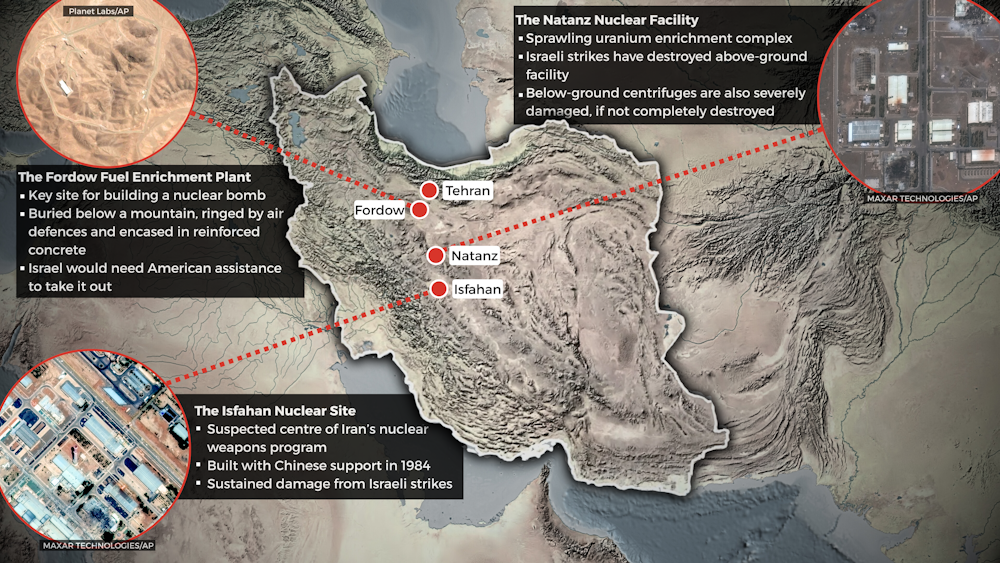
    In the early hours of June 13, Israel launched its largest-ever attack on Iran. Airstrikes involving more than 200 aircraft targeted nuclear and missile facilities, as well as key figures in the Iranian military and nuclear programme leadership. The attack, codenamed “Operation Rising Lion”, appears to have been supported on the ground by Israeli agents operating drones positioned deep within Iranian territory.

    In one sense, this attack has been a long time coming. Over the past 15 years, Israel has repeatedly threatened to attack Iran, arguing that Tehran harbours nuclear weapons aspirations that pose an existential threat to the Israeli state. Israel’s prime minister, Benjamin Netanyahu, said as much in a televised address announcing the same-day military operation in which he placed the nuclear issue front and centre: “We struck at the heart of Iran’s nuclear weaponisation program.” But why has Israel chosen to act now?

    Clearly, we are looking at a dynamic situation from the outside in, but there are some important points worth considering. First, events over the past 12 months or so have undermined Iran’s ability to deter adversaries, which has left the regime exposed. Israel’s response to an Iranian missile attack in October, for example, seriously degraded Iran’s air defences as well as missile production capabilities. This created weaknesses that Israel has since exploited in its renewed military campaign.

    Looking more broadly, the fallout from the October 7 attack by Hamas on Israel has decimated the proxies that Iran spent decades cultivating in the Middle East. The brutal war in Gaza has decimated Hamas, while to the north, Hezbollah is severely degraded after its own 14-month war with Israel.


    Get your news from actual experts, straight to your inbox. Sign up to our daily newsletter to receive all The Conversation UK’s latest coverage of news and research, from politics and business to the arts and sciences.


    Add to this the fall of the Assad regime in Syria, and it is clear that Iran’s so called “axis of resistance”, a key pillar of the country’s deterrence posture, is now a dramatically reduced force. Israel has been emboldened by these events. It now clearly sees a unique opportunity to further degrade a major adversary – and potentially bring about regime change.

    What’s more, Iran’s nuclear programme has continued to advance since Donald Trump withdrew the US in 2018 from the joint comprehensive plan of action (JCPOA). This was the 2015 deal negotiated during Barack Obama’s presidency that rolled back the country’s nuclear capabilities in return for a relaxation of harsh sanctions against Iran.

    In March, the Washington-based – but non-partisan – Institute for Science and International Security reported that Iran could convert its current stock of 60% enriched uranium into enough weapons-grade uranium for seven nuclear weapons at the Fordow fuel enrichment plant. This could be done in as little as three weeks.

    At the same time, the US director of national intelligence, Tulsi Gabbard, told the Senate intelligence committee on March 27 that the intelligence community “continues to assess that Iran is not building a nuclear weapon”.

    So this raises the question of whether the Israeli government had intelligence that the Iranians were moving forward with weaponisation. It is possible that Iran was preparing to make a dash for the bomb, crossing an Israeli red line and triggering action – although there is currently no evidence to support this theory. What is clear, however, is that Iran’s brinkmanship around its effort to hedge its bets on a nuclear option meant it was always operating in a dangerous space.

    Was the Israeli attack inevitable?

    At first sight, the answer to this seems obvious. For years now, Israel has been very clear that it will not accept a nuclear armed Iran. Yet Tehran has insisted on a nuclear programme that appears to go well beyond what is required for civil nuclear purposes. On June 12, the International Atomic Energy Agency declared that Iran was not complying with its nuclear safeguards obligations.

    By most estimates, Iran is not far from the bomb and Israel has finally taken action – ostensibly on this basis.

    Had Iran curbed its nuclear advancement and continued to comply with its IAEA obligations, Israel would have found it more challenging to justify any military action politically. In the same vein, if Iran had made quicker and greater progress in its nuclear talks with the Trump administration on reaching some form of new deal, this would also have made it more difficult for Israel to act.

    The combination of the IAEA declaration and the lack of acceptable progress in talks with the US clearly influenced Israeli decision making. So why did the Iranian regime not take more concrete steps in this direction?

    Iran’s nuclear ‘hedging’

    The answer goes to the heart of Iran’s deterrence posture. Alongside its conventional forces and its infamous axis of resistance, Iran has sought to leverage its nuclear programme for influence.

    Nearly ten years ago, we argued that Iran was engaged in a strategy of “nuclear hedging”. The value of this approach lies in the potential for a state to position itself relatively close to the bomb without incurring all the negative – including potentially military – consequences of a fully-fledged nuclear weapons programme, where the goal is to cross the threshold as quickly as possible.

    Yet hedging is a delicate balancing act that requires plausible deniability of weapons intent. A step too far can undermine any idea that the nuclear development is for civilian use, instead inviting military intervention.

    Conversely, too few steps towards a credible breakout capability and hedging has little value. For any coercive or deterrent benefit to be obtained, a state must be perceived by others as relatively close to having the bomb.

    With the deterioration of Iran’s regional power over the past year, the value to Tehran of its nuclear programme has become much greater. This may help to explain why Iran did not take firm steps to reduce external concerns about its nuclear intentions.

    Tehran is likely to have factored the cost of being seen to give in to external pressure on its nuclear programme. At home there is the risk that the regime’s hold on power could be weakened by capitulation to external pressure from the US, and Israel in particular. Regionally, the power costs would include losing valuable influence over other states across the Middle East.

    At the same time, the US government has changed its stance since the JCPOA deal was struck during Obama’s presidency in 2015, allowing Iran some small degree of enrichment capacity. The first Trump administration pulled the US out of the JCPOA in 2018 depicting it as a flawed agreement.

    In Donald Trump’s second term, his administration has continued to take a hard line, pushing for Iran to give up enrichment. From an Iranian perspective, the benefits of rolling back its capabilities failed to materialise.

    This is a rapidly evolving situation. But even at this early stage, this case demonstrates clearly the risks associated with Iran’s strategy of nuclear hedging.

    The authors do not work for, consult, own shares in or receive funding from any company or organisation that would benefit from this article, and have disclosed no relevant affiliations beyond their academic appointment.

    ref. Israeli aggression and Iranian nuclear brinkmanship made this confrontation all but inevitable – https://theconversation.com/israeli-aggression-and-iranian-nuclear-brinkmanship-made-this-confrontation-all-but-inevitable-259024

    MIL OSI Analysis

  • MIL-OSI Analysis: Israel’s air strength is giving it a free hand over Iran

    Source: The Conversation – UK – By Matthew Powell, Teaching Fellow in Strategic and Air Power Studies, University of Portsmouth

    Israel says it quickly gained air superiority over the Iranian capital, Tehran. Luciano Santandreu / Shutterstock

    Israel’s initial attack on Iranian nuclear and military facilities, alongside its assassination of top military officials and nuclear scientists, on June 13 has been followed by days of escalating strikes. Iran threatened “severe punishment” and quickly launched what were, in relative terms, smaller-scale missile attacks against Israeli territory.

    Israel’s military then expanded its assault on Iran, with the Israeli defence minister, Israel Katz, saying “Tehran will burn” if Iran’s supreme leader, Ayatollah Ali Khamenei, “continues to fire missiles at the Israeli home front”. Israel hit dozens of targets in the Iranian capital, Tehran, on June 15, and has since issued evacuation orders for significant areas of the city.

    The exchange of attacks has put the varying military and defensive capabilities of Israel and Iran on stark display. In particular, it appears that Israel has been able to exercise a high degree of air superiority over Iran.

    Israel was able to use more than 200 manned aircraft in its initial attack, with its air force reportedly suffering zero casualties. Within 48 hours of starting the conflict, Israel said it had gained control of the skies above Tehran.


    Get your news from actual experts, straight to your inbox. Sign up to our daily newsletter to receive all The Conversation UK’s latest coverage of news and research, from politics and business to the arts and sciences.


    This superiority has largely been gained through concerted efforts over the past year to destroy or degrade Iran’s air defence systems. In October 2024, for example, Israeli strikes targeted air defences protecting Iranian oil and gas facilities as well as those defending sites linked to Tehran’s nuclear programme and ballistic missile production.

    With a weakened air defence system, the Iranian military has been less able to prevent missile attacks and Israeli aircraft from entering its air space. This has given the Israeli military greater freedom of action in terms of the targets it chooses to attack – and greater freedom of choice when planning operations.

    Israeli aircraft have been dropping bombs from within Iran, instead of relying on long-range missiles. Iran, on the other hand, has been restricted to using its arsenal of missiles to strike Israel from distance.

    Israel’s prime minister, Benjamin Netanyahu, made reference to the strategic importance of this aerial superiority on June 16. While confirming evacuation orders for the Iranian capital, he said: “The Israeli air force controls the skies over Tehran. This changes the entire campaign.”

    Netanyahu later did not rule out killing Khamenei, saying it would “end the conflict”. Katz repeated the threat the following day, warning Khamenei of a “fate similar to Saddam Hussein”.

    Iran has been far less effective than Israel in its response – which is no great surprise. Israel says it has destroyed “one-third” of the surface-to-surface missile launchers possessed by Iran. And the majority of the missiles and drones that have been fired by Iran into Israeli territory have been intercepted before striking their targets.

    But the strength of Israel’s so-called iron dome air defence system has, somewhat counter-intuitively, also offered Iran some advantages. In order to maintain the Iranian regime’s own internal security and stability, as well as its wider political aims of being a regional power, Tehran had to respond with a certain level of force.

    However, Iran is also fully aware of the protection the iron dome provides to the Israeli population. The Iranian government will still be able to point to the few missiles and drones that have reached their target, and the destruction they have caused, as evidence that it is able to project its power beyond its own borders and respond in the face of aggressive Israeli action.

    It is able to do so in the knowledge that the level of destruction and deaths of Israeli civilians, which so far stands at around 24 people, will be limited to such a degree that any further escalation by Israel will be seen as unjustified by the wider international community.

    However, as the destruction and death toll rises, it will become harder for either government to follow this path of logic. Iran has already criticised the Israeli military’s claim that it has conducted strikes in a precise manner and only against military targets, reporting that over 200 civilians have been killed in the strikes.

    It is here where mistakes and missteps could see events spiral out of control. This may lead to a wider and larger-scale conflict that neither side wants but is unable to prevent occurring. Iran, for its part, is reportedly signalling that it is seeking an end to hostilities and the resumption of talks over its nuclear programme.

    Wider consequences

    If the conflict does escalate, Israel will probably target Iranian military production facilities. The Israeli military has already issued a warning on social media, telling the Iranian people to stay away from all weapons manufacturing facilities.

    Other targets may include nuclear installations – though at least one, the heavily fortified Fordow nuclear site in central Iran, will not be targeted. Fordow is hidden in a mountain, with centrifuges located possibly as deep as 80 metres underground.

    Only the US military has the hardware capable of reaching this facility, so attacking the site would require US intervention. This is something the current Washington administration has proved reluctant to do, so far.

    But any escalation could have ramifications beyond the Middle East. Iran has supplied Shahed-type drones to Russia for use in its war in Ukraine, with them becoming a key part of Russia’s military strategy. However, Russia is now largely producing its own supplies of Shahed drones internally.

    A much more likely effect is the prolonging of the war in Ukraine as international attention shifts to de-escalating tensions between Israel and Iran. The international community has focused on trying to prevent further attacks, with the US president, Donald Trump, advocating for talks rather than more strikes.

    On June 15, Trump wrote on his social media platform, Truth Social: “Iran and Israel should make a deal, and will make a deal, just like I got India and Pakistan to make.” Whether Israel and Iran take heed of his request will become clear over the coming days and weeks.

    Matthew Powell does not work for, consult, own shares in or receive funding from any company or organisation that would benefit from this article, and has disclosed no relevant affiliations beyond their academic appointment.

    ref. Israel’s air strength is giving it a free hand over Iran – https://theconversation.com/israels-air-strength-is-giving-it-a-free-hand-over-iran-259073

    MIL OSI Analysis

  • MIL-OSI Analysis: When developing countries band together, lifesaving drugs become cheaper and easier to buy − with trade-offs

    Source: The Conversation – USA – By Lucy Xiaolu Wang, Assistant Professor, Department of Resource Economics, UMass Amherst

    Pooling procurement of drugs could increase the availability of essential treatments around the globe. narvo vexar/iStock via Getty Images Plus

    Procuring lifesaving drugs is a daunting challenge in many low- and middle-income countries. Essential treatments are often neither available nor affordable in these nations, even decades after the drugs entered the market.

    Prospective buyers from these countries face a patent thicket, where a single drug may be covered by hundreds of patents. This makes it costly and legally difficult to secure licensing rights for manufacturing.

    These buyers also face a complex and often fragile supply chain. Many major pharmaceutical firms have little incentive to sell their products in unprofitable markets. Quality assurance adds another layer of complexity, with substandard and counterfeit drugs widespread in many of these countries.

    Organizations such as the United Nations-backed Medicines Patent Pool have effectively increased the supply of generic versions of patented drugs. But the problems go beyond patents or manufacturing – how medicines are bought are also crucially important. Buyers for low- and middle-income countries are often health ministries and community organizations on tight budgets that have to negotiate with sellers that may have substantial market power and far more experience.

    We are economists who study how to increase access to drugs across the globe. Our research found that while pooling orders for essential medicines can help drive down costs and ensure a steady supply to low- and middle-income countries, there are trade-offs that require flexibility and early planning to address.

    Understanding these trade-offs can help countries better prepare for future health emergencies and treat chronic conditions.

    Pooled procurement reduces drug costs

    One strategy low-income countries are increasingly adopting to improve treatment access is “pooled procurement.” That’s when multiple buyers coordinate purchases to strengthen their collective bargaining power and reduce prices for essential medicines. For example, pooling can help buyers meet the minimum batch size requirements some suppliers impose that countries purchasing individually may not satisfy.

    Compared with decentralized procurement, pooled procurement eases transactions by connecting buyers and sellers in groups.
    Lucy Xiaolu Wang and Nahim Bin Zahur, CC BY-NC-ND

    Countries typically rely on four models for pooled drug procurement:

    • One method, called decentralized procurement, involves buyers purchasing directly from manufacturers.

    • Another method, called international pooled procurement, involves going through international institutions such as the Global Fund’s Pooled Procurement Mechanism or the United Nations.

    • Countries may also purchase prescription drugs through their own central medical stores, which are government-run or semi-autonomous agencies that procure, store and distribute medicines on behalf of national health systems. This method is called centralized domestic procurement.

    • Finally, countries can also go through independent nonprofits, foundations, nongovernmental organizations and private wholesalers.

    We wanted to understand how different procurement methods affect the cost of and time it takes to deliver drugs for HIV/AIDS, malaria and tuberculosis, because those three infectious diseases account for a large share of deaths and cases worldwide. So we analyzed over 39,000 drug procurement transactions across 106 countries between 2007 and 2017 that were funded by the Global Fund, the largest multilateral funder of HIV/AIDS programs worldwide.

    We found that pooled procurement through international institutions reduced prices by 13% to 20% compared with directly buying from drug manufacturers. Smaller buyers and those purchasing drugs produced by only a small number of manufacturers saw the greatest savings. In comparison, purchasing through domestic pooling offered less consistent savings, with larger buyers seeing greater price advantages.

    The Global Fund and the United Nations were especially effective at lowering the prices of older, off-patent drugs.

    Trade-offs with pooled procurements

    Cost savings from pooled drug procurement may come with trade-offs.

    While the Global Fund reduced unexpected delivery delays by 28%, it required buyers to place orders much earlier. This results in longer anticipated procurement lead time between ordering and delivery – an average of 114 days more than that of direct purchases. In contrast, domestic pooled procurement shortened lead times by over a month.

    Our results suggest a core tension: Pooled procurement improves prices and reliability but can reduce flexibility. Organizations that facilitate pooled procurement tend to prioritize medicines that can be bought at high volume, limiting the availability of other types of drugs. Additionally, the longer lead times may not be suitable for emergency situations.

    With the spread of COVID-19, several large armed conflicts and tariff wars, governments have become increasingly aware of the fragility of the global supply chain. Some countries, such as Kenya, have sought to reduce their dependence on international pooling since 2005 by investing in domestic procurement.

    But a shift toward domestic self-sufficiency is a slow and difficult process due to challenges with quality assurance and large-scale manufacturing. It may also weaken international pooled systems, which rely on broad participation to negotiate better terms with suppliers.

    Scaling up drug production in low-income countries can be difficult.
    Rafiq Maqbool/AP Photo

    Interestingly, we found little evidence that international pooled procurement influences pricing for the U.S. President’s Emergency Plan for AIDS Relief, a major purchaser of HIV treatments for developing countries. PEPFAR-eligible products do not appear to benefit more from international pooled procurement than noneligible ones.

    However, domestic procurement institutions were able to secure lower prices for PEPFAR-eligible products. This suggests that the presence of a large donor such as PEPFAR can cut costs, particularly when countries manage procurement internally.

    USAID cuts and global drug access

    While international organizations such as the Medicines Patent Pool and the Global Fund can address upstream barriers such as patents and procurement in the global drug supply chain, other institutions are essential for ensuring that medicines actually reach patients.

    The U.S. Agency for International Development had played a significant role in delivering HIV treatment abroad through PEPFAR. The Trump administration’s decision in February 2025 to cut over 90% of USAID’s foreign aid contracts amounted to a US$60 billion reduction in overall U.S. assistance globally. An estimated hundreds of thousands of deaths are already happening, and millions more will likely die.

    The World Health Organization warned that eight countries, including Haiti, Kenya, Nigeria and Ukraine, could soon run out of HIV treatments due to these aid cuts. In South Africa, HIV services have already been scaled back, with reports of mass layoffs of health workers and HIV clinic closures. These downstream cracks can undercut the gains from efforts to make procuring drugs more accessible if the drugs can’t reach patients.

    Because HIV, tuberculosis and malaria often share the same treatment infrastructure – including drug procurement and distribution networks, laboratory systems, data collection, health workers and community-based services – disruption in the management of one disease can ripple across the others. Researchers have warned of a broader unraveling of progress across these infectious diseases, describing the fallout as a potential “bloodbath” in the global HIV response.

    Research shows that supporting access to treatments around the world doesn’t just save lives abroad. It also helps prevent the next global health crisis from reaching America’s doorstep.

    The authors do not work for, consult, own shares in or receive funding from any company or organization that would benefit from this article, and have disclosed no relevant affiliations beyond their academic appointment.

    ref. When developing countries band together, lifesaving drugs become cheaper and easier to buy − with trade-offs – https://theconversation.com/when-developing-countries-band-together-lifesaving-drugs-become-cheaper-and-easier-to-buy-with-trade-offs-255383

    MIL OSI Analysis

  • MIL-OSI Analysis: The hidden bias in college admissions tests: How standardized exams can favor privilege over potential

    Source: The Conversation – USA – By Zarrina Talan Azizova, Associate Professor of Education, Health and Behavior, University of North Dakota

    At first glance, calls from members of Congress to restore academic merit in college admissions might sound like a neutral policy.

    In our view, these campaigns often cherry-pick evidence and mask a coordinated effort that targets access and diversity in American colleges.

    As scholars who study access to higher education, we have found that when these efforts are paired with pressure to reinstate standardized tests, they amount to a rollback of inclusive practices.

    A Department of Education letter sent to congressional offices from Feb. 14, 2025, stated that is “unlawful for an educational institution to eliminate standardized testing to achieve a desired racial balance or to increase racial diversity.” The letter also claimed that the most widely used admissions tests, the SAT and ACT, are objective measures of merit.

    In our recent peer-reviewed article, we analyzed more than 70 empirical studies about the SAT’s and ACT’s roles in college admissions. Our work found several flaws in how these exams function, especially for historically underserved students.

    Measuring college readiness

    Supporters of admissions tests contend that they are objective tools for measuring whether students are ready for college-level coursework.
    The Good Brigade/Digital Vision via Getty Images

    Several elite universities – including Yale, Dartmouth and the Massachusetts Institute of Technology – have reinstated SAT or ACT requirements, reversing test-optional policies that institutions expanded during the COVID-19 pandemic.

    These changes have reignited debates about how well these tests measure students’ academic preparedness and how colleges should weigh them in admissions decisions.

    During a May 21, 2025, hearing of the U.S. House Subcommittee on Higher Education and Workforce Development, some witnesses argued that using test scores allows colleges to admit students based on merit. Others maintained that test scores can function as barriers to higher education.

    Our research shows that while these tests are statistically reliable – that is, they produce consistent results for students across subjects and during multiple attempts under similar conditions – they are not as valid as some argue.

    High school grade-point averages are typically better predictors of students’ success in college than either test.

    In addition, the tests are not equitable or similarly predictive for all students, especially given gender, race and socioeconomic demographics.

    That is because they systematically favor those with more access to high-quality schooling, stable socioeconomic conditions and opportunities to engage with test prep coaches and courses. That test prep can cost thousands of dollars.

    In short, both tests tend to reflect privilege more than potential.

    For example, students from higher-income households routinely outperform their peers on the ACT and SAT.

    This isn’t surprising, considering wealthier families can afford test prep services, private tutoring and test retakes. These advantages translate into higher scores and open doors to selective colleges and scholarship opportunities.

    Meanwhile, students from low-income families often face challenges – such as less experienced instructors and less access to high-level science, math and advanced placement courses – that test scores do not factor in.

    Reflecting deep inequities

    In the U.S., high school GPA can be a better predictor than standardized tests of college success.
    Clerkenwell/Vetta via Getty Images

    In our published review, we found that these disparities aren’t incidental – they’re systemic.

    Our review revealed long-standing evidence of bias in test design and differences in average scores along lines of race, gender and language background.

    These outcomes don’t just reflect academic differences; they reflect inequities that shape how students prepare for and perform on these tests.

    We also found that high school GPA outperforms standardized tests in predicting college success. GPA captures years of classroom performance, effort and teacher feedback. It reflects how students navigate real-world challenges, not just how they perform on a single timed exam.

    For many students, particularly those from historically marginalized backgrounds, grades can offer a better indication of how prepared they are for college-level work.

    This issue matters because admissions decisions aren’t just technical evaluations – they are value statements. Choosing to center test scores in admissions rewards certain kinds of knowledge, experiences and preparation.

    The American Council on Education defines equity as opportunities for success. It means building educational environments that recognize diverse forms of potential and equip all learners to thrive.

    It’s worth noting that research on testing often focuses on elite institutions, where standardized test scores are more likely to be used as high-stakes screening tools. Our systematic review found that, even in elite schools, the tests’ ability to accurately predict college academic performance is often limited (moderate in statistical terms).

    But most college students attend state universities, public regional universities, minority-serving institutions, or colleges that accept most applicants. Our study found that at these institutions, standardized test scores are even less likely to predict how students will do.

    This may be because state universities and public regional universities are more likely to serve highly diverse student populations, including older, part-time and first-generation students and those who are balancing work and family responsibilities.

    Where does higher ed go from here?

    Prioritizing standardized tests in college admissions could close the doors of opportunity for some capable students.
    David Schaffer/istock via Getty Images Plus

    With the debate over the role of standardized tests in the admissions process, higher education stands at a crossroads: Will colleges yield to political pressure and narrow definitions of merit and ignore equity? Or will institutions reaffirm their mission by embracing broader, fairer tools for recognizing talent and supporting student success?

    The answer depends on what values are prioritized.

    Our research and that of others make it clear that standardized tests should not be the gatekeepers of opportunity.

    If universities define merit on test scores alone, they risk closing the doors of opportunity to capable students.

    The authors do not work for, consult, own shares in or receive funding from any company or organization that would benefit from this article, and have disclosed no relevant affiliations beyond their academic appointment.

    ref. The hidden bias in college admissions tests: How standardized exams can favor privilege over potential – https://theconversation.com/the-hidden-bias-in-college-admissions-tests-how-standardized-exams-can-favor-privilege-over-potential-256967

    MIL OSI Analysis

  • MIL-OSI Analysis: A radical proposal to abolish state government and strengthen American democracy

    Source: The Conversation – USA – By Stephen Legomsky, John S. Lehmann University Professor Emeritus, Washington University in St. Louis

    Abolish all the states? Zoonar/Getty Images Plus

    Get rid of states? Legal scholar Stephen Legomsky, who taught for 34 years at the Washington University in St. Louis School of Law, has just published a book, “Reimagining the American Union,” that proposes a radical idea: Abolish state government. The Conversation’s politics and democracy editor, Naomi Schalit – a former statehouse reporter herself – interviewed Legomsky about the provocative idea behind his book, in which he advocates moving most of the functions of state government down to the local level, closer to those represented and governed by it.

    You propose abolishing states. Why?

    The book is a thought experiment. The proposal I’m offering is long term. I realize we need states during the current political moment.

    I think the states are the root cause of many, if not most, of the current dangers faced by U.S. democracy. I also see the states as a significant source of fiscal waste. We don’t need three levels of government – national, state and local – all regulating us and all taxing us. Two would do just fine. And after careful, detailed analysis, I concluded that every benefit ever claimed for state government could be achieved at least as well, and in many cases better, by the local governments.

    I’m imagining the framers sitting in Independence Hall. And you go back in time and suggest to them not having states. I think most of them would drop dead at the thought, because it ultimately implies a much more powerful federal government. What would you say to them?

    After they stop laughing, I would emphasize that I’m not proposing a wholesale transfer of power from the states to an all-powerful, all-knowing central government. Yes, some of the functions currently performed by the states could better be performed at the national level, but I’m proposing that the lion’s share devolve down to the local governments, which are even closer to the people they represent than the state legislatures can ever be.

    Some of the most ardent Federalists, including Alexander Hamilton and James Wilson, referred to the states as “artificial beings” or “imaginary beings.” They accepted the states only because keeping them was politically essential to getting the required nine state ratifications, not because they thought states were a good idea.

    George Washington’s working copy of the Constitution from Aug. 6, 1787.
    National Archives, Records of the Continental and Confederation Congresses and the Constitutional Convention

    What functions would your plan hand over to the federal government?

    A prime example is licensing. I looked up all the different occupations that require state licenses. I was astonished: practically every health care profession, barbers, engineers, lawyers, architects, the list is endless.

    If you live near a state line, you can’t practice in both states unless you get two licenses. If you move to another state, you have to get another license. This seems silly. The human anatomy, human hair, engineering principles, don’t change as you cross from New York to New Jersey. Nor do we need 50 different state driver’s licenses; a single national license administered through local agencies would be more efficient.

    You say states are the root cause of the greatest threats to American democracy. What are those threats?

    The structural threats are those that are baked into the Constitution itself. The Electoral College is one. On five occasions, the Electoral College has awarded the presidency to the candidate whom the voters rejected nationwide. And there were many, many near misses where the popular vote loser almost became president, making many such future instances a statistical certainty.

    Perhaps even more important, every state, no matter how large or how small, gets the same number of U.S. senators. In fact, a majority of the U.S. population is represented by only about 18% of the Senate. The minority gets the other 82%.

    These counter-majoritarian defects in the elections of both presidents and senators have a ripple effect. They skew the composition, and thus the decisions, of the federal courts. Three of the current Supreme Court justices were appointed by President Donald Trump after he had lost the national popular vote; five of the current Supreme Court justices were confirmed by senators who collectively represented only a minority of the U.S. population.

    Here’s one especially jarring statistic: From 1969 until today, the Democratic presidential nominees won the national popular vote in a slight majority of the elections. Yet, during the presidential terms that resulted from those elections, Republican presidents have gotten to make 15 of the 20 Supreme Court appointments.

    The Constitution also gives the states broad powers to regulate and run national elections. State legislatures have used those powers to pass gerrymandering, voter suppression and other counter-majoritarian laws.

    If you devolve these functions and services to localities, wouldn’t you end up with a mirror of the current state-level structure? Wouldn’t this just send a lot of state personnel down to the local level?

    Yes, much of that structure would devolve. However, I see that as a good thing. Devolution is unavoidable in a country this size. Not everything can be done by the central government. The question for me is, do we need two levels of subordinate political subdivisions or one? One seems more efficient. And when problems are too big for one local government to handle on its own, it can partner with other local governments or with the national government, just as many local governments do today.

    Abolishing state government means no more meetings of the state legislature, like this one in the Maine House of Representatives on Jan. 4, 2023, at the State House in Augusta.
    AP Photo/Robert F. Bukaty

    If there were no states to gerrymander or pass voter-suppression laws, wouldn’t some national government agency just do it instead?

    Redistricting would be performed by a nonpartisan redistricting commission that I propose be made up of technicians, mainly demographers, statisticians and geographers, under broad, general principles enacted by Congress. That’s what almost every other democracy in the world does today.

    Why did you write this book?

    For a long time, I’ve been distressed about so many of the dangers to our democracy. So, one day, I found myself compiling what ended up becoming a fairly long mental list of all of my democracy-related grievances.

    A list of grievances like in the Declaration of Independence!

    That’s a nice analogy. And as I thought about that list, it suddenly struck me that the vast majority of these problems couldn’t occur without states. That got me thinking about whether we really need states in the first place.

    If it’s just a thought experiment, something that’s not going to happen, why would you think it’s worthwhile spending time writing this?

    And why would I be so vain as to think anybody would want to waste their time reading it?

    And your answer is, ‘Because I’m an academic!’

    It’s that, plus more. I do hope there’s some scholarly value in this. But I’m also writing for the long term. States are secure for now, but history teaches us that the more distant future is full of surprises.

    Stephen Legomsky does not work for, consult, own shares in or receive funding from any company or organization that would benefit from this article, and has disclosed no relevant affiliations beyond their academic appointment.

    ref. A radical proposal to abolish state government and strengthen American democracy – https://theconversation.com/a-radical-proposal-to-abolish-state-government-and-strengthen-american-democracy-256955

    MIL OSI Analysis

  • MIL-OSI Analysis: The use of federal troops to quell Los Angles protests recalls militarized law enforcement during the Civil Rights Movement

    Source: The Conversation – USA – By Justin Randolph, Assistant Professor of U.S. History, Texas A&M University

    The National Guard and protesters stand off outside of a downtown jail in Los Angeles on June 8, 2025. Spencer Platt/Getty Images

    President Donald Trump activated 4,000 National Guard troops on June 10, 2025, to quell protests in Los Angeles over immigration raids – without the normal request from the state. He has also sent to Los Angeles hundreds of U.S. Marines, with the goal of protecting the unprecedented deportation operations by U.S. Immigration and Customs Enforcement.

    If this all feels exceptional, it should. Governors typically activate their own state troops, as Texas Gov. Greg Abbott said he would do on June 11 ahead of expected immigration protests.

    California quickly sued the president. A federal court has sided with the state, but an appeals court will weigh the Trump administration’s use of the U.S. code on armed services to activate the National Guard, which relies on protesters constituting either an “invasion” or “rebellion.”

    “What we’re witnessing is not law enforcement – it’s authoritarianism,”
    California Gov. Gavin Newsom said on June 10.

    Protesters report violent responses from Los Angeles police, too. Nonetheless, Newsom’s invocation of authoritarianism is apt.

    The last example of a president federalizing troops over the objection of a state government dates to Jim Crow segregation, a period marked by legal practices that routinely denied due process and citizenship rights to Black Americans in the South. In the 1960s, numerous Black freedom struggles took stands against this authoritarianism backed by militarized law enforcement.

    As a scholar of U.S. history, I’ve just completed a book on Jim Crow policing and the ways Black Americans fought back against racist law and order. I think the militarization of policing in Los Angeles opens important questions about democracy and state violence.

    Jim Crow dreams

    During the Civil Rights Movement, the federal government activated National Guard troops over Southern state objections when those states would neither enforce court orders nor protect protesters.

    In those cases, presidents protected people with the help of troops. In Trump’s case, he’s using troops to protect the government from protesters.

    The Trump administration’s vision of law enforcement aims for the type of militarized authority that state governments institutionalized under Jim Crow policing. If your political enemy is perceived more like an enemy combatant, the rules of legal procedure, especially due process, might not apply. Policing becomes war.

    When you see the words “Jim Crow,” your mind may jump to photos of racially segregated water fountains. But Jim Crow was far more than that. It was homegrown racial authoritarianism, or the repression of freedom of thought and action.

    Before troops enforced civil rights, Black Southerners saw the National Guard as an enemy rather than a friend.

    In the words of Ida B. Wells-Barnett after a white riot against Black residents in St. Louis, Missouri, in 1917, “The police were either indifferent or encouraged the barbarities. … The major part of the National Guard was indifferent or inactive. No organized effort was made to protect the Negroes or disperse the murdering groups.”

    Eisenhower sends in the troops

    The U.S. Supreme Court’s 1954 decision in Brown v. Board of Education changed things. It overturned the 1896 Plessy v. Ferguson decision that legalized racial segregation and ruled that segregated public school education was unconstitutional. This significantly altered the federal government’s responsibility in the South’s legal system of white supremacy.

    The first test came in Little Rock, Arkansas, in 1957. Though numerous school districts across the South quietly desegregated, Southern governors such as Arkansas’ Orville Faubus resisted the planned desegregation of Little Rock Central High School.

    Seven of nine Black students walk onto the campus of Central High School in Little Rock, Ark., with a National Guard officer as an escort on Oct. 15, 1957.
    AP Photo/File

    Faubus deployed the Arkansas National Guard to stop Black children at the door. For nearly three weeks, Guardsmen blocked the small group of Black students – known as the “Little Rock Nine” – who were supposed to attend the school before President Dwight Eisenhower federalized the Arkansas National Guard and ordered them to stand down.

    Eisenhower deployed U.S. Army riot troops to Little Rock under the Insurrection Act. In the end, the Little Rock Nine began their studies at Central High despite the much-photographed spitting from the white mob that surrounded the school.

    State troops, state rights

    Next came the desegregation of interstate transportation.

    In spring 1961, the Congress of Racial Equality, a civil rights advocacy group, sent buses of integrated passengers through the Deep South. White terrorists attacked Freedom Riders, as these activists became known, three times in Alabama.

    But state authorities had learned from the Little Rock experience. Southern governors in Alabama and Mississippi deployed the National Guard themselves. This time they intended to only minimally protect Freedom Riders to block federal law enforcement. In Mississippi, police arrested and prison guards tortured Freedom Riders in the state penitentiary. Mob violence killed no one.

    James Meredith, center, is escorted by federal marshals as he appears for his first day of class at the previously all-white University of Mississippi on Oct. 1, 1962.
    AP Photo, File

    The same was not true during the desegregation of public universities.

    When U.S. marshals arrived to enforce the court order enrolling James Meredith at the University of Mississippi in September 1962, a white riot erupted. State law enforcement withdrew from the scene. Two men died, and many more were injured.

    President John F. Kennedy federalized the Mississippi National Guard and sent them in to restore order. The next summer, he did the same in Tuscaloosa, Alabama, to preemptively halt a riot at the University of Alabama.

    The occasion became a publicity stunt for Alabama Gov. George C. Wallace. He temporarily blocked the entrance to Foster Auditorium, intent on stopping the court-ordered registration of three Black students.

    “I stand before you here today in place of thousands of other Alabamians whose presence would have confronted you,” Wallace said to federal authorities. A National Guard general said, “Sir, it is my sad duty to ask you to step aside under the orders of the President of the United States.”

    A National Guard general informs Alabama Gov. George C. Wallace that the guard was under federal control, as the two meet at Foster Auditorium at the University of Alabama in Tuscaloosa, Ala., on June 11, 1963.
    AP Photo, File

    Wallace also triggered the last federal use – until now – of the National Guard. Alabama’s Selma-to-Montgomery march began as a memorial to Jimmie Lee Jackson, a young Black civil rights activist who was killed by police on Feb. 26, 1965. The march became primarily a symbol for the year’s Voting Rights Act.

    In an important change, President Lyndon B. Johnson federalized the National Guard to protect marchers. State troopers and sheriff’s deputies had terrorized marchers, including John Lewis, who was almost beaten to death on Bloody Sunday, March 7, 1965.

    Democracy is in the streets

    The history of the National Guard in the South is an important part of what’s unfolding in Los Angeles and across the nation.

    For most of the National Guard’s history in the South, political leaders used domestic military power to preserve the interests of racial authoritarians, not racial egalitarians. Little Rock, Tuscaloosa, Selma: Those moments when troops protected racial justice protesters at home stand out as some of America’s most hopeful moments.

    Recent statements by Trump administration officials help illustrate how it envisions using military power in domestic law enforcement. On June 8, 2025, Homeland Security Secretary Kristi Noem asked Defense Secretary Pete Hegseth “to arrest rioters” – a request beyond the original order to protect ICE agents.

    And on June 12, Noem said that “the military people that are working on this operation … are staying here to liberate the city from the socialist and burdensome leadership that this governor and that this mayor have placed on this country.”

    The National Guard and Marines are reportedly protecting immigration enforcement. But what might happen if they directly interact with protests?

    With diverse tactics, protesters are halting business as usual because they see a mass-deportation regime terrorizing and disappearing people in their communities. U.S. courts tend to agree with their analysis but seem powerless to enforce even basic due process rights for those detained by ICE.

    These activists show the messy work of American social change. Their work may look like “anarchy” to even some Democrats. It may be maligned as “invasion” and “rebellion” by the Trump administration.

    But the calls to constrain ICE follow an American tradition of fighting authoritarianism.

    Justin Randolph does not work for, consult, own shares in or receive funding from any company or organization that would benefit from this article, and has disclosed no relevant affiliations beyond their academic appointment.

    ref. The use of federal troops to quell Los Angles protests recalls militarized law enforcement during the Civil Rights Movement – https://theconversation.com/the-use-of-federal-troops-to-quell-los-angles-protests-recalls-militarized-law-enforcement-during-the-civil-rights-movement-258866

    MIL OSI Analysis

  • MIL-OSI Analysis: When you lose your health insurance, you may also lose your primary doctor – and that hurts your health

    Source: The Conversation – USA – By Jane Tavares, Senior Research Fellow and Lecturer of Gerontology, UMass Boston

    Seeing the same doctor on a regular basis is good for your health. Morsa Images/DigitalVision via Getty Images

    When you lose your health insurance or switch to a plan that skimps on preventive care, something critical breaks.

    The connection to your primary care provider, usually a doctor, gets severed. You stop getting routine checkups. Warning signs get missed. Medical problems that could have been caught early become emergencies. And because emergencies are both dangerous and expensive, your health gets worse while your medical bills climb.

    As gerontology researchers who study health and financial well-being in later life, we’ve analyzed how someone’s ties to the health care system strengthen or unravel depending on whether they have insurance coverage. What we’ve found is simple: Staying connected to a trusted doctor keeps you healthier and saves the system money. Breaking that link does just the opposite.

    And that’s exactly what has us worried right now. Members of Congress are debating whether to make major cuts to Medicaid and other social safety net programs. If the Senate passes its own version of the tax-and-spending package that the House approved in May 2025, millions of Americans will soon face exactly this kind of disruption – with big consequences for their health and well-being.

    How people end up uninsured

    Someone can lose their health insurance for a number of reasons. For many Americans, coverage is tied to employment. Being fired, retiring before you turn 65 and become eligible to enroll in the Medicare program, or even getting a new job can mean losing insurance. Others wind up uninsured due to a different array of changes: moving to a different state, getting divorced or aging out of a parent’s plan after their 26th birthday.

    And those who buy their own coverage may find that they can no longer afford the premiums. In 2024, average premiums on the individual market exceeded more than US$600 per month for many adults, even with subsidies.

    Government-sponsored insurance programs can also leave you vulnerable to this predicament. The Senate is currently considering its own version of a tax-and-spending bill the House of Representatives passed in May that would make cuts and changes to Medicaid. If the provisions in the House bill are enacted, millions of Americans who get health insurance through Medicaid – a health insurance program jointly run by the federal government and the states that is mainly for people who have low incomes or disabilities – would lose their coverage, according to the nonpartisan Congressional Budget Office.

    Medicaid was established in the 1960s, explains a scholar of the program’s history.

    Consequences of becoming uninsured

    Health insurance is more than a way to pay medical bills; it’s a doorway into the health care system itself. It connects people to health care providers who come to know their medical history, their medications and their personal circumstances.

    When that door closes, the effects are immediate. Uninsured people are much less likely to have a usual source of care – typically a doctor or another primary care provider or clinic you know and trust. That relationship acts as a foundation for managing chronic conditions, staying current with preventive screenings and getting guidance when new symptoms arise.

    Researchers have found that adults who go uninsured for even six months become significantly more likely to postpone care or forgo it altogether to save money. In practical terms, this means they’re less likely to be examined by someone who knows their medical history and can spot red flags early.

    The Affordable Care Act, the landmark health care law enacted during the Obama administration, made the number of Americans without insurance plummet. The share of people without insurance fell from 16% in 2010 to 7.7% in 2023.

    The people who got insurance coverage, particularly those who were middle age, saw big improvements in their health.

    Researching the results

    In research that looked at data collected from 2014 to 2020, we followed what happened to 12,000 adults who were 50 or older and lived across the nation.

    Our research team analyzed how their experiences changed when they lost, and sometimes later regained, a regular source of care during those six years.

    Many of the participants in this study had multiple chronic conditions like diabetes, hypertension and heart disease.

    The results were striking.

    Those who didn’t see the same provider on a regular basis were far less likely to feel heard or respected by health care professionals. They had fewer medical appointments, filled fewer prescriptions and were less likely to follow through with recommended treatments.

    Their health also deteriorated considerably over the six years. Their blood pressure and blood sugar levels rose, and they had more elevated indicators of kidney impairment compared with their counterparts who had regular care providers.

    The longer they went without consistent health care, the worse these clinical markers became.

    Warning signs

    Preventive care is one of the best tools that both patients and their health care providers have to head off major health problems. This care includes screenings like cholesterol and blood pressure checks, mammograms, PAP smears and prostate exams, as well as routine vaccinations. But most people only get preventive care when they stay engaged with the health care system.

    And that’s far more likely when you have stable and comprehensive health insurance coverage.

    Our research team also examined what happened to preventive care based on whether the participants had a regular doctor. We found that those who kept seeing the same providers were almost three times more likely to get basic preventive services than those who did not.

    Over time, these missed preventive care opportunities can add up to a big problem. They can turn what could have been a manageable issue into an emergency room visit or a long, expensive hospital stay.

    For example, imagine a man in his 50s who no longer gets cholesterol screenings after losing insurance coverage. Over several years, his undiagnosed high cholesterol leads to a heart attack that could have been prevented with early medication. Or a woman who skips mammograms because of out-of-pocket costs, only to face a late-stage cancer diagnosis that might have been caught years earlier.

    Waiting too long to deal with a health condition can mean you make a trip to the emergency room, increasing the cost of care for you and others.
    FS Productions/Tetra images via Getty Images

    Shifting the costs

    Patients whose conditions take too long to be diagnosed aren’t the only ones who pay the price.

    We also studied how stable care relationships affect health care spending. To do this, we linked Medicare claims cost data to our original study and tracked the medical costs of the same adults age 50 and older from 2014 to 2020. One of our key findings is that people with regular care providers were 38% less likely to incur above-average health care costs.

    These savings aren’t just for patients – they ripple through the entire health care system. Primary care stability lowers costs for both public and private health insurers and, ultimately, for taxpayers.

    But when people lose their health care coverage, those savings disappear.

    Emergency rooms see more uninsured patients seeking care that could have been handled earlier and more cheaply in a clinic or doctor’s office. While hospitals are legally required to provide emergency care regardless of a patient’s ability to pay, much of the resulting cost goes unreimbursed.

    Hospitals foot the bill for about two-thirds of those losses. They pass the other third along to private insurance companies through higher hospital fees. Those insurers, in turn, raise their customers’ premiums. Larger taxpayer subsidies can then be required to keep hospitals open.

    Seeing Medicaid as a lifeline

    For the nearly 80 million Americans enrolled in Medicaid, the program provides more than coverage.

    It contributes to the health care stability our research shows is critical for good health. Medicaid makes it possible for many Americans with serious medical conditions to have a regular doctor, get routine preventive services and have someone to turn to when symptoms arise – even when they have low incomes. It helps prevent health care from becoming purely crisis-driven.

    As Congress considers cutting Medicaid funding by hundreds of billions of dollars, we believe that lawmakers should realize that scaling back coverage would break the fragile links between millions of patients and the providers who know them best.

    Jane Tavares receives funding from from the SCAN Foundation, the RRF Foundation for Aging, and Milbank Memorial Fund .

    Marc Cohen receives funding from the SCAN Foundation, the RRF Foundation for Aging and Milbank Memorial Fund .

    ref. When you lose your health insurance, you may also lose your primary doctor – and that hurts your health – https://theconversation.com/when-you-lose-your-health-insurance-you-may-also-lose-your-primary-doctor-and-that-hurts-your-health-258380

    MIL OSI Analysis

  • MIL-OSI USA: Cuts to School Lunch and Food Bank Funding Mean Less Fresh Produce for Children and Families

    Source: US State of Connecticut

    The U.S. government recently cut more than $1 billion in funding to two long-running programs that helped schools and food banks feed children and families in need. The U.S. Department of Agriculture says the reductions are a “return to long-term, fiscally responsible initiatives.” But advocacy groups say the cuts will hurt millions of Americans.

    The reductions came just days before the release of the Trump administration’s Make America Healthy Again report, an analysis of the factors causing chronic disease in children. One of those factors, the report says, is poor diet.

    Marlene Schwartz, a professor of human development and family sciences and director of the Rudd Center for Food Policy & Health at UConn, discusses why cutting the Local Food for Schools and the Local Food Purchase Assistance programs means less fresh food will be available to children and families – and could hurt local farmers and ranchers too.

    The Conversation has collaborated with SciLine to bring you highlights from the discussion, edited here for brevity and clarity.

    Could you explain the two programs that were cut?

    Marlene Schwartz: Most schools were eligible for Local Food for Schools, a $660 million program, which has now been cut. The funds for Local Food for Schools were on top of the reimbursement that schools get for meals and would have allowed them to buy more local, fresh food.

    The Local Food Purchase Assistance program was designed primarily for food banks. Again, the idea was to provide federal money, about $500 million, so food banks could buy from local farmers and support local agriculture. But that too was cut.

    How will these cuts affect families and schoolchildren?

    Schwartz: Many children eat two of their meals, five days a week, at school. During the 2022-2023 school year, about 28 million kids ate lunch at school. More than 14 million had breakfast there.

    Having fresh, local produce in the school cafeteria provides the opportunity to introduce children to more fruits and vegetables and teach them about the food grown in their own communities. Think about how powerful a lesson about nutrition and local agriculture can be when you not only hear and read about it but can taste it too.

    How will these cuts affect farmers and ranchers?

    Schwartz: When the funding was there, the farmers and ranchers knew they had guaranteed buyers for their products. So the loss of these funds, especially so quickly, will have a very negative effect on them. Suddenly, the buyers they counted on don’t have the money to buy from them.

    How does nutritious food in schools impact kids?

    Schwartz: Both the National School Lunch Program and the School Breakfast Program are required to comply with the dietary guidelines for Americans, so they’ve always had nutrition standards. These guidelines are updated every five years to reflect the most recent science and public health needs.

    The regulations on school meal nutrition were strengthened significantly with the 2010 Healthy, Hunger-Free Kids Act. We’ve done a number of studies showing that because of these changes, healthier meals are available at schools, and children eat better. The U.S. Department of Agriculture also did a large national study that reported much the same.

    Another study looked at the nutritional quality of the food at school, from home and at restaurants. It found that school food was the healthiest of all. Many people were surprised by this, but when you think about it, schools are the only setting required to follow federal and state nutrition regulations – restaurants and grocery stores don’t have to do that.

    But getting kids to eat nutritious food can be a challenge.

    Schwartz: We’ve known for decades that American children are not eating enough fruits and vegetables. We know they’re eating too much added sugar, saturated fat and sodium.

    This is due in part to the millions of dollars food companies spend to entice children to eat more sugary cereals, sweetened beverages and fast food.

    I think the best nutrition education happens on your plate. By maximizing the quality of food served in schools, policymakers can influence the diets of millions of children every single day.

    How nutritious are the foods at food banks?

    Schwartz: Food banks often measure their success in terms of the pounds of food they distribute into a community. But families relying on the charitable food system often have a higher risk of diet-related illness – like high blood pressure or Type 2 diabetes – and many want healthier foods.

    In response, food banks, which nationwide serve about 50 million Americans, have made a concerted effort to improve the nutritional quality of their food. There’s now a system to help food banks consistently track the nutritional quality of what they provide.

    Watch the full interview to hear more.

    Originally published in The Conversation.

    MIL OSI USA News

  • MIL-OSI Global: Why is there so much concern over Iran’s nuclear program? And where could it go from here?

    Source: The Conversation – Global Perspectives – By Benjamin Zala, Senior Lecturer, Politics & International Relations, Monash University

    Maxar satellite imagery overview of the Fordow enrichment facility located southwest of Tehran. Maxar/Contributor/Getty Images

    Conflict between Israel and Iran is intensifying, after Israeli airstrikes on key nuclear sites and targeted assassinations last week were followed by counter-strikes by Iran on Israel.

    These attacks have come at a moment of growing concern over Iran’s nuclear program, and have prompted larger questions over what this means for the global non-proliferation regime.

    The short answer: it’s not good.

    Where was uranium being enriched in Iran?

    There are two main enrichment sites: one at Natanz and one at Fordow. There’s also a facility at Isfahan, which, among other things, is focused on producing important materials for the enrichment process.

    Natanz has a hall of centrifuges, which are cylindrical devices that spin incredibly quickly to enrich uranium for creating either the fuel for a nuclear power program or the key ingredient for a nuclear weapon.

    Much the same is happening at Fordow, as far as we know. It is a smaller facility than Natanz but much of it is buried deep under a mountain.

    To make it weapons grade, uranium ought to be close to 90% purity. It is possible to create a bomb with uranium enriched to a lower level, but it is a much less efficient method. So around 90% is the target.

    The key nuclear sites being targeted by Israel.
    Maxxar Technologies/AP, Planet Labs/AP, The Conversation, CC BY-NC

    The Obama-era Joint Comprehensive Plan of Action Iran signed in 2015 (in exchange for the US lifting sanctions) limited Iran’s enrichment capacities and its stockpile of enriched uranium. But Trump ripped up that deal in 2018.

    Iran remained in compliance for a while, even while the US resumed its economic sanctions, but in recent years, has started to enrich to higher levels – up to about 60%. We know Iran still hasn’t got weapons-grade enriched uranium, but it’s a lot closer than it was to being able to build a bomb.

    And worse, much of their stockpile of enriched uranium will now be effectively unaccounted for because of the strikes by Israel. There are no inspections by the International Atomic Energy Agency (IAEA) happening there now and probably won’t be for some time.

    Iran could also say some of its stockpile was destroyed in the strikes – and we’ve got no way of knowing if that’s true or not.

    Both Natanz and Fordow have extensive, hardened, underground facilties. The above-ground facility at Natanz, at least, appears to have been badly damaged, based on satellite photos.

    Rafael Grossi, the head of the IAEA, said the centrifuges at Natanz were likely to have been “severely damaged if not destroyed altogether”. This was likely caused by power cuts, despite the fact the underground facility was not directly hit.

    Grossi said there was no visible damage to the underground facilities at Fordow, which is hidden some 80–90 metres beneath a mountain.

    Unlike the United States, Israel doesn’t have the very deep penetrating ordinance that can totally destroy such deeply buried structures.

    So a key question is: has Israel done enough damage to the centrifuges inside? Or have Iran’s efforts at fortifying these facilities been successful? We may not know for some time.

    Was Iran trying to hide its activities?

    In the past, Iran had a clandestine nuclear weapons program laying out the foundation of how it would build a bomb.

    We know that because, as part of the diplomatic process associated with the previous nuclear deal that Trump killed off, the IAEA had issued an assessment confirming that Iran previously had this plan in breach of the Treaty on the Non-Proliferation of Nuclear Weapons (NPT).

    Iran hadn’t actually built weapons or done a test, but it had a plan. And that plan, Project AMAD, was shelved in 2003. We also know that thanks to Israel. In 2018, Israeli special forces undertook a raid in downtown Tehran and stole secret documents revealing this.

    When the Obama administration managed to negotiate the Joint Comprehensive Plan of Action in 2015, part of the deal was Iran had to accept greater oversight of its nuclear facilities. It had to accept restrictions, limit the number of centrifuges and couldn’t maintain large stockpiles of enriched uranium. This was in exchange for the US lifting sanctions.

    These restrictions didn’t make it impossible for Iran to build a weapon. But it made it extremely difficult, particularly without being detected.

    What did the IAEA announce last week and why was it concerning?

    Last week, the IAEA Board of Governors passed a resolution saying that Iran was in breach of its obligations under the NPT.

    This related to Iran being unable to answer questions from inspectors about nuclear activities being undertaken at undeclared sites.

    That’s the first time in 20 years the IAEA has come to this finding. This is not why Israel attacked Iran. But it helps explain the exact timing. It gives Israel a degree of cover, perhaps even legitimacy. That legitimacy is surely limited however, given that Israel itself is not a signatory of the NPT and has maintained its own nuclear arsenal for more than half a century.

    In response to the IAEA announcement last week, Iran announced it would plan to build a third enrichment site in addition to Fordow and Natanz.

    Can a militarised approach to counter-proliferation backfire?

    Yes.

    When Israel hit the Osirak nuclear reactor in Iraq in 1981, it put Iraq’s nuclear program back by a few years. But the Iraqis redoubled their efforts. By the end of that decade, Iraq was very close to a fully-fledged nuclear weapons program.

    Presumably, Israel’s thinking is it will have to redo these strikes – “mowing the grass”, as they say – in an effort to hinder Iran’s attempts to reconstitute the program.

    Overnight, Iranian lawmakers also drafted a bill urging Iran to withdraw from the NPT. That is entirely legal under the treaty. Article X of the treaty allows that if “extraordinary events” jeopardise a state party’s “supreme interests” then there’s a legal process for withdrawal.

    Only one state has done that since the NPT was opened for signature in 1968: North Korea. Now, North Korea is a nuclear-armed state.

    Iran seems likely to withdraw from the treaty under this article. It has experienced a full-scale attack from another country, including strikes on key infrastructure and targeted assassinations of its top leaders and nuclear scientists. If that doesn’t count as a risk to your supreme interests, then I don’t know what does.

    Iran’s withdrawal would pose a significant challenge to the wider non-proliferation regime. It may even trigger more withdrawals from other countries.

    If Iran withdraws from the NPT, the next big questions are how much damage has Israel done to the centrifuge facilities? How quickly can Iran enrich its uranium stockpile up to weapons grade?

    And, ultimately, how much damage has been done to the ever-fragile nuclear non-proliferation regime based around the NPT?

    Benjamin Zala has received funding from the Stanton Foundation, a US philanthropic group that funds nuclear research. He is an honorary fellow at the University of Leicester on a project that is funded by the European Research Council.

    ref. Why is there so much concern over Iran’s nuclear program? And where could it go from here? – https://theconversation.com/why-is-there-so-much-concern-over-irans-nuclear-program-and-where-could-it-go-from-here-259052

    MIL OSI – Global Reports

  • MIL-OSI Global: Regime change wouldn’t likely bring democracy to Iran. A more threatening force could fill the vacuum

    Source: The Conversation – Global Perspectives – By Andrew Thomas, Lecturer in Middle East Studies, Deakin University

    The timing and targets of Israel’s attacks on Iran tell us that Prime Minister Benjamin Netanyahu’s short-term goal is to damage Iran’s nuclear facilities in order to severely diminish its weapons program.

    But Netanyahu has made clear another goal: he said the war with Iran “could certainly” lead to regime change in the Islamic republic.

    These comments came after an Israeli plan to assassinate the supreme leader of Iran, Ayatollah Ali Khamenei, was reportedly rebuffed by United States President Donald Trump.

    It’s no secret Israel has wanted to see the current government of Iran fall for some time, as have many government officials in the US.

    But what would things look like if the government did topple?

    How is power wielded in today’s Iran?

    Founded in 1979 after the Iranian Revolution, the Islamic Republic of Iran has democratic, theocratic and authoritarian elements to its governing structure.

    The founding figure of the Islamic republic, Ayatollah Ruhollah Khomeini, envisioned a state run by Islamic clerics and jurists who ensured all policies adhered to Islamic law.

    As Iran was a constitutional monarchy before the revolution, theocratic elements were effectively grafted on top of the existing republican ones, such as the parliament, executive and judiciary.

    Iran has a unicameral legislature (one house of parliament), called the Majles, and a president (currently Masoud Pezeshkian). There are regular elections for both.

    But while there are democratic elements within this system, in practice it is a “closed loop” that keeps the clerical elite in power and prevents challenges to the supreme leader. There is a clear hierarchy, with the supreme leader at the top.

    Khamenei has been in power for more than 35 years, taking office following Khomeini’s death in 1989. The former president of Iran, he was chosen to become supreme leader by the Assembly of Experts, an 88-member body of Islamic jurists.

    While members of the assembly are elected by the public, candidates must be vetted by the powerful 12-member Guardian Council (also known as the Constitutional Council). Half of this body is selected by the supreme leader, while the other half is approved by the Majles.

    The council also has the power to vet all candidates for president and the parliament.

    In last year’s elections, the Guardian Council disqualified many candidates from running for president, as well as the Majles and Assembly of Experts, including the moderate former president Hassan Rouhani.

    As such, the supreme leader is increasingly facing a crisis of legitimacy with the public. Elections routinely have low turnout. Even with a reformist presidential candidate in last year’s field – the eventual winner, Masoud Pezeshkian – turnout was below 40% in the first round.

    Freedom House gives Iran a global freedom score of just 11 out of 100.

    The supreme leader also directly appoints the leaders in key governance structures, such as the judiciary, the armed forces and Islamic Revolutionary Guard Corps (IRGC).

    The all-powerful IRGC

    So, Iran is far from a democracy. But the idea that regime change would lead to a full democracy that is aligned with Israel and the US is very unlikely.

    Iranian politics is extremely factional. Ideological factions, such as the reformists, moderates and conservatives, often disagree vehemently on key policy areas. They also jockey for influence with the supreme leader and the rest of the clerical elite. None of these factions is particularly friendly with the US, and especially not Israel.

    There are also institutional factions. The most powerful group in the country is the clerical elite, led by the supreme leader. The next most powerful faction would be the IRGC.

    Originally formed as a kind of personal guard for the supreme leader, the IRGC’s fighting strength now rivals that of the regular army.

    The IRGC is extremely hardline politically. At times, the IRGC’s influence domestically has outstripped that of presidents, exerting significant pressure on their policies. The guard only vocally supports presidents in lockstep with Islamic revolutionary doctrine.

    In addition to its control over military hardware and its political influence, the guard is also entwined with the Iranian economy.

    The IRGC is heavily enriched by the status quo, with some describing it as a “kleptocratic” institution. IRGC officials are often awarded state contracts, and are allegedly involved in managing the “black economy” used to evade sanctions.

    Given all of this, the IRGC would be the most likely political institution to take control of Iran if the clerical elite were removed from power.

    In peacetime, the general consensus is the IRGC would not have the resources to orchestrate a coup if the supreme leader died. But in a time of war against a clear enemy, things could be different.

    Possible scenarios post-Khamenei

    So, what might happen if Israel were to assassinate the supreme leader?

    One scenario would be a martial law state led by the IRGC, formed at least in the short term for the purposes of protecting the revolution.

    In the unlikely event the entire clerical leadership is decimated, the IRGC could attempt to reform the Assembly of Experts and choose a new supreme leader itself, perhaps even supporting Khamenei’s son’s candidacy.

    Needless to say, this outcome would not lead to a state more friendly to Israel or the US. In fact, it could potentially empower a faction that has long argued for a more militant response to both.

    Another scenario is a popular uprising. Netanyahu certainly seems to think this is possible, saying in an interview in recent days:

    The decision to act, to rise up this time, is the decision of the Iranian people.

    Indeed, many Iranians have long been disillusioned with their government – even with more moderate and reformist elements within it. Mass protests have broken out several times in recent decades – most recently in 2022despite heavy retaliation from law enforcement.

    We’ve seen enough revolutions to know this is possible – after all, modern Iran was formed out of one. But once again, new political leadership being more friendly to Israel and the West is not a foregone conclusion.

    It is possible for Iranians to hold contempt in their hearts for both their leaders and the foreign powers that would upend their lives.

    Andrew Thomas does not work for, consult, own shares in or receive funding from any company or organisation that would benefit from this article, and has disclosed no relevant affiliations beyond their academic appointment.

    ref. Regime change wouldn’t likely bring democracy to Iran. A more threatening force could fill the vacuum – https://theconversation.com/regime-change-wouldnt-likely-bring-democracy-to-iran-a-more-threatening-force-could-fill-the-vacuum-259042

    MIL OSI – Global Reports

  • MIL-OSI United Kingdom: Iran-Israel conflict: Foreign Secretary’s statement

    Source: United Kingdom – Executive Government & Departments 3

    Oral statement to Parliament

    Iran-Israel conflict: Foreign Secretary’s statement

    The Foreign Secretary made a statement to the House of Commons on 16 June 2025, updating on the Israel-Iran conflict.

    With permission, Mr Speaker, I will remind the House that the Foreign Office has been responding to 2 crises this past week.

    My Honourable Friend, Minister Falconer, will update on the Government’s extensive efforts to assist those who lost loved ones in Thursday’s devastating Air India plane crash.

    Just 9 days ago, I was in Delhi, strengthening our friendship. Our nations are mourning together. My thoughts are with all those suffering such terrible loss.

    With permission, Madam Deputy Speaker, I will now turn to the Middle East. Early last Friday morning, Israel launched extensive strikes across Iran. Targets including military sites, including the Iranian enrichment facility at Natanz, and key commanders and nuclear scientists.

    The last 72 hours has seen Iranian ballistic missile and drone strikes across Israel, killing at least 21 Israelis and injuring hundreds more. And Israeli strikes have continued, including on targets in Tehran, with the Iranian authorities reporting scores of civilian casualties. 

    Prime Minister Netanyahu has said his operations will “continue for as many days as it takes to remove the threat”. Supreme Leader Khameini has said Israel “must expect severe punishment”.

    Madam Deputy Speaker, in such crisis our first priority is of course the welfare of British nationals. On Friday, we swiftly stood up a crisis team in London and the region, and yesterday I announced that we now advise against all travel to Israel as well as our long-standing travel of not travelling to Iran.

    Madam Deputy Speaker, today I can update the House that we are asking all British nationals in Israel to register their presence with the FCDO, so that we can share important information on the situation and leaving the country.

    And I can announce today that we are further updating our Travel Advice to signpost border crossing points, and sending Rapid Deployment Teams to Egypt and Jordan to bolster our consular presence near the border with Israel, which has already been supporting British nationals on the ground.

    Israel and Iran have closed their airspace until further notice, and our ability therefore to provide support in Iran is extremely limited. British nationals in the region should closely monitor our Travel Advice for further updates.

    Madam Deputy Speaker, the situation remains fast-moving. We expect more strikes in the days to come. This is a moment of grave danger for the region.

    I want to be clear, the United Kingdom was not involved in the strikes against Iran. This is a military action conducted by Israel.

    It should come as no surprise that Israel considers the Iranian nuclear programme an existential threat. Khameini said in 2018 that Israel was a “cancerous tumour” that should be “removed and eradicated”.

    We have always supported Israeli security – that’s why Britain has sought to prevent Iran obtaining a nuclear weapon through extensive diplomacy. We agree with President Trump when he says negotiations are necessary and must lead to a deal.

    That has long been the view, Mr Speaker, of the so-called ‘E3’ – Britain, France and Germany – with whom we have worked so closely on this issue. The view of all of the G7 who have backed the efforts of President Trump’s envoy, Steve Witkoff. And for more than 2 decades, the cross-party view in this House.

    Lord Cameron of Chipping Norton and Lord Hague of Richmond led diplomatic efforts on the issue. Baroness May of Maidenhead and the former Right Honourable Member for Uxbridge did too, and this Government has continued to pursue negotiations, joining France and Germany in 5 rounds of talks with Iran this year alone.

    Ours is a hard-headed realist assessment of how best to tackle this grave threat. Fundamentally, no military action can put and end to Iran’s nuclear capabilities.

    Madam Deputy Speaker, just last week, the International Atomic Energy Agency Board of Governors passed a non-compliance resolution against Iran, the first such IAEA finding in 14 years.

    The Director-General’s Comprehensive Report details Iran’s failure to declare nuclear materials. Iran remains the only state without nuclear weapons accumulating uranium at such dangerously high levels. Its total enriched stockpile is now 40 times the limit in the JCPoA, and their nuclear programme is part of a wider pattern of destabilising activity.

    The Government has taken firm action in response. When they transferred ballistic missiles for use in Russia’s illegal war in Ukraine, we imposed extensive sanctions including against Iran Air, and cancelled our bilateral air services agreement.

    In the face of unacceptable IRGC threats here in the UK – with some 20 foiled plots since 2022 – the CPS has for the first time charged Iranian nationals under the National Security Act, and we have placed the Iranian state, including the IRGC, on the enhanced tier of the new Foreign Influence Registration Scheme.

    Madam Deputy Speaker, a widening war would have grave and unpredictable consequences, including for our partners in Jordan and the Gulf. The horrors of Gaza worsening, tensions in Lebanon, Syria and Iraq rising, the Houthi threat continuing.

    That’s why the Government’s firm view, as it was last October in the ballistic missile attack on Israel, is that further escalation in the Middle East is not in Britain’s interests, nor the interests of Israel, Iran or the region.

    There are hundreds of thousands of British nationals living in the region. And with Iran a major oil producer, and one fifth of total world oil consumption flowing through the Straits of Hormuz, escalating conflict poses real risks for the global economy.

    As missiles rain down, Israel has a right to defend itself and its citizens. But our priority now is de-escalation.

    Our message to both Israel and Iran is clear. Step back. Show restraint. Don’t get pulled ever deeper into a catastrophic conflict, whose consequences nobody can control.

    Madam Deputy Speaker, the Prime Minister chaired COBR on the situation last Friday and spoke to PM Netanyahu, President Trump and Saudi Crown Prince Mohammed bin Salman. He is now at the G7 Summit in Canada, discussing with our closest allies how to ease tensions.

    And the Government has deployed additional assets to the region, including jets for contingency support to UK forces and potentially our regional allies concerned about the escalating conflict.

    In the last 72 hours, my Honourable Friend the Minister for the Middle East and I have been flat out trying to carve out space for diplomacy. I have spoken to both Israeli Foreign Minister Sa’ar and Iranian Foreign Minister Araghchi, underlining Britain’s focus on de-escalation.

    I have also met Saudi Foreign Minister Prince Faisal. I’ve had calls with US Secretary Rubio, EU High Representative Kallas and my counterparts from France and Germany, the United Arab Emirates, Qatar, Oman, Jordan, Turkey and Iraq. These conversations are part of a collective drive to prevent a spiralling conflict.

    Madam Deputy Speaker, this new crisis has arisen as the appalling situation in Gaza continues. This weekend, hospitals in Gaza reported over 50 people were killed and more than 500 injured while trying to access food.

    This Government will not take our eye off the humanitarian catastrophe in Gaza. We will not stop calling for aid restrictions to be lifted and an immediate ceasefire. We will not forget about the hostages.

    This morning, I met Yocheved Lifschitz and her family, whose courage and dignity in the face of Hamas’ barbarism was a reminder of the plight of those still cruelly held in Gaza. We will not stop striving to free the hostages and end that war.

    Madam Deputy Speaker, our vision remains unchanged. An end to Iran’s nuclear programme and destabilising regional activity. Israel, secure in its borders and at peace with its neighbours. A sovereign Palestinian state, as part of the two-state solution.

    Diplomacy is indispensable to each of these goals. Britain will keep pressing all sides to choose a diplomatic path out of this crisis.

    I commend this statement to the House.

    Updates to this page

    Published 16 June 2025

    MIL OSI United Kingdom

  • MIL-OSI USA: DHS Bolsters America’s Supply Chains, Critical Infrastructure, and Domestic Industry Through Arctic ICE Pact

    Source: US Federal Emergency Management Agency

    Headline: DHS Bolsters America’s Supply Chains, Critical Infrastructure, and Domestic Industry Through Arctic ICE Pact

    epresentatives from the Department of Homeland Security (DHS) met with Canadian and Finnish counterparts as part of a two-day summit for the ongoing Icebreaker Collaboration Effort (ICE Pact), a trilateral agreement to strengthen United States supply chains, increase domestic jobs, and improve U

    S

    shipbuilding capabilities to defend the American people

    “ICE Pact is a key component of America’s economic future

    President Donald Trump and U

    S

    Homeland Security Secretary Kristi Noem understand that economic security is national security,” said Assistant Secretary Tricia McLaughlin

    “By revitalizing U

    S

    shipyards, creating jobs, strengthening industrial capabilities, and opening up the Arctic’s vast potential to American businesses, the Trump administration is putting America’s prosperity and security first

    ” 
    During the two-day event, government leaders discussed with public and private stakeholders plans to advance four key areas: technical expertise and information exchange; workforce development; relations with allies and industry; and research and development

    The three partner countries concluded this successful meeting with a commitment to reconvene in person by the end of the year for a meeting hosted by the U

    S

    government

    Icebreakers are vital for America’s presence in the Arctic, a region increasingly contested by Russia and China due to its growing potential for oil and gas exploration, critical minerals, trade route traffic, fishing, and tourism

    Russia maintains the largest icebreaker fleet in the world with 40-plus icebreakers and has made the Arctic its top naval priority; China is rapidly expanding its presence in this field as well and is collaborating with Russia on Arctic expansion efforts

    In contrast, until last month, the United States Coast Guard operated just two icebreakers

    In late May, the U

    S

    Coast Guard Cutter Storis began its maiden voyage to the Arctic

    ICE Pact will steer more investment into U

    S

    industry to boost our icebreaker fleet

    Plans developed during ICE Pact meetings will allow the U

    S

    , Canada, and Finland to build American-made Arctic and polar icebreakers

    ###

    MIL OSI USA News

  • Markets slip on geopolitical tensions, rising crude prices

    Source: Government of India

    Source: Government of India (4)

    Indian equity markets ended lower on Tuesday, weighed down by escalating tensions in the Middle East and concerns over rising crude oil prices, which added to inflationary worries and dampened investor sentiment.

    After a muted opening, both benchmark indices briefly traded in positive territory before succumbing to sustained selling pressure through the session. The BSE Sensex declined by 212.85 points, closing at 81,583.30, while the NSE Nifty fell 93.10 points to end at 24,853.40. The Sensex touched an intraday low of 81,427 during the day’s trade.

    Market participants remained cautious ahead of the US Federal Reserve’s policy decision, with geopolitical developments also casting a shadow. US President Donald Trump’s sharp warning to Iran amid heightened Middle East tensions added to the nervousness in global markets.

    “The benchmark equity index experienced moderate losses amid the rising risk of escalation in the Middle East, ahead of the FOMC meeting,” said Vinod Nair, Head of Research at Geojit Financial Services. He noted that a sharp uptick in Brent crude prices posed fresh headwinds for India, which remains heavily dependent on oil imports.

    The broader market reflected a similar trend. The Nifty Midcap 100 and Nifty Smallcap 100 indices declined by 0.79 per cent and 0.82 per cent, respectively, underlining weakness across segments.

    Sectoral performance remained subdued, with IT being the sole gainer. Pharma and metal stocks bore the brunt of the selling, with the Nifty Pharma index falling 1.89 per cent and the Metal index shedding 1.43 per cent. Other sectors, including consumer durables, oil and gas, realty, auto, energy, FMCG, and media, closed with losses of up to 1 per cent.

    Among the Sensex constituents, Tata Motors, Sun Pharma, Bajaj Finance, IndusInd Bank, Bajaj Finserv, Eicher Motors, and Nestle India emerged as the top laggards. On the other hand, Tech Mahindra, Infosys, Asian Paints, Maruti Suzuki, NTPC, TCS, and HCL Tech registered modest gains and offered some support to the indices.

    Sundar Kewat, Head of Research at Ashika Institutional Equity, observed that persistent concerns over crude oil are fueling inflation fears in India, the world’s second-largest oil importer. “Investors are now eyeing the Federal Reserve’s rate decision on Wednesday, which will likely have a significant bearing on global market sentiment,” he added.

    Meanwhile, the rupee weakened by 18 paise to close at 86.22 against the US dollar, tracking risk-off sentiment due to the escalating Israel-Iran conflict.

    (IANS)

  • World oil demand to keep growing this decade despite 2027 China peak, IEA says

    Source: Government of India

    Source: Government of India (4)

    Global oil demand will keep growing until around the end of this decade despite peaking in top importer China in 2027, as cheaper gasoline and slower electric vehicle adoption in the United States support consumption, the International Energy Agency said on Tuesday.

    The IEA, which advises industrialised countries, did not change its prediction that demand will peak by 2029, but sees China demand peaking earlier due to growth in electric vehicles.

    Its view that global demand will peak in a few years sharply contrasts with that of producer group the Organization of the Petroleum Exporting Countries (OPEC) which says consumption will keep growing and has not forecast a peak.

    Oil demand will peak at 105.6 million barrels per day (bpd) by 2029 and then fall slightly in 2030, a table in the Paris-based IEA’s annual report shows. At the same time, global production capacity is forecast to rise by more than 5 million bpd to 114.7 million bpd by 2030.

    A conflict between Israel and Iran has highlighted the risk to Middle East supplies, helping send oil prices up 5% to above $74 a barrel on Friday. Still, the latest forecasts suggest ample supplies through 2030 if there are no major disruptions, the IEA said.

    “Based on the fundamentals, oil markets look set to be well-supplied in the years ahead,” said IEA Executive Director Fatih Birol in a statement. “But recent events sharply highlight the significant geopolitical risks to oil supply security,” Birol said.

    In a separate report on Tuesday, which included a commentary on the market impact of the Israel-Iran conflict, the IEA said the world market looks well supplied this year in the absence of a major disruption as growth in supply exceeds that of demand.

    World demand will rise by 720,000 bpd this year, the IEA said, down 20,000 bpd from last month’s forecast. Supply will increase by 1.8 million bpd, up 200,000 bpd from last month, partly due to OPEC+ increasing output.

    CHINA PEAK

    After decades of leading global oil demand growth, China’s contribution is sputtering as it faces economic challenges as well as making a big shift to EVs.

    The world’s second-largest economy is set to see its oil consumption peak in 2027, following a surge in EV sales and the deployment of high-speed rail and trucks running on natural gas, the IEA said. In February, it predicted China’s demand for road and air transport fuels may have already peaked.

    China’s total oil consumption in 2030 is now set to be only marginally higher than in 2024, the IEA said, compared with growth of around 1 million bpd forecast in last year’s report.

    By contrast, lower gasoline prices and slower EV adoption in the United States, the world’s largest oil consumer, have boosted the 2030 oil demand forecast by 1.1 million bpd compared with the previous prediction, the IEA said.

    U.S. electric vehicles are now expected to account for 20% of U.S. total car sales in 2030, down from 55% assumed last year, the report said.

    Since returning to office, U.S. President Donald Trump has demanded OPEC lower oil prices and has taken aim at EVs through steps such as signing resolutions approved by lawmakers barring California’s EV sales mandates.

    (Reuters0

  • US appeals court to rule on Trump’s Los Angeles troop deployment

    Source: Government of India

    Source: Government of India (4)

    A federal appeals court will hear arguments on Tuesday on President Donald Trump’s authority to deploy the National Guard and Marines to Los Angeles amid protests and civil unrest, days after a lower court ruled that the president unlawfully called the National Guard into service.

    The lower court‘s ruling last Thursday was put on hold hours later by the San Francisco-based 9th U.S. Circuit Court of Appeals, which will consider the Trump administration’s request for a longer pause during its appeal.

    U.S. District Judge Charles Breyer in San Francisco had ruled that the Republican president unlawfully took control of California’s National Guard and deployed 4,000 troops to Los Angeles against the wishes of Democratic California Governor Gavin Newsom. Trump also ordered 700 U.S. Marines to the city after sending in the National Guard, but Breyer has not yet ruled on the legality of the Marines’ mobilization.

    Breyer said Trump had not complied with the law that allows him to take control of the National Guard to address rebellions or invasions, and ordered Trump to return control of California’s National Guard to Newsom, who sued over the deployment.

    Trump’s decision to send troops into Los Angeles sparked a national debate about the use of the military on U.S. soil and inflamed political tensions in a city in the midst of protest and turmoil over Trump’s immigration raids.

    Political unrest spread to other parts of the country over the weekend, when a gunman assassinated a Democratic lawmaker in Minnesota and large protests took place in many other cities to coincide with a military parade that celebrated the U.S. Army’s 250th anniversary on the same day as Trump’s 79th birthday.

    California’s lawsuit, filed on June 9, argues that Trump’s deployment of the National Guard and the Marines violate the state’s sovereignty and U.S. laws that forbid federal troops from participating in civilian law enforcement.

    The Trump administration has denied that troops are engaging in law enforcement, saying that they were instead protecting federal buildings and personnel, including U.S. Immigration and Customs Enforcement officers.

    The Trump administration argues that the law gives the president sole discretion to determine whether a “rebellion or danger of a rebellion” requires a military response and that neither the courts nor a state governor can second-guess that determination.

    In Thursday’s order, Breyer said the protest fell far short of qualifying as a rebellion.

    “The Court is troubled by the implication inherent in Defendants’ argument that protest against the federal government, a core civil liberty protected by the First Amendment, can justify a finding of rebellion,” Breyer wrote.

    The three-judge panel of the 9th Circuit that will hear the case consists of two judges appointed by Trump in his first term and one judge who was appointed by Democratic President Joe Biden.

    (Reuters)

  • U.S. Hints at Direct Talks with Iran as Israel Intensifies Airstrikes

    Source: Government of India

    Source: Government of India (4)

    U.S. President Donald Trump said he wanted a “real end” to the nuclear problem with Iran and indicated he may send senior American officials to meet with the Islamic Republic as the Israel-Iran air war raged for a fifth straight day.

    He made the comments during his midnight departure from Canada, where he attended the Group of Seven nations summit on Monday, according to comments posted by a CBS News reporter on social media platform X.

    Trump predicted that Israel would not be easing its attacks on Iran. “You’re going to find out over the next two days. You’re going to find out. Nobody’s slowed up so far,” the CBS journalist quoted Trump as saying on Air Force One.

    He said “I may”, on the prospect of sending U.S. Middle East Envoy Steve Witkoff or Vice President JD Vance to meet with Iran.

    Trump is looking for a “complete give up” by Iran, according to a pool report by Politico.

    Washington has said Trump was still aiming for a nuclear deal with Iran, even as the military confrontation unfolds.

    World leaders meeting at the Group of Seven summit called for a de-escalation of the worst-ever conflict between the regional foes, saying Iran was a source of instability and must never have a nuclear weapon while affirming Israel’s right to defend itself.

    Trump, who left the summit early due to the Middle East situation, said his departure had “nothing to do with” working on a deal between Israel and Iran after French President Emmanuel Macron said the U.S. had initiated a ceasefire proposal.

    “Wrong! He has no idea why I am now on my way to Washington, but it certainly has nothing to do with a Cease Fire. Much bigger than that,” Trump wrote on his Truth Social platform late on Monday.

    Israel launched its air war with a surprise attack that has killed nearly the entire top echelon of Iran’s military commanders and its leading nuclear scientists. It says it now has control of Iranian airspace and intends to escalate the campaign in the coming days.

    Trump has consistently said the Israeli assault could end quickly if Iran agreed to U.S. demands that it accept strict curbs on its nuclear programme.

    “Simply stated, IRAN CAN NOT HAVE A NUCLEAR WEAPON. I said it over and over again! Everyone should immediately evacuate Tehran!” Trump said on Monday.

    Iran’s Revolutionary Guards said on Tuesday that a “more powerful” new wave of missiles was recently launched towards Israel, the state news agency reported. A senior Iranian army commander said a new wave of drones would hit Israel.

    Three people were killed and four injured in Iran’s central city of Kashan in an Israeli attack, Iran’s Nournews reported on Tuesday.

    EXPLOSIONS, AIR DEFENCE FIRE

    Iranian media also reported explosions and heavy air defence fire in Tehran early on Tuesday, with smoke rising in the city’s east after an explosion of suspected Israeli projectiles. Air defences were activated also in Natanz, home to key nuclear installations 320 km (200 miles) away, the Asriran news website reported.

    Doctors and nurses have been recalled from leave to carry out their duties, Iranian media reported.

    Khorramabad city MP Reza Sepahvand told the Iranian labour news agency that most incidents happening in Iran are due to “infiltrators” rather than direct action from Israel, adding that 21 people were killed in the western province of Lorestan.

    World oil markets are on high alert for any developments in the conflict that could hit global supply.

    A shipping incident near the Strait of Hormuz, off the coast of the United Arab Emirates early on Tuesday morning was not security related but a result of ships colliding. The UAE coast guard said it had evacuated 24 people from oil tanker ADALYNN following a collision between two ships in the Gulf of Oman, near Hormuz. About a fifth of the world’s total oil consumption passes through the waterway.

    Naval sources have told Reuters that electronic interference with commercial ship navigation systems has surged in recent days around the Strait of Hormuz and the wider Gulf, which is having an impact on vessels sailing through the region.

    Israel’s military said on Tuesday that it killed Iran’s wartime chief of staff. Israel also said it carried out extensive strikes on Iranian military targets including weapons storage sites and missile launchers.

    Iranian officials have reported 224 deaths, mostly civilians, while Israel said 24 civilians had been killed. Israeli Finance Minister Bezalel Smotrich said nearly 3,000 Israelis had been evacuated due to damage from Iranian strikes.

    Sources told Reuters that Tehran had asked Oman, Qatar and Saudi Arabia to urge Trump to pressure Israeli Prime Minister Benjamin Netanyahu to agree to an immediate ceasefire. In return, Iran would show flexibility in nuclear negotiations, according to two Iranian and three regional sources.

    CHINESE URGED TO LEAVE ISRAEL

    “If President Trump is genuine about diplomacy and interested in stopping this war, next steps are consequential,” Iranian Foreign Minister Abbas Araqchi said on X. “Israel must halt its aggression, and absent a total cessation of military aggression against us, our responses will continue.”

    Iran denies seeking nuclear weapons and has pointed to its right to nuclear technology for peaceful purposes, including enrichment, as a party to the Nuclear Non-Proliferation Treaty.

    Israel, which is not a party to the NPT, is the only country in the Middle East widely believed to have nuclear weapons. Israel does not deny or confirm that.

    With security concerns growing and Israeli airspace closed because of the war, the Chinese embassy in Israel urged its citizens to leave the country via land border crossings as soon as possible.

    The conflict escalated on Monday with Israel attacking Iran’s uranium enrichment facilities.

    Rafael Grossi, head of the International Atomic Energy Agency, told the BBC that the Natanz plant sustained extensive damage, likely destroying 15,000 centrifuges, while Iran’s Fordow plant remained largely intact.

    (Reuters) 

  • MIL-OSI Russia: American Bar Association Sues Trump Administration

    Translation. Region: Russian Federal

    Source: People’s Republic of China in Russian – People’s Republic of China in Russian –

    Source: People’s Republic of China – State Council News

    WASHINGTON, June 16 (Xinhua) — The American Bar Association (ABA) on Monday filed a lawsuit in federal court in Washington, D.C., seeking to block what it called a “campaign of intimidation” waged by the Donald Trump administration against major law firms.

    “Never before has the ABA felt such a pressing need to protect its members, their profession, and the rule of law,” the association’s lawsuit says.

    The ABA is the largest voluntary association of lawyers in the United States, with approximately 400,000 members.

    The lawsuit marks an escalation of tensions between the ABA and the Trump administration, which has cut federal funding to the association and sought to curtail its longtime role in evaluating federal judicial candidates.

    Four law firms filed separate lawsuits challenging the administration’s orders that revoked their security clearances and ended federal contracts. Three of them won their cases, and one lawsuit is pending. –0–

    MIL OSI Russia News

  • Israel Intercepts 30 Iranian Drones as Arab Nations Call for De-escalation

    Source: Government of India

    Source: Government of India (4)

    Israel’s military intercepted and eliminated 30 drones from Iran overnight, the Israel Defense Forces said Tuesday, describing it as the least impactful night by the Iranian attacks since the beginning of this operation. The IDF also reported Iran fired several ballistic missiles toward Israel, though the exact number was not specified.

    Around 20 missiles fired from Iran on Tuesday triggered sirens across Israel, including northern and southern areas, central Israel, Jerusalem, and the West Bank. Reports indicated a direct hit in central Israel, with property damage confirmed by Israeli police, though authorities have not officially confirmed the strike.

    The foreign ministers of 20 Arab and Muslim countries, including Egypt, Jordan, Saudi Arabia, UAE, Turkey, and Pakistan, denounced Israel’s attacks on Iran and called for de-escalation in a joint statement. The ministers expressed grave concern over the dangerous escalation in the region and urged all parties to settle disputes peacefully while respecting state sovereignty and territorial integrity. They also emphasized the importance of creating a Middle East free of nuclear weapons and urged countries to join the Non-Proliferation Treaty.

    US President Donald Trump called for the immediate evacuation of all of Tehran, issuing the warning shortly after Israeli forces told residents in northeastern Tehran to leave ahead of planned strikes. The Pentagon announced deployment of additional military capabilities to West Asia to enhance defensive posture amid the escalating conflict.

    Israeli Defense Minister Israel Katz later clarified that Israel has no intention of deliberately harming Tehran’s residents. “There is no intention to physically harm the residents of Tehran as the murderous dictator does to the residents of Israel,” Katz said.

    Israeli Prime Minister Benjamin Netanyahu claimed Monday that the strikes have set Iran’s nuclear program back “years” and said he is in daily contact with Trump, who left the G7 summit in Canada early amid reports he was heading to Washington to work on a ceasefire deal.

  • MIL-OSI United Kingdom: British aerospace manufacturers to benefit from UK-US trade deal

    Source: United Kingdom – Executive Government & Departments

    Press release

    British aerospace manufacturers to benefit from UK-US trade deal

    British aerospace manufacturers to benefit from UK-US trade deal as further details announced

    • UK aerospace sector to see tariffs removed completely as further progress is made on the UK-US trade deal
    • Benefits of deal to be felt by UK auto sector also, who will be able to export to the US by the end of the month under the newly lowered 10% tariff quota 
    • It will save hundreds of millions annually for plane and car makers with lowered tariffs and protect tens of thousands of jobs across both sectors , delivering on our Plan for Change

    For the first time, the US has committed to reducing tariffs on UK aerospace goods such as engines and similar aircraft parts from the general 10% tariff being applied to all other countries, which is expected to come into force by the end of the month.

    This deal is a huge win for the UK’s world-class aerospace sector currently facing additional 10% tariffs, helping make companies such as Rolls Royce more competitive and allowing them to continue to be at the cutting edge of innovation. 

    British car manufacturers can also breathe a sigh of relief as they will be able to export to the US at a 10% tariff rate as part of the recently agreed landmark UK-US trade deal by the end of the month.  

    The UK is the only country to have secured this agreement with the US which reduces car export tariffs from 27.5%, saves car manufacturers hundreds of millions a year, and protects tens of thousands of jobs, delivering on our Plan for Change.

    Business and Trade Secretary, Jonathan Reynolds said: 

    We agreed this deal with the US to ensure jobs and livelihoods in some of our most vital sectors were protected, and since then we have been focused on delivering those benefits to businesses. 

    Bringing trade deals into force can take several months, yet we are delivering on the first set of agreements in a matter of weeks. And we won’t stop there. 

    As part of our Plan for Change, this government is doing all it can to reduce the pressures on businesses by lowering costs, speeding up delivery times and helping them to navigate in a time of global uncertainty.  

    Chief Executive of the Society of Motor Manufacturers and Traders (SMMT), Mike Hawes said:

    This is great news for the UK automotive industry, helping the sector avoid the severest level of tariffs and enabling many manufacturers to resume deliveries imminently.

    We wait to see the full details of the deal and how it will be administered but this will be a huge reassurance to those that work in the sector and bolster the confidence of our important US customers.

    The fact the UK has secured a deal, ahead of many competitors, and which makes automotive a priority, should be recognised as a significant achievement.

    Thanks to the UK-US deal, the UK is the only country to be exempt from the global tariff of 50% on steel and aluminium. As the Prime Minister and President Trump have again confirmed, we will continue to go further and make progress towards 0% tariffs on core steel products as agreed.  

    We have agreed reciprocal access to 13,000 metric tonnes beef for both US and British farmers – meaning the UK can export to the US too. We have been clear that any US imports will need to meet UK food safety standards, and that has not changed since we agreed this deal.

    Both countries remain focused on securing significantly preferential outcomes for the UK pharmaceutical sector and work will continue to protect industry from any further tariffs imposed as part of Section 232 investigations. 

    This deal is one of many international agreements this government has secured recently to boost our economy, including a trade deal with India which will add £4.8 billion to the UK economy and £2.2 billion in wages every year and a renewed EU deal which will add nearly £9 billion to the UK economy by 2040 on SPS and emissions measures alone. 

    Today’s announcement is the result of work happening at pace between both governments to lower the burden on UK businesses, especially the sectors most impacted by the tariffs. We will update Parliament on the implementation of quotas on US beef and ethanol, part of our commitment to the US under this deal.

    Updates to this page

    Published 17 June 2025

    MIL OSI United Kingdom

  • Oil prices continue to surge amid growing Israel-Iran tensions

    Source: Government of India

    Source: Government of India (4)

    Oil prices rose sharply on Tuesday after US President Donald Trump called for the evacuation of Tehran, raising fears of a wider conflict in the Middle East.

    The prices jumped initially but later eased, as the market stayed cautious about any major disruption in oil supplies.

    Brent crude oil went up by as much as 2.2 per cent before falling slightly to trade just above $73 a barrel.

    West Texas Intermediate (WTI) also rose and hovered near $72. This comes after oil prices had dropped on Monday when there were signs that Iran was trying to calm tensions.

    Israel continued to strike Iranian military targets, including weapons storage sites and missile launchers.

    The oil market is closely watching the Strait of Hormuz – a narrow waterway that plays a crucial role in global oil trade.

    Around 20 per cent of the world’s daily oil supply passes through this route. Maritime security company Ambrey reported a possible incident near the area on Tuesday, although details were not clear.

    So far, the impact of the conflict has mostly been seen in the shipping sector. According to the UK Navy, ships passing through the Strait of Hormuz and the Persian Gulf are facing issues with navigation signals.

    Many shipping companies are now hesitant to take bookings in the region due to safety concerns. However, Iran’s infrastructure for exporting oil has not been damaged yet.

    Even with some gains being reversed, oil prices remain higher than they were before the current conflict began.

    This has led to record levels of hedging by oil producers and a rise in trading of oil futures and options.

    Investment bank Morgan Stanley has also raised its oil price forecasts – citing higher risks because of the conflict.

    Meanwhile, the White House is reportedly discussing the possibility of meeting Iranian officials this week to talk about reviving the nuclear deal and ending the ongoing war with Israel, according to a report by Axios.

    Israel, on the other hand, claimed that it has taken control over large parts of Iran’s airspace and has heavily damaged its missile and nuclear facilities since launching its assault on Friday.

    This has sparked fears of a broader war in the region, which produces nearly one-third of the world’s oil.

    (With inputs from IANS)

  • MIL-Evening Report: View from the Hill: Cancelled Albanese-Trump meeting a setback on tariffs, AUKUS

    Source: The Conversation (Au and NZ) – By Michelle Grattan, Professorial Fellow, University of Canberra

    Anthony Albanese’s failure to get his much-anticipated meeting with US President Donald Trump is not the prime minister’s fault, nor should it be characterised as a “snub” by the president.

    There was always a risk of derailment by outside events, particularly when the scheduled get-together was late in the piece, rather than soon after the president’s arrival in Canada for the G7.

    Nevertheless, the result is something of a debacle for Albanese.

    The prime minister needs to meet the president. Pressing issues – tariffs, AUKUS and defence – require discussion at leadership level. Quite apart from having the two leaders, who’ve never met, establishing some personal relationship.

    It would have been especially desirable for the prime minister to convey, at the highest level, Australia’s views on the importance of and progress on AUKUS, as the month-long US inquiry into the agreement begins. This inquiry, announced last week, is examining whether the pact serves the US’ interests.
    It’s also difficult to see Australia being able to extract concessions on the US tariffs without a discussion between the leaders. Possibly something can be done in phone calls between the two. But they seem as rare as hen’s teeth.

    The Albanese government’s spin is, no matter, there will be a chance for a meeting when Albanese goes to the US in September to address the United Nations leaders’ week. He can make a side trip to Washington.

    Perhaps. But let’s wait to see the invitation to Washington. Many leaders are in the US at that time, wanting to get to the capital.

    Anyway, it’s become increasingly clear Albanese is not keen on facing the now-risky Oval Office ritual. Trump may be in a bad mood. The US journalists present could be feral.

    If Albanese hopes the meeting would be in New York, that would be at the whim of Trump’s schedule.

    Looking back, whatever the counterarguments (that included the complication of an election campaign), the prime minister should have tried very hard to get to Trump earlier, including braving the Oval Office.

    This is not because Australia should kowtow to the Americans, but because any Australian prime minister should engage, as soon as possible, with a new US administration, especially when the president is as volatile as this one.

    When things slip, as they have now, it all becomes trickier to navigate.

    Those with good memories might recall this is not the first time Albanese has found himself victim of a presidential no-show. In 2023, then president Joe Biden was supposed to come to Australia for the Quad, and address the federal parliament.

    Because of a deadlock in negotiations over the US budget, the president didn’t make it. (Later he issued Albanese an invitation for an official visit to Washington, seen as compensation. Not a precedent Albanese should rely on.) The Biden no-show was a big inconvenience but no more, given the very positive relations between the Albanese government and that US administration.

    Some in Labor would think about the Trump issue in domestic political terms – that given Australians don’t like Trump, it’s not that important whether there is a meeting. But that sort of approach is not in Australia’s national interests.

    An exchange at the joint news conference Trump and UK Prime Minister Keir Starmer (who has a deal on tariffs) gave in Canada is instructive.

    Question: On the AUKUS submarine agreement, is that still proceeding?

    Keir Starmer: Yep, we’re proceeding with that. It’s a really important deal to both of us. I think the President is doing a review. We did a review when we came into government, so that makes good sense to me.

    Donald Trump: We’re very long-time partners and allies and friends, and we’ve become friends in a short period of time. He’s slightly more liberal than I am, to put it mildly.

    Starmer: I stand slightly on the left.

    Trump: But for some reason, we get along.

    Starmer: We make it work.

    Somehow, Albanese needs to find a way to “make it work”.

    Michelle Grattan does not work for, consult, own shares in or receive funding from any company or organisation that would benefit from this article, and has disclosed no relevant affiliations beyond their academic appointment.

    ref. View from the Hill: Cancelled Albanese-Trump meeting a setback on tariffs, AUKUS – https://theconversation.com/view-from-the-hill-cancelled-albanese-trump-meeting-a-setback-on-tariffs-aukus-258968

    MIL OSI AnalysisEveningReport.nz

  • MIL-Evening Report: View from the Hill: Cancelled Albanese-Trump meeting a setback on tariffs, AUKUS

    Source: The Conversation (Au and NZ) – By Michelle Grattan, Professorial Fellow, University of Canberra

    Anthony Albanese’s failure to get his much-anticipated meeting with US President Donald Trump is not the prime minister’s fault, nor should it be characterised as a “snub” by the president.

    There was always a risk of derailment by outside events, particularly when the scheduled get-together was late in the piece, rather than soon after the president’s arrival in Canada for the G7.

    Nevertheless, the result is something of a debacle for Albanese.

    The prime minister needs to meet the president. Pressing issues – tariffs, AUKUS and defence – require discussion at leadership level. Quite apart from having the two leaders, who’ve never met, establishing some personal relationship.

    It would have been especially desirable for the prime minister to convey, at the highest level, Australia’s views on the importance of and progress on AUKUS, as the month-long US inquiry into the agreement begins. This inquiry, announced last week, is examining whether the pact serves the US’ interests.
    It’s also difficult to see Australia being able to extract concessions on the US tariffs without a discussion between the leaders. Possibly something can be done in phone calls between the two. But they seem as rare as hen’s teeth.

    The Albanese government’s spin is, no matter, there will be a chance for a meeting when Albanese goes to the US in September to address the United Nations leaders’ week. He can make a side trip to Washington.

    Perhaps. But let’s wait to see the invitation to Washington. Many leaders are in the US at that time, wanting to get to the capital.

    Anyway, it’s become increasingly clear Albanese is not keen on facing the now-risky Oval Office ritual. Trump may be in a bad mood. The US journalists present could be feral.

    If Albanese hopes the meeting would be in New York, that would be at the whim of Trump’s schedule.

    Looking back, whatever the counterarguments (that included the complication of an election campaign), the prime minister should have tried very hard to get to Trump earlier, including braving the Oval Office.

    This is not because Australia should kowtow to the Americans, but because any Australian prime minister should engage, as soon as possible, with a new US administration, especially when the president is as volatile as this one.

    When things slip, as they have now, it all becomes trickier to navigate.

    Those with good memories might recall this is not the first time Albanese has found himself victim of a presidential no-show. In 2023, then president Joe Biden was supposed to come to Australia for the Quad, and address the federal parliament.

    Because of a deadlock in negotiations over the US budget, the president didn’t make it. (Later he issued Albanese an invitation for an official visit to Washington, seen as compensation. Not a precedent Albanese should rely on.) The Biden no-show was a big inconvenience but no more, given the very positive relations between the Albanese government and that US administration.

    Some in Labor would think about the Trump issue in domestic political terms – that given Australians don’t like Trump, it’s not that important whether there is a meeting. But that sort of approach is not in Australia’s national interests.

    An exchange at the joint news conference Trump and UK Prime Minister Keir Starmer (who has a deal on tariffs) gave in Canada is instructive.

    Question: On the AUKUS submarine agreement, is that still proceeding?

    Keir Starmer: Yep, we’re proceeding with that. It’s a really important deal to both of us. I think the President is doing a review. We did a review when we came into government, so that makes good sense to me.

    Donald Trump: We’re very long-time partners and allies and friends, and we’ve become friends in a short period of time. He’s slightly more liberal than I am, to put it mildly.

    Starmer: I stand slightly on the left.

    Trump: But for some reason, we get along.

    Starmer: We make it work.

    Somehow, Albanese needs to find a way to “make it work”.

    Michelle Grattan does not work for, consult, own shares in or receive funding from any company or organisation that would benefit from this article, and has disclosed no relevant affiliations beyond their academic appointment.

    ref. View from the Hill: Cancelled Albanese-Trump meeting a setback on tariffs, AUKUS – https://theconversation.com/view-from-the-hill-cancelled-albanese-trump-meeting-a-setback-on-tariffs-aukus-258968

    MIL OSI AnalysisEveningReport.nz

  • Trump says his G7 summit departure not linked to any Israel-Iran ceasefire offer

    Source: Government of India

    Source: Government of India (4)

    Donald Trump said late on Monday his early departure from the Group of Seven nations summit has “nothing to do with” working on a ceasefire between Israel and Iran, refuting comments by French President Emmanuel Macron who said the U.S. president made a ceasefire proposal.

    Macron “mistakenly said that I left the G7 Summit, in Canada, to go back to D.C. to work on a ‘cease fire’ between Israel and Iran,” Trump wrote on his Truth Social platform as he left the G7 summit in Canada to return to Washington.

    “Wrong! He has no idea why I am now on my way to Washington, but it certainly has nothing to do with a Cease Fire. Much bigger than that,” Trump added in the post.

    Macron said earlier on Monday Trump had made an offer for a ceasefire between Israel and Iran. “There is indeed an offer to meet and exchange. An offer was made especially to get a ceasefire and to then kick-start broader discussions,” Macron told reporters at the G7.

    Trump left the G7 summit in Canada early to return to Washington due to the Middle East situation.

    The air war between Iran and U.S. ally Israel – which began on Friday when Israel attacked Iran with air strikes – has raised alarms in a region that had already been on edge since the start of Israel’s military assault on Gaza in October 2023.

    Since the Israeli strikes on Friday, the two Middle Eastern rivals have exchanged blows, with Iranian officials reporting over 220 deaths, mostly civilians, while Israel said 24 civilians were killed.

    Israel, the U.S. and other Western nations have long sought to pressure Iran to curb its nuclear weapons development.

    Tehran denies seeking nuclear weapons and has said it has the right to develop nuclear technology for peaceful purposes, including enrichment, as a party to the Nuclear Non-Proliferation Treaty.

    Israel, which is not a party to the NPT, is the only country in the Middle East widely believed to have nuclear weapons.

    Washington said Trump was still aiming for a nuclear deal with Iran.

    (Reuters)

  • G7 expresses support for Israel, calls Iran source of instability

    Source: Government of India

    Source: Government of India (4)

    The Group of Seven nations expressed support for Israel in a statement issued late on Monday and labeled its rival Iran as a source of instability in the Middle East, with the G7 leaders urging broader de-escalation of hostilities in the region.

    The air war between Iran and Israel – which began on Friday when Israel attacked Iran with air strikes – has raised alarms in a region that had already been on edge since the start of Israel‘s military assault on Gaza in October 2023.

    “We affirm that Israel has a right to defend itself. We reiterate our support for the security of Israel,” G7 leaders said in the statement.

    Iran is the principal source of regional instability and terror,” the statement added and said the G7 was “clear that Iran can never have a nuclear weapon.”

    Israel attacked Iran on Friday in what it called a preemptive strike to prevent Tehran from developing nuclear weapons. Since then the two Middle Eastern rivals have exchanged blows, with Iranian officials reporting over 220 deaths, mostly civilians, while Israel said 24 civilians were killed.

    Iran denies seeking nuclear weapons and has said it has the right to develop nuclear technology for peaceful purposes, including enrichment, as a party to the Nuclear Non-Proliferation Treaty.

    Israel, which is not a party to the NPT, is the only country in the Middle East widely believed to have nuclear weapons. Israel does not deny or confirm that.

    President Donald Trump planned to leave the G7 summit in Canada early to return to Washington due to the Middle East situation.

    The United States has so far maintained that it is not involved in the Israeli attacks on Iran although Trump said on Friday the U.S. was aware of Israel‘s strikes in advance and called them “excellent.” Washington has warned Tehran not to attack U.S. interests or personnel in the region.

    “We urge that the resolution of the Iranian crisis leads to a broader de-escalation of hostilities in the Middle East, including a ceasefire in Gaza,” the G7 statement said, adding the nations were also ready to coordinate on safeguarding stability in energy markets.

    An Israeli strike hit Iran‘s state broadcaster on Monday while Trump said in a social media post that “everyone should immediately evacuate Tehran.”

    Separately, U.S. Secretary of State Marco Rubio also discussed the IsraelIran war in phone calls with his British, French and European Union counterparts on Monday.

    Washington said Trump was still aiming for a nuclear deal with Iran.

    (Reuters)

  • G7 expresses support for Israel, calls Iran source of instability

    Source: Government of India

    Source: Government of India (4)

    The Group of Seven nations expressed support for Israel in a statement issued late on Monday and labeled its rival Iran as a source of instability in the Middle East, with the G7 leaders urging broader de-escalation of hostilities in the region.

    The air war between Iran and Israel – which began on Friday when Israel attacked Iran with air strikes – has raised alarms in a region that had already been on edge since the start of Israel‘s military assault on Gaza in October 2023.

    “We affirm that Israel has a right to defend itself. We reiterate our support for the security of Israel,” G7 leaders said in the statement.

    Iran is the principal source of regional instability and terror,” the statement added and said the G7 was “clear that Iran can never have a nuclear weapon.”

    Israel attacked Iran on Friday in what it called a preemptive strike to prevent Tehran from developing nuclear weapons. Since then the two Middle Eastern rivals have exchanged blows, with Iranian officials reporting over 220 deaths, mostly civilians, while Israel said 24 civilians were killed.

    Iran denies seeking nuclear weapons and has said it has the right to develop nuclear technology for peaceful purposes, including enrichment, as a party to the Nuclear Non-Proliferation Treaty.

    Israel, which is not a party to the NPT, is the only country in the Middle East widely believed to have nuclear weapons. Israel does not deny or confirm that.

    President Donald Trump planned to leave the G7 summit in Canada early to return to Washington due to the Middle East situation.

    The United States has so far maintained that it is not involved in the Israeli attacks on Iran although Trump said on Friday the U.S. was aware of Israel‘s strikes in advance and called them “excellent.” Washington has warned Tehran not to attack U.S. interests or personnel in the region.

    “We urge that the resolution of the Iranian crisis leads to a broader de-escalation of hostilities in the Middle East, including a ceasefire in Gaza,” the G7 statement said, adding the nations were also ready to coordinate on safeguarding stability in energy markets.

    An Israeli strike hit Iran‘s state broadcaster on Monday while Trump said in a social media post that “everyone should immediately evacuate Tehran.”

    Separately, U.S. Secretary of State Marco Rubio also discussed the IsraelIran war in phone calls with his British, French and European Union counterparts on Monday.

    Washington said Trump was still aiming for a nuclear deal with Iran.

    (Reuters)

  • India advises nationals to evacuate Tehran amid escalating Iran-Israel conflict

    Source: Government of India

    Source: Government of India (4)

    India on Tuesday urged its nationals and Persons of Indian Origin (PIOs) in Iran to evacuate Tehran, shift to safer locations, and remain in close contact with the Indian Embassy amid growing tensions in the region.

    As the Israel-Iran conflict entered its fifth day, hostilities continued to escalate. Several Iranian missiles were fired at Israel, triggering air raid sirens in Haifa and dozens of other cities and communities across northern Israel and the occupied Golan Heights, according to the Israeli military.

    “All Indian nationals and PIOs who can move out of Tehran using their own resources are advised to relocate to a safe location outside the city,” the Indian Embassy in Iran posted on X.

    “All Indian nationals currently in Tehran and not in touch with the Embassy are requested to contact the Embassy of India in Tehran immediately and provide their location and contact numbers. Kindly contact: +989010144557; +989128109115; +989128109109,” the Embassy added.

    The Ministry of External Affairs has also set up a 24×7 Control Room in view of the ongoing developments in Iran and Israel. The helpline numbers shared by the Ministry are: 1800-11-8797 (toll-free), +91-11-23012113, +91-11-23014104, +91-11-23017905, and WhatsApp number +91-9968291988. Emails may be sent to: situationroom@mea.gov.in.

    Meanwhile, U.S. President Donald Trump has also urged people to evacuate Tehran amid the intensifying conflict.

    “Iran should have signed the deal I told them to sign. What a shame, and waste of human life. Simply stated, Iran cannot have a nuclear weapon. I said it over and over again! Everyone should immediately evacuate Tehran!” Trump posted on Truth Social on Tuesday.

    The U.S. President also announced that he would cut short his visit to the Group of Seven (G7) Summit in Canada to closely monitor the situation in the Middle East.

    In the latest developments, Bazan Group—Israel’s largest oil refinery company—announced that all of its facilities at the Haifa Port have been completely shut down due to damage caused by an Iranian missile strike.