NewzIntel.com

    • Checkout Page
    • Contact Us
    • Default Redirect Page
    • Frontpage
    • Home-2
    • Home-3
    • Lost Password
    • Member Login
    • Member LogOut
    • Member TOS Page
    • My Account
    • NewzIntel Alert Control-Panel
    • NewzIntel Latest Reports
    • Post Views Counter
    • Privacy Policy
    • Public Individual Page
    • Register
    • Subscription Plan
    • Thank You Page

Category: United States of America

  • MIL-OSI USA: UConn to Host 57th North American Power Symposium (NAPS)

    Source: US State of Connecticut

    The University of Connecticut has been selected to host the 57th North American Power Symposium (NAPS), an annual conference mainly sponsored by the Institute of Electrical and Electronics Engineers (IEEE) and the National Science Foundation (NSF). The event will be held in October 2025 at Hartford Marriott Downtown, and for the first time will be co-organized with the Clean Energy Summit, an annual gathering organized by UConn’s Eversource Energy Center in partnership with Eversource Energy.

    The selection of UConn as the host institution was the result of a competitive proposal process in 2022, completed by Professor Zongjie Wang, associate director from the Eversource Energy Center, who will serve as the general chair for NAPS 2025. She will be joined by Professor Diego Cerrai, the interim director of the Eversource Energy Center, who will serve as co-chair.

    Zongjie Wang, associate director, Eversource Energy Center, will serve as the general chair for NAPS 2025 (UConn Photo)

    “NAPS has always been a student-centered conference, and for 2025 we are expanding that mission with new undergraduate-focused awards and international student engagement,” says Wang. “In past years, we have successfully supported many UConn undergraduate students to attend NAPS, where some have won Best Paper and Best Presentation awards.”

    Wang says she has seen, firsthand, how influential and valuable this platform is in shaping student careers.

    “Whether by building confidence, showcasing their research, or opening doors to internships and job offers in the energy sector, this conference provides great value for UConn and our students,” Wang adds. “As the general chair of NAPS 2025, I am committed to further expanding these opportunities by introducing additional undergraduate awards and building stronger academic/industry connections to attract a broader and more diverse pool of future power engineers.”

    Founded in 1969, NAPS is one of the longest-running power engineering conferences in North America, drawing students, faculty, and professionals from across the United States, Canada, and abroad. It serves as a launchpad for emerging scholars and a convening ground for frontier research in power systems, electric grid operations, renewable energy integration, and distribution-transmission coordination. The 2025 NAPS in Hartford will feature paper presentations, poster sessions, panel discussions, technical tutorials, and industry networking opportunities.

    NAPS 2025 will maintain its core academic focus on power systems research while creating stronger bridges to industry. UConn’s College of Engineering (CoE) enhances student experiences through new networking opportunities, career panels, and mentorship sessions involving local, regional, and national partners. The Clean Energy Summit component will showcase innovations in grid modernization, grid resilience, and workforce development, highlighting Connecticut’s leadership in energy policy and utility engagement.

    According to Emmanouil Anagnostou, executive director of UConn Tech Park, integrating the Clean Energy Summit with NAPs further establishes UConn’s key role as a leader in promoting energy conservation, utilization and research.

    “This combined event reflects UConn’s growing role as a regional hub for clean-energy research and workforce development through the Eversource Energy Center, which serves as a bridge between academic research and practical deployment across New England’s energy infrastructure,” Anagnostou says. “The summit will feature the third cohort of students participating in the Eversource-sponsored Clean Energy and Sustainability Innovation Program (CESIP). As part of this program, students research and design solutions centered around a UConn campus-focused initiative or to assist a Connecticut municipality reach their sustainable energy goals.”

    Further details—including speaker announcements, program schedule, and registration—will be posted at the official NAPS 2025 website: Summary – 57th North American Power Symposium 2025. Registration is now open.

    MIL OSI USA News –

    June 18, 2025
  • MIL-OSI USA: Cuts to School Lunch and Food Bank Funding Mean Less Fresh Produce for Children and Families

    Source: US State of Connecticut

    The U.S. government recently cut more than $1 billion in funding to two long-running programs that helped schools and food banks feed children and families in need. The U.S. Department of Agriculture says the reductions are a “return to long-term, fiscally responsible initiatives.” But advocacy groups say the cuts will hurt millions of Americans.

    The reductions came just days before the release of the Trump administration’s Make America Healthy Again report, an analysis of the factors causing chronic disease in children. One of those factors, the report says, is poor diet.

    Marlene Schwartz, a professor of human development and family sciences and director of the Rudd Center for Food Policy & Health at UConn, discusses why cutting the Local Food for Schools and the Local Food Purchase Assistance programs means less fresh food will be available to children and families – and could hurt local farmers and ranchers too.

    The Conversation has collaborated with SciLine to bring you highlights from the discussion, edited here for brevity and clarity.

    Could you explain the two programs that were cut?

    Marlene Schwartz: Most schools were eligible for Local Food for Schools, a $660 million program, which has now been cut. The funds for Local Food for Schools were on top of the reimbursement that schools get for meals and would have allowed them to buy more local, fresh food.

    The Local Food Purchase Assistance program was designed primarily for food banks. Again, the idea was to provide federal money, about $500 million, so food banks could buy from local farmers and support local agriculture. But that too was cut.

    How will these cuts affect families and schoolchildren?

    Schwartz: Many children eat two of their meals, five days a week, at school. During the 2022-2023 school year, about 28 million kids ate lunch at school. More than 14 million had breakfast there.

    Having fresh, local produce in the school cafeteria provides the opportunity to introduce children to more fruits and vegetables and teach them about the food grown in their own communities. Think about how powerful a lesson about nutrition and local agriculture can be when you not only hear and read about it but can taste it too.

    How will these cuts affect farmers and ranchers?

    Schwartz: When the funding was there, the farmers and ranchers knew they had guaranteed buyers for their products. So the loss of these funds, especially so quickly, will have a very negative effect on them. Suddenly, the buyers they counted on don’t have the money to buy from them.

    How does nutritious food in schools impact kids?

    Schwartz: Both the National School Lunch Program and the School Breakfast Program are required to comply with the dietary guidelines for Americans, so they’ve always had nutrition standards. These guidelines are updated every five years to reflect the most recent science and public health needs.

    The regulations on school meal nutrition were strengthened significantly with the 2010 Healthy, Hunger-Free Kids Act. We’ve done a number of studies showing that because of these changes, healthier meals are available at schools, and children eat better. The U.S. Department of Agriculture also did a large national study that reported much the same.

    Another study looked at the nutritional quality of the food at school, from home and at restaurants. It found that school food was the healthiest of all. Many people were surprised by this, but when you think about it, schools are the only setting required to follow federal and state nutrition regulations – restaurants and grocery stores don’t have to do that.

    But getting kids to eat nutritious food can be a challenge.

    Schwartz: We’ve known for decades that American children are not eating enough fruits and vegetables. We know they’re eating too much added sugar, saturated fat and sodium.

    This is due in part to the millions of dollars food companies spend to entice children to eat more sugary cereals, sweetened beverages and fast food.

    I think the best nutrition education happens on your plate. By maximizing the quality of food served in schools, policymakers can influence the diets of millions of children every single day.

    How nutritious are the foods at food banks?

    Schwartz: Food banks often measure their success in terms of the pounds of food they distribute into a community. But families relying on the charitable food system often have a higher risk of diet-related illness – like high blood pressure or Type 2 diabetes – and many want healthier foods.

    In response, food banks, which nationwide serve about 50 million Americans, have made a concerted effort to improve the nutritional quality of their food. There’s now a system to help food banks consistently track the nutritional quality of what they provide.

    Watch the full interview to hear more.

    Originally published in The Conversation.

    MIL OSI USA News –

    June 18, 2025
  • MIL-OSI USA: Neag School Graduate Students Publish Third Issue of Education Research Journal

    Source: US State of Connecticut

    The UConn Neag School of Education’s academic journal has published its third issue, thanks to the hard work and dedication of a group of graduate students.

    “We are pleased to share the third issue of the Neag School of Education Journal,” reads a letter from the journal’s board members in the Spring 2025 issue. “We take pride in providing a supportive “testing ground” for graduate authors to refine their original work in collaboration with our graduate-led editorial board. Fundamentally, the Neag School of Education Journal is committed to the growth and development of emergent educational researchers across fields. After much hard work and dedication from our authors and editorial board, we are thrilled to unveil the culmination of their efforts – three pieces that showcase the excellence of our 2025 edition.”

    The Neag School of Education Journal is an editor-reviewed, open-access, annual journal. Founded and run by graduate students and published online through the Neag School, its primary purpose is to offer a platform for graduate students to share their research and knowledge with academic communities. It also hopes to broaden and deepen the literature of education as written and experienced by graduate students and early-career scholars. Ten graduate students from the Neag School make up the journal’s current board.

    The journal prizes pieces that seek to “improve education and social systems in order to facilitate increasingly effective, equitable, and socially just practices for educators and practitioners from a variety of fields, perspectives, and theoretical lenses as they serve their local communities.”

    The three articles accepted and published in the Spring 2025 issue are:

    In addition to providing graduate students and early-career scholars an opportunity to share their work more widely, the editors say the journal fosters collaboration among students and their colleagues. It also helps to demystify the publishing process and supports editors as they move toward publishing their own work in the field. Making the journal open access was also important, ensuring that its content could serve as an available source of information for current and future practitioners. Importantly, authors maintain their copyright and thus can work on their pieces after publication for future submission elsewhere – a feature aligned with the journal’s orientation toward building authors’ capacity and opportunities.

    The journal is accepting manuscripts for its fourth issue until June 30. Manuscripts must be one of the following four types: research articles, essays, literature reviews, or personal reflections. Of course, the manuscript must deal with a topic of interest to those in the field of education.

    “We have many fantastic and dedicated people to thank for the realization of our third issue,” the letter from the board says. “To Dr. Jennie Weiner, our advisor, thank you for your tireless dedication to this journal and to students. You model to us what a human-centered and compassionate review process can be and have taught us enduring lessons as reviewers and researchers. Another thank you to Dr. Jason Irizarry, our dean, who has enthusiastically supported the journal from its inception and made it clear that our work and voices matter. … Finally, thank you to the authors of the pieces featured in this issue and all who submitted work. It goes without saying that this would be impossible without your contributions. We are immensely proud to feature your work in this issue.”

    To learn more about the Neag School of Education Journal, visit education.uconn.edu/neag-journal.

    MIL OSI USA News –

    June 18, 2025
  • MIL-OSI Global: Why is there so much concern over Iran’s nuclear program? And where could it go from here?

    Source: The Conversation – Global Perspectives – By Benjamin Zala, Senior Lecturer, Politics & International Relations, Monash University

    Maxar satellite imagery overview of the Fordow enrichment facility located southwest of Tehran. Maxar/Contributor/Getty Images

    Conflict between Israel and Iran is intensifying, after Israeli airstrikes on key nuclear sites and targeted assassinations last week were followed by counter-strikes by Iran on Israel.

    These attacks have come at a moment of growing concern over Iran’s nuclear program, and have prompted larger questions over what this means for the global non-proliferation regime.

    The short answer: it’s not good.

    Where was uranium being enriched in Iran?

    There are two main enrichment sites: one at Natanz and one at Fordow. There’s also a facility at Isfahan, which, among other things, is focused on producing important materials for the enrichment process.

    Natanz has a hall of centrifuges, which are cylindrical devices that spin incredibly quickly to enrich uranium for creating either the fuel for a nuclear power program or the key ingredient for a nuclear weapon.

    Much the same is happening at Fordow, as far as we know. It is a smaller facility than Natanz but much of it is buried deep under a mountain.

    To make it weapons grade, uranium ought to be close to 90% purity. It is possible to create a bomb with uranium enriched to a lower level, but it is a much less efficient method. So around 90% is the target.

    The key nuclear sites being targeted by Israel.
    Maxxar Technologies/AP, Planet Labs/AP, The Conversation, CC BY-NC

    The Obama-era Joint Comprehensive Plan of Action Iran signed in 2015 (in exchange for the US lifting sanctions) limited Iran’s enrichment capacities and its stockpile of enriched uranium. But Trump ripped up that deal in 2018.

    Iran remained in compliance for a while, even while the US resumed its economic sanctions, but in recent years, has started to enrich to higher levels – up to about 60%. We know Iran still hasn’t got weapons-grade enriched uranium, but it’s a lot closer than it was to being able to build a bomb.

    And worse, much of their stockpile of enriched uranium will now be effectively unaccounted for because of the strikes by Israel. There are no inspections by the International Atomic Energy Agency (IAEA) happening there now and probably won’t be for some time.

    Iran could also say some of its stockpile was destroyed in the strikes – and we’ve got no way of knowing if that’s true or not.

    Both Natanz and Fordow have extensive, hardened, underground facilties. The above-ground facility at Natanz, at least, appears to have been badly damaged, based on satellite photos.

    Rafael Grossi, the head of the IAEA, said the centrifuges at Natanz were likely to have been “severely damaged if not destroyed altogether”. This was likely caused by power cuts, despite the fact the underground facility was not directly hit.

    Grossi said there was no visible damage to the underground facilities at Fordow, which is hidden some 80–90 metres beneath a mountain.

    Unlike the United States, Israel doesn’t have the very deep penetrating ordinance that can totally destroy such deeply buried structures.

    So a key question is: has Israel done enough damage to the centrifuges inside? Or have Iran’s efforts at fortifying these facilities been successful? We may not know for some time.

    Was Iran trying to hide its activities?

    In the past, Iran had a clandestine nuclear weapons program laying out the foundation of how it would build a bomb.

    We know that because, as part of the diplomatic process associated with the previous nuclear deal that Trump killed off, the IAEA had issued an assessment confirming that Iran previously had this plan in breach of the Treaty on the Non-Proliferation of Nuclear Weapons (NPT).

    Iran hadn’t actually built weapons or done a test, but it had a plan. And that plan, Project AMAD, was shelved in 2003. We also know that thanks to Israel. In 2018, Israeli special forces undertook a raid in downtown Tehran and stole secret documents revealing this.

    When the Obama administration managed to negotiate the Joint Comprehensive Plan of Action in 2015, part of the deal was Iran had to accept greater oversight of its nuclear facilities. It had to accept restrictions, limit the number of centrifuges and couldn’t maintain large stockpiles of enriched uranium. This was in exchange for the US lifting sanctions.

    These restrictions didn’t make it impossible for Iran to build a weapon. But it made it extremely difficult, particularly without being detected.

    What did the IAEA announce last week and why was it concerning?

    Last week, the IAEA Board of Governors passed a resolution saying that Iran was in breach of its obligations under the NPT.

    This related to Iran being unable to answer questions from inspectors about nuclear activities being undertaken at undeclared sites.

    That’s the first time in 20 years the IAEA has come to this finding. This is not why Israel attacked Iran. But it helps explain the exact timing. It gives Israel a degree of cover, perhaps even legitimacy. That legitimacy is surely limited however, given that Israel itself is not a signatory of the NPT and has maintained its own nuclear arsenal for more than half a century.

    In response to the IAEA announcement last week, Iran announced it would plan to build a third enrichment site in addition to Fordow and Natanz.

    Can a militarised approach to counter-proliferation backfire?

    Yes.

    When Israel hit the Osirak nuclear reactor in Iraq in 1981, it put Iraq’s nuclear program back by a few years. But the Iraqis redoubled their efforts. By the end of that decade, Iraq was very close to a fully-fledged nuclear weapons program.

    Presumably, Israel’s thinking is it will have to redo these strikes – “mowing the grass”, as they say – in an effort to hinder Iran’s attempts to reconstitute the program.

    Overnight, Iranian lawmakers also drafted a bill urging Iran to withdraw from the NPT. That is entirely legal under the treaty. Article X of the treaty allows that if “extraordinary events” jeopardise a state party’s “supreme interests” then there’s a legal process for withdrawal.

    Only one state has done that since the NPT was opened for signature in 1968: North Korea. Now, North Korea is a nuclear-armed state.

    Iran seems likely to withdraw from the treaty under this article. It has experienced a full-scale attack from another country, including strikes on key infrastructure and targeted assassinations of its top leaders and nuclear scientists. If that doesn’t count as a risk to your supreme interests, then I don’t know what does.

    Iran’s withdrawal would pose a significant challenge to the wider non-proliferation regime. It may even trigger more withdrawals from other countries.

    If Iran withdraws from the NPT, the next big questions are how much damage has Israel done to the centrifuge facilities? How quickly can Iran enrich its uranium stockpile up to weapons grade?

    And, ultimately, how much damage has been done to the ever-fragile nuclear non-proliferation regime based around the NPT?

    Benjamin Zala has received funding from the Stanton Foundation, a US philanthropic group that funds nuclear research. He is an honorary fellow at the University of Leicester on a project that is funded by the European Research Council.

    – ref. Why is there so much concern over Iran’s nuclear program? And where could it go from here? – https://theconversation.com/why-is-there-so-much-concern-over-irans-nuclear-program-and-where-could-it-go-from-here-259052

    MIL OSI – Global Reports –

    June 18, 2025
  • MIL-OSI Global: Regime change wouldn’t likely bring democracy to Iran. A more threatening force could fill the vacuum

    Source: The Conversation – Global Perspectives – By Andrew Thomas, Lecturer in Middle East Studies, Deakin University

    The timing and targets of Israel’s attacks on Iran tell us that Prime Minister Benjamin Netanyahu’s short-term goal is to damage Iran’s nuclear facilities in order to severely diminish its weapons program.

    But Netanyahu has made clear another goal: he said the war with Iran “could certainly” lead to regime change in the Islamic republic.

    These comments came after an Israeli plan to assassinate the supreme leader of Iran, Ayatollah Ali Khamenei, was reportedly rebuffed by United States President Donald Trump.

    It’s no secret Israel has wanted to see the current government of Iran fall for some time, as have many government officials in the US.

    But what would things look like if the government did topple?

    How is power wielded in today’s Iran?

    Founded in 1979 after the Iranian Revolution, the Islamic Republic of Iran has democratic, theocratic and authoritarian elements to its governing structure.

    The founding figure of the Islamic republic, Ayatollah Ruhollah Khomeini, envisioned a state run by Islamic clerics and jurists who ensured all policies adhered to Islamic law.

    As Iran was a constitutional monarchy before the revolution, theocratic elements were effectively grafted on top of the existing republican ones, such as the parliament, executive and judiciary.

    Iran has a unicameral legislature (one house of parliament), called the Majles, and a president (currently Masoud Pezeshkian). There are regular elections for both.

    But while there are democratic elements within this system, in practice it is a “closed loop” that keeps the clerical elite in power and prevents challenges to the supreme leader. There is a clear hierarchy, with the supreme leader at the top.

    Khamenei has been in power for more than 35 years, taking office following Khomeini’s death in 1989. The former president of Iran, he was chosen to become supreme leader by the Assembly of Experts, an 88-member body of Islamic jurists.

    While members of the assembly are elected by the public, candidates must be vetted by the powerful 12-member Guardian Council (also known as the Constitutional Council). Half of this body is selected by the supreme leader, while the other half is approved by the Majles.

    The council also has the power to vet all candidates for president and the parliament.

    In last year’s elections, the Guardian Council disqualified many candidates from running for president, as well as the Majles and Assembly of Experts, including the moderate former president Hassan Rouhani.

    As such, the supreme leader is increasingly facing a crisis of legitimacy with the public. Elections routinely have low turnout. Even with a reformist presidential candidate in last year’s field – the eventual winner, Masoud Pezeshkian – turnout was below 40% in the first round.

    Freedom House gives Iran a global freedom score of just 11 out of 100.

    The supreme leader also directly appoints the leaders in key governance structures, such as the judiciary, the armed forces and Islamic Revolutionary Guard Corps (IRGC).

    The all-powerful IRGC

    So, Iran is far from a democracy. But the idea that regime change would lead to a full democracy that is aligned with Israel and the US is very unlikely.

    Iranian politics is extremely factional. Ideological factions, such as the reformists, moderates and conservatives, often disagree vehemently on key policy areas. They also jockey for influence with the supreme leader and the rest of the clerical elite. None of these factions is particularly friendly with the US, and especially not Israel.

    There are also institutional factions. The most powerful group in the country is the clerical elite, led by the supreme leader. The next most powerful faction would be the IRGC.

    Originally formed as a kind of personal guard for the supreme leader, the IRGC’s fighting strength now rivals that of the regular army.

    The IRGC is extremely hardline politically. At times, the IRGC’s influence domestically has outstripped that of presidents, exerting significant pressure on their policies. The guard only vocally supports presidents in lockstep with Islamic revolutionary doctrine.

    In addition to its control over military hardware and its political influence, the guard is also entwined with the Iranian economy.

    The IRGC is heavily enriched by the status quo, with some describing it as a “kleptocratic” institution. IRGC officials are often awarded state contracts, and are allegedly involved in managing the “black economy” used to evade sanctions.

    Given all of this, the IRGC would be the most likely political institution to take control of Iran if the clerical elite were removed from power.

    In peacetime, the general consensus is the IRGC would not have the resources to orchestrate a coup if the supreme leader died. But in a time of war against a clear enemy, things could be different.

    Possible scenarios post-Khamenei

    So, what might happen if Israel were to assassinate the supreme leader?

    One scenario would be a martial law state led by the IRGC, formed at least in the short term for the purposes of protecting the revolution.

    In the unlikely event the entire clerical leadership is decimated, the IRGC could attempt to reform the Assembly of Experts and choose a new supreme leader itself, perhaps even supporting Khamenei’s son’s candidacy.

    Needless to say, this outcome would not lead to a state more friendly to Israel or the US. In fact, it could potentially empower a faction that has long argued for a more militant response to both.

    Another scenario is a popular uprising. Netanyahu certainly seems to think this is possible, saying in an interview in recent days:

    The decision to act, to rise up this time, is the decision of the Iranian people.

    Indeed, many Iranians have long been disillusioned with their government – even with more moderate and reformist elements within it. Mass protests have broken out several times in recent decades – most recently in 2022 – despite heavy retaliation from law enforcement.

    We’ve seen enough revolutions to know this is possible – after all, modern Iran was formed out of one. But once again, new political leadership being more friendly to Israel and the West is not a foregone conclusion.

    It is possible for Iranians to hold contempt in their hearts for both their leaders and the foreign powers that would upend their lives.

    Andrew Thomas does not work for, consult, own shares in or receive funding from any company or organisation that would benefit from this article, and has disclosed no relevant affiliations beyond their academic appointment.

    – ref. Regime change wouldn’t likely bring democracy to Iran. A more threatening force could fill the vacuum – https://theconversation.com/regime-change-wouldnt-likely-bring-democracy-to-iran-a-more-threatening-force-could-fill-the-vacuum-259042

    MIL OSI – Global Reports –

    June 18, 2025
  • MIL-OSI Russia: Russians’ interest in the Chinese city of Shanghai is steadily growing

    Translation. Region: Russian Federal

    Source: People’s Republic of China in Russian – People’s Republic of China in Russian –

    Source: People’s Republic of China – State Council News

    BEIJING, June 17 (Xinhua) — Russians’ interest in the Chinese city of Shanghai is steadily growing, according to data from the city’s immigration service.

    In the period from the beginning of January to June 12, 2025, Russia took 6th place in the tourist flow to Shanghai in terms of the number of tourists, writes the newspaper Xinmin Wanbao.

    According to this indicator, the top 10 countries include the Republic of Korea, Japan, the USA, Thailand, Malaysia, Russia, Singapore, Germany, Vietnam and Australia.

    According to official data, Shanghai received a total of over 2.3 million foreign tourists during the period, an increase of 45.6 percent year-on-year.

    Shanghai’s tourism boom is believed to be due to the ongoing optimization of its visa-free policy. China has introduced a visa-free regime for citizens of 47 countries and extended the permitted stay under visa-free transit to 240 hours for citizens of 55 countries.

    Statistics show that during the reporting period, about 1.27 million foreigners made visa-free tourist trips to Shanghai. Their share exceeded 50 percent.

    To make it more convenient for foreigners to travel to the city, the local immigration service hotline 12367 has introduced service functions in Russian and other languages. In addition, police officers who speak foreign languages, including Russian, English, Japanese, Korean and Arabic, are on duty at passport control points. -0-

    MIL OSI Russia News –

    June 18, 2025
  • MIL-OSI: Draganfly’s Commander 3XL Integrated with TB2 Aerospace’s DROPS System Achieves 100% Success Rate During U.S. Army’s SMEX25 Operational Trials

    Source: GlobeNewswire (MIL-OSI)

    In alignment with the Presidential Executive Order “Unleashing American Drone Dominance”

    Golden, CO, June 17, 2025 (GLOBE NEWSWIRE) — TB2 Aerospace LLC, in collaboration with Draganfly Inc. (NASDAQ: DPRO) (CSE: DPRO) (FSE: 3U8A) (“Draganfly” or the “Company”), a drone solutions, and systems developer, (NASDAQ: DPRO), is proud to announce the successful deployment and performance of the Drone Recharging Operational Payload System (DROPS) during the U.S. Army’s Sustainment Modernization Experiment 2025 (SMEX25).

    Throughout SMEX25’s week-long field exercises, the DROPS system, integrated with Draganfly’s Commander 3XL, achieved a 100% success rate in autonomously deploying, recovering, and recharging TB2’s tactical resupply pods. The event provided an opportunity to validate real-world operational performance in austere and high-demand scenarios, drawing praise from defence evaluators and technology observers alike.

    “The successful deployment of DROPS at SMEX25 underscores our commitment to advancing autonomous logistics solutions,” said Hank Scott, CEO of TB2 Aerospace. “Our system’s performance in a live operational environment validates its potential to revolutionize military tactical resupply and contested logistics.”

    He added, “The successful integration of the Commander 3XL and DROPS in support of the U.S. Army’s mission is a great example of the advantage we strive to bring to our partners and their stakeholders.”

    Key Capabilities Demonstrated:

    • Autonomous Payload Operations: The Commander 3XL, enabled with DROPS, autonomously captured, transported, and delivered payloads without any manual intervention, streamlining tactical resupply and significantly reducing the need for human logistics support in the field.
    • Platform Agnosticism: DROPS functioned seamlessly across various platforms, confirming its plug-and-play versatility, with special emphasis on its integration with Draganfly’s Commander 3XL platform. The Draganfly 3XL is now ‘DROPS Enabled’, whilst the smaller Draganfly Apex and the larger Heavy Lift are in the process of becoming DROPS Enabled.

    About Draganfly

    Draganfly Inc. (NASDAQ: DPRO; CSE: DPRO; FSE: 3U8A) is a pioneer in drone solutions, AI-driven software, and robotics. With over 25 years of innovation, Draganfly has been at the forefront of drone technology, providing solutions for public safety, agriculture, industrial inspections, security, mapping, and surveying. The Company is committed to delivering efficient, reliable, and industry-leading technology that helps organizations save time, money, and lives.

    Media Contact

    media@draganfly.com

    Company Contact
    Cameron Chell
    Chief Executive Officer
    (306) 955-9907
    Email: info@draganfly.com

    About TB2 Aerospace

    Founded in 2020, TB2 Aerospace is a U.S.-based defence technology innovator developing autonomous logistics and tactical payload systems. The company’s flagship solution, DROPS, is a modular, reconfigurable payload delivery system designed to extend and enhance the operational capabilities of unmanned systems in defense, disaster response, and homeland security applications.

    Annabel Mead
    Communications and Marketing Consultant
    Canny Comms
    ✉ annabel@canny-comms.co.uk

    Partnership Inquiries
    Hank Scott
    Chief Executive Officer, TB2 Aerospace
    ✉ hank@tb2aerospace.com

    Visit www.tb2aerospace.com for more information.

    Forward Looking Statements

    Forward-Looking Statements

    This release contains certain “forward looking statements” and certain “forward-looking ‎‎‎‎information” as ‎‎‎‎defined under applicable securities laws. Forward-looking statements ‎‎‎‎and information can ‎‎‎‎generally be identified by the use of forward-looking terminology such as ‎‎‎‎‎“may”, “will”, “expect”, “intend”, ‎‎‎‎‎“estimate”, “anticipate”, “believe”, “continue”, “plans” or similar ‎‎‎‎terminology. Forward-looking statements ‎‎‎‎and information are based on forecasts of future ‎‎‎‎results, estimates of amounts not yet determinable and ‎‎‎‎assumptions that, while believed by ‎‎‎‎management to be reasonable, are inherently subject to significant ‎‎‎‎business, economic and ‎‎‎‎competitive uncertainties and contingencies. Forward-looking statements ‎‎‎‎include, but are not ‎‎‎‎limited to, statements with respect to DROPS being a game-changing force multiplier for the Department of Defence and its allies as well as Draganfly’s ability to enable DROPS on the Draganfly Apex and the larger Heavy Lift. Forward-‎‎‎‎looking statements and information are subject to various ‎known ‎‎and unknown risks and ‎‎‎‎‎uncertainties, many of which are beyond the ability of the Company to ‎control or ‎‎predict, that ‎‎‎‎may cause ‎the Company’s actual results, performance or achievements to be ‎materially ‎‎different ‎‎‎‎from those ‎expressed or implied thereby, and are developed based on assumptions ‎about ‎‎such ‎‎‎‎risks, uncertainties ‎and other factors set out here in, including but not limited to: the potential ‎‎‎‎‎‎‎impact of epidemics, ‎pandemics or other public health crises, including the ‎COVID-19 pandemic, on the Company’s business, operations and financial ‎‎‎‎condition; the ‎‎‎successful integration of ‎technology; the inherent risks involved in the general ‎‎‎‎securities markets; ‎‎‎uncertainties relating to the ‎availability and costs of financing needed in the ‎‎‎‎future; the inherent ‎‎‎uncertainty of cost estimates; the ‎potential for unexpected costs and ‎‎‎‎expenses, currency ‎‎‎fluctuations; regulatory restrictions; and liability, ‎competition, loss of key ‎‎‎‎employees and other related risks ‎‎‎and uncertainties disclosed under the ‎heading “Risk Factors“ ‎‎‎‎in the Company’s most recent filings filed ‎‎‎with securities regulators in Canada on ‎the SEDAR ‎‎‎‎website at www.sedar.com and with the United States Securities and Exchange Commission (the “SEC”) on EDGAR through the SEC’s website at www.sec.gov. The Company undertakes ‎‎‎no obligation to update forward-‎looking ‎‎‎‎information except as required by applicable law. Such forward-‎‎‎looking information represents ‎‎‎‎‎managements’ best judgment based on information currently available. ‎‎‎No forward-looking ‎‎‎‎statement ‎can be guaranteed and actual future results may vary materially. ‎‎‎Accordingly, readers ‎‎‎‎are advised not to ‎place undue reliance on forward-looking statements or ‎‎‎information.‎

    The MIL Network –

    June 17, 2025
  • MIL-OSI USA: Driven by a Dream: Farah Al Fulfulee’s Quest to Reach the Stars

    Source: NASA

    Farah Al Fulfulee was just four years old when she started climbing onto the roof of her family’s house in Iraq to gaze at the stars.
    “It scared me how vast and quiet the sky was, but it made me very curious. I grew a deep passion for the stars and constellations and what they might represent,” she said.
    Her father noticed her interest and began bringing home books and magazines about space. Al Fulfulee first read about NASA in those pages and was fascinated by the agency’s mission to explore the cosmos for the benefit of all humanity.
    “Right then I knew I had to be an astronaut! I must go to space myself and get a closer look,” she said. “I knew I must find a way to go and work for NASA and fulfill my dream, working with other people like me who had a passion to explore the universe.”

    As a girl growing up in the Middle East, Al Fulfulee had few opportunities to pursue this dream, but she refused to give up. Her dedication to schoolwork and excellence in science and math earned her a spot at the University of Baghdad College of Engineering. She completed a degree in electronic and communication engineering — similar to American electrical and computer engineering programs — and graduated as one of the top 10 students in her class. “We had a graduation party where you dress up as what you want to be in the future,” she recalled. “I wore a spacesuit.”

    Al Fulfulee was ready to launch her career, but Iraq did not have a developed space industry and finding work as a female engineer was a challenge. She accepted a project engineer position with a prominent Iraqi engineering firm in the information technology sector and spent four years working for the company in Iraq, Turkey, and Jordan, but she was disappointed to discover that her role involved very little engineering. “I was the only female on the team,” she said. “It was not common for a woman to work in the field or with customers, so I was always left behind to do office work. The job was not fulfilling.”
    Still determined to join NASA, Al Fulfulee kept looking for her chance to come to the United States and finally found one in 2016, when she moved to Oklahoma to be near her sister. A new challenge soon rose: Without a degree from an American school or previous work experience in the United States, engineering opportunities were hard to come by. Al Fulfulee spent the next six years working in quality assurance for a human resources software company while she completed a MicroMasters program in software verification and management from the University of Maryland and honed her English and leadership skills.
    Her big break came in 2022, when she landed a job with Boeing Defense, Space, and Security as a software quality engineer. “I was so excited,” she said. “I knew I was much closer to my dream since Boeing worked in the space industry and I would be able to apply internally to work on a space program.”

    Less than one year later, Al Fulfulee became a system design and analysis engineer for the International Space Station Program and joined the Station Management and Control Team at NASA’s Johnson Space Center in Houston. She helps develop requirements, monitors performance, and validates testing for electrical systems and software supporting space station payloads. She also designs hardware, software, and interface specifications for those systems. Al Fulfulee has served as the team’s point of contact, delivering verification assessment and data assessment reports for NASA’s SpaceX Crew-9 and Crew-10 missions, as well as the upcoming Axiom Mission 4 flight. She is currently working to support testing and verification for NASA’s SpaceX Crew-11.
    “I could not be happier,” she declared.
    She is also not stopping. “I won’t quit until I wear the blue suit.”

    Al Fulfulee has been an enthusiastic volunteer for various NASA studies, including the Exploration Atmosphere Studies that tested spacewalk safety protocols in an analog environment. She is pursuing a master’s degree in Space Operations Engineering from the University of Colorado, Colorado Springs. She is an avid gardener and learning how to grow produce indoors as a volunteer experimental botanist with the Backyard Produce Project, noting that such knowledge might come in handy on Mars.
    She is also helping to inspire the next generation. Earlier this year, Al Fulfulee was a guest speaker at the Women in Tech & Business Summit in Iraq – an event designed to encourage Iraqi women to pursue technology careers. “I was the only person representing women in space,” she said. “It was a really moving experience.” Al Fulfulee provided practical advice on breaking barriers in aerospace and shared her story with the crowd.
    “I know my path is long and across the continents,” she said, “but I am enjoying my journey.”

    MIL OSI USA News –

    June 17, 2025
  • MIL-OSI USA: Explore Our Dynamic Sun!

    Source: NASA

    from NASA’s Heliophysics Education Activation Team (NASA HEAT) and the Astronomical Society of the Pacific/Night Sky Network
    Have you ever wondered about what the Sun is made of? Or why do you get sunburned on even cloudy days? NASA’s new Explore the Sun toolkit brings the wonders of solar science to you, offering answers to these questions and more!

    A collaboration between NASA’s Heliophysics Education Activation Team (NASA HEAT) and the Astronomical Society of the Pacific’s Night Sky Network program, this resource was developed for informal educators, amateur astronomers, and astronomy enthusiasts alike, providing engaging activities for anyone eager to learn more about our nearest star.
    Whether you’re hosting a solar viewing event or an indoor presentation, the Our Dynamic Sun toolkit provides easy-to-use materials designed to spark curiosity. Each card in the set pairs NASA images with clear explanations for each topic:

    “What color is the Sun?” (hint: it’s not yellow!)
    “How does the Sun affect us here on Earth?”
    “When will the Sun die?”

    These cards not only answer common questions the public may have, but also highlight how NASA’s solar research helps us understand space weather, solar storms, and their impacts on our daily lives.
    Bring the Sun’s story to your community and inspire the next generation of explorers. You can download this free Our Dynamic Sun toolkit here: https://bit.ly/suntoolkit

    MIL OSI USA News –

    June 17, 2025
  • MIL-OSI USA: NASA Employees Named 2025 Service to America Medals Honorees

    Source: NASA

    Two NASA employees are being  honored as part of the Samuel J. Heyman Service to America Medals, also known as the Sammies, recognizing outstanding federal employees who are addressing many of our country’s greatest challenges.
    Rich Burns of NASA’s Goddard Space Flight Center in Greenbelt, Maryland, and John Blevins of Marshall Space Flight Center in Huntsville, Alabama, were selected out of 350 nominees and are among 23 individuals and teams honored for their achievements as federal employees. They will be recognized at a ceremony in Washington on Tuesday, June 17, that also will be live streamed on the Sammies website. The honorees will be commended via videos and presenter remarks and receive medals for their achievements.
    Named after the founder of the Partnership for Public Service, the 2025 Service to America Medals awards celebrate federal employees who provided critical public services and made outstanding contributions to the health, safety, and national security of our country.
    “Rich and John exemplify the spirit of exploration and service that defines NASA and our nation’s civil servants,” said acting NASA Administrator Janet Petro. “Their leadership, ingenuity, and dedication have not only advanced America’s space program but also inspired the next generation of innovators. We are proud to see their achievements recognized among the very best of federal service.”

    Burns was the project manager of the Origins, Spectral Interpretation, Resource Identification, and Security – Regolith Explorer (OSIRIS-REx) mission to collect a sample from an asteroid and oversaw operations from the developmental stage to the successful landing of the spacecraft’s Sample Return Capsule.
    The mission launched on Sept. 18, 2016, and after a nearly four-year journey, the OSIRIS-REx spacecraft successfully collected a sample from the asteroid Bennu on Oct. 20, 2020, which returned to Earth on Sept. 24, 2023, providing scientists with 120 grams of pristine material to study, the largest amount ever collected from an asteroid. Working to solidify OSIRIS-REx as a success, Burns set up multiple partnerships and communicated frequently with scientists, large and small businesses, NASA centers, and others to ensure the mission’s vision was carried out though each phase.
    During the mission, Burns had to handle unique challenges that required adapting to new situations. These included improving flight software to help the spacecraft avoid hazardous parts of Bennu’s rocky surface and working with NASA leaders to find a way to best protect the sample collected from Bennu after a large stone propped the collection canister open. Finally, when the sample was set to return to Earth, Burns worked extensively with NASA and military partners to prepare for the landing, focusing on the safety of the public along with the integrity of the sample to ensure the final part of the mission was a success.
    Burns helped OSIRIS-REx exceed its objectives all while under the original budget, allowing  NASA to share a portion of the sample with more than 80 research projects and make new discoveries about the possible origins of life on our planet. The spacecraft, now known as Origins, Spectral Interpretation, Resource Identification and Security – Apophis Explorer, is scheduled to rendezvous with the asteroid Apophis in 2029.
    “It’s humbling to accept an award based on the achievements of the amazingly talented, dedicated, and innovative OSIRIS-REx team,” Burns said. “I consider myself privileged to be counted among a team of true explorers who let no obstacle stand in the way of discovery.”

    Blevins is the chief engineer for the Space Launch System (SLS) rocket and is responsible for the various technical decisions that need to be made to ensure each mission is successful. This included calculating structural needs, thermal analyses of the effects, and studies of vibrations, acoustics, propulsion integration, among other work.
    Artemis I, the first test flight of the SLS rocket, successfully launched from NASA’s Kennedy Space Center in Florida on Nov. 16, 2022. In the time leading up to and during launch, Blevins led the team integrating the hardware for the mission working  to address unexpected events while SLS was on the pad prior to launch. This included significant lightning storms and two hurricanes impacting Kennedy Space Center in Florida.
    Blevins built a working coalition of engineering teams across the agency that previously did not exist. His ability to forge strong relationships on the various teams across the agency allowed for the successful launch of Artemis I. He continues to lead the engineering team behind SLS as they prepare for Artemis II, the second flight of SLS and the first crewed lunar mission of the 21st century.
    “This is a reflection on the hard work and dedication of the entire Artemis Team,” Blevins said. “I am working with an incredibly competent, dedicated team agencywide that goes above and beyond to promote the space exploration goals of our nation. I am honored to accept the award on their behalf.”

    MIL OSI USA News –

    June 17, 2025
  • MIL-OSI USA: Oklahoma Survivors Can Apply for SBA Loans

    Source: US Federal Emergency Management Agency

    Headline: Oklahoma Survivors Can Apply for SBA Loans

    Oklahoma Survivors Can Apply for SBA Loans

    OKLAHOMA CITY – Businesses and residents in seven Oklahoma counties impacted by the March 14-21 wildfires and straight-line winds are eligible to apply for low-interest disaster assistance loans from the U

    S

    Small Business Administration (SBA)

    FEMA partners with other agencies to meet the needs of survivors after a disaster, and SBA loans are the largest source of federal recovery funds

    Residents and businesses in Cleveland, Creek, Lincoln, Logan, Oklahoma, Pawnee and Payne counties can apply for these loans if they sustained property damage

    Affected homeowners, renters and businesses do not need to wait for an insurance settlement before submitting an SBA loan application – and are under no obligation to accept an SBA loan if an application is approved

    Residents can still apply for an SBA loan if they received assistance from FEMA

    Interest rates can be as low as 4 percent for businesses, 3

    25 percent for private nonprofit organizations and 2

    688 percent for homeowners and renters with terms up to 30 years

    Loan amounts and terms are set by SBA and are based on each applicant’s financial condition

    Interest does not begin to accrue until 12 months from the date of the first disaster loan disbursement

    SBA disaster loan repayment begins 12 months from the date of the first disbursement

    Homeowners may be eligible for a disaster loan of up to $500,000 for primary residence repairs or rebuilding

    The SBA may also be able to help homeowners and renters with up to $100,000 to replace important personal property, such as damaged automobiles

    Businesses and private nonprofit organizations can borrow up to $2 million to repair or replace damaged property, destroyed real estate, inventory, machinery and equipment, and other essential assets

    The SBA can lend additional funds for measures that help protect, prevent or minimize disaster damage from occurring in the future

     SBA also offers Economic Injury Disaster Loans (EIDL) for small businesses, small agricultural cooperatives, nurseries, and private nonprofits to help recover from economic damage caused by a declared disaster

     The SBA’s Economic Injury Disaster Loan (EIDL) program may be used to cover operating expenses, including fixed debts, payroll, rent, and other bills not paid due to the disaster

    EIDLs are available even if the business or private nonprofit did not suffer any physical damage

    The SBA is unable to provide disaster loans to agricultural producers, farmers, or ranchers, except for small aquaculture enterprises

    Oklahoma residents can apply for a disaster loan online at SBA

    gov/disaster or by calling 800-659-2955

     For the latest information about Oklahoma’s recovery, visit fema

    gov/disaster/4866

     Follow FEMA Region 6 on social media at x

    com/FEMARegion6 and at facebook

    com/FEMARegion6/
    thomas

    wise
    Mon, 06/16/2025 – 20:03

    MIL OSI USA News –

    June 17, 2025
  • MIL-OSI USA: Meijer Issues Recall on Frederik’s Dark Chocolate Almonds Due to Presence of Undeclared Cashews

    Source: US Food and Drug Administration

    Summary

    Company Announcement Date:
    June 13, 2025
    FDA Publish Date:
    June 16, 2025
    Product Type:
    Food & BeveragesAllergens
    Reason for Announcement:

    Recall Reason Description
    Undeclared cashews

    Company Name:
    Meijer
    Brand Name:

    Brand Name(s)
    Frederick’s by Meijer

    Product Description:

    Product Description
    Dark Chocolate Almonds

    Company Announcement
    GRAND RAPIDS, Mich., June 13, 2025 – Meijer is announcing a recall of certain packages of Frederik’s Dark Chocolate Almonds because they may also contain dark chocolate-covered cashews, which are not declared on the label. People who have an allergy or severe sensitivity to cashews run the risk of a serious or life-threatening allergic reaction if they consume the product.
    The recall includes Frederik’s Dark Chocolate Almonds in black stand-up pouches sold at Meijer stores in Michigan, Indiana, Illinois, Ohio, Kentucky, and Wisconsin with a sell-by date of 05/07/2026 or 05/28/2026, and 8-count, 1.5-ounce multi-pack boxes with a sell-by date of 05/05/2026. Meijer has not received any claims of illness associated with this recall to date.
    The following products are included in the recall:

    UPC 

    Recalled Product Name 

    Sell By Date(s) 

    7-08820-68730-1

    Frederik’s by Meijer Dark Chocolate Almonds (12 oz.)

    05/07/2026,05/28/2026

    7-19283-11923-0

    Frederik’s Dark Chocolate Almonds 8-count 1.5 oz.

    05/05/2026

    This recall was initiated after Meijer was informed of the issue by a customer who received the product.
    Customers with allergies or sensitivities to cashews should discontinue use and return the product to the customer service desk at any Meijer store for a full refund. Customers with questions regarding this recall can contact Meijer at 800-543-3704 from 7 a.m.-1 a.m. EDT daily. Customers with questions or concerns about their health are encouraged to contact their primary care provider.
    About Meijer: Meijer is a privately owned, family-operated retailer that serves customers at more than 500 supercenters, grocery stores, neighborhood markets, and express locations throughout the Midwest. As the pioneer of the one-stop shopping concept, more than 70,000 Meijer team members work hard to deliver a friendly, seamless in-store and online shopping experience featuring an assortment of fresh foods, high-quality apparel, household essentials, and health and wellness products and services. Meijer is consistently recognized as a Great Place to Work and annually donates at least 6 percent of its profit to strengthen its communities. Additional information on the company can be found by visiting newsroom.meijer.com.

    Company Contact Information

    Consumers:
    Meijer
    800-543-3704

    Product Photos

    Content current as of:
    06/16/2025

    Regulated Product(s)

    Topic(s)

    Follow FDA

    MIL OSI USA News –

    June 17, 2025
  • MIL-OSI USA: DHS Bolsters America’s Supply Chains, Critical Infrastructure, and Domestic Industry Through Arctic ICE Pact

    Source: US Federal Emergency Management Agency

    Headline: DHS Bolsters America’s Supply Chains, Critical Infrastructure, and Domestic Industry Through Arctic ICE Pact

    epresentatives from the Department of Homeland Security (DHS) met with Canadian and Finnish counterparts as part of a two-day summit for the ongoing Icebreaker Collaboration Effort (ICE Pact), a trilateral agreement to strengthen United States supply chains, increase domestic jobs, and improve U

    S

    shipbuilding capabilities to defend the American people

    “ICE Pact is a key component of America’s economic future

    President Donald Trump and U

    S

    Homeland Security Secretary Kristi Noem understand that economic security is national security,” said Assistant Secretary Tricia McLaughlin

    “By revitalizing U

    S

    shipyards, creating jobs, strengthening industrial capabilities, and opening up the Arctic’s vast potential to American businesses, the Trump administration is putting America’s prosperity and security first

    ” 
    During the two-day event, government leaders discussed with public and private stakeholders plans to advance four key areas: technical expertise and information exchange; workforce development; relations with allies and industry; and research and development

    The three partner countries concluded this successful meeting with a commitment to reconvene in person by the end of the year for a meeting hosted by the U

    S

    government

    Icebreakers are vital for America’s presence in the Arctic, a region increasingly contested by Russia and China due to its growing potential for oil and gas exploration, critical minerals, trade route traffic, fishing, and tourism

    Russia maintains the largest icebreaker fleet in the world with 40-plus icebreakers and has made the Arctic its top naval priority; China is rapidly expanding its presence in this field as well and is collaborating with Russia on Arctic expansion efforts

    In contrast, until last month, the United States Coast Guard operated just two icebreakers

    In late May, the U

    S

    Coast Guard Cutter Storis began its maiden voyage to the Arctic

    ICE Pact will steer more investment into U

    S

    industry to boost our icebreaker fleet

    Plans developed during ICE Pact meetings will allow the U

    S

    , Canada, and Finland to build American-made Arctic and polar icebreakers

    ###

    MIL OSI USA News –

    June 17, 2025
  • MIL-OSI Europe: Answer to a written question – Securing new financial resources for EU and Member States’ budgets to support strategic priorities and economic resilience – E-001743/2025(ASW)

    Source: European Parliament

    A global solution to address the tax challenges arising from the digitalisation of the economy remains the Commission’s preferred option.

    A proliferation of national or regional measures would generate fragmentation of the international tax landscape and may create double taxation issues.

    The Commission has taken note of the content of the Executive Order on the Organisation for Economic Cooperation and Development (OECD) global tax deal issued by the President of the United States.

    In the statement issued during the 17th plenary meeting of the OECD/G20 Inclusive Framework on base erosion and profit shifting (BEPS) held in April 2025,[1] members reiterated their commitment to the two-Pillar solution and pursue the discussions on both Pillar 1 and Pillar 2.

    The Commission will continue to engage with the United States in this respect and w ill liaise with Member States on the best way forward in case a global solution cannot be agreed.

    Lastly, discussions concerning potential new EU own resources within the upcoming Multiannual Financial Framework are ongoing. These deliberations will unfold in due course.

    • [1] https://www.oecd.org/content/dam/oecd/en/topics/policy-issues/beps/statement-oecd-g20-inclusive-framework-on-beps-april-2025.pdf.
    Last updated: 17 June 2025

    MIL OSI Europe News –

    June 17, 2025
  • MIL-OSI Europe: Answer to a written question – Securing new financial resources for EU and Member States’ budgets to support strategic priorities and economic resilience – E-001743/2025(ASW)

    Source: European Parliament

    A global solution to address the tax challenges arising from the digitalisation of the economy remains the Commission’s preferred option.

    A proliferation of national or regional measures would generate fragmentation of the international tax landscape and may create double taxation issues.

    The Commission has taken note of the content of the Executive Order on the Organisation for Economic Cooperation and Development (OECD) global tax deal issued by the President of the United States.

    In the statement issued during the 17th plenary meeting of the OECD/G20 Inclusive Framework on base erosion and profit shifting (BEPS) held in April 2025,[1] members reiterated their commitment to the two-Pillar solution and pursue the discussions on both Pillar 1 and Pillar 2.

    The Commission will continue to engage with the United States in this respect and w ill liaise with Member States on the best way forward in case a global solution cannot be agreed.

    Lastly, discussions concerning potential new EU own resources within the upcoming Multiannual Financial Framework are ongoing. These deliberations will unfold in due course.

    • [1] https://www.oecd.org/content/dam/oecd/en/topics/policy-issues/beps/statement-oecd-g20-inclusive-framework-on-beps-april-2025.pdf.
    Last updated: 17 June 2025

    MIL OSI Europe News –

    June 17, 2025
  • MIL-OSI Europe: Answer to a written question – Possible withdrawal from the World Health Organization – E-000607/2025(ASW)

    Source: European Parliament

    1. The EU and its Member States are the largest contributors to global health financing, including through contributions to the World Health Organisation (WHO), with whom the EU collaborates in line with its commitments and available resources.

    2. The negotiations on the WHO Pandemic Agreement were successfully concluded by the Intergovernmental Negotiating Body on 16 April 2025 and the text has been formally adopted at the 78th World Health Assembly on 20 May 2025. The Assembly has set out the arrangements for finalising the work on the annex on Pathogen Access and Benefit Sharing, and for the eventual opening for signature of the Agreement. Throughout the negotiations, the Commission, acting as the Union Negotiator pursuant to Council Decision (EU) 2022/451[1], has cooperated closely with Member States.

    3. Cooperation between EU and the United States of America (USA) agencies on health is ongoing, including between the European Medicines Agency (EMA) and the USA Food and Drug Administration (FDA), as well as between the European Centre for Disease Prevention and Control (ECDC) and the USA Centres for Disease Control and Prevention (CDC). Such cooperation contributes to improving the health of both EU and USA citizens.

    • [1] The Commission negotiates the Pandemic Agreement on behalf of the European Union, for matters falling within Union competence, based on an authorisation from the Council of the European Union set out in Council Decision (EU) 2022/451 of 3 March 2022 authorising the opening of negotiations on behalf of the European Union for an international agreement on pandemic prevention, preparedness and response, as well as complementary amendments to the International Health Regulations (2005) (OJ L 92, 21.3.2022, p. 1). The Commission, as the Union negotiator, is guided by the negotiating directives annexed to the decision, laying down the main objectives and principles to be achieved.
    Last updated: 17 June 2025

    MIL OSI Europe News –

    June 17, 2025
  • MIL-OSI Economics: Gent Sejko: Launching of the EBRD Transition Report 2024-25

    Source: Bank for International Settlements

    Dear guests, colleagues and friends,

    It is a special pleasure for me to be with you hosting the presentation of the Transition Report 2024-25 by the European Bank for Reconstruction and Development (EBRD).

    The Transition Report 2024-25 provides an in-depth analysis of a highly dynamic issue of nowadays: the reformulation of industrial policies in a global context shaped by new challenges and opportunities.  The EBRD, while placing it at the heart of this year’s Report, highlights the increasing complexity and strategic rebound of industrial policies as a tool to address structural changes in both advanced and developing economies in the 21st century.

    Nowadays, these policies in addition to being considered as a merely tool supporting the existing industries, should also be seen as a lever for establishing diversified and innovative economies. For more than two decades, in Albania and the region, we have prioritized structural reforms that build strong institutions, improve the business climate, and create an open and competitive economy. Over the past five years, these reforms have contributed to an average economic growth of 3.5–4%, a reduction in unemployment to 11.3% in 2024, and a 7% growth in private consumption. These reforms have been-and remain-essential, but today, they are no longer sufficient, as we face a completely different global reality.

    • Geopolitical tensions have caused a 30% increase in the cost of global supply chains since 2020.
    • According to WTO, trade fragmentation has reduced the global trade flow by 5.4% in 2023.
    • Reindustrialization policies in advanced economies (e.g., the Inflation Reduction Act in the USA and the EU Green Deal) which now channel over 80% of global investments in clean technologies.  

    Many economies-including our economy-are currently facing a demographic decline, changes in the labour market, and sectoral imbalances. In this context, the debate on industrial policies has shifted from discussion to clear, data-driven strategies.

    What does this mean in practice?

    First, we need to understand that today’s industrial policies are not about protecting old industries, in contrary they promote sectors of the future-those that can grow, scale up, and create sustainable value. For many EBRD countries, including Albania, the path to growth through traditional industrial exports has become more difficult. In its place, a new opportunity is emerging: the export of digitalized and internationally tradable services.

    These “global innovation services”- such as information technology, design, logistics, and data analysis-are at the heart of productivity growth and added value. But to develop them, strong foundations are needed, such as: investments in education, a skilled workforce, modern digital infrastructure, and high institutional capacities. Some Central and Eastern European economies have already become leading exporters in the field of computer services. Albania also has the potential to follow this path.

    Second, the policies we undertake must be aligned with the European integration process. As a small and open economy, with 70% of trade oriented towards the EU, Albania has much to gain by moving towards the European Union convergence. Moreover, membership in SEPA brings us closer to European markets and reduces international transaction costs by 30%.

    Third, we should ensure inclusion and sustainability. Industrial policies, in addition to focusing on sectors where we have potential to win in global markets, should also focus on those that are vital for employment and social cohesion within Albania. Specific-tailored local policies should underpin industrial policies, such as special economic zones-and be carefully designed, by emphasizing local and regional specific characteristics.

    Fourth, state aid should be directed on firms with high potential. Data show that new and dynamic firms are the main drivers of employment and innovation. Policies aimed at stimulating them-such as loan guarantees, subsidized interest loans, or government-backed venture capital funds-can make a big difference.

    Dear guests,

    In this debate on industrial policy and development directions, the role of the central bank, although not direct, is special and irreplaceable.

    The central bank does not compile industrial policies, but it contributes to them as a guarantor of macroeconomic and financial stability-a fundamental condition for any sustainable development. Today, we can say that the Albanian economy continues to grow (GDP grew by 4% in 2024, inflation remained at 2%, private credit increased by 16.7%, and the non-performing loans ratio has dropped to a historic low of 4%). These facts reflect a sound, stable financial system able to support the real sector.

    Price stability, functional financial systems, a banking sector, and a modern payment system that serves the real economy-are important prerequisites for long-term investment and sustainable development of the country. Beyond this, the Bank of Albania is also providing a significant contribution to improving financial inclusion through innovations in payment systems and membership in SEPA, the institutionalization of the basic account, effective supervision, financial education, and the promotion of financial innovation. These interventions open new markets and opportunities, so the Bank of Albania will continue to contribute to all these areas with dedication and professionalism.

    Concluding, I invite you to be ambitious yet prudent; to design industrial policies that are smart, inclusive, and aligned with our long-term aspirations. Above all, let us invest not only in sectors of economy, but also in people as the basic unit of the workforce, as well as in institutions and infrastructure that will define the Albania of tomorrow, in our path towards European integration, as a space of opportunities for continuous transformation.

    Thank You!

    MIL OSI Economics –

    June 17, 2025
  • MIL-OSI Economics: Gent Sejko: Launching of the EBRD Transition Report 2024-25

    Source: Bank for International Settlements

    Dear guests, colleagues and friends,

    It is a special pleasure for me to be with you hosting the presentation of the Transition Report 2024-25 by the European Bank for Reconstruction and Development (EBRD).

    The Transition Report 2024-25 provides an in-depth analysis of a highly dynamic issue of nowadays: the reformulation of industrial policies in a global context shaped by new challenges and opportunities.  The EBRD, while placing it at the heart of this year’s Report, highlights the increasing complexity and strategic rebound of industrial policies as a tool to address structural changes in both advanced and developing economies in the 21st century.

    Nowadays, these policies in addition to being considered as a merely tool supporting the existing industries, should also be seen as a lever for establishing diversified and innovative economies. For more than two decades, in Albania and the region, we have prioritized structural reforms that build strong institutions, improve the business climate, and create an open and competitive economy. Over the past five years, these reforms have contributed to an average economic growth of 3.5–4%, a reduction in unemployment to 11.3% in 2024, and a 7% growth in private consumption. These reforms have been-and remain-essential, but today, they are no longer sufficient, as we face a completely different global reality.

    • Geopolitical tensions have caused a 30% increase in the cost of global supply chains since 2020.
    • According to WTO, trade fragmentation has reduced the global trade flow by 5.4% in 2023.
    • Reindustrialization policies in advanced economies (e.g., the Inflation Reduction Act in the USA and the EU Green Deal) which now channel over 80% of global investments in clean technologies.  

    Many economies-including our economy-are currently facing a demographic decline, changes in the labour market, and sectoral imbalances. In this context, the debate on industrial policies has shifted from discussion to clear, data-driven strategies.

    What does this mean in practice?

    First, we need to understand that today’s industrial policies are not about protecting old industries, in contrary they promote sectors of the future-those that can grow, scale up, and create sustainable value. For many EBRD countries, including Albania, the path to growth through traditional industrial exports has become more difficult. In its place, a new opportunity is emerging: the export of digitalized and internationally tradable services.

    These “global innovation services”- such as information technology, design, logistics, and data analysis-are at the heart of productivity growth and added value. But to develop them, strong foundations are needed, such as: investments in education, a skilled workforce, modern digital infrastructure, and high institutional capacities. Some Central and Eastern European economies have already become leading exporters in the field of computer services. Albania also has the potential to follow this path.

    Second, the policies we undertake must be aligned with the European integration process. As a small and open economy, with 70% of trade oriented towards the EU, Albania has much to gain by moving towards the European Union convergence. Moreover, membership in SEPA brings us closer to European markets and reduces international transaction costs by 30%.

    Third, we should ensure inclusion and sustainability. Industrial policies, in addition to focusing on sectors where we have potential to win in global markets, should also focus on those that are vital for employment and social cohesion within Albania. Specific-tailored local policies should underpin industrial policies, such as special economic zones-and be carefully designed, by emphasizing local and regional specific characteristics.

    Fourth, state aid should be directed on firms with high potential. Data show that new and dynamic firms are the main drivers of employment and innovation. Policies aimed at stimulating them-such as loan guarantees, subsidized interest loans, or government-backed venture capital funds-can make a big difference.

    Dear guests,

    In this debate on industrial policy and development directions, the role of the central bank, although not direct, is special and irreplaceable.

    The central bank does not compile industrial policies, but it contributes to them as a guarantor of macroeconomic and financial stability-a fundamental condition for any sustainable development. Today, we can say that the Albanian economy continues to grow (GDP grew by 4% in 2024, inflation remained at 2%, private credit increased by 16.7%, and the non-performing loans ratio has dropped to a historic low of 4%). These facts reflect a sound, stable financial system able to support the real sector.

    Price stability, functional financial systems, a banking sector, and a modern payment system that serves the real economy-are important prerequisites for long-term investment and sustainable development of the country. Beyond this, the Bank of Albania is also providing a significant contribution to improving financial inclusion through innovations in payment systems and membership in SEPA, the institutionalization of the basic account, effective supervision, financial education, and the promotion of financial innovation. These interventions open new markets and opportunities, so the Bank of Albania will continue to contribute to all these areas with dedication and professionalism.

    Concluding, I invite you to be ambitious yet prudent; to design industrial policies that are smart, inclusive, and aligned with our long-term aspirations. Above all, let us invest not only in sectors of economy, but also in people as the basic unit of the workforce, as well as in institutions and infrastructure that will define the Albania of tomorrow, in our path towards European integration, as a space of opportunities for continuous transformation.

    Thank You!

    MIL OSI Economics –

    June 17, 2025
  • MIL-OSI United Kingdom: Boost to UK defence and trade as Carrier Strike Group arrives in the Indo-Pacific

    Source: United Kingdom – Executive Government & Departments

    Press release

    Boost to UK defence and trade as Carrier Strike Group arrives in the Indo-Pacific

    Port visits to Singapore, Indonesia, Japan, and Republic of Korea will boost UK trade and defence cooperation

    UK security and growth has received a boost as the UK-led international Carrier Strike Group (CSG25) began operations in the Indo-Pacific.

    Led by the aircraft carrier, HMS Prince of Wales, CSG25 has undertaken a joint exercise with the Indian Navy, deepening the UK’s defence relationship with a key strategic partner ahead of a port visit to India later this year. 

    The deployment, known as Operation Highmast, includes ships from Canada, Norway and Spain, and has now been joined by a New Zealand Frigate, HMNZS Te Kaha, after entering the Indian Ocean, having passed through the Red Sea. 

    The task group, which left the UK in April, previously completed exercises in the Mediterranean. 

    Minister for the Armed Forces, Luke Pollard said:  

    I am delighted that our Carrier Strike Group and 4,000 Service Personnel, are now operating in the Indo-Pacific region. Working with our Allies and partners, to keep Britain secure at home and strong abroad. 

    This isn’t just about hard power; the upcoming exercises and port visits are about building influence and boosting trade opportunities both for defence and other sectors of our economy which will deliver British jobs and growth, and delivers on the Government’s Plan for Change.

    Commodore James Blackmore, Commander CSG said:  

    The deployment sends a powerful message that the UK and its allies are committed to security and stability in the Indo-Pacific region. It’s a privilege to lead our sailors, marines, soldiers and aircrew as we demonstrate warfighting capability.

    Over the next few months, CSG25 will join British Army and Royal Air Force units to participate in Exercise Talisman Sabre 2025, the Australian-led multinational exercise involving US and many other regional partners. This major exercise builds towards full operational capability of the UK’s carrier strike capability.  

    With two F-35B squadrons embarked, the RAF and Royal Navy are set to redefine the landscape of naval air power, in a move to warfighting readiness in support of NATO, while reinforcing Britain’s commitment to security in the Indo-Pacific region. 

    Port visits to Singapore, Indonesia, Japan and the Republic of Korea will showcase British defence capabilities through trade demonstrations and fairs, directly supporting the Government’s Plan for Change through economic growth. A port visit to Darwin, Australia, provides an opportunity to further develop the AUKUS partnership between Australia, the UK and the United States. 

    The Carrier Strike Group will also host the prestigious Pacific Future Forum in Japan, bringing together defence, security and technology leaders from across the region to discuss shared challenges. 

    The deployment follows the Prime Minister’s historic commitment to increase defence spending to 2.6% of GDP, demonstrating the Government’s commitment to keep the UK secure at home and strong abroad. 

    Keeping the country safe is the Government’s first priority and is the foundation of its Plan for Change. The strength, capability and global reach of the Royal Navy, British Army, and Royal Air Force, demonstrated through Operation Highmast, is critical to the security and stability of the UK, supporting the delivery of the Government’s five missions.

    Share this page

    The following links open in a new tab

    • Share on Facebook (opens in new tab)
    • Share on Twitter (opens in new tab)

    Updates to this page

    Published 17 June 2025

    MIL OSI United Kingdom –

    June 17, 2025
  • MIL-OSI: Antalpha Reports First Quarter 2025 Results

    Source: GlobeNewswire (MIL-OSI)

    SINGAPORE, June 17, 2025 (GLOBE NEWSWIRE) — – Antalpha Platform Holding Company (“Antalpha” or the “Company”) (NASDAQ: ANTA), a leading fintech platform serving the Bitcoin mining ecosystem, today announced its unaudited financial results for the first quarter ended March 31, 2025.

    “Antalpha is off to a great start in 2025 with first quarter revenue growing 41% and net income growing 423% year over year. The scalability of Antalpha Prime’s fintech platform has enabled us to grow profitability faster than revenue. On top of our strong core business, the Company is exploring new areas of digital asset lending, including enabling our partners to provide Ethereum-collateralized loans and our clients to finance GPUs for AI inference computing,” said Paul Liang, chief financial officer of Antalpha.

    First Quarter 2025 Financial and Operational Highlights

        Three Months Ended March 31,    
    (US dollars in millions, unaudited)   2024   2025   % Change
    Total Revenue   $ 9.65     $ 13.60       41 %
    Net Income   $ 0.28     $ 1.46       423 %
    Adjusted EBITDA (non-GAAP)   $ 0.51     $ 2.49       392 %
    Adjusted EBITDA Margin (non-GAAP)*     5 %     18 %        
                             
          As of March 31,          
    (US dollars in billions, unaudited)     2024       2025       % Change 
    Supply Chain Loans Outstanding   $ 0.48     $ 0.58       22 %
    Bitcoin Loans Outstanding   $ 0.60     $ 1.19       98 %
    Total Loans Outstanding   $ 1.08     $ 1.77       64 %
                             

    * For more information regarding adjusted EBITDA and adjusted EBITDA margin, see “Non-GAAP Measures” and “Reconciliations of non-GAAP financial measures to the nearest comparable GAAP measures.”

    Business Highlights

    • Antalpha has purchased approximately US$20 million in XAUt to date, as part of its digital gold treasury strategy. This creates a strategic hedge against macroeconomic volatility and further strengthen the resilience of the collateral pool of the Company. The Company is unique in the deployment of a gold treasury strategy, in that it is synergistic to its core business. Acquiring digital gold will not only improve Antalpha’s risk management, it will also pave the way for expansion into new businesses.
    • The Company raised US$56.7 million gross proceeds, from the issuance of 4.4 million shares through its IPO on NASDAQ on May 14, 2025. As a strategic investor, Tether purchased 1.9 million shares, representing 8.1% of the Company’s ordinary shares immediately after the IPO, from the IPO offering.

    First Quarter 2025 Financial Results
    Total revenue was US$13.6 million, increasing 41% year over year.

    • Tech platform fee (on Bitcoin loans) was US$3.5 million, increasing 286% year over year.
    • Tech financing fee (on supply chain loans) was US$10.1 million, increasing 15% year over year.

    Operating expenses totaled US$12.4 million, increasing 30% year over year.

    • Funding cost was $6.6 million, increasing 18% year over year.
    • Non-funding operating expenses were US$5.8 million, increasing 47% year over year, primarily due to an increase in labor expenses, professional services and share-based compensation.

    Operating income was US$1.2 million, compared to US$0.1 million for the same period last year, reflecting the scalability of the Antalpha Prime platform.

    Net income was $1.5 million, increasing 423% year-over-year. Non-GAAP net income was US$1.8 million, increasing 554% year-over-year. Adjusted EBITDA (non-GAAP) was $2.5 million, increasing 392% year-over-year. For more information regarding non-GAAP net income and adjusted EBITDA, see “Non-GAAP Measures” and “Reconciliations of non-GAAP financial measures to the nearest comparable GAAP measures.”

    Financial Guidance
    For the second quarter of 2025, Antalpha expects revenues to be between US$16 million and US$17 million, representing a growth rate of 40% to 50% year over year, assuming Bitcoin price remains at the $100,000 level.

    The above forecast is based on the current market conditions and reflects Antalpha’s current and preliminary view, which is subject to substantial uncertainties. The Company does not undertake any obligation to update any forward-looking statements, except as required by law.

    Conference Call Information
    Antalpha’s management will hold an earnings conference call at 8:00 A.M. on June 17, 2025, U.S. Eastern Time.

    Please register in advance of the conference call using the link provided below. It will automatically direct you to the registration page of “Q1 2025 Antalpha Earnings Conference Call”. Please follow the steps to enter your registration details, then click “Register”. Upon registration, you will be provided with the dial-in number, the passcode, and your unique access PIN. This information will also be emailed to you in a calendar invite.

    For registration, please click: 
    https://register-conf.media-server.com/register/BI0bcb89f8f5d548dd9cbb0600510464f1

    All participants must use the link provided above to complete the online registration process in advance of the conference call.

    Additionally, a live and archived webcast of this conference call will be available at http://ir.antalpha.com.

    Non-GAAP Measures
    In addition to financial measures presented under generally accepted accounting principles in the United States, or GAAP, Antalpha evaluates non-GAAP financial measures such as non-GAAP operating income, non-GAAP net income, adjusted EBITDA and adjusted EBITDA margin.

    The Company believes these adjustments eliminate the effects of certain non-cash and/or non-recurring items that the Company believes complements management’s understanding of its ongoing operational results. However, non-GAAP measures are presented for supplemental informational purposes only, have limitations as an analytical tool, and should not be considered in isolation or as a substitute for financial information presented in accordance with GAAP. In addition, other companies, including companies in its industry, may calculate similarly titled non-GAAP measures differently or may use other measures to evaluate their performance, all of which could reduce the usefulness of its non-GAAP financial measures as tools for comparison. Antalpha will continually evaluate the usefulness of such metrics. The Company believe that non-GAAP measures may be helpful to investors because they provide consistency and comparability with past financial performance and with how management views its financial performance.

    Adjusted EBITDA (non-GAAP) represents net income before interest (if non-operating), taxes, depreciation and amortization, and share-based compensation expenses. Its funding cost is an operating item and a significant component of its business. As such, it is not excluded from adjusted EBITDA (non-GAAP). Adjusted EBITDA Margin represents the ratio between adjusted EBITDA and revenue.

    Non-GAAP net income represents net income before share-based compensation expenses. Non-GAAP operating income represents operating income before share-based compensation expenses.

    For more information on non-GAAP financial measures, please see “Reconciliations of non-GAAP financial measures to the nearest comparable GAAP measures.”

    About Antalpha
    Antalpha is a leading fintech company specializing in providing financing, technology, and risk management solutions to institutions in the digital asset industry. As the primary lending partner of Bitmain, Antalpha offers Bitcoin supply chain and margin loans through the Antalpha Prime technology platform, which allows customers to originate and manage their digital assets loans, as well as monitor collateral positions with near real-time data.

    Safe Harbor Statement
    This press release contains statements that may constitute “forward-looking” statements pursuant to the “safe harbor” provisions of the U.S. Private Securities Litigation Reform Act of 1995. These forward-looking statements can be identified by terminology such as “will,” “expects,” “anticipates,” “aims,” “future,” “intends,” “plans,” “believes,” “estimates,” “likely to,” and similar statements. Statements that are not historical facts, including statements about Antalpha’s beliefs, plans, and expectations, are forward-looking statements. Forward-looking statements involve inherent risks and uncertainties. Further information regarding these and other risks is included in Antalpha’s filings with the SEC. All information provided in this press release is as of the date of this press release, and Antalpha does not undertake any obligation to update any forward-looking statement, except as required under applicable law.

    Condensed Consolidated Statements of Income
    (in USD, except for shares data, unaudited)

      Three months ended March 31,
    2024 2025 
    Revenue    
    Technology financing fee 8,735,121 10,080,373
    Technology platform fee 911,405 3,516,114
    Total revenue 9,646,526 13,596,487
    Operating expenses    
    Funding cost 5,583,985 6,566,046
    Technology and development 1,198,379 1,285,360
    Sales and marketing 872,113 972,816
    General and administrative 1,682,482 3,145,642
    Other cost 237,414 448,910
    Total operating expenses 9,574,373 12,418,774
    Operating income 72,153 1,177,713
    Non-operating income(i) 287,300 706,288
    Income before income tax 359,453 1,884,001
    Income tax expense 81,057 428,148
    Net income 278,396 1,455,853
    Weighted average number of ordinary shares    
    Basic* 19,250,000 19,250,000
    Diluted* 19,250,000 21,826,667
    Earnings per share    
    Basic* 0.01 0.08
    Diluted* 0.01 0.07

    *Giving retroactive effect to the reverse stock split effected on April 18, 2025.
    (i) Non-operating income includes other income and fair value change on crypto assets and liabilities.


    Condensed Consolidated Balance Sheets

    (in USD, unaudited)

        As of December 31,   As of March 31,
        2024   2025
    Assets                
    Cash and cash equivalents     5,926,655       2,438,894  
    Crypto assets held (including USDC)     60,952,988       53,831,765  
    Accounts receivable     4,091,740       5,332,230  
    Amounts due from related parties     2,123,933       3,523,014  
    Loan receivables, current     300,701,527       385,451,505  
    Prepaid expenses and other current assets     4,265,800       4,310,603  
    Crypto assets collateral receivable from related party, current     665,966,988       600,533,009  
    Total current assets     1,044,029,631       1,055,421,020  
                     
    Deferred tax assets     1,218,845       923,043  
    Loan receivables, non-current     128,166,851       192,559,409  
    Crypto assets collateral receivable from related party, non-current     71,040,098       159,170,468  
    Investment     5,814,162       5,814,162  
    Other non-current assets(i)     4,372,642       3,550,039  
    Total non-current assets     210,612,598       362,017,121  
    Total assets     1,254,642,229       1,417,438,141  
                     
    Liabilities and shareholders’ equity                
    Amounts due to related parties     7,820,838       11,335,614  
    Accrued expenses and other current liabilities(ii)     9,074,568       7,120,268  
    Loan payables due to related party, current     279,445,336       397,600,624  
    Crypto assets collateral payable to customers, current     693,852,753       600,562,518  
    Total current liabilities     990,193,495       1,016,619,024  
                     
    Loan payables due to related party, non-current     128,166,851       192,559,409  
    Crypto assets collateral payable to customers, non-current     88,943,818       159,170,468  
    Operating lease liabilities, non-current     953,821       885,059  
    Total non-current liabilities     218,064,490       352,614,936  
    Total liabilities     1,208,257,985       1,369,233,960  
                     
    Total shareholders’ equity     46,384,244       48,204,181  
    Total liabilities and shareholders’ equity     1,254,642,229       1,417,438,141  

    (i) Other non-current assets include deferred offering costs, property and equipment and right-of-use assets.
    (ii) Accrued expenses and other current liabilities include accrued liabilities, other payables and the current portion of lease liabilities.


    Reconciliations of non-GAAP financial measures to the nearest comparable GAAP measures

    (in USD, unaudited)

      Three months ended March 31,
    2024   2025  
    Operating income 72,153   1,177,713  
    Add: Share-based compensation expenses –   364,083  
    Operating income (non-GAAP) 72,153   1,541,796  
         
    Net income 278,396   1,455,853  
    Add: Share-based compensation expenses –   364,083  
    Net income (non-GAAP) 278,396   1,819,936  
    Add: Income tax expense 81,057   428,148  
    Add: depreciation and amortization expense 146,978   242,146  
    Adjusted EBITDA (non-GAAP) 506,431   2,490,230  
    Revenue 9,646,526   13,596,487  
    Adjusted EBITDA margin (non-GAAP) 5 % 18 %

    The MIL Network –

    June 17, 2025
  • World oil demand to keep growing this decade despite 2027 China peak, IEA says

    Source: Government of India

    Source: Government of India (4)

    Global oil demand will keep growing until around the end of this decade despite peaking in top importer China in 2027, as cheaper gasoline and slower electric vehicle adoption in the United States support consumption, the International Energy Agency said on Tuesday.

    The IEA, which advises industrialised countries, did not change its prediction that demand will peak by 2029, but sees China demand peaking earlier due to growth in electric vehicles.

    Its view that global demand will peak in a few years sharply contrasts with that of producer group the Organization of the Petroleum Exporting Countries (OPEC) which says consumption will keep growing and has not forecast a peak.

    Oil demand will peak at 105.6 million barrels per day (bpd) by 2029 and then fall slightly in 2030, a table in the Paris-based IEA’s annual report shows. At the same time, global production capacity is forecast to rise by more than 5 million bpd to 114.7 million bpd by 2030.

    A conflict between Israel and Iran has highlighted the risk to Middle East supplies, helping send oil prices up 5% to above $74 a barrel on Friday. Still, the latest forecasts suggest ample supplies through 2030 if there are no major disruptions, the IEA said.

    “Based on the fundamentals, oil markets look set to be well-supplied in the years ahead,” said IEA Executive Director Fatih Birol in a statement. “But recent events sharply highlight the significant geopolitical risks to oil supply security,” Birol said.

    In a separate report on Tuesday, which included a commentary on the market impact of the Israel-Iran conflict, the IEA said the world market looks well supplied this year in the absence of a major disruption as growth in supply exceeds that of demand.

    World demand will rise by 720,000 bpd this year, the IEA said, down 20,000 bpd from last month’s forecast. Supply will increase by 1.8 million bpd, up 200,000 bpd from last month, partly due to OPEC+ increasing output.

    CHINA PEAK

    After decades of leading global oil demand growth, China’s contribution is sputtering as it faces economic challenges as well as making a big shift to EVs.

    The world’s second-largest economy is set to see its oil consumption peak in 2027, following a surge in EV sales and the deployment of high-speed rail and trucks running on natural gas, the IEA said. In February, it predicted China’s demand for road and air transport fuels may have already peaked.

    China’s total oil consumption in 2030 is now set to be only marginally higher than in 2024, the IEA said, compared with growth of around 1 million bpd forecast in last year’s report.

    By contrast, lower gasoline prices and slower EV adoption in the United States, the world’s largest oil consumer, have boosted the 2030 oil demand forecast by 1.1 million bpd compared with the previous prediction, the IEA said.

    U.S. electric vehicles are now expected to account for 20% of U.S. total car sales in 2030, down from 55% assumed last year, the report said.

    Since returning to office, U.S. President Donald Trump has demanded OPEC lower oil prices and has taken aim at EVs through steps such as signing resolutions approved by lawmakers barring California’s EV sales mandates.

    (Reuters0

    June 17, 2025
  • MIL-OSI Banking: Leonardo Villar-Gómez: Notes for the banking convention remarks

    Source: Bank for International Settlements

    I would like to begin by expressing my gratitude for this opportunity to take part in this event, and extend a very special greeting to Mr. Jonathan Malagón, president of Asobancaria, Mr. Javier Suárez, chairman of its Board of Directors, all the members of the Association, the Financial Superintendent, Professor César Ferrari, and all those present at this convention.

    Turbulent times

    Exactly one year ago, I began my remarks at this same event by noting that, like most countries around the world, Colombia’s monetary policy had experienced particularly turbulent periods in recent years.

    At the time, that statement was entirely accurate. We had just emerged from the global recession triggered by the 2020 pandemic and experienced a remarkably rapid recovery, one that brought about apparent excess demand and mounting inflationary pressures. These pressures intensified further in 2022 with the sharp rise in grain and agricultural input prices following Russia’s invasion of Ukraine.

    These developments pushed global interest rates up dramatically from their historically low levels seen in 2020, coupled with negative policy rates in several of the leading advanced economies, to the highest levels observed in over four decades by 2023.

    As if that were not enough, Colombia has also faced a substantial shift in public debt levels and the ratings assigned to this debt by the leading credit rating agencies. This has been accompanied by a pronounced deterioration in country risk indicators, both in absolute terms and relative to our regional peers. For example, the country risk premium on Colombian debt, as measured by Credit Default Swaps (CDS), relocated from among the lowest to among the highest in Latin America in just four years.

    By the time of the June 2024 Banking Convention, signs suggested that the global economy was achieving a soft landing. Inflation in advanced economies and many emerging markets was converging toward central bank targets, and economic activity was stabilizing, particularly in the United States, where unemployment had fallen to historic lows below 4%.

    However, the anticipation of a return to calmer times proved short-lived. Beginning in late 2024 and more markedly from April 2025 onward, we witnessed a dramatic and unexpected shift in U.S. trade policy. This included unprecedented tariff increases on global imports and a unilateral withdrawal from all existing free trade agreements, even those with long-standing allies.

    If uncertainty had been a defining feature of the past five years, the levels we are experiencing today far exceed anything we could have anticipated.

    The role of central banks and monetary policy

    What role do central banks play in this environment of heightened uncertainty, and how has Banco de la República responded in particular?

    Central banks in countries like Colombia cannot eliminate uncertainty related to variables beyond their control, such as global economic conditions or domestic fiscal policy decisions, which fall under the authority of the National Government and Congress. However, what central banks can and must do is provide transparent and credible signals about the medium- and long-term inflation outlook. In doing so, they help mitigate the effects of volatility in conditions that lie outside the scope of monetary policy.

    In Colombia, as in many other countries, I believe that the inflation targeting framework we adopted more than twenty-five years ago remains a highly effective and powerful strategy. It enables us to respond to changing conditions while providing an anchor for the economy and a relatively straightforward rule for conducting monetary policy.

    Broadly, and perhaps in simplified terms, the inflation targeting strategy can be described as follows: when the inflation outlook exceeds the established target, monetary policy should be contractionary, characterized by relatively high policy interest rates. This situation typically arises when demand for goods and services outpaces the economy’s productive capacity. As a result, contractionary policy generally acts countercyclically, helping to stabilize both demand and output around their potential levels.

    Conversely, when inflation expectations fall below the target, monetary policy should be expansionary, aimed at stimulating demand for goods and services, as we saw during the 2020 pandemic. One of the strengths of the inflation-targeting strategy is its simplicity, which also extends to the primary monetary policy instrument: the benchmark rate. This is the short-term rate at which the central bank provides liquidity to the financial system when needed.

    A key feature of this strategy is that the central bank – in our case Banco de la República – does not attempt to manage or control the exchange rate. Exchange rates can be influenced by factors entirely unrelated to domestic conditions. For instance, in the first half of this year, global dynamics led to the U.S. dollar depreciating by approximately 9% against the euro. This was reflected in the Colombian peso’s appreciation relative to the US dollar, even though the peso simultaneously depreciated against the euro and other currencies. While exchange rate movements can certainly impact inflation expectations and other critical economic variables, and are therefore relevant to our monetary policy decisions, Banco de la República does not target specific exchange rate levels. These rates may even move in opposite directions depending on the foreign currency in question.

    A similar dynamic applies to long-term interest rates, which often behave differently from the central bank’s short-term policy rate. This divergence was evident over the past year, when Banco de la República significantly lowered its policy rate, yet ten-year TES bond rates increased by over 1.5 percentage points. This rise was driven by changes in international financial conditions and a heightened perception of risk surrounding Colombia’s public debt.

    Under the inflation targeting framework, Banco de la República cannot eliminate the uncertainty caused by external and fiscal variables. However, it can contribute to economic stability by delivering a clear and credible message about the medium- and long-term inflation outlook. This, in turn, helps stabilize demand and output around their potential levels, an objective that aligns closely with the core mandate assigned to Banco de la República by the 1991 Constitution.

    Colombia: a relatively successful macroeconomic adjustment process

    How has the inflation targeting strategy worked in Colombia in recent years?
    I would argue that, considering the high degree of volatility in the environment, this strategy has been relatively successful. Unfortunately, it has not been entirely successful due to several factors that have slowed and complicated the convergence of inflation toward the target, making this process more difficult in Colombia than in other countries that apply the same policy framework.

    Let me begin by emphasizing that the persistence of observed and expected inflation above target has led us, in recent years, to maintain a restrictive monetary policy stance, with benchmark rates above what could be considered neutral or desirable in the medium- and long-term. This approach is consistent with the inflation-targeting strategy and has proven effective, given that inflation has declined by more than eight percentage points from a peak of 13.4% in the first quarter of 2023 to its current level of 5.16%.

    Thanks to this policy, the pronounced excess in domestic demand that we faced three years ago has been significantly corrected. At the time, this excess demand was reflected in a current account deficit exceeding 6% of GDP by 2022. That figure fell to just 1.8% of GDP in 2024. Although the deficit is expected to increase in 2025 due to lower oil prices and a partial recovery in domestic demand, it will likely remain at less than half of what it was three years ago. This makes the Colombian economy less reliant on external financing and less vulnerable to abrupt shifts in domestic and international conditions, a significant achievement in the current global context.

    Equally notable is the clear recovery in economic activity. Growth for 2025 is projected at 2.6%, well above the figures for the two previous years (0.7% and 1.7%, respectively), and compares favorably both with expectations for many Latin American countries and with the 2% average estimated by the IMF for the region. Colombia’s GDP growth in the first quarter of this year, which reached 2.7%, along with other high-frequency indicators of recent economic activity, further reinforces this sense of optimism.

    Of course, this recovery has been uneven. While sectors such as agriculture, retail, and entertainment are showing exceptional dynamism, others, particularly manufacturing, mining, and construction, continue to show low levels of activity and negative growth rates. Fixed capital investment also remained stagnant in the first quarter, holding at already depressed levels. Several hypotheses have been proposed to explain these weak results, including issues related to sector-specific policies and significant uncertainty regarding the future of such policies and business incentives. Nevertheless, it is essential to note that domestic demand has demonstrated a consistently positive momentum. According to figures published by DANE, domestic demand grew by 4.4% in the last quarter of 2024 and by 4.7% in the first quarter of 2025, both in real terms.

    This growth in demand and productive activity is also reflected in the labor market. Employment increased by over 3% in the past year, and the unemployment rate in April was 8.8%, the lowest for that month in many years. However, it is essential to note that this improvement is due mainly to an increase in self-employment, rather than in wage or salaried employment.

    Undoubtedly, the gradual reduction in the policy interest rate initiated by the Board of Directors of Banco de la República since December 2023, made possible by a significantly lower inflation environment, has played an important role in supporting this recovery in domestic demand, economic activity, and employment.

    Why haven’t interest rates fallen further?

    I believe it is wise to reiterate that, although policy interest rates have fallen substantially, from 13.25% in December 2023 to 9.25% at present, they still remain at levels consistent with a contractionary monetary policy. Both nominal and real interest rates are above what the Bank’s technical staff considers neutral or desirable in the medium and long term, when inflation has converged to its 3% target and the economy is growing at a rate close to its potential.

    The primary reason for maintaining these relatively high rates is that inflation remains above the target. While we have made substantial progress in reducing it from its peak in March 2023, the decline has been slower than expected and also slower than in many other countries in the region and around the world, where inflation is already within the target ranges defined as acceptable by their respective central banks.

    This resistance to a faster decline in inflation in Colombia is largely due to the high levels of price and wage indexation present in our economy, along with other idiosyncratic and cyclical factors that have made the adjustment process more difficult. For instance, the minimum wage and transportation subsidies paid by employers increased by 11% this year, eight percentage points above the inflation target, making it more challenging to meet that target in 2025.

    In fact, since November 2024, the downward momentum in inflation has lost strength. Over the last six months, inflation has hovered in a narrow range between 5.1% and 5.3%, without a clear downward trend. Core inflation (excluding food and regulated items) continued to decrease during this period, falling from 5.4% in November to 4.8% in March. However, this trend reversed slightly in April, with inflation rising to 4.9%, driven by increases in non-regulated service sectors.

    This slowdown in the disinflation process since last November has heightened concerns about the pace of convergence toward the inflation target. It is also reflected in a notable increase in inflation expectations for the end of 2025, as reported in analyst surveys. These expectations now stand at around 4.8%, compared to approximately 3.7% in October of last year.

    Furthermore, international interest rates relevant to Colombia’s external financing have also increased. This is partly due to rising long-term rates in global financial markets, driven by heightened global uncertainty, and partly due to the increase in Colombia’s country risk premiums, following news that the fiscal deficit has widened far more than expected. Moreover, public debt as a share of GDP is rising at a pace that exceeds what is consistent with macroeconomic stability.

    These factors help explain a paradoxical and often misunderstood phenomenon: the yield on long-term TES securities, which determines the government’s financing costs, has risen significantly over the past year by as much as 1.5 percentage points for 10-year bonds. This has not resulted from an increase in Banco de la República’s policy interest rate; on the contrary, as previously noted, that rate has fallen substantially.
    When we compare Colombia with other Latin American countries that follow an inflation targeting strategy, we see that countries such as Peru, Uruguay, Paraguay, and Costa Rica have been able to reduce their policy interest rates more aggressively, as inflation in those economies is already within the target ranges set by their central banks. In Chile, inflation remains slightly above target, mainly due to the behavior of public utility rates, but expectations point to inflation converging to the 3% target by the end of 2025.

    The experiences of the region’s two largest economies are especially relevant as benchmarks for us.

    In Mexico, the central bank recently lowered its policy interest rate to 8.5%, considering the prospect of a sharp economic slowdown, or even a recession, due to the powerful impact of U.S. tariff policy on that country. It is worth noting, however, that this monetary policy move was facilitated by the fact that Mexico’s inflation rate is significantly lower than Colombia’s, at 4.2%. In fact, Mexico’s ex post real interest rate (i.e., the difference between the nominal rate and observed inflation) remains slightly higher than Colombia’s.

    Brazil presents a particularly striking case. Inflation there currently stands at 5.5%, slightly above Colombia’s rate. The Central Bank of Brazil had been making significant progress in lowering its policy interest rate, from 13.75% in August 2023 to 10.5% by mid-2024. However, in the second half of 2024, growing concern over the Brazilian government’s fiscal situation led to a sharp depreciation of the real exchange rate, a rise in inflation expectations, and a subsequent reversal in monetary policy. The central bank was forced to raise the policy rate rapidly, from 10.5% to its current level of 14.75%. In ex post real terms, this rate is more than five percentage points higher than Colombia’s. Fortunately, Colombia has not faced such a situation in recent times, and clearly we would not want to encounter it in the future either.

    In Colombia, the technical staff’s central scenario projection for the end of 2025 anticipates a continued decline in inflation. However, inflation is still expected to remain above the tolerance range of ±1 percentage point around the 3% target set by the Board last November. At that time, we believed it was both feasible and likely that inflation would fall within that range by 2025. Yet, developments beyond the Bank’s control, such as the increase in the minimum wage and the widening of the fiscal deficit, which in turn has driven a considerable rise in Colombia’s country risk premium, have made achieving that target significantly more difficult. These developments have compelled us to maintain a policy interest rate that, while it has continued to decrease, is clearly higher than what both the market and we had expected six months ago.

    Looking ahead, uncertainty remains high, driven by both domestic and international factors. Future monetary policy decisions will depend on the evolution of many variables, each of which must be assessed as new information becomes available. What I can say with confidence is that, under our current inflation-targeting framework, policy decisions will continue to be made cautiously to ensure that inflation converges toward the target. I am personally convinced that this strategy remains the most appropriate path for fostering sustainable economic growth over the long term.

    Financial system results

    Over the next few days, within the framework of this Banking Convention, numerous analyses of the current situation and outlook for financial institutions will be presented, starting with the one that Superintendent of Finance, Professor César Ferrari, is likely to deliver shortly. I will not delve into sector-specific issues, but I would like to leave you with two general messages.

    The first concerns the soundness and outlook of the financial system. Like many other sectors, the financial sector has borne a significant cost during the recent years’ adjustment process. Restrictive monetary policy led to a sharp increase in funding costs and interest rates on loans to customers, particularly in 2023. Combined with the slowdown in economic growth, this resulted in a marked deterioration of portfolio-at-risk and non-performing loan indicators, driving up provisioning expenses and loan write-offs. Consequently, a considerable number of financial intermediaries recorded substantial losses.

    Nonetheless, it is very encouraging that the credit institutions system as a whole continued to generate positive returns. Even those institutions that posted losses consistently maintained solvency ratios well above the regulatory minimums. After what was undoubtedly an arduous and painful adjustment process, the financial system remains fundamentally sound and well-positioned to resume a path of healthy, sustainable growth, something that is already becoming evident in recent data.

    Indeed, the number of institutions reporting losses has been falling significantly, in line with improving conditions. Non-performing loan indicators and provisioning expenses are trending downward, and the pace of loan portfolio growth is accelerating. All available signs suggest that the most difficult and painful phase of the adjustment process is now behind us.

    Bre-B

    The second message I would like to convey relates to the rapid progress we are making toward the launch of our fully interoperable instant payment system, Bre-B.

    As you know, in October 2023, less than two years ago, we published the regulation on the interoperability of instant transfers. Since then, we have worked closely with the financial industry to define the technical and operational standards necessary to enable all system users to send and receive money between accounts at any institution securely, at any time, in real-time, and with a simple, unified user experience.

    In line with our schedule, I am pleased to announce that the first component of the instant payment ecosystem will be available in mid-July. This is the Centralized Directory, a repository that stores the keys each user associates with their account, through which they will receive funds via Bre-B.

    The preparation process for launching Bre-B’s Centralized Directory led several entities to conduct pilot programs to fine-tune their procedures and familiarize customers with the key system. Based on this market evolution and in seeking to provide a smoother user experience, we recently updated the regulation to incorporate processes that capitalize on insights from these pilot efforts.

    Staying on track with our timeline, which has been adhered to in an exemplary manner, payments and transfers through Bre-B will be enabled in the third week of September 2025. As discussed in various technical working groups, each institution is expected to inform its users about the steps required to access this new service.

    The introduction of Bre-B represents a significant boost to ongoing efforts to digitize payments and financial services more broadly. It lays the groundwork for continued innovation in transaction infrastructure, while promoting financial inclusion, economic competitiveness, and user satisfaction.

    I would like to take this opportunity to recognize and thank the team at Banco de la República leading this initiative, as well as the National Government and all private sector stakeholders involved. I also extend my appreciation to the various international organizations that have contributed greatly to this effort through their support. This ambitious project is a clear example of what can be achieved when the public and private sectors collaborate toward a shared goal, leveraging international best practices to benefit the general population. I invite everyone to continue this collaborative work to ensure the scalability of the ecosystem by adding new functionalities and use cases, such as recurring payments and collections, so that Bre-B can support the vast majority of everyday transactions and achieve broad-based adoption.

    Contributory Pillar Savings Fund

    I cannot conclude this speech without at least briefly addressing the Contributory Pillar Savings Fund, which, under the pension reform enacted by Law 2381 of 2024, is to be administered by Banco de la República starting July 1.

    Last Thursday, May 29, the national government issued Decree 0574, which regulates several key aspects we had been expecting for months, regulations essential to advancing preparations for the Fund’s operation. I would like to thank the URF and the Ministry of Finance for their efforts and their openness to the Bank’s comments on earlier drafts.

    The challenge ahead is substantial. We must still finalize the signing of an inter-administrative contract between the government and Banco de la República, which will allow us to begin selecting and hiring the portfolio managers for the resources the Bank is expected to receive starting in July, less than a month from now.

    I want to reaffirm the Bank’s commitment, expressed since the Law’s enactment over a year ago, to work swiftly, collaboratively, and in coordination with all relevant parties. That said, the Bank’s ability to meet its legal responsibilities on time will also depend on the pace at which several preliminary steps are completed, many of which fall outside our direct control.

    Thank you once again to Asobancaria for the opportunity to participate in this opening session. I wish you productive deliberations in the days ahead. As always, I trust they will yield valuable contributions to the financial sector, the economy, and the country as a whole.
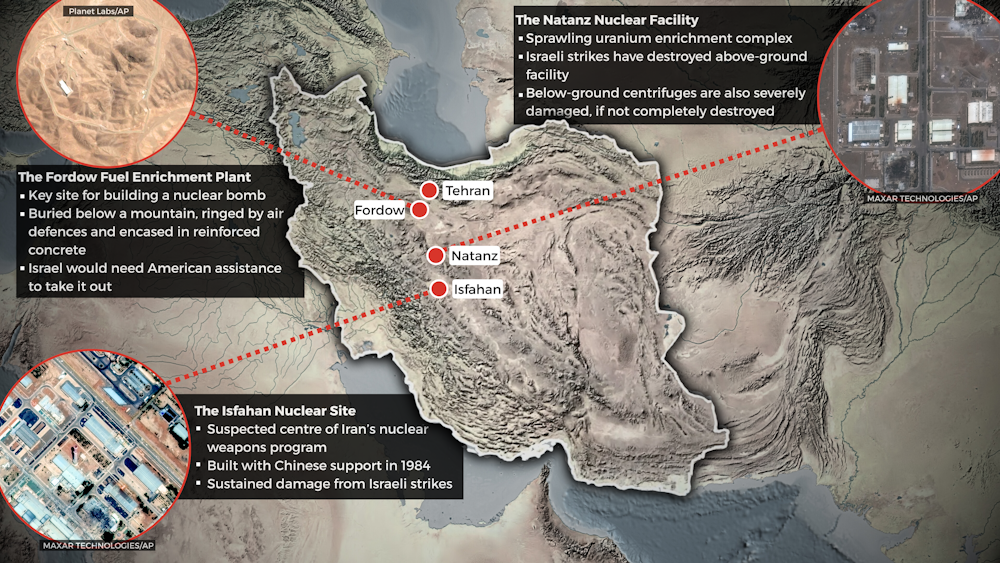
    MIL OSI Global Banks –

    June 17, 2025
  • MIL-OSI United Nations: USA for IOM Appoints New CEO to Lead Next Chapter of Humanitarian Innovation

    Source: International Organization for Migration (IOM)

    Geneva/Washington, D.C., 17 June 2025 – USA for IOM, the U.S. nonprofit partner of the United Nations’ International Organization for Migration (IOM), today announced the appointment of Joanna Wasmuth as its new Chief Executive Officer. Wasmuth is a visionary leader with extensive expertise in international development and economic empowerment, and a strong track record of building high-impact partnerships to support displaced communities worldwide.

    At a time when record levels of displacement are straining global resources, Wasmuth will lead USA for IOM into a new chapter of cross-sector collaboration. Under her leadership, the organization will enhance partnerships that support IOM programming to save lives and advance durable solutions to displacement.

    “Joanna brings a blend of courage and creativity to her leadership, and her strategic vision and relentless drive for innovation have set new standards,” said IOM Director General Amy Pope. “We look forward to seeing USA for IOM flourish under her stewardship, as we build groundbreaking partnerships and unlock new opportunities that broaden support for our work around the world.”

    From supporting survivors of trafficking to helping conflict-affected families rebuild their homes, USA for IOM connects private donors, corporations, and foundations with life-changing projects led by IOM’s global teams. These collaborations are transformative investments, blending private sector innovation with humanitarian expertise to expand possibilities for vulnerable people around the world.

    “I am honored to lead USA for IOM at this critical time and to work alongside our board, partners, donors, innovators, and communities to build solutions that empower people on the move,” Wasmuth said. “We look forward to growing our partnerships with the private sector to create scalable, sustainable solutions that shape brighter futures for displaced families worldwide.”

    Wasmuth has more than 25 years of experience in international development and nonprofit leadership at organizations such as World Vision and Vision Fund International. She has championed partnerships and funding innovations that have strengthened vulnerable populations and developed critical solutions to combat human trafficking.

    “On behalf of the Board, we are thrilled to welcome Joanna,” said Anne Richard, USA for IOM Board member, former U.S. Assistant Secretary of State, and NGO leader. “She has experience building support for worthwhile causes, and we are happy she will be putting her considerable talents and enthusiastic energy to use in support of USA for IOM.”

    For more than 30 years, USA for IOM has mobilized funding for a wide range of IOM’s more than 170 country missions – helping conflict-affected communities in Ukraine, protecting extremely vulnerable migrants in Africa and South America, and assisting victims of human trafficking around the world.

    About USA for IOM

    USA for IOM is the nonprofit partner in the U.S. of the International Organization for Migration (IOM). USA for IOM raises awareness and mobilizes support for humanitarian assistance and development initiatives to improve the lives of displaced people around the world. Join us in creating lasting solutions that empower displaced communities and generate sustainable impact.

    Learn more at usaforiom.org; to request a meeting with Joanna Wasmuth to discuss partnerships, please email: collaborate@usaforiom.org.

    For more information, please contact IOM Media Centre.

    MIL OSI United Nations News –

    June 17, 2025
  • MIL-OSI: xSuite Introduces New Feature for E-Invoice Delivery from SAP

    Source: GlobeNewswire (MIL-OSI)

    The cloud-based e-invoicing platform xSuite eDNA now supports both the receipt and transmission of e-invoices directly from SAP

    Ahrensburg/Germany, June 17, 2025 – In many countries around the world—including Germany, Poland, and France in Europe—electronic invoicing will become mandatory within the next one to five years. To support SAP users in this transition, xSuite Group is now offering an extension to its xSuite eDNA (electronic Document Network Adapter) product. This extension enables the creation and dispatch of outbound invoices from SAP SD in XML formats compliant with EN 16931. The cloud-based e-invoicing platform supports a wide range of e-invoicing formats and serves as a central hub between SAP and the global world of electronic invoicing. It is compatible with both SAP S/4HANA and SAP ECC.

    Since June 2024, xSuite eDNA has supported the receipt of various e-invoicing formats via the Peppol network, transferring invoice data directly into the customer’s SAP system to enable fast and efficient processing of inbound e-invoices.

    Now, xSuite eDNA also enables the creation and delivery of e-invoices from SAP. To achieve this, an xSuite add-on (transport) is installed in the SAP SD module. This add-on leverages SAP’s message control functionality. As soon as an invoice is created in SAP, the relevant data is captured via message control and sent to the cloud-based xSuite eDNA platform. The platform performs various validation steps in accordance with EN 16931—such as checking data integrity, mandatory fields, data types, and business rules. Format conversion and all subsequent processing take place entirely in the cloud. Any updates or enhancements (e.g., new e-invoice formats or versions) are implemented centrally in the cloud and are immediately available to all customers. This significantly reduces maintenance efforts on the customer side and ensures high flexibility.

    xSuite eDNA offers two transmission options: via email in formats such as BIS Billing, ZUGFeRD, and XRechnung (with more formats planned), and via the Peppol network. The portfolio of supported countries and portals is being continuously expanded with a strategic focus. Currently available networks and formats include:

    • Peppol (various countries and formats)
    • SdI – Sistema di Interscambio / Fattura PA (Italy)
    • ANAF – Agenția Națională de Administrare Fiscală / RO e-Factura (Romania)
    • NAV – Nemzeti Adó- és Vámhivatal (Hungary)
    • Others available upon request

    Sven Holtmann, Product Manager at xSuite, presents the new solution for sending e-invoices from SAP SD in a release webinar:

    Release Webinar
    Date: August 14, 2025
    Time: 3 PM – 4 PM
    Link: https://bit.ly/xSuite-eDNA-Outbound
    Participation is free of charge for both customers and interested parties.

    About xSuite Group

    xSuite is a software manufacturer of applications for document-based processes and provides standardized, digital solutions worldwide that enable simple, secure, and fast work. We focus mainly on the automation of important work processes in conjunction with end-to-end document management. Our core competence lies in accounts payable (AP) automation in SAP (including
    e-invoicing), for leading companies worldwide, as well as for public clients. This is supplemented by applications for purchasing and order processes as well as archiving – all delivered from a single source, including both software components and services. xSuite solutions operate in the cloud or in hybrid scenarios. We take pride in the high-quality solutions we offer, as evidenced by the regular certifications we receive for our SAP solutions and deployment environments.” With over 300,000 users benefitting from our solutions, xSuite processes more than 80 million documents per year in over 60 countries.

    Founded in 1994 and headquartered in Ahrensburg, Germany, xSuite has around 300 staff across nine locations worldwide – in Europe, Asia, and the United States. Our company has an established information security management system that is certified in accordance with ISO 27001:2022.

    Contact:
    Barbara Wirtz
    xSuite Group GmbH
    Marketing & PR
    Tel. +49 (0)4102/88 38 36
    barbara.wirtz@xsuite.com
    www.xsuite.com

    Attachment

    • e-xSuite_Grafik_eDNA_880x450

    The MIL Network –

    June 17, 2025
  • Israeli tank shelling kills 51 people awaiting aid trucks in Gaza, ministry says

    Source: Government of India

    Source: Government of India (4)

    Israeli tank shellfire killed at least 51 Palestinians on Tuesday as they awaited aid trucks in Khan Younis in the southern Gaza Strip, the territory’s health ministry said, adding that dozens of others were wounded.

    Medics said residents said Israeli tanks fired shells at crowds of desperate Palestinians awaiting aid trucks along the main eastern road in Khan Younis. They said at least 51 people were killed and 200 wounded, with at least 20 of them in critical condition.

    There was no immediate comment by the Israeli military on the incident.

    Witnesses said Israeli tanks fired at least two shells at thousands of people awaiting aid trucks. Nasser Hospital wards were crowded with casualties, and medical staff had to place some on the ground and in corridors due to the lack of space.

    The incident was the latest in nearly daily mass deaths of Palestinians who were seeking aid in past weeks, including near sites operated by the U.S.-backed Gaza Humanitarian Foundation.

    Local health officials said at least 23 people were killed by Israeli gunfire on Monday as they approached a GHF aid distribution site in Rafah in the southern Gaza Strip.

    The GHF stated in a press release late on Monday that it had distributed more than three million meals at its four distribution sites without incident.

    There was no immediate comment from the Israeli military about Monday’s reports of shootings. In previous incidents, it has occasionally acknowledged troops opening fire near aid sites, while blaming militants for provoking the violence.

    Israel has put responsibility for distributing much of the aid it allows into Gaza into the hands of the GHF, which operates sites in areas guarded by Israeli troops.

    The United Nations has rejected the plan, saying GHF distribution is inadequate, dangerous and violates humanitarian impartiality principles.

    The latest bloodshed in the decades-old Israeli-Palestinian conflict was triggered in October 2023, when Palestinian Hamas militants attacked Israel, killing 1,200 and taking about 250 hostages, according to Israeli allies.

    U.S. ally Israel’s subsequent military assault on Gaza has killed nearly 55,000 Palestinians, according to Gaza’s health ministry, while internally displacing nearly Gaza’s entire population and causing a hunger crisis.

    The assault has also triggered accusations of genocide at the International Court of Justice and of war crimes at the International Criminal Court. Israel denies the accusations.

    EYE ON IRAN

    The escalation is taking place as Palestinians in the Gaza Strip watch the exchange of attacks between Israel and Iran, which began with Israel launching major strikes on Friday.

    Residents of the Gaza Strip have circulated images of wrecked buildings and charred vehicles hit by Iranian missiles in Israeli cities, and some were hopeful the wider conflict could eventually bring peace to their ruined homeland.

    “We live these scenes and pain daily. We are very happy that we saw the day when we saw rubble in Tel Aviv, and they are trying to get out from under the rubble and the houses that were destroyed on top of their residents,” said Gaza man Saad Saad.

    Others said Iran’s response was greater than many, including Israel, had expected.

    “We saw how Iran, despite (showing) a lot of patience on the harm of the Israeli occupation and its frequent attacks and the assassinations carried out on Iranian soil, … it lost patience and the time has come for Iran to teach the Israeli occupation state a lesson,” said another Gaza man, Taysseir Mohaissan.

    With Israel saying its operation could last weeks, fears have grown of a regional war dragging in outside powers.

    Despite efforts by the United States, Egypt and Qatar to restore a ceasefire in Gaza, neither Israel nor Hamas has shown willingness to back down on core demands, with each side blaming the other for the failure to reach a deal.

    Hamas leaders have repeatedly thanked Iran for its military and financial support to the group in its fight against Israel, including during the current war.

    (Reuters)

    June 17, 2025
  • Israeli tank shelling kills 51 people awaiting aid trucks in Gaza, ministry says

    Source: Government of India

    Source: Government of India (4)

    Israeli tank shellfire killed at least 51 Palestinians on Tuesday as they awaited aid trucks in Khan Younis in the southern Gaza Strip, the territory’s health ministry said, adding that dozens of others were wounded.

    Medics said residents said Israeli tanks fired shells at crowds of desperate Palestinians awaiting aid trucks along the main eastern road in Khan Younis. They said at least 51 people were killed and 200 wounded, with at least 20 of them in critical condition.

    There was no immediate comment by the Israeli military on the incident.

    Witnesses said Israeli tanks fired at least two shells at thousands of people awaiting aid trucks. Nasser Hospital wards were crowded with casualties, and medical staff had to place some on the ground and in corridors due to the lack of space.

    The incident was the latest in nearly daily mass deaths of Palestinians who were seeking aid in past weeks, including near sites operated by the U.S.-backed Gaza Humanitarian Foundation.

    Local health officials said at least 23 people were killed by Israeli gunfire on Monday as they approached a GHF aid distribution site in Rafah in the southern Gaza Strip.

    The GHF stated in a press release late on Monday that it had distributed more than three million meals at its four distribution sites without incident.

    There was no immediate comment from the Israeli military about Monday’s reports of shootings. In previous incidents, it has occasionally acknowledged troops opening fire near aid sites, while blaming militants for provoking the violence.

    Israel has put responsibility for distributing much of the aid it allows into Gaza into the hands of the GHF, which operates sites in areas guarded by Israeli troops.

    The United Nations has rejected the plan, saying GHF distribution is inadequate, dangerous and violates humanitarian impartiality principles.

    The latest bloodshed in the decades-old Israeli-Palestinian conflict was triggered in October 2023, when Palestinian Hamas militants attacked Israel, killing 1,200 and taking about 250 hostages, according to Israeli allies.

    U.S. ally Israel’s subsequent military assault on Gaza has killed nearly 55,000 Palestinians, according to Gaza’s health ministry, while internally displacing nearly Gaza’s entire population and causing a hunger crisis.

    The assault has also triggered accusations of genocide at the International Court of Justice and of war crimes at the International Criminal Court. Israel denies the accusations.

    EYE ON IRAN

    The escalation is taking place as Palestinians in the Gaza Strip watch the exchange of attacks between Israel and Iran, which began with Israel launching major strikes on Friday.

    Residents of the Gaza Strip have circulated images of wrecked buildings and charred vehicles hit by Iranian missiles in Israeli cities, and some were hopeful the wider conflict could eventually bring peace to their ruined homeland.

    “We live these scenes and pain daily. We are very happy that we saw the day when we saw rubble in Tel Aviv, and they are trying to get out from under the rubble and the houses that were destroyed on top of their residents,” said Gaza man Saad Saad.

    Others said Iran’s response was greater than many, including Israel, had expected.

    “We saw how Iran, despite (showing) a lot of patience on the harm of the Israeli occupation and its frequent attacks and the assassinations carried out on Iranian soil, … it lost patience and the time has come for Iran to teach the Israeli occupation state a lesson,” said another Gaza man, Taysseir Mohaissan.

    With Israel saying its operation could last weeks, fears have grown of a regional war dragging in outside powers.

    Despite efforts by the United States, Egypt and Qatar to restore a ceasefire in Gaza, neither Israel nor Hamas has shown willingness to back down on core demands, with each side blaming the other for the failure to reach a deal.

    Hamas leaders have repeatedly thanked Iran for its military and financial support to the group in its fight against Israel, including during the current war.

    (Reuters)

    June 17, 2025
  • MIL-OSI Russia: American Bar Association Sues Trump Administration

    Translation. Region: Russian Federal

    Source: People’s Republic of China in Russian – People’s Republic of China in Russian –

    Source: People’s Republic of China – State Council News

    WASHINGTON, June 16 (Xinhua) — The American Bar Association (ABA) on Monday filed a lawsuit in federal court in Washington, D.C., seeking to block what it called a “campaign of intimidation” waged by the Donald Trump administration against major law firms.

    “Never before has the ABA felt such a pressing need to protect its members, their profession, and the rule of law,” the association’s lawsuit says.

    The ABA is the largest voluntary association of lawyers in the United States, with approximately 400,000 members.

    The lawsuit marks an escalation of tensions between the ABA and the Trump administration, which has cut federal funding to the association and sought to curtail its longtime role in evaluating federal judicial candidates.

    Four law firms filed separate lawsuits challenging the administration’s orders that revoked their security clearances and ended federal contracts. Three of them won their cases, and one lawsuit is pending. –0–

    MIL OSI Russia News –

    June 17, 2025
  • MIL-OSI Russia: Israel says Iranian military chief killed in Tehran strike

    Translation. Region: Russian Federal

    Source: People’s Republic of China in Russian – People’s Republic of China in Russian –

    Source: People’s Republic of China – State Council News

    JERUSALEM, June 17 (Xinhua) — The Israel Defense Forces (IDF) said Tuesday that Ali Shadmani, Iran’s chief of military staff and one of the Islamic Republic’s highest-ranking military officers, was killed in an overnight airstrike on a command center in Tehran.

    The strike was carried out by Israeli aircraft after receiving “precise intelligence” and a “sudden opportunity,” the IDF said in a statement.

    A. Shadmani, a senior military commander and closest to Iranian leader Ali Khamenei, commanded the Islamic Revolutionary Guard Corps and the Iranian army.

    He was appointed commander of Iran’s armed forces at the start of the ongoing five-day war after his predecessor, Alaa Ali Rashid, was killed in an Israeli strike that started the current fighting.

    The killing of A. Shadmani “continued a series of assassinations of Iran’s top military command and disrupted the chain of command,” the IDF said. –0–

    MIL OSI Russia News –

    June 17, 2025
  • MIL-OSI: EngageLab Empowers Tea Beverage Brand Global Expansion with Customer Engagement Solution

    Source: GlobeNewswire (MIL-OSI)

    SINGAPORE, June 17, 2025 (GLOBE NEWSWIRE) — EngageLab, a leading omni-channel customer engagement platform provider, is proud to announce its successful partnership with a prominent Chinese tea beverage brand, supporting the company’s global expansion through EngageLab’s high-delivery rate AppPush notification capabilities. This Chinese new tea beverage brand has recently achieved a significant breakthrough in overseas markets by presenting Eastern tea culture through a modern lens. Built on a foundation of premium original leaf tea, the brand has strategically expanded across global markets through carefully tailored localization strategies. The company has successfully established thousands of stores across more than 100 countries and regions, positioning itself as a leading Chinese brand in the fresh-made tea beverage sector throughout Southeast Asia, North America, and other key markets worldwide.

    With rapid business growth and global expansion, the brand encountered challenges in its overseas notification services, such as unstable channel quality and unreliable message delivery. These issues impacted user experience and the efficiency of global operations.

    To address these challenges, the brand partnered with EngageLab, adopting its AppPush solution to comprehensively optimize overseas messaging services and achieve three major improvements:

    • Superior Delivery Capabilities Supporting Global Expansion
      As the brand expanded to over 100 countries, especially in emerging markets like Southeast Asia, complex network environments posed challenges to efficient communication. EngageLab AppPush integrated international mainstream system channels such as FCM and APNS, along with major smartphone manufacturer push channels including Xiaomi, Huawei, OPPO, vivo, and self-built enhanced channels. This improved message delivery rates by approximately 40%, providing robust technical support for global operations.
    • Intelligent Cross-Regional Push Notifications Enabling Localized Operations
      Operating across diverse countries and regions, the brand faced varying user needs and operational strategies. EngageLab AppPush’s dynamic AppKey switching function brought tremendous convenience. When users switch countries within the app, the SDK can apply corresponding country/regional SDK configurations through simple API calls. This enables the brand to flexibly develop and implement independent push strategies, user behavior tracking, and marketing campaigns for different markets, without the need to develop and maintain multiple app versions, significantly reducing development and maintenance costs and enhancing regional market responsiveness.
    • Global Multi-Data Center Layout Ensuring Compliant Operations
      In a global environment where data sovereignty and privacy protection are highly valued, compliant handling of user data is crucial for international enterprises. EngageLab has deployed distributed data centers in multiple strategic locations worldwide (including Singapore, Virginia USA, Frankfurt Germany, Hong Kong China, etc.), providing robust localized data compliance solutions. The brand can intelligently select the most appropriate data storage and processing nodes based on users’ regions, strictly adhering to local privacy regulatory requirements.

    About EngageLab
    EngageLab is a world-leading AI-powered omnichannel customer engagement solution provider, unites technology and versatility to offer seamless customer interactions across every channel, including Email, AppPush, WebPush, OTP, SMS and WhatsApp Business. It empowers businesses to build lasting relationships and achieve higher conversions and retention. With a strong focus on innovation and performance, EngageLab supports businesses in over 220 countries and regions, delivering more than 1 million messages every second across various channels.

    For more information about EngageLab and its suite of solutions, visit www.engagelab.com.

    For Media Inquiries:
    Contact: marketing@engagelab.com
    Website: www.engagelab.com

    The MIL Network –

    June 17, 2025
  • MIL-OSI: EngageLab Empowers Tea Beverage Brand Global Expansion with Customer Engagement Solution

    Source: GlobeNewswire (MIL-OSI)

    SINGAPORE, June 17, 2025 (GLOBE NEWSWIRE) — EngageLab, a leading omni-channel customer engagement platform provider, is proud to announce its successful partnership with a prominent Chinese tea beverage brand, supporting the company’s global expansion through EngageLab’s high-delivery rate AppPush notification capabilities. This Chinese new tea beverage brand has recently achieved a significant breakthrough in overseas markets by presenting Eastern tea culture through a modern lens. Built on a foundation of premium original leaf tea, the brand has strategically expanded across global markets through carefully tailored localization strategies. The company has successfully established thousands of stores across more than 100 countries and regions, positioning itself as a leading Chinese brand in the fresh-made tea beverage sector throughout Southeast Asia, North America, and other key markets worldwide.

    With rapid business growth and global expansion, the brand encountered challenges in its overseas notification services, such as unstable channel quality and unreliable message delivery. These issues impacted user experience and the efficiency of global operations.

    To address these challenges, the brand partnered with EngageLab, adopting its AppPush solution to comprehensively optimize overseas messaging services and achieve three major improvements:

    • Superior Delivery Capabilities Supporting Global Expansion
      As the brand expanded to over 100 countries, especially in emerging markets like Southeast Asia, complex network environments posed challenges to efficient communication. EngageLab AppPush integrated international mainstream system channels such as FCM and APNS, along with major smartphone manufacturer push channels including Xiaomi, Huawei, OPPO, vivo, and self-built enhanced channels. This improved message delivery rates by approximately 40%, providing robust technical support for global operations.
    • Intelligent Cross-Regional Push Notifications Enabling Localized Operations
      Operating across diverse countries and regions, the brand faced varying user needs and operational strategies. EngageLab AppPush’s dynamic AppKey switching function brought tremendous convenience. When users switch countries within the app, the SDK can apply corresponding country/regional SDK configurations through simple API calls. This enables the brand to flexibly develop and implement independent push strategies, user behavior tracking, and marketing campaigns for different markets, without the need to develop and maintain multiple app versions, significantly reducing development and maintenance costs and enhancing regional market responsiveness.
    • Global Multi-Data Center Layout Ensuring Compliant Operations
      In a global environment where data sovereignty and privacy protection are highly valued, compliant handling of user data is crucial for international enterprises. EngageLab has deployed distributed data centers in multiple strategic locations worldwide (including Singapore, Virginia USA, Frankfurt Germany, Hong Kong China, etc.), providing robust localized data compliance solutions. The brand can intelligently select the most appropriate data storage and processing nodes based on users’ regions, strictly adhering to local privacy regulatory requirements.

    About EngageLab
    EngageLab is a world-leading AI-powered omnichannel customer engagement solution provider, unites technology and versatility to offer seamless customer interactions across every channel, including Email, AppPush, WebPush, OTP, SMS and WhatsApp Business. It empowers businesses to build lasting relationships and achieve higher conversions and retention. With a strong focus on innovation and performance, EngageLab supports businesses in over 220 countries and regions, delivering more than 1 million messages every second across various channels.

    For more information about EngageLab and its suite of solutions, visit www.engagelab.com.

    For Media Inquiries:
    Contact: marketing@engagelab.com
    Website: www.engagelab.com

    The MIL Network –

    June 17, 2025
←Previous Page
1 … 419 420 421 422 423 … 714
Next Page→
NewzIntel.com

NewzIntel.com

MIL Open Source Intelligence

  • Blog
  • About
  • FAQs
  • Authors
  • Events
  • Shop
  • Patterns
  • Themes

Twenty Twenty-Five

Designed with WordPress