In this week’s look Around the Air Force, the Air Force Safety Center announces Phase II of the Chief of Staff’s Integrating Risk and Readiness campaign, Project Magellan earns international recognition by winning the 2025 Founder’s Award, and AETC aims to train 1,500 pilots per year.
Source: The Conversation – USA – By Susan M. Shaw, Professor of Women, Gender, and Sexuality Studies, Oregon State University
A worship session at the 2025 Southern Baptist Convention annual meeting on June 10, 2025, in Dallas. AP Photo/Richard W. Rodriguez
The Southern Baptist Convention has lost 3.6 million members over the past two decades and faces an ongoing sexual abuse crisis. At its June 2025 annual meeting, however, neither of those issues took up as much time as controversial social issues, including the denomination’s stance on same-sex marriage.
The group called for the overturning of Obergefell v. Hodges – the Supreme Court decision that legalized same-sex marriage – and the creation of laws that “affirm marriage between one man and one woman.”
Messengers – Southern Baptists’ word for delegates from local churches – also asked for laws that would “reflect the moral order revealed in Scripture and nature.”
They also decried declining fertility rates, commercial surrogacy, Planned Parenthood, “willful childlessness,” the normalization of “transgender ideology,” and gender-affirming medical care.
This detailed list targeting women’s and LGBTQ+ rights was justified by an appeal to a God-ordained created order, as defined by Southern Baptists’ interpretation of the Bible.
In this created order, sex and gender are synonymous and are irrevocably defined by biology. The heterosexual nuclear family is the foundational institution of this order, with the father dominant over his wife and children – and children are a necessity if husbands and wives are to be faithful to God’s design for the family.
The resolution, On Restoring Moral Clarity through God’s Design for Gender, Marriage, and the Family, passed easily in a denomination that was taken over from more moderate Southern Baptists by fundamentalists in the early 1990s, largely in response to women’s progress in society and in the denomination.
Southern Baptists were always conservative on issues of gender and sexuality. As I was entering a Southern Baptist seminary in the early 1980s, the denomination seemed poised to embrace social progress. I watched the takeover firsthand as a student and then as a professor of women and gender studies who studies Southern Baptists. This new resolution is the latest in a long history of Southern Baptist opposition to the progress of women and LGBTQ+ people.
Opposing LGBTQ+ rights
Throughout the late 1960s and early 1970s, many Southern Baptists began to embrace the women’s movement. Women started to attend Southern Baptist seminaries in record numbers, many claiming a call to serve as pastors. While Southern Baptist acceptance of LGBTQ+ people lagged far behind its nascent embrace of women’s rights, progress did seem possible.
Then in 1979, a group of Southern Baptist fundamentalists organized to wrest control of the denomination from the moderates who had led it for decades.
Any hope for progress on changes regarding LGBTQ+ rights in the denomination quickly died. Across the next two decades, advances made by women, such as being ordained and serving as senior pastors, eroded and disappeared.
The SBC had passed anti-gay resolutions in the 1970s defining homosexuality as “deviant” and a “sin.” But under the new fundamentalist rule, the SBC became even more vehemently anti-gay and anti-trans.
In 1988, the SBC called homosexuality a “perversion of divine standards,” “a violation of nature and natural affections,” “not a normal lifestyle,” and “an abomination in the eyes of God.”
In 1991, they decried government funding for the National Lesbian and Gay Health Conference as a violation of “the proper role and responsibility of government” because of its encouragement of “sexual immorality.”
The gender and sexuality topic, however, that has received the most attention from the convention has been marriage equality. Since 1980, the SBC has passed 22 resolutions that touch on same-sex marriage.
The SBC passed its first resolution against same-sex marriage in 1996 after the Hawaii Supreme Court indicated the possibility it could rule in favor of same-sex marriage. The court never decided the issue because Hawaii’s Legislature passed a bill defining marriage as between a man and a woman.
In 1998, the convention amended its faith statement, the Baptist Faith and Message, to define marriage as “the uniting of one man and one woman in covenant commitment.”
The denomination passed its next resolution in 2003 in response to the Vermont General Assembly’s establishment of civil unions. The resolution opposed any efforts to validate same-sex marriages or partnerships, whether legislative, judicial or religious.
In 2004, after the Massachusetts Supreme Court allowed same-sex marriages in that state, the convention called for a constitutional amendment to define marriage as between a man and a woman. It reiterated this call in 2006.
When the California Supreme Court struck down the state’s ban on same-sex marriage, the SBC passed another resolution in 2008 warning of the dire consequences of allowing lesbians and gay men to marry, as people from other states would marry in California and return home to challenge their states’ marriage bans.
In 2011, the convention offered its support for the Defense of Marriage Act, followed in 2012 by a denunciation of the use of civil rights language to argue for marriage equality.
Delegates at a Southern Baptist Convention meeting in 2012 in New Orleans. AP Photo/Gerald Herbert
The resolution argues that homosexuality “does not qualify as a class meriting special protections, like race and gender.”
When Obergefell was before the Supreme Court, the SBC called on the court to deny marriage equality. After Obergefell was decided in favor of same-sex marriage, the convention asked for Congress to pass the First Amendment Defense Act, which would have prohibited the federal government from discriminating against people based on their opposition to same-sex marriage. That same resolution also offers its support to state attorneys general challenging transgender rights.
Opposing transgender people
Messengers of the Southern Baptist Convention listen to remarks by its president, Clint Pressley, during the 2025 SBC annual meeting in Dallas. AP Photo/Richard W. Rodriguez
This was not the first time the SBC had spoken about transgender issues. As early as 2007, the denomination expressed its opposition to allowing transgender people to constitute a protected class in hate crimes legislation.
In 2014, the convention stated its belief that gender is fixed and binary and subsequently that trans people should not be allowed gender-affirming care and that government officials should not validate transgender identity.
In its resolution opposing the proposed Equality Act, which would have added sexual orientation and gender identity as protected classifications, the SBC argued, “The Equality Act would undermine decades of hard-fought civil rights protections for women and girls by threatening competition in sports and disregarding the privacy concerns women rightly have about sharing sleeping quarters and intimate facilities with members of the opposite sex.”
This most recent resolution from June 2025 returns to the themes of fixed and binary gender, a divinely sanctioned hierarchical ordering of gender, and marriage as an institution limited to one woman and one man. While claiming these beliefs are “universal truths,” the resolution argues that Obergefell is a “legal fiction” because it denies the biological reality of male and female.
Going further, this resolution claims that U.S. law on gender and sexuality should be based on the Bible. The duty of lawmakers, it states, is to “pass laws that reflect the truth of creation and natural law – about marriage, sex, human life, and family – and to oppose any law that denies or undermines what God has made plain through nature and Scripture.”
By taking no action on sexual abuse while focusing its efforts on issues of gender and sexuality, the convention affirmed its decades-long conservative trajectory. It also underlined its willingness to encourage lawmakers to impose these standards on the rest of the nation.
Susan M. Shaw does not work for, consult, own shares in or receive funding from any company or organization that would benefit from this article, and has disclosed no relevant affiliations beyond their academic appointment.
AI can help maximize resources in strapped systems trying to protect vulnerable people – but it can also risk replicating harm or privacy violations.Courtney Hale/E+ via Getty Images
Artificial intelligence is rapidly being adopted to help prevent abuse and protect vulnerable people – including children in foster care, adults in nursing homes and students in schools. These tools promise to detect danger in real time and alert authorities before serious harm occurs.
Developers are using natural language processing, for example — a form of AI that interprets written or spoken language – to try to detect patterns of threats, manipulation and control in text messages. This information could help detect domestic abuse and potentially assist courts or law enforcement in early intervention. Some child welfare agencies use predictive modeling, another common AI technique, to calculate which families or individuals are most “at risk” for abuse.
When thoughtfully implemented, AI tools have the potential to enhance safety and efficiency. For instance, predictive models have assisted social workers to prioritize high-risk cases and intervene earlier.
But as a social worker with 15 years of experience researching family violence – and five years on the front lines as a foster-care case manager, child abuse investigator and early childhood coordinator – I’ve seen how well-intentioned systems often fail the very people they are meant to protect.
Now, I am helping to develop iCare, an AI-powered surveillance camera that analyzes limb movements – not faces or voices – to detect physical violence. I’m grappling with a critical question: Can AI truly help safeguard vulnerable people, or is it just automating the same systems that have long caused them harm?
New tech, old injustice
Many AI tools are trained to “learn” by analyzing historical data. But history is full of inequality, bias and flawed assumptions. So are people, who design, test and fund AI.
That means AI algorithms can wind up replicating systemic forms of discrimination, like racism or classism. A 2022 study in Allegheny County, Pennsylvania, found that a predictive risk model to score families’ risk levels – scores given to hotline staff to help them screen calls – would have flagged Black children for investigation 20% more often than white children, if used without human oversight. When social workers were included in decision-making, that disparity dropped to 9%.
Language-based AI can also reinforce bias. For instance, one study showed that natural language processing systems misclassified African American Vernacular English as “aggressive” at a significantly higher rate than Standard American English — up to 62% more often, in certain contexts.
Meanwhile, a 2023 study found that AI models often struggle with context clues, meaning sarcastic or joking messages can be misclassified as serious threats or signs of distress.
These flaws can replicate larger problems in protective systems. People of color have long been over-surveilled in child welfare systems — sometimes due to cultural misunderstandings, sometimes due to prejudice. Studies have shown that Black and Indigenous families face disproportionately higher rates of reporting, investigation and family separation compared with white families, even after accounting for income and other socioeconomic factors.
Many of these disparities stem from structural racism embedded in decades of discriminatory policy decisions, as well as implicit biases and discretionary decision-making by overburdened caseworkers.
Surveillance over support
Even when AI systems do reduce harm toward vulnerable groups, they often do so at a disturbing cost.
In a 2022 pilot program in Australia, AI camera systems deployed in two care homes generated more than 12,000 false alerts over 12 months – overwhelming staff and missing at least one real incident. The program’s accuracy did “not achieve a level that would be considered acceptable to staff and management,” according to the independent report.
Children are affected, too. In U.S. schools, AI surveillance like Gaggle, GoGuardian and Securly are marketed as tools to keep students safe. Such programs can be installed on students’ devices to monitor online activity and flag anything concerning.
But they’ve also been shown to flag harmless behaviors – like writing short stories with mild violence, or researching topics related to mental health. As an Associated Press investigation revealed, these systems have also outed LGBTQ+ students to parents or school administrators by monitoring searches or conversations about gender and sexuality.
Other systems use classroom cameras and microphones to detect “aggression.” But they frequently misidentify normal behavior like laughing, coughing or roughhousing — sometimes prompting intervention or discipline.
These are not isolated technical glitches; they reflect deep flaws in how AI is trained and deployed. AI systems learn from past data that has been selected and labeled by humans — data that often reflects social inequalities and biases. As sociologist Virginia Eubanks wrote in “Automating Inequality,” AI systems risk scaling up these long-standing harms.
Care, not punishment
I believe AI can still be a force for good, but only if its developers prioritize the dignity of the people these tools are meant to protect. I’ve developed a framework of four key principles for what I call “trauma-responsive AI.”
Survivor control: People should have a say in how, when and if they’re monitored. Providing users with greater control over their data can enhance trust in AI systems and increase their engagement with support services, such as creating personalized plans to stay safe or access help.
Human oversight: Studies show that combining social workers’ expertise with AI support improves fairness and reduces child maltreatment – as in Allegheny County, where caseworkers used algorithmic risk scores as one factor, alongside their professional judgment, to decide which child abuse reports to investigate.
Bias auditing: Governments and developers are increasingly encouraged to test AI systems for racial and economic bias. Open-source tools like IBM’s AI Fairness 360, Google’s What-If Tool, and Fairlearn assist in detecting and reducing such biases in machine learning models.
Privacy by design: Technology should be built to protect people’s dignity. Open-source tools like Amnesia, Google’s differential privacy library and Microsoft’s SmartNoise help anonymize sensitive data by removing or obscuring identifiable information. Additionally, AI-powered techniques, such as facial blurring, can anonymize people’s identities in video or photo data.
Honoring these principles means building systems that respond with care, not punishment.
Some promising models are already emerging. The Coalition Against Stalkerware and its partners advocate to include survivors in all stages of tech development – from needs assessments to user testing and ethical oversight.
Legislation is important, too. On May 5, 2025, for example, Montana’s governor signed a law restricting state and local government from using AI to make automated decisions about individuals without meaningful human oversight. It requires transparency about how AI is used in government systems and prohibits discriminatory profiling.
As I tell my students, innovative interventions should disrupt cycles of harm, not perpetuate them. AI will never replace the human capacity for context and compassion. But with the right values at the center, it might help us deliver more of it.
Aislinn Conrad is developing iCare, an AI-powered, real-time violence detection system.
Source: The Conversation – USA – By Katherine LeMasters, Assistant Professor of Medicine, University of Colorado Boulder
The people most impacted by Colorado’s fentanyl criminalization bill have divergent views on the role of the legal system in curbing the opioid epidemic.Erik McGregor/GettyImages
Colorado passed the Fentanyl Accountability and Prevention Bill in May 2022. The legislation made the possession of small amounts of fentanyl a felony, rather than a misdemeanor.
Felonies are more likely than misdemeanors to result in a prison sentence.
In 2023, lawmakers in 46 states passed legislation similar to Colorado’s. They introduced more than 600 bills related to fentanyl criminalization and enacted over 100 other laws to attempt to curb the opioid epidemic.
Possession of small amounts of ketamine, GHB and other criminalized drugs is also a felony in Colorado.
I’m an assistant professor of medicine, social epidemiologist and community researcher who studies mass incarceration as a public health threat. I am a member of the Right Response Coalition, which advocates for community rather than criminal-legal responses to behavioral health needs in Colorado. Recently, my work has focused on how increasing criminal penalties for fentanyl possession in Colorado affects the individuals and communities most impacted by such laws.
Our team conducted 31 interviews with Colorado policymakers, peer support specialists, law enforcement, community behavioral health providers and people providing behavioral health in prisons and jails to explore a variety of perspectives on Colorado’s Fentanyl Accountability and Prevention Bill and the role of the criminal-legal system in addressing substance use and overdose.
Most of our interviewees agreed that criminalization alone wouldn’t solve the opioid epidemic.
“You can’t incarcerate yourself to sobriety,” said a rural law enforcement officer. “You can’t incarcerate yourself out of the drug problem in America.”
People recently released from incarceration are more likely to overdose than the general public because their tolerance is greatly reduced following forced abstinence and there are not enough community-based treatment options. Erik McGregor/GettyImages
All 31 of the participants in our study supported policies to prevent fentanyl overdoses. However, most thought that use of police and incarceration as avenues to do so was misguided.
“It just seems like there’s no getting away from [the police], they’re everywhere,” said an urban peer support specialist. “I got arrested by the same cops, I don’t know how many times. And then it makes you want to try to be avoidant or run because they’re not going to help you.”
Participants worried that the policy has an inadvertent chilling effect, deterring individuals from calling 911 when an overdose occurs.
“Most people with substance abuse are not trying to report anything or get help for fear of going to jail,” one rural provider said. “It’s so stigmatized that everyone’s just scared to do that.”
Study participants worried that the Colorado fentanyl criminalization bill will deter people from reporting an overdose for fear of being arrested. Spencer Platt/GettyImages
Participants largely thought that counties were using incarceration as a default treatment setting and that it wasn’t an ideal solution.
“[I] don’t want to see [people] incarcerated, but I don’t want ‘em to die either,” said an urban peer support specialist.
Colorado’s fentanyl bill did more than just increase penalties. It also provided additional funding for a state naloxone program and required that all jails provide medications for opioid use disorder.
Along with increasing penalties, Colorado’s bill increased access to naloxone, an opioid-reversal drug. Hyoung Chang/GettyImages
Based on our study’s findings, my study co-authors and I believe increased criminal penalties should not be the solution for linking individuals to treatment. Instead, there should be more investment in long-term community solutions.
One such solution is Denver’s Substance Use Navigation Program. The program sends behavioral health specialists to emergency calls to prevent legal involvement when someone is experiencing distress related to mental health, poverty, homelessness or substance use. In many cases, those individuals are then routed to services rather than jails.
Our findings also lead us to believe there is a need for more participatory policymaking processes when it comes to fentanyl legislation, and that policymakers should more closely work with the people who will be most impacted by new legislation. Most of our participants agree.
“[I] don’t think that [the] state realized how difficult it is,” said a rural provider about giving medication-assisted treatment in jail, an increasing need as more people are arrested for fentanyl possession. “They probably should come here and visit us.”
Katherine LeMasters received funding from the Colorado Department of Human Services, Behavioral Health Administration. Katherine LeMasters is part of the Right Response Coalition.
In the early days of the second Trump administration, the Centers for Disease Control and Prevention took down data and documents that included sexual orientation and gender identity from its webpages. For example, data codebooks for the Behavioral Risk Factor Surveillance System were replaced with versions that deleted gender identity variables. The Trump administration also ordered the CDC to delete gender identity from the National Violent Death Reporting System, the world’s largest database for informing prevention of homicide and suicide deaths.
For many people, sexual orientation and gender identity may seem private and personal. So why is personal information necessary for public health?
Decades of research have shown that health problems affect some groups more than others. As someone who has studied differences in health outcomes for over 15 years, I know that one of the largest health disparities for LGBTQ+ people is suicide risk. Without data on sexual orientation and gender identity, public health cannot do the work to sound the alarm on and address issues that affect not just specific communities, but society as a whole.
Clinicians are concerned about the purging of health data that is essential to patient care.
Alarms and benchmarks
Health is determined by the interplay of several factors, including a person’s genetics, environment and personal life. Of these types of health information, data on personal lives can be the most difficult to collect because researchers must rely on people to voluntarily share this information with them. But details about people’s everyday lives are critical to understanding their health.
Consider veteran status. Without information that identifies which Americans are military veterans, the U.S. would never have known that the rate of suicide deaths among veterans is several times higher than that of the general population. Identifying this problem encouraged efforts to reduce suicide among veterans and military service personnel.
Studying the rates of different conditions occurring in different groups of people is a vital role of public health monitoring. First, rates can set off alarm bells. When people are counted, it becomes easier to pick up a problem that needs to be addressed.
Second, rates can be a benchmark. Once the extent of a health problem is known, researchers can develop and test interventions. They can then determine if rates of that health problem decreased, stayed the same or increased after the intervention.
My team reviewed available research on how sexual orientation and gender identity are related to differences in mortality. The results were grim.
Of the 49 studies we analyzed, the vast majority documented greater rates of death from all causes for LGBTQ+ people compared with people who aren’t LGBTQ+. Results were worse for suicide: Nearly all studies reported that suicide deaths were more frequent among LGBTQ+ people. A great deal of other research supports this finding.
Without data on sexual orientation and gender identity, these issues are erased.
Lost data costs everyone
Higher death rates among LGBTQ+ people affect everyone, not just people in the LGBTQ+ community. And when suicide is a major driver of these death rates, the costs increase.
There are societal costs. Deaths from suicide result in lost productivity and medical services that cost the U.S. an estimated $484 billion per year. There are also human costs. Research suggests that for every suicide death, about 135 people are directly affected by the loss, experiencing grief, sadness and anger.
President Donald Trump’s targeting of research on sexual orientation and gender identity comes at a time when more Americans than ever – an estimated 24.4 million adults – identify as lesbian, gay, bisexual or transgender. That’s more than the entire population of Florida.
Stopping data collection of sexual orientation and gender identity does not protect women, or anyone else, as the Trump administration claims. Rather, it serves to weaken American public health. I believe counting all Americans is the path to a stronger, healthier nation because public health can then do its duty of detecting when a community needs help.
John R. Blosnich receives funding from the National Institutes of Health. He is affiliated with the U.S. Department of Veterans Affairs (VA), however all time and effort into writing this piece was done outside of his work with the VA. The opinions expressed are those of Dr. Blosnich and do not necessarily represent those of his institution, funders, or any affiliations.
Source: United States Senator for Massachusetts – Elizabeth Warren
June 13, 2025
Video of Exchange (YouTube)
Washington, D.C. — At a hearing of the Senate Finance Committee, U.S. Senator Elizabeth Warren (D-Mass.) questioned Secretary of the Treasury Scott Bessent on Republicans’ hypocrisy on raising the deficit with Trump’s “big, beautiful bill.”
Senator Warren highlighted the hypocrisy of Secretary Bessent’s support for cutting crucial social programs to decrease the national debt, while also supporting adding trillions to the deficit to give billionaires and giant corporations tax cuts.
Secretary Bessent, with no evidence, said he believed the tax bill would decrease the deficit.
Senator Warren pointed out that “[e]very credible, independent expert agrees that Trump and the Republicans’ ‘Big Beautiful Bill’ will add trillions to the national debt and would not even come close to paying for itself…Even Elon Musk and the Wall Street Journal are criticizing the bill for ballooning the national debt.”
The nonpartisan Congressional Budget Office has revealed the Republican tax bill would increase the deficit by $3 trillion. Secretary Bessent said only that he “[doesn’t] agree with the CBO.”
“[W]hy is the national debt so very important that you’re trying to kick 16 million people off their health insurance, but increasing the national debt doesn’t seem to matter if you’re cutting taxes for billionaires and billionaire corporations?” Senator Warren asked.
Bessent attempted to downplay the health care cuts by saying the “figure is overstated by 5.1 million,” and falsely claimed Medicaid is granted to undocumented people.
“[T]he part that troubles me the most is that the Secretary is deeply worried about the deficit and is willing to knock 16 million, or as he says, ‘merely 11 million,’ people off their health care [because it] matters so much, but it doesn’t matter so much if you’re cutting taxes for billionaires…I think that’s wrong,” concluded Senator Warren.
Transcript: Hearing on the President’s Fiscal Year 2026 Budget for the Department of Treasury and Tax ReformSenate Finance CommitteeJune 12, 2025
Senator Elizabeth Warren: Thank you, Mr. Chairman. So I want to ask about the Republican “Big, Beautiful Bill,” which will knock about 16 million off their healthcare coverage and cut programs that keep groceries cheaper for millions of families, in order to try to pay for about $4 trillion in tax giveaways, that are mostly going to be sucked up by millionaires, billionaires, and wealthy corporations.
So, Secretary Bessent, I’d like to start with a very simple question: will this bill increase or decrease the deficit?
Mr. Scott Bessent, Secretary of the Treasury: There are varying scoring on that, Senator Warren.
Senator Warren: You’re the Secretary of the Treasury, so I’m asking you: what is your view? Will this bill increase or decrease the deficit?
Secretary Bessent: It is my view that over the ten-year window, it will decrease.
Senator Warren: You know, do you have anybody who agrees with you on this?
Secretary Bessent: Yes, ma’am.
Senator Warren: Let me ask my question.
Secretary Bessent: Okay.
Senator Warren: Every credible, independent expert agrees that Trump and the Republicans’ “Big Beautiful Bill” will add trillions to the national debt and would not even come close to paying for itself. The nonpartisan Congressional Budget Office, the Penn Wharton Budget Model, and the Yale Budget Lab all agree on this, and they are looking at ten-year windows, thank you. So do the conservative Tax Foundation and Committee for a Responsible Federal Budget—conservative groups.
Even Elon Musk and the Wall Street Journal are criticizing the bill for ballooning the national debt. The only people who are saying publicly that it is not going to add to the national debt are you, Donald Trump, the Republicans in Congress. Do you have an independent group that has put forward numbers that disagrees with all of these conservative groups and disagrees with the Wall Street Journal on this?
Secretary Bessent: Well, Senator, it’s interesting to see you aligned with Elon Musk, but if I might—
Senator Warren: You’re no more shocked than I am.
Secretary Bessent: If we want to take the full Congressional Budget scoring, they predict, and I don’t agree with their methodology, they predict a $2.4 trillion deficit, but—
Secretary Warren: Okay, so the answer to the question is yes.
Secretary Bessent: No, no, no. But may I finish? They include that, but they’ve also scored $2.8 trillion in tariff income. So even, even in Washington, D.C. math, that is a $400 billion surplus.
Senator Warren: Okay, so let me make sure I understand. This bill, you admit, will increase the deficit by $2.4 trillion, but you think there will be another bill and another set of agreements that somehow materialize. Haven’t materialized so far, don’t have any statutory authority, but that will make up the difference.
So the answer to the original question, will this bill increase or decrease the deficit? I think you just said it will increase. This bill increases the deficit, is that right?
Secretary Bessent: I will use all the CBO scoring, and you can’t take one without the other. I don’t agree with the CBO.
Senator Warren: One is the law that we are scoring, the bill that is in front of us. We don’t have a tariff bill in front of us to score. Mr. Secretary, let me go on to the second question. You have said that government spending is, quote, “out of control.” You have also called government spending, quote, “unsustainable.” In fact, in the name of fiscal responsibility, you’re working with the Republicans on this “big, beautiful bill” to pass the biggest cuts to Medicaid and the Affordable Care Act in American history.
So, Mr. Secretary, help me understand here: why is the national debt so very important that you’re trying to kick 16 million people off their health insurance, but increasing the national debt doesn’t seem to matter if you’re cutting taxes for billionaires and billionaire corporations?
Secretary Bessent: Well, first of all, a huge portion of this goes to family-owned businesses that are passed through entities that are below that level, Senator, and I am sure you share my goals of Main Street prosperity.
Senator Warren: You know, I’m glad to do tax cuts for people of modest means. The question I’m asking is, why does the deficit not matter to you when we’re talking about knocking 16 million people off their health care? But it matters not—It does matter to you if we’re knocking people off their health care, but not if—
Secretary Bessent: Well, first of all, that figure is overstated by 5.1 million. That is an amount not attributable to provisions in this bill.
Senator Warren: So you think it’s okay to knock ten million people off.
Secretary Bessent: Well, first of all, let’s set that straight. Work requirements account for 8 million of CBO’s claim number. Again, we’re creating an economy that promotes and rewards—
Senator Warren: So it’s clear, Secretary Bessent, you don’t want to answer the question.
Secretary Bessent: Senator, I am answering.
Senator Warren: No, you’re not.
Secretary Bessent: And what I want is for Medicaid to be used for mothers and children as it was meant, not for 1.4 million illegal aliens, not for able-bodied people—
Senator Warren: Medicaid is not used for people who are not documented. Mr. Chairman, I just want to say here the part that troubles me the most is that the Secretary is deeply worried about the deficit and is willing to knock 16 million, or as he says, “merely 11 million,” people off their health care—matters so much, but it doesn’t matter so much if you’re cutting taxes for billionaires, then it’s okay to run up a big deficit. I think that’s wrong.
CARIBBEAN SEA – The Arleigh Burke-class guided missile destroyer USS Cole (DDG 67), supporting maritime southern border operations, conducted a hold-and-transfer of 245 kilograms of contraband recovered by the Royal Canadian Navy Harry DeWolf-class offshore patrol vessel HMCS William Hall (AOPV 433) in the Caribbean Sea June 9. The Reliance-class U.S. Coast Guard (USCG) Cutter Vigorous (WMEC 627) accepted the contraband from the Cole’s embarked USCG Law Enforcement Detachment (LEDET) June 11 during a rendezvous at sea in the Caribbean.
SKRUNDA, Latvia – As part of exercise Baltic Operations (BALTOPS) 2025, U.S. Navy Seabees, U.S. Marines from 8th Engineer Support Battalion (ESB), and Latvian Army engineers are constructing a fortified trench network designed for survivability in a drone-contested battlespace. The project serves both as a realistic rehearsal and a proof of concept for how modern combat engineers support maneuverability, concealment, and endurance in multi-domain operations.
Source: American Federation of State, County and Municipal Employees Union
The letter reads in part, “As government leaders, we understand the importance of rooting out fraud, waste and abuse to keep public services strong, but this plan fails to do that. Instead, it would rip the very fabric of our nation’s social safety net wide open to give the wealthiest people tax breaks they don’t need. Meanwhile, veterans, seniors, children, people with disabilities, and all working people will suffer.”
We, the undersigned state and local officials, are writing to express our opposition to the reconciliation bill (H.R. 1) and ask you to protect the public services our communities depend on. By cutting Medicaid, SNAP and other critical public services, this bill threatens to destabilize state and local budgets and force deep cuts across the board that will diminish public services and hurt working families nationwide – all to give billionaires tax breaks.
Medicaid accounts for the largest portion of federal funding to state budgets and is the largest funder of long-term care services in the U.S. Without this critical funding and due to other provisions in the bill, the Congressional Budget Office (CBO) estimates roughly 15 million people will lose their health coverage and become uninsured by 2034. The cuts outlined in H.R. 1 will also mean nursing homes, hospitals, home care and other critical health care services will disappear, leading to job losses in the health care sector. As people lose Medicaid coverage, hospitals and providers will face an estimated $48 billion in uncompensated care costs. Altogether, this will place an incredible strain on states, cities and towns and other local governments and will cost lives.
Moreover, the bill’s proposed work requirements for Medicaid beneficiaries will impose huge costs on states, including adding compliance systems and a need for greater staffing at agencies that are already understaffed. Experience in Arkansas and Georgia shows that work requirements do not result in more people working. They actually lead to huge losses in coverage for workers due to red tape. The reality is these provisions will result in cuts and needlessly harm our country’s most vulnerable populations who need Medicaid to live.
The bill also shifts $300 billion in costs to states and local governments for both the benefits and administrative costs of the Supplemental Nutrition Assistance Program (SNAP). This provision threatens the food security of more than 40 million Americans, including one in five children. There will be no way for state governments to cover all these new expenses without making cuts to other critical services like our schools or roads.
The bill also automatically triggers historic cuts to Medicare, which will spell disaster for seniors. As critical health care services are ripped away from seniors, their families will struggle to care for them. That will place huge costs on our workforce, our economies and our communities.
Taken together, the cuts that are included in H.R. 1 will place an impossible burden on states. Forced to make up for the massive shortfalls in federal funding, every sector of our state and local economies will suffer, from health care to higher education, public safety to public schools. Services that our communities rely on will be slashed; and the people who provide them may be furloughed or laid off.
As government leaders, we understand the importance of rooting out fraud, waste and abuse to keep public services strong, but this plan fails to do that. Instead, it would rip the very fabric of our nation’s social safety net wide open to give the wealthiest people tax breaks they don’t need. Meanwhile, veterans, seniors, children, people with disabilities and all working people will suffer.
America’s state and local elected leaders urge you to vote against this damaging and reckless plan. The health, safety, and well-being of our communities are too important.
Source: United States House of Representatives – Congressman Juan Ciscomani (Arizona)
WASHINGTON, D.C. — U.S. Congressman Juan Ciscomani reintroduced a bipartisan bill to increase housing stipends for student veterans attending classes online.
Specifically, the Expanding Access for Online Veteran Students Act (H.R. 3753) would increase the Department of Veterans Affairs’ (VA) monthly housing allowance for student-veterans who attend classes online during the summer semester. Under current law, student-veterans enrolled in online classes only receive half the monthly housing allowance compared to their in-person counterparts.
“As our service members transition to civilian life and pursue educational opportunities, they deserve to have access to all the benefits their service earned, regardless of whether the classes are in-person or virtual,” said Ciscomani. “As education and pathways to career success continue to evolve and online classes become more prevalent, I am proud lead this bipartisan effort to eliminate the disparity between online and in-person classes to ensure our veterans have flexibility as they pursue further education.”
Ciscomani is joined by Reps. Derrick Van Orden (R-WI), Chairman of the House Veterans’ Affairs Subcommittee on Economic Opportunity, Mike Lawler (R-NY), and Greg Stanton (D-AZ).
“As veterans transition back to civilian life, they deserve to fully access the benefits they have earned,” said Van Orden. “This bill ensures that student veterans can pursue their education on their own timeline without the added stress of wondering how they will afford rent.”
“Arizona’s student veterans have earned the right to pursue their education without having to worry about how they’re going pay for their home,” said Stanton. “Our bipartisan bill delivers the fairness and financial security these veterans deserve by ensuring those taking online classes receive the same housing support as their in-person peers. We’re honoring our promise to those who served and making sure every veteran can use their hard-earned VA education benefits.”
This legislation is supported by Military-Veterans Advocacy Inc, AM Vets, Students Veterans of America (SVA), the American Legion, and Veterans of Foreign Wars.
Commander J.B. Well, Executive Director of Military-Veterans Advocacy Inc.: “Since the Second World War, Congress has provided our veterans with educational benefits including a housing stipend to allow them to attend school free from worry about where they will live. Technology has allowed the development of online education. These students deserve the same benefits as though who attend classes in-person. Making it easier for veterans to attend class not only rewards them for their service but acts as an investment in our national future.”
Tammy Barlet, Vice President of Government Affairs at SVA: “SVA strongly supports the introduction of H.R. 3753, the Expanding Access for Online Veteran Students Act. This legislation would ensure that student veterans attending classes solely online receive the national average monthly housing allowance during the semester of their enrollment. Online MHA parity supports student veterans as they pursue higher education where they are at. Many student veterans choose online education out of necessity rather than preference, as they are often balancing other responsibilities such as childcare, caregiving, or familial obligations. SVA thanks Representative Ciscomani, Representative Stanton, and Representative Van Orden for their dedication and efforts to support student veterans nationwide. By establishing parity for online MHA, we continue to encourage student veterans to pursue their education and have access to the same educational opportunity as their counterparts.”
Source: US Whitehouse
For far too long, the health, happiness, and well-being of our Nation’s men have been neglected, contributing to a troubling reality: men in the United States have a life expectancy five years shorter than women. They visit healthcare providers less frequently and often delay critical care. Men tend to have their first heart attack an average of 10 years earlier than women.
This neglect has been compounded by a vicious campaign against masculinity. This war on manhood has left many American men in a state of loneliness, confusion, and emptiness, with devastating consequences: men in the United States are four times more likely to commit suicide and more than twice as likely to overdose than women.
This National Men’s Health Week, I make a solemn pledge to honor the men in America: we will always have your back—and we will never waver in our promise to embolden you to lead long, healthy, and safe lives.
Just last month, I proudly signed an Executive Order to deliver most-favored-nation pricing to American patients, improve access to quality medical care, and lower the price of medications. Together, with my Make America Healthy Again Commission, we are empowering men to prioritize their health and prolong their lives.
Under my leadership, we will relentlessly pursue a healthier future for the men of our nation. We will always lift you up rather than tear you down, and we will champion the voices, values, and wellness of hardworking American men across our country.
Source: United States House of Representatives – Congressman Adam Smith (9th District of Washington)
WASHINGTON, DC – Rep. Adam Smith (D-Wash.) released the following statement.
“As we work to understand the situation that is developing in the Middle East tonight, I urge both sides to do what they can to prevent further escalation of violence,” said Rep. Smith. “Too many innocent civilians are at risk of getting caught in the crossfire and leaders of both countries should proceed with caution.”
Underground working natural gas storage capacity in the Lower 48 states increased in 2024 according to our latest data. We calculate natural gas storage capacity in two ways: demonstrated peak capacity and working gas design capacity. Both increased in 2024. Underground natural gas storage provides a source of energy when demand increases, balancing U.S. energy needs. In 2024, demonstrated peak capacity rose 1.7%, or 70 billion cubic feet (Bcf), to 4,277 Bcf, while working gas design capacity increased slightly by 0.1%, or 3 Bcf.
Demonstrated peak capacity is the sum of the largest volume of working gas stored in each storage field during the previous five-year period, regardless of when the peaks occurred. Demonstrated peak capacity is typically less than working gas design capacity because it relates to actual usage rather than potential capacity based on the design of the facility.
In 2024, demonstrated peak capacity increased in four of the five storage regions of the Lower 48 states. The increased demonstrated peak capacity reflected both greater utilization of existing facilities and expansions of existing infrastructure. The largest increase in demonstrated peak capacity was in the Mountain region, where colder-than-normal temperatures during the 2023–24 winter required more working gas in storage to meet winter demand, resulting in increased injection activity during the subsequent months. In California, the California Public Utilities Commission increased the authorized working gas capacity at the Aliso Canyon facility by 67% to 69 Bcf in late August 2024. This regulatory change contributed to increased demonstrated peak capacity in the Pacific region.
The working gas design capacity of a natural gas storage field measures the theoretical capacity of a facility based on physical characteristics of the reservoir, installed equipment, and operating procedures, which are often certificated by federal or state regulators.
Total U.S. working gas design capacity increased slightly in 2024. Working gas design capacity increased 7 Bcf in the Mountain region, offsetting declines elsewhere in the Lower 48 states. In the South Central region, working gas design capacity declined slightly in 2024 primarily due to base gas adjustments in the region. The East region also saw a decline primarily due to base gas adjustments (of 5 Bcf), which reduced the amount of capacity available for working gas storage. The increases in base gas—coupled with no changes in total design capacity—had the effect of reducing working gas capacity at these facilities.
For the most up-to-date weekly data and regional breakdowns on U.S. underground natural gas storage, readers can visit EIA’s Natural Gas Storage Dashboard.
Principal contributors: Jose Villar, Eulalia Munoz-Cortijo
The Securities and Exchange Commission today announced the appointment of Jamie Selway, an accomplished financial markets leader, as Director of the Division of Trading and Markets, effective June 17, 2025.
“I’d like to welcome Jamie to the SEC,” said SEC Chairman Paul S. Atkins. “He brings decades of industry experience in market structure and across multiple asset classes to this critical role. I look forward to working with him to protect our markets and ensure the agency’s regulations balance costs and benefits.”
Mr. Selway was most recently a partner at Sophron Advisors, where he advised clients on capital markets issues. He was also a board member at Protego Holdings, board chair at AllofUs Financial and Skew, and served as an advisor to multiple financial technology companies. He previously was a managing director and head of electronic brokerage at Investment Technology Group, a global institutional broker. He co-founded institutional brokerage White Cap Trading, where he was a managing director and chairman. Earlier in his career, he was chief economist at Archipelago, worked in Equity Derivatives Research at Goldman Sachs, and was associate director of research at the National Association of Securities Dealers, which became the Financial Industry Regulatory Authority.
“Chairman Atkins is bringing about a ‘new day’ at the SEC,” said Mr. Selway. “I thank him for selecting me to lead Trading and Markets at this exciting and pivotal time. Together, we will promote the SEC’s mission and enable innovation, to the benefit of our nation’s investors.”
Mr. Selway has served on a number of industry committees and previously testified at Congressional and SEC roundtables. He is a member of the National Organization of Investment Professionals (NOIP) and the Investment Traders Association of Philadelphia, and has served as chair of NOIP and the NOIP Foundation. He previously was associate editor of the Journal of Trading.
Mr. Selway received an M.S. in financial mathematics from the University of Chicago and a B.A. in mathematics and European history from Washington & Lee University.
The Rhode Island Infrastructure Bank (RIIB) and the Rhode Island Department of Health (RIDOH) are seeking public comment on the proposed State Fiscal Year (SFY) 2026 Intended Use Plan (IUP) for the Drinking Water State Revolving Fund (DWSRF), which includes the proposed SFY 2026 Project Priority List (PPL).
The proposed document can be found at the link below, on RIDOH’s DWSRF webpage (https://health.ri.gov/drinking-water-quality/drinking-water-state-revolving-loan-fund), on RIIB’s website (https://www.riib.org/), by calling 401-453-4430 weekdays from 8 a.m. to 4 p.m., or by writing to: Rhode Island Infrastructure Bank 275 Promenade Street, Suite 301Providence, RI 02908.
The proposed SFY 2026 IUP, including the proposed PPL, was published on June 13, 2025. Written comments on the proposed document should be sent to RIIB at the above address or by email to Suh Walker at swalker@riib.org within thirty (30) days of June 13, 2024.
COLUMBIA, S.C. — Frederick Siou Beaufort, 41, of Camden has been sentenced to more than two years in federal prison for being a felon in possession of a firearm.
Evidence obtained in the investigation revealed that on Sept. 3, 2023, a Kershaw County sheriff’s deputy saw Beaufort driving his car while not wearing a seatbelt. The deputy conducted a traffic stop on the car and while speaking with Beaufort, the deputy spotted a large hand-rolled cigarette sitting on the front passenger seat. The officer asked him what the item was, and he stated it was a “blunt,” a street name for a marijuana cigarette. As the deputy searched the car, he located a handgun under the driver’s side floor mat. Beaufort stated he did not have a concealed weapons permit and that he was a convicted felon.
At the time of his arrest, Beaufort had been convicted of possession with the intent to distribute marijuana, resisting arrest, distribution of crack cocaine and was out on bond for murder.
United States District Mary Geiger Lewis sentenced Beaufort to 27 months imprisonment, to be followed by a three-year term of court-ordered supervision. There is no parole in the federal system.
This case is part of Project Safe Neighborhoods (PSN), a program bringing together all levels of law enforcement and the communities they serve to reduce violent crime and gun violence, and to make our neighborhoods safer for everyone. On May 26, 2021, the department launched a violent crime reduction strategy strengthening PSN based on these core principles: fostering trust and legitimacy in our communities, supporting community-based organizations that help prevent violence from occurring in the first place, setting focused and strategic enforcement priorities, and measuring the results.
This case was investigated by the Bureau of Alcohol, Tobacco, Firearms, and Explosives and the Kershaw County Sheriff’s Department. Assistant U.S. Attorney William K. Witherspoon is prosecuting the case.
KNOXVILLE, Tenn. – Otis Worldwide Corporation, an international elevator services firm headquartered in Farmington, Connecticut, which is branded and doing business as Otis Elevator Company (Otis), has agreed to settle allegations under the False Claims Act (FCA) related to invoices for preventive maintenance services submitted to the Tennessee Valley Authority (TVA) that were not rendered pursuant to the terms of a Contract. Under the settlement, Otis will pay the United States $616,987.02.
“A contractor, like Otis, has an obligation to submit invoices and seek reimbursement solely for work and services that have been performed as claimed,” said U.S. Attorney Francis M. Hamilton III for the Eastern District of Tennessee. “This settlement with Otis demonstrates that the United States Attorney’s Office and federal partners like TVA’s Office of the Inspector General are using all tools available to address fraud, waste, and abuse and protect public funds.”
“The TVA Office of the Inspector General is committed to identifying and investigating instances where vendors fail to fulfill contractual obligations as well as false claims and overpayments that negatively impact ratepayers throughout the Tennessee Valley. We would like to thank the United States Attorney’s Office for their dedicated support of such efforts,” said Assistant Inspector General, Investigations D. Eric Beals of the Tennessee Valley Authority Office of Inspector General.
The United States’ investigation focused on an August 2017 Contract between Otis and TVA. The United States contended that the Contract required Otis to provide turnkey modernization and specified monthly preventative maintenance services related to certain elevators in the TVA Knoxville Office Complex. The United States maintained that it has certain civil claims against Otis arising from its performance of the Contract. Specifically, the United States contended that Otis submitted false claims for payment to TVA for preventive maintenance services that were not rendered.
The resolution obtained in this matter was the result of a coordinated effort between the United States Attorney’s Office for the Eastern District of Tennessee and the TVA Office of the Inspector General – Office of Investigations (TVA-OIG).
The investigation and resolution of this matter illustrates the government’s emphasis on combating waste, fraud, and abuse impacting federal agencies. One of the most powerful tools in this effort is the False Claims Act. Tips and complaints from all sources about potential fraud, waste, and mismanagement of TVA resources can be reported to TVA-OIG at 1-855-882-8585 or www.oigempowerline.com
The matter was handled by Assistant U.S. Attorneys Alan G. McGonigal and Alexa Ortiz Hadley for the Eastern District of Tennessee.
The claims resolved by the settlement are allegations only and there has been no determination of liability.
SAN ANTONIO – A San Antonio man was sentenced in a federal court to 180 months imprisonment to be followed by 15 years of supervised release for attempted production of visual depictions involving the sexual exploitation of a minor.
According to court documents, between May of 2022 and June of 2023, George Isaac Del Bosque, 33, made a surreptitious recording of a 15-year-old minor while the child victim was undressing and nude. A search of Del Bosque’s phone revealed 16 sexually explicit images and three sexually explicit videos of the minor. Del Bosque was arrested Sept. 5, 2023. He pleaded guilty to the charge on March 11, 2025, and was sentenced by U.S. District Judge Fred Biery. Prior to his arrest, Del Bosque was a licensed clinical vocational nurse. As a result of the charges, he voluntarily surrendered his license.
“Protecting children has been and will remain one of the highest priorities of law enforcement,” said U.S. Attorney Justin R. Simmons for the Western District of Texas. “I appreciate the handling of this case by our partners at Homeland Security Investigations and the San Antonio Police Department, and I also want to express how important it is—as demonstrated in this case—for child victims and their families to be vigilant and not hesitate to report sexual exploitation when it occurs.”
“This sentencing sends a clear message that HSI is committed to holding accountable those who exploit the most vulnerable members of our society,” said ICE Homeland Security Investigations San Antonio Special Agent in Charge Craig Larrabee. “We will continue to use every tool at our disposal to investigate and prosecute individuals involved in internet crimes against children.”
HSI and the San Antonio Police Department investigated the case.
Assistant U.S. Attorney Christopher Mangels prosecuted the case.
This case was brought as part of Project Safe Childhood, a nationwide initiative to combat the epidemic of child sexual exploitation and abuse launched in May 2006 by the Department of Justice. Led by U.S. Attorneys’ Offices and CEOS, Project Safe Childhood marshals federal, state, and local resources to better locate, apprehend, and prosecute individuals who exploit children via the internet, as well as to identify and rescue victims. For more information about Project Safe Childhood, visit www.justice.gov/psc.
Source: United States Bureau of Alcohol Tobacco Firearms and Explosives (ATF)
CHICAGO — A federal investigation into fentanyl sales in Chicago has resulted in drug or firearm charges against five individuals.
An indictment unsealed this week in federal court in Chicago accuses four of the defendants of conspiring to distribute fentanyl, methamphetamine, and heroin in the city in 2023 and 2024. Three defendants are charged with illegally possessing firearms, including handguns equipped with a “switch” device, making them capable of firing multiple rounds with a single pull of the trigger.
Charged with drug conspiracy and distribution are JARED DANIELS, 33, of Chicago, CRISTINE SERRANO, 34, of Chicago, SHERNELL ANDERSON, 35, of Chicago, and LARRY LEMON, 43, of Brookfield, Ill. Daniels, Serrano, and JONATHAN COLLINS, 33, of Chicago, are also charged with federal firearm offenses.
All five defendants are in law enforcement custody. The charges against Daniels, Serrano, Anderson, and Lemon carry a maximum sentence of life in federal prison, as well as mandatory minimums ranging from ten to 15 years. The charge against Collins is punishable by up to 15 years in prison.
The indictment was announced by Andrew S. Boutros, United States Attorney for the Northern District of Illinois, Douglas S. DePodesta, Special Agent-in-Charge of the Chicago Field Office of the FBI, and Larry Snelling, Superintendent of the Chicago Police Department. Valuable assistance was provided by the Brookfield, Ill. Police Department, U.S. Postal Inspection Service in Chicago, FBI Minneapolis, Minn. Field Office, and the Cedar Rapids, Iowa, Satellite Office of the U.S. Bureau of Alcohol, Tobacco, Firearms, and Explosives.
This case is part of Operation Take Back America, a nationwide initiative that marshals the full resources of the Department of Justice to repel the invasion of illegal immigration, achieve the total elimination of cartels and transnational criminal organizations (TCOs), and protect our communities from the perpetrators of violent crime.
The public is reminded that an indictment contains only charges and is not evidence of guilt. The defendants are presumed innocent and entitled to a fair trial at which the government has the burden of proving guilt beyond a reasonable doubt.
Source: United States Bureau of Alcohol Tobacco Firearms and Explosives (ATF)
BOSTON – An Oklahoma man was sentenced today in federal court in Boston for throwing a pipe bomb at The Satanic Temple (TST) in Salem, Mass. on April 8, 2024.
Sean Patrick Palmer, 49, of Perkins, Okla., was sentenced by U.S. District Court Judge Indira Talwani to five years in prison, to be followed by three years of supervised release. In March 2025, Palmer pleaded guilty to one count of using an explosive device to damage and attempt to damage a building used in interstate or foreign commerce. He was charged by criminal complaint and arrested on April 17, 2024, in Perkins, Okla.
TST is a non-theistic religious organization headquartered in Salem, Mass. According to the charging documents, at approximately 4:14 a.m. on April 8, 2024, surveillance cameras captured a man, subsequently identified as Palmer, walking towards TST wearing a black face covering, a tan-colored tactical vest and gloves. As Palmer approached TST, he ignited a pipe bomb – a type of improvised explosive device or “IED” – threw it at TST’s main entrance, and then ran away. The IED did not fully detonate and therefore caused only minor damage to TST’s exterior.
The pipe bomb was constructed from a roughly two-foot section of plastic pipe covered with metal nails attached to the pipe with duct tape. The inside of the pipe was filled with smokeless gunpowder. During the investigation, Palmer’s DNA was found on the outside of the IED.
A six-page handwritten note was found in a flower bed adjacent to TST, near the area where Palmer threw the IED. Among other things, the letter stated:
DEAR SATANIST ELOHIM SEND ME 7 MONTHS AGO TO GIVE YOU PEACEFUL MESSAGE TO HOPE YOU REPENT. YOU SAY NO, ELOHIM NOW SEND ME TO SMITE SATAN AND I HAPPY TO OBEY. AND ELOHIM WANT ME TO CONTACT YOU TO TELL YOU REPENT. TURN FROM SIN. ELOHIM NO LIKE THIS PLACE AND PLAN TO DESTROY IT. MAYBE SALEM TOO? ELOHIM SEND ME TO FIGHT CRYBABY SATAN, BUT WANT ME TO MAKE HARD EFFORT SO NO ONE DIES. I OBEY.
United States Attorney Leah B. Foley; Kimberly Milka, Acting Special Agent in Charge of the Federal Bureau of Investigation, Boston Division; and Lucas J. Miller, Chief of the Salem Police Department made the announcement today. Valuable assistance was provided by the Bureau of Alcohol, Tobacco, Firearms & Explosives, Boston Field Division; Massachusetts State Police; Federal Bureau of Investigation’s Oklahoma City Field Office; Payne County Sherriff’s Office; Oklahoma Highway Patrol; the United States Attorney’s Office for the Western District of Oklahoma; and Stillwater (Okla.) Police Department. Assistant U.S. Attorney Jason A. Casey of the National Security Unit is prosecuting the case.
What may be one of the U.S. Supreme Court’s most important and far-reaching rulings in decades dropped in late May 2025 in an order that probably didn’t get a second – or even first – glance from most Americans.
But this not-quite-two-page ruling, as technical and procedural as they come, potentially rewrites a major principle of constitutional law and may restructure the operation of the federal government.
The case is dry in a way only lawyers could love, but its implications are enormous.
The National Labor Relations Board and the Merit Systems Protection Board, like the National Transportation Safety Board and the Federal Reserve, are among more than 50 independent agencies established by Congress to help the president carry out the law. Though technically located within the executive branch, independent agencies are designed to serve the public at large rather than the president.
The dispute began when President Donald Trump fired board members of two independent agencies. Win McNamee/Getty Images
Other executive branch agencies, such as the FBI, Food and Drug Administration and Department of Homeland Security are entirely under presidential command – if he wants their leaders out, out they go. But independent agencies, in existence since the late 19th century, are to carry out congressional policy free from the president’s purview and his political pressure.
Because independent agencies are creatures of Congress housed within the executive branch, there is long-standing disagreement among scholars about just how much power the president should have over them.
Limiting Congress, empowering the president
In the two firings, there was agreement that Trump had violated the relevant statute by firing Wilcox and Harris without “good cause.”
But the bigger issue was whether the law itself was constitutional: Could Congress limit why or how a president can remove employees of the executive branch?
The root of the problem lies within the Constitution. Although Article 2 specifically gives the president the power to “appoint” certain federal officials, it says nothing about the power to fire -– or “remove” – them.
Conservative legal scholars propose, under what’s called the “unitary executive theory,” that because the president “is” the executive branch, he has complete authority, including removal, over all who serve within it. Only with the unfettered ability to fire anyone who serves under him can the president fulfill his constitutionally mandated duty to ensure that “the Laws be faithfully executed.”
The Supreme Court first took up the issue in 1926 in Myers v. United States, when Chief Justice – and former president – William Howard Taft held that Congress could not limit the president’s ability to fire an Oregon postmaster, writing that “the power to remove inferior executive officers … is an incident of the power to appoint them.”
Less than a decade later, however, the court ruled in Humphrey’s Executor v. United States that the Constitution did not grant the president an “illimitable power of removal,” at least over certain types of officials. This included the head of the Federal Trade Commission, whose firing by President Franklin Roosevelt had sparked the case.
Humphrey’s Executor stood basically untouched for decades, until Justices John Roberts and Samuel Alito – both of whom had previously served in the executive branch – were appointed.
With a now-solid conservative majority, the Supreme Court invalidated restrictions on the president’s ability to remove members of the Public Company Accounting Oversight Board in 2009.
Rather than explicitly overrule Humphrey’s Executor, however, the justices declared that these agencies were factually distinct from the Federal Trade Commission – leaders of one were protected by a “two-layer” removal system and the other because it was run by a single individual, not a multimember board.
‘Massive change in the law’
Because Humphrey’s Executor was still good law, and the National Labor Relations Board and the Merit Systems Protection Board were structured like the Federal Trade Commission, district courts in 2025 initially held that the firings of Wilcoxand Harris were unlawful.
On April 9, 2025, Trump filed an emergency appeal with the Supreme Court, asking it to put the district court decisions on hold. On May 22, the Supreme Court granted that request, at least while the cases proceed through the lower courts.
The court did not decide on the constitutionality of the removal statute, but the ruling is nonetheless a major victory for Trump. He can now fire not only Wilcox and Harris but also potentially the heads of any independent agency. Low-level civil servants may also be at risk.
In the unsigned order, the high court echoed unitary executive theory, stating, “Because the Constitution vests the executive power in the Presidents … he may remove without cause executive officers who exercise that power on his behalf, subject to narrow exceptions.” It simply ignored Humphrey’s Executor altogether, leaving its value as precedent unclear.
The Supreme Court also said that the holding did not apply to the Federal Reserve Board. That “uniquely structured, quasi-private entity” would remain free from executive control via removal.
Such an explicit carve-out in legal doctrine is striking but responds directly to claims made by litigants and political commentators of the dire economic consequences that could result were the president to have free rein over the Federal Reserve’s chairman.
In dissent, Justice Elena Kagan blasted the majority for allowing the president to overrule Humphrey’s Executor “by fiat,” a result made even worse because the court had done so via the so-called shadow docket, in the absence of full briefing or oral argument. Such “short-circuiting” of the “usual deliberative process” is, she wrote, a wholly inappropriate way to make a “massive change in the law.”
After the appointments of conservatives John Roberts, left, and Samuel Alito, the Supreme Court in 2009 invalidated restrictions on the president’s ability to remove members of an independent agency. Alex Wong/Getty Images
The shadow of Humphrey’s Executor
What happens now?
The National Labor Relations Board is paralyzed, and the Merit Systems Protection Board is somewhat hamstrung, with both lacking the quorum necessary to act. Cases about the firing of Harris, Wilcox and multiple other officials will bedevil lower courts as they try to figure out whether Humphrey’s Executor still stands, even as a shadow of its former self.
And, already asked again to make major legal change on its emergency docket, the Supreme Court will need to determine whether such change warrants more than the few paragraphs of explanation it gave in the ruling on the Wilcox and Harris firings.
If, as seems likely, the court ultimately overturns Humphrey’s Executor, Kagan’s dissent serves as a warning voiced by others as well: A decision that allows the president to have total control over the heads of more than 50 independent agencies – agencies that pursue the public interest in areas from financial regulation to the environment, to nuclear safety – could shift their focus from serving the public to pleasing the president, profoundly affecting the lives of many Americans.
Rome (Agenzia Fides) – The attack launched last night (June 13) by Israel against Iran raises the level of the “global war in pieces” repeatedly denounced by Pope Francis. In fact, Iran has described last night’s attacks as “a declaration of war.” The Israeli government has justified the military operation, (which is expected to last for weeks), to prevent Iran from acquiring nuclear weapons.Just yesterday, June 12, the Board of Governors of the International Atomic Energy Agency (IAEA) approved a resolution condemning Iran for “non-compliance” with its nuclear obligations. The text, drafted by London, Paris, and Berlin (E3) in collaboration with Washington, was approved by 19 of the 35 countries, with three votes against and 11 absences. On the night of June 12-13, the Israeli attack, clearly planned for a long time, was launched.The initial attack targeted the Natanz uranium enrichment complex, but not the other facilities of Iran’s atomic program (we will see if they will be attacked later), air defenses, and missile bases capable of reaching Israel. These targets were followed by the targeted assassinations of Iranian scientists and military officials. Among the assassinated figures was Ayatollah Ali Khamenei’s political advisor, Ali Shamkhani, a key figure in the Iranian political system who had engaged with the Trump administration to allow Iran to continue its civilian nuclear program.Shamkhani had delivered a moderate message during the negotiations between the United States and Iran, stating that “a solution is at hand through diplomacy.” He also played an important role in normalizing relations between Iran and Saudi Arabia.The Trump administration has stated, through Secretary of State Marco Rubio, that “Israel has taken unilateral action against Iran” and that the United States “is not involved in attacks against Iran, and our top priority is to protect US forces in the region.” Israel has informed us that it believes this action was necessary for its self-defense.” In a message posted on Truth Social, President Trump stated: “There has already been significant death and destruction, but there is still time to end this massacre, as the next planned attacks will be even more brutal,” implying that he is aware of Israel’s upcoming moves. Are these Israeli attacks coordinated with Washington to obtain Iranian concessions at the negotiating table? Or has the situation gotton out of control? It is also worth asking whether there are deep disagreements within the Trump administration over the launch of Israeli military operations. The Director of National Intelligence, who oversees the 18 US spy agencies, released a video on June 10 in which she warned that humanity is “on the brink of nuclear annihilation,” which could be interpreted as distancing herself from an attack with unpredictable consequences. (L.M.) (Agenzia Fides, 13/6/2025)
Share:
BOSTON – Gotbit Consulting LLC (Gotbit), a financial services firm known in the cryptocurrency industry as a “market maker,” was sentenced yesterday in federal court in Boston for criminal charges relating to Gotbit’s fraudulent manipulation of cryptocurrency trading volume on behalf of client cryptocurrency companies.
Aleksei Andriunin, 26, of Russia and Portugal, was sentenced by U.S. District Court Judge Angel Kelley to eight months in prison, to be followed by one year of supervised release. In March 2025, Andriunin pleaded guilty to charges of wire fraud and conspiracy to commit market manipulation and wire fraud. Andriunin was arrested in Portugal on Oct. 8, 2024 and extradited to the United States on Feb. 25, 2025.
As part of its criminal resolution, Gotbit was ordered to forfeit a total of approximately $23 million in seized cryptocurrency. The court also sentenced Gotbit to a term of probation for five years, during which time Gotbit shall cease to exist or operate.
Gotbit and Andriunin were indicted by a federal grand jury on the same charges in October 2024. The indictment also charges two of Gotbit’s directors, Fedor Kedrov and Qawi Jalili.
Gotbit was a well-known “market maker” in the cryptocurrency industry. Between 2018 and 2024, Gotbit provided market manipulation services to create artificial trading volume for multiple cryptocurrency companies, including companies located in the United States and companies whose cryptocurrencies traded on platforms available to investors located in the United States. Andriunin was Gotbit’s Founder and Chief Executive Officer. In a 2019 interview, Andriunin described how he developed a code to “wash trade” cryptocurrencies to artificially inflate trading volume for the purpose of getting cryptocurrencies listed on CoinMarketCap (a website that published information about “trending” cryptocurrencies) and trading on larger cryptocurrency exchanges. Andriunin and Gotbit’s employees marketed these wash trading tactics to prospective clients and explained how Gotbit used multiple accounts to avoid detection of the wash trades on the public blockchain. Gotbit made wash trades worth millions of dollars on behalf of clients and received tens of millions of dollars in payments from clients.
Gotbit admitted that it engaged in manipulative trades to artificially increase the trading price and volume of tokens for clients that included Robo Inu and Saitama. Leaders of those cryptocurrency companies were charged in separate cases unsealed in October 2024.
Gotbit is the third market maker to resolve criminal charges relating to wash trading in the cryptocurrency industry. In October 2024, the founder of MyTrade pleaded guilty in connection with providing an unlawful wash trading service identified through an undercover law enforcement operation. In April 2025, CLS Global FZC LLC was sentenced in connection with offering illegal “volume support” services uncovered by the same operation.
The Securities & Exchange Commission brought a related civil enforcement action against Gotbit alleging violations of the securities laws.
United States Attorney Leah B. Foley and Kimberly Milka, Acting Special Agent in Charge of the Federal Bureau of Investigations, Boston Division made the announcement. Assistant U.S. Attorneys Christopher J. Markham and David M. Holcomb of the Criminal Division prosecuted the case. Assistant U.S. Attorney Carol Head, Chief of the Asset Recovery Unit is handling the forfeiture matter.
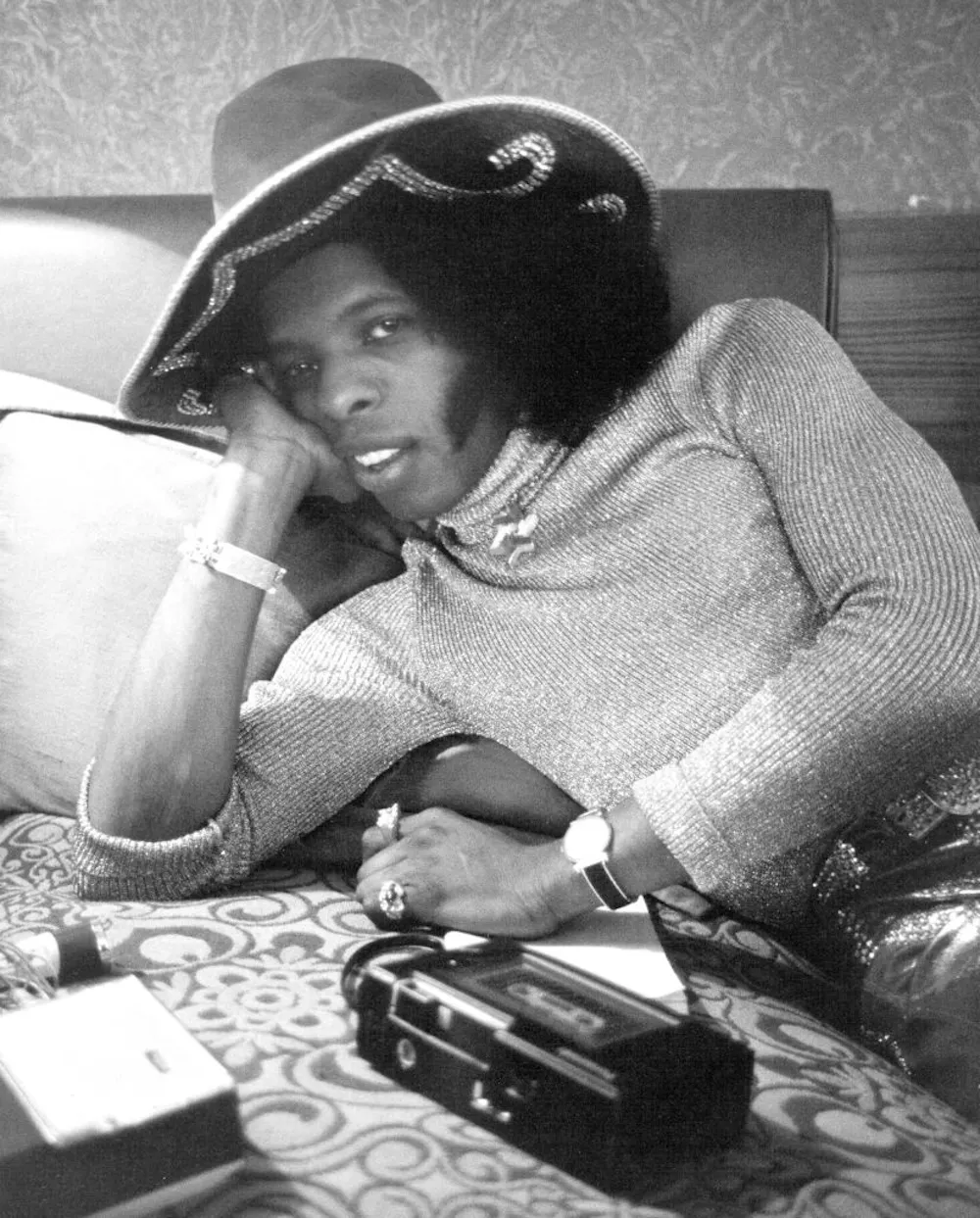
In the fall of 1971, Sly and the Family Stone’s “There’s a Riot Goin’ On” landed like a quiet revolution. After two years of silence following the band’s mainstream success, fans expected more feel-good funk from the ensemble.
What they got instead was something murkier and more fractured, yet deeply intimate and experimental. This was not just an album; it was the sound of a restless mind rebuilding music from the inside out.
He was among the first major artists to fully embrace the recording environment as a space to compose rather than perform. Every reverb bounce, every drum machine tick, every overdubbed breath became part of the writing process.
From studio rat to bedroom producer
Sly and the Family Stone’s early albums – including “Dance to the Music” and “Stand!” – were recorded at top-tier facilities like CBS Studios in Los Angeles under the technical guidance of engineers such as Don Puluse and with oversight from producer David Rubinson.
These sessions yielded bright, radio-friendly tracks that emphasized tight horn sections, group vocals and a polished sound. Producers also prized the energy of live performance, so the full band would record together in real time.
But by the early 1970s, Stone was burnt out. The dual pressures of fame and industry demands were becoming too much. Struggling with cocaine and PCP addiction, he’d grown increasingly distrustful of bandmates, label executives and even his friends.
So he decided to retreat to his hillside mansion in Bel Air, California, transforming his home into a musical bunker. Inside, he could work on his own terms: isolated and erratic, but free.
Without a full band present, Stone became a one-man ensemble. He leaned heavily into overdubbing – recording one instrument at a time and building his songs from fragments. Using multiple tape machines, he’d layer each part onto previous takes.
The resulting album, “There’s a Riot Goin’ On,” was like nothing he’d previously recorded. It sounds murky, jagged and disjointed. But it’s also deeply intentional, as if every imperfection was part of the design.
In “The Poetics of Rock,” musicologist Albin Zak describes this “composerly” approach to production, where recording itself becomes a form of writing, not just documentation. Stone’s process for “There’s a Riot Goin’ On” reflects this mindset: Each overdub, rhythm loop and sonic imperfection functions more like a brushstroke than a performance.
Automating the groove
A key part of Stone’s tool kit was the Maestro Rhythm King, a preset drum machine he used extensively.
It wasn’t the first rhythm box on the market. But Stone’s use of it was arguably the first time such a machine shaped the entire aesthetic of a mainstream album. The drum parts on his track “Family Affair,” for example, don’t swing – they tick. What might have been viewed as soulless became its own kind of soul.
This early embrace of mechanical rhythm prefigured what would later become a foundation of hip-hop and electronic music. In his book “Dawn of the DAW,” music technology scholar Adam Patrick Bell calls this shift “a redefinition of groove,” noting how drum machines like the Rhythm King encouraged musicians to rethink their songwriting process, building tracks in shorter, repeatable sections while emphasizing steady, looped rhythms rather than free-flowing performances.
He recorded his own parts the way future DJs would splice records – isolated, reshuffled, rhythmically obsessed. His overdubbed bass lines, keyboard vamps and vocal murmurs often sounded like puzzle pieces from other songs.
Music scholar Will Fulton, in his study of Black studio innovation, notes how producers like Stone helped pioneer a fragment-based approach to music-making that would become central to hip-hop’s DNA. Stone’s process anticipated the mentality that a song isn’t necessarily something written top to bottom, but something assembled, brick by brick, from what’s available.
Perhaps not surprisingly, Stone’s tracks have been sampled relentlessly. In “Bring That Beat Back,” music critic Nate Patrin identifies Stone as one of the most sample-friendly artists of the 1970s – not because of his commercial hits, but because of how much sonic space he left in his tracks: the open-ended grooves, unusual textures and slippery emotional tone.
While Sly’s approach was groundbreaking, he wasn’t entirely alone. Around the same time, artists such as Brian Wilson and The Rolling Stones were experimenting with home and nontraditional recording environments – Wilson famously retreating to his home studio during “Pet Sounds,” and the Stones tracking “Exile on Main St.” in a French villa.
Yet in the world of Black music, production remained largely centralized in institutionally controlled studio systems such as Motown in Detroit and Stax in Memphis, where sound was tightly managed by in-house producers and engineers. In that context, Stone’s decision to isolate, self-produce and dismantle the standard workflow was more than a technical choice: It was a radical act of autonomy.
The rise of home recording didn’t just change who could make music. It changed what music felt like. It made music more internal, iterative and intimate.
Sly Stone helped invent that feeling.
It’s easy to hear “There’s a Riot Goin’ On” as murky or uneven. The mix is dense with tape hiss, drum machines drift in and out of sync, and vocals often feel buried or half-whispered.
But it’s also, in a way, prophetic.
It anticipated the aesthetics of bedroom pop, the cut-and-paste style of modern music software, the shuffle of playlists and the recycling of sounds that defines sample culture. It showed that a groove didn’t need to be spontaneous to be soulful, and that solitude could be a powerful creative tool, not a limitation.
Half a century ago, a funk pioneer led the way. I think it’s safe to say that Sly Stone quietly changed the process of making music forever – and in the funkiest way possible.
Jose Valentino Ruiz does not work for, consult, own shares in or receive funding from any company or organization that would benefit from this article, and has disclosed no relevant affiliations beyond their academic appointment.
Nice, France, The UN Ocean Conference (UNOC) concludes today with significant progress made towards the ratification of the High Seas Treaty and a strong statement on a new plastics treaty signed by 95 governments. Once ratified, it will be the only legal tool that can create protected areas in international waters, making it fundamental to protecting 30% of the world’s oceans by 2030. 50 countries, plus the European Union, have now ratified the Treaty.
Deep sea mining rose up the agenda in the conference debates, demonstrating the urgency of opposing this industry. The expectation from civil society and a large group of states, including both co-hosts of UNOC, was that governments would make progress towards stopping deep sea mining in Nice. UN Secretary General Guterres said the deep sea should not become the wild west. French President Macron said a deep sea mining moratorium is an international necessity. Four new countries pledged their support for a moratorium at UNOC bringing the total to 37. Attention now turns to what actions governments will take in July to stop this industry from starting.
Megan Randles, Greenpeace Head of Delegation regarding the High Seas Treaty and progress towards stopping deep sea mining said: “High Seas Treaty ratification is within touching distance, but the progress made here in Nice feels hollow as this UN Ocean Conference ends without more tangible commitments to stopping deep sea mining.
“We’ve heard lots of fine words here in Nice, but these need to turn into tangible action. Countries must be brave, stand up for global cooperation and make history by stopping deep sea mining this year. They can do this by committing to a moratorium on deep sea mining at next month’s International Seabed Authority meeting. We applaud those who have already taken a stand, and urge all others to be on the right side of history by stopping deep sea mining.”
Following this UNOC, attention now turns to the International Seabed Authority (ISA) meetings in July. In the face of The Metals Company teaming up with Trump to mine the global oceans, the upcoming ISA provides a space where governments can come together to defend the deep ocean by adopting a moratorium to stop this destructive industry.
Negotiations on a Global Plastics Treaty resume in August.
John Hocevar, Oceans Campaign Director, Greenpeace USA said: “The majority of countries have spoken when they signed on to the Nice Call for an Ambitious Plastics Treaty that they want an agreement that will reduce plastic production. Now, as we end the UN Ocean Conference and head on to the Global Plastics Treaty negotiations in Geneva this August, they must act. The world cannot afford a weak treaty dictated by oil-soaked obstructionists.
“The ambitious majority must rise to this moment, firmly hold the line and ensure that we will have a Global Plastic Treaty that cuts plastic production, protects human health, and delivers justice for Indigenous Peoples and communities on the frontlines. Governments need to show that multilateralism still works for people and the planet, not the profits of a greedy few.”
Nichanan Thantanwit, Project Leader, Ocean Justice Project said: “Coastal and Indigenous communities, including small-scale fishers, have protected the ocean for generations. Now they are being pushed aside by industries driving ecological collapse and human rights violations.
“As the UN Ocean Conference ends, governments must recognise small-scale fishers and Indigenous Peoples as rights-holders, secure their access and role in marine governance, and stop destructive practices such as bottom trawling and harmful aquaculture. There is no ocean protection without the people who have protected it all along.”
The anticipated Nice Ocean Action Plan, which consists of a political declaration and a series of voluntary commitments, will be announced later today at the end of the conference. None will be legally binding, so governments need to act strongly during the next ISA meeting in July and at plastic treaty negotiations in August.
President Donald Trump has promised not to cut Medicaid many times over the past decade, including in the tax-and-spending legislative package he has made a top priority in his second administration.
But several provisions in the bill, which the House of Representatives passed in a largely party-line 215-214 vote in May 2025, could cause millions of Americans enrolled in Medicaid to lose their health insurance coverage, according to the nonpartisan Congressional Budget Office. Medicaid is funded jointly by the federal government and the states. The program provides nearly 80 million Americans, most of whom are low-income or have disabilities, with health insurance.
As a scholar who researches access to health care, I am concerned about the possibility that millions of people will lose their health insurance coverage should this bill become law. In many cases, that could occur due to new bureaucratic obstacles the bill would introduce.
The Congressional Budget Office, a nonpartisan agency that provides evidence-supported information to Congress, estimates that 10.9 million Americans would lose their health insurance by 2034 if the House of Representatives’ version of that package were to become law.
Another 2.1 million people who the CBO estimates would end up uninsured are Americans who today have coverage they bought in the marketplaces that the Affordable Care Act created.
Other estimates suggest that the number of Americans losing their coverage could run even higher.
Obstructing Medicaid expansion
The House bill would reduce incentives the federal government provides states to expand their Medicaid programs as part of the ACA.
Eliminating these incentives would make it even less likely that Texas and the other nine states that still have not expanded Medicaid eligibility would do so in the future.
The bill would also make it harder for states to come up with their share of Medicaid funding by limiting “provider taxes.” These taxes are charged to hospitals, doctors and other medical providers. The revenue they raise help pay for the state’s share of Medicaid costs.
Losing Medicaid coverage may leave millions of low-income Americans without insurance coverage, with no affordable alternatives for health care.
A supporter of the Affordable Care Act stands in front of the Supreme Court building on Nov. 10, 2020. Samuel Corum/Getty Images
Making Medicaid enrollment more complicated
Other proposed changes in the House bill would indirectly cut Medicaid coverage by forcing people to deal with more red tape to get or keep it.
This would happen primarily through the introduction of “work requirements” for Medicaid coverage. When enrolled in the program, applicants who are between 19 and 64 years old would need to certify they are working at least 80 hours a month or spending that much time engaged in comparable activities, such as community service.
Work requirements specifically target people eligible for Medicaid through the Affordable Care Act’s expansion of the program. They tend to have slightly higher incomes than the other people eligible for this benefit.
Arkansas gave Medicaid work requirements a try during the first Trump administration. Researchers who studied what happened found that 1 in 4 of the Arkansans enrolled in Medicaid affected by the policy lost their health insurance coverage. They also found that in most cases, this occurred because of bureaucratic obstacles, and that the policy didn’t lead to more people getting jobs.
By some estimates, the work requirements provision alone would lead to close to 5 million people of the 7.8 million being denied Medicaid coverage.
Changes in the House version of the bill would make it harder to get this coverage. This includes reducing the time Americans have to enroll in plans and eliminating certain subsidies. It also makes the enrollment process more complicated.
Some states may also reduce eligibility for certain groups or cover fewer services, as states seek to reduce their Medicaid costs.
And some states, including Iowa and Utah, are already pursuing work requirements on their own whether or not they become mandatory across the nation.
If fewer Americans have health insurance due to changes the Trump administration is making and the policies embedded in the pending tax-and-spending legislative package, the health of millions of people could get worse due to forgone care. And at the same time, their medical debts could grow larger.
Dr. Simon F. Haeder has previously received funding from the Centers for Medicare and Medicaid Services, the Pennsylvania Insurance Department, and the Robert Wood Johnson Foundation for unrelated projects.
Source: United States House of Representatives – Congressman Emanuel Cleaver II (5th District Missouri)
(Washington, D.C.) – Today, U.S. Representative Emanuel Cleaver, II (D-MO) voted against the House GOP recissions package that would recklessly cut $9.4 billion from the federal budget that was previously approved on a bipartisan basis. In addition to foreign aid cuts, which arealready having deadly consequencesand undermining U.S. support around the world, the bill defunds America’s public broadcasting, including NPR and PBS, threatening vital sources of nonpartisan news, educational programming, and emergency services for all Americans.
“Whether it’s ripping healthcare away from 16 million Americans, taking food off the table of millions more, or now defunding vital public broadcasters that millions of our fellow Americans rely on like PBS and NPR, my House Republican colleagues have made clear that nothing is off the table when it comes to budget cuts that will help pay for more tax breaks thatoverwhelmingly benefitthe wealthiest among us,” said Congressman Cleaver. “While I was hopeful that just a handful of my colleagues across the aisle would block this short-sighted and dangerous decision, it will fall upon the Senate to protect these services for the American people.”
Earlie this week, Congressman Cleaverfought to protectfunding for America’s public broadcasting by introducing an amendment to remove a provision within the Republican rescission package that would eliminate federal funding for these vital institutions. Unfortunately, the amendment was not adopted, and the cuts remained in the package passed today.
Congressman Cleaver has been a longtime supporter of America’s public broadcasting, pushing back on the Trump administration’s effort to undermine these vital services. In March, Cleaver joined a bipartisan coalition of lawmakersto callfor continued funding for public broadcasting followingreportsthe FCC had opened a frivolous investigation into NPR and PBS and signaled interest in defunding the outlets. In May, the Congressman again joined a cohort of lawmakers tocall onthe Committee on Appropriations to maintain funding for CPB programs.
Emanuel Cleaver, II is the U.S. Representative for Missouri’s Fifth Congressional District, which includes Kansas City, Independence, Lee’s Summit, Raytown, Grandview, Sugar Creek, Greenwood, Blue Springs, North Kansas City, Gladstone, and Claycomo. He is a member of the exclusive House Financial Services Committee and Ranking Member of the House Subcommittee on Housing and Insurance.
Promotes awareness of social isolation’s impact on older investors
(COLUMBIA, S.C.) — In recognition of World Elder Abuse Awareness Day on June 15, Attorney General Alan Wilson is raising awareness about the devastating impact social isolation can have on older investors in South Carolina.
Social isolation, whether voluntary or involuntary, significantly contributes to the financial exploitation of older investors. Using personal details from obituaries and social media posts, scammers often target seniors during vulnerable times, such as health crises or after the death of a loved one. Scammers may also exploit trust within seniors’ social and support groups to become more involved in their lives.
“We are committed to empowering older investors in South Carolina and their loved ones with the tools they need to prevent investment fraud. Knowledge and vigilance are our best defenses against scammers,” said Attorney General Wilson.
To protect older investors, the Attorney General’s Office stresses the importance of regular contact with seniors to reduce isolation and vulnerability. Open conversations within families about fraud and scams can also enhance seniors’ security and reduce their risk of financial exploitation.
The North American Securities Administrators Association (NASAA), of which South Carolina is a member, has developed resources on how to protect yourself from investment scams. You can find NASAA’s investor advisories on its website, including one on social isolation and the risk of investment fraud.
Attorney General Wilson asks anyone with suspicions of possible senior financial exploitation to contact the Securities Division of the Attorney General’s Office by calling 803-734-9916 or by emailing [email protected]. Investors can submit a complaint or request an investor protection speaker by visiting the Attorney General’s Office website at InformedInvestorSC.com.
Headline: FEMA Authorizes Funds to Fight Rowena Fire in Oregon
FEMA Authorizes Funds to Fight Rowena Fire in Oregon
BOTHELL, Wash
– The Federal Emergency Management Agency (FEMA) authorized the use of federal funds to help with firefighting costs for the Rowena Fire burning in Wasco County, Oregon
The state of Oregon’s request for a declaration under FEMA’s Fire Management Assistance Grant (FMAG) program was approved by FEMA Region 10 Acting Administrator Vincent J
Maykovich on Wednesday, June 11, 2025, at 8:06 p
m
PT
He determined that the Rowena Fire threatened to cause such destruction as would constitute a major disaster
This is the first FMAG declaration in 2025 to help fight Oregon wildfires
At the time of the state’s request, the wildfire threatened homes in and around the community of Rowena
The fire was also threatening I-84, the Port of The Dalles, Union Pacific Railroad, Mayer State Park, the Columbia River Gorge National Scenic Area, private utilities and commercial sites
FMAGs make funding available to pay up to 75 percent of a state’s eligible firefighting costs for fires that threaten to become major disasters
Eligible items can include expenses for field camps, equipment use, materials, supplies and mobilization and demobilization activities attributed to fighting the fire
These grants do not provide assistance to individual home or business owners and do not cover other infrastructure damage caused by the fire
###Follow FEMA Region 10 on X and LinkedIn for the latest updates and visit FEMA
gov for more information
FEMA’s mission is helping people before, during, and after disasters
Company Announcement Date: June 12, 2025 FDA Publish Date: June 12, 2025 Product Type: Food & BeveragesAllergens Reason for Announcement:
Recall Reason Description Potential or Undeclared Allergen – Sulfites
Company Name: Turkana Food Inc. Brand Name:
Brand Name(s) Floria
Product Description:
Product Description Dried Apricots
Company Announcement Turkana Food Inc. Kenilworth, NJ is recalling 352 cases of Floria Dried Apricots because the product contains UNDECLARED SULFITES on the package label. The recalled Floria Dried Apricots was distributed in the states of FL, KY, VA, NY, NJ, TN, MA, TX, Il, IN, MI, RI, PA, NC, MD, VA, OH, AL, MO, CA. The recalled 200 Gram paper packaging Labeled Floria Dried Apricots. The product packaging LOT# 440090478-15-333 can be found on the bottom portion of the package. UPC Label 2539560010 marked by a sticker on the top side of package. Expiration Date 11/2026, which can be found on the bottom portion of the package. No reported illnesses have been confirmed as of 06/12/2025. The recall was the result of a routine sampling performed by the New York State Department of Agriculture and markets which revealed that the finished products contained Sulfites that were not listed on the product labelling. The company has ceased production and distribution of the products as FDA and the company continue their investigation to correct the issue with the manufacturer. Consumers who purchased Floria Dries Apricots with the lot code 440090478-15-333 should not consume the product and they are urged to return it to the place of purchase for a full refund. Consumers with questions may contact Turkana Foods Inc. 908-810-8800 Monday – Friday 8am – 6pm EST.