WESTLAKE, Texas, June 10, 2025 (GLOBE NEWSWIRE) — Goosehead Insurance, Inc., (NASDAQ: GSHD), a rapidly growing, independent personal lines insurance agency, has appointed Angie Kervin as Chief Human Resources Officer (CHRO). With more than two decades of experience leading human capital strategies across large, distributed workforces, Kervin will spearhead Goosehead’s efforts to enhance its HR capabilities, further solidifying its position as an industry leader.
“Angie’s deep expertise and track record of driving innovation and excellence position her perfectly to lead our HR efforts,” said Mark Miller, President and Chief Executive Officer of Goosehead Insurance. “Our ability to attract, develop and retain exceptional human capital has always been a cornerstone of our success. Angie’s strategic vision and leadership will further enhance this advantage, helping us push boundaries and foster a dynamic, forward-thinking culture that drives growth and excellence at every level.”
Kervin is an accomplished HR leader, having served most recently as Executive Vice President and CHRO at Vestis. She previously held numerous progressive leadership roles during her tenure at Vestis/Aramark Uniform Services, including Senior Vice President and CHRO, and Vice President, Human Resources. Earlier in her career, Kervin gained valuable experience managing large-scale HR initiatives at Kohl’s, Sports Authority, Party City and Footaction USA, all of which have prepared her to lead human capital strategies tailored for high-growth companies like Goosehead.
“I am thrilled to join Goosehead Insurance and contribute to the company’s continued success,” said Kervin. “I look forward to working with the team to create and implement human capital strategies that will grow and nurture top talent while supporting Goosehead’s commitment to innovation and client excellence.”
Positioning Goosehead for Continued Growth
Kervin’s appointment reflects Goosehead Insurance’s commitment to aligning its people strategy with its ambitious business goals. The CHRO role will focus on:
Developing innovative HR programs to attract, develop and retain top talent.
Strengthening the high-performance culture with an emphasis on our principles of meritocracy and servant leadership.
Leveraging advanced technologies and data-driven decision-making to enhance workforce productivity.
Building on and enhancing Goosehead’s HR infrastructure to support aggressive, long-term growth in personal lines insurance.
“Angie embodies the innovative spirit and operational excellence that drive Goosehead forward. Her leadership is well-suited to accelerate our ability to meet today’s workforce challenges while staying positioned at the forefront of the insurance industry,” added Miller.
Kervin holds a Bachelor of Business Administration degree from the University of North Texas and is thrilled to return to Texas with her family as she takes on this exciting new chapter.
About Goosehead Goosehead (NASDAQ: GSHD) is a rapidly growing and innovative independent personal lines insurance agency that distributes its products and services through corporate and franchise locations throughout the United States. Goosehead was founded on the premise that the consumer should be at the center of our universe and that everything we do should be directed at providing extraordinary value by offering broad product choice and a world-class service experience. Goosehead represents over 200 insurance companies that underwrite personal and commercial lines. For more information, please visit goosehead.com or goosehead.com/become-a-franchisee.
Forward-Looking Statements This press release may contain various “forward-looking statements” within the meaning of the Private Securities Litigation Reform Act of 1995, which represent Goosehead’s expectations or beliefs concerning future events. Forward-looking statements are statements other than historical facts and may include statements that address future operating, financial or business performance or Goosehead’s strategies or expectations. In some cases, you can identify these statements by forward-looking words such as “may”, “might”, “will”, “should”, “expects”, “plans”, “anticipates”, “believes”, “estimates”, “predicts”, “projects”, “potential”, “outlook” or “continue”, or the negative of these terms or other comparable terminology. Forward-looking statements are based on management’s current expectations and beliefs and involve significant risks and uncertainties that could cause actual results, developments and business decisions to differ materially from those contemplated by these statements.
Factors that could cause actual results or performance to differ from the expectations expressed or implied in such forward-looking statements include, but are not limited to, conditions impacting insurance carriers or other parties with which Goosehead does business, the loss of one or more key executives or an inability to attract and retain qualified personnel and the failure to attract and retain highly qualified franchisees. These risks and uncertainties also include, but are not limited to, those described under the captions “1A. Risk Factors” in Goosehead’s Annual Report on Form 10-K for the year ended December 31, 2024 and in Goosehead’s other filings with the SEC, which are available free of charge on the Securities Exchange Commission’s website at:www.sec.gov. Should one or more of these risks or uncertainties materialize, or should underlying assumptions prove incorrect, actual results may vary materially from those indicated. All forward-looking statements and all subsequent written and oral forward-looking statements attributable to Goosehead or to persons acting on behalf of Goosehead are expressly qualified in their entirety by reference to these risks and uncertainties. You should not place undue reliance on forward-looking statements. Forward-looking statements speak only as of the date they are made, and Goosehead does not undertake any obligation to update them in light of new information, future developments or otherwise, except as may be required under applicable law.
LIEPAJA, Latvia – U.S. Navy Seabees, U.S. Marine Corps combat engineers from 8th Engineer Support Battalion (8th ESB), and NATO allies joined forces on the Baltic coast to construct critical waterfront infrastructure during exercise Baltic Operations 2025 (BALTOPS 25).
Suffolk County, NY — Congressman Nick LaLota (Suffolk County)proudly announced Kerry Yeung, a student at Half Hollow Hills High School East, as the 2025 winner of the Congressional Art Competition for New York’s First Congressional District. This year’s theme, “Service Above Self,” called on students to honor those who dedicate their lives in service to others. Kerry’s work is inspired by the true story of Sir Nicholas Winton, who saved 669 innocent children during WWII.
“Kerry’s artwork is more than a display of exceptional talent—it’s a powerful tribute to Sir Nicholas Winton’s bravery and humanity,”said Rep. LaLota. “By honoring a man who saved hundreds of Jewish children from the horrors of the Holocaust, Kerry’s piece reminds us that the fight against antisemitism requires both courage and compassion. Her work captures the spirit of ‘Service Above Self’ and reflects the enduring values of justice, empathy, and moral leadership that our district proudly upholds.”
2025 Congressional Art Competition Winner, entitled “669,” by Kerry Yeung, Half Hollow Hills High School East
Background:
Kerry Yeung’s winning piece, entitled “669,” is inspired by the true story of Sir Nicholas Winton, who saved 669 innocent children during WWII. She used colored pencils to sketch his face and body and then overlaid this with acrylic paints. Additionally, she printed articles about his story and glued them onto the canvas to highlight his significance as an unsung hero.
As the First District’s winner, Kerry’s artwork will be displayed in the U.S. Capitol for one year, alongside winners from across the country. The winning artwork is featured onHouse.gov‘s Congressional Art Competition webpage, https://www.house.gov/educators-and-students/congressional-art-competition. Kerry was also recently honored in a national reception in Washington, D.C.
The Congressional Art Competition is an annual nationwide initiative that gives high school students the opportunity to showcase their creativity and express their perspectives through visual art. Since 1982, the competition has celebrated the artistic achievements of young artists across the country. Each spring, Members of the U.S. House of Representatives host district-wide contests to recognize and encourage local talent. The winning artwork from each district is displayed in the U.S. Capitol for one year, where it is viewed by thousands of visitors, lawmakers, and staff. The 2025 competition continues this tradition of highlighting student talent and fostering creativity in the next generation of American artists.
President Donald Trump’s promise to eliminate taxes on tips may sound like a windfall for service workers — but the fine print in Congress’ latest tax bill tells a more complex story.
The idea started getting attention when Trump raised it during a 2024 campaign stop in Las Vegas, a place where tipping is woven into the economy. And the headlines and press releases sound great — especially if you’re a waiter, bartender or anyone else who depends on tips for a living. That may be why both Democrats and Republicans alike broadly support the concept. However, like most of life, the devil is in the details.
I’m a business-school economist who has written about tipping, and I’ve looked closely at the language of the proposed laws. So, what exactly has Trump promised, and how does it measure up to what’s in the bills? Let’s start with his pledge.
The promise of money that’s ‘100% yours’
Back in January 2025, Trump said, “If you’re a restaurant worker, a server, a valet, a bellhop, a bartender, one of my caddies … your tips will be 100% yours.” That sounds like a boost in tipped workers’ income.
But when you look at the current situation, it becomes clear that the reality is far more complicated.
First, the new tax break only applies to tips the government knows about — and a lot of that income currently flies under the radar. Tipped workers who get cash tips are supposed to report it to the IRS via form 4137 if their employer doesn’t report it for them. If a worker gets a cash tip today and doesn’t report it, they already get 100% of the money. No one really knows what percentage of tips are unreported, but an old IRS estimate pegs it at about 40%.
What’s more, the current tax code defines tips only as payments where the customer determines the tip amount. If a restaurant charges a fixed 18% service charge, or there’s an extra fee for room service, those aren’t tips in the government’s eyes. This means some tipped workers who think service charges are tips will overestimate the new rule’s impact on their finances.
How the new bills would affect tipped workers
The “Big Beautiful Bill” would create a new tax code section under “itemized deductions” This area of the tax code already includes text that creates health savings accounts and gives students deductions for interest on their college loans.
What’s in the new section?
First, the bill specifies that this tax break applies just to “any cash tip.” The IRS classifies payments by credit card, debit card and even checks as “cash tips.” Unfortunately for workers in Las Vegas, noncash tips, like casino chips, aren’t part of the bill.
While the House bill limits the deduction to people earning less than US$160,000 the Senate bill caps the deduction to the first $25,000 of tips earned. Everything over that is taxed.
Second, the current House bill ends this special tax-free deal on Dec. 31, 2028. That means these special benefits would only last three years, unless Congress extends the law. The Senate bill does not include such a deadline.
Third, the exemption is only available to jobs that typically receive tips. The Treasury secretary is required to define the list of tipped occupations. If an occupation isn’t on the list, the law doesn’t apply.
I wonder how many occupations won’t make the list. For example, some camp counselors get tips at the end of the summer. But it’s unclear the Treasury Department will include these workers as a covered group, since counselors only make up a proportion of summer camp staff. Not making the list is a real problem.
And while the new proposal gives workers an income tax break, there’s nothing in either bill about skipping FICA payments on the tipped earnings. Workers are still required to contribute slightly more than 7% in Social Security and Medicare taxes on all tips they report, which won’t benefit them until retirement. This isn’t an oversight — the bill specifically says employees must furnish a valid Social Security number to get the tax benefits.
There are a few other ways the legislation might benefit workers less than it seems at first glance. Instituting no taxes on tips could mean tipped employees feel more pressure to split their tips with other employees, like busboys, chefs and hosts. After all, these untipped workers also contribute to the customer experience, and often at low wages.
The specifics of any piece of legislation are subject to change until the moment Congress sends it to the president to be signed. However, as now written, I think the bills aren’t as generous to tipped workers as Trump made it sound on the campaign trail.
Jay L. Zagorsky does not work for, consult, own shares in or receive funding from any company or organization that would benefit from this article, and has disclosed no relevant affiliations beyond their academic appointment.
Source: The Conversation – USA – By Stewart Edie, Research Geologist and Curator of Paleobiology, Smithsonian Institution
Even bivalves looked different during the time of the dinosaurs, as these fossils of an ultra-fortified oyster, left, and armored cockle show.Smithsonian Institution
The fallout was immediate and severe. Evidence shows that about 70% of species went extinct in a geological instant, and not just those famous dinosaurs that once stalked the land. Masters of the Mesozoic oceans were also wiped out, from mosasaurs – a group of aquatic reptiles topping the food chain – to exquisitely shelled squid relatives known as ammonites.
But bubbling away on the seafloor was a stolid group of animals that has left a fantastic fossil record and continues to thrive today: bivalves – clams, cockles, mussels, oysters and more.
What happened to these creatures during the extinction event and how they rebounded tells an important story, both about the past and the future of biodiversity.
Surprising discoveries on the seafloor
Marine bivalves lost around three-quarters of their species during this mass extinction, which marked the end of the Cretaceous Period. My colleagues and I – each of us paleobiologists studying biodiversity – expected that losing so many species would have severely cut down the variety of roles that bivalves play within their environments, what we call their “modes of life.”
But, as we explain in a study published in the journal Sciences Advances, that wasn’t the case. In assessing the fossils of thousands of bivalve species, we found that at least one species from nearly all their modes of life, no matter how rare or specialized, squeaked through the extinction event.
Statistically, that shouldn’t have happened. Kill 70% of bivalve species, even at random, and some modes of life should disappear.
Most bivalves happily burrow into the sand and mud, feeding on phytoplankton they strain from the water. But others have adopted chemosymbionts and photosymbionts – bacteria and algae that produce nutrients for the bivalves from chemicals or sunlight in exchange for housing. A few have even become carnivorous. Some groups, including the oysters, can lay down a tough cement that hardens underwater, and mussels hold onto rocks by spinning silken threads.
We thought surely these more specialized modes of life would have been snuffed out by the effects of the asteroid’s impact, including dust and debris likely blocking sunlight and disrupting a huge part of the bivalves’ food chain: photosynthetic algae and bacteria. Instead, most persisted, although biodiversity was forever scrambled as a new ecological landscape emerged. Species that were once dominant struggled, while evolutionary newcomers rose in their place.
The reasons some species survived and others didn’t leave many questions to explore. Those that filtered phytoplankton from the water column suffered some of the highest species losses, but so did species that fed on organic scraps and didn’t rely as much on the Sun’s energy. Narrow geographic distributions and different metabolisms may have contributed to these extinction patterns.
Biodiversity bounces back
Life rebounded from each of the Big Five mass extinctions throughout Earth’s history, eventually punching through past diversity highs. The rich fossil record and spectacular ecological diversity of bivalves gives us a terrific opportunity to study these rebounds to understand how ecosystems and global biodiversity rebuild in the wake of extinctions.
The extinction caused by the asteroid strike knocked down some thriving modes of life and opened the door for others to dominate the new landscape.
The rebound from the extinction wasn’t so straightforward. Some modes of life lost nearly all their species, never to recover their past diversity. Others rose to take the top ranks. Genera is the plural of genus. Adapted from Edie et al. 2025, Science Advances
While many people lament the loss of the dinosaurs, we malacologists miss the rudists.
These bizarrely shaped bivalves resembled giant ice cream cones, sometimes reaching more than 3 feet (1 meter) in size, and they dominated the shallow, tropical Mesozoic seas as massive aggregations of contorted individuals, similar to today’s coral reefs. At least a few harbored photosymbiotic algae, which provided them with nutrients and spurred their growth, much like modern corals.
An ancient fossil of a rudist from before the last mass extinction. These bivalves could grow to a meter high. Smithsonian Institution
Today, giant clams (Tridacna) and their relatives fill parts of these unique photosymbiotic lifestyles once occupied by the rudists, but they lack the rudists’ astonishing species diversity.
Mass extinctions clearly upend the status quo. Now, our ocean floors are dominated by clams burrowed into sand and mud, the quahogs, cockles and their relatives – a scene far different from that of the seafloor 66 million years ago.
New winners in a scrambled ecosystem
Ecological traits alone didn’t fully predict extinction patterns, nor do they entirely explain the rebound. We also see that simply surviving a mass extinction didn’t necessarily provide a leg up as species diversified within their old and sometimes new modes of life – and few of those new modes dominate the ecological landscape today.
Like the rudists, trigoniid bivalves had lots of different species prior to the extinction event. These highly ornamented clams built parts of their shells with a super strong biomaterial called nacre – think iridescent pearls – and had fractally interlocking hinges holding their two valves together.
An ancient fossil of a pearly but tough trigoniid bivalve from the last mass extinction. The two matching shells show their elaborate hinge. Smithsonian Institution
But despite surviving the extinction, which should have placed them in a prime position to accumulate species again, their diversification sputtered. Other types of bivalves that made a living in the same way proliferated instead, relegating this once mighty and global group to a handful of species now found only off the coast of Australia.
Lessons for today’s oceans
These unexpected patterns of extinction and survival may offer lessons for the future.
The fossil record shows us that biodiversity has definite breaking points, usually during a perfect storm of climatic and environmental upheaval. It’s not just that species are lost, but the ecological landscape is overturned.
Many scientists believe the current biodiversity crisis may cascade into a sixth mass extinction, this one driven by human activities that are changing ecosystems and the global climate. Corals, whose reefs are home to nearly a quarter of known marine species, have faced mass bleaching events as warming ocean water puts their future at risk. Acidification as the oceans absorb more carbon dioxide can also weaken the shells of organisms crucial to the ocean food web.
Findings like ours suggest that, in the future, the rebound from extinction events will likely result in very different mixes of species and their modes of life in the oceans. And the result may not align with human needs if species providing the bulk of ecosystem services are driven genetically or functionally extinct.
The global oceans and their inhabitants are complex, and, as our team’s latest research shows, it is difficult to predict the trajectory of biodiversity as it rebounds – even when extinction pressures are reduced.
Billions of people depend on the ocean for food. As the history recorded by the world’s bivalves shows, the upending of the pecking order – the number of species in each mode of life – won’t necessarily settle into an arrangement that can feed as many people the next time around.
Stewart Edie receives funding from the Smithsonian Institution.
The 1,100-page bill would slash incentives for green technologies such as solar, wind, batteries, electric cars and heat pumps while subsidizing existing nuclear power plants and biofuels. That would leave the country and its people burning more fossil fuels despite strong popular and scientific support for a rapid shift to renewable energy.
The bill may still be revised by the Senate before it moves to a final vote. But it is a picture of how President Donald Trump and congressional Republicans want to reshape U.S. energy policy.
As an environmental engineering professor who studies ways to confront climate change, I think it is important to distinguish which technologies could rapidly cut emissions or are on the verge of becoming viable from those that do little to fight climate change. Unfortunately, the House bill favors the latter while nixing support for the former.
However, the House bill rescinds billions of dollars that the Inflation Reduction Act, enacted in 2022, devoted to boosting domestic manufacturing and deployments of renewable energy and batteries.
Deployments would be hit even harder. Wind, solar, geothermal and battery projects would need to commence construction within 60 days of passage of the bill to receive tax credits.
In addition, the bill would deny tax credits to projects that use Chinese-made components. Financial analysts have called those provisions “unworkable,” since some Chinese materials may be necessary even for projects built with as much domestic content as possible.
Wind turbines and solar panels generate renewable energy side by side near Palm Springs, Calif. Mario Tama/Getty Images
Efficiency and electric cars
Cuts fall even harder on Americans who are trying to reduce their carbon footprints and energy costs. The bill repeals aid for home efficiency improvements such as heat pumps, efficient windows and energy audits. Homeowners would also lose tax credits for installing solar panels and batteries.
For vehicles, the bill would not only repeal tax credits for electric cars, trucks and chargers, but it also would impose a federal $250 annual fee on vehicles, on top of fees that some states charge electric-car owners. The federal fee is more than the gas taxes paid by other drivers to fund highways and ignores air-quality and climate effects.
For new nuclear plants, the bill would move up the deadline to 2028 to begin construction. That deadline is too soon for some new reactor designs and would rush the vetting of others. Nuclear safety regulators are awaiting a study from the National Academies on the weapons proliferation risks of the type of uranium fuel that some developers hope to use in newer designs.
The House-passed bill would protect government subsidies for existing nuclear power plants, like the one in the background, while limiting support for wind turbines. Scott Olson/Getty Images
The bill would end tax credits for hydrogen production. Without that support, companies will be unlikely to invest in the seven so-called “hydrogen hubs” that were allocated a combined $8 billion under the Bipartisan Infrastructure Law in 2021. Those hubs aim to attract $40 billion in private investments and create tens of thousands of jobs while developing cleaner ways to make hydrogen.
The repealed tax credits would have subsidized hydrogen made emissions-free by using renewable or nuclear electricity to split water molecules. They also would have subsidized hydrogen made from natural gas with carbon capture, whose benefits are impaired by methane emissions from natural gas systems and incomplete carbon capture.
As Congress deliberates on the One Big Beautiful Bill Act, the nation’s energy agenda is one of many issues being hotly debated. Kevin Carter/Getty Images
Summing it up
The conservative Tax Foundation estimates that the House bill would cut the Inflation Reduction Act’s clean energy tax credits by about half, saving the government $50 billion a year. But with fewer efficiency improvements, fewer electric vehicles and less clean power on the grid, Princeton’s Jenkins projects American households would pay up to $415 more per year for energy by 2035 than if the bill’s provisions were not enacted. If the bill’s provisions make it into law, the extra fossil fuel-burning would leave annual U.S. greenhouse gas emissions 1 billion tons higher by then.
No one expected former President Joe Biden’s Inflation Reduction Act to escape unscathed with Republicans in the White House and dominating both houses of Congress. Still, the proposed cuts target the technologies Americans count on to protect the climate and save consumers money.
Daniel Cohan receives funding from the Carbon Hub at Rice University.
Source: United States of America – Department of State (video statements)
Spokesperson Tammy Bruce leads the Department Press Briefing at the Department of State, on June 10, 2025.
———-
Under the leadership of the President and Secretary of State, the U.S. Department of State leads America’s foreign policy through diplomacy, advocacy, and assistance by advancing the interests of the American people, their safety and economic prosperity. On behalf of the American people we promote and demonstrate democratic values and advance a free, peaceful, and prosperous world.
The Secretary of State, appointed by the President with the advice and consent of the Senate, is the President’s chief foreign affairs adviser. The Secretary carries out the President’s foreign policies through the State Department, which includes the Foreign Service, Civil Service and U.S. Agency for International Development.
Get updates from the U.S. Department of State at www.state.gov and on social media!
Facebook: https://www.facebook.com/statedept
X: https://x.com/StateDept
Instagram: https://www.instagram.com/statedept
Flickr: https://flickr.com/photos/statephotos/
Rumble: https://rumble.com/c/StateDept
Substack: https://statedept.substack.com
Watch on-demand State Department videos: https://video.state.gov/
Subscribe to The Week at State e-newsletter: https://public.govdelivery.com/accounts/USSTATEBPA/signup/32562
State Department website: https://www.state.gov/
Careers website: https://careers.state.gov/
White House website: https://www.whitehouse.gov/
Terms of Use: https://state.gov/tou
Source: United States Department of Defense (video statements)
Defense Secretary Pete Hegseth commemorates the 81st anniversary of the D-Day landings by American and Allied troops during a ceremony at Normandy American Cemetery in Colleville-sur-Mer, France. June 6, 2025.
For more on the Department of Defense, visit: http://www.defense.gov
—————
Keep up with the Department of Defense on social media!
Like the DoD on Facebook: http://facebook.com/DeptofDefense
Follow the DoD on Twitter: http://twitter.com/DeptofDefense
Follow the DoD on Instagram: http://instagram.com/DeptofDefense
Follow the DoD on LinkedIn: https://www.linkedin.com/company/DeptofDefense
When LGBTQ+ patients are unsure if they can be open about their identity and related health needs, it becomes more difficult for them to access high-quality health care.
In our recently published research, my colleagues and I found that how LGBTQ+ people are treated at the doctor’s office has a measurable effect on whether they stay up to date with lifesaving preventive care like flu shots, colorectal cancer screenings and HIV testing.
Results of affirming care
We examined how LGBTQ+ adults rated their health care provider across three areas: LGBTQ+ cultural competency, such as if providers used inclusive language on forms and in person; LGBTQ+ clinical competency, such as their doctor’s knowledge on all aspects of their health; and experiences of discrimination, such as being told to seek care elsewhere.
After analyzing survey data on the experiences of more than 950 LGBTQ+ adults from across the U.S., we saw that three clear patterns emerged.
First, 34% of participants reported having positive health care experiences – meaning their providers were culturally and clinically competent about LGBTQ+ health needs, and did not discriminate against them. These patients were more likely to be up to date on at least one preventive service recommended by the U.S. Preventive Services Task Force, compared to those receiving neutral or discriminatory care.
Second, 60% of participants reported having neutral experiences, when their providers were clinically competent about LGBTQ+ health needs and didn’t discriminate against them, but were not culturally competent. These patients were 43% less likely to get an HIV test compared to patients reporting affirming care.
Third, 6% of participants reported experiencing discrimination, when their providers were neither culturally nor clinically competent on LGBTQ+ health. These patients were 24% less likely to get a colorectal cancer screening compared to patients reporting affirming care.
Most LGBTQ+ adults in our study reported neutral or even discriminatory care, which leads to avoidable health risks and higher costs for the health system. This provides additional evidence that being supportive of LGBTQ+ patients has measurable improvements for health outcomes.
Fear of discrimination can lead to delayed and missed diagnoses.
Why preventive care matters
Preventive care saves lives and saves money. When diseases like colorectal cancer or HIV are caught early, treatments are often simpler, more effective and less expensive.
When LGBTQ+ patients are made to feel unwelcome or unsafe, we found that they are less likely to get routine preventive care, ultimately driving up long-term costs across the health system. States like North Carolina and Georgia that have more health systems participating in the Human Rights Campaign’s Healthcare Equality Index, which evaluates policies and practices around LGBTQ+ care, had higher rates of LGBTQ+ patients reporting positive care experiences compared to states with few participating health systems, such as Tennessee and Alabama.
Our team has continued the work independently to ensure that the over 1,250 participants who already shared their experiences and data would not have this information sit idly.
Our findings reinforce what many LGBTQ+ patients already know – nonjudgmental and competent care is not a luxury, but a public health necessity.
Nathaniel M. Tran received funding from the National Institute on Aging and Vanderbilt University.
Despite the profound human, social and economic costs of alcohol abuse, existing treatments have failed to provide meaningful relief. Excessive alcohol consumption remains a leading cause of death and disability worldwide. In the U.S. alone, 16.4 million people age 12 and older reported binge drinking on five or more days in the past month.
Although there are several drugs available to those seeking to stop or lower their alcohol consumption, their effectiveness is limited, and they often have significant side effects. Over the past three decades, efforts to treat excessive drinking have focused primarily on developing drugs that target proteins that can control how neurons respond to stimuli. Because these proteins are present in almost every neuron throughout the brain, the drugs also affect neurons that aren’t directly responsible for regulating alcohol’s effects. This often leads to unwanted side effects like headache, fatigue, drowsiness or insomnia.
In my work as a neurobiologist, I study the idea that pinpointing the specific brain circuits that play a role in suppressing alcohol consumption is critical to developing targeted treatments with limited side effects. In my newly published research, my team and I identified a small cluster of neurons responsible for suppressing binge drinking.
A map of binge drinking neurons
Researchers have identified several brain regions that play a key role in alcohol abuse. But there has been strong evidence that only a very small number of neurons within these regions underpinned the effects of the drug on brain function.
Small populations of neurons, called neuronal ensembles, have been shown to play a key role in memory formation and experiencing fear. However, researchers haven’t known whether the neuronal ensembles activated during binge drinking also influence binge drinking behavior.
Considering the billions of neurons contained in the brain, the task of identifying these neurons is akin to finding a needle in a haystack. To solve this challenge, my colleagues and I used a genetically modified mouse model that, upon exposure to alcohol, activates a gene coding for a red fluorescent protein that is selectively expressed in alcohol-sensitive neurons. By tracing these fluorescent neurons, we were able to make a map of the precise locations of affected neurons.
We identified a discrete number of neurons that respond to binge drinking in a brain region called the medial orbitofrontal cortex. This area is known for its key role in controlling decision-making and adapting behavior to a changing environment.
We also found that turning this neuronal ensemble off resulted in a sharp increase of alcohol consumption in mice. This means that the brain has, in essence, a built-in regulation system that is activated during alcohol drinking to act as a brake on its consumption. Should these neurons misfire, the regulatory system would fail, possibly leading to uncontrolled drinking.
Future treatments
Although this study advances our understanding of how and where binge drinking modulates brain function in mice, it remains unclear whether human brains are also equipped with the same neuronal ensemble. If they are, stimulating these neurons may provide a path toward helping people who experience difficulty controlling their alcohol intake.
Although selective control of neuronal activity is a formidable challenge, progress in gene therapy for patients with cancer and other rare diseases offers hope for more effective alcohol use disorder treatments with fewer side effects.
Gilles Martin receives funding from the National Institute on Alcohol Abuse and Alcoholism, which is part of the National Institutes of Health.
Published in 1915, and already widely accepted worldwide by physicists and mathematicians, the theory assumed the universe was static – unchanging, unmoving and immutable. In short, Einstein believed the size and shape of the universe today was, more or less, the same size and shape it had always been.
But when astronomers looked into the night sky at faraway galaxies with powerful telescopes, they saw hints the universe was anything but that. These new observations suggested the opposite – that it was, instead, expanding.
Scientists soon realized Einstein’s theory didn’t actually say the universe had to be static; the theory could support an expanding universe as well. Indeed, by using the same mathematical tools provided by Einstein’s theory, scientists created new models that showed the universe was, in fact, dynamic and evolving.
I’ve spent decades trying to understand general relativity, including in my current job as a physics professor teaching courses on the subject. I know wrapping your head around the idea of an ever-expanding universe can feel daunting – and part of the challenge is overriding your natural intuition about how things work. For instance, it’s hard to imagine something as big as the universe not having a center at all, but physics says that’s the reality.
The universe gets bigger every day.
The space between galaxies
First, let’s define what’s meant by “expansion.” On Earth, “expanding” means something is getting bigger. And in regard to the universe, that’s true, sort of. Expansion might also mean “everything is getting farther from us,” which is also true with regard to the universe. Point a telescope at distant galaxies and they all do appear to be moving away from us.
What’s more, the farther away they are, the faster they appear to be moving. Those galaxies also seem to be moving away from each other. So it’s more accurate to say that everything in the universe is getting farther away from everything else, all at once.
This idea is subtle but critical. It’s easy to think about the creation of the universe like exploding fireworks: Start with a big bang, and then all the galaxies in the universe fly out in all directions from some central point.
But that analogy isn’t correct. Not only does it falsely imply that the expansion of the universe started from a single spot, which it didn’t, but it also suggests that the galaxies are the things that are moving, which isn’t entirely accurate.
It’s not so much the galaxies that are moving away from each other – it’s the space between galaxies, the fabric of the universe itself, that’s ever-expanding as time goes on. In other words, it’s not really the galaxies themselves that are moving through the universe; it’s more that the universe itself is carrying them farther away as it expands.
A common analogy is to imagine sticking some dots on the surface of a balloon. As you blow air into the balloon, it expands. Because the dots are stuck on the surface of the balloon, they get farther apart. Though they may appear to move, the dots actually stay exactly where you put them, and the distance between them gets bigger simply by virtue of the balloon’s expansion.
Now think of the dots as galaxies and the balloon as the fabric of the universe, and you begin to get the picture.
Unfortunately, while this analogy is a good start, it doesn’t get the details quite right either.
The 4th dimension
Important to any analogy is an understanding of its limitations. Some flaws are obvious: A balloon is small enough to fit in your hand – not so the universe. Another flaw is more subtle. The balloon has two parts: its latex surface and its air-filled interior.
These two parts of the balloon are described differently in the language of mathematics. The balloon’s surface is two-dimensional. If you were walking around on it, you could move forward, backward, left, or right, but you couldn’t move up or down without leaving the surface.
Now it might sound like we’re naming four directions here – forward, backward, left and right – but those are just movements along two basic paths: side to side and front to back. That’s what makes the surface two-dimensional – length and width.
The inside of the balloon, on the other hand, is three-dimensional, so you’d be able to move freely in any direction, including up or down – length, width and height.
This is where the confusion lies. The thing we think of as the “center” of the balloon is a point somewhere in its interior, in the air-filled space beneath the surface.
But in this analogy, the universe is more like the latex surface of the balloon. The balloon’s air-filled interior has no counterpart in our universe, so we can’t use that part of the analogy – only the surface matters.
So asking, “Where’s the center of the universe?” is somewhat like asking, “Where’s the center of the balloon’s surface?” There simply isn’t one. You could travel along the surface of the balloon in any direction, for as long as you like, and you’d never once reach a place you could call its center because you’d never actually leave the surface.
In the same way, you could travel in any direction in the universe and would never find its center because, much like the surface of the balloon, it simply doesn’t have one.
Part of the reason this can be so challenging to comprehend is because of the way the universe is described in the language of mathematics. The surface of the balloon has two dimensions, and the balloon’s interior has three, but the universe exists in four dimensions. Because it’s not just about how things move in space, but how they move in time.
Our brains are wired to think about space and time separately. But in the universe, they’re interwoven into a single fabric, called “space-time.” That unification changes the way the universe works relative to what our intuition expects.
And this explanation doesn’t even begin to answer the question of how something can be expanding indefinitely – scientists are still trying to puzzle out what powers this expansion.
So in asking about the center of the universe, we’re confronting the limits of our intuition. The answer we find – everything, expanding everywhere, all at once – is a glimpse of just how strange and beautiful our universe is.
Rob Coyne receives funding from the National Aeronautics and Space Administration (NASA) and the US National Science Foundation (NSF).
Older adults have large digital archives that can be hard to access after their deaths.picture alliance/Getty Images
From family photos in the cloud to email archives and social media accounts, the digital lives of Americans are extensive and growing.
According to recent studies by the password management companies NordPass and Dashlane, the average internet user maintains more than 150 online accounts. Individuals produce hundreds of gigabytes of data each year. But few people have plans for what happens to that digital legacy after they die.
Unlike physical possessions, online assets often don’t pass smoothly from one generation to the next. Loved ones struggle to access important accounts or recover treasured photos. Many families face these challenges while already overwhelmed with grief.
Most tech companies haven’t kept up with this reality. Fewer than 15% of popular online platforms have clear systems for handling a user’s death, and customer support is often limited, according to our new study. As people’s “digital footprints” expand, the lack of planning has become both a practical and emotional burden for families. This is especially true for older adults who may not be aware of the steps required to manage their digital estate.
We realized there was no organization or comprehensive website to help people navigate the technical, privacy or practical challenges they were facing. In response, we launched what we believe is a first-of-its-kind solution: the Digital Legacy Clinic.
Our clinic opened in late 2024. The free clinic offers support both to people planning for the end of their digital lives and to those managing the digital estates of loved ones who have died.
Led by students and housed in the University of Colorado, Boulder’s Information Science department, the clinic operates much like a pro bono law clinic. Community members in the Denver and Boulder areas, as well as from across the country, can contact the clinic for help.
First, a person interested in getting support fills out a simple form. Then, a member of the clinic will send a follow-up email to clarify and offer preliminary advice. Since every case is different, often clinic workers will then meet via Zoom with a client to create a personalized plan for them and their family.
How the clinic helps
The clinic offers guidance on a wide range of digital estate concerns, including setting up digital legacy tools such as trusted contacts on Google and Apple or legacy contacts on Facebook – someone you choose to manage your main profile after you’ve died. People can also get guidance on how to memorialize or delete social media or other online accounts after a loved one has died.
For example, Facebook allows you to either memorialize an account or request its removal. To memorialize it, you’ll need to submit a form with the person’s name, date of death, proof of passing, such as an obituary, and verify your relationship to the deceased. Including these steps can help your loved ones manage a digital legacy with clarity and care.
The clinic also helps people recover and preserve digital assets. That includes photos, videos, emails and other important documents, such as legal documents stored on a Google Drive.
For those who are planning for after they die, the clinic can guide them in creating a digital estate plan. That plan might include inventorying online accounts, documenting login credentials and leaving instructions for account closure, or determining steps to email the documents to your lawyer.
Students supporting their community
The ongoing work of the clinic is run entirely by undergraduate and graduate students, who build and maintain the clinic’s website, manage the client intake process and research solutions tailored to each case.
For the students, it’s a hands-on learning opportunity that connects academic work to real-world needs. The experience is also professionally valuable. Students learn how to communicate complex tech topics with empathy, navigate privacy laws and manage sensitive data responsibly.
A resource for older adults
While the Digital Legacy Clinic is available to people across the country, its location in Boulder makes it especially accessible to older adults in the Boulder and Denver areas who may prefer or benefit from in-person support.
For older adults, the Digital Legacy Clinic can help them organize their digital lives and make passing their digital archives on to their families easier. Robert Alexander/Getty Images
For older adults, the clinic can play a crucial role in helping them organize their digital lives while they’re still alive. This can reduce confusion for loved ones later and even help prevent issues such as identity theft or account misuse. Many older adults now maintain extensive online presences, but they may not have the tools or knowledge to ensure their accounts are secure and accessible to people they trust.
Jed Brubaker currently receives research funding from the National Science Foundation and Google. In the past he has recieved research funding from Facebook and Mozilla. During 2014-2020 he worked as a research for the Legacy Contact and Memorialized Profile features at Facebook.
Dylan Thomas Doyle does not work for, consult, own shares in or receive funding from any company or organization that would benefit from this article, and has disclosed no relevant affiliations beyond their academic appointment.
An international group of physicists, including two UConn faculty, have published a white paper representing a major step forward in developing our understanding of one of the smallest units of our world, and with it, the basic laws of physics.
Thomas Blum, professor, and Luchang Jin, associate professor, in the Department of Physics are authors on this paper and members of the Muon g-2 Theory Initiative.
The group which includes more than 100 scientists from around the world formed in 2017.
The white paper deals with muons, a type of elementary particle. Muons are a lot like electrons, negatively charged subatomic particles, but they are about 200 times heavier.
Compared with many other elementary particles the muon is easier to study because it’s a kind of “Goldilocks” particle. It doesn’t interact too strongly nor too weakly with other particles.
Quarks, for example, interact so strongly with other particles they are difficult to isolate for study. But if a particle interacts too weakly with others this is also a problem, because the technology used to measure a particle’s properties actually depends on particle interactions.
Because of this, dark matters and neutrinos are difficult to study. Scientists need to build very large detectors in order to have a chance of capturing just a handful of particles. This makes the muon’s unique advantages important for probing the unknown.
“We’re interested in the muon because it presents an opportunity for something that we can measure extremely precisely in the lab and we can also calculate extremely precisely from our most fundamental theory of nature,” Blum says.
This white paper presents the theoretical side of this group’s work, which uses cutting-edge calculations to determine the anomalous magnetic moment of the muon.
A particle’s magnetic moment is usually described by the g-factor (g), which is theoretically predicted to equal two. But, particles are constantly interacting with other particles, changing this value – this is the anomalous magnetic moment, or g minus two (g-2).
This quantity is critical for evaluating the Standard Model, a description of the fundamental forces and particle types that make up the entire known universe.
The value of the anomalous magnetic moment of the muon is a part of the Standard Model but it has some uncertainty associated with its calculation. Hence, doing a better calculation will strengthen the Standard Model overall.
The theoretical calculations published in this white paper will then be compared to the value from an experiment conducted at Fermilab outside of Chicago.
The agreement or disagreement between these two results could alter our understanding of particle physics as we know it.
“If they don’t agree, we know that the Standard Model is not quite right and we have to improve it, we have to change it to include this new effect,” Blum says. “Even if we don’t find a discrepancy, it’s important to test our most fundamental theories as precisely as we can and know when or if they break down.”
This latest development builds upon decades of scientific advancement, including the work of Blum and Jin.
Blum was the first to calculate the contribution of quantum chromodynamics (QCD) – one of the three essential forces in the Standard Model – to the muon’s anomalous magnetic moment using a numerical technique called lattice QCD.
Since that first calculation Blum,Jin, and their collaborators have calculated the contribution of the hadronic vacuum polarization (HVP) to the anomalous magnetic moment of the muon, producing one of the most precise values at that point using lattice QCD.
“Groups all over the world are doing these calculations and improving the precision and the accuracy of those calculations to the point where, now we believe those are the most robust parts of the HVP calculation and now we can make an accurate comparison of the Standard Model to the experiment,” Blum says.
Jin contributed significantly to improving the precision of another hadronic contribution (i.e., arising from QCD) known as light-by-light scattering.
“We made some methodological developments which greatly improved the efficiency and reduced systematic errors,” Jin says.
This work is a testament to both advances in computing, as these calculations rely on state-of-the-art supercomputers housed in national laboratories, alongside theoretical advancements.
“We need both,” Blum says. “We need the improved algorithms and methods, and we need the most powerful computers we can get our hands on.”
Professor of anthropology Dimitris Xygalatas is a scientist and self-declared rational thinker. But he’s also a lifelong soccer fan, and he fully admits that when his Greek home team finally won their league in 2019, he cried tears of joy.
“Not what you might call a rational organism’s behavior,” he jokes.
But his reaction is in keeping with his latest study, published online this week in the Proceedings of the National Academy of Sciences (PNAS), which shows that the intense feelings of joy, unity, and excitement fans experience surrounding sports can be less about the game and more about the ritual of coming together.
“Rituals are the kinds of things that, at first glance, don’t make any sense in terms of human behavior, but are deeply meaningful to people,” says Xygalatas.
With the cooperation of a die-hard Brazilian soccer (actually, it’s “football,” Xygalatas grudgingly reminds us Americans) fan club, Xygalatas and his team tracked the physiological arousal of fans before, during, and after a state championship final in Minas Gerais between local rival teams.
Using wearable heart monitors, they measured the emotional reactions of fans during the ritual of Rua de Fogo (Street of Fire), where crowds gather near the stadium to welcome the team’s bus. As it arrives, fans light flares, smoke bombs, and fireworks, wave flags, and chant to boost team morale and unify supporters.
The scientists outfitted participants with EKG monitors hidden beneath their clothing. The devices measured heart rate fluctuations, which is a proxy for emotional arousal, as fans participated in the pre-game celebration, entered the stadium, and watched the match unfold.
What they found was striking: The levels of shared excitement, or what the scientists call “collective effervescence,” peaked not during the game, but during the pre-game fan rituals.
Only when the home team scored a goal did those physiological markers exceed the emotional high of the pre-match gathering.
“What we see is that, in fact, the pre-game ritual generates more emotional synchrony than the game itself,” Xygalatas says. “There’s a single moment in the entire game when they have more collective emotional synchrony than the pre-game ritual, and that’s when they scored a goal.”
The findings underscore Xygalatas’ broader work to understand how ritual shapes human behavior and identity.
Xygalatas’ past research has taken him to remote firewalking ceremonies and intense religious festivals. But soccer, he says, offers a unique laboratory: It’s a global obsession that’s rich in ritual and pageantry, but largely free from political or religious ideology.
“People attribute a lot of meaning to sports,” Xygalatas says. “Sports generate billions and billions of dollars globally, and they take up so much of people’s attention. And the reason they do that is not just because of what’s happening on the pitch. It’s because of these ritualized interactions that occur among the fans.”
The implications, the paper argues, extend beyond sports. Ritualized group behaviors like concerts, religious ceremonies, or political rallies, may powerfully shape people’s emotions and even their beliefs.
“By going to these events, we’re actually shaping our beliefs,” he says. “So, sports is not just an excuse for people to get together. It’s a driver of identity.”
Xygalatas speaks from experience. As a young man growing up in Thessaloniki, Greece, he was a member of a soccer fan club. One day, while wearing his team’s scarf in the wrong neighborhood, he was ambushed by four men and brutally attacked, an incident that echoes the fatal beating of a 19-year-old in his hometown years later, also over team allegiance.
“I felt a blow to my head from behind, and next thing I knew, there were four men beating me, kicking me on the head, everywhere,” remembers Xygalatas. “The reason I was able to escape is that another group of men was turning the corner, wearing my insignia, so they chased them away.”
Football, he says, is the only sport that regularly leads to deadly violence, a fact that leagues and governing bodies like FIFA should take seriously.
[embedded content]
He says it’s in soccer clubs’ best interest to strike a balance between building loyalty, which Europeans and South Americans are excellent at doing, and making it safe for people to participate in.
Still, Xygalatas is clear that he’s not advocating for less passion. He hopes his work helps people understand why they care so deeply in the first place.
“If we look at what makes us human, we realize that it’s our ability and our need to derive meaning from things that seem meaningless,” he says.
Xygalatas’ co-authors on this paper are Mohammadamin Saraei, graduate student in the Department of Psychological Sciences; Vitor Leandro da Silva Profeta, professor in the Departamento de Educação Física at the Universidade Federal de Minas Gerais; and Gabriela Baranowski-Pinto, professor in the Department of Human Movement Sciences at the Universidade do Estado de Minas Gerais.
In almost the same way the rope aboard the Pequod “folds the whole boat in its complicated coils,” so too have the details of the 14th International Melville Society Conference around UConn’s Mary K. Bercaw Edwards.
Who knew planning a weeklong event at UConn Avery Point for 150 Herman Melville scholars from lands as far away as those along the route in the hunt for Moby Dick would imitate passages from the English professor’s favorite chapter in the novel by the same name?
The whaling line, Melville writes of the rope, is both “magical, sometimes horrible.”
But once the scholars arrive and the opening plenary address begins on Monday, June 16, Bercaw Edwards says she’ll settle in and enjoy what the week has to offer as the UConn campus and southeastern Connecticut show off their maritime heritage.
“It’s going to be an amazing conference. The talks look outstanding, and everyone is so excited to be in this location,” Bercaw Edwards says.
Titled “Oceanic Melville,” the conference follows a 2022 gathering in Paris and other global destinations through the years including Poland in 2007, Israel in 2009, Italy in 2011, and Japan in 2015. The first was held in Greece in 1997, with gatherings planned generally biennially.
The latest exhibition, “Oceanic Melville,” at the Alexey von Schlippe Gallery of Art features artwork inspired by Herman Melville’s novel “Moby-Dick,” including artist Robert Del Tredici’s mixed media print, “Torn Body, Gnashed Soul.” The exhibition at UConn Avery Point is open through June 19. (Kimberly Phillips/UConn Today)
Bercaw Edwards says The Melville Society, an international organization dedicated to the study of the author, asked her to arrange a conference at Avery Point in part because of its proximity to Mystic Seaport Museum just 15 minutes down the road where the Charles W. Morgan, the last wooden whaleship in the world, is on display.
The Morgan was launched in 1841 from New Bedford, Massachusetts, built seven months after and 7 miles away from the Acushnet, the whale ship on which Melville served as a crewmember in the Pacific Ocean before writing “Moby-Dick,” making the Morgan as identical as possible to the Acushnet.
While several days of panel discussions and other academic talks (some are open to the public) on topics ranging from Melville in popular culture to Melville and his animals are the centerpiece of the conference, Bercaw Edwards says a daylong trip to the Museum, where she works in the summer, and the chance to get up close with the Morgan is a highlight.
“They’ll see us raise sails, lower and raise the whale boat. They’ll get to pull on the halyards, which will give them a visceral feeling of what it’s like to set sail,” she says of conference attendees. “We’re also going to give them an opportunity to actually row in whale boats.”
Participants’ day at the Museum also will include the daily activities available to the public, including a concert by staff musicians playing and singing the songs mentioned in “Moby-Dick” and a 35-minute play with three actors using Melville’s words to tell the story of Ahab and the whale.
“Monstrous: Whaling and its Colossal Impact,” the Museum’s newest exhibition that opened in late May and runs through Feb. 16, 2026, by happenstance coincides with the conference.
The exhibition has been built around Mexican American artist Jos Sances’ scratchboard mural, “Or, The Whale,” a 51-foot-long artwork the same size as a juvenile sperm whale. Bercaw Edwards says Sances created the piece after reading and finding inspiration in “Moby-Dick.”
“Sances is a screen printer and a scratchboard artist who’s from Mexico and lives in California – and then he read ‘Moby-Dick’ and was driven to make this mural,” she says. “With his background, there was nothing that would have drawn him naturally to reading a book by a white New England author, but he did just like so many others do.”
‘Deep and Important Questions’
From the perspective of Pequod crewmember Ishmael, “Moby-Dick” tells the story of Captain Ahab’s trek across the globe for vengeance against the albino sperm whale Moby Dick, which took off his leg during a previous encounter.
Some chapters are incredibly dense with precise details about whaling and sailing, while others are so action-packed the story moves quickly. It’s considered among the greatest American novels and for many English majors might be considered their very own white whale.
“Quenchless Feud (Ahab)” from artist Jos Sances is on display as part of “Oceanic Melville” at the Alexey von Schlippe Gallery of Art at UConn Avery Point. (Kimberly Phillips/UConn Today)
Bercaw Edwards says she’s oftentimes amazed that today’s audiences are so interested in something written in 1851 – that’s nearly 175 years ago – especially given that it’s authored by a dead, white male and features the killing of whales.
“It seems as politically incorrect as it can possibly be, and yet it feels as if it’s still on the ascendancy,” she says. “It’s a long, dense, tough book, and yet it’s immensely popular. There are graphic novels, movies, plays, concerts, memes, and T-shirts about it.”
She says she once witnessed a colleague who writes about Melville in popular culture mention the word “tattoo” during a talk, and afterward a throng of people gathered around to show him the Melville-inspired artwork on their biceps, forearms, and calves.
“It’s just amazing to me that Melville is so popular. I think it’s because he asks all kinds of deep and important questions: Is there truth? Is there justice? Is there anything beyond our human existence? How do we go about life? And he doesn’t give us any answers. Every time you think ‘OK, that’s the answer,’ he undercuts it. He wants you to realize there are no answers, but he’s asking these great questions. I think that’s part of why it’s still eternal,” she says.
Never mind the beauty of Melville’s writing.
“At the end of Chapter 1, Melville writes, ‘It is but well to be on friendly terms with all the inmates of the place one lodges in.’ I’ve always loved that. We should all get along,” Bercaw Edwards says. “I also love, ‘Ignorance is the parent of fear.’ People are afraid of things they don’t know. It’s so true.”
Pequod third mate Flask fears butter – yes, a stick of butter – Bercaw Edwards continues, noting the humor in the book. He feels as if he’s not entitled to the spread: “So when they’re all eating with Ahab – Starbuck, Stubb, and Flask – they’re always really quiet because they’re kind of nervous around Ahab, and Flask, of course, never dares to take butter. Then Melville writes, ‘For Flask is a butterless man.’”
Reading ‘Moby-Dick’
Every time “Moby-Dick” appears on a syllabus in one of Bercaw Edwards’ classes, she says she gives it a fresh read, no specific routine around it, no tableside requisite cup of black tea to share with Ahab.
She’s delighted in its humor during her at least 35 times rereading it through the years – so many instances that she finds herself quoting it as she goes along. And when she gets to her favorite chapter – number 60, “The Line” – she knows she’ll get the best Melville has to offer.
“He’s describing the whale line, which is attached to the harpoon and thrown into the whale. He has really basic information about the line, about rope, and then it’s infused with all kinds of humor,” she says, quoting his description of hemp: “Hemp is a dusky, dark fellow, a sort of Indian; but Manilla is as a golden-haired Circassian to behold.”
Melville then builds to what Bercaw Edwards calls a “metaphysical lift,” explaining that the whale-line surrounds the boat, crisscrossing it and traveling by each of the crewmembers. He then notes that we’re all surrounded by ropes, and no one knows when it will take you to eternity.
“It’s set up like a sermon,” she says of the chapter. “Sermons pick apart a line from biblical text. This does the same thing. It just does it with real line rather than a line of text.”
Then again, Bercaw Edwards can relate to Melville and journeys around the world better than most.
As her friends shifted into high school upperclassman status at 16 years old, she and her family went to sea, she says. The family of five – Mom and Dad, sister and brother, and her – sailed around the globe on a journey that took 3½ years.
“When I went to college, I knew I wanted to be an English major, but I was thinking I would study Henry James,” she says of the American British author. “Then my professor suggested that with my sailing background I should be a Melville scholar – and now I can’t imagine anything else. All my scholarship has been on Melville, with a little on Joseph Conrad and Jack London, but always centered on Melville.”
She acknowledges, though, that for some, reading “Moby-Dick” might be daunting, to which she offers four words of advice: Visit Mystic Seaport Museum.
Seeing the whale boat demonstrations and getting onboard the Morgan to imagine sleeping in its belly every night for between two and five years oftentimes help people get through those challenging whaling chapters.
She further recommends listening to the story as an audio book.
“When people hear it read aloud, they’ll often see how funny it is. I mean, it’s full of humor, and that’s often lost when people get stuck on the fact that this is The. Great. American. Novel,” she says.
From July 31 to Aug. 1, Mystic Seaport Museum will host its 40th annual “Moby-Dick” Marathon reading of the book to coincide with Melville’s Aug. 1 birthday. Readers gather onboard the Morgan and take about 24 consecutive hours to get through the 135 chapters.
“One of the things I always notice is people listening and then they start to laugh and feel embarrassed, like they’re not supposed to. This is The Great American Novel, but of course we’re supposed to laugh,” she adds.
Public Events and AVS Exhibition
With grant funding from Connecticut Humanities and the Gladys Krieble Delmas Foundation, several events during The Melville Society conference will be open to the public, Bercaw Edwards says.
The opening plenary talk at 10:15 a.m. on Monday, June 16, “Other Seas: Sailing Without Ahab,” will come from St. John’s University English professor Steve Mentz, who’s figured prominently in the field of blue humanities. He will discuss how humans engage with water, along with the history and theory of water-centric thinking.
“The Pod” from artist George Klauba is on display as part of “Oceanic Melville” at the Alexey von Schlippe Gallery of Art at UConn Avery Point. (Kimberly Phillips/UConn Today)
Then, at 6 p.m. on Wednesday, June 18, “Does the Whale Diminish? – Will He Perish? Cross-Disciplinary Currents in Conversation” will offer a panel discussion with Anne Cohen from the Massachusetts Institute of Technology and Woods Hole Oceanographic Institution, conservation biologist and author Joe Roman, and Portuguese marine researcher Rui Prieto.
The closing plenary address at 4 p.m. on Thursday, June 19, also is open to the public. It features Lenora Warren from Cornell University, one of the leading scholars about Melville and race. Her talk, “Melville’s Ghosts,” dovetails with the day also being Juneteenth.
At the Alexey von Schlippe Gallery of Art at Avery Point, the exhibition “Oceanic Melville” comes together thanks to curator and gallery director Jeanne Ciravolo, along with Bercaw Edwards and Robert K. Wallace from Northern Kentucky University.
Ciravolo says she mentioned during a campus faculty meeting more than a year ago that she enjoys making the gallery’s exhibitions interdisciplinary experiences and afterward Bercaw Edwards asked if she was interested in working together on a show to dovetail with the conference.
“I absolutely was,” Ciravolo says. “I’m a reader. I once thought I’d be an English teacher, but I became an artist, so to have the opportunity to marry literature plus art is very unusual for me and special.”
About two dozen framed artworks on loan from The Melville Society, which houses its collection at the New Bedford Whaling Museum in Massachusetts, are part of the show, along with several artists’ books, Ciravolo says, noting that most of the pieces relate to “Moby-Dick.”
This includes three full-color pieces from artist George Klauba, prints from sculptor and graphic artist Leonard Baskin, and an abstract piece, “Skin’s Path/Moby Dick,” from artist Aileen Callahan, a charcoal on paper that depicts the damaged skin of a whale that’s been beaten with time.
“The idea is to always get a mix of things, a variety of style and media, into the gallery,” Ciravolo says, explaining she and Bercaw Edwards visited the New Bedford Museum to pour through The Melville Society’s full collection, as well as the Museum’s Elizabeth Schultz Collection, and select the most powerful artworks from watercolor to printmaking.
“The scholars who are coming are going to appreciate seeing these artworks,” Ciravolo says. “I love that it will be a generative experience for them and that the public will have the chance to see this very interesting show. We’re here on Long Island Sound, near the whaling center of New England, so it’s a perfect place for this.”
The AVS Gallery is open Thursdays through Sundays from noon to 4 p.m. in the Branford House at UConn Avery Point. It will have extended hours from noon to 4 p.m. on Monday, June 16, and Tuesday, June 17, during the Melville conference for both participants and the public. The “Oceanic Melville” exhibition is open now through Thursday, June 19.
We are announcing the launch of a new website created to support UConn’s international students, scholars, and employees. It will serve as a central hub for key information, guidance, and resources to help navigate and understand federal immigration updates, as well as related university policies.
The site was created in response to the evolving landscape of immigration policy, and reflects our commitment to keeping you informed and supported.
We encourage you to explore the site and share it with colleagues or students who may find it helpful. The site, Support for UConn’s International Community, will be updated regularly with new information and resources as they become available.
If you have suggestions or additional needs, please reach out to any of the following offices:
In recent weeks, there have been several significant immigration developments affecting institutions of higher education. These include a reported pause in expanding visa appointment availability for international students; new executive branch vetting procedures that may apply to international employees, including potential Requests for Evidence (RFEs) for biometric data such as photographs, fingerprints, and signatures; a public statement regarding possible visa revocations for certain Chinese students; and most recently, a presidential proclamation limiting travel and entry from 19 countries.
We want to reassure our community that we are actively monitoring these developments and are working diligently to provide timely communication and support to those who may be affected.
International Student and Scholar Services, Human Resources, the Dean of Students office, and UConn Health’s International Office will host an informational webinar to review the recent executive actions in greater detail. We invite you to join us on Tuesday, June 10, from noon to 1 p.m. You can access the webinar here.
UConn is committed to fostering a welcoming and supportive environment for all our faculty, staff, students, and visiting scholars. We hope this resource will help you stay informed as we continue to navigate these evolving challenges together.
Source: United States House of Representatives – Congresswoman Ashley Hinson (IA-01)
Washington, D.C. – Congresswoman Ashley Hinson (R-IA-02) and Congresswoman Sheila Cherfilus-McCormick (D-FL-20) introduced the Specialist Fourth Class Keith Smith Glioblastoma Parity Act, which amends the PACT Act to ensure Vietnam War veterans who were exposed to Agent Orange can access critical benefits for glioblastoma, a rare and aggressive form of brain cancer.
The bill, named in honor of Specialist Fourth Class (SP4) Keith Smith, was inspired by a letter Congresswomen Hinson and Cherfilus-McCormick received from his widow, Linda Smith, an Iowa resident. SP4 Smith, a Vietnam veteran exposed to Agent Orange, died from glioblastoma—a condition not currently recognized under the PACT Act for Agent Orange exposure. As a result, he was denied critical benefits. Linda Smith now advocates to ensure no other veteran or family faces the same injustice.
“This was Keith’s wish─to help other Vietnam veterans affected by Agent Orange. Adding glioblastoma to the list of presumptive conditions as part of the PACT Act would help fulfill that wish.” – Linda Smith.
“Ensuring our veterans receive the benefits they have earned remains a top priority for me. I was proud to support the PACT Act to expand access to care for those exposed to toxic substances, but more work remains. Glioblastoma is not recognized as a presumptive condition under the PACT Act for Agent Orange exposure, despite mounting evidence. I had the honor of speaking with Linda Smith of Independence, Iowa—the widow of Specialist Fourth Class Keith Smith, who tragically passed away from Glioblastoma. SP4 Smith served our country with pride and honor, but under the current PACT Act, he was still unable to receive the health care he deserved. I’m humbled to co-lead this bipartisan effort to update the law and ensure all veterans have access to the highest quality care. Naming this bill in SP4 Smith’s honor is a deserving tribute to his life and service, and an opportunity for Iowans and all Americans to help save lives while honoring one of our own.” –Congresswoman Ashley Hinson
“When our veterans serve, we make a promise to stand by them—not just in war, but long after they return home. Specialist Fourth Class Keith Smith answered that call with courage in Vietnam, risking everything in service to our nation. This bipartisan bill is more than legislation—it’s a solemn commitment to honor his legacy, uplift his memory, and ensure that no veteran is forgotten. By recognizing his sacrifice, we reaffirm our duty to all those who have served and continue to serve, and we take a meaningful step toward keeping the promises we’ve made.” – Congresswoman Cherfilus-McCormick
“The Military Aviator Coalition for Health (MACH) is proud to endorse this critical piece of legislation. Glioblastoma claims far too many veteran lives annually. This bill is a huge step in rectifying past disparities and honoring the tremendous legacy of SP4 Smith.” – COL. Vincent Alcazar, USAF (ret.), Founder and Director of MACH
“The Invisible Enemy proudly supports the Specialist Fourth Class Keith Smith Glioblastoma Parity Act introduced by Congresswomen Cherfilus-McCormick and Hinson. Glioblastoma has affected many servicemembers, whether due to Agent Orange on the battlefield or radiation at the Nevada Test and Training Range (HB 1400). We are deeply grateful to the Members of Congress who continue to support veterans by recognizing glioblastoma as a presumptive condition related to their service. These efforts bring hope and long-overdue recognition to those who have sacrificed in silence.” – David Tilem, Executive Director of the Invisible Enemy
India is poised to make history as Group Captain Shubhanshu Shukla of the Indian Air Force prepares to become the first Indian astronaut in over four decades to travel to space. Selected under the Indian Space Research Organisation’s (ISRO) Human Spaceflight Programme, Shukla will serve as Mission Pilot for Axiom Mission 4 (Ax-4) to the International Space Station (ISS), launching aboard a SpaceX Falcon 9 on June 11, 2025. This mission, reviving the legacy of Rakesh Sharma’s 1984 spaceflight, underscores India’s bold ambition to lead in global space exploration.
Managed by Axiom Space and led by Commander Peggy Whitson of the USA, Ax-4 is a landmark collaboration involving India, Poland, and Hungary, each sending government-sponsored astronauts to the ISS for the first time. Shukla’s role highlights India’s growing prominence in the global space community, focusing on operational readiness, microgravity adaptation, and advanced scientific experiments in space biology and life support systems. His work will include pioneering studies on edible microalgae to explore their growth under microgravity and space radiation, alongside research on cyanobacteria like Spirulina and Synechococcus for self-sustaining life support systems. An ISRO-led project, Voyager Tardigrades, will investigate the resilience of tardigrades in space, aiming to uncover molecular mechanisms for surviving extreme environments. Additional experiments on crop seeds, myogenesis, STEM demonstrations, and sprouts will further bolster India’s space science expertise. These efforts, developed in partnership with ISRO, NASA, and the Department of Biotechnology, are vital for long-duration missions and align with India’s Gaganyaan Programme, targeting a crewed mission to Low Earth Orbit by 2027.
The Gaganyaan Programme, backed by a ₹20,193 crore budget, is India’s flagship initiative for indigenous human spaceflight. It aims to develop and validate technologies for safe crewed missions, with a vision to establish the Bharatiya Antariksh Station by 2035 and achieve a crewed lunar landing by 2040. Four Indian Air Force test pilots—Group Captains PB Nair, Ajit Krishnan, Angad Pratap, and Shukla—have completed rigorous training. As of May 2025, the programme is in its final phase, with the Human-rated LVM3 vehicle, Crew Escape System, and Crew Module undergoing final testing for a planned 2027 launch. Gaganyaan is expected to drive technological innovation, industrial growth, and high-tech job creation, while inspiring future generations in STEM fields.
India’s space programme has already achieved remarkable milestones. Between January 2015 and December 2024, ISRO launched 393 foreign satellites and three Indian customer satellites, serving 34 countries, including the USA, UK, and Singapore. In 2017, ISRO set a world record by launching 104 satellites in a single mission. The Chandrayaan-3 mission made India the first nation to land on the Moon’s southern pole, with the Pragyan rover confirming sulphur presence. The Aditya L-1 solar mission, launched in 2017, captured unprecedented solar flare data in February 2025. Upcoming initiatives like the SpaDeX mission in December 2024 will demonstrate indigenous docking technology, while ISRO’s Orbital Re-entry Vehicle will enable autonomous re-entry and landing capabilities.
International collaborations are central to India’s space strategy. Partnerships with NASA on the NISAR mission, ESA on astronaut training and microgravity research, CNES on the TRISHNA satellite, and JAXA on lunar exploration studies highlight India’s global role. The India Space Policy 2023 and liberalized FDI norms, allowing up to 100% investment in certain space activities, have fueled private sector growth, with over 328 space startups emerging in recent years. Central Public Sector Enterprises like Antrix Corporation Limited and NewSpace India Limited, alongside IN-SPACe, are driving innovation and commercialization. The space budget has nearly tripled over the past decade, from ₹5,615 crore in 2013-14 to ₹13,416 crore in 2025-26, reflecting strong government commitment.
India’s Space Vision 2047 outlines ambitious goals, including the Bharatiya Antariksh Station, lunar landings, and missions to Venus.
President Donald Trump has praised the Gilded Age, which he believes was a time of immense national prosperity thanks to tariffs, no income tax, and few regulations on business.
Similar to today, the late 19th century was a time where a small group of men enjoyed immense wealth, privilege and power to shape the nation. It was a time of immense inequality, as factory and housing conditions crushed the lives of the poor.
And it was a time of white Christian nationalism.
In Northern cities, reformers saw the wealth gap, the plight of workers and the squalid conditions in tenements as undermining their vision of a Christian America. Fueled by faith, the Social Gospel movement worked to expand labor rights and improve living conditions at the turn of the 20th century.
At the same time, many of these white Protestant activists believed their own culture and race to be superior, and this prejudice hindered their efforts. They often spouted anti-Catholic and anti-immigrant rhetoric, and mostly ignored Black workers’ plight.
One of Jacob Riis’ many photographs of living conditions on New York’s Lower East Side. Bettmann via Getty Images
Ever since the Puritans landed, white Christian nationalism has informed how many Protestants try to shape their country – a history I trace with church historian Richard T. Hughes in the book “Christian America and the Kingdom of God.” But Christian nationalism has taken dramatically different forms over time. The progressive Social Gospellers of a century ago are a particularly striking contrast to the conservative Christian right that has shaped U.S. politics for half a century, up to today.
Guardians of a Christian nation
There are many differences between Christian nationalism then and now. Like many conservative Christians today, however, the Social Gospellers believed that the United States was uniquely chosen and blessed by God, and called to be a Christian nation. They saw themselves as the rightful guardians of that mission. And though the country was still overwhelmingly Protestant, they feared they were losing influence.
New research explored the history of the Bible – research that many Christians feared would undermine people’s trust in Scripture as the word of God, by emphasizing its human composition. New scientific ideas about the Earth’s creation and human evolution challenged their visions of an all-powerful, all-knowing God. Meanwhile, rapid industrialization and urbanization had created new social challenges, such as workers’ safety and living conditions, leading some to reject faith as irrelevant to their needs.
Social Gospellers wanted to vindicate Christianity and show it was still relevant to modern life. But white leaders’ vision of what a Christian America should look like conflated their Protestant faith with their race and culture.
Josiah Strong, for example, was a Congregationalist minister known for promoting factory safety. But he stoked fear of Catholic immigrants and endorsed the expansion of the U.S. as a benevolent empire. The Anglo-Saxon race “is destined to dispossess many weaker races, assimilate others, and mold the remainder,” Strong argued in his 1885 book, “Our Country.”
Another Social Gospel reformer, Northern Baptist theologian Walter Rauschenbusch, railed against unrestrained greed, political corruption, militarism and contempt between elites and the working class. But he shared the white supremacy of his age. God was favoring Germanic and Anglo-Saxon people, he claimed, to enact God’s purposes.
“Other races are as dear to God as we and he may be holding them in reserve to carry His banner when we drop it,” he wrote in an undated article. But it was part of God’s plan, he believed, for Northern Europeans to “hold the larger part of the world’s wealth and power in the hollow of their hands and the larger share of the world’s intellectual and spiritual possessions in the hollow of their heads.”
The ‘right’ kind of Christian
Though many white Protestants felt threatened by the challenges of immigration, they were still a clear majority, and they presumed that most Americans would endorse applying Christian ethics to public policy and social reform.
What’s more, women gaining the right to vote in 1920 meant Social Gospel leaders expanded Protestants’ power at the ballot box. Many Social Gospel leaders embraced women’s suffrage because women were already leading supporters for their causes: For example, Frances Willard, who promoted temperance and workers’ rights; and Jane Addams, who ran a Christian “settlement house,” or community center, for the poor.
But in another sense, demographics were not on their side. The U.S. might have been a very white and Christian country, but in some Social Gospellers’ minds, the era’s waves of immigrants were not the “right” kind of Christian: Northern European and Protestant. Immigration was shifting from Great Britain, Ireland and Germany to Russia, Poland, Hungary and Italy. While Protestants far outnumbered Catholics nationally, Strong wrote that they were double the Protestant population in major cities like New York, Chicago and Philadelphia.
Strong argued that Catholic immigrants were lazy, prone to alcoholism and criminal activity, and willing to sell their vote to corrupt city politicians. He claimed they would corrupt the morals of Anglo-Saxon Americans, and that if the Catholic population grew, it would undermine Protestants’ religious liberty.
Nativist views like these led to the National Origins Act of 1924, which restricted the number of immigrants. Quotas for each country were based on the profile of the American population in 1890 – an attempt to maintain Protestant dominance against Catholic and Jewish immigration from Southern and Eastern Europe. That distrust also kept Social Gospellers from partnering with Roman Catholic leaders on shared concern for workers.
Flourishing for all, or some?
Still, when it came to workers’ basic needs, reformers cared deeply about improving circumstances for the “least of these.” The movement was strongly influenced by the biblical parable of the sheep and the goats: verses in the Book of Matthew where Jesus promotes feeding the hungry, caring for the sick, clothing the naked and visiting those in prison.
Social Gospellers aimed to prove that Christianity could answer the social challenges caused by industrialization, urbanization and immigration. For the most part, they sought to use their privilege in ways that promoted the flourishing of all Americans, such as expanding labor rights and providing services to the poor through settlement houses.
A photograph by Jacob Riis in a small New York City sweatshop in the 1880s. Bettmann via Getty Images
In 1908, for example, the Federal Council of Churches adopted a 14-point statement called the “Social Creed,” affirming that churches should support reforms “to lift the crushing burdens of the poor, and to reduce the hardships and uphold the dignity of labor.” While some of the reforms they called for are taken for granted today — like one day off per week — other calls, like a living wage for all, are yet to be realized.
Over the past half-century, the modern Christian right, too, has feared that its vision for the nation is eroding. Conservative churches have seen their influence drop as more Americans move awayfrom organized religion and reject their rejection of LGBTQ+ people.
Like the Social Gospellers of a century ago, the Christian nationalists of recent decades are wary of religious and racial change in their country. Yet the movement’s priorities – often focused around its vision of families, sex and gender – are starkly more limited than the broader quality-of-life issues that Social Gospellers addressed.
Both groups desired an America rooted in biblical values. But each interpreted Scripture through its own lens, seeking to remake America in its own, white Protestant image.
Christina Littlefield does not work for, consult, own shares in or receive funding from any company or organization that would benefit from this article, and has disclosed no relevant affiliations beyond their academic appointment.
Source: United States House of Representatives – Congresswoman Joyce Beatty (3rd District of Ohio)
WASHINGTON, D.C.– Today, Congresswoman Beatty reintroduced H.R. 3709 the ‘Advancing the Mentor Protégé Program for Small Financial Institutions Act’ to codify the Financial Agent Mentor-Protégé Program at the U.S. Department of the Treasury. The program pairs up small and rural financial institutions with large banks and credit unions, providing resources, training, and technical assistance to help them better serve their communities and become Financial Agents to Treasury.
Small financial institutions, including Minority Depository Institutions (MDIs), play a critical role in their communities, yet there are only 151 MDI banks left in the United States, and the number of minority-owned banks has dropped more than 30% since its peak in 2008. Although their numbers have largely stabilized in recent years, MDIs generally have much higher expenses and are often forced to merge with other minority-owned banks to survive.
“Small financial institutions are anchors of local economies across the U.S., providing mortgage credit, small business lending, and other critical banking services to their communities ,” said Congresswoman Beatty. “These institutions know the financial needs of their communities best, and codifying the mentor-protégé program at Treasury will go a long way toward preserving and strengthening their impact across America —and advancing our mission of an inclusive financial system.”
“The Independent Community Bankers of America (ICBA) is pleased to support Congresswoman Joyce Beatty’s Advancing the Mentor-Protégé Program for Small Financial Institutions Act, which would establish a Treasury Financial Agent program enabling partnerships between MDIs, rural community banks, and other financial institutions,” said Rebeca Romero Rainey, ICBA President and CEO. “This legislation reinforces and supports the critical role MDIs and rural community banks serve as a lifeline in their communities, providing tailored financial products, and fostering greater economic growth.”
“The American Bankers Association is pleased to support Rep. Beatty’s Advancing the Mentor Protégé Program for Small Financial Institutions Act, which would increase the ability of community banks, rural financial institutions and MDIs to meet the financial service needs of their customers, clients and communities,” said Rob Nichols, ABA President and CEO. “By strengthening partnerships between large banks and these community financial institutions with the help of the Treasury Department, this bill will provide significant benefit to consumers across the country and the broader economy.”
“The National Bankers Association (NBA) proudly supports Congresswoman Joyce Beatty’s Advancing the Mentor Protégé Program for Small Financial Institutions Act, which takes a critical step toward strengthening small, mission-driven banks,” said Nicole Elam, President and CEO of the NBA. “This legislation builds on existing Treasury efforts by expanding the scope of support for Minority and Rural Depository Institutions—ensuring they have greater access to federal resources and opportunities. Through the establishment of a Financial Agent Mentor-Protégé Program, larger financial institutions will be able to mentor and support small, mission-driven banks in enhancing their operational capacity, deepening community impact, and qualifying to serve as financial agents of the U.S. government.”
“America’s Credit Unions applauds Rep. Joyce Beatty’s efforts to promote programs that support minority depository institution (MDI) credit unions and other credit unions. We are pleased to see the reintroduction of the Advancing the Mentor Protégé Program for Small Financial Institutions Act. This bill would empower MDI and other smaller credit unions to collaborate with larger credit unions in these mentorship efforts. This builds on the credit union culture of ‘people helping people’ and working cooperatively to ensure the success of communities they serve,” said Jim Nussle, America’s Credit Unions President/CEO.
SINGAPORE, June 10, 2025 (GLOBE NEWSWIRE) — HTX, a leading global cryptocurrency exchange, has announced the launch of the sixth phase of its Crypto Gem Hunt program. Amidst a crypto market characterized by persistent volatility, with Bitcoin fluctuating between $100,000 and $110,000, market sentiment remains largely influenced by macroeconomic policies, regulatory developments, and speculative behavior. Against this backdrop, HTX’s Crypto Gem Hunt leverages rigorous data analysis and a meticulous selection process to spotlight seven standout projects. These projects are strategically positioned for growth and demonstrate strong community engagement. The selected assets span some of today’s most dynamic sectors—including RWA/DeFi, AI, Meme, LSD, and SocialFi—and feature both promising new entrants and well-established projects that have recently outperformed broader market trends.
New Listings Shine Across a Well-Balanced Sector Mix
In May, HTX listed 23 new assets, including six stablecoins, an approach that underscores its commitment to staying at the forefront of the stablecoin trend and expanding its asset offerings. Notably, USD1 made its global debut on HTX. The token, issued by World Liberty Financial (a company backed by the Trump family), focuses on building a DeFi lending ecosystem in the United States. USD1 quickly gained traction as one of May’s most discussed projects on social media and received an S rating.
Besides USD1, two other new assets in Crypto Gem Hunt #6 have stood out:
SYRUP (Maple Finance), a key player in the RWA/DeFi sector, experienced an impressive 117.7% surge following its listing on May 8, earning an A rating. SYRUP is the native token of Maple, a decentralized lending protocol that allows users to deposit USDC, receive syrupUSDC, and earn yield. All loans are collateralized by digital assets, ensuring both strong security and sustainable returns.
KAITO, an innovator in the InfoFi/AI sector, recorded a remarkable 263.6% increase since its listing on HTX on February 23, securing an A rating. KAITO is building an AI-driven crypto information network that streamlines content distribution among creators, users, and capital. By empowering the content ecosystem, KAITO is positioning itself at the forefront of the convergence between crypto and AI.
Despite continuous shifts in market dynamics, a select group of earlier-launched projects are demonstrating remarkable resilience. Backed by strong product fundamentals and vibrant community support, they’ve recently returned to the spotlight with evolving narratives and renewed momentum, capturing the attention of both investors and users.
Two Meme projects from last September, MOODENG and NEIROCTO, serve as notable examples:
MOODENG, built on the Solana (SOL) chain, surged an incredible 961.5% and received an A rating. Inspired by the famous pygmy hippopotamus from Thailand, MOODENG’s unique design, strong community, and viral momentum propelled it to a nearly tenfold increase post-launch.
NEIROCTO (First Neiro On Ethereum) is community-driven and carries on the spirit of Doge. Since its launch on September 7, 2024, it has seen a peak increase of 235%. Through consistent operational efforts and content-driven initiatives, NEIROCTO has cultivated a highly engaged Meme community.
ETHFI (ether.fi), launched in March 2024, emerged during the boom of the LSD sector and has since recorded a 258.7% increase. With rising interest in LSD solutions within the Ethereum ecosystem, ETHFI shows strong growth potential and a solid track record.
MASK (Mask Network), launched in 2021, is a SocialFi project that recently gained 187.3%. Acting as a bridge between Web2 (traditional internet) and Web3 (decentralized internet), MASK integrates decentralized applications into mainstream social media via a browser plugin. Recent feature updates and community efforts have significantly contributed to its price recovery.
HTX Crypto Gem Hunt Empowers Users Across Market Cycles
To date, HTX has launched six rounds of its Crypto Gem Hunt program. The latest selection features not only high-growth new assets from emerging sectors but also established projects that have recently delivered strong performance. Together, these assets offer users a well-balanced portfolio—combining defensive stability with high-upside potential.
Looking ahead, HTX Crypto Gem Hunt will continue to empower users through professional, intuitive asset discovery supported by robust data and forward-looking analysis.
About HTX
Founded in 2013, HTX has evolved from a virtual asset exchange into a comprehensive ecosystem of blockchain businesses that span digital asset trading, financial derivatives, research, investments, incubation, and other businesses.
As a world-leading gateway to Web3, HTX harbors global capabilities that enable it to provide users with safe and reliable services. Adhering to the growth strategy of “Global Expansion, Thriving Ecosystem, Wealth Effect, Security & Compliance,” HTX is dedicated to providing quality services and values to virtual asset enthusiasts worldwide.
Disclaimer: This is a paid post and is provided by HTX. The statements, views, and opinions expressed in this content are solely those of the content provider and do not necessarily reflect the views of this media platform or its publisher. We do not endorse, verify, or guarantee the accuracy, completeness, or reliability of any information presented. We do not guarantee any claims, statements, or promises made in this article. This content is for informational purposes only and should not be considered financial, investment, or trading advice. Investing in crypto and mining-related opportunities involves significant risks, including the potential loss of capital. It is possible to lose all your capital. These products may not be suitable for everyone, and you should ensure that you understand the risks involved. Seek independent advice if necessary. Speculate only with funds that you can afford to lose. Readers are strongly encouraged to conduct their own research and consult with a qualified financial advisor before making any investment decisions. However, due to the inherently speculative nature of the blockchain sector—including cryptocurrency, NFTs, and mining—complete accuracy cannot always be guaranteed. Neither the media platform nor the publisher shall be held responsible for any fraudulent activities, misrepresentations, or financial losses arising from the content of this press release. In the event of any legal claims or charges against this article, we accept no liability or responsibility. Globenewswire does not endorse any content on this page.
Legal Disclaimer: This media platform provides the content of this article on an “as-is” basis, without any warranties or representations of any kind, express or implied. We assume no responsibility for any inaccuracies, errors, or omissions. We do not assume any responsibility or liability for the accuracy, content, images, videos, licenses, completeness, legality, or reliability of the information presented herein. Any concerns, complaints, or copyright issues related to this article should be directed to the content provider mentioned above.
Photos accompanying this announcement are available at
An investment in the ETFs provides investors daily leveraged & short exposure to the underlying stock: Strategy (MSTR).
GraniteShares’s leveraged ETFs seek daily investment results, before fees and expenses, that correspond to 2 times (200%) the daily percentage change of the respective common stocks. GraniteShares’s short ETFs seek daily investment results, before fees and expenses, that correspond to -2 times (-200%) the daily percentage change of the respective common stocks. These funds are designed for sophisticated investors looking to capitalize on short-term movements in the underlying stocks.
High-Conviction Exposure to the Technology Company
MicroStrategy Incorporated, based in Tysons Corner, Virginia, delivers AI-powered enterprise analytics software and services to clients worldwide across various industries. Known as Strategy, the company offers tools like Strategy One and HyperIntelligence to provide actionable insights and seamless data access. Alongside its analytics solutions, MicroStrategy has adopted Bitcoin as its primary treasury reserve asset, accumulating it through financing and offering investors exposure to Bitcoin via its securities.
Designed for Tactical Traders
The new leveraged ETFs provide traders with a tool to gain leveraged exposure to these stocks, making them a potential consideration for those looking to execute short-term tactical trades.
“We continue to expand our suite of leveraged ETFs to meet the demand for high-conviction trading opportunities,” said Will Rhind, Founder of GraniteShares. “With the launch of MSTP and MSDD, we are providing investors with targeted tools to access some of the most exciting companies in AI, cloud computing, and Consumer Discretionary.”
GraniteShares is an entrepreneurial ETF provider focused on high-conviction investment solutions. The firm offers a range of innovative ETFs spanning leveraged, inverse, and high-yield strategies, empowering investors with differentiated tools for portfolio construction. Founded in 2016, GraniteShares has grown rapidly by delivering cutting-edge solutions tailored to modern market needs. For more information, visit www.graniteshares.com.
Media Contact: GraniteShares Inc. Attn: Media Relations 222 Broadway, 21st Floor New York, NY 10038 844-476-8747 info@graniteshares.com
RISK FACTORS AND IMPORTANT INFORMATION
This material must be preceded or accompanied by aProspectus. Carefully consider the Fund’s investment objectives risk factors, charges and expenses before investing. Please read the prospectus before investing.
The Fund is recently organized June 09,2025. As a result, prospective investors do not have a track record or history on which to base their investment decisions. There can be no assurance that the Funds will grow to or maintain an economically viable size.
The Fund is not suitable for all investors. The investment program of the funds is speculative, entails substantial risks and include asset classes and investment techniques not employed by most ETFs and mutual funds. Investments in the ETFs are not bank deposits and are not insured or guaranteed by the Federal Deposit Insurance Corporation or any other government agency.The Fund is designed to be utilized only by knowledgeable investors who understand the potential consequences of seeking daily leveraged (2X) investment results, understand the risks associated with the use of leverage and are willing to monitor their portfolios frequently. For periods longer than a single day, the Fund will lose money if the Underlying Stock’s performance is flat, and it is possible that the Fund will lose money even if the Underlying Stock’s performance increases over a period longer than a single day. An investor could lose the full principal value of his/her investment within a single day.
The Fund seeks daily leveraged investment results and are intended to be used as short-term trading vehicles. This Fund attempts to provide daily investment results that correspond to the respective long leveraged multiple of the performance of its underlying stock (a Leverage Long Fund).
Investors should note that such Leverage Long Fund pursues daily leveraged investment objectives, which means that the Fund is riskier than alternatives that do not use leverage because the Fund magnifies the performance of its underlying stock. The volatility of the underlying security may affect a Funds’ return as much as, or more than, the return of the underlying security.
Because of daily rebalancing and the compounding of each day’s return over time, the return of the Fund for periods longer than a single day will be the result of each day’s returns compounded over the period, which will very likely differ from 200% of the return of the Underlying Stock over the same period. The Fund will lose money if the Underlying Stock’s performance is flat over time, and as a result of daily rebalancing, the Underlying Stock volatility and the effects of compounding, it is even possible that the Fund will lose money over time while the Underlying Stock’s performance increases over a period longer than a single day.
Shares are bought and sold at market price (not NAV) and are not individually redeemed from the ETF. There can be no guarantee that an active trading market for ETF shares will develop or be maintained, or that their listing will continue or remain unchanged. Buying or selling ETF shares on an exchange may require the payment of brokerage commissions and frequent trading may incur brokerage costs that detract significantly from investment returns.
An investment in the Fund involves risk, including the possible loss of principal. The Fund is non-diversified and includes risks associated with the Fund concentrating its investments in a particular industry, sector, or geographic region which can result in increased volatility. The use of derivatives such as futures contracts and swaps are subject to market risks that may cause their price to fluctuate over time. Risks of the Fund include Effects of Compounding and Market Volatility Risk, Leverage Risk, Market Risk, Counterparty Risk, Rebalancing Risk, Intra-Day Investment Risk, Other Investment Companies (including ETFs) Risk, and risks specific to the securities of the Underlying Stock and the sector in which it operates. These and other risks can be found in the prospectus.
This information is not an offer to sell or a solicitation of an offer to buy shares of any Funds to any person in any jurisdiction in which an offer, solicitation, purchase or sale would be unlawful under the securities laws of such jurisdiction. Please consult your tax advisor about the tax consequences of an investment in Fund shares, including the possible application of foreign, state, and local tax laws. You could lose money by investing in the ETFs. There can be no assurance that the investment objective of the Funds will be achieved. None of the Funds should be relied upon as a complete investment program.
Keith Barr was born only months before the historic Apollo 11 landing in 1969. While he was too young to witness that giant leap for mankind, the moment sparked a lifelong fascination that set him on a path to design technology that will carry astronauts farther into space than ever before. Today, Barr serves as a chief engineer and Orion Docking Lidar Field Test lead at NASA’s Johnson Space Center in Houston. He spearheads the field testing of docking lidars for the Orion spacecraft, which will carry astronauts to the Moon on the Artemis III mission. These lidars are critical to enabling Orion to autonomously dock with the human landing system on Artemis III — the mission that will land astronauts near the Moon’s South Pole for the first time in history.
“The Mercury, Gemini, and Apollo missions are some of humanity’s greatest technical achievements,” he said. “To be part of the Artemis chapter is a profound honor.” In recognition of his contributions, Barr was selected as a NASA Space Flight Awareness Honoree in 2025 for his exceptional dedication to astronaut safety and mission success. Established in 1963, NASA’s Space Flight Awareness Program celebrates individuals who play a vital role in supporting human spaceflight. The award is one of the highest honors presented to the agency’s workforce. With a career spanning over 25 years at Lockheed Martin, Barr is now recognized as a renowned leader in lidar systems—technologies that use laser light to measure distances. He has led numerous lidar deployments and test programs across commercial aviation, wind energy, and military markets. In 2019, Barr and his team began planning a multi-phase field campaign to validate Orion’s docking lidars under real-world conditions. They repurposed existing hardware, developed a drone-based simulation system, and conducted dynamic testing at Lockheed Martin facilities in Littleton, Colorado, and Santa Cruz, California. In Littleton, the team conducted two phases of testing at the Space Operations Simulation Center, evaluating performance across distances ranging from 50 meters to docking. At the Santa Cruz facility, they began much farther out at 6,500 meters and tested down to 10 meters, just before the final docking phase. Of all these efforts, Barr is especially proud of the ingenuity behind the Santa Cruz tests. To simulate a spacecraft docking scenario, he repurposed a lidar pointing gimbal and test trailer from previous projects and designed a drone-based test system with unprecedented accuracy. “An often-overlooked portion of any field campaign is the measurement and understanding of truth,” he said. “The system I designed allowed us to record lidar and target positions with accuracy never before demonstrated in outdoor docking lidar testing.”
The test stand at the Santa Cruz Facility had once been used for Agena upper stage rockets—a key piece of hardware used during the Gemini program in the 1960s. “We found a Gemini-era sticker on the door of the test bunker—likely from the time of Gemini VIII, the first space docking completed by Neil Armstrong and David Scott,” Barr said. “This really brought it home to me that we are simply part of the continuing story.”
Barr spent more than two decades working on WindTracer—a ground-based Doppler wind lidar system used to measure wind speed and turbulence at airports, wind farms, and in atmospheric research. The transition from WindTracer to Orion presented new challenges. “Moving onto a space program has a steep learning curve, but I have found success in this new arena and I have learned that I can adapt and I shouldn’t be nervous about the unknown,” he said. “Learning new technologies, applications, and skills keeps my career fun and exciting and I look forward to the next giant leap—whatever it is.”
Barr’s passion for flight moves in tandem with his pursuit of innovation. Over his career, he has flown over 1.6 million miles on commercial airlines. “I often joke that I’m on my fourth trip to the Moon and back—just in economy class,” he said. Before specializing in lidar systems, Barr flew as a captain and assistant chief pilot at New England Airlines, operating small aircraft like the Piper Cherokee 6 and the Britten-Norman Islander. He also worked at the National Center for Atmospheric Research, contributing to several NASA airborne missions aimed at unraveling the science behind global ozone depletion.
As Barr reflects on his journey, he hopes to pass along a sense of legacy to the Artemis Generation. “We are in the process of writing the next chapter of human space exploration history, and our actions, successes, and troubles will be studied and analyzed well into the future,” he said. “We all need to consider how our actions will shape history.”
New York, N.Y., June 10, 2025 (GLOBE NEWSWIRE) — NANO Nuclear Energy Inc. (NASDAQ: NNE) (“NANO Nuclear” or “the Company”), a leading advanced nuclear energy and technology company focused on developing clean energy solutions, today announced that it has appointed Rick Perry, former Governor of Texas and the United States Secretary of Energy from 2017 to 2019, as the Chairman of its Executive Advisory Board.
NANO Nuclear has assembled a distinguished Executive Advisory Board comprised of high-level military, scientific and governmental experts, including former generals, members of Congress, and other U.S. and international figures. These leaders provide deep industry knowledge and important contacts to NANO Nuclear’s senior management. While each member of the Board covers a particular expertise mandate, Gov. Perry will serve as Chair of the Executive Advisory Board and lead its overall efforts to assist NANO Nuclear.
“The United States has a distinguished legacy of nuclear‑energy innovation, and I’m confident NANO Nuclear will play an essential role in the next chapter,” said Rick Perry, Chairman of NANO Nuclear’s Executive Advisory Board. “As Secretary of Energy, I advocated for nuclear power because it offers an amazing prospect for a stable, safe, and efficient source of clean power. NANO Nuclear in particular is driving advancements in nuclear energy technology with its cutting edge microreactor designs and overall commercial strategy. I’m honored to join and lead NANO’s Executive Advisory Board, and I look forward to contributing my experience as this exciting company advances its vision to become a vertically integrated leader in the nuclear power sector.”
“It is an incredible honor to welcome Governor Perry as Chairman of our Executive Advisory Board,” said Jay Yu, Founder and Chairman of NANO Nuclear. “He is a thoughtful and experienced leader, with an in-depth knowledge of U.S. energy infrastructure and a great understanding of America’s energy needs. His leadership will help guide our efforts to put the U.S. at the forefront of nuclear technology and drive the next wave of innovation, which is sorely needed as the energy demands continue to rise in support of cutting-edge artificial intelligence, datacenters and other energy intensive advancements. I am confident that his expertise will be instrumental in the near- and long-term success of our mission.”
“Governor Perry’s record of public service and advocacy for nuclear energy align perfectly with our mission,” said James Walker, Chief Executive Officer of NANO Nuclear. “The relationships he built during his decades in public service, including his tenure as U.S. Secretary of Energy, will be invaluable as we make progress towards the demonstration, construction, and licensing phases of our reactor programs and other nuclear technology. His acceptance of this position affirms the progress we’ve made and reinforces our position at the forefront of advanced reactor technology.”
John Vonglis, NANO Nuclear’s Executive Director of Global Government Affairs, who served as the Chief Financial Officer (CFO) of the U.S. Department of Energy (DOE) and acting Director of ARPA-E under Gov. Perry when he was Secretary of Energy, added “I know first-hand the importance Secretary Perry places on endeavors focused on retaining America’s primacy in all sectors, but especially energy. His extensive wealth of experience will most certainly help propel NANO Nuclear to the next level, and I welcome the opportunity to again serve with this great leader.”
Rick Perry has led a life of public service, starting in the United States Air Force and continuing over two decades in elected office. He served as the 14th Secretary of Energy from 2017 to 2019 in the first Trump administration. As Secretary of Energy, Perry worked to advance energy policies to promote American energy independence, notably backing nuclear power.
Figure 1 – NANO Nuclear Appoints Former Secretary of Energy Rick Perry as Chairman of its Executive Advisory Board.
Prior to his service as Secretary of Energy, Perry served as the 47th governor of the State of Texas. His political career began in 1985 as a representative for a rural West Texas district in the state House of Representatives, and beginning in 1990, he served two terms as Texas Commissioner of Agriculture. Perry twice sought the Republican nomination for president, running in 2012 and again in 2016.
He attended Texas A&M University and graduated with a bachelor’s degree in animal science in 1972. Between 1972 and 1977, Perry served in the United States Air Force, flying C‑130 tactical airlift aircraft in the U.S., Europe, and the Middle East; by the time of his discharge, he had attained the rank of captain.
About NANO Nuclear Energy, Inc.
NANO Nuclear Energy Inc. (NASDAQ: NNE) is an advanced technology-driven nuclear energy company seeking to become a commercially focused, diversified, and vertically integrated company across five business lines: (i) cutting edge portable and other microreactor technologies, (ii) nuclear fuel fabrication, (iii) nuclear fuel transportation, (iv) nuclear applications for space and (v) nuclear industry consulting services. NANO Nuclear believes it is the first portable nuclear microreactor company to be listed publicly in the U.S.
Led by a world-class nuclear engineering team, NANO Nuclear’s reactor products in development include patented KRONOS MMR™ Energy System, a stationary high-temperature gas-cooled reactor that is in construction permit pre-application engagement U.S. Nuclear Regulatory Commission (NRC) in collaboration with University of Illinois Urbana-Champaign (U. of I.), “ZEUS”, a solid core battery reactor, and “ODIN”, a low-pressure coolant reactor, and the space focused, portable LOKI MMR™, each representing advanced developments in clean energy solutions that are portable, on-demand capable, advanced nuclear microreactors.
Advanced Fuel Transportation Inc. (AFT), a NANO Nuclear subsidiary, is led by former executives from the largest transportation company in the world aiming to build a North American transportation company that will provide commercial quantities of HALEU fuel to small modular reactors, microreactor companies, national laboratories, military, and DOE programs. Through NANO Nuclear, AFT is the exclusive licensee of a patented high-capacity HALEU fuel transportation basket developed by three major U.S. national nuclear laboratories and funded by the Department of Energy. Assuming development and commercialization, AFT is expected to form part of the only vertically integrated nuclear fuel business of its kind in North America.
HALEU Energy Fuel Inc. (HEF), a NANO Nuclear subsidiary, is focusing on the future development of a domestic source for a High-Assay, Low-Enriched Uranium (HALEU) fuel fabrication pipeline for NANO Nuclear’s own microreactors as well as the broader advanced nuclear reactor industry.
NANO Nuclear Space Inc. (NNS), a NANO Nuclear subsidiary, is exploring the potential commercial applications of NANO Nuclear’s developing micronuclear reactor technology in space. NNS is focusing on applications such as the LOKI MMR™ system and other power systems for extraterrestrial projects and human sustaining environments, and potentially propulsion technology for long haul space missions. NNS’ initial focus will be on cis-lunar applications, referring to uses in the space region extending from Earth to the area surrounding the Moon’s surface.
This news release and statements of NANO Nuclear’s management in connection with this news release contain or may contain “forward-looking statements” within the meaning of Section 21E of the Securities Exchange Act of 1934, as amended, and the Private Securities Litigation Reform Act of 1995. In this context, forward-looking statements mean statements related to future events, which may impact our expected future business and financial performance, and often contain words such as “expects”, “anticipates”, “intends”, “plans”, “believes”, “potential”, “will”, “should”, “could”, “would” or “may” and other words of similar meaning. In this press release, forward-looking statements relate to the anticipated benefits to NANO Nuclear of Gov. Perry joining as Chairman of the Company’s Executive Advisory Board. These and other forward-looking statements are based on information available to us as of the date of this news release and represent management’s current views and assumptions. Forward-looking statements are not guarantees of future performance, events or results and involve significant known and unknown risks, uncertainties and other factors, which may be beyond our control. For NANO Nuclear, particular risks and uncertainties that could cause our actual future results to differ materially from those expressed in our forward-looking statements include but are not limited to the following: (i) risks related to our U.S. Department of Energy (“DOE”) or related state or non-U.S. nuclear fuel licensing submissions, (ii) risks related the development of new or advanced technology and the acquisition of complimentary technology or businesses, including difficulties with design and testing, cost overruns, regulatory delays, integration issues and the development of competitive technology, (iii) our ability to obtain contracts and funding to be able to continue operations, (iv) risks related to uncertainty regarding our ability to technologically develop and commercially deploy a competitive advanced nuclear reactor or other technology in the timelines we anticipate, if ever, (v) risks related to the impact of U.S. and non-U.S. government regulation, policies and licensing requirements, including by the DOE and the U.S. Nuclear Regulatory Commission, including those associated with the enacted ADVANCE Act and the May 23, 2025 presidential executive orders seeking to support nuclear energy, and (vi) similar risks and uncertainties associated with the operating an early stage business a highly regulated and rapidly evolving industry. Readers are cautioned not to place undue reliance on these forward-looking statements, which apply only as of the date of this news release. These factors may not constitute all factors that could cause actual results to differ from those discussed in any forward-looking statement, and NANO Nuclear therefore encourages investors to review other factors that may affect future results in its filings with the SEC, which are available for review at www.sec.gov and at https://ir.nanonuclearenergy.com/financial-information/sec-filings. Accordingly, forward-looking statements should not be relied upon as a predictor of actual results. We do not undertake to update our forward-looking statements to reflect events or circumstances that may arise after the date of this news release, except as required by law.
Tampa, FL, June 10, 2025 (GLOBE NEWSWIRE) — Draganfly Inc. (NASDAQ: DPRO) (CSE: DPRO) (FSE: 3U8) (“Draganfly” or the “Company”), an award-winning, industry-leading drone solutions and systems developer, is pleased to announce its selection by the Cochise County Sheriff’s Department to support a new drone pilot program aimed at enhancing surveillance and operations along the southern border. This initiative aligns with President Donald J. Trump’s executive order, “Unleashing American Drone Dominance,” which seeks to reassert America’s leadership in unmanned aerial systems for security and defense.
The Cochise County Sheriff’s Department, recognized nationally for its innovative use of technology in law enforcement, has previously implemented high-resolution camera networks, sensor-integrated mobile units, and ground surveillance radar systems. These efforts have garnered commendations and visits from President Trump and Vice President JD Vance, highlighting the department’s leadership in border enforcement and technological integration.
“The southern border is one of America’s most critical national security frontiers,” said Captain Tim Williams of Cochise County Sheriff’s Department. “Our department has always been committed to leveraging the best tools available. With Draganfly as our drone partner, we’re entering the next phase of smart border enforcement. Their systems will enhance our ability to protect communities, manage humanitarian concerns, and respond rapidly to evolving threats.”
Under this new pilot program, the department will deploy the Draganfly family of drones for extended border surveillance, quick-response missions and nighttime operations. Draganfly’s drones are known for their adaptability and multi-mission capabilities, providing law enforcement and public safety operators the ability to execute a variety of operating tactics and capabilities from a single vehicle, with a variety of configurations available to support various payload and range demands. Draganfly products are capable of integrating with a variety of incumbent hardware and software solutions, including TAK(Team Awareness Kit) network compatibility, enabling a seamless integration with existing capabilities.
“We are honored to be working with the Cochise County Sheriff’s Department on this historic program,” said Cameron Chell, CEO of Draganfly. “Their team represents some of the best of American law enforcement—innovation-focused, community-minded, and mission-ready. This project embodies the spirit of President Trump’s executive order and sets a gold standard for how drone technology should be used to secure national borders.”
This initiative not only reinforces the department’s legacy of operational excellence but also positions Cochise County as a national model for technology-enabled border enforcement.
About Draganfly
Draganfly Inc. (NASDAQ: DPRO; CSE: DPRO; FSE: 3U8) is the creator of quality, cutting-edge drone solutions, software, and AI systems that revolutionize how organizations can do business and serve their stakeholders. Recognized as being at the forefront of technology for over 25 years, Draganfly is an award-winning industry leader serving the public safety, agriculture, industrial inspections, security, mapping, and surveying markets. Draganfly is a company driven by passion, ingenuity, and the need to provide efficient solutions and first-class services to its customers around the world with the goal of saving time, money, and lives.
This release contains certain “forward looking statements” and certain “forward-looking information” as defined under applicable securities laws. Forward-looking statements and information can generally be identified by the use of forward-looking terminology such as “may”, “will”, “expect”, “intend”, “estimate”, “anticipate”, “believe”, “continue”, “plans” or similar terminology. Forward-looking statements and information are based on forecasts of future results, estimates of amounts not yet determinable and assumptions that, while believed by management to be reasonable, are inherently subject to significant business, economic and competitive uncertainties and contingencies. Forward-looking statements include, but are not limited to, statements with respect to Draganfly’s drones being known for their adaptability and multi-mission capabilities, providing law enforcement and public safety operators the ability to execute a variety of operating tactics and capabilities from a single vehicle, with a variety of configurations available to support various payload and range demands, as well as their capable of integrating with a variety of incumbent hardware and software solutions, including TAK network compatibility, enabling a seamless integration with existing capabilities. Forward-looking statements and information are subject to various known and unknown risks and uncertainties, many of which are beyond the ability of the Company to control or predict, that may cause the Company’s actual results, performance or achievements to be materially different from those expressed or implied thereby, and are developed based on assumptions about such risks, uncertainties and other factors set out here in, including but not limited to: the potential impact of epidemics, pandemics or other public health crises, including the COVID-19 pandemic, on the Company’s business, operations and financial condition; the successful integration of technology; the inherent risks involved in the general securities markets; uncertainties relating to the availability and costs of financing needed in the future; the inherent uncertainty of cost estimates; the potential for unexpected costs and expenses, currency fluctuations; regulatory restrictions; and liability, competition, loss of key employees and other related risks and uncertainties disclosed under the heading “Risk Factors“ in the Company’s most recent filings filed with securities regulators in Canada on the SEDAR website at www.sedar.com and with the United States Securities and Exchange Commission (the “SEC”) on EDGAR through the SEC’s website at www.sec.gov. The Company undertakes no obligation to update forward-looking information except as required by applicable law. Such forward-looking information represents managements’ best judgment based on information currently available. No forward-looking statement can be guaranteed, and actual future results may vary materially. Accordingly, readers are advised not to place undue reliance on forward-looking statements or information.
Raising capital for growth, expansion, and diversification
Tokenized participation certificate issuance
Geschäftsmodell mit dreifachem Impact
Munich/Accra, 10 June, 2025 –EWIA Green Investments launched a new financing round today on the digital financing platform Conda (conda-capital.com). In order to raise additional equity capital for its growth strategy, the company is issuing tokenized participation certificates worth up to €2 million through a specially established special purpose vehicle (SPV). Since its founding in 2020, EWIA has become a major player in the commercial renewable energy segment in West Africa. Following the successful launch of solar financing and operation for commercial and industrial customers in Ghana, EWIA is now pushing ahead with expansion in Nigeria and Cameroon, as well as diversification into new business areas.
“Power generation is too expensive and dirty in large parts of Africa, and blackouts are a daily occurrence,” says co-founder and managing director Ralph Schneider. ”EWIA is helping to meet Africa’s growing energy needs with clean, affordable, and reliable solar power.” In 2020, EWIA Green Investments launched in Ghana as a dedicated solar financier, helping medium-sized businesses transition from diesel generators to clean, cost-effective solar energy. By analyzing electricity demand and refinancing potential across various industries, EWIA designs tailored solar solutions that meet the specific needs of each client.Today, EWIA also installs PV systems in-house, acting as an EPC project developer responsible for engineering, procurement, and construction. A subsidiary builds solar-powered telecom towers for mobile network operators
Triple Impact Investment
“By transferring capital and know-how to sub-Saharan Africa, we help local businesses operate more successfully, become more competitive, and create jobs — all crucial factors for both the economic and social development of a continent with the youngest and fastest-growing population in the world,” says co-founder and managing director Timo Schäfer. “At the same time, we offer investors in Europe the opportunity to participate in the growth potential of this dynamic market.”
With subsidiaries currently operating in three African countries, EWIA itself already employs 76 staff — including 31 women — in highly skilled roles with long-term career prospects.
Financing growth
With the acquisition of SunErgy GmbH in April, EWIA expanded into Cameroon, where it is electrifying entire villages. SunErgy has been licensed by the Republic of Cameroon to establish solar power supplies for 92 villages with approximately 600,000 people, as well as schools, health centers, and private and public companies in the southwestern region of the country. As part of the transaction, investment and asset manager KGAL acquired a stake in EWIA. At the same time, EWIA is pressing ahead with its expansion into the Nigerian market – the continent’s largest economy. Over the next five years, EWIA aims to expand its project portfolio to over €63 million and significantly increase its footprint in West Africa.
Under the current offering, investors can subscribe to participation certificates in a special purpose vehicle that holds an interest in EWIA Green Investments GmbH for a minimum amount of €250 per share. The investment has no fixed term and is based on a company valuation of approximately €12.3 million.
With the funds from the newly launched offering, EWIA aims to solidify its market position through scalable operations, a stronger team of skilled professionals, and the continued development of the EWIAFinance.de platform
About EWIA Green Investments
EWIA provides small and medium-sized businesses in Africa with access to clean solar energy and serves as a bridge builder to investors in Europe as well as for the transfer of technology know-how. Based in Munich, Germany, with operating entities in Ghana, Cameroon, and Nigeria, EWIA offers private and institutional investors access to attractive impact investments in the fight against climate change and for sustainable economic growth in Africa. Private investors can also invest specifically in solar projects via ewiafinance.de.
With EWIA’s flexible full-service financing solution, companies in Africa have the opportunity to obtain solar power, financing, security and service from a single source. In the infrastructure sector, EWIA funds and constructs mobile phone communication masts and traffic monitoring systems and equips them with PV systems. www.ewiainvestments.com
Contact for queries:
EWIA Green Investments GmbH Ralph Schneider, CEO ralph.schneider@EWIAinvestments.com +49 162 1366 984
Schwarz Financial Communication Frank Schwarz schwarz@schwarzfinancial.com +49 611 58029290
Disclaimer: Not for publication in the United States, Australia, Canada, Japan, South Africa, or any other jurisdiction outside the EU, and in particular in jurisdictions that prohibit the offering or sale of these instruments.
Risk warning: The purchase of this investment involves significant risks, including the possibility of total loss. Please inform yourself thoroughly before investing and seek professional advice. Detailed explanations can be found atConda Capital Market.
Source: United States House of Representatives – Congressman Raja Krishnamoorthi (8th District of Illinois)
A son of downstate Illinois, strengthening CTE programming has been a career-long priority for the Congressman
WASHINGTON – Today, Congressman Raja Krishnamoorthi (D-IL) re-introduced a congressional resolution calling for the doubling of federal funding for career and technical education (CTE). The resolution, endorsed by the Association for Career and Technical Education, builds on years of work advocating for greater funding for CTE programs by Congressman Krishnamoorthi. This includes his 2018 bipartisan law, the Strengthening Career and Technical Education for the 21st Century Act, which reformed CTE programs for the first time in more than a decade and provided nearly $1.4 billion annually to programs across Illinois and around the country for millions of Americans.
“The ability to adapt and evolve is what has kept American workers and our economy ahead of the curve in an increasingly competitive world,” Congressman Krishnamoorthi said. “By doubling funding for career and technical education programs, we can equip workers with in-demand skills before they enter the job market, creating an expanded pathway to the middle class and a stronger state and country. Now is the time to invest in our workforce and secure a better future for workers and our economy.”
“Our nation relies on career and technical education (CTE) to equip students with strong skills and experiences that prepare them for meaningful and rewarding careers, boosting our economy and closing the skills gap,” ACTE Executive Director LeAnn Curry said. “ACTE is proud to endorse Congressman Krishnamoorthi’s resolution expressing the vital need for federal investments in Perkins V, which is critical to the sustainability of CTE programs nationwide. We are grateful to Congressman Krishnamoorthi for his support in CTE and for introducing this resolution that recognizes how significant these investments are for our students, our communities, and the country.”
During his time in Congress, Congressman Krishnamoorthi has become a leading voice in calling for expanding funding for CTE programs. In addition to his 2018 law, Congressman Krishnamoorthi has spent time traveling across Illinoisto speak with labor leaders, educators, students, and workers alike on how best to improve CTE programs. Congressman Krishnamoorthi has also introduced the Opportunity to Compete Act, legislation that would ensure qualified candidates who lack a four-year college degree are not automatically dismissed by computer hiring systems.
The full text of the resolution can be found here.
Source: United States House of Representatives – Congressman Raja Krishnamoorthi (8th District of Illinois)
WASHINGTON – Congressman Krishnamoorthi issued the following statement regarding Representative Mary Miller’scomments, in which she said it was “deeply troubling” that a Sikh man, whom she initially misidentified as Muslim, led a prayer on the floor of the House.
“I am appalled by Rep. Mary Miller’s comments—first misidentifying a Sikh chaplain as Muslim, then saying he should have ‘never been allowed’ to lead the House in prayer. Her remarks were both anti-Sikh and anti-Muslim, and they reflect a disturbing pattern of religious intolerance.
The Constitution guarantees freedom of religion for all. The Sikh and Muslim communities have long contributed to the strength, service, and spirit of our nation. All Americans—regardless of party—must come together to reject these attacks and stand united against all forms of prejudice.”
Source: United States House of Representatives – Congressman Raja Krishnamoorthi (8th District of Illinois)
WASHINGTON – Congressman Raja Krishnamoorthi issued the following statement in response to the Supreme Court’sdecisionto grant the Trump Administration’s DOGE team access to Social Security data:
“With this ruling, the Supreme Court has once again chosen Donald Trump’s agenda over the privacy of the American people. The Court just handed Trump and Elon Musk’s DOGE team a skeleton key to the personal data of more than 70 million Americans—Social Security numbers, medical records, wage histories—all without proper safeguards, oversight, or justification. This isn’t modernization. It’s potentially mass surveillance masquerading as reform. Despite clear warnings from lower courts, the majority opened the door to an unaccountable and unelected task force rifling through our most sensitive information. If the Supreme Court won’t defend Americans’ privacy, then Congress must.”
Headline: DHS Announces It Will Forgive Failure to Depart Fines for Illegal Aliens who Self-Deport Through the CBP Home App
lass=”text-align-center”>With a free flight, $1,000 stipend, and forgiveness of fines, illegal aliens have no excuse to stay in the United States WASHINGTON — Today, the Department of Homeland Security (DHS) announced illegal aliens who self-deport through the CBP Home App will receive forgiveness of any civil fines or penalties for failing to depart the United States (U
S
)
Currently an illegal alien can be fined nearly $1,000 per day they do not depart after a final deportation order
Additionally, an illegal alien can also be fined for failing to depart in a timely manner after a voluntary departure order
DHS has issued over 9,000 fine notices to illegal aliens for a total of almost $3 billion
In addition, DHS has made the CBP Home Mobile App more user friendly by eliminating certain steps and making it easier than ever for illegal aliens to self-deport
“If you are here illegally, use the CBP Home App to take control of your departure and receive financial support to return home,” said Secretary Kristi Noem
“If you don’t, you will be subjected to fines, arrest, deportation and will never be allowed to return
If you are in this country illegally, self-deport NOW and preserve your opportunity to potentially return the legal, right way
” Illegal aliens who use the CBP Home Mobile App to self-deport also receive cost-free travel and a $1,000 exit bonus, paid after their return is confirmed through the app
Self-deportation is the safest and most cost-efficient way to leave the U
S
By self-deporting, illegal aliens take control of their departure and may preserve the opportunity to come back to the U
S
the right and legal way in the future
CBP Home is available for free on any Apple or Android device via Apple’s App Store and Google Play, or directly from DHS
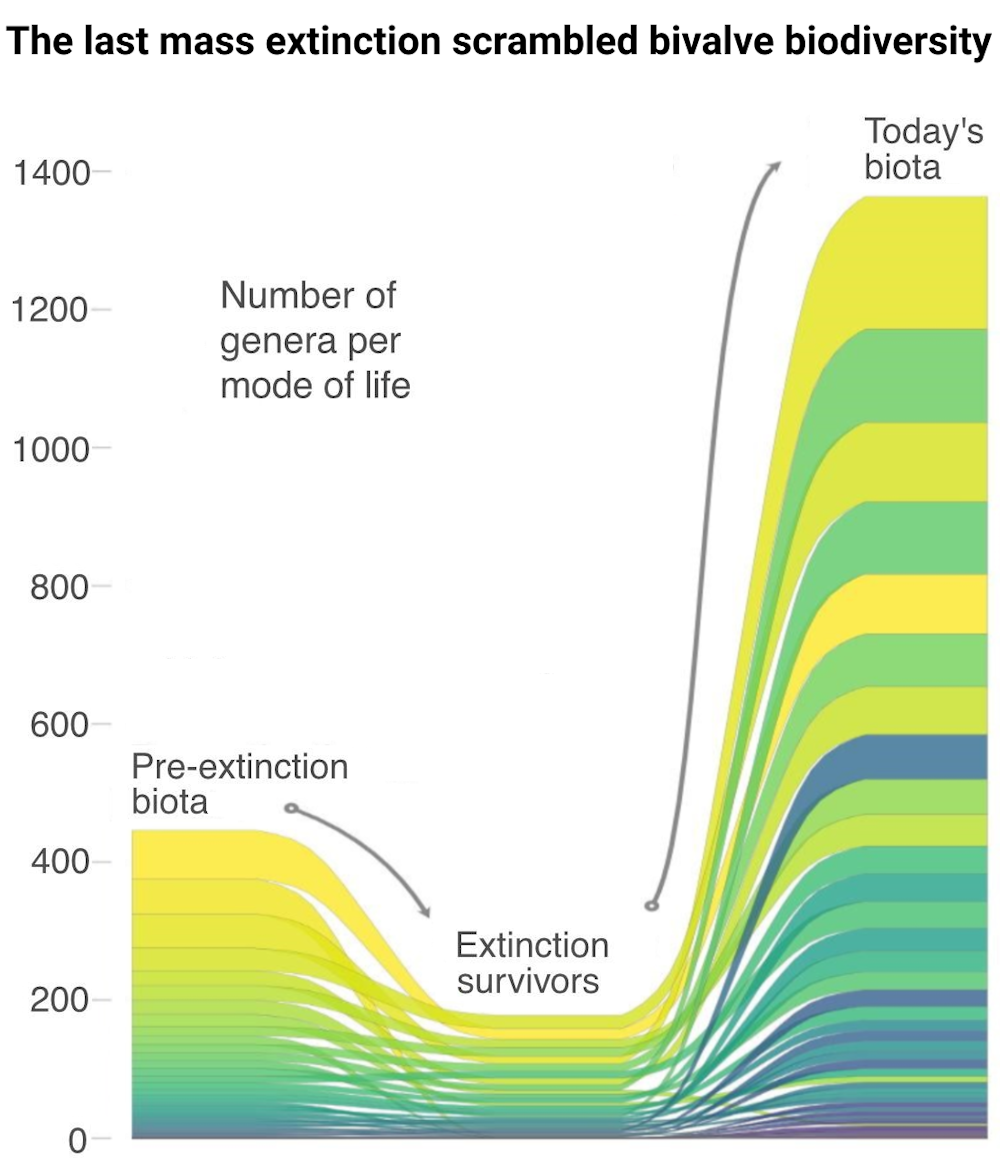










.jpg)
