New Delhi (Agenzia Fides) – With over 450 million internal migrants (out of a population of 1.4 billion inhabitants), India is the scene of a phenomenon that has no equal in the world. Migrants, who move to other Indian states mainly for reasons related to the search for work and education, for family needs or for emergency events such as natural disasters, often face challenges related to displacement, exploitation, access to basic services. And also to faith.Among the migrants there are Catholic and Christian Indian citizens and for this reason Christian Churches in India have become aware of the phenomenon and have studied interventions and solutions to accompany these people on the path of social reintegration and in their spiritual and pastoral needs. The spirit is to “give migrants in India a second chance”, accompanying them in the process of development, job search and training, assisting them, especially in the early stages of their new life, with social and food security programs and educational opportunities for children whose families have moved to a context different from their home. To achieve these goals, the Catholic Church in India has inaugurated a digital portal that supports migrants in the country, in various areas. Presented by Cardinal Philip Neri Ferrão, Archbishop of Goa and President of the Conference Catholic Bishops of Latin Rite of India (CCBI), the new web portal, integrated into the “Catholic Connect” platform, is inspired by and seeks to put into practice the indications of Pope Francis who, with regard to migrants, has repeatedly cited four verbs: welcome, protect, promote, integrate. The action of the Catholic Church, at all levels, also aims to ensure that, thanks to the aid received, migrants and internally displaced persons and especially unaccompanied minors, do not fall victim to human trafficking.As explained by Father Jaison Vadassery, Executive Secretary of the CCBI Commission for Migrants, the online portal allows migrants to register and access church services (parishes, Caritas, schools, hospitals, etc.) regardless of their location: the aim is to ensure that migrants can find and feel the warmth of a community, even if they are far from their home or country of origin: “It is important that they integrate harmoniously into the host communities, while remaining tied to their cultural and religious roots”, explained Father Vadassery. The platform also helps migrants on a legal and bureaucratic level, for enrolling in government assistance programs or for receiving humanitarian aid in the event of emergencies and natural disasters, which cause displacement.Monsignor Alwyn D’Silva, Auxiliary Bishop of Mumbai, referring to Pope Francis’ encyclical “Fratelli Tutti”, recalled the importance of pastoral care for migrants, especially for the most vulnerable and poor, who have low-skilled jobs, who face exploitation and are without legal protection. The Church, he said, has the task of accompanying them not only in moving from one place to another and on the path of social reintegration, but also on the path of faith. For this reason, the Commission for Migrants has presented a pastoral plan that involves parishes across the country in meeting the spiritual and social needs of migrants. (PA) (Agenzia Fides, 25/10/2024)
Share:
Source: State University Higher School of Economics – State University Higher School of Economics –
Russian universities are noticeably differentiated in their training in the field of AI. More than half of all students in the AI profile are concentrated in 18 organizations that implement specialized programs and offer the most widespread and at the same time selective programs (about 4% of the surveyed organizations).
In general, the selectivity of programs in the AI profile is higher than that of programs containing a module on AI, programs in the field of information technology (IT), and bachelor’s and specialist programs in general, and this applies to most large groups of specialties and areas of training. Programs in the field of AI in mathematical and technical sciences are distinguished by increased selectivity in the selection of applicants.
A number of regions entered the leading groups (with indicator values above the Russian average) both in terms of student coverage by AI-focused programs and programs with an AI module. These include Moscow and St. Petersburg, Rostov, Vologda, Arkhangelsk, Chelyabinsk, Samara, Penza, and Moscow regions. The situation with AI technology training in the regions is directly affected by the degree of AI penetration into their economies. The inequality of opportunities for providing AI technology training is partly explained by the uneven territorial distribution of IT organizations engaged in the development of AI products. However, in a number of cases, the development of AI education significantly lags behind the level of AI implementation in the regional economy. This is due, in particular, to the use of ready-made solutions created by specialists from other constituent entities of the Russian Federation, which indicates that there is a demand for AI developments in such regions and a need to increase the training of their own personnel in the field of AI.
The provision of teachers in the field of AI in the absolute majority of the universities under consideration exceeds 90%. At the same time, the gap in the values of the indicator between the universities that train specialized specialists is not so large as to conclude that the shortage of personnel plays a key role in their differentiation by the level of development of training in the field of AI. However, attention is drawn to the significantly higher level of shortage of personnel of the appropriate qualifications in universities that do not implement specialized programs, but have included AI modules in other programs. Thus, it can be assumed that organizations with experience in implementing specialized programs have formed teams of teachers of AI disciplines, while other universities have not yet fully succeeded in solving this problem.
A specialized digital infrastructure — digital equipment and content — plays an important role in training highly qualified specialists in the field of AI. In all clusters of universities considered in the report, formed depending on the volume of training in AI-related programs, there is a shortage of digital resources, primarily in terms of computing power based on graphics accelerators, which are key for tasks related to AI. Universities with experience in training specialists in specialized programs are better provided with content than with equipment. Organizations that provide training only within the AI module are equipped with both approximately equally and, unfortunately, insufficiently.
Universities that are just beginning to master the AI field have such a pronounced deficit of the digital resources necessary for this that it practically does not allow them to develop programs in the relevant profile and significantly complicates practice-oriented training within the AI modules. The lack of specialized digital infrastructure, therefore, can be the main obstacle to the development of training of specialists in the field of AI in universities.
Please note: This information is raw content directly from the source of the information. It is exactly what the source states and does not reflect the position of MIL-OSI or its clients.
Glass Lewis Recognizes the Value Creation and Additional Upside that the Hope Bancorp Merger Provides to Territorial Shareholders
Glass Lewis Acknowledges the Substantial Concerns and Risks Posed by Blue Hill’s Secrecy, Lack of Transparency and the Absence of Crucial, Material Information
Glass Lewis Agrees with Board’s Decision Not to Consider the Blue Hill Preliminary Indication of Interest a Superior Proposal
Territorial Board Urges Shareholders to Follow the Recommendations from Glass Lewis and ISS and Vote “FOR” the Hope Bancorp Merger TODAY
HONOLULU, Oct. 25, 2024 (GLOBE NEWSWIRE) — Territorial Bancorp Inc. (NASDAQ: TBNK) (“Territorial” or the “Company”) today announced that leading independent proxy advisory firm Glass, Lewis & Co., LLC (“Glass Lewis”) has joined Institutional Shareholder Services (“ISS”) in recommending that Territorial shareholders vote “FOR” the Company’s pending merger with Hope Bancorp, Inc. (NASDAQ: HOPE) (“Hope Bancorp”).
The Company’s Special Meeting of Stockholders to vote on the transaction is scheduled to be held on November 6, 2024 at 8:30am, Hawai‘i Time. Time is short. The Special Meeting is fast approaching. Territorial shareholders are urged to vote TODAY. Voting is simple. For more information, visit the Company’s website at https://www.territorialandhopecombination.com.
Commenting on the Glass Lewis and ISS reports, Territorial issued the following statement:
The Territorial Board of Directors and management team collectively own 9.2% of Territorial’s outstanding shares. We are confident that the Hope Bancorp transaction is the best path forward for Territorial, our shareholders, customers, employees and the local communities we serve. We have already voted all of our shares FOR the transaction, and we urge our fellow Territorial shareholders to join us and also follow the recommendations from the Territorial Board, Glass Lewis and ISS by voting FOR the Hope Bancorp transaction today.
Glass Lewis stated in its October 24, 2024 reporti:
On the favorable financial aspects associated with the Hope Bancorp merger:
“Since the merger consideration in the proposed Hope transaction solely comprises Hope shares, current Territorial shareholders will have the opportunity to benefit from ongoing participation in a profitable, enlarged bank that is expected to be better equipped, compared to Territorial on a standalone basis, to work through various challenges and headwinds amid an uncertain economic environment.”
“From a quantitative perspective, the results of the dividend discount model analysis performed by KBW suggest that the implied value of the proposed Exchange Ratio is relatively favorable.”
On the uncertainty, risks and concerns associated with Blue Hill’s preliminary indication of interest, including its lack of financing, the secrecy of its investors and doubts about its ability to close a transaction at all:
“We also believe that, to date, Blue Hill has provided insufficient disclosures to the Board and to shareholders regarding key details of its proposal.”
“In our view, the lack of such crucial information, which Blue Hill insists on keeping confidential, coupled with the uncertainties connected with Blue Hill’s need to conduct due diligence to confirm its offer price, casts serious doubts as to the risks and closing certainty of Blue Hill’s proposed deal.”
“Blue Hill has not provided any form of supporting evidence as to why the Blue Hill Investors would not be considered as ‘acting in concert’ by the relevant regulatory authorities, which may validate the Board’s concerns regarding the complexity and uncertainties connected to the Blue Hill Proposal.”
In affirming that the Territorial Board reached the right conclusion with respect to the Blue Hill preliminary indication of interest and the determination that it is not a superior proposal or likely to lead to a proposal that is superior to the Hope Bancorp transaction:
“any direct engagement between the Board and Blue Hill could be seen as a breach of the covenants in the Merger Agreement.”
“we ultimately believe the Board’s decision not to deem the Blue Hill Proposal a superior proposal to be the most prudent approach, particularly given Blue Hill’s lack of serious attempts to address the Board’s concerns regarding the uncertainties of the Blue Hill Proposal.”
“We acknowledge that the Blue Hill Proposal offers a meaningfully higher headline price to Territorial shareholders…However, we believe the Board has raised valid concerns regarding the uncertainty and significant conditionality of the Blue Hill Proposal.”
Your Vote is Important
Territorial Shareholders are Urged to Vote FOR the Hope Bancorp Merger TODAY.
Voting is quick and easy. Vote well in advance of the Special Meeting on November 6, 2024 at 8:30 a.m. HST.
Call toll-free: (888) 742-1305 Banks and brokers should call: (516) 933-3100 Email: info@laurelhill.com Electronically: www.proxyvote.com
About Us
Territorial Bancorp Inc., headquartered in Honolulu, Hawaiʻi, is the stock holding company for Territorial Savings Bank. Territorial Savings Bank is a state-chartered savings bank which was originally chartered in 1921 by the Territory of Hawaiʻi. Territorial Savings Bank conducts business from its headquarters in Honolulu, Hawaiʻi, and has 28 branch offices in the state of Hawaiʻi. For additional information, please visit https://www.tsbhawaii.bank/.
Additional Information about the Hope Merger and Where to Find It
In connection with the proposed Hope Merger, Hope has filed with the U.S. Securities and Exchange Commission (the “SEC”) a Registration Statement on Form S-4, containing the Proxy Prospectus, which has been mailed or otherwise delivered to Territorial’s stockholders on or about August 29, 2024, as supplemented September 12, 2024. Hope and Territorial may file additional relevant materials with the SEC. INVESTORS AND STOCKHOLDERS ARE URGED TO READ THE PROXY PROSPECTUS, AND ANY OTHER RELEVANT DOCUMENTS THAT ARE FILED OR FURNISHED OR WILL BE FILED OR FURNISHED WITH THE SEC, AS WELL AS ANY AMENDMENTS OR SUPPLEMENTS TO THOSE DOCUMENTS, CAREFULLY AND IN THEIR ENTIRETY BECAUSE THEY CONTAIN OR WILL CONTAIN IMPORTANT INFORMATION ABOUT THE PROPOSED TRANSACTION AND RELATED MATTERS. You may obtain any of the documents filed with or furnished to the SEC by Hope or Territorial at no cost from the SEC’s website at www.sec.gov.
Forward-Looking Statements
Some statements in this news release may constitute forward-looking statements within the meaning of Section 27A of the Securities Act of 1933, as amended, and Section 21E of the Securities Exchange Act of 1934, as amended. These forward-looking statements relate to, among other things, expectations regarding the low-cost core deposit base, diversification of the loan portfolio, expansion of market share, capital to support growth, strengthened opportunities, enhanced value, geographic expansion, and statements about the proposed transaction being immediately accretive. Forward-looking statements include, but are not limited to, statements preceded by, followed by or that include the words “will,” “believes,” “expects,” “anticipates,” “intends,” “plans,” “estimates” or similar expressions. With respect to any such forward-looking statements, Territorial Bancorp claims the protection provided for in the Private Securities Litigation Reform Act of 1995. These statements involve risks and uncertainties. Hope Bancorp’s actual results, performance or achievements may differ significantly from the results, performance or achievements expressed or implied in any forward-looking statements. The closing of the proposed transaction is subject to regulatory approvals, the approval of Territorial Bancorp stockholders, and other customary closing conditions. There is no assurance that such conditions will be met or that the proposed merger will be consummated within the expected time frame, or at all. If the transaction is consummated, factors that may cause actual outcomes to differ from what is expressed or forecasted in these forward-looking statements include, among things: difficulties and delays in integrating Hope Bancorp and Territorial Bancorp and achieving anticipated synergies, cost savings and other benefits from the transaction; higher than anticipated transaction costs; deposit attrition, operating costs, customer loss and business disruption following the merger, including difficulties in maintaining relationships with employees and customers, may be greater than expected; and required governmental approvals of the merger may not be obtained on its proposed terms and schedule, or without regulatory constraints that may limit growth. Other risks and uncertainties include, but are not limited to: possible further deterioration in economic conditions in Hope Bancorp’s or Territorial Bancorp’s areas of operation or elsewhere; interest rate risk associated with volatile interest rates and related asset-liability matching risk; liquidity risks; risk of significant non-earning assets, and net credit losses that could occur, particularly in times of weak economic conditions or times of rising interest rates; the failure of or changes to assumptions and estimates underlying Hope Bancorp’s or Territorial Bancorp’s allowances for credit losses; potential increases in deposit insurance assessments and regulatory risks associated with current and future regulations; the outcome of any legal proceedings that may be instituted against Hope Bancorp or Territorial Bancorp; the risk that any announcements relating to the proposed transaction could have adverse effects on the market price of the common stock of either or both parties to the proposed transaction; and diversion of management’s attention from ongoing business operations and opportunities. For additional information concerning these and other risk factors, see Hope Bancorp’s and Territorial Bancorp’s most recent Annual Reports on Form 10-K. Hope Bancorp and Territorial Bancorp do not undertake, and specifically disclaim any obligation, to update any forward-looking statements to reflect the occurrence of events or circumstances after the date of such statements except as required by law.
When you think of a ghost, what comes to mind? A ghastly, mouldy winding-sheet? A malevolent pile of supernatural armour? Or a sinister gentleman in a stiff Victorian suit?
In 1863 George Cruikshank, the caricaturist and illustrator of Dickens’s novels, announced a “discovery” concerning the varied appearance of ghosts. It does not seem, he wrote:
That any one has ever thought of the gross absurdity and impossibility of there being such things as ghosts of wearing apparel … Ghosts cannot, must not, dare not, for decency’s sake, appear without clothes; and as there can be no such thing as ghosts or spirits of clothes, why then, it appears that ghosts never did appear and never can appear.
Why aren’t ghosts naked? This was a key philosophical question for Cruikshank and many others in Victorian Britain. Indeed, stories of naked or clothesless ghosts, especially outside folklore, are exceedingly rare. Sceptics and ghost-seers alike have delighted in thinking about how exactly ghosts could have form and force in the material world. Just what kind of stuff could they be made of that allows them to share our plane of existence, in all its mundanity?
The image of the ghost as a figure in a white winding-sheet or burial shroud has retained its iconic status for hundreds of years because it suggests a continuity between the corpse and the spirit.
The main social role of the ghost before the modern period was to carry a message to the living from beyond the grave, so the link to burial clothing makes sense. This can be seen in the medieval trope of the Three Living and the Three Dead, whereby some hunters encounter their future skeletal corpses, wrapped in linen, admonishing them to remember death.
Yet by the mid-19th century, with spiritualism and early forms of psychical research spreading across the western world, people began to report seeing ghosts dressed in everyday and contemporaneous clothing.
This raised problems for those interested in investigating the reality of ghosts. If the ghost was an objective reality, why should it be wearing clothes? If the tenets of spiritualism were true, should the soul which has returned to visit the earth not be formed of light or some other form of ethereal substance? Were the clothes of spirits also spiritual, and if so, did they share in their essence or were they the ghosts of clothes in their own right?
You could adopt an idealist position and say that the clothes were metaphysical ideas bound up with the immortal identity of the wearer – the identity of the ghost meaning something more than simply the apparition of a soul-force.
Another explanation was that ghost-seers dress the ghost, automatically, through unconscious processes. And so we see a ghost in its usual dress because that is the mental picture we have of the person, and this choice of garment is most likely to inspire recognition.
The Lady Ghost by Adelaide Claxton (1876). Sotheby’s
The critic and anthropologist Andrew Lang drew comparisons between dreaming and ghost-seeing in 1897 when he stated that:
We do not see people naked, as a rule, in our dreams; and hallucinations, being waking dreams, conform to the same rule. If a ghost opens a door or lifts a curtain in our sight, that, too, is only part of the illusion. The door did not open; the curtain was not lifted … It was produced in the same way as when a hypnotised patient is told that “his hand is burned”, his fancy then begets real blisters.
For Lang, the clothes of ghosts were the stuff that dreams are made of. The implication of this, that ghost-seers are dressers, but not undressers, seems to reflect a pervading morality of ghosts, whereby most 19th-century spirits were sanitised and chaste. Lang’s odd assumption that there was no nakedness in dreams echoes this.
The matter of spirits
Fashion and clothing were central to the identification of class, gender and occupation in the Victorian period. The ghosts of the servant class seemed to be especially tied to their clothes, rather than their faces or voices – a theme that comes out in some ghost reports submitted to The Strand magazine in 1908.
Here, a ghost-seer reported seeing “a figure, which had nothing supernatural about it, being simply that of a servant in a light cotton dress … and with a white cap on … The whole figure had the general appearance of the housemaid, so that she had been the one I had thought of. It was not in the least like the cook, who dressed in much darker cottons”.
Clothes identify people and make them capable of representation – nakedness disrupts this means of instantly categorising someone.
The ghost of a woman with a burial shroud confronts her murderer on a stormy night. Wellcome Collection, CC BY
The issue of ghost clothes is interesting for historians of the supernatural because, like a loose thread, pulling at it starts to unravel some of the assumptions about matter in spiritualism. Do ghosts retain the injuries or disabilities that befell them in life? And what about the erotic fleshiness of spirits – the touching and kissing between the living and the dead in the séance room and the “ectoplasm” (a gauze-like spiritual substance) photographed emerging from the orifices of mediums? Could the living even have sexual intercourse with ghosts?
These kinds of knotty debates have not disappeared in the 21st century. Indeed, “spectrophilia” – or the love of ghosts – is a fetish that is a lively topic of debate on the internet today. Another turn of the screw in the long history of how spirits matter in the world of the living.
Looking for something good? Cut through the noise with a carefully curated selection of the latest releases, live events and exhibitions, straight to your inbox every fortnight, on Fridays. Sign up here.
Shane McCorristine does not work for, consult, own shares in or receive funding from any company or organisation that would benefit from this article, and has disclosed no relevant affiliations beyond their academic appointment.
We’re now in the home straight of the US election race, and the economy looks set to play a key role in deciding who will be sat in the White House come January 2025. Despite enjoying strong economic and employment growth since the pandemic, US voters have been telling pollsters that the high cost of living is what bothers them most about life in America right now.
Both candidates are seeking to address voter’s concerns. The Democratic candidate, Kamala Harris, and her Republican counterpart, Donald Trump, agree on virtually nothing. But what they do agree on is that the federal government should be playing a bigger role in making things more affordable for American consumers.
That said, there are significant differences in how the candidates propose to bring down prices across the economy. Trump wants to force companies into creating jobs on US soil. And Harris wishes to break down the power that some companies have amassed in the marketplace.
What has Trump pledged?
At a campaign rally on September 19, Trump said: “Together, we will deliver low taxes, low regulations, low energy costs, low interest rates and low inflation so that everyone can afford groceries, a car and a home”.
Trump is promising to reduce regulation, as well as launching another big round of tax cuts for individual people and businesses. He has also pledged to make income from tips, overtime and social security payments exempt from tax altogether.
But, somewhat ironically, Trump’s overall economic approach is somewhat un-Republican. We traditionally tend to think of Republicans as the “take your hands off my economy” party. However, many of Trump’s economic policy pledges are very hands on.
He has promised tariffs of up to 20% on goods imported into the US, and 60% on all goods from China. His rationale is that by making imported goods more expensive, US companies will be encouraged to make more goods domestically, so American workers will benefit in terms of millions more well-paid manufacturing jobs at home.
Trump has also said that, if elected, he will direct his cabinet to reduce energy prices and auto insurance by at least 50%. “Prices will come down. You just watch. They’ll come down and they’ll come down fast”, he claimed during a speech in August.
He plans to intervene in the housing market, too. Trump’s strategy for lowering housing costs focuses on stopping “the unsustainable invasion of illegal aliens”, and he has pledged to deport up to 11 million immigrants who currently live in the US. This, he says, will result in a dramatic reduction in demand and bring down the cost of housing.
Perhaps Trump’s most striking policy is in relation to the Federal Reserve. He wants the elected president to have a greater say over the interest rate policy for the US economy. Lower interest rates would mean lower borrowing costs, which should subsequently reduce mortgage prices.
But a lot of economists, including former US treasury secretary Larry Summers, warn that this approach could backfire. When executives start to intervene in independent central banking, you risk setting off a spiral of rapid inflation.
What has Harris pledged?
A lot of Americans believe that grocery chains and food companies are ripping them off. Food prices are up by about 25% compared to before the pandemic, and a recent poll suggests that American consumers’ view of the grocery industry has sunk to a two-decade low.
Harris has promised to address this. At a campaign event in Raleigh, North Carolina, in August, she said: “As president, I will take on the high costs that matter most to most Americans, like the cost of food”.
She believes the food industry is too concentrated, where just a few firms have a lot of power. She wants the food industry to become more competitive, which would mean lower prices for US consumers.
Harris has proposed giving government money to start-up meatpacking companies to help them challenge the dominant players. And she also wants the Federal Trade Commission to look at mergers and other forms of consolidation in the food industry more aggressively.
This may include giving the commission additional regulatory and enforcement powers to actively look for and stop anti-competitive behaviour. For example, Harris has proposed the first federal ban on price gouging to stop companies exploiting crises to charge people more for essentials.
Harris, like Trump, has also promised to address housing costs. She wants to use federal dollars to encourage developers to build, and has set an ambitious target of building 3 million new housing units over her four-year term.
Her idea is that one way to bring down housing costs is to build a lot more housing. She also wants to give US$25,000 (£19,200) to every first-time home buyer in the country to help them with a down payment.
To help reduce child poverty, Harris says she will restore Biden’s generous tax credit for parents. And, on top of that, she wants to introduce a US$6,000 tax credit for parents of newborns, as well as planning to cap childcare costs at 7% of household income.
Both candidates have clearly listened to voters’ concerns about the cost of living, but there is little detail on how they will fund the giveaways set out in their economic policy pledges.
Harris says there will be no tax increases for anybody who makes less than US$400,000 a year. However, she has in mind a whole bunch of taxes on millionaires and big companies – the sort that Democrats are fond of targeting. Trump, on the other hand, has not set out how he will pay for any of his policies.
More than 20 US recipients of the Nobel prize for economics signed a letter on October 23 that called Harris’ economic agenda “vastly superior” to Trump’s.
But we don’t have long to wait to see which candidate’s economic pledges have resonated most with US voters.
Conor O’Kane does not work for, consult, own shares in or receive funding from any company or organisation that would benefit from this article, and has disclosed no relevant affiliations beyond their academic appointment.
Science says you may not actually get that full hour’s extra sleep you were looking forward to. kattyart/Shutterstock
A lot of people dread the clocks going back an hour in winter – but reassure themselves that at least they’ll get an extra hour’s sleep. However, in my new study my colleagues and I found most people do not (or can not) take advantage of the full extra hour of sleep in autumn.
Daylight saving time is the practice of moving the clocks one hour forward in spring and one hour back in autumn. It was introduced during the first world war as a way to cut energy costs. It is in operation in around 70 countries and affects a quarter of the world’s population.
This “springing forward” and “falling back” is widely thought of a loss of one hour of sleep in spring and a gain of one hour of sleep in autumn. However, research suggests we may lose sleep for about a week after both clock changes as we struggle to adapt to the new time.
Previous studies have relied on people reporting their own sleep patterns in diaries or surveys. However, this may not be accurate because people sometimes forget or lie about how long they slept for. Recent research has overcome this problem by using activity monitors to record people’s sleep over the clock changes. But until now researchers have only been able to do this in a small number of people.
Our new study explored the effects of the clock changes on objectively-measured sleep duration in a large number of people who are signed up to the UK Biobank. This is a research database with lifestyle and health information from half a million UK participants. We analysed sleep data from 11,800 people who wore activity monitors for one or more days during the two weeks surrounding the spring and autumn clock changes in 2013-2015.
We found that people slept for just over half an hour more on the Sunday of the autumn clock change than the surrounding Sundays. But people slept for around an hour less of the Sunday of the spring clock change.
Previous research suggests people sleep for less on the weekdays immediately after the clock changes than the weekdays before. In contrast, this study found that, overall, people were catching up on sleep on the Monday to Friday after both clock changes. This trend was stronger in spring after people had lost an hour of sleep. On average people slept seven minutes more per weeknight after the spring clock change and three minutes more per weeknight after the autumn clock change than the previous week.
This suggests that effects of the clock changes on sleep duration are more short lived than earlier studies reported. However, when we broke the data down, we found that this pattern of catching up on sleep was not seen in women. In fact, women often slept for less on the weekdays after the clock changes than before. This could be because women experience higher levels of insomnia and sleep difficulties and that these problems are exacerbated by the clock changes. Women are thought to struggle more with insomnia than men due to a number of reasons, including hormonal fluctuations, societal factors and higher rates of depression and anxiety.
We also found that, in autumn, older people and the retired slept less on the weekdays after the transition than before. It may be that older people are particularly vulnerable to their sleep being disrupted by the clock changes because sleep becomes lighter and more fragmented as we age.
Why does this matter?
Although short lived, the sleep loss seen over the spring clock change in our study has consequences for health, as just one night of bad sleep has been associated with a decline in mental and physical health.
Research has found that the clock changes themselves are associated with an increase in heart attacks, strokes, traffic accidents and depression. Sleep plays a vital role keeping your heart healthy, as well as maintaining emotional regulation. The amount of sleep you get also affects your reaction times and how likely you are to take risks.
Concern over the harmful effects of the clock changes on health has prompted sleep scientists to call for the clock changes to be abolished. Indeed, a growing number of countries – including the US, Jordan, Mexico, Ukraine and those in the EU – have made plans to do just that.
But stopping the clock changes is not straightforward. Plans in both the US and EU have stalled, with disagreements over what time to adopt permanently. Sleep experts argue that staying on winter (standard) time is best for health as this prioritises morning light which helps wake you up, resets your biological rhythm each day and makes it easier for you to fall asleep in the evening. Meanwhile, politicians are campaigning for permanent summer time due to the economic benefits they think it has.
The UK finds itself in an interesting position. No longer part of the EU, it is not duty bound to stop the clock changes at the same time as the EU. But being out of sync with the rest of Europe (including the Republic of Ireland) could have economic and logistical implications.
The UK government will probably review its daylight saving time policy as and when the EU finally ends the clock changes. It is crucial that they take the effects on sleep and health into account when this happens.
Washington Village in Bloom volunteers are celebrating after the village was named the overall winner in the Village category at the Britain in Bloom Awards 2024.
The village won Northumbria in Bloom earlier this year and was then chosen to go into the national competition, before being announced as the overall winner during the awards ceremony in Manchester this week.
This year, the volunteers also won the Exceptional Public Engagement Award for their work with the community. The Washington Village in Bloom volunteers work year-round alongside Sunderland City Council, local businesses, volunteers completing Duke of Edinburgh awards and extra volunteers from Barclay’s Bank on the floral displays and colourful flower beds that impressed the visiting judges.
In August this year, Washington in Bloom volunteers welcomed the Britain in Bloom judges as it celebrated Washington’s 60th anniversary and the competition’s 60th anniversary with a 1960’s ‘Flower Power’ themed celebration.
Joan Atkinson, Chair of Washington in Bloom, also won the Community Champion Award for her continued hard work on the village while she was undergoing chemotherapy and radiotherapy for breast cancer. She said: “You can’t enter the best village category – you have to be nominated by Northumbria in Bloom, so even being invited to the competition is a fantastic achievement for Washington Village. We are completely self-funded and rely on donations and the hard work and dedication of the Washington in Bloom volunteers.
“The volunteers deserve all the credit for the award. Whether its planting or removing leaves they are out working on the village every week in every season and their hard work has really paid off.”
Councillor Beth Jones, Washington Central ward councillor and Sunderland City Council’s Cabinet Member for Communities, Culture and Tourism, said: “I’d like to say a big congratulations to Joan on her award win and well done to the team of Washington in Bloom volunteers who have all worked hard towards Washington Village’s national award.
“The village looks absolutely stunning and it’s down to the hard work of all the brilliant volunteers and the collaborative efforts of council staff, local businesses, volunteers, local schools and residents. Everyone has done a fantastic job, and I’m delighted to see it recognised with this well-deserved award.”
Oak Ridge, Tennessee, Oct. 25, 2024 (GLOBE NEWSWIRE) — LIS Technologies Inc. (“LIST” or “the Company”), a proprietary developer of advanced laser technology and the only USA-origin and patented laser uranium enrichment company, today announced that Christo Liebenberg, Chief Executive Officer of LIS Technologies Inc. presented at the University of Tennessee’s Nuclear Engineering Colloquium, hosted by the Nuclear Engineering Department.
“We were delighted to welcome our neighbor Mr. Liebenberg to the Nuclear Engineering Department and the University of Tennessee,” said Ashley Nelkin, Academic Specialist & Events of the University of Tennessee Department of Nuclear Engineering. “This Colloquium provides our students and faculty with a rare opportunity to engage with a leading figure in laser isotope separation and gain first-hand insights into this innovative technology.”
Figure 1 – LIS Technologies Inc. Chief Executive Officer Christo Liebenberg will present at the University of Tennessee’s Nuclear Energy Colloquium on October 23, 2024.
The Colloquium included a 45-minute presentation by Mr. Liebenberg, focusing on a comparison of 1st, 2nd, and 3rd generation enrichment technologies, with a particular emphasis on the similarities and differences among various laser enrichment methods. The discussion also covered the fundamentals and requirements of laser enrichment, highlighting 16μm and 5μm MLIS systems. Additionally, key features and benefits of the CRISLA process will be showcased. A 15-minute Q&A session will follow the presentation.
“The University of Tennessee’s Nuclear Engineering Department fosters some of the brightest talent in the country,” said Christo Liebenberg, CEO of LIS Technologies Inc. “It was an honor to lead this seminar and help inspire the next generation of nuclear engineers to push the boundaries of innovation. This event also provides a valuable opportunity to teach about the capabilities of our laser isotope separation technology and better understand its potential. This was an engaging and rewarding seminar.”
About LIS Technologies Inc.
LIS Technologies Inc. (LIST) is a USA based, proprietary developer of a patented advanced laser technology, making use of infrared wavelengths to selectively excite the molecules of desired isotopes to separate them from other isotopes. The Laser Isotope Separation Technology (L.I.S.T) has a huge range of applications, including being the only USA-origin (and patented) laser uranium enrichment company, and several major advantages over traditional methods such as gas diffusion, centrifuges, and prior art laser enrichment. The LIST proprietary laser-based process is more energy-efficient and has the potential to be deployed with highly competitive capital and operational costs. L.I.S.T is optimized for LEU (Low Enriched Uranium) for existing civilian nuclear power plants, High-Assay LEU (HALEU) for the next generation of Small Modular Reactors (SMR) and Microreactors, the production of stable isotopes for medical and scientific research, and applications in quantum computing manufacturing for semiconductor technologies. The Company employs a world class nuclear technical team working alongside leading nuclear entrepreneurs and industry professionals, possessing strong relationships with government and private nuclear industries.
This news release contains “forward-looking statements” within the meaning of Section 21E of the Securities Exchange Act of 1934, as amended, and the Private Securities Litigation Reform Act of 1995. In this context, forward-looking statements mean statements related to future events, which may impact our expected future business and financial performance, and often contain words such as “expects”, “anticipates”, “intends”, “plans”, “believes”, “will”, “should”, “could”, “would” or “may” and other words of similar meaning. These forward-looking statements are based on information available to us as of the date of this news release and represent management’s current views and assumptions. Forward-looking statements are not guarantees of future performance, events or results and involve known and unknown risks, uncertainties and other factors, which may be beyond our control. For LIS Technologies Inc., particular risks and uncertainties that could cause our actual future results to differ materially from those expressed in our forward-looking statements include but are not limited to the following which are, and will be, exacerbated by any worsening of global business and economic environment: (i) risks related to the development of new or advanced technology, including difficulties with design and testing, cost overruns, development of competitive technology, loss of key individuals and uncertainty of success of patent filing, (ii) our ability to obtain contracts and funding to be able to continue operations and (iii) risks related to uncertainty regarding our ability to commercially deploy a competitive laser enrichment technology, (iv) risks related to the impact of government regulation and policies including by the DOE and the U.S. Nuclear Regulatory Commission; and other risks and uncertainties discussed in this and our other filings with the SEC. Only after successful completion of our Phase 2 Pilot Plant demonstration will LIS Technologies be able to make realistic economic predictions for a Commercial Facility. Readers are cautioned not to place undue reliance on these forward-looking statements, which apply only as of the date of this news release. These factors may not constitute all factors that could cause actual results to differ from those discussed in any forward-looking statement. Accordingly, forward-looking statements should not be relied upon as a predictor of actual results. We do not undertake to update our forward-looking statements to reflect events or circumstances that may arise after the date of this news release, except as required by law.
(From left) Olumide Lala, Executive Director, Climate Transition Limited with Natenin Coulibaly, General Manager Corporate Services, MTN; Armande Laetitia Ohouo-Lath, Director of Sustainable Development, SIFCA; Rachael Antwi, Group Sustainability and Environmental Risk, ECOBANK and Azeez Alayande, ESG Manager, ENGIE Nigeria during a session on Challenges and Opportunities in ESG Reporting in Africa at the Africa ESG Forum
Two days of intensive discussions on building a sustainable finance ecosystem for Africa ended in Abidjan on Tuesday with stakeholders from government and the private sector expressing strong support for an Africa-focused Environmental, Social, and Governance (ESG) Data Hub.
The inaugural Africa ESG Forum, held at the Sofitel Hotel in Abidjan, Côte d’Ivoire, was organised by the African Development Bank, the Multilateral Cooperation Centre for Development Finance, and Making Finance Work for Africa. It featured discussions on ESG reporting challenges and investor expectations, and concluded with the inaugural meeting of the ESG working group.
Ahlem Kefi, Impact & Sustainability Officer at AfricInvest, outlined the firm’s comprehensive approach to sustainability assessments. “We start looking at the ESG risks and the ESG data from the first screening phase,” she said. “We don’t call this ESG due diligence, we call it impact and sustainability due diligence.”
Mostafa Hawas of the Egyptian Stock Exchange offered practical insights into implementing ESG reporting requirements. He outlined how they began with “a very, very simple survey” distributed to listed companies, and emphasized the importance of gradual implementation to build awareness, before introducing more detailed requirements.
Kuhle Sojola, ESG Engagement Specialist at Sanlam Investments, addressed the critical issue of greenwashing – the misleading use of advertising and marketing to falsely portray an organization’s products, goals, or policies as being environmentally friendly – in corporate reporting. “We use engagement as a tool to mitigate or reduce the risk of greenwashing,” she said, adding that, when a company’s reported metrics differ significantly from those of their peer group, “that is usually an indication that there could be a level of greenwashing there.”
Participants at the Forum envisioned the proposed African ESG Hub as a unifying vehicle for sustainability issues in Africa, enhancing awareness among local entities and international investors. In preparation for its establishment, they acknowledged that with 80 percent of African companies being SMEs, engaging the sector would be critical in advancing ESG reporting and sustainable finance across the continent. In addition, they outlined plans for the proposed Hub, including ensuring that it provides a credible platform for training and technical assistance, and for sharing best practices and case studies.
Source: United Kingdom – Executive Government & Departments
The UK has assumed the Chair of the Committee on Earth Observation Satellites.
Credit: ESA/ATG Medialab
UK Space Agency Chief Executive Dr Paul Bate has assumed the Chair of the Committee on Earth Observation Satellites (CEOS), the international body responsible for coordinating observations of the Earth from space.
The UK’s priority will be to unlock the power of Earth observation from space to benefit society, from improving public services to inspiring the next generation with a Youth Summit in Bath in November 2025.
As CEOS celebrates its 40th anniversary at the annual CEOS Plenary in Montreal, the CEOS Community of space and meteorological agencies and other groups has also renewed its collective commitment to CEOS’ mission and efforts in responding to global challenges for the good of humanity, with the agreement of the Montreal Statement.
Satellite Earth observation data can deliver significant public benefits in areas ranging from climate and biodiversity monitoring, disaster management, clean energy and urban planning.
The UK is involved in a range of Earth observation missions that contribute to global capabilities. These include leadership of the European Space Agency’s TRUTHS mission, which will improve confidence in climate forecasts; Biomass, which will monitor the world’s forests; Microcarb, a ground-breaking French-UK satellite mission for carbon monitoring; and the various Sentinel missions of the European Copernicus programme with its associated user-facing Services. As well as these missions, the UK are experts in the use of the data for applications ranging from cutting edge science, operational services, new commercial and public sector services.
Handover of CEOS Chair with (L) Eric Laliberté, Director General, Space Utilization, Canadian Space Agency and outgoing CEOS Chair, and (R) UK Space Agency CEO Dr Paul Bate.
The UK Space Agency’s role as CEOS Chair will be to oversee the activities of CEOS and ensure it is achieving the objectives of its work plan. The UK Space Agency has proposed four priorities to champion data-driven solutions for major global challenges over the 12-month period as Chair, within the theme of ‘Unlocking Earth Observation for Society’:
Using Earth observation to improve public services.
Increasing use of space data in the Global Stocktakes of the United Nations Framework Convention on Climate Change (UNFCCC).
Supporting development of Methane emissions measurement best-practices.
Inspiring the next generation through a new ‘CEOS in Schools’ initiative.
As Chair, an early task will be to represent CEOS on the global stage and promote its goals and objectives, starting at next month’s COP-29 in Baku, Azerbaijan, and continuing throughout 2025.
Dr Paul Bate, CEO of the UK Space Agency, said:
For 40 years, CEOS has been uniting the global community to champion the transformative potential of satellites and Earth Observation.
I’m proud to be chairing this globally-valued committee and will use the next year to demonstrate how, by working together across borders, we can harness space technology for the benefit of our societies, our shared environment, and our economies.
Unlocking EO for Public Service
The UK will create opportunities for CEOS’ agencies to share their national perspectives and explore how to bridge the gap between data and public sector services, including hosting a workshop in September 2025 ahead of the UK’s CEOS Plenary 2025, in Bath, Somerset in November. This supports work to get Earth observation tools and information embedded it on UK public sector policies at the national and local scale.
Éric Laliberté, CEOS Chair 2024 on behalf of the Canadian Space Agency said:
We congratulate the UK Space Agency on assuming the chairmanship role and are committed to ensuring that data-driven decisions pave the way for increasingly sustainable practices.
Together, we are advancing the role of satellite Earth observation in creating sustainable solutions for the future of our societies and natural environments.
Unlocking EO for the Global Stocktake
The Global Stocktake of the United Nations Framework Convention on Climate Change (UNFCCC) is a process for evaluating progress on climate action at a global level and identifying gaps. Over the next 12 months, the UK will work closely with Japanese Space Agency, JAXA, and the CEOS working group on Climate to study lessons learned from the previous Global Stocktake. The aim is to refine CEOS strategies to enhance the use of Earth observation data in the next Global stock-take for global climate action.
Professor John Remedios, NCEO Director, said:
The National Centre for Earth Observation is very pleased to see the UK taking on leadership on the world stage. The UK is able to contribute world-leading capability and methods in Earth Observation to the global community.
Through this role in CEOS, the UK will be able to support the important collaborative efforts that agencies need to achieve to meet the challenges of climate and of resilience with commitment, rigour and Earth intelligence. We are delighted to be supporting the UK Space Agency in its delegation with scientific advice and connectivity to the leading research in environmental science.
Methane Best-Practices
Methane is a potent greenhouse gas, with a warming potential approximately ~80 times higher than carbon dioxide over 20 years. Reducing methane emissions is the quickest way to mitigate acute climate risks and is crucial for maintaining the 1.5-degree target. At COP26 in Glasgow, 158 countries committed to reduce global methane emissions by 30% by 2030.
The CEOS Greenhouse Gas Task Team is developing best practices for space-based methane measurements, which are crucial for addressing climate change.
This work, which is co-led by the UK’s National Physical Laboratory (NPL) and the NASA Jet Propulsion Laboratory, is developing a set of agreed accurate, transparent and trusted best practices for reporting Methane emissions at the facility scale. The UK Space Agency will promote the uptake of these best practices on a global scale, focusing on the Global Methane Pledge to unlock the potential of space-based solutions and support the UK’s commitment to reduce methane emissions.
Ally Barker, Vice-chair of the UKspace Trade Association’s EO Committee said:
This is an opportune time for the UK to demonstrate its leadership in Earth observation on the global stage. UK industry looks forward to working closely with the UK Space Agency as it takes on the Chair of CEOS to maximise the societal and economic benefits of EO for the UK and the world.
CEOS in Schools
The UK Space Agency is set to pilot a CEOS mechanism aimed at inspiring the next generation. This initiative will demonstrate to students, aged 14-16, how satellite Earth Observation is used to address global issues such as climate change, environmental protection, and disaster management, while also allowing those students to experience the power of international collaboration.
The programme will put experts into schools to bring the topics of climate and space to life and then bring students together from across the world for online workshops to discuss the topics with their peers. The programme will culminate in the first CEOS Youth Summit where students will have the opportunity to present and discuss their work with senior Earth observation experts, giving young people a voice in CEOS.
Met Office Services Director Simon Brown said:
It’s an exciting time for the UK to take up this prestigious role in CEOS. Earth observations are at the heart of us delivering world leading weather and climate services and we are proud of the observations we get through the collaboration of European member states at EUMETSAT and underpinned by national and ESA Missions.
Access to Earth observations is changing and I look forward to working closely with UK Space Agency team to grow, influence and be part of the changing space endeavour to advance Earth observations to protect us from weather extremes.
Source: United Kingdom – Executive Government & Departments
Ms Susannah Goshko CMG has been appointed His Majesty’s Ambassador to the United Mexican States
Ms Susannah Goshko
Ms Susannah Goshko CMG has been appointed His Majesty’s Ambassador to the United Mexican States. Ms Goshko will take up her appointment during November 2024.
Curriculum vitae
Full name: Susannah Clare Goshko
2021 to present
Ottawa, British High Commissioner
2019 to 2021
FCDO, Principal Private Secretary to the Foreign Secretary and First Secretary of State
2018 to 2019
FCO, Deputy Director, National Security Directorate
2017 to 2018
DEXEU, Deputy Director for Withdrawal Issues
2013 to 2017
Washington, First Secretary (Political) later Political Counsellor
2010 to 2013
Nairobi, First Secretary (Economic) and Permanent Representative to United Nations Environment Programme
Source: United Kingdom – Executive Government & Departments
The latest weekly flu surveillance data published by UKHSA today shows flu case numbers are twice as high among school children, aged 5 to 14 years.
As of 22 October (week 42), influenza positivity – the rate of laboratory confirmed flu cases – among school children aged 5 to 14 years is higher than any other age group, at a weekly average positivity rate of 5.7% compared with a whole population weekly average of 2.5%.
All school-aged children, up to and including year 11, are eligible for a free nasal spray flu vaccine. The spray, delivered through local NHS School Immunisation Teams, is quick and painless. The vaccine usually produces a better immune response in children and evidence from last year’s flu season shows strong effectiveness for children in England with a 54% reduction in hospitalisation for those between 2 and 17 years of age.
Delivery of the flu vaccine in schools started in early September and the local Immunisation Teams will move from school to school across their region throughout October and November, with school vaccination sessions completed by mid-December. It’s important that parents do sign and return the consent forms on time. In some areas this will now be sent digitally to make consent easier.
Last year saw a sudden increase in the number of people having to be hospitalised, due to a flu peak in the week leading up to Christmas and then again at the end of January. So even getting a vaccination in November will protect children for the usual peak flu season in December and January, and also importantly help stop them spreading the virus to others who are more vulnerable, such as grandparents or baby brothers and sisters.
If your child has missed out on getting their flu vaccine at school, there will be further opportunities to get vaccinated, potentially at NHS community clinics. The school immunisation team will be able to provide further details. For children in a clinical risk group who have missed out, it is possible to make an appointment for the vaccine at your GP surgery.
Younger children, aged 2 years (before the flu vaccination seasons starts on 1 September) and all 3 year olds, are also able to receive a flu vaccine from their GP surgery.
To help reduce the impact of winter viruses on those most at risk, as well as ease NHS winter pressures, UKHSA – with Department for Health and Social Care and NHS England – has launched a scaled-up Get Winter Strong campaign. The campaign is currently running on broadcast TV, on demand and community TV, as well as radio channels, outdoor poster sites across England and on social media channels.
The campaign will urge those eligible to get their flu and COVID-19 vaccination when invited, ahead of winter, targeting those at greatest risk.
Flu can be very serious for some younger children and puts many thousands in hospital every year. Maryam Sheiakh, a mother from Manchester, recounts the fear and anxiety she went through 2 years ago, when her then 4 year-old daughter, Saffy, spent more than a week at Royal Manchester Children’s Hospital after being admitted with flu, suffering with a severe cough and high temperature. She was transferred to a High Dependency Unit as she was struggling to breathe and needed oxygen. Maryam said:
I was seriously concerned we might lose Saffy. I honestly thought she might die from this. I was so distraught watching her struggling to breathe day after day, worried about her breathing difficulties and getting oxygen to the brain – would she be the same little girl before she got ill?
Thanks to the NHS staff, Saffy made a full recovery and, now aged 6, is thriving. Maryam, a nursery teacher, is now urging all parents to vaccinate their children to ensure they have the best protection against flu:
Just go and get it, don’t take the risk. No parent wants to watch their child suffer like we did with Saffy.
Dr Suzanna McDonald, Flu Vaccination Programme Lead at the UKHSA, said:
This week’s data shows that while flu remains at low levels, it is highest among school children. Children’s immune systems respond well to flu vaccines, which for most children is given as a quick and painless nasal spray in school, helping to give them good protection as winter approaches. Flu season can often peak around late December, so getting your children vaccinated now will help ensure flu doesn’t ruin their and your family’s Christmas – as the vaccine will also help stop them spreading the virus.
Parents should ensure they sign and return their vaccination consent forms so your children don’t miss out. But if they have missed the opportunity at school, you should still be able get them vaccinated at a community clinic. Flu can be a very nasty illness for anyone and every year thousands of children do end up in hospital. Nobody wants this for their child, so please ensure they get their flu vaccine on time.
Steve Russell, NHS national director for vaccinations and screening said:
Today’s data is a stark reminder of how easily viruses can spread in schools – especially during the colder months when students are more likely to gather indoors – but vaccination is one of the best ways to stop the spread and help prevent yourself and others from getting sick this winter.
Despite delivering almost 10 million flu vaccines to all eligible groups since kicking off this year’s Autumn campaign, it’s still as important as ever to ensure your child is protected as winter approaches.
NHS staff continue to ensure getting vaccinated is as quick and convenient as possible – by visiting schools across the country to deliver jabs or providing the painless flu nasal spray in ‘Bluey’ themed children’s vaccine clinics – all to help avoid the growing risk of a tripledemic this winter as pressures on NHS services are increased.
Latest NHS data published this week shows there has been 9,641,272 flu vaccinations delivered so far this Autumn – with 1,337,530 given to school aged children and 321,678 to children aged 2 and 3.
Two empty public buildings are set to make way for much-needed housing.
The buildings at the former DELL Children’s Centre and at Douglass House , both in Efford, are no longer in use and will be demolished early next year.
It comes after the Council were successful in securing £540,000 from the government’s Brownfield Land Release Fund, which helps local authorities support the delivery of housing.
The redevelopment of sites like these is a key pillar of the Council’s Plan for Homes, a strategy that tackles the ongoing housing crisis by supporting the delivery of new and affordable housing.
Cabinet Member for Housing, Cooperative Development and Communities Cllr Chris Penberthy said “I’m really pleased that we have been successful in obtaining these funds to assist the redevelopment of brownfield sites.
“The simple truth is that this city needs more homes and it needs them quickly.
“Brownfield sites like these enable us to make best use of land that has been previously developed and deliver housing where infrastructure like schools and transport links already exist.”
The Council will now work to agree business cases for these projects and allocate £540,000 into the Capital Programme.
Once the sites have been cleared, the Council will enter into discussion with local housing partners and consult with local residents about future developments.
Source: Peter the Great St Petersburg Polytechnic University – Peter the Great St Petersburg Polytechnic University –
Polytechnic University took part in an educational exhibition in Vietnam, which was held in Hanoi from October 21 to 25. The event was organized by the representative office of Rossotrudnichestvo in Hanoi as part of the long-term project “Universities of Russia” to popularize Russian education. Polytechnic University was represented by Deputy Head of the International Education Department Tatyana Sytnikova and specialist of the Department for Work with Foreign Students Ekaterina Pirkovska.
The opening ceremony was attended by the Director of the Russian Center for Science and Culture in Hanoi Vladimir Murashkin, Counselor of the Russian Embassy in Vietnam, representative of the Ministry of Science and Higher Education of the Russian Federation Evgeny Mitrofanov, as well as representatives of 11 leading Russian educational institutions.
Exhibitions help talented Vietnamese people to better navigate the educational space of Russia, and Russian universities to prepare for a meeting with Vietnamese students. The project “Universities of Russia” is actively expanding the partner network of Russian universities in Vietnam, which contributes to the development of scientific and educational cooperation between our countries, – emphasized Vladimir Murashkin.
Representative of the Ministry of Science and Higher Education of the Russian Federation Evgeny Mitrofanov emphasized the importance of Russian higher education for Vietnamese students. He noted that studying in Russia opens up new horizons and opportunities, and also highlighted the possibility of receiving free education through scholarships from the Russian government.
After the official part, more than 200 Vietnamese students and schoolchildren visited the Polytechnic stand, where they were consulted about the educational programs of bachelor’s, master’s and postgraduate studies at SPbPU, and told about dormitories and scholarships.
The delegation of the Polytechnic University visited the Tran Phu Special School for Talented Children in Hai Phong, the Le Hong Phong Special School for Talented Children in Nam Dinh and the Hanoi University of Entrepreneurship and Technology. During the Polytechnic presentations, the children had a unique opportunity not only to get acquainted with the educational programs and admission conditions, but also to communicate with the university representatives, ask questions and clarify issues of interest to them.
In addition, a meeting of delegations of Russian universities was held at the Ministry of Education and Personnel Training of the SRV, dedicated to further cooperation between universities of our country and Vietnamese universities. During this event, many agreements were signed aimed at deepening mutual understanding and cooperation in the field of higher education. Special attention was paid to training personnel in such areas as mathematics, economics, philology and Russian studies.
Tatyana Sytnikova took part in a press conference with Vietnamese media at the Russian Center for Science and Culture in Hanoi. She emphasized the importance of the educational programs offered by the Polytechnic University for foreign applicants.
The Polytechnic University offers foreign applicants unique educational programs in the fields of IT, artificial intelligence, linguistics, construction and building design, law, design, economics and management, and biotechnology. We are confident that high-quality education in these areas will open up new horizons and opportunities for a successful career for our students, said Tatyana Sytnikova.
On the last day of the exhibition, an expert session entitled “University Consortia in Russia and the International Educational Space: Practice and Prospects” was held.
Recently, we have been actively engaged in solving various issues of cooperation between Russia and Vietnam. As a society acting as a people’s diplomacy, we strive to help both our and your partners in establishing strong ties and contacts. We sincerely hope that cooperation between Vietnam and Russia will develop more and more actively every day, – noted the deputy chairman and secretary general of the Vietnamese-Russian Friendship Society, the main reactor of the Berezka magazine Nguyen Dang Phat.
Educational exhibitions play a key role in establishing effective links between educational institutions and prospective students, providing a valuable platform for information exchange and broadening horizons. The exhibition in Vietnam was a great opportunity for young people to learn about the opportunities that Polytechnic University offers to international students. Such events not only help to popularize education abroad, but also greatly simplify the process of choosing an educational institution for those who are looking to gain quality education and international experience.
Let us remind you that selection and competitive events have started for foreign applicants wishing to study at the Polytechnic University for free under the direction of the Ministry of Science and Higher Education of the Russian Federation (under a quota) in the next academic year. You can get up-to-date information about the dates of their holding in the English-language Polytech telegram channel.
You can also apply for the first qualifying round of the international Open Doors Olympiad: Russian Scholarship project until November 20. From this year onwards, the winners will have the opportunity to enroll in the Polytechnic University’s bachelor’s, master’s and postgraduate programs without entrance examinations and study for free in the 2025–2026 academic year.
Please note: This information is raw content directly from the source of the information. It is exactly what the source states and does not reflect the position of MIL-OSI or its clients.
TRENTON – Governor Phil Murphy today announced that the New Jersey Economic Development Authority (NJEDA) and the New Jersey Innovation Institute (NJII), a corporation of the New Jersey Institute of Technology (NJIT), have launched the NJII Venture Studio, the state’s latest Strategic Innovation Center (SIC). The NJII Venture Studio will focus on accelerating and commercializing intellectual property with a focus on high technology and information technology developed by NJIT, NJII and NJIT’s corporate partners, as well as other academic institutions who contribute to the advancement of the industry. This will be the seventh SIC in New Jersey announced under the Murphy Administration.
“Since I took office, my administration has been laser focused on positioning New Jersey as a national leader in innovation and technology development,” said Governor Phil Murphy. “The NJII Venture Studio, our seventh Strategic Innovation Center, will provide aspiring entrepreneurs with access to cutting-edge technology and the chance to collaborate with industry experts. This exciting initiative reinforces New Jersey’s reputation as a hub for innovation and research and the tremendous expertise within our state’s research universities.”
NJII, a non-profit subsidiary corporation established by NJIT in 2014, will operate and manage the Studio. The NJEDA and NJII have entered into a non-binding term sheet to establish the creation, funding, and management of the Venture Studio with an opportunity to make equity investments into participating companies. The Studio, which will be located in the Paul Profeta Center for Innovation and Entrepreneurship in Newark, will seek to launch two to three start-ups a year over a four-year period.
The Venture Studio will provide emerging companies with necessary business training, operating services, physical space, and management guidance to transform their research into commercially viable products and services. Pending approval by its Board, the NJEDA intends to invest $5.8 million into the project on a 1:1 basis with NJII, with program funding for the Venture Studio totaling $11.6 million.
“Governor Murphy is dedicated to expanding New Jersey’s innovation economy by investing in various industries and equipping entrepreneurs with the necessary resources to grow and scale their businesses,” said NJEDA Chief Executive Officer Tim Sullivan. “Powered by the NJEDA’s Strategic Innovation Center program, the NJII Venture Studio will foster the development of new technologies, good-paying jobs, and long-term, sustainable economic growth throughout the state.”
NJII intends to partner with NJIT, other New Jersey higher education institutions, and NJII and NJIT’s corporate partners to offer university students hands-on experience and training.
Since its founding, NJII has spun out two for-profit companies, Healthcare Innovative Solutions (HCIS) and BioCentriq, with hopes to replicate and expand its capacity to spin out startups.
“We are excited to embark on this partnership with the NJEDA to further build the state’s Innovation Economy,” said Michael Johnson, Ph.D., President of NJII. “We see the NJII Venture Studio as a powerful tool that will bridge the gap between translational research and commercialization, resulting in innovative companies and world-changing technologies.”
Serving as the SIC’s anchor academic partner, NJIT will provide access to university resources and intellectual property to assist with the launch and development of participating companies.
“The creation of the NJII Venture Studio aligns perfectly with NJIT’s 2030 strategic plan, which calls for the university to expand on its role as a nexus of innovation—a physical and intellectual focal point for ideas, actions and people that brings together researchers, learners, entrepreneurs and partners from government, industry and the community to pursue innovation,” said Dr. Teik C. Lim, President of NJIT.
“With this next Strategic Innovation Center, New Jersey continues to unlock unparalleled opportunities to grow cutting-edge industries and cultivate emerging talent right here in the Garden State,” said New Jersey Secretary of Higher Education Brian K. Bridges. “Combined with the expertise and resources of the state’s world-class institutions, like NJIT, we are well-positioned to lead innovation and meet the workforce demands of tomorrow’s economy.”
“I commend Governor Murphy and the New Jersey Economic Development Authority for their continued focus on innovation and economic growth with the launch of the Venture Studio in Newark. This new Strategic Innovation Center is a vital step in positioning New Jersey as a national leader in emerging technologies and entrepreneurship,” said Senator Paul Sarlo, Chair of the Senate Budget Committee. “As an alumnus of the New Jersey Institute of Technology, I know firsthand the innovative spirit possessed by the university’s students and faculty. I am thrilled that this center will not only help jumpstart the careers of young entrepreneurs, but also give NJIT students the opportunity to gain hands-on experience in the process of starting a company.”
“The NJII Venture Studio will offer fresh and exciting opportunities for students and entrepreneurs in Newark and beyond,” said NJEDA Chief Economic Transformation Officer Kathleen Coviello. “The Studio’s prime location and proximity to the state’s key players in the innovation sector will open doors for entrepreneurs to advance their research, testing, and development of diverse technologies.”
SICs are facilities that support research and development, innovation, and entrepreneurship through mentorship, networking opportunities, hands-on training, business support services, and education opportunities. SICs can be accelerators, incubators, or research centers. Having a physical location where entrepreneurs can collaborate will help support new, diverse innovators and help drive long-term economic growth.
Leveling the Playing Field: Gender Equality and Economic Development in Sub-Saharan Africa
Sub-Saharan Africa has made significant strides in reducing gender inequality over the past two decades, yet challenges remain. Despite improvements in labor force participation and political representation, gaps persist in education, health, and access to financial resources. Legal barriers and harmful practices like child marriage and gender-based violence limit women’s opportunities, restricting their economic empowerment. Addressing these issues is crucial for boosting productivity and fostering inclusive growth in the region. Policy recommendations emphasize legal reforms, improving educational access, and fostering financial inclusion. Empowering women can drive economic diversification and reduce poverty, creating a more resilient and dynamic workforce that supports long-term economic stability in Sub-Saharan Africa.
Source: The Conversation – UK – By Steve Schifferes, Honorary Research Fellow, City Political Economy Research Centre, City St George’s, University of London
Ahead of the new government’s first budget on October 30, chancellor Rachel Reeves has revealed her determination to change borrowing rules that will allow her to boost investment spending.
The overriding goal of the government is to promote economic growth, after more than a decade of stagnation in living standards. In the long run, boosting growth will produce more money for the government to improve public services. But while Reeves has given a strong steer as to how she will fund the public investment needed to grow the economy in the long term, she will also have to find money for urgent improvements to struggling public services like the NHS, a key election pledge.
There are three ways that the government can raise the funds it needs to boost investment and improve key public services. It can raise taxes, increase borrowing, or make cuts to spending. Given the scale of the challenge faced by the chancellor, all three are likely.
The government had made a rod for its own back with two of its key election pledges: not to raise the main taxes (income tax, national insurance, and VAT) on “working people”, while sticking to a set of fiscal rules that set strict limits on government borrowing. These pledges were designed to appeal to voters hit by the cost of living, while demonstrating to financial markets that Labour would be cautious with public money. Government borrowing reached nearly £80 billion in last six months, the third highest sum on record.
With the so-called financial “black hole” now estimated at £40 billion, not the £22 billion announced in July, the Treasury will need major tax rises that go well beyond the modest proposals from the election campaign. Although Labour may make some limited increases in other taxes on wealth, such as capital gains tax, this alone will not close the revenue gap.
The most likely candidate to bridge the gap is an increase in employer national insurance (NI) contributions, for example by making employers pay NI on their pension contributions. This could raise more than £15 billion per year. Reeves and prime minister Keir Starmer argue that this would not breach their manifesto commitments – but it will be politically controversial. Observers, including the Office for Budget Responsibility (OBR) and the Institute for Fiscal Studies, argue that such taxes are eventually felt by workers through either lower wages or staff cuts.
Further spending cuts are also on the cards. In July the chancellor announced a series of cuts, cancelling planned spending on the reform of social care, withdrawing the winter fuel payment to most pensioners, and ordering departments to make efficiency savings to help fund pay awards.
Other than for the NHS, Reeves is expected to squeeze spending in “unprotected” departments (prisons and local government, for example). On welfare spending, the Treasury has the rising bill for disability and incapacity benefits in its sights.
But even these decisions leave the government with a major funding dilemma. How will it pay for capital spending, everything from new hospitals and schools to roads, bridges and other infrastructure? All are key to boosting long-term growth.
While one of Reeves’ fiscal rules aims to ensure that day-to-day spending must be balanced by tax receipts (leading to the need for tax increases), borrowing for long-term public investment is not part of that calculation. But any increased borrowing for investment appears to be sharply curtailed by another fiscal rule, which says that total government debt (including that incurred by borrowing to invest) as a percentage of GDP must be falling within five years.
New government, new rules?
Despite Labour’s embrace of both these tight fiscal rules during the election campaign, the chancellor has now confirmed that she wants to modify this debt rule to allow herself to borrow more.
She plans to change how overall government debt is measured, effectively redefining it by including more government assets to set against the amount being borrowed. The likely new measure, known as “public sector net financial assets”, would include assets like funded local government pension schemes and student loans income, as well as government-owned companies like Great British Energy.
This could give the chancellor up to £50 billion in extra borrowing power for public investment. Her argument is that borrowing to build infrastructure gives the government a tangible asset that will pay for itself in the long term by boosting growth and tax receipts.
None of the choices facing Rachel Reeves will be easy.
The government’s spending watchdog, the OBR, agrees that in the long term, well-planned public sector investment could benefit the economy, although it says it would take a long time to materialise. Many observers, including the former head of the civil service, Gus O’Donnell, and Mark Carney, the former governor of the Bank of England, strongly support increased public investment as a way to boost lagging productivity.
But there are risks in this strategy if it unsettles financial markets. Total government debt on the current measure now stands at £2.6 trillion, nearly the same size as the whole UK economy. It is costing the Treasury around £74 billion a year in interest payments, almost the size of the education budget.
If the bond markets (which buy government debt) take fright, they could force up the cost of borrowing further, which could raise interest rates on mortgages and other consumer borrowing. And news of the chancellor’s plan to change to the fiscal rule did cause bond yields to rise slightly. This suggests if government debt rises too rapidly, even within the new rules, this could have a destabilising effect. So the chancellor will have to judge carefully how much of the extra headroom she should use.
Like all Labour chancellors, Reeves faces the task of keeping both voters and the financial markets happy at the same time. Her strategy could end up alienating rather than pleasing both sides.
Given the scale of Labour’s ambitions, balanced against her limited resources, she may have little choice but to take such a bold approach. But her path between alienating business and disillusioning the public is a narrow one. And the longer it takes for her strategy to bear fruit in terms of a better standard of living and improved public services, the more difficult things will become politically.
Steve Schifferes does not work for, consult, own shares in or receive funding from any company or organisation that would benefit from this article, and has disclosed no relevant affiliations beyond their academic appointment.
Source: United Kingdom – Executive Government & Departments
Chancellor Rachel Reeves is in Washington D.C. for her first IMF Annual Meetings, where she will say that the Budget is about investing in future growth.
Chancellor Rachel Reeves at the IMF Annual Meetings in Washington D.C.
Reeves will set out how public investment will drive innovation in science and technology, the transition to clean energy, and upgraded infrastructure.
Chancellor to represent British interests in G7, G20 and IMF discussions on the global economy, international financial system and ongoing support for Ukraine.
Rachel Reeves will tell her global counterparts that the Government’s first Budget will “invest in the foundations of future growth,” as she attends her first annual meetings of the International Monetary Fund (IMF) in Washington D.C as Chancellor.
The Chancellor will pledge that the Budget next week will be “built on the rock of economic stability” to fix the foundations and deliver change. She will set out how public investment will help fuel mission-led government, from boosting investment in science and technology, transitioning to clean energy and upgrading infrastructure.
The Chancellor will attend G7, G20 and IMF meetings to represent Britain’s interests on issues including the global economy, the international financial system and ongoing support for Ukraine. This follows the UK’s announcement of its £2.26bn contribution to the G7’s Extraordinary Revenue Acceleration (ERA) Loans for Ukraine scheme, backed by the profits from sanctioned Russian sovereign assets. She will also hold a series of bilateral meetings with her international counterparts.
Chancellor of the Exchequer Rachel Reeves said:
A Britain built on the rock of economic stability is a Britain that is a strong and credible international partner. I’ll be in Washington to tell the world that our upcoming Budget will be a reset for our economy as we invest in the foundations of future growth.
It’s from this solid base that we will be able to best represent British interests and show leadership on the major issues like the conflicts in the Middle East and Ukraine.
At the Annual Meetings, Chancellor Reeves will support proposals to expand financing for development, needed for countries to meet the United Nations’ Sustainable Development Goals and tackle unsustainable debt. She will also press for all G20 countries to meet G20 best practice on debt transparency and move swiftly to implement support for countries facing pressing liquidity problems. The Chancellor will welcome the agreement of a new G20 roadmap to scale up financing to developing countries through Multilateral Development Banks.
It is the 80th anniversary year of the founding of the IMF and the World Bank, established at a conference in Bretton Woods, New Hampshire in 1944 to promote international cooperation on economic and monetary policies. At this years’ gathering the Chancellor will also call for change to the global financial system to deliver a fairer deal for vulnerable countries.
The IMF released its latest survey of the global economy on Tuesday, in which the UK’s growth forecast was upgraded to 1.1% in 2024. Whilst this is welcome, the Chancellor will make clear to her counterparts that there will be more long-term decisions required to reinforce stability and deliver on the promise of change at her first Budget on 30 October.
The Chancellor’s trip to Washington D.C. follows the International Investment Summit earlier this month, at which it was announced that nearly 38,000 jobs are set to be created across the UK thanks to a total of £63 billion in investment commitments from businesses around the world. The vote of confidence in the UK is a clear sign Britain is open for business and ready to drive sustainable growth across the country.
Nearly a million Florida condo owners face an important deadline at the end of the year. That’s when a law passed in 2022 requires most Florida condo associations to submit inspection reports for their buildings and to collect money from owners to pay for any needed repairs.
Condo owners are reporting that new condominium rules are driving up fees and inducing outrageous assessments.
As the research director at the University of Florida’s Bergstrom Real Estate Center, I suggest it is important to set emotions aside and see what these laws attempt to accomplish.
Safety inspections
The 2022 state condo law, known as SB-4D, and its 2023 follow-up, SB-154, establish three primary requirements: licensed inspections, reporting and disclosures, and reserve funds.
Importantly, these laws are not tax legislation that directly increases housing costs on condo owners.
But by requiring more inspections, transparency and funding to cover repairs, many owners will face costs much greater than the amounts paid in the past. These new expenses simply reflect more of the true cost of living in a condo near the ocean.
Under the laws, all buildings occupied before 1992 must complete a milestone inspection by Dec. 31, 2024. This is an examination of the building’s structural integrity by an architect or engineer.
The requirement also applies to buildings at least 25 years old that are within 3 miles of the coast.
If the milestone inspection finds a potential structural problem, testing is required to determine if structural repairs are needed. If they are, owners must fund these repairs without an option to waive by vote.
If no damage is identified, then the association must report and post the results, and that concludes the requirement.
Prior to SB-4D, milestone inspections were not required outside of Miami-Dade and Broward counties. Now, they are required statewide and must be reported to local authorities, all unit owners and the public for buyer information.
Adequate savings for repairs
The new regulations also require building associations to budget and collect sufficient reserves to cover the cost of maintaining and replacing parts of their buildings subject to regular wear and tear, such as roofs, elevators and balconies.
History suggests that most homeowners associations struggle to adequately save for repairs and maintenance to keep their properties safe and in top condition.
“Florida has … more associations that are considered weak [in terms of funded reserves] than any other state,” Will Simons, the head of Florida and Southeast Operations at Association Reserves, which conducts reserve studies for condo and community associations, told a colleague as part of a research article.
The Champlain Towers South condominium that collapsed in the Miami suburb of Surfside in June 2021, killing 98 people, is just one example. Simons’ company completed a reserve study of the condo just months prior to the collapse and found its association was significantly underfunded.
The association held approximately US$706,000 in reserves as of January 2021. Association Reserves recommended the association stockpile nearly $10.3 million to account for necessary repairs. That means the Surfside condo’s homeowners association had just 6.9% of the money it needed on hand.
True costs of living by the ocean
More than 16,000 condominium associations representing over 900,000 of Florida’s 1.5 million condominium units are currently affected by the new laws because these units are already more than 30 years old.
Properties that have been sufficiently maintained and hold adequate reserves for future structural repairs will face nothing but an increased disclosure of inspection reports and continued reserve funding.
Many residents, especially retired seniors, are struggling to adapt to the funding requirement. In response, Gov. Ron DeSantis is indicating some form of relief for owners facing financial hardship over these regulations.
Frustration is understandable, as current residents are asked to simultaneously fund 30 years of past deterioration and also set aside savings for the next 30 years. However, policymakers are simply setting guidelines that condo owners should have established for themselves. Properties that face significant financial shocks from SB-4D are, by definition, undermaintained or underfunded.
It is important to separate the intent of these laws from possible overreaction or fraud from condo associations, which is an existing concern. House Bill 1021, signed into law in June 2024, focuses on association governance to manage oversight of this type.
Oceanside concrete structures, roofs, windows and elevators have limited lifespans. These items need to be repaired or replaced to protect residents’ safety. The new regulations are making the true condo costs transparent to unit owners and buyers.
Bill Hughes is affiliated with National Council of Real Estate Investment Fiduciaries (NCREIF), Pension Real Estate Association (PREA), Counselors of Real Estate (CRE), and CFA Institute.
Source: The Conversation – USA – By Devin Naar, Associate Professor of History and Jewish Studies and Chair of the Sephardic Studies Program, University of Washington
In connection to Columbus Day and Indigenous Peoples Day, media from the BBCand Foxto Reutersand Haaretz reported on new DNA evidence about the holiday’s original namesake. According to research revealed in a recent Spanish documentary, Christopher Columbus was not Italian, as widely assumed, but Sephardic: of Spanish Jewish lineage.
About 1 in 5 people in Spain and Portugal today may indeed be of “converso” origin: descendants of Jews or Muslims who converted to Catholicism, often under threat of death or expulsion. Regardless of whether Columbus was genealogically Jewish, though, there is scant evidence that he considered himself to be Jewish in any meaningful way. After all, he wrote approvingly of the Spanish king and queen’s decision to expel Jews from Spain in 1492.
The claim that Columbus may have been of Spanish Jewish descent is by no means certain; the “new” research has not yet been published in any academic journals. What’s more, it’s far from new.
The debate over the origins of the New World’s “discoverer” stretch back more than a century, to a time when Columbus was more routinely hailed as a hero – whereas today, he is remembered as the man who initiated European settler colonialism in the Americas and the genocide of Indigenous peoples. For decades, some Spanish and American Jewish activists claimed that Columbus was a Sephardic Jew.
One of their own
At the turn of the 20th century, new immigrant groups in the U.S. were seeking acceptance as part of dominant white American society. Spaniards, Jews, Italians and Greeks seized claims that Columbus was one of their own, hoping to combat prejudice that they faced. By linking themselves to the progenitor of white “civilization” in the Americas, they sought to secure their own position on the white side of the color line, with the privileges and protections that status bestowed.
A poster for the Italian-American Exposition of 1892 in Genoa, Italy – often thought to be Columbus’ birthplace. Twice25 via Wikimedia Commons, CC BY-SA
U.S. President Benjamin Harrison instituted Columbus Day in 1892, initially as a one-time holiday. The event was meant to celebrate Italian American contributions to society – partly as an apology, following the lynching of 11 Italian immigrants in New Orleans. Decades later, in 1934, President Franklin Delano Roosevelt rendered Columbus Day a federal holiday, even as the U.S. government continued to impose a quota on Italian immigration.
Early claims about Columbus or members of his entourage being Sephardic Jews also emerged in 1892 – the 400th anniversary of the conquerer’s arrival. Oscar Straus, a Jewish American diplomat, commissioned Meyer Kayserling, a rabbi and scholar, to research Jews’ role in the age of conquest. While Kayserling’s book did not say Columbus himself was of Jewish origin, it claimed that many people connected to his voyages were, including an interpreter named Luis de Torres and funder Luis de Santagel. Straus hoped that highlighting Jewish contributions to American society would curtail rising antisemitism in the United States.
Spanish strategy
In contrast, Spanish claims about Columbus as a Sephardic Jew sought to elevate Spain’s own international image. After its 1898 defeat in the Spanish-American War, Spain lost its possessions in the Western Hemisphere and ceased to be a major European colonial power. A cohort of Spanish writers and artists, known loosely as the Generation of ’98, produced an outpouring of cultural creativity grappling with Spain’s new position.
Some politicians and intellectuals drew on economic and cultural arguments to court descendants of Jews expelled from Spain in 1492, whom they viewed as having preserved the Spanish language, and thus providing a new source of influence in the Mediterranean region. Ultimately, the Spanish government issued a decree in 1924 that rendered these descendants eligible for citizenship – an offer it renewed from 2015-2021.
Raquel Venitura and Moise Cohen were wed in Madrid in 1930, the first Hebrew marriage ceremony in Spain since the Inquisition. Bettmann via Getty Images
Spanish intellectuals became the first to claim that Columbus was a Sephardic Jew, hoping to further elevate Spain’s status, in the wake of the losses of 1898, as the trailblazer of European civilization in the Americas. By World War I, scholar Celso Garcia de la Riega published a theory that not only some of Columbus’ crew had Spanish Jewish origins, but Columbus himself. Nobel Prize nominee Salvador de Madariaga endorsed the theory of Columbus’ Jewish origins in his 1940 book on Don Cristobal Colón.
Crucial moment
The rise of Nazism heightened discussion among American Jews about Columbus and brought Sephardic Jews themselves into the debate – hoping that a connection to the explorer would temper rising antisemitism.
Sephardic Jews also hoped that if Columbus were recognized as one of their own, Ashkenazi Jews, the dominant Jewish group in the United States, would be more likely to treat them with respect. Sephardic Jews coming from the Ottoman Empire – one of the primary places their ancestors sought refuge after Spain – were often maligned as “uncivilized” and “uncultured” due to their associations with the Muslim world.
As Spanish and Portuguese Jews were the first practicing Jews to come to the Americas, Sephardic Jews arriving from the Ottoman Empire at the turn of the 20th century hoped to hitch their story to the grandeur of the country’s first Jewish communities.
In 1933, American Jewish writer Maurice David purported to offer Spanish archival evidence to demonstrate Columbus’ Spanish Jewish bona fides. While David was not Sephardic himself, the Sephardic Jewish community in New York advertised his book’s “sensational” claims in La Vara, a newspaper written in Ladino, the main Sephardic language, also called Judeo-Spanish.
The most prominent Sephardic exponent of the theory was the former editor of La Amerika, the first Ladino newspaper published in the U.S. During the Second World War, Moise Gadol published a booklet in English called “Christopher Columbus was a Spanish-Jew.”
Gadol sought to elevate the status of his own community of Jews from the Ottoman Empire. By demonstrating links to Columbus, he hoped that all Sephardic Jews – not only those early Spanish and Portuguese Jews who came to the Americas during the colonial period – would be associated with Europe rather than the “Orient,” and with being “white” rather than “brown.”
Gadol also sought to exert pressure on the American public and government to loosen the quotas preventing Jews fleeing Nazi persecution from entering the United States. Two years before, in 1939, the government had rejected all 900 passengers aboard the SS St. Louis, who were forced to return to Europe – an infamous manifestation of the policy.
Gadol’s dubious claims about Columbus, however, did not produce the desired results. Sephardic Jews continued to be marginalized within the broader American Jewish community. Meanwhile, immigration quotas based on nationality – in effect until 1965 – continued to prevent Jewish refugees from finding safe haven in the U.S.
Then … and now
A century ago, embracing Columbus – and the sweeping colonization he represents – was a way for marginalized immigrant groups to claim a sense of belonging as part of the dominant white caste in American society.
Today, it provokes uncomfortable questions. especially claims about Columbus as a Jew. Fixating on his ancestry reinforces the racial blood logic of the Spanish Inquisition, according to which a person was considered Jewish or Muslim based on descent alone – to say nothing of the racial logic of Nazi Germany or the Jim Crow South.
What’s more, the emphasis on Columbus’ personal genealogy distracts from the actual geopolitical forces at play, such as empire building and resource extraction, that propelled Europe’s conquest and mass violence.
As discussions about antisemitism intensify in the U.S. and across the world, perhaps the idea that Columbus was “Jewish” – a conquistador who initiated the destruction of Indigenous peoples – only aggravates the problem.
Devin Naar does not work for, consult, own shares in or receive funding from any company or organization that would benefit from this article, and has disclosed no relevant affiliations beyond their academic appointment.
Medical providers practicing in states that implemented abortion bans in the wake of the 2022 Dobbs v. Jackson Women’s Health Supreme Court decision are forced to balance the needs of their pregnant patients against the risk that the providers could be prosecuted for treating these patients. This dilemma has serious and far-reaching consequences.
We interviewed 22 medical providers working in reproductive health care across Tennessee in the six months following the implementation of the state’s total abortion ban in 2022.
Providers spoke with our team about the need to protect themselves from criminal liability and told us that they were increasingly hesitant to provide care that their patients needed.
Why it matters
A 2024 ProPublica investigation found that at least two women have died in Georgia as a result of being denied medical care stemming from the implementation of these abortion bans. Nearly all of our interviewees spoke about their fear that these kinds of deaths would happen.
Providers told us that patients often believe that these bans include exceptions when the health of the pregnant person is at risk, but that is not always true in practice.
In states with abortion bans, providers grapple with ensuring the health and autonomy of their patients while facing the looming threat of medical malpractice lawsuits and criminal liability.
The Tennessee abortion ban allows for an “exception for situations where the abortion is necessary to prevent the death of a pregnant woman or prevent serious risk of substantial and irreversible impairment of major bodily function.”
The problem is that such cases are rarely clear-cut. And the stakes for health care providers are very high. In certain states, including Tennessee, if they are found to have provided an abortion in a case where the mother’s life or health was not imminently at risk, they can face felony charges, which could include multiple years in prison.
In interviews, providers described many cases where terminating a pregnancy is medically necessary for the pregnant person. Take cases of preterm premature membrane rupture, a condition where a pregnant person’s water breaks before 37 weeks of pregnancy. Serious complications can follow a premature membrane rupture, particularly in cases that do not result in the beginning of labor.
The standard treatment for this condition is to induce labor in an effort to prevent such potential medical complications. However, if it is early on in a pregnancy and the fetus would likely not survive outside the womb, this treatment is now discouraged, as the law does not sufficiently clarify what interventions are allowed to protect the pregnant person.
In many cases, the physical harm the pregnant person is experiencing correlates with the level of legal protection a medical provider receives.
Although doctors are trained to follow best practices around health care treatment, fear of malpractice accusations leads to the widely documented practice of defensive medicine, cases where providers either over-administer testing or avoid risks in an effort to prevent malpractice lawsuits.
Abortion bans make this dynamic far worse because they often involve the threat of criminal prosecution, which is not covered by malpractice insurance. This exposes providers to a new form of risk, one that is shaping how providers interact with patients and provide care.
Our team calls this new form of defensive medicine “hesitant medicine.” Providers are forced to prioritize their own criminal legal protection over the well-being of their patients, so they hesitate to provide treatment that patients need. Hesitancy is exacerbated by bans that are ambiguous about when a provider can intervene during a pregnancy complication.
What’s next
It will take years before researchers have data showing the full picture of how abortion bans are affecting women’s reproductive health. However, our interviews show that these bans are already shaping how providers are treating pregnant people.
A majority of our interviewees had considered moving to a state without an abortion ban to practice medicine with far less stress around the threat of criminal prosecution, a trend that is already occurring. Over time, this exodus of providers could exacerbate the problem of health care deserts in the United States.
To mitigate some of this harm, more effort is needed from medical associations, employers and legislatures to clarify or revise the Tennessee “Human Life Protection Act” in a way that better protects women’s health.
Sophie Bjork-James receives funding from the National Science Foundation.
Anna-Grace Lilly and Isabelle Perry Newman do not work for, consult, own shares in or receive funding from any company or organization that would benefit from this article, and have disclosed no relevant affiliations beyond their academic appointment.
It’s not every day that the name of a mountain is restored to the one used by Indigenous peoples for centuries.
But after nearly two years of trying, the Eastern Band of Cherokee Indians finally convinced the U.S. Board on Geographic Names on Sept. 18, 2024, to formally agree to rename the highest point in the Great Smoky Mountains National Park of Tennessee to Kuwohi (koo-whoa-hee).
The mountain, known as “Clingmans Dome” since 1859, has been a sacred place for the Cherokee people, serving as a place of prayer, reflection and gathering of mulberries for medicine. In fact, the name Kuwohi translates to “the mulberry place” in Tsalagi, the Cherokee language.
Though known as Kuwohi by the Cherokee people for hundreds of years, explorer Arnold Guyot effectively ignored that history after he surveyed the mountain range in 1859. Guyot named the peak “Clingmans Dome” after his friend Thomas Lanier Clingman, a North Carolina U.S. senator and a Confederate brigadier general during the Civil War. Clingman never set foot on this mountain, but his name remained there for 165 years until now.
What is place name repatriation?
The government’s renaming of the mountain to Kuwohi is a significant example of place name repatriation, or the return of an original, Indigenous name to a particular place or landscape.
Sometimes the primary motivation for place renaming is to remove an offensive or irrelevant place name from the landscape, such as the renaming of Squaw Peak in Arizona to Piostewa Peak in 2008.
In other cases, such as the renaming of Mount McKinley in Alaska to Denali in 2016, the motivation was to create a more authentic and historically accurate name for a particular place.
In the case of Kuwohi, the return to its original name was a mixture of both. The government’s decision recognized the original Indigenous name and removed the name of a white man who defended the enslavement of African people. It is also about restoring a larger sense of respect and recognition of Indigenous identity across the landscape.
Just as important is the fact that it was individuals from the Eastern Band of Cherokee Indians who put forward this proposal and remained the lead throughout the process.
Place naming is only truly reparative if these processes truly reflect the agency and intent of these historically oppressed groups. Otherwise, it contributes to the long history of dismissing Indigenous claims to land and culture by not involving them.
View of observation tower on Kuwohi in Great Smoky Mountains National Park. Joshua Moore/Getty Images
Why does place naming matter?
A name is one of the most fundamental ways to identify and give meaning to places. In other words, the name of the place makes a big difference in how people perceive it.
There is growing public recognition that place names can transmit harmful messages that misrepresent the history and identity of minority communities. Place names also can demonstrate how those in power have used them to disrespect and misrepresent ethnic and racial groups that have been historically discriminated against.
For those groups, the U.S. Department of the Interior’s Advisory Committee on Reconciliation in Place Names found in 2022 that derogatory place names are a source of recurring trauma.
If place naming did not matter, disputes over name changes would not occur. Some critics find place renaming to be an example of unnecessary political correctness, while others see it as a meaningful solution that will leave a lasting positive impact.
The elimination of names of Confederate generals from some U.S. military bases provides another example. Former President Donald Trump has pledged to restore the name “Fort Bragg” to the North Carolina Army base that’s known today as Fort Liberty if reelected. Originally named after Braxton Bragg, a slave-owning Confederate general, the fort was one of nine U.S. installations that the Defense Department ordered in 2023 to have their names changed to among 3,700 recommendations.
Trump’s stance exemplifies the wave of backlash that has occurred against local and state school officials across the country that have removed the names of Confederate generals and others from public buildings.
Despite such backlash, efforts by Indigenous people and civil rights advocates slowly move forward and are seen across the U.S. in places like streets, neighborhoods, college campuses and beyond.
For Lavita Hill and Mary Crowe, the two members of the Eastern Band of Cherokee Indians who took the lead on submitting the proposal, the renaming of Kuwohi was a moment of success. Their campaign was heavily inspired by the renaming of Mount Doane to First Peoples Mountain in Yellowstone National Park in 2022.
Crowe told reporters that she saw friends and relatives shed tears when they learned of the name change. “It was humbling,” she said. “It was beautiful.”
What comes next?
The success of the effort to restore the name Kuwohi may help other communities in their ongoing place renaming efforts.
One such proposal involves a 100-year-old fight to rename Mount Rainier in Washington state to “Tacoma,” the original name given to it by the Salish people of the Pacific Northwest.
This movement began in 1924 among the Salish and other groups because its namesake, Peter Rainier, was a British naval officer who was known as being “anti-American.”
Another example is a push by 20 different Indigenous tribes, including the Lakota Nation and the Oglala Sioux Tribe, to rename Devils Tower in Wyoming to Bear Lodge. The current name of this butte resulted from a poor English translation of the original Indigenous name of “bear lodge” to “bad god’s tower.” Over time, the name was simplified to “Devils Tower.”
As geographers who have studied the significance of place renaming, we have learned that it is important to engage the folks that these movements will benefit most in all conversations and decisions.
What is at stake is not just removing insulting names, but also ensuring that the process of changing place names is collaborative of all Americans, especially historically oppressed communities, to truly be restorative and meaningful for society.
Seth T. Kannarr is affiliated with the Great Smoky Mountains National Park as an Education Branch VIP (Volunteer-In-Parks) part-time.
Derek H. Alderman once served on the Federal Advisory Committee on Reconciliation in Place Names, U.S. Department of Interior.
Governments, even democratic ones, are willing to aid autocracies in silencing exiled dissidents if the host nation thinks it’s in its economic interest.
That is what we found when looking into cases of transnational repression – the act of governments reaching across their national border to repress diasporas and exiles – from 2014 to 2020.
Since 2014, international watchdog Freedom House recorded 1,034 cases of governments reaching across borders to illegally deport, abduct, intimidate or assassinate their citizens.
The most frequent offenders were autocratic countries such as China (213 cases), Turkey (111), Egypt (42), Tajikistan (38), Russia (32) and Uzbekistan (29).
These governments have extended their reach into over 100 foreign countries to silence critics abroad. While autocracies sometimes act alone or collaborate with nongovernment actors, the most common form of transnational repression involves the governments of countries to which targeted people have fled. This includes democracies working closely with autocratic regimes to arrest, detain and deport people who face the risk of persecution and repression in the home country.
Our analysis of Freedom House data found that cooperation in transnational repression is most common among trade partners and when foreign countries wish to maintain or improve their economic relationship with autocratic governments.
Meanwhile, autocratic countries were most successful in securing cooperation among foreign countries with a weak rule of law.
For example, Turkey has successfully secured cooperation from multiple countries with a weak rule of law, such as Lebanon, in its efforts to silence Turkish journalists and overseas citizens linked to the opposition Gülen movement. Meanwhile, China has used its economic leverage to compel foreign governments to cooperate, with Cambodia deporting 20 Uyghur asylum-seekers to China after signing 14 trade deals with the country. Similarly, Thailand forcibly returned numerous dissident journalists to China, its largest trade partner.
Our analysis looked specifically at countries hosting refugees and asylum-seekers, since having diaspora populations is necessary for transnational repression to occur. For example, we included Poland, which hosts many Russian refugees, but excluded Belize, which has none.
Using Freedom House’s database, we tracked 608 cases of direct government cooperation in transnational repression. We focused specifically on detentions, renditions without legal representation, and unlawful deportations, but we excluded cases such as assassinations where host countries weren’t directly involved.
Then, using statistical models, we analyzed IMF data on annual trade flows and World Bank assessments of a country’s rule of law.
We found strong quantitative evidence that international cooperation on transnational repression relies on a country’s economic ties to the origin country and the quality of the country’s rule of law.
Why it matters
Our findings suggest that many countries are willing to sacrifice the civil liberties of foreign dissidents for economic opportunities with authoritarian governments. Autocracies also appear to be strategically targeting vulnerable states with weak rule of law institutions, such as the police, courts or immigration authorities.
Foreign countries that are less concerned about the consequences of breaking the rule of law are easier to co-opt and coerce, especially when they’re more financially dependent on the autocratic partner.
This provides autocracies with both the opportunity to repress and the leverage to elicit cooperation in violation of the “non-refoulement” rule – which, under international law, protects migrants from being returned to a country where they are at risk of torture.
What still isn’t known
It is difficult to know the full scale of transnational repression. Data measuring transnational repression is able to capture only the “tip of the iceberg,” as Freedom House has put it.
Many instances likely go unobserved due to the secret nature of human rights violations and governmental attempts to cover up, censor and deny abuses. We also know less about what causes autocracies to carry out transnational repression through collaborations with nonstate actors – including political parties, educational and religious groups, businesses and criminal gangs – rather than governments.
More research is needed to establish what prompts autocracies to engage in different types of tactics, from nonphysical instances of transnational repression – harassment, intimidation and threats – to physical forms, such as detention, abduction and physical violence.
The decision to engage in one tactic over another may be driven by different strategic benefits and costs.
The Research Brief is a short take on interesting academic work.
The authors do not work for, consult, own shares in or receive funding from any company or organization that would benefit from this article, and have disclosed no relevant affiliations beyond their academic appointment.
Members of the Utah National Guard were deployed to Washington in June 2020 in response to public protests and demonstrations.AP Photo/Alex Brandon
On the campaign trail, former President Donald Trump has declared there are serious threats to the United States. First, he said, there is “the outside enemy, and then we have the enemy from within, and the enemy from within, in my opinion, is more dangerous,” as he told Fox News in an Oct. 13, 2024, interview.
He went on to say that “the bigger problem are the people from within. We have some very bad people. We have some sick people, radical left lunatics. And I think. And it should be very easily handled by, if necessary, by National Guard or, if really necessary, by the military.”
Donald Trump discusses ‘the enemy within’ the United States.
When asked on CNN about Trump’s remarks about using the military on U.S. soil, Mark Esper, one of five people who led the Defense Department during Trump’s presidency, said Americans “should take those words seriously,” most especially because Trump had already tried to do so when he was president.
As professors of military ethics, we worry that Trump’s actionswhile president, and his comments about his plans for a potential second term, may put the military in a tough position. The July 1, 2024, Supreme Court ruling giving the president immunity for official acts – potentially including as commander in chief of the military – would make that tough position even more difficult.
Donald Trump says armed forces should take on ‘the enemy from within’ the U.S.
At the time, the two of us considered the possibility of dissent within the military hierarchy, saying that resistance would be most effective “if it were to come from those at the top.”
Though Trump reportedly wanted to bring as many as 10,000 soldiers to Washington, fewer troops were deployed in the nation’s capital. No federal military personnel were used against public demonstrations in the U.S. that summer. Some National Guard troops were called up by state governors, not federal orders.
Questions about dissent and disobedience will therefore likely fall on those at more junior levels of military service in a second Trump administration than they did in the first.
The U.S. military has long been dedicated to the principle of civilian control. To minimize the chance of the kind of military occupation they suffered during the Revolutionary War, the country’s founders wrote the Constitution requiring that the president, an elected civilian, would be the commander in chief of the military. In the wake of World War II, Congress went even further, restructuring the military and requiring that the secretary of defense be a civilian as well.
As the Joint Chiefs of Staff reminded the military after the Jan. 6, 2021, insurrection, and just before the inauguration of Joe Biden as president, military personnel serve the nation’s interests, not those of a politician or a political party.
Nonpartisanship could become partisan
When faced with a potential order to deploy the U.S. military within the nation’s borders, however, service members may find themselves in a situation where upholding the military’s tradition of staying out of politics could itself appear partisan.
Military members have a duty to obey orders from superior officers. But as military ethicists, we recognize that the content of an order is not the only factor that determines whether it is a moral one.
The political motivation for an order may be equally important. That’s because the military’s obligation to stay out of politics is deeply intertwined with the mutual obligation of civilian officials not to use the military for partisan reasons.
If an elected official were to attempt to use the military for obviously partisan ends, the decisions of military personnel to either follow the order or resist it would open them up to accusations of partisanship – even if their actions were attempts to protect the military’s strict partisan neutrality.
It’s not clear that military members could follow those kinds of orders and remain nonpartisan. By refusing to follow orders about military deployment to U.S. cities for political ends, members of the armed forces could actually be respecting, rather than undermining, the principle of civilian control. After all, the framers always intended it to be the people’s military – not the president’s.
That particular example may be useful to consider in the weeks and months ahead, given the significant effort at the time to argue that some of those immoral orders could nonetheless be legal.
Regardless of who wins the 2024 presidential election, there will likely be significant protests over policy – perhaps even over the results themselves. If the military is ever called in because of those actions, military members would have to consider whether they could ethically follow the orders to do so. To be ready to answer these important questions, they have to consider them now.
We often ask our students to imagine themselves in numerous different ethical situations, both real and hypothetical. In the present circumstance, we believe one set of ethical questions could quickly become very concrete for those serving:
“Would you obey an order from a president – a particular president giving an order for a particular reason – to deploy to a U.S. city? What might it mean for the nation if you did? And what might it mean for American democracy if, in some circumstances, you were brave enough not to?”
Many Americans claim to venerate military men and women, thanking them for their service and standing to celebrate them at sporting events. They may need much more support than that from the American people, and soon.
The academic views expressed in this article are the views of the authors alone and should not be read as endorsing any candidate for office. They do not reflect the official position of the U.S. Naval Academy, the Naval Postgraduate School, the U.S. Navy, the Department of Defense or any other entity within the U.S. government; the authors are not authorized to provide any official position of these entities.
The authors do not work for, consult, own shares in or receive funding from any company or organization that would benefit from this article, and have disclosed no relevant affiliations beyond their academic appointment.
Source: United Kingdom – Executive Government & Departments
Despite years of line management experience, HMRC’s Nikki Fisher says the Line manager Induction was an important way of preparing for the new Standards.
Nikki Fisher, HMRC
During the course of a 35-year career in the civil service, senior IT delivery manager Nikki Fisher has had extensive experience as a line manager and currently looks after a team of two.
Yet despite this, she was among the first civil servants to do the Line Manager Induction Programme – and saw it as an ideal way of refreshing her skills and learning more about the new Civil Service Line Management Standards.
“I had already looked at the standards, but I thought the induction would provide a more engaging way to apply them in practice,” said Nikki.
“I didn’t approach it as a new manager but as a way to refresh and refine my skills.”
Key takeaways
“It encouraged me to focus more on performance and development conversations with my team, especially now that I manage a smaller team of two. It reminded me of things I already knew but had overlooked, like giving more attention to individual development.
“The course offered practical tips and brought the standards to life in a way that simply reading them didn’t. It was a great reminder that, even as experienced managers, there are always opportunities to tweak our approach.”
Practical insights and flexibility
The two-hour Line manager Induction Programme can be completed in 20 minute chunks and participants can log out and return to complete it later.
“The mix of video content and reading made it easier to stay engaged and I also found that it wasn’t overly prescriptive. It gave me practical pointers that I could apply in my day to day work without feeling like I had to drastically change my management style” she explained.
“For me, the Line manager Induction Programme provided useful, manageable insights into the standards expected of civil service managers. It’s a great tool for both new and experienced managers to revisit and refine their skills. I found it valuable and believe others will too.”
This file may not be suitable for users of assistive technology.
Request an accessible format.
If you use assistive technology (such as a screen reader) and need a version of this document in a more accessible format, please email alternativeformats@communities.gov.uk. Please tell us what format you need. It will help us if you say what assistive technology you use.
Details
Decision letter and Inspector’s Report for a recovered appeal for an application for reserved matters approval for layout, appearance, landscaping, and scale for Phase 3DEFG of the Kilnwood Vale development, comprising 280 dwellings with associated landscaping, access and parking.
Source: United Kingdom – Executive Government & Departments 3
Ms Susannah Goshko CMG has been appointed His Majesty’s Ambassador to the United Mexican States.
Ms Susannah Goshko
Ms Susannah Goshko CMG has been appointed His Majesty’s Ambassador to the United Mexican States. Ms Goshko will take up her appointment during November 2024.
Curriculum vitae
Full name: Susannah Clare Goshko
2021 to present
Ottawa, British High Commissioner
2019 to 2021
FCDO, Principal Private Secretary to the Foreign Secretary and First Secretary of State
2018 to 2019
FCO, Deputy Director, National Security Directorate
2017 to 2018
DEXEU, Deputy Director for Withdrawal Issues
2013 to 2017
Washington, First Secretary (Political) later Political Counsellor
2010 to 2013
Nairobi, First Secretary (Economic) and Permanent Representative to United Nations Environment Programme
A new Lancet Commission report highlights the urgent need for regulatory reform to address the health impacts resulting from the rapid expansion of commercial gambling. The report reveals that gambling harms are far more substantial than previously understood, exacerbated by the increased visibility of the gambling industry through digital and online platforms.
The harms associated with gambling extend beyond financial losses and include physical and mental health problems, relationship breakdown, heightened risk of suicide and domestic violence, increased crime, and loss of employment. According to the report, an estimated 80 million adults worldwide experience gambling disorder or problematic gambling.
Dr. Angela Rintoul, Principal Research Fellow at Federation University and a member of the Lancet Commission, expressed concern over the Australian government’s failure to respond to urgent cross-party recommendations from the Murphy Inquiry.
The Murphy Inquiry ‘you win some, you lose more’ was released in June 2023, detailing 31 recommendations, with the aim of reducing and ending gambling advertising and addressing the serious risk of suicide linked to gambling and a comprehensive national strategy on online gambling harm.
Dr. Rintoul stated, “We know that gambling causes enormous harm not only to those who gamble, but their family members, friends, and colleagues. High levels of gambling contribute significantly to suicide, domestic violence and other health and wellbeing issues. Constant promotion of gambling is exposing young people to gambling advertising as never before, with devastating consequences for many.”
The Lancet Commission report emphasises that the harms of gambling are not evenly distributed, with adolescents, children, and those from disadvantaged socio-economic groups being more at risk.
The Lancet Commission report calls for effective and well-resourced regulatory controls and international leadership to urgently reduce the impact of commercial gambling on public health.
The Lancet Commission is an independent international body of experts that provides evidence-based recommendations to address pressing global health challenges. The Commission brings together leading researchers, policymakers, and practitioners to develop strategies for improving public health and achieving sustainable development.
Quotes attributable to Federation University Australia Vice-Chancellor and President Professor Duncan Bentley
“At Federation University, our mission is to transform lives and enhance communities and the recommendations in the Lancet Commission Report clearly outline urgent recommendations that will help keep our communities safe.”
“Gambling advertising has catastrophic impacts on lives far beyond financial stress and it is our responsibility to protect young people who are especially vulnerable to the risks.”
Quotes attributable to Federation University Australia Pro Vice Chancellor Research and Executive Deal, Institute of Health and Wellbeing, Professor Remco Polman
“The Lancet Commission Report is timely considering the Murphy inquiry in Australia and the government must heed the report’s recommendations. I am proud that Federation University is globally at the forefront of this issue.”
“Gambling does significant harm to the individual as well as their environment. It will be key to develop effective strategies to reduce the harms of excessive gambling and protect our children from the harmful effects and the predatory strategies of gambling companies.”
Source: People’s Republic of China – State Council News
QINGDAO, Oct. 25 — More than 600 dignitaries, experts and scholars from 41 countries and regions shared ideas on deepening cooperation on ocean-related areas — including the economy, technology and ecology — at the 2024 Global Ocean Development Forum, which concluded on Friday in Qingdao City, east China’s Shandong Province.
Peter Thomson, the United Nations secretary-general’s special envoy for the ocean, emphasized the urgency of ocean protection, noting that it is only through global cooperation that sustainable development goals can be achieved.
Sun Shuxian, China’s vice minister of natural resources and head of the State Oceanic Administration, highlighted the steady growth of China’s marine industry and the continuous improvements in the country’s marine ecological environment.
The two-day event saw the release of the 2024 China Ocean Development Index Report, which revealed that China’s marine development index grew at an average annual rate of 2.9 percent from 2016 to 2023.
Zhang Zhanhai, chairman of the China Ocean Mineral Resources R&D Association, noted that with expertise in deep-sea equipment and technology, China is well-positioned to support the sustainable development and utilization of global seabed resources.
Iceland’s Ambassador to China Thorir Ibsen highlighted China’s vital role in advancing the global marine economy. He also noted the long-standing cooperative relationship between Iceland and China in marine-related fields, as well as the growing marine trade between the two countries.
The forum was hosted by Shandong’s provincial government and the Ministry of Natural Resources.
Source: Government of the Russian Federation – An important disclaimer is at the bottom of this article.
Dmitry Chernyshenko visited Ulyanovsk State University – a participant of the Priority-2030 program
October 25, 2024
Minister of Science and Higher Education Valery Falkov during an inspection of the youth laboratory of Ulyanovsk State University – a participant in the Priority-2030 program
October 25, 2024
Visit to Ulyanovsk State University – participant of the Priority-2030 program
October 25, 2024
Previous news Next news
Dmitry Chernyshenko visited Ulyanovsk State University – a participant of the Priority-2030 program
Universities participating in the Priority 2030 program have concluded more than 6,000 contracts worth 62 billion rubles with industrial partners. This was reported by Deputy Prime Minister Dmitry Chernyshenko, commenting on the implementation of the largest program for the development of Russian universities.
“Universities participating in the Priority 2030 program have actively joined in solving problems aimed at ensuring our country’s technological leadership, one of the national goals outlined by President Vladimir Putin. Thus, they are building and strengthening partnerships with enterprises in the real sector. Over two and a half years, more than 420 consortiums have been created within the program, uniting universities, research organizations, and businesses. More than 6,000 agreements have been concluded with industrial partners for a total of more than 62 billion rubles. This joint work is aimed at conducting research, creating new technologies and products, and improving production processes,” the Deputy Prime Minister said.
Examples of the consortium’s successful work include a joint project of MSTU Stankin, the A.A. Blagonravov Institute of Mechanical Engineering of the Russian Academy of Sciences, the V.A. Trapeznikov Institute of Control Sciences of the Russian Academy of Sciences, the Professor N.E. Zhukovsky Central Aerohydrodynamic Institute, SPbGMTU, Roscosmos State Corporation, Rosneft Oil Company, Shvabe, Mil and Kamov Scientific and Production Center, Technological Center, and USC. Together, the university, research institutes, and businesses are working to create and implement technologies in mechanical engineering.
The most important task of Priority 2030 is to train highly qualified personnel to meet economic demands, noted the head of the Russian Ministry of Education and Science, Valery Falkov.
“Within the framework of Priority 2030, network programs are actively developing, which imply the organization of training using the resources of several universities, with the participation of representatives of the real sector of the economy. This is an effective tool for improving the quality of training specialists in the regions. Since 2021, more than 380 network educational programs have been operating,” he said.
As an example of such work, the Minister cited the program of the Transbaikal State University and the Moscow Institute of Physics and Technology, which jointly train personnel for the mining industry. Students undergo practical training at the facilities of one of the country’s leading gold mining companies, Highland Gold, which was the initiator and partner of the track.
Another successful example is the first program for artificial intelligence researchers in Russia, which was launched this year, combining the expertise of four of the strongest universities and the experience of high-tech companies. We are talking about the course prepared by ITMO, MIPT, HSE and Innopolis University together with Yandex and Sber. Its main difference is its focus on developing new fundamental models, architecture and machine learning algorithms. In the future, these guys will be at the forefront of new technologies.
Also, within the framework of the Priority-2030 program, over 500 laboratories equipped with modern full-cycle equipment have been created to train strong specialists. For example, the St. Petersburg State University of Aerospace Instrumentation has an aerospace micromechanics laboratory, which trains students in the field of design and testing of micromechanical devices that solve aerospace navigation problems. The equipment can be used to carry out research and development work at the request of industrial partners.
Universities participating in Priority 2030 are talking about some of their developments at the PriorityFest2024 festival, which is taking place on October 24–25 at MGIMO.
Please note: This information is raw content directly from the source of the information. It is exactly what the source states and does not reflect the position of MIL-OSI or its clients.
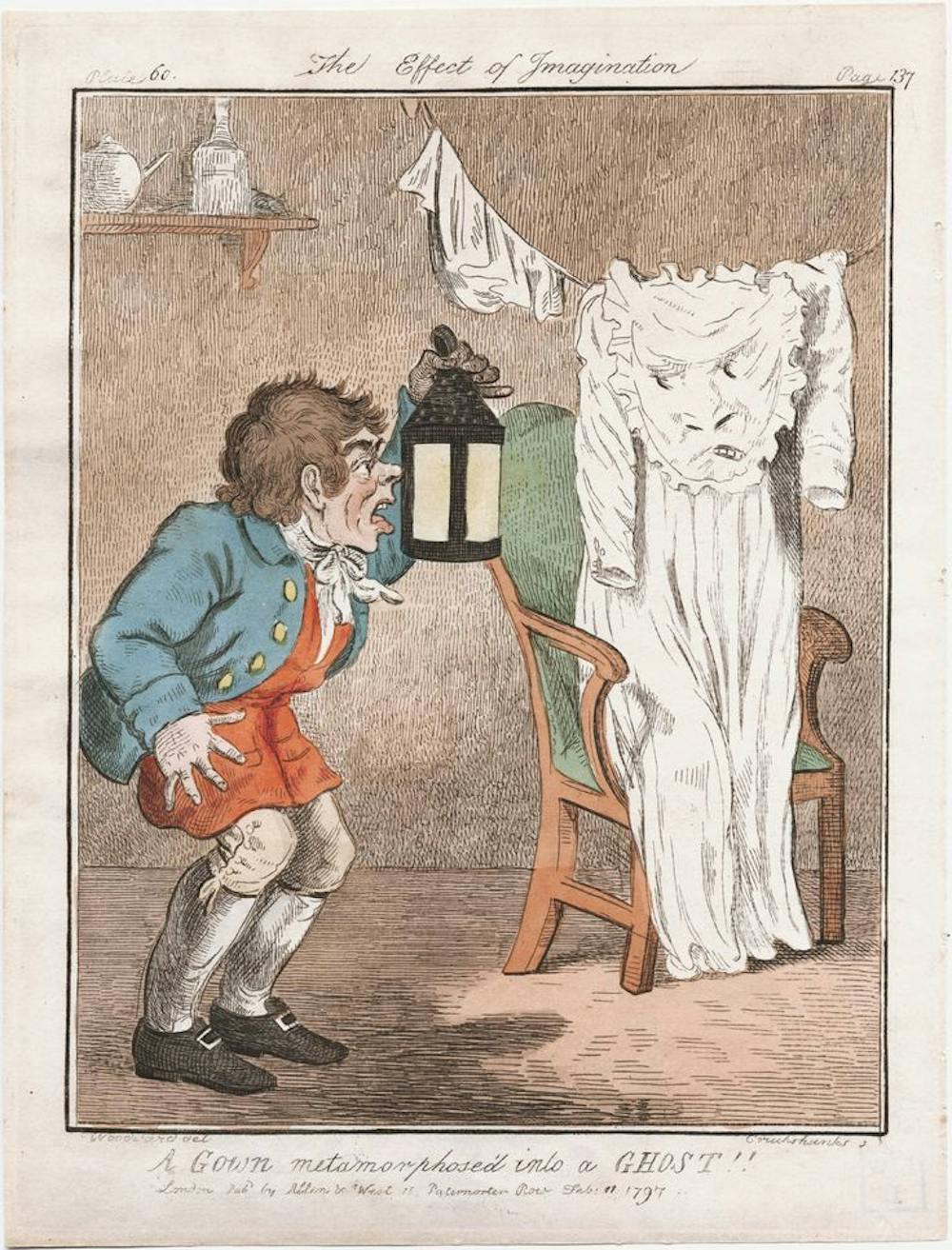


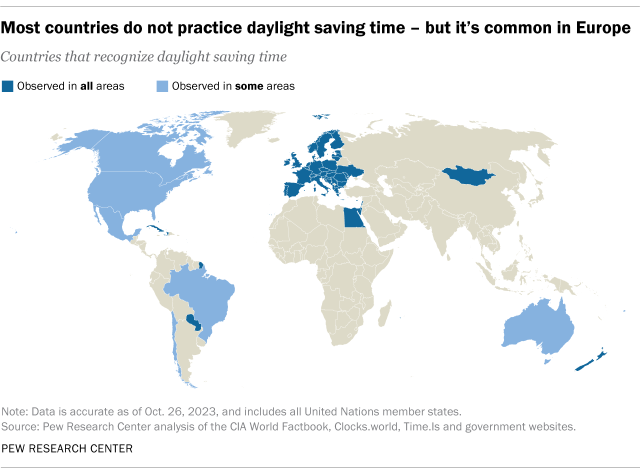
.jpg)


.jpg)