Category: Politics

  • MIL-OSI United Nations: INTERVIEW: Visitors to Expo 2025 appreciate ‘positive vision’ of UN

    Source: United Nations MIL OSI

    Visitors can explore the UN’s 80-year history of advancing peace, human rights, sustainable development and climate action and see how the work of the UN system impacts the lives of all people across the world.

    What are the different sections of the pavilion and what they’re trying to achieve?

    We have four exhibit zones. The first zone portrays 80 years of UN history, highlighting key milestones from 1945 until today. It also shows the changing relationship between Japan and the UN.

    In the 1940s following the devastation of the Second World War Japan was a recipient of UN assistance. But after Japan joined the UN (in 1956) it gradually started to take leadership in different areas, for example in climate change issues, disaster risk reduction and in the provision of Universal Health Coverage.

    Zone two shows the work of diverse UN entities. Visitors will notice that there are many everyday objects on the wall; a toilet, helmet, car seat, post box but they may not realize that these items are actually closely related to the work of the UN.

    UN Pavilion

    Visitors to the UN Pavilion explore the ‘orb’ room.

    By tapping on the monitor, the items light up and an explanation is given about its relationship to the work of the UN.

    One of the aims of this zone is to demonstrate that the UN is not just about conflict resolution. In Japan, when the UN is mentioned, many people think about the Security Council and ask why Japan isn’t a permanent member. 

    We wanted to show in an interesting interactive way that the UN’s work is so much more than that.

    In zone three, which represents the future, we show through an immersive movie, a vision of the sustainable future that we can achieve if we work together. In the movie, the UN Secretary-General says that this future is not automatic, but it is one that we can achieve together.

    The final part of the pavilion is the special exhibition zone that features the work of different UN entities each week. 

    Why is it important that the UN is here at Expo? 

    I would say that 90 per cent of Japanese people know about the Sustainable Development Goals (SDGs), but many do not know what they can do in their lives to contribute to the SDGs, or understand the positive role played by the UN in making the SDGs a reality in a global context. So, we felt that it was important to explain that work.

    There are some 160 different countries participating in Expo and they are here to showcase their own cultures.

    But it’s the UN which can encourage countries to work together to achieve peace and a sustainable world. So, collaboration and multilateralism are key themes of the pavilion.

    Why is that message important? 

    The world is divided right now and you can sense the anxiety about that, even in Japan. That anxiety is not just focused on political issues but also on the environmental and other global challenges which go beyond the country level. At the UN Pavilion they can learn about these challenges but also the solutions.

    I am so proud to be part of a team which explains how the UN is contributing to solving these global problems. It is rewarding to interact with visitors and to support their understanding of the UN.

    Many are surprised by the range of work in which the organization is engaged, and everyone leaves inspired by our messages.

    What is the most surprising reaction you’ve had from a visitor?

    There has been great interest and engagement in the immersive video which envisions a hopeful future that all humanity can enjoy if we work together. It has a very simple message about collaboration which can be easily understood by people of all ages and backgrounds.

    Many people have been deeply affected by its message and I have seen some moved to tears.

    UN News/Daniel Dickinson

    A boy participates in an event at the UN pavilion to promote the SDGs.

    I believe visitors feel closer to the UN after experiencing the video and the rest of the pavilion. I am from Japan and I think many people are surprised to meet a Japanese national working for the UN. That also helps to bring them closer to the work of the UN.

    How important and relevant is an Expo in today’s world?

    There really isn’t any other place like this, where you can meet people from Uzbekistan, and then next door people from Malta. I think this is such a rare opportunity, especially in this era of the Internet, to be able to discover the culture and values of so many different nations.

    Initially, the Japanese people were somewhat sceptical and critical of the cost of putting on Expo, because they said they could find all the information on the Internet.

    However, when they visit, they realize that they can actually see, feel and learn about different cultures in person. It’s very different from reading something on the Internet or watching YouTube.

    This venue is so special and people come here with an open and enquiring mind.

    I think the timing of this Expo is important as there is so much uncertainty and conflict in the world. At the UN, we are here to promote a better world for all people built on equality, dignity and peace, living in harmony with nature and sustaining our Planet. We hope to share this positive vision with as many visitors as possible until the closing of the Expo in mid-October.

    MIL OSI United Nations News

  • MIL-OSI United Nations: UN Human Rights Council hears grim updates on Ukraine, Gaza and global racism

    Source: United Nations MIL OSI

    Escalating conflict in Ukraine

    In an oral update, Ilze Brands Kehris, UN Assistant Secretary-General for Human Rights, reported a sharp escalation in hostilities in Ukraine.

    Civilian casualties have surged, with April to June seeing nearly 50 per cent more deaths and injuries compared to the same period in 2024.

    “More than 90 per cent of these casualties occurred in territory controlled by Ukraine,” she said, attributing the spike in part to intensified Russian drone and missile attacks.

    Attacks using airburst warheads and repeated strikes on hospitals have instilled “terror and anxiety” among urban populations, she added. A June 16-17 nighttime attack in Kyiv killed more civilians than any other assault in the past year.

    While ceasefire negotiations have produced some humanitarian gains – such as the exchange of prisoners of war and the return of deceased soldiers – Ms. Kehris underscored harrowing conditions in detention.

    Over 117 former Ukrainian POWs interviewed by the UN rights office, OHCHR, reported torture, including sexual violence, in Russian captivity. Though less widespread, similar abuses have also been documented in unofficial Ukrainian detention facilities, prompting calls for transparent investigations.

    The report also noted ongoing human rights violations in territories occupied by Russia, including restrictions on civic space and the exercise of freedom of expression.

    “Peace is more imperative than ever,” Ms. Kehris said, reiterating calls for an immediate cessation of hostilities in line with international law.

    Structural racism and intersectionality

    Ashwini K.P., Special Rapporteur on contemporary forms of racism, delivered a thematic report focused on intersectionality as a tool for racial justice.

    Drawing from experiences of Black feminists and expanded by studies focusing on Dalit, Indigenous, Muslim and Roma community members, the concept of intersectionality was presented as essential to dismantling systemic discrimination.

    “Women of African descent, caste-oppressed communities, Roma, Arab and Muslim women, and other marginalized groups are disproportionately impacted due to overlapping forms of discrimination,” Ms. Ashwini said.

    Her report detailed how states can integrate an intersectional approach, emphasising data disaggregation, participatory policymaking, legal recognition of multiple discrimination and historical accountability.

    Ms. Ashwini highlighted the importance of reparatory justice for communities affected by colonialism and slavery and called on states – particularly those historically complicit – to implement bold reforms.

    People search through the rubble of a destroyed building in the central Gaza Strip.

    Deepening crisis in Gaza

    Francesca Albanese, Special Rapporteur on the situation of human rights in the Palestinian territories occupied since 1967, also reported to the Council, with grim update on Gaza.

    She described conditions as “apocalyptic” and reported over 200,000 people killed or injured since 7 October 2023, when Hamas and other Palestinian armed groups attacked Israeli communities – killing at least 1,200 people and taking more than 250 as hostages.

    “In Gaza, Palestinians continue to endure suffering beyond imagination,” Ms. Albanese said, describing the Israeli-backed Gaza Humanitarian Foundation as a “death trap – engineered to kill or force the flight of a starved, bombarded, emaciated population marked for elimination.”

    She also accused Israel of using the conflict as an opportunity to test new weapons and technology against the population of the enclave “without restraint”.

    “The forever-occupation has provided an optimal testing ground for arms manufacturers and big tech with little oversight and zero accountability – while investors, and private and public institutions have profited handsomely,” she said.

    “We must reverse the tide,” Ms. Albanese urged, calling on Member States to impose a full arms embargo on Israel, suspend all trade agreements and investment relation and enforce accountability, “ensuring that corporate entities face legal consequences for their involvement in serious violations of international law.”

    Independent rights experts

    Special Rapporteurs are independent human rights experts appointed and mandated by the Human Rights Council – the UN’s highest intergovernmental forum on human rights.

    Forming a part of its Special Procedures, Special Rapporteurs and other independent experts are mandated to monitor and assess the rights situation in certain thematic or country situations.

    They work in their individual capacity, are not UN staff and do not receive a salary. 

    MIL OSI United Nations News

  • MIL-OSI United Nations: Scam centres are a ‘human rights crisis’, independent experts warn

    Source: United Nations MIL OSI

    It’s believed that hundreds of thousands of trafficked individuals of various nationalities are forced to carry out fraud in the centres located across Cambodia, Myanmar, Laos, the Philippines and Malaysia.

    The situation has reached the level of a humanitarian and human rights crisis,” said right experts Tomoya Obokata, Siobhán Mullally and Vitit Muntarbhorn. They stressed that thousands of released victims remain stranded in inhumane conditions at the Myanmar-Thailand border.

    The underground operations are often linked to criminal networks that recruit victims globally, putting them to work in facilities principally in Cambodia, Myanmar, Laos, the Philippines and Malaysia.  

    Many victims are kidnapped and sold to other fraudulent operations, said the rights experts who are known as Special Rapporteurs, reporting to the Human Rights Council. They are not UN staff and work in an independent capacity.

    They noted that workers are not freed unless a ransom is paid by their families and that if they try to escape, they are often tortured or killed with total impunity and with corrupt government officials complicit.  

    “Once trafficked, victims are deprived of their liberty and subjected to torture, ill treatment, severe violence and abuse including beatings, electrocution, solitary confinement and sexual violence,” the Special Rapporteurs said.

    ‘Address the drivers of cyber-criminality’

    The rights experts added that access to food and clean water is limited and that living conditions are often cramped and unsanitary.

    The experts urged Southeast Asian countries, as well as the countries of origin of the trafficked workers, to provide help more quickly and increase efforts to protect victims and prevent the scams from taking place.  

    This should include efforts that “go beyond surface-level public awareness campaigns” and which address the drivers of forced cyber-criminality – poverty, lack of access to reasonable work conditions, education and healthcare.

    Other recommendations to governments included addressing the insufficient regular migration options that push people into the arms of people traffickers.

    Tomoya Obokata, Special Rapporteur on contemporary forms of slavery, including its causes and consequences; Siobhán Mullally, Special Rapporteur on trafficking in persons, and Vitit Muntarbhorn, Special Rapporteur on the situation of human rights in Cambodia, are neither staff members of the UN nor paid by the global organization. 

    Proliferation of scam farms post-pandemic

    The dark inner workings of scam farms were revealed in a UN News investigation last year which found that they had proliferated following the coronavirus“>COVID-19 pandemic.

    “Southeast Asia is the ground zero for the global scamming industry,” said Benedikt Hofmann, from the UN agency to combat drugs and crime, UNODC

    “Transnational organised criminal groups that are based in this region are masterminding these operations and profiting most from them,” said Mr. Hofmann, Deputy Regional Representative for Southeast Asia and the Pacific, at a Philippines scam farm that was shut down by the authorities in March 2024. 

    When UN News gained access to the compound, it was found to have housed 700 workers who were “basically fenced off from the outside world,” Mr. Hofmann explained.

    “All their daily necessities are met. There are restaurants, dormitories, barbershops and even a karaoke bar. So, people don’t actually have to leave and can stay here for months.” 

    Escaping was a near-impossible task and came at a hefty price.

    “Some have been tortured and been subjected to unimaginable violence on a daily basis as punishment for wanting to leave or for failing to reach their daily quota in terms of money scammed from victims,” the UNODC official insisted.

    “There are multiple types of victims, the people who are being scammed around the world, but also the people who are trafficked here held against their will and who are exposed to violence.” 

    MIL OSI United Nations News

  • MIL-OSI China: Global strategists, decision-makers address key security, development issues at Beijing peace forum

    Source: People’s Republic of China – State Council News

    Ex-President of the European Council Herman van Rompuy speaks at the 13th World Peace Forum in Beijing, capital of China, July 3, 2025. More than 1,200 guests from 86 countries and regions have gathered in Beijing to exchange views on maintaining global peace and addressing conflicts at the ongoing 13th World Peace Forum. (Xinhua)

    The 13th World Peace Forum in Beijing, which ended on Friday, saw experts, strategists and statespersons from across the globe exchanging views in the Chinese capital, with their focus on solving some of the most pressing issues threatening world peace.

    Themed “advancing global peace and prosperity: shared responsibility, benefit and achievement,” the forum, which ran from July 2 to 4, was hosted by Tsinghua University and the Chinese People’s Institute of Foreign Affairs.

    ADDRESSING PAN-SECURITIZATION

    Pan-securitization was the focus of discussion in one plenary of the forum, where participants shared views on how certain countries continuously expand the boundaries of “security.” From the perspective of Cui Tiankai, Chinese ambassador to the United States from 2013 to 2021, the key promoters of pan-securitization are also prominent disruptors of global security.

    The reason why these countries now feel insecure is that many other countries are no longer tolerating their unilateral, hegemonic behavior, said Cui.

    The solution, he stated, is to act based on the vision of common, comprehensive, cooperative and sustainable security, where no country is excluded or targeted. “It is not only necessary to address some security issues at the superficial level, but also to pay attention to the deep-seated factors and root causes of security problems,” he added.

    Former Singaporean Foreign Minister George Yeo Yong-Boon, meanwhile, highlighted the role of morality in resolving the pan-securitization conundrum.

    “If we don’t have peace in our heart, then no matter how clever our diplomats are, we cannot achieve world peace,” he said, adding that it is important to develop a new sense of what is moral. He also noted that in this regard, the Chinese proposal of building a human community with shared future is a moral necessity.

    GREATER EMPHASIS ON MULTILATERALISM

    Throughout the forum, a recurring view in the speeches and dialogues of all participants was that global peace and security should not be only in the hands of major powers. Middle powers, as well as countries of the Global South, should also have a say in this matter.

    Global South countries share a common experience of colonialism and imperialism oppression, and have mutual goals such as poverty alleviation, reduction of inequality and greater participation in international affairs, said Shivshankar Menon, who served as the national security advisor to the prime minister of India from 2012 to 2014.

    In the meantime, due to expansion of the geopolitical space, the current lack of order in the world has given Global South countries the room to try to achieve their goals, said Menon. This means the fragmented security order in various regions is both a challenge and an opportunity for the Global South.

    Expressing a similar view, former Republic of Korea (ROK) Foreign Minister Kim Sung-hwan spoke of the role of middle powers in moderating major power disputes. He noted that middle powers do not seek hegemony, and have certain strengths and sincere desires to encourage everyone to cooperate and solve problems.

    Taking the case of northeast Asia as an example, Kim said cooperation between Japan, the ROK and China is of great significance. He expressed belief that enhancement of this trilateral cooperation endeavor can reduce the risk of confrontation between China and the United States.

    POSITIVE OUTLOOK ON CHINA-EU RELATIONS

    With a summit marking the 50th anniversary of diplomatic ties between China and the European Union (EU) drawing near, some participants at the 13th World Peace Forum also held positive views on the development of China-EU relations.

    Former President of the European Council Herman Van Rompuy, who called for more dialogues between countries, governments and peoples in his address to the forum, expressed optimism regarding an upcoming China-EU summit.

    Earlier, Chinese Foreign Minister Wang Yi confirmed the summit as one of the important events China will hold to mark the 50th anniversary of the establishment of China-EU diplomatic relations.

    “Hopefully, dialogue can bring about a return to realism, and a move away from ideological or nationalist models,” Van Rompuy said in the speech.

    His opinions on China-EU relations was echoed by Shi Mingde, former Chinese ambassador to Germany. When speaking at a panel discussion focusing on China-Europe ties, Shi reiterated that China-Europe relations should not be affected by a third country.

    “The upcoming China-EU summit will be a valuable opportunity where both sides can reflect on the achievements we made over the past 50 years, and take a closer look at the problems at hand,” said Shi. “Chinese and European leaders have not met for quite some time, so the fact that the summit will be held is in and of itself a success.”

    MIL OSI China News

  • MIL-OSI China: Global strategists, decision-makers address key security, development issues at Beijing peace forum

    Source: People’s Republic of China – State Council News

    Ex-President of the European Council Herman van Rompuy speaks at the 13th World Peace Forum in Beijing, capital of China, July 3, 2025. More than 1,200 guests from 86 countries and regions have gathered in Beijing to exchange views on maintaining global peace and addressing conflicts at the ongoing 13th World Peace Forum. (Xinhua)

    The 13th World Peace Forum in Beijing, which ended on Friday, saw experts, strategists and statespersons from across the globe exchanging views in the Chinese capital, with their focus on solving some of the most pressing issues threatening world peace.

    Themed “advancing global peace and prosperity: shared responsibility, benefit and achievement,” the forum, which ran from July 2 to 4, was hosted by Tsinghua University and the Chinese People’s Institute of Foreign Affairs.

    ADDRESSING PAN-SECURITIZATION

    Pan-securitization was the focus of discussion in one plenary of the forum, where participants shared views on how certain countries continuously expand the boundaries of “security.” From the perspective of Cui Tiankai, Chinese ambassador to the United States from 2013 to 2021, the key promoters of pan-securitization are also prominent disruptors of global security.

    The reason why these countries now feel insecure is that many other countries are no longer tolerating their unilateral, hegemonic behavior, said Cui.

    The solution, he stated, is to act based on the vision of common, comprehensive, cooperative and sustainable security, where no country is excluded or targeted. “It is not only necessary to address some security issues at the superficial level, but also to pay attention to the deep-seated factors and root causes of security problems,” he added.

    Former Singaporean Foreign Minister George Yeo Yong-Boon, meanwhile, highlighted the role of morality in resolving the pan-securitization conundrum.

    “If we don’t have peace in our heart, then no matter how clever our diplomats are, we cannot achieve world peace,” he said, adding that it is important to develop a new sense of what is moral. He also noted that in this regard, the Chinese proposal of building a human community with shared future is a moral necessity.

    GREATER EMPHASIS ON MULTILATERALISM

    Throughout the forum, a recurring view in the speeches and dialogues of all participants was that global peace and security should not be only in the hands of major powers. Middle powers, as well as countries of the Global South, should also have a say in this matter.

    Global South countries share a common experience of colonialism and imperialism oppression, and have mutual goals such as poverty alleviation, reduction of inequality and greater participation in international affairs, said Shivshankar Menon, who served as the national security advisor to the prime minister of India from 2012 to 2014.

    In the meantime, due to expansion of the geopolitical space, the current lack of order in the world has given Global South countries the room to try to achieve their goals, said Menon. This means the fragmented security order in various regions is both a challenge and an opportunity for the Global South.

    Expressing a similar view, former Republic of Korea (ROK) Foreign Minister Kim Sung-hwan spoke of the role of middle powers in moderating major power disputes. He noted that middle powers do not seek hegemony, and have certain strengths and sincere desires to encourage everyone to cooperate and solve problems.

    Taking the case of northeast Asia as an example, Kim said cooperation between Japan, the ROK and China is of great significance. He expressed belief that enhancement of this trilateral cooperation endeavor can reduce the risk of confrontation between China and the United States.

    POSITIVE OUTLOOK ON CHINA-EU RELATIONS

    With a summit marking the 50th anniversary of diplomatic ties between China and the European Union (EU) drawing near, some participants at the 13th World Peace Forum also held positive views on the development of China-EU relations.

    Former President of the European Council Herman Van Rompuy, who called for more dialogues between countries, governments and peoples in his address to the forum, expressed optimism regarding an upcoming China-EU summit.

    Earlier, Chinese Foreign Minister Wang Yi confirmed the summit as one of the important events China will hold to mark the 50th anniversary of the establishment of China-EU diplomatic relations.

    “Hopefully, dialogue can bring about a return to realism, and a move away from ideological or nationalist models,” Van Rompuy said in the speech.

    His opinions on China-EU relations was echoed by Shi Mingde, former Chinese ambassador to Germany. When speaking at a panel discussion focusing on China-Europe ties, Shi reiterated that China-Europe relations should not be affected by a third country.

    “The upcoming China-EU summit will be a valuable opportunity where both sides can reflect on the achievements we made over the past 50 years, and take a closer look at the problems at hand,” said Shi. “Chinese and European leaders have not met for quite some time, so the fact that the summit will be held is in and of itself a success.”

    MIL OSI China News

  • MIL-OSI China: Historic revolutionary-era site reopens as movie-themed hotel

    Source: People’s Republic of China – State Council News

    A former mansion with a storied past in Hangzhou, Zhejiang province, has reopened as a movie-themed hotel, with the aim of becoming a new landmark in the city.

    Left to right, Cheng Xinhua, founding partner of Movietel and chairman of Dossen International Group, and He Yan, founder of Movietel, pose for a photo at the transformed Bailu Mansion hotel, Hangzhou, Zhejiang province. [Photo courtesy of Movietel]

    Following a year-long restoration, the historic Bailu Mansion now serves as a unique cultural landmark where revolutionary history meets cinematic art, according to He Yan, founder of Movietel, which operates under Dossen International Group.

    “Bailu Mansion hosted such historic figures as Zhou Enlai, Chiang Kai-shek, Zhang Chong, Pan Hannian and Mei Lanfang, making it far more valuable than ordinary buildings,” He explained. “Through its transformation into a hotel, we aim to systematically showcase this historical legacy, allowing the public to physically engage with national memories rather than merely read about them.”

    The mansion’s most historic moment came in 1937 shortly after the Xi’an Incident, when Zhou Enlai — later first premier of the People’s Republic of China (PRC) — stayed at Bailu to conduct secret talks with Chiang Kai-shek and Soong Mei-ling. These negotiations established the Second United Front between the Kuomintang (KMT) and Communist Party of China (CPC), forming China’s united resistance against the Japanese invasion.

    An exterior view of Movietel, the transformed historic Bailu Mansion, Hangzhou, Zhejiang province. [Photo courtesy of Movietel]

    Marking the 80th anniversary of victory in the Chinese People’s War of Resistance Against Japanese Aggression and the World Anti-Fascist War, the restored site now features a Second United Front exhibition hall and preserves historic locations including the Panlong Gate where Zhou Enlai and KMT representative Zhang Chong took their historic photo. Other restored areas include Zhou’s residence, the garden and former KMT provincial chairman’s quarters.

    “Bailu Mansion is a pivotal landmark where the KMT and CPC transitioned from confrontation to cooperation, symbolizing national unity during crisis,” He explained. The exhibition helps younger generations better understand these historic decisions, while a film on the West Lake Talks is screened in both the exhibition hall and on the hotel’s outdoor display to deepen public understanding of the historic event.

    After the founding of the PRC in 1949, Bailu Mansion served as a guesthouse under the Hangzhou Railway Bureau before being designated a municipal-level cultural heritage site in 2009. When Hangzhou’s West Lake District government and Zhejiang Railway Development Group launched urban renewal plans, they selected the building for transformation into a heritage hotel. Movietel’s restoration followed “repair as old” principles — fixing walls, replacing tiles and restoring carvings, paintings and gardens.

    A photograph of Zhou Enlai and Zhang Chong posing outside Bailu Mansion on display in the exhibition hall of Movietel, Hangzhou, Zhejiang province. [Photo courtesy of Movietel]

    Blending cinematic creativity with historical heritage, Movietel reimagines Bailu as a living film studio. Inspired partly by Zhang Chong — a KMT official and pioneer in China’s early film industry as director of the KMT Central Film Studio — the hotel offers guests the opportunity to star in their own stories. They can meet script agents for assigned roles, receive full costume and makeup services, experience themed sets, enjoy private cinematic dining and stay in film-inspired suites — leaving with a personalized movie of their stay.

    Movietel’s founder He Yan noted that the property also serves as a shooting location for film and TV productions and hosts cultural industry events, including a recent salon co-organized by the China Film Foundation and Motion Picture Association during the 27th Shanghai International Film Festival last month.

    A movie-themed suite at Movietel, transformed from the historic Bailu Mansion, Hangzhou, Zhejiang province. [Photo courtesy of Movietel]

    “Using Hangzhou as a model, we plan to expand this ‘historic architecture plus cinematic immersion’ format to neighboring cities and Beijing, keeping history alive through film while establishing new local film culture landmarks,” He Yan said.

    MIL OSI China News

  • MIL-OSI China: Historic revolutionary-era site reopens as movie-themed hotel

    Source: People’s Republic of China – State Council News

    A former mansion with a storied past in Hangzhou, Zhejiang province, has reopened as a movie-themed hotel, with the aim of becoming a new landmark in the city.

    Left to right, Cheng Xinhua, founding partner of Movietel and chairman of Dossen International Group, and He Yan, founder of Movietel, pose for a photo at the transformed Bailu Mansion hotel, Hangzhou, Zhejiang province. [Photo courtesy of Movietel]

    Following a year-long restoration, the historic Bailu Mansion now serves as a unique cultural landmark where revolutionary history meets cinematic art, according to He Yan, founder of Movietel, which operates under Dossen International Group.

    “Bailu Mansion hosted such historic figures as Zhou Enlai, Chiang Kai-shek, Zhang Chong, Pan Hannian and Mei Lanfang, making it far more valuable than ordinary buildings,” He explained. “Through its transformation into a hotel, we aim to systematically showcase this historical legacy, allowing the public to physically engage with national memories rather than merely read about them.”

    The mansion’s most historic moment came in 1937 shortly after the Xi’an Incident, when Zhou Enlai — later first premier of the People’s Republic of China (PRC) — stayed at Bailu to conduct secret talks with Chiang Kai-shek and Soong Mei-ling. These negotiations established the Second United Front between the Kuomintang (KMT) and Communist Party of China (CPC), forming China’s united resistance against the Japanese invasion.

    An exterior view of Movietel, the transformed historic Bailu Mansion, Hangzhou, Zhejiang province. [Photo courtesy of Movietel]

    Marking the 80th anniversary of victory in the Chinese People’s War of Resistance Against Japanese Aggression and the World Anti-Fascist War, the restored site now features a Second United Front exhibition hall and preserves historic locations including the Panlong Gate where Zhou Enlai and KMT representative Zhang Chong took their historic photo. Other restored areas include Zhou’s residence, the garden and former KMT provincial chairman’s quarters.

    “Bailu Mansion is a pivotal landmark where the KMT and CPC transitioned from confrontation to cooperation, symbolizing national unity during crisis,” He explained. The exhibition helps younger generations better understand these historic decisions, while a film on the West Lake Talks is screened in both the exhibition hall and on the hotel’s outdoor display to deepen public understanding of the historic event.

    After the founding of the PRC in 1949, Bailu Mansion served as a guesthouse under the Hangzhou Railway Bureau before being designated a municipal-level cultural heritage site in 2009. When Hangzhou’s West Lake District government and Zhejiang Railway Development Group launched urban renewal plans, they selected the building for transformation into a heritage hotel. Movietel’s restoration followed “repair as old” principles — fixing walls, replacing tiles and restoring carvings, paintings and gardens.

    A photograph of Zhou Enlai and Zhang Chong posing outside Bailu Mansion on display in the exhibition hall of Movietel, Hangzhou, Zhejiang province. [Photo courtesy of Movietel]

    Blending cinematic creativity with historical heritage, Movietel reimagines Bailu as a living film studio. Inspired partly by Zhang Chong — a KMT official and pioneer in China’s early film industry as director of the KMT Central Film Studio — the hotel offers guests the opportunity to star in their own stories. They can meet script agents for assigned roles, receive full costume and makeup services, experience themed sets, enjoy private cinematic dining and stay in film-inspired suites — leaving with a personalized movie of their stay.

    Movietel’s founder He Yan noted that the property also serves as a shooting location for film and TV productions and hosts cultural industry events, including a recent salon co-organized by the China Film Foundation and Motion Picture Association during the 27th Shanghai International Film Festival last month.

    A movie-themed suite at Movietel, transformed from the historic Bailu Mansion, Hangzhou, Zhejiang province. [Photo courtesy of Movietel]

    “Using Hangzhou as a model, we plan to expand this ‘historic architecture plus cinematic immersion’ format to neighboring cities and Beijing, keeping history alive through film while establishing new local film culture landmarks,” He Yan said.

    MIL OSI China News

  • MIL-OSI Analysis: Why corporations are backing away from supporting Pride this year

    Source: The Conversation – Canada – By Leah Hamilton, Professor in the Faculty of Business & Communication Studies, Mount Royal University

    Prime Minister Mark Carney recently raised the Pride flag on Parliament Hill and lamented the growing anti-2SLGBTQIA+ sentiment in Canada. He also committed $1.5 million to make Pride festivals across the country safer.

    This political support stands in sharp contrast to the many businesses that have reduced or ended their support for the 2SLGBTQIA+ community this Pride season.

    Multinational corporations like Google, as well as Canadian-owned companies like Molson Coors, have divested from supporting festivals, while Target has scaled back its Pride merchandise due to threats against employees and large-scale conservative backlash.

    The impact is already being felt. Pride Toronto is currently facing a $900,000 funding gap. Executive director Kojo Modeste recently told CBC News this corporate divestment appears to be linked to the larger backlash against diversity, equity and inclusion efforts.

    Fear of punitive measures

    In January, United States President Donald Trump issued an executive order to dismantle DEI initiatives in federal agencies and target private companies that support DEI measures. In the executive order, Trump’s administration called DEI measures and mandates “immoral discrimination programs.”

    Spearheaded by journalist-cum-activist and Trump adviser Christopher Rufo, the attacks against so-called “woke” DEI programs are fuelled by the “culture wars” that pit equity and inclusion against merit and the free market.


    Read more:
    Here’s what ‘woke’ means and how to respond to it


    Major private corporations, including IBM, quickly bent to the pressure of Trump’s anti-DEI orders by gutting their programs and shifting corporate donorship away from “woke” initiatives.

    The pressure to comply with anti-DEI measures hasn’t ended with corporations. More recently, Trump has set his sights on the U.S. post-secondary system, freezing US$2.2 million in federal grants and US$60 million in contracts after Harvard University refused to comply with the administration’s demands related to its DEI programs.

    In Canada, the rollback of DEI programs isn’t as loud, but it is happening. Michelle Grocholsky, the CEO of Empowered EDI in Toronto, told CBC News companies are reducing their budgets and cutting their staff. In the midst of job cuts in January 2025, the Alberta Investment Management Corporation removed their DEI staff.

    Following in the footsteps of the U.S., Alberta’s United Conservative Party membership passed a resolution to eliminate DEI programs and training in the public service. The party has also indicated it will remove government funding from post-secondary institutions that continue to do DEI work.

    Declining public support

    In addition to the rollback of DEI programs, the ongoing corporate reductions in Pride support are taking place amid increasing anti-2SLGBTQIA+ sentiment.

    A 2024 poll reported that, in Canada, support for 2SLGBTQIA+ visibility — like representation on screens and in sports — is lower than it was in 2021. Compared to previous years, Canadians also expressed less support for transgender rights, and this level of support was lower than the 26 other countries surveyed.

    Not surprisingly, this declining public support for the 2SLGBTQIA+ community coincides with rising hate crimes targeting 2SLGBTQIA+ communities. In 2023, Statistics Canada reported a 69 per cent increase in hate crimes targeting sexual orientation.

    Public attitudes don’t change in a vacuum. They are deeply influenced by hate movements, political rhetoric and the spread of misinformation and disinformation weaponized by politicians and leaders to dehumanize the 2SLGBTQIA+ community, particularly transgender people.

    This dehumanization incites fear, violence and support for anti-2SLGBTQIA+ hate. It has coincided with companies silently withdrawing their support for the 2SLGBTQIA+ community.

    Where we live, in Alberta, the provincial government has passed the most draconian anti-trans laws Canada has ever seen. As we (Corinne L. Mason and Leah Hamilton) have previously written, Premier Danielle Smith’s government has unveiled a suite of policies targeting transgender, intersex and gender diverse children and youth in Alberta, and the 2SLGBTQIA+ community more broadly.

    In this environment of reduced public and political support, it’s not surprising to see companies backing away from the 2SLGBTQIA+ community.

    Getting back to Pride’s roots

    The fact that companies have quickly backed away from their support of the 2SLGBTQIA+ community — by halting production of Pride merchandise or reducing sponsorship in Pride festivals — illustrates the conditionality of their support.

    Rather than beg big business to come back to the table, some members of the community are using this moment to reflect on how corporate “Love is Love” campaigns haven’t actually led to increased quality of life or justice for our communities.

    While it has received less media coverage than calls to remove police from Pride and the presence of Boycott, Divest and Sanction movement at Pride festivals, the corporatization of Pride has long been subject of debate in the 2SLGBTQIA+ community.


    Read more:
    Queers and trans say no to police presence at Pride parade


    Those against “rainbow capitalism” — the shallow and inauthentic use of Pride imagery in advertising — argue for a return to community-based and radical protest rather than settling for flag-waving bankers throwing beads from atop expensive floats.

    Pride Month is rooted in protest and resistance against police violence and systemic oppression. It was led by Black trans women and can be traced back to the Stonewall Riots. Today, Pride still isn’t simply a party and parade.

    Authentic ‘rainbow dollars’

    In this sociopolitical climate of legislated DEI rollbacks and declining public support for the 2SLGBTQIA+ community, organizations that want to support the 2SLGBTQIA+ community should back up their messaging with meaningful actions and structural support.

    Some organizations have shown a commitment to structural support for the 2SLGBTQIA+ community from its beginning, including the Northern Super League, the top-division professional women’s soccer league in Canada. The league openly and consistently amplifies and supports its 2SLGBTQIA+ players, coaches, staff and fans. Founded by Diana Matheson, an openly queer woman, the league is founded on inclusion as a core value.

    When it comes to creating Pride merchandise, Social Made Local is a queer-owned Canadian apparel company in Saskatoon that focuses on gender-inclusive sizing, sustainability and community. They donate a portion of their sales to Canadian non-profits like Rainbow Railroad.

    Companies that want to show their support can spend their rainbow dollars in good faith through actions that meaningfully support the 2SLGBTQIA+ community. This could include creating programs that support queer entrepreneurs, donating to legal funds that are fighting discriminatory legislation, and partnering with 2SLGBTQIA+ organizations to amplify their work.

    The Conversation

    Leah Hamilton receives funding from the Social Sciences and Humanities Research Council of Canada.

    Corinne L. Mason receives funding from Social Sciences and Humanities Research Council.

    Gini (Virginia) Weber does not work for, consult, own shares in or receive funding from any company or organisation that would benefit from this article, and has disclosed no relevant affiliations beyond their academic appointment.

    ref. Why corporations are backing away from supporting Pride this year – https://theconversation.com/why-corporations-are-backing-away-from-supporting-pride-this-year-258770

    MIL OSI Analysis

  • MIL-OSI Analysis: Alberta youth have the right to school library books that reflect their lives, including sexuality

    Source: The Conversation – Canada – By Jamie Anderson, PhD Candidate, Werklund School of Education, University of Calgary

    Alberta Premier Danielle Smith has expressed fondness for Florida Gov. Ron DeSantis, most recently wagering a a friendly public bet on the NHL hockey playoffs. In 2023, she said she wanted Albertans to enjoy some of the same freedoms available to citizens in certain American states, including Florida.

    Her government’s latest proposal aims to take more than a page from DeSantis’s playbook, setting its sights on how Florida has targeted school library books, effectively purging and banning many.

    Alberta Education Minister Demetrios Nicolaides recently announced the province will move ahead to develop provincial standards “to ensure the age-appropriateness of materials available to students in school libraries.” This followed a public engagement survey related to what he said were concerns about “sexually explicit” books in Edmonton and Calgary schools.

    The province says the survey results show “strong support” for a school library policy, even while the majority of respondents don’t want the government setting standards for school library books.

    This marks the Alberta government’s latest effort to restrict the rights of 2SLGBTQIA+ children and youth.

    New proposed school library standards

    Like Florida’s statute on K-12 instructional materials, Alberta’s proposal centres on age-appropriateness and increasing parental choice in learning materials.

    Despite claiming a need for new standards, Nicolaides has acknowledged there are already mechanisms in place in Alberta’s school jurisdictions for parents to challenge materials. Many school boards already have policies governing school library materials.

    Additionally, librarians are trained professionals who follow established practices around organizing materials that reflect developmental appropriateness.

    Florida school book purges

    Florida’s statute, framed by DeSantis as empowering parents to object to obscene material, has targeted 2,700 books. More than 700 were removed from libraries in 2023-24.


    Read more:
    Ron DeSantis shows how ‘ugly freedoms’ are being used to fuel authoritarianism


    Confusion and a climate of fear caused by the bill has led Florida teachers and librarians to self-censor. Florida’s Department of Education urged districts to “err on the side of caution” to avoid potential felony charges.

    Such fear and surveillance lead to unnecessary restrictions on students’ rights.

    Targeting 2SLGBTQIA+ books

    Nicolaides has emphasized that developing the new standards in Alberta is not a question of “banning certain books,” and has acknowledged he does not have that authority.

    However, as PEN Canada notes, the implications of the proposed policies raise alarm bells, with the government’s actions “paving the way to a new era of government-sponsored book banning.” Singling out books has the same effect as a ban, according to the CEO of the St. Albert Public Library.

    By labelling four books as inappropriate — three of which include 2SLGBTQIA+ authors and themes — Nicolaides suggests these books don’t belong in K-12 schools. One of the books, the graphic novel Flamer, has won several awards, including the Lambda Literary Award for LGBTQ Young Adult Literature in 2021.

    PEN America interview with Mike Curato, author of ‘Flamer.’

    The education minister refuted the idea that singling out the books is anti-queer or anti-trans, and did so in an inflammatory manner, characterizing concern as being about protecting children from seeing porn, child molestation and other sexual content.

    Nicolaides also said the proposed policy is focused on sexual content, so themes and depictions of graphic violence are “probably not” an issue.

    Rolling back trans, queer rights

    Alberta has already rolled back the rights of trans and non-binary children and youth to use different pronouns, access gender-affirming care and participate in sports.

    Queer and trans identities are also absent from all subjects in the K-12 program of studies, including recently updated K-6 curriculum. New sexual health resource guidelines prohibit the use of learning materials that primarily and explicitly address sexual orientation or gender identity unless they have been vetted and approved by Alberta Education (except for use in religion classes).

    Survey amplifies moral panic

    Through specific communication tactics, the minister’s public engagement works to exacerbate moral panics about sexuality as a threat to childhood innocence. This influences broader messages about 2SLGBTQIA+ inclusion.

    The government-created survey shared illustrations and text excerpts on their own, without context or consideration of their narrative purpose in each book. Although the excerpts flagged by the minister make up between 0.1 to two per cent of the total page count in each book, the books as a whole are labelled “extremely graphic.”

    In a media appearance, Nicolaides stated the books in question were available to “elementary-aged” students. This is misleading because K-9 schools include junior high students.

    In a social media post, the minister’s press secretary said “these problematic books were found in and around books like Goldilocks,” suggesting targeted books are alongside children’s storybooks. But the image he shared showed Flamer near the graphic novel Goldilocks: Wanted Dead or Alive, aimed at middle-grade readers aged nine to 12 years old.

    Survey respondents

    The survey reported 77,395 responses by demographics, including parents, teachers, school administrators, librarians and other interested Albertans.

    Forty-nine per cent of parents of school-aged children were not at all or not very supportive of the creation of government guidelines, compared to 44 per cent of the same demographic who were somewhat or very supportive (eight per cent were unsure). Across each other demographic, most respondents expressed that they didn’t support the creation of new government standards. But the ministry plans to move ahead anyway.

    Socially conservative lobby

    The Investigative Journalism Foundation reports two conservative activist groups have taken credit for giving the Alberta government names of books believed to be inappropriate.

    Parental rights groups and far-right activists have long asserted that 2SLGBTQIA+ inclusion in schools “indoctrinates” and sexualizes children.

    We’re concerned the Alberta government may be reinforcing this message to manufacture a greater public consensus in support of wider policies against 2SLGBTQIA+ rights.

    Since at least 2023, United Conservative Party (UCP) members have embraced socially conservative “parental rights” rhetoric and supported motions for purging school libraries and mandating parent approval of changes to kids’ names and pronouns.

    Traditionalist ‘parental rights’

    Far-right activist groups like Take Back Alberta have shaped the UCP government’s policies alongside special interest groups like Action4Canada and Parents for Choice in Education.

    A common thread among such groups is parental authority over one’s own children framed in traditionalist or hetero-normative terms. Significant mobilizing has happened against the inclusion of sexual orientations and gender identities in school curricula, trans-inclusive health care, drag shows, conversion therapy bans and more.


    Read more:
    Pride, pages and performance: Why drag story time matters more than ever


    Queer and trans identities are viewed as a social contagion threatening to change anyone exposed to them, and efforts for inclusion are labelled “gender ideology.”

    These misconceptions, combined with political and religious biases, frame queerness and transness as “adult topics” that will confuse or harm children. However, research confirms ignoring these topics is of far greater concern when children may already experience discrimination about their gender expression by the age of five.

    Earlier learning about diverse forms of gender expression and relationships can reduce victimization, and prevent young children from becoming perpetrators of, or bystanders to, anti-2SLGBTQIA+ harassment and violence.


    Read more:
    ‘Parental rights’ lobby puts trans and queer kids at risk


    The United Nations recognizes that governments need to resist political pressure “based on child protection arguments to block access to information on [2SLGBTQIA+] issues, or to provide negatively biased information.”

    Access to self-selected literature is important for all students, and can be a lifeline for 2SLGBTQIA+ students who don’t see themselves in the curriculum.

    If Alberta Education will not prepare students for the world they live in — where we queer and trans people exist, flourish and are loved — then students should be able to seek out stories that reflect that world. It’s a matter of protecting their freedom of expression.

    The Conversation

    Jamie Anderson has received funding from the Social Sciences and Humanities Research Council of Canada and the University of Calgary.

    Tonya D. Callaghan receives funding from the Social Sciences and Humanities Research Council of Canada and the Killam Trusts.

    Caitlin Campbell and Nicole Richard do not work for, consult, own shares in or receive funding from any company or organisation that would benefit from this article, and have disclosed no relevant affiliations beyond their academic appointment.

    ref. Alberta youth have the right to school library books that reflect their lives, including sexuality – https://theconversation.com/alberta-youth-have-the-right-to-school-library-books-that-reflect-their-lives-including-sexuality-258265

    MIL OSI Analysis

  • MIL-OSI Analysis: The Learning Refuge: How women-led community efforts help refugees resettle in Cyprus

    Source: The Conversation – Canada – By Suzan Ilcan, Professor of Sociology & University Research Chair, University of Waterloo

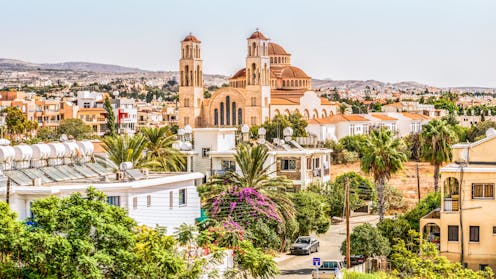
    A grassroots organization in Paphos, Cyprus, is bringing women together to address the needs of refugees in the city. (Shutterstock)

    Since 2015, the Republic of Cyprus (ROC) has seen a steady rise in migrant arrivals and asylum applications, primarily from people from Middle Eastern and African countries like Syria, the Democratic Republic of Congo and Cameroon.

    But many asylum-seekers face significant challenges. Refugees formally in the asylum system are often denied residency permits, which means they face persistent insecurity, poverty and isolation

    These conditions are compounded by restrictive and limited services for asylum-seekers. This deepens the precarity and exclusion refugees face within a political and economic system that treats them more like economic burdens than as human beings with rights who need help.

    In response to these institutional failures, citizens, volunteers and refugees themselves have begun to build grassroots networks of care and solidarity in the ROC and beyond to support refugee communities.

    In 2022 and 2023, we conducted interviews with women volunteers and refugees affiliated with The Learning Refuge, a civil society organization in the city of Paphos in southwest Cyprus that cultivates dialogue and collaboration among these two diverse groups.

    Women-led initiatives

    Many displaced people first arrive on the island of Cyprus through the Turkish Republic of Northern Cyprus (TRNC). However, the absence of a functioning asylum system or international legal protections leaves them in limbo.

    With no viable path to status in the TRNC, most cross the Green Line that bifurcates Cyprus into the ROC, where European Union asylum frameworks exist but remain limited in practice.

    Women-led community-building is often a response to the negative effects of inadequate state support and humanitarian aid for refugees. In Cyprus, this situation leaves many refugees without access to sufficient food, satisfactory health care, accommodation, employment, clothing and language training. In this current environment, refugees are increasingly experiencing insecure and fragile situations, especially women.

    In Cyprus, as in many other countries, a variety of community-building efforts are important responses to limited or restricted state support and humanitarian aid for refugees.

    Women-led efforts offer opportunities to deliver educational activities and establish networks, and to help improve the welfare and social protection of refugee women, however imperfectly.

    These and other similar efforts highlight how women refugees and volunteers can mobilize to foster dialogue and collaboration.

    The Learning Refuge

    Founded in 2015, The Learning Refuge began as community meetings in a city park. The organization then used space from a nearby music venue to conduct support activities, and later, established itself in a dedicated building.

    Organizations like The Learning Refuge emerged to address the limited state support and humanitarian assistance services available to refugees.

    a sign reading Learning Refuge next to a doorway
    The Learning Refuge cultivates dialogue and collaboration among a diverse group of community volunteers.
    (Suzan Ilcan)

    As Syrian families began arriving in Paphos in 2015, local mothers started working with Syrian children, assisting them with homework, providing skills-training opportunities and language classes.

    The Learning Refuge cultivates dialogue and collaboration among a diverse group of community volunteers, including schoolteachers, artists, musicians, local residents, refugees and other migrants.

    With the aid of 20 volunteers, the loosely organized groups provide women refugees with material support and resources to enhance collective activities, including art and music projects, while also engaging in educational and friendship activities.

    While modest in scale, the organization has formed partnerships with local and international organizations, including Caritas Cyprus, UNHCR-Cyprus and the Cyprus Refugee Council to extend its outreach to various refugee groups.

    The organization has also launched creative initiatives aimed at cultivating additional inclusive civic spaces. One such effort, “Moms and Babies Day,” was developed in response to the rising number of single mothers from Africa arriving on the island. These women often face poverty and isolation, and struggle with language barriers.

    These efforts highlight how grassroots responses — especially those led by women — can offer partial but vital educational and emotional support to refugees struggling to find their footing in a new country.

    Negotiated belonging

    Through participation in The Learning Refuge, refugee women in Paphos engage in a dynamic process of negotiated belonging, navigating challenges like language barriers, gendered isolation, domestic violence and poverty while contributing to broader community-building efforts.

    For example, Maryam, a Syrian woman and mother of three, told us how The Learning Refuge helped her children establish friendships and learn Greek. She also highlighted that it helped her form close ties with volunteers and other Syrian women living in Cyprus, and find paid work in the city.

    The volunteers and women refugees participating in The Learning Refuge’s activities emphasized not only their capacity to develop new forms of belonging and solidarity; they also help reshape communal knowledge and generate supportive spaces for women from various backgrounds.

    Our research shows that women-led community-building is an effective, though short-term, response to insufficient state support and humanitarian aid systems that leave many refugees in precarious situations.

    In varying degrees, these efforts offer women and their families spaces to learn and cultivate new relationships, and foster collective projects and better visions of resettlement and refuge.

    The Conversation

    Suzan Ilcan receives funding from the Social Sciences and Humanities Council of Canada.

    Seçil Daǧtaș receives funding from Social Sciences and Humanities Research Council of Canada.

    ref. The Learning Refuge: How women-led community efforts help refugees resettle in Cyprus – https://theconversation.com/the-learning-refuge-how-women-led-community-efforts-help-refugees-resettle-in-cyprus-252682

    MIL OSI Analysis

  • MIL-OSI Analysis: Indonesia’s BRICS agenda: 2 reasons Prabowo’s foreign policy contrasts with Jokowi’s

    Source: The Conversation – Indonesia – By Aswin Ariyanto Azis, Head of department of Politics, Government, and International Relations of Universitas Brawijaya, Universitas Brawijaya

    Ilustrasi-ilustrasi bendera negara anggota BRICS dan mitra. justit/Shutterstock

    Indonesia’s decision to pursue membership in BRICS – an emerging economy bloc comprising Brazil, Russia, India, China, and South Africa – signals that President Prabowo Subianto is steering foreign policy in a direction contrasting with his predecessors.

    During Joko “Jokowi” Widodo’s two-term administration, then-former Foreign Minister Retno Marsudi led efforts to integrate Indonesia’s economy with Western institutions by working to secure membership with the OECD.

    Since BRICS is an alternative to Western-dominated organisations, many observers scrutinised and questioned Indonesia’s nonalignment commitment. However, Foreign Minister Sugiono argued that BRICS aligns with Indonesia’s ‘free and active’ foreign policy, allowing Indonesia to collaborate widely without aligning too closely with any single bloc.

    For Sugiono, joining BRICS means paving the way to advance the new government’s goals of food security, energy independence, poverty alleviation, and human capital development. The bloc offers access to funding, technology, and trade opportunities to tackle key challenges in those sectors. BRICS, with its emphasis on fairness and cooperation, supports Indonesia’s vision for a more inclusive and sustainable future.

    The shift from Retno’s OECD focus to Sugiono’s BRICS approach reflects at least two visions. First, Indonesia seeks to reassess its strategic position as the leading economy in Southeast Asia. Second, the country seeks to switch from its nonalignment stance to multi-alignment. The later will help navigate partnerships with both developed and emerging economies, balancing traditional alliances with new opportunities.

    Joining BRICS can amplify Indonesia’s influence in its already strong ties with each of the member countries and unlock opportunities beyond one-on-one partnerships.

    Fear of missing out

    Indonesia’s pivot to BRICS reflects both its relationship with major powers, such as China and the US, and regional pressures.

    Neighbouring countries Malaysia and Thailand have recently expressed interest in BRICS, creating a sense of competition within Southeast Asia. Both countries joining the bloc could erode Indonesia’s leadership and influence in the region, especially in affecting global affairs.

    Through ASEAN, Indonesia has sought to act as a regional stabiliser and mediator amid rising polarisation between the West and China.

    As its de facto leader, Indonesia has historically championed initiatives like the South China Sea Code of Conduct and Myanmar’s peace process. Its G20 presidency further underscored its role as a mediator between global powers.

    This ‘fear of missing out’ has spurred Indonesia’s interest in BRICS.

    Joining BRICS ahead of its regional peers ensures that Indonesia maintains its leadership position in ASEAN. For Prabowo’s administration, BRICS offers a platform to advance Indonesia’s interests in maritime security, economic growth, and global governance. It is a strategic move beyond an economic decision to amplify its voice on global issues and prevent fellow Southeast Asian countries from overtaking it in shaping the bloc’s agenda.

    Bold (but not one) direction

    Indonesia’s BRICS membership announcement highlights the new administration’s foreign policy ambitions, centred on two key shifts: adopting a multi-alignment strategy and strengthening its ‘good neighbour’ policy.

    Prabowo envisions engaging with all nations, fostering friendly relations while opposing oppression. This approach resonates with Indonesia’s historical commitment to sovereignty and equality in international relations.

    Indonesia has traditionally adhered to a nonalignment principle. This virtue has aided the country navigating major power blocs without binding itself to any single alliance. However, the current geopolitical climate – marked by intensifying tensions between global powers, regional conflicts, and intricate challenges – demands a more flexible and strategic approach.

    By joining BRICS, Indonesia avoids taking sides and instead diversifies its partnerships to maximise benefits. This multi-aligned approach enables active participation in BRICS discussions on multilateral reform.

    Prabowo’s ‘good neighbour policy’ further underscores the importance of maintaining positive relations with all countries. It empowers developing nations and advocates for a more equitable global order and economic system. This strategy also facilitates Indonesia’s resilience by fostering partnerships in food and energy security, poverty alleviation, and human capital development.

    Such collaborations reduce reliance on Western financial systems and enhance Indonesia’s autonomy. Ultimately, these strategic directions position Indonesia as a sovereign and dynamic player capable of balancing global relationships while advancing its own priorities.

    What about the OECD?

    This move does not mean the OECD is off the table for Indonesia. Instead, Prabowo’s approach reflects a dual-track strategy that values both alliances for their respective benefits.

    The OECD remains a long-term objective to enhance Indonesia’s economic governance and regulatory standards. It serves the goal of providing the country with stable relationships within the Western economic framework. Meanwhile, BRICS offers an immediate avenue for Indonesia to deepen ties with equivalent economies and actively shape policies that impact the Global South.

    Sugiono’s statement in Kazan emphasised Indonesia’s commitment to engaging in other forums, including the G20 and OECD discussions. It highlighted the country’s flexibility in international alliances.

    This dual-track strategy reinforces Indonesia’s role as a bridge between developed and developing nations, maximising the benefits of both alliances without sacrificing its autonomy.

    What’s next for Indonesia?

    Indonesia’s decision to join BRICS marks a significant evolution in its foreign policy. By participating in BRICS, Indonesia positions itself as a critical player in global discussions on economic reform and development, asserting its voice within a multi-polar world order.

    Indonesia is charting a path that balances traditional alliances with emerging opportunities, reinforcing its role as a dynamic, independent player on the world stage.

    The Conversation

    Aswin Ariyanto Azis tidak bekerja, menjadi konsultan, memiliki saham, atau menerima dana dari perusahaan atau organisasi mana pun yang akan mengambil untung dari artikel ini, dan telah mengungkapkan bahwa ia tidak memiliki afiliasi selain yang telah disebut di atas.

    ref. Indonesia’s BRICS agenda: 2 reasons Prabowo’s foreign policy contrasts with Jokowi’s – https://theconversation.com/indonesias-brics-agenda-2-reasons-prabowos-foreign-policy-contrasts-with-jokowis-242920

    MIL OSI Analysis

  • MIL-OSI Analysis: Acehnese women sidelined from decision-making despite past tragedy and conflict

    Source: The Conversation – Indonesia – By Norma Susanti RM, Peneliti di Tsunami and Disaster Mitigation Research Center (TDMRC) dan Pusat Riset Ilmu Sosial dan Budaya (PRISB) Universitas Syiah Kuala, Universitas Syiah Kuala

    20 years have passed since the Aceh tsunami, leaving deep scars on Indonesia, especially for those directly affected. Aceh was also recovering from a three-decade armed conflict between the Free Aceh Movement and the national government

    Throughout December 2024, The Conversation Indonesia, in collaboration with academics, is publishing a special edition honouring the 20 years of efforts to rebuild Aceh. We hope this series of articles preserves our collective memory while inspiring reflection on the journey of recovery and peace in the land of ‘Serambi Makkah.’


    The devastating 2004 Indian Ocean Tsunami remains etched in the memories of many,especially in Aceh, where the disaster claimed hundreds of thousands of lives. Among the casualties, women were disproportionately affected by a four-to-one ratio.

    Twenty years later, the struggle to guarantee women’s rights continues to face significant hurdles. Despite the historical records of women’s leadership in shaping the region and the impacts bore by women in the tragedy, their involvement in modern Aceh’s development remains minimal.

    Disaster recovery: Shifting paradigms

    Aceh has a remarkable history of female leadership, with figures such as Cut Nyak Dhien, Cut Nyak Meutia, Laksamana Keumalahayati, Pocut Baren, and Tengku Fakinah playing pivotal roles in defending the region against Dutch colonial forces.

    Even further back in history, Aceh witnessed the reign of formidable female rulers such as Sultanah Tajul Alam Safiatuddin (1641–1675) and Nurul Alam Naqiatuddin (1675–1678), among others, who led the Aceh Darussalam Kingdom—an influential Islamic power in Southeast Asia.

    Fast-forward to modern history, the prolonged armed conflict between the Free Aceh Movement (GAM) and the Indonesian Government (1976-2005) also highlighted the crucial role of women. When many men fled for safety, grassroots women stood firm, shouldering dual domestic and public responsibilities. They negotiated with military forces to ensure village safety, advocated for the release of detained family members, and secured food for their communities despite immense challenges.

    This narrative — documented in personal accounts,research, and reports — reveals the depth of women’s contributions to their communities amidst adversity.

    Unfortunately, the resilience of Acehnese women remains unacknowledged post-tsunami and conflict. Initiatives to involve women in development are concentrated in the capital, Banda Aceh, while their representation in politics is liminal.

    A dedicated space for women: The MUSRENA initiative

    In Banda Aceh, the government has taken significant steps to promote women’s participation in development planning. One notable initiative is the establishment of MUSRENA, a special women’s forum designed to gather and integrate women’s proposals into local development plans. Funded by regional budgets and village allocations, these forums provide a platform for women to articulate their needs and experiences.

    The outcomes from MUSRENA dialogues are compiled in stages, from the village to the municipal level, ensuring they become part of the major decisions agreed upon in each level’s planning forum.

    The MUSRENA initiative owes much to the leadership of Illiza Sa’aduddin Djamal, who served as Banda Aceh’s deputy mayor between 2007 and 2014. Under her guidance, the forum was institutionalised through regulations, ensuring its sustainability.

    However, this innovative model has yet to be widely adopted by other regions. To maximises its output, MUSRENA needs capacity-building activities accessible to women from diverse backgrounds and serves as a strategy to increase the number of women leaders.

    Women in politics: Gaps in representation

    The representation of women in Aceh’s political and governance structures remains limited. Between 2014 and 2019, only 12 women served in Aceh’s 81-member legislative council, but this number further dropped to eight in the 2024 election — far below the minimum representation threshold of 30%. This underscores the persistent challenges faced by women in gaining political footholds.

    The lack of representation is also evident in Aceh Provincial Government. Women occupy just only 5 out of 62 senior roles and 49 out of 283 mid-level roles, highlighting the stark disparity between men and women in leadership.

    Independent commissions in Aceh, which should ideally foster inclusive leadership, have also failed to create a supportive environment for women leaders. The absence of women in key strategic positions reflects a broader trend across Aceh, extending down to the village (Gampong) level. Women’s participation remains minimal in village governance despite a 2008 Qanun — regional regulations specific to Aceh — that mandates equality in community leadership and cultural preservation.

    Ensuring gender equality in development

    Reconstruction after the tsunami demanded a transformative approach to disaster management. A 2007 Law promoting a shift from emergency-focused responses to a more integrated strategy of mitigation, response, and post-disaster recovery has been slow to materialised.

    Emergency responses continue to overshadow other phases, and preparedness efforts remain limited and poorly integrated across sectors. Recovery programs often fail to adhere to the “build back better and safer” disaster risk reduction principles.

    Gender-responsive disaster management is essential to prepare all segments of society, including women and vulnerable groups, for future crises. The limited role of women in Aceh’s post-tsunami recovery and development processes, especially in contrast with how deeply affected they are by the tragedy, highlights the need for more inclusive approaches.

    This requires systemic planning, policy formulation, budget allocation, and implementation. Monitoring and evaluation must emphasise measurable outcomes, guided by frameworks like Regulation No. 13/2014 on Gender Mainstreaming in Disaster Management. Indicators of success should include women’s access to resources, active participation, control over decisions, and equitable benefits.

    Women’s experiences and contributions should form the foundation of disaster mitigation strategies. Thus, it is crucial to empower women financially, ensure access to education, improve mental and reproductive health, and enhance political and managerial skills.

    Aceh’s history and the lessons from the tsunami and conflict should serve as reminders of the importance of inclusive development. Two decades on, the region must fully embrace gender equality as a cornerstone of its progress. Women’s meaningful participation and leadership are not just a nod to history but a necessary path to a more resilient and equitable future.

    The Conversation

    Norma Susanti RM tidak bekerja, menjadi konsultan, memiliki saham, atau menerima dana dari perusahaan atau organisasi mana pun yang akan mengambil untung dari artikel ini, dan telah mengungkapkan bahwa ia tidak memiliki afiliasi selain yang telah disebut di atas.

    ref. Acehnese women sidelined from decision-making despite past tragedy and conflict – https://theconversation.com/acehnese-women-sidelined-from-decision-making-despite-past-tragedy-and-conflict-245947

    MIL OSI Analysis

  • MIL-OSI Analysis: Aceh Tsunami: Monuments help to remember disasters – and forget them

    Source: The Conversation – Indonesia – By Muzayin Nazaruddin, Dosen Program Studi Ilmu Komunikasi, Universitas Islam Indonesia (UII) Yogyakarta

    20 years have passed since the Aceh tsunami, leaving deep scars on Indonesia, especially for those directly affected. Aceh was also recovering from a three-decade armed conflict between the Free Aceh Movement and the national government

    Throughout December 2024, The Conversation Indonesia, in collaboration with academics, is publishing a special edition honouring the 20 years of efforts to rebuild Aceh. We hope this series of articles preserves our collective memory while inspiring reflection on the journey of recovery and peace in the land of ‘Serambi Makkah.’


    In the aftermath of the 2004 Indian Ocean Tsunami, the Acehnese interpreted the disaster in various ways.

    Initially, the tsunami was interpreted as a punishment or warning from God. Over time, a collective interpretation of the disaster emerged: “The tsunami as a test from God”.

    This later narrative was compelling enough to accelerate the post-tsunami recovery process. People in Aceh moved past the tsunami trauma by believing their deceased family members were martyrs who deserved a place in heaven, while those who survived were given the opportunity by Allah to live better lives.

    The process of forming this narrative is called memory canonisation. It occurs when the government and ruling elites impose a specific interpretation or narrative of a disaster, including what to remember and how to remember it.

    Memory canonisation is evident in the creation of disaster monuments and commemoration events, including in Aceh. Unfortunately, many survivors feel detached from the monuments because they do not evoke personal memories of the tsunami.

    Memory canonisation through monuments

    Constructing permanent memorials after a disaster is a common trend in a modern society. Many tsunami monuments exist in Aceh, and some have even become tourist destinations.

    Tsunami monuments can be divided into two categories based on the construction.

    First, monuments built from tsunami debris that are deliberately maintained, modified, or enhanced with certain elements. Examples include the stranded electric-generator ship (the PLTD Apung), the ship on the top of a house in Lampulo, and the tsunami debris at the Rahmatullah Mosque in Lampuuk.

    Second, monuments intentionally designed and constructed as new buildings after the tsunami, such as the Aceh Tsunami Museum and the Tsunami Poles erected in over 50 locations across Banda Aceh and Aceh Besar.

    The establishment of disaster memorials is always political. Disaster monuments represent how governments and elites promote specific interpretations as dominant. This is achieved through specific architectural designs or curated narratives in the monument.

    However, the memory canonisation process is never final. Once established, each disaster monument becomes a place to form, strengthen, modify, alter, and revise the interpretation of the disaster.

    How monuments affect Acehnese memory – or not

    In a post-disaster situation, the affected community faces ‘push and pull’ between remembering and forgetting the disaster. They must let go of trauma to move forward while preserving disaster memories to honour victims and enhance future preparedness.

    The memory of the disaster resides in the back of their mind, but not constantly remembered in everyday life. It will move to the surface as an active memory only when triggered by certain factors, such as a place, object, or event. This memory closely relates to how the survivors give meaning to the disaster.

    In everyday life, survivors interact with disaster monuments in various contexts –for instance, as a source of income or a place for leisure. Thus, the meaning of a disaster monument can vary, even becoming completely unrelated to its creators’ narratives and original goals.

    Preliminary findings from my ongoing research in Aceh show that among survivors, tsunami memories are often triggered by specific places associated with their experiences. These include the house where they found safety, the coastal area that swept them away, or the ruins of their homes. I refer to these as “the forgotten memories of the tsunami.”

    Since many tsunami monuments were erected without involving local residents, they feel barely connected, let alone have a sense of ownership, towards the monuments. For survivors, the established monuments do not trigger their memories of the tsunami.

    Disaster monument for disaster education

    Today, 20 years after the tsunami, we can still meet survivors who offer valuable and insightful stories about starting over, rebuilding their homes and villages, and cultivating cultural awareness about tsunamis while embracing vulnerability.

    However, once these survivors pass away, future generations will lose access to primary sources of learning about the tsunami. This includes new inhabitants who moved to Aceh after the tsunami and rent houses in coastal areas.

    They will, therefore, depend on the tsunami memorials around them, though many have been neglected.

    To address these risks, I recommend two measures.

    First, we can document the “forgotten tsunami memories” creatively through formats like documentary videos, comics, photos, social media content, or other mediums that highlight stories offering insights into disaster risk reduction and education for younger generations.

    Second, we must encourage sustainable and meaningful interactions between locals and tsunami monuments. Disaster memorials serve their purpose best — preserving the memory of the disaster and educating younger generations — when they remain relevant to residents’ daily activities.

    Locals’ active participation is essential in Aceh, including school visits and involvement in preservation and curation efforts.

    These measures aim to foster a sense of ownership among residents of the tsunami monuments in their neighbourhoods. They encourage voluntary maintenance of the monuments and make them integral to disaster risk reduction efforts.

    The Conversation

    Muzayin Nazaruddin tidak bekerja, menjadi konsultan, memiliki saham, atau menerima dana dari perusahaan atau organisasi mana pun yang akan mengambil untung dari artikel ini, dan telah mengungkapkan bahwa ia tidak memiliki afiliasi selain yang telah disebut di atas.

    ref. Aceh Tsunami: Monuments help to remember disasters – and forget them – https://theconversation.com/aceh-tsunami-monuments-help-to-remember-disasters-and-forget-them-246251

    MIL OSI Analysis

  • MIL-OSI Analysis: Acehnese women: Crucial role in peacebuilding overlooked, discriminated by local regulations

    Source: The Conversation – Indonesia – By Suraiya Kamaruzzaman, Dosen Fakultas Teknik / Kepala Pusat Riset Perubahan Iklim USK, Universitas Syiah Kuala

    Bithography/Shutterstock

    20 years have passed since the Aceh tsunami, leaving deep scars on Indonesia, especially for those directly affected. Aceh was also recovering from a three-decade armed conflict between the Free Aceh Movement and the national government

    Throughout December 2024, The Conversation Indonesia, in collaboration with academics, is publishing a special edition honouring the 20 years of efforts to rebuild Aceh. We hope this series of articles preserves our collective memory while inspiring reflection on the journey of recovery and peace in the land of ‘Serambi Makkah.’


    Acehnese women have long been integral to the history of their region, particularly after the 2004 tsunami, one of Indonesia’s deadliest natural disasters, and the Helsinki Peace Agreement, which ended years of conflict between the government and the Free Aceh Movement (GAM). Despite their crucial contributions to rebuilding and fostering peace, women in Aceh still face major challenges in ensuring that the peace achieved includes their needs and rights.

    Their efforts often go unrecognised, and the policies that shape their lives fail to address their realities. In some cases, these policies actively discriminate against women.

    Policies that marginalise women

    As the conflict in Aceh escalated into firefights, lasting over a decade of 1989-2005, many women became primary breadwinners, ensuring their children’s education and providing emotional support to their families. Around 2,000 women actively participated in the fight, picking up arms as combatants.

    In the years following the 2004 tsunami and the 2005 Helsinki Peace Agreement, some progress was made to include women in policy-making processes. However, the outcomes have been unremarkable. Policies implemented after the peace agreement rarely put women’s needs first or acknowledged their efforts.

    For instance, Aceh’s 2009 Qanun–a regulation unique to Aceh–aims to promote women’s empowerment and protection, but its implementation remains weak. Women have little say in decision-making, and their representation in province, district, and city-level leadership posts remains minimal.

    Here are some examples of how women in Aceh have been sidelined in decision-making, discriminated against in their daily lives and frequently harassed:

    • Absent in politics: In 2017, only one woman was elected deputy mayor among 23 district leaders. Similarly, just two out of 65 top provincial officials were women. These figures reflect a stark imbalance, especially when compared to the substantial roles women played during the conflict and its aftermath.

    • Clothing guideline: Regulations ostensibly implemented under Islamic law often restrict women’s freedoms. For example, West Aceh’s 2010 regulation requires women to wear skirts, prohibiting the use of trousers despite their roots in traditional Aceh’s attire. Women become subjects of public inspection, and violations ends with them not receiving public services that should be open for any citizens.

    • Discriminatory norms and limiting women’s freedom: In Lhokseumawe, a 2013 circular mandated women ride sidesaddle on motorcycles, even though such a position increases the risk of accidents. Similarly, a 2018 directive in Bireuen forbids women from being served in cafes after 9 PM without a male guardian and bans women from sitting with unrelated men.

    • Gender-based violence: Aceh also faces high rates of violence against women. Between 2019 and 2023, more than 5,000 cases of violence against women and children were reported. Shockingly, Aceh has the highest number of rape cases in Indonesia.

    • Insufficient support for victims: Despite the severity of the issue, support for survivors remains inadequate. From 2020 to 2024, only 0.12% of Aceh’s provincial budget was allocated to the Women’s Empowerment and Child Protection Agency. While this allocation has increased slightly over time, it is still lacking to address the needs of women, particularly those who suffered from violence and the conflict.

    Young women as the agents of change

    The younger generation, particularly Gen Z, offers hope for a brighter future. Acehnese young women are increasingly leveraging digital platforms to advocate for their rights and challenge societal norms. Their ability to connect with global networks gives them tools to amplify their voices and demand equality.

    This new generation has the potential to drive meaningful change, but they face entrenched patriarchal norms that require dismantling. To achieve substantial peace and gender equality in Aceh, empowering young women as agents of change and supporting their initiatives to create a more inclusive society is essential.

    To ensure that Aceh achieves lasting peace that benefits everyone, several steps are necessary:

    • Inclusive policy-making: Women must be included in all decision-making processes, especially those related to peacebuilding and post-conflict recovery.

    • Reforming discriminatory policies: Laws restricting women’s rights must be repealed to create a more equitable environment.

    • Comprehensive support for survivors: Addressing the needs of survivors of violence through legal, medical, and psychological support is crucial.

    • Strengthening Legal Protections: Laws like Aceh’s Qanun Jinayah (Islamic Criminal Law) should be revised better to protect women, particularly victims of sexual violence.

    Acehnese women have demonstrated remarkable resilience and strength throughout the region’s history. By ensuring their voices are heard and their rights respected, Aceh can move closer to achieving true peace and equality for all its citizens.

    The Conversation

    Suraiya Kamaruzzaman tidak bekerja, menjadi konsultan, memiliki saham, atau menerima dana dari perusahaan atau organisasi mana pun yang akan mengambil untung dari artikel ini, dan telah mengungkapkan bahwa ia tidak memiliki afiliasi selain yang telah disebut di atas.

    ref. Acehnese women: Crucial role in peacebuilding overlooked, discriminated by local regulations – https://theconversation.com/acehnese-women-crucial-role-in-peacebuilding-overlooked-discriminated-by-local-regulations-246240

    MIL OSI Analysis

  • MIL-OSI Analysis: From pop songs to baby names: How Simeulue Island’s ‘smong’ narrative evolves post-tsunami

    Source: The Conversation – Indonesia – By Alfi Rahman, Lecturer at Faculty of Social and Political Sciences, Universitas Syiah Kuala, Director of Research Center for Social and Cultural Studies (PRISB) Universitas Syiah Kuala, and Researcher at Tsunami and Disaster Mitigation Research Center (TDMRC), Universitas Syiah Kuala

    Simelulue men gather to perform ‘nandong,’ a traditional local song. (Jihad fii Sabilillah/Youtube), CC BY

    20 years have passed since the Aceh tsunami, leaving deep scars on Indonesia, especially for those directly affected. Aceh was also recovering from a three-decade armed conflict between the Free Aceh Movement and the national government

    Throughout December 2024, The Conversation Indonesia, in collaboration with academics, is publishing a special edition honouring the 20 years of efforts to rebuild Aceh. We hope this series of articles preserves our collective memory while inspiring reflection on the journey of recovery and peace in the land of ‘Serambi Makkah.’


    Off the southern coast of Aceh lies Simeulue, a small island with a powerful story of survival. When the devastating Indian Ocean tsunami killed hundreds of thousands across the region in 2004, only five people died on Simeulue — some say just three.

    This remarkable survival was credited to a local wisdom called smong — their term for tsunamis in the Simeulue language — that taught them to read nature’s warning signs and escape to safety.

    Passed down through generations since a previous tsunami struck in 1907, smong describes the signs of an upcoming ghostly wave: a strong earthquake and the receding of seawater. This knowledge becomes a survival guide that directs them to move away from the coast immediately or head to higher ground.

    Two decades after the 2004 disaster, our research shows that this life-saving knowledge is transforming, reflecting broader social shifts and information and communication technology development. It is no longer told only through nafi-nafi (oral storytelling) but adapting to new channels, from traditional songs to pop music and even into children’s names.

    From tradition to transformation

    Our study – spanning from 2016 to 2023 and involving interviews with 18 participants – captures how smong evolves over time. Smong, for instance, finds its way to nandong, Simeulue’s traditional songs that now incorporate lyrics about the life-saving local wisdom. A local artist said:

    After the 2004 tsunami, we adapted the smong story into nandong. This became a new way to convey the ‘smong’ message, ensuring it remains relevant and easy to remember.

    One popular nandong lyric goes:

    Linon uwak-uwakmo (The earthquake rocks you like a cradle)

    Elaik kedang-kedangmo (Thunder beats like a drum)

    Kilek suluh-suluhmo (Lightning flashes like your lamp)

    Smong dumek-dumekmo (The tsunami is your bathing water).

    Video containing song or ‘nandong’ about ‘smong’

    But even as Simeulue’s younger generation embraced modern influences, smong kept up. Local artists began creating pop songs in Devayan, one of the island’s local languages. The catchy tunes brought smong into classrooms, as a 23-year-old local testified:

    I first heard a ‘smong’ song at school. The lyrics were simple but clear. They told me exactly what to do if a tsunami came.

    A children’s tale telling a stort about ‘smong’

    Smong as a symbol of resilience

    Today, smong is more than a safety warning; it symbolises the island’s strength and identity. In some families, smong even lives on in names.

    One grandmother named her grandson “Putra Smong” (smong’s son) as a tribute, saying

    His name reminds us of the wisdom that saved our lives.

    The challenge of preservation

    Despite its transformation, preserving the smong narrative faces challenges that risk eroding this customary knowledge.

    The biggest challenge is the shift in lifestyle and culture among Simeulue’s youth. Today’s younger generation is more familiar with digital technology than oral traditions. A mother said:

    In the past, our elders would tell ‘smong’ stories every evening after Maghrib (dusk) prayers. Now, children are too busy with their gadgets.

    Globalisation also brings external cultural influences, diverting the attention of Simeulue’s youth from the local heritage. Many young people grow up with limited knowledge of traditions like nafi-nafi.

    Another major challenge is the declining use of local languages such as Devayan, Sigulai, and Lekon in daily conversations. Since smong originates from these languages, preserving it relies on their continued use.

    Our observation concludes that the transmission of smong narratives remains sporadic. Its spread often depends on individual or small group initiatives and sometimes awaits external interventions.

    Without concrete efforts, the smong narrative risks fading and being forgotten by future generations. A local activist stated:

    I once proposed building a ‘smong’ monument to remind the younger generation, but the idea has yet to be realised.

    Hope for continuity: Bridging tradition and modernity

    The elders of Simeulue firmly believe that smong is a heritage that must be safeguarded. An 80-year-old community elder expressed his hope for future generations to keep smong alive.

    As long as the ‘smong’ story exists, we will remain safe. But if this story is lost, we will lose our most precious wisdom and treasure.

    To keep smong alive, educators and community leaders are looking to the future. Some propose integrating smong into school curriculum, ensuring every child knows its lessons. A teacher said.

    ‘Smong’ isn’t just a story. It’s a life-saving guide that must be passed on to every generation.

    Technology can also be an important means of preserving the native understa. Digital videos, disaster simulations, and interactive storytelling could bring smong to a tech-savvy audience, making it relevant today.

    As we hope these approaches will bridge the old tradition with modern needs, smong transformation highlights that it is not just a relic from the past. Its narrative must evolve to adapt to the times, ensuring its treasured knowledge remains alive amid social changes.

    In the face of ongoing disaster threats, particularly in Indonesia’s Ring of Fire, smong offers a valuable lesson on how preserving local wisdom can form the foundation for disaster preparedness.

    The Conversation

    Alfi Rahman receives funding from the Ministry of Education, Culture, Research and Technology of Indonesia for this research (grant number 0168/E5/PG.02.00.PL/2023 and 094/E5/PG.02.00.PL/2024).

    Muzayin Nazaruddin tidak bekerja, menjadi konsultan, memiliki saham, atau menerima dana dari perusahaan atau organisasi mana pun yang akan mengambil untung dari artikel ini, dan telah mengungkapkan bahwa ia tidak memiliki afiliasi selain yang telah disebut di atas.

    ref. From pop songs to baby names: How Simeulue Island’s ‘smong’ narrative evolves post-tsunami – https://theconversation.com/from-pop-songs-to-baby-names-how-simeulue-islands-smong-narrative-evolves-post-tsunami-246153

    MIL OSI Analysis

  • MIL-OSI Analysis: ‘Canada is not for sale’ — but new Ontario law prioritizes profits over environmental and Indigenous rights

    Source: The Conversation – Canada – By Martina Jakubchik-Paloheimo, Postdoctoral Research Fellow, Environmental and Urban Change, York University, Canada

    Despite provincewide protests, Ontario’s Bill 5 officially became law on June 5. Critics warn of the loss of both environmental protections and Indigenous rights.

    The law empowers the province to create special economic zones where companies or projects don’t have to comply with provincial regulations or municipal bylaws.

    Bill 5, also known as the Protect Ontario by Unleashing our Economy Act, reduces the requirements for environmental assessment. By doing so, it weakens ecological protection laws that safeguard the rights of Indigenous Peoples and at-risk species.

    Indigenous rights and Indigenous knowledge are critical for planetary health. But the bill passed into law with no consultation with First Nations. Therefore, it undermines the duty to consult while seemingly favouring government-aligned industries.

    Indigenous Peoples have long stewarded the environment through sustainable practices that promote ecological and human health. Bill 5’s provisions to allow the bypassing of environmental regulations and shift from a consent-based model to one of consultation violate Aboriginal and Treaty rights. Métis lawyer Bruce McIvor has described the shift as a “policy of legalized lawlessness.”

    Compounding environmental threats

    Wildfires that are currently burning from British Columbia to northern Ontario are five times more likely to occur due to the effects of climate change caused by the burning of fossil fuels.

    On the federal level, Bill C-5, called the Building Canada Act, was introduced in the House of Commons on June 6 by Prime Minister Mark Carney. This bill further compounds the threat to environmental protections, species at risk and Indigenous rights across the country in favour of resource extraction projects.

    It removes the need for the assessment of the environmental impacts of projects considered to be of “national interest.”

    Ring of Fire — special economic zone?

    Ford and Carney want to fast-track the so-called Ring of Fire mineral deposit within Treaty 9 territory in northern Ontario by labelling it a “special economic zone” and of “national interest.” The proposed development is often described as a potential $90 billion opportunity.

    But scientists say there are no reliable estimates of the costs related to construction, extraction, benefit sharing and environmental impacts in the Ring of Fire.

    The mining development could devastate traditional First Nations livelihoods and rights. It could also worsen the effects of climate change in Ontario’s muskeg, the southernmost sea ice ecosystem in the world.

    Northern Ontario has the largest area of intact boreal forest in the world. Almost 90 per cent of the region’s 24,000 residents are Indigenous. The Mushkegowuk Anniwuk, the original people of the Hudson Bay lowlands, refer to this area as “the Breathing Lands” — Canada’s lungs. Cree nations have lived and stewarded these lands for thousands of years.

    Journalist Jessica Gamble of Canadian National Geographic says the James Bay Lowlands, part of the Hudson Bay Lowlands, are “traditional hunting grounds” and “the largest contiguous temperate wetland complex in the world.”

    This ecosystem is home to 200 different migratory bird species and plays a critical role in environmental health through carbon sequestration and water retention. The Wildlands League has described the area as “home to hundreds of plant, mammal and fish species, most in decline elsewhere.”

    Northern Ontario, meantime, is warming at four times the global average.

    Jeronimo Kataquapit is a filmmaker from Attawapiskat who is spearheading the “Here We Stand” campaign in opposition to Bill 5 with Attawapiskat residents and neighbouring Mushkegowuk Nations and Neskantaga First Nation. As the spokesperson for Here We Stand, he said: “Ontario’s Bill 5 and Canada’s proposed national interest legislation are going to destroy the land, pollute the water, stomp all over our treaty rights, our inherent rights, our laws and our ways of life.”

    Endangered species — polar bears

    An estimated 900 to 1,000 polar bears live in Ontario, mostly along the Hudson Bay and James Bay coasts.

    But there has been a 73 per cent decline in wildlife populations globally since the 1970s, according to the World Wildlife Fund. In Canada, species of global concern have declined by 42 per cent over the same time. Canada’s Arctic and boreal ecosystems, once symbols of the snow-capped “Great White North,” are now at risk.

    Polar bears, listed as threatened under the Ontario Endangered Species Act and of “special concern” nationally, are particularly sensitive to human activities and climate change. Polar bears and ringed seals are culturally significant and serve as ecological indicators for ecosystems.

    Melting sea ice has already altered their behaviour, forcing them to spend more time on land.

    Cree First Nations in Northern Ontario’s biodiverse Treaty 9 territory are collaborating with federal and provincial governments and conservationists to protect polar bears. Right now, there is recognition of the importance of Cree knowledge in planning and the management of polar bears.

    The new Ontario law removes safeguards protecting the province’s endangered species, such as the Endangered Species Act. It strips key protections for at-risk wildlife, such as habitat protections, environmental impact assessments and ecosystems conservation.

    Climate change and weaker environmental protections will lead to irreversible damage to our environment and biodiversity. The ecosystem services that each animal, insect and plant provides — like cleaning the air we breathe and water we drink — are essential for a healthy province.

    The impact of Bill 5 and C-5 on these species is likely to be severe.

    Short-term gains at the expense of long-term damage

    Ontario could benefit from improved infrastructure and economic growth, but development requires careful planning and collaboration. It should rely on innovative science-based solutions, especially Indigenous sciences. And it should never infringe on Indigenous rights, bypass environmental assessments or threaten endangered species.

    While Bill 5 commits to the duty to consult with First Nations, it falls short of the free, prior and informed consent required by the United Nations Declaration on the Rights of Indigenous Peoples (UNDRIP). Since becoming Canadian law in June 2021, the federal government has been obligated to align its laws with UNDRIP.

    With Bill 5 in place, some of Ontario’s major projects may be fast-tracked with minimal safeguards. Both Bill 5 and the proposed C-5 prioritize short-term economic gains that will cause irreversible environmental damage and violate legal obligations under UNDRIP.

    Lawrence Martin, Director of Lands and Resources at the Mushkegowuk Council, contributed to this article.

    The Conversation

    Martina Jakubchik-Paloheimo works in the Faculty of Environmental and Urban Change (EUC) at York University as a Postdoctoral Fellow, facilitating a collaborative project on human-polar bear coexistence in Hudson Bay and James Bay.

    ref. ‘Canada is not for sale’ — but new Ontario law prioritizes profits over environmental and Indigenous rights – https://theconversation.com/canada-is-not-for-sale-but-new-ontario-law-prioritizes-profits-over-environmental-and-indigenous-rights-258553

    MIL OSI Analysis

  • MIL-OSI Analysis: Why Israel and the U.S. are sure to encounter the limits of air power in Iran

    Source: The Conversation – Canada – By James Horncastle, Assistant Professor and Edward and Emily McWhinney Professor in International Relations, Simon Fraser University

    The United States has apparently answered Israel’s call to to become involved in the war between Israel and Iran.

    President Donald Trump had signalled a willingness for the U.S. to become involved in the conflict. He went so far, in fact, to suggest in social media posts that he could kill Iran’s supreme leader if he wanted to.

    Segment on Trump’s threats against Iran’s leader. (BBC News)

    The American military can certainly make an impact in any air campaign against Iran. The problem from a military standpoint, however, is that the U.S., based on its forces’ deployment, will almost certainly seek to keep its involvement limited to its air force to avoid another Iraq-like quagmire.

    While doing so could almost certainly disrupt Iran’s nuclear program, it will likely fall short of Israel’s goal of regime change.

    In fact, it could reinforce the Iranian government and draw the U.S. into a costly ground war.


    Read more:
    Why is there so much concern over Iran’s nuclear program? And where could it go from here?


    Israel’s need for American support

    The initial stated reason for Israel’s bombing campaign — Iran’s nuclear capabilities — appears specious at best.

    Israeli Prime Minister Benjamin Netanyahu has argued several times in the past, without evidence, that Iran is close to achieving a nuclear weapon. U.S. intelligence, however, have assessed that Iran is three years away from deploying a nuclear weapon.

    Regardless of the veracity of the claims, Israel initiated the offensive and requires American support.

    Israel’s need for U.S. assistance rests on two circumstances:

    1. While Israel succeeded in eliminating key figures from the Iranian military in its initial strikes, Iran’s response appears to have exceeded Israel’s expectations with their Arrow missile interceptors nearing depletion.

    2. Israel’s air strikes can only achieve so much in disrupting Iran’s nuclear ambitions. Most analysts note that Israel’s bombings are only likely to delay the Iranian nuclear program by a few months. This is due to the fact that Israeli missiles are incapable of penetrating the Fordow Fuel Enrichment Plant, which estimates place close to 300 feet underground.

    The United States, however, possesses munitions that have reportedly destroyed the Fordow facility. Most notably, the GBU-57A/B Massive Ordnance Penetrator (more commonly known as a bunker buster) has a penetration capability of 200 feet and was reportedly used in the attack.

    Romanticizing air power

    Nonetheless, the efficacy of air power has been vastly overrated in the popular media and various air forces of the world. Air power is great at disrupting an opponent, but has significant limitations in influencing the outcome of a war.

    Specifically, air power is likely to prove an inadequate tool for one of the supposed Israeli and American objectives in the war: regime change. For air power to be effective at bringing about regime change, it needs to demoralize the Iranian people to the point that they’re willing to oppose their own government.

    Early air enthusiasts believed that a population’s demoralization would be an inevitable consequence of aerial bombardment. Italian general Giulio Douhet, a prominent air power theorist, argued that air power was so mighty that it could destroy cities and demoralize an opponent into surrendering.

    Douhet was correct on the first point. He was wrong on the second.

    Recent history provides evidence. While considerable ink has been spilled to demonstrate the efficacy of air power during the Second World War, close examination of the facts demonstrate that it had a minimal impact. In fact, Allied bombing of German cities in several instances created the opposite effect.

    More recent bombing campaigns replicated this failure. The U.S. bombing of North Vietnam during the Vietnam War did not significantly damage North Vietnamese morale or war effort. NATO’s bombing of Serbia in 1999, likewise, rallied support for the unpopular Slobodan Milosevic due to its perceived injustice — and continues to evoke strong emotions to this day.

    Iran’s political regime may be unpopular with many Iranians, but Israeli and American bombing may shore up support for the Iranian government.

    Nationalism is a potent force, particularly when people are under attack. The attacks on Iran will rally segments of the population to the government that would otherwise oppose it.

    Few positive options

    The limitations of air power to fuel significant political change in Iran should have given Trump pause about intervening in the conflict.

    Some American support, such as providing weapons, is a given due to the close relationship between the U.S. and Israel. But any realization of American and Israeli aspirations of a non-nuclear Iran and a new government will likely require ground forces.

    Recent American experiences in Afghanistan and Iraq show such a ground forces operation won’t lead to the swift victory that Trump desires, but could potentially stretch on for decades.

    The Conversation

    James Horncastle does not work for, consult, own shares in or receive funding from any company or organisation that would benefit from this article, and has disclosed no relevant affiliations beyond their academic appointment.

    ref. Why Israel and the U.S. are sure to encounter the limits of air power in Iran – https://theconversation.com/why-israel-and-the-u-s-are-sure-to-encounter-the-limits-of-air-power-in-iran-259348

    MIL OSI Analysis

  • MIL-OSI Analysis: Pride, pages and performance: Why drag story time matters more than ever

    Source: The Conversation – Canada – By Phillip Joy, Assistant Professor, Applied Human Nutrition, Mount Saint Vincent University

    June is Pride month. It is a time for lesbian, gay, bisexual, transgender, queer, Two-Spirit, intersex and other sexuality- and gender-diverse (LGBTQ+) communities to come together to celebrate identities, build communities and advocate for justice and equality.

    This year’s pride carries added weight. As American legal scholar Luke Boso writes, “fear has taken hold in private, interpersonal, and public reactions,” following the rhetoric and policies promoted by United States President Donald Trump.

    His current term has been marked by a growing push to erase LGBTQ+ identities and limit queer expression in public life. Within this month of Pride, the Trump administration is planning to rename the USNS Harvey Milk naval ship, named after the late civil rights leader Harvey Milk.

    The implications of such actions, however, aren’t limited to the U.S. Similar patterns of anti-LGBTQ+ rhetoric have been documented across democratic countries, where drag events and other expressions of queer visibility have become flashpoints for harassment as far-right groups try to build support and spread anti-LGBTQ+ views.

    But with fear also comes hope. Even as events like drag story times have become targets of anti-LGBTQ+ legislation and protests, communities continue to organize, resist and affirm their right to public joy and visibility.

    Our research, recently funded by Social Sciences and Humanities Research Council of Canada, explores drag story times with the hope to learn more about how drag story time leaders select books, and how these events can foster best practices in literacy and inclusive education.


    Read more:
    5 things to know about Drag Queen Story Time


    Drag story time as educational event

    Drag story times are more than just community events. They are creative, educational spaces often held in public venues such as libraries, schools or community centres. Typically led by a drag performer, these sessions invite children, along with parents, caregivers and educators, to enjoy storybooks that highlight themes like acceptance, self-expression, diversity and joy.

    Reading aloud with children serves as an avenue for the development of language and literacy. Young children can engage with vocabulary, content and ideas to construct meaning through texts that they may not, yet, have the skills to read on their own.

    At their core, drag story time events offer opportunities for child-centred literacy practices, such as dialogue and interactions throughout the “read aloud,” to encourage children to consider ideas and connect them as the story moves along.

    Reading aloud to children is a powerful way to nurture emotional, social and cognitive growth. Stories offer children what literacy scholars call mirrors (reflective ways to see themselves), windows (into understanding others) and “sliding glass doors,” — vantages for imagining new perspectives. When children encounter characters and families who reflect a range of lived experiences, it opens the door to conversations about empathy, acceptance and identity.

    What books are being read?

    A recent content analysis, by information sciences researcher Sarah Barriage and colleagues of 103 picture books read during drag story times in the U.S. found that few explicitly featured LGBTQ+ identities.

    The lead characters were predominantly white, cisgender, heterosexual and able-bodied, with only seven per cent of books featuring trans, non-binary or intersex leads, and another seven per cent portraying same-sex or undefined relationships. While this represents an increase in LGBTQ+ representation compared to other studies of story time books and classroom libraries, the overall percentage remains low.

    The findings of this study, while based on a small sample size, suggest that contrary to popular perception, drag story times, while featuring drag artists leading read-aloud sessions, are not consistently grounded in explicitly LGBTQ+ narratives.

    Rather, the books may be story-time favourites, (such as selections from Mo Williams’ Pigeon series), or texts that tend to promote broadly inclusive and affirming messages of individuality, confidence, empathy, inclusion and imagination (such as Todd Parr’s It’s Okay to Be Different).

    Books representing range of experiences

    This gap highlights the importance of thoughtfully selecting books that reflect a wider range of experiences, including LGBTQ+ main characters and stories. When children are shown diverse characters and stories, they begin to understand the world from multiple perspectives.

    Researchers with expertise in children’s early literacy recommend that books for interactive read-alouds with children should reflect both the children’s communities and communities different from their own. Such books can spark meaningful conversations, encourage critical thinking and help cultivate empathy and respect for difference. This prepares young readers for life in a multicultural society and helps build a more inclusive and compassionate world view.

    Euphoria: being gender-aligned, authentic

    Apart from the specific book content shared with children at drag story time, these events provide opportunities for children and families to engage with diverse gender and sexuality expressions in a safe, inclusive setting with their caregivers. Such exposure does not cause confusion in children, but rather supports healthy development by fostering empathy, self-awareness and acceptance.

    This may come from or be expressed through the euphoria or joy that comes from feeling aligned and authentic in your gender. The idea of “gender euphoria” comes from within the trans community as a way to push back against the narrow narrative that trans lives are defined only by dysphoria, trauma or discomfort.

    Instead, gender euphoria highlights the positive side that come with expressing or affirming one’s gender identity. It can look different for everyone, from a quiet sense of contentment to a powerful feeling of joy.

    A smiling person with outstretched and raised hands in a multicoloured dress with what looks like a paper teacup on their head.
    Communities affirm their right to public joy and visibility. Drag Queen Barbada de Barbades, who has led story times, seen in Montréal.
    (Jennifer Ricard/Wikimedia), CC BY

    Queer joy

    Queer joy is also a feature of drag story time, and is more than just feeling good. it is about living fully, even in the face of adversity. It is an act of resistance to a world that often tells queer and trans people they should not exist. Children still die because of hateful anti-LGTBQ+ speech.

    Together, gender euphoria and queer joy remind us that LGBTQ+ lives can be full of strength, creativity, connection and celebration.

    When children see diversity reflective in creative, positive and affirming ways, such as through stories, role models and community engagement, they are more likely to feel a sense of belonging and develop confidence in expressing their own identities. In this way, drag story times contribute meaningfully to both individual well-being and broader efforts towards inclusion.

    Best literacy and inclusion practices

    As part of our research, we plan to attend drag story times to learn more about current practices in Nova Scotia. At the national level, we will talk with performers about their experiences, practices, support and training needs and their goals and motivations.

    Then we’ll co-host a workshop with performers and educators to share knowledge and build skills that combine the artistry of drag with best practices in literacy and inclusive education.

    Drag story times can be a healthy and supportive way for children to develop their sense of gender and sexuality identity, both within themselves and others.

    The Conversation

    Phillip Joy receives funding from The Social Sciences and Humanities Research Council of Canada (SSHRC).

    Andrea Fraser receives funding from The Social Sciences and Humanities Research Council of Canada (SSHRC).

    Conor Barker receives funding from the Social Studies and Humanities Research Council (SSHRC).

    ref. Pride, pages and performance: Why drag story time matters more than ever – https://theconversation.com/pride-pages-and-performance-why-drag-story-time-matters-more-than-ever-258508

    MIL OSI Analysis

  • MIL-OSI Analysis: World Refugee Day: Prolonged refugee separation is harming families — and Canada’s economy

    Source: The Conversation – Canada – By Christina Clark-Kazak, Professor, Public and International Affairs, L’Université d’Ottawa/University of Ottawa

    As World Refugee Day approaches on June 20, advocates and health experts are calling on the Canadian government to urgently address prolonged family separation for refugees. With wait times for family reunification now averaging more than four years, critics say the delays are causing irreparable harm to refugee families and imposing long-term costs on the health-care system and the Canadian economy.

    The significant health, social and economic costs of prolonged family separation merit urgent action. These costs are borne by refugees and their families as well as municipal, provincial and federal governments.

    People seeking refugee protection whose claims are accepted in Canada receive protected person status and are allowed to apply for permanent residence. They are permitted to include dependent children and spouses who are outside Canada on their permanent residence applications.

    While accepted refugees and their family members are legally eligible for permanent residence in Canada, they must be admitted under the immigration levels for Protected Persons in Canada and Dependants Abroad. Because the number of people applying under these levels exceeds the number of spaces available, family separation currently lasts 50 months.

    In 2024, the government of Canada announced major reductions in immigration levels starting in 2025. These reductions will further delay family reunification, prolonging refugees’ bureaucratic limbo.

    Mental and physical health costs

    Studies document the several mental health consequences of the separation of children from their parent(s), and of spouses from their partner. These challenges intensify as the duration of the separation increases.

    Medical associations around the world say family separation is a traumatic event that can cause developmental regression and higher rates of unexplained illness in children.

    This trauma may stem from the sense of abandonment that children experience while being separated from their parents. In one study from 2005, an interviewee said:

    “It was hard at first … .The children thought that I had abandoned them. They considered me a traitor.”

    Despite the time and efforts invested in long-distance relationships, family breakdown may result from prolonged family separation, necessitating counselling or child protection services.

    These mental health consequences not only have human costs. They also represent a financial burden for the Canadian government through the Interim Federal Health Care (IFHC) Program. After protected people transition away from IFHC, provincial and territorial governments pay for health costs associated with family separation.

    Some children may also require school-based interventions, mental health services and counselling, the costs of which are also borne by provincial governments.

    Economic costs

    Protected people separated from their families also pay to maintain two households: one in Canada and one overseas. In a 2019 study, a refugee said that “sending remittances was more expensive than if they lived together in Canada.”

    Remittances not only represent a financial challenge to refugee families, they also result in indirect economic losses to Canada as funds leave the country instead of being invested in Canada.

    Research shows that family separation also inhibits integration. The inability to find affordable child care in a single-parent household, for example, limits the ability to learn official languages, participate in community groups and find work opportunities.

    For example, one woman from Afghanistan who had been waiting more than six years for reunification with her husband told researchers:

    “In night I sometimes cannot sleep and I just walk and walk around the lobby of my apartment building. […] I can no longer take care of my children when they’re missing all the time their father. They need their father. Even sometimes my family asking ‘where is he?’ and other kids at my children’s schools are asking.”

    This stress caused severe mental and physical health issues for this woman and her family, further limiting her ability to work.

    These integration challenges mean fewer people can work to their full capacity, limiting participation in the Canadian economy. Delayed economic integration due to family separation results in lower tax revenues for all levels of the Canadian government.

    Family unity provides refugees with the necessary support to manage the stresses of resettlement. Family reunification increases flexibility to adjust to a new country and culture without additional challenges.

    As refugees and their families integrate, Canada benefits. They find work, pay taxes and contribute to their communities.

    An easy administrative fix

    The United Nations declared June 20 to be World Refugee Day almost 25 years ago. Although it’s just one day, it reminds us to honour refugees from around the world.

    It is a good time for the Canadian government to work towards issuing temporary visas to eligible family members, allowing them to live in Canada while they await permanent residence.

    The right to family unity is protected by international law. Canada’s reputation as a leader in refugee protection is at risk if family reunification continues to be delayed.

    The social, health and economic costs of family separation are both inhumane and unnecessary.

    Chloé Bissonnette, undergraduate student in Conflict Studies and Human Rights at the University of Ottawa, contributed to this article.

    The Conversation

    Christina Clark-Kazak receives funding from the Social Sciences Humanities and Research Council (SSHRC).

    ref. World Refugee Day: Prolonged refugee separation is harming families — and Canada’s economy – https://theconversation.com/world-refugee-day-prolonged-refugee-separation-is-harming-families-and-canadas-economy-258441

    MIL OSI Analysis

  • MIL-OSI Analysis: How discussion becomes discord: Three avoidable steps on the path to polarization

    Source: The Conversation – Canada – By Emma Lei Jing, Assistant Professor, People and Organizations, Neoma Business School

    From tariffs and sovereignty to politics and conflict, there’s no shortage of controversial topics for us to grapple with. (Shutterstock)

    Many of us have become immersed in debates with family about a contentious political issue, or found ourselves on the other side of a political divide than our friends. In these contentious times, it can be all too easy for courteous debate to devolve into polarized discord.

    From tariffs and sovereignty to politics and conflict, there’s no shortage of controversial topics for us to grapple with. Canada just emerged from a divisive federal election, while in the United States, President Donald Trump signed a record 143 executive orders in his first 100 days in office, many of which touched on contentious topics.

    We recently conducted a study on the debate around harm reduction. Here in Canada, supervised consumption sites is one issue that has generated support and opposition from community members, healthcare and government agencies, police, addiction services and many others. And it has led to some becoming entrenched in polarized positions.

    Our research traced a path which led participants farther apart. Eventually, opposing camps became deeply divided and unwilling to engage with anyone holding different views, and it didn’t happen at random.

    What went wrong, and what set opposing groups on the path to discord?

    Signposts on the path to polarization

    Through an in-depth qualitative case study of addiction services in Alberta, our analysis showed that when the topic of harm reduction was first introduced, arguments were based mostly on evidence and reason.

    Harm reduction proponents pointed to the life-saving benefits of harm reduction and the inadequacies of traditional approaches, whereas opponents talked about the effectiveness of more traditional approaches.

    We saw genuine, and sometimes successful, efforts to persuade those who disagreed to change their minds.

    However, we identified a systematic progression from civil discourse to the formation of echo chambers. From that, we offer ways to steer conversations from developing into irreconcilable echo chambers.

    a woman and man on a sofa argue
    When emotions rise, people talk less about the pros and cons of an approach and more about what should be the right approach.
    (Shutterstock)

    Phase 1: Emotion deepens the divide

    In the case of the harm reduction debate, an opioid crisis shook Alberta. A steep increase in overdose deaths heightened urgency and intensity around the debate and ushered in more emotionally charged arguments. Before long, a moral component developed in the debate.

    When emotions rise, people talk less about the pros and cons of an approach and more about what should be the right approach.

    Disagreements escalate as the discussion veers away from logic and arguments become more morally and emotionally charged. This heightened a sense of being right, and the opposite view being wrong, provides fertile ground for polarization.

    This phase is where there is the greatest opportunity to change course. Be aware of the rising emotional energy. If the debate is getting heated, avoid framing arguments in terms of what’s right and wrong and stay focused on evidence and reason.

    Phase 2: Heightened hostility

    This is where things get personal.

    As emotional rhetoric takes hold, participants pull farther apart and animosity grows. They start characterizing people on either side of the debate as morally right or wrong.

    Just as we saw in phase one, a watershed event deepened the divide in Alberta. A newly elected provincial government took a distinctly different approach than the previous government, leaving advocates on one side feeling vindicated and their opponents shocked, dismayed and angry.

    In phase two, the issue itself takes a back seat, and participants started blaming their opponents for making matters worse. There is less dialogue about an approach being right or wrong, and more about the people involved being right or wrong.

    This is possibly the last chance to turn things around. At this point, we should be mindful about the importance of neutral and respectful language. One way to do this is by avoiding making things personal, such as blaming one another for a situation.

    people in an office stand around a table arguing
    Disagreements escalate as a discussion veers away from logic and arguments become more morally and emotionally charged.
    (Shutterstock)

    Phase 3: Disdain, disgust and self-isolation

    By now, logical arguments have been abandoned, replaced with intense expressions of disgust and disdain for opponents. No longer interested in persuading the other side, the focus shifts to solidifying a position as both sides withdraw from debate and only engage with like-minded people.

    In our study, this phase, like the previous phases, was brought on by a distinct event. A second provincial election ushered in an abrupt reversal in leadership and harm reduction policies. Any attempts to work together were abandoned and participants started entrenching themselves in self-constructed echo chambers.

    In this most devastating and possibly irreparable phase, we noted that the rhetoric wasn’t even about what was right or wrong anymore. It was more about expressing disgust toward one another, leaving no room for facts, evidence or even different opinions, firmly establishing two entrenched sides.

    Moral convictions and emotions play a critical role in escalating disagreements. The damage caused when civil arguments are subtly replaced with moral convictions and moral emotions can impact how we co-operate and interact with one another, even in our day-to-day conversations with families and friends.

    In the context of addiction services in Alberta, there has now been an extended period of “cooling down” where both sides are taking a wait-and-see approach. We suggest that this is creating a climate where an engaged discussion with fact-based arguments can again be possible.

    But even better would be a more proactive approach where participants of a debate recognize the warning signs and take actions early.

    The Conversation

    Trish Reay received funding from the Social Sciences and Humanities Research Council that supported this research.

    Elizabeth Goodrick, Emma Lei Jing, and Jo-Louise Huq do not work for, consult, own shares in or receive funding from any company or organisation that would benefit from this article, and have disclosed no relevant affiliations beyond their academic appointment.

    ref. How discussion becomes discord: Three avoidable steps on the path to polarization – https://theconversation.com/how-discussion-becomes-discord-three-avoidable-steps-on-the-path-to-polarization-257709

    MIL OSI Analysis

  • MIL-OSI Analysis: Misogyny has become a political strategy — here’s how the pandemic helped make it happen

    Source: The Conversation – Canada – By Brianna I. Wiens, Assistant Professor of Digital Media and Rhetoric, University of Waterloo

    Since the COVID-19 pandemic, more overt forms of gendered hate have jumped from obscure internet forums into the mainstream, shaping culture and policy.

    Social media doesn’t just reflect sexist, anti-feminist views; it helps to organize, amplify and normalize them.

    Backlash against women and LGBTQ+ communities has become more overt, co-ordinated and is gaining political traction. As the United States rolls back reproductive rights and passes anti-LGBTQ+ laws, it is important to understand how digital culture fuels this regression.

    While these shifts may seem distant, Canadian politics are not immune. Similar rhetoric has emerged in debates over education, gender identity, health care and so-called “parental rights.”


    Read more:
    ‘Parental rights’ lobby puts trans and queer kids at risk


    Our ongoing research maps how the pandemic accelerated the rise of online misogyny, especially through “manosphere” influencers and far-right rhetoric.

    Drawing from more than 21,000 podcast episodes and digital artifacts, we are investigating how everyday online content works to erode women’s and LGBTQ+ rights. This rhetoric normalizes misogynistic, transphobic and homophobic views and repackages gender inequities as common sense.

    How the pandemic fuelled digital misogyny

    COVID-19 lockdowns set the stage for a surge in online radicalization. Isolated men and boys increasingly turned to social media for connection — spaces where manosphere personalities like English-American social media influencer Andrew Tate and American conservative political commentator Ben Shapiro gained momentum.

    These figures blend anti-feminist messaging with broader pandemic-era anxieties, turning gender roles into moral and political battlegrounds.

    Conservative influencers who once focused on vaccine skepticism began pivoting to anti-gender content. Steve Bannon’s podcast, for example, moved from pedalling public health disinformation to pushing narratives that feminism and LGBTQ+ rights are threats to western civilization.

    Before the internet, radicalization usually required personal contact. Now, people can self-radicalize online, engaging with algorithm-driven content and communities that reinforce extremist beliefs, often without ever interacting with a recruiter. This shift coincided with a marked rise in reported online hate speech and offline hate crimes.

    Misogyny as a mobilizing force

    Meanwhile, women’s experiences during the pandemic — over half of whom are caregivers in Canada — involved increased labour at home and in front-line jobs. This left little time or energy for the organizational work necessary to combat the rising tides of sexism and misogyny.

    Instead, public discourse began to increasingly valourize “tradwife” ideals and homemaking. This ensured traditional gender roles were brought back into the mainstream, not just as personal preferences, but as broader cultural expectations.

    Though this misogyny appears to be fringe, it echoes mainstream policies that threaten reproductive health care, restrict gender expression and paint feminism as a threat to national stability.

    Project 2025, the well-known policy platform from U.S. conservative think tank The Heritage Foundation, lays out an agenda to repeal reproductive rights, undermine LGBTQ+ protections and expand state control over gender and family life.


    Read more:
    How Project 2025 became the blueprint for Donald Trump’s second term


    How misogynist narratives are normalized

    These misogynist ideas are reinforced in popular culture. In May 2024, NFL player Harrison Butker used his commencement address at Benedictine College to tell women graduates that their true calling was to become wives and mothers.

    Such rhetoric serves to re-establish patriarchal hierarchies by narrowing women’s roles to domestic life. But this isn’t about family values, it’s about power. Moves in the U.S. to restrict women’s reproductive autonomy and democratic access to vote make this abundantly clear.

    While feminists pushed back, manosphere podcast influencers rushed to Butker’s defense. American white supremacist Nick Fuentes celebrated the speech as a manifesto, while Shapiro framed it as uncontroversial truth.

    Our analysis of podcast episodes from Shapiro and Fuentes, among others, shows how misogynist and racist narratives are reinforced through repetition and emotional framing. In episodes focused on Butker’s commencement speech, there were significant concentrations of hate speech and misogyny in the episodes.

    Both Shapiro and Fuentes positioned feminism as a threat and framed motherhood as women’s true vocation. Shapiro downplayed the backlash against Butker as liberal outrage through calculatedly mainstream language that used sanitized, “family values” language.

    Fuentes promoted an extreme theocratic vision rooted in white Catholic nationalism. In Episode 1,330 of his America First podcast, he said, “I want women to be veiled. I don’t want them to be seen. I want them to be listening to their husbands.”

    These talking points consistently align with Butker’s original sentiment and reflect broader political efforts to erode gender equity, as seen in political documents like Project 2025.

    Other public figures like Texan megachurch pastor Joel Webbon went even further, advocating for the public execution of women who accuse men of sexual assault — a horrifying example that circulated in manosphere circles.

    From the fringes to the mainstream

    What’s happening online is not just cultural noise; it’s a co-ordinated effort by conservative political organizations, media outlets and right-wing influencers to shape gender norms, undermine equality and roll back decades of feminist progress.

    When misogyny becomes a political strategy, it doesn’t stay confined to podcasts or memes. It seeps into everyday vernacular, court rulings and public policy, and it’s global in scope.

    This isn’t new, either. In 2012, Australia’s then-prime minister, Julia Gillard, called out sexist language in parliament, including being labelled a “witch” and subjected to dismissive catcalls. Her speech highlighted the normalization of misogynistic vernacular in politics, but also triggered public backlash, including having anti-immigration remarks misattributed to her.

    Similarly, in the lead-up to Germany’s 2021 federal election, Greens party candidate Annalena Baerbock faced co-ordinated disinformation and smear campaigns from foreign entities aimed at undermining her credibility and questioning her “maternal suitability” in the public eye. Digitally altered nude photos, fake protest images and disinformation graphics were circulated.

    These campaigns reflect how misogyny is weaponized to influence elections, and how such campaigns can be a threat to national security.

    A 2022 #MeToo litigation analysis showed how, despite increasing awareness around sexual assault and harassment, U.S. courts often use legal language that reinforces victim-blaming by placing victims in the grammatical subject position of sentences. For example, phrases like “the victim failed to resist” or “the victim did not report the incident immediately” shift focus onto the victim’s behaviour rather than the perpetrator’s actions.

    These details continue to affect broader legal narratives and public acceptance.

    Digital platforms are battlegrounds

    Recognizing these connections is crucial. As far-right movements gain ground by repackaging ideas about gender as nostalgic “truth” or “tradition,” we need to recognize that digital platforms are not neutral, nostalgic spaces.

    Rather, they are conversational battlegrounds where power is contested and jokes, tweets and speeches carry real political weight.

    In the fight for gender equity, the internet is not just a mirror that reflects multiple realities. It’s a tool built by the tech industry that was never intended to democratize communication, labour or social roles. Right now, that tool is being weaponized to signal and reassert patriarchal control.

    The Conversation

    Brianna I. Wiens receives research funding from the Social Sciences and Humanities Research Council.

    Nick Ruest receives funding from the Social Sciences and Humanities Research Council.

    Shana MacDonald receives funding from the Social Sciences and Humanities Research Council.

    ref. Misogyny has become a political strategy — here’s how the pandemic helped make it happen – https://theconversation.com/misogyny-has-become-a-political-strategy-heres-how-the-pandemic-helped-make-it-happen-256043

    MIL OSI Analysis

  • MIL-OSI Analysis: Sea of opportunity: protecting mangroves and seagrass could boost Indonesia’s new climate targets

    Source: The Conversation – Indonesia – By Brurce Muhammad Mecca, Senior Analyst, Climateworks Centre

    Aerial view of Mangrove forest, Mandalika, Nusa Tenggara Barat, Indonesia. (Shutterstock)

    Indonesia has signalled it could include blue carbon ecosystems — carbon-rich coastal and marine areas, like mangroves and seagrass — in its new climate targets. This shift follows years of relying heavily on the forestry and land sectors as well as the energy sector.

    This could be a turning point, given Indonesia is one of the most important countries globally for ocean-based climate change mitigation. Indonesia’s blue carbon ecosystems are crucial, housing 22% of the world’s mangroves and 5% of seagrass meadows.

    However, the country is losing its mangroves and seagrass in recent years due to changes in land use. As of 2019, only 16% of mangroves and 45% of seagrass were inside protected areas. Damage to mangrove and seagrass ecosystems can release carbon into the atmosphere, exacerbating climate change.

    For that reason, it’s crucial that Indonesia considers establishing more protected areas for its mangrove and seagrass ecosystems as part of its new climate targets. This could shield them from harmful activities like industrial fishing, unsustainable aquaculture, massive infrastructure development and overtourism.

    Two kinds of protected areas

    A 2023 Climateworks Centre study highlighted how Indonesia could prevent up to 60 million tonnes of greenhouse gas emissions per year by 2030 – equal to Singapore’s 2030 emissions reduction target – by protecting 39,000 hectares per year of mangroves and 8,600 hectares per year of seagrasses. The combined area of these mangroves and seagrasses is almost three-quarters the size of Jakarta.

    One way to do this is by including both ecosystems inside two kinds of protected areas. The first is marine protected areas (MPAs), which are areas designated by the government to protect essential ecosystems. The other kind — known as other effective area-based conservation measures (OECM) – are just as crucial for ecosystem protection.

    Many activities are prohibited in marine protected areas, such as industrial fishing, mass tourism and mining. The government plans to increase Indonesia’s MPA cover from 8% to 10% by 2030, which is an opportunity to prioritise mangroves and seagrass.

    Meanwhile, OECMs can allow Indonesia to target, recognise, and support areas beyond marine protected areas. These other conservation measures can play an important role in protecting blue carbon ecosystems across the country.

    For example, the indigenous community of Rote Ndao in Eastern Indonesia’s traditional marine management system protects the local marine ecosystems – despite not being considered an marine protected area. Research shows that Indonesia has more than 390 potential marine OECMs. Many have conservation measures that have been implemented by local communities for centuries.

    Key places to protect

    While Indonesia still urgently requires broad investment in the collection of high-quality data for mapping blue ecosystems, our findings highlight some key priority locations for mangroves and seagrass to be included in the country’s ocean strategy.

    For mangrove ecosystems, we highlight Kalimantan and Papua as areas of particular importance. Between 2009 and 2019, approximately 19% of mangroves in Kalimantan (58,000 hectares) were deforested due to palm oil and aquaculture. By comparison, Papua has a large area of carbon-dense mangroves, and a low historic rate of deforestation.

    Meanwhile, protection of seagrass is quite tricky because an Indonesian seagrass map has not been completed.

    Before defining specific seagrass areas to be protected, the government can verify the data in provinces such as Maluku, North Maluku, Bangka Belitung Islands, South East Sulawesi, West Papua and South Sulawesi. These areas have the potential for seagrass ecosystems to be included in a protection plan.

    The government could also prioritise seagrass ecosystems in the Riau Islands and West Nusa Tenggara. These regions have extensive seagrass areas lacking marine protected area coverage.

    A new target for mangrove and seagrass protection

    Indonesia can set a clear and measurable area-based target to protect its mangrove and seagrass ecosystems in the upcoming climate targets. This could align the country’s climate actions on ocean and marine to its overall climate ambition. It will also lay the foundation for attracting climate financing, which Indonesia will need to achieve its targets.

    Local participation is also important. Indonesia can design and implement its mangrove and seagrass ecosystems protection target with the involvement and consent of local communities. This would align with Indonesia’s existing targets, such as its Blue Economy Roadmap, to ensure coordinated efforts across government agencies.

    As the world works towards net zero emissions, Indonesia has a huge opportunity to boost its climate leadership. Protecting and restoring more of the country’s carbon-rich mangroves and seagrass meadows can ensure the future thriving of marine ecosystems that so many Indonesians rely on.


    Editor’s Note : In 13 August, 11.57 AM WIB, we made a correction to a sentence in the article’s previous version:

    By comparison, Papua has a large area of carbon-dense mangroves, and a low historic rate of deforestation, with no indication of this changing.”

    The previous sentence was inaccurate because while the historic rate was low, the implication was deforestation would continue, when in fact there are indications this could change in the future.

    We replaced the sentence with “By comparison, Papua has a large area of carbon-dense mangroves, and a low historic rate of deforestation.”

    The Conversation

    Para penulis tidak bekerja, menjadi konsultan, memiliki saham atau menerima dana dari perusahaan atau organisasi mana pun yang akan mengambil untung dari artikel ini, dan telah mengungkapkan bahwa ia tidak memiliki afiliasi di luar afiliasi akademis yang telah disebut di atas.

    ref. Sea of opportunity: protecting mangroves and seagrass could boost Indonesia’s new climate targets – https://theconversation.com/sea-of-opportunity-protecting-mangroves-and-seagrass-could-boost-indonesias-new-climate-targets-229819

    MIL OSI Analysis

  • MIL-OSI Analysis: Difficult work arrangements force many women to stop breastfeeding early. Here’s how to prevent this

    Source: The Conversation – Indonesia – By Andini Pramono, Research officer, Department of Health Economics, Wellbeing and Society, National Centre for Epidemiology and Population Health, Australian National University

    Research shows that six months of exclusive breastfeeding, and continuing until two years old or beyond, provide multiple benefits for the baby and mother.

    It can prevent deaths both in infants and mothers – including in wealthy nations like the United States. It also benefits the global economy and the enviroment.

    However, after maternity leave ends, mothers returning to paid work face many challenges maintaining breastfeeding. This often leads mothers to stop breastfeeding their children before six months – the duration of exclusive breastfeeding recommended by the World Health Organisation (WHO) and others.

    According to the WHO, less than half of babies under six months old worldwide are exclusively breastfed.

    In Indonesia, research shows 83% of mothers initiate breastfeeding, but only 57% are still breastfeeding at around six months. In Australia, 96% of mothers start breastfeeding, but then there is a rapid fall to only 39% by around three months and only 15% by around five months.

    Among the key reasons for low rates of exclusive breastfeeding are the difficult work conditions women face when they return to paid work.

    So how can governments and workplaces – especially in countries that have yet to do enough, like Indonesia and Australia – better support breastfeeding mothers, particularly at work?

    Half a billion reasons to change

    For more than a century, the International Labour Organization (ILO) has set global standards for maternity protection through the Maternity Protection Convention and accompanying recommendations, as well as the ILO Workers with Family Responsibilities Convention, aiming to protect female workers’ rights.

    So far, only 66 member states have ratified at least one of the Maternity Protection Conventions, while 43 have ratified the Workers with Family Responsibilities Convention. Unfortunately, Indonesia has not ratified either convention. So far, Australia has only ratified the family responsibilities convention.

    In some countries, protections are aligned with the ILO Conventions. For example, in Denmark and Norway, the governments offer maternity leave of at least 14 weeks. During leave, mothers’ earnings are protected at a rate of at least two-thirds of their pre-birth earnings. Public funds ensure this is done in a manner determined by national law and practice, so the employer is not solely responsible for the payment.

    A Canadian study highlights the proportion of mothers exclusively breastfeeding to six months increased by almost 40% when paid maternity leave was expanded from six to 12 months. At the same time, average breastfeeding duration increased by one month, from five to six months.

    Evidence shows paid maternity leave and providing an adequate lactation room at work both contribute positively to breastfeeding rates.

    Despite this, half a billion women globally still lack adequate maternity protections.

    For example, welfare reforms in the US encouraging new mothers’ return to work within 12 weeks led to a 16–18% reduction in breastfeeding initiation. It also saw a four to six week reduction in the time babies were breastfed.

    Indonesia and Australia aren’t doing enough

    Neither Indonesia or Australia are currently doing enough to meet the ILO’s maternity protection standards.

    In Indonesia, the 2003 Labour Law urges companies to give 12 weeks of paid maternity leave for women workers to support breastfeeding. Furthermore, the 2012 regulation on exclusive breastfeeding obligates workplace and public space management to provide a space or facility to breastfeed and express breast milk. However, the monitoring of its implementation is weak.

    In Australia, paid parental leave (PPL) policy supports parents who take time off from paid work to care for their young children.

    Eligible working mothers or primary carers are entitled to up to 20 weeks (or 22 weeks if the child is born or adopted from 1 July 2024) of government paid parental leave within the first two years of the birth or adoption of a child.

    In the Federal Budget announced on 15 May 2024, the Australian government has added payment of superannuation contributions to the parental leave package for births and adoptions on or after 1 July 2025. However, the PPL is a low amount, paid at the national minimum wage ($882.80 per week)].

    Some mothers can combine the government payment with additional paid leave from their employer. However in 2022-2023, only 63% of Australian employers offered this, leaving nearly half of new mothers with only minimum financial support.

    Unlike Indonesia, Australia has no legal requirement for employers to offer paid breastfeeding breaks in their workplace, so mothers can express and take home their breastmilk. This can badly impact women’s and children’s health.

    While Australia’s support for breastfeeding mothers is welcome, it’s still inadequate to meet the ILO’s international standard – particularly Australia’s low payment rate of government PPL (at the minimum wage, rather than two-thirds of previous earnings) and the lack of legislation for paid breastfeeding breaks.

    How employers and colleagues can help

    Globally, the barriers to maintain breastfeeding include not only lack of maternity leave duration and pay, but also unavailability of breastfeeding and breast pumping facilities at workplaces, sometimes unsupportive colleagues and supervisors, and lack of time at work to breastfeed or expressing breastmilk.

    Breastfeeding a baby should not preclude women from earning a living. In 2022, female workers were 39.5% of total workers globally, while in Australia and Indonesia they made up 47.4% and 39.5% respectively.

    An accessible facility or space for breastfeeding or breast pumping is vital to support breastfeeding working mothers.

    In Indonesia, a 2013 Ministry of Health regulation outlines the procedure for an employer to provide a space and facility for mothers to breastfeed and breast pump.

    The minimum specifications of this facility are described as a lockable, clean and quiet room, with a sink for washing, suitable temperature, lighting and flooring. While these specifications are technically mandatory, monitoring is weak, meaning if employers fail to meet the requirements there are no specific consequences.

    But a breastfeeding space alone is not enough. In many jobs, mothers cannot leave their tasks during working hours, even if there is a lactation room.

    Supportive employers need to regulate time and flexibility to breastfeed and express breastmilk, including providing flexible working arrangements and paid breastfeeding breaks during working hours. Supportive attitudes from co-workers and managers are also important.

    Suitable staff training on breastfeeding and policies supporting mothers, such as providing time and facility to express breastmilk in work hours, are crucial. Training on how to support co-worker can include anything from basic information breastfeeding, to what to say (or not say) with a breastfeeding co-worker.

    Access to supportive childcare is another issue globally.

    For those families who can access childcare, childcare centres can also help by:

    • encouraging and accommodating mothers to visit for breastfeeding
    • having written policies supporting breastfeeding
    • providing parents with resources on breastfeeding
    • and referring parents to community resources for breastfeeding support.

    Practical ways to support more families

    The Australian Breastfeeding Association has an accreditation program that helps workplaces to be breastfeeding-friendly. Workplace policies, including adequate time and space for pumping, are positively associated with longer breastfeeding duration.

    The program assesses workplaces for three aspects: time, space and supportive culture. This means, workplaces are encouraged to provide a special space and time for breastfeeding and breast pumping in a supportive culture and flexible working hours.

    Mothers should consider to prepare how to align breastfeeding with work early – during pregnancy. Start by discussing your breastfeeding goals with healthcare professionals and finding a baby-friendly hospital.

    Discuss your breastfeeding plan with your supervisor at work during your pregnancy, including finding out your maternity leave (paid and unpaid) entitlements. Also consider childcare arrangements that will work best for you with breastfeeding.

    For further information and support, you can find resources from local breastfeeding support groups, such as the Indonesian Breastfeeding Mothers Association and Australian Breastfeeding Association.

    The Conversation

    Julie P. Smith is a qualified breastfeeding counselor and honorary member of the Australian Breastfeeding Association.

    Andini Pramono dan Liana Leach tidak bekerja, menjadi konsultan, memiliki saham, atau menerima dana dari perusahaan atau organisasi mana pun yang akan mengambil untung dari artikel ini, dan telah mengungkapkan bahwa ia tidak memiliki afiliasi selain yang telah disebut di atas.

    ref. Difficult work arrangements force many women to stop breastfeeding early. Here’s how to prevent this – https://theconversation.com/difficult-work-arrangements-force-many-women-to-stop-breastfeeding-early-heres-how-to-prevent-this-211831

    MIL OSI Analysis

  • MIL-OSI Analysis: Indonesia can expand its gastrodiplomacy via plant-based meals in Europe: Research

    Source: The Conversation – Indonesia – By Meilinda Sari Yayusman, Researcher in International Relations and European Studies, Badan Riset dan Inovasi Nasional (BRIN)

    Raw vegetable and lettuce salad with Indonesian fried tempeh. Gekko Gallery/Shutterstock

    Gastrodiplomacy as the practice of a country’s diplomacy by promoting its cuisine, is now gaining popularity in several countries across the globe, including South Korea and Thailand.

    South Korea, for example, has introduced its so-called “Kimchi Diplomacy” in the world for the past years as part of the country’s soft power in promoting culinary culture. Thailand, meanwhile, has been spreading the influence of Thai food and expanding Thai restaurants around the globe, attracting the global communities to eat authentic Thai cuisine.

    Indonesia, with diverse food and beverages as well as indigenous spices, has also started to resort to this strategy to promote the country in the global forum.

    Our unpublished observation based on fieldwork in May 2023 and literature reviews since mid-2021 resulted in a recommendation for the Indonesian government to take advantage of its diverse menu for its gastrodiplomacy agenda.

    We recommend Indonesia emphasise plant-based dishes for its gastrodiplomacy strategy in Europe, given the region’s rising trend of plant-based food consumption.

    Why plant-based food

    A growing number of people are increasingly considering plant-based food as a dietary alternative to maintain their health following global concerns on the negative impacts of processed foods on health, society and the environment.

    Gado-gado (Indonesian authentic salad with peanut dressing).
    Endah Kurnia P/Shutterstock

    Indonesia has a lot of ingredients and spices to create plant-based menus that have met global healthy standards.

    Among them are tempeh, a traditional Indonesian food made from fermented soybeans. The fermentation increases its nutritional quality. Tempeh has been known in the Netherlands and already has consumers in Europe. However, it is not widespread yet in the whole continent.

    Gado-gado, the famous Indonesian salad with its authentic peanut butter dressing, has also seen an emerging popularity in the global market. From our fieldwork, we have learned that almost all Indonesian restaurants worldwide, such as in The Hague and Amsterdam, the Netherlands, usually have gado-gado on their menus.

    Other plant-based cuisines that have potential to gain popularity abroad are asinan (fruit salad preserved with vinegar) and gudeg (jackfruit stewed in coconut milk).

    However, our observation shows that Indonesian vegan menus have yet to be widely known in Europe and other continents. Indonesia should promote them in the global market.

    Why Europe

    Plant-based food trend has been currently growing in many industrialised countries, especially in Europe.

    Gudeg, a traditional Javanese dish from Indonesia’s Yogyakarta, is made from young unripe jack fruit stewed for several hours with palm sugar, and coconut milk.
    Ricky_herawan/Shutterstock

    In Europe, the value of plant-based food sales increased by 49% between 2018 and 2020. This includes an expansion in the market for plant-based substitutes for meat and dairy.

    In the Netherlands, for example, sales rose by 50% during the same period. Germany and Poland have also witnessed a notable surge in the sales of plant-based food products, with an increase of 97% and 62%, respectively.

    With the change in people’s food consumption habits, Europe can be a significant, promising market for Indonesia to expand the promotion of its plant-based food products.

    Taking advantage of current presence

    The fact that Indonesia’s culinary presence in Europe is already evident, particularly in the Netherlands, should benefit Indonesia.

    Based on our finding, no less than 392 Indonesian restaurants are operating in West and South Europe, majority of which (295) is in the Netherlands. They have become popular since the 1970s.

    For hundreds of years, the Netherlands colonised parts of what is now Indonesia. The colonial history between the two nations has created a sense of romanticism, including what and how they ate in the past.

    Many Indonesian citizens living in European countries own Indonesian cuisine restaurants, and recently, they have started to develop plant-based menus in their kitchens.

    The Netherlands offers a promising hub for introducing Indonesian foods and establishing Indonesian restaurants in other parts of Europe.

    Tofu is an Indonesian traditional food made from soybean.
    Erly Damayanti/Shutterstock

    As part of our observation, we visited some Indonesian restaurants in the Netherlands that are developing plant-based menus in their kitchens for vegans and vegetarians, in response to the rising popularity of plant-based food in European society.

    Among them were De Vegetarische Toko, Toko Kalimantan, Bali Brunch 82 and Praboemoelih. They serve gado-gado, variants of tempeh and tofu and tumis buncis (vegetable stir-fry).

    De Vegetarische Toko, for example, has creatively transformed some authentic Indonesian foods into vegan and vegetarian-friendly versions. They replace the meats in menus like rendang (slow-cooked beef stew in coconut milk and spices) and semur (beef stew) with tempeh, tofu, beans and peanuts.

    With these creative innovations, these restaurants may have an excellent opportunity to extend and promote Indonesian plant-based meals more widely to other parts of Europe, thus supporting Indonesia’s gastrodiplomacy.

    More support needed

    Indonesia has acknowledged its gastrodiplomacy potential through several programs.

    In 2021, Indonesia launched “Indonesia Spice Up the World”. It becomes the country’s first-ever concrete initiative to promote Indonesian cuisine and attract investment opportunities in local spices and herbs.

    The initiative aims to increase Indonesian spice exports to US$2 billion, launch approximately 4,000 Indonesian restaurants abroad by 2024 and make Indonesia a culinary destination in the future.

    To support this kind of initiative, the Indonesian government should regularly and intensively communicate with all stakeholders involved in the Indonesian culinary industry. The partnership should aim to support Indonesian diaspora entrepreneurs looking to start businesses in the food sector abroad.

    One example is offering soft loans to these food entrepreneurs.
    Bank BNI, Indonesia’s fourth-largest bank, has begun offering this kind of loan.

    It is time for Indonesia to strengthen its international existence through gastrodiplomacy by taking advantage of the rising consumption of plant-based meals among global communities. Tempeh, gado-gado, asinan and gudeg can become a powerful weapon of Indonesia’s soft diplomacy on the global stage.

    The Conversation

    Meilinda Sari Yayusman receives funding by the Institute of Social Sciences and Humanities, National Research and Innovation Agency (BRIN), Indonesia.

    Andika Ariwibowo receives funding by the Institute of Social Sciences and Humanities, National Research and Innovation Agency (BRIN), Indonesia.

    Prima Nurahmi Mulyasari receives funding by the Institute of Social Sciences and Humanities, National Research and Innovation Agency (BRIN), Indonesia.

    Ahmad Nuril Huda tidak bekerja, menjadi konsultan, memiliki saham, atau menerima dana dari perusahaan atau organisasi mana pun yang akan mengambil untung dari artikel ini, dan telah mengungkapkan bahwa ia tidak memiliki afiliasi selain yang telah disebut di atas.

    ref. Indonesia can expand its gastrodiplomacy via plant-based meals in Europe: Research – https://theconversation.com/indonesia-can-expand-its-gastrodiplomacy-via-plant-based-meals-in-europe-research-209193

    MIL OSI Analysis

  • MIL-OSI Analysis: Sugary drinks are a killer: a 20% tax would save lives and rands in South Africa

    Source: The Conversation – Africa (2) – By Susan Goldstein, Associate Professor and Director of the SAMRC/Wits Centre for Health Economics and Decision Science – PRICELESS SA (Priority Cost Effective Lessons in Systems Strengthening South Africa), University of the Witwatersrand

    Non-communicable diseases such as diabetes, hypertension and cardiovascular conditions account for over 70% of global deaths annually.

    In South Africa, non-communicable diseases cause more than half of all deaths. Diabetes ranks as the second leading cause after tuberculosis.

    A major contributor to rising diabetes rates is the high consumption of sugar-sweetened beverages, including cooldrinks.

    The World Health Organization recommends a tax of at least 20% on sugary drinks as an effective tool to help reduce consumption and curb related health risks.

    South Africa introduced a tax on sugar-sweetened beverages, officially known as the Health Promotion Levy, in 2018.

    The tax applies at R0.0221 ($0.0012) per gram of sugar beyond a 4g/100ml threshold, amounting to an 8% of final selling price. The tax has increased slightly since it was introduced, but not in line with inflation. The Health Promotion Levy therefore falls short of the original 20% target as industry pressure led to a watered-down version of it.

    I lead the South African Medical Research Council/Wits Centre for Health Economics and Decision Science – PRICELESS SA, which has been studying various aspects of the levy for over 10 years.

    PRICELESS SA is still in the process of measuring the health and financial impact of not implementing the Health Promotion Levy at the recommended 20%. A lack of recent data adds to this challenge. But it is worth noting that the World Obesity Report shows that obesity is still a severe problem in South Africa.

    Without interventions, obesity in South Africa is projected to affect 30 million adults and 10 million children by 2035. In 2019 there were 55,238 deaths in South Africa from non-communicable diseases attributable to obesity, and with an annual increase of 2.3% in obesity, deaths are going to increase.

    Taxing sugary beverages is effective

    Despite the sugar industry’s claims that the Health Promotion Levy is ineffective, global evidence strongly suggests otherwise. Countries that have implemented such taxes have seen significant declines in sugar consumption.

    Sugar-sweetened beverage taxes have been implemented in 103 countries and territories globally and have been shown to be effective in many countries.

    In Ireland there was a 30.2% reduction in sugar intake through these beverages.

    In California a study showed a decrease in overweight and obesity among young people living in cities where there was a sugary beverage tax.

    In Mexico, a sugar-sweetened beverages tax at 1 peso ($0.05) per litre was introduced in 2014, and by 2016, sugary drinks sales had dropped by 37%.

    Similarly, in the UK, a tax introduced in 2018 led to a 35.4% reduction in sugar consumption from taxed beverages.

    The levy has had a positive impact in South Africa. Studies show decreased purchasing of these beverages. There were greater reductions in sales among lower socioeconomic groups and in sub-populations with higher sugary drink consumption.

    Mean sugar from taxable beverage purchases fell from 16.25 g/capita per day from the pre-health promotion levy announcement to 10.63 g/capita per day in the year after implementation.

    Lower-income households, which initially purchased more taxable sugary beverages than wealthier households, showed the most significant reductions in consumption after the tax was enforced.

    This is particularly important as non-communicable diseases disproportionately affect poor and vulnerable populations.

    Stronger taxation on sugary beverages not only decreases consumption but also encourages reformulation by manufacturers, leading to healthier products.

    The levy does not cause job losses

    Sugar-related industries often argue that the tax has led to massive job losses.

    Our research contradicts these claims.

    A recent study carried out by PRICELESS SA, funded by Bloomberg Philanthropies through the University of North Carolina and the South African Medical Research Council, showed no significant association between the levy and employment levels. It showed that the levy had not been associated with job creation or job losses in sugar-related industries. These include agriculture, beverage manufacturing and commercial enterprises that sell food and beverages.

    The study suggests several factors that may explain this:

    Firstly, firms may reallocate labour within their operations rather than
    cut jobs.

    Secondly, many beverage producers have responded to the tax by reformulating their products, reducing the sugar content and using non-nutritive sweeteners rather than reducing production.

    Thirdly, demand for taxed sugary drinks has not declined enough to affect employment.

    Finally, consumers often switch to untaxed alternatives produced by the same companies, preventing financial losses to the industry.

    Increasing the levy is beneficial to the public purse

    The recent delay of South Africa’s budget speech, due to disagreements within the government over the proposed value added tax increase of two percentage points, highlights the urgent need for additional and alternative revenue sources.

    South Africa’s health system is experiencing a massive financial burden due to overweight and obesity, costing R33 billion (US$1.78 billion) annually. This expense accounts for 15.38% of the government’s health expenditure and 0.67% of the country’s GDP. On a per-person basis, the annual cost of overweight and obesity is R2,769 (US$150).

    On the other hand, the levy generated R5.8 billion (US$313m) in revenue over its first two fiscal years.

    Beyond raising funds, a higher tax rate would provide public health benefits and savings for health services.

    Based on our research, increasing the levy to 20% in South Africa could reduce obesity rates by 2.4 to 3.8 percentage points, prevent 85,000 strokes, and save 72,000 lives over two decades.

    These improvements potentially save over R5 billion (US$270m) in medical costs.

    Unlike other taxation measures, which affect all consumers equally, the levy primarily targets discretionary purchases, making it a fairer fiscal tool.

    Therefore, government must act – raise the Health Promotion Levy to 20% and cut the sugar-fuelled health crisis at its root.

    Raising the levy to 20% would be a smarter tax for a healthier nation.

    Darshen Naidoo, Legal Researcher and Associate Lecturer at PRICELESS SA, University of the Witwatersrand, Johannesburg contributed to the article.

    The Conversation

    Susan Goldstein on behalf of PRICELESS receives funding from the Bloomberg Foundation, the SAMRC and the National Institutes for Health Research

    ref. Sugary drinks are a killer: a 20% tax would save lives and rands in South Africa – https://theconversation.com/sugary-drinks-are-a-killer-a-20-tax-would-save-lives-and-rands-in-south-africa-251393

    MIL OSI Analysis

  • MIL-OSI Analysis: Vaping hits alarming levels among South African teens – new study of fee-paying schools

    Source: The Conversation – Africa (2) – By Sam Filby, Research Officer, Research Unit on the Economics of Excisable Products, University of Cape Town

    It’s become common to see kids, some in their school uniforms, puffing on a vape.

    The World Health Organization points to the enticing flavours and targeted marketing to young people as the key reasons behind this trend.

    In the US, e-cigarettes are the most commonly used tobacco product among middle and high school students aged 12 and older, with 5.9% of students reporting use.

    Surveys from the UK indicate that 20.5% of children (aged 11–17) have tried vaping, and that 7.6% of children currently vape. Similar usage rates ranging from 3.3% to 11.8% have been found in south-east Asia. Evidence on vape use among adolescents living in Africa is more scarce.

    We are public health researchers who have studied the phenomenon in South Africa. Our latest study, published in The Lancet’s eClinical Medicine, found that vaping among South African pupils is sky high. We surveyed over 25,000 South African high school students across 52 schools in eight of South Africa’s nine provinces.

    An estimated 16.8% of the sampled learners currently use e-cigarettes.

    Research has shown conclusively that children should not use these products because of the health risks.

    Our findings in South Africa show that high rates of adolescent vaping are not restricted to high income countries.

    Harmful impact on young minds and bodies

    In a 2016 report, the US surgeon general called vaping among young people an “urgent public health problem”.

    One reason for this is that these products commonly deliver nicotine. Nicotine use during adolescence harms the developing brain, with potential long-term effects on learning, memory and attention.

    Nicotine is also an addictive substance. Addictive behaviour in general is associated with the development of mental illness, further fuelling the mental health problems experienced by some adolescents.
    Substance abuse can lower their inhibitions, leading to increased high-risk behaviours.

    Non-nicotine vapes are also bad for health. The chemical composition of specific flavours such as cherry, cinnamon and vanilla have also been shown to cause damage to the lung lining and blood vessels.

    The rising popularity of e-cigarette use among adolescents globally should make helping young people with quitting vapes a priority.

    Surveying South African schools

    We approached schools predominantly in major centres like Cape Town, Johannesburg, Pretoria and Durban. All were “fee-paying” schools. We were not able to include less well resourced schools without easy internet access or non-fee-paying schools.

    We categorised the schools into three brackets:

    • lower-fee schools: annual fees between R20,000 and R40,000 (US$1,100-2,100)

    • medium-fee schools: annual fees between R40,000 and R90,000 (US$2,100-4,800)

    • high-fee schools: annual fees more than R90,000 (over US$4,800).

    Around 17% of pupils in our sample attended lower-fee schools, 64% attended mid-fee schools, and 19% attended high-fee schools. Around 31% of learners attended co-ed schools, 41% attended all-boys’ schools, and 29% attended all-girls’ schools.

    Students were asked about their use of four products in the 30 days preceding the survey: e-cigarettes, tobacco cigarettes, cannabis and hookah pipes.

    Students who indicated that they currently vaped were asked additional questions
    about their vaping history and habits. We also asked students about their
    reasons for starting and continuing to vape.

    Using this data, we studied e-cigarette use, nicotine dependence, and the mental
    health and social stressors associated with vaping among a large sample of South
    African high school learners.

    Alarming rates

    Our study found that 16.8% of high school learners we surveyed were currently using e-cigarettes. There were far lower rates of tobacco cigarette use (2%), cannabis use (5%) and hookah pipe use (3%).

    The proportion of learners reporting e-cigarette use increased by grade: around 9% of grade 8 students reported using vapes, but this rose sharply to an average of 29.5% among grade 12 pupils (who will turn 18 in their final school year). Some schools had usage rates as high as 46% among grade 12 pupils.

    Among the learners who indicated that they vaped, 38% vaped daily, and more than half of the learners in our sample reported that they vaped four or more days per week.

    Around 88% of pupils reported using vapes that contained nicotine. About 47% reported that they vaped within the first hour of waking up – this is highly suggestive of nicotine addiction. We estimate that up to 61% of high school learners who vape could be seriously addicted to nicotine.

    Why adolescents start and continue vaping

    We found that the primary reasons for starting vaping differed from the main reasons for continuing to vape.

    • Just over half (50.6%) of the students who vaped cited social influences
      (family, friends, peer pressure, the need to fit in) as reasons for starting. Around 20% of learners indicated that they’d started vaping to cope with stress and anxiety, while 16.2% said they had started out of general curiosity.

    • Common reasons cited for continuing their vape use were to cope with
      anxiety, depression or stress (28.4%), or because they were addicted (14.9%).

    Some learners explicitly stated addiction in their reasoning:

    It’s an addiction, no matter what I try I can’t stop. (female, 17)

    Others described it more as a habit:

    It has become a habit. I have to consume something constantly. (female, 18)

    Less than 10% of students identified social influences as the reason they continued to vape.

    Around 46% of students did not list addiction as a reason for continuing to vape, although their reported vaping habits aligned with patterns typically seen in individuals who are highly addicted. This suggests that many learners in our sample may lack awareness of what constitutes addiction.


    Read more:
    South Africa’s new vaping tax won’t deter young smokers


    What needs to be done

    Our research underscores the urgent need for a coordinated public health response
    to address the vaping crisis among high school learners.

    The South African government must pass the Tobacco Products and Electronic
    Delivery Systems Control Bill. This legislation will ensure that vapes cannot be sold near schools or online.

    The restrictions on the advertising of vaping products provided for in the bill may aid with this as well as the deglamorisation of vaping among young people – reducing the general curiosity that leads many young people to begin in the first place.

    The dangerous myth that “vaping is safe” also needs to be debunked.

    Finally, we need to help addicted teenagers to stop vaping.

    Punishing students for vaping is unlikely to be an effective strategy. Parents must be more aware of the signs of vaping and the underlying issues driving it.

    Healthcare professionals should ask young people about their vape use during routine checkups.

    And school counsellors should teach coping strategies to help teens navigate life’s challenges.

    The Conversation

    Sam Filby receives funding from the African Capacity Building Foundation and Cancer Research UK and has previously received funding from the CDC Foundation and the US Department of State.

    Richard van Zyl Smit does not work for, consult, own shares in or receive funding from any company or organisation that would benefit from this article, and has disclosed no relevant affiliations beyond their academic appointment.

    ref. Vaping hits alarming levels among South African teens – new study of fee-paying schools – https://theconversation.com/vaping-hits-alarming-levels-among-south-african-teens-new-study-of-fee-paying-schools-244843

    MIL OSI Analysis

  • MIL-OSI Analysis: Pepfar funding to fight HIV/Aids has saved 26 million lives since 2003: how cutting it will hurt Africa

    Source: The Conversation – Africa (2) – By Eric Friedman, Researcher, Georgetown University

    The US President’s Emergency Plan for AIDS Relief has been a cornerstone of global HIV/Aids prevention, care and treatment for over two decades. Pepfar has enjoyed broad bipartisan support in the US, but its future is now uncertain. Public health scholars Eric A. Friedman, Sarah A. Wetter and Lawrence O. Gostin explain Pepfar’s history and impacts, as well as what may lie ahead.

    The early years

    Many people today have forgotten the sheer devastation that the Aids pandemic wrought on the African continent, first spreading widely in east Africa in the 1980s. By the end of the 20th century, life expectancy in the region had decreased from 64 to 47 years.

    Millions of children were infected and many grew up as orphans, with HIV taking the life of one or both of their parents. Children, especially girls, were taken out of school to nurse sick relatives or because school fees were unaffordable.

    Underfunded health systems were near collapse, as were the economies of many African countries.

    Infection rates in several countries on the continent topped 30% of their adult populations.

    These devastating figures persisted despite the discovery of highly effective antiretroviral therapies in the 1990s. These drugs rapidly became widely available in rich countries, beginning in 1996, leading to an 84% decline in death rates over four years.

    But cost kept the drugs out of reach for African countries.

    Only about 100,000 of the 20 million people infected with HIV in Africa were accessing drug treatment in 2003.

    The turnaround

    A major breakthrough came when US president George W Bush proposed a bold global initiative, Pepfar, in his 2003 State of the Union Address. Pepfar would dedicate US$15 billion over five years with the goals of preventing 7 million new infections, treating 2 million people, and caring for another 10 million infected with HIV or orphaned by the disease.

    By 2005, more than 800,000 people were being treated for HIV in Africa – an eightfold increase from only two years prior. Under Pepfar, the costs of antiretroviral treatment per person per year in low- and middle-income countries fell from US$1,200 in 2003 to just US$58 in 2023.

    Pepfar maintained bipartisan support throughout both Democratic and Republican-led administrations and Congresses. Through 2018, it had been reauthorised three times, each for five years.

    The programme has lived up to its promise. The investment of over US$110 billion since being launched has been transformative, with sub-Saharan Africa benefiting the most.

    Globally, Pepfar has saved 26 million lives and prevented nearly 8 million babies from being born with HIV. In 2024, more than 20 million people were receiving HIV treatment through Pepfar, which was also supporting well over 6 million orphans, vulnerable children and their caregivers, and enabled nearly 84 million people to be tested for HIV that year.

    Its importance extends beyond Aids. The programme directly supports more than 340,000 health workers, a tremendous contribution in Africa especially, given severe health worker shortages in much of the continent.

    Pepfar-supported health services integrate HIV services with tuberculosis care, treatment and prevention. And since 2019, Pepfar has been part of a partnership for screening and treating women with HIV for cervical cancer, focused on 12 high-burden countries in sub-Saharan Africa.

    But the past two years have been ones of political discord and major disruption.

    Troubles begin

    The trouble began in May 2023, with Pepfar due for a five-year reauthorisation.

    A key member of Congress, along with organisations against abortion, raised concerns that Pepfar was supporting abortions, even though there was no such evidence at the time. In fact, by law Pepfar is prohibited from supporting abortions.

    House Republicans sought to include abortion restrictions in the Pepfar reauthorisation. But Congress passed a reauthorisation bill without abortion provisions in March 2024, to last until 25 March 2025.

    Ever since then, the threats posed to a five-year Pepfar reauthorisation have grown.

    The Trump effect

    In January, Pepfar reported to Congress that its own investigators had found that four nurses in Mozambique had used Pepfar funding to perform abortions (which are legal in Mozambique), 21 in all. Pepfar officials froze funds to the four nurses and required staff to attest to understanding that they were prohibited from providing abortion as part of US-funded health services.

    Days later Pepfar, along with most other US foreign assistance programmes, suffered a severe blow. President Donald Trump signed an executive order pausing all further disbursements and new obligations of foreign assistance funds for 90 days, pending a sweeping review.

    Four days later, secretary of state Marco Rubio issued a directive that went even further, also requiring organisations to stop work, even those that had already received funds needed to operate.

    By 27 January, virtually all US foreign assistance programmes had come to a halt, including Pepfar programmes.

    Following an outcry, Rubio issued a waiver for lifesaving humanitarian assistance on 28 January. With confusion over what was covered, including whether the waiver encompassed HIV medicines, he issued another waiver on 1 February, covering Pepfar treatment and care programmes, including prevention of and treatment for TB and other opportunistic infections, as well as prevention of mother-to-child transmission programmes.

    But organisations receiving US foreign assistance funds needed to get individual approval to resume, and the administration had put much of USAid’s staff on administrative leave. USAid (along with the US Centers for Disease Control and Prevention) has a central role in administering Pepfar. Many others, including contractors embedded in USAid operations, have been furloughed or fired.

    Very few people existed to process requests to resume work. Furthermore, USAid’s payment system appeared not to be working.

    The decisions of the Trump administration are being challenged in court in the US on the grounds that they are illegal and unconstitutional because they are usurping Congress’s power to determine how the US government spends funds, among other violations of the law.

    Nonetheless, as of this writing, despite a court order to resume funding, it remains entirely frozen, and most programmes are still shut down. The day after the court ordered the government to pay nearly US$2 billion it owes organisations for work already done, the administration revealed that it had terminated the vast majority of foreign assistance awards, including some for Pepfar. Details have not been made public. Meanwhile, the US Supreme Court put a short-term pause on the lower court’s order to immediately pay the money already owed.

    The impact

    The impact has been immediate. People on HIV treatment could not pick up additional medicine, leading to treatment interruption. Pepfar-funded health services had to turn away patients. Health workers supported by Pepfar, among them 40,000 in Kenya, could no longer be paid.

    Many organisations that relied on Pepfar funds also had to lay off staff. Community groups have been affected and many have suspended their services entirely.

    It remains unclear what the future holds – how severe the cuts will be, and to what programmes. In the near term, much depends on the courts and whether the administration implements court orders, as it has yet to do. In the longer term, Congress could seek to resume Pepfar to its former strength, though this would mean acting against the administration’s wishes. Even then, it is not clear whether the administration would spend the money allocated, and the damage already done to Pepfar programmes and trust in the US government will not be repaired quickly.

    Pepfar is currently funded at US$7.5 billion annually. It accounts for over 10% of all US foreign assistance and over half of US global health assistance.

    The separate Pepfar waiver suggests the deepest support for Pepfar is for HIV treatment programmes, as well as others meant to be protected under the waiver. Barring vast cuts to foreign assistance and Pepfar, these programmes are most likely to be at least spared, though the administration has terminated even some grants that had been covered by the waiver.

    Other Pepfar programmes, particularly with respect to HIV prevention, are most vulnerable.

    Rethinking priorities

    The vulnerability of different African countries to Pepfar cuts varies widely. Some fund most of their own HIV programmes. South Africa’s HIV programmes are 74% domestically funded, with the balance coming from Pepfar (17%) and the Global Fund (7%).

    But Pepfar funding accounts for about 90% of all HIV funding in Tanzania and Côte d’Ivoire, and more than half of HIV medicines purchased for the Democratic Republic of Congo, Mozambique and Zambia are purchased by the US.

    If there are significant Pepfar funding cuts, it is doubtful that other wealthy countries will be able to compensate. And because the US, through Pepfar, is the largest contributor to the Global Fund, it is unlikely that the Global Fund could fill the gap either.

    Under these circumstances, unless countries increase their domestic HIV spending, the dramatic progress in combating HIV/Aids in Africa could begin to become undone.
    The conversation in Africa must focus on ending reliance on foreign assistance and developing resilient financing mechanisms to continue the fight to end Aids.

    The Conversation

    Lawrence O. Gostin is Director of the WHO Collaborating Center on Global Health Law

    Eric Friedman and Sarah Wetter do not work for, consult, own shares in or receive funding from any company or organisation that would benefit from this article, and have disclosed no relevant affiliations beyond their academic appointment.

    ref. Pepfar funding to fight HIV/Aids has saved 26 million lives since 2003: how cutting it will hurt Africa – https://theconversation.com/pepfar-funding-to-fight-hiv-aids-has-saved-26-million-lives-since-2003-how-cutting-it-will-hurt-africa-250413

    MIL OSI Analysis

  • MIL-OSI Analysis: Attacks on people with albinism in Tanzania: African court holds government responsible – why it matters

    Source: The Conversation – Africa (2) – By Charlotte Baker, Professor of French and Critical Disability Studies, Lancaster University

    People with albinism face widespread discrimination in many sub-Saharan African countries. In Tanzania, this minority has been subjected to extreme forms of violence. The government’s failure to protect their rights prompted the filing of a case before the African Court on Human and Peoples’ Rights. The case was brought by Tanzanian and international civil rights groups against the government of Tanzania. They were seeking more robust legal protections from the state for people with albinism.

    In February 2025, the court delivered a landmark judgment, holding Tanzania accountable for human rights violations against persons with albinism. Charlotte Baker, who has researched sociocultural aspects of albinism in sub-Saharan Africa, explains the significance of the ruling.

    What is the background to the case?

    Albinism is a relatively rare genetically inherited condition. It occurs in all countries of the world. In sub-Saharan Africa, an estimated 1 in 4,000 people have albinism. The condition results in a lack of pigmentation in the hair, skin and eyes, causing vulnerability to skin cancer and visual impairment.

    Human rights violations and abuses against people with albinism in Tanzania are common. They include discrimination, verbal abuse and bullying. People with albinism also face exclusion from public services, including education and health. They are additionally subjected to extreme forms of violence that include killings, abductions, mutilations and infanticide. Even after a person with albinism has died, their graves are at risk of exhumation to obtain body parts for sale.

    A range of traditional and more modern beliefs drive the oppression of people with albinism. However, structural reasons related to social inequities have created a market in the body parts of people with albinism. These are used for the production of “charms” by “witchdoctors” who promise they’ll bring wealth and success.


    Read more:
    Traditional beliefs inform attitudes to disability in Africa. Why it matters


    A few societies are more accepting of albinism and venerate people with the condition, such as the Bamiléké in Cameroon. However, the majority experience discrimination.

    The first media reports of attacks on people with albinism in Tanzania emerged in 2007, bringing international attention to the issue. Since then, over 700 attacks and killings in 28 countries have been reported to the Canadian NGO Under the Same Sun, although many more go unrecorded. The organisation works to end discrimination and violence against persons with albinism.

    In Tanzania, there have been 209 reports of attacks since 2007. Most recently, on 25 June 2024, a two-year-old girl with albinism was abducted and killed in Kagera region, about 1,500km from the capital Dar es Salaam.

    What does the court ruling mean for persons with albinism?

    Under international human rights law, the fundamental human rights of persons with albinism must be protected under the UN’s Universal Declaration of Human Rights. These include a right to:

    • life

    • adequate standards of living and social protection

    • equality and non-discrimination

    • freedom from exploitation, violence and abuse

    • education, health, work and employment.

    Upholding the rights of people with albinism would ensure that they were treated fairly and with respect.

    The African Court on Human and Peoples’ Rights found that, although some steps have been taken in the right direction, Tanzania has violated the right to life of persons with albinism by not protecting them as required under Article 4 of the African Charter. It also found the state violated the right to non-discrimination by failing to put enough measures in place to fight myths and stereotypes relating to albinism.

    This ruling sets a legal precedent across Africa. It’s a signal to other states of their obligations under the African charters on human rights and children’s welfare.

    What does the Tanzanian government need to do?

    The court determined that superstitions and harmful beliefs had led to discrimination and the targeted killings of persons with albinism. It ordered the government of Tanzania to make provision for nationwide awareness campaigns for at least two years to combat myths and superstitions about albinism.

    The court requires the Tanzanian government to amend the 1928 Witchcraft Act to criminalise attacks against persons with albinism. This is in response to UN Resolution 47/8 on the elimination of harmful practices related to accusations of witchcraft and ritual attacks.

    The government of Tanzania is also ordered to implement its national action plan on the protection of persons with albinism. This is in line with the African Union Plan of Action to End Attacks and Other Human Rights Violations Targeting Persons with Albinism. The national action plan should address stigma and structural issues that lead to discrimination.

    The government must also ensure the right to health protection. This includes access to skin and eye health services. Providing protective clothing and sunscreens can be lifesaving.

    Meeting the needs of children with albinism in educational settings must be a priority for the Tanzanian government. This can mean minor adaptions to classroom layouts and access to visual aids. Most importantly, it requires a change in attitudes among teaching staff and other pupils.

    Tanzania has also been ordered to establish a compensation fund and compensate persons with albinism who have been victims of violent attacks.

    What power does the court have to ensure enforcement?

    The African Court on Human and Peoples’ Rights has instructed Tanzania to publish the judgment on government websites within three months. It should remain accessible for at least a year.

    The government must also submit a report on the implementation of the ruling within two years. If it hasn’t fully complied within three years, a hearing will be held. However, the court has a non-compliance crisis and there are no built-in consequences in its protocol.

    The partners involved in bringing the case will monitor Tanzania’s compliance with the court’s orders.

    The Institute for Human Rights and Development in Africa has called on civil society organisations, policymakers and human rights defenders to support efforts to protect the rights of people with albinism in Tanzania and beyond.

    The Conversation

    Charlotte Baker does not work for, consult, own shares in or receive funding from any company or organisation that would benefit from this article, and has disclosed no relevant affiliations beyond their academic appointment.

    ref. Attacks on people with albinism in Tanzania: African court holds government responsible – why it matters – https://theconversation.com/attacks-on-people-with-albinism-in-tanzania-african-court-holds-government-responsible-why-it-matters-251275

    MIL OSI Analysis

  • MIL-OSI Analysis: TikTok in Egypt: where rich and poor meet – and the state watches everything

    Source: The Conversation – Africa – By Gabriele Cosentino, Assistant Professor, American University in Cairo

    After being released from detention in 2011, Egyptian engineer and activist Wael Ghonim told the media:

    If you want to liberate a society, all you need is the internet.

    He’d been taken into custody for his role in the revolution that toppled the regime of Hosni Mubarak. Part of the success of this unprecedented popular uprising was due to the role of social media in mobilising citizens around a common political cause.

    In 2025, after a decade under the repressive government of Abdel Fattah el-Sisi, it’s fair to say that little has remained of Ghonim’s vision. Social media use in Egypt is closely guarded by the authorities to detect signs of opposition. Citizens are routinely detained, even for the slightest criticism of the government.

    In 2018 Egypt introduced a new law, apparently to curb the problem of online misinformation and disinformation. This law is, in reality, often used to stifle dissent. Egyptians today operate within unclear boundaries of what is permissible to say online. The result is widespread self-censorship for fear of arrest.

    As a scholar of political communication and new media I’ve written books on global social media. I teach students about the social and political impact of digital and social media in Egypt. The video sharing platform TikTok is a frequent subject in my classes because it reveals both the liberating and the repressive effects of social media use in Egypt.

    TikTok stands out for its ability to create viral videos and sudden micro-celebrities. This has made it a lightning rod for government crackdowns. But it has also connected people across socio-economic divides and bred a lively new cultural and political debate – one that’s not as easy for the government to police.

    TikTok in Egypt

    Since 2020, TikTok has become immensely popular in Egypt, with an estimated 33 million users over 18 years old.

    While TikTok hasn’t taken on the explicit political dimension that Facebook or Twitter did over a decade ago, it has already become the theatre of a series of incidents that have landed its users in the crosshairs of the authorities. This has exposed political rifts and tensions.

    Most of the incidents are related to the ability of TikTok to work as a “virality engine” – even users with few followers can gain a sudden and sometimes problematic celebrity.

    But while Egyptian authorities have evidently been cracking down on TikTok users, there have been no concrete plans to ban the platform. In fact, some government branches have used it to advance their own initiatives. The Ministry of Youth and Sports, for example, signed an agreement with TikTok to launch the Egyptian TikTok Creator Hub, designed to educate youth on using social media responsibly.

    Women targeted

    Since 2020, Egyptian authorities have arrested TikTok users under charges ranging from the violation of family values to the spread of false information and allegations of belonging to terrorist organisations. Most of these TikTokers didn’t post explicit sexual or political content, making the charges against them appear exaggerated. These cases suggest the authorities are closely monitoring the platform, following strict moral and political considerations.

    The most high profile cases have involved young women, most notably Haneen Hossam and Mawada Eladham, who were arrested in 2020 for violating family values. Article 25 of Egypt’s anti-cybercrime law states that content “violating the family principles and values upheld by Egyptian society may be punished by a minimum of six months’ imprisonment and/or a fine”. It leaves the definition of family values purposefully vague.

    Observers have noted that this vagueness has allowed the law to be applied in a range of different cases. More than a dozen women have faced similar charges, endured pretrial detention and been handed lengthy prison sentences.

    The arbitrary nature of many of the charges suggests a possible deeper motive: policing the presence of young women in digital spaces where they can gain influence and financial independence outside traditional family or work structures.

    TikTok has given ordinary users in Egypt unprecedented visibility, in some cases allowing them to challenge social norms, often through humour. This appears to have unsettled authorities, who appear to have sought to send a message to the broader population.

    Arrests

    TikTok-related arrests have not been limited to family values. In 2022, three users were arrested for criticising rising food prices. They were charged with spreading fake news, despite the fact that inflation in Egypt was rising sharply.

    In 2023, a parody skit of a fake jail visit by a TikToker went viral. The creators were arrested and charged with belonging to a terror organisation, spreading fake news and misusing social media.


    Read more:
    Why some governments fear even teens on TikTok


    Such arrests indicate that TikTok content that touches on politically sensitive matters, even in jest, is posing a new type of challenge for the Egyptian government. The state is particularly concerned with viral content that might bring attention to its poor human rights record. This includes notoriously bad conditions in jails.

    ‘Egypt’ and ‘Masr’

    At the same time, the platform is proving able to connect people from very different social and economic backgrounds, as it is seen to do globally.

    Egypt is very hierarchical. Small, affluent elite groups live in a separate and secluded socio-economic reality from the majority of the population. Thirty percent of Egyptians live under the poverty line.

    On TikTok, the more privileged, cosmopolitan section of society is referred to as “Egypt”. The poor and disenfranchised are “Masr” (مصر), the Arabic word for Egypt.

    TikTok is aimed at generating viral content more than it is a networking site, like Facebook, that’s based on pre-existing social connections. The result is a virtual common space where the two sides can interact in new ways. This engenders unique social and cultural dynamics also observed in other countries.


    Read more:
    TikTok in Kenya: the government wants to restrict it, but my study shows it can be useful and empowering


    “Egypt” watches “Masr” create all kinds of content – from singing and dancing routines to live begging. “Masr” gets to peek into the otherwise inaccessible world of the wealthy.

    In the current climate of an economic crisis, this divide can be glaring. While most Egyptians are struggling with inflation, the cost of living and unemployment, the wealthy flaunt their lifestyles on TikTok.

    When wealthy TikTokers post content complaining about relatively petty issues like a long wait for valet parking at a luxury restaurant or boast about their weekly allowance, it reveals their disconnect from the everyday hardships faced by the less privileged.

    Users are able to comment freely on each other’s videos, sharing their unvarnished opinions. A student boasting about their weekly allowance of 3,000 EGP (US$60) might be told, “This is some people’s monthly salary.”

    Political consequences

    Since it first appeared in 2020, TikTok in Egypt has evolved from a platform mainly geared towards silly and entertaining content by teenagers. It’s become an outlet for people of all ages interested in gathering information, keeping abreast of current trends and events, and also a space for political engagement, especially on the issue of Palestine.


    Read more:
    Young Nigerians are flocking to TikTok – why it’s a double-edged sword


    There hasn’t been an obvious politicisation of TikTok in Egypt yet and there might never be, given the strict policing by authorities. But TikTok’s ability to expose divisions in Egyptian society and connect citizens across demographic cleavages could potentially have unexpected political consequences in the near future.

    Shahd Atef contributed to the research for this article

    The Conversation

    Gabriele Cosentino does not work for, consult, own shares in or receive funding from any company or organisation that would benefit from this article, and has disclosed no relevant affiliations beyond their academic appointment.

    ref. TikTok in Egypt: where rich and poor meet – and the state watches everything – https://theconversation.com/tiktok-in-egypt-where-rich-and-poor-meet-and-the-state-watches-everything-253278

    MIL OSI Analysis

  • MIL-OSI Analysis: Valentin-Yves Mudimbe: the philosopher who reshaped how the world thinks about Africa

    Source: The Conversation – Africa – By Christophe Premat, Associate Professor in French Studies (cultural studies), head of the Centre for Canadian Studies, Stockholm University

    Valentin-Yves Mudimbe. Wikimedia Commons, CC BY-SA

    Congolese thinker, philosopher and linguist Valentin-Yves Mudimbe died on 21 April 2025 at the age of 83. He was in the US, where he had lived for many years.

    A towering figure in African critical thought, Mudimbe’s work – translated and studied worldwide – has profoundly shaped postcolonial studies. He leaves a groundbreaking intellectual legacy on the colonisation of knowledge and the condition of Africans.

    At a time when debates on decolonising knowledge are gaining ground, Mudimbe’s passing invites us to revisit the work of a thinker who, since the 1980s, paved the way for a radical critique of imposed “categories”. He wanted to help rebuild intellectual frameworks which imagined and defined Africa on its own terms, not through the labels or categories imposed by colonial powers.

    As a specialist in postmodern and postcolonial theories, I think he had considerable influence on the field of postcolonial studies.

    He was one of the most influential African thinkers of the 20th century. His impact did not come from activism, but from careful, sustained intellectual work. With his seminal work The Invention of Africa (1988) he profoundly disrupted African and postcolonial studies. His work went far beyond the usual east-west divide.

    A journey between Africa and exile

    Valentin-Yves Mudimbe was born in 1941 in Jadotville (now Likasi), in the Democratic Republic of Congo. His early education took place in a Benedictine monastery. Later, he pursued further studies at Louvain in Belgium.

    His religious education left a lasting mark on his thinking. It shaped his critical approach to knowledge. His work often explored the connections between language, power, and how ideas become institutionalised.

    In 1970, Mudimbe returned to the newly independent Congo. He began teaching at the National University of Zaïre. The country was then caught between postcolonial hope and growing disillusionment.

    Under Mobutu Sese Seko’s regime, the political atmosphere grew stifling for independent thinkers. The state had adopted the rhetoric of “authenticity”, turning it into a tool of control. Faced with this ideological stranglehold, Mudimbe chose exile in 1979.

    He relocated to the US, where he taught at Stanford and later Duke University. There, he continued his work of critical deconstruction. Yet, despite his physical distance, he remained deeply committed to Africa’s future.

    Deconstructing the ‘colonial library’

    First published in English in 1988 as the The Invention of Africa, the book was translated into French in 2021 under the title L’Invention de l’Afrique, (Présence africaine).

    Mudimbe offers much more than a critique of colonial representations. He examined the “colonial library”. It refers to the vast collection of religious, anthropological and administrative texts that, for centuries, framed Africa as an object to be studied, dominated and “saved”. Mudimbe was always careful not to accept ideas just because they were passed down. Instead, he was always looking for new ways to think freely and independently.

    Unlike Edward Said, the Palestinian-American literary theorist and critic who exposed how the west constructed a mythologised “Orient”, Mudimbe revealed something more insidious. He showed that Africa was often imagined as a void to be filled. It was cast as a cultural blank slate, which helped justify the colonial mission.

    This radical deconstruction raised a crucial question: how can we produce knowledge that does not, even through critique, reproduce the very colonial frameworks it seeks to challenge?

    The book’s impact was profound, resonating across Africa, Europe and North America. It created an intellectual foundation for thinkers like Achille Mbembe, Souleymane Bachir Diagne and Felwine Sarr, who, in turn, continued to explore what truly decolonised African thought might look like.

    Building something new

    Mudimbe was never satisfied with existing structures. He aimed to build something new from the ground up. For him, liberating Africa required a rebuilding of knowledge systems. He rejected the assumption that western intellectual frameworks alone could define Africa. He also warned against essentialist temptations – the trap of creating new conceptual prisons in the name of authenticity.

    His thinking followed a rigorous method: analysing discourse, questioning inherited categories, and dismantling false assumptions.

    This demanding work aimed to empower Africa to think for itself without cutting itself off from the rest of the world.

    His fiction – Between Tides (in French, Entre les eaux. Dieu, un prêtre, la révolution), Before the Birth of the Moon (Le Bel Immonde in French), Shaba Deux : les carnets de mère Marie Gertrude – embodies the same refusal to be stereotyped.

    His characters navigate colonial legacies, state nationalism and rigid identity politics through stories of displacement and fragmented memory.

    Language itself becomes a battleground for creativity in his novels. Sharply crafted, his prose captures the diversity of contemporary African experience. Through both his literary and philosophical works, Mudimbe consistently insisted that identity is never a given. It is always a construct to be questioned.

    A living legacy

    As Africa navigates complex geopolitical transformations and redefines its cultural identities, Mudimbe’s intellectual legacy proves more vital than ever. His work challenges us to recognise that true liberation extends beyond political sovereignty or cultural revival. It requires the radical work of reinventing how knowledge itself is produced and validated.

    Mudimbe’s lasting legacy urges us to remain intellectually vigilant in a world where knowledge is constantly shifting. He challenges us to reject rigid categories, embrace complexity with care, and make room for uncertainty instead of rushing to resolve it.

    For Mudimbe, to decolonise knowledge means relentless critique paired with creative reconstruction. It means building pluralistic and open frameworks that honour Africa’s diverse experiences without nostalgia or complacency.

    The Conversation

    Christophe Premat is a lecturer and researcher in Francophone cultural studies at the Department of Romance and Classical Studies at Stockholm University. In 2018, he published the book For a Critical Genealogy of the Francophonie, released by Stockholm University Press. He states that he worked at the French Institute of Sweden / French Embassy in Stockholm from 2008 to 2013, dealing, among other things, with issues related to the Francophonie. He is currently a member of CISE (Confédération Internationale Solidaire Écologiste), an association of French citizens abroad founded in 2018 (https://cise-francaisdeletranger.net/). He is the head of the Centre for Canadian Studies at Stockholm University.

    ref. Valentin-Yves Mudimbe: the philosopher who reshaped how the world thinks about Africa – https://theconversation.com/valentin-yves-mudimbe-the-philosopher-who-reshaped-how-the-world-thinks-about-africa-255902

    MIL OSI Analysis