India is in regular contact with Iranian authorities to trace three Indian nationals who have gone missing in Iran, the Ministry of External Affairs (MEA) said on Thursday, adding that it is receiving “good cooperation” from the Iranian side.
MEA spokesperson Randhir Jaiswal, addressing a media briefing in New Delhi, said the government is also in constant communication with the families of the missing individuals and is providing them with all possible assistance.
“The three Indian nationals who had landed there some time ago are missing, and we are in touch with the Iranian authorities to locate them for their safety, security, and eventual return home,” Jaiswal said. “We are in daily contact with the authorities there. We are also in touch with the families. Understandably, they are anxious, and we are doing our best to assist them.”
Asked whether the MEA was aware of similar incidents reported in recent months, including ransom calls allegedly originating from Pakistan, Jaiswal clarified that the current case involves individuals who traveled to Iran earlier this month.
“February was a different issue,” he said. “What we are discussing now pertains to three Indian nationals who recently traveled to Iran in May.”
The Indian Embassy in Iran had earlier confirmed that it was aware of the case and had taken up the matter strongly with local authorities. In a statement posted on X, the embassy said, “Family members of three Indian citizens have informed the Embassy of India that their relatives are missing after having travelled to Iran. The Embassy has strongly taken up this matter with the Iranian authorities and requested that the missing Indians be urgently traced and their safety ensured.”
The embassy also said it is keeping the families regularly updated on the status of its efforts.
At last, the most infamous latecomer in all of literature has arrived – not in the flesh, but in South Africa’s Afrikaans language. Irish playwright Samuel Beckett’s best-known drama, Waiting for Godot, now also lives as Ons Wag vir Godot.
As a Beckett scholar, I think it’s worth asking why Afrikaans is so late on the scene – and why it matters.
Godot in many tongues
First written in French, En attendant Godot was published in 1952 and debuted on stage the next year.
The action involves two tramps, Vladimir and Estragon, who have a series of absurd conversations and encounters as they wait for a man called Godot who never arrives. Beckett would self-translate the drama into English in 1954, calling it “a tragicomedy in two acts”.
Since then, translations of the play have exploded. By 1969 – the year of Beckett’s Nobel Prize for Literature – Waiting for Godot could already be read in dozens of languages, including Albanian, Marathi, and even Icelandic.
Samuel Beckett and South Africa
Beckett’s connections with South Africa are surprisingly varied. As a young man, he unsuccessfully applied for a lectureship at the University of Cape Town. His 1951 novel, Molloy, was translated from French into English with the help of a South African student, Patrick Bowles. And in 1968, Beckett made a donation to the then-banned resistance party, the African National Congress, in the form of a manuscript for auction.
This gesture was unprecedented for the Irish writer, who was wary of political causes. Yet not only did Beckett feel strongly enough about apartheid’s injustices to make this donation, he also refused to let anyone perform his plays before South Africa’s racially segregated audiences.
Already in 1963 Beckett had signed the petition Playwrights Against Apartheid. He would continue to refuse performance rights in South Africa until 1980, when the Baxter Theatre was allowed to stage Waiting for Godot with a racially integrated cast.
Nevertheless, unauthorised Godots materialised before this. Athol Fugard, the South African playwright whose own dramas were influenced by Beckett, directed one of the earliest South African productions in 1962. Featuring an all-black cast, it testified to the play’s political charge, which Fugard emphasised:
It’s reasonable to think that Beckett would have supported this protest performance. But he would probably have denounced the first and unofficial Afrikaans version, Afspraak met Godot, translated by Suseth Brits and performed in 1970 at the Potchefstroom University College (now North-West University) behind closed doors.
For different reasons, Beckett would also have frowned on the substantial “borrowings” in Afrikaans novelist Willem Anker’s 2014 novel, Buys.
Domesticating a European classic
Fully sanctioned by Beckett’s estate and beautifully translated (from the French and English) by now-retired professor of French at the University of the Free State Naòmi Morgan, Ons Wag vir Godot arrives at a different moment altogether.
The translation retains the gallows humour of the original while adding local flavour. For instance, where Vladimir originally names the Eiffel Tower as a picturesque site to commit suicide, his Afrikaans counterpart nominates Van Stadensbrug, a bridge over a ravine in the Eastern Cape. The slave-like Lucky once entertained his master with European dances: “the farandole, the fling, the brawl, the jig, the fandango”. These now become a South African mix: “volkspele, die riel, die pantsula, selfs die horrelpyp” (folk games, riel dance, pantsula dance, a hiding).
In translation-speak, Ons Wag vir Godot is therefore fully “domesticated”: the play’s universality comes through even though – and perhaps even more so because – it’s anchored in a particular place and time.
This struck me when I attended the play’s limited-run production, expertly directed by Dion van Niekerk, at the 2024 Vrystaat Kunstefees (Free State arts festival). Its set managed to thread together subtle South African roadside details: a toppled rubbish bin, pylons on the horizon, a (broken) picnic bench.
In the text itself, we encounter familiar place names, sayings and cultural clues. Consider how Beckett’s abstract phrase “the essential doesn’t change” is grounded in African mythology: “Jakkals verander van hare, maar nie van streke nie” (The leopard doesn’t change its spots). Then there’s the charming touch of the dog in Vladimir’s song snatching “’n stukkie wors” (a piece of sausage particular to South Africa) rather than a measly “bone”.
Godot and the Afrikaans canon
Ons Wag vir Godot achieves its most profound tribute to Beckett and Afrikaans through its intertextual richness. Both the French and English originals are highly allusive texts: they invoke other works of literature to increase their range of meaning and subtlety. Morgan is attuned to this subtlety and to the parallels to be found in Afrikaans literature. There are references to works by canonical Afrikaans writers like Eugène Marais, Totius and C.J. Langenhoven, each adding its own resonance.
Yet the dilemma any translator faces is not so much in bringing in the new, but in striking a balance with the old. Consider the judicious swapping of a line from Percy Bysshe Shelley for a line from C. Louis Leipoldt.
In the English version, Estragon looks up forlornly at the moon and half-quotes the English Romantic poet: “Pale for weariness … Of climbing heaven and staring on the likes of us.” In the Afrikaans, he gives us a fragment from the wistful poem, Die Moormansgat: “ek kyk na die lig van die volle silwermaan” (I behold the light of the full silver moon). At face value, this lacks the detached, woeful quality of Shelley’s line. But read in the context of Leipoldt’s poem, it is every bit as poignant.
The virtue of waiting
“Vladimir would agree,” Morgan concludes in the preface to her translation, “that a century is a decent amount of time to hone a language for the translation of one of the best-known dramas in world literature”.
And indeed, the riches of the Afrikaans language are on display in this sensitive, witty and allusive rendering of Beckett’s European classic. But it’s also true that a certain amount of political baggage had to be shaken off before such a feat could be realised – not just in the right words, but in the right spirit. Of course, if Beckett’s play teaches us anything, it’s the virtue of waiting.
Rick de Villiers does not work for, consult, own shares in or receive funding from any company or organisation that would benefit from this article, and has disclosed no relevant affiliations beyond their academic appointment.
In the world of international child development and orphan care, it’s not uncommon for children with families to declare themselves orphans. In fact, this practice can be traced back to precolonial times in Kenya.
Andreana Prichard has done research on the practice in Kenya. We asked her to share her insights into it.
Why do some people in Kenya assume the identity of ‘orphan’?
We often think of “orphans” as children who have lost both parents and who lack kin networks. One might ask why someone would “opt in” to orphan status when they do not fall within the classical definition of the term.
In my paper I look at the issue of orphanhood over the last 160 years. Case studies from Kenya I examine illustrate that the practice I define as “opting in” to orphanhood has precolonial roots. I define “opting in” as choosing to take on the label of being an orphan. This can be done by parents, relatives or even, in some instances, the child. This is because the label “orphan” has come to confer unique opportunities.
The practice became increasingly popular in the mid-1990s, when parents in eastern and southern Africa who had contracted HIV began to die in large numbers. Activists feared many children would be left without caregivers.
In response, the number of orphanages proliferated as humanitarian actors, churches and states inundated east Africa with orphan-focused NGOs.
In 2020, officials in Kenya estimated that there were at least 910 residential institutions for children in the country (of which 581 were registered), housing between 26,198 and 85,733 Kenyan children.
The predicted “orphan crisis” never materialised, partly because families and communities stepped in to care for newly parentless children. But the idea of an “orphan crisis” remained, and so did the funding and infrastructure.
This phenomenon occurred across the continent, not just in Kenya. However, its effects were felt particularly acutely in eastern and southern Africa where HIV/Aids prevalence rates were higher and where there was more western tourism.
Today, many African families see orphan-focused NGOs as a path to access education and improve their lives. My research shows that children themselves sometimes affiliate with an institution that provides shelter, food and schooling. Children facing abuse from caregivers may also prefer the relative anonymity and safety of an institution.
In some cases, receiving orphan services actually raises the status of the “orphan” child above that of other children. They have access to more material resources than they might have had in their villages or at home. They might have more leisure time and less work. They may have access to better bedding, shoes and clothing. They are also likely able to attend school more consistently and have a real opportunity to attend university.
Does ‘opting in’ have a long history?
Yes, it does.
In the precolonial period, most parentless or vulnerable children were cared for through lasting community support systems. Orphanhood, as it exists today as a child lacking support, protection, or care from kin, was largely avoided.
However, the late 19th to mid-20th centuries brought new actors to the east African region. The practice of “opting in” became a strategic, temporary option used by families to access services from western humanitarians.
The earliest example of this shift I found in my research is from the 1890s. Fearing their children would be caught in the Indian Ocean slave trade, African parents sometimes chose to send their children to British missions until the region was safe. They knew the missionaries opposed the slave trade and knew they offered food and medical care.
African parents thought they were making temporary arrangements to keep their children safe. Missionaries, however, understood parents to have abandoned their children. When parents returned to repay the debt – with agricultural produce or trade goods – and to reclaim their children, missionaries refused them.
In another example from Kenya in the 1950s, the British colonial government opened “reform schools” for young men. The Wamumu Approved School was renowned for the relative quality of education it provided. But the state admitted only the “most vulnerable” for a free education. Feeling they had no way to access Wamumu, students claimed to be orphans.
What have been the negative effects of Kenya’s orphan system?
There are several problems with creating a situation in which people present themselves as vulnerable just to gain safety or improve their social and economic standing.
First, research has shown that building orphanages in poor communities incentivises parents to abandon their children if they’re not also given the help to remain together.
Second, research shows that children are often put at risk in these institutions. Institutionalisation exposes children to risks such as sexual abuse, gender-based violence and neglect.
Third, orphanages have become so lucrative that African orphanage owners will go to great lengths to fit African children into the categories westerners wish to fund. The phenomenon of “paper orphans” is a prime example. “Paper orphans” are children who are recruited from their homes by proprietors (or middlemen/brokers) of orphanages and residential-care facilities. Fraudulent documentation is created for them – often including false death certificates of parents and new identity registration documents – rendering them orphans on paper, and vulnerable in practice.
Based on my research I believe that working with families to support vulnerable children in their homes of origin or with extended families is a better option. This can be done through assistance programmes for vulnerable families as well as child welfare programmes. These allow families to remain intact when experiencing hardship.
In southern Africa townships were built as segregated urban zones for black people. They were created under colonial and white minority rule policies that controlled movement, confined opportunity, and kept people apart.
I grew up in a different historic black township in Zimbabwe, but Mbare was the first of its kind. It holds a unique place in the nation’s imagination.
Mbare was originally named Harare. But in 1982 that name was reassigned to the capital city that houses it. In its storied past, it was once the heartbeat of black urban life. At its centre is Rufaro Stadium, where Bob Marley and the Wailers famously performed at Zimbabwe’s independence celebrations.
The township was a hub of cultural energy, sports, and political activism, and the community beer hall served as a vital gathering point. Today, many of these beer halls stand derelict.
These once-thriving communal spaces reflect a broader neglect of civic infrastructure in post-independence Zimbabwe. Yet out of these ruins, new life is taking shape.
One of the most influential figures in Zimbabwe’s artist-run spaces movement, Moffat Takadiwa, has transformed one of these former beer halls into the Mbare Art Space. The dynamic arts hub reclaims the building’s original spirit of gathering, creativity and public engagement.
Operating under a long lease from the Harare City Council, this nonprofit initiative is part of a wider urban renewal and adaptive reuse project aimed at reimagining the city’s cultural infrastructure.
My ongoing work in archival research includes mapping and visiting historical and cultural spaces like this. Here Takadiwa saw the potential for not just studios and an exhibition venue, but also for dialogue and community regeneration.
Transforming spaces
Beer halls were established by British colonial authorities in Zimbabwe (then Rhodesia) as part of a strategy of social control over the African urban population. They were designed to regulate leisure, restrict political organising and generate revenue through the sale of alcohol. By centralising drinking in state-run facilities, colonial administrators aimed to monitor and contain African social life while profiting from it.
Situated in a repurposed colonial-era beer garden, Mbare Art Space turns a former site of segregation into a vibrant centre of artistic and communal revival. It redefines a legacy of constraint and control as one of creative freedom and empowerment. The place is now an artists’ haven with studios, office space, an exhibition hall and a digital hub.
Takadiwa’s vision is informed by global precedents, notably inspired by US artist Theaster Gates, whose work includes the transformation of a derelict bank on Chicago’s South Side. It became the Stony Island Arts Bank – a hybrid space for art, archives and community engagement.
Takadiwa opened Mbare Art Space in 2019 with a vision to support emerging artists through mentorship and access to resources. True to his artistic philosophy – resurrecting abandoned, often overlooked materials suffering the effects of urban decay – he revitalised a neglected site. Most of the artists working from this space follow his lead, upcycling and recycling found materials into compelling visual forms that speak to both history and possibility.
When I arrive, Takadiwa is on his way out, but offers me a quick tour of his studio, where works in progress for his upcoming participation in the São Paulo Biennale are taking shape.
Known for his lush, densely layered sculptures and tapestry-like works made from found objects – computer keyboards, bottle tops, toothbrushes, and toothpaste tubes – Takadiwa has garnered international acclaim. His works are collected by US rapper Jay-Z and major institutions like the Centre National d’Art Plastique in Paris, the European Parliament’s art collection in Brussels, and the National Gallery of Zimbabwe in Harare.
Collaboration
What Takadiwa is building is not just an arts centre – it’s a new model space rooted in history and responsive to the present. The site itself becomes an ongoing installation, activated by the artists, curators and community members who inhabit it.
Tafadzwa Chimbumu, the operations manager, takes over the tour, guiding me through the rest of the precinct. The site retains the bones of its beer hall architecture, but it bursts with new life. Colourful murals adorn the walls. Tents draped over smaller buildings animate the exposed brickwork.
Plans are underway to establish a library here, a resource where researchers and artists can engage with Zimbabwe’s under-documented art history. Much of this history is scattered across archives and unpublished dissertations, rather than in widely available books. The aim is to bring these materials together and make them more accessible to the public.
Mbare Art Space is also becoming an exciting hub for collaboration and education. Community workshops, for example, are led by resident artists. Local schools take part in art education initiatives. Through community outreach and educational programming, the centre is extending its impact beyond its immediate geography.
As it looks to the future, Mbare Art Space is focused on expanding its artist-in-residence programme, inviting both local and international artists to immerse themselves in the context of Mbare and Zimbabwe.
Ultimately, what the space offers is something intangible – a feeling, a memory, a vision of what is possible when history and imagination meet in a shared place.
Tinashe Mushakavanhu does not work for, consult, own shares in or receive funding from any company or organisation that would benefit from this article, and has disclosed no relevant affiliations beyond their academic appointment.
In February 2025, the New Republic, reported there were a growing number of Americans who wanted to leave the country following the election of Donald Trump.
Canadian reports backed up the assertion, particularly the news that three high-profile Yale professors would be joining the faculty of the University of Toronto in the fall of 2025.
For some Canadian observers, it may feel like a case of déjà vu. After Trump’s first election in 2016, some media predicted a sharp increase in Americans seeking to escape their country’s harsh social and political climate for Canada’s “sunny ways.”
According to Google Analytics, web searches originating in the United States involving “how to move to Canada” increased by 350 per cent on election night in 2016. A few months earlier, they’d increased by 1,500 per cent over normal search rates for the same phrase in March 2016, when Trump clinched the Republican nomination for president.
More Canadians head south
Despite such post-election musings nine years ago, the pending American mass exit didn’t materialize. According to migration data (a download is required) from Immigration, Refugees and Citizenship Canada (IRCC), the number of Americans applying for permanent residency from January through March 2017 rose only slightly. There were 1,882 applications, just 66 more than from the same period in 2016.
As for visas and authorizations issued to people from the U.S. during the same time period, they barely increased — from 2,497 in 2016 to just 2,523 in 2017.
Americans taking up permanent residency in Canada jumped from about 8,400 in 2016 to 10,800 in 2019. However, that increase in the modest number of moves from the U.S. to Canada can hardly be construed as an exodus. Over those same two years, the number of Canadians becoming permanent residents of the U.S. continued to exceed the number of Americans who headed north.
There has been, however, a decline in the number of Canadians moving to the U.S. In 2016, the year Trump was first elected, just over 19,300 Canadians moved to the U.S. In 2019, the year before Trump lost to Joe Biden, 14,700 Canadians took up residence in the U.S.
That trend didn’t last as the gap in cross-border permanent residency widened once more during the Biden era. In 2023, while 10,600 Americans moved to Canada, 18,600 Canadians moved to the U.S.
Looking at the data from 2016 to 2023 suggests politics isn’t the primary reason why Americans head to Canada. It’s more likely driven by economic considerations, better job offers or family ties.
In terms of the apparent uptick in migrants from the U.S. heading to Canada during Trumps’s second term, it’s too early to draw definitive conclusions. But numbers for the first quarter of 2025, according to the same IRCC datasets, show no signs of any significant uptake, with a drop from 2,485 Americans headed Canada’s way between January to March 2024 to 955 over the same period in 2025.
Moving to Canada isn’t easy
Despite the surge in American internet searches on moving to Canada in 2016, when Trump won the Republican nomination and then the presidency, acting on impulse in a moment of political turmoil is complicated.
Moving to Canada is not as simple as it may seem; it can be long and arduous. There’s a process and a waiting line with requirements that include an offer of employment in Canada, liquid assets and language proficiency in English, or French if Québec is the ultimate destination.
It’s easier to immigrate to Canada if there’s a close family member already living there, but still not guaranteed. Canada’s tax rate is a migration deterrent for some, even though these higher tax rates come with more services.
This means that people from these strife-torn countries must apply for permanent residency or “self-deport” — otherwise, they will become undocumented.
Haiti is currently unsafe. Gangs control the country’s cities and neighbourhoods and have staged a successful coup. The country is also still rebuilding after the devastating 2010 earthquake.
Afghanistan remains in the throes of a decades-long war where women have have no rights. Venezuela is in a state of civil unrest; about 19 million citizens do not have enough food or sanitation. Nearly 7.7 million people have fled the country.
The plight of asylum-seekers
The crackdown on other undocumented residents and the recent issuing of large “civil penalties” in the form of fines for failing to self-deport may force others to leave the U.S. Where might they go?
Many will return to their country of residence, but others may be unable to do so and could consider Canada a convenient and safe destination. In 2016, 23,919 people made asylum claims in Canada. That number slowly rose throughout the first Trump administration to 64,020 in 2019, the last full year of the president’s first term.
Those seeking asylum in Canada declined to 23,680 in 2020 — the first year of the COVID-19 pandemic — but had increased to 171,850 by the end of 2024.
The geographic distribution of these asylum-seekers was uneven. In 2017, 50 per cent of all asylum-seekers to Canada made their claim in Québec; in 2022, 64 per cent of asylum claims were made there.
So rather than seeing a large influx of American citizens migrating to Canada during Trump’s second administration, there will likely be a larger number of asylum-seekers, many of whom have legitimate fears of persecution. How Canada chooses to handle these claims remains to be seen — but it’s urgently important for Canadian elected officials to figure it out immediately.
Jack Jedwab, CEO of the Association for Canadian Studies and the Metropolis Institute, co-authored this article
Lori Wilkinson does not work for, consult, own shares in or receive funding from any company or organisation that would benefit from this article, and has disclosed no relevant affiliations beyond their academic appointment.
Four centuries ago, late Ming Dynasty scholar-official Yuan Hongdao (1568–1610) shifted from state administrative work to xiaopin — brief, personal essays celebrating everyday pleasures like gardening, leisurely excursions and long vigils beside a rare blossom.
The cover of ‘Burnout Society’ by Byung-Chul Han. (Stanford U Press)
Today, his Ming Dynasty-era practice resonates with uncanny urgency within our burnout epidemic.
Amid the Wanli Emperor’s neglect and escalating bureaucratic infighting in Beijing, Yuan turned away from what today we call a “toxic workplace.”
Instead, he found refuge in Jiangnan’s landscapes and literary circles. There he exchanged hierarchical pressures, administrative tedium and cut-throat careerism for moments of unhurried attention.
Yuan’s xiaopin, alongside those of his contemporaries, transformed fleeting sensory moments into radical acts of resilience, suggesting that beauty, not institutions, could outlast empires.
The Ming Dynasty: A literary rebellion
The late Ming Dynasty (1368–1644) was an era of contradictions.
While Europe hurtled toward colonialism and scientific rationalism, China’s Jiangnan region — the fertile Yangtze Delta in today’s Jiangsu and Zhejiang provinces — flourished via merchant wealth, global silver trade and a thriving print culture.
The imperial examination system, a civil service written exam — once a path to prestige — had become a bottleneck. Thousands of scholars languished in bureaucratic limbo, channelling their frustrations and exhaustion into xiaopin’s intimate vignettes.
Chinese imperial examination candidates gathering around the wall where the results are posted (painting by Qiu Ying, c. 1540) (National Palace Museum)
In his preface to Meiyou Pavilion, editor Zheng Yuanxun (1603–1644) praised the genre’s “flavour beyond flavour, rhythm beyond rhythm” — a poetic nod to its rich sensory detail and subtle musicality — rejecting moralizing orthodox prose by embracing immersive aesthetics.
Against neo-Confucianism’s rigid hierarchies, xiaopin elevated the private, the ephemeral and the esthetically oblique: a well-brewed pot of tea, the texture of moss on a garden rock and incense wafting through a study.
Wei Shang, professor of Chinese culture at Columbia University, has noted such playful text flourished among late Ming literati disillusioned with the era’s constraints. The texts reframed idleness and sensory pleasure as subtle dissent within a status-obsessed society.
When doing less becomes radical
Long before French poet Charles Baudelaire’s flâneur used dandyism and idle promenades to resist the alienating pace of western modernity, Ming literati like Chen Jiru (1558–1639) and Gao Lian (1573–1620) framed idleness as defiance.
Drawing on Daoist wu wei (non-action), Gao praised the “crystal clear retreat” that scrubbed the heart of “worldly grime” and cultivated “a tranquil heart and joyful spirit.” For him, human worth lay not in bureaucratic promotions but in savouring tea, listening to crickets or resting against a well-fluffed pillow.
Hung-tai Wang, a cultural historian at Academia Sinica in Taipei, identifies xiaopin as a “leisurely and elegant” esthetic rooted in nature’s rhythms.
Chen Jiru, a Ming Dynasty-era painter and essayist, embodied this framework by disallowing transactional logic. In one essay, Chen lauds those who possess “poetry without words, serenity without sutras, joy without wine.” In other words, he admired those whose lives resonated through prioritizing lived gestures over abstract ideals.
In the Jiangnan gardens, late Ming essayists saw landscapes infused with emotion. At the time, essayist Wu Congxian called it “lodging meaning among mountains and rivers:” moonlight turned into icy jade, oar splashes to cosmic echoes.
Chen Jiru had study rituals — fingering a bronze cauldron, tapping an inkstone — curated what he termed “incense for solitude, tea for clarity, stone for refinement.”
This cultivation of object-as-presence anticipates American academic Bill Brown’s “thing theory,” where everyday items invite embodied contemplation and challenge the subject-object binary that enables commodification.
The Ming Dynasty-era scholar-connoisseur, Wen Zhenheng (1585–1645), turned domestic minutiae into philosophical resistance.
His xiaopin framed everyday choices — snowmelt for tea, rooms facing narrow water, a skiff “like a study adrift” — as rejections of abstraction. Through details like cherries on porcelain or tangerines pickled before ripening, he asserted that value lies in presence, not utility.
Wen suggests that exhaustion stems not from labour but from disconnection.
The burnout rebellions: ‘Tang ping,’ ‘quiet quitting’
Just as xiaopin turned domestic rituals into resistance, today’s movements recast the mundane as a mode of defiance.
In April 2021, China’s tang ping (“lying flat”) movement surfaced with a post by former factory worker Luo Huazhong: “Lying flat is justice.” The message was simple and subversive: work had become intolerable, and opting out was not laziness but resistance.
In a backlash against China’s “996” work model extolled by tech moguls like Jack Ma, tang ping rejects the sacrifice of dignity and mental health for productivity and casts idleness as a quiet revolt against exploitative norms.
In the West, the COVID-19 pandemic sparked similar reckonings. The “Great Resignation” saw millions leave unfulfilling jobs. And “quiet quitting” rejected unpaid overtime and emotional labour. These movements emerged as a soft refusal of hustle culture.
As anthropologist David Graeber argues in Bullshit Jobs (2018), the “moral and spiritual damage” inflicted by meaningless work reflects a profound political failure.
Just like the late Ming literati who poured their lives into a state that repaid them with hollow titles and bureaucratic decay, today’s workers withdraw from institutions that exploit their labour yet treat them as disposable.
Unlike French philosopher Michel de Montaigne’s introspective self-examination in his Renaissance-era Essays, xiaopin refuses utility. In doing so, it inverts the contemporary self-help trend critiqued by Byung-Chul Han, which co-opts personal “healing” as a form of productivity through neoliberal logic.
Xiaopin proposes resistance as an existential shift beyond (self-)optimization. Its most radical gesture is not to demand change, but to live as if the system’s demands are irrelevant.
The revolution of pause
Xiaopin asks: What is progress without presence? Its fragments — on lotus ponds, summer naps, a cat’s shadow — prove that resistance need not be loud.
Like Japanese writer Haruki Murakami’s vision of contemporary literature as “space of individual recovery,” the genre shelters us from “hierarchy and efficiency.”
Here, time is not spent but reclaimed.
To pause in an age of weaponized ambition is in fact revolt. Tracing a petal’s vein, sipping tea until bitterness fades, lying flat as the machinery of productivity grinds on — these are not acts of shirking reality, but defiant gestures against the systems that feed on our exhaustion. They are affirmations of agency: microcosms where we rehearse what it means to belong to ourselves, and thus, to the world.
Xiaopin’s revolution awakens in a flicker of attention: a reminder that presence, too, is a language — one that hums beneath the buzz of progress, waiting to be heard.
The authors do not work for, consult, own shares in or receive funding from any company or organisation that would benefit from this article, and have disclosed no relevant affiliations beyond their academic appointment.
Source: The Conversation – Africa – By Rick de Villiers, Associate professor, University of the Free State
At last, the most infamous latecomer in all of literature has arrived – not in the flesh, but in South Africa’s Afrikaans language. Irish playwright Samuel Beckett’s best-known drama, Waiting for Godot, now also lives as Ons Wag vir Godot.
The action involves two tramps, Vladimir and Estragon, who have a series of absurd conversations and encounters as they wait for a man called Godot who never arrives. Beckett would self-translate the drama into English in 1954, calling it “a tragicomedy in two acts”.
Since then, translations of the play have exploded. By 1969 – the year of Beckett’s Nobel Prize for Literature – Waiting for Godot could already be read in dozens of languages, including Albanian, Marathi, and even Icelandic.
Samuel Beckett and South Africa
Beckett’s connections with South Africa are surprisingly varied. As a young man, he unsuccessfully applied for a lectureship at the University of Cape Town. His 1951 novel, Molloy, was translated from French into English with the help of a South African student, Patrick Bowles. And in 1968, Beckett made a donation to the then-banned resistance party, the African National Congress, in the form of a manuscript for auction.
This gesture was unprecedented for the Irish writer, who was wary of political causes. Yet not only did Beckett feel strongly enough about apartheid’s injustices to make this donation, he also refused to let anyone perform his plays before South Africa’s racially segregated audiences.
Already in 1963 Beckett had signed the petition Playwrights Against Apartheid. He would continue to refuse performance rights in South Africa until 1980, when the Baxter Theatre was allowed to stage Waiting for Godot with a racially integrated cast.
Nevertheless, unauthorised Godots materialised before this. Athol Fugard, the South African playwright whose own dramas were influenced by Beckett, directed one of the earliest South African productions in 1962. Featuring an all-black cast, it testified to the play’s political charge, which Fugard emphasised:
It’s reasonable to think that Beckett would have supported this protest performance. But he would probably have denounced the first and unofficial Afrikaans version, Afspraak met Godot, translated by Suseth Brits and performed in 1970 at the Potchefstroom University College (now North-West University) behind closed doors.
For different reasons, Beckett would also have frowned on the substantial “borrowings” in Afrikaans novelist Willem Anker’s 2014 novel, Buys.
Domesticating a European classic
Fully sanctioned by Beckett’s estate and beautifully translated (from the French and English) by now-retired professor of French at the University of the Free State Naòmi Morgan, Ons Wag vir Godot arrives at a different moment altogether.
From left: Peter Taljaard (Pozzo), Charl Henning, Chris Vorster and Gerben Kamper (Lucky).Leopold Frechow/UFS
The translation retains the gallows humour of the original while adding local flavour. For instance, where Vladimir originally names the Eiffel Tower as a picturesque site to commit suicide, his Afrikaans counterpart nominates Van Stadensbrug, a bridge over a ravine in the Eastern Cape. The slave-like Lucky once entertained his master with European dances: “the farandole, the fling, the brawl, the jig, the fandango”. These now become a South African mix: “volkspele, die riel, die pantsula, selfs die horrelpyp” (folk games, riel dance, pantsula dance, a hiding).
In translation-speak, Ons Wag vir Godot is therefore fully “domesticated”: the play’s universality comes through even though – and perhaps even more so because – it’s anchored in a particular place and time.
This struck me when I attended the play’s limited-run production, expertly directed by Dion van Niekerk, at the 2024 Vrystaat Kunstefees (Free State arts festival). Its set managed to thread together subtle South African roadside details: a toppled rubbish bin, pylons on the horizon, a (broken) picnic bench.
Chris Vorster as Vladimir and Sibabalwe Jokani as Seun/Boy.Leopold Frechow/UFS
In the text itself, we encounter familiar place names, sayings and cultural clues. Consider how Beckett’s abstract phrase “the essential doesn’t change” is grounded in African mythology: “Jakkals verander van hare, maar nie van streke nie” (The leopard doesn’t change its spots). Then there’s the charming touch of the dog in Vladimir’s song snatching “’n stukkie wors” (a piece of sausage particular to South Africa) rather than a measly “bone”.
Godot and the Afrikaans canon
Ons Wag vir Godot achieves its most profound tribute to Beckett and Afrikaans through its intertextual richness. Both the French and English originals are highly allusive texts: they invoke other works of literature to increase their range of meaning and subtlety. Morgan is attuned to this subtlety and to the parallels to be found in Afrikaans literature. There are references to works by canonical Afrikaans writers like Eugène Marais, Totius and C.J. Langenhoven, each adding its own resonance.
Yet the dilemma any translator faces is not so much in bringing in the new, but in striking a balance with the old. Consider the judicious swapping of a line from Percy Bysshe Shelley for a line from C. Louis Leipoldt.
In the English version, Estragon looks up forlornly at the moon and half-quotes the English Romantic poet: “Pale for weariness … Of climbing heaven and staring on the likes of us.” In the Afrikaans, he gives us a fragment from the wistful poem, Die Moormansgat: “ek kyk na die lig van die volle silwermaan” (I behold the light of the full silver moon). At face value, this lacks the detached, woeful quality of Shelley’s line. But read in the context of Leipoldt’s poem, it is every bit as poignant.
The virtue of waiting
“Vladimir would agree,” Morgan concludes in the preface to her translation, “that a century is a decent amount of time to hone a language for the translation of one of the best-known dramas in world literature”.
And indeed, the riches of the Afrikaans language are on display in this sensitive, witty and allusive rendering of Beckett’s European classic. But it’s also true that a certain amount of political baggage had to be shaken off before such a feat could be realised – not just in the right words, but in the right spirit. Of course, if Beckett’s play teaches us anything, it’s the virtue of waiting.
– Waiting for Godot has been translated into Afrikaans: what took so long – https://theconversation.com/waiting-for-godot-has-been-translated-into-afrikaans-what-took-so-long-257345
Source: The Conversation – Africa – By Tinashe Mushakavanhu, Research Associate, University of Oxford
In southern Africa townships were built as segregated urban zones for black people. They were created under colonial and white minority rule policies that controlled movement, confined opportunity, and kept people apart.
I grew up in a different historic black township in Zimbabwe, but Mbare was the first of its kind. It holds a unique place in the nation’s imagination.
Mbare was originally named Harare. But in 1982 that name was reassigned to the capital city that houses it. In its storied past, it was once the heartbeat of black urban life. At its centre is Rufaro Stadium, where Bob Marley and the Wailers famously performed at Zimbabwe’s independence celebrations.
The old beer hall that today houses artists.Tatenda Kanengoni
The township was a hub of cultural energy, sports, and political activism, and the community beer hall served as a vital gathering point. Today, many of these beer halls stand derelict.
These once-thriving communal spaces reflect a broader neglect of civic infrastructure in post-independence Zimbabwe. Yet out of these ruins, new life is taking shape.
One of the most influential figures in Zimbabwe’s artist-run spaces movement, Moffat Takadiwa, has transformed one of these former beer halls into the Mbare Art Space. The dynamic arts hub reclaims the building’s original spirit of gathering, creativity and public engagement.
Artists have transformed the beer hall.Tatenda Kanengoni
Operating under a long lease from the Harare City Council, this nonprofit initiative is part of a wider urban renewal and adaptive reuse project aimed at reimagining the city’s cultural infrastructure.
My ongoing work in archival research includes mapping and visiting historical and cultural spaces like this. Here Takadiwa saw the potential for not just studios and an exhibition venue, but also for dialogue and community regeneration.
Transforming spaces
Beer halls were established by British colonial authorities in Zimbabwe (then Rhodesia) as part of a strategy of social control over the African urban population. They were designed to regulate leisure, restrict political organising and generate revenue through the sale of alcohol. By centralising drinking in state-run facilities, colonial administrators aimed to monitor and contain African social life while profiting from it.
Situated in a repurposed colonial-era beer garden, Mbare Art Space turns a former site of segregation into a vibrant centre of artistic and communal revival. It redefines a legacy of constraint and control as one of creative freedom and empowerment. The place is now an artists’ haven with studios, office space, an exhibition hall and a digital hub.
Moffat Takadiwa, the artist behind the project.Tatenda Kanengoni
Takadiwa’s vision is informed by global precedents, notably inspired by US artist Theaster Gates, whose work includes the transformation of a derelict bank on Chicago’s South Side. It became the Stony Island Arts Bank – a hybrid space for art, archives and community engagement.
Takadiwa opened Mbare Art Space in 2019 with a vision to support emerging artists through mentorship and access to resources. True to his artistic philosophy – resurrecting abandoned, often overlooked materials suffering the effects of urban decay – he revitalised a neglected site. Most of the artists working from this space follow his lead, upcycling and recycling found materials into compelling visual forms that speak to both history and possibility.
Kimberly Tatenda Gakanje at work in the space.Tatenda Kanengoni
When I arrive, Takadiwa is on his way out, but offers me a quick tour of his studio, where works in progress for his upcoming participation in the São Paulo Biennale are taking shape.
Known for his lush, densely layered sculptures and tapestry-like works made from found objects – computer keyboards, bottle tops, toothbrushes, and toothpaste tubes – Takadiwa has garnered international acclaim. His works are collected by US rapper Jay-Z and major institutions like the Centre National d’Art Plastique in Paris, the European Parliament’s art collection in Brussels, and the National Gallery of Zimbabwe in Harare.
Collaboration
What Takadiwa is building is not just an arts centre – it’s a new model space rooted in history and responsive to the present. The site itself becomes an ongoing installation, activated by the artists, curators and community members who inhabit it.
Tafadzwa B Chataika works with recycled materials.Tatenda Kanengoni
Tafadzwa Chimbumu, the operations manager, takes over the tour, guiding me through the rest of the precinct. The site retains the bones of its beer hall architecture, but it bursts with new life. Colourful murals adorn the walls. Tents draped over smaller buildings animate the exposed brickwork.
Plans are underway to establish a library here, a resource where researchers and artists can engage with Zimbabwe’s under-documented art history. Much of this history is scattered across archives and unpublished dissertations, rather than in widely available books. The aim is to bring these materials together and make them more accessible to the public.
Mbare Art Space is also becoming an exciting hub for collaboration and education. Community workshops, for example, are led by resident artists. Local schools take part in art education initiatives. Through community outreach and educational programming, the centre is extending its impact beyond its immediate geography.
Nkosiyabo Frank Nyoni making art at the space.Tatenda Kanengoni
As it looks to the future, Mbare Art Space is focused on expanding its artist-in-residence programme, inviting both local and international artists to immerse themselves in the context of Mbare and Zimbabwe.
Ultimately, what the space offers is something intangible – a feeling, a memory, a vision of what is possible when history and imagination meet in a shared place.
– Mbare Art Space: a colonial beer hall in Zimbabwe has become a vibrant arts centre – https://theconversation.com/mbare-art-space-a-colonial-beer-hall-in-zimbabwe-has-become-a-vibrant-arts-centre-256528
Source: The Conversation – Africa – By Andreana Prichard, Associate Professor of Honors and African History, University of Oklahoma
In the world of international child development and orphan care, it’s not uncommon for children with families to declare themselves orphans. In fact, this practice can be traced back to precolonial times in Kenya.
Andreana Prichard has done research on the practice in Kenya. We asked her to share her insights into it.
Why do some people in Kenya assume the identity of ‘orphan’?
We often think of “orphans” as children who have lost both parents and who lack kin networks. One might ask why someone would “opt in” to orphan status when they do not fall within the classical definition of the term.
In my paper I look at the issue of orphanhood over the last 160 years. Case studies from Kenya I examine illustrate that the practice I define as “opting in” to orphanhood has precolonial roots. I define “opting in” as choosing to take on the label of being an orphan. This can be done by parents, relatives or even, in some instances, the child. This is because the label “orphan” has come to confer unique opportunities.
The practice became increasingly popular in the mid-1990s, when parents in eastern and southern Africa who had contracted HIV began to die in large numbers. Activists feared many children would be left without caregivers.
In response, the number of orphanages proliferated as humanitarian actors, churches and states inundated east Africa with orphan-focused NGOs.
In 2020, officials in Kenya estimated that there were at least 910 residential institutions for children in the country (of which 581 were registered), housing between 26,198 and 85,733 Kenyan children.
The predicted “orphan crisis” never materialised, partly because families and communities stepped in to care for newly parentless children. But the idea of an “orphan crisis” remained, and so did the funding and infrastructure.
This phenomenon occurred across the continent, not just in Kenya. However, its effects were felt particularly acutely in eastern and southern Africa where HIV/Aids prevalence rates were higher and where there was more western tourism.
Today, many African families see orphan-focused NGOs as a path to access education and improve their lives. My research shows that children themselves sometimes affiliate with an institution that provides shelter, food and schooling. Children facing abuse from caregivers may also prefer the relative anonymity and safety of an institution.
In some cases, receiving orphan services actually raises the status of the “orphan” child above that of other children. They have access to more material resources than they might have had in their villages or at home. They might have more leisure time and less work. They may have access to better bedding, shoes and clothing. They are also likely able to attend school more consistently and have a real opportunity to attend university.
Does ‘opting in’ have a long history?
Yes, it does.
In the precolonial period, most parentless or vulnerable children were cared for through lasting community support systems. Orphanhood, as it exists today as a child lacking support, protection, or care from kin, was largely avoided.
However, the late 19th to mid-20th centuries brought new actors to the east African region. The practice of “opting in” became a strategic, temporary option used by families to access services from western humanitarians.
The earliest example of this shift I found in my research is from the 1890s. Fearing their children would be caught in the Indian Ocean slave trade, African parents sometimes chose to send their children to British missions until the region was safe. They knew the missionaries opposed the slave trade and knew they offered food and medical care.
African parents thought they were making temporary arrangements to keep their children safe. Missionaries, however, understood parents to have abandoned their children. When parents returned to repay the debt – with agricultural produce or trade goods – and to reclaim their children, missionaries refused them.
In another example from Kenya in the 1950s, the British colonial government opened “reform schools” for young men. The Wamumu Approved School was renowned for the relative quality of education it provided. But the state admitted only the “most vulnerable” for a free education. Feeling they had no way to access Wamumu, students claimed to be orphans.
What have been the negative effects of Kenya’s orphan system?
There are several problems with creating a situation in which people present themselves as vulnerable just to gain safety or improve their social and economic standing.
First, research has shown that building orphanages in poor communities incentivises parents to abandon their children if they’re not also given the help to remain together.
Second, research shows that children are often put at risk in these institutions. Institutionalisation exposes children to risks such as sexual abuse, gender-based violence and neglect.
Third, orphanages have become so lucrative that African orphanage owners will go to great lengths to fit African children into the categories westerners wish to fund. The phenomenon of “paper orphans” is a prime example. “Paper orphans” are children who are recruited from their homes by proprietors (or middlemen/brokers) of orphanages and residential-care facilities. Fraudulent documentation is created for them – often including false death certificates of parents and new identity registration documents – rendering them orphans on paper, and vulnerable in practice.
Based on my research I believe that working with families to support vulnerable children in their homes of origin or with extended families is a better option. This can be done through assistance programmes for vulnerable families as well as child welfare programmes. These allow families to remain intact when experiencing hardship.
In addition to this, missionary and voluntourism trips to orphanages and residential care facilities should be banned or limited.
– Choosing to be an orphan: for some Kenyan families it’s a strategy for survival – https://theconversation.com/choosing-to-be-an-orphan-for-some-kenyan-families-its-a-strategy-for-survival-247371
Source: United Kingdom – Executive Government & Departments
News story
Recruitment for an IT Service and Operations Manager
IT Service and Operations Manager, working on the running and maintenance of the VMD services available to users.
We have a vacancy for an IT Service and Operations Manager.
Job Title
IT Service and Operations Manager
Grade
G7
Salary & Pension
£59,900 per annum with Pension Scheme
Annual Leave entitlement
Commencing at 25 days
Role
As the IT Service and Operations Manager, you will agree and monitor IT service levels across all relevant business functions, managing an operations team with a user-centric support approach, focused on service availability, security and performance.
Source: United Kingdom – Executive Government & Departments
News story
Recruitment for a Distribution and Supply Chain Inspector for South East England
Distribution and Supply Chain Inspector vacancy, working on inspections and investigations to ensure compliance with the Veterinary Medicines Regulations (VMR).
We have a vacancy for a Distribution and Supply Chain Inspector.
Job Title
Distribution and Supply Chain Inspector for South East England
Grade
SEO
Salary & Pension
£41,220 per annum with Pension Scheme
Annual Leave entitlement
Commencing at 25 days
Role
This role contributes to the VMD’s aims and objectives through inspections and investigations to ensure that UK veterinary-only wholesale dealers, feed business operators and veterinary medicines retailers comply with the Veterinary Medicines Regulations (VMR).
Source: State University of Management – Official website of the State –
On May 27, 2025, within the framework of the 42nd Plenary Week of the Eurasian Group on Combating Money Laundering and Financing of Terrorism (EAG), the 22nd meeting of the Council of the International Network Institute in the field of AML/CFT and the conference of the International Movement for Financial Security were held with the participation of the management, teachers and students of the State University of Management, headed by Vice-Rector Dmitry Bryukhanov.
In 2025, GUU officially joined the International Movement for Financial Security, created on the initiative of a student from Brazil, Augusto Lemmertz, during a meeting between Russian President Vladimir Putin and the finalists of the III International Financial Security Olympiad in 2023. And on May 27, as part of the next conference of the International Movement for Financial Security, GUU Rector Vladimir Stroyev joined the Presidium of the movement. The Chairman of the Presidium of the movement is Deputy Prime Minister of the Russian Federation Dmitry Chernyshenko, and the Deputy Chairman is Director of Rosfinmonitoring Yuri Chikhanchin.
Let us recall that the State University of Management has been a member of the ISI in the field of AML/CFT since 2014, and has been actively participating in the Olympiad movement since the selection events of the 1st International Financial Security Olympiad in 2021. Since 2023, it has been actively working in the field of promoting the financial security Olympiad movement in historical territories, in particular, in 2023 it organized the selection of participants in the Olympiad finals among students and schoolchildren from the DPR, LPR, Zaporizhia and Kherson regions, in the same year it organized a summer school for finalists from historical territories and annually participates in the training of teachers of historical territories to conduct a thematic lesson on financial security.
Please note: This information is raw content directly from the source of the information. It is exactly what the source states and does not reflect the position of MIL-OSI or its clients.
Source: United States House of Representatives – Congresswoman Dina Titus (1st District of Nevada)
Congresswoman Dina Titus today introduced the Labor Income Fairness and Transparency Act (LIFT Act) to raise the minimum wage and all Fair Labor Standards Act subminimum wages to $17 per hour over the next three years with annual increases after that, provide income protections for tipped workers, and expand the Earned Income Tax Credit to cover more workers.
“This legislation is a fair way to increase the take-home pay of both tipped employees and employees who do not receive tips, giving all hospitality and other workers a needed boost in meeting an increasing cost of living. It also will protect tipped workers from unjustified employer deductions from their tips,” Congresswoman Titus said. “These measures are necessary to help employees afford their rent, support their children, and pay their medical bills.”
The LIFT Act would protect the incomes of tipped workers by requiring employers to provide a notice of tips received by an employee each day they work. It would prohibit managers from withholding tips to cover the cost of processing a tip. It would increase civil penalties for tip violations to equal those for other violations of the Fair Labor Standards Act.
The LIFT Act also prohibits Wage and Hour investigators at the Department of Labor from being subjected to reductions in force, establishes a grant program for states and localities to improve enforcement and compliance with wage laws, and creates a Department of Labor National Advisory Committee on the Hospitality Industry.
Further, benefiting all families, the LIFT Act would permanently extend changes to the Earned Income Tax Credit made by Congress during the COVID pandemic. These include increasing the maximum credit amount for workers without children, increasing the income threshold for earning the credit, and expanding the age range for eligible workers for those without children to include those 19-24 and over 65. It would also raise the maximum EITC for workers without children from $530 to $1,500, and the income cap for these adults to qualify from about $16,000 to at least $21,000.
“The Earned Income Tax Credit was changed to provide needed relief for workers who have not benefitted as much as they should have from the credit,” Congresswoman Titus said. “Making these changes permanent will make a big difference in the lives of millions of lower-paid American workers.”
The LIFT Act has been endorsed by One Fair Wage.
“Cutting taxes on tips might make for a good soundbite, but on its own, it’s a hollow fix that ignores the real crisis: wages so low that two-thirds of restaurant workers don’t even earn enough to pay federal income taxes,” said Saru Jayaraman, Cofounder and President of One Fair Wage. “In a time of skyrocketing costs, workers are drowning and need more than political gimmicks—they need a raise. Tips should be a bonus, not a substitute for a living wage. By ending all subminimum wages and requiring that all workers be paid a full livable wage with tips on top, the LIFT Act addresses what working people need most: a fair wage, a level playing field, and the dignity that comes with being able to provide for their families.”
Source: United States House of Representatives – Congressman Earl L Buddy Carter (GA-01)
Headline: Carter introduces bill to investigate the Biden cover-up
WASHINGTON, D.C. – Rep. Earl L. “Buddy” Carter (R-GA) today introduced a bill creating a Select Committee to investigate the White House cover-up of former President Biden’s cognitive and physical health decline.
The bipartisan Select Committee will be responsible for issuing a report to Congress detailing President Biden’s cognitive and physical health decline and the potential concealment of information from the American public.
“This is potentially the biggest political scandal of our lifetime, and the American people deserve to know the truth about who was really running the White House under Biden’s tenure as president. From using the autopen to pardon his own family members to likely concealing a cancer diagnosis, our government must restore trust with the public by fully investigating the former administration’s lies and getting to the bottom of one of the most consequential coverups in history,” said Rep. Carter.
Original Cosponsors include: Reps. Mark Alford (R-MO), John Rose (R-TN), Derrick Van Orden (R-WI), and Barry Moore (R-AL).
OAKLAND – California Attorney General Rob Bonta and Secretary of State Shirley N. Weber, Ph.D. today announced filing a notice of appeal in their lawsuit challenging Measure A, Huntington Beach’s voter identification (voter ID) law. Without citing any evidence that fraudulent voting occurs with any regularity in the city or has ever compromised the outcome of a municipal election, Measure A amended Huntington Beach’s charter to purportedly allow the city to impose voter ID requirements at the polls for all municipal elections starting in 2026. In their lawsuit, Attorney General Bonta and Secretary of State Weber argue that state law prohibits and overrides Measure A, and in their appeal, ask the California Fourth District Court of Appeal to reverse a lower court decision issued on April 7, 2025, denying the state’s petition for a writ of mandate.
“California’s elections are fair, safe, and secure,” said Attorney General Rob Bonta. “We respectfully ask the California Fourth District Court of Appeal to reverse the lower court’s decision and overturn Huntington Beach’s unlawful voter ID policy. State law supersedes local law when it comes to constitutional matters like the right to vote – and we will continue to fight to safeguard this fundamental right in court.”
“Municipalities should not be allowed to defy state laws in the name of solving nonexistent problems. I stand with Attorney General Bonta in fighting to reverse the lower court’s decision as we seek to overturn an unlawful voter ID policy,” said Secretary of State Shirley N. Weber, Ph.D.
In their lawsuit filed in April 2024, Attorney General Bonta and Secretary of State Weber argued that Measure A is preempted by state law and invalid. Under the California Constitution, charter cities have the right to govern “municipal affairs,” but local law cannot conflict with state law governing a “statewide concern.” Both the integrity of California’s elections and the protection of the constitutional right to vote are matters of statewide concern. The lawsuit argues that California already maintains a uniform and robust legal scheme for safeguarding the integrity of the electoral process and protecting the rights of eligible voters. Unlawfully departing from this legal framework, Huntington Beach’s voter ID law purportedly allows the city to require additional identification from voters before they can exercise their right to vote. By authorizing this requirement, Huntington Beach’s voter ID law conflicts with state law and threatens to unlawfully disenfranchise voters at the polls.
Public-Private Partnership Advances Research That Turns US Biomass Into National Sources of Fuel, Rubber, and Battery Materials
Crysalis scaled up NREL’s original reactor operations to produce bio-based acetonitrile. The photo on the left shows NREL’s lab-scale reactor; the photo on the right shows the pilot-scale reactor in the Crysalis facility. Photos by Dennis Schroeder, NREL (left) and Gregory Cooper, NREL (right)
The U.S. Department of Energy’s (DOE’s) National Renewable Energy Laboratory (NREL) is known for its groundbreaking research in impactful bioenergy technologies and invention of performance-advantaged chemicals and materials. But some of its most exciting success stories happen when those innovations move beyond the lab and into the real world.
A prime example of this technology transfer in action is the collaboration between NREL and Crysalis Biosciences, a leading American manufacturer of next-generation biofuels and biochemicals. Based on research initially funded by DOE’s Bioenergy Technologies Office, NREL granted Crysalis commercial licenses to three novel biological technologies to produce bio-based chemicals and fuels, including:
2,3-Butanediol (2,3-BDO): This technology leverages a modified strain of Zymomonas mobilis to produce 2,3-BDO instead of ethanol, which can be used to produce polymers and butadiene, a key ingredient in bio-derived rubber for tires.
Carboxylic Acids to Aviation Fuel: This process converts America’s plentiful sources of waste and biomass into carboxylic acids, which can be upgraded to a jet fuel blendstock, serving as an abundant energy source for export and the domestic aviation industry.
Acetonitrile: This process allows for the production of ultrahigh purity acetonitrile, a high-demand solvent in pharmaceutical manufacturing, as well as other high-performance, high-volume materials like advanced batteries.
The licensing of these three technologies showcases how the NREL/Crysalis partnership can leverage America’s plentiful biomass and waste feedstocks—more than 1 billion tons according to a recent DOE study—to drive homegrown production of critical materials and agricultural products the country needs and reduce its reliance on imports.
From Lab Innovation to Market Impact
With these advancements in hand, Crysalis’ R&D facility in Louisville, Colorado, recently produced the world’s first 100% bio-based acetonitrile with the highest purity available on the market. The pathway was scaled up 300 times from NREL’s lab-scale technology.
Crysalis engineer Katherine Noon checks equipment that she helped customize and build in the Louisville facility. Photo by Gregory Cooper, NREL
“I don’t think anyone realized that we could achieve this scale and that the NREL technologies could get out into the world so quickly,” NREL Senior Licensing Executive Eric Payne said. “This project is so amazing; we are lucky to work with such dedicated partners.”
According to Crysalis Chief Technology Officer Eric Karp, the company purchased a shuttered manufacturing space and, in the span of only one-and-a-half years, Crysalis gutted, cleaned, and built out the new facility—often with refurbished equipment customized by their team to realize huge time and cost savings. The resulting Louisville pilot plant is unique in the industry and started producing acetonitrile in February 2025.
“The reactor designs came straight from NREL but were scaled up 300 times,” Karp said. “We built the system with plug-and-play capabilities to use in different ways, by moving and changing equipment around for different processes.”
Crysalis is poised to take this breakthrough development to the next stage with construction of a demonstration-scale manufacturing plant in the St. Louis area. That plant will then aid in the eventual construction of a full-scale bio-acetonitrile manufacturing facility, and the company anticipates commercial availability of the product within a year.
Making More Fuels and Chemicals Here at Home
All three of NREL’s technologies licensed to Crysalis will lead to more resilient supply chains of critical materials and chemicals needed by the U.S. economy.
For example, rubber is a critical strategic material for the United States, and the bio-derived rubber produced by Crysalis via the NREL 2,3-BDO process can fill this need with stateside manufacturing. Many U.S. petroleum refineries also rely on imported crude oil for their operations. NREL’s carboxylic acids-to-fuels technology produces ketones, which can be processed in existing petroleum refineries, thus reducing dependence on imported crude oil.
The left clear sample is the world’s first 100% bio-based acetonitrile that meets oligonucleotide-grade specifications. On the right is aviation fuel blendstock. Photo by Gregory Cooper, NREL
Finally, acetonitrile is a critically important industrial chemical with applications such as solvents for the pharmaceutical industry and batteries. Today’s fast-charging lithium-ion batteries rely on acetonitrile, and, accordingly, the market for this solvent is expected to be strained with increased demand from automotive applications. Ultrapure acetonitrile is also highly sought after by the pharmaceutical industry due to the expansion of oligonucleotide drug synthesis, a process to create short DNA or RNA sequences that target specific genes or proteins to treat or manage diseases. The Crysalis and NREL process will meet these growing demands with domestic resources and technology.
Revitalizing Local Economies by Creating Manufacturing Jobs
For Crysalis, these technologies also represent an opportunity to transform shuttered chemical plants into profitable, next-generation biomanufacturing hubs. In fact, Crysalis specializes in acquiring and retrofitting shuttered industrial assets—such as the St. Louis plant—to produce bio-based chemicals and fuels and to rehire former employees eager to reclaim their jobs.
“In this case, we bought an ethanol plant that had been shuttered since 2019, and we turned it back on within a year,” Karp said. “This is another thing we’ve learned from our projects—they are important to the community. There were a lot of jobs, and people are willing to come back to them when you reopen the plants. It’s amazing.”
Payne agreed: “What Crysalis is doing in St. Louis—in addition to making ethanol and eventually acetonitrile—is creating jobs and rehiring people,” he said. “That translates to jobs in Colorado, too—and I’m proud that NREL technology helped enable this.”
A Model for Future Collaborations
The licensing of these technologies represents a success story for industry–government partnerships. Payne emphasized the speed and scale at which these innovations are moving into the market.
“What is special is that it took less than a month from the time we sent Crysalis these three licenses to the time that we signed the paperwork,” Payne said. “It rarely goes that fast, but Crysalis was really motivated, and it’s been a great partnership.”
“In the future, we hope to purchase more facilities and do this over and over as our global business model,” Karp said. “Even just one retrofitted plant built from existing infrastructure is having a considerable impact, but if we can start increasing the number of projects down the road, it’ll make a substantial difference to the economy.”
As NREL continues to partner with companies like Crysalis, the laboratory’s research is not just advancing science—it is actively shaping the future of an abundant, resilient, and affordable energy industry.
Learn more about NREL’sscale-up and pilotingof bioenergy and bioeconomy technologies.
Rafael Mariano Grossi, IAEA Director General, with mayors attending the International Conference on Stakeholder Engagement for Nuclear Power Programmes 2025 held at the Agency headquarters in Vienna, Austria. (Photo D.Calma/IAEA)
The IAEA hosted the world’s first major gathering of communities with nuclear facilities, with scores of mayors and other local representatives from around the globe, including indigenous peoples, sharing their experiences and insights.
“As some have said, and I think rightly so, all politics are local, and everything is local,” IAEA Director General Rafael Mariano Grossi addressed the participants of the first International Conference on Stakeholder Engagement for Nuclear Power Programmes.
“Nuclear energy is a job creating activity. It is an activity that brings highly skilled workers. It is an activity that creates and nurtures professions with its incredible diversity.
“Nuclear, from the perspective of a community, a human community, is a lifetime engagement. It is a longstanding commitment and engagement that lasts for generations and shapes the lives of all those who are living there,” he added.
Hosting a nuclear facility, whether a nuclear power plant, uranium mine or related site, is a major endeavour involving significant local community participation. Project success requires transparent communication, a two-way dialogue centring local perspectives to address concerns, maximize benefits and enable long-term sustainability. Participants agree that for enduring results and host community satisfaction, meaningful conversations that consider the full spectrum of opinions should begin at an early stage and be held on a regular basis.
Throughout the event, host community leaders from across the globe highlighted the benefits of hosting a nuclear facility while also addressing challenges. They pointed to incentives such as job creation, funding for infrastructure and support for regional development as reasons why hosting nuclear facilities has been a boon for their communities. A joint statement, thus far endorsed by 69 nuclear community leaders from 26 countries, was released during the event and remains open for additional endorsements. It emphasizes the essential role played by host communities in enabling the sustainable development and operation of nuclear technologies. The statement also underscores a commitment to “working with our citizens, policymakers, national governments and industry leaders to responsibly shape together a sustainable and inclusive future, acknowledging the vital role that nuclear energy plays in powering our lives, communities and countries.”
The weeklong stakeholder engagement conference, a first-of-kind event in IAEA history which concludes on 30 May, features panel sessions, flash talks and side events on numerous topics relevant to stakeholder engagement and communication for nuclear power programmes. The plenary session livestream can be viewed here. Livestreams of all conference sessions are available on the IAEA Conferences and Meetings mobile application.
“This week’s historic gathering of nuclear host communities is just the beginning of what I am sure it will be a very successful future for this new dimension of the nuclear family, which is the family of the communities – mayors, cities, towns – all over the world that are hosting nuclear facilities,” said Mr Grossi.
An intense argument is raging over whether what has been happening in Gaza since October 2023 is an act of genocide. It is the subject of a case being heard in the International Court of Justice (ICJ) in which South Africa has accused Israel of committing acts of genocide. The case began in December 2023 but the ICJ has yet to reach a judgment.
The reason the issue is so controversial is that the word “genocide” holds so much power. To be accused of it is to be accused of what is considered in international law to be the “crime of crimes”. International law holds that not only should states not commit genocide, they must also prevent and punish it in their own criminal law. Some commentators would even argue that the use of armed force to stop genocide is acceptable.
Yet the legal definition of genocide is much narrower than is generally understood. That’s why so few events have ever been labelled as genocide as a matter of law. Looking at some of them might help to shed some light on the Gaza controversy.
Genocide is about attempting to destroy a group of people. The concept was first defined in 1944 by the Polish-Jewish lawyer Raphael Lemkin, in response to his horror at the mass killing of ethnic Armenians by the Ottoman Empire amid the first world war as well as – of course – at the atrocities of the Nazis before and during the second world war.
Sign up to receive our weekly World Affairs Briefing newsletter from The Conversation UK. Every Thursday we’ll bring you expert analysis of the big stories in international relations.
It was such a novel concept that it was not prosecuted in the post-war trials of the surviving leading Nazis in Nuremberg. Instead, for their role in the Holocaust, the defendants were charged with “crimes against humanity”. And to this day, in the Rome statute of the International Criminal Court, there is a close relationship between the crime of genocide and crimes against humanity. The Rome statute uses the definition of genocide agreed in the 1948 genocide convention, which was negotiated after the considerable efforts of Lemkin to bring attention to his new concept.
Despite the crime of genocide being established in 1948, the first international conviction for genocide was not until 1998. The International Criminal Tribunal for Rwanda found Jean-Paul Akayesu, a local politician, guilty of genocide as part of the extreme violence by ethnic Hutu against (mostly) minority ethnic Tutsis in 1994. Over the course of around 100 days around 800,000 people were killed.
The mass killing was instigated at the highest levels of the Rwandan government after Tutsis were accused of killing the president of Rwanda, Juvénal Habyarimana, by shooting down a plane that was carrying him and the president of Burundi, Cyprien Ntaryamira. Both men were Hutus.
The response to this was clearly a genocide, but surely there must have been other post-war genocides before this, you might think?
Limitations of genocide
Under the leadership of Joseph Stalin, millions of people died or were killed in famines, executions and prison camps across the Soviet Union. Yet, these deaths do not fall within the 1948 definition of genocide because they were generally not aimed at groups defined by nationality, ethnicity, race, or religion. Only those four groups are protected in the genocide convention.
The same goes for murders committed by the Khmer Rouge – the radical communist regime of Pol Pot that ruled what is now Cambodia from 1975 to 1979. The regime was responsible for the deaths of between 1.5 and 3 million people. But the hybrid criminal tribunal set up in 1997 to judge these events has only been able to find that the killing of minority Vietnamese and Cham victims counted as genocide. The majority of those that the Khmer Rouge targeted for killing were fellow Cambodians selected for being “intellectuals” or were otherwise thought to oppose the regime.
The choice of protected groups in the genocide convention was the result of political horse-trading between different factions, as the cold war was gaining in intensity. There was a tension between protecting enough groups, and agreeing a treaty that enough states would actually sign.
The International Criminal Tribunal for the Former Yugoslavia (ICTY) and the ICJ have held that Bosnian Serbs committed genocide against Bosnian Muslims in the town of Srebrenica in what is now Republika Srpska in Bosnia and Herzegovina in 1995. The Bosnian Serb army killed around 8,000 men and boys, and secretly buried them. They detained, treated badly and then expelled the remaining women.
The atrocity at Srebrenica in Bosnia-Herzegovina, where more than 8,000 Muslim men and boys were murdered, has been ruled as an act of genocide. Skrewt25 via Wikimedia Commons, CC BY-NC-SA
The ICTY has held, beyond reasonable doubt, that across Bosnia and Herzegovina there was a “strategic plan” to “link Serb-populated areas […] together, to gain control over these areas and to create a separate Bosnian Serb state, from which most non-Serbs would be permanently removed”. It also found that this plan “could only be implemented by the use of force and fear”. Yet, apart from at Srebrenica, genocide has not been proved in the former Yugoslavia.
The issue here was not identifying a protected group, but a lack of evidence that the mass killings of non-Serbs were carried out as an end in themselves and not “just” to make them flee (something which is often called “ethnic cleansing”). This is because for a killing to be genocidal, it has not only to be carried out intentionally, but also to show the “special” intent to physically or biologically destroy a protected group.
The problem is that – in the absence of an admission or a bundle of incriminating documents – then such special intent can only be inferred from the facts if it is the only reasonable inference that could be made.
Why Gaza is controversial
Should the definition of genocide be expanded to cover a greater range of protected groups, either by amending the genocide convention or by creative judicial interpretation? Should it be easier to infer the existence of genocidal intent from a pattern of facts? Both are important questions.
Yet, until they are answered in the affirmative, it will remain difficult in law to apply the label of genocide even to the most egregious of mass killings. The labels of “war crimes” and “crimes against humanity” are more easily applied, but the “crime of crimes” remains elusive.
James Sweeney does not work for, consult, own shares in or receive funding from any company or organisation that would benefit from this article, and has disclosed no relevant affiliations beyond their academic appointment.
Source: Northern Territory Police and Fire Services
More than 100 semi-trailers were needed to deliver the crane pieces, and it took almost three weeks to build.
In brief:
A giant crane is helping to build the new Molonglo River Bridge.
The crane will reach heights of up to 143-metres, it is one of the tallest cranes to ever come to Canberra.
This article provides more information on the crane.
A giant crane has arrived in Canberra to work on the Molonglo River Bridge project.
The crane is one of the tallest to ever come to Canberra.
A crane enthusiasts dream
Standing at up to143 metres tall, the crane is taller than Parliament House, which is 107 metres high.
More than 100 semi-trailers were needed to deliver the crane pieces, and it took almost three weeks to build.
The crane is: -capable of lifting steel beams up to 80 metres long – nearly the length of four basketball courts -has a capacity of 1,600 tonnes, or the weight of 260 elephants.
To aid in the construction of the new bridge, Coppins Crossing Road is now closed for up to three weeks.
This will allow the crane to lift the steel girders into place.
To safely view the crane in action, park at the Namarag Reserve carpark off Thancoupie Crescent. Please do not go beyond barriers or stop on Coppins Crossing Road.
The Molonglo River Bridge Project
When completed, the 200-metre-long Molonglo River Bridge will be the longest weathering steel bridge in Australia and the tallest road bridge in Canberra.
It will support the growing region and better connect suburbs in the Molonglo Valley to Belconnen and the rest of Canberra.
Construction began in January 2024. Initial works included the realignment of the northern approach road to Coppins Crossing. The new temporary road opened in May 2024.
The bridge’s foundation and substructure are now complete. The superstructure of the bridge is being constructed.
The Australian and ACT governments jointly fund the project under the Commonwealth’s Investment Road and Rail Program.
The Malaysian payment card market (including at POS and ATM cash withdrawals) is expected to grow by 4.0% to reach MYR814.1 billion ($177.9 billion) in 2025e, driven by a clear shift from cash to digital payments. Contactless cards and wider card acceptance are playing a key role, with card payments at POS now set to overtake ATM cash withdrawals for the first time, reveals GlobalData, a leading data and analytics company.
GlobalData’s Payment Card Analytics reveals that payment cards value in Malaysia registered a healthy compound annual growth rate (CAGR) of 8.0% between 2020 and 2024 to reach MYR783 billion ($171.1 billion) in 2024. On the other hand, card usage for ATM cash withdrawals is reducing with total ATM withdrawals registering low CAGR of 1.1% during the same period.
Shivani Gupta, Lead Banking and Payments Analyst at GlobalData, comments: “Although cash remains prevalent in Malaysia, it is gradually losing ground to electronic payments. There has been significant progress in the adoption of card-based payments, which recorded a CAGR of 20.4% between 2020 and 2024 in terms of transaction volume. This growth is primarily supported by the government’s financial inclusion initiatives, such as capping interchange fees, issuing licenses for digital-only banks, and developing payment infrastructure in the country.”
While cash has traditionally been the preferred payment method in Malaysia, its share is steadily declining as digital payments gain traction, with payment cards and digital wallets emerging as the main beneficiaries. The share of ATM cash withdrawals now represents 49.8% in 2025, much lower compared to 63.3% in 2021.
Card payments at POS terminals, on the other hand, are steadily increasing, with its share is estimated to reach 50.2% in 2025. This growth can be attributed to the rising consumer awareness, growing POS terminalization, and the introduction of contactless debit cards by banks. The capping of interchange fees for domestic and international debit cards at 0.10% and 0.27%, respectively, and at 0.6% for credit cards, also contributed to this as this encouraged more merchants to accept card payments.
The growing popularity of contactless payment has also driven the overall card usage at POS, gradually displacing cash for day-to-day transactions. Backed by most banks and financial institutions in the country, contactless payments have become increasingly prevalent and are also widely accepted by most retailers.
According to GlobalData’s 2024 Financial Services Consumer Survey*, over 63% of the respondents in Malaysia indicated having access to a contactless card and used it for payments.
The increasing use of contactless payments for public transport payments is also contributing to the growth of card payments. For example, in March 2024, the highway operator PLUS Malaysia introduced contactless credit and debit card payment capabilities at the toll plaza on the Penang Bridge. Commuters can simply tap their cards on the MyDebit-Visa-Mastercard device to complete toll payments, with the toll fee deducted directly from their card balance. These advancements indicate a growing trend towards the normalization of cashless and contactless payment methods in Malaysia.
Despite the increasing popularity of electronic payments, cash remains widely used in Malaysia due to consumer cultural preferences and the perceived convenience and security it offers. Consequently, Malaysia’s transition to a less-cash society is expected to be a gradual process.
Gupta concludes: “Looking ahead, Malaysia’s payment card landscape is poised for steady growth over the next five years, driven by the increasing adoption of payment cards amid a boarder digital transformation. Government initiatives, rising consumer preference for digital payments, and developing card acceptance infrastructure are expected to further drive/support this growth. Subsequently, the payment cards value is anticipated to grow at a CAGR of 4.5% between 2025 and 2029 to reach MYR969.9 billion ($211.9 billion) in 2029.”
*GlobalData’s 2024 Financial Services Consumer Survey was carried out in Q2 2024. Approximately 67,292 respondents aged 18+ were surveyed across 41 countries.
Source: United States Small Business Administration
Click Here to View the Original U.S. Department of Justice (DOJ) Press Release
Fourteen defendants – including San Fernando Valley and Glendale residents – were arrested on two federal criminal complaints alleging they fraudulently obtained more than $25 million in taxpayer-funded COVID-19 relief funds and federally-guaranteed small business loans.
The 18 total defendants named in the complaints – four defendants are believed to be in Armenia – are charged with conspiracy to defraud the government with respect to claims; false, fictitious, or fraudulent claims; wire fraud and attempted wire fraud; bank fraud and attempted bank fraud; money laundering conspiracy; laundering of monetary instruments; engaging in monetary transactions in property derived from specified unlawful activity; and/or structuring financial transactions to evade reporting requirements.
The defendants arrested today include:
Vahe Margaryan, a.k.a. “William McGrayan,” 42, of Tujunga, who allegedly orchestrated a scheme to defraud numerous banks and the Small Business Administration’s (SBA) Preferred Lender Program, a program designed to help small businesses that otherwise might not obtain financing. McGrayan allegedly directed owners of sham corporations to open bank accounts, make false statements, and concoct documents, including phony resumes and financial statements, to support loan applications to buy other sham corporations. McGrayan allegedly paid for phony tax returns that falsely reported millions in revenue and tens of thousands in tax due and owing. McGrayan, whose alleged criminal activity lasted from 2018 until January 2025, then directed the laundering of millions in fraud proceeds through various bank accounts.
Sarkis Gareginovich Sarkisyan, 37, a.k.a. “Samuel Shaw,” of Glendale, who allegedly, among other offenses, submitted a false application and bogus documents to obtain a loan under the Paycheck Protection Program (PPP), which provided low-interest, forgivable loans to help small businesses retain their workforce and cover expenses. Sarkisyan allegedly applied in April 2021 on behalf of a fake business that received more than $700,000 in PPP funds.
Mery Babayan, 32, a.k.a. “Mery Diamondz,” of Van Nuys, together with co-defendants Margaryan and Hovannes Hovannisyan, 48, a.k.a. “John Harvard,” of Panorama City, in May 2021 allegedly defrauded a bank by representing the nonexistent sale of a sham business to another sham company to obtain an approximately $3 million federally guaranteed loan through the SBA’s Preferred Lending Program.
Felix Parker, 77, of North Hollywood, who in January 2023 allegedly made false statements and submitted fraudulent documents, including fake tax returns that falsely reported that his shell company, Canmar Promo, earned millions of dollars annually and owed tens of thousands in federal income taxes. Parker allegedly obtained more than $2 million in government-guaranteed funds earmarked to help small businesses.
Axsel Markaryan, 47, a.k.a. “Axel Mark,” of Pacoima, who in June 2023 allegedly fraudulently obtained more than $5 million in SBA loans via the submission of false statements and the submission of fake documents, including bogus tax returns. After the loans were obtained, Markaryan and his co-schemers in November 2023 laundered the money, including sending at least $100,000 to a co-schemer in Armenia.
As a result of today’s takedown, law enforcement seized approximately $20,000 in cash, two money-counting machines, paper cash bands or currency straps in denominations of $2,000 and $10,000, multiple cell phones, multiple laptops, two loaded semi-automatic 9mm handguns, and boxes of 9mm ammunition.
“Today’s enforcement action is intended to send a message to all criminals who take advantage of government programs designed to help those who need them most,” said United States Attorney Bill Essayli. “If you took COVID-19 or SBA money you weren’t entitled to, your door could be the next one we visit. Together with our law enforcement partners, my office will aggressively prosecute individuals who cheat the system meant to protect and support law-abiding citizens.”
“Scheming to fraudulently obtain federal funds that were meant to provide assistance to the nation’s small businesses is unacceptable,” said the U.S. Small Business Administration Office of Inspector General (SBA-OIG) Western Region Acting Special Agent in Charge Jonathan Huang. “OIG will continue to ardently investigate fraudulently obtained SBA program funds, including COVID-19 pandemic-related loans, to protect taxpayers from fraud, waste, and abuse. I want to thank the U.S. Attorney’s Office and our law enforcement partners for their dedication and pursuit of justice.”
“This transnational criminal network sought to defraud the government of millions of dollars and almost succeeded,” said Homeland Security Investigations (HSI) Los Angeles Acting Special Agent in Charge John Pasciucco. “Through the diligent work of the El Camino Real Financial Crimes Task Force and our federal partners, HSI is continuing to identify these criminal groups looking to profit from the pandemic and will use all available resources to criminally prosecute or remove them from the country.”
“Today, 14 individuals were arrested in connection with a fraudulent loan scheme in which they allegedly obtained in excess of $25 million through the SBA Paycheck Protection Program, Economic Injury Disaster Loan programs, and other federal funding programs,” said IRS Criminal Investigation Special Agent in Charge Tyler Hatcher, Los Angeles Field Office. “These programs were established to assist individuals and businesses in need of financial assistance and instead were pilfered by the named defendants. IRS-CI is dedicated to identifying and dismantling criminal organizations that prey on assistance programs set up for the benefit of our law-abiding citizens.”
A criminal complaint contains allegations. All defendants are presumed innocent until proven guilty beyond a reasonable doubt in a court of law.
If convicted, each defendant would face a statutory maximum sentence of decades in federal prison.
On May 17, 2021, the Attorney General established the COVID-19 Fraud Enforcement Task Force to marshal the resources of the Department of Justice in partnership with agencies across government to enhance efforts to combat and prevent pandemic-related fraud. The Task Force bolster efforts to investigate and prosecute the most culpable domestic and international criminal actors and assists agencies tasked with administering relief programs to prevent fraud by, among other methods, augmenting and incorporating existing coordination mechanisms, identifying resources and techniques to uncover fraudulent actors and their schemes, and sharing and harnessing information and insights gained from prior enforcement efforts. For more information on the department’s response to the pandemic, please visit https://www.justice.gov/coronavirus.
On September 15, 2022, the Attorney General selected the U.S. Attorney’s Offices for the Central and Eastern Districts of California to jointly head one of the three national COVID-19 Fraud Strike Force Teams. The Department of Justice established the Strike Force to enhance existing efforts to combat and prevent COVID-19 related financial fraud. The Strike Force combines law enforcement and prosecutorial resources and focuses on large-scale, multistate pandemic relief fraud perpetrated by criminal organizations and transnational actors, as well as those who committed instances of pandemic relief fraud. The Strike Force uses prosecutor-led and data analyst-driven teams to identify and bring to justice those who stole pandemic relief funds. Additional information regarding the Strike Force may be found at https://www.justice.gov/opa/pr/justice-department-announces-covid-19-fraud-strike-force-teams.
Anyone with information about allegations of attempted fraud involving COVID-19 can report it by calling the Department of Justice’s National Center for Disaster Fraud (NCDF) Hotline at (866) 720-5721 or via the NCDF Web Complaint Form at https://www.justice.gov/disaster-fraud/ncdf-disaster-complaint-form.
SBA-OIG, IRS Criminal Investigation, and HSI are investigating these matters.
The cases announced today were investigated by the U.S. Department of Homeland Security’s Office of Inspector General and Homeland Security Investigations’ (HSI) El Camino Real Financial Crimes Task Force, a multi-agency task force that includes federal and state investigators who are focused on financial crimes in Southern California.
Assistant United States Attorneys Mark Aveis and Gregg Marmaro of the Major Frauds Section and Maxwell Coll of the Cyber and Intellectual Property Crimes Section are prosecuting these cases.
Source: United States Small Business Administration
Click Here to View the Original U.S. Department of Justice (DOJ) Press Release
On May 14, 2025, U.S. District Judge Michael E. Farbiarz entered a final judgment forfeiting to the United States approximately $7 million in fraud and money laundering proceeds, as well as a real property purchased with laundered fraud proceeds that has an estimated market value of nearly $2 million, United States Attorney Alina Habba announced.
On May 6, 2024, the U.S. Attorney’s Office filed a civil forfeiture complaint against approximately $7 million in seized and frozen U.S. currency, as well as a real property in Cresskill, New Jersey, that was purchased with nearly $1 million in laundered fraud proceeds, alleging that the assets were the proceeds of fraud and money laundering offenses. As alleged in the complaint, between April 2020 and August 2020, Jae H. Choi (“Choi”) fraudulently obtained Paycheck Protection Program (“PPP”) loans totaling approximately $8,971,457, and then laundered those fraud proceeds through various financial accounts held in the names of Choi’s nominees, including Choi’s relative and various corporate entities that Choi controlled. According to the civil forfeiture complaint, Choi then spent the laundered fraud proceeds on personal expenses and purchased the Cresskill real property.
United States Attorney Habba credited special agents of the Internal Revenue Service –Criminal Investigation, under the direction of Special Agent in Charge Jenifer L. Piovesan, special agents of the Social Security Administration, Office of the Inspector General’s Boston New York Field Division, under the direction of Special Agent in Charge Amy Connelly, postal inspectors of the U.S. Postal Inspection Service, under the direction of Inspector in Charge Christopher A. Nielsen, and special agents of the U.S. Small Business Administration, Office of Inspector General’s Eastern Region, under the direction of Special Agent in Charge Amaleka McCall-Braithwaite, with the investigation.
The government is represented by Assistant U.S. Attorney Peter A. Laserna of the Bank Integrity, Money Laundering, and Recovery Unit of the Criminal Division in Newark.
I am pleased to send my greetings to this Second United Nations Habitat Assembly as you resume your session in Nairobi.
You gather as our world and cities face challenges on all fronts – accelerated by conflicts, the climate crisis, rising inequalities and growing geo-political divides.
This Assembly is about coming together to help find solutions, adhering to shared values, and strengthening our work as the UN marks its 80th anniversary.
You recognize a core truth:
We can’t build a livable world if people don’t have a place to live.
Yet 2.8 billion people around the world lack adequate shelter – stuck in informal settlements, slums or no home at all.
The Pact for the Future underscores the urgency – calling for universal access to adequate, safe, and affordable housing.
The Strategic Plan that you are taking up in Nairobi reaffirms that housing is a human right. It is a public good. And it is crucial to achieving the Sustainable Development Goals.
Your Strategic Plan offers a pathway to helping advance dignity, safety, opportunity.
I wish you every success.
Together, let’s keep working to ensure that everyone, everywhere, has a place to call home.
Scotland’s third National Park was a core pledge of the 2021 power-sharing deal with the Scottish Greens.
More in Climate
Scottish Greens MSP Mark Ruskell has hit out at the Scottish Government and vested interests for blocking plans for a new National Park in Galloway.
The news comes following a statement in the Scottish Parliament from Cabinet Secretary for Rural Affairs, Mairi Gougeon in which she announced the SNP planned to shelve the designation of the area as a protected landscape.
The proposals were a core pledge of the 2021 SNP/Green power-sharing deal. The new National Park in Galloway had wider political backing, although the Scottish Conservatives have rowed back on their previous support.
Speaking in the Chamber, Cabinet Secretary for Rural Affairs, Mairi Gougeon revealed that support was greatest amongst environment, recreation and tourism sectors – whilst landowners and land managers were amongst those with the strongest reservations.
“This decision to scrap the promised National Park for Galloway is the culmination of lack of confident political leadership and the dangerous influence of powerful vested interests.
“Scotland’s two current National Parks have shown just how valuable the status can be. Communities have benefited from better management of tourism and forestry, and new investment in transport and housing.
“By scrapping plans for the third National Park in Galloway, the Scottish Government has slammed the door on the economic investment and new powers this designation could bring. This is devastating news for the local community and nature.
“Scottish communities were competing against each other last year to secure a new National Park. But now, thanks to a campaign led by vested interests and misinformation, the Scottish Government is denying all of Scotland the opportunity to benefit from a new National Park.
“Many of the Park’s biggest opponents here in Holyrood once were vocal supporters of a new National Park in Scotland. The Tories backed the designation of a new National Park in both the 2016 and 2021 manifestos, even demanding the next park be in Galloway. But once again, they have sided with wealthy landowners who oppose change and lobby for their comfy status quo.
“Ultimately, it is the people of Galloway who will pay the price for this decision to scrap the National Park, and I’m sure this wasted opportunity will not be quickly forgotten by communities.”
Residents living in 13 parishes in the South Hams are invited to a series of events to share views about their local community and help shape Plymouth City Council’s proposals for Local Government Reorganisation (LGR).
Responding to the Government’s request, earlier this year Plymouth City Council submitted initial, high-level proposals to extend the city’s boundaries to include 13 neighbouring parishes, approximately 30,000 additional residents.
To ensure that the proposal is the best that it can be, the Council is keen to hear from local people living within the 13 areas. To understand more about the local community e.g. what is good about the area? what are the challenges and what are the opportunities?
To facilitate this discussion we will be holding a series of events for communities included in the City Council’s proposal. The events will be hosted by a senior Cabinet Member, along with a senior Council officer. Events will not only be an opportunity for local people to learn more about LGR and Plymouth’s evolving proposals – but also a chance for communities to share their vision and ambitions for the place in which they live or work.
Residents living in the 13 areas can attend any one of the events being held and as spaces are limited, pre-registration is required (see link below). For those unable to attend, views can be shared online before midnight on 9 July 2025.
Further engagement sessions will be organised for residents living within the current Plymouth boundary line and will be announced shortly.
Councillor Tudor Evans, Leader of Plymouth City Council, said: “We want our proposals to be the best that they can be, building on the years of joint working that we have had with South Hams. We have a unique opportunity to combine the best of both worlds – a vibrant city set within a beautiful rural environment of thriving towns and communities with the highest quality of services through the whole area.
“Through our engagement so far, we have heard loud and clear that local identity is really important. And, we agree. Whilst there are concerns about what the new boundaries will mean, I think it is important to remember that if you live in Holbeton or Cornwood or Wembury, nothing will change that. LGR is about service provision – who picks up your bins, who repairs your street lights, who provides children’s social care services, who fixes the potholes and who helps protect older residents?
“We want to explore these issues further. We also want to hear from you – what makes the area where you live great, what are the challenges, what would you like to see in the future, where are the opportunities and importantly, how would you like to engage with your local council in the future?
“Whilst it is the Government that will carry out the formal consultation on their preferred proposals for LGR next year, it is essential that our submission understands what it means to live in areas such as Harford, Brixton or Newton and Noss.
“We view this as the start of a Big Community Conversation. So, talk to us, we are here to listen and learn. Use this as an opportunity to help shape the future of your local area.”
Please note that all the events will be the same, therefore those interested in giving their views only need to attend the one event that is most convenient.
CALGARY, Alberta, May 29, 2025 (GLOBE NEWSWIRE) — dmg events is announcing that OPEC Secretary General, His Excellency Haitham Al Ghais, will make an official visit to Canada this June and appear as a Keynote Speaker at the Global Energy Show Canada (GESC) taking place June 10-12.
Speaking as part of the Executive Conference ‘The Conversation’ hosted by Peter Mansbridge, His Excellency joins a who’s who of energy industry CEOs, policy leaders from the private sector, and ministerial and elected officials from across Canada and around the world. The convention gets set to tackle big questions and issues about what Canada’s energy mandate can look like over the next five years.
“We are thrilled to welcome His Excellency Haitham Al Ghais to the Global Energy Show Canada this June in Calgary, for what is shaping up to be the most influential and important edition of the event in decades,” says Nick Samain, Senior Vice President of dmg events. “With pre-registration already trending close to double compared to the last edition in 2024, we expect to reach capacity attendance for this year’s conference program in the next few days.”
This announcement comes alongside a roster of more than 150 distinguished private sector energy leaders from Canada and around the world, including: Hon. Rona Ambrose, Deputy Chairwoman, TD Securities; Stastia West, President & Country Chair and Vice President, Canada Integrated Gas, Shell Canada; Mark Maki, CEO, Trans Mountain; Mark Fitzgerald, President and CEO, PETRONAS Canada; Jon McKenzie, President and CEO, Cenovus Energy; Darlene Gates, President and CEO, MEG Energy; Nicole Bourque-Bouchier, CEO, The Bouchier Group; Clay Sell, CEO, X-energy; Luke Schauerte, CEO, Woodfibre LNG; Chris Doornbos, President and CEO, E3 Lithium; Kim Lauritsen, Senior Vice President, Enterprise Strategy and Growth, Ontario Power Generation; and Carl Marcotte, Senior Vice President Marketing and Business Development, Candu Energy, an AtkinsRéalis Company.
Joining this roster of private sector energy leaders is strong representation from government, Indigenous, and policy leaders, including: Premier of Alberta Danielle Smith; Hon. Brian Jean, Minister of Energy and Minerals, Government of Alberta; Hon. Colleen Young, Minister of Energy and Resources, Government of Saskatchewan; Crystal Smith, Chief, Haisla First Nation; Dr. Orlando Velandia Sepúlveda, President, National Hydrocarbons Agency of Colombia (ANH); Chana Martineau, CEO, Alberta Indigenous Opportunities Corporation; Kenneth Wagner, Former Trump Administration Senior Executive at the US Environmental Protection Agency; Jason Lanclos, Director of State Energy Development and Planning, Louisiana Economic Development; Dale Hansen, Dean, McPhail School of Energy, SAIT; Justin Riemer, CEO, Emissions Reduction Alberta; Lisa Baiton, President and CEO, Canadian Association of Petroleum Producers (CAPP); Sonya Savage, Senior Counsel, Borden Ladner Gervais LLP; Marg McCuaig-Boyd, Senior Advisor, Counsel Public Affairs Inc.; Shannon Joseph, Chair, Energy for a Secure Future; Heather Exner-Pirot, Senior Fellow and Director of Natural Resources, Energy, and Environment, MacDonald-Laurier Institute; James Rajotte, Alberta’s Senior Representative to the United States, Government of Alberta; Hon. René Legacy, Deputy Premier, Minister of Finance, Minister responsible for Energy, Government of New Brunswick; Hon. Nathan Neudorf, Minister of Affordability and Utilities, Government of Alberta; Ehren Cory, CEO, Canada Infrastructure Bank; Gurpreet Lail, President and CEO, Enserva and Karen Ogen, CEO, First Nations Natural Gas Alliance.
Delegates can expect a range of premium networking events throughout the three-day conference and exhibition including daily receptions, industry dinners, the Global Energy Show Awards, all on the backdrop of a robust exhibition featuring 500 exhibiting companies across five expansive exhibition halls.
Exhibition hours are: Tuesday, June 10 and Wednesday, June 11 from 10 a.m. to 5 p.m. and Thursday, June 12 from 10 a.m. to 4 p.m. Please check the website for full conference program and hours.
Media are required to pre-register to attend the show. In order to obtain a show badge for the event, media will need to provide accreditation (a piece of photo identification and an official business card) upon arrival. The Media Room is located on Level 2, BMO Centre.
Source: The Conversation – UK – By Lena Ferriday, Lecturer in the History of Science and the Environment, King’s College London
Moth Winn was diagnosed with a terminal illness at the age of 53 and in the same week he and his wife, Raynor, lost their home. As the bailiffs arrived, the couple made a remarkable decision: to take a 630-mile year-long coastal walk from Somerset to Dorset, through Devon and Cornwall.
Their journey was first told in Raynor Winn’s bestselling memoir The Salt Path, which has now been made into a film. In The Salt Path, Gillian Anderson and Jason Isaacs portray the hardship and hope the couple experienced as they walked through sunshine and storms with little more than a tent and a handful of cash.
But their walk is part of a much older story. Without realising it, Raynor and Moth joined a centuries-old tradition of seeking healing and transformation along the south-west coast. In the 19th century, people travelled to the coast because doctors believed coastal air and seawater could treat illness. This idea became known as “change of air” treatment and was widely prescribed to urban patients suffering from “nervous disorders”, such as stomach pains and chest issues. These seaside visits were understood as a form of medicine.
Looking for something good? Cut through the noise with a carefully curated selection of the latest releases, live events and exhibitions, straight to your inbox every fortnight, on Fridays. Sign up here.
England’s westerly edge
The South West Coast Path is the UK’s longest national trail. The route has over 115,000 feet of ascent and descent – the equivalent of scaling Mount Everest four times. It was officially protected in 1973 to preserve and improve access to the path and now attracts nearly 9 million visitors each year. But its origins lie in the working lives of local people, especially coastguards watching for smugglers and fishermen following pilchard shoals.
In the 19th century, the region also became a destination for domestic tourists. It was made more accessible as passenger rail lines were extended to places including Plymouth and Penzance. Some visitors walked to explore unfamiliar landscapes, while others did so on medical advice.
The seaside towns of Penzance and Torquay emerged as health resorts and by the first world war they were known as “havens for invalids”. Between 1800 and 1854, Torquay’s population grew from 800 to 14,000, mostly made up of medical residents on temporary stays.
Healing in the elements
Before the walk, Moth was diagnosed with corticobasal degeneration (CBD) after seeing a doctor about shoulder pain and tremors. CBD is a rare degenerative condition that affects the brain and gradually leads to difficulties with movement, speech, memory and swallowing.
When he began the walk, Moth’s mobility had deteriorated and he was experiencing severe pain and numbness in his left leg. For the first half of the film, Jason Isaacs drags his foot along the ground to show this physical strain. The challenge of walking was made harder by the rugged terrain – steep hills, jagged rocks and harsh winds.
As Moth and Raynor walked, something unexpected happened. Moth’s symptoms began to ease, his condition improved, and he eventually stopped taking pain relief. He believed the change was linked to the regular movement and the sense of purpose the walk gave them during a bleak period. He described walking as having a restorative power that offered him a new, unlicensed freedom.
The idea that walking by the coast could have healing properties has deep roots. In the 19th century, walking was considered beneficial, but the emphasis was on gentle movement in clean air rather than endurance through rough landscapes. The air of Devon and Cornwall was praised for its soothing qualities and the climate for its warmth in the winter. Town planners even built flat promenades in seaside towns to make walking more accessible for people with chronic illnesses and low mobility.
Spending time outside was considered particularly valuable for people suffering from tuberculosis. Before tuberculosis was known to be caused by bacteria, medical experts blamed it on bad-smelling air. Doctors suggested that city dwellers suffering with chest pains remove themselves from these dirty atmospheres and immerse themselves in the clean, salt air at the seaside.
Nature plays a central role in The Salt Path. Its affect on the body is seen in Gillian Anderson’s sun-scorched cheeks and wind-tousled hair. The sounds of birds and the sea accompany panoramic drone shots of the cliffs. The sea is a key character.
When Moth swims in the sea, he is empowered in his own body and able to move without constraint. The seaside has carried health connotations since the 1700s. In the 18th century, doctors claimed that sudden immersion in cold, salty and turbulent waters had therapeutic value for chronic illness. Today, open swimming remains a popular practice in the south-west and is praised for its mental and physical health benefits.
As the film ends, we learn that 12 years after their walk Moth is still living with CBD and the couple still use long-distance walks to treat his symptoms. This experience of illness finds resonance in older practices, reminding us that healing can sometimes be found outside of clinical spaces. While the reasons for walking often change, the connection between place, body and wellbeing spans centuries. The Salt Path tells a deeply personal story but also continues a long cultural history of looking to the coastline for recovery and renewal.
Lena Ferriday has received funding from the Arts and Humanities Research Council.
Source: The Conversation – UK – By Scott Lucas, Professor of International Politics, Clinton Institute, University College Dublin
The US president, Donald Trump, claimed on May 28 to have personally stopped Israel from attacking Iran’s nuclear facilities. When asked if he’d intervened during a phone call with the Israeli prime minister, Benjamin Netanyahu, Trump replied: “Well, I’d like to be honest. Yes, I did … I said, I don’t think it’s appropriate right now”. The Trump administration is currently in talks with Iran over the future terms of its nuclear programme.
Middle East expert Scott Lucas answered the Conversation’s questions about the disagreement over Iran and how it might affect US-Israel relations.
The US wants a nuclear deal with Iran. Israel doesn’t. Why the disagreement?
Israel has long been sceptical of diplomatic overtures to Tehran, saying Iran is committed to Israel’s destruction. This position has not changed.
When Trump apparently told Netanyahu recently that he wanted a diplomatic solution with Iran and believed in his ability to “make a good deal”, the Israeli leader insisted that the only “good deal” would be one that dismantled Iran’s nuclear facilities.
But Trump’s priority is not a “good deal”. He is more interested in a photo opportunity portraying him as a “dealmaker” even when there is no substantive agreement.
Trump’s first term saw him embrace North Korean leader Kim Jong-un, whom he had previously threatened with “fire and fury” and denounced as “little rocket man”, to proclaim a breakthrough in stalled nuclear talks. There wasn’t anything beyond a meaningless one-page memorandum, but Trump became the first serving US president to step into North Korea and garnered international attention for doing so.
Then, at the start of his second term, Trump claimed he could end Russia’s war in Ukraine within 24 hours. But, more than four months later, he is frustrated and embittered. He recently called Russia’s leader Vladimir Putin “absolutely crazy”.
Trump also said he could resolve Israel’s assault on Gaza. He claimed the glory of a phase one ceasefire agreement in which Hamas freed some hostages in return for Israel releasing hundreds of Palestinians detained in its prisons. But he walked away when Netanyahu’s government refused to move to a second phase.
So now his hope, as outlandish as it might seem, is to appear alongside Iran’s president, Masoud Pezeshkian, or even the supreme leader, Ali Khamenei, making some kind of deal.
What do the Gulf states hope for?
Saudi Arabia and the United Arab Emirates are rivals of Iranian regional leadership, but they want to avoid Israeli military action against Tehran as this could spark a conflagration across the region.
They are looking to extract themselves from a decade-long war in Yemen, where their intervention has not toppled the Iran-backed Houthi insurgency. And they would like space for Syria to develop after five decades of Assad family rule came to an end in December 2024 – with possible profits for Gulf companies involved in recovery and reconstruction.
Sign up to receive our weekly World Affairs Briefing newsletter from The Conversation UK. Every Thursday we’ll bring you expert analysis of the big stories in international relations.
Qatar, which Trump also visited in May, as well as Oman have long burnished their reputations as peace brokers. This has included facilitating talks between the US and Iran.
What is Iran’s position and how close is it to building a nuclear weapon?
When Iran agreed the Joint Comprehensive Plan of Action (JCPoA) in 2015 with the UK and other world powers, it gave up any potential for a military nuclear programme. Enrichment of uranium was limited to 3.67%, and stocks of 20% grade were shipped out of the country. While uranium enriched to 20% is not weapons-grade, it shortens the time it will take to produce a nuclear weapon considerably.
It was Trump who allowed Iran to restart its nuclear programme when he pulled the US out of the JCPoA in May 2018 and imposed comprehensive sanctions six months later. Iran not only resumed 20% enrichment but began production of 60% uranium, which can be further enriched to the 90% required for military use.
Tehran is still stopping short of that 90% level. And it has said it will forego any potential for a military programme in a renewed agreement with the US, but is refusing US demands to end enrichment for civil purposes.
What might Israel do to disrupt the talks?
Netanyahu could defy Trump and order military strikes. But such action would further alienate Israel from the international community, unsettle relations with Washington, and risk regional conflicts that would overstretch the Israeli military.
Israeli intelligence and military institutions have opposed Netanyahu’s plans to attack Iran in the past, notably in 2010 and 2011. When he tried to lay the foundations for military action, they raised political, diplomatic and logistical obstacles that put an attack on hold.
And, despite Netanyahu’s attempts to replace intelligence heads and military commanders with his loyalists, the new appointees are still likely to take the same position.
For more than 15 years, Israel has pursued covert operations to disrupt Iran’s nuclear programme. These include sabotage, cyber-attacks, assassinations and explosions set off by agents inside Iran. Those operations have appeared to diminish in recent months, but they might be renewed without raising Trump’s ire.
How does the disagreement over Iran affect US-Israel relations, especially when it comes to Gaza?
We are in a world where Trump can hold back Netanyahu over Iran, but give him a blank cheque for the assault and starvation of Gaza.
Trump’s administration did nothing to oppose the Netanyahu government’s inevitable rejection of the phase two ceasefire in Gaza at the start of March. This subsequently saw renewed military operations and imposition of a blockade on humanitarian aid. Trump’s envoy, real estate developer Steve Witkoff, has been ineffectual in his purported mediation efforts.
Netanyahu has not only tabled the plan for Israel’s long-term occupation of Gaza, with four military zones and Gazans penned into three areas with limited movement. He has publicly embraced Trump’s proposal for the displacement – some would call it “ethnic cleansing” – of hundreds of thousands of Gazans.
In October 2024, Trump reportedly told Netanyahu to “do what you have to do” in the offensive against Hamas. Then, in mid-February, he said: “Bibi, you do whatever you want”.
So, even as Trump does what he wants over Iran to Netanyahu’s chagrin, the Israeli prime minister is finding that Trump is not restricting what he does closer to home in Gaza.
Scott Lucas does not work for, consult, own shares in or receive funding from any company or organisation that would benefit from this article, and has disclosed no relevant affiliations beyond their academic appointment.
Ahead of its June 24-25 summit in The Hague, Nato is weighing up whether it can truly continue to count on US support (and membership), whether it will become a European-only organisation, or whether it has a future at all. This suggests a massive shift for the intergovernmental organisation that sits at the heart of defence and security for Europe, and beyond.
The past year has changed everything. Trump’s anti-Nato rhetoric has become increasingly vociferous and disrespectful, undermining both the organisation itself, and the other 31 Nato member countries, which include Germany, France, Canada, Turkey, the UK, Sweden and Norway. Add to this the Trump administration’s embrace of international isolationism, and the potential, consequential loss of clear US backing for the alliance, all of which highlight the organisation’s historical dependence on the US.
This is what makes the June 2025 summit so critical. It is a make-or-break opportunity to unveil a plan for Nato’s wholesale transformation, or an event conclusively marking its obsolescence. The plan itself is simple: build – or rebuild – Nato as a possible Europe-only endeavour.
If this plan becomes reality, historians of European security and defence may spot earlier parallels for Nato with the original Western European Union (WEU). The WEU was the European defence security structure established in 1954 under the Paris Accords, which helped to redefine relations with West Germany.
Ultimately subsumed into both Nato and EU governance structures, the WEU’s prime goal at the time was to bolster the European content of the Atlantic alliance.
US never wanted Europe to lead
There is a deep irony in Trump’s bluster about Nato states paying more towards their defence. The US has, for decades, been sanguine at best, and hostile at worst on almost every form of European defence autonomy, from basic ops-based endeavours established by the EU to more ambitious strategies. Instead, the US has insisted almost exclusively on increased defence spending by other Nato members, improved interoperability between the various national forces, but all “in furtherance of a US-dominated alliance”, rather than a more authentically US-European approach to safeguarding both European and American interests according to Max Bergman, a former senior adviser to the US state department.
What is the future of Nato?
If the US is now reducing its involvement in Nato, or abdicating entirely, the only option for Nato is to reduce its dependence on the US, and in doing so, to focus more on Europe. A clear mandate is needed, to ensure that being US-less does not render Nato itself useless. Without a mandate, opportunistic space would quickly open up for an aggressive Russia.
Trump made clear early in his first administration that he was no fan of Nato, and argued that its funding structure should no longer overburden the US. In his second administration, Trump has been even clearer, has variously threatened to pull US troops from Nato joint exercises, reduce US security commitments to Nato as a whole, remove some or all of the 80,000 US troops on permanent rotation in Europe and vastly reduce the US’s contribution to Nato’s central budget of US$5 billion (£3.6 billion).
These threats are now repeated routinely by US defence secretary Pete Hegseth and others in the Trump administration. This has profoundly rattled Nato as an institution and its individual member states.
As Nato’s own records show, from 2023 onward, there have been major increases in European defence spending. But the opportunity to keep spending commitments high, as well as overhaul the organisation to meet Ukraine’s demands and defence opportunities for the EU as a whole – which could have been nailed onto Nato’s 75th anniversary summit in 2024 – did not materialise.
There are pros and cons of a new Europe-focused approach for Nato, and these will work themselves out in the final five-to-ten-year plan which is being prepared ahead of the June summit.
For some, building a European defence mission within Nato is an opportunity to plot a new and more sustainable course for Nato, rather than trying to shore up an expanding US-shaped hole. Spending increases that reduce Nato’s perceived helplessness, or reliance on the US, may also be a benefit.
For others, the removal of US command and control, hardware, software, intelligence and much more from Nato is a futile endeavour that will leave the organisation in pieces at best, and present Russia with a golden opportunity for continued eastern aggression at worst.
The signals from Washington remain confusing. Trump’s suggestion of a sudden and total US withdrawal from European defence was tempered in April by US secretary of state Marco Rubio’s suggestion that Trump remained supportive of Nato but also demanding expanded spending commitments (these demands vary from 2.5% to 5% of GDP), and for other members to take on far greater responsibility for developing Nato’s capabilities.
An emerging European coalition
Many members now support the emerging “coalition of the willing”, led by France and Britain, to underwrite a force and secure a post-conflict deal for Ukraine. In figuring out the current provision of military force, including logistics and intelligence capacities in addition to air, land and sea forces, Nato members are aiming to remove the US’s presence and fill the vacuum with European assets over a decade.
The task is colossal, and not without risks. Nato does not want an overnight abdication of the US, as it currently relies far too heavily upon US capabilities, such as long-range precision missiles, and crucially, heavy-lift aircraft which are vital in shifting armoured forces around the continent rapidly. Nato also wants a clear plan, which new member Finland has emphasised as crucial, to prevent an abrupt and disjointed transition that Russia could exploit.
A new vision must be set out by the end of June in order to deal sensibly with ongoing defence spending commitments, reworked governance structures, and possible planned responses to the war in Ukraine.
Scrapping Nato is unnecessary and lays Europe – and the US, if the White House could but see far enough ahead – open to innumerable threats and consequences. Even without the US, Nato provides a valuable structure for security cooperation in Europe. Strengthening European capabilities within Nato, rather than creating an entirely new defence structure, makes sense.
Amelia Hadfield does not work for, consult, own shares in or receive funding from any company or organisation that would benefit from this article, and has disclosed no relevant affiliations beyond their academic appointment.
This report was issued in May 2025 and covers the time period 1 April 2025 to 30 April 2025 inclusive.
The National Space Operations Centre is led by the UK Space Agency and UK Space Command in partnership with the Met Office.
April saw continued high levels of space activity which saw both uncontrolled re-entry and collision alerts at levels above the 12-month rolling average.
All NSpOC warning and protection services were functioning throughout the period.
Re-entry Analysis
April has seen a slight increase in the number of objects re-entering Earth’s atmosphere in April when compared with the previous month.
Of the 92 objects that re-entered, 80 were satellites and 12 were rocket bodies.
The number of Resident Space Objects (RSOs) reported may be subject to small adjustments over time as the way objects are tracked is refined. Figures in this report reflect the most current available data and may differ slightly from those published in previous months
Fragmentation Analysis
There have been no new fragmentation (break-up) incidents this month.
Space weather
April saw a rise in space weather alerts, including multiple geomagnetic storms, with activity peaking at one strong-level storm
Comments
The National Space Operations Centre combines and coordinates UK civil and military space domain awareness capabilities to enable operations, promote prosperity and protect UK interests in space and on Earth from space-related threats, risks and hazards
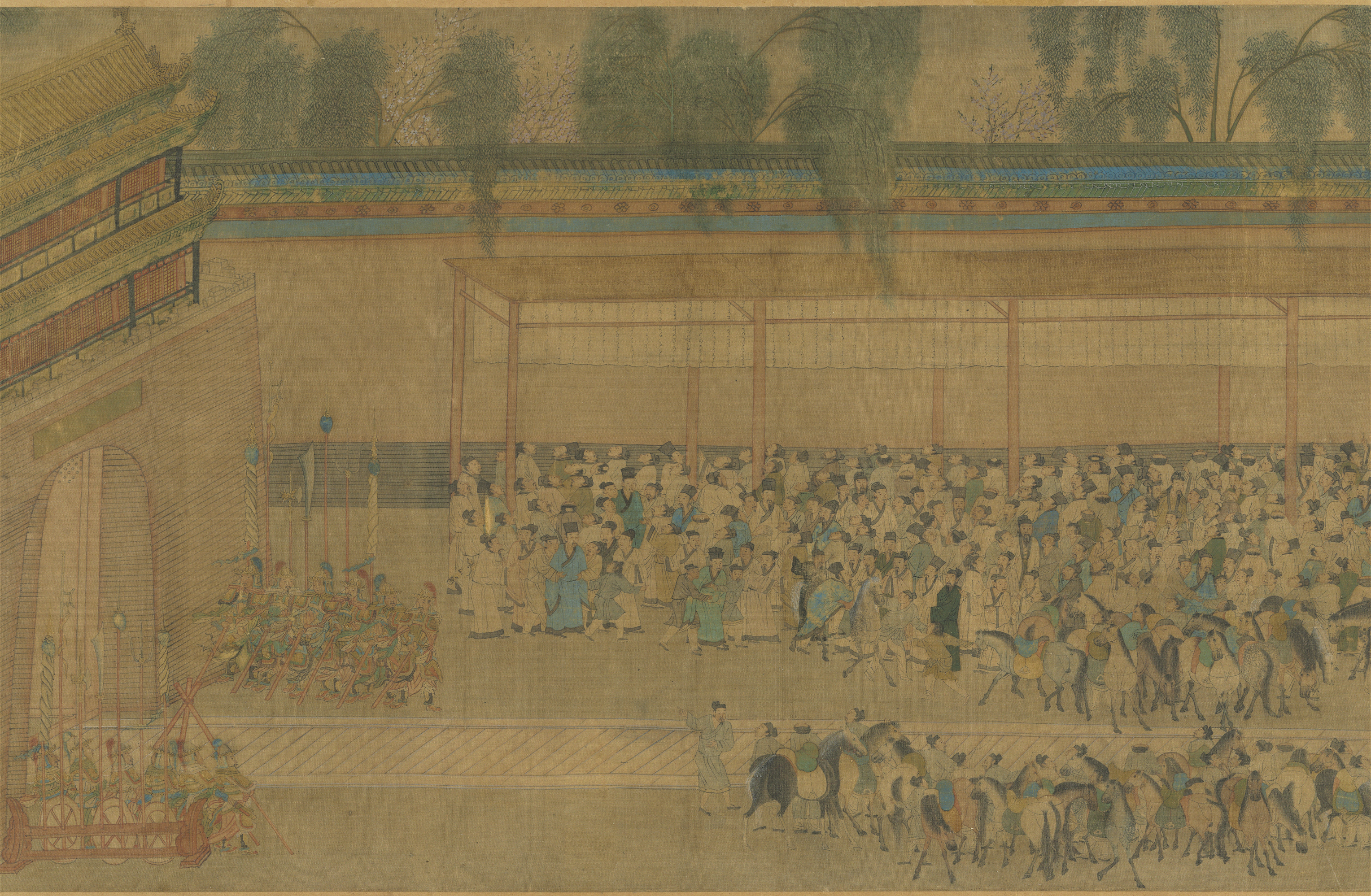


.jpg)
