Category: Reportage

  • MIL-OSI Global: Overshooting 1.5°C is risky – that’s why we need to hedge our bets

    Source: The Conversation – UK – By Carl-Friedrich Schleussner, Research Group Leader, International Institute for Applied Systems Analysis (IIASA)

    Further warming hugely increases the risk we will pass climate tipping points, such as the collapse of Greenland’s ice sheet. Michal Balada / shutterstock

    The global response to climate change has gained momentum since the 2015 Paris agreement, yet it remains inadequate to meet the scale of the challenge. That agreement established the goal of holding global warming to well below 2°C, and to pursue efforts to limit it to 1.5°C. To achieve this, greenhouse gas emissions should peak and decline as soon as possible.

    The latest reports of the UN Environment Programme, the International Energy Agency and others have suggested that we are on the cusp of global emissions peaking. However, halting the increase in annual emissions is only the first step. Failure to act earlier and more decisively to bring emissions down to net zero has made limiting global warming to 1.5°C an uncomfortably close call.

    The IPCC has looked at “pathways” to keeping 1.5°C in reach. In nearly all of these, temperature rises will exceed 1.5°C, after which warming is reversed by humanity removing more carbon from the atmosphere than it emits. This temporary breach of 1.5°C for at least a few decades is referred to as “overshoot”.

    In a recent study in the journal Nature, we discuss the pitfalls of being overly optimistic about the feasibility and safety of such temperature overshoot scenarios. Excessive confidence could lead to underestimating the risks associated with going over 1.5°C – even temporarily.

    There is a need to be clear about what climate science does and does not know about overshoot, and plan accordingly. This means that, while some risks can be directly reduced by global climate action, others may require additional measures. A responsible strategy to limit near- and long-term climate risks requires both stringent near-term emission reductions and to develop a large-scale carbon removal capacity.

    What if the planet warms more than we expect?

    Even if warming goes below 1.5°C after the overshoot, the impacts of climate change will not automatically and uniformly reverse. Overshoot comes with irreversible consequences for people and ecosystems, such as species extinction, and the world we return to will be different from the one we failed to safeguard.

    We can’t be certain how much warming a given amount of greenhouse gas emissions will lead to, and overshoot projections are often based on a best estimate. The IPCC, for instance, talks about high overshoot pathways exceeding 1.5°C “by 0.1–0.3°C”.

    But those numbers are just the middle of a wide range of possible outcomes. In reality, uncertainty about how some features of the Earth system will respond to warming, such as the carbon cycle, means that peak warming could be substantially higher – by up to 1°C or more. We cannot even rule out continuous warming after reaching net zero carbon emissions. Every fraction of a degree of warming counts – exceeding 1.5°C by as much as an additional 1°C would come with grave repercussions.

    We may have to remove billions of tonnes of carbon from the atmosphere.
    TR STOK

    A capacity to remove several hundred billion tonnes of CO₂ in this century might be needed to hedge against the risks of high warming outcomes, and to ensure we can bring warming back to 1.5°C once this has been exceeded.

    In fact, our results imply we might need close to 10 billion tonnes of CO₂ removal a year after 2050 (about 25% of current annual emissions). This would require a massive effort, but might just be possible with the rapid scaling up of a range of methods.

    These include well-known strategies such as restoring forests and wetlands and managing the soil better. But it also includes novel methods such as direct air capture technology, in which carbon would be sucked directly from the sky, or bioenergy and carbon capture and storage, which involves extracting CO₂ from the atmosphere and storing it underground.

    Some of these methods may not work out as envisioned due to technological, economic, social or sustainability limitations. But even if they do not work at the scale envisioned, or not at all, we still need to try.

    Limiting near- and long-term climate risks

    Because we can’t be certain exactly how much the climate will warm, we’ll need to limit the risks as much as possible.

    First, we must reduce emissions as fast as possible to slow down Earth’s temperature increase, limit peak warming, and reduce how dependent we ultimately are on removing large amounts of CO₂ to achieve net zero emissions.

    The Paris agreement accommodates such temperature reversal. Even if 1.5°C is exceeded, countries are obliged to hold peak temperatures to “well below 2°C” and to aim for long-term temperature decline.

    However, every fraction of warming will disproportionately make poor and vulnerable people suffer greater hardship, so delaying stringent emissions cuts is not a resilient strategy. The urgency to reduce emissions now should guide the next round of countries’ targets for cutting emissions that are due early next year.

    Second, we should consider hedging against high-risk, high-warming outcomes by building up our capacity to remove carbon and reverse warming. Just as governments hold strategic food and water reserves to weather unexpected disruptions, the world needs to develop the ability to remove large amounts of carbon from the atmosphere. But, given potential limits to how much carbon removal we can scale up in time, we also cannot afford to squander this capacity on any emissions that could be avoided in the first place.

    Investing in this kind of removal capability, on top of pursuing the most ambitious emissions cuts possible, is a no-regrets strategy. Should we have certainty that a more fortunate climate outcome will materialise, being able to remove this scale of carbon would enable us to bring temperatures down faster. And if the warmer side of our projections are realised, we will have put ourselves in a position in which we are best equipped to make temperatures decline again.

    Achieving temperature decline in the long run would limit longer-term climate impacts. For instance, in our study we showed that temperature decline could shave off about 40cm (and potentially up to 1.5 metres) of global sea level rise in 2300. This could be the difference between having a future or not for whole nations of people. It may also limit risks from triggering tipping points in the Earth system, such as the collapse of the Greenland ice sheet or currents in the Atlantic ocean.

    The high-risk outcomes of overshooting 1.5°C means we need to do more, not less, right now – and to focus on bringing temperatures back below 1.5°C in the long run.


    Don’t have time to read about climate change as much as you’d like?

    Get our award-winning weekly roundup in your inbox instead. Every Wednesday, The Conversation’s environment editor writes Imagine, a short email that goes a little deeper into just one climate issue. Join the 40,000+ readers who’ve subscribed so far.


    Carl-Friedrich Schleussner received funding from European Union’s Horizon 2020 research and innovation
    programme under grant agreement No 101003687 (PROVIDE).

    Gaurav Ganti received funding from European Union’s Horizon 2020 research and innovation programme.

    Joeri Rogelj received funding from European Union’s Horizon 2020 research and innovation programme.

    ref. Overshooting 1.5°C is risky – that’s why we need to hedge our bets – https://theconversation.com/overshooting-1-5-c-is-risky-thats-why-we-need-to-hedge-our-bets-241623

    MIL OSI – Global Reports

  • MIL-OSI Global: Russia is meddling in politics in Georgia and Moldova – trying to do by stealth what it is doing by war in Ukraine

    Source: The Conversation – UK – By Amy Eaglestone, PhD Candidate, University of Birmingham; Visiting Lecturer, Institute of Political Science, Leiden University

    Recent votes in the former Soviet states of Georgia and Moldova have been dogged by interference from Russian-backed elements. Both countries had previously aspired towards closer ties with western Europe and future membership of the EU. And in both countries there is a strong suggestion of influence from Moscow that could jeopardise those aspirations.

    The Moldovan government held a referendum on the country’s EU accession target for 2030 on October 20. Despite consistent polling suggesting that 60% of Moldovans support further integration, the referendum only passed by a slim majority of 50.4%.

    On the same day, the first round of Moldova’s presidential election saw pro-European incumbent Maia Sandu secure 41% of the vote. This was insufficient for an outright win. Sandu now faces a run off against her closest rival, pro-Russian Alexandr Stoianoglo, who garnered 26% of the first vote.

    In the run-off, Stoianoglo will be backed by the two other candidates, both them pro-Russian populists. This makes a Sandu reelection far from inevitable.

    Meanwhile, in Georgia’s parliamentary elections on October 26, Georgian Dream won its fourth consecutive term with 54% of the vote, its best result to date. It will allow the pro-Russia party to retain control of the government and continue the process of pulling the country further away from Europe and towards closer ties with Moscow.

    This is despite the fact that there has been consistently strong popular support for EU integration and growing dissatisfaction toward Georgian Dream’s increasingly pro-Russian policies.

    The difference between public opinion as expressed by independent polling in both Moldova and Georgia and the outcomes of these votes has raised suspicions of interference. These suspicions have been further corroborated by international and domestic election monitoring organisations raising concerns that the elections were not entirely free and fair.

    The pro-European camps in both Moldova and Georgia say Russia is behind this. There is a suggestion that these efforts are part of Russia’s multifaceted hybrid warfare. It’s a campaign aimed at destabilising these countries and hindering their European integration.

    Russia has long manipulated domestic fears and grievances. The Kremlin and its agents have strong influence over media, civil society organisations and the orthodox church.

    Both Moldova and Georgia also have a Russian military presence. In Moldova this is in the breakaway region of Transnistria, where there is a “peacekeeping force” of about 2,000 troops. Georgia has two pro-Russia breakaways making up 20% of the total land area of the country, Abkhazia and South Ossetia.

    The war in Ukraine has also heightened concerns in both both countries about Moscow’s ambitions towards them. Georgia’s ruling Georgian Dream party campaigned for a closer relationship with Russia.

    Its slogan, “No to war! Choose peace!” contrasted peace and alignment with Russia with being dragged into a war by the west. In Moldova opposition parties used similar rhetoric, calling for Russian protection and framing EU integration as a threat to national sovereignty. This resonated particularly among Russian-speaking populations.

    Russia’s influencers have also escalated cultural tensions in both countries. In Moldova, Moscow-backed opposition groups have rallied conservative segments of society to fight against governments efforts to introduce EU-aligned anti-discrimination legislation.

    Similarly, the Georgian Dream party introduced Russian-style anti-LGBTQ+ legislation in Georgia to appeal to the traditional family values of conservative and religious voters. By leveraging such issues, Russia has aimed to exploit people’s cultural concerns, to increase political polarisation, and to affect political choices.

    Follow the money

    But the most important way the Kremlin, or people associated with Russia, is interfering in the domestic politics of Georgia and Moldova is money. In the case of Moldova, fugitive pro-Moscow tycoon Ilan Shor (who lives in Moscow after being found guilty of fraud in Moldova) has been accused of bribery and helping orchestrate electoral fraud. Shor has denied any wrongdoing connected to the election.

    Georgian banking and tech billionaire Bidzina Ivanishvili one of the country’s wealthiest oligarchs, founded Georgian Dream in 2012. He has been described in one article as “the man who bought a country”. With a fortune worth the equivalent of 25% of Georgia’s GDP, he is thought to wield an outsize influence in the country’s politics, influence he reportedly uses to “tilt the country towards Moscow” (although some say he primarily furthers his own interests).

    Ivanishvili himself, announcing his return to mainstream politics in 2023 as the honorary chair of Georgian Dream, said the party’s role was to “protect our national identity, restore state sovereignty and territorial integrity, and transform Georgian into a high-income state till 2030 and bring it into the European Union”.

    In the conditions in these countries, individuals’ vast resources can be used unchecked for political activities. The influx of funds disadvantages opposing parties, who don’t have access to similar financial backing. They have created a lopsided political environment that favours Russian-aligned candidates.

    There is also a risk that informal or unchecked financing could also have funded election day irregularities. Reports of vote buying, ballot stuffing and violence at polling stations were observed in both countries.

    In one incident in Moldova captured by the BBC, a woman from Transnistria, where people still hold Moldovan citizenship, was filmed openly inquiring where she should go to receive payment for her vote.

    In Georgia, Ivanishvili’s influence allegedly extends to civil servants and the electoral commission as well as the judiciary, which rules on complaints of vote rigging. Claiming victory shortly after polls closed, Ivanishvili said: “It is a rare case in the world that the same party achieves such success in such a difficult situation.”

    The exact impact of Russian interference remains difficult to prove. But the dramatic apparent shifts in electoral sentiment are highly suggestive. This kind of election interference opens the door for autocratic leaders to gradually dismantle democratic institutions.

    This then allows them to enact further illiberal policies, such as the hated recent “foreign agents” law modelled after similar Russian legislation, which targets pro-democracy civil society organisations critical of the government.

    Moldovans are now preparing to vote in the run-off election on November 3, which will determine the immediate future of the country and could affect its future relationship with Europe. Many Georgians, meanwhile – led by the country’s president, Salome Zourabichvili – have taken to the streets to protest what Zourabichvili has called the “total falsification” of the vote.

    If she and Sandu are right, Russia – along with its supporters – appears to be trying to achieve, through this “hybrid warfare” in Georgia and Moldova, what it is striving for on the battlefield in Ukraine: regaining control over currently free nations that used to be Russia’s obedient satellites.

    Amy Eaglestone does not work for, consult, own shares in or receive funding from any company or organisation that would benefit from this article, and has disclosed no relevant affiliations beyond their academic appointment.

    ref. Russia is meddling in politics in Georgia and Moldova – trying to do by stealth what it is doing by war in Ukraine – https://theconversation.com/russia-is-meddling-in-politics-in-georgia-and-moldova-trying-to-do-by-stealth-what-it-is-doing-by-war-in-ukraine-242135

    MIL OSI – Global Reports

  • MIL-OSI Global: Gaza: can the UN suspend Israel over its treatment of Palestinians? It’s complicated, but yes

    Source: The Conversation – UK – By Aidan Hehir, Reader in International Relations, University of Westminster

    Where is the UN?” is a question that has often been asked since the start of Israel’s military offensive in Gaza. As the death toll rises and the conflict spreads, the UN appears woefully unable to fulfil its mandate to save humanity “from the scourge of war” – as it was set up to do.

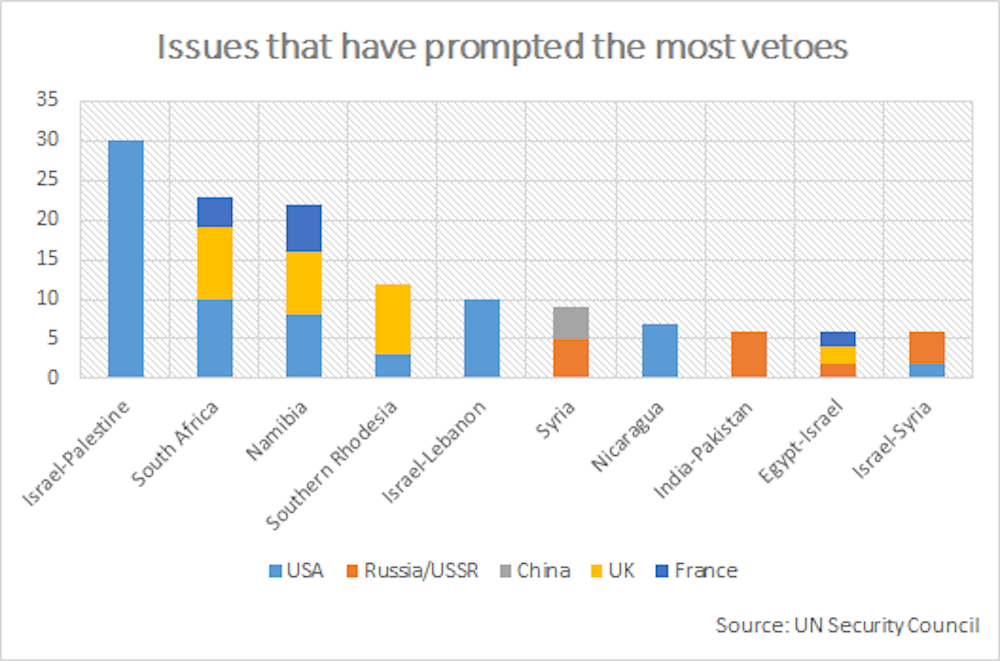
    While the UN secretary-general, António Guterres, has repeatedly condemned Israel – and been banned from the country for his pains – his pleas have been ignored. Attempts by the UN to sanction Israel have also failed. UN sanctions require the UN security council’s consent. The US has used its power as a permanent member to veto draft resolutions seeking to do so.


    Read more:
    Hard Evidence: who uses veto in the UN Security Council most often – and for what?


    There have also been calls to suspend Israel from the UN. On October 30, the UN special rapporteur on the right to food, Michael Fakhri, called on the UN general assembly to suspend Israel’s membership because, as he said: “Israel is attacking the UN system.”

    Francesca Albanese, UN special rapporteur on human rights in the Palestinian territories is reported to have told a news conference the same day that the UN should “consider the suspension of Israel’s credentials as a member of the UN until it ends violating international law and withdraws the ‘clearly unlawful’ occupation.”

    But suspending a member is more complicated and politically fraught than many appreciate.

    Israel and the UN

    For decades, Israel’s relationship with the UN has been fractious. This is primarily because of the UN’s stance on what it refers to as Israel’s “unlawful presence” in what it defines as
    “occupied territories” in Palestine. In the past 12 months of the latest conflict in Gaza, this relationship has deteriorated further.

    Many have argued that Israel has repeatedly violated UN resolutions and treaties, including the genocide convention during its campaign in Gaza. Some UN officials have accused Israel – and certain Palestinian groups – of committing war crimes. Israel has also come into direct conflict with UN agencies – some 230 UN personnel have been killed during the offensive, and many governments and UN officials have alleged that Israel deliberately targeted UN peacekeepers in Lebanon.

    But the enmity between Israel and the UN came to a head on October 28, when the Israeli parliament, the Knesset, banned the UN Relief and Works Agency for Palestine Refugees (Unrwa) from operating inside Israel, sparking a wave of condemnation.

    The UN’s powers

    Given this open hostility towards the UN, it is not surprising that some are now calling for Israel’s membership to be suspended.

    But can the UN legally suspend a member? The answer is yes. Under articles 5 and 6 of the UN charter a member state may be suspended or expelled if it is found to have “persistently violated the Principles contained in the present Charter”.

    But articles 5 and 6 both state that suspension and expulsion require the consent of the general assembly as well as “the recommendation of the security council”. As such, suspending Israel requires the consent of the five permanent security council members: the US, UK, China, Russia and France.

    And, given the US’s past record and current president Joe Biden’s affirmation of his “ironclad support” for Israel, this is effectively inconceivable. But while it is, therefore, highly unlikely that articles 5 or 6 will be invoked against Israel, there remains a potentially feasible option.

    The South Africa precedent

    At the start of each annual general assembly session, the credentials committee reviews submissions from each member state before they are formally admitted. Usually, this is a formality, but on September 27 1974, the credentials of South Africa – which was then operating an apartheid system – were rejected.

    Tanzanian ambasador to the UN, Salim A. Salim, announces that South Africa has been suspended fdrom the UN, November 1974.
    Teddy Chen/photograph courtesy of the United Nations

    Three days later, the general assembly passed resolution 3207 which called on the security council to, “review the relationship between the United Nations and South Africa in light of the constant violation by South Africa of the principles of the Charter”.

    A draft resolution calling for South Africa’s expulsion was eventually put to the security council at the end of October, but it was vetoed by the US, the UK and France.

    However, on November 12, the president of the general assembly, Algeria’s Abdelaziz Bouteflika, ruled that given the credentials committee’s decision and the passing of resolution 3207, “the general assembly refuses to allow the delegation of South Africa to participate in its work”. South Africa remained suspended from the general assembly until June 1994 following the ending of apartheid.

    It is important to note that South Africa was not formally suspended from the UN, only the general assembly. Nonetheless, it was a hugely significant move.

    A viable solution?

    Could the same measure be applied against Israel and would it be effective? The South Africa case shows it is legally possible. It would also undoubtedly send a powerful message, simultaneously increasing Israel’s international isolation and restoring some much needed faith in the UN.

    The 79th session of the UN general assembly began in September, so it’s too late for the credentials committee to reject Israel. But this could conceivably happen prior to the 80th session next year, if there was sufficient political will. But this is a big “if”.

    Though a majority of states in the general assembly are highly critical of Israel, many do not want the credentials committee to become more politically selective because they fear this could be used against them in the future. Likewise, few want to incur the wrath of the US by suspending its ally.

    As ever, what is legally possible and what is politically likely are two very different things.

    Aidan Hehir does not work for, consult, own shares in or receive funding from any company or organisation that would benefit from this article, and has disclosed no relevant affiliations beyond their academic appointment.

    ref. Gaza: can the UN suspend Israel over its treatment of Palestinians? It’s complicated, but yes – https://theconversation.com/gaza-can-the-un-suspend-israel-over-its-treatment-of-palestinians-its-complicated-but-yes-242559

    MIL OSI – Global Reports

  • MIL-OSI Global: Israel’s relations with the UN hit a new low with Unrwa ban

    Source: The Conversation – UK – By Lisa Strömbom, Ph D, Associate Professor, Lund University

    Israel’s relationship with the United Nations has historically been strained, but over the past year, tensions have reached new levels. On October 28, the Israeli parliament (the Knesset) passed a law to prohibit operations of the UN’s relief and works agency (Unrwa) – the UN body responsible for Palestinian refugees – within the territory it controls. It’s a legal and political development which many fear will have grave humanitarian consequences for Palestinians in Gaza and beyond.

    The decision also prompts questions about what lies ahead for the increasingly divisive relationship between the government of Benjamin Netanyahu and the UN. There is even speculation that the Unrwa ban could lead to Israel being expelled from the UN general assembly.

    Israel’s relations with the UN have long been fractious. But Unrwa has come in for particular criticism from successive Israeli governments over the years.

    The agency was set up in 1949 to support Palestinian refugees displaced during the 1948 Arab-Israeli war. What was originally intended to be a temporary agency has now operated for more than seven decades, thanks to the unending hostilities between Israel and the Palestinian people. In addition to humanitarian assistance, Unrwa provides education, healthcare and a range of social services to Palestinians in Gaza and the West Bank.

    Unrwa’s schools have been a particular bugbear for Israeli critics. It has been pointed out that textbooks provided by the Palestinian Authority and used in some Unrwa schools were “pivotal in radicalising generations of Gazans”. There have also been allegations that money intended to support Unrwa relief works has been finding its way to Hamas.

    But it was the alleged involvement of Unrwa employees in the October 7 attack on Israel, spearheaded by Hamas, that brought the issue to a head earlier this year. In January, Israel presented Joe Biden’s US administration with a dossier that purported to present evidence that 12 Unrwa staff had taken an active part in the attack. The UN announced it had dismissed the surviving staff named in the dossier – but the accusations led several countries to suspend their Unrwa funding.


    Read more:
    Gaza conflict: what is UNRWA and why is Israel calling for its abolition?


    Unrwa’s commissioner-general, Philippe Lazzarini, described the suspension of funding as a “collective punishment”. He said it would have grave consequences for Gaza’s civilians who were – and remain – at high risk of famine.

    An independent review set up by Lazzarini reported in April and found no evidence that the agency had been infiltrated by Hamas. Instead, it stressed how Unrwa’s work was an “indispensable lifeline” for civilians in Gaza and the West Bank. As a result, international funding of Unrwa was resumed by all countries but the US.

    At loggerheads

    Now Israel has gone a step further and banned Unrwa operations. This appears to be the latest blow in a campaign of hostility against the UN that has been years in the making.

    In recent years, Netanyahu’s anti-UN rhetoric has escalated considerably. In 2022, the UN general assembly (UNGA) voted in favour of a resolution calling for the International Court of Justice to give its opinion on Israel’s “prolonged occupation, settlement and annexation of Palestinian territory”. Netanyahu called the decision “despicable”. He refused to recognise the vote, saying:

    Like hundreds of the twisted decisions against Israel taken by the UNGA over the years, today’s despicable decision will not bind the Israeli government. The Jewish nation is not an occupier in its own land and its own eternal capital, Jerusalem.

    Netanyahu condemns ‘despicable’ UN vote.

    During the past year, as it has continued its assault on Gaza, Israel’s efforts to delegitimise the UN have also intensified. At the beginning of October, after Iran had launched a barrage of rockets at Israeli military installations, Israel barred the UN secretary general, António Guterres, from entering the country. Foreign minister Israel Katz commented: “Anyone who cannot unequivocally condemn Iran’s heinous attack on Israel … does not deserve to set foot on Israeli soil.”

    Meanwhile, units of the Israeli Defense Forces (IDF) have been involved in a number of incidents which have threatened the safety of UN peacekeepers in southern Lebanon (Unifil). The peacekeepers are there under a mandate to safeguard Lebanese civilians in the area, where Israel has been conducting what it calls its “military operation” since the beginning of October. Many scholars of international law believe the IDF’s actions could be interpreted as war crimes.


    Read more:
    Is targeting UN peacekeepers in Lebanon a war crime? Here’s what international law says


    This in turn led to a public spat with the French president, Emmanuel Macron. Calling on Israel to respect the neutrality of Unifil peacekeepers, Macron said Netanyahu should “not forget that his country was created by a decision of the UN” – to which Netanyahu replied:

    It was not the UN resolution that established the state of Israel, but rather the victory achieved in the war of independence with the blood of heroic fighters, many of whom were Holocaust survivors, including from the Vichy regime in France.

    The last clause was a pointed reminder that a section of the French government collaborated with the Nazi regime in the extermination of French Jews.

    International condemnation

    But it’s the decision to bar Unrwa from Israel that has drawn the harshest international criticism, and which threatens to further isolate the country diplomatically. The UN secretary general has been joined by the EU and US in urging Israel to reconsider.

    Washington has already been highly critical of what it describes as “Israeli efforts to starve Palestinians” in parts of Gaza, and the US and UK are both reported to be considering suspending arms sales to Israel.

    Amnesty International, meanwhile, said the law “amounts to the criminalisation of humanitarian aid and will worsen an already catastrophic humanitarian crisis”. But Israel has signalled it intends to hold firm, while insisting it will “continue to do everything in its power” to ensure that aid continues to reach “ordinary Gazans”.

    But the vast majority of Gaza’s population is now displaced. Most of the built infrastructure – including hospitals – has been destroyed. And Israel’s military operations are forcing most civilians out of the north of the Gaza Strip. So, the question now is whether the effective crippling of the largest international aid agency working in Gaza will simply make matters worse for the people living there.

    Lisa Strömbom does not work for, consult, own shares in or receive funding from any company or organisation that would benefit from this article, and has disclosed no relevant affiliations beyond their academic appointment.

    ref. Israel’s relations with the UN hit a new low with Unrwa ban – https://theconversation.com/israels-relations-with-the-un-hit-a-new-low-with-unrwa-ban-242512

    MIL OSI – Global Reports

  • MIL-OSI Global: Here and abroad, health-care workers bear witness to the world’s worst atrocities

    Source: The Conversation – Canada – By Suzanne Shoush, Indigenous Health Faculty Lead, Department of Family and Community Medicine, Faculty of Medicine, University of Toronto

    As a physician, I remember the first time I saw a child dying.

    She was in the pediatric intensive care unit, flown in from a remote First Nations community with her family on the way. Intubated and sedated to cope with the blisters covering her little body, she’d had three of her four limbs amputated — the result of a horrific meningococcal infection.

    I remember standing rooted to the ground, unable to walk away from her bedside, wanting more than anything to undo her suffering. This was long before I became involved in academic medicine as Indigenous Health Faculty lead for the Department of Family and Community Medicine at the University of Toronto, yet it profoundly shaped my understanding of suffering and the fragility of life.

    I was a medical student without a magic cure, but I needed to stay close to her simply so she wouldn’t be alone. I remember everything about those moments, from the rhythm of her breath to the stillness of her body.

    Around the world, health-care workers are trained to be observers and meticulously examine those before us, monitoring life and death with intense attention. We witness with a required objectivity, documenting and responding with specificity. We encounter incredibly difficult moments, but the ones involving children are particularly engraved in our minds.

    The horrific situation in Gaza

    I have been considering what health-care workers are experiencing in Gaza, “the world’s most dangerous place to be a child,” according to UNICEF.

    Every single day, they bear witness to a reality that the New York Times has deemed “too horrific for publication” as it declines to print images of dozens of children with gunshot wounds to the head, neck and chest.

    These images came from health-care providers, documenting the time they spent in Gaza to provide desperately needed medical care in a place where nearly half the population is children.

    They’re fighting daily to stem the tsunami of death that has often been referred to as the world’s first live-streamed genocide. With unimaginable determination and exhaustion, they are treating tens of thousands of children, some who have been mortally wounded and maimed due to indiscriminate bombing and sniping. These young people have been starved and terrorized by what the United Nations has called a war on children.

    This crisis also constitutes a war on health care as hospitals in Gaza have been attacked, besieged, burned or decimated. Hundreds of Palestinian health-care workers in Gaza and the Occupied West Bank have been killed and countless more have been injured or abducted. Human Rights Watch says some have been subjected to torture.

    Burning alive

    A UN inquiry recently accused Israel of systematically destroying Gaza’s health-care system, amounting to a “crime of extermination.

    A distressing video captured the agonizing moment as a patient, still tethered to his IV, was seen burning alive in his hospital bed, sparking global outrage.

    Hours after it went viral, Israel banned several Canadian and American medical aid organizations from entering Gaza to provide critical emergency support — crippling the ability of health-care workers to not only support their Palestinian colleagues in providing life-saving care, but also to document what is happening in Gaza.

    Because foreign journalists are barred from entering Gaza and Palestinian journalists have been targeted and killed at an unprecedented rate, much of what the public knows about Gaza is coming from health-care teams.

    Over the past year, health-care professionals have had to learn new terminology to describe what is happening in Palestine: scholasticide, sophicide, domicide and ecocide.

    Parallels in Turtle Island

    The plight in Gaza resonates with the historical experiences of the Indigenous Peoples of Turtle Island. As an intergenerational survivor of the Indian Residential School System, I am acutely aware of the power dynamics inherent in silence and the systemic erasure that often accompanies genocide.

    Canada recently observed the fourth National Day for Truth and Reconciliation, a time when the nation grapples with the ongoing impact of atrocities committed against Indigenous peoples.

    My work focuses on examining and understanding health practices and structures to better understand how to create anti-racist and anti-oppressive spaces for colleagues, learners and patients within our health-care systems, including how to engage Indigenous communities to propose and shape strategies.

    Polish jurist Raphael Lemkin coined the term “genocide,” identifying the techniques employed during genocide in eight areas: political, social, cultural, economic, biological, physical, religious and moral. Such systemic and immense violence is foundational to settler colonialism, and children bear the harshest brunt of the requisite dehumanization.

    Many of the atrocities against Indigenous people in Canada were carried out against Indigenous children, legitimized and legalized under the Indian Act — the blueprint for racial oppression within a democracy — and further enabled and enforced through secrecy, segregation and silence.

    Notable among the historical witnesses to these atrocities was Dr. Peter Bryce, a physician who documented the shocking mortality rates and abuses experienced by Indigenous children within the residential school system.

    A CBC report on Peter Bryce, a whistleblower on residential schools. (CBC News)

    As chief medical officer for the Department of Interior and Indian Affairs, Bryce went public with his findings.

    He was subsequently ostracized from the government and medical community and forced to retire. Defiantly, he went on to publish his findings in a report titled “The Story of A National Crime” in 1922.

    One hundred years later, his report remains a critical document for understanding the acts of genocide inflicted upon Indigenous Peoples.


    Read more:
    Residential school system recognized as genocide in Canada’s House of Commons: A harbinger of change


    Listening to health-care workers

    Bryce’s outspokenness shows that the voices of health-care workers are vital because we possess unique insights into the humanitarian crisis that unfolds in regions of conflict.

    They have a direct impact in areas of conflict due to their ability to provide care — and bear witness. What health-care workers are experiencing in Gaza is becoming incompatible with human life.

    Meaningful change will only emerge through an end to military aid, arms transfers and diplomatic cover for Israel, especially given it faces serious allegations from two international courts of genocide, war crimes and crimes against humanity.

    An immediate ceasefire and the lifting of the illegal blockade of Gaza are essential to enable health-care teams to provide critical life-saving care and to bear witness to the ongoing suffering.

    For me, personally, I carry the legacy of my ancestors as they watch down on me. Their survival of the horrors of the residential school system compel me — as a health-care professional — to break the silence around those suffering in Gaza.

    Suzanne Shoush does not work for, consult, own shares in or receive funding from any company or organisation that would benefit from this article, and has disclosed no relevant affiliations beyond their academic appointment.

    ref. Here and abroad, health-care workers bear witness to the world’s worst atrocities – https://theconversation.com/here-and-abroad-health-care-workers-bear-witness-to-the-worlds-worst-atrocities-242076

    MIL OSI – Global Reports

  • MIL-OSI Global: With Tucker Carlson, Elon Musk and Donald Trump, Republicans’ ‘strict father’ has become the creepy uncle

    Source: The Conversation – USA – By Karrin Vasby Anderson, Professor of Communication Studies, Colorado State University

    Tucker Carlson at the Trump campaign rally at Madison Square Garden on Oct. 27, 2024. Anna Moneymaker/Getty Images

    When Tucker Carlson, the reactionary pundit fired in 2023 from Fox News, preceded Donald Trump at the Turning Point rally in Duluth, Georgia, on Oct. 23, 2024, he roused attendees by tacitly likening Trump to a stern father and Democrats to a rebellious, “hormone-addled, 15-year-old daughter.” Carlson insisted, “there has to be a point at which Dad comes home.”

    After the crowd erupted with cheers and applause, Carlson continued:

    “Dad comes home and he’s pissed. Dad is pissed. He’s not vengeful. He loves his children. Disobedient as they may be, he loves them. Because they’re his children. They live in his house. But he’s very disappointed in their behavior. And he’s going to have to let them know.”

    Initially, to a political communication scholar like me who studies gender and political leadership, the riff sounded like it was shaped by a political philosophy identified by linguist George Lakoff in the 1990s. That philosophy embraced the “strict father” model of governance, in which the government is akin to a stern patriarch who enforces obedience through punishment and cultivates the self-reliance necessary for people to live without a social safety net.

    Lakoff attributed this philosophy to Republican presidents like Ronald Reagan and, later, George W. Bush, as well as to the GOP’s rank and file.

    But Carlson’s strict father departed from Lakoff’s version in an important way. According to Lakoff, the strict father’s moral authority is rooted in a personal ethic of self-discipline, temperance and restraint – characteristics he seeks to impart to those he is charged with protecting.

    Carlson’s strict father morphed into an unrestrained leader who takes pleasure in the pain of those he subordinates. As the crowd egged him on, Carlson role played:

    “And when Dad gets home, you know what he says? You’ve been a bad girl. You’ve been a bad little girl and you’re getting a vigorous spanking, right now. And, no, it’s not going to hurt me more than it hurts you. No, it’s not. I’m not going to lie. It’s going to hurt you a lot more than it hurts me. And you earned this. You’re getting a vigorous spanking because you’ve been a bad girl.”

    In Carlson’s re-telling, the MAGA Republican patriarch becomes a sadist who achieves pleasure by inflicting pain on an infantilized, feminized and vulnerable Democratic opponent. It was a perversion of an already sexist theory of governance.

    Tucker Carlson at a Turning Point rally on Oct. 23, 2024, in Duluth, Ga., said that when ‘dad gets home,’ he’ll tell his daughter ‘You’ve been a bad little girl, and you’re getting a vigorous spanking right now.’

    ‘Sexism, sadism and sexualization’

    In my research, I’ve examined how sexism, sadism and sexualization often coalesce in mainstream political discourse aimed at women candidates and women voters.

    As the 2024 presidential campaign heads into the home stretch, Trump and the acolytes who surround him have offered racist and sexist grievances propelled by vulgarity as their closing argument.

    On October 25, Elon Musk’s pro-Trump PAC posted an ad to the @America X account that Musk commandeered, with the warning: “America really can’t afford a ‘C-Word’ in the White House right now.”

    The ad opens with a content advisory: “WARNING: THIS AD CONTAINS MULTIPLE INSTANCES OF THE ‘C WORD.’ VIEWER DISCRETION IS ADVISED.”

    The narrator announces, “Kamala Harris is a C word,” as an off-screen audience gasps. The voice continues: “You heard that right. A big ole C word.”

    The ad accuses Harris of being a “tax-hiking, regulation-loving, gun-grabbing” – then the narration pauses to reveal a cat in a Soviet military uniform against a bright red background. The cat swiftly transforms into a picture of Harris in a Soviet-style fur hat while the ad reveals that the “C word” is “Communist” for “Comrade Kamala.” So she’s a tax-hiking, regulation-loving, gun-grabbing … Communist.

    The New York Times reported that, despite the final reveal, “the setup is an obvious play on a far more vulgar term that begins with the same letter – an insult against women that is one of the most obscene words in American English.” The ad’s depiction of Harris as a cat – a pussycat – is a decidedly unsubtle echo of the implied insult.

    A history of insulting women

    It’s not the first time that a Trump ally has invoked “the C word” to insult a woman running for president.

    In 2008, Trump’s friend, associate and future campaign strategist Roger Stone launched a PAC called “Citizens United Not Timid: a 527 Organization To Educate the American Public About What Hillary Clinton Really Is.” The important letters were bolded on the image Stone emblazoned on T-shirts: “C-U-N-T.”

    Fixating on women politicians’ private parts is, sadly, nothing new. I’ve written about it in books, scholarly articles, and for the popular press. But in a recent stump speech in Latrobe, Pennsylvania, Trump told a story about the size of professional golfer Arnold Palmer’s penis, ostensibly as a way to connect with audience members in Palmer’s birthplace of Latrobe.

    The anecdote was more than a casual aside. It was a performance of patriarchal authority.

    Trump said, “Arnold Palmer was all man, and I say that in all due respect to women.” His voice then turned guttural as he insisted, “And I love women, but this guy, this guy, this is a guy that was all man. This man was strong and tough.” Trump then explained, “when he took showers with the other pros they came outta there they said ‘oh my god, that’s unbelievable.’”

    Trump’s choice to inject “locker room talk” into his campaign discourse is a reminder of the Access Hollywood recording that surfaced in 2016 and featured Trump bragging about “try[ing] to f—” a married woman, “mov[ing] on her like a bitch,” and grabbing women “by the pussy,” without consent.

    ‘You will be protected’

    Trump flouts consent whether he is the aggressor or the ostensible protector. In an attempt to appeal to women voters, Trump recently added a promise to his stump speech: “You will no longer be abandoned, lonely or scared. You will no longer be in danger … You will be protected, and I will be your protector.”

    Predictably, that paternalistic refrain earned so much scorn, even his own advisers asked him to stop saying it.

    Trump’s response was telling. On Oct. 30, he told a rally audience that he refused his staff’s suggestion, saying, “I said, well, I’m gonna do it whether the women like it or not.”

    Doing it whether women like it or not is MAGA Republicans’ closing argument in the 2024 campaign. They’ve abandoned the “strict father” and become the creepy uncle.

    Karrin Vasby Anderson does not work for, consult, own shares in or receive funding from any company or organization that would benefit from this article, and has disclosed no relevant affiliations beyond their academic appointment.

    ref. With Tucker Carlson, Elon Musk and Donald Trump, Republicans’ ‘strict father’ has become the creepy uncle – https://theconversation.com/with-tucker-carlson-elon-musk-and-donald-trump-republicans-strict-father-has-become-the-creepy-uncle-242622

    MIL OSI – Global Reports

  • MIL-OSI Global: Why the chancellor’s plan to unlock billions of pounds of government investment is such a gamble

    Source: The Conversation – UK – By Steve Schifferes, Honorary Research Fellow, City Political Economy Research Centre, City St George’s, University of London

    Perhaps the most important long-term change announced in the first Labour budget are the new rules the government has set itself to fund the expansion of public services and increase public investment. These fiscal rules, which set out how much the government can borrow and spend, are seen as critical to reassuring the markets and the public that the government is sensibly managing the economy.

    Labour has long claimed that former prime minister Liz Truss casting aside the rules to introduce unfunded tax cuts in 2022 wrecked the British economy and left families worse off with higher mortgage and borrowing costs. Chancellor Rachel Reeves came into office determined to show that Labour would be fiscally responsible.

    The government says this budget will make working families better
    off. In its own analysis, it shows that only the top 10% of the income distribution are made worse
    off (by 1%) by the plans. The poorest households gain the most (by 5%). However, this analysis counts benefits from the big increase in public spending on areas like health and education, which tend to be used more (relative to their income) by poorer households.

    Actual cash income offers a different picture. Spending watchdog the Office for Budget Responsibility (OBR) argues that 75% of the change to employers’ national insurance will be passed on to workers in lower wages (although the minimum wage will be boosted by 6.7% to £12.21 an hour). And there is very little for the working poor or those outside the labour market on universal credit (although pensioners have been protected).

    This budget was delivered against the background of two big challenges that need urgent action: the parlous state of the public sector after years of austerity, and the very slow growth of the UK economy, which has meant little increase in real incomes.

    To deal with these two issues, Reeves made some big changes to the previous government’s fiscal rules. This will give her space to borrow more money to finance public investment – spending on things like roads, hospitals and emerging industries that should feed into economic growth.

    Finding the money

    She has done this firstly by changing the so-called “fiscal mandate”, which relates to how much the government can borrow in any individual year. Under the new rule, within three years the government must get as much back in taxes as it spends (excluding investment).

    It is the need to meet this rule that means the government has to raise taxes by £40 billion (more than half from the increase in employers’ national insurance contributions) to fund the spending needed to run the NHS, education and other public services.

    But the government has another rule to prevent the total amount of government debt becoming too large compared to the size of the economy as a whole (GDP). Here the chancellor has chosen to change how government debt is defined, adding some more government financial assets, such as money put aside for local government pensions and student loans, to set against the outstanding amount being borrowed.

    This has given her the room to borrow an extra £50 billion a year for investment, although she plans to use only half of that. The hope is that more public investment will both boost the economy (for example, by providing more roads and green energy) and improve public sector productivity (by providing things like more schools, health centres and scanners).

    Investment in equipment would lead to increased productivity within the NHS.
    l i g h t p o e t/Shutterstock

    The OBR has judged that Reeves will meet her self-imposed rules within three years, despite the huge £70 billion increase in government spending. But it warns that the margin for error is quite small for both measures. The OBR also suggests that the economic benefits of increased public investment could take a long time to materialise, well beyond the five-year forecast period.

    There are other risks to Reeves’ strategy. The cost of borrowing could go up if those financial institutions that lend the government money demand a higher interest rate.

    The OBR projects that the government will be spending £100 billion a year on debt interest payments for each of the next five years. While the large increase in government spending and borrowing will initially boost the economy, it also means inflation is likely to stay slightly higher as more money is pumped into the economy. This, of course, could slow the rate at which the Bank of England cuts interest rates.

    Gains for the population as a whole over the five-year parliament appear to be modest, with the second smallest rise in household income of any recent parliament of just 0.5%. This is driven by OBR projections that the budget will not initially boost growth very much despite greater borrowing.

    And if the economy does not grow as much as hoped, the government may need more money to meet its day-to-day costs – especially as much of the new money has been front-loaded to be spent in the next two years. This would necessarily increase taxes even further.

    The fiscal rules mirror Labour’s political dilemma, the need for short-term pain in order to get long-term gains in improved public services, a more productive economy and higher incomes and living standards. What is not clear is how long the public will wait to see results.

    If, by the end of the parliament, people don’t feel like they have more in their pockets despite all the additional spending then Labour’s credibility could be in jeopardy.

    Steve Schifferes does not work for, consult, own shares in or receive funding from any company or organisation that would benefit from this article, and has disclosed no relevant affiliations beyond their academic appointment.

    ref. Why the chancellor’s plan to unlock billions of pounds of government investment is such a gamble – https://theconversation.com/why-the-chancellors-plan-to-unlock-billions-of-pounds-of-government-investment-is-such-a-gamble-242556

    MIL OSI – Global Reports

  • MIL-OSI Global: Four ways Mohamed Al Fayed silenced whistleblowers in his organisation

    Source: The Conversation – UK – By Kate Kenny, Professor of Business and Society, University of Galway

    Mohamed Al Fayed owned the luxury goods department store Harrods from 1985 to 2010. Fred Duval/Shutterstock

    On the first anniversary of former Harrods owner Mohamed Al Fayed’s death, more than 20 women accused the billionaire of rape, sexual assault or harassment while they worked at his luxury department store. Many had been in their late teens and early twenties at the time.

    Since then, a further 65 women have come forward to the BBC with allegations dating back as far as 1977, and 40 people are reported to have contacted the police.

    How did Al Fayed silence potential whistleblowers for such a long time? I’ve researched whistleblowing in organisations for almost 15 years. Looking at the allegations made against him, four apparent strategies stand out as textbook examples of how leaders can suppress dissent to continue their terrible behaviour – even today.

    1. The organisation as a fortress

    As the chairman-owner of Harrods, Al Fayed could wander around its swanky shopping halls and oak-panelled offices as he pleased. And it appears he looked for women to target as he did so.

    Security guards had their role, in some cases reportedly turning a blind eye to distraught and dishevelled women leaving Al Fayed’s apartments and houses after attacks. HR people might likewise focus on recruiting certain women – like the security staff, they were just getting on with their work.

    That is the thing about bureaucracies, as philosophers from Hannah Arendt to Max Weber have highlighted. Staff are not responsible for the outcome. They just need to do their job.

    My research on whistleblowing in financial services shows clearly that the kind of blind rule-following many organisational roles require stops workers questioning the big picture and acting ethically by stepping in.

    2. Hi-tech surveillance

    The IRA bomb that exploded in Harrods’ car park in 1983 led to a top-notch system of surveillance being installed by its then owners.

    So, when Al Fayed bought the store two years later, his need for control was satisfied with cameras and recording systems. Eventually, everyone working at Harrods apparently knew about the system, which appears to have stopped them talking to each other about Al Fayed’s behaviour.

    Shockingly, the former Harrods owner appears to have extended this surveillance to the very bodies of the women he targeted. Doctors associated with the company were said to administer mandatory gynaecological examinations to female staff. Fayed was reportedly sent their test results. This meant he had eyes on his workers, bodies and all.

    Today, with things like social media and the ability to share large amounts of data rapidly, it is more difficult for organisations to keep information in-house. And so, we have seen a rapid growth in insider threat detection – using technology like keystroke monitoring, where every keystroke on a computer is tracked without the user’s knowledge, to identify potential leaks.

    A byproduct has been a “chill effect” on workers speaking out about wrongdoing they see in their organisations – something that has been highlighted by the UN as a problem for society.

    My research alongside other academics into whistleblowing in healthcare, engineering and government shows one thing clearly: if trust in the organisation is lacking and workers do not feel protected against potential reprisals, they stay silent. Overt surveillance deters disclosures of organisational abuses.

    Al Fayed was said to prowl Harrods on the hunt for women to target.
    DaLiu/Shutterstock

    3. Legal pressure

    The “non-disclosure agreement plus settlement payoff” tactic that Al Fayed employed with a number of Harrods staff was straight out of the Harvey Weinstein playbook. The disgraced film producer used non-disclosure agreements systematically to silence survivors.

    While non-disclosure agreements are not allowed to be used to stop workers reporting possible crimes or serious wrongdoings, a frightened 20-year-old is not likely to know this.

    In the case of Al Fayed, when Vanity Fair magazine published victims’ testimonies and allegations of serious criminality, his lawyers knew the solution. Keep the legal pressure on until the magazine settled.

    The use of legal tools to silence whistleblowers is one of the biggest concerns for researchers today. From “Slapp” suits – strategic lawsuits against public participation, filed against people who speak out – to inappropriate use of non-disclosure agreements, defensive organisations increasingly turn to the law in public whistleblowing cases. As analysis of the case of whistleblowers at the disgraced blood testing firm Theranos made clear, often the threat of legal action is enough to keep a worker silent.

    4. Dehumanise targets

    Al Fayed, we are told, would chuckle as he openly groped women. One woman reported his laughter after an attempted rape at his Villa Windsor in Paris, when he fell on the floor after she pushed him off.

    Most people would not find humour in such situations, unless they don’t see their victims as “real people”.

    But the likelihood of targets speaking out is, again, slim. A very young person told they are worthless, treated as such, and reminded of it regularly by colleagues and bosses, is not best placed to speak up. Our research with other survivors in work organisations shows how the experience of sexual violence and harassment can leave them vulnerable. They find disclosure of the abuse intolerable without empathetic and supportive colleagues.

    In an organisation designed to prevent workers discussing their concerns together – as Harrods appears to have been – the solidarity required to speak out and be protected through the collective is utterly absent.

    Harrods’ current owners have said they are “appalled” at the allegations, and the business has reached settlements with many of the people who have complained.

    When executing a campaign of “attack, isolate and silence”, money and influence can buy predators a lot of leeway, as other high-profile abusers like Weinstein and Jimmy Savile figured out. But the key thing is the organisation. With the right PR, surveillance, HR and lawyers to take legal action should stories get published, predators will be safe. The secret stays kept – until, one day, people have finally had enough.

    Kate Kenny does not work for, consult, own shares in or receive funding from any company or organisation that would benefit from this article, and has disclosed no relevant affiliations beyond their academic appointment.

    ref. Four ways Mohamed Al Fayed silenced whistleblowers in his organisation – https://theconversation.com/four-ways-mohamed-al-fayed-silenced-whistleblowers-in-his-organisation-240936

    MIL OSI – Global Reports

  • MIL-OSI Global: Recruiting the world’s first disabled astronaut doesn’t mean space travel is inclusive – here’s how to change that

    Source: The Conversation – UK – By Sean Cullen, Lecturer in Engineering Manufacturing, College of Engineering, Design and Physical Sciences, Brunel University of London

    In the past, spaceflight was the preserve of government-funded astronauts who had to meet stringent physical, cognitive, psychological and social requirements for selection. But in recent years, that has all been changing.

    In September 2024, two non-professional astronauts completed the first privately funded spacewalk, using the Crew Dragon spacecraft built by Elon Musk’s company SpaceX. Meanwhile, Houston-based private company Axiom Space is conducting regular flights to the International Space Station (ISS), carrying a mixture of government-funded astronauts and paying customers.

    In the last few years, nearly 100 people have become private astronauts through the space tourism companies Blue Origin, operated by Jeff Bezos and Virgin Galactic, by Sir Richard Branson. While the price of a seat on these vehicles remains out of reach for most of us, prices are expected to drop as more players enter the market.

    Despite the rapid growth in the number of space travellers, underrepresented population groups are still left behind, particularly those with disabilities. So how can space agencies and “space tourism” companies make spaceflight more inclusive for disabled astronauts?

    The European Space Agency (Esa) recently recruited John McFall, who lost his right leg aged 19, as the world’s first disabled astronaut. McFall, who is a surgeon and former paralympic sprinter, will participate in a feasibility study to improve understanding of, and overcome, the barriers that spaceflight presents for astronauts with physical disabilities.

    Esa’s most recent selection of astronauts was entirely of white European background, showing how far things still have to go. But its move to recruit McFall marked a significant milestone towards a more inclusive approach to spaceflight.

    Designing effective systems for the inclusion of disabled people is a longstanding challenge on Earth – and space presents a whole new paradigm. The very specific demands of spaceflight mean we can’t assume that traditional adjustments and assistive technology will work beyond Earth’s atmosphere. So, making spaceflight more inclusive requires looking at each step of going into space.

    Astronaut training is a complex process, designed to simulate the space environment and enable candidates to perform well under a variety of conditions they may encounter in orbit. But in many cases, the training facilities are not well designed for individuals with physical or sensory impairments.

    For example, in order to get on the plane that flies in an arc to simulate microgravity (colloquially referred to as the “vomit comet”), astronauts must climb a set of stairs, which presents a hurdle to anyone with a mobility impairment. Ironically, impairments that restrict the use of stairs on Earth might be much less of a restriction once in space.

    Spacecraft and space suit design will be another key focus. The space suits onboard the ISS were originally designed with male astronauts in mind, meaning that female astronauts have to “make do” with what is there. This has caused challenges as the number of female astronauts has risen.

    Older spacesuits were designed with male astronauts in mind.
    Nasa / Mike Hopkins

    In 2019, Nasa had to postpone the first all-female spacewalk because the torso of a space suit was too large for one of the spacewalkers. The Moon suit developed by Axiom Space in collaboration with Italian fashion house Prada is a step towards inclusivity, with anthropomorphic sizing to accommodate a wide range of crew members. Yet, future disabled astronauts might still encounter challenges if they have differences in their limbs or impairments to their dexterity.

    Interestingly, the new SpaceX Extra Vehicular Activity (EVA) suits have something called “embedded modularity” – each section of the suit is customised to the intended astronaut, and all sections fit together. While intended to help with joint positioning, these suits present a unique opportunity to support disabled astronauts with limb differences.

    Inclusive suits could include a single fixed leg portion for individuals with paralysis, and removable parts for those with limb differences. Haptic gloves could provide tactile feedback through the space suit for astronauts with limb differences.

    For individuals with visual impairments, incorporating augmented reality (AR) heads-up displays (transparent displays that show the user data overlaid over their environment) and AI-powered image-to-voice software that can translate purely visual information into audio explanations could make a huge difference.

    Technological support similar to the app “Be My Eyes”, pairing sighted assistants with visually impaired people to help explain their environment, could also find uses in spacesuits.

    Exercise equipment need adjustments to allow them to be used by disabled astronauts.
    NASA

    Thriving in space

    An often overlooked part of astronaut life is maintaining physical fitness through intensive exercise regimes. Exercise is required because both muscle and bone waste away quickly in microgravity – but the fitness equipment aboard the ISS, such as the treadmill and bike, is difficult to adapt for disabled people. Both require use of both feet to operate.

    Re-engineering the systems for exercise, eating, working, going to the toilet and other essential activities is critical for enabling disabled astronauts to thrive in space.

    Assistive technologies that could be used inside a spacecraft, as opposed to within a spacesuit, are continually evolving and taking many forms. As such, there are always opportunities to improve the environment on a space mission to make it more inclusive for disabled astronauts.

    Examples could include virtual reality (VR) for use in ground training, smart prosthetics that enable the completion of complex tasks, and computer vision with AI guiding visually impaired astronauts.

    Policies implemented by space agencies have traditionally been exclusionary, focusing on able-bodied individuals and ignoring the potential of those who are different. And while some space agencies are establishing advisory committees and promoting diversity, this work is often limited to narrow purposes within these agencies.

    Despite the UK and many other countries having specific laws to reduce discrimination in the workplace, the international nature of the space sector can cause difficulty. For this reason, policies mandating inclusion and equity across the space sector are crucial. Most importantly, space agencies should ensure adequate funding and resources to support any inclusion initiatives and work with disability advocacy groups.

    Often, the root causes of inclusion barriers are a lack of understanding or awareness of disabilities. In many cases, consulting and involving disabled people in decision-making processes reduces these barriers. It is essential the space sector recruits individuals from diverse backgrounds to begin with.

    Although the concept of “diversity quotas” has historically been divisive, the first place to start is to understand the diversity both of current and potential space travellers. Publicising diversity statistics can help hold agencies accountable, and encourage initiatives aimed at greater inclusion.

    There remains a lot to do, but with a collaborative approach, the new commercial space race could act as a shining example to the rest of the world in its approach to disability.

    Sean Cullen receives funding from the Engineering Design and Physical Sciences Research Council (EPSRC). This project specifically was funded through the Brunel Research Interdisciplinary Lab (BRIL). He is affiliated with the Space 4 All community.

    Ezgi Merdin Uygur receives funding from the Marketing Trust and the British Academy / Leverhulme.

    Vanja Garaj currently receives funding from Engineering and Physical Sciences Research Council (EPSRC), Science and Technology Facilities Council (STFC) and Research England.

    ref. Recruiting the world’s first disabled astronaut doesn’t mean space travel is inclusive – here’s how to change that – https://theconversation.com/recruiting-the-worlds-first-disabled-astronaut-doesnt-mean-space-travel-is-inclusive-heres-how-to-change-that-242397

    MIL OSI – Global Reports

  • MIL-OSI Global: Japan election: voters took aim at an untrustworthy government beset by scandal

    Source: The Conversation – UK – By Julie Gilson, Reader in Asian Studies, University of Birmingham

    Japan’s ruling Liberal Democratic party (LDP) suffered a severe blow on October 27 when, alongside its smaller coalition partner, Komeito, it lost its majority in a snap general election. The ruling coalition took 215 seats, fewer than the 233 required, with the centre-left opposition Constitutional Democratic party making big gains.

    Prime Minister Shigeru Ishiba called the election after winning his bid for party leadership in September. He had hoped to cement his position and draw a line under the tenure of his predecessor, Fumio Kishida, who had stepped down earlier that month amid a string of corruption scandals and public discontent over the rising cost of living.

    Ishiba has admitted that voters, who turned out in their third-lowest numbers in Japan’s post-war era, have dealt the LDP a “severe judgment”. But he has vowed to continue ruling the country.

    For its part, the opposition is not unified and therefore not in a position to offer a viable alternative. However, the ability of Ishiba’s government to push through the changes it needs to win back voter support will be severely restricted if the LDP fails to enter into coalition or garner key allies on particular issues.

    The LDP sits at the heart of the so-called “1955 system”, which has seen the party retain almost uninterrupted government control since the end of the second world war. But recent events have rocked Japanese politics.

    At the end of 2023, the public became aware of funding scandals involving dozens of LDP politicians. They were found to have diverted over ¥600 million (£3 million) of campaign donations into slush funds without recording the transactions as they were legally required to do.

    These scandals involved cabinet ministers and close allies of Kishida, who had already faced criticism over their links with the controversial Unification church. The church, whose members are commonly known as the Moonies, has been called a “dangerous cult” by its critics and is accused of exploiting its members financially.

    Japan’s former prime minister, Shinzo Abe, was shot dead in July 2022 by a man who said he held the church responsible for bankrupting his family. Abe was not a member of the church, but his grandfather was a key figure in its establishment in Japan in the 1950s. Kishida ordered party members to end their ties with the church in the aftermath of Abe’s assassination.

    These scandals have taken place against the backdrop of rising prices, stagnant wages and a generally sluggish economy. Consumer price inflation accelerated to 3% in August, a ten-month high. The dreary outlook contributed to voter disillusionment.

    According to a survey by Tokyo-based news agency Kyodo News, the approval rating of Ishiba’s cabinet fell to 32.1% after the vote, from its pre-election rating of 50.7%.

    The electorate has expressed its doubt that a new government could end the distrust caused by the scandals. Rebuilding this trust will only become harder as the yen continues to fall, and Japan’s economic uncertainty, ageing population, and disaffection among young voters persist.

    Regional insecurity

    The electoral body blow could also weaken Japanese foreign policy, with China emerging as the main beneficiary. To its democratic allies, a stable Japan is crucial for securing geopolitical stability in a region that also includes a dominant China, a belligerent Russia and a nuclear-armed North Korea.

    The LDP has traditionally always had a hawkish foreign policy stance. And in recent decades it has moved towards a desire to revise Japan’s “pacifist” constitution in favour of enabling the military to take a more flexible approach to security threats.

    Kishida was lauded abroad for his foreign policy, having proposed increases in the defence budget and more cooperation with the US in the Indo-Pacific region. And Ishiba has previously advocated for an “Asian Nato” to counter China. He has even visited Taiwan’s capital city, Taipei – much to Beijing’s disapproval.

    At the same time, Komeito’s more conservative position on foreign policy has supported an approach towards building diplomatic bridges with China. But should the LDP enter into coalition with the right-wing Japan Innovation party, which is a possibility given it won 38 seats in the recent election, a more assertive stance towards China may arise.

    Led by politician Nobuyuki Baba, the party supports the revision of Japan’s constitution and an increase in defence spending as a means of countering China’s regional influence.

    That said, a prolonged period of incapacitated politics within Japan presents a good opportunity for China to escalate its incursions into Japanese airspace and military manoeuvres around Taiwan. Japan’s leadership now needs to get its house in order quickly if the balance of security in the Indo-Pacific is to be maintained.

    Julie Gilson does not work for, consult, own shares in or receive funding from any company or organisation that would benefit from this article, and has disclosed no relevant affiliations beyond their academic appointment.

    ref. Japan election: voters took aim at an untrustworthy government beset by scandal – https://theconversation.com/japan-election-voters-took-aim-at-an-untrustworthy-government-beset-by-scandal-242406

    MIL OSI – Global Reports

  • MIL-OSI Global: How the state of our oceans is intrinsically linked to human health – new report

    Source: The Conversation – UK – By Edward H. Allison, Director of Science and Research, WorldFish, CGIAR System Organization

    eedafizie/Shutterstock, CC BY-NC-ND

    A new study published in the journal OneEarth explores how marine biodiversity conservation, human health and wellbeing are connected. The results suggest that marine protected areas can be good for both planet and people. These areas of the ocean are legally recognised by governments as being important for marine conservation. They are protected by putting limits on human activity within and around them.

    Once a government declares a marine protected area, you usually can’t live in it, fish, build a beach resort, start a fish farm or drill for oil in it. The rules vary from place to place, but the idea is to allow nature to flourish by limiting human activity as much as possible.

    With plans to expand ocean protection under the UN-endorsed biodiversity plan’s “30×30” target (which aims to protect 30% of the world’s land and oceans by 2030), it’s important to know how this will affect people as well as nature.

    The study was conducted by the conservation charity World Wide Fund for Nature, Harvard Institute of Public Health and Duke University’s marine laboratory. The team, led by marine conservation scientist Daniel Viana, reviewed all the scientific articles written since 1973 on marine protected areas and their impacts on people.

    They found that, for 234 marine protected areas across the world that have been closely monitored, more than 60% showed improvement in both nature conservation and human wellbeing.


    Swimming, sailing, even just building a sandcastle – the ocean benefits our physical and mental wellbeing. Curious about how a strong coastal connection helps drive marine conservation, scientists are diving in to investigate the power of blue health.

    This article is part of a series, Vitamin Sea, exploring how the ocean can be enhanced by our interaction with it.


    The study included marine protected areas that do allow “sustainable use” through managed and selective fishing activities. These are fishing methods, such as using a hook and line or a fish trap, that don’t cause physical damage to delicate habitats like coral reefs.

    The paper suggests that in most cases, investing in marine protected areas directly benefits the health and livelihoods of people who live near them. Increased harvests of fish and other aquatic foods, such as shellfish and seaweeds, are usually the source of the benefits. Fisherfolk’s incomes increase and community access to nutrient-rich aquatic food improves.

    Sustainably caught fish is a vital source of protein for so many people around the globe.
    M_Kaempfer/Shutterstock, CC BY-NC-ND


    Read more:
    Targets to save 30% of the ocean by 2030 aren’t being met, new report reveals


    The benefits of marine protection for fishing-based livelihoods are largest in small island states that have big marine protected areas, such as Bonnaire, Palau and the Cook Islands, where more than 95% of fish catches are associated with area-based conservation measures.

    Despite ample evidence that marine protection improved access to aquatic food, the authors found surprisingly few studies that directly measured the impact to human nutrition. Only three out of the 237 studies reviewed had studied how creating marine protected areas affected the diets of people living around them. Only one study, in the Philippines, made the link between diets and health outcomes, because, when access to fish in diets improved due to marine conservation, there were fewer stunted children from surrounding communities.

    Plenty more nutrients in the sea?

    Our continents and islands are surrounded by seas, lakes, rivers and floodplains that are populated by edible plants and animals rich in vitamins, minerals and fatty acids. These micronutrients from aquatic foods are highly bioavailable (easily absorbed by the body). If sustainably harvested and made available to nutritionally vulnerable people, they could prevent malnutrition among millions of coastal people.

    The new report has quantified the micronutrient contributions to human diets from the aquatic foods that flourish when marine protected areas are set up. It combines data on the nutrient composition of all the aquatic foods harvested in and around marine protected areas, with fish catch data from the surrounding areas.

    The existing marine protected area network supports 14% of the global supply of six key micronutrients from marine fishing. This is achieved by protecting only 8% of the world’s oceans. By allowing marine life to grow abundantly inside protected areas, nearby fish populations are replenished. So, by conserving marine wildlife, protected areas help to sustain fish and shellfish stocks.

    That means bigger catches, more income from fishing or tourism, and more food. More nutrients means better health. This applies both to marine protected areas with a strict no-take zone, where any form of fishing is banned, and those that allow regulated fishing.

    As populations increase, demand for aquatic food rises. Wild harvests are being supplemented by aquaculture and mariculture – these are freshwater and marine equivalents to growing crops and livestock on land. Over half of the aquatic foods consumed directly by humans are now produced from aquaculture, much of it in inland waters rather than the sea.

    But in many countries, particularly island and coastal nations in the developing world, harvesting wild food from marine ecosystems remains crucial to nourishing the over 3 billion people who get more than 15% of their animal source proteins from aquatic foods.

    Seafood is a rich source of vitamins, minerals and fatty acids.
    WhiteYura/Shutterstock, CC BY-NC-ND

    Despite their potential to address global micronutrient nutrition, aquatic foods have, until recently, been underrepresented in policies and programmes to end hunger and malnutrition. But with data on the nutritional composition of the world’s fish species now available, studies like this can advance an approach called “nutrition-sensitive fisheries and aquaculture”: Instead of fishing to maximise catch or profit, fisheries could be managed to optimise their contribution to human nutrition.

    Linking ocean conservation with human health is an exciting idea but there are gaps in the research. It’s not clear who benefits when income from tourism and fishing increases, or whether increased catches get to those that need it most. In the Maldives for example, more than 80% of reef fish are consumed by tourists, not locals.

    Trying to solve malnutrition with marine protected areas is going to be challenging. Many marine protected areas are not effectively managed. By contrast, 77% of catches from the world’s fisheries come from stocks that are managed sustainably, though they have little room for expansion to meet rising demand. Aquaculture can do that, but the sector is still moving towards sustainability.

    Many key threats to marine ecosystems and wild fisheries, such as climate change and pollution, are not effectively dealt with by local marine habitat protection alone. Despite these challenges, this study highlights that nature-human relationships can be regenerative, rather than exploitative.


    Don’t have time to read about climate change as much as you’d like?

    Get a weekly roundup in your inbox instead. Every Wednesday, The Conversation’s environment editor writes Imagine, a short email that goes a little deeper into just one climate issue. Join the 40,000+ readers who’ve subscribed so far.


    Edward H. Allison currently receives funding from Canada’s International Development Research Center AQUADAPT programme for work on climate adaptive nature-based aquaculture in South East Asia, from the UN Food and Agriculture Organization for work on Implementing ecosystem-based management in S and SE Asia arnd from the multi-donor Trust Fund to the Consultative Group on International Agricultural Research for work on aquatic food systems.

    ref. How the state of our oceans is intrinsically linked to human health – new report – https://theconversation.com/how-the-state-of-our-oceans-is-intrinsically-linked-to-human-health-new-report-242245

    MIL OSI – Global Reports

  • MIL-OSI Global: Did a Canadian developer really invent bitcoin? A new HBO show explores an intriguing theory

    Source: The Conversation – Canada – By Jeremy Clark, Associate Professor, Information Systems Engineering, Concordia University

    The true identity of the founder of bitcoin has always been a mystery. (Shutterstock)

    In 2008, someone using the pseudonym Satoshi Nakamoto published the design of the cryptocurrency bitcoin, proposed the initial code and was active online for just under two years. In this time, they helped develop the code, answer questions and promote the project. Then, claiming to busy with new things, Nakamoto left working on bitcoin and was probably never heard from again.

    HBO’s 2024 documentary Money Electric: The Bitcoin Mystery finds director Cullen Hoback looking for the real Nakamoto, motivated by bitcoin being “embraced by nation states” and “incorporated into 401(k)s.”


    Read more:
    Bitcoin turns ten – here’s how it all started and what the future might hold


    The real Nakamoto?

    Several attempts to unmask Nakamoto have been made before. Previous theories suggest that the elusive developer is Irish graduate student Michael Clear, Japanese-American systems engineer Dorian Nakamoto or one of several cypherpunks who worked on predecessors to bitcoin: Hal Finney, Nick Szabo or Adam Back.

    Hoback confronts the man he suspects of being Nakamoto on camera in the film’s climax: Peter Todd, a software developer from Toronto. On film, Todd alternates between joking about being Nakamoto and calling the theory ludicrous, perhaps necessitating him to make an unequivocal denial in the press after it aired.

    The trailer for HBO’s ‘Money Electric.’

    The documentary is entertaining, but does it play it fast and loose? I would draw attention to three things that deserve further thought.

    Online breadcrumb trail

    While stopping short of claiming to have conclusively identified bitcoin’s creator, Hoback suggests something Todd once said to Nakamoto online was a slip up.

    The background is this: with bitcoin, users leave tips to have their transactions processed. If the tip is too low, the computers running bitcoin will refuse to process it and the transaction will sit in bitcoin purgatory. Worse, bitcoin users who make this mistake cannot increase the fee without it looking like an attack on the system.

    In an online post, Nakamoto posts that transactions could be declared safe if they only changed the amount of the fee.

    Not long after, Todd chimes in that this is impossible with how bitcoin transactions work. The increased fee has to come from somewhere, namely a decrease in the amount paid out, which changes the transaction. Todd’s message is short: “Of course, to be specific, the inputs and outputs can’t match *exactly* if the second transaction has a transaction fee.”

    Hoback ponders if maybe Nakamoto meant to correct himself, but somehow accidentally used his real account.

    As the documentary recounts, Todd is smart, has developer experience and had been discussing digital cash online since he was a teenager. Todd would eventually be the one to implement the feature Nakamoto described, albeit with a fix to the issue he pointed out.

    The theory plays out well on film but leaves out a few considerations.

    Early bitcoin enthusiasts were a self-selecting group, and most were as technically minded as Nakamoto or Todd. This technical background is niche but not rare: more than 100,000 computer science students graduate annually in the United States, while there are over 500,000 certified security experts. And there are many equally capable people who are neither of these things.

    Given Hoback’s evidence for Todd is circumstantial, the weight shifts to Todd’s reaction on camera when Hoback outlines his theory: a mix of bemusement, mockery and indignation. The film frames the reaction as incriminating, while others caution against reading anything into it.

    Enter Ethereum

    Bitcoin is maintained by an open group of volunteered computers (whose operators are paid in new bitcoin for the work of validating transactions and storing them on a ledger called the blockchain) where no one is in charge, and yet maintains high security.

    Early bitcoin enthusiasts saw the potential for bitcoin’s blockchain technology to handle more than financial transactions, but the developers helming bitcoin (including Todd) thought it would be best if bitcoin stayed in its lane.

    Some bitcoin enthusiasts in Toronto then banded together and launched Ethereum. Led by 21-year-old Vitalik Buterin, Ethereum provides a platform where anyone can run their code on a blockchain simply by paying a fee and pushing a button. The code could be anything from a new digital currency to sophisticated financial technology.

    In Hoback’s documentary, many of the interviewees view bitcoin and its developers as competitors and antagonists of Ethereum.

    Ethereum gets only about two minutes of screentime, dominated by Buterin rapping about Ethereum on the mainstage of a conference and being ribbed for his hat’s safari flaps.

    Hoback’s documentary emphasizes Ethereum’s scam tokens but overlooks the innovative financial services that captured US$64 billion of assets in 2021, as well as its advancements in areas like efficiency and cryptography.

    Ironically, it is Ethereum technology that runs crypto-betting platform Polymarket, which hosted a US$44 million betting pool on who would be named as Nakamoto in Hoback’s film before it aired.

    “Polymarket turned Money Electric into a sporting event,” Hoback enthused. “Even I’m refreshing the betting pool to see how high the total volume gets.”

    The end of privacy?

    In his 2014 documentary, Terms and Conditions May Apply, Hoback did show he is willing to tackle social concerns that might seem a little dry or academic, such as privacy rights in a digital age.

    He picks up this thread again in Money Electric, embedding an earnest message about the potential privacy and surveillance implications of governments — including Canada, the United States and 130 other countries — launching central bank digital currencies (CBDCs), something my research also draws attention to.

    In theory, the technology underlying bitcoin can be expanded to provide a CBDC system as private as paper cash. However it will take a strong political will to get there.

    Jeremy Clark receives funding from the National Sciences and Engineering Research Council (NSERC), Raymond Chabot Grant Thornton and Autorité des Marchés Financiers.

    ref. Did a Canadian developer really invent bitcoin? A new HBO show explores an intriguing theory – https://theconversation.com/did-a-canadian-developer-really-invent-bitcoin-a-new-hbo-show-explores-an-intriguing-theory-241750

    MIL OSI – Global Reports

  • MIL-OSI Global: Labour’s first budget: redistribution away from the rich after over a decade of Conservative rule

    Source: The Conversation – UK – By Martin Smith, Anniversary Professor of Politics, University of York

    Treasury/Flickr, CC BY-NC-ND

    Labour’s first budget in 14 years appears to have avoided the Halloween nightmares that many predicted. Yes, the overall tax burden is at its highest level since 1948, but this budget’s tax and spend distribution is such that it spreads both the pain and the benefit. Most of the pain has been focused on the well off, sparing others from increased taxation.

    This was, as is so often the case, a budget that was more about politics than economics.

    The political emphasis is naturally very different from the previous Conservative administration. Like the 1990s governments of Tony Blair, Labour is now focusing on improving the public sector rather than cutting taxes.

    The government claims there will be no return to austerity. Instead, Reeves’s budget is based not only on investment and growth, but education – which gets a 19% real-terms funding uplift. An extra £22 billion is also available for the NHS. Perhaps more importantly, there is an attempt to shift away from hospital-based provision to preventative approaches and community care.

    This is a budget centred on redistribution. Taxes are increasing for employers (through increased national insurance) and on inheritance tax and capital gains. Second home owners, non-doms and parents sending their children to private school will also be taxed more. Beneficiaries include those on a minimum wage, pensions and carers.


    Want more politics coverage from academic experts? Every week, we bring you informed analysis of developments in government and fact check the claims being made.

    Sign up for our weekly politics newsletter, delivered every Friday.


    It is, then, very much a Labour budget. It focuses on taking money from what may be called the upper middle class and the very well off, and spending it on the public sector, the lower paid and the worse off in society. Even the hinted-at increases on taxes around pensions and pension pots were not fulfilled for fear of alienating Labour supporting, public sector workers.

    Delivering a vision

    From this perspective, the budget can be regarded as a political success. It has done what Keir Starmer’s government has hitherto failed to do: set out a new, distinct agenda. Revising the existing fiscal rules to include both new stability and investment rules highlights Labour’s commitment to longer-term growth, which it hopes will secure the investment for renewed public services.

    This strategy harks back to the traditional social democracy that runs from Tony Crosland – one of the foremost Labour thinkers on a reformed social democracy – and the Labour governments of the 1960s to New Labour. Economic growth, rather than the radical redistribution of wealth associated with Labour leaders such as Michael Foot and Jeremy Corbyn, is Labour’s mechanism for enhancing public services and improving the position of the worst off in society.

    Budget 2024: a political document first, an economic plan second.
    Treasury/Flickr, CC BY-NC-ND

    But therein lies the rub. The initial market reaction was good. Much of Reeves and Starmer’s pre-budget spin was about making sure the markets remained calm. There was no repeat of the Liz Truss and Kwasi Kwarteng mini-budget debacle, where unfunded tax cuts led to the unstable economic conditions and ultimately Truss’s downfall.

    The whole of the Labour government strategy is based on modest but consistent economic growth between a high of 2% and a low of 1.5% between now and 2030. But, of course, economic growth is very difficult to predict and dependent on conditions that the government does not control.

    Just this week, Israel’s decision not to target Iranian oilfields led to a 20% drop in oil prices. But any intensification of war in the Middle East could see that situation rapidly reversed.

    So while Labour’s promise to increase capital spending and greater investment in science, research and development is important for growing the economy, it is only one factor and others may thwart Labour’s growth plan.

    There is though one important lesson from history. All – and that really is all – Labour governments have ended their time in office amidst a financial crisis. Often, it is not directly of their own making, but the plight of the economy has subsequently undermined their original spending plans.

    Reeves’s first budget has seen clear benefits for particular sectors. The adaptation of the fiscal rules creates new opportunities for growth through borrowing, capital spending and investment. Yet whether it can trigger the scale of economic takeoff needed to overcome the backlog of investment in public services is to be seen. This may well prove to be the key factor in determining both the longevity and legacy of this Labour government.

    Martin Smith receives funding from Leverhulme Major Research Fellowship and Nuffield Foundation.

    Dave Richards receives funding from two projects related to this article: 1. ‘Public Expenditure, Planning and Control in Complex Times’ – Nuffield Foundation, https://sites.manchester.ac.uk/public-expenditure-planning-and-control/ 2. ‘The UK Productivity-Governance Puzzle: Are UK’s Governing Institutions Fit for Purpose in the 21st Century?’ – The ESRC Productivity Institute https://www.productivity.ac.uk/people/professor-david-richards/

    Sam Warner receives funding from the Nuffield Foundation.

    ref. Labour’s first budget: redistribution away from the rich after over a decade of Conservative rule – https://theconversation.com/labours-first-budget-redistribution-away-from-the-rich-after-over-a-decade-of-conservative-rule-242548

    MIL OSI – Global Reports

  • MIL-OSI Global: Sudan’s civil war has left at least 62,000 dead by our estimate − but the true figure could be far higher

    Source: The Conversation – USA – By Sarah Elizabeth Scales, Post-Doctoral Researcher, Department of Environmental, Occupational, and Agricultural Health, University of Nebraska Medical Center

    The ongoing war in Sudan has often been overlooked amid higher-profile conflicts raging across multiple continents. Yet the lack of media and geopolitical attention to this 18-month-long conflict has not made its devastation in terms of human lives any less stark.

    Since fighting broke out in April 2023 between the Sudanese Armed Forces and the paramilitary Rapid Support Forces, both of which had been part of a power-sharing military government, the country has seen the displacement of more than 14 million people and the carving up of the country by geography and ideology.

    And while we may never know the exact death toll, the conflict in Sudan is certainly among the deadliest in the world today.

    As scholars of public health, conflict and human rights and Sudanese-American health workers, we are keenly aware of how fraught it can be to estimate mortality in war for a slew of practical and political reasons. But such estimates are of critical importance: They allow us to understand and compare conflicts, target humanitarian aid for those still at risk, trigger investigations of war crimes, bear witness to conflict and compel states and armed groups to intervene or change.

    The difficult work of counting the dead

    A profound humanitarian crisis is occurring in Sudan, characterized by ethnic cleansing, mass displacement, food scarcity and the spread of disease, complicated further by flooding in the northern states.

    Considering a death toll in such a conflict includes counting not only those who are killed as a direct result of violence – itself a difficult thing to determine in real time – but also those who have died by conflict-exacerbated factors, such as the absence of emergency care, the breakdown of vaccination programs and a lack of essential food and medicine. Estimating this latter death toll, called indirect mortality, presents its own challenge, as the definition itself varies among researchers.

    In congressional testimony, U.S. special envoy to Sudan Tom Perriello recognized the estimation challenges when noting there had been anywhere between 15,000 and 150,000 deaths in Sudan – an exceedingly wide range that was attributable, in part, to the complexity of determining indirect mortality.

    Armed Conflict Location and Event Data (ACLED), a nonprofit specializing in conflict-related data collection, has recorded an average of more than 1,200 direct conflict deaths per month in Sudan, with nearly 19,000 deaths in the first 15 months of the conflict. This figure is similar to the 20,000 deaths estimated by the Sudan Doctors Union and the 19,000 figure used by the Sudan Protection Cluster, a centralized group of U.N. agencies and NGOs that used World Health Organization data.

    ACLED sources its estimates of deaths from traditional media, reports from international NGOs and local observers, supplemented by new media such as verified Telegram and WhatsApp accounts. The Sudan Doctors Union, on the other hand, gives on-the-ground estimates of conflict deaths.

    When available, distinct data sources such as surveys, civil registers and official body counts can make an estimation more accurate. However, this data is often available only in retrospect, after the cessation of conflict. It is therefore critical to use both the available data and precedents from previous conflicts to capture a reasonable estimate of the human costs of an ongoing conflict.

    Internally displaced Sudanese children in Port Sudan, Sudan, on Jan. 3, 2024.
    Omer Erdem/Anadolu via Getty Images

    A 2010 article in The Lancet estimated that there are 2.3 indirect deaths for every direct conflict death, based on data from 24 small-scale surveys conducted in Darfur from 2003 to 2005. As such, using ACLED’s data of 18,916 direct deaths, we estimate that in the current Sudan conflict, there are an additional 43,507 indirect deaths – or more than 62,000 total deaths.

    We believe our estimate is very conservative. When estimating mortality in the ongoing conflict in Gaza, a different group of scholars, also writing in The Lancet, used a multiplier of four indirect deaths for every direct death to estimate the overall mortality there.

    Meanwhile, a report from the Geneva Declaration Secretariat showed an average of 5.8 indirect deaths for every direct death across 13 armed conflicts from 1974 to 2007.

    Using that latter multiplier, the number of indirect deaths in Sudan would jump to nearly 110,000 – meaning the total deaths in the region amount to 130,000 – double our estimate.

    This range is wide, but it acknowledges how difficult it can be to estimate indirect deaths and how they can vary significantly with the shape of a conflict.

    The Sudanese conflict in context

    For all the tremendous loss of life these numbers reflect, they surely underestimate the true human costs of the conflict.

    Sudan already had a fragile and underfunded health system before the fighting started. And compared with other ongoing conflicts such as in Gaza and Ukraine, there was already a more precarious baseline, with higher child mortality and lower life expectancy.

    Since the war in Sudan began, there have been consistent reports of mass killings, forced disappearances, sexual violence, deliberate blocking of food and medicine, and other forms of violence against civilians.

    Much of the violence is ethnically targeted, and the Darfur region – where a full-scale famine has been declared – has suffered disproportionately.

    The destruction of civilian infrastructure and interrupted aid mechanisms are preventing medicine, food, clean water and vaccinations from getting to in-need populations.

    Health care workers and facilities, not only in at-risk Darfur but also throughout the country, have been the target of attacks. Nearly 80% of medical facilities have been rendered inoperable. And at least 58 physicians have been killed, in addition to the many that were targeted in previous crises.

    Given the persistent targeting of health care systems and restricted access to humanitarian corridors, indirect deaths in Sudan are likely to grow as hospitals shut down, even in the capital Khartoum, due to bombardments, ground attacks and a lack of critical supplies.

    The costs for Sudanese children are especially alarming. Thirteen children die per day in Zamzam camp in North Darfur, according to Doctors Without Borders, mostly due to undernutrition and food scarcity.

    And nearly 800,000 Sudanese children will face severe, acute malnutrition through 2024, a condition that requires intensive care and supplemental nutrition merely to prevent death. Even before the conflict, children were severely threatened by a lack of access to care, including basic preventive care such as early immunization.

    Finally, the transmission of communicable diseases thrives in conflicts like the one in Sudan, where there has been widespread population displacement, malnutrition, limited water and sanitation, and lack of appropriate sheltering. In August, a cholera outbreak led to a spiking death rate of more than 31 deaths per 1,000 cholera cases. And instances of such disease effects are likely underestimates in a country lacking health care penetration and monitoring.

    The limitations of estimations

    The massive internal displacement of more than 14 million people in Sudan complicates the estimation of death tolls, as shifting populations make establishing baselines nearly impossible.

    Moreover, there is typically a dearth of official information collected and released during conflicts.

    So establishing a concrete estimate of the true impact of armed conflict often comes after the cessation of hostilities, when expert teams are able to conduct field studies.

    Even then, estimates will require assumptions about direct deaths, indirect-to-direct death ratio and the quality of existing data.

    But as scholars working at the intersection of public health and human rights, we believe such work, however imperfect, is necessary for the documentation of conflict – and its future prevention. And while there are many current global conflicts that require our urgent attention, the conflict in Sudan must not be lost in the mix.

    _Editor’s note: Israa Hassan, a physical medicine and rehabilitation resident at Texas Rehabilitation Hospital-Fort Worth and advocacy director at the Sudanese American Physicians Association, contributed to this article.

    Rohini J Haar receives funding from FCDO.

    Blake Erhardt-Ohren, Debarati Guha Sapir, Khidir Dalouk, and Sarah Elizabeth Scales do not work for, consult, own shares in or receive funding from any company or organization that would benefit from this article, and have disclosed no relevant affiliations beyond their academic appointment.

    ref. Sudan’s civil war has left at least 62,000 dead by our estimate − but the true figure could be far higher – https://theconversation.com/sudans-civil-war-has-left-at-least-62-000-dead-by-our-estimate-but-the-true-figure-could-be-far-higher-242073

    MIL OSI – Global Reports

  • MIL-OSI Global: World Update: how Israel’s relations with the UN hit rock bottom

    Source: The Conversation – UK – By Jonathan Este, Senior International Affairs Editor, Associate Editor

    With the clock ticking down to November 5 and what just about everyone agrees is the most consequential US presidential election in living memory, various of the Biden administration’s top brass have jetted out to the Middle East for one last try to get a deal over the line.

    The most likely area where progress could be made is the conflict in Lebanon between Israel and Hezbollah. The militant group announced the appointment of a new general secretary on October 29. Naim Qassem is, as the BBC puts it, “one of the few senior Hezbollah leaders who remains alive after Israel killed most of the group’s leadership in a series of attacks”. He is reportedly making noises about possible change in Hezbollah policy that would separate any negotiations over the conflict in Lebanon with any talks over Gaza.

    If true, it’s a major shift from the policy of recently assassinated leader Hassan Nasrallah, which previously indelibly linked a ceasefire in Gaza with the cessation of Lebanon’s rocket attacks on northern Israel. Full details of the deal remain under wraps, but a draft was leaked to Israel’s state broadcaster Kan.

    Post on X by Kann reporter, Suleiman Maswadeh, with details of a proposed Middle East peace deal.
    X

    For Israel’s part, Prime Minister Benjamin Netanyahu has said the initial phase of Israel’s operation inside Lebanon is drawing to a close. As for what comes next, the New York Times reported on October 28 that Netanyahu is “waiting to see who will succeed President Biden before committing to a diplomatic trajectory”.

    The diplomatic trajectory has been made more complicated of late by a big spat between Israel and the UN. The two have had a fractious relationship since the very start. But under the Netanyahu government, things have steadily deteriorated to the stage that Israel actually barred UN secretary general António Guterres from entering the country at the beginning of October.

    This week Israel’s parliament, the Knesset, passed a new law banning the UN relief and works agency (Unrwa) from operating on any territory it controls. Unrwa was set up after the war of 1948 to help displaced Arabs and has since morphed into what an independent review this year said was an “indispensable lifeline” for civilians in Gaza and the West Bank.

    The trouble is that the reason the independent review was reporting at all was that Israel was alleging Unrwa staff had taken part in the October 7 massacres alongside Hamas. Unwra subsequently fired nine staff members. But Israel’s contention that Unrwa is a “rotten tree entirely infected with terrorist operatives” remains unproved.

    Lisa Strömbom of Sweden’s Lund University, who has been following the conflict for many years, has traced the deterioration of relations between Israel and Unrwa over several decades. She now believes that Israel’s ban will make it nigh on impossible for Unrwa to fulfil its mission in Gaza. This can only make things worse for a civilian population in Gaza which is already trying to survive in the most difficult circumstances possible.


    Read more:
    Israel’s relations with the UN hit a new low with Unrwa ban


    The Netanyahu government’s decision to ban Unrwa has been roundly condemned on all sides. Some voices have even called for Israel’s membership of the UN to be suspended. That’s a complicated issue, writes Aidan Hehir, who has published widely on conflict resolution and treaty making.

    For a start, it would need to get past the UN security council which means being subject to a veto from any one of the five permanent members (P5). We published an article on this issue some years ago with the help of UN expert Emma McClean, which looked at the issues which had prompted members of the P5 to wield their vetos. It found that Israel-Palestine was hands-down the most common issue that led to a veto – and all those vetoes had been instigated by the US.

    UN security council vetoes.
    UN security council


    Read more:
    Hard Evidence: who uses veto in the UN Security Council most often – and for what?


    So suspending Israel from the UN would appear to be a non-starter. But Hehir tells the story of the way the UN managed to circumvent the P5 and suspend South Africa in 1974 over apartheid. Having failed to get the suspension past the security council after the UK and France vetoed the move, the credentials committee of the general assembly simply refused to renew South Africa’s credentials. It remained suspended for two decades until the end of apartheid in 1994.


    Read more:
    Gaza: can the UN suspend Israel over its treatment of Palestinians? It’s complicated, but yes


    Meanwhile Israel’s assault on Gaza continues and the death toll continues to mount. Israeli Defense Forces (IDF), supported by airstrikes, continue to bombard what the IDF says are Hamas positions in the towns of Beit Lahia and Jabalia but which the Gaza health ministry say are residential buildings sheltering hundreds of civilians. On October 29, the health ministry said at least 93 people, including 25 children, were killed by an Israeli airstrike.


    Now, more than ever, it’s vital to be informed about the important issues affecting global stability. Sign up to receive our weekly World Update newsletter. Every Thursday we’ll you expert analysis of the big stories making international headlines.


    Much of the population of the north of Gaza has been evacuated south of what is known as the Netzarim corridor. Israel’s Haaretz newspaper claims that it’s part of an operation known as the “generals’ plan”, which calls for the north to be cleared of civilian residents and locked down as a military zone. This is presented as a national security measure, but Leonie Fleischmann reports that there are those who believe the military operation will be followed by an influx of Israeli settlers.

    Fleischmann points to a conference held on the Israeli side of the border with north Gaza, attended by members of Netanyahu’s Likud party as well as by several government ministers, which actively promoted the idea of settling north Gaza. Memories and historical legend mingle with ideology that holds Gaza had a Jewish population from biblical times through to 1929, when an Arab revolt killed 133 Jewish people living there and drove the rest out.

    The prospect of a land grab is clearly exercising minds at the UK foreign office. UK ambassador to the United Nations, Barbara Woodward said on October 29: “We reiterate that northern Gaza must not be cut off from the south. Palestinian civilians, including those evacuated from northern Gaza must be permitted to return. There must be no forcible transfer of Gazans from or within Gaza, nor any reduction in the territory of the Gaza Strip.”


    Read more:
    Israel’s ‘generals’ plan’ to clear Palestinians from north of Gaza could pave the way for settlers to return


    All eyes on Washington

    It’s highly unlikely that we’ll know by this time next week who has prevailed in the US presidential election. But the Middle East will be one of the first big ticket items on the Resolute desk.

    The issue has already proved to be a tricky one for Kamala Harris. Her support base is deeply divided on the issue, with large numbers of Democrats – particularly young people, as well as Muslims and black voters – unsettled by her perceived part in the Biden administration’s “steadfast” support for Israel over the past four years.

    It’s hard to tell whether these voters consider that the people of Gaza would fare any better under a Trump White House. But Natasha Lindstaedt and Faten Ghosn believe that Netanyahu’s continuing aggression in Gaza may well play out in the Republican contender’s favour.


    Read more:
    How the Middle East conflict could influence the US election – and why Arab Americans in swing states might vote for Trump


    Meanwhile, to guide us through how the two candidates are likely to approach the big foreign policy issues, we can turn to Garret Martin of the Transatlantic Policy Center at the American University in Washington.


    Read more:
    On foreign policy, Trump opts for disruption and Harris for engagement − but they share some of the same concerns


    World Update is available as a weekly email newsletter. Click here to get our updates directly in your inbox.


    ref. World Update: how Israel’s relations with the UN hit rock bottom – https://theconversation.com/world-update-how-israels-relations-with-the-un-hit-rock-bottom-242632

    MIL OSI – Global Reports

  • MIL-OSI Global: TB in Africa: global report shows successes, but Nigeria and DRC remain important hotspots

    Source: The Conversation – Africa – By Tom Nyirenda, Extraordinary Senior Lecture in the Department of Global Health, Stellenbosch University

    The World Health Organization’s 2024 Global Tuberculosis report reveals a sobering reality. Formidable challenges remain in the fight against the world’s most infectious disease: persistent poverty in high burden countries; increased rates of infection among vulnerable populations; the inability to find and treat all missing cases; and funding shortfalls.

    The WHO’s report measures progress in two ways: the number of TB-related deaths, and the number of people who become ill. There is still a long battle ahead to eradicate a disease that results in over 10 million patients among those already infected and claims around 1.5 million lives each year. This even though it is preventable and curable.

    The good news is that some countries in Africa have made significant progress in reducing infection rates and TB-related deaths.

    Global health specialist Tom Nyirenda assesses some of the report’s key findings and messages.

    Tackling poverty beats TB

    In 2023, an estimated 10.8 million people fell ill with TB worldwide, including 6.0 million men, 3.6 million women and 1.3 million children. This is slightly more than the 10.6 million people recorded in 2022.

    TB can be defeated because we have good diagnostic tools and effective treatment for the commonest forms of the disease. Global funding, which is critical in fighting TB, is not yet up to the scale that is required to stop the disease. Only 26% of the funding committed by global partners to TB prevention, diagnostic and treatment services has materialised so far.

    Good diagnostic tools and treatment aren’t the panacea. Almost 87% of TB cases are from 30 high burden poor countries of the world. Slow or lack of economic progress of affected populations is one of the greatest challenges the world continues to face.


    Read more:
    New TB skin test could offer cheaper and easier way to detect the disease


    TB-related deaths

    On the positive side, progress has been made in reducing TB related deaths in the Africa region. The continent saw the biggest drop in TB related deaths since 2015 of all six regions – 42%. The European region came next with TB deaths down by 38% in the same period.

    When it comes to TB infections the WHO African and European regions have made the most progress: a reduction of 24% in Africa and 27% in Europe.

    One of the main reasons for the success in Africa has been progress in treating HIV patients. This is because TB is one of the most common opportunistic infections among patients with HIV. (Opportunistic infections occur more often or are more severe in people with weakened immune systems.)

    Before antiretrovirals transformed treatment for HIV patients, the African continent had the highest TB-HIV co-infection rates in the world. High mortality was experienced among co-infected patients.

    At one stage HIV prevalence among TB patients was estimated to be as high as 90% in some areas of sub-Saharan Africa.

    Treating co-infected patients with antiretrovirals has contributed significantly to the drop in TB-related cases and deaths on the continent.

    Some countries have increased TB screening among vulnerable groups such as children and those who live in confined areas, such as prisoners and displaced people.

    Mixed bag of infection rates

    Successes within the African region vary from country to country.

    For example Nigeria and the Democratic Republic of Congo are among eight countries that accounted for about two-thirds of the global number of people estimated to have developed TB in 2023. Nigeria has 4.6% of the global new cases and the DRC has 3.1%.

    It’s noteworthy that both countries have high levels of poverty; they are vast, with huge populations; and their health services are limited compared to the scale of disease burdens they face.


    Read more:
    Medical science has made great strides in fighting TB, but reducing poverty is the best way to end this disease


    Sometimes increases in reported cases are not a bad thing. They can be due to improved case finding or better diagnostic procedures. But vigilance is required to maintain the drive towards achievement of global targets.

    Barriers to seeking treatment

    Families of TB sufferers often have to bear costs such as for medications, special foods, transport, and a loss of income.

    Such expenses sometimes discourage TB sufferers from seeking treatment.

    The WHO global report estimates families in many countries in Africa are among those facing “catastrophic total costs” as a result of members becoming ill with TB. This is when direct and indirect costs account for more than 20% of a family’s annual household income. The countries where this is the case include Niger, Ghana, Burkina Faso, Tanzania and South Africa.

    Vaccine race

    The only vaccine against TB, the Bacillus Calmette-Guérin vaccine, has been used for more than 100 years. It is largely effective for children under five, but less so in older people. And it can’t be used on patients who have certain medical conditions.

    Development of vaccines is a lengthy and costly exercise. Only one-fifth of the finance necessary for research has been forthcoming to date.


    Read more:
    TB: gene editing could add new power to a 100-year-old vaccine


    The good news is that of all infectious diseases TB is probably the one that has the most vaccine candidates in the pipeline (about 17). There are currently six vaccine candidates for adults in phase III trials. They could be available within the next five years.

    Beating the disease will require an effective primary or recurrent TB prevention vaccine or a therapeutic vaccine for those already infected with the TB bacteria but who have not yet developed the disease.

    Future threats

    Climate change will affect food security and nutrition, essential for recovery from TB, and also diverting TB resources to epidemics and pandemics associated with it.

    Human conflict, migration and displacement are other threats that world faces that will hinder TB infection control and treatment.

    There is also the urgent need to tackle drug-resistant tuberculosis.

    These dangers strengthen the case for multi-sectoral collaboration to share rare resources and strive for a meaningful impact. The speed at which COVID-19 vaccines were developed in the middle of a pandemic and global lockdowns shows this is possible in better and worse times.

    What needs to be done

    Without government support the war against TB will never be won. Every country and every community is different. It is therefore essential that locally relevant economic research is conducted in every situation to guide policies that reduce the economic burden of TB on communities. Generated evidence should guide policy and practice. Above all good financing should be mobilised, with governments leading the course.

    Tom Nyirenda is affiliated with European and Developing Countries Clinical Trials Partnership -EDCTP.

    ref. TB in Africa: global report shows successes, but Nigeria and DRC remain important hotspots – https://theconversation.com/tb-in-africa-global-report-shows-successes-but-nigeria-and-drc-remain-important-hotspots-242489

    MIL OSI – Global Reports

  • MIL-OSI Global: Moles, birthmarks and red hair: the anatomical features used to accuse women of witchcraft in the 17th century

    Source: The Conversation – UK – By Michelle Spear, Professor of Anatomy, University of Bristol

    Women’s bodies were inspected by witch-finders to uncover unusual growths of blemishes. T. H. Matteson/ Wikimedia Commons

    Throughout accounts of 17th-century witch trials in Europe and North America, physical features alone were considered undeniable proof of witchcraft. The belief was that the devil branded witches’ bodies with symbolic, material marks – such as unusual growths or blemishes. This led to routine bodily inspections in witch trials. The discovery of such marks was thought to be strong medical and scientific evidence of witchcraft and frequently sealed the victim’s fate.

    Here are just some of the anatomical features that historically would have been used to label someone a witch:

    Are you a woman?

    While men were occasionally accused of witchcraft, historical witch hunts overwhelmingly targeted women – particularly women who led an independent lifestyle (such as widows and spinsters) or who were outspoken and didn’t conform to societal norms. Historians estimate that more than 75% of those accused of witchcraft in the 16th and 17th centuries were female.

    Religious teachings at the time reinforced the idea that women were morally weaker and therefore more susceptible to temptation and sin.

    By this standard, if you identify as female today, you are one of approximately 3.95 billion potential “witches”.

    How old are you?

    Age was another factor in witch trials. Older women, especially those past childbearing age, were frequently suspected of witchcraft – particularly if they were a widow, owned property or lived alone.

    Records suggest that more than half of those accused of witchcraft in Scotland between 1563-1736 were over 40 years old. At this time, the average life expectancy was around 32 years of age.

    Today, with around 1.4 billion women globally over 40, many more might have found themselves under similar suspicion by historical standards.

    Do you have an extra nipple?

    The “witch’s teat” was a common trait witch-hunters used to identify someone as being a witch. This extra nipple was thought to be used by witches to nurse so-called demonic familiars – often imagined to be small animals or imps. Witch-hunters would examine the chest or torso for any irregularity and classify it as a witch’s teat.

    In reality, supernumerary nipples (or polythelia) are benign. These form during early embryonic development and in some people do not fully disappear.

    Another feature sometimes mistaken for a supernumerary teat was the clitoris. Historical accounts suggest that women were sometimes convicted based on the size of this body part. Pamphlets from the time, which describe the process of identifying a “witches’ teat,” often mention a small protrusion located near a woman’s “fundament” or “privy place” – euphemisms for a woman’s genitals.

    It’s estimated that around 5% of the world’s population have at least one extra nipple. They appear more often on the left-hand side of the chest and are more common in men. Harry Styles, who has openly discussed having four nipples, would perhaps have been far less inclined to

    ref. Moles, birthmarks and red hair: the anatomical features used to accuse women of witchcraft in the 17th century – https://theconversation.com/moles-birthmarks-and-red-hair-the-anatomical-features-used-to-accuse-women-of-witchcraft-in-the-17th-century-240621

    MIL OSI – Global Reports

  • MIL-OSI Global: Why Europe should consider putting boots on the ground in Ukraine

    Source: The Conversation – UK – By Viktoriia Lapa, Lecturer, Institute for European Policymaking, Bocconi University

    The mantra “as long as it takes” has become the European Union’s rallying cry in support of Ukraine’s resistance against Russia. Initially, some experts predicted that Ukraine would fall within three days – yet nearly three years have passed, and Ukraine is still standing. This prolonged struggle has come at an immense human cost.

    It’s clear that the decision to resist was made by the Ukrainian population, and they are grateful to the EU for its support. However, hopes that Ukraine can repel the invaders are fading, and there is no clear end in sight. “As long as it takes” for the EU translates, for Ukrainian ears, to “as many of your lives as we can afford to sacrifice”. Ukrainians are weary, even as they hold the front line, but the west has not communicated a commitment to fully engage in stopping Russian aggression and deterring future threats. Instead, it seems focused on a policy of “de-escalation management”. This only emboldens Russia and its allies.

    What is even more concerning is the absence of a coherent strategy for managing Russia. What would the EU do in the event that the war were to magically end tomorrow? Is there a plan in place, or will EU leaders simply offer Russia a reset?

    The EU has excelled in rhetoric when it comes to Ukraine but has fallen short in delivering military support. It remains reluctant to draw firm red lines for Russia as a response to attacks on European soil or to adopt a more assertive stance.

    The supply of shells to Ukraine is a case in point. The EU pledged to supply 1 million rounds of ammunition by March 2024, but by January, Josep Borrell, the EU’s foreign affairs chief, admitted that the bloc would only deliver half of that on time while committing to send 1.1 million shells by the year’s end. To address this shortfall, Czech president Petr Pavel proposed an initiative at the Munich Security Conference in February, aiming to provide 800,000 shells to Ukraine by the year’s end, sourcing ammunition globally instead of solely from EU manufacturers. By August 2024, the EU had sent Ukraine only 650,000 shells out of the promised 1 million.

    Various news outlets have reported that the result is a grim picture on the front line, where for every shell fired by Ukraine, Russian forces are firing ten or more.

    Additionally, the EU has been reluctant to take decisive action, even in response to Russian attacks on its territory. Recent incidents, such as a narrowly avoided plane crash in Germany attributed to suspected sabotage, reflect a troubling increase in aggressive behaviour from Russian saboteurs. The only response so far has been a relatively weak sanctions framework to be used on those involved in such attacks.

    A strategy for the future

    The EU must adopt a proactive approach to securing peace in Ukraine, recognising that Russia is currently unwilling to negotiate – but would also never negotiate from a position of weakness.

    A clear strategy – including security guarantees for Ukraine, preferably through a pathway to Nato membership – could help put pressure on Russia and facilitate negotiations. It’s clear that bringing Ukraine into Nato might take years, but in the meantime, European countries should consider deploying troops to Ukraine as a security guarantee for this interim period.

    As the Lithuanian minister of foreign affairs, Gabrielius Landsbergis, rightly said: “At the beginning of the year, Emmanuel Macron hinted at putting boots on the ground. At the end of the year, North Korea had actually done so. We are still on the back foot, reacting to escalation instead of reversing it. Macron’s ideas should now be revisited – better late than never.”

    Security agreements do of course exist between Ukraine and its EU and G7 partners, but not a single country has hinted at a possibility of providing, as a guarantee for peace, such a security guarantee as “troops on the ground”. EU countries must consider this seriously.

    And with a view to what happens after the Russian aggression in Ukraine, the EU needs at least the beginnings of an idea about what its terms would be for re-engaging with Russia. Otherwise it risks enabling Russia to set its own terms.

    The situation on the ground is dire. While the west boasts economic strength, it lacks visionary leadership and political will. It should not allow Russia to take the lead and must adopt a clear strategy for Ukraine’s victory. Otherwise, we are heading toward the scenario described by Timothy Garton Ash in his Financial Times article advocating for Ukraine’s accession to Nato:

    Consider the alternative. A defeated, divided, demoralized, depopulated Ukraine, pulsating with anger against the West and – as Zelenskyy hinted last week – probably seeking to acquire nuclear weapons. Moscow triumphant. The rest of the world concluding that the West is a paper tiger. Xi Jinping encouraged to have a go at Taiwan. Biden and Harris going down in history as the leaders who ‘lost Ukraine’.

    One could add: the EU faces disintegration, regressing to its pre-union state. Ursula von der Leyen is remembered as the leader whose “as long as it takes” policy resulted in an epic failure to secure a safer future for Europe and Ukraine. Does the west want to see itself in this way?

    Viktoriia Lapa is an Affiliated Scholar at the Center for Constitutional Studies and Democratic Development, a research partnership between the School of Law of the University of Bologna and the Johns Hopkins University Paul H. Nitze School of Advanced International Studies in Bologna, Italy (SAIS Europe).

    ref. Why Europe should consider putting boots on the ground in Ukraine – https://theconversation.com/why-europe-should-consider-putting-boots-on-the-ground-in-ukraine-242279

    MIL OSI – Global Reports

  • MIL-OSI Global: ‘Noah’s arks’ for fruit trees: How conservation orchards preserve and boost biodiversity

    Source: The Conversation – France – By Amandine Cornille, Research associate professor, Centre national de la recherche scientifique (CNRS)

    There are wild apple orchards across France, including on the Saclay plateau south of Paris. Fourni par l’auteur

    The COP16 biodiversity conference opened on October 21, 2024. The UN conference is an opportunity to highlight that biodiversity is crucial for ensuring a sustainable food system. However, it is directly threatened by climate change and its side effects, such as the emergence of parasites. These disruptions, which reduce crop productivity and increase harvest uncertainty, threaten global food security.

    Finding solutions to save the viability of our crops is a priority. In this area, the wild relatives and varieties of currently cultivated plants offer a source of genetic diversity for coping with global changes. Indeed, for thousands of years, they have faced major environmental changes. Some wild species have thus contributed to the adaptation of cultivated plants to high altitudes and various climatic conditions.

    If we intend to rely on wild relatives to ensure crop diversification, we must characterize their diversity and ability to respond to climate change. Conservation and development programmes for diversity in agrosystems have already been initiated for annual species, such as cereals. Perennial species, like fruit trees, however, remain too neglected, even as human activities threaten their wild relatives. It is high time to come to their rescue!

    The limitations of large seed banks for protecting fruit trees

    Vavilov Institute, Saint Petersburg.
    Dag Terje Filip Endresen, CC BY-NC-ND

    Faced with the collapse of biodiversity, nearly 2,000 seed banks have been created worldwide. The oldest, a pioneer in conserving the genetic diversity of plants, was established over 100 years ago in Saint Petersburg, Russia, at the Vavilov Institute, named after the scientist who initiated these collections. Another well-known example is the Svalbard Global Seed Vault, set up in Norway in 2008. These “bunkers” are essential for preserving the genetic diversity of as many cultivated plant species and their wild relatives as possible. However, they are somewhat challenging to utilise in emergencies for certain plant species.

    While new seeds can be obtained within a year for annual cereals, fruit trees can take years to reach sexual maturity and produce flowers and pollen, which presents a major challenge. Crossbreeding wild relatives with cultivated species, necessary to introduce favourable traits such as parasite resistance or climate adaptation, is lengthy. Leveraging the genetic heritage of fruit trees to address immediate challenges requires access to genetic material from mature trees, whose traits are already known and proven under specific environmental conditions. Therefore, genetic resource “bunkers,” while crucial for preserving diversity, are insufficient for fruit trees.

    Our access to the genetic diversity of cultivated fruit trees and their wild relatives is currently limited, making it difficult to address the rapid changes occurring globally.

    Conservation orchards: the “Noah’s arks” for fruit trees

    Fruit trees have played a central role in human history through their economic and cultural value. The genetic exchanges between wild and cultivated fruit trees form the basis for the diversity of shape and taste in our fruits. The wild relatives of these cultivated fruit trees also have a significant role to play, as they have demonstrated resilience to parasites and climate change.

    Conservation orchards, or living collections, for fruit trees serve as a means to preserve genetic diversity while making it available in case of emergencies to preempt threats associated with global changes. Unlike seed banks, these collections provide immediate access to the necessary materials (pollen and flowers) for crossbreeding in varietal improvement programmes, as well as for reforestation and the conservation of wild relatives in forests.

    These conservation orchards also serve as open-air laboratories to study the response of fruit trees to climate conditions and parasite attacks, as well as the evolutionary and ecological processes that give rise to biodiversity. These spaces of genetic diversity, where different genotypes are planted over several years across a large area, also help limit the emergence of parasites by controlling their populations, thereby maintaining the delicate balance of biodiversity and ensuring dynamic agroecosystems. Finally, they act as venues for outreach and scientific mediation to raise awareness about fruit biodiversity in agroecosystems and ecosystems.

    The “poor cousins” in conservation efforts

    In France, living collections of cultivated fruit trees, housed by both research institutes and associations such as the “Croqueurs de Pommes” (munchers of apples) represent a valuable genetic heritage. In 2020, 168,400 hectares of orchards were recorded; however, wild fruit tree orchards are less documented and much rarer. This is regrettable, considering that these wild relatives are directly threatened by habitat fragmentation and gene flow from cultivated fruit trees in orchards, even though they are invaluable allies in addressing climate change.

    However, there are some notable examples, such as the conservation orchards of wild olive trees at the French National Research Institute for Agriculture, Food and Environment (INRAE) centre in Montpellier, the wild plum orchard in Lorraine, the wild apricot orchards at the INRAE centre in Bordeaux-Aquitaine, and various wild apple orchards across France including on the Saclay plateau [https://x.com/PommierVerger]. These orchards, established with the help of research institutes and local public initiatives, provide a unique opportunity to study the impact of parasite attacks and climate change on cultivated fruit trees and their wild relatives. Many more are being established across Europe, so it’s definitely something to keep an eye on!

    Screening local fruit trees to help them adapt to global changes

    Public involvement via citizen science is another way to gather information for the conservation of genetic diversity of fruit trees. Individuals can directly collect data from fruit trees near them – whether in their gardens, public parks or nearby fields – to advance research. These valuable contributions help ensure the monitoring of changes in flowering times related to climate change.

    This aligns with initiatives launched through Pl@ntNet, an application that allows users to identify plant species using a simple photo, and Tela Botanica, which connects beginners with expert botanists to assist in launching collaborative projects.

    By investing in the creation and maintenance of new orchards, strengthening collaboration among research institutes, associations and conservation organisations, and mobilising the public, one can play a role in preserving fruit biodiversity while enhancing fruit trees’ resilience to increasing environmental pressures.


    Acknowledgments: Evelyne Leterme, Henri Fourey, Mathieu Brisson, Amandine Hansart, Alexandra Detrille, Mouhammad Noormohamed, the association Les Croqueurs de Pommes, and all project collaborators and participants as well as the general public.

    Amandine Cornille (associate professor at New York University Abu Dhabi) has received funding from NYUAD, CNRS (ATIP-Avenir CNRS-Inserm), the European LEADER/FEDER program, the BNP Paribas “Climate and Biodiversity Initiative” Foundation, Institut Diversité Ecologie et Evolution du Vivant (IDEEV), Université Paris Saclay, CNRS, AgroParistech, INRAE, Center for interdisciplinary studies on biodiversity, agroecology, society and climate (C-BASC), CLand Convergence Institute and ANR.

    Karine Alix has received funding from AgroParisTech, CNRS, INRAE, ANR and IDEEV.

    ref. ‘Noah’s arks’ for fruit trees: How conservation orchards preserve and boost biodiversity – https://theconversation.com/noahs-arks-for-fruit-trees-how-conservation-orchards-preserve-and-boost-biodiversity-242421

    MIL OSI – Global Reports

  • MIL-OSI Global: Labour’s first budget plugs £40 billion spending gap – experts react

    Source: The Conversation – UK – By Linda Yueh, Fellow in Economics/Adjunct Professor of Economics, University of Oxford

    For the first time in 14 years, it was a Labour chancellor who delivered the UK budget. And for the first time ever, that chancellor was a woman. But Rachel Reeves faces an almighty task: plugging a £40 billion spending gap in the knowledge that pre-election promises not to raise the main taxes are still fresh in people’s memories.

    Growth was the buzzword of the election campaign – Reeves now had to lay her cards on the table. So here’s what our panel of experts made of the plans:

    More challenges for employers and small businesses

    Shampa Roy-Mukherjee, Associate Professor in Economics, University of East London

    The budget introduces £40 billion in tax hikes and, in some areas, spending cuts that will put pressure on the economy and business in particular. But it also reflects the government’s focus on economic growth, with policies intended to stabilise finances while addressing some of the concerns of small businesses.

    The chancellor has retained her commitment to preserve the rates of income tax, employee national insurance and VAT. But a notable change is the increase in employers’ national insurance contributions (NICs) from 13.8% to 15%.

    There was also a reduction in the secondary threshold, which is the amount at which the employer starts paying NI on each employee, from £9,100 to £5,000. Altogether this will raise £25 billion annually but will significantly impact many businesses that will now face higher wage bills.

    The national living wage is also rising by 6.7% to £12.21 per hour in April 2025, boosting incomes for about three million workers but again increasing costs for many businesses. These rising taxes and wage increases, alongside incoming employment regulations, will strain businesses, particularly in sectors with high labour demands.

    To offset some of these pressures, the employment allowance, which allows some smaller employers to reduce their NICs, has been raised from £5,000 to £10,500. The chancellor said that over 1 million employers will not see their NICs bill rise as a result.

    Small businesses in retail, hospitality and leisure, where profits have been hit as consumers struggle with the cost of living, will benefit from a 40% business rate relief on properties up to £110,000. Other supportive measures include a continued freeze on fuel duty, which will aid logistics and transport costs. Corporation tax remains fixed at 25%.

    A downpayment on growth – but probably not quickly

    Linda Yueh, Adjunct Professor of Economics, University of Oxford

    The chancellor declared that the government will “invest, invest, invest”. This is an important enabler of economic growth.

    But, the country’s creditors need reassuring, so Reeves also announced two new fiscal rules that aim to achieve that balance of allowing the government to borrow to invest (and generate growth), but not to pay for day-to-day spending.

    Specifically, the investment rule permits borrowing to invest and the stability rule requires day-to-day spending to be paid for by taxes. Both rules support the government’s growth aims while trying to reassure the country’s creditors that the borrowing will pay off by generating future growth – and also higher tax receipts with which to repay that borrowing.

    But spending watchdog the Office for Budget Responsibility (OBR) has downgraded the UK’s GDP growth outlook from 2% to 1.8% in 2026, and to 1.5% in 2027 and 2028. The OBR’s forecast of slower growth highlights the impact of the £40 billion of tax increases, which dampens economic activity.

    This underscores the government’s challenge of investing to grow while at the same having to raise taxes to balance the books when it comes to its daily spending. In particular, the OBR’s assessment of slowing growth towards the middle of this parliament raises questions about how long it will take for the investment-fuelled growth to materialise.

    It may be that five years is still too short a period. Many physical investments require planning and those reforms could also take a while. Moreover, getting investment projects under way requires scoping, and private investors will want time to assess before joining the government in energy projects.

    But this budget is certainly a start on a much-needed growth strategy.

    Good news on public investment – emerging industries could benefit

    Phil Tomlinson, Professor of Industrial Strategy, University of Bath

    The key budget change related to the chancellor’s fiscal rules. By redefining how public debt is calculated, Reeves has been able to increase public investment by around £100 billion. The new fiscal rules have gone not as far as some economists have advocated – but they are a welcome step in the right direction.

    Investment was the core focus of the budget. For decades, the UK has suffered from low investment and weak productivity compared to other leading economies. Since 1990, the UK’s investment gap with the average across rich countries in the Organisation for Economic Co-operation and Development (OECD) has been around £35 billion a year – the UK now ranks 28th of 31 OECD countries on business investment. British workers are using outdated kit and so are less productive. This has meant a stagnant economy and lower living standards.

    So, the budget’s plans to boost investment in the UK’s crumbling infrastructure and public services and to support the new industrial strategy are a positive move. The latter should see additional funding to support emerging tech industries, such as artificial intelligence, cyber and clean energy. And this public investment should “crowd in” additional private investment.

    Clean energy boost?
    StudioFI/Shutterstock

    In the long run, these investments should pay for themselves. For instance, the Office for Budget Responsibility estimates that a sustained increase in public investment of 1% of GDP increases that GDP by 0.5% after five years and more than 2% after ten to 15 years.

    The rise in employer national insurance contributions will increase business’s operating costs, especially those in the care and hospitality sectors. But paradoxically, in the long run, it may encourage some businesses (in sectors where it is feasible) to invest in new labour-saving capital equipment.


    Read more:
    Rachel Reeves is the UK’s first female chancellor. Here’s why that’s so significant


    More reaction to be published soon.

    Karen Bloor receives funding from the NIHR policy research programme to conduct responsive analysis for the Department of Health and Social Care,

    Phil Tomlinson receives funding from the Engineering and Physical Sciences Research Council (EPSRC) for Made Smarter Innovation: Centre for People-Led Digitalisation.

    Rachel Scarfe is a member of the Labour Party.

    Jonquil Lowe, Linda Yueh, and Shampa Roy-Mukherjee do not work for, consult, own shares in or receive funding from any company or organisation that would benefit from this article, and have disclosed no relevant affiliations beyond their academic appointment.

    ref. Labour’s first budget plugs £40 billion spending gap – experts react – https://theconversation.com/labours-first-budget-plugs-40-billion-spending-gap-experts-react-242509

    MIL OSI – Global Reports

  • MIL-OSI Global: What Labour’s first budget means for wages, businesses, the NHS and plans to grow the economy – experts explain

    Source: The Conversation – UK – By Linda Yueh, Fellow in Economics/Adjunct Professor of Economics, University of Oxford

    For the first time in 14 years, it was a Labour chancellor who delivered the UK budget. And for the first time ever, that chancellor was a woman. But Rachel Reeves faces an almighty task: plugging a £40 billion spending gap in the knowledge that pre-election promises not to raise the main taxes are still fresh in people’s memories.

    Growth was the buzzword of the election campaign – Reeves now had to lay her cards on the table. So here’s what our panel of experts made of the plans:

    More challenges for employers and small businesses

    Shampa Roy-Mukherjee, Associate Professor in Economics, University of East London

    The budget introduces £40 billion in tax hikes and, in some areas, spending cuts that will put pressure on the economy and business in particular. But it also reflects the government’s focus on economic growth, with policies intended to stabilise finances while addressing some of the concerns of small businesses.

    The chancellor has retained her commitment to preserve the rates of income tax, employee national insurance and VAT. But a notable change is the increase in employers’ national insurance contributions (NICs) from 13.8% to 15%.

    There was also a reduction in the secondary threshold, which is the amount at which the employer starts paying NI on each employee, from £9,100 to £5,000. Altogether this will raise £25 billion annually but will significantly impact many businesses that will now face higher wage bills.

    The national living wage is also rising by 6.7% to £12.21 per hour in April 2025, boosting incomes for about three million workers but again increasing costs for many businesses. These rising taxes and wage increases, alongside incoming employment regulations, will strain businesses, particularly in sectors with high labour demands.

    To offset some of these pressures, the employment allowance, which allows some smaller employers to reduce their NICs, has been raised from £5,000 to £10,500. The chancellor said that over 1 million employers will not see their NICs bill rise as a result.

    Small businesses in retail, hospitality and leisure, where profits have been hit as consumers struggle with the cost of living, will benefit from a 40% business rate relief on properties up to £110,000. Other supportive measures include a continued freeze on fuel duty, which will aid logistics and transport costs. Corporation tax remains fixed at 25%.

    Higher wages for three million, but it could cost more to get the bus to work

    The biggest change for those on low incomes was an increase in the national minimum wage (for 18 to 20-year-olds) of 16.3%, from £8.60 to £10 an hour, and an increase in the national living wage (for employees aged 21 and over) of 6.7%, from £11.44 to £12.21, from April 2025. This will lead to a pay rise for more than 3 million workers.

    Business associations warn that this will cause job losses, particularly in hospitality and the care sector, where many employees earn the minimum wage. But a large body of research has not found a negative effect of minimum wages on employment.

    There is some evidence that earlier minimum wage rises caused an increase in the number of zero-hours contracts in social care, as firms tried other ways to reduce wages. However, the new employment rights bill introduced earlier in October would limit the use of zero-hours contracts in this scenario.

    The budget could have an indirect effect on pay packets though. The effect of the change to employer NICs will be greater in sectors with more low-paid workers, such as hospitality, and employer associations have warned that it will risk jobs. There is also some evidence that in the long term, firms pass some of these costs on to employees by reducing their wages.

    However, the minimum wage increase will reduce the capacity for firms to reduce wages. And any long-term effect would also be offset by lower income taxes that will come after 2028 when the chancellor has said she will increase the threshold at which people starting paying tax.

    So if wages and profits fall because of increased contributions, then the amount Reeves raises will be lower than expected, because income and corporation tax receipts will be hit.

    Another indirect factor affecting incomes is the cost of getting to work. The fuel duty freeze will continue, but the bus fare cap will increase from £2 to £3. Lower-paid workers and jobseekers are much more likely to use the bus than those with higher incomes, who are more likely to drive, but the cost of bus travel increased much more than the cost of train travel or petrol over the last parliament.

    At the next stop they’re putting up bus fares.
    Mistervlad/Shutterstock

    The fare cap reversed some of this increase, and some evidence shows that it led to more people travelling by bus. But the new £3 cap will only last until the end of 2025, which may be too soon to see much effect.

    A downpayment on growth – but probably not quickly

    Linda Yueh, Adjunct Professor of Economics, University of Oxford

    The chancellor declared that the government will “invest, invest, invest”. This is an important enabler of economic growth.

    But, the country’s creditors need reassuring, so Reeves also announced two new fiscal rules that aim to achieve that balance of allowing the government to borrow to invest (and generate growth), but not to pay for day-to-day spending.

    Specifically, the investment rule permits borrowing to invest and the stability rule requires day-to-day spending to be paid for by taxes. Both rules support the government’s growth aims while trying to reassure the country’s creditors that the borrowing will pay off by generating future growth – and also higher tax receipts with which to repay that borrowing.

    But spending watchdog the Office for Budget Responsibility (OBR) has downgraded the UK’s GDP growth outlook from 2% to 1.8% in 2026, and to 1.5% in 2027 and 2028. The OBR’s forecast of slower growth highlights the impact of the £40 billion of tax increases, which dampens economic activity.

    This underscores the government’s challenge of investing to grow while at the same having to raise taxes to balance the books when it comes to its daily spending. In particular, the OBR’s assessment of slowing growth towards the middle of this parliament raises questions about how long it will take for the investment-fuelled growth to materialise.

    It may be that five years is still too short a period. Many physical investments require planning and those reforms could also take a while. Moreover, getting investment projects under way requires scoping, and private investors will want time to assess before joining the government in energy projects.

    But this budget is certainly a start on a much-needed growth strategy.

    Good news on public investment – emerging industries could benefit

    Phil Tomlinson, Professor of Industrial Strategy, University of Bath

    The key budget change related to the chancellor’s fiscal rules. By redefining how public debt is calculated, Reeves has been able to increase public investment by around £100 billion. The new fiscal rules have gone not as far as some economists have advocated – but they are a welcome step in the right direction.

    Investment was the core focus of the budget. For decades, the UK has suffered from low investment and weak productivity compared to other leading economies. Since 1990, the UK’s investment gap with the average across rich countries in the Organisation for Economic Co-operation and Development (OECD) has been around £35 billion a year – the UK now ranks 28th of 31 OECD countries on business investment. British workers are using outdated kit and so are less productive. This has meant a stagnant economy and lower living standards.

    So, the budget’s plans to boost investment in the UK’s crumbling infrastructure and public services and to support the new industrial strategy are a positive move. The latter should see additional funding to support emerging tech industries, such as artificial intelligence, cyber and clean energy. And this public investment should “crowd in” additional private investment.

    Clean energy boost?
    StudioFI/Shutterstock

    In the long run, these investments should pay for themselves. For instance, the Office for Budget Responsibility estimates that a sustained increase in public investment of 1% of GDP increases that GDP by 0.5% after five years and more than 2% after ten to 15 years.

    The rise in employer national insurance contributions will increase business’s operating costs, especially those in the care and hospitality sectors. But paradoxically, in the long run, it may encourage some businesses (in sectors where it is feasible) to invest in new labour-saving capital equipment.


    Read more:
    Rachel Reeves is the UK’s first female chancellor. Here’s why that’s so significant


    The NHS gets a cash injection – but it may not go that far

    Karen Bloor, Professor of Health Economics and Policy, University of York

    Amid all the gloomy pre-budget talk of tough choices and economic problems, would the government’s plans to improve the NHS cheer up the country (England, at least)? Not entirely.

    On the plus side, the chancellor promised a generous spending increase of £22.6 billion in the year 2025 to 2026, with £3.1 billion on capital investment. But solving the problems of the NHS is not just about money, and there will be difficult decisions to come.

    Meanwhile, increases in employers’ national insurance contributions, while raising funds, will also have a big impact on the NHS, which employs over 1.5 million people. So the additional spending may be less than it appears.

    The new government has said it has three main priorities for healthcare in England: moving care from hospitals to the community, moving resources from treatment to prevention, and changing systems from analogue to digital. None of these ideas are new, and there are good reasons why they haven’t happened already.

    Expanding primary and community care often does not translate into reduced demand for hospital services – in fact, it can do the opposite, by uncovering previously unmet needs. And successive governments have failed to address long-standing problems in social care, which is crucial to addressing pressures on the NHS. A successful NHS means people living longer, but often with long-term health problems.

    Returns on investment in preventing illness can be substantial, but they vary widely, and can be difficult to achieve. This is particularly true when it comes to interventions needing individual behaviour change, such as increasing exercise or cutting down on alcohol. Even when clearly positive, they take a very long time to generate cost savings.

    And there are other aspects of the chancellor’s plans which could arguably harm public health. Abolition of winter fuel payments for example, could affect the health of older people on low incomes.

    Rising bus fares could affect people’s ability to attend appointments, and the controversial two-child benefit cap, which can affect child health remains in place.

    Finally, while technology should improve the efficiency of services, people need care from people. Capital investment – in scanners, radiotherapy machines and diagnostics – will need to be matched by the cost of the professionals who operate them and interpret their findings.

    More reaction to be published soon.

    Karen Bloor receives funding from the NIHR policy research programme to conduct responsive analysis for the Department of Health and Social Care,

    Phil Tomlinson receives funding from the Engineering and Physical Sciences Research Council (EPSRC) for Made Smarter Innovation: Centre for People-Led Digitalisation.

    Rachel Scarfe is a member of the Labour Party.

    Jonquil Lowe, Linda Yueh, and Shampa Roy-Mukherjee do not work for, consult, own shares in or receive funding from any company or organisation that would benefit from this article, and have disclosed no relevant affiliations beyond their academic appointment.

    ref. What Labour’s first budget means for wages, businesses, the NHS and plans to grow the economy – experts explain – https://theconversation.com/what-labours-first-budget-means-for-wages-businesses-the-nhs-and-plans-to-grow-the-economy-experts-explain-242509

    MIL OSI – Global Reports

  • MIL-OSI Global: Luke Evans’ memoir shows why there’s no such thing as a gay Jehovah’s Witness

    Source: The Conversation – UK – By Chris Greenough, Professor of Social Sciences, Edge Hill University

    Tinseltown/Shutterstock

    Hollywood actor Luke Evans writes candidly in his memoir about his experience growing up as a Jehovah’s Witness – and having to deal with religious and homophobic prejudice.

    Evans describes a childhood where he was taunted by peers as a “Bible-basher”, and how he endured homophobic bullying. He writes:

    I was bullied for being gay before I even understood what it meant. The worst nickname was “Jovey Bender”, because it combined two aspects of my identity that could never be reconciled. It wasn’t possible to be a “Jovey” and a “Bender” because being gay was strictly forbidden by the religion.

    As an academic who works on religion and sexualities, my latest research focuses on gay ex-Jehovah’s Witnesses.

    The Jehovah’s Witnesses, known for their door-knocking evangelising, pique interest because of the closed nature of their group. They are a fundamentalist and apocalyptic religious group organised into congregations, overseen by male elders – women are not permitted to be elders.

    They refer to their beliefs and teachings as “the Truth”. There is a governing body, known as The Watch Tower Bible and Tract Society, which establishes all doctrine.

    Condemnation

    The Jehovah’s Witnesses have a distinctive social world. It’s an exclusive religious group that tries to set itself apart from contemporary society and culture. Research refers to Jehovah’s Witnesses as a “high cost” religious group, which means it demands a high level of obedience from its followers – and homosexuality is condemned.

    Evans’s interview follows two other memoirs by gay ex-Jehovah’s Witnesses. In 2020, Mendez’s semi-aut0-biographical book Rainbow Milk was released to critical acclaim. Three years later, Daniel Allen Cox’s memoir detailed the ways growing up as a Jehovah’s Witness shaped him: “I spent eighteen years in a group that taught me to hate myself. You cannot be queer and a Jehovah’s Witness – it’s one or the other.”

    Cox has a point. The reason these gay men are considered ex-Witnesses is that technically, one cannot be LGBTQ+ and a Jehovah’s Witness. As the official means of sharing Jehovah’s Witness beliefs, the magazine The Watchtower explains:

    They gladly conduct Bible studies with homosexuals so these can learn Jehovah’s requirements, and such persons may attend meetings of the Witnesses to listen, but no one who continues to practice homosexuality can be one of Jehovah’s Witnesses.

    Evans’s interview recounts how he was terrified to go door knocking with his parents, in case one of his school bullies answered and hurled abuse at him. The teachings from the Witnesses affected his wellbeing. He recounts:

    Every night in the congregation they read scriptures saying terrible things about the way I was feeling and who I was possibly turning into. All that was in my head was: if I don’t sort this out, I’m going to lose my mum and dad. I’m going to lose everything I’ve ever known and I’m also going to die at Armageddon, so I’m giving myself a death sentence unless I sort this out.

    Importance of ex-member testimony

    The only documented experiences we have about growing up LGBTQ+ as a Jehovah’s Witness comes from former members, like Evans, who have left – or been forced to leave.

    But there’s a double bind here. There is a history of resistance to accounts from those who have been forced to leave, often referred to as “apostates” by the Witnesses. Ex-member testimony has often – and wrongly, I argue – been discredited among scholars of religion, as I highlight in my recent research.

    Most importantly for LGBTQ+ people, ex-member testimony is the only glimpse we get into the effect of religious teaching that is hostile to non-heterosexual identities.

    For LGBTQI+ former Witnesses, biography and memoir is a tool that allows them to write themselves into existence. Others, who are negotiating or navigating an exit from a high-cost religion, need these stories to help make sense of their own lives and experiences.

    Making an exit

    The method of exit is important. The terms “disfellowshipping”, “disassociation”, and “fading” represent different methods of exiting a religious organisation. Disfellowshipping involves the forced removal of a congregation member, often resulting in their ostracism and shunning by the community.

    Jehovah’s Witness teachings describe disfellowshipping as a “loving provision” that “protects the clean, Christian congregation”.

    Disassociation is when a Witness voluntarily resigns from the organisation, typically through a formal written request. For LGBTQ+ people, disfellowshipping or disassociation often leads to being labelled as “sexually immoral”, resulting in their expulsion and subsequent shunning by the congregation, including their close friends and family.

    In contrast, fading is a more gradual and discreet approach, allowing Witnesses to distance themselves without going through the formal processes of disfellowshipping or disassociation. This method can be especially important for those who wish to maintain relationships with family and friends still involved in the organisation, as it does not involve an official removal.

    Exit – forced or voluntary – for LGBTQ+ former Witnesses results in a number of vulnerabilities relating to housing, finance, emotional and psychological distress among other risks to wellbeing. Psychologists, such as Heather Ransom, have researched the cumulative effect on wellbeing for those who leave the Jehovah’s Witnesses, describing this process as “grief”.

    In an interview with the Guardian, Evans recounts how he didn’t see a viable option in reconciling his faith and sexuality. This sentiment underpins the urgency for research about how strict, conservative religious frameworks can stifle personal identity, especially for children and young people who are LGBTQ+.

    Chris Greenough does not work for, consult, own shares in or receive funding from any company or organisation that would benefit from this article, and has disclosed no relevant affiliations beyond their academic appointment.

    ref. Luke Evans’ memoir shows why there’s no such thing as a gay Jehovah’s Witness – https://theconversation.com/luke-evans-memoir-shows-why-theres-no-such-thing-as-a-gay-jehovahs-witness-242435

    MIL OSI – Global Reports

  • MIL-OSI Global: Three ways for schools to make climate education inclusive for all children

    Source: The Conversation – UK – By Rachael C. Edwards, Senior Research Fellow in Public Health, UCL

    Robert Kneschke/Shutterstock, CC BY-NC-ND

    All young people need to have access to high-quality climate education because, when not overwhelming, emotional engagement with the climate crisis can motivate action.

    We recently surveyed more than 2,400 school students aged 11-14 in England about their views on climate change and sustainability education. Students from disadvantaged backgrounds were less likely to experience negative emotions related to climate change. Children from more advantaged backgrounds were more likely to want to learn about climate change and sustainability, to want to do more to look after the environment and to believe that adults are doing enough to look after the planet.

    The variation in climate literacy and educational opportunities demonstrated through our survey is highly concerning. These inequalities are particularly concerning as children from disadvantaged backgrounds are more vulnerable to the effects of climate change. But these children’s limited capacity to engage with climate issues is also understandable considering the state of child poverty in the UK and the more immediate challenges they are probably facing.

    Much has been written about young people’s fears about the climate crisis and the associated mental health effects. We know far less about how to introduce these challenging topics to children who are less engaged. How can we reach these young people so they’re not isolated or sent into a panic, but empowered to act? Our research suggests that schools are a critical place to start.


    Read more:
    Ten years to 1.5°C: how climate anxiety is affecting young people around the world – podcast


    In our survey, students of all socio-economic backgrounds told us that they learned about climate change and sustainability in secondary school. Conversely, children from disadvantaged backgrounds were less likely to have learned about these topics in the news and media, from their families and from extracurricular activities.

    These findings are somewhat unsurprising given the algorithms limiting engagement with online content that challenges our existing perspectives. Children from disadvantaged backgrounds also experience many barriers to participating in nature-based activities outside school. These include lack of availability, cultural exclusion and safety concerns.

    A chance for change

    Based on our survey and earlier research (for example, the pioneering work of psychology professor Maria Ojala), we have identified three ways that schools can address inequalities to reach and connect with all children to deliver quality climate and sustainability education.

    First, the education sector should include climate and sustainability learning within a broader range of subjects. Climate change intersects with nearly all aspects of our lives. Therefore, all school subjects offer unique learning opportunities.

    If climate and sustainability education was integrated throughout the formal and informal curriculum, children could learn about the issues as part of the subjects that most interest them.

    A hybrid nature craft tree incorporating nature products, paper leaves, and circuitry.
    Andrea Gauthier, CC BY-NC-ND

    For example, our colleagues at UCL are developing a new type of crafting activity in schools. It involves combining materials from nature and paper circuits which bring nature to life through light. Through integrating nature, technology and art, these hybrid nature crafts align with many subjects and could appeal to children of all ages.

    We must also develop emotionally responsive teaching practices. Building climate awareness is emotionally challenging, particularly for children with little prior knowledge of the issues. It can also be emotionally draining for teachers.

    Time for emotional reflection should be included in lesson plans. Students should be encouraged to share their emotions, be it sadness, anxiety or anger. These are valid and natural responses when learning about climate change.

    Creative practices can encourage emotional engagement with climate learning. For example, arts-based activities and storytelling. Our research found that students felt happier with their life, spent more time outdoors and were more optimistic about the future after taking part in arts-in-nature experiences.

    Schools should also give students opportunities to combat the climate crisis and other environmental issues. This supports their sense of agency which is critical to motivating action. Engaging students in collective action can be particularly effective for empowering them and instilling hope.

    In our survey, one student highlighted the benefits of whole-school projects for climate and sustainability education. She said that “a whole community feels more empowered when they know everyone is working towards a goal and therefore, it helps [us] understand the depth of global warming and the long-term and short-term changes we can make.”

    However, a word of caution. Limiting climate action to activities that don’t challenge existing power structures (through recycling or buying eco-friendly products, for example) does not go far enough. Instead, we advocate for transformative actions that encourage students to critically evaluate the norms and practices around them. This could include partnerships with local organisations, student-driven whole-school approaches and political activism.

    It is essential that schools provide high-quality climate and sustainability education that engages all students and avoids causing disengagement and despair. The strategies we’ve outlined here will help schools do so, thereby equipping the next generation with the skills, knowledge and agency to tackle climate change.


    Don’t have time to read about climate change as much as you’d like?

    Get a weekly roundup in your inbox instead. Every Wednesday, The Conversation’s environment editor writes Imagine, a short email that goes a little deeper into just one climate issue. Join the 40,000+ readers who’ve subscribed so far.


    The authors do not work for, consult, own shares in or receive funding from any company or organisation that would benefit from this article, and have disclosed no relevant affiliations beyond their academic appointment.

    ref. Three ways for schools to make climate education inclusive for all children – https://theconversation.com/three-ways-for-schools-to-make-climate-education-inclusive-for-all-children-242059

    MIL OSI – Global Reports

  • MIL-OSI Global: US election: how control of Congress will matter for the new president

    Source: The Conversation – UK – By Thomas Gift, Associate Professor and Director of the Centre on US Politics, UCL

    Andrea Izzotti/Shutterstock

    Kamala Harris and Donald Trump are promising big initiatives if elected: tax cuts (and hikes), lots of giveaways, and major pieces of legislation bearing on issues such as abortion, healthcare, the environment and foreign military assistance. Regardless of who wins the presidency, the one thing all these items have in common? They can’t pass without Congress, which comprises the House of Representatives (the lower body) and the Senate (the upper body).

    The Senate is currently controlled by Democrats, 51 to 49, while Republicans hold a majority in the House of Representatives, 220 to 212. Website FiveThirtyEight, which aggregates polls, forecasts that the Republicans are far more likely to win the Senate 2024. In the House, the race is expected to be much closer.

    Given the numbers, it’s the Senate that most worries Democrats and excites Republicans. Democrats are likely to lose representation in Republican-leaning West Virginia, and could lose additional seats in Ohio, Montana, Michigan, Pennsylvania and Wisconsin. There’s a chance for Democrats to pick up seats in Florida and Texas, but both races are still trending Republican.

    Who wins the Senate could constrain the next president, if the party of opposition is in control. In the Senate, the filibuster, a tactic to delay or block legislation, can make it hard to enact many new laws with a simple majority (51 votes). In theory, a simple majority is enough to pass a bill, but if a Senator introduces a filibuster, an extra 60 votes are needed to override it and stop debate so a vote on legislation can be held.

    Still, just having a Senate majority is crucial, particularly if there is a tie-breaking vote. (The vice-president is president of the Senate and only has a vote if the vote is tied).

    Here are four key ways in which who wins the Senate matters.

    1. Legislative agenda

    Both the Harris and Trump campaigns have laid out sweeping proposals, especially for the economy, much of which will require Senate backing. While a filibuster-proof 60 votes is usually needed to pass laws, a special process called “budget reconciliation” can (with the consent of the official in charge of the rules, the Senate parliamentarian) be used to approve some budgets – relating to specific tax, spending and debt bills – with a minimum of a tie-breaking majority.

    Harris’s plan focuses on building what she calls an “opportunity economy,” which includes US$25,000 (£19,200) in down-payment assistance for first-time homebuyers, US$6,000 tax credits for families with newborns, and federal bans against excessive prices for food and other groceries. Harris has also pledged to raise the corporate tax rate from 21% to 28%, and floated taxing unrealised gains – such as the appreciation in equities, real estate and other assets – for the very rich, a 25% minimum tax on total income exceeding US$100 million.

    What is the filibuster?

    Trump’s economic blueprint includes making his 2017 tax cuts permanent. He’s called for the elimination of taxes on tips, overtime, and social security benefits. Additionally, Trump has vowed to slash the corporate tax rate from 21% to 15%. Perhaps Trump’s most consequential economic proposal – imposing 10-20% tariffs on all imports into the US and 60% tariffs on goods from China – could be done unilaterally without Congress.

    2. Supreme Court

    Some of the biggest battles over the next four years are likely to be fought in, and over, the federal judicial system. The Senate must consent to Supreme Court appointments. During his first term, Trump pushed through three court appointments – Neil Gorsuch, Brett Kavanaugh and Amy Coney Barrett – which helped solidify a six-three conservative supermajority on the bench. Biden named one justice, Ketanji Brown Jackson.

    While no justice has signalled an intent to step down soon, either Trump or Harris could have the opportunity – planned or unplanned – to install one or more new justices. The two oldest-serving members of the court are conservatives Clarence Thomas, 76, and Samuel Alito, 74. For Republicans, the next presidential term could offer an opportunity to cement a right-leaning bench for decades to come.

    If Trump wins and the Senate goes Republican, there will be pressure from conservative corners for the older right-leaning justices to retire and to replace them with young blood. By contrast, if Harris wins and the Democrats control the tiebreak, they could begin to redirect a court that’s been drifting rightward for years.

    3. Future of the filibuster

    Left-wing Congress members have advocated for ending the filibuster throughout President Joe Biden’s term. This “nuclear” option would mean doing away with a Senate rule, which was used in the first Congress in 1789. Ending the filibuster would signal an all-out partisan war that would have wide-ranging ramifications on Capitol Hill not only for the next presidency, but further into the future.

    The filibuster has already been diluted in recent years by both Democrats and Republicans. In 2013, Democrats removed the 60-vote threshold to confirm many executive branch nominations, a move they said was necessary due to Republican blockading. In 2017, Republicans responded by killing the filibuster over Supreme Court appointments.

    If elected, Harris has indicated that she would support ending the filibuster to reinstate reproductive rights that were eliminated after the overturning of Roe v Wade. However, she has talked little about the issue since becoming the Democratic nominee for president. It’s also unclear that more centrist Democrats would support the move.

    4. Foreign policy

    While there’s bipartisan support in Washington for both aiding Israel’s military and taking a “tough on China” approach, the incoming Senate will be essential in determining if the US approves additional funds to Ukraine.

    With the retirement of Republican minority leader Mitch McConnell, a vocal advocate for supporting the war, it’s unclear if such a measure would even come up for a vote under Republican leadership. But a Harris administration or a Democrat-led House or Senate, or both, would continue to lobby for US funding.

    One important, but less-discussed, issue that may also arise before the Senate is the ratification of a defence pact between the US and Saudi Arabia. Both the Trump and Biden administrations have envisioned a Saudi-Israel deal normalising relations between the two countries, with a US security pact for Saudi Arabia to back the agreement.

    Any future treaty would require a two-thirds Senate majority, a high bar to clear. Twenty Democratic senators raised concerns to Biden about the potential deal in 2023, while Republican senators voted to block Trump’s proposed armed sales to the Saudis in 2019.

    Both at home and abroad, it’s not just who wins the White House that will determine the political trajectory of the United States. Races in the Senate could have far-reaching implications under either a President Harris or President Trump.

    The authors do not work for, consult, own shares in or receive funding from any company or organisation that would benefit from this article, and have disclosed no relevant affiliations beyond their academic appointment.

    ref. US election: how control of Congress will matter for the new president – https://theconversation.com/us-election-how-control-of-congress-will-matter-for-the-new-president-242246

    MIL OSI – Global Reports

  • MIL-OSI Global: Electrical currents delivered to the brain at home may lead to significant reductions in depression symptoms – new research

    Source: The Conversation – UK – By Amanda Ellison, Professor of Neuroscience, Durham University

    Transcranial direction current stimulation may help improve depression symptoms in hard-to-treat cases. ArtemisDiana/ Shutterstock

    Up to a third of people diagnosed with depression do not respond to antidepressants or therapy.

    In such cases, patients may be prescribed neuromodulation therapy, which modulates brain activity in order to reduce depression symptoms. One promising form of neuromodulation therapy that researchers are investigating is transcranial direction current stimulation (tDCS).

    Transcranial direct current stimulation delivers a weak electrical current to the brain through electrodes that are held to the head by a band or strap. This changes the excitability of the brain tissue located beneath the electrodes. Reducing the excitability of overactive areas and increasing the excitability in underactive areas, especially in regions connected to emotion, can help to improve depression symptoms.

    TDCS is a safe, effective treatment, which, in some studies, has been shown to help patients achieve remission and stay symptom-free for up to a month. However, previous clinical trials of tDCS have required patients to visit a clinic or hospital in order to receive the treatment, despite the equipment being quite portable.

    But a recent randomised controlled trial has now shown that tDCS – which was delivered by the patient in their own home with online virtual support – can lead to significant reductions in depression.

    To conduct their study, the researchers recruited 174 patients in the UK and US who had been diagnosed with major depressive disorder. Around 63% of these participants had been classed with having treatment-resistant depression.

    Half the participants received an at-home tDCS treatment. This was delivered for 30 minutes a day, five times a week for three weeks to begin with. Then, they dropped down to three sessions per week for seven weeks. Because these sessions were carried out in the patient’s own home with remote support, this meant no doctor or nurse visits were required.

    The other half of the patients were in a control group. These participants were given a sham condition, where they wore the electrode strap but did not receive any electrical stimulation.

    After the initial ten-week study, patients in the tDCS group were give the option to continue receiving the treatment three times a week. Those in the sham condition were also offered the active protocol.

    The at-home treatment was generally well tolerated. There were only a few reports of adverse reactions (mainly linked to irritation around the stimulation site).

    Patients in both groups filled out a depression assessment scale at the start and end of the study. This assessment asks patients a series of questions, then provides them a score.

    Any score above ten indicates depression. Both the active tDCS and sham groups improved – however the active tDCS group’s scores decreased significantly more, showing an over a two-point decrease in depression scores compared to the control group.

    Neuromodulation therapies

    This study has found home-based tDCS shows enormous promise as a cost-effective, convenient and safe means of providing treatment to patients with treatment-resistant depression.

    This gives it an advantage over other forms of neuromodulation therapy – such as transcranial magnetic stimulation (TMS). TMS modulates brain activity by delivering magnetic pulses via an electromagnetic coil held to the skull.

    Unlike TMS, which requires clinic visits, tDCS is shown to be effective even delivered at home.
    Connect Images – Curated/ Shutterstock

    TMS is shown to be effective 50% of the time for patients with treatment-resistant depression when paired with psychotherapy. But a downside of TMS therapy is that it can only be delivered in a clinic or hospital with patients needing to have 30-minute treatments at least five times a week for up to six weeks for TMS to have any effect.

    Transcranial direct current stimulation therapy also has significantly fewer side-effects compared to electroconvulsive therapy (ECT) which also passes an electric current through the brain. ECT is also far more invasive than tDCS as it requires anaesthesia to perform. In contrast, tDCS passes a weak electrical current through two points of contact in the brain.

    However, the authors raise an important point relating to the treatment-resistant status of some of the participants.

    Patients that had a history of depression and had been resistant to three or more therapies were excluded from the study. This means future studies will need to investigate the threshold of efficacy when it comes to at-home tDCS – and whether it can also work for patients with more severe forms of treatment-resistant depression.

    Another factor that will be important for future studies to investigate is whether the patient’s at-home environment and social support network affect the efficacy of the treatment. The next steps for researchers will be to take into account the variability of why depression occurs, how it manifests itself as well as the differences in terms of acceptance and how it’s dealt with.

    It will also be important for future studies to account for the physiological differences related to age, sex, ethnicity, socioeconomic status and many other factors that can influence the progression of depression.

    Still, this study has shown that at-home tDCS delivery leads to significant improvements in mood for people diagnosed with depression who have failed to respond to other treatments.

    Amanda Ellison does not work for, consult, own shares in or receive funding from any company or organisation that would benefit from this article, and has disclosed no relevant affiliations beyond their academic appointment.

    ref. Electrical currents delivered to the brain at home may lead to significant reductions in depression symptoms – new research – https://theconversation.com/electrical-currents-delivered-to-the-brain-at-home-may-lead-to-significant-reductions-in-depression-symptoms-new-research-241949

    MIL OSI – Global Reports

  • MIL-OSI Global: Want to go viral this #Halloween? It’s all about tapping into fun, fears and alogorithms

    Source: The Conversation – UK – By Anastasia Denisova, Senior Lecturer in Journalism, University of Westminster

    Here they come: an apron and tattoos that make you look like chef Carmy from The Bear, or weird insect-like accessories resembling the infamous Paris Fashion Week bedbugs – new year, new over-the-top inventive Halloween trends. Thanks to the proliferation of social media platforms like TikTok and Instagram, we’re in for a treat for this year’s online Halloween extravaganza.

    What used to be a traditional holiday celebrated with reverence by the people remembering the religious meaning of All Hallow’s Eve, or simply an excuse for phantasmagorical parties by those who didn’t, Halloween is now exhibiting a whole new digital layer.

    Last year, the hashtag #Halloween was viewed three billion times in a week. We live in a time of “information fatigue”, “information anxiety” or even “infobesity”, as some academics call our oversaturated media environment, with plentiful, often unpleasant stimuli coming from the news and social media.


    No one’s 20s and 30s look the same. You might be saving for a mortgage or just struggling to pay rent. You could be swiping dating apps, or trying to understand childcare. No matter your current challenges, our Quarter Life series has articles to share in the group chat, or just to remind you that you’re not alone.

    Read more from Quarter Life:


    All this badly affects our biological systems, which have not developed as fast as the media environment. As a result, we are overwhelmed, anxious, overstimulated and struggling with processing so much information. It is hard to cut through this noise, whether you’re a journalist, politician, influencer or just someone having fun in a pumpkin latte costume.

    In my research on viral journalism, I discovered that even professional communicators struggle to keep up with the changes in social media algorithms and various new functions of these platforms. Many feel discouraged by the non-transparency of social media giants and prefer to rely on classic principles of strong reporting and creative presentation formats. But what are the triggers for media virality for those who still want their posts to explode online?

    Not a virus, but a choice

    Halloween, like St Valentine’s Day and other annual celebrations, presents a chance to be the new viral sensation, simply because using the hashtag #Halloween instantly grants additional visibility.

    Virality stands on two pillars – the opaque algorithms of social networks, and people’s emotional reactions. Unlike viruses, from which the word “viral” originates, virality online is not a malady, but a choice. People instinctively choose content that will satisfy their needs. These can be having something to think about, or a distraction, so we don’t have to think about other things going on in the world.

    Engagement with stories online is seldom rational – research has shown that emotions dominate our relationship with news and social media. The feelings of awe, anger and anxiety are the strongest predictors for a post to go viral.

    So how, when creating content, do we achieve the coveted reaction of “awe”? This feeling can be described in a variety of ways, from a religious epiphany, to deep appreciation because we’re impressed, to the sense of calm experienced through nature. This is where the theory of memes can help.

    Halloween costumes on social media are, essentially, wearable and broadcastable memes. These, as my book Internet Memes and Society explains, are half-baked jokes and weird cryptic artefacts that tempt users to figure out why they are supposed to be funny.

    Memes are used as everyday language, political tools, and “fast-food” media. Will a costume based on Only Murders in the Buildings’ Christmas fitness influencer make it to viral stardom? Will it be another take on the brat summer? Or perhaps some twisted commentaries on the cost-of-living crisis?

    Theories of humour and Halloween costumes

    I predict that virality this season will demand either to go full-on maximalist, or be understated and minimalist. The theories of humour stand on three pillars: humour as release, humour as aggression, and humour as incongruity.

    Perhaps we will also see the manifestations of what Plato called comedy as scorn: “Taken generally,” the ancient Greek philosopher mused, “the ridiculous is a certain kind of evil, specifically a vice.” Expect the highest-earning or most influential celebrities to be shoved off their pedestal and roundly mocked in a Halloween costume.

    What about incongruity? Some of the more absurd costumes from last year featured a drink coaster and a paper bag, or a man dressed as a ULEZ street camera. These examples generate a reaction of awe, surprise and glee, making the posts worthy of sharing.

    And finally, release. Humour is invaluable when it comes to dissipating worries or letting off steam. The recent viral sensation from the music band The Kiffness’ “Eating the cats” ft Donald Trump hilariously reimagined a phrase from the US presidential debate as a soft reggae hit – and a hit it has become, amassing eight million views in a matter of weeks.

    This Halloween will surely see a couple of TikTokers dressed as cats, or dogs, or even “a catalogue of other things to eat”. Humour allows us to reveal the ridiculousness of certain political claims, and therefore serves as a soothing tool that unites people and challenges those in power through mockery.

    Virality as modern mythology

    Virality – memes included – forms the modern mythology. The media informs our collective identities and often the things we think about, which means the themes of this Halloween will most likely reveal what people are scared of as a way to release those fears.

    Who will people mock because they feel intimidated by a particular public figure’s power, wealth, talent, influence, looks or profile (aggression). Or who or what do people find awe-inspiring or puzzling this year (incongruity)?

    After all, Halloween is the one time of the year that reminds people of the medieval carnivals of the 14th century – the only time jesters and critics could come to the main square and have a go at the king. The digital carnival (as academics like myself sometimes call the digital mockery of the elites) is not limited to a specific time in the year.

    The never-ending flow of ridicule, sarcasm and dressing up online never ceases to amaze viral studies academics. But the end of October sees a particular concentration of this subversion, attracting the attention of the digital crowds seeking to laugh at the rich, famous and powerful.

    People form and negotiate cultural codes through viral cultures, by choosing what posts to share, like, and comment on. Through these interactions, valuable meanings and identities emerge, and it will be fascinating to see which meanings the collective beehive wants to focus on this Halloween 2024. Whether that’s Carmy Berzatto in his blue apron or the cats and dogs of Springfield.

    Anastasia Denisova does not work for, consult, own shares in or receive funding from any company or organisation that would benefit from this article, and has disclosed no relevant affiliations beyond their academic appointment.

    ref. Want to go viral this #Halloween? It’s all about tapping into fun, fears and alogorithms – https://theconversation.com/want-to-go-viral-this-halloween-its-all-about-tapping-into-fun-fears-and-alogorithms-242166

    MIL OSI – Global Reports

  • MIL-OSI Global: What Labour’s first budget means for wages, taxes, business, the NHS and plans to grow the economy – experts explain

    Source: The Conversation – UK – By Linda Yueh, Fellow in Economics/Adjunct Professor of Economics, University of Oxford

    For the first time in 14 years, it was a Labour chancellor who delivered the UK budget. And for the first time ever, that chancellor was a woman. But Rachel Reeves faces an almighty task: plugging a £40 billion spending gap in the knowledge that pre-election promises not to raise the main taxes are still fresh in people’s memories.

    Growth was the buzzword of the election campaign – Reeves now had to lay her cards on the table. So here’s what our panel of experts made of the plans:

    More challenges for employers and small businesses

    Shampa Roy-Mukherjee, Associate Professor in Economics, University of East London

    The budget introduces £40 billion in tax hikes and, in some areas, spending cuts that will put pressure on the economy and business in particular. But it also reflects the government’s focus on economic growth, with policies intended to stabilise finances while addressing some of the concerns of small businesses.

    The chancellor has retained her commitment to preserve the rates of income tax, employee national insurance and VAT. But a notable change is the increase in employers’ national insurance contributions (NICs) from 13.8% to 15%.

    There was also a reduction in the secondary threshold, which is the amount at which the employer starts paying NI on each employee, from £9,100 to £5,000. Altogether this will raise £25 billion annually but will significantly impact many businesses that will now face higher wage bills.

    The national living wage is also rising by 6.7% to £12.21 per hour in April 2025, boosting incomes for about three million workers but again increasing costs for many businesses. These rising taxes and wage increases, alongside incoming employment regulations, will strain businesses, particularly in sectors with high labour demands.

    To offset some of these pressures, the employment allowance, which allows some smaller employers to reduce their NICs, has been raised from £5,000 to £10,500. The chancellor said that over 1 million employers will not see their NICs bill rise as a result.

    Small businesses in retail, hospitality and leisure, where profits have been hit as consumers struggle with the cost of living, will benefit from a 40% business rate relief on properties up to £110,000. Other supportive measures include a continued freeze on fuel duty, which will aid logistics and transport costs. Corporation tax remains fixed at 25%.

    At the next stop they’re putting up bus fares.
    Mistervlad/Shutterstock

    Higher wages for three million, but it could cost more to get the bus to work

    Rachel Scarfe, Lecturer in Economics, University of Stirling

    The biggest change for those on low incomes was an increase in the national minimum wage (for 18 to 20-year-olds) of 16.3%, from £8.60 to £10 an hour, and an increase in the national living wage (for employees aged 21 and over) of 6.7%, from £11.44 to £12.21, from April 2025. This will lead to a pay rise for more than 3 million workers.

    Business associations warn that this will cause job losses, particularly in hospitality and the care sector, where many employees earn the minimum wage. But a large body of research has not found a negative effect of minimum wages on employment.

    There is some evidence that earlier minimum wage rises caused an increase in the number of zero-hours contracts in social care, as firms tried other ways to reduce wages. However, the new employment rights bill introduced earlier in October would limit the use of zero-hours contracts in this scenario.

    The budget could have an indirect effect on pay packets though. The effect of the change to employer NICs will be greater in sectors with more low-paid workers, such as hospitality, and employer associations have warned that it will risk jobs. There is also some evidence that in the long term, firms pass some of these costs on to employees by reducing their wages.

    However, the minimum wage increase will reduce the capacity for firms to reduce wages. And any long-term effect would also be offset by lower income taxes that will come after 2028 when the chancellor has said she will increase the threshold at which people starting paying tax.

    So if wages and profits fall because of increased contributions, then the amount Reeves raises will be lower than expected, because income and corporation tax receipts will be hit.

    Another indirect factor affecting incomes is the cost of getting to work. The fuel duty freeze will continue, but the bus fare cap will increase from £2 to £3. Lower-paid workers and jobseekers are much more likely to use the bus than those with higher incomes, who are more likely to drive, but the cost of bus travel increased much more than the cost of train travel or petrol over the last parliament.

    The fare cap reversed some of this increase, and some evidence shows that it led to more people travelling by bus. But the new £3 cap will only last until the end of 2025, which may be too soon to see much effect.

    Second thoughts about that second home?
    Andrew Roland/Shutterstock

    Taxing times for the wealthy

    Jonquil Lowe, Senior Lecturer in Economics and Personal Finance, The Open University

    As expected, the budget targeted several wealth taxes, including capital gains tax (CGT), which is charged on profits you make when you “dispose of” (sell or give away) an asset. The first slice of such profits (£3,000 in 2024-25) is tax-free. Profit above that is added to your income to determine what rate will apply: a lower rate for profit covered by the basic income tax rate band and a higher rate on anything more.

    Reeves announced that CGT rates on financial assets – things like shares – will immediately increase from 10% to 18% (for the lower rate) and from 18% to 24% (for the higher rate). Financial assets account for around 85% of all disposals within the scope of CGT, but only around 350,000 people a year pay the tax.

    This brings the rates on financial assets into line with residential property, such as a second home. (There is no CGT when you sell or give away your only or main home.) But this still leaves wealth taxed less heavily than income.

    The government says it is committed to tackling the UK’s housing shortage. So to deter multiple home ownership, it has raised stamp duty for people buying a second (or third or fourth) home. Purchases completed will now incur an extra 5% tax (currently 3%) over and above the normal stamp duty rates.

    There were also changes to inheritance tax (IHT). Pension savings left unused at death have in recent years been passed on tax free. But from April 2027, the savings will count as part of the estate and be subject to IHT at a rate of up to 40%.

    The first slice of the estate a person leaves, called the nil-rate band, is IHT-free, and that band has been frozen at £325,000 since 2010. Reeves extended the freeze until April 2030.

    As a result of these changes, the government expects almost 6% of estates to pay IHT this year, up from fewer than 5% in recent years. People in London and the south east are more likely to be IHT-payers, largely due to higher property values in those areas.

    A downpayment on growth – but probably not quickly

    Linda Yueh, Adjunct Professor of Economics, University of Oxford

    The chancellor declared that the government will “invest, invest, invest”. This is an important enabler of economic growth.

    But, the country’s creditors need reassuring, so Reeves also announced two new fiscal rules that aim to achieve that balance of allowing the government to borrow to invest (and generate growth), but not to pay for day-to-day spending.

    Specifically, the investment rule permits borrowing to invest and the stability rule requires day-to-day spending to be paid for by taxes. Both rules support the government’s growth aims while trying to reassure the country’s creditors that the borrowing will pay off by generating future growth – and also higher tax receipts with which to repay that borrowing.

    But spending watchdog the Office for Budget Responsibility (OBR) has downgraded the UK’s GDP growth outlook from 2% to 1.8% in 2026, and to 1.5% in 2027 and 2028. The OBR’s forecast of slower growth highlights the impact of the £40 billion of tax increases, which dampens economic activity.

    This underscores the government’s challenge of investing to grow while at the same having to raise taxes to balance the books when it comes to its daily spending. In particular, the OBR’s assessment of slowing growth towards the middle of this parliament raises questions about how long it will take for the investment-fuelled growth to materialise.

    It may be that five years is still too short a period. Many physical investments require planning and those reforms could also take a while. Moreover, getting investment projects under way requires scoping, and private investors will want time to assess before joining the government in energy projects.

    But this budget is certainly a start on a much-needed growth strategy.

    Clean energy boost?
    StudioFI/Shutterstock

    Good news on public investment – emerging industries could benefit

    Phil Tomlinson, Professor of Industrial Strategy, University of Bath

    The key budget change related to the chancellor’s fiscal rules. By redefining how public debt is calculated, Reeves has been able to increase public investment by around £100 billion. The new fiscal rules have gone not as far as some economists have advocated – but they are a welcome step in the right direction.

    Investment was the core focus of the budget. For decades, the UK has suffered from low investment and weak productivity compared to other leading economies. Since 1990, the UK’s investment gap with the average across rich countries in the Organisation for Economic Co-operation and Development (OECD) has been around £35 billion a year – the UK now ranks 28th of 31 OECD countries on business investment. British workers are using outdated kit and so are less productive. This has meant a stagnant economy and lower living standards.

    So, the budget’s plans to boost investment in the UK’s crumbling infrastructure and public services and to support the new industrial strategy are a positive move. The latter should see additional funding to support emerging tech industries, such as artificial intelligence, cyber and clean energy. And this public investment should “crowd in” additional private investment.

    In the long run, these investments should pay for themselves. For instance, the Office for Budget Responsibility estimates that a sustained increase in public investment of 1% of GDP increases that GDP by 0.5% after five years and more than 2% after ten to 15 years.

    The rise in employer national insurance contributions will increase business’s operating costs, especially those in the care and hospitality sectors. But paradoxically, in the long run, it may encourage some businesses (in sectors where it is feasible) to invest in new labour-saving capital equipment.


    Read more:
    Rachel Reeves is the UK’s first female chancellor. Here’s why that’s so significant


    The NHS gets a cash injection – but it may not go that far

    Karen Bloor, Professor of Health Economics and Policy, University of York

    Amid all the gloomy pre-budget talk of tough choices and economic problems, would the government’s plans to improve the NHS cheer up the country (England, at least)? Not entirely.

    On the plus side, the chancellor promised a generous spending increase of £22.6 billion in the year 2025 to 2026, with £3.1 billion on capital investment. But solving the problems of the NHS is not just about money, and there will be difficult decisions to come.

    Meanwhile, increases in employers’ national insurance contributions, while raising funds, will also have a big impact on the NHS, which employs over 1.5 million people. So the additional spending may be less than it appears.

    The new government has said it has three main priorities for healthcare in England: moving care from hospitals to the community, moving resources from treatment to prevention, and changing systems from analogue to digital. None of these ideas are new, and there are good reasons why they haven’t happened already.

    Expanding primary and community care often does not translate into reduced demand for hospital services – in fact, it can do the opposite, by uncovering previously unmet needs. And successive governments have failed to address long-standing problems in social care, which is crucial to addressing pressures on the NHS. A successful NHS means people living longer, but often with long-term health problems.

    Returns on investment in preventing illness can be substantial, but they vary widely, and can be difficult to achieve. This is particularly true when it comes to interventions needing individual behaviour change, such as increasing exercise or cutting down on alcohol. Even when clearly positive, they take a very long time to generate cost savings.

    And there are other aspects of the chancellor’s plans which could arguably harm public health. Abolition of winter fuel payments for example, could affect the health of older people on low incomes.

    Rising bus fares could affect people’s ability to attend appointments, and the controversial two-child benefit cap, which can affect child health remains in place.

    Finally, while technology should improve the efficiency of services, people need care from people. Capital investment – in scanners, radiotherapy machines and diagnostics – will need to be matched by the cost of the professionals who operate them and interpret their findings.

    Karen Bloor receives funding from the NIHR policy research programme to conduct responsive analysis for the Department of Health and Social Care,

    Phil Tomlinson receives funding from the Engineering and Physical Sciences Research Council (EPSRC) for Made Smarter Innovation: Centre for People-Led Digitalisation.

    Rachel Scarfe is a member of the Labour Party.

    Jonquil Lowe, Linda Yueh, and Shampa Roy-Mukherjee do not work for, consult, own shares in or receive funding from any company or organisation that would benefit from this article, and have disclosed no relevant affiliations beyond their academic appointment.

    ref. What Labour’s first budget means for wages, taxes, business, the NHS and plans to grow the economy – experts explain – https://theconversation.com/what-labours-first-budget-means-for-wages-taxes-business-the-nhs-and-plans-to-grow-the-economy-experts-explain-242509

    MIL OSI – Global Reports

  • MIL-OSI Global: Crypto gains momentum as markets eye Trump election – four things to consider before you invest

    Source: The Conversation – UK – By Larisa Yarovaya, Director of the Centre for Digital Finance, Associate Professor in Finance, University of Southampton

    Chinnapong / Shutterstock

    Crypto traders are waiting anxiously to see whether it will be the Republican presidential candidate, Donald Trump, or his Democratic rival, Kamala Harris, who will be sitting in the White House come January 2025.

    Harris leads Trump by a slender margin in the national polling averages, but some betting markets have Trump as the favourite to win. According to election gambling site Polymarket, the chance of Trump winning the election is 67% at the time of writing.

    These odds will certainly be welcomed by cryptocurrency investors. Trump has previously shown support for crypto, most notably at a Bitcoin conference in Nashville in July, where he vowed to turn the US into the “crypto capital of the planet and the Bitcoin superpower of the world”.

    Indeed, Bitcoin’s price approached a three-month high in October in anticipation of a Trump victory. And cryptocurrency investors believe Bitcoin’s price could surge again, reaching a new high if Trump wins.

    It may well be an opportune moment to invest in crypto. But cryptocurrency markets are notorious for their volatility and are prone to several behavioural anomalies that any prospective investor should be aware of.

    1. Momentum and reversal effects

    Buying crypto stocks that have recently performed well and short selling (selling shares that are falling in value, and then buying them back later at a reduced price) those that have performed poorly is often considered a potentially profitable strategy.

    When buying high-performing stocks, investors anticipate that the positive trend will continue, leading to further price increases. And, in the same vein, investors expect prices to continue declining when short selling those that are performing badly. In crypto circles, as well as in finance more generally, this is called the momentum effect.

    However, finance theories suggest that the complete opposite strategy can, in some instances, yield even better returns. Stocks that are performing well could also be seen as close to exhausting their growth potential, suggesting that a decline is likely to follow.

    So, some investors may instead buy poorly performing stocks in the expectation that their price will rebound. This strategy, which is called the reversal effect, aims to generate substantial profits as the market corrects itself.

    By targeting poorly performing cryptocurrencies, large investors in particular can help increase liquidity for these assets. Liquidity can be measured simply by trading volume – the more active traders there are in the market, the easier it is to buy or sell the asset. This should enable greater growth potential.

    Bitcoin is performing well in anticipation of a Trump victory. But amateur investors should be aware that larger institutional investors may employ different tactics. It is also important to consider that even robust-looking trends can be reversed at any moment.

    2. Salience and recency biases

    Events like a US presidential election attract the attention of investors, partly due to something called salience bias. Various studies suggest that crypto investors, in particular, tend to focus on a prominent event or a piece of information that is emotionally striking.

    Rational investment decisions should be based on a balanced assessment of the risk and return of investment assets. But, during an election, crypto investors’ attention is likely to be narrowly focused on polling data or media coverage of the candidates.

    For newer and less mature markets like cryptocurrency, a reliance on easily accessible information is more common than conducting sophisticated analysis of the underlying financial metrics or economic indicators (fundamentals). This is risky, as all other less prominent yet important information can be easily ignored.

    The history of cryptocurrency shows numerous collapses, demonstrating the vulnerability of cryptocurrency as an asset class. In November 2022, for example, the collapse of FTX, a leading crypto exchange, triggered a major collapse across the entire crypto market. This included a significant decline in Bitcoin’s price.

    A billboard in Times Square showing live election odds on October 10.
    Artist Nadia Russ / Shutterstock

    3. Lottery preferences

    Cryptocurrency markets are subject to significant speculation. Investors hope for big wins, even if the chances are slim. Similar to buying a lottery ticket, investors may buy assets driven by the illusion of lucrative future profits.

    This is, of course, also true for some investments in traditional markets. But stories of Bitcoin millionaires and how they quickly made their fortunes create the illusion of the possibility of becoming rich quickly.

    Such successes are not necessarily replicable in current market conditions. Regardless of the election outcome, cryptocurrency markets will remain highly volatile, speculative and risky. Just because some people win the lottery does not mean that you will.

    4. Anchoring effect

    Another behavioural anomaly typical of cryptocurrency markets is the anchoring effect. This is where investors accept and cling to the “anchor” of the first piece of information they receive. For example, if they read an article stating that Bitcoin’s price will rocket after Trump’s victory, they will hold on to this idea regardless of what other sources or information may suggest.

    This is, again, because the analysis of fundamentals in crypto markets is very challenging. Unlike traditional stocks, which can be evaluated based on factors such as earnings reports and revenue growth, cryptocurrencies often lack similar financial metrics. Hence, crypto investors are particularly susceptible to believing in discussions in the media and various online forums.

    There have been no details on how Trump’s promise to make the US the Bitcoin superpower of the world will be delivered. However, it would be hard for crypto investors to change their minds if they are already anchored to this idea.

    Investing is not gambling. Even if you think your decision is entirely rational, it is essential to triple check to ensure you are not subject to any of the aforementioned behavioural biases. You’ll probably be subject to all of them, as will any other human being.

    Larisa Yarovaya is affiliated with the British Blockchain Association.

    ref. Crypto gains momentum as markets eye Trump election – four things to consider before you invest – https://theconversation.com/crypto-gains-momentum-as-markets-eye-trump-election-four-things-to-consider-before-you-invest-241731

    MIL OSI – Global Reports

  • MIL-OSI Global: Forever chemicals are in our drinking water – here’s how to reduce them

    Source: The Conversation – UK – By Stuart Harrad, Professor of Environmental Chemistry, University of Birmingham

    fast-stock/Shutterstock

    News reports of so-called forever chemicals in drinking water have left people worried about the safety of tap and bottled water. But recent research has shown there are ways to significantly reduce the levels of these harmful chemicals in our water.

    Per and polyfluoroalkyl substances (PFAS) are a wide range of synthetic chemicals that are used in many everyday products such as cosmetics, fabrics and food packaging (where they are used to make products resistant to water and grease), as well as in fire-fighting foams.

    Unusually in the chemical universe, the structures of PFAS include groups of atoms within the same molecule that imbue them with both water-hating and water-loving properties. They are also resistant to degradation.

    While this latter characteristic can improve the quality of the products we buy, it also means it is nearly impossible to break these chemicals down once they escape into the environment. Some PFAS chemicals are are also toxic. For example, perfluorooctanoic acid (PFOA) has been classified as carcinogenic to humans, and has been found to lower immune response to common childhood vaccines.

    PFAS can penetrate human skin and have been found in our drinking water, air, food, and even in human milk.

    Concerns about their safety has led numerous jurisdictions to set limits on levels of some PFAS in drinking water. Nevertheless, many news stories have reported on research finding dangerous levels of PFAS chemicals in drinking water sources in England.


    Read more:
    PFAS forever chemicals found in English drinking water – why are they everywhere and what are the risks?


    With this in mind, my colleagues and I measured concentrations of ten key PFAS in 41 samples of tap water from the West Midlands of the UK and 14 samples from Shenzhen, China. We also measured the same PFAS in 112 samples of bottled water.

    We sampled 87 different brands from 15 countries that we bought either from shops or online in the UK and China. The PFAS we tested included many of those regulated in drinking water as well as some others we have found previously in indoor air and dust.

    Forever chemicals are in our drinking water.
    Shining symbols/Shutterstock

    We compared concentrations of PFAS in plastic and glass bottled water, as well as in sparkling versus still water. In neither case did we find significant differences in concentrations of PFAS. In contrast however, in China we found significantly higher concentrations of PFAS in natural mineral water than in bottled purified water.

    Crucially, while we found PFAS in every sample analysed, the maximum concentration limits set recently by the US Environmental Protection Agency (USEPA) for some PFAS were only exceeded for PFOA in some samples of tap water from Shenzhen.

    Concentrations of PFAS were lower in bottled water than in tap water from the same locality. This finding is in line with studies conducted in other countries like Spain.

    It may be reassuring to some extent but our study only examined a relatively small number of tap water samples from two municipalities and cannot be taken as representative of the UK or China overall. There is no room for complacency as the USEPA’s target concentration limits for two of the PFAS we measured are zero.

    So, taking note of the lower concentrations we saw in bottled purified water, we examined the effectiveness of boiling and filtration using activated carbon jug filters.

    Boiling in a regular kettle reduced concentrations of all ten of the PFAS we tested. The level of reduction varied between different PFAS though. For PFOA and the three other PFAS that we measured for which there are USEPA concentration limits, concentrations reduced by 11%−14% but were much greater (61%-86%) for the more volatile and non-regulated PFAS we examined that are more easily evaporated.

    Reductions were greater for all the PFAS we tested (81%−96%) when we passed the water through an activated carbon jug filter. Boiling the water after activated carbon filtration, as sometimes happens in China, reduced concentrations a little further to between 81 and 99.6%.

    These results suggest that using a jug water filter can substantially reduce concentrations of some regulated PFAS in our tap water. Boiling water before drinking also reduces PFAS concentrations but is less effective.

    Our findings add to those of a 2024 study in Montreal, which suggested that using a filter fitted to the kitchen tap reduced concentrations of 75 PFAS in tap water.

    Our findings are a small first step towards reducing our exposure to PFAS. But we should not lose sight of the need to reduce and eliminate such forever chemicals. There’s still a lot we don’t understand about these chemicals but what we’ve learned so far shows that some of them present an urgent threat to the health of both humans and wildlife.

    Stuart Harrad has received funding from the Environmental Protection Agency of Ireland and the European Union.

    ref. Forever chemicals are in our drinking water – here’s how to reduce them – https://theconversation.com/forever-chemicals-are-in-our-drinking-water-heres-how-to-reduce-them-241645

    MIL OSI – Global Reports

  • MIL-OSI Global: The UK plans to rebuild its crumbling classrooms – but it should take this chance to transform the school environment

    Source: The Conversation – UK – By Edward Edgerton, Reader in Psychology, University of the West of Scotland

    Inside Creative House/Shutterstock

    Chancellor Rachel Reeves has pledged £1.4 billion to meet a target of rebuilding 50 schools in England a year. The funding boost follows the news of slow progress on the government’s school rebuilding programme. This effort began in 2020 but has been under particular scrutiny since the closure of school buildings made with reinforced autoclaved aerated concrete (Raac) in 2023.

    A 2023 report from the National Audit Office estimated that 700,000 students in England are learning in schools that the Department for Education believes require major rebuilding or refurbishment.

    These rebuilding programmes have promised to produce state-of-the-art schools. But I believe that the focus in the UK is still too much on the condition of the building, rather than the approach in countries like Finland where the focus is on the relationship between school design and teaching and learning practice.

    In Scotland, recent figures highlight that 91.7% of school buildings are in a “good/satisfactory” condition, and 92.0% of pupils are now educated in school environments rated as “good/satisfactory” condition. Here, condition refers to the state of the school fabric – such as state of, the appropriateness of the design, and the health-and-safety requirements.

    In the past, researchers have questioned whether there is any need to go beyond this minimum standard and suggested that schools might not need to be any more than adequate.

    I believe there should be higher aspirations for the UK’s school estate. To understand why, we need to think about the role of the school environment. It is much more than simply providing a safe, weatherproof building for teaching children and young people.

    Many studies have shown that teaching and learning activities can be impaired by environmental characteristics such as noise, ventilation, colour and furniture arrangement.

    However, there is disappointingly little research that explores the whole school environment, how it is experienced by students and how it relates to important outcomes, such as exam results.

    There are some notable exceptions. A report on primary schools in England, conducted by researchers from the University of Salford in 2015, showed that well-designed classrooms can boost children’s academic performance in reading, writing and maths.

    A few aspects were of particular importance. They included naturalness (the light, temperature and air quality), individualisation (classrooms with varied floor plan shapes and breakout spaces, along with elements that pupils can personalise such as coat pegs) and stimulation (appropriate levels of complexity in use of colour and wall displays).

    Student experience

    My own research with colleagues on secondary schools in Scotland showed that there were substantial improvements in students’ feelings of security and small improvements in behaviour and motivation for learning in newly built schools.

    We found that these improvements were long lasting and were not due simply to the effect of their novelty. The improvements in feelings of safety and security seem to be linked to features such as more spacious corridors and staircases with natural daylight and good locker facilities.


    Read more:
    School concrete crisis: how Raac has been used well beyond its expiry date


    We also found that how students experience and evaluate their school environment is related to their academic performance. Students with more positive perceptions of their school environment have better academic performance. This is especially true where pupils feel positive about the physical comfort of the social and teaching spaces in the school.

    School rebuilding programmes provide a unique opportunity for educational experts, environmental psychologists and design professionals to collaborate to find out what works and why.

    The need to recognise and learn about the role of school buildings in the education process is only likely to increase as we accommodate more students with additional support needs in mainstream schools and strive to create inclusive schools that respond to needs of neurodiverse students.

    The government’s ambition for school rebuilding should go beyond simply fixing crumbling schools. As well as supporting learning and teaching, schools should provide an environment that encourages young people in their social development and aims to give them the best start in life possible.

    Edward Edgerton received funding from East Dunbartonshire Council for a research project evaluating
    its secondary school rebuilding programme (2006-2010).

    ref. The UK plans to rebuild its crumbling classrooms – but it should take this chance to transform the school environment – https://theconversation.com/the-uk-plans-to-rebuild-its-crumbling-classrooms-but-it-should-take-this-chance-to-transform-the-school-environment-241838

    MIL OSI – Global Reports