Category: Russian Federation

  • MIL-OSI Global: How might the US-Iran conflict escalate? Expert Q&A

    Source: The Conversation – UK – By Scott Lucas, Professor of International Politics, Clinton Institute, University College Dublin

    On Sunday June 22, Donald Trump announced that several of Iran’s most important nuclear facilities had been “completely obliterated” and that the country’s nuclear weapons programme had been crippled. Iran denied this and vowed to retaliate. The Iranian parliament has already given approval to closing the strait of Hormuz, a vital waterway through which 20% of the world’s oil transits en route to customers all over the world.

    Initially the US government insisted that the objective was simply to halt Iran’s nuclear programme. But the Israeli prime minister, Benjamin Netanyahu, has said several times that he wanted to topple Iran’s theocratic regime. And the day after the US bombing raids, Donald Trump also began to talk of regime change in Iran.

    We asked Middle East expert Scott Lucas how the situation might develop.

    How might this now escalate?

    Iran’s leadership has no good military options, just as it has had limited capabilities in the nine days since Israel launched its missile strikes and targeted assassinations across the country. In theory, it could target US forces, with up to 40,000 in the region within range of missiles and drones. Iran-backed militias in Iraq could also attack US personnel on bases in the country.

    But the Biden administration showed that it would hit these back hard. When the militias in Iraq and the Assad regime’s Syria killed troops and a contractor, Washington pummelled the groups with airstrikes. Iran’s Quds Force, responsible for operations outside the Islamic Republic, told the militias to stop.

    Iran could target the US fleet in the Persian Gulf. It has also threatened to close the vital strait of Hormuz. But given that 20% of the world’s oil goes through the waterway, those operations would incur the wrath not only of Washington but of other countries. The Gulf states, whose support Tehran desperately wants and needs, would be angered.

    Iran’s allies in Yemen, the Houthi rebels, could renew their attacks on Red Sea shipping. They could fire drones and missiles, reprising their assault on Saudi oil facilities between 2019 and 2022. But the political and military cost of that retaliation would be high.


    Sign up to receive our weekly World Affairs Briefing newsletter from The Conversation UK. Every Thursday we’ll bring you expert analysis of the big stories in international relations.


    Iranian hybrid attacks, through cyber-warfare and assassination plots, are also a possibility. But the US and other states have clamped down on those activities in recent years with toughened surveillance, enforcement and sanctions on Iran, making their achievement of results more difficult.

    So while Iran continues to launch a dwindling stock of missiles at Israel, I think that its strategy beyond that is political. Play the victim and try to encourage other states, including the Gulf countries and the Europeans, to distance themselves from the Trump administration.

    What does this tell us about the relationship between Trump and Netanyahu?

    Benjamin Netanyahu has played Trump to ensure the success of Israel’s war. It’s as simple as that. As recently as February 4, Trump came close to humiliating the Israeli prime minister when he visited Washington to ask for the administration’s support for strikes on Iran. As Netanyahu sat uncomfortably in the White House press briefing, Trump declared that the US was going to open negotiations with Iran over Tehran’s nuclear programme.

    Netanyahu told the Trump administration in mid-May that it was intending to go ahead with strikes on Iran, even without US approval. There was some manoeuvring over the next three weeks, as the US and Iran went through five sets of talks. But on June 8, Trump met his national security advisors at Camp David in Maryland, where the CIA director John Ratcliffe and chairman of the joint chiefs of staff, General Dan Caine, briefed him on the threat from Iran.

    The next day Netanyahu told Trump over the phone that Israel was going ahead with its attacks, which it launched four days later. The US duly cancelled the sixth set of peace talks in Oman. Now Trump, with the Orwellian cry of “NOW IS THE TIME FOR PEACE!”, has blown up those negotiations for the foreseeable future.


    Read more:
    Why are the US and Israel not on the same page over how to deal with Iran? Expert Q&A


    Where are Russia and China in all this?

    Both countries are watching closely and calculating their response. On May 22, Beijing condemned “a reckless escalation and a flagrant violation of international law”. But its response will largely be rhetorical, avoiding any military or even political entanglement. If the US deepens its involvement in Iran’s war, including with any further strikes, China will step up the rhetoric while seeking advantage from the instability. It will play the responsible power, pursuing peace and progress, in contrast to a destructive and unreliable Trump administration. That would be a certain diplomatic win for Beijing.

    Russia is in a trickier position because of its 40-month full-scale invasion of Ukraine, which has no end in sight. Iran has been an essential part of the military campaign, providing thousands of drones for Moscow’s daily attacks on military and civilian sites. As recently as April, the two countries signed a comprehensive strategic partnership agreement, pledging closer cooperation in trade, defence, energy, and regional infrastructure projects. Iranian foreign minister Abbas Araqchi has flown to Moscow for “serious consultations” with Russian “friends”, including Vladimir Putin.

    But Russia’s scope for intervention could be limited. Just before the US attacks the Russian president, Vladimir Putin, said he might mediate between Israel and Iran. Trump immediately slapped him down. And the Kremlin will not want to commit military resources to what might be a prolonged conflict, since it is already stretched – maybe overstretched – in Ukraine both on the battlefield and on the economic front.

    What will the Arab world be thinking?

    Perhaps the most important reaction to the strikes is coming from the Gulf states, in particularly Saudi Arabia, the UAE and Qatar. Only a few weeks ago Trump was in the Gulf signing deals on trade and arms. But Gulf leaders are rattled by what might be an expanding, destructive conflict with the prospect of a power vacuum in Tehran.

    For months, they have manoeuvred against that instability in discussions with the Islamic Republic as well as with Washington. With its open-ended war in Gaza, Israel has already shattered the economic and political prospects of “normalisation” (establishing diplomatic relations and trade partnerships). Now the Gulf states are worried how far Israel and Iran will carry out their confrontation across the Middle East.

    There had been hints that they might come off the fence between flattering Trump and pushing back against Washington, and this now appears to have happened – to an extent anyway. Without naming the US, Saudi Arabia “condemned and denounced” the violation of Iran’s sovereignty. Qatar said the US strikes would have “catastrophic repercussions”. The UAE warned all parties to avoid those “serious” repercussions, and Oman went farther by criticising the breaking of international law.

    Trump ignored his own intelligence. So who is helping him game out this situation?

    That’s a great question with no clear answer. It is clear that it’s not the director of National Intelligence, Tulsi Gabbard, reportedly out of favour because she dared to publicise the assessment of US intelligence agencies that Iran is not pursuing a nuclear weapon. But with other cabinet members all proclaiming that this was Donald Trump’s “brilliant” plan, it is hard to see who led in pushing him away from negotiations and into the strikes.

    The defense secretary, Pete Hegseth, is little more than a hyperactive cheerleader. Secretary of State Marco Rubio is balancing between promoting the strikes and urging Iran to return to negotiations. The US vice-president, J.D. Vance, was central last week in efforts to persuade Republican legislators to back the strikes, amid the split in the Trumpist bloc over attacks.

    In the end, much of the impetus for this comes from Israel. Netanyahu has been careful to lavish praise on the US president for his “bold decision”, which he said would “change history”. With encouragement from a roll call of his Republican party admirers, Trump appears to have eagerly taken this up as his “victory”, claiming to have achieved “peace through strength”.

    Scott Lucas does not work for, consult, own shares in or receive funding from any company or organisation that would benefit from this article, and has disclosed no relevant affiliations beyond their academic appointment.

    ref. How might the US-Iran conflict escalate? Expert Q&A – https://theconversation.com/how-might-the-us-iran-conflict-escalate-expert-qanda-259514
    MIL OSI – Global Reports

  • MIL-OSI United Kingdom: Updated Statement: Palestine Action

    Source: Scottish Greens

    Scottish Greens respond to authoritarian government overreach against Palestine Action

    Following confirmation that the UK Government is intending to proscribe Palestine Action, the Scottish Greens reiterated warnings of the deeply authoritarian implications of using terrorism legislation to silence non-violent protesters. 

    Patrick said: 

    “Today’s confirmation that Labour intends to use terrorism legislation against non-violent protesters should worry us all. 

    “Palestine Action have been accused by Keir Starmer of ‘vandalism’ and by Rachel Reeves today of causing damage to “privately owned assets” – which the RAF said would have no impact on their operations. 

    “It’s obviously absurd that throwing red paint on things could cause a group to be listed alongside Al Qaeda, ISIS and Russia’s Wagner Group, with membership carrying a 14-year prison sentence.

    “This is deeply authoritarian. Human rights groups like Amnesty International have rightly raised significant concerns over this aggressive use of powers that should be reserved for only the most extreme and dangerous organisations.

    “To use Rachel Reeves’ own words – what really is “totally unacceptable” is the UK Government’s ongoing commitment to train, arm and support Israel as it regularly and openly commits war crimes as part of an ongoing genocide.

    “Labour’s priorities are completely backwards – and will have devastating consequences for Palestinians under siege in Gaza and non-violent protesters here in the UK.”  

    MIL OSI United Kingdom

  • MIL-OSI Russia: Russia will develop armed forces as a guarantee of sovereign and independent development – Russian President V. Putin

    Translation. Region: Russian Federal

    Source: People’s Republic of China in Russian – People’s Republic of China in Russian –

    Source: People’s Republic of China – State Council News

    Moscow, June 23 (Xinhua) — Russia will continue to develop its armed forces to ensure sovereignty and independent development, Russian President Vladimir Putin said Monday during a meeting with graduates of military universities.

    “The current international situation is changing dynamically. We see how the situation in the Middle East has sharply worsened. Non-regional powers are also being drawn into the conflict. All this is bringing the world to a very dangerous point,” V. Putin stated.

    According to him, Russia cannot help but be concerned by the fact that a number of Western politicians continue to hatch plans to inflict a strategic defeat on Russia. Therefore, increasing the combat capabilities of all types of armed forces and branches of the armed forces remains an urgent task.

    In connection with the increased role of unmanned aerial vehicles in modern conflicts, a new branch of the armed forces is being formed in Russia — troops of unmanned systems, V. Putin reported. A set of organizational measures for the formation of the Moscow and Leningrad military districts is being completed. Marine brigades will be deployed in divisions, as a result of which their striking power and combat capabilities will qualitatively increase.

    “We will pay special attention to our nuclear triad. Thus, modern Yars systems will be delivered to the Strategic Missile Forces, and the aviation component of the strategic nuclear forces will be replenished with modernized Tu-160M missile carriers this year,” the Russian president noted.

    “Serial production of the latest medium-range missile system, Oreshnik, which has proven itself very well in combat conditions, is underway,” the Russian leader added. –0–

    MIL OSI Russia News

  • MIL-OSI Russia: Mainland China condemns Taiwan chief’s ‘independence’ claims

    Translation. Region: Russian Federal

    Source: People’s Republic of China in Russian – People’s Republic of China in Russian –

    Source: People’s Republic of China – State Council News

    BEIJING, June 23 (Xinhua) — State Council Taiwan Affairs Office spokesperson Chen Binhua on Monday criticized Taiwan Chief Executive Lai Qingde’s speech, saying it fully exposed his hard-headed stance on “Taiwan independence.”

    As Chen Binhua noted in response to a reporter’s question, in this speech full of lies and deceit, Lai Qingde deliberately distorted and fragmented history, openly imposed the absurd theory of “Taiwan independence” and vainly tried to fabricate grounds for the “independence” narrative. -0-

    MIL OSI Russia News

  • MIL-OSI Russia: Mainland China condemns Taiwan chief’s ‘independence’ claims

    Translation. Region: Russian Federal

    Source: People’s Republic of China in Russian – People’s Republic of China in Russian –

    Source: People’s Republic of China – State Council News

    BEIJING, June 23 (Xinhua) — State Council Taiwan Affairs Office spokesperson Chen Binhua on Monday criticized Taiwan Chief Executive Lai Qingde’s speech, saying it fully exposed his hard-headed stance on “Taiwan independence.”

    As Chen Binhua noted in response to a reporter’s question, in this speech full of lies and deceit, Lai Qingde deliberately distorted and fragmented history, openly imposed the absurd theory of “Taiwan independence” and vainly tried to fabricate grounds for the “independence” narrative. -0-

    MIL OSI Russia News

  • MIL-OSI Russia: Unprovoked aggression against Iran has no justification – Russian President V. Putin

    Translation. Region: Russian Federal

    Source: People’s Republic of China in Russian –

    Source: People’s Republic of China – State Council News

    Moscow, June 23 /Xinhua/ — Unprovoked aggression against Iran has no justification, Russian President Vladimir Putin said on Monday during a meeting with Iranian Foreign Minister Abbas Araghchi.

    “This absolutely unprovoked aggression against Iran has no basis or justification,” V. Putin emphasized, noting that A. Araghchi is visiting Russia “at a difficult time of sharp aggravation of the situation in the region and around” Iran.

    “Our position on the current events is well known, it is clearly stated, articulated by the Foreign Ministry on behalf of Russia. And you know about the position we have taken in the UN Security Council,” the Russian president added.

    A. Araghchi, in turn, thanked the Russian side for resolutely condemning the aggressive actions against Iran.

    On the night of June 13, Israel launched massive strikes on Iran. The stated goal of the operation was to destroy Tehran’s work on the nuclear program. In response, the Iranian side began to strike Israeli territory. On the night of Sunday, the US army attacked three key nuclear facilities in Iran. –0–

    MIL OSI Russia News

  • MIL-OSI Russia: GUU at the competition “My country – my Russia”: the rector presented awards, and a graduate became the winner

    Translation. Region: Russian Federal

    Source: State University of Management – Official website of the State –

    On June 21, 2025, as part of the Youth Day of the St. Petersburg International Economic Forum (SPIEF), a solemn awards ceremony was held for the winners of the XXII season of the All-Russian competition “My Country – My Russia”.

    Rector of the State University of Management Vladimir Stroyev presented awards to the winners in the nomination “Transport. Communication routes of my country”. The coordinator of experts in this area, including teachers of our university, was the director of the Institute of Economics and Finance of the State University of Management Galina Sorokina.

    “For many years now I have been taking part in the award ceremony and in the competition as a whole. Our teachers and students also actively participate. Every year during the selection and evaluation of works, we are all inspired by the ideas of the children. I am convinced every time that there are many passionate, beautiful and good people in our country,” said Vladimir Stroyev.

    In addition, Victoria Kostikova, a graduate of the Institute of Economics and Finance of the State University of Management this year in the International Management program, became the winner of the competition in the nomination “My Hospitable Russia” with the International Educational Project “Teleport”.

    “The project provides an opportunity for foreign students to become researchers of Russian culture, tell their stories, and share them with the world. Behind this project is friendship, which is stronger than borders and prejudices. We study the past through cultural heritage, explore the present through travel and dialogue, and together we shape a multipolar future where Russia is perceived not as an abstraction, but as a country of people to which one wants to return,” Victoria said about her project.

    Let us recall that 183 participants aged 18 and over made it to the final stage of the “My Country – My Russia” competition, and the prize places were taken by 39 authors of the best projects aimed at the socio-economic development of Russian territories.

    Please note: This information is raw content directly from the source of the information. It is exactly what the source states and does not reflect the position of MIL-OSI or its clients.

    MIL OSI Russia News

  • MIL-OSI USA: Congressman Pat Fallon Statement on US Strikes on Iran’s Nuclear Sites

    Source: United States House of Representatives – Congressman Pat Fallon (TX-04)

    “President Trump made the tough, but absolutely correct decision in the best interest of America’s national security to order strikes on Iran’s nuclear sites,” said Rep. Fallon.

    “These highly successful strikes, carried out by B-2 stealth bombers, have shown Iran, and near-pear adversaries such as Russia and China that when the U.S. military is called to act, it will do so with precision and utter lethality to accomplish its objectives. This was not some trivial task to destroy Iran’s nuclear enrichment facilities—the courage and training of the U.S. Air Force pilots who undertook these missions is exceptional and I thank them for their steadfast commitment to duty and excellence that is core to our military’s ethos.”

    Rep. Fallon continued, “President Trump has made clear for years that Iran cannot possess nuclear weapons under any circumstances. This past weekend’s strikes are a profound act of deterrence that signals not only to Iran, but to rogue states and bad actors on the world stage that the U.S. is fully committed to protecting our nation’s interests as well as restoring security for ourselves and our allies and partners.”

    MIL OSI USA News

  • MIL-OSI Security: NATO Secretary General outlines expectations ahead of historic Summit

    Source: NATO

    On Monday 23 June [2025] NATO Secretary General, Mark Rutte, outlined his expectations for the NATO Summit in The Hague. This year’s Summit takes place on Tuesday 24 and Wednesday 25 June and will bring together heads of state and government from across the Alliance; it will be hosted by the Netherlands for the first time.

    “We meet at a truly historic moment, with significant and growing challenges to our security” Mr Rutte stated. “As the world becomes more dangerous, Allied leaders will take bold decisions to strengthen our collective defence, making NATO a stronger, a fairer and a more lethal Alliance.”

    This week, Allies will approve a major new defence investment plan, raising the benchmark for defence investment to 5% of GDP. This will be agreed together with a concerted effort to ramp up defence industry across NATO, increasing security and creating jobs. There will also be a continued focus on support for Ukraine alongside the pursuit of a just and lasting end to Russia’s war of aggression.

    Mr Rutte made clear that the new defence investment plan will be “decisive” to ensuring effective deterrence. While the details of national capability targets are classified, the Secretary General called for a five-fold increase in air defence capabilities, thousands more tanks and armoured vehicles and millions of rounds of artillery ammunition to help keep NATO’s one billion citizens safe.

    Speaking ahead of the NATO Summit Defence Industry Forum on Tuesday 24, Mr Rutte urged Allies to work with industry to expand their defence industrial base warning that “there is not nearly enough supply to meet our increased demand on either side of the Atlantic”. “By investing more and producing more, we build a stronger NATO” he stressed.

    Strengthening partnerships will remain a key focus for the Alliance, with the Summit providing the opportunity to engage with Ukraine, NATO partners in the Indo-Pacific, and the leadership of the European Union.

    Finally, on Ukraine Mr Rutte was unambiguous, “we must continue to make sure Ukraine has what it needs to defend today and deter in the future. Our support for Ukraine is unwavering and will persist” he affirmed.

    MIL Security OSI

  • MIL-OSI Russia: Development of cooperation between Russia and China in the field of antimonopoly policy was discussed at the National Research University Higher School of Economics

    Translation. Region: Russian Federal

    Source: State University Higher School of Economics – State University Higher School of Economics –

    © Higher School of Economics

    The HSE hosted a roundtable discussion entitled “New Challenges for Antitrust Regulation: The Chinese Perspective.” The event was organized by BRICS International Centre for Competition Law and Policy (BRICS Centre). Special guests were Chinese colleagues from the Competition Policy and Assessment Research Centre (CPAC) of the State Administration of Market Regulation of the People’s Republic of China (SAMR). Last year, the BRICS Centre and CPAC SAMR was signed strategic cooperation agreement.

    The meeting was also attended by representatives of the FAS Russia, the Eurasian Economic Commission and employees of the BRICS Centre and Faculty of LawThe discussion was moderated by Alexey Ivanov, Director of the BRICS Centre and Professor of the Faculty of Law at the National Research University Higher School of Economics.

    He recalled that last year the BRICS Centre developed a draft international fair competition platforms, which were supported antimonopoly authorities of the association. Initiative was approved Vladimir Putin at the Kazan summit last October, and this is now a priority task for the BRICS Centre in the context of multilateral cooperation on competition. Alexey Ivanov noted: “We expect that the Chinese Centre for Competition Policy and Expertise will become a key partner in the development of this platform.”

    The platform is intended to become a basis for the convergence of state policies and law enforcement practices to protect competition. The first stage of the project will be the creation of a unified system of interstate information exchange on economic concentration transactions and on the most pressing problems of socially significant markets. At the same time, the digitalization of cooperation within the BRICS is the key to the success of this “new architecture of international economic life.”

    Deputy Head of the FAS Russia Andrey Tsyganov addressed the participants with a welcoming speech. He covered the history of interaction between the agencies of the two countries, which began in 1996 with the signing of an agreement between the governments of the Russian Federation and China on cooperation in the field of antimonopoly policy and the fight against unfair competition. The current areas of partnership were detailed, including the exchange of best practices, coordination in border markets and joint work within the BRICS framework. “Our countries are the driving force behind cooperation in the BRICS format. Many important projects begin with our initiatives. This cooperation is focused on the so-called socially significant markets: food, pharmaceuticals, digital economy,” the speaker said. Further emphasizing the importance of digitalization, Andrey Tsyganov noted that Russia is carefully studying the experience of China in regulating digital markets, as well as new approaches and solutions of Chinese regulators.

    Deputy Director of CPAC Jie Fang spoke about the structure and activities of the center, as well as the work results of China’s antitrust regulator in 2024. During his speech, he also proposed three areas for further cooperation between the BRICS Center and CPAC: improving the cooperation mechanism by developing a clear direction and a clear understanding of common goals, which includes enhancing the role of CPAC in BRICS with the assistance of Russian colleagues; focusing on issues of mutual interest, which include antitrust supervision and enforcement in vital areas of the economy, developing mechanisms for monitoring the activities of Internet platforms, combating unfair competition in the digital environment, and protecting commercial secrets; developing new methods of cooperation, involving mutual provision of professional advice and assistance on compliance management for companies operating in Russia and China, as well as sharing the latest research results and enhancing the effectiveness of mutual learning.

    In his speech, the head of the HR department of the CPAC, Changqing Wang, drew attention to the key role of human resources in antitrust research, emphasizing the need for educational work and training highly qualified specialists in this field. According to him, since its establishment, the center has paid special attention to supporting young personnel and improving their professional level.

    Liwei Xie, Director of the CPAC Institute of Platform Economy, spoke about the development and regulation of the platform economy in China. She began her report with the latest data on the development of the country’s digital sector, according to which the monthly active mobile Internet users in China have reached 1.26 billion people. The volume of annual online retail sales exceeds 15 trillion yuan, which has allowed the Chinese online retail market to maintain its leading position in the world for 12 years in a row. At the same time, the platform economy has directly or indirectly provided employment for more than 200 million people.

    According to the speaker, China’s platform economy is a multi-layered and multi-faceted system, where e-commerce platforms such as Alibaba, JD.com and Pinduoduo together form a complete matrix and integrate multiple models, including B2C, C2C, B2B. In turn, short video entertainment platforms such as Douyin and Kuaishou have formed a complete industrial chain, from content creation to intellectual property incubation.

    In recent years, Chinese authorities have been aggressively cracking down on violations such as abuse of dominance, false advertising, counterfeit goods, and price scams. The regulator has conducted a number of high-profile antitrust investigations into Alibaba, Meituan, and CNKI (China National Knowledge Infrastructure). It has also tightened controls over mergers between companies in the platform economy and is clamping down on the placement of false advertising online. According to the regulator, these measures have already yielded results: major players have become more strict in complying with the rules, and the industry has entered a phase of “stable supervision.”

    The platform economy is supervised according to the principle that “whoever is responsible for the offline sector also supervises the online sector.” SAMR’s area of responsibility includes comprehensive market supervision, covering online trade in goods and services, antitrust activities, and combating unfair competition in the digital environment. The legal basis for this is the Law on Electronic Commerce, the Rules for Supervision of Online Commerce, as well as laws on combating unfair competition, on the protection of personal data, and intellectual property. In 2024, SAMR stepped up the fight against violations in live commerce, including the sale of counterfeit goods and price manipulation. Work is underway to revise laws on pricing and unfair competition, and new regulations are being prepared for streaming services and platforms.

    The Russian experience of regulating digital markets was presented by Irina Nikolaicheva, Head of the Department for Regulation of Communications and Information Technology of the FAS Russia. She reported that the agency is currently developing systemic approaches to the analysis and regulation of digital markets, studying such phenomena as network effects. The basis for this work was the amendments to the Law on Protection of Competition adopted in 2023, known as the fifth antimonopoly package. Before the amendments to the law, the service actively used soft law tools, in particular the “Principles of Good Conduct for Platforms” signed by the largest Russian marketplaces. Experience has shown that an integrated approach combining legislative measures and self-regulation is most effective. As part of the current regulation, the Government of the Russian Federation instructed the Ministry of Economic Development, together with the FAS Russia, to develop a separate bill on platform employment, designed to establish clear and non-discriminatory rules for access to the largest digital platforms, including marketplaces and taxi aggregators, to ensure a balance of interests of operators, market participants and consumers.

    Olga Korolkova, Assistant to the Member of the Board (Minister) for Competition and Antimonopoly Regulation of the Eurasian Economic Commission (EEC), shared her experience of supranational regulation. She recalled that the EAEU, which celebrated its 11th anniversary in May 2025, is an international organization of regional economic integration whose task is to ensure the free movement of goods, services, capital and labor. The EEC Competition Block, in turn, ensures this freedom in cross-border markets. As part of the strategic development directions until 2025, the Commission has prepared a draft agreement on e-commerce within the EAEU, establishing requirements for professional market participants, including requirements for platforms and advertising messages, and also touching upon issues of consumer protection, technical regulation, security and customs clearance of digital goods. In addition, the EEC Antimonopoly Block has already amended the methodology for assessing the state of competition, including criteria for analyzing digital markets, such as network effects.

    Summing up the meeting, Alexey Ivanov focused on the unique role of the antimonopoly regulator, which is called upon to act as a mediator and facilitator, taking a neutral and objective position. The regulator’s task is not to protect the interests of one of the parties, such as platform owners or their employees, but to promote the development of competition. The key goal of its activities is to ensure balanced and sustainable development of the market, when the growth and dominance of some participants to the detriment of others is not allowed.

    Speaking about the role of BRICS, Alexey Ivanov emphasized that the association is a “network of networks,” a superstructure over regional associations that performs the function of coordination between various regional structures, and, among other things, helps countries build a synchronized antimonopoly policy.

    Please note: This information is raw content directly from the source of the information. It is exactly what the source states and does not reflect the position of MIL-OSI or its clients.

    MIL OSI Russia News

  • MIL-OSI Global: Iran is considering closing the strait of Hormuz – why this would be a major escalation

    Source: The Conversation – UK – By Basil Germond, Professor of International Security, Department of Politics, Philosophy and Religion, Lancaster University

    Faced with the prospect of continuing Israeli airstrikes and further American involvement, Iran’s parliament has reportedly approved plans to close the strait of Hormuz.

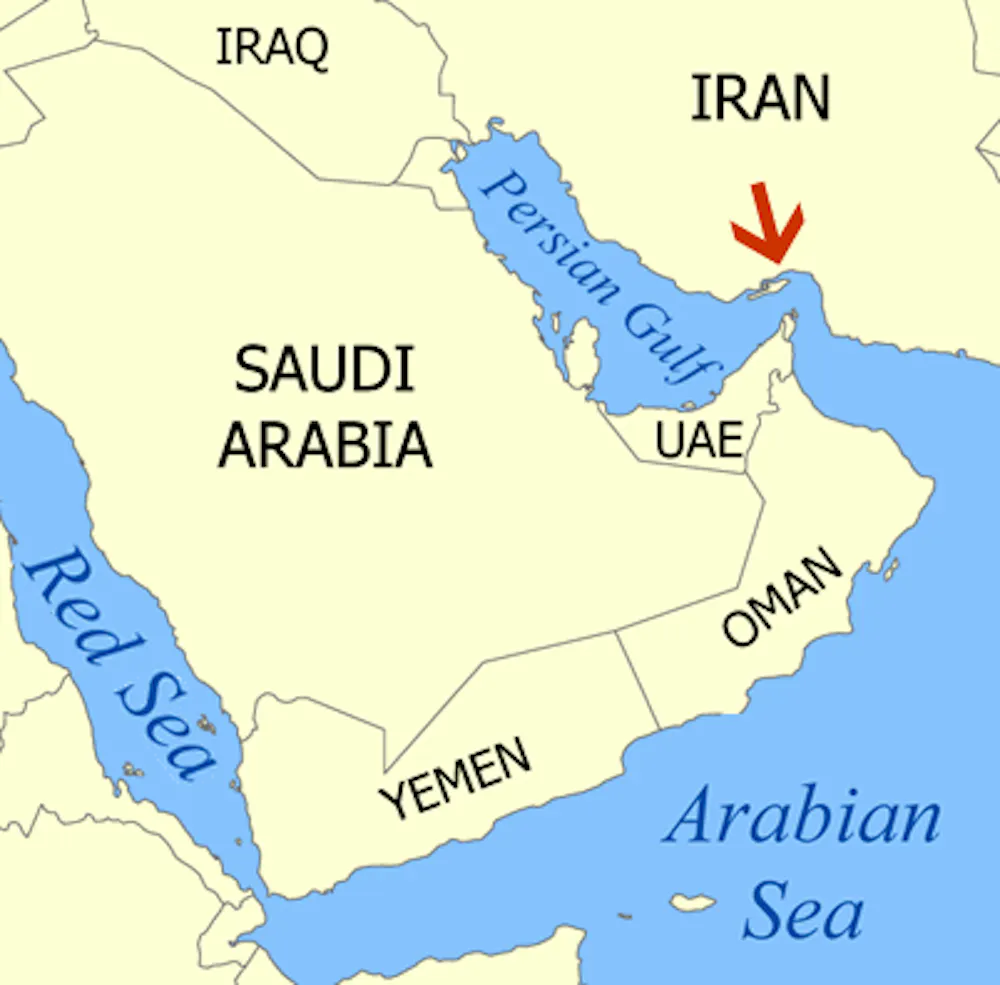
    This is potentially a very dangerous moment. The strait of Hormuz is an important shipping lane through which 20% of the world’s oil transits – about 20 million barrels each day.

    The waterway connects the Persian Gulf and the Gulf of Oman. Iran can either disrupt maritime traffic or attempt to “close” the strait altogether. These are distinctly different approaches with different risks and outcomes.


    Get your news from actual experts, straight to your inbox. Sign up to our daily newsletter to receive all The Conversation UK’s latest coverage of news and research, from politics and business to the arts and sciences.


    The first option is to try and disrupt maritime traffic like Yemen’s Houthi rebels have been doing in the Red Sea since winter 2024. This can be done by attacking passing ships with rockets and drones.

    There are already reports that Iran has started to jam GPS signals in the strait, which has the potential to severely interfere with passing ships, according to US-based maritime analyst Windward.

    Disruption of this kind is likely to deter shipping companies from using this route for fear of casualties and loss of cargo. Shipping companies that want to avoid the Red Sea can always use alternative shipping lanes, such as the Cape of Good Hope route. As inconvenient as that is, there is no such option in the case of the Gulf.

    As we’ve seen with Houthis’ attacks, such disruptions have impacts on oil price, but also ripple effects on stock markets and inflation. Although the US and its western allies can absorb these economic effects – certainly for a while – disrupting the strait would still demonstrate that Tehran has some leverage.

    The credibility factor

    The second option – “closing” the strait would involve interdicting all maritime traffic. This is akin to a blockade. And for it to work, as we have seen in the Black Sea with Russia’s failed attempt at blockading Ukraine, a blockade must be credible enough to deter all traffic.

    Iran has a number of ways to block the strait. It could deploy mines in the waters around the choke point and sink vessels to create obstacles. Iran would also likely use its navy, including submarines, to engage those attempting to break the blockade; use electronic and cyber attacks to disrupt navigation; and threaten civilian traffic and regional ports and oil infrastructure with drones and rockets.

    It’s worth noting that Iran still has plenty of short-range rockets. Israel claims to have destroyed much of its longer range ballistic-missile capability, but it is understood that the country still has a stockpile of short-range missiles that could be effective in targeting ships and infrastructure in the Gulf as well as US bases in the region.

    Recent events have shown up Iran as a bit of a paper tiger. It has made bold claims about its plan to retaliate and the military strength it has to do so. Yet with almost no air power capabilities (apart from drones and missiles) and limited naval power – and with its proxies either defeated or on the back foot – Iran is no longer in a position to project power in the region.

    Iran’s response to the current Israeli attacks have not managed to inflict any major damage or achieve any strategic or political objectives. It’s hard to see a change on the battlefield as things stand.

    Vital waterway: 20% of the world’s oil transts through the Strait of Hormuz.
    w:en:Kleptosquirrel/Wikimedia Commons, CC BY-SA

    For this reason, Tehran’s best option is to target the strait of Hormuz, which has the potential to cause a significant spike in oil prices, leading to a major disruption of the global economy.

    Short of being able to rival the US or Israel on the battlefield, Iran might decide to use asymmetrical means of disruption (in particular missile and drone attacks on civilian shipping) to affect the global economy. Closing or disrupting the strait would be an effective way of doing that.

    A blockade, even a partial one, would offer Tehran some options on the diplomatic scene. For instance, it has been reported that the US asked China to convince Iran not to close the strait. This demonstrates that Tehran can use the threat of a blockade to its advantage on the diplomatic front. But for this to work, the blockade needs to be effective and thus sustained.

    What would be the effect of a blocking the Strait?

    Disrupting traffic in the strait could drag Gulf states – Iraq, Kuwait, Saudi Arabia, UAE, Bahrain and Qatar – into the conflict, since their interests will be directly affected. It’s important to consider how they might respond and whether this will drive them closer to the US – and even Israel, as was already happening with the Abraham Accords and the tentative, but shaky, rapprochement between Saudi Arabia and Israel.


    Read more:
    US joins Israel in attack on Iran and ushers in a new era of impunity


    These are all things Iran would have factored into its calculations a year ago when Israel was targeting its proxies, including Hezollah, Hamas and the various Shia militias it funds in Iraq and elsewhere. But now, given that it has suffered an enormous military setback, which has hurt the regime’s prestige and credibility – including, importantly, at home – Tehran is more likely to downplay these risks. I would expect it to proceed with its blockade plans.

    Even if China voices concerns, like it did regarding the Houthis’ attacks, this is unlikely to change the decision. The regime is cornered. If the leaders believe they could be toppled, they are likely to consider the risks worth taking, particularly if they feel it could give them diplomatic leverage.

    The US has enough naval and air power to disrupt such a blockade. It can preemptively destroy Iran’s mine-laying forces. It can also target missile launch sites inland and respond to threats as and when they arise.

    This is likely to prevent Iran from completely closing the strait. But it won’t prevent the Islamic republic from disrupting maritime trade enough to have serious effects on the world economy. This might well be one of the last cards the regime has to play, both on the battlefield and in the diplomatic arena.

    Basil Germond does not work for, consult, own shares in or receive funding from any company or organisation that would benefit from this article, and has disclosed no relevant affiliations beyond their academic appointment.

    ref. Iran is considering closing the strait of Hormuz – why this would be a major escalation – https://theconversation.com/iran-is-considering-closing-the-strait-of-hormuz-why-this-would-be-a-major-escalation-259562

    MIL OSI – Global Reports

  • MIL-OSI Russia: Chinese Foreign Ministry: China calls on international community to help de-escalate Israeli-Iranian conflict

    Translation. Region: Russian Federal

    Source: People’s Republic of China in Russian – People’s Republic of China in Russian –

    Source: People’s Republic of China – State Council News

    BEIJING, June 23 (Xinhua) — China has called on the international community to step up efforts to help de-escalate the Israeli-Iranian conflict and prevent regional turmoil from further affecting global economic growth, Foreign Ministry spokesperson Guo Jiakun said Monday.

    The Chinese diplomat made this statement at a regular departmental press conference, commenting on the report that the Iranian parliament had come to the conclusion that it was necessary to close the Strait of Hormuz, but the final decision rests with the country’s Supreme National Security Council.

    The Persian Gulf and its surrounding waters are an important route for international trade in goods and energy, Guo Jiakun stressed, adding that maintaining security and stability in the region is in the common interests of the international community. -0-

    MIL OSI Russia News

  • MIL-OSI Russia: China Coast Guard Fujian Province Conducts Regular Patrols in Waters Off Kinmen

    Translation. Region: Russian Federal

    Source: People’s Republic of China in Russian – People’s Republic of China in Russian –

    Source: People’s Republic of China – State Council News

    FUZHOU, June 23 (Xinhua) — The China Coast Guard (CCG) in east China’s Fujian Province conducted regular patrols in waters off Kinmen for law enforcement purposes on Monday, the China Coast Guard’s regional bureau said.

    Zhu Anqing, spokesman for the BOC’s East China Sea Bureau, said the Fujian agency had organized the formation of a fleet since early June to strengthen regular patrols and inspections in waters adjacent to Kinmen, including special law enforcement operations related to the summer fishing moratorium.

    These measures have an effective impact on strengthening control in the relevant waters, protecting the legitimate rights and interests, as well as the safety of life and property of Chinese fishermen, including those from Taiwan. This effectively guarantees the normal order of navigation and fishing activities in the Xiamen-Jinmen waters, Zhu Anqing said. -0-

    MIL OSI Russia News

  • MIL-OSI Russia: “Ahead of Time Together”: Winners and Prize-Winners of “Highest Standard” Awarded in Moscow

    Translation. Region: Russian Federal

    Source: State University Higher School of Economics – State University Higher School of Economics –

    June 13th Center of Cultures The HSE hosted a ceremony to honor the winners of the All-Russian School OlympiadHighest quality“. Of the more than 4.5 thousand winners and prize winners, about 700 schoolchildren from 67 regions of Russia took part in it. The best of the best were noted in special nominations established by the organizing committee of the Olympiad. For the second year in a row, the Olympiad “Highest Standard” is held with the support of Sber.

    Before the ceremony, a festival program was organized in the HSE atrium, which for an hour and a half became the main city square of HSE City with street activities and artists, a lounge area and elegant pavilions, flags and garlands.

    Here you could get a consultation from a neuro-fortune teller, play table football and hockey, solve puzzles and dance, take part in the creation of living paintings. In the chill-zone of Sber, which is supporting the Olympiad for the second season, schoolchildren played computer games, ate ice cream and got answers to questions about building a dream career, and in the VR-greenhouse of the ROST Group of Companies, a partner of Vysshaya Proba in biology, they picked tomatoes, drank smoothies and tried snacks with the taste of tomato and cucumber.

    In the Photo Mosaic zone, participants were invited to contribute to the creation of the HSE inscription from hundreds of photographs of Olympiad diploma winners. Those who wished could take part in a quest introducing HSE, in the game What? Where? When?, continue to build up their intellectual potential at the master class What Can Be Learned from Social (and Not Only) Network Analysis? or the training Creative Worlds: How Ideas Turn into Collaborations.

    The guests then moved to the Cultural Center. The participants of the ceremony honoring the diploma holders (similar events were previously held in Saint Petersburg, Perm And Nizhny Novgorod) said the first vice-rector of the National Research University Higher School of Economics, Vadim Radaev.

    “The Olympiad “Higher Standard” will soon turn 30, and every year it becomes more and more beautiful and cool. It already includes 30 profiles, including two new ones – “Industrial Programming” together with “Yandex” and “History of Art” together with the Pushkin Museum. And of course, the competition is growing. This year, more than 50 thousand people took part in it, and your victory is even more significant. There are more than 4.5 thousand winners and prize-winners, and even more diplomas, because some of you managed to win the Olympiad in several profiles,” said Vadim Radaev.

    The First Vice-Rector also thanked the partners and the team of organizers, “who are conducting the ‘Higher Test’ at the highest level.”

    Olga Tsukanova, Managing Director and Head of the Academic Partnerships Directorate at Sber, joined in the congratulations. She emphasized that the Higher School of Economics offers a wide range of sciences, and those who win the Olympiads then find themselves in a variety of fields.

    “We will be glad to see you among our employees, clients, partners, and we are ready to support those who see the future, who are moving towards the future, who are ready to lead others. Invitations to internships at Sber are received not only by students, but also by schoolchildren, who can try themselves in our product teams, “twist” the products that we release to the market. And students, especially after two years of study, having received a solid base, do cool projects at Sber,” said Olga Tsukanova.

    The organizing committee of the Olympiad established special nominations in which the best of the best were recognized: “Everest of Science” (diplomas in five or more profiles), “Conquering Olympus” (the highest results in profiles from 90 points), “Victory Marathon” (prize places for four or more years), “Ahead of Time” (completion of tasks two grades higher than the class of study, and tasks for the 7th grade by sixth-graders) and “HSE Olympiads” (winning several intellectual competitions of the National Research University Higher School of Economics). The laureates in these nominations, as well as two diploma winners of the Olympiad, who celebrated their birthday on June 13, were presented with diplomas, medals and gifts on stage.

    Deputy Vice-Rector – Head Directorate for the Development of Intellectual Competitions HSE University Danil Fedorov, congratulating the winners in the “Everest of Science” nomination, urged them to apply to a university where it is difficult to study, reminding them that the Higher School of Economics is exactly such a university.

    Olga Tsukanova invited the winners in the Conquering Olympus nomination to become students of the AI360: Artificial Intelligence Engineering track of the bachelor’s program Applied Mathematics and Computer Science, which is being implemented at HSE jointly with Sber and Yandex.

    Chairman of the Methodological Commission for the Profile “Foreign Languages” – Head Foreign language schools HSE University Ekaterina Kolesnikova compared the process of preparing for the Olympics to playing sports. “The winners in the “Victorious Marathon” nomination know very well that those who do not stop when things are difficult, who act at the limit of their capabilities, win,” she noted.

    The winners in the “Ahead of Time” nomination were announced by Anna Korovko, Senior Director for Main Educational Programs at the National Research University Higher School of Economics, and the Chair of the Methodological Commission for the “Political Science” profile, Dean Faculty of Social Sciences Denis Stukal. Anna Korovko promised that by the time they finish 11th grade, studying at the HSE will become even more difficult, and Denis Stukal, himself a former Olympiad participant, called them true leaders who not only challenged those who were a year or two older than them, but also succeeded in doing so.

    “You have a great future ahead of you, and I hope that at some point it will become inextricably linked with our university, because HSE is a university that is also ahead of its time. Let’s get ahead of it together and move only forward,” Denis Stukal concluded.

    The Chairperson of the Methodological Commission for the Economics Profile, Daria Tabashnikova, announced the winner in the HSE Olympiads brand nomination, Anastasia Usenko, who won the Vysshaya Proba Olympiad, the In Your Own Words essay championship, and the Highest Aerobatics competition. “Collecting awards, receiving diplomas, and preferences is great, but it’s even cooler when a person tries himself in different things and succeeds,” Daria Tabashnikova emphasized.

    The results of the event were summed up by the Director for Work with Gifted Students at the National Research University Higher School of Economics, Tamara Protasevich.

    “The ending Olympiad season of “Highest Standard” is the fifteenth, anniversary one for our team, which is responsible for its implementation. The year 2025 is generally rich in anniversaries: 5 years of the All-Russian Case Championship, 10 years of “Highest Aerobatics”. And “Highest Standard” is our largest project: registration for it began in August last year, and diplomas are being awarded now, in June. The Olympiad is constantly in the focus of our attention, and we are constantly improving it,” said Tamara Protasevich.

    She gave examples of feedback from Olympiad participants, which those present in the hall agreed with, raising glowing hearts: “The level of tasks is decent, difficult, but interesting,” “The atmosphere is pleasant, comfortable, not overwhelming, allows you to enjoy completing the Olympiad tasks,” “Organization – everything is clear and well thought out, prompt responses to questions, caring, friendly volunteers.”

    Tamara Protasevich also announced another nomination – “Recognition of the Organizers”, the winners of which were the best volunteers – students of the National Research University Higher School of Economics, who over the past three years participated in the “Higher Standard” and other intellectual competitions of the university. “Without these guys, not a single project of our directorate would have taken place. They are the best!” – she concluded.

    The ceremony of honoring the diploma winners ended with a collective performance of the student anthem “Gaudeamus”, after which all its participants were awarded the Olympiad diplomas and medals in the lobby of the Center of Cultures. Some of them shared their impressions with the news service “Vyshka.Glavnoe”.

    “The Highest Standard” is a combination of all the best that can be found at the Olympiad, says Erland Glukhov, a 10th-grader at the AMTEK General Education Lyceum in Cherepovets. “I participated in the in-person stage in Moscow, my friends in St. Petersburg and Nizhny Novgorod, and everyone was happy with the organization of the process and the support of the participants. I especially like the tasks: they are designed in an unconventional way, they include interesting elements, and they are really interesting to solve.”

    According to Erland, behind every victory at the Olympics there is, first and foremost, hard work, not only your own, but also that of your mentors, as well as the support of your parents.

    “When I was doing assignments in the Law profile, I had the feeling that I was in some other universe the whole time, that I fell asleep in the first minute and woke up in the last minute, when everything was already done,” said Alexander Gimpelson, a 10th-grade student at School No. 7 “Russian Classical School” in Ryazan. “The assignments required a creative approach, and it was always necessary not only to reproduce the provisions of the laws, but also to understand them, evaluate them from different angles, and show how they can be applied in practice.”

    In preparation for the Olympiad, Alexander mastered scientific literature, thanks to which “these complex adverbial participial phrases, thirty subordinate clauses in one sentence of the law became lively and understandable.” In a year, he plans to enroll in the Faculty of Law at the National Research University Higher School of Economics and subsequently specialize in the field of private law.

    11th-grader Polina Platonova from the Vladimir region has been participating in Olympiads since the 4th grade. This year she went to Nizhny Novgorod for the “Highest Standard”, and she associates the in-person round competitions with both a holiday and a tense struggle. The girl is considering the possibility of entering the National Research University Higher School of Economics – Nizhny Novgorod and also associates her further professional development with jurisprudence.

    Albina Markaryan, an 11th-grader from Voronezh, participated in the final round in her hometown and will be applying to the HSE for a bachelor’s degree in International Relations this year. Before the awards ceremony, she walked around the atrium (“everything was organized wonderfully, lots of competitions and entertainment”), she liked everything in the university building, and she has no doubt that if she is accepted, these feelings will not only remain, but will also intensify.

    Please note: This information is raw content directly from the source of the information. It is exactly what the source states and does not reflect the position of MIL-OSI or its clients.

    MIL OSI Russia News

  • MIL-OSI Russia: SHU and Shandong Institute of Technology and Business agreed on cooperation

    Translation. Region: Russian Federal

    Source: State University of Management – Official website of the State –

    On June 23, a delegation from Shandong Institute of Technology and Business (SIITB) visited the National University of Management to sign a cooperation agreement.

    Rector of the State University of Management Vladimir Stroev, vice-rectors Maria Karelina and Dmitry Bryukhanov and director of the Institute of Marketing Gennady Azoev introduced the guests to the history of the university and the main areas in which cooperation is possible.

    “Our university has been training management personnel for various areas of the economy for over 100 years. We have both a humanitarian and a technical component of training. In addition, many students independently study Chinese, as they see more prospects in it than in English. GUU is actively developing cooperation with the People’s Republic of China: our university has a center for social, political and economic research in China, and last year we conducted an internship for 50 graduates of the presidential program for training management personnel in China,” Vladimir Stroyev noted.

    Rector of SHITB Tao Hu spoke about the history and capabilities of his university, noting the presence of similar positions and interests:

    “Thank you for the invitation, you have a very beautiful university. We are pleased that the interaction between our countries and our universities is developing. Since 1985, the Shandong Institute has been training personnel, primarily in the field of economics. And we really value international cooperation. I am sure that we will be able to work well on joint projects.”

    The parties discussed the possibility of admitting GUU graduates to master’s programs at SHITiB: “Business Management and Entrepreneurship”, “Applied Economics”, “Computer Science”, as well as admitting SHITiB graduates to the GUU master’s program “International Marketing and Brand Management”.

    Another area of cooperation will be the exchange of teachers for teaching language and special courses and the implementation of scientific cooperation programs.

    At the end of the meeting, a ceremonial signing of a cooperation agreement on the issues outlined took place.

    Please note: This information is raw content directly from the source of the information. It is exactly what the source states and does not reflect the position of MIL-OSI or its clients.

    MIL OSI Russia News

  • MIL-OSI Russia: Former head of China’s Drug Enforcement Bureau sentenced to death with reprieve for bribery

    Translation. Region: Russian Federal

    Source: People’s Republic of China in Russian – People’s Republic of China in Russian –

    Source: People’s Republic of China – State Council News

    FUZHOU, June 23 (Xinhua) — Liu Yuejin, a former member of the 13th National Committee of the Chinese People’s Political Consultative Conference and former head of the Drug Control Bureau of the Ministry of Public Security (MPS), was sentenced to death with a two-year reprieve on Monday for bribery.

    The verdict was handed down by the Intermediate People’s Court of Fuzhou City, Fujian Province, East China, following an open court hearing. -0-

    MIL OSI Russia News

  • MIL-OSI Russia: China launches large database of medicinal plant components to promote TCM innovation

    Translation. Region: Russian Federal

    Source: People’s Republic of China in Russian – People’s Republic of China in Russian –

    Source: People’s Republic of China – State Council News

    WUHAN, June 23 (Xinhua) — China has launched a large database of medicinal plant components in central China’s Hubei Province, marking significant progress in technological innovation in the traditional Chinese medicine (TCM) sector.

    The database, which was developed by a team of specialists from the Hubei Shizhen Laboratory, is the largest of its kind in Central China.

    Wang Qi, head of the Hubei Shizhen Laboratory, said at a presentation Sunday in Wuhan, capital of Hubei Province, that the database is designed to stimulate the transition of medicinal plant research “from experience-based practice to science-based innovation” by creating an accurate “digital portrait” of medicinal resources in central China.

    The head of the development team of the said database, Liu Yifei, spoke about the scale and capabilities of the database.

    According to him, the database, which contains more than 20 million records, combines information from ancient works such as Shennong Bencaojing (Shen Nong’s Treatise on Roots and Herbs), Bencao Gangmu (Compendium of Medicinal Substances), as well as modern authoritative collections of TCM, including data on multidimensional medicine, including genomics, transcriptomics, metabolomics and proteomics.

    It systematically catalogues the widely used medicinal resources in Central China and also compiles a comprehensive collection of natural components of various kinds.

    “This creates a foundation for the development of new TCM drugs and health products,” Liu Yifei emphasized. -0-

    MIL OSI Russia News

  • MIL-OSI Russia: China’s installed power capacity up 18.8 percent in five months

    Translation. Region: Russian Federal

    Source: People’s Republic of China in Russian – People’s Republic of China in Russian –

    Source: People’s Republic of China – State Council News

    BEIJING, June 23 (Xinhua) — China’s total installed capacity of power plants stood at 3.61 billion kW by the end of May 2025, up 18.8 percent year on year, the National Energy Administration said Monday.

    In particular, according to the agency, solar power plants accounted for 1.08 billion kW, with an increase of 56.9 percent. In the wind energy sector, growth was 23.1 percent, reaching 570 million kW.

    In the five months, China’s major power generating companies invested 257.8 billion yuan (about $36 billion) in power generation projects, up 0.4 percent year-on-year. Meanwhile, investment in power grid projects rose 19.8 percent to 204 billion yuan. -0-

    MIL OSI Russia News

  • MIL-OSI Russia: Iran Launches New Wave of Missile, Drone Attacks on Israel

    Translation. Region: Russian Federal

    Source: People’s Republic of China in Russian – People’s Republic of China in Russian –

    Source: People’s Republic of China – State Council News

    TEHRAN/JERUSALEM, June 23 (Xinhua) — Iran launched a new wave of missile and drone attacks on Israel on Monday morning, Iran’s state broadcaster IRIB reported.

    According to the report, Iran used a combination of solid and liquid fuel missiles and special tactics to render Israel’s air defenses ineffective in the attacks.

    Earlier on Monday, Iran’s military said it had launched dozens of kamikaze drones armed with warheads at Israel.

    The Israeli military confirmed in a statement that Iran launched new missile strikes on Israel on Monday morning.

    About 10 rockets were fired and sirens sounded from northern Israel to the southern border with the Gaza Strip, forcing millions of Israelis to shelter for about an hour, the statement said.

    Most of the rockets were intercepted, but three fell in Israeli territory, and no casualties were reported. –0–

    MIL OSI Russia News

  • MIL-OSI Russia: Students of SPbGASU took part in the festival “T-Dvor”

    Translation. Region: Russian Federal

    Source: Saint Petersburg State University of Architecture and Civil Engineering – Saint Petersburg State University of Architecture and Civil Engineering – Participants from SPbGASU

    Students of the Faculty of Forensic Science and Law in Construction and Transport together with representatives of the Center for Student Entrepreneurship and Career of SPbGASU visited the youth festival “T-Dvor” organized by T-Bank on June 20. The event took place in the cultural space “Nikolskie Ryady” and was dedicated to career and educational opportunities for young people.

    The goal of the festival is to create an open platform for communication between students, young professionals and employers, where they can learn about labor market trends, new formats of training and personal growth.

    During the panel discussion, the participants discussed what modern education should be like and came to the conclusion that the main requirements for it are flexibility, accessibility and practice-orientedness. In their opinion, for successful career growth it is important to have the opportunity to improve professionally without interruption from work, for which it is necessary to develop distance learning in master’s programs and other digital educational platforms.

    The lecture “Professions of the Future: Where Are You in a World That Has Not Been Built Yet” attracted great interest. The speakers talked about combining technical thinking and a humanitarian approach – the ability to work with data, understand technology and at the same time think critically and creatively. According to experts, it is precisely these specialists who will be especially in demand in the coming years.

    At the session “University vs. Work: How to Do It All,” participants learned how to effectively combine studies, part-time work, and personal life. Students especially remembered three pieces of advice from experts: it is necessary to plan not only tasks, but also rest; do not be afraid to ask for help – this is also part of professional growth; discipline is the basis of sustainable development, it can be “pumped up” just like muscles.

    “The T-Dvor festival has become an excellent opportunity for our students not only to get acquainted with new educational formats, but also to think about their professional future and the path to it,” noted Margarita Sapozhnikova, Deputy Dean of the Faculty of Forensic Expertise and Law in Construction and Transport for Career Guidance.

    Please note: This information is raw content directly from the source of the information. It is exactly what the source states and does not reflect the position of MIL-OSI or its clients.

    MIL OSI Russia News

  • MIL-OSI Russia: Interview with Minister of Industry and Trade Anton Alikhanov to RIA Novosti

    Translation. Region: Russian Federal

    Source: Government of the Russian Federation – An important disclaimer is at the bottom of this article.

    Anton Alikhanov: We are fighting phantom enterprises.

    In an interview with RIA Novosti, Minister of Industry and Trade Anton Alikhanov spoke about how pseudo-Russian brands are identified, what measures the state is introducing to ensure product safety in schools and kindergartens, and the fight against illegal goods.

    Anton Alikhanov (photo: Ministry of Industry and Trade)

    A. Veselova: Anton Andreevich, what is the situation with illegal turnover of products in Russia today?

    A. Alikhanov: I would like to start by saying that ten years ago, by decision of the president, a state commission was created to combat illegal turnover of industrial products. It became the main coordinating link in the comprehensive work in the fight against the shadow market. The activities of all industry and regulatory bodies at the federal level are linked through it.

    Various tools are used to reduce the circulation of illegal products. But the most effective has become the digital marking and traceability system of goods “Honest Sign”.

    This direction is already being implemented in all EAEU countries and in Uzbekistan. In Russia, 31 product categories are monitored from the conveyor to the consumer on a mandatory basis, with 16 being subject to an experiment. The government is also considering further expansion of the system to various products, especially in the food industry and industrial goods. The Honest Sign mobile application is used by almost 28 million consumers, they have checked more than 300 million products and identified 240 thousand violations. All complaints are sent to regulatory authorities.

    A. Veselova: What effect on the economy has been recorded in the country from the introduction of labeling?

    A. Alikhanov: According to the Federal Tax Service, over the past five years the economic effect has amounted to 1.2 trillion rubles in the form of tax and other revenues to budgets at all levels. More than half of this amount was achieved by whitening the tobacco market – 627 billion rubles. The results in other product groups are also noticeable. In dairy products – 148 billion rubles, in light industry – 143 billion rubles, in the footwear segment – 85 billion rubles, in perfumery – 35 billion rubles.

    In addition to increasing state revenues, legal businesses earned an additional 687 billion rubles by increasing their market share. And according to Rosstat data, the profitability of sales has increased for all bona fide market participants. Since the launch of mandatory labeling by 2023, tobacco products have increased by 17.9%, packaged water by 13.1%, footwear by 5.7%, and dairy products by 3.2%. I would like to note that these effects have been achieved without a noticeable impact on the final price for the consumer. According to the Research Institute of the Ministry of Finance, the share of labeling in the cost price is no more than 1%.

    A. Veselova: Since April 2024, a permit regime has been in effect for a number of goods in Russia, which checks the quality of the goods through a special QR code; if the product is of poor quality, the system will not allow the buyer to purchase it. How effective is this mechanism? How does the regime protect consumers?

    A. Alikhanov: Due to the introduction of a permit regime at store checkouts, sales of 1.2 billion low-quality or illegal goods have been blocked. Among them: beer – 299 million units, milk – 243 million, tobacco – 311 million, in the light industry – 187 million, soft drinks – 110 million. This system already applies to 16 groups of goods and will be expanded this year to non-alcoholic beer, caviar, veterinary drugs, technical rehabilitation equipment and bicycles.

    The labeling system allows for batches of unsafe products to be blocked within an hour by decision of regulatory authorities. For example, Rospotrebnadzor, based on research, did this proactively with respect to six million dietary supplements across the country with dangerous levels of lithium, melatonin, and simethicone. Similarly, due to a poisoning incident, sales of a batch of 2.5 million bottles of water were promptly stopped. Thus, we now have a mechanism for quickly stopping sales of products whose quality and safety are in doubt.

    It is important that we not only control the products themselves, but also close illegal production facilities, in particular 56 tobacco factories, using control bodies. At the same time, many enterprises left the shadow sector and began to operate according to the law. This is how more than 550 “new” water producers appeared, the number of legal importers of dietary supplements increased tenfold and those who produce them tripled.

    A. Veselova: What is happening now in the sphere of state control over industrial products?

    A. Alikhanov: State control is one of the key mechanisms for consumer protection. It ensures quality control and product safety in accordance with established requirements at all stages – during production, delivery and circulation.

    Today, the safety of certain types of products is confirmed by a certificate or declaration, while there is no further state control over such products. That is, there may be cases when an unscrupulous manufacturer provides the laboratory with a so-called “golden sample” that fully complies with the requirements. This is how he receives a certificate. And the product goes to the market under this certificate, but it does not comply with the requirements. As a result, unsafe products may end up on the shelf.

    A. Veselova: Are you developing additional mechanisms to protect consumers in order to prevent unsafe products from entering the market?

    A. Alikhanov: We have developed a set of measures with the Ministry of Economic Development. First of all, these are changes to the legislation to restore state control over certain types of industrial products – I believe that it will be effective. This is confirmed by the experiment that Rosstandart is conducting on certain types of construction products and materials. We are talking about cable products, various types of cement, construction and concrete mixtures, as well as heating convectors and radiators. Over two thousand control measures have already been carried out in a year of the experiment.

    According to the inspection results, 57% of cases revealed violations of product quality requirements. Such unsafe products are recalled from the market. For example, in St. Petersburg, about 6 thousand tons of dry construction mixtures worth a total of about 104 million rubles were withdrawn from circulation. And such cases are not isolated.

    Another significant initiative in this direction was introduced by the State Duma deputies. They proposed to legislatively enshrine the regulation of technical conditions, according to which manufacturers often release their products. We fully support this approach.

    A. Veselova: What is the difference between technical conditions and technical regulations? What effect do you expect from fixing technical conditions?

    A. Alikhanov: Technical conditions today are a non-public document in which the manufacturer himself defines the requirements for his products. Formally, they should not be lower than the requirements of technical regulations. But technical regulations establish only minimum safety requirements and do not affect quality parameters. Therefore, the requirements of technical conditions may be lower than GOSTs. A simple example: if a manufacturer puts saury in a can labeled “kilka”, this may not violate safety standards or technical conditions. But it absolutely does not meet consumer expectations and, most importantly, violates GOST requirements.

    We are confident that the removal of technical specifications from the unregulated zone will increase transparency and ensure fair competition. In addition, it will involve bona fide manufacturers in the national standardization process. Ultimately, this will have a positive effect on the quality of products released into circulation and will increase consumer confidence.

    A. Veselova: What additional measures are being taken to protect products from possible attempts at counterfeiting?

    A. Alikhanov: We conducted an experiment with the Ministry of Economic Development and the CRPT, following which the government adopted Resolution No. 837, which comes into force on September 1. It strengthens control not only over the availability, but also the content of permits for goods in the labeling system. This will allow us to confirm their relevance and compliance with the declared products. If the documents do not pass the check, the products will not be allowed on the market.

    In addition, a ban on sales at the checkout will be introduced if the permits are declared invalid after the products have been put into circulation. We are currently verifying the contents of the documents with the state registers of Rosaccreditation and Rospotrebnadzor. In the future, we will expand the array of data on the products themselves and whether the company has the right to produce them. We are discussing this decision with the member countries of the association and expect a positive decision from the Eurasian Economic Commission.

    A. Veselova: How does the ministry combat pseudo-Russian brands? How acute is this issue today?

    A. Alikhanov: We are conducting an experiment to identify such manufacturers and phantom enterprises. For example, more than 2.8 thousand shoe manufacturers are registered in the marking system, of which almost 470 are in Moscow. If the system reveals, based on risk indicators, that the activities of such companies deviate from the norm and raise suspicions, then representatives of the CRPT and Rospotrebnadzor conduct an on-site inspection. In fact, they determine whether there is real production or just a legal entity that legalizes illegal products.

    The first results showed that 92% of inspections of footwear, consumer goods and dietary supplements were fake enterprises. Their addresses were found to be vacant lots, residential buildings or abandoned buildings. These companies tried to “legalize” products that did not correspond to the declared documents. In some cases, there is reason to believe that these are imports that are registered as products of Russian origin in order to evade customs duties and control.

    Based on the results of the experiment, a mechanism was developed to limit the issuance of marking codes to such legal entities and block their products. Before the traceability system appeared, this was impossible to do. For now, we have extended this algorithm to the least regulated industries – footwear, light industry, perfumery, tires and dietary supplements. Then we will cover other product categories.

    A. Veselova: Anton Andreevich, there was information on the Internet about the incorrect operation of the marking system in case of unstable Internet operation? Do you know about this, does such a problem really exist?

    A. Alikhanov: Since March 1, 2025, an offline mode has been introduced for a number of product groups that require mandatory labeling, which allows checking the product even without the Internet. To do this, a special local module of the system is installed at the checkout, into which a database of labeled products is loaded. When attempting to make a sale, the system first accesses the online database, and if the check fails, for example, due to the lack of Internet, it loads data from the local module. Thus, the system ensures correct operation even during temporary Internet problems.

    A. Veselova: Today, more and more people use marketplaces, but it is difficult to check the quality of goods there. What measures do you plan to take in connection with counterfeit products on marketplaces?

    A. Alikhanov: In our opinion, it is necessary to strengthen control over marketplaces in order to exclude violations when selling marked goods on the Internet. The draft law “On the platform economy” provides for the obligations of trading platforms to check the registration of the seller, the product and its code in the marking system. If any of these criteria are not met, the offer should not be reflected in the buyer’s search. While such requirements have not yet been enshrined in law, CRPT has entered into agreements with the largest marketplaces: Yandex, Wildberries, SberMegaMarket, Samokat, Ozon, AliExpress and Russian Post. These online platforms have undertaken to independently check customer complaints received through the Honest Sign application and take action against violators. According to the marking system, 95% of complaints were confirmed. In relation to a third of them, marketplaces applied sanctions: fines, blocking goods or warnings. For the rest, sellers received notifications demanding that they eliminate the violations.

    A. Veselova: Today, goods from the member states of the Eurasian Economic Union cross customs under a simplified regime. There are frequent cases where goods illegally enter one of these countries and then travel to Russia. Is the Ministry working on measures to strengthen control in such cases?

    A. Alikhanov: Our country is the largest market in the EAEU and, of course, there are cases that you mentioned. Often these goods then end up, for example, in the fake production facilities that I mentioned earlier.

    To solve the problem, it is necessary, firstly, to harmonize the list of goods that are subject to mandatory labeling. That is, the nomenclature must be uniform in all EAEU countries. This is what we are discussing with our colleagues.

    Secondly, it is necessary to ensure regular verification of information from the labeling system with data from the EAEU member states on goods sent to Russia. This also concerns the verification of mirror customs statistics and the country of origin of the goods.

    A. Veselova: What effect do you expect from the experiment to control the supply of unsafe and low-quality food products to social institutions?

    A. Alikhanov: With the introduction of a permit regime at cash registers and the integration of the marking system with Mercury, counterfeit products were blocked from entering stores. But we see that dubious products have begun to appear in schools and hospitals where there are no cash registers.

    In order to set a barrier for it, at the end of last year, we decided at the state commission to start an experiment in the labeling system to control the supply of food products to the social sphere. So far, it covers several regions – Krasnodar, Perm, Stavropol and Khabarovsk Territories, Moscow and Novosibirsk Regions, St. Petersburg. We will complete it by September, having created criteria and a mechanism for stopping this practice. The experiment affects packaged water and dairy products, which are subject to labeling. In the near future, we will make such control mandatory, since we are already seeing successful results.

    A. Veselova: What are the prospects for the development of the labeling system in Russia in the future?

    A. Alikhanov: The introduction of labeling is advisable for goods that are most sensitive to illegal trafficking. Therefore, the government will systematically expand the range of products, including industrial products. We are conducting experiments on radio electronics, building materials, and radiators. We are working on traceability issues for the raw materials from which these goods are made.

    We will scale and develop the labeling system, supplement it with new functionality. That is, we will continue to narrow the opportunities for various tricks that pose a threat to human health and undermine food and economic security.

    Source – RIA Novosti.

    Please note: This information is raw content directly from the source of the information. It is exactly what the source states and does not reflect the position of MIL-OSI or its clients.

    MIL OSI Russia News

  • MIL-OSI Russia: To Svetlana Kryuchkova, People’s Artist of Russia.

    Translation. Region: Russian Federal

    Source: Government of the Russian Federation – An important disclaimer is at the bottom of this article.

    Mikhail Mishustin congratulated the theater and film actress on her anniversary.

    The telegram states, in particular:

    “Your bright, multifaceted talent, acting skills and selfless dedication to your work have earned you well-deserved professional recognition, sincere love and admiration of the audience, and have been awarded high state awards and prizes.

    I wish you inexhaustible inspiration, good health and all the best.”

    Please note: This information is raw content directly from the source of the information. It is exactly what the source states and does not reflect the position of MIL-OSI or its clients.

    MIL OSI Russia News

  • MIL-OSI Russia: Xinjiang Uyghur Autonomous Region has 54 sister cities

    Translation. Region: Russian Federal

    Source: People’s Republic of China in Russian – People’s Republic of China in Russian –

    Source: People’s Republic of China – State Council News

    BEIJING, June 23 (Xinhua) — Urumqi, capital of northwest China’s Xinjiang Uygur Autonomous Region, and Samarkand, capital of Uzbekistan’s Samarkand Province, established sister city relations following the recently held second China-Central Asia Summit, bringing the number of sister cities of Xinjiang Uygur Autonomous Region to 54 from 16 countries in Asia, Europe, North America and Oceania, the Xinjiang Daily newspaper reported on Monday, citing a source from the Chinese People’s Association for Friendship with Foreign Countries.

    According to the report, back in August 2023, the authorities of Urumqi and Samarkand signed an agreement of intent to establish sister city relations, this step is aimed at promoting bilateral cooperation in trade, economy, culture, education, tourism, health care and other fields in various forms in order to stimulate the common prosperity and development of both cities.

    To date, sister city relations have been established between Urumqi and 14 cities in 12 countries, including Peshawar in Pakistan, Bishkek in Kyrgyzstan, Almaty in Kazakhstan and Narrandera in Australia.

    These facts show Xinjiang’s expanded opening to the outside world, which is also reflected in the region’s foreign trade. According to statistics, in the first five months of this year, Xinjiang traded with 222 countries and regions around the world, with foreign trade turnover amounting to 227.67 billion yuan (about 31.75 billion U.S. dollars), up 22.9 percent year on year. -0-

    MIL OSI Russia News

  • MIL-OSI Russia: Presentation of Russian-language documentary prose “Chinese Seeds” held in China

    Translation. Region: Russian Federal

    Source: People’s Republic of China in Russian – People’s Republic of China in Russian –

    Source: People’s Republic of China – State Council News

    BEIJING, June 23 (Xinhua) — The presentation of the Russian-language documentary prose “Chinese Seeds or How I Grew Wheat in Kazakhstan” took place in Beijing last week.

    The event was held as part of the 31st Beijing International Book Fair, which ended on Sunday in the Chinese capital, the Keji Ribao/Science and Technology Daily newspaper reported.

    The authors of the new book are Jin Min, chief correspondent of the Nongye Kejibao (Agricultural Science and Technology Newspaper), and Zhang Zhengmao, a leading researcher at the Northwest University of Agriculture and Forestry.

    The documentary prose “Chinese Seeds” details the cultivation of high-quality wheat varieties and the results of cooperation between scientific researchers from both sides, which served as a vivid example of the mutual convergence of the aspirations of the peoples of the two countries within the framework of the joint construction of the “Belt and Road”.

    “Chinese Seeds or How I Grew Wheat in Kazakhstan” was published in Chinese in March 2023. According to the plan, this book will also be published in English, Spanish, Vietnamese and Korean.

    The author of the book, Zhang Zhengmao, who was in Astana, presented to the participants of the presentation via video link the development of the Chinese-Kazakhstani project of the Research Center for Analysis and Testing of Grain Quality.

    The new book was published by Guangxi Kesuejishu Chubanshe (Guangxi Science and Technology) Publishing House. Its director, Cen Gang, said the publication of the book will further promote exchanges between China and Kazakhstan. -0-

    MIL OSI Russia News

  • MIL-OSI Russia: Exclusive: China and Kazakhstan open a new chapter in cooperation in the field of sustainable development technologies – President of the NAS of the Republic of Kazakhstan

    Translation. Region: Russian Federal

    Source: People’s Republic of China in Russian –

    Source: People’s Republic of China – State Council News

    Astana, June 23 (Xinhua) — China and Kazakhstan are opening a new chapter in cooperation in the field of sustainable development technologies, Akhilbek Kurishbayev, President of the National Academy of Sciences of the Republic of Kazakhstan (NAS RK) and Rector of the Kazakh National Agrarian Research University (KazNAIU), said in an interview with Xinhua.

    The Kazakhstan-China Center for Science and Technology Transfer, established in February 2025 at the National Academy of Sciences of the Republic of Kazakhstan jointly with the Zhejiang University of Technology and leading Chinese high-tech companies, opens a new page in the development of innovative partnership. Within its structure, the International Joint Laboratory of Spatio-Temporal Artificial Intelligence (AI) and Sustainable Development is being formed, which has already outlined priority areas at the launch stage.

    “A stable platform will be formed on the basis of the center, on which scientists from Kazakhstan, China and other countries of the Central Asian region will work according to a single program, with clearly defined goals and objectives, concentrating resources on conducting research and obtaining effective results, including adapting Chinese technologies to national conditions,” noted A. Kurishbayev.

    According to him, organizational and technical preparatory work is in full swing, and the laboratory will begin full-scale operations in the near future.

    “We have high hopes for the work of this center and its laboratory. I am sure that these hopes will be justified,” shared A. Kurishbaev. “The basis for this is our common desire for cooperation and the concentration of common scientific potential to solve a single problem,” he added.

    Speaking about his own contribution to the development of bilateral scientific cooperation, A. Kurishbayev recalled that since 2007, as Vice Minister of Agriculture of Kazakhstan, he took the most active part in establishing and developing mutually beneficial cooperation with China. The first steps in developing cooperation in the field of science and trade in agriculture were agreements on phytosanitary and veterinary safety.

    According to him, a lot of work has been done since then: joint laboratories have been created, internships have been organized, and the Alliance for Agricultural Education, Science, and Innovation in the Field of Great Silk Road Technologies has been formed.

    “I have been to China many times, visited leading research institutes and universities,” he shared. “The scale of development of artificial intelligence, smart cities, green technologies, genetics, as well as approaches to modeling natural disasters are impressive.”

    Kazakhstan, according to him, has prospects in such areas as digitalization of the agricultural sector, water technologies, natural resource management and sustainable development of rural areas – it is in these areas that deep and practice-oriented cooperation with Chinese scientific schools is possible.

    He also emphasized the importance of environmental partnership: “Our countries are located in a single ecosystem of the Central Asian region, and we are doomed not only to live here together, but also to bear responsibility for its preservation and improvement. Therefore, it is extremely important for us to search for new environmentally friendly technologies that allow us to move away from “dirty” production and take the path of “green” development and, on this basis, create conditions for a more comfortable life not only for the present, but also for future generations. This is our sacred duty, and we have no other way. We all understand this very well.”

    A. Kurishbaev also noted the deteriorating environmental situation in the world. According to him, the negative consequences will be felt especially strongly by the fragile ecosystem of Central Asia. “This process can only be stopped by joint efforts, based on the results of research by our scientific organizations. All this is in our hands. This requires not only our joint desires, but also our determination to implement them in practice,” concluded A. Kurishbaev. –0–

    MIL OSI Russia News

  • MIL-OSI Russia: Israel strikes military targets in western Iran

    Translation. Region: Russian Federal

    Source: People’s Republic of China in Russian –

    Source: People’s Republic of China – State Council News

    JERUSALEM, June 23 (Xinhua) — The Israel Defense Forces (IDF) carried out new strikes on targets in Kermanshah province in western Iran, the IDF said on Monday.

    The Israeli Air Force struck what it called “military infrastructure” — launch pads and storage facilities for surface-to-surface missiles, the military said in a statement. More than 15 warplanes took part in the operation.

    The strikes came shortly after Iran fired a rocket at Israel before dawn, sending air raid sirens ringing across much of the country. The Israeli military said the rocket was shot down and there were no casualties or damage.

    The Iranian attack followed US President Donald Trump’s suggestion of possible regime change in Iran. –0–

    MIL OSI Russia News

  • Putin tells Iranian foreign minister there was no justification for US attack

    Source: Government of India

    Source: Government of India (4)

    Russian President Vladimir Putin told Iran’s foreign minister on Monday there was no justification for the U.S. bombing of his country and that Moscow was trying to help the Iranian people.

    Putin hosted Iranian Foreign Minister Abbas Araqchi in Moscow two days after U.S. President Donald Trump sent U.S. bomber planes to strike Iran’s three main nuclear sites.

    “The absolutely unprovoked aggression against Iran has no basis and no justification,” Putin told Araqchi in televised comments.

    “For our part, we are making efforts to assist the Iranian people,” he added.

    “I am very glad that you are in Moscow today, this will give us the opportunity to discuss all these pressing issues and think together about how we could get out of today’s situation.”

    Araqchi told Putin that Iran was conducting legitimate self-defence, and thanked Russia for condemning the U.S. actions. He conveyed best wishes to Putin from Iran’s supreme leader and president.

    “Russia is today on the right side of history and international law,” said Araqchi.

    It was unclear, however, what Russia might do to support Iran, an important ally with which Putin signed a strategic cooperation treaty in January. That agreement did not include a mutual defence clause.

    Before Saturday’s U.S. strikes, Moscow had warned that U.S. military intervention could destabilise the entire region and plunge it into the “abyss”.

    Asked what Russia was ready to do to help Tehran, Kremlin spokesman Dmitry Peskov said: “It all depends on what Iran needs”. He said the fact that Moscow had offered to mediate in the crisis was itself a form of support.

    Peskov condemned the U.S. attacks.

    “An increase in the number of participants in this conflict is happening – or rather, has happened. A new spiral of escalation of tension in the region,” Peskov told reporters.

    “And, of course, we condemn this and express regret in this regard, deep regret. In addition, of course, it remains to be seen what happened to (Iran’s) nuclear facilities, whether there is a radiation hazard.”

    Peskov said Trump had not told Putin in detail about the planned strikes in advance.

    “There was no detailed information. The topic of Iran itself was repeatedly discussed by the presidents during their most recent conversations, certain proposals were voiced by Russia, but there was no direct detailed information about this,” he said.

    (Reuters)

  • MIL-OSI: Churchill Reports High-Grade Silver Results up to 395 g/t Silver at the Black Raven Property, Central Newfoundland

    Source: GlobeNewswire (MIL-OSI)

    TORONTO, June 23, 2025 (GLOBE NEWSWIRE) — Churchill Resources Inc. (“Churchill” or the “Company”) (TSXV: CRI) is pleased to announce that due-diligence sampling on its Black Raven property returned silver assays of up to 395 g/t silver from grab samples, confirming that high-grade Ag, Sb, and Au are present at several prospects. Five grab samples returned silver assays over 150 g/t (4.69 opt), along with high-grade gold, lead and zinc, emphasizing the polymetallic metal assemblage of critical minerals present in the Black Raven vein system, per the summary table and figure below.

    Sample #   300   304   305   315   321
    Silver grade (g/t)   153   329   321   251   395
    Gold grade (g/t)   3.07   7.70   7.79   5.09   2.16
    Lead grade (%)   3.10   6.47   5.80   8.83   7.34
    Zinc grade (%)   2.85   4.97   >5.0   >5.0   >5.0
    Copper grade (%)   nil   0.37   0.50   0.39   0.40
                         

    These samples exceeded the laboratory’s original upper detection limit for silver (100 g/t – see release of May 28th 2025), and the results reported herein are from the overage assay protocols. The Black Raven vein systems have never been drilled.

    “These silver results confirm our belief that the Black Raven system can carry high grade metals in multiple locations,” commented Paul Sobie, CEO of Churchill, “Churchill’s geological team are on site carrying out a summer surface exploration program, with trenching and drilling commencing as soon as permits are received. Work is presently focused on property mapping and extending the sampled strike extent of the high-grade Frost Cove (antimony), Stewart (gold), and Taylor’s Room (silver-gold) prospects as well as defining several other prospects including Moreton’s Harbour 1 (gold-silver) and Moreton’s Harbour Head (antimony-gold-silver). This work is going well and continues to encounter well-mineralized samples in all locales, confirming and expanding upon historical work.”

    The Black Raven Property hosts two past-producing mines dating back to the late 1800’s, the Frost Cove Antimony Mine, and the Stewart Gold Mine which returned antimony grades of 35.1% and gold grades of 14.4 g/t, respectively (see release of 12th June 2025). The silver results reported herein are from different locations on the property (see attached map). Black Raven is located approximately 60km northwest of Gander, and approximately 100km north of the Beaver Brook Antimony Mine, currently on care and maintenance.

    Antimony: A Critical Mineral in High Demand

    Antimony is a critical mineral essential for national security and modern technology, with over 90% of global production controlled by China, Russia, and other non-Western jurisdictions. The metal is a vital component in military applications, while also being crucial for certain flame retardants, strengthening alloys in batteries, and emerging energy storage technologies. Recent Chinese export restrictions have driven prices to record levels exceeding $50,000 per tonne, highlighting antimony’s strategic importance to a “Fortress North America” approach to critical mineral supply chains and making domestic North American sources increasingly important for economic and national security.

    Due-Diligence Sampling Program

    Antimony, gold, silver, lead, zinc, copper and molybdenum samples were selected by Dr. Derek Wilton, independent QP to Churchill, during field visits on April 24th and 25th. All samples were labelled and securely bound and delivered to the prep laboratory of SGS Canada Inc. in Grand Falls-Windsor, for crushing and pulverizing. Splits were couriered to Burnaby, B.C. by SGS for GE_AAS33E50 silver assays and overlimit samples by the GO_FAG37V analytical method. All due-diligence samples described in this news release were grab samples and are selective by nature and are unlikely to represent average grades of the property.

    The technical and scientific information in this news release has been reviewed and approved by Dr. Derek H.C Wilton, P.Geo., FGC, who is a “qualified person” as defined under National Instrument 43-101 – Standards of Disclosure for Mineral Projects (“NI 43-101”). Dr. Wilton is an honorary research professor of Economic Geology at Memorial University in St. John’s and is independent of the Company for the purposes of NI 43-101.

    Black Raven Antimony-Gold Property

    The Black Raven Property comprises nine map-staked licenses constituting a single contiguous block of 125 claims that in total cover 3,125ha or 31.25km2. Churchill and the vendors have agreed to a 4km wide area of interest around the property boundaries as part of their agreement.

    The past sampling data reported in this News Release is historic in nature and does not meet NI43-101 standards. Churchill has relied on the information supplied in the Government of Newfoundland field assessment reports and from information found in the Mineral Occurrence Database System operated by the Newfoundland Department of Industry, Energy and, Technology. Natural Resources.

    The technical and scientific information in this news release has been reviewed and approved by Dr. Derek H.C Wilton, P.Geo., FGC, who is a “qualified person” as defined under National Instrument 43-101 – Standards of Disclosure for Mineral Projects (“NI 43-101”). Dr. Wilton is an honorary research professor of Economic Geology at Memorial University in St. John’s and is independent of the Company for the purposes of NI 43-101.

    References:

    Heyl, George R., 1936. Geology and Mineral Deposits of the Bay of Exploits Area. Newfoundland Department of Natural Resources, Geological Section, Bulletin No 3. 65 pages.

    Fogwill, W.D., 1968. Report on a copper prospect at Western Head, Moreton’s Harbour in the Notre Dame Bay Area, Newfoundland. Newfoundland and Labrador Geological Survey, Assessment File 2E/10/0350, 1968, 48 pages

    Kay, E.A. 1981. A geochemical and fluid inclusion study of the arsenopyrite-stibnite-gold mineralization, Moreton’s Harbour, Notre Dame Bay, Newfoundland. Master Thesis, Memorial University of Newfoundland, St. John’s, Canada, 1981. Newfoundland and Labrador Geological Survey, Assessment File 002E/10/1075, 1981, 209 pages.

    Quinlan E, 2013. First Year Assessment Report for 019872M, Ninth Year Assessment Report for 015553M, and Third Year Assessment Report for 017787M for Exploration within the Black Raven Property, NTS Map Sheet 2E/10. Newfoundland and Labrador Geological Survey Assessment Report, 69 pages

    Quinlan, E. 2025. 21st, 8th & 4th Year Assessment Report of Diamond Drilling & Prospecting On Black Raven Property, License 023212M (21st Year), License 02840m (8th Year), License 35674m (4th Year) NTS 02E/10, North-Central Newfoundland. Property centered at approximately 49°57’N, 54°87’ W. 34 pages.

    About Churchill Resources

    Churchill Resources Inc. is a Canadian exploration company focused on strategic, critical minerals in Canada, principally at its prospective Black Raven, Taylor Brook and Florence Lake properties in Newfoundland & Labrador. The Churchill management team, board, and advisors have decades of combined experience in mineral exploration and in the establishment of successful publicly listed mining companies, both in Canada and around the world. Churchill’s Newfoundland and Labrador projects have the potential to benefit from the province’s large and diversified minerals industry, which includes world class nickel mines and processing facilities, and a well-developed mineral exploration sector with locally based drilling and geological expertise.

    Churchill’s Taylor Brook Nickel-Copper-Cobalt-Vanadium-Titanium Property, and Florence Lake Nickel Property, are both in good standing for a number of years, such that further exploration and development can await improved market conditions sentiment while the Company focuses on high-grade antimony-gold and other critical minerals.

    Further Information

    For further information regarding Churchill, please contact:

    Churchill Resources Inc.
    Paul Sobie, Chief Executive Officer
    psobie@churchillresources.com
    Tel. 416.365.0930 (o)
          647.988.0930 (m)

    Alec Rowlands, Business Development & IR
    Alec.rowlands1@gmail.com
    Tel. 416.721.4732 (m)

    FORWARD-LOOKING STATEMENTS

    This news release contains certain forward-looking statements, including, but not limited to, statements about Churchill’s objectives, goals and exploration activities proposed to be conducted on its properties; future growth potential of Churchill, including whether any proposed exploration programs at any of its properties will be successful; exploration results; and future exploration plans and costs. Wherever possible, words such as “may”, “will”, “should”, “could”, “expect”, “plan”, “intend”, “anticipate”, “believe”, “estimate”, “predict” or “potential” or the negative or other variations of these words, or similar words or phrases, have been used to identify these forward-looking statements. In particular, this release contains forward-looking information relating to, among other things, the Company’s goals and objectives, and future exploration work to be conducted on the Company’s Black Raven Antimony Property. These statements reflect management’s current beliefs and are based on information currently available to management as at the date hereof.

    Forward-looking statements involve significant risk, uncertainties and assumptions. Many factors could cause actual results, performance or achievements to differ materially from the results discussed or implied in the forward-looking statements. These factors should be considered carefully and readers should not place undue reliance on the forward-looking statements. Such factors, among other things, include: exploration results on the Black Raven Antimony Property; the expected benefits to Churchill relating to the exploration proposed to be conducted on its properties; receipt of all regulatory approvals in connection with the transaction contemplated herein; failure to identify any additional mineral resources or significant mineralization; the preliminary nature of metallurgical test results; uncertainties relating to the availability and costs of financing needed in the future, including to fund any exploration programs on the Churchill’s properties, if required; fluctuations in general macroeconomic conditions; fluctuations in securities markets; fluctuations in spot and forward prices of gold, silver, base metals or certain other commodities; change in national and local government, legislation, taxation, controls, regulations and political or economic developments; risks and hazards associated with the business of mineral exploration, development and mining (including environmental hazards, industrial accidents, unusual or unexpected formations pressures, cave-ins and flooding); inability to obtain adequate insurance to cover risks and hazards; the presence of laws and regulations that may impose restrictions on mining and mineral exploration; employee relations; relationships with and claims by local communities and indigenous populations; availability of increasing costs associated with mining inputs and labour; the speculative nature of mineral exploration and development (including the risks of obtaining necessary licenses, permits and approvals from government authorities); the unlikelihood that properties that are explored are ultimately developed into producing mines; geological factors; actual results of current and future exploration; changes in project parameters as plans continue to be evaluated; soil sampling results being preliminary in nature and are not conclusive evidence of the likelihood of a mineral deposit; and title to properties. Although the forward-looking statements contained in this news release are based upon what management believes to be reasonable assumptions, the Churchill cannot assure readers that actual results will be consistent with these forward-looking statements. These forward-looking statements are made as of the date of this news release, and the Churchill assumes no obligation to update or revise them to reflect new events or circumstances, except as required by law. Neither the TSXV nor its Regulation Services Provider (as that term is defined in the policies of the TSXV) accepts responsibility for the adequacy or accuracy of this release.

    A photo accompanying this announcement is available at https://www.globenewswire.com/NewsRoom/AttachmentNg/1f527078-103d-4201-8e35-585d165deaef

    The MIL Network

  • MIL-OSI Russia: “Digital platforms have become a key form of ensuring economic and cultural sovereignty”

    Translation. Region: Russian Federal

    Source: State University Higher School of Economics – State University Higher School of Economics –

    © Mikhail Varushchev / Roscongress Foundation

    HSE Academic Director Yaroslav Kuzminov spoke at the SPIEF-2025 session “In Search of New Sources of Growth: Is a Different Model of Global Financial and Trade Architecture Possible?” The discussion was built around processes in the global economy related to the strengthening of multipolarity and the increasing role of new centers of global growth — states of the Global South and East. The participants discussed the potential and possibilities of a new model of international interaction.

    The global economy is often viewed as a dual system consisting of two large blocs, currently led by the United States and China. However, the world is much more complex, noted Yaroslav Kuzminov.

    “The collective West is trying to preserve itself as a single market system with single institutions, offering them to the rest of the world, but its foundation – free trade and unconditional protection of private property – is now being subjected to crushing blows from national and bloc protectionism. On the other hand, China, with all its economic and technological power, cannot act as the leader of the second world, it cannot gather around itself, as the United States did in its time or the Soviet Union did, other countries, because it is not free,” he said.

    The HSE academic director explained that American and Soviet leadership was based on two pillars: basic defense spending and economic preferences for allies. Now, countries are creating their own economies that are resilient to external influences. This implies the development of domestic production and the diversification of export markets. But this is not enough for sustainable economic growth, especially in the context of the global technological revolutions that are currently taking place.

    “The future is very uncertain, it is very difficult to make forecasts. If earlier the source of uncertainty was only future technologies, today it is geopolitical ruptures and geopolitical unions,” noted Yaroslav Kuzminov.

    In his opinion, the key argument for future technological power and future economic power is R

    “The problem of the center and the periphery arises, and this problem can only be solved by an extremely politically complex pooling of resources, pooling the efforts of different countries, which requires a degree of trust and a level of awareness of the common interest that, in my opinion, is simply impossible to achieve now. In these conditions, almost all technological innovations are developed within national frameworks, and this is where the problem of the “golden nail” arises. The “golden nail” is the problem of a deficit in the scale of the market. We can offer any breakthrough things, but if our market is limited to hundreds of millions of people and we compete with companies that have a market of billions of people, we will still have a “golden nail”. Therefore, it is necessary to single out those companies, those technological areas that correspond to the scale of the politically accessible market, and in other cases talk about localizing transnational companies in their sales markets, setting requirements for these companies to operate in national markets. I would call this the internal rooting of transnational companies ready to work with national jurisdictions,” says Yaroslav Kuzminov.

    At the same time, he noted that completely new solutions are not in the sphere of technology, the market is growing not only due to them. First of all, this is logistics: logistics chains have changed, two political zones of rupture have formed between the EU and Russia and in the Middle East. In these conditions, opportunities arise for countries such as Malaysia, Vietnam and India, which act as trade hubs.

    The most important elements of global changes are also related to the human capital of the golden billion countries, the HSE scientific director said. If in the countries of the collective West the share of the middle class is decreasing due to the share of families requiring state support, including migrants, then in the countries of Asia and the South it has grown to a third of the population, in Russia it is also about 35%.

    The middle class is people who can and want to choose, and who have the income and education to do so. The growth of the middle class leads to the formation of political and cultural innovations that act as economic drivers to the same extent as technological solutions. Middle class consumption acts as an economic driver along with heavy technological innovations.

    The second engine is the digital economy, which has received a new lease of life thanks to economically significant digital platforms. “Digital platforms have become a key form of ensuring economic and cultural sovereignty, and countries that underestimate their role will lose strategically,” Yaroslav Kuzminov summed up. The US, China, and Russia have their own platforms and digital ecosystems, he emphasized.

    The Global South is more diverse than the Soviet and Western systems of the past, it includes many regions with different levels of development and has not yet formed structurally, believes Andrey Kostin, President and Chairman of the Management Board of VTB Bank. Despite the fact that today the BRICS countries produce no less than the G7 countries, the entire financial infrastructure is controlled by Western countries and has ceased to be effective due to the fact that the balance of power has changed.

    “Due to the fact that the South is complex in itself, the internal relations are very difficult, we are still moving slowly. We need to create our own alternative center of the Global South and use settlements in national currencies. Sooner or later we will have to come to some denominator, we will have to create our own financial market infrastructure, because the current financial system meets exclusively the interests of the West. There are calculations that the BRICS countries lose about 30 billion a year on settlements through the dollar system. Perhaps the countries would survive this, but the political pressure that is exerted with the help of the dollar is, of course, unacceptable,” he said.

    Deputy Prime Minister of the Russian Federation Alexey Overchuk noted the importance of developing integration in the post-Soviet space. “We strive first and foremost to try to create conditions for reducing the costs of our producers of goods and services here, at home, inside. We started with measures to protect our own market and create a single customs circuit in order to control the market inside, develop relevant technical regulations, standards and reduce barriers as much as possible. And we have largely achieved this: trade within the CIS is developing much faster than trade with countries of the outside world,” he emphasized.

    At the same time, work is actively underway to develop international transport corridors to the markets of the Global South and to conclude agreements on free trade zones in order to provide the most comfortable environment for the promotion of Russian goods.

    The founder of En Group, Chairman of the Supervisory Board of the P.A. Stolypin Institute for Growth Economics Oleg Deripaska believes that the task of doubling the Russian economy over the next 12 years is quite realistic. To do this, it is necessary, among other things, to create competitive production in aviation and transport power engineering. He called on businesses not to wait for the end of geopolitical tensions, but to actively develop now, in the current conditions.

    Russian Finance Minister Anton Siluanov noted that BRICS financiers are currently working in three main areas: the creation of cross-border payment, inter-depository, insurance and reinsurance infrastructure.

    The issue of the need to create a BRICS depository infrastructure was raised by Russia during its presidency of the association. However, this issue is not easily resolved. “We see that many countries are wary of investments, of settlements with our country, but I want to say that the question of how profitable it is, how profitable it is, is always at issue here. The desire to earn money solves any problem,” he explained.

    Anton Siluanov also spoke in favor of joint recognition of rating agencies within the BRICS framework. The head of the Ministry of Finance noted that partners from China are already very actively applying their rating assessments to business, including in Russia.

    In addition, the session was attended by the Minister of Foreign Trade of Qatar Ahmad bin Mohammed Al Sayed, Chairman of the Board of Directors of the African Export-Import Bank Benedict Okey Oramah and President of the Black Sea Trade and Development Bank Serhat Koksal.

    Please note: This information is raw content directly from the source of the information. It is exactly what the source states and does not reflect the position of MIL-OSI or its clients.

    MIL OSI Russia News

  • MIL-OSI Russia: Premier of the State Council of the People’s Republic of China to attend Summer Davos 2025

    Translation. Region: Russian Federal

    Source: People’s Republic of China in Russian – People’s Republic of China in Russian –

    Source: People’s Republic of China – State Council News

    BEIJING, June 23 (Xinhua) — Chinese Premier Li Qiang will attend the 16th annual meeting of emerging world leaders of the World Economic Forum (WEF), also known as “Summer Davos”, in north China’s Tianjin from June 24 to 25, Foreign Ministry spokesman Guo Jiakun said Monday.

    Li Qiang will attend the opening ceremony of the meeting and deliver a special speech there, as well as meet with foreign guests and talk with representatives of foreign business circles, the Chinese diplomat added.

    According to him, the event will be attended by the President of Ecuador Daniel Noboa, the Prime Minister of Singapore Lawrence Wong, the Chairman of the Cabinet of Ministers of Kyrgyzstan Adylbek Kasymaliev, the Prime Minister of Senegal Ousmane Sonko and the Prime Minister of Vietnam Pham Minh Trinh.

    More than 1,700 representatives from political, business, academic and media circles from over 90 countries and regions will also attend the meeting, Guo Jiakun concluded. -0-

    MIL OSI Russia News