Category: Science

  • MIL-OSI China: 6.1-magnitude quake hits Hindu Kush Region, Afghanistan: GFZ

    Source: China State Council Information Office

    An earthquake with a magnitude of 6.1 jolted Hindu Kush Region, Afghanistan, at 23:13:59 GMT on Tuesday, the GFZ German Research Centre for Geosciences said.

    The epicenter, with a depth of 87.3 km, was initially determined to be at 35.91 degrees north latitude and 70.69 degrees east longitude.

    MIL OSI China News

  • MIL-OSI China: China, Vietnam reaffirm commitment to closer ties, broader cooperation

    Source: China State Council Information Office

    Xi Jinping, general secretary of the Communist Party of China Central Committee and Chinese president, and To Lam, general secretary of the Communist Party of Vietnam (CPV) Central Committee, greet the crowd after a grand welcome ceremony as they walk to the CPV Central Committee headquarters for talks in Hanoi, Vietnam, April 14, 2025. [Photo/Xinhua]

    Chinese President Xi Jinping wrapped up his state visit to Vietnam on Tuesday with the two neighbors pledging joint efforts to accelerate the building of a community with a shared future that carries strategic significance.

    To that end, the two sides agreed to work together for stronger political mutual trust, more substantive security cooperation, deeper practical cooperation, more solid popular foundation, closer coordination on multilateral affairs and better management of differences.

    Before leaving for Malaysia to continue his three-nation Southeast Asia tour, Xi, also general secretary of the Communist Party of China Central Committee, said he has full confidence in the future of China-Vietnam relations.

    Shared vision for shared future

    This year marks the 75th anniversary of China-Vietnam diplomatic ties, a milestone in the two nations’ profound traditional friendship featuring “camaraderie plus brotherhood.”

    During Xi’s state visit to Vietnam in December 2023, the two sides agreed to build a China-Vietnam community with a shared future that carries strategic significance on the basis of deepening the comprehensive strategic cooperative partnership.

    In his talks with General Secretary of the Communist Party of Vietnam Central Committee To Lam on Monday, Xi called for further efforts to fulfill the vision.

    The two countries should work to advance their comprehensive strategic cooperation with high quality, ensure steady and sustained progress in building a China-Vietnam community with a shared future, and contribute even more to the building of a community with a shared future for mankind, Xi said.

    Building the China-Vietnam community with a shared future carries great global significance, Xi said, noting that as the two countries jointly pursue peaceful development, their combined population of over 1.5 billion is jointly advancing toward modernization, which will contribute to regional and global peace and stability while promoting common development.

    Xi Jinping, general secretary of the Communist Party of China Central Committee and Chinese president, holds talks with To Lam, general secretary of the Communist Party of Vietnam (CPV) Central Committee, at the CPV Central Committee headquarters in Hanoi, Vietnam, April 14, 2025. [Photo/Xinhua]

    To Lam, for his part, said that Xi’s visit would definitely mark a new milestone in the history of friendly exchanges between the two parties and countries, further advancing the building of a Vietnam-China community with a shared future that carries strategic significance.

    Nguyen Thi Phuong Hoa, a researcher at the Institute for Asia-Pacific Studies under the Vietnam Academy of Social Sciences, said the effort to build a Vietnam-China community with a shared future that carries strategic significance reflects both the continuation and the deepening of the enduring friendship between the two countries.

    “It is built on the foundation of political trust, the promotion of commonalities and especially the sharing of benefits and mutual concerns,” she said. “The ultimate goal is to bring benefits to the people of both nations, support each country’s development, and contribute to regional peace and stability.”

    Over the past year, the agreement on building a Vietnam-China community with a shared future has already injected fresh momentum into the bilateral relationship, said Nguyen Vinh Quang, vice president of the Vietnam-China Friendship Association, noting that businesses from both sides have demonstrated increased confidence in each other.

    March toward modernization

    On Monday, the Chinese president also urged the two countries to deepen cooperation across various fields and march toward modernization hand in hand.

    While meeting with Vietnamese Prime Minister Pham Minh Chinh, Xi called on the two countries to intensify high-level exchanges, strengthen strategic communication, and jointly oppose hegemonism, unilateralism and protectionism.

    He called on the two sides to implement the Global Development Initiative, the Global Security Initiative and the Global Civilization Initiative, so as to jointly safeguard international fairness and justice, and defend peace, stability, development and prosperity in Asia and beyond.

    China and Vietnam, Xi said, should give full play to their geographical advantages of being connected by land and sea, strengthen the alignment of development strategies and tap the potential of industrial cooperation.

    He also called on the two countries to steadily advance cooperation in infrastructure development, enhance connectivity and ensure a smooth flow of trade.

    The two countries should firmly uphold the multilateral trading system, and work together to push for economic globalization that is more open, inclusive, balanced and beneficial to all, he added.

    Xi Jinping, general secretary of the Communist Party of China Central Committee and Chinese president, meets with Vietnamese Prime Minister Pham Minh Chinh at the Communist Party of Vietnam Central Committee headquarters in Hanoi, Vietnam, April 14, 2025. [Photo/Xinhua]

    In his meeting with Chairman of the National Assembly of Vietnam Tran Thanh Man, Xi pointed out that his state visit to Vietnam once again allowed him to witness the new achievements in Vietnam’s cause of Doi Moi (reform) and personally experience the profound foundation of China-Vietnam friendship.

    Facing an international landscape fraught with changes and turbulence, Xi said, China and Vietnam should strengthen confidence in their paths and systems, enhance solidarity and coordination, continue to build the China-Vietnam community with a shared future that carries strategic significance, join hands to march toward modernization, and inject more stability and positive energy into the world.

    Carry forward traditional friendship

    As this year is also designated the China-Vietnam Year of People-to-People Exchanges, a series of activities have been organized and planned to further cement the public support of bilateral relations.

    During his meeting with representatives of the Chinese and Vietnamese People’s Friendship Meeting on Tuesday, Xi said that over the years, the peoples of China and Vietnam have stood together through thick and thin, and have jointly written a glorious chapter in the history of China-Vietnam friendship.

    He emphasized that China-Vietnam friendship has taken root and sprouted through mutual support between the two peoples, and has blossomed and borne fruit through their solidarity and coordination.

    Chinese President Xi Jinping, also general secretary of the Communist Party of China (CPC) Central Committee, General Secretary of the Communist Party of Vietnam Central Committee To Lam and Vietnamese President Luong Cuong jointly launch the “Red Study Tours” project at the International Convention Center in Hanoi, capital of Vietnam, April 15, 2025. [Photo/Xinhua]

    Xi told To Lam during their talks that the two sides should take this year as an opportunity to organize more people-oriented exchange activities, and enhance cooperation in tourism, culture, media, public health and other fields.

    While meeting with Pham Minh Chinh, Xi urged the two sides to ensure the success of activities celebrating the 75th anniversary of China-Vietnam diplomatic ties and the China-Vietnam Year of People-to-People Exchanges, so as to tell the stories of friendship, mutually beneficial cooperation, as well as their joint pursuit of modernization.

    Particularly, noting that young people are the future and hope of the cause, Xi announced that in the next three years, China will invite Vietnamese youth to China for “Red Study Tours.”

    That, he added, will help the younger generation of both countries better understand the hard-won nature of the socialist countries and the great value of China-Vietnam good-neighborliness and friendly cooperation, and will cultivate greater vitality for the development of bilateral relations and the two countries’ respective national development.

    MIL OSI China News

  • MIL-Evening Report: ER Report: A Roundup of Significant Articles on EveningReport.nz for April 16, 2025

    ER Report: Here is a summary of significant articles published on EveningReport.nz on April 16, 2025.

    Trump’s racist, corrupt agenda – like a bank robbery in broad daylight
    EDITORIAL: By Giff Johnson, editor of the Marshall Islands Journal US President Donald Trump and his team is pursuing a white man’s racist agenda that is corrupt at its core. Trump’s advisor Elon Musk, who often seems to be the actual president, is handing his companies multiple contracts as his team takes over or takes

    Why the Coalition’s tone-deaf diss track was bound to hit all the wrong notes
    Source: The Conversation (Au and NZ) – By Andy Ward, Senior Lecturer in Music, School of Business and Creative Industries, University of the Sunshine Coast Hip-hop is a cultural powerhouse that has infiltrated every facet of popular culture, across a global market. That said, one place you usually don’t see it is on the election

    Homelessness – the other housing crisis politicians aren’t talking about
    Source: The Conversation (Au and NZ) – By Cameron Parsell, Professor, School of Social Science, The University of Queensland Igor Corovic/Shutterstock Measures to tackle homelessness in Australia have been conspicuously absent from the election campaign. The major parties have rightly identified deep voter anxiety over high house prices. They have responded with a raft of

    Superb fairy-wrens’ songs hold clues to their personalities, new study finds
    Source: The Conversation (Au and NZ) – By Diane Colombelli-Négrel, Senior Lecturer, Animal Behaviour, Flinders University Two superb fairy-wrens (_Malurus cyaneus_). ARKphoto/Shutterstock When we think of bird songs, we often imagine a cheerful soundtrack during our morning walks. However, for birds, songs are much more than background music – they are crucial to attract a

    ‘De-extinction’ of dire wolves promotes false hope: technology can’t undo extinction
    Source: The Conversation (Au and NZ) – By Martín Boer-Cueva, Ecologist and Environmental Consultant, Universidad Autónoma de Madrid Colossal Biosciences Over the past week, the media have been inundated with news of the “de-extinction” of the dire wolf (Aenocyon dirus) – a species that went extinct about 13,000 years ago. The breakthrough has been achieved

    Students are neither left nor right brained: how some early childhood educators get this ‘neuromyth’ and others wrong
    Source: The Conversation (Au and NZ) – By Kate E. Williams, Professor of Education, University of the Sunshine Coast MalikNalik/ Shutterstock Many teachers and parents know neuroscience, the study of how the brain functions and develops, is important for children’s education. Brain development is recommended as part of teacher education in universities. Neuroscience is even

    Trump’s trade war puts America’s AI ambitions at risk
    Source: The Conversation (Au and NZ) – By Albert Zomaya, Professor, School of Computer Science, University of Sydney remotevfx.com/Shutterstock The global trade war triggered by US President Donald Trump earlier this month shows no signs of ending anytime soon. In recent days, China suspended exports of a wide range of critical minerals that are vital

    More bulk billing is fine. But what the health system really needs this election is genuine reform
    Source: The Conversation (Au and NZ) – By Stephen Duckett, Honorary Enterprise Professor, School of Population and Global Health, and Department of General Practice and Primary Care, The University of Melbourne Worrying signs are emerging about aspects of Australia’s health system, which will require the attention of whoever wins the May election. Despite big money

    Half way through the campaign, how are the major party leaders faring?
    Source: The Conversation (Au and NZ) – By Stephen Mills, Honorary Senior Lecturer, School of Social and Political Sciences, University of Sydney More than two weeks in, we know one thing for sure. This time, the election campaign does matter. In decades past, when voters were more loyally rusted on to the major parties, news

    Safe seat syndrome? Why some hospitals get upgrades and others miss out
    Source: The Conversation (Au and NZ) – By Anam Bilgrami, Senior Research Fellow, Macquarie University Centre for the Health Economy, Macquarie University On his campaign trail, Prime Minister Anthony Albanese pledged A$200 million to upgrade St John of God Midland Public Hospital in Perth. He promised more beds and operating theatres, and a redesigned obstetrics

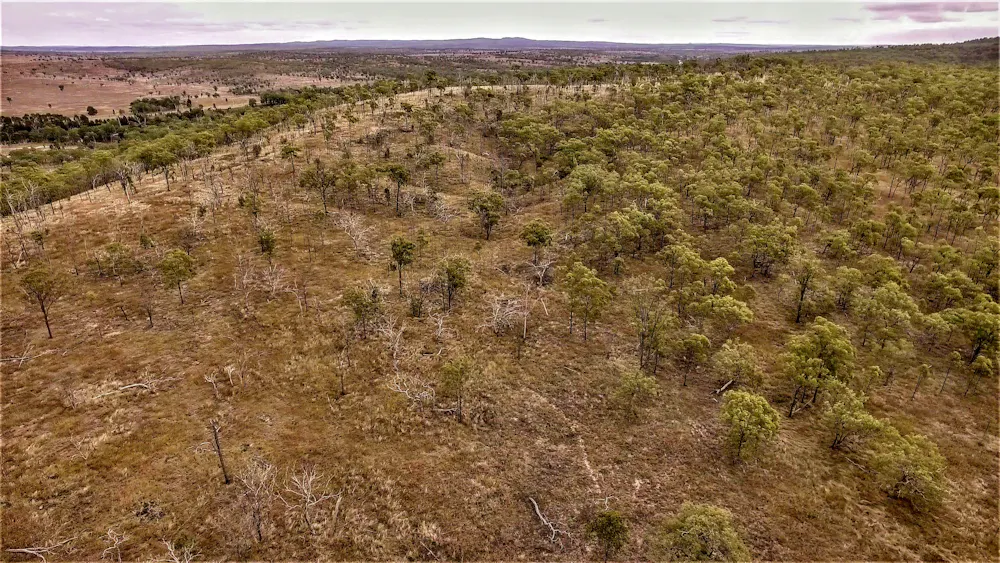
    Allowing forests to regrow and regenerate is a great way to restore habitat
    Source: The Conversation (Au and NZ) – By Hannah Thomas, PhD candidate in Environmental Policy, The University of Queensland Cynthia A Jackson, Shutterstock Queensland is widely known as the land clearing capital of Australia. But what’s not so well known is many of the cleared trees can grow back naturally. The latest state government figures

    A century after its discovery, scientists capture first confirmed footage of a colossal squid in the deep
    Source: The Conversation (Au and NZ) – By Kat Bolstad, Associate professor, Auckland University of Technology The colossal squid was first described in 1925 based on specimens from the stomach of a commercially hunted sperm whale. A century later, an international voyage captured the first confirmed video of this species in its natural habitat –

    Students are neither left or right brained: how some early childhood educators get this ‘neuromyth’ and others wrong
    Source: The Conversation (Au and NZ) – By Kate E. Williams, Professor of Education, University of the Sunshine Coast MalikNalik/ Shutterstock Many teachers and parents know neuroscience, the study of how the brain functions and develops, is important for children’s education. Brain development is recommended as part of teacher education in universities. Neuroscience is even

    Pagan loaves, Christian bread, a secular treat: a brief history of hot cross buns
    Source: The Conversation (Au and NZ) – By Darius von Guttner Sporzynski, Historian, Australian Catholic University Jasmine Waheed/Unsplash Hot cross buns aren’t just a sweet snack that appears around Easter. They carry centuries of storytelling in their dough. From ancient gods to modern supermarkets, these sticky spiced buns have crossed many borders and beliefs. Today,

    US-China trade war leaves NZ worse off, but still well placed to weather the storm – new modelling
    Source: The Conversation (Au and NZ) – By Niven Winchester, Professor of Economics, Auckland University of Technology Getty Images Forecasting the potential impact of Donald Trump’s turbulent tariff policies is a fraught business – and fraught for business. The United States president has changed, paused and exempted various categories of goods so often, the only

    Caitlin Johnstone: Every day the Gaza holocaust continues, the empire tells the truth about itself
    Report by Dr David Robie – Café Pacific. – COMMENTARY: By Caitlin Johnstone Every day the Gaza holocaust continues, the Western empire tells the truth about itself. The US government is telling you the truth about itself. Israel is telling you the truth about itself. Their Western allies are telling you the truth about themselves.

    PNG’s ‘chief servant’ James Marape defeats no-confidence vote
    By Koroi Hawkins, RNZ Pacific editor Papua New Guinea Prime Minister James Marape has survived a motion of no confidence against him in Parliament. During the proceedings, livestreamed on EMTV, Speaker Job Pomat announced the results of the vote as 16 votes in favour and 89 against. In moving the motion, the member for Abau,

    Does Russia have military interest in Indonesia? Here’s what we know – and why Australia would be concerned
    Source: The Conversation (Au and NZ) – By Matthew Sussex, Associate Professor (Adj), Griffith Asia Institute; and Fellow, Strategic and Defence Studies Centre, Australian National University A news report that Russia has sought to base long-range aircraft in Indonesia caught Australia’s political leaders by surprise during an already hectic election campaign. The military publication Janes

    Obama praises Harvard for ‘setting example’ to universities resisting Trump
    Asia Pacific Report Former US President Barack Obama has taken to social media to praise Harvard’s decision to stand up for academic freedom by rebuffing the Trump administration’s demands. “Harvard has set an example for other higher-ed institutions — rejecting an unlawful and ham-handed attempt to stifle academic freedom, while taking concrete steps to make

    Election Diary: for a few hours, it seemed possible the Russians might be coming
    Source: The Conversation (Au and NZ) – By Michelle Grattan, Professorial Fellow, University of Canberra For a few hours on Tuesday afternoon, it seemed just possible the Russians might be sending their planes to a base very near us. A claim on the military and intelligence site Janes that said the Russians were seeking to

    MIL OSI AnalysisEveningReport.nz

  • MIL-OSI USA: Ernst, McClain Halt Tax Dollars to China

    US Senate News:

    Source: United States Senator Joni Ernst (R-IA)
    WASHINGTON – As Americans fork over their hard-earned money to the government on Tax Day, U.S. Senator Joni Ernst (R-Iowa) and House Republican Conference Chairwoman Lisa McClain (R-Mich.) are introducing the Accountability in Foreign Animal Research Act (AFAR) Act to end the insane practice of funding sketchy animal experiments in China with American tax dollars.
    The bill would ban the Department of Health and Human Services (HHS) from funding experiments similar to the gain-of-function research on bat coronaviruses at the Wuhan Institute of Virology that many experts believe led to the COVID-19 pandemic.
    “We should have learned our lesson after COVID-19,” said Ernst. “Whether creating zombie cats in Russia, supporting risky research in Wuhan, or funding sketchy experiments on animals in foreign labs, I am cutting off the money for this madness and ensuring that taxpayers no longer foot the bill for crazy pseudoscience overseas.”
    “American taxpayer dollars should never fund dangerous, cruel experiments in animal research labs – much less in China or other adversarial countries,” said McClain. “This common-sense legislation ensures taxpayer dollars are not wasted on reckless research.”
    “White Coat Waste applauds Sen. Joni Ernst for reintroducing the AFAR Act just in time for Tax Day because Americans’ hard-earned money shouldn’t be wasted on funding foreign adversaries’ animal labs,” said Justin Goodman, Senior Vice President at government watchdog White Coat Waste. “As White Coat Waste first exposed in Wuhan five years ago, shipping taxpayer dollars to unaccountable animal testing labs in China and other adversarial nations is a recipe for disaster. Despite our progress since 2020 and in the first few months of the new Trump Administration, we’ve uncovered how twenty Chinese animal labs are still eligible to receive taxpayers’ money, including one that’s currently abusing 300 beagles a week in wasteful and cruel NIH-funded drug tests. Cutting cash for foreign enemies’ animal labs is common sense, consistent with Trump priorities, and backed by over 70 percent of taxpayers. Stop the money. Stop the madness!”
    Background:
    Ernst has long fought to stop tax dollars from being sent overseas for risky research.
    An Ernst-requested investigation exposed how EcoHealth sent over $1 million U.S. taxpayer dollars to the Wuhan Institute of Virology for risky experiments on bat coronaviruses. She also secured an audit by the Department of Defense’s Inspector General of risky research in China paid for by the Pentagon and hidden from the public. 
    She led the charge to permanently debar the Wuhan Institute of Virology and defund EcoHealth Alliance from receiving U.S. taxpayer dollars.
    Ernst efforts also led to the Department of Health and Human Services (HHS) defunding EcoHealth and promising to cut off any taxpayer dollars used for research of pandemic potential.
    In her $2 trillion blueprint to slash waste in Washington, Ernst pointed to the millions being sent to China for secretive risky research.

    MIL OSI USA News

  • MIL-Evening Report: Homelessness – the other housing crisis politicians aren’t talking about

    Source: The Conversation (Au and NZ) – By Cameron Parsell, Professor, School of Social Science, The University of Queensland

    Igor Corovic/Shutterstock

    Measures to tackle homelessness in Australia have been conspicuously absent from the election campaign.

    The major parties have rightly identified deep voter anxiety over high house prices. They have responded with a raft of policies, with big dollars attached, to try to make housing more affordable.

    But in doing so, homelessness has been rendered a silent crisis. We all see the destitute and displaced on our city streets or sleeping in their cars. But we are hearing very little from Labor and the Coalition about how to help the 122,000 Australians who are without permanent shelter.

    This is despite evidence that homeless services are witnessing significantly increased demand, with the rate of homelessness soaring above pre–pandemic levels.

    Election efforts to promote home ownership should be welcomed. But they will not help Australia’s homeless, who will remain excluded from shelter, a basic human right.

    Impossible dream

    Although people experiencing homelessness are not a homogeneous group, they have one thing in common – poverty. People who are homeless are overwhelmingly likely to be living in financial hardship.

    Even if they aspire to home ownership, their poverty means buying a home is an improbable solution to their homelessness, regardless of the various incentives on offer during an election campaign.

    Further, the experience of homelessness creates health problems and barriers to accessing mainstream services. People’s lives become transient, unpredictable and often dangerous.

    When homelessness is lost in major policy announcements about addressing only part of the housing crisis, we fail to confront and deal with the related harms homelessness inflicts.

    Strategic plan

    The first thing needed to confront the problem is a national housing and homelessness strategic plan. Governments should set measurable targets to end and prevent homelessness and avoid vague terms such as “address” or “respond”.

    Overseas experience shows it can be done. A strategic plan in the United States contributed to massive reductions in homelessness among military veterans.

    If a standalone homelessness plan sounds familiar, it might be because it was a Labor commitment leading up to the 2022 election. Despite an issues paper and consultation with the sector, the plan has never seen the light of day.

    Housing supply

    It is self-evident that ending and preventing homelessness, as the recent Australian Homelessness Monitor demonstrates, requires an increase in housing supply.

    Trying to fix homelessness without providing shelter would be like trying to prevent polio without vaccines, or ending illiteracy without books.

    Extra supply needs to include more social housing for people on low incomes. And permanent supportive housing, which combines affordable housing with health and social services for our most marginalised citizens.

    A whole-of-society response is required to find shelter for the 122,000 Australians who are homeless.
    TK Kurikawa/Shutterstock

    Some progress has been made by the Albanese government, which has increased the availability of social housing and boosted subsidies to renters in the private market.

    The Liberal Party’s policy platform for the election does not mention homelessness. Rather, it assumes increasing home ownership though measures like the tax deductibility of mortgage repayments for first homebuyers will be a remedy.

    More than houses

    Housing is critical to ending the scourge of homelessness. But it doesn’t tell the whole story.

    A much broader approach is needed that recognises we don’t live siloed lives. Poor connections with a range of health, social and charitable services can drive people into homelessness, and make ending it even harder.

    A more integrated approach would reduce the risk of homelessness. For example, ensuring people are not discharged from institutions such as prisons, hospitals, and foster care onto the street. The connections between homelessness and other critical areas of human need must be prioritised.

    An exclusive focus on building more dwellings will never fix homelessness. This is because the problem and its solutions cut across society, ending and preventing homelessness will require a society wide approach.

    Achieving that will be anything but simple.

    What do we value?

    Societies have worked out ways to overcome many harms to human life. Homelessness can also be remedied, but only if there is the social and political will to do so.

    In Australia we achieved significant success for a short time during the COVID pandemic when many people sleeping rough were accommodated. It can be done again.

    But any policies to end and prevent homelessness must confront the importance of values. Facts and data are needed to inform policy, but facts and data must always be framed by what we value in society.

    The way we respond to people who are homeless would demonstrate how we value each other, and how we can achieve equity and social cohesion well beyond the election campaign.

    Cameron Parsell receives funding from the Australian Research Council, as well as from numerous nonprofit organisations.

    Karyn Walsh is the CEO of Micah Projects which receives funding from the Commonwealth, state and local governments, and philanthropic and private entities to provide a range of homelessness, health, and community services. Neither Karyn nor Micah Projects will receive any financial benefit from this article

    ref. Homelessness – the other housing crisis politicians aren’t talking about – https://theconversation.com/homelessness-the-other-housing-crisis-politicians-arent-talking-about-254453

    MIL OSI AnalysisEveningReport.nz

  • MIL-Evening Report: ‘De-extinction’ of dire wolves promotes false hope: technology can’t undo extinction

    Source: The Conversation (Au and NZ) – By Martín Boer-Cueva, Ecologist and Environmental Consultant, Universidad Autónoma de Madrid

    Colossal Biosciences

    Over the past week, the media have been inundated with news of the “de-extinction” of the dire wolf (Aenocyon dirus) – a species that went extinct about 13,000 years ago.

    The breakthrough has been achieved by Colossal Biosciences, a multibillion-dollar United States company that claims their goal is to restore biodiversity through the de-extinction of species.

    The project is being celebrated and marketed as a conservation win. But does this technology really have the best interests of conservation in mind?

    We argue as ecologists that genetic advancements like these, while they are major scientific and technological feats, still risk minimising the severity of the current extinction crisis.

    Importantly, they take away focus from proven conservation efforts that are needed to protect the biodiversity that remains.

    High-tech copies of wolves

    First, it is important to recognise that Romulus, Remus and Khaleesi, the three “dire wolf” pups created, are not actually dire wolves.

    Colossal carried out 20 edits in 14 genes of the grey wolf genome to create their “dire wolves” using a genetic technique called CRISPR-Cas9.

    The grey wolf’s genome is 2,447,000,000 individual bases long. Would we consider a chimpanzee, with which we share 98.8% of our genome, to be human after 20 edits?

    The reality is that these are three slightly modified grey wolves.

    TIME magazine cover featuring a Colossal Biosciences’ ‘dire wolf’.
    TIME

    This de-extinction project has had millions of dollars poured into it – amounts of money most conservation programs could only dream of. There are proven solutions to help reverse biodiversity loss: habitat protection and restoration, the control of invasive species and the phasing out of fossil fuels.

    However, these solutions are not slickly marketed as shiny, techno-fix packages like de-extinction. Instead, they are heavily underfunded.

    Extinction is irreversible

    Promoting extinction as reversible risks downplaying its gravity and legacy.

    Headlines like the one that appeared on the front cover of TIME magazine – with the word “extinct” crossed out – seed a false hope that no matter what environmental damage is done, species loss can be easily undone.

    The risk is that de-extinction will be used as an ultimate offset for any environmental impact.

    Humans fear death. It is possibly our most primal instinct. We mourn and feel great sadness for the death of an individual, not only because they are gone, but because it is irreversible and final. Permanent.

    That finality is the same for humans or any living animal. It is what makes fighting biodiversity loss such an urgent concern, so much so that people risk their lives to prevent it, with 150 wildlife rangers dying each year around the world in their fight to protect endangered species.

    Protest movements like the Extinction Rebellion draw attention to irreparable damage to biodiversity.
    Ethan Wilkinson/Unsplash

    In the conservation movement, raising awareness of “martyr” species – like the northern white rhino and the passenger pigeon – helps underline the argument in favour of protecting current species. Framing extinction as temporary creates false hope and undermines motivation for real conservation action.

    We might already be seeing this happen in response to the “de-extinction” of the dire wolf. Interior Secretary of the Trump administration, Doug Burgum, praised the new biotechnology advancement and used it as an argument for the removal of the US Endangered Species Act.

    What good is bringing back species if there are no protective laws to address the drivers of their declines?

    Would we protect the dire wolf even if it did come back?

    It is deeply ironic that while millions are being spent recreating a dire wolf proxy, its cousin, the grey wolf, is heavily persecuted globally. Just last month, the Spanish government voted to overturn the legal protection that prevented wolves from being hunted north of the Duero River.

    Other predators are affected, too. In Australia, the dingo, which has been shown to suppress invasive cats and red foxes, helping native biodiversity, is also heavily persecuted – just like the thylacine or Tasmanian tiger was, which Colossal aims to de-extinct as well.

    If we can’t safeguard or protect habitat for apex predators today, in ecosystems that are already under immense pressure, what kind of world would we be bringing extinct species back into? Up to 150 species are considered to go extinct every day. No amount of genetic tech will solve this unless we address the root causes: habitat destruction, over-exploitation and climate change.

    The de-extinction of the dire wolf may sound like a conservation breakthrough, but it risks distracting us from the protection of our current living species. This approach turns biodiversity conservation into a billionaire’s Jurassic Park fantasy instead of addressing the crisis we already know how to fix.

    Dieter Hochuli receives funding from the Australian Research Council, NSW Department of Planning and Environment, the City of Sydney and the Inner West Council. He is President-Elect of the Ecological Society of Australia.

    Marco Salvatori receives funding from European Union BIODIVERSA+ program.

    Peter Banks receives funding from the Australian Research Council, The NSW Environmental Trust and the Australian Forests and Wood Initiative.

    Martín Boer-Cueva does not work for, consult, own shares in or receive funding from any company or organisation that would benefit from this article, and has disclosed no relevant affiliations beyond their academic appointment.

    ref. ‘De-extinction’ of dire wolves promotes false hope: technology can’t undo extinction – https://theconversation.com/de-extinction-of-dire-wolves-promotes-false-hope-technology-cant-undo-extinction-254479

    MIL OSI AnalysisEveningReport.nz

  • MIL-Evening Report: Superb fairy-wrens’ songs hold clues to their personalities, new study finds

    Source: The Conversation (Au and NZ) – By Diane Colombelli-Négrel, Senior Lecturer, Animal Behaviour, Flinders University

    Two superb fairy-wrens (_Malurus cyaneus_). ARKphoto/Shutterstock

    When we think of bird songs, we often imagine a cheerful soundtrack during our morning walks. However, for birds, songs are much more than background music – they are crucial to attract a mate and defend a territory.

    But what if a song could reveal something deeper about the singer’s personality? A new study, published today in Royal Society Open Science by my colleagues and me, shows it might.

    Addressing a research gap

    For many bird species, songs vary in complexity, with some individuals producing more intricate melodies than others. Such differences often indicate individual variation in genetic quality, age, or health. Yet most research to date has focused on males, and very few studies have investigated how song complexity relates to personality in birds.

    The new study addresses this research gap.

    My colleagues and I studied wild superb fairy-wrens (Malurus cyaneus), a small Australian songbird known for its bright plumage and complex vocal skills. Interestingly, in this species, both males and females learn to sing complex songs. This makes them a good example to study the relationship between song complexity and personality in both males and females.

    We captured wild superb fairy-wrens and brought them into short-term captivity to assess their personality. Specifically, we measured their exploration by placing them in a novel environment, where we observed where they went and how much they explored the environment.

    We also tested their aggressiveness by using a mirror, as birds often see their reflection as a rival and respond accordingly.

    We then released the birds and recorded their songs for several months to assess song complexity (that is, element types per song and syllables per song). Elements are the basic building blocks in bird songs (a little like letters in a word) and element types are categories of elements.

    Aggressive versus exploratory

    We found that, regardless of sex or life stage, birds that were more exploratory had more element types per song than those that were less exploratory. Also, more aggressive birds produced songs with fewer syllables than those that were less aggressive. You can hear this in the recordings below.

    Recording of a more exploratory male superb fairy-wren.
    Diane Colombelli-Negrel, CC BY-ND50.4 KB (download)

    Recoding of a less exploratory male superb fairy-wren.
    Diane Colombelli-Negrel, CC BY-ND35.5 KB (download)
    Regardless of sex or life stage, superb fairy-wrens that were more exploratory had more element types per song than those that were less exploratory, as this chart demonstrates.
    Diane Colombelli-Negrel, CC BY-ND

    We also found that more aggressive fledglings, but not adults, had more element types per song.

    Our study demonstrates that both males and females can advertise their personality through their songs. It also raises questions as to whom birds learn their songs from.

    In superb fairy-wrens, male and female juveniles learn from both parents as well as from other members of their species. It is possible that rather than learning from any available adults, birds may selectively copy song elements from specific individuals based on their own personality.

    In superb fairy-wrens, more exploratory birds may approach and learn from a wider range of tutors than less exploratory ones who may limit themselves to more familiar tutors.

    Additionally, our study highlights that the relationship between personality and song complexity could be shifting between different life stages. More aggressive young may experiment with a greater diversity of element types to prepare for the establishment of their own territory in their first year of life, leading to increasing song complexity.

    In contrast, adults have already settled in their territories and may not need to experiment as much.

    In superb fairy-wrens, male and female juveniles learn from both parents.
    Audra Thomson/Shutterstock

    Insights into how personality traits evolve

    Our study illustrates that learned aspects of sexual signalling are personality dependent, and that this may have some potential implications for survival or reproduction.

    This opens up exciting new questions about how vocal communication reflects individual differences — not just in males, but in females too.

    Understanding these links can give us deeper insights into how personality traits evolve and how they influence social interactions in the wild.

    Diane Colombelli-Négrel receives funding from the Australian Research Council and the Australia & Pacific Science Foundation.

    ref. Superb fairy-wrens’ songs hold clues to their personalities, new study finds – https://theconversation.com/superb-fairy-wrens-songs-hold-clues-to-their-personalities-new-study-finds-254472

    MIL OSI AnalysisEveningReport.nz

  • MIL-OSI USA: Cook, 2025 Distinguished Alumna Award Acceptance Remarks

    Source: US State of New York Federal Reserve

    Thank you, Dr. Rogers, and go Bears!
    Thank you to the Cal Alumni Club of Washington, D.C. for this honor.1 It is humbling to be in the company of so many other accomplished Cal alumni. And it is especially meaningful to receive this award from a university that has already given me so much. I am eternally grateful for my time at Berkeley and in my economics Ph.D. program, because it was a transformative experience that shaped me not only as an economist, but more importantly as a person. Again, I am deeply grateful for this honor.
    I know there is a lot going on in the news at the moment, so let me just start by saying that I do not plan to discuss policy or the current economic situation this evening. Instead, I want to keep the attention on the energetic and dedicated Cal alums here tonight and the wonderful university we all call home. I will talk about the way in which Berkeley profoundly influenced my thinking, which has served me well throughout my career, and will share a few memories from my time on campus.
    I would love to see who we have here tonight. First, where are the econ majors? Who lived in the International House? Now, where are the recent alums, say those who graduated in the past 5 years? (Congratulations, welcome to Washington.) Who here has graduated since 2010? Who here is in my generation and graduated in the 90s or early 2000s? And do we have some true Cal legends among us that are celebrating 40 or more years as a Golden Bear this spring? (Let’s give them a round of applause.)
    No matter when you attended Cal or how long you have been away, I think we can all agree that Berkeley is a special place that stays in your heart. I grew up in the South, and by the time I arrived at Berkeley, I had the good fortune to have spent time living in Africa and Europe. Even with this experience, what immediately stood out to me was the campus’s openness to many different cultures and ideas. And a clear way this was expressed, as I am sure you will recall, was through the abundance of delicious food. Berkeley was truly like heaven for this former founder of a cooking school. Better coffee and cuisine than anywhere else in the country. Dim sum everywhere, vegan and vegetarian options galore, and that sourdough at Great Harvest Bread. (You cannot blame a hungry grad student for stopping in for samples.) When I was there, Berkeley was at the forefront of the farm-to-table and healthy eating movements. I remember being in awe of the produce at Berkeley Bowl. They had five or six types of yams and sweet potatoes. I am from Georgia, and I had never seen so many yams!
    The wonderful food served as a perfect canvas upon which to share ideas. Sometimes that was having dinner at each other’s apartments, and sometimes it was slipping over to the cafeteria between Bechtel and Evans to have lunch with my friends in engineering and computer science. Shockingly, the Cal engineers had nicer facilities than the econ students in Evans Hall. By the way, Evans Hall is described on Cal’s own websites as a “dark, closed-in design. . . spoiling the main east-west axis of the campus.” Ouch, but I told you, open to ideas!2
    From these lunches and many other conversations at Berkeley, I learned the value of exchanging ideas and the free disposal of ideas. The next idea will come; be unafraid to try new things. Do not be wedded to bad ideas. I learned the value of working in teams and acknowledging and leveraging everyone’s varied scholarly and lived expertise. I learned the value of sharing and collaboration. This fosters the spirit of innovation that drives the Bay area. You can see why many of the greatest advancements in the past century have come from that region of the country, many directly from Cal alumni.
    It was awe-inspiring to be surrounded by so many outstanding students and stellar faculty members from many disciplines. The work of Cal researchers has changed the world. I often wondered what inspired these great minds. Then one day, while traversing the always congested campus, I saw it—the real incentive for great minds: Nobel laureates received reserved parking spaces. All of you who have fought Bay Area traffic and Berkeley campus parking restrictions know that tops any prize you can receive in Sweden!
    But seriously, I was extremely lucky to have an amazing group of professors and supporters at Cal. Barry Eichengreen was my dissertation adviser, and George Akerlof was an informal adviser who was just curious about economies undergoing market transitions. Janet Yellen and Laura Tyson were inspirations. They epitomized the commitment to public service that flows through the Berkley campus. When I arrived, Dr. Tyson had recently left to become chair of President Clinton’s Council of Economic Advisers (CEA). Of course, Dr. Yellen would soon serve as chair of CEA as well as those of Fed chair and Treasury Secretary, the only person in history to hold all three positions. I had the mentorship and support of a whole bunch of Romers: Christina, David, and Paul. Christina would also serve as CEA Chair as we climbed out of the Global Financial Crisis
    I arrived on campus in 1991 the very week the Soviet Union started breaking up and the Russian Soviet Socialist Republic became just Russia. This series of events gave the world an unfiltered view of a Russian economy blinking into the sunlight after decades of central planning and stagnation. I asked, what would happen next, and what could we learn from this historic event? I was desperate to explore those questions and to explore them with Greg Grossman. No one in the world knew more about the Soviet and Russian economies than he did.
    However, he had other thoughts—namely, retirement. When I asked him to advise me, he was hesitant. So, he presented me with a challenge. He said the only way to study the Russian banking system and economy was to become fluent in Russian. If I could learn the language, he would delay his retirement to advise me, along with Eichengreen. I could tell he thought his retirement plans were safe with that lofty goal. A year and a half later, I walked into his office and struck up a conversation in Russian. I could see his heart sink. I had won the challenge. (What he did not know then was that I had already learned four other languages and was blessed with the ability to pick up new ones quickly.) Once he agreed to stay on, I was off and running.
    I plowed through Tsarist-era statistical tables stashed in the depths of Bancroft Library. Later, I would travel to Moscow and collect data from the Russian Statistical Agency and eventually survey and conduct interviews with Russian bankers and entrepreneurs. I credit my Berkeley professors, particularly Barry, Greg, George, and Paul, for supporting the curiosity that took me to Moscow and many other distant places to do research and push forward the field of economics with new questions, data, and analysis. I especially thank them for asking tough, thoughtful questions that prepared me to approach any situation of heightened uncertainty and in which standard models and the conventional wisdom in economics may not apply.
    One aspect that stood out about the Berkeley experience was that we defended our dissertations at the proposal stage rather than upon completion. This arrangement was not common at the time but is now becoming a more frequent practice at other schools. It sets up the dynamic of these experienced, knowledgeable professors looking for constructive ways to allow experimentation to ultimately bring ideas to fruition. It is this sense of collaboration and openness that I have taken from Berkeley and brought with me everywhere I have gone—through universities, banks, the government, and now at the Federal Reserve.
    There is a special way you learn to think at Berkeley. I hope you continue to carry that spirit in all you do here in Washington and beyond.
    Thank you again for this tremendous honor. I will always be a proud Cal alumna.

    1. The views expressed here are my own and are not necessarily those of my colleagues on the Federal Reserve Board or the Federal Open Market Committee. Return to text
    2. Evans Hall, University of California, Berkeley. Return to text

    MIL OSI USA News

  • MIL-Evening Report: Students are neither left nor right brained: how some early childhood educators get this ‘neuromyth’ and others wrong

    Source: The Conversation (Au and NZ) – By Kate E. Williams, Professor of Education, University of the Sunshine Coast

    MalikNalik/ Shutterstock

    Many teachers and parents know neuroscience, the study of how the brain functions and develops, is important for children’s education.

    Brain development is recommended as part of teacher education in universities. Neuroscience is even mentioned in Australia’s “early years framework”, which guides early childhood programs.

    Previous research has shown there are misunderstandings about how neuroscience works (or “neuromyths”) among teachers both in Australia and overseas.

    Our new study shows there are also some widespread neuromyths among early childhood educators.

    What are the myths? And what does the evidence say?

    Our research

    We surveyed more than 520 Australian early childhood educators in 2022 to understand their neuroscience knowledge.

    We chose to study early childhood educators because there is a research gap in our understanding of those teaching and caring for younger children. The surveys were distributed online via multiple channels including email lists, social media and professional associations.

    About 74% of respondents worked in a long daycare or a preschool/kindergarten (educating children in the final years before formal school). About 63% had either a bachelors degree or postgraduate qualification.

    Our research surveyed more than 500 early childhood educators about their neuroscience knowledge.
    Poppy Pix/ Shutterstock

    Our findings

    We asked respondents whether various false statements were true, in order to assess their level of knowledge about neuroscience. The average correct score was 13.7 out of 27.

    Some myths presented in our study were widely, and correctly, understood to be false. For example, more than 90% of respondents correctly identified “when we sleep our brains shut down” and “mental capacity is solely hereditary and cannot be changed by the environment or experience” as untrue.

    But for other myths, most respondents were either unsure or believed the statement to be correct. For example:

    • only 7% of respondents correctly identified “teaching to different learning styles will improve learning” as false.

    • only 15% of respondents correctly identified “students are either left or right brained” as false.

    This suggests educators need more evidence-based neuroscience content as part of their professional education and development. While some neuromyths may seem harmless, others can have real implications for teaching decisions and student learning.

    What is the problem with these neuromyths?

    Myth 1: ‘teaching to different learning styles will improve learning’

    The idea of learning styles became popular in the 1970s. This argued students will show improved learning if they receive information in a very specific way. For example, “visual learners” need to see information to be able to learn, while “aural learners” need to hear it.

    This has been recognised as a myth since the mid-2000s, but the idea of learning styles still persists among educators.

    While people may have preferred ways of accessing information, there is no evidence learning suffers if information isn’t provided in this format. Research has also shown teachers’ ideas of a student’s learning style do not tend to match students’ self-reported preferences.

    So teaching decisions made on assumed student “learning styles” may be flawed in any case.

    There’s no evidence learning needs to be presented in a particular format for certain ‘types’ of learners.
    myboys.me/ Shutterstock

    Myth 2: ‘students are either left or right brained’

    Another enduring idea is we have personality traits that are either right-brained (intuitive and creative) or left-brained (analytical and logical)

    There is evidence some brain functions hang out a little more on one side of the brain than the other. For example, language is more on the left and attention is more on the right. However, there’s no evidence your personality or your aptitude comes particularly from the left or right brain hemisphere.

    The harm in this myth comes from students thinking they are “more left-brained than right” and teachers reinforcing this view. And from here, young people might think they should just stick to humanities or just stick to maths or science.

    This could rob a student of exploring multiple academic and career paths. Sure, some students will seem to really flourish as an artist, some as mathematicians and some as both. But we should not be labelling students, based on a neuromyth, potentially impacting self-confidence and their potential.

    Kate E. Williams receives funding from the Australian Research Council, National Health and Medical Research Council, Queensland Government Department of Education, and Australian Government Department of Social Services. She is affiliated with Play Matters Australia as Chair of the Board of Directors.

    ref. Students are neither left nor right brained: how some early childhood educators get this ‘neuromyth’ and others wrong – https://theconversation.com/students-are-neither-left-nor-right-brained-how-some-early-childhood-educators-get-this-neuromyth-and-others-wrong-248888

    MIL OSI AnalysisEveningReport.nz

  • MIL-OSI Submissions: Universities – Little birds’ personalities shine through their song – and may help find a mate – Flinders

    Source: Flinders University

    In birds, singing behaviours play a critical role in mating and territory defence.

    Although birdsong can signal individual quality and personality, very few studies have explored the relationship between individual personality and song complexity, and none has investigated this in females, say Flinders University animal behaviour experts.

    They have examined the relationships between song complexity and two personality traits (exploration and aggressiveness) in wild superb fairy-wrens (Malurus cyaneus), a species in which both sexes learn to produce complex songs.

    “Regardless of their sex or life stage, individuals that were more exploratory had more element types per song, which may be explained by the possibility that more exploratory birds approach and learn from a wider variety of tutors compared to less exploratory birds,” says senior lecturer Dr Diane Colombelli-Négrel, from the College of Science and Engineering BirdLab at Flinders University.

    “Additionally, more aggressive individuals produced songs with fewer syllables, and more aggressive fledglings, but not adults, had more element types per song. In birds, singing behaviours play a critical role in mating and territory defence.”

    The study illustrates that learned aspects of sexual signalling are personality dependent, and that this can have some potential fitness implications.

    In a new study, published in Royal Society Open Science, the personality in males and females (including juveniles) was assessed by quantifying their exploration behaviour (novel environment test) and aggressiveness (mirror stimulation test) during short-term captivity.

    First the birds were captured to measure their personality in short-term captivity. Researchers measured their exploration by placing them (in a novel environment test), and their aggressiveness (by using a mirror test).

    After the birds were released, their songs were recorded over several months to assess individual variation in song complexity (i.e., element types per song, syllables per song) in relation to personality.

    “Our study supports the idea that both male and female birds can advertise their personality when singing, which may be important for mate choice,” Dr Colombelli-Négrel says.

    The research – Personality predicts song complexity in superb fairy-wrens (2025) by D Colombelli-Négrel, AC Katsis, LK Common and S Kleindorfer – will be published by the Royal Society Open Science (The Royal Society) DOI: 10.1098/rsos.241497.

    https://doi.org/10.1098/rsos.241497

    Acknowledgements: This work was funded by a Discovery Research Grant from the Australian Research Council (DP190102894) awarded to SK and DC-N and by a grant from the Australia & Pacific Science Foundation awarded to DC-N and SK.

    This research was approved by the Flinders University Animal Welfare Committee (E480, AEC BIOL5563). Fieldwork was conducted under permit from the South Australian Department for Environment and Water (Z24699) and the Australian Bird and Bat Banding Scheme (banding authority numbers 2601, 2719).

    Researchers also thank Cleland Wildlife Park for access to the field site and for accommodating this research.

    MIL OSI – Submitted News

  • MIL-OSI United Kingdom: expert reaction to study looking at vaping rates in Britain

    Source: United Kingdom – Executive Government & Departments

    A study published in Addiction looks at changes in vaping trends in Britain. 

    Prof Caitlin Notley, Professor of Addiction Sciences, Norwich Medical School, UEA, said:

    “This study presents an exploratory analysis of data from the Smoking Toolkit Study, an ongoing monthly cross-sectional survey of a representative sample of adults (≥16 years) in Great Britain.  It reports that levels of vaping overall have stabilised, and that there has been a decline in use of disposable vapes by both adults and young adults in the last year, since the announcement of the forthcoming ban on disposable vapes. The study is well conducted and draws on a large dataset, so can be considered to accurately reflect what is happening currently in the UK population.  The study is cross-sectional, so cannot determine causality, but it seems likely that the observed reduction in use of disposable vapes may in part be due to people being aware of the forthcoming ban, but also probably a reflection of market changes.  The vape market has rapidly adapted, and already disposables are being displaced by simple reusable devices, which have many of the same attractive features (size, colour, flavours) of disposable devices, but allow recharging.

    “It is good news that vaping prevalence overall has stablished while we continue to see a decline in population level tobacco smoking.  As many people vaping will be ex-smokers, this suggests that we may be seeing a levelling off of vaping by people who have never smoked.  This is clearly an important trend to monitor, as the public health goal is to encourage people away from harmful tobacco smoking, by vaping if it is helpful, but to also to discourage people who have never smoked from taking up vaping.

    “The study suggests that the forthcoming disposable vape ban may have already had an impact and any additional impact once it comes in may be limited, as people appear to have pre-emptively changed the products they are using knowing the ban was coming.  There is a need for ongoing research to evaluate how the policy change, once fully enforced, influences behaviour.”

    ‘Changes in vaping trends since the announcement of an impending ban on disposable vapes: A population study in Great Britain’ by Sarah E. Jackson et al. was published in Addiction at 00:01 UK time on Wednesday 16 April 2025.

    DOI: 10.1111/add.70057

    Declared interests

    Prof Caitlin Notley: “I have no COIs to declare.”

    MIL OSI United Kingdom

  • MIL-OSI USA: ICE, federal partners arrest illegal Honduran national charged with incest, sex crimes in Virginia

    Source: US Immigration and Customs Enforcement

    HERNDON, Va. — U.S. Immigration and Customs Enforcement along with law enforcement partners from the Bureau of Alcohol, Tobacco, Firearms and Explosives; U.S. Department of State’s Diplomatic Security Service and Virginia State Police arrested an illegally present Honduran national charged with incest with a 13 to 17-year-old child and aggravated sexual battery: parent with a 13 to 17-year-old child. Officers and agents arrested Marvin Mateo-Alberto, 25, in Falls Church, Virginia April 10.

    “Marvin Mateo-Alberto stands accused of some very appalling and disturbing crimes and represents a threat to the children of our Virginia communities,” said ICE Enforcement and Removal Operations Washington, D.C. Field Office Director Russell Hott. “We cannot in good conscience allow Mr. Mateo to continue to potentially threaten other children in our neighborhoods. ICE Washington, D.C. will continue to prioritize public safety by arresting and removing criminal alien threats from our streets.”

    U.S. Border Patrol arrested Mateo-Alberto after he illegally entered the United States Oct. 17, 2005, near Eagle Pass Texas.  USBP issued Mateo-Alberto a notice to appear before a Justice Department immigration judge.

    On April 5, 2006, the DOJ immigration judge ordered Mateo-Alberto removed from the United States to Honduras.

    Fairfax County Police Department officers arrested Mateo-Alberto Jan. 1 and charged him with incest with a 13 to 17-year-old child and aggravated sexual battery: parent with a 13 to 17-year-old child. ICE lodged an immigration detainer against Mateo-Alberto with the Fairfax County Adult Detention Center.

    The Fairfax County Adult Detention Center did not honor the ICE detainer and released Mateo-Alberto Jan. 16.

    Officials with ICE Washington, D.C.; ATF Washington, D.C.; DSS Washington, D.C. and VSP arrested Mateo-Alberto in Herndon April 10. He remains in ICE custody.

    Members of the public can report crimes and suspicious activity by dialing 866-DHS-2-ICE (866-347-2423) or completing the online tip form.

    Learn more about ICE’s mission to increase public safety in our communities on X: @EROWashington.

    MIL OSI USA News

  • MIL-OSI USA: WISH to Ignite: WISHfest25 Sparks Curiosity, Community, and Courage in Waterbury

    Source: US State of Connecticut

    More than 1,200 students, educators, and community members filled downtown Waterbury on March 28 for WISHfest25, the University of Connecticut’s third annual Waterbury Innovation, Sustainability, and Health Festival (WISHfest).

    Co-hosted by UConn Waterbury, the City of Waterbury, and Waterbury Public Schools, the festival embraced this year’s theme: “WISH to Ignite: Passion, Resilience, and Boundless Possibilities.”

    From electrifying keynotes and hands-on science exhibits to deep conversations around neurodiversity, leadership, and identity, WISHfest25 once again demonstrated that innovation isn’t limited to the lab—it thrives in community.

    From Jurassic Science to Real-Life Resilience

    The day began at the historic Palace Theater, where students heard from Jack Horner, the world-renowned paleontologist who advised six “Jurassic Park” and “Jurassic World” films—and who also happens to be severely dyslexic.

    “Being different doesn’t mean being broken,” Horner told a packed theater. “It means you see the world in a different way—and that’s where new ideas come from.”

    A panel discussion at the Palace Theater features, from left to right, Clarke, UConn NSF TRANSCEND fellow & Ph.D. student Vaishnavi Sivaprasad, Horner, and Reis, moderated by Hoeft.” (Steven Bustamante / UConn Photo)

    Horner, a MacArthur “Genius” Fellow who has received multiple honorary doctorates, shared his journey of scientific discovery and defying expectations—even showing the audience a high school report card filled with Ds and Fs. For many students, this was their first time meeting a scientist in person.

    “I still remember his talk from 10 years ago, word for word,” said Dean Fumiko Hoeft, founder and co-director of WISHfest. “It’s the kind of spark we want every student to walk away with.”

    After the event, Horner added, “You found a wonderful group of young students and lots of interesting people. I had a blast!”

    Also featured on stage was Shavana Clarke, Miss Connecticut USA 2024, a proud Jamaican American, LGBTQ+ advocate, and UConn alumna. With honesty and grace, Clarke shared her journey navigating mental health and identity, reminding students that resilience often begins with telling your story.

    Members of the Waterbury Police Department’s Mounted Unit interact with attendees at WISHfest, at the UConn Waterbury campus.” (Steve Bustamante / University of Connecticut)

    “You’re not a burden. You’re not alone. And your difference is your strength,” Clarke told the crowd, as students rose to applaud.

    Sally Reis, UConn Board of Trustees Distinguished Professor and 2025 Reed Fellow, urged educators to adopt a strength-based approach and emphasized how supporting neurodiverse and twice-exceptional learners can unlock untapped potential.

    “We spend too much time fixing what’s ‘wrong,’” Reis said. “WISHfest reminds us to discover and develop the talents of all students.”

    From the Stage to the Lab: Hands-On Learning at UConn Waterbury

    Following the morning program, energy shifted across the street to the UConn Waterbury campus, where students dove into VR simulations, brain dissections, research showcases, and interactive career stations hosted by UConn faculty, staff, and industry professionals.

    “I loved how WISHFest had such fun events at the Palace and UConn like when Jack Horner came and talked about his life,” said Julian Malusa, age 10, from Judson School in Watertown, who attended with his grandmother, reflecting on the excitement and inspiration the event provided for young attendees.

    Two UConn Waterbury students pose with Jonathan XV at WISHfest 2025 (Steve Bustamante / University of Connecticut)

    This portion of the festival was coordinated by the UConn Center for Career Readiness and Life Skills and the Northwest Regional Workforce Investment Board (NRWIB), highlighting pathways in health care, business, government, tech, and education.

    The event also earned praise from school leadership. “The Waterbury Public Schools’ students were once again wowed by WISHfest and encouraged by their visit to UConn Waterbury,” said Interim Superintendent Darren Schwartz. “I am grateful for the ongoing leadership of Dr. Fumiko Hoeft and her collaboration with the Waterbury Public Schools.”

    From 1:30 to 4:00 p.m., UConn Waterbury students participated in closed small-group sessions with keynote speakers, NSF TRANSCEND Ph.D. Fellows, researchers, and community partners—deepening discussions on AI, neurodiversity, innovation, and inclusive leadership.

    Leadership, Laughter, and Legacy: The Pre-Event Dinner

    The evening before WISHfest, over 20 civic and academic leaders gathered for a private dinner hosted by Cathy and Jim Smith at their Middlebury residence. Guests included UConn President Radenka Maric, Senator Joan Hartley, Mayor Paul Pernerewski, Interim Superintendent Schwartz, and leaders in the arts, education, and nonprofit sectors.

    A student uses a VR headset at UConn Waterbury’s WISHFest 2025 (Steve Bustamante / University of Connecticut)

    Cathy Smith, President of the Leavenworth Foundation, has long supported revitalization efforts throughout Waterbury with her husband Jim Smith—from restoring the Green and City Hall to supporting the Palace Theater, and now, WISHfest.

    Closing the Day with Art and Appreciation

    The festival concluded with a VIP reception at the Mattatuck Museum, where speakers, students, and community members came together in an evening of reflection, art, and connection.

    “This is what it means to be One UConn,” said President Radenka Maric, who returned for her second WISHfest. “We don’t just teach science or policy—we create spaces where young people can imagine new futures.”

    Powered by Partnership

    WISHfest25 is a free event, made possible through the generosity of the David and Joan Reed Endowment to UConn Waterbury, with additional support from UConn NSF TRANSCEND Ph.D. Training Program, UConn School of Business Digital Frontiers Initiative, UThe OLLI Program at UConn Waterbury, Mattatuck Museum, Palace Theater, Cathy & Jim Smith, Dunkin’, and Coca-Cola.

    A group photo of WISHfest staff, comprising UConn Waterbury staff and students, in front of the Palace Theater.(Steve Bustamante / University of Connecticut)

    “The collaboration between UConn, local schools, and community partners is what truly makes WISHfest successful,” said Monica Lattimer, co-director of WISHfest and Associate Director of Operations at UConn Waterbury. “It’s amazing to see how this event grows each year and continues to inspire our students to explore new career paths and ideas.”

    What’s Next?

    Planning is already underway for WISHfest26, which will be held on Friday, April 17, 2026, and feature Temple Grandin—renowned scientist, animal behaviorist, and autism advocate—as keynote speaker. The 2026 theme will explore agriculture, nutrition, sustainability, and neurodiversity, co-sponsored by UConn CAHNR and the USDA NextGen Fellows.

    “If this year was about igniting possibility,” said Hoeft, “next year, we’ll cultivate it.”

    To learn more, visit wishfest.waterbury.uconn.edu. To inquire about sponsorship or participation in next year’s event, email wishfest@uconn.edu.

    MIL OSI USA News

  • MIL-OSI Canada: Delivering on compassionate intervention

    [. The creation of the Alberta Recovery Model is a shift in addiction policy, with an approach that focuses on services and investments to lead people down a path of healing. Alberta’s government built this model because with the right care and support, recovery is possible.

    Despite the supports for treatment and recovery, there are some individuals who remain likely to cause harm to themselves or others as a result of their addiction or substance use. In response to these concerns, Alberta’s government is delivering on its promise to bring forward the Compassionate Intervention Act to support the health, wellness and recovery of Albertans facing severe addiction challenges and in turn, restore safety for families and communities.

    “For those suffering from addiction there are two paths – they can let their addiction destroy and take their life or they can enter recovery. There is no compassion in leaving people to suffer in the throes of addiction and in Alberta we choose recovery. That’s why we’re introducing compassionate intervention – another tool in the Alberta Recovery Model – to help keep our communities safe while ensuring our most vulnerable can access much needed recovery supports.”

    Danielle Smith, Premier

    “We cannot – and will not – stand by and let addiction destroy our families and communities. The Compassionate Intervention Act will provide life-saving support, ensuring families are no longer forced to watch their loved ones suffer from the deadly disease of addiction and endure the pain it brings.”

    Dan Williams, Minister of Mental Health and Addiction

    If passed, the Compassionate Intervention Act would create a pathway for parents, family members, guardians, health care professionals, and police or peace officers to request a treatment order or care plan for those who, because of their severe addiction, are likely to cause harm to themselves or others. Compassionate intervention is just one tool to help someone pursue recovery, which is why other options should be tried and specific criteria met before someone could be considered eligible.

    The eligibility criteria for youth are comparable to the Protection of Children Abusing Drugs Act (PChAD), which provides mandatory short-term stabilization, detox and assessment. Compassionate intervention would replace and improve PChAD, allowing for longer-term treatment, an easier application process and increased family involvement in a child’s recovery.

    “This is an opportunity to bring forward a world-leading program that will restore health to our most vulnerable Albertans, many of whom are facing the most severe addictions. I look forward to working with Recovery Alberta and Alberta’s government to help lead a thoughtful and evidence-informed implementation of compassionate intervention.”

    Dr. Rob Tanguay, interim senior medical lead for compassionate intervention, Recovery Alberta

    “With evidence-based programming and support, the compassionate intervention program will be a world leader in addressing some of the most complex cases of addiction. Recovery Alberta is well-positioned to deliver this with incredible staff and clinicians, and we look forward to supporting more people in their journey to reclaim their lives from the disease of addiction.”

    Kerry Bales, CEO, Recovery Alberta

    Premier Danielle Smith and Mental Health and Addiction Minister Dan Williams announce introduction of compassionate intervention legislation

    Alberta’s government has built a strong partnership focused on recovery with Indigenous communities across the province. The Compassionate Intervention Act includes the ability for First Nations and Métis to integrate their unique practices and traditions into the compassionate intervention process.

    Budget 2025 provides $180 million over three years to build two 150-bed compassionate intervention centres in Edmonton and Calgary, with construction expected to begin in 2026. These centres, operated by Recovery Alberta, will support intakes and assessment, and delivery of compassionate intervention care for adults. With an immediate need to provide compassionate intervention care, Alberta’s government is also exploring options to have some temporary adult spaces available within existing facilities next year. 

    For youth capacity, Alberta’s government is planning to transition protective safe houses used for PChAD into spaces for compassionate intervention. Next year, Alberta’s government expects to open the Northern Alberta Youth Recovery Centre, which will more than double addiction treatment capacity for youth and include space for care under the Compassionate Intervention Act.

    Every patient who leaves the compassionate intervention system will leave with a discharge plan for ongoing supports and services. This may include continuing treatment in a recovery community or another community bed-based program, day programming, psychiatric care and/or ongoing work with a recovery coach. It may also include help finding housing, employment, skills training and more.

    Key facts:

    • Significant investments have been made to expand treatment capacity since 2019, such as:
      • Publicly funding more than 10,000 addiction treatment spaces.
      • Building 11 recovery communities, including four in partnership with First Nations and one with the Métis Nation within Alberta.
      • Expanding Virtual Opioid Dependency Program (VODP), which provides same-day access to evidence-based addiction treatment medication.

    Related information

    • Compassionate Intervention
    • Fact sheet – Compassionate Intervention: A path to recovery
    • Fact sheet – Compassionate Intervention: Based on best practices
    • Alberta Recovery Model
    • Bill 53: Compassionate Intervention Act

    Related news

    • Laying the foundation for compassionate intervention (Feb 24, 2025)

    Multimedia

    • Watch the news conference
    • Listen to the news conference
    • Listen to Albertans’ stories

    Quotes:

    “We value our partnership with Alberta’s government as we work to save lives and bring people into recovery. But with new, increasingly deadly drugs like methamphetamine and fentanyl, we can’t keep doing the same things and expect different results while people are dying. As Chief of Enoch Cree Nation, I support compassionate intervention and welcome investments that prioritize Indigenous culture and new approaches that truly meet the needs of our people.”

    Chief Cody Thomas, Enoch Cree Nation

    “Tsuut’ina Nation is grateful for our relationship with the Ministry of Mental Health and Addiction. Compassionate intervention is an important part of addressing the opioid addiction crisis. We are confident that this policy, guided by elders and experts, will provide valuable support for individuals and families in need.”

    Chief Roy Whitney, Tsuut’ina Nation

    “We cannot afford to sit back and watch our nation members continue to suffer in their addiction. We must intervene. We would much rather step in with compassionate intervention instead of waiting until we are going to funerals.”

    Chief Ouray Crowfoot, Siksika Nation

    “As Chief of Woodland Cree First Nation, I appreciate Alberta’s commitment to addressing addiction through expanded treatment and recovery supports. With the Compassionate Intervention Act, it’s encouraging to see the government taking steps to work in partnership with First Nations. While we recognize there are complexities with this approach, our shared goal remains the same: to provide our people with the help they need and to stop the devastation that addiction continues to bring to our communities.”

    Chief Isaac Laboucan-Avirom, Woodland Cree First Nation

    “We have never felt more pain than the day we found out we lost our daughter to addiction. Addiction truly does take over a person’s life, and it is devastating that legal intervention was not available to us. As parents, my husband and I support the Compassionate Intervention Act as an option for families today dealing with the challenges of addiction.”

    Susan and Stephen Boone, parents of a child lost to addiction

    “My son was discharged from the emergency room into our care, without any addiction resources or support. The new Compassionate Intervention Act is critical for other families in crisis like mine. The opportunity for recovery in Alberta is necessary for the addict who suffers and for those who love them.”

    Janelle Watson, parent with a child affected by addiction

    “Alberta is a leader in recovery, and other jurisdictions are taking note of what they are accomplishing. Compassionate intervention is an innovative and encouraging step forward in resolving the most complex cases of addiction. I strongly support approaches like this, which commit to providing high-quality, comprehensive, evidence-based treatment within therapeutic environments.”

    Dr. Keith Humphreys, Esther Ting Memorial professor, Department of Psychiatry and Behavioral Sciences, Stanford University

    “What Alberta is bringing forward for compassionate intervention and the Alberta Recovery Model is a monumental achievement and will provide a roadmap for the rest of North America. Providing options for long-term care with monitoring and accountability, similar to what we know works for doctors and pilots, is going to be a game-changer for those struggling with severe addiction and mental illness. It’s fantastic Alberta has the will to help people suffering from addiction by giving them the tools and support that will get them into recovery.”

    Dr. Anna Lembke, professor and medical director of Addiction Medicine, Stanford University School of Medicine

    “As an addiction psychiatrist, I welcome Alberta’s commitment to treatment and recovery, an example for governments everywhere to follow. Compassionate intervention for those experiencing severe addiction is a policy that will save lives and restore people’s well-being. Especially encouraging is the level of care that will be given to support psychiatric treatment along with long-term recovery.”

    Dr. Charl Els, addiction psychiatrist and clinical professor, psychiatry, University of Alberta

    “The Canadian Centre of Recovery Excellence (CoRE) appreciates Alberta’s willingness to align compassionate intervention with empirically proven practices, such as opioid agonist treatments, to help those with severe illness. As the policy moves forward, CoRE will closely monitor and research the outcomes to ensure it is helping people effectively stabilize and make meaningful progress in their recovery journeys.”

    Dr. Nathaniel Day, chief scientific officer, Canadian Centre of Recovery Excellence

    “Internationally and within Canada, attempts at intervention for drug-related problems have often proven ineffective as approaches have lacked a comprehensive plan and don’t account for the co-occurrence of complex illnesses. Alberta’s system-wide, holistic approach to compassionate intervention balances the short-term rights of individuals and the intermediate and long-term health and wellness of those same people. This new legislation definitely adds to the international benchmark status of the Alberta Recovery Model.”

    Dr. Julian Somers, clinical psychologist and distinguished professor, Simon Fraser University

    “Addiction is not just a big city issue. Each one of our communities has grappled with different social challenges such as addiction. Alberta’s Mid-sized Cities Mayors’ Caucus is pleased the Government of Alberta is introducing the Compassionate Intervention Act and welcomes the provincial government’s investment in solving the addiction crisis.”

    Jeff Genung, mayor, Town of Cochrane and chair, Alberta Mid-sized Cities Mayors’ Caucus

    “The Alberta Association of Chiefs of Police supports the Alberta Compassionate Intervention Act as a vital step toward addressing the complex challenges of addiction and recovery-oriented treatment for our communities. This legislation provides law enforcement with a compassionate approach to intervene and connect individuals in crisis with the treatment and support they need. By prioritizing public safety and individual well-being, this act reflects our shared commitment to building healthier and safer communities across Alberta.”

    Mark Neufeld, president, Alberta Association of Chiefs of Police

    “The Downtown Revitalization Coalition supports a comprehensive and compassionate approach to addressing the complex challenges of addiction and mental health in our communities. We commend the Alberta government for introducing the Compassionate Intervention Act, which recognizes that some individuals are simply not able to seek help or manage recovery on their own. This legislation offers a path forward – one grounded in care, a holistic plan of support and the belief that every person deserves the opportunity to reclaim their future.”

    Cheryll Watson, chair, Downtown Revitalization Coalition, Edmonton

    “Native Counselling Services of Alberta is pleased to support the Compassionate Intervention Act. We believe this is an important piece of legislation to support recovery for people who have been entrapped by addiction and are now a danger to themselves or others.”

    Blake Jackman, director of housing, Native Counselling Services of Alberta

    “It is important to do everything possible to help a young person be lifted out of addiction onto a path of recovery. Hull Services is pleased to support the Compassionate Intervention Act to enhance life-saving services for young Albertans in need.”

    Jon Reeves, executive director, Hull Services

    “We know the despair and hopelessness parents feel when their child is struggling with addiction to harmful substances. Through compassionate intervention, Wood’s Homes is pleased to support enhanced care options for young Albertans.”

    Bjorn Johansson, CEO, Wood’s Homes

    “This commitment to compassionate intervention is ensuring we bring as many people out of addiction as possible. It’s clear Alberta’s government is taking recovery seriously with significant investment into the delivery of compassionate intervention care.”

    Bruce Holstead, person in recovery and executive director, Fresh Start Recovery Centre

    “Human trafficking often has deep ties to mental health and addiction. Vulnerabilities caused by these issues make individuals more likely to be victimized by traffickers. Consequences of trauma resulting from being trafficked can also lead to new or deepening adverse mental health and addictions impacts. Compassionate intervention has the potential to provide a much-needed tool for prevention and rehabilitation supports for people directly impacted by, or at risk of human trafficking.”

    Paul Brandt, founder and CEO, #NotInMyCity, and co-chair, Alberta Centre to End Trafficking in Persons

    “When we opened Wihchihaw Maskokamik Society (Bear Lodge), it was with the goal to help our people find healing and support, and connect with culture and services to help save their lives. I have seen first-hand the damage that addiction can cause to a person’s life, and I’m hopeful that we now have an opportunity to help people who are most in need to change their lives for the better.”

    Glori Sharphead, senior manager, Wihchihaw Maskokamik Society (Bear Lodge), Enoch Cree Nation 

    “We need to ask ourselves if it is better to leave someone to harm themselves or others with ongoing addiction or if we should compassionately intervene. The answer is obviously to intervene and do what we can to save someone’s life.”

    Earl Thiessen, person in recovery and executive director, Oxford House Foundation

    “The George Spady Society is a proud partner and contributor of the Alberta Recovery Model. Our organization appreciates the government’s approach to prioritizing the lives of people suffering from addiction through a range of care options and providing opportunities for compassionate intervention when needed.”

    Dawn-Marie Diab, CEO, George Spady Society

    “Acknowledging that no single solution will fit all, we support diverse approaches to meet community needs. The Compassionate Intervention Act addresses a critical gap in our systems, and we are encouraged by its potential to bolster the continuum of care for individuals facing severe addiction issues. We look forward to the opportunity to collaborate in shaping this effort, ensuring the number of lives lost to addiction is reduced through a dignified, human centered approach.”

    Johanna Knettig, co-CEO, Bissell Centre

    “There is nothing more heart-wrenching than families watching a loved one struggle with the illness of addiction. The families supported by PEP Society are glad to see this government’s plan for compassionate intervention, and we look forward to having this resource to rebuild health and wellness across Alberta.”

    Lerena Greig, executive director, PEP Society

    “CMHA Alberta Division and Centre for Suicide Prevention knows families struggle to access community-based addiction supports and treatment for their loved ones, all while watching their loved ones’ mental health and addiction issues deteriorate to a crisis. A framework to compassionately intervene with the most vulnerable among us can help. We are committed to continuing to build a community-based system of care that includes treatment combined with peer and family support throughout the journey.”

    Mara Grunau, CEO, Canadian Mental Health Association, Alberta Division and Centre for Suicide Prevention

    MIL OSI Canada News

  • MIL-OSI: XWELL Reports Fiscal Year 2024 Results

    Source: GlobeNewswire (MIL-OSI)

    NEW YORK, April 15, 2025 (GLOBE NEWSWIRE) — XWELL, Inc. (Nasdaq: XWEL) (“XWELL” or the “Company”), a pioneer in democratizing wellness, today reported results for the year ended December 31, 2024.

    Recent Highlights:

    • XWELL delivered 2024 revenue growth of approximately 13% versus 2023.
    • Gross margin more than doubled, increasing from 12.2% in 2023 to 26.3% in 2024.
    • The Company reduced operating and overhead expenses in 2023 and 2024, while it continues to focus on returning to overall profitability. For the year ended December 31, 2024, the Company:
      • Reduced salaries and benefits by approximately 5% versus 2023.
      • Reduced general and administrative expenses by approximately 4% versus 2023.
      • Reduced total operating expenses by approximately 19% versus 2023, even with substantial non-recurring expenses incurred in 2024.
    • XWELL announced a three-year extension of its Traveler-based Genomic Surveillance Program in partnership with the Centers for Disease Control and Prevention, reinforcing its critical role in national biosecurity.
    • Accelerating its expansion outside of airport locations, XWELL launched a new Naples Wax Center in Estero, Florida in December 2024.
    • Strengthening its capital structure, XWELL successfully closed a $4 million private placement in January 2025, comprising of convertible preferred stock and warrants.
    • Leveraging its recent capital raise, XWELL announced plans to acquire select medical spas to expand into the high-growth wellness and beauty sector.
    • As part of its brand evolution, XWELL announced that it plans to unite all of its wellness offerings under a single, cohesive XWELL brand identity.

    “We believe that XWELL’s improved 2024 financial and operational performance reflects the successful execution of our growth and productivity initiatives,” said Ezra Ernst, CEO of XWELL. “We continue to capitalize on compelling growth opportunities across our brands and remain focused on achieving sustainable expansion alongside our relentless focus on wellness and our customers.”

    “We’re also grateful and proud to continue the work we developed with our partners at the CDC and Ginkgo Bioworks for another three years. An early warning system for dangerous pathogens, the Traveler-based Genomic Surveillance Program plays a crucial role in protecting national security and public health.” Mr. Ernst added, “Looking ahead, I’m excited about the opportunities ahead for XWELL. By accelerating growth both in and out of the airport, unifying our offerings under the XWELL brand, and reinforcing our role in U.S. biosecurity and exploring biosecurity opportunities outside of the United States, I believe that we’re positioning XWELL for continued growth and long-term value creation.”

    Bringing A Unified Wellness Brand to the Market
    Committed to capitalizing on compelling growth opportunities in the wellness market, XWELL has developed and communicated a clear vision, mission, and purpose-driven forward-looking plan.

    • Our vision is to liberate wellness, making it a mainstream category synonymous with health, balance, and self-care.
    • Our mission is to create environments that inspire confidence, self-improvement, and wellness for everyone, everywhere.
    • Our purpose is to reshape the way people think about wellness by showing how accessible and effortless it can be.

    The Company’s forward-looking plan focuses on expanding and integrating offerings across its brands, with a key emphasis on unifying airport and off-airport locations under the XWELL brand. This strategic alignment will enable the development of membership and loyalty programs like Priority Pass that provide seamless access to XWELL locations, fostering deeper customer relationships and enhancing brand loyalty. Additionally, a strong customer community will support targeted marketing initiatives and cross-promotional opportunities, strengthened by advanced technology and customer relationship management capabilities from the HyperPointe unit.

    At the same time, XWELL is actively broadening its retail product portfolio to feature a range of cutting-edge wellness offerings. These offerings include state-of-the-art wellness devices, nutritional supplements, and innovative wellness patches — each designed to support holistic health and cater to the evolving needs of today’s wellness-conscious consumers.

    Planned Strategic Investment in Medical Spas
    In March 2025, XWELL unveiled plans to acquire select medical spas during 2025, leveraging its recent $4 million private placement to expand into the high-growth wellness and beauty sector.

    This strategy aligns with XWELL’s mission to liberate wellness by creating a seamless continuum of care, extending beyond airports and into metropolitan areas where demand for advanced beauty and wellness treatments is rising.

    XWELL will initially focus on select metropolitan areas with strong demand for medspa services, including Orlando, Austin, Texas, and Salt Lake City.

    Operating At the Intersection of Travel, Health and Wellness
    Operating at the intersection of travel, health and wellness, the Company’s brands currently include XWELL™, XpresSpa®, Treat™, Naples Wax Center®, XpresCheck® and HyperPointe™. 

    Travel Wellness Portfolio – XpresSpa®
    XpresSpa is the leading airport retailer of wellness services and related retail offerings. As of December 31, 2024, there were 18 domestic XpresSpa locations in total, comprised of 17 Company-owned locations and one franchise. The Company also had 10 international locations operating as of December 31, 2024, including two XpresSpa locations in the Dubai International Airport in the United Arab Emirates, one XpresSpa location in the Zayad International Airport in Abu Dhabi, United Arab Emirates, three XpresSpa locations in the Schiphol Amsterdam Airport in the Netherlands and four XpresSpa locations in the Istanbul Airport in Turkey.

    Out-of-Airport Wellness Portfolio – Naples Wax Center®
    XWELL’s first off-airport brand, Naples Wax Center, is a group of upscale hair removal and aesthetic services boutiques. Acquired in mid-September 2023, Naples Wax Center provides core products and service including face and body waxing as well as a range of skincare and cosmetic products from its current three locations.

    In December 2024, the Company announced the ongoing expansion of its out-of-airport spas with the opening of a new Naples Wax location in Estero, FL. This opening is the first in a series of strategic growth initiatives to expand the XWELL brand beyond airports. Looking ahead, in addition to its Estero location, XWELL has plans to open 6 additional locations across Florida during 2025.

    New York City’s Penn Station XpresSpa®
    Consistent with XWELL’s strategy to extend its footprint into transportation hubs, the Company is executing plans to open an XpresSpa location in New York City’s Penn Station in 2025. The tech-forward spa will serve commuters, neighborhood locals, and tourists with wellness-focused retail, autonomous massage, and nail care services, enabling seamless and efficient experiences for time-crunched New York City travelers.

    Life Sciences & Biosurveillance — XpresCheck® and HyperPointe™
    XpresCheck in collaboration with the Centers for Disease Control and Prevention (“CDC”) and Ginkgo Bioworks, currently operates biosurveillance stations in 8 of the nation’s busiest airports.

    In March of 2025, XWELL announced that the CDC extended its Traveler-based Genomic Surveillance Program for three years. The contract has a total base value of $53.7 million over three years, with a maximum ceiling value of $85.7 million within the same timeframe. This program has been supported in whole or in part by the Centers for Disease Control & Prevention under contract number 75D30125C20439.  

    The TGS program functions as an early detection platform for emerging pathogens. By providing multimodal data, it enhances global biosecurity and illuminates migratory disease origin, to inform medical countermeasure research and development. The program utilizes wastewater samples from inbound international aircraft and airport triturators, along with nasal swab samples from volunteers arriving in the U.S. on select international flights.

    Additionally, the Company began reporting operating results for HyperPointe within its XpresCheck business. Beginning in June 2020, and following its acquisition by XWELL in January 2022, HyperPointe’s management team and suite of services and technology have been utilized to develop and deploy the technological infrastructure necessary to scale the growth of the XpresCheck business. HyperPointe’s experience in this space continues to play a critical role in the expansion of ongoing biosurveillance efforts created in partnership with Ginkgo Bioworks and the CDC.

    Liquidity and Financial Condition
    As of December 31, 2024, the Company had approximately $4.6 million of cash and cash equivalents (excluding restricted cash), approximately $7.3 million in marketable securities, total current assets of approximately $15.3 million, and no long-term debt.

    The Company significantly reduced operating and overhead expenses in the 2023 and 2024, while it continues to focus on returning to overall profitability.

    In January 2025, the Company announced the closing of its private placement offering of $4.0 million of the Company’s newly designated Series G Convertible Preferred Stock. The Company also issued to the investors in the private placement Series A warrants and Series B warrants exercisable for the Company’s common stock. The gross proceeds of the private placement were approximately $4.0 million, before deducting other offering expenses payable by the Company.

    Summary 2024 Financial Results

    Total Revenue
    Total revenue for the fiscal year ended December 31, 2024 was $33.9 million compared to $30.1 million in the prior year.

    Revenue for 2024 primarily consisted of approximately $18.3 million from XpresSpa locations, $430,000 from Treat locations and approximately $13.1 million from XpresTest, which includes XWELL’s bio-surveillance partnership and its HyperPointe business. Naples Wax Center accounted for approximately $2.1 million.

    Total Cost of Sales
    Total cost of sales for the fiscal year ended December 31, 2024 were approximately $25.0 million compared to approximately $26.4 million in the prior year.

    General and Administrative Expenses; Salaries and Benefits
    General and administrative expenses for the fiscal year ended December 31, 2024 were approximately $12.5 million compared to approximately $13.0 million in the prior year.

    Salaries and benefits for the fiscal year ended December 31, 2024 were approximately $7.5 million compared to approximately $8.0 million in the prior year.

    Total Operating Expenses
    Total operating expenses for the fiscal year ended December 31, 2024 were approximately $25.6 million compared to approximately $31.9 million in the prior year.

    Operating Loss
    The operating loss for the fiscal year ended December 31, 2024 totaled approximately ($16.7) million compared to approximately ($28.2) million in the prior year.

    Net Loss Attributable to XWELL
    Net loss attributable to XWELL for the fiscal year ended December 31, 2024 totaled approximately ($16.9) million compared to approximately ($27.7) million in the prior year.

    About XWELL, Inc. 
    XWELL, Inc. (Nasdaq: XWEL) is a leading global wellness holding company operating multiple brands: XWELL™, XpresSpa®, Treat™, Naples Wax Center®, XpresCheck® and HyperPointe™.  

    • XpresSpa is a leading retailer of wellness services and related products.  
    • Naples Wax Center is a group of upscale skin care boutiques.  
    • XpresCheck, in partnership with the CDC and Ginkgo Biosecurity, conducts biosurveillance monitoring in its airport locations.
    • HyperPointe is a leading digital healthcare and data analytics relationship company serving the global healthcare industry.  

    For more information on XWELL’s offerings, visit www.XWELL.com

    Forward-Looking Statements  
    This press release may contain “forward-looking” statements within the meaning of the Private Securities Litigation Reform Act of 1995, Section 27A of the Securities Act of 1933, as amended, and Section 21E of the Securities Exchange Act of 1934, as amended. These include statements preceded by, followed by or that otherwise include the words “believes,” “expects,” “anticipates,” “estimates,” “projects,” “intends,” “should,” “seeks,” “future,” “continue,” or the negative of such terms, or other comparable terminology. Important factors that could cause actual results to differ materially from those indicated by such forward-looking statements. Forward-looking statements relating to expectations about future results or events are based upon information available to XWELL as of the date of this press release, and are not guarantees of the future performance of the Company, and actual results may vary materially from the results and expectations discussed. Additional information concerning these and other risks is contained in the Company’s Annual Report on Form 10-K, as amended, Quarterly Reports on Form 10-Q and Current Reports on Form 8-K, and other Securities and Exchange Commission filings. All subsequent written and oral forward-looking statements concerning XWELL, or other matters and attributable to XWELL or any person acting on its behalf are expressly qualified in their entirety by the cautionary statements above. XWELL does not undertake any obligation to publicly update any of these forward-looking statements to reflect events or circumstances that may arise after the date hereof.

    Media
    Heather Tidwell
    MWW
    htidwell@mww.com

    The MIL Network

  • MIL-OSI USA: Planetary Science Caucus Co-Chairs Bacon & Chu Statement on White House’s Proposed Budget Cuts to NASA Science

    Source: United States House of Representatives – Congressman Don Bacon (2nd District of Nebraska)

    Planetary Science Caucus Co-Chairs Bacon & Chu Statement on White House’s Proposed Budget Cuts to NASA Science

    WASHINGTON 
    Recently, President Trump’s Office of Management and Budget (OMB) reportedly sent a preliminary budget plan to NASA that proposes a 50% cut to NASA’s Science Mission Directorate (SMD) and to eliminate funding for the Mars Sample Return (MRS) mission led by Jet Propulsion Laboratory (JPL), which is owned by NASA and administered by the California Institute of Technology (Caltech).

    Rep. Rep. Don Bacon (NE-02) and Judy Chu (CA-28), who both co-Chair the bipartisan Congressional Planetary Science Caucus, released the following joint statement today in response:

    “As Co-Chairs of the Planetary Science Caucus, we are extremely alarmed by reports of a preliminary White House budget that proposes cutting NASA Science funding by almost half and terminating dozens of programs already well underway, like the Mars Sample Return mission and the Roman Space Telescope. NASA Science is a cornerstone of our nation’s space program, supporting thousands of jobs nationwide and driving countless scientific discoveries and technological advancements. If enacted, these proposed cuts would demolish our space economy and workforce, threaten our national security and defense capabilities, and ultimately surrender the United States’ leadership in space, science, and technological innovation to our adversaries. The United States must be the first to land and return samples from Mars and return humans to the moon for the first time in more than half a century. We will work closely with our colleagues in Congress on a bipartisan basis to push back against these proposed cuts and program terminations and to ensure full and robust funding for NASA Science in Fiscal Year 2026 appropriations. Together, we must maintain America’s preeminence in space.”

    ###

    MIL OSI USA News

  • MIL-OSI USA: Saying Goodbye to Emily Fort, CASC Deputy Senior Administrator

    Source: US Geological Survey

    “That question of ‘Why does this matter?’ has really been the connecting thread through my circuitous career.” 

    Building on a background of physics and public policy, Emily found her way into the federal government fairly early in her career. After five years with a private government consulting firm, Emily joined the National Science Foundation in 2004 as a Program Analyst developing data and budget information systems.  

    “I enjoy working on the challenging, complicated problems the government deals with and trying to help,” she says. “I also find a lot of satisfaction focusing on the good of the American people.” 

    Loving the work but struggling with the “all day long coding on a computer by myself,” she moved to the Office of Management and Budget and eventually to the brand-new Department of the Interior National Climate Change and Wildlife Science Center (NCCWSC), which would later become the USGS National CASC.  

    Emily was thrilled to find a federal position in an applied science agency. But she had a big task in front her in the early days of data management with the CASCs.

    “In the beginning, there was no system to track data management plans or to centrally manage and review proposals. Everybody just got everything via email,” she shares. “I was basically like, ‘This is not working for me.’ We needed to create a system that we could all use.” 

    That was easier said than done. A critical piece of the CASC experiment was partnering closely with host and consortium institutions to fund science and support regional needs. But individual organizations have their own processes and systems, and many didn’t have access to internal USGS file sharing. The fledgling program also did not have the budget for or access to commercial tools for organizing information and engaging with the public. 

    Undeterred, Emily and her team set about building the technical foundation of the CASC network. They partnered with offices like the USGS Fort Collins Science Center to integrate into existing data systems and build the network’s first website, and found open-source tools to fill gaps as needed. 

    Emily Fort, along with Shawn Carter and Elda Varela-Minder, received awards in 2024 for their key roles in founding the CASC network and helping it grow over the past 15 years.

    The CASCs’ infrastructure and capacity have grown over time, in large part because of Emily’s willingness to invest in creative solutions and staff development. 

    “It is because of Emily that the CASCs can do what they do,” says Steph McAfee, Regional Administrator of the Southwest CASC. “She has designed and re-designed processes to improve our program and solved problems nimbly and graciously.”   

    Reflecting on her supervisory umbrella, which has grown from just data management to include project tracking, internal and external communications, budget and admin, and IT, Emily is grateful for the trust she has been given over the years by leadership.  

    “The great thing and the reason I think I’ve been here so long is that I’ve been granted the flexibility to really grow my position and add on things that I’m interested in,” she says. “It was really rewarding to be on the ground floor of something and be able to envision where you want to go and then how you’re going to piece it together.  

    “It was a lot of seizing opportunities to learn and not being afraid of not knowing, of not being an ‘expert.’” 

    MIL OSI USA News

  • MIL-OSI NGOs: Greenpeace slams Impossible Metals’ deep-sea mining lease bid as desperate move amid industry collapse

    Source: Greenpeace Statement –

    Greenpeace International activists from the Rainbow Warrior attach a flag reading ‘Stop Deep Sea Mining” to the cable holding the prototype robot, Patania II. Part of the ongoing ‘Protect the Oceans’ campaign. © Marten van Dijl / Greenpeace

    WASHINGTON, D.C. (APRIL 15, 2025)—Today, Greenpeace USA condemned Impossible Metals’ application for a deep-sea mining lease off the coast of American Samoa, in U.S. federal waters, calling it a reckless and desperate attempt to prop up a speculative and struggling industry by exploiting one of Earth’s most fragile and least understood ecosystems.

    Arlo Hemphill, Greenpeace USA Oceans are Life Campaign Lead said: “Opening up the U.S. seabed to deep sea mining runs counter to the long history of leadership in ocean stewardship set by the United States. It’s a destructive act of violence against ocean ecosystems and the Pacific communities whose culture is so closely linked to the deep ocean.”

    A Desperate Power Grab by an UnprovenIndustry

    Impossible Metals’ application for a deep-sea mining lease in U.S. federal waters is not a sign of industry momentum—it’s a glaring red flag of desperation. The move comes on the heels of a cascade of failures across the deep-sea mining sector that reveal the fundamental instability of the industry.

    In February 2025, Impossible Metals itself was forced to postpone its highly publicized 2026 mining test in the Clarion-Clipperton Zone, citing that its technology “isn’t ready.” Just weeks later, in March, Loke Marine Minerals, a Norwegian firm once poised to become the world’s largest deep-sea mining operator, filed for bankruptcy—an event that sent shockwaves through investor circles and exposed the financial fragility of the entire sector.

    That same month, The Metals Company (TMC) stunned international observers by announcing it would sidestep the United Nations’ regulatory process—governed by the International Seabed Authority (ISA)—and seek a U.S. mining license under the little-known and long-dormant Deep Seabed Hard Mineral Resources Act (DSHMRA). The announcement raised serious concerns about regulatory breakdowns and attempts to fast-track exploitation while global safeguards remain unresolved.

    Adding to the pressure, in July 2024, American Samoa became the first U.S. territory to enact a moratorium on deep-sea mining, citing threats to marine life, cultural heritage, and the territory’s tuna fishery—the cornerstone of its economy. Greenpeace USA applauded this historic decision, calling it a bold act of ocean stewardship and a model for U.S. policy. That Impossible Metals would now seek a lease in federal waters adjacent to a territory that has explicitly rejected deep-sea mining is not only tone-deaf, but a profound sign of disrespect to Pacific communities and their right to self-determination.

    In this context, Impossible Metals’ federal lease bid is less a step forward and more a scramble for relevance—an attempt to salvage investor confidence and secure regulatory footholds while public scrutiny and scientific warnings grow louder.

    Solomon Kaho’Ohalahala, Hawaiian elder with the Maui Nui Makai Network  said: “In July of last year, American Samoa decided that deep sea mining is not in their territorial interests—including the potential to impact tuna fisheries, currently their territory’s primary economic driver. 

    The Pacific has spoken clearly: our ocean is not a sacrifice zone. American Samoa’s moratorium reflects a deep cultural, ecological, and economic understanding of what’s at stake. For Impossible Metals to pursue a mining license just beyond those protected waters is not only reckless—it’s a betrayal of the values and sovereignty of Pacific Peoples. We as people of the Pacific do not recognize lines in the ocean drawn by Western governments.  The fish can’t see those lines, we don’t see those lines.  All of the Pacific is sacred. The U.S. government must respect the sovereignty and autonomy of Pacific Peoples and let them make decisions for their own waters, and reject any application that threatens our ocean and our way of life.” 

    No Science, No Safeguards, No Justification

    The scientific community remains united: we lack the knowledge to mine the deep sea safely. Over 90% of species in areas like the Clarion-Clipperton Zone remain undescribed. Ecological processes, such as nutrient cycling and newly discovered phenomena like “dark oxygen” production, are only beginning to be understood. There is no adequate environmental baseline, no long-term impact data, and no way to manage what we don’t yet comprehend.

    Furthermore, most current “research” is industry-led and profit-driven, not the result of independent, precautionary science. This push for premature mining risks sacrificing biodiversity for short-term speculative gains.

    Call for a Moratorium

    Greenpeace stands with the Deep Sea Conservation Coalition, Indigenous communities, scientists, and governments around the world calling for an immediate moratorium on deep-sea mining. Given the irreversible risks and profound scientific uncertainty, deep-sea mining must not move forward. The deep ocean should remain off-limits to mining—now and for the foreseeable future—until and unless independent science, robust global governance, and clear social consent can truly demonstrate that it can be done without harm.


    Contact: Gujari Singh, Greenpeace USA Campaign Communication Manager, [email protected], 631-404-9977

    Greenpeace USA is part of a global network of independent campaigning organizations that use peaceful protest and creative communication to expose global environmental problems and promote solutions that are essential to a green and peaceful future. Greenpeace USA is committed to transforming the country’s unjust social, environmental, and economic systems from the ground up to address the climate crisis, advance racial justice, and build an economy that puts people first. Learn more at www.greenpeace.org/usa.

    MIL OSI NGO

  • MIL-OSI USA: Grassley, Colleagues Seek to Protect MAHA Commission from Anti-Science Activists

    US Senate News:

    Source: United States Senator for Iowa Chuck Grassley

    WASHINGTON – Sen. Chuck Grassley (R-Iowa), a member of the Senate Agriculture Committee and a lifelong family farmer, joined Sens. Pete Ricketts (R-Neb.) and Deb Fischer (R-Neb.), along with Reps. Randy Feenstra (R-Iowa) and Mark Alford (R-Mo.), in a letter urging the Make America Healthy Again (MAHA) Commission to use sound science and risk-based analysis in its policy decisions, particularly on crop protection tools and food-grade ingredients.

    The letter was sent to Health and Human Services (HHS) Secretary Robert F. Kennedy Jr, Department of Agriculture (USDA) Secretary Brooke Rollins and Environmental Protection Agency (EPA) Administrator Lee Zeldin.

    “We write to express our strong appreciation for your leadership and interest in working with each of you to ensure America has the healthiest people in the world. In recent decades, chronic illness rates have risen. This warrants our careful scrutiny to support better health outcomes. It is essential that policies supported by sound science and risk-based analyses are used to accomplish this goal,” the lawmakers wrote.

    “We have concerns that environmentalists are advancing harmful health, economic, or food security policies under the guise of human health. Despite insinuations to the contrary, regular testing by FDA and USDA finds that more than 99% of all pesticide residues meet extremely conservative limits established by EPA according to the best available science,” they continued.

    In the Senate, additional signers include Sens. Steve Daines (R-Mont.), Mike Crapo (R-Idaho), Joni Ernst (R-Iowa), Jim Justice (R-W.Va.), Jim Risch (R-Idaho), Todd Young (R-Ind.), Roger Wicker (R-Miss.) and Mike Rounds (R-S.D.).

    In the House, additional signers include Reps. Mike Flood (R-Neb.), Don Bacon (R-Neb.), Adrian Smith (R-Neb.), Michael Baumgartner (R-Wash.), Jack Bergman (R-Mich.), Mike Bost (R-Ill.), James Comer (R-Ky.), Troy Downing (R-Mont.), Jake Ellzey (R-Texas), Gabe Evans (R-Colo.), Mike Ezell (R-Miss.), Vince Fong (R-Calif.), Michael Guest (R-Miss.), Dusty Johnson (R-S.D.), David Kustoff (R-Tenn.), Darin LaHood (R-Ill.), Doug LaMalfa (R-Calif.), Frank Lucas (R-Okla.), Tracy Mann (R-Kan.), Mark Messmer (R-Ind.), Mariannette Miller-Meeks (R-Iowa), Dan Newhouse (R-Wash.), Mike Rogers (R-Ala.), Derek Schmidt (R-Kan.), Austin Scott (R-Ga.), Jefferson Shreve (R-Ind.), Claudia Tenney (R-N.Y.), David Valadao (R-Calif.) and Ann Wagner (R-Mo.).

    Text of the letter follows:

    Dear Secretary Kennedy, Secretary Rollins, and Administrator Zeldin:

    We write to express our strong appreciation for your leadership and interest in working with each of you to ensure America has the healthiest people in the world. In recent decades, chronic illness rates have risen. This warrants our careful scrutiny and to support better health outcomes. It is essential that policies supported by sound science and risk-based analyses are used to accomplish this goal.

    We also urge you to safeguard the work of the Make America Healthy Again Commission (Commission) from activist groups promoting misguided and sometimes even malicious policies masquerading as health solutions. The influence of these groups in the Commission would result in shoddy science; a less abundant, less affordable food supply; greater reliance on foreign adversaries for our food; diminished U.S. agricultural production and manufacturing; and, ultimately, poorer health outcomes.

    President Trump recently stated environmental activists were holding the economic prosperity of our country hostage. We now have concerns that they are seeking to influence the work of the Commission to advance their agenda. For decades activist groups have tried to ban safe, well-regulated agricultural inputs by any means necessary. Without these products, yields and quality are negatively impacted by otherwise avoidable insects, fungus, weeds, and other pest pressures. This drives up food prices for American consumers and forces reliance of food imports.

    The same groups have seized upon the Commission’s work as an opportunity to misrepresent the science on common food and feed categories or ingredients, such as plant-based oils. These inputs are subject to a robust, risk-based regulatory system which focuses on protecting human health. Unfounded accusations harm the U.S. farmers who grow our food, upend food and feed supply chains, and significantly increase grocery food prices – all without public health benefit.

    We have concerns that environmentalists are advancing harmful health, economic, or food security policies under the guise of human health. Despite insinuations to the contrary, regular testing by FDA and USDA finds that more than 99% of all pesticide residues meet extremely conservative limits established by EPA according to the best available science.

    We applaud the Commission’s desire to improve the health and well-being of Americans. We implore you to ensure policy decisions are grounded in sound science and risk-based analyses. With unity, we can protect American agricultural producers from environmental activists’ attacks on proven-safe inputs critical to their profitability and long-term viability while promoting positive health outcomes.

    -30-

    MIL OSI USA News

  • MIL-OSI: Kling AI Advances to the 2.0 Era, Empowering Everyone to Tell Great Stories with AI

    Source: GlobeNewswire (MIL-OSI)

    HONG KONG, April 15, 2025 (GLOBE NEWSWIRE) — Kuaishou Technology (“Kuaishou” or the “Company”; HKD Counter Stock Code: 01024 / RMB Counter Stock Code: 81024), a leading content community and social platform, announced that Kling AI hosted the “From Vision to Screen” launch event for its Kling AI 2.0 Model in Beijing. The event marked a new round of upgrades to Kling’s foundation models, highlighted by the official global debut of Kling AI 2.0 Video Generation Model and Kling AI 2.0 Image Generation Model.

    As the world’s first user-accessible DiT video generation model, in the 10 months since its initial launch in June of last year, its global user base has surpassed 22 million. On March 27, Artificial Analysis, a globally renowned AI benchmarking organization, released the latest global rankings for video generation large models. Kuaishou Kling 1.6 Pro (high-quality mode) topped the Image to Video category with an Arena ELO benchmark score of 1,000, while Google Veo 2 and Pika Art ranked second and third, respectively.

    Since its launch in June of last year, Kling AI has undergone over 20 iterations focused on enhancing the fundamental quality of its models, improving image clarity, and introducing more innovative features to meet diverse user needs. Mr. Gai Kun, Senior Vice President of Kuaishou Technology and Head of the Community Science Department, emphasized that Kling AI’s mission is to empower everyone to tell great stories with AI, enabling more precise and complex creative expression.

    Kling AI Advances to the 2.0 Era, Redefining Human-AI Interaction
    Kling AI 2.0 leads the global industry in areas such as motion quality, semantic responsiveness, and visual aesthetics. Meanwhile, the Kolors 2.0 Model has made significant advancements in prompt adherence, cinematic quality, and artistic style expression. Mr. Gai Kun highlighted that in the team’s internal multi-metric tests and evaluations with GSB (Good-Same-Bad) methodology, both models have consistently ranked No.1 in the industry. For instance, in the image-to-video category, Kling AI 2.0 has a win-loss ratio of 182% against Google Veo2 and 178% against Runway Gen-4, significantly outperforming its rivals in dimensions such as semantic responsiveness, visual quality, and dynamic quality.

    (Mr. Gai Kun, Senior Vice President of Kuaishou Technology and Head of the Community Science Department)

    Mr. Gai Kun believes that AI holds immense potential for assisting creative expression, but current industry conditions fall short of meeting user needs. There are still “numerous challenges” regarding the stability of AI-generated content and the precise expression of users’ complex creative ideas. Therefore, to truly realize the vision of “telling great stories with AI,” it is essential to comprehensively enhance foundation models’ capabilities and define a “new language” for human-AI interaction.

    In this 2.0 model iteration, Kling AI officially introduces multi-modal visual language (MVL), a new interactive concept for AI video generation. This feature allows users to integrate multimodal inputs, such as image references and video clips, enabling them to convey complex creative ideas effectively and directly to AI, covering aspects such as identity, appearance, style, scenarios, actions, expressions, camera movements, and other elements.

    “It’s clear that text alone is insufficient for conveying visual information. We need a new approach that allows people to accurately express their thoughts,” Mr. Gai Kun pointed out. He explained that MVL consists of TXT (Pure Text) and MMW (Multi-modal-document as a Word), which facilitate precise creative expression for AI-empowered creators through two key aspects: setting foundational direction for video generation and enabling fine-tuned control.

    Based on the MVL concept, Kling AI has officially introduced its multimodal editing feature. “Starting today, our multimodal editing capabilities are available on the Kling AI platform. Users can directly input their ideas through images and other formats, generating creative videos that align with their concepts,” explained Mr. Gai Kun. He further highlighted that MMW will extend beyond images and videos, incorporating other forms of information such as voice and motion trajectories, allowing users to express themselves in more diverse ways.

    (“From Vision to Screen” Kling AI 2.0 Launch Event)

    Kling AI 2.0 Master Edition Officially Launched, Unveiling the All-New Multimodal Video Editing Feature
    Leveraging the innovative MVL interaction approach,Mr. Zhang Di, Vice President of Kuaishou Technology and Head of Kling AI, officially unveiled the all-new Kling AI 2.0 Master Edition at the launch event. This new version significantly enhances content generation performance in areas such as semantic responsiveness, motion quality, and visual aesthetics. These upgrades include significant improvements in following instructions, enhanced movie aesthetic expression, and support for over 60 types of stylized effect transcription, achieving a significant leap in creativity and imagination for image generation.

    (Mr. Zhang Di, Vice President of Kuaishou Technology and Head of Kling AI)

    Notably, the Kling AI 2.0 Master Edition features a comprehensive upgrade in controllable video and image generation and editing capabilities. The newly-introduced multimodal video editing function efficiently captures user intent. With a video clip, users can add, remove, or replace content elements generated in the video by inputting images or text, empowering creators with greater flexibility in editing and processing.

    At the same time, Kolors 2.0 has also launched practical image controllable editing functions, including partial redrawing and expanding, and supporting image addition, modification and repair. For multimodal controllable image generation, Kolors 2.0 has also launched a brand-new stylized transcription function, which allows users to switch an image’s artistic style in one click by simply uploading the image with a style description, while precisely retaining the semantic content of the original image.

    (Kling AI 2.0 Master Edition Operation Interface)

    Mr. Zhang Di stated that currently, image-generated video accounts for about 85% of Kling AI video creation, with image quality playing a crucial role in video generation effects. In the realm of large image generation models, Kuaishou Kolors leads the industry with several core advantages, such as powerful complex semantic understanding, movie-level visual quality, and controllable stylized generation under multiple conditions. In a number of internal team win-loss reviews, it maintains a significant advantage over industry-leading image models such as Midjourney V7, FLUX 1.1 Pro, and Reve.

    “Kling AI 2.0 Master Edition is not just a technical upgrade, but a full-spectrum leap in user experience,” Mr. Zhang Di noted. The Kling AI 2.0 Master Edition achieves breakthroughs in technology, user experience, and aesthetics.

    The Rapid Development of AIGC Technology Has Injected New Vitality into Industry Development
    In addition to a subscription service for individual users, Kling AI also offers API interface solutions and other services to businesses. Currently, Kling AI has partnered with thousands of domestic and overseas enterprises, including Xiaomi, Amazon Web Service, Alibaba Cloud, Freepik, and BlueFocus.

    Mr. Gai Kun noted that over 15,000 developers and business clients worldwide have applied Kling API in various industry scenarios, cumulatively generating about 12 million images and over 40 million videos. Today, Kling AI is becoming the new infrastructure for video creation in the AI era, and the rapid development of AIGC technology is reshaping many industries, such as advertising and marketing, professional creation, film and television, and entertainment and creativity.

    Mr. Chen Xiangyu, one of the Kling AI super creators, general director of New World Is Loading, and founder of the media company named Outliers, shared that Kling AI can be fully integrated into the episode creation process. AIGC not only improves efficiency but also revolutionizes the trial-and-error space compared to live shooting and animation. From scriptwriting to content distribution, the Outliers team has completed a comprehensive image industrialization creation process, covering everything from aesthetic expression to lens structure to the intricate presentation of complex action scenes and details. “Through practice, we found that Kling AI is a generative collaborative large model that can be stably and massively embedded into the episode creation process,” Mr. Chen Xiangyu commented. With AI’s assistance, the director and scriptwriting team have brought more of their ideas to life with greater imagination. “AIGC may be the prototype of the next generation of content structure,” said Mr. Chen Xiangyu.

    (Mr. Chen Xiangyu Keling AI Super Creator, General Director of New World Is Loading, Founder of the media company named Outliers)

    To further inspire the creative passion of AI enthusiasts, Mr. Zhang Di, Vice President of Kuaishou Technology and Head of Kling AI, also officially launched the “Kling AI NextGen New Image Venture Capital Program” at the event. This program aims to increase support for AIGC creators through millions of RMB in capital investment, global publicity and distribution, and IP creation and protection, facilitating the global dissemination of compelling AI stories through various flexible collaborations such as wholly-owned production, co-production and technical support, among other means. Meanwhile, Kling AI has extended invitations to global creators to jointly create the world’s first user-co-created AIGC creative short film, showcasing creators’ inspiration and creativity on advertising screens in cities like Shanghai, Hong Kong, Tokyo, Paris, and Toronto.

    Looking to the future, Mr. Gai Kun stated that Kling AI will continue to vigorously promote technological innovation and help users realize the precise expression of complex creative ideas through a new language for human-AI interaction. “Our goal is to empower everyone to tell a good story through AI, and we’re striving to make that a reality sooner,” concluded Mr. Gai Kun.

    About Kuaishou

    Kuaishou is a leading content community and social platform in China and globally, committed to becoming the most customer-obsessed company in the world. Kuaishou uses its technological backbone, powered by cutting-edge AI technology, to continuously drive innovation and product enhancements that enrich its service offerings and application scenarios, creating exceptional customer value. Through short videos and live streams on Kuaishou’s platform, users can share their lives, discover goods and services they need and showcase their talent. By partnering closely with content creators and businesses, Kuaishou provides technologies, products, and services that cater to diverse user needs across a broad spectrum of entertainment, online marketing services, e-commerce, local services, gaming, and much more.

    Forward-Looking Statements

    Certain statements included in this press release, other than statements of historical fact, are forward-looking statements. Forward-looking statements generally can be identified by the use of forward-looking terminology such as “may”, “might”, “can”, “could”, “will”, “would”, “anticipate”, “believe”, “continue”, “estimate”, “expect”, “forecast”, “intend”, “plan”, “seek”, or “timetable”. These forward-looking statements, which are subject to risks, uncertainties, and assumptions, may include our business outlook, estimates of financial performance, forecast business plans, growth strategies and projections of anticipated trends in our industry. These forward-looking statements are based on information currently available to the Group and are stated herein on the basis of the outlook at the time of this press release. They are based on certain expectations, assumptions and premises, many of which are subjective or beyond our control. These forward-looking statements may prove to be incorrect and may not be realized in the future. Underlying these forward-looking statements are a large number of risks and uncertainties. In light of the risks and uncertainties, the inclusion of forward-looking statements in this press release should not be regarded as representations by the Board or the Company that the plans and objectives will be achieved, and investors should not place undue reliance on such statements. Except as required by law, we are not obligated, and we undertake no obligation, to release publicly any revisions to these forward-looking statements that might reflect events or circumstances occurring after the date of this press release or those that might reflect the occurrence of unanticipated events.

    For investor and media inquiries, please contact:
    Kuaishou Technology
    Investor Relations
    Email: ir@kuaishou.com

    Photos accompanying this announcement are available at:
    https://www.globenewswire.com/NewsRoom/AttachmentNg/4d634aff-a767-494f-9ec7-b714132adacb

    https://www.globenewswire.com/NewsRoom/AttachmentNg/85d520af-328c-41c3-a396-3368cfbf8cfe

    https://www.globenewswire.com/NewsRoom/AttachmentNg/f7e55762-826d-4882-a5ea-8fc78cf6ccad

    https://www.globenewswire.com/NewsRoom/AttachmentNg/a6fc1f62-9681-4980-b378-10dd9df024d7

    https://www.globenewswire.com/NewsRoom/AttachmentNg/9660d1ac-8df4-480f-8cfc-d95880a7ab85

    The MIL Network

  • MIL-OSI USA: Mountain Gateway Museum and McDowell Public Library to Launch Historical Book Club

    Source: US State of North Carolina

    Headline: Mountain Gateway Museum and McDowell Public Library to Launch Historical Book Club

    Mountain Gateway Museum and McDowell Public Library to Launch Historical Book Club
    jejohnson6

     Mountain Gateway Museum, in partnership with the McDowell County Public Library, soon will launch a new monthly book club exploring regional history through literature.

    The first gathering of the Mountain Stories Book Club will be held on Wednesday, June 25, from 6-7:30 p.m. at the museum’s new location (78-C Catawba Ave., Old Fort). The featured book is “Guests on Earth” by Lee Smith, a historical novel set in Asheville’s Highland Hospital during the 1930s.

    This free event is open to the public and will highlight a different book each month that connects to western North Carolina’s rich and complex history.

    Copies of “Guests on Earth” are available through McDowell County Public Library in multiple formats. While the Old Fort Branch remains closed because of storm damage, the MCPL Bookmobile will visit the Piggly Wiggly on Tuesdays and Arrowhead Gallery & Studios on Thursdays from 5-6 p.m. For more information, call 828-785-9528 or visit mgmnc.org.

    About the North Carolina Department of Natural and Cultural Resources
    The N.C. Department of Natural and Cultural Resources (DNCR) manages, promotes, and enhances the things that people love about North Carolina – its diverse arts and culture, rich history, and spectacular natural areas. Through its programs, the department enhances education, stimulates economic development, improves public health, expands accessibility, and strengthens community resiliency.

    The department manages over 100 locations across the state, including 27 historic sites, seven history museums, two art museums, five science museums, four aquariums, 35 state parks, four recreation areas, dozens of state trails and natural areas, the North Carolina Zoo, the State Library, the State Archives, the N.C. Arts Council, the African American Heritage Commission, the American Indian Heritage Commission, the State Historic Preservation Office, the Office of State Archaeology, the Highway Historical Markers program, the N.C. Land and Water Fund, and the Natural Heritage Program. For more information, please visit www.dncr.nc.gov.
    Apr 15, 2025

    MIL OSI USA News

  • MIL-OSI USA: Fort Dobbs State Historic Site Prepares to Start Construction on New Visitor Center

    Source: US State of North Carolina

    Headline: Fort Dobbs State Historic Site Prepares to Start Construction on New Visitor Center

    Fort Dobbs State Historic Site Prepares to Start Construction on New Visitor Center
    jejohnson6

    STATESVILLE

    Fort Dobbs State Historic Site will start construction on a new $2 million visitor center on Monday, April 28. This will be the first major improvement at the site since the opening of the reconstructed fort in 2019.

    At nearly 3,700 square feet, the new facility will be more than five times larger than the current visitor center. In addition to a contemporary exhibit gallery, modern restrooms, and paved parking, the new building will have an expanded gift shop, lobby, and office spaces for staff. The Friends of Fort Dobbs, the site’s non-profit support group, will oversee the project. Construction is expected to take 6-8 months with the grand opening anticipated by early 2026.

    The current visitor center is housed in a log cabin built by the Fort Dobbs Chapter of the Daughters of the American Revolution (DAR) as a meeting house in 1941. Though important to the site’s preservation story, the cabin is ill-equipped to serve the site’s thousands of visitors and school children each year.

    “Thanks to the tireless advocacy of the Friends of Fort Dobbs, there will be a purpose-built visitor center at this historic site for the first time,” said Site Manager Scott Douglas. “I am thrilled to have more space and a proper museum gallery in which to tell the larger story of North Carolina in the French and Indian War!”

    The site will continue to serve the public while work is underway. However, there will be periods of closure and times when tours are limited or unavailable. Visitors are encouraged to monitor Fort Dobbs’ website and social media accounts for operations updates and pay attention to directional signage at the site, as access routes and parking areas will shift for construction. The site will not be able to accommodate large groups traveling by bus once work begins.

    About Fort Dobbs
    Situated in the Piedmont region of North Carolina near the foothills of the Blue Ridge Mountains, Fort Dobbs interprets the French and Indian War (1754-1763) or Seven Years War. As the only state historic site associated with the period, it represents the state’s link with a global war for empire that crossed five continents, lasted nearly a decade, and sowed the seeds for independence. The site is located at 438 Fort Dobbs Rd, Statesville, NC and is open Tuesday-Saturday, 9 a.m.-5 p.m. Special events and living history weekends are offered throughout the year. It is part of the Division of State Historic Sites within the N.C. Department of Natural and Cultural Resources.

    About the North Carolina Department of Natural and Cultural Resources
    The N.C. Department of Natural and Cultural Resources (DNCR) manages, promotes, and enhances the things that people love about North Carolina – its diverse arts and culture, rich history, and spectacular natural areas. Through its programs, the department enhances education, stimulates economic development, improves public health, expands accessibility, and strengthens community resiliency.

    The department manages over 100 locations across the state, including 27 historic sites, seven history museums, two art museums, five science museums, four aquariums, 35 state parks, four recreation areas, dozens of state trails and natural areas, the North Carolina Zoo, the State Library, the State Archives, the N.C. Arts Council, the African American Heritage Commission, the American Indian Heritage Commission, the State Historic Preservation Office, the Office of State Archaeology, the Highway Historical Markers program, the N.C. Land and Water Fund, and the Natural Heritage Program. For more information, please visit www.dncr.nc.gov.
    Apr 15, 2025

    MIL OSI USA News

  • MIL-OSI USA: ‘Two Lights for Tomorrow’ Will Shine in Communities Across North Carolina Friday, April 18

    Source: US State of North Carolina

    Headline: ‘Two Lights for Tomorrow’ Will Shine in Communities Across North Carolina Friday, April 18

    ‘Two Lights for Tomorrow’ Will Shine in Communities Across North Carolina Friday, April 18
    jejohnson6

    As we approach the 250th anniversary of the signing of the Declaration of Independence in 2026, America 250 NC invites all North Carolinians to participate in a powerful national moment of reflection and unity: “Two Lights for Tomorrow.” Communities across the United States will unite this Friday, April 18, 2025, to honor the spirit of cooperation and courage that helped ignite the American Revolution.

    On the night of April 18, 1775, Paul Revere and William Dawes rode out from Boston to alert their fellow patriots of the movement of the British regulars. A prearranged signal — two lanterns in the tower of Christ Church — warned that the British troops were traveling via the Charles River. Other riders joined Revere and Dawes, creating a network across the Massachusetts countryside. These midnight rides preceded the battles at Lexington and Concord, the start of the American Revolution.

    Two hundred and fifty years later, “Two Lights for Tomorrow” commemorates Revere’s famous ride and uses the imagery of two shining lights to honor the beginning of the American Revolution.

    Overnight on Friday, April 18, 2025, two lights will shine forth from statehouses across the nation, including North Carolina’s State Capitol in Raleigh. Communities across North Carolina have been invited to participate by shining two lights on their own significant buildings. North Carolina residents are encouraged to display two lights in their homes as well.

    Participants in the campaign include the Battleship North Carolina, Museum of the Albemarle, N.C. Transportation Museum, Historic Bethabara Park, Historic Halifax, Historic Camden County Courthouse, Eastern Cabarrus Historical Society in Mt. Pleasant and House in the Horseshoe State Historic Site. Communities across the state, including New Bern, Topsail Beach, Waxahaw, Pinehurst, Harrells, Roanoke Rapids, High Shoals, Currituck County, Camden County and McDowell County are participating with proclamations and events. Local chapters of the Sons of the American Revolution and Daughters of the American Revolution are also participating, along with many other organizations and individuals.

    The nationwide initiative is part of the upcoming America 250 semiquincentennial observance in 2026. In North Carolina, the event is led by the N.C. Department of Natural and Cultural Resources’ America 250 NC initiative.

    For more information, please visit https://www.america250.nc.gov/events/two-lights-tomorrow.

    About America 250 NC
    America 250 NC is North Carolina’s commemoration of the United States’ 250th anniversary and is led by the N.C. Department of Natural and Cultural Resources. For more information about America 250 NC, visit america250.nc.gov.

    About the North Carolina Department of Natural and Cultural Resources
    The N.C. Department of Natural and Cultural Resources (DNCR) manages, promotes, and enhances the things that people love about North Carolina – its diverse arts and culture, rich history, and spectacular natural areas. Through its programs, the department enhances education, stimulates economic development, improves public health, expands accessibility, and strengthens community resiliency.

    The department manages over 100 locations across the state, including 27 historic sites, seven history museums, two art museums, five science museums, four aquariums, 35 state parks, four recreation areas, dozens of state trails and natural areas, the North Carolina Zoo, the State Library, the State Archives, the N.C. Arts Council, the African American Heritage Commission, the American Indian Heritage Commission, the State Historic Preservation Office, the Office of State Archaeology, the Highway Historical Markers program, the N.C. Land and Water Fund, and the Natural Heritage Program. For more information, please visit www.dncr.nc.gov.
    Apr 15, 2025

    MIL OSI USA News

  • MIL-Evening Report: Students are neither left or right brained: how some early childhood educators get this ‘neuromyth’ and others wrong

    Source: The Conversation (Au and NZ) – By Kate E. Williams, Professor of Education, University of the Sunshine Coast

    MalikNalik/ Shutterstock

    Many teachers and parents know neuroscience, the study of how the brain functions and develops, is important for children’s education.

    Brain development is recommended as part of teacher education in universities. Neuroscience is even mentioned in Australia’s “early years framework”, which guides early childhood programs.

    Previous research has shown there are misunderstandings about how neuroscience works (or “neuromyths”) among teachers both in Australia and overseas.

    Our new study shows there are also some widespread neuromyths among early childhood educators.

    What are the myths? And what does the evidence say?

    Our research

    We surveyed more than 520 Australian early childhood educators in 2022 to understand their neuroscience knowledge.

    We chose to study early childhood educators because there is a research gap in our understanding of those teaching and caring for younger children. The surveys were distributed online via multiple channels including email lists, social media and professional associations.

    About 74% of respondents worked in a long daycare or a preschool/kindergarten (educating children in the final years before formal school). About 63% had either a bachelors degree or postgraduate qualification.

    Our research surveyed more than 500 early childhood educators about their neuroscience knowledge.
    Poppy Pix/ Shutterstock

    Our findings

    We asked respondents whether various false statements were true, in order to assess their level of knowledge about neuroscience. The average correct score was 13.7 out of 27.

    Some myths presented in our study were widely, and correctly, understood to be false. For example, more than 90% of respondents correctly identified “when we sleep our brains shut down” and “mental capacity is solely hereditary and cannot be changed by the environment or experience” as untrue.

    But for other myths, most respondents were either unsure or believed the statement to be correct. For example:

    • only 7% of respondents correctly identified “teaching to different learning styles will improve learning” as false.

    • only 15% of respondents correctly identified “students are either left or right brained” as false.

    This suggests educators need more evidence-based neuroscience content as part of their professional education and development. While some neuromyths may seem harmless, others can have real implications for teaching decisions and student learning.

    What is the problem with these neuromyths?

    Myth 1: ‘teaching to different learning styles will improve learning’

    The idea of learning styles became popular in the 1970s. This argued students will show improved learning if they receive information in a very specific way. For example, “visual learners” need to see information to be able to learn, while “aural learners” need to hear it.

    This has been recognised as a myth since the mid-2000s, but the idea of learning styles still persists among educators.

    While people may have preferred ways of accessing information, there is no evidence learning suffers if information isn’t provided in this format. Research has also shown teachers’ ideas of a student’s learning style do not tend to match students’ self-reported preferences.

    So teaching decisions made on assumed student “learning styles” may be flawed in any case.

    There’s no evidence learning needs to be presented in a particular format for certain ‘types’ of learners.
    myboys.me/ Shutterstock

    Myth 2: ‘students are either left or right brained’

    Another enduring idea is we have personality traits that are either right-brained (intuitive and creative) or left-brained (analytical and logical)

    There is evidence some brain functions hang out a little more on one side of the brain than the other. For example, language is more on the left and attention is more on the right. However, there’s no evidence your personality or your aptitude comes particularly from the left or right brain hemisphere.

    The harm in this myth comes from students thinking they are “more left-brained than right” and teachers reinforcing this view. And from here, young people might think they should just stick to humanities or just stick to maths or science.

    This could rob a student of exploring multiple academic and career paths. Sure, some students will seem to really flourish as an artist, some as mathematicians and some as both. But we should not be labelling students, based on a neuromyth, potentially impacting self-confidence and their potential.

    Kate E. Williams receives funding from the Australian Research Council, National Health and Medical Research Council, Queensland Government Department of Education, and Australian Government Department of Social Services. She is affiliated with Play Matters Australia as Chair of the Board of Directors.

    ref. Students are neither left or right brained: how some early childhood educators get this ‘neuromyth’ and others wrong – https://theconversation.com/students-are-neither-left-or-right-brained-how-some-early-childhood-educators-get-this-neuromyth-and-others-wrong-248888

    MIL OSI AnalysisEveningReport.nz

  • MIL-Evening Report: A century after its discovery, scientists capture first confirmed footage of a colossal squid in the deep

    Source: The Conversation (Au and NZ) – By Kat Bolstad, Associate professor, Auckland University of Technology

    The colossal squid was first described in 1925 based on specimens from the stomach of a commercially hunted sperm whale. A century later, an international voyage captured the first confirmed video of this species in its natural habitat – a 30-centimetre juvenile, at a depth of 600 metres near the South Sandwich Islands.

    Colossal squid can grow up to seven metres and weigh as much as 500 kilograms, making them the heaviest invertebrate on the planet. But little is known about their life cycle.

    The footage of a young colossal squid in the water column was a serendipitous sighting, as many deep-sea squid observations are.

    It was seen during the live “divestream” feed of a remotely operated vehicle during the Schmidt Ocean Institute and Ocean Census partner expedition searching for new deep-sea species and habitats in the far south Atlantic, mostly focusing on the seafloor.

    Those tuned into the stream had the remarkable experience of seeing a live colossal squid in its deep-sea home, although its identity was not confirmed until the high-definition footage could be reviewed later.

    Predators such as whales and seabirds are still one of our best sources of information about the colossal squid (Mesonychoteuthis hamiltoni) because they are much better at finding it than we are.

    This partially explains why we have only just filmed this species in its natural habitat. Not only do these animals live in an enormous, dark and three-dimensional environment, they are also probably actively avoiding us.

    Most of our deep-sea exploration equipment is large, noisy and uses bright lights if we are trying to film animals. But the colossal squid can detect and avoid diving sperm whales, which probably produce a strong light signal as they swim down and disturb bioluminescent animals.

    The squid best able to avoid such predators have been passing on their genes for millions of years. This leaves us with a current population of visually acute, likely light-avoiding animals, well capable of detecting a light signal from many metres away.

    Delicate beauty of deep-sea animals

    The colossal squid is part of the “glass” squid family (Cranchiidae). Three known glass squid species are found in the Antarctic ocean, but it can be difficult to distinguish them on camera.

    Researchers from the organisation Kolossal, aiming to film the colossal squid, observed a similarly sized glass squid during their fourth Antarctic mission in 2023. But since the characteristic features needed to identify a colossal squid – hooks on the ends of the two long tentacles and in the middle of each of the eight shorter arms – weren’t clearly visible, its exact identity remains unconfirmed.

    In the Schmidt Ocean Institute footage, the mid-arm hooks are visible. And for this young individual, the resemblance to other glass squids is also clear. With age and size, colossal squid likely lose their transparent appearance and become much more of an anomaly within the family.

    While many will be amused by the idea of a “small colossal” squid, this footage showcases a beauty shared by many deep-sea animals, in contrast to the monster hype and “stuff of nightmares” click-bait titles we see all too often.

    This colossal squid looks like a delicate glass sculpture, with fins of such fine musculature they are barely visible. It has shining iridescent eyes and graceful arms fanned out from the head.

    At full size, the colossal squid may be a formidable predator, with its stout arms and array of sharp hooks, able to tackle two-metre-long toothfish. But in our first confirmed view of it at home in the deep sea, we can marvel at the elegance of this animal, thriving in an environment where humans require so much technology even to visit remotely.

    Stranger than science fiction

    Until recently, few people were able to take part in deep-sea exploration. But now, anyone with an internet connection can be “in the room” while we explore these habitats and observe animals for the first time.

    It’s hard to overstate the importance of the deep sea. It holds hundreds of thousands of undiscovered species, it is probably where life on Earth started, and it makes up 95% of the available living space on our planet.

    It has animals more splendid and strange than our most creative science fiction imaginings. This includes squids that start life looking like small light bulbs and then grow into true giants; colonies of individuals living together with each contributing to the group’s success; animals where males (often parasitic) are orders of magnitude smaller than females.

    This first confirmed sighting of a colossal squid inspires and reminds us how much we have left to learn.


    The expedition that captured the footage of the colossal squid was a collaboration between the Schmidt Ocean Institute, the Nippon Foundation-NEKTON Ocean Census, and GoSouth (a joint project between the University of Plymouth, GEOMAR Helmholtz Centre for Ocean Research and the British Antarctic Survey).


    Kat Bolstad does not work for, consult, own shares in or receive funding from any company or organisation that would benefit from this article, and has disclosed no relevant affiliations beyond their academic appointment.

    ref. A century after its discovery, scientists capture first confirmed footage of a colossal squid in the deep – https://theconversation.com/a-century-after-its-discovery-scientists-capture-first-confirmed-footage-of-a-colossal-squid-in-the-deep-254584

    MIL OSI AnalysisEveningReport.nz

  • MIL-Evening Report: Allowing forests to regrow and regenerate is a great way to restore habitat

    Source: The Conversation (Au and NZ) – By Hannah Thomas, PhD candidate in Environmental Policy, The University of Queensland

    Cynthia A Jackson, Shutterstock

    Queensland is widely known as the land clearing capital of Australia. But what’s not so well known is many of the cleared trees can grow back naturally.

    The latest state government figures show regrowth across more than 7.6 million hectares in Queensland in 2020-21. These trees, though young, still provide valuable habitat for many threatened species – as long as they’re not bulldozed again.

    Our new research explored the benefits of regrowth for 30 threatened animal species in Queensland. We found regrown forests and woodlands provided valuable habitat and food for species after an average of 15 years. Some species were likely to benefit from trees as young as three years.

    This presents an opportunity for governments to support landowners and encourage them to retain more regrowing forest and woodland, especially where it can provide much-needed habitat for wildlife. But it’s a challenge because there is strong pressure to clear regrowth, largely to maintain pasture.

    Clearing of regrowth woodlands in Queensland.
    Martin Taylor

    When do young forests and woodlands become valuable habitat?

    We focused on threatened animal species that depend on forests and woodlands, and occur in regions with substantial regrowth.

    We wanted to find out which species use regrowth, and how old the trees need to be. But there’s not much survey data available on threatened species living in naturally regenerated forest and woodlands.

    To elicit this information we asked almost 50 experts to complete a detailed questionnaire and attend a workshop.

    We found 15 years was the average minimum age at which regrowth became useful to threatened species. But the full range was 3-68 years, depending on factors such as what a species eats, how it moves through the landscape and whether it needs tree hollows for shelter or breeding.

    For example, one threatened bird (the squatter pigeon) could use woodlands as young as three years old. Koalas benefited from regrowth as young as nine years old.

    Some species, such as the greater glider, need much older forests. This is because they require large tree hollows to shelter in during the day, and large trees to feed on and move between at night.

    So young forests shouldn’t be seen as an alternative to protecting old forests. We need both.

    The squatter pigeon could benefit from just three years of regrowth.
    Imogen Warren, Shutterstock

    Understanding the extent of habitat loss

    We also estimated the proportion of each species’ current habitat that comprises regrowth, using satellite data and publicly available data.

    For some species, we found regrowth made up almost a third of their potential habitat in Queensland. On average, it was 18%.

    However, nearly three-quarters of the habitat lost in Queensland since 2018 was regrowth forests and woodlands. So while the loss of older, “remnant” vegetation is more damaging per unit area, the regrowth habitat is being lost on a bigger scale.

    Our research suggests retaining more regrowth could be an easy and cost-effective way to help save threatened species.

    In contrast, tree planting is time-consuming and expensive. What’s more, only 10% of our native plants are readily available as seeds for sale. This, combined with more extreme weather such as prolonged droughts, often causes restoration projects to fail.

    Encouraging landholders to retain regrowth

    The fact that habitat can regrow naturally in parts of Queensland is a huge bonus. But farmers also need to maintain productivity, which can decrease if there’s too much regrowth.

    So, how do we help these landowners retain more regrowth?

    One way is to provide incentives. For example, government-funded biodiversity stewardship schemes provide payments to cover the costs of managing the vegetation – such as fencing off habitat and managing weeds – as well as compensation for loss of agricultural production. Targeting areas of regrowth with high habitat values could be a way for such schemes to benefit wildlife.

    Alternatively, market-based schemes allow landowners to generate biodiversity or carbon “credits” by keeping more trees on their property. Then, businesses (or governments) buy these credits. For example, some big emitters in Australia have to purchase carbon credits to “offset” their own emissions.

    However, Australia’s carbon market has been accused of issuing “low integrity” carbon credits. This means the carbon credits were paid for projects that may not have captured and stored the amount of carbon they were supposed to. To make sure these markets work, robust methods are needed – and until now, there hasn’t been one that worked to retain regrowth.

    Trees are good for the land, air and sea

    In February, the Queensland government released a method by which landholders could generate carbon credits by agreeing not to clear their regrowing woodlands and forests.

    The new carbon method provides a promising opportunity to allow landowners to diversify their farm income.

    In addition, tree cover brings direct, on-farm benefits such as more shade and shelter for livestock, natural pest control and better soil health.

    At a landscape level, greater tree cover can improve local climate regulation, reduce sediment run-off to the Great Barrier Reef and reduce Australia’s carbon emissions.

    Ideally, Australia’s carbon and biodiversity markets would work alongside sufficient government funding for nature recovery, which needs to increase to at least 1% (currently it’s around 0.1%).

    Meanwhile, our research has shown embracing natural regeneration potential in Queensland will have benefits for a range of threatened species too.

    We acknowledge our research coauthors, Jeremy Simmonds (2rog Consulting), Michelle Ward (Griffith University) and Teresa Eyre (Queensland Department of Environment, Tourism, Science and Innovation).

    Hannah Thomas received an Australian Government Research Training Program Scholarship with a $10,000 top-up from WWF-Australia. She is an early-career leader with the Biodiversity Council.

    Martine Maron has received funding from various sources including the Australian Research Council, the Queensland Department of Environment and Science, and the federal government’s National Environmental Science Program, and has advised both state and federal government on conservation policy. She is a member of the Wentworth Group of Concerned Scientists, a director of the Australian Wildlife Conservancy, a councillor with the Biodiversity Council, and leads the IUCN’s thematic group on Impact Mitigation and Ecological Compensation under the Commission on Ecosystem Management. She currently sits on the Protect and Enhance advisory panel to the NSW Natural Resources Commission.

    ref. Allowing forests to regrow and regenerate is a great way to restore habitat – https://theconversation.com/allowing-forests-to-regrow-and-regenerate-is-a-great-way-to-restore-habitat-254325

    MIL OSI AnalysisEveningReport.nz

  • MIL-Evening Report: Safe seat syndrome? Why some hospitals get upgrades and others miss out

    Source: The Conversation (Au and NZ) – By Anam Bilgrami, Senior Research Fellow, Macquarie University Centre for the Health Economy, Macquarie University

    On his campaign trail, Prime Minister Anthony Albanese pledged A$200 million to upgrade St John of God Midland Public Hospital in Perth. He promised more beds and operating theatres, and a redesigned obstetrics and neonatal unit.

    It followed other recent election promises from the Labor government, including $120 million for new birthing facilities at Sydney’s planned Rouse Hill Hospital and $150 million to build a health centre in southern Adelaide.

    New and expanded health facilities are welcome in fast-growing communities. But are hospital funding pledges in election campaigns based on health-care or political needs?

    Does pork-barrelling drive health funding decisions?

    Labor and the Coalition have faced allegations of pork-barrelling this election campaign.

    Pork-barrelling means using public funds to target specific electorates to win votes, rather than allocating resources based on need. Four in five Australians consider pork-barrelling to be corrupt.

    Former New South Wales Premier Gladys Berejiklian suggested pork-barrelling was “business as usual” in her government.

    It also seems to occur at the federal level. The Australian National Audit Office found a $1.25 billion Community Health and Hospitals Program implemented by the former Morrison government “fell short of ethical requirements” and deliberately breached Commonwealth grant guidelines.

    Of the 63 major projects funded, only two were rated “highly suitable” – the usual benchmark for shortlisting. In fact, most approved projects were picked by the government outside of the established expression of interest processes.

    Who funds and manages public hospitals?

    The National Health Reform Agreement makes states and territories responsible for managing public hospitals. States and territories contribute around 58% of hospital funding. They also oversee planning and infrastructure.

    Local hospital networks help plan and implement capital projects such as new hospitals and facility upgrades.

    Under the National Health Reform Agreement, the Commonwealth government also contributes public hospital funding through:

    • activity-based funding. This is tied to the number and type of patients treated

    • block funding for smaller regional and rural hospitals

    • public health funding for initiatives such as vaccination programs.

    The reform agreement outlines the Commonwealth’s responsibility for supporting public hospital services. But it doesn’t restrict the Commonwealth from making hospital infrastructure promises.

    The Commonwealth often pledges direct hospital funding through supplementary agreements or ad hoc initiatives. Earlier this year, it announced an additional one-off $1.7 billion payment to ease pressure on public hospitals.

    State planning vs federal politics: who decides?

    States use formal planning frameworks to plan and prioritise health infrastructure projects. NSW Health, for example, applies a structured Facility Planning Process for projects over $10 million. This considers local population needs, health and community benefits, costs and workforce capacity.

    These types of frameworks help ensure health capital investment decisions are transparent and evidence-based.

    What is less transparent is how the Commonwealth decides which specific hospitals to pledge money to, particularly during election campaigns.

    While some federal funding announcements may align with state priorities, picking one hospital over another comes with an “opportunity cost”. For every community that benefits from a new or upgraded hospital, another potentially higher-need community may miss out.

    To prevent Commonwealth funding decisions being swayed by political priorities, more transparent processes for setting priorities and making decisions are needed.

    What would a better system look like?

    The way funds are allocated to medicines listed on the Pharmaceutical Benefits Scheme (PBS) provides the federal government with an exemplary approach to good health-care investment decisions.

    The Pharmaceutical Benefits Advisory Committee (PBAC) provides independent advice to the Minister for Health on whether the government should allocate millions to new medicines. The PBAC uses rigorous, transparent processes to make listing recommendations based on patient need and cost-effectiveness.

    Federal government hospital infrastructure funding decisions should also follow open, competitive, merit-based processes.

    Prioritising evidence and having transparent decision-making guidelines would mean funding is more likely to be allocated based on the greatest population need rather than electoral considerations.

    Other ways to improve federal government hospital funding decisions may include:

    • incorporating nationally agreed principles for hospital capital funding in future National Health Reform Agreements

    • increasing transparency. This could be achieved through a national public register of hospital development proposals, ranked by urgency and need

    • strengthening safeguards on election-period pledges. This could improve disclosures and ensure hospital funding decisions align with independent needs assessments.

    More hospitals or better prevention?

    Former St Vincent’s Health CEO Toby Hall put it bluntly:

    If Australia is to make the most of its healthcare future, it will likely need fewer hospitals, not more.

    He pointed to Denmark, which cut its number of hospitals by 67% over 1999–2019. This was achieved by shifting as many services as possible from hospitals to other types of health care including primary care, health centres and outpatient clinics.

    While more hospitals in Australia may be inevitable as the population ages, health policy should also focus on keeping people out of hospital in the first place. That means investing in prevention, early intervention and technology to support care at home.

    Australia lags behind other wealthy nations in this space, ranking 20th out of 33 OECD countries in per capita spending on prevention. It ranks 27th when measured as a share of total health expenditure.

    Some local health districts are showing what’s possible. This includes using home monitoring to help people manage chronic conditions. These kinds of innovations can improve health and reduce pressure on hospital infrastructure.

    While new hospitals and wards make for compelling election promises, a better health system will come not just from “bricks and mortar”. It will come from smarter investments in prevention, early intervention and innovative care that keeps people healthier and out of hospital.

    Henry Cutler was a member of an Expert Advisory Panel where he received remuneration from the Department of Health and Aged Care for this role. Henry has also previously received funding from NT Health.

    Anam Bilgrami does not work for, consult, own shares in or receive funding from any company or organisation that would benefit from this article, and has disclosed no relevant affiliations beyond their academic appointment.

    ref. Safe seat syndrome? Why some hospitals get upgrades and others miss out – https://theconversation.com/safe-seat-syndrome-why-some-hospitals-get-upgrades-and-others-miss-out-253750

    MIL OSI AnalysisEveningReport.nz

  • MIL-Evening Report: Half way through the campaign, how are the major party leaders faring?

    Source: The Conversation (Au and NZ) – By Stephen Mills, Honorary Senior Lecturer, School of Social and Political Sciences, University of Sydney

    More than two weeks in, we know one thing for sure. This time, the election campaign does matter.

    In decades past, when voters were more loyally rusted on to the major parties, news cycles more sedate, policy platforms fixed and “safe” seats truly safe, it was arguable that election outcomes were largely determined before the campaigns began.

    But in 2025, the campaign period has witnessed a dramatic shift in voting intentions, as measured by public opinion polls.

    Before the campaign, Labor trailed. Prime Minister Anthony Albanese seemed flat-footed, burdened by a poor track record in the 2022 elections and the 2023 Voice referendum.

    But even as Cyclone Alfred blew itself out, parliament returned, and the budget was brought down, Labor’s poll numbers were improving. This trend continued through the first weeks of the campaign, such that Labor now seems the likely winner, either in minority or perhaps majority.

    Why? Election campaigns can reveal how leaders and their teams behave under pressure. They also require trust and lock-step coordination between the leader and the party’s team of campaign professionals.

    Unflashy incrementalism

    Albanese has performed solidly and been relentlessly on-message and on-brand. His campaign has rolled out a well-prepared procession of announcements on Medicare urgent care clinics, pharmaceuticals, childcare and TAFE, each with local funding attached.

    Albanese does not campaign with Hawke-like charisma, Keating-like oratory or Whitlam-like policy. His one truly visionary change commitment – the Voice – collapsed in a heap.

    Instead, as he has shown over the last two weeks, his true identity is as a (Chifley-like?) incrementalist. He boasts a strong grasp of systems – health, roads, renewables – and his campaign is all about fixing, improving and expanding those systems within practical fiscal constraints.

    His vision of the future is the present that just works better for more people.

    Fattening the policy pig

    By contrast, Opposition Leader Peter Dutton seemed ready to shoot the lights out, as an uncompromising conviction politician exploiting voter grievances about cost-of-living issues.

    But he wasted a large part of his first week recovering from an off-strategy indulgence about living in Kirribilli House (“we love the harbour”), and much of the second week explaining his backflip on public service working conditions.

    The first was a campaign blunder, pure and simple. But the second spoke to a deeper malaise within the Coalition about policy development. The Coalition appeared unprepared for the cut and thrust of the campaign.

    Combined with blithe me-tooing of Labor promises on health and roads, and incomplete announcements on cutting foreign student numbers and reserving natural gas for domestic use, the backflip suggested Coalition policy-making has become a bit random: a series of tactical choices, not a strategic plan for government.

    Contrary to long-standing Liberal Party campaign wisdom that “you can’t fatten a pig on market day”, this time the Liberals are trying to force-feed their policy pig en route to the market.

    Dutton has been much more effective pitching his fuel excise promise. The decision to eschew Labor’s budgeted tax cuts for an immediate reduction at the bowser was bold, instinctive and entirely consistent with the Coalition’s outer-metropolitan electoral strategy.

    It took until the second week, but the daily scenes of Dutton pumping petrol into cars – “and utes” as he always adds – is steadily reinforcing his message, however wearying it has become for the travelling press party.

    The comfort of incumbents

    The first leaders’ debate highlighted this difference. Both leaders remained poised and polished (especially creditable by Dutton given he learned of his father’s heart attack immediately beforehand).

    But Albanese simply had more to talk about, more first-term achievements and more commitments on his future shopping list. Dutton articulated grievances without providing many policy solutions.

    The contest on the economy was a draw: Dutton conjures up Albanese’s non-delivered pledge on power prices, while Albanese points to high employment and downward trends on inflation and interest rates.

    All this has played out against the backdrop of the Donald Trump tariff wars. Like previous mid-campaign crises – Tampa in 2001 and, for those with very long memories, the Kennedy assassination in 1963 – global uncertainty reinforces an Australian incumbent. Albanese’s measured response struck the right note.

    Dutton has repeatedly tried to insert himself into the tariff story – difficult for an opposition – but had to take risks to do so. His assertion that AUKUS and ANZUS should be somehow involved was left hanging once Liberal icon John Howard made clear he disagreed.

    With policy speeches delivered, and rival policies on housing finally released, the campaign is in its final week, interrupted by Easter, before early voting starts.

    The challenge for Albanese will be to maintain his momentum, in all his unflashy, incrementalist style. Labor is likely to ramp up its Dutton-Trump comparison. Dutton will need to put further flesh on the bones of putting Australia “back on track”.

    Stephen Mills was a staff member (1986-91) for Labor Prime Minister Bob Hawke and since 2015 has volunteered for local Labor election campaigns.

    ref. Half way through the campaign, how are the major party leaders faring? – https://theconversation.com/half-way-through-the-campaign-how-are-the-major-party-leaders-faring-254387

    MIL OSI AnalysisEveningReport.nz

  • MIL-Evening Report: Trump’s trade war puts America’s AI ambitions at risk

    Source: The Conversation (Au and NZ) – By Albert Zomaya, Professor, School of Computer Science, University of Sydney

    remotevfx.com/Shutterstock

    The global trade war triggered by US President Donald Trump earlier this month shows no signs of ending anytime soon. In recent days, China suspended exports of a wide range of critical minerals that are vital ingredients in everything from electric cars and drones to the semiconductor chips that power artificial intelligence (AI) servers.

    Around the same time, Trump also indicated he would soon impose new tariffs on semiconductor chips.

    All of this is happening at the same time the US is forging ahead with a US$500 billion (A$784 billion) project known as “Stargate” to accelerate the development of AI in the country.

    But the escalating trade war does not square with America’s ambitious AI plans. In fact, Trump’s tariffs (which, in the case of China, now total 145%) are set to undermine these plans by increasing the cost of AI development and disrupting supply chains for AI goods.

    In turn, this will hinder the pace of AI innovation and adoption in the US – and potentially elsewhere.

    Inflating the prices of essential components

    AI development requires significant computational power and specialised hardware such as high-end graphic processing units (GPUs), which are predominantly manufactured in Taiwan and South Korea and often assembled in China.

    US tariffs will directly inflate the prices of these essential components. One analysis estimates tariffs could increase the material costs of data centre building by around 20%, with IT hardware components potentially rising by 25%.

    This is a major concern for AI industry leaders such as OpenAI, which operates ChatGPT. For example, the company’s chief executive, Sam Altman, recently said his team is “working around-the-clock” to determine how the trade war would affect the cost of running their AI models.

    But the increased cost on AI development caused by the trade war will also mean tech startups in the US will have higher barriers to entry and fewer opportunities to test AI capabilities. In turn, this will harm AI innovation.

    In theory, tariffs might support the reshoring of chip production in the US through initiatives such as the CHIPS and Science Act, which promotes domestic US semiconductor production. But it would take years for such efforts to fully bear fruit. And Trump has also recently taken steps to walk away from the CHIPS and Science Act.

    Aggressive AI nationalism

    The trade war also creates risks for the international development of AI.

    For example, the cost increases that flow from tariffs could create a reluctance to invest in AI infrastructure – particularly data centres. Other tech companies might also cancel or delay plans to build data centres in the US partly because of higher equipment prices.

    In addition, tariffs could push countries into further fortifying their AI efforts, creating a kind of aggressive AI nationalism. They could also encourage domestic AI development to promote national interests. This could lead to isolationism and put another nail in the coffin of the open-source culture that once fuelled AI innovation.

    Tariffs are supposed to promote domestic industries. But high costs and a fracturing of the cooperation that is indispensable to the continuation of the AI landscape might well be the outcome.

    One analysis estimates US tariffs could increase the material costs of data centre building by around 20%.
    IM Imagery/Shutterstock

    Knock-on effects for Australia

    Australia is not the direct target of most US tariffs. But the tariffs on advanced technologies and critical components pose risks to its ability to develop AI.

    Although Australia aims to bolster its domestic AI capabilities, it currently relies heavily on imported hardware for AI development. Tariffs will likely make it more expensive for Australian companies and research institutions to acquire the necessary infrastructure, such as semiconductors, GPUs, and cloud computing equipment. In turn, this will potentially hinder their technological progress.

    As the US clamps down on trade and technologies, Australia may find itself locked out of international research projects, perhaps those involving US companies or technologies.

    Such limits on data sharing, international cross-border AI talent, and cloud infrastructure risk slowing the rate of innovation.

    To mitigate the above risks, Australia must invest more in developing domestic AI capacity and diversifying its technological partnerships.

    Albert Zomaya receives funding from a variety of government sources. He is also a member of the Australian Academy of Science.

    ref. Trump’s trade war puts America’s AI ambitions at risk – https://theconversation.com/trumps-trade-war-puts-americas-ai-ambitions-at-risk-254462

    MIL OSI AnalysisEveningReport.nz

  • MIL-OSI USA: Maryland Man Pleads Guilty to Conspiracy to Commit Wire Fraud

    Source: US State of California

    Minh Phoung Ngoc Vong Participated in a Multi-Year Fraudulent Scheme to Obtain Remote Information Technology Work With U.S. Companies and Government Agencies for Persons Based in China

    Minh Phuong Ngoc Vong, 40, of Bowie, Maryland, pleaded guilty today to conspiracy to commit wire fraud in connection with a scheme whereby he conspired with unknown individuals, including John Doe, also known as William James, a foreign national living in Shenyang, China, to defraud U.S. companies into hiring Vong as a remote software developer. After securing these jobs through materially false statements about his education, training, and experience, Vong allowed Doe and others to use his computer access credentials to perform the remote software development work and receive payment for that work.

    According to the plea agreement, on Jan. 30, 2023, Doe submitted a fraudulent resume in Vong’s name to a Virginia-based technology company for the position of web application developer, which required U.S. citizenship as a condition of employment. The resume falsely represented that Vong had a Bachelor of Science degree and 16 years of experience as a software developer. In fact, Vong had no college degree or experience in software development.

    On March 28, 2023, Vong participated in an online job interview with the CEO of the Virginia-based company and verified his identity and citizenship by showing his Maryland driver’s license and U.S. passport. Following the interview, the Virginia-based company hired Vong and assigned him to work on a contract for the Federal Aviation Administration (FAA) involving a particular software application used by various U.S. government agencies to manage sensitive information regarding national defense matters. The Virginia-based company provided Vong with a laptop to use in connection with his employment, and the FAA authorized Vong to receive a Personal Identity Verification (PIV) card to access government facilities and systems. Vong installed remote access software on the laptop to facilitate Doe’s access to it and conceal his location in China.

    Between March 2023 and July 2023, Doe used Vong’s credentials to perform the software development work from his location in China. The Virginia-based company paid Vong more than $28,000 in wages for work performed by Doe, portions of which Vong then sent overseas to Doe and other conspirators.

    As part of his guilty plea, Vong admitted that the Virginia-based company was not the only company he and his co-conspirators defrauded. Between 2021 and 2024, Vong used fraudulent misrepresentations to obtain employment with at least 13 different U.S. companies, who collectively paid Vong a total of more than $970,000 in salary for software development services that were, unbeknownst to them, performed by Doe and/or other overseas conspirators. Several of these defrauded companies contracted out Vong’s services to U.S. government agencies in addition to the FAA. As a result of Vong’s fraudulent misrepresentations, these government agencies unknowingly granted Vong’s co-conspirators access to sensitive U.S. government systems, which they accessed from China.

    Vong faces a maximum sentence of 20 years in prison. U.S. District Judge Deborah Boardman for the District of Maryland scheduled sentencing for Aug. 28. A federal district court judge will determine any sentence after considering the U.S. Sentencing Guidelines and other statutory factors.

    The FBI Baltimore Field Office is investigating the case.

    Assistant U.S. Attorney Christina A. Hoffman for the District of Maryland is prosecuting the case with valuable assistance provided by Trial Attorney Alexandra Cooper-Ponte of the National Security Division’s National Security Cyber Section.

    Under the Department-wide DPRK RevGen: Domestic Enabler Initiative,  launched in March 2024 by the National Security Division and the FBI’s Cyber and Counterintelligence Divisions, Department prosecutors and agents are prioritizing the identification and shuttering of U.S.-based “laptop farms” – locations hosting laptops provided by victim U.S. companies to individuals they believed were legitimate U.S.-based freelance IT workers – and the investigation and prosecution of individuals hosting them. Today’s announcement follows successful actions taken by the Department in October 2023, May 2024, August 2024, December 2024, and January 2025, which targeted similar and related conduct.

    MIL OSI USA News