But HBC was always more than a hinterland mercantile fur trader in earlier centuries, just as it was more than a department store anchoring downtown shopping in the 20th century.
Like the beaver it nearly wiped out, HBC made Canada into its home by fundamentally transforming its environment, and no bankruptcy court will liquidate that legacy. Still, that legacy is more complex than many might assume.
HBC’s initials have sometimes been jokingly elaborated as “here before Christ.” But if we were to take a more secular tone, we might instead say it was “here before Canada,” initiating some of the country’s basic economic and political institutions.
In 1670, England’s King Charles II granted 18 investors the power to make laws, monopolize trade, enforce penalties and establish colonies in Rupert’s Land. Some four million square kilometres, this land grant centred on Hudson Bay but ranged from Labrador in the northeast to the Prairies in the southwest.
Along with establishing fur-trading posts populated by transient servants, the company created its own colonies. In 1811, HBC shareholder Thomas Douglas (Lord Selkirk) organized the first settlers in the Prairies at Red River, now Winnipeg. Forty years later, in 1851, HBC’s former chief factor James Douglas took charge of developing Victoria on Vancouver Island.
Of course, Indigenous Peoples were in these areas before long before Canada and long before HBC was. To secure its investments and protect its settlers, HBC representatives negotiated the first treaties with Indigenous Peoples west of the Great Lakes.
The 1817 Selkirk Treaty at Red River and the 14 Douglas Treaties on Vancouver Island in the 1850s are examples of HBC’s expansive role in settler colonialism. Overlooked for some time, the Douglas Treaties are now shaping jurisprudence.
Likewise, transferring the six-storey, 94-year-old HBC department store in downtown Winnipeg to 34 First Nations in 2022 might be seen as a form of reconciliation. However, the company itself indicated “shifting consumer behaviour” was the reason for the handover.
Land and sovereignty
Beyond its treaties with Indigenous Peoples and support for settler farmers, HBC is further implicated in the formation of Canadian sovereign territory writ large.
If asked to name famous real estate transactions formative for state-making in North America, one might readily think of Louisiana or Alaska, but Canada, too, was created through purchase. HBC sold Rupert’s Land to the government of Canada for $1.5 million in 1869, forming a significant portion of what we now know as modern-day Canada.
Hudson’s Bay kept roughly seven million acres after the sale, ensuring it would remain a significant force well into the 20th century. Writing of its lands in the Success Belt in the Prairies, HBC argued:
“This land, with a cash payment, was retained as recompense for over 200 years of exploration, pioneering, and trading which the Company had done and without which Canada, as she is today, would not exist.”
Incremental HBC land sales over the coming decades were accompanied by catchy slogans like Victoria as “The Garden of Canada” or Edmonton as Canada’s “Farthest West.”
HBC pamphlets advertised wharves, orchards, gardens, houses, estates, seashore lots, residential subdivisions, hotels and businesses in coastal and interior British Columbia, Alberta, Saskatchewan, Manitoba and northern Ontario.
It wasn’t until the mid-20th century that the company parted with its remaining residential acreages in Winnipeg in 1954 and Victoria in 1961.
A legacy that outlasts a ledger
The timing of the HBC’s bankruptcy dovetails with renewed anxieties about American annexation as U.S. President Donald Trump repeatedly threatens to turn Canada into the 51st state.
Such annexation anxieties are nothing new for Canada.
In the 1850s, United Kingdom parliamentary support for the HBC monopoly was driven in part by a desire to counter American influence. One English MP warned in 1857 that if the HBC’s trade between the Red River colony and London were to end, “the whole of it would be transferred to the United States.”
As Canadians look to protect the country from foreign threats, it helps to know how the country came to be in the first place. The long-running and multi-faceted role of the HBC is an integral part of Canada’s story; it has always been more than just a company.
Now saddled with $1 billion of debt, HBC’s demise seems inevitable. But its endurance beyond the original 1670 stockholders’ £4,720 investment speaks to its lasting impact. The HBC legacy will surely shape whatever’s next in store for Canada.
Heather Whiteside receives funding from the Social Sciences and Humanities Research Council of Canada.
Source: Hong Kong Government special administrative region
Opening remarks by SED at LegCo Finance Committee special meeting
Chairman,
Education is the key to nurturing talent. The Government attaches great importance to education and has all been investing heavily in education. The Government’s expenditure on education is $112.4 billion in 2025-26, accounting for about 13.7 per cent of the total government expenditure. It includes $102.9 billion of recurrent education expenditure, around 17.5 per cent of the total government recurrent expenditure, taking up a significant share of the overall government expenditure. In line with the strategy of invigorating the country through science and education, we remain committed to education, striving to promote high-quality education and develop Hong Kong into an international hub for high-calibre talents.
To enhance the quality of education, we will continue to implement new measures in 2025-26 to create new impetus for high-quality development of Hong Kong’s economy. The new measures include –
To support post-secondary, and vocational and professional education and training, we will launch a new round of the Research Matching Grant Scheme totalling $1.5 billion to attract more organisations to support research endeavours of institutions, increase the quota of the Hong Kong PhD Fellowship Scheme to 400 places per year, set up the Hong Kong Future Talents Scholarship Scheme for Advanced Studies to offer scholarships to up to 1 200 local students pursuing designated taught postgraduate programmes each academic year, and endeavour to develop Hong Kong into an international post-secondary education hub and to build the “Study in Hong Kong” brand.
To support the development of the self-financing sector, we have introduced a bill to amend the Post Secondary Colleges Ordinance (Cap. 320) into the Legislative Council for scrutiny, with a view to further enhancing the governance and competitiveness of self-financing post-secondary institutions. At the same time, we will gradually increase the admission quota for Mainland, Macao and Taiwan students for self-financing post-secondary institutions with the approval to admit Mainland students to degree programmes to 40 per cent, and to implement the new round of the Land Grant Scheme and the Start-up Loan Scheme, so as to promote the accelerated expansion of capacity and enhancement of quality of the self-financing post-secondary education sector.
For primary and secondary education, we will continue to enhance the quality of teaching, promote national education, national security education and patriotic education, adopting all-round, comprehensive, cross-key stage and interdisciplinary approaches to support schools to integrate national education into daily learning and teaching and strengthen students’ affection for and sense of belonging to the country. At the same time, funds are earmarked under the Language Fund for establishing two grants to enhance the effective use of English and Putonghua among students. Additionally, the “Pilot Scheme on Other Languages for Junior Secondary Students”, supported by the Quality Education Fund, will support junior secondary students to learn other languages, further harnessing the distinctive advantages of enjoying strong support of the Motherland and being closely connected to the world. We have also launched the “AI for Science Education” Funding Programme to promote pedagogical innovation and the use of AI (Artificial Intelligence)-assisted teaching in Junior Secondary Science.
In order to foster mental health of students, teachers and parents in a more holistic manner, we have launched the 4Rs Mental Health Charter in 2024, extending the Three-Tier School‑based Emergency Mechanism and implementing enhanced measures with a view to strengthening the support of students with high risks. For special education, we will replace the Personal Care Worker Grant with the Personal Care Enhancement Grant for Boarders to provide flexibility to relevant special schools in providing personal care services for boarders.
To enhance the effective use of public resources, the Education Bureau (EDB) will optimise and consolidate the use of education resources as appropriate, without affecting the quality of education and the teaching profession, and streamline procedures to improve efficiency. The key measures to be implemented in the 2025-26 financial year include –
The recurrent funding of University Grants Committee (UGC)-funded universities and Vocational Training Council will be reduced by two per cent in each of the coming three academic and financial years respectively (in line with the Government’s reduction in operating expenditure). In addition, UGC-funded universities will return a total of $4 billion of its General and Development Reserve Fund balance to the Government on a one-off basis. We believe that universities will make effective use of valuable public resources to preserve the quality and standard of teaching and research, and at the same time seize the opportunity of building our nation into a leading country in education and strive to develop Hong Kong into an international post-secondary education hub.
We will also adjust the general subvention for publicly-funded schools and kindergartens by about two per cent, consolidate some grants and adjust the disbursement arrangements. We will set up a task force to revamp and consolidate various grants to schools in innovative ways, such as disbursing grants to schools in the form of a block grant, so that schools may utilise the resources more flexibly based on their development needs and priorities.
In support of the Government’s Productivity Enhancement Programme, we reduced our recurrent expenditure by one per cent (about $1 billion) and an additional $1.5 billion (totalling $2.5 billion) in 2024-25. Such savings were wholly achieved by the EDB internally, with no reduction in funding/subvention to schools and subvented organisations (including UGC-funded universities), nor subsidies for students/parents. In the 2025-26 financial year, we will continue to support the Productivity Enhancement Programme by further reducing our recurrent expenditure by two per cent and an additional $4 billion at the same time (totalling $6.2 billion). The EDB is determined to ride out the difficult times hand in hand with the education sector.
In line with the targeted poverty alleviation strategy of the current-term government and to enhance the effective use of public resources, we will adapt to evolving circumstances and abolish the non-means-tested $2,500 student grant from the 2025/26 school year. For students from families with financial difficulties, we will provide them with a safety net and appropriate assistance through various means/asset-tested financial assistance measures, including Kindergarten and Child Care Centre Fee Remission Scheme, Grant for School-related Expenses for Kindergarten Students, School Textbook Assistance Scheme, Student Travel Subsidy Scheme, Subsidy Scheme for Internet Access Charges, School-based After-school Learning and Support Programmes and Free Lunch at Schools etc., to ensure that all students have equal opportunities to receive quality education without being affected by financial difficulties.
In the coming year, we will continue to adopt an innovative approach to consolidate and optimise the use of education resources, and to enhance teaching effectiveness. Building on Hong Kong’s unique status and advantages under “one country, two systems”, we will pave way for accelerated education development from a holistic and long‑term perspective, and nurture our younger generation to become virtuous and knowledgeable lifelong learners who love the country and the city and are ready for future challenges and opportunities.
This is the end of my introduction. Thank you, Chairman. Issued at HKT 20:57
PRESIDENT OF INDIA IN PORTUGAL; MEETS PRESIDENT OF PORTUGAL AND LEADS DELEGATION-LEVEL TALKS WITNESSES THE LAUNCH OF POSTAGE STAMPS TO COMMEMORATE 50 YEARS OF DIPLOMATIC RELATIONS
INDIA-PORTUGAL RELATIONS ARE HISTORIC AND THESE RELATIONS HAVE CONTINUED TO GROW STRONGER: PRESIDENT MURMU
Posted On: 07 APR 2025 9:28PM by PIB Delhi
The President of India, Smt Droupadi Murmu reached Lisbon yesterday (April 6, 2025) on the first leg of her State Visit to Portugal and the Slovak Republic. This is the first-ever visit by an Indian President to Portugal in 27 years.
This morning (April 7, 2025), President Droupadi Murmu was warmly received by the President of the Republic of Portugal, H.E. Mr Marcelo Rebelo de Sousa at the historic ‘Praca do Imperio’ in Lisbon. She was accorded a ceremonial welcome with the Guard of Honour.
President Droupadi Murmu also visited the Church of Santa Maria and laid a wreath at the tomb of Luis Vaz de Camoes – the national poet of Portugal. She also visited the Monastery of Jerónimos – a masterpiece of 16th-century architecture in Portugal.
In the next engagement, President Droupadi Murmu and President Marcelo Rebelo de Sousa of Portugal graced the launch of postage stamps commemorating 50 years of diplomatic relations between the two countries. The stamps reflect the rich artistic and cultural heritage of India and Portugal, and feature vibrant folk attire from both countries: Rajasthan’s distinctive Kalbeliya costume and the traditional Viana do Castelo dress from Portugal.
Later, President Droupadi Murmu discussed various aspects of bilateral relations and global and regional issues of shared interest with President Marcelo Rebelo de Sousa of Portugal during one-to-one meeting and delegation-level talks. The President said that India-Portugal relations are historic and these have continued to grow stronger and have evolved into a modern, multifaceted and dynamic partnership. She stressed the need to further strengthen long-standing bilateral ties, especially in trade and investment, science and technology, IT and digital technology, renewable energy, connectivity and mobility.
Both the leaders issued press statements after the meeting.
An efficient magnetic system has been developed with newly systhesised nanocrystalline cobalt chromite magnetic nanoparticles that can treat cancer by increasing temperature of tumour cells through a procedure called magnetic hyperthermia for treating cancer.
Cancer has been considered as one of the most threatening diseases for humanity. Of several available treatment methods, the most effective treatments for cancerous cells are radiation therapy, chemotherapy, targeted therapy, and stem cell transplant. All of the cancer treatment methods have demonstrated multiple side effects.
Chemotherapy and radiation treatments can lead to nausea, exhaustion, hair loss, and an elevated risk of infection. Although targeted medicines have demonstrated efficacy, they may not be appropriate for all cancer forms and may require following specific conditions. Most cancer treatments are costly and hence may be inaccessible to many.
Nanomagnets have opened up a targeted heat generation process (hyperthermia) that can be used in treating cancer cells with comparatively less side effects and is controlled by the magnetic field from outside. Tuning the physical properties of nanomagnets is essential to make them usable for hyperthermia applications. Due to the direct impact of various physical parameters of nanomagnets on the self-heating efficacy, it is challenging to create and control biofriendly coated magnetic nanoparticles with an effective heat generation efficiency.
A team of scientists from Institute of Advanced Study in Science and Technology (IASST), an autonomous institute of Department of Science and Technology (DST), Govt. of India led by Prof. Devasish Chowdhury in collaboration with NIT Nagaland synthesized nanocrystalline cobalt chromite magnetic nanoparticles with varying rare-earth Gd dopant contents using the conventional chemical co-precipitation route.
These magnetic nanoparticles’ inhomogeneous in fluid form was used further to generate heat under the applied alternating magnetic field subjection. The heat generation method of magnetic nanoparticles can be used in treating cancer cells by elevating the cell temperature up to 46oC for a specific duration, causing necrosis in the injured cells when applied to particular cancer locations. Thus, superparamagnetic nanoparticles act as nano-heaters and can potentially be utilized in magnetic hyperthermia applications for treating cancer and offering alternative cancer therapy.
This research by the team consisting of Dr. Mritunjoy Prasad Ghosh, National Post-Doctoral Fellow (N-PDF) and Mr. Rahul Sonkar research scholar from IASST Guwahati was recently published in Nanoscale Advances, a peer-reviewed journal of the Royal Society of Chemistry, UK.
Source: Hong Kong Government special administrative region
Following is the speech by the Financial Secretary, Mr Paul Chan, at the HKSTP Co-Acceleration Programme Fund Launch and Partnership Signing Ceremony today (April 7):
Sunny (Chairman of Hong Kong Science and Technology Parks Corporation, Dr Sunny Chai), Albert (Chief Executive Officer of Hong Kong Science and Technology Parks Corporation, Mr Albert Wong), distinguished guests, tech ventures, ladies and gentlemen,
Good afternoon. It is a pleasure to join you all today as we celebrate the launch of the Co-Acceleration Fund by the Hong Kong Science and Technology Parks (HKSTP) and witness the signing of partnership agreements between the HKSTP and leading industry players.
Innovation and technology are a key pillar of Hong Kong’s future prosperity. Over the years, we have invested substantial resources to build a dynamic and vibrant innovation ecosystem. As a result, the number of start-ups in our city has been rapidly increasing. In 2024, we were home to nearly 4 700 start-ups, representing a 40 per cent rise since 2020. We expect this number to continue growing at an impressive pace.
Just now, I am delighted to learn that I had the privilege of engaging with founders and CEOs of start-ups at the newly established ARENA platform. It is heartening to learn how our start-ups are transforming bold ideas into promising ventures, and how the HKSTP is supporting them to connect with collaborators, corporate partners and investors.
We all understand that access to capital is critical as start-ups grow and develop. Hong Kong offers a full range of funding support, from angel investments, venture capital and private equity to our deep and liquid stock market. This ecosystem effectively supports the ambitions and needs of enterprises at various stages of development.
Besides, we recognise the unique value of public-private partnerships in driving innovation. Here in Hong Kong, we aim to guide capital into sectors that are strategically important to our future, including AI and data science, life and health technology, fintech and new energy and new materials. We understand that for frontier technologies and sectors, the Government may sometimes need to take the lead to show our vision and demonstrate our commitment to bringing our vision into reality. That’s why we established the Hong Kong Investment Corporation Limited (HKIC). Serving as patient capital, the HKIC invests in nascent-stage ventures and sectors of tomorrow. To date, it has invested in more than 90 projects, achieving a 1 to 4 co-investment ratio – meaning that for every dollar the HKIC invested, it has attracted four dollars from private investors to follow.
The HKSTP’s Acceleration Fund aligns with our vision. By partnering with industry leaders to co-invest in high-potential start-ups, particularly in generative AI, intelligent connected systems and sustainability, the Fund amplifies our collective capacity to turn innovation into impact.
Beyond funding, I applaud the HKSTP for offering start-ups holistic support: mentorship, technical expertise, connections, market access and global platform, equipping entrepreneurs with the tools to accelerate growth and enhance global competitiveness.
Ladies and gentlemen, we live in an era of profound challenges. Now we are confronted with the impact of unilateralism and protectionism unseen in a century. Beyond tariffs and trade barriers, disruptions to global scientific collaboration are also happening. Yet, it is precisely in this very climate of fragmentation that Hong Kong must leverage its unique strengths. With our vision, agility, connectivity and strong backing from our country, we are in the position to become a global convergence point of talent, capital and know-how. We can foster more cross-sectoral and cross-boundary collaboration to advance humanity’s shared progress.
For that mission, every initiative matters. In this regard, allow me to extend my appreciation and gratitude to everyone involved in bringing the Co-Acceleration Fund to life. I wish you all the best of health and success in the time ahead. Thank you very much.
Maple syrup, often called Canada’s “liquid gold,” has long been a target for fraudulent activities, such as the dilution or substitution with other syrups, due to its high demand.
Amid threats from the United States of increased tariffs and the imposition of a baseline tariff of 10 per cent on all imports that aren’t compliant with the Canada-United States-Mexico Agreement, increased maple syrup fraud is a possibility.
Food fraud, or economically motivated adulteration, is the deliberate misrepresentation of food for economic gain. This can include the substitution, dilution, addition and/or the removal of ingredients. Mislabelling of products is another form of food fraud that can happen at any point in the supply chain, from farm to fork.
Food fraud is a multi-billion-dollar industry and poses serious risks. It can harm consumer health, tarnish brand reputations and value, jeopardize the livelihood of legitimate producers and even hamper biodiversity and conservational efforts.
Historically, food fraud has increased during harsh economic times, growing financial pressures, pandemics, climate incidents, wars, supply chain disruptions or any other event that destabilizes the balance between food supply and demand. These circumstances often increase food prices, creating an incentive for fraudsters to exploit the system.
Given what we have learned from past cases of food fraud, threats of increased tariffs causes uncertainty in the supply chain, increasing the risk of fraudulent maple syrups from entering the market.
To combat this threat, there is a need for rapid, real-time and cost-effective methods to test maple syrup for authenticity.
A 25 per cent tariff on import goods could increase the risk of fraudulent maple syrups from entering the supply chain. (Shutterstock)
Methods for testing maple syrup
Since the 1980s, various methods and tools have been developed or used to detect maple syrup adulteration. However, food fraudsters continuously adapt to evade detection, making it progressively more difficult to test for maple syrup adulteration. The more complex the testing methods, the more difficult they are to circumvent.
Traditionally, maple syrup quality testing involves measuring the dissolved sugar content in syrup through a unit of measurement known as degrees Brix. One degree Brix is equivalent to one per cent sugar. However, applications may be limited if unknown or non-conventional adulterants are used.
As fraud techniques become more sophisticated, new approaches are needed to ensure the authenticity of maple syrup. Non-targeted food analytical methods, such as fluorescence spectroscopy, allow for the screening of a wide range of samples, creating a fingerprint of a sample. The fingerprints can be compared to a reference library of profiles, or multiple attributes specific to maple syrups, rather than just one.
Analyzing the distinctive features in maple syrup fluorescence fingerprints (glow), using AI, to differentiate pure from adulterated maple syrup. (Singh et al.), CC BY-NC-ND
Our study explored the adulteration of amber and dark maple syrups, with common maple syrup adulterants — namely beet, corn and rice syrups — at values ranging from one to 50 per cent.
We mapped unique and distinctive features in the fluorescence fingerprints, which were then used for differentiating pure from adulterated syrups. When exposed to UV and visible light, maple syrup features changed depending on the type — beet, corn or rice syrups — and amount of adulterant.
AI and machine learning for improved detection
Using the markers of maple syrup identity, we were able to apply AI to analyze multiple fluorescent features simultaneously. This allowed for the identification of pure maple syrups from adulterants, with accuracy ranging from 75 to 99 per cent.
In fact, analyzing the fluorescence fingerprints of pure and adulterated syrups with the assistance of AI and machine learning techniques improved detection by up to 30 per cent, and identified adulterants at levels less than two per cent.
However, expanding the fluorescence fingerprint reference library can improve the accuracy and reliability of results. AI models often require very large and extensive databases. This will be crucial for understanding and accounting for how factors like the environment, geographic location and processing conditions may affect the maple syrup glow.
The use of AI to analyze fluorescent markers in maple syrup could allow for rapid and effective identification of suspicious fraudulent samples.
With the increased risk of food fraud due to threats of increased U.S. import tariffs on Canadian products, combining AI and maple syrup fingerprinting can detect maple syrup fraud. This will ensure that consumers receive safe, high-quality foods while protecting the identity of one of Canada’s most iconic products.
Maleeka Singh receives funding from the Arrell Food Institute and the SMART Scholarship Program. Maleeka Singh is a member of the Institute of Food Technologists (IFT), International Association of Food Protection (IAFP) and the American Chemical Society (ACS).
Maria G. Corradini receives funding from NSERC and the Arrell Food Institute.
Maria G. Corradini is a member of the Institute of Food Technologists (IFT), the American Chemical Society (ACS), and the Society of Food Engineers (SOFE)
Robert Hanner does not work for, consult, own shares in or receive funding from any company or organisation that would benefit from this article, and has disclosed no relevant affiliations beyond their academic appointment.
Automatic memory keeps working even when our minds wander.(Shutterstock)
Have you ever been on a long drive and suddenly realized that you barely remember the past several minutes of driving?
Although the thought of driving without paying conscious attention to the road may be unsettling, we actually carry out complex behaviours without much thought all the time — and it’s all thanks to our memory.
For instance, when we learn to drive, we’re taught to move our foot to the brake pedal whenever we see brake lights ahead. As we gain experience behind the wheel and these two events repeatedly occur together, we quickly reach a point where we automatically get set to press the brake pedal the moment we see brake lights — without needing to think about doing so.
Or perhaps you’ve noticed how fluently you can navigate through the apps and menus on your smartphone — as if your thumbs have little minds of their own — and that if someone re-organizes the apps on your home screen, this fluency can be difficult to relearn.
Each time we do something, our memory system makes connections between the behaviour and the current context. With experience, behaviours that once required conscious control can be activated automatically when we encounter a familiar context.
If we couldn’t rely on automatic control to trigger key actions while driving, we would be far less likely to survive those episodes of highway mind-wandering. If every thought and action required a conscious choice, something as simple as walking and talking would become an enormously demanding task.
Automatic decision-making
Driving scenarios are relatable, which makes them useful for illustrating how automatic memory works. They also show how important this form of memory is for us to function effectively.
We rely on unconscious memory processes to keep our feet and thoughts on track while walking and talking with a friend. (Shutterstock)
However, once you begin looking for automatic memory elsewhere, it becomes difficult to identify behaviours that don’t rely on these unconscious processes. Even our attempts to consciously control our attention may depend on automatic processes.
For example, why is it that certain things come to mind when we walk into a meeting with our boss — while very different things come to mind when you get together with an old friend? It’s not as if we always make conscious decisions about what to remember in these cases.
The explanation is that these two different scenarios are each associated with different sets of past experiences. When we encounter a particular person, experiences associated specifically with them spring to mind automatically as a result of the memory associations we’ve formed over time.
Although automatic memory is essential to our daily functioning, it does come at a cost. For instance, we all find ourselves acting the same way over and over in familiar situations — even when those actions run contrary to the way we’d prefer to act. But the truth is, if we want to change our patterns of behaviour, we need repeated opportunities to form new associations so that our automatic behaviours being to align with our goals.
One strategy for overcoming automatic memory is to practise the behaviours you want to change in new contexts. For example, if you find that having difficult conversations with your partner always ends with you to reacting negatively without meaning to, perhaps you need to try having those discussions in front of a friend or therapist.
Changing the context like this can help reduce the chance that your typical responses will be activated, making it easier to practise changing your behaviours in critical moments. For behaviours that have been built over a lifetime, there’s no quick hack. Relearning takes time and effort.
That is why, as an expert in memory and attention, I have compassion for people who struggle to change old habits. It’s also why I’m downright terrified when the city adds a new stop sign to an intersection where drivers are used to having the right of way.
Ben Sclodnick receives funding from the Natural Sciences and Engineering Research Council of Canada.
Headline: Ninja Theory celebrates 11BAFTA Games Awards nominations for Senua’s Saga: Hellblade II
But today, we wanted to shine a light on Senua’s Saga: Hellblade II, which picked up a staggering 11 nominations across a wide variety of categories, covering practically every element of the art of making games, and beyond. It’s a major moment for developer Ninja Theory (which previously picked up 9 nominations, winning in 5 categories, for Hellblade: Senua’s Sacrifice), a testament to the hard work and care that went into creating this singular experience.
To celebrate this moment, we spoke to developers across the studio about the work that went into their nominated category, and what it means to see this recognition.
[embedded content]
Animation
“The whole animation team was thrilled to be specifically recognised in the Animation category. We’re glad that all the hard work, love and specific vision for Senua’s Saga: Hellblade II has been received so well.
“Our aim was to bring Senua, her cohort and adversaries to life as vividly as possible , whether it was the up-close nuance of an intimate moment between friends or life and death struggle against her deepest fears.”
Guy Midgley, Ninja Animation Director
Photo Credit: Gareth Dutton
Artistic Achievement
“The team at Ninja Theory has always had such a passion for taking the art to new places in our games, but to have the recognition from BAFTA is incredible and means so much to everyone here.
“For Senua’s Saga we learnt so much on the journey, whether it was getting to grips with new features of UE5 and understanding how they could allow us to present our vision like never before, working with costume designers to build the real-life outfits for us to scan and understand their movements, or training how to fly professional drones so that we could capture meaningful data from the beauty of the Iceland landscape.”
Mark Slater-Tunstill, Ninja VFX Director
Audio Achievement
“To bring to life the world, the reality of Senua through sound is a privilege, a journey that requires a strong vision and a certain bravery that leads to finding a unique voice.
“Receiving this nomination brings a lot of joy to the whole Ninja audio team, who have worked tirelessly and with such craftsmanship to deliver an experience like no other.”
David García Díaz, Ninja Audio Director
Photo Credit: Gareth Dutton
British Game
“We’re very proud to receive a nomination for Best British Game and have Hellblade II sit alongside such a diverse and creative group of nominees in the category. Best British Game is a particularly special category for me, as I see it as a vehicle for inspiring the next generation of developers in my home country.
“I like to think that there will be a kid out there somewhere that will see the wonderful games being created in the UK and it will spark in them a dream to one day feel the same pride that I do in receiving a BAFTA nomination of their own.”
Dom Matthews, Ninja Studio Head
Photo Credit: Gareth Dutton
[embedded content]
Game Beyond Entertainment
“In Senua’s Saga, Ninja Theory have represented one of the most misunderstood of conditions with incredible skill, respect and sensitivity. Their depiction of psychosis was crafted with unerring attention to the underlying clinical neuroscience and, more importantly, to the personal experiences of those who have themselves carried the burden of psychosis.
“Ninja Theory have told the story, and amplified the voice, of people who are frequently unheard or dismissed. It has been an enormous privilege to play a small part in their work and to observe the depth and range of its impact in challenging stigma.”
Paul Fletcher, Bernard Wolfe Professor of Health Neuroscience, University of Cambridge
Photo Credit: Gareth Dutton
Music
“To tell a story without words that connects the emotions with the listener, that is the quest of all the musicians involved in the creation of the soundtrack for the game.
“At the core of it is the word ‘collaboration’: From Heilung, Ren and Arunka, the fantastic voices and talent of Helen and Abbi, plus our own composers here at Ninja. It’s an honour for us to receive this nomination for a work that is done with great passion and care.”
David García Díaz, Ninja Audio Director
Photo Credit: Gareth Dutton
Narrative
“Our heroine Senua faces down both inner and outer conflicts with persistence and strength of heart, and I feel fortunate to be part of the team sharing her unique perspective with the world.
“Storytelling is always foremost in our minds with all of Ninja Theory’s games, and I’m deeply honoured and grateful that the team’s work in this area has been recognised by BAFTA with a nomination in the Narrative category.”
Lara Derham, Writer and Stage Director
Photo Credit: Gareth Dutton
Performer in a Leading Role – Melina Juergens as Senua
“I am deeply honored to be nominated at this year’s BAFTA Games Awards as ‘Performer in a Leading Role’ for my portrayal of Senua for the second time. It means the world to have my work as a performer recognized in such a meaningful way.
“BAFTA Games Awards play a vital role in elevating gaming as an art form, putting it on the same cultural stage as film and television. Their commitment to celebrating creativity, storytelling, and innovation in games is incredible, and their charity work, supporting new talent and making the industry more accessible is truly inspiring.
“In Senua’s Saga, we managed to push the performance tech further than ever before, which gave me the freedom to pour everything into my performance, knowing that every emotion and every little nuance would come through on screen. It was an incredible and rewarding experience.”
Melina Juergens
Photo Credit: Gareth Dutton
[embedded content]
Performer in a Supporting Role – Aldís Amah Hamilton as Ástríðr
“It’s hard to put into words how much this nomination means to me and how grateful I am to everyone involved in creating this beautiful game, and for allowing me to be a part of that creation. Every step of the process has been an unforgettable experience. I’ve made dear friends, learned new skills, worked abroad for the first time, and taken part in making something meaningful. As a gamer from the age of 5, I couldn’t have imagined what my future would hold. And to receive this recognition for our work goes beyond what I could ever have dreamed of. Thank you dearly dear Ninjas and Xbox for giving me the honor of working with you.”
Aldís Amah Hamilton
Photo Credit: Thelma Arngrims
Performer in a Supporting Role – Abbi Greenland and Helen Goalen as The Furies
“We are delighted to be jointly nominated for our role as the Furies. Working on Senua’s Saga was a joy thanks to the brilliance of David García Díaz and his dream team.
“We are a theatre company who work a lot with vocal improvisation and it was really exciting to collaborate with David in this way. It was fascinating for us to get an insight into how games are made. Everyone works so incredibly hard and it’s wonderful to see the team receiving such recognition for this.”
Helen Goalen and Abbi Greenland
Technical Achievement
“It’s a great honour to receive a Technical Achievement BAFTA nomination for Hellblade II, alongside a shortlist of excellent and varied nominees. This nomination celebrates not just the technology itself, but the vision and perseverance of the entire team; it’s a testament to the detail, artistry and technical effort we poured into crafting Senua’s world and its inhabitants, as part of our dedication to pushing the boundaries of interactive storytelling. We’re immensely grateful to BAFTA for this acknowledgement, and it fuels our passion to continue creating experiences that aim to resonate on a profound level. Thank you.”
Gavin Costello, Ninja Technical Director
Congratulations to everyone at Ninja Theory for their work on Senua’s Saga: Hellblade II, and to all the recipients of BAFTA nominations this year.
You can watch the BAFTA Games Awards live on Tuesday, April 8 at 11am Pacific / 2pm Eastern / 7pm UK viaYouTubeandTwitch.
Source: United States Senator for Illinois Tammy Duckworth
April 03, 2025
As the Trump Administration continues to ax critical research funding, Duckworth, Durbin and Foster introduce legislation that would bolster research funding at five federal research agencies
[WASHINGTON, D.C.] – U.S. Senator Tammy Duckworth (D-IL) joined U.S. Senate Democratic Whip Dick Durbin (D-IL) and U.S. Representative Bill Foster (D-IL-11) today in reintroducing the bicameral American Innovation Act, which would provide annual budget increases at a rate of five percent, indexed to inflation, for cutting edge research at five federal agencies: the Department of Energy Office of Science; the National Science Foundation; the National Institute of Standards and Technology Scientific and Technical Research Services; the Department of Defense Science and Technology Programs; and the National Aeronautics and Space Administration (NASA) Science Directorate. The American Innovation Act would position the U.S. as a leader in development and discovery for decades to come by creating steady, sustained funding for breakthrough research at America’s top research agencies.
“As the Trump Administration continues slashing federal funding programs, investing in our world-renowned scientific research facilities and institutions is critical in order for America to stay competitive on the global scale,” said Duckworth. “I’m proud to join Senator Durbin and Congressman Foster in reintroducing the American Innovation Act to support our scientists and researchers as we expand American innovation, strengthen national security, create jobs, and grow our economy.”
“In its crusade to damage essential government infrastructure, the Trump Administration has failed to recognize that sustained support for basic scientific research has enabled the United States to put a man on the moon, build the internet, and produce a COVID-19 vaccine in record time. If we want to maintain our status as a world leader in research and technology, we must empower and fund our federal research agencies and retain their top talent,” said Durbin. “I’m introducing the American Innovation Act to ensure our nation’s scientists and researchers have access to critical funding to push our world forward while also creating jobs, growing our economy, and improving our national security.”
“I’m proud to work with Senator Durbin on this legislation to expand federal investment in scientific research,” said Foster. “Since World War II, investments in science and technology have helped expand our economy, create millions of jobs, and advance our national security. As we confront new and existing challenges, it’s critical that our scientists have the resources they need to ensure our nation remains at the forefront of research and innovation.”
The introduction of the American Innovation Act comes as the Trump Administration continues to gut federal research agencies by slashing programs and firing scientists conducting critical research. These moves only harm the future of the U.S., as investments in scientific research have helped the nation lead the world in new technologies, create millions of jobs, grow the economy and advance national security. Further, without serious federal investment in research, the U.S. could fall behind its competitors, particularly China.
Basic science funding in the U.S. has lagged in recent decades. Since the 1970’s, the United States investment in basic science has decreased by tenfold to about 0.1 percent of GDP. Meanwhile, China’s research intensity (GDP expenditures on R&D) has increased by 500 percent since 1996– if this trend continues, China will soon surpass the U.S. in investment in science.
In addition to Duckworth and Durbin, the American Innovation Act is cosponsored in the Senate by U.S. Senators Alex Padilla (D-CA), Mazie Hirono (D-HI) and Brian Schatz (D-HI).
The legislation has earned the endorsement of the American Society of Mechanical Engineers; Association of American Universities; American Mathematical Society; Association of Public and Land-Grant Universities; Council of Undergraduate Research, Institute for Progress; Coalition for Academic Scientific Computation; American Physical Society; Federation of American Scientists; American Geophysical Union and the Institute of Electrical and Electronics Engineers.
Nova Scotia is welcoming the five heads of mission representing Denmark, Finland, Iceland, Norway and Sweden in Canada, who are in Halifax together on a joint diplomatic visit beginning today, April 7.
During the three-day visit, provincial ministers and other officials will meet with the Nordic region diplomats to explore opportunities to strengthen existing trade partnerships and exchange insights on shared priorities.
For the Nordic countries, areas of special interest include the blue economy (sustainable use of ocean resources for economic growth); renewable energy and green solutions; healthcare and life sciences; technology and innovation; and trans-Atlantic security and defence. For Nova Scotia, this includes opportunities to increase its self-reliance and invest in critical minerals, wind resources and the seafood sector.
“We’re thrilled to welcome the ambassadors from the Nordic region to talk about our shared goals and the mutual benefits of working together to protect citizens and strengthen trade opportunities,” said Barbara Adams, Nova Scotia’s Deputy Premier. “Nova Scotia is ready to do business, and we have a lot to offer. We’re excited to share the innovative work happening in Nova Scotia to harness our resources, promote Nova Scotia products and services and so much more.”
Deputy Premier Adams, who is also Nova Scotia’s Minister responsible for Military Relations, will join the heads of mission for a visit at Canadian Forces Base Halifax. The diplomats’ itinerary also includes stops at the Centre for Ocean Ventures and Entrepreneurship in Dartmouth and the NATO DIANA Regional Office for North America in Halifax, as well as meetings with a half dozen provincial ministers.
The officials began their visit today with a luncheon hosted by Lt.-Gov. Mike Savage. They will later participate in a panel discussion at Dalhousie University hosted by the Halifax chapter of the Canadian International Council. The event is open to the public.
Quotes:
“Nova Scotia and the Nordic region hold much in common. Our economies and the lives of our residents are intertwined with the ocean; we are investing significantly in technology and infrastructure to power our increasingly green and digital economies; and we are hotbeds of innovation, advanced research and culture. On behalf of all five Nordic heads of mission, we very much look forward to our first joint visit to Nova Scotia and to deepening our relations as trans-Atlantic partners.” — Hlynur Guðjónsson, Ambassador of Iceland to Canada
Quick Facts:
the Nordic region includes five sovereign states – Denmark, Finland, Iceland, Norway, Sweden – and the self-governing territories of the Faroe Islands, Greenland and Åland
visiting heads of mission include Hanna-Leena Korteniemi, Ambassador of Finland to Canada; Signe Burgstaller, Ambassador of Sweden to Canada; Hlynur Guðjónsson, Ambassador of Iceland to Canada; Nikolaj Harris, Ambassador of Denmark to Canada; Trygve Bendiksby, Head of Mission, Royal Norwegian Embassy in Ottawa
meetings are scheduled with Growth and Development Minister Colton LeBlanc, Addictions and Mental Health Minister Brian Comer, Fisheries and Aquaculture Minister Kent Smith, Cyber Security and Digital Solutions Minister Jill Balser, Natural Resources Minister Tory Rushton and Environment and Climate Change Minister Timothy Halman
as declared in the Nordic Council of Ministers’ Agenda 2030, the Nordic region has a vision to become the most sustainable and integrated region in the world by 2030
the Nordic Council of Ministers is supporting the visit
Additional Resources:
News release – Premier Promotes Nova Scotia in Denmark: https://news.novascotia.ca/en/2025/04/04/premier-promotes-nova-scotia-denmark
More information on the public panel with the heads of mission is available at: https://events.dal.ca/event/4409-jmeucecic-public-panel-conversation-with-the-nordic-amb
Nordic Co-operation – the Nordic Council of Ministers and the Nordic Council: https://www.norden.org/en
Other than cropping, Province of Nova Scotia photos are not to be altered in any way
Scientists, professors, engineers, teachers and doctors are routinely ranked among the most trustworthy people in society. This is because these professions rely heavily on research, and good research is viewed as the most reliable source of knowledge.
These are studies that check to see if previous results can be repeated and are reliable. The administration’s focus seems to be specifically on studies that revisit the debunked claim of a link between vaccines and autism.
This is a worrying waste of effort, given the extensive evidence showing that there is no link between vaccines and autism, and the harm that suggesting this link can cause. However, the broader idea of funding studies that attempt to repeat earlier research is a good one.
Take research on Alzheimer’s disease as an example. In June 2024, Nature retracted a highly cited paper reporting an important theory relating to the mechanism of the disease. Unfortunately, it took 18 years to spot the errors and retract the paper.
If influential studies like this were regularly repeated by others, it wouldn’t have taken so long to spot the errors in the original research.
Alzheimer’s is proving a particularly tricky problem to solve despite the large amounts of money spent researching the disease. Being unable to reproduce key results contributes to this problem because new research relies on the trustworthiness of earlier research.
Research is complicated and there may be legitimate reasons research findings cannot be reproduced. Mistakes or dishonesty are not necessarily the cause.
In psychology or the social sciences, failure to reproduce results – despite using identical methods – could be due to using different populations, for instance, across different countries or cultures. In physical or medical sciences problems reproducing results could be down to using different equipment, chemicals or measurement techniques.
A lot of research may also not be reproducible simply because the researchers do not fully understand all the complexities of what they are studying. If all the relevant variables (such as genetics and environmental factors) are not understood or even identified, it is unsurprising that very similar experiments can yield different results.
In these cases, sometimes as much can be learned from a negative result as from a positive one, as this helps inform the design of future work.
Here, it is helpful to distinguish between reproducing another researcher’s exact results and being given enough information by the original researchers to replicate their experiments.
Science advances by comparing notes and discussing differences, so researchers must always give enough information in their reports to allow someone else to repeat (replicate) the experiment. This ensures the results can be trusted even if they may not be reproduced exactly.
Transparency is therefore central to research integrity, both in terms of trusting the research and trusting the people doing the research.
Unfortunately, the incentive structure within research doesn’t always encourage such transparency. The “publish or perish” culture and aggressive practices by journals often lead to excessive competition rather than collaboration and open research practices.
One solution, as new priorities from the US have suggested, is to directly fund researchers to replicate each other’s studies.
This is a promising development because most other funding, alongside opportunities to publish in the top journals, is instead linked to novelty. Unfortunately, this encourages researchers to act quickly to produce something unique rather than take their time to conduct thorough and transparent experiments.
We need to move to a system that rewards reliable research rather than just novel research. And part of this comes through rewarding people who focus on replication studies.
Industry also plays a part. Companies conducting research and development can sometimes be guilty of throwing a lot of money at a project and then pulling the plug quickly if a product (such as a new medicine) seems not to work. The reason for such failures is often unclear, but the reliability of earlier research is a contributing factor.
To avoid this problem, companies should be encouraged to replicate some of the original findings (perhaps significant experiments conducted by academics) before proceeding with development. In the long run, this strategy may turn out to be quicker and more efficient than the rapid chopping and changing that occurs now.
The scale of the reproducibility, or replicability, problem in research comes as a surprise to the public who have been told to “trust the science”. But over recent years there has been increasing recognition that the culture of research is as important as the experiments themselves.
If we want to be able to “trust the science”, science must be transparent and robustly conducted.
This is exactly what has happened with research looking at the link between vaccines and autism. The topic was so important that in this case the replication studies were done and found that there is, in fact, no link between vaccines and autism.
Simon Kolstoe works for the University of Portsmouth, and is a trustee of the UK Research Integrity Office (UKRIO). He receives research and consultancy funding from charities, universities and government. He chairs research ethics committees for the UK Health Research Authority, Ministry of Defence and Health Security Agency.
The quasicrystals found in this study form the corners of 20-sided shape called an icosahedron. To prove that he found an icosahedron, Andrew Iams had to rotate the sample under his microscope to show that it had fivefold, threefold and twofold rotational symmetry. This animation shows these three views of an icosahedron, as well as what the crystals look like under the microscope from the three different angles.
Credit: J. Wang/NIST
Andrew Iams saw something strange while looking through his electron microscope. He was examining a sliver of a new aluminum alloy at the atomic scale, searching for the key to its strength, when he noticed that the atoms were arranged in an extremely unusual pattern. “That’s when I started to get excited,” said Iams, a materials research engineer, “because I thought I might be looking at a quasicrystal.”
Not only did he find quasicrystals in this aluminum alloy, but he and his colleagues at the National Institute of Standards and Technology (NIST) found that these quasicrystals also make it stronger. They published their findings in the Journal of Alloys and Compounds.
The alloy formed under the extreme conditions of metal 3D printing, a new way to make metal parts. Understanding this aluminum on the atomic scale will enable a whole new category of 3D-printed parts such as airplane components, heat exchangers and car chassis. It will also open the door to research on new aluminum alloys that use quasicrystals for strength.
What Are Quasicrystals?
Quasicrystals are like ordinary crystals but with a few key differences.
A traditional crystal is any solid made of atoms or molecules in repeating patterns. Table salt is a common crystal, for example. Salt’s atoms connect to make cubes, and those microscopic cubes connect to form bigger cubes that are large enough to see with the naked eye.
This Penrose tile pattern has some of the same properties as quasicrystals. Even though the image is made of a few identical basic shapes, the overall pattern never repeats.
Credit: elfinadesign/Shutterstock
There are only 230 possible ways for atoms to form repeating crystal patterns. Quasicrystals don’t fit into any of them. Their unique shape lets them form a pattern that fills the space, but never repeats.
Dan Shechtman, a materials scientist at Technion-Israel Institute of Technology, discovered quasicrystals while on sabbatical at NIST in the 1980s. Many scientists at the time thought his research was flawed because the new crystal shapes he found weren’t possible under the normal rules for crystals. But through careful research, Shechtman proved beyond a doubt that this new type of crystal existed, revolutionizing the science of crystallography and winning the chemistry Nobel Prize in 2011.
Working in the same building as Shechtman decades later, Andrew Iams found his own quasicrystals in 3D-printed aluminum.
How Does Metal 3D Printing Work?
There are a few different ways to 3D-print metals, but the most common is called “powder bed fusion.” It works like this: Metal powder is spread evenly in a thin layer. Then a powerful laser moves over the powder, melting it together. After the first layer is finished, a new layer of powder is spread on top and the process repeats. One layer at a time, the laser melts the powder into a solid shape.
NIST’s 3D Printer Testbed
This 3D printer builds objects by melting a fine metal powder with a laser. First, the surface is coated with metal powder. Then, a high-power laser melts that powder in a particular pattern. The process is repeated hundreds or thousands of times, building the metal piece layer by layer. Finally, when the object is complete, the excess powder is removed. Credit: Jennifer Lauren Lee/NIST
3D printing creates shapes that would be impossible with any other method. For example, in 2015 GE designed fuel nozzles for airplane engines that could only be made with metal 3D printing. The new nozzle was a huge improvement. Its complex shape came out of the printer as a single lightweight part. In contrast, the previous version had to be assembled from 20 separate pieces and was 25% heavier. To date, GE has printed tens of thousands of these fuel nozzles, showing that metal 3D printing can be commercially successful.
One of the limitations of metal 3D printing is that it only works with a handful of metals. “High-strength aluminum alloys are almost impossible to print,” says NIST physicist Fan Zhang, a co-author on the paper. “They tend to develop cracks, which make them unusable.”
Why Is It Hard to Print Aluminum?
Normal aluminum melts at temperatures of around 700 degrees C. The lasers in a 3D printer must raise the temperature much, much higher: past the metal’s boiling point, 2,470 degrees C. This changes a lot of the properties of the metal, particularly since aluminum heats up and cools down faster than other metals.
In 2017, a team at HRL Laboratories, based in California, and UC Santa Barbara discovered a high-strength aluminum alloy that could be 3D printed. They found that adding zirconium to the aluminum powder prevented the 3D-printed parts from cracking, resulting in a strong alloy.
The NIST researchers set out to understand this new, commercially available 3D-printed aluminum-zirconium alloy on the atomic scale. “In order to trust this new metal enough to use in critical components such as military aircraft parts, we need a deep understanding of how the atoms fit together,” said Zhang.
The NIST team wanted to know what made this metal so strong. Part of the answer, it turned out, was quasicrystals.
How Do Quasicrystals Make Aluminum Stronger?
In metals, perfect crystals are weak. The regular patterns of perfect crystals make it easier for the atoms to slip past each other. When that happens, the metal bends, stretches or breaks. Quasicrystals break up the regular pattern of the aluminum crystals, causing defects that make the metal stronger.
Electron microscope image of the aluminum alloy from the study. The light gray areas are sections of traditional crystals within the aluminum alloy, while the black dots are sections where NIST found quasicrystals. Meandering black lines emanate from the quasicrystal sections. These lines are defects that break up the pattern of traditional crystals throughout the alloy, increasing its strength.
Credit: NIST
The Measurement Science Behind Identifying a Quasicrystal
When Iams looked at the crystals from just the right angle, he saw that they had fivefold rotational symmetry. That means there are five ways to rotate the crystal around an axis so that it looks the same.
“Fivefold symmetry is very rare. That was the telltale sign that we might have a quasicrystal,” said Iams. “But we couldn’t completely convince ourselves until we got the measurements right.” To confirm they had a quasicrystal, Iams had to carefully rotate the crystal under the microscope and show that it also had threefold symmetry and twofold symmetry from two different angles.
“Now that we have this finding, I think it will open up a new approach to alloy design,” says Zhang. “We’ve shown that quasicrystals can make aluminum stronger. Now people might try to create them intentionally in future alloys.”
Paper: A.D. Iams, J.S. Weaver, B.M. Lane, L.A. Giannuzzi, F. Yi, D.L. LaPlant, J.H. Martin and F. Zhang. Microstructural Features and Metastable Phase Formation in a High-Strength Aluminum Alloy Fabricated Using Additive Manufacturing. Journal of Alloys and Compounds. Published online April 7, 2025. DOI: 10.1016/j.jallcom.2025.180281
Source: The Conversation – UK – By Simon Bullock, Research Associate, Shipping and Climate Change, University of Manchester
GreenOak / shutterstock
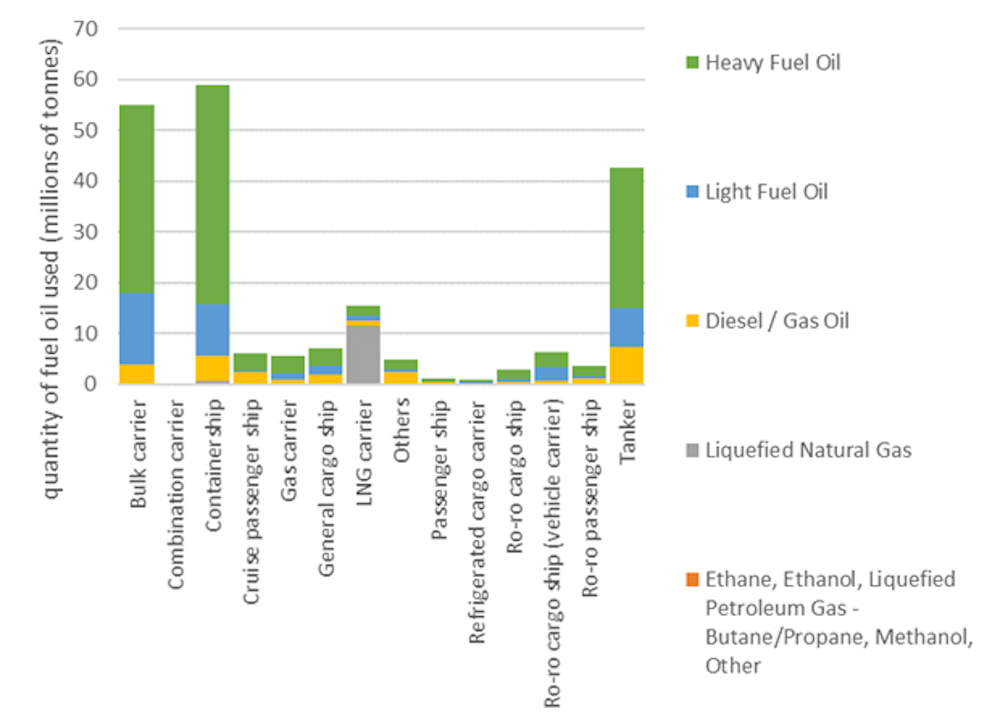
You’re probably reading this article on a device assembled in Asia, using materials shipped there from all around the world. After it was made, your phone or laptop most likely travelled to your country on a huge ship powered by one of the world’s largest diesel engines, one of thousands plying the world’s oceans. All this maritime activity adds up: international shipping burns over 200 million tonnes of fossil fuels a year.
The sector is trying to clean up its act. Its 2023 global climate strategy set a “strive” ambition of 30% cuts in greenhouse gas emissions by 2030, relative to 2008 emissions and 80% by 2040. That’s close to a level of ambition that can deliver on the Paris climate agreement, but this target urgently needs policies to make it happen. This is also urgent: 2030 is only five years away.
The technology to deliver a rapid transition exists. Wind propulsion technology – yes, sails – can be fitted to existing ships, and much of the sector could soon switch to zero-emission fuels if they were seen as a good investment.
That said, the transition needs to be fast and will be costly. This raises questions about who is to foot the bill.
That’s the backdrop for a pivotal meeting this week in London at the International Maritime Organization (IMO). The IMO is the United Nations’ agency, made up of 175 nation states, charged with coordinating a response on shipping’s climate pollution. At this meeting, nations will take a series of decisions which will have a profound impact on whether the sector makes a rapid transition away from fossil fuels, or if it continues to limp along on its current high-carbon course.
There are two crucial and interlinked decisions to be taken, and at the moment the proposals range from strong to exceptionally weak. Outcomes could go either way.
Improving efficiency
The efficiency of shipping hasn’t got much attention, even though it’s an important part of reducing emissions. One key policy is the Carbon Intensity Indicator, which measures how much carbon is emitted per tonne of cargo for every mile travelled. The IMO’s current strategy requires improving this efficiency by 40% by 2030, compared to 2008 levels.
But here’s the problem: global demand for shipping is expected to grow by around 60% in that same time. So even with a 40% efficiency boost, total emissions from shipping could stay the same – or even go up – because so much more cargo will be moved.
Despite this, many countries haven’t updated their policies to reflect this growing demand or to align with the IMO’s updated “30% cuts by 2030” target.
Some countries, including Palau – a Pacific island nation vulnerable to climate change – and the UK, have pushed for stronger action. But there remains a long way to go before the world agrees on an ambitious path forward.
Green energy
The more hotly debated issue is around a fiendishly complicated set of “mid-term measures”. A key part of this is creating a “global fuel standard” – essentially, targets for how much “zero emission” (or “green”) fuel ships must use and by when.
These rules would come with penalties or costs for using polluting fuels, which would effectively put a price on greenhouse gas emissions. Experts have long agreed that putting a price on shipping pollution is the most effective way to encourage cleaner and more efficient practices. But despite nearly 20 years of discussions, countries still haven’t agreed how to do this.
Decisions are further complicated by wrangles over how to fairly distribute the revenues from these penalties.
Who should get the revenues from shipping pollution? Uncle_Dave / shutterstock
The good news is that the world is less than a week away from a decision which will put a price on shipping pollution in some form. The bad news is that proposals on the table could easily deliver a weak, uncertain price signal which doesn’t push the industry to invest in more green solutions. And the fuel standard itself might fall short of the ambitious climate targets set in 2023.
Until now, talks on improving shipping efficiency and on pricing polluting fuels have happened separately. A big task at the IMO summit in London is to integrate the two into one coordinated plan.
From a climate perspective, these policies should be judged by whether they will work together to cut shipping emissions by 30% by 2030 (the IMO’s current target).
As things stand, that outcome is still possible – but is now an uphill battle. Agreement this week is crucial and countries will show their true colours. If they can’t agree to agree more ambitious policies it will undermine the IMO’s ability to regulate shipping emissions.
Historically, the IMO tends to take its biggest decisions in the last hours of Thursday in week-long negotiations. Both ambitious and more cautious countries have a lot on the line, as the measure adopted will be legally binding for all of them.
A positive result depends on whether powerful groups such as the European Union line up to support ambitious measures, as as proposed by African, Caribbean, Central American and Pacific countries as well as the UK.
Although countries have agreed on climate targets for shipping, some still refuse to support the policies needed to actually phase out fossil fuels fast enough. That stance much change. If done right, IMO negotiations this week could be a turning point – not just for shipping, but for renewable energy and climate action worldwide.
Don’t have time to read about climate change as much as you’d like?
Simon Bullock is a member of the Institute of Marine Engineering, Science and Technology
Christiaan De Beukelaer receives funding from the ClimateWorks Foundation.
Tristan Smith owns shares in UMAS International, that working alongside UCL Energy Institute, provides advisory services on the subject of maritime decarbonisation. My research group is recipient of research funding from UKRI, Climateworks Foundation and Quadratue Climate Foundation. I am on the advisory board of the Global Maritime Forum, and the Strategy Board of the Getting to Zero Coalition – not for profit structures that work across governments and industry stakeholders on maritime decarbonisation.
TV star Ben Grylls says he does it for survival – and teaches his reality show contestants to do the same. Mexican boxer Juan Manuel Márquez practised this therapy to train for his 2009 fight with Floyd Mayweather Jr (he lost). Former Indian prime minister Morarji Desaiclaimed a daily glass of the stuff was a remedy for many diseases and contributed to his longevity.
What is the therapy these celebrities practice? Urophagia, also known as urine therapy, is the practice of drinking urine.
Whether the urine is your own, someone else’s or even obtained from an animal, people have been drinking pee as medicine for thousands of years. Most claims about urine therapy are based on anecdotes or ancient texts with no robust scientific evidence to support the benefits of urine therapy. There is evidence to show that drinking urine has a number of health risks, however,
In Indian Ayurvedic medicine, urine was used to treat asthma, allergies, indigestion, wrinkles and even cancer. The Roman poet Catullus believed urine helped to whiten teeth – possibly due to its ammonia content.
As a rudimentary test for diabetes, doctors used to taste urine to check how sweet it was. Now, of course, we have urine test strips to check for glucose in the urine.
In 1945, British naturopath John W. Armstrong published a book called “The Water of Life: A Treatise on Urine Therapy.” He claimed that drinking one’s own urine and massaging it into the skin could cure major illnesses.
Historically, drinking pee to treat illnesses may have made sense because of a lack of medical alternatives. But, as the urine-sipping celebrities above show, the practice is still followed today.
There are reported cases of using urine for home remedies to treat seizures in children in Nigeria. The China Urine Therapy Association claims that drinking and washing with urine can cure constipation and skin sores.
Waste not, want not?
Urine is made by the body to get rid of waste. It is mostly made up of water (about 95%) and several waste products, including urea (2%), which is made by the liver after breaking down proteins in the body, creatinine, which is left over from energy-releasing processes in the muscles, and salts. If urine is just waste, how could drinking it be beneficial?
The kidneys act as regulators – not just to get rid of any toxins but to remove anything that it doesn’t need. For example, excess vitamins that aren’t needed by the body are found in urine.
Drinking urine means these vitamins and minerals are getting recycled instead of being wasted – this also goes for other hormones, proteins and antibodies that can be found in urine. However, the amounts of these substances in a glass of urine are unlikely to be enough to be beneficial and a vitamin supplement may be more effective.
Some advocates of urine therapy believe it can help prevent allergic reactions and control autoimmune conditions. The antibodies in the urine are supposed to make the immune system stronger.
Other modern uses also include cleansing and detoxification – some people have claimed that continually drinking recycled urine leads to cleaner urine and blood by removing toxins and leading to better overall health.
However, there’s no scientific evidence to support any of these claims.
Some social media influencers claim that urine has healing properties and drinking or applying it to the skin can help skin conditions such as acne and infections. As mentioned, urine does contain urea, which is often added to skin care products as a moisturiser. But the concentration of urea in urine is unlikely to be high enough to have this effect.
Urine also contains dehydroepiandrosterone, a steroid hormone produced by the body that declines with age, which has been marketed as an anti-ageing ingredient – but there isn’t enough data to demonstrate its efficacy.
Risky business
Some advocates of urine therapy believe that urine is sterile. However, research has found that urine naturally contains low levels of bacteria and research shows that bacteria can further contaminate the urine when it leaves the body. Drinking urine, then, can introduce bacteria and toxins into the gut and potentially cause further illness like stomach infections.
Urine becomes more concentrated when it comes out again – the kidneys may have to work harder to filter out the excess, putting extra strain on them. The kidneys need water to process these salts.
Drinking urine means you have to pee out more water than you get from it, which speeds up dehydration – it’s similar to drinking seawater. Some drugs, such as penicillin antibiotics or heart medicines, are also excreted in the urine – by drinking urine, it can cause toxic levels of these drugs to build up in the body.
Mainstream medical communities do not endorse urine therapy as it lacks scientific evidence. Small amounts of urine drinking are unlikely to be harmful. But for tangible health benefits, other therapies with scientific evidence may be the way to go.
Dipa Kamdar does not work for, consult, own shares in or receive funding from any company or organisation that would benefit from this article, and has disclosed no relevant affiliations beyond their academic appointment.
A mission will deliver rock and soil from Mars to laboratories on Earth in the 2030s. Mars Sample Return (MSR) is led by Nasa with participation from the European Space Agency (Esa). The mission will allow scientists to use the best laboratory instruments on Earth to determine whether Mars hosted microbial life billions of years ago.
So what will happen to the samples once they arrive on Earth?
Nasa’s Perseverance rover has already been doing the hard work of collecting the samples. The rover has been exploring a Martian location known as Jezero Crater since landing in February 2021. Along the way, it has used its drill to extract cores – cylindrical samples of rock – from Martian rocks, depositing them in sample tubes on the floor of the crater.
Present day levels of cosmic radiation at the Martian surface are thought to be too high for life to survive there. However, conditions may have been more hospitable to life billions of years ago, and it is these potential traces of ancient life that Perseverance was designed to seek out.
In September 2023, an independent review board found MSR’s budget and schedule to be “unrealistic,” and said that this would potentially delay the mission’s launch beyond 2028. This has led Nasa to seek alternative approaches to carrying out the mission.
The space agency issued a call for ideas from industry and is currently studying two proposals. But in terms of the broad mechanics, something – a rover or small helicopter – will need to collect the sample tubes and deliver them to a vehicle. That vehicle will then blast off the surface of Mars.
A capsule, carrying those Martian samples, will eventually enter the Earth’s atmosphere and parachute down to a government facility in Utah, US. This is all projected to happen in the 2030s.
Once safely on Earth, the samples from Jezero Crater will be analysed using sensitive instruments that are too big and complex to send on a rover to Mars. That’s the essence of MSR: in order to unambiguously identifying any traces of ancient Martian life, scientists will need to carry out multiple experiments and replicate the results.
In other words, separate and independent scientific teams will have to show that they can get the same outcomes from those experiments.
The scientific community is still making new discoveries with the 380kg of rock and soil from the Moon that was delivered to Earth by the six Apollo missions over 50 years ago. In the Apollo era, scientists had to work out a plan to keep the Moon samples pristine, in order to preserve them for generations of scientists to study.
One concept for how Mars Sample Return would work.
Their solution was to put them in glove boxes: sealed containers that allow users to manipulate the contents via long gloves that extend from the outside to the inside of the box. These glove boxes contain dry nitrogen gas that protects against chemical changes to the samples. That’s worked well for the Moon rocks; the Apollo 11-17 samples can be seen and studied at Nasa’s Johnson Space Center in Houston today.
A more challenging plan will be needed for the approximately 500g of carefully selected Martian rock and soil. The facilities in which they are eventually stored will need to carefully control factors such as humidity and temperature. They will also need to prevent the samples from being contaminated by terrestrial microbes.
The requirements for managing the Martian samples are decided by an organisation called the Committee on Space Research (Cospar). Under Cospar guidance, MSR is defined as a Category V Restricted Earth Return Mission.
While scientists do not generally expect the Martian samples to contain present-day life, the requirements mean that the samples will be treated as if they do until the possibility is excluded. Cospar says: “A program of life detection and biohazard testing, or a proven sterilisation process, should be undertaken as an absolute precondition for the controlled distribution of any portion of the sample.”
Thus, a major part of MSR planning is the design and construction of a sample receiving facility (SRF), a building where initial analyses of the rock and soil are to take place. The work will be conducted under strict biocontainment rules, which mean that scientists will use equipment and follow procedures usually deployed in some of the most world’s most secure labs, designed to study harmful bacteria and viruses such as Ebola and Marburg virus. This situation will persist until a “sample safety assessment” has taken place.
This safety assessment will determine whether the samples can be studied at lower levels of biological containment. Only after that stage and another called “basic characterisation”, where scientists carry out an initial study of the minerals and chemistry of the rocks, will the samples gradually be released to the wider scientific community.
One problem for the mission is the complexity and cost of the SRF, which is expected to rise to hundreds of millions of dollars, or euros. This is largely because of the need to not only comply with the Cospar rules but also to incorporate the range of microscopes and spectrometers needed for the analyses.
Much of the reason for the delays in delivering the overall MSR programme come down to cost, so there is currently pressure to reduce the price tag. Against this background, Nasa and Esa have convened a measurement definition team, a panel of scientists who will determine which analyses are needed within the SRF. The resulting report will be published shortly.
In parallel, a programme of work to design and build new technology for MSR that allows both biological containment and analysis of the minerals in Martian samples is taking place. Esa, with Nasa collaboration, is funding the design of secure chambers called multi-barrier isolator cabinets, inside which the Martian rock and soil can be studied.
These cabinets will also incorporate the range of different scientific instruments needed for the basic characterisation stage. These could include powerful microscopes and a Raman spectrometer.
Combining the requirements for containment and analysis in this way has the potential to not only reduce the time needed before samples can be released to the scientific community, but also to substantially reduce the costs of the SRF and thus help the overall MSR programme.
John Bridges of Space Park Leicester, University of Leicester is funded by the European Space Agency and UK Space Agency to design and build isolator, spectroscopic and portable technology for Mars Sample Return at Space Park Leicester. He is a member of the NASA-ESA MSR Measurement Definition Team.
Beyond technical discussions, ICARST-2025 will also explore education, training and certification in radiation science and technology, ensuring that the next generation of experts is well-equipped to drive innovation in the field. Several side events and networking opportunities will further support knowledge sharing and collaboration.
The conference proceedings, including recorded sessions and key takeaways, will be made available to participants and the broader scientific community. For those unable to attend in person and for anyone interested, the conference is being livestreamed here.
The IAEA helps countries maximize the benefits of radiation science and technology through technical cooperation, expert guidance and training programmes. The Agency also fosters knowledge transfer through initiatives such as Collaborating Centres and Coordinated Research Activities, while providing peer reviews, safety standards and technical documents. These efforts help countries integrate radiation science and technology in their national plans to address critical challenges in health, industry and environmental sustainability.
Source: United States House of Representatives – Representative Salud Carbajal (CA-24)
Reps. Carbajal, Brownley, Panetta Demand the Trump Administration Halt its Illegal Plans to Close Facilities Vital to the Central Coast
Washington, April 7, 2025
Representatives Salud Carbajal (D-CA-24), Julia Brownley (D-CA-26), and Jimmy Panetta (D-CA-19) sent a letter to Acting Administrator Stephen Ehikian of the General Services Administration over the planned illegal closures of crucial facilities across the Central Coast. The planned closures will impact U.S. Department of Interior (DOI), National Oceanic and Atmospheric Administration (NOAA), the U.S. Department of Agriculture (USDA), and United States Forest Service (USFS) facilities in Ventura, Santa Barbara, and San Luis Obispo counties.
“These are critical agencies that help support our local economies’ vitality and the American way of life,”wrote the lawmakers.“Efforts to justify these closures as a measure to help better serve the American people is, at best, disingenuous.”
The full text of the letter is available As Representatives of the Central Coast, we write to demand that you halt planned facility closures at the U.S. Department of Interior (DOI), the National Oceanic and Atmospheric Administration (NOAA), the U.S. Department of Agriculture (USDA) and the United States Forest Service (USFS) that would impact our constituents in Ventura, Santa Barbara, and San Luis Obispo counties. These are critical agencies that help support our local economies’ vitality and the American people. These indiscriminate closures, done in an arbitrary and capricious manner, are antithetical to our Constitution and values as Americans. Trying to shutter the physical locations for these vital agencies is reflective of the illegal actions undertaken by DOGE to undermine the effectiveness of our government rather than working to improve it to better serve our constituents and the American people. DOI was created by an act of Congress in 1849 and is critical in managing our nation’s cultural heritage— including our public lands, which have been a boon to our local recreational economies. In fact, California is home to the nation’s largest active outdoor industry economy, contributing $73.8 billion in economic spending annually. This is not by coincidence. California is also home to nine national parks—more than any other state. The Central Coast of California alone is home to the Channel Islands National Park and Pinnacles National Park. The positive contribution to our economies is reflected by the fact that in 2023, 36.2 million visitors to California’s national parks spent $3.2 billion, supporting 39,678 jobs. Likewise, NOAA is essential to America’s innovation and economic vitality. Under the Department of Commerce, NOAA is tasked with the critical mission to provide daily weather forecasts, severe storm warnings, and support marine commerce. NOAA’s mission is carried out by some of our nation’s top scientists. The products and cutting-edge research generated by NOAA helps support more than one-third of America’s gross domestic product. Everyday Americans rely on NOAA’s science for basic day-to-day needs like determining the weather. This information is critical for commercial and public safety needs. It is NOAA’s data that helps provide the public with free and lifesaving alerts when Americans are facing natural disasters like hurricanes and wildfires. Furthermore, with more than $59 billion in agricultural sales, California leads the nation as the top producer of agricultural products in the United States. Throughout the world, California was the world’s largest agriculture producer in 2022. Closing USDA offices only serves to harm American families and our farmers who rely on USDA to ensure food safety, manage our natural resources, and support our food supply chains and economic well-being. Finally, the U.S. Forest Service manages 193 million acres of public lands and provides potentially life-saving expertise in fire management. Our constituents are no strangers to wildfires. Fires in the Western United States have only become larger, more destructive and deadly. We cannot pretend that this is not a reality that many Americans are experiencing. Efforts to justify these closures as a measure to help better serve the American people is, at best, disingenuous. As outlined above, these agencies are critical to our nations and region’s wellbeing and help maintain our economic vitality to support our way of life. Again, we demand that you cease these office closures. Further we ask that you let us know under what authority are you acting to close these offices without, at the very least, consultation with Congress—a co-equal branch of government.
Source: United Kingdom – Executive Government & Departments
Two studies published in JAMA Neurology look at diabetes drugs and the risk of dementia and Alzheimer’s.
Comments on both studies:
Prof Atticus Hainsworth, Professor of Cerebrovascular Disease, St George’s, University of London, said:
“These two studies have looked at drug prescribing databases, to assess whether diabetic medications impact on risk of Alzheimer’s, vascular and other dementia types. The findings are intriguing, even though they are somewhat contradictory. But nothing can substitute for a prospective, hypothesis-testing experiment, which in this context means a prospective clinical trial.”
Prof Mark Evans, University Professor of Diabetic Medicine & Honorary Consultant Physician, Institute of Metabolic Science & Department of Medicine, University of Cambridge, said:
Background:
“It is increasingly apparent that there is an association between diabetes and increased risk of dementia. Although it is not clear how this association is mediated (and whether this is to do with elevated blood glucose from diabetes or a broader effect of diabetes for example on the circulation or inflammation pathways), the obvious pragmatic question arising is whether or not treating diabetes with glucose lowering therapies can reduce risk of dementia and importantly whether certain types of glucose lowering therapy are particularly effective.
“Newer glucose lowering treatments used in (type 2) diabetes seem to carry additional health benefits beyond just glucose lowering. For example, treatments that act via signalling at the GLP-1 receptor or by blocking SGLT glucose transporter channels have been shown to carry broader protective effects for the heart and kidneys.
“Some data already exist to suggest that these agents may also have brain-protective effects against the development of dementia. The evidence to date has largely fallen into two different types. Firstly, examining clinical trials of glucose lowering therapies where usually dementia is not the primary focus but in the clinical trials, investigators will document all health changes including a new diagnosis or change in dementia or cognition. Secondly, examining large real-world datasets for the association between diabetes, different types of therapy and a clinical record of dementia.
These two papers:
“These two papers cover each of these areas respectively. Seminer2et al have performed an analysis of clinical trials broadly similar to ones previously reported. They found that glucose-lowering therapies in general were not significantly associated with a reduction in dementia, although when comparing different types of therapy, GLP-1R targeted drugs but not those acting on SGLT channels were associated with a reduction in dementia. There are cautions arising from these data and the authors have acknowledge these appropriately. Overall, the absolute rates of dementia reported in the studies contributing to their analysis were relatively low which thus reduces the ability for this type of analysis to identify differences. There may be a number of reasons for this, for example the clinical trials were not designed to look in detail for possible changes in dementia.
“The other paper from Tang1 et al was a real-world analysis. Consistent with previous data, this did seem to show less dementia in those using either GLP-1R agonists or SGLT2 inhibitors. The authors were aware of the limitations of observational data. In other words, it may be that the type of person receiving these agents was different from the type of person prescribed other glucose lowering therapies. As an example, one obvious potential confounder from their paper was that the groups receiving GLP 1 agonist or SGLT inhibitor therapy were younger than the comparison groups.
General Reflection:
“Overall these papers whet the appetite for two large clinical trials (EVOKE and EVOKE+) that will complete towards the end of this year. These were specifically designed to look at whether semaglutide, a GLP 1 receptor agonist, can reduce progression of Alzheimer’s dementia and may give us a more definitive answer, at least for GLP 1 receptor agonist treatment.”
Prof David Strain, Associate Professor in Cardiometabolic Health, and a clinical geriatrician, University of Exeter, said:
“Living with diabetes is associated with twice the rate of decline towards both vascular and Alzheimer’s Type dementia. Although long-term high blood sugar is recognised to be warm contributor to this, there are many others including genetics, the body’s ability to produce insulin, episodes of low blood sugar (hypoglycaemia) and inflammation. For years, the best way of preventing this was to attempt to keep the sugar in the “goldilocks zone“ that is not too high but not too low.
“GLP-1 receptor antagonists (such as semaglutide and dulaglutide) and SGLT-2 inhibitors (such as dapagliflozin and empagliflozin) have been demonstrated to control the sugar, and also reduce the inflammation (a key driver of Alzheimer’s disease) and reduce vascular risk (a key driver of vascular dementia) more than would be expected by the sugar control alone. It is therefore no surprise that these data show a lower risk of dementia in people who receive them as part of her routine care.
“We must be cautious how we interpret these data though. Firstly, there were very small numbers of events in the randomised control trials and these were not fully validated so there is a possibility that there were many other cases of dementia missed, indeed that patients reported as having Alzheimer’s type dementia may have had other problems. In the database study, we can never be certain of other unmeasured factors that influenced the doctor to prescribe one medication over another. These may also have had an impact on whether a person would progress to dementia or not.
“It is also important to say this is talking about the risk of dementia in people with diabetes. We have recently seen benefit of the GLP-1 RAs for cardiovascular health in people who do not have diabetes, likewise the SGLT 2 inhibitors are regularly used in other conditions. Today’s studies will need to be replicated prospectively, in people with and without diabetes such as the work we are performing at the University of Exeter, to determine if we can help reduce the progression towards dementia in many more people in the country.”
Prof Naveed Sattar, Professor of Cardiometabolic Medicine/Honorary Consultant, University of Glasgow, said:
“These two papers on potential for GLP-1RA medicines to lower dementia risk are somewhat encouraging but they are FAR from definitive, given the design of one is observational and the numbers of people with dementia in the trial meta-analyses were incredibly small, leading to limited power. Hence, we need to await the results of ongoing randomised trials in this area before drawing sensible conclusions. There is optimism GLP-1RAs (and related medicines) may lower future dementia risk, however, given they favourably impact multiple diseases (cardiovascular, hypertension, kidney and diabetes) known to increase dementia risk, it might be that it is having a lower risk of stroke /heart disease and diabetes that actually then is linked to a lower risk of dementia. Hopefully, far more robust trial evidence – needed before any clinical implications are drawn – should be forthcoming in the near future.”
Dr Ivan Koychev, Clinical Reader in Neuropsychiatry and Consultant Neuropsychiatrist, Imperial College London and Central North West London NHS Foundation Trust, said:
“Both papers are of good quality. Tang et al is a large epidemiological study; the limitation comes from the fact that such designs limit the ability to draw conclusions about causality. Seminer et al look at clinical trial data where dementia and cognitive effects were not the primary targets of the studies. Therefore, it is possible that some of these effects were missed or over-reported due to the opportunistic nature of the data collection.
“The two studies add to a growing and remarkably consistent body of evidence that GLP1 receptor agonists associate with a reduction in dementia incidence. The Seminer et al paper is significant as it shows that GLP-1 RAs outperform SGLT-2 inhibitors in clinical trial settings. This suggests that the dementia protection effects are not due to glucose control mechanisms. Instead, inflammation and cerebrovascular effects are likely involved. Overall, these data support the urgent exploration of GLP1 RAs as a preventative treatment in people at risk for dementia.”
Prof Tara Spires-Jones, Director of the Centre for Discovery Brain Sciences at the University of Edinburgh, Group Leader in the UK Dementia Research Institute, and President of the British Neuroscience Association said:
“The study by Tang1 and colleagues examined data from over 90,000 people with diabetes to determine whether treatment with two different glucose lowering drugs were associated with risk of developing dementia. Both glucagon-like peptide-1 receptor agonist (GLP-1RAs) and
sodium-glucose cotransporter-2 inhibitor (SGLT2is) drugs were associated with reduced risk of developing dementia over 8 years from starting treatment compared to people taking other glucose lowering treatments. There was no difference in risk between people taking the GLP-1Ras and SGLT2is. This is a strong study that adds to the growing data suggesting that diabetes increases risk for developing dementia.
“The paper from Seminer2 and colleagues examined data from 26 clinical trials to determine whether glucose lowering treatments were associated with developing dementia. They observed that GLP-1Ras but not but not SGLT2is were associated with a reduction in dementia in these trials.
“Together, these data are encouraging for the potential of using GLP-1Ras to lower dementia risk in people with diabetes, but even within these 2 strong studies, there are slightly conflicting results over SGLT2is highlighting the need for further research. It is important to note that these drugs do have side effects and that they are not guaranteed to prevent dementia. The studies had important limitations including a relatively short follow up time. Future work will be important to understand how risk factors like diabetes and obesity increase risk of dementia to develop effective treatments and prevention strategies.”
Dr Emma Anderson, Principal Research Fellow and Associate Professor of Epidemiology in the Division of Psychiatry, UCL, said:
“Regarding the systematic review of glucose lowering therapies2, my comments are as follows:
“These results should be interpreted with caution for several reasons. Firstly, although an effect of GLP-1RAs was identified for all cause dementia, the heterogeneity in the studies included in this analysis was high (meaning that the studies included are not necessarily comparable, undermining the validity of the combined results). There was tentative evidence that this heterogeneity could have been explained, at least in part, by the proportion of women included in these studies.
“Secondly, there was no evidence of an effect of GLP-1RAs with either Alzheimer’s disease or vascular dementia; the two most common causes of dementia. Thus, overall, there is still a question around whether GLP-1RAs would actually reduce dementia risk.
“For the emulated target trial1, my comment is:
“This study should be interpreted with caution, as emulated target trials are as susceptible to confounding by indication bias as traditional observational epidemiology studies. This means that there is a possibility that the results they have observed are actually due to the underlying reason people are prescribed these glucose-lowering medications in the first place, rather than the medication itself. More robust study designs, which overcome this very important limitation, are needed before such conclusions can be made.”
Prof Masud Husain, Professor of Neurology & Cognitive Neuroscience, University of Oxford, said:
“For me, these new retrospective analyses suggest that GLP-1 receptor agonists, particularly semaglutide, might reduce the risk of developing dementia in people with type 2 diabetes. But we need data from prospective trials to provide stronger evidence.
“The wider question of whether such drugs might also be protective against dementia in people who don’t have diabetes is a really intriguing one, and the focus of several ongoing clinical trials.”
Prof Kevin McConway, Emeritus Professor of Applied Statistics, Open University, said:
“I’ll restrict myself to pointing out a few things about these two studies, which may well all be obvious. I’m writing as a statistician and did not spot any important statistical flaws – but I can’t comment on non-statistical aspects.
“Both studies are only in people who already had type 2 diabetes. I believe there’s been wider interest in whether GLP-1 receptor agonist drugs (GLP-1RAs), such as semaglutide (e.g. Ozempic or Wegovy) might reduce dementia risk, in people who are taking them for other reasons than having diabetes. These studies can’t directly tell us anything about that – though the wider context discussed in the linked editorial by Dr Diana Thiara does make some points about the wider context. That editorial is definitely worth reading to make sense of all this, in my view.
“At first sight it might look like a sort of contradiction that one1 of the studies (Tang et al.) found evidence of a decreased risk of certain dementias in people with type 2 diabetes taking either GLP-1RAs or drugs of another class (SGLT2is) used to lower glucose in people with type 2 diabetes, compared to people with type 2 diabetes taking other glucose-lowering drugs, while the other2 study (Seminer et al.) found no evidence that passed the usual statistical criteria that people with type 2 diabetes taking any of GLP-1RAs, SGLT2is, or another drug called pioglitazone did reduce all-cause dementia. It looks as if one is saying that, in people with type 2 diabetes, taking GLP-1RAs and SGLT2is is associated with reduced dementia risk, and the other is saying that it isn’t associated with reduced dementia risk. But there’s no contradiction, for the following reasons:
The Tang study1 has quite a complicated type of study design (target trial emulation), but that’s still a type of observational study and so cannot completely rule out the possibility that the differences it found in dementia risk are actually caused by something other than the drugs being taken. The Seminer study2 is a systematic review and meta-analysis of randomised trials so doesn’t carry the same bias issues about cause and effect.
The comparator (control) treatments were different in the two studies. In the Tang study1, patients taking either GLP-1RAs or SGLT2is were compared with patients taking a different glucose-reducing drug. In the Seminer study2, patients taking the drugs were compared, in each of the RCTs they considered, with patients taking a placebo (that is, something with no active ingredients that otherwise is just like that drug under trial), so not a drug at all.
The two studies were considering different outcome measures. The Tang study1 considered only Alzheimer’s dementia and related dementias. The Seminer study2 included, as its primary outcome, dementia (of any type) or cognitive impairment.
“Therefore the two studies differ in terms of the treatments involved (taking the comparator, control, treatment into account), the type of study design, and the risk of bias. So direct comparison of their findings doesn’t make as much sense as you might think at first. Again, the Thiara editorial makes this all clearer, I think.
“Despite the overall finding of the Seminer2 meta-analysis that the three drug classes that it considered weren’t associated with a reduction in overall risk of dementia or cognitive impairment, on average, compared to controls taking a placebo, they found that GLP-1RAs (considered on their own, leaving out the other drug classes) were associated with a reduction in dementia risk.
“Tang found overall no difference between the risk of Alzheimer disease and related dementias between type 2 diabetes patients taking GLP-1RAs or SGLT2is, but it did find a lower risk in patients taking semaglutide compared to patients taking SGLT2is.
“Though both studies involved large numbers of patients overall, the number of patients who actually had a dementia diagnosis was pretty low, particularly for newer drugs, and the follow-up time was short, given how long it can take for dementias to develop. This is quite a big limitation.”
Dr Richard Oakley, Director of Research and Innovation, Alzheimer’s Society, said:
“Last year, the Lancet Commission in Dementia Prevention, Intervention and Care – funded by Alzheimer’s Society – highlighted diabetes as one of 14 risk factors for dementia.
“Drugs that lower blood glucose are often used as part of diabetes treatment, and research has shown they might also be effective in reducing dementia risk.
“Whilst both of these studies found a link between GLP-1RAs and reduced dementia risk, only one found SGLT2is, another class of diabetes drug, were also associated with a reduced risk. More research is needed to properly understand how diabetes treatments may lower the risk of dementia, by tracking people for longer, especially as they get older.
“Alzheimer’s Society is interested to hear results from ongoing clinical trials of the GLP-1RA drug semaglutide for people with early Alzheimer’s disease, to learn whether these drugs can slow the course of the disease.”
Comments on just the Tang et al study:
Dr Leah Mursaleen, Head of Clinical Research at Alzheimer’s Research UK, said:
“This study1 used health records from nearly 400,000 people who had type 2 diabetes who were taking drugs called SGLT-2 inhibitors and GLP-1RAs to control their condition. These drugs are usually taken to lower blood sugar levels in diabetes. The researchers compared these drugs with other standard medications used to manage diabetes to evaluate the risk of developing dementia.
“People who were taking the SGLT-2 inhibitors or GLP-1RA medications appeared to have a decreased risk of developing dementia compared with those taking other diabetes medicines.
“The results from this study support the growing evidence that GLP-1RA and SGLT-2 inhibitors medicines may be linked with a lower risk of developing dementia. We don’t know yet why these medicines may be protective, and will need more research to understand how they are affecting the brain.
“Clinical trials are already looking at the use of these types of drugs, including the EVOKE study, which is testing semaglutide (Ozempic) as a potential treatment for people with early Alzheimer’s.
“While the findings of this study are interesting, it’s important to consider whether any other factors might be influencing the results such as the severity of type 2 diabetes, health, income, and education.”
1: ‘GLP-1RA and SGLT2i Medications for Type 2 Diabetes and Alzheimer Disease and Related Dementias’ byHuilin Tanget al.was published in JAMA Neurology at 16:00 UK time on Monday 7 April 2025.
DOI: 10.1001/jamaneurol.2025.0353
2: ‘Cardioprotective Glucose-Lowering Agents and Dementia Risk A Systematic Review and Meta-Analysis’ byAllie Semineret al.was published in JAMA Neurology at 16:00 UK time on Monday 7 April 2025.
DOI: 10.1001/jamaneurol.2025.0360
Declared interests
Prof Atticus Hainsworth: “I lead the Vascular Experimental Medicine team within DementiasPlatformUK:
Prof Mark Evans: “I have received personal fees from Medtronic, Ypsomed, Dexcom, Abbott, Novo Nordisk, Eli Lilly, Sanofi, Zucara, Pila Pharma and research support from NovoNordisk, this includes a current PhD student who is funded by Novo Nordisk to examine the mechanisms underpinning the relationship between diabetes/ metabolic disease and dementia but does not include examining the effects of therapies. Abbott, Eli Lilly, Sanofi. The University of Cambridge has received salary support for MLE from the National Health Service in the East of England through the Clinical Academic Reserve.”
Prof David Strain: “I have received speaker fees from AstraZeneca (dapagliflozin) and Novo Nordisk (semaglutide). I lead the UK Stakeholders consensus document for the management of diabetes in older adults which the current UK guidelines are based.”
Prof Naveed Sattar “Has consulted for several companies that make diabetes medicines but also contributed to several lifestyle trials.
“For Novo Nordisk: have consulted for company in advisory boards but not on any of their weight loss drug trial committees; am on steering committee for ZEUS trial but this is not a weight loss trial product but anti-inflammatory. Do not have any shares either for any product in health etc.
“N.S. declares consulting fees and/or speaker honoraria from Abbott Laboratories, Afimmune, Amgen, AstraZeneca, Boehringer Ingelheim, Eli Lilly, Hanmi Pharmaceuticals, Janssen, Merck Sharp & Dohme, Novartis, Novo Nordisk, Pfizer, and Sanofi; and grant support paid to his university from AstraZeneca, Boehringer Ingelheim, Novartis, and Roche Diagnostics.”
Dr Ivan Koychev: “IK has received speaker fees as well as an investigator initiated grant to explore the effects of semaglutide in people at risk for dementia from Novo Nordisk.”
Prof Tara Spires-Jones: “I have no conflicts with this study but have received payments for consulting, scientific talks, or collaborative research over the past 10 years from AbbVie, Sanofi, Merck, Scottish Brain Sciences, Jay Therapeutics, Cognition Therapeutics, Ono, and Eisai. I am also Charity trustee for the British Neuroscience Association and the Guarantors of Brain and serve as scientific advisor to several charities and non-profit institutions.”
Dr Emma Anderson: “I have no conflicts of interest.”
Prof Masud Husain: “I don’t have any conflicts of interest.”
Prof Kevin McConway: “Previously a Trustee of the SMC and a member of its Advisory Committee.”
Dr Richard Oakley: “No conflicts of interest to declare from Richard or the Society.”
Dr Leah Mursaleen: “Leah has no conflicts of interest to declare.”
WASHINGTON D.C — Today, the White House Office of Management and Budget (OMB) is delivering on President Trump’s decisive Executive Order to remove barriers to American leadership in Artificial Intelligence (AI) by releasing two revised policies on Federal Agency Use of AI and Federal Procurement. These memos were revised at the direction of the Executive Order and in coordination with the Assistant to the President on Science and Technology and the Office of Science and Technology Policy (OSTP).
Under President Trump’s leadership, America is well positioned to maintain our global dominance in AI. To better serve the public, the Federal Government must capitalize on the advantages of American innovation while maintaining strong protections for Americans’ privacy, civil rights, and civil liberties.
“President Trump recognizes that AI is a technology that will define the future. This administration is focused on encouraging and promoting American AI innovation and global leadership, which starts with utilizing these emerging technologies within the Federal Government. Today’s revised memos offer much needed guidance on AI adoption and procurement that will remove unnecessary bureaucratic restrictions, allow agencies to be more efficient and cost-effective, and support a competitive American AI marketplace,” said Lynne Parker, Principal Deputy Director of the White House OSTP.
The Office of the Federal Chief Information Officer’s Greg Barbaccia continued, stating that “Federal agencies have experienced a widening gap in adopting AI and modernizing government technology, largely due to unnecessary bureaucracy and outdated procurement processes. OMB’s new policies demonstrate that the government is committed to spending American taxpayer dollars efficiently and responsibly, while increasing public trust through the Federal use of AI.”
Prime Minister Keir Starmer gave remarks at Jaguar Land Rover manufacturing site in the West Midlands.
Thank you Rachel and thank you Adrian.
And can I just say a big thank you to the entire workforce here. Some of you are here with us this afternoon. I just want to say thank you for showing us what you do. We have been able to see some of the skill and experience that you put into this incredible product, years and years in the making and the technology.
But thank you also for making us proud to be British, because as each car rolls off here, that is rolling off your production line. That is your commitment, your toil, your work, your professionalism. But it is then a product which you should be rightly proud of, and we are really proud of as a country.
I know how much you put into that, and I want you to know just how much we appreciate what you do.
Thank you for everyone for joining us this afternoon.
Jaguar Land Rover, our leading exporter of goods, employing thousands of people across the West Midlands and beyond.
That proud symbol of British engineering brilliance. And brilliance is the right word. It is our industrial heritage, but also in my strongly held view, it is our industrial future, not just our heritage.
My message to you is simple: these are challenging times, but we have chosen to come here because we are going to back you to the hilt.
I think it’s really significant that after the announcement on Wednesday, we had Adrian with us in Downing Street at 7 o’clock the next morning, and here we are on Monday, so read into that a statement of intent because it is a statement of intent about how important this is for you, for us and for the country.
As Rachel has said, there is no doubt about the challenge, but this is a moment for cool heads.
No one wins from a trade war.
But it is also a moment for urgency.
Because we have to rise, together as nation to the great challenge of our age, and it is the great challenge to renew Britain so that we are secure in this era of global instability.
Nobody is pretending that tariffs are good news. You know that better than anyone.
25% tariffs on automative exports. 10% on other goods.
That is a huge challenge to our future. The global economic consequences could be profound. But this moment has also made something very clear.
That this is not a passing phase. And just as we’ve seen with our national security and defence, particularly in relation to the war in Ukraine, now with our commerce and trade,
This is a changing and completely new world.
An era where old assumptions, long taken for granted, simply no longer apply.
Before the election – I called it an age of insecurity. And that is the right phrase. Insecurity. Because that’s how this is felt in the lives of working people. Insecurity and worry for builders, for carers, for nursers, for factory workers like people here in Coventry, working harder and harder for the pound in their pocket, yet watching this rising tide of insecurity threaten to sweep away the things we cherish in our communities.
Trust me – I know people will be feeling that right now.
But to those people, I say, we have your back.
This government will not just sit back and hope.
That is how politics has failed you in recent years.
Attempting to manage crises without fundamental change just leads to managed decline.
So no – we’re going to seize the possibilities.
Fight for the future. On defence spending, on AI, on clean British energy and on manufacturing, including car building.
Make those forces work for Britain. Rewire our economy and our state so that once again they serve the interests of working people.
This is why we are rewiring the state completely.
Ripping up the regulation that stops it being a force for good.
Building new homes, new towns, new infrastructure.
Accelerating the investment that will finally unlock the potential of every community.
And let me be really clear as well. Our future is in our hands.
And so of course – we will keep calm and fight for the best deal with the US and we have been discussing that intensely in the last few days.
But we’re also going to work with our key partners to reduce barriers to trade across the globe.
Accelerate trade deals with the rest of the world and champion the cause of free and open trade – right across the globe. And just like car building, that has always been our heritage – and we won’t turn our backs on it now.
And look, when it comes to the US, I will only strike a deal if it is in the national interest. If it is the right thing to do for our security. If it protects the pound in the pocket that working people, across our country, work so hard to earn for their family.
That is my priority. That is always my priority. Strength abroad – security and renewal at home.
And on that journey of renewal we take another step today with our car industry.
You know, there are people in this country who love to talk down our manufacturing. They say – we don’t make anything important anymore. ‘That’s not Britain’. Well – I would invite anyone who thinks like that to come here and see what you do in this factory.
Anyone who is talking down manufacturing. Come here to Jaguar Land Rover and see what you are doing and they wouldn’t say that again.
Because just as I’ve said, when we were going around earlier, what I saw made me proud.
And I hope that if I feel proud of what you are doing, you are entitled to feel proud of what you are doing.
This is British brilliance in the flesh.
You’re making cars here – but you’re also representing our country with each car as it departs. That’s the pride that always goes with making things.
And I’ve said it many times before, but I will say it again: my dad worked in a factory. He was an engineer. He made things with his hands. And he taught me as I was growing up, you should value the things that we make.
And that’s what brilliant about manufacturing. And manufacturing shapes the identity of a place. This place, and of a community and a country. And that’s how it gets in your blood.
Which is why electric vehicles are so important. Yes – of course it’s about the climate and you won’t hear me undermining the urgency of that cause.
But it’s also about taking the pride, the heritage, the identity of places like this and securing it for the future.
That’s what the previous government never understood. The link between manufacturing and who we are as a country.
But those days are over. They are finished. This is a government of industrial renewal.
Because my choice, in this volatile world is to back British brilliance.
I believe that British car companies should be at the forefront of the electric revolution. This is a race we belong in.
And so I think EV targets are a good thing.
They are good for the climate. Good for business certainty and investment. Good for British manufacturing.
But I accept – those targets have to work for British manufacturers.
And I don’t want British firms, like this one put in a position where you have to pay a hefty fine or buy credits from foreign EV companies.
So today – we’re going to introduce much more flexibility into EV mandates.
We’re going to help car companies based in Britain reach the targets in a way that supports growth.
We’re going to cut any fines – which I do not want or expect to see – by 20% and any money that is raised – would be invested directly back into support for the British car industry.
We’re also going to take action on hybrids because these cars make a massive difference to reducing emissions.
I mean, if you drive a Toyota Prius around town. Or, perhaps if you work here, a Range Rover you probably spend a lot of the time in electric mode. So I think for these vehicles a 2030 ban is too soon. So we’ll push that back to 2035 – for all hybrids. That’s a new step we are taking and a new announcement today.
And because we’re not ideological about how we cut carbon emissions, we’ll also make sure that cleaner, efficient, petrol cars sold before 2030 count towards your EV mandate. That will be good for British car manufacturers like this one.
As Rachel has said, we are also putting £2.3 billion pounds into the British car industry, giving people tax breaks worth hundreds of millions of pounds a year to help them switch to electric.
Improving charging infrastructure. That is a massive factor when people are thinking about switching and our approach means we are seeing a new public charging point popping up every half an hour.
Because this is the moment when we back British business and charge up the electric revolution.
British electric cars running off clean British power, made by British workers.
British cars for British workers!
And as you know by the way switching to electric can also save you up to £1100 a year so if we get this right it can help the cost of living as well.
But look – it’s not just our car industry we need to back.
In the coming days and weeks, we are going to use industrial policy to shelter British business from the storm.
Take our life sciences sector, another shining example of British brilliance. An absolutely pivotal part of our export economy. We’re going to back them, as well.
We’re going to rip up the red tape. Cut the stifling bureaucracy that slows down clinical trials. Now Britain used to be better at this but we’ve taken our foot off the pedal.
The latest data says it takes over 250 days to set up a clinical trial. I’m going to slash that to 150.
And on top of that, I can also announce – a new investment up to £600 million in a new Health Data Research Service. A welcome partnership with the Wellcome Trust strengthening the genome cluster in Cambridge.
Making sure that patient data in our NHS is unlocked for the public good. An opportunity for growth – but more importantly to save lives with cutting edge medicine and Britain is so good at this.
We saw that in the pandemic. And we now need to pick up the pace again. This country has never waited around for history to shape us. We have shaped history – and we will do so again now.
Take our future into our hands. Do everything necessary to defend our national interest.
Strengthen our alliances, increase our defence power, support our businesses, jobs and workers.
Rebuild, in defiance of a volatile world, our industrial strength.
That is the purpose of this Government. Security and renewal. The world may be changing but we are driving forward securing our future with a clear Plan for Change.
April 07, 2025 Inflation Dynamics and the Phillips Curve Governor Adriana D. Kugler At Ec10b Principles of Economics Lecture, Department of Economics, Faculty of Arts and Sciences, Harvard University, Cambridge, Massachusetts
Governor Adriana D. Kugler presents a lecture about inflation dynamics and the Phillips Curve to students in Harvard University’s Ec10b Principles of Economics class on Monday, April 7, 2025. In the lecture she discusses how pandemic-era inflation came in a series of waves: food, core goods, core services and housing. She then talks about the Phillips curve as a model to capture inflation dynamics. Finally, Governor Kugler explores additional augmentations to the Phillips curve model that could help better explain the most recent inflation episode. Here are the slides from her presentation.
BILLERICA,Mass., April 07, 2025 (GLOBE NEWSWIRE) — E Ink (8069.TW) the originator, pioneer, and global commercial leader in electronic paper (ePaper) technology, today announced its latest technological breakthrough with E Ink Marquee™. E Ink successfully developed a 4-particle color system that allows for vibrant color with an extended temperature range for outdoor and digital out of home (DOOH) signage.
E Ink Marquee stands out for its exceptional energy efficiency and broad temperature range, making it ideal for outdoor deployments. Unlike conventional LCD and LED displays, Marquee’s thermal performance reduces the need for complex cooling systems, offering a cost-effective outdoor signage solution. Moreover, Marquee’s ability to seamlessly switch pages expands its versatility across various applications, from interactive street furniture displays to dynamic advertising platforms, enabling seamless integration with brand activations and programmatic campaigns.
“The future of E Ink is becoming more colorful with our E Ink Marquee innovation,” said Johnson Lee, CEO, E Ink. “E Ink Marquee will be a cornerstone of our organization and define the future of display technology across industries.”
Preliminary performance metrics for E Ink Marquee’s full-color application features an operating temperature range between -20 and 65 °C., with ongoing development of the newest displays focused on reaching sizes as large as 75” diagonal and update times between 5-7 seconds.
“Building upon our pioneering ePaper foundation established in 1997, E Ink Marquee represents an exciting evolution.” said Edzer Huitema, US CTO, E Ink. “We expect E Ink Marquee to redefine the digital display industry and challenge people’s perception of E Ink and what is possible.”
While E Ink Marquee’s roadmap is still being defined, Touch Taiwan 2025 serves as an important opportunity to showcase the recent breakthrough and provide a glimpse into the future of digital displays. If visitors would like to experience the latest E Ink technology demonstrations, they can visit booth #L717 at the Taipei Nangang Exhibition Center from April 16-18. E Ink Marquee will also be shown at Display Week in San Jose, CA from May 13-15.
E Ink’s ePaper technology is energy-efficient and non-emissive, reducing power consumption and carbon emissions compared to paper and LCDs. Solar-powered ePaper signage can run entirely on renewable energy, ideal for net-zero initiatives. Through its PESG framework, E Ink delivers low-carbon solutions that accelerate this transition. According to FTSE Russell, 99.9% of the company’s product sales revenue is green, and Moody’s has verified E Ink’s green loans as compliant with Green Loan Principles, awarding a positive sustainability score. These achievements highlight E Ink’s strong environmental performance and alignment with international standards.
About E Ink
E Ink Holdings Inc. (8069.TWO), based on technology from MIT’s Media Lab, provides an ideal display medium for applications spanning eReaders and eNotes, retail, home, hospital, transportation, logistics, and more, enabling customers to put displays in locations previously impossible. E Ink’s electrophoretic display products make it the worldwide leader for ePaper. Its low power displays enable customers to reach their sustainability goals, and E Ink has pledged using 100% renewable energy in 2030 and reaching net zero carbon emissions by 2040. E Ink has been recognized for their efforts by receiving, validation from Science-Based Targets (SBTi) and is listed in both the DJSI World and DJSI Emerging Indexes. Listed in Taiwan’s Taipei Exchange (TPEx) and the Luxembourg market, E Ink Holdings is now the world’s largest supplier of ePaper displays. For more information please visit www.eink.com. E Ink. We Make Surfaces Smart and Green.
Contact: V2 Communications for E Ink eink@v2comms.com
Source: The Conversation – Africa – By Gedion Onyango, Research Fellow, Firoz Lalji Institute for Africa, London School of Economics and Political Science
Kenya’s chief justice, Martha Koome, announced a change of strategy in March 2025 to fight corruption in the judiciary. The country’s courts are some of the hotspots of corrupt practices, from bribery of judges to obstruction of justice. The judiciary will now partner with the national anti-corruption commission and the National Intelligence Service to identify patterns, hotspots and individuals for early intervention. Gedion Onyango, who researches public accountability, anti-corruption and whistleblowing reforms, examines the new multi-agency approach.
What is the context in which this multi-agency strategy was announced?
The Kenyan judiciary has been tainted by corruption for decades. More than half of Kenyans surveyed in 2024 believed some judges and magistrates were corrupt; 22.9% believed most were corrupt. In another national survey 10 years earlier, 35% of Kenyans regarded the judiciary as highly corrupt.
The apparent improvement in public perceptions (from 35% to 22%) may stem from anti-corruption efforts in Kenyan courts. The positive changes could also result from robust judicial leadership in recent years.
Most recently, there have been calls for the chief justice to resign for failing to act against corrupt judges and magistrates.
The judicial anti-corruption initiative isn’t entirely new. It represents a will to implement the existing policy and laws that have evolved from previous initiatives.
Anti-corruption policies in Kenya have shifted to multi-agency frameworks. This strategy acknowledges the intertwined nature of corruption. The approach has to be cohesive, unified and well coordinated, in the public and private sectors.
Kenya’s lead anti-corruption agency is the Ethics and Anti-Corruption Commission. Since 2015, the agency has sought to re-engineer the fight against corruption through collective action and partnerships with a range of public and private sector players.
This strategy draws from lessons learned from failed approaches from the past. The Public Service Integrity Program, for instance, combined law enforcement and prevention approaches.
Why the multi-agency approach against corruption?
Multi-agency initiatives offer several advantages in the fight against corruption.
First, they give those involved a sense of owning the policy and having responsibility. As a result, the responsibility for combating corruption is shared rather than resting solely with the national anti-corruption commission.
This addresses a gap in the battle against corruption not just in Kenya but in other countries.
Policy ownership ensures that anti-corruption measures are better integrated into the unique complexities and norms of each sector. It enhances policy awareness among key actors, communication through diverse engagements, research through shared studies and assessments, stakeholder engagements, and training across sectors.
Second, the multi-agency approach creates interdependence. Each participating institution contributes distinct expertise. This approach is clear in the new strategy, where the National Intelligence Service uses intelligence to identify areas susceptible to corruption in the judiciary.
Third, multi-agency initiatives are more likely to cultivate trust among diverse stakeholders. They engage and share responsibilities. Partners become familiar with each other’s strengths and challenges, as well as their own limitations.
Multi-agency initiatives can turn into islands of performance, building a professional community united by a common purpose.
My 2024 study of collaborative arrangements in Kenya shows that cultivating trust among partners is critical. It is the glue binding agencies in complex governance areas, such as security.
I found that when trust is absent from a multi-agency initiative, its operations tend to be symbolic and inefficient.
What are the obstacles to joint action?
The potential obstacles to joint action may stem from lack of commitment, power play among actors, poor coordination and weak leadership.
A combination of these factors will lead to ineffective communication, distrust, and even conflicts.
Another critical factor is political interference. According to a 2023 survey, political elites have misused state power and resources. This has fostered a culture of corruption in public life.
Another related obstacle is under-funding of anti-corruption agencies, the judiciary and other oversight institutions. This has a bearing on staff retention, and effective operations of the commission and other public institutions. Under these circumstances, it is no surprise that some institutions have been inhabited by individuals with questionable integrity.
This suggests that some national anti-corruption institutions are ill-positioned to spearhead joint actions to tackle corruption.
What are the chances of success for the new multi-agency approach?
The Kenyan judiciary requires more than just a multi-agency strategy to combat corruption within its ranks. It has been a core member of the Kenya Leadership and Integrity Forum for years, but has yet to do some of the things that were required. The proposed court integrity committees do not differ much from the court performance committees outlined in the programme.
The judiciary has been a partner in other multi-agency arrangements too. But the courts continue to be hotspots for corruption.
Judicial corruption cannot be addressed in isolation. It reflects the overall state of corruption in the country. Effective solutions must involve reforms tailored to the sector, supported by genuine political will.
The chief justice’s public acknowledgement of corruption within her own courts is a positive step. But she must take more radical actions. These include prosecuting and removing high court judges and other officials, establishing a system to compensate victims of court corruption, and actively engaging civil society groups.
– Kenya’s courts are corruption hotspots – radical actions the chief justice must take – https://theconversation.com/kenyas-courts-are-corruption-hotspots-radical-actions-the-chief-justice-must-take-253753
Source: The Conversation – Africa – By Madhav Joshi, Research Professor & Associate Director, Peace Accords Matrix (PAM), Kroc Institute for International Peace Studies and Keough School of Global Affairs, University of Notre Dame
South Sudan is likely to return to full-blown civil war unless the international community takes a radical approach to stabilise the country and re-engage in the peace process.
The agreement had a 36-month transition period. It established a unity government to reform institutions, draft a constitution, ensure transitional justice and conduct the country’s first election.
Seven years into the implementation process, however, South Sudan has yet to fulfil many of the peace deal’s commitments. These include demobilisation, disarmament and reintegration of combatants, and training and establishing necessary unified forces.
The timeline for holding elections, another benchmark of the transition, has been extended until December 2026. This moves the completion of the transition process to February 2027 from the initial January 2021. It is the fourth such mutually agreed extension.
The challenges of the slow implementation of the peace agreement escalated in March 2025, with violent clashes in the Upper Nile State and a political crisis. First vice-president Machar was put under house arrest. Reports say a convoy of more than 20 heavily armed vehicles forcefully entered Machar’s residence, disarmed his bodyguards, and held him and his wife Angelina Teny. Teny is South Sudan’s interior minister.
It is my view that the current crisis has little to do with the recent clashes. This crisis in South Sudan has been long in the making. It has its roots in the country’s faltering peace implementation process.
As part of my ongoing research, I have gathered data on the content and implementation of 42 comprehensive civil war peace agreements in 33 countries dating back to 1989. In none of these agreements and countries have I observed delays in implementation like in South Sudan – or the arrest of a main opposition leader who is a signatory to a peace agreement.
South Sudan’s path to peace since its independence in 2011 has been challenging. Key to achieving stability is the peace process itself. The international community must lead a radical push to get signatories to the 2018 peace deal to implement it. This approach is necessary for regional peace and stability – the ongoing violence could easily escalate and merge with the Sudan war and drag in Uganda.
What’s happening
The current crisis in South Sudan began in early March 2025 when the South Sudan People’s Defence Forces clashed with the White Army militia group. The White Army took control of the town of Nasir in the oil-rich Upper Nile State.
South Sudan’s kleptocratic leaders have been quick to associate Machar, the SPLM-IO leader, with the White Army. This is largely because the militia group primarily recruits from the Nuer ethnic group, which Machar belongs to.
However, at the centre of these latest tensions – fanned by a slow peace implementation process – are leaders looking to strengthen their political dominance to gain unhindered access to revenue from natural resources. South Sudan’s economy is heavily reliant on oil.
The training and deployment of unified forces, and establishment of a Commission for Truth, Reconciliation and Healing are lagging behind. So are constitutional and electoral reforms, including a census to determine voter numbers, as well as a hybrid court for war crimes and a reparations authority.
The implementation process began to slow down when military leaders loyal to Kiir started to co-opt generals loyal to Machar. Leadership positions within the army were divided between military officials loyal to Kiir, Machar and other groups in June 2023. This diluted SPLM-IO’s influence in the unity government.
Rising tensions led to the Tumaini Peace Initiative, launched in May 2024 and hosted by the Kenyan government. This initiative aimed to bring other armed groups under the fold of the peace process. However, it undermined the 2018 peace deal by not tying the initiative to the revitalised agreement.
Over several rounds of peace talks, it has became clear that a segment of the ruling elite wants to influence the implementation of the 2018 deal to control political power – and therefore, South Sudan’s resources. The unfolding events show an effort to hold the peace process hostage towards this end.
A narrow path forward
The path to peace and stability in South Sudan is challenging. In my research, I have examined situations where multiple armed groups either continue to fight or new ones emerge in conflict situations.
My research consistently shows that the implementation of comprehensive peace agreements stabilises such situations by addressing security uncertainties, reforming institutions and addressing underlying grievances.
Stakeholders in South Sudan must prioritise the implementation of the 2018 peace agreement. Since the signatory parties are unwilling to implement the agreement, someone must step in to fill this void. With the entire peace process held hostage and key signatories of the peace agreement sidelined, this narrow path forward can only be charted with the support of and pressure from the international community.
– South Sudan on the brink of civil war: bold action from the international community is needed – https://theconversation.com/south-sudan-on-the-brink-of-civil-war-bold-action-from-the-international-community-is-needed-253555
Source: United Kingdom – Executive Government & Departments
Press release
Prime Minister turbocharges medical research
Better and faster access to NHS data for researchers with gold standard security and privacy measures.
Latest in a series of pro-growth measures to build a strong, resilient economy with more well-paid jobs.
Changes will help make Britain the best country in the world for medical research, driving growth that puts more money in people’s pockets as part of the Plan for Change.
Next step in delivering the Government’s Modern Industrial Strategy and unlocking the potential of the Oxford‑Cambridge Growth Corridor.
The Prime Minister has today announced action to accelerate the discovery of life-saving drugs, improve patient care and make Britain the best place in the world for medical research.
The Government and the Wellcome Trust will invest up to £600 million to create a new Health Data Research Service. This will transform the access to NHS data by providing a secure single access point to national-scale datasets, slashing red tape for researchers.
Clinical trials will also be fast-tracked to accelerate the development of the medicines and therapies of the future, with the current time it takes to get a clinical trial set up cut to 150 days by March 2026 – where latest data collected in 2022 was over 250 days. This will be achieved by cutting bureaucracy and standardising contracts so time isn’t wasted on negotiating separate details across different NHS organisations, and ensuring transparency by publishing trust level data for the first time.
Through this new drive, patients will have improved access to new treatments and technologies. We already saw the power of health data during the pandemic and this will allow the NHS to make huge strides in patient care.
The changes are a major boost for the life sciences sector as the Government goes further and faster in delivering the Plan for Change and reshaping our economy in response to the new era of global insecurity.
They follow key steps to support the British car industry and form part of our modern Industrial Strategy, which includes life sciences. Full plans will be published alongside the Spending Review later this year.
Prime Minister, Keir Starmer, said:
The new era of global insecurity requires a Government that steps up, not stands aside.
That is why we are going further and faster in reshaping our economy and delivering our Plan for Change.
Life sciences, like our brilliant car industry, is a great British success story.
The measures I am announcing today will turbo-charge medical research and deliver better patient care. I am determined to make Britain the best place in the world to invest in medical research.
That is not just good for patients and their families. It means growth that puts more money in working people’s pockets with more, better paid jobs.
Patient confidentiality will continue to be held to a gold standard with these changes – with rigorous security measures being in place, like anonymity and virtual locked rooms, to ensure no one’s health data is compromised.
The Health Data Research Service brings access to data for medical research into one secure and easy-to-use location, meaning a researcher doesn’t have to navigate different systems or make multiple applications for information for the same project.
This improvement – which will begin from the end of 2026 – will speed up the process and could set the UK on a path to cure cancer, dementia, and arthritis quicker, which will improve patient outcomes and help turbocharge the economy.
It follows the recent decision to scrap NHS England to do away with unnecessary bureaucracy and make government work better for people, patients, and the economy.
The new service will be housed at the Wellcome Genome Campus in Cambridgeshire, where Wellcome is building a range of new R&D lab and office spaces to expand the current campus’s capacity for innovative genomics and biodata companies.
Health and Social Care Secretary, Wes Streeting, said:
Our Plan for Change will unleash the unparalleled power of NHS data, catalysing our efforts to fix the broken health service.
We will unblock the barriers preventing our greatest scientists from safely accessing what they need to save patients’ lives – while keeping data secure.
This venture will drive vital investment into the UK and put us at the epicentre of breakthroughs in science.
If we can combine the care of the NHS with the ingenuity of our world-leading scientists, our health service could truly become the envy of the world.
Science Secretary, Peter Kyle, said:
Building an NHS fit for the future is central to this government’s Plan for Change. Ensuring our research community can access the data which will drive untold improvements for patients across the country is key to that ambition.
This is a service which has truly transformative potential – giving health experts access to the insights they need to drive forward more research and more clinical trials quicker than ever before.
Protecting the data and anonymity of patients is non-negotiable. That’s why we’re also putting robust protections in place to make sure the incredible benefits we will all receive from this service will never come at a personal cost.
Professor Sir Chris Whitty, Chief Medical Officer for England, said:
Improving health for future patients and future generations depends on medical research, and that depends on data.
Bringing health data together will allow scientists to understand diseases, to prevent them and to develop new treatments more quickly and more effectively to improve future health.
John-Arne Røttingen, Chief Executive of Wellcome, said:
There is so much more we could learn from health data in this country by joining it up better.
The new service will give researchers a way to easily harness the data held across different parts of the NHS. The simpler it is to analyse data or identify patients to join clinical trials, the more quickly we can improve our understanding of illness and develop new treatments.
Providing a single, secure service for approved researchers will take away the significant overhead associated of locating, accessing and comparing disparate datasets. It will create opportunities for patients to access new treatments through trials that would otherwise have been hard to arrange or conduct.
We’re pleased to be providing our support to help establish the new service quickly. This public-philanthropic partnership will put public trust in the use of health data at the heart of its approach.
Dr Vin Diwakar, National Director of Transformation at NHS England, said:
We’ve seen over the past few years the vital role that research plays in improving healthcare – from the rollout of the Covid vaccine to the development of new cancer treatments – and this new service will transform how that research is carried out.
The Health Data Research Service will remove the complexities of accessing data through multiple systems while making sure the very highest security and privacy measures remain in place, including using secure data environments to protect patient confidentiality and ensure NHS data doesn’t leave NHS IT systems.
We’ll continue to seek feedback from the public as we develop the service and will only allow access to NHS data where there is likely to be a direct benefit to NHS patients – so that health researchers can get the data they need faster, and patients can benefit from advances in treatments much sooner.
Executive director of policy at Cancer Research UK, Dr Ian Walker, said:
This is a welcome and much-needed investment from the government. The information held within NHS data could help to improve our understanding of diseases like cancer and contribute to the creation of effective new treatments.
Despite its huge potential, access to this data has long been a significant challenge for the research sector, and anything that unleashes the power of NHS data, whilst protecting the security and anonymity of patients, will help enormously.
The UK can lead the world in data science for the benefits of patients both at home and abroad. It will be essential to consult with patients every step of the way.
STAKEHOLDER REACTION
Professor Cathie Sudlow, Former Chief Scientist and Strategic Advisor, Health Data Research UK, and author of the Sudlow Review: Uniting the UK’s Health Data: A Huge Opportunity for Society, said:
Today’s announcement of a Health Data Research Service, a central recommendation of my recently published review of the UK’s health data landscape, is a major step forward for UK health research. It has the potential to be a game-changer, by accelerating secure, trustworthy, data-driven research to improve patient care and public health for the tens of millions of people in this country and beyond.
The service should enable faster, more reliable access for approved researchers to the data needed to tackle society’s most pressing health research needs – to develop and test new approaches for preventing, diagnosing and treating health conditions such as cancer, dementia, heart disease, depression, arthritis and infectious outbreaks. It should support better studies, quicker answers for the health and care system and, ultimately, faster, better outcomes for patients and their families.
Turning this investment from the UK Government and Wellcome into something that delivers will demand focus, cooperation across multiple organisations, attention to detail and – crucially – ongoing, meaningful involvement of patients, public and health and care professionals. However, with the UK’s rich health data assets and strong life sciences and data science research capabilities, I am confident that we can make this work for everyone’s benefit.
Nicola Perrin, Chief Executive of the Association of Medical Research Charities, said:
The announcement of a Health Data Research Service is excellent news – for patients, for the NHS and for UK life sciences. Sustained, ringfenced funding – from the Government and Wellcome as a charitable funder – is the best way to unlock the power of NHS data to transform research and to improve health outcomes.
This partnership is exactly what is needed to help to ensure a trustworthy approach, and to build confidence among public, patients and healthcare professionals which will be so crucial for success. We look forward to engaging closely with the new HRDS as the plans develop, building on and consolidating the multiple initiatives that currently exist for data access.
Dame Cally Palmer, Chief Executive of The Royal Marsden, said:
I’ve seen first-hand how harnessing NHS data can accelerate and improve cancer research – so today’s news is hugely welcome for cancer patients and researchers alike.
By offering our world leading researchers a centralised, convenient and highly secure central hub for medical research, innovative and potentially life changing developments could become more likely, helping to transform cancer patient lives.
Emma Walmsley, Chief Executive Officer, GSK, said:
We welcome the ambition and urgency of today’s announcements on health data and clinical trials. The UK has unique potential to bring health data securely together with an NHS system that recognises the value of innovation, to accelerate and deliver the next generation of medicines and vaccines for patients. This offers value to society and to the economy. What matters now is execution at pace and we stand ready to support.
Hilary Evans-Newton, Chief Executive of Alzheimer’s Research UK, said:
This is a game-changing initiative that could drive faster progress for people with dementia and bring us closer to a cure. Better access to high-quality NHS data will help researchers understand the diseases behind dementia in greater detail, spot those at risk sooner, and develop effective new treatments more quickly.
The UK is home to some of the most detailed, nationwide, life-long health datasets in the world, with huge potential to transform how we prevent, detect, diagnose, and treat major health conditions. But right now, researchers face barriers that stop them unlocking this data’s full, life-saving power. By cutting red tape around data access and clinical trials, the UK can accelerate the development of new diagnostics and treatments, and become a magnet for global investment. Dementia is the nation’s biggest killer, and with no treatments currently available on the NHS that slow or stop the condition, this momentum couldn’t come at a more urgent time.
To make the new Health Data Research Service work, people affected by dementia must be at the heart of how the system is designed. With the right safeguards in place, trusted access to NHS data can be a powerful force for good – helping the UK lead the world in life sciences and transform the outlook for everyone affected by dementia in the UK.
Dr Samantha Walker, Director of Research and Innovation at Asthma + Lung UK, said:
The new health data service has the potential to make a huge difference to the health of the nation. Improved access to such a wealth of data is fantastic news for health research, and will help researchers better understand lung disease, which will affect 12 million people in the UK during their lifetime.
Decades-long underinvestment has left lung research on life support. But this new investment into data will help scientists better understand early development and progression of lung disease, ultimately leading to better diagnosis, treatment and management.
Every five minutes, someone in the UK dies a from lung condition. Urgent action is needed to increase investment into lung research to give everyone fighting for breath a future. Because breakthroughs can happen and when they do, they save lives. Our vision is a world where everyone has healthy lungs.
Professor James Leiper, Director of Research at the British Heart Foundation, said:
This investment in the huge potential of data science is a welcome and farsighted move.
Health data has the power to give us unparalleled insights into cardiovascular disease, and will supercharge research which promises to save lives in the years to come.
Ensuring cardiovascular researchers have simplified access to the wealth of data the NHS holds, while also ensuring security and patient confidentiality, will place the UK at the cutting edge of data science for health. We look forward to hearing further detail on plans in the coming months.
Jacob Lant, Chief Executive at National Voices, said:
As patients, our health records can fuel a revolution in medical research that will both help the NHS and ensure communities across the country get faster access to groundbreaking new treatments.
The Government’s new partnership with the Wellcome Trust can unlock this potential by offering scientists easier access to data, but crucially also giving the public concrete guarantees around data security and anonymity. This is vital to building the public trust needed to move forward and realise the full benefits of modern medical research.
Dr. Sam Barrell, CEO of LifeArc, said:
Rapid, transparent, and secure access to high-quality linked health data is essential for translation of research into tangible patient benefit. This is especially crucial for those with rare diseases, where large-scale data and international collaboration are vital.
Today’s funding announcement is a welcome signal to the sector that the UK is committed to making life science life changing, powered by health data.
Kieran Winterburn, Alzheimer’s Society’s Head of National Influencing, said:
Dementia is the UK’s biggest killer. Research will beat dementia, but we need to make it a reality sooner – through more funding, more partnership working, better access to data and more people taking part in dementia research.
That’s why Alzheimer’s Society welcomes the Prime Minister’s announcement today that red tape will be slashed for researchers, with a new secure, single access point to NHS data. Dementia researchers can face gridlock with a lengthy and complex process to access NHS data, navigating through various systems to gather the information they need for vital population and clinical studies.
As well as improving access to existing data, we also need to see improvements in the recording, analysis and collation of health data generally. There’s a serious disconnect between the scale and urgency of dementia as a condition and the relative scarcity of existing data on it. Having more data on dementia published will be crucial to improving diagnosis, care, and service planning.
We’re so proud that Alzheimer’s Society-funded research 30 years ago led to the breakthroughs in disease-modifying treatments we’ve seen recently. Research we fund now, powered by better access to data, will be pivotal in unlocking more breakthroughs.
Dr Jeanette Dickson, Chair of the Academy of Medical Royal Colleges, said:
We know the UK can deliver high quality international practice-changing research and this tremendous initiative will enable our scientists to perform at their best by providing safe access to essential data – which in turn will improve care, speed up innovation and drive economic growth.
Anna Steere, Head of Understanding Patient Data, said:
This is a really welcome step toward improving how health data is used to speed up research and deliver public benefit. Research shows that people are generally supportive of their data being used in this way — but they want to see transparency, strong governance and security at the heart. We are pleased to see a commitment to working with patient groups in shaping how the service is designed and run. Getting this right from the outset is key to building lasting public confidence.
Professor Ford is also the Co-Founder and Director of the Secure Anonymised Information Linkage (SAIL) Databank in Wales, said:
I am really delighted to hear of this recent announcement, which will bring a very substantial and much needed investment into the UK’s data infrastructure. The SAIL Databank looks forward to playing its part in making the new exciting vision a reality.
The National Data Guardian, Dr Nicola Byrne, said:
Access to data is essential for researchers and innovators to transform great ideas into real health improvements. With the right safeguards in place, the public is eager to see data used to drive new treatments, improve services, and tackle health inequalities.
To maintain the public’s trust, it’s crucial that data security, clear public benefits, and full transparency around data access and use remain at the forefront. I look forward to working with others to ensure the new Health Data Research Service meets these expectations, unlocking the power of data to benefit patients and the public alike.
Professor Andrew Morris, Director of Health Data Research UK, said:
As a doctor and researcher, the announcement of a Health Data Research Service is a day many of us have been waiting for. It is a big investment in the future health of the nation.
We have a rich abundance of health data in this country thanks to the NHS. The team at HDR UK demonstrated for the first time last year that UK wide studies harnessing data on 68M people is possible for public benefit. But the system remains slow and fragmented which means that safe and secure research using the data is delayed or prevented for months and years. This is stalling advances that could benefit millions of patients and is wasting taxpayers’ money and medical charity donations invested in research.
A Health Data Research Service was the main recommendation of the Sudlow Review, which offered a set of solutions to tackle these problems and for which Health Data Research UK provided the secretariat. So I am delighted that within a few months of publication.
Source: The Conversation – Africa – By Gedion Onyango, Research Fellow, Firoz Lalji Institute for Africa, London School of Economics and Political Science
Kenya’s chief justice, Martha Koome, announced a change of strategy in March 2025 to fight corruption in the judiciary. The country’s courts are some of the hotspots of corrupt practices, from bribery of judges to obstruction of justice. The judiciary will now partner with the national anti-corruption commission and the National Intelligence Service to identify patterns, hotspots and individuals for early intervention. Gedion Onyango, who researches public accountability, anti-corruption and whistleblowing reforms, examines the new multi-agency approach.
What is the context in which this multi-agency strategy was announced?
The Kenyan judiciary has been tainted by corruption for decades. More than half of Kenyans surveyed in 2024 believed some judges and magistrates were corrupt; 22.9% believed most were corrupt. In another national survey 10 years earlier, 35% of Kenyans regarded the judiciary as highly corrupt.
The apparent improvement in public perceptions (from 35% to 22%) may stem from anti-corruption efforts in Kenyan courts. The positive changes could also result from robust judicial leadership in recent years.
Most recently, there have been calls for the chief justice to resign for failing to act against corrupt judges and magistrates.
The judicial anti-corruption initiative isn’t entirely new. It represents a will to implement the existing policy and laws that have evolved from previous initiatives.
Anti-corruption policies in Kenya have shifted to multi-agency frameworks. This strategy acknowledges the intertwined nature of corruption. The approach has to be cohesive, unified and well coordinated, in the public and private sectors.
Kenya’s lead anti-corruption agency is the Ethics and Anti-Corruption Commission. Since 2015, the agency has sought to re-engineer the fight against corruption through collective action and partnerships with a range of public and private sector players.
This strategy draws from lessons learned from failed approaches from the past. The Public Service Integrity Program, for instance, combined law enforcement and prevention approaches.
Why the multi-agency approach against corruption?
Multi-agency initiatives offer several advantages in the fight against corruption.
First, they give those involved a sense of owning the policy and having responsibility. As a result, the responsibility for combating corruption is shared rather than resting solely with the national anti-corruption commission.
This addresses a gap in the battle against corruption not just in Kenya but in other countries.
Policy ownership ensures that anti-corruption measures are better integrated into the unique complexities and norms of each sector. It enhances policy awareness among key actors, communication through diverse engagements, research through shared studies and assessments, stakeholder engagements, and training across sectors.
Second, the multi-agency approach creates interdependence. Each participating institution contributes distinct expertise. This approach is clear in the new strategy, where the National Intelligence Service uses intelligence to identify areas susceptible to corruption in the judiciary.
Third, multi-agency initiatives are more likely to cultivate trust among diverse stakeholders. They engage and share responsibilities. Partners become familiar with each other’s strengths and challenges, as well as their own limitations.
Multi-agency initiatives can turn into islands of performance, building a professional community united by a common purpose.
My 2024 study of collaborative arrangements in Kenya shows that cultivating trust among partners is critical. It is the glue binding agencies in complex governance areas, such as security.
I found that when trust is absent from a multi-agency initiative, its operations tend to be symbolic and inefficient.
What are the obstacles to joint action?
The potential obstacles to joint action may stem from lack of commitment, power play among actors, poor coordination and weak leadership.
A combination of these factors will lead to ineffective communication, distrust, and even conflicts.
Another critical factor is political interference. According to a 2023 survey, political elites have misused state power and resources. This has fostered a culture of corruption in public life.
Another related obstacle is under-funding of anti-corruption agencies, the judiciary and other oversight institutions. This has a bearing on staff retention, and effective operations of the commission and other public institutions. Under these circumstances, it is no surprise that some institutions have been inhabited by individuals with questionable integrity.
This suggests that some national anti-corruption institutions are ill-positioned to spearhead joint actions to tackle corruption.
What are the chances of success for the new multi-agency approach?
The Kenyan judiciary requires more than just a multi-agency strategy to combat corruption within its ranks. It has been a core member of the Kenya Leadership and Integrity Forum for years, but has yet to do some of the things that were required. The proposed court integrity committees do not differ much from the court performance committees outlined in the programme.
The judiciary has been a partner in other multi-agency arrangements too. But the courts continue to be hotspots for corruption.
Judicial corruption cannot be addressed in isolation. It reflects the overall state of corruption in the country. Effective solutions must involve reforms tailored to the sector, supported by genuine political will.
The chief justice’s public acknowledgement of corruption within her own courts is a positive step. But she must take more radical actions. These include prosecuting and removing high court judges and other officials, establishing a system to compensate victims of court corruption, and actively engaging civil society groups.
Gedion Onyango receives funding from UKRI’s CPAID project. He is also a senior research associate at the University of Johannesburg, South Africa.
Source: The Conversation – Africa – By Madhav Joshi, Research Professor & Associate Director, Peace Accords Matrix (PAM), Kroc Institute for International Peace Studies and Keough School of Global Affairs, University of Notre Dame
South Sudan is likely to return to full-blown civil war unless the international community takes a radical approach to stabilise the country and re-engage in the peace process.
The agreement had a 36-month transition period. It established a unity government to reform institutions, draft a constitution, ensure transitional justice and conduct the country’s first election.
Seven years into the implementation process, however, South Sudan has yet to fulfil many of the peace deal’s commitments. These include demobilisation, disarmament and reintegration of combatants, and training and establishing necessary unified forces.
The timeline for holding elections, another benchmark of the transition, has been extended until December 2026. This moves the completion of the transition process to February 2027 from the initial January 2021. It is the fourth such mutually agreed extension.
The challenges of the slow implementation of the peace agreement escalated in March 2025, with violent clashes in the Upper Nile State and a political crisis. First vice-president Machar was put under house arrest. Reports say a convoy of more than 20 heavily armed vehicles forcefully entered Machar’s residence, disarmed his bodyguards, and held him and his wife Angelina Teny. Teny is South Sudan’s interior minister.
It is my view that the current crisis has little to do with the recent clashes. This crisis in South Sudan has been long in the making. It has its roots in the country’s faltering peace implementation process.
As part of my ongoing research, I have gathered data on the content and implementation of 42 comprehensive civil war peace agreements in 33 countries dating back to 1989. In none of these agreements and countries have I observed delays in implementation like in South Sudan – or the arrest of a main opposition leader who is a signatory to a peace agreement.
South Sudan’s path to peace since its independence in 2011 has been challenging. Key to achieving stability is the peace process itself. The international community must lead a radical push to get signatories to the 2018 peace deal to implement it. This approach is necessary for regional peace and stability – the ongoing violence could easily escalate and merge with the Sudan war and drag in Uganda.
What’s happening
The current crisis in South Sudan began in early March 2025 when the South Sudan People’s Defence Forces clashed with the White Army militia group. The White Army took control of the town of Nasir in the oil-rich Upper Nile State.
South Sudan’s kleptocratic leaders have been quick to associate Machar, the SPLM-IO leader, with the White Army. This is largely because the militia group primarily recruits from the Nuer ethnic group, which Machar belongs to.
However, at the centre of these latest tensions – fanned by a slow peace implementation process – are leaders looking to strengthen their political dominance to gain unhindered access to revenue from natural resources. South Sudan’s economy is heavily reliant on oil.
The training and deployment of unified forces, and establishment of a Commission for Truth, Reconciliation and Healing are lagging behind. So are constitutional and electoral reforms, including a census to determine voter numbers, as well as a hybrid court for war crimes and a reparations authority.
The implementation process began to slow down when military leaders loyal to Kiir started to co-opt generals loyal to Machar. Leadership positions within the army were divided between military officials loyal to Kiir, Machar and other groups in June 2023. This diluted SPLM-IO’s influence in the unity government.
Rising tensions led to the Tumaini Peace Initiative, launched in May 2024 and hosted by the Kenyan government. This initiative aimed to bring other armed groups under the fold of the peace process. However, it undermined the 2018 peace deal by not tying the initiative to the revitalised agreement.
Over several rounds of peace talks, it has became clear that a segment of the ruling elite wants to influence the implementation of the 2018 deal to control political power – and therefore, South Sudan’s resources. The unfolding events show an effort to hold the peace process hostage towards this end.
A narrow path forward
The path to peace and stability in South Sudan is challenging. In my research, I have examined situations where multiple armed groups either continue to fight or new ones emerge in conflict situations.
My research consistently shows that the implementation of comprehensive peace agreements stabilises such situations by addressing security uncertainties, reforming institutions and addressing underlying grievances.
Stakeholders in South Sudan must prioritise the implementation of the 2018 peace agreement. Since the signatory parties are unwilling to implement the agreement, someone must step in to fill this void. With the entire peace process held hostage and key signatories of the peace agreement sidelined, this narrow path forward can only be charted with the support of and pressure from the international community.
Madhav Joshi does not work for, consult, own shares in or receive funding from any company or organisation that would benefit from this article, and has disclosed no relevant affiliations beyond their academic appointment.
Source: The White House
Memorandum for THE SECRETARY OF THE TREASURY
THE SECRETARY OF STATE
THE ATTORNEY GENERAL
THE SECRETARY OF HOMELAND SECURITY
THE SECRETARY OF DEFENSE
THE SECRETARY OF COMMERCE
THE SECRETARY OF LABOR
THE SECRETARY OF ENERGY
THE UNITED STATES TRADE REPRESENTATIVE
THE DIRECTOR OF NATIONAL INTELLIGENCE
THE Director of the Office of Science
and Technology Policy
SUBJECT: Review of Proposed United States Steel
Corporation Acquisition
On January 3, 2025, President Biden issued an order prohibiting the acquisition of United States Steel Corporation (U.S. Steel) by Nippon Steel Corporation, Nippon Steel North America, Inc., and 2023 Merger Subsidiary, Inc. (collectively, the Purchasers, and collectively with U.S. Steel, the Parties). In that order, President Biden reserved the right of the President “to issue further orders with respect to the Purchasers or U.S. Steel as shall in my judgment be necessary to protect the national security of the United States.”
Section 1. Review. (a) Consistent with my authority under Article II of the Constitution and the laws of the United States, including section 721 of the Defense Production Act of 1950 (section 721), as amended, 50 U.S.C. 4565, I direct the Committee on Foreign Investment in the United States (CFIUS) to conduct a review of the acquisition of U.S. Steel by the Purchasers to assist me in determining whether further action in this matter may be appropriate.
(b) CFIUS’s review shall be conducted de novo, confidentially, and consistent with the procedures set forth for national security reviews under section 721, including, but not limited to, identifying potential national security risks associated with the proposed transaction and providing adequate opportunity to the parties to respond to such concerns.
Sec. 2. Recommendation. Consistent with the procedures set forth in section 721, within 45 days of the date of this memorandum, CFIUS shall submit a recommendation to me describing whether any measures proposed by the parties are sufficient to mitigate any national security risks identified by CFIUS. This recommendation shall include a statement describing each member agency’s position, including the reasons for such position.
Sec. 3. General Provisions. (a) Nothing in this memorandum shall be construed to impair or otherwise affect:
(i) the authority granted by law to an executive department, agency, or the head thereof; or
(ii) the functions of the Director of the Office of Management and Budget relating to budgetary, administrative, or legislative proposals.
(b) This memorandum shall be implemented consistent with applicable law and subject to the availability of appropriations.
(c) This memorandum is not intended to, and does not, create any right or benefit, substantive or procedural, enforceable at law or in equity by any party against the United States, its departments, agencies, or entities, its officers, employees, or agents, or any other person.
ASHEVILLE, N.C., April 07, 2025 (GLOBE NEWSWIRE) — HomeTrust Bancshares, Inc. (NYSE: HTB) (“Company”), the holding company of HomeTrust Bank (“HomeTrust” or the “Bank”), announced today that Robert “Rob” McCain III has assumed the position of Market President of the Bank’s Charlotte metropolitan area, effective March 31, 2025. McCain will focus on expanding the Bank’s presence in the market, with the primary responsibility of growing commercial and treasury management market share and revenue. He will report to John Sprink, Executive Vice President of Commercial Banking.
“I am very excited to have Rob join the Charlotte team and the HTB family,” Sprink said. “He has a tremendous reputation and an impressive record of building teams and business in the Charlotte market, while exemplifying the cultural fundamentals that define HomeTrust Bank.”
McCain said he is honored to take on the role and values HomeTrust’s ability to foster strong relationships with clients while building a collaborative culture. “Over recent years HomeTrust has proven it is more than qualified to serve the needs of businesses in Charlotte, which has transformed itself into a hub of innovation and commerce,” he said. “I’m excited to bring my decades of experience in the Charlotte market to this opportunity.”
As a native of the area, McCain said he will take special pride in working to establish the Bank as a strong community partner.
McCain has worked in commercial banking in Charlotte since 1989 in roles that include Market Executive and Manager of Commercial Banking at First Citizens Bank, as well as Line of Business Manager for Commercial Real Estate Lending in the Carolinas at SunTrust.
He earned his Bachelor of Science in Business Administration from The University of North Carolina at Chapel Hill and his Master in Business Administration from The University of North Carolina at Charlotte. He is also a graduate of the School of Banking at Louisiana State University.
About HomeTrust Bancshares, Inc.
HomeTrust Bancshares, Inc. is the holding company for HomeTrust Bank. As of December 31, 2024, the Company had assets of $4.6 billion. The Bank, founded in 1926, is a North Carolina state chartered, community-focused financial institution committed to providing value added relationship banking with over 30 locations as well as online/mobile channels. Locations include: North Carolina (the Asheville metropolitan area, the “Piedmont” region, Charlotte, and Raleigh/Cary), South Carolina (Greenville and Charleston), East Tennessee (Kingsport/Johnson City, Knoxville, and Morristown), Southwest Virginia (the Roanoke Valley) and Georgia (Greater Atlanta).
Forward-Looking Statements
This press release may include “forward-looking statements” within the meaning of the Private Securities Litigation Reform Act of 1995. Forward-looking statements are not statements of historical fact, but instead are based on certain assumptions including statements with respect to the Company’s beliefs, plans, objectives, goals, expectations, assumptions and statements about future economic performance and projections of financial items. These forward-looking statements are subject to known and unknown risks, uncertainties and other factors that could cause actual results to differ materially from the results anticipated or implied by forward-looking statements. The factors that could result in material differentiation include, but are not limited to, the impact of bank failures or adverse developments involving other banks and related negative press about the banking industry in general on investor and depositor sentiment; the remaining effects of the COVID-19 pandemic on general economic and financial market conditions and on public health, both nationally and in the Company’s market areas; natural disasters, including the effects of Hurricane Helene; expected revenues, cost savings, synergies and other benefits from merger and acquisition activities might not be realized to the extent anticipated, within the anticipated time frames, or at all, costs or difficulties relating to integration matters, including but not limited to customer and employee retention, might be greater than expected, and goodwill impairment charges might be incurred; increased competitive pressures among financial services companies; changes in the interest rate environment; changes in general economic conditions, both nationally and in our market areas; legislative and regulatory changes; and the effects of inflation, a potential recession, and other factors described in the Company’s latest Annual Report on Form 10-K and Quarterly Reports on Form 10-Q and other documents filed with or furnished to the Securities and Exchange Commission – which are available on the Company’s website at www.htb.com and on the SEC’s website at www.sec.gov. Any of the forward-looking statements that the Company makes in this press release or in the documents the Company files with or furnishes to the SEC are based upon management’s beliefs and assumptions at the time they are made and may turn out to be wrong because of inaccurate assumptions, the factors described above or other factors that management cannot foresee. The Company does not undertake, and specifically disclaims any obligation, to revise any forward-looking statements to reflect the occurrence of anticipated or unanticipated events or circumstances after the date of such statements.
Rising sea levels, stronger storms and increased erosion are making life on the coast riskier and more unpredictable. For potential buyers or renters, particularly in the wake of another winter of storms and flooding, questions around whether to invest in coastal properties are more urgent now than ever.
The desire to understand flood risk before committing to a seaside home is understandable, but assessing that risk isn’t always straightforward. Knowing how people perceive these risks, however, will help scientists better communicate such risks.
We surveyed over 700 UK residents in a nationwide study to understand how access to flood prediction maps, which indicate the relative risk of flooding for areas based on factors like sea-level rise, storm surges, and local topography, affected their housing preferences. These maps are typically available through government websites and are often consulted during the home-buying process via online property listings or planning reports.
The results were striking. Once people were shown flood risk maps, their preferences changed decisively – away from scenic seafront properties and towards locations that were inland and considered to be “safe”.
However, while this change in preference seems rational, it reveals a deeper underlying problem: flood risk is not being communicated clearly or effectively in the UK. Many people in our study treated flood maps as if their predictions were absolute and misinterpreted areas at risk of flooding as being exposed to actual flooding. In reality, these maps are based on mathematical models with varying degrees of complexity and uncertainty.
Some widely used models are simple and treat flooding as a result of land elevation alone. Others are more complex and attempt to simulate how floodwater spreads over land. Unsurprisingly, these models can produce conflicting results.
In our survey, participants were shown multiple flood maps for the same town produced by different models. Confusion quickly followed, as different models reported different flood risks for the same areas. The uncertainty led to significant risk-averse behaviour.
This change in how people choose where to live matters, not just for individual property decisions but for entire coastal economies. If potential buyers avoid seafront homes en masse due to unclear or alarming flood maps, local property markets will probably suffer. So might businesses that rely on local footfall. Meanwhile, some renters, especially younger ones or those on lower incomes, might still take on flood-prone properties without fully understanding the long-term risks or securing adequate insurance. So, what can be done?
Making sense of flood maps
Flood prediction maps need to be presented and communicated more clearly. Instead of technical jargon, plain language and relatable visuals on flood maps will help people understand the level of risk and what it actually means. Colour-coded maps are a good start, but they should also explain what the colours represent, and how likely the worst-case scenarios really are.
The general public, including prospective property buyers, need to be educated on how to read and interpret these maps. Currently, flood information is often tucked away in legal documents during conveyancing or buried in dense government websites. Instead, it should be part of the house-hunting process: visible, accessible and accompanied by guidance.
Policymakers and real estate professionals must recognise the psychological impact of flood predictions. Overstating risk can cause panic; understating it can leave people unprepared. The goal should be to empower people instead of scaring them, by balancing transparency with nuance.
Flood models are a vital tool for understanding and managing flood risks in a changing climate. But they are only as effective as our ability to understand and use them wisely. Our research highlights that it’s not just about having the data – it’s about making that data work for real people making life-changing decisions.
So, before buying or renting that dream seafront home, check the flood maps – and carefully ask and consider what’s behind them. Be curious about what kind of model was used, how recent the data is and what the uncertainties are. With clearer information and better public understanding, coastal communities can more easily adapt – not abandon – our treasured seaside towns.
Don’t have time to read about climate change as much as you’d like?
The authors do not work for, consult, own shares in or receive funding from any company or organisation that would benefit from this article, and have disclosed no relevant affiliations beyond their academic appointment.