NewzIntel.com

    • Checkout Page
    • Contact Us
    • Default Redirect Page
    • Frontpage
    • Home-2
    • Home-3
    • Lost Password
    • Member Login
    • Member LogOut
    • Member TOS Page
    • My Account
    • NewzIntel Alert Control-Panel
    • NewzIntel Latest Reports
    • Post Views Counter
    • Privacy Policy
    • Public Individual Page
    • Register
    • Subscription Plan
    • Thank You Page

Category: Science

  • MIL-Evening Report: What Donald Trump’s dramatic US trade war means for global climate action

    Source: The Conversation (Au and NZ) – By Rakesh Gupta, Associate Professor of Accounting & Finance, Charles Darwin University

    US President Donald Trump’s new trade war will not only send shockwaves through the global economy – it also upsets efforts to tackle the urgent issue of climate change.

    Trump has announced a minimum 10% tariff to be slapped on all exports to the United States. A 34% duty applies to imports from China and a 20% rate to products from the European Union. Australia has been hit with the minimum 10% tariff.

    The move has prompted fears of a global economic slowdown. This might seem like a positive for the climate, because greenhouse gas emissions are closely tied to economic growth.

    However, in the long term, the trade war is bad news for global efforts to cut emissions. It is likely to lead to more energy-intensive goods produced in the US, and dampen international investment in renewable energy projects.

    How does global trade affect emissions?

    Traditionally, growth in the global economy leads to greater emissions from sources such as energy use in both manufacturing and transport. Conversely, emissions tend to fall in periods of economic decline.

    Trade tensions damage the global economy. This was borne out in the tariff war between the US and China, the world’s two largest economies, in 2018 and 2019.

    Trump, in his first presidential term, imposed tariffs on billions of dollars worth of imports from China. In response, China introduced or increased tariffs on thousands of items from the US.

    As a result, the International Monetary Fund estimated global gross domestic product (GDP) would fall by 0.8% in 2020. The extent of its true impact on GDP is difficult to determine due to the onset of COVID in the same year.

    However, Trump’s tariff war is far broader this time around, and we can expect broadscale damage to global GDP.

    In the short-term, any decline is likely to have a positive impact on emissions reduction. We saw this effect during the COVID-19 pandemic, when global production and trade fell.

    But unfortunately, this effect won’t last forever.

    Domestic production isn’t always a good thing

    Every country consumes goods. And according to Trump’s trade plan, which aims to revive the US manufacturing base, the goods his nation requires will be produced domestically rather than being imported.

    Unfortunately, this US production is likely to be inefficient in many cases. A central tenet of global trade is that nations focus on making goods where they have a competitive advantage – in other words, where they can manufacture the item more cheaply than other nations can. That includes making them using less energy, or creating fewer carbon emissions.

    If the US insists on manufacturing everything it needs domestically, we can expect many of those goods to be more emissions-intensive than if they were imported.

    Renewable energy slowdown?

    Globally, investment in renewable energy has been growing. The US trade war jeopardises this growth.

    Renewable energy spending is, in many cases, a long-term investment which may not produce an immediate economic reward. The logic is obvious: if we don’t invest in reducing emissions now, the economic costs in the future will be far worse.

    However, the US tariffs create a new political imperative. Already, there are fears it may trigger a global economic recession and increase living costs around the world.

    National governments are likely to become focused on protecting their own populace from these financial pressures. Business and industry will also become nervous about global economic conditions.

    And the result? Both governments and the private sector may shy away from investments in renewable energy and other clean technologies, in favour of more immediate financial concerns.

    The COVID experience provides a cautionary tale. The unstable economic outlook and higher interest rates meant banks were more cautious about financing some renewable energy projects.

    And according to the International Energy Agency, small to medium-sized businesses became more reluctant to invest in renewable energy applications such as heat pumps and solar panels.

    What’s more, the slowing in global trade during the pandemic meant the supply of components and materials vital to the energy transition was disrupted.

    There are fears this disruption may be repeated following the US tariff move. For example, the duty on solar products from China to the US is expected to rise to 60%, just as demand for solar energy increases from US data centres and artificial intelligence use.

    Few nations can afford to impose retaliatory tariffs on the US imports.

    Australian Prime Minister Anthony Albanese, for example, says this nation will not slap new duties on US imports, saying: “We will not join a race to the bottom that leads to higher prices and slower growth”.

    China, however, can be expected to return fire. Already it has halted imports of liquefied natural gas (LNG) from the US for 40 days – a move attributed to trade tensions.

    This may seem like good news for emissions reduction. However, China, like all other nations, needs energy. With less gas from the US, it may resort to burning more coal – which generates more CO₂ when burnt than gas.

    Prime Minister Anthony Albanese responds to Trump’s tariff announcement.

    An uncertain time

    Free global trade has worldwide benefits. It helps reduce poverty and stimulates innovation and technology. It can improve democracy and individual freedoms.

    And, with the right safeguards in place, global trade can help drive the clean energy transition. Global trade improves efficiency and innovation and technology. This is likely to benefit innovation in clean energy and energy efficiency.

    Trump’s tariff war weakens global trade, and will slow the world’s progress towards decarbonisation. It is a most uncertain time – both for the world’s economy, and its climate.

    Rakesh Gupta does not work for, consult, own shares in or receive funding from any company or organisation that would benefit from this article, and has disclosed no relevant affiliations beyond their academic appointment.

    – ref. What Donald Trump’s dramatic US trade war means for global climate action – https://theconversation.com/what-donald-trumps-dramatic-us-trade-war-means-for-global-climate-action-253740

    MIL OSI Analysis – EveningReport.nz –

    April 3, 2025
  • MIL-OSI Russia: Leonid Baltovsky: “Values are a person’s response to the challenges of history”

    Translartion. Region: Russians Fedetion –

    Source: Saint Petersburg State University of Architecture and Civil Engineering – Saint Petersburg State University of Architecture and Civil Engineering – Leonid Baltovsky

    Leonid Baltovsky, professor of the Department of History and Philosophy at SPbGASU, took part in the scientific discussion “Values as a Philosophical Problem”. The discussion took place on March 29 at the Saint Petersburg Humanitarian Trade Union University. Scientists from the Institute of Philosophy of the Russian Academy of Sciences presented reports at this event.

    We asked Leonid Vasilyevich what values are and who forms them.

    – Values are a person’s response to the moral and aesthetic challenges of history. Aesthetic values are associated with the identification, experience, and creation of harmony. They are associated with a person’s ability to have deep, strong, vivid emotional experiences, the ability to perceive many shades of moods and feelings.

    Even the ancient Greeks understood harmony as the main quality of the cosmos, which manifests itself as the unity of diversity, coherence, consonance, integrity. Harmonization of a person’s relationship with the world, with other people, with oneself causes a feeling of psychological comfort, enjoyment, pleasure. Harmony is experienced with inspiration, giving birth to beauty. These are the things, ideas, meanings for which a person, group, society are ready to create, create or sacrifice. Values do not arise by themselves, they are the result of the spiritual development of humanity. The creators of values are scientists, writers, actors, artists, that is, people of intellectual labor who affirm life through labor. Labor in itself is an important moral value.

    – Why are values important?

    – Values acquire significance in the orientation of a person’s life, help to form a dream and set a goal. They allow one to make the right decisions and find the best options for choosing the means to implement the plan, ensuring mutual understanding in interactions with other people in society, etc.

    – What should a person do whose values do not coincide with the values of other people?

    – To begin with, such a person can be recommended a method that in scientific literature has received the name “the theory of the “mirror “I””, in which society serves as a kind of mirror. In such a mirror, we can see the reactions of other people to our own behavior. Our concept of ourselves originates precisely in this idea. Observing the reaction of others, a person corrects his idea of what is due, forming in himself the universal human values that we discussed above.

    In relation to value orientations, the most important thing is that in the pursuit of the means of life, a person should not lose its purpose and meaning.

    – Why is the discussion about values relevant in our time?

    – The relevance is caused by the need to preserve and strengthen traditional Russian spiritual and moral values, as well as the need to counter socio-cultural threats to Russia’s national security in matters affecting the traditional values of Russian society.

    – How do traditional Russian spiritual and moral values differ from universal human ones?

    – Those that reflect the identity of the Russian people and their spiritual guidelines. According to the decree (Decree of the President of the Russian Federation No. 809 of November 9, 2022 “On Approval of the Fundamentals of State Policy for the Preservation and Strengthening of Traditional Russian Spiritual and Moral Values”), traditional values are moral guidelines that are passed down from generation to generation and form the basis of the all-Russian civic identity. These include: life, dignity, rights and freedoms of man; patriotism, citizenship, service to the Fatherland and responsibility for its fate; high moral ideals (however, they are not disclosed in the decree), a strong family, creative work; the priority of the spiritual over the material, humanism, mercy, justice; collectivism, mutual assistance and mutual respect; historical memory and continuity of generations, as well as the unity of the peoples of Russia. While universal human values unite people of all nations, regardless of where they live, and include such concepts as justice, love, and virtue.

    – What was said during the discussion that would be worth conveying to students and colleagues?

    – Students should respect the cultural and historical heritage of the country. Diligently, carefully listen, study history through familiarity with the biographies and activities of outstanding people of the Fatherland. Knowledge of the achievements of great people will contribute to the formation and development of a sense of patriotism, pride and respect for the talents of Russia.

    The teacher as a bearer of knowledge plays a key role in the process of forming value orientations of student youth. He is not only the creator of the educational process, but also the bearer of ethical standards, a clear example for students in matters of preserving and strengthening spiritual and moral values.

    In adhering to high standards of ethics and morality, a teacher must understand that he is able to embody spiritual values in life through his actions and relationships with others, thereby creating a basis for the formation of similar values in students.

    – What conclusions did the participants in the discussion come to?

    – Participants in the scientific discussion agreed that more attention should be paid to preserving cultural identity, including traditional values, since the socio-cultural changes occurring in the modern world can negatively affect the unity of multinational and multi-confessional Russia.

    The speakers said that traditional values are established, generally accepted beliefs that, in turn, determine the behavior and relationships of people, being the basis for the formation of cultural heritage and the transfer of values from generation to generation. It was said that it is necessary to pay due attention to the upbringing and education of younger generations in the spirit of respect for traditional spiritual and moral values, taking into account the activities of extremist and terrorist organizations, individual media outlets of states unfriendly to Russia.

    The speakers noted the spread of destructive ideologies, including the propaganda of egoism, immorality, permissiveness, denial of the ideals of service to the Fatherland and other values that are no less important for strengthening society.

    The participants in the discussion emphasized that in order to solve emerging problems in preserving and strengthening traditional values, systematic work must be carried out in the fields of education and upbringing, culture and science, mass media and communications.

    Leonid Baltovsky’s participation in the scientific discussion was highly appreciated by the head of the Department of History and Philosophy of SPbGASU Irina Lapina: “I believe that Professor Baltovsky worthily represented the department at such an important event. Our teachers are constantly expanding their scientific horizons and making every effort to cultivate civic consciousness in students and instill correct values in young people.”

    Please note: This information is raw content directly from the source of the information. It is exactly what the source states and does not reflect the position of MIL-OSI or its clients.

    MIL OSI Russia News –

    April 3, 2025
  • MIL-Evening Report: Is TikTok right? Do I need to eat more protein?

    Source: The Conversation (Au and NZ) – By Nick Fuller, Clinical Trials Director, Department of Endocrinology, RPA Hospital, University of Sydney

    mavo/Shutterstock

    In the ever-changing wellness industry, one diet obsession has captured and held TikTok’s attention: protein.

    Whether it’s sharing snaps of protein-packed meals or giving tutorials to boost your intake, the message is clear: maximum protein consumption is essential for weight management and wellness.

    Supermarkets have fed this obsession, stacking the shelves with protein-packed bars, shakes and supplements, and protein-boosted versions of just about every food we eat.

    But is all this extra protein as beneficial as it’s made out to be? How much protein do we really need?


    Read more:
    Protein is being added to yoghurt, bread and even coffee – but is it really good for our health?


    Different types of protein

    Protein is an essential macronutrient our bodies need to function correctly.
    It’s made up of building blocks called amino acids. Twenty amino acids link in different combinations to form proteins that are classified into:

    • essential amino acids – ones our bodies can’t make that we need to get through our diet

    • non-essential amino acids – ones our bodies can make.

    When we think about protein, animal-based foods such as meat, chicken, fish, eggs and dairy products are usually top of mind.

    However, the essential amino acids we need to get from our diet can also be found in many plant-based foods, including legumes, nuts, seeds, wholegrains and soy products like tofu.

    Why we need protein

    Proteins are often called the workhorses of life. They’re involved in virtually every process that keeps our bodies functioning and play a vital role in:

    • building and repairing tissue. From our muscles and bones to our skin and nails, proteins are responsible for their growth, renewal and repair

    • fighting infection. Our immune system relies on antibodies, a type of protein, to fight off bacteria and viruses

    • transporting substances such as nutrients and blood sugar through our bodies and taking oxygen from our lungs to our cells

    • regulating processes. Most of the hormones controlling crucial functions, like our metabolism, are proteins

    • managing activity. Protein catalysts, in the form of enzymes, manage vital chemical reactions driving important actions in our bodies, including our ability to digest food

    • providing energy. Protein isn’t a primary energy source but it can be used for energy when other sources are low.

    Protein is vital for almost every process that keeps our body functioning.
    sk/Unsplash

    Protein also plays an essential role in weight management by:

    • increasing satiety, making us feel fuller for longer

    • reducing cravings by suppressing ghrelin, an appetite-stimulating hormone

    • building and maintaining muscle mass. Muscle determines our metabolic rate and the rate at which we burn calories

    • boosting our metabolism. Protein-rich foods also have a high thermic effect (the measure of the energy needed for digestion), meaning they help us burn more calories throughout the day.

    So influencers have it half right: protein is a must-have. But that doesn’t mean it’s a more-is-better situation.

    How much protein do we actually need?

    Our daily protein requirements are based on our body weight, gender and age.

    Protein should account for around 15–25% of our total daily energy intake, with the national guidelines recommending

    • women consume 0.75 grams of protein per kilo of body weight (and 1.0 grams per kilo of body weight when pregnant or breastfeeding)

    • men consume 0.84 grams of protein per kilo of body weight.

    A woman weighing 72 kilos, for example, should consume 54 grams of protein daily, while a man weighing 87 kilos should consume 73 grams.

    Our recommended protein intake changes as we age, with adults aged over 70 requiring 25% more protein than younger people – or around 67 grams of protein daily for women and 91 grams for men.

    Lean meat is a good source of protein but it’s not the only one.
    Pexels/Taryn Elliott

    This is because, as we age, our bodies stop working as efficiently as before. Around the age of 40, we start experiencing a condition called sarcopenia, where our muscle mass naturally declines, and our body fat starts increasing.

    Because muscle mass helps determine our metabolic rate, when our muscle mass decreases, our bodies start to burn fewer calories at rest.

    Given the role protein plays in muscle growth and preservation, it’s even more vital as we age.


    Read more:
    What can you do to speed up your metabolism?


    What does this look like in real life?

    By including a protein source at every meal, you can easily meet your daily protein needs. With the example below, you end up with around 125g a day for men and around 100g for women.

    Women should consume 0.75 grams of protein per kilo of body weight, while men should consume 0.84 grams. Here’s how to get to 100 or 120 grams.
    Interval Weight Loss

    Broken down into meals, this might look like:

    • breakfast: chickpea scramble = 1.5 fist-sizes of protein

    • morning tea: Greek yoghurt and a handful of nuts

    • lunch: beef stir fry = 1 fist-size of protein

    • afternoon tea: hummus, veggie sticks and one boiled egg

    • dinner: lentil and beef bolognese, and salad = half a fist-size of protein.

    What happens when we consume too much protein?

    The wellness industry may make you think you’re not getting enough protein. But for most people, we are fixating on a problem that doesn’t exist. In fact, you can get too much, when at levels of greater than 2 grams per kilo of body weight per day.

    A diet excessively high in protein can lead to nutritional deficiencies that can result in poor immune function, fatigue and a decrease in bone density because you’re likely to lose out on other nutrients.

    High meat intake, particularly processed meats, may also increase our risk of cancer and heart disease, and can come with a surplus of energy that leads to weight gain.

    Balance is key

    Aim for a diet balanced across all of the macronutrients we need: wholegrain carbohydrates, healthy fats and protein.

    As a guide, aim to fill a quarter of your plate with lean protein (lean meat, poultry, fish, eggs, tofu, nuts, seeds, legumes or beans), a quarter with wholegrain carbohydrates and the rest with vegetables and fruits.

    And avoid those unnecessary, protein-boosted foods and supplements – your health, weight and hip pocket will thank you for it.

    At the Boden Group, Charles Perkins Centre, we are running clinical trials for metabolic health. You can register here to express your interest.

    A/Prof Nick Fuller works for the University of Sydney and RPA Hospital and has received external funding for projects relating to the treatment of overweight and obesity. He is the author and founder of the Interval Weight Loss program, and the author of Healthy Parents, Healthy Kids with Penguin Books.

    – ref. Is TikTok right? Do I need to eat more protein? – https://theconversation.com/is-tiktok-right-do-i-need-to-eat-more-protein-234375

    MIL OSI Analysis – EveningReport.nz –

    April 3, 2025
  • MIL-OSI USA: Treading Water. 6PPD and 6PPD-quinone in US Streams: Analysis, Sample Handling, and National Reconnaissance

    Source: US Geological Survey

    Title:  Treading Water. 6PPD and 6PPD-quinone in US Streams: Analysis, Sample Handling, and National Reconnaissance

    Date:  April 11, 2025, at 2:00-2:30 pm Eastern/11:00 -11:30 am Pacific 

    Speaker:  Rachael F Lane, Ph.D., Chemist, USGS Kansas Water Science Center

    MIL OSI USA News –

    April 3, 2025
  • MIL-OSI China: International competition highlights health care tech

    Source: China State Council Information Office

    A humanoid robot performs at Zhongguancun International Innovation Center, venue for the 2025 Zhongguancun Forum (ZGC Forum) Annual Conference, in Beijing, capital of China, March 27, 2025. [Photo/Xinhua]

    With interest in physical well-being continuing to grow, health care-related projects became a highlight at the final of the 8th Zhongguancun International Advanced Technology Competition (ZGC ATECH) held in Beijing on March 28 during the Zhongguancun Forum Annual Conference. Often dubbed China’s Silicon Valley, Zhongguancun is a leading tech hub in Beijing, fostering innovation and global collaboration.

    The competition featured over 3,000 projects from 75 countries and regions, showcasing the latest technological advancements in various fields. Half of the 10 finalists were overseas projects. 

    A focus on health care across the tech sector was clearly reflected in the fact that eight out of the 10 finalists and five of the top six places were projects aimed at solving major health issues.

    First place was awarded to Rossum Robot Technology based in Beijing for its self-developed robotic system for the treatment of fractures. 

    The two second-place awards went to Beijing-based NanoInsights’ new-generation smart optical microscopy imaging solution and Hopstem Biotechnology’s induced pluripotent stem cell-derived cell therapies used for treating strokes and other central nervous system diseases. 

    The three third-place awards were given to Suzhou-based Geek Gene’s innovative T-cell drug, Hangzhou-based Westlake Therapeutics’ red blood cell-based therapy that overcomes immunotherapy resistance to treat solid tumors, and Beijing-based QCraft’s automatic driving solution.

    Other finalists covered 5D printing and more health-related fields, namely smart nano-optic endoscopy, autologous dendritic cell therapy for type 1 diabetes, and brain-computer interfaces.

    The high proportion of health-related technologies in the final coincides with a surging health and wellness sector powered by rising public interest in physical well-being. According to an industry-specific report released by China Consumers Association last year, the health and wellness sector in China was expected to generate 9 trillion yuan ($1.2 trillion) in revenue by the end of 2024. 

    Hosted by the Beijing Municipal Science and Technology Commission and the Zhongguancun Science Park, a high-tech hub in China, the ZGC ATECH has helped tech startups to present their cutting-edge technologies and attract partners and investors to further technological exploration and business expansion. 

    The eighth ZGC ATECH featured two categories. The first was for technological innovation and was divided into 14 sub-categories, including artificial intelligence, integrated circuits, biomedicine, industrial internet of things, new energy, and general aviation. The second focused on special expertise in five sub-categories of artificial intelligence generated content (AIGC) large model, smart connected vehicles, industrial software, smart hospitals and wellness technology. Besides the 10 finalists, each sub-category produced a top-10 list of projects in their specific field.

    At the award ceremony after the final, five of the prize-winning enterprises and teams signed cooperation deals with industrial parks in Beijing, becoming part of an empowering ecosystem.

    MIL OSI China News –

    April 3, 2025
  • MIL-OSI China: Experts explore global pathways for Chinese science fiction

    Source: China State Council Information Office 3

    Francesco Verso delivers a keynote speech at an international forum during the 2025 China Science Fiction Convention in Beijing, March 30, 2025. [Photo courtesy of the Beijing Yuanyu Science Fiction and Future Technology Research Institute]

    Writers, experts and insiders expressed optimism about the future of Chinese science fiction and discussed its current state and global expansion at a forum during the 2025 China Science Fiction Convention (CSFC 2025) in Beijing on Sunday.

    Francesco Verso, an Italian sci-fi writer and publisher of 13 books of Chinese science fiction, has attended numerous conventions across Italy, Europe and around the world. “After the phenomenal WorldCon in Chengdu and the worldwide success of ‘The Three-Body Problem’ by Liu Cixin, I can confidently say that Chinese sci-fi is here to stay,” he said. 

    “And for a very good reason: People read Chinese science fiction, and they love it,” Verso added. “I’ve published, and I can assure you – Chinese sci-fi is among the most appreciated works.”

    Just last year, “The Three-Body Problem” ranked fourth among the top 10 best-selling books in Italy. “For a science fiction novel, that is an extraordinary achievement,” he said, while also revealing his plans to publish a novel by Wang Jinkang this year, translated by Francesca Bistocchi.

    “And to all of you – authors, readers, experts, translators and producers – you are one of the most exciting and transformative forces in global science fiction today,” Verso said. “Keep writing excellent stories and I will be there, ready to translate, publish and promote them.”

    Mitchell Farkas, an American television producer, writer and director, introduced his documentary series “Flash Forward” that was broadcast on China Central Television (CCTV), which examines global challenges and how China is planning to meet them. 

    “If science fiction is all about exploring what could happen with our world, it also pushes limits and gives us a glimpse of what’s possible. After all, as humans, we’re natural storytellers – we make sense of the world through stories,” Farkas said in a keynote speech about finding inspiration for Chinese sci-fi.

    Liang Gaoyan, a lecturer from Shanxi University of Finance and Economics, shared the findings of her research into international translations of Liu Cixin’s 37 novels created over 35 years. The most notable remains Liu’s “Three-Body” trilogy, which has sold 40 million copies worldwide.

    Liang noted that the translation and overseas publication of Chinese sci-fi started late and still lacks high-quality translators. However, as sci-fi literature has boomed in recent years, the speed of translation and publication has quickened, while there is plenty of content awaiting translation. “We should inspire more sci-fi writers to create and improve overall literary quality, nurture more skilled translators and international copyright agents, making Chinese sci-fi visible and significant in world literature,” she said.

    Writers and experts take part in panel discussions on overseas growth and exchanges of Chinese sci-fi at an international forum during the 2025 China Science Fiction Convention in Beijing, March 30, 2025. [Photo courtesy of the Beijing Yuanyu Science Fiction and Future Technology Research Institute]

    Chinese sci-fi writer Bao Shu analyzed three key themes at the forum – the appeal of Chinese culture, contemporary Chinese narratives and current opportunities and challenges. He illustrated his points with photographs of translated Chinese sci-fi books collected during his overseas travels.

    Sci-fi writer Jiang Bo stressed that Chinese writers should concentrate first on creating quality works and gaining recognition from domestic readers before considering overseas expansion. He advocated prioritizing English translations and markets, which would then drive translations in minor languages, and expressed confidence that China’s growing national strength and international sci-fi partners would help elevate Chinese sci-fi on the global stage.

    “The Western view of the future has actually occupied our imagination. But this occupation does not reflect the diversity of the many possible futures,” Francesco Verso said. “I came across Chinese science fiction, which is one of the most interesting phenomenon in science fiction worldwide. But there is no big difference in the themes because we are all humans, we all share the same hopes and anxieties as we see problems in the same future. It’s important to acknowledge that there is no one single solution for everyone.”

    MIL OSI China News –

    April 3, 2025
  • MIL-OSI China: Development of new markets to cater to growing silver economy

    Source: People’s Republic of China – State Council News

    With over 20 percent of the nation’s population over the age of 60, China is seeking to capitalize on consumption in the “silver economy” by opening up new markets to cater to their needs and contribute to economic growth.

    Chen Yanming, 59, a semiretired man from Huangshan, Anhui province, will gradually phase out work in the next few years. In his increasing spare time, he’s started cycling, a pursuit that takes up a few hours at weekends and on which he has so far spent nearly 10,000 yuan ($1,400) on related equipment and accessories.

    “Many of my peers spend money on their hobbies or leisure, like tourism or dance classes. I think people over 50, like me, have gradually changed our view of life,” said Chen. “I used to live a very plain life and kept the idea of saving money in my mind, but I gained little sense of happiness. My daughter persuaded me to do something I like without concern for money, as long as it’s within reach.”

    The central government has tried to develop the silver economy in recent years with the aim of tackling the aging problem in a positive way and incubating new economic growth points, and also bettering people’s livelihoods and life quality.

    The 2025 Government Work Report stressed the importance and necessity of improving supportive policies for elderly care services and the development of the silver economy. A recent guideline released by the State Council in January focuses on bettering elderly care services and mentions the nation’s plan to develop the silver economy.

    “The silver economy has a very promising future,” Liu Ming, an official from the National Development and Reform Commission, said at a recent news conference. “The nation has an increasing community of elderly people who have needs for suitable products and services, and also the willpower to consume. The elderly, especially those born after 1960, have stronger desires and ability for consumption, and their consumption views and preferences have gradually overlapped with younger people, who consume to please themselves.”

    He said the commission has channeled efforts to encourage local authorities and companies to innovate and develop products catering to the needs of seniors, and to release supportive financial guidelines to secure the high-quality development of the silver economy.

    A report by the China Association of Social Welfare and Senior Service and the Contemporary Social Service Research Institute in December, said the silver economy accounted for 7 trillion yuan ($965 billion), roughly 6 percent of the nation’s GDP. The number will reach 30 trillion yuan by 2035 and account for up to 10 percent of the GDP, the report said.

    “Chinese elderly people have transferred their focus from basic living to self-development. They have needs not only for food, clothes and housing, but healthcare, leisure and entertainment,” said Jin Li, a member of the National Committee of the Chinese People’s Political Consultative Conference and vice-president of the Southern University of Science and Technology in Guangdong, in an interview at the two sessions in March.

    He noted the growing population of elderly people who are 60 or 70 and still full of energy leading active lifestyles.

    “When we talk about the silver economy, we are probing into the issue showing the human touch of a civilization. The question of how to get old in an elegant way requires the satisfaction of physical needs and also spiritual nourishment,” he said.

    MIL OSI China News –

    April 3, 2025
  • MIL-OSI USA: Hagerty Announces Staff Changes, Promotions, Trump Admin Appointments

    US Senate News:

    Source: United States Senator for Tennessee Bill Hagerty

    WASHINGTON—United States Senator Bill Hagerty (R-TN) today announced 22 additions and changes to his staff over the last year, as well as 14 of his staff appointed to serve in the Trump Administration. 

    “I’m pleased to welcome several additions to my staff and announce well-deserved promotions for others,” said Senator Hagerty. “I’m confident that my exceptional team will soar to even greater heights with new expertise and experience. At the same time, I’m deeply proud of my close advisors and alumni who have been appointed to serve in the Trump Administration. I look forward to all we will accomplish in the coming years together.”

    Lucas Da Pieve is now serving as Legislative Director. Da Pieve has served as the Deputy Legislative Director and Projects Manager, handling all budgetary and appropriations matters for Senator Hagerty, since 2021. Previously, he was the Director of Digital Response in the Office of Presidential Correspondence during the first Trump Administration and as Deputy Legislative Director and Projects Manager for Senator Lamar Alexander (R-TN). He is a graduate of the University of Tennessee, Knoxville. Da Pieve is originally from Buenos Aires, Argentina, and his family has lived in Blount County since 2008.

    Nate Kinard will serve as General Counsel to Senator Hagerty, and advise the Senator regarding judicial nominations, constitutional matters, and artificial intelligence. Previously, Kinard was a shareholder at Chambliss, Bahner & Stophel, specializing in business litigation and appeals. Kinard received his law degree summa cum laude from William & Mary Law School. A native of Chattanooga, Kinard majored in Political Science and Piano Performance at Vanderbilt University.

    Sloan McDonagh is now serving as Policy Advisor and Senior Counsel in Senator Hagerty’s Washington, DC office. McDonagh previously served as Senior Counsel to the House Committee on Oversight and Government Reform. He is a graduate of Hillsdale College and Emory University School of Law.  

    Christy Charbonnet is now serving as Scheduler for Senator Hagerty’s Washington, DC office. She holds a bachelor’s degree from the College of Charleston in Systems Engineering and has been with the Senator since the fall of 2023.

    Emma Morris will serve as Deputy Director of Operations and Scheduling for Hagerty. Morris previously served as the Senator’s Deputy Scheduler. She graduated from Auburn University with a B.A. in Political Science. She is originally from Chattanooga, Tennessee. 

    John DiGravio is now serving as Legislative Assistant to Senator Hagerty, advising him on the Banking Committee portfolio. He previously served as Legislative Aide to the Senator and as an aide to the Senate Banking Committee. DiGravio holds a B.A. from Williams College and was raised in Austin, Texas.

    Luke Harris has been named Legislative Assistant to Hagerty assisting in the Agriculture, Energy, and Transportation portfolio. Harris is a graduate of Middle Tennessee State University where he received both his bachelor’s and master’s degrees.

    JT Isaacs has been named Legislative Assistant to manage all general budget and appropriations matters for Hagerty. He also manages the Healthcare, Education, Labor, Pensions, and Veterans’ Affairs portfolio. He previously served as Legislative Aide for Hagerty. Isaacs received a Bachelor of Science in Economics degree from the University of Kentucky.

    Matthew Venoit will serve as Policy Advisor to Senator Hagerty. Prior to the Senate, Venoit worked at Goldman Sachs in both New York and Hong Kong. He holds a B.S. from Penn State University and graduate degrees from KU Leuven and Georgetown University.

    Jillian Cantrell is now serving as Legislative Aide to Hagerty assisting in the Healthcare, Education, Labor, Pensions, and Veterans’ Affairs portfolio. Cantrell previously served as Legislative Correspondent and Staff Assistant. She is a graduate of Washington and Lee University, where she received Bachelor of Arts degrees in both Biology and Politics. She is a native of Chattanooga, Tennessee.

    Cole Bornefeld is now serving as a Legislative Aide to Hagerty, assisting in the Judiciary, Homeland Security, and Rules portfolio. Bornefeld previously served as a Legislative Correspondent in Hagerty’s Office. He graduated from Western Kentucky University with a bachelor’s degree in political science and public relations. He is a native of Hendersonville, Tennessee.

    Melissa Stooksbury has been serving as Deputy State Director since February 2024 based in the Nashville, Tennessee office. Prior to this role, she served in the office of Congressman Tom Cole, most recently as Communications Director. Stooksbury was born and raised in Knoxville, Tennessee and graduated from the University of Tennessee, Knoxville with a bachelor’s degree in Political Science.

    Ethan Finley now serves as a Legislative Correspondent to Senator Hagerty within the Banking Committee Portfolio. Finley previously worked as a field organizer for Tim Sheehy’s 2024 Senate Campaign. Before that, he worked as an Investment Banking Analyst at Evercore. Finley also has experience as an analyst in private equity and wealth management. He graduated from Columbia University with a bachelor’s degree in Financial Economics.

    Zach Brooks currently serves as the Southeast Tennessee Field Representative for Senator Hagerty, a role he has held since April 2024. Before his tenure with Senator Hagerty’s office, Brooks was the Investor Development Director at the Cleveland/Bradley County Chamber of Commerce, focusing on membership growth and community engagement. Born and raised in Cleveland, Tennessee, Brooks graduated from Cleveland High School in 2010. He pursued higher education at Lee University, earning a bachelor’s degree in 2014 and a Master of Business Administration in 2019.

    Gabby Gardner serves as the Nashville Field Representative for Senator Hagerty, where she works closely with community leaders, elected officials, and industry stakeholders across Middle Tennessee. Prior to this role, she served as a Clerk in the Tennessee House of Representatives. Gardner is a proud graduate of the University of Tennessee, Knoxville, where she earned a bachelor’s degree in Political Science.

    Ford Hawkins is now serving as the Jackson, Tennessee Field Representative. He previously served with the Young Republicans before joining Olin/Winchester Ammunition, where he worked as a ballistician before joining Hagerty’s office. Hawkins is a West Tennessee native, and he attended the University of Mississippi, holding a bachelor’s degree in History.

    Jonathan White is now serving as the West Tennessee Field Representative. After graduating high school, White served four years active in the U.S. Navy before graduating with his bachelor’s degree in political science from the University of Mississippi. He has also worked for the American Legion and interned for the Northern District of Mississippi U.S. Attorney’s Office.


    Jake Netterville
    is now serving as Personal Aide to Senator Hagerty in the Washington, DC office. Netterville recently graduated with a bachelor’s degree in accounting from Louisiana State University and is a native of Baton Rouge, Louisiana. Prior to joining Senator Hagerty’s office, Netterville worked as a federal analyst at The Picard Group. 

    Cecilia Ann Hutton is now serving as a Staff Assistant in Senator Hagerty’s Washington, DC office. She recently graduated from the University of Tennessee, Knoxville with a bachelor’s degree in Political Science and History.

    Steven Behringer is now serving as a DoD fellow for Senator Hagerty. Behringer is an active-duty Marine who is fluent in both Mandarin and Korean, and has extensive experience evaluating military and cyber threats in the INDOPACOM region. He is a native of Baltimore, Maryland.

    Blake McMahon is now serving as a National Security Fellow for Senator Hagerty. McMahon has held a variety of Executive Branch roles related to aerospace, defense, and intelligence issues. He received a PhD from the University of California, San Diego and a bachelor’s degree from Oklahoma State.

    James Santos is serving as a National Security Fellow. Santos comes from the Office of Director of National Intelligence, where he worked on a range of national security issues, covering policy development and program management matters. He graduated from Michigan State University, and holds a Master’s degree in Accounting. He was born in Manila, Philippines and hails from Grand Rapids, Michigan.  

    Serving in the Trump Administration

    Adam Telle is nominated to lead the U.S. Army Corps of Engineers as Assistant Secretary of the Army for Civil Works. Telle has served as Hagerty’s Chief of Staff over the last four years and will continue to serve Hagerty while his nomination is pending before the Senate. Telle served during the first Trump Administration as the White House’s Senate lead in its Office of Legislative Affairs.  Prior to that role, Telle served as the top staff member on the Senate Appropriations Committee’s Subcommittee on Homeland Security and as the top policy advisor to the late Senator Thad Cochran. Telle holds degrees in computer science and journalism from Mississippi State University.

    Luke Pettit is nominated to be Assistant Secretary of the Treasury for Financial Institutions. Pettit has served as Senator Hagerty’s Senior Policy Advisor and will continue to serve Hagerty while his nomination is pending before the Senate. Previously, he worked at the Senate Banking Committee, Bridgewater Associates, and the Federal Reserve. Luke holds a B.A from the University of Pennsylvania, and graduate degrees from the London School of Economics and Johns Hopkins University.

    Daniel Zimmerman has been nominated to be Assistant Secretary of Defense for International Security Affairs. Zimmerman currently serves in a Congressional Executive Fellowship in the office of Senator Hagerty and will continue to serve Hagerty while his nomination is pending before the Senate. He previously has held many roles in the agency realm, and holds both a bachelor’s degree from Asbury University and a master’s degree from the University of Kentucky.

    Julia Hahn is serving as the Assistant Secretary of the Treasury Department for the Office of Public Affairs. Hahn joins the Department after serving as Deputy Chief of Staff for Communications for Senator Hagerty. Prior to the Senate, Hahn served in the first Trump White House over all four years, most recently as Deputy Assistant to the President and Deputy White House Communications Director. Before that, she served as Special Assistant to the President and Director of Rapid Response and Surrogate Operations. Hahn has also worked in media as the Executive Producer of The Laura Ingraham Show and a reporter at Breitbart News. She also worked on Capitol Hill as Press Secretary to former Congressman Dave Brat. Hahn graduated from the University of Chicago with a BA in Philosophy.

    Clark Milner is serving as Special Assistant to the President and Senior Advisor for Policy, focusing primarily on domestic policy. Milner formerly served as Deputy Chief of Staff for Policy and Chief Counsel to Senator Bill Hagerty. Milner previously served as Deputy Counsel to Governor Bill Lee.

    Natalie McIntyre currently serves a Special Assistant to the President for the Office of Legislative Affairs where she handles the Healthcare, Education, Labor, Banking, and Agriculture portfolio. Previously, she was Senator Hagerty’s Legislative Director overseeing the legislative team and managing the Health, Education, Labor, Pension, and Veterans portfolio. Prior to her role in Hagerty’s office, she was part of the legislative office at OMB where she managed the Senate offices. She also served as a Senior Policy Advisor and White House liaison at ONDCP.

    Nels Nordquist
    is serving as Deputy Assistant to the President for International Economic Policy and DD of NEC.Nordquist was Senior Fellow for Economic Policy in the office of Senator Hagerty. From October 2022 through January 2025, he served as Staff Director for the National Security, Illicit Finance, and International Financial Institutions Subcommittee of the House Financial Services Committee. From 2018-2021, Nordquist worked in the National Security Council and National Economic Council, first as Director for Trade & Investment and later as Special Assistant to the President and Senior Director for International Economic Policy. Nordquist graduated from Stanford and earned an MBA from the University of Virginia.

    Joel Rayburn is the Trump Administration’s nominee to be Assistant Secretary of State for Near Eastern Affairs. He is a historian, former diplomat, and retired military officer who previously served as special advisor for Middle East affairs in the office of Senator Hagerty. Rayburn is currently a senior fellow at the Hudson Institute. In the first Trump Administration, he served as a senior director on the National Security Council staff and, from July 2018 to January 2021, as the U.S. special envoy for Syria. Before joining the State Department, Rayburn served 26 years as a US Army officer and co-authored the Army’s official history of the Iraq War. He holds an MA in history from Texas A&M University and an MS in strategic studies from the National War College.

    Kevin Kim is the State Department’s China Coordinator and the Deputy Assistant Secretary for China, Japan, Korea, Mongolia, and Taiwan. Prior to the State Department, Kim worked as a national security fellow for Senator Hagerty. Kim was also the Senior Advisor to the Special Presidential Envoy for Arms Control Marshall Billingslea as part of the U.S. delegation to the 2020 U.S.-Russia arms control negotiations.  From 2018 to 2020, he served as the Chief of Staff to the Special Representative for North Korea and the Deputy Secretary of state Stephen Biegun and participated in various rounds of U.S.-DPRK nuclear negotiations. Kim received a BA from the Johns Hopkins University, MA from the Johns Hopkins University School of Advanced International Studies, and is currently pursuing a Doctorate in International Relations from the Johns Hopkins University School of Advanced International Studies.

    Walton Stivender Mears has taken on a new role as scheduler for Housing and Urban Development Secretary Scott Turner. Mears joined HUD last month after serving as Director of Scheduling for Senator Hagerty. She previously handled scheduling and assisted the chief of staff for Sen. Roger Marshall (R-KS) and as a Staff Assistant for Senator Richard Shelby (R-AL). Mears is an Auburn University graduate from Birmingham, Alabama.

    J. Cal Mitchell is serving as the Special Assistant at the U.S. Department of Treasury. He joins the Treasury Department after serving as Personal Aide to Senator Hagerty. Mitchell is a native of Atlanta, Georgia and is a graduate of Hampden-Sydney College.

    Nick Checker, a national security fellow for Senator Hagerty in 2023, currently serves as Deputy Executive Secretary on the National Security Council. In that role, Checker provides senior-level review of NSC products for substance, policy relevance, and appropriateness for the President and senior White House officials. Checker has spent the last decade at the Central Intelligence Agency (CIA) as a military analyst covering conflicts in the greater Middle East. Most recently, Checker worked in CIA’s office of Congressional Affairs, where he supported the confirmation process for Director John Ratcliffe. He holds a bachelor’s degree in history and political science from the University of Wisconsin and a master’s degree in Security Studies from Georgetown University.

    Nicholas Elliot is the Acting Director of the Office of Legislative and Intergovernmental Affairs at the Commodity Futures Trading Commission. Elliot serves as the chief advisor to the CFTC Chairman on matters before the U.S. Congress and as the Commission’s official liaison with Congressional members, federal agencies, and the Administration. Previously, Elliot spent nearly four years working for Senator Hagerty on the Senator’s financial services and banking portfolio, where he advanced the Senator’s work on the Committee on Banking, Housing, and Urban Affairs. Elliot is a graduate of Georgetown University’s McDonough School of Business where he received a BS in Business Administration with a major in Finance and a minor in Mandarin.

    Taylor Asher serves as Chief Policy Advisor of the SEC’s Crypto Task Force and is a Senior Policy Advisor to SEC Acting Chairman Mark Uyeda. From April 2023 to January 2025, Asher served as Policy Advisor and Confidential Assistant to Commissioner Uyeda. Prior to his time at the SEC, Asher was Personal Aide to Senator Hagerty. His tenure in public service began with Congresswoman Julia Letlow’s Office, where he served as Staff Assistant and Intern Manager. Asher is currently pursuing a Master of Economics at George Mason University. He holds a Master of Finance with an Energy Specialization as well as a Bachelor of Science in Management from Tulane University. He is originally from Nashville, Tennessee.

    MIL OSI USA News –

    April 3, 2025
  • MIL-Evening Report: In Australia, 1 in 5 road deaths is a motorcyclist. We can make them safer

    Source: The Conversation (Au and NZ) – By Milad Haghani, Associate Professor & Principal Fellow in Urban Risk & Resilience, The University of Melbourne

    doublelee/Shutterstock

    The proportion of motorbikes on Australia’s roads has remained steady over the last decade, about 4.5% of all registered vehicles. But motorcyclists are over-represented in road deaths.

    In 2015, they made up 17% of total road fatalities. In 2024, this has crept up to 21%.

    Meanwhile, other road users have either maintained a steady proportion of road fatalities or – in the case of car passengers – declined since 2015.

    So, less than one in 20 vehicles is a motorbike. But one in five people killed in a road crash rides one. What’s going on – and can they be made safer?

    Why are motorcyclists more vulnerable?

    On a motorbike, people lack the protection of an enclosed vehicle. This makes them more vulnerable to injuries, including to the head, chest and – most commonly – legs and feet.

    Road conditions can also make a significant difference to motorcyclists. With only two points of contact with the road, motorbikes have less stability than four-wheeled vehicles.

    Even minor defects – such as potholes, uneven road surfaces or gravel – can reduce traction, cause skidding or lead to a loss of control, particularly when cornering.

    For example, a 2022 study of 188 motorcycle crash sites in Victoria showed sharper curves were linked to a higher risk of crashing. A study of over 1,400 motorcycle crashes in Tasmania from 2013-16 found road surface defects were a contributing factor to 15% of all crashes, and 24% of single-vehicle crashes.

    Age and experience also play a role

    In a car, a driver’s greater experience level is linked to greater safety. Evidence shows this may be particularly important for motorcycle riders as they manoeuvre and balance their vehicle and respond to road conditions.

    The Tasmanian study also showed young riders aged between 16 and 25 were disproportionately at risk. They accounted for just 11% of registered motorcycles but 42% of motorcycle crashes.

    Their crash rate was more than three times that of riders aged 26–39 – and six times higher than riders over 40. They made up more than half of all incidents on curves.

    Alarmingly, nearly a third of riders who died on South Australian roads between 2016 and 2020 were unlicensed.

    People on motorbikes lack the structural protection of an enclosed vechicle.
    Adam Calaitzis/Shutterstock

    Can motorbikes be made safer?

    Modern cars have passive safety features, such as airbags and crumple zones, to reduce injuries. Technology – including collision avoidance systems and advanced braking – has also reduced fatality rates for drivers and passengers.

    In contrast, motorbikes rely almost entirely on a rider’s skill, protective gear and the road conditions.

    In recent years, motorcycle manufacturers have been introducing “advanced rider assistance systems”. These adapt similar features used in cars, such as adaptive cruise control (which adjusts speed and distance from vehicles ahead) and forward collision warnings.

    However, these systems are still relatively new, and whether they can reduce crashes and fatalities is yet to be robustly studied.

    Many motorcyclists are also hesitant to adopt these kinds of technologies due to concerns they may lose control or become over-reliant on them. Cost is also a factor, as rider assistance systems are still mostly limited to premium motorcycles.

    Safety is everyone’s responsibility

    Currently, motorbike riders continue to rely on infrastructure quality, rider training and skills, risk awareness, and protective gear as their primary safety measures.

    Stronger regulation and enforcement of licensing, in conjunction with post-licence training, have been shown to help reduce motorcycle fatalities.

    This includes implementing a graduated licensing system, which imposes restrictions on novice riders and gradually lifts them as they gain experience and maturity.

    Post-licence rider training courses on defensive riding strategies (such as lane positioning, scanning and buffering) could be complements to basic licensing processes.

    And let’s not forget: safety is not solely in the hands of motorbike riders.

    An analysis of more than 5,000 two-vehicle motorcycle crashes in the United States found the motorcyclist was at fault in less than one in three cases.

    Educating drivers of other vehicles matters just as much as motorcyclists themselves. Creating safer roads depends on mutual awareness and responsibility.

    Sharing the road responsibly means drivers should:

    • regularly check mirrors and blind spots for motorcycles, especially before changing lanes or turning

    • maintain a safe following distance, understanding that riders may need to swerve to avoid hazards like oil, gravel or potholes

    • allow the same space when overtaking a motorcycle as they would a car

    • stay alert for lane filtering — where riders legally travel between lanes of slow or stationary traffic at low speeds.

    Recognising motorcyclists as vulnerable road users, alongside pedestrians and cyclists, is key to making roads safer for everyone.

    Milad Haghani does not work for, consult, own shares in or receive funding from any company or organisation that would benefit from this article, and has disclosed no relevant affiliations beyond their academic appointment.

    – ref. In Australia, 1 in 5 road deaths is a motorcyclist. We can make them safer – https://theconversation.com/in-australia-1-in-5-road-deaths-is-a-motorcyclist-we-can-make-them-safer-250652

    MIL OSI Analysis – EveningReport.nz –

    April 3, 2025
  • MIL-Evening Report: Australia and New Zealand are plagued by ‘tall poppy syndrome’. But would a cure be worse than the disease?

    Source: The Conversation (Au and NZ) – By Nick Haslam, Professor of Psychology, The University of Melbourne

    Ildiko Laskay/Shutterstock

    The original tall poppies bloomed in the garden of Tarquin the Proud, last king of Rome. To communicate that his enemies should be defeated by killing their leaders, he is said to have decapitated the tallest flowers with a stick.

    Two and a half thousand years later, “tall poppies” are those among us who rise above the horde through the excellence of their achievements or the boldness of their ambition.

    Sometimes tall poppies are celebrated, as an array of tall poppy awards attests. Other times they are scorned for their arrogance and envied for their success. Too big for their boots or britches, they must be cut down to size.

    Aversion to tall poppies is said to be particularly strong in Australia and New Zealand, where the idea of a “tall poppy syndrome” was invented in the 1980s. A tendency to drag down those who set themselves above others, the syndrome supposedly reflects values of equality, humility and the storied “fair go”.

    But what are the effects of the tall poppy syndrome? What does it tell us about Antipodean cultures? And are we uniquely averse to those who stand out from the crowd?

    Rome’s final king, the tyrannical Tarquin the Proud, scythes through the tallest poppies in Lawrence Alma-Tadema’s ‘Tarquinius Superbus’.
    Wikimedia Commons

    Effects of the tall poppy syndrome

    Effects of the tall poppy syndrome on work performance and leadership have been studied extensively.

    In a New Zealand study of prominent entrepreneurs, nearly all reported encountering the syndrome. “If you do achieve something and stick your head up a bit further,” one said, “people will try to chop you down to size.”

    Dealing with negative responses to success drove some entrepreneurs to adopt specific coping strategies, like staying under the radar and taking pains not to flaunt their success.

    Tall poppy syndrome doesn’t merely bruise enterprising egos, it can also adversely affect business decisions. The NZ study found public attacks can discourage entrepreneurs from starting or growing a business and from persevering after setbacks.

    Athletes also report being targets. Some attacks simply reflect anonymous online spite, but tall poppy attitudes also drive aggressive behaviour. One Australian study found that high performing student athletes were often victims of bullying.

    Cultural underpinnings

    Harvesting tall poppies may be common in Australia and New Zealand, but there is little evidence that it is unique to us.

    In Japan, the saying “the nail that sticks out gets hammered down” captures the idea that people should not be conspicuously different.

    Aksel Sandemose formulated ten rules to discourage anyone from feeling special.
    Oslo Museum, CC BY-SA

    The Law of Jante expresses a similar sentiment in Scandinavian countries. Despite being fictitious, invented by Danish-Norwegian novelist Aksel Sandemose, its ten rules dictate that “you’re not to think you are anything special” and “you’re not to imagine yourself better than we are”, among other humbling commandments.

    These examples are subtly different from each other: the Japanese version presents being different as undesirable; the Nordic version identifies being better or special as undesirable traits.

    In the more collectivist Japanese context, avoiding displays of individuality helps to preserve social harmony and avoid conflict. In the more individualist Scandinavian context, the key concern is maintaining social equality. The Law of Jante levels out a society where individuality is highly valued but expressions of personal superiority are not.

    These variations show that aversion to tall poppies can express two distinct values in different cultural settings: conformity via collectivism, and equality via egalitarianism.

    Values researchers think of egalitarianism in terms of a cultural dimension called “power distance”. Cultures high on this dimension value social hierarchy and accept inequalities. Low cultures prefer more equal social arrangements.

    Australia tends to score relatively low on power distance, with Scandinavian countries and New Zealand lower still, as well as scoring high on individualism. In this “horizontal” form of individualism, people are meant to strive to be distinct without desiring special status. It is therefore no surprise to find the tall poppy syndrome in these countries.

    Values in the United States also tend to be highly individualistic, but higher in power distance than in Oceania, a combination known as “vertical individualism”. Vertical individualists also value being distinct from others, but are more comfortable with inequality and with raising themselves above others.

    American culture leaves more room for tall poppies to reap rewards for their success.
    PeopleImages.com – Yuri A/Shutterstock

    As this contrast suggests, Americans favour rewarding tall poppies more strongly than Australians. This aligns with the ethos of the “American Dream”, a cultural narrative that champions ambition and status-seeking, and the full-throated celebration of personal success.

    The future of the tall poppy syndrome

    In our age of self-promotion, with social media sites devoted to not-so-humble bragging, have we become immune to the tall poppy syndrome? Are we becoming more comfortable about standing out, or does egalitarianism remain a powerful obstacle?

    Research finds no increase in levels of narcissism in Australia, in contrast to some evidence of rising levels in the US. By implication, Australians are not becoming more willing to elevate themselves above others. Whether their attitudes to people who do so has changed remains to be seen.

    More importantly, we should ask if, in times of high and rising inequality, less egalitarianism is something to hope for. No one wants successful athletes to be lashed by public envy – but if the tall poppy syndrome reflects a commitment to social equality, perhaps a complete cure would be worse than the disease.

    A culture that attacks its tall poppies risks discouraging ambition and innovation, but one that overlooks inequality may lose sight of the collective good. Ultimately, the challenge lies in finding a balance between celebrating individual excellence and maintaining the egalitarian spirit that fosters fairness.

    Nick Haslam receives funding from the Australian Research Council.

    Milad Haghani does not work for, consult, own shares in or receive funding from any company or organisation that would benefit from this article, and has disclosed no relevant affiliations beyond their academic appointment.

    – ref. Australia and New Zealand are plagued by ‘tall poppy syndrome’. But would a cure be worse than the disease? – https://theconversation.com/australia-and-new-zealand-are-plagued-by-tall-poppy-syndrome-but-would-a-cure-be-worse-than-the-disease-245355

    MIL OSI Analysis – EveningReport.nz –

    April 3, 2025
  • MIL-OSI Economics: Alkaline ionized water increases green tea polyphenols by up to 2.8 times

    Source: Panasonic

    Headline: Alkaline ionized water increases green tea polyphenols by up to 2.8 times

    Osaka, Japan, April 3, 2025 – Panasonic Corporation today announced that its Living Appliances and Solutions Company (Panasonic) has confirmed that green tea made with alkaline ionized water contains up to 2.8 times more polyphenols than green tea made with natural drinking water. This was achieved through joint research with Panasonic Appliances (China) Co., Ltd., Panasonic R&D Center Suzhou Co., Ltd., and Bei Wang, a professor at the School of Food and Health, Beijing Technology and Business University.
    In recent years, the number of people regularly drinking water has been increasing due to heightened health awareness, leading to a growing demand for safe and healthy water. The government is also considering strengthening the legal regulations related to water quality and reviewing the standards for water quality. Furthermore, many people use water purifiers to filter water before drinking it.
    Under such circumstances, as part of the personal care business, Panasonic recognized the potential of green tea,*1, *2 which is frequently consumed and offers various health benefits from its polyphenol content. Panasonic conducted joint research with Professor Bei Wang, a food science specialist in China, the world’s largest producer of green tea. A verification using alkaline ionized water with different pH values showed that the amount of polyphenols contained in green tea is greater when using alkaline ionized water than natural drinking water, and the higher the alkalinity, the higher the polyphenol content. It is hoped that this will enable tea to contain abundant polyphenols derived from green tea when brewed with alkaline ionized water. Please note that these are the results of the verification test described later and do not guarantee the effects in the actual usage environment or when drinking.
    With the aim of contributing to society by providing safe and secure drinking water, Panasonic will continue improving water purification and conditioning technology while pursuing its potential.

    Comments from Professor Bei Wang*3

    Tea polyphenols are essential components that determine the color, aroma, taste, and efficacy of tea leaves. They are also among the most important functional components of green tea, which has numerous health benefits, such as oxidation resistance, blood lipid adjustment, virus resistance, antibacterial effects, tumor resistance, and neuroprotection. The results of an omnibus experiment conducted at a laboratory in Beijing Technology and Business University revealed that green tea made with alkaline ionized water (pH values 8.14, 8.79, and 9.19) produced by Panasonic’s alkaline water ionizer contains more tea polyphenols than green tea made with unprocessed natural drinking water. This discovery not only provides valuable experiences to tea lovers, but it has also successfully harmonized modern science and technology with traditional food culture.

    Profile

    Bei Wang: Professor, Doctor Supervisor, and Assistant Dean of School of Food and Health, Beijing Technology and Business University. Professor Wang has extensively conducted big data research on food flavor and sensory omics and has been involved in more than 40 projects related to the food flavor and nutrition science, some of which were supported both by National Natural Science Foundation of China, . She has also published more than 100 high-level SCI research papers and obtained nearly 20 invention patents in China, as well as two USA patents and three software copy right. In addition, she has won first prize at the Shanghai Science and Technology progress Awards, first prize of China Business Federation Science and Technology Progress Award, and First Prize of the State Administration for Market Regulation Research Achievement Award for Market Regulation of China.

    ■What is alkaline ionized water?

    Figure 3 Generation of alkaline ionized water using electrolysis technology

    Alkaline ionized water is generated by electrolyzing filtered, purified water in an electrolytic cell. The cathode (negatively charged electrode) attracts hydroxide ions and hydrogen, generating alkaline ionized water, while the anode (positively charged electrode) attracts hydrogen ions and oxygen, generating mildly acidic water (Figure 3).

    Notes:
    *1 Reference: Saori Nakagawa, Takahiro Hoshi, Atsushi Kubo, and Susumu Yamato, “Determination of Tea Polyphenols in Bottled Japanese Tea Drinks and Differences in Polyphenol Content in Tea Leaves from Different Variety,” BUNSEKI KAGAKU, vol. 62, No. 1, pp. 51-55, 2013
    *2 Reference: Hirofumi Tachibana, “Molecular Nutritional Study on the Bioregulatory Effects of Green Tea Polyphenols,” Journal of Japan Society of Nutrition and Food Science, vol. 72, No. 5, pp. 205-210, 2019
    *3 Panasonic asked Professor Wang for comments and edited them for publication.

    Media Contact:

    Living Appliances and Solutions Company, Panasonic CorporationPublic Relations, Corporate Policy Department, Corporate Planning CenterEmail: las-pr@gg.jp.panasonic.com

    About Panasonic Corporation
    Panasonic Corporation offers products and services for a variety of living environments, ranging from homes to stores to offices and cities. There are five businesses at the core of Panasonic Corporation: Living Appliances and Solutions Company, Heating & Ventilation A/C Company, Cold Chain Solutions Company, Electric Works Company and China and Northeast Asia Company. The operating company reported consolidated net sales of 3,494.4 billion yen for the year ended March 31, 2024. Panasonic Corporation is committed to fulfilling the mission of Life Tech & Ideas: For the wellbeing of people, society and the planet, and embraces the vision of becoming the best partner of your life with human-centric technology and innovation. Learn more about Panasonic: https://www.panasonic.com/global/about/

    MIL OSI Economics –

    April 3, 2025
  • MIL-OSI USA: Cantwell Statement on Major Trump Tariff Announcement

    US Senate News:

    Source: United States Senator for Washington Maria Cantwell

    04.02.25

    Cantwell Statement on Major Trump Tariff Announcement

    Auto tariffs could increase car prices by up to $15,000 – the Port of Vancouver, WA is the largest importer of Subarus in the U.S.

    WASHINGTON, D.C. – Today, President Donald Trump announced a “National Economic Emergency,” and signed an executive order declaring a 10% minimum baseline tariff on all countries as well as additional tariffs on nearly 60 countries. The baseline tariff will go into effect April 5 and additional reciprocal tariffs will go into effect April 9. Also included in today’s announcement, Trump reiterated his intention to impose a 25% tariff on all imported automobiles starting at 12AM on April 3. U.S. Senator Maria Cantwell, ranking member of the Senate Committee on Commerce, Science, and Transportation and senior member of the Senate Finance Committee, released the following statement:

    “As a representative of one of the most trade dependent economies in America, I disagree with President Trump’s tariffs. His announcement today will hurt sectors we care about: agriculture, manufacturing, and tech,” Sen. Cantwell said. “And ultimately, consumers will pay the price. It’s time for Congress to take action to counter the president’s trade war.”

    Trump’s reciprocal tariffs set to take effect April 9 include:

    • China – 34% 
    • EU – 20%  
    • Vietnam – 46% 
    • Taiwan – 32% 
    • Thailand –36% 
    • Indonesia – 32% 
    • Switzerland – 31% 
    • India – 26% 
    • South Korea – 25% 
    • Japan – 24% 
    • Malaysia – 24% 
    • Israel – 17%  
    • Cambodia – 49%

    In Washington state, two out of every five jobs are tied to trade and trade-related industries. 

    Today’s announcement is in addition to previous tariffs President Trump announced over the past few weeks, including on goods from Mexico, Canada, and China.  More information about how those tariffs will affect consumers and businesses in the State of Washington can be found HERE.  

    Those tariffs will also have significant impacts nationwide:

    • A 25% tariff on all Canadian and Mexican goods would add an estimated $144 billion a year to the cost of manufacturing in the United States.
    • Tariffs on Canada and Mexico could increase U.S. car prices by as much as $15,000.
    • According to the Yale Budget Lab, Trump’s proposed tariffs would result in the highest U.S. effective tariff rate in more than 80 years, and depending on the level of retaliation by other trading partners, will result in increased costs of between $1,600 and $2,000 per household. According to their analysis, food, clothing, cars, and electronics will all see above-average price increases.

    The tariffs could also impact West Coast ports that import automobiles, such as the Port of Vancouver, WA, which is the largest gateway for Subaru imports in the country. In 2023, 98,000 Subarus came through the Port of Vancouver.

    Last month, Sen. Cantwell joined the Washington Council of International Trade for a Q&A session on the whiplash caused by the administration’s chaotic tariff policies – and how they particularly harm the Pacific Northwest, which is among the most trade-dependent regions in the country. Sen. Cantwell said that the current administration’s approach to trade focuses on punitive tariffs, even with America’s largest trading partners and closest allies, as opposed to innovation and alliance-building. That ethos is fundamentally at odds with how the Pacific Northwest has historically built its trade-oriented economy.

    Sen. Cantwell has remained a steadfast supporter of increased trade to grow the economy and keep prices in check in the State of Washington and nationwide. Sen. Cantwell was the leading voice in negotiations to end India’s 20% retaliatory tariff on American apples, which was imposed in response to tariffs on steel and aluminum and devastated Washington state’s apple exports. India had once been the second-largest export market for American apples, but after President Trump imposed tariffs on steel and aluminum in his first term, India imposed retaliatory tariffs in response and U.S. apple exports plummeted. The impact on Washington apple growers was severe: Apple exports from the state dropped from $120 million in 2017 to less than $1 million by 2023.  In September 2023, following several years of Sen. Cantwell’s advocacy, India ended its retaliatory tariffs on apples and pulse crops which was welcome news to the state’s more than 1,400 apple growers and the 68,000-plus workers they support.

    For the past three months, President Trump has been sowing economic chaos across the country with unpredictable and ever-changing tariff announcements. His back-and-forth announcements and actions, which have whipsawed American businesses and consumers, as well as close neighbors and allies, include:

    • On January 31 — citing punishment for failing to crack down on fentanyl trafficking — the Trump administration announced plans to impose a 25% tax on many goods imported into the U.S. from Canada and Mexico and a 10% tax on goods imported from China, then abruptly postponed those tariffs.
    • Last month, he doubled down, announcing an additional 25% tax on all steel and aluminum imports.
    • At 12:01 a.m. ET on March 4, President Trump’s long-promised 25% tariffs on goods from Mexico and Canada and 10% tariff increase on goods from China took effect, causing stock prices in the United States to plummet.
    • Then, on March 5, he announced that automobiles from Canada and Mexico would be exempt from his tariffs for one month.
    • The morning of March 6, he announced that he would suspend the tariffs for some products from Mexico. Then, later that same afternoon, he announced he was suspending most new tariffs on products from both Mexico and Canada until April 2.
    • On March 11, Trump threatened to double tariffs on Canadian steel and aluminum – increasing them to 50% – before reversing himself later the same day.
    • On March 13, he threatened 200% tariffs on alcoholic products from the European Union, including all wine and Champagne.
    • On March 27, he announced plans to impose a 25% tax on all imported sedans, SUVs, crossovers, minivans, cargo vans, and light trucks, as well as some auto parts, beginning on April 2.
    • On March 29, President Trump said, “I couldn’t care less,” if automakers raise the price of cars in response to his tariffs.

    MIL OSI USA News –

    April 3, 2025
  • MIL-OSI USA: Curiosity Blog: Sols 4491-4492: Classic Field Geology Pose

    Source: US Geological Survey

    Breadcrumb

    1. News

    Curiosity Blog: Sols 4491-4492: Classic Field Geology Pose

    Dr. Lauren Edgar, Planetary Geologist at USGS Astrogeology Science Center, shares the adventure of exploring Mars via NASA’s Mars Science Laboratory mission in this blog. Dr. Edgar discusses work they are doing on Mars, allowing the public to witness the rover’s journey up close, and by also sharing with our News page, fostering a sense of community and shared ownership in space exploration. 

     Earth planning date: Monday, March 24, 2025

    If you’ve ever seen a geologist in the field, you may have seen a classic stance: one leg propped up on a rock, knee bent, head down looking at the rocks at their feet, and arm pointing to the distant stratigraphy. Today Curiosity decided to give us her best field geologist impression. The weekend drive went well and the rover traversed about 23 meters (about 75 feet), but ended with the right front wheel perched on an angular block. In the Front Hazcam image above, you can see the right front wheel on a small block, and the rover’s shadow with the mast staring out at all the exciting rocks to explore. Great pose, but not what we want for planning contact science! We like to have all six wheels on the ground for stability before deploying the robotic arm. So instead of planning contact science today, the team pivoted to a lot of remote sensing observations and another drive to climb higher in this canyon.

    I was on shift as Long Term Planner today, and it was fun to see the team quickly adapt to the change in plans. Today’s two-sol plan includes targeted remote sensing and a drive on the first sol, followed by an untargeted science block on the second sol.

    On Sol 4491, ChemCam will acquire a LIBS observation of a well-laminated block in our workspace named “Big Narrows,” followed by long-distance RMI observations coordinated with Mastcam to assess an interesting debris field at “Torote Bowl.” The team planned a large Mastcam mosaic to characterize the stratigraphy at Texoli butte from a different viewing geometry than we have previously captured. Mastcam will also be used to investigate active surface processes in the sandy troughs nearby, and an interesting fracture pattern at “Bronson Cave.” Then Curiosity will drive further to the south and take post-drive imaging to prepare for the next plan. On the second sol the team added an autonomously selected ChemCam AEGIS target, along with Navcam movies to monitor clouds, wind direction, and dust.

    Keep on roving Curiosity, and please watch your step!

    MIL OSI USA News –

    April 3, 2025
  • MIL-OSI USA: Bonamici Introduces Bill to Protect Survivors, Prevent Sexual Assault at NOAA

    Source: United States House of Representatives – Representative Suzanne Bonamici (1st District Oregon)

    WASHINGTON DC [3/27/25] – Today Congresswoman Suzanne Bonamici and Natural Resources Committee Ranking Member Jared Huffman introduced bipartisan legislation to continue work designed to prevent sexual harassment and assault at the National Oceanic and Atmospheric Administration (NOAA).

    Many NOAA employees work in remote locations and aboard research and survey vessels to study, understand, and predict changes in climate, weather, ocean, and coastal conditions. The isolated nature of NOAA workplaces increases the risk of sexual assault and harassment, and in recent years the agency has updated its policies to better protect staff. The NOAA Sexual Harassment and Assault Prevention Improvements Act strengthens existing protections against sexual assault and harassment and creates additional measures of accountability.

    “Scientists and researchers at NOAA should be able to conduct their critical work without the fear of sexual harassment or assault,” said Congresswoman Suzanne Bonamici. “Thanks to the bravery of survivors who have spoken out, we’ve made progress to prevent harassment and abuse at NOAA. But recent reports show that there is more work to be done. I’m grateful to join my colleague Ranking Member Huffman in this effort to create safe workplaces where researchers can focus on making the next scientific breakthrough in a safe workplace.”

    “NOAA employees perform essential work for our communities and our planet — often in extreme and isolated environments where support systems are limited, and people may be more at risk,” said Ranking Member Huffman. “This bipartisan legislation strengthens accountability, expands protections, and builds a system that prioritizes safety and respect for everyone who serves this crucial mission. We have the responsibility to ensure the safety of the scientists, observers, and staff doing this critical work is never up for debate.”

    Specifically, the legislation will: 

    • Expand coverage of NOAA’s sexual harassment prevention and response policy. The new policy will include personnel who were not otherwise covered, including commercial fisheries contractors, protected species researchers, platform removal observers, and staff of regional fishery management councils.
    • Direct NOAA to provide a clear mechanism for anonymous reports of sexual harassment. NOAA’s Workplace Violence Prevention and Response Program Manager or the NOAA Office of Inclusion and Civil Rights will be designated as the recipients of reports so the agency can track incidents of harassment or assault and protect a victim’s privacy.
    • Provide a secure reporting structure for victims. The bill directs NOAA to develop a mechanism to provide restricted reporting that would allow victims of sexual assault and/or sexual harassment to receive services without triggering an investigative process, if requested by the victim. Current policy requires an investigation of any report, which may discourage some victims from seeking services.
    • Expand reports to Congress about sexual harassment, sexual assault, and equal opportunity employment. The bill adds additional requirements to NOAA’s annual report to Congress, including a synopsis of cases of sexual harassment, change of station or work location requests initiated to reduce the possibility of retaliation or further sexual assault of employees, the number of employees or contractors referred to the U.S. Coast Guard for further review of their credentials, and cases of sexual assault and harassment of fisheries observers.
    • Improve the ability of NOAA’s Office of Law Enforcement to enforce a prohibition on assault, intimidation, and interference with fisheries observers. The bill would remove the stipulation in the Magnuson-Stevens Fishery Conservation and Management Act that these acts be “forcible” in nature and occur “on a vessel” for NOAA to investigate. 

    A summary of the legislation can be found here. A copy of the bill text can be found here.

    As a senior member of the Committee on Science, Space, and Technology, Bonamici has led efforts over the years to address sexual harassment and abuse at NOAA. She has been a strong advocate for survivors and has worked with NOAA to improve its policies.

    ###

    MIL OSI USA News –

    April 3, 2025
  • MIL-Evening Report: Scientists worked with Warlpiri to track down bilby poo – and uncover clues to help conserve these iconic animals

    Source: The Conversation (Au and NZ) – By Hayley Geyle, Ecologist, Charles Darwin University

    Sarah Maclagan/Author provided

    The greater bilby (Macrotis lagotis) is one of Australia’s most iconic yet at-risk animals — and the last surviving bilby species. Once found across 70% of Australia, its range has contracted by more than 80% since European colonisation.

    Today, these nocturnal marsupials, still culturally significant to many Indigenous peoples, are restricted to remote deserts. They face an ongoing threat of extinction.

    Local elders, Indigenous rangers and scientists hold valuable knowledge about bilby populations, the threats they face, and strategies needed to sustain them into the future.

    Our new study, published today in Conservation Science and Practice, reveals how collaboration between scientists and Indigenous land managers can help yield new and vital information.

    In the field, we used two methods – one based on Warlpiri knowledge and one based on standard scientific protocols – to locate bilbies and collect scat (poo) samples in the North Tanami Indigenous Protected Area in the Northern Territory.

    By drawing on Warlpiri tracking expertise and Western scientific methods, we uncovered crucial information on bilby populations that could help conserve these rare creatures.

    The greater bilby is one of Australia’s most iconic yet at-risk animals.
    Ken Griffiths/Shutterstock

    Understanding bilby numbers is important – but hard

    Bilbies turn over tonnes of soil each year, helping to improve soil health, help seeds germinate and enhance water infiltration. Their deep, complex burrows also provide shelter for other species.

    They’re crucial to the health of desert ecosystems; protecting bilbies means protecting the web of life they support.

    To do this, we need to know more about:

    • how many bilbies there are
    • how they respond to land management techniques such as planned burning
    • how they respond to threats such as feral predators.

    Yet, bilbies are notoriously difficult to monitor directly via live capture. They’re nocturnal, shy and solitary. And they inhabit vast landscapes, making it very hard to estimate population numbers.

    Bilby tracks North Tanami (pen for scale).
    Hayley Geyle/Author Provided

    Luckily, the tracks, diggings and scats bilbies leave behind provide ample clues. DNA from scat (if it can be found) can be used to estimate how many bilbies are present in a particular area.

    Systematic ecological surveys, often used to monitor wildlife, can be rigid and expensive, especially in remote regions.

    We need flexible methods that align with local knowledge and the practical realities of monitoring bilbies on Country.

    A new approach to monitor and manage bilbies

    We tested two methods of locating bilby scat for DNA analysis.

    The first was systematic sampling. This is a standard scientific approach where fixed lengths of land were walked multiple times to collect scat.

    This ensures sampling effort is even over the search area and comparable across sites. However, like most species, bilby distribution is patchy, and this approach can lead to researchers missing important signs.

    The second method was targeted sampling, guided by Warlpiri knowledge, to search in areas most likely to yield results.

    This allowed the search team to focus on areas where bilbies were active or predicted to be active based on knowledge of their habits and food sources.

    Altogether, we collected more than 1,000 scat samples. In the lab, we extracted DNA from these samples to identify individual bilbies. These data, combined with the location of samples, allowed us to estimate the size of the bilby population.

    We then compared estimates that would have been derived if we had only done systematic or targeted sampling, or both, to assess their strengths and limitations for monitoring bilby populations.

    The deep, complex burrows of bilbies also provide shelter for other species.
    Kelly Dixon/Author provided

    What we found

    We identified 20 bilbies from the scats collected during systematic surveys and 26 – six more – from targeted surveys. At least 16 individual bilbies were detected by both methods. In total, we confirmed 32 unique bilbies in the study area.

    When it came to population estimates – which consider how many repeat captures occur and where – combining data from both types of surveys produced the most accurate estimates with the least effort.

    Targeted sampling tended to overestimate population size because it focused on areas of high activity. Systematic sampling was more precise but required greater effort.

    Combining both approaches provided the most reliable estimates while saving time.

    In the lab, we extracted DNA from bilby scat samples to identify individual bilbies.
    Hayley Geyle/Author provided

    What this means for conservation

    Our research highlights how collaboration that includes different ways of knowing can improve conservation.

    By adapting standard on-ground survey techniques to include Warlpiri methods for tracking bilbies, we produced better data and supported local capacity for bilby monitoring.

    Elders also had opportunities to share tracking skills with younger people, helping keep cultural knowledge alive.

    Conservation programs often rely on standardised ecological monitoring protocols – in other words, doing things much the same way no matter where you’re working.

    While these protocols provide consistency, they are rigid and don’t always yield the best results. They also fail to incorporate local knowledge crucial for managing species like the bilby.

    Our approach shows how integrating diverse ways of working can deliver more inclusive and effective outcomes, without compromising data reliability.

    A path forward

    Bilbies face ongoing threats including:

    • introduced predators (particularly foxes)
    • habitat degradation and
    • inappropriate fire regimes.

    Their future depends on collaborative efforts that draw on scientific and Indigenous and local knowledges.

    This study provides an example of how such partnerships can work – not just for bilbies, but for other species and ecosystems.

    As Australia confronts biodiversity loss, this research underscores the importance of listening to those who know Country best.

    By valuing and respecting local expertise, we can build a stronger future for bilbies and the landscapes that are their home.

    Hayley Geyle is employed by Territory NRM, who receives funding for threatened species projects from the Australian government through the Natural Heritage Trust. She also works on the Digital Women Ranger project. She is affiliated with Territory NRM and the Northern Institute (Charles Darwin University).

    Cathy Robinson is employed at CSIRO and is Group Leader in the Agriculture and Food Sustainability Program and Research lead for the Digital Women Ranger Program which is supported by the Telstra Foundation. Cathy is also an Adjunct Professor at Charles Darwin University, Chair of IUCN Australian Expert Advisory Panel for the Green List, and Executive Advisor for the Liveris Academy for Innovation and Leadership at the University of Queensland.

    Christine Schlesinger does not work for, consult, own shares in or receive funding from any company or organisation that would benefit from this article, and has disclosed no relevant affiliations beyond their academic appointment.

    Helen Wilson does not work for, consult, own shares in or receive funding from any company or organisation that would benefit from this article, and has disclosed no relevant affiliations beyond their academic appointment.

    – ref. Scientists worked with Warlpiri to track down bilby poo – and uncover clues to help conserve these iconic animals – https://theconversation.com/scientists-worked-with-warlpiri-to-track-down-bilby-poo-and-uncover-clues-to-help-conserve-these-iconic-animals-245153

    MIL OSI Analysis – EveningReport.nz –

    April 3, 2025
  • MIL-OSI New Zealand: Science – Co-existence with genetic modification possible in New Zealand: review – AgResearch

    Source: AgResearch


    Co-existence of genetically modified (GM) and non-GM plants in New Zealand industries will be challenging, but is achievable, a review has found.


    In a just-published article in the New Zealand Journal of Agricultural Research, leading researcher and Chief Technical Officer for AgResearch subsidiary Grasslanz Technology, John Caradus, looked at the issue through a global lens to see what the experience of other nations had been.


    Proposed legislation in New Zealand is expected to allow greater use of GM and gene editing technology, including in plants; making coexistence critical to the needs of different industries of the primary sector. The issue was repeatedly raised in recent submissions on the Gene Technology Bill before the NZ Parliament.


    “We know co-existence is achievable because several other nations have successfully managed it, including nations that are both major producers of GM products and non-GM products, with the latter including products from the organic sector,” Dr Caradus says.


    “Organic farmers obviously have a particular interest given GM use is regulated to be zero. Co-existence regulations and guidance have been developed in many countries and can occur with appropriate planning and communication within farming communities. This must be working effectively when you consider that countries with the largest areas devoted to organic agriculture also have amongst the highest land area used for GM crops.”


    Genetic modification and gene editing have enabled major gains in the performance of crops globally, and opportunities to enhance pasture plant species are now being tested.


    Dr Caradus says co-existence has been a contentious issue since GM technologies were commercially released in the 1990s. In New Zealand in 2002, a public controversy emerged over the importation of corn claimed to be contaminated with GM corn, prompting a formal probe by Parliament.


    “In the first decade of commercial GM use, there were a significant number of contamination incidents resulting from GM presence in non-GM crops and seed, some with a significant financial penalty,” Dr Caradus says.


    “However, these types of incidents seem to be less frequent in recent times. New Zealand needs to learn from mistakes that occurred in the first decade of GM crop use and determine effective methods for ensuring co-existence of GM, non-GM and organic farming systems.”


    Strategies for effective co-existence included both on-farm management decisions and downstream segregation during processing of seed in the supply chain. Co-existence on the farm was reliant on physical containment to stop pollen dispersal and seed movement, which could be assisted by using biological/molecular containment through genetic manipulation to disrupt the pollination and fertilisation process.


    Read the full review at: https://www.tandfonline.com/doi/full/10.1080/00288233.2025.2479724


    Find out more about the genetically modified or edited pasture that AgResearch scientists are working on at:https://www.agresearch.co.nz/our-research/pasture-biotechnology/


    AgResearch’s core focus is to deliver high quality science to enhance the value, productivity and sustainability of New Zealand’s pastoral, agri-food and agri-technology sectors. More at www.agresearch.co.nz

    MIL OSI New Zealand News –

    April 3, 2025
  • MIL-OSI China: Capital flows from listed banks demonstrate China’s economic dynamism

    Source: China State Council Information Office

    The recently released 2024 annual reports of China’s listed banks highlight the diverse dynamics of China’s economic development, as banks, serving as the primary channels for corporate and household financing, in their capital underscore the economy’s growth momentum.

    Key sectors in focus: tech firms attracting major capital

    Data from annual reports indicate that over the past year, listed banks have continued to expand credit issuance to support the real economy. In 2024, China’s four major state-owned banks, which include Industrial and Commercial Bank of China (ICBC), Agricultural Bank of China (ABC), Bank of China (BOC), and China Construction Bank (CCB), collectively issued more than 8 trillion yuan (about 1.11 trillion U.S. dollars) in new loans.

    ICBC and ABC each saw loan increases exceeding 2 trillion yuan.

    Strategic national initiatives and key industries remained top priorities for credit allocation, the reports showed, and banks reported notable growth in loans directed toward manufacturing, strategic emerging industries, and elderly care services.

    By the end of 2024, ICBC’s outstanding loans to strategic emerging industries had exceeded 3.1 trillion yuan, while BOC’s lending to these industries had grown by 26.31 percent year on year.

    CCB’s loans to the manufacturing sector totaled 3.04 trillion yuan, and the medium-to-long-term loans to the manufacturing industry by ABC saw a 20.2-percent year-on-year increase.

    Technology-driven enterprises also gained traction. CCB’s loans to science and technology-related industries topped 3.5 trillion yuan by the end of 2024, while ICBC’s loans to small and medium-sized enterprises (SMEs) that are specialized, refined, distinctive and innovative rose over 54 percent from the start of the year. China Everbright Bank also reported a 42.1-percent year-on-year increase in loans to tech firms.

    Behind the figures, banks have been accelerating the establishment of financial mechanisms that align with technological innovation. ICBC has set up 25 regional technology finance centers nationwide, ABC expanded its network of tech-focused branches to nearly 300, and BOC launched a dedicated science and technology innovation fund.

    However, many SMEs in the tech field still face financing challenges. At their earnings briefings, multiple banks pledged to deepen integrated equity-loan-bond-insurance financial services and tailor products to meet diverse innovation needs.

    Boosting consumption, demand: consumer loans surging

    Consumer credit has emerged as a catalyst for domestic spending. Banks actively promoted traditional sectors like automobiles and home appliances while cultivating new consumption scenarios in tourism, elderly care, and other services.

    By end-2024, Bank of Communications saw personal consumer loans jump 90.44 percent year on year, adding 156.8 billion yuan. ABC’s consumer loans grew 28.3 percent, that of CCB rose 25.21 percent, and China Merchants Bank’s consumer loan balance hit 396.16 billion yuan, up 31.38 percent year on year.

    CCB also reported over 1 trillion yuan in credit card loans.

    At the same time, banks have focused on meeting residents’ essential and improved housing needs by maintaining stable personal mortgage lending. By the end of 2024, CCB’s personal mortgage clients had surpassed 15 million, with outstanding mortgage loans totaling 6.19 trillion yuan. China CITIC Bank’s mortgage loan balance increased by 61.41 billion yuan, ranking among the highest in the industry.

    Since the fourth quarter of last year, China’s housing market has shown positive changes following the implementation of a series of policy measures, which was also reflected in the financial sector.

    According to CCB vice president Ji Zhihong, the bank’s daily average mortgage loan applications in Q4 2024 rose by 73 percent quarter-on-quarter and 35 percent year-on-year, with early repayments declining further in Q1 2025.

    With additional policies aimed at boosting consumption on the horizon, the consumer finance market is poised for new growth opportunities. Dong Qingma, deputy dean of the Institute of Chinese Financial Studies at Southwestern University of Finance and Economics, stated that financial institutions will continue to ramp up support for consumption through fiscal incentives, interest subsidies, and tax reductions, injecting more capital into the economy.

    While CMB’s annual report highlighted plans to tap into consumption scenarios encouraged by national policies, including high-end and comprehensive household spending. ICBC announced that it will actively engage with emerging economic models such as the ice and snow economy and the silver economy to further unleash consumption potential and enhance economic circulation.

    Unlocking credit growth: fueling real economy

    Multiple banks have signaled their commitment to maintaining stable credit growth, ensuring strong, sustained financial support for the real economy.

    ICBC pledged over 6 trillion yuan in financing to private enterprises over the next three years. ABC aims to exceed 7.5 trillion yuan in loans to private firms by 2025, with inclusive finance loans growing faster than average.

    A review of various banks’ strategic directions suggests that credit allocation priorities for 2025 are becoming clearer. Bank of Communications plans to issue 480 billion yuan in corporate loans, targeting major infrastructure projects, manufacturing, rural revitalization, and strategic emerging industries aligned with government policies.

    CCB plans to further expand its retail credit and focus on green finance in key sectors such as energy, industry, and transportation, while continuing to support major infrastructure projects. China Everbright Bank will allocate over 70 percent of its corporate credit growth to tech, green, and inclusive sectors.

    “The implementation of a more proactive fiscal policy and a moderately loose monetary policy this year will provide a favorable macroeconomic environment for the banking industry,” said ABC president Wang Zhiheng, adding that in 2025, the bank will seize strategic opportunities in rural development, industrial upgrades, and green transitions, among others.

    Experts believe that as banks align their strategies with macroeconomic priorities, they will continue to identify and meet effective credit demand, enhancing the precision and adaptability of financial services, thus, continuing to channel high-quality funding to sustain the real economy’s growth. 

    MIL OSI China News –

    April 3, 2025
  • MIL-OSI USA: NADLER CONDEMNS TRUMP CUTS AT HHS

    Source: United States House of Representatives – Congressman Jerrold Nadler (10th District of New York)

    “Firing 10,000 of our nation’s top scientists, doctors, and public health experts is not reform—it’s sabotage. Trump, Musk, and Kennedy Jr.’s reckless purge of the U.S. Department of Health and Human Services is gutting the agency American families rely on to stop disease outbreaks, develop new treatments, and save lives. With these dangerous firings, our government is losing generations of talented researchers, doctors, epidemiologists, and public health professionals—people who have dedicated their lives to advancing medical science and protecting the public. Their departure will set back lifesaving research and likely delay cures for diseases we’ve spent decades fighting.

    “With regional offices shuttering, every community—urban, rural, red or blue—will feel the consequences. Fewer staff means longer delays for approvals, slower responses to health crises, and higher costs as the remaining workforce is stretched thin and forced to travel farther to get critical work done.

    “Democrats will not stand by while America’s health infrastructure is dismantled. We will fight these dangerous cuts in Congress and in the courts.”

    MIL OSI USA News –

    April 3, 2025
  • MIL-OSI USA: Peters Announces Bipartisan Legislation to Improve Access to Infrastructure Funding for Great Lakes Ports

    US Senate News:

    Source: United States Senator for Michigan Gary Peters

    WASHINGTON, DC – U.S. Senator Gary Peters (MI) announced new, bipartisan legislation to help ensure Great Lakes ports can receive a fair share of federal funding available for port infrastructure upgrades and repairs. The Port Infrastructure Development Program (PIDP) is a competitive federal grant program administered by the Maritime Administration that provides funding to improve the safety, efficiency, or reliability of our nation’s ports – including investments to reconstruct docks, improve access to key transportation routes, expand storage capacity, and more. From 2019 to 2024, Great Lakes ports received as little as two percent of all available PIDP awards. Meanwhile, ports along the East and West Coasts of the United States were awarded almost 70 percent of PIDP funding available. Peters’ Securing Smart Investments in Our Ports Act – which he introduced with U.S. Senators John Cornyn (R-TX), Tammy Baldwin (D-WI), Roger Wicker (R-MS), and Todd Young (R-IN) – would help address this imbalance by directing the Maritime Administration to consider equitable regional distribution of Port Infrastructure Development Program (PIDP) funds when awarding grants.  

    “Michigan’s ports along the Great Lakes play a vital role in both our state and national economy, supporting key shipping and manufacturing industries, creating jobs, and helping to transport goods that American families and businesses rely on every day. Yet, these ports are being overlooked when it comes to receiving federal support to help keep them safe and efficient,” said Senator Peters, a member of the Senate Commerce, Science, and Transportation Committee. “It’s past time to ensure Great Lakes ports have equitable access to the resources they need to upgrade their infrastructure and compete on a level playing field with larger coastal ports.” 

    “Senator Peters has been the ‘Port Champion’ for the State of Michigan and an unrelenting advocate for the entire Great Lakes Region,” said Captain Paul C. LaMarre III, President of the American Great Lakes Ports Association and Port Director in Monroe, Michigan. “On behalf of all ports on the Great Lakes, we especially appreciate Senator Peters’ efforts to ensure the Great Lakes region receives its fair share of federal funding for critical port infrastructure projects. As a Port Director, mariner, fellow Navy veteran, and friend, I know firsthand that Senator Peters fights each and every day to deliver sustainable economic growth to our nation’s manufacturing heartland. His desire for equitable federal investment is only rivaled by his advocacy for the irreplaceable jobs of the people who continue to breathe life into our industry.” 

    To read more about the PIDP, click here.  

    During his time in the Senate, Peters has prioritized strengthening Michigan’s shipping ports. Peters has helped secure over $42 million in funding for Michigan ports from the Port Infrastructure Development Program (PIDP), including investments to expand cargo capacity, purchase new crane equipment and upgrade cargo screening infrastructure. During Department of Transportation Secretary Sean Duffy’s confirmation hearing in January 2025, Peters underscored the importance of Great Lakes shipping and secured Secretary Duffy’s commitment to take the necessary steps to promote equitable distribution of PIDP funding. In 2021, Peters helped Congress pass the Infrastructure Investment and Jobs Act, also known as the bipartisan infrastructure law, which provided robust funding for transportation and port infrastructure projects across the country. The historic law invested more than $17 billion in U.S. port infrastructure to make needed repairs and upgrades, reduce congestion to strengthen our supply chains and expedite commerce, and lower harmful emissions near ports to reduce environmental impacts on local communities.

    MIL OSI USA News –

    April 3, 2025
  • MIL-OSI United Kingdom: Scottish Secretary focusses on jobs and investment in USA visit

    Source: United Kingdom – Executive Government & Departments

    Press release

    Scottish Secretary focusses on jobs and investment in USA visit

    US investors invited to Edinburgh for a Global Investment Summit to help boost jobs and investment, putting more money back in people’s pockets.

    Jobs and investment in Scotland will be top of the agenda today [Thursday 3 April] when Scottish Secretary Ian Murray, Lord Mayor of London Alastair King and Scottish Financial Enterprise Chief Executive Sandy Begbie meet key sectors in a series of meetings in New York during Tartan Week.

    In a co-ordinated effort aimed at boosting growth in Scotland they will invite companies to attend the Scottish Investor Summit – organised by Scottish Financial Enterprise and The City of London Corporation – to be held in Edinburgh in October this year.

    The event will be key to encouraging inward investment in Scotland – investment which can boost Scotland’s economy, create well paid jobs and boost living standards, putting more money back in people’s pockets. 

    The New York meetings will showcase Scotland’s key strengths in financial services, clean energy and life sciences to international investors. This will be held at the UK Consul General’s residence in New York and at the offices of BlackRock, a global investment management corporation with a significant presence in Scotland. 

    Secretary of State for Scotland Ian Murray said: 

    “At a time when we are celebrating Scotland on the international stage, we want to highlight the exceptional investment opportunities in innovative industries. These meetings and roundtables are at the heart of Brand Scotland, selling the nation on the global stage. By strengthening these international partnerships through our Plan for Change, we’re laying the groundwork for the Edinburgh Global Investment Summit.”

    Lord Mayor of London Alastair King said:

    “Tartan week is not just an opportunity to celebrate the strong cultural and economic links between Scotland and the US, it is also a chance to deepen them further especially in financial services. That is why I am in New York speaking to major US businesses and investors and promoting the forthcoming Scottish Investment Summit in Edinburgh in October

    “The theme of my mayoralty is ‘growth unleashed’, aiming to reignite the City’s appetite for positive risk and fully leverage the white heat of new technology to fuel economic growth across the United Kingdom. One of the best ways to do that is through greater cooperation with the US in financial services – which is a major part of both the Scottish and wider UK economy.”

    Chief Executive of Scottish Financial Enterprise Sandy Begbie CBE said:

    “Tartan week is an excellent example of the soft power which Scotland commands across the globe, but especially in the US. These roundtables provide just a small taste of the investment opportunity in Scotland.

    “The Scottish investment summit later this year will showcase in detail the very best of Scotland’s financial services, renewables and life science to global investors. This coupled with opportunities to engage with government stakeholders and investment prospects highlight the unique opportunity the summit will bring.”

    The Scottish investment summit, to be held in Edinburgh in October, will bring together major global investors, UK industry leaders, higher education institutions, and government representatives. Around 150 senior-level attendees are expected at the summit, with at least half representing significant global investors. 

    The summit will showcase the investments that have already been made, as well as the rationale behind why firms made the decision to invest in Scotland and what have been the returns and benefits to them as a result. It will also provide opportunities for investors to engage with investment prospects that currently exist in our investment pipeline, as well as government and regulatory stakeholders.

    Share this page

    The following links open in a new tab

    • Share on Facebook (opens in new tab)
    • Share on Twitter (opens in new tab)

    Updates to this page

    Published 3 April 2025

    MIL OSI United Kingdom –

    April 3, 2025
  • MIL-OSI Economics: [User Guide] Galaxy Tab S10 FE+: The Ultimate Study Buddy for Exam Season

    Source: Samsung

    Though the new semester may feel like it just started, midterm season is right around the corner. Students are busier than ever, juggling demanding schedules filled with assignments, assessments and exam preparation. Supporting this busy period is the Galaxy Tab S10 FE+, a tablet designed to make studying smarter and more efficient.
     
    Samsung Electronics’ Galaxy Tab S10 FE+ features an expansive display, powerful AI capabilities and exceptional portability — emerging as a versatile learning companion for students of all levels, from middle and high school to university. Combining high performance with affordability, the device delivers outstanding value and positions itself as an essential tool for academic success.
     
    Samsung Newsroom explored how students can make the most of the Galaxy Tab S10 FE+ and Samsung’s Intelligent Features this semester.
     
    ▲ Galaxy Tab S10 FE+
     
     
    A Larger Display Built for Learning
    With online lectures and remote classes now a regular part of student life, the Galaxy Tab S10 FE+ creates an ideal learning environment. The expansive 13.1-inch display1 — the largest ever in the Galaxy Tab S FE series — paired with a slim 8.1-mm bezel takes focus and engagement to the next level. Even small text in online course materials is easy to see at a glance.
     
    Thanks to a brightness of up to 800 nits in High Brightness Mode (HBM), the display stays clearly visible even in bright outdoor conditions. Whether seated by a sunny window or studying on the go, students can comfortably follow online lessons anytime, anywhere.
     
    Beyond the classroom, the Galaxy Tab S10 FE+’s large display enhances entertainment too. The 90Hz refresh rate ensures smooth screen transitions, making video streaming and gaming more fluid and immersive — perfect for study breaks.
     
    ▲ The Galaxy Tab S10 FE+ boasts a 13.1-inch display.
     

    Boosting Efficiency With Powerful Multitasking
    The Multi Window2 feature on the Galaxy Tab S10 FE+ elevates productivity, allowing students to split the screen into as many as three sections to attend online lectures, take notes and research unfamiliar concepts simultaneously. With up to 12GB of high-capacity memory, the device supports smooth, efficient multitasking and runs multiple apps seamlessly — making it a reliable resource, especially during stressful exam periods.
     
    ▲ Multi Window
     
     
    Streamlining Notes With S Pen
    Included with the Galaxy Tab S10 FE+, the S Pen offers a precise and natural writing experience that makes handwriting feel smooth and satisfying. A variety of AI-powered features can also be unlocked.
     
    ▲ The Galaxy Tab S10 FE+ and the S Pen
     
    Concerns about messy handwriting or uneven lines are easily addressed with Handwriting help by activating a Smart guideline that helps maintain clean, straight lines. Additional features such as Align letters and Fix the shape of letters can automatically refine handwriting in real time to create polished, well-organized notes.
     
    
    ▲ Align letters in Handwriting help
     
    Moreover, handwritten notes can be turned into text for reviewing and sharing with friends. The Convert to text feature is useful for subjects like math and science, as it can transform handwritten equations and formulas into editable digital text to streamline studying.
     
    
    ▲ Convert to text
     
    While taking notes in Samsung Notes, students can record audio with their handwritten notes automatically synchronized. During playback, tapping any part of the notes jumps directly to the corresponding moment in the recording — enabling a more targeted review without the need to manually search through audio files.
     
    
    ▲ Real-time synchronization of audio and notes in Samsung Notes
     

    Smarter Study Support Through Intelligent AI Features
    When studying alone, the AI-powered features on the Galaxy Tab S10 FE+ help students effortlessly find answers. Using Circle to Search with Google, they can instantly look up complex concepts or solve difficult math problems with step-by-step explanations by circling the relevant text or image on the screen. This intuitive tool also translates on-screen text, making foreign language learning more accessible and efficient.
     
    
    ▲ Circle to Search with Google
     
    The Solve Math feature3 in Samsung Notes also provides quick and accurate solutions to complex mathematical equations. By writing a formula followed by an equal sign (=), the answer appears automatically. The tool supports both handwritten and typed expressions in real time — handling everything from basic arithmetic to advanced, scientific calculator-level computations and unit conversions for measurements including area, length and temperature. Notably, the feature retains the student’s original handwriting style and preserves the selected pen type, text size and thickness for a consistent note-taking experience.
     
    
    ▲ Solve Math in Samsung Notes
     
    To support active recall and track mistakes, the Galaxy Tab S10 FE+ helps students create a personal review notebook. By tapping the pen-shaped icon on the right side of the screen with the S Pen, they can activate Air Command. Using AI Select, incorrectly answered questions can be identified and moved to a new note or existing note — helping compile and organize materials for review.
     
    
    ▲ AI Select
     
    For extensive writing tasks such as essays or reports, the Book Cover Keyboard transforms the Galaxy Tab S10 FE+ into a laptop. Pressing the dedicated Galaxy AI Key instantly launches AI assistants, allowing students to quickly search for information and enhance their learning experience.
     
    ▲ (From left) The Galaxy Tab S10 FE+ paired with the Book Cover Keyboard and the Galaxy AI Key
     
     
    From Classrooms to Cafés: A Stylish Companion for Any Setting
    Despite featuring the largest display ever in the Galaxy Tab S FE series, the Galaxy Tab S10 FE+ is designed with portability in mind. The lightweight build and slim 6.0-mm profile help reduce the burden on students carrying backpacks filled with textbooks and notebooks. Additionally, IP68-rated water and dust resistance ensures durability and peace of mind in various environments — from classrooms and libraries to cafés.
     
    ▲ The Galaxy Tab S10 FE+ is exceptionally portable.
     
    For students who value both aesthetics and performance, the Galaxy Tab S10 FE+ draws from the refined design legacy of the Galaxy Tab S series. Available in three elegant colors — Blue, Gray and Silver — the subtle tones add a touch of sophistication that complements any setting.


    Combining Samsung’s Intelligent Features with an accessible price point, the Galaxy Tab S10 FE+ stands out as the ultimate learning companion — supporting smarter exam preparation, more efficient time management and a stylish, functional experience for students everywhere.
     
     
    1 Measured diagonally, the screen size is 13.1 inches in the full rectangle and 13.0 inches when accounting for the rounded corners. The actual viewable area is smaller due to the rounded corners.2 Certain applications may not support Multi Window.3 Solve Math runs on-device and does not require an internet connection but requires a Samsung Account login. Incorrect handwriting recognition may lead to inaccurate calculations.

    MIL OSI Economics –

    April 3, 2025
  • MIL-Evening Report: Scientists worked with Walpiri to track down bilby poo – and uncover clues to help conserve these iconic animals

    Source: The Conversation (Au and NZ) – By Hayley Geyle, Ecologist, Charles Darwin University

    Sarah Maclagan/Author provided

    The greater bilby (Macrotis lagotis) is one of Australia’s most iconic yet at-risk animals — and the last surviving bilby species. Once found across 70% of Australia, its range has contracted by more than 80% since European colonisation.

    Today, these nocturnal marsupials, still culturally significant to many Indigenous peoples, are restricted to remote deserts. They face an ongoing threat of extinction.

    Local elders, Indigenous rangers and scientists hold valuable knowledge about bilby populations, the threats they face, and strategies needed to sustain them into the future.

    Our new study, published today in Conservation Science and Practice, reveals how collaboration between scientists and Indigenous land managers can help yield new and vital information.

    In the field, we used two methods – one based on Walpiri knowledge and one based on standard scientific protocols – to locate bilbies and collect scat (poo) samples in the North Tanami Indigenous Protected Area in the Northern Territory.

    By drawing on Warlpiri tracking expertise and Western scientific methods, we uncovered crucial information on bilby populations that could help conserve these rare creatures.

    The greater bilby is one of Australia’s most iconic yet at-risk animals.
    Ken Griffiths/Shutterstock

    Understanding bilby numbers is important – but hard

    Bilbies turn over tonnes of soil each year, helping to improve soil health, help seeds germinate and enhance water infiltration. Their deep, complex burrows also provide shelter for other species.

    They’re crucial to the health of desert ecosystems; protecting bilbies means protecting the web of life they support.

    To do this, we need to know more about:

    • how many bilbies there are
    • how they respond to land management techniques such as planned burning
    • how they respond to threats such as feral predators.

    Yet, bilbies are notoriously difficult to monitor directly via live capture. They’re nocturnal, shy and solitary. And they inhabit vast landscapes, making it very hard to estimate population numbers.

    Bilby tracks North Tanami (pen for scale).
    Hayley Geyle/Author Provided

    Luckily, the tracks, diggings and scats bilbies leave behind provide ample clues. DNA from scat (if it can be found) can be used to estimate how many bilbies are present in a particular area.

    Systematic ecological surveys, often used to monitor wildlife, can be rigid and expensive, especially in remote regions.

    We need flexible methods that align with local knowledge and the practical realities of monitoring bilbies on Country.

    A new approach to monitor and manage bilbies

    We tested two methods of locating bilby scat for DNA analysis.

    The first was systematic sampling. This is a standard scientific approach where fixed lengths of land were walked multiple times to collect scat.

    This ensures sampling effort is even over the search area and comparable across sites. However, like most species, bilby distribution is patchy, and this approach can lead to researchers missing important signs.

    The second method was targeted sampling, guided by Warlpiri knowledge, to search in areas most likely to yield results.

    This allowed the search team to focus on areas where bilbies were active or predicted to be active based on knowledge of their habits and food sources.

    Altogether, we collected more than 1,000 scat samples. In the lab, we extracted DNA from these samples to identify individual bilbies. These data, combined with the location of samples, allowed us to estimate the size of the bilby population.

    We then compared estimates that would have been derived if we had only done systematic or targeted sampling, or both, to assess their strengths and limitations for monitoring bilby populations.

    The deep, complex burrows of bilbies also provide shelter for other species.
    Kelly Dixon/Author provided

    What we found

    We identified 20 bilbies from the scats collected during systematic surveys and 26 – six more – from targeted surveys. At least 16 individual bilbies were detected by both methods. In total, we confirmed 32 unique bilbies in the study area.

    When it came to population estimates – which consider how many repeat captures occur and where – combining data from both types of surveys produced the most accurate estimates with the least effort.

    Targeted sampling tended to overestimate population size because it focused on areas of high activity. Systematic sampling was more precise but required greater effort.

    Combining both approaches provided the most reliable estimates while saving time.

    In the lab, we extracted DNA from bilby scat samples to identify individual bilbies.
    Hayley Geyle/Author provided

    What this means for conservation

    Our research highlights how collaboration that includes different ways of knowing can improve conservation.

    By adapting standard on-ground survey techniques to include Warlpiri methods for tracking bilbies, we produced better data and supported local capacity for bilby monitoring.

    Elders also had opportunities to share tracking skills with younger people, helping keep cultural knowledge alive.

    Conservation programs often rely on standardised ecological monitoring protocols – in other words, doing things much the same way no matter where you’re working.

    While these protocols provide consistency, they are rigid and don’t always yield the best results. They also fail to incorporate local knowledge crucial for managing species like the bilby.

    Our approach shows how integrating diverse ways of working can deliver more inclusive and effective outcomes, without compromising data reliability.

    A path forward

    Bilbies face ongoing threats including:

    • introduced predators (particularly foxes)
    • habitat degradation and
    • inappropriate fire regimes.

    Their future depends on collaborative efforts that draw on scientific and Indigenous and local knowledges.

    This study provides an example of how such partnerships can work – not just for bilbies, but for other species and ecosystems.

    As Australia confronts biodiversity loss, this research underscores the importance of listening to those who know Country best.

    By valuing and respecting local expertise, we can build a stronger future for bilbies and the landscapes that are their home.

    Hayley Geyle is employed by Territory NRM, who receives funding for threatened species projects from the Australian government through the Natural Heritage Trust. She also works on the Digital Women Ranger project. She is affiliated with Territory NRM and the Northern Institute (Charles Darwin University).

    Cathy Robinson is employed at CSIRO and is Group Leader in the Agriculture and Food Sustainability Program and Research lead for the Digital Women Ranger Program which is supported by the Telstra Foundation. Cathy is also an Adjunct Professor at Charles Darwin University, Chair of IUCN Australian Expert Advisory Panel for the Green List, and Executive Advisor for the Liveris Academy for Innovation and Leadership at the University of Queensland.

    Christine Schlesinger does not work for, consult, own shares in or receive funding from any company or organisation that would benefit from this article, and has disclosed no relevant affiliations beyond their academic appointment.

    Helen Wilson does not work for, consult, own shares in or receive funding from any company or organisation that would benefit from this article, and has disclosed no relevant affiliations beyond their academic appointment.

    – ref. Scientists worked with Walpiri to track down bilby poo – and uncover clues to help conserve these iconic animals – https://theconversation.com/scientists-worked-with-walpiri-to-track-down-bilby-poo-and-uncover-clues-to-help-conserve-these-iconic-animals-245153

    MIL OSI Analysis – EveningReport.nz –

    April 3, 2025
  • MIL-OSI: $TOCKHOLDER ALERT: The M&A Class Action Firm Urges Shareholders of FNA, BECN, QTRX, PLYA to Take Action

    Source: GlobeNewswire (MIL-OSI)

    NEW YORK, April 02, 2025 (GLOBE NEWSWIRE) — Monteverde & Associates PC (the “M&A Class Action Firm”), has recovered millions of dollars for shareholders and is recognized as a Top 50 Firm in the 2024 ISS Securities Class Action Services Report. We are headquartered at the Empire State Building in New York City and are investigating:

    • Paragon 28, Inc. (NYSE: FNA), relating to the proposed merger with Zimmer Biomet Holdings, Inc. Under the terms of the agreement, Zimmer Biomet will acquire all outstanding shares of Paragon 28 common stock for $13.00 per share. Paragon 28 shareholders will also receive a non-tradeable contingent value right entitling holders to receive up to $1.00 per share in cash if certain revenue milestones are achieved.

    ACT NOW. The Shareholder Vote is scheduled for April 16, 2025.

    Click here for more https://monteverdelaw.com/case/paragon-28-inc-fna/. It is free and there is no cost or obligation to you.

    • Beacon Roofing Supply, Inc. (NASDAQ: BECN), relating to the proposed merger with QXO, Inc. Under the terms of the agreement, Beacon shareholders will receive $124.35 per share in cash.

    ACT NOW. The Tender Offer expires on April 14, 2025.

    Click here for more https://monteverdelaw.com/case/beacon-roofing-supply-inc-becn/. It is free and there is no cost or obligation to you.

    • Quanterix Corporation (NASDAQ: QTRX), relating to the proposed merger with Akoya Biosciences. Under the terms of the agreement, Akoya shareholders will receive 0.318 shares of Quanterix common stock for each share of Akoya common stock owned. Quanterix shareholders will own approximately 70% of the combined company.

    Click here for more https://monteverdelaw.com/case/quanterix-corporation-qtrx/. It is free and there is no cost or obligation to you.

    • Playa Hotels & Resorts N.V. (NASDAQ: PLYA), relating to the proposed merger with Hyatt Hotels Corporation. Under the terms of the agreement, Hyatt will acquire all outstanding shares of Playa for $13.50 per share in cash.

    ACT NOW. The Tender Offer expires on April 25, 2025.

    Click here for more https://monteverdelaw.com/case/playa-hotels-resorts-n-v-plya/ It is free and there is no cost or obligation to you.

    NOT ALL LAW FIRMS ARE THE SAME. Before you hire a law firm, you should talk to a lawyer and ask:

    1. Do you file class actions and go to Court?
    2. When was the last time you recovered money for shareholders?
    3. What cases did you recover money in and how much?

    About Monteverde & Associates PC

    Our firm litigates and has recovered money for shareholders…and we do it from our offices in the Empire State Building. We are a national class action securities firm with a successful track record in trial and appellate courts, including the U.S. Supreme Court. 

    No company, director or officer is above the law. If you own common stock in any of the above listed companies and have concerns or wish to obtain additional information free of charge, please visit our website or contact Juan Monteverde, Esq. either via e-mail at jmonteverde@monteverdelaw.com or by telephone at (212) 971-1341.

    Contact:
    Juan Monteverde, Esq.
    MONTEVERDE & ASSOCIATES PC
    The Empire State Building
    350 Fifth Ave. Suite 4740
    New York, NY 10118
    United States of America
    jmonteverde@monteverdelaw.com
    Tel: (212) 971-1341

    Attorney Advertising. (C) 2025 Monteverde & Associates PC. The law firm responsible for this advertisement is Monteverde & Associates PC (www.monteverdelaw.com).  Prior results do not guarantee a similar outcome with respect to any future matter.

    The MIL Network –

    April 3, 2025
  • MIL-Evening Report: New research reveals chemical secrets of Earth’s crust 4.5 billion years ago

    Source: The Conversation (Au and NZ) – By Simon Turner, Professor, School of Natural Sciences, Macquarie University

    The Eurasian and North American tectonic plates in Thingvellir National Park, Iceland. Nido Huebl/Shutterstock

    Earth is the only known planet which has plate tectonics today. The constant movement of these giant slabs of rock over the planet’s magma creates continents – and may have even helped create life.

    In a new paper published in Nature today, colleagues and I reveal secrets of Earth’s crust 4.5 billion years ago. In the process, we also provide a new way to approach one of the biggest enduring scientific mysteries: when did plate tectonics begin?

    Intimately connected to the development of life

    Earth is roughly 4.5 billion years old. Some scientists argue that in its early form, the planet lacked plate tectonics and may have instead been characterised by a stagnant crust (imagine a fixed lid) – similar to the one on Mars.

    Others say it may have been characterised by episodic, stop-start tectonics. The latter might have been triggered by major meteorite impacts that were common early on, but declined in number over time.

    Plate tectonics is intimately linked to the composition of the oceans and atmosphere because the constant movement of the plates also moves carbon and other elements around. It’s also closely linked to how heat is released from Earth’s interior.

    Because of this, plate tectonics is also thought to be intimately connected to the development of life on Earth.

    One of the biggest enduring scientific mysteries is when plate tectonics began.
    Kolonko/Shutterstock

    A distinctive chemical fingerprint

    The movement of tectonic plates produces volcanic activity at their boundaries. But at island arcs, such as the so-called Ring of Fire which encircles the Pacific Ocean, this volcanism has a distinctive chemical fingerprint nearly identical to that of today’s average continental crust. For example, there is a depletion of the element niobium relative to the rare earth elements.

    Because of this, scientists have long thought that the key to determining when plate tectonics began is to find the first appearance of this fingerprint in ancient rocks.

    Unfortunately, the actions of plate tectonics also compress, melt and reprocess the rocks of the Earth’s crust. As a result, ancient rocks are very rare and there are probably none now remaining from the Hadean eon (4.5–4 billion years ago).

    Interestingly, despite much effort over many decades, the results of such attempts to determine the timing of the onset of plate tectonics have resulted in age estimates ranging from 800 million to 4.5 billion years.

    Such a large range suggests a major problem in the approach.

    A new approach

    Beginning in early 2024, the research team I led tried a new approach. The team was made up of four other researchers from the University of Oxford, Curtin University, the University of Technology Queensland and the University of Lyon.

    We used mathematical models to simulate the period of time when Earth’s core was still forming and its surface comprised an ocean of bubbling, molten rock. Specifically, we investigated the degree of melting of Earth’s early mantle – and the behaviour of chemical elements during this process.

    Our results showed Earth’s earliest crust – known as the protocrust – that formed during the Hadean eon, would have a chemical composition identical to that of the modern average continental crust.

    For example, niobium becomes extracted into metal and removed into Earth’s core, whereas the rare earth elements rise to the surface in the magmas that crystallise to form the crust.

    The movement of tectonic plates produces volcanic activity at their boundaries.
    Allen.G/Shutterstock

    The chemical fingerprint was always there

    This discovery has major implications for how we think about Earth’s earliest history. It means the distinctive chemical fingerprint of the continental crust was always there – and only recycled at island arcs ever since.

    It follows that this signature cannot be used to determine when plate tectonics began, explaining why previous studies could not reach any consensus.

    Although major meteorite impacts would have led to melting and reprocessing of the earliest crust, such processes would only have recycled the continental chemical fingerprint, not created it.

    Some of these early large impacts may have also initiated periodic subduction – the downward and sideways movement – of tectonic plates that eventually fell into the continuous, self-sustaining pattern we observe today. However, our study shows that determining when this transition occurred is more complex than long thought and will require new research methods.

    Further modelling of the geodynamics of Earth’s early crust is needed to better understand when it became unstable and started to subduct. So too is a reappraisal of the implications of this for the evolution of the Earth and the ultimate development of life.

    This work also gives us a new way to think about how continents and life might form on other rocky planets.

    Simon Turner does not work for, consult, own shares in or receive funding from any company or organisation that would benefit from this article, and has disclosed no relevant affiliations beyond their academic appointment.

    – ref. New research reveals chemical secrets of Earth’s crust 4.5 billion years ago – https://theconversation.com/new-research-reveals-chemical-secrets-of-earths-crust-4-5-billion-years-ago-253543

    MIL OSI Analysis – EveningReport.nz –

    April 3, 2025
  • MIL-OSI USA: Cotton, Colleagues Introduce Stephen Hacala Poppy Seed Safety Act

    US Senate News:

    Source: United States Senator for Arkansas Tom Cotton

    FOR IMMEDIATE RELEASE
    Contact: Caroline Tabler or Patrick McCann (202) 224-2353
    April 2, 2025

    Cotton, Colleagues Introduce Stephen Hacala Poppy Seed Safety Act

    Washington, D.C. — Senator Tom Cotton (R-Arkansas), along with Senators Richard Blumenthal (D-Connecticut) and John Boozman (R-Arkansas), today introduced the Stephen Hacala Poppy Seed Safety Act. The legislation would prohibit the sale of poppy seeds that contain a harmful level of opiates and require the Food and Drug Administration (FDA) to issue regulations that establish a maximum level of contamination.

    Congressman Steve Womack (Arkansas-03) is leading companion legislation in the House. Representatives Rick Crawford (Arkansas-01), Rosa DeLauro (Connecticut-03), French Hill (Arkansas-02), and Bruce Westerman (Arkansas-04) are cosponsoring the legislation in the House.

    “Stephen Hacala, Jr. died from an opioid overdose because of a dangerous gap in our nation’s drug laws. Despite government warnings, unwashed poppy seeds, which can contain lethal doses of morphine, are still entering our food supply. It’s time for the FDA to act so that no other families experience the pain the Hacala family has endured,” said Senator Cotton. 

    “This measure would close loopholes that have allowed dangerous and deadly opiates to be sold online. Unwashed poppy seeds available for sale online can contain deadly levels of morphine and have killed tens of Americans. Our bill would ensure stricter FDA regulations and prohibit unwashed poppy seeds from being sold to unwitting consumers,” said Senator Blumenthal.

    “The sale of unwashed poppy seeds is a threat to the safety of Arkansans and all Americans. This legislation honors Stephen Hacala Jr.’s memory by protecting other consumers from falling victim to dangerous, toxin-laced poppy seeds sold online and families from experiencing the loss of a loved one from similar circumstances,” said Senator Boozman.

    “I am proud to join my Arkansas colleagues in supporting this legislation and I hope it makes the changes necessary to protect individuals in the future from harm,” said Congressman Crawford. 

    “Because of negligent practices among poppy seed distributors, the Hacala family now grieves the loss of a loved one. Congress must act to ensure that the Food and Drug Administration issues the appropriate regulations to correctly warn the public on the level of opiates that could be consumed through contaminated poppy seeds. I’m proud to support this legislation alongside my fellow Arkansans and House Republicans to prevent other families from enduring the same loss the Hacala family is unfortunately all too familiar with,” said Congressman Westerman.

    “The Hacala family of Rogers tragically lost their son, Stephen, because lethal substances find their way into our food supply through contaminated poppy seeds. In Stephen’s memory, my colleagues and I have created a solution to close an FDA loophole and ensure that only safe products are available for consumption. This bill can save lives and prevent another family from experiencing an unimaginable loss like the Hacalas,” said Congressman Womack.

    Text of the legislation may be found here.

    Background:

    • While most poppy seeds are harmless, some manufacturers sell seeds laced with morphine at a cost far higher than normal seeds. These seeds can contain more than 20 times the therapeutic dosage of morphine.
    • On April 3, 2016, Stephen Hacala of Fayetteville, Arkansas, died from morphine intoxication caused by morphine-laced poppy seeds purchased from Amazon. As many as 20 other Americans reportedly have died from overdoses caused by morphine-laced poppy seeds sold directly to consumers.
    • A research team led by Dr. Madeleine Swortwood, assistant professor of forensic science at Sam Houston State University, studied the morphine content in different bags of poppy seeds. The researchers found that some bags of poppy seeds contained morphine levels many times higher than a fatal dose.
    • In February 2023, the Department of Defense warned service members to avoid poppy seed products due to contamination and risk of failing drug tests.

    MIL OSI USA News –

    April 3, 2025
  • MIL-OSI USA: Two Bipartisan Bills Led by Dale Strong to Secure the Homeland Pass the U.S. House of Representatives

    Source: United States House of Representatives – Representative Dale Strong (Alabama)

    WASHINGTON—Today, the U.S. House of Representatives passed two bipartisan bills introduced by Representative Dale W. Strong: the SHIELD Against CCP Act and the Research Security and Accountability in DHS Act.

    SHIELD Against CCP Act, H.R. 708

    The SHIELD Against CCP Act would create a dedicated DHS working group to address threats from the Chinese Communist Party (CCP). This group would be responsible for examining, assessing, and reporting on the range of nontraditional tactics used by the CCP and DHS’s efforts to counter these activities.  

    “China is one of the biggest threats to our country, taking every opportunity over the last 4 years to exploit Biden’s open borders. This bill will ensure that DHS has a dedicated team actively working to combat this threat,” said Strong.

    Research Security and Accountability in DHS Act, H.R. 901

    The Research Security and Accountability in DHS Act would require the Department of Homeland Security’s (DHS) Science and Technology Directorate (S&T) to establish a process for safeguarding sensitive information in research and development projects, preventing unauthorized access and disclosure. It would also require the Government Accountability Office (GAO) to report to Congress on DHS’s compliance with governmentwide policies to safeguard research and development.

    “Chinese espionage is one of our country’s greatest threats. Preserving the integrity of DHS research and safeguarding innovation are essential to national security. This legislation strengthens protections against unauthorized access to sensitive information, ensuring the security of our nation’s research and development efforts,” said Strong.

    ###

    Rep. Strong championed the SHIELD Against CCP Act in the 118th Congress — which passed the House of Representatives with broad bipartisan support. 

    MIL OSI USA News –

    April 3, 2025
  • MIL-OSI USA: Strong Leads Unmanned Aircraft Systems Hearing, Leveraging Huntsville Capabilities and Expertise

    Source: United States House of Representatives – Representative Dale Strong (Alabama)

    WASHINGTON— This week, Chairman Dale W. Strong invited unmanned aircraft systems (UAS) subject matter experts and industry leaders from Huntsville to testify before the Committee on Homeland Security on the use of UAS in support of the Department of Homeland Security’s (DHS) mission.  

    “Huntsville, Alabama, is renowned for its leadership in cutting-edge research and development. As home to Redstone Arsenal, the nation’s second-largest research park, and several universities, Huntsville is a thriving hub for American innovation. I am pleased that Alabama’s fifth district is well represented on the witness panel,” said Chairman Dale Strong. 

    The joint hearing, entitled, “Exploring the Use of Unmanned Aircraft Systems Across the DHS Enterprise” was led by Representative Dale Strong (AL-05), Chairman of the Subcommittee on Emergency Management and Technology, and Representative Michael Guest (MS-03), Chairman of the Subcommittee on Border Security and Enforcement.

    The hearing examined the Department of Homeland Security’s use of UAS for purposes such as disaster mitigation, emergency management, border protection, and drug interdiction.

    “Emerging technologies like UAS are reshaping the way we respond to disasters. Drones enable the protection of emergency management personnel in high-risk situations, while at the same time increase the effectiveness of the work they do.

    “DHS also utilizes UAS to safeguard our borders. They leverage this technology to protect our homeland from illegal crossings and combat illicit activities such as human and drug smuggling. Customs and Border Protection face tremendous challenges, from dangerous environments and a broadening mission set to adversaries that continue to evolve their tactics and capabilities,” said Chairman Strong.  

    Two witnesses from Huntsville— Dr. Michael Ledbetter, Executive Vice President and Chief Operating Officer, of COLSA Corporation, and Jerry Hendrix, Executive Director of Rotorcraft Systems Engineering and Simulation Center, the University of Alabama in Huntsville— shared the work they are doing in this space.

    “COLSA has designed and developed highly reliable and resilient UAS, and manufactured thousands of units currently deployed worldwide. We also developed software to coordinate UAS swarming. COLSA is now a leading provider of low-cost, non-developmental, deployable Group 1 and Group 2 Swarm UAS. As the Prime contractor, the primary objective of drone program is to provide realistic responses to emerging battlespace threats from UAS by rapidly designing, manufacturing, producing, and delivering representative threat capabilities,” said Dr. Michael Ledbetter.

    The hearing also examined the Department’s efforts to develop these systems by collaborating with academia and industry to integrate emerging technologies into the DHS mission.

    “UAH is part of a tier 1 research university that ranks 6th in federal investment in aeronautical and aerospace engineering research. The center specializes in autonomous research focusing on uncrewed systems and counter-uncrewed systems. Our unmanned aircraft system (UAS) disaster research has been recognized nationally by the Commercial Drone Alliance in testimony to the House Space, Science, and Technology Committee in 2023. UAH’s research was specified as one of the top 8 UAS programs to ‘Bring benefit to the American People,’” said Jerry Hendrix.

    ###

    The full hearing can be watched HERE. 

    MIL OSI USA News –

    April 3, 2025
  • MIL-OSI Security: Coast Guard’s heavy icebreaker returns to the U.S. after 128-day deployment in support of Operation Deep Freeze

    Source: United States Coast Guard

    U.S. Coast Guard sent this bulletin at 04/02/2025 06:30 PM EDT


    04/02/2025 05:50 PM EDT

    SAN FRANCISCO – The U.S. Coast Guard Cutter Polar Star (WAGB 10) and crew returned to the United States, arriving in San Francisco Sunday, following a 128-day deployment to Antarctica in support of Operation Deep Freeze 2025. Polar Star completed its 28th voyage to Antarctica in support of the joint military service mission to resupply and maintain the United States Antarctic Stations. Every year, a joint total force team works together to complete a successful Operation Deep Freeze in support of the U.S. National Science Foundation – the agency that manages the United States Antarctic Program.

    MIL Security OSI –

    April 3, 2025
  • MIL-OSI Economics: Podcast: AI Is lowering the cost of expertise. What does that mean for business?

    Source: Microsoft

    Headline: Podcast: AI Is lowering the cost of expertise. What does that mean for business?

    MOLLY WOOD: Today I’m talking to Karim Lakhani, a Harvard business professor who also chairs several university programs dedicated to technology management, innovation, and AI transformation, including the university’s new research center called Digital Data Design Institute. In 2020, before a lot of business leaders had even heard of generative AI or large language models, Lakhani co-authored a book titled, Competing in the Age of AI: Strategy and Leadership When Algorithms and Networks Run the World. That’s kind of happening now. AI is revolutionizing every aspect of how we work. We thought he would be a great person to talk to about strategies and insights that can help leaders and organizations navigate the AI era. And now my conversation with Karim. Thanks so much for joining me.  

    KARIM LAKHANI: Thanks, Molly. Great to be here with you.  

    MOLLY WOOD: So you’ve been writing about and teaching about digital transformation and the potential of AI for years now. I’d love to know what this relatively recent rise of generative AI looks like to you as somebody who’s been such a close observer for so long. 

    KARIM LAKHANI: The generative AI moment was sort of like, for me, feels like the 1992, 1993 browser moment. Like, we had 30 years of the internet, then Andreessen invents the browser and then, boom, the internet becomes democratized and becomes available. And so generative AI, for me, is that moment where all of a sudden AI, which was sort of the work of the pointy-headed nerds who knew math and computer science, where all of a sudden you could now use a generative AI yourself for your particular tasks. We anticipated democratization of this technology, but we didn’t anticipate the scale, the speed, and the scope of what generative AI has unleashed. 

    MOLLY WOOD: So what changes now? So, you know, there you are, as a Harvard business professor, what are you telling these baby MBAs, these aspiring MBAs? 

    KARIM LAKHANI: Yeah, I have 935 of them right now, so I’m actually, I just launched a brand new course I’ve co-developed with my colleagues, and it’s called Data Science and AI for Leaders. We’ve tried to make this an AI-native course. There are two bots. There’s a bot that sort of understands all the concepts, from statistics and machine learning to data architectures, all the way to transformation challenges inside of organizations. And then also we’re using a service which basically removes the constraint of programming R or Python to do machine learning, to do statistics. You could now basically do that in natural language. So all of a sudden our MBAs have this superpower available to them. The big thesis I have, and we have some data on this, if you sort of imagine this discussion we’re having right now on video and audio, 30 years ago, this would’ve cost us $10,000 per minute. Now, the marginal cost for us to do this conversation is effectively zero. And what the internet did is that it basically lowered the marginal cost of information transmission. Everything else flew from that. And so my view has been, and we now have evidence of this, that generative AI is lowering the cost of expertise. 

    MOLLY WOOD: Right. In fact, you recently co-wrote a piece about that for Harvard Business Review, and this seems really relevant to this conversation about AI transformation. It’s called Strategy in an Era of Abundant Expertise. 

    KARIM LAKHANI: Yeah, we had some great colleagues from Microsoft actually work with us on this. And so if you believe this world of abundant expertise, companies are just bundles of expertise, right? We have expertise in software, we have expertise in marketing, in customer, in supply chain, and so forth. And if effectively the cost of expertise is dropping, then that changes the very core of what the firm is. So we’re obsessed, you know, at our institute with various questions around this. One perspective we have at our institute is that generative AI is like a drug. We don’t know dose, we don’t know efficacy, we don’t know the right regimes, we don’t know side effects in the world of business. The only way we’ll actually be able to figure out what it’s good for, what it’s not good for, what all the issues are is to actually do these as randomized controlled trials, be experimental, be scientific about their effects, so we can both advise the companies that are adopting what to do, but also the creators of these tools to say like, here’s the good signs and here’s the bad signs.  

    MOLLY WOOD: Right. And then how should leaders be thinking about the way they introduce AI into their organization? If it’s controlled trials, is it, you know, phase one and phase two? We’ve had a lot of conversations on this show, in fact, about whether you should pilot or whether you need to give it to everybody, because bottom-up is the only way that you truly determine the value. 

    KARIM LAKHANI: So I see a lot of leaders here. You know, we have both an MBA program, but we also have exec ed. Today, the average leader is happy to talk about AI, be in meetings about AI, but they’re not themselves using AI. And I think that’s a problem.  

    MOLLY WOOD: That’s not gonna work.  

    KARIM LAKHANI: That’s not gonna work because you can’t outsource your browsing to somebody else. You can’t outsource your email to somebody else. You have to do it yourself. And similarly, because this is a cognitive effect, because it’s an expertise story, it’s a skill story, you actually have to use it yourself to understand its power, and then you can start to make decisions. So my complaint right now to them, and I’m very frank with them, it’s like, you actually have to use this stuff and do it for your own work. And then you’ll know what it means. And so the first thing is like, what I tell organizations, is that pilot or no pilot, you first need to get activated, and it’s activation at the highest levels of the organization and the C-suite, and for them to actually understand how this works. And so my colleague, Iavor Bojinov, who’s a faculty member here at HBS, he came up with this brilliant exercise that in 90 minutes, through a series of structured prompts, you can create a snack food company. You sort of do this—they’re very skeptical. You go, yeah, you only have 90 minutes, you work in teams, there’s a set of prompts. Start to use these prompts and get answers. At the end, they have a business plan, they have a jingle, they have a deck, go-to-market plan in 90 minutes, and all of a sudden they’re stunned. That’s the big light bulb moment that I gotta pay attention on. So the activation is important and the activation has to be across the board at the C-suite level and so forth. And the activation has to be, I think, tied to, like, what’s gonna be your bold stroke? Like, if you believe this conversation and we have evidence, we have data from companies about the cost of expertise going down, what’s gonna be your bold stroke around this? How do you think about this? What do you want people to do? And then there’s a question about, are you gonna democratize or are you gonna do this in pilots? I think it just depends on the organization and where they’re comfortable.  

    MOLLY WOOD: I wonder, as you interact with the next generation of leaders, what are they bringing to the table on this topic? 

    KARIM LAKHANI: If we get it right here with our MBAs, there’s gonna be a generation of leaders coming out now that will be AI native, and—   

    MOLLY WOOD: It’ll be like breathing to them.  

    KARIM LAKHANI: Exactly.    

    MOLLY WOOD: You wouldn’t go anywhere without the phone, you wouldn’t run a business without AI, yeah. 

    KARIM LAKHANI: You know, we said if the last century was about MBAs with Excel spreadsheets, this century will be MBAs with AI. You’ve heard this in many ways. You know, we say, machines aren’t gonna replace humans, but humans with machines are gonna replace humans without machines. And so our view is that, you know, if we do it right here at HBS, that many of our graduates will be AI native. They’ll know how to use these tools. We’ll have a sense of some of the downsides, the sharp edges and know how to navigate that. But we’ll come in with a variety of interesting approaches to solve business problems. And I think there’ll be two things going on. I was just talking to some colleagues in our entrepreneur management unit, they have a founder’s class, about 30 students that are starting companies, and, typically in the MBA program there are people that have technical knowledge and business knowledge—and of course we give them all business knowledge. But if you’re founding a company, the folks that have a business orientation are looking for technical co-founders. Early indications are that they may not need them right away. That they could do the first MVP using the tools that, you know, Microsoft has in coding and website design. This is the expertise story. Like, all of a sudden some of our students will be feeling very empowered to go start these companies now with these AI bots, and then those that join incumbent companies, they’ll be coming with the tool set, and the question will become, how will their managers, how will their peers respond to them showing up with their AI tools and AI agents?  

    MOLLY WOOD: Right. I want to relate this back to the idea of abundant expertise, and then what happens to the value of expertise, which is, I would venture to say, the question.  

    KARIM LAKHANI: We’re in the business. I mean, that’s what we do. We give degrees because we think you’re an expert in something.  

    MOLLY WOOD: Exactly. And so how do companies continue to be the best at expertise when expertise is so abundant?  

    KARIM LAKHANI: I think the, and this is part of the paper that we wrote, that for companies—and I think this is also for individuals—that you will have to be thinking about you with AI compared to AI itself. If the AI keeps improving, what value am I adding so that I’m better?  

    MOLLY WOOD: No pressure. 

    KARIM LAKHANI: No pressure, no pressure. And that, I think, is gonna be the key thing. At the moment, what this requires is—these large language models love to freelance, love to solve more problems than you’ve asked them to solve, right? And they come up with amazing answers. How do you know that these answers are correct? And if you don’t know what it’s talking about, but it sounds good, you better go back to your large language model, understand what it’s talking about, and then come up with an answer, if that makes sense. So in statistics, right, you’d run a regression, but it might do five different regressions, it might do additional tests. If you’re gonna go present to your management board results of some analysis you did and you don’t understand what the large language model did to give you the answer, and it gave you a task and it’s significant, that’s not good enough. You actually have to understand that, is this the right test? Is it appropriate or not? So I think it’s the combination of what you know, how well you know it, what the AI is unlocking for you, and then this ongoing conversation about, AI is getting better. How are you with AI going to be better?  

    MOLLY WOOD: So it sounds like, if I had to break it down, it sounds like what you’re saying to your students, but also even within the context of the Harvard Business Analytics program, to existing executives, it’s use it but don’t turn everything over to it, which is the message we’ve heard before, I think, on the show.  

    KARIM LAKHANI: Yeah. You know, my postdoc, Fabrizio Dell’Acqua, did this great study while he was at Columbia doing his PhD, and his thing was like falling asleep at the wheel.  

    MOLLY WOOD: Yes. I liken this to the level three, level four self-drive. 

    KARIM LAKHANI: Exactly. Like, with full self-driving cars, you know, right now they have sort of the various tools to alert you. There’s automatic braking, it’ll buzz you, if your eyes are darting it’ll intervene. The current versions of these models don’t do that in our knowledge work, they’ll just be happy to please you and so forth. And what Fabrizio found in his experiment is that good people with good AI often fell asleep at the wheel because they started just like, trust the output and didn’t pay attention. And so I think that paying attention and knowing your expertise, improving your expertise, and you with AI is gonna be a critical factor. 

    MOLLY WOOD: It takes a lot of discipline though, right? I mean, ultimately, that is a leadership skill. Like the ability to—because good leaders do the research behind the scenes, good leaders actually read the reports that they’re given. I mean, it’s very interesting because it sounds like what you’re describing is also still pretty basic leadership. 

    KARIM LAKHANI: Leadership 101?  

    MOLLY WOOD: Leadership 101, turns out.  

    KARIM LAKHANI: Like, come prepared to your meeting? Read the report?  

    MOLLY WOOD: [Laughter] Yeah. You’ve also written about the need to focus on the customer problems that you can directly solve. I think where people feel overwhelmed with AI is like, I have this tool, but I don’t know what it’s for. 

    KARIM LAKHANI: Throughout this journey I’ve been on, and sort of looking at AI in its various forms, you would always see pilot hell—lots of pilots, no implementation. What would happen in most organizations is that people would not say that if the pilot works, I’m going to implement. I think now we’re at a stage where, you know, you can solve real customer problems with these tools. You can actually get voice of the customer. So, for example, and on the customer side where I sort of focus a lot of my research on, which is on the new product development side, you can start to explore and hypothesize way more. There’s always this limited bandwidth of, do I have access to customers? Can I run consumer tasks? Can I do all these things? Now you can do way more. From design to testing in virtual in silico and lead to better outcomes. So that’s one side. The second is the customer experience, right? Both from customer service to how the products are being used. Certainly we see low-hanging fruits on changing customer experiences by embedding generative AI in your user workflows. And in many ways, I think customers are now going to be sort of expecting that. You know, everybody wants one-click shopping, you know, and they get mad when they don’t have that. I think very soon, I think those standards will change around that. And then I think the pilots can be on like, what are some customer value problems that we can solve first? Let’s go build those pilots first and actually have an intention to scale. So, the scaling story is like, if it works, and in many cases they work, you should not then be in another yearlong process to think about scaling. The managerial, the leadership decision is, if it works, we’re gonna scale and we’re gonna change our process.  

    MOLLY WOOD: Right.  

    KARIM LAKHANI: Not that we’re not gonna think about it. If you were a leader and you say, I’ve got my tech team, my IT department figuring it out, or my marketing group figuring it out, they will figure it out, but then they’ll face a ton of friction. It behooves leaders to be engaged. Now, you’re not gonna spend all day, every night on this, but it has to be your projects, sponsored by you, with a commitment to launch. And I think now there are low-hanging fruits on the customer side, customer service side, customer innovation side, on the marketing side, on the software side, software development side. Those are things that there’s no doubt those can be implemented and put into play. And the longer you wait, the harder the jump is gonna be. So what I say to many leaders is that these models, these capabilities, the performance capabilities of these models and what they can continue to do appears to be increasing quite radically or exponentially. And we don’t know what the ceiling is. Of course, everything has a ceiling. We’ll get to the ceiling when we get to it, but at least for the time being, we don’t see ceilings. And you add gentech workflows on top, it’s like, wow.  

    MOLLY WOOD: Well, so that actually, that’s my next question. You’ve got this leadership challenge, and you’re clearly saying, in the words of the new great American classic Twisters, if you feel it, chase it. 

    KARIM LAKHANI: Yes, yes. Oh, I like that. [Laughter]  

    MOLLY WOOD: Thanks, Glen Powell for the new catchphrase for all of us. And then there is this question of agents rewriting team structures, potentially.  

    KARIM LAKHANI: Yes. Yes.  

    MOLLY WOOD: So how do you, as a leader, think about incorporating AI agents on top of AI?   

    KARIM LAKHANI: Yes. Figure it out—that’s why you get paid the big bucks. [Laughter] Figure it out. No, I mean, so let me just add one more bit and then we’ll go to agents and you’ll see the connectivity. So, technology is improving quite radically, exponentially. Most companies are absorbing linearly. So that creates, over time, an increasing exponential gap between what you are able to do and what these models are able to do. But this question about adoption is not a simple technological adoption. Should we have Wi-Fi or not in our buildings? Remember, this was a question?  

    MOLLY WOOD: Yes, I do.  

    KARIM LAKHANI: Twenty years ago. Big debates.  

    MOLLY WOOD: And should it be public Wi-Fi, and should it be locked Wi-Fi?  

    KARIM LAKHANI: And how many layers of authentication do we need? You know, this is not a Wi-Fi adoption question because Wi-Fi’s about communication and information transmission. If these tools are about expertise, then it’s back to the work. It’s about work. Your work has to change, and your workflow has to change, your work process has to change, and the longer you wait to adopt, the bigger the hurdle is gonna be for you to change your work processes. Your teams, your organizations, your people haven’t kept up with the speed of change that these models are undergoing. And so they will be doing old line processes, but all of a sudden you’re gonna have a totally transformed process because you need to build the fitness in your companies to be able to keep changing and keep adapting and get everybody ready for it. Which would then, by the way, argue this question about democratization. Like, you really need to make everybody available to this kind of stuff. So I think the answer is yes, people will get there one way or the other. But, you know, it’s already on your bloody phone, right? Come on. Like, you’re gonna say no, they’re gonna do it on their phone with other risks. But the problem is change and change management and change fitness. And we know from lived experiences by all of us, and also lots of research, lots of papers, lots of data, lots of blog posts. That change is damn hard in organizations. It’s really hard to change—  

    MOLLY WOOD: And risky.  

    KARIM LAKHANI: Risky, change is hard to do, people don’t like it. Given that, if your organization is gonna be averse to change, then this becomes an even harder task. So just think, you are living in this world where your people haven’t kept up, your processes haven’t kept up, and then agents pop in and then, boom, what are you gonna do? Versus, you have been in the journey, everybody is adapting, everybody’s figured out, oh, I can do this, I can do that. I can actually take advantage of these core capabilities and actually do something additional with that. Then you’ll be in better shape. To your question about agents, I think agents are team technology. It’s a work technology. And I, you know, I’m an HBS professor, so I’m always used to asking. I never give answers, I ask questions. So, Molly, let me ask you a question. What in your life today is, and I think most people listening will have experienced this, basically has some kind of an algorithm directing the work of humans, some kind of a proto agent. So, like, everybody takes Uber, right? Who’s the manager for the driver? It’s the AI algorithm at Uber. Amazon warehouses, AI algorithm. Instacart, you know, you name it. So, already, services we’re using every day are already, have this world where the agent is part of the workflow. It’s not a GenAI agent yet at Uber or at Lyft, but it tells you that already some work is already being transformed because we don’t have the dispatcher telling people where to go. We basically have an algorithm directing work. So when we now think about agents, what we imagine, and this is part of the work in our recent HBR paper, an expertise paper, is that people will come with their own agents. Or the companies will give them their agents. One of the conversations we’re having at Harvard and with HBS is like, should we have an agent companion for our students that learns with them and then it goes off and keeps learning? That feature is not that far off. It probably exists in some form already. So workers will come with their agents, workers will have teammates that are agents. And then workers may also have bosses that are agents.  

    MOLLY WOOD: Yeah. And soon. 

    KARIM LAKHANI: And soon. And in many ways, a version of that exists at Uber, right, and various automated warehouses and that kind of stuff.  

    MOLLY WOOD: Yeah.  

    KARIM LAKHANI: So that’s already happening.  

    MOLLY WOOD: Is there anything that we have not discussed yet about AI and opportunities and challenges that you think we’re really overlooking? 

    KARIM LAKHANI: So let’s think about this at the three layers—at the company level, at the leader level, and at the individual level. At the company level, my biggest worry is strategic shifts are ahead. They might happen faster than we imagine, but the bigger story is if you sort of, again, you’ll remember this time, Molly, Amazon being invented, right, and you have e-commerce. So bookstores also—remember, Barnes and Noble had an e-commerce site, and Borders also had a website too. It’s not as if Barnes and Noble and Borders did not have websites, but they didn’t reimagine their business from top to bottom because the cost of communication had dropped to zero. They all invested. They, you know, they hired all the consultants. E-commerce, is it, we’re gonna have new business, we’re gonna do that. They did all that. But they did the old business. The operating model of a retailer had changed dramatically. And they didn’t realize it until much, much later, until it was too late. So the worry I have with companies is that they will do the Barnes and Noble-Borders strategy. Let’s add a chatbot, check the box, go to the board. We’re AI native. Instead of saying, if you believe what I’m saying, that the cost of expertise has dropped, then you should be really rethinking your business and reimagining it from the core up before somebody else does. So I think that’s the first thing at the company level. At the leader level, I think there are three big gaps. There’s a learning gap, right, like, they don’t know enough. They haven’t, you know, what I call the learning-doing gap. Everybody talks about AI. Nobody does AI. So I think there’s a learning gap. Then there’s an adoption gap, like, you are just not adopting fast enough, fierce enough, wide enough. And then a transformation gap. Like, you’ve thought of this as a technology play when this is a culture play, this is a work play, this is a team play. And your HR officer should be married to your data AI officer, and all adoption needs to be thought about in terms of technology and change and process change, not in terms of anything else. And for individuals what I would say is, you know, I sort of hark back to the bicycle of the mind analogy that allows you to go further and faster. Well, that’s what these things are showing, but we’re adults now trying to learn the bike, and if you remember trying to ride a bike when you were a kid, you know, you fell down, you scraped knees, you were embarrassed. It was hard to learn, but you had to keep practicing to learn to use this new instrument called the bike. And then once you got that, you had all this amazing freedom, you could sort of pretend to run away from your house very quickly when you were upset at your parents. That never happened to me. [Laughter]  

    MOLLY WOOD: I did that like 30 times. I’m just flashing back to my entire childhood, and it was always the bike. [Laughter] 

    KARIM LAKHANI: Right? So, but you had to invest, and you had, you know, maybe even a concussion to get there. So this is a practice thing. You’ve gotta practice this stuff to really understand. Like, don’t talk about—I got so mad at an exec class recently. I’m like, all of you guys are just talking about it. One was like, oh yeah, we’re thinking about AI and regulation. I go, does AI have a seat at the table with you? Are you asking it what it thinks? And they’re like, no. I’m like, then, what’s it gonna do? And so that, that’s where I see, I think, you know, at the company level, the leader level, and the individual level.  

    MOLLY WOOD: Thank you so much. Karim Lakhani is a Harvard professor and chair of the school’s Digital Data Design Institute. What an absolute treat. Thanks for the time.  

    KARIM LAKHANI: So much fun, Molly. 

    MOLLY WOOD: Thank you all for joining us, and keep checking your feeds. We have more fascinating guests on the way with actionable insights that can help leaders develop an AI-first mindset, and maximize the ROI of AI. If you’ve got a question or a comment, please drop us an email at worklab@microsoft.com. And check out Microsoft’s Work Trend Indexes and the WorkLab digital publication, where you’ll find all our episodes along with thoughtful stories that explore how business leaders are thriving in today’s new world of work. You can find all of that at microsoft.com/worklab. As for this podcast, please, if you don’t mind, rate us, review us, and follow us wherever you listen. It helps us out a ton. The WorkLab podcast is a place for experts to share their insights and opinions. As students of the future of work, Microsoft values inputs from a diverse set of voices. That said, the opinions and findings of our guests are their own, and they may not necessarily reflect Microsoft’s own research or positions. WorkLab is produced by Microsoft with Godfrey Dadich Partners and Reasonable Volume. I’m your host, Molly Wood. Sharon Kallander and Matthew Duncan produced this podcast. Jessica Voelker is the WorkLab editor.

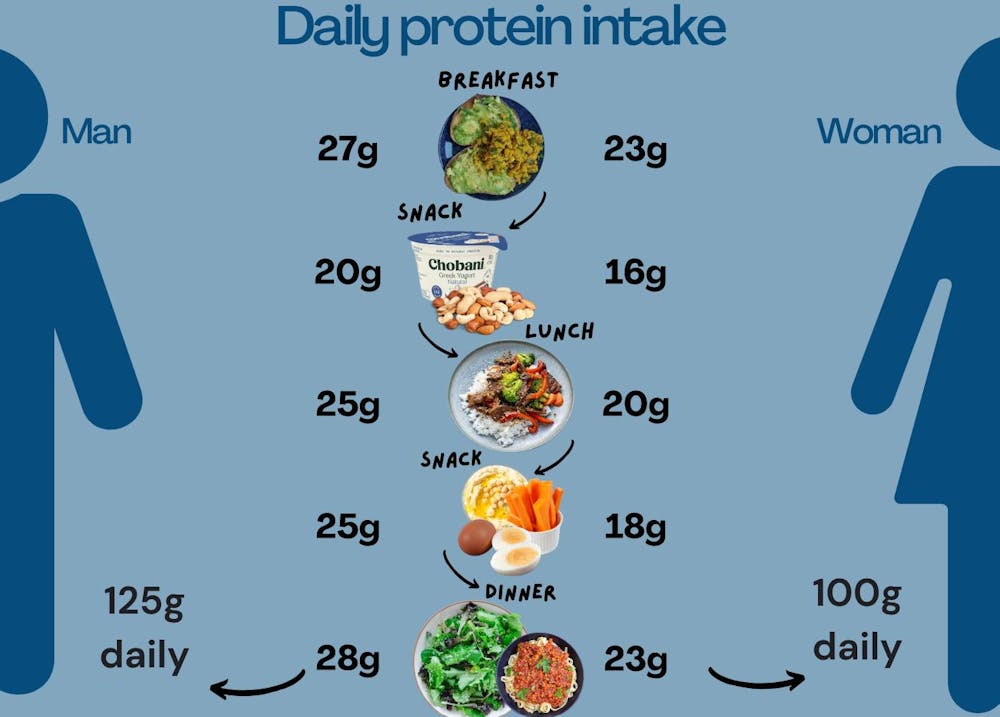
    MIL OSI Economics –

    April 3, 2025
  • MIL-OSI USA: Senator Coons, colleagues introduce bipartisan, bicameral bill to create foundation supporting American leadership in emerging technology

    US Senate News:

    Source: United States Senator for Delaware Christopher Coons

    WASHINGTON – Yesterday, U.S. Senators Chris Coons (D-Del.), Todd Young (R-Ind.), John Hickenlooper (D-Colo.), and Deb Fischer (R-Neb.) introduced a bill to establish a nonprofit foundation that would support the National Institute of Standards and Technology (NIST) by bolstering public-private collaboration on U.S. technological innovation and competitiveness. This bill was initially introduced in the 118th Congress. Representatives Haley Stevens (D-Mich.) and Jay Obernolte (R-Calif.) introduced a companion bill in the U.S. House of Representatives.

    The Expanding Partnerships for Innovation and Competitiveness (EPIC) Act would establish a foundation to help NIST achieve its goal of promoting U.S. innovation and industrial competitiveness in science and technology. Congress has established similar foundations to support the National Institutes of Health, the U.S. Department of Energy, and other federal agencies. In Delaware, NIST supports the National Institute for Innovation in Manufacturing Biopharmaceuticals (NIIMBL), a public-private partnership on the University of Delaware’s campus focused on advancing biopharmaceutical production and developing Delaware’s workforce for the future.  

    “America’s economic strength depends on technological leadership, and NIST has long been an engine of innovation for our country,” said Senator Coons. “The EPIC Act reflects our ongoing commitment to creating a nonprofit foundation that will mobilize resources to support U.S. leadership on emerging technologies such as artificial intelligence, cybersecurity, biotech, and quantum computing. With strong bipartisan support across both chambers, this legislation represents a critical investment in America’s technological future.”

    “Maintaining and encouraging research and development in the U.S. is critical to winning the technological race against China and other adversaries,” said Senator Young. “Our bipartisan legislation will support these efforts by establishing an independent foundation to identify and foster innovative public-private partnerships across the country and strengthen the American economy.”

    “Whether it’s AI or quantum computing, the United States is pushing the boundaries of technological innovation on all fronts,” said Senator Hickenlooper. “There are no second chances with technologies this powerful; NIST needs every tool at its disposal to ensure responsible R&D from the start.”

    “Our nation’s technological innovation is what keeps us globally competitive,” said Senator Fischer. “To stay ahead of our rapidly advancing adversaries, we must invest in emerging technologies and the metrics that underpin them. The EPIC Act is an effective, bipartisan way to help us generate more resources to do so without additional taxpayer costs.”

    “Now more than ever, our federal science agencies need every tool to drive U.S. technology leadership,” said Representative Stevens. “The reintroduction of the EPIC Act ensures that NIST—a vital agency in emerging technology, standards, and manufacturing—has the resources to secure American leadership in the mid-21st century. By establishing the Foundation for Standards and Metrology, this bill will accelerate technology commercialization, strengthen international collaborations, and support NIST’s world-class workforce. I look forward to working with my colleagues to advance this bipartisan, bicameral bill and unleash American innovation.”

    “It is vital that America maintains its position as the world leader in science and technology,” said Representative Obernolte. “The creation of the Foundation for Standards and Metrology will assist in ensuring industry, non-profits, and academia receive the resources that they need to establish cutting-edge standards that enhances the economic security and prosperity of the U.S., which is why I’m proud to be a Republican co-lead on this critical legislation.”

    Specifically, the EPIC Act would establish a nonprofit Foundation for Standards and Metrology, enabling NIST to: 

    • Mobilize private and philanthropic funding to support critical scientific and technical initiatives.
    • Collaborate more closely with the private sector, nonprofit organizations, and institutions of higher education.
    • Train the emerging technology workforce of the future and retain top talent at the institute.

    The EPIC Act is endorsed by four former directors of NIST, as well as SEMI Americas, the Semiconductor Industry Association, NIST Coalition, SPIE, SeedAI, Institute for Progress, Information Technology and Innovation Foundation, Center for AI Policy, Telecommunications Industry Association, Institute for AI Policy and Strategy, Carnegie Mellon University, University of Colorado Boulder, Americans for Responsible Innovation, Chainguard, CJW Quantum Consulting, American Physical Society, ACT | The App Association, CivAI, SandboxAQ, American Society of Mechanical Engineers, Google, American Institute of Aeronautics and Astronautics, SC Quantum, Software Information Industry Association, American Society of Mechanical Engineers, 5 Lakes Institute, and the APA Services, Inc.

    The full text of the bill is available here. 

    MIL OSI USA News –

    April 3, 2025
←Previous Page
1 … 301 302 303 304 305 … 542
Next Page→
NewzIntel.com

NewzIntel.com

MIL Open Source Intelligence

  • Blog
  • About
  • FAQs
  • Authors
  • Events
  • Shop
  • Patterns
  • Themes

Twenty Twenty-Five

Designed with WordPress