SACRAMENTO – Governor Gavin Newsom today announced the following appointments:
Bret Ladine, of Sacramento, has been appointed Director of the Financial Information System for California (FI$Cal). Ladine has been General Counsel at the California State Transportation Agency since 2022. He was General Counsel at the California Department of Financial Protection and Innovation from 2020 to 2022, where he was previously Assistant General Counsel from 2016 to 2020. Ladine was a Senior Associate at Hogan Lovells US LLP from 2012 to 2016. He was an Associate at Wilson Sonsini Goodrich & Rosati PC from 2008 to 2012. Ladine was Communications Director for the Office of Congressman Dennis Cardoza from 2003 to 2005. He is a member of Anthony M. Kennedy American Inn of Court. Ladine earned a Juris Doctor degree from the University of Virginia School of Law and a Bachelor of Arts degree in History from Yale University. This position requires Senate confirmation, and the compensation is $218,376. Ladine is a Democrat.
Alicia Fowler, of Sacramento, has been appointed General Counsel at the California State Transportation Agency. Fowler has been Chief Counsel at the California High-Speed Rail Authority since 2019. She was Deputy Secretary and General Counsel at the California State Transportation Agency from 2015 to 2019. Fowler was Senior Assistant Attorney General in the Office of the Attorney General from 2008 to 2015, where she was previously Supervising Deputy Attorney General from 2001 to 2008. She earned a Juris Doctor degree from the University of San Francisco School of Law, and a Bachelor of Arts degree in English from the University of California, Berkeley. This position does not require Senate confirmation, and the compensation is $224,364. Fowler is a Democrat.
Basem Muallem, of Chino Hills, has been appointed Statewide Regional Director at the California High-Speed Rail Authority. Muallem has been Vice President at HNTB since 2023. He was Vice President at RailPros from 2019 to 2023. Muallem was Vice President at WSP USA from 2016 to 2019. He was Senior Program Manager at Parsons Corporation from 2015 to 2016. Muallem held several positions at the California Department of Transportation from 1983 to 2015, including District 8 Director, Deputy District 8 Director of Program Management and Right-of-Way, and Deputy District 8 Director of Maintenance. He is a member of the Arab-American Association of Engineers and Architects. Muallem earned a Master of Science degree in Civil Engineering, a Bachelor of Science degree in Civil Engineering, and a Bachelor of Science degree in Biology from California State University, Long Beach. This position does not require Senate confirmation, and the compensation is $355,008. Muallem is registered without party preference.
Christy Bouma, of Sacramento, has been appointed to the Fair Access to Insurance Requirements (F.A.I.R) Plan Governing Committee. Bouma has served on the State Compensation Insurance Fund since 2024. She was Legislative Affairs Secretary in the Office of Governor Gavin Newsom from 2022 to 2024. Bouma was a Principal at Capitol Connection from 2000 to 2022. She was a Teacher for the Hesperia Unified School District from 1989 to 1999. Bouma earned a Master of Science degree in Computer Science from California State University, Sacramento and a Bachelor of Arts degree in Computer Science from Point Loma Nazarene College. This position does not require Senate confirmation, and there is no compensation. Bouma is a Democrat.
Press Releases, Recent News
Recent news
Jan 24, 2025
News What you need to know: Governor Newsom welcomed President Trump to Los Angeles and pledged to work together to support survivors and secure federal assistance. LOS ANGELES – Today, Governor Gavin Newsom met with President Trump on the tarmac at Los Angeles…
Jan 24, 2025
News What you need to know: Governor Gavin Newsom today met with firefighters who have been on the frontlines battling ongoing flames from the initial Los Angeles firestorm. Los Angeles, California – Taking a moment to reflect on the profound response effort to…
Jan 23, 2025
News What you need to know: Alongside community, city, county, and legislative leaders, Governor Newsom signed special session legislation to provide over $2.5 billion for Los Angeles to bolster ongoing response efforts and jumpstart recovery and rebuilding. LOS…
Padma Awards – one of the highest civilian Awards of the country, are conferred in three categories, namely, Padma Vibhushan, Padma Bhushan and Padma Shri. The Awards are given in various disciplines/ fields of activities, viz.- art, social work, public affairs, science and engineering, trade and industry, medicine, literature and education, sports, civil service, etc. ‘Padma Vibhushan’ is awarded for exceptional and distinguished service; ‘Padma Bhushan’ for distinguished service of high order and ‘Padma Shri’ for distinguished service in any field. The awards are announced on the occasion of Republic Day every year.
2. These Awards are conferred by the President of India at ceremonial functions which are held at RashtrapatiBhawan usually around March/ April every year. For the year 2025, the President has approved conferment of 139Padma Awards including1 duo case (in a duo case, the Award is counted as one) as per list below. The list comprises 7Padma Vibhushan, 19 Padma Bhushan and 113 Padma Shri Awards. 23of the awardees are women and the list also includes 10 persons from the category of Foreigners/NRI/PIO/OCI and13Posthumous awardees.
Ministry of Culture (MoC), along with its organizations, participated in the Special Campaign 4.0 while focusing mainly on institutionalization of Swachhata and minimizing pendency in Government Offices.
During implementation phase from 2nd to 31st October,2024, the Ministry achieved 100% targets in carrying out cleanliness drives in all designated 529 sites. 100% files in Record Management viz.12,668 Physical files and 3261 E-files were reviewed. 1167 Physical Files & 470 E-Files have been weeded out and closed, respectively. Revenue to the tune of Rs.31,73,667/- was generated by disposing of scarps. A total of 46876 Sq.ft. area was freed. In addition, 100% Public Grievances; 60% Public Grievances Appeals, 73% MP References 55% PMO References were disposed of. Ministry released 5 Press Statements. 187 Tweets were also issued by the Ministry and its various organizations.
Cleanliness drive conducted atRamappa Temple, Hyderabad and Warangal Fort, Hyderabadsites
Ramappa Temple, Hyderabad
Before After
Warangal Fort, Hyderabad
Before After
Digitization of Records
The National Archives of India(NAI), an attached office of Ministry of Culture, has collections of approximately 34 crore pages. The NAI has a plan to convert all its physical collections into digital and make it accessible to the society online. NAI has started a digitization programme through outsourcing. NAI has started the work of digitization of 30 Crore pages and uploading the same on Department search portal i.e.www.abhilekh-patal.in. and the work is expected to be completed in two years. 56,07,806 pages have been digitized in the month of October 2024 with complete DMS implementation, Bar-coding and each record have 24 number of indexing field.
Conservation of Records
As a part of restorative conservation of records, The National Archives of India (NAI) repaired 2380 number of sheets; stitched and bound 14 vols and 160 files/mics items; and also repaired 44 maps during the period.
(On going conservation of Records at NAI)
Appraisal of Records
Ministry of Home Affairs, Ministry of Railway, Ministry of Coal and Directorate General CRPF, New Delhi have intimated NAI for appraisal of 680, 1366, 81 and 102 files, respectively. NAI has initiated action for joint appraisal of the above files as per provisions of Public Record Act & Rules.
Record Management Training
The following Training Programmes in Record Management were conducted by National Archives of India during Special Campaign 4.0 :-
178th Orientation course on Records Management for the Central Government officials/Departmental Records Officers was conducted for three days from 23-25 October 2024 at NAI, Records Centre, Jaipur. 27 participants from various Ministries/ Departments like Ministry of Finance, Ministry of Heavy Industries, Ministry of Defence, Atomic Energy, Archaeological Survey of India and PSUs etc. participated in this orientation course.
2.As part of special campaign 4.0, a workshop/training session on ‘Records Management’ was conducted by NAI at Ministry of Coal on 18th October, 2024. Approximately 40 participants including ASO, SO and US level officers attended the workshop.
Exhibition
The National Archives of India organized an exhibition titled “सुशासनऔरअभिलेख”as part of Special Campaign 4.0 for Swachhata. The exhibition was inaugurated by Hon’ble Culture Minister Shri Gajendra Singh Shekhawat on 1st October 2024 at NAI and remained open for public viewing till 30th October, 2024.
Best Practice:
Adding a creative dimension to the SHS Campaign,2024 and Special Campaign 4.0 some of the Organizations of Ministry of Culture have undertaken the following initiatives with citizen involvement and collective action as part of good practice:-
Waste to Art Initiatives by National Council for Science Museums (NCSM) by engaging community in the waste to art initiatives: –
3 days Waste to Art Exhibition organized at National Science Centre, New Delhi, a Unit of NCSM, from 24th to 26th September,2024.
b) Shadow Art piece crafted from discarded electronic, electrical & spare parts, and A Coffee Table Book curated by NCSM Hqrs, Kolkata using waste material.
(Coffee Table Book)
Workshop on Composting Garden Waste organized by Goa Science Centre and Planetarium, a Unit of NCSM.
Workshop on Vermicomposting organized by District Science Centre, Dharampur, Gujarat, a Unit of NCSM.
Workshop on Hand made paper organized by Goa Science Centre and Planetarium Goa, a Unit of NCSM.
Mobile Science Exhibition on Hygiene and Sanitation organised by District Science Centre, Dharmpur, Gujarat, a Unit of NCSM.
Preservation of Gandhi Papers by Asiatic Society of Kolkata(ASK)
Curative Preservation of Manuscripts and Book “Ramayana” by Asiatic Society of Kolkata(ASK).
Ministry of Culture is committed to continue with the good works done during Special Campaign in order to promote and institutionalize swachhata, and reduce pendency in all organizations.
Source: United Kingdom – Executive Government & Departments 3
New Juno satellite to support military operations will be designed and built in the UK.
Artist impression of Juno
Armed forces personnel are to have access to the latest space technology for military operations, following a deal signed for a new satellite.
The £40 million project with Surrey Satellite Technology Ltd will support around 200 skilled jobs, boosting the UK’s space sector and helping to grow the economy.
Named Juno, the satellite will be able to capture daytime images of the Earth’s surface, strengthening the UK’s Intelligence, Surveillance, and Reconnaissance (ISR) capabilities. Expected to launch in 2027, Juno will have advanced imagery sensors, building on the capabilities of Tyche, UK Space Command’s first satellite which successfully launched in August this year.
Both satellites form part of the Ministry of Defence’s space-based Intelligence, Surveillance, and Reconnaissance programme, which will deliver a constellation of satellites and supporting ground systems by 2031.
These satellites will support military operations, for instance by monitoring adversary activities, and also contribute to other government tasks, including natural disaster monitoring, the development of mapping information, environmental monitoring and tracking the impact of climate change around the world.
Minister for Defence Procurement and Industry Maria Eagle said:
“The contract for Juno shows the UK’s commitment to grow one of the most innovative and attractive space economies in the world and keep our competitive edge in space science and technology.
“Juno will not only support Armed Forces personnel deployed globally, but also support highly skilled jobs, delivering on the government’s growth mission.”
Air Chief Marshal Sir Rich Knighton said:
“With Tyche in space, and Juno now on contract, UK Space Command’s ISTARI programme is making great strides, showcasing innovation and collaboration across government and industry.
“With these Earth Observation satellites on orbit, UK Space Command and defence will be better equipped to conduct all-domain military operations and deliver assured space-based intelligence, surveillance, and reconnaissance to the joint force and our allies.”
The contract for Juno was awarded via competitive procurement to Surrey Satellite Technology Ltd (SSTL), the same company that manufactured Tyche.
SSTL employs around 400 engineers, technicians and support staff across its two sites in Guildford, Surrey, and Bordon, Hampshire. With around half of these employees expected to work on the project, Juno will play a key part in securing critical UK skills in the growing global space sector. The project will also help inform the procurement strategy for future space capability requirements.
Andrew Cawthorne, Managing Director, SSTL, said:
“We’re incredibly proud that the Ministry of Defence has again placed its trust in SSTL to deliver the UK’s next sovereign intelligence, surveillance, and reconnaissance spacecraft.
“Juno will offer a step change in imaging capability over Tyche, SSTL’s demonstrator spacecraft which launched in August and is now being operated for UK Space Command. We look forward to continuing our successful relationship with UK Space Command, DE&S, and Dstl, and playing a leading role in delivering the UK Defence Space Strategy.”
Paul Russell, Space team leader at DE&S said:
“Placing contracts and managing delivery of a new generation of UK military capabilities for use in a complex and critical environment takes incredible focus and collaborative working with our defence and industry partners. These efforts are key in ensuring the UK Armed Forces have access to the surveillance and intelligence information they need to maintain a competitive edge.”
Forgetting is part of our daily lives. You may walk into a room only to forget why you went in there – or perhaps someone says hi on the street and you can’t remember their name.
But why do we forget things? Is it simply a sign of memory impairment, or are there benefits?
One of the earliest findings in this area highlighted that forgetting can occur simply because the average person’s memories fade away. This comes from 19th century German psychologist Hermann Ebbinghaus, whose “forgetting curve” showed how most people forget the details of new information quite rapidly, but this tapers off over time. More recently, this has been replicated by neuroscientists.
Forgetting can also serve functional purposes, however. Our brains are bombarded with information constantly. If we were to remember every detail, it would become increasingly difficult to retain the important information.
One of the ways that we avoid this is by not paying sufficient attention in the first place. Nobel prize winner Eric Kandel, and a host of subsequent research, suggest that memories are formed when the connections (synapses) between the cells in the brain (the neurons) are strengthened.
Paying attention to something can strengthen those connections and sustain that memory. This same mechanism enables us to forget all the irrelevant details that we encounter each day. So although people show increased signs of being distracted as they age, and memory-related disorders such as Alzheimer’s disease are associated with attention impairments, we all need to be able to forget all the unimportant details in order to create memories.
Handling new information
Recalling a memory can sometimes also lead to it changing for the purposes of coping with new information. Suppose your daily commute involves driving the same route every day. You probably have a strong memory for this route, with the underlying brain connections strengthened by each journey.
But suppose one Monday, one of your usual roads is closed, and there’s a new route for the next three weeks. Your memory for the journey needs to be flexible enough to incorporate this new information. One way in which the brain does this is by weakening some of the memory connections, while strengthening new additional connections to remember the new route.
Ever reach the office and barely even remember driving there? Twinster Photo
Clearly, an inability to update our memories would have significant negative consequences. Consider PTSD (post-traumatic stress disorder), where an inability to update or forget a traumatic memory means an individual is perpetually triggered by reminders in their environment.
From an evolutionary standpoint, forgetting old memories in response to new information is undoubtedly beneficial. Our hunter-gatherer ancestors might have repeatedly visited a safe water hole, only to one day discover a rival settlement, or a bear with newborn cubs there. Their brains had to be able to update the memory to label this location as no longer safe. Failure to do so would have been a threat to their survival.
Reactivating memories
Sometimes, forgetting may not be due to memory loss, but to changes in our ability to access memories. Rodent research has demonstrated how forgotten memories can be remembered (or reactivated) by supporting the synaptic connections mentioned above.
Rodents were taught to associate something neutral (like a bell ringing) with something unpleasant (like a mild shock to the foot). After several repetitions, the rodents formed a “fear memory” where hearing the bell made them react as though they expected a shock. The researchers were able to isolate the neuronal connections which were activated by pairing the bell and the shock, in the part of the brain known as the amygdala.
They then wondered if artificially activating these neurons would make the rodents act as if they expected their foot to be shocked even if there was no bell and no shock. They did this using a technique called optogenetic stimulation, which involves using light and genetic engineering, and showed that it was indeed possible to activate (and subsequently inactivate) such memories.
One way that this might be relevant to humans is through a type of transient forgetting which might not be due to memory loss. Return to the earlier example where you see someone in the street and can’t remember their name. Perhaps you believe you know the first letter, and you’ll get the name in a moment. This is known as the tip-of-the-tongue phenomenon.
When this was originally studied by American psychologists Roger Brown and David McNeill in the 1960s, they reported that people’s ability to identify aspects of the missing word was better than chance. This suggested that the information was not fully forgotten.
One theory is that the phenomenon occurs as a result of weakened connections in memory between the words and their meanings, reflecting difficulty in remembering the desired information.
However, another possibility is that the phenomenon might serve as a signal to the individual that the information is not forgotten, only currently inaccessible.
This might explain why it occurs more frequently as people age and become more knowledgeable, meaning their brains have to sort through more information to remember something. The tip of the tongue phenomenon might be their brain’s means of letting them know that the desired information is not forgotten, and that perseverance may lead to successful remembering.
In sum, we may forget information for a host of reasons. Because we weren’t paying attention or because information decays over time. We may forget in order to update memories. And sometimes forgotten information is not permanently lost, but rather inaccessible. All these forms of forgetting help our brain to function efficiently, and have supported our survival over many generations.
This is certainly not to minimise the negative outcomes caused by people becoming very forgetful (for example, through Alzheimer’s disease). Nonetheless, forgetting has its evolutionary advantages. We only hope that you’ve found this article sufficiently interesting that you won’t forget its contents in a hurry.
The authors do not work for, consult, own shares in or receive funding from any company or organisation that would benefit from this article, and have disclosed no relevant affiliations beyond their academic appointment.
Following a campaign marred by widespread and credible allegations of massive interference by Russia and pro-Russian proxies, Moldova’s incumbent president, Maia Sandu, has won another term in the second round of presidential elections.
According to preliminary results published by the country’s central electoral commission on November 3, Sandu beat her second-round challenger, Alexandr Stoianoglo, with 55% of the vote and on a higher turnout than in the first round of elections on October 20.
There were more than 180,000 votes between the incumbent and her challenger. In a country with an electorate of just over three million people, this is a significant margin, especially when compared with the razor-thin yes vote in the EU referendum that was on the same day as the first round of the presidential election two weeks ago. In that election, Sandu came first with 42%, compared to Staionoglo’s 26%, but in the EU poll, just 10,000 votes separated the yes and the no votes.
Sandu, who campaigned on a strongly pro-European platform, prevailed despite pro-Russian interference and fearmongering and a campaign by Stoianoglo that emphasised the importance of good relations with both Moscow and Brussels.
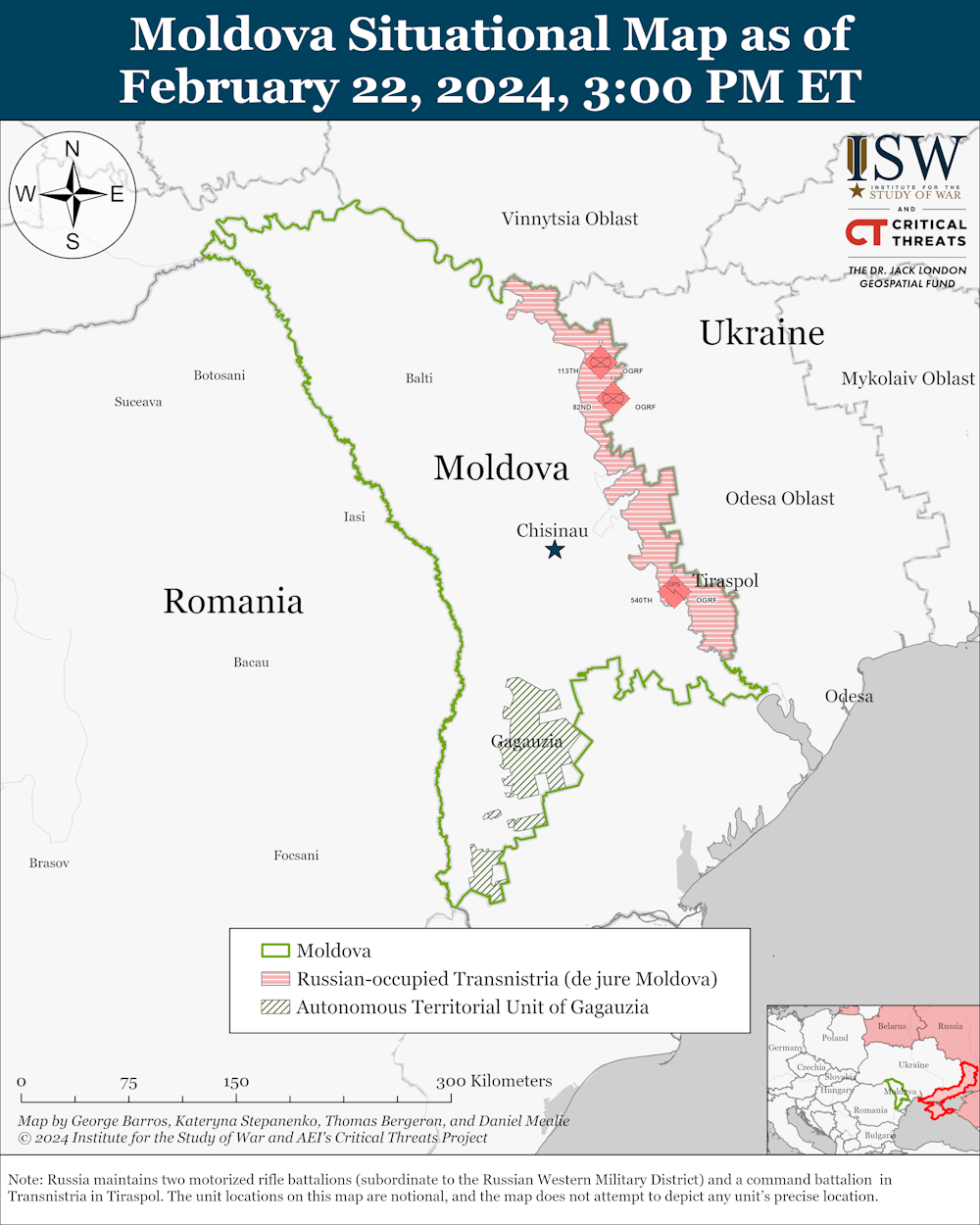
Moldova’s election result will certainly have come as a relief not only to Sandu and her supporters but also to Moldova’s western partners. It is the first time that a popularly elected president has won a second term in the tiny landlocked former Soviet satellite. The country borders Romania and Ukraine and has a small but significant Russian breakaway region, Transnistria, as a constant reminder of Moscow’s influence in the region.
Moldova’s election presents a clear difference to the Georgian parliamentary election results on October 26, which saw an openly pro-Russian Georgian Dream party win an election considered as neither particularly free nor fair, in results that the Georgia’s opposition-aligned president and western pollsters allege have been rigged.
Sandu’s win, by contrast, demonstrates both the appeal of the idea of a European future and the limits of Russian interference. Yet the understandable enthusiasm about the result in Moldova also needs to be tempered by a more careful analysis of some of the deeply entrenched societal cleavages that the elections have all but confirmed and the difficulties that lie ahead.
Deep divisions
Sandu’s win overall looks impressive. But she did not win the vote in Moldova itself, where Stoianoglo beat her by some 30,000 votes. What saved Sandu, like the EU referendum, was the strong support for her among voters in the diaspora, where she captured almost five times as many votes as Stoianoglo.
Just over 270,000 votes (83%) of the votes cast by Moldovans living abroad, predominantly in western Europe and north America, saw her comfortably across the finishing line. There may be good reasons not to distinguish between votes from inside and outside Moldova – but the optics are not good.
Nor can the overall margin of Sandu’s victory gloss over the fact that her supporters inside the country are predominantly concentrated in the capital and the centre of the country. In the capital Chisinau, in the centre of Moldova, Sandu won with 57%, representing almost one-third of her total vote inside the country. In the north and south of the country, Stoianoglo generally took the largest vote share.
In the country’s second-largest city, Balti in the north, he won 70% of the vote, compared to Sandu’s 30%. In the southern autonomous region of Gagauzia, a hotbed of pro-Russian, anti-European activism, Sandu obtained less than 3%. In Transnistria, Sandu came away with just 20% of the vote.
Map of Moldova showing the breakaway regions of Transnistria and Gaugazia. Institute for the Study of War
These results are not surprising, given the outcome of the first round of the elections. But they represent fall in support for Sandu compared to in 2020, when she beat the then incumbent, socialist party leader Igor Dodon. Four years ago, Sandu obtained over 250,000 votes more than Dodon, winning almost 58% of the total vote. While she took the overwhelming share of the diaspora vote then as well, she also bested Dodon in most constituencies in the south.
Dodon campaigned for Stoianoglo in this election, but much of the challenger’s support was very probably due to a massive pro-Russian interference campaign that capitalised on many Moldovans’ fears and frustrations. Pro-Moscow messages aimed to capitalise on fears about being dragged into Russia’s war against Ukraine.
But there was also frustration with a government that has made little progress on much needed anti-corruption reforms and presided over a serious cost-of-living crisis in the aftermath of the Covid-19 pandemic and made worse by the war on Moldova’s eastern neighbour. Sandu’s party, the Party of Action and Solidarity (PAS) won a commanding majority in the 2021 elections – so failures of the government are seen as failures of Sandu and her agenda.
Challenges ahead
That Sandu won the presidency again, and against these odds, demonstrates her resilience. But it can’t be taken for granted that her party will similarly prevail in parliamentary elections due by the autumn of 2025. She may well be forced into a difficult cohabitation with a potentially socialist-led government next year. In a parliamentary democracy, in which the powers of the government by far exceed those of the president, this could significantly slow down Moldova’s EU accession negotiations.
But there are also some silver linings on the horizon. That Sandu won clearly demonstrates the limits of Russian interference. There is a core part of the Moldovan electorate that cannot be swayed by Russian misinformation or vote buying. This is a basis on which Sandu and PAS can build.
Perhaps more importantly, Sandu and Stoianoglo both sent conciliatory signals on election eve. Stoianoglo emphasised the importance of respecting the outcome of the democratic process and expressed the hope that Moldovans would now move beyond hatred and division. Sandu acknowledged the concerns of those who had not voted for her and promised to serve as the president of all Moldovans and to work for the country’s further development.
If they both stay true to their word, Moldova may finally break with a past of repeated political crises and economic stagnation.
Stefan Wolff is a past recipient of grant funding from the Natural Environment Research Council of the UK, the United States Institute of Peace, the Economic and Social Research Council of the UK, the British Academy, the NATO Science for Peace Programme, the EU Framework Programmes 6 and 7 and Horizon 2020, as well as the EU’s Jean Monnet Programme. He is a Trustee and Honorary Treasurer of the Political Studies Association of the UK and a Senior Research Fellow at the Foreign Policy Centre in London.
Traditionally, Britain was regarded as the class society. And class was pre-eminent among the factors used to explain political party allegiance. In broad terms, working-class voters chose Labour, the party set up to represent them. Middle-class voters chose the Conservatives, the party that represented homeowners and business owners.
Since the 1960s, there has been a decline in class-based voting. Our social background is no longer such a good predictor of our party.
That may be because there are more parties to choose from, or because the big two have changed their offering to appeal to a wider audience, but it’s also about class-based abstention. In the 1960s, most working-class people voted in elections, and when they did so they tended to vote for Labour. Now, many more working-class people do not vote at all. And when they do, they are less drawn to any party in particular.
Class differences with respect to turnout have thus become greater than class differences with respect to vote choice. Or put another way, class is now more important as a participatory divide than it is as a partisan divide.
According to the long-running British Election Study (BES), the difference in reported turnout between people with working-class occupations and middle-class occupations was less than 5 percentage points in 1964. In 2024, it was 16 percentage points.
Put into context, the difference in reported turnout between the under-30s and the over-60s in 2024 was 20 percentage points. This age gap is the subject of great concern and much discussion. We worry a lot about why young people are not voting. Numerous initiatives have been launched to try and get young people more involved in politics. Yet the class gap, of a very similar magnitude, has received almost no attention at all.
BES data over the years shows us that the working class has generally been somewhat less likely to vote than the middle class. But from 1964 to 2001, the difference in turnout rates was fairly modest. Turnout bumped along, up and down, but the relative difference did not change much, and turnout among both groups tended to increase and decrease in tandem.
However, since 2001, the turnout patterns between the two classes have sharply diverged. In the election of 2001, overall turnout was the lowest since 2018 at just 59.4%. The middle-class vote bounced back after that nadir but the working-class vote did not, remaining instead at historically low levels. Before 2001, the average class gap in turnout was 6 percentage points. So today’s 16 percentage-point gap is nearly three times greater than the pre-2001 level.
The widening class gap in turnout, 1964-2024:
The chart below shows how the size of this class gap on turnout compares with the size of the class gap on support for Labour, the party which was originally founded to represent working-class interests.
In 1964, among people with working-class occupations, 11% did not vote, 55% voted for Labour, and the remaining 34% voted for the Conservatives or another party. Among people with middle-class occupations, 7% did not vote, just 18% voted for Labour, and the remaining 75% voted for the Conservatives or another party. The class gap on turnout was therefore just 5 percentage points, compared with the class gap on Labour support of 37 percentage points.
The class gap in turnout has overtaken the class gap in support for Labour, 1964-2024:
Over time, Labour has become a less distinctively working-class party. This has particularly been the case since the New Labour period, when Tony Blair famously rebranded the party to project a more middle-class image.
The result has been that the size of the class gap on Labour support has declined, while the size of the class gap on turnout has increased – to the point in the early 2000s where class differences on turnout overtook class differences on support for Labour.
These findings have important implications. There is a widespread belief that class has become less important in British politics, and so does not merit as much attention as it once did. This belief is false.
While it is certainly true that class divisions are not as evident as they once were in terms of structuring vote choice, this is because class has been pushed outside the political system. Whereas previously the middle class and working class were divided on who to vote for, now they are divided on whether to bother voting at all.
The authors do not work for, consult, own shares in or receive funding from any company or organisation that would benefit from this article, and have disclosed no relevant affiliations beyond their academic appointment.
CALGARY, Alberta, Nov. 04, 2024 (GLOBE NEWSWIRE) — Computer Modelling Group Ltd. (“CMG” or the “Company”) (TSX: CMG) today announced it is collaborating with NVIDIA to further develop and optimize CMG subsurface simulation solutions for increased speed, performance, and energy efficiency.
CMG is continuing the evolution of its simulation solutions to fully leverage the potential of NVIDIA’s full-stack accelerated computing platform, including NVIDIA H100 Tensor Core GPUs, NVIDIA GH200 Grace Hopper™ Superchips, and the NVIDIA high-performance computing software stack, as well as the high-performance computing software development kit. By leveraging NVIDIA’s platform, CMG aims to unlock improvements to computational speed while maintaining the high degree of technical accuracy that the company is known for.
A large focus for CMG is also energy transition. Not only is CMG a leader in reservoir simulation solutions but is also at the forefront driving new solutions for carbon capture and storage (CCS) simulation, which are key to the energy transition. Additionally, running on the NVIDIA GH200 platform can allow for less energy consumption when running CMG’s solutions.
“Leveraging NVIDIA accelerated computing offers CMG a platform to innovate at the intersection of numerical simulation, AI, and high-performance computing,” said Pramod Jain, CEO of CMG. “Our work with NVIDIA underscores CMG’s ongoing dedication to technological excellence, demonstrating our commitment to advancing industry-leading simulation solutions and delivering greater value to our clients by prioritizing speed and efficiency.”
By integrating NVIDIA’s full-stack accelerated computing platform, CMG can continue to empower energy companies to make faster, more informed decisions, helping them optimize both oil and gas production and energy transition projects like CCS.
“Among the world’s most complex problems to tackle are subsurface simulations,” said Marc Spieler, senior managing director of energy at NVIDIA. “CMG’s adoption of NVIDIA AI and accelerated computing provides an energy-efficient, high-performance computing platform to drive meaningful change in conventional energy applications and support a wide range of energy transition initiatives.”
About CMG
CMG (TSX: CMG) is a global software and consulting company that combines science and technology with deep industry expertise to solve complex subsurface and surface challenges for the new energy industry around the world. CMG is headquartered in Calgary, AB, with offices in Houston, Oxford, Dubai, Bogota, Rio de Janeiro, Bengaluru, Kuala Lumpur, and Oslo. For more information, please visit www.cmgl.ca.
Cautionary Note Regarding Forward Looking Information
Certain statements contained in this press release constitute forward-looking information. These statements relate to future events or future performance. The use of any of the words “aims”, “target”, “optimize”, “benefit”, and similar expressions and statements relating to matters that are not historical facts are intended to identify forward-looking information and are based on CMG’s assumptions or beliefs as to the outcome or timing of such future events. In particular, this press release contains forward-looking information relating to, among other things, the expected benefits of the partnership, and the optimization of solutions for speed, performance and energy efficiency, and the expected impact on client operations and decision-making processes. Various assumptions are applied in setting such expectations, including, but without limitation, market acceptance and demand for the products, the operational benefits and the potential time and cost savings relating to the integration and use of these products. Although such statements are based on the reasonable assumptions of CMG’s management, there can be no assurance that any conclusions will prove to be accurate. The forward-looking information contained in this press release is made as of the date hereof. Except as required by applicable securities laws, CMG is not obligated to update or revise any forward-looking information, whether as a result of new information, future events, or otherwise. Because of the risks and assumptions contained herein, investors should not place undue reliance on forward-looking information.
Source: The Conversation – UK – By Mark Griffiths, Director of the International Gaming Research Unit and Professor of Behavioural Addiction, Nottingham Trent University
Hollywood actor Armie Hammer was accused of sending messages detailing cannibalistic fantasies in 2021.DFree/Shutterstock
After allegedly sending messages detailing cannibalistic fetishes, Hollywood actor Armie Hammer hopes to relaunch his career with a new podcastand movie.
Now, it seems, Hammer is laughing off the cannibalism allegations. Speaking to his first podcast guest, Tom Arnold, Hammer says, “I’m not gonna lie. I’m just like, Hey, I’m a cannibal!”
But being sexually aroused by the fantasy – or reality – of cannibalism is real. I should know, as it’s one of the subjects I discuss in my latest book Sexual Perversions and Paraphilias: An A-Z
Paraphilias are uncommon types of sexual expression often described as sexual deviations, sexual perversions or disorders of sexual preference.
They are typically accompanied by intense sexual arousal to unconventional or non-sexual stimuli such as enemas (klismaphilia), statues (agalmatophilia), teeth (odontophilia) and vomit (emetophilia).
To many people paraphilias may seem bizarre or socially unacceptable, representing the extreme end of the sexual continuum – and in some cases, such as zoophilia (having sex with animals) and necrophilia (having sex with dead people), may be illegal.
Paraphilias may be laughed off, dismissed or leave some people disgusted, but there’s a pressing need for more research into uncommon sexual behaviour given how little we know.
Sexual fantasies and behaviour are a fundamental part of the human experience. What is considered immoral or even illegal changes according to the social and temporal context. But whatever sexual desires are considered illicit or depraved in a particular time and place are also stigmatised.
Researching paraphilias, even the most distasteful or criminal, is essential to help safeguard vulnerable groups. Research can also help minimise the discrimination faced by those with uncommon sexual interests, helping ensure their access to sexual health care and psychological support, which can be lacking.
Vorarephilia
Vorarephilia – or “vore” – refers to being sexually aroused by the idea of being eaten, eating another person or observing this process for sexual gratification.
Most of the fantasies of vorarephiliacs involve being the ones eaten. Devouring someone could be viewed as the ultimate act of dominance by a predator and the ultimate act of submission by the prey.
The most infamous vorarephiliac is arguably Armin Meiwes from Germany.
Meiwes had allegedly been fantasising about cannibalism since his childhood and frequented cannibal fetish websites. He posted around 60 online adverts asking if anyone would like to be eaten by him.
In March 2002, Bernd Jürgen Brandes responded to Meiwes. They met up only once. Meiwes bit off Brandes’ penis, which the two of them cooked and ate.
Brandes was videotaped being stabbed to death by Meiwes in his bath. The body was then stored for Meiwes to eat.
Meiwes was eventually convicted of murder and imprisoned for life. However, it’s worth nothing that although some paraphilias are illegal, most cause no psychological or behavioural problems when they are engaged by consenting adults.
Dacryphilia
Dacryphilia is getting sexual arousal from seeing someone cry.
It showed there were sub-types of dacryphilia, even among such a small group. Based on the interviews, I identified three types of dacryphile.
Compassionate dacryphiles are sexually aroused by the compassion of comforting a crier.
Dominant or submissive dacryphiles are sexually aroused by either causing tears in a consenting submissive partner or by being made to cry by a consenting dominant partner.
“Curled lip” dacryphiles are sexually aroused by the curling of a protruded bottom lip during crying.
Eproctophilia
Eproctophilia involves being sexually aroused by flatulence.
In 2013, I published the first case study of an eproctophile. The case concerned a 22-year-old single man, Brad*, an American from Illinois.
Brad recalled that in middle school he had a crush on a girl who had farted in the class. Brad said:
This blew my mind [I] knew by simple biology that girls farted, but hearing that the girl I had been fawning over was capable of such a thing sparked a strange interest in me.
Brad first engaged in an eproctophilic act with a male friend in his mid-teens. Up to that point he had considered himself heterosexual. However, this changed when he heard his male friend fart.
Brad said it was “appealing in sound” and that he began fixating on it. He set up a bet with the wager being the right to fart in the loser’s face for a week. He continued to lose such bets once every few weeks for about two years.
Apotemnophilia
Apotemnophilia refers to being sexually aroused by the fantasy or reality of being an amputee.
Some apotemnophiles may pretend to be amputees but, for a minority, the behaviour involves obsessive scheming to convince a surgeon to perform a medically unnecessary amputation.
To most people, this might seem like a type of masochism, but case studies suggest that there is no erotisation of pain – only of the healed amputated stump.
Salirophilia
Salirophilia is sexual arousal from soiling or dishevelling someone attractive, which can include tearing or damaging the desired person’s clothing, covering them in mud or filth or messing up their hair or make-up.
My 2019 case study involved Jeff*, a 58-year-old Australian heterosexual. Jeff recounted that when he was young he wanted to masturbate in strange places such as lying under a cabinet in a dirty garage.
Jeff said that he engaged in solitary salirophilic practices regularly but very infrequently with female partners because it was difficult to find like-minded women.
He was also a fan of the television show Fear Factor in which contestants perform revolting tasks for prize money, such as eating rotting food or being submerged in foul fluids. These were a source of sexual arousal for Jeff. He told me: “I just find the defilement of an attractive woman’s body erotic.”
*The names of case study participants in this article have been changed.
Dr. Mark Griffiths has received research funding from a wide range of organizations including the Economic and Social Research Council, the British Academy and the Responsibility in Gambling Trust. He has also carried out consultancy for numerous gambling companies in the area of player protection, social responsibility and responsible gaming.. Views expressed here are his own and not those of these funding bodies.
Source: People’s Republic of China – State Council News
SHANGHAI, Nov. 4 — Chinese Premier Li Qiang met with Kazakh Prime Minister Olzhas Bektenov in Shanghai on Monday, who is here to attend the 7th China International Import Expo.
Li said that since the establishment of diplomatic ties more than 30 years ago, China and Kazakhstan have always respected each other and treated each other as equals, setting a good example of good-neighborly friendship and mutual benefits between neighboring countries.
He said that China is ready to work with Kazakhstan to implement the important consensus reached by the two heads of state, deepen political mutual trust, firmly support each other on issues concerning each other’s core interests, continue to expand mutually beneficial cooperation and bring more benefits to the two peoples.
Li pointed out that China is willing to strengthen the docking of development strategies with Kazakhstan, take high-quality Belt and Road cooperation as the guide, continue to expand bilateral trade, consolidate production capacity and investment cooperation, create highlights in energy and mineral cooperation, enhance the level of connectivity and push for more practical results.
He called on the two countries to jointly work for the success of the Year of Chinese Tourism in Kazakhstan next year, strengthen cooperation in culture, education, sub-national and other fields, and enhance mutual understanding and amity between the two peoples.
China stands ready to coordinate closely with Kazakhstan within multilateral frameworks such as the United Nations, the Shanghai Cooperation Organization (SCO) and the China-Central Asia mechanism, actively implement the three global initiatives, practice genuine multilateralism, safeguard economic globalization and free trade, and promote the development of global governance toward a more just and equitable direction, Li said.
Noting that in recent years, under the strategic guidance of the two heads of state, Kazakhstan-China relations have reached a record high, Bektenov said Kazakhstan attaches great importance to its relations with China and is willing to further strengthen high-level exchanges with China, deepen cooperation on trade, investment, agriculture, transportation, science and technology, culture and education, and strengthen connectivity under the framework of Belt and Road cooperation.
Bektenov said Kazakhstan welcomes Chinese enterprises to invest in Kazakhstan and is willing to strengthen communication and cooperation with China within multilateral frameworks such as the SCO and the China-Central Asia mechanism.
Governor Phil Murphy, Lieutenant Governor Tahesha Way, and Congresswoman Bonnie Watson Coleman Launch New Jersey’s Commemoration of America’s 250th Anniversary Celebration
At Monmouth Battlefield State Park, Governor Phil Murphy, Lieutenant Governor Tahesha Way, and Congresswoman Bonnie Watson Coleman launched New Jersey’s celebration of the nation’s 250th anniversary, kicking off a multi-year schedule of events and projects that will take place through the nation’s semiquincentennial. As a leader in education, technology, AI, film, science, and more, New Jersey will celebrate its revolutionary legacy and its critical role in American history.
“New Jersey is not just home to revolutionary history—we are, to this day, the birthplace for revolutionary possibilities,” said Governor Murphy. “From our eclectic culinary landscape, to our leadership in emerging industries like clean-energy and generative Artificial Intelligence, to our steadfast reputation as one of the most diverse states in the nation, New Jersey is where the future is being built. As we launch New Jersey’s official Commemoration of America’s 250th Anniversary Celebration—and prepare to welcome in visitors from across the globe—we are going to unite together around our core, American values every step of the way.”
“Our nation’s rich and diverse history has unfolded over the last 250 years,” said Lieutenant Governor Tahesha Way. “In my role as Secretary of State, I oversee the New Jersey Historical Commission, and I am thrilled to celebrate our country’s layered history—much of which has roots here in New Jersey. This shared legacy reflects our resilience and strength as united Americans, standing together through generations.”
“The Battle of Monmouth was a vital turning point to winning our nation’s independence nearly 250 years ago. So much of the story of our nation’s founding took place right here in New Jersey,” said Congresswoman Bonnie Watson Coleman. “As a member of the Semiquincentennial Commission, I’m so excited to help New Jersey show the rest of the country why we’re known as the ‘Crossroads of the American Revolution.’”
The launch event included musical accompaniments by the Washington Crossing Fifes and Drums; a posting and retirement of the colors by reenactors of the Continental Army; the Pledge of Allegiance led by Ava Porta, a fifth grade student from Taylor Mills Elementary School in Manalapan; the National Anthem performed by Melissa Walker, an acclaimed jazz vocalist and recording artist from Montclair; and an essay read by Malay Gupta, an eighth grade student and first-place winner in America’s Field Trip scholastic contest at John Adams Middle School in Edison.
READ MORE
Governor Murphy Joins NJ TRANSIT to Showcase Brand New Multilevel Rail Cars
Governor Phil Murphy and NJ TRANSIT President & CEO Kevin S. Corbett previewed the next generation of multilevel rail cars, modernizing the fleet which will significantly improve reliability, capacity and customer comfort. The latest generation of multilevel rail cars was unveiled at an event at NJ TRANSIT’s Meadows Maintenance Complex (MMC) in Kearny.
“Providing modern, reliable equipment is a critical component to improving New Jersey’s infrastructure, particularly with regard to public transit,” said Governor Phil Murphy. “These multilevel rail cars are equipped with innovative features that meet the everyday needs of our commuters. Upon their completion, these upgraded rail cars will expand access to reliable and comfortable transportation for NJ TRANSIT riders.”
“NJ TRANSIT is committed to improving every aspect of the customer journey, and the 174 new multilevel rail cars will help achieve that by significantly improving reliability, increasing capacity and enhancing the onboard experience,” said NJ TRANSIT President & CEO Kevin S. Corbett. “NJ TRANSIT is grateful to Governor Murphy, the New jersey legislators and our partners at the Federal Transit Administration (FTA) for delivering the necessary funding to ensure our system continues to meet the growing demands of our region, and the expectations of our customers.”
Governor Murphy and Corbett previewed the first of 174 Multilevel III cars during an event at the agency’s MMC in Kearny. They highlighted many of the new car’s amenities, including USB charging ports and onboard information displays. The new cars, manufactured by Alstom Transportation in Plattsburgh, NY, will offer a range of benefits over the older, 40+ year-old single level cars they will replace, including dramatic improvement in mechanical reliability. The vehicle maximum speed will increase to 110 miles per hour. The cars, which will begin entering service mid-next year, will be compliant with the latest federal regulations, including Positive Train Control.
READ MORE
Governor Murphy Holds Roundtable Discussion on Expanding Access to Public Contracting Opportunities for Historically Marginalized Businesses
Governor Phil Murphy held a roundtable discussion where he met with legislators and stakeholders to gather input on potential legislative remedies and ongoing administrative initiatives to eliminate disparities in the public procurement process and create a more equitable business environment for Minority and Women-Owned Business Enterprises (MWBEs) in New Jersey.
The discussion follows the release of a comprehensive statewide disparity study earlier this year – the first since 2005 – which reviewed statewide procurement data relating to goods and services, professional services, and construction between 2015 and 2020, and found statistically significant disparities in the awarding of public contracts to MWBEs. The study was necessary so that the State had a legal basis for addressing these gaps. This discussion also follows a series of meetings over the past months led by the Governor’s Office and the Department of Treasury with community partners, faith leaders, labor, and diverse business chambers across the state.
“One of New Jersey’s best attributes has always been its vast diversity. Our state is home to people of so many different backgrounds, who all deserve the opportunity to succeed in their chosen field; however, lingering inequities continue to create barriers to entry for our minority and women-owned businesses that want to contract with our state government. This is unacceptable and, with the help of our lawmakers and business community, we will take action,” said Governor Murphy. “Today’s meeting underscores our steadfast commitment to building a stronger, fairer, more equitable, and more inclusive New Jersey. I look forward to continuing this conversation and working with our partners in the Legislature and our state’s business community to create a system where all businesses can thrive.”
READ MORE
Governor Murphy Announces Creation of Economic Council
Governor Murphy signed an Executive Order establishing a new Economic Council, which will be supported by a newly established Development Coordination Committee. Under the executive order, the Economic Council will provide a regular forum for the business community and state government to discuss, collaborate, and solve issues important to the public and private sectors, and stimulate economic growth and prosperity. The new Development Coordination Committee will support the Council’s work in advancing development projects that require multiple state, county and local government approvals.
“The Economic Council will ensure that we continue to have a healthy collaboration between the business community and the state government,” said Governor Murphy. “Deepening our Administration’s strong relationship with various sectors across our state will stimulate growth within our economy. I look forward to the forum for ongoing dialogue, collaboration, and problem-solving to advance our shared economic goals.”
Since the beginning of the Murphy Administration, state officials have worked with legislative partners and industry stakeholders on policies to improve the role and function of the government in facilitating economic development. Since 2018, New Jersey has seen small businesses increase by over 40,000 or 19%, despite the effects of the global COVID-19 pandemic.
The Economic Council’s co-chairs will be Deputy Chief of Staff for Economic Growth Eric Brophy and Chief Executive Officer of the New Jersey Economic Development Authority Tim Sullivan. The co-chairs will designate representatives from industry to participate in working group discussions with the Council. Along with the co-chairs, the Council will also consist of the Governor’s Chief of Staff, Chief Counsel, Chief Policy Advisor, the State Treasurer; and the Executive Director of the Business Action Center, or their respective designees.
READ MORE
Governors of New Jersey, Pennsylvania, Illinois, Maryland, and Delaware Issue Joint Letter to Grid Operator PJM
Governor Phil Murphy joined Pennsylvania Governor Josh Shapiro, Illinois Governor JB Pritzker, Maryland Governor Wes Moore, and Delaware Governor John Carney in issuing a letter to PJM Interconnection, the grid operator for New Jersey and the aforementioned states. The governors have called on PJM to take urgent action to address the increasing cost of electricity bills after the record-high prices coming out of the region’s capacity auction.
The letter addresses issues that impact the path to renewable energy goals, including market structure and the efficacy of the generator interconnection process. In the recent PJM capacity auction for the 2025/2026 Delivery Year, clearing prices surged to almost 10 times higher than the previous year, leaving residents and businesses with much higher bills. Serious flaws with the rules this auction contributed significantly to these unnecessarily high prices.
“PJM must take action now to address record high prices,” said Governor Murphy. “In New Jersey, we’re doing our part by bringing new resources to the market and making electricity more affordable for families and businesses as we look to a clean and resilient energy future. However, our grid operator must work in lockstep with the states and recognize that the market isn’t responding quickly enough due to current conditions of slow interconnection. I’m looking forward to working together to stop customers from facing unnecessarily high utility bills, along with facilitating the development of increased capacity and reliability, which will stimulate economic growth and limit the effects of climate change.”
Scores of esteemed industry leaders, researchers, entrepreneurs, and public officials came together at UConn Storrs recently to share ideas on combining their organizations’ energy and expertise to grow a robust, sustainable Connecticut economy.
“UConn Forum: Economic Engine of a Thriving Connecticut” featured discussions on driving the state’s economy through several key growth areas including advanced manufacturing, sustainable energy, fintech, biotech, quantum computing, artificial intelligence, and other realms.
Panelists and participants praised the Oct. 31 event as a unique opportunity to learn about innovations in various industry sectors and inspire ideas for collaboration, including by drawing on UConn expertise.
With an annual impact of $8.5 billion on the state’s economy, UConn takes its responsibilities seriously to help drive Connecticut forward, President Radenka Maric told the crowd in welcoming remarks.
That includes sharing its research expertise, helping foster startup businesses and technologies, ensuring its graduates are entrepreneurial and workforce ready, and doing all within its power to keep them in Connecticut to build their careers and lives.
A common theme throughout the day’s discussions was Connecticut’s innovative spirit and enviable strengths, including a well-educated workforce, diverse population, strong schools, family-friendly quality of life, and innovation-oriented business ecosystem.
Forum participants also agreed it’s a perfect time to accelerate the collaborations between industry and higher education – particularly as Connecticut is regaining population lost during the recession; has seen a noteworthy jump in business startups; and is developing new technologies in several fields.
“What we’re seeing is that the trends have reversed in a pretty meaningful way. People are betting on Connecticut with both their wallets and their feet,” said keynote speaker Daniel O’Keefe, commissioner of the Connecticut Department of Economic and Community Development (DECD).
He said the state had the 19th best-performing economy nationwide in the last two years. That’s a major turnaround from the 2000s-era recession in which Connecticut became one of only three states – including Wyoming and Mississippi – whose economies contracted and became smaller on an inflation-adjusted basis.
As Connecticut’s manufacturing and national defense-related industries bounced back, so did the state – supplemented by growth in areas such as technology and software information, and other emerging industries such as those discussed at the UConn forum.
“This is a state where innovation happens literally every day. You don’t hear about it as much as you do in places like Silicon Valley because the innovation is taking place not only in our startups, but also in our incredibly large companies,” O’Keefe said.
Several new collaborations also have immense promise, such as the QuantumCT public-private partnership led by UConn and Yale.
UConn President Radenka Maric hands a proclamation from Connecticut Governor Ned Lamont to Lee Langston, professor emeritus of mechanical engineering at UConn, during the “UConn Forum: Economic Engine of a Thriving Connecticut” event in the Rowe Commons ballroom on Thursday, Oct. 31, 2024. (Sydney Herdle/UConn Photo)
That initiative aims to win federal funding to transform Connecticut into the nation’s leading accelerator of quantum technologies. The proposal recently advanced to the competition’s next stage, and marks the first time that UConn and Yale have partnered on an initiative of this scope.
That kind of collaborative thinking underscored most of the forum’s panels, in which the speakers discussed the importance of addressing society’s emerging needs for sustainable clean energy, effective and affordable pharma products, innovative use of AI, or other topics.
The forum’s guests also gained inspiration from the entrepreneurial history of the Mashantucket Pequot Tribal Nation as shared by its chairman, Rodney Butler ’99 (BUS).
Having endured generations of forced assimilation and poverty, its members survived economically by selling timber, maple syrup, and other goods until the tribe gained federal recognition in 1983, he said.
With the ability to diversify into more lucrative areas, the tribe opened a high-stakes bingo hall in 1986 and, in 1992, it opened Foxwoods Resort Casino – now the world’s largest such gaming and entertainment venue.
Today, the tribe’s annual economic impact in the state is about $1 billion, and it has expanded into the hospitality business, golf courses, real estate holdings, hotel and golf course development, a pharmaceutical network, sports betting, internet gaming, and other ventures.
It’s a far cry from the early days of selling handmade baskets, picking berries, and hunting snakes to survive economically. The Pequot tribe and UConn have also partnered on several projects, including the development of its hydroponic Meechooôk Farm; research into responsible gaming; and various academic and cultural endeavors.
“The reason we do all of it, and the reason we’re in this room, is to create a thriving and sustainable community,” Butler told the forum’s attendees. “Ours is at Mashantucket. In this room, it’s about Connecticut and dare I say, all of southern New England.”
Also as part of the forum, Maric presented a proclamation from Gov. Ned Lamont to UConn Professor Emeritus Lee Langston ’60 (ENG), one of UConn’s most accomplished engineering innovators.
His career included helping to develop the fuel cells that powered Apollo 11 to the moon. He also was part of a team that helped install the first solar panels at the White House during the Carter Administration, and pioneered gas turbine technologies now used worldwide, including at UConn’s Cogeneration (CoGen) Central Utility Plant.
Langston joined UConn in 1977 as a mechanical engineering professor after more than a decade at Pratt & Whitney. He also served a year as the interim dean of the School of Engineering (now a college), later retiring from UConn in 2003 but remaining active as a professor emeritus.
“His contributions to science and society are immeasurable,” Maric said in presenting the proclamation, adding that she first learned of his expertise in sustainable energy when she was studying for her Ph.D. in Japan.
Maric said the legacy of innovators such as Langston, along with the vision of people at the economic development forum and throughout the state, will be key to its future.
“We make the impossible possible in Connecticut. We are leaders and will continue to lead, and anyone who says we can’t do it in Connecticut will be proven wrong,” she said.
This election year, UConn’s College of Engineering (CoE) is helping to ensure trust in every vote cast.
Last month, Connecticut Secretary of the State Stephanie Thomas announced 2,700 paper-based voting tabulators, statewide, will be replaced with new, state-of-the-art machines. The state hasn’t upgraded most voting equipment in almost 18 years.
“This is a pivotal moment for Connecticut’s elections, and one that is a long time in the making,” Thomas said in a recent press release. “Through this milestone tabulator upgrade, we’re providing our election administrators with the modern tools they need to run efficient elections.”
Since choosing the safest, most reliable tabulators was a crucial step in the replacement process, Thomas turned to the CoE’s Voting Technology Research (VoTeR) Center for guidance. Since 2006, members of the VoTeR Center have strived to assess the security and dependability of electronic voting equipment and develop new techniques for auditing the results of elections.
Laurent Michel is technical director of the VoTeR Center and professor of computer science and engineering (UConn Photo).
“For this evaluation, the VoTeR Center devised and executed testing procedures meant to assess the resilience of potential tabulators and the eco-system in which they operate against adversarial attacks,” explains Laurent Michel, technical director of the VoTeR Center and professor of computer science and engineering. “White-hat ethical hacking of this type is meant to find weaknesses in the equipment, or the processes election officials rely on to program, execute, and tabulate results state-wide.”
Over several weeks, the VoTeR team worked to evaluate potential new tabulators on the basis of cybersecurity guarantees, support for best-practice election audits, and compliance with the Voluntary Voting System Guidelines set by the U.S. Election Assistance Commission. All findings inform officials as to the ideal safe-used processes that should be adopted to conduct elections with secure tabulators, Michel says.
Ultimately, the VoTeR team shared their evaluations with Thomas and the selection committee, and the State began purchasing the equipment. Secretary Thomas plans to distribute the new machines to nine Connecticut towns prior to the November general election. Other towns will receive theirs in 2025.
“Such an evaluation touches on many technical issues ranging from compliance to the standards to resilience to attacks an adversary might be tempted to carry out against a voting system, such as tampering with the equipment to coerce it into reporting incorrect results,” Michel says.
Michel, a founding member of the VoTeR Center, also serves as director of UConn’s Synchrony Financial Center of Excellence in Cybersecurity and co-director of the Connecticut Cybersecurity Center. At VoTeR, he works alongside Center Director Alexander Russell, professor of computer science and mathematics, Benjamin Fuller, associate professor of computer science, and several research software engineers, faculty, graduate, and undergraduate assistants. All three faculty teach in the CoE’s School of Computing.
“While directly supporting the State, the Center also pursues research in election integrity and auditing, with active involvement of undergraduates and graduate students,” Russell says.
The VoTer Center was formed in response to the Help America Vote Act, signed into law in 2002, and initially helped the State select the very tabulators that are currently at end of life. Since then, the purview of the center has significantly expanded, now supporting the State’s annual hand-counted audit procedures, providing forensic audits of electronic tabulators, developing technological tools for ballot processing and verification of voter assignments, and playing a critical role in the State’s efforts to guarantee voting rights.
“Proper auditing not only increases the confidence of the voters that state elections are run, but it also helps uncover procedural failings of the election process, enabling voting districts to better serve their constituents,” Michel says. “Our goals are to ensure the integrity of the election outcomes conducted with electronic voting systems and to continuously assess their security and dependability.”
View other reports, publications, and methodologies the Center relies on here.
Since the mid-1990s, funding from the U.S. Department of Agriculture (USDA) has been allocated to the state of Connecticut and distributed among different agencies that work to provide programs focused on nutrition and physical activity education to people eligible for the Supplemental Nutrition Assistant Program (SNAP-Ed). UConn is home to one such agency, UConn Husky Nutrition & Sport, which recently received another $4.9 million from the USDA for the next three years.
“I congratulate Dr. Ann Ferris, Dr. Jennifer McGarry, and the entire UConn Husky Nutrition & Sport team on their renewed USDA funding,” says Jason G. Irizarry, dean of the Neag School of Education which houses the interdisciplinary team. “This initiative is an incredible example of the Neag School’s community outreach, which has a direct impact on individuals across Connecticut every day. I am proud of the strong community partnerships Dr. Ferris and Dr. McGarry have already cultivated, grateful for their steadfast support of our Neag School students over the years, and excited to see how this new funding will further enhance their team’s important work.”
The USDA funding is just the latest in a string of recent accomplishments for UConn Husky Nutrition & Sport (UConn HNS):
Husky Nutrition and Husky Sport combined into one entity in 2021
The team celebrated more than 20 years of growth and the launch of a new website and branding in 2023
New postdoctoral research fellows have been welcomed each of the past three years
Just this past summer, UConn HNS hired new staff members and led successful nutrition and physical activity education efforts across Connecticut.
Ferris, professor emerita in the School of Medicine, was a founding member of the team that first brought SNAP-Ed funding to Connecticut, leading to decades of social marketing campaigns and strategic change efforts aimed at increasing awareness and access to relevant resources and opportunities to empower individual, family, and community health.
Ann Ferris (UConn Health photo)
“Starting with conversations at the national level of USDA and a stated desire for nutrition education programs particularly working with older populations in Connecticut, our immediate efforts focused on partnering alongside people and agencies already working within communities,” Ferris says. “Soon came the usual challenges, such as securing a one-to-one dollar match of state to federal funding or needing to align administrative requirements across so many different stakeholders. …I just remember thinking at the time that there were just so many dedicated people that were able to get everything launched between the community, University, state, and federal levels.”
Since that time, Ferris has served as a leader of a team of dedicated staff and UConn students, UConn courses, and many collaborative partnerships within Connecticut’s communities. Over the course of her career, she has been awarded more than $28 million in funding from the USDA; National Institutes of Health; the Centers for Disease Control and Prevention; and private foundations, as well as a full career of scholarly articles, policy reports, and conference presentations.
“I truly learned from so many people at every turn,” she says. “The willingness of parents and families to collaborate with us to build programs and how they shared their time, expertise, and feedback … that part just overwhelms me. Partnerships drove all our endeavors. It is so gratifying to witness Dr. McGarry, and her team take these programs in new directions, and I am glad to still be able to play a very small role with SNAP-Ed.”
Jennifer McGarry (Neag School photo).
With more than 40 staff and student employees on the team this fall, UConn HNS continuously strives to strengthen the SNAP-Ed workforce in Connecticut. The team offers culturally and contextually relevant trainings; workshops that develop skills around teaching and learning across the lifespan; and professional development on best practices associated with nutrition, sport sampling, and physical activity education.
“The evolving UConn HNS organization can learn from what has worked as well as extend the impact of community-campus collaborations across the state moving forward,” says McGarry, executive director of UConn HNS and professor in the Neag School’s Department of Educational Leadership.
This past summer, UConn HNS led nutrition and physical activity education efforts with 18 partner sites in five towns. These partnerships allowed for nearly 1,100 participants, ages 4 to 18, to take part in 240 direct education sessions. Catalina Quesada, a registered dietitian and community education specialist working with adults and families throughout the academic year, serves as a UConn HNS staff leader during the summer. She, and other established staff members like her, also led the recruitment, hiring, training, and supervision of 10 UConn students that worked 30-35 hours a week for 10 consecutive weeks in the summer.
(UConn HNS photo)
“Summertime is always fun for us as staff and for the newly hired students who will be delivering our programs in the community,” Quesada says. “A lot of work goes into planning, training, and executing the summer program. It takes many hours of very intentional work tailored to the development of the students and to the correct program alignment for our partnering sites. Our students always learn a lot from the programs they facilitate but more importantly, they learn from our community partners and the participants who come to our programs.”
Many of the UConn students who were on staff over the summer have chosen to stay involved with UConn HNS into the academic year. In their different roles, students continue to support partnerships and programs, develop curriculum, facilitate evaluations, serve as van drivers, and provide peer mentoring to new students who have recently joined UConn HNS.
“It is very fulfilling to experience how much the students grow throughout the summer internship, stay involved, and become more confident facilitators as they continue to engage in critical reflection, improvement, and connectivity with people and communities in Connecticut,” Quesada says.
In addition to undergraduate students, UConn HNS has supported new postdoctoral positions in each of the past three years. The postdocs serve as course instructors, support evaluation and research efforts, and lead community-based partnerships and programs.
“Starting with Kolin Ebron ’14 MS, ’21 Ph.D., who has gone on to become the assistant director of university opportunity programs at Eastern Connecticut State University, and followed by Julián Alonso Restrepo, who is now an assistant professor of sport management at UMass Boston, our team continues to benefit from the addition of talented postdocs.” McGarry says.
Currently in their second year as a postdoctoral research associate, Roc Rochon serves as an important connector across organizational efforts.
Roc Rochon (Submitted photo)
“Being part of UConn HNS has created opportunities to work closely with faculty, staff, students, and community partners,” Rochon says. “Serving on multiple working groups has extended pathways for me to pursue scholarly activities, lead in the process to refine course curricula, develop new strategies, and teach in the classroom … all the while connecting directly with community partners to build relationships and be a support for our team’s efforts with everyday learning.”
Along with Rochon, Ferris, and other staff and students, Neag School assistant professor-in-residence Danielle DeRosa ’09 (CLAS), ’15 MS, ’23 Ed.D. leads the organization’s People Team. Throughout the year, the team develops and facilitates holistic and professional development sessions for the larger UConn HNS group.
“As an organization, we prioritize the development of our staff and students to ensure positive engagement and learning,” DeRosa says. “This investment allows us to be prepared and relevant practitioners, as well as collaborative and supportive partners. As part of our SNAP-Ed funding, we’ve continued to recruit, develop, and promote professionals working within communities and supporting healthy and active lifestyles. Our professional development allows us to grow in our own capacity to learn with and from each other, with the goal being able to contribute alongside community partners, families, and children toward improved health outcomes.”
As part of that ongoing team development, UConn HNS welcomed three full-time staff members over the past six months: Veronica Jacobs ’16 (CLAS); Sarah Larocque ’09 (CAHNR), ’12 MS; and Brandon Keaton. Jacobs was involved with the organization as a UConn undergraduate student, before going on to complete a master’s degree in higher education and student affairs, holding different professional roles at multiple institutions. Now back with UConn HNS, Jacobs serves as the lead staff member overseeing a longtime partnership with Fred D. Wish School in Hartford that includes supervising 10 funded graduate assistants, while also contributing her expertise and leadership skills as part of the People Team.
Veronica Jacobs (Submitted photo)
“Returning to UConn HNS has gifted me opportunities to build new connections and a deeper awareness of the assets and resources in Hartford, a city that has been home for the past five years,” Jacobs says. “I’m excited to leverage my experiences in student development and social justice education to co-create intentional, joyful, and community-centered programs at Wish School, and support the holistic and professional growth of UConn students.”
Larocque has joined the team as a registered dietitian, with professional experience in the health industry and counseling work alongside families and children. She will be a leader with the Husky Reads program, which includes over 15 partner sites and more than 600 pre-kindergarten student participants each year. Often an entry point into UConn HNS for new UConn students, Husky Reads also operates as a two-credit course that is cross-listed in the departments of Nutritional Sciences and Educational Leadership during the fall and spring semesters.
Sarah Larocque (Submitted photo)
“I am just thrilled to be back at UConn, a place that has meant so much to me personally and professionally,” Larocque says. “I am excited to contribute my expertise as a registered dietitian, combining my love of working with children and families while also teaching classes and supporting UConn students as developing professionals.”
Keaton is new to UConn, yet brings experience as a former athlete, coach, and educator. He will be working with a few different programs, as UConn HNS works to enhance curricula and partnerships focused on physically active games and play. PreK-12 school-based efforts will include recess, movement within classrooms, and physical activity as part of the everyday environment, as well as other family and community settings such as before and after school, on the weekends, and during the summertime.
Brandon Keaton (Submitted photo)
“My family and I recently relocated to Connecticut,” Keaton says. “I am looking forward to building relationships, growing partnerships, and serving the community. Focusing on physical fitness, movement, and health — all of that is just what I feel called to do.”
Moving forward, an expansion of partnerships is on the horizon for UConn HNS, with a mixture of educational programs focused on increasing healthy eating and physical activity. UConn HNS also continues to grow its consulting efforts, working with partners to provide professional development workshops, support evaluation processes, and co-design social marketing campaigns. With the recent staff additions, there is a high level of excitement about enhancing all aspects of the organization.
“The sustained efforts of Husky Nutrition, Husky Sport, and now Husky Nutrition & Sport are rare to see,” McGarry says. “We are often told by our partners that so many university-based programs come and go. We remain committed not only to continuing partnerships with individuals, organizations, and communities, but also to evolving our approaches to prioritize relationships, recognize the strengths of everyone involved, and celebrate culture as part of our collaborations.”
To learn more about UConn Husky Nutrition & Sport, visit huskynutritionsport.education.uconn.edu.
My three daughters and I arrived in Michigan from Pakistan in 2000.
Moving here was my choice, and I followed the legal process. Before the move, I had often been to the United States. I was familiar with the culture and spoke fluent English, so I thought I was prepared.
Resuming my career as a physician in the U.S. was arduous, but I finally passed all the qualifying exams and completed a psychiatry residency at Michigan State University in 2006. After finishing my studies, I stayed on as faculty.
Of course, there is nothing new or particularly unique about my family’s experience. Immigration, whether it is out of choice or forced by conflict, has always been part of the American experience. After all, the U.S. Constitution was signed by seven first-generation immigrants.
I teach cultural psychiatry to medical students and residents, specifically how to provide culturally appropriate care to Muslim patients. After more than 20 years in Michigan, I’m deeply rooted in the Muslim and immigrant community, and I’ve seen firsthand how anxious and uncertain my community is about the 2024 presidential election.
In the first half of 2024, the Michigan Chapter of the Council on American-Islamic Relations documented 239 complaints of discrimination against Muslims, an 81% increase over the same period in 2023. In the report, CAIR-MI Executive Director Dawud Walid attributed the uptick to “policies of elected officials, rhetoric of candidates running for office, along with victim blaming by some political pundits.”
A key Arab American political action committee based in Michigan refused to endorse either candidate this cycle. Although the PAC typically backs Democrats, this year it said “neither candidate represents our hopes and dreams as Arab Americans.”
In late September, a national group of three dozen Muslim American scholars and imams signed an open letter calling on Muslims not to vote for Democratic nominee Kamala Harris.
“We want to be absolutely clear,” the letter reads, “don’t stay home and skip voting. This year, make a statement by voting third party for the presidential ticket.”
I know my vote is my voice, and I fully intend to participate in the electoral process. But I can’t trust any of the candidates to create a safe haven for my family – a place where my daughters and I can thrive and live our American dream.
Farha Abassi does not work for, consult, own shares in or receive funding from any company or organization that would benefit from this article, and has disclosed no relevant affiliations beyond their academic appointment.
Why does Jupiter look like it has a surface – even though it doesn’t have one? – Sejal, age 7, Bangalore, India
The planet Jupiter has no solid ground – no surface, like the grass or dirt you tread here on Earth. There’s nothing to walk on, and no place to land a spaceship.
But how can that be? If Jupiter doesn’t have a surface, what does it have? How can it hold together?
Jupiter’s mass is two-and-a-half times that of all the other planets in the solar system combined.
First, some facts
Jupiter, the fifth planet from the Sun, is between Mars and Saturn. It’s the largest planet in the solar system, big enough for more than 1,000 Earths to fit inside, with room to spare.
While the four inner planets of the solar system – Mercury, Venus, Earth and Mars – are all made of solid, rocky material, Jupiter is a gas giant with a composition similar to the Sun; it’s a roiling, stormy, wildly turbulent ball of gas. Some places on Jupiter have winds of more than 400 mph (about 640 kilometers per hour), about three times faster than a Category 5 hurricane on Earth.
Start from the top of Earth’s atmosphere, go down about 60 miles (roughly 100 kilometers), and the air pressure continuously increases. Ultimately you hit Earth’s surface, either land or water.
Compare that with Jupiter: Start near the top of its mostly hydrogen and helium atmosphere, and like on Earth, the pressure increases the deeper you go. But on Jupiter, the pressure is immense.
As the layers of gas above you push down more and more, it’s like being at the bottom of the ocean – but instead of water, you’re surrounded by gas. The pressure becomes so intense that the human body would implode; you would be squashed.
Go down 1,000 miles (1,600 kilometers), and the hot, dense gas begins to behave strangely. Eventually, the gas turns into a form of liquid hydrogen, creating what can be thought of as the largest ocean in the solar system, albeit an ocean without water.
Go down another 20,000 miles (about 32,000 kilometers), and the hydrogen becomes more like flowing liquid metal, a material so exotic that only recently, and with great difficulty, have scientists reproduced it in the laboratory. The atoms in this liquid metallic hydrogen are squeezed so tightly that its electrons are free to roam.
Keep in mind that these layer transitions are gradual, not abrupt; the transition from normal hydrogen gas to liquid hydrogen and then to metallic hydrogen happens slowly and smoothly. At no point is there a sharp boundary, solid material or surface.
An illustration of Jupiter’s interior layers. One bar is approximately equal to the air pressure at sea level on Earth. NASA/JPL-Caltech
Scary to the core
Ultimately, you’d reach the core of Jupiter. This is the central region of Jupiter’s interior, and not to be confused with a surface.
Scientists are still debating the exact nature of the core’s material. The most favored model: It’s not solid, like rock, but more like a hot, dense and possibly metallic mixture of liquid and solid.
But pressure wouldn’t be your only problem. A spacecraft trying to reach Jupiter’s core would be melted by the extreme heat – 35,000 degrees Fahrenheit (20,000 degrees Celsius). That’s three times hotter than the surface of the Sun.
An image taken of Jupiter by Voyager 1. Note the Great Red Spot, a storm large enough to hold three Earths. NASA/JPL
Jupiter helps Earth
Jupiter is a weird and forbidding place. But if Jupiter weren’t around, it’s possible human beings might not exist.
That’s because Jupiter acts as a shield for the inner planets of the solar system, including Earth. With its massive gravitational pull, Jupiter has altered the orbit of asteroids and comets for billions of years.
Without Jupiter’s intervention, some of that space debris could have crashed into Earth; if one had been a cataclysmic collision, it could have caused an extinction-level event. Just look at what happened to the dinosaurs.
Maybe Jupiter gave an assist to our existence, but the planet itself is extraordinarily inhospitable to life – at least, life as we know it.
Could something be living in Europa’s water? Scientists won’t know for a while. Because of Jupiter’s distance from Earth, the probe won’t arrive until April 2030.
Hello, curious kids! Do you have a question you’d like an expert to answer? Ask an adult to send your question to CuriousKidsUS@theconversation.com. Please tell us your name, age and the city where you live.
And since curiosity has no age limit – adults, let us know what you’re wondering, too. We won’t be able to answer every question, but we will do our best.
Benjamin Roulston does not work for, consult, own shares in or receive funding from any company or organization that would benefit from this article, and has disclosed no relevant affiliations beyond their academic appointment.
Delivered by Hon David Seymour on 26 January 2025, hosted by the Holocaust Centre of New Zealand in Remuera.
Thank you Gillian, and the Board of the Holocaust Centre for inviting me to give this address. I am humbled to speak the day before the 80th anniversary of the liberation of Auschwitz-Birkenau.
I have long feared that the horrors of World War Two would slip from living memory. As a nine year old, I had a teacher who talked often about her own schooling in fear of a Japanese invasion. It stuck with me that children had to practice evacuating and sit in trenches with cotton wool in their ears and corks between their teeth. That teacher retired at the end of that year, and I wondered how students in the next class would know about the war.
Of course, I couldn’t have known about the Holocaust Centre, it was founded fifteen years later. The Centre could be seen as a response to the task of keeping these memories real when only a precious few, whom I acknowledge today, can remind us of the horrors first hand.
It falls on each of us to make a conscious effort keep the lessons learned alive. One of the most helpful tools we have for doing that is the Universal Declaration of Human Rights, signed at Paris in the aftermath of World War Two by our then Prime Minister Peter Fraser.
World War Two and the Holocaust gave people clarity of thought. In those painful times it didn’t take much effort to think clearly about what was right, what was wrong, and what must be avoided at all costs.
The preamble of the Declaration begins
Whereas recognition of the inherent dignity and of the equal and inalienable rights of all members of the human family is the foundation of freedom, justice and peace in the world, Whereas disregard and contempt for human rights have resulted in barbarous acts which have outraged the conscience of mankind, and the advent of a world in which human beings shall enjoy freedom of speech and belief and freedom from fear and want has been proclaimed as the highest aspiration of the common people …
The Declaration then lists Human Rights in a series of articles.
Article One says:
All human beings are born free and equal in dignity and rights. They are endowed with reason and conscience and should act towards one another in a spirit of brotherhood.
Article Two is more specific, saying:
Everyone is entitled to all the rights and freedoms set forth in this Declaration, without distinction of any kind, such as race, colour, sex, language, religion, political or other opinion, national or social origin, property, birth or other status. Furthermore, no distinction shall be made on the basis of the political, jurisdictional or international status of the country or territory to which a person belongs, whether it be independent, trust, non-self-governing or under any other limitation of sovereignty.
Reading these words, it is impossible to avoid the conclusion that the Holocaust weighed heavily on the minds of the drafters of and Parties to this declaration. It was far from the only evil of World War Two, but sadly its scale and inhumanity make it the singular act of evil not only in that War but all wars.
Just as the Holocaust brought great clarity of thought in its aftermath, disordered thinking brings great danger that something like it will be repeated.
The misuse of the word genocide, the casual blaming of victims after the October 7th attacks, and the excusal of the true perpetrator, Hamas, are all examples that no doubt weigh heavily on the minds of Auckland’s Jewish community.
These are also part of a wider intellectual trend.
Sir Karl Popper, a Jewish Philosopher who lost 16 members of his own family to the Holocaust and found refuge in New Zealand, was responsible for defining the scientific method.
Through the early and mid-twentieth centuries, Popper won the argument about how science proceeds. His approach, testing falsifiable hypotheses against empirically verifiable facts, is wonderfully equalitarian and democratic.
He showed, like Galileo before him, that no matter who you are, if your idea stacks up, plain for all to see, that you can make a breakthrough. It doesn’t just apply in science. As Popper himself said, all life is problem solving.
In contrast to that liberal vision, we hear that people can have knowledge according to their identity. People say ‘speaking as a…’. There are different kinds of knowledge that always turn on identity. These are dangerous thoughts. They deny the ability of any individual to see truth according to an agreed method. They take you down the path to where might is right.
I had an email from a much brighter and younger person than me over the summer, worried about the fate of liberalism. I said, perhaps we need a new book. His reply was brilliant. He said, perhaps, but first we should all reread Poppers Open Society and its Enemies. I’m taking his advice.
My challenge in a YouTube world is that we should all read more. As the Holocaust’s Horrors slip from living memory, my challenge is to read the Universal Declaration of Human Rights, and The Open Society, for lessons we must not forget.
On Nov. 3, 1994, space shuttle Atlantis took to the skies on its 13th trip into space. During the 11-day mission, the STS-66 crew of Commander Donald R. McMonagle, Pilot Curtis L. Brown, Payload Commander Ellen Ochoa, and Mission Specialists Joseph R. Tanner, Scott E. Parazynski, and French astronaut Jean-François Clervoy representing the European Space Agency (ESA) operated the third Atmospheric Laboratory for Applications and Sciences (ATLAS-3), and deployed and retrieved the U.S.-German Cryogenic Infrared Spectrometers and Telescopes for the Atmosphere-Shuttle Pallet Satellite (CRISTA-SPAS), as part of NASA’s Mission to Planet Earth. The remote sensing instruments studied the Sun’s energy output, the atmosphere’s chemical composition, and how these affect global ozone levels, adding to the knowledge gained during the ATLAS-1 and ATLAS-2 missions. Left: Official photo of the STS-68 crew of Jean-François Clervoy, left, Scott E. Parazynski, Curtis L. Brown, Joseph R. Tanner, Donald R. McMonagle, and Ellen Ochoa. Middle: The STS-66 crew patch. Right: The ATLAS-3 payload patch. In August 1993, NASA named Ochoa as the ATLAS-3 payload commander, and in January 1994, named the rest of the STS-66 crew. For McMonagle, selected as an astronaut in 1987, ATLAS-3 marked his third trip into space, having flown on STS-39 and STS-54. Brown, also from the class of 1987, previously flew on STS 47, while Ochoa, selected in 1990, flew as a mission specialist on STS-56, the ATLAS-2 mission. For Tanner, Parazynski, and Clervoy, all from the Class of 1992 – the French space agency CNES previously selected Clervoy as one of its astronauts in 1985 before he joined the ESA astronaut cadre in 1992 – STS-66 marked their first spaceflight. Left: Schematic illustration of ATLAS-3 and its instruments. Right: Schematic illustration of CRISTA-SPAS retrievable satellite and its instruments. The ATLAS-3 payload consisted of six instruments on a Spacelab pallet and one mounted on the payload bay sidewall. The pallet mounted instruments included Atmospheric Trace Molecule Spectroscopy (ATMOS), Millimeter-Wave Atmospheric Sounder (MAS), Active Cavity Radiometer Irradiance Monitor (ACRIM), Measurement of the Solar Constant (SOLCON), Solar Spectrum Measurement from 1,800 to 3,200 nanometers (SOLSCAN), and Solar Ultraviolet Spectral Irradiance Monitor (SUSIM). The Shuttle Solar Backscatter Ultraviolet (SSBUV) instrument constituted the payload bay sidewall mounted experiment. While the instruments previously flew on the ATLAS-1 and ATLAS-2 missions, both those flights took place during the northern hemisphere spring. Data from the ATLAS-3’s mission in the fall complemented results from the earlier missions. The CRISTA-SPAS satellite included two instruments, the CRISTA and the Middle Atmosphere High Resolution Spectrograph Investigation (MAHRSI). Left: Space shuttle Atlantis at Launch Pad 39B at NASA’s Kennedy Space Center in Florida. Middle: Liftoff of Atlantis on STS-66. Right: Atlantis rises into the sky. Following its previous flight, STS-46 in August 1992, Atlantis spent one and a half years at the Rockwell plant in Palmdale, California, undergoing major modifications before arriving back at KSC on May 29, 1994. During the modification period, workers installed cables and wiring for a docking system for Atlantis to use during the first Shuttle-Mir docking mission in 1995 and equipment to allow it to fly Extended Duration Orbiter missions of two weeks or longer. Atlantis also underwent structural inspections and systems upgrades including improved nose wheel steering and a new reusable drag chute. Workers in KSC’s Orbiter Processing Facility installed the ATLAS-3 and CRISTA-SPAS payloads and rolled Atlantis over to the Vehicle Assembly Building on Oct. 4 for mating with its External Tank and Solid Rocket Boosters. Atlantis rolled out to Launch Pad 39B six days later. The six-person STS-66 crew traveled to KSC to participate in the Terminal Countdown Demonstration Test, essentially a dress rehearsal for the launch countdown, on Oct. 18. They returned to KSC on Oct. 31, the same day the final countdown began. Following a smooth countdown leading to a planned 11:56 a.m. EST liftoff on Nov. 3, 1994, Atlantis took off three minutes late, the delay resulting from high winds at one of the Transatlantic Abort sites. The liftoff marked the third shuttle launch in 55 days, missing a record set in 1985 by one day. Eight and a half minutes later, Atlantis delivered its crew and payloads to space. Thirty minutes later, a firing of the shuttle’s Orbiter Maneuvering System (OMS) engines placed them in a 190-mile orbit inclined 57 degrees to the equator. The astronauts opened the payload bay doors, deploying the shuttle’s radiators, and removed their bulky launch and entry suits, stowing them for the remainder of the flight. Left: Atlantis’ payload bay, showing the ATLAS-3 payload and the CRISTA-SPAS deployable satellite behind it. Middle: European Space Agency astronaut Jean-François Clervoy uses the shuttle’s Remote Manipulator System (RMS) to grapple the CRISTA-SPAS prior to its release. Right: Clervoy about to release CRISTA-SPAS from the RMS. The astronauts began to convert their vehicle into a science platform, and that included breaking up into two teams to enable 24-hour-a-day operations. McMonagle, Ochoa, and Tanner made up the Red Team while Brown, Parazynski, and Clervoy made up the Blue Team. Within five hours of liftoff, the Blue Team began their sleep period while the Red Team started their first on orbit shift by activating the ATLAS-3 instruments, the CRISTA-SPAS deployable satellite, and the Remote Manipulator System (RMS) or robotic arm in the payload bay and some of the middeck experiments. The next day, Clervoy, operating the RMS, grappled CRISTA-SPAS, lifted it from its cradle in the payload bay, and while Atlantis flew over Germany, deployed it for its eight-day free flight. McMonagle fired Atlantis’ thrusters to separate from the satellite. Left: Ellen Ochoa and Donald R. McMonagle on the shuttle’s flight deck. Middle: European Space Agency astronaut Jean-François Clervoy in the commander’s seat during the mission. Right: Scott E. Parazynski operates a protein crystallization experiment in the shuttle middeck. Left: Joseph R. Tanner operates a protein crystallization experiment. Middle: Curtis L. Brown operates a microgravity acceleration measurement system. Right: Ellen Ochoa uses the shuttle’s Remote Manipulator System to grapple CRISTA-SPAS following its eight-day free flight. For the next eight days, the two teams of astronauts continued work with the ATLAS instruments and several middeck and payload bay experiments such as protein crystal growth, measuring the shuttle microgravity acceleration environment, evaluating heat pipe performance, and a student experiment to study the Sun that complemented the ATLAS instruments. On November 12, the mission’s 10th day, the astronauts prepared to retrieve the CRISTA-SPAS satellite. For the retrieval, McMonagle and Brown used a novel rendezvous profile unlike previous ones used in the shuttle program. Instead of making the final approach from in front of the satellite, called the V-bar approach, Atlantis approached from below in the so-called R-bar approach. This is the profile Atlantis planned to use on its next mission, the first rendezvous and docking with the Mir space station. It not only saved fuel but also prevented contamination of the station’s delicate sensors and solar arrays. Once within 40 feet of CRISTA-SPAS, Ochoa reached out with the RMS, grappled the satellite, and then berthed it back in the payload bay. A selection from the 6,000 STS-66 crew Earth observation photographs. Left: Deforestation in the Brazilian Amazon. Middle left: Hurricane Florence in the North Atlantic. Middle right: The Ganges River delta. Right: The Sakurajima Volcano in southern Japan. As a Mission to Planet Earth, the STS-66 astronauts spent considerable time looking out the window, capturing 6,000 images of their home world. Their high inclination orbit enabled views of parts of the planet not seen during typical shuttle missions. Left: The inflight STS-66 crew photo. Right: Donald R. McMonagle, left, and Curtis R. Brown prepare for Atlantis’ deorbit and reentry. On flight day 11, with most of the onboard film exposed and consumables running low, the astronauts prepared for their return to Earth the following day. McMonagle and Brown tested Atlantis’ reaction control system thrusters and aerodynamic surfaces in preparation for deorbit and descent through the atmosphere, while the rest of the crew busied themselves with shutting down experiments and stowing away unneeded equipment. Left: Atlantis makes a perfect touchdown at California’s Edwards Air Force Base. Middle: Atlantis deploys the first reusable space shuttle drag chute. Right: Mounted atop a Shuttle Carrier Aircraft, Atlantis departs Edwards for the cross-country trip to NASA’s Kennedy Space Center in Florida. On Nov. 14, the astronauts closed Atlantis’ payload bay doors, donned their launch and entry suits, and strapped themselves into their seats for entry and landing. Tropical Storm Gordon near the KSC primary landing site forced a diversion to Edwards Air Force Base (AFB) in California. The crew fired Atlantis’ OMS engines to drop out of orbit. McMonagle piloted Atlantis to a smooth landing at Edwards, ending the 10-day 22-hour 34-minute flight, Atlantis’ longest flight up to that time. The crew had orbited the Earth 174 times. Workers at Edwards safed the vehicle and placed it atop a Shuttle Carrier Aircraft for the ferry flight back to KSC. The duo left Edwards on Nov. 21, and after stops at Kelly Field in San Antonio and Eglin AFB in the Florida panhandle, arrived at KSC the next day. Workers there began preparing Atlantis for its next flight, STS-71 in June 1995, the first Shuttle-Mir docking mission. Meanwhile, a Gulfstream jet flew the astronauts back to Ellington Field in Houston for reunions with their families. As it turned out, STS-66 flew Atlantis’ last solo flight until STS-125 in 2009, the final Hubble Servicing Mission. The 16 intervening flights, and the three that followed, all docked with either Mir or the International Space Station. “The mission not only met all our expectations, but all our hopes and dreams as well,” said Mission Scientist Timothy L. Miller of NASA’s Marshall Space Flight Center in Huntsville, Alabama. “One of its high points was our ability to receive and process so much data in real time, enhancing our ability to carry out some new and unprecedented cooperative experiments.” McMonagle said of STS-66, “We are very proud of the mission we have just accomplished. If there’s any one thing we all have an interest in, it’s the health of our planet.” Enjoy the crew narrate a video about the STS-66 mission.
Contemporary economic challenges in Africa appear to be shifting the continent into a new era of development. From COVID-19 to war-induced inflation, many countries in Africa are facing significant economic challenges. The crises of recent years come on top of longer-term increases in debt, especially after the 2014 commodity price shock.
These circumstances have been the backdrop to recent conflicts, coups, and regime changes. But these contemporary crises follow a period of relatively successful state-led development in the first two decades of the 21st century, resulting in a hype about the new “African lions” and the emergence of an “Africa rising” narrative.
Two cases stand out as emblematic of this era: Rwanda’s vision of a Dubai-style financial and service hub, and Ethiopia’s rapid manufacturing and infrastructure ambitions.
Much has been written about the international factors behind this era of state-led development. The focus has been on the extension of private finance and the growth of “new” lenders such as China, India and Brazil. But these perspectives often overlook important questions. What has inspired ambitious African national plans over the last two decades? What assumptions were made about how development happens and how it should look?
In new research published in a special issue of a journal, we analyse these modernising visions. We unpick their differences and commonalities using cases from multiple countries.
Our emphasis is on understanding ideas, beliefs, and norms in shaping development plans. Such perspectives are often overlooked in the study of Africa. Scholars have often presumed that ruling elites are primarily interested in narrow material power or self-enrichment. We argue that ideas and beliefs underpin the goals and content of development plans.
The research covered in the special issue covers Angola, Eritrea and Tanzania, but in this article we will unpack our analysis of Ethiopia and Rwanda.
20th century modernist development
Many of the elements of development this century look like resurgent 20th century “high modernism”. This is a term coined by scholar James Scott to describe top-down, state-led, authoritarian programmes of economic development. These programmes typically used infrastructure and technology to engineer supposedly “backward”, “traditional” people and landscapes into efficient, modern, rational alternatives.
Perhaps the chief examples here are large dams. Historically, dams were viewed as the hallmark projects of modernisation. They could tame nature and deploy technology, whether electricity or irrigation, to found modern economies and workers. Ghana’s Akosombo Dam is one such project.
But building dams paused from the mid-1990s to the mid-2000s as the World Bank and other major funders withdrew. Dam projects were seen as having too-high social and economic costs and as not performing well. Such negative impacts also generated significant protests.
Rwanda’s case
Underpinning Rwanda’s model is a concentrated Leninist-style power structure. The president and associated elites chart the path to progress. The party, with its affiliated companies and investment funds, is all powerful – not solely the state. Rwanda also revived mid-century plans, from dams to an east African railway corridor. Electricity was deemed central, resulting in a rapid, but overambitious five-fold increase in over 15 years.
This recent period was not just a reproduction of the 1960s, however. It had new elements. A Dubai-style aesthetic is central to the reinvented capital, Kigali, where the goal is to create a new corporate service hub, replete with skyscraper, conference centres, shopping malls and a new international airport. This replaces the 20th century obsession with industrial sites and brutalist concrete.
Rather than the state-led programmes of the 20th century, pro-market reforms have been incorporated. There’s an embrace of private enterprise, a stock market and investment. The country’s electricity boom was largely enacted by private firms and Rwanda consistently ranks as one of the top countries in the Ease of Doing Business index. It takes hours, not weeks, to set up a company and there’s a speedy regulatory bureaucracy.
In some cases, “neoliberal” reforms have been brought in, with private enterprise and investment in previously state-controlled domains. Rwanda embraced corporate investment and ownership while making business-friendly, low-tax reforms. The private sector was given a big role in Rwanda’s boom to build over 40 microhydro plants in 15 years.
New public management techniques, with individual incentives and civil service targets, were adopted.
Ethiopia’s case
Ethiopia focused on investments in large agricultural plantations and industrial parks. The result evoked 20th century modernisation drives. A broad-based infrastructure boom and an industrialisation strategy that moved agricultural produce up the value chain would transform the structure of the economy. The Grand Ethiopian Renaissance Dam, the Addis-Djibouti Railway and other megaprojects became symbols of this vision. The aim was to maintain state control of the commanding heights of the economy (electricity, water, telecommunications and aviation, among others), while building an industrial base that would absorb the surplus agricultural labour.
This was coupled with investments in education and health. In 2016, Ethiopia had the third highest ratio of public investment to GDP, but also one of the fastest economic growth rates globally.
Unlike Rwanda, this ideology has not survived. Progress in health, education and income was achieved but political tensions grew. By the mid 2010s, the material reality of people’s livelihoods could no longer keep up with the promises the ruling party had evoked. Dissent was not tolerated and led to mass protests, riots, and the eventual demise of the party. Since 2018, there has been a dramatic shift in ideology and vision with an openness to liberalisation, and a focus away from industrialisation to the service sector.
Continuity and change
Overall, our analysis reveals a combination of continuity and change during this period. It marks the triumph of an “African left”, with old titans like Tanzania’s Chama Cha Mapinduzi or Mozambique’s Frelimo joined by new revolutionary parties also inspired by Marxism.
The language of communism or socialism is not used explicitly. But a belief endures that top-down schemes and mega-infrastructure can catapult people into an “enlightened” future. Structural economic barriers are surmountable through technology and engineering.
Simultaneously, one cannot escape the language of the Davos establishment about the supremacy of markets, importance of foreign investment and pledges to tackle climate change and poverty. This illustrates the degree to which these illiberal modernisers are connected to international policymaking.
Our publication conceptualises this pattern of continuity and change, as a 10-point “illiberal modernisers” manifesto. Although holding considerable variation between countries, we argue that these these hegemonic ruling parties shared common goals of transforming society through an elite-defined programme.
Ultimately, the pattern of continuity and change demonstrates the importance of analysing ideas, beliefs, and values. Elites in Africa, just as elsewhere, are not only interested in power but are influenced by ideas about development.
– Visions of development have shifted in Africa over the past two decades: study explores how Rwanda and Ethiopia tried to shape the future – https://theconversation.com/visions-of-development-have-shifted-in-africa-over-the-past-two-decades-study-explores-how-rwanda-and-ethiopia-tried-to-shape-the-future-224988
Source: The Conversation – Africa – By Henning Melber, Extraordinary Professor, Department of Political Sciences, University of Pretoria
The former liberation movement South West Africa People’s Organisation (Swapo) has been in firm political control of Namibia since independence in 1990.
Itula, contesting as an “independent candidate” without party nomination, managed to snatch 30% of the votes from Geingob. Swapo’s downward trend was confirmed by a dramatic decline in support in the 2020 regional and local elections.
Despite these shifting grounds, democracy stood the test of time. The smooth transition following the death of Geingob in February 2024 was a sign of political stability. Previous vice-president Nangolo Mbumba became interim president.
But Swapo faces a new quality of opposition.
I have followed and analysed policy in Namibia since independence. In my view, the national assembly and presidential elections of 27 November 2024 signify a new political scenario. For the first time a clear victory for Swapo seems less certain.
Swapo
The Swapo election manifesto pays tribute to Geingob. But it doesn’t mention his Harambee Prosperity Plan. Nor does it feature his metaphor of the “Namibian house”, in which nobody is left behind.
This signifies an abrupt closing of a chapter. Mbumba declared himself a caretaker, not interested in the position for a long term. He therefore does not feature prominently in the election manifesto.
As decided by the party congress in December 2023 the Swapo presidential candidate is Netumbo Nandi-Ndaitwah, also known as “NNN”. Born in 1952, she was a Swapo Youth League activist from her school days and joined Swapo in exile in the mid-1970s. As a liberation struggle veteran she became part of the party leadership and has been a cabinet member since independence.
Nandi-Ndaitwah would be the first female Namibian head of state if elected. But she faces strong competition from Itula.
Namibia’s president is directly elected by a 50% + 1 vote from the electorate. There are several presidential candidates nominated by parties with notable followings. This raises the possibility of no candidate achieving an absolute majority in the first round, for the first time. There would then be a second-round presidential election between the two candidates with most votes.
While not yet in parliament, Itula’s party, Independent Patriots for Change, made inroads in the 2020 regional and local government elections. In 2019, the Popular Democratic Movement won 16 out of the 96 parliamentary seats, becoming the official opposition. The newcomer Landless People’s Movement won four seats, making it the third strongest party.
Despite all these recent gradual shifts, hopes for visible transformation were largely unfulfilled. Namibian politics remained business as usual. As Rui Tyitende, a political scientist at the University of Namibia, recently wrote:
Namibia’s opposition parties are marred by political promiscuity, factionalism, internal conflicts and a perennial struggle for power … Even though Swapo is dysfunctional, the opposition needs to earn the right to govern.
The manifestos
This year’s election campaigns started much earlier than usual, testifying to new dynamics. While often lacking substance beyond personalised insults, electioneering remained peaceful. Notably, since independence, Namibia has not recorded a single politically motivated killing.
Despite early campaigning, party manifestos were released only from mid-September. These kept the media watching out for often dubious promises. Swapo wants to allocate about N$85.7 billion (U$4.9 billion) over five years for mass employment. It does not explain where the funds will come from. But it projects this will create 256,538 jobs.
The Landless People’s Movement claims to be Marxist, but includes a commitment to promoting a free market economy, and investment by multinationals. It also wants to send the first Namibian satellite into space.
Arguably, election manifestos have no serious impact on voting behaviour. For example, among the older generation, political party loyalties remain influenced to some extent by the liberation struggle history, and regional and ethnic identities.
In contrast, Namibians who were born after independence make up more than half of the country’s three million people, with an average age of 21 years. Many of the younger electorate live in urban areas, and have become an increasingly decisive factor. For them, the anti-colonial struggle and ethnicity provide little influence. This might be a factor in voting behaviour.
It seems that Swapo continues to attract the biggest crowds at rallies. However, it remains a matter of speculation if this signals huge electoral support, or is due to the entertainment by popular artists. Entertainment has always played a role in Namibian elections.
Free T-shirts, food and drinks are also incentives for people attending rallies, many of whom are not yet of voting age. While facing financial constraints, Swapo still has the most funds and donors. Another advantage is that it has a functioning operational structure throughout the country, with a regional and local presence of activists.
Something new or more of the same?
Swapo has comparative advantages but there is growing frustration among voters. Its dominance since independence has resulted in a form of democratic authoritarianism or authoritarian democracy. But voter support has still declined.
Similarly authoritarian leadership in the opposition parties and factional in-fighting provide no hope of alternative policies or political culture. Their political coalitions ended in disarray. This might come to Swapo’s rescue.
An unlikely but possible scenario would be an elected president coming from outside Swapo, while Swapo dominates the national assembly. The head of state has far-reaching executive powers. But he or she would then have to work with ministers and deputy ministers drawn from a parliament dominated by Swapo.
Such a constellation would complicate governance. It risks making a non-Swapo president a lame duck. It would be the biggest test for Namibia’s constitutional democracy and rule of law since independence.
As South Africa’s case shows, a former liberation movement can still have a future despite losing its outright majority.
Swapo could get beyond the nostalgic liberation struggle mindset and reinvent itself as a modern political party. This could – as happened in South Africa – pave the way to enter coalition politics in the best interest of the people.
– Namibia’s game-changing 2024 elections: Swapo might face defeat for the first time since independence in 1990 – https://theconversation.com/namibias-game-changing-2024-elections-swapo-might-face-defeat-for-the-first-time-since-independence-in-1990-241723
Contemporary economic challenges in Africa appear to be shifting the continent into a new era of development. From COVID-19 to war-induced inflation, many countries in Africa are facing significant economic challenges. The crises of recent years come on top of longer-term increases in debt, especially after the 2014 commodity price shock.
These circumstances have been the backdrop to recent conflicts, coups, and regime changes. But these contemporary crises follow a period of relatively successful state-led development in the first two decades of the 21st century, resulting in a hype about the new “African lions” and the emergence of an “Africa rising” narrative.
Two cases stand out as emblematic of this era: Rwanda’s vision of a Dubai-style financial and service hub, and Ethiopia’s rapid manufacturing and infrastructure ambitions.
Much has been written about the international factors behind this era of state-led development. The focus has been on the extension of private finance and the growth of “new” lenders such as China, India and Brazil. But these perspectives often overlook important questions. What has inspired ambitious African national plans over the last two decades? What assumptions were made about how development happens and how it should look?
In new research published in a special issue of a journal, we analyse these modernising visions. We unpick their differences and commonalities using cases from multiple countries.
Our emphasis is on understanding ideas, beliefs, and norms in shaping development plans. Such perspectives are often overlooked in the study of Africa. Scholars have often presumed that ruling elites are primarily interested in narrow material power or self-enrichment. We argue that ideas and beliefs underpin the goals and content of development plans.
The research covered in the special issue covers Angola, Eritrea and Tanzania, but in this article we will unpack our analysis of Ethiopia and Rwanda.
20th century modernist development
Many of the elements of development this century look like resurgent 20th century “high modernism”. This is a term coined by scholar James Scott to describe top-down, state-led, authoritarian programmes of economic development. These programmes typically used infrastructure and technology to engineer supposedly “backward”, “traditional” people and landscapes into efficient, modern, rational alternatives.
Perhaps the chief examples here are large dams. Historically, dams were viewed as the hallmark projects of modernisation. They could tame nature and deploy technology, whether electricity or irrigation, to found modern economies and workers. Ghana’s Akosombo Dam is one such project.
But building dams paused from the mid-1990s to the mid-2000s as the World Bank and other major funders withdrew. Dam projects were seen as having too-high social and economic costs and as not performing well. Such negative impacts also generated significant protests.
Rwanda’s case
Underpinning Rwanda’s model is a concentrated Leninist-style power structure. The president and associated elites chart the path to progress. The party, with its affiliated companies and investment funds, is all powerful – not solely the state. Rwanda also revived mid-century plans, from dams to an east African railway corridor. Electricity was deemed central, resulting in a rapid, but overambitious five-fold increase in over 15 years.
This recent period was not just a reproduction of the 1960s, however. It had new elements. A Dubai-style aesthetic is central to the reinvented capital, Kigali, where the goal is to create a new corporate service hub, replete with skyscraper, conference centres, shopping malls and a new international airport. This replaces the 20th century obsession with industrial sites and brutalist concrete.
Rather than the state-led programmes of the 20th century, pro-market reforms have been incorporated. There’s an embrace of private enterprise, a stock market and investment. The country’s electricity boom was largely enacted by private firms and Rwanda consistently ranks as one of the top countries in the Ease of Doing Business index. It takes hours, not weeks, to set up a company and there’s a speedy regulatory bureaucracy.
In some cases, “neoliberal” reforms have been brought in, with private enterprise and investment in previously state-controlled domains. Rwanda embraced corporate investment and ownership while making business-friendly, low-tax reforms. The private sector was given a big role in Rwanda’s boom to build over 40 microhydro plants in 15 years.
New public management techniques, with individual incentives and civil service targets, were adopted.
Ethiopia’s case
Ethiopia focused on investments in large agricultural plantations and industrial parks. The result evoked 20th century modernisation drives. A broad-based infrastructure boom and an industrialisation strategy that moved agricultural produce up the value chain would transform the structure of the economy. The Grand Ethiopian Renaissance Dam, the Addis-Djibouti Railway and other megaprojects became symbols of this vision. The aim was to maintain state control of the commanding heights of the economy (electricity, water, telecommunications and aviation, among others), while building an industrial base that would absorb the surplus agricultural labour.
This was coupled with investments in education and health. In 2016, Ethiopia had the third highest ratio of public investment to GDP, but also one of the fastest economic growth rates globally.
Unlike Rwanda, this ideology has not survived. Progress in health, education and income was achieved but political tensions grew. By the mid 2010s, the material reality of people’s livelihoods could no longer keep up with the promises the ruling party had evoked. Dissent was not tolerated and led to mass protests, riots, and the eventual demise of the party. Since 2018, there has been a dramatic shift in ideology and vision with an openness to liberalisation, and a focus away from industrialisation to the service sector.
Continuity and change
Overall, our analysis reveals a combination of continuity and change during this period. It marks the triumph of an “African left”, with old titans like Tanzania’s Chama Cha Mapinduzi or Mozambique’s Frelimo joined by new revolutionary parties also inspired by Marxism.
The language of communism or socialism is not used explicitly. But a belief endures that top-down schemes and mega-infrastructure can catapult people into an “enlightened” future. Structural economic barriers are surmountable through technology and engineering.
Simultaneously, one cannot escape the language of the Davos establishment about the supremacy of markets, importance of foreign investment and pledges to tackle climate change and poverty. This illustrates the degree to which these illiberal modernisers are connected to international policymaking.
Our publication conceptualises this pattern of continuity and change, as a 10-point “illiberal modernisers” manifesto. Although holding considerable variation between countries, we argue that these these hegemonic ruling parties shared common goals of transforming society through an elite-defined programme.
Ultimately, the pattern of continuity and change demonstrates the importance of analysing ideas, beliefs, and values. Elites in Africa, just as elsewhere, are not only interested in power but are influenced by ideas about development.
Barnaby Joseph Dye receives funding from the Economic and Social Science Research Council (UK).
Biruk Terrefe received funding from the Heinrich Böll Foundation (Germany).
Source: The Conversation – Africa – By Henning Melber, Extraordinary Professor, Department of Political Sciences, University of Pretoria
The former liberation movement South West Africa People’s Organisation (Swapo) has been in firm political control of Namibia since independence in 1990.
Itula, contesting as an “independent candidate” without party nomination, managed to snatch 30% of the votes from Geingob. Swapo’s downward trend was confirmed by a dramatic decline in support in the 2020 regional and local elections.
Despite these shifting grounds, democracy stood the test of time. The smooth transition following the death of Geingob in February 2024 was a sign of political stability. Previous vice-president Nangolo Mbumba became interim president.
But Swapo faces a new quality of opposition.
I have followed and analysed policy in Namibia since independence. In my view, the national assembly and presidential elections of 27 November 2024 signify a new political scenario. For the first time a clear victory for Swapo seems less certain.
Swapo
The Swapo election manifesto pays tribute to Geingob. But it doesn’t mention his Harambee Prosperity Plan. Nor does it feature his metaphor of the “Namibian house”, in which nobody is left behind.
This signifies an abrupt closing of a chapter. Mbumba declared himself a caretaker, not interested in the position for a long term. He therefore does not feature prominently in the election manifesto.
As decided by the party congress in December 2023 the Swapo presidential candidate is Netumbo Nandi-Ndaitwah, also known as “NNN”. Born in 1952, she was a Swapo Youth League activist from her school days and joined Swapo in exile in the mid-1970s. As a liberation struggle veteran she became part of the party leadership and has been a cabinet member since independence.
Nandi-Ndaitwah would be the first female Namibian head of state if elected. But she faces strong competition from Itula.
Namibia’s president is directly elected by a 50% + 1 vote from the electorate. There are several presidential candidates nominated by parties with notable followings. This raises the possibility of no candidate achieving an absolute majority in the first round, for the first time. There would then be a second-round presidential election between the two candidates with most votes.
While not yet in parliament, Itula’s party, Independent Patriots for Change, made inroads in the 2020 regional and local government elections. In 2019, the Popular Democratic Movement won 16 out of the 96 parliamentary seats, becoming the official opposition. The newcomer Landless People’s Movement won four seats, making it the third strongest party.
Despite all these recent gradual shifts, hopes for visible transformation were largely unfulfilled. Namibian politics remained business as usual. As Rui Tyitende, a political scientist at the University of Namibia, recently wrote:
Namibia’s opposition parties are marred by political promiscuity, factionalism, internal conflicts and a perennial struggle for power … Even though Swapo is dysfunctional, the opposition needs to earn the right to govern.
The manifestos
This year’s election campaigns started much earlier than usual, testifying to new dynamics. While often lacking substance beyond personalised insults, electioneering remained peaceful. Notably, since independence, Namibia has not recorded a single politically motivated killing.
Despite early campaigning, party manifestos were released only from mid-September. These kept the media watching out for often dubious promises. Swapo wants to allocate about N$85.7 billion (U$4.9 billion) over five years for mass employment. It does not explain where the funds will come from. But it projects this will create 256,538 jobs.
The Landless People’s Movement claims to be Marxist, but includes a commitment to promoting a free market economy, and investment by multinationals. It also wants to send the first Namibian satellite into space.
Arguably, election manifestos have no serious impact on voting behaviour. For example, among the older generation, political party loyalties remain influenced to some extent by the liberation struggle history, and regional and ethnic identities.
In contrast, Namibians who were born after independence make up more than half of the country’s three million people, with an average age of 21 years. Many of the younger electorate live in urban areas, and have become an increasingly decisive factor. For them, the anti-colonial struggle and ethnicity provide little influence. This might be a factor in voting behaviour.
It seems that Swapo continues to attract the biggest crowds at rallies. However, it remains a matter of speculation if this signals huge electoral support, or is due to the entertainment by popular artists. Entertainment has always played a role in Namibian elections.
Free T-shirts, food and drinks are also incentives for people attending rallies, many of whom are not yet of voting age. While facing financial constraints, Swapo still has the most funds and donors. Another advantage is that it has a functioning operational structure throughout the country, with a regional and local presence of activists.
Something new or more of the same?
Swapo has comparative advantages but there is growing frustration among voters. Its dominance since independence has resulted in a form of democratic authoritarianism or authoritarian democracy. But voter support has still declined.
Similarly authoritarian leadership in the opposition parties and factional in-fighting provide no hope of alternative policies or political culture. Their political coalitions ended in disarray. This might come to Swapo’s rescue.
An unlikely but possible scenario would be an elected president coming from outside Swapo, while Swapo dominates the national assembly. The head of state has far-reaching executive powers. But he or she would then have to work with ministers and deputy ministers drawn from a parliament dominated by Swapo.
Such a constellation would complicate governance. It risks making a non-Swapo president a lame duck. It would be the biggest test for Namibia’s constitutional democracy and rule of law since independence.
As South Africa’s case shows, a former liberation movement can still have a future despite losing its outright majority.
Swapo could get beyond the nostalgic liberation struggle mindset and reinvent itself as a modern political party. This could – as happened in South Africa – pave the way to enter coalition politics in the best interest of the people.
Nurseresearchersfrom the School of Nursingwillinvestigateonhealth equitywith the receipt of sevengrant awards totaling over$1.2 millionfrom July to October,2024.
“At UConn Nursing, our research focus is on health equity across the lifespan.Multi–contextualfactors influence health beginning early in life and accumulate over time contributing to health inequities. To achieve health equity,researcheliminatinghealth disparities among diverse populations is a nursing research priority, especially as these populations grow in number and proportion,” saysDean Dickson.
Zuri, the trauma-informed sexual health app
Dr. Christina Ross’ research focuses on understanding how youth-serving professionals can address adolescents’ sexual and reproductive health (SRH) needs, promote their positive development by using their internal and external assets, and significantly lower the rates of sexually transmitted infections (STIs) and unintended pregnancies. Dr. Ross’ interest involves health promotion and risk reduction among vulnerable adolescents locally and globally, SRH, and health disparities.
During her time at the University of Virginia, Dr. Ross knew that her niche was in sexual health but wanted to find her focus. She says that we know how to prevent sexually transmitted diseases and unwanted pregnancies, but there is still a disproportionate gap in sexual health education and an elevated risk amongst Black adolescent females. Furthermore, that gap widens when examining young women and girls in foster care.
“Most girls go to biological parents for support like dating, understanding their bodies, and contraceptive use, but in the foster care system, these girls don’t know who to turn to,” says Dr. Ross. “Some rely on partners or social media or peers. A lot of these girls also struggled with mental health, abuse, and neglect. I took this information and decided to work on intervention.”
At first, Dr. Ross worked with the Department of Social Services to study these inequities, but there was limited support. Then, when Dr. Ross came to Connecticut, she continued her work and teamed with the Department of Fine Arts at UConn. Together with Joel Salisbury and Ting Zhou, they are currently developing a digital app called Zuri, initially funded by the STEAM Innovation Grant through UConn.
Most recently, Dr. Ross (principal Investigator and fellow) was awarded $500,000 over a 3-year period from the Gordon and Betty Moore Foundation in support of the Betty Irene Moore Fellowship Program for Nurse Leaders and Innovators.
The goal of this project, Assessing the Feasibility of Zuri App to Promote Sexual Health, is to develop and study this culturally sensitive, trauma-informed mobile health application. This app promotes safe sex, communication with partners about sexual needs, and contraceptive use negotiation skills among Black female adolescents and young women and girls in foster care.
Zuri is a sexual self-efficacy app, something that is totally different than what already exists. There is a profound need for an app like this that is culturally sensitive. – Dr. Ross
In this app, the user can create an avatar that looks like you – skin tone, hair, clothes – that acts as a “digital big sister”. There are games, video content, and different learning modules around pregnancy, STIs, and hygiene.The end goal is that users can communicate about their needs to caregivers, partners, and providers which will empower them to make informed decisions about their own bodies when it comes to sexual health. While still in discussion, the aim for this app is to be free for all users, therefore increasing availability to evidence-based resources that build self-efficacy and remove barriers to health care access.
While in development, Dr. Ross and her team are collecting preliminary data from potential users from ages 18 to 23 to design a prototype. The target demographic for this app is Black adolescent females ages 13 to 18 in foster care and out of foster care, but this focus group of caregivers and young adults allows retroactive research into what they have experienced.
During this phase, data helps users make better choices. Feedback from other institutions like the National Institute of Health (NIH) may allow the team to apply for consent waivers as they enter the next phase of the study. In addition, this grant provides professional development opportunities that will assist Dr. Ross in exploring these health inequities further.
There will be a randomized control trial after launch, which is estimated for spring of 2025. Dr. Ross and her team are working with the DXG Design Group and theUConn Accelerate Program, which helps student and faculty innovators to become actualized.
Dr. Ross’s team includes Dr. Sherry Pagoto, professor in the Department of Allied Health Sciences and director of the Center for Health and Social Media (mentor), Dr. Elizabeth Aparicio, associate professor of Behavioral and Community Health at the University of Maryland and Ting Zhou, assistant professor, School of Fine Arts Digital Media and Design (collaborator). The app’s development is spearheaded by Joel Salisbury, adjunct instructor in web/interactive media design at theUConn Center for mHealth and Social Media.
Early testing of a support intervention for Black breast cancer survivors
Dr. Maurade Gormley’s new K23 Training Career Development Award funded by the National Institutes of Health, National Institute of Nursing Research and totaling almost $500,000 is centered on developing and conducting early testing of a peer-led support intervention for Black breast cancer survivors experiencing distress in the survivorship period.
Building upon her clinical experience as a pediatric oncology nurse, Dr. Gormley’s research aims to optimize the psychosocial health and well-being of cancer survivors as they face the unique challenges of a cancer diagnosis and experience health disparities.
Survivorship begins at the time of diagnosis, but after treatment ends, many people experience psychosocial challenges and may feel ‘lost in translation’ as they work to establish a ‘new normal’. – Dr. Gormley
“Therefore,” Gormley continues, “our goal is to optimize well-being during this survivorship phase, which often involves less frequent support and structure from the healthcare system.”
Dr. Gormley points out that Black breast cancer survivors have a 41% higher mortality rate than white women and experience worse psychosocial outcomes, such as greater distress and lower health-related quality of life. Psychosocial support interventions can reduce distress among breast cancer survivors.
However, these interventions are often not culturally sensitive to Black breast cancer survivors who are not only underrepresented in breast cancer research, but also report inadequate supportive care and the need for greater emotional and informational support from other Black breast cancer survivors.
Therefore, Dr. Gormley aims to design an intervention that will be delivered by peers who share similar backgrounds and experiences in hopes that peers will foster the strongest connections and support. The intervention will be co-designed with other Black breast cancer survivors to identify the preferred content, format, and delivery of the intervention. Once the intervention is finalized, it will be tested in a randomized controlled trial.
Dr. Gormley’s team for this award is comprised of Dr. Nancy Redeker, senior associate dean for research and professor at UConn School of Nursing (primary mentor); Dr. Adana Llanos, associate professor of epidemiology at Columbia University (co-primary mentor); Dr. Crystal Park, professor at the Department of Psychological Sciences at UConn (co-mentor); Dr. Keith Bellizzi, professor of gerontology in the Department of HDFS at UConn (co-mentor); Dr. Stephen Walsh, associate professor and biostatistician at UConn School of Nursing (collaborator); and Dr. Andrew Salner, medical director of the Hartford HealthCare Cancer Institute (consultant).
Other Funding Awarded to the School of Nursing
NRSA F31 Fellowship Grant examines effects of disadvantaged and equitable neighborhoods on sleep in young children
Pre-doctoral student Hannah Scheibner received a National Research Services Award (NRSA) F31 Fellowship grant from the National Institute of Health. Her project aims to inform future community and family-level interventions and policy to reduce health inequities related to structural racism.
Scheibner’s mentorship team is led by Dr. Nancy Redeker, senior associate dean for research and professor at UConn School of Nursing (sponsor); and includes Dr. Eileen Condon, assistant professor at UConn School of Nursing (co-sponsor); Dr. Chuanrong Zhang, professor at Department of Geography at UConn (co-sponsor); and Dr. Sangchoon Jeon, senior research scientist at Yale University (collaborator/statistician).
Dr. Gee Su Yang awarded not just one, but two recent grants
The first grant explores the impact of Immune Checkpoint Inhibitors (ICIs) on cognitive function in older cancer survivors.
The primaryobjectiveofthis longitudinalpilot study is to examine changes in cognitive function,as well as genetic and neurodegenerative factors that best predict cognitive changes among older adults with cancer on ICIs compared to cancer survivors not treated with ICIs.This is a $60,000 one-year projectfunded bythe Office of the Vice President (OVPR)for theclinical Research and Seed Program (CRISP)Award.
Assistant professor Dr. Gee Su Yang is the principal investigator collaborating with Dr. Upendre Hegde (co-principal investigator), professor of medicine, UConn Health Neag Comprehensive Cancer Center Division of Hematology and Oncology; Dr. Breno Satler Diniz (co-principal investigator), associate professor of psychiatry, UConn Health UConn Center on Aging; and Dr. Nancy Redeker (co-principal investigator), senior associate dean for research and professor at UConn School of Nursing.
Dr. Gee Su Yang (principal investigator) was also awarded $48,000 for her pilot research:Aromatase Inhibitor-Associated Musculoskeletal Symptoms and Gut Microbiome Patterns in Black and White Breast Cancer Survivors. As part of the 2024-2025 Breast Cancer Project with the CT Breast Health Initiative, the purpose of this study will examine the influence of racial differences on gut microbiome patterns and lifestyle, including diet, physical activity, and stress, that may predispose breast cancer survivors receiving aromatase inhibitors to musculoskeletal pain.
“Connecticut is one of the U.S. states with the highest incidence rate of new breast cancer,” says Dr. Yang. “I recently attended a CT Breast Health Initiative event that recognized survivors, volunteers, donors, and health care providers for their dedication to raising breast cancer awareness and seeing how much effort they put into promoting screening, prevention, and improving survivorship in our community was inspiring. I appreciate their contributions and the opportunity to support their efforts through research.”
InCHIP grants awarded to Drs. Ruth Lucas and Eileen Carter
Dr. Ruth Lucas (principal investigator) received a two-year $10,000 faculty seed grant to revise and expand the Breastfeeding Self-Management (BSM)intervention modules to better meet the needs of women most impacted by breastfeeding inequities. The project title is WIC Partnership to Revise and Expand Pain Self-Management Intervention with Breastfeeding Women. Dr. Lucas is working with Dr. Shayna Cunningham (co-investigator), assistant professor of Public Health Sciences at UConn Medical Center.
InCHIP also awarded a two-year $10,000 Community-Engaged Health Research Seed Grant to Dr. Eileen Carter (principal investigator) and her team to determine the acceptability of penicillin allergy testing in school-based health centers as perceived by parents and primary care providers in school-based health centers. Dr. Carter is supported by Dr. Kelsey Kaman, assistant professor of Pediatrics Division of Pulmonology, Allergy, and Sleep Medicine at Yale School of Medicine.
Source: United States House of Representatives – Representative Melanie Stansbury (N.M.-01)
ALBUQUERQUE—U.S. Representative Melanie Stansbury (NM-01)introduced theIHS Provider Expansion Act,which establishes an Office of Graduate Medical Education Programs within the Indian Health Service (IHS). This legislation would expand the existing IHS Residency Program, building from the Shiprock-University of New Mexico (SUNM) Family Medicine Residency which is the first in the nation.
“Access to healthcare should not be determined by history or geography,”said Rep. Melanie Stansbury (NM-01). “The IHS Provider Expansion Act is a vital step towards ensuring that Native and Indigenous communities can access healthcare and grow the number of medical professionals serving Native communities. By investing in medical education within the Indian Health Service, we can help expand healthcare and bridge the gap in healthcare disparities that have persisted for far too long.”
In New Mexico, which is home to 23 Tribal Nations and a population that is nearly 12% Native, access to healthcare services is a pressing issue. Currently, IHS provides services in 37 states to about 2.2 million out of 3.7 million Indigenous people in the country.
This bill is projected to directly impact millions of people across the country served by the IHS to improve access to healthcare and medical professionals who understand the unique health challenges faced by Tribal communities.
By expanding access through IHS, this bill will also help to address the significant deficit of rural primary healthcare providers across the country. Recent data from the U.S. Department of Health and Human Services shows rural areas across the country face a significant deficit in primary care providers, with more than 80 million Americans living in Health Professional Shortage Areas (HPSAs).
By expanding graduate medical education opportunities through IHS, we can expect an increase in the number of physicians willing to practice in these underserved regions.
Key Provisions of the Legislation:
Establishment of the Office:The Secretary of Health makes permanent the Office of Graduate Medical Education Programs to oversee residency and fellowship initiatives within the IHS.
Creating a Pipeline:The Office will facilitate opportunities for future healthcare professionals, paraprofessionals, and other health-related workers to engage in residency and fellowship programs.
Oversight of Residency Programs:The Office will oversee existing residency and fellowship programs at IHS facilities and support the creation of additional programs aimed at recruiting and retaining healthcare professionals.
Coordination with Academic Institutions:The Office will work in collaboration with academic institutions to strengthen educational ties and enhance training opportunities.
Interagency Working Group:An interagency working group, involving various federal agencies, will assist in the implementation and sustainability of the Office, ensuring ongoing support and resources.
Read the bill here.
View the press conference here.
Other statements of support:
“Investing in healthcare for Indian Country means supporting the professionals who provide it. This legislation will help address critical clinical shortages by creating a pipeline of well-trained, culturally competent providers for our tribal communities. We know long-standing vacancies have a negative effect on patient access, quality of care, and employee morale,” saidCongresswoman Teresa Leger Fernández (NM-03).“By establishing an Office of Graduate Medical Education through IHS, we are taking steps to bridge the gap in care and make sure Native communities have the medical support they deserve.”
“With Tribal communities in Arizona and across the country facing a critical shortage of health care professionals, it’s vital that we pass theIHS Provider Expansion Act,”saidCongressman Raúl Grijalva (D-AZ).“This legislation will address health care worker recruitment and retention challenges at IHS facilities and establish a much-needed pipeline of health care professionals. I’m proud to support fully funding IHS and providing the resources, personnel, and training required to serve Indian Country’s health care needs.”
“Tribal communities across the country face unacceptable barriers to accessing quality health care—a crisis that is exacerbated by chronic understaffing at the Indian Health Service. As Ranking Member of the Interior Appropriations Subcommittee that oversees IHS, I’ve heard firsthand how provider shortages lead to delayed care for patients and expensive travel contracts,” saidCongresswoman Chellie Pingree (D-Maine). “By establishing an Office of Graduate Medical Education at IHS that focuses on a dedicated pipeline to recruit and train talented physicians in tribal health systems, this legislation will help build a robust, sustainable workforce tailored to the unique needs of Native communities. I’m proud to be an original cosponsor. Together, we can tear down barriers to quality, culturally-competent care in tribal health systems from Maine to New Mexico and beyond.”
“The University of New Mexico Health Sciences is very supportive of this legislation that seeks to increase the number of physicians who work caring for Native American populations by supporting residency and fellowship training in Indian Health Service facilities,” saidDan Waldman, MD Vice Chair of Education Department of Family & Community Medicine University of New Mexico. “The proposed Office of Graduate Medical Education within the Indian Health Service would provide much-needed federal programmatic infrastructure and help create partnerships with academic institutions such as UNM. Where physicians train has an important impact on where they choose to work after they complete their training, and it can also impact their cultural knowledge of the populations they will ultimately work with. UNM also recognizes the potential value of expanding “grow your own” professional pipelines, including new opportunities for our local Indigenous medical residents and fellows to remain closer to home. Attracting, educating, and retaining New Mexico’s health professional talent remains a top priority for UNM Health Sciences educational administration.”
“First Nations Community HealthSource supports Representative Stansbury’sIndian Health Service (IHS) Provider Expansion Act,” saidFirst Nations Community HealthSource CEO Linda Stone. “First Nations Community HealthSource is New Mexico’s Urban Indian Health Center in Albuquerque. Its mission is to provide a comprehensive healthcare delivery system that addresses the physical, social, emotional, and spiritual needs of urban Indigenous people and other underserved populations in Albuquerque and the surrounding areas. First Nations Community HealthSource faces significant shortages of healthcare professionals, a national and state-wide challenge. The IHS Provider Expansion Act will help alleviate these shortages and improve access to essential healthcare services in American Indian communities.”
Source: The Conversation – Africa – By Shüné Oliver, Medical scientist, National Institute for Communicable Diseases
While the emergence of colourful butterflies is a welcome sign of summer, the constant buzzing of mosquitoes is an annoying part of the season.
Mosquitoes are more than just pests. They are the world’s most dangerous animal. Their presence signals the start of the malaria season in southern Africa.
It is for this reason that the Southern African Development Community recognises the first week of November as SADC Malaria Week, with 6 November as SADC Malaria Day.
During this week the dangers of malaria are highlighted. As South Africa edges closer towards malaria elimination, this has become more important as many South Africans are unaware of the malaria risk within the country’s borders.
Malaria is usually spread through a bite of an infected female Anopheles mosquito. In rare cases, malaria can spread through blood transfusions, organ transplants or sharing contaminated needles.
There is also the possibility that mothers can pass on the disease to their babies while pregnant or during delivery.
Mosquitoes that spread malaria are usually only active between dusk and dawn. Some mosquitoes, particularly the large black and white Aedes mosquitoes, are active during the day. These mosquitoes spread diseases like yellow fever and Zika.
Although malaria-spreading mosquitoes are active at night, they are not the mosquitoes that make the annoying buzzing sound that prevents you from getting a peaceful night’s sleep.
Instead, malaria mosquitoes are near-silent, often referred to as silent killers. Frequently, you only realise you have been bitten when it is too late.
Most malaria vectors tend to bite and rest outdoors. This means that you have to take extra care when outdoors.
Know your enemy’s whereabouts
Malaria mosquitoes require specific environmental conditions to breed and survive.
They are found in low-lying tropical areas in most southern African countries, with the exception of Lesotho and the Seychelles. Angola, the Democratic Republic of Congo, Malawi, Mozambique, Tanzania, Zambia and Zimbabwe have regions of high malaria risk.
In South Africa, malaria is restricted to the low-lying border regions of northern KwaZulu-Natal, Mpumalanga and Limpopo provinces.
Before visiting any of these areas, familiarise yourself with the malaria risk map for South Africa and take the appropriate precautions.
In the southern hemisphere, the malaria risk is particularly high over the December holidays. This is due to the warm, wet weather conditions that favour mosquito growth.
Over the past few years, the non-endemic South African province of Gauteng has reported a high number of cases. This can happen in any province: there have been incidents in the Eastern Cape and Western Cape, as well as the North-West.
Most of these cases are imported from high-risk regions within and outside South Africa.
A few rare cases are the result of odyssean malaria (also known as taxi or airport malaria).
This happens throughout Africa. It is largely associated with migration. This happens when one or more malaria-carrying mosquitoes are accidentally transported from their natural home. They can then randomly infect people outside the malaria-risk area.
When you have an unexplained fever in summer, think malaria. This is true even if you have not travelled to a malaria-risk area.
It is especially important if you stayed near a major transport route or transport hub. These include places such as taxi ranks or bus depots.
Know your enemy’s gameplan
Malaria is preventable and treatable. The odds of a complete recovery are very high if a malaria infection is detected early. This is aided by prompt treatment with effective antimalarial medication.
Symptoms of the milder version of malaria (uncomplicated malaria) are non-specific. This can include fever, headaches, sluggishness, nausea, and muscular/joint pains.
Loss of consciousness, convulsions, jaundice and kidney failure are associated with the more severe, life threatening form of malaria.
The easiest way to prevent yourself from getting malaria is to avoid being bitten by an infected mosquito.
If outdoors during the evening, wear long-sleeved shirts, trousers and socks, and use repellents that contain at least 30% of the insect repellent DEET.
Doors and windows should be screened. Where possible, sleep under a bednet or in an air-conditioned room.
In addition to these non-pharmaceutical measures, you can protect yourself by taking anti-malarial medications which you can get from a pharmacy or primary healthcare clinic.
Discuss your anti-malarial options with a healthcare professional.
Medication that prevents malaria does not mask the symptoms of the disease.
The recommended treatment in South Africa, artemether-lumefantrine (Coartem), is highly effective. This is the most widely used malaria treatment across Africa.
Know the myths about the enemy
You cannot get malaria from drinking contaminated water or eating rotten fruit.
There is limited evidence that vitamin-enriched products or home remedies containing natural products like citronella offer any protection against malaria.
In addition, tonic water contains a very low concentration of antimalarial ingredients. It is therefore not possible for one person to drink sufficient quantities to protect against malaria.
Crucially, one malaria infection will not keep you safe from future infections. You can get malaria more than once.
Finally, always be aware – although the malaria risk is higher in summer, you can also get the disease in the dry season. You could also potentially be infected in any province due to an infected travelling mosquito.
So if you have an unexplained fever, think malaria!
– Mosquito season in southern Africa: tonic water and vitamins won’t protect you but knowing where the hotspots are will – https://theconversation.com/mosquito-season-in-southern-africa-tonic-water-and-vitamins-wont-protect-you-but-knowing-where-the-hotspots-are-will-242620
In August, the Association for Advancing Participatory Sciences (AAPS) announced a fellowship opportunity in partnership with the NASA Citizen Science Leaders Series. Fifty-five people applied! The applications came from graduate students and early career professionals in diverse disciplines, including astronomy, ecology, engineering, nursing, policy, and zoology, to name a few.
We are delighted to announce that Sadie Coffin, PhD student and co-lead (alongside her advisor, Dr. Jeyhan Kartaltepe) of the Redshift Wrangler project, will serve as the AAPS-NASA Cit Sci Leaders Fellow. Sadie’s task is to curate resources, advice, and best practices on topics of common interest from four years of NASA Cit Sci Leaders events. Sadie will dig into our recordings to find the moments, speakers, advice, and resources that offer the best guidance for project leaders starting or managing projects. She’ll help package the best elements of the recordings into usable formats for busy scientists and project leaders interested in creating, managing, and improving participatory science projects.
“This fellowship offers a unique opportunity to gain the mentorship and expertise I need to build a career that not only advances research but also fosters public engagement and inclusivity in science,” said Sadie.
The enthusiasm, talent, and passion in the applications we received revealed the broad appeal, utility, and growing acceptance of participatory research. One applicant commented, “Working in the participatory sciences is how I find meaning in my career as a researcher.” Many others commented that they were eager to connect with mentors and colleagues who were as invested in this work as they were.
Thank you to everyone who applied for this fellowship and to all of the early career professionals working in this field. You are inspiring, and we can’t wait to see what big ideas you contribute to the growth of this field! AAPS will announce additional fellowships focused on different projects in the coming months. Please watch for upcoming calls, consider applying yourself, and share them with the inspiring early career individuals in your networks!
On Wednesday, Nov. 6, 2024, NASA’s Parker Solar Probe will complete its final Venus gravity assist maneuver, passing within 233 miles (376 km) of Venus’ surface. The flyby will adjust Parker’s trajectory into its final orbital configuration, bringing the spacecraft to within an unprecedented 3.86 million miles of the solar surface on Dec. 24, 2024. It will be the closest any human made object has been to the Sun.
Parker’s Venus flybys have become boons for new Venus science thanks to a chance discovery from its Wide-Field Imager for Parker Solar Probe, or WISPR. The instrument peers out from Parker and away from the Sun to see fine details in the solar wind. But on July 11, 2020, during Parker’s third Venus flyby, scientists turned WISPR toward Venus in hopes of tracking changes in the planet’s thick cloud cover. The images revealed a surprise: A portion of WISPR’s data, which captures visible and near infrared light, seemed to see all the way through the clouds to the Venusian surface below.
“The WISPR cameras can see through the clouds to the surface of Venus, which glows in the near-infrared because it’s so hot,” said Noam Izenberg, a space scientist at the Johns Hopkins Applied Physics Laboratory in Laurel, Maryland.
Venus, sizzling at approximately 869 degrees Fahrenheit (about 465 C), was radiating through the clouds.
The WISPR images from the 2020 flyby, as well as the next flyby in 2021, revealed Venus’ surface in a new light. But they also raised puzzling questions, and scientists have devised the Nov. 6 flyby to help answer them.
Left: A series of WISPR images of the nightside of Venus from Parker Solar Probe’s fourth flyby showing near infrared emissions from the surface. In these images, lighter shades represent warmer temperatures and darker shades represent cooler. Right: A combined mosaic of radar images of Venus’ surface from NASA’s Magellan mission, where the brightness indicates radar properties from smooth (dark) to rough (light), and the colors indicate elevation from low (blue) to high (red). NASA/APL/NRL (left), Magellan Team/JPL/USGS (right)
The Venus images correspond well with data from the Magellan spacecraft, showing dark and light patterns that line up with surface regions Magellan captured when it mapped Venus’ surface using radar from 1990 to 1994. Yet some parts of the WISPR images appear brighter than expected, hinting at extra information captured by WISPR’s data. Is WISPR picking up on chemical differences on the surface, where the ground is made of different material? Perhaps it’s seeing variations in age, where more recent lava flows added a fresh coat to the Venusian surface.
“Because it flies over a number of similar and different landforms than the previous Venus flybys, the Nov. 6 flyby will give us more context to evaluate whether WISPR can help us distinguish physical or even chemical properties of Venus’ surface,” Izenberg said.
After the Nov. 6 flyby, Parker will be on course to swoop within 3.8 million miles of the solar surface, the final objective of the historic mission first conceived over 65 years ago. No human-made object has ever passed this close to a star, so Parker’s data will be charting as-yet uncharted territory. In this hyper-close regime, Parker will cut through plumes of plasma still connected to the Sun. It is close enough to pass inside a solar eruption, like a surfer diving under a crashing ocean wave.
“This is a major engineering accomplishment,” said Adam Szabo, project scientist for Parker Solar Probe at NASA’s Goddard Space Flight Center in Greenbelt, Maryland.
The closest approach to the Sun, or perihelion, will occur on Dec. 24, 2024, during which mission control will be out of contact with the spacecraft. Parker will send a beacon tone on Dec. 27, 2024, to confirm its success and the spacecraft’s health. Parker will remain in this orbit for the remainder of its mission, completing two more perihelia at the same distance.
Parker Solar Probe is part of NASA’s Living with a Star program to explore aspects of the Sun-Earth system that directly affect life and society. The Living with a Star program is managed by the agency’s Goddard Space Flight Center in Greenbelt, Maryland, for NASA’s Science Mission Directorate in Washington. The Johns Hopkins Applied Physics Laboratory in Laurel, Maryland, manages the Parker Solar Probe mission for NASA and designed, built, and operates the spacecraft.
By Miles HatfieldNASA’s Goddard Space Flight Center, Greenbelt, Md.
Source: United States Senator for Maryland Ben Cardin
WASHINGTON– U.S. Senators Ben Cardin and Chris Van Hollen and Congressman Kweisi Mfume (all D-Md.) today announced $5 million in federal funding from the U.S. Department of Education for Morgan State University (MSU) to strengthen its research capacity to better serve its students, faculty, the Baltimore community, and the nation.
Morgan State, a Historically Black College or University (HBCU) in Baltimore City, is currently classified as a “high research activity status” (R2) university by the Carnegie Classification of Institutions of Higher Education; this funding will support the University’s efforts to achieve the Carnegie classification of “very high research activity status,” (R1), by 2030. An R1 classification would provide more opportunities for MSU students and faculty to conduct even more transformative and impactful research. Among the 146 R1-designated colleges and universities in the U.S., none are HBCUs.
“Morgan State has become a central part of our engine of economic growth despite decades of underfunding. The university is leading research that strengthens key industries like technology and health care and prepares students to compete in a global economy,” said Senator Cardin. “This funding will support new and existing programs that will help Morgan State reach new heights and reinforces our commitment to investing in Maryland’s HBCUs.”
“Morgan State not only provides a quality education to thousands of students, it also serves as a hub for cutting-edge innovation. With this $5 million in federal funding – along with support from the HBCU RISE Program – we are furthering Morgan State’s goal of becoming one of the first HBCUs to achieve R1 status while diversifying the pipeline of leaders working to solve our most pressing challenges,” said Senator Van Hollen, who introduced legislation and then worked to pass the language to create the HBCU RISE program as a provision of theFY23 national defense billin order to spur greater research investment in R2 HBCUs such as Morgan State to help them achieve R1 status while strengthening our national defense research.
“This announcement for Baltimore’s Morgan State University will further enhance the research capabilities of one of our country’s leading Historically Black Colleges and Universities (HBCU). The funding will bolster Morgan in its efforts to attain the prestigious R1 research status – a needed designation to induce additional federal and state investment and empower the school’s student body, faculty, and researchers,” said Congressman Kweisi Mfume. “I will always work in the Congress to uplift our nation’s HBCUs that represent a beacon for Black excellence and promise,” he concluded.
“This generous $5 million federal investment is a crucial accelerator on Morgan’s journey to becoming a nationally recognized very high research (R1) university. It represents a significant step forward for our students, faculty, and community, enabling new opportunities for transformative research that addresses real-world challenges,” said David K. Wilson, president of Morgan State University. “Morgan is one of the nation’s fastest-rising universities, and our elected leaders have been instrumental in that ascension. We are deeply grateful to Senator Van Hollen, Senator Cardin, and Congressman Mfume for their steadfast support in empowering Morgan as a national leader in inclusive innovation and knowledge creation.”
The grant was awarded through the HBCU, Tribal Colleges and Universities (TCU), and Minority Serving Institutions (MSI) Research and Development Infrastructure Grant Program, which the lawmakers funded at $50 million in fiscal year 2024. With this $5 million investment, MSU will boost its research expenditures in science, engineering, and other fields, recruit new full-time postdoctoral researchers, and increase its research and development capacity. The funds will also help enhance faculty professional development, prepare students for research and teaching assistant roles, and attract doctoral students to new programs and increase doctoral conferrals in STEM and social sciences fields.
MSU will prioritize efforts to increase diversity among faculty, students, and research topics, ensuring equitable access to research opportunities. Further, the University will actively collaborate with industry, government agencies, and other research institutions to expand research opportunities, leverage resources, and advance solutions to real-world challenges.
Fellows Blog: Meet Science to Action Fellow Emily Nastase!
Emily shares her experience research on Henslow’s sparrow accounting for the future effects of climate change and to develop risk assessment tools to assist managers in the region with meeting their conservation objectives using prescribed fire.
This blog was written by Dr. Emily Nastasewho defended her dissertation in August 2024 at North Carolina State University. Emily was a 2023Science to Action Fellowworking withDr. Adam Terando(Southeast CASC) andDr. Jaime Collazo(NCSU).
A little about Emily…
Emily Nastase conducting field work in eastern North Carolina. Credit: Brittany Salmons.
It was birding that sparked my interest in studying ecology. It took me by surprise—I had never been interested in birds, or even nature, until I took a study abroad course to Panama in the final year of my undergraduate program. On that fateful trip, we trudged through coastal swamps trying to catch and band songbirds… and I’ve been hooked ever since! Ten years later, here I am pursuing a career in ecology, and I couldn’t be happier.
In the fall of 2020, I was excited to start my graduate program at North Carolina State University, where I’d study a population of Henslow’s Sparrows (Centronyx henslowii) in eastern North Carolina. The Henslow’s Sparrow is a grassland specialist species in need of conservation due to long term population declines throughout its range. In North Carolina, the species is found at just two sites during the breeding season.
These sites are managed as grasslands, which is what makes them appealing to Henslow’s. But without adequate habitat management, the Henslow’s and other grassland species would be lost from the landscape. Variable and extreme future climate conditions pose threats to these habitats and may prove limiting to habitat management, thus requiring decision makers to consider how their conservation objectives will be affected by climate change in the future.
Henslow’s Sparrow perched on a dead stem. Credit: Diane Nastase.
What was my S2A Fellowship about?
For my Science to Action Fellowship, I proposed a project to expand upon my dissertation research and view Henslow’s Sparrow conservation through a climate lens. My goals were to contextualize how habitat management in eastern North Carolina may be impacted when accounting for the future effects of climate change and to develop risk assessment tools to assist managers in the region meet their conservation objectives using prescribed fire. The outcome of my fellowship was actionable science to help conservation managers meet their habitat goals in a future characterized by changing climate conditions.
I was paired with Dr. Adam Terando, Southeast CASC Research Ecologist, as my USGS mentor for the fellowship. Together with my academic mentor, Dr. Jaime Collazo, we developed models to quantify how prescribed burn opportunities in eastern North Carolina may change later in the century based on future climate projections and we simulated management scenarios to illustrate how the Henslow’s Sparrow population may respond to various habitat management decisions.
How was my experience as a Fellow?
Emily and her mentors, Adam Terando and Jaime Collazo, on a field excursion. Credit: Adam Terando.
My experience as a 2023 Science to Action Fellow was a positive one—I accomplished the goals of my proposed project, provided actionable information to assist in the conservation of a vulnerable songbird species, and developed new skills in the process. My favorite part of the past year was learning from my mentors and coding models to test our hypotheses. Learning how to incorporate climate data into analyses will undoubtedly be useful in my career! The greatest challenge during my time as a Fellow was when I hosted a stakeholder workshop for prescribed fire users in the region—the event went well, but coordinating an in-person participatory workshop is a lot of work! I admit that conducting this fellowship during my final year as a graduate student was stressful at times due to the added workload, but I am proud of what I accomplished and grateful for the experience.
My advice for current and future S2A Fellows?
To all future S2A Fellows: embrace the fellowship and the amazing research you’re doing. Know that your work will have a positive impact on the community or system you’re working in. It’s a unique experience as a graduate student to conduct actionable science, manage an independent research project, and gain working experience with stakeholders and professionals in the field. Overall, the Science to Action Fellowship was a wonderful opportunity and worth the time!
Source: United States House of Representatives – Congressman Kweisi Mfume (MD-07)
WASHINGTON, D.C. – Today, U.S. Congressman Kweisi Mfume, Senators Chris Van Hollen and Ben Cardin (all D-Md.) announced $5 million in federal funding from the U.S. Department of Education for Morgan State University (MSU) to strengthen its research capacity to better serve its students, faculty, the Baltimore community, and the nation.
Morgan State, a Historically Black College or University (HBCU) in Baltimore City, is currently classified as a “high research activity status” (R2) university by the Carnegie Classification of Institutions of Higher Education; this funding will support the University’s efforts to achieve the Carnegie classification of “very high research activity status,” (R1), by 2030. An R1 classification would provide more opportunities for MSU students and faculty to conduct even more transformative and impactful research. Among the 146 R1-designated colleges and universities in the U.S., none are HBCUs.
“This announcement for Baltimore’s Morgan State University will further enhance the research capabilities of one of our country’s leading Historically Black Colleges and Universities (HBCU). The funding will bolster Morgan in its efforts to attain the prestigious R1 research status – a needed designation to induce additional federal and state investment and empower the school’s student body, faculty, and researchers,” said Congressman Kweisi Mfume. “I will always work in the Congress to uplift our nation’s HBCUs that represent a beacon for Black excellence and promise,” he concluded.
“Morgan State not only provides a quality education to thousands of students, it also serves as a hub for cutting-edge innovation. With this $5 million in federal funding – along with support from the HBCU RISE Program – we are furthering Morgan State’s goal of becoming one of the first HBCUs to achieve R1 status while diversifying the pipeline of leaders working to solve our most pressing challenges,” said Senator Van Hollen, who introduced legislation and then worked to pass the language to create the HBCU RISE program as a provision of the FY23 national defense billin order to spur greater research investment in R2 HBCUs such as Morgan State to help them achieve R1 status while strengthening our national defense research.
“Morgan State has become a central part of our engine of economic growth despite decades of underfunding. The university is leading research that strengthens key industries like technology and health care and prepares students to compete in a global economy,” said Senator Cardin. “This funding will support new and existing programs that will help Morgan State reach new heights and reinforces our commitment to investing in Maryland’s HBCUs.”
“This generous $5 million federal investment is a crucial accelerator on Morgan’s journey to becoming a nationally recognized very high research (R1) university. It represents a significant step forward for our students, faculty, and community, enabling new opportunities for transformative research that addresses real-world challenges,” said David K. Wilson, president of Morgan State University. “Morgan is one of the nation’s fastest-rising universities, and our elected leaders have been instrumental in that ascension. We are deeply grateful to Senator Van Hollen, Senator Cardin, and Congressman Mfume for their steadfast support in empowering Morgan as a national leader in inclusive innovation and knowledge creation.”
The grant was awarded through the HBCU, Tribal Colleges and Universities (TCU), and Minority Serving Institutions (MSI) Research and Development Infrastructure Grant Program, which the lawmakers funded at $50 million in fiscal year 2024. With this $5 million investment, MSU will boost its research expenditures in science, engineering, and other fields, recruit new full-time postdoctoral researchers, and increase its research and development capacity. The funds will also help enhance faculty professional development, prepare students for research and teaching assistant roles, and attract doctoral students to new programs and increase doctoral conferrals in STEM and social sciences fields.
MSU will prioritize efforts to increase diversity among faculty, students, and research topics, ensuring equitable access to research opportunities. Further, the University will actively collaborate with industry, government agencies, and other research institutions to expand research opportunities, leverage resources, and advance solutions to real-world challenges.